

翻訳
過去
過去分詞
三人称単数
動名詞
意味
例文
例文の翻訳
同義語
対義語
コロケーション
ニーモニック
Swipe left or right, or use the buttons. Tap image to zoom.
例文の翻訳
単語
Lesson 406Lesson 406 - マスクトグル
|
絵文字
|
単語 | Images | 翻訳 | 過去 | 過去分詞 | 三人称単数 | 動名詞 | 意味 | 例文 | 例文の翻訳 | 表現例 | 表現例の意味 | 表現例の翻訳 | 同義語 | 対義語 | コロケーション | ニーモニック |
|---|---|---|---|---|---|---|---|---|---|---|---|---|---|---|---|---|---|
|
#12145
🤔
|
/θɪŋk/
verb
(think)
••••••
|
|
考える
kangaeru
••••••
|
thought
thot
••••••
|
thought
thot
••••••
|
thinks
thinkz
••••••
|
thinking
thinking
••••••
|
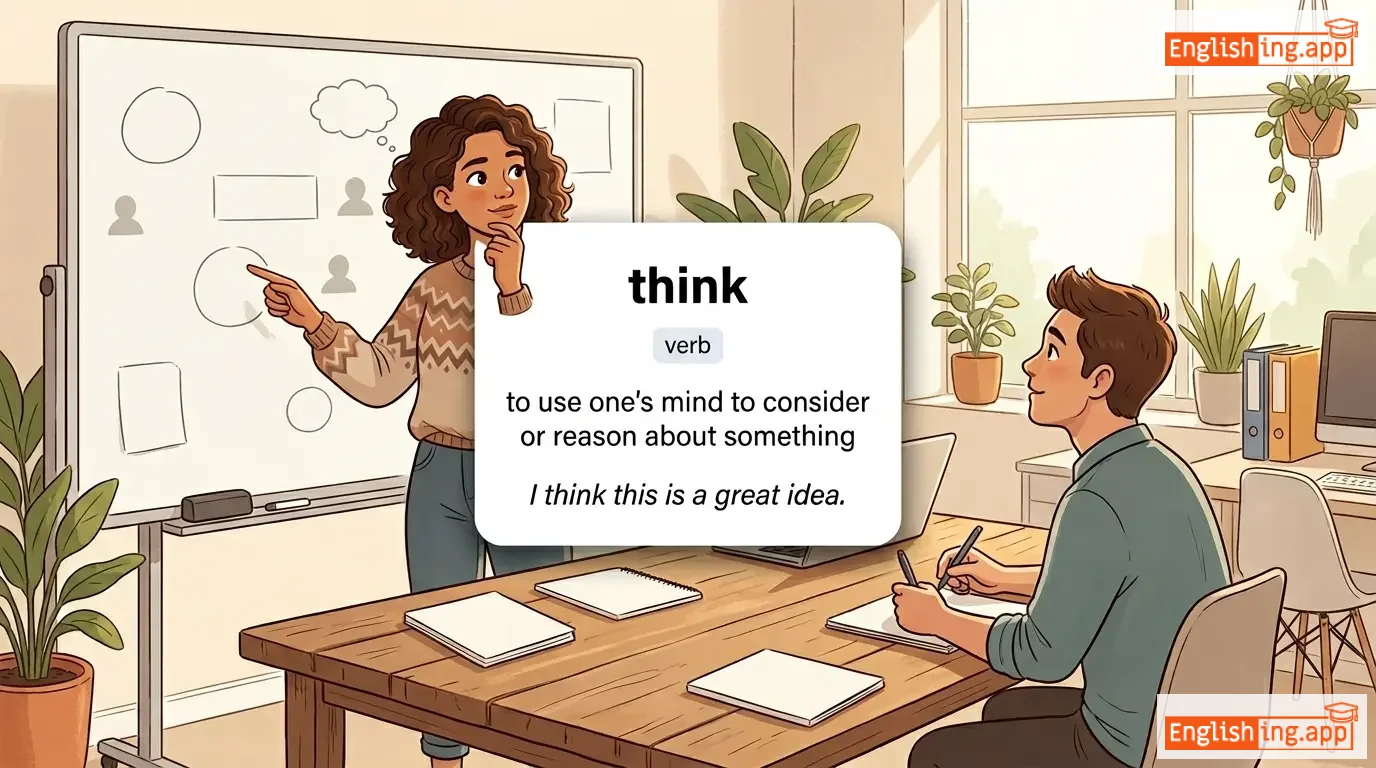
to use one's mind to consider or reason about something
••••••
|
I think this is a great idea.
私はこれが素晴らしいアイデアだと思います。
••••••
|
私はこれが素晴らしいアイデアだと思います。
Watashi wa kore ga subarashī aidea da to omoimasu.
••••••
|
Think twice
二度考えろ
••••••
|
Consider something carefully before making a decision
••••••
|
二度考えろ
Nido kangaero
••••••
|
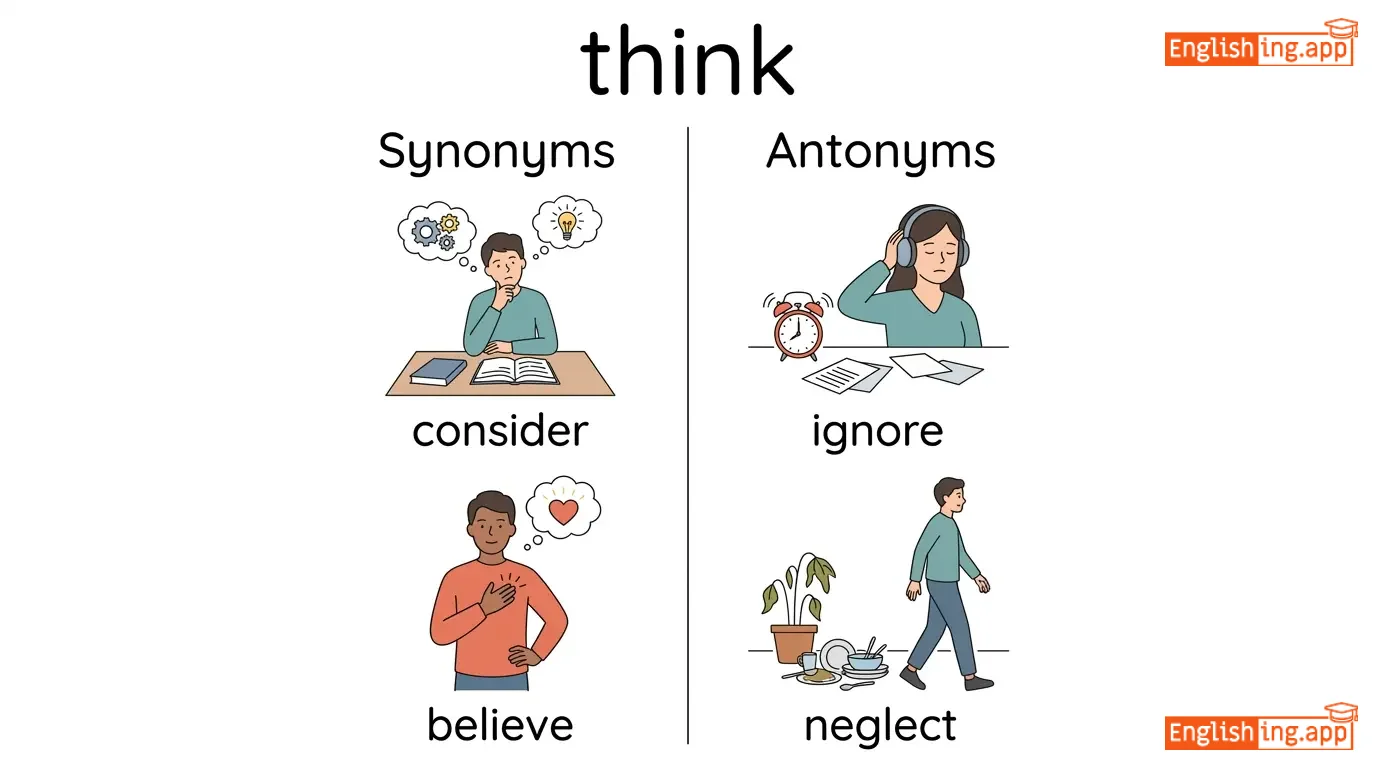
consider, believe, reflect, ponder
••••••
|
ignore, neglect
••••••
|
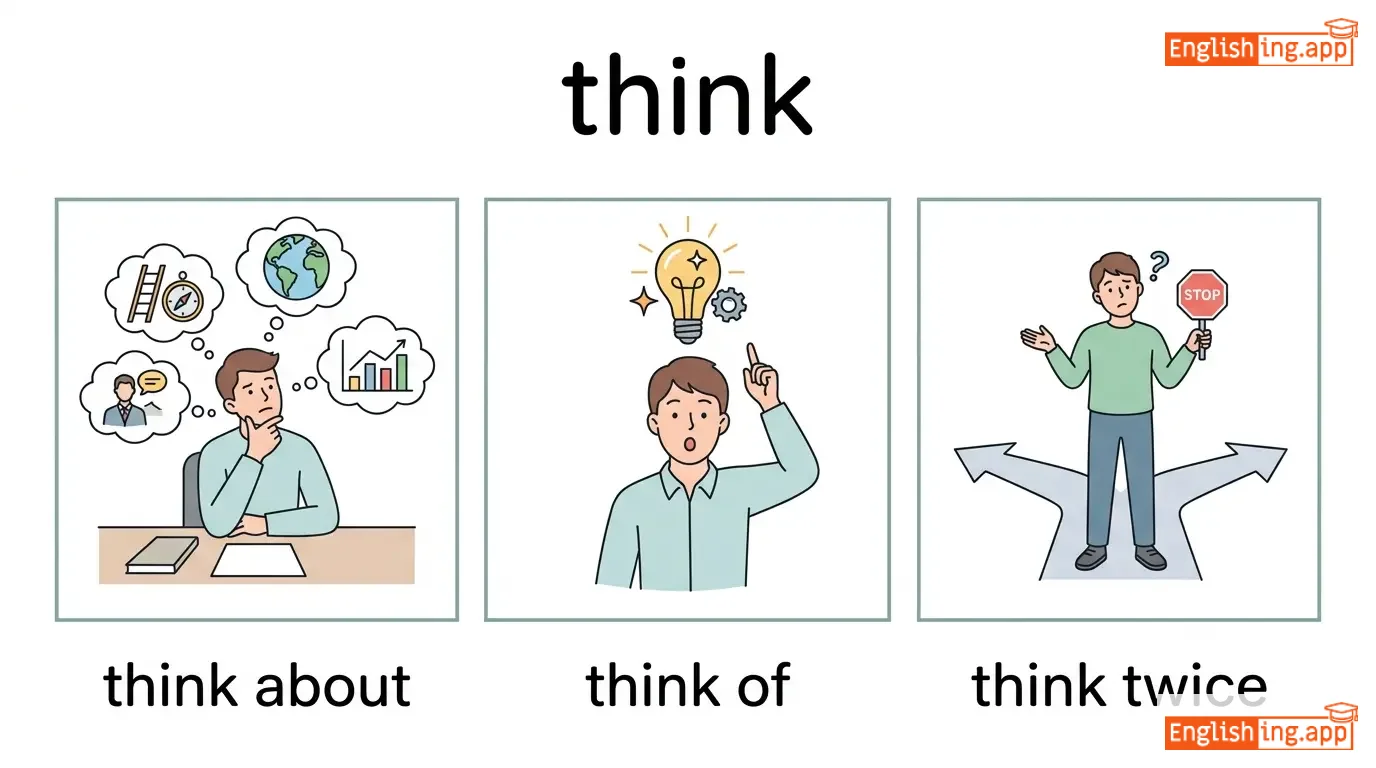
think about, think of, think twice, think hard
••••••
|
考えることは、心をリフレッシュして最適な選択を見つけるための鍵です。
••••••
|
|
#12146
🏈
|
/θroʊ/
verb
(スロー)
••••••
|
|
投げる
nageru
••••••
|
threw
スルー
••••••
|
thrown
スローン
••••••
|
throws
スローズ
••••••
|
throwing
スローイング
••••••
|
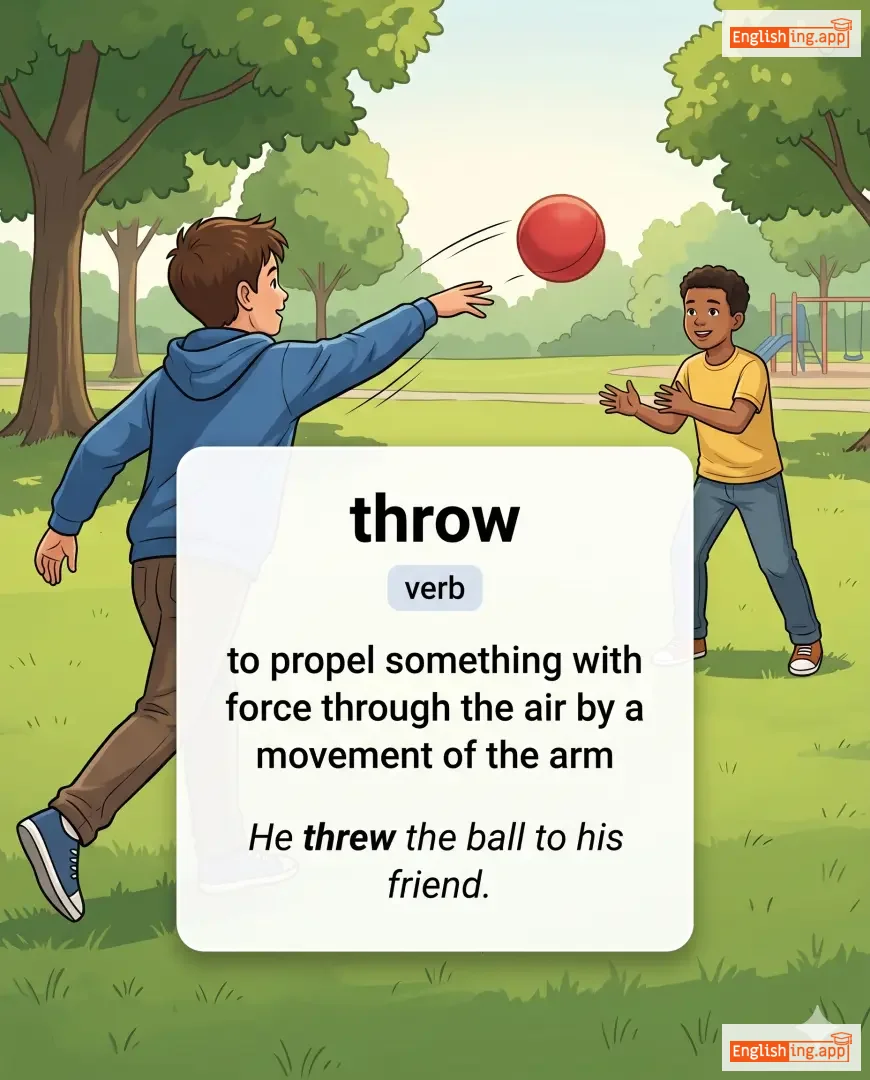
to propel something with force through the air by a movement of the arm
••••••
|
He threw the ball to his friend.
彼は友達にボールを投げました。
••••••
|
彼は友達にボールを投げました。
Kare wa tomodachi ni bōru o nage mashita.
••••••
|
throw in the towel
タオルを投げる
••••••
|
to give up or admit defeat
••••••
|
諦める
akirameru
••••••
|
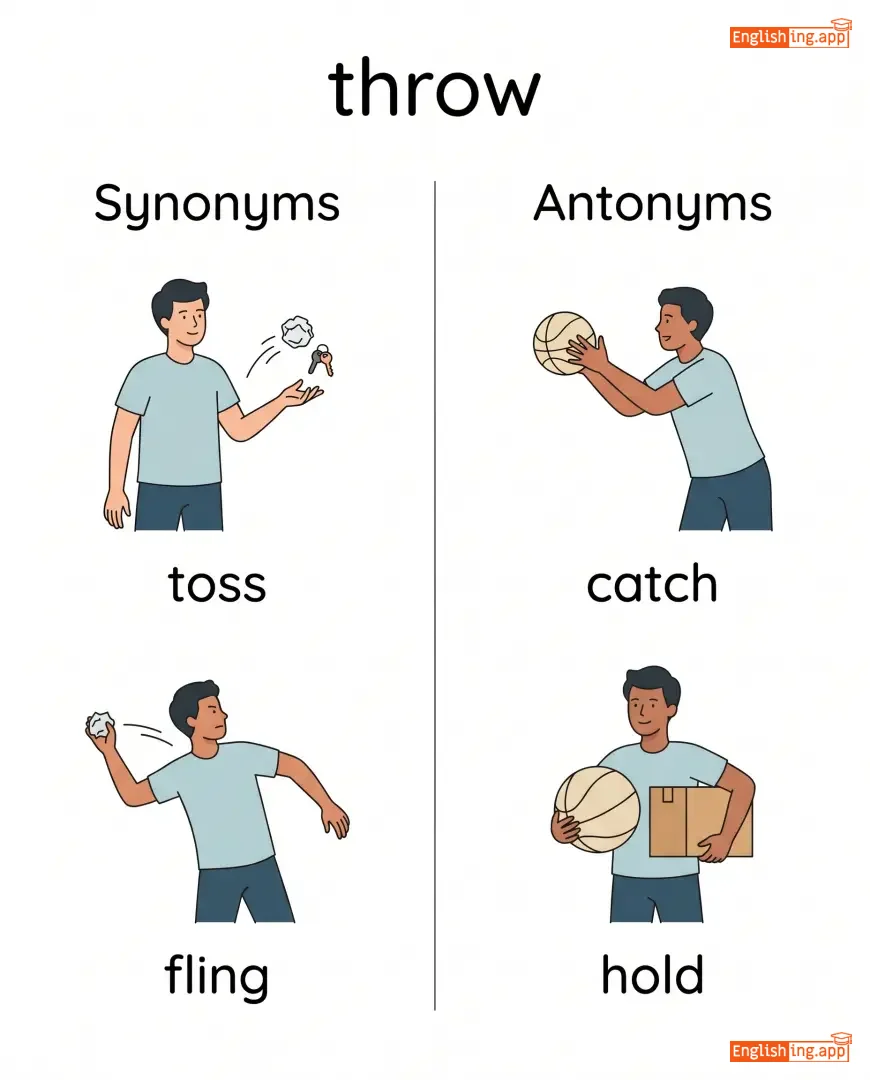
toss, fling, hurl, chuck
••••••
|
catch, hold
••••••
|
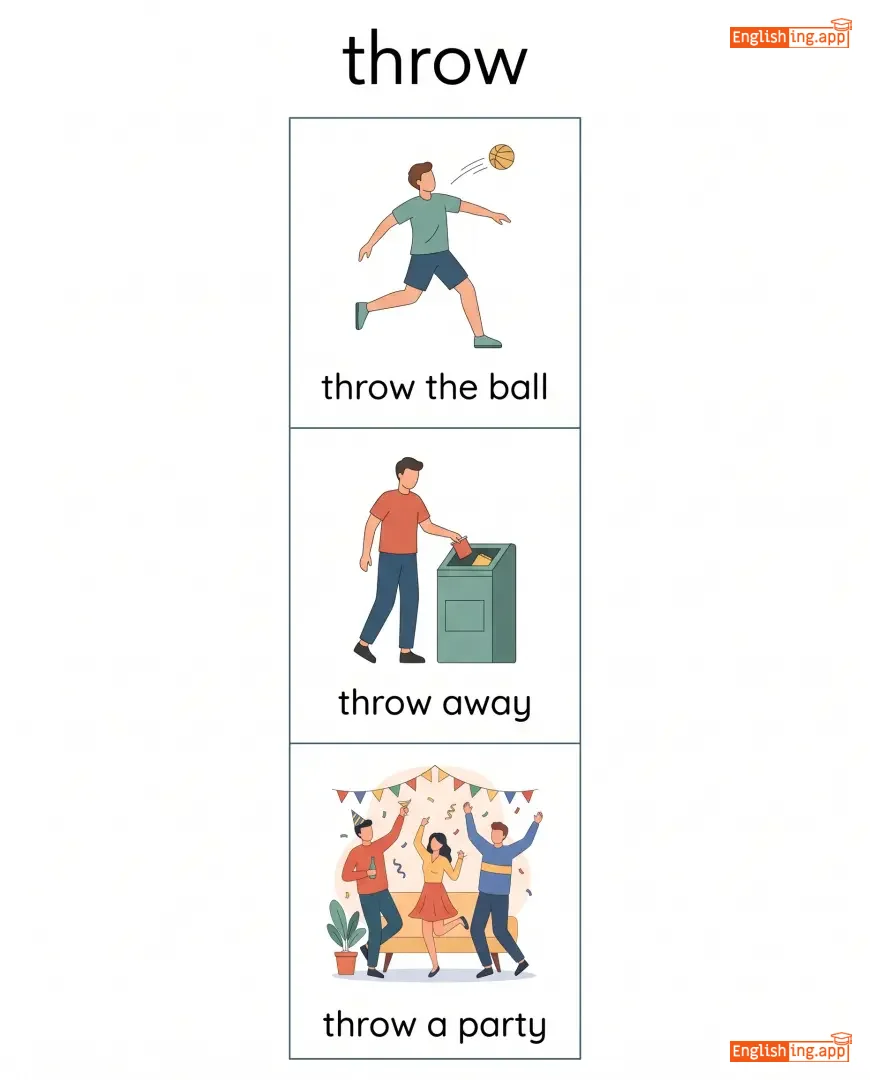
throw the ball, throw away, throw a party
••••••
|
ボールを投げて、最良の投げ方をしよう!
••••••
|
|
#12147
🌍
|
/θruːˈaʊt/
preposition
(スルーアウト)
••••••
|
- •••••• |
通して
tōshite
••••••
|
- •••••• | - •••••• | - •••••• | - •••••• |
in every part of a place or during the whole time of an event
••••••
|
She worked throughout the night. |
彼女は一晩中働き続けた。
Kanojo wa hitobanjuu hatarakitsudzuketa.
••••••
|
- •••••• | - •••••• | - •••••• |
all over, everywhere, during, across
••••••
|
none
••••••
|
throughout the day, throughout the country
••••••
|
Throughout = 時間を越えて、止まらずに。
••••••
|
|
#12148
➡️
|
/θruː/
preposition
(スルー)
••••••
|
- •••••• |
通過
tsuuka
••••••
|
- •••••• | - •••••• | - •••••• | - •••••• |
moving in one side and out the other side of something
••••••
|
The train passed through the tunnel.
列車はトンネルを通過しました。
••••••
|
列車はトンネルを通過しました。
Ressha wa tonneru o tsuuka shimashita.
••••••
|
- •••••• | - •••••• | - •••••• |
across, past, beyond, into
••••••
|
none
••••••
|
go through, pass through, walk through
••••••
|
Through sounds like crossing a bridge, moving from one side to the other.
••••••
|
|
#12149
🗣️
|
/θroʊt/
noun
(θroʊt)
••••••
|
- •••••• |
喉
koro
••••••
|
- •••••• | - •••••• | - •••••• | - •••••• |
the front part of the neck, containing the pharynx and larynx
••••••
|
He felt a lump in his throat while speaking. |
彼は話しているときに喉にしこりを感じました。
Kare wa hanashite iru toki ni nodo ni shikori o kanjimashita.
••••••
|
- •••••• | - •••••• | - •••••• |
neck, gullet
••••••
|
none
••••••
|
sore throat, clear your throat
••••••
|
Throat = nodo, 声と音の源。
••••••
|
|
#12150
3️⃣
|
/θriː/
numeral
(スリー)
••••••
|
- •••••• |
三
san
••••••
|
- •••••• | - •••••• | - •••••• | - •••••• |
the number equivalent to the sum of two and one
••••••
|
She has three dogs at home. |
彼女は家に三匹の犬を飼っています。
Kanojo wa ie ni sanbiki no inu o katteimasu.
••••••
|
- •••••• | - •••••• | - •••••• |
threefold, triple
••••••
|
none
••••••
|
three times, three people, three years
••••••
|
三は三人家族の中で幸運な数字です
••••••
|
|
#12151
⚠️
|
/ˈθrɛtən/
verb
(happiness)
••••••
|
|
幸せ
shiawase
••••••
|
threatened
••••••
|
threatened
••••••
|
threatens
••••••
|
threatening
••••••
|
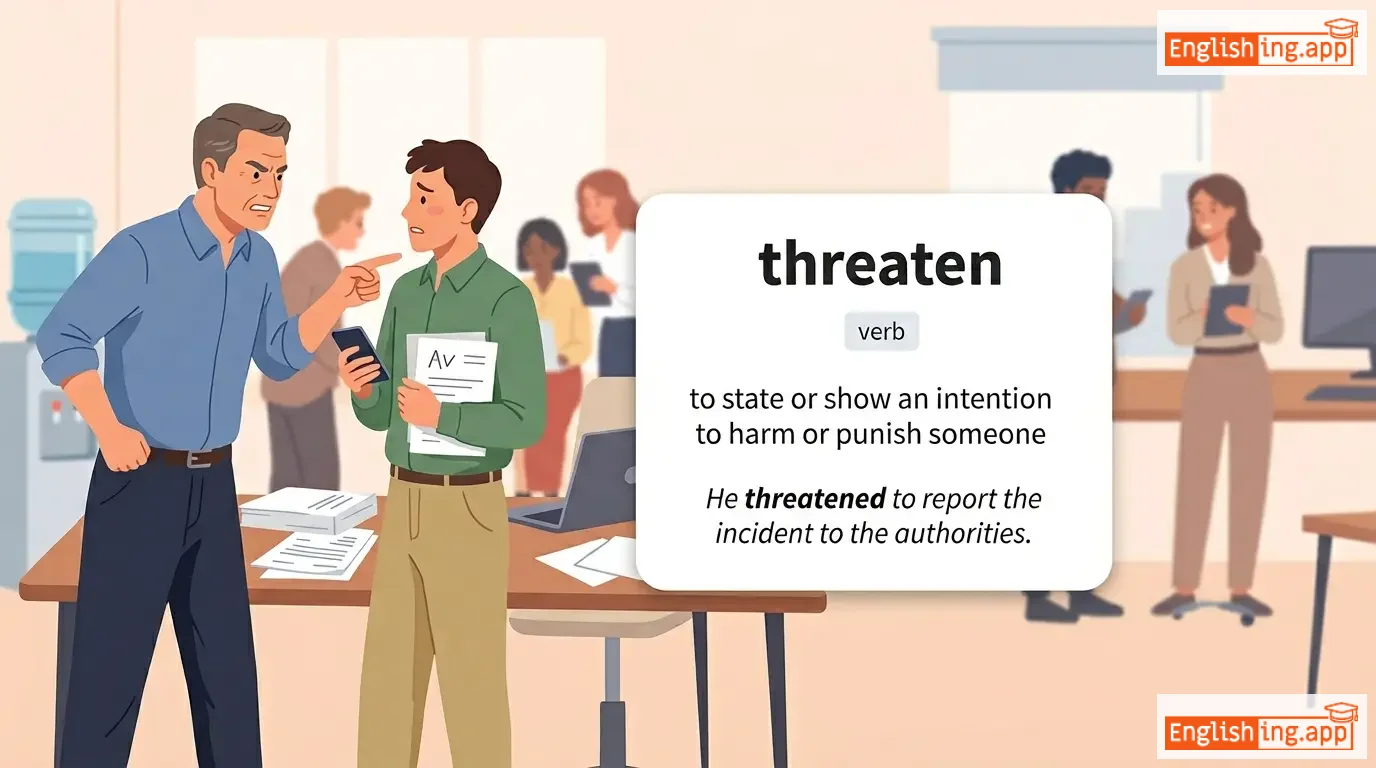
to state or show an intention to harm or punish someone
••••••
|
He threatened to report the incident to the authorities. |
彼女は賞を受け取ったとき、自分の幸せを隠せなかった。
Kanojo wa shō o uketotta toki, jibun no shiawase o kakusenakatta.
••••••
|
- •••••• | - •••••• | - •••••• |
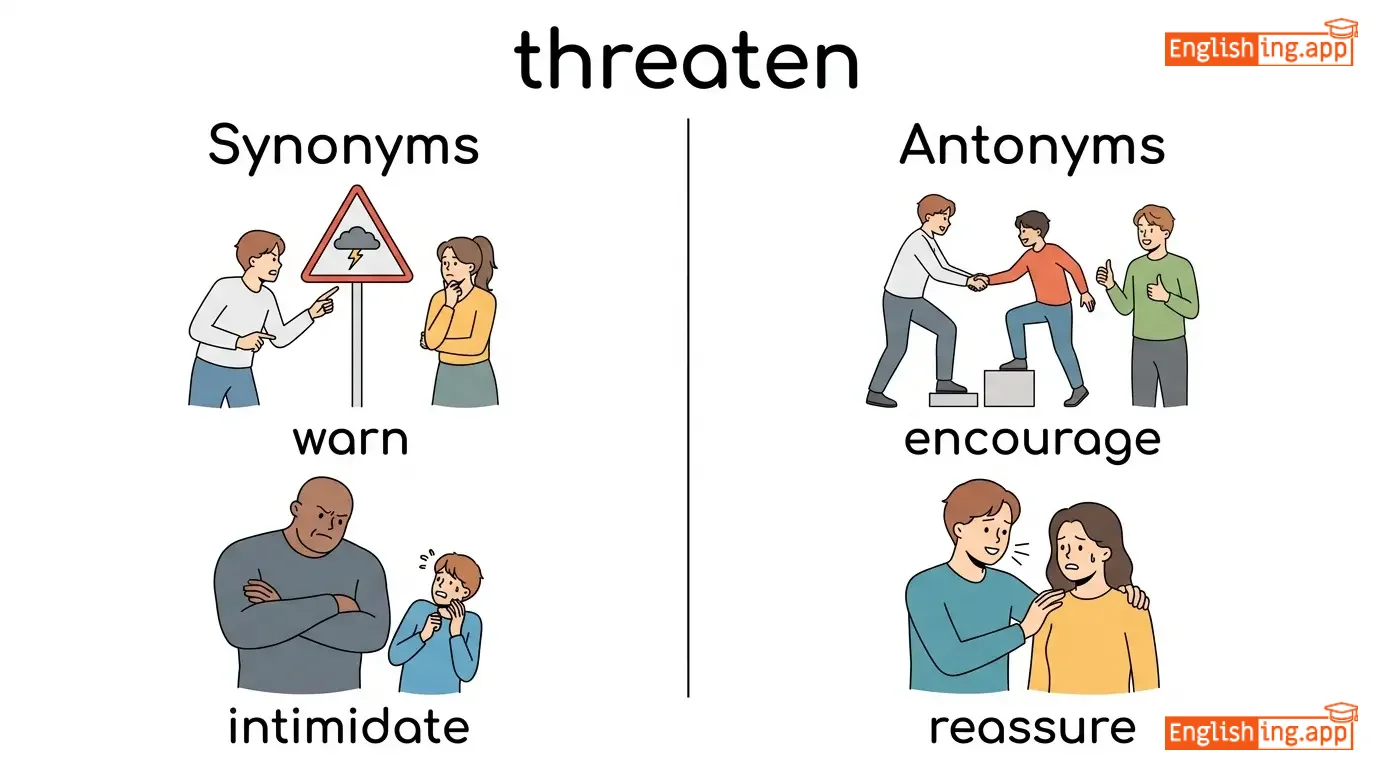
warn, intimidate, menace, coerce
••••••
|
encourage, reassure, support
••••••
|
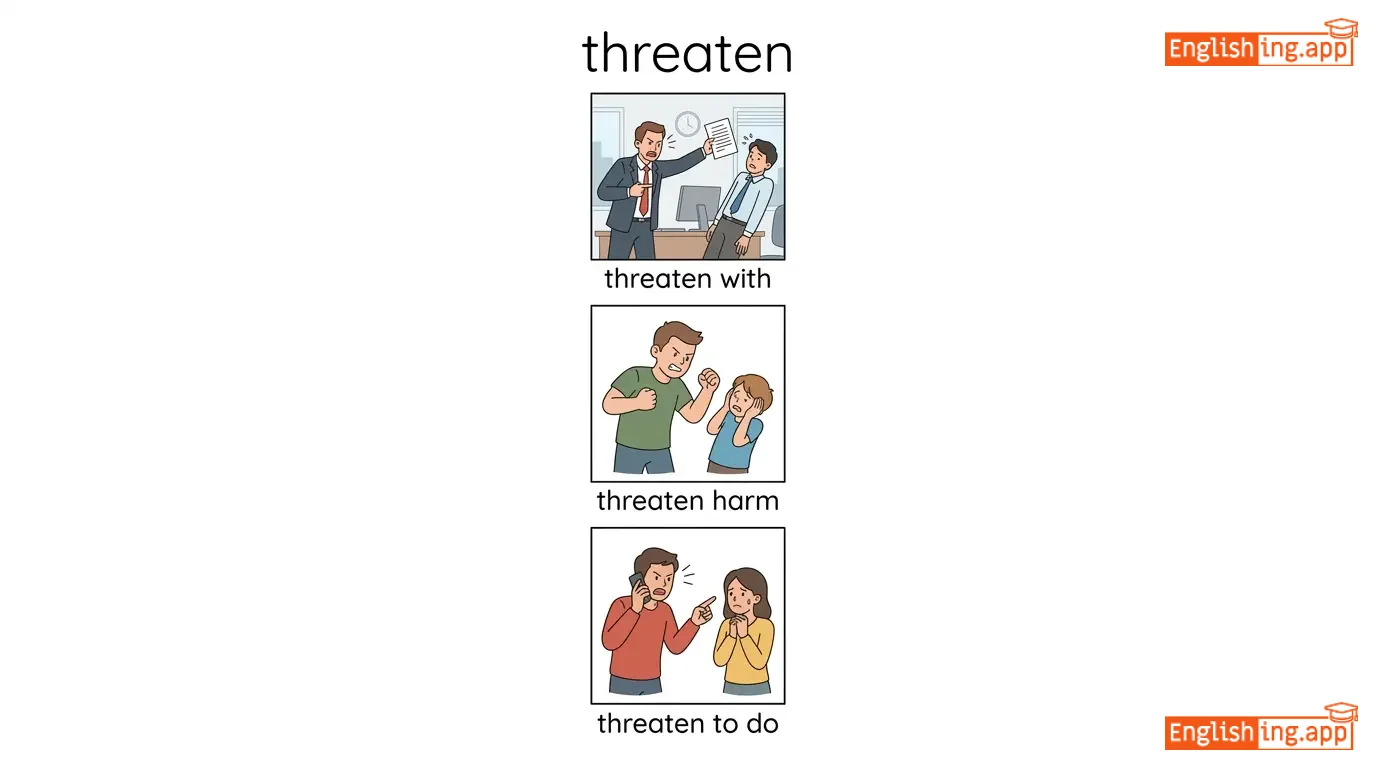
threaten with, threaten harm, threaten to do
••••••
|
幸せ(Shiawase)とHappiness、どちらも心の平和を意味します。
••••••
|
|
#12152
💯
|
/ˈθaʊzənd/
noun
(ˈθaʊzənd)
••••••
|
- •••••• |
千
sen
••••••
|
- •••••• | - •••••• | - •••••• | - •••••• |
the number equal to 10 hundred or 1,000
••••••
|
There were a thousand people at the concert. |
コンサートには千人がいました。
Konsāto ni wa sen-nin ga imashita.
••••••
|
- •••••• | - •••••• | - •••••• |
kilo, grand
••••••
|
one, few
••••••
|
thousand dollars, thousand people, thousand years
••••••
|
千人が歌うコンサート (Sennin ga utau konsāto)
••••••
|
|
#12153
💭
|
/θɔːt/
noun
(ソート)
••••••
|
- •••••• |
考え
kangae
••••••
|
- •••••• | - •••••• | - •••••• | - •••••• |
an idea or opinion produced by thinking or considering something
••••••
|
She had a sudden thought about the future. |
彼女は未来についての突然の考えを持っていた。
Kanojo wa mirai ni tsuite no totsuzen no kangae o motte ita.
••••••
|
- •••••• | - •••••• | - •••••• |
idea, notion, belief, concept
••••••
|
ignorance, uncertainty
••••••
|
deep thought, quick thought, passing thought
••••••
|
'考え' (kangae) は突然浮かぶ
••••••
|
|
#12154
🌧️
|
/ðoʊ/
conjunction
(zō)
••••••
|
- •••••• |
それでも
soredemo
••••••
|
- •••••• | - •••••• | - •••••• | - •••••• |
used to introduce a fact that makes the main statement of the sentence seem surprising or unexpected
••••••
|
Though it was raining, they still went outside. |
雨が降っていたにもかかわらず、彼らは外に出た。
Ame ga futte ita ni mo kakawarazu, karera wa soto ni deta.
••••••
|
- •••••• | - •••••• | - •••••• |
although, however, but
••••••
|
because, since
••••••
|
though difficult, though tired, though happy
••••••
|
'それでも' (soredemo) 雨が降っていても外に出る
••••••
|
|
#12155
👢
|
/ðoʊz/
pronoun
(ðoʊz)
••••••
|
- •••••• |
それら
sorera
••••••
|
- •••••• | - •••••• | - •••••• | - •••••• |
used to refer to people or things that are far away or distant in space, time, or thought
••••••
|
Those are the shoes I want. |
それらは私が欲しい靴です。
Sorera wa watashi ga hoshī kutsu desu.
••••••
|
- •••••• | - •••••• | - •••••• |
those ones, those people, those things
••••••
|
this, these
••••••
|
those shoes, those days, those people
••••••
|
遠くの 'それら' (sorera)
••••••
|
|
#12156
📖
|
/ðɪs/
pronoun
(ディス)
••••••
|
- •••••• |
これ
kore
••••••
|
- •••••• | - •••••• | - •••••• | - •••••• |
used to refer to a person or thing that is close or near in space, time, or thought
••••••
|
This is my favorite book. |
これは私のお気に入りの本です。
Kore wa watashi no okiniiri no hon desu.
••••••
|
- •••••• | - •••••• | - •••••• |
this one, here, these
••••••
|
that, those
••••••
|
this book, this place, this idea
••••••
|
これ (kore) はあなたの近くにあるものを指すときに使います。
••••••
|
|
#12157
3️⃣0️⃣
|
/ˈθɜrti/
adjective
(サーティ)
••••••
|
- •••••• |
三十
san-ju
••••••
|
- •••••• | - •••••• | - •••••• | - •••••• |
equivalent to the number 30
••••••
|
He is thirty years old. |
彼は三十歳です。
Kare wa san-ju sai desu.
••••••
|
- •••••• | - •••••• | - •••••• |
thirtieth
••••••
|
twenty, forty
••••••
|
thirty years old, thirty days, thirty minutes
••••••
|
To remember 'thirty', think of the number 30 (3️⃣0️⃣).
••••••
|
|
#12158
3️⃣
|
/θɜrd/
adjective
(サード)
••••••
|
- •••••• |
三番目
sanbanme
••••••
|
- •••••• | - •••••• | - •••••• | - •••••• |
constituting number three in a sequence
••••••
|
She finished in third place. |
彼女は三番目に終わった。
Kanojo wa sanbanme ni owatta.
••••••
|
- •••••• | - •••••• | - •••••• |
thirdly, tertiary, trinal
••••••
|
first, second
••••••
|
third place, third time, third attempt
••••••
|
「三番目」のメダル(🥉)を思い出してください。
••••••
|
|
#12159
💭
|
/ˈθɪŋkɪŋ/
noun
(ˈθɪŋkɪŋ)
••••••
|
- •••••• |
考え
kangae
••••••
|
- •••••• | - •••••• | - •••••• | - •••••• |
the process of considering or reasoning about something
••••••
|
Her thinking was clear and precise. |
彼女の考えは明確で正確でした。
Kanojo no kangae wa meikaku de seikaku deshita.
••••••
|
- •••••• | - •••••• | - •••••• |
thought, contemplation, reflection, reasoning
••••••
|
ignorance, confusion
••••••
|
critical thinking, logical thinking, abstract thinking
••••••
|
In Japanese, '考え' means thinking, like putting ideas together in your mind.
••••••
|
|
#12160
👉
|
/ðæt/
pronoun
(ðæt)
••••••
|
- •••••• |
それ
sore
••••••
|
- •••••• | - •••••• | - •••••• | - •••••• |
used to identify a specific person or thing observed or heard
••••••
|
That is my book on the table.
それは私の本です、テーブルの上に。
••••••
|
それは私の本です、テーブルの上に。
Sore wa watashi no hon desu, tēburu no ue ni.
••••••
|
- •••••• | - •••••• | - •••••• |
this, it, the one
••••••
|
those, these
••••••
|
that book, that person, that idea
••••••
|
That - それ (Sore) 本はテーブルの上
••••••
|
|
#12161
📦
|
/θɪŋ/
noun
(θɪŋ)
••••••
|
- •••••• |
物
mono
••••••
|
- •••••• | - •••••• | - •••••• | - •••••• |
an object, idea, or matter that is being referred to or dealt with
••••••
|
This is the thing I was looking for. |
これは私が探していた物です。
Kore wa watashi ga sagashite ita mono desu.
••••••
|
- •••••• | - •••••• | - •••••• |
item, object, matter, article
••••••
|
nothing, nonentity
••••••
|
the thing, a thing, important thing, one thing
••••••
|
Think of a 'thing' as a 'mono' (物) that you always find somewhere.
••••••
|
|
#12162
🪶
|
/θɪn/
adjective
(シン)
••••••
|
- •••••• |
薄い
usui
••••••
|
- •••••• | - •••••• | - •••••• | - •••••• |
having little thickness or width
••••••
|
She wore a thin scarf in the winter.
彼女は冬に薄いスカーフを着ていました。
••••••
|
彼女は冬に薄いスカーフを着ていました。
Kanojo wa fuyu ni usui sukāfu o kite imashita.
••••••
|
- •••••• | - •••••• | - •••••• |
slim, slender, narrow
••••••
|
thick, wide
••••••
|
thin paper, thin hair, thin layer
••••••
|
Thin as in a feather - 薄い、羽のように。
••••••
|
|
#12163
👫
|
/ðeɪ/
pronoun
(ðeɪ)
••••••
|
- •••••• |
彼ら
karera
••••••
|
- •••••• | - •••••• | - •••••• | - •••••• |
used to refer to people or things previously mentioned or easily identified
••••••
|
They are going to the park. |
彼らは公園に行きます。
Karera wa kōen ni ikimasu.
••••••
|
- •••••• | - •••••• | - •••••• |
them, those, these
••••••
|
I, we
••••••
|
they are, they have, they will
••••••
|
They are our friends - 彼らは私たちの友達です。
••••••
|
|
#12164
👥
|
/ðiːz/
pronoun
(ðiz)
••••••
|
- •••••• |
これら
korera
••••••
|
- •••••• | - •••••• | - •••••• | - •••••• |
used to refer to things or people that are near or present
••••••
|
These are my friends. |
これらは私の友達です。
Korera wa watashi no tomodachi desu.
••••••
|
- •••••• | - •••••• | - •••••• |
this, those, such
••••••
|
those
••••••
|
these things, these people, these books
••••••
|
These things are close to me - これらのものは私の近くにあります。
••••••
|
|
#12165
➡️
|
/ðɛəˈfɔː/
conjunction
••••••
|
- •••••• | - •••••• | - •••••• | - •••••• | - •••••• | - •••••• |
for that reason; because of that
••••••
|
She was tired; therefore, she went to bed early. |
- •••••• | - •••••• | - •••••• | - •••••• |
thus, hence, so, accordingly
••••••
|
nevertheless, however
••••••
|
therefore, therefore decided, therefore necessary
••••••
|
No •••••• |
|
#12166
📍
|
/ðɛə/
adverb
(ðɛə)
••••••
|
- •••••• |
そこ
soko
••••••
|
- •••••• | - •••••• | - •••••• | - •••••• |
in, at, or to that place or position
••••••
|
We are going there tomorrow. |
私たちは明日そこに行きます。
Watashitachi wa ashita soko ni ikimasu.
••••••
|
- •••••• | - •••••• | - •••••• |
here, in that place, at that location
••••••
|
here, nowhere
••••••
|
be there, go there, get there, come here
••••••
|
There’s a place, it’s over there - あなたはそこにいます。
••••••
|
|
#12167
💆♀️
|
/ˈθɛrəpi/
noun
(セラピー)
••••••
|
|
セラピー
serapii
••••••
|
- •••••• | - •••••• | - •••••• | - •••••• |
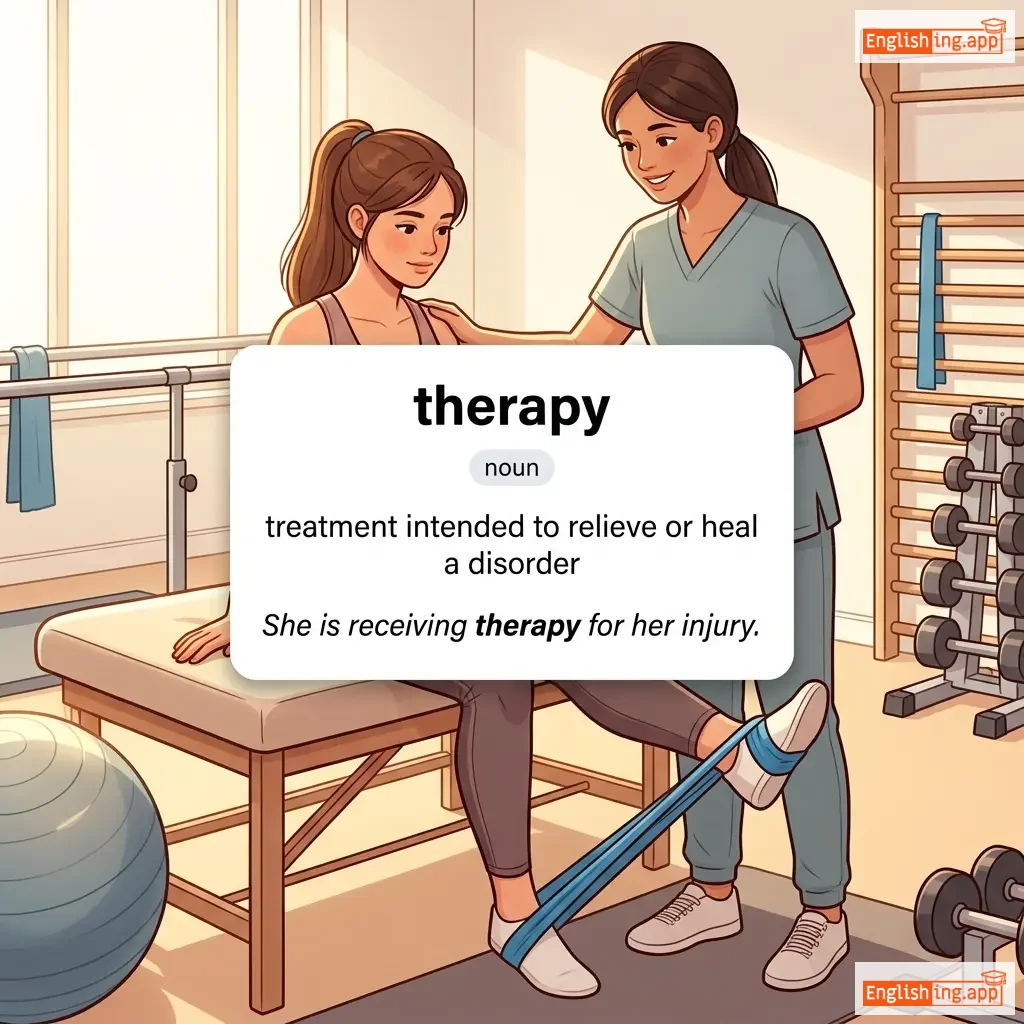
treatment intended to relieve or heal a disorder
••••••
|
She is receiving therapy for her injury.
彼女は怪我のためにセラピーを受けています。
••••••
|
彼女は怪我のためにセラピーを受けています。
Kanojo wa kega no tame ni serapii o uketeimasu.
••••••
|
- •••••• | - •••••• | - •••••• |
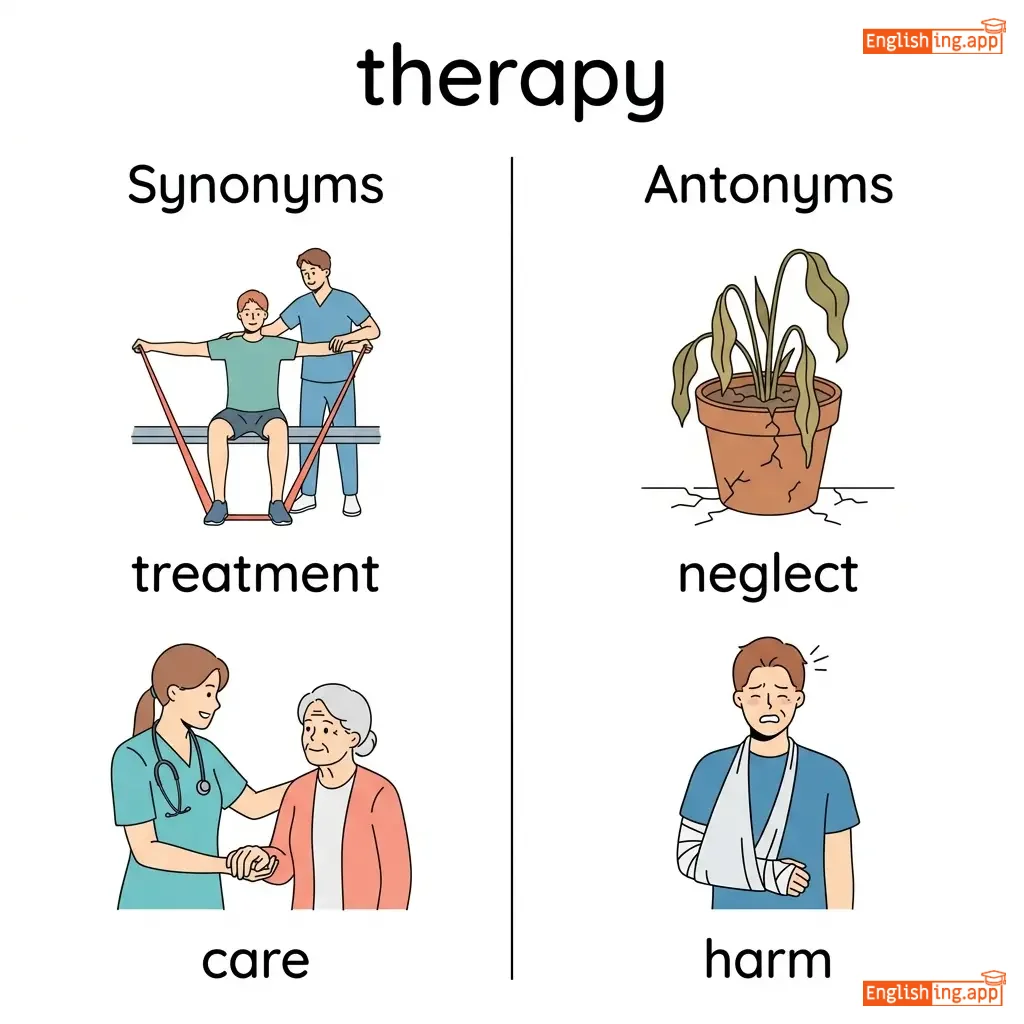
treatment, care, healing, rehabilitation
••••••
|
neglect, harm
••••••
|
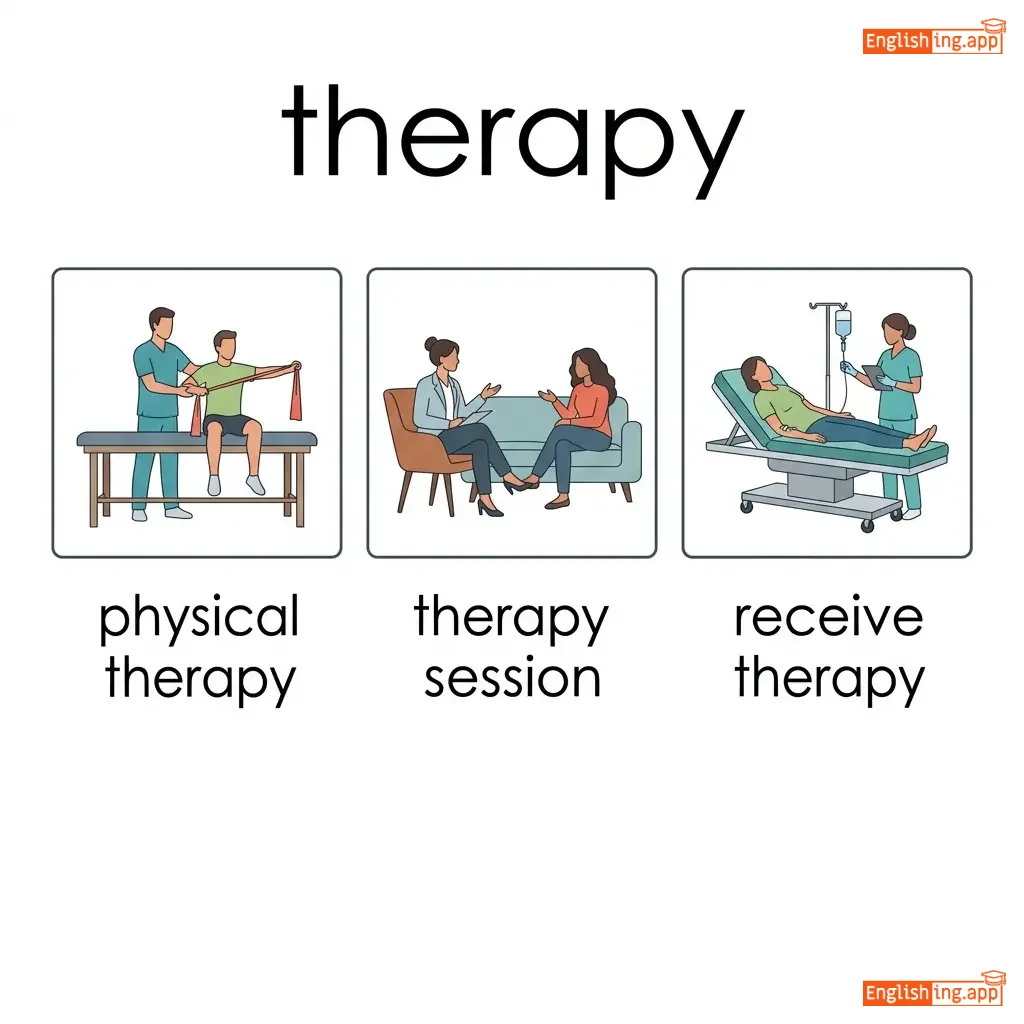
physical therapy, therapy session, receive therapy
••••••
|
セラピー (therapy) は身体と心を癒す助けになります
••••••
|
|
#12168
⏳
|
/ðɛn/
adverb
(zen)
••••••
|
- •••••• |
それから
sorekara
••••••
|
- •••••• | - •••••• | - •••••• | - •••••• |
at that time; next in order of time or place
••••••
|
We went to the park, and then we had lunch.
公園に行って、その後昼食をとりました。
••••••
|
公園に行って、その後昼食をとりました。
Kōen ni itte, sono ato chūshoku o torimashita.
••••••
|
back then
その時
••••••
|
used to refer to a time in the past
••••••
|
その時
sono toki
••••••
|
afterward, subsequently, later, next
••••••
|
before
••••••
|
then what, then go, then what happened
••••••
|
それから (then) 過去の時間を思い出すために
••••••
|
|
#12169
💪
|
/ðəmˈsɛlvz/
pronoun
(ðəmˈsɛlvz)
••••••
|
- •••••• |
自分で
jibun de
••••••
|
- •••••• | - •••••• | - •••••• | - •••••• |
used to emphasize the subject of the sentence or to refer to the subject doing something to itself
••••••
|
They fixed the problem themselves. |
彼らは自分で問題を解決しました。
Karera wa jibun de mondai o kaiketsu shimashita.
••••••
|
- •••••• | - •••••• | - •••••• |
themselves alone, personally, independently
••••••
|
none
••••••
|
do it themselves, solve it themselves, they themselves
••••••
|
自分で (jibun de) は自分の力で問題を解決
••••••
|
|
#12170
🎨
|
/θiːm/
noun
(テーマ)
••••••
|
|
テーマ
teema
••••••
|
- •••••• | - •••••• | - •••••• | - •••••• |
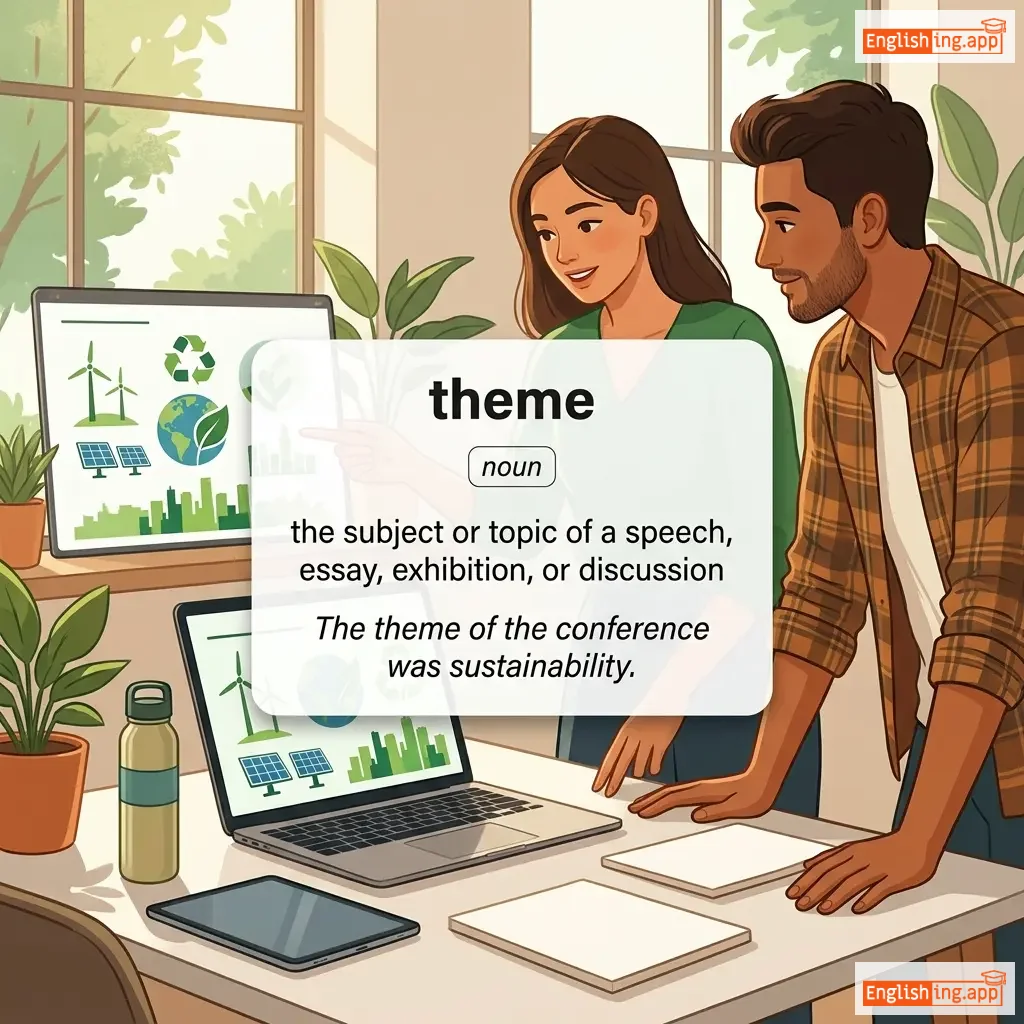
the subject or topic of a speech, essay, exhibition, or discussion
••••••
|
The theme of the conference was sustainability. |
会議のテーマは持続可能性でした。
Kaigi no teema wa jizoku kanousei deshita.
••••••
|
- •••••• | - •••••• | - •••••• |
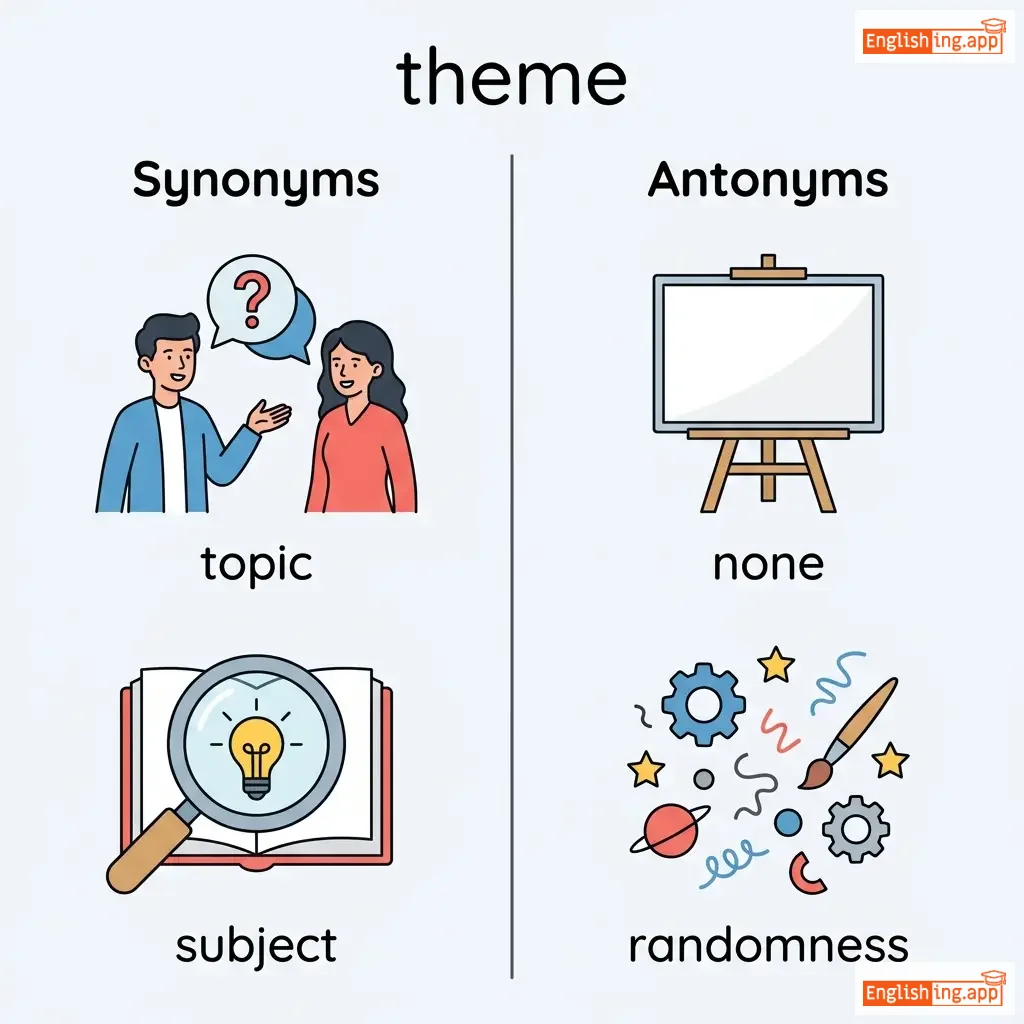
topic, subject, motif, idea
••••••
|
none
••••••
|
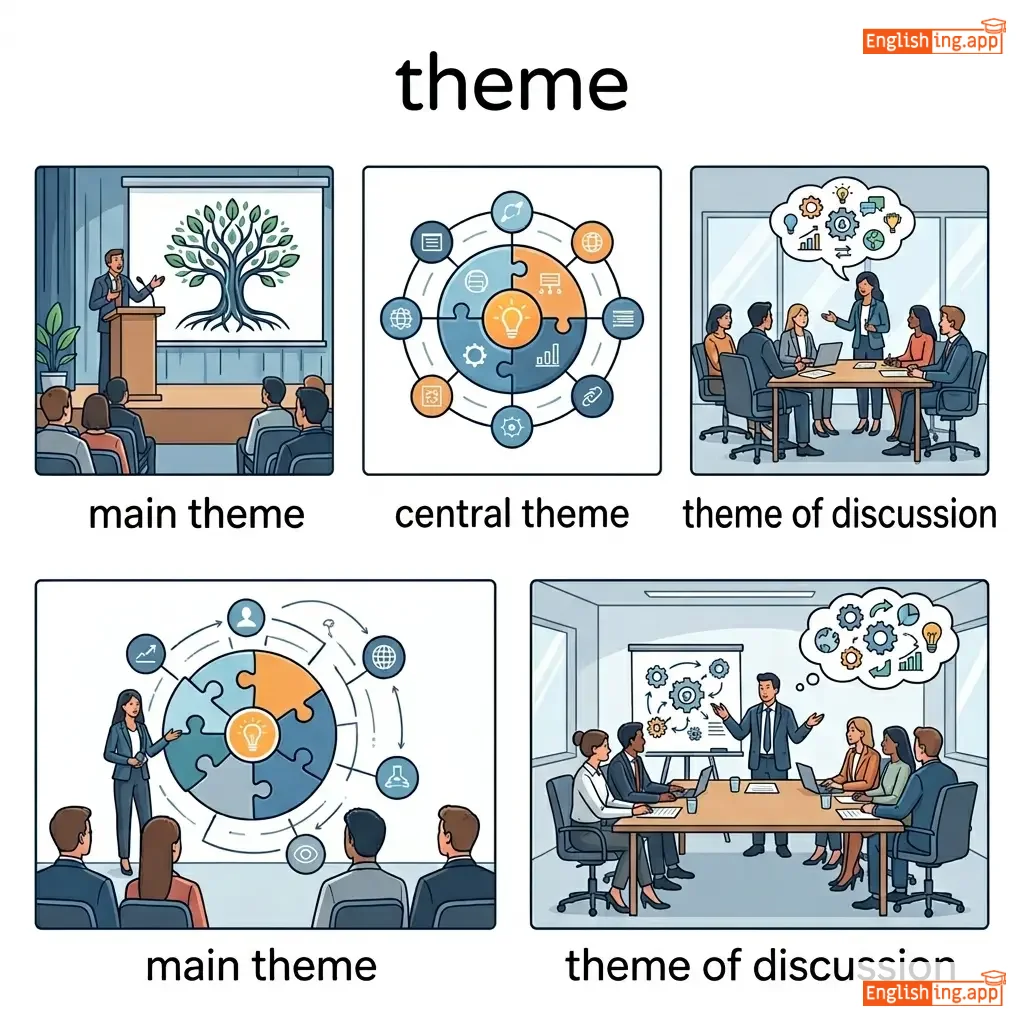
main theme, central theme, theme of discussion
••••••
|
テーマ (teema) は発表の根幹
••••••
|
|
#12171
👥
|
/ðɛm/
pronoun
(ðɛm)
••••••
|
- •••••• |
彼ら
karera
••••••
|
- •••••• | - •••••• | - •••••• | - •••••• |
used to refer to people or things previously mentioned or easily identified
••••••
|
I saw them at the park yesterday. |
昨日、公園で彼らを見かけました。
Kinō, kōen de karera o mikakemashita.
••••••
|
- •••••• | - •••••• | - •••••• |
they, those, these
••••••
|
none
••••••
|
see them, tell them, help them
••••••
|
彼ら (them) はどこにでもいます!
••••••
|
|
#12172
👨👩👧👦
|
/ðɛər/
pronoun
(ðɛər)
••••••
|
- •••••• |
彼らの
karera no
••••••
|
- •••••• | - •••••• | - •••••• | - •••••• |
belonging to or associated with the people or things previously mentioned
••••••
|
Their house is on the corner. |
彼らの家は角にあります。
Karera no ie wa kado ni arimasu.
••••••
|
- •••••• | - •••••• | - •••••• |
his, her, its
••••••
|
my, your
••••••
|
their car, their family, their opinion
••••••
|
Their - 彼らの家
••••••
|
|
#12173
🎭
|
/ˈθiːətər/
noun
(シアター)
••••••
|
- •••••• |
劇場
gekijou
••••••
|
- •••••• | - •••••• | - •••••• | - •••••• |
a building or area for dramatic performances
••••••
|
We are going to the theater tonight. |
今夜、私たちは劇場に行きます。
Kon'ya, watashitachi wa gekijou ni ikimasu.
••••••
|
- •••••• | - •••••• | - •••••• |
playhouse, cinema, auditorium
••••••
|
open-air, outdoor
••••••
|
movie theater, local theater, drama theater
••••••
|
劇場 - あなたが劇を観る場所
••••••
|
|
#12174
🌞
|
/ðə/
article
••••••
|
- •••••• | - •••••• | - •••••• | - •••••• | - •••••• | - •••••• |
used to specify a noun as something already mentioned or known
••••••
|
The sun rises in the east. |
- •••••• | - •••••• | - •••••• | - •••••• |
this, that
••••••
|
- •••••• |
the best, the first, the last
••••••
|
No •••••• |
Vocabulary Quiz
Test your vocabulary by matching words with their translations or meanings.
Login to take the quiz
Comments (0)
Share your thoughts and join the discussion.
Join the discussion by logging in
Login to CommentNo comments yet
Be the first to share your thoughts!