

翻訳
過去
過去分詞
三人称単数
動名詞
意味
例文
例文の翻訳
同義語
対義語
コロケーション
ニーモニック

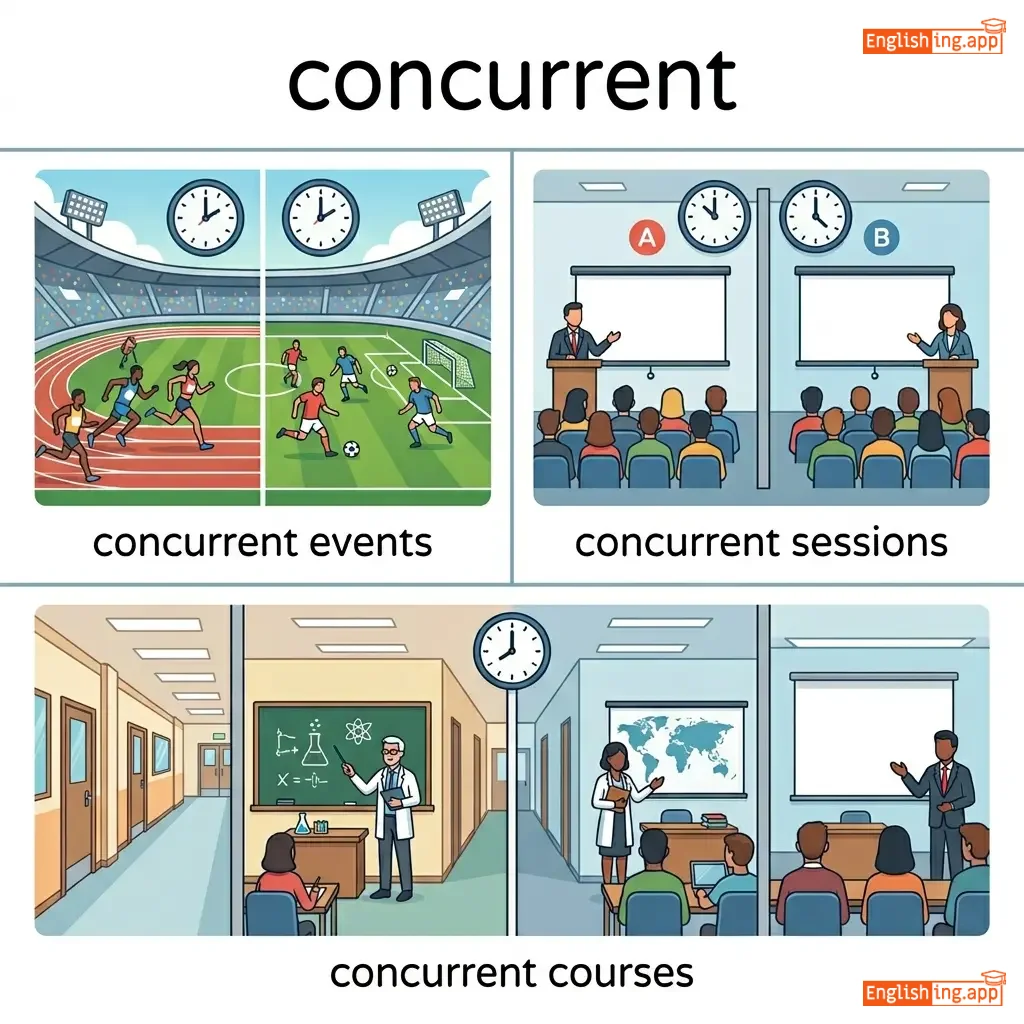
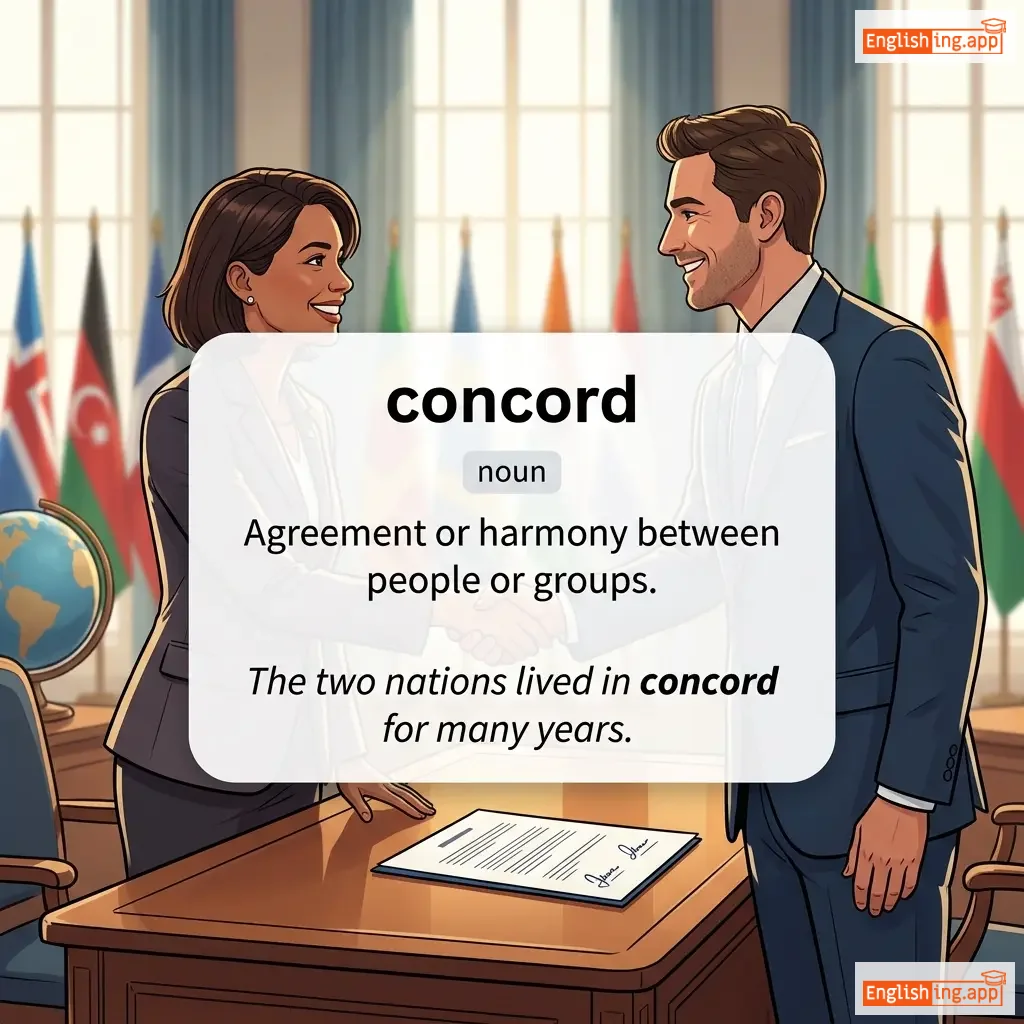
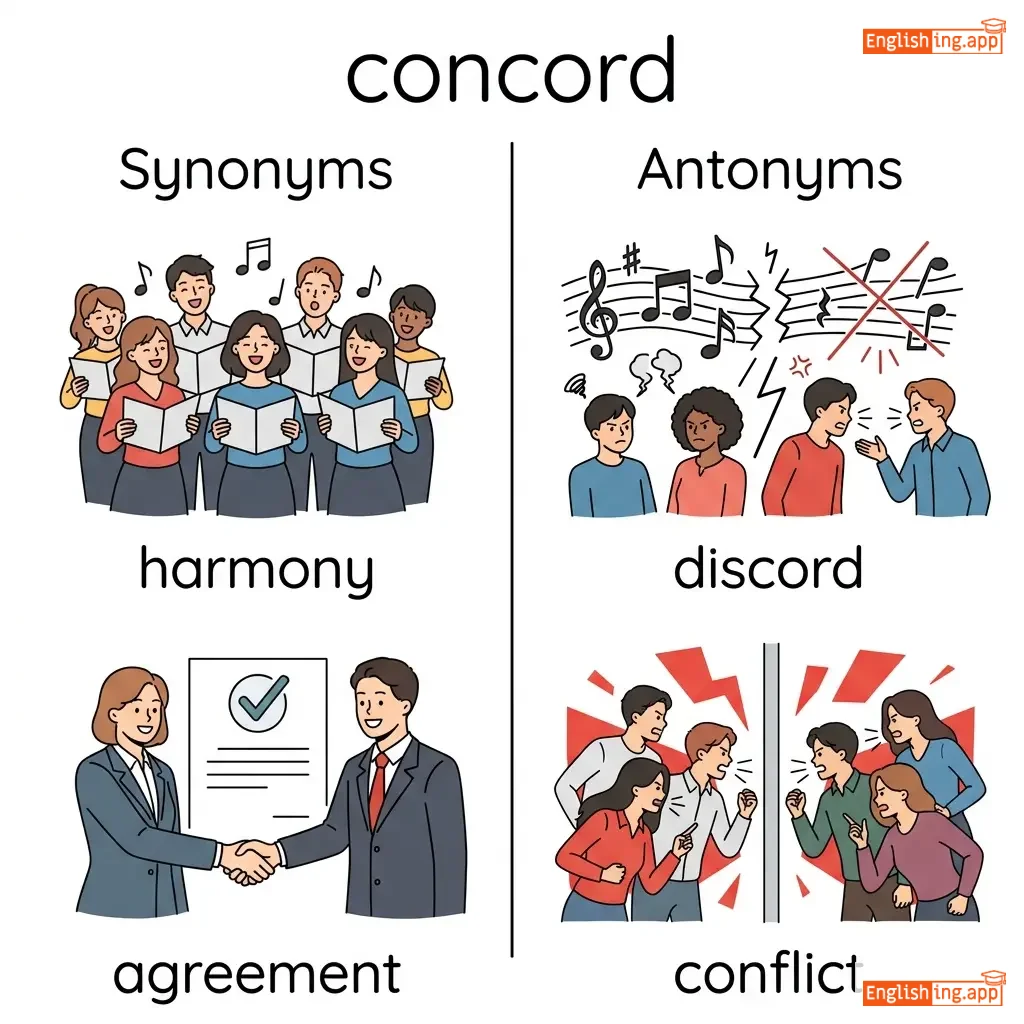
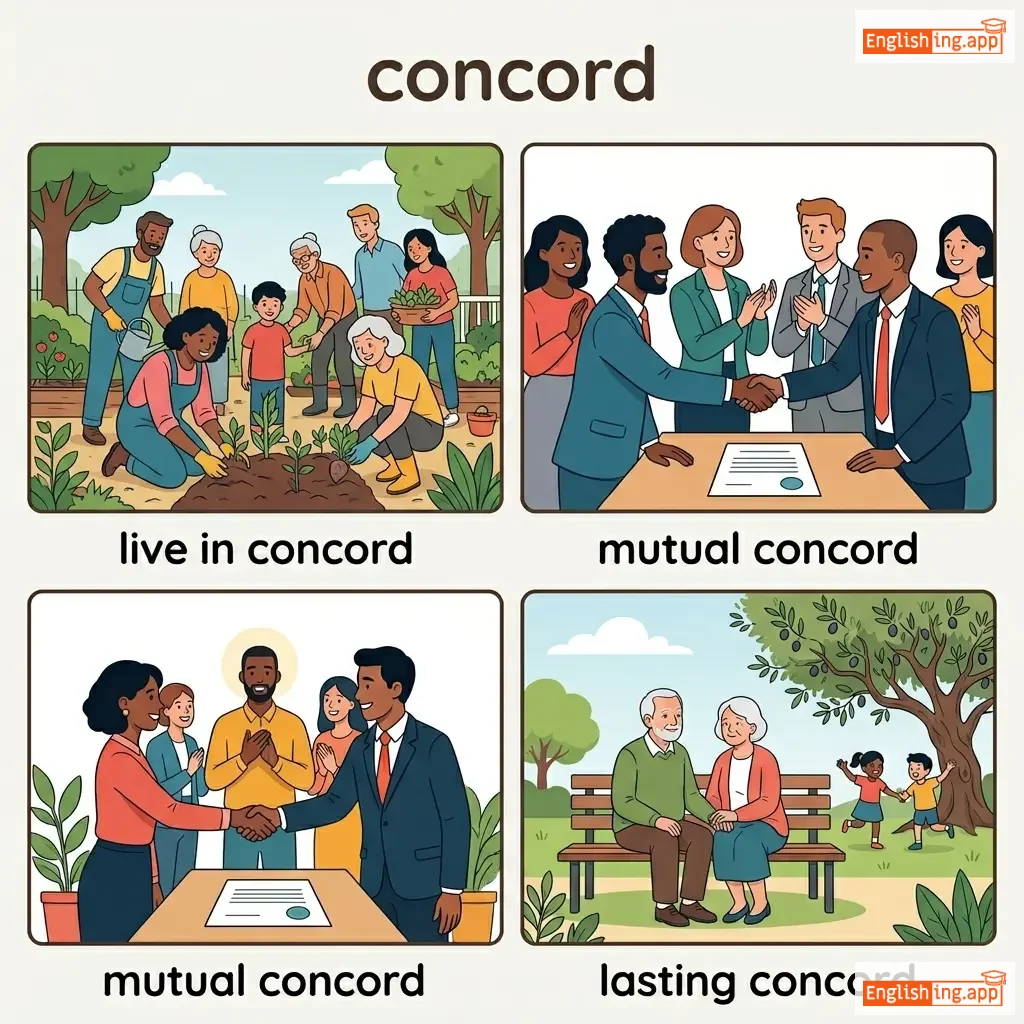
Swipe left or right, or use the buttons. Tap image to zoom.
例文の翻訳
単語
Lesson 57Lesson 57 - マスクトグル
|
絵文字
|
単語 | Images | 翻訳 | 過去 | 過去分詞 | 三人称単数 | 動名詞 | 意味 | 例文 | 例文の翻訳 | 表現例 | 表現例の意味 | 表現例の翻訳 | 同義語 | 対義語 | コロケーション | ニーモニック |
|---|---|---|---|---|---|---|---|---|---|---|---|---|---|---|---|---|---|
|
#1681
📄
|
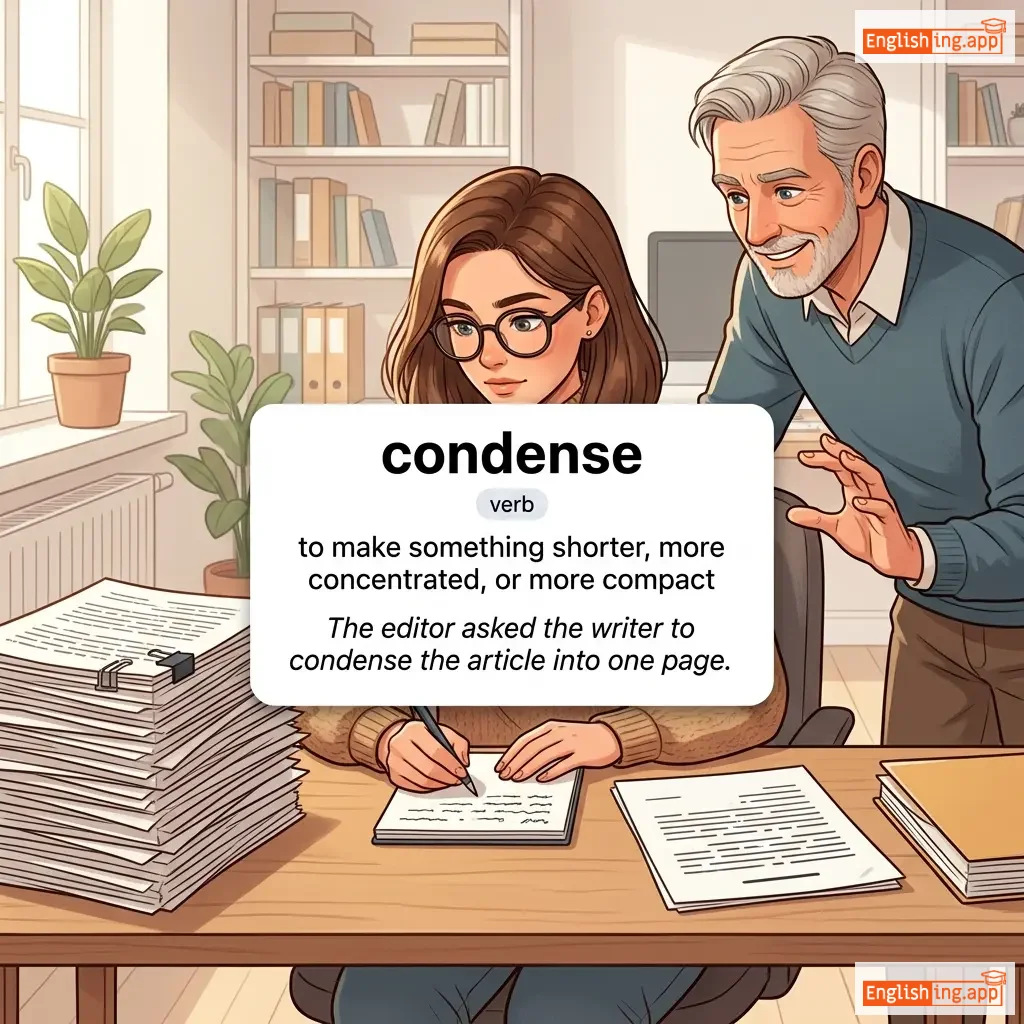
/kənˈdɛns/
verb
(コンデンス)
••••••
|
|
要約する
yōyaku suru
••••••
|
condensed
コンデンスド
••••••
|
condensed
コンデンスド
••••••
|
condenses
コンデンスズ
••••••
|
condensing
コンデンシング
••••••
|
to make something shorter, more concentrated, or more compact
••••••
|
The editor asked the writer to condense the article into one page.
編集者は作家に記事を1ページに要約するように頼みました。
••••••
|
編集者は作家に記事を1ページに要約するように頼みました。
Henshū-sha wa sakka ni kiji o 1 pēji ni yōyaku suru yō ni tanomimashita.
••••••
|
- •••••• | - •••••• | - •••••• |
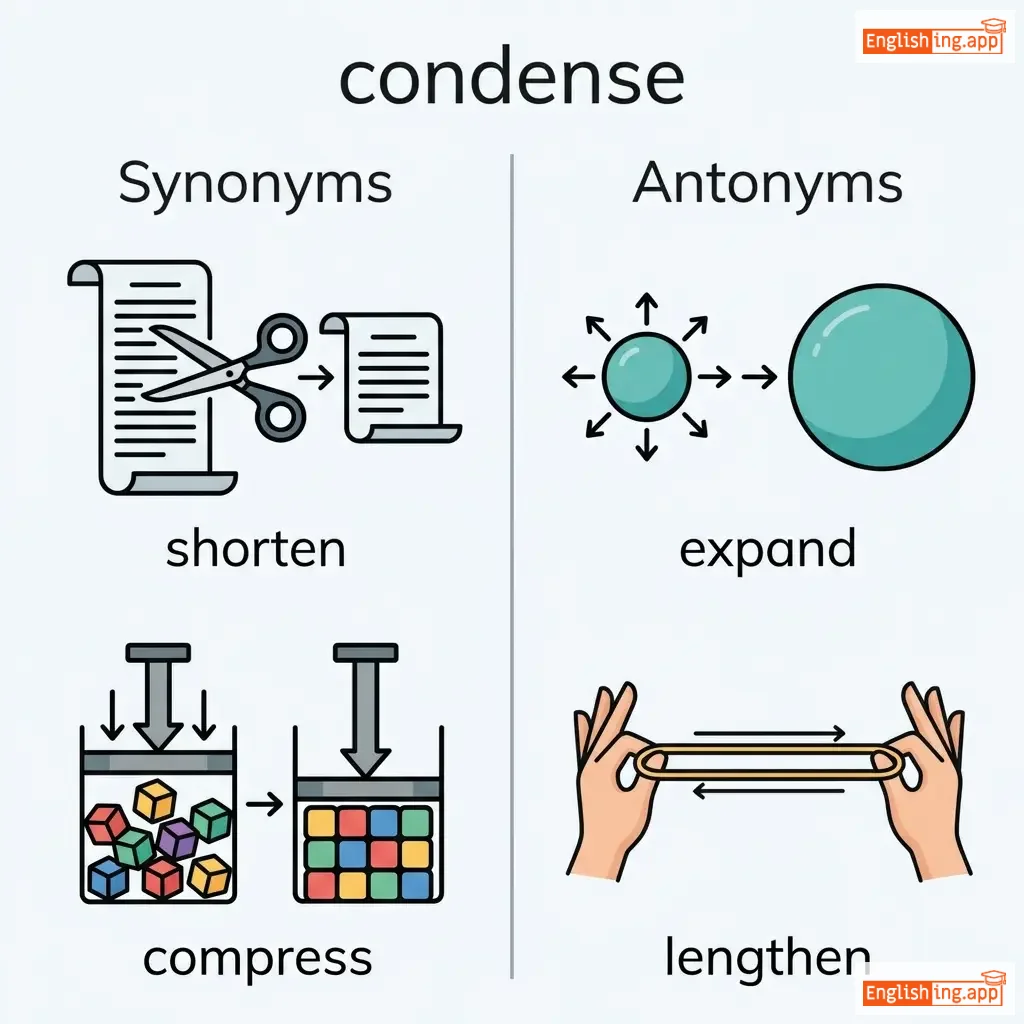
shorten, compress, summarize, compact, reduce
••••••
|
expand, lengthen, elaborate
••••••
|
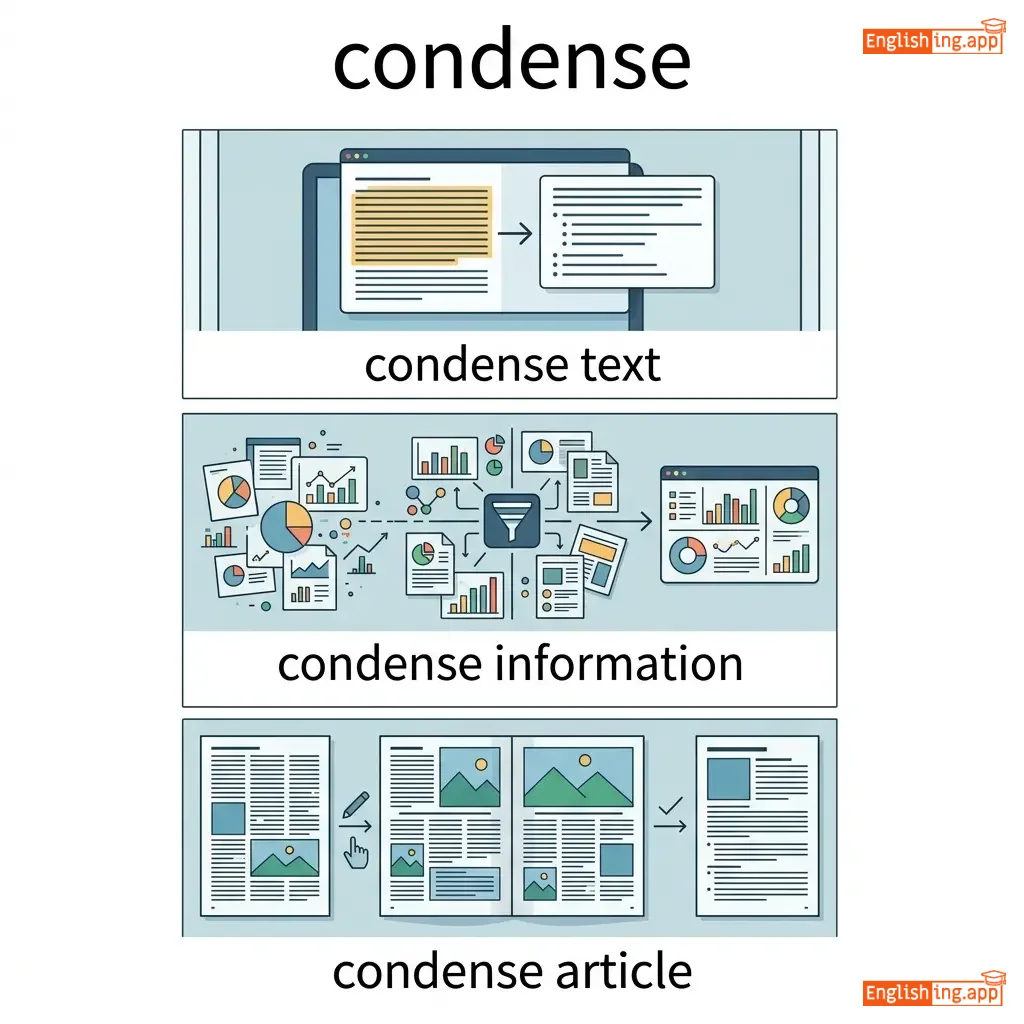
condense text, condense information, condense article, condense speech
••••••
|
Condenseは要約する、つまり長い文章を短くまとめること、たとえば会議の要約のように。
••••••
|
|
#1682
🔌
|
/ˈkɒndjuɪt/ or /ˈkɑːnduɪt/
noun
(コンダクト)
••••••
|
- •••••• |
導管 / 手段
dōkan / shudan
••••••
|
- •••••• | - •••••• | - •••••• | - •••••• |
a channel or pipe for conveying water, electricity, or information
••••••
|
The cable was placed inside a protective conduit. |
ケーブルは保護された導管内に配置されました。
Kēburu wa hogo sareta dōkan-nai ni haichi saremashita.
••••••
|
a conduit for |
a means of transmitting or distributing something
••••••
|
何かの手段
nanika no shudan
••••••
|
channel, pipe, passage, medium, carrier
••••••
|
blockage, barrier
••••••
|
electrical conduit, water conduit, conduit for information
••••••
|
Conduitは電気や情報を通すための管のようなものです。
••••••
|
|
#1683
🎼
|
/kənˈdʌktər/
noun
(コンドクター)
••••••
|
- •••••• |
指揮者 / 導体
shikisha / doutai
••••••
|
- •••••• | - •••••• | - •••••• | - •••••• |
a person who directs a performance or someone who collects fares on public transport; or a material that conducts electricity
••••••
|
The conductor waved his baton to start the orchestra. |
指揮者はオーケストラを始めるためにバトンを振りました。
Shikisha wa ōkesutora o hajimeru tame ni baton o furimashita.
••••••
|
- •••••• | - •••••• | - •••••• |
leader, director, guide, controller
••••••
|
follower, insulator
••••••
|
train conductor, orchestra conductor, electrical conductor
••••••
|
Conductor とはオーケストラの指揮者、または電気の導体です。
••••••
|
|
#1684
⚡
|
/kənˈdʌktəbl̩/
adjective
(kəndʌktəbl̩)
••••••
|
- •••••• |
導電性の
douden-sei no
••••••
|
- •••••• | - •••••• | - •••••• | - •••••• |
capable of being conducted, especially electricity or heat
••••••
|
Copper is highly conductible to electricity.
銅は電気を非常に導きやすい。
••••••
|
銅は電気を非常に導きやすい。
Dou wa denki o hijou ni michibiki yasui.
••••••
|
- •••••• | - •••••• | - •••••• |
transmissible, transferable, conductive, conveyable
••••••
|
non-conductive, insulating
••••••
|
conductible material, conductible property, highly conductible
••••••
|
導電性のは導く + 能力、電気や熱を導く能力がある。
••••••
|
|
#1685
🧑🏫
|
/ˈkɒndʌkt/ (noun), /kənˈdʌkt/ (verb)
noun, verb
••••••
|
- •••••• | - •••••• |
conducted
••••••
|
conducted
••••••
|
conducts
••••••
|
conducting
••••••
|
to organize or carry out; or a person's behavior
••••••
|
The teacher conducted the exam fairly. |
- •••••• |
conduct oneself |
to behave in a particular manner
••••••
|
- •••••• |
manage, carry out, perform, behavior, demeanor
••••••
|
mismanage, neglect, misconduct
••••••
|
conduct research, conduct business, professional conduct
••••••
|
No •••••• |
|
#1686
🌱
|
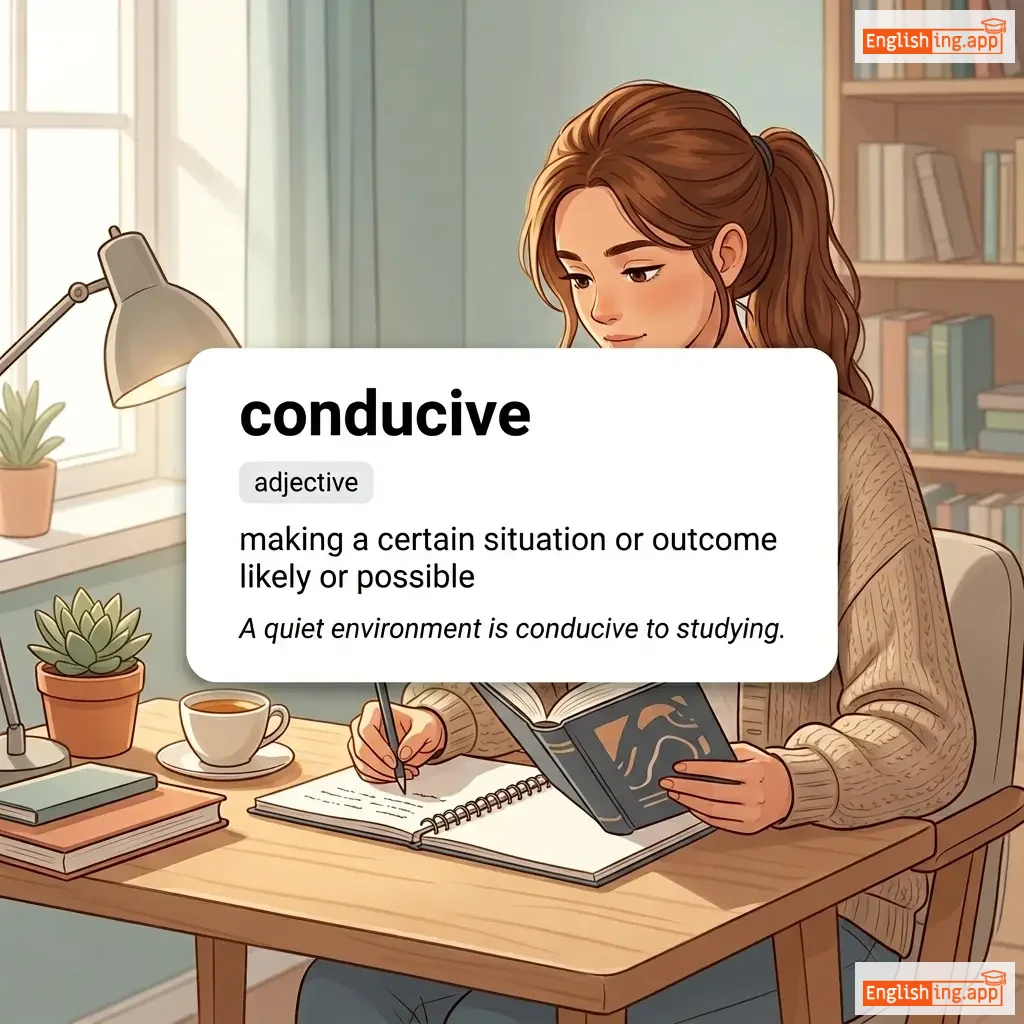
/kənˈdjuːsɪv/
adjective
(コンデューシブ)
••••••
|
|
有益な
yūekina
••••••
|
- •••••• | - •••••• | - •••••• | - •••••• |
making a certain situation or outcome likely or possible
••••••
|
A quiet environment is conducive to studying. |
静かな環境は勉強に有益です。
Shizukana kankyō wa benkyō ni yūeki desu.
••••••
|
- •••••• | - •••••• | - •••••• |
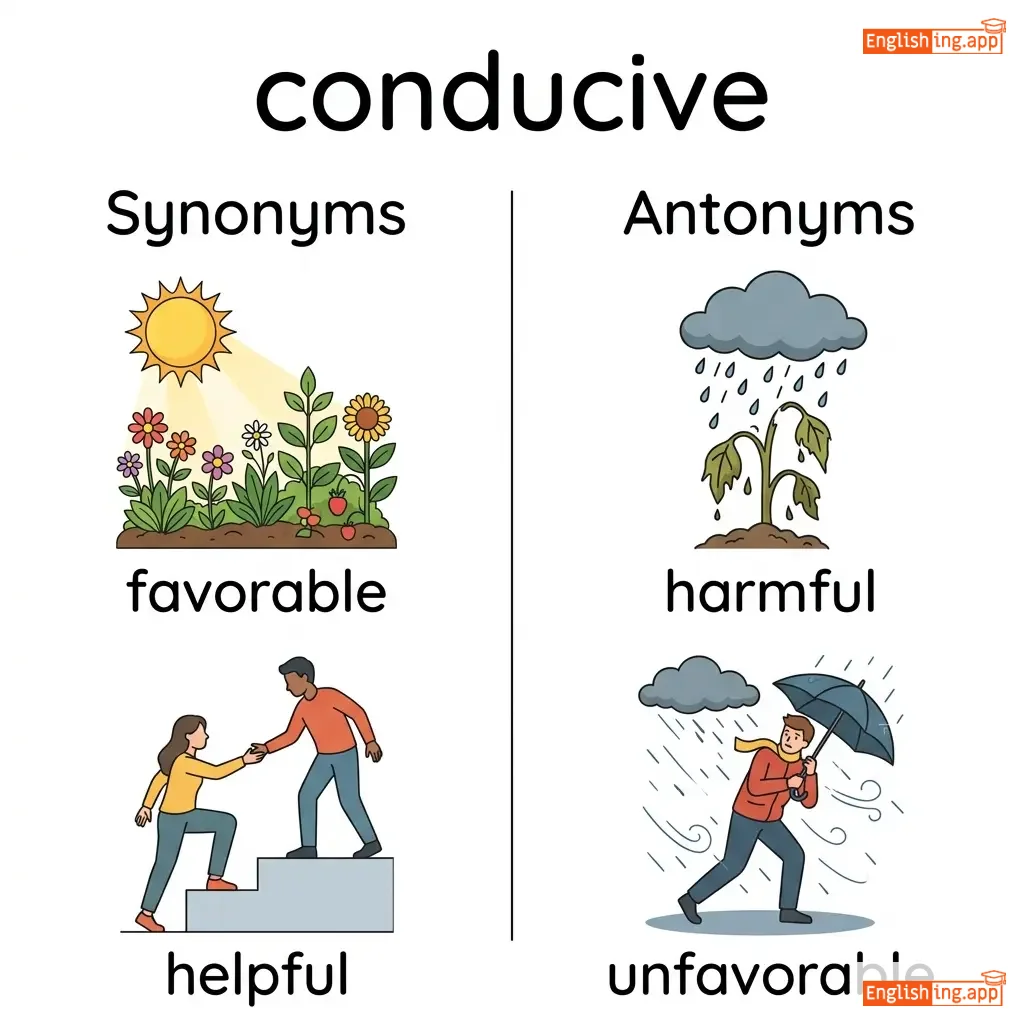
favorable, helpful, beneficial, advantageous, supportive
••••••
|
harmful, unfavorable, obstructive
••••••
|
conducive to learning, conducive environment, conducive atmosphere
••••••
|
Conduciveは有益なという意味で、勉強に有益な環境のようなものです。
••••••
|
|
#1687
➡️
|
/kənˈdjuːs/
verb
(コンデュース)
••••••
|
- •••••• |
貢献する
kouken suru
••••••
|
conduced
コンデュースド
••••••
|
conduced
コンデュースド
••••••
|
conduces
コンデュースズ
••••••
|
conducing
コンデュースィング
••••••
|
To help bring about a particular result; to contribute to something.
••••••
|
Regular exercise conduces to better health.
定期的な運動は健康に役立ちます。
••••••
|
定期的な運動は健康に役立ちます。
Teikiteki na undou wa kenkou ni yakudachimasu.
••••••
|
- •••••• | - •••••• | - •••••• |
contribute, lead, promote, foster
••••••
|
hinder, obstruct, prevent
••••••
|
conduce to, directly conduce, conduce towards
••••••
|
Conduce は健康に貢献することを意味します。
••••••
|
|
#1688
🙈
|
/kənˈdəʊn/
verb
(コンドーン)
••••••
|
|
容認する
yōnin suru
••••••
|
condoned
コンドーンド
••••••
|
condoned
コンドーンド
••••••
|
condones
コンドーンズ
••••••
|
condoning
コンドーニング
••••••
|
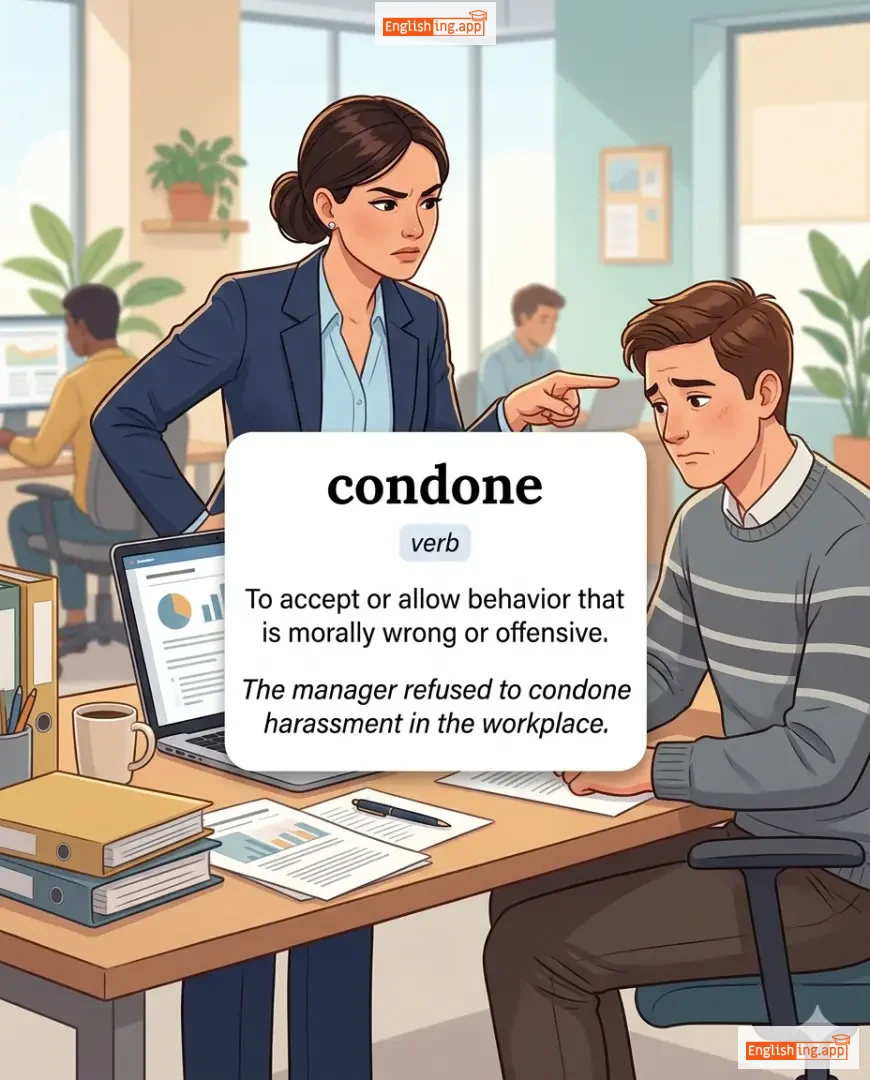
To accept or allow behavior that is morally wrong or offensive.
••••••
|
The manager refused to condone harassment in the workplace.
マネージャーは職場での嫌がらせをコンドーンすることを拒否しました。
••••••
|
マネージャーは職場での嫌がらせを容認することを拒否しました。
Manējā wa shokuba de no iyagarase o yōnin suru koto o kyohi shimashita.
••••••
|
- •••••• | - •••••• | - •••••• |
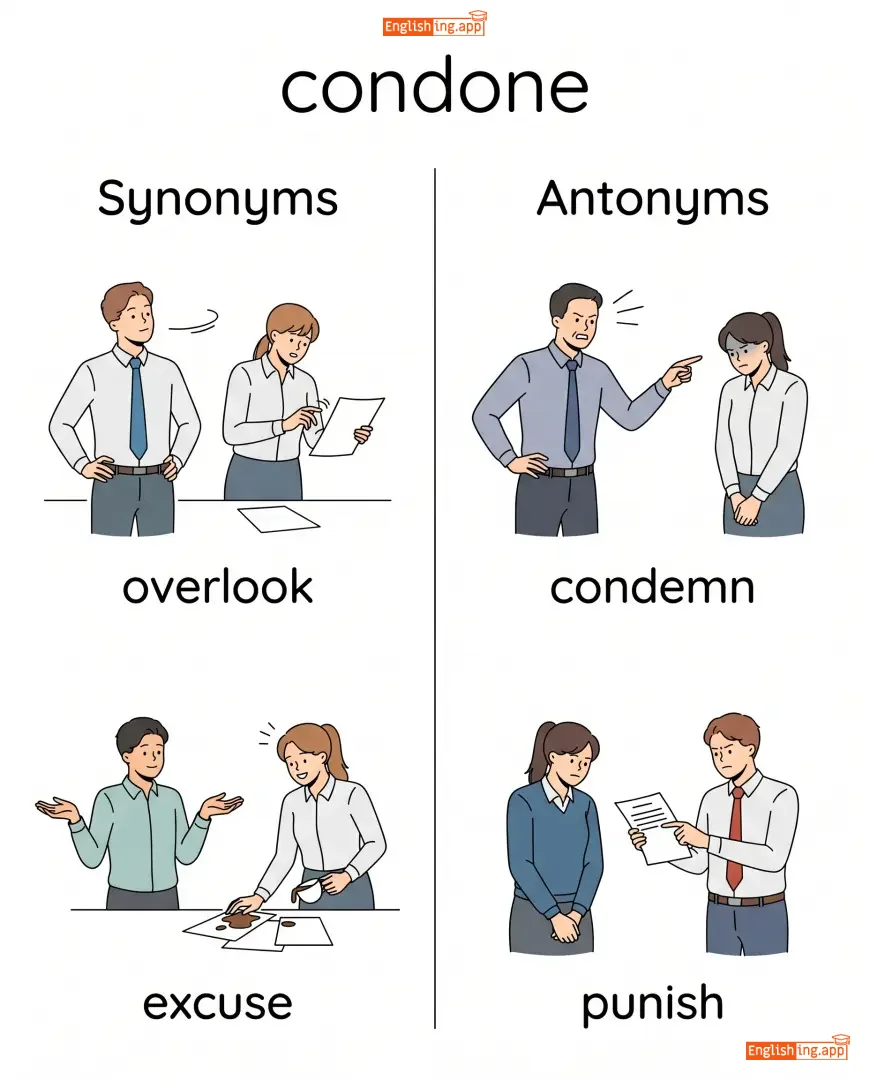
overlook, excuse, forgive, tolerate
••••••
|
condemn, punish, disapprove
••••••
|
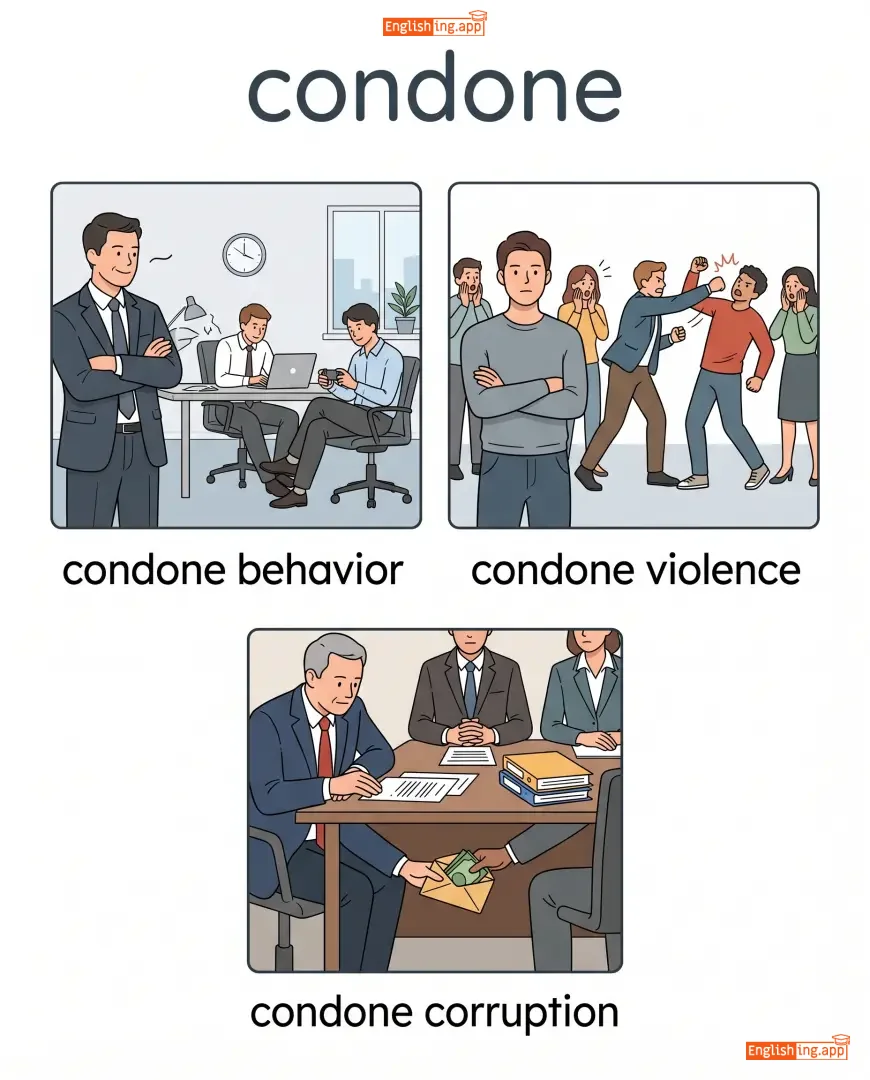
condone behavior, condone violence, condone corruption
••••••
|
Condone は条件なしで容認すること
••••••
|
|
#1689
🕊️
|
/kənˈdəʊləns/
noun
(kənˈdoʊləns)
••••••
|
- •••••• |
お悔やみ
okuyami
••••••
|
- •••••• | - •••••• | - •••••• | - •••••• |
An expression of sympathy, especially on the occasion of death.
••••••
|
She offered her sincere condolence to the grieving family.
彼女は悲しみに沈んでいる家族に心からのお悔やみを伝えました。
••••••
|
彼女は悲しみに沈んでいる家族に心からのお悔やみを伝えました。
Kanojo wa kanashimi ni shizundeiru kazoku ni kokoro kara no okuyami wo tsutaemashita.
••••••
|
send condolences
お悔やみを送る
••••••
|
to express sympathy for someone's loss
••••••
|
お悔やみを送る
okuyami wo okuru
••••••
|
sympathy, compassion, pity, comfort
••••••
|
cruelty, indifference
••••••
|
offer condolence, express condolence, heartfelt condolence
••••••
|
Condolence = 大切な人を失ったときにお悔やみを送ります。
••••••
|
|
#1690
🤍
|
/kənˈdəʊl/
verb
(コンドール)
••••••
|
- •••••• |
哀悼の意を表す
aitou no i wo arawasu
••••••
|
condoled
コンドールド
••••••
|
condoled
コンドールド
••••••
|
condoles
コンドールズ
••••••
|
condoling
コンドーリング
••••••
|
To express sympathy for someone who is suffering or grieving.
••••••
|
Neighbors came to condole with the family after the tragedy.
隣人たちは悲劇の後、家族に哀悼の意を表しに来た。
••••••
|
隣人たちは悲劇の後、家族に哀悼の意を表しに来た。
Rinjin-tachi wa higeki no ato, kazoku ni aitou no i wo arawashi ni kita.
••••••
|
- •••••• | - •••••• | - •••••• |
sympathize, commiserate, console, comfort
••••••
|
ignore, neglect, disregard
••••••
|
condole with, condole over, condole deeply
••••••
|
Condoleは哀悼の意—悲しみを共有し、支援を示す
••••••
|
|
#1691
🥫
|
/ˈkɒndɪmənts/
noun
(コンディメンツ)
••••••
|
- •••••• |
調味料やソース
chōmiryō ya sōsu
••••••
|
- •••••• | - •••••• | - •••••• | - •••••• |
Seasonings or sauces used to add flavor to food.
••••••
|
Ketchup and mustard are popular condiments for burgers. |
ケチャップとマスタードはハンバーガーによく使われる調味料です。
Kechappu to masutādo wa hanbāgā ni yoku tsukawareru chōmiryō desu.
••••••
|
- •••••• | - •••••• | - •••••• |
seasonings, sauces, toppings, flavorings, garnishes
••••••
|
blandness, plainness
••••••
|
table condiments, spice condiments, popular condiments, condiments section
••••••
|
調味料やソースが食べ物を美味しくするために使われます。
••••••
|
|
#1692
🥫
|
/ˈkɒndɪmənt/
noun
(kondiment)
••••••
|
- •••••• |
調味料/ソース
choumiryou/sousu
••••••
|
- •••••• | - •••••• | - •••••• | - •••••• |
a substance such as salt, mustard, or ketchup that is used to add flavor to food
••••••
|
Ketchup is a popular condiment in many countries. |
ケチャップは多くの国で人気の調味料です。
Ketchup wa ōku no kuni de ninki no chōmiryō desu.
••••••
|
- •••••• | - •••••• | - •••••• |
seasoning, sauce, dressing, flavoring
••••••
|
unseasoned, bland
••••••
|
add condiment, condiment table, condiment shelf
••••••
|
Condiment は食べ物に風味を加える '調味料' だと思って覚えておこう。
••••••
|
|
#1693
⚖️
|
/ˈkɒndaɪn/
adjective
(コンダイン)
••••••
|
- •••••• |
相応しい
sōōshī
••••••
|
- •••••• | - •••••• | - •••••• | - •••••• |
deserved, appropriate, and fitting (especially punishment)
••••••
|
The criminal received condign punishment for his crimes. |
犯人は自分の罪にふさわしい罰を受けた。
Hannin wa jibun no tsumi ni fusawashī bachi o uketa.
••••••
|
- •••••• | - •••••• | - •••••• |
deserved, fitting, appropriate, just, suitable
••••••
|
undeserved, unfair, inappropriate
••••••
|
condign punishment, condign penalty, condign justice
••••••
|
Condign punishment は 'コン-ダイン' → 罪を犯すと相応しい罰がある。
••••••
|
|
#1694
🙄
|
/ˌkɒndɪˈsɛndɪŋ/
adjective
(コンディセンド)
••••••
|
- •••••• |
見下す
mikasu
••••••
|
- •••••• | - •••••• | - •••••• | - •••••• |
having or showing an attitude of patronizing superiority
••••••
|
Her condescending tone upset her colleagues. |
彼女の見下すような口調は、同僚を怒らせた。
Kanojo no mikasu yōna kuchō wa, dōryō o okorashita.
••••••
|
- •••••• | - •••••• | - •••••• |
patronizing, snobbish, arrogant, disdainful, superior
••••••
|
respectful, humble, modest
••••••
|
condescending tone, condescending attitude, condescending remark
••••••
|
見下す態度は、他人を低く見る行動を意味します。
••••••
|
|
#1695
😒
|
/ˌkɒndɪˈsɛnd/
verb
(kondisend)
••••••
|
- •••••• |
上から目線で親切にする
ue kara mesen de shinsetsu ni suru
••••••
|
condescended
kondisended
••••••
|
condescended
kondisended
••••••
|
condescends
kondisends
••••••
|
condescending
kondisending
••••••
|
to behave as if one is superior while being gracious to others
••••••
|
He would not condescend to answer such a trivial question.
彼はそんな些細な質問に答えることをしなかった。
••••••
|
彼はそんな些細な質問に答えることをしなかった。
Kare wa sonna sasaina shitsumon ni kotaeru koto o shinakatta.
••••••
|
- •••••• | - •••••• | - •••••• |
patronize, deign, stoop, belittle, humiliate
••••••
|
respect, honor, admire
••••••
|
condescend to help, refuse to condescend, condescend to answer
••••••
|
Condescendという単語は、'上から目線'で人に接することを意味します。
••••••
|
|
#1696
🕊️
|
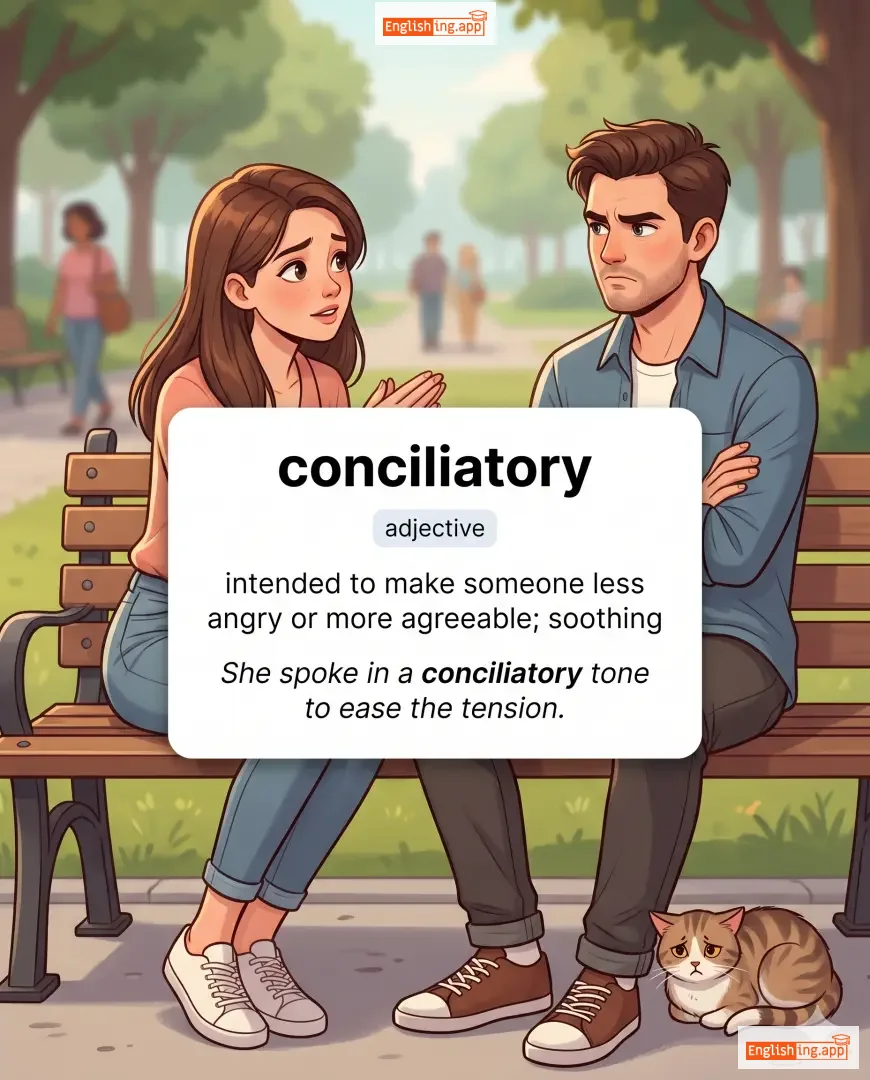
/kənˈsɪliətɔːri/
adjective
(コンシリアトリー)
••••••
|
|
和解的
wakai-teki
••••••
|
- •••••• | - •••••• | - •••••• | - •••••• |
intended to make someone less angry or more agreeable; soothing
••••••
|
She spoke in a conciliatory tone to ease the tension. |
彼女は緊張を和らげるために和解的な口調で話した。
Kanojo wa kinchō o yawarageru tame ni wakai-teki na kuchō de hanashita.
••••••
|
- •••••• | - •••••• | - •••••• |
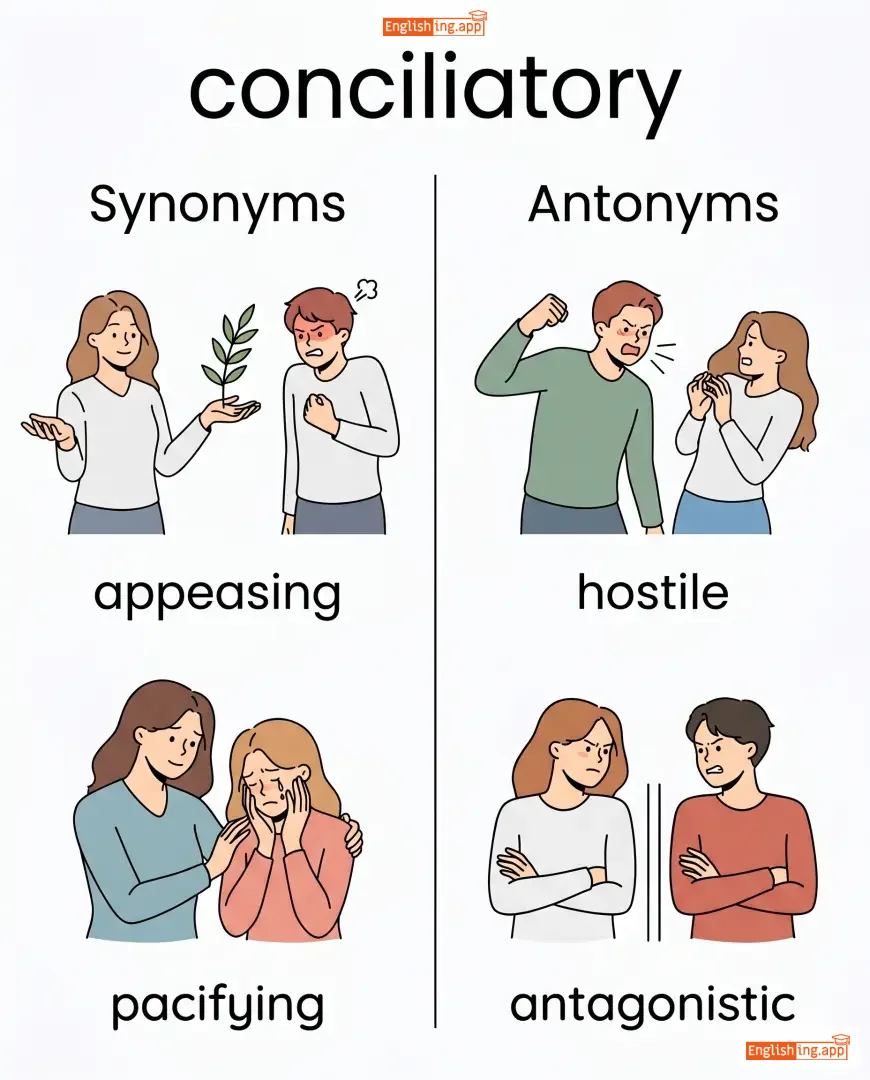
appeasing, pacifying, soothing, placatory, calming
••••••
|
hostile, antagonistic, confrontational
••••••
|
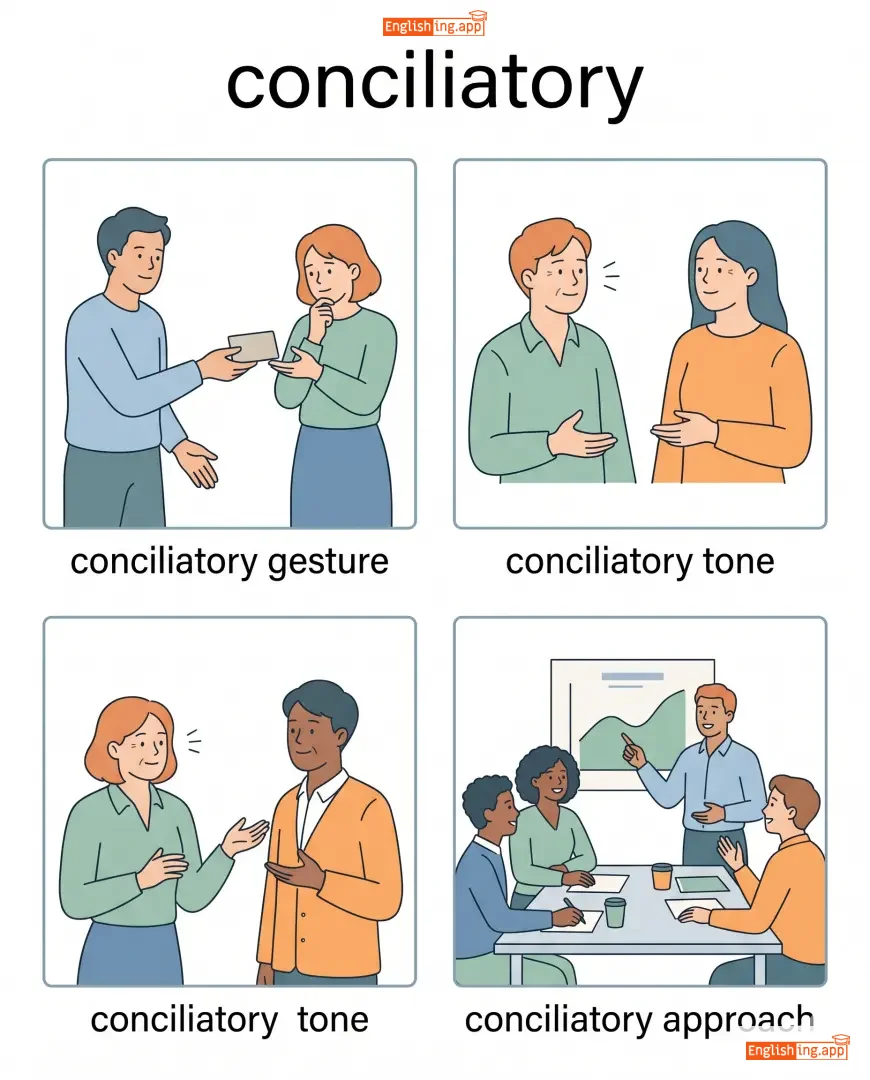
conciliatory gesture, conciliatory tone, conciliatory approach
••••••
|
和解的は和解するための方法
••••••
|
|
#1697
💧
|
/ˌkɒndɛnˈseɪʃən/
noun
(kondensēshon)
••••••
|
- •••••• |
凝縮
gyōsoku
••••••
|
- •••••• | - •••••• | - •••••• | - •••••• |
The process of water vapor changing into liquid; also, the act of making something more concise.
••••••
|
Condensation formed on the windows during the cold night. |
寒い夜に窓に凝縮ができた。
Samui yoru ni mado ni gyōsoku ga dekita.
••••••
|
- •••••• | - •••••• | - •••••• |
liquefaction, compression, concentration, distillation
••••••
|
evaporation, expansion
••••••
|
water condensation, condensation process, condensation on glass, condensation reaction
••••••
|
凝縮とは'凝る'と'縮む'、水蒸気が液体に変わることです。
••••••
|
|
#1698
❌
|
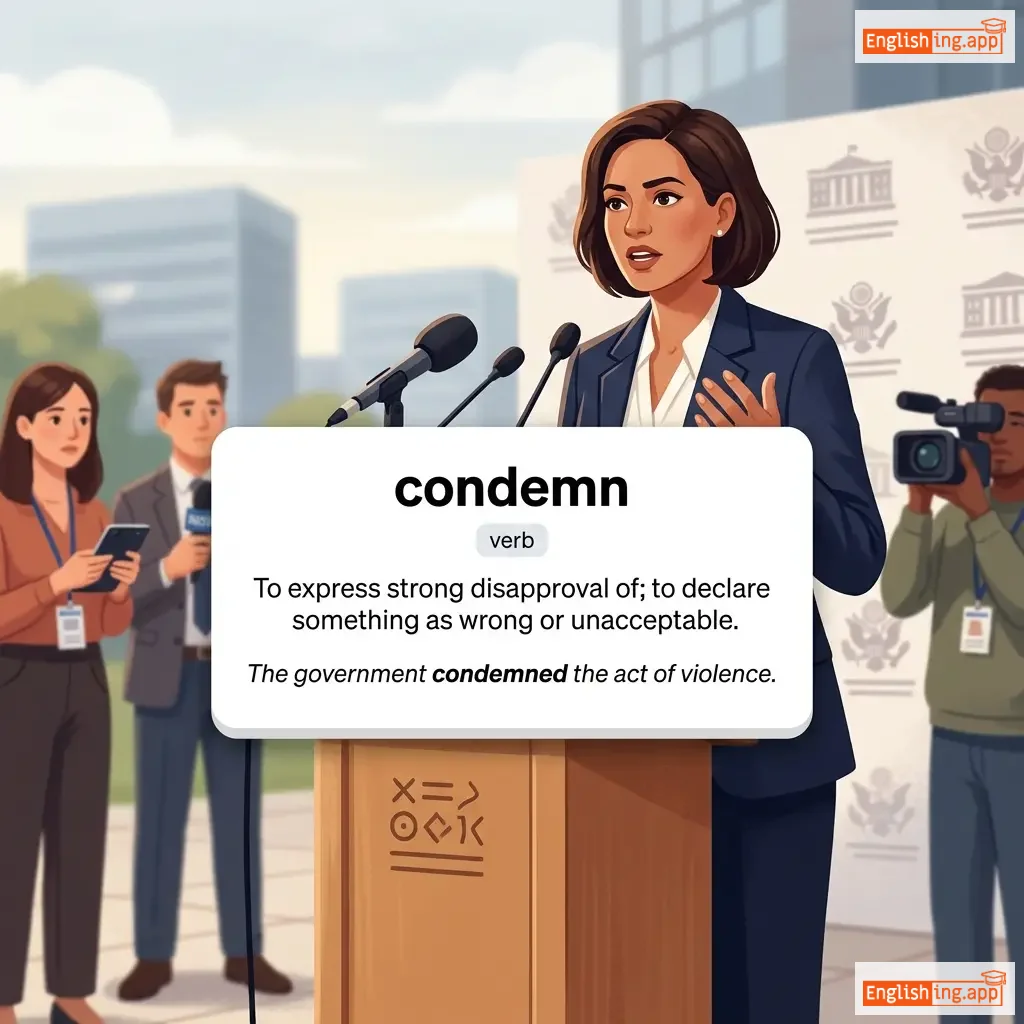
/kənˈdɛm/
verb
(kondemu)
••••••
|
|
非難する
hinan suru
••••••
|
condemned
kondemuddo
••••••
|
condemned
kondemuddo
••••••
|
condemns
kondemusu
••••••
|
condemning
kondemingu
••••••
|
To express strong disapproval of; to declare something as wrong or unacceptable.
••••••
|
The government condemned the act of violence.
政府は暴力行為を非難しました。
••••••
|
政府は暴力行為を非難しました。
seifu wa bōryoku kōi o hinan shimashita.
••••••
|
condemn to death
死刑を宣告する
••••••
|
to sentence someone to death as punishment
••••••
|
死刑を宣告する
shikei o senkoku suru
••••••
|
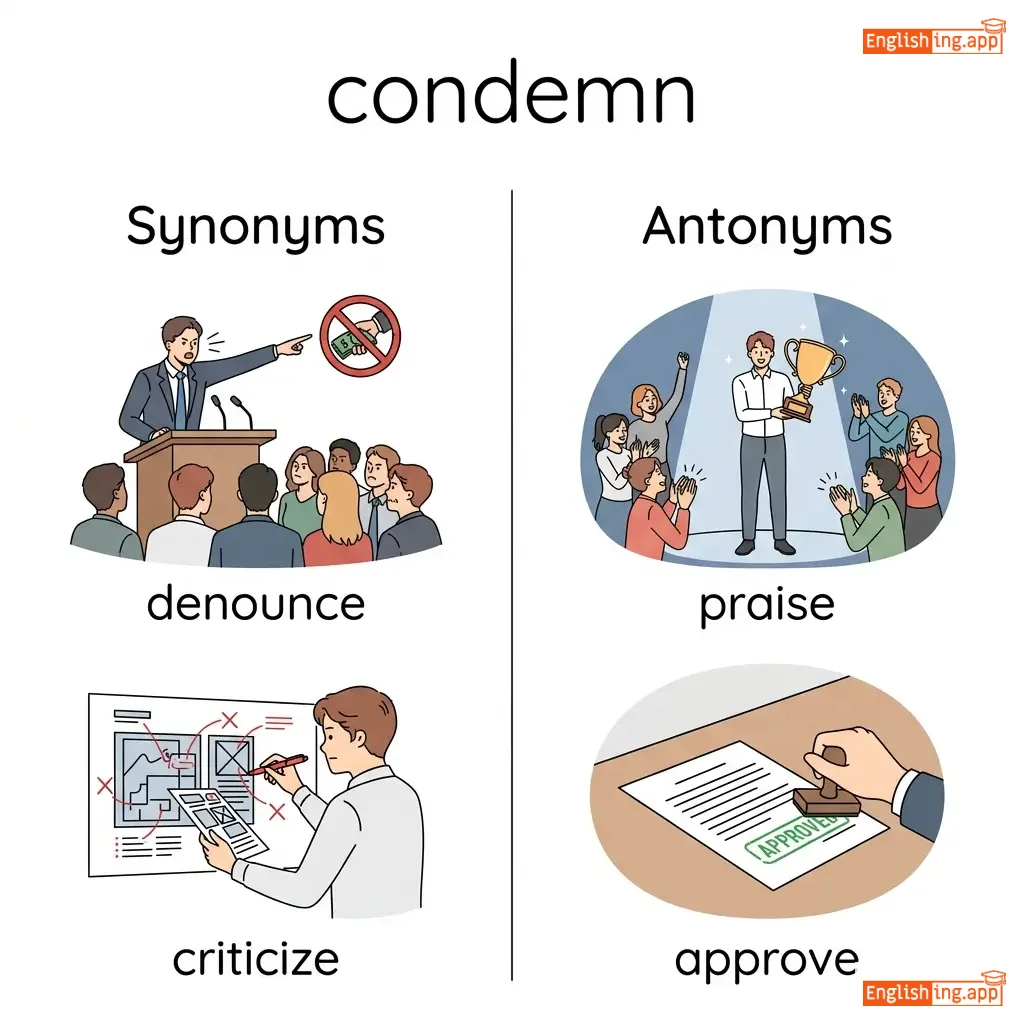
denounce, criticize, censure, blame
••••••
|
praise, approve, support
••••••
|
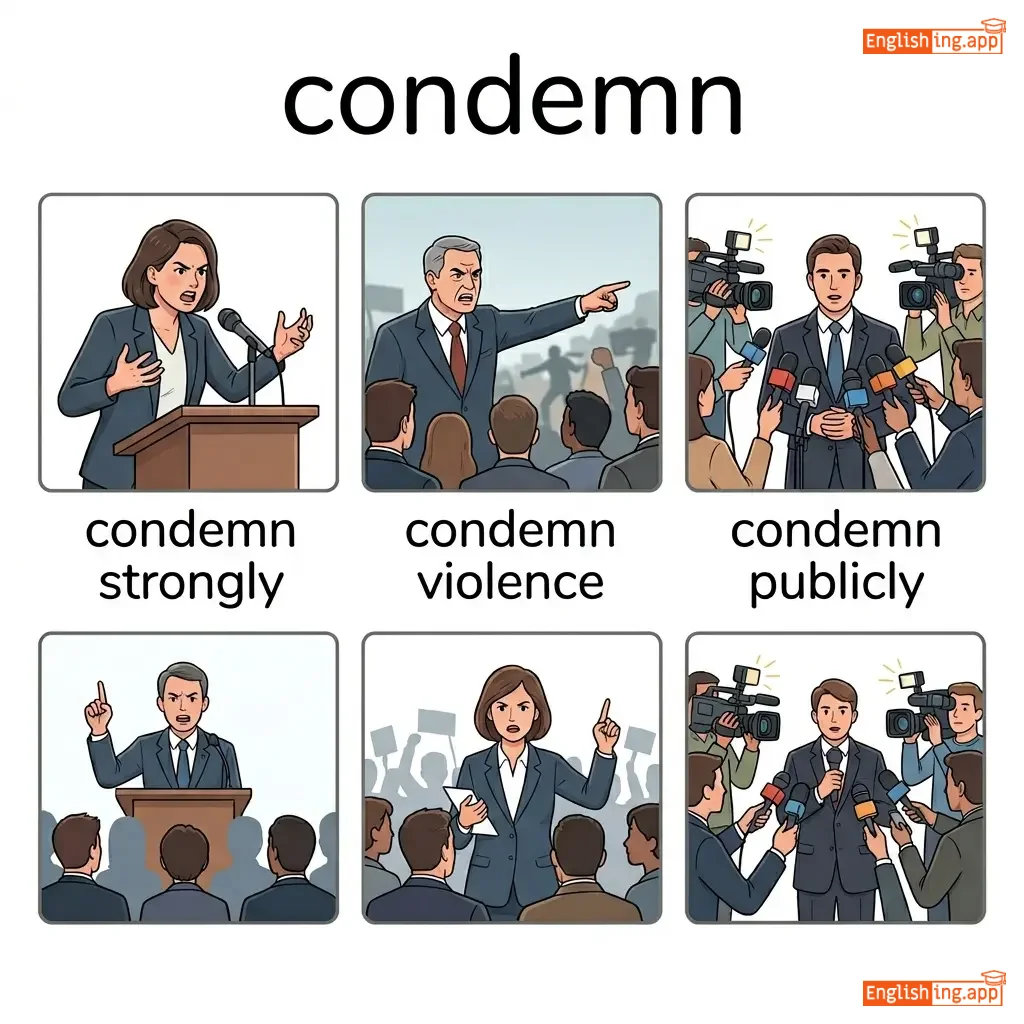
condemn strongly, condemn violence, condemn publicly, condemn actions
••••••
|
Condemnは'非難する'と似ているので、何か悪いことをした人に使います。
••••••
|
|
#1699
🤕
|
/kənˈkʌʃən/
noun
(コンカッション)
••••••
|
- •••••• |
脳震盪
nōshindō
••••••
|
- •••••• | - •••••• | - •••••• | - •••••• |
A temporary unconsciousness or shock caused by a blow to the head.
••••••
|
He suffered a concussion after falling from the bike. |
彼は自転車から落ちた後、脳震盪を受けました。
Kare wa jitensha kara ochita ato, nōshindō o ukemashita.
••••••
|
- •••••• | - •••••• | - •••••• |
brain injury, trauma, shock, head injury
••••••
|
health, wellness
••••••
|
mild concussion, severe concussion, concussion symptoms, concussion treatment
••••••
|
Concussionは'コン'と'カッション'で、頭を打つことを意味する。
••••••
|
|
#1700
⏳
|
/kənˈkʌrənt/
adjective
(コンカレント)
••••••
|
|
同時発生
dōji hassei
••••••
|
- •••••• | - •••••• | - •••••• | - •••••• |
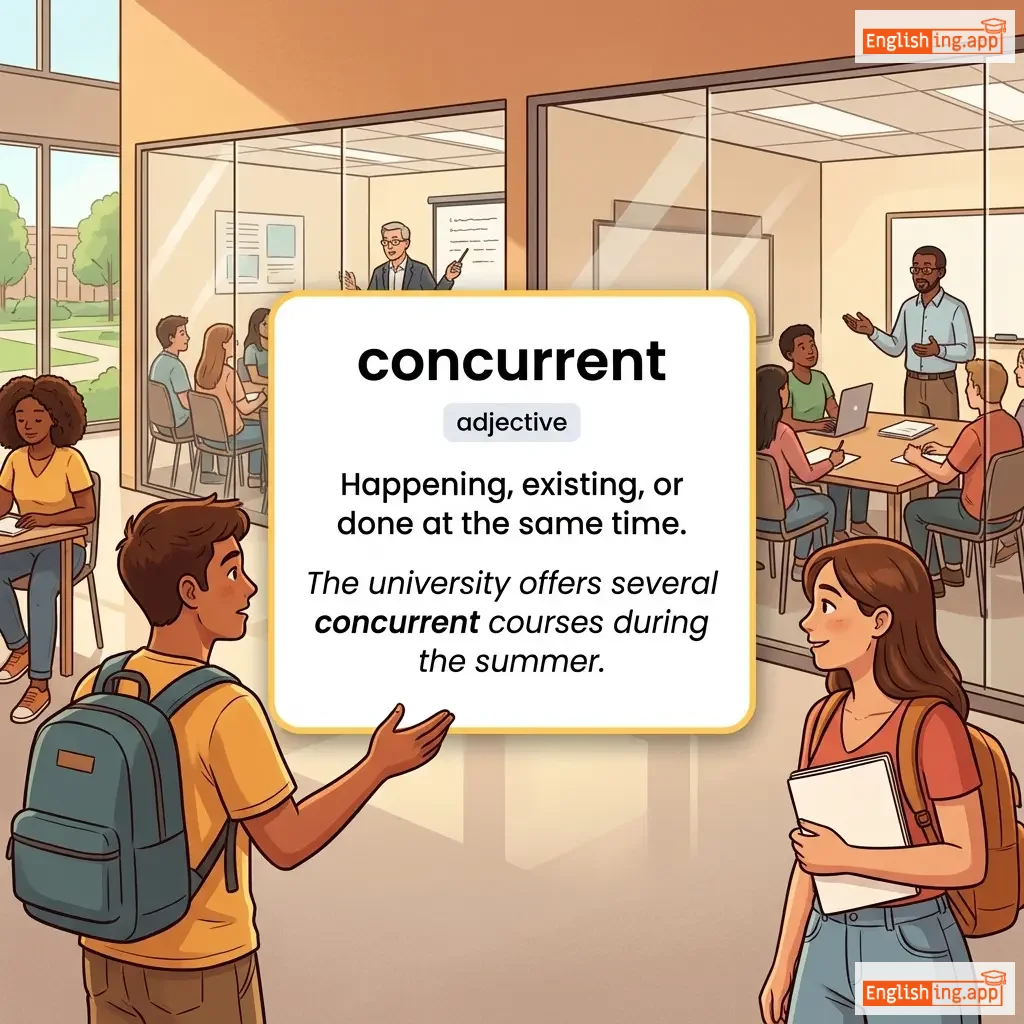
Happening, existing, or done at the same time.
••••••
|
The university offers several concurrent courses during the summer. |
大学は夏にいくつかの同時発生するコースを提供しています。
Daigaku wa natsu ni ikutsuka no dōji hassei suru kōsu o teikyō shiteimasu.
••••••
|
concurrent with |
happening at the same time as
••••••
|
…と同時に
…to dōji ni
••••••
|
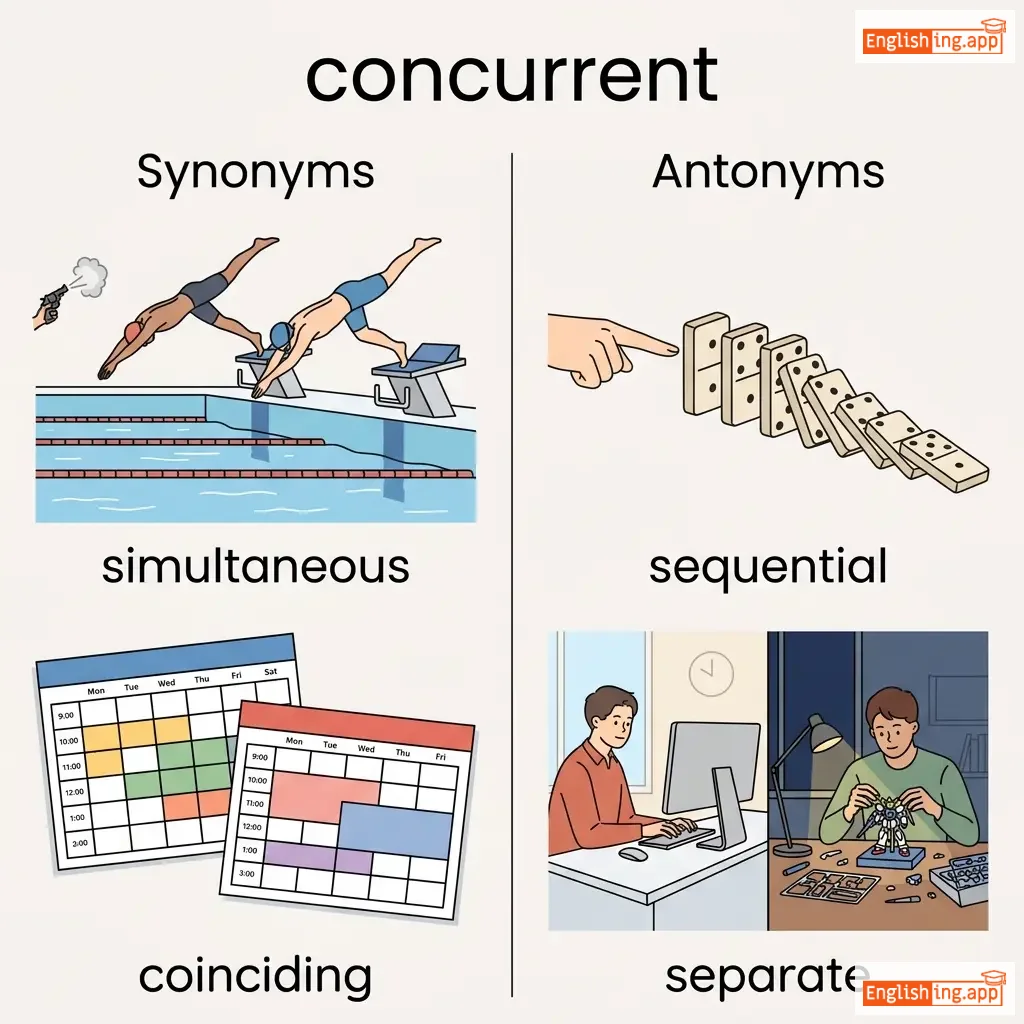
simultaneous, coinciding, synchronous, parallel
••••••
|
sequential, separate, different
••••••
|
concurrent events, concurrent sessions, concurrent courses, concurrent use
••••••
|
同時発生は、すべてが同じ瞬間に起こることを意味し、まるですべての時計が同じ時刻を指しているようです。
••••••
|
|
#1701
🤝
|
/kənˈkʌrəns/
noun
(kon-kā-rensu)
••••••
|
- •••••• |
一致
icchi
••••••
|
- •••••• | - •••••• | - •••••• | - •••••• |
Agreement or union in action, opinion, or occurrence; simultaneous happening of events.
••••••
|
The project was completed with the concurrence of all departments.
そのプロジェクトはすべての部門の同意のもとで完了しました。
••••••
|
そのプロジェクトはすべての部門の同意のもとで完了しました。
Sono purojekuto wa subete no bumon no dōi no moto de kanryō shimashita.
••••••
|
in concurrence with
~と一致して
••••••
|
in agreement or in accordance with
••••••
|
~と一致して
to icchi shite
••••••
|
agreement, harmony, consent, accord, unity
••••••
|
disagreement, conflict, discord
••••••
|
mutual concurrence, general concurrence, concurrence of opinion, concurrence with
••••••
|
Concurrenceは、みんなが一致して同じ方向を向くことです。
••••••
|
|
#1702
✅
|
/kənˈkɜːr/
verb
(コンカー)
••••••
|
- •••••• |
同意する
doui suru
••••••
|
concurred
コンカード
••••••
|
concurred
コンカード
••••••
|
concurs
コンカーズ
••••••
|
concurring
コンカリング
••••••
|
To agree with someone or something.
••••••
|
I concur with your opinion on this matter.
私はこの件に関してあなたの意見に同意します。
••••••
|
私はこの件に関してあなたの意見に同意します。
Watashi wa kono ken ni kanshite anata no iken ni doui shimasu.
••••••
|
concur with
同意する
••••••
|
to agree with someone or something
••••••
|
同意する
doui suru
••••••
|
agree, assent, approve, consent, coincide
••••••
|
disagree, dissent, oppose
••••••
|
concur with opinion, concur in decision, concur fully
••••••
|
Concurは'同意する'という意味で、皆で同意する感じ!
••••••
|
|
#1703
📜
|
/ˈkɒŋ.kɔː.dæt/
noun
(コンコルダット)
••••••
|
- •••••• |
協定
kyōtei
••••••
|
- •••••• | - •••••• | - •••••• | - •••••• |
An agreement or treaty, especially between the Vatican and a secular government.
••••••
|
The concordat established the rights of the church within the country. |
そのコンコルダットは国における教会の権利を確立した。
Sono konkordatto wa kuni ni okeru kyōkai no kenri o kakuritsu shita.
••••••
|
- •••••• | - •••••• | - •••••• |
agreement, treaty, pact, settlement
••••••
|
conflict, dispute, disagreement
••••••
|
sign a concordat, concordat agreement, historic concordat
••••••
|
コンコルダットは正式な契約を意味します - 宗教と政府間の契約
••••••
|
|
#1704
📑
|
/kənˈkɔːrdəns/
noun
(kənˈkɔːrdəns)
••••••
|
- •••••• |
一致性
icchisei
••••••
|
- •••••• | - •••••• | - •••••• | - •••••• |
Agreement; also an alphabetical index of the principal words in a book.
••••••
|
There is a strong concordance between the two reports. |
二つの報告書には強い一致性があります。
Futatsu no hōkokusho ni wa tsuyoi icchisei ga arimasu.
••••••
|
- •••••• | - •••••• | - •••••• |
agreement, harmony, consistency, correspondence
••••••
|
conflict, discord, inconsistency
••••••
|
statistical concordance, concordance index, high concordance
••••••
|
Concordance = 一致性 - 全てが調和している
••••••
|
|
#1705
☮️
|
/ˈkɒŋ.kɔːd/
noun
(コンコード)
••••••
|
|
調和
chouwa
••••••
|
- •••••• | - •••••• | - •••••• | - •••••• |
Agreement or harmony between people or groups.
••••••
|
The two nations lived in concord for many years.
二国は長年にわたりコンコードで過ごした。
••••••
|
二国は長年にわたり調和で過ごした。
Nikoku wa naganen ni watari chouwa de sugoshita.
••••••
|
in concord with
コンコードと共に
••••••
|
in agreement or harmony with
••••••
|
調和と共に
Chouwa to tomo ni
••••••
|
harmony, agreement, peace, unity, accord
••••••
|
discord, conflict, disagreement
••••••
|
live in concord, mutual concord, lasting concord
••••••
|
調和は平和を築くための重要な要素です。
••••••
|
|
#1706
➕
|
/kənˈkɒmɪtənt/
adjective
(コンコミタント)
••••••
|
|
随伴
zuipan
••••••
|
- •••••• | - •••••• | - •••••• | - •••••• |
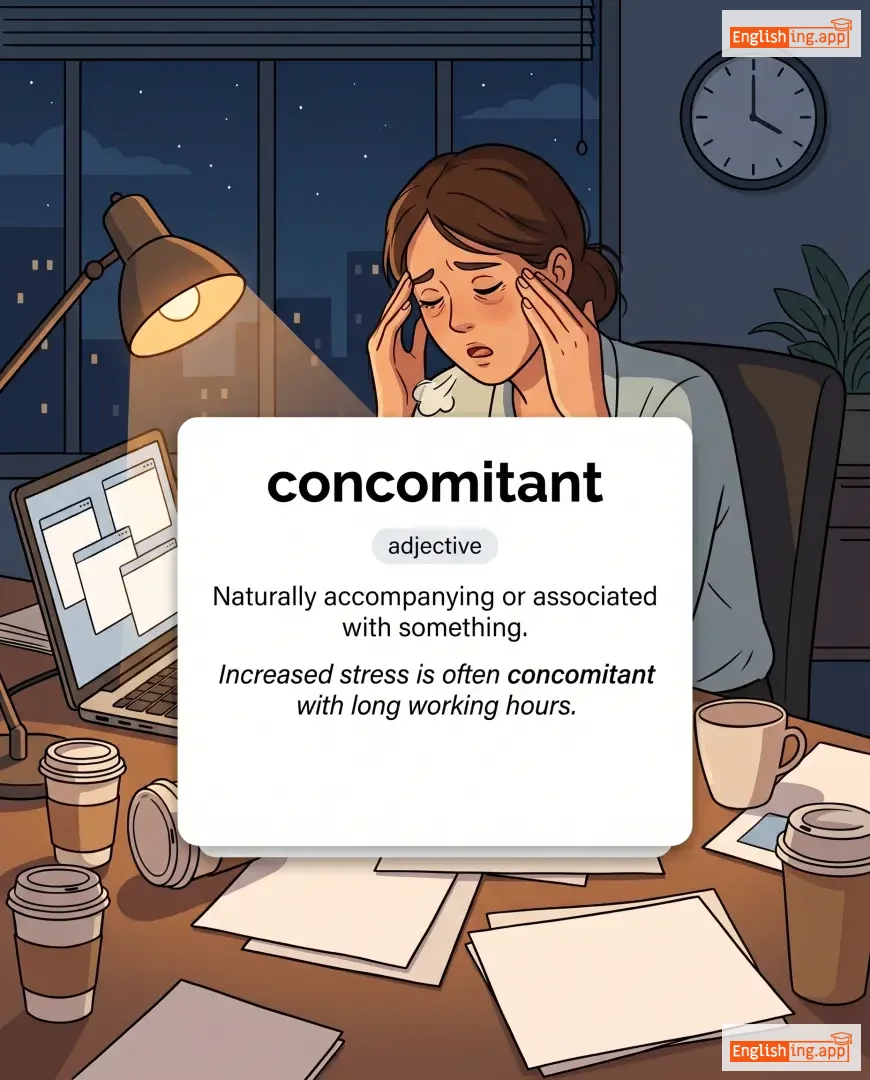
Naturally accompanying or associated with something.
••••••
|
Increased stress is often concomitant with long working hours.
増加したストレスは長時間の労働時間としばしば伴います。
••••••
|
増加したストレスは長時間の労働時間としばしば伴います。
Zōka shita sutoresu wa chōjikan no rōdō jikan to shibashiba tomonai masu.
••••••
|
- •••••• | - •••••• | - •••••• |
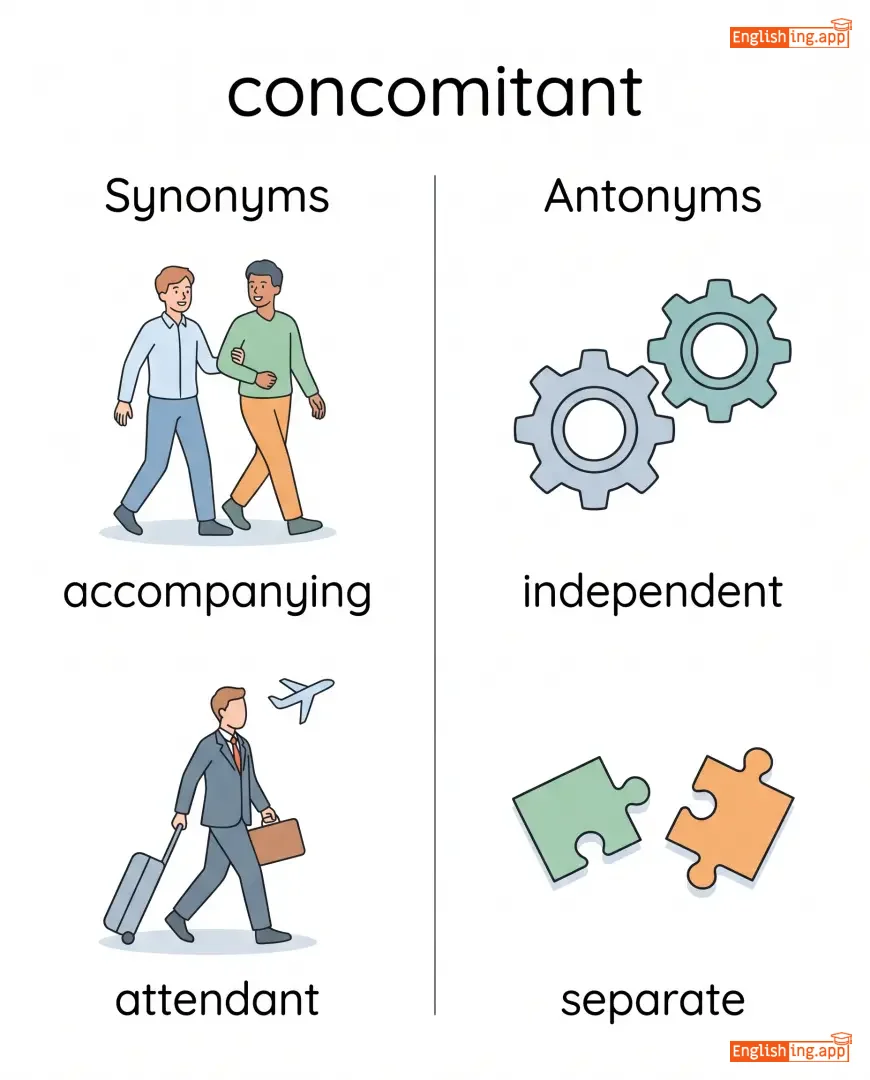
accompanying, attendant, coincident, simultaneous, related
••••••
|
independent, separate, unrelated
••••••
|
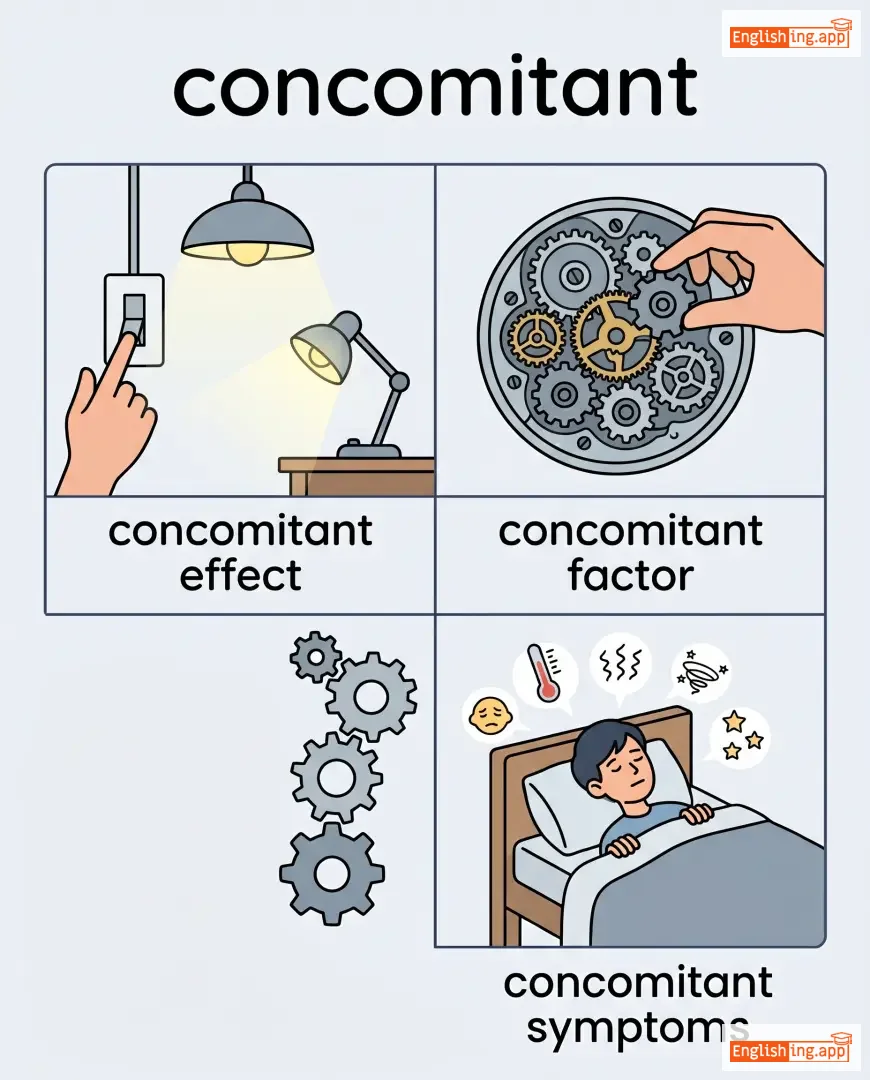
concomitant effect, concomitant factor, concomitant symptoms, concomitant risks
••••••
|
随 (一緒) + 伴 (伴う) - 一緒にある
••••••
|
|
#1707
🧪
|
/kənˈkɒkt/
verb
(コンコクト)
••••••
|
|
作る、考案する
tsukuru, kouan suru
••••••
|
concocted
コンコクテッド
••••••
|
concocted
コンコクテッド
••••••
|
concocts
コンコクツ
••••••
|
concocting
コンコクティング
••••••
|
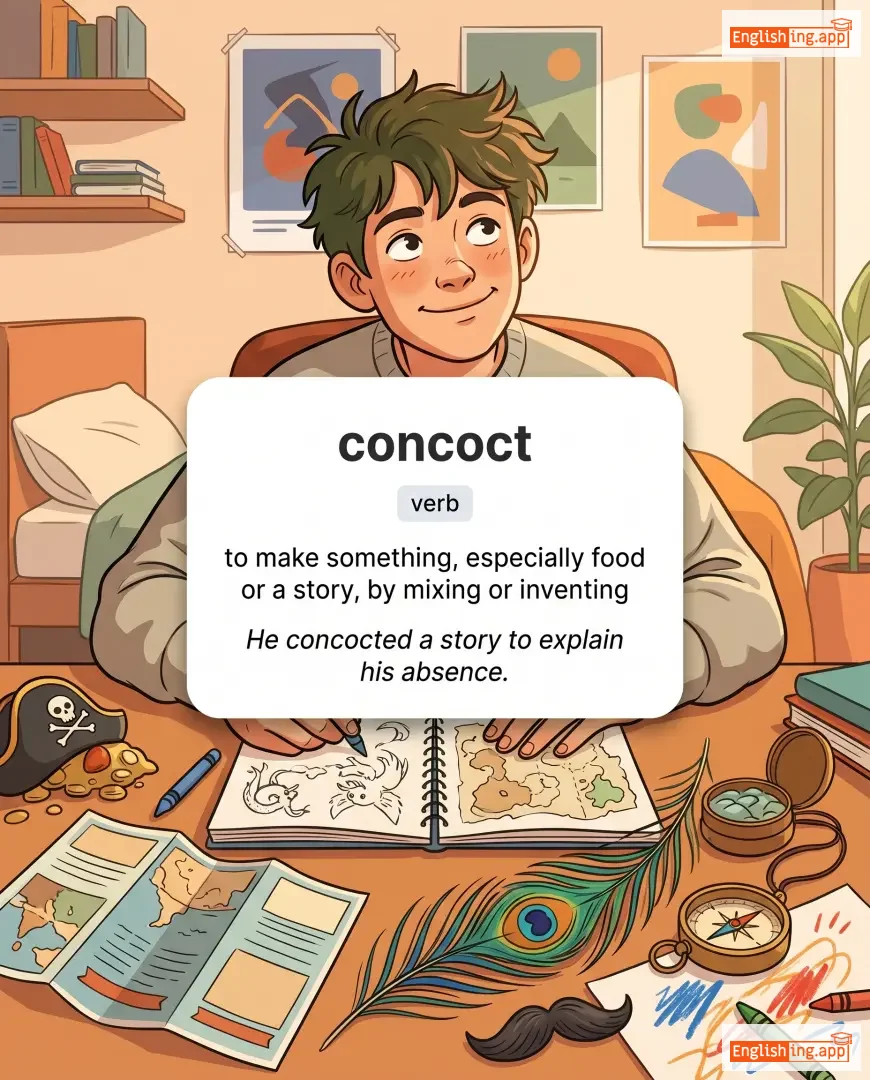
to make something, especially food or a story, by mixing or inventing
••••••
|
He concocted a story to explain his absence.
彼は自分の不在を説明するために話を作り上げました。
••••••
|
彼は自分の不在を説明するために話を作り上げました。
Kare wa jibun no fuzai wo setsumei suru tame ni hanashi wo tsukuriagemashita.
••••••
|
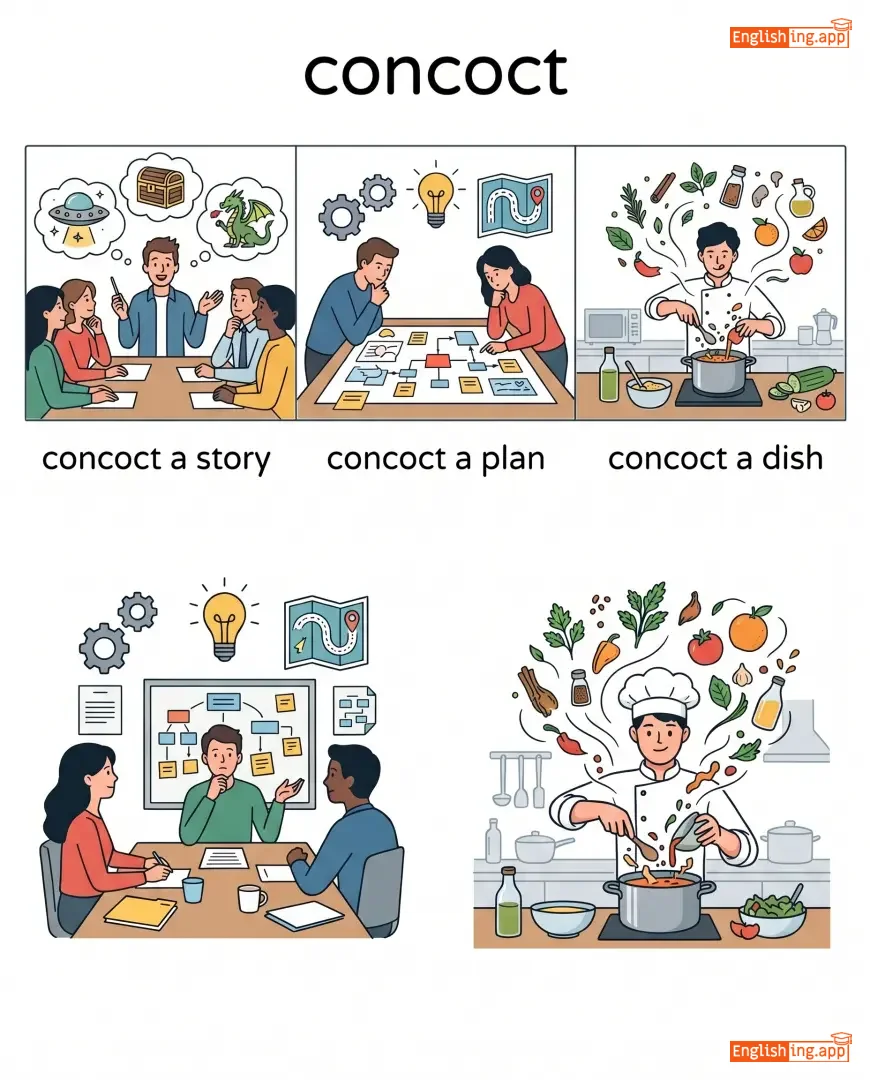
concoct a plan
計画を考案する
••••••
|
to invent or devise a plan
••••••
|
計画を考案する
Keikaku wo kouan suru
••••••
|
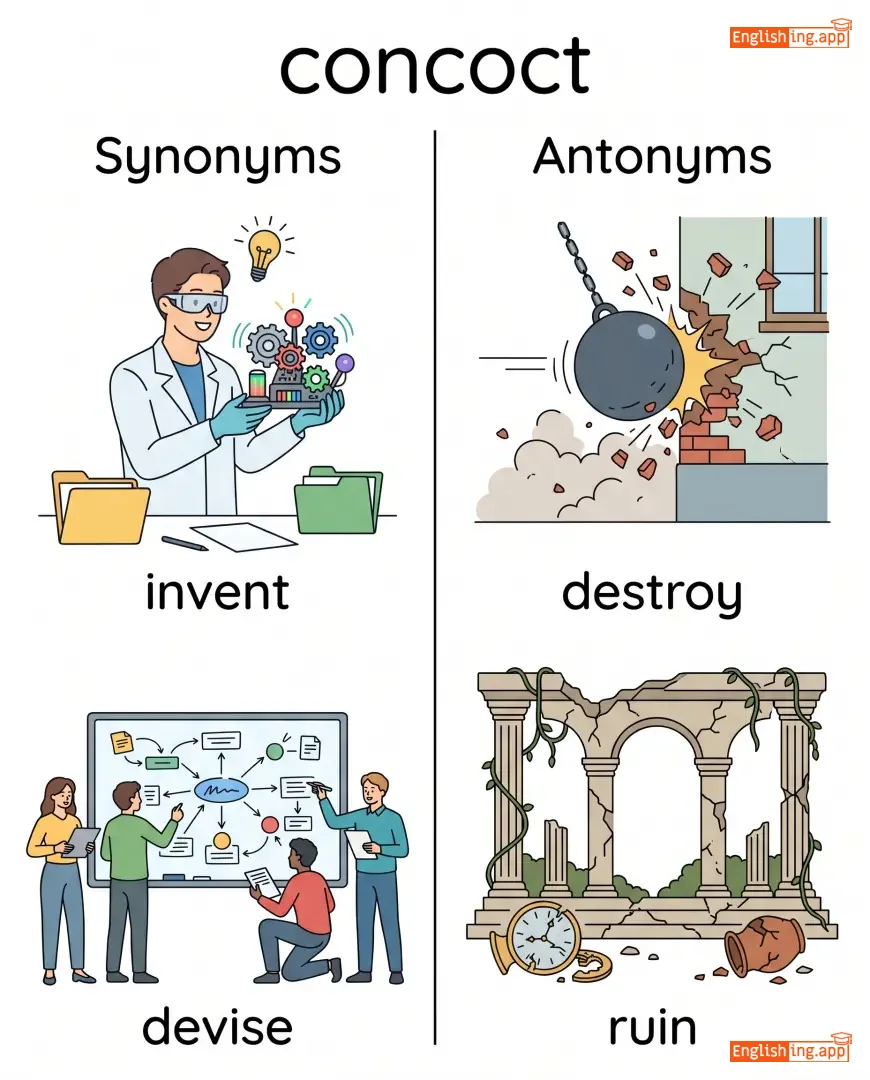
invent, devise, fabricate, prepare, create
••••••
|
destroy, ruin, dismantle
••••••
|
concoct a story, concoct a plan, concoct a dish
••••••
|
Concoct = 混ぜ合わせて作る
••••••
|
|
#1708
✅
|
/kənˈkluːsɪv/
adjective
(kənˈkluːsɪv)
••••••
|
- •••••• |
決定的な
ketteiteki na
••••••
|
- •••••• | - •••••• | - •••••• | - •••••• |
serving to prove a case; decisive or convincing
••••••
|
The DNA test provided conclusive evidence of his innocence.
DNAテストは彼の無実を示す決定的な証拠を提供しました。
••••••
|
DNAテストは彼の無実を示す決定的な証拠を提供しました。
DNA tesuto wa kare no mujitsu o shimesu ketteiteki na shōko o teikyō shimashita.
••••••
|
- •••••• | - •••••• | - •••••• |
decisive, convincing, final, definite, certain
••••••
|
inconclusive, uncertain, doubtful
••••••
|
conclusive evidence, conclusive proof, conclusive result
••••••
|
決定的な, まさに結論の証拠
••••••
|
|
#1709
📜
|
/ˈkɒnk.leɪv/
noun
(コンクレーブ)
••••••
|
- •••••• |
秘密会議
himitsu kaigi
••••••
|
- •••••• | - •••••• | - •••••• | - •••••• |
a private meeting, especially a secret or important one
••••••
|
The leaders met in a secret conclave to discuss the strategy.
リーダーたちは戦略を話し合うために秘密のコンクレーブに集まりました。
••••••
|
リーダーたちは戦略を話し合うために秘密のコンクレーブに集まりました。
Rīdā-tachi wa senryaku o hanashiau tame ni himitsu no konkurēbu ni atsumarimashita.
••••••
|
- •••••• | - •••••• | - •••••• |
meeting, gathering, assembly, conference, council
••••••
|
public meeting, open forum
••••••
|
secret conclave, political conclave, conclave of leaders
••••••
|
Conclaveは会議のようですが、秘密です。
••••••
|
|
#1710
✍️
|
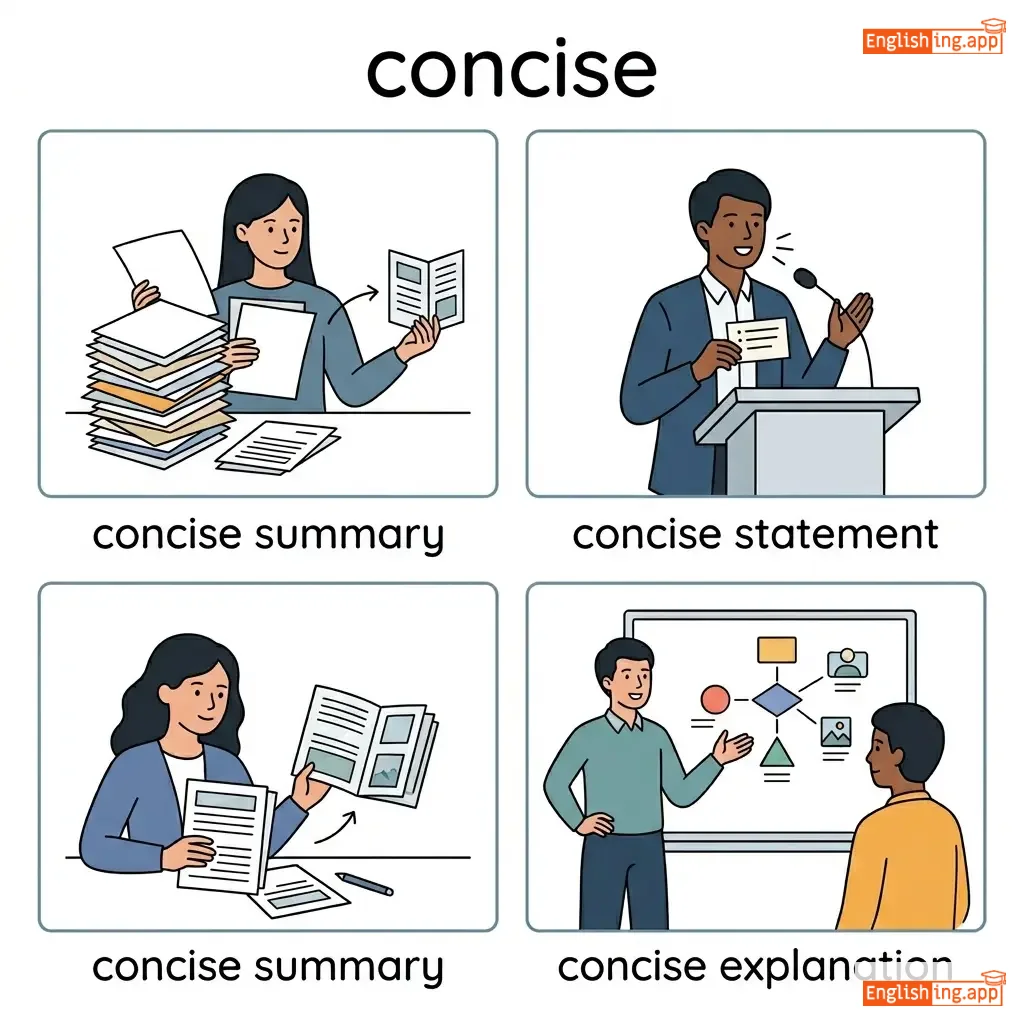
/kənˈsaɪs/
adjective
(カンサイス)
••••••
|
|
簡潔
kanketsu
••••••
|
- •••••• | - •••••• | - •••••• | - •••••• |
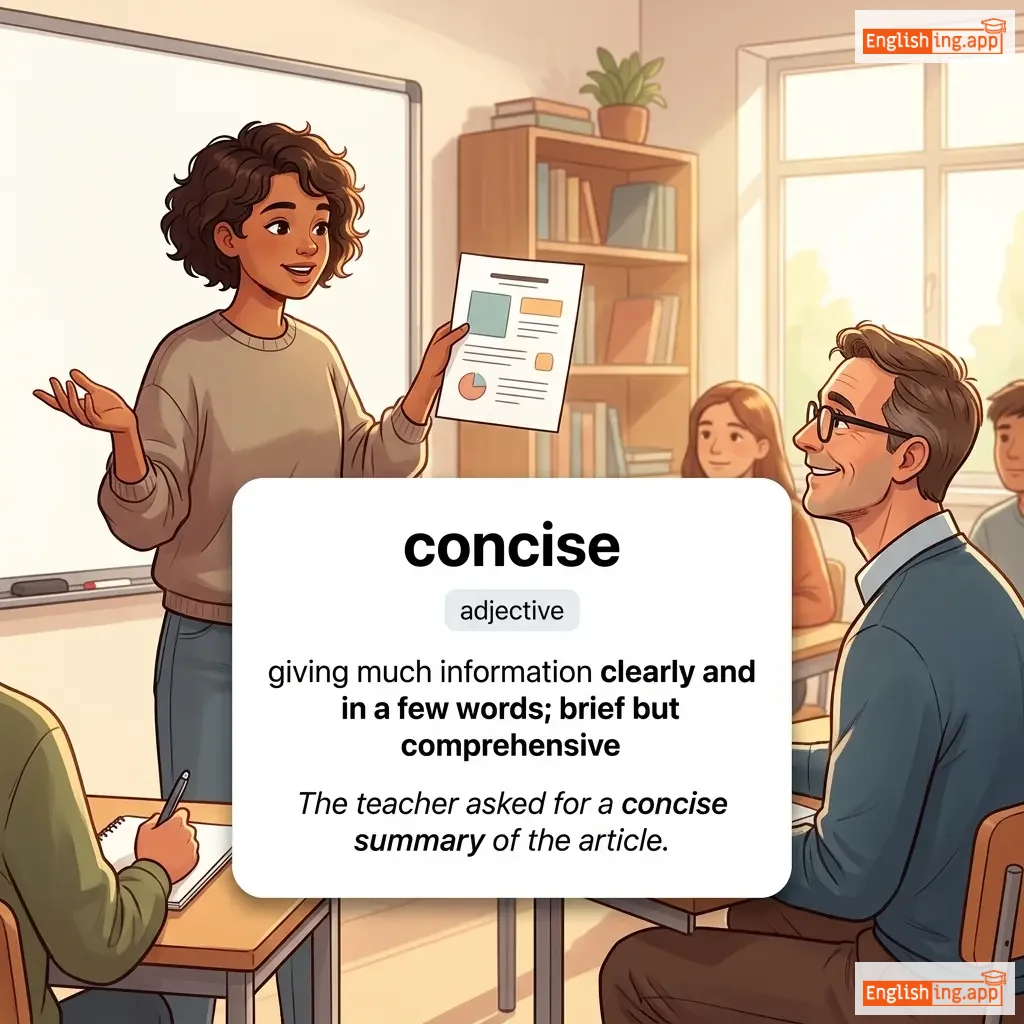
giving much information clearly and in a few words; brief but comprehensive
••••••
|
The teacher asked for a concise summary of the article. |
先生はその記事の簡潔な要約を求めました。
Sensei wa sono kiji no kanketsu na youyaku wo motomemashita.
••••••
|
in concise terms |
expressed clearly and briefly
••••••
|
簡潔な言葉で
kanketsu na kotoba de
••••••
|
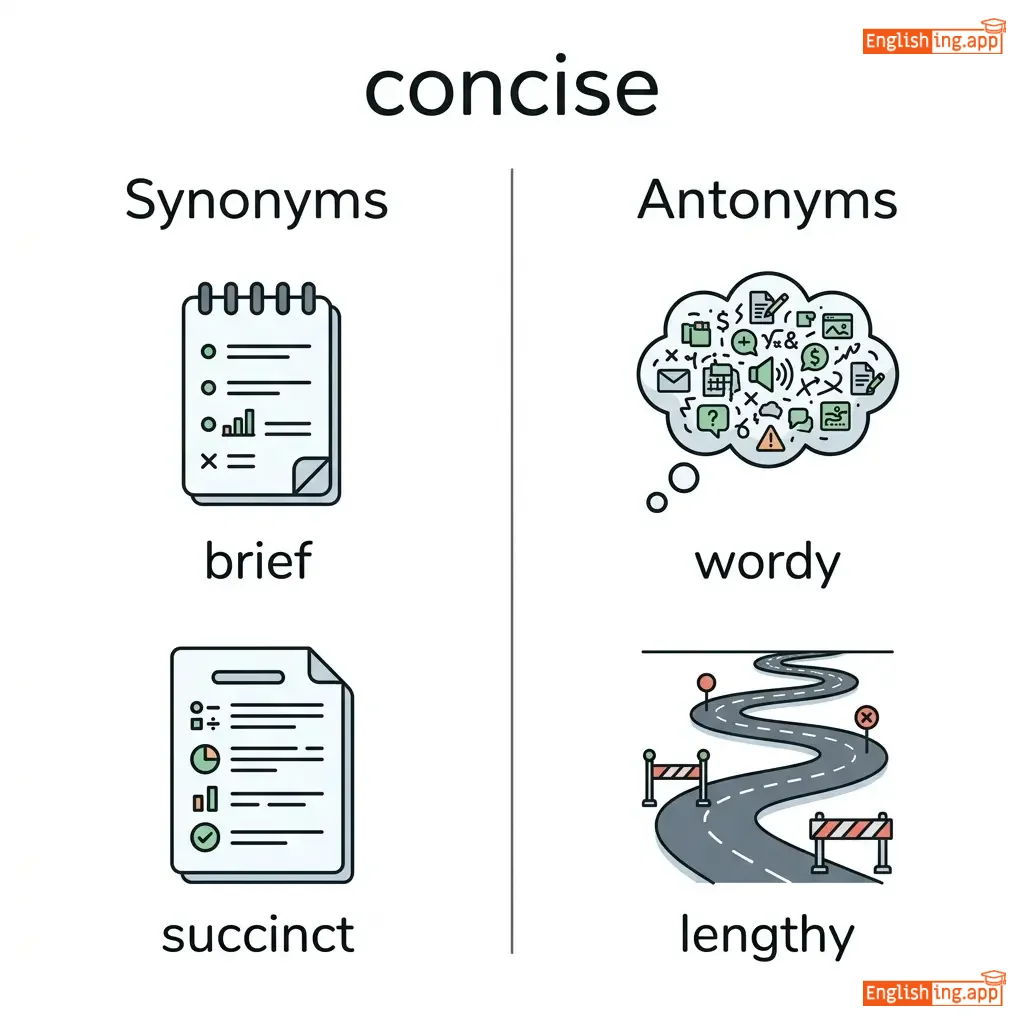
brief, succinct, clear, compact, terse
••••••
|
wordy, lengthy, verbose
••••••
|
concise summary, concise statement, concise explanation
••••••
|
簡潔 = 短くても、しっかり伝わる。
••••••
|
Vocabulary Quiz
Test your vocabulary by matching words with their translations or meanings.
Login to take the quiz
Comments (0)
Share your thoughts and join the discussion.
Join the discussion by logging in
Login to CommentNo comments yet
Be the first to share your thoughts!