

翻訳
過去
過去分詞
三人称単数
動名詞
意味
例文
例文の翻訳
同義語
対義語
コロケーション
ニーモニック
Swipe left or right, or use the buttons. Tap image to zoom.
例文の翻訳
単語
Lesson 120Lesson 120 - マスクトグル
|
絵文字
|
単語 | Images | 翻訳 | 過去 | 過去分詞 | 三人称単数 | 動名詞 | 意味 | 例文 | 例文の翻訳 | 表現例 | 表現例の意味 | 表現例の翻訳 | 同義語 | 対義語 | コロケーション | ニーモニック |
|---|---|---|---|---|---|---|---|---|---|---|---|---|---|---|---|---|---|
|
#3571
🌼
|
/ˈfɔːrɡraʊnd/
noun
(フォアグラウンド)
••••••
|
- •••••• |
前景
zenkei
••••••
|
- •••••• | - •••••• | - •••••• | - •••••• |
the part of a scene that is nearest to and in front of the viewer
••••••
|
The flowers in the foreground brightened the picture.
前景にある花が絵を明るくしました。
••••••
|
前景にある花が絵を明るくしました。
Zenkei ni aru hana ga e o akaruku shimashita.
••••••
|
bring to the foreground
前景に持っていく
••••••
|
to make something more prominent or important
••••••
|
前景に持っていく
zenkei ni motte iku
••••••
|
front, forefront, front line, spotlight
••••••
|
background, rear
••••••
|
in the foreground, bring to the foreground, clear foreground
••••••
|
前景は舞台の最前列にあるように、最初に目に入る部分です。
••••••
|
|
#3572
⛵
|
/ˈfɔːrˌseɪl/
noun
(フォアセイル)
••••••
|
- •••••• |
フォアセイル
foa seiru
••••••
|
- •••••• | - •••••• | - •••••• | - •••••• |
The principal sail set on the foremast of a sailing vessel.
••••••
|
The crew adjusted the foresail to catch the wind. |
乗組員は風を捉えるためにフォアセイルを調整しました。
Norikumiin wa kaze wo toraeru tame ni foa seiru wo chousei shimashita.
••••••
|
- •••••• | - •••••• | - •••••• |
front sail, foremast sail, mainsail (fore)
••••••
|
mizzen sail, aft sail
••••••
|
hoist the foresail, trim the foresail, set the foresail
••••••
|
Foreは前方、Sailは帆なので‘フォアセイル’。
••••••
|
|
#3573
🚀
|
/ˈfɔːrˌrʌnər/
noun
(フォアランナー)
••••••
|
- •••••• |
先駆者
senkusha
••••••
|
- •••••• | - •••••• | - •••••• | - •••••• |
A person or thing that comes before another; a predecessor or harbinger.
••••••
|
The Wright brothers were the forerunners of modern aviation. |
ライト兄弟は現代の航空の先駆者でした。
Raito kyōdai wa gendai no kōkū no senkusha deshita.
••••••
|
- •••••• | - •••••• | - •••••• |
precursor, predecessor, pioneer, harbinger
••••••
|
successor, follower
••••••
|
forerunner of, cultural forerunner, historic forerunner
••••••
|
Forerunner - 先に行く人、先駆者のように。
••••••
|
|
#3574
🏃♂️
|
/ˌfɔːrˈrʌn/
verb
(フォアラン)
••••••
|
- •••••• |
先駆ける
sakigakeru
••••••
|
foreran
フォアラン
••••••
|
forerun
フォアラン
••••••
|
foreruns
フォアランス
••••••
|
forerunning
フォアランニング
••••••
|
To go before; to precede in time, place, or action.
••••••
|
Dark clouds often forerun a storm.
暗い雲はしばしば嵐の前触れとなる。
••••••
|
暗い雲はしばしば嵐の前触れとなる。
Kurai kumo wa shibashiba arashi no maebure to naru.
••••••
|
- •••••• | - •••••• | - •••••• |
precede, anticipate, herald, foreshadow
••••••
|
follow, succeed
••••••
|
forerun danger, forerun change, forerun disaster
••••••
|
Foreは前、runは走る—前に走るはforerun。
••••••
|
|
#3575
🚢
|
/ˈfɔːrˌpiːk/
noun
(フォアピーク)
••••••
|
- •••••• |
船首の部屋
senshū no heya
••••••
|
- •••••• | - •••••• | - •••••• | - •••••• |
The compartment in the forward part of a ship, often used for storage.
••••••
|
The sailors stored extra ropes in the forepeak. |
船員たちは余分なロープを船首の部屋に収納しました。
Sen'in-tachi wa yobun na rōpu o senshū no heya ni shunō shimashita.
••••••
|
- •••••• | - •••••• | - •••••• |
front compartment, bow space, storage hold, forward cabin
••••••
|
stern, aft
••••••
|
ship's forepeak, forepeak storage, forepeak compartment
••••••
|
Foreは前部を意味し、peakは頂点を意味します — 船の前方の部屋を覚えましょう。
••••••
|
|
#3576
📜
|
/ˌfɔːrɔːrdɪˈneɪʃən/
noun
(フォアオーディネーション)
••••••
|
- •••••• |
予定
yotei
••••••
|
- •••••• | - •••••• | - •••••• | - •••••• |
the act of determining something in advance; predestination
••••••
|
The doctrine of foreordination suggests that events are fixed by divine will.
フォアオーディネーションの教義は、出来事は神の意志によって定められていると示唆しています。
••••••
|
予定説の教義は、出来事は神の意志によって定められていると示唆しています。
Yotei setsu no kyougi wa, dekigoto wa kami no ishi ni yotte sadamerarete iru to shisa shiteimasu.
••••••
|
- •••••• | - •••••• | - •••••• |
predestination, predetermination, fate, destiny
••••••
|
uncertainty, chance
••••••
|
divine foreordination, belief in foreordination, doctrine of foreordination
••••••
|
Foreordination = 予 (前もって) 定 (決める)
••••••
|
|
#3577
✨
|
/ˌfɔːrɔːrˈdeɪn/
verb
(フォアオーデイン)
••••••
|
- •••••• |
前もって定める
maemotte sadameru
••••••
|
foreordained
フォアオーディンド
••••••
|
foreordained
フォアオーディンド
••••••
|
foreordains
フォアオーディンズ
••••••
|
foreordaining
フォアオーデイニング
••••••
|
to determine or decree something in advance; to predestine
••••••
|
Some believe that our lives are foreordained by fate.
いくつかの人々は、私たちの人生は運命によって予め定められていると信じています。
••••••
|
いくつかの人々は、私たちの人生は運命によって予め定められていると信じています。
Ikutsuka no hitobito wa, watashitachi no jinsei wa unmei ni yotte arakajime sadamerareteiru to shinjiteimasu.
••••••
|
- •••••• | - •••••• | - •••••• |
predestine, preordain, determine, decree
••••••
|
chance, random
••••••
|
foreordain fate, foreordain destiny, foreordain outcome
••••••
|
Foreordain は何かを前もって決めることを意味します。
••••••
|
|
#3578
🔬
|
/fəˈrɛnsɪk/
adjective
(フォレンシック)
••••••
|
|
法医学
hōigaku
••••••
|
- •••••• | - •••••• | - •••••• | - •••••• |
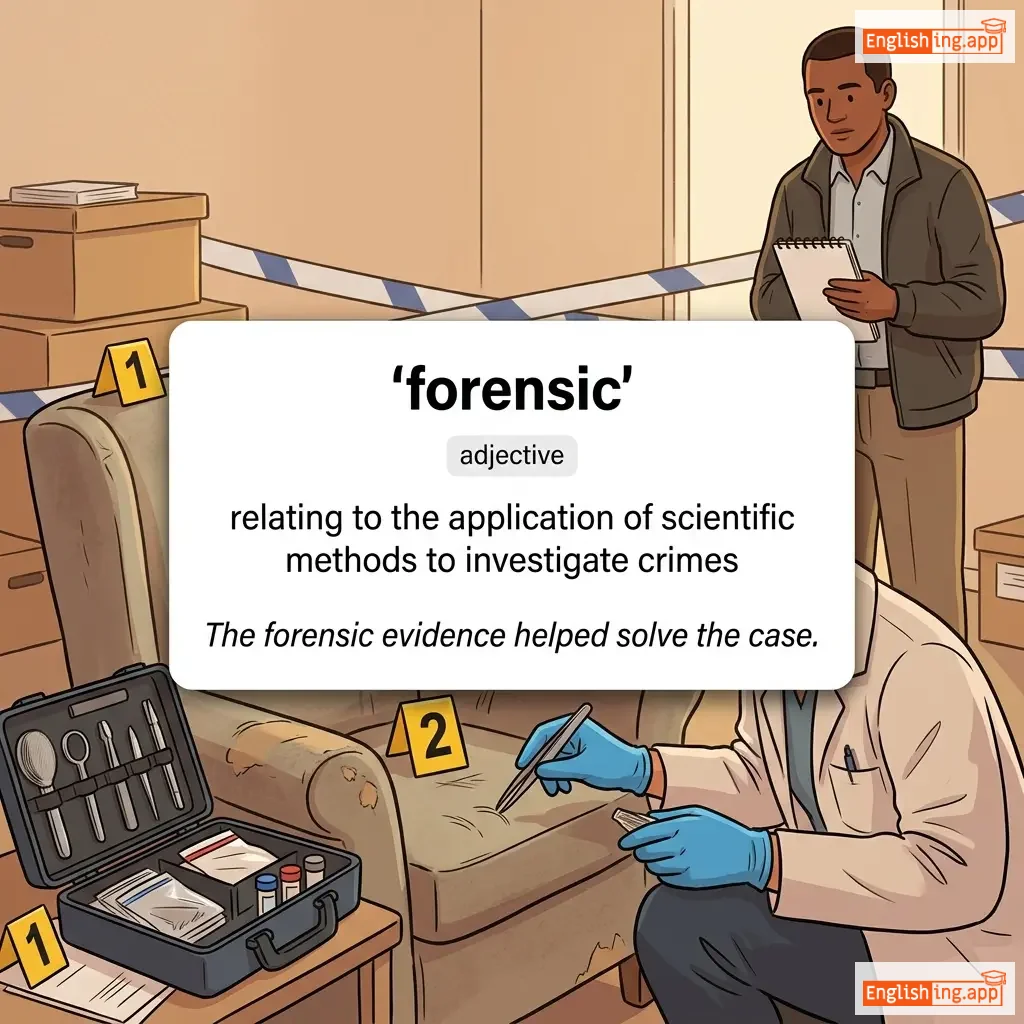
relating to the application of scientific methods to investigate crimes
••••••
|
The forensic evidence helped solve the case. |
法医学の証拠が事件解決に役立ちました。
Hōigaku no shōko ga jiken kaiketsu ni yakudachimashita.
••••••
|
forensic science |
the scientific methods used in crime detection
••••••
|
法医学の科学
hōigaku no kagaku
••••••
|
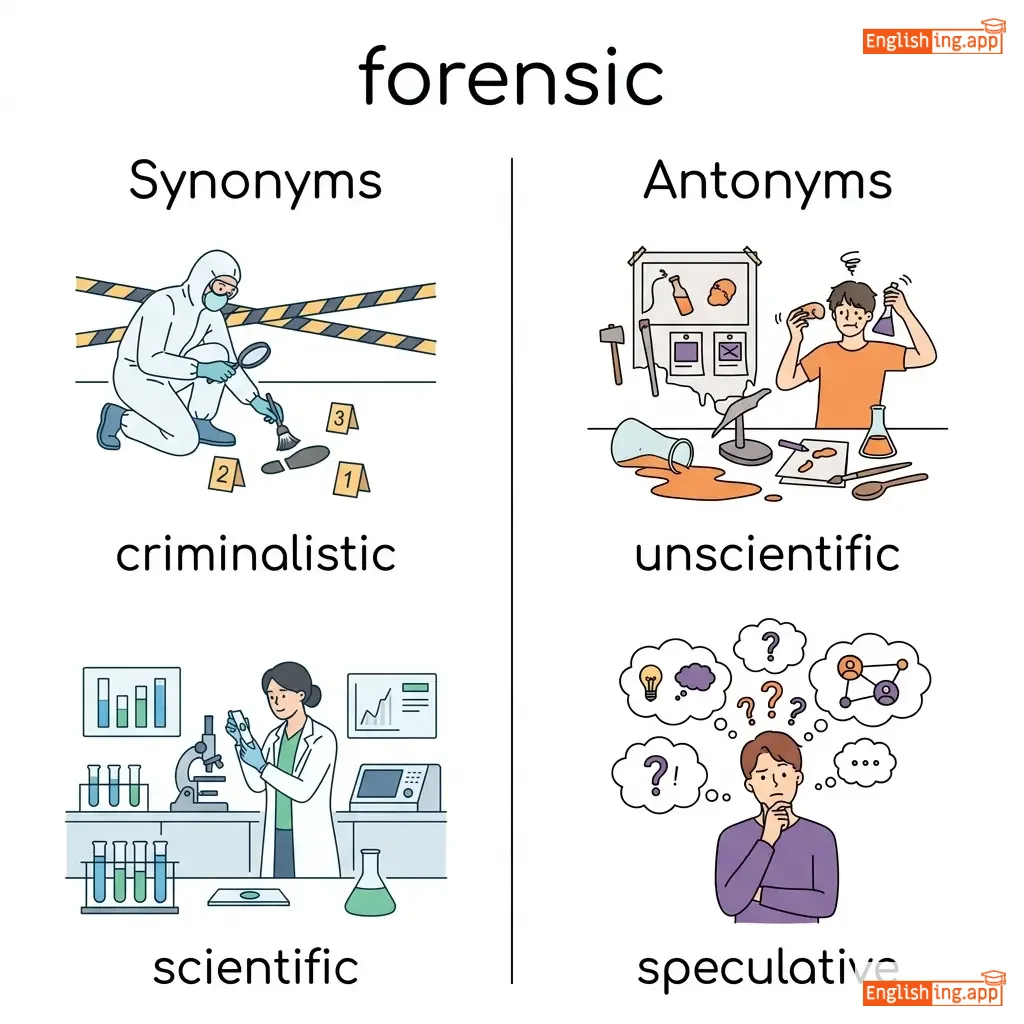
criminalistic, scientific, analytical, investigative
••••••
|
unscientific, speculative
••••••
|
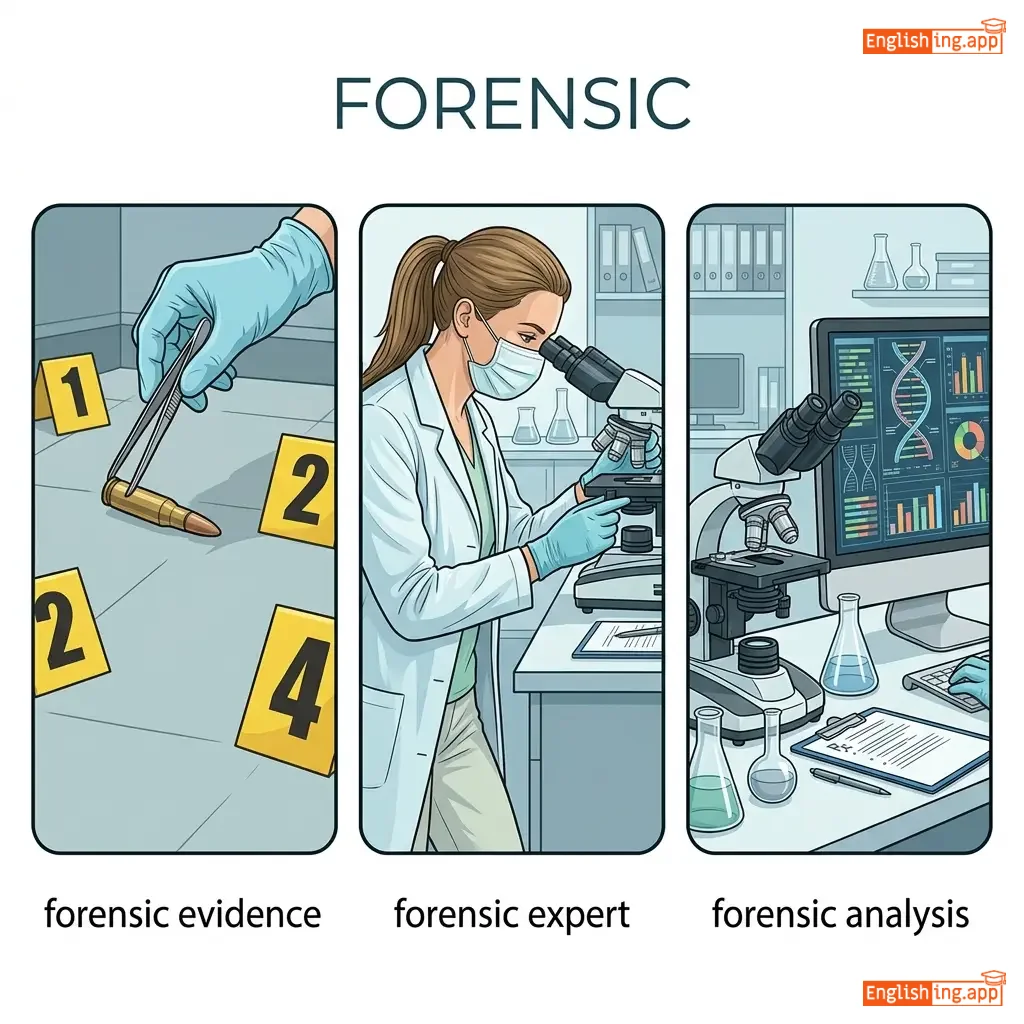
forensic evidence, forensic expert, forensic analysis, forensic investigation
••••••
|
Forensic = 法医学, 科学的な犯罪調査
••••••
|
|
#3579
🏆
|
/ˈfɔːrmoʊst/
adjective
(フォアモスト)
••••••
|
- •••••• |
最も重要な
mottomo jūyō na
••••••
|
- •••••• | - •••••• | - •••••• | - •••••• |
most important; leading; first in rank or position
••••••
|
She is one of the foremost experts in the field. |
彼女はこの分野の最も重要な専門家の一人です。
Kanojo wa kono bunya no mottomo jūyō na senmonka no hitori desu.
••••••
|
- •••••• | - •••••• | - •••••• |
leading, chief, principal, primary, top
••••••
|
minor, insignificant, secondary
••••••
|
foremost authority, foremost importance, foremost expert, foremost leader
••••••
|
Foremostは最初 (fore) と最も重要 (most)
••••••
|
|
#3580
👷
|
/ˈfɔːrmən/
noun
(フォアマン)
••••••
|
- •••••• |
労働者のグループを担当する人、特に工場や建設現場で
rōdōsha no gurūpu o tantō suru hito, tokuni kōjō ya kensetsu genba de
••••••
|
- •••••• | - •••••• | - •••••• | - •••••• |
a person in charge of a group of workers, especially in a factory or construction site
••••••
|
The foreman supervised the workers on the construction site. |
フォアマンは建設現場で作業員を監督しました。
Fōman wa kensetsu genba de sagyōin o kantoku shimashita.
••••••
|
- •••••• | - •••••• | - •••••• |
supervisor, overseer, manager, leader, boss
••••••
|
worker, employee
••••••
|
construction foreman, site foreman, factory foreman, foreman position
••••••
|
Foreman:フォ(for)アマン(man)で現場のリーダー
••••••
|
|
#3581
🔮
|
/ˈfɔːrˌnɑːlɪdʒ/
noun
(フォアノーレッジ)
••••••
|
- •••••• |
予知
yochi
••••••
|
- •••••• | - •••••• | - •••••• | - •••••• |
Awareness of something before it happens or exists.
••••••
|
The prophet claimed to have foreknowledge of the event. |
預言者はその出来事の予知をしていると主張した。
Yogen-sha wa sono dekigoto no yochi o shite iru to shuchou shita.
••••••
|
- •••••• | - •••••• | - •••••• |
foresight, prescience, anticipation, prediction, intuition
••••••
|
ignorance, hindsight
••••••
|
divine foreknowledge, foreknowledge of events, claim foreknowledge
••••••
|
Foreknowledgeは何かを前もって知ること—予知!
••••••
|
|
#3582
⚖️
|
/fɔːrˈdʒʌdʒ/
verb
(フォージャッジ)
••••••
|
- •••••• |
前もって判断する
maemotte handan suru
••••••
|
forejudged
フォージャッジド
••••••
|
forejudged
フォージャッジド
••••••
|
forejudges
フォージャッジズ
••••••
|
forejudging
フォージャッジング
••••••
|
To judge beforehand without adequate information.
••••••
|
It is unfair to forejudge someone without knowing the facts.
事実を知らずに誰かを前もって判断するのは不公平です。
••••••
|
事実を知らずに誰かを前もって判断するのは不公平です。
Jijitsu o shirazu ni dareka o maemotte handan suru no wa fukōhei desu.
••••••
|
- •••••• | - •••••• | - •••••• |
prejudge, assume, presuppose, anticipate
••••••
|
verify, confirm, examine
••••••
|
forejudge a case, forejudge unfairly, forejudge actions
••••••
|
Forejudge とは前もって判断すること—事実を知らずに!
••••••
|
|
#3583
🧳
|
/ˈfɔːrənər/ or /ˈfɑːrənər/
noun
(フォレイナー)
••••••
|
- •••••• |
外国人
gaikokujin
••••••
|
- •••••• | - •••••• | - •••••• | - •••••• |
A person from another country.
••••••
|
The city welcomes every foreigner with kindness. |
その都市はすべての外国人を親切に迎えます。
Sono toshi wa subete no gaikokujin o shinsetsu ni mukaemasu.
••••••
|
- •••••• | - •••••• | - •••••• |
outsider, alien, immigrant, stranger, visitor
••••••
|
citizen, native, local
••••••
|
foreign tourist, foreigner community, foreigner rights, foreigner registration
••••••
|
Foreigner は外国人—他の国から来た人!
••••••
|
|
#3584
🌍
|
/ˈfɔːrən/ or /ˈfɑːrən/
adjective
(フォーリン)
••••••
|
- •••••• |
外国の
gaikoku no
••••••
|
- •••••• | - •••••• | - •••••• | - •••••• |
Belonging to or coming from another country.
••••••
|
She loves studying foreign languages. |
彼女は外国語を学ぶのが好きです。
Kanojo wa gaikokugo o manabu no ga suki desu.
••••••
|
foreign to someone |
Something that is strange or unfamiliar to someone.
••••••
|
誰かにとっては不思議
Dareka ni totte wa fushigi
••••••
|
overseas, external, alien, exotic, unfamiliar
••••••
|
domestic, native, local
••••••
|
foreign policy, foreign language, foreign country, foreign affairs
••••••
|
Foreign = 外国の—Foreign は自分の国からではない!
••••••
|
|
#3585
👩
|
/ˈfɔːrˌhɛd/ or /ˈfɔːrɪd/
noun
(fōreddo)
••••••
|
- •••••• |
額
atama
••••••
|
- •••••• | - •••••• | - •••••• | - •••••• |
The part of the face above the eyebrows.
••••••
|
She wiped the sweat from her forehead. |
彼女は額から汗を拭いました。
Kanojo wa atama kara ase o fukimashita.
••••••
|
sweat on one's forehead |
A sign of hard work, nervousness, or exertion.
••••••
|
額の汗
atama no ase
••••••
|
brow, temple, face, skull, cranium
••••••
|
chin, jaw
••••••
|
high forehead, wrinkled forehead, broad forehead, kiss on the forehead
••••••
|
Forehead は日本語で額。額の汗 = 努力の証!
••••••
|
|
#3586
✋
|
/fɔːˈbɛər/
verb
(フォアベア)
••••••
|
- •••••• |
控える
hikaeru
••••••
|
forbore
フォアボア
••••••
|
forborne
フォアボーン
••••••
|
forbears
フォアベアズ
••••••
|
forbearing
フォアベアリング
••••••
|
To refrain from doing something; to show patience or self-control.
••••••
|
She forbore from commenting on his mistake.
彼女は彼の間違いについてコメントするのを控えました。
••••••
|
彼女は彼の間違いについてコメントするのを控えました。
Kanojo wa kare no machigai ni tsuite komento suru no wo hikaemashita.
••••••
|
forbear to do something
フォアベア 何かをする
••••••
|
to refrain or hold oneself back from doing something
••••••
|
何かを控える
nanika wo hikaeru
••••••
|
refrain, abstain, withhold, restrain, endure
••••••
|
indulge, act
••••••
|
forbear from, forbear doing, forbear to
••••••
|
Forbear は 'bear' より忍耐強く控える
••••••
|
|
#3587
🚫
|
/fɔːrˈɡoʊ/
verb
(フォーゴ)
••••••
|
- •••••• |
断る
kotowaru
••••••
|
forewent
フォーウェント
••••••
|
foregone
フォーゴン
••••••
|
forgoes
フォーゴーズ
••••••
|
foregoing
フォーゴイング
••••••
|
to decide not to do or have something pleasant or valuable
••••••
|
She decided to forego dessert to maintain her diet.
彼女はダイエットを維持するためにデザートを断ることに決めました。
••••••
|
彼女はダイエットを維持するためにデザートを断ることに決めました。
Kanojo wa daietto o iji suru tame ni dezāto o kotowaru koto ni kimemashita.
••••••
|
- •••••• | - •••••• | - •••••• |
sacrifice, relinquish, renounce, abandon
••••••
|
accept, indulge, pursue
••••••
|
forego benefits, forego pleasure, forego opportunities
••••••
|
Forego = デザートを断ってダイエットを維持
••••••
|
|
#3588
👴
|
/ˈfɔːrˌfɑːðər/
noun
(フォーファザー)
••••••
|
- •••••• |
先祖
senzo
••••••
|
- •••••• | - •••••• | - •••••• | - •••••• |
an ancestor, especially one who was part of an earlier generation of a family or nation
••••••
|
Our forefathers fought for independence. |
私たちの先祖は独立のために戦いました。
Watashitachi no senzo wa dokuritsu no tame ni tatakaimashita.
••••••
|
- •••••• | - •••••• | - •••••• |
ancestor, progenitor, patriarch, predecessor
••••••
|
descendant, successor
••••••
|
great forefathers, our forefathers, nation’s forefathers
••••••
|
Fore (昔の) + Father (父) → 先祖。
••••••
|
|
#3589
🚗
|
/ˈfɔːrkɔːrt/
noun
(フォアコート)
••••••
|
- •••••• |
前庭
zentō
••••••
|
- •••••• | - •••••• | - •••••• | - •••••• |
an open area in front of a large building, especially a petrol station or hotel
••••••
|
The car was parked in the hotel forecourt. |
車はホテルの前庭に駐車されていました。
Kuruma wa hoteru no zentō ni chūsha sarete imashita.
••••••
|
- •••••• | - •••••• | - •••••• |
entrance, courtyard, plaza, foreyard
••••••
|
backyard, rear
••••••
|
hotel forecourt, petrol station forecourt, shop forecourt
••••••
|
Fore (前) + Court (庭) → 前庭。
••••••
|
|
#3590
🏠
|
/fɔːrˈkloʊz/
verb
(fōkurōzu)
••••••
|
- •••••• |
差し押さえる
sashiosaeru
••••••
|
foreclosed
fōkurōzudo
••••••
|
foreclosed
fōkurōzudo
••••••
|
forecloses
fōkurōzesu
••••••
|
foreclosing
fōkurōzuingu
••••••
|
to take possession of a property due to the owner's failure to keep up mortgage payments
••••••
|
The bank decided to foreclose on the property after months of missed payments.
銀行は何ヶ月も支払いを欠かした後、物件の差し押さえを決定しました。
••••••
|
銀行は何ヶ月も支払いを欠かした後、物件の差し押さえを決定しました。
Ginkō wa nan kagetsu mo shiharai o kakashita ato, bukken no sashiosae o kettei shimashita.
••••••
|
foreclose on a mortgage
住宅ローンの差し押さえ
••••••
|
to repossess property because mortgage payments were not made
••••••
|
住宅ローンの差し押さえ
Jūtaku rōn no sashiosae
••••••
|
seize, repossess, confiscate, reclaim, appropriate
••••••
|
release, forgive, return
••••••
|
foreclose on, bank forecloses, foreclose property, foreclose rights
••••••
|
Fore (前) + Close (閉じる) → 支払わなければ、私たちは閉じる。
••••••
|
|
#3591
⛴️
|
/ˈfoʊksl/
noun
(フォークスル)
••••••
|
- •••••• |
フォアキャッスル
foakyassuru
••••••
|
- •••••• | - •••••• | - •••••• | - •••••• |
The forward part of a ship below the deck, traditionally used as living quarters for the crew.
••••••
|
The sailors gathered in the forecastle after their shift. |
船員たちはシフト後にフォアキャッスルに集まりました。
Sen'in-tachi wa shifuto go ni foakyassuru ni atsumarimashita.
••••••
|
- •••••• | - •••••• | - •••••• |
crew quarters, front deck, bow section
••••••
|
stern, aft
••••••
|
ship's forecastle, forecastle crew, forecastle deck
••••••
|
Fore + castle = 船の前方部分、乗組員の寝る場所
••••••
|
|
#3592
🌦️
|
/ˈfɔːrkæst/
noun/verb
••••••
|
- •••••• | - •••••• |
forecast
••••••
|
forecast
••••••
|
forecasts
••••••
|
forecasting
••••••
|
To predict future events, especially weather or economic trends.
••••••
|
The weather office forecast heavy rain for tomorrow. |
- •••••• |
long-term forecast |
Prediction about a distant future period
••••••
|
- •••••• |
predict, project, estimate, prognosis, outlook
••••••
|
ignore, miscalculate
••••••
|
economic forecast, weather forecast, forecast demand, forecast growth
••••••
|
No •••••• |
|
#3593
😨
|
/fɔːrˈboʊdɪŋ/
noun/adjective
(フォアボーディング)
••••••
|
- •••••• |
不吉な予感
fukitsuna yokan
••••••
|
- •••••• | - •••••• | - •••••• | - •••••• |
A feeling that something bad will happen; ominous.
••••••
|
She felt a deep sense of foreboding as she entered the abandoned house. |
彼女は廃屋に入るとき、深い不吉な予感を感じた。
Kanojo wa haieki ni hairu toki, fukai fukitsuna yokan o kanjita.
••••••
|
- •••••• | - •••••• | - •••••• |
premonition, dread, apprehension, misgiving
••••••
|
confidence, assurance, optimism
••••••
|
sense of foreboding, ominous foreboding, feeling of foreboding
••••••
|
Fore + Boding = 不吉な予感 → 何か悪いことが起こると感じる
••••••
|
|
#3594
🌩️
|
/fɔːrˈboʊd/
verb
(フォーボード)
••••••
|
- •••••• |
予兆する
yochou suru
••••••
|
foreboded
フォーボデッド
••••••
|
foreboded
フォーボデッド
••••••
|
forebodes
フォーボッズ
••••••
|
foreboding
フォーボーディング
••••••
|
To predict or have a strong inner feeling of a future misfortune or evil.
••••••
|
Dark clouds forebode a coming storm.
暗い雲が来る嵐を予兆している。
••••••
|
暗い雲が来る嵐を予兆している。
Kurai kumo ga kuru arashi o yochou shite iru.
••••••
|
- •••••• | - •••••• | - •••••• |
predict, foreshadow, foretell, augur, portend
••••••
|
assure, promise, guarantee
••••••
|
dark clouds forebode, forebode evil, forebode trouble
••••••
|
Forbodeは予兆するという意味 → 予兆するという意味です。
••••••
|
|
#3595
👴
|
/ˈfɔːrˌbɛərz/
noun
(フォアベアーズ)
••••••
|
- •••••• |
先祖
senzo
••••••
|
- •••••• | - •••••• | - •••••• | - •••••• |
Ancestors or people in previous generations from whom one is descended.
••••••
|
We must honor the traditions of our forebears. |
私たちは先祖の伝統を尊重しなければなりません。
Watashitachi wa senzo no dentou wo sonchou shinakereba narimasen.
••••••
|
- •••••• | - •••••• | - •••••• |
ancestors, forefathers, predecessors, progenitors, ancestry
••••••
|
descendants, successors
••••••
|
honor forebears, wisdom of forebears, traditions of forebears
••••••
|
Fore + bears = 過去から受け継がれた伝統を尊重する
••••••
|
|
#3596
👴
|
/ˈfɔːrˌbɛər/
noun
(フォアベア)
••••••
|
- •••••• |
先祖
senzo
••••••
|
- •••••• | - •••••• | - •••••• | - •••••• |
An ancestor, especially one who lived a long time ago.
••••••
|
He often speaks of his forebears with great respect.
彼はしばしば自分の先祖について尊敬を込めて話します。
••••••
|
彼はしばしば自分の先祖について尊敬を込めて話します。
Kare wa shibashiba jibun no senzo ni tsuite sonkei o komete hanashimasu.
••••••
|
- •••••• | - •••••• | - •••••• |
ancestor, predecessor, progenitor, forefather
••••••
|
descendant, successor
••••••
|
ancient forebears, honor forebears, respect forebears
••••••
|
Forebear とは先祖のこと、Bearが先祖になるイメージ。
••••••
|
|
#3597
🌊
|
/fɔːrd/
noun, verb
(フォード)
••••••
|
- •••••• |
浅瀬
asase
••••••
|
forded
フォードした
••••••
|
forded
フォードした
••••••
|
fords
フォードします
••••••
|
fording
フォーディング
••••••
|
A shallow place in a river where one can cross; to cross a river at such a place.
••••••
|
The travelers decided to ford the river at dawn.
旅行者たちは夜明けに川を渡ることに決めました。
••••••
|
旅行者たちは夜明けに川を渡ることに決めました。
Ryokō-sha-tachi wa yoake ni kawa o wataru koto ni kimemashita.
••••••
|
- •••••• | - •••••• | - •••••• |
crossing, shallow passage, wade
••••••
|
deep water, abyss
••••••
|
ford the river, shallow ford, dangerous ford
••••••
|
Ford は車としてだけでなく、川を渡る場所も指す。
••••••
|
|
#3598
💥
|
/ˈfɔːrsəbl/
adjective
(fōsiburu)
••••••
|
- •••••• |
強制的
kyōseiteki
••••••
|
- •••••• | - •••••• | - •••••• | - •••••• |
Done by force; using physical strength or power.
••••••
|
The police made a forcible entry into the house. |
警察は強制的に家に入った。
Keisatsu wa kyōseiteki ni ie ni haitta.
••••••
|
- •••••• | - •••••• | - •••••• |
violent, powerful, strong, coercive, aggressive
••••••
|
peaceful, gentle, voluntary
••••••
|
forcible entry, forcible removal, forcible eviction
••••••
|
Forcible は日本語で強制的、力で何かをすることを意味します。
••••••
|
|
#3599
➕
|
/ˈfɔːrbi/
adverb
(フォービー)
••••••
|
- •••••• |
その上
sono ue
••••••
|
- •••••• | - •••••• | - •••••• | - •••••• |
In addition; besides (archaic Scottish/English word).
••••••
|
He is kind and generous, and wise forby. |
彼は親切で寛大で、さらに賢いです。
Kare wa shinsetsu de kandai de, sara ni kashikoi desu.
••••••
|
- •••••• | - •••••• | - •••••• |
besides, moreover, additionally, furthermore
••••••
|
however, but
••••••
|
wise forby, strong forby, generous forby
••••••
|
Forby は For+by = 何かに追加されたもの (その上)。
••••••
|
|
#3600
🙏
|
/fɔːrˈbɛrəns/
noun
(フォービアランス)
••••••
|
|
寛容
kanyou
••••••
|
- •••••• | - •••••• | - •••••• | - •••••• |
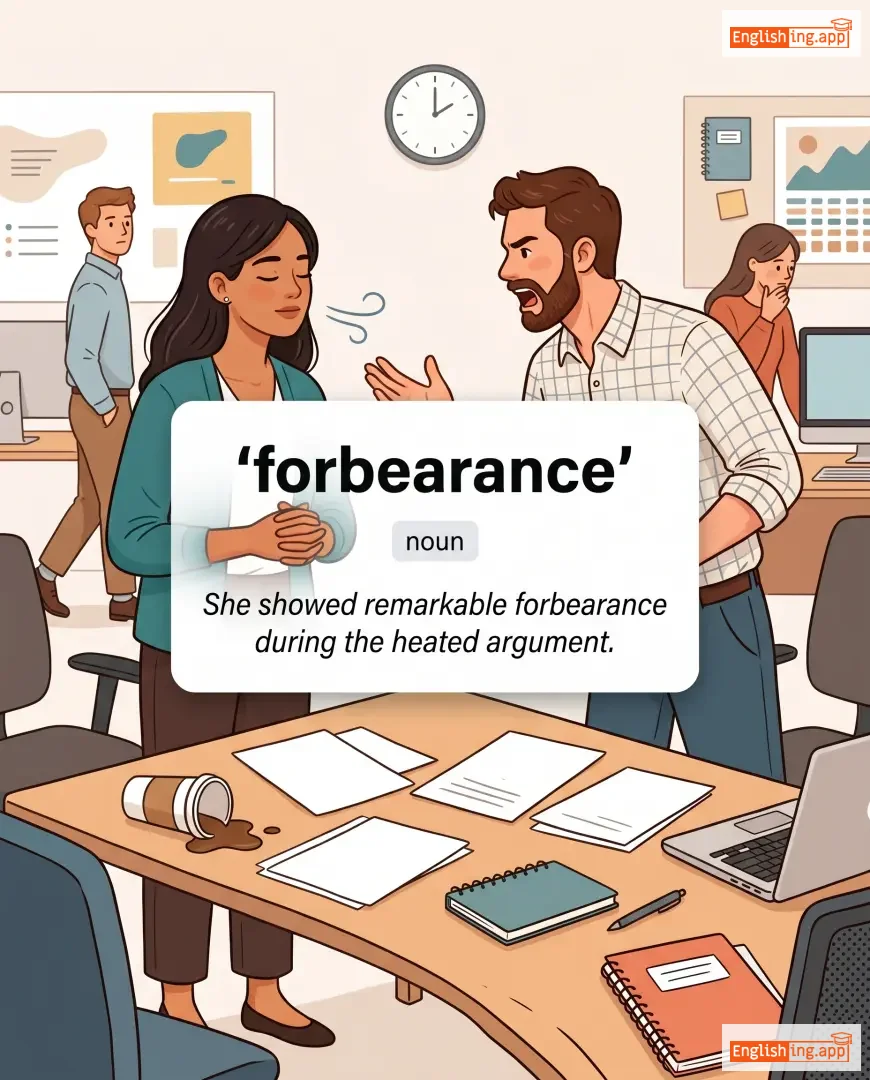
Patient self-control; restraint and tolerance, especially in difficult situations.
••••••
|
She showed remarkable forbearance during the heated argument. |
彼女は激しい議論の中で驚くべき寛容さを示しました。
Kanojo wa hageshii giron no naka de odorokubeki kanyousa o shimeshimaashita.
••••••
|
- •••••• | - •••••• | - •••••• |
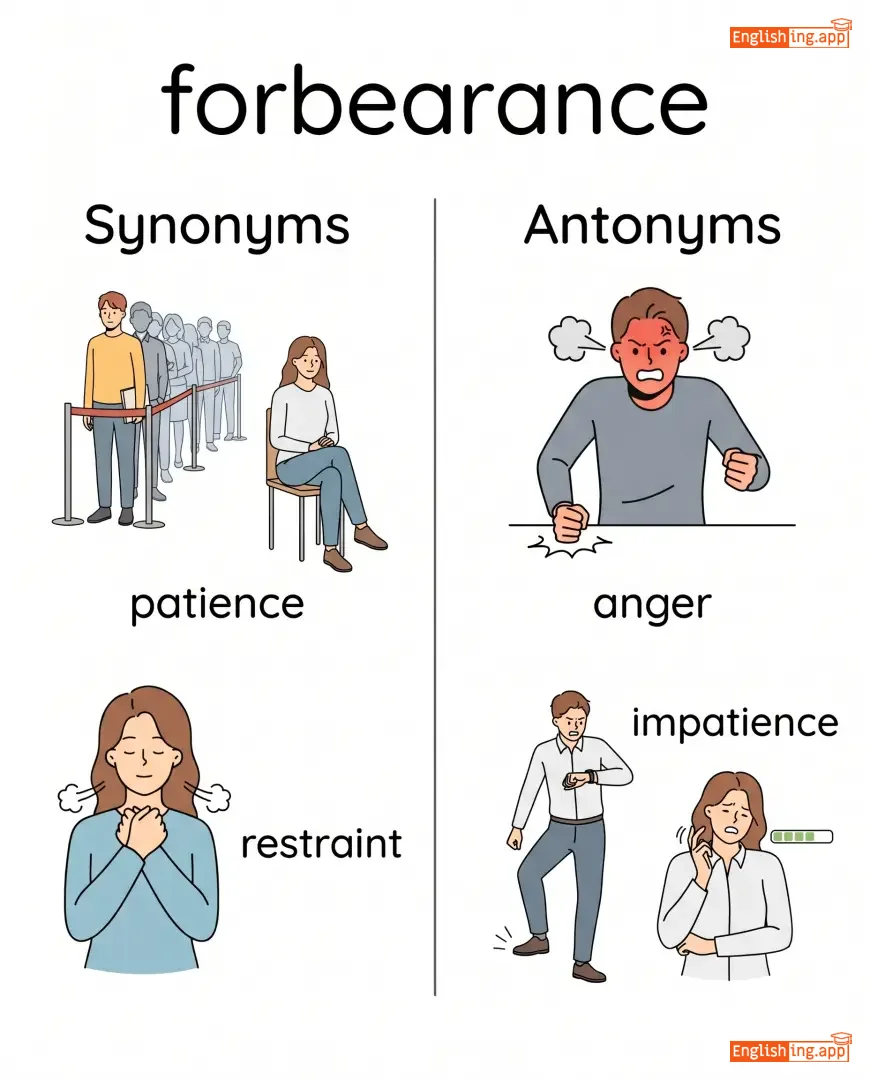
patience, restraint, tolerance, self-control, endurance
••••••
|
anger, impatience, intolerance
••••••
|
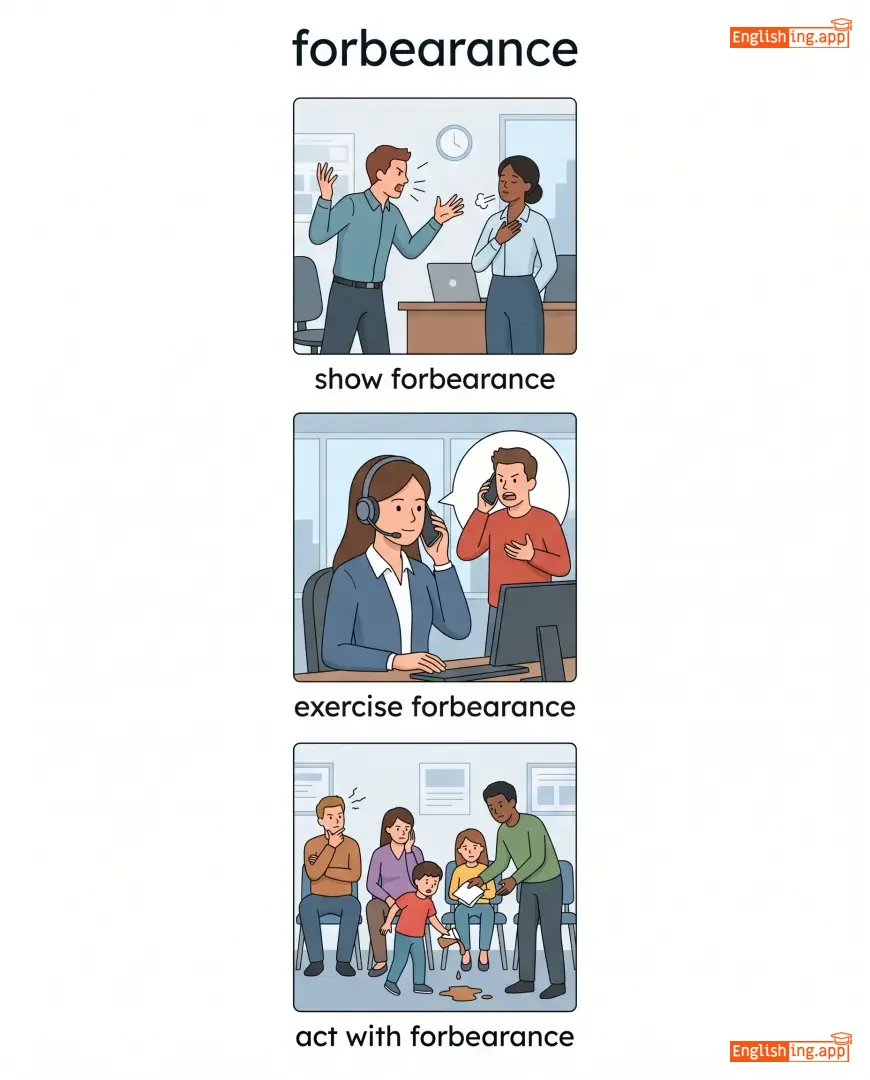
show forbearance, exercise forbearance, act with forbearance
••••••
|
Forbearance は 'bear' のように困難な時でも忍耐することです。
••••••
|
Vocabulary Quiz
Test your vocabulary by matching words with their translations or meanings.
Login to take the quiz
Comments (0)
Share your thoughts and join the discussion.
Join the discussion by logging in
Login to CommentNo comments yet
Be the first to share your thoughts!