

翻訳
過去
過去分詞
三人称単数
動名詞
意味
例文
例文の翻訳
同義語
対義語
コロケーション
ニーモニック

Swipe left or right, or use the buttons. Tap image to zoom.
例文の翻訳
単語
Lesson 265Lesson 265 - マスクトグル
|
絵文字
|
単語 | Images | 翻訳 | 過去 | 過去分詞 | 三人称単数 | 動名詞 | 意味 | 例文 | 例文の翻訳 | 表現例 | 表現例の意味 | 表現例の翻訳 | 同義語 | 対義語 | コロケーション | ニーモニック |
|---|---|---|---|---|---|---|---|---|---|---|---|---|---|---|---|---|---|
|
#7920
🌍
|
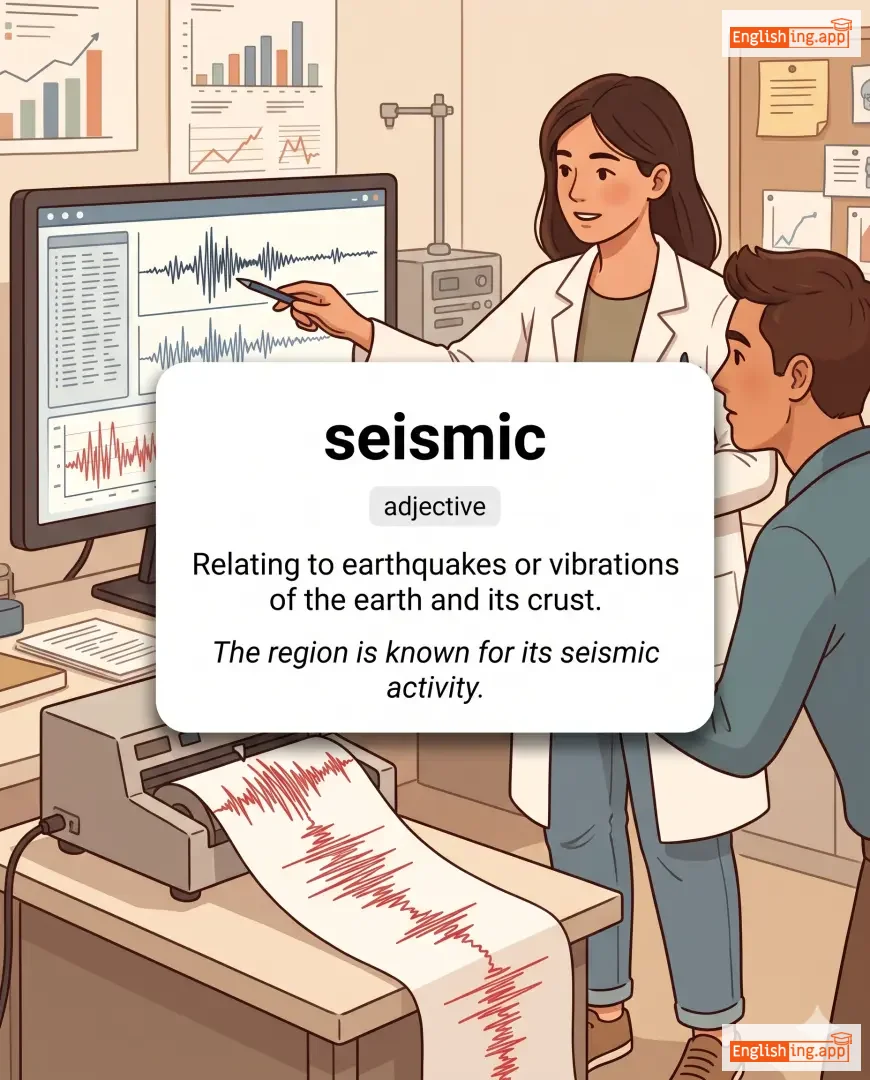
/ˈsaɪz.mɪk/
adjective
(シスミック)
••••••
|
|
地震の
jishin no
••••••
|
- •••••• | - •••••• | - •••••• | - •••••• |
Relating to earthquakes or vibrations of the earth and its crust.
••••••
|
The region is known for its seismic activity.
その地域は地震活動で知られています。
••••••
|
その地域は地震活動で知られています。
Sono chiiki wa jishin katsudō de shirareteimasu.
••••••
|
seismic shift
地震の変化
••••••
|
A major and significant change.
••••••
|
地震の変化
jishin no henka
••••••
|
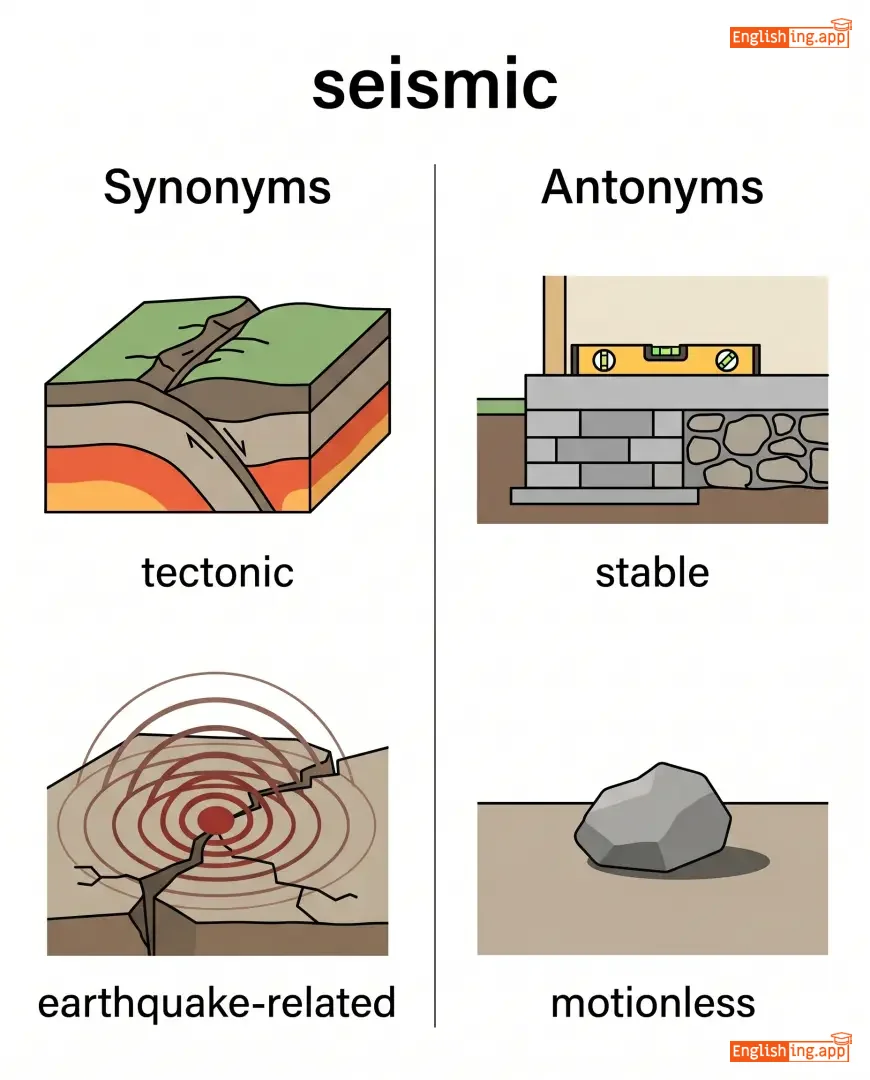
tectonic, earthquake-related, vibrational, geological, ground-shaking
••••••
|
stable, motionless, calm
••••••
|
seismic activity, seismic waves, seismic hazard, seismic risk, seismic shift
••••••
|
シスミックは地震に関連しています。
••••••
|
|
#7921
😵
|
/ˌsɛm.iˈkɒn.ʃəs/
adjective
(セミコンシャス)
••••••
|
- •••••• |
半意識
han ishiki
••••••
|
- •••••• | - •••••• | - •••••• | - •••••• |
Only partly conscious; not fully aware of surroundings.
••••••
|
He was semiconscious after the accident and could barely respond.
彼は事故後セミコンシャスで、ほとんど反応できなかった。
••••••
|
彼は事故後セミコンシャスで、ほとんど反応できなかった。
Kare wa jiko go semiconscious de, hotondo hannō dekinakatta.
••••••
|
- •••••• | - •••••• | - •••••• |
half-conscious, dazed, groggy, faint
••••••
|
conscious, alert, aware
••••••
|
semiconscious state, semiconscious condition, remain semiconscious
••••••
|
Semi は部分的、conscious は意識 — 事故後、semi-conscious は半意識。
••••••
|
|
#7922
🌍
|
/ˌsɛm.iˈsɪv.ə.laɪzd/
adjective
(セミシヴィライズド)
••••••
|
- •••••• |
半文明
hanbunmei
••••••
|
- •••••• | - •••••• | - •••••• | - •••••• |
Partially civilized; having some aspects of civilization but not fully developed.
••••••
|
The tribe was described as semicivilized by early explorers. |
その部族は初期の探検家によって半文明と説明されました。
Sono buzoku wa shoki no tankenka ni yotte hanbunmei to setsumei saremashita.
••••••
|
- •••••• | - •••••• | - •••••• |
partly civilized, half-civilized, primitive
••••••
|
civilized, cultured
••••••
|
semicivilized tribe, semicivilized society
••••••
|
Semiは半分を意味し、文明は発展を意味します—だから半文明=半分発展。
••••••
|
|
#7923
◔
|
/ˈsɛm.iˌsɜːr.kəl/
noun
(セミサークル)
••••••
|
- •••••• |
半円
han'en
••••••
|
- •••••• | - •••••• | - •••••• | - •••••• |
Half of a circle or something shaped like half of a circle.
••••••
|
The students sat in a semicircle around the teacher. |
学生たちは教師の周りに半円形に座っていました。
Gakuseitachi wa kyoushi no mawari ni han'enkei ni suwatte imashita.
••••••
|
- •••••• | - •••••• | - •••••• |
half-circle, arc, curve
••••••
|
circle, square
••••••
|
sit in a semicircle, form a semicircle, semicircle arrangement
••••••
|
Semi = 半分、Circle = 円、だから半円 = 半円。
••••••
|
|
#7924
📆
|
/ˌsɛm.iˈæn.ju.əl/
adjective
(セミアニュアル)
••••••
|
- •••••• |
半年ごと
hanni goto
••••••
|
- •••••• | - •••••• | - •••••• | - •••••• |
Occurring twice a year; every six months.
••••••
|
The company holds a semiannual meeting with all employees. |
会社は6ヶ月ごとに全社員との会議を開きます。
Kaisha wa 6 kagetsu goto ni zen shain tono kaigi wo hirakimasu.
••••••
|
- •••••• | - •••••• | - •••••• |
biannual, twice-yearly, half-yearly
••••••
|
annual, quarterly
••••••
|
semiannual meeting, semiannual report, semiannual payment
••••••
|
Semiは半分を意味するので、半年ごと = 1年に2回(6ヶ月ごと)。
••••••
|
|
#7925
🎭
|
/ˈsɛm.bləns/
noun
(semburansu)
••••••
|
- •••••• |
外観, 表面的な形
gaikan, hyōmen-teki na katachi
••••••
|
- •••••• | - •••••• | - •••••• | - •••••• |
The outward appearance or form of something, especially when the reality is different.
••••••
|
Despite his calm tone, there was only a semblance of control in the room.
despite his calm tone, there was only a semblance of control in the room.
••••••
|
落ち着いた声のトーンにもかかわらず、部屋にはただの支配の外観しかなかった。
Ochitsuita koe no tōn ni mo kakawarazu, heya ni wa tada no shihai no gaikan shika nakatta.
••••••
|
semblance of order
semblance of order
••••••
|
An appearance of order, even if true order does not exist.
••••••
|
秩序の外観
chitsujo no gaikan
••••••
|
appearance, guise, pretense, show, facade
••••••
|
reality, truth, substance
••••••
|
semblance of order, faint semblance, mere semblance, semblance of normalcy
••••••
|
SEMBLANCE は見かけの形、実際の真実ではない。
••••••
|
|
#7926
🔤
|
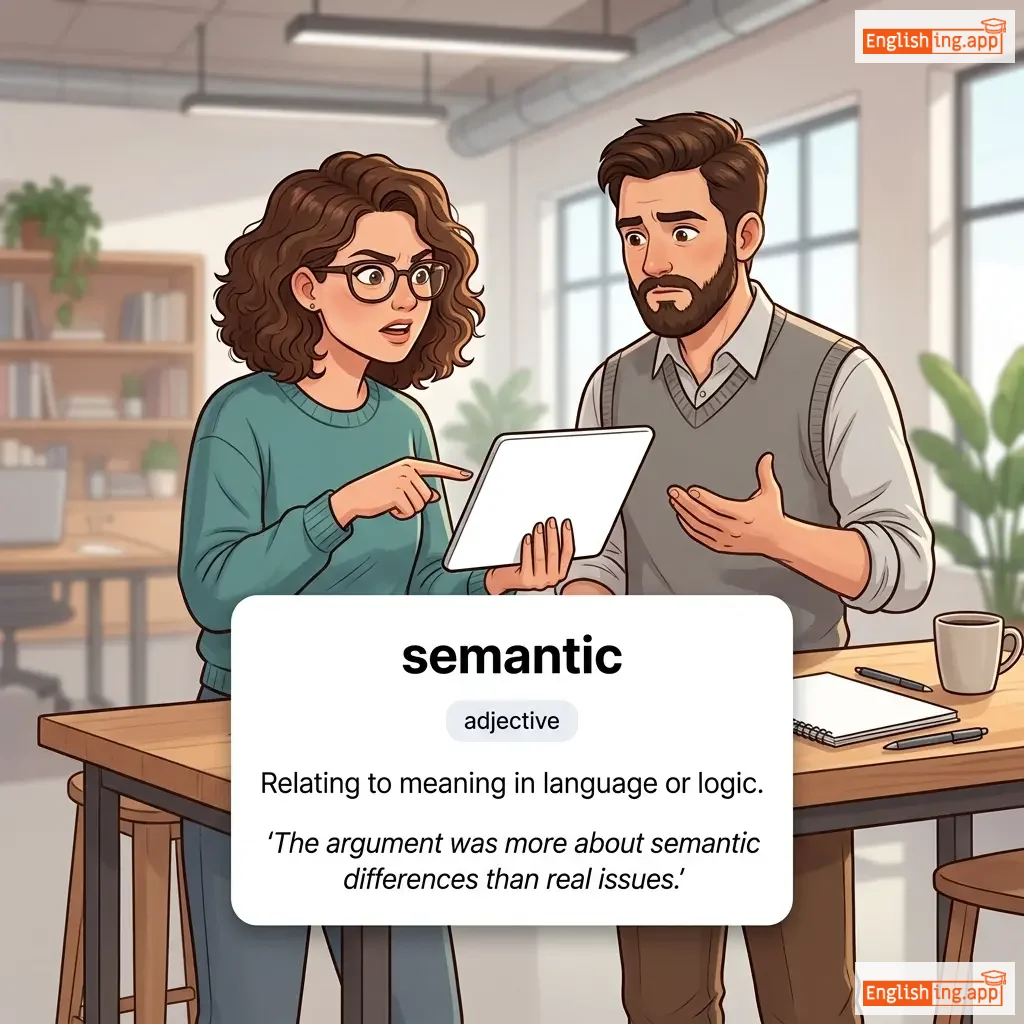
/sɪˈmæntɪk/
adjective
(セマンティック)
••••••
|
|
意味論的
imironteki
••••••
|
- •••••• | - •••••• | - •••••• | - •••••• |
Relating to meaning in language or logic.
••••••
|
The argument was more about semantic differences than real issues. |
その議論は実際の問題よりも意味論的な違いについてだった。
Sono giron wa jissai no mondai yori mo imiron-teki na chigai ni tsuite datta.
••••••
|
semantic debate |
A debate that focuses on word meanings rather than substantial issues
••••••
|
意味論的な議論
imiron-teki na giron
••••••
|
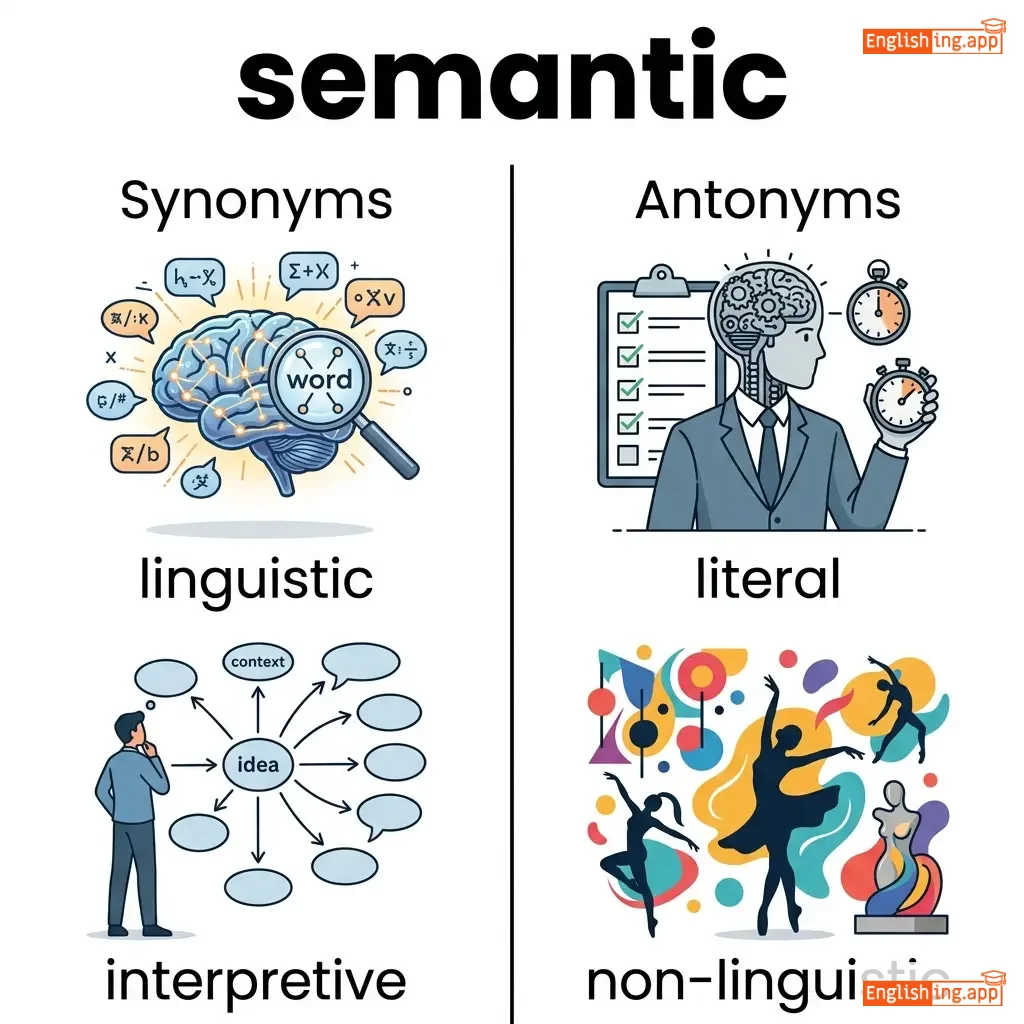
linguistic, interpretive, lexical, conceptual
••••••
|
literal, non-linguistic
••••••
|
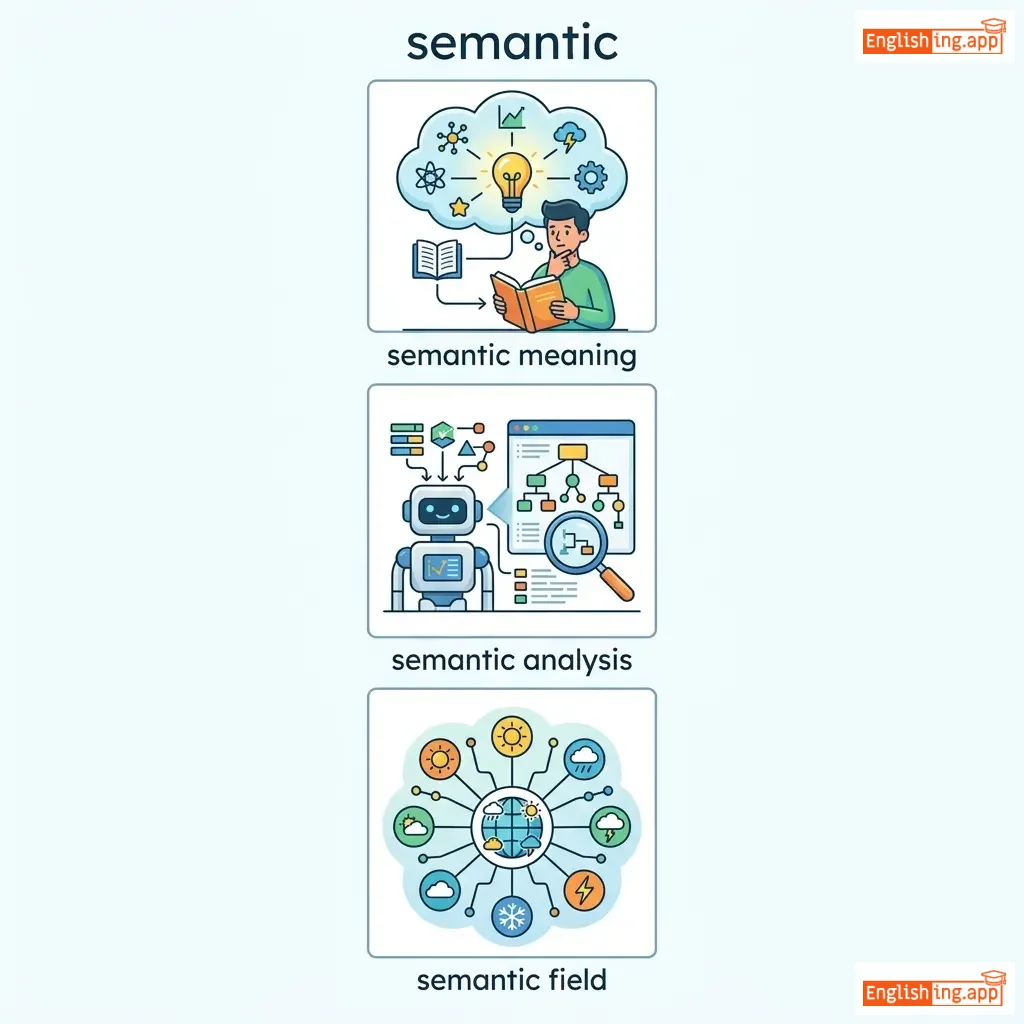
semantic meaning, semantic analysis, semantic field
••••••
|
意味論的 = 言葉の意味、だから意味論的な議論。
••••••
|
|
#7927
😇
|
/ˌsɛlf ˈraɪtʃəs/
adjective
(self-raitchus)
••••••
|
- •••••• |
自己満足
jiko manzoku
••••••
|
- •••••• | - •••••• | - •••••• | - •••••• |
Having or showing an attitude of moral superiority; believing one’s own beliefs are the only right ones.
••••••
|
His self-righteous comments made everyone uncomfortable. |
彼の自己満足的なコメントは、みんなを不快にさせました。
Kare no jiko manzokuteki na komento wa, minna o fukai ni saseshimashita.
••••••
|
- •••••• | - •••••• | - •••••• |
sanctimonious, smug, holier-than-thou, pious
••••••
|
humble, modest
••••••
|
self-righteous attitude, self-righteous tone, sound self-righteous
••••••
|
Self-righteous = いつも自分が正しいと思うから、自己満足。
••••••
|
|
#7928
🙇
|
/ˌsɛlf rɪˈspɛkt/
noun
(self-respect)
••••••
|
- •••••• |
自尊
jison
••••••
|
- •••••• | - •••••• | - •••••• | - •••••• |
A feeling of pride and confidence in oneself; self-worth.
••••••
|
She refused to compromise her self-respect by accepting unfair treatment. |
彼女は不公平な扱いを受け入れることで自尊心を損なうことを拒否した。
Kanojo wa fukōhei na atsukai o ukeireru koto de jisonshin o sokonau koto o kyohi shita.
••••••
|
loss of self-respect |
Losing confidence and pride in oneself
••••••
|
自尊心の喪失
jisonshin no sōshitsu
••••••
|
dignity, pride, honor, self-esteem
••••••
|
shame, humiliation, dishonor
••••••
|
maintain self-respect, loss of self-respect, sense of self-respect
••••••
|
Self + respect = 自尊, '私は自分のjisonを守る'。
••••••
|
|
#7929
🍫
|
/ˌsɛlf ɪnˈdʌldʒəns/
noun
(セルフインダルジェンス)
••••••
|
- •••••• |
自己 indulgence
jiko indulgence
••••••
|
- •••••• | - •••••• | - •••••• | - •••••• |
The act of allowing oneself to enjoy pleasures or desires excessively.
••••••
|
His weekend of self-indulgence included eating sweets and watching movies nonstop. |
彼の自己満足の週末は、甘いものを食べて映画を見続けることが含まれていました。
Kare no jiko manzoku no shūmatsu wa, amaimono o tabete eiga o mitsuzukeru koto ga fukumarete imashita.
••••••
|
- •••••• | - •••••• | - •••••• |
hedonism, excess, gratification, pleasure-seeking
••••••
|
self-control, restraint, discipline
••••••
|
pure self-indulgence, moment of self-indulgence, guilty self-indulgence
••••••
|
自己満足とはすべてを楽しむこと、例えば'チョコレートを食べて止まらないこと'。
••••••
|
|
#7930
🪞
|
/ˌsɛlf əbˈzɔːrbd/
adjective
(self-absorbed)
••••••
|
- •••••• |
自己中心的
jiko chūshin-teki
••••••
|
- •••••• | - •••••• | - •••••• | - •••••• |
Excessively preoccupied with oneself and one’s own thoughts, feelings, or interests.
••••••
|
He was too self-absorbed to notice his friend's distress. |
彼は友達の苦しみに気づかないほど自己中心的だった。
Kare wa tomodachi no kurushimi ni kizukanai hodo jiko chūshin-teki datta.
••••••
|
- •••••• | - •••••• | - •••••• |
egotistical, narcissistic, selfish, self-centered, inward-looking
••••••
|
selfless, considerate, altruistic
••••••
|
deeply self-absorbed, too self-absorbed, emotionally self-absorbed
••••••
|
Self + absorbed は自分に集中しすぎること、つまり自己中心的。
••••••
|
|
#7931
🙏
|
/ˌself əˈbeɪs.mənt/
noun
(セルフ・アベイスメント)
••••••
|
- •••••• |
自己卑下
jiko hige
••••••
|
- •••••• | - •••••• | - •••••• | - •••••• |
The act of belittling or humiliating oneself.
••••••
|
His constant self-abasement made others uncomfortable. |
彼の絶え間ない自己卑下は他の人々を不快にさせた。
Kare no tae manai jiko hige wa hoka no hitobito wo fukai ni saseta.
••••••
|
- •••••• | - •••••• | - •••••• |
humility, self-humiliation, self-deprecation, modesty
••••••
|
pride, arrogance, self-confidence
••••••
|
act of self-abasement, constant self-abasement, self-abasement behavior
••••••
|
Self-abasement とは、自分を卑下することです。
••••••
|
|
#7932
🎯
|
/sɪˈlek.tɪv/
adjective
(セレクティブ)
••••••
|
- •••••• |
選択的
sentakuteki
••••••
|
- •••••• | - •••••• | - •••••• | - •••••• |
Characterized by careful choice; choosing only the best or most suitable.
••••••
|
She is very selective about the clothes she buys. |
彼女は購入する服に非常に選択的です。
Kanojo wa kōnyū suru fuku ni hijō ni sentakuteki desu.
••••••
|
- •••••• | - •••••• | - •••••• |
choosy, particular, exclusive, discriminating, careful
••••••
|
indiscriminate, careless, random
••••••
|
selective process, selective approach, selective breeding, selective choice
••••••
|
選択的は '選択' から – 最も適切なものを選びます。
••••••
|
|
#7933
✋
|
/siːz/
verb
(シーズ)
••••••
|
- •••••• |
奪う
ubau
••••••
|
seized
シーズド
••••••
|
seized
シーズド
••••••
|
seizes
シーズズ
••••••
|
seizing
シージング
••••••
|
To take hold of suddenly and forcibly.
••••••
|
The police managed to seize the stolen goods.
警察は盗まれた商品を押収することに成功した。
••••••
|
警察は盗まれた商品を押収することに成功した。
Keisatsu wa nusumareta shouhin o oushuu suru koto ni seikou shita.
••••••
|
seize the day
今日をつかめ
••••••
|
To make the most of the present moment.
••••••
|
今日をつかめ
Kyou o tsukame
••••••
|
grab, capture, snatch, take, confiscate
••••••
|
release, let go, free
••••••
|
seize control, seize opportunity, seize power, seize assets
••••••
|
Seizeは奪うという意味 – 警察が盗まれた商品を奪うように。
••••••
|
|
#7934
📈
|
/ˈsaɪz.mə.ɡræf/
noun
(サイズモグラフ)
••••••
|
- •••••• |
地震計
jishinkei
••••••
|
- •••••• | - •••••• | - •••••• | - •••••• |
An instrument that measures and records details of earthquakes, such as force and duration.
••••••
|
The seismograph detected a strong tremor in the area. |
地震計はその地域で強い揺れを検出しました。
Jishinkei wa sono chiiki de tsuyoi yure o kenshutsu shimashita.
••••••
|
- •••••• | - •••••• | - •••••• |
earthquake detector, tremor recorder, seismometer, quake recorder
••••••
|
none, null
••••••
|
digital seismograph, seismograph reading, seismograph station
••••••
|
地震計 - 地震の震えをグラフで示す機器、まるで地震の描写です。
••••••
|
|
#7935
💊
|
/ˈsɛdətɪv/
noun
(セダティブ)
••••••
|
- •••••• |
鎮静剤
chinseizai
••••••
|
- •••••• | - •••••• | - •••••• | - •••••• |
A substance that calms the nerves or induces sleep.
••••••
|
The doctor prescribed a sedative to help the patient sleep.
医者は患者が眠れるように鎮静剤を処方しました。
••••••
|
医者は患者が眠れるように鎮静剤を処方しました。
Isha wa kanja ga nemureru you ni chinseizai wo shohou shimashita.
••••••
|
- •••••• | - •••••• | - •••••• |
tranquilizer, calmative, depressant, relaxant, sleeping pill
••••••
|
stimulant, energizer
••••••
|
take a sedative, mild sedative, powerful sedative, sedative effect
••••••
|
鎮静剤は眠るための薬です – 服用すれば、静かに眠れます。
••••••
|
|
#7936
🎣
|
/seɪn/
noun
(セイン)
••••••
|
- •••••• |
大きな網
ōkina ami
••••••
|
- •••••• | - •••••• | - •••••• | - •••••• |
A large fishing net that hangs vertically in the water.
••••••
|
The fishermen cast their seine into the river. |
漁師たちは大きな網を川に投げ入れました。
Ryōshitachi wa ōkina ami o kawa ni nageiremashita.
••••••
|
- •••••• | - •••••• | - •••••• |
net, fishing net, dragnet, mesh
••••••
|
hook, line
••••••
|
cast a seine, haul a seine, seine fishing
••••••
|
Seineは大きな漁網のこと、まるで大きな網が川に投げ入れられるように。
••••••
|
|
#7937
🏰
|
/ˈseɪnjər/
noun
(セイニョール)
••••••
|
- •••••• |
封建領主
hōken ryōshu
••••••
|
- •••••• | - •••••• | - •••••• | - •••••• |
A feudal lord; a man of authority in medieval Europe.
••••••
|
The seignior demanded taxes from the peasants. |
封建領主は農民から税金を要求した。
Hōken ryōshu wa nōmin kara zeikin o yōkyū shita.
••••••
|
- •••••• | - •••••• | - •••••• |
lord, noble, master, overlord
••••••
|
peasant, commoner
••••••
|
powerful seignior, feudal seignior, seignior rights
••••••
|
Seigniorは封建領主に似ている。封建領主は税金を要求する。
••••••
|
|
#7938
🧩
|
/ˈsɛɡmənt/
noun
(セグメント)
••••••
|
- •••••• |
セグメント
segumento
••••••
|
- •••••• | - •••••• | - •••••• | - •••••• |
A part or section of something that is divided.
••••••
|
Each segment of the market has different needs. |
市場の各セグメントには異なるニーズがあります。
Shijō no kaku segumento ni wa kotonaru nīzu ga arimasu.
••••••
|
market segment |
A specific group of consumers within a market
••••••
|
市場セグメント
Shijō segumento
••••••
|
section, part, division, piece, portion
••••••
|
whole, entirety, unity
••••••
|
market segment, orange segment, segment of society
••••••
|
Segmentは「部分」のように感じます、市場セグメントは市場の一部です。
••••••
|
|
#7939
😡
|
/siːð/
verb
(シーズ)
••••••
|
- •••••• |
怒りで煮えたぎる
ikari de nietagiru
••••••
|
seethed
シーズド
••••••
|
seethed
シーズド
••••••
|
seethes
シーズ
••••••
|
seething
シージング
••••••
|
To be filled with intense but unexpressed anger or agitation.
••••••
|
She was seething with anger after the unfair decision.
彼女は不公平な決定の後、怒りで煮えたぎっていました。
••••••
|
彼女は不公平な決定の後、怒りで煮えたぎっていました。
Kanojo wa fukōhei na kettei no ato, ikari de nietagitte imashita.
••••••
|
seethe with rage
怒りで煮えたぎる
••••••
|
To be extremely angry but not show it openly
••••••
|
怒りで煮えたぎる
ikari de nietagiru
••••••
|
boil, fume, simmer, rage, smolder
••••••
|
calm, relax, soothe
••••••
|
seethe with anger, seethe inside, seething resentment
••••••
|
Seethe = 'シーズ' = 怒りで煮えたぎる
••••••
|
|
#7940
🔮
|
/sɪr/
noun
(シア)
••••••
|
- •••••• |
予言者
yogensha
••••••
|
- •••••• | - •••••• | - •••••• | - •••••• |
A person who is supposed to be able to see what will happen in the future; a prophet.
••••••
|
The seer predicted a great change in the kingdom. |
予言者は王国の大きな変化を予測しました。
Yogensha wa ōkoku no ōkina henka o yosoku shimashita.
••••••
|
- •••••• | - •••••• | - •••••• |
prophet, oracle, visionary, diviner, fortune-teller
••••••
|
skeptic, doubter
••••••
|
ancient seer, wise seer, seer of visions, mystical seer
••••••
|
Seer は予言者、未来を見る人。
••••••
|
|
#7941
💧
|
/siːp/
verb
(シープ)
••••••
|
- •••••• |
しみ出す
shimidasu
••••••
|
seeped
シープド
••••••
|
seeped
シープド
••••••
|
seeps
シープス
••••••
|
seeping
シーピング
••••••
|
to flow or leak slowly through small openings or pores
••••••
|
Water began to seep through the cracks in the wall.
水が壁のひび割れからしみ出し始めました。
••••••
|
水が壁のひび割れからしみ出し始めました。
Mizu ga kabe no hibiwake kara shimidashi hajimemashita.
••••••
|
seep into
しみ込む
••••••
|
to slowly penetrate or spread into something
••••••
|
しみ込む
shimikkou
••••••
|
leak, ooze, trickle, dribble
••••••
|
gush, pour, spurt
••••••
|
seep into, seep through, slowly seep
••••••
|
Seep はしみ出すことを意味します - 水がじわじわ出てくるように、シープ(sip)する。
••••••
|
|
#7942
🤵
|
/ˈsiːmli/
adjective
(シームリー)
••••••
|
- •••••• |
適切
tekisetsu
••••••
|
- •••••• | - •••••• | - •••••• | - •••••• |
proper or appropriate in behavior or appearance
••••••
|
It was not seemly to argue loudly during the ceremony. |
式典中に大声で議論するのは適切ではありませんでした。
Shikiten-chuu ni oogoe de giron suru no wa tekisetsu de wa arimasen deshita.
••••••
|
- •••••• | - •••••• | - •••••• |
appropriate, proper, decent, suitable
••••••
|
improper, indecent, inappropriate
••••••
|
seemly conduct, seemly behavior, seemly manner
••••••
|
Seemly は適切を意味します – 'seems' に合ったことが適切です。
••••••
|
|
#7943
🏚️
|
/ˈsiːdi/
adjective
(sidi)
••••••
|
- •••••• |
汚い / 古びた
kitanai / furubita
••••••
|
- •••••• | - •••••• | - •••••• | - •••••• |
dirty, shabby, or in bad condition; also feeling slightly unwell
••••••
|
He stayed in a seedy motel near the bus station.
彼はバス停の近くの安いモーテルに泊まった。
••••••
|
彼はバス停の近くの安いモーテルに泊まった。
Kare wa basutei no chikaku no yasui mōteru ni tomatta.
••••••
|
- •••••• | - •••••• | - •••••• |
shabby, rundown, dilapidated, grimy
••••••
|
clean, elegant, neat
••••••
|
seedy motel, seedy neighborhood, seedy appearance
••••••
|
Seedyは汚いと古びたという意味です。古いCDを思い浮かべて、傷だらけで古くなった感じを想像してください。
••••••
|
|
#7944
💼
|
/ˈsɛdʒʊləs/
adjective
(セジュラス)
••••••
|
|
勤勉な
kinmen na
••••••
|
- •••••• | - •••••• | - •••••• | - •••••• |
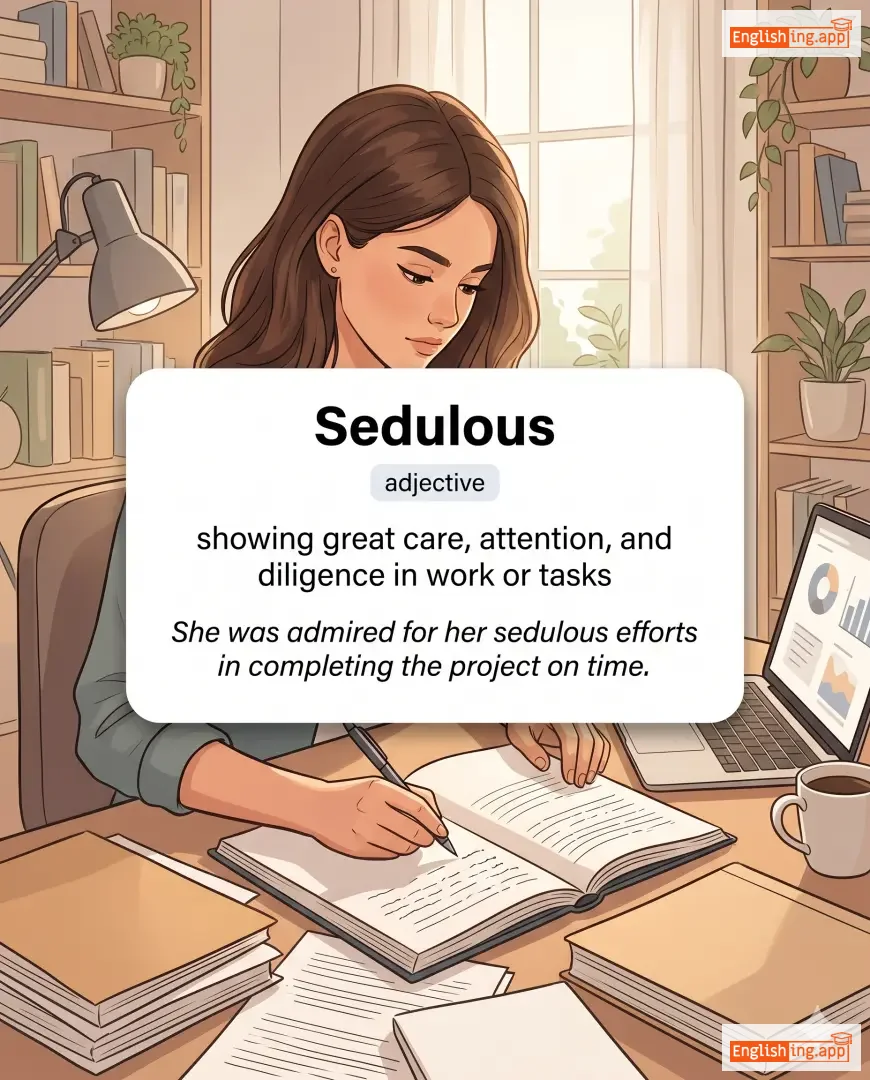
showing great care, attention, and diligence in work or tasks
••••••
|
She was admired for her sedulous efforts in completing the project on time. |
彼女はプロジェクトを時間通りに完了させるための勤勉な努力で賞賛されました。
Kanojo wa purojekuto o jikan dōri ni kanryou saseru tame no kinmen na doryoku de shousan saremashita.
••••••
|
- •••••• | - •••••• | - •••••• |
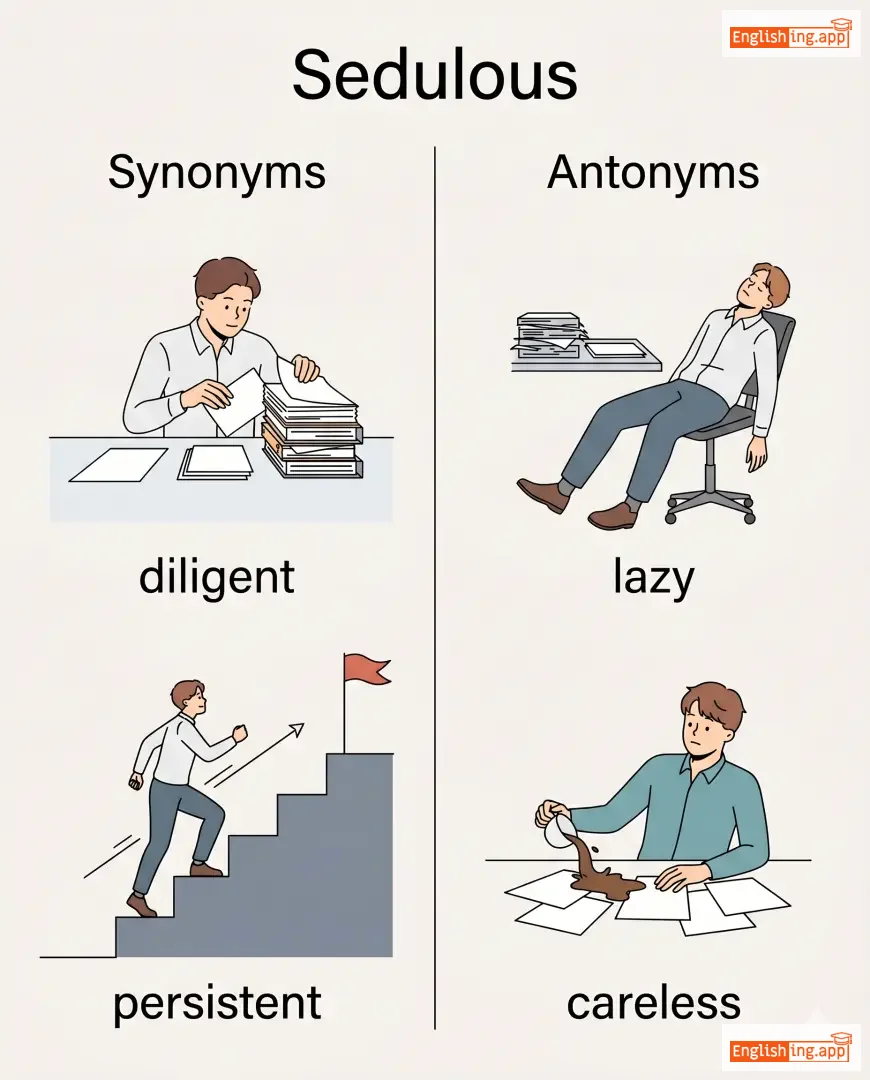
diligent, persistent, industrious, attentive, dedicated
••••••
|
lazy, careless, negligent
••••••
|
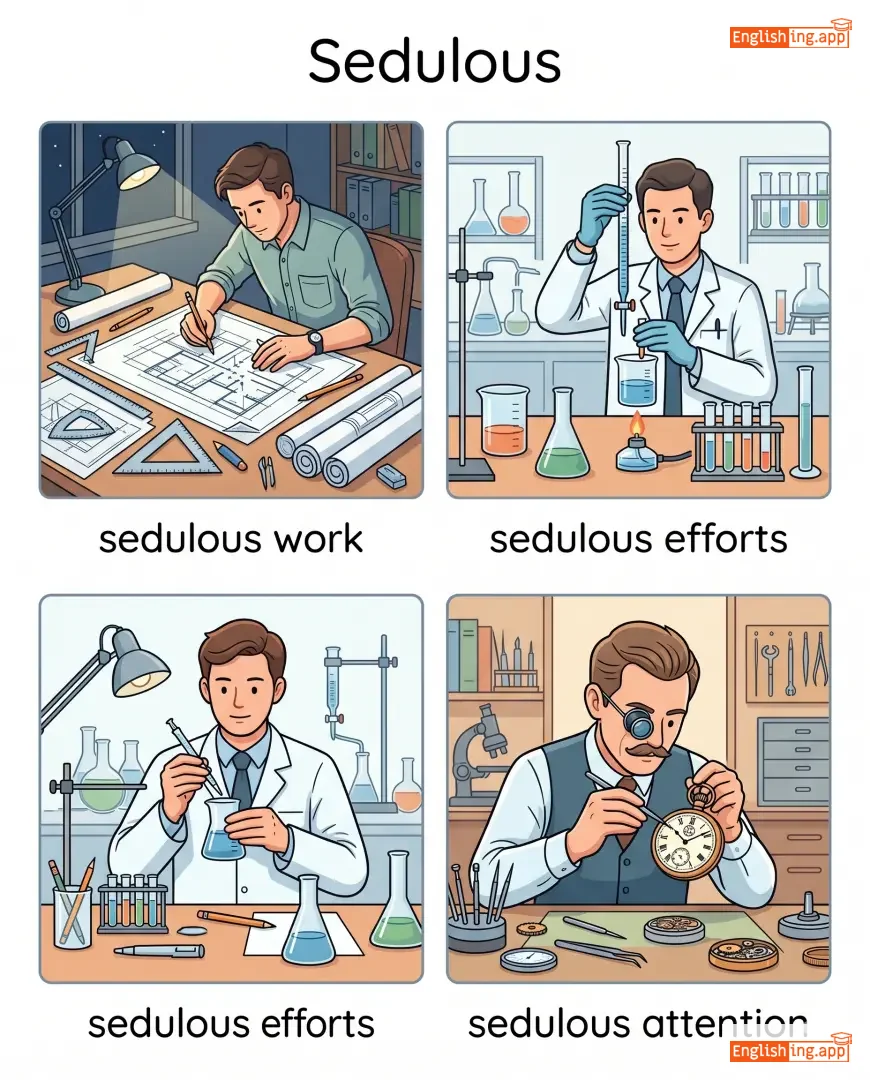
sedulous work, sedulous efforts, sedulous attention
••••••
|
Sedulous は勤勉な – 'スケジュール'(schedule)に従って努力することを覚えておいてください。
••••••
|
|
#7945
😏
|
/sɪˈdjuːs/
verb
••••••
|
- •••••• | - •••••• |
seduced
••••••
|
seduced
••••••
|
seduces
••••••
|
seducing
••••••
|
to attract someone into doing something, especially something they might not normally do
••••••
|
The advertisement was designed to seduce customers into buying luxury products. |
- •••••• |
seduce the senses |
to strongly appeal to or captivate someone’s senses
••••••
|
- •••••• |
tempt, entice, allure, attract, charm
••••••
|
repel, discourage, dissuade
••••••
|
seduce someone, seduce into, seduce the senses, easily seduced
••••••
|
No •••••• |
|
#7946
🔥
|
/sɪˈdɪʃəs/
adjective
(sɪˈdɪʃəs)
••••••
|
- •••••• |
扇動的
sendō-teki
••••••
|
- •••••• | - •••••• | - •••••• | - •••••• |
Encouraging rebellion against authority.
••••••
|
The activist spread seditious pamphlets among the crowd. |
活動家は群衆の中で扇動的なパンフレットを配布しました。
Katsudōka wa gunshū no naka de sendō-teki na panfuretto o haifu shimashita.
••••••
|
- •••••• | - •••••• | - •••••• |
rebellious, insurgent, subversive, mutinous
••••••
|
loyal, obedient
••••••
|
seditious speech, seditious pamphlets, seditious behavior, seditious activity
••••••
|
扇動的は '扇動' から来ていて、権威に反対する行動を促進する。
••••••
|
|
#7947
⚖️
|
/sɪˈdɪʃən/
noun
(シディション)
••••••
|
|
反乱扇動
hanran sendō
••••••
|
- •••••• | - •••••• | - •••••• | - •••••• |
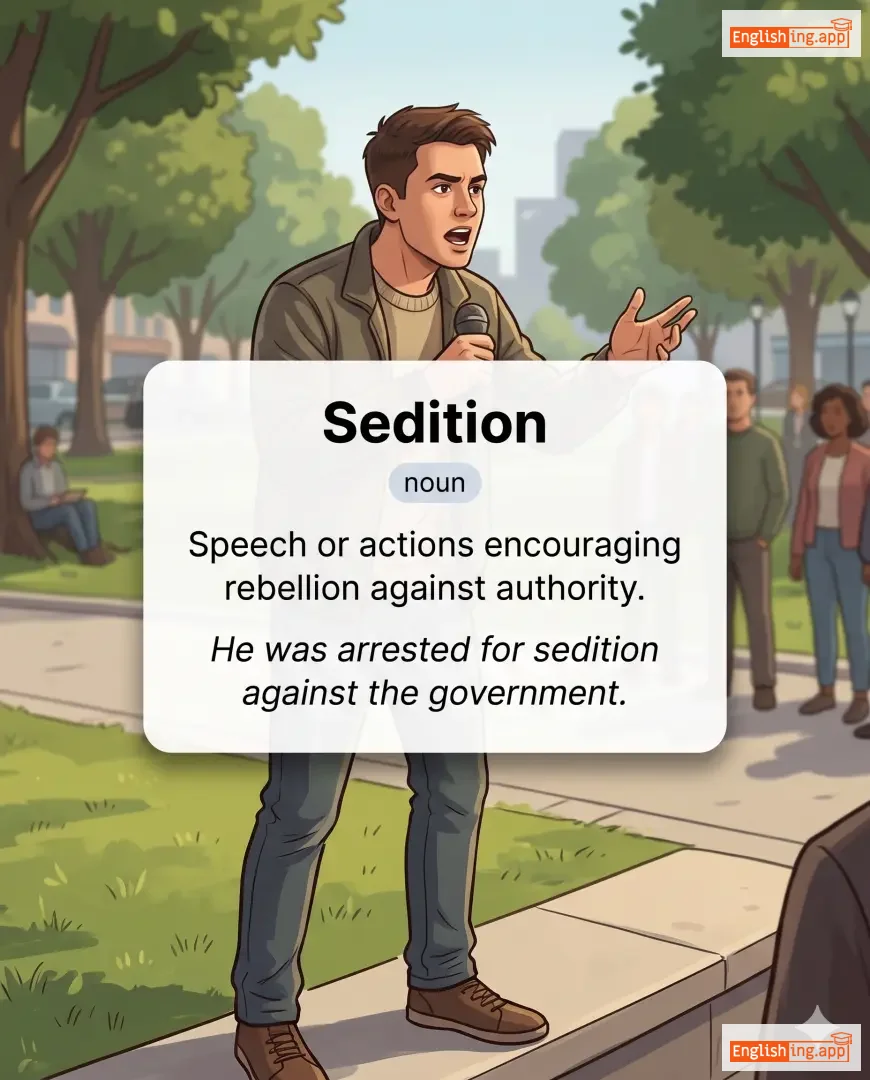
Speech or actions encouraging rebellion against authority.
••••••
|
He was arrested for sedition against the government. |
彼は政府に対する反乱扇動で逮捕された。
Kare wa seifu ni taisuru hanran sendō de taiho sareta.
••••••
|
- •••••• | - •••••• | - •••••• |
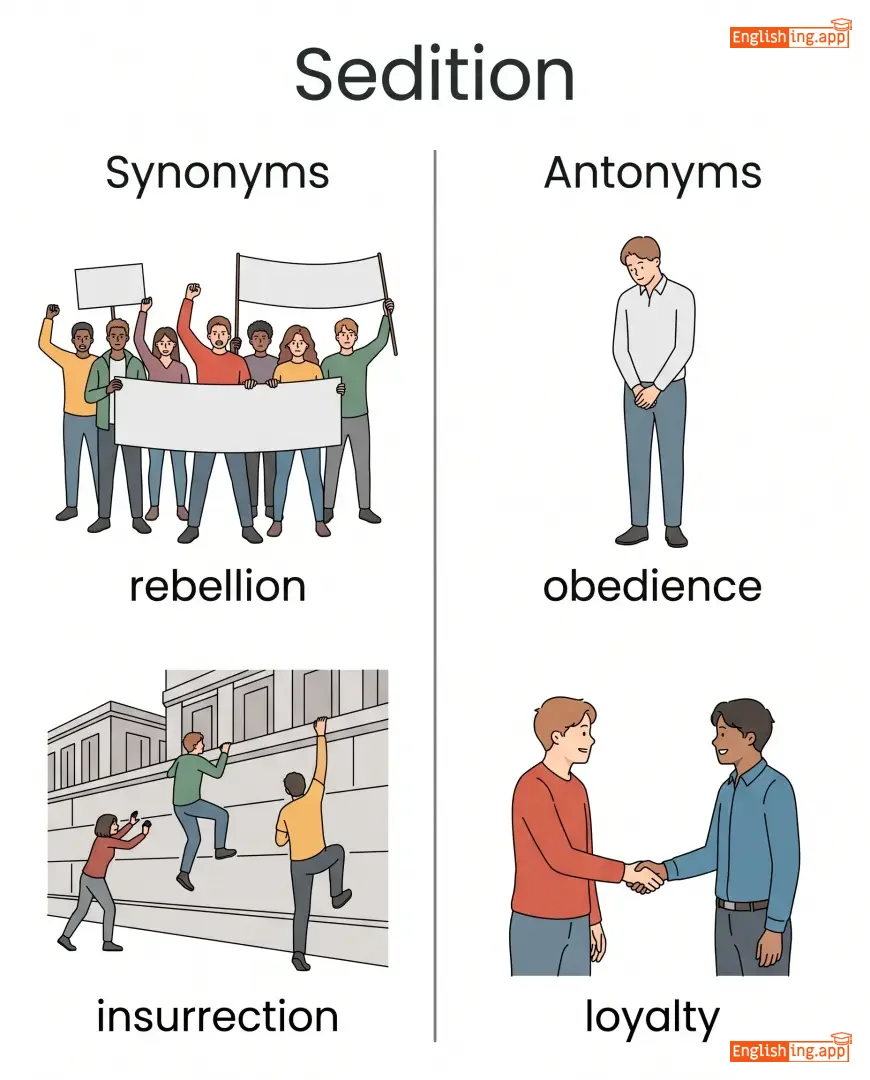
rebellion, insurrection, revolt, treason
••••••
|
obedience, loyalty
••••••
|
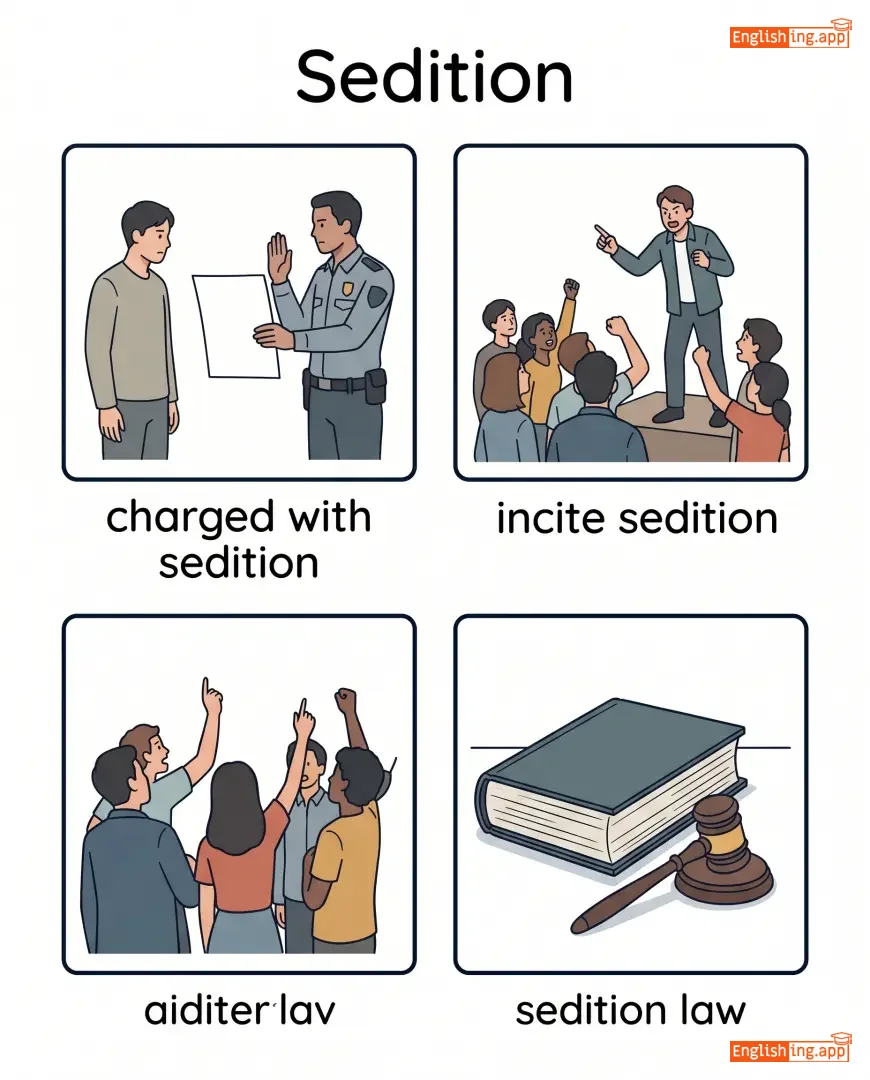
charged with sedition, incite sedition, sedition law, sedition act
••••••
|
Sedition は日本語で '反乱扇動'、政府に反対することが反乱扇動となる。
••••••
|
|
#7948
🏞️
|
/ˈsɛdəmənt/
noun
(セディメント)
••••••
|
- •••••• |
堆積物
taisekimotsu
••••••
|
- •••••• | - •••••• | - •••••• | - •••••• |
Solid particles that settle at the bottom of a liquid.
••••••
|
The river carries a lot of sediment downstream.
川は下流に多くのセディメントを運んでいます。
••••••
|
川は下流に多くの堆積物を運んでいます。
Kawa wa karyū ni ōku no taisekimotsu o hakondeimasu.
••••••
|
- •••••• | - •••••• | - •••••• |
deposit, residue, silt, dregs
••••••
|
solution, purity
••••••
|
sediment layer, sediment buildup, river sediment, sediment deposit
••••••
|
堆積物 = 水の中で沈む
••••••
|
|
#7949
🛋️
|
/ˈsɛdntɛri/
adjective
(セデンタリー)
••••••
|
|
座りがちな
suwarigachina
••••••
|
- •••••• | - •••••• | - •••••• | - •••••• |
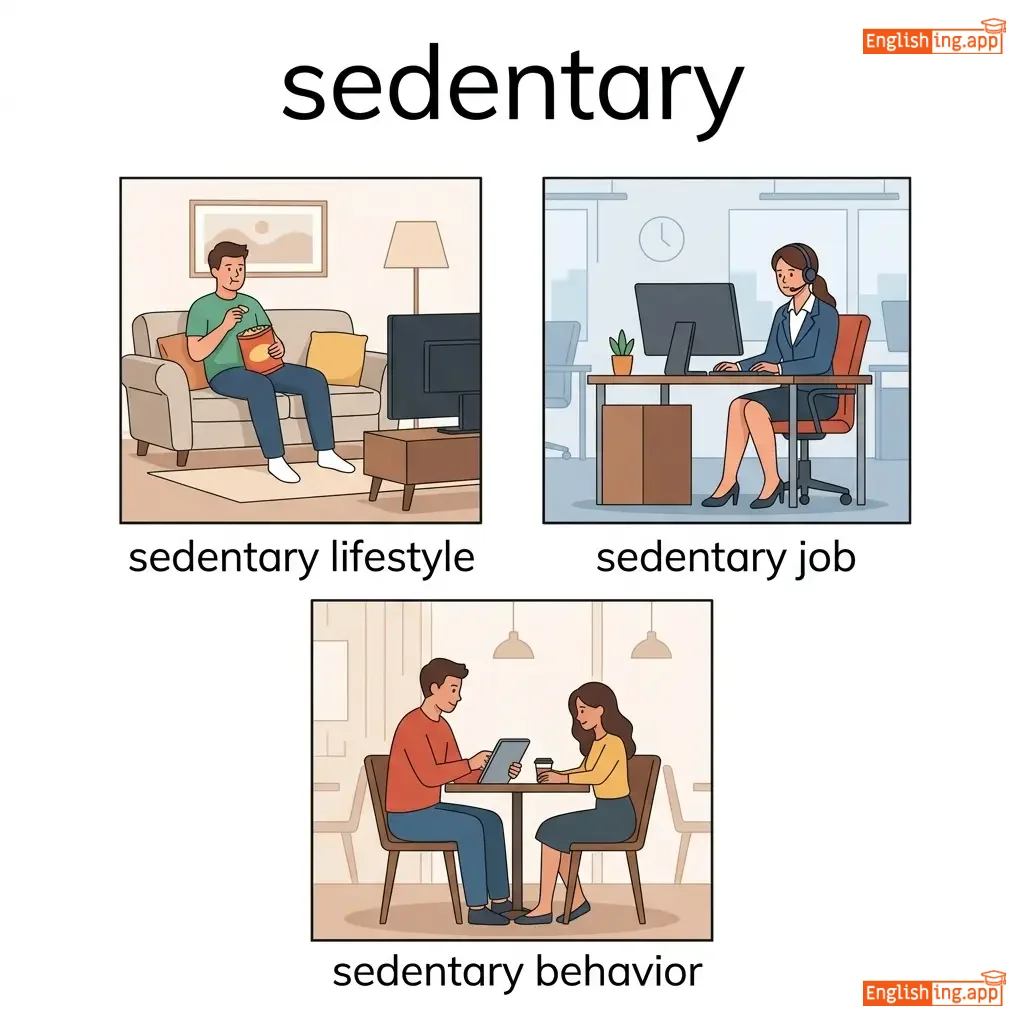
Characterized by much sitting and little physical activity.
••••••
|
A sedentary lifestyle can lead to health problems.
ア セデンタリー ライフスタイル キャン リード トゥ ヘルス プロブレムズ
••••••
|
座りがちな生活は健康問題を引き起こす可能性があります。
suwarigachina seikatsu wa kenko mondai wo hikiokosu kanosei ga arimasu
••••••
|
- •••••• | - •••••• | - •••••• |
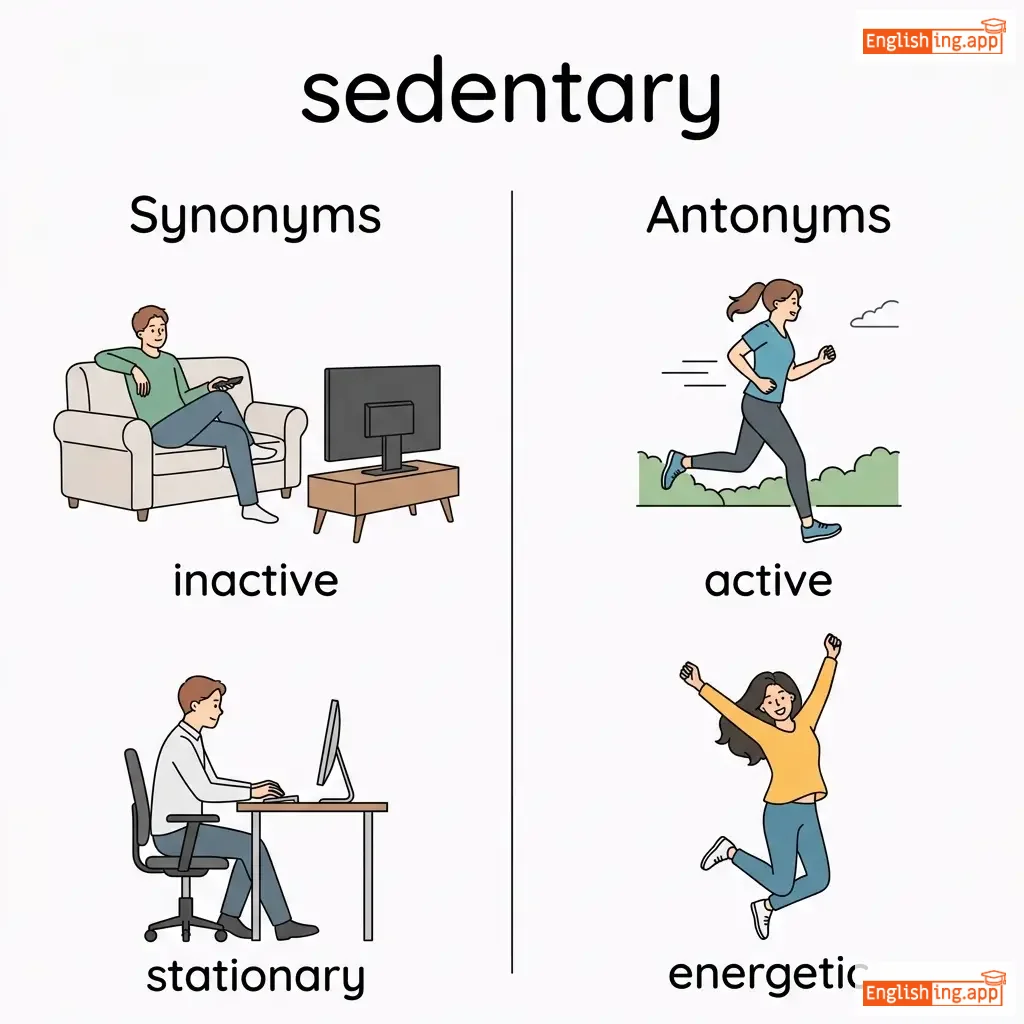
inactive, stationary, desk-bound, idle
••••••
|
active, energetic
••••••
|
sedentary lifestyle, sedentary job, sedentary behavior, sedentary position
••••••
|
Sedentary – think 'sit' and 'same place' like sitting in a seat all day.
••••••
|
Vocabulary Quiz
Test your vocabulary by matching words with their translations or meanings.
Login to take the quiz
Comments (0)
Share your thoughts and join the discussion.
Join the discussion by logging in
Login to CommentNo comments yet
Be the first to share your thoughts!