

翻訳
過去
過去分詞
三人称単数
動名詞
意味
例文
例文の翻訳
同義語
対義語
コロケーション
ニーモニック
Swipe left or right, or use the buttons. Tap image to zoom.
例文の翻訳
単語
Lesson 312Lesson 312 - マスクトグル
|
絵文字
|
単語 | Images | 翻訳 | 過去 | 過去分詞 | 三人称単数 | 動名詞 | 意味 | 例文 | 例文の翻訳 | 表現例 | 表現例の意味 | 表現例の翻訳 | 同義語 | 対義語 | コロケーション | ニーモニック |
|---|---|---|---|---|---|---|---|---|---|---|---|---|---|---|---|---|---|
|
#9330
😠
|
/vɪnˈdɪktɪv/
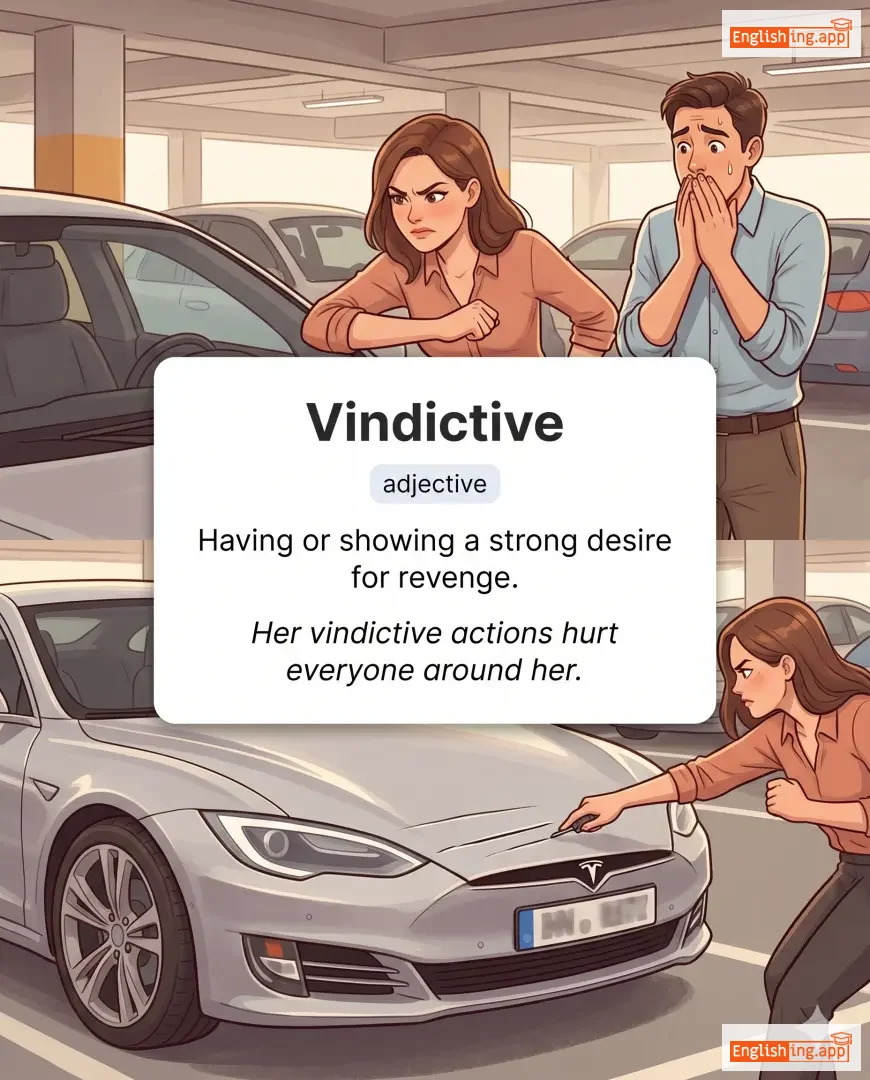
adjective
(ヴィンディクティブ)
••••••
|
|
復讐心の強い
fukushūshin no tsuyoi
••••••
|
- •••••• | - •••••• | - •••••• | - •••••• |
Having or showing a strong desire for revenge.
••••••
|
Her vindictive actions hurt everyone around her. |
彼女の復讐心の強い行動は、周りのすべての人々を傷つけた。
Kanojo no fukushūshin no tsuyoi kōdō wa, mawari no subete no hitobito o kizutsuketa.
••••••
|
vindictive streak |
A tendency to seek revenge or act spitefully.
••••••
|
復讐心が強い性格
Fukushūshin ga tsuyoi seikaku
••••••
|
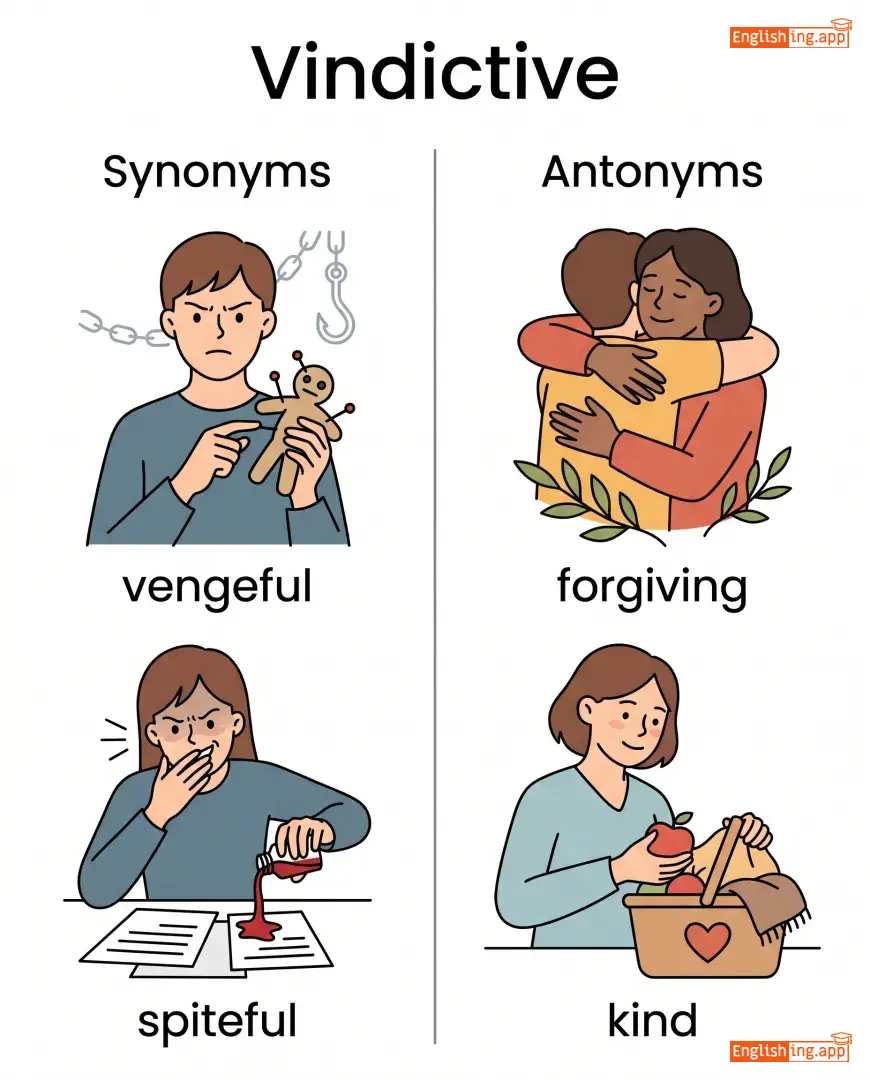
vengeful, spiteful, revengeful, malicious
••••••
|
forgiving, kind, merciful
••••••
|
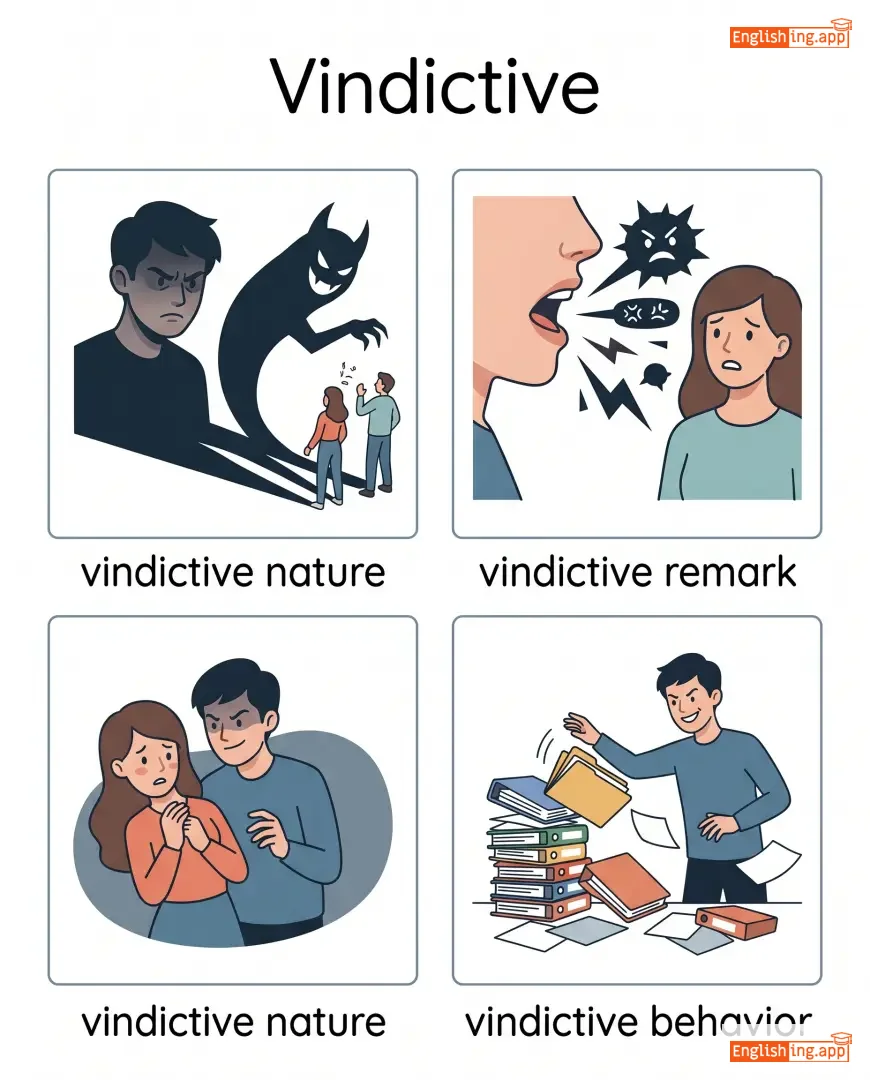
vindictive nature, vindictive remark, vindictive behavior
••••••
|
復讐心 = fukushū + shin → 復讐する意識 😠
••••••
|
|
#9331
🎶
|
/ˌvɜːrtʃuˈoʊsoʊ/
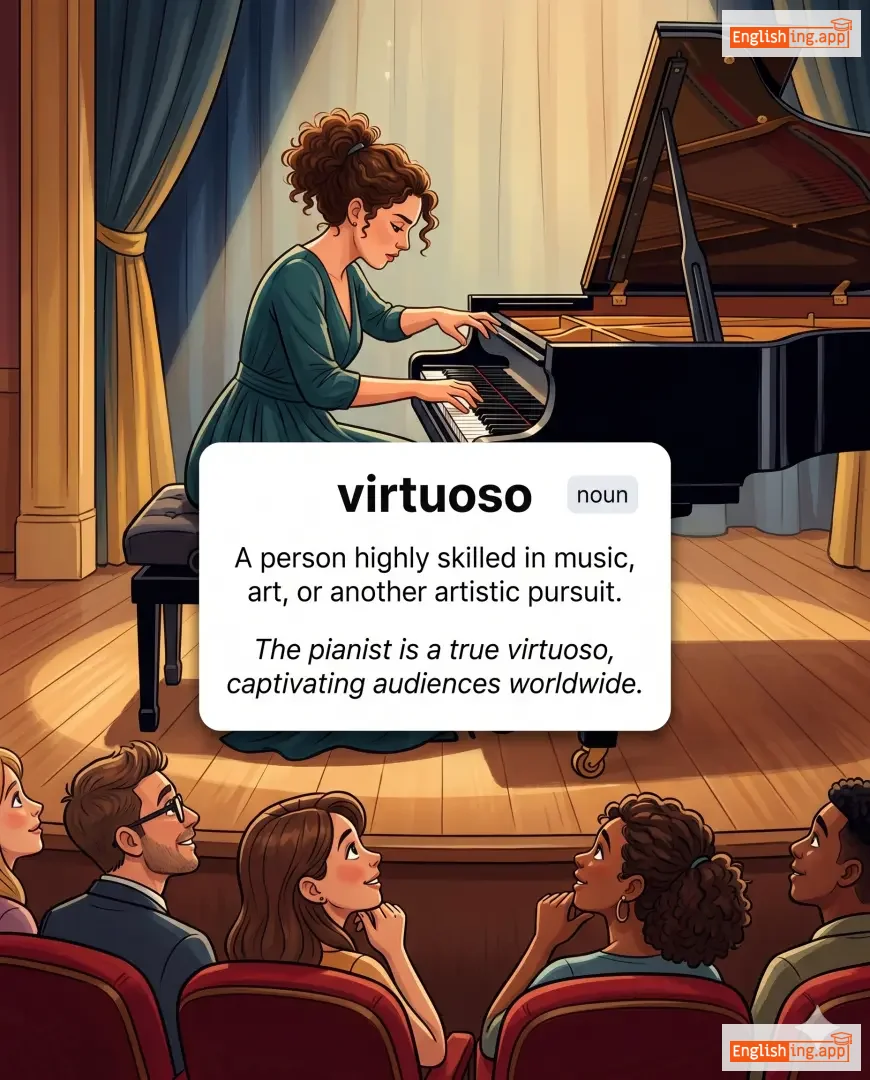
noun
(ヴァーチュオーソ)
••••••
|
|
名人
meijin
••••••
|
- •••••• | - •••••• | - •••••• | - •••••• |
A person highly skilled in music, art, or another artistic pursuit.
••••••
|
The pianist is a true virtuoso, captivating audiences worldwide. |
そのピアニストは真の名人であり、世界中の観客を魅了しています。
Sono pianisuto wa shin no meijin de ari, sekaijū no kankyaku o miryō shiteimasu.
••••••
|
- •••••• | - •••••• | - •••••• |
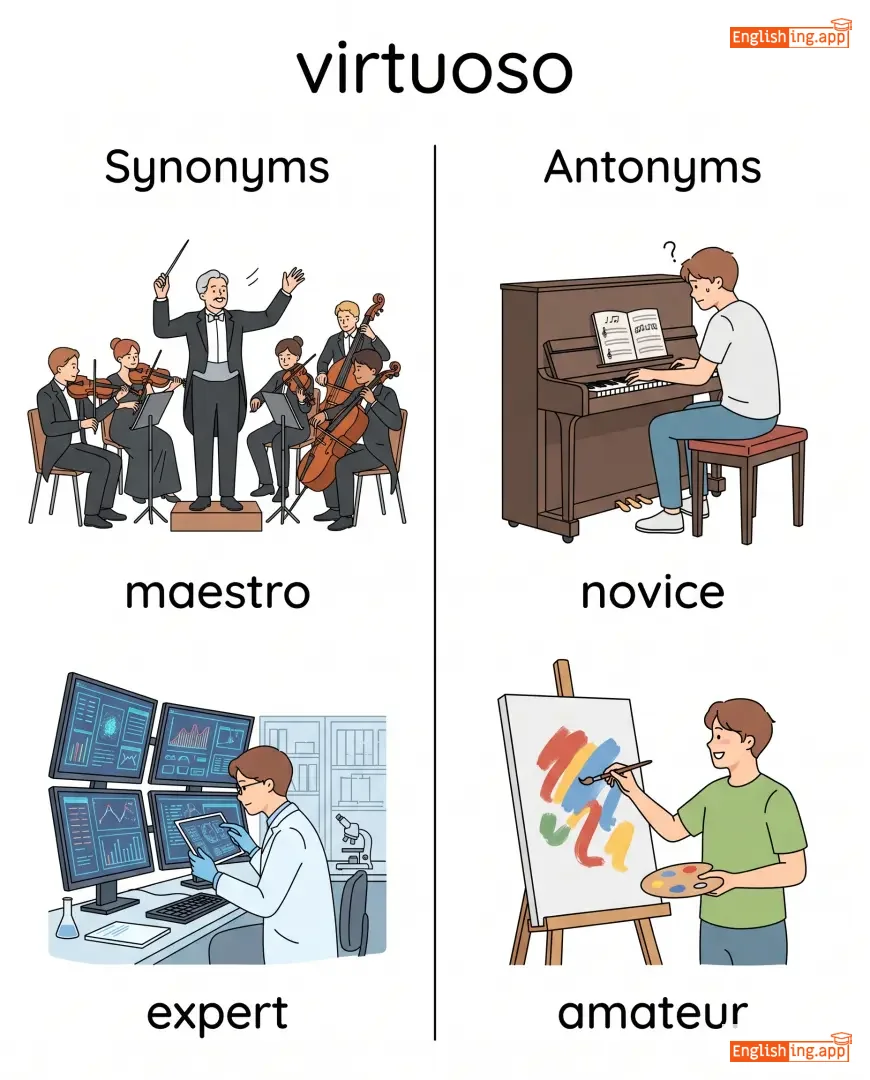
maestro, expert, genius, prodigy, master
••••••
|
novice, amateur, beginner
••••••
|
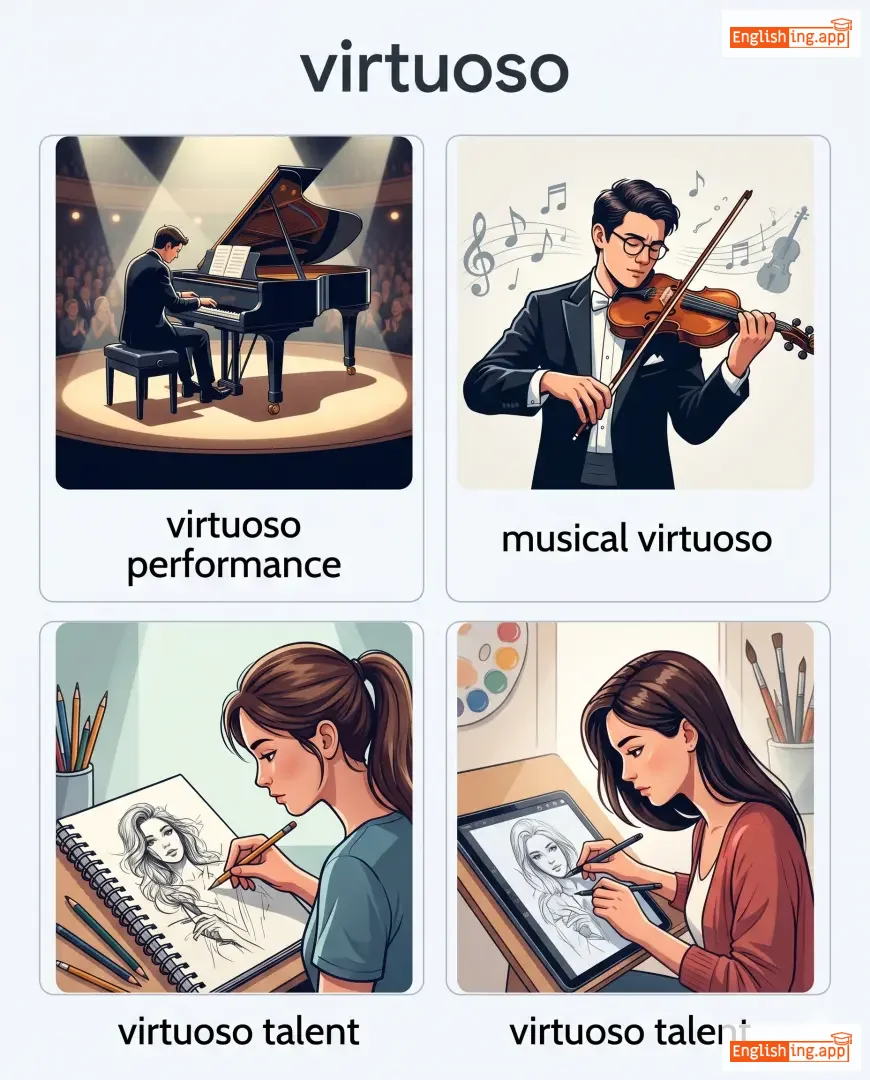
virtuoso performance, musical virtuoso, virtuoso talent
••••••
|
Virtuoso は非常に才能のあるアーティストを指します (ヴァーチュオーソ → 優れたアーティスト)
••••••
|
|
#9332
💻
|
/ˈvɜːrtʃuəl/
adjective
(ヴァーチャル)
••••••
|
- •••••• |
バーチャル / 仮想
bācharu / kasou
••••••
|
- •••••• | - •••••• | - •••••• | - •••••• |
existing or simulated on a computer or online rather than physically; almost but not exactly the same as
••••••
|
The company held a virtual meeting with employees worldwide. |
その会社は世界中の従業員とバーチャルミーティングを開催しました。
Sono kaisha wa sekaijū no jūgyōin to bācharu mītingu o kaisai shimashita.
••••••
|
virtual reality |
a computer-generated simulation of a real or imagined environment
••••••
|
仮想現実
kasou genjitsu
••••••
|
digital, simulated, online, cyber, near
••••••
|
real, physical, actual
••••••
|
virtual meeting, virtual classroom, virtual assistant, virtual reality
••••••
|
Virtualはオンラインを意味します – Zoomでの会議が実際のものではなく、仮想のものであると考えてください💻
••••••
|
|
#9333
🎨
|
/vɜːrˈtuː/
noun
(ヴァーチュー)
••••••
|
- •••••• |
美術に対する愛
bijutsu ni taisuru ai
••••••
|
- •••••• | - •••••• | - •••••• | - •••••• |
a love of or taste for fine art, antiques, or curiosities
••••••
|
The collector’s house was filled with objects of virtu.
コレクターの家はヴァーチューのオブジェで満ちていました。
••••••
|
コレクターの家は美術品で満ちていました。
Korekuta no ie wa bijutsuhin de michiteimashita.
••••••
|
- •••••• | - •••••• | - •••••• |
artistry, aesthetic, taste, refinement, connoisseurship
••••••
|
vulgarity, tastelessness
••••••
|
objects of virtu, virtu collector, art and virtu
••••••
|
Virtuは美術に対する愛を意味します – ‘仮想ギャラリー’に美術が満載です。
••••••
|
|
#9334
💪
|
/ˈvɪrəl/
adjective
(ヴィリル)
••••••
|
- •••••• |
男性的
danseiteki
••••••
|
- •••••• | - •••••• | - •••••• | - •••••• |
having traditionally masculine qualities, such as strength, energy, and sexual vigor
••••••
|
The actor was admired for his virile appearance. |
俳優はその男性的な外見で賞賛されました。
Haiyū wa sono danseiteki na gaiken de shōsan saremashita.
••••••
|
- •••••• | - •••••• | - •••••• |
manly, masculine, strong, vigorous, potent
••••••
|
weak, effeminate
••••••
|
virile man, virile strength, virile qualities, virile appearance
••••••
|
Virileは男性的を意味します– 'Very real man' = virile man 💪
••••••
|
|
#9335
👩🎤
|
/vəˈrɑːɡoʊ/
noun
(ヴィラゴ)
••••••
|
- •••••• |
強引で支配的な女性
gyouin de shihaiteki na josei
••••••
|
- •••••• | - •••••• | - •••••• | - •••••• |
a loud, overbearing woman; historically, a strong or courageous woman
••••••
|
The play depicted the heroine as a fierce virago who defied tradition. |
その劇は、伝統に挑戦する勇敢なヴィラゴとしてヒロインを描きました。
Sono geki wa, dentou ni chousen suru yuukan na virago toshite hiroin wo egakimashita.
••••••
|
- •••••• | - •••••• | - •••••• |
shrew, scold, termagant, battle-axe, harridan
••••••
|
lady, gentlewoman
••••••
|
fierce virago, angry virago, historical virago
••••••
|
Viragoは力強く声をあげる女性を意味します – ‘ヴィ’は勝者、‘ラゴ’は怒りです。
••••••
|
|
#9336
🐍
|
/ˈvaɪpər/
noun
(ヴァイパー)
••••••
|
- •••••• |
毒蛇
dokuhebi
••••••
|
- •••••• | - •••••• | - •••••• | - •••••• |
a type of poisonous snake; metaphorically, a spiteful or treacherous person
••••••
|
The viper lay hidden in the tall grass. |
そのヴァイパーは高い草の中に隠れていた。
Sono vaipā wa takai kusa no naka ni kakurete ita.
••••••
|
nest of vipers |
a group of treacherous or deceitful people
••••••
|
毒蛇の巣
dokuhebi no su
••••••
|
snake, serpent, adder, cobra, rattlesnake
••••••
|
harmless, kind
••••••
|
venomous viper, deadly viper, viper bite, nest of vipers
••••••
|
ヴァイパーは毒蛇、裏切り者の象徴!
••••••
|
|
#9337
🎼
|
/ˌviːələnsɛloʊ/
noun
(ビオロンチェロ)
••••••
|
- •••••• |
チェロ
chelo
••••••
|
- •••••• | - •••••• | - •••••• | - •••••• |
The full name of the cello, a large string instrument played with a bow and held between the knees.
••••••
|
He practiced the violoncello for hours each day. |
彼は毎日何時間もビオロンチェロを練習しました。
Kare wa mainichi nan jikan mo bioronchelo o renshū shimashita.
••••••
|
- •••••• | - •••••• | - •••••• |
cello, string instrument, bowed bass
••••••
|
drum, trumpet
••••••
|
play the violoncello, violoncello music, violoncello player
••••••
|
Violoncello は大きなチェロ 🎼 - チェロの正式名は Violoncello だと覚えておいてください。
••••••
|
|
#9338
👮
|
/ˈvaɪəˌleɪtər/
noun
(ヴァイオレイター)
••••••
|
- •••••• |
違反者
ihan-sha
••••••
|
- •••••• | - •••••• | - •••••• | - •••••• |
A person who breaks or disregards a law, rule, or agreement.
••••••
|
The police caught the traffic violator at the intersection. |
警察は交差点で交通違反者を捕まえました。
Keisatsu wa kōsaten de kōtsū ihan-sha o tsukamaemashita.
••••••
|
- •••••• | - •••••• | - •••••• |
offender, lawbreaker, culprit, criminal
••••••
|
follower, adherent, law-abider
••••••
|
traffic violator, human rights violator, rule violator
••••••
|
違反者 = 法律を破る人。
••••••
|
|
#9339
🚫
|
/ˌvaɪəˈleɪʃən/
noun
(vai-ō-reishon)
••••••
|
- •••••• |
違反
ihan
••••••
|
- •••••• | - •••••• | - •••••• | - •••••• |
The act of breaking or disregarding a law, rule, or agreement.
••••••
|
Driving without a license is a violation of the law. |
免許なしで運転することは法律違反です。
Menkyo nashi de unten suru koto wa hōritsu ihan desu.
••••••
|
in violation of |
contrary to; against
••••••
|
違反して
ihan shite
••••••
|
breach, infringement, offense, transgression, misconduct
••••••
|
compliance, obedience, adherence
••••••
|
serious violation, law violation, human rights violation, violation of rules
••••••
|
Violation = 規則を破る 🚫
••••••
|
|
#9340
🎶
|
/viˈoʊlə/ or /ˈvaɪələ/
noun
(ヴィオラ)
••••••
|
- •••••• |
ヴィオラ
viola
••••••
|
- •••••• | - •••••• | - •••••• | - •••••• |
A stringed instrument slightly larger than a violin, with a deeper and mellower tone.
••••••
|
She chose to play the viola in the school orchestra.
彼女は学校のオーケストラでヴィオラを演奏することを選びました。
••••••
|
彼女は学校のオーケストラでヴィオラを演奏することを選びました。
Kanojo wa gakkou no ookesutora de viola o ensou suru koto o erabimashita.
••••••
|
- •••••• | - •••••• | - •••••• |
string instrument, fiddle, alto violin
••••••
|
drum, flute
••••••
|
play the viola, viola player, viola section, viola music
••••••
|
ヴィオラはバイオリンのお兄さん🎶 - バイオリンより少し大きいので、ヴィオラ。
••••••
|
|
#9341
🎻
|
/ˈvaɪəl/
noun
(ヴィオール)
••••••
|
- •••••• |
古代の弦楽器の一種
kodai no gengakki no isshu
••••••
|
- •••••• | - •••••• | - •••••• | - •••••• |
A stringed musical instrument of the Renaissance and Baroque periods, played with a bow and similar to but distinct from the violin family.
••••••
|
The musician played an old viol in the chamber music concert.
ミュージシャンは室内楽のコンサートで古いヴィオールを演奏しました。
••••••
|
ミュージシャンは室内楽のコンサートで古いヴィオールを演奏しました。
Myūjishan wa shitsunai gaku no konsāto de furui viōru o ensō shimashita.
••••••
|
- •••••• | - •••••• | - •••••• |
string instrument, fiddle, viola da gamba, bowed instrument
••••••
|
percussion, wind instrument
••••••
|
play the viol, viol music, Renaissance viol, Baroque viol
••••••
|
Viol はバイオリンに似た古代の弦楽器 🎻 - 覚えておいて、Viol は古代の弦楽器です。
••••••
|
|
#9342
👨🌾🍷
|
/ˈvɪntnər/
noun
(ヴィントナー)
••••••
|
- •••••• |
ワイン製造者 / ワイン販売者
wain seizō-sha / wain hanbai-sha
••••••
|
- •••••• | - •••••• | - •••••• | - •••••• |
A person who makes or sells wine.
••••••
|
The vintner explained the process of making red wine. |
ヴィントナーは赤ワインの作り方を説明しました。
Vintnā wa aka wain no tsukurikata o setsumei shimashita.
••••••
|
- •••••• | - •••••• | - •••••• |
winemaker, wine merchant, wine seller, wine producer
••••••
|
buyer, consumer
••••••
|
skilled vintner, local vintner, vintner shop
••••••
|
Vintner = Wine + maker → 🍷 ワイン製造者簡単に覚えられる
••••••
|
|
#9343
🍷
|
/ˈvɪntɪdʒ/
noun/adjective
(ヴィンテージ)
••••••
|
- •••••• |
ヴィンテージ / クラシック
vintage / kurashikku
••••••
|
- •••••• | - •••••• | - •••••• | - •••••• |
Relating to high quality from the past; classic; also the year of a wine harvest.
••••••
|
She wore a vintage dress from the 1950s. |
彼女は1950年代のヴィンテージドレスを着ていました。
Kanojo wa 1950 nendai no vintage doresu o kite imashita.
••••••
|
vintage year |
A particularly good year, often for wine or metaphorically for success.
••••••
|
ヴィンテージ年
vintage-nen
••••••
|
classic, antique, old-fashioned, retro
••••••
|
modern, contemporary, new
••••••
|
vintage wine, vintage car, vintage style, vintage collection
••••••
|
Vintage はクラシックなワイン 🍷 を意味する - 覚えやすい
••••••
|
|
#9344
🍇
|
/ˈvaɪnəri/
noun
(vaineri)
••••••
|
- •••••• |
ぶどう園
budouen
••••••
|
- •••••• | - •••••• | - •••••• | - •••••• |
A place where vines are cultivated, especially a vineyard or greenhouse for vines.
••••••
|
The old vinery was filled with grapevines. |
古いぶどう園はぶどうのつるでいっぱいでした。
Furui budouen wa budou no tsuru de ippai deshita.
••••••
|
- •••••• | - •••••• | - •••••• |
vineyard, greenhouse, plantation, arbor
••••••
|
wilderness, barren land
••••••
|
old vinery, vinery house, vinery garden
••••••
|
Vinery = ぶどう園 → 🍇 ぶどうの木を育てる場所
••••••
|
|
#9345
🔄
|
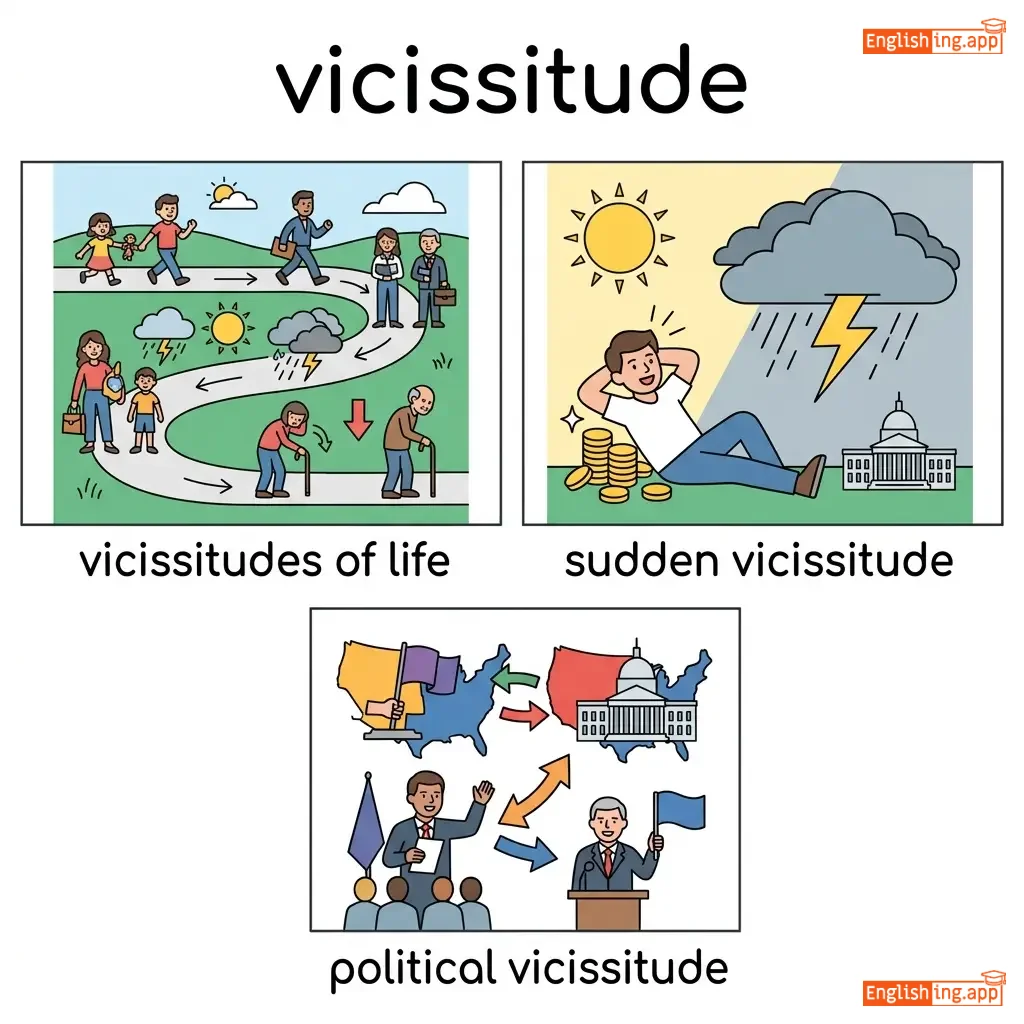
/vɪˈsɪsɪtjuːd/
noun
(ヴィシシチュード)
••••••
|
|
変遷
hensen
••••••
|
- •••••• | - •••••• | - •••••• | - •••••• |
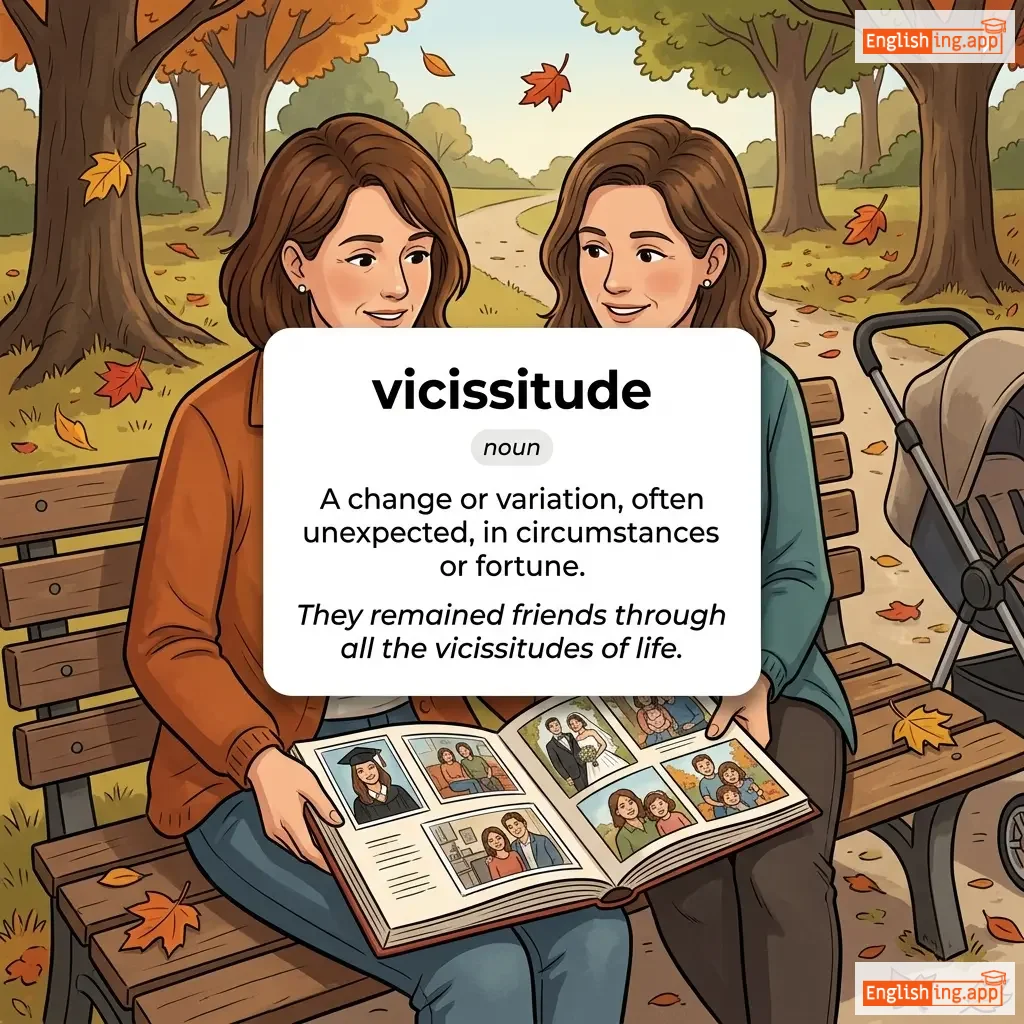
A change or variation, often unexpected, in circumstances or fortune.
••••••
|
They remained friends through all the vicissitudes of life. |
彼らは人生のすべての変遷を通して友達であり続けました。
Karera wa jinsei no subete no hensen wo tooshite tomodachi de aritsuzukemashita.
••••••
|
- •••••• | - •••••• | - •••••• |
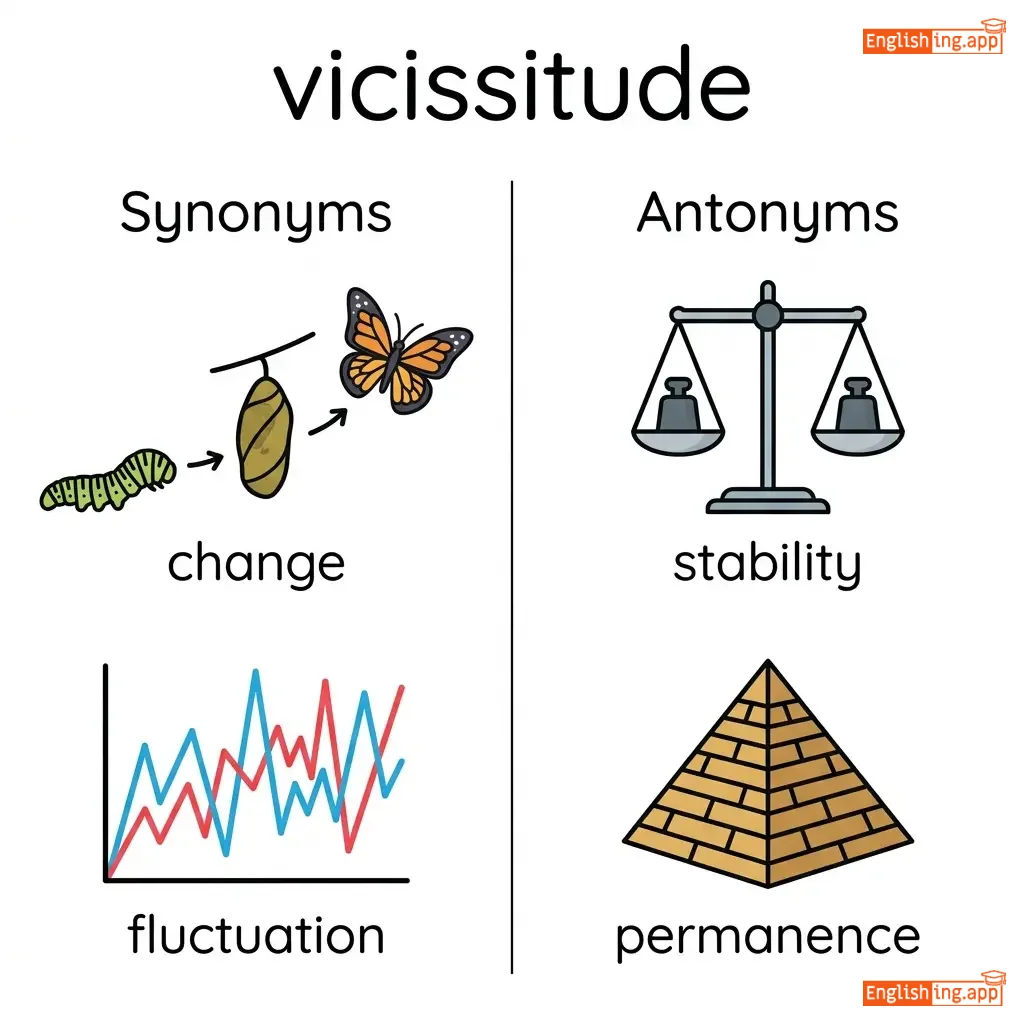
change, fluctuation, shift, variation
••••••
|
stability, permanence
••••••
|
vicissitudes of life, sudden vicissitude, political vicissitude
••••••
|
VICISSITUDE: 人生の中での予測不可能なアップダウンを表す言葉です。
••••••
|
|
#9346
🛡️
|
/ˈvɪndɪkətɔːri/
adjective
(ヴィンディケートリ)
••••••
|
- •••••• |
弁護的な
bengoteki na
••••••
|
- •••••• | - •••••• | - •••••• | - •••••• |
Serving to justify, clear of blame, or defend.
••••••
|
His vindicatory remarks restored his reputation.
彼の弁護的な発言は彼の評判を回復させた。
••••••
|
彼の弁護的な発言は彼の評判を回復させた。
Kare no bengoteki na hatsugen wa kare no hyōban o kaifuku saseta.
••••••
|
- •••••• | - •••••• | - •••••• |
justifying, defensive, explanatory, exculpatory
••••••
|
accusatory, condemning
••••••
|
vindicatory statement, vindicatory tone, vindicatory argument
••••••
|
Vindicate は弁護すること、vindicatory は弁護的な意味 🛡️
••••••
|
|
#9347
🛡️
|
/ˈvɪndɪkeɪtɪv/
adjective
(ヴィンディケイティブ)
••••••
|
- •••••• |
弁護的
bengodeki
••••••
|
- •••••• | - •••••• | - •••••• | - •••••• |
showing a tendency to vindicate or justify; inclined to defend
••••••
|
Her vindicative tone showed that she strongly believed in her innocence. |
彼女の弁護的な口調は、彼女が無罪であると強く信じていることを示していた。
Kanojo no bengodeki na kuchō wa, kanojo ga muzai de aru to tsuyoku shinjite iru koto o shimeshite ita.
••••••
|
- •••••• | - •••••• | - •••••• |
defensive, justifying, explanatory, supportive
••••••
|
accusatory, blaming
••••••
|
vindicative tone, vindicative response, vindicative attitude
••••••
|
Vindicativeは自分を守る欲求が強い、まるで弁護士のような意味です。
••••••
|
|
#9348
✅
|
/ˈvɪndɪkeɪt/
verb
••••••
|
|
- •••••• |
vindicated
••••••
|
vindicated
••••••
|
vindicates
••••••
|
vindicating
••••••
|
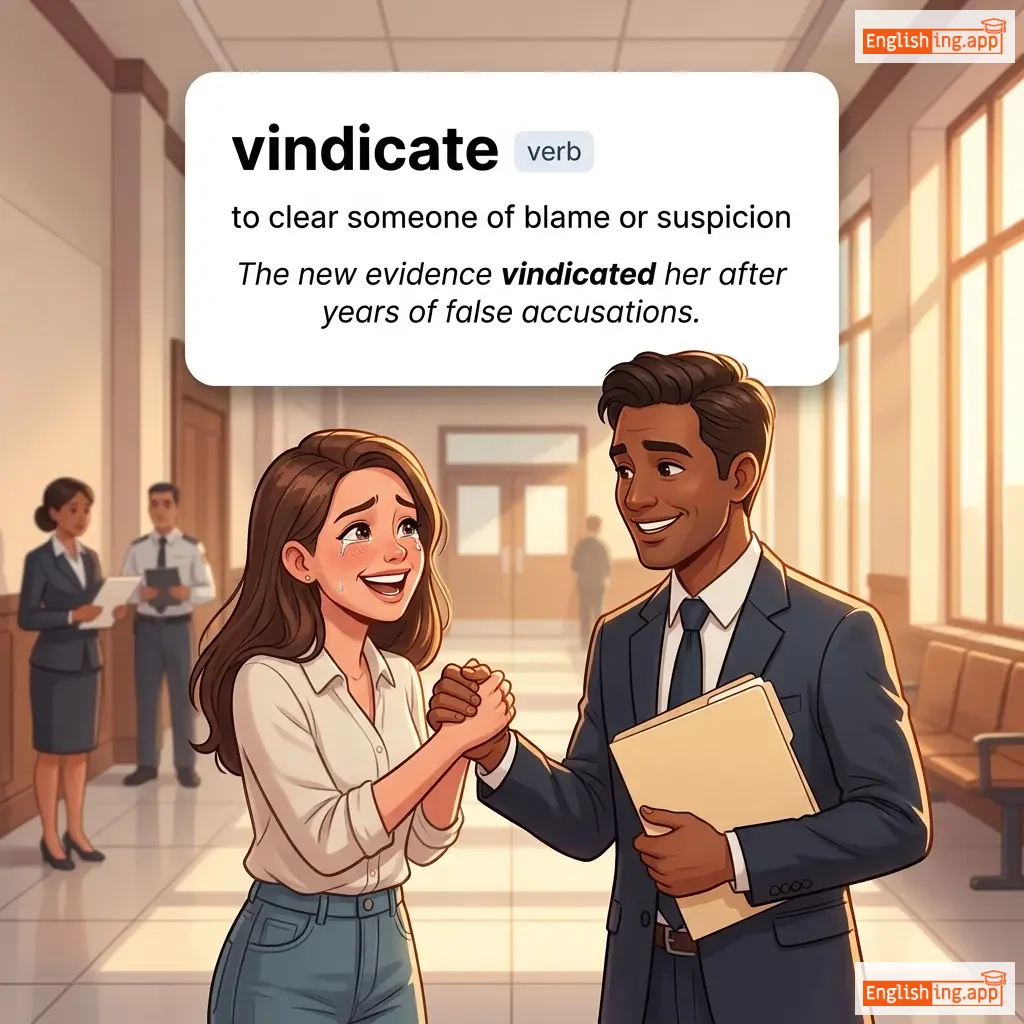
to clear someone of blame or suspicion
••••••
|
The new evidence vindicated her after years of false accusations. |
- •••••• |
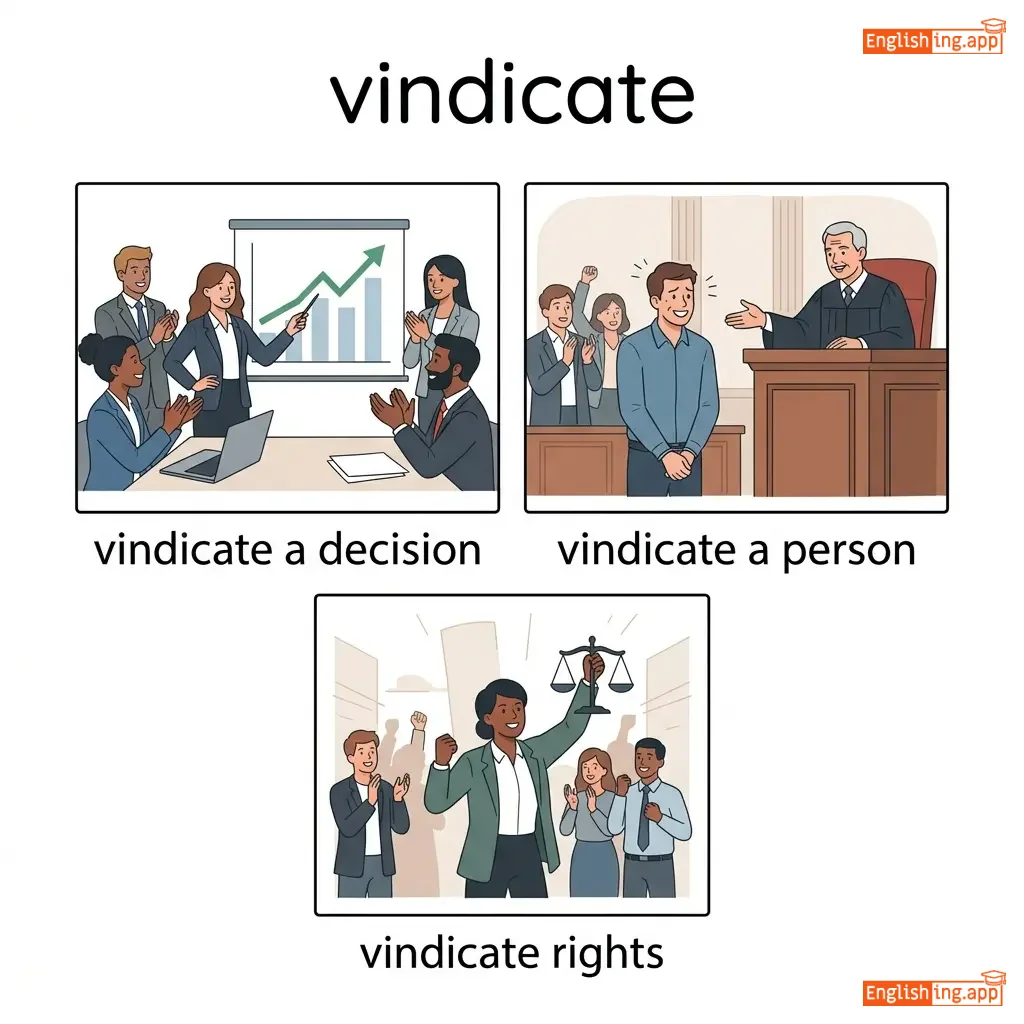
vindicate one’s rights |
to defend or uphold one’s rights
••••••
|
- •••••• |
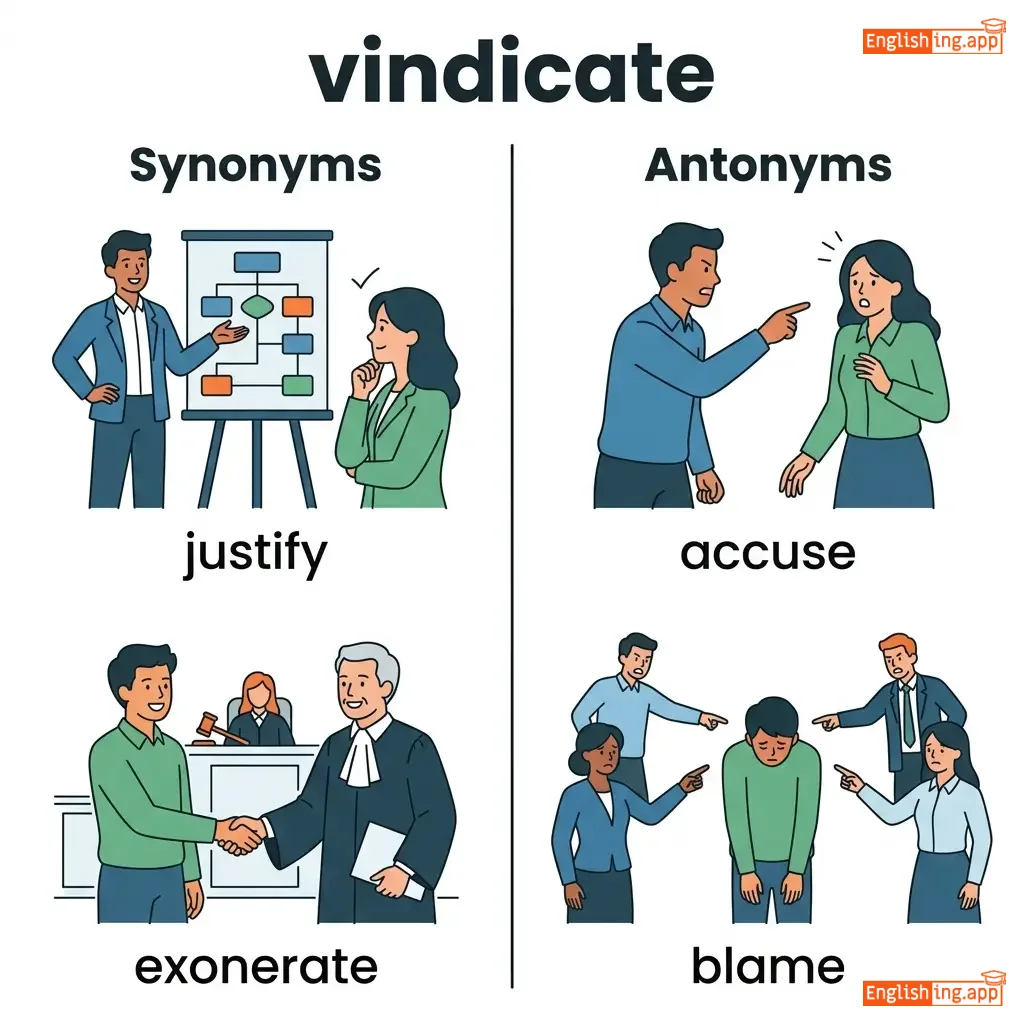
justify, exonerate, absolve, defend, support
••••••
|
accuse, blame, convict
••••••
|
vindicate a decision, vindicate a person, vindicate rights
••••••
|
No •••••• |
|
#9349
🏳️
|
/ˈvɪnsəbl/
adjective
(ヴィンシブル)
••••••
|
- •••••• |
打ち負かされる可能性がある
uchimakasareru kanousei ga aru
••••••
|
- •••••• | - •••••• | - •••••• | - •••••• |
capable of being overcome or defeated
••••••
|
The enemy seemed vincible after losing their main base. |
敵は主要基地を失った後、打ち負かされる可能性があった。
Teki wa shuyou kichi o ushinatta ato, uchimakasareru kanousei ga atta.
••••••
|
- •••••• | - •••••• | - •••••• |
defeatable, conquerable, beatable, surmountable
••••••
|
invincible, unconquerable, unbeatable
••••••
|
vincible opponent, vincible force, vincible army
••••••
|
Invincibleの反対は、簡単に打ち負かされる = 勝つことができる
••••••
|
|
#9350
⚡
|
/vɪm/
noun
(ヴィム)
••••••
|
- •••••• |
活力
katsuryoku
••••••
|
- •••••• | - •••••• | - •••••• | - •••••• |
energy and enthusiasm
••••••
|
She performed the dance with great vim and vigor. |
彼女は大きな活力と熱意でダンスを披露しました。
Kanojo wa ōkina katsuryoku to netsui de dansu o hirō shimashita.
••••••
|
vim and vigor |
a lot of energy and enthusiasm
••••••
|
活力と熱意
katsuryoku to netsui
••••••
|
energy, enthusiasm, vitality, spirit, zest
••••••
|
lethargy, fatigue, weakness
••••••
|
vim and vigor, full of vim, youthful vim, vim for life
••••••
|
Vim はまるでエネルギーの爆発、止まらない動力源だ!
••••••
|
|
#9351
🗣️
|
/ˈvɪlɪfaɪ/
verb
(ハピネス)
••••••
|
- •••••• |
幸せ
shiawase
••••••
|
vilified
••••••
|
vilified
••••••
|
vilifies
••••••
|
vilifying
••••••
|
to speak or write about someone in an abusive or disparaging manner
••••••
|
The politician was vilified in the media for his controversial remarks. |
彼女は賞を受け取ったとき、幸せを隠すことができませんでした。
Kanojo wa shō o uketotta toki, shiawase o kakusu koto ga dekimasen deshita.
••••••
|
vilify someone’s character |
to attack or slander someone’s reputation
••••••
|
幸せを追求する
shiawase o tsuikyū suru
••••••
|
slander, malign, defame, disparage, denigrate
••••••
|
praise, commend, glorify
••••••
|
vilify someone, vilify publicly, unjustly vilify, vilify in media
••••••
|
幸せ = '幸' + 'せ' = 幸せな気持ち
••••••
|
|
#9352
🔥
|
/ˈvɪɡərəs/
adjective
(vɪɡərəs)
••••••
|
|
活発
kappatsu
••••••
|
- •••••• | - •••••• | - •••••• | - •••••• |
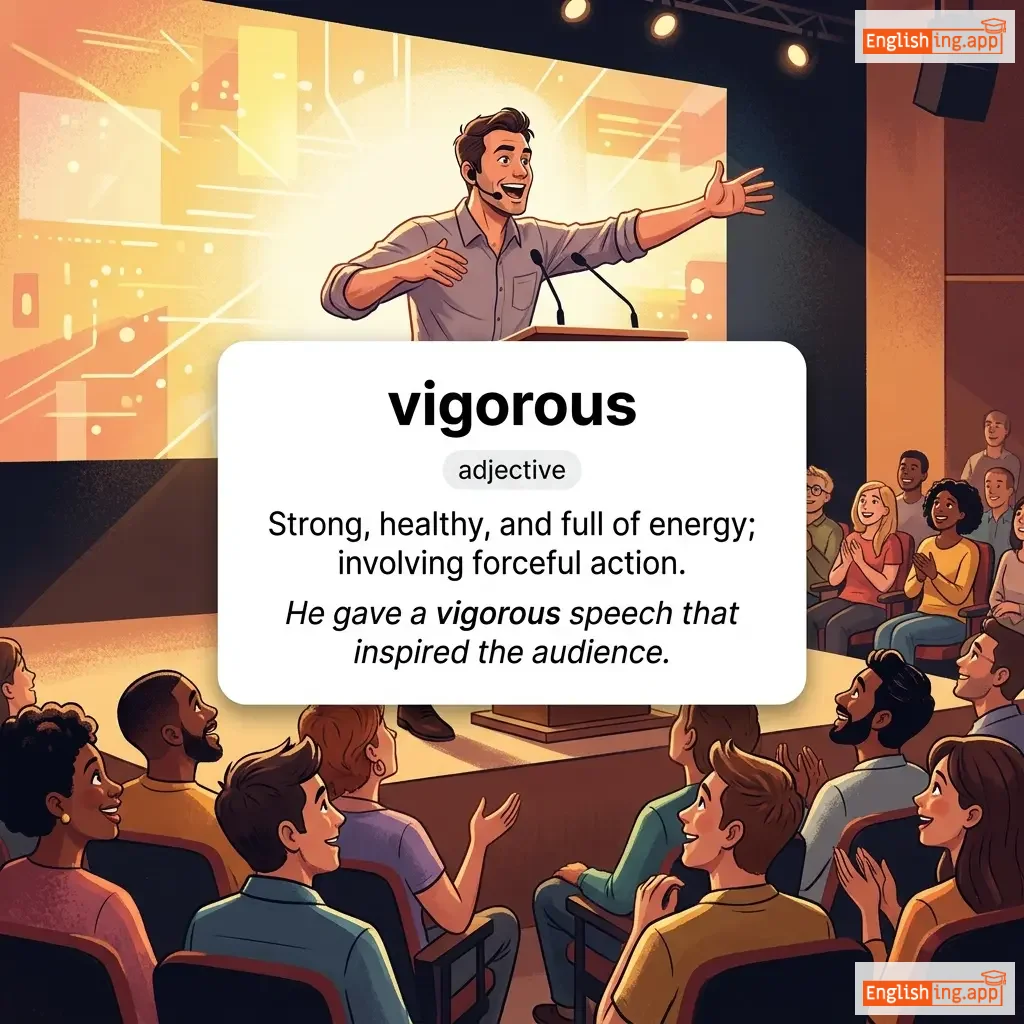
Strong, healthy, and full of energy; involving forceful action.
••••••
|
He gave a vigorous speech that inspired the audience. |
彼は聴衆を感動させた活発なスピーチを行った。
Kare wa chōshū o kandō saseta kappatsu na supīchi o okonatta.
••••••
|
- •••••• | - •••••• | - •••••• |
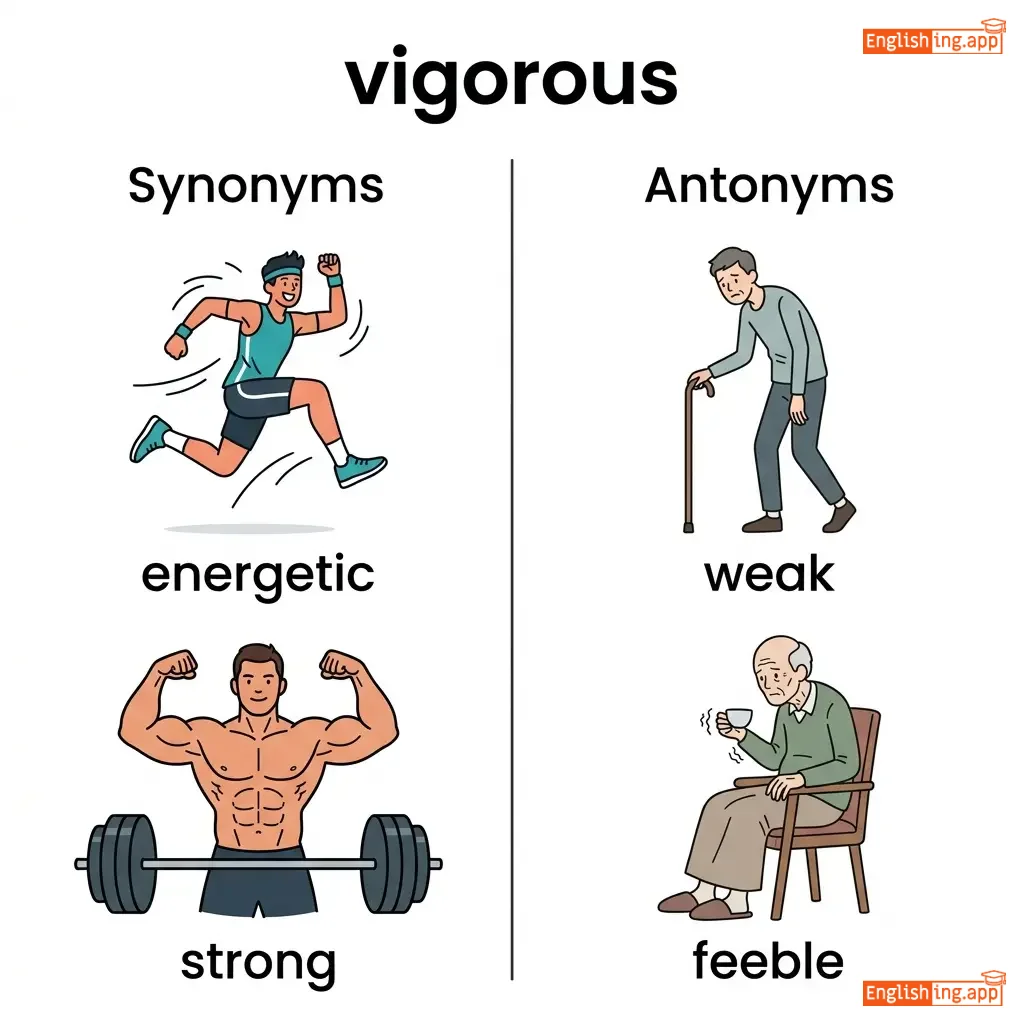
energetic, strong, dynamic, forceful, robust
••••••
|
weak, feeble, sluggish
••••••
|
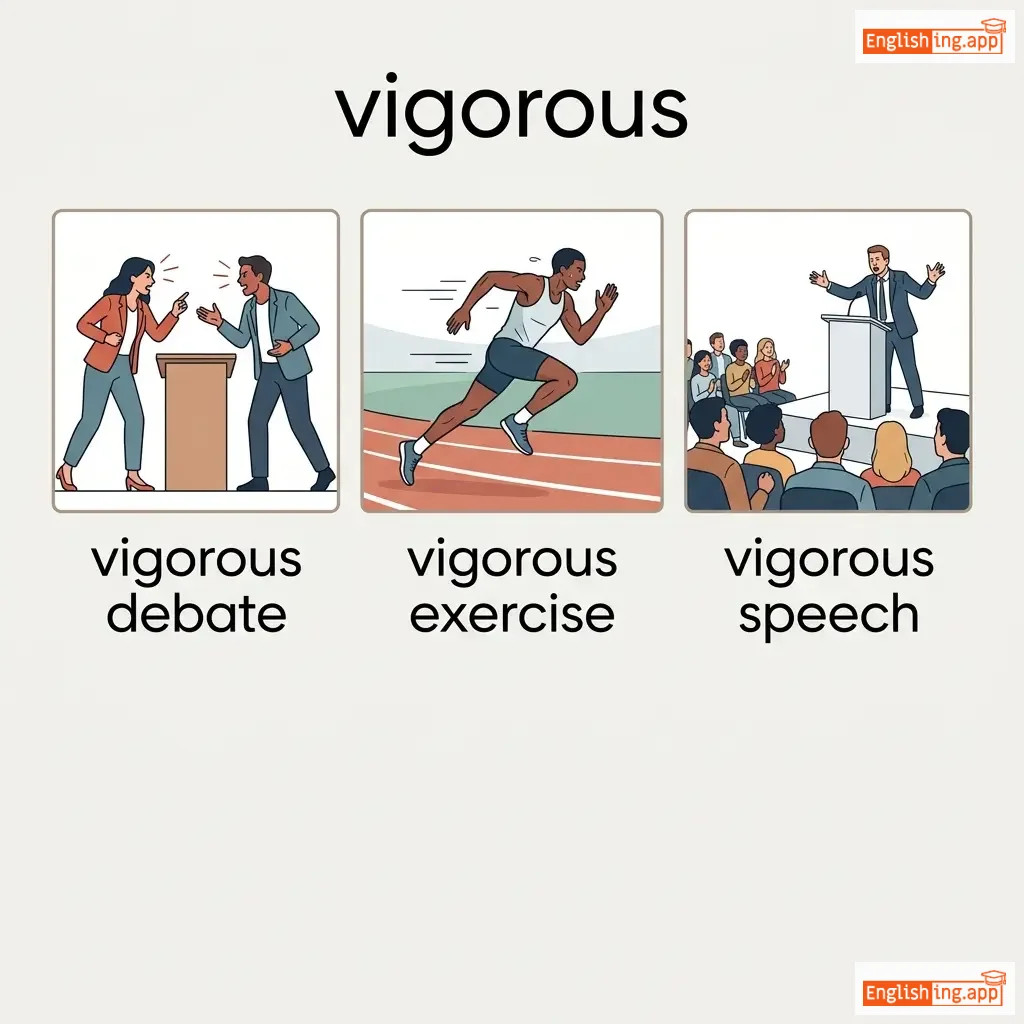
vigorous debate, vigorous exercise, vigorous speech, vigorous growth
••••••
|
Vigorousは活発(kappatsu)な行動を意味し、火のように強力です。
••••••
|
|
#9353
💪
|
/ˈvɪɡər/
noun
(ヴィゴール)
••••••
|
- •••••• |
活力
katsuryoku
••••••
|
- •••••• | - •••••• | - •••••• | - •••••• |
Physical strength, energy, or enthusiasm.
••••••
|
She tackled the project with great vigor and determination. |
彼女は大きな活力と決意を持ってそのプロジェクトに取り組んだ。
Kanojo wa ōkina katsuryoku to ketsui o motte sono purojekuto ni torikunda.
••••••
|
full of vigor |
having a lot of energy and vitality
••••••
|
活力に満ちた
katsuryoku ni michita
••••••
|
energy, strength, vitality, enthusiasm, dynamism
••••••
|
weakness, lethargy, fatigue
••••••
|
with vigor, full of vigor, renewed vigor, youthful vigor
••••••
|
活力は、全力で進むライオンのようなものです。
••••••
|
|
#9354
📖
|
/vɪnˈjɛt/
noun
(ヴィグネット)
••••••
|
- •••••• |
短編小説
tanpen shōsetsu
••••••
|
- •••••• | - •••••• | - •••••• | - •••••• |
A short, descriptive piece of writing or a brief scene.
••••••
|
The author included a poignant vignette in the introduction of the book. |
著者は本の序文に感動的な短編小説を含めた。
Chosha wa hon no jobun ni kandō-tekina tanpen shōsetsu o fukumeta.
••••••
|
- •••••• | - •••••• | - •••••• |
sketch, scene, snapshot, anecdote, portrayal
••••••
|
epic, saga
••••••
|
short vignette, literary vignette, film vignette, descriptive vignette
••••••
|
Vigneta は小さな場面を意味する、vign = 小さな場面。
••••••
|
|
#9355
🕵️
|
/ˈvɪdʒɪlənt/
adjective
(ヴィジラント)
••••••
|
|
警戒
keikai
••••••
|
- •••••• | - •••••• | - •••••• | - •••••• |
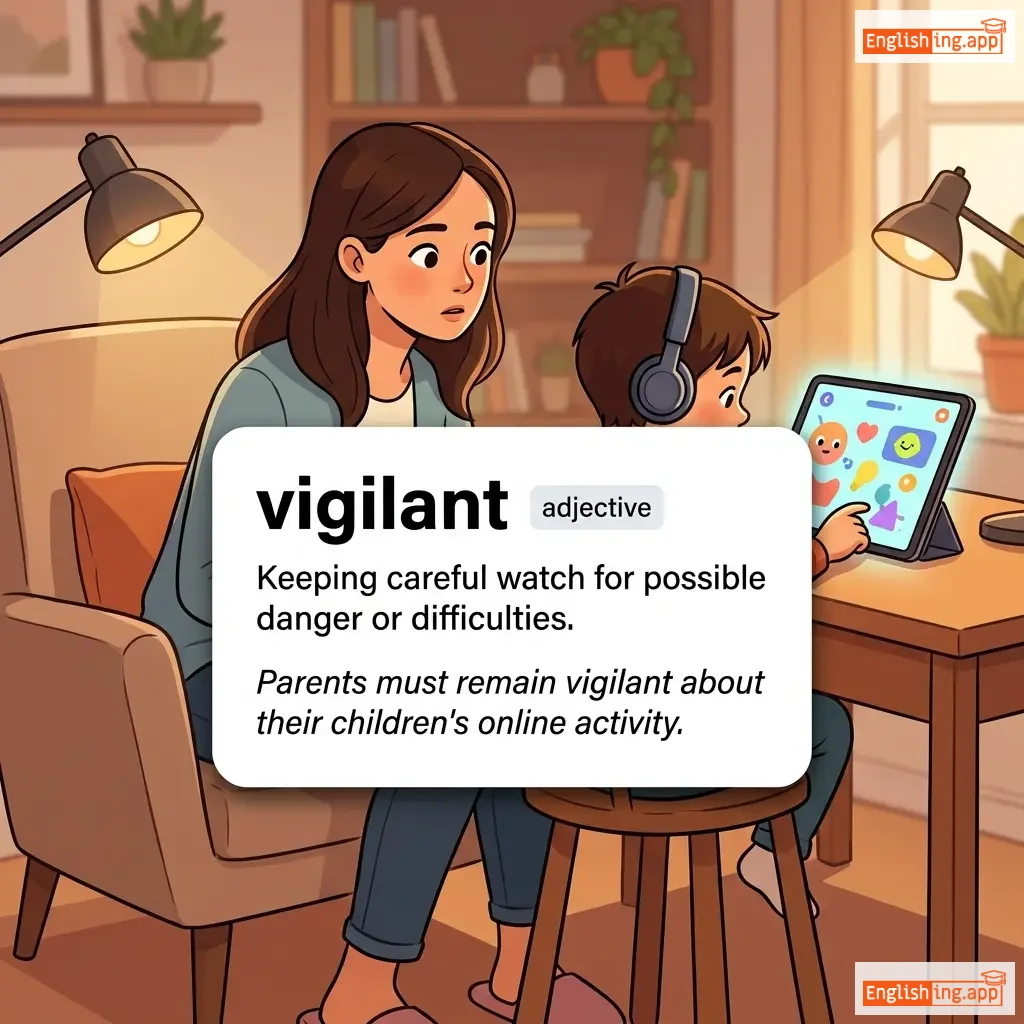
Keeping careful watch for possible danger or difficulties.
••••••
|
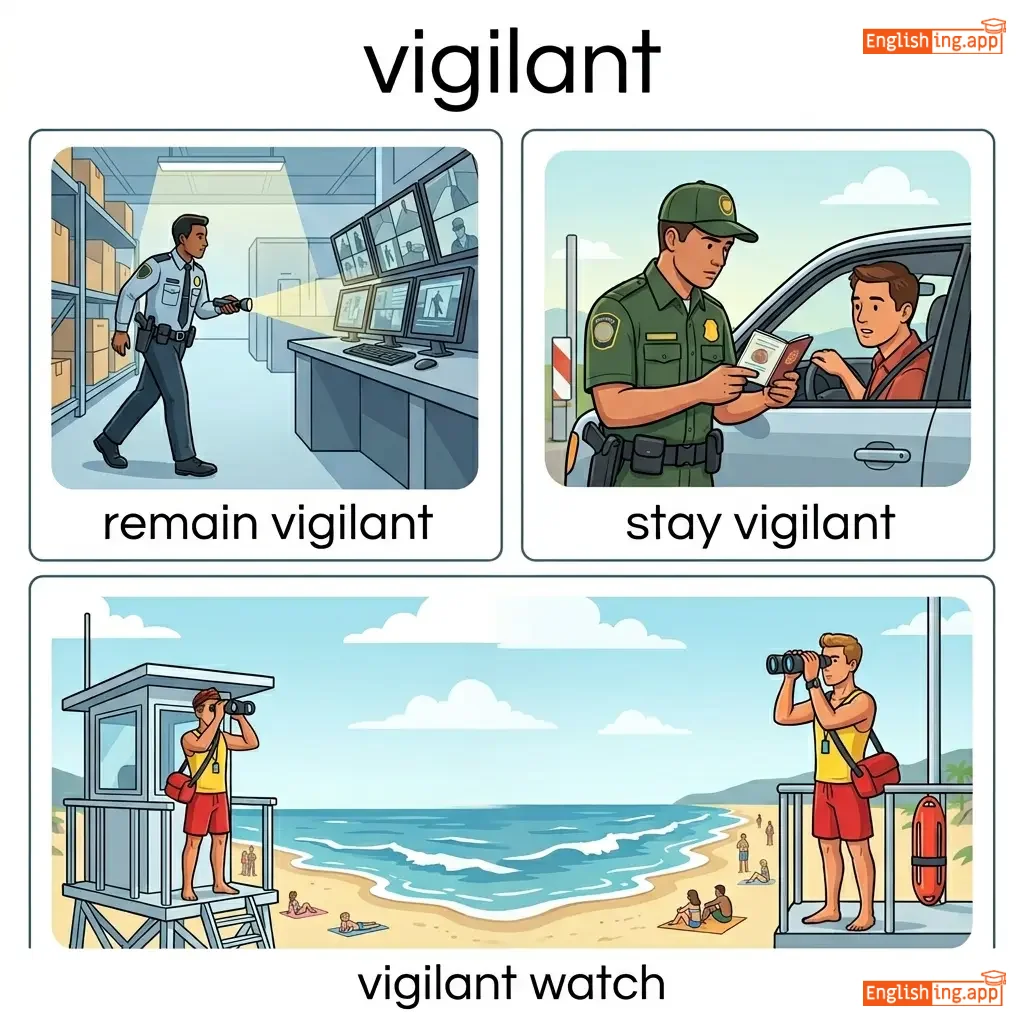
Parents must remain vigilant about their children's online activity. |
親は子供たちのオンライン活動について警戒し続けるべきです。
Oya wa kodomotachi no onrain katsudō ni tsuite keikai shitsuzukeru beki desu.
••••••
|
- •••••• | - •••••• | - •••••• |
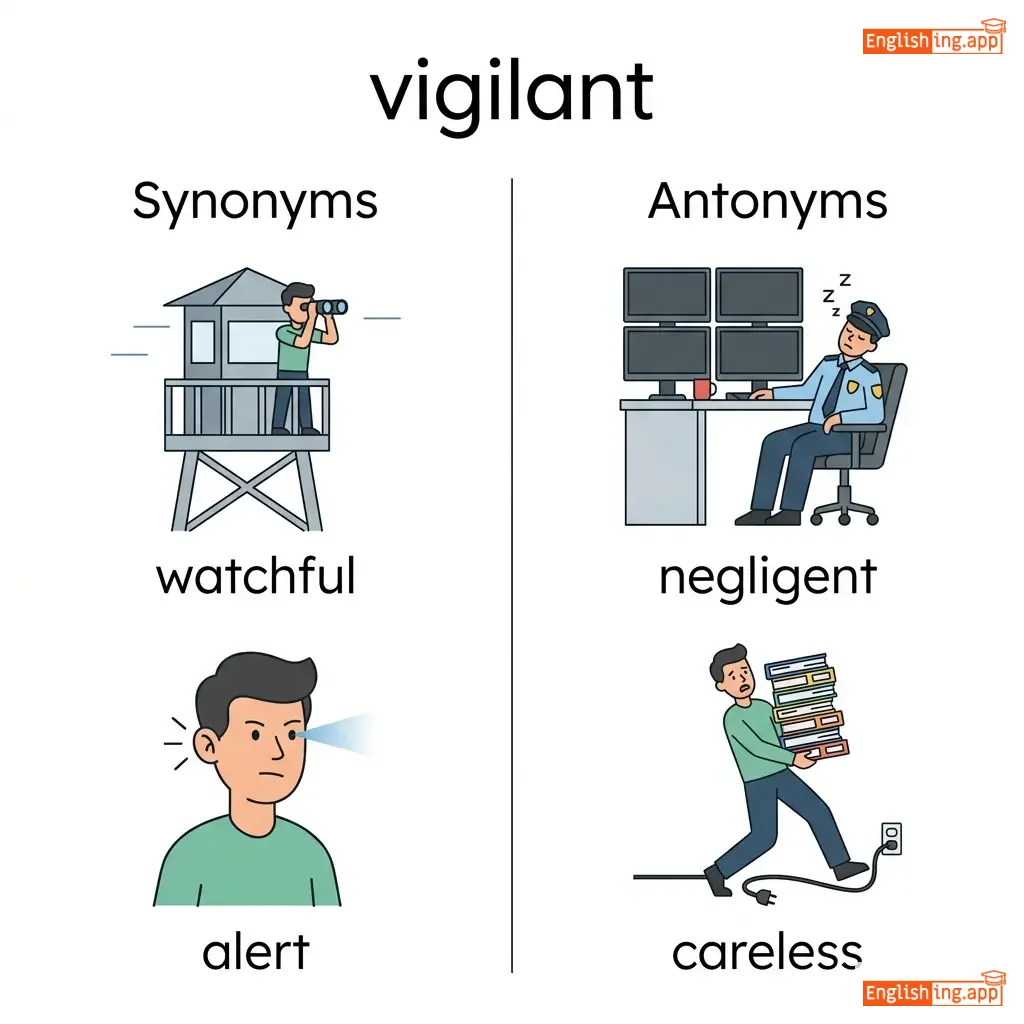
watchful, alert, cautious, attentive, observant
••••••
|
negligent, careless, inattentive
••••••
|
remain vigilant, stay vigilant, vigilant watch, ever vigilant
••••••
|
警戒は常に見張っているようなもの、決して油断しない。
••••••
|
|
#9356
👀
|
/ˈvɪdʒɪləns/
noun
(ビジランス)
••••••
|
|
警戒
keikai
••••••
|
- •••••• | - •••••• | - •••••• | - •••••• |
The action or state of keeping careful watch for possible danger or difficulties.
••••••
|
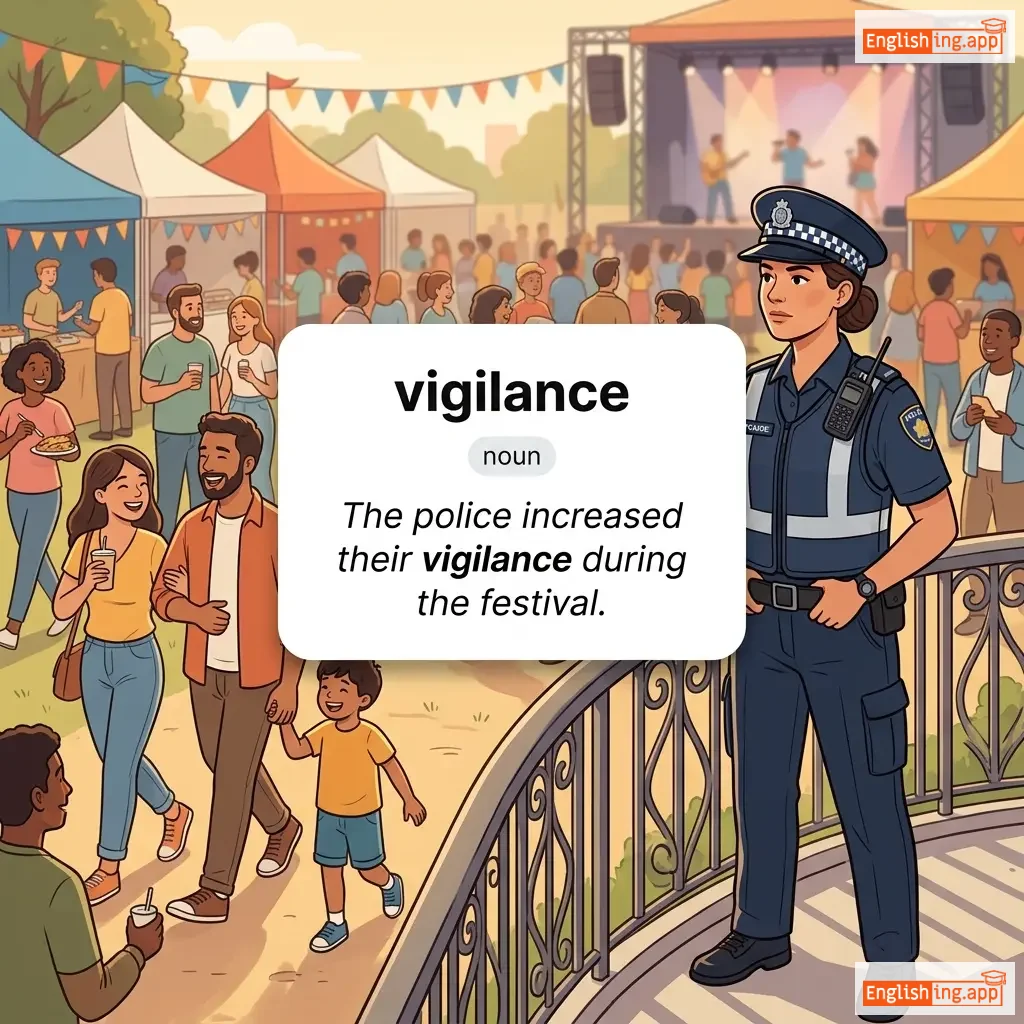
The police increased their vigilance during the festival. |
警察は祭りの間、警戒を強化した。
Keisatsu wa matsuri no aida, keikai o kyouka shita.
••••••
|
eternal vigilance |
constant alertness is necessary to preserve safety or freedom
••••••
|
永遠の警戒
Eien no keikai
••••••
|
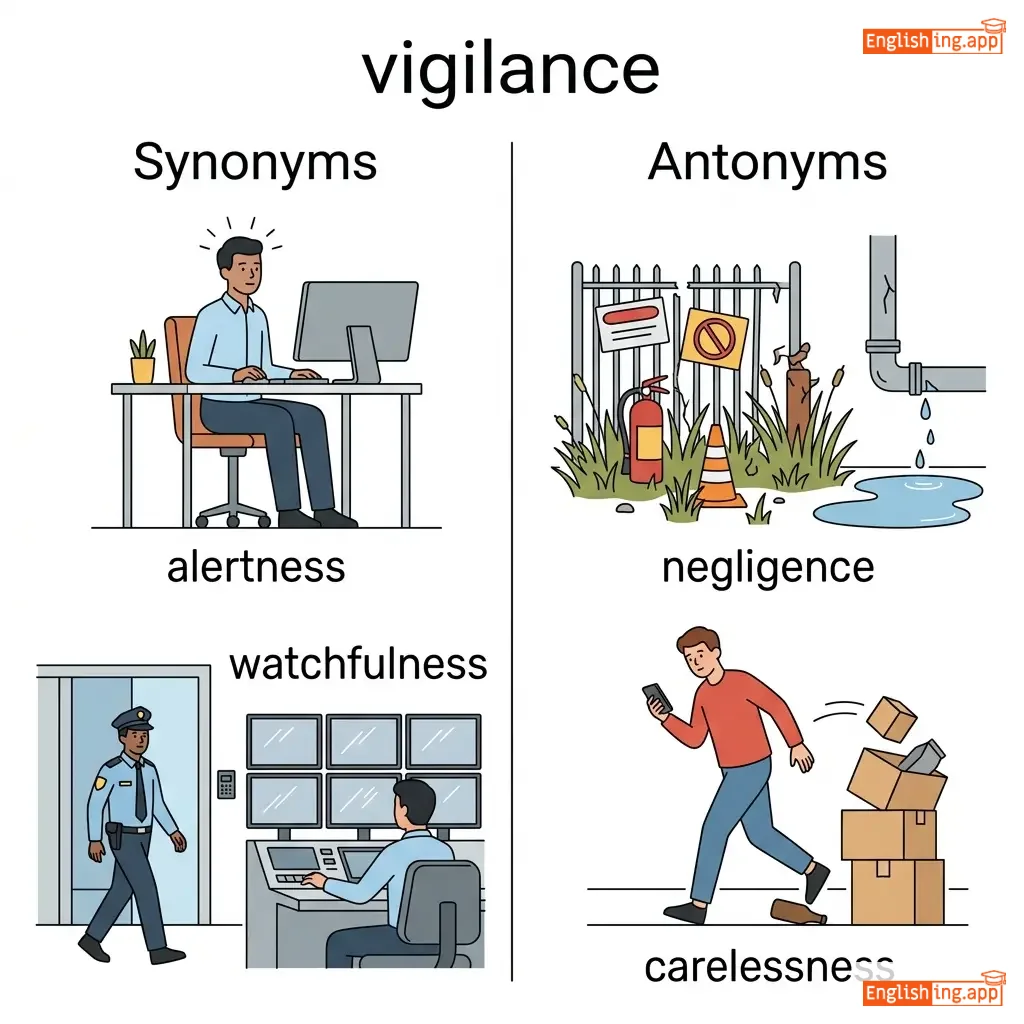
alertness, watchfulness, attentiveness, caution, care
••••••
|
negligence, carelessness, inattentiveness
••••••
|
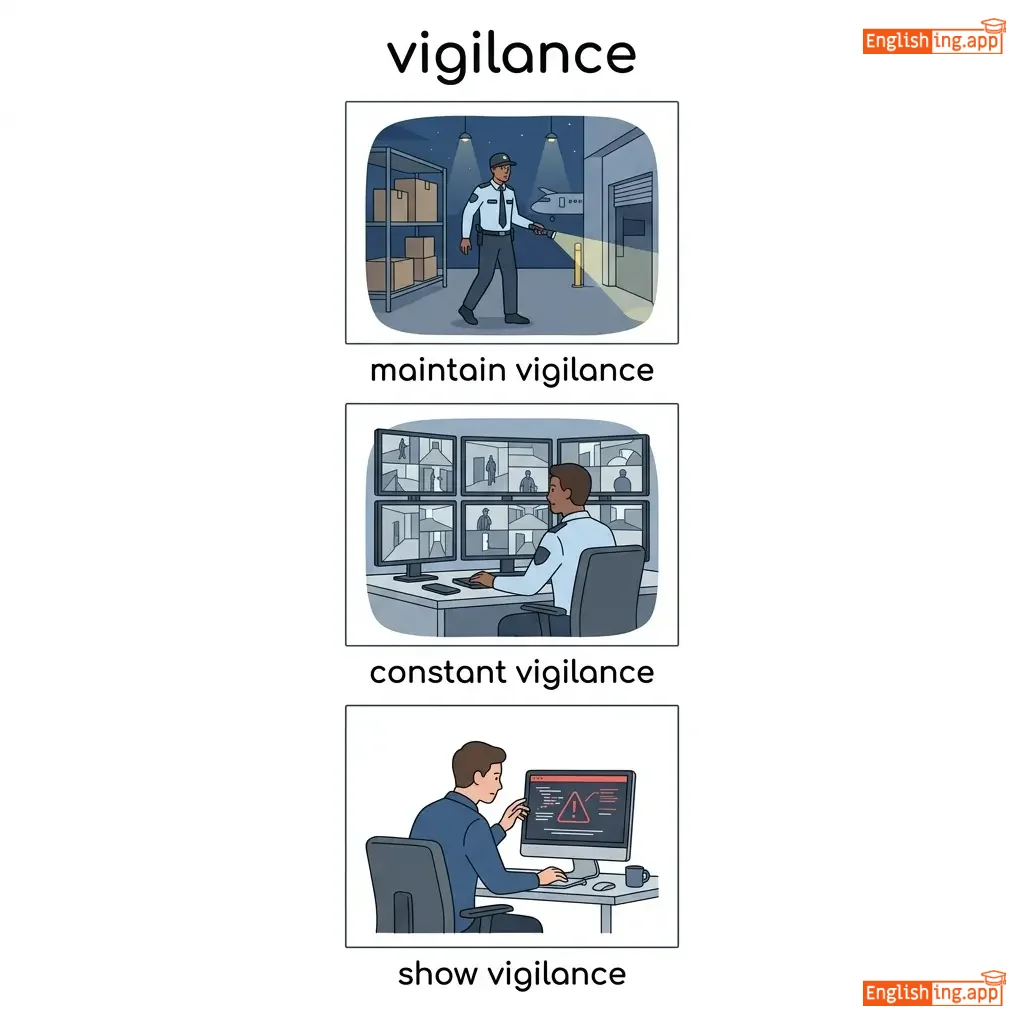
maintain vigilance, constant vigilance, show vigilance, heightened vigilance
••••••
|
警戒とは、常に気をつけていることです。
••••••
|
|
#9357
⚔️
|
/vaɪ/
verb
(ヴァイ)
••••••
|
- •••••• |
争う
arasou
••••••
|
vied
ヴァイド
••••••
|
vied
ヴァイド
••••••
|
vies
ヴァイズ
••••••
|
vying
ヴァイング
••••••
|
To compete eagerly with someone in order to do or achieve something.
••••••
|
Several companies are vying for the contract.
いくつかの企業が契約を争っています。
••••••
|
いくつかの企業が契約を争っています。
Ikutsuka no kigyō ga keiyaku o arasotteimasu.
••••••
|
vie with
〜と競争する
••••••
|
To compete against someone or something.
••••••
|
〜と競争する
〜to kyōsō suru
••••••
|
compete, contend, rival, strive
••••••
|
yield, surrender
••••••
|
vie for, vie with, vying to, vying against
••••••
|
VIEは争う意味です。競争中の人物を思い浮かべてください!
••••••
|
|
#9358
🍞
|
/ˈvɪtəlz/
noun
(ビタルズ)
••••••
|
- •••••• |
食料
shokuryou
••••••
|
- •••••• | - •••••• | - •••••• | - •••••• |
Food or provisions, especially for human consumption.
••••••
|
The travelers packed enough victuals for their long journey.
旅行者たちは長い旅のために十分な食料を詰め込みました。
••••••
|
旅行者たちは長い旅のために十分な食料を詰め込みました。
Ryokō-sha-tachi wa nagai tabi no tame ni jūbun'na shokuryō o tsumemashita.
••••••
|
- •••••• | - •••••• | - •••••• |
food, provisions, supplies, nourishment
••••••
|
hunger, starvation
••••••
|
store victuals, plenty of victuals, victuals for the journey
••••••
|
‘ビタルズ’は‘食料’を意味し、旅行の際に必要な食べ物です。
••••••
|
|
#9359
😢
|
/ˈvɪktɪmaɪz/
verb
(ヴィクティマイズ)
••••••
|
- •••••• |
被害者にする
higaisha ni suru
••••••
|
victimized
ヴィクティマイズド
••••••
|
victimized
ヴィクティマイズド
••••••
|
victimizes
ヴィクティマイズズ
••••••
|
victimizing
ヴィクティマイジング
••••••
|
To make someone a victim, often by treating them unfairly or cruelly.
••••••
|
The corrupt officials victimized the poor villagers.
腐敗した役人たちは貧しい村人を犠牲にした。
••••••
|
腐敗した役人たちは貧しい村人を犠牲にした。
Fuhai shita yakunin-tachi wa mazushii murabito o gisei ni shita.
••••••
|
- •••••• | - •••••• | - •••••• |
oppress, persecute, abuse, exploit
••••••
|
protect, defend
••••••
|
victimize someone, victimized by, feel victimized
••••••
|
Victim + ize = 誰かを犠牲者にする。
••••••
|
Vocabulary Quiz
Test your vocabulary by matching words with their translations or meanings.
Login to take the quiz
Comments (0)
Share your thoughts and join the discussion.
Join the discussion by logging in
Login to CommentNo comments yet
Be the first to share your thoughts!