

翻訳
過去
過去分詞
三人称単数
動名詞
意味
例文
例文の翻訳
同義語
対義語
コロケーション
ニーモニック
Swipe left or right, or use the buttons. Tap image to zoom.
例文の翻訳
単語
Lesson 134Lesson 134 - マスクトグル
|
絵文字
|
単語 | Images | 翻訳 | 過去 | 過去分詞 | 三人称単数 | 動名詞 | 意味 | 例文 | 例文の翻訳 | 表現例 | 表現例の意味 | 表現例の翻訳 | 同義語 | 対義語 | コロケーション | ニーモニック |
|---|---|---|---|---|---|---|---|---|---|---|---|---|---|---|---|---|---|
|
#3991
🏷️
|
/ˈhɔːl.mɑːrk/
noun
(ハルマーク)
••••••
|
- •••••• |
象徴的な特徴
shouchou-teki na tokuchou
••••••
|
- •••••• | - •••••• | - •••••• | - •••••• |
a typical characteristic or feature of someone or something
••••••
|
Honesty is the hallmark of a good leader. |
誠実さは良いリーダーの象徴的な特徴です。
Seijitsusa wa yoi riidaa no shouchou-teki na tokuchou desu.
••••••
|
- •••••• | - •••••• | - •••••• |
feature, attribute, characteristic, trait, emblem
••••••
|
anomaly, exception
••••••
|
hallmark of success, hallmark of quality, hallmark of excellence
••••••
|
Hallmarkは「ホールにマーク」の意味です – 特別な特徴やシンボル。
••••••
|
|
#3992
🧍
|
/ˌhæŋ.ər ˈɒn/
noun
(ハンガーオン)
••••••
|
- •••••• |
おこぼれ
okobore
••••••
|
- •••••• | - •••••• | - •••••• | - •••••• |
a person who spends time with a powerful or famous person to gain benefits.
••••••
|
The celebrity was always surrounded by hangers-on. |
その有名人はいつもおこぼれの人々に囲まれていた。
sono yūmeijin wa itsumo okobore no hitobito ni kakomarete ita.
••••••
|
- •••••• | - •••••• | - •••••• |
parasite, sycophant, follower, dependent
••••••
|
leader, independent
••••••
|
political hanger-on, social hanger-on, hangers-on
••••••
|
Hanger-on = 権力者や有名人にすがりついて利益を得ようとする
••••••
|
|
#3993
😞
|
/ˈhæŋ.dɔːɡ/
adjective
(ハングドッグ)
••••••
|
- •••••• |
恥ずかしい
hazukashii
••••••
|
- •••••• | - •••••• | - •••••• | - •••••• |
looking or feeling ashamed, guilty, or defeated.
••••••
|
He gave me a hangdog look after being caught lying. |
彼は嘘をついて捕まった後、恥ずかしそうな顔をした。
Kare wa uso o tsuite tsukamatta ato, hazukashisō na kao o shita.
••••••
|
- •••••• | - •••••• | - •••••• |
ashamed, guilty, embarrassed, downcast
••••••
|
proud, confident, cheerful
••••••
|
hangdog look, hangdog expression, hangdog face
••••••
|
Hang + Dog = 犬を吊るすと恥ずかしい顔をする。
••••••
|
|
#3994
✍️
|
/ˈhændˌraɪ.tɪŋ/
noun
(ハンドライティング)
••••••
|
- •••••• |
手書き
tegaki
••••••
|
- •••••• | - •••••• | - •••••• | - •••••• |
the style or manner of writing by hand.
••••••
|
Her handwriting is very neat and easy to read. |
彼女の手書きはとてもきれいで読みやすいです。
Kanojo no tegaki wa totemo kirei de yomiyasui desu.
••••••
|
the handwriting on the wall |
a sign that something bad will happen
••••••
|
壁に書かれた文字
kabe ni kakareta moji
••••••
|
script, penmanship, calligraphy, writing
••••••
|
typing, print
••••••
|
neat handwriting, improve handwriting, handwriting style, handwriting analysis
••••••
|
HAND + 書く = 手書き
••••••
|
|
#3995
😎
|
/ˈhæn.səm/
adjective
••••••
|
- •••••• | - •••••• | - •••••• | - •••••• | - •••••• | - •••••• |
attractive in appearance, usually referring to men; also can mean generous or impressive in size.
••••••
|
He looked very handsome in his new suit. |
- •••••• |
handsome reward |
a large or generous reward
••••••
|
- •••••• |
attractive, good-looking, striking, dashing, elegant
••••••
|
ugly, unattractive, plain
••••••
|
handsome man, handsome reward, handsome profit, look handsome
••••••
|
No •••••• |
|
#3996
🤲
|
/ˈhænd ˌrɪŋɪŋ/
noun
(ハンド-リングイング)
••••••
|
- •••••• |
過剰な心配
kajou na shinpai
••••••
|
- •••••• | - •••••• | - •••••• | - •••••• |
excessive worry or concern expressed in a visible or dramatic way.
••••••
|
There was much hand-wringing over the political crisis.
政治危機について多くの心配がありました。
••••••
|
政治危機について多くの心配がありました。
Seiji kiki ni tsuite ōku no shinpai ga arimashita.
••••••
|
- •••••• | - •••••• | - •••••• |
worrying, fretting, anxiety, concern, agitation
••••••
|
calmness, confidence, composure
••••••
|
political hand-wringing, endless hand-wringing, public hand-wringing
••••••
|
Hand wringingは心配しすぎて劇的に表現すること。心配を覚えておこう!
••••••
|
|
#3997
⛓️
|
/ˈhæmstrʌŋ/
verb (past tense, past participle), adjective
(ハムストラング)
••••••
|
- •••••• |
無力または制限された
muryoku mata wa seigen sareta
••••••
|
- •••••• | - •••••• | - •••••• | - •••••• |
crippled or severely restricted in movement or progress.
••••••
|
The team was hamstrung by lack of resources.
チームはリソースの不足により制約を受けていた。
••••••
|
チームはリソース不足で制約を受けていた。
Chīmu wa risōsu fusoku de seiyaku o ukete ita.
••••••
|
- •••••• | - •••••• | - •••••• |
crippled, hindered, paralyzed, obstructed
••••••
|
free, enabled, empowered
••••••
|
hamstrung by rules, hamstrung by limitations
••••••
|
Hamstrungは何もできない状態、まるで手足が縛られているようです。
••••••
|
|
#3998
🦵
|
/ˈhæmstrɪŋ/
noun, verb
(ハムストリング)
••••••
|
- •••••• |
太ももの後ろの腱; 動詞として、誰かまたは何かの効果を制限または著しく制限する
futomomo no ushiro no ken; dōshi toshite, dareka matawa nanika no kōka o seigen matawa ichijirushiku seigen suru
••••••
|
hamstrung
ハムストラング
••••••
|
hamstrung
ハムストラング
••••••
|
hamstrings
ハムストリングス
••••••
|
hamstringing
ハムストリングイング
••••••
|
a tendon at the back of the thigh; as a verb, to cripple or severely restrict the effectiveness of someone or something.
••••••
|
Budget cuts hamstrung the organization’s plans.
予算削減により、組織の計画が弱体化しました。
••••••
|
予算削減により、組織の計画が弱体化しました。
Yosan sakugen ni yori, soshiki no keikaku ga jakutaika shimashita.
••••••
|
- •••••• | - •••••• | - •••••• |
cripple, weaken, disable, paralyze, hinder
••••••
|
strengthen, empower, support
••••••
|
hamstring injury, hamstring muscles, hamstring the effort
••••••
|
ハムストリングの怪我は選手を弱く(弱く)することを意味します。
••••••
|
|
#3999
🧺
|
/ˈhæmpər/
verb, noun
(ハンパー)
••••••
|
|
妨げる、洗濯かご
samata-geru, sentaku kago
••••••
|
hampered
ハンパード
••••••
|
hampered
ハンパード
••••••
|
hampers
ハンパーズ
••••••
|
hampering
ハンパリング
••••••
|
to prevent or slow down the progress of something; also, a basket with a lid, typically for laundry.
••••••
|
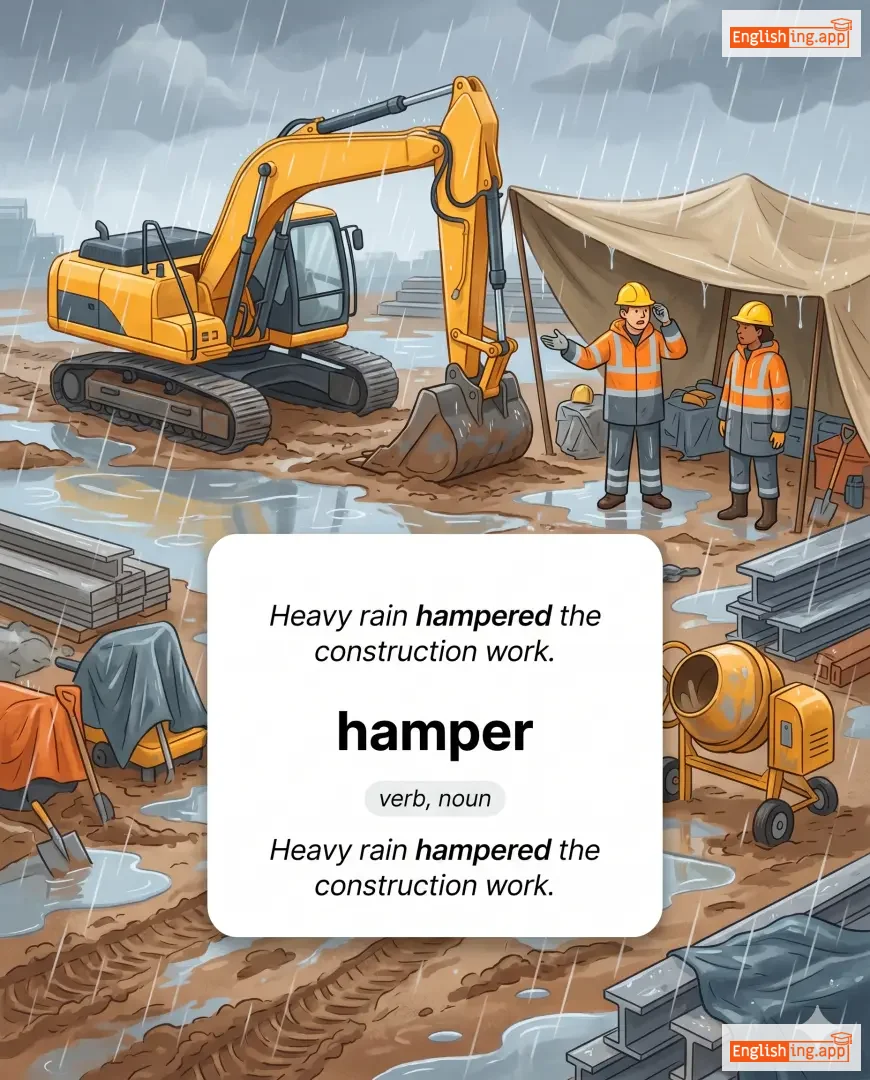
Heavy rain hampered the construction work.
大雨が建設作業を妨げました。
••••••
|
大雨が建設作業を妨げました。
Ōame ga kensetsu sagyō o samatagemashita.
••••••
|
- •••••• | - •••••• | - •••••• |
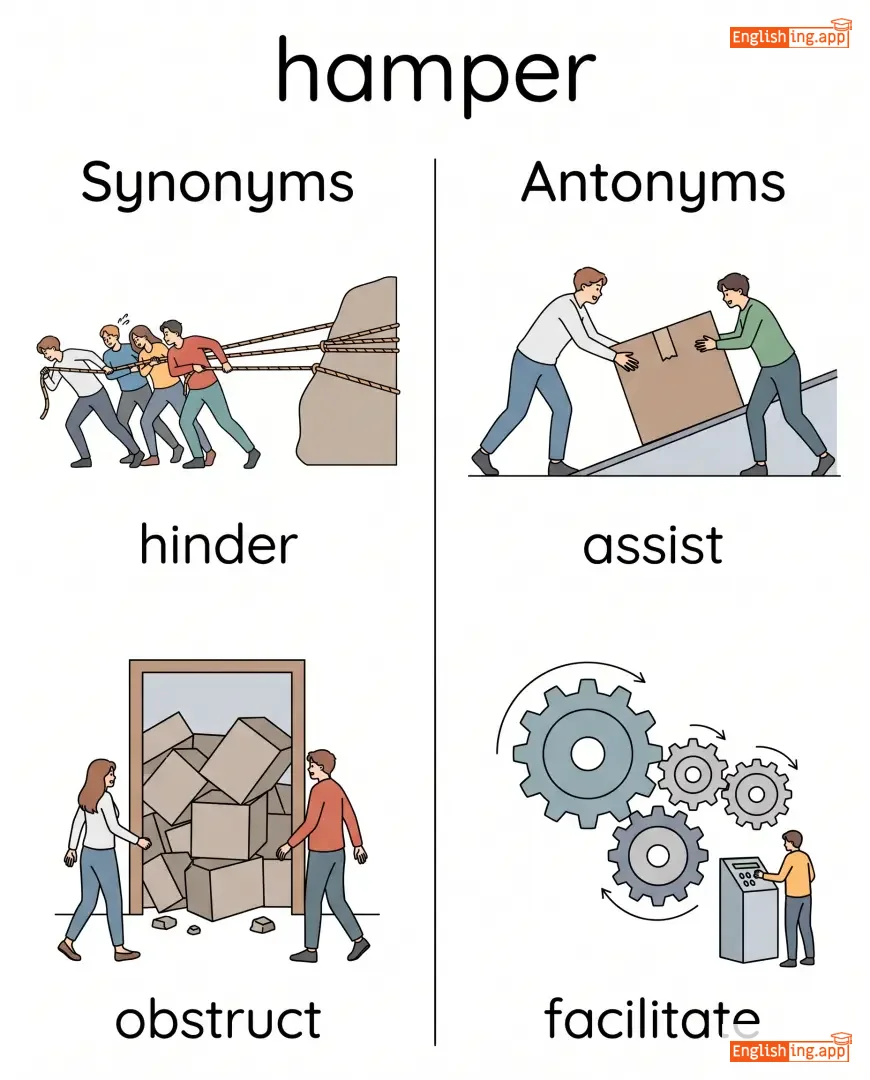
hinder, obstruct, impede, restrict, block
••••••
|
assist, facilitate, help
••••••
|
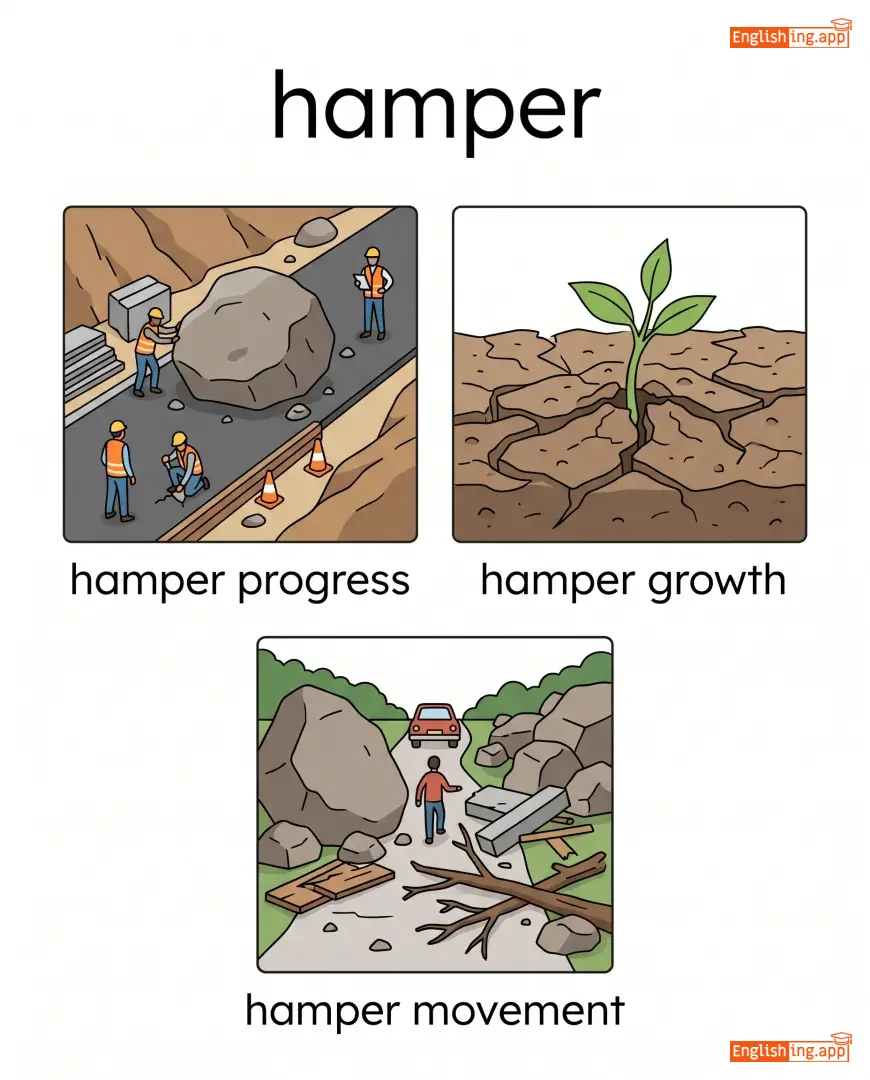
hamper progress, hamper growth, hamper movement, hamper efforts
••••••
|
Hamper は進行を妨げるようなもので、洗濯かごのようにものを止めるものです。
••••••
|
|
#4000
🔨
|
/ˈhæmər/
noun, verb
••••••
|
- •••••• | - •••••• |
hammered
••••••
|
hammered
••••••
|
hammers
••••••
|
hammering
••••••
|
a tool with a heavy metal head used for breaking things or driving in nails; to hit something forcefully with a hammer or similar object.
••••••
|
He used a hammer to fix the broken chair. |
- •••••• |
hammer out |
to work out the details of something through discussion and effort
••••••
|
- •••••• |
mallet, pound, strike, beat, smash
••••••
|
caress, stroke
••••••
|
hammer blow, hammer strike, hammer nails, hammer out, hammer away
••••••
|
No •••••• |
|
#4001
🙈
|
/ˈhæm ˌhændɪd/
adjective
(ハム-ハンディッド)
••••••
|
- •••••• |
不器用
bukiyou
••••••
|
- •••••• | - •••••• | - •••••• | - •••••• |
clumsy or inept in handling things or situations
••••••
|
His ham-handed attempt to fix the computer made it worse.
彼の手際の悪い試みでコンピュータがさらに悪化しました。
••••••
|
彼の手際の悪い試みでコンピュータがさらに悪化しました。
Kare no tegiwa no warui kokoromi de konpyu-ta ga sara ni akka shimashita.
••••••
|
- •••••• | - •••••• | - •••••• |
clumsy, awkward, unskilled, bungling, inept
••••••
|
skilled, deft, adept
••••••
|
ham-handed attempt, ham-handed approach, ham-handed handling
••••••
|
ハムを手で食べるのが不器用なら、ハム-ハンディッドになる
••••••
|
|
#4002
⏸️
|
/ˈhɔːltɪŋ/
adjective
(ホールティング)
••••••
|
- •••••• |
ためらい
tamerai
••••••
|
- •••••• | - •••••• | - •••••• | - •••••• |
slow and hesitant, especially due to lack of confidence
••••••
|
She gave a halting reply during the interview.
彼女は面接中にためらいながら答えました。
••••••
|
彼女は面接中にためらいながら答えました。
Kanojo wa mensetsu-chū ni tamerai nagara kotaemashita.
••••••
|
- •••••• | - •••••• | - •••••• |
hesitant, faltering, unsure, unsteady, stammering
••••••
|
confident, fluent, smooth
••••••
|
halting voice, halting speech, halting reply, halting steps
••••••
|
Halting は日本語でためらい、つまりためらうような返答です。
••••••
|
|
#4003
👁️
|
/həˌluːsɪˈneɪʃən/
noun
(ハルシネーション)
••••••
|
- •••••• |
幻覚
genkaku
••••••
|
- •••••• | - •••••• | - •••••• | - •••••• |
a false perception of objects or events, usually caused by mental illness or drugs
••••••
|
After the medication, he began to experience vivid hallucinations.
薬を飲んだ後、彼は生き生きとした幻覚を体験し始めた。
••••••
|
薬を飲んだ後、彼は生き生きとした幻覚を体験し始めた。
Kusuri o nonda ato, kare wa ikikito shita genkaku o taiken shi hajimeta.
••••••
|
- •••••• | - •••••• | - •••••• |
illusion, vision, mirage, delusion, fantasy
••••••
|
reality, fact, truth
••••••
|
visual hallucination, auditory hallucination, drug-induced hallucination, experience hallucination
••••••
|
Hallucine + 映画は幻覚を意味します
••••••
|
|
#4004
⛪
|
/ˈhæloʊd/
adjective
(herod)
••••••
|
|
神聖
shinsei
••••••
|
- •••••• | - •••••• | - •••••• | - •••••• |
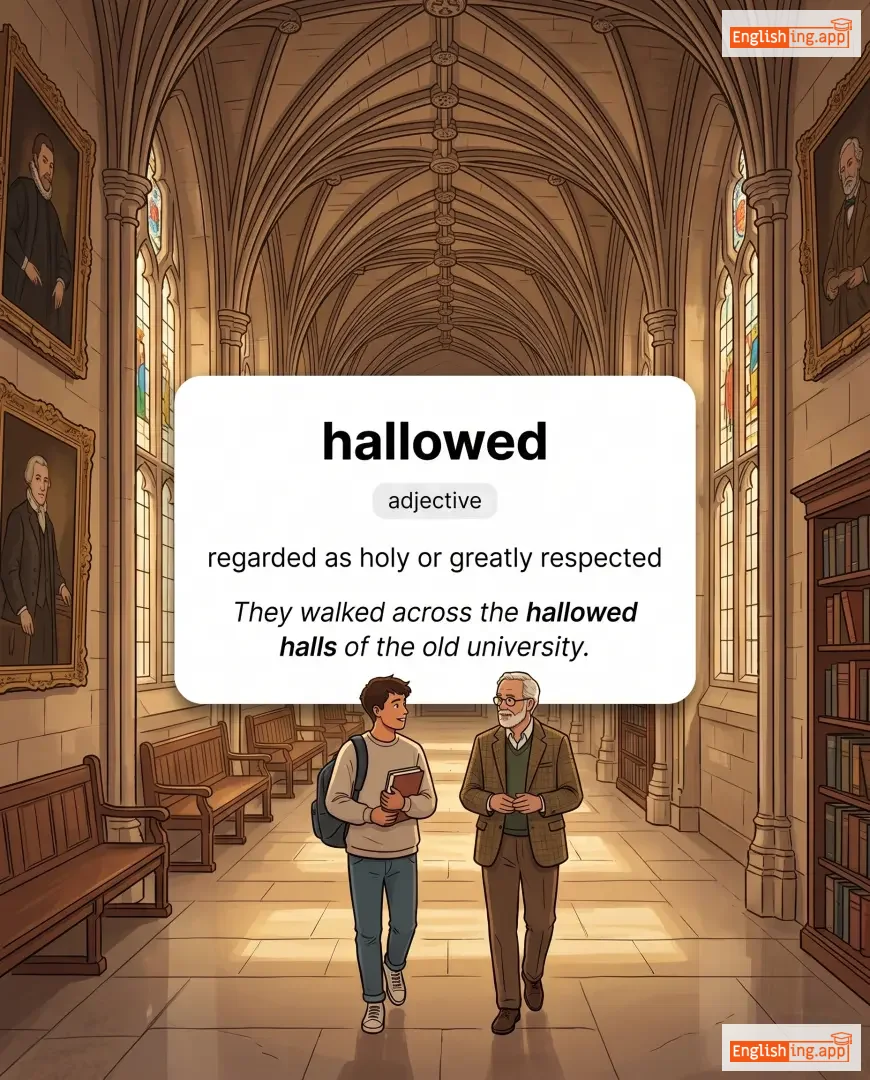
regarded as holy or greatly respected
••••••
|
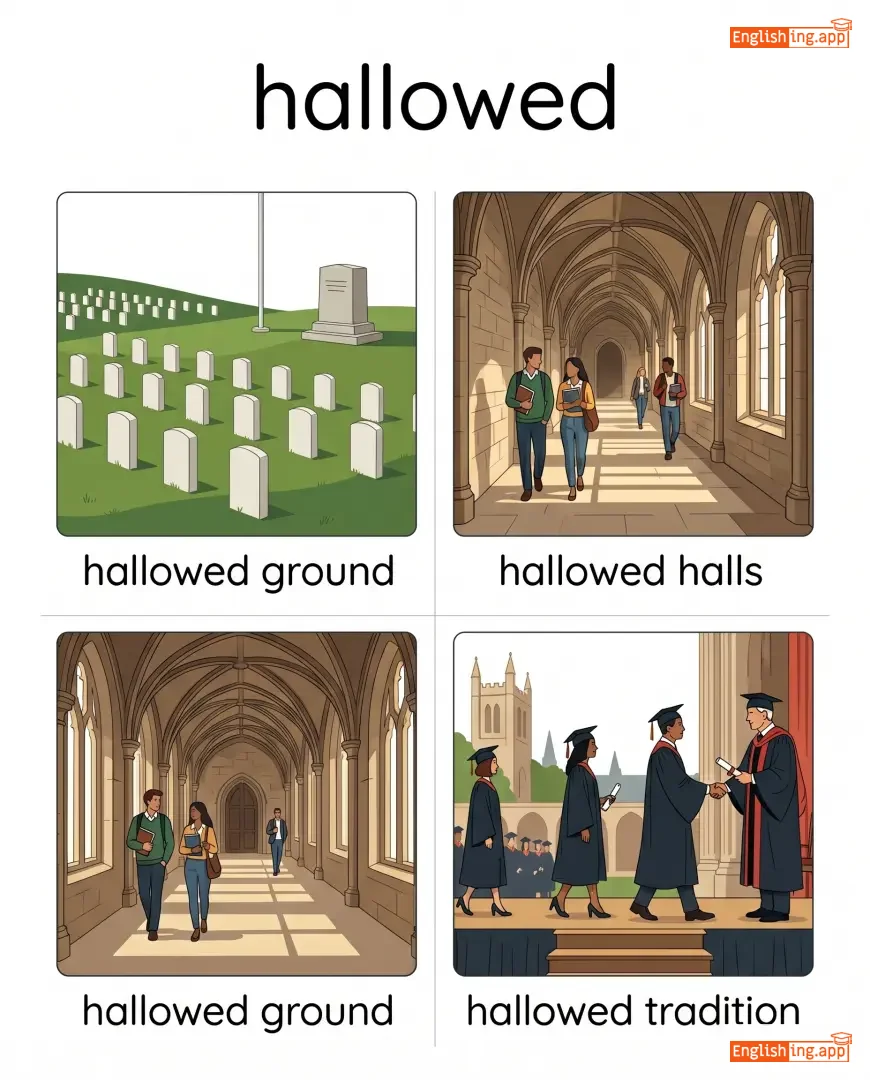
They walked across the hallowed halls of the old university. |
彼らは古い大学の神聖な廊下を歩いた。
Karera wa furui daigaku no shinsei na rouka o aruita.
••••••
|
hallowed traditions |
long-standing customs that are deeply respected
••••••
|
神聖な伝統
shinsei na dentou
••••••
|
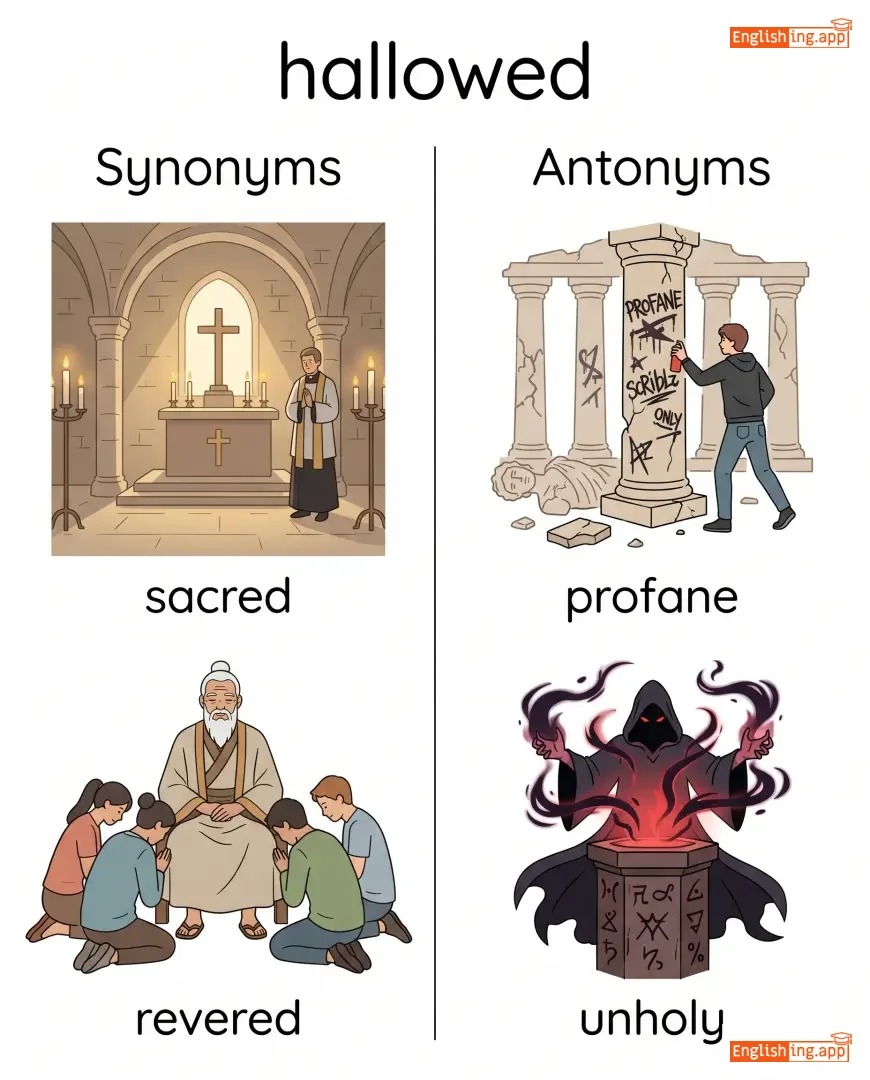
sacred, revered, blessed, sanctified, honored
••••••
|
profane, unholy, disrespectful
••••••
|
hallowed ground, hallowed halls, hallowed tradition, hallowed memory
••••••
|
Hallowed はすでに神聖にされたことを意味します
••••••
|
|
#4005
🙏
|
/ˈhæloʊ/
verb
(ハロウ)
••••••
|
- •••••• |
聖別する
seibetsu suru
••••••
|
hallowed
ハロウド
••••••
|
hallowed
ハロウド
••••••
|
hallows
ハロウズ
••••••
|
hallowing
ハロウイング
••••••
|
to honor as holy; to make sacred or greatly respected
••••••
|
The ancient temple was hallowed by centuries of worship.
ジ エインシェント テンプル ワズ ハロウド バイ センチュリーズ オブ ワーシップ。
••••••
|
古代の寺院は何世紀にもわたる崇拝によって聖別されました。
Kodai no jiin wa nanseiki ni mo wataru suuhai ni yotte seibetsu saremashita.
••••••
|
hallowed ground
ハロウド グラウンド
••••••
|
a place made holy or respected through association with something important or sacred
••••••
|
聖地
seichi
••••••
|
sanctify, consecrate, bless, revere, honor
••••••
|
desecrate, profane, defile
••••••
|
hallow a tradition, hallow the memory, hallow ground, hallow the name
••••••
|
Hallowは聖別する、場所を神聖にする
••••••
|
|
#4006
🔁
|
/həˈbɪtʃuəl/
adjective
(ハビチュアル)
••••••
|
- •••••• |
習慣的な
shūkantēkina
••••••
|
- •••••• | - •••••• | - •••••• | - •••••• |
Done or doing constantly or as a habit; customary.
••••••
|
He was a habitual latecomer to class.
彼は授業に習慣的に遅刻していた。
••••••
|
彼は授業に習慣的に遅刻していた。
Kare wa jugyō ni shūkantēni chikoku shite ita.
••••••
|
habitual offender
習慣的な犯人
••••••
|
A person who repeatedly commits crimes or offenses.
••••••
|
習慣的な犯人
shūkantēki na hannin
••••••
|
customary, regular, routine, usual, typical
••••••
|
occasional, rare, irregular
••••••
|
habitual behavior, habitual offender, habitual routine, habitual pattern
••••••
|
習慣的なは習慣に関する意味 → 習慣と一緒に覚える。
••••••
|
|
#4007
😒
|
/ˌhæfˈhɑːr.tɪd/
adjective
(ハーフハーテッド)
••••••
|
- •••••• |
やる気がない
yaruki ga nai
••••••
|
- •••••• | - •••••• | - •••••• | - •••••• |
lacking enthusiasm or determination; unenthusiastic
••••••
|
His halfhearted attempt to study did not bring good results. |
彼のやる気がない勉強の試みは良い結果を生まなかった。
Kare no yaruki ga nai benkyou no kokoromi wa yoi kekka o umanakatta.
••••••
|
- •••••• | - •••••• | - •••••• |
lukewarm, indifferent, apathetic, unenthusiastic
••••••
|
eager, determined, enthusiastic
••••••
|
halfhearted effort, halfhearted response, halfhearted attempt
••••••
|
Halfheartedは、心を半分しか込めないことを意味します。結果は良くありません。
••••••
|
|
#4008
🥖
|
/ˌhæfˈbeɪkt/
adjective
(ハーフベイクド)
••••••
|
- •••••• |
中途半端
chuto hanpa
••••••
|
- •••••• | - •••••• | - •••••• | - •••••• |
poorly thought out or badly planned
••••••
|
The manager quickly rejected his half-baked proposal. |
マネージャーは彼の中途半端な提案をすぐに却下しました。
Manejā wa kare no chūto hanpa na teian o sugu ni kyakka shimashita.
••••••
|
- •••••• | - •••••• | - •••••• |
ill-conceived, unrealistic, impractical, foolish
••••••
|
well-planned, sensible, practical
••••••
|
half-baked idea, half-baked plan, half-baked scheme
••••••
|
Half-bakedは中途半端を意味します – 完全に調理されていない料理のように、考えが不完全な提案は良い結果を生まない。
••••••
|
|
#4009
💪
|
/heɪl/
adjective
(ヘイル)
••••••
|
- •••••• |
健康
kenkō
••••••
|
- •••••• | - •••••• | - •••••• | - •••••• |
strong and healthy, especially of an elderly person
••••••
|
Despite his age, the man remained hale and active.
年齢にもかかわらず、その男性は元気で活動的でした。
••••••
|
年齢にもかかわらず、その男性は元気で活動的でした。
Nenrei ni mo kakawarazu, sono dansei wa genki de katsudōteki deshita.
••••••
|
- •••••• | - •••••• | - •••••• |
healthy, robust, vigorous, fit
••••••
|
frail, weak, sick
••••••
|
hale and hearty, remain hale, hale condition
••••••
|
Haleは「健康」を意味します – 強くて健康。
••••••
|
|
#4010
🌅
|
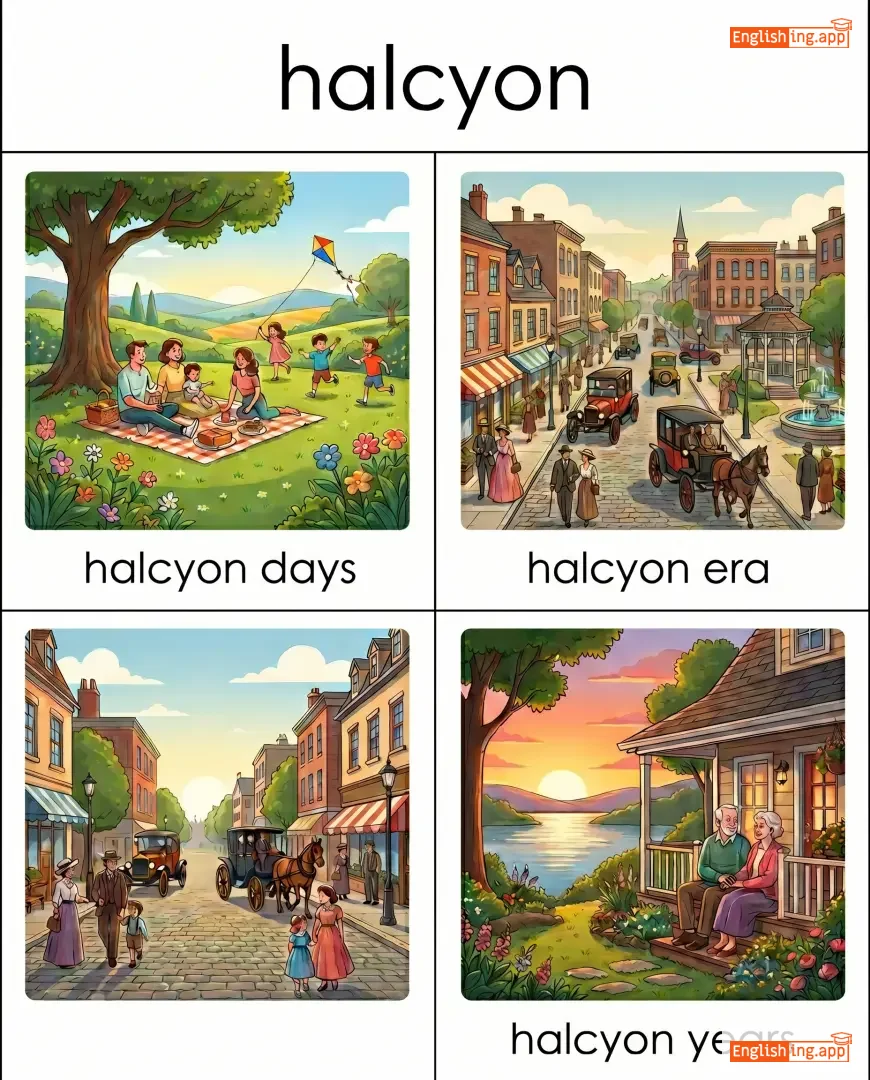
/ˈhæl.si.ən/
adjective
(ハルシオン)
••••••
|
|
静かな
shizukana
••••••
|
- •••••• | - •••••• | - •••••• | - •••••• |
calm, peaceful, and happy; denoting a period of time in the past that was idyllically happy and peaceful
••••••
|
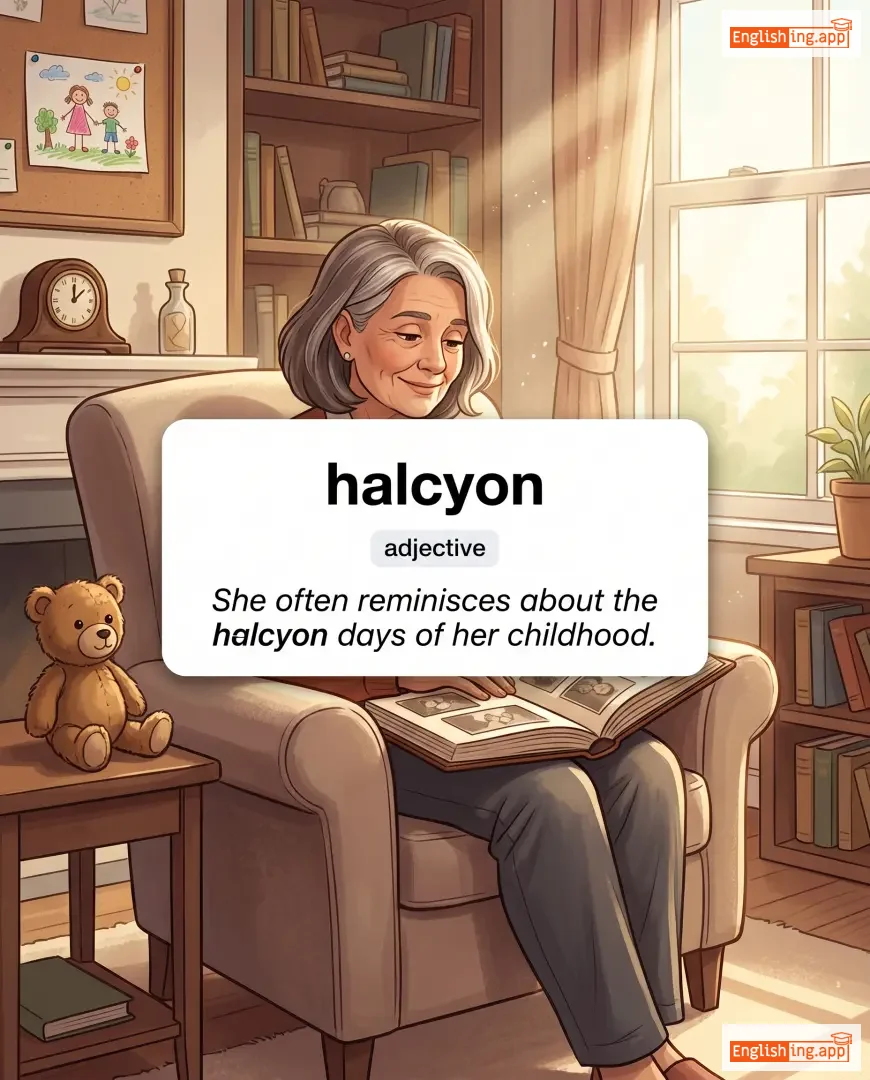
She often reminisces about the halcyon days of her childhood. |
彼女はよく子供時代の静かな日々を思い出します。
Kanojo wa yoku kodomojidai no shizukana hibi o omoidashimasu.
••••••
|
- •••••• | - •••••• | - •••••• |
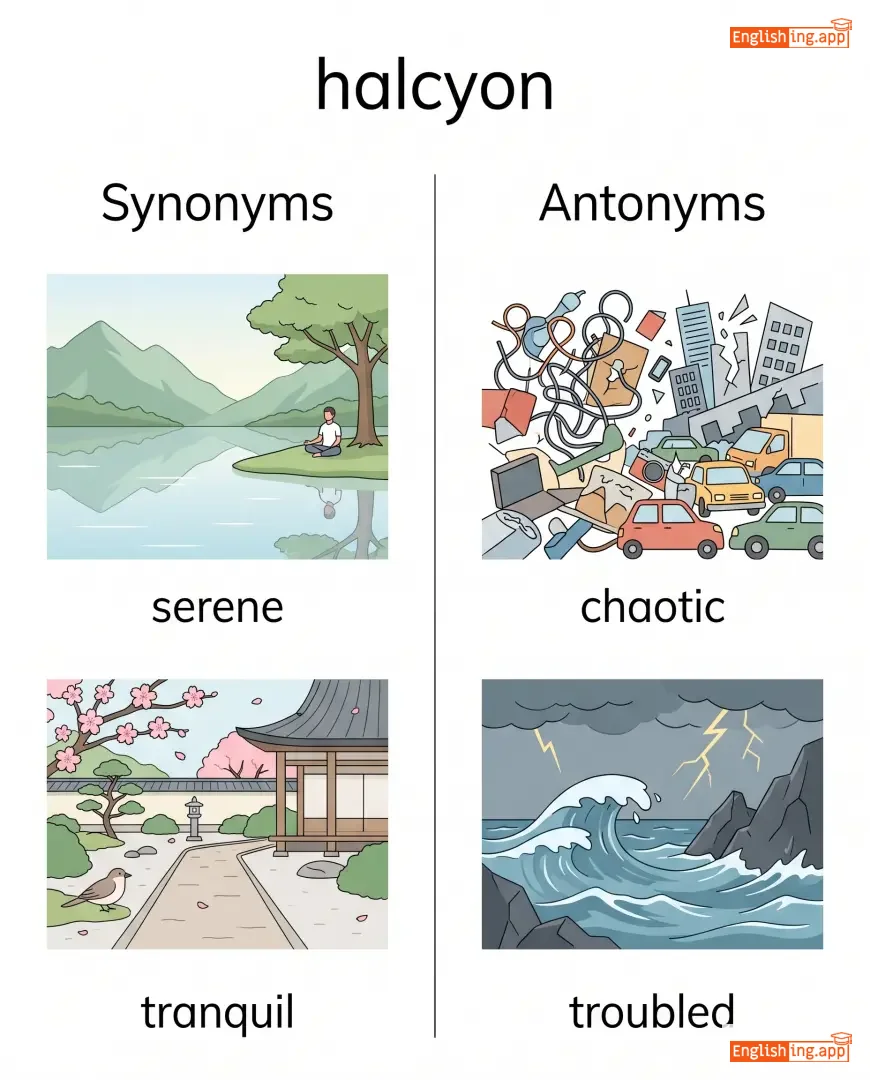
serene, tranquil, blissful, idyllic, peaceful
••••••
|
chaotic, troubled, stormy
••••••
|
halcyon days, halcyon era, halcyon years
••••••
|
Halcyonは「晴れた zone」のように、静かで幸せな時間を意味します。
••••••
|
|
#4011
🙌
|
/heɪl/
verb
(ヘイル)
••••••
|
- •••••• |
呼ぶ / 賞賛する
yobu / shōsan suru
••••••
|
hailed
ヘイルド
••••••
|
hailed
ヘイルド
••••••
|
hails
ヘイルズ
••••••
|
hailing
ヘイリング
••••••
|
To call out to attract attention or to praise enthusiastically.
••••••
|
The athlete was hailed as a hero after the victory.
アスリートは勝利後にヒーローとして称賛されました。
••••••
|
アスリートは勝利後にヒーローとして称賛されました。
Asurīto wa shōri go ni hīrō to shite shōsan saremashita.
••••••
|
hail a taxi
タクシーを呼ぶ
••••••
|
to signal and stop a taxi to get a ride
••••••
|
タクシーを呼ぶ
takushī o yobu
••••••
|
greet, call, acclaim, praise, salute
••••••
|
ignore, condemn, dismiss
••••••
|
hail a taxi, hail as a hero, hail the decision, hail enthusiastically
••••••
|
Hail = 人を賞賛したり、タクシーを呼ぶ
••••••
|
|
#4012
📚
|
/ˌhæɡ.i.əˈɡræf.ɪk/
adjective
(ハギオグラフィック)
••••••
|
- •••••• |
過度に賛美的な
kadoni sanbitekina
••••••
|
- •••••• | - •••••• | - •••••• | - •••••• |
Excessively flattering or idealized, often in a biography or portrayal of someone.
••••••
|
The documentary was criticized for its hagiographic portrayal of the leader. |
そのドキュメンタリーはリーダーの過度に賛美的な描写で批判されました。
Sono dokyumentarī wa rīdā no kadoni sanbitekina byōsha de hihan saremashita.
••••••
|
- •••••• | - •••••• | - •••••• |
idealized, flattering, reverential, adulatory, worshipful
••••••
|
critical, realistic, objective
••••••
|
hagiographic biography, hagiographic portrayal, hagiographic account, hagiographic style
••••••
|
Hagiographic は伝記だけど賛美(sanbi)で満たされている
••••••
|
|
#4013
🤝
|
/ˈhæɡ.l̩/
verb
(ハグル)
••••••
|
|
値段交渉する
nedan kōshō suru
••••••
|
haggled
ハグルド
••••••
|
haggled
ハグルド
••••••
|
haggles
ハグルズ
••••••
|
haggling
ハグリング
••••••
|
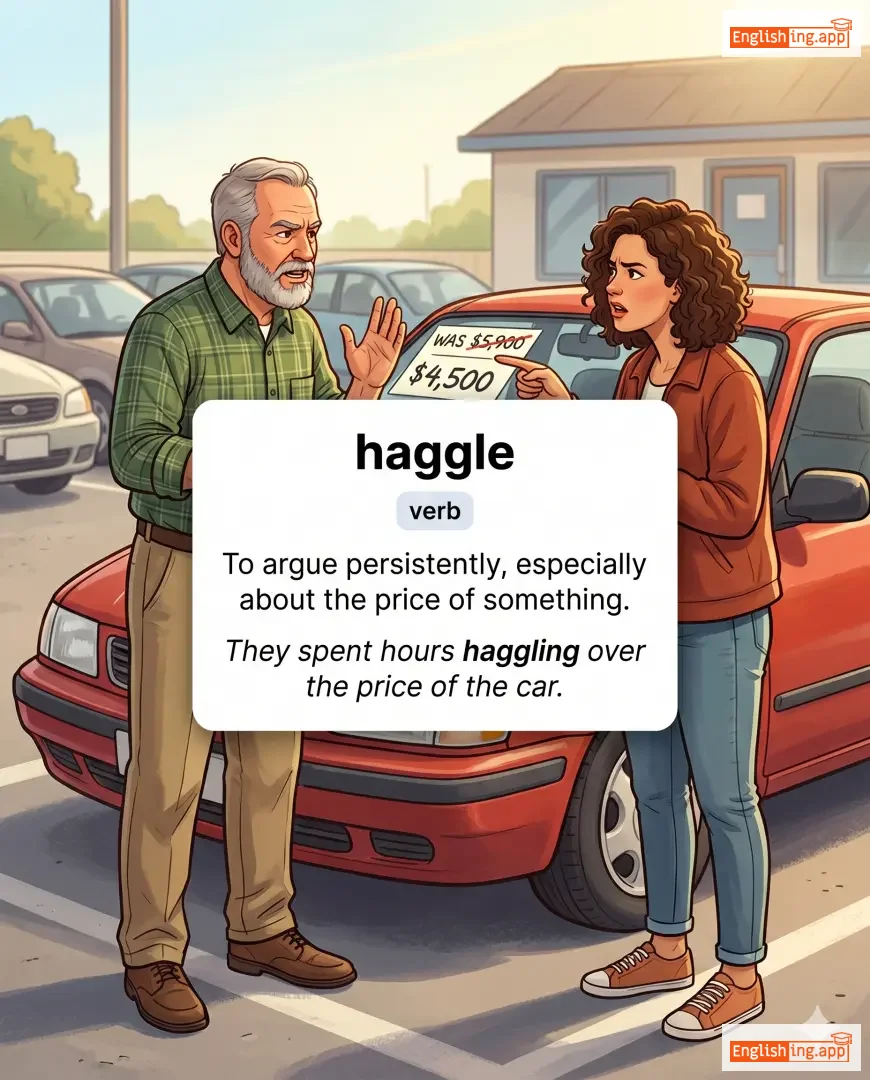
To argue persistently, especially about the price of something.
••••••
|
They spent hours haggling over the price of the car.
彼らは車の価格について何時間も値段交渉をしました。
••••••
|
彼らは車の価格について何時間も値段交渉をしました。
Karera wa kuruma no kakaku ni tsuite nan-jikan mo nedan kōshō o shimashita.
••••••
|
haggle over the price
価格について交渉する
••••••
|
to argue or negotiate persistently about the cost of something
••••••
|
価格について交渉する
Kakaku ni tsuite kōshō suru
••••••
|
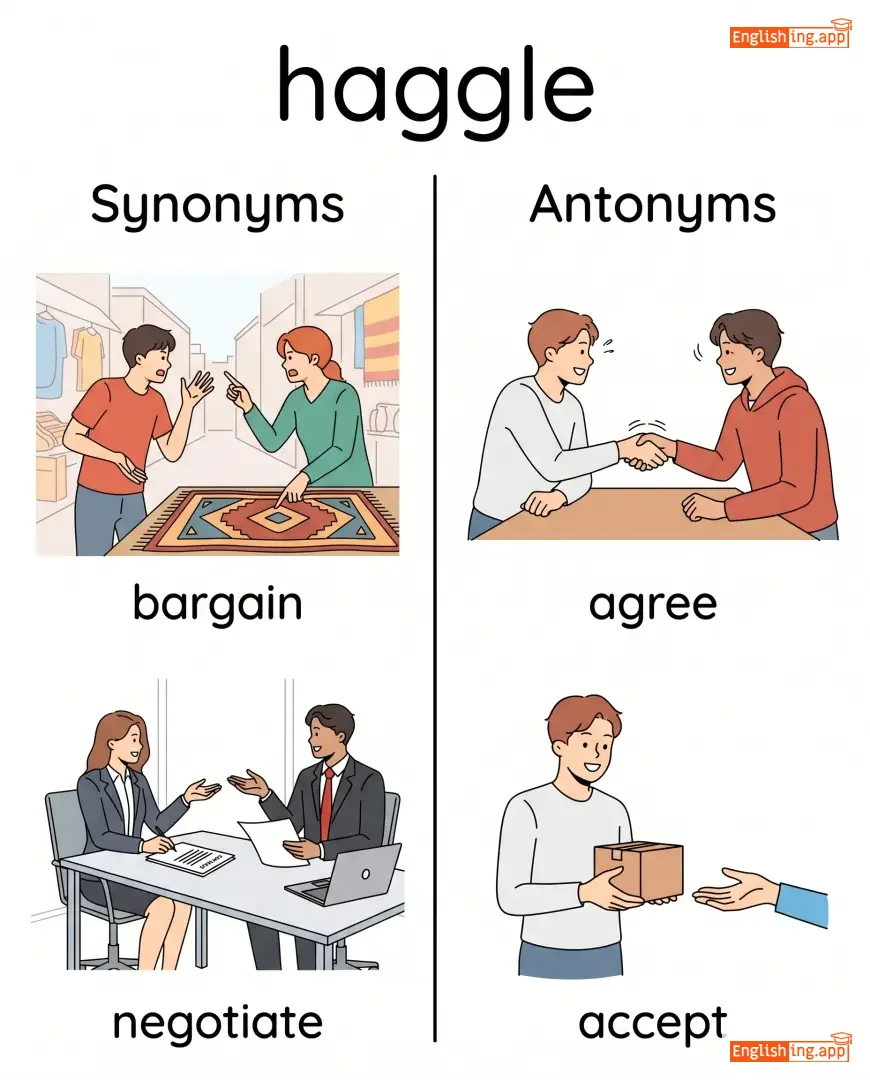
bargain, negotiate, wrangle, barter, dispute
••••••
|
agree, accept, consent
••••••
|
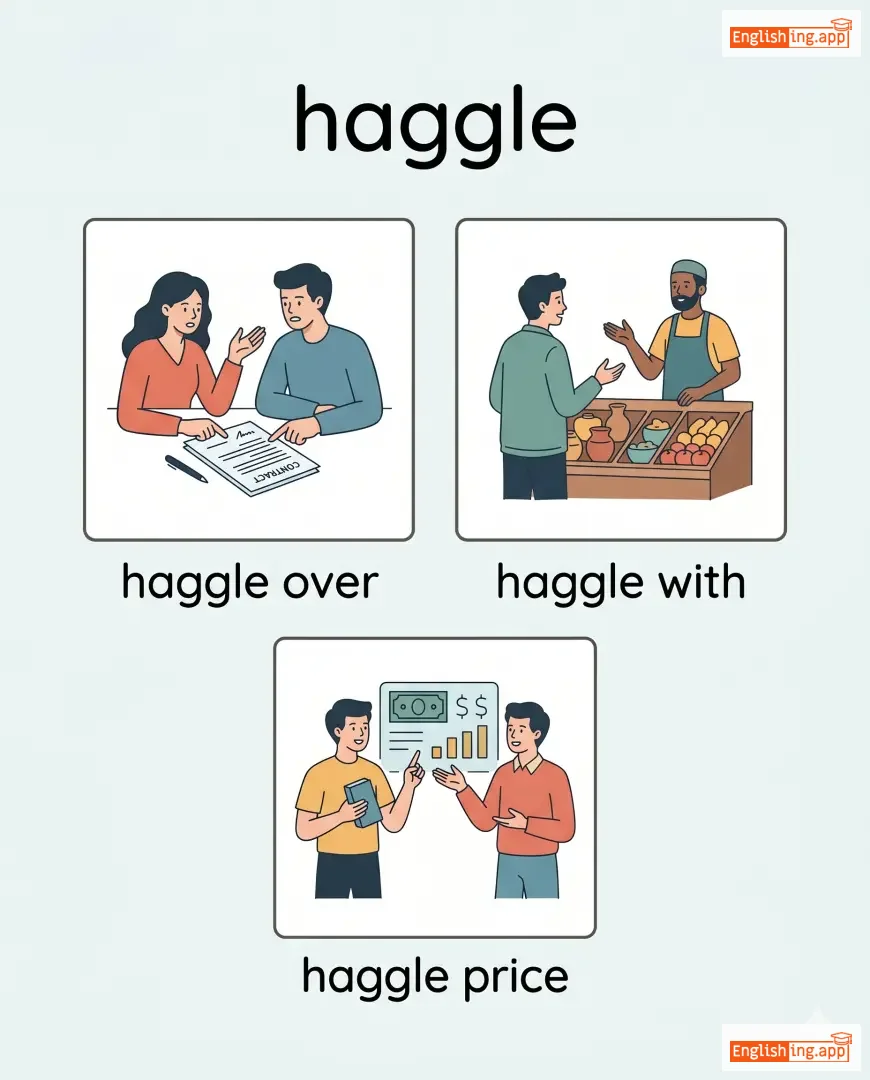
haggle over, haggle with, haggle price, haggle endlessly
••••••
|
Haggle = 市場で交渉する (Ichiba de kōshō suru)
••••••
|
|
#4014
😩
|
/ˈhæɡ.ərd/
adjective
(ハガード)
••••••
|
- •••••• |
疲れ切った
tsukare kitta
••••••
|
- •••••• | - •••••• | - •••••• | - •••••• |
Looking exhausted, unwell, or worn out, especially from fatigue or suffering.
••••••
|
After working all night, she looked pale and haggard.
一晩中働いた後、彼女は青白くて疲れきった様子だった。
••••••
|
一晩中働いた後、彼女は青白くて疲れきった様子だった。
Hitobanjuu hataraita ato, kanojo wa aoshirakute tsukare kitta yousu datta.
••••••
|
- •••••• | - •••••• | - •••••• |
exhausted, gaunt, worn, fatigued, drawn
••••••
|
healthy, fresh, vigorous
••••••
|
look haggard, appear haggard, pale and haggard, haggard face
••••••
|
Haggardは '疲れ切った'という意味。長時間働いた後の様子のように。
••••••
|
|
#4015
📄
|
/ˈhæk.nid/
adjective
(ハックニード)
••••••
|
- •••••• |
使い古された
tsukai furusareta
••••••
|
- •••••• | - •••••• | - •••••• | - •••••• |
Used too often and therefore lacking originality or freshness.
••••••
|
The speech was filled with hackneyed phrases that failed to inspire the audience. |
そのスピーチは使い古されたフレーズでいっぱいで、聴衆を鼓舞することはなかった。
Sono supīchi wa tsukai furusareta furēzu de ippai de, chōshū o kobu suru koto wa nakatta.
••••••
|
- •••••• | - •••••• | - •••••• |
trite, clichéd, stale, overused, banal
••••••
|
original, fresh, novel
••••••
|
hackneyed phrase, hackneyed expression, hackneyed cliché, hackneyed idea
••••••
|
Hackneyed = 使い古された、何度も繰り返されて新しさがない。
••••••
|
|
#4016
🐎
|
/ˈhæknɪ/
noun
(ハクニー)
••••••
|
- •••••• |
貸し馬, 陳腐な
kashi uma, chinpuna
••••••
|
- •••••• | - •••••• | - •••••• | - •••••• |
a horse kept for ordinary riding or hire; also used for something overused or trite
••••••
|
The old hackney was still pulling the carriage. |
その古い貸し馬は今でも馬車を引いていた。
Sono furui kashi uma wa imademo basha wo hiiteita.
••••••
|
hackneyed phrase |
an overused and unoriginal expression
••••••
|
使い古されたフレーズ
tsukai furusareta fureezu
••••••
|
horse, carriage horse, cliché, trite expression
••••••
|
freshness, originality
••••••
|
hackney carriage, hackney horse, hackneyed phrase, hackney expression
••••••
|
Hackney は貸し馬を意味し、hackneyed は使い古されすぎて退屈になったことを意味します。
••••••
|
|
#4017
🐕
|
/ˈhækəlz/
noun
••••••
|
- •••••• | - •••••• | - •••••• | - •••••• | - •••••• | - •••••• |
the hairs on the back of an animal’s neck that rise when it is angry or alarmed; figuratively, feelings of anger or resentment
••••••
|
His rude comment raised my hackles. |
- •••••• |
raise someone's hackles |
to make someone angry or annoyed
••••••
|
- •••••• |
bristles, anger, resentment, irritation
••••••
|
calm, peace, composure
••••••
|
raise hackles, hackles rise, lower hackles
••••••
|
No •••••• |
|
#4018
💻
|
/hæk/
verb
••••••
|
- •••••• | - •••••• |
hacked
••••••
|
hacked
••••••
|
hacks
••••••
|
hacking
••••••
|
to cut or chop roughly; to gain unauthorized access to a computer system
••••••
|
The programmer managed to hack into the system. |
- •••••• |
hack it |
to cope or manage with something
••••••
|
- •••••• |
chop, cut, slash, break into, breach
••••••
|
build, secure, protect
••••••
|
hack into a system, hack code, hack solution, life hack
••••••
|
No •••••• |
|
#4019
📜
|
/ˈhæbɪtjuːd/
noun
(ハビチュード)
••••••
|
- •••••• |
習慣、慣習
shūkan, kanshū
••••••
|
- •••••• | - •••••• | - •••••• | - •••••• |
a customary condition or mode of life; habitual practice
••••••
|
He lived in a quiet habitude, avoiding the noise of the city. |
彼は静かな習慣の中で暮らしていた、都市の騒音を避けながら。
Kare wa shizukana shūkan no naka de kurashite ita, toshi no sōon o sake-nagara.
••••••
|
- •••••• | - •••••• | - •••••• |
habit, custom, practice, routine, lifestyle
••••••
|
change, novelty, irregularity
••••••
|
peaceful habitude, social habitude, cultural habitude, daily habitude
••••••
|
Habitudeは、habitとattitudeの組み合わせ。
••••••
|
|
#4020
🔄
|
/həˈbɪtʃueɪt/
verb
(ハビチュエイト)
••••••
|
|
慣れる
nareru
••••••
|
habituated
ハビチュエイテッド
••••••
|
habituated
ハビチュエイテッド
••••••
|
habituates
ハビチュエイツ
••••••
|
habituating
ハビチュエイティング
••••••
|
to accustom someone or oneself to something through frequent exposure or experience
••••••
|
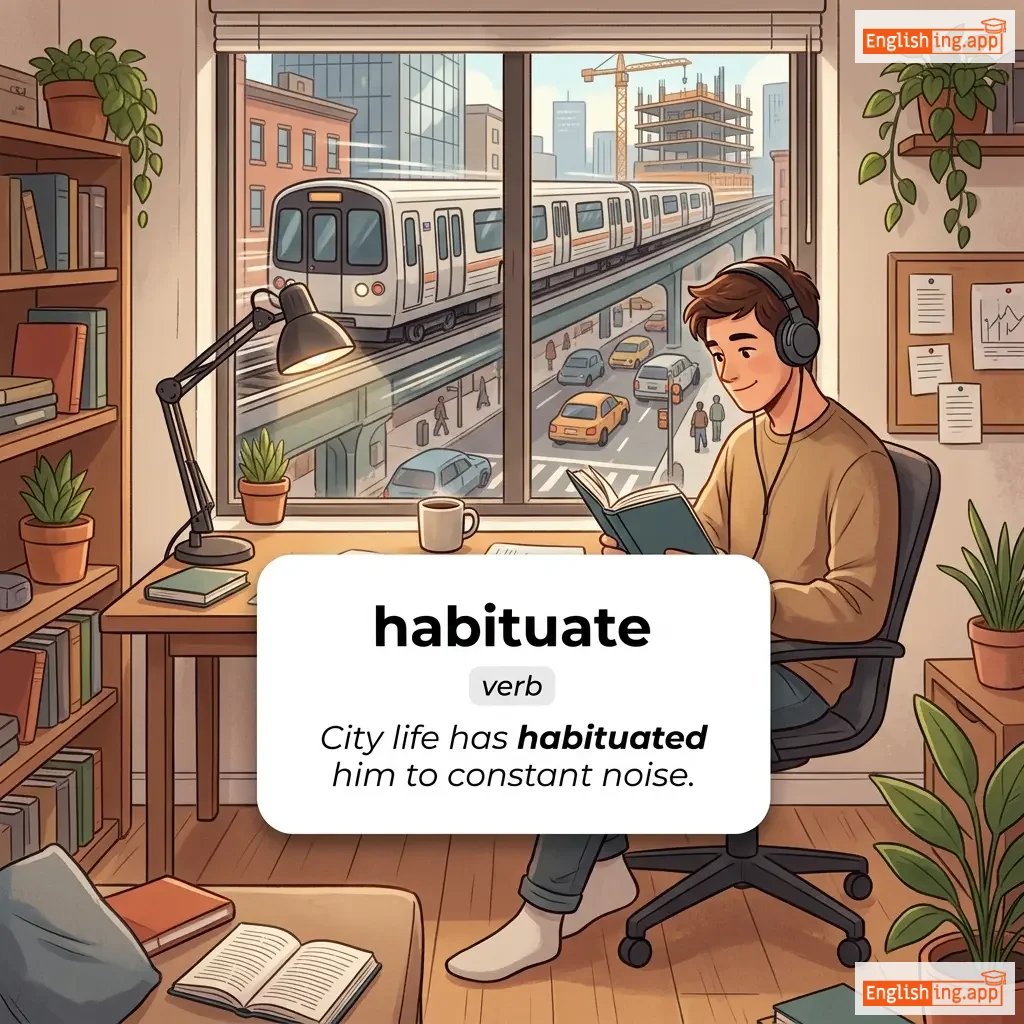
City life has habituated him to constant noise.
都市生活は彼を常に騒音に慣れさせた。
••••••
|
都市生活は彼を常に騒音に慣れさせた。
Toshi seikatsu wa kare o jōnī sawon ni naresaseta.
••••••
|
- •••••• | - •••••• | - •••••• |
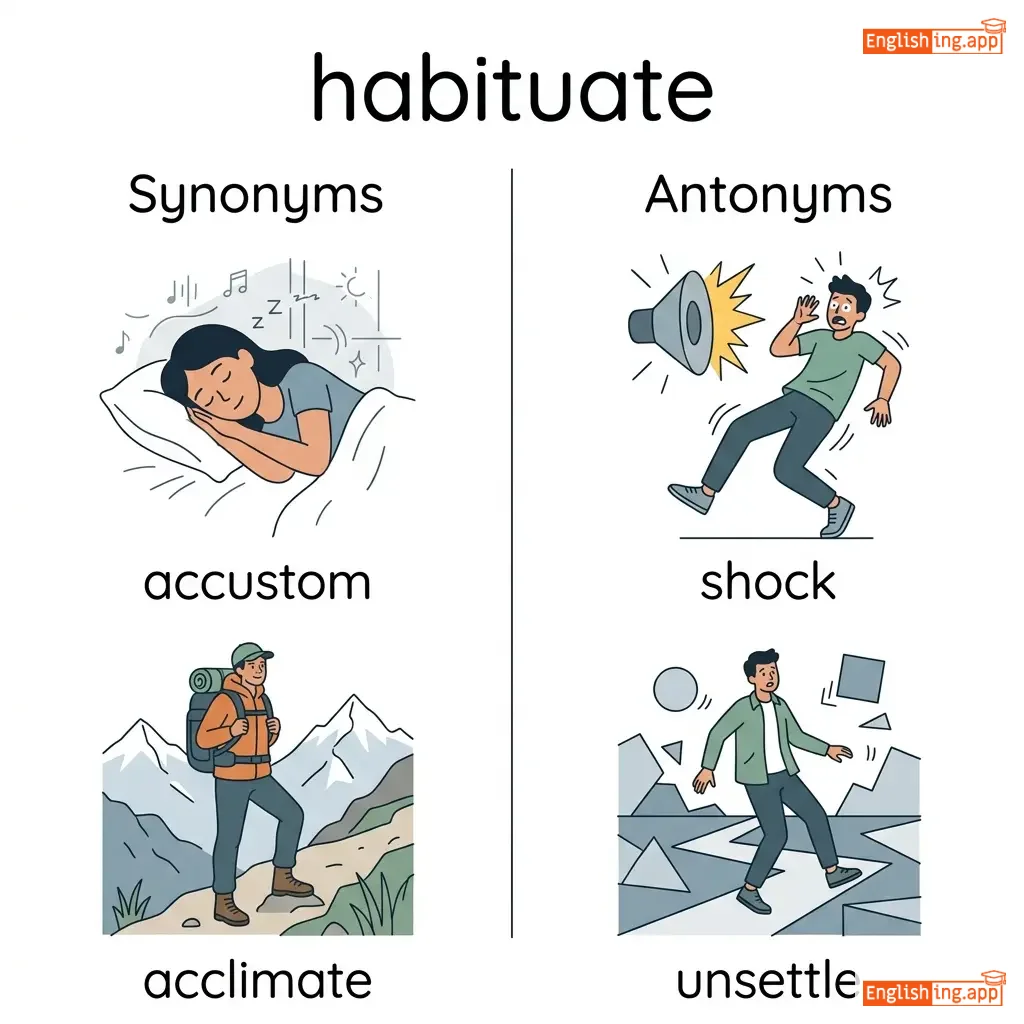
accustom, acclimate, familiarize, adapt, train
••••••
|
shock, unsettle, surprise
••••••
|
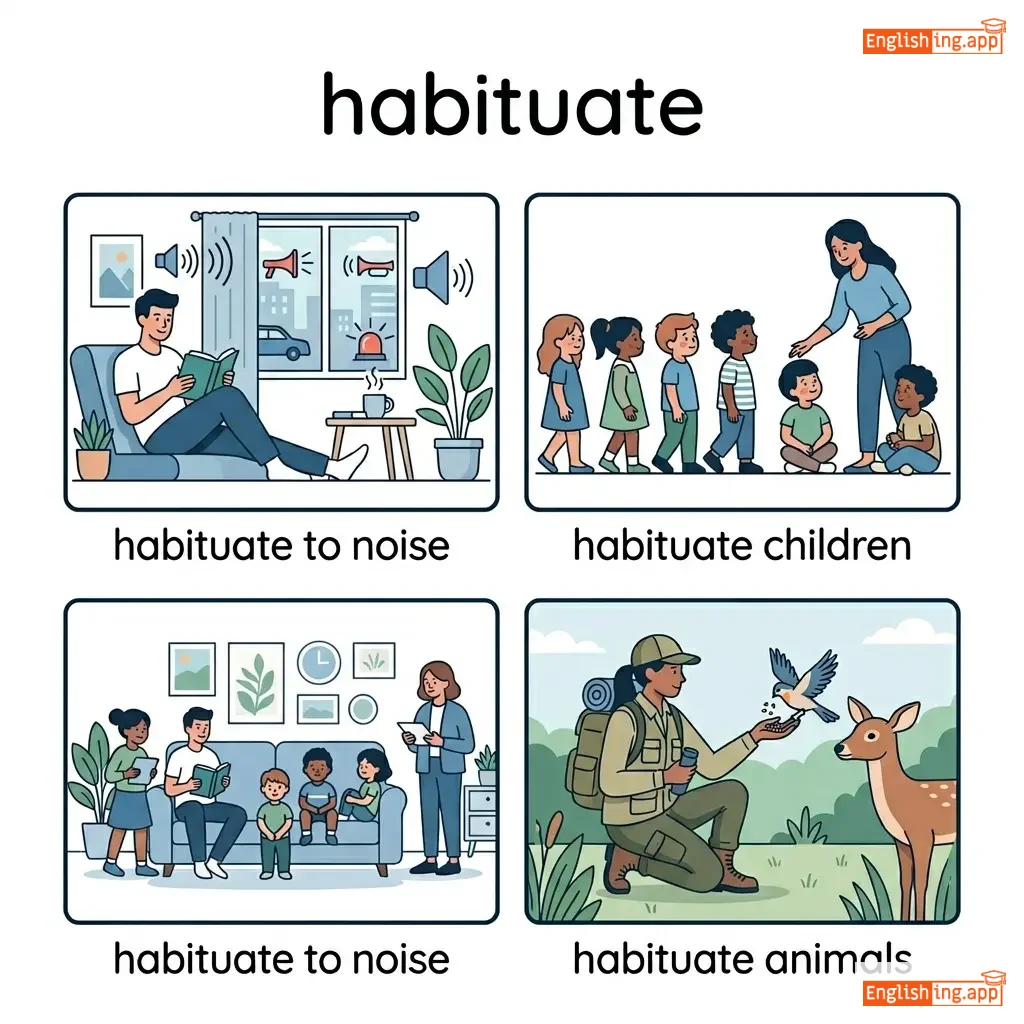
habituate to noise, habituate children, habituate animals, habituate oneself
••••••
|
Habit + uate → 関連する '慣れる'; ハビチュエイトは慣れることを意味する。
••••••
|
Vocabulary Quiz
Test your vocabulary by matching words with their translations or meanings.
Login to take the quiz
Comments (0)
Share your thoughts and join the discussion.
Join the discussion by logging in
Login to CommentNo comments yet
Be the first to share your thoughts!