

翻訳
過去
過去分詞
三人称単数
動名詞
意味
例文
例文の翻訳
同義語
対義語
コロケーション
ニーモニック
Swipe left or right, or use the buttons. Tap image to zoom.
例文の翻訳
単語
Lesson 164Lesson 164 - マスクトグル
|
絵文字
|
単語 | Images | 翻訳 | 過去 | 過去分詞 | 三人称単数 | 動名詞 | 意味 | 例文 | 例文の翻訳 | 表現例 | 表現例の意味 | 表現例の翻訳 | 同義語 | 対義語 | コロケーション | ニーモニック |
|---|---|---|---|---|---|---|---|---|---|---|---|---|---|---|---|---|---|
|
#4891
❌
|
/ˌɪrɪˈmiːdiəbl̩/
adjective
(イレメディアブル)
••••••
|
- •••••• |
修復不可能
shūfuku fukanō
••••••
|
- •••••• | - •••••• | - •••••• | - •••••• |
Impossible to cure, repair, or remedy.
••••••
|
The damage to the ancient manuscript was irremediable. |
古代の写本への損傷は修復不可能でした。
Kodai no shahon e no sonshō wa shūfuku fukanō deshita.
••••••
|
- •••••• | - •••••• | - •••••• |
incurable, hopeless, irreparable, unfixable, permanent
••••••
|
curable, fixable, repairable
••••••
|
irremediable damage, irremediable loss, irremediable harm
••••••
|
Irremediableは治療できないことを意味します - 修復不可能
••••••
|
|
#4892
🚜
|
/ˈɪrɪɡeɪt/
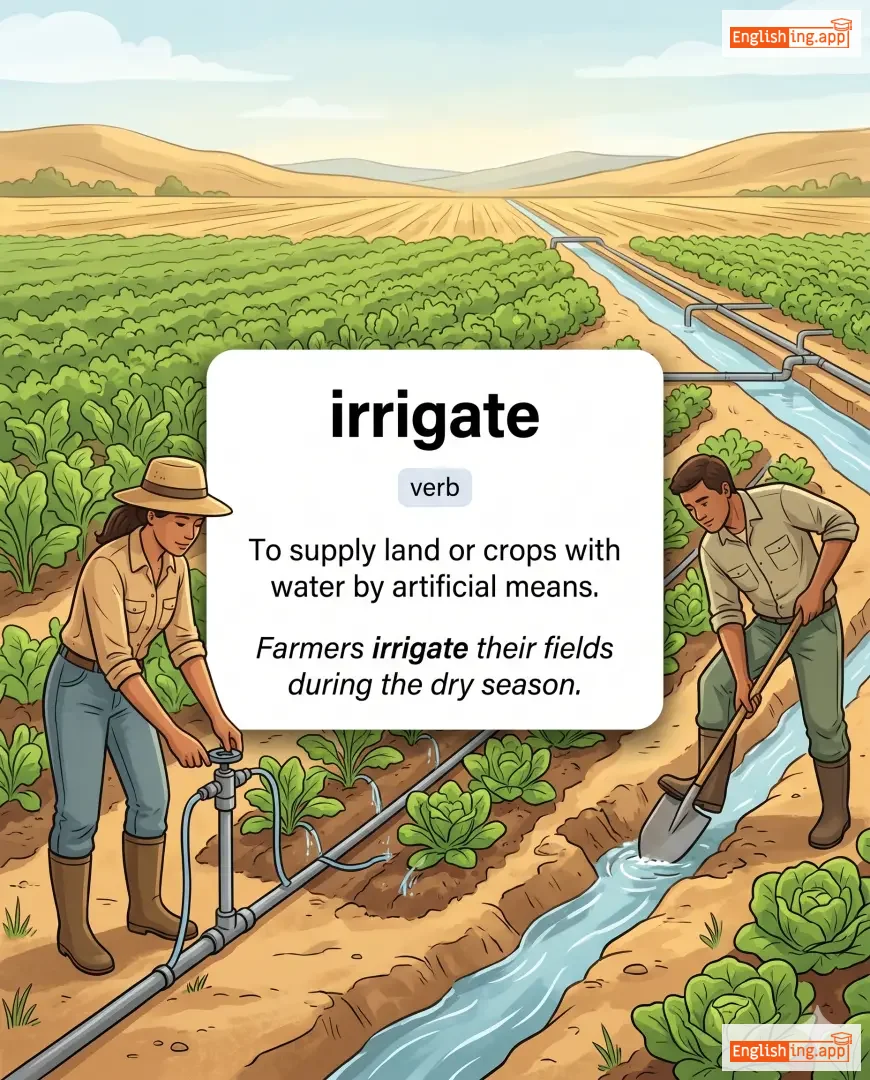
verb
(イリゲイト)
••••••
|
|
灌漑する
kankai suru
••••••
|
irrigated
イリゲイテッド
••••••
|
irrigated
イリゲイテッド
••••••
|
irrigates
イリゲイツ
••••••
|
irrigating
イリゲイティング
••••••
|
To supply land or crops with water by artificial means.
••••••
|
Farmers irrigate their fields during the dry season.
農家は乾季に畑に水をやります。
••••••
|
農家は乾季に畑に水をやります。
Nōka wa kanki ni hatake ni mizu o yarimasu.
••••••
|
- •••••• | - •••••• | - •••••• |
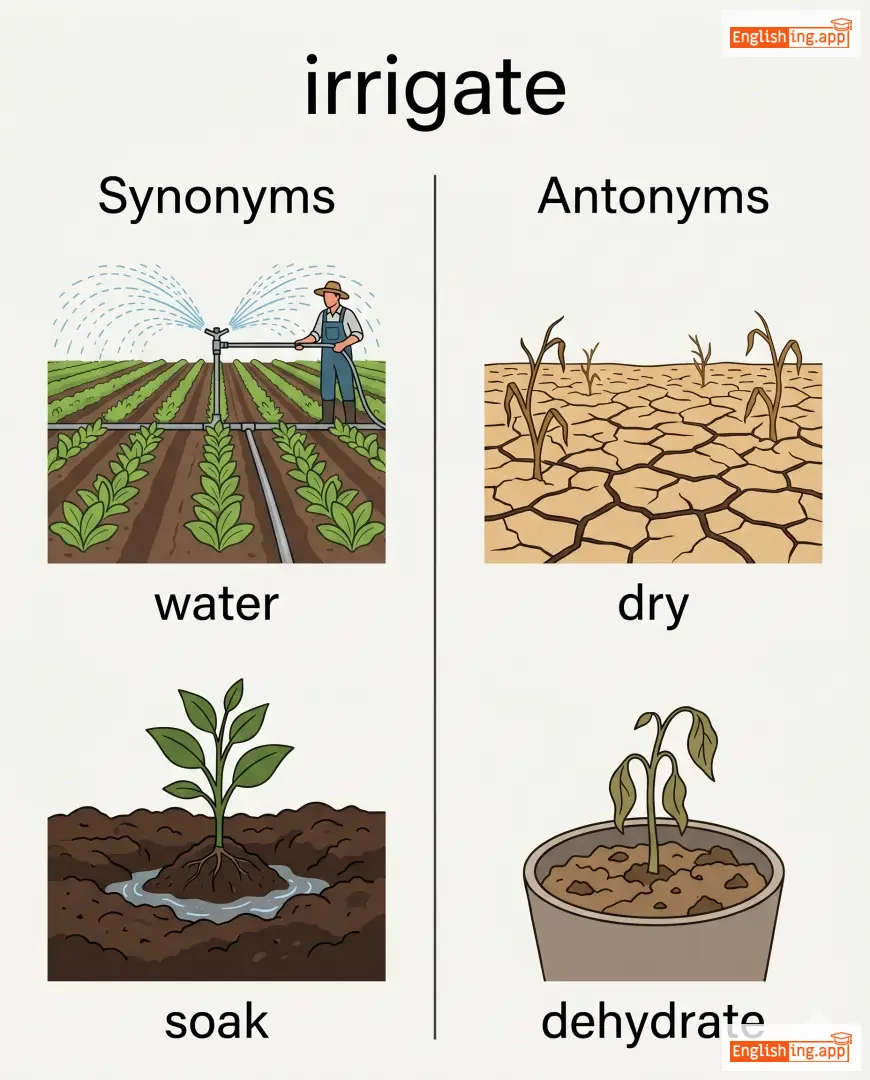
water, soak, moisten, hydrate
••••••
|
dry, dehydrate
••••••
|
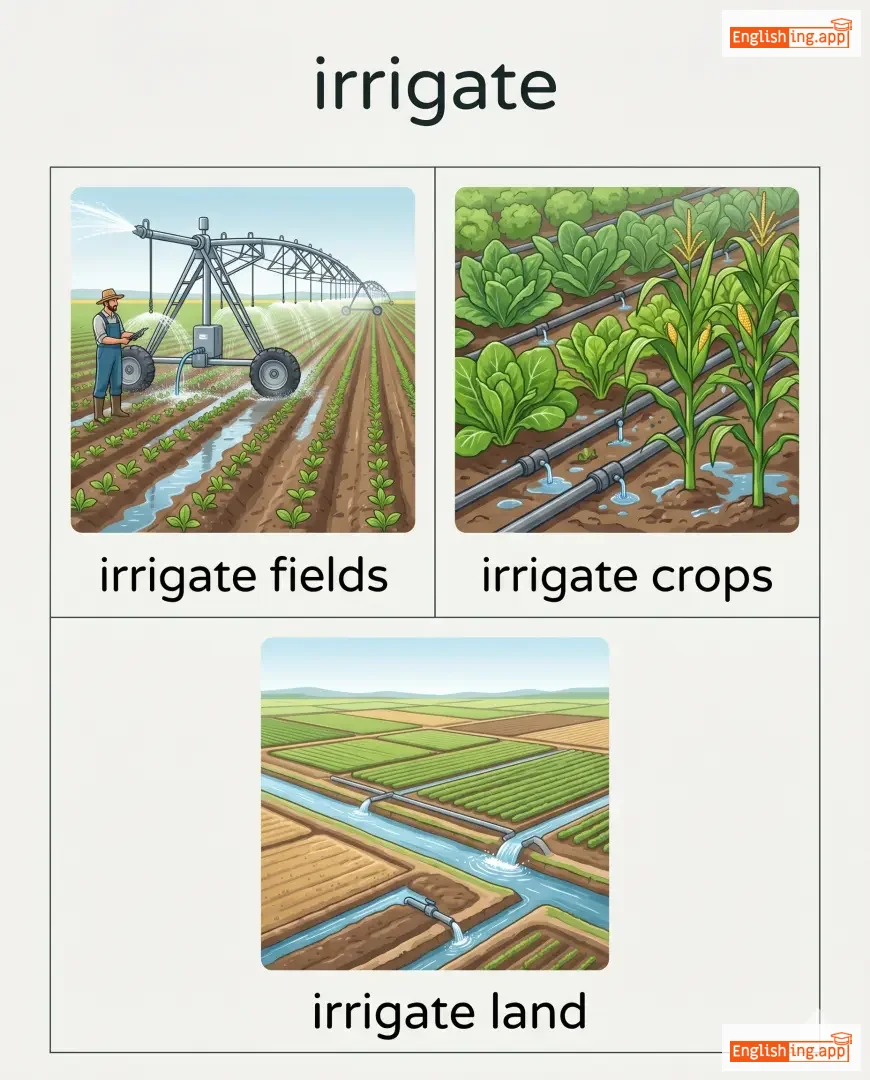
irrigate fields, irrigate crops, irrigate land
••••••
|
Irrigateは灌漑 – 農家が畑に水をやります。
••••••
|
|
#4893
💧
|
/ˈɪrɪɡənt/
noun
(イリガント)
••••••
|
- •••••• |
灌漑液
kangai eki
••••••
|
- •••••• | - •••••• | - •••••• | - •••••• |
A liquid used for irrigation, especially in medical or agricultural contexts.
••••••
|
The doctor used a sterile irrigant during the procedure. |
医師は手術中に無菌の灌漑液を使用しました。
Ishi wa shujutsuchuu ni mukin no kangai eki o shiyou shimashita.
••••••
|
- •••••• | - •••••• | - •••••• |
solution, rinse, cleanser, wash
••••••
|
contaminant, pollutant
••••••
|
sterile irrigant, medical irrigant, chemical irrigant
••••••
|
Irrigantは灌漑液を意味します – 💧水を思い出してください。
••••••
|
|
#4894
📜
|
/ɪˈrɛvəkəbl/
adjective
(イレヴォカブル)
••••••
|
- •••••• |
取り消し不可能
torikeshi fukanou
••••••
|
- •••••• | - •••••• | - •••••• | - •••••• |
Not able to be revoked, changed, or undone.
••••••
|
She made an irrevocable decision to leave the company. |
彼女は会社を辞めるという取り消し不可能な決定を下した。
Kanojo wa kaisha o yameru to iu torikeshi fukanou na kettei o kudashita.
••••••
|
- •••••• | - •••••• | - •••••• |
unalterable, irreversible, final, binding
••••••
|
revocable, changeable, flexible
••••••
|
irrevocable decision, irrevocable trust, irrevocable loss
••••••
|
Irrevocableは変更できないことを意味します。たとえば、取り消し不可能な契約です。
••••••
|
|
#4895
♻️
|
/ˌɪrɪˈvɜːrsəbl/
adjective
(イリバーシブル)
••••••
|
- •••••• |
不可逆な
fuka-gyaku na
••••••
|
- •••••• | - •••••• | - •••••• | - •••••• |
Not able to be undone, changed, or reversed.
••••••
|
The damage caused by the fire was irreversible. |
火事によって生じた損害は不可逆でした。
Kaji ni yotte shoujita songai wa fuka-gyaku deshita.
••••••
|
point of no return |
A stage beyond which one cannot go back or undo something
••••••
|
戻れない地点
modorenai chiten
••••••
|
permanent, irrevocable, unalterable, final
••••••
|
reversible, temporary, alterable
••••••
|
irreversible damage, irreversible process, irreversible decision
••••••
|
Irreversibleは、壊れたものが元に戻らないことを意味します。
••••••
|
|
#4896
😏
|
/ˌɪrɛvəˈrɛnʃəl/
adjective
(イレヴェレンシャル)
••••••
|
- •••••• |
無礼な
burei na
••••••
|
- •••••• | - •••••• | - •••••• | - •••••• |
Showing a lack of respect for things that are generally taken seriously.
••••••
|
His irreverential humor often shocked traditional audiences. |
彼の無礼なユーモアはしばしば伝統的な観客を驚かせました。
Kare no burei na yūmoa wa shibashiba dentō-teki na kankyaku o odorokasemashita.
••••••
|
- •••••• | - •••••• | - •••••• |
disrespectful, mocking, flippant, cheeky, satirical
••••••
|
respectful, reverent, deferential
••••••
|
irreverential tone, irreverential humor, irreverential remarks, irreverential attitude
••••••
|
Irreverentialは敬意がないことを意味し、つまりdisrespectfulです。
••••••
|
|
#4897
😂
|
/ɪˈrɛvərənt/
adjective
(イレヴェレント)
••••••
|
- •••••• |
不敬な
fukē na
••••••
|
- •••••• | - •••••• | - •••••• | - •••••• |
showing a lack of respect for people or things that are usually respected
••••••
|
The comedian’s irreverent jokes offended some of the audience. |
コメディアンの不敬なジョークは、観客の一部を不快にさせた。
Komedian no fukē na jōku wa, kankyaku no ichibu o fukai ni saseta.
••••••
|
- •••••• | - •••••• | - •••••• |
disrespectful, cheeky, impudent, rude
••••••
|
respectful, reverent
••••••
|
irreverent humor, irreverent attitude, irreverent comment
••••••
|
Reverent は尊敬の意味、Irreverent は不敬の意味
••••••
|
|
#4898
😏
|
/ɪˈrɛvərəns/
noun
(イレヴェレンス)
••••••
|
- •••••• |
不敬
fukei
••••••
|
- •••••• | - •••••• | - •••••• | - •••••• |
a lack of respect for people or things that are generally taken seriously
••••••
|
His jokes about religion showed irreverence to the sacred traditions. |
宗教についての彼の冗談は、神聖な伝統に対する不敬を示していました。
Shūkyō ni tsuite no kare no jōdan wa, shinsei na dentō ni taisuru fukei o shimeshite imashita.
••••••
|
- •••••• | - •••••• | - •••••• |
disrespect, disdain, mockery, rudeness
••••••
|
respect, reverence
••••••
|
irreverence towards, show irreverence, display irreverence
••••••
|
Reverence は敬意、Irreverence は不敬を意味します。
••••••
|
|
#4899
💔
|
/ˌɪrɪˈtriːvəbl/
adjective
(イレトリーバブル)
••••••
|
- •••••• |
回復不可能
kaifuku fukanou
••••••
|
- •••••• | - •••••• | - •••••• | - •••••• |
impossible to recover or regain
••••••
|
The documents were lost in an irretrievable way after the fire. |
火事の後、文書は回復不可能な方法で失われました。
Kaji no ato, bunsho wa kaifuku fukanou na houhou de ushinaware mashita.
••••••
|
- •••••• | - •••••• | - •••••• |
irrecoverable, lost, gone, unrecoverable
••••••
|
recoverable, retrievable
••••••
|
irretrievable loss, irretrievable damage, irretrievable situation
••••••
|
回復は戻すという意味、回復不可能は戻すことができないこと
••••••
|
|
#4900
🙄
|
/ˌɪrɪˈspɒnsəbl/
adjective
(irresponsible)
••••••
|
- •••••• |
無責任
musekinin
••••••
|
- •••••• | - •••••• | - •••••• | - •••••• |
not showing proper sense of responsibility
••••••
|
It was irresponsible of him to leave the children alone. |
子供たちを一人にしておくのは無責任だった。
Kodomotachi o hitori ni shite oku no wa musekinin datta.
••••••
|
- •••••• | - •••••• | - •••••• |
careless, reckless, negligent, thoughtless
••••••
|
responsible, reliable, careful
••••••
|
irresponsible behavior, act irresponsible, irresponsible attitude
••••••
|
責任を持たないと無責任
••••••
|
|
#4901
🤔
|
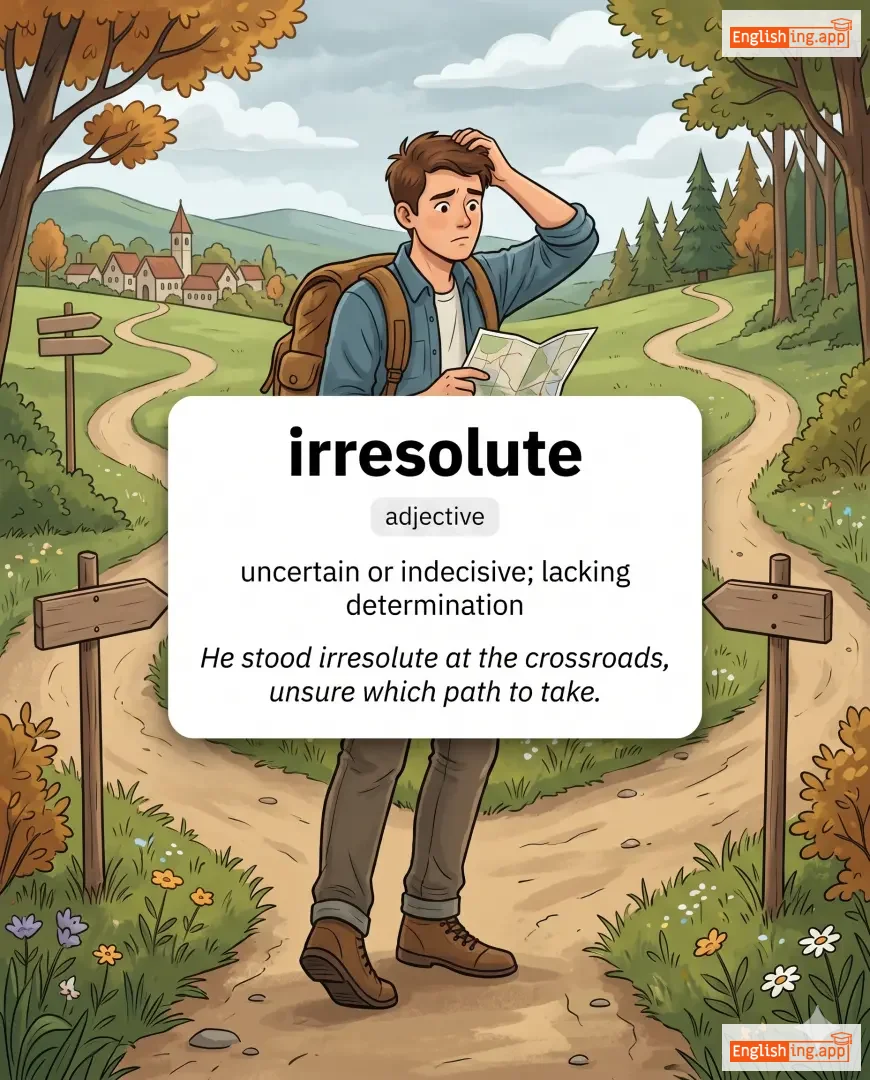
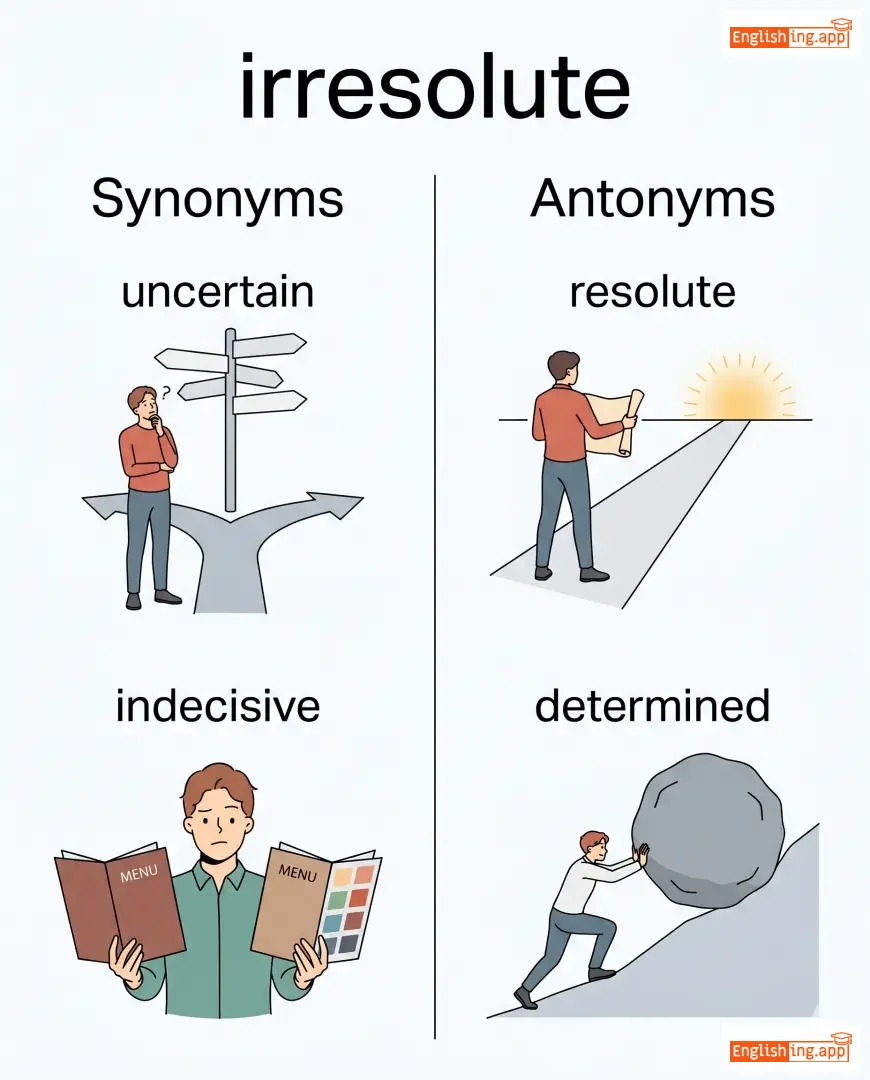
/ɪˈrɛzəluːt/
adjective
(イレゾルート)
••••••
|
|
優柔不断
yūyūfudan
••••••
|
- •••••• | - •••••• | - •••••• | - •••••• |
uncertain or indecisive; lacking determination
••••••
|
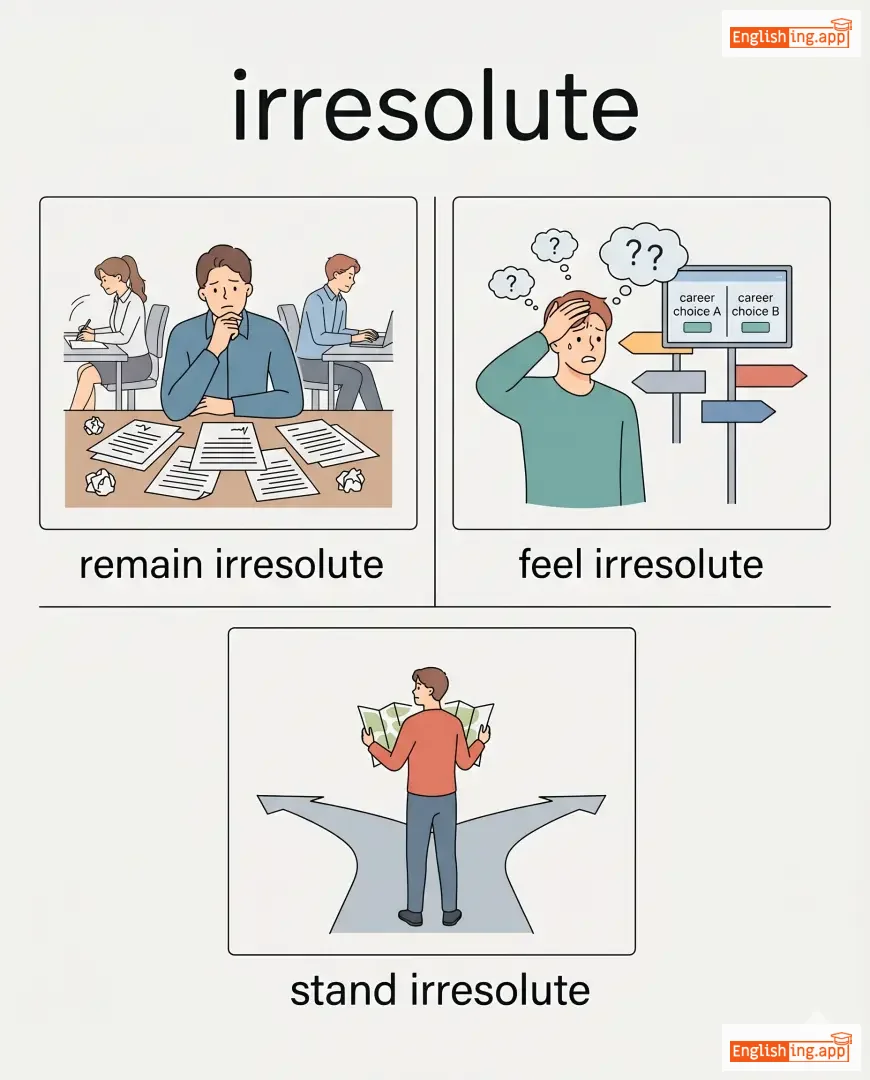
He stood irresolute at the crossroads, unsure which path to take. |
彼は交差点で優柔不断に立ち、どの道を取るべきか決められなかった。
Kare wa kōsaten de yūyūfudan ni tachi, dono michi o torubeki ka kimerarenakatta.
••••••
|
- •••••• | - •••••• | - •••••• |
uncertain, indecisive, hesitant, vacillating, wavering
••••••
|
resolute, determined, decisive
••••••
|
remain irresolute, feel irresolute, stand irresolute, irresolute response
••••••
|
irresolute = 優柔不断, 決められない人のように
••••••
|
|
#4902
😍
|
/ˌɪrɪˈzɪstəbl̩/
adjective
(イレジスティブル)
••••••
|
- •••••• |
抵抗できない
teikou dekinai
••••••
|
- •••••• | - •••••• | - •••••• | - •••••• |
Too attractive, powerful, or appealing to be resisted.
••••••
|
The aroma of freshly baked bread was irresistible. |
焼きたてのパンの香りは抵抗できなかった。
yakitate no pan no kaori wa teikou dekinakatta.
••••••
|
an irresistible force |
a power or influence that cannot be opposed
••••••
|
抵抗できない力
teikou dekinai chikara
••••••
|
compelling, overwhelming, alluring, tempting, captivating
••••••
|
resistible, avoidable
••••••
|
irresistible force, irresistible urge, irresistible charm
••••••
|
抵抗できないチョコレート、どんな時でも食べたくなる。
••••••
|
|
#4903
🌟
|
/ˌɪrɪˈprəʊtʃəbl̩/
adjective
(イレプローチャブル)
••••••
|
- •••••• |
非の打ち所がない
hi no uchi tokoro ga nai
••••••
|
- •••••• | - •••••• | - •••••• | - •••••• |
Beyond criticism; faultless.
••••••
|
The judge was known for his irreproachable integrity. |
その裁判官は非の打ち所がない誠実さで知られていた。
sono saiban-kan wa hi no uchi tokoro ga nai seijitsu-sa de shirarete ita.
••••••
|
- •••••• | - •••••• | - •••••• |
blameless, faultless, impeccable, exemplary
••••••
|
reproachable, blameworthy
••••••
|
irreproachable conduct, irreproachable character, irreproachable integrity
••••••
|
Irreproachable は、批判できない、非の打ち所がないという意味です。
••••••
|
|
#4904
😂
|
/ˌɪrɪˈprɛsəbl̩/
adjective
(イレプレッシブル)
••••••
|
- •••••• |
抑制できない
yokusei dekinai
••••••
|
- •••••• | - •••••• | - •••••• | - •••••• |
Impossible to control or restrain.
••••••
|
She had an irrepressible urge to laugh during the speech. |
彼女はスピーチ中に抑制できない笑いの衝動を隠すことができませんでした。
Kanojo wa supīchi-chū ni yokusei dekinai warai no shōdō o kakusu koto ga dekimasen deshita.
••••••
|
- •••••• | - •••••• | - •••••• |
uncontrollable, unstoppable, unrestrainable, wild
••••••
|
controllable, suppressible
••••••
|
irrepressible urge, irrepressible spirit, irrepressible laughter
••••••
|
抑制できない笑い、止められない楽しさ
••••••
|
|
#4905
💔
|
/ɪˈrɛpərəbl̩/
adjective
(イレパラブル)
••••••
|
- •••••• |
修復不可能
shūfuku fukanō
••••••
|
- •••••• | - •••••• | - •••••• | - •••••• |
Too severe to be corrected or repaired.
••••••
|
The earthquake caused irreparable damage to the village. |
地震は村に修復不可能な損害を与えました。
Jishin wa mura ni shūfuku fukanō na songai o ataemashita.
••••••
|
- •••••• | - •••••• | - •••••• |
irremediable, irreversible, hopeless, permanent
••••••
|
repairable, fixable
••••••
|
irreparable damage, irreparable loss, irreparable harm
••••••
|
Irreparable = 修復不可能
••••••
|
|
#4906
🔒
|
/ˈaɪərnˌklæd/
adjective
(アイアンクラッド)
••••••
|
- •••••• |
鉄壁の
tetsubeki no
••••••
|
- •••••• | - •••••• | - •••••• | - •••••• |
impossible to change, break, or dispute; very strong and firm
••••••
|
The company had an ironclad contract with its suppliers.
その会社はサプライヤーと鉄壁の契約を結んでいた。
••••••
|
その会社はサプライヤーと鉄壁の契約を結んでいた。
Sono kaisha wa sapuraiyā to tetsubeki no keiyaku o musundeta.
••••••
|
ironclad guarantee
鉄壁の保証
••••••
|
a promise that cannot be broken or doubted
••••••
|
鉄壁の保証
tetsubeki no hoshou
••••••
|
firm, unbreakable, rigid, absolute, binding
••••••
|
weak, breakable, flexible
••••••
|
ironclad contract, ironclad rule, ironclad guarantee, ironclad agreement
••••••
|
Iron + Clad、鉄のように堅固なもの - 鉄壁の
••••••
|
|
#4907
🙅♂️
|
/ˌɪrɪˈlɪdʒəs/
adjective
(イレリジアス)
••••••
|
- •••••• |
無宗教
musūkyō
••••••
|
- •••••• | - •••••• | - •••••• | - •••••• |
Indifferent or hostile to religion
••••••
|
Some people in the community consider him irreligious because he never attends religious services. |
コミュニティの中で、彼は宗教的なサービスに一度も参加しないため、無宗教だと考えられています。
Komyuniti no naka de, kare wa shūkyō-teki na sābisu ni ichido mo sanka shinai tame, musūkyō da to kangaerareteimasu.
••••••
|
- •••••• | - •••••• | - •••••• |
nonreligious, secular, atheist, unspiritual
••••••
|
religious, devout, pious
••••••
|
irreligious behavior, irreligious attitude, irreligious person, irreligious view
••••••
|
Irreligiousは無宗教を意味し、religiousの反対です。
••••••
|
|
#4908
🚫
|
/ɪˈrɛləvənt/
adjective
(イレレバント)
••••••
|
- •••••• |
無関係
mukankei
••••••
|
- •••••• | - •••••• | - •••••• | - •••••• |
Not connected with or related to the matter at hand
••••••
|
His comment was completely irrelevant to the discussion.
彼のコメントは議論にまったく関係ありませんでした。
••••••
|
彼のコメントは議論にまったく関係ありませんでした。
Kare no komento wa giron ni mattaku kankei arimasen deshita.
••••••
|
irrelevant detail
無関係な詳細
••••••
|
Information that does not matter in the context
••••••
|
無関係な詳細
mukankei na shousai
••••••
|
unrelated, immaterial, extraneous, insignificant
••••••
|
relevant, important, significant
••••••
|
irrelevant comment, irrelevant detail, irrelevant information, irrelevant answer
••••••
|
Irrelevant は話題に関連しないことを意味します。試験で無関係な答えを出すようなものです。
••••••
|
|
#4909
✅
|
/ˌɪrɪˈfjuːtəbəl/
adjective
(イレフュータブル)
••••••
|
- •••••• |
反論できない
hanron dekinai
••••••
|
- •••••• | - •••••• | - •••••• | - •••••• |
Impossible to deny or disprove
••••••
|
The scientist provided irrefutable proof of the theory. |
科学者はその理論の反論できない証拠を提供しました。
Kagakusha wa sono riron no hanron dekinai shōko o teikyō shimashita.
••••••
|
- •••••• | - •••••• | - •••••• |
undeniable, conclusive, indisputable, unquestionable
••••••
|
disputable, doubtful, questionable
••••••
|
irrefutable proof, irrefutable evidence, irrefutable logic, irrefutable conclusion
••••••
|
Irrefutable proofは反論できない証拠を意味します。
••••••
|
|
#4910
🔒
|
/ˌɪrɪˈfrændʒɪbəl/
adjective
(irifurējiburu)
••••••
|
- •••••• |
侵害できない
shingai dekinai
••••••
|
- •••••• | - •••••• | - •••••• | - •••••• |
Not to be broken, violated, or infringed
••••••
|
The constitution guarantees certain irrefrangible rights to every citizen. |
憲法はすべての市民にいくつかの侵害できない権利を保証します。
Kenpō wa subete no shimin ni ikutsuka no shingai dekinai kenri o hoshō shimasu.
••••••
|
- •••••• | - •••••• | - •••••• |
inviolable, unbreakable, sacred, binding
••••••
|
breakable, fragile, violable
••••••
|
irrefrangible rule, irrefrangible law, irrefrangible right, irrefrangible principle
••••••
|
Irrefrangible = 侵害できない、基本的人権のように。
••••••
|
|
#4911
📜
|
/ɪˈrɛfrəɡəbəl/
adjective
(イレフラギブル)
••••••
|
- •••••• |
反論できない
hanron dekinai
••••••
|
- •••••• | - •••••• | - •••••• | - •••••• |
Impossible to refute, deny, or break
••••••
|
The lawyer presented irrefragable evidence that proved his client’s innocence. |
弁護士は彼のクライアントの無実を証明する反論できない証拠を提示しました。
Bengoshi wa kare no kuraianto no mujitsu o shōmei suru hanron dekinai shōko o teiji shimashita.
••••••
|
- •••••• | - •••••• | - •••••• |
indisputable, undeniable, irrefutable, conclusive, certain
••••••
|
doubtful, questionable, disputable
••••••
|
irrefragable proof, irrefragable evidence, irrefragable truth, irrefragable argument
••••••
|
反論できないは、否定や破壊ができないものを意味します。明らかな真実のようなものです。
••••••
|
|
#4912
➗
|
/ˌɪrɪˈdjuːsəbl/
adjective
(イリデューシブル)
••••••
|
- •••••• |
不可約
fukayaku
••••••
|
- •••••• | - •••••• | - •••••• | - •••••• |
impossible to reduce or simplify further
••••••
|
The fraction 3/7 is irreducible. |
分数 3/7 は不可約です。
Bunsū 3/7 wa fukayaku desu.
••••••
|
- •••••• | - •••••• | - •••••• |
indivisible, basic, fundamental, unalterable
••••••
|
reducible, divisible
••••••
|
irreducible fraction, irreducible complexity, irreducible element
••••••
|
不可約は簡単に縮小できないことを意味します – 3/7の分数は簡単に縮小できません。
••••••
|
|
#4913
⚡
|
/ˌɪrɪˈkɒnsɪləbl/
adjective
(イレコンシリアブル)
••••••
|
- •••••• |
和解できない
wakai dekinai
••••••
|
- •••••• | - •••••• | - •••••• | - •••••• |
impossible to make compatible or bring into harmony; unable to resolve differences
••••••
|
The couple separated due to irreconcilable differences. |
そのカップルは和解できない違いのために別れました。
Sono kappuru wa wakai dekinai chigai no tame ni wakaremashita.
••••••
|
irreconcilable differences |
fundamental disagreements that cannot be resolved
••••••
|
和解できない違い
wakai dekinai chigai
••••••
|
incompatible, conflicting, opposing, contradictory
••••••
|
compatible, harmonious
••••••
|
irreconcilable conflict, irreconcilable dispute, irreconcilable position
••••••
|
和解できないということは、解決できない違いのことです。
••••••
|
|
#4914
🤯
|
/ɪˈræʃənəl/
adjective
(イラショナル)
••••••
|
- •••••• |
非合理的
hi-goriteki
••••••
|
- •••••• | - •••••• | - •••••• | - •••••• |
not logical or reasonable; lacking clear thought
••••••
|
His fear of the dark was completely irrational. |
彼の暗闇への恐れは完全に非合理的でした。
Kare no kurayami e no osore wa kanzen ni higoriteki deshita.
••••••
|
irrational fear |
an unreasonable or extreme fear
••••••
|
非合理的な恐れ
higoritekina osore
••••••
|
illogical, unreasonable, absurd, senseless
••••••
|
rational, logical, reasonable
••••••
|
irrational decision, irrational behavior, irrational belief
••••••
|
非合理的は非 + 合理的、つまり合理的でない – 非合理的。
••••••
|
|
#4915
🪨
|
/ɪˈrædɪkəbəl/
adjective
(イラディカブル)
••••••
|
- •••••• |
根絶不可能な
konzetsu fukanō na
••••••
|
- •••••• | - •••••• | - •••••• | - •••••• |
not able to be eradicated; impossible to destroy or remove completely
••••••
|
The love of a mother for her child is irradicable. |
母親の子供への愛は根絶不可能です。
Hahaoya no kodomo e no ai wa konzetsu fukanō desu.
••••••
|
- •••••• | - •••••• | - •••••• |
indestructible, ineradicable, permanent, lasting
••••••
|
temporary, removable
••••••
|
irradicable habit, irradicable love, irradicable truth
••••••
|
根絶不可能な = 母親の愛は消すことができません
••••••
|
|
#4916
💡
|
/ɪˈreɪdieɪt/
verb
(イラディエイト)
••••••
|
- •••••• |
照射する
shōsha suru
••••••
|
irradiated
イラディエイテッド
••••••
|
irradiated
イラディエイテッド
••••••
|
irradiates
イラディエイツ
••••••
|
irradiating
イラディエイティング
••••••
|
to shine light on something; to expose to radiation; to illuminate or brighten
••••••
|
The scientist used a lamp to irradiate the sample.
科学者はランプを使ってサンプルを照射しました。
••••••
|
科学者はランプを使ってサンプルを照射しました。
Kagakusha wa ranpu o tsukatte sanpuru o shōsha shimashita.
••••••
|
- •••••• | - •••••• | - •••••• |
illuminate, light, radiate, brighten, expose
••••••
|
darken, shade
••••••
|
irradiate the area, irradiate food, irradiate cells
••••••
|
イラディエイトは光を照らすこと、ランプの光がそれに似ている。
••••••
|
|
#4917
☀️
|
/ɪˈreɪdiəns/
noun
(イラディアンス)
••••••
|
- •••••• |
放射輝度
iradiansu
••••••
|
- •••••• | - •••••• | - •••••• | - •••••• |
the quality of shining brightly; the intensity of light falling on a surface
••••••
|
The irradiance of the sun at noon was overwhelming. |
正午の太陽の放射輝度は圧倒的でした。
Shōgo no taiyō no hōsha kidō wa attō-teki deshita.
••••••
|
- •••••• | - •••••• | - •••••• |
brightness, brilliance, luminosity, radiance
••••••
|
darkness, dimness, dullness
••••••
|
solar irradiance, light irradiance, irradiance level, irradiance measurement
••••••
|
Irradiance = IR + Radiance - 太陽の強烈な光
••••••
|
|
#4918
🎭
|
/ˈaɪrəni/
noun
(アイロニー)
••••••
|
- •••••• |
皮肉
hiniku
••••••
|
- •••••• | - •••••• | - •••••• | - •••••• |
a situation that is strange or amusing because it is the opposite of what is expected; the use of words to convey the opposite meaning
••••••
|
The irony of the situation was that the winner forgot his own prize. |
その状況の皮肉は、勝者が自分の賞を忘れたことでした。
Sono jōkyō no hiniku wa, shōsha ga jibun no shō o wasureta koto deshita.
••••••
|
the irony is |
used to highlight a contradiction between expectations and reality
••••••
|
皮肉とは
hiniku to wa
••••••
|
sarcasm, paradox, mockery, satire
••••••
|
sincerity, honesty, straightforwardness
••••••
|
sense of irony, bitter irony, cruel irony, situational irony
••••••
|
皮肉は鉄で冗談を言うようなもの - 皮肉や矛盾
••••••
|
|
#4919
😏
|
/aɪˈrɒnɪkəl/
adjective
(aironikal)
••••••
|
- •••••• |
皮肉な
pironika
••••••
|
- •••••• | - •••••• | - •••••• | - •••••• |
expressing irony; having the nature of irony
••••••
|
Her ironical tone made everyone uncomfortable. |
彼女の皮肉な口調は、皆を不快にさせました。
Kanojo no hiniku na kuchō wa, mina o fukai ni sasenmashita.
••••••
|
- •••••• | - •••••• | - •••••• |
sarcastic, satirical, mocking, cynical
••••••
|
serious, genuine, honest
••••••
|
ironical comment, ironical tone, ironical smile, slightly ironical
••••••
|
Ironical は、言いたいことを反対に言って笑わせるようなものです。
••••••
|
|
#4920
🙃
|
/aɪˈrɒnɪk/
adjective
(アイロニック)
••••••
|
- •••••• |
皮肉な、風刺的な
aironik
••••••
|
- •••••• | - •••••• | - •••••• | - •••••• |
happening in the opposite way to what is expected, often amusing or sarcastic
••••••
|
It is ironic that the fire station burned down. |
消防署が焼けるのは皮肉です。
Shōbōsho ga yakeru no wa hiniku desu.
••••••
|
isn't it ironic |
used to highlight a situation that is surprisingly contradictory
••••••
|
皮肉じゃないですか?
Hinikujanai desu ka?
••••••
|
sarcastic, paradoxical, mocking, satirical
••••••
|
straightforward, sincere, expected
••••••
|
ironic twist, ironic smile, deeply ironic, somewhat ironic
••••••
|
皮肉な出来事、それは予想と逆の方向に進んでいます!
••••••
|
Vocabulary Quiz
Test your vocabulary by matching words with their translations or meanings.
Login to take the quiz
Comments (0)
Share your thoughts and join the discussion.
Join the discussion by logging in
Login to CommentNo comments yet
Be the first to share your thoughts!