

翻訳
過去
過去分詞
三人称単数
動名詞
意味
例文
例文の翻訳
同義語
対義語
コロケーション
ニーモニック
Swipe left or right, or use the buttons. Tap image to zoom.
例文の翻訳
単語
Lesson 389Lesson 389 - マスクトグル
|
絵文字
|
単語 | Images | 翻訳 | 過去 | 過去分詞 | 三人称単数 | 動名詞 | 意味 | 例文 | 例文の翻訳 | 同義語 | 対義語 | コロケーション | ニーモニック |
|---|---|---|---|---|---|---|---|---|---|---|---|---|---|---|
|
#11635
⚪
|
/poʊl/
noun
(ポール)
••••••
|
- •••••• |
柱
hashira
••••••
|
- •••••• | - •••••• | - •••••• | - •••••• |
a long, slender, vertical object or structure, typically made of wood, metal, or another material
••••••
|
They placed the flag on top of the pole. |
彼らは旗をポールの上に置きました。
Karera wa hata o pōru no ue ni okimashita.
••••••
|
post, column, mast, stake
••••••
|
base, ground
••••••
|
flag pole, telephone pole, light pole
••••••
|
ポールを覚えて、旗がそこに掲げられている!
••••••
|
|
#11636
🖼️
|
/ˈpɔːtrət/
noun
(ポートレート)
••••••
|
- •••••• |
ポートレート
pōtorēto
••••••
|
- •••••• | - •••••• | - •••••• | - •••••• |
a painting, drawing, photograph, or engraving of a person, especially one showing the face
••••••
|
The artist painted a beautiful portrait of his wife.
ジ アーティスト ペインテッド ア ビューティフル ポートレート オブ ヒズ ワイフ
••••••
|
アーティストは妻の美しいポートレートを描きました。
Ātisuto wa tsuma no utsukushī pōtorēto o kakimashita.
••••••
|
likeness, image, representation, depiction
••••••
|
landscape, abstract
••••••
|
family portrait, painted portrait, formal portrait, self-portrait
••••••
|
ポートレートは人物の顔を強調する絵で、顔がしっかり描かれることが特徴です。
••••••
|
|
#11637
⚓
|
/pɔːrt/
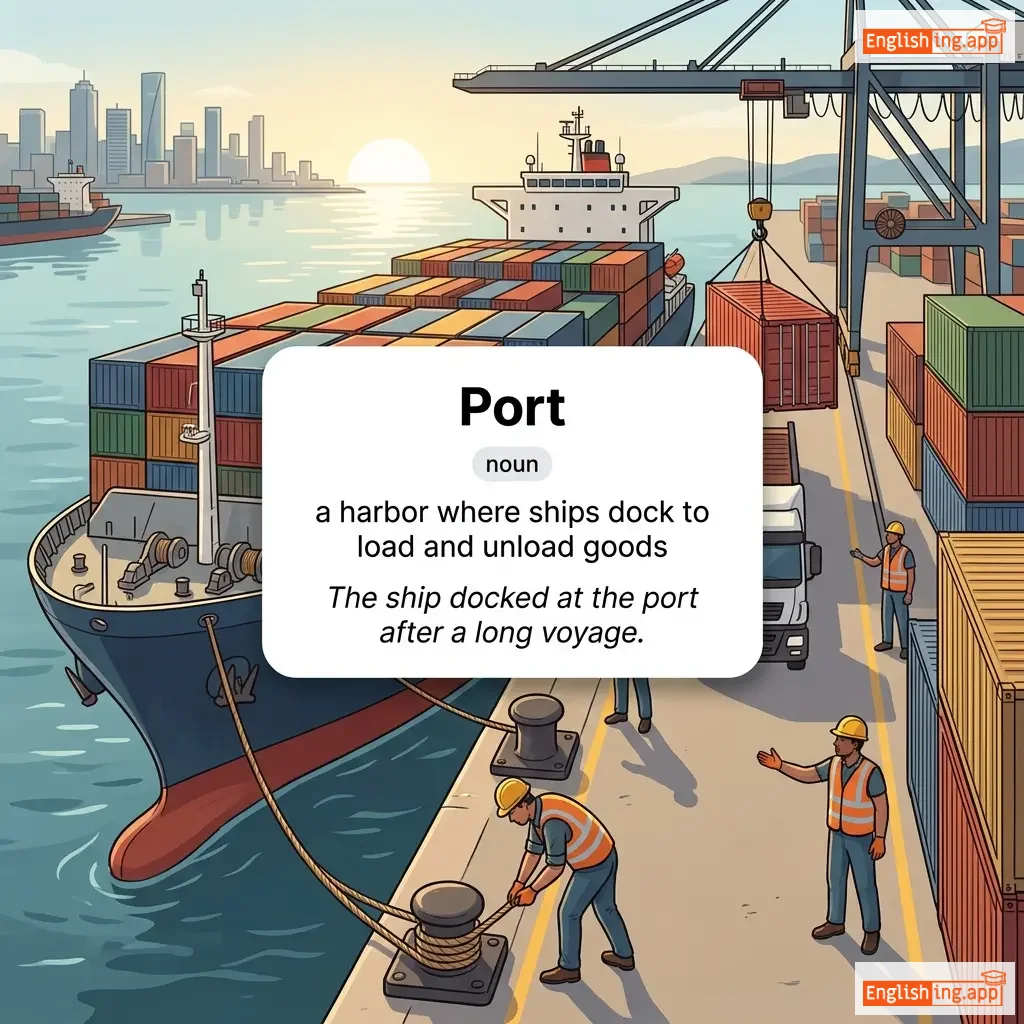
noun
••••••
|
|
- •••••• | - •••••• | - •••••• | - •••••• | - •••••• |
a harbor where ships dock to load and unload goods
••••••
|
The ship docked at the port after a long voyage. |
- •••••• |
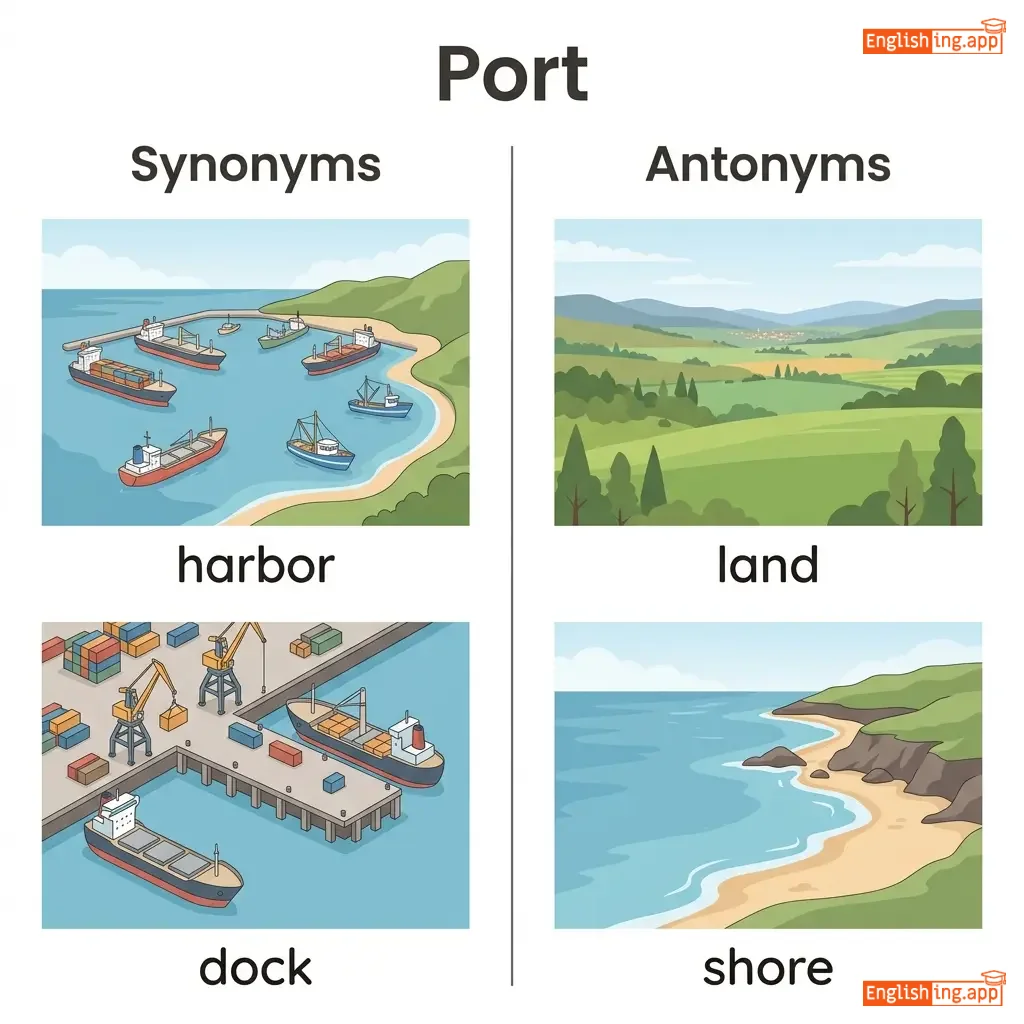
harbor, dock, quay, marina
••••••
|
land, shore
••••••
|
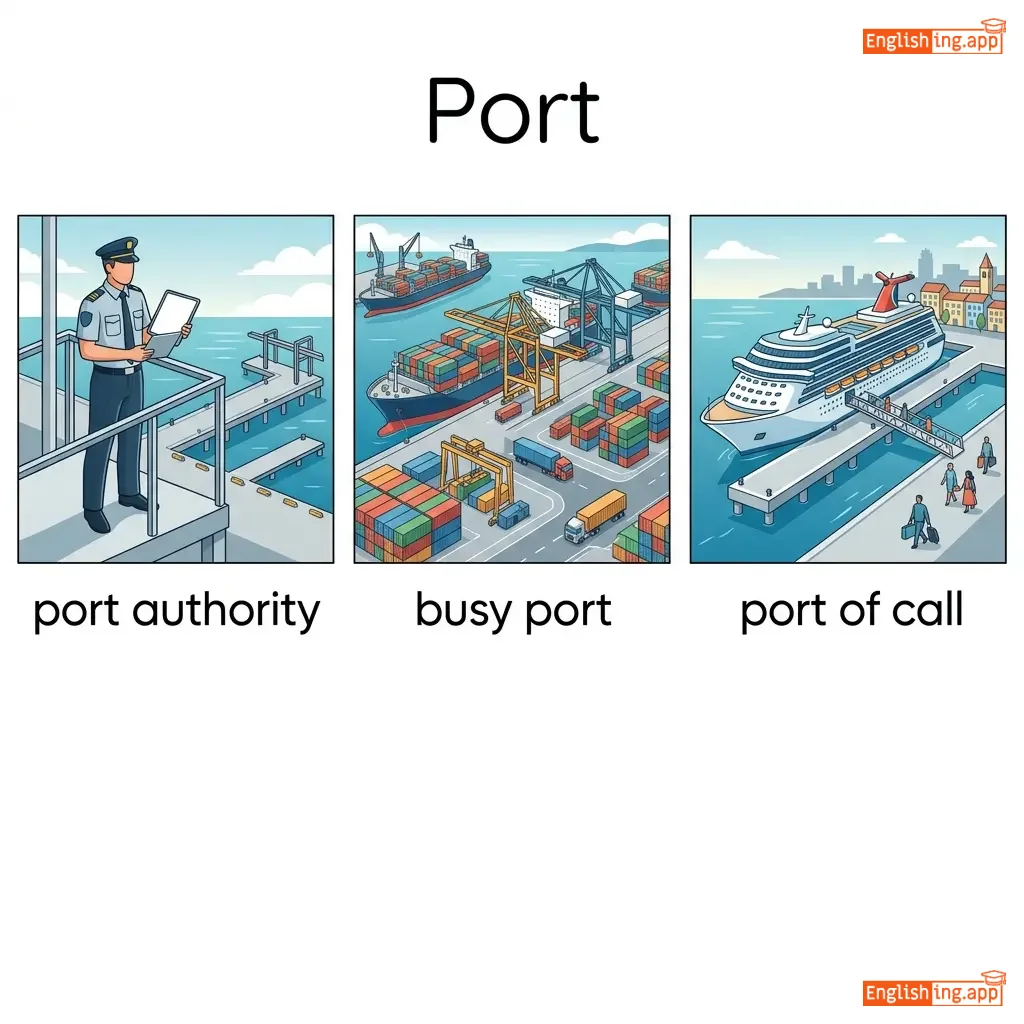
port authority, busy port, port of call, shipping port
••••••
|
No •••••• |
|
#11638
🏡
|
/pɔːrtʃ/
noun
(ポーチ)
••••••
|
- •••••• |
ポーチ
pōchi
••••••
|
- •••••• | - •••••• | - •••••• | - •••••• |
a covered area at the entrance of a building, often with a roof and open sides
••••••
|
We sat on the porch and enjoyed the evening breeze. |
私たちはポーチに座って、夕方の風を楽しみました。
Watashitachi wa pōchi ni suwatte, yūgata no kaze o tanoshimimashita.
••••••
|
veranda, balcony, terrace, entryway
••••••
|
indoor, interior
••••••
|
front porch, back porch, porch swing, sitting on the porch
••••••
|
The porch is like 'ポーチ' (pōchi) where you relax.
••••••
|
|
#11639
🌍
|
/ˌpɒpjʊˈleɪʃən/
noun
(ポピュレーション)
••••••
|
|
人口
jinkou
••••••
|
- •••••• | - •••••• | - •••••• | - •••••• |
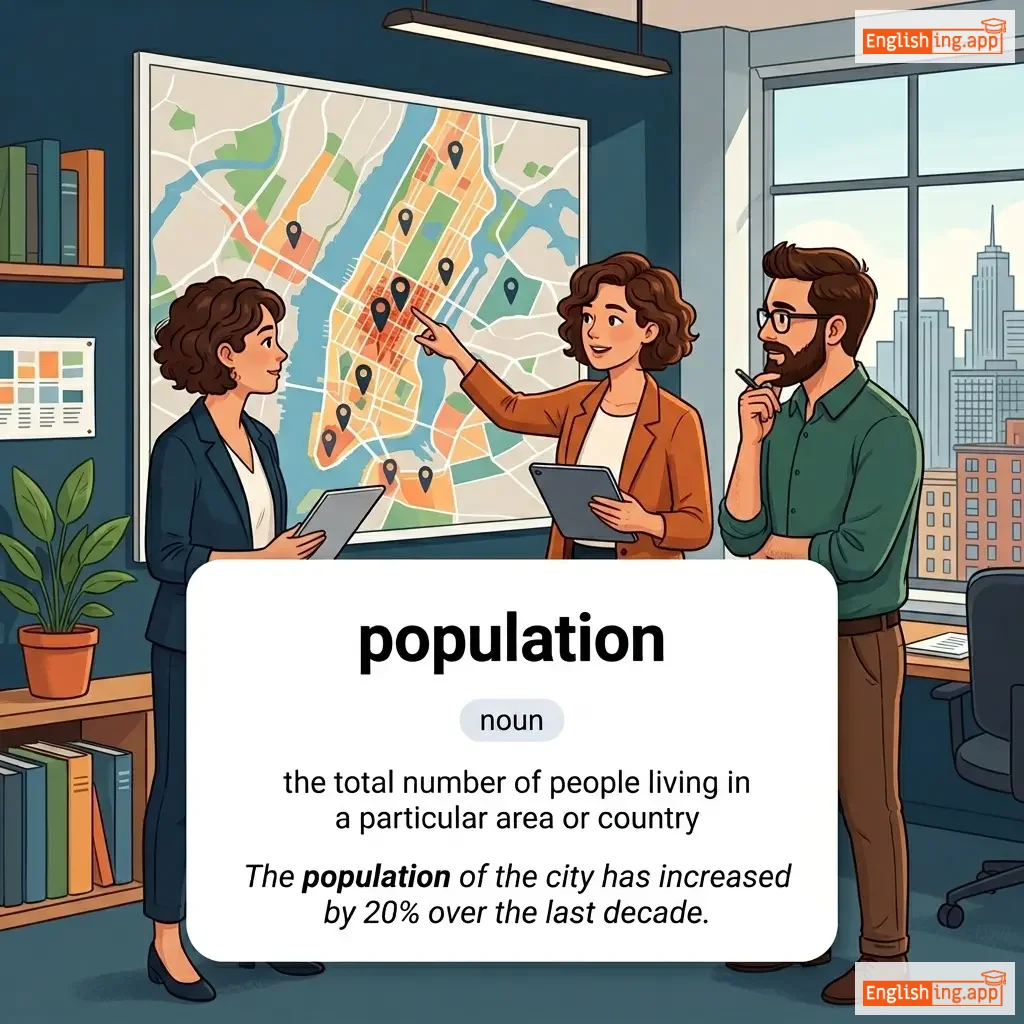
the total number of people living in a particular area or country
••••••
|
The population of the city has increased by 20% over the last decade.
その都市の人口は過去10年で20%増加しました。
••••••
|
その都市の人口は過去10年で20%増加しました。
Sono toshi no jinkou wa kako 10 nen de 20% zouka shimashita.
••••••
|
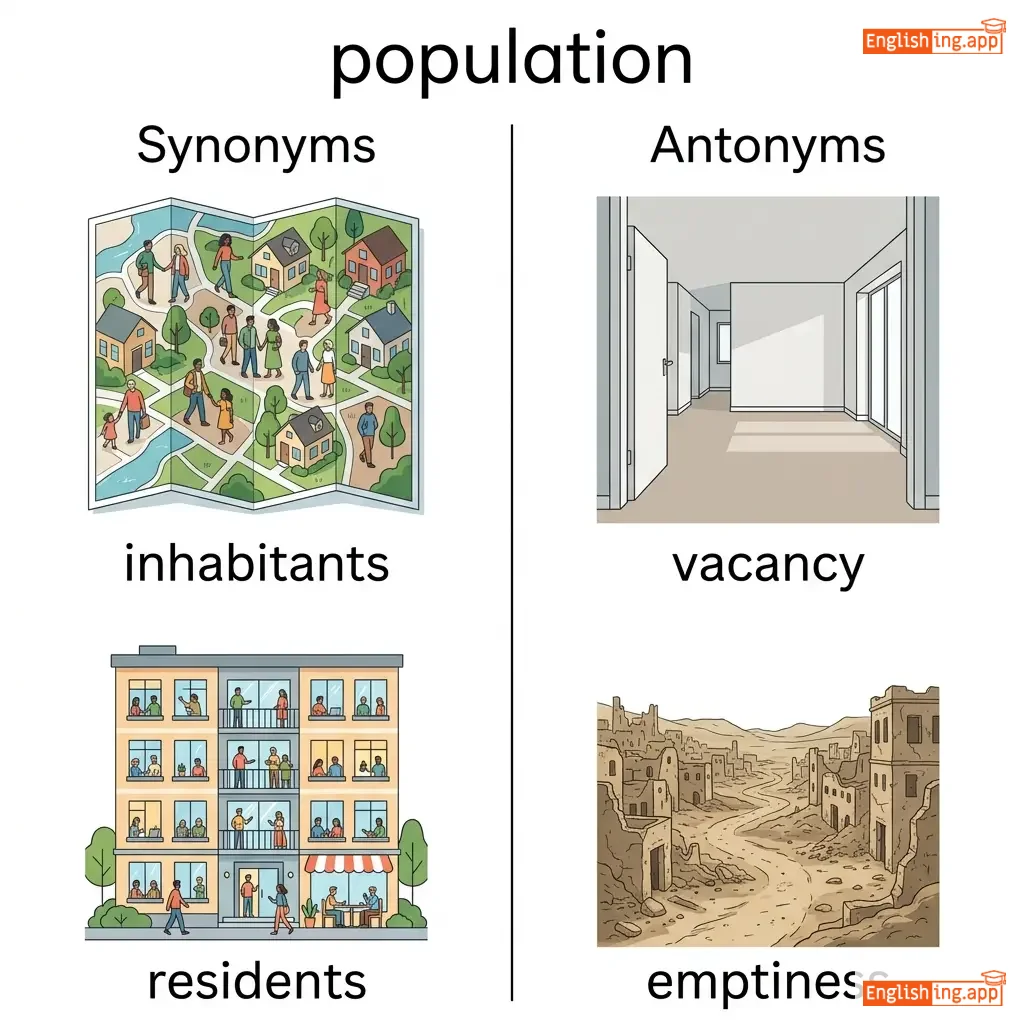
inhabitants, residents, citizens, people
••••••
|
vacancy, emptiness
••••••
|
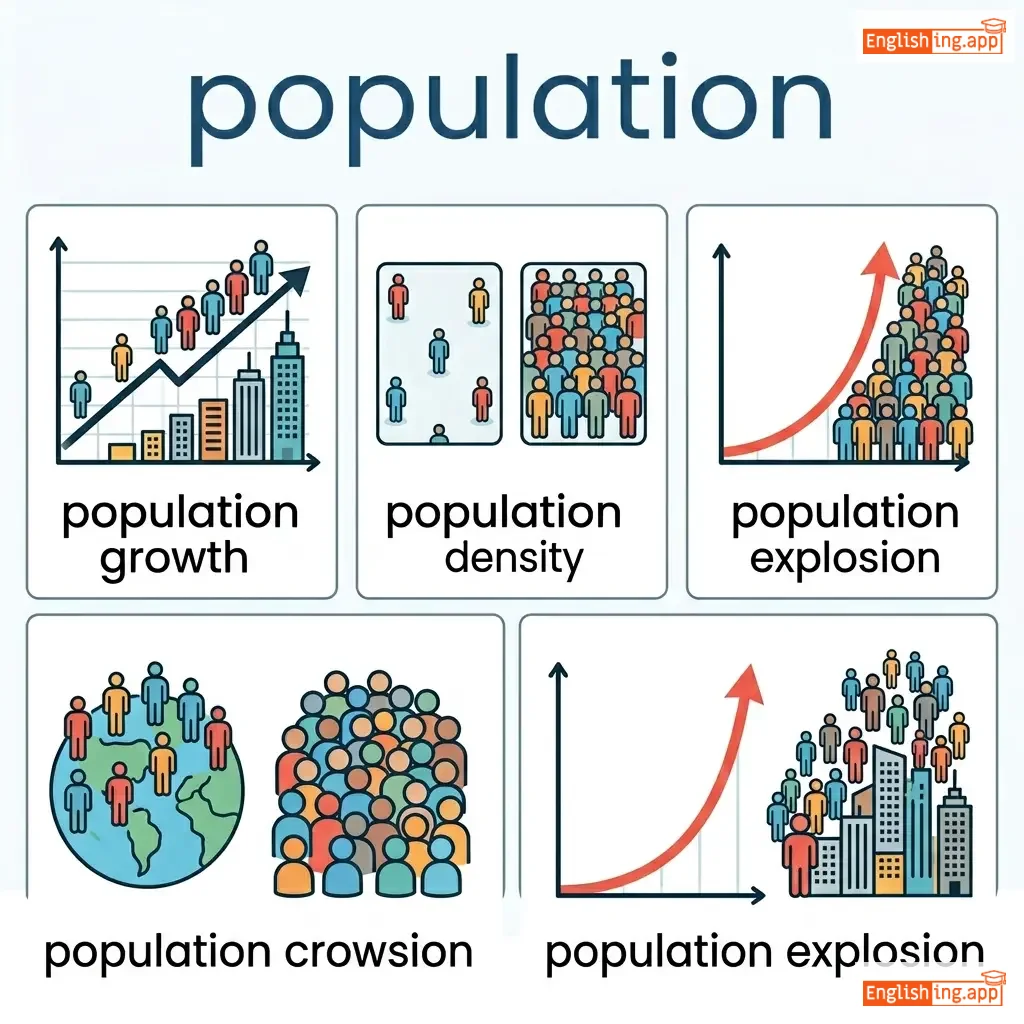
population growth, population density, population explosion, population control
••••••
|
Population is the '人口' (jinkou) of a place.
••••••
|
|
#11640
🌟
|
/ˈpɒpjʊlər/
adjective
(ポピュラー)
••••••
|
- •••••• |
人気
ninki
••••••
|
- •••••• | - •••••• | - •••••• | - •••••• |
liked or admired by many people
••••••
|
She is a popular singer with a huge fan base.
彼女は大きなファンベースを持つ人気のある歌手です。
••••••
|
彼女は大きなファンベースを持つ人気のある歌手です。
Kanojo wa ookina fan beesu o motsu ninki no aru kashu desu.
••••••
|
well-liked, admired, favored, renowned
••••••
|
unpopular, disliked
••••••
|
popular opinion, popular choice, popular culture, popular among
••••••
|
In Japan, things that are '人気' (ninki) are loved everywhere!
••••••
|
|
#11641
🎈
|
/pɒp/
verb
(ポップ)
••••••
|
- •••••• |
弾ける
hikeru
••••••
|
popped
ポップド
••••••
|
popped
ポップド
••••••
|
pops
ポップス
••••••
|
popping
ポッピング
••••••
|
to make a short, sharp sound, or to burst or break with such a sound
••••••
|
The balloon popped when I accidentally pricked it with a pin.
風船は、私が間違ってピンで刺したときに破裂しました。
••••••
|
風船は、私が間違ってピンで刺したときに破裂しました。
Fūsen wa, watashi ga machigatte pin de sashita toki ni hakiretsu shimashita.
••••••
|
burst, explode, snap, crack
••••••
|
quiet, silence
••••••
|
pop the balloon, pop the cork, pop up, pop out
••••••
|
Pop the balloon, ちょうど 'ポップ' (poppu) 風船を破裂させるように!
••••••
|
|
#11642
🏊
|
/puːl/
noun/verb
(プール)
••••••
|
- •••••• |
プール
puuru
••••••
|
pooled
プールド
••••••
|
pooled
プールド
••••••
|
pools
プールス
••••••
|
pooling
プーリング
••••••
|
a small body of still water, or a game played in a rectangular table with balls
••••••
|
The children swam in the pool all afternoon.
子供たちは午後ずっとプールで泳いでいました。
••••••
|
子供たちは午後ずっとプールで泳いでいました。
Kodomotachi wa gogo zutto pūru de oyoideimashita.
••••••
|
pond, reservoir, swimming pool, game
••••••
|
dry, empty
••••••
|
swimming pool, pool party, pool table, pool of water
••••••
|
プールは泳ぐための最適な場所です!
••••••
|
|
#11643
🌍
|
/pəˈlʊʃən/
noun
(ポリューション)
••••••
|
|
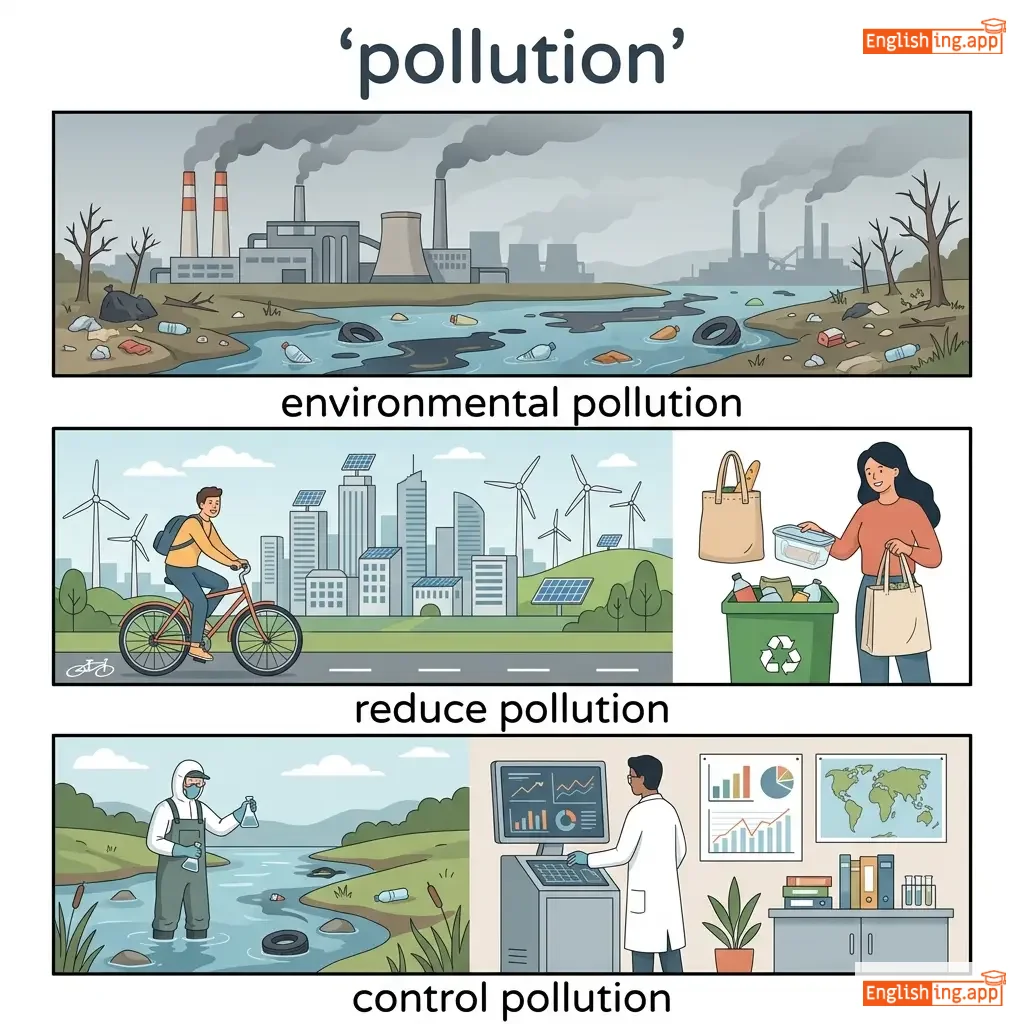
汚染
osen
••••••
|
- •••••• | - •••••• | - •••••• | - •••••• |
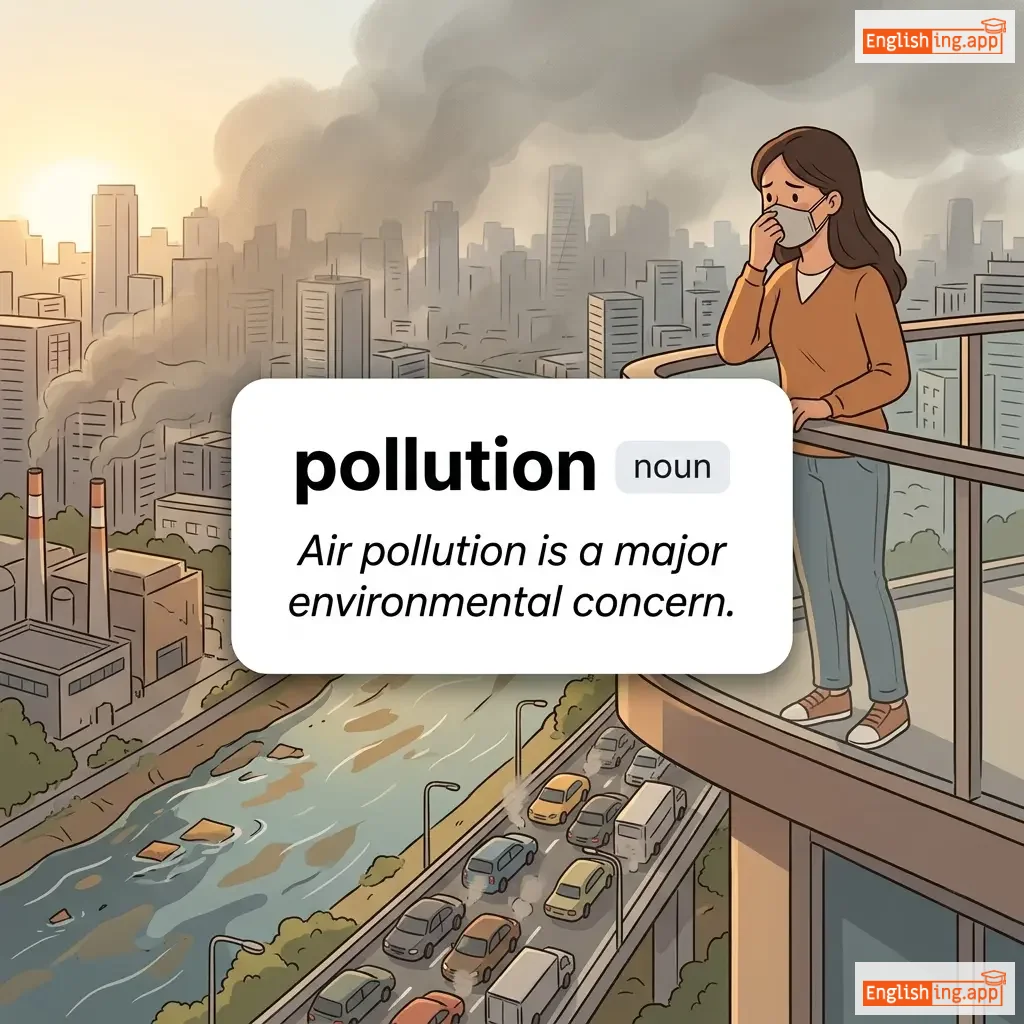
the presence of harmful substances in the environment, especially the air, water, or soil
••••••
|
Air pollution is a major environmental concern.
大気汚染は重要な環境問題です。
••••••
|
大気汚染は重要な環境問題です。
Taiki osen wa juuyo na kankyo mondai desu.
••••••
|
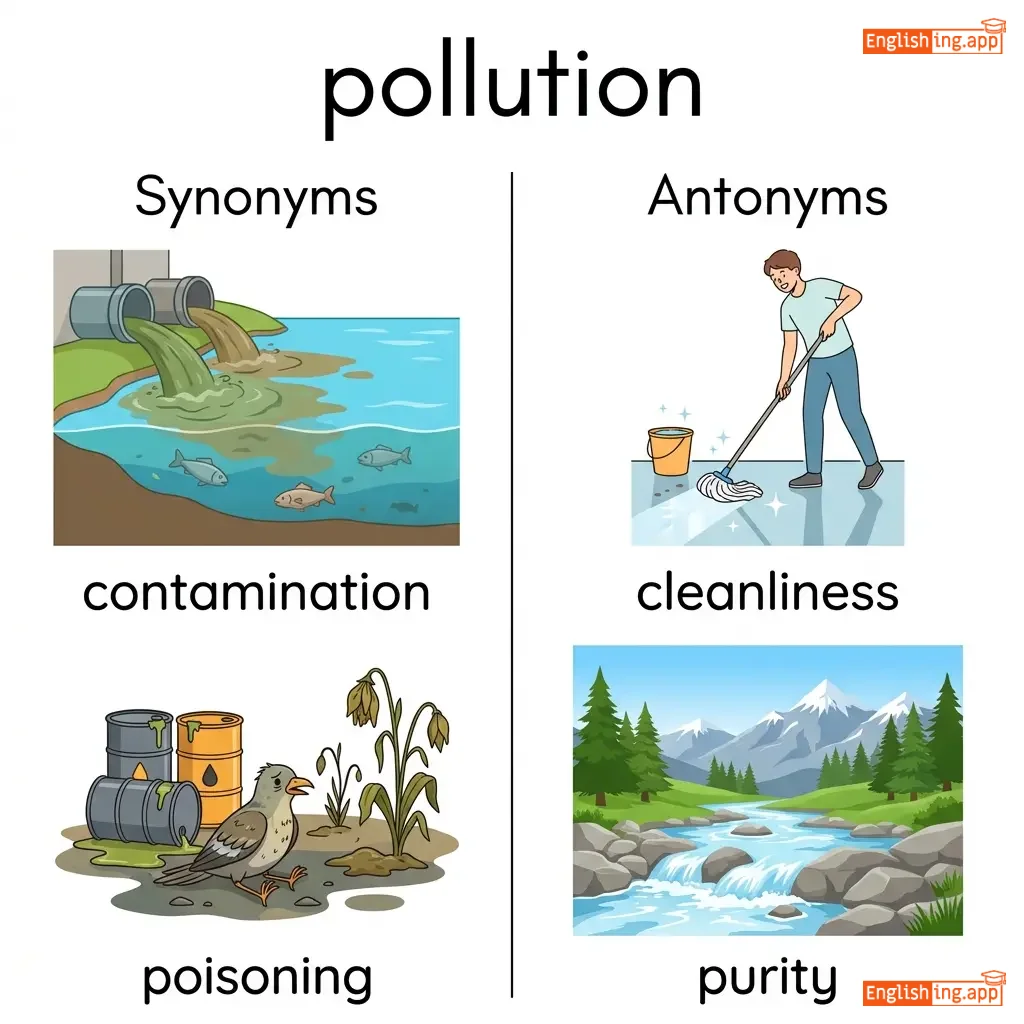
contamination, poisoning, impurity, dirt
••••••
|
cleanliness, purity
••••••
|
environmental pollution, reduce pollution, control pollution, pollution levels
••••••
|
Pollution is polluting our planet!
••••••
|
|
#11644
🗳️
|
/pəʊl/
noun/verb
(ポール)
••••••
|
- •••••• |
世論調査
seron chosa
••••••
|
polled
ポールド
••••••
|
polled
ポールド
••••••
|
polls
ポールズ
••••••
|
polling
ポーリング
••••••
|
a survey of public opinion or voting in an election
••••••
|
The poll revealed that most people favored the new policy.
The poll revealed that most people favored the new policy.
••••••
|
世論調査ではほとんどの人が新しい政策を支持していることが明らかになった。
Seron chōsa de wa hotondo no hito ga atarashī seisaku o shiji shite iru koto ga akiraka ni natta.
••••••
|
survey, vote, referendum, ballot
••••••
|
consensus, agreement
••••••
|
opinion poll, public poll, exit poll, conduct a poll
••••••
|
Polls gather public opinion like a survey!
••••••
|
|
#11645
⚖️
|
/ˈpɒlɪtɪks/
noun
(ポリティクス)
••••••
|
- •••••• |
政治
seiji
••••••
|
- •••••• | - •••••• | - •••••• | - •••••• |
activities related to the governance of a country or area, especially the debate between parties having power
••••••
|
Politics often involves making difficult decisions. |
政治はしばしば難しい決定を下すことを伴います。
Seiji wa shibashiba muzukashī kettei o kudasu koto o tomonai masu.
••••••
|
government, diplomacy, statecraft, policy
••••••
|
apoliticism, non-partisanship
••••••
|
politics of power, national politics, political debate
••••••
|
POLIticians engage in POLItics.
••••••
|
|
#11646
👨💼
|
/pəˈlɪtɪʃən/
noun
(ポリティシャン)
••••••
|
- •••••• |
政治家
seijika
••••••
|
- •••••• | - •••••• | - •••••• | - •••••• |
a person who is involved in politics, especially as a profession
••••••
|
The politician promised to improve the economy. |
政治家は経済改善を約束しました。
Seijika wa keizai kaizen o yakusoku shimashita.
••••••
|
statesman, lawmaker, representative, public servant
••••••
|
citizen, layman
••••••
|
politician career, influential politician, corrupt politician
••••••
|
Politicians create policies to improve the economy.
••••••
|
|
#11647
⚖️
|
/pəˈlɪtɪkəli/
adverb
(政治的に)
••••••
|
- •••••• |
政治的に
seijiteki ni
••••••
|
- •••••• | - •••••• | - •••••• | - •••••• |
in a way that relates to politics or government
••••••
|
The country is politically divided between two major parties.
その国は二つの主要な政党の間で政治的に分裂しています。
••••••
|
その国は二つの主要な政党の間で政治的に分裂しています。
Sono kuni wa futatsu no shuyōna seito no aida de seijiteki ni bunretsu shiteimasu.
••••••
|
governmentally, civically, socially
••••••
|
apolitically
••••••
|
politically active, politically correct, politically charged
••••••
|
政治的に考え、二つの政党の間で分裂している国を想像してください。
••••••
|
|
#11648
🏛️
|
/pəˈlɪtɪkəl/
adjective
(ポリティカル)
••••••
|
|
政治的
seijiteki
••••••
|
- •••••• | - •••••• | - •••••• | - •••••• |
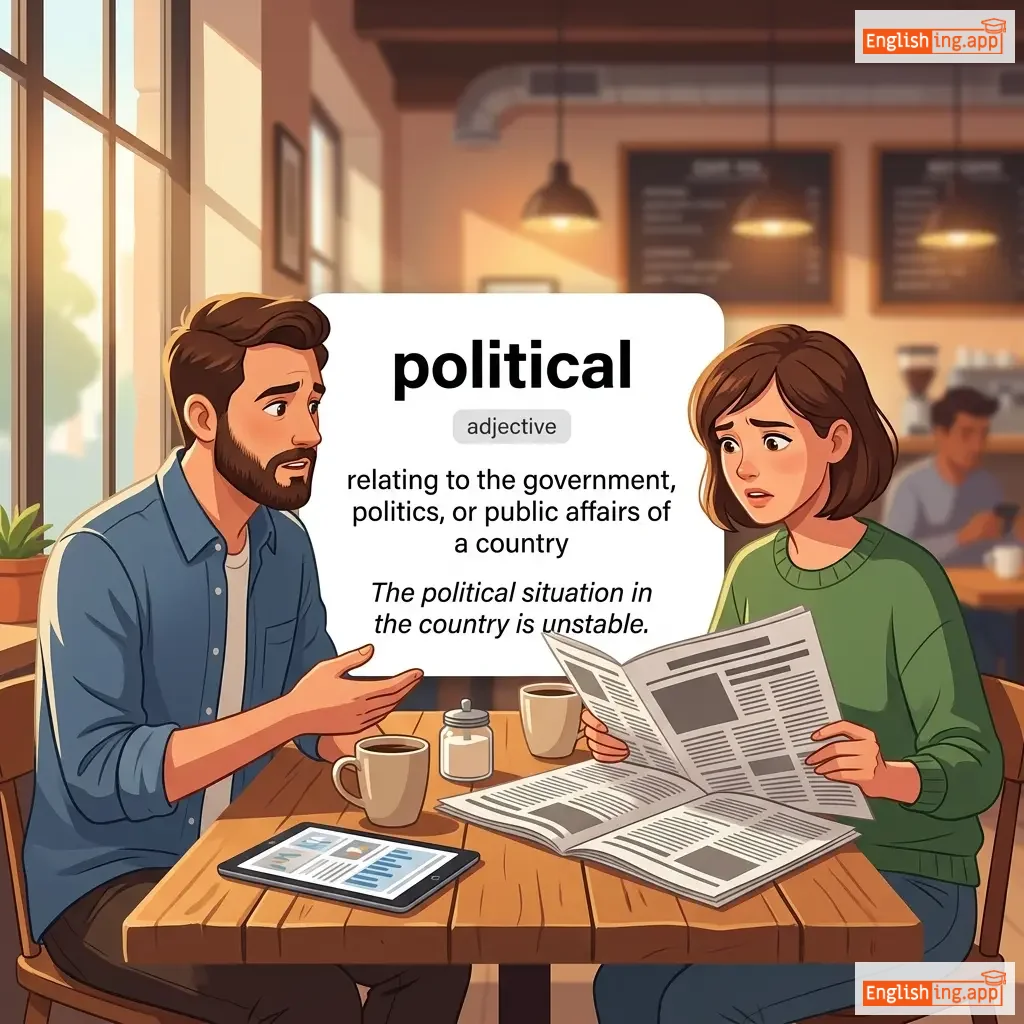
relating to the government, politics, or public affairs of a country
••••••
|
The political situation in the country is unstable. |
その国の政治状況は不安定です。
Sono kuni no seiji jōkyō wa fuantei desu.
••••••
|
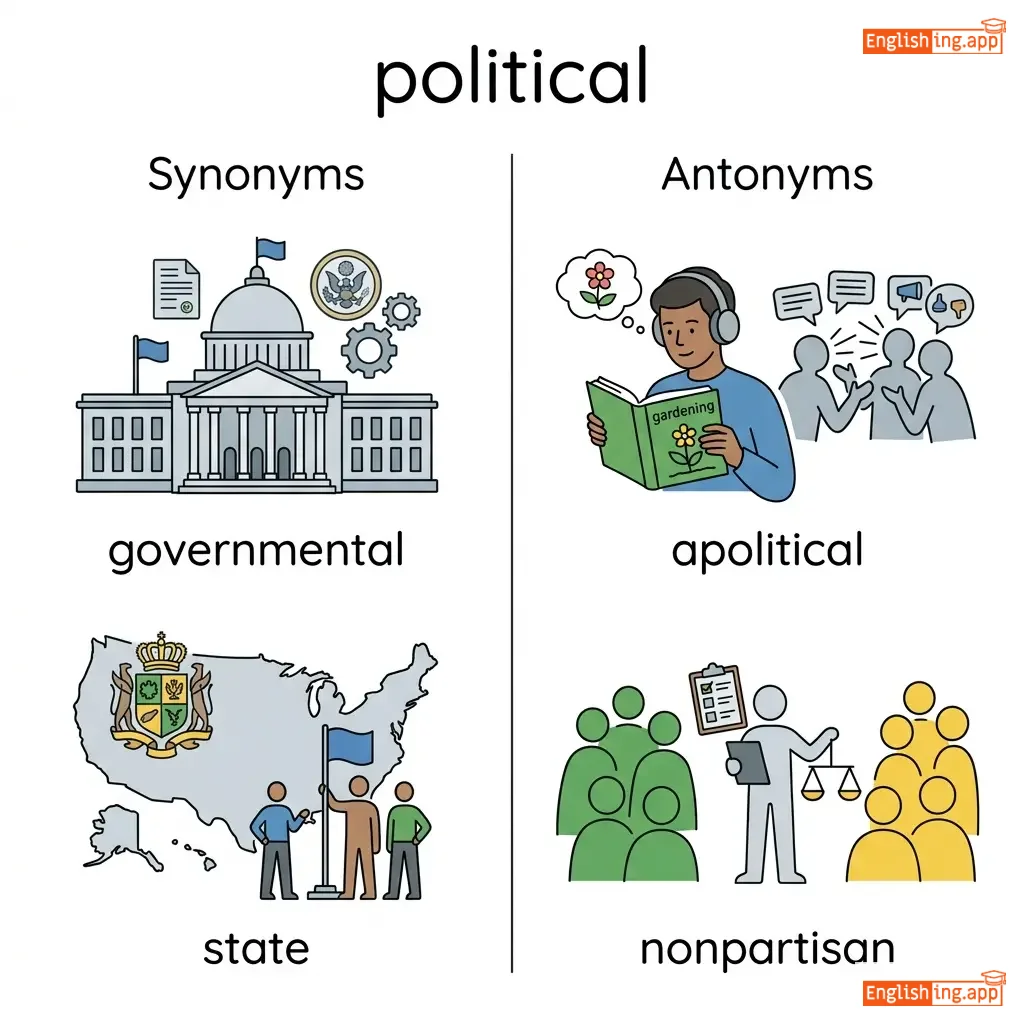
governmental, state, civic, public
••••••
|
apolitical, nonpartisan
••••••
|
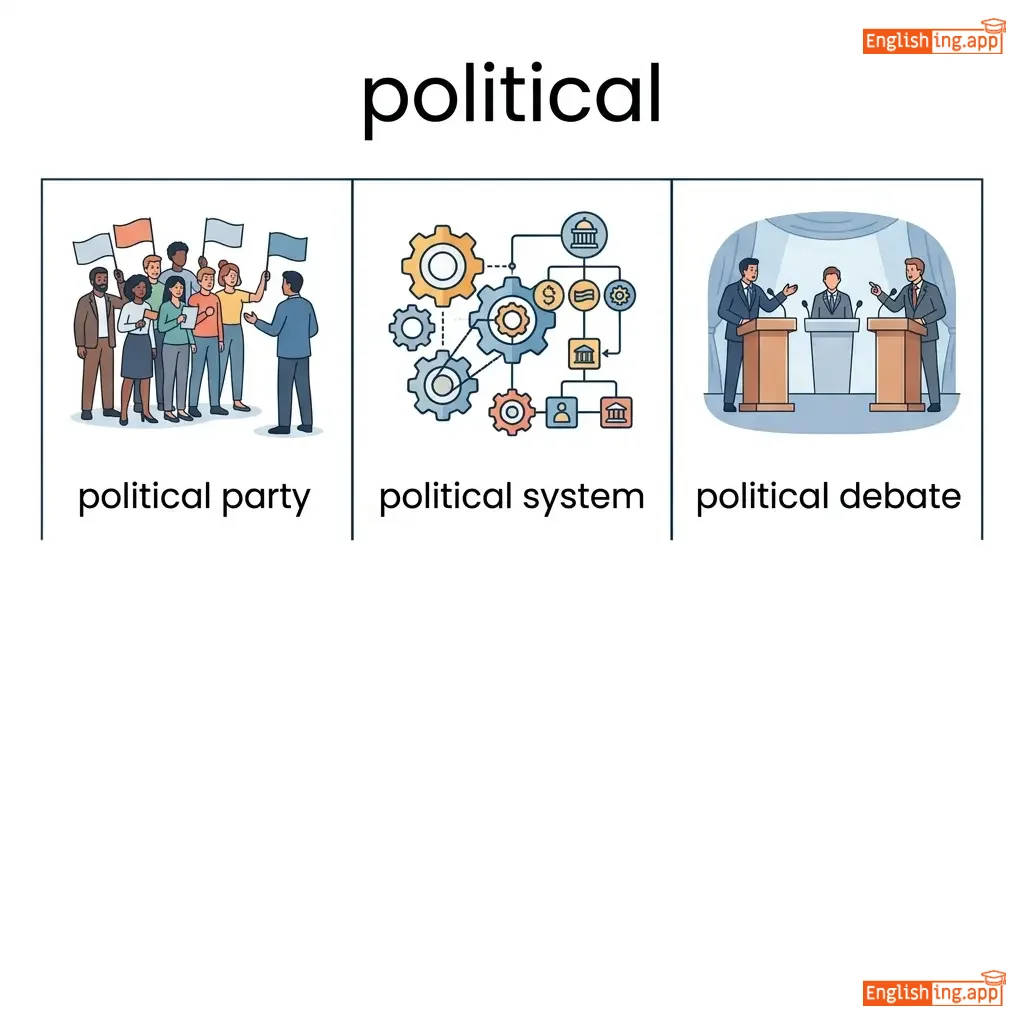
political party, political system, political debate
••••••
|
政治的な決定が国を動かす!
••••••
|
|
#11649
👮
|
/pəˈliːs/
noun
(ポリス)
••••••
|
- •••••• |
警察
keisatsu
••••••
|
- •••••• | - •••••• | - •••••• | - •••••• |
a body of officers representing the civil authority of government
••••••
|
The police arrived quickly to investigate the scene.
警察はすぐに現場に到着して調査を行いました。
••••••
|
警察はすぐに現場に到着して調査を行いました。
Keisatsu wa sugu ni genba ni tōchaku shite chōsa o okonaimashita.
••••••
|
law enforcement, constabulary, cops, authorities
••••••
|
criminals, offenders
••••••
|
police officer, police station, police force
••••••
|
警察が守る、'ケイ' のポリス!
••••••
|
|
#11650
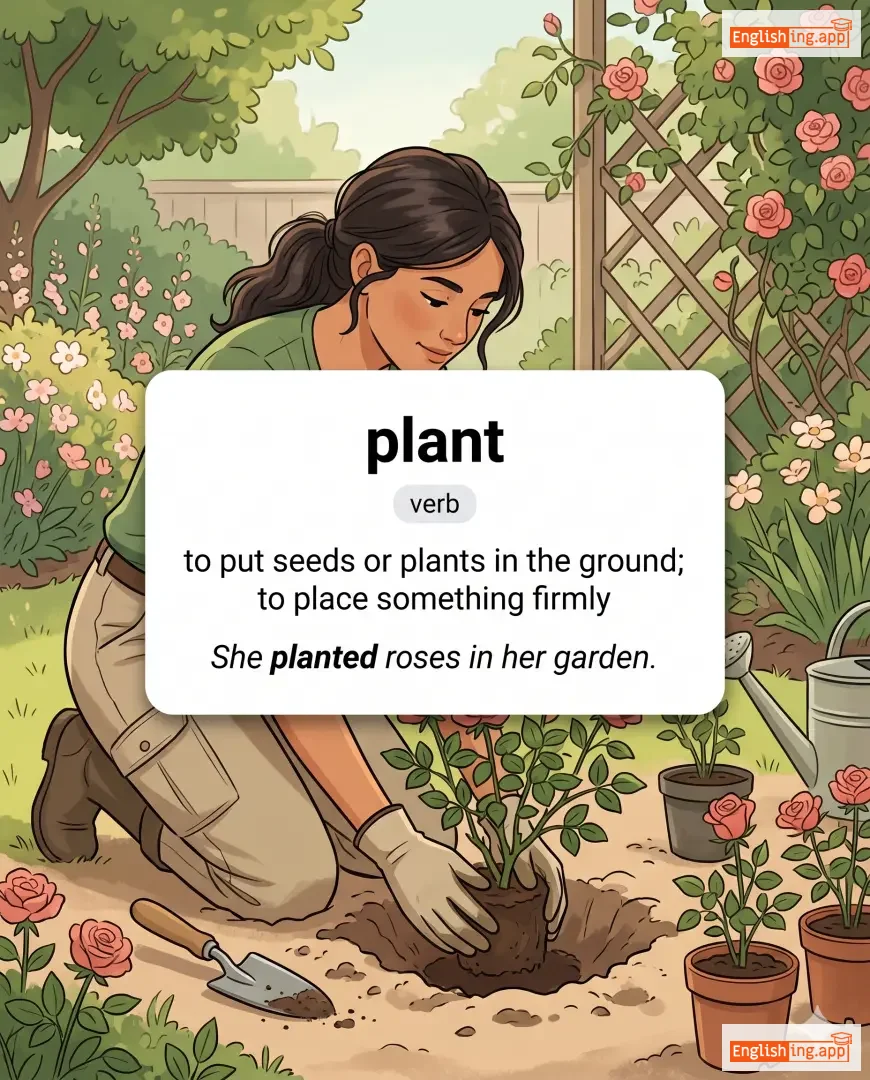
🌱
|
/plænt/
noun
(プラント)
••••••
|
|
植物
shokubutsu
••••••
|
- •••••• | - •••••• | - •••••• | - •••••• |
a living organism that typically grows in the ground and absorbs nutrients from the soil
••••••
|
She planted a tree in her garden. |
彼女は自分の庭に木を植えました。
Kanojo wa jibun no niwa ni ki wo uemashita.
••••••
|
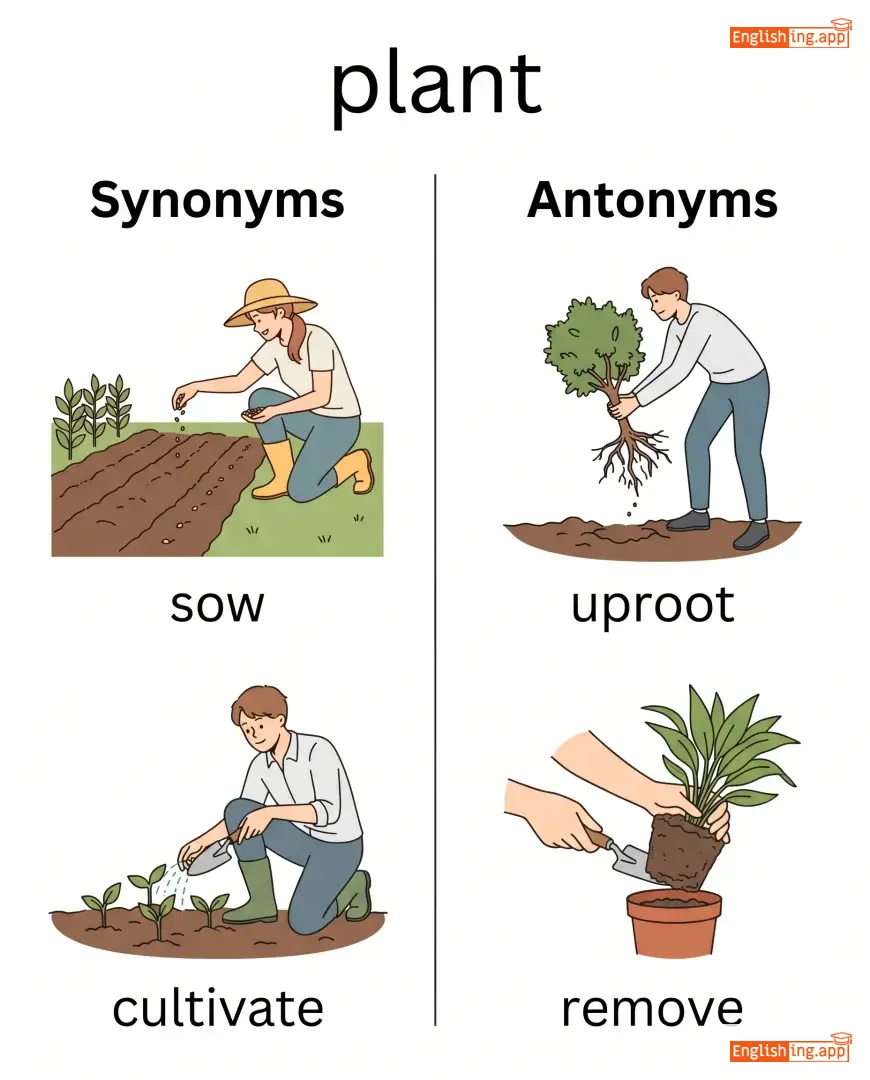
vegetation, flora, shrub, bush
••••••
|
stone, rock, dirt
••••••
|
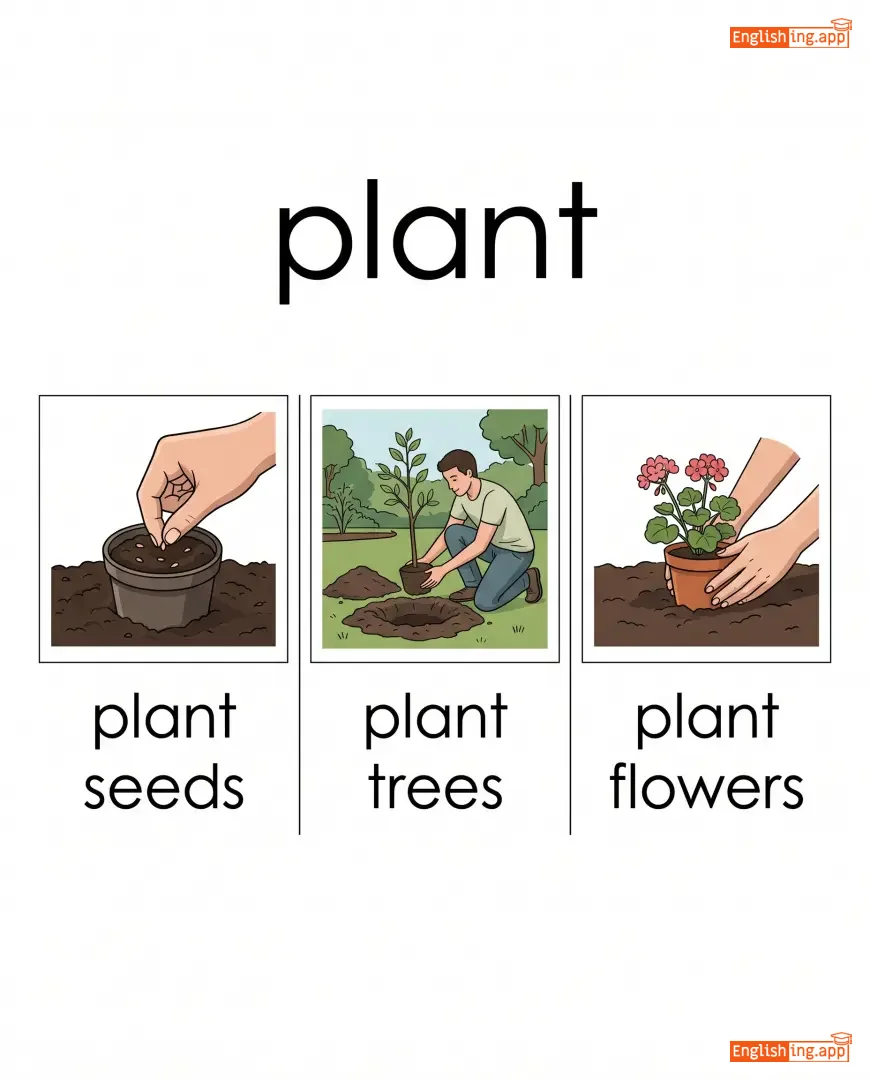
plant growth, plant care, flowering plant
••••••
|
A plant grows as a 'shokubutsu' in the garden.
••••••
|
|
#11651
📍
|
/pɔɪnt/
noun
(ポイント)
••••••
|
- •••••• |
点
ten
••••••
|
- •••••• | - •••••• | - •••••• | - •••••• |
a particular spot, location, or position in space
••••••
|
The mountain peak is the highest point in the region. |
山の頂上はその地域で最も高い点です。
Yama no chōjō wa sono chiiki de mottomo takai ten desu.
••••••
|
spot, location, position, place
••••••
|
area, void, empty
••••••
|
point of view, point of contact, turning point
••••••
|
「点」を覚えるためには、正確な場所に印をつけることを考えてみてください
••••••
|
|
#11652
📚
|
/ˈpoʊɪtri/
noun
(ポエトリー)
••••••
|
- •••••• |
詩
shi
••••••
|
- •••••• | - •••••• | - •••••• | - •••••• |
a literary form that uses rhythmic and metaphorical language to express emotions or ideas
••••••
|
She loves reading poetry in her free time. |
彼女は自由時間に詩を読むのが好きです。
Kanojo wa jiyuu jikan ni shi o yomu no ga suki desu.
••••••
|
verse, rhymes, ballads
••••••
|
prose, narrative
••••••
|
read poetry, write poetry, modern poetry
••••••
|
Poetry is the bridge between heart and words.
••••••
|
|
#11653
✍️
|
/ˈpoʊɪt/
noun
(ポエト)
••••••
|
- •••••• |
詩人
shijin
••••••
|
- •••••• | - •••••• | - •••••• | - •••••• |
a person who writes poems
••••••
|
The poet wrote about love and nature. |
詩人は愛と自然について書いた。
Shijin wa ai to shizen ni tsuite kaita.
••••••
|
verse-maker, bard, author
••••••
|
prose writer
••••••
|
great poet, famous poet, modern poet
••••••
|
A poet creates magic with the power of words!
••••••
|
|
#11654
📜
|
/ˈpoʊɪm/
noun
(ポエム)
••••••
|
- •••••• |
詩
shi
••••••
|
- •••••• | - •••••• | - •••••• | - •••••• |
a piece of writing that expresses ideas, feelings, or tells a story in a distinct form, often using rhyme or meter
••••••
|
She wrote a beautiful poem for her mother. |
彼女は母親のために美しい詩を書きました。
Kanojo wa hahaoya no tame ni utsukushii shi o kakimashita.
••••••
|
verse, sonnet, rhyme
••••••
|
prose, essay
••••••
|
write a poem, read a poem, beautiful poem
••••••
|
詩はあなたの心に触れるようなストーリーです!
••••••
|
|
#11655
👖
|
/ˈpɒkɪt/
noun
••••••
|
- •••••• | - •••••• | - •••••• | - •••••• | - •••••• | - •••••• |
a small, enclosed space in clothing for carrying items
••••••
|
He put his phone in his pocket. |
- •••••• |
compartment, pouch, bag
••••••
|
open space, outside
••••••
|
pocket size, shirt pocket, pocket money
••••••
|
No •••••• |
|
#11656
🕒
|
/piːˈɛm/
noun
••••••
|
- •••••• | - •••••• | - •••••• | - •••••• | - •••••• | - •••••• |
abbreviation for post meridiem; after midday
••••••
|
The meeting is scheduled at 3 pm. |
- •••••• |
afternoon, afternoon time
••••••
|
am, morning
••••••
|
pm time, 3 pm, 5 pm
••••••
|
No •••••• |
|
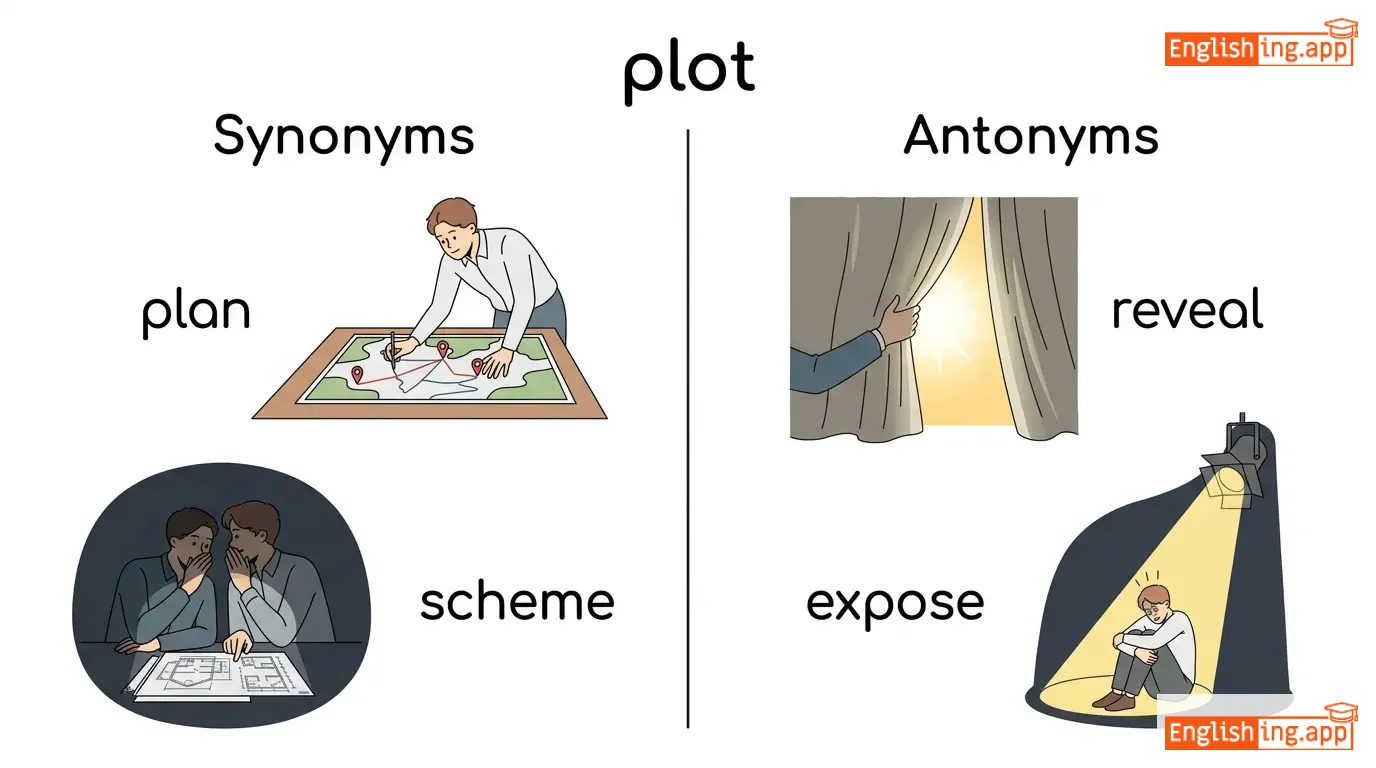
#11657
📜
|
/plɒt/
noun
(プロット)
••••••
|
|
陰謀
inbou
••••••
|
- •••••• | - •••••• | - •••••• | - •••••• |
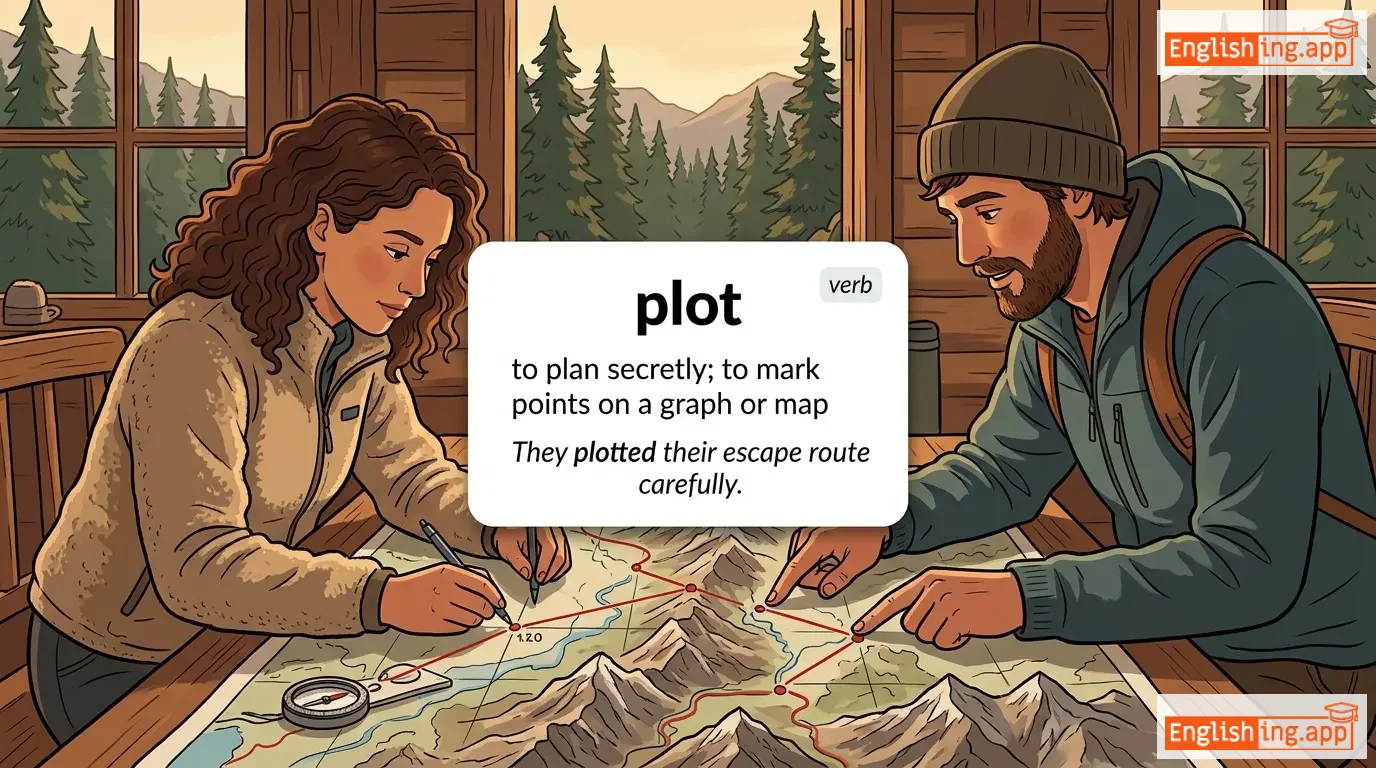
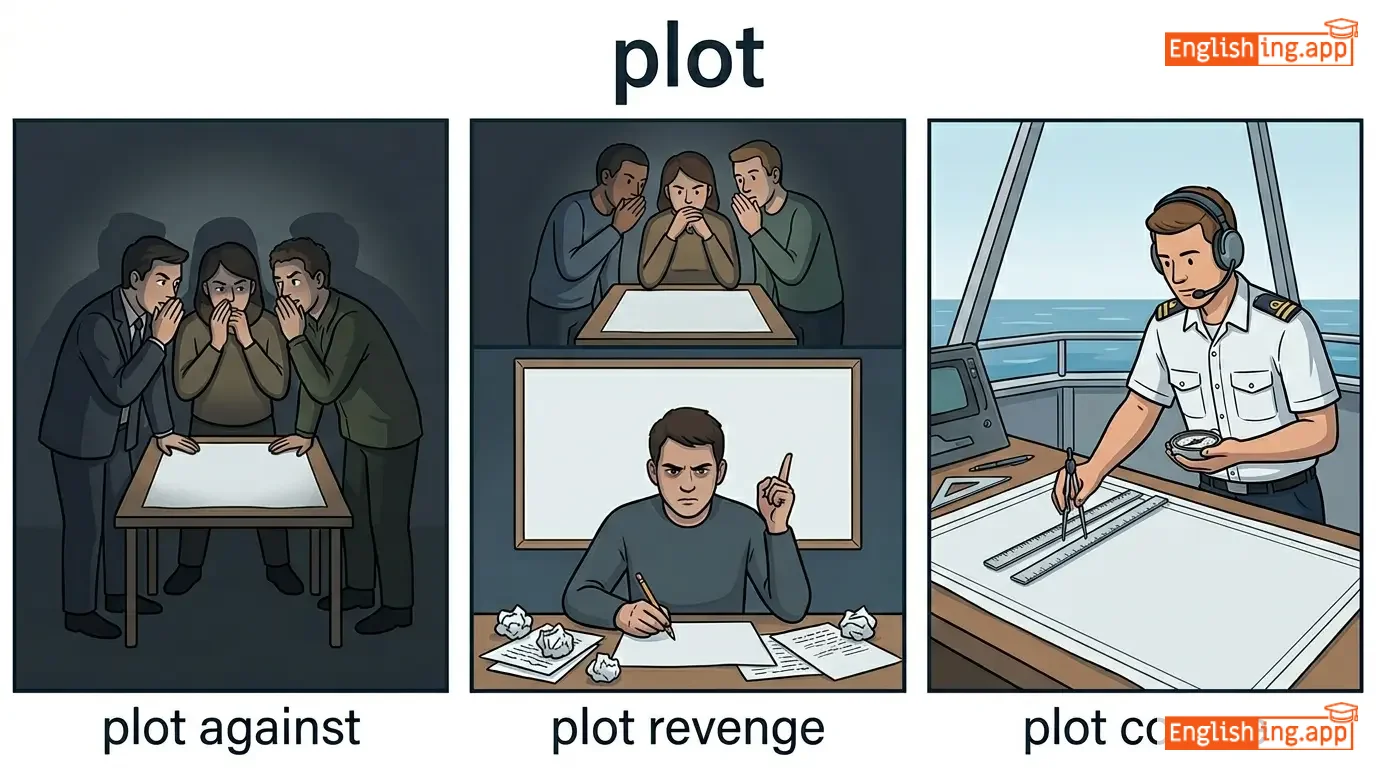
a secret plan or scheme, often with bad intentions
••••••
|
The villain made a plot to steal the treasure.
悪役は財宝を盗むために陰謀を企てた。
••••••
|
悪役は財宝を盗むために陰謀を企てた。
Akuyaku wa zaihō o nusumu tame ni inbō o kudateta.
••••••
|
scheme, conspiracy, plan, strategy
••••••
|
honesty, transparency
••••••
|
plot to, evil plot, secret plot, plot twist
••••••
|
Plot = プロット (plot) + 陰謀 (conspiracy), 悪意ある秘密の計画
••••••
|
|
#11658
🍽️
|
/ˈplɛnti/
noun
(プレンティ)
••••••
|
- •••••• |
たっぷり
tappuri
••••••
|
- •••••• | - •••••• | - •••••• | - •••••• |
a large or sufficient amount or quantity
••••••
|
We have plenty of time before the meeting.
会議の前にたっぷり時間があります。
••••••
|
会議の前にたっぷり時間があります。
Kaigi no mae ni tappuri jikan ga arimasu.
••••••
|
abundance, lot, plentyful, profusion
••••••
|
scarcity, lack
••••••
|
plenty of, have plenty, in plenty
••••••
|
Plenty = たっぷり、あなたにはたっぷりの時間があります
••••••
|
|
#11659
😊
|
/ˈplɛʒər/
noun
(プレジャー)
••••••
|
- •••••• |
喜び
yorokobi
••••••
|
- •••••• | - •••••• | - •••••• | - •••••• |
a feeling of happiness or enjoyment
••••••
|
It was a pleasure to meet you.
会えて嬉しかったです。
••••••
|
お会いできて嬉しかったです。
Oai dekite ureshikatta desu.
••••••
|
delight, joy, enjoyment, satisfaction
••••••
|
displeasure, discomfort
••••••
|
great pleasure, immense pleasure, pleasure to meet, take pleasure
••••••
|
Pleasure = プレイ (purei) + 喜び, ゲームをして楽しむ
••••••
|
|
#11660
😊
|
/pliːz/
verb
(プリーズ)
••••••
|
- •••••• |
喜ばせる
yorokobaseru
••••••
|
pleased
プリーズド
••••••
|
pleased
プリーズド
••••••
|
pleases
プリーズズ
••••••
|
pleasing
プリージング
••••••
|
to make someone happy or satisfied
••••••
|
She will do anything to please her parents.
彼女は両親を喜ばせるために何でもするでしょう。
••••••
|
彼女は両親を喜ばせるために何でもするでしょう。
Kanojo wa ryōshin o yorokobaseru tame ni nandemo suru deshō.
••••••
|
satisfy, gratify, delight, indulge
••••••
|
displease, disappoint
••••••
|
please someone, please yourself, please a crowd, please a boss
••••••
|
Please = プリ (Puri) + 喜ばせる
••••••
|
|
#11661
🏅
|
/ˈpleɪər/
noun
(プレイヤー)
••••••
|
- •••••• |
選手
senshu
••••••
|
- •••••• | - •••••• | - •••••• | - •••••• |
a person who participates in a game or sport
••••••
|
The player scored the winning goal. |
選手は決勝ゴールを決めました。
Senshu wa kesshō gōru o kimemashita.
••••••
|
athlete, competitor, participant, sportsperson
••••••
|
non-player, spectator
••••••
|
professional player, skilled player, football player, basketball player
••••••
|
Player = プレイ (play) + ヤー (ya), プレイヤーはスポーツをプレイする人
••••••
|
|
#11662
🎮
|
/pleɪ/
verb
(プレイ)
••••••
|
|
遊ぶ
asobu
••••••
|
played
プレイした
••••••
|
played
プレイした
••••••
|
plays
プレイする
••••••
|
playing
プレイしている
••••••
|
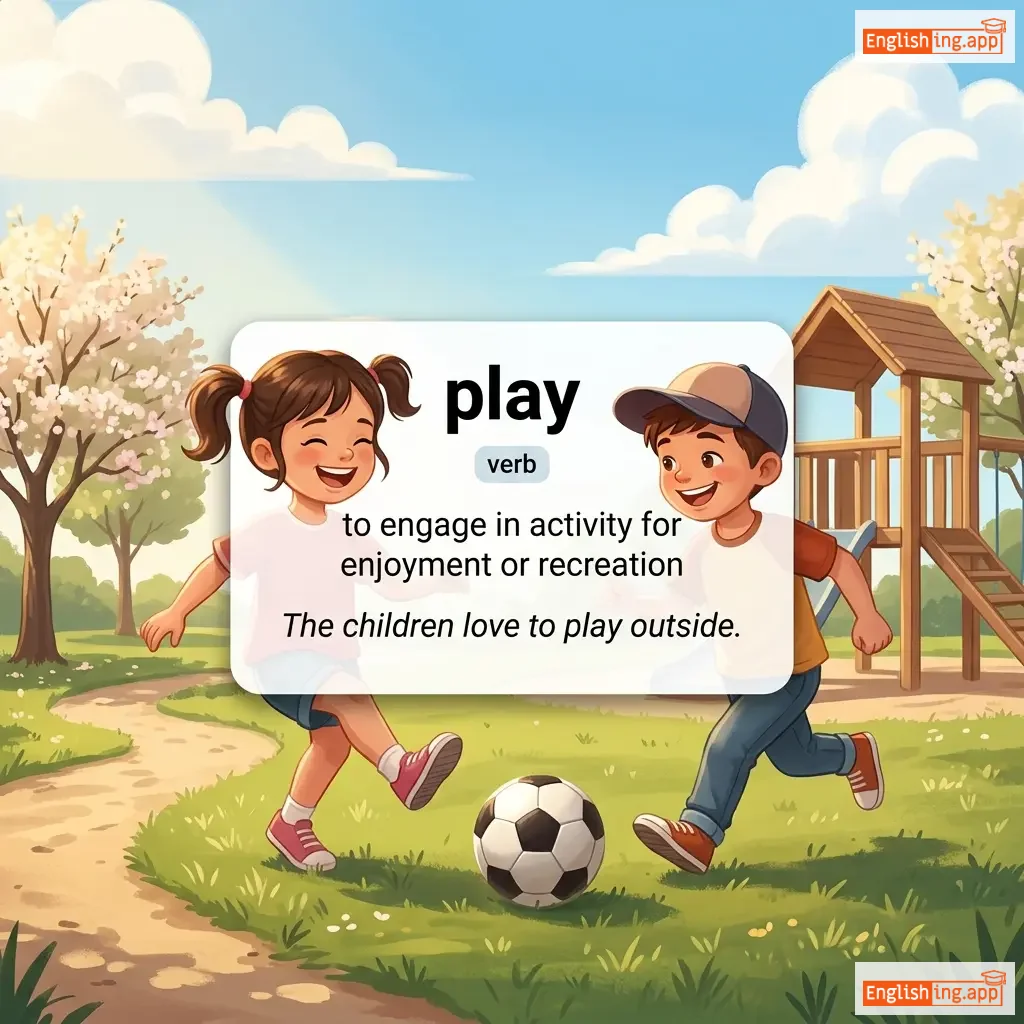
to engage in activity for enjoyment or recreation
••••••
|
The children love to play outside.
子供たちは外で遊ぶのが好きです。
••••••
|
子供たちは外で遊ぶのが好きです。
Kodomotachi wa soto de asobu no ga suki desu.
••••••
|
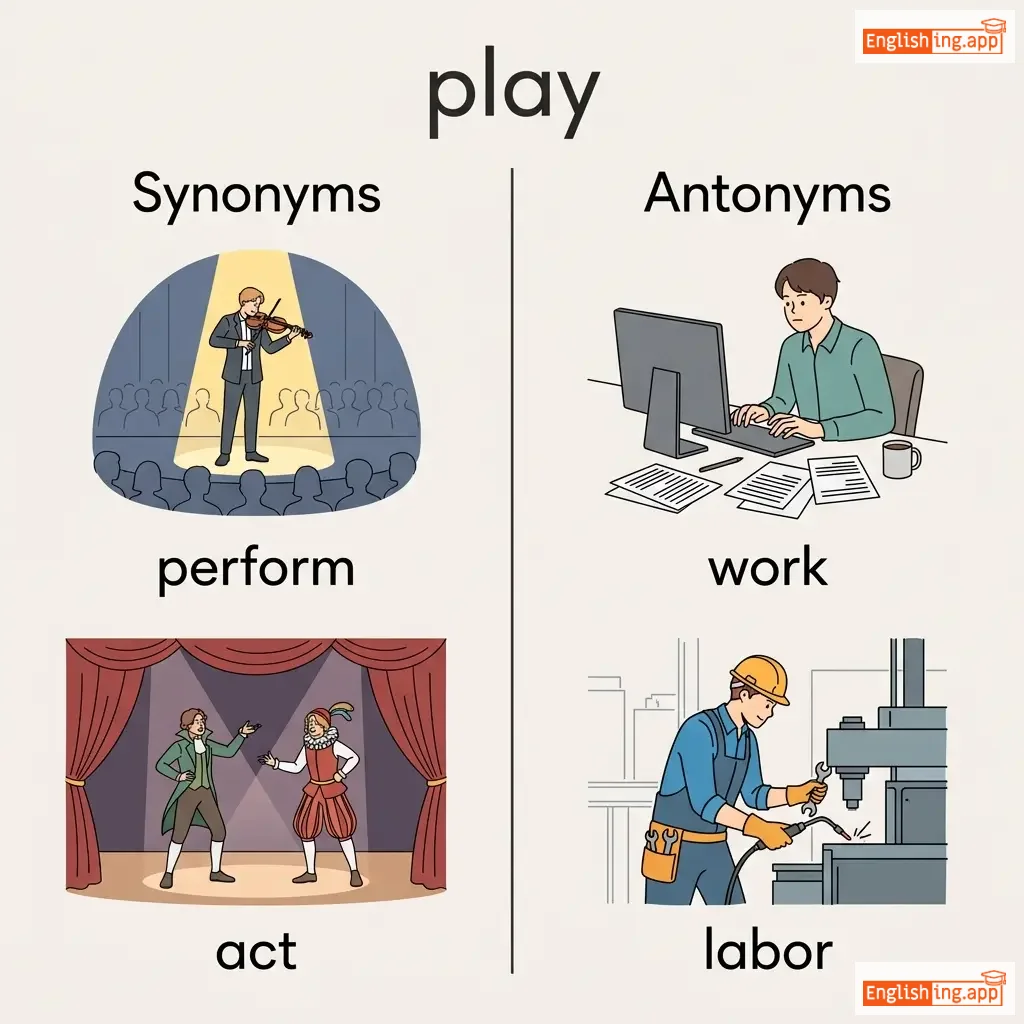
perform, act, engage, entertain
••••••
|
work, labor
••••••
|
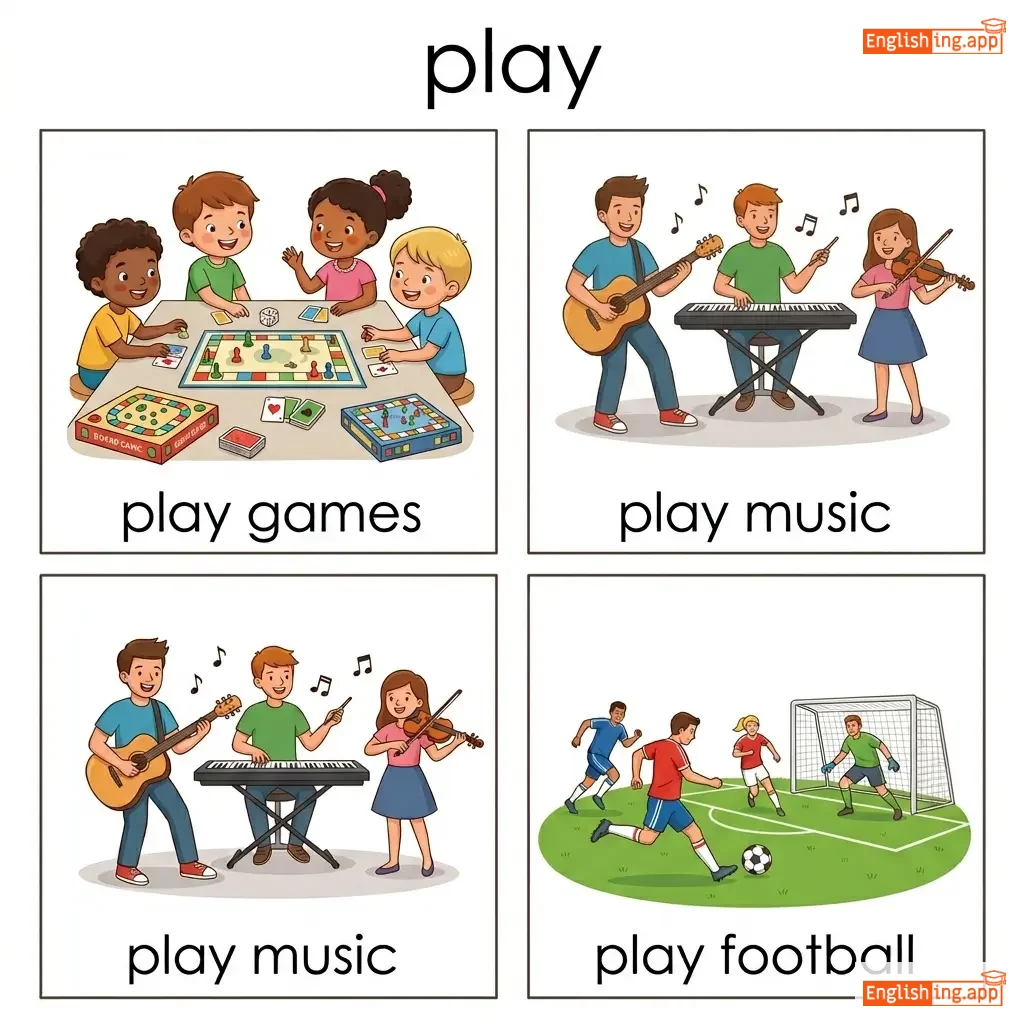
play games, play music, play football
••••••
|
Play = 遊ぶ (asobu) is fun for kids everywhere!
••••••
|
|
#11663
🛤️
|
/ˈplætfɔːrm/
noun
(プラットフォーム)
••••••
|
|
プラットフォーム
purattofōmu
••••••
|
- •••••• | - •••••• | - •••••• | - •••••• |
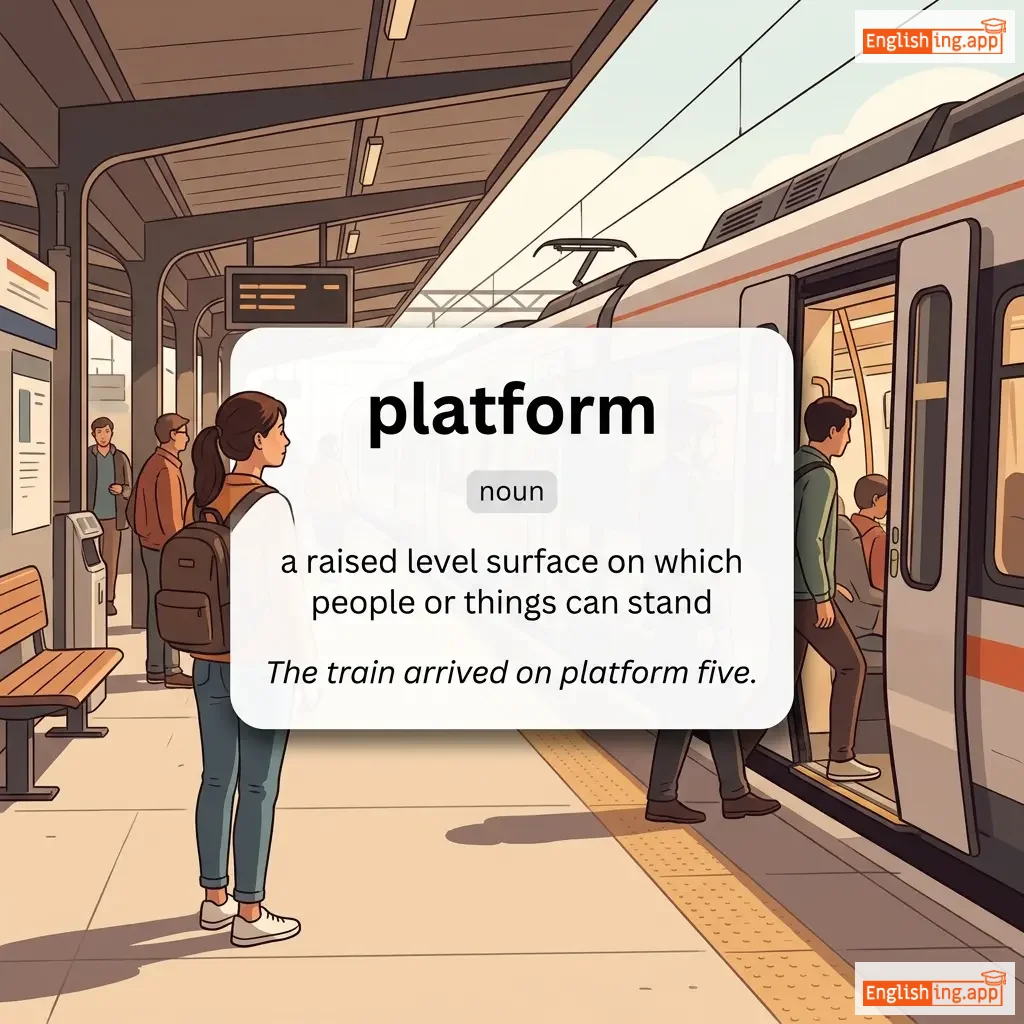
a raised level surface on which people or things can stand
••••••
|
The train arrived on platform five.
電車はプラットフォーム5に到着しました。
••••••
|
電車はプラットフォーム5に到着しました。
Densha wa purattofōmu go ni tōchaku shimashita.
••••••
|
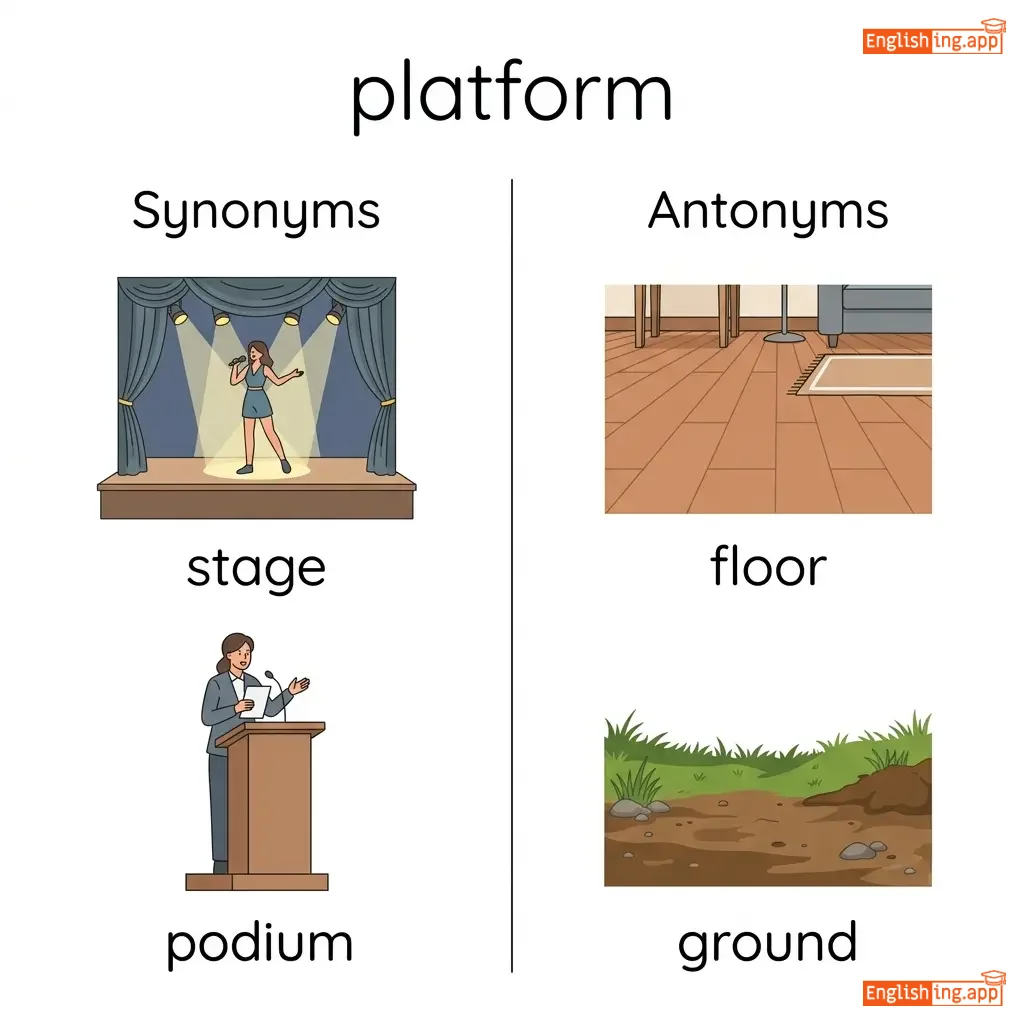
stage, podium, dock, terrace
••••••
|
floor, ground
••••••
|
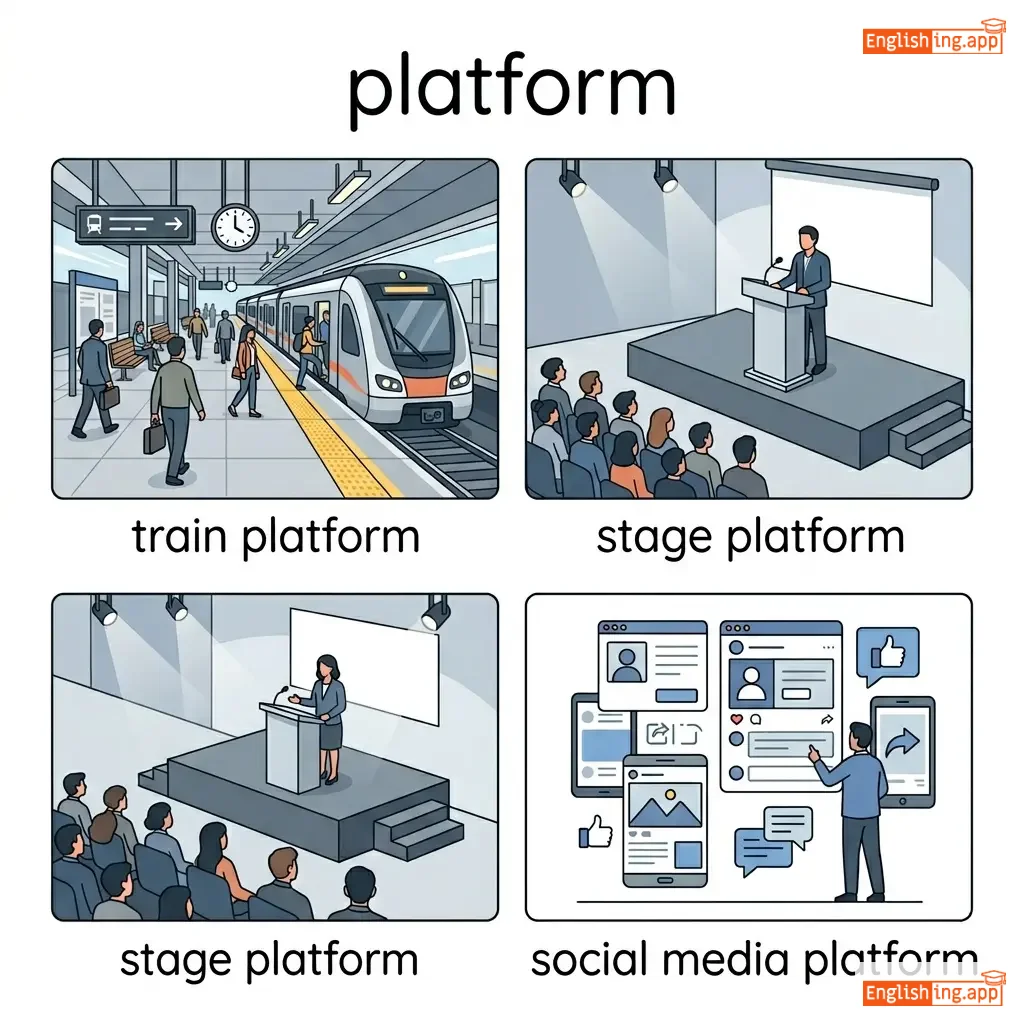
train platform, stage platform, social media platform
••••••
|
Platform = 'Plæt' your feet on a raised surface
••••••
|
|
#11664
🍽️
|
/pleɪt/
noun
(プレート)
••••••
|
- •••••• |
プレート
purēto
••••••
|
- •••••• | - •••••• | - •••••• | - •••••• |
a flat, typically round dish used for serving food
••••••
|
She put the salad on the plate.
彼女はサラダをプレートに乗せました。
••••••
|
彼女はサラダをプレートに乗せました。
Kanojo wa sarada o purēto ni nose mashita.
••••••
|
dish, platter, tray
••••••
|
cup, bowl
••••••
|
dinner plate, serving plate, flat plate
••••••
|
Plate = A 'purēto' of food served!
••••••
|
Vocabulary Quiz
Test your vocabulary by matching words with their translations or meanings.
Login to take the quiz
Comments (0)
Share your thoughts and join the discussion.
Join the discussion by logging in
Login to CommentNo comments yet
Be the first to share your thoughts!