

翻訳
過去
過去分詞
三人称単数
動名詞
意味
例文
例文の翻訳
同義語
対義語
コロケーション
ニーモニック
Swipe left or right, or use the buttons. Tap image to zoom.
例文の翻訳
単語
Lesson 26Lesson 26 - マスクトグル
|
絵文字
|
単語 | Images | 翻訳 | 過去 | 過去分詞 | 三人称単数 | 動名詞 | 意味 | 例文 | 例文の翻訳 | 表現例 | 表現例の意味 | 表現例の翻訳 | 同義語 | 対義語 | コロケーション | ニーモニック |
|---|---|---|---|---|---|---|---|---|---|---|---|---|---|---|---|---|---|
|
#751
📢
|
/əˈvaʊ/
verb
(アヴァウ)
••••••
|
- •••••• |
公然と宣言する
kōzen to sengen suru
••••••
|
avowed
アヴァウド
••••••
|
avowed
アヴァウド
••••••
|
avows
アヴァウズ
••••••
|
avowing
アヴァウイング
••••••
|
to openly declare or admit something, often publicly and firmly
••••••
|
He avowed his loyalty to the cause without hesitation.
彼はためらうことなく、彼の忠誠心をその活動に公然と誓った。
••••••
|
彼はためらうことなく、彼の忠誠心をその活動に公然と誓った。
Kare wa tamerau koto naku, kare no chūseishin o sono katsudō ni kōzen to chikatta.
••••••
|
avow one's love
アヴァウ ワンズ ラブ
••••••
|
to openly declare one's romantic feelings
••••••
|
愛を宣言する
ai o sengen suru
••••••
|
declare, profess, affirm, acknowledge, assert
••••••
|
deny, reject, repudiate
••••••
|
avow allegiance, avow loyalty, openly avow, avow faith
••••••
|
Avow は vow (誓い) を使って公然と宣言することを意味します。
••••••
|
|
#752
🌸
|
/əˈzeɪ.li.ə/
noun
(アザレア)
••••••
|
- •••••• |
アザレアの花
azarea no hana
••••••
|
- •••••• | - •••••• | - •••••• | - •••••• |
a flowering shrub with brightly colored blooms, often grown ornamentally
••••••
|
The garden was full of blooming azaleas in spring.
春にはアザレアの花が咲いていました。
••••••
|
春にはアザレアの花が咲いていました。
Haru ni wa azarea no hana ga saiteimashita.
••••••
|
- •••••• | - •••••• | - •••••• |
flower, shrub, plant, blossom
••••••
|
weed, grass
••••••
|
azalea garden, pink azalea, blooming azalea
••••••
|
Azalea = 美しい花 — アザレアの花は春の色彩を象徴する。
••••••
|
|
#753
👍
|
/aɪ/
noun
(アイ)
••••••
|
- •••••• |
賛成
sansei
••••••
|
- •••••• | - •••••• | - •••••• | - •••••• |
an affirmative vote or expression of agreement
••••••
|
The committee voted aye on the proposal.
委員会は提案に賛成票を投じました。
••••••
|
委員会は提案に賛成票を投じました。
Iinkai wa teian ni sansei-hyō o tōjimashita.
••••••
|
say aye
賛成と言う
••••••
|
to give agreement or approval
••••••
|
賛成と言う
sansei to iu
••••••
|
yes, agreement, assent, approval
••••••
|
no, nay, dissent
••••••
|
vote aye, say aye, aye vote
••••••
|
Aye = アイ, 意味は賛成 — アイは賛成を意味します!
••••••
|
|
#754
✅
|
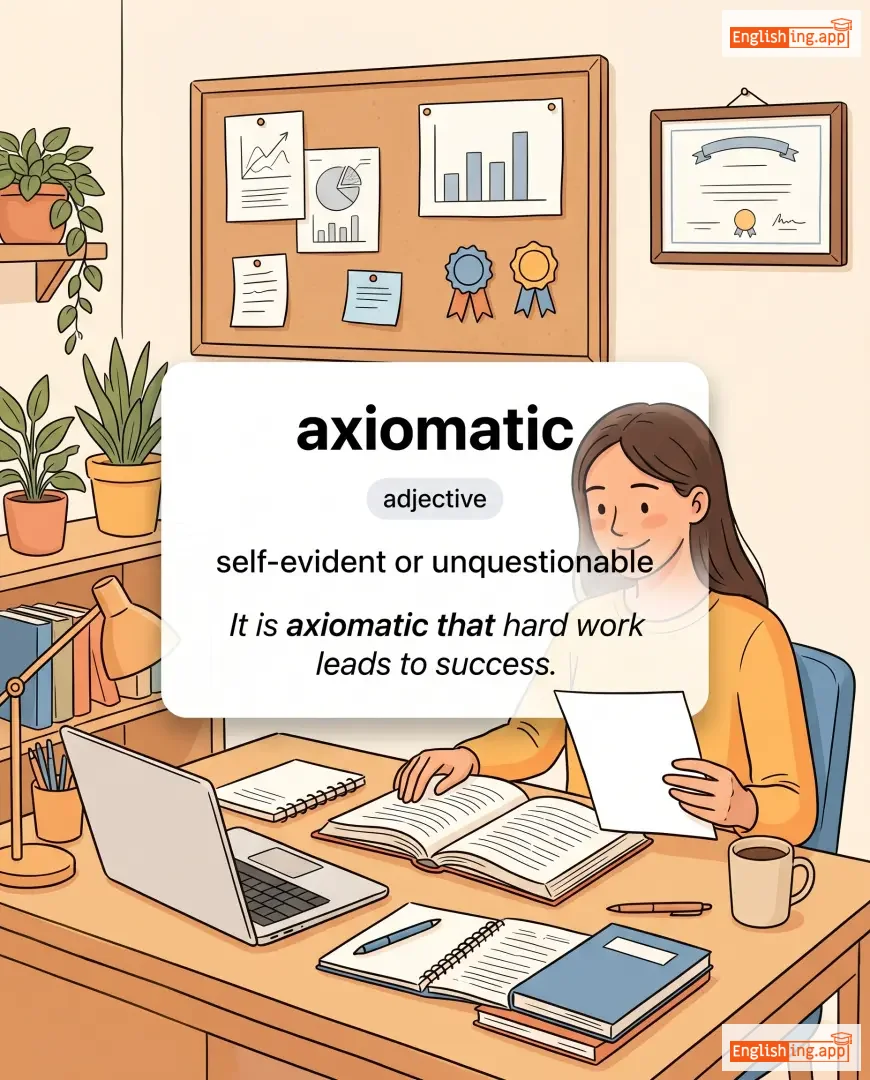
/ˌæk.si.əˈmæt.ɪk/
adjective
(アクシオマティック)
••••••
|
|
公理的
kōriteki
••••••
|
- •••••• | - •••••• | - •••••• | - •••••• |
self-evident or unquestionable
••••••
|
It is axiomatic that hard work leads to success. |
それは自明であり、努力は成功に繋がることを示している。
Sore wa jimēn de ari, doryoku wa seikō ni tsunagaru koto o shimeshite iru.
••••••
|
- •••••• | - •••••• | - •••••• |
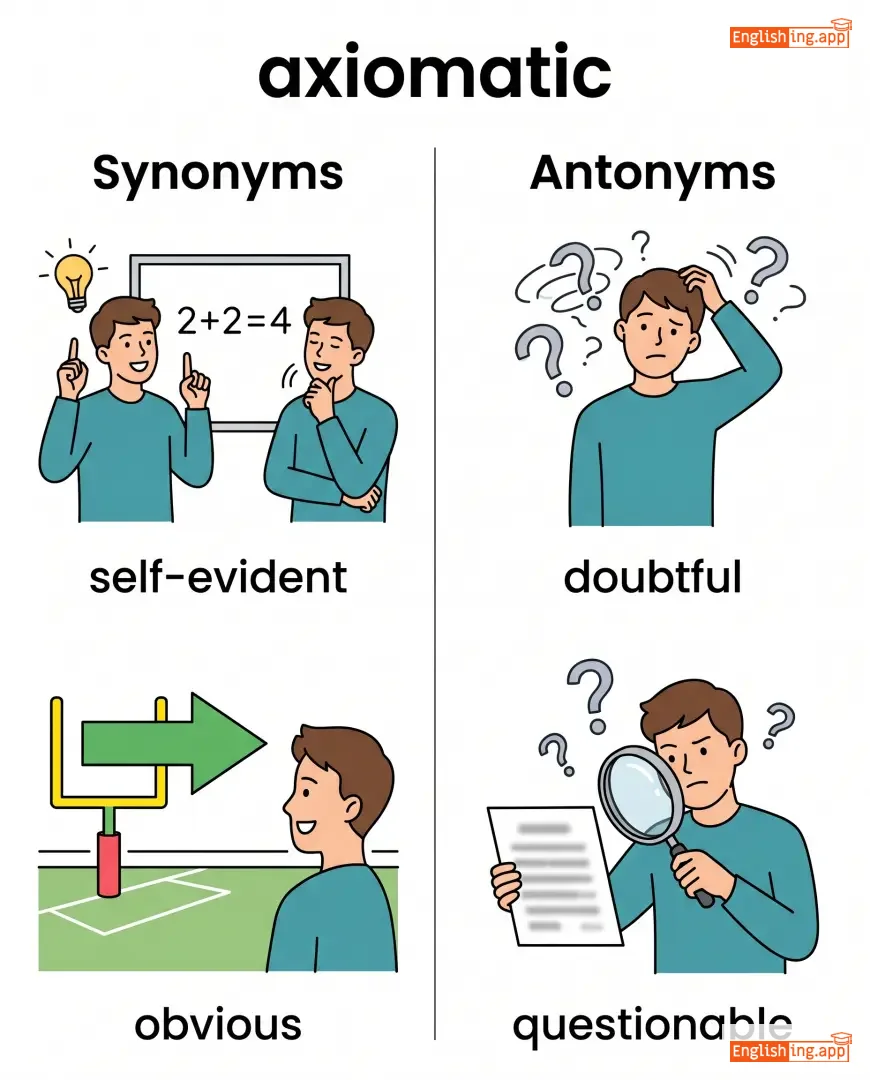
self-evident, obvious, unquestionable, indisputable
••••••
|
doubtful, questionable, uncertain
••••••
|
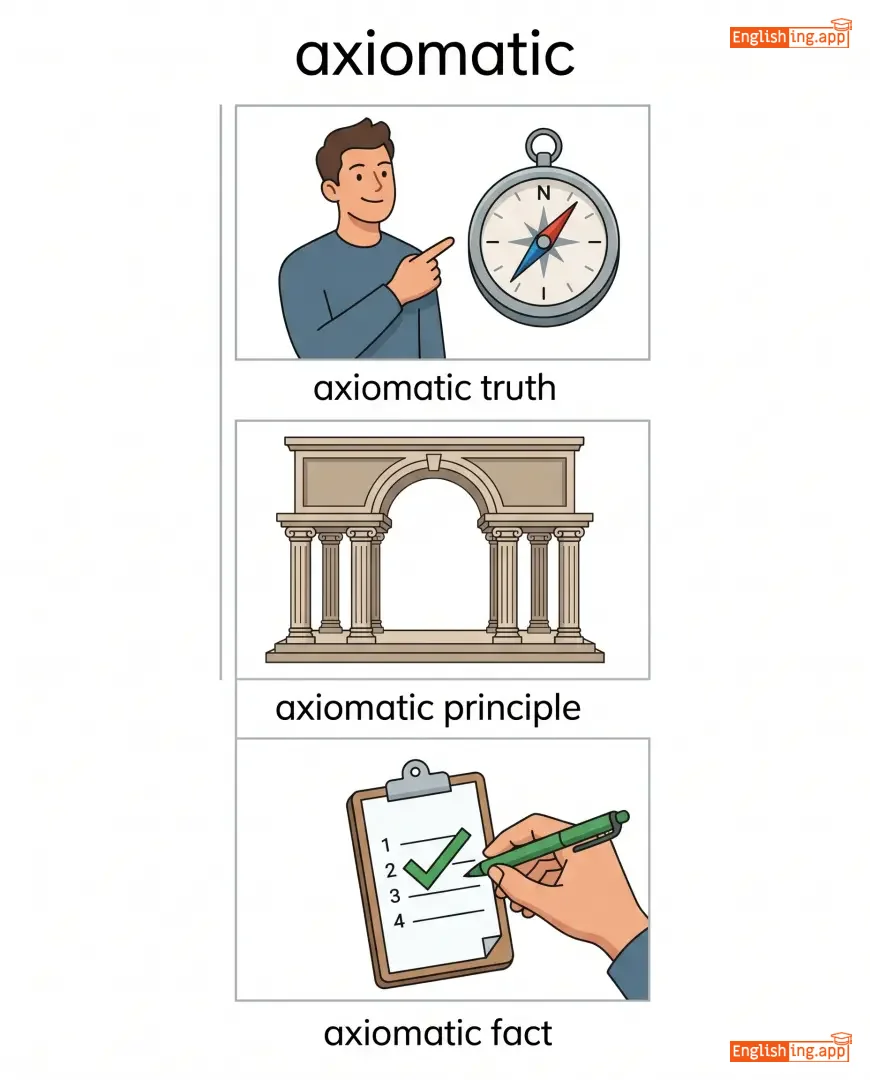
axiomatic truth, axiomatic principle, axiomatic fact
••••••
|
Axiomatic = Axiom + automatic = 疑いなく明白な、証明不要の真実。
••••••
|
|
#755
📜
|
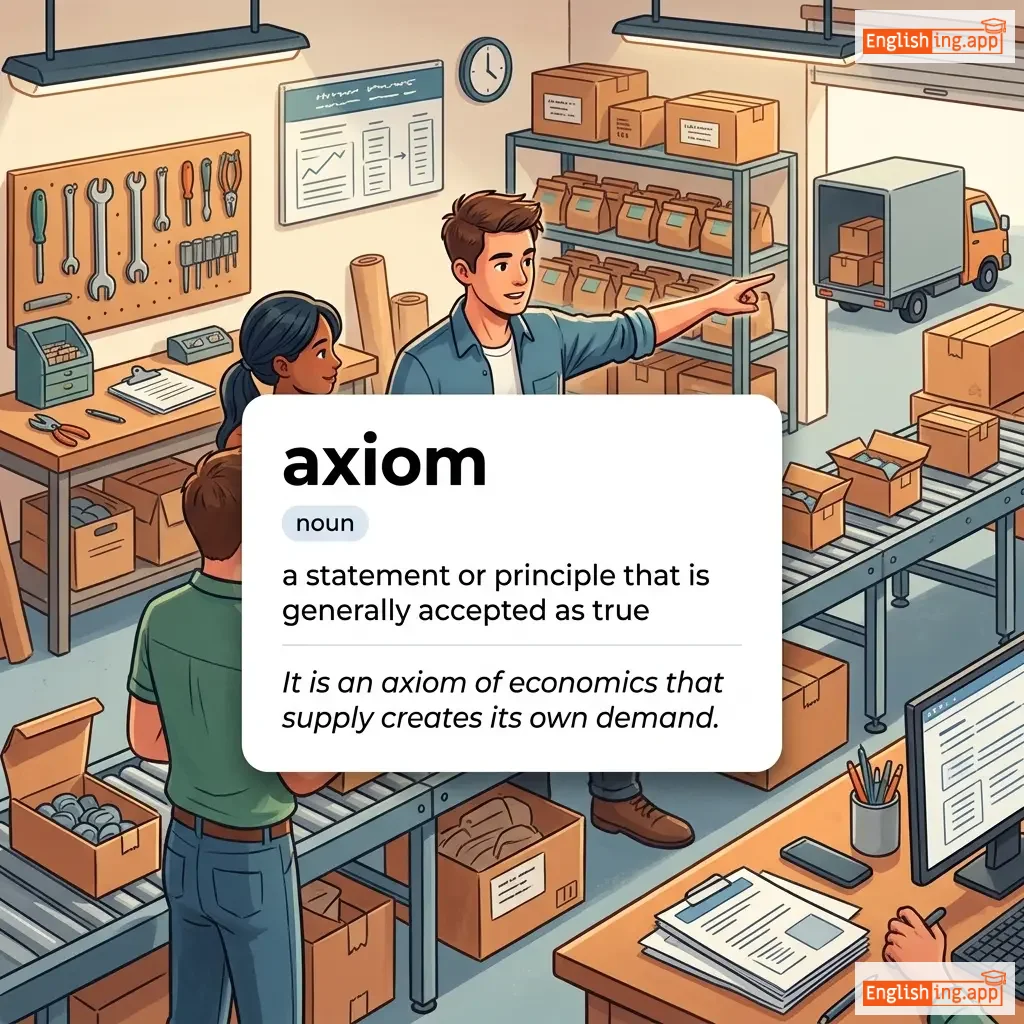
/ˈæk.si.əm/
noun
(akushīomu)
••••••
|
|
公理
kōri
••••••
|
- •••••• | - •••••• | - •••••• | - •••••• |
a statement or principle that is generally accepted as true
••••••
|
It is an axiom of economics that supply creates its own demand. |
経済学の公理は供給が自分の需要を生み出すことです。
Keizaigaku no kōri wa kyōkyū ga jibun no juyō o umidasu koto desu.
••••••
|
- •••••• | - •••••• | - •••••• |
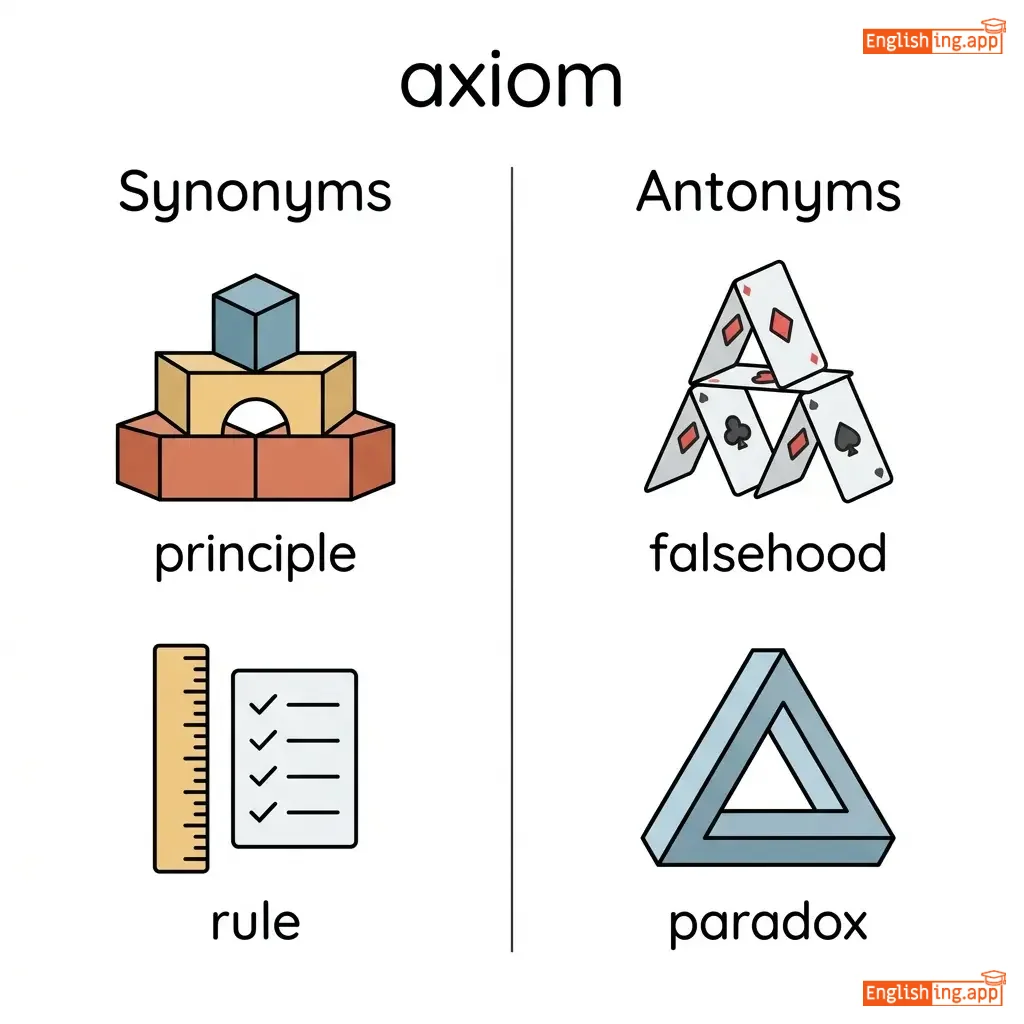
principle, rule, maxim, truism, postulate
••••••
|
falsehood, paradox, misconception
••••••
|
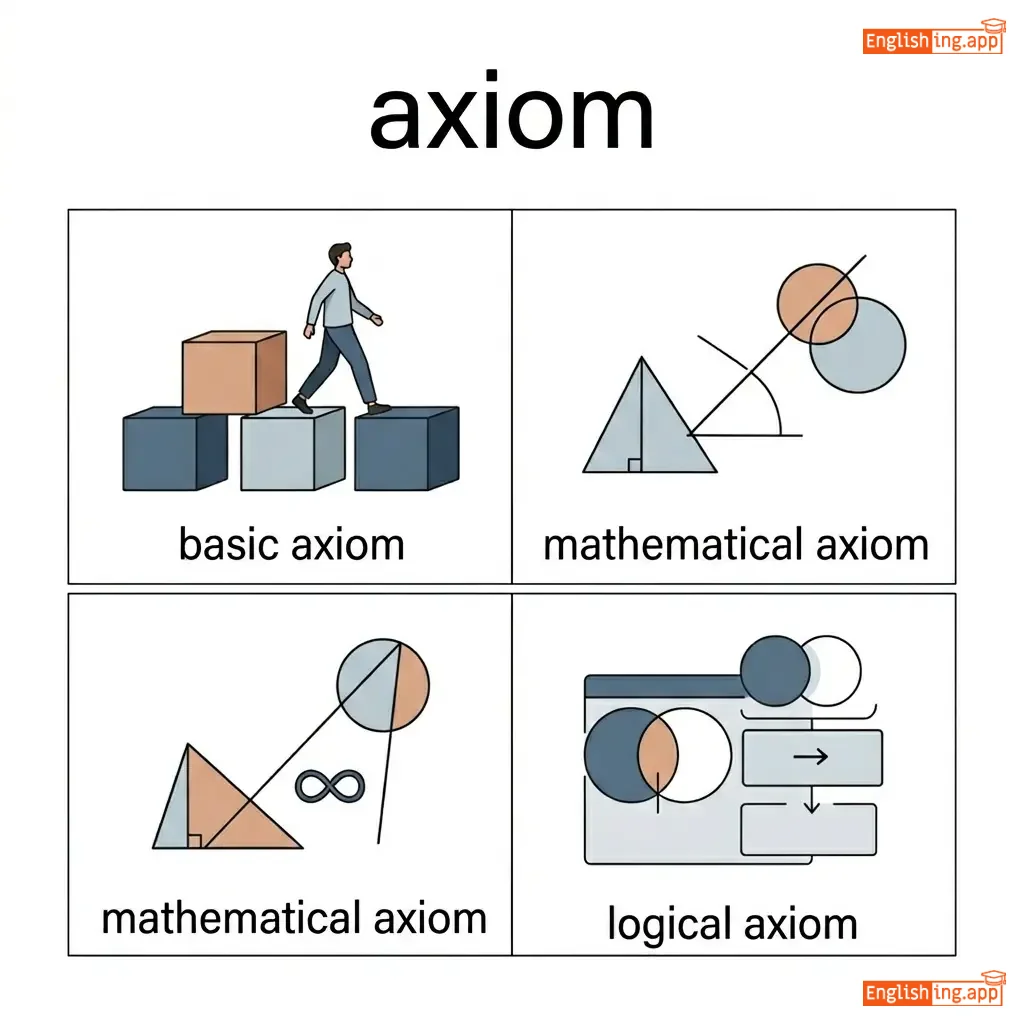
basic axiom, mathematical axiom, logical axiom
••••••
|
公理 — 必ず正しい、覚えやすい!
••••••
|
|
#756
⚠️
|
/əˈraɪ/
adverb
(アウリー)
••••••
|
- •••••• |
失敗
shippai
••••••
|
- •••••• | - •••••• | - •••••• | - •••••• |
away from the expected or proper direction; wrong or amiss
••••••
|
The plan went awry when the weather suddenly changed.
天気が突然変わったとき、計画はうまくいかなかった。
••••••
|
天気が突然変わったとき、計画は失敗した。
Tenki ga totsuzen kawatta toki, keikaku wa shippai shita.
••••••
|
go awry
うまくいかない
••••••
|
to go wrong or not work out as planned
••••••
|
うまくいかない
umaku ikanai
••••••
|
askew, wrong, amiss, astray, crooked
••••••
|
straight, orderly, aligned
••••••
|
go awry, things awry, plans awry
••••••
|
AW + RAI = アウリー、計画が失敗する時。
••••••
|
|
#757
⛱️
|
/ˈɔːnɪŋ/
noun
(awning)
••••••
|
- •••••• |
オーニング
ōningu
••••••
|
- •••••• | - •••••• | - •••••• | - •••••• |
a sheet of canvas or material stretched on a frame to shelter a place from the sun or rain
••••••
|
We sat under the awning to avoid the heavy rain. |
私たちは大雨を避けるためにオーニングの下に座っていました。
Watashitachi wa ōame o sakeru tame ni ōningu no shita ni suwatteimashita.
••••••
|
- •••••• | - •••••• | - •••••• |
canopy, shelter, cover, sunshade
••••••
|
exposure, openness
••••••
|
under the awning, shop awning, striped awning, canvas awning
••••••
|
AwningはA+Wingのように聞こえ、オーニングは翼のように雨や日差しから守ります。
••••••
|
|
#758
🛠️
|
/ɔːl/
noun
(オール)
••••••
|
- •••••• |
錐
kiri
••••••
|
- •••••• | - •••••• | - •••••• | - •••••• |
a small pointed tool used for making holes, especially in leather
••••••
|
The cobbler used an awl to punch holes in the leather. |
靴屋は革に穴を開けるために錐を使った。
Kutsuya wa kawa ni ana wo akeru tame ni kiri wo tsukatta.
••••••
|
- •••••• | - •••••• | - •••••• |
punch, tool, drill, spike
••••••
|
patcher, filler
••••••
|
use an awl, leather awl, sharp awl
••••••
|
Awl = 錐 - 穴を開ける道具
••••••
|
|
#759
😅
|
/ˈɔːkwəd/
adjective
(アクワード)
••••••
|
- •••••• |
気まずい
kimazui
••••••
|
- •••••• | - •••••• | - •••••• | - •••••• |
causing or feeling embarrassment; difficult to deal with
••••••
|
There was an awkward silence after his joke. |
彼のジョークの後、気まずい沈黙がありました。
Kare no jōku no ato, kimazui chinmoku ga arimashita.
••••••
|
socially awkward |
not comfortable or skilled in social situations
••••••
|
社交的に気まずい
shakōteki ni kimazui
••••••
|
clumsy, uncomfortable, embarrassing, uneasy, ungainly
••••••
|
graceful, comfortable, elegant
••••••
|
awkward silence, awkward moment, awkward situation, socially awkward
••••••
|
気まずい - あなたが無理に感じる時、まさにその瞬間!
••••••
|
|
#760
😖
|
/ˈɔːfəl/
adjective
(アフル)
••••••
|
- •••••• |
ひどい
hidoi
••••••
|
- •••••• | - •••••• | - •••••• | - •••••• |
very bad or unpleasant
••••••
|
The weather was awful during our trip. |
旅行中、天気はひどかった。
Ryokō-chū, tenki wa hidokatta.
••••••
|
awful lot |
a great deal or large amount of something
••••••
|
たくさん
takusan
••••••
|
terrible, dreadful, horrible, unpleasant, appalling
••••••
|
wonderful, pleasant, delightful
••••••
|
feel awful, look awful, awful weather, awful mistake
••••••
|
Awfulはひどい、すべてが悪い
••••••
|
|
#761
😲
|
/ɔː/
noun
(お)
••••••
|
- •••••• |
驚嘆
kyoutan
••••••
|
- •••••• | - •••••• | - •••••• | - •••••• |
a feeling of deep respect mixed with fear or wonder
••••••
|
The children looked at the fireworks in awe. |
子供たちは花火を驚嘆して見ていました。
Kodomotachi wa hanabi wo kyoutan shite miteimashita.
••••••
|
in awe of |
to admire and respect someone or something deeply
••••••
|
驚嘆する
kyoutan suru
••••••
|
wonder, amazement, admiration, reverence, fear
••••••
|
disdain, contempt, indifference
••••••
|
filled with awe, in awe of, awe inspiring, hold in awe
••••••
|
AWE = Amazing Wonder Everytime!
••••••
|
|
#762
🌊
|
/əˈwɒʃ/
adjective
(アワッシュ)
••••••
|
- •••••• |
水浸し
mizumashi
••••••
|
- •••••• | - •••••• | - •••••• | - •••••• |
covered or flooded with water or something in large quantities
••••••
|
The market was awash with cheap imported goods. |
市場は安価な輸入品で水浸しだった。
Shijō wa anka na yunyūhin de mizumashi datta.
••••••
|
- •••••• | - •••••• | - •••••• |
flooded, overflowing, filled, brimming
••••••
|
dry, empty, barren
••••••
|
awash with, awash in, streets awash, awash with problems
••••••
|
Awashはwash → 水浸し
••••••
|
|
#763
⏰
|
/əˈweɪkən/
verb
(アウェイクン)
••••••
|
- •••••• |
目覚めさせる
mezamesaseru
••••••
|
awakened
アウェイケンド
••••••
|
awakened
アウェイケンド
••••••
|
awakens
アウェイケンズ
••••••
|
awakening
アウェイケニング
••••••
|
to stop sleeping; to cause to become aware
••••••
|
The loud noise awakened the entire neighborhood.
大きな音がアウェイケンド、近所全体を目覚めさせた。
••••••
|
大きな音が目覚めさせ、近所全体を起こした。
Ookina oto ga mezamesase, kinjo zentai wo okoshita.
••••••
|
awaken interest
アウェイケンインタレスト
••••••
|
to make someone become interested in something
••••••
|
興味を目覚めさせる
kyoumi wo mezamesaseru
••••••
|
arouse, rouse, wake, stir
••••••
|
sleep, ignore, neglect
••••••
|
awaken early, awaken suddenly, awaken feelings, awaken interest
••••••
|
Awakenはアラームで目覚めさせる⏰
••••••
|
|
#764
👨🦳
|
/əˈvʌŋkjələr/
adjective
(アヴァンクラール)
••••••
|
|
おじさんのように親切
ojisan no you ni shinsetsu
••••••
|
- •••••• | - •••••• | - •••••• | - •••••• |
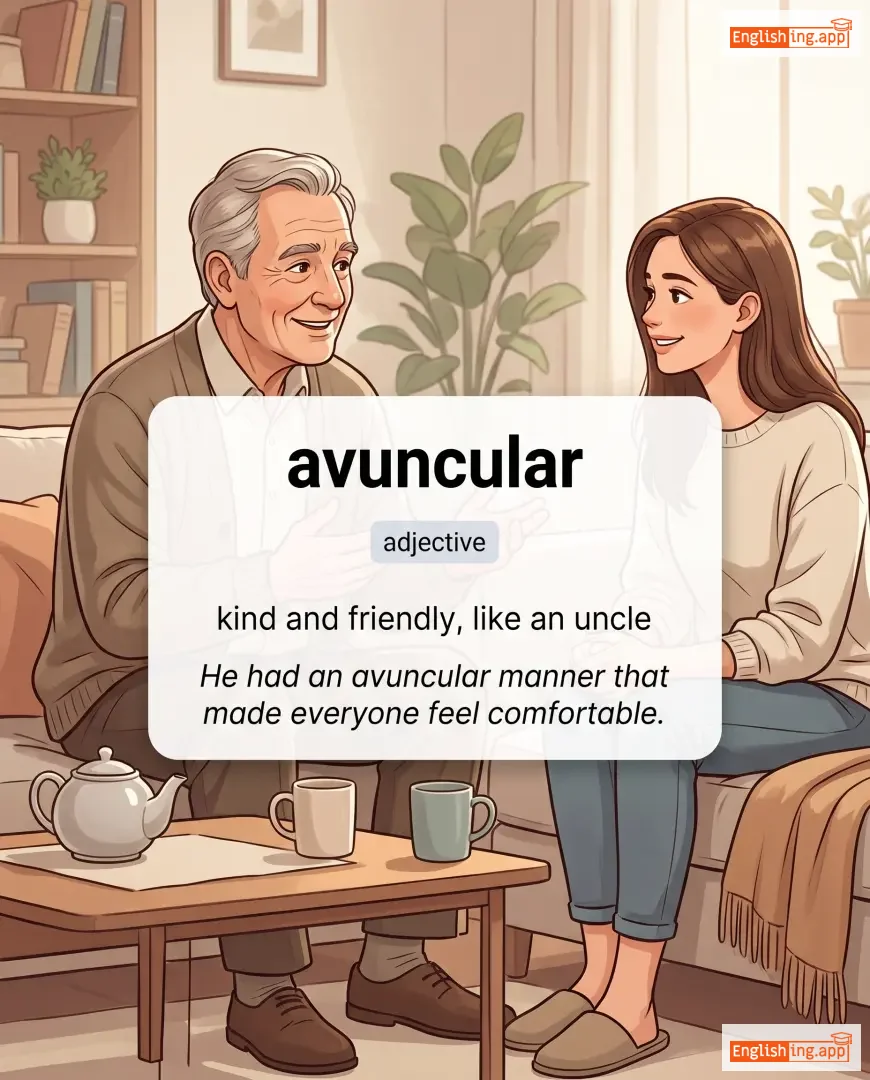
kind and friendly, like an uncle
••••••
|
He had an avuncular manner that made everyone feel comfortable.
彼は、みんなが快適に感じるようなアヴァンクラールな態度を持っていました。
••••••
|
彼は、みんなが快適に感じるようなアヴァンクラールな態度を持っていました。
Kare wa, minna ga kaiteki ni kanjiru you na avunkuraru na taido o motte imashita.
••••••
|
- •••••• | - •••••• | - •••••• |
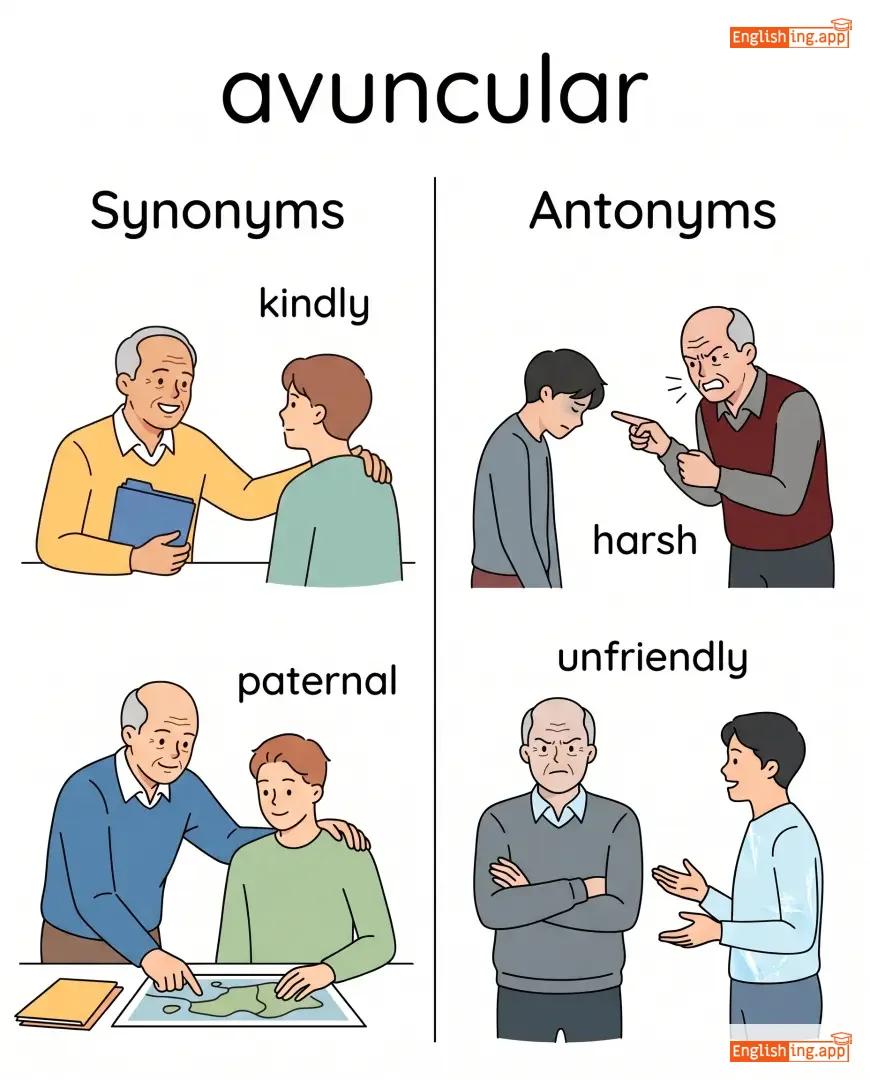
kindly, paternal, benevolent, genial
••••••
|
harsh, unfriendly, stern
••••••
|
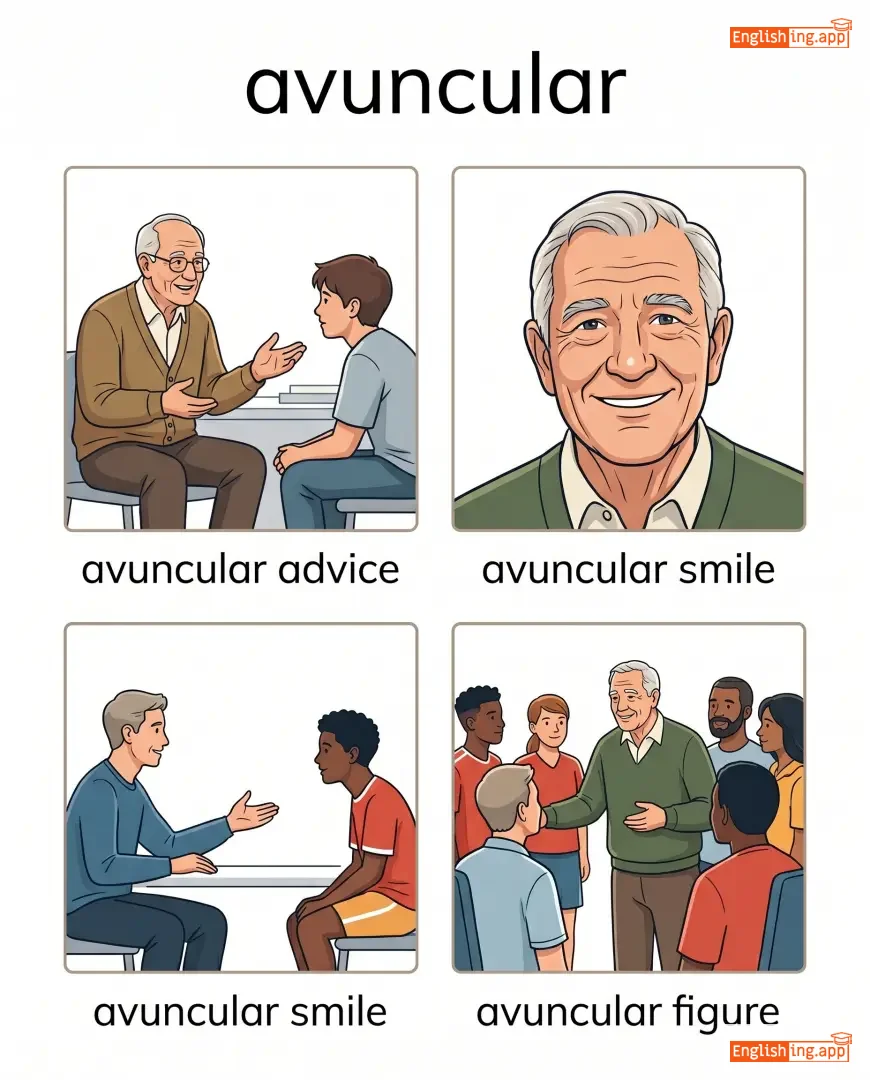
avuncular advice, avuncular smile, avuncular figure, avuncular role
••••••
|
Avuncularは、おじさんのように親切であることを意味します。
••••••
|
|
#765
✂️
|
/əˈvʌls/
verb
(アヴァルス)
••••••
|
- •••••• |
引き裂く
hikisaku
••••••
|
avulsed
アヴァルスド
••••••
|
avulsed
アヴァルスド
••••••
|
avulses
アヴァルセス
••••••
|
avulsing
アヴァルシング
••••••
|
to tear away or separate forcibly, especially in medical or geological contexts
••••••
|
The surgeon had to avulse the damaged tissue during the operation.
外科医は手術中に損傷した組織をアヴァルスしなければならなかった。
••••••
|
外科医は手術中に損傷した組織を引き裂かなければならなかった。
Geka-i wa shujutsu-chuu ni sonshou shita soshiki wo hikisakunakereba naranakatta.
••••••
|
- •••••• | - •••••• | - •••••• |
tear, rip, sever, detach
••••••
|
attach, join, connect
••••••
|
avulse tissue, avulse root, avulse ligament, forcibly avulse
••••••
|
Avulse はa+vulse (引く) → 引き裂く
••••••
|
|
#766
🎨
|
/ˌævɒ̃ˈɡɑːrd/
adjective
(アヴァンガルド)
••••••
|
|
アヴァンギャルド
avangyarudo
••••••
|
- •••••• | - •••••• | - •••••• | - •••••• |
innovative, experimental, or ahead of its time, especially in the arts and culture
••••••
|
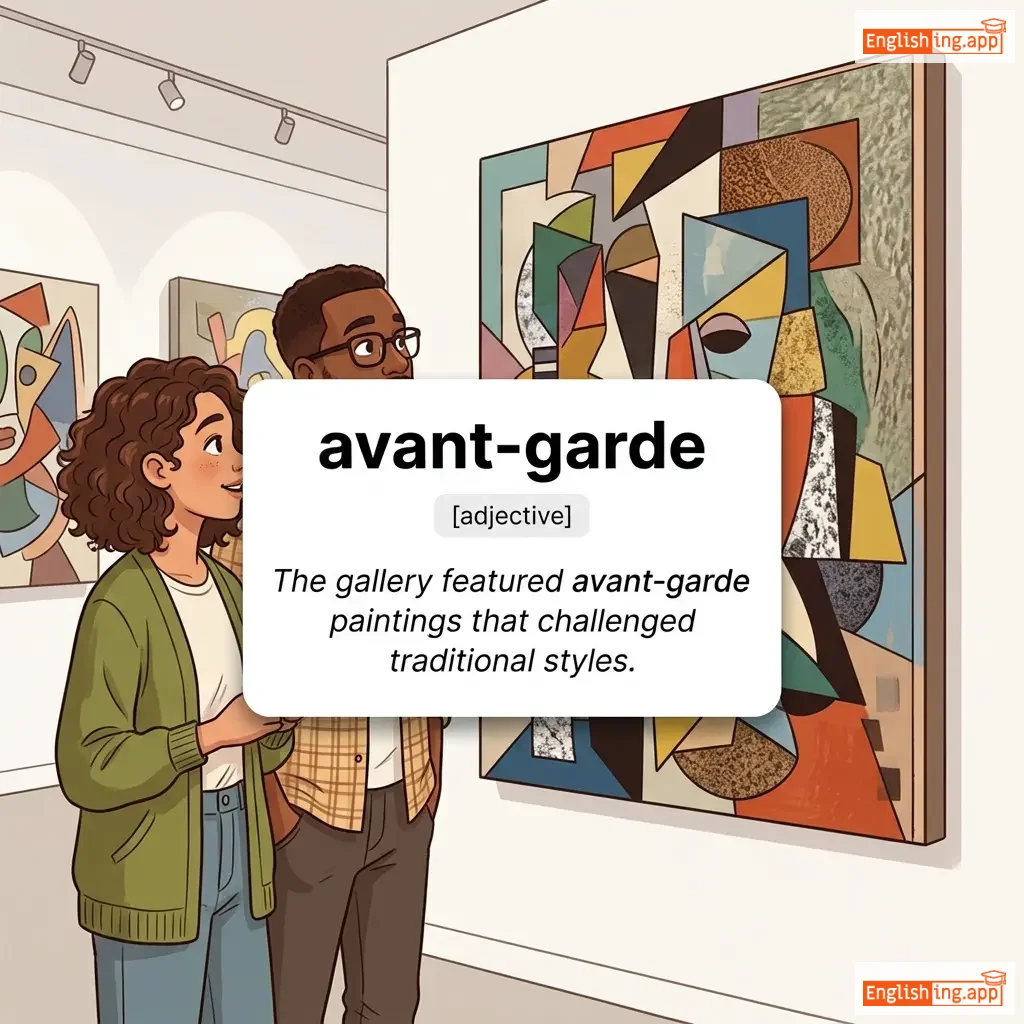
The gallery featured avant-garde paintings that challenged traditional styles. |
ギャラリーは伝統的なスタイルに挑戦するアヴァンギャルドな絵画を展示しました。
Gyararī wa dentō-teki na sutairu ni chōsen suru avangyarudo na kaiga o tenji shimashita.
••••••
|
avant-garde art |
art that is experimental, innovative, and pushes boundaries
••••••
|
アヴァンギャルドアート
avangyarudo āto
••••••
|
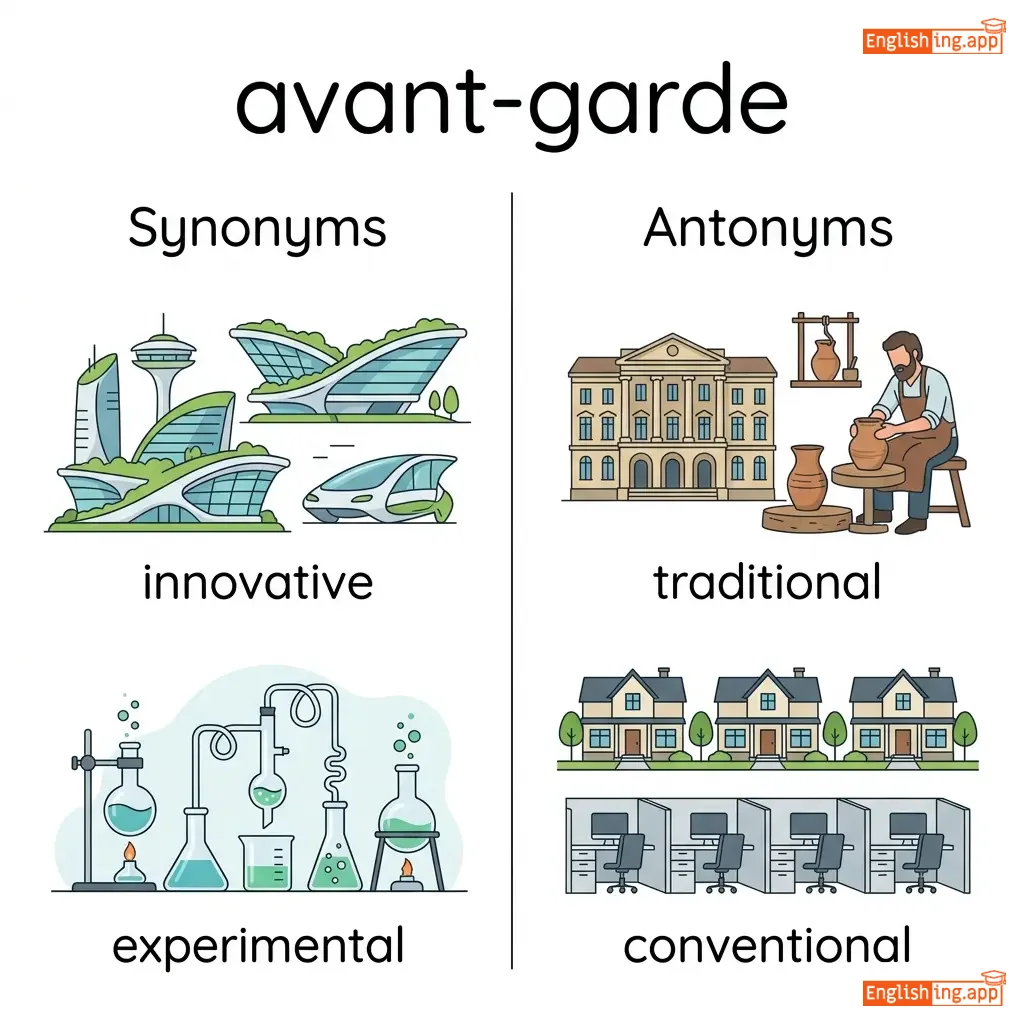
innovative, experimental, progressive, radical, cutting-edge
••••••
|
traditional, conventional, conservative
••••••
|
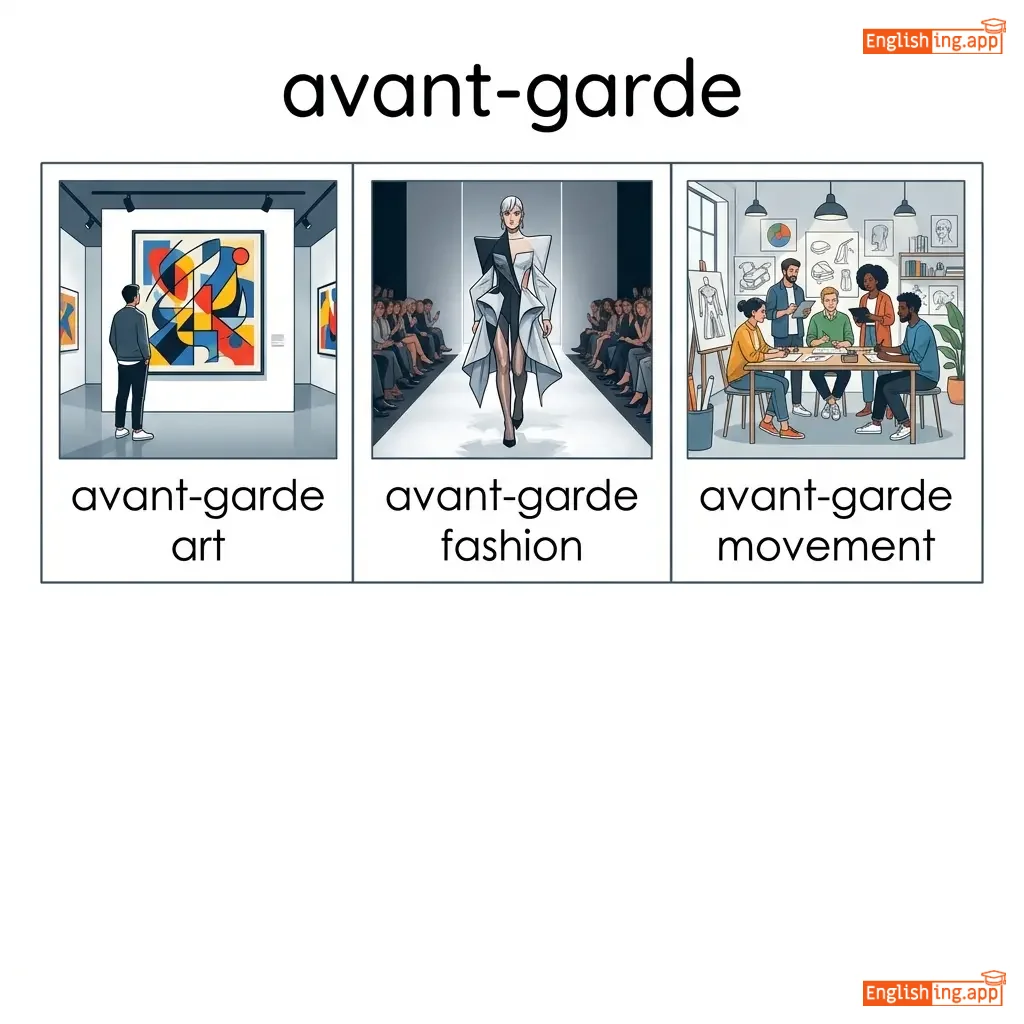
avant-garde art, avant-garde fashion, avant-garde movement, avant-garde music
••••••
|
アヴァンガルドは芸術で常に前に進んでいることを意味します。
••••••
|
|
#767
🗣️
|
/əˈvaʊtʃ/
verb
(アヴァウチ)
••••••
|
- •••••• |
主張する
shuchou suru
••••••
|
avouched
アヴァウチド
••••••
|
avouched
アヴァウチド
••••••
|
avouches
アヴァウチズ
••••••
|
avouching
アヴァウチング
••••••
|
to affirm or assert something as true
••••••
|
He avouched his innocence before the judge.
彼は裁判官の前で無実を主張しました。
••••••
|
彼は裁判官の前で無実を主張しました。
Kare wa saiban-kan no mae de mujitsu o shuchou shimashita.
••••••
|
- •••••• | - •••••• | - •••••• |
affirm, assert, declare, proclaim, testify
••••••
|
deny, contradict, refute
••••••
|
avouch truth, avouch innocence, solemnly avouch
••••••
|
Avouch は主張するという意味です—何かを真実だと断言すること。
••••••
|
|
#768
🎨
|
/ˌæv.oʊˈkeɪ.ʃən/
noun
(エヴォケイション)
••••••
|
|
副業
fukugyo
••••••
|
- •••••• | - •••••• | - •••••• | - •••••• |
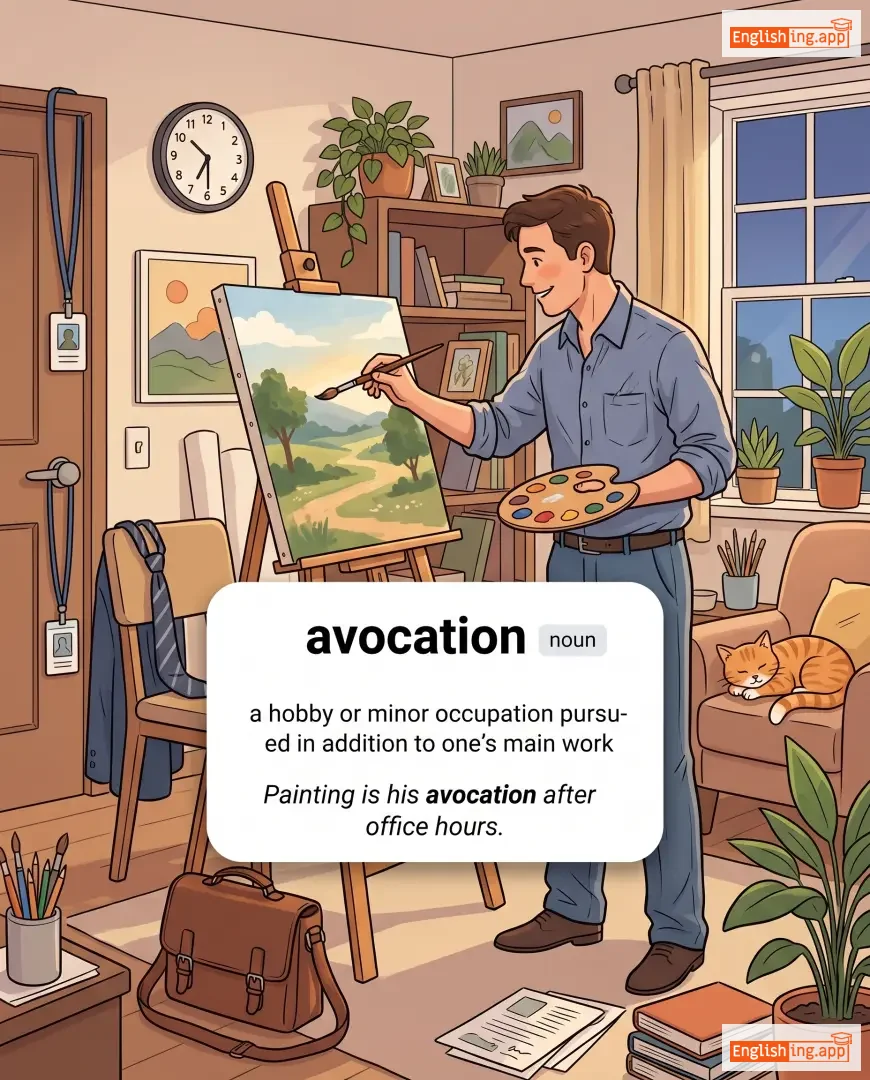
a hobby or minor occupation pursued in addition to one's main work
••••••
|
Painting is his avocation after office hours. |
絵画はオフィスの後の彼の副業です。
Kaiga wa ofisu no ato no kare no fukugyo desu.
••••••
|
- •••••• | - •••••• | - •••••• |
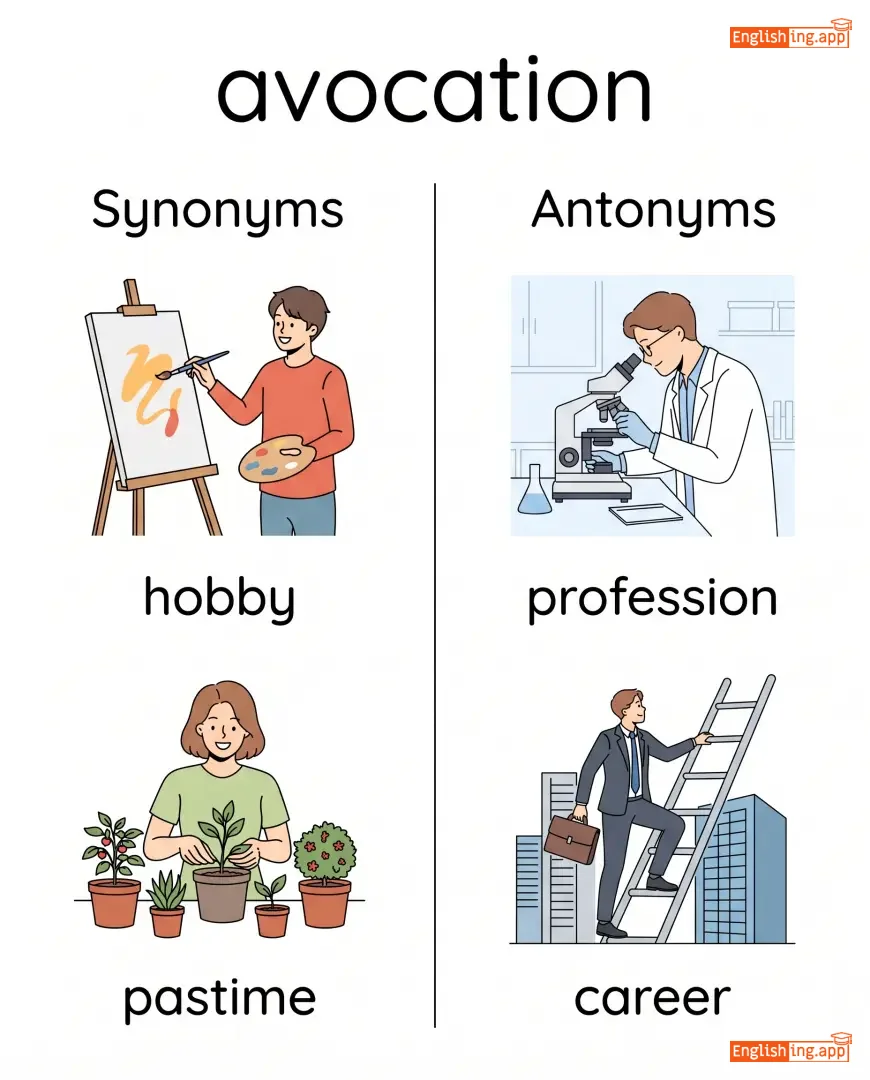
hobby, pastime, pursuit, diversion, recreation
••••••
|
profession, career, vocation
••••••
|
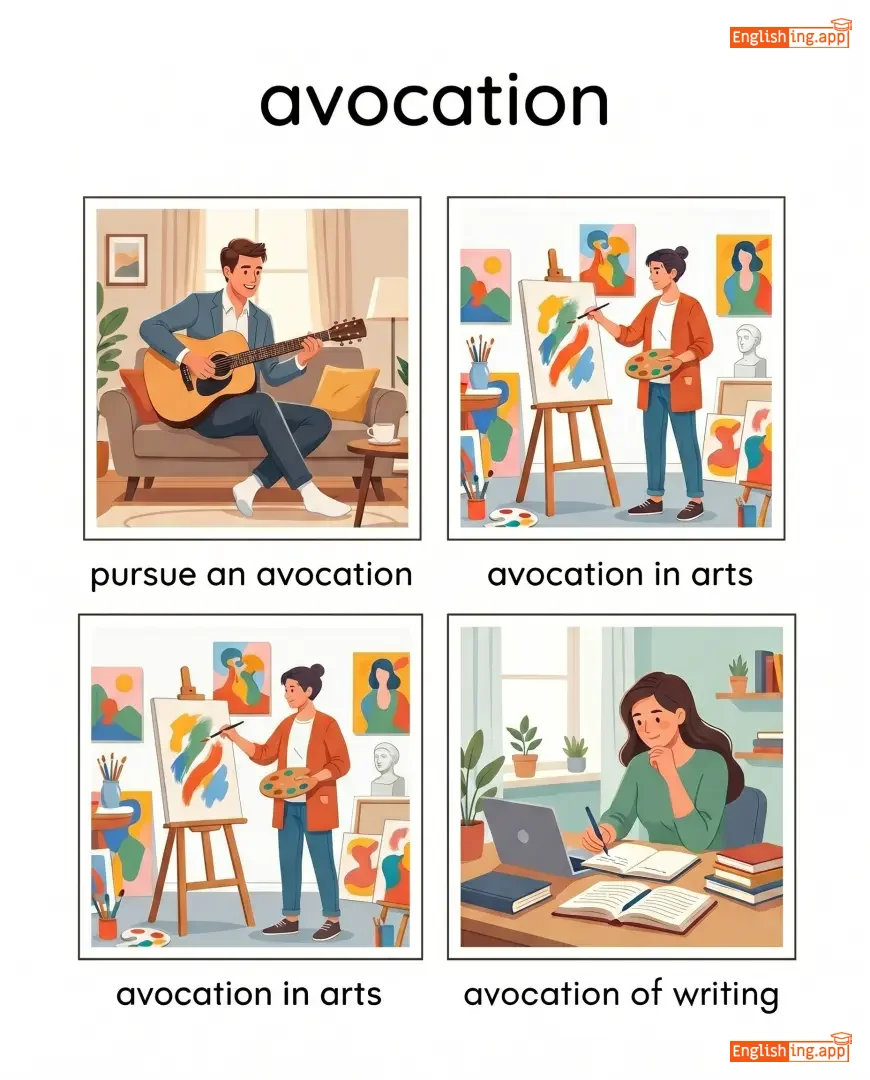
pursue an avocation, avocation in arts, avocation of writing
••••••
|
Avocation(副業)は'Vocation'の後に行う趣味です!
••••••
|
|
#769
⚡
|
/əˈvɪdəti/
noun
(アヴィディティ)
••••••
|
- •••••• |
熱意
netsui
••••••
|
- •••••• | - •••••• | - •••••• | - •••••• |
extreme eagerness or enthusiasm
••••••
|
He accepted the offer with avidity. |
彼は熱意を持ってその提案を受け入れました。
Kare wa netsui o motte sono teian o ukeiremashita.
••••••
|
- •••••• | - •••••• | - •••••• |
eagerness, enthusiasm, passion, zeal, fervor
••••••
|
apathy, indifference, disinterest
••••••
|
with avidity, show avidity, avidity for learning
••••••
|
Avidity は強い熱意を意味し、何かを強く望む心の状態を表します。
••••••
|
|
#770
🔥
|
/ˈæv.ɪd/
adjective
(アヴィッド)
••••••
|
- •••••• |
熱心な
nesshin na
••••••
|
- •••••• | - •••••• | - •••••• | - •••••• |
having an eager desire or enthusiasm for something
••••••
|
She is an avid reader of mystery novels.
彼女はミステリー小説の熱心な読者です。
••••••
|
彼女はミステリー小説の熱心な読者です。
Kanojo wa misuterī shōsetsu no nesshin na dokusha desu.
••••••
|
- •••••• | - •••••• | - •••••• |
eager, passionate, enthusiastic, devoted, keen
••••••
|
indifferent, apathetic, uninterested
••••••
|
avid reader, avid fan, avid interest, avid collector
••••••
|
Avidは日本語で「熱心な」という意味があり、何かに深い情熱を持っていることを示しています。
••••••
|
|
#771
🦜
|
/ˈeɪ.viˌɛr.i/
noun
(エイヴェアリー)
••••••
|
- •••••• |
鳥小屋
tori koya
••••••
|
- •••••• | - •••••• | - •••••• | - •••••• |
a large enclosure for keeping birds
••••••
|
The zoo built a new aviary for exotic parrots. |
動物園はエキゾチックなオウムのために新しい鳥小屋を作った。
Dōbutsuen wa ekizochikkuna ōmu no tame ni atarashī tori koya o tsukutta.
••••••
|
- •••••• | - •••••• | - •••••• |
birdhouse, birdcage, enclosure, sanctuary, pen
••••••
|
open sky, wilderness
••••••
|
large aviary, build an aviary, tropical aviary, aviary birds
••••••
|
Aviary = avi (鳥) + airy (空気) = 鳥たちの空気の家。
••••••
|
|
#772
🛡️
|
/əˈvɜːrt/
verb
(アヴァート)
••••••
|
- •••••• |
避ける
sakeru
••••••
|
averted
アヴァーテッド
••••••
|
averted
アヴァーテッド
••••••
|
averts
アヴァーツ
••••••
|
averting
アヴァーティング
••••••
|
to prevent something bad from happening or to turn away one's eyes or thoughts
••••••
|
Quick action helped avert a disaster.
迅速な対応が災害を回避する手助けとなった。
••••••
|
迅速な対応が災害を回避する手助けとなった。
Jinsoku na taiō ga saigai o kaishi suru tetsudake to natta.
••••••
|
avert one's eyes
目をそらす
••••••
|
to look away from something unpleasant or embarrassing
••••••
|
目をそらす
Me o sorasu
••••••
|
prevent, avoid, forestall, deter
••••••
|
allow, permit, encourage
••••••
|
avert disaster, avert crisis, avert danger, avert conflict
••••••
|
AVERTは「避ける」ように思える — 災害を避けるための警告。
••••••
|
|
#773
🚫
|
/əˈvɜːrʒən/
noun
(エイヴァージョン)
••••••
|
- •••••• |
嫌悪
ken'o
••••••
|
- •••••• | - •••••• | - •••••• | - •••••• |
a strong feeling of dislike or unwillingness towards something
••••••
|
She has a strong aversion to smoking.
彼女は喫煙に強い嫌悪感を持っています。
••••••
|
彼女は喫煙に強い嫌悪感を持っています。
Kanojo wa kitsuen ni tsuyoi ken'okami o motteimasu.
••••••
|
- •••••• | - •••••• | - •••••• |
dislike, antipathy, hatred, loathing
••••••
|
fondness, liking, affection
••••••
|
aversion to risk, deep aversion, natural aversion, strong aversion
••••••
|
嫌悪 = わからないテレビ番組を見たくない気持ち。
••••••
|
|
#774
🙅
|
/əˈvɜːrs/
adjective
(アヴァース)
••••••
|
- •••••• |
嫌悪
ken'o
••••••
|
- •••••• | - •••••• | - •••••• | - •••••• |
having a strong dislike of or opposition to something
••••••
|
He was averse to taking unnecessary risks. |
彼は不必要なリスクを取ることに嫌悪感を抱いていた。
Kare wa fuhitsuyou na risuku o toru koto ni ken'okan o daite ita.
••••••
|
- •••••• | - •••••• | - •••••• |
unwilling, opposed, reluctant, hostile
••••••
|
willing, inclined, eager
••••••
|
averse to risk, averse to change, strongly averse, not averse
••••••
|
Averseは嫌悪感と似ているので、嫌なことに反対するという意味です。
••••••
|
|
#775
📢
|
/əˈvɜːr/
verb
(アヴェア)
••••••
|
|
断言する
dangen suru
••••••
|
averred
アヴェアード
••••••
|
averred
アヴェアード
••••••
|
avers
アヴェアーズ
••••••
|
averring
アヴェアリング
••••••
|
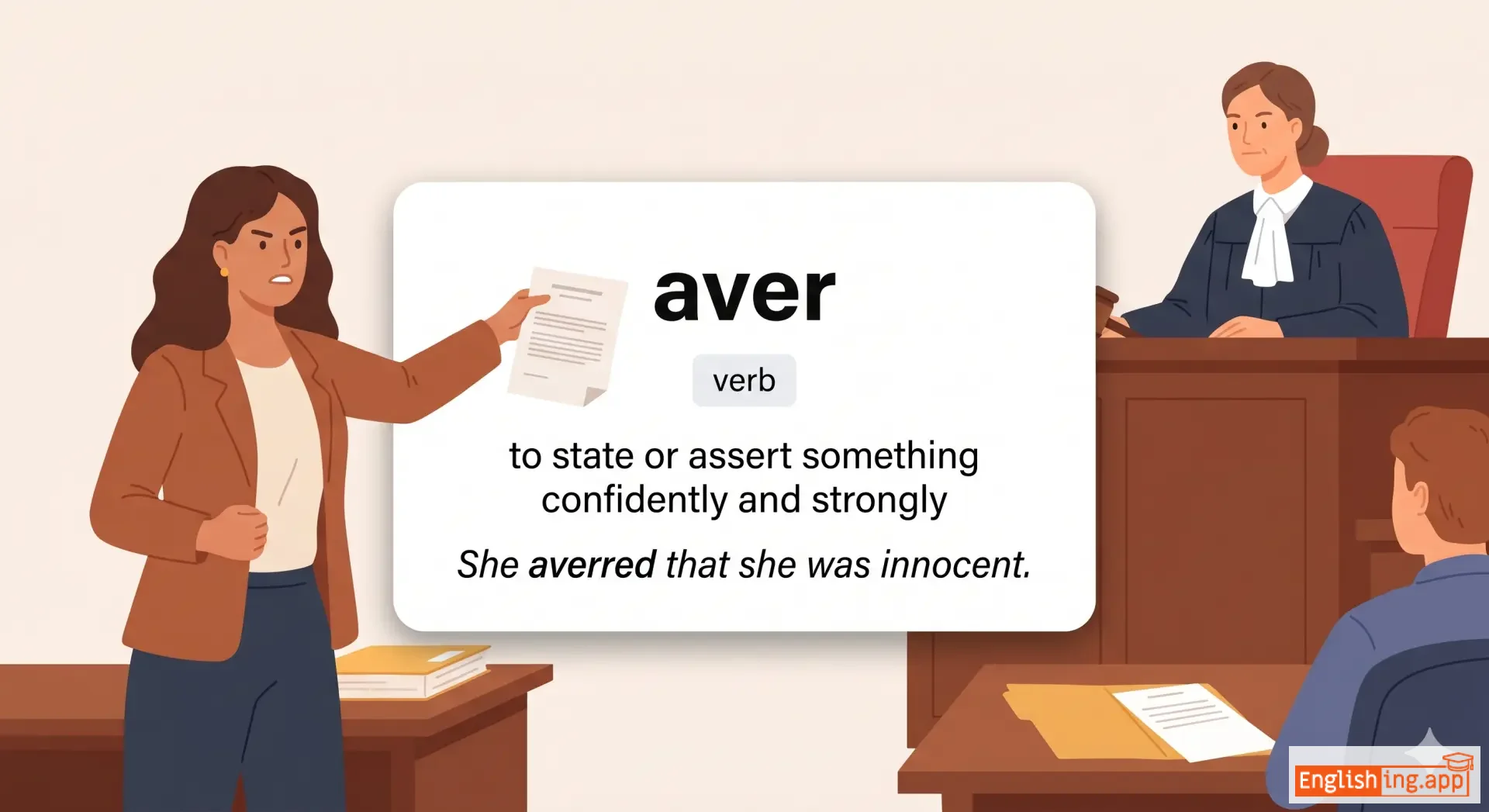
to state or assert something confidently and strongly
••••••
|
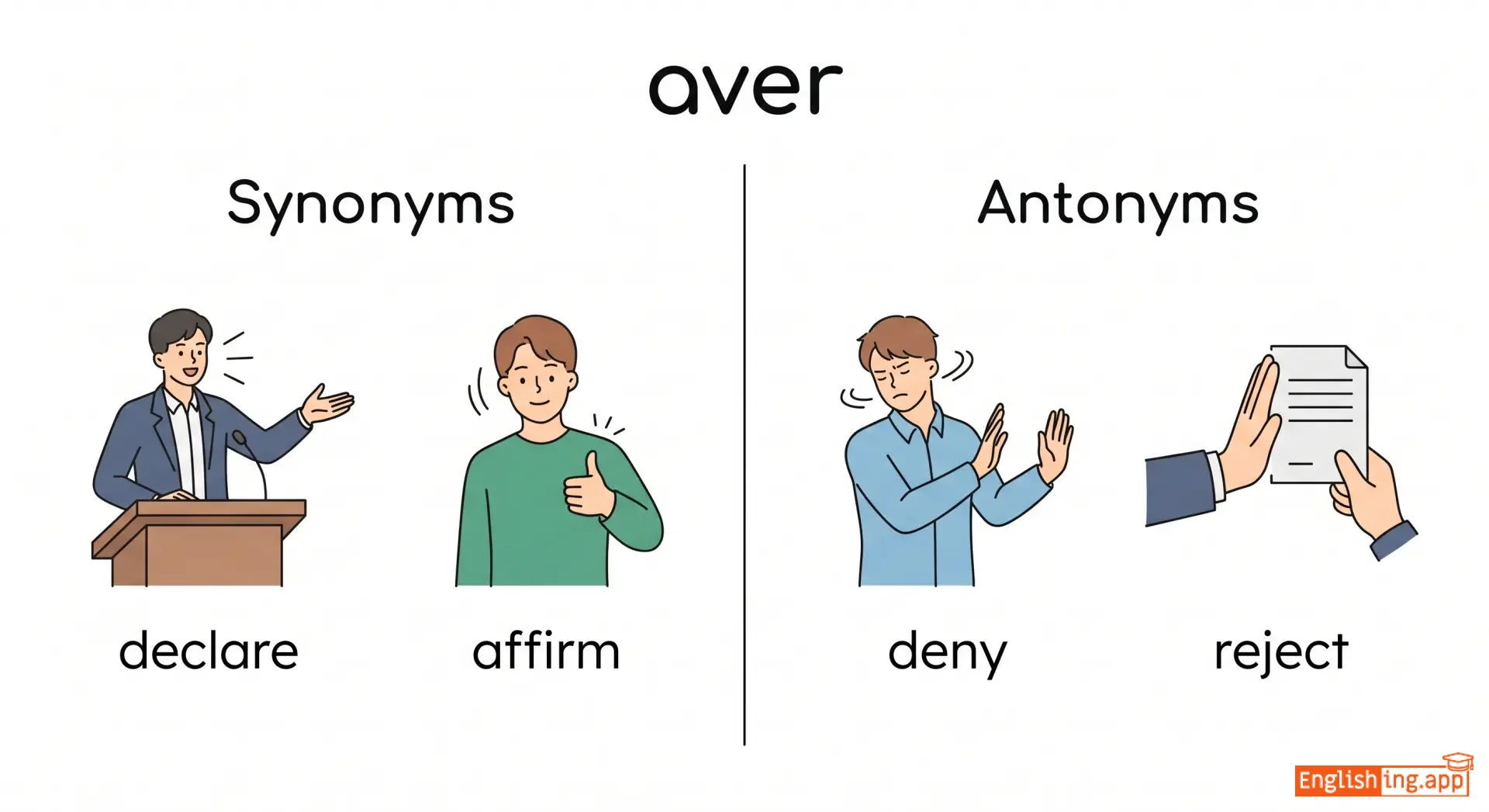
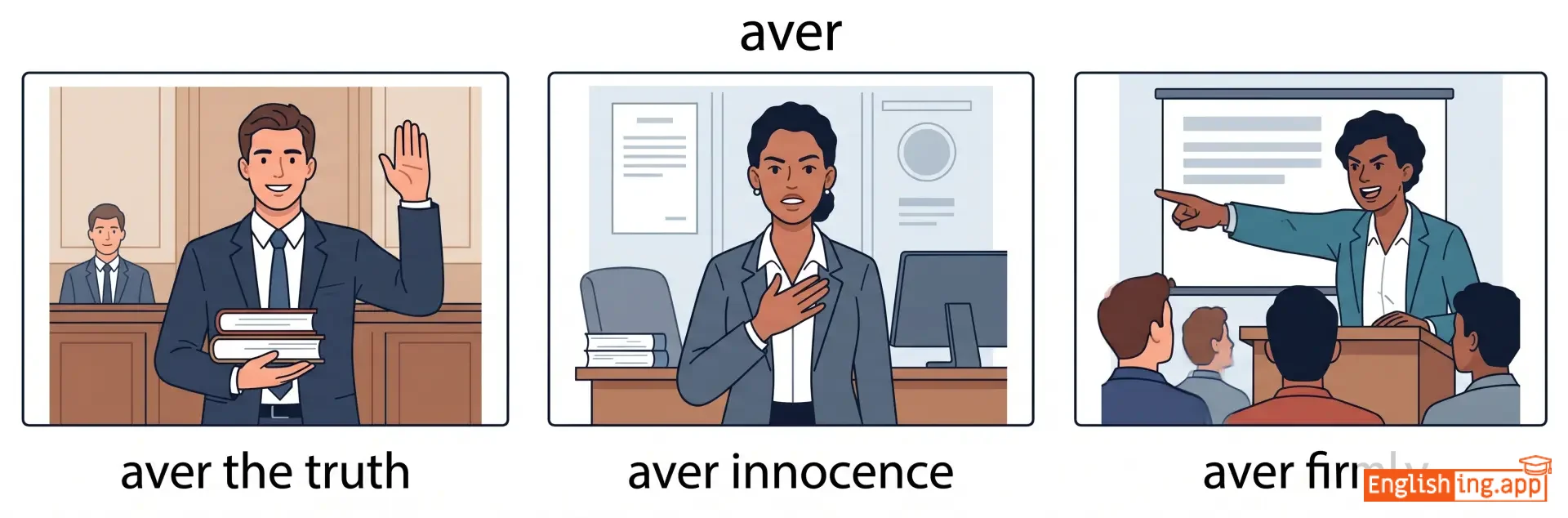
She averred that she was innocent.
彼女は無罪だと主張した。
••••••
|
彼女は無罪だと主張した。
Kanojo wa muzai da to shuchou shita.
••••••
|
- •••••• | - •••••• | - •••••• |
declare, affirm, assert, claim
••••••
|
deny, reject, contradict
••••••
|
aver the truth, aver innocence, aver firmly, confidently aver
••••••
|
AVERは自信を持って何かを断言することを意味します。
••••••
|
|
#776
⚔️
|
/əˈvɛndʒ/
verb
(アヴェンジ)
••••••
|
- •••••• |
復讐する
fukushū suru
••••••
|
avenged
アヴェンジド
••••••
|
avenged
アヴェンジド
••••••
|
avenges
アヴェンジス
••••••
|
avenging
アヴェンジング
••••••
|
to inflict harm in return for an injury or wrong done to oneself or another
••••••
|
He vowed to avenge his brother's death.
彼は兄の死を復讐することを誓った。
••••••
|
彼は兄の死を復讐することを誓った。
Kare wa ani no shi o fukushū suru koto o chikatta.
••••••
|
avenge oneself
自分自身を復讐する
••••••
|
to take revenge for an insult or injury done to oneself
••••••
|
自分自身を復讐する
jibun jishin o fukushū suru
••••••
|
revenge, retaliate, redress, punish
••••••
|
forgive, pardon, excuse
••••••
|
avenge a crime, avenge a death, avenge the wrong, avenge oneself
••••••
|
AVENge = avengeの意味は復讐 (fukushū) です。
••••••
|
|
#777
🧑💻
|
/ˈævətɑːr/
noun
(アバター)
••••••
|
- •••••• |
アバター
avatar
••••••
|
- •••••• | - •••••• | - •••••• | - •••••• |
an icon or figure representing a person in digital contexts; in Hinduism, a divine incarnation
••••••
|
She changed her social media avatar to a new cartoon image. |
彼女はソーシャルメディアのアバターを新しいカートゥーン画像に変更しました。
Kanojo wa sōsharumedia no avatar o atarashī kātūn gazō ni henkō shimashita.
••••••
|
digital avatar |
a graphical representation of a user in online platforms
••••••
|
デジタルアバター
dejitaru avatar
••••••
|
icon, figure, representation, embodiment, persona
••••••
|
reality, original
••••••
|
social media avatar, game avatar, digital avatar, avatar of Vishnu
••••••
|
アバター = Avatar = デジタルと宗教の両方の表現。
••••••
|
|
#778
🤑
|
/ˌævəˈrɪʃəs/
adjective
(アヴァリシャス)
••••••
|
- •••••• |
貪欲な
donyoku na
••••••
|
- •••••• | - •••••• | - •••••• | - •••••• |
having or showing extreme greed for wealth or material gain
••••••
|
The avaricious landlord increased the rent unfairly. |
貪欲な家主は不公平に家賃を上げました。
Donyoku na yanushi wa fukōhei ni yachin o agemashita.
••••••
|
- •••••• | - •••••• | - •••••• |
greedy, covetous, grasping, rapacious
••••••
|
generous, charitable, selfless
••••••
|
avaricious behavior, avaricious nature, avaricious landlord, avaricious desire
••••••
|
avaricious = avarice + ous = 貪欲でいっぱい。
••••••
|
|
#779
💰
|
/ˈævərɪs/
noun
(アヴァリス)
••••••
|
|
強欲
gyōyoku
••••••
|
- •••••• | - •••••• | - •••••• | - •••••• |
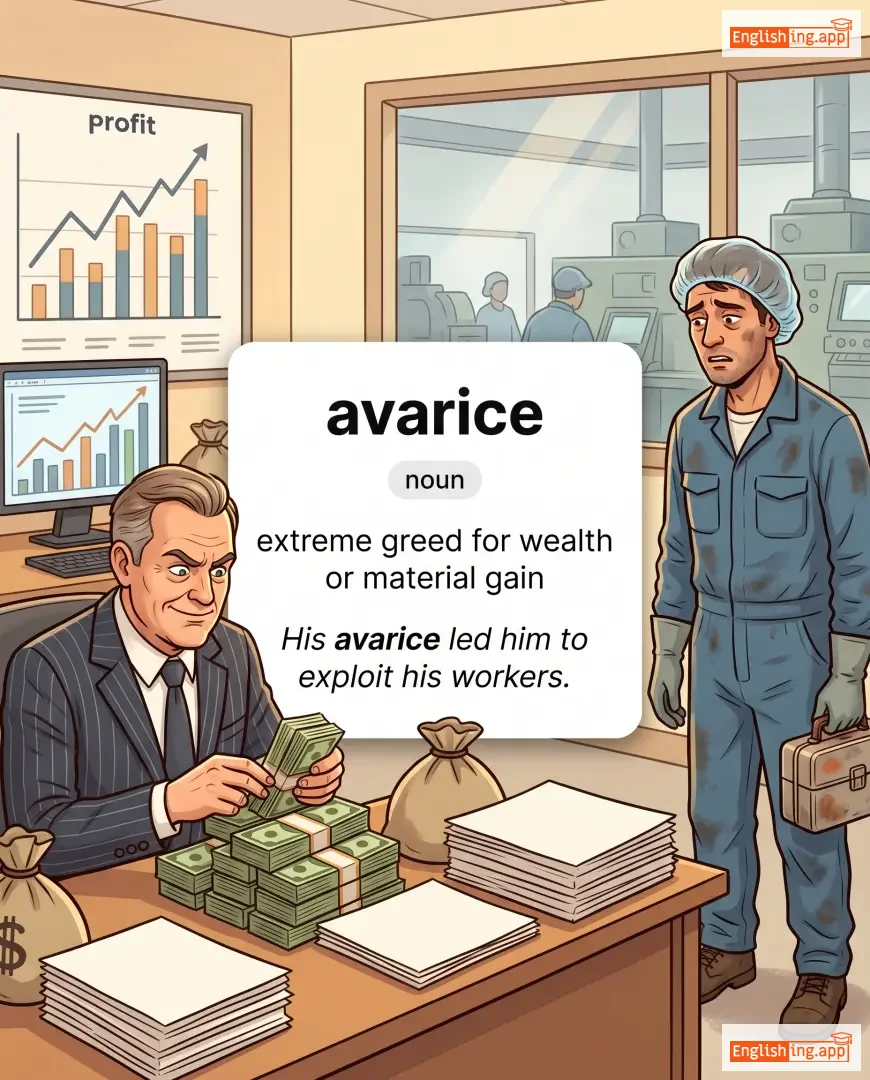
extreme greed for wealth or material gain
••••••
|
His avarice led him to exploit his workers. |
彼の強欲は彼を労働者を搾取することに導いた。
Kare no gyōyoku wa kare o rōdōsha o sakushu suru koto ni michibiita.
••••••
|
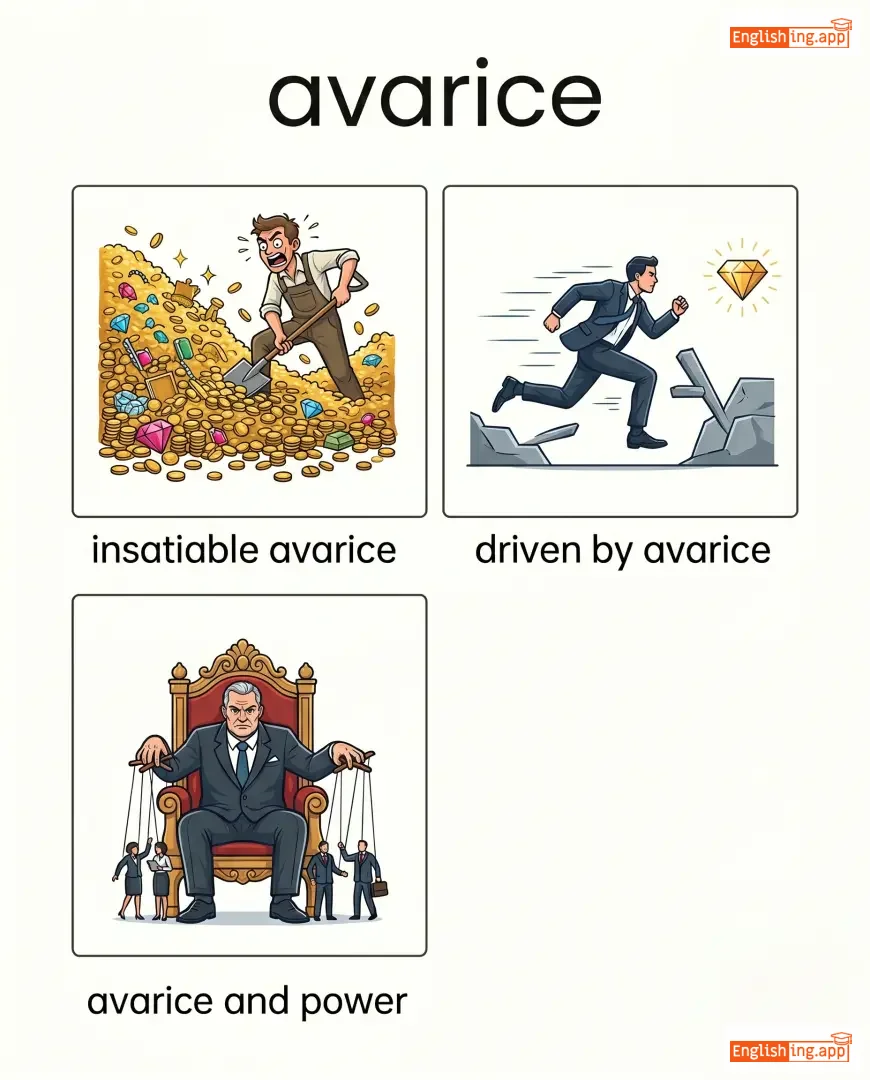
insatiable avarice |
an endless and extreme greed for wealth
••••••
|
飽くなき強欲
akunaki gyōyoku
••••••
|
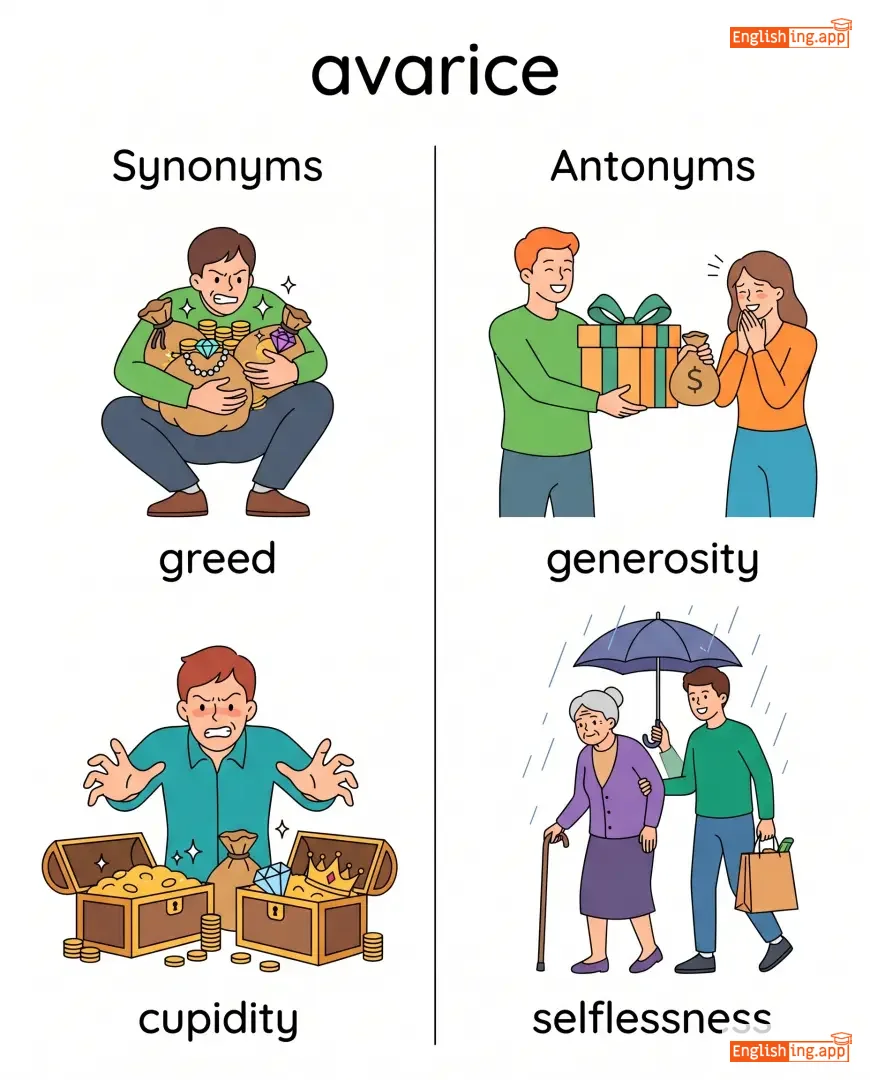
greed, cupidity, materialism, covetousness, rapacity
••••••
|
generosity, selflessness, charity
••••••
|
insatiable avarice, driven by avarice, avarice and power, human avarice
••••••
|
A+var+ice - 氷のように冷たい欲望、決して溶けることがない。
••••••
|
|
#780
🚀
|
/ˌævɒ̃ˈɡɑːrd/
noun
(アヴァン・ガルド)
••••••
|
- •••••• |
アバンギャルド
abangyarudo
••••••
|
- •••••• | - •••••• | - •••••• | - •••••• |
people or works that are innovative, experimental, and ahead of their time
••••••
|
The avantgarde of the 20th century reshaped modern art. |
20世紀のアバンギャルドは現代アートを再形成した。
20 seiki no abangyarudo wa gendai āto o saikeisei shita.
••••••
|
- •••••• | - •••••• | - •••••• |
pioneer, innovator, radical, trailblazer
••••••
|
traditionalist, conformist
••••••
|
avantgarde movement, avantgarde artists, avantgarde cinema, avantgarde literature
••••••
|
avantgardeは'前衛'を意味します - いつも芸術の最前線にいる人たち。
••••••
|
Vocabulary Quiz
Test your vocabulary by matching words with their translations or meanings.
Login to take the quiz
Comments (0)
Share your thoughts and join the discussion.
Join the discussion by logging in
Login to CommentNo comments yet
Be the first to share your thoughts!