

翻訳
過去
過去分詞
三人称単数
動名詞
意味
例文
例文の翻訳
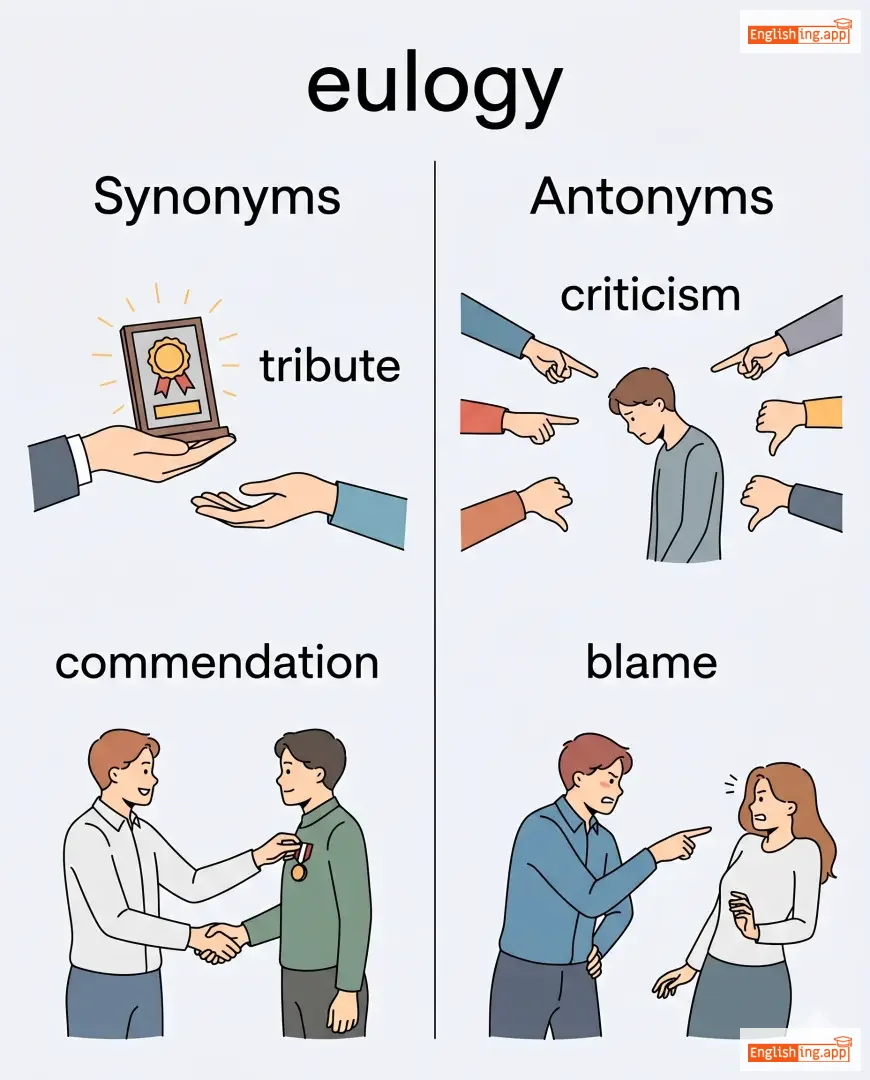
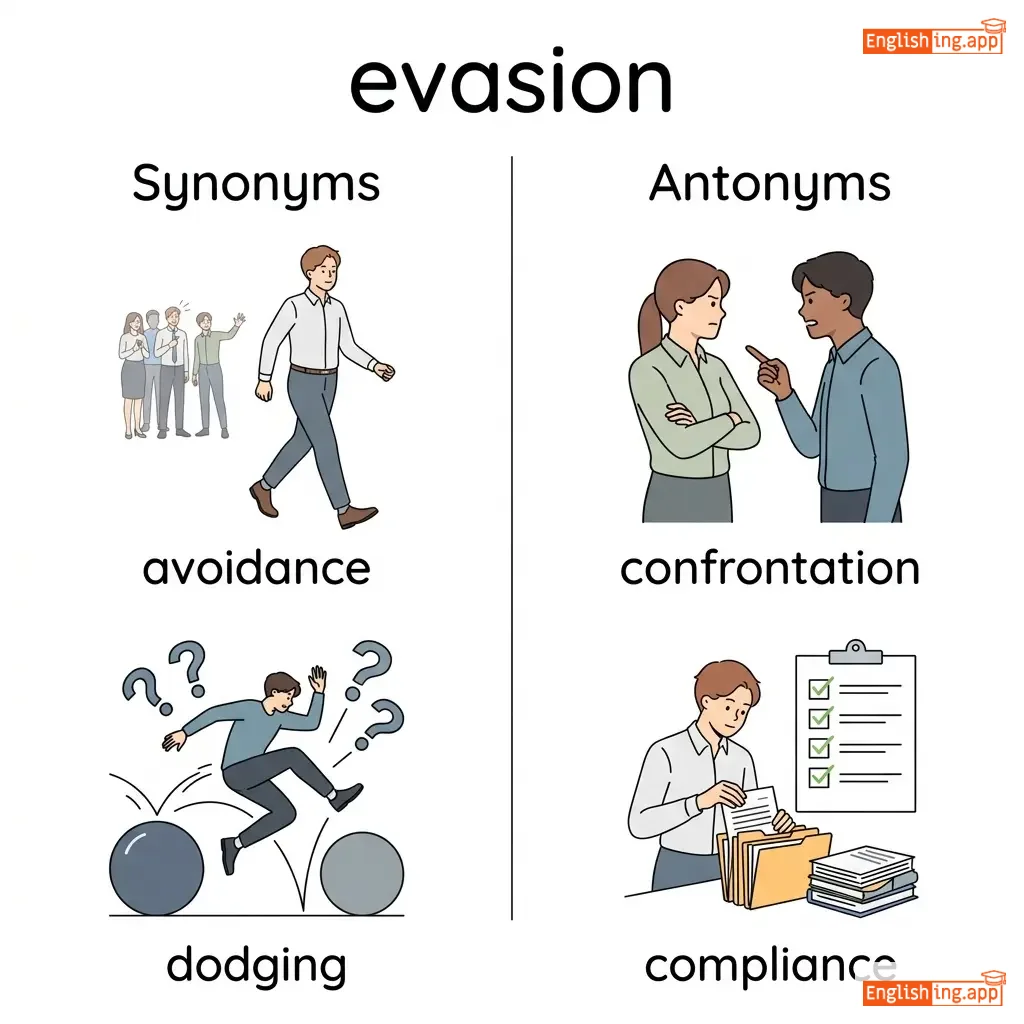
同義語
対義語
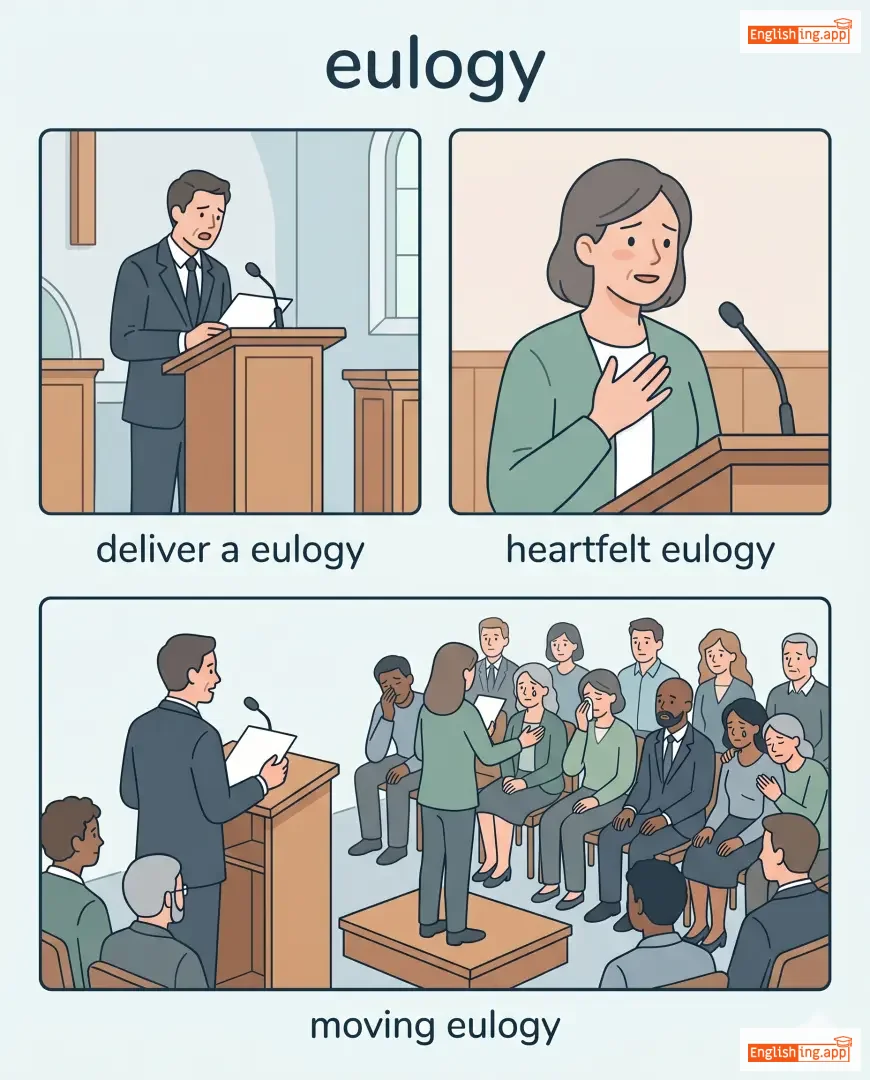
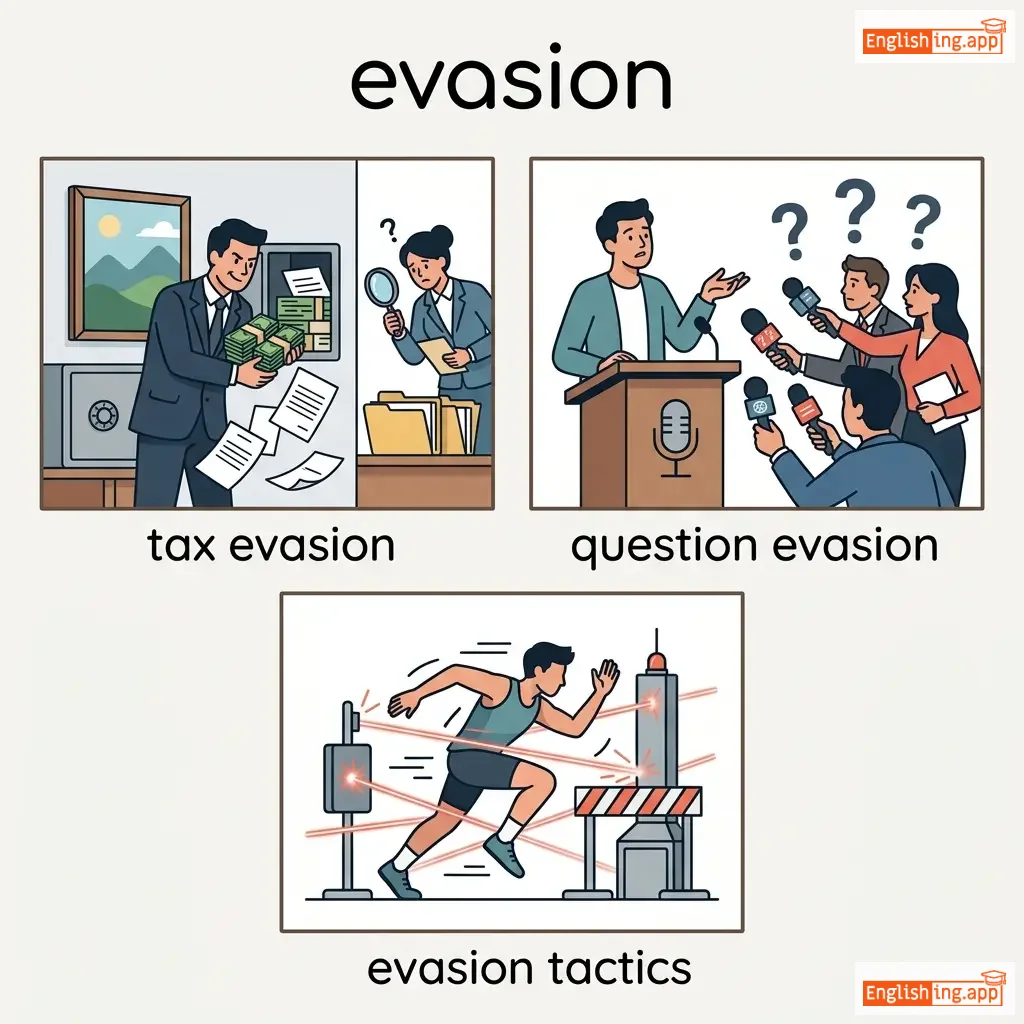
コロケーション
ニーモニック




Swipe left or right, or use the buttons. Tap image to zoom.
例文の翻訳
単語
Lesson 105Lesson 105 - マスクトグル
|
絵文字
|
単語 | Images | 翻訳 | 過去 | 過去分詞 | 三人称単数 | 動名詞 | 意味 | 例文 | 例文の翻訳 | 表現例 | 表現例の意味 | 表現例の翻訳 | 同義語 | 対義語 | コロケーション | ニーモニック |
|---|---|---|---|---|---|---|---|---|---|---|---|---|---|---|---|---|---|
|
#3121
💐
|
/ˈjuːlədʒi/
noun
(ユーロジー)
••••••
|
|
弔辞
chouji
••••••
|
- •••••• | - •••••• | - •••••• | - •••••• |
A speech or piece of writing that praises someone, especially after their death.
••••••
|
Her brother delivered a heartfelt eulogy at the funeral. |
彼女の兄は葬式で感動的な弔辞を述べました。
Kanojo no ani wa soushiki de kandouteki na chouji o nobemashita.
••••••
|
- •••••• | - •••••• | - •••••• |
tribute, commendation, accolade, praise
••••••
|
criticism, blame
••••••
|
deliver a eulogy, heartfelt eulogy, moving eulogy
••••••
|
弔辞(chouji)は、故人を称賛するための言葉です。
••••••
|
|
#3122
🕵️
|
/ɪˈveɪʒən/
noun
(エヴェイション)
••••••
|
|
回避
kaibi
••••••
|
- •••••• | - •••••• | - •••••• | - •••••• |
The act of avoiding something, especially by cleverness or trickery.
••••••
|
He was arrested for tax evasion. |
彼は税金逃れで逮捕された。
Kare wa zeikin nogare de taiho sareta.
••••••
|
tax evasion |
Illegal act of not paying taxes owed
••••••
|
税金逃れ
zeikin nogare
••••••
|
avoidance, dodging, escape, circumvention
••••••
|
confrontation, compliance
••••••
|
tax evasion, question evasion, evasion tactics, evasion of duty
••••••
|
Evasionは回避を意味し、税金逃れは税金を回避することを意味する。
••••••
|
|
#3123
📖
|
/ɪˈvændʒəlɪst/
noun
(イヴァンジェリスト)
••••••
|
- •••••• |
伝道師
dendōshi
••••••
|
- •••••• | - •••••• | - •••••• | - •••••• |
A person who seeks to convert others to the Christian faith, especially by public preaching.
••••••
|
The evangelist traveled across the country spreading his message. |
伝道師は全国を旅して自分のメッセージを広めていました。
Dendōshi wa zenkoku o tabishite jibun no messēji o hiromete imashita.
••••••
|
- •••••• | - •••••• | - •••••• |
preacher, missionary, minister, proselytizer
••••••
|
skeptic, unbeliever
••••••
|
famous evangelist, TV evangelist, street evangelist, charismatic evangelist
••••••
|
伝道師はイベントで天使のように話す人 - 伝道者。
••••••
|
|
#3124
✝️
|
/ˌiːvænˈdʒɛlɪkəl/
adjective
(イヴァンジェリカル)
••••••
|
- •••••• |
福音主義
fukuin shugi
••••••
|
- •••••• | - •••••• | - •••••• | - •••••• |
Relating to the Christian gospel, especially the teachings that emphasize personal faith and the authority of the Bible.
••••••
|
She grew up in an evangelical church community. |
彼女は福音主義の教会コミュニティで育ちました。
Kanojo wa fukuin shugi no kyōkai komyuniti de sodachimashita.
••••••
|
- •••••• | - •••••• | - •••••• |
devout, religious, pious, zealous
••••••
|
secular, nonreligious
••••••
|
evangelical church, evangelical movement, evangelical preacher, evangelical community
••••••
|
福音主義者は福音(イエスの教え)を広める人々
••••••
|
|
#3125
🌅
|
/ˌɛvəˈnɛsənt/
adjective
(エヴァネセント)
••••••
|
- •••••• |
儚い
hakanai
••••••
|
- •••••• | - •••••• | - •••••• | - •••••• |
Quickly fading or disappearing; lasting for only a very short time.
••••••
|
The beauty of the sunset was evanescent, fading within minutes. |
夕日の美しさは儚く、数分で消えてしまった。
Yūhi no utsukushisa wa hakanaku, sūfun de kiete shimatta.
••••••
|
- •••••• | - •••••• | - •••••• |
fleeting, transient, momentary, passing, short-lived
••••••
|
lasting, permanent, enduring
••••••
|
evanescent beauty, evanescent moment, evanescent light, evanescent memory
••••••
|
Evanの香り(匂い)はすぐに消えてしまう - 儚いは非常に短い時間を意味します
••••••
|
|
#3126
🌫️
|
/ˌɛvəˈnɛs/
verb
(イヴァネス)
••••••
|
- •••••• |
消える
kieru
••••••
|
evanesced
イヴァネスド
••••••
|
evanesced
イヴァネスド
••••••
|
evanesces
イヴァネセス
••••••
|
evanescing
イヴァネシング
••••••
|
To disappear gradually; to fade away.
••••••
|
The mist began to evanesce as the sun rose higher.
霧は太陽が高く昇るにつれて消え始めた。
••••••
|
霧は太陽が高く昇るにつれて消え始めた。
Kiri wa taiyō ga takaku noboru ni tsurete kiehajimeta.
••••••
|
- •••••• | - •••••• | - •••••• |
fade, vanish, dissipate, dissolve
••••••
|
appear, remain
••••••
|
evanesce into, slowly evanesce, evanesce like mist
••••••
|
Evan (Even) mist 消える - evanesce
••••••
|
|
#3127
🕵️
|
/ɪˈveɪd/
verb
(イヴェイド)
••••••
|
- •••••• |
回避する
kaihi suru
••••••
|
evaded
イヴェイデッド
••••••
|
evaded
イヴェイデッド
••••••
|
evades
イヴェイズ
••••••
|
evading
イヴェイディング
••••••
|
To escape or avoid something, especially by cleverness or trickery.
••••••
|
He tried to evade the question by changing the subject.
彼は話題を変えることで質問を回避しようとした。
••••••
|
彼は話題を変えることで質問を回避しようとした。
Kare wa wadai o kaeru koto de shitsumon o kaihi shiyō to shita.
••••••
|
evade responsibility
責任を回避する
••••••
|
To avoid being held accountable for something.
••••••
|
責任を回避する
Sekinin o kaihi suru
••••••
|
avoid, escape, dodge, elude
••••••
|
face, confront
••••••
|
evade taxes, evade capture, evade responsibility
••••••
|
Evaは責任を回避しようとする – kaihi suru!
••••••
|
|
#3128
🚨
|
/ɪˈvækjueɪt/
verb
(エヴァキュエイト)
••••••
|
- •••••• |
避難する
hinan suru
••••••
|
evacuated
エヴァキュエイテッド
••••••
|
evacuated
エヴァキュエイテッド
••••••
|
evacuates
エヴァキュエイツ
••••••
|
evacuating
エヴァキュエイティング
••••••
|
To remove people from a dangerous place to safety.
••••••
|
The residents were ordered to evacuate the building after the fire alarm.
火災警報後、住民は建物から避難するよう命じられました。
••••••
|
火災警報後、住民は建物から避難するよう命じられました。
Kasai keihou go, jumin wa tatemono kara hinan suru you meijiraremashita.
••••••
|
evacuate the premises
施設を避難させる
••••••
|
To leave a building or area immediately for safety reasons.
••••••
|
施設を避難させる
Shisetsu o hinan saseru
••••••
|
clear, empty, vacate, withdraw
••••••
|
occupy, stay
••••••
|
evacuate building, evacuate area, evacuate residents, emergency evacuate
••••••
|
Eva + Queue みんな避難 - 避難する
••••••
|
|
#3129
⚖️
|
/ˌjuːθəˈneɪʒə/
noun
(ユースアナジア)
••••••
|
|
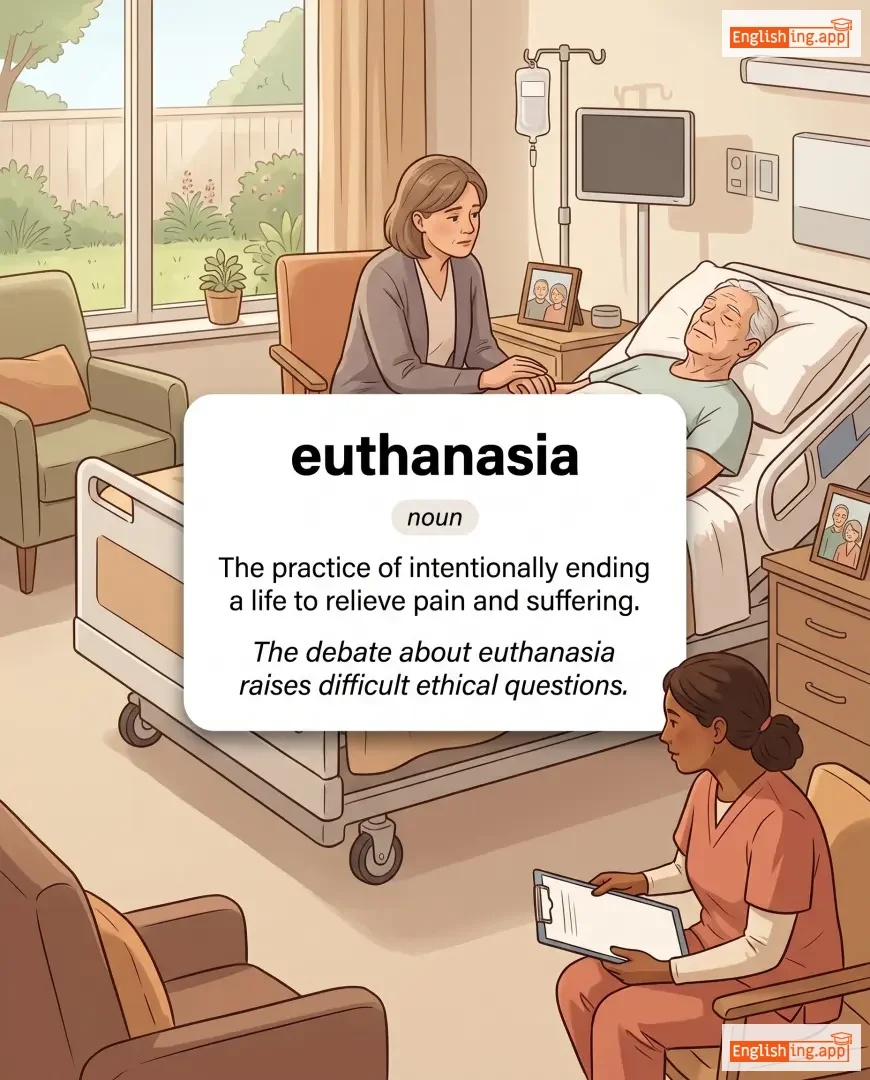
安楽死
anraku shi
••••••
|
- •••••• | - •••••• | - •••••• | - •••••• |
The practice of intentionally ending a life to relieve pain and suffering.
••••••
|
The debate about euthanasia raises difficult ethical questions. |
安楽死についての議論は、難しい倫理的な問題を提起します。
Anraku shi ni tsuite no giron wa, muzukashii rinriteki na mondai wo teiki shimasu.
••••••
|
- •••••• | - •••••• | - •••••• |
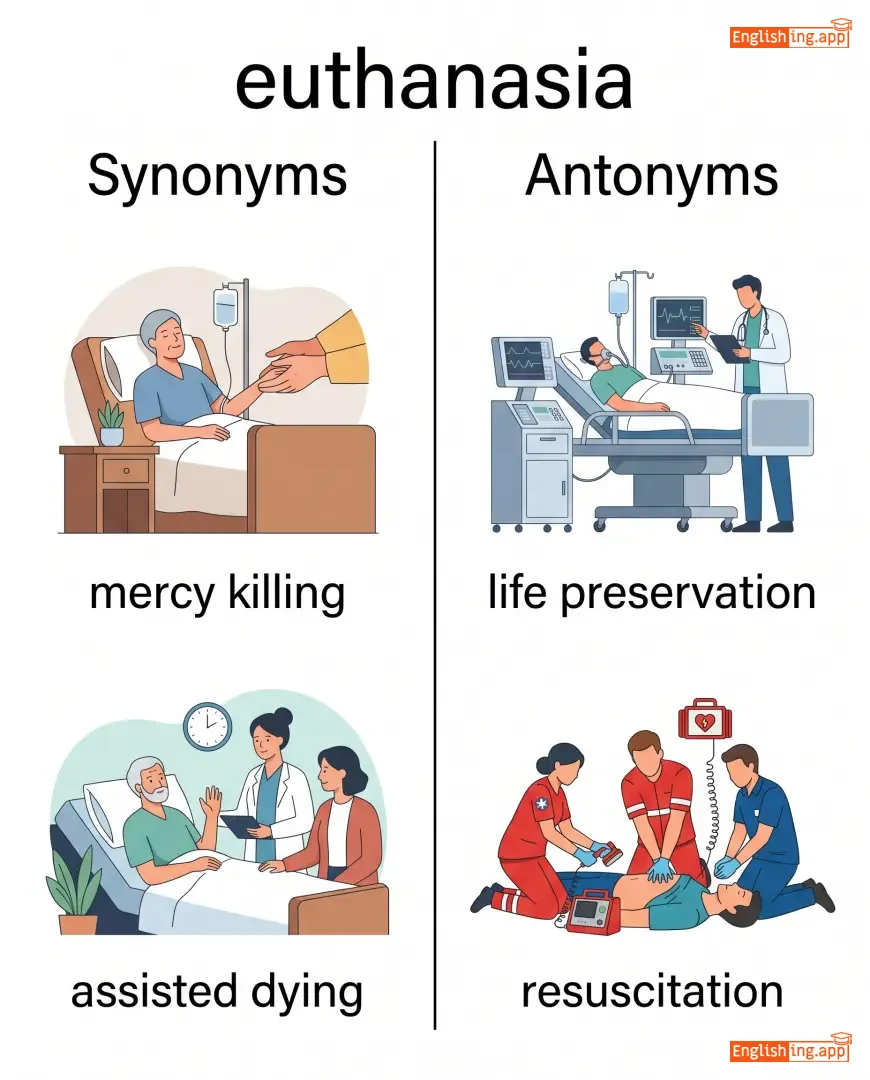
mercy killing, assisted dying, physician-assisted suicide
••••••
|
life preservation, resuscitation
••••••
|
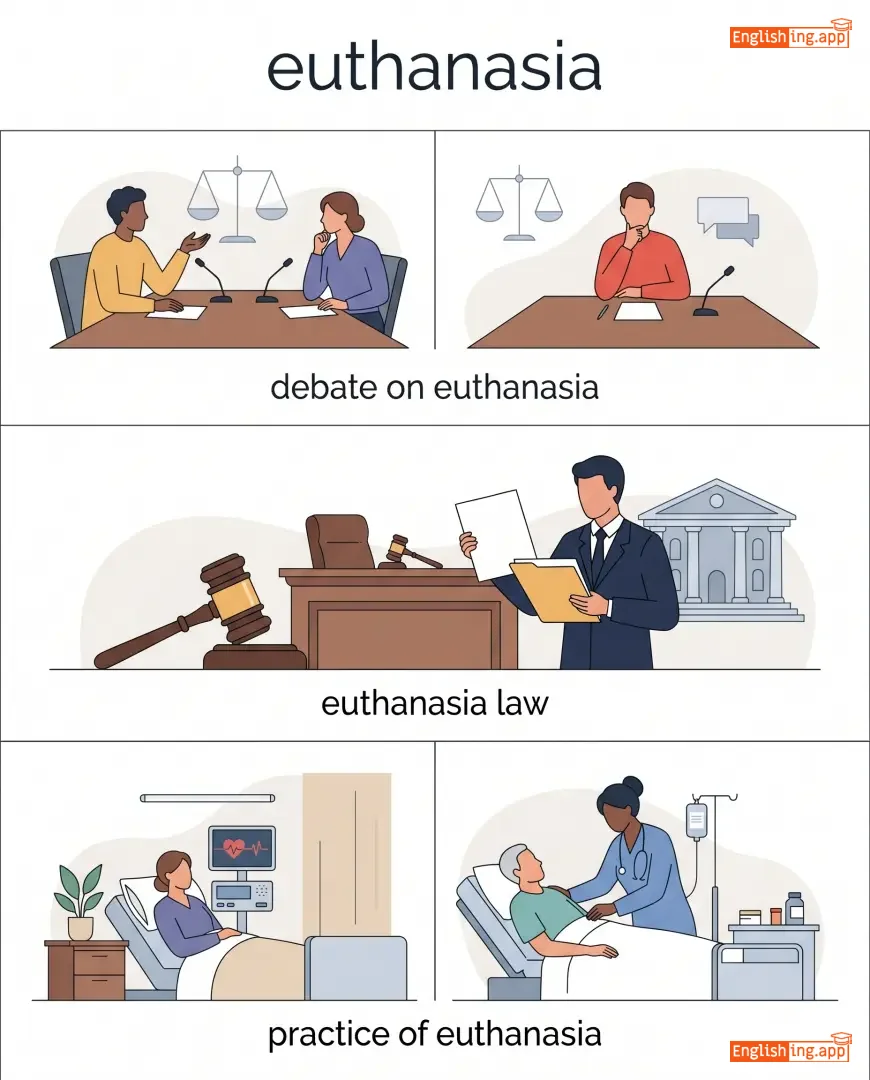
debate on euthanasia, euthanasia law, practice of euthanasia
••••••
|
Youth + Nasia - 若者の命を終わらせる - 安楽死
••••••
|
|
#3130
💡
|
/juˈriːkə/
exclamation
(ユーレカ)
••••••
|
- •••••• |
ユーレカ!
Yureka!
••••••
|
- •••••• | - •••••• | - •••••• | - •••••• |
An exclamation used to express a sudden discovery or realization.
••••••
|
When the solution finally came to him, he shouted, 'Eureka!' |
解決策がついに彼に浮かんだとき、彼は叫んだ。 'ユーレカ!'
Kaiketsu-saku ga tsuini kare ni ukanda toki, kare wa sakenda. 'Yureka!'
••••••
|
- •••••• | - •••••• | - •••••• |
aha, I found it, discovery, revelation
••••••
|
confusion, ignorance
••••••
|
Eureka moment, shout Eureka, cry Eureka
••••••
|
ユーレカ!何かを発見したときに叫ぶ言葉!
••••••
|
|
#3131
🎉
|
/juːˈfɔːrɪk/
adjective
(ユーフォリック)
••••••
|
- •••••• |
幸福感に満ちた
kōfukukan ni michita
••••••
|
- •••••• | - •••••• | - •••••• | - •••••• |
Characterized by or feeling intense excitement and happiness.
••••••
|
The fans were euphoric after their team's victory. |
チームが勝った後、ファンは幸福感に満ちていた。
Chīmu ga katta ato, fan wa kōfukukan ni michite ita.
••••••
|
- •••••• | - •••••• | - •••••• |
ecstatic, overjoyed, elated, blissful, delighted
••••••
|
miserable, gloomy, sorrowful
••••••
|
feel euphoric, euphoric mood, euphoric state, euphoric crowd
••••••
|
Euphoricとは 'You for joy' → あなたは喜びに満ちています。
••••••
|
|
#3132
😁
|
/juːˈfɔːriə/
noun
(ユーフォリア)
••••••
|
|
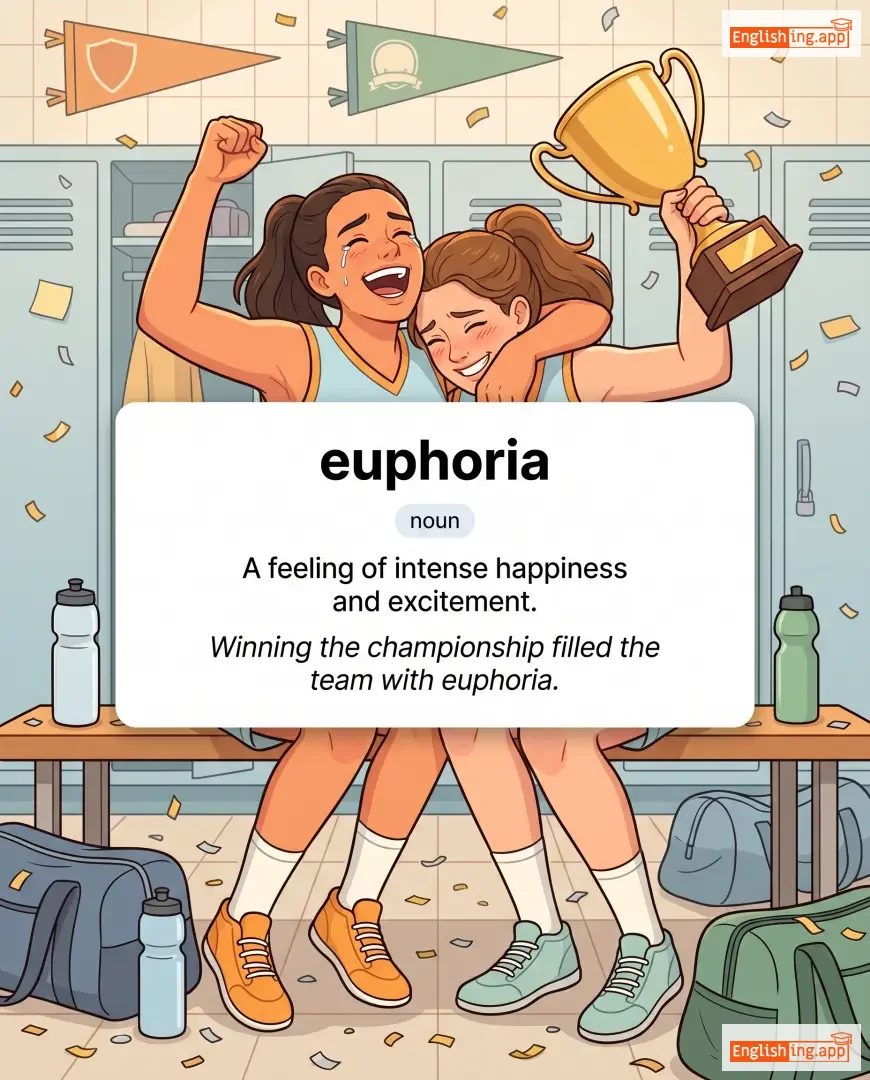
幸福感
koufukukan
••••••
|
- •••••• | - •••••• | - •••••• | - •••••• |
A feeling of intense happiness and excitement.
••••••
|
Winning the championship filled the team with euphoria.
チャンピオンシップを優勝すると、チームはユーフォリアで満たされました。
••••••
|
チャンピオンシップを優勝すると、チームは幸福感で満たされました。
Chanpionship wo yūshō suru to, chīmu wa kōfukukan de mitasaremashita.
••••••
|
- •••••• | - •••••• | - •••••• |
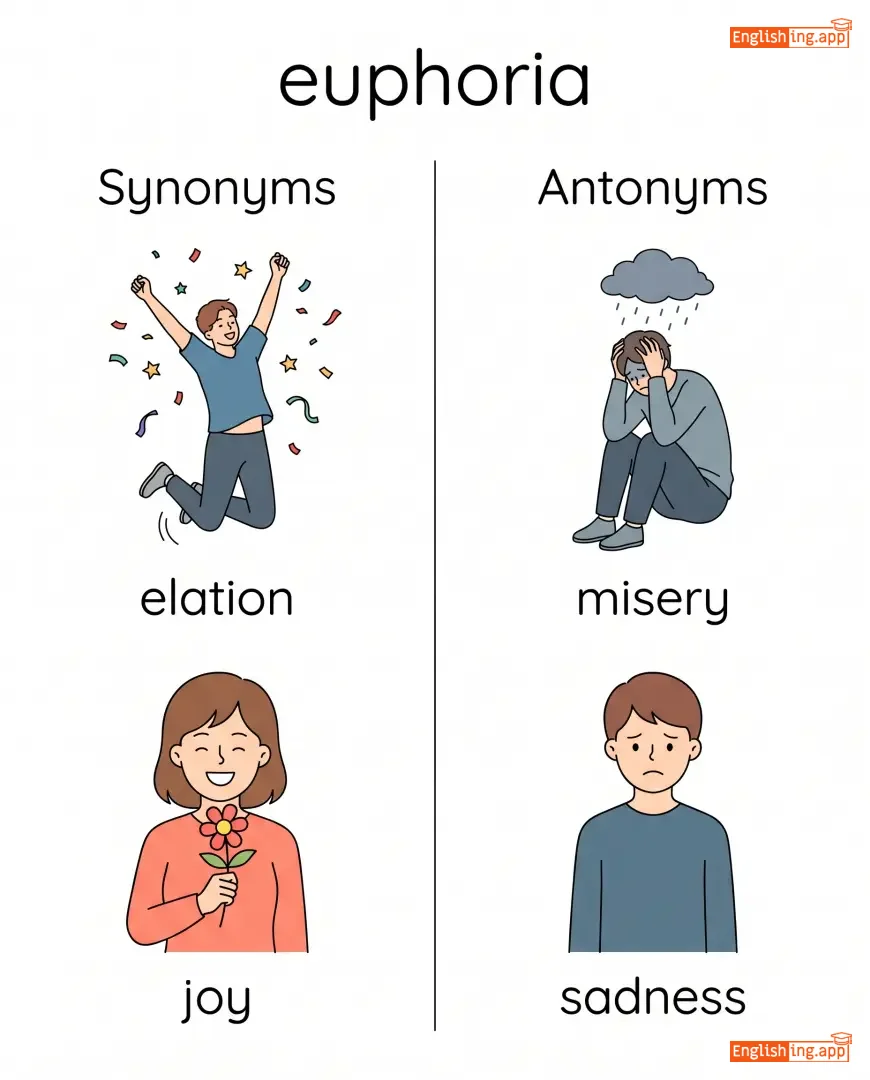
elation, joy, bliss, delight, happiness
••••••
|
misery, sadness, depression
••••••
|
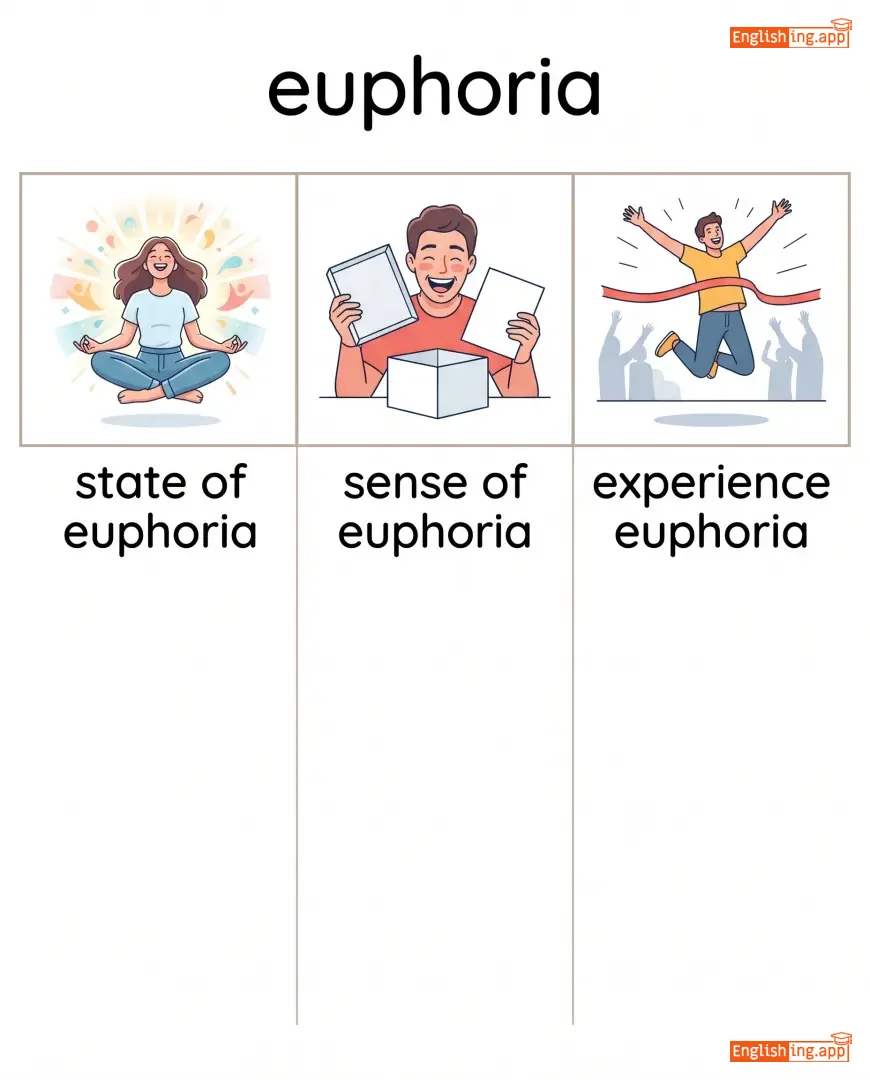
state of euphoria, sense of euphoria, experience euphoria, filled with euphoria
••••••
|
Euphoria = 幸福感を感じて、喜びが爆発する瞬間!
••••••
|
|
#3133
🎵
|
/ˈjuːfəni/
noun
(ユーフォニー)
••••••
|
- •••••• |
ユーフォニー
yuufonii
••••••
|
- •••••• | - •••••• | - •••••• | - •••••• |
The quality of being pleasing to the ear, especially through harmonious combination of words.
••••••
|
The orator's speech was full of euphony and rhythm.
演説者のスピーチはユーフォニーとリズムで満ちていた。
••••••
|
演説者のスピーチはユーフォニーとリズムで満ちていた。
Enzetsusha no supīchi wa yuufonii to rizumu de michite ita.
••••••
|
- •••••• | - •••••• | - •••••• |
harmony, melody, music, pleasantness, sweetness
••••••
|
cacophony, discord, harshness
••••••
|
euphony in poetry, natural euphony, euphony of speech, sense of euphony
••••••
|
Euphony = ユー (you) + フォニー (音) – 耳に心地よい音。
••••••
|
|
#3134
🎶
|
/juːˈfoʊniəs/
adjective
(ユーフォニアス)
••••••
|
- •••••• |
耳に心地よい音
mimi ni kokochi yoi oto
••••••
|
- •••••• | - •••••• | - •••••• | - •••••• |
Pleasing to the ear; having a sweet sound.
••••••
|
The poet's euphonious language made the verse a delight to read.
詩人のユーフォニアスな言葉は詩を読む喜びに変えました。
••••••
|
詩人のユーフォニアスな言葉は詩を読む喜びに変えました。
Shijin no yūfoniasu na kotoba wa shi o yomu yorokobi ni kaemashita.
••••••
|
- •••••• | - •••••• | - •••••• |
melodious, harmonious, tuneful, pleasant, sweet-sounding
••••••
|
cacophonous, harsh, discordant
••••••
|
euphonious voice, euphonious tone, euphonious name, euphonious language
••••••
|
Euphonyは心地よい音を意味し、euphoniousは耳に心地よい音を意味します。
••••••
|
|
#3135
🗣️
|
/ˈjuːfəmɪzəm/
noun
(ユーフェミズム)
••••••
|
|
婉曲語
wankyokugo
••••••
|
- •••••• | - •••••• | - •••••• | - •••••• |
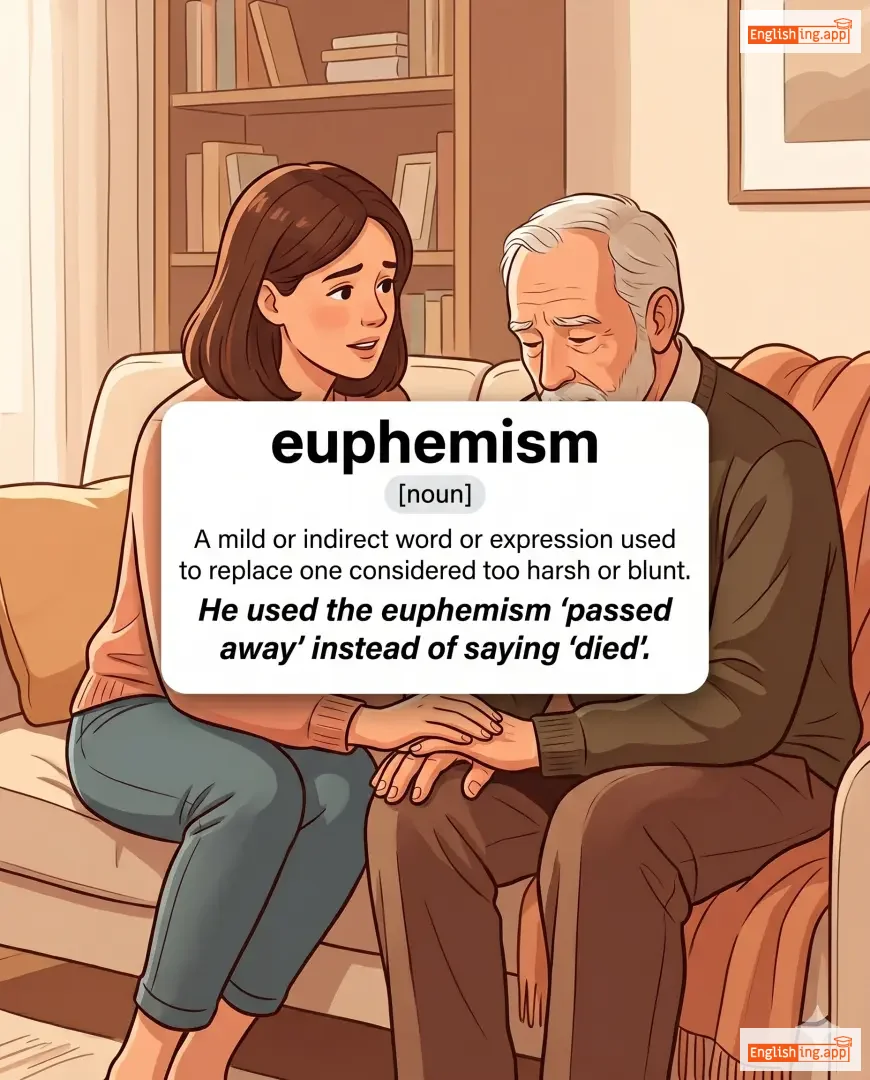
A mild or indirect word or expression used to replace one considered too harsh or blunt.
••••••
|
He used the euphemism 'passed away' instead of saying 'died'. |
彼は「亡くなった」という代わりに「逝った」という婉曲語を使った。
Kare wa 'nakunatta' to iu kawari ni 'itta' to iu wankyokugo o tsukatta.
••••••
|
- •••••• | - •••••• | - •••••• |
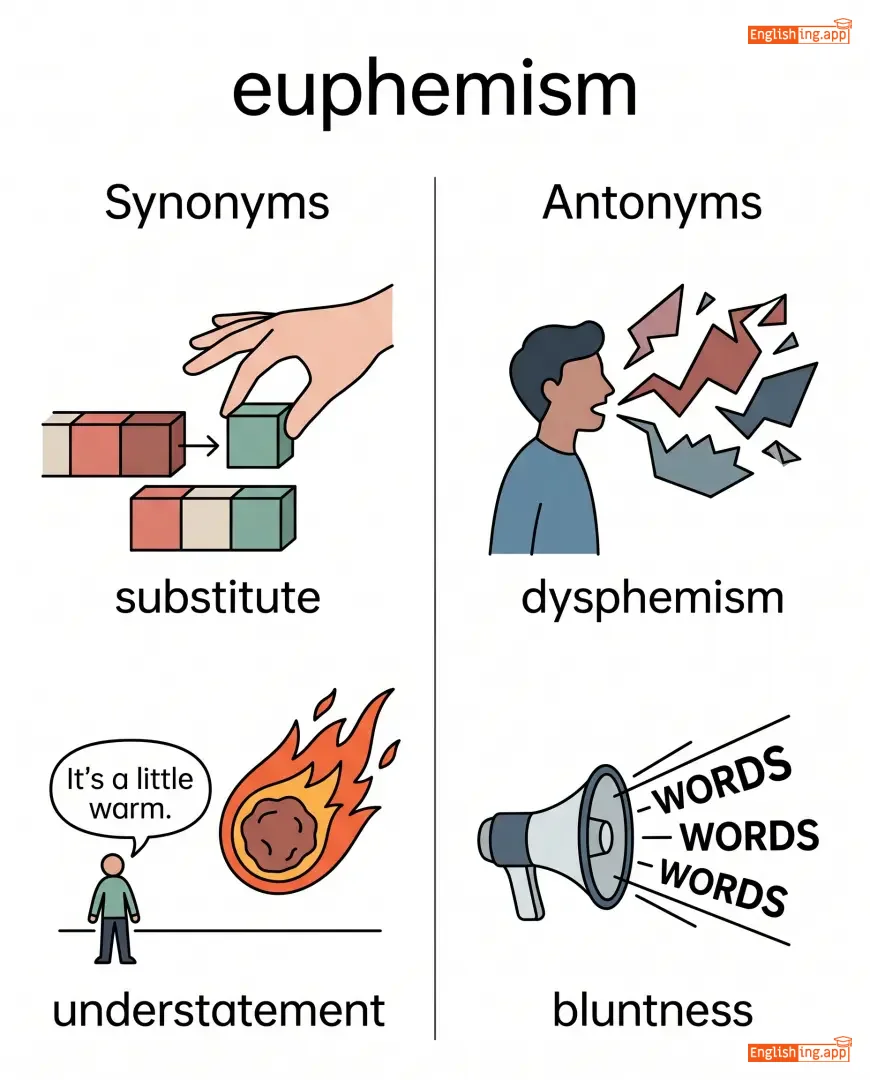
substitute, understatement, circumlocution, softening, polite term
••••••
|
dysphemism, bluntness, directness
••••••
|
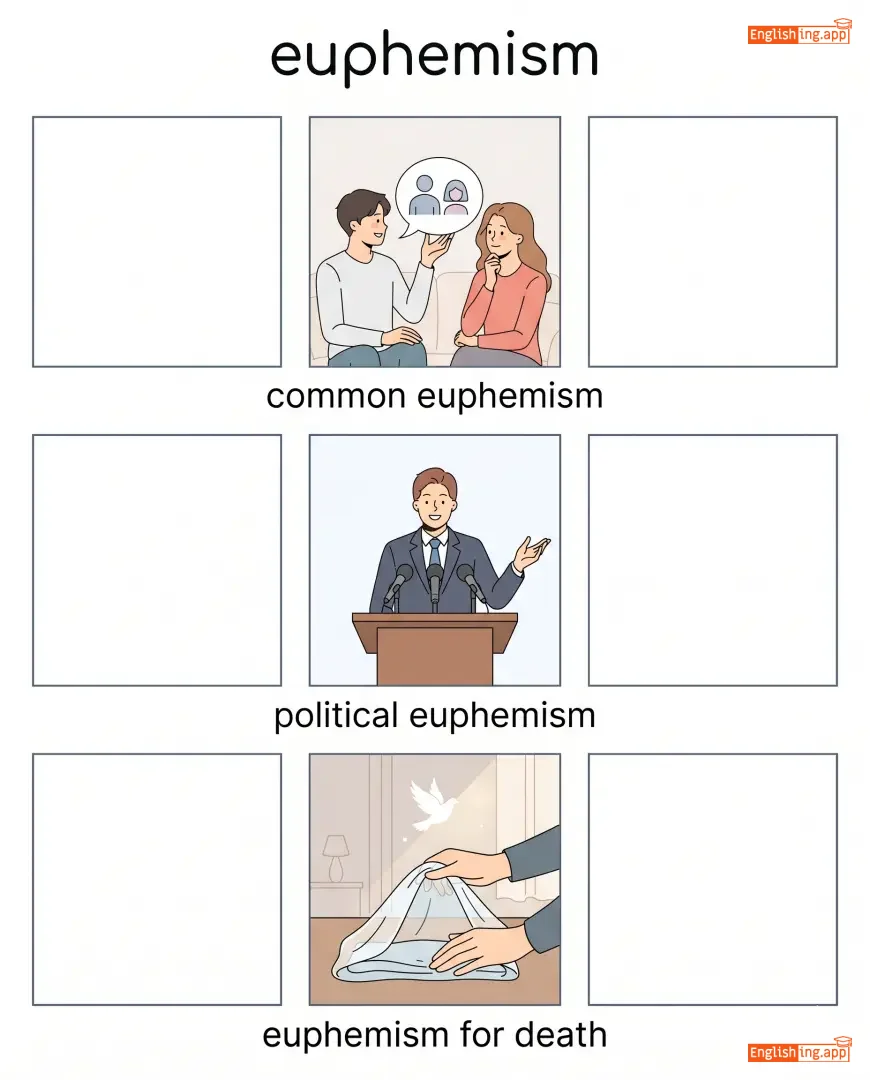
common euphemism, political euphemism, euphemism for death, use a euphemism
••••••
|
婉曲語は '優しく話す' ことを意味します—例えば '亡くなった' ではなく '逝った' と言うことです。
••••••
|
|
#3136
🏅
|
/ˈɛstɪməbl/
adjective
(エスティマブル)
••••••
|
|
尊敬すべき
sonkei subeki
••••••
|
- •••••• | - •••••• | - •••••• | - •••••• |
Worthy of great respect.
••••••
|
Her estimable achievements inspired the whole community.
彼女の尊敬に値する業績はコミュニティ全体にインスピレーションを与えました。
••••••
|
彼女の尊敬に値する業績はコミュニティ全体にインスピレーションを与えました。
Kanojo no sonkei subeki gyōseki wa komyuniti zentai ni insupirēshon o ataemashita.
••••••
|
- •••••• | - •••••• | - •••••• |
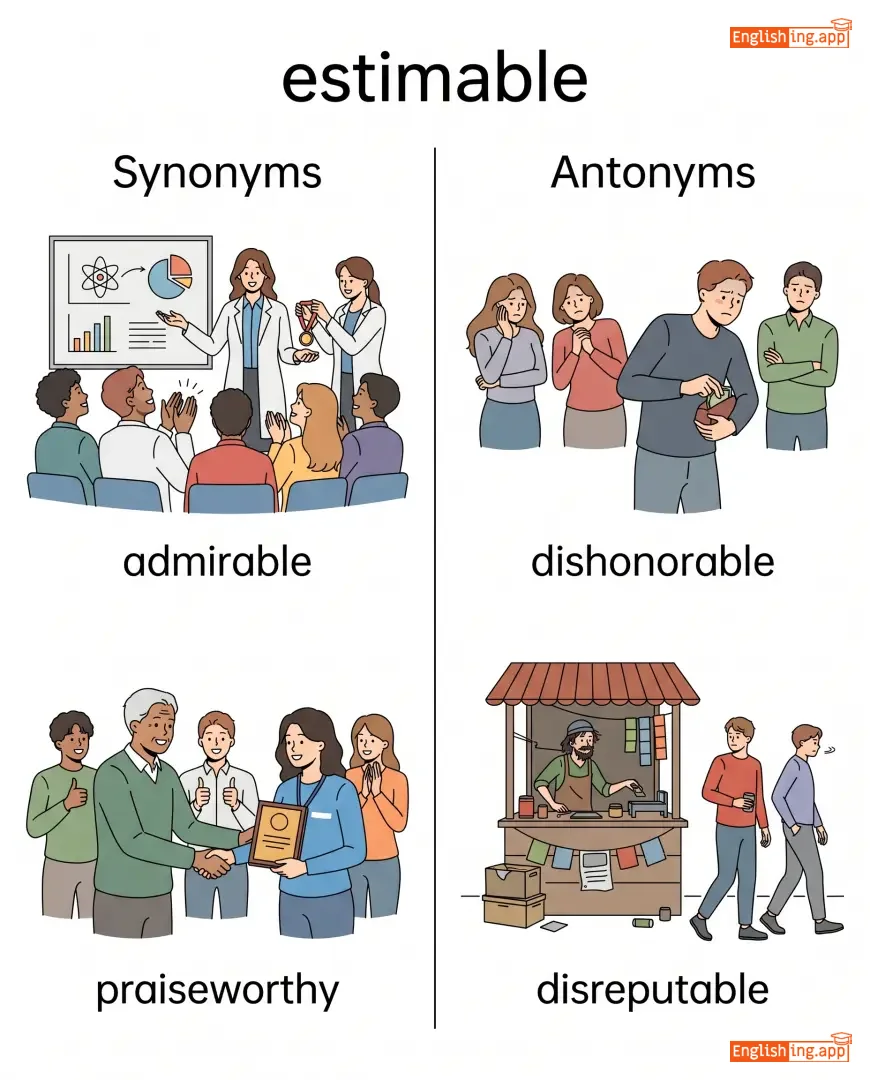
admirable, praiseworthy, honorable, respectable
••••••
|
dishonorable, disreputable, unworthy
••••••
|
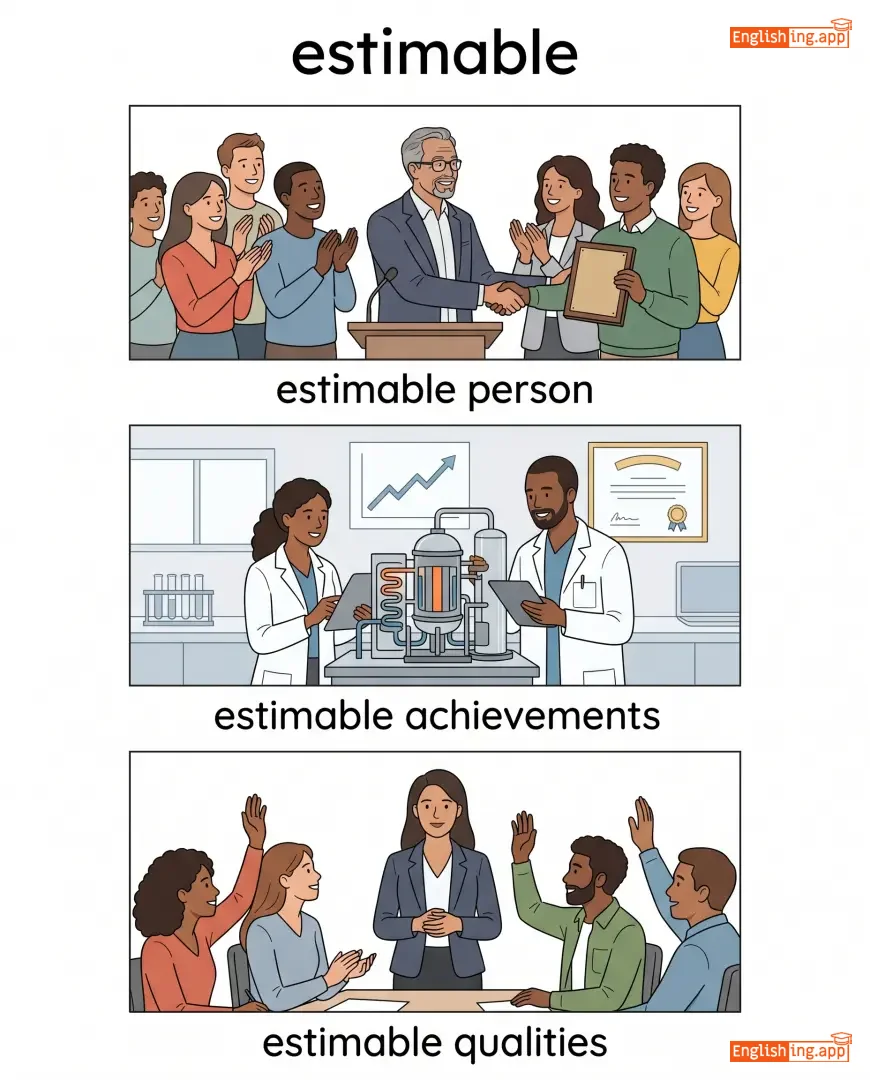
estimable person, estimable achievements, estimable qualities, highly estimable
••••••
|
Estimable は尊敬すべき — 'Esteem' (尊敬) 'able' (できる) から尊敬すべきという意味。
••••••
|
|
#3137
🕊️
|
/ˈjuːləˌdʒaɪz/
verb
(ユーロジャイズ)
••••••
|
- •••••• |
讃える
tataeru
••••••
|
eulogized
ユーロジャイズド
••••••
|
eulogized
ユーロジャイズド
••••••
|
eulogizes
ユーロジャイズズ
••••••
|
eulogizing
ユーロジャイジング
••••••
|
To praise highly in speech or writing, especially in honor of someone who has died.
••••••
|
They gathered to eulogize their beloved teacher.
彼らは愛する先生を称賛するために集まりました。
••••••
|
彼らは愛する先生を称賛するために集まりました。
Karera wa aisuru sensei o tataeru tame ni atsumarimashita.
••••••
|
- •••••• | - •••••• | - •••••• |
praise, commend, glorify, extol
••••••
|
criticize, condemn
••••••
|
eulogize someone, eulogize the deceased, eulogize publicly
••••••
|
Eulogize = 讃える、亡くなった人に対して尊敬を表現すること。
••••••
|
|
#3138
👏
|
/ˌjuːləˈdʒɪstɪk/
adjective
(ユーロジスティック)
••••••
|
- •••••• |
賛辞の
sanchi no
••••••
|
- •••••• | - •••••• | - •••••• | - •••••• |
Expressing praise or admiration, often formally.
••••••
|
The speaker gave a eulogistic account of the leader’s achievements. |
スピーカーはリーダーの業績について賛辞の言葉を述べました。
Supīkā wa rīdā no gyōseki ni tsuite sanchi no kotoba o nobemashita.
••••••
|
- •••••• | - •••••• | - •••••• |
praiseful, laudatory, complimentary, admiring
••••••
|
critical, disparaging
••••••
|
eulogistic speech, eulogistic remarks, eulogistic tone
••••••
|
賛辞のは、誰かや何かを褒める意味です。
••••••
|
|
#3139
🧬
|
/juːˈdʒɛnɪk/
adjective
(ユージェニック)
••••••
|
- •••••• |
優生学的
yūseigakuteki
••••••
|
- •••••• | - •••••• | - •••••• | - •••••• |
Relating to or aiming at improving the genetic quality of a population.
••••••
|
In the early 20th century, some scientists supported eugenic policies. |
20世紀初頭、一部の科学者は優生学的な政策を支持した。
20 seiki shotō, ichibu no kagakusha wa yūseigakuteki na seisaku o shiji shita.
••••••
|
- •••••• | - •••••• | - •••••• |
genetic improvement, hereditary, selective breeding
••••••
|
dysgenic, random breeding
••••••
|
eugenic policy, eugenic practice, eugenic movement
••••••
|
優生学的とは、遺伝子を改善することです。
••••••
|
|
#3140
📚
|
/ˌɛtɪˈmɒlədʒi/
noun
(エティモロジー)
••••••
|
|
語源学
gogen-gaku
••••••
|
- •••••• | - •••••• | - •••••• | - •••••• |
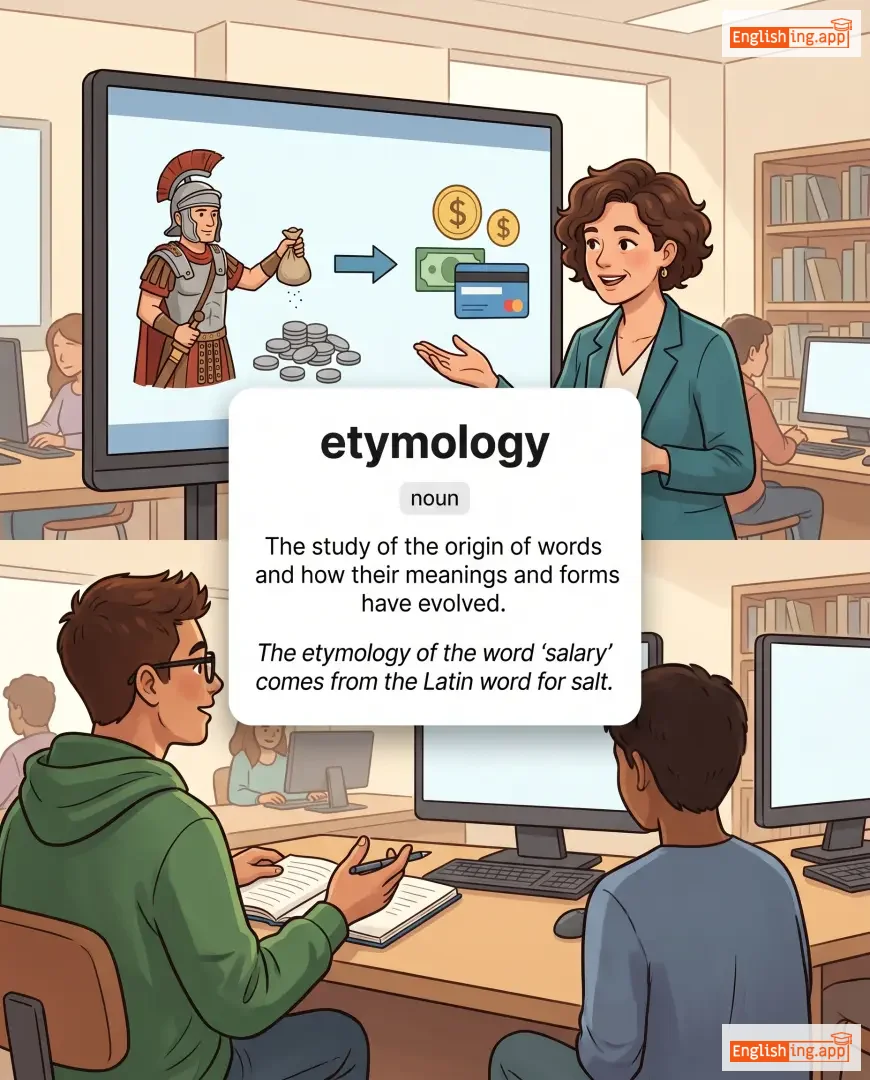
The study of the origin of words and how their meanings and forms have evolved.
••••••
|
The etymology of the word 'salary' comes from the Latin word for salt. |
'給与'という言葉の語源は、ラテン語の塩を意味する言葉から来ています。
'Kyūyo' to iu kotoba no gogen wa, raten-go no shio o imi suru kotoba kara kiteimasu.
••••••
|
- •••••• | - •••••• | - •••••• |
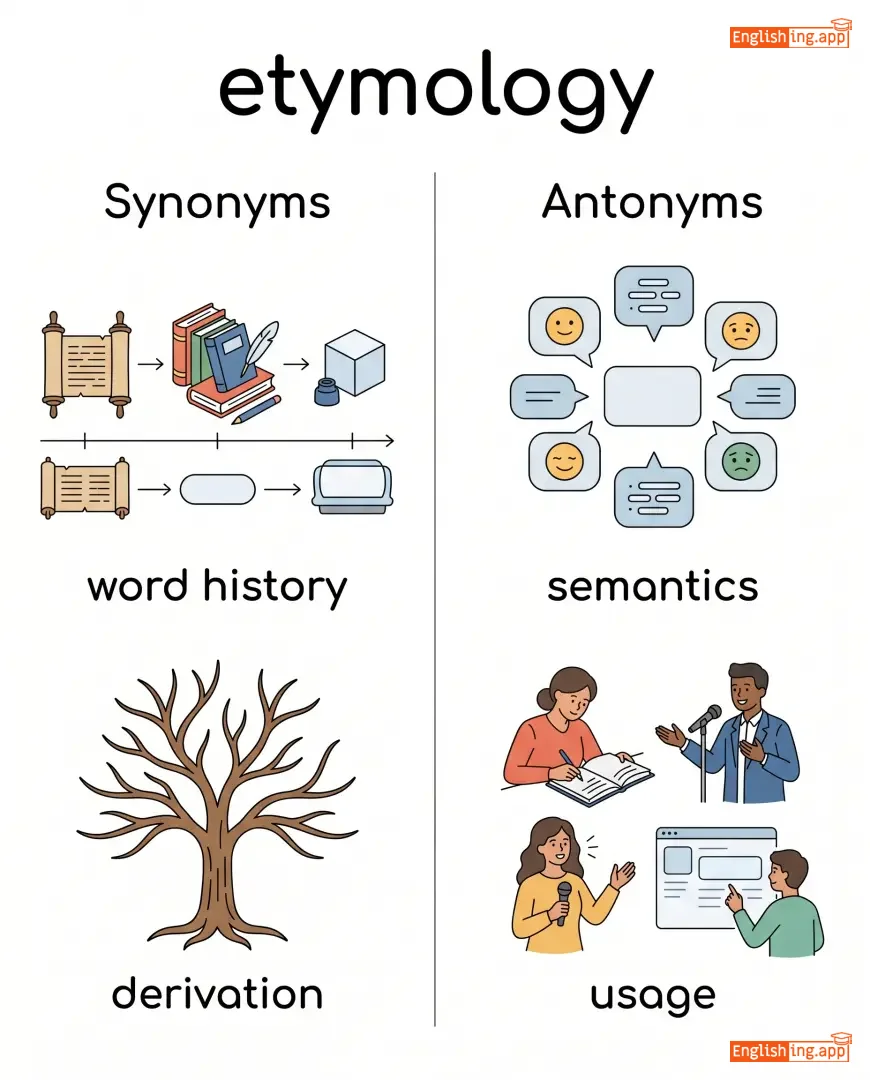
word history, derivation, origin, linguistics
••••••
|
semantics, usage
••••••
|
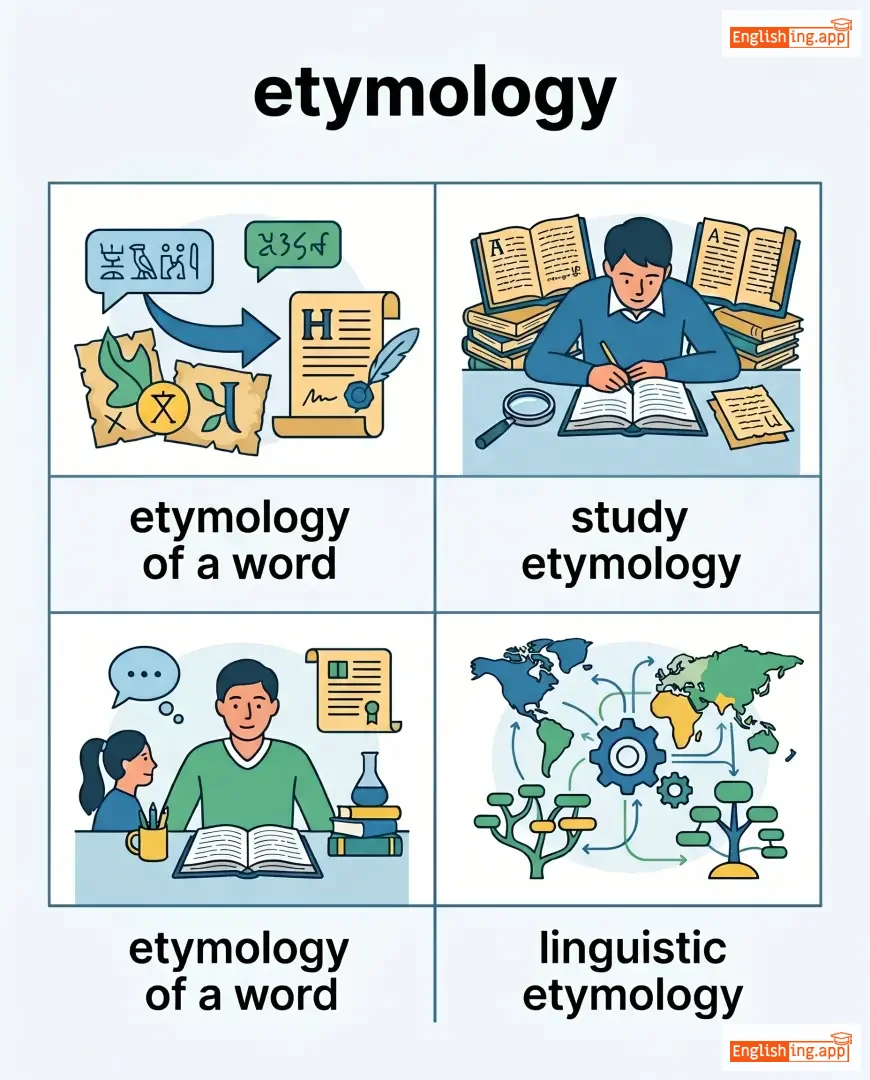
etymology of a word, study etymology, linguistic etymology, word etymology
••••••
|
語源学は言葉の過去を探るための学問です。
••••••
|
|
#3141
🏛️
|
/ˈiːθɒs/
noun
(イーソス)
••••••
|
|
エトス
etos
••••••
|
- •••••• | - •••••• | - •••••• | - •••••• |
the characteristic spirit, values, or beliefs of a community, culture, or organization
••••••
|
The company’s ethos emphasizes innovation and customer service. |
その会社のエトスは、革新と顧客サービスを強調しています。
Sono kaisha no etosu wa, kakushin to kokyaku sābisu o kyōchō shiteimasu.
••••••
|
- •••••• | - •••••• | - •••••• |
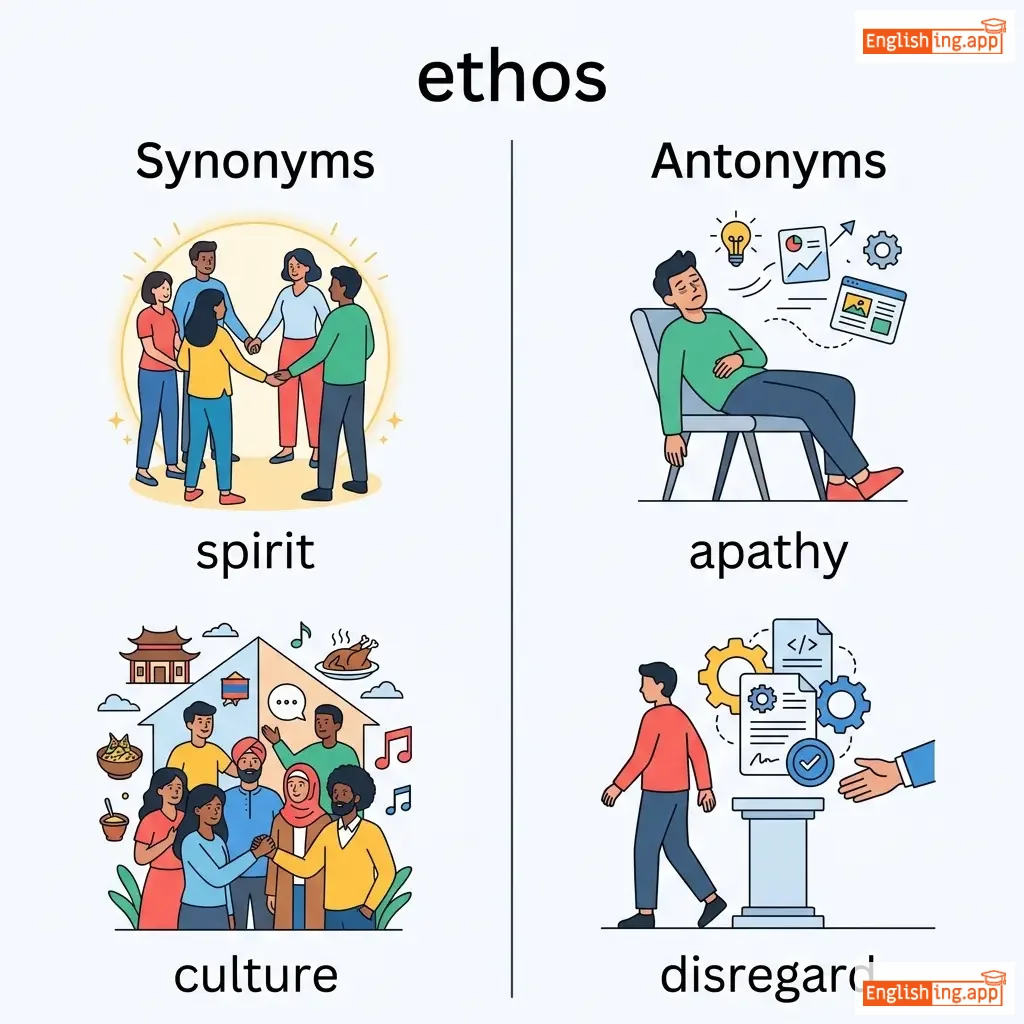
spirit, culture, values, philosophy, mindset
••••••
|
apathy, disregard, indifference
••••••
|
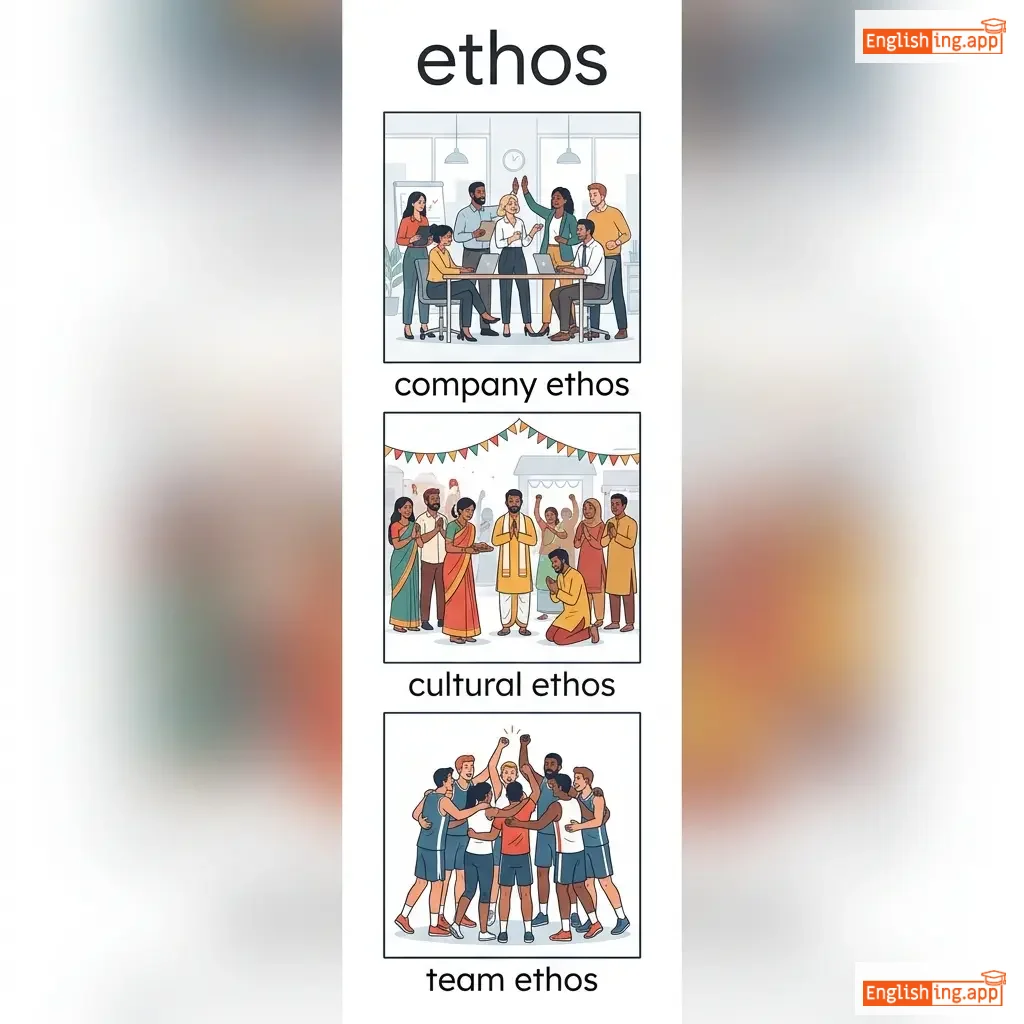
company ethos, cultural ethos, team ethos, ethos of honesty
••••••
|
Ethosは企業や団体の中心的な価値観
••••••
|
|
#3142
📚
|
/ɛθˈnɒlədʒi/
noun
(エスノロジー)
••••••
|
- •••••• |
民族学
minzokugaku
••••••
|
- •••••• | - •••••• | - •••••• | - •••••• |
the study of the characteristics of different peoples and the differences and relationships between them
••••••
|
She specialized in ethnology to better understand cultural diversity.
彼女は文化的多様性をよりよく理解するためにエスノロジーを専門にしていた。
••••••
|
彼女は文化的多様性をよりよく理解するために民族学を専門にしていた。
Kanojo wa bunkateki tayōsei o yori yoku rikai suru tame ni minzokugaku o senmon ni shite ita.
••••••
|
- •••••• | - •••••• | - •••••• |
anthropology, sociology, cultural studies, human science
••••••
|
individualism, isolationism
••••••
|
ethnology research, ethnology studies, professor of ethnology
••••••
|
民族学 = 人々とその文化の違いを研究すること。
••••••
|
|
#3143
🌍
|
/ˈɛθnɪk/
adjective
(エスニック)
••••••
|
- •••••• |
民族的
minzokuteki
••••••
|
- •••••• | - •••••• | - •••••• | - •••••• |
relating to a population subgroup with a common national or cultural tradition
••••••
|
The festival celebrated the city's diverse ethnic communities. |
フェスティバルは都市のさまざまな民族のコミュニティを祝いました。
Fesutibaru wa toshi no samazama na minzoku no komyuniti o iwaimashita.
••••••
|
- •••••• | - •••••• | - •••••• |
cultural, racial, traditional, indigenous
••••••
|
universal, general, nontraditional
••••••
|
ethnic group, ethnic community, ethnic diversity, ethnic background
••••••
|
Ethnic = 伝統文化を共有するグループ
••••••
|
|
#3144
⚖️
|
/ˈɛθɪks/
noun
(エシックス)
••••••
|
- •••••• |
倫理
rinri
••••••
|
- •••••• | - •••••• | - •••••• | - •••••• |
moral principles that govern a person's behavior or the conduct of an activity
••••••
|
Business ethics require companies to act fairly and responsibly. |
ビジネス倫理は、企業に公平かつ責任を持って行動することを求めます。
Bijinesu rinri wa, kigyō ni kōhei katsu sekinin o motte kōdō suru koto o motomemasu.
••••••
|
code of ethics |
a set of principles that guide professional conduct
••••••
|
倫理規定
rinri kitei
••••••
|
morality, principles, values, integrity, conscience
••••••
|
immorality, corruption, dishonesty
••••••
|
business ethics, professional ethics, medical ethics, code of ethics
••••••
|
倫理 = 行動における正しい道徳的ガイドライン
••••••
|
|
#3145
✨
|
/ɪˈθɪəriəl/
adjective
(イセリアル)
••••••
|
|
天上の
tenjō no
••••••
|
- •••••• | - •••••• | - •••••• | - •••••• |
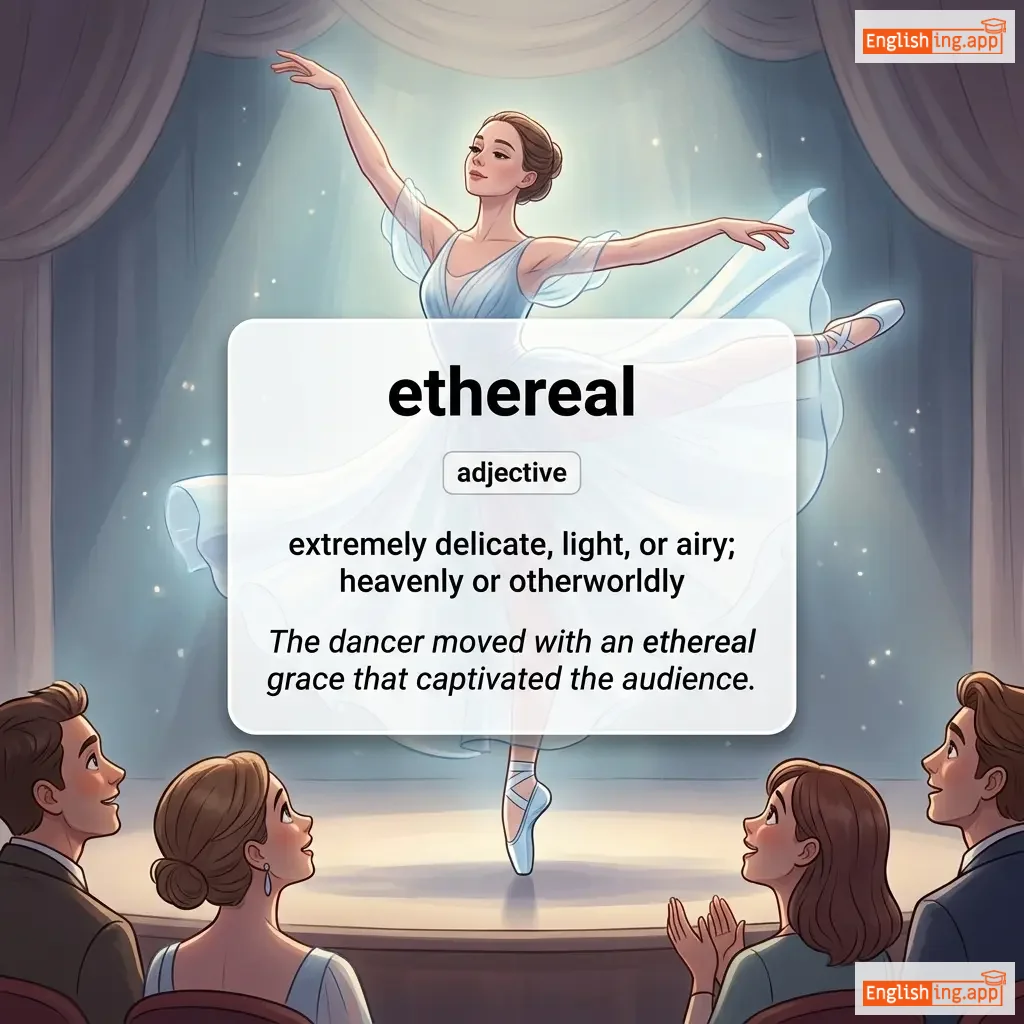
extremely delicate, light, or airy; heavenly or otherworldly
••••••
|
The dancer moved with an ethereal grace that captivated the audience.
ダンサーはイセリアルな優雅さで動き、観客を魅了しました。
••••••
|
ダンサーはイセリアルな優雅さで動き、観客を魅了しました。
Dansā wa iserial na yūgasa de ugoki, kankyaku o miryō shimashita.
••••••
|
- •••••• | - •••••• | - •••••• |
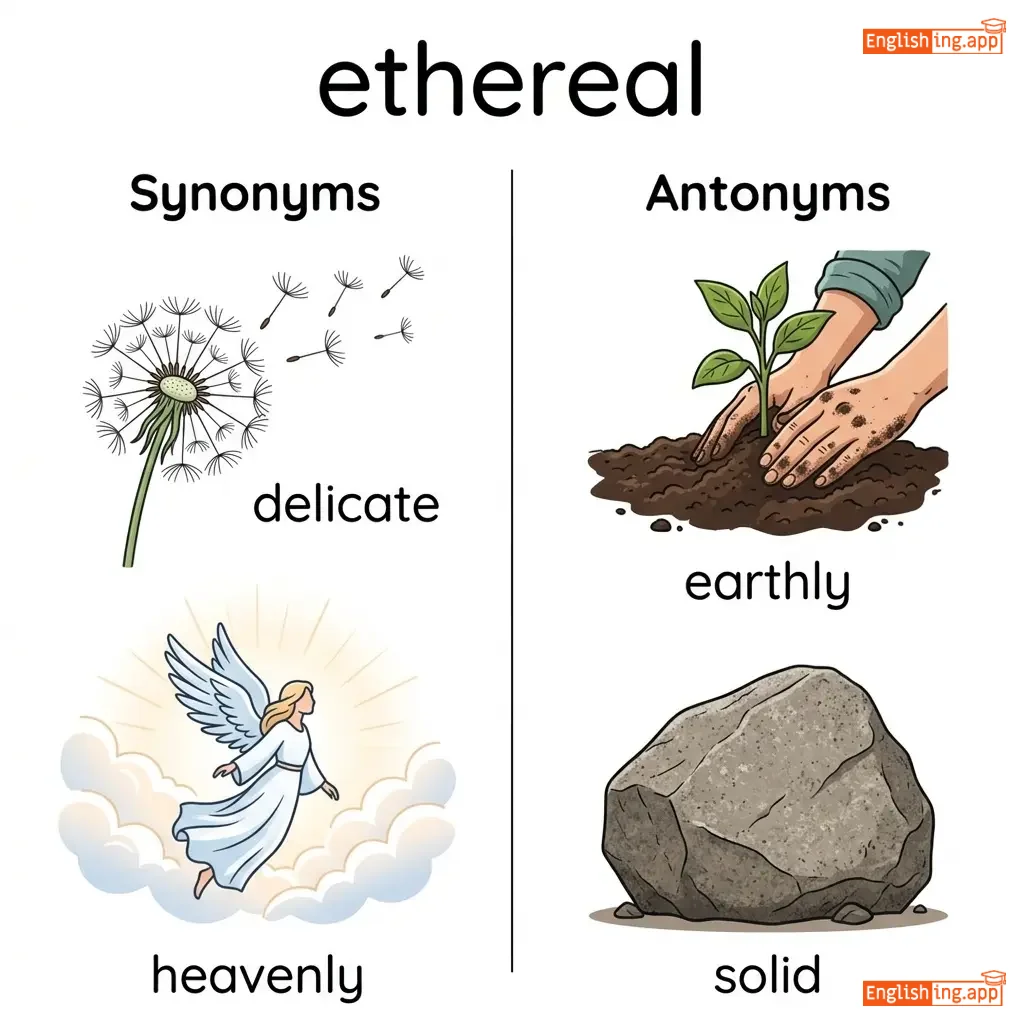
delicate, heavenly, airy, light, unearthly
••••••
|
earthly, solid, heavy
••••••
|
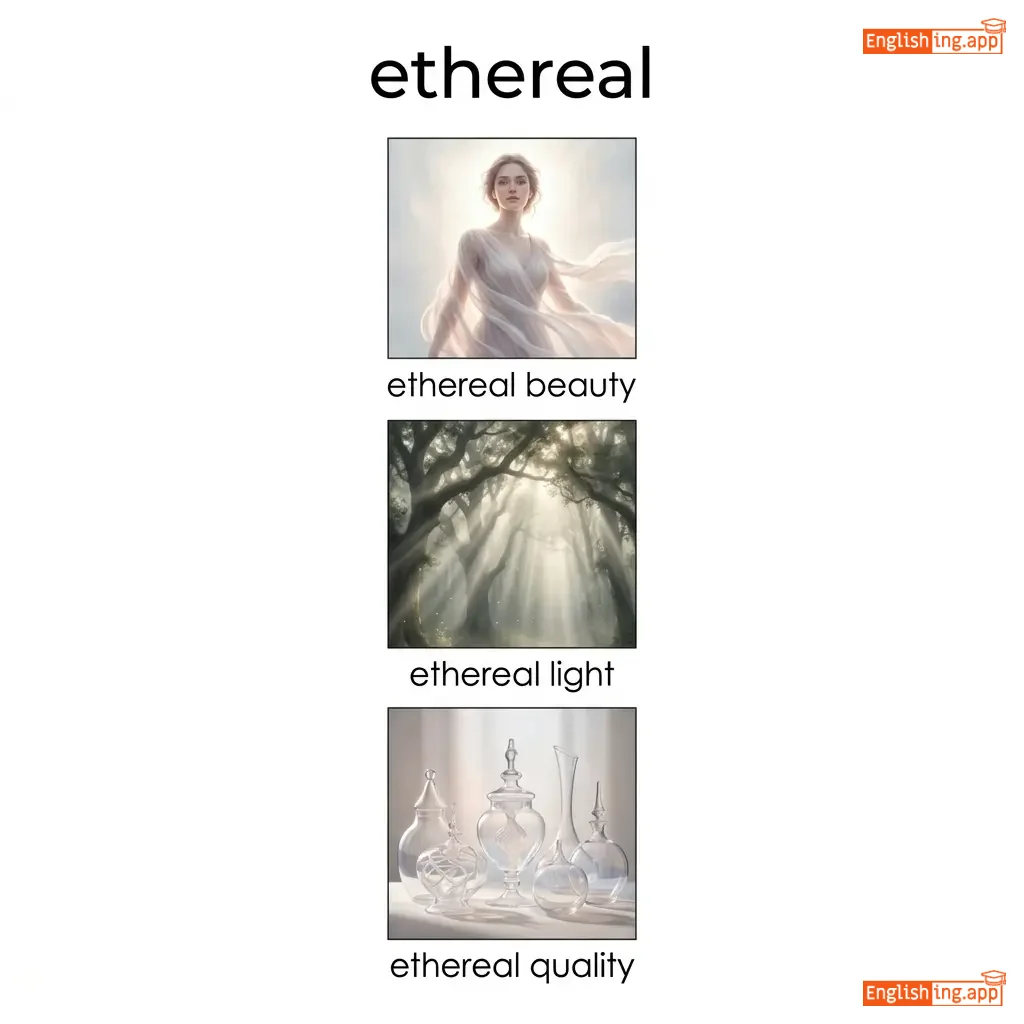
ethereal beauty, ethereal light, ethereal quality, ethereal presence
••••••
|
Ethereal は、まるで空気のように軽く、天から来たかのように感じるものです。
••••••
|
|
#3146
♾️
|
/ɪˈtɜːrnəl/
adjective
(イーターナル)
••••••
|
- •••••• |
永遠
eien
••••••
|
- •••••• | - •••••• | - •••••• | - •••••• |
lasting or existing forever; without end
••••••
|
They pledged their eternal love for each other. |
彼らはお互いに永遠の愛を誓いました。
Karera wa otagai ni eien no ai o chikaimashita.
••••••
|
eternal flame |
a fire that burns continuously as a symbol of remembrance
••••••
|
永遠の炎
eien no honoo
••••••
|
everlasting, perpetual, infinite, timeless, immortal
••••••
|
temporary, fleeting, mortal
••••••
|
eternal love, eternal life, eternal flame, eternal truth
••••••
|
永遠は eternal を意味します – 終わりがない!
••••••
|
|
#3147
🪟
|
/ɛtʃ/
verb
(エッチ)
••••••
|
- •••••• |
刻む
kizamu
••••••
|
etched
エッチド
••••••
|
etched
エッチド
••••••
|
etches
エッチズ
••••••
|
etching
エッチング
••••••
|
to cut or carve a design onto a surface
••••••
|
The artist etched her initials into the glass.
アーティストはガラスに自分のイニシャルを刻みました。
••••••
|
アーティストはガラスに自分のイニシャルを刻みました。
Ātisuto wa garasu ni jibun no inisharu o kizamimashita.
••••••
|
etched in memory
記憶に刻まれる
••••••
|
to be remembered vividly
••••••
|
記憶に刻まれる
kioku ni kizamare
••••••
|
engrave, carve, inscribe, imprint
••••••
|
erase, remove
••••••
|
etch glass, etched in memory, etch design, etch pattern
••••••
|
Etchは刻むのように、記憶に刻まれるものです。
••••••
|
|
#3148
🌊
|
/ˈɛstjʊəri/
noun
(エスチュアリ)
••••••
|
- •••••• |
河口
kakou
••••••
|
- •••••• | - •••••• | - •••••• | - •••••• |
the tidal mouth of a large river, where the tide meets the stream
••••••
|
The city is located near the estuary of the river. |
その都市は川の河口の近くにあります。
sono toshi wa kawa no kakou no chikaku ni arimasu.
••••••
|
- •••••• | - •••••• | - •••••• |
delta, river mouth, inlet, bay
••••••
|
source, spring
••••••
|
river estuary, estuary mouth, estuary area, estuary ecosystem
••••••
|
Estuary とは extra water、つまり川と海が出会う場所です
••••••
|
|
#3149
😞
|
/ɪˈstreɪndʒd/
adjective
(es-tɹeɪndʒd)
••••••
|
- •••••• |
疎遠
soen
••••••
|
- •••••• | - •••••• | - •••••• | - •••••• |
no longer close or affectionate with someone; alienated
••••••
|
She felt estranged from her family after the long dispute.
彼女は長い争いの後、家族と疎遠に感じた。
••••••
|
彼女は長い争いの後、家族と疎遠に感じた。
Kanojo wa nagai arasoi no ato, kazoku to soen ni kanjita.
••••••
|
estranged husband/wife
疎遠な夫/妻
••••••
|
a spouse from whom one is separated
••••••
|
疎遠な夫/妻
Soen na otto/tsuma
••••••
|
alienated, separated, distant, detached
••••••
|
reconciled, united, close
••••••
|
estranged husband, estranged wife, estranged family, estranged friend
••••••
|
Estranged spouse は separated spouse – 疎遠な夫/妻
••••••
|
|
#3150
💔
|
/ɪˈstreɪndʒ/
verb
••••••
|
- •••••• | - •••••• |
estranged
••••••
|
estranged
••••••
|
estranges
••••••
|
estranging
••••••
|
to cause someone to no longer be close or affectionate; to alienate
••••••
|
His constant criticism began to estrange him from his friends. |
- •••••• |
estranged from |
no longer close or affectionate toward someone
••••••
|
- •••••• |
alienate, isolate, distance, separate, detach
••••••
|
reconcile, unite, befriend
••••••
|
estrange someone, estrange family, estrange relationship, estrange from
••••••
|
No •••••• |
Vocabulary Quiz
Test your vocabulary by matching words with their translations or meanings.
Login to take the quiz
Comments (0)
Share your thoughts and join the discussion.
Join the discussion by logging in
Login to CommentNo comments yet
Be the first to share your thoughts!