

翻訳
過去
過去分詞
三人称単数
動名詞
意味
例文
例文の翻訳
同義語
対義語
コロケーション
ニーモニック


Swipe left or right, or use the buttons. Tap image to zoom.
例文の翻訳
単語
Lesson 419Lesson 419 - マスクトグル
|
絵文字
|
単語 | Images | 翻訳 | 過去 | 過去分詞 | 三人称単数 | 動名詞 | 意味 | 例文 | 例文の翻訳 | 表現例 | 表現例の意味 | 表現例の翻訳 | 同義語 | 対義語 | コロケーション | ニーモニック |
|---|---|---|---|---|---|---|---|---|---|---|---|---|---|---|---|---|---|
|
#1
👮♂️
|
/kəˈmɪʃənər/
noun
(コミッショナー)
••••••
|
- •••••• |
コミッショナー
komisshonā
••••••
|
- •••••• | - •••••• | - •••••• | - •••••• |
an official in charge of a particular department or area
••••••
|
The police commissioner addressed the media about the incident.
警察のコミッショナーは、事件についてメディアに話しました。
••••••
|
警察のコミッショナーは、事件についてメディアに話しました。
Keisatsu no komisshonā wa, jiken ni tsuite media ni hanashimashita.
••••••
|
- •••••• | - •••••• | - •••••• |
official, director, superintendent, chief, officer
••••••
|
subordinate, employee
••••••
|
police commissioner, election commissioner, city commissioner, commissioner office
••••••
|
コミッショナーは責任を意味し、コミッショナーはその責任を持つ人です。
••••••
|
|
#1
⚖️
|
/ˈkɒnvɪkt/
verb
(コンヴィクト)
••••••
|
- •••••• |
有罪判決を下す
yūzai hanketsu wo kudasu
••••••
|
convicted
コンヴィクテッド
••••••
|
convicted
コンヴィクテッド
••••••
|
convicts
コンヴィクツ
••••••
|
convicting
コンヴィクティング
••••••
|
to find someone guilty of a crime in a court of law
••••••
|
The court convicted him of theft.
裁判所は彼を窃盗罪で有罪とした。
••••••
|
裁判所は彼を窃盗罪で有罪とした。
Saibansho wa kare wo settō-zai de yūzai to shita.
••••••
|
convict someone of a crime
犯罪で誰かを有罪にする
••••••
|
to declare someone guilty of committing a particular crime
••••••
|
犯罪で誰かを有罪にする
Hanzai de dareka wo yūzai ni suru
••••••
|
sentence, condemn, judge, declare guilty
••••••
|
acquit, pardon
••••••
|
convict of murder, convicted criminal, convict someone, convict by jury
••••••
|
Convictは'conviction'からきていて、法廷が誰かを有罪にすることを指す。
••••••
|
|
#1
🏗️
|
/ˈkɒntræktər/
noun
(コントラクター)
••••••
|
- •••••• |
請負業者
ukeoi gyōsha
••••••
|
- •••••• | - •••••• | - •••••• | - •••••• |
a person or company that agrees to provide materials or labor to perform a service or do a job
••••••
|
The contractor completed the building project on time. |
請負業者は建設プロジェクトを期限内に完了しました。
Ukeoi gyōsha wa ken'etsu purojekuto o kigen-nai ni kanryō shimashita.
••••••
|
general contractor |
a person or company responsible for overseeing a construction project
••••••
|
元請業者
moto ukeoi gyōsha
••••••
|
builder, supplier, provider, constructor, vendor
••••••
|
client, employee
••••••
|
building contractor, general contractor, independent contractor, government contractor
••••••
|
請負業者は契約を結んで仕事をする人—'contractor'を覚えておこう。
••••••
|
|
#1
➡️
|
/kənˈtɪnjuɪŋ/
verb
(コンティニュイング)
••••••
|
- •••••• |
続ける
tsuzukeru
••••••
|
continued
コンティニュード
••••••
|
continued
コンティニュード
••••••
|
continues
コンティニュース
••••••
|
continuing
コンティニュイング
••••••
|
to keep doing something without stopping
••••••
|
They are continuing their journey despite the rain.
雨にもかかわらず、彼らは旅を続けています。
••••••
|
雨にもかかわらず、彼らは旅を続けています。
Ame ni mo kakawarazu, karera wa tabi o tsuzuketeimasu.
••••••
|
continue on
続ける
••••••
|
to keep moving or progressing forward
••••••
|
進み続ける
susumitsuzukeru
••••••
|
persist, proceed, carry on, maintain, keep up
••••••
|
stop, cease, end
••••••
|
continue working, continue learning, continue to grow, continuing education
••••••
|
続ける = 止めるな、前に進め ➡️
••••••
|
|
#1
🌍
|
/ˈkɒntɪnənt/
noun
(kontinent)
••••••
|
- •••••• |
大陸
tairiku
••••••
|
- •••••• | - •••••• | - •••••• | - •••••• |
one of the large landmasses on Earth such as Asia, Africa, or Europe
••••••
|
Asia is the largest continent in the world. |
アジアは世界で最も大きな大陸です。
Ajia wa sekai de mottomo ōkina tairiku desu.
••••••
|
- •••••• | - •••••• | - •••••• |
landmass, region, area, territory
••••••
|
island, ocean
••••••
|
African continent, European continent, across the continent, continental drift
••••••
|
大陸は「たくさんの土地が広がる場所」、アジアは最大の大陸!
••••••
|
|
#1
📅
|
/kənˈsɪstəntli/
adverb
(カンシステントリー)
••••••
|
- •••••• |
一貫して
ikkanshite
••••••
|
- •••••• | - •••••• | - •••••• | - •••••• |
in a way that does not vary; regularly and dependably
••••••
|
She has been performing consistently well in her studies. |
彼女は学業で一貫して良い成績を収めています。
Kanojo wa gakugyō de ikkanshite yoi seiseki o osameteimasu.
••••••
|
consistent with |
in agreement or harmony with something
••••••
|
〜と一致する
〜to icchi suru
••••••
|
regularly, steadily, constantly, reliably
••••••
|
inconsistently, irregularly
••••••
|
perform consistently, act consistently, behave consistently, consistently good
••••••
|
一貫しては常に同じ結果を意味します — 常に同じパフォーマンス 📅
••••••
|
|
#1
📈
|
/kənˈsɪdərəbli/
adverb
(コンシダラブリー)
••••••
|
- •••••• |
かなり
kanari
••••••
|
- •••••• | - •••••• | - •••••• | - •••••• |
to a great extent or degree; significantly
••••••
|
The weather has improved considerably since last week. |
天気は先週からかなり改善しました。
Tenki wa senshū kara kanari kaizen shimashita.
••••••
|
- •••••• | - •••••• | - •••••• |
significantly, greatly, substantially, markedly
••••••
|
slightly, marginally
••••••
|
considerably better, considerably higher, increased considerably, changed considerably
••••••
|
Considerablyはかなり改善したという意味です 🌞
••••••
|
|
#1
🌿
|
/ˌkɒnsəˈveɪʃən/
noun
(コンサーベイション)
••••••
|
|
保護
hogo
••••••
|
- •••••• | - •••••• | - •••••• | - •••••• |
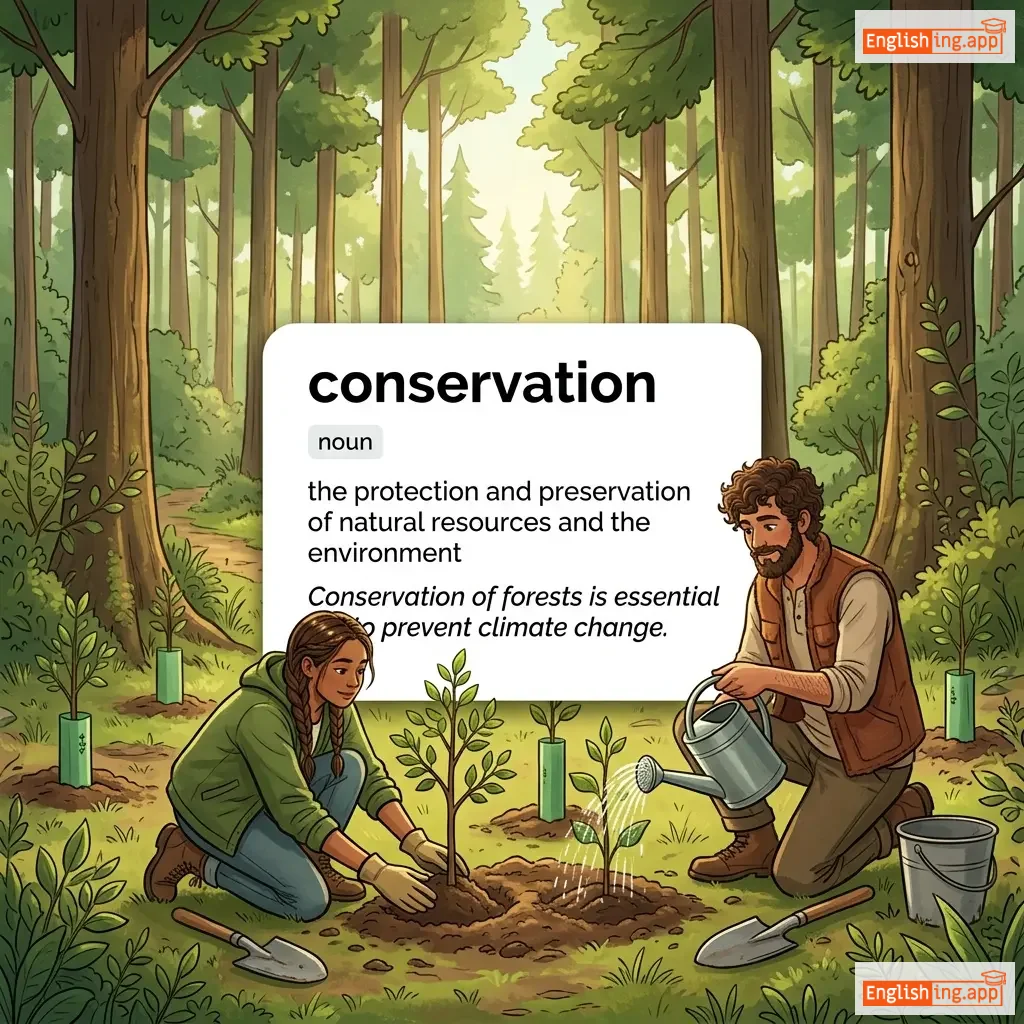
the protection and preservation of natural resources and the environment
••••••
|
Conservation of forests is essential to prevent climate change.
森のコンサーベイションは気候変動を防ぐために重要です。
••••••
|
森の保護は気候変動を防ぐために重要です。
mori no hogo wa kikou hendou o fusegu tame ni juuyou desu.
••••••
|
conservation of energy
エネルギーのコンサーベイション
••••••
|
the principle that energy cannot be created or destroyed, only transformed
••••••
|
エネルギーの保存
enerugii no hozon
••••••
|
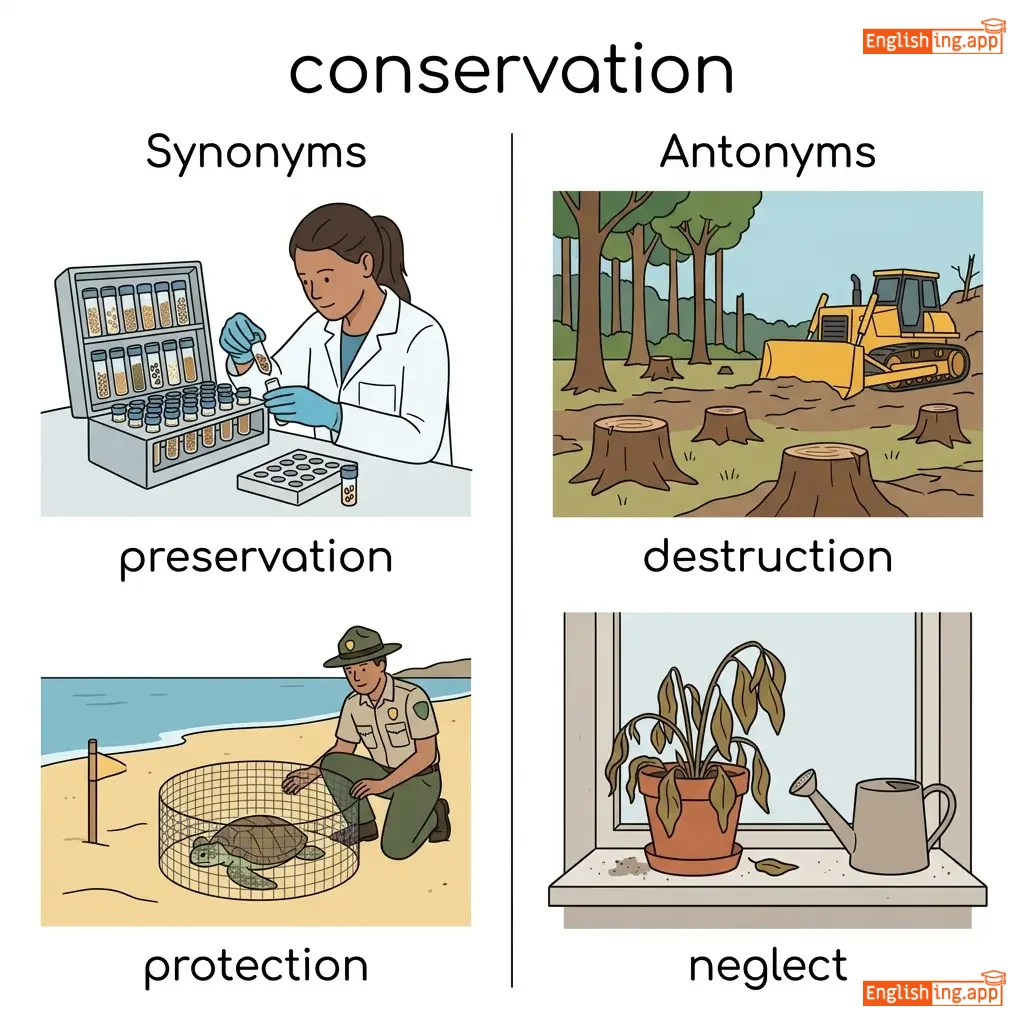
preservation, protection, care, maintenance, safeguarding
••••••
|
destruction, neglect, waste
••••••
|
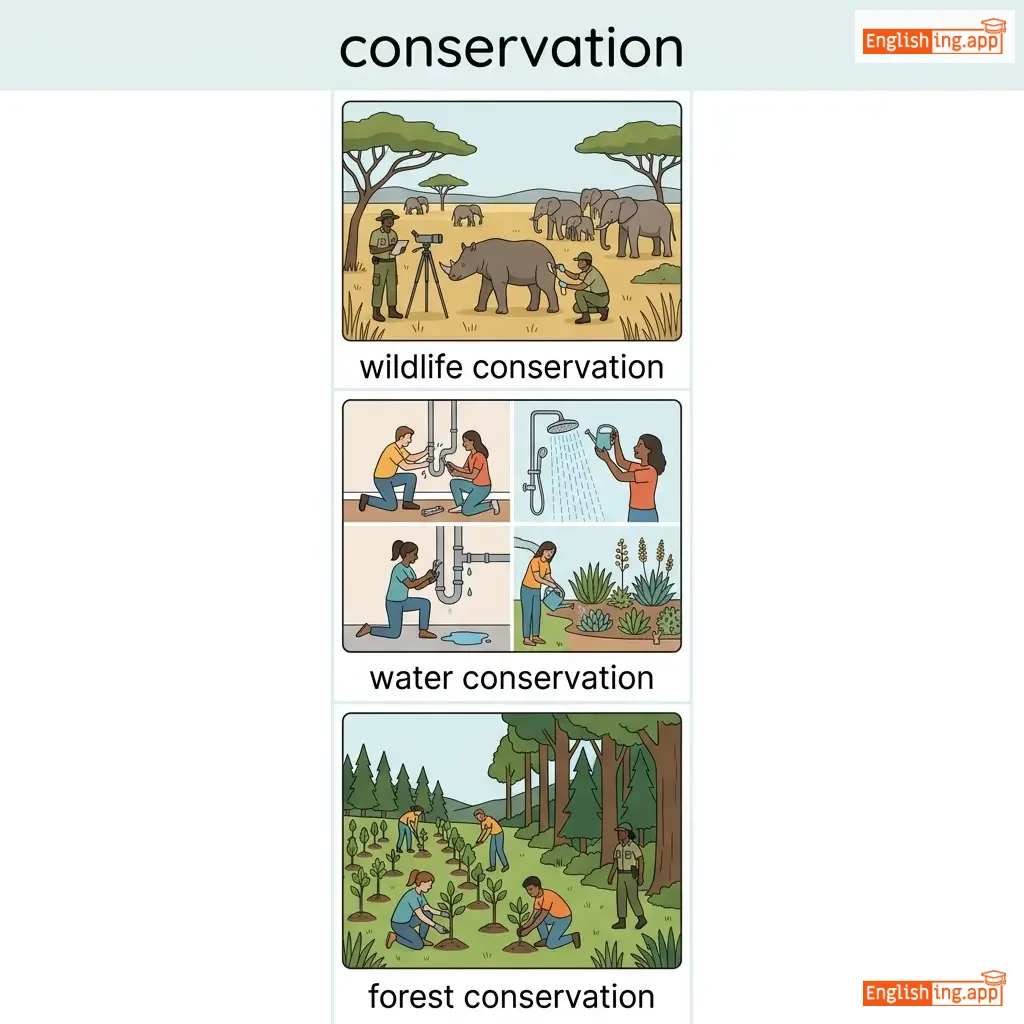
wildlife conservation, water conservation, forest conservation, energy conservation
••••••
|
保護 (hogo) sounds like ‘hold go’ — to protect and conserve 🌱
••••••
|
|
#1
➡️
|
/ˈkɒnsɪkwəntli/
adverb
(kônsiquéntorī)
••••••
|
- •••••• |
その結果
sono kekka
••••••
|
- •••••• | - •••••• | - •••••• | - •••••• |
as a result; therefore
••••••
|
He didn’t study, and consequently he failed the exam.
彼は勉強しなかったので、その結果試験に落ちた。
••••••
|
彼は勉強しなかったので、その結果試験に落ちた。
Kare wa benkyou shinakatta node, sono kekka shiken ni ochita.
••••••
|
- •••••• | - •••••• | - •••••• |
therefore, thus, hence, accordingly, as a result
••••••
|
nevertheless, however, despite
••••••
|
and consequently, consequently failed, consequently led to, consequently resulted in
••••••
|
Consequently は 'その結果', 結果に対して使う。
••••••
|
|
#1
🙏
|
/kənˈfɛʃən/
noun
(コンフェッション)
••••••
|
- •••••• |
告白
kokuhaku
••••••
|
- •••••• | - •••••• | - •••••• | - •••••• |
a statement admitting that one is guilty of a crime or has done something wrong
••••••
|
The suspect made a full confession to the police. |
容疑者は警察に完全な告白をした。
Yōgisha wa keisatsu ni kanzen'na kokuhaku o shita.
••••••
|
make a confession |
to admit to doing something wrong
••••••
|
告白する
kokuhaku suru
••••••
|
admission, acknowledgment, declaration, disclosure, revelation
••••••
|
denial, concealment, secrecy
••••••
|
make a confession, public confession, written confession, emotional confession
••••••
|
Confession は自分の間違いを認めること 🙏
••••••
|
|
#1
📄
|
/kənˈsɜːnɪŋ/
preposition
(カンサーニング)
••••••
|
- •••••• |
関する
kansuru
••••••
|
- •••••• | - •••••• | - •••••• | - •••••• |
about or relating to something; causing worry or anxiety
••••••
|
There are some reports concerning the new project.
新しいプロジェクトに関する報告があります。
••••••
|
新しいプロジェクトに関する報告があります。
Atarashī purojekuto ni kansuru hōkoku ga arimasu.
••••••
|
- •••••• | - •••••• | - •••••• |
regarding, about, related to, concerning, with respect to
••••••
|
excluding, ignoring, aside from
••••••
|
concerning issue, reports concerning, laws concerning, questions concerning
••••••
|
Concern は心配を意味し、concerning は何かに関連しています。
••••••
|
|
#1
🧩
|
/kəmˈplɛksɪti/
noun
(コンプレキシティ)
••••••
|
|
複雑さ
fukuzatsusa
••••••
|
- •••••• | - •••••• | - •••••• | - •••••• |
the state or quality of being intricate or complicated
••••••
|
The complexity of the problem surprised the engineers. |
問題の複雑さはエンジニアたちを驚かせました。
Mondai no fukuzatsusa wa enjinia-tachi o odorokasemashita.
••••••
|
reduce complexity |
to make something simpler or easier to understand
••••••
|
複雑さを減らす
fukuzatsusa o herasu
••••••
|
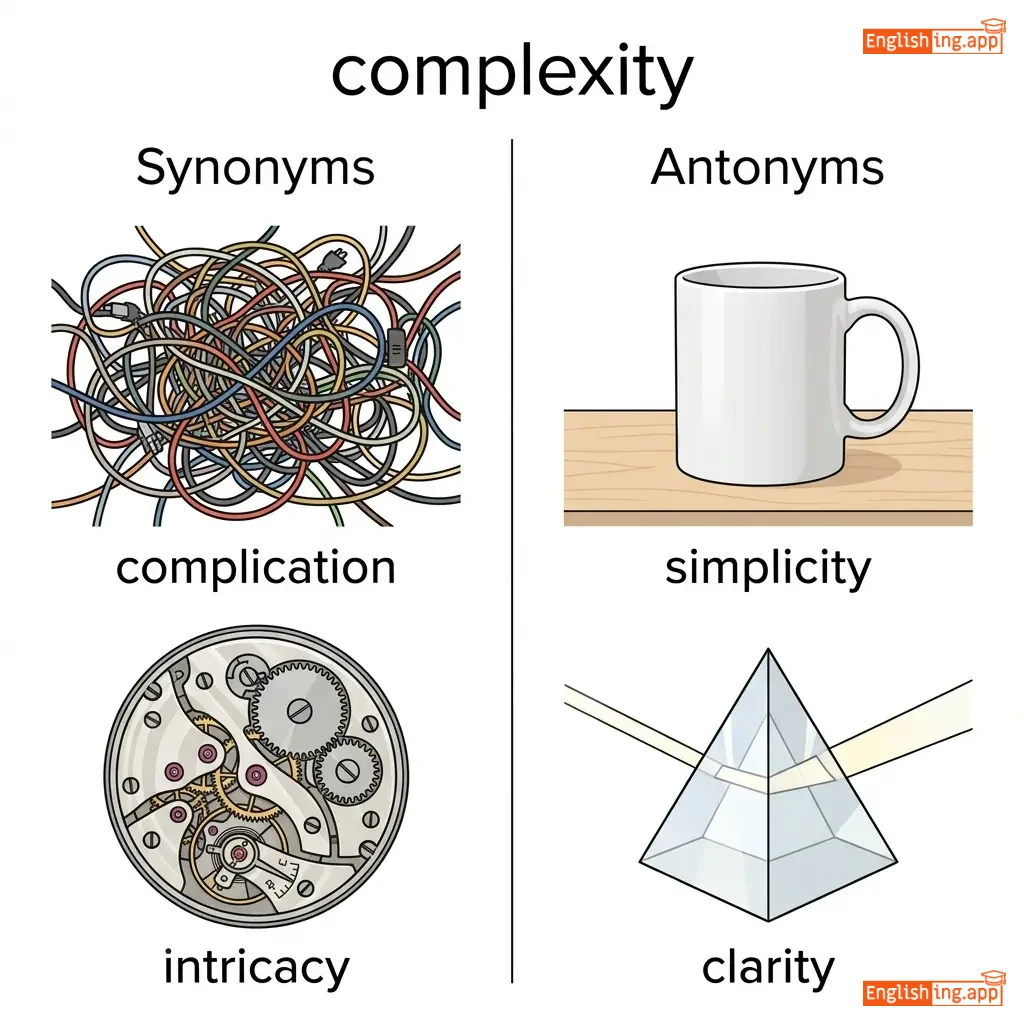
complication, intricacy, difficulty, sophistication, depth
••••••
|
simplicity, clarity, ease
••••••
|
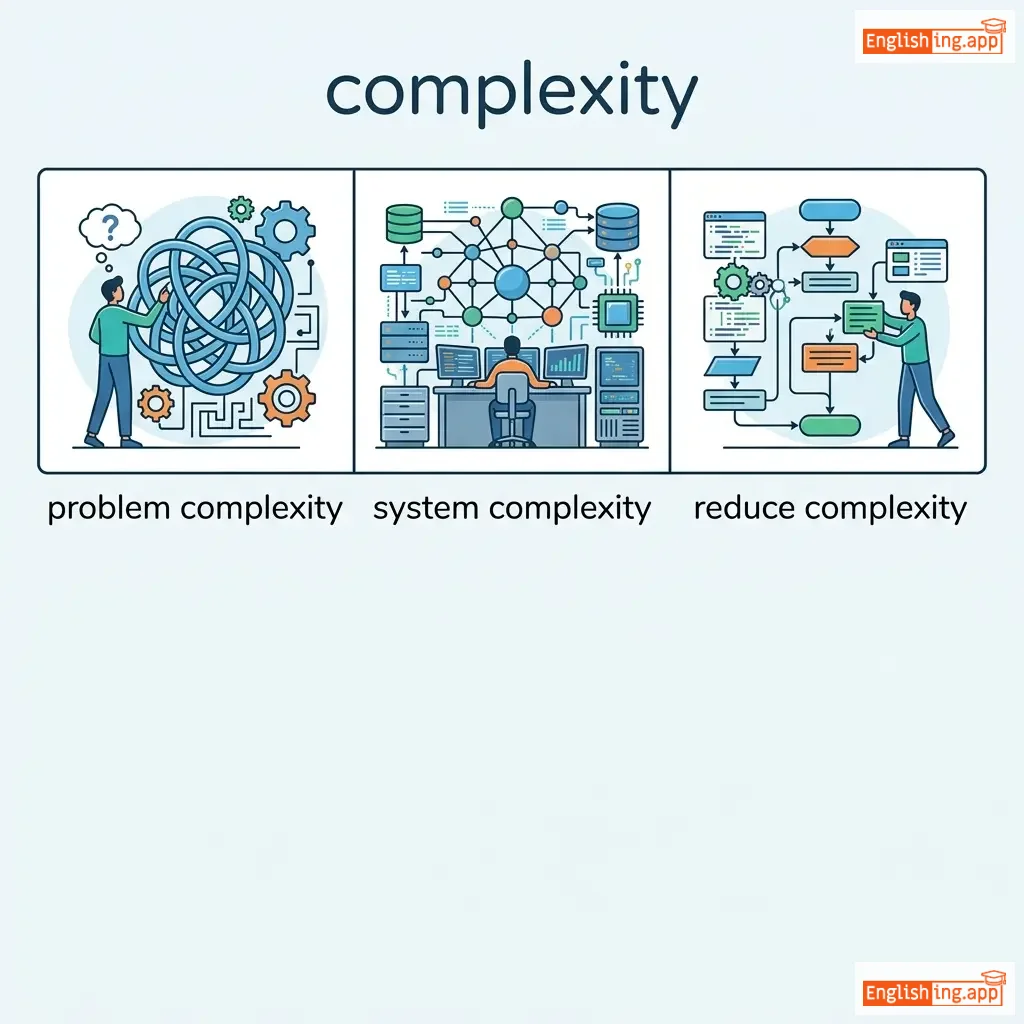
problem complexity, system complexity, reduce complexity, increasing complexity
••••••
|
複雑さは難しさを意味し、複雑なことを簡単にするのが目的です。
••••••
|
|
#1
💰
|
/ˌkɒmpənˈseɪʃən/
noun
(kəmˌpɛnsəˈɪʃən)
••••••
|
- •••••• |
補償
hoshō
••••••
|
- •••••• | - •••••• | - •••••• | - •••••• |
something, typically money, given to make up for loss, injury, or work done
••••••
|
She received financial compensation for the accident. |
彼女は事故のために金銭的補償を受けました。
Kanojo wa jiko no tame ni kinseiteki hoshō o ukemashita.
••••••
|
seek compensation |
to request payment or restitution for loss or damage
••••••
|
補償を求める
hoshō o motomeru
••••••
|
reimbursement, repayment, indemnity, recompense, restitution
••••••
|
penalty, loss, damage
••••••
|
compensation package, compensation claim, compensation for loss, financial compensation
••••••
|
補償 = 損失や怪我を補うお金!
••••••
|
|
#1
👫
|
/kəmˈpænjən/
noun
(コンパニオン)
••••••
|
- •••••• |
仲間
nakama
••••••
|
- •••••• | - •••••• | - •••••• | - •••••• |
a person or animal you spend time with or travel with
••••••
|
He was my companion during the long journey. |
彼は長い旅の間、私の仲間でした。
kare wa nagai tabi no aida, watashi no nakama deshita.
••••••
|
travel companion |
a person who accompanies you on a trip
••••••
|
旅行仲間
ryokou nakama
••••••
|
friend, partner, mate, associate, ally
••••••
|
enemy, rival, stranger
••••••
|
close companion, loyal companion, travel companion, lifelong companion
••••••
|
Companion は日本語で仲間 — 仲間が旅行を共にする
••••••
|
|
#1
🗣️
|
/ˈkɒmənli/
adverb
(コモンリー)
••••••
|
- •••••• |
一般的に
ippanteki ni
••••••
|
- •••••• | - •••••• | - •••••• | - •••••• |
usually or by most people
••••••
|
This phrase is commonly used in everyday speech. |
このフレーズは日常会話で一般的に使われます。
Kono fureezu wa nichijō kaiwa de ippanteki ni tsukawaremasu.
••••••
|
- •••••• | - •••••• | - •••••• |
usually, generally, typically, often, ordinarily
••••••
|
rarely, seldom, unusually
••••••
|
commonly used, commonly known, commonly accepted, commonly found
••••••
|
Commonは一般的な意味なので、commonlyは一般的にという意味です
••••••
|
|
#1
🤗
|
/klɪŋ/
verb
(幸せ)
••••••
|
- •••••• |
幸せ
shiawase
••••••
|
clung
••••••
|
clung
••••••
|
clings
••••••
|
clinging
••••••
|
to hold on tightly to someone or something
••••••
|
The child clung to his mother in fear.
彼女は賞を受け取ったとき、幸せを隠せなかった。
••••••
|
彼女は賞を受け取ったとき、幸せを隠せなかった。
Kanojo wa shō o uketotta toki, shiawase o kakusenakatta.
••••••
|
cling to hope
幸せを追い求める
••••••
|
to continue believing that something will happen even when it seems unlikely
••••••
|
幸せを追い求める
shiawase o oimotomeru
••••••
|
grip, hold, grasp, stick, attach
••••••
|
release, let go, detach
••••••
|
cling to, cling tightly, cling together, cling on
••••••
|
幸せは心の平和と満足感から来る。
••••••
|
|
#1
📅
|
/ˈkʌmɪŋ/
adjective
(カミング)
••••••
|
- •••••• |
来る
kuru
••••••
|
- •••••• | - •••••• | - •••••• | - •••••• |
approaching or happening soon
••••••
|
We are preparing for the coming festival. |
私たちは来る祭りの準備をしています。
Watashitachi wa kuru matsuri no junbi o shiteimasu.
••••••
|
coming soon |
something that will happen in the near future
••••••
|
間もなく来る
manonaku kuru
••••••
|
approaching, upcoming, impending, near, imminent
••••••
|
past, gone, finished
••••••
|
coming event, coming year, coming week, coming season
••••••
|
Comingは '来る'という意味 — 例えば、来るイベント
••••••
|
|
#1
🤝
|
/kəmˈbaɪnd/
adjective
(コンバインド)
••••••
|
- •••••• |
結合された
ketsugō sareta
••••••
|
- •••••• | - •••••• | - •••••• | - •••••• |
formed by bringing together separate parts or elements
••••••
|
The combined effort of the team led to success.
チームの共同の努力は成功をもたらしました。
••••••
|
チームの共同の努力は成功をもたらしました。
Chīmu no kyōdō no doryoku wa seikō o motarashimashita.
••••••
|
combined forces
結集された力
••••••
|
to work together for a common goal
••••••
|
結集された力
kesshū sareta chikara
••••••
|
merged, united, joined, blended, integrated
••••••
|
separate, divided, split
••••••
|
combined effect, combined effort, combined result, combined team
••••••
|
結合されたは一緒に組み合わせるという意味、まるで結集された力がより強力な力を生むように。
••••••
|
|
#1
⚔️
|
/ˈkɒmbæt/
verb
(コンバット)
••••••
|
- •••••• |
戦う
tatakau
••••••
|
combated
コンバテッド
••••••
|
combated
コンバテッド
••••••
|
combats
コンバッツ
••••••
|
combating
コンバティング
••••••
|
to fight against something, especially to reduce or stop it
••••••
|
The government is taking steps to combat corruption.
政府は汚職と戦うための措置を講じています。
••••••
|
政府は汚職と戦うための措置を講じています。
Seifu wa oshoku to tatakau tame no sochi o kōjiteimasu.
••••••
|
combat crime
犯罪と戦う
••••••
|
to fight against criminal activity
••••••
|
犯罪と戦う
hanzai to tatakau
••••••
|
fight, battle, oppose, resist, tackle
••••••
|
support, encourage, promote
••••••
|
combat disease, combat terrorism, combat climate change, combat poverty
••••••
|
戦う = Come + Battle — さあ戦おう (come to fight)!
••••••
|
|
#1
🖋️
|
/ˈkɒləmnɪst/
noun
(kōramunisuto)
••••••
|
- •••••• |
コラムニスト
koramunisuto
••••••
|
- •••••• | - •••••• | - •••••• | - •••••• |
a journalist who regularly writes articles or opinions for a newspaper or magazine
••••••
|
The columnist wrote an article about climate change. |
コラムニストは気候変動に関する記事を書きました。
Koramunisuto wa kikō hendō ni kansuru kiji wo kakimashita.
••••••
|
- •••••• | - •••••• | - •••••• |
journalist, writer, commentator, reporter, contributor
••••••
|
reader, audience
••••••
|
newspaper columnist, political columnist, famous columnist, opinion columnist
••••••
|
コラムニストは、コラムを書いている人。ニュースペーパーでコラムを書いていることを覚えておこう。
••••••
|
|
#1
🌈
|
/ˈkʌlərfəl/
adjective
(カラーフル)
••••••
|
- •••••• |
カラフル
karafuru
••••••
|
- •••••• | - •••••• | - •••••• | - •••••• |
having bright colors; full of variety or interest
••••••
|
The festival was full of colorful decorations.
その祭りはカラフルな装飾でいっぱいでした。
••••••
|
その祭りはカラフルな装飾でいっぱいでした。
Sono matsuri wa karafuru na sōshoku de ippai deshita.
••••••
|
colorful personality
カラフルな個性
••••••
|
a lively, interesting, and sometimes eccentric person
••••••
|
カラフルな個性
karafuru na kosei
••••••
|
vivid, bright, vibrant, lively, picturesque
••••••
|
colorless, dull, plain
••••••
|
colorful clothes, colorful festival, colorful language, colorful character
••••••
|
Colorful = カラー + フル — 色とりどりの花のような色彩豊かなもの。
••••••
|
|
#1
🏝️
|
/ˈkɒləni/
noun
(koronī)
••••••
|
- •••••• |
植民地
shokumindi
••••••
|
- •••••• | - •••••• | - •••••• | - •••••• |
a territory or community controlled by another country or group of people
••••••
|
India was once a British colony. |
インディアはかつてイギリスの植民地でした。
India wa katsute Igirisu no shokumindi deshita.
••••••
|
- •••••• | - •••••• | - •••••• |
territory, settlement, dependency, dominion, outpost
••••••
|
independent state, homeland
••••••
|
British colony, animal colony, colony of ants, colonial rule
••••••
|
Colony は日本語で '植民地' で、他国に支配されている場所です。
••••••
|
|
#1
👔
|
/ˈkɒlər/
noun
(カラー)
••••••
|
- •••••• |
襟
kiri
••••••
|
- •••••• | - •••••• | - •••••• | - •••••• |
the part of a shirt, coat, or dress that goes around the neck
••••••
|
He adjusted his shirt collar before entering the meeting. |
彼は会議に入る前にシャツの襟を調整しました。
Kare wa kaigi ni hairu mae ni shatsu no kiri o chousei shimashita.
••••••
|
white-collar worker |
a person who performs professional, managerial, or administrative work
••••••
|
ホワイトカラー労働者
howaito karaa roudousha
••••••
|
neckband, neckline, choker, ruff, band
••••••
|
sleeve, cuff
••••••
|
shirt collar, white-collar job, collar bone, pop the collar
••••••
|
カラーはシャツの襟、首を囲んでいる部分です。これを思い出して、カラーは常に首の周りにあります。
••••••
|
|
#1
🤝
|
/kəˌlæbəˈreɪʃən/
noun
(koraborēshon)
••••••
|
|
協力
kyōryoku
••••••
|
- •••••• | - •••••• | - •••••• | - •••••• |
the action of working together with others to produce or achieve something
••••••
|
The project was a result of close collaboration between two companies. |
このプロジェクトは二つの企業間の密接な協力の結果でした。
Kono purojekuto wa futatsu no kigyōkan no missetsu na kyōryoku no kekka deshita.
••••••
|
in collaboration with |
working together with someone or an organization
••••••
|
〜と協力して
〜to kyōryoku shite
••••••
|
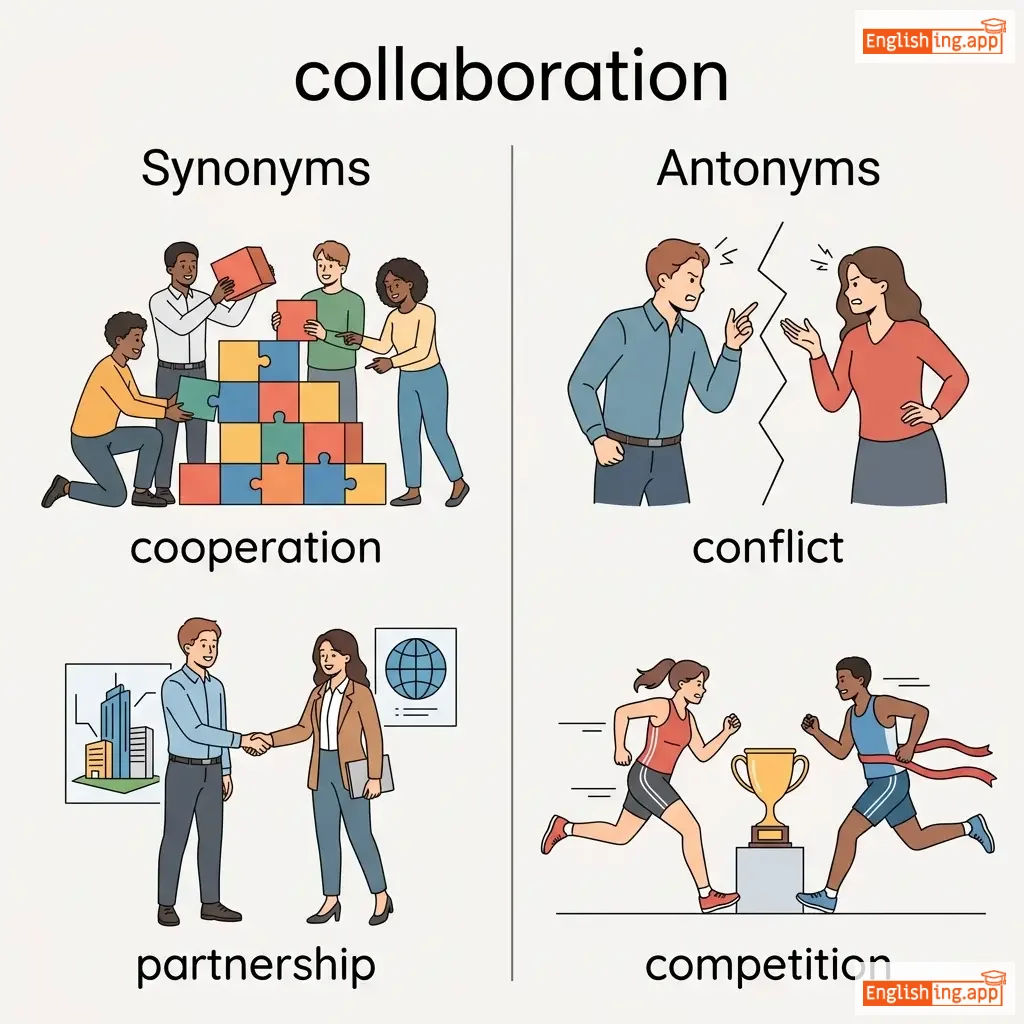
cooperation, partnership, teamwork, alliance, association
••••••
|
conflict, competition
••••••
|
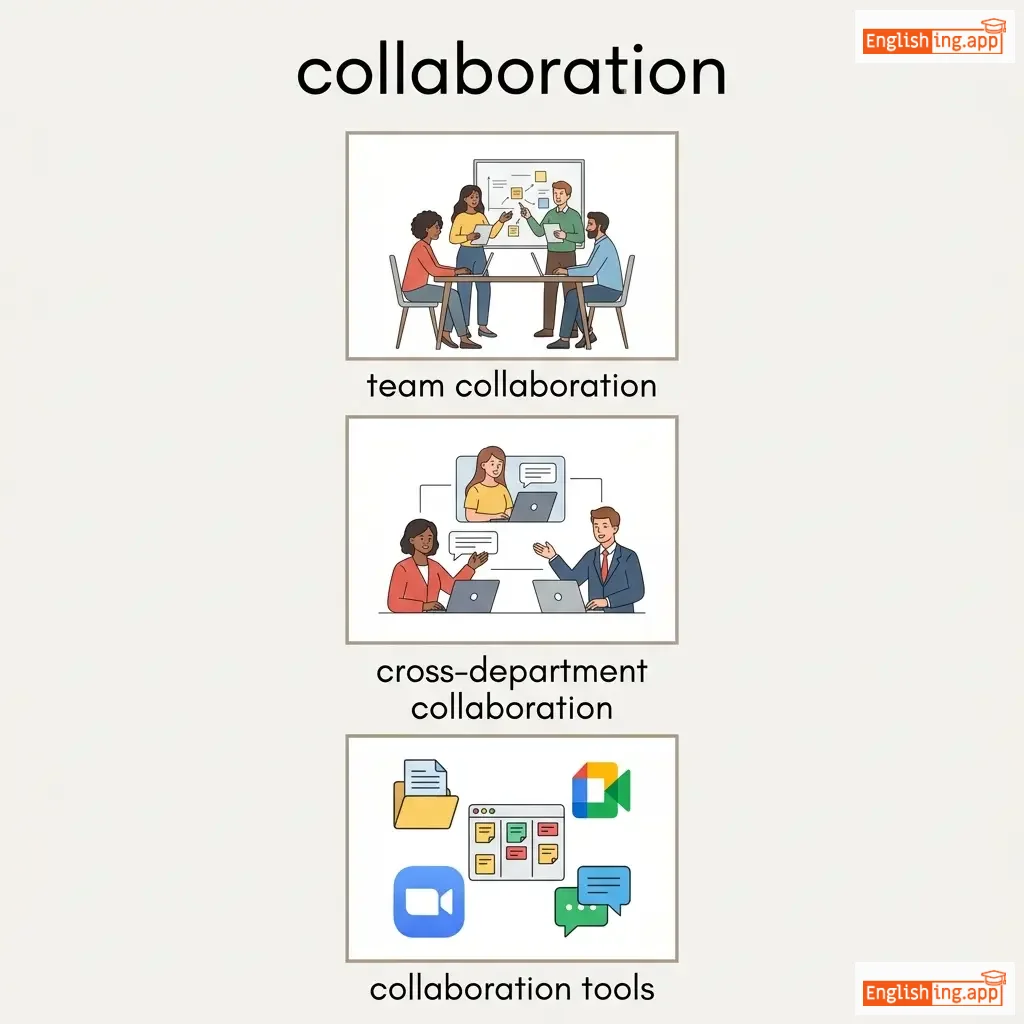
team collaboration, cross-department collaboration, collaboration tools, creative collaboration
••••••
|
Co + labor = 一緒に働く → 協力はチームワークを意味します 🤝
••••••
|
|
#1
💉
|
/kəˈkeɪn/
noun
(コカイン)
••••••
|
- •••••• |
コカイン (麻薬)
kokain
••••••
|
- •••••• | - •••••• | - •••••• | - •••••• |
a powerful and addictive illegal drug made from coca leaves
••••••
|
He was arrested for possessing cocaine.
彼はコカイン所持で逮捕されました。
••••••
|
彼はコカイン所持で逮捕されました。
Kare wa kokain shoji de taiho saremashita.
••••••
|
- •••••• | - •••••• | - •••••• |
drug, narcotic, stimulant, substance, powder
••••••
|
medicine, antidote
••••••
|
cocaine addiction, cocaine use, cocaine trafficking, cocaine abuse
••••••
|
Cocaine - コカの葉から作られる薬物、でも非常に危険です!
••••••
|
|
#1
🌊
|
/ˈkəʊstəl/
adjective
(コースタル)
••••••
|
- •••••• |
海岸の
kaigan no
••••••
|
- •••••• | - •••••• | - •••••• | - •••••• |
relating to or near a coast or shoreline
••••••
|
They built a resort in a coastal area. |
彼らは海岸の地域にリゾートを建てました。
Karera wa kaigan no chiiki ni rizōto o tatemashita.
••••••
|
- •••••• | - •••••• | - •••••• |
marine, seaside, shore, littoral, oceanfront
••••••
|
inland, interior
••••••
|
coastal area, coastal city, coastal erosion, coastal region
••••••
|
Coastalは海に関連している意味 — 海岸の 🏖️
••••••
|
|
#1
🧵
|
/klɒθ/
noun
(クロス)
••••••
|
- •••••• |
布
nuno
••••••
|
- •••••• | - •••••• | - •••••• | - •••••• |
fabric or material made by weaving or knitting fibers
••••••
|
The table was covered with a white cloth. |
テーブルは白い布で覆われていました。
Tēburu wa shiroi nuno de ōwarete imashita.
••••••
|
cut from the same cloth |
having similar qualities or characteristics
••••••
|
同じ布から切り取られた
Onaji nuno kara kiritorareta
••••••
|
fabric, textile, material, drapery, fiber
••••••
|
metal, plastic
••••••
|
piece of cloth, silk cloth, cotton cloth, cleaning cloth
••••••
|
Cloth は布 — 衣服は布でできています!
••••••
|
|
#1
🚪
|
/ˈklɒzɪt/
noun
(クローゼット)
••••••
|
- •••••• |
クローゼット
kurōzetto
••••••
|
- •••••• | - •••••• | - •••••• | - •••••• |
a small room or enclosed space used for storing clothes or other things
••••••
|
She keeps her winter coats in the closet near the door. |
彼女は冬のコートをドアの近くのクローゼットに保管しています。
kanojo wa fuyu no kōto o doa no chikaku no kurōzetto ni hokan shiteimasu.
••••••
|
skeleton in the closet |
a hidden and embarrassing secret from someone's past
••••••
|
クローゼットの中のガイコツ
kurōzetto no naka no gaikotsu
••••••
|
wardrobe, cupboard, locker, storage, cabinet
••••••
|
open space, exposure
••••••
|
walk-in closet, linen closet, broom closet, closet door
••••••
|
クローゼットは衣服をしまう場所、秘密を隠す場所でもある!
••••••
|
|
#1
❤️
|
/ˈkloʊ.sɪst/
adjective
(クローセスト)
••••••
|
- •••••• |
最も近い
mottomo chikai
••••••
|
- •••••• | - •••••• | - •••••• | - •••••• |
nearest in distance or relationship
••••••
|
He is my closest friend. |
彼は私の最も親しい友人です。
Kare wa watashi no mottomo shitashī yūjin desu.
••••••
|
close call |
a narrow escape from danger or disaster
••••••
|
ぎりぎりの脱出
girigiri no dasshutsu
••••••
|
nearest, dearest, intimate, best, adjoining
••••••
|
farthest, distant
••••••
|
closest friend, closest relative, closest match, closest point
••••••
|
Closestは最も近い – あなたのclosest friendはいつもあなたのそばにいます!
••••••
|
|
#1
🚪
|
/kloʊzd/
adjective
(クローズド)
••••••
|
- •••••• |
閉じた
tojita
••••••
|
- •••••• | - •••••• | - •••••• | - •••••• |
not open; shut
••••••
|
The store is closed on Fridays. |
その店は金曜日に閉まっています。
Sono mise wa kin'yōbi ni shimatteimasu.
••••••
|
closed book |
a person or subject about which one knows very little
••••••
|
閉じた本
tojita hon
••••••
|
shut, sealed, locked, barred
••••••
|
open, unlocked
••••••
|
closed door, closed eyes, closed mind, closed system
••••••
|
Closedは閉じたことを意味します – 覚えておいてください、CLOSED doorは‘No entry’を意味します。
••••••
|
Vocabulary Quiz
Test your vocabulary by matching words with their translations or meanings.
Login to take the quiz
Comments (0)
Share your thoughts and join the discussion.
Join the discussion by logging in
Login to CommentNo comments yet
Be the first to share your thoughts!