

翻訳
過去
過去分詞
三人称単数
動名詞
意味
例文
例文の翻訳
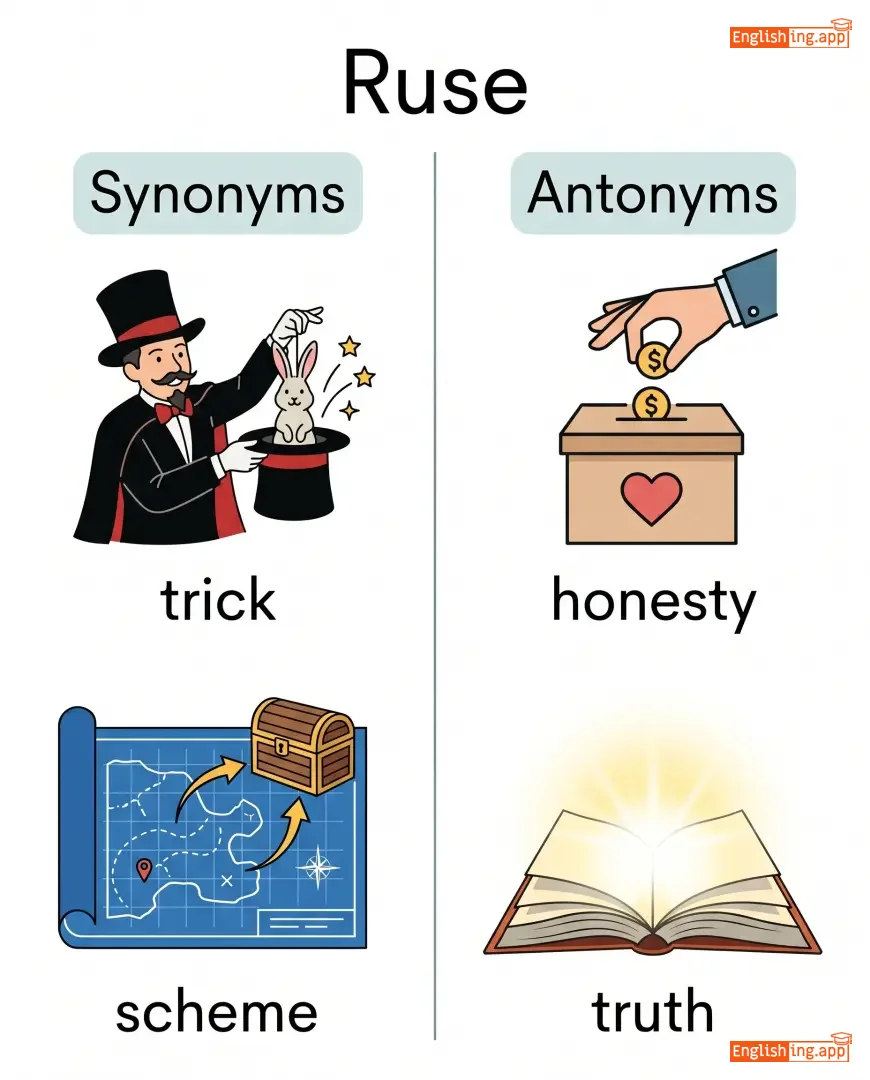
同義語
対義語
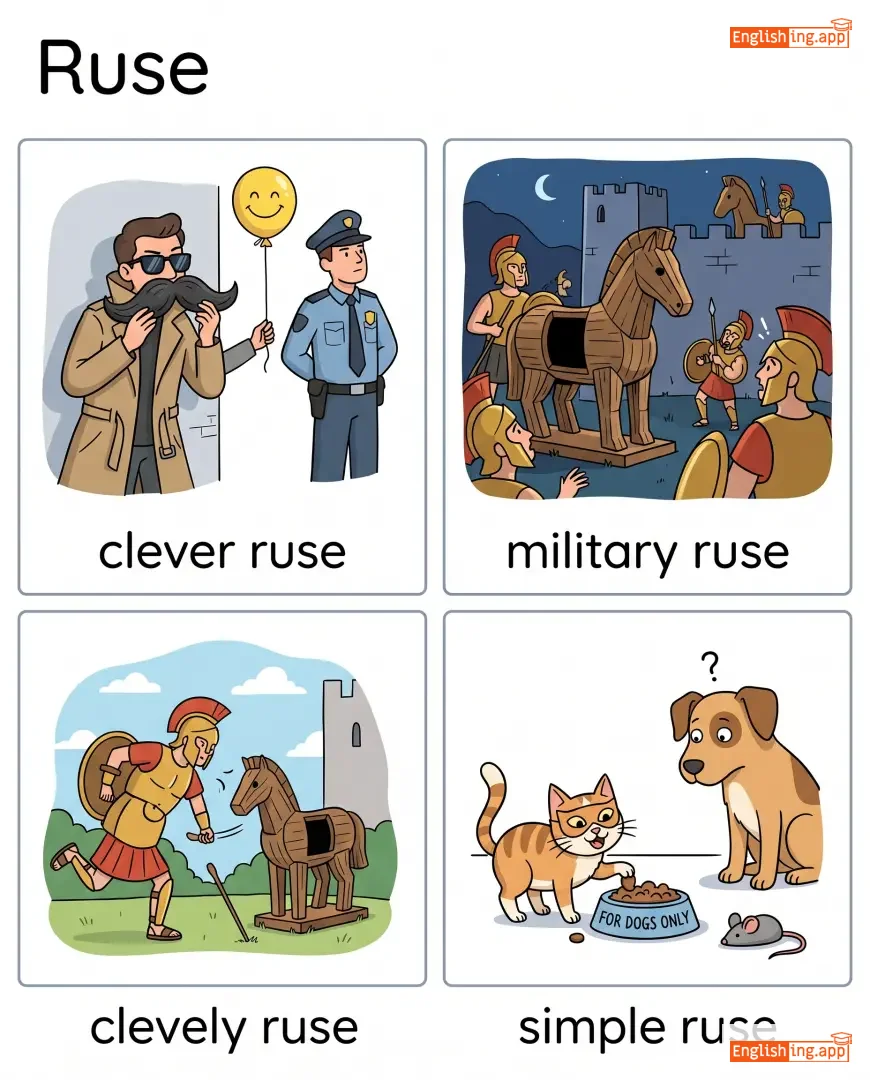
コロケーション
ニーモニック
Swipe left or right, or use the buttons. Tap image to zoom.
例文の翻訳
単語
Lesson 259Lesson 259 - マスクトグル
|
絵文字
|
単語 | Images | 翻訳 | 過去 | 過去分詞 | 三人称単数 | 動名詞 | 意味 | 例文 | 例文の翻訳 | 表現例 | 表現例の意味 | 表現例の翻訳 | 同義語 | 対義語 | コロケーション | ニーモニック |
|---|---|---|---|---|---|---|---|---|---|---|---|---|---|---|---|---|---|
|
#7740
🗡️
|
/ˈruːθləs/
adjective
(ルースレス)
••••••
|
- •••••• |
無情な
mujōna
••••••
|
- •••••• | - •••••• | - •••••• | - •••••• |
Having or showing no pity or compassion for others.
••••••
|
The ruthless leader crushed all opposition. |
無情な指導者はすべての反対を押しつぶした。
Mujōna shidōsha wa subete no hantai o oshitsubushita.
••••••
|
ruthless efficiency |
Extreme effectiveness without concern for fairness or compassion.
••••••
|
無情な効率
mujōna kōritsu
••••••
|
merciless, cruel, pitiless, harsh, brutal
••••••
|
compassionate, kind, merciful
••••••
|
ruthless dictator, ruthless tactics, ruthless ambition, ruthless efficiency
••••••
|
Ruth-less、Ruthがない、だから同情がない - 無情な。
••••••
|
|
#7741
🌸
|
/ˈsæf.rən/
noun
(サフラン)
••••••
|
- •••••• |
サフラン
safuran
••••••
|
- •••••• | - •••••• | - •••••• | - •••••• |
A spice derived from the flower of Crocus sativus, used for flavoring and coloring food.
••••••
|
She added saffron to the rice for flavor and color. |
彼女は味と色のためにご飯にサフランを加えました。
Kanojo wa aji to iro no tame ni gohan ni safuran o kuwaemashita.
••••••
|
- •••••• | - •••••• | - •••••• |
spice, seasoning, flavoring
••••••
|
none, blandness
••••••
|
saffron rice, saffron threads, saffron flavor, saffron color
••••••
|
サフランは料理に色と風味を加える魔法のようなスパイスです。
••••••
|
|
#7742
🛡️
|
/ˈseɪf.ɡɑːrd/
noun/verb
(セーフガード)
••••••
|
- •••••• |
守る
mamoru
••••••
|
safeguarded
セーフガードした
••••••
|
safeguarded
セーフガードした
••••••
|
safeguards
セーフガードする
••••••
|
safeguarding
セーフガードしている
••••••
|
To protect from harm or damage; a measure taken to ensure safety.
••••••
|
Laws exist to safeguard the rights of children.
法律は子供たちの権利を守るために存在します。
••••••
|
法律は子供たちの権利を守るために存在します。
Hōritsu wa kodomotachi no kenri o mamoru tame ni sonzai shimasu.
••••••
|
- •••••• | - •••••• | - •••••• |
protect, defend, preserve, shield
••••••
|
endanger, harm, attack
••••••
|
safeguard rights, safeguard interests, safeguard against, safeguard measures
••••••
|
Safe + guard = 守る
••••••
|
|
#7743
😈
|
/səˈdɪs.tɪk/
adjective
(サディスティック)
••••••
|
- •••••• |
サディスティック
sadesutikku
••••••
|
- •••••• | - •••••• | - •••••• | - •••••• |
Deriving pleasure from inflicting pain or suffering on others.
••••••
|
The villain had a sadistic smile while hurting his enemies. |
悪党は敵に痛みを与えている間、サディスティックな笑顔を浮かべていた。
Akutō wa teki ni itami o ataete iru aida, sadesutikku na egao o ukabete ita.
••••••
|
- •••••• | - •••••• | - •••••• |
cruel, brutal, vicious, ruthless
••••••
|
kind, compassionate, gentle
••••••
|
sadistic pleasure, sadistic behavior, sadistic smile
••••••
|
Sadisticは他人を苦しめることに喜びを感じる、サディスティックな性格を持つ人のような意味です。
••••••
|
|
#7744
🐎
|
/ˈsæd.əl/
noun/verb
(サドル)
••••••
|
- •••••• |
馬の鞍; 誰かに責任を負わせる
uma no kura; dareka ni sekinin wo owaseru
••••••
|
saddled
サドルド
••••••
|
saddled
サドルド
••••••
|
saddles
サドルズ
••••••
|
saddling
サドリング
••••••
|
A seat fastened on the back of a horse for riding; to burden someone with a responsibility.
••••••
|
He saddled the horse before going for a ride.
彼は乗馬の前に馬にサドルをつけた。
••••••
|
彼は乗馬の前に馬にサドルをつけた。
Kare wa jōba no mae ni uma ni saddoru wo tsuketa.
••••••
|
saddle with responsibility
責任を負わせる
••••••
|
To give someone a heavy or unwanted duty
••••••
|
責任を負わせる
sekinin wo owaseru
••••••
|
burden, load, encumber, harness
••••••
|
unload, free, relieve
••••••
|
saddle horse, saddle bag, saddle up, saddle with
••••••
|
Saddleは馬に乗るための座席で、責任も負わせることができます。
••••••
|
|
#7745
🙏
|
/ˈsæk.rəˌsæŋkt/
adjective
(サクロサンクト)
••••••
|
- •••••• |
神聖不可侵
shinsei fukashin
••••••
|
- •••••• | - •••••• | - •••••• | - •••••• |
Regarded as too important or valuable to be interfered with; sacred.
••••••
|
Freedom of speech is considered sacrosanct in democratic societies. |
言論の自由は民主主義社会では神聖不可侵と見なされています。
Genron no jiyuu wa minshushugi shakai dewa shinsei fukashin to minasareteimasu.
••••••
|
- •••••• | - •••••• | - •••••• |
sacred, inviolable, hallowed, untouchable, revered
••••••
|
profane, ordinary, common
••••••
|
sacrosanct principle, sacrosanct right, sacrosanct belief, sacrosanct tradition
••••••
|
神聖不可侵は触れられないもの、神聖で価値あるものを意味します。
••••••
|
|
#7746
🚫
|
/ˌsækrəˈlɪdʒəs/
adjective
(サクリリジアス)
••••••
|
- •••••• |
冒涜的
bōtoku teki
••••••
|
- •••••• | - •••••• | - •••••• | - •••••• |
Showing disrespect or irreverence toward something sacred.
••••••
|
The painting was criticized as being sacrilegious. |
その絵画は冒涜的だと批判されました。
sono kaiga wa bōtoku teki da to hihan saremashita.
••••••
|
- •••••• | - •••••• | - •••••• |
blasphemous, irreverent, profane, impious
••••••
|
pious, respectful, devout
••••••
|
sacrilegious act, sacrilegious statement, sacrilegious behavior
••••••
|
Sacrilegiousとは、神聖なものを侮辱することです
••••••
|
|
#7747
⚡
|
/ˈsækrɪlɪdʒ/
noun
(サクリリッジ)
••••••
|
- •••••• |
冒涜
bōtoku
••••••
|
- •••••• | - •••••• | - •••••• | - •••••• |
Violation or misuse of what is regarded as sacred.
••••••
|
Stealing from the temple was considered an act of sacrilege. |
寺院から盗むことは冒涜と見なされていました。
jiin kara nusumu koto wa bōtoku to minasarete imashita.
••••••
|
commit sacrilege |
to show disrespect or misuse sacred things
••••••
|
冒涜を犯す
bōtoku o okasu
••••••
|
desecration, blasphemy, irreverence, profanity
••••••
|
reverence, piety
••••••
|
act of sacrilege, commit sacrilege, sacrilege against, sacrilege upon
••••••
|
Sacrilege は sacred + illegal → 冒涜
••••••
|
|
#7748
🐑
|
/ˌsækrɪˈfɪʃəl/
adjective
(サクリフィシャル)
••••••
|
- •••••• |
犠牲的な
giseiteki na
••••••
|
- •••••• | - •••••• | - •••••• | - •••••• |
Relating to or involving sacrifice.
••••••
|
The lamb was used as a sacrificial offering in the ritual. |
その羊は儀式で犠牲的な捧げ物として使われました。
Sono hitsuji wa gishiki de giseiteki na sasagemono toshite tsukawaremashita.
••••••
|
- •••••• | - •••••• | - •••••• |
offering, devotional, ritualistic, ceremonial
••••••
|
profane, secular
••••••
|
sacrificial offering, sacrificial lamb, sacrificial ritual, sacrificial victim
••••••
|
Sacrificialは犠牲に関連するという意味です。
••••••
|
|
#7749
🕯️
|
/ˈsækrɪfaɪs/
noun, verb
••••••
|
|
- •••••• |
sacrificed
••••••
|
sacrificed
••••••
|
sacrifices
••••••
|
sacrificing
••••••
|
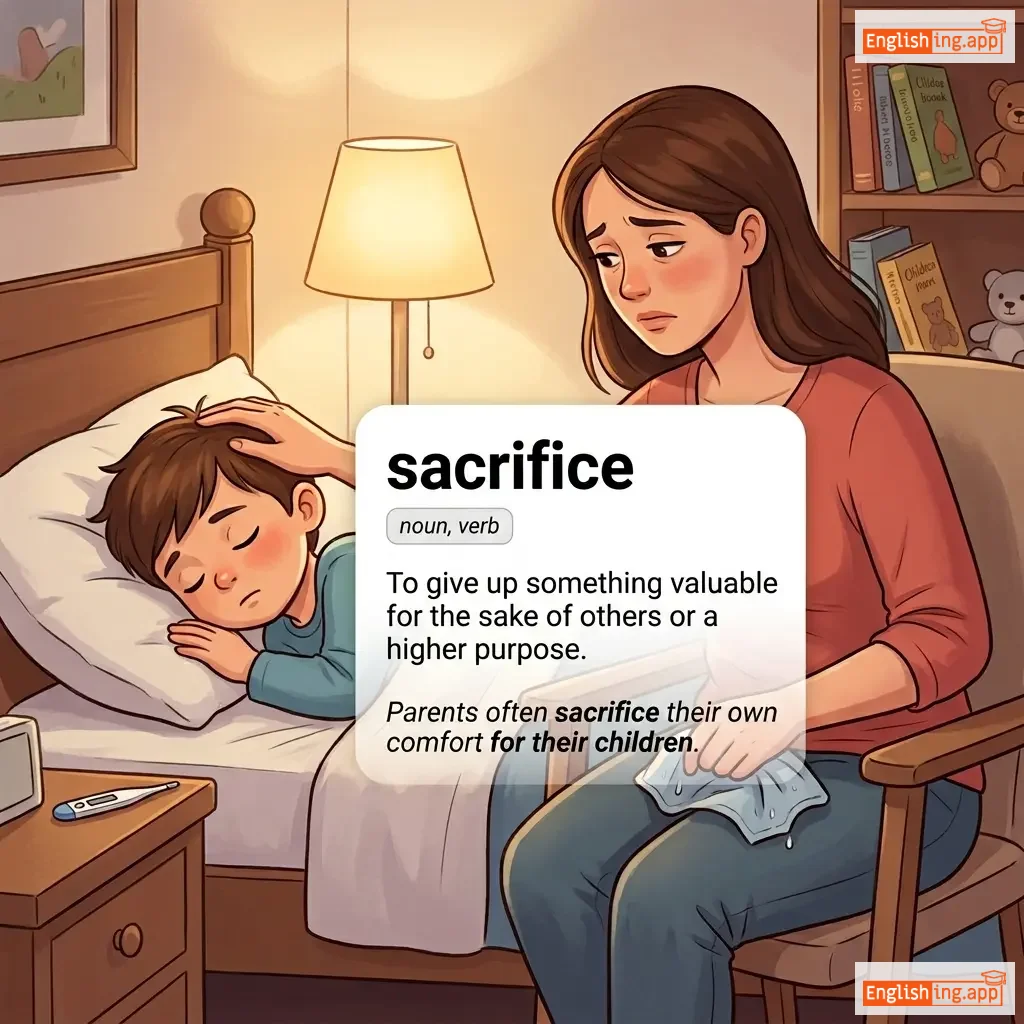
To give up something valuable for the sake of others or a higher purpose.
••••••
|
Parents often sacrifice their own comfort for their children. |
- •••••• |
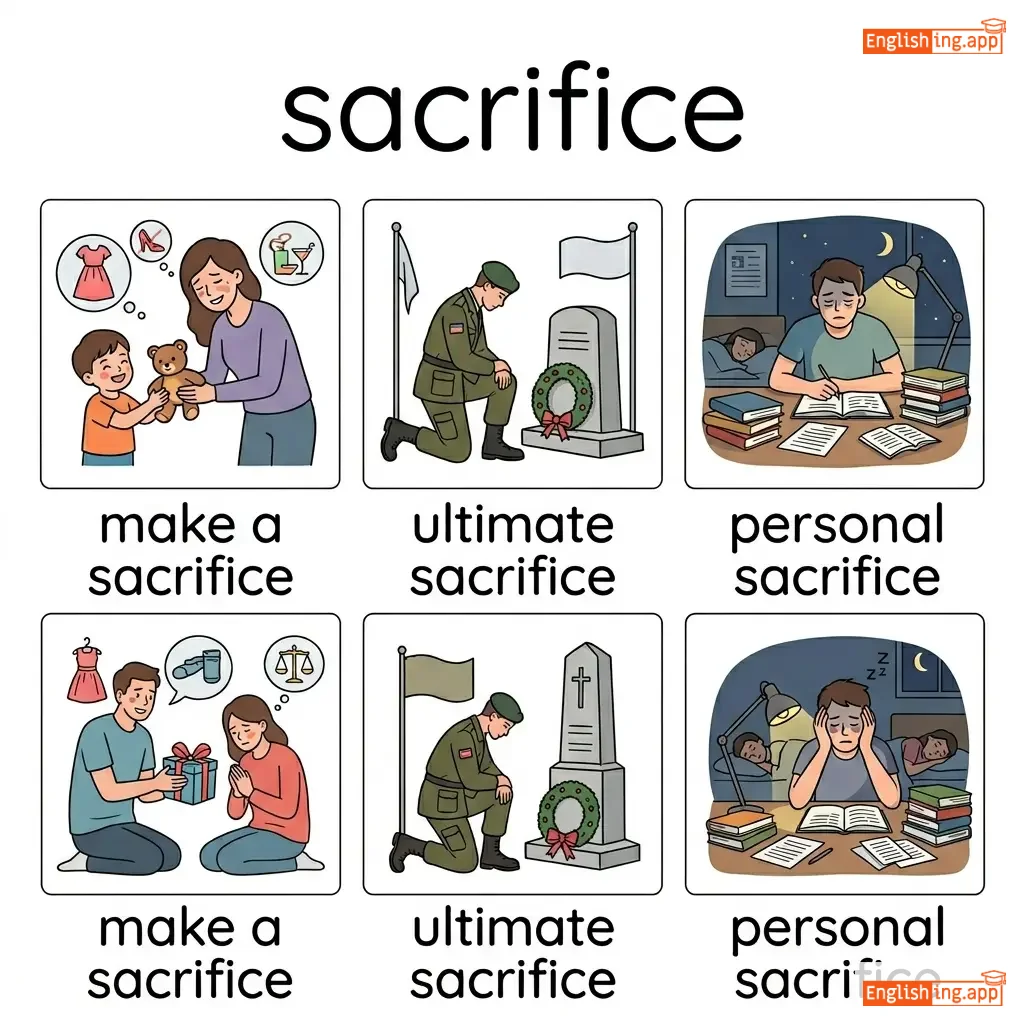
make a sacrifice |
to give up something important for the benefit of others
••••••
|
- •••••• |
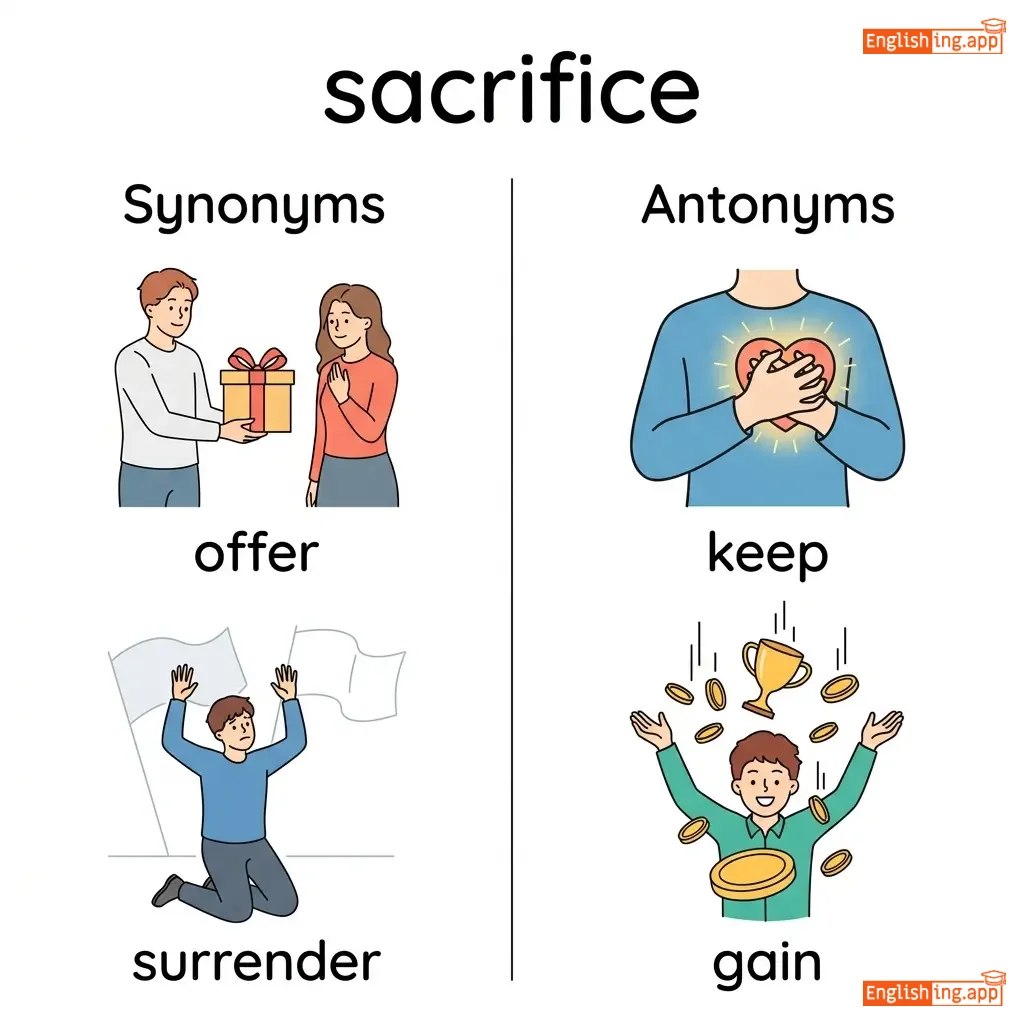
offer, surrender, relinquish, devotion, giving up
••••••
|
keep, gain, selfishness
••••••
|
make a sacrifice, ultimate sacrifice, personal sacrifice, sacrifice for
••••••
|
No •••••• |
|
#7750
⛪
|
/ˌsæsərˈdoʊtl/
adjective
(サセアドートル)
••••••
|
- •••••• |
神職に関する
shinshoku ni kansuru
••••••
|
- •••••• | - •••••• | - •••••• | - •••••• |
Relating to priests or the priesthood.
••••••
|
The ritual had a distinctly sacerdotal character. |
その儀式には明確な神職に関する特徴がありました。
Sono gishiki ni wa meikaku na shinshoku ni kansuru tokuchō ga arimashita.
••••••
|
- •••••• | - •••••• | - •••••• |
priestly, clerical, ecclesiastical, ministerial
••••••
|
secular, lay, nonreligious
••••••
|
sacerdotal duties, sacerdotal role, sacerdotal authority, sacerdotal tradition
••••••
|
サセアドートル = 神職 + 完全、神職に関連するすべて
••••••
|
|
#7751
🍭
|
/ˈsækərɪn/
adjective
(ハピネス)
••••••
|
- •••••• |
幸せ
shiawase
••••••
|
- •••••• | - •••••• | - •••••• | - •••••• |
Excessively sweet or sentimental.
••••••
|
His saccharine smile seemed insincere. |
彼女は賞を受け取ったとき、自分の幸せを隠せなかった。
Kanojo wa shō o uketotta toki, jibun no shiawase o kakusenakatta.
••••••
|
- •••••• | - •••••• | - •••••• |
sweet, syrupy, sentimental, cloying, sugary
••••••
|
bitter, harsh, genuine
••••••
|
saccharine smile, saccharine story, saccharine tone, saccharine sentiment
••••••
|
幸せは、あなたが最も幸せな時に感じるhappinessのことです。
••••••
|
|
#7752
🕵️
|
/ˌsæbəˈtɜːr/
noun
(サボタージュ)
••••••
|
- •••••• |
破壊工作員
hakai kōsakuin
••••••
|
- •••••• | - •••••• | - •••••• | - •••••• |
A person who engages in sabotage.
••••••
|
The saboteur was arrested before he could plant the bomb. |
破壊工作員は爆弾を設置する前に逮捕されました。
Hakai kōsakuin wa bakudan o secchi suru mae ni taiho saremashita.
••••••
|
- •••••• | - •••••• | - •••••• |
attacker, destroyer, vandal, infiltrator, conspirator
••••••
|
protector, defender, supporter
••••••
|
enemy saboteur, captured saboteur, industrial saboteur, military saboteur
••••••
|
Saboteurは破壊工作員です。
••••••
|
|
#7753
💣
|
/ˈsæbətɑːʒ/
verb
(サボタージュ)
••••••
|
- •••••• |
破壊活動
hakai katsudou
••••••
|
sabotaged
サボタージュド
••••••
|
sabotaged
サボタージュド
••••••
|
sabotages
サボタージュズ
••••••
|
sabotaging
サボタージュイング
••••••
|
To deliberately destroy, damage, or obstruct something, especially for political or military advantage.
••••••
|
The rebels tried to sabotage the railway lines.
反乱者たちは鉄道の線路をサボタージュしようとした。
••••••
|
反乱者たちは鉄道の線路をサボタージュしようとした。
Hanransha-tachi wa tetsudou no senro o sabotāju shiyou to shita.
••••••
|
self-sabotage
セルフサボタージュ
••••••
|
Actions that prevent one's own success or progress.
••••••
|
セルフサボタージュ
Serufu sabotāju
••••••
|
damage, destroy, wreck, obstruct, undermine
••••••
|
support, assist, help
••••••
|
sabotage efforts, sabotage plans, sabotage operations, sabotage attempt
••••••
|
Sabo 破壊 - sabotageは意図的な破壊の意味です。
••••••
|
|
#7754
🌴
|
/səˈbætɪkəl/
noun
(サバティカル)
••••••
|
- •••••• |
学習や旅行のための休暇
gakushuu ya ryokou no tame no kyuuka
••••••
|
- •••••• | - •••••• | - •••••• | - •••••• |
A period of paid leave granted to a teacher or worker for study or travel, traditionally every seventh year.
••••••
|
She took a sabbatical to research her new book. |
彼女は新しい本を研究するためにサバティカルを取った。
Kanojo wa atarashī hon o kenkyū suru tame ni sabatikaru o totta.
••••••
|
- •••••• | - •••••• | - •••••• |
leave, break, hiatus, recess, furlough
••••••
|
work, duty, employment
••••••
|
take a sabbatical, on sabbatical, sabbatical leave, year-long sabbatical
••••••
|
SabbaticalはSabbath(休息)から来ているので、Sabbaticalは長期の休息を意味する。
••••••
|
|
#7755
🪶
|
/ˈrʌf.l̩/
verb
••••••
|
- •••••• | - •••••• |
ruffled
••••••
|
ruffled
••••••
|
ruffles
••••••
|
ruffling
••••••
|
to disturb the smoothness of something; to annoy or upset someone
••••••
|
The wind ruffled her hair. |
- •••••• |
ruffle someone's feathers |
to upset or annoy someone
••••••
|
- •••••• |
disturb, muss, agitate, irritate, annoy
••••••
|
smooth, calm, soothe
••••••
|
ruffle feathers, ruffle hair, ruffle papers, ruffle dress
••••••
|
No •••••• |
|
#7756
💔
|
/ruːθ/
noun
(ルース)
••••••
|
- •••••• |
同情
dōjō
••••••
|
- •••••• | - •••••• | - •••••• | - •••••• |
A feeling of pity, compassion, or sorrow.
••••••
|
He felt no ruth for the people he had betrayed. |
彼は裏切った人々に対して一切の同情を感じなかった。
Kare wa uragitta hitobito ni taishite issai no dōjō o kanjinakatta.
••••••
|
- •••••• | - •••••• | - •••••• |
pity, compassion, sympathy, remorse
••••••
|
cruelty, indifference
••••••
|
without ruth, show ruth, feel ruth
••••••
|
Ruthは同情を意味します。'Ruth less'は同情がないことを意味します。
••••••
|
|
#7757
🍂
|
/ˈrʌsl/
verb
(ラスル)
••••••
|
- •••••• |
ささやく
sasayaku
••••••
|
rustled
ラスルド
••••••
|
rustled
ラスルド
••••••
|
rustles
ラスルス
••••••
|
rustling
ラスリング
••••••
|
To make a soft, light sound like leaves or paper moving.
••••••
|
The leaves rustled gently in the evening breeze.
葉っぱが夕方のそよ風でそっとざわざわしていました。
••••••
|
葉っぱが夕方のそよ風でそっとささやいていました。
Happa ga yuugata no soyokaze de sotto sasayaitemashita.
••••••
|
rustle up
急いで準備する
••••••
|
To quickly prepare or create something.
••••••
|
急いで準備する
Isoide junbi suru
••••••
|
whisper, swish, murmur, stir
••••••
|
silence, stillness
••••••
|
rustle of leaves, rustling papers, rustle up dinner
••••••
|
ささやく - 木の葉の音を思い出し、急いで準備をしようと覚えておく。
••••••
|
|
#7758
🌿
|
/ˈrʌstɪkeɪt/
verb
(ラスティケイト)
••••••
|
- •••••• |
田舎に行く / 大学から一時的に追放する
Inaka ni iku / Daigaku kara ichiji-teki ni tsuihō suru
••••••
|
rusticated
ラスティケイテッド
••••••
|
rusticated
ラスティケイテッド
••••••
|
rusticates
ラスティケイツ
••••••
|
rusticating
ラスティケイティング
••••••
|
To go to the countryside or to suspend someone from university.
••••••
|
He decided to rusticate in the village to escape the busy city life.
彼は忙しい都市生活から逃れるために村にラスティケイトすることを決めました。
••••••
|
彼は忙しい都市生活から逃れるために村に行くことを決めました。
Kare wa isogashī toshi seikatsu kara nogareru tame ni mura ni iku koto o kimemashita.
••••••
|
- •••••• | - •••••• | - •••••• |
retire, withdraw, retreat, suspend, exile
••••••
|
stay, remain, continue
••••••
|
rusticate in village, rusticated student, rusticate from university
••••••
|
Rusticateは田舎に行くことを意味し、RUSTは古い物を意味し、田舎には古い物があります。
••••••
|
|
#7759
🏡
|
/ˈrʌstɪk/
adjective
(ラスティック)
••••••
|
- •••••• |
田舎風の
inaka fū no
••••••
|
- •••••• | - •••••• | - •••••• | - •••••• |
Relating to the countryside; simple and unsophisticated.
••••••
|
The cottage had a rustic charm with its wooden beams and stone fireplace. |
その小屋は木の梁と石の暖炉で田舎風の魅力を持っていました。
Sono koya wa ki no hari to ishi no danro de inaka fū no miryoku o motte imashita.
••••••
|
rustic charm |
The simple, traditional attractiveness of countryside style.
••••••
|
田舎風の魅力
inaka fū no miryoku
••••••
|
rural, simple, unsophisticated, pastoral, country
••••••
|
urban, modern, sophisticated
••••••
|
rustic charm, rustic style, rustic cottage, rustic furniture
••••••
|
Rusticは田舎風、シンプルで自然な魅力。rustyなものは古くて素朴なものです。
••••••
|
|
#7760
🎭
|
/ruːz/
noun
(ルーズ)
••••••
|
|
策略
senryaku
••••••
|
- •••••• | - •••••• | - •••••• | - •••••• |
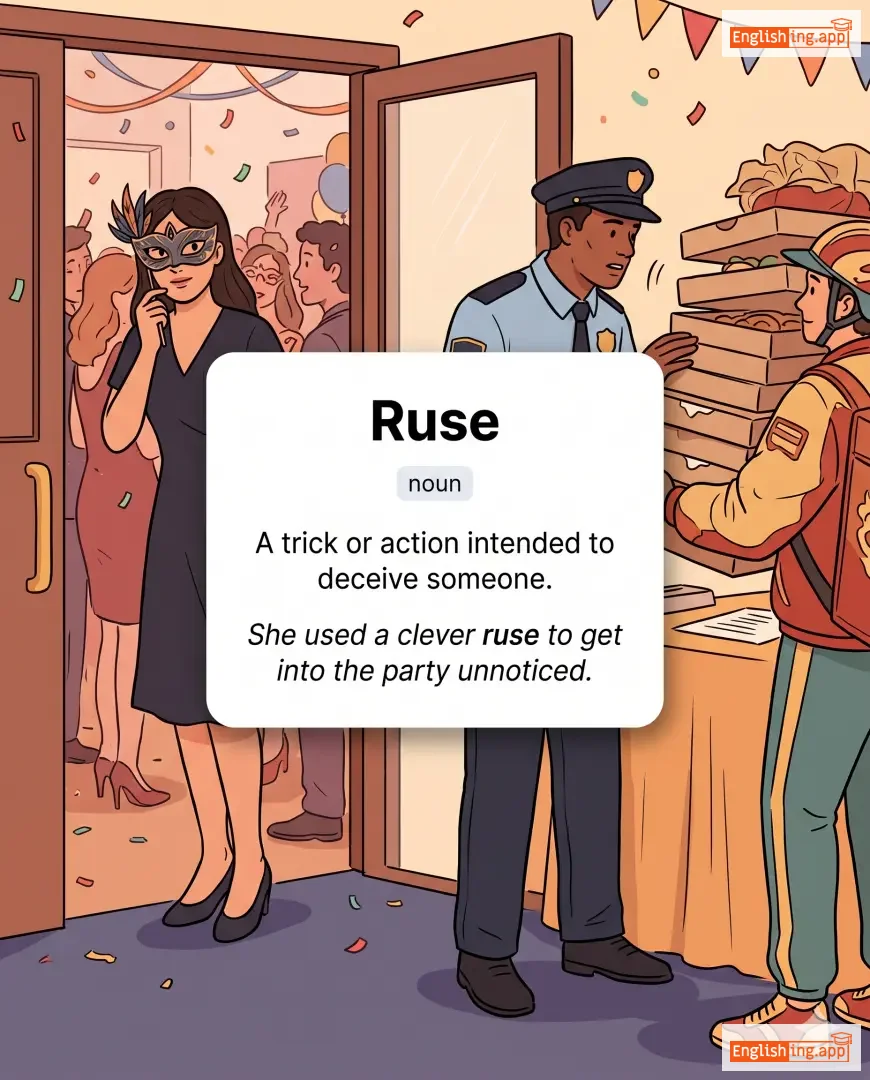
A trick or action intended to deceive someone.
••••••
|
She used a clever ruse to get into the party unnoticed. |
彼女はパーティーに気づかれずに入るために巧妙な策略を使った。
Kanojo wa pātii ni kizukarezuni hairu tame ni kōmyōna senryaku o tsukatta.
••••••
|
a ruse to an end |
A deceptive trick used to achieve a particular goal.
••••••
|
目的のための策略
Mokuteki no tame no senryaku
••••••
|
trick, scheme, ploy, tactic, deception
••••••
|
honesty, truth, openness
••••••
|
clever ruse, military ruse, simple ruse, ruse to escape
••••••
|
RUSEは策略を意味し、'策略で入る'のように使います。
••••••
|
|
#7761
💥
|
/ˈrʌptʃər/
noun/verb
(ラプチャー)
••••••
|
- •••••• |
破裂
haretsu
••••••
|
ruptured
ラプチャード
••••••
|
ruptured
ラプチャード
••••••
|
ruptures
ラプチャーズ
••••••
|
rupturing
ラプチャーリング
••••••
|
to break or burst suddenly; a crack, split, or break in something
••••••
|
The pipe ruptured due to high pressure.
パイプは高圧で破裂しました。
••••••
|
パイプは高圧で破裂しました。
Paipu wa kōatsu de haretsu shimashita.
••••••
|
rupture relations
関係の破裂
••••••
|
to break off or damage a relationship
••••••
|
関係を壊す
kankei o kowasu
••••••
|
break, burst, split, crack, tear
••••••
|
heal, repair, fix
••••••
|
rupture pipe, rupture appendix, sudden rupture, rupture relations
••••••
|
破裂は関係を壊すように、何かを壊す
••••••
|
|
#7762
ᚠ
|
/ˈruːnɪk/
adjective
(ルーン的な)
••••••
|
- •••••• |
ルーンに関連する
rūn ni kanren suru
••••••
|
- •••••• | - •••••• | - •••••• | - •••••• |
relating to or consisting of runes; mysterious or magical
••••••
|
The old stone had strange runic carvings on it.
古い石には奇妙なルーンの刻印がありました。
••••••
|
古い石には奇妙なルーンの刻印がありました。
Furui ishi ni wa kimyō na rūn no kokuin ga arimashita.
••••••
|
- •••••• | - •••••• | - •••••• |
mystical, cryptic, magical, ancient
••••••
|
ordinary, clear, modern
••••••
|
runic symbols, runic carvings, runic alphabet, runic inscription
••••••
|
ルーン的な記号は神秘的で魔法のように見える。
••••••
|
|
#7763
🏚️
|
/ˈrʌn daʊn/
adjective
(ランダウン)
••••••
|
- •••••• |
荒れ果てた
arehateta
••••••
|
- •••••• | - •••••• | - •••••• | - •••••• |
in a poor condition; worn out or neglected
••••••
|
They live in a run-down house at the edge of town. |
彼らは町の端にある荒れ果てた家に住んでいます。
Karera wa machi no hashi ni aru arehateta ie ni sundeimasu.
••••••
|
- •••••• | - •••••• | - •••••• |
dilapidated, shabby, neglected, worn-out
••••••
|
new, well-kept, modern
••••••
|
run-down building, run-down area, run-down neighborhood, run-down condition
••••••
|
Run-downは荒れ果てた家を思い浮かべるようなものです。
••••••
|
|
#7764
🏃
|
/rʌn/
verb
(ハピネス)
••••••
|
|
幸福
kōfuku
••••••
|
ran
••••••
|
run
••••••
|
runs
••••••
|
running
••••••
|
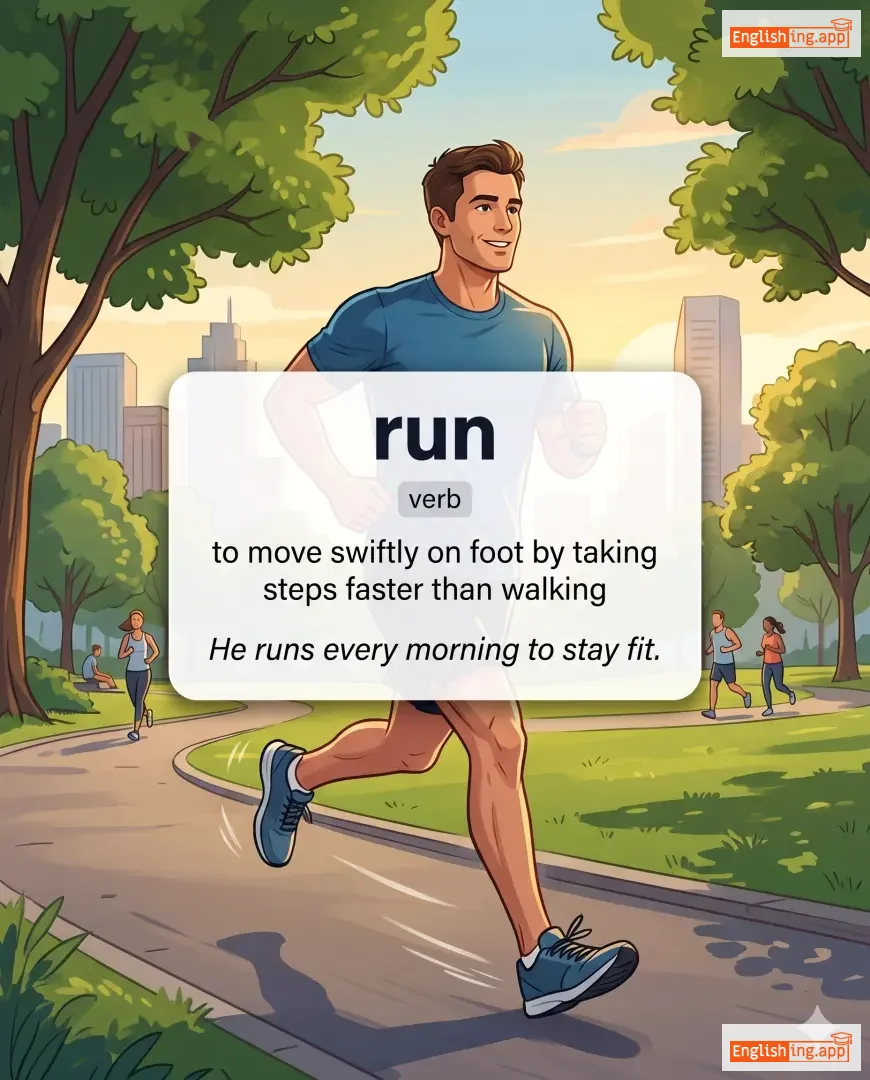
to move swiftly on foot by taking steps faster than walking
••••••
|
He runs every morning to stay fit. |
彼女は賞を受け取ったとき、自分の幸福を隠せなかった。
Kanojo wa shō o uketotta toki, jibun no kōfuku o kakusenakatta.
••••••
|
run out of time |
to have no more time left to complete something
••••••
|
幸福の追求
kōfuku no tsuikyū
••••••
|
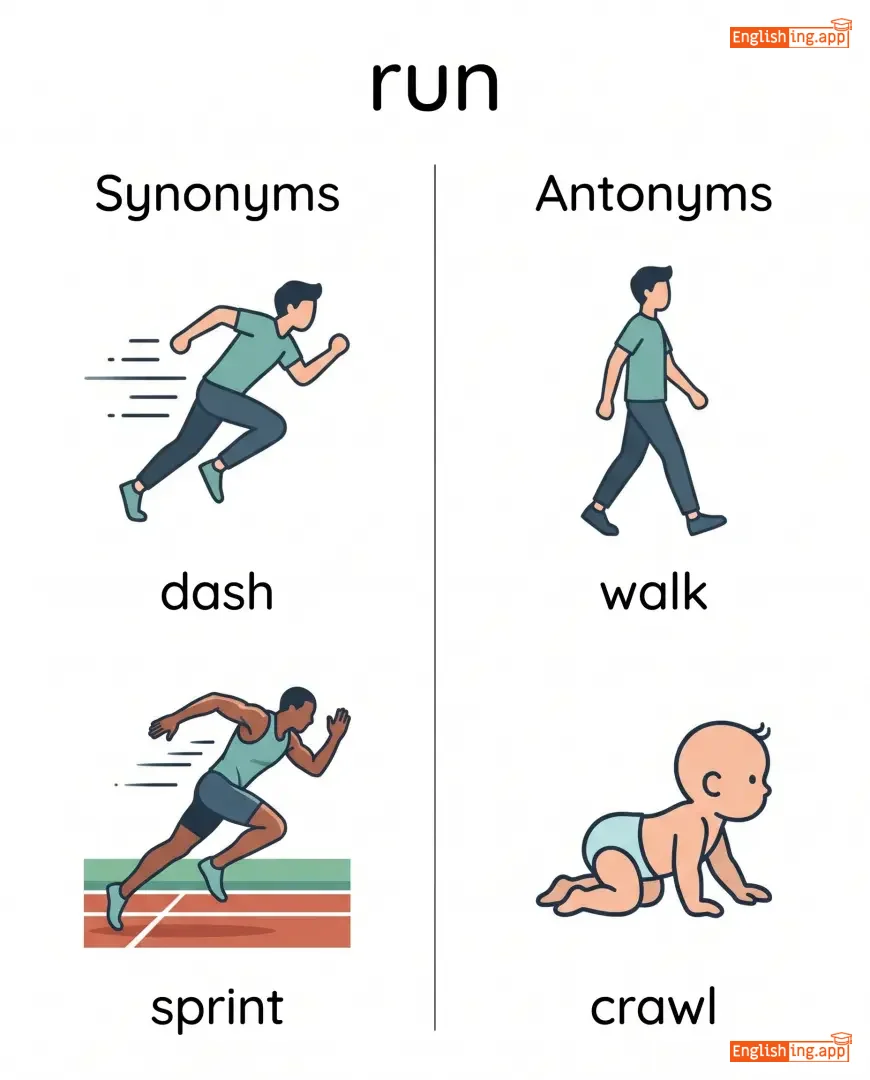
dash, sprint, jog, race, hurry
••••••
|
walk, crawl, stop
••••••
|
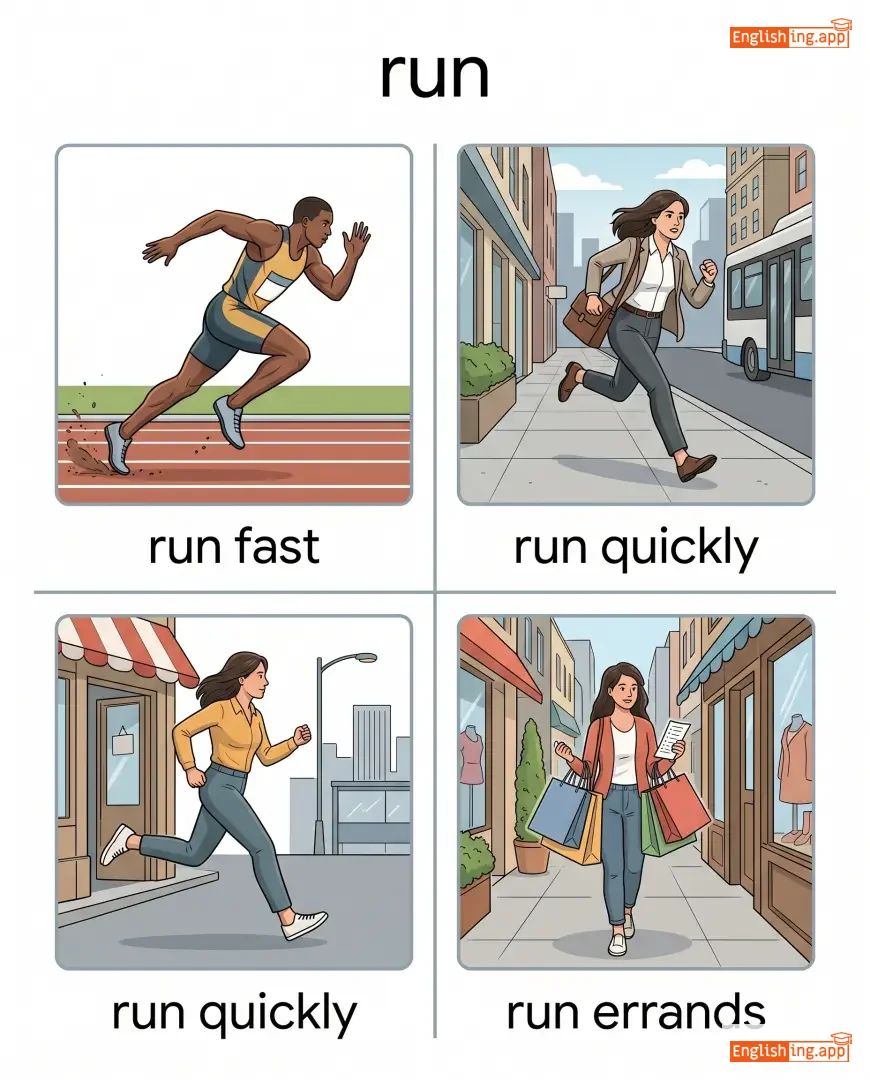
run fast, run quickly, run errands, run away, run business
••••••
|
幸福は人生の最高の贈り物です。
••••••
|
|
#7765
😵
|
/ˈrʌmpəl/
verb
(ランプル)
••••••
|
- •••••• |
しわにする
shiwa ni suru
••••••
|
rumpled
ランプルド
••••••
|
rumpled
ランプルド
••••••
|
rumples
ランプルス
••••••
|
rumpling
ランプリング
••••••
|
to make something untidy or wrinkled by creasing or crumpling
••••••
|
She accidentally rumpled her dress while packing.
彼女は荷物を詰める際にドレスをうっかりしわにした。
••••••
|
彼女は荷物を詰める際にドレスをうっかりしわにした。
Kanojo wa nimotsu o tsumeru sai ni doresu o ukkari shiwa ni shita.
••••••
|
- •••••• | - •••••• | - •••••• |
crumple, wrinkle, crease, fold, tousle
••••••
|
smooth, flatten, straighten
••••••
|
rumple hair, rumple clothes, slightly rumple, easily rumpled
••••••
|
Rum + 服 → rumpleは服をしわにすることを意味します
••••••
|
|
#7766
🗄️
|
/ˈrʌm.ɪdʒ/
verb
(ラミッジ)
••••••
|
- •••••• |
乱雑に探す
ranzatsu ni sagasu
••••••
|
rummaged
ラミッジド
••••••
|
rummaged
ラミッジド
••••••
|
rummages
ラミッジズ
••••••
|
rummaging
ラミッジング
••••••
|
to search through something in a disorderly way
••••••
|
He rummaged through the drawer for his keys.
彼は引き出しの中を漁って鍵を探していた。
••••••
|
彼は引き出しの中を漁って鍵を探していた。
Kare wa hikidashi no naka o asatte kagi o sagashite ita.
••••••
|
rummage sale
ガレージセール
••••••
|
a sale of miscellaneous secondhand items
••••••
|
ガレージセール
gareeji seeru
••••••
|
search, dig, forage, root
••••••
|
organize, arrange
••••••
|
rummage through, rummage sale, rummage drawer
••••••
|
Rummageはカギを探しながらゴチャゴチャしている感じです
••••••
|
|
#7767
🤔
|
/ˈruː.mɪ.neɪt/
verb
(ルミネート)
••••••
|
- •••••• |
思索する, 反芻する
shisaku suru, hansuu suru
••••••
|
ruminated
ルミネートした
••••••
|
ruminated
ルミネートした
••••••
|
ruminates
ルミネートする
••••••
|
ruminating
ルミネートしながら
••••••
|
to think deeply about something; to chew cud (for animals)
••••••
|
She sat alone to ruminate on her decision.
彼女は自分の決断について一人で思索していた。
••••••
|
彼女は自分の決断について一人で思索していた。
Kanojo wa jibun no ketsudan ni tsuite hitori de shisaku shite ita.
••••••
|
ruminate on
思索する
••••••
|
to think deeply about something
••••••
|
思索する
Shisaku suru
••••••
|
ponder, reflect, meditate, contemplate
••••••
|
ignore, disregard
••••••
|
ruminate on ideas, ruminate over problems, ruminate deeply
••••••
|
Ruminateは深く考えること — Room で mate と考える。
••••••
|
|
#7768
🐄
|
/ˈruː.mɪ.nənt/
noun
(ルミナント)
••••••
|
- •••••• |
反芻動物
Hansū dōbutsu
••••••
|
- •••••• | - •••••• | - •••••• | - •••••• |
a cud-chewing mammal, such as a cow or sheep
••••••
|
Cows are ruminants that chew cud. |
牛は反芻動物で、食べ物を再度咀嚼します。
Ushi wa hansū dōbutsu de, tabemono o saido soshaku shimasu.
••••••
|
- •••••• | - •••••• | - •••••• |
cattle, livestock, grazer, herbivore
••••••
|
carnivore, predator
••••••
|
ruminant animals, ruminant digestion, ruminant species
••••••
|
反芻動物は食べ物を何度も噛む — 牛や羊のように。
••••••
|
|
#7769
🌩️
|
/ˈrʌm.bəl/
verb
(幸せ)
••••••
|
- •••••• |
幸せ
shiawase
••••••
|
rumbled
••••••
|
rumbled
••••••
|
rumbles
••••••
|
rumbling
••••••
|
to make a continuous deep, resonant sound
••••••
|
Thunder rumbled in the distance.
彼女は賞を受け取ったとき、自分の幸せを隠すことができませんでした。
••••••
|
彼女は賞を受け取ったとき、自分の幸せを隠すことができませんでした。
Kanojo wa shō o uketotta toki, jibun no shiawase o kakusu koto ga dekimasen deshita.
••••••
|
rumble on
幸せを求める
••••••
|
to continue for a long time without resolution
••••••
|
幸せを求める
shiawase o motomeru
••••••
|
roar, growl, echo, boom
••••••
|
silence, quiet
••••••
|
rumble of thunder, rumble in the distance, stomach rumble
••••••
|
幸せは、心に温かな光を灯すようなもの。
••••••
|
Vocabulary Quiz
Test your vocabulary by matching words with their translations or meanings.
Login to take the quiz
Comments (0)
Share your thoughts and join the discussion.
Join the discussion by logging in
Login to CommentNo comments yet
Be the first to share your thoughts!