

翻訳
過去
過去分詞
三人称単数
動名詞
意味
例文
例文の翻訳
同義語
対義語
コロケーション
ニーモニック
Swipe left or right, or use the buttons. Tap image to zoom.
例文の翻訳
単語
Lesson 252Lesson 252 - マスクトグル
|
絵文字
|
単語 | Images | 翻訳 | 過去 | 過去分詞 | 三人称単数 | 動名詞 | 意味 | 例文 | 例文の翻訳 | 表現例 | 表現例の意味 | 表現例の翻訳 | 同義語 | 対義語 | コロケーション | ニーモニック |
|---|---|---|---|---|---|---|---|---|---|---|---|---|---|---|---|---|---|
|
#7530
⏳
|
/rɪˈpriːv/
noun/verb
••••••
|
- •••••• | - •••••• |
reprieved
••••••
|
reprieved
••••••
|
reprieves
••••••
|
reprieving
••••••
|
A temporary relief or delay from something unpleasant; to postpone or cancel punishment.
••••••
|
The prisoner was granted a last-minute reprieve from execution. |
- •••••• |
temporary reprieve |
A short period of relief from difficulty or trouble.
••••••
|
- •••••• |
respite, pardon, delay, relief, postponement
••••••
|
continuation, punishment, sentence
••••••
|
grant reprieve, temporary reprieve, reprieve from death, reprieve order
••••••
|
No •••••• |
|
#7531
🤮
|
/rɪˈpʌɡ.nənt/
adjective
(レパグナント)
••••••
|
- •••••• |
嫌悪感を抱かせる
ken'okan o idakaseru
••••••
|
- •••••• | - •••••• | - •••••• | - •••••• |
causing strong dislike, disgust, or opposition
••••••
|
The idea of cheating was repugnant to him. |
裏切りの考えは彼にとって嫌悪感を抱かせるものだった。
uragiri no kangae wa kare ni totte ken'okan o idakaseru mono datta.
••••••
|
utterly repugnant |
completely disgusting or offensive
••••••
|
完全に嫌悪感を抱かせる
kanzen ni ken'okan o idakaseru
••••••
|
disgusting, revolting, offensive, abhorrent
••••••
|
pleasant, agreeable, attractive
••••••
|
repugnant behavior, repugnant idea, morally repugnant
••••••
|
Repugnant → レパグナント, とても嫌で耐えられない
••••••
|
|
#7532
🤢
|
/rɪˈpʌɡ.nəns/
noun
(リパグナンス)
••••••
|
- •••••• |
嫌悪
ken'o
••••••
|
- •••••• | - •••••• | - •••••• | - •••••• |
intense disgust or strong aversion towards something
••••••
|
She felt deep repugnance at the cruelty of the act. |
彼女はその行為の残酷さに深い嫌悪を感じた。
Kanojo wa sono kōi no zankokusa ni fukai ken'o o kanjita.
••••••
|
- •••••• | - •••••• | - •••••• |
disgust, aversion, loathing, abhorrence
••••••
|
approval, liking, attraction
••••••
|
feel repugnance, express repugnance, repugnance for cruelty
••••••
|
Repugnanceは嫌悪と似ているので、発音と意味で覚えやすい。
••••••
|
|
#7533
🙅
|
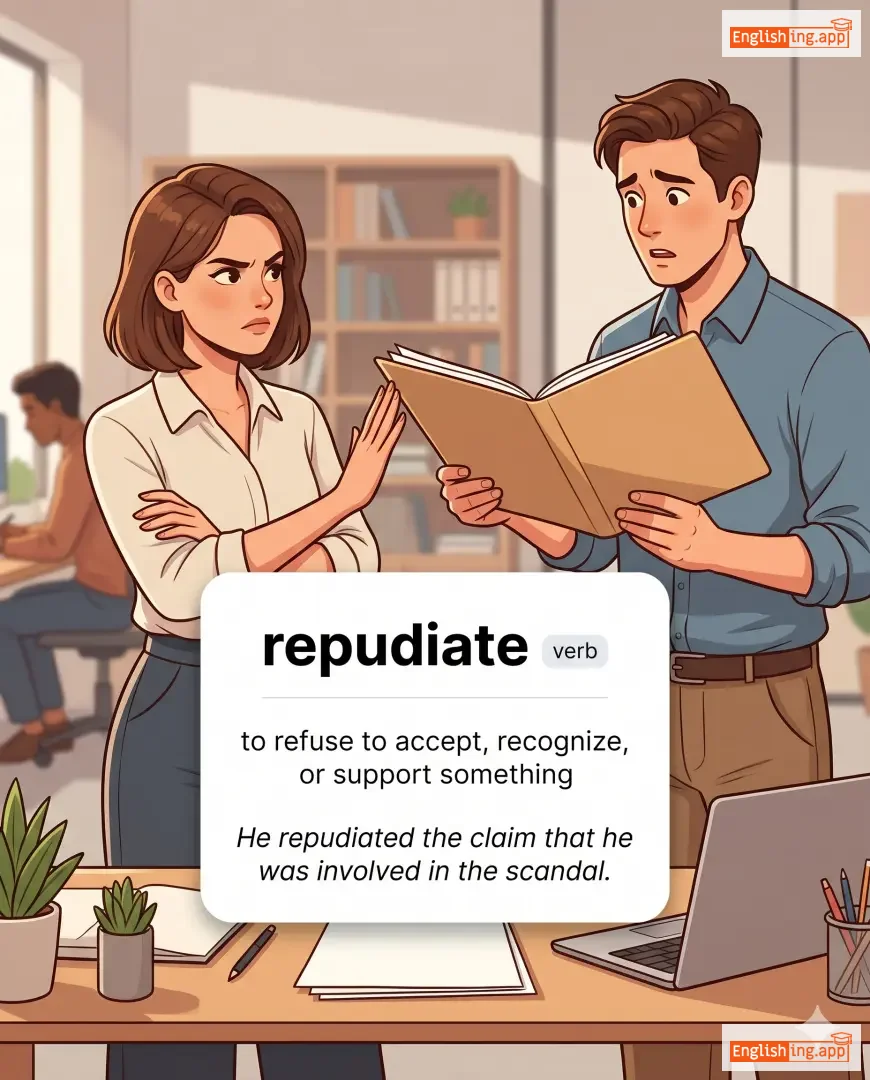
/rɪˈpjuː.di.eɪt/
verb
(リピュディエイト)
••••••
|
|
否定する
hitei suru
••••••
|
repudiated
リピュディエイテッド
••••••
|
repudiated
リピュディエイテッド
••••••
|
repudiates
リピュディエイツ
••••••
|
repudiating
リピュディエイティング
••••••
|
to refuse to accept, recognize, or support something
••••••
|
He repudiated the claim that he was involved in the scandal.
彼はそのスキャンダルに関与していたという主張を否定しました。
••••••
|
彼はそのスキャンダルに関与していたという主張を否定しました。
Kare wa sono sukyandaru ni kan'yo shite ita to iu shuchou o hitei shimashita.
••••••
|
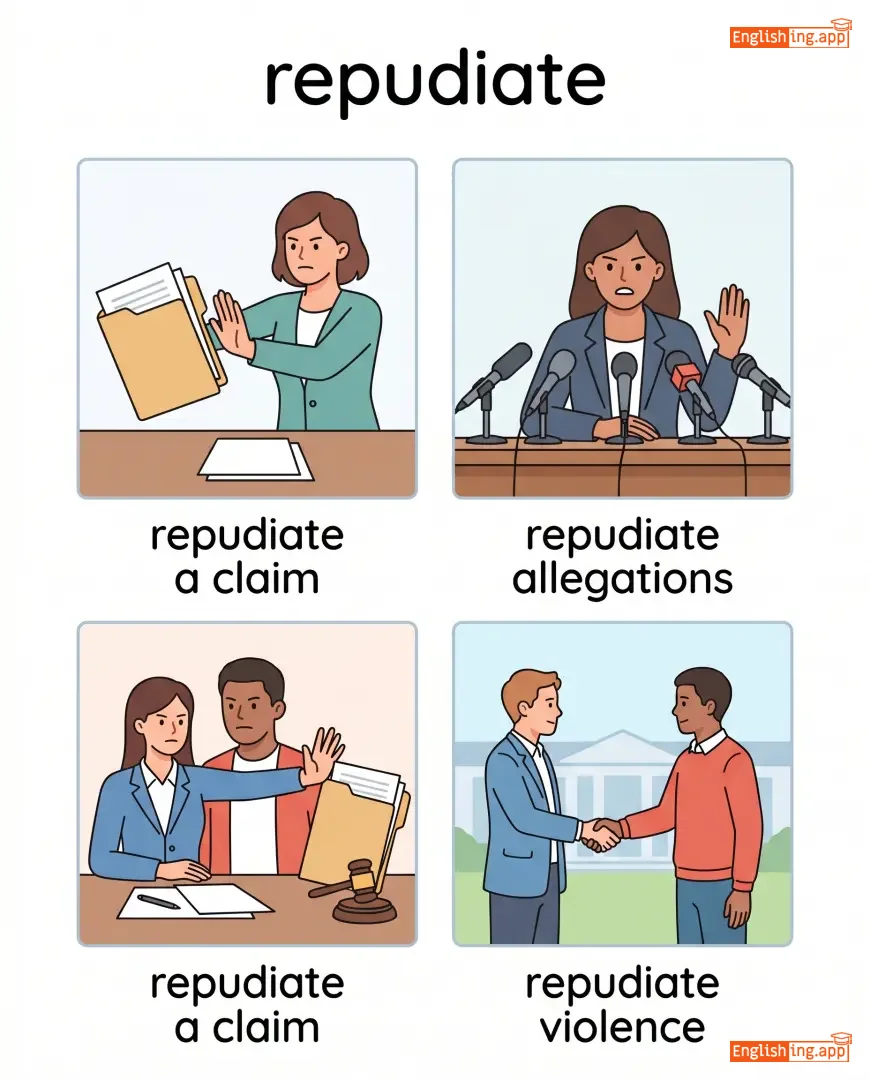
repudiate a claim
主張を否定する
••••••
|
to formally reject or deny a statement or allegation
••••••
|
主張を否定する
Shuchou o hitei suru
••••••
|
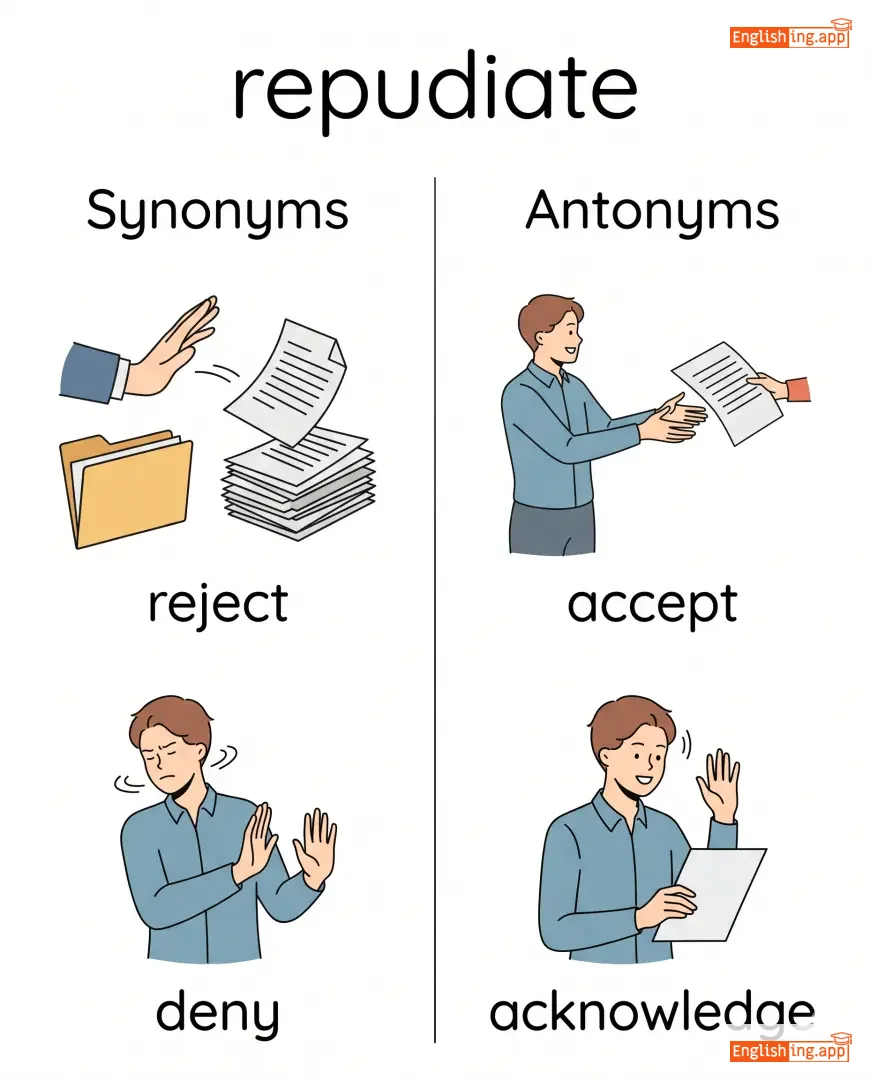
reject, deny, renounce, disown, disclaim
••••••
|
accept, acknowledge, admit
••••••
|
repudiate a claim, repudiate allegations, repudiate violence, repudiate responsibility
••••••
|
Re + 否定 → 否定する
••••••
|
|
#7534
🦎
|
/ˈrɛp.taɪl/
noun
(レプタイル)
••••••
|
- •••••• |
爬虫類
hatchōrui
••••••
|
- •••••• | - •••••• | - •••••• | - •••••• |
a cold-blooded animal with scales that lays eggs, such as snakes, lizards, turtles, or crocodiles
••••••
|
The snake is a reptile that can be found in many parts of the world. |
ヘビは、世界の多くの地域で見つけることができる爬虫類です。
Hebi wa, sekai no ōku no chiiki de mitsukeru koto ga dekiru hatchōrui desu.
••••••
|
- •••••• | - •••••• | - •••••• |
lizard, snake, crocodile, turtle
••••••
|
mammal, bird
••••••
|
reptile species, reptile skin, reptile zoo, reptile world
••••••
|
爬虫類は地面を這うように動きます。
••••••
|
|
#7535
👩🏫
|
/rɪˈpruːv/
verb
(リプルーブ)
••••••
|
- •••••• |
叱る
shikaru
••••••
|
reproved
リプルーブド
••••••
|
reproved
リプルーブド
••••••
|
reproves
リプルーブズ
••••••
|
reproving
リプルービング
••••••
|
to criticize or correct someone gently or disapprove of their actions
••••••
|
The teacher reproved the student for being late.
先生は遅刻した生徒を叱りました。
••••••
|
先生は遅刻した生徒を叱りました。
Sensei wa chikoku shita seito o shikarimashita.
••••••
|
reprove someone gently
誰かを優しく叱る
••••••
|
to correct or criticize someone in a soft and kind way
••••••
|
誰かを優しく叱る
dareka o yasashiku shikaru
••••••
|
scold, admonish, reprimand, rebuke, chide
••••••
|
praise, commend, approve
••••••
|
reprove sternly, reprove gently, reprove someone, reprove for
••••••
|
先生はリプルーブ (reprove) して叱る
••••••
|
|
#7536
👎
|
/rɪˈpruːf/
noun
(リプルーフ)
••••••
|
- •••••• |
叱責, 非難
shisseki, hinan
••••••
|
- •••••• | - •••••• | - •••••• | - •••••• |
An expression of blame or disapproval.
••••••
|
His careless words drew a sharp reproof from his mother.
彼の不注意な言葉は、母親からの厳しい叱責を引き起こした。
••••••
|
彼の不注意な言葉は、母親からの厳しい叱責を引き起こした。
Kare no fuchūina kotoba wa, hahaoya kara no kibishī shisseki o hikiokoshita.
••••••
|
beyond reproof
非難を超えて
••••••
|
above criticism; impeccable
••••••
|
非難を超えて
hinan o koete
••••••
|
rebuke, reprimand, censure, reproach
••••••
|
praise, approval, commendation
••••••
|
harsh reproof, gentle reproof, beyond reproof
••••••
|
叱責(reproof)の後には非難が続く。
••••••
|
|
#7537
👶
|
/ˌriːprəˈdʌkʃən/
noun
(リプロダクション)
••••••
|
- •••••• |
再生, 繁殖
saisei, hanshoku
••••••
|
- •••••• | - •••••• | - •••••• | - •••••• |
The process of producing offspring; the act of copying or duplicating.
••••••
|
The textbook included a detailed diagram of human reproduction.
教科書には人間のリプロダクションの詳細な図が含まれていました。
••••••
|
教科書には人間のリプロダクションの詳細な図が含まれていました。
Kyoukasho ni wa ningen no rīprodakushon no shousai na zu ga fukumarete imashita.
••••••
|
- •••••• | - •••••• | - •••••• |
duplication, replication, breeding, procreation
••••••
|
extinction, destruction
••••••
|
sexual reproduction, human reproduction, accurate reproduction
••••••
|
Re PRO ダクションは新しい命やコピーを意味します (reproduction)。
••••••
|
|
#7538
🐣
|
/ˌriːprəˈdjuːs/
verb
(リプロデュース)
••••••
|
- •••••• |
再生する, 繁殖する
saisei suru, hanshoku suru
••••••
|
reproduced
リプロデュースド
••••••
|
reproduced
リプロデュースド
••••••
|
reproduces
リプロデュースズ
••••••
|
reproducing
リプロデュースイング
••••••
|
To make a copy of something; to generate offspring.
••••••
|
Many animals reproduce rapidly in favorable conditions.
多くの動物は好ましい条件下で急速に繁殖します。
••••••
|
多くの動物は好ましい条件下で急速に繁殖します。
Ōku no dōbutsu wa konomashī jōkenka de kyūsoku ni hanshoku shimasu.
••••••
|
- •••••• | - •••••• | - •••••• |
replicate, duplicate, breed, procreate
••••••
|
destroy, eradicate, terminate
••••••
|
reproduce quickly, reproduce a document, reproduce naturally
••••••
|
リプロデュースは、コピーを作るか、または新しい生命を繁殖させること。
••••••
|
|
#7539
🚫
|
/ˌrɛprəˈbeɪʃən/
noun
••••••
|
- •••••• | - •••••• | - •••••• | - •••••• | - •••••• | - •••••• |
Strong disapproval or condemnation; rejection by God as beyond salvation.
••••••
|
The teacher’s face showed clear reprobation at the student’s rude remark. |
- •••••• | - •••••• | - •••••• | - •••••• |
condemnation, denunciation, disapproval, censure
••••••
|
approval, praise, commendation
••••••
|
divine reprobation, moral reprobation, show reprobation
••••••
|
No •••••• |
|
#7540
😈
|
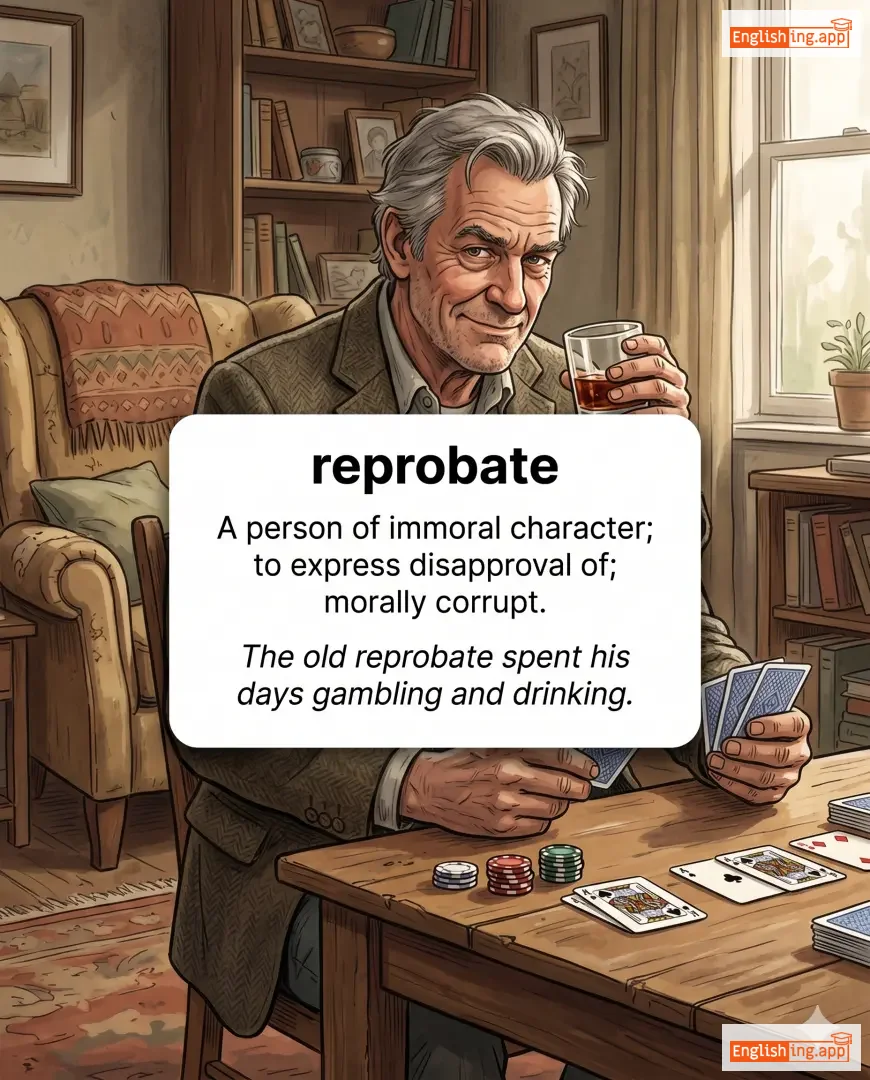
/ˈrɛprəˌbeɪt/
noun, adjective, verb
••••••
|
|
- •••••• |
reprobated
••••••
|
reprobated
••••••
|
reprobates
••••••
|
reprobating
••••••
|
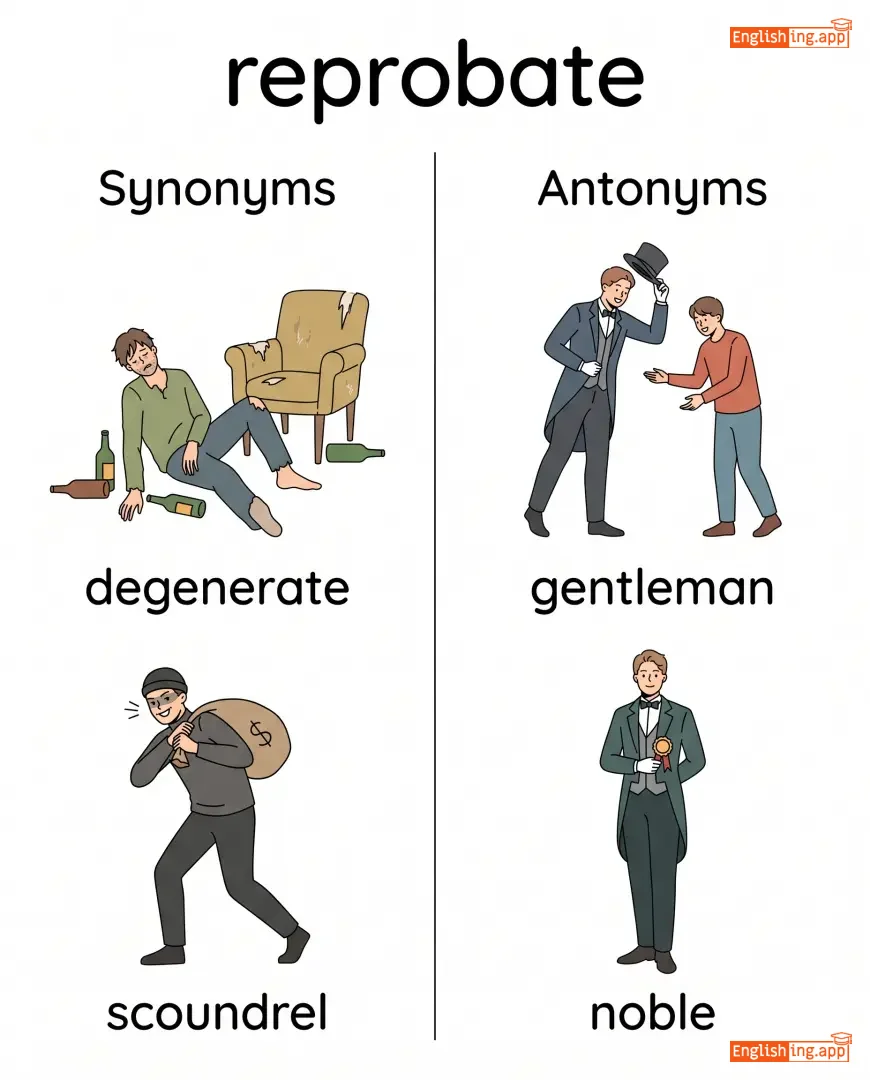
A person of immoral character; to express disapproval of; morally corrupt.
••••••
|
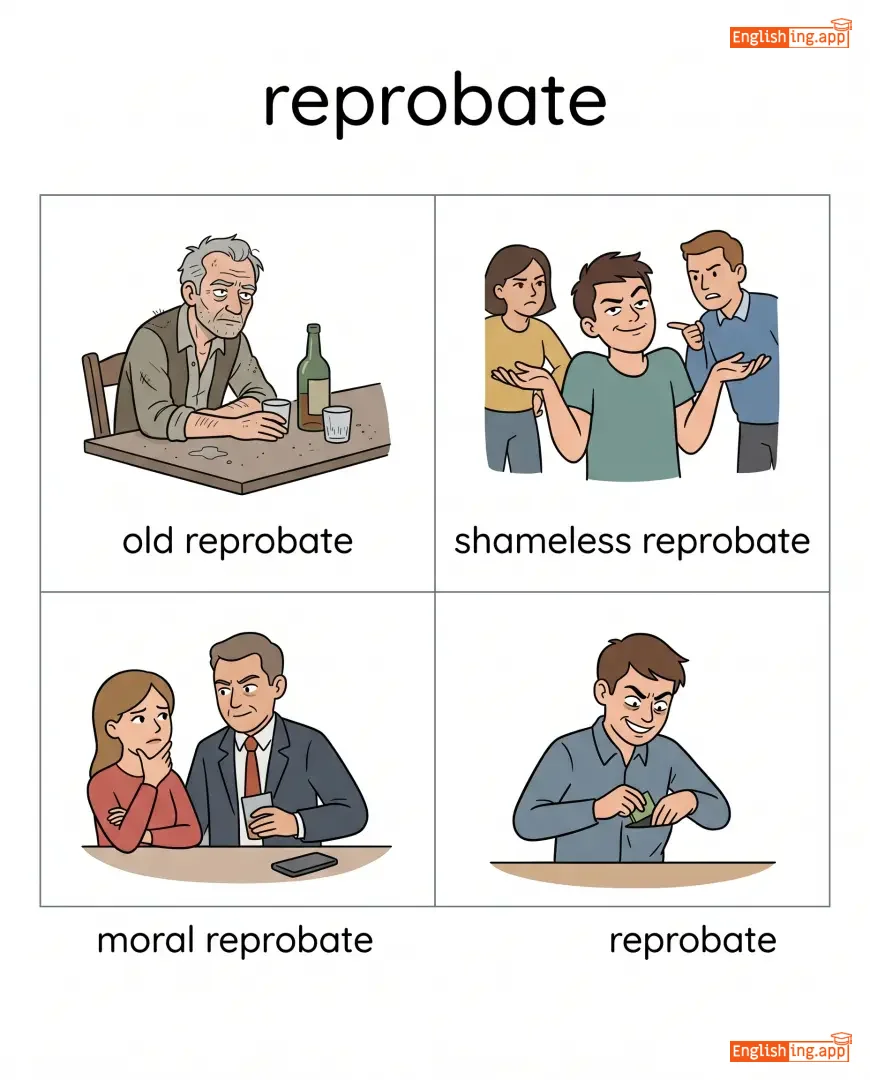
The old reprobate spent his days gambling and drinking. |
- •••••• |
an old reprobate |
a person with a long history of immoral or disapproved behavior
••••••
|
- •••••• |
degenerate, scoundrel, rogue, villain, miscreant
••••••
|
gentleman, noble, virtuous
••••••
|
old reprobate, shameless reprobate, moral reprobate
••••••
|
No •••••• |
|
#7541
👎
|
/rɪˈproʊtʃ/
noun/verb
(レプローチ)
••••••
|
|
非難 / 批判
hinan / hihan
••••••
|
reproached
レプローチド
••••••
|
reproached
レプローチド
••••••
|
reproaches
レプローチズ
••••••
|
reproaching
レプローチング
••••••
|
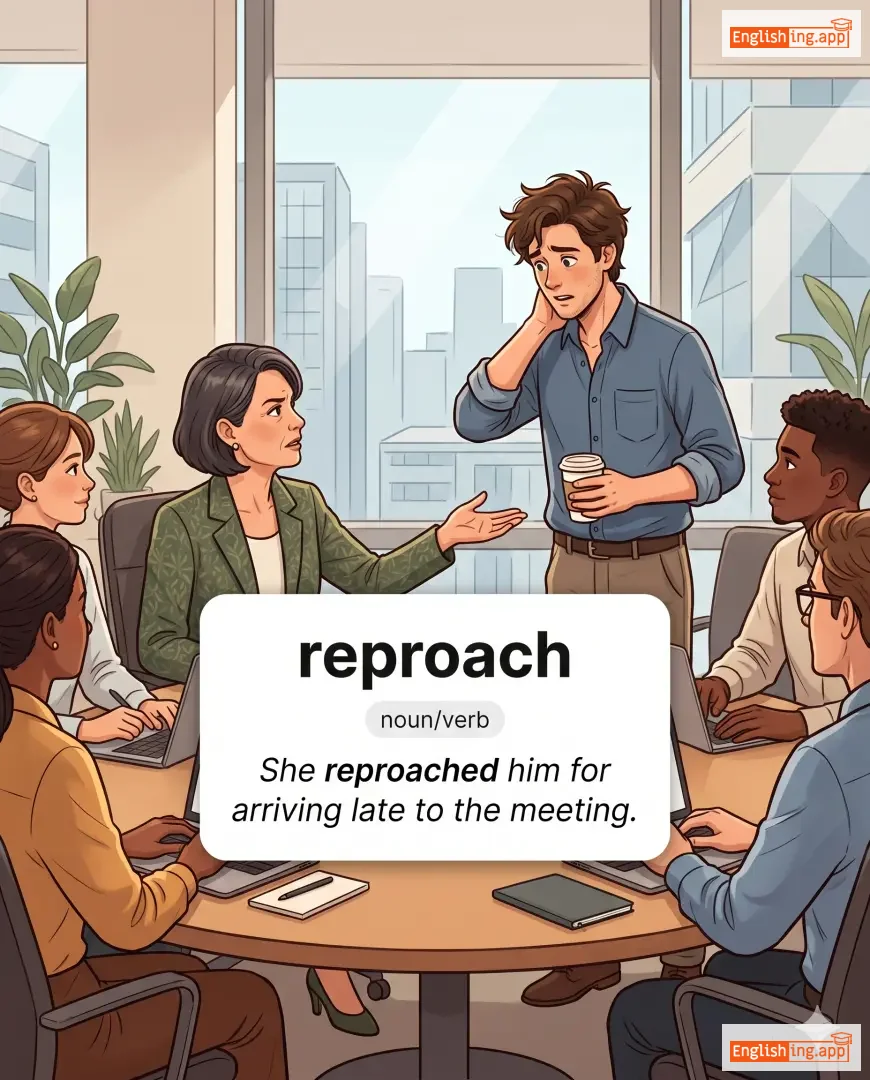
An expression of disapproval or disappointment; to criticize someone for doing wrong.
••••••
|
She reproached him for arriving late to the meeting.
彼女は会議に遅れたことを彼に非難した。
••••••
|
彼女は会議に遅れたことを彼に非難した。
Kanojo wa kaigi ni okureta koto o kare ni hinan shita.
••••••
|
beyond reproach
非難を越えて
••••••
|
So good that there is no fault or criticism.
••••••
|
非難を越えて
hihan o koete
••••••
|
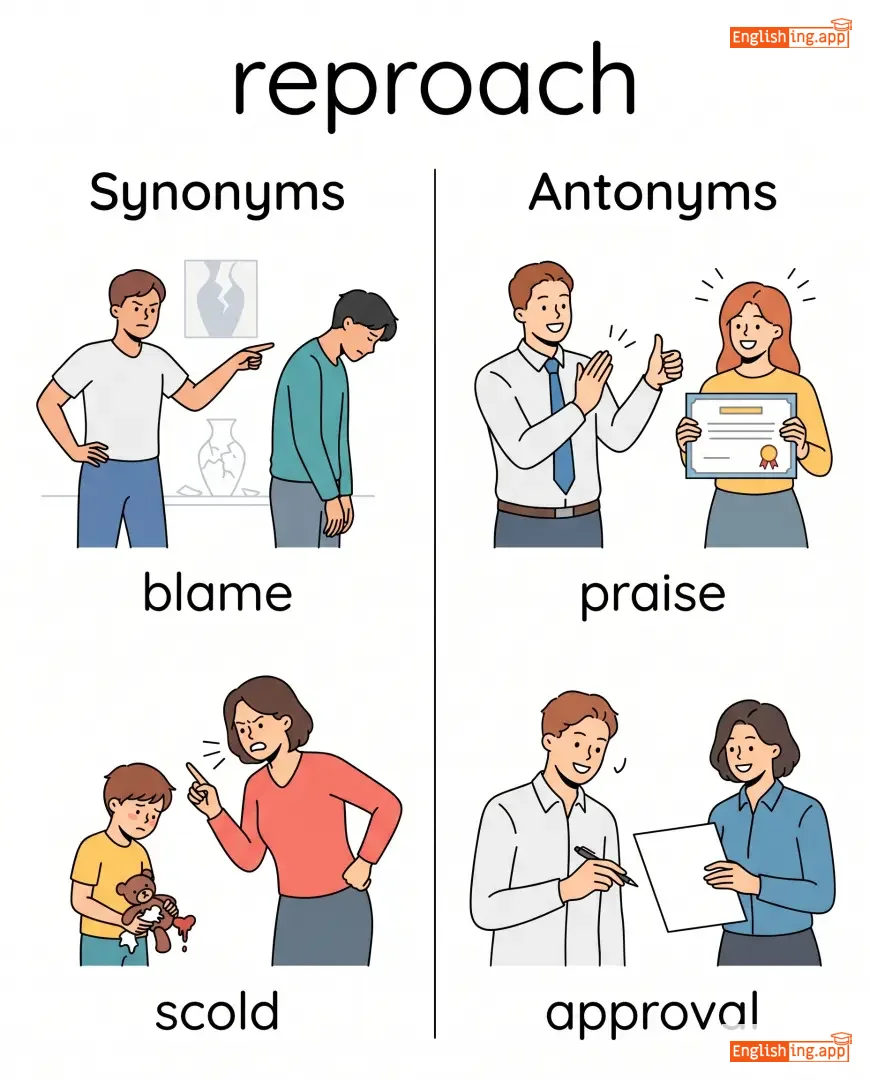
blame, scold, rebuke, criticism, censure
••••••
|
praise, approval, commendation
••••••
|
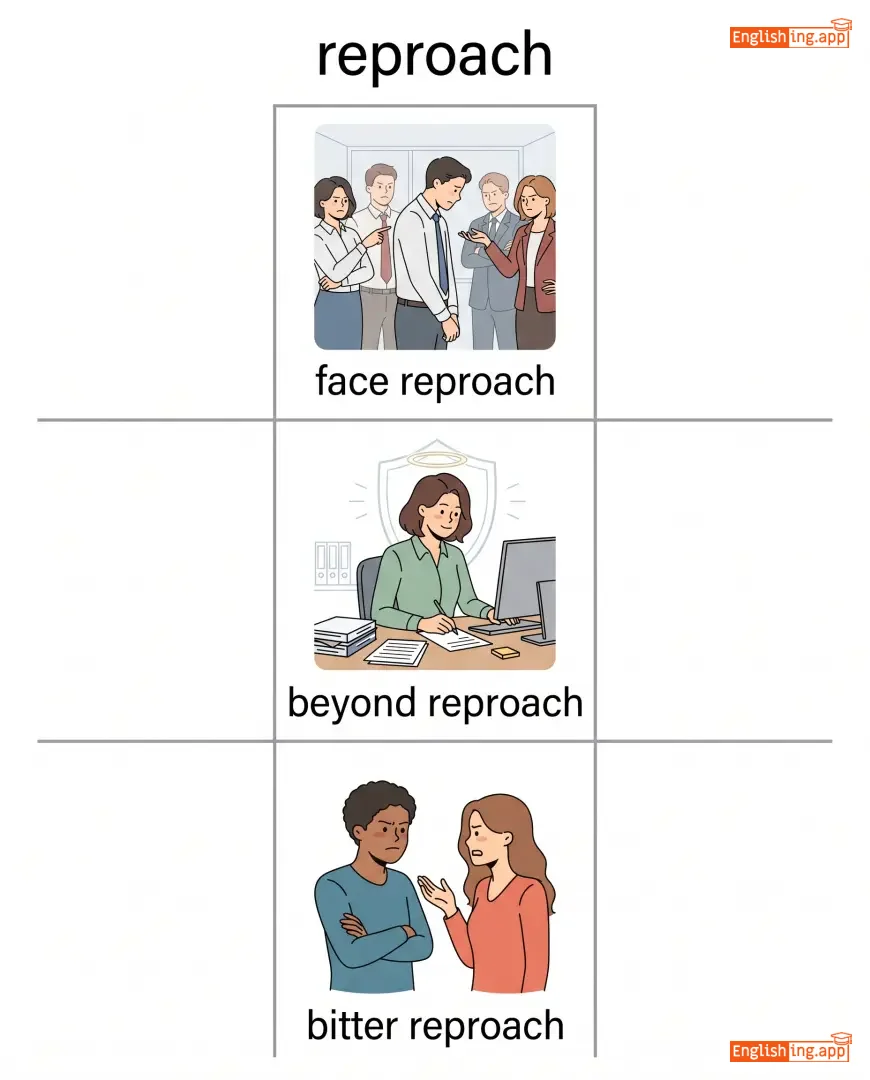
face reproach, beyond reproach, bitter reproach, severe reproach
••••••
|
Re-proach → 非難は再び近づいて批判すること。
••••••
|
|
#7542
🔂
|
/rɪˈpriːz/
noun/verb
(repriiz)
••••••
|
|
繰り返し
kurikaeshi
••••••
|
reprised
repriizd
••••••
|
reprised
repriizd
••••••
|
reprises
repriizes
••••••
|
reprising
repriizing
••••••
|
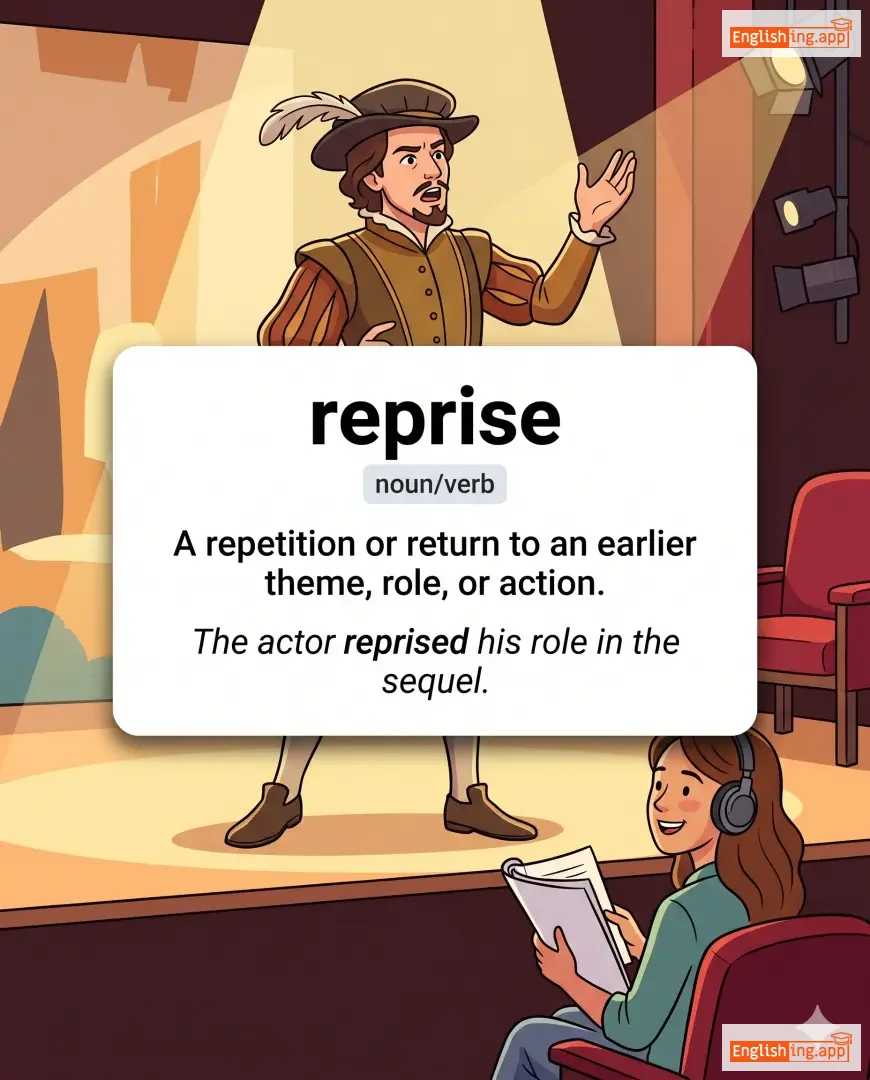
A repetition or return to an earlier theme, role, or action.
••••••
|
The actor reprised his role in the sequel.
俳優は続編で自分の役を再演しました。
••••••
|
俳優は続編で自分の役を再演しました。
Haiyū wa zokuhen de jibun no yaku o saien shimashita.
••••••
|
musical reprise
音楽のリプライズ
••••••
|
The repetition of a passage in music.
••••••
|
音楽の繰り返し
Ongaku no kurikaeshi
••••••
|
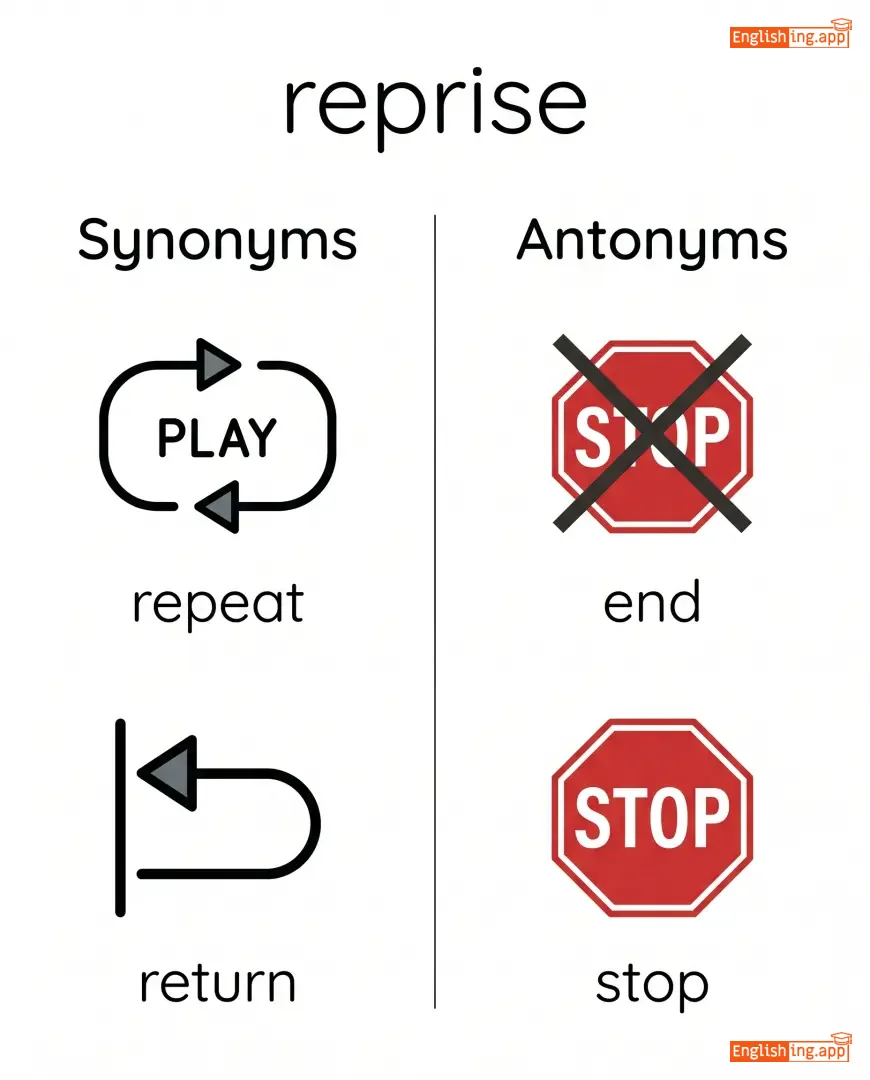
repeat, return, echo, reenact, recurrence
••••••
|
end, stop, halt
••••••
|
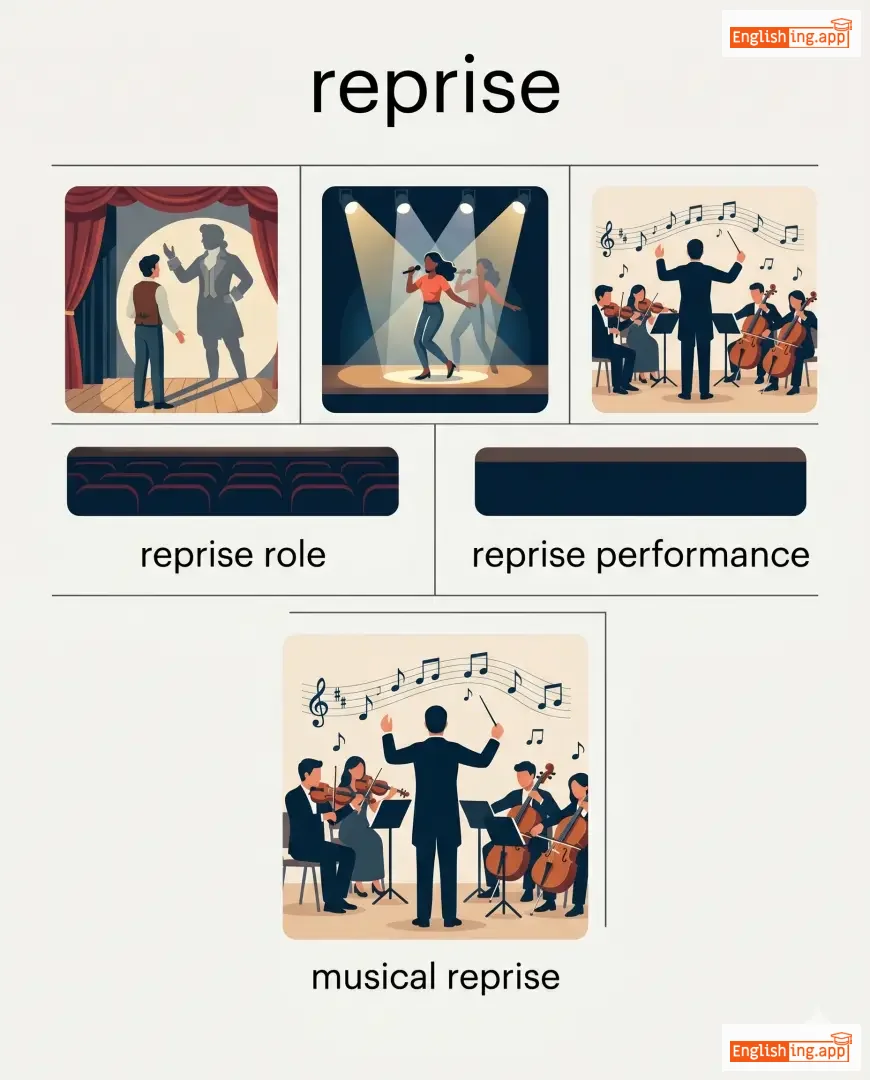
reprise role, reprise performance, musical reprise, reprise theme
••••••
|
Re-prizeは賞を再び獲得する意味です——繰り返しです。
••••••
|
|
#7543
🔁
|
/rɪˈpraɪzəl/
noun
(リプライザル)
••••••
|
- •••••• |
報復
houfuku
••••••
|
- •••••• | - •••••• | - •••••• | - •••••• |
An act of retaliation or revenge, especially in a conflict.
••••••
|
The attack was carried out as a reprisal for the bombing.
攻撃は爆撃への報復として行われた。
••••••
|
攻撃は爆撃への報復として行われた。
Kōgeki wa bakugeki e no hōfuku toshite okonawareta.
••••••
|
in reprisal
報復として
••••••
|
As a form of retaliation or revenge.
••••••
|
報復として
hōfuku toshite
••••••
|
retaliation, revenge, retribution, payback, vengeance
••••••
|
forgiveness, pardon, mercy
••••••
|
reprisal attack, in reprisal, military reprisal, reprisal raid
••••••
|
Re-prisalは'reprise'に似ている—攻撃への復讐。
••••••
|
|
#7544
⚠️
|
/ˈrɛprɪˌmænd/
noun/verb
••••••
|
- •••••• | - •••••• |
reprimanded
••••••
|
reprimanded
••••••
|
reprimands
••••••
|
reprimanding
••••••
|
A formal expression of disapproval; to scold or criticize someone officially.
••••••
|
The teacher reprimanded the student for being late. |
- •••••• |
severe reprimand |
A strong criticism or punishment for wrongdoing.
••••••
|
- •••••• |
rebuke, scold, censure, criticize, admonish
••••••
|
praise, compliment, approval
••••••
|
issue reprimand, receive reprimand, severe reprimand, formal reprimand
••••••
|
No •••••• |
|
#7545
🔁
|
/ˌrɛpɪˈtɪʃən/
noun
(リピティション)
••••••
|
- •••••• |
繰り返し
kurikaeshi
••••••
|
- •••••• | - •••••• | - •••••• | - •••••• |
The action of repeating something that has already been said, written, or done.
••••••
|
The teacher emphasized the importance of repetition in learning new vocabulary. |
先生は新しい語彙を学ぶ際の繰り返しの重要性を強調しました。
Sensei wa atarashī goi o manabu sai no kurikaeshi no jūyō-sei o kyōchō shimashita.
••••••
|
history repeats itself |
Events tend to recur in a similar way over time.
••••••
|
歴史は繰り返す
Rekishi wa kurikaesu
••••••
|
recurrence, reiteration, recurrence, duplication, reproduction
••••••
|
originality, uniqueness, novelty
••••••
|
constant repetition, unnecessary repetition, repetition of words, repetition drill
••••••
|
何度も繰り返すことが繰り返し – 繰り返し。
••••••
|
|
#7546
✋
|
/rɪˈprɛsəbl̩/
adjective
(リプレッシブル)
••••••
|
- •••••• |
抑制可能
yokusei kanou
••••••
|
- •••••• | - •••••• | - •••••• | - •••••• |
Capable of being restrained or suppressed.
••••••
|
The movement proved to be hardly repressible. |
その運動はほとんど抑制可能であることが証明されました。
Sono undou wa hotondo yokusei kanou de aru koto ga shoumei saremashita.
••••••
|
- •••••• | - •••••• | - •••••• |
controllable, restrainable, suppressible
••••••
|
irrepressible, uncontrollable
••••••
|
hardly repressible, easily repressible, repressible urge
••••••
|
Repressible は抑制可能 – 何かを押さえてコントロールできるものです。
••••••
|
|
#7547
😶
|
/rɪˈprɛs/
verb
••••••
|
- •••••• | - •••••• |
repressed
••••••
|
repressed
••••••
|
represses
••••••
|
repressing
••••••
|
To restrain, suppress, or keep under control, especially emotions or desires.
••••••
|
He tried to repress his anger during the meeting. |
- •••••• |
repress emotions |
To control or suppress one’s emotional reactions
••••••
|
- •••••• |
suppress, restrain, subdue, stifle, quell
••••••
|
express, release, allow
••••••
|
repress anger, repress emotions, repress rebellion
••••••
|
No •••••• |
|
#7548
🎨
|
/ˌrɛprɪzɛnˈteɪʃənl̩/
adjective
(レプレゼンテーショナル)
••••••
|
- •••••• |
表現的
hyōgente-ki
••••••
|
- •••••• | - •••••• | - •••••• | - •••••• |
Relating to or depicting something in a realistic or symbolic way.
••••••
|
The artist preferred a representational style of painting. |
アーティストは表現的な絵画スタイルを好んでいました。
Ātisuto wa hyōgente-ki na kaiga sutairu o kononde imashita.
••••••
|
- •••••• | - •••••• | - •••••• |
realistic, descriptive, figurative, illustrative
••••••
|
abstract, nonrepresentational
••••••
|
representational art, representational style, representational image
••••••
|
表現的は、'表現'に関連しているので、アートスタイルにぴったりです。
••••••
|
|
#7549
📢
|
/ˌrɛprɪˈhɛnʃən/
noun
(レプリヘンション)
••••••
|
- •••••• |
叱責
shisseki
••••••
|
- •••••• | - •••••• | - •••••• | - •••••• |
The act of rebuking or criticizing severely.
••••••
|
The teacher’s reprehension of the student’s behavior was justified. |
教師の学生の行動に対する叱責は正当であった。
Kyoushi no gakusei no koudou ni taisuru shisseki wa seitou de atta.
••••••
|
- •••••• | - •••••• | - •••••• |
rebuke, reprimand, criticism, condemnation, censure
••••••
|
praise, approval
••••••
|
sharp reprehension, public reprehension, receive reprehension
••••••
|
Reprehension は叱責を意味します – (rep) を繰り返すと、教師が叱責します。
••••••
|
|
#7550
⚠️
|
/ˌrɛprɪˈhɛnsəbl̩/
adjective
(レプリヘンシブル)
••••••
|
- •••••• |
非難すべき
hinan subeki
••••••
|
- •••••• | - •••••• | - •••••• | - •••••• |
Deserving strong criticism or blame.
••••••
|
His dishonest actions were truly reprehensible. |
彼の不誠実な行動は本当に非難すべきものでした。
Kare no fuseijitsu na kōdō wa hontōni hinan subeki mono deshita.
••••••
|
- •••••• | - •••••• | - •••••• |
blameworthy, disgraceful, shameful, deplorable, objectionable
••••••
|
commendable, praiseworthy
••••••
|
reprehensible behavior, reprehensible conduct, morally reprehensible
••••••
|
Reprehensibleは非難すべきという意味です - 'rep'することは非難されることです。
••••••
|
|
#7551
⚡
|
/ˌrɛprɪˈhɛnd/
verb
(レプリヘンド)
••••••
|
- •••••• |
非難する
hinan suru
••••••
|
reprehended
レプリヘンデッド
••••••
|
reprehended
レプリヘンデッド
••••••
|
reprehends
レプリヘンズ
••••••
|
reprehending
レプリヘンディング
••••••
|
to express disapproval or criticism of someone or something
••••••
|
The teacher reprehended the student for being dishonest.
先生は不正直なことで生徒を叱りました。
••••••
|
先生は不正直なことで生徒を叱りました。
Sensei wa fuseijika na koto de seito o shikarimashita.
••••••
|
- •••••• | - •••••• | - •••••• |
rebuke, reprimand, scold, criticize, censure
••••••
|
praise, commend, approve
••••••
|
reprehend someone, reprehend behavior, reprehend actions
••••••
|
Reprehend は '非難する' に似ていて、批判や非難を意味します。
••••••
|
|
#7552
📦
|
/rɪˈpɑːzɪtɔːri/
noun
(リポジトリ)
••••••
|
- •••••• |
リポジトリ
ripojitori
••••••
|
- •••••• | - •••••• | - •••••• | - •••••• |
a place where things are stored or kept for safekeeping
••••••
|
The library serves as a repository of knowledge. |
図書館は知識のリポジトリとして機能します。
Toshokan wa chishiki no ripojitori toshite kinou shimasu.
••••••
|
- •••••• | - •••••• | - •••••• |
storehouse, archive, depot, storage
••••••
|
void, emptiness
••••••
|
digital repository, data repository, repository of knowledge
••••••
|
GitHub にはコードのためのリポジトリ 📦 があります。
••••••
|
|
#7553
😴
|
/rɪˈpoʊz/
noun/verb
(リポーズ)
••••••
|
- •••••• |
休息
kyūsoku
••••••
|
reposed
リポーズド
••••••
|
reposed
リポーズド
••••••
|
reposes
リポーズズ
••••••
|
reposing
リポージング
••••••
|
a state of rest, sleep, or tranquility; to rest or lie in a peaceful position
••••••
|
After the long journey, she sought repose in the quiet garden.
長い旅の後、彼女は静かな庭で休息を求めた。
••••••
|
長い旅の後、彼女は静かな庭で休息を求めた。
Nagai tabi no ato, kanojo wa shizukana niwa de kyūsoku o motometa.
••••••
|
at repose
休息中
••••••
|
in a state of rest or calm
••••••
|
休息中
kyūsokuchū
••••••
|
rest, relaxation, peace, tranquility
••••••
|
activity, unrest, disturbance
••••••
|
seek repose, eternal repose, repose in peace
••••••
|
Re + Pose 😴 - 休んでポーズをとろう。
••••••
|
|
#7554
📰
|
/rɪˈpɔːrtɪʒ/
noun
(レポータージュ)
••••••
|
- •••••• |
報道
houdou
••••••
|
- •••••• | - •••••• | - •••••• | - •••••• |
the act of reporting news or describing events in the media
••••••
|
The magazine is known for its detailed reportage of political issues. |
その雑誌は政治問題に関する詳細な報道で知られています。
Sono zasshi wa seiji mondai ni kansuru shōsai na hōdō de shirareteimasu.
••••••
|
- •••••• | - •••••• | - •••••• |
journalism, coverage, reporting, account
••••••
|
silence, suppression
••••••
|
investigative reportage, detailed reportage, reportage on events
••••••
|
Report + Age = ニュース報道のこと報道 📜
••••••
|
|
#7555
🧬
|
/ˈrɛplɪkeɪt/
verb
(レプリケート)
••••••
|
- •••••• |
複製する
fukusei suru
••••••
|
replicated
レプリケイテッド
••••••
|
replicated
レプリケイテッド
••••••
|
replicates
レプリケイツ
••••••
|
replicating
レプリケイティング
••••••
|
to copy, reproduce, or duplicate something exactly
••••••
|
The scientist tried to replicate the experiment for accuracy.
科学者は実験を正確に再現しようとしました。
••••••
|
科学者は実験を正確に再現しようとしました。
Kagakusha wa jikken o seikaku ni saigen shiyou to shimashita.
••••••
|
replicate results
結果を再現する
••••••
|
to repeat an experiment or process and achieve the same outcome
••••••
|
結果を再現する
Kekka o saigen suru
••••••
|
duplicate, reproduce, imitate, copy, clone
••••••
|
originate, create, innovate
••••••
|
replicate experiment, replicate study, replicate results, replicate DNA
••••••
|
コピー機でコピーを作るように、何かを完全に再現することです。
••••••
|
|
#7556
🗿
|
/ˈrɛplɪkə/
noun
(レプリカ)
••••••
|
- •••••• |
複製品
fukuseihin
••••••
|
- •••••• | - •••••• | - •••••• | - •••••• |
An exact copy or model of something, especially one on a smaller scale.
••••••
|
The museum displayed a replica of the ancient sculpture. |
博物館は古代の彫刻の複製品を展示しました。
Hakubutsukan wa kodai no chōkoku no fukuseihin o tenji shimashita.
••••••
|
- •••••• | - •••••• | - •••••• |
copy, reproduction, imitation, duplicate, clone
••••••
|
original, prototype, authentic
••••••
|
replica model, replica watch, exact replica, scaled replica
••••••
|
レプリカはオリジナルのコピー、小さなサイズで。
••••••
|
|
#7557
🍽️
|
/rɪˈpliːt/
adjective
(リプリート)
••••••
|
- •••••• |
満ちた
michita
••••••
|
- •••••• | - •••••• | - •••••• | - •••••• |
Filled or well-supplied with something; abundantly full.
••••••
|
The book is replete with fascinating historical details. |
その本は魅力的な歴史的詳細で満ちています。
Sono hon wa miryokuteki na rekishiteki shousai de michiteimasu.
••••••
|
- •••••• | - •••••• | - •••••• |
full, abundant, overflowing, loaded, packed
••••••
|
empty, lacking, scarce
••••••
|
replete with, replete details, replete resources, replete information
••••••
|
Re plate 食べ物で満たされる – つまり満ちた。
••••••
|
|
#7558
💧
|
/rɪˈplɛnɪʃ/
verb
(リプレンッシュ)
••••••
|
|
補充する
hojyu suru
••••••
|
replenished
リプレンッシュド
••••••
|
replenished
リプレンッシュド
••••••
|
replenishes
リプレンッシュズ
••••••
|
replenishing
リプレンッシュング
••••••
|
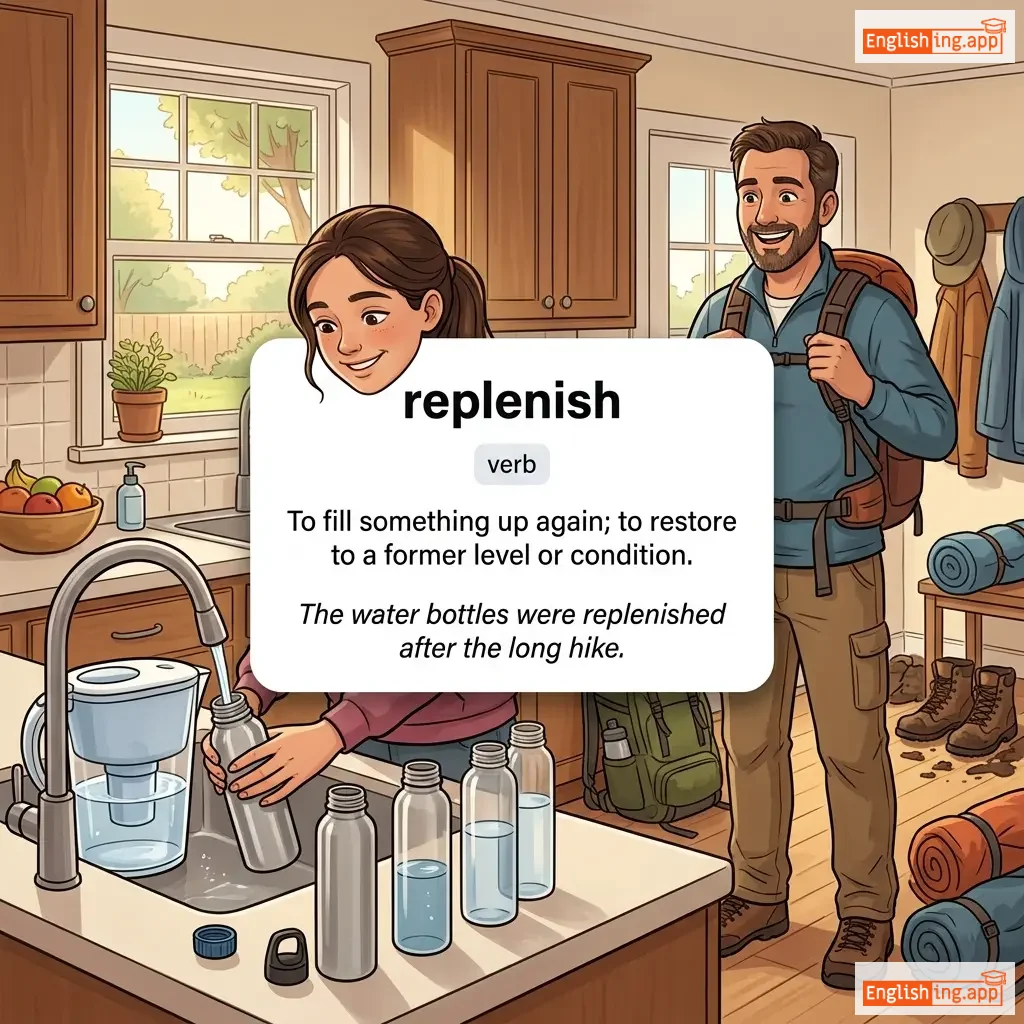
To fill something up again; to restore to a former level or condition.
••••••
|
The water bottles were replenished after the long hike.
長いハイキングの後、ウォーターボトルが補充されました。
••••••
|
長いハイキングの後、ウォーターボトルが補充されました。
Nagai haikingu no ato, wotā botoru ga hojū saremashita.
••••••
|
- •••••• | - •••••• | - •••••• |
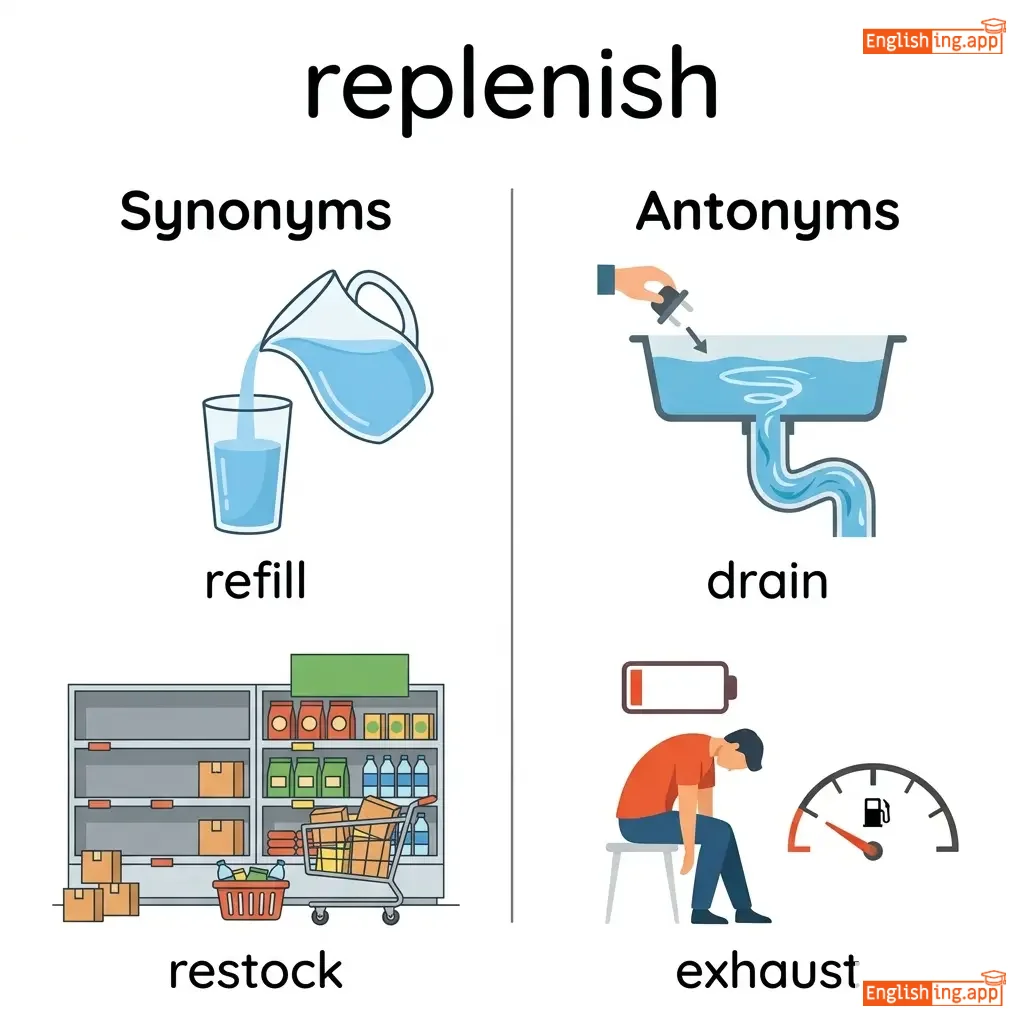
refill, restock, renew, refresh, restore
••••••
|
drain, exhaust, empty
••••••
|
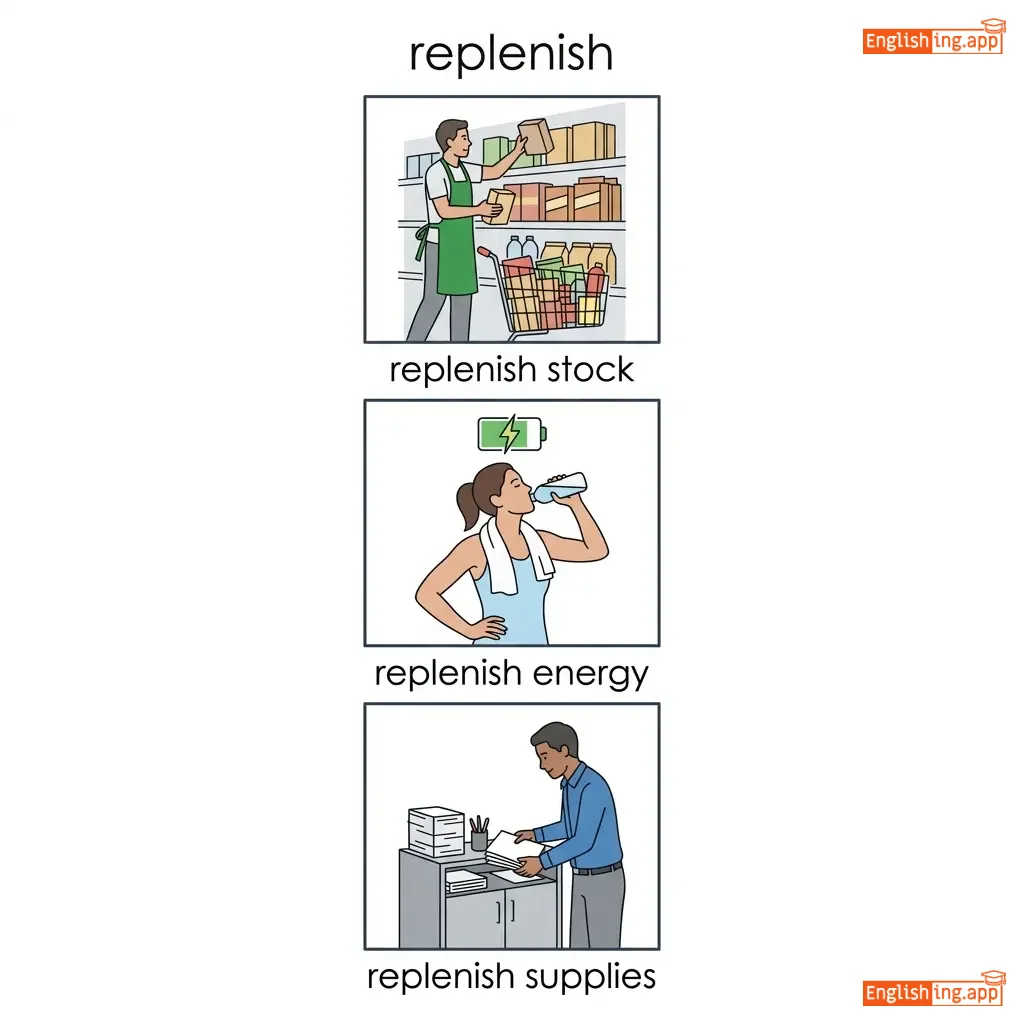
replenish stock, replenish energy, replenish supplies, replenish resources
••••••
|
Re (再) + plenish (補充) = 再補充。
••••••
|
|
#7559
😔
|
/rɪˈpaɪn/
verb
(リパイン)
••••••
|
|
嘆く
nageku
••••••
|
repined
リパインド
••••••
|
repined
リパインド
••••••
|
repines
リパインズ
••••••
|
repining
リパイニング
••••••
|
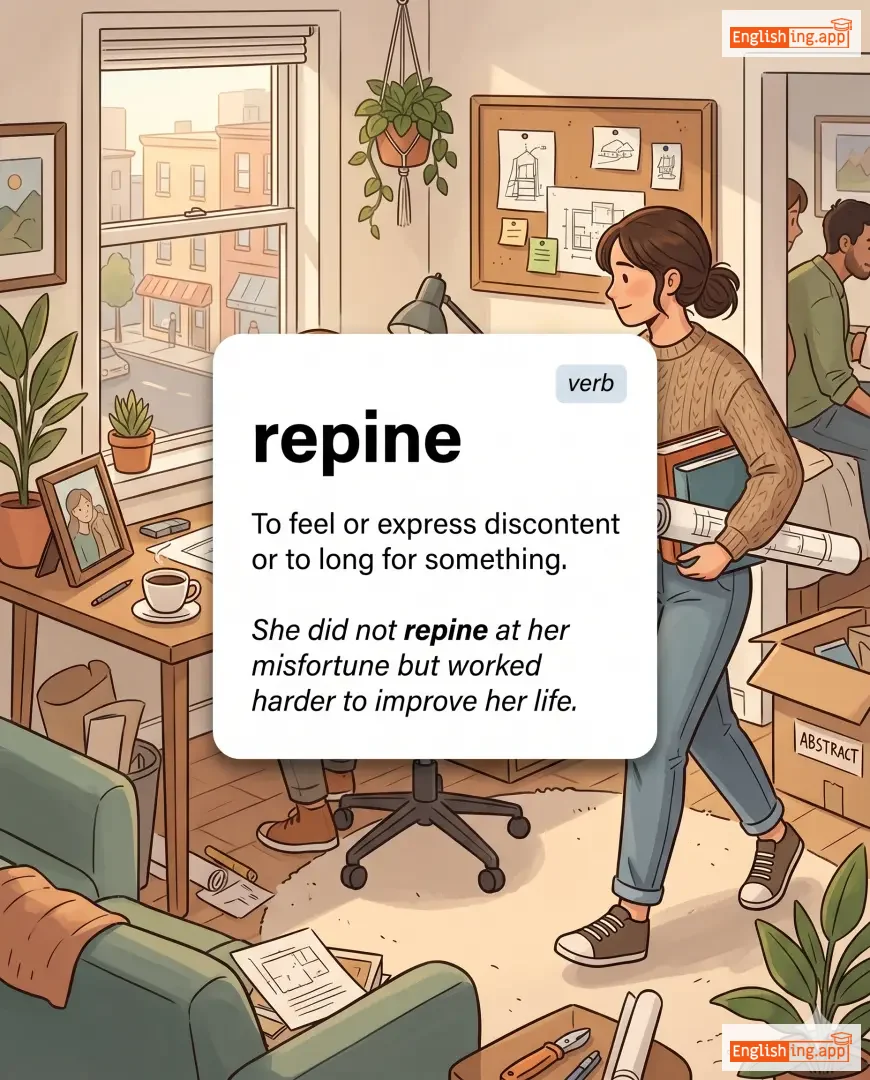
To feel or express discontent or to long for something.
••••••
|
She did not repine at her misfortune but worked harder to improve her life.
彼女は不幸を嘆かず、より一生懸命に働いて生活を向上させました。
••••••
|
彼女は不幸を嘆かず、より一生懸命に働いて生活を向上させました。
Kanojo wa fukō o nagekazu, yori isshōkenmei ni hataraite seikatsu o kōjō sasemashita.
••••••
|
- •••••• | - •••••• | - •••••• |
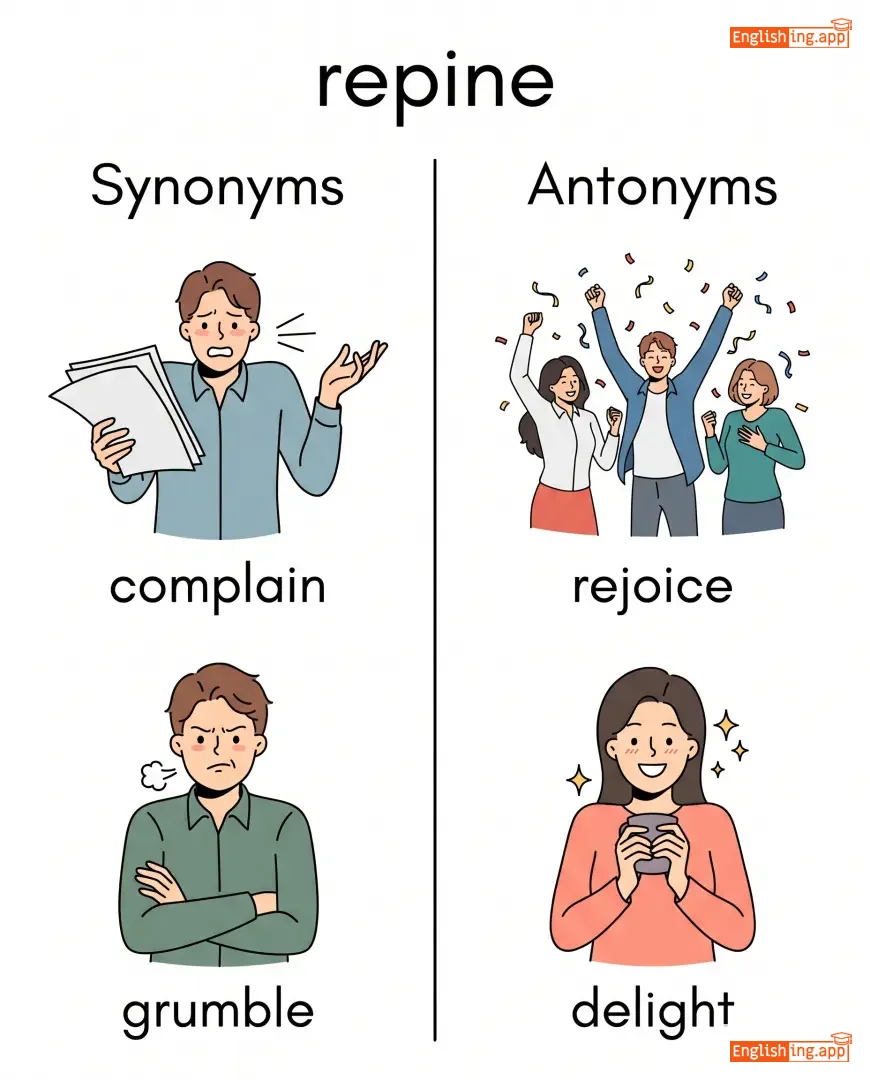
complain, grumble, lament, fret, brood
••••••
|
rejoice, delight, celebrate
••••••
|
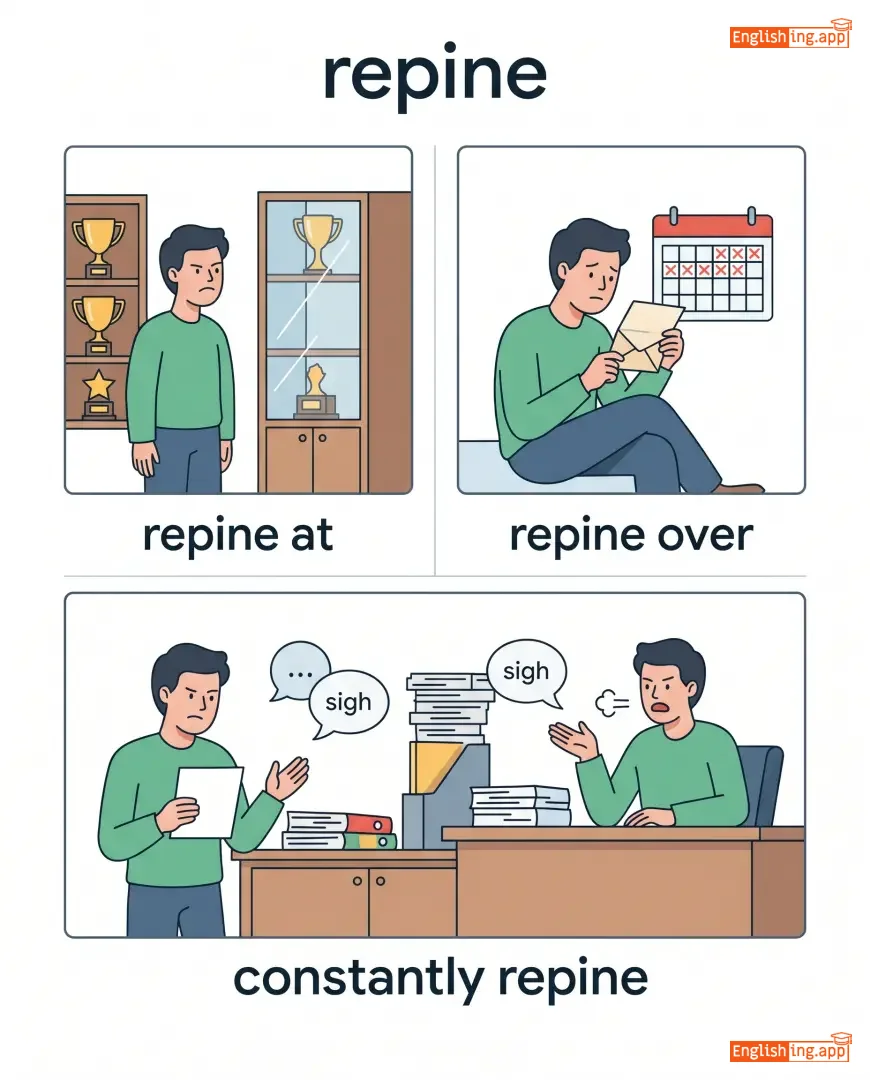
repine at, repine over, constantly repine, quietly repine
••••••
|
リパインは松の木の下で嘆くような感じ。
••••••
|
Vocabulary Quiz
Test your vocabulary by matching words with their translations or meanings.
Login to take the quiz
Comments (0)
Share your thoughts and join the discussion.
Join the discussion by logging in
Login to CommentNo comments yet
Be the first to share your thoughts!