

翻訳
過去
過去分詞
三人称単数
動名詞
意味
例文
例文の翻訳
同義語
対義語
コロケーション
ニーモニック

Swipe left or right, or use the buttons. Tap image to zoom.
例文の翻訳
単語
Lesson 443Lesson 443 - マスクトグル
|
絵文字
|
単語 | Images | 翻訳 | 過去 | 過去分詞 | 三人称単数 | 動名詞 | 意味 | 例文 | 例文の翻訳 | 表現例 | 表現例の意味 | 表現例の翻訳 | 同義語 | 対義語 | コロケーション | ニーモニック |
|---|---|---|---|---|---|---|---|---|---|---|---|---|---|---|---|---|---|
|
#1
🎤
|
/ˈvoʊkəl/
adjective
(ボーカル)
••••••
|
- •••••• |
発声
hatsusei
••••••
|
- •••••• | - •••••• | - •••••• | - •••••• |
expressing opinions or feelings freely and loudly; relating to the voice
••••••
|
She was very vocal about her dissatisfaction.
彼女は自分の不満について非常にボーカルでした。
••••••
|
彼女は自分の不満について非常に発声していました。
Kanojo wa jibun no fuman ni tsuite hijou ni hatsusei shite imashita.
••••••
|
vocal supporter
ボーカル支持者
••••••
|
a person who strongly and openly supports something
••••••
|
発声支持者
hatsusei shijisha
••••••
|
outspoken, expressive, loud, verbal, articulate
••••••
|
silent, quiet
••••••
|
vocal cords, vocal expression, vocal critic, vocal supporter
••••••
|
Vocalは声を出すこと — 発声する支持者!
••••••
|
|
#1
😊
|
/ˌwelˈbiːɪŋ/
noun
(ウェルビイング)
••••••
|
|
ウェルビーイング
werubīingu
••••••
|
- •••••• | - •••••• | - •••••• | - •••••• |
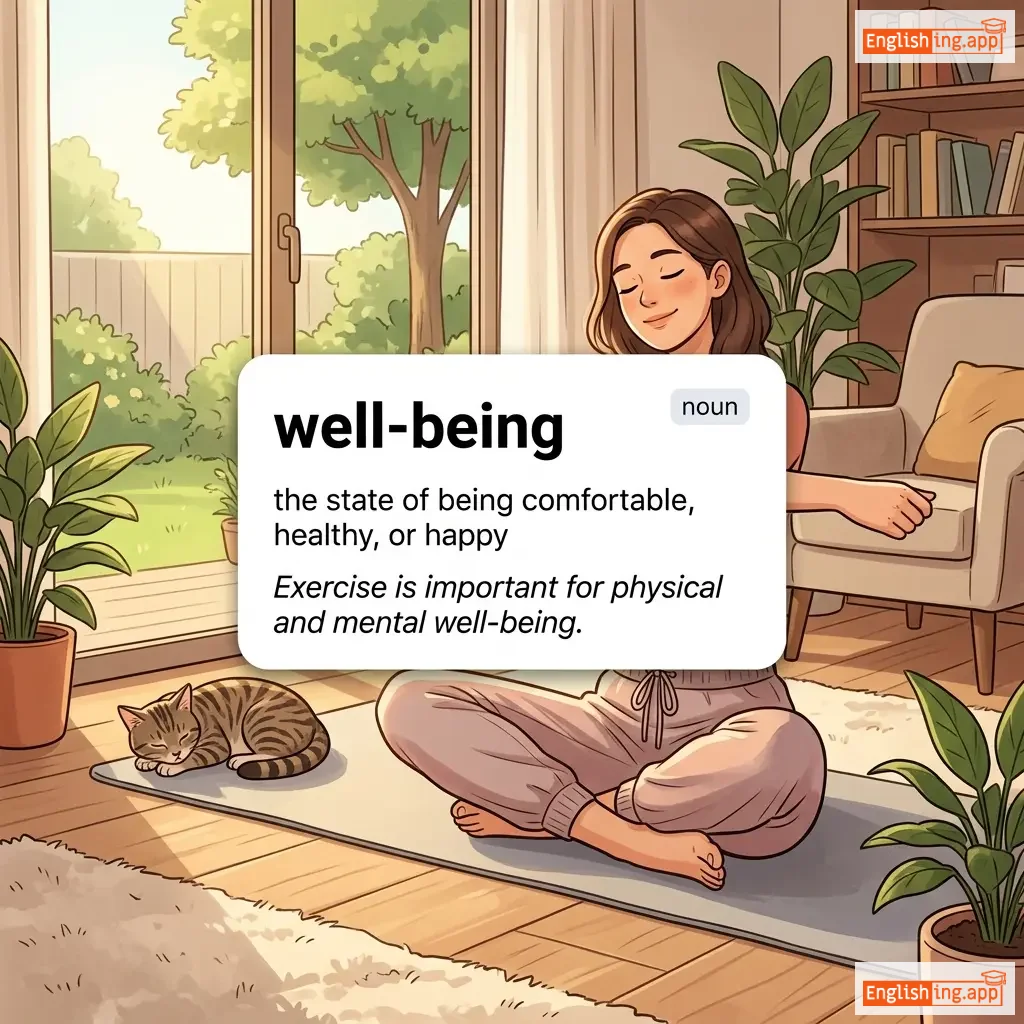
the state of being comfortable, healthy, or happy
••••••
|
Exercise is important for physical and mental well-being.
運動は身体的および精神的なウェルビイングに重要です。
••••••
|
運動は身体的および精神的なウェルビイングに重要です。
Undō wa shintai-teki oyobi seishin-teki na werubīingu ni jūyō desu.
••••••
|
- •••••• | - •••••• | - •••••• |
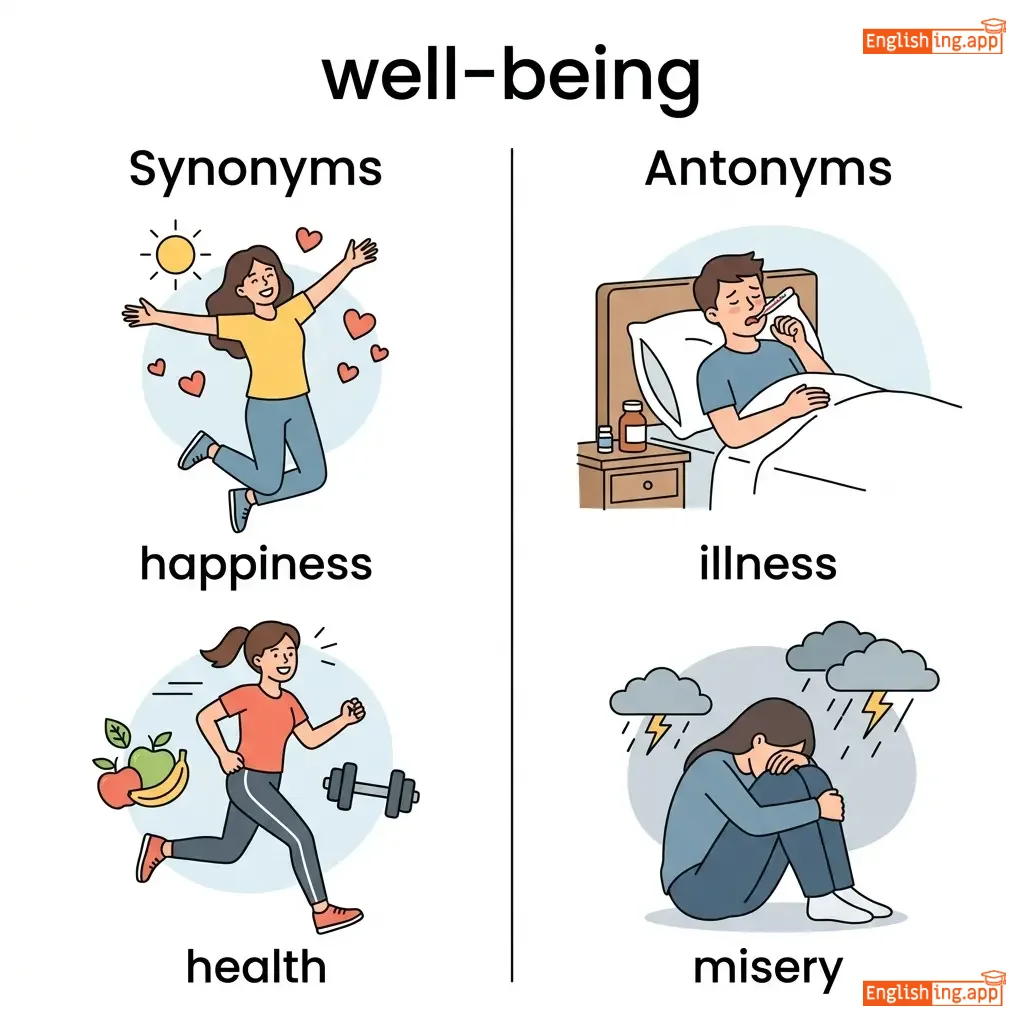
happiness, health, comfort, welfare, prosperity
••••••
|
illness, misery, discomfort
••••••
|
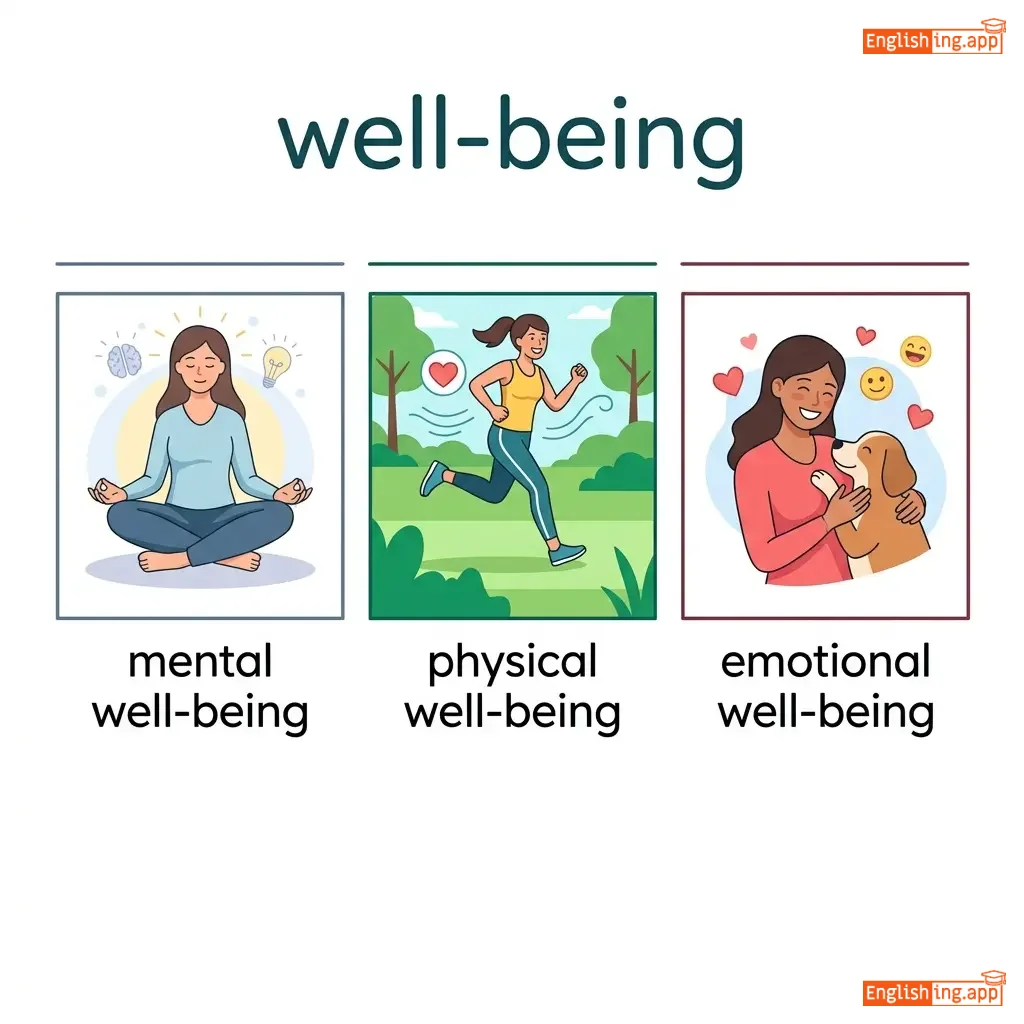
mental well-being, physical well-being, emotional well-being, promote well-being
••••••
|
Well-beingは良い状態を意味します — 'Well'は良いという意味で、良い状態でいることがwell-beingです😊
••••••
|
|
#1
🌿
|
/wiːd/
noun, verb
(ウィード)
••••••
|
|
雑草
zassou
••••••
|
weeded
ウィーデッド
••••••
|
weeded
ウィーデッド
••••••
|
weeds
ウィーズ
••••••
|
weeding
ウィーディング
••••••
|
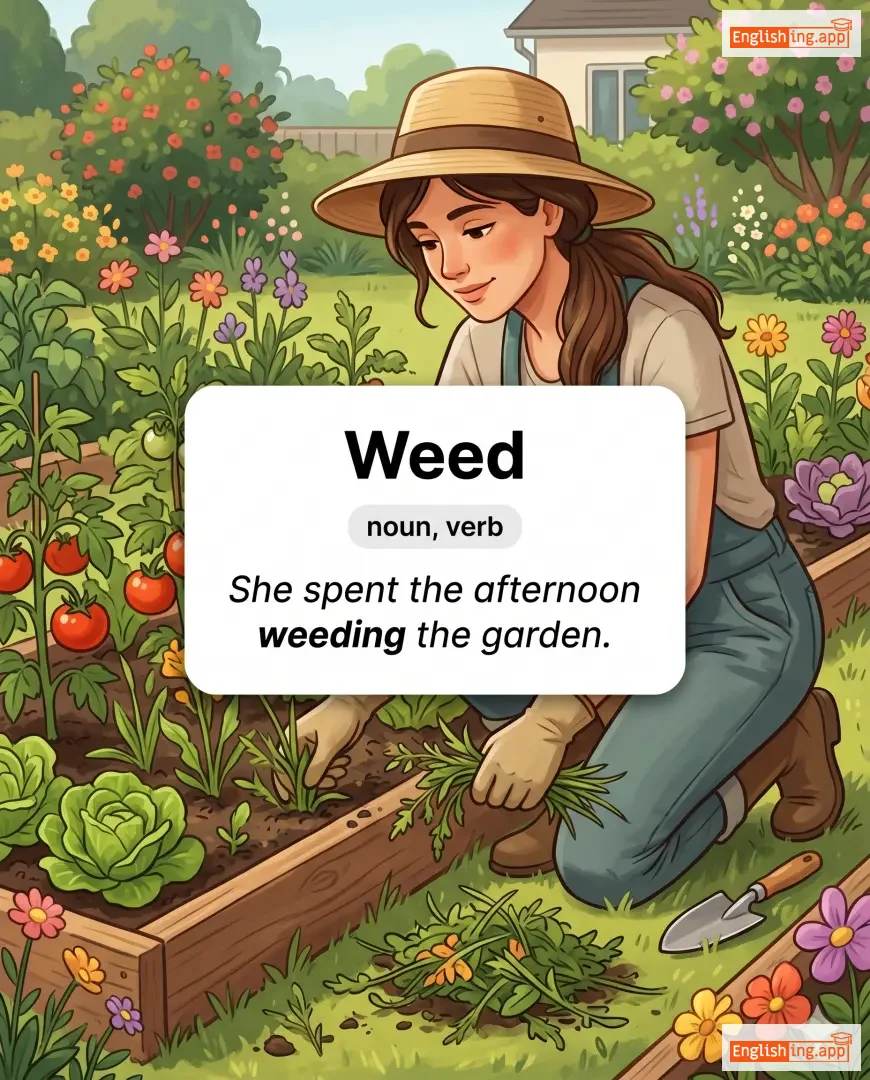
a wild plant growing where it is not wanted, especially among crops; to remove such plants
••••••
|
She spent the afternoon weeding the garden.
彼女は午後を庭の雑草取りに費やした。
••••••
|
彼女は午後を庭の雑草取りに費やした。
Kanojo wa gogo wo niwa no zassou tori ni tsuiyashita.
••••••
|
weed out
取り除く
••••••
|
to remove unwanted or less effective people or things
••••••
|
望ましくないまたは効果が薄い人々や物を取り除く
nozomashikunai matawa kouka ga usui hitobito ya mono wo torinoku
••••••
|
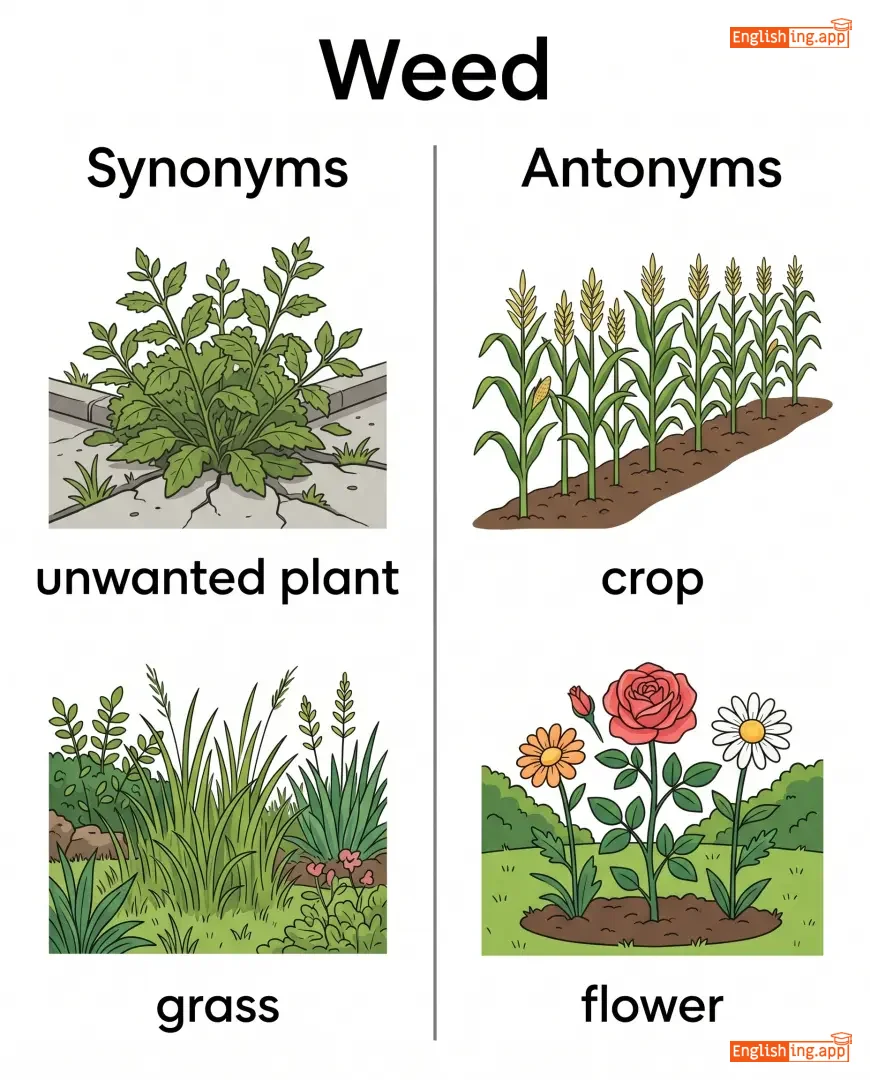
unwanted plant, grass, wild plant, pest plant, herb
••••••
|
crop, flower, plant
••••••
|
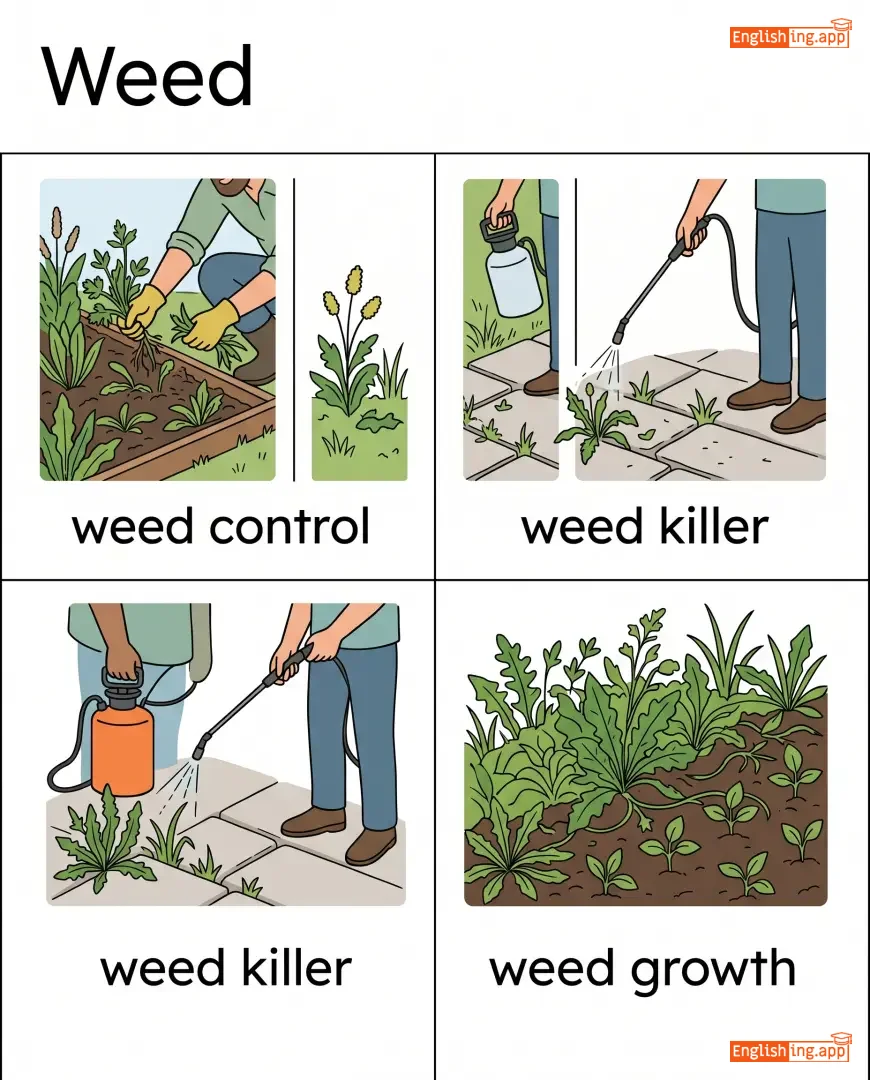
weed control, weed killer, weed growth, pull weeds, weed out
••••••
|
weed = 雑草, それを取り除く = 庭をきれいにする 🌱
••••••
|
|
#1
🕸️
|
/wɛb/
noun
••••••
|
- •••••• | - •••••• | - •••••• | - •••••• | - •••••• | - •••••• |
a network of fine threads spun by a spider or a complex interconnected system
••••••
|
The spider spun a large web in the corner of the room. |
- •••••• |
world wide web |
the global network of information on the internet
••••••
|
- •••••• |
network, mesh, net, lattice, system
••••••
|
disconnection, isolation
••••••
|
spider web, world wide web, tangled web, web browser
••••••
|
No •••••• |
|
#1
🧶
|
/wiːv/
verb
(ウィーヴ)
••••••
|
- •••••• |
織る
oru
••••••
|
wove
ウーヴ
••••••
|
woven
ウーヴェン
••••••
|
weaves
ウィーヴズ
••••••
|
weaving
ウィーヴィング
••••••
|
to make cloth by interlacing threads or to combine elements into a whole
••••••
|
She weaves beautiful patterns on her loom.
彼女は自分の織機で美しいパターンを織っています。
••••••
|
彼女は自分の織機で美しいパターンを織っています。
Kanojo wa jibun no oriki de utsukushii patān wo otteimasu.
••••••
|
weave a story
物語を織る
••••••
|
to create a complex or imaginative story
••••••
|
物語を織る
Monogatari wo oru
••••••
|
interlace, intertwine, knit, braid, spin
••••••
|
unravel, untangle
••••••
|
weave fabric, weave basket, weave pattern, weave story
••••••
|
Weave はネットを編むようなものです — 布や物語の両方を編むことができます。
••••••
|
|
#1
💧
|
/ˈwiːknəs/
noun
(ウィークネス)
••••••
|
- •••••• |
弱点
jakuten
••••••
|
- •••••• | - •••••• | - •••••• | - •••••• |
a state of being weak; a flaw or shortcoming in character or structure
••••••
|
His main weakness is his lack of patience. |
彼の最大の弱点は忍耐力の欠如です。
Kare no saidai no jakuten wa nintairyoku no ketsujo desu.
••••••
|
achilles' heel |
a person's principal weakness or vulnerability
••••••
|
- •••••• |
frailty, flaw, vulnerability, defect, shortcoming
••••••
|
strength, power, resilience
••••••
|
mental weakness, show weakness, personal weakness, weakness for sweets
••••••
|
Weakは弱い、weaknessは弱点、‘ness’で状態を表す。
••••••
|
|
#1
💤
|
/ˈwiːkən/
verb
(ウィーケン)
••••••
|
|
弱める
yowameru
••••••
|
weakened
ウィーケンド
••••••
|
weakened
ウィーケンド
••••••
|
weakens
ウィーケンス
••••••
|
weakening
ウィーケニング
••••••
|
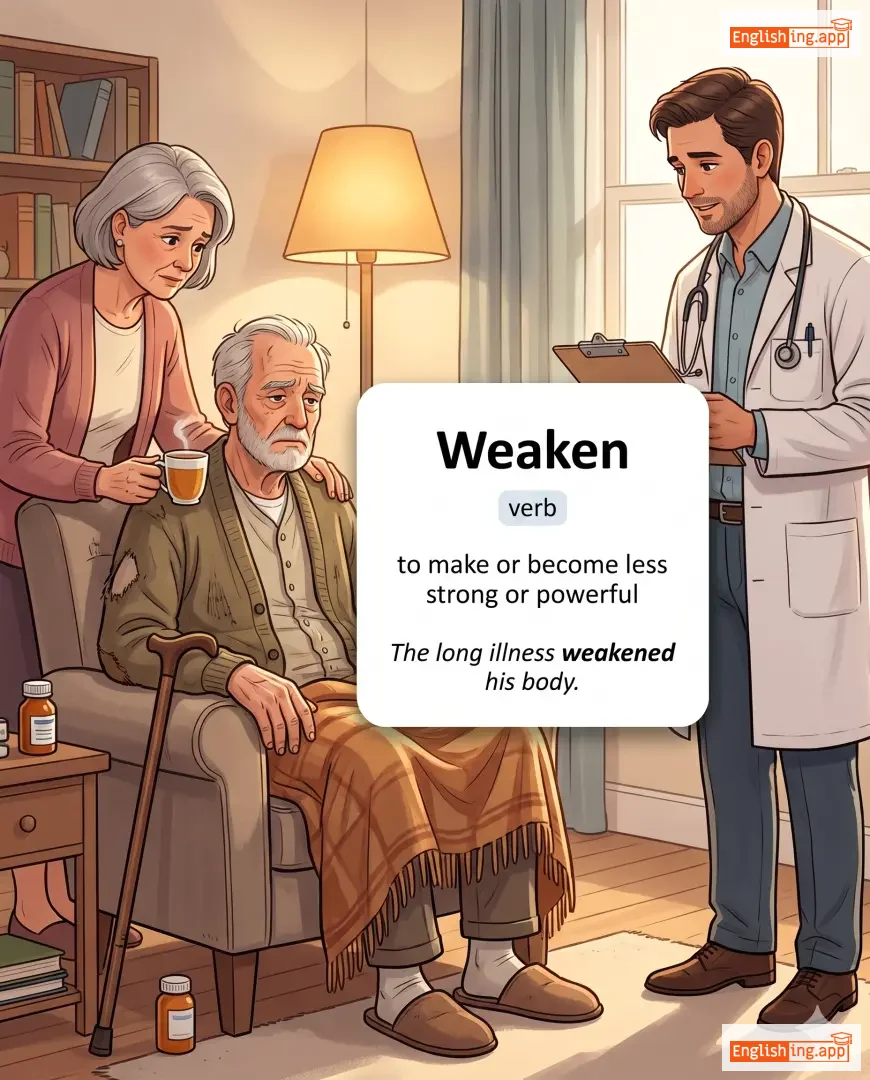
to make or become less strong or powerful
••••••
|
The long illness weakened his body.
ザ ロング イリネス ウィーケンド ヒズ ボディ。
••••••
|
長い病気が彼の体を弱めた。
Nagai byōki ga kare no karada o yowameta.
••••••
|
weaken someone's resolve
ウィーケン サムワンズ リゾルヴ
••••••
|
to make someone less determined or confident
••••••
|
誰かの決意を弱める
Dareka no ketsui o yowameru
••••••
|
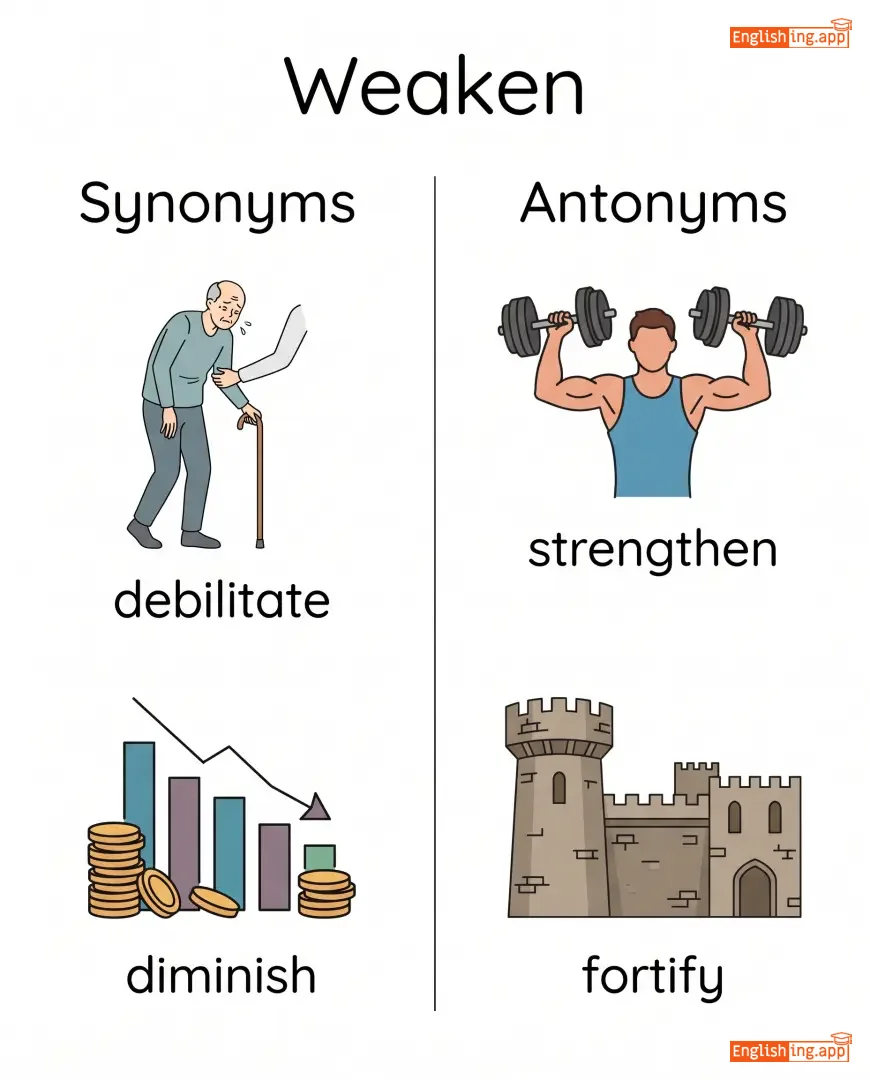
debilitate, diminish, reduce, impair, lessen
••••••
|
strengthen, fortify, empower
••••••
|
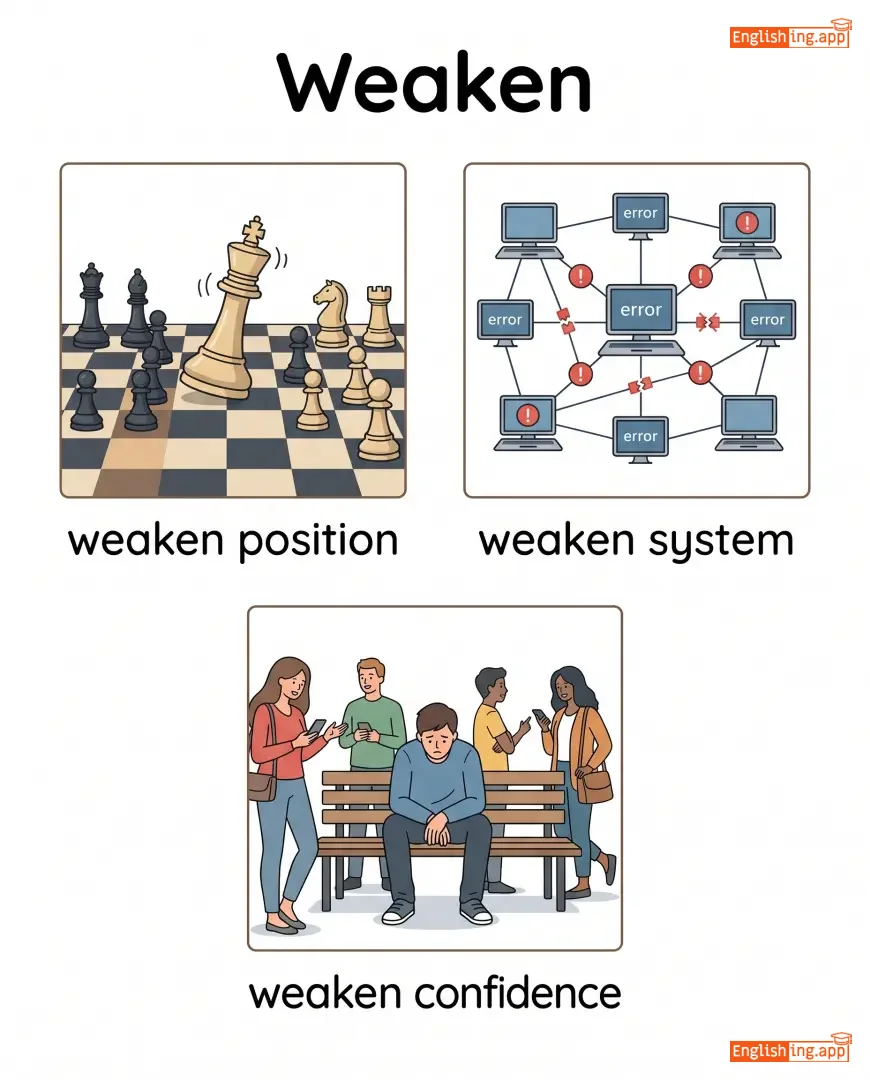
weaken position, weaken system, weaken confidence, weaken economy
••••••
|
Weakenは弱める、病気があなたを弱くさせるように。
••••••
|
|
#1
⚔️
|
/ˈwɒriər/
noun
(ウォリアー)
••••••
|
- •••••• |
戦士
senshi
••••••
|
- •••••• | - •••••• | - •••••• | - •••••• |
a person engaged or experienced in warfare; a brave or experienced fighter
••••••
|
The ancient warrior fought fearlessly to protect his land. |
古代の戦士は自分の土地を守るために恐れずに戦った。
Kodai no senshi wa jibun no tochi o mamoru tame ni osorezu ni tatakatta.
••••••
|
spiritual warrior |
a person who battles against inner weaknesses or strives for personal growth and enlightenment
••••••
|
精神的な戦士
seishinteki na senshi
••••••
|
fighter, soldier, combatant, champion, hero
••••••
|
coward, pacifist
••••••
|
brave warrior, ancient warrior, warrior spirit, skilled warrior
••••••
|
ウォリアーは勇敢な戦士。どんな時も恐れず戦い抜く勇者。
••••••
|
|
#1
☀️
|
/wɔːmθ/
noun
(ハピネス)
••••••
|
- •••••• |
温かさ
atatakasa
••••••
|
- •••••• | - •••••• | - •••••• | - •••••• |
the quality or state of being warm in temperature or feeling
••••••
|
She felt the warmth of the sun on her face.
彼女は顔に太陽の温もりを感じた。
••••••
|
彼女は顔に太陽の温もりを感じた。
Kanojo wa kao ni taiyō no nukumori o kanjita.
••••••
|
warmth of heart
心の温もり
••••••
|
kindness and affection
••••••
|
心の温もり
kokoro no nukumori
••••••
|
heat, coziness, affection, kindness, friendliness
••••••
|
coldness, chill, indifference
••••••
|
emotional warmth, inner warmth, warmth and love, warmth of the sun
••••••
|
Warmthは温かさ — ‘warm th’はただの温かさではなく、心の温かさと愛情も含まれます。
••••••
|
|
#1
🏭
|
/ˈweə(r)haʊs/
noun
(ウェアハウス)
••••••
|
- •••••• |
倉庫
sōko
••••••
|
- •••••• | - •••••• | - •••••• | - •••••• |
a large building where goods are stored before being sold or distributed
••••••
|
The company stores all its products in a big warehouse. |
会社はすべての製品を大きな倉庫に保管しています。
Kaisha wa subete no seihin o ōkina sōko ni hokan shiteimasu.
••••••
|
warehouse sale |
a sale held directly from a warehouse at discounted prices
••••••
|
倉庫セール
sōko sēru
••••••
|
depot, storage, storehouse, repository, stockroom
••••••
|
shop, outlet
••••••
|
warehouse worker, warehouse storage, in the warehouse, warehouse manager
••••••
|
Warehouse は、商品を保管する場所 — 倉庫!
••••••
|
|
#1
🚶♂️
|
/ˈwɔːkɪŋ/
noun
(ウォーキング)
••••••
|
- •••••• |
歩く
aruku
••••••
|
- •••••• | - •••••• | - •••••• |
walking
ウォーキング
••••••
|
the activity of moving on foot at a moderate pace
••••••
|
Walking every morning is good for your health.
ウォーキングは健康に良いです。
••••••
|
毎朝歩くことは健康に良いです。
Maiasa aruku koto wa kenkō ni yoi desu.
••••••
|
walking on air
ウォーキング・オン・エア
••••••
|
feeling very happy or elated
••••••
|
非常に幸せである
hijō ni shiawase de aru
••••••
|
strolling, trekking, pacing, hiking, moving
••••••
|
running, sitting, resting
••••••
|
walking stick, walking path, go walking, enjoy walking
••••••
|
Walkingは歩くこと — 毎朝歩いて健康を保とう 🚶.
••••••
|
|
#1
🧍♂️
|
/weɪst/
noun
(ウェイスト)
••••••
|
- •••••• |
ウエスト
uesuto
••••••
|
- •••••• | - •••••• | - •••••• | - •••••• |
the part of the human body between the ribs and the hips
••••••
|
He tied a belt around his waist. |
彼はウエストにベルトを巻いた。
Kare wa uesuto ni beruto o maita.
••••••
|
waist of time |
a pun meaning something or someone that wastes time
••••••
|
時間の無駄
jikan no muda
••••••
|
midsection, torso, abdomen, stomach
••••••
|
head, foot
••••••
|
slim waist, narrow waist, waist belt, around the waist
••••••
|
Waistはウエスト、‘waist belt’はウエストに巻くもの!
••••••
|
|
#1
🚜
|
/ˈwæɡən/
noun
(ワゴン)
••••••
|
- •••••• |
荷車
nukimono
••••••
|
- •••••• | - •••••• | - •••••• | - •••••• |
a vehicle with four wheels used for carrying loads, often pulled by horses or a motor vehicle used for transporting goods or people
••••••
|
The farmer loaded hay onto the wagon. |
農夫は干し草をワゴンに積んだ。
Nōfu wa hoshi kusa o wagon ni tonda.
••••••
|
on the wagon |
abstaining from drinking alcohol
••••••
|
アルコールを断つ
arukōru wo tatsu
••••••
|
cart, carriage, truck, van, lorry
••••••
|
car, bike, sled
••••••
|
horse-drawn wagon, covered wagon, station wagon, load a wagon
••••••
|
ワゴンは荷物を運ぶための四輪車、荷車と似ています。
••••••
|
|
#1
🗳️
|
/ˈvoʊtɪŋ/
noun
(投票)
••••••
|
- •••••• |
投票
touhyou
••••••
|
- •••••• | - •••••• | - •••••• |
voting
投票
••••••
|
the act of making a choice in an election or decision by casting a vote
••••••
|
Voting is an important part of a democratic society.
投票は民主主義社会の重要な部分です。
••••••
|
投票は民主主義社会の重要な部分です。
Touhyou wa minshu shugi shakai no juuyou na bubun desu.
••••••
|
voting rights
投票権
••••••
|
the legal rights to participate in elections by voting
••••••
|
投票権
touhyouken
••••••
|
balloting, election, poll, suffrage
••••••
|
abstaining, disenfranchisement
••••••
|
voting rights, voting system, voting booth, voting process
••••••
|
投票で未来を選ぼう!
••••••
|
|
#1
🙌
|
/ˈvɑːlənteri/
adjective
••••••
|
- •••••• | - •••••• | - •••••• | - •••••• | - •••••• | - •••••• |
done willingly and without being forced
••••••
|
She does a lot of voluntary work for local charities. |
- •••••• |
voluntary service |
work done freely without payment
••••••
|
- •••••• |
optional, willing, discretionary, self-imposed, deliberate
••••••
|
forced, compulsory
••••••
|
voluntary work, voluntary donation, voluntary service, voluntary action
••••••
|
No •••••• |
|
#1
🔄
|
/ˈʌpdeɪt/
verb
••••••
|
|
- •••••• |
updated
••••••
|
updated
••••••
|
updates
••••••
|
updating
••••••
|
to make something more modern or accurate by adding new information or changing it
••••••
|
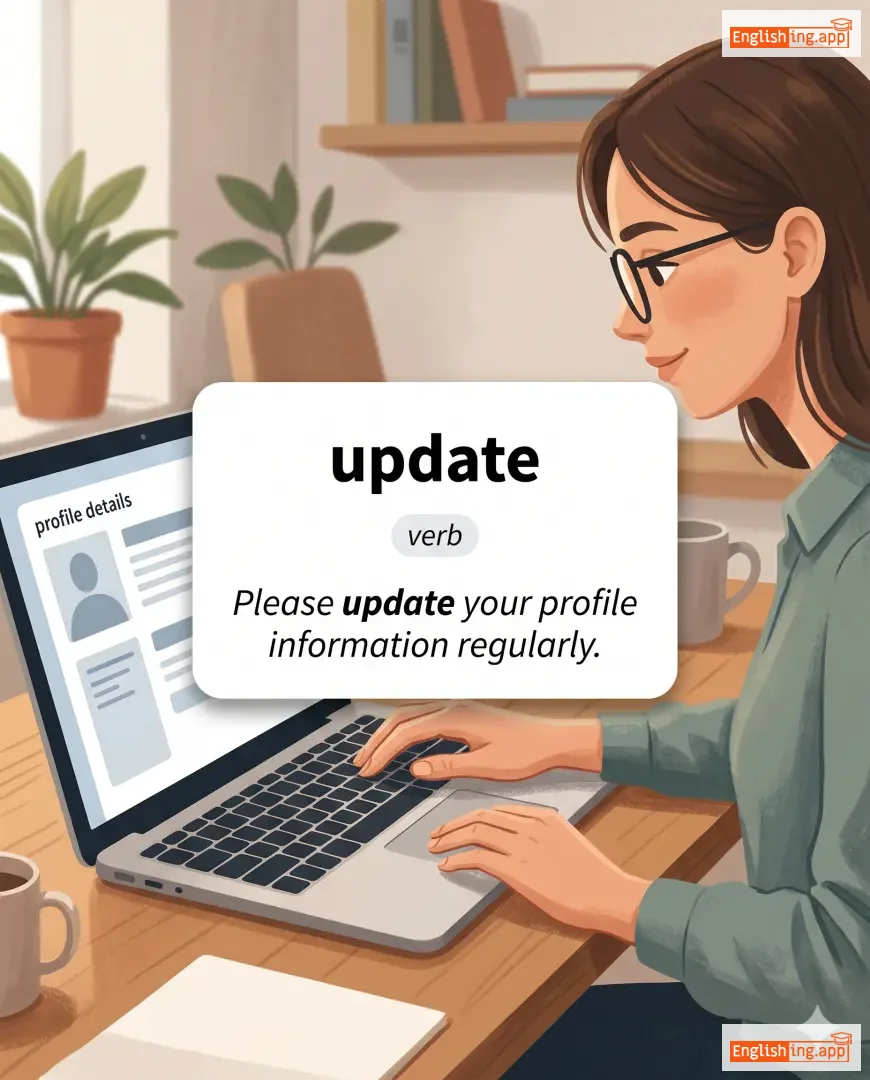
Please update your profile information regularly. |
- •••••• |
keep someone updated |
to inform someone of new developments
••••••
|
- •••••• |
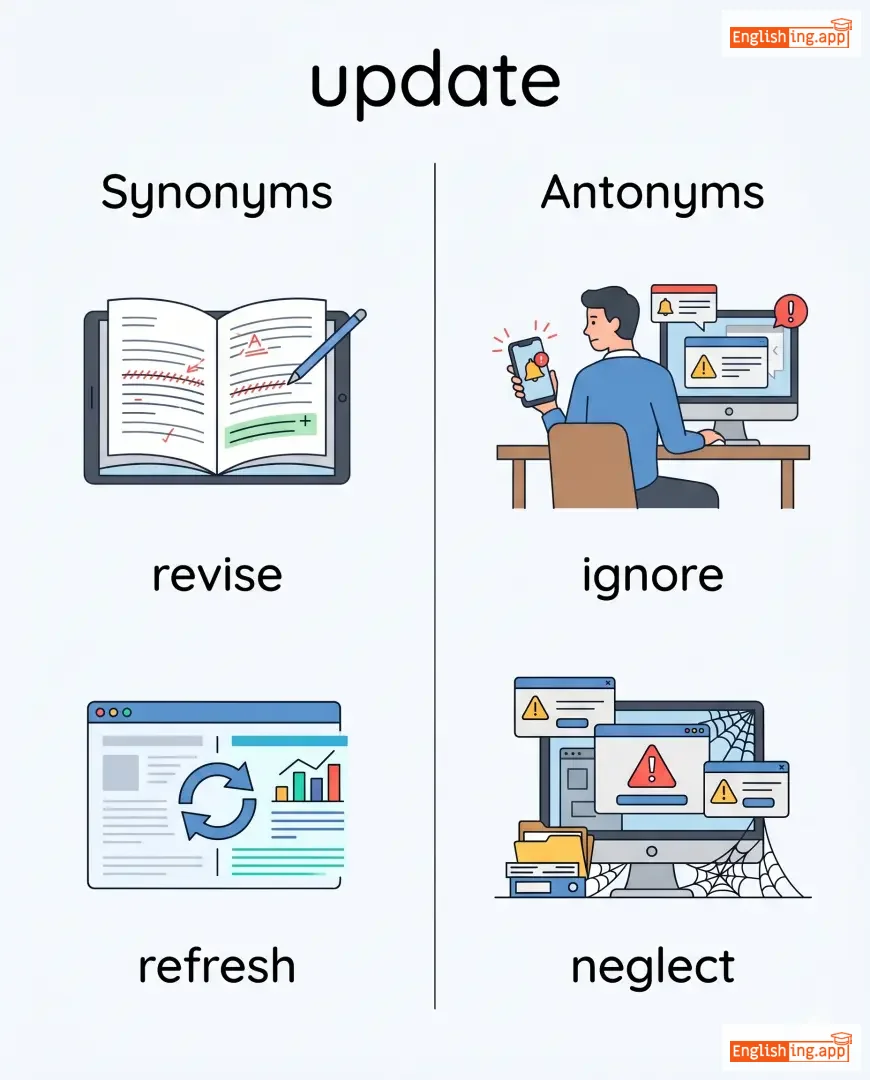
revise, refresh, modify, modernize, amend
••••••
|
ignore, neglect, retain
••••••
|
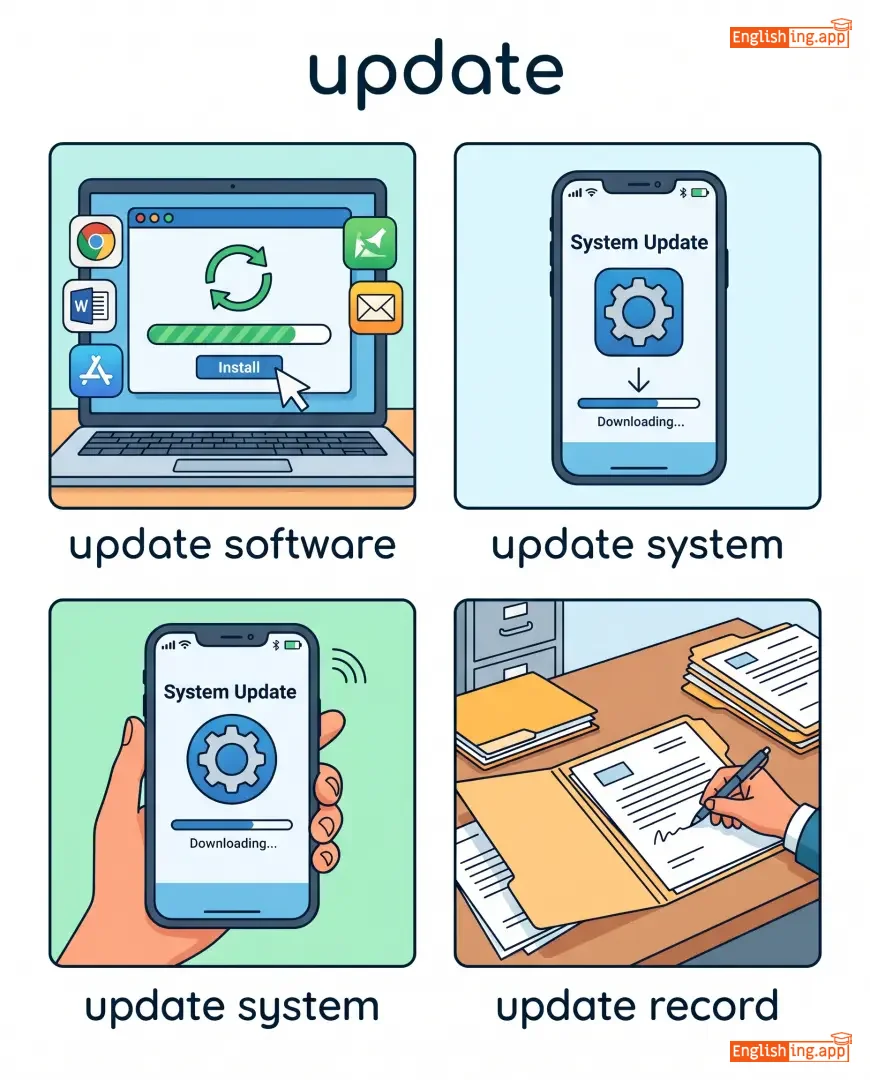
update software, update system, update record, latest update
••••••
|
No •••••• |
|
#1
💊
|
/ˈvaɪtəmɪn/
noun
(ビタミン)
••••••
|
- •••••• |
ビタミン
bitamin
••••••
|
- •••••• | - •••••• | - •••••• | - •••••• |
a natural substance needed by the body to stay healthy
••••••
|
Fruits and vegetables are rich sources of vitamins. |
果物や野菜はビタミンの豊富な源です。
kudamono ya yasai wa bitamin no hōfu na minamoto desu.
••••••
|
- •••••• | - •••••• | - •••••• |
nutrient, supplement, micronutrient, compound
••••••
|
toxin, poison
••••••
|
vitamin deficiency, vitamin supplement, vitamin C, vitamin D
••••••
|
ビタミン = Vital + Amino — 体にとって vital なもの!
••••••
|
|
#1
👀
|
/ˈvɪzəbl/
adjective
(ヴィジブル)
••••••
|
- •••••• |
可視的
kashiteki
••••••
|
- •••••• | - •••••• | - •••••• | - •••••• |
able to be seen; perceptible by the eye
••••••
|
The stars were clearly visible in the night sky.
星は夜空ではっきりと見えました。
••••••
|
星は夜空ではっきりと見えました。
Hoshi wa yozora de hakkiri to miemashita.
••••••
|
make oneself visible
自分を可視化する
••••••
|
to ensure others can see or notice you
••••••
|
自分を可視化する
Jibun o kashika suru
••••••
|
apparent, noticeable, perceptible, observable, evident
••••••
|
invisible, hidden
••••••
|
visible light, visible mark, visible difference, clearly visible
••••••
|
Visibleは、目で見ることができるものです。
••••••
|
|
#1
💻
|
/ˈvɜː.tʃu.ə.li/
adverb
(ヴァーチュアリー)
••••••
|
- •••••• |
ほとんど, バーチャル
hotondo, bācharu
••••••
|
- •••••• | - •••••• | - •••••• | - •••••• |
almost or nearly, but not completely; by means of computer technology
••••••
|
The meeting was held virtually due to travel restrictions. |
旅行制限のため、会議はバーチャルで行われました。
Ryokō seigen no tame, kaigi wa bācharu de okonawaremashita.
••••••
|
virtually impossible |
almost impossible to do or achieve
••••••
|
ほとんど不可能
hotondo fukanō
••••••
|
almost, nearly, practically, effectively, essentially
••••••
|
completely, totally, physically
••••••
|
virtually impossible, virtually all, held virtually, virtually unchanged
••••••
|
Virtually はオンラインまたはほとんど — ‘virtual class’ は実際にオンラインクラスを意味します 💻
••••••
|
|
#1
🔥
|
/ˈvaɪ.ə.lənt/
adjective
(ヴァイオレント)
••••••
|
- •••••• |
暴力的
bōryokuteki
••••••
|
- •••••• | - •••••• | - •••••• | - •••••• |
using or involving physical force intended to hurt or damage
••••••
|
He became violent after hearing the bad news. |
悪いニュースを聞いた後、彼は暴力的になった。
Warui nyūsu o kiita ato, kare wa bōryokuteki ni natta.
••••••
|
turn violent |
to become aggressive or start using physical force
••••••
|
暴力的になる
bōryokuteki ni naru
••••••
|
aggressive, brutal, fierce, forceful, savage
••••••
|
peaceful, gentle, calm
••••••
|
violent attack, violent crime, violent reaction, become violent
••••••
|
Violent は暴力的な行動 🔥 — ‘暴力的’ は突然爆発するようなものです!
••••••
|
|
#1
💥
|
/ˈvaɪ.ə.ləns/
noun
(ヴァイオレンス)
••••••
|
- •••••• |
暴力
bōryoku
••••••
|
- •••••• | - •••••• | - •••••• | - •••••• |
behavior involving physical force intended to hurt or damage
••••••
|
The protest turned into an act of violence.
抗議は暴力行為に変わった。
••••••
|
抗議は暴力行為に変わった。
Kōgi wa bōryoku kōi ni kawatta.
••••••
|
domestic violence
家庭内暴力
••••••
|
violence or abuse within a household, often between partners
••••••
|
家庭内暴力
kateinai bōryoku
••••••
|
aggression, brutality, force, cruelty, assault
••••••
|
peace, calm, harmony
••••••
|
use violence, outbreak of violence, act of violence, prevent violence
••••••
|
‘暴力’は violence、戦いと大きな音💥を想像して、それが暴力だ!
••••••
|
|
#1
🚫
|
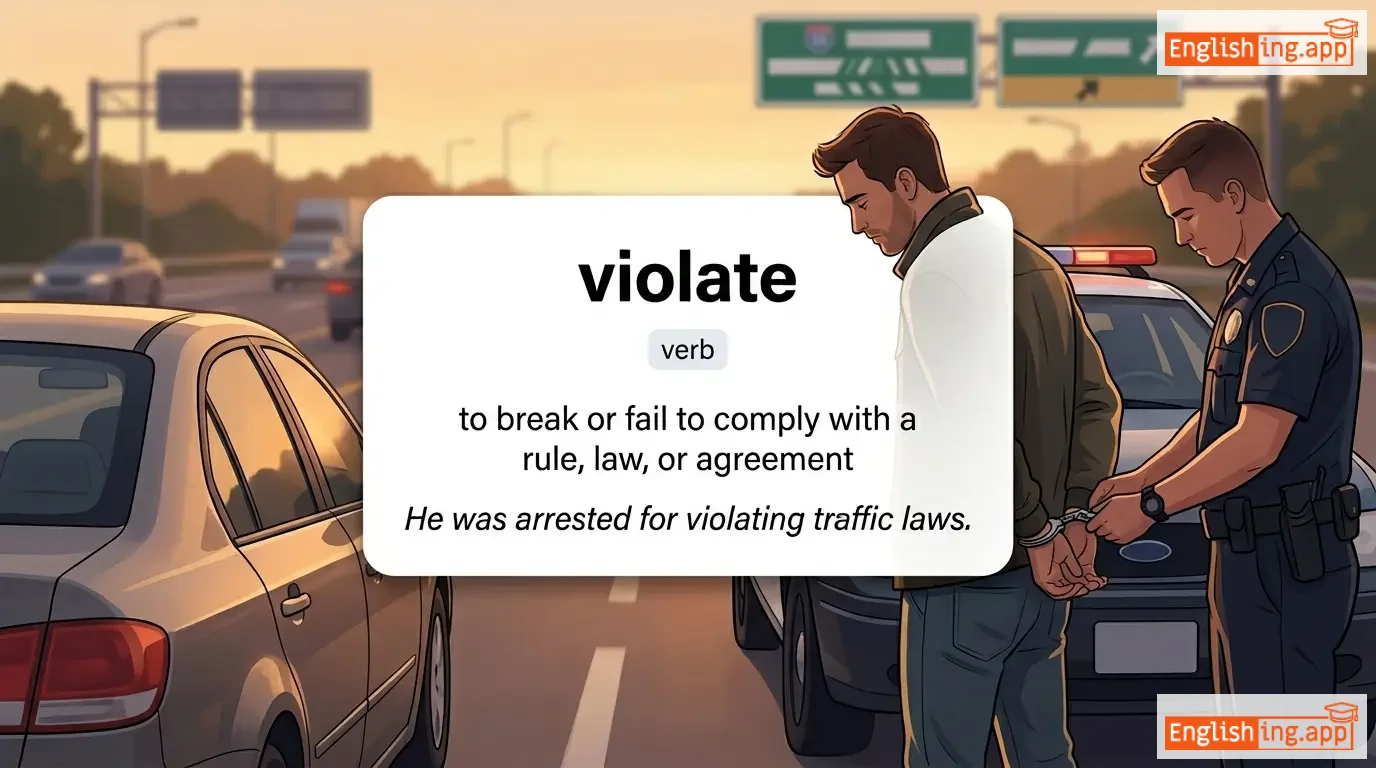
/ˈvaɪ.ə.leɪt/
verb
(ワイオレイト)
••••••
|
|
違反する
ihan suru
••••••
|
violated
ワイオレイテッド
••••••
|
violated
ワイオレイテッド
••••••
|
violates
ワイオレイツ
••••••
|
violating
ワイオレイティング
••••••
|
to break or fail to comply with a rule, law, or agreement
••••••
|
He was arrested for violating traffic laws.
彼は交通法を違反して逮捕された。
••••••
|
彼は交通法を違反して逮捕された。
Kare wa kōtsūhō o ihan shite taiho sareta.
••••••
|
violate human rights
人権を侵害する
••••••
|
to act against the basic rights that every human deserves
••••••
|
人権を侵害する
jinken o shingai suru
••••••
|
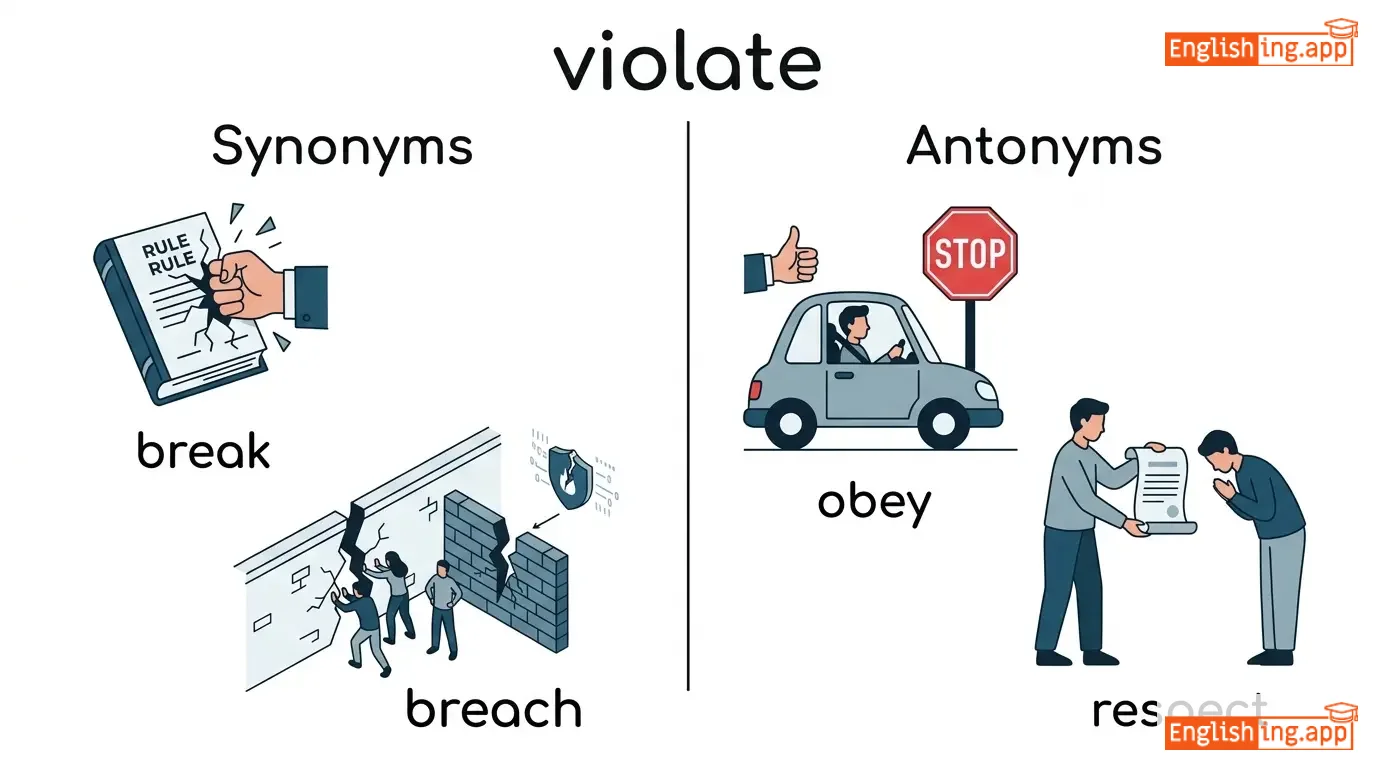
break, breach, disobey, infringe, transgress
••••••
|
obey, respect, follow
••••••
|
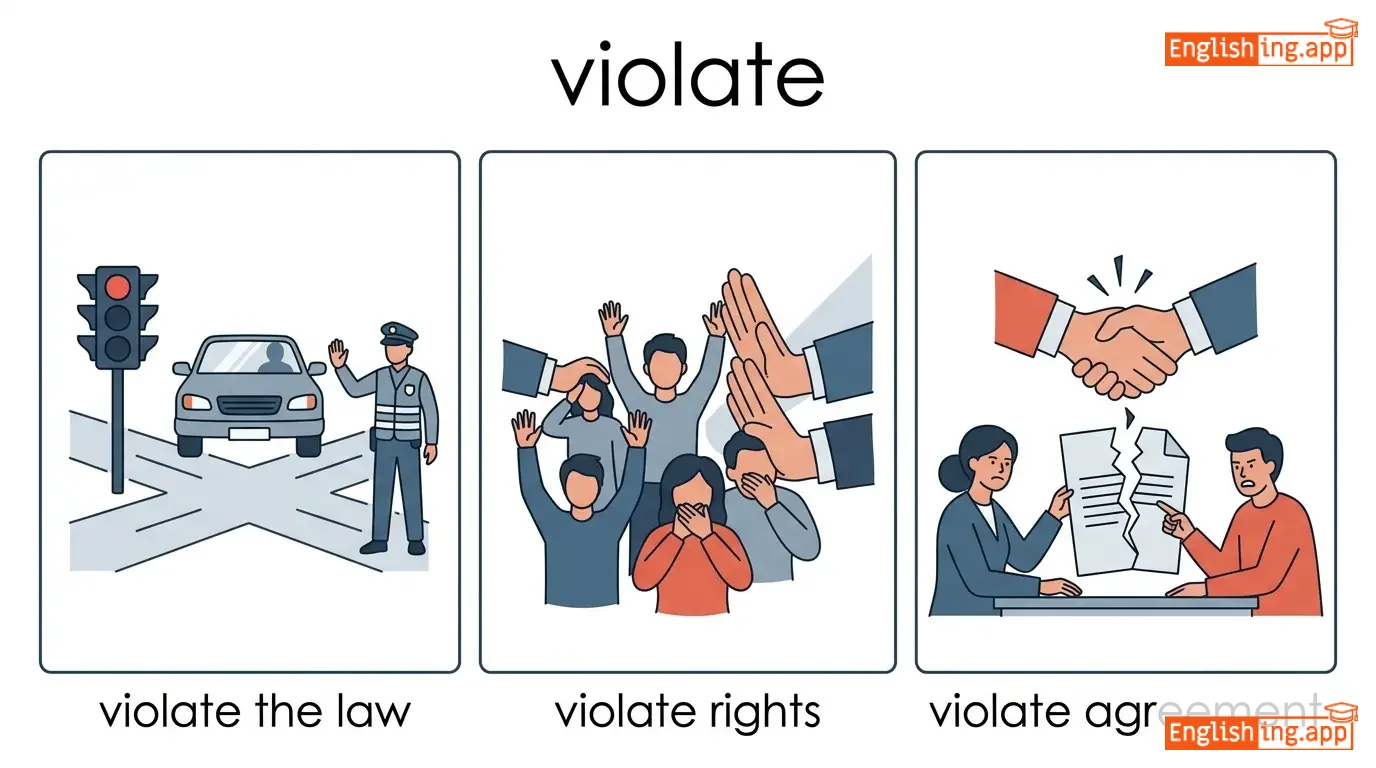
violate the law, violate rights, violate agreement, violate privacy
••••••
|
‘違反’することはルールを壊すこと、つまり違法!
••••••
|
|
#1
⚖️
|
/ˈvɜː.dɪkt/
noun
••••••
|
- •••••• | - •••••• | - •••••• | - •••••• | - •••••• | - •••••• |
a decision made by a jury or judge in a court case
••••••
|
The jury returned a guilty verdict after three hours of deliberation. |
- •••••• |
deliver a verdict |
to announce a final decision or judgment in a case
••••••
|
- •••••• |
judgment, decision, ruling, conclusion, finding
••••••
|
mistrial, indecision
••••••
|
reach a verdict, deliver a verdict, announce a verdict, final verdict
••••••
|
No •••••• |
|
#1
🗣️
|
/ˈvɜː.bəl/
adjective
(ヴァーバル)
••••••
|
|
口頭の
kōtō no
••••••
|
- •••••• | - •••••• | - •••••• | - •••••• |
relating to words or speech rather than writing or action
••••••
|
They had a verbal agreement instead of a written one. |
彼らは書面による契約ではなく、口頭での契約を結んだ。
Karera wa shomen ni yoru keiyaku de wa naku, kōtō de no keiyaku o musunda.
••••••
|
verbal abuse |
the use of words to insult or hurt someone
••••••
|
口頭での虐待
kōtō de no gyakutai
••••••
|
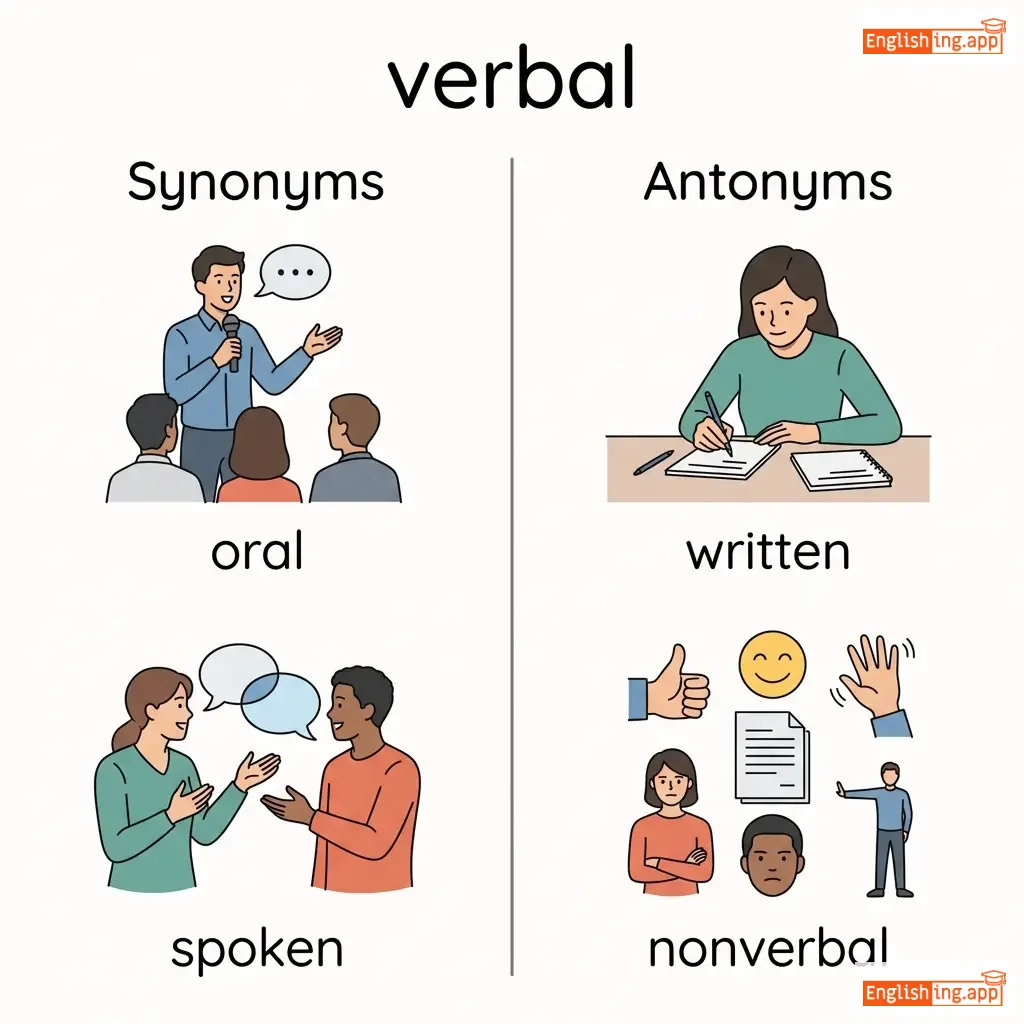
oral, spoken, expressed, linguistic
••••••
|
written, nonverbal
••••••
|
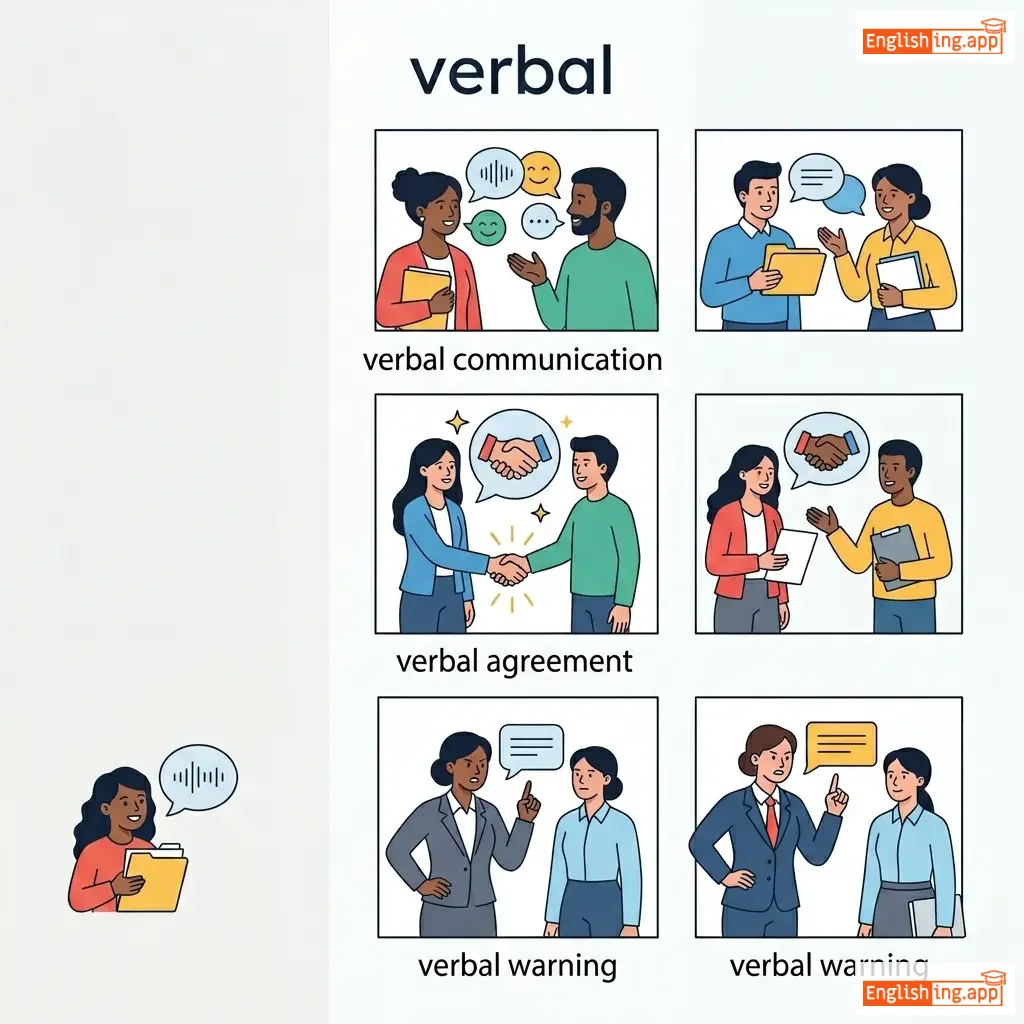
verbal communication, verbal agreement, verbal warning, verbal abuse
••••••
|
Verbalは言葉に関連しています—‘verb’という単語を考えて、だから verbal = 言葉に関係している!
••••••
|
|
#1
✨
|
/ˈvæn.ɪʃ/
verb
(バニッシュ)
••••••
|
|
消える
kieru
••••••
|
vanished
バニッシュド
••••••
|
vanished
バニッシュド
••••••
|
vanishes
バニッシズ
••••••
|
vanishing
バニッシング
••••••
|
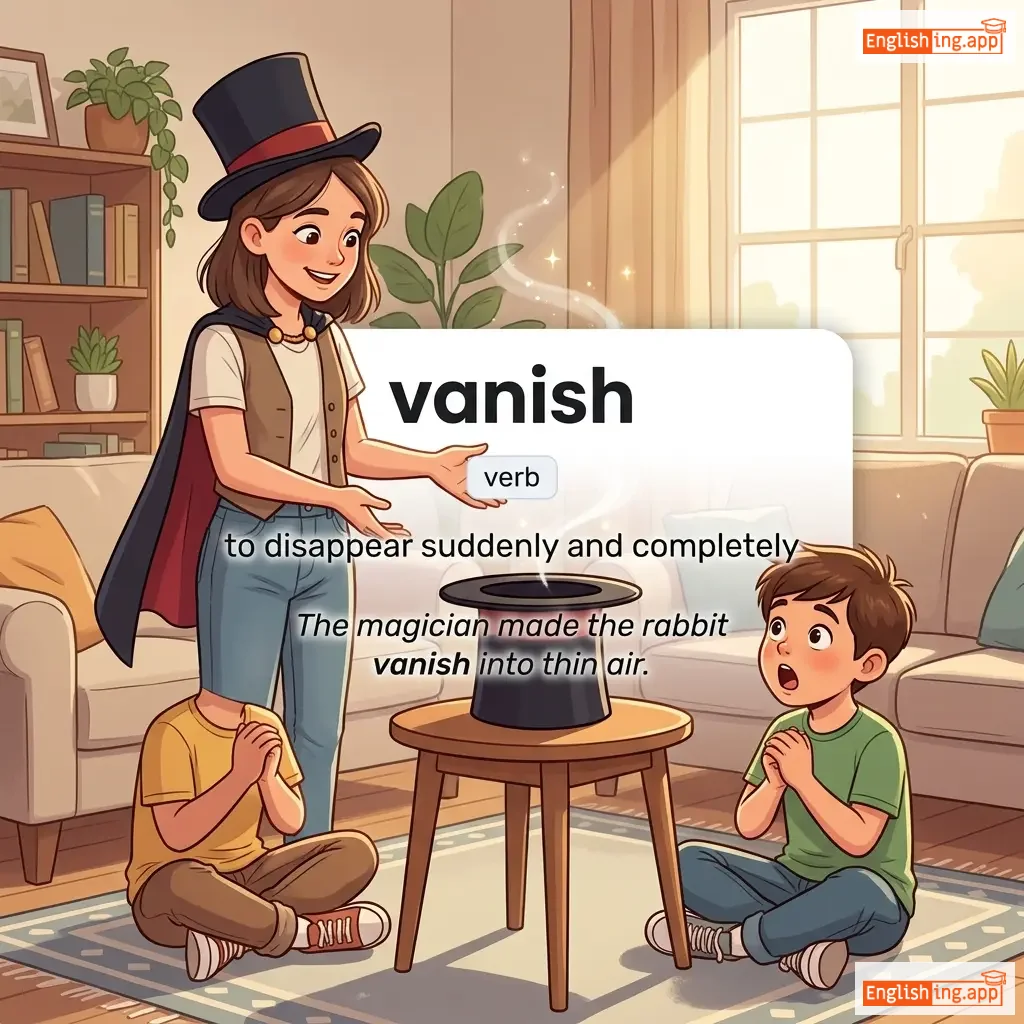
to disappear suddenly and completely
••••••
|
The magician made the rabbit vanish into thin air.
魔法使いはウサギを空中で消しました。
••••••
|
魔法使いはウサギを空中で消しました。
Mahoutsukai wa usagi o kuuchuu de keshimashita.
••••••
|
vanish into thin air
空中で消える
••••••
|
to disappear suddenly without a trace
••••••
|
空中で消える
kuuchuu de kieru
••••••
|
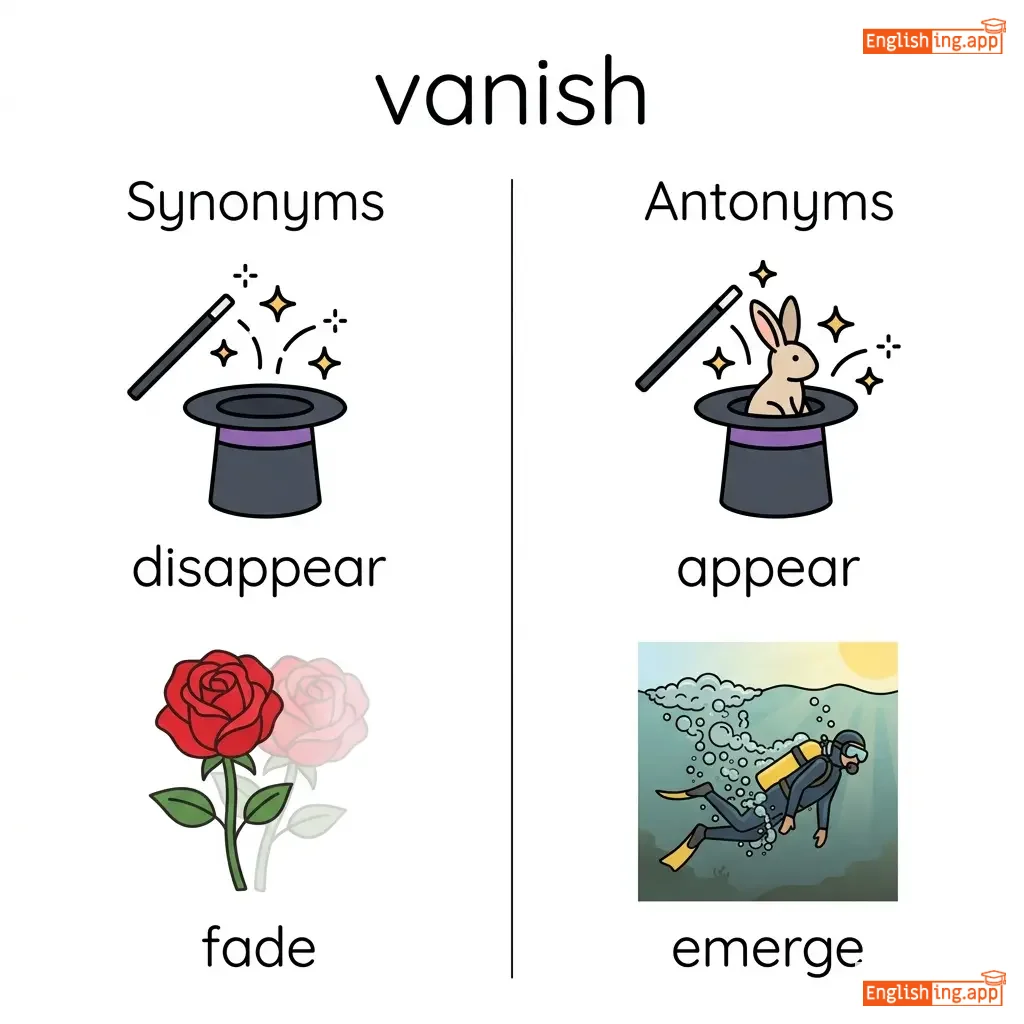
disappear, fade, evaporate, melt away
••••••
|
appear, emerge
••••••
|
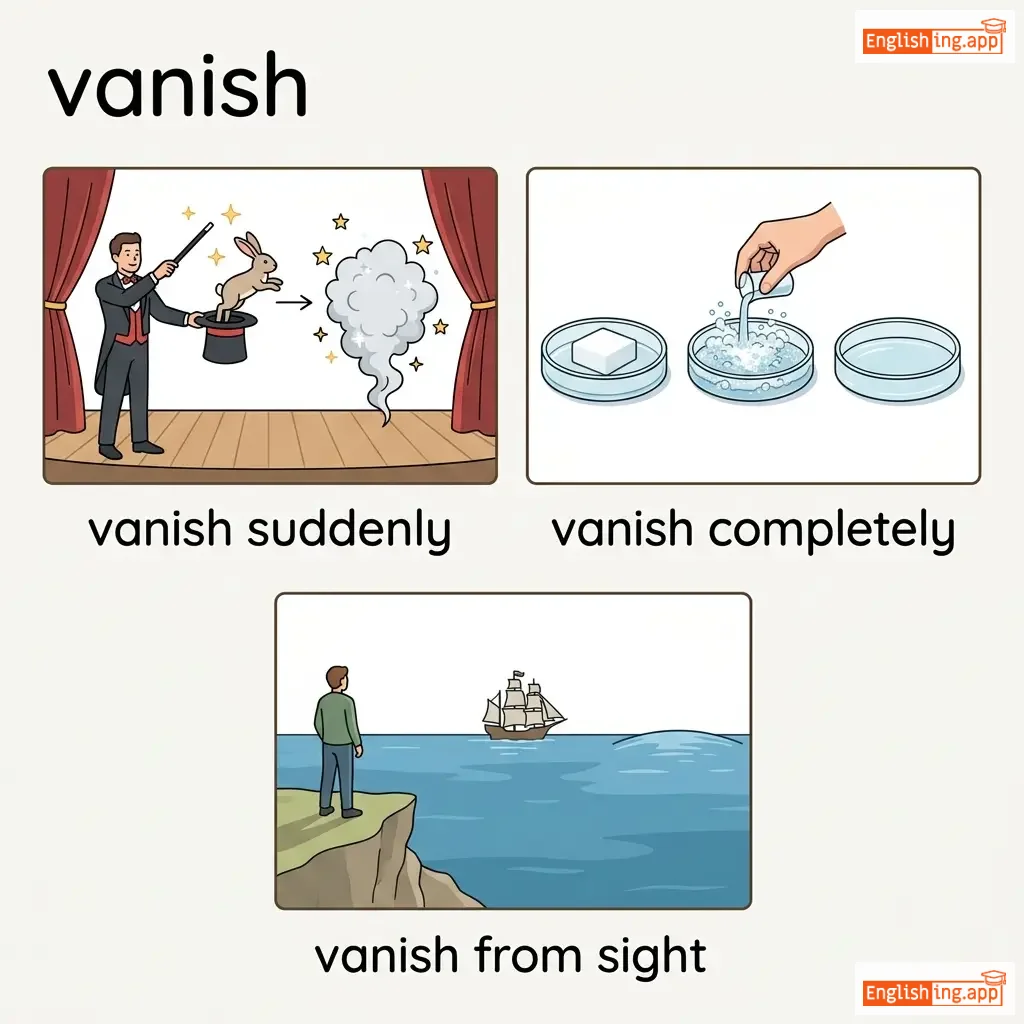
vanish suddenly, vanish completely, vanish from sight, vanish overnight
••••••
|
Vanishは消えるという意味です — 魔法使いが‘Vanish!’と言うと、ウサギが消えます。
••••••
|
|
#1
🚐
|
/væn/
noun
(バン)
••••••
|
- •••••• |
バン
ban
••••••
|
- •••••• | - •••••• | - •••••• | - •••••• |
a large vehicle used for transporting goods or people
••••••
|
The delivery van stopped in front of our house. |
配送バンが私たちの家の前で止まりました。
Haisou ban ga watashitachi no ie no mae de tomarimashita.
••••••
|
moving van |
a large vehicle used for transporting furniture when moving
••••••
|
引っ越しバン
hikkoshi ban
••••••
|
truck, vehicle, transporter, carrier
••••••
|
car, bike
••••••
|
delivery van, police van, moving van, camper van
••••••
|
バン — 大きな車、引っ越しや家具を運ぶのに使う。
••••••
|
|
#1
✅
|
/vəˈlɪd.ə.ti/
noun
(バリディティ)
••••••
|
- •••••• |
有効性
yūkō-sei
••••••
|
- •••••• | - •••••• | - •••••• | - •••••• |
the quality of being logically or factually sound; legal acceptability
••••••
|
The lawyer questioned the validity of the contract. |
弁護士は契約の有効性に疑問を呈しました。
Bengoshi wa keiyaku no yūkō-sei ni gimon o teishimashita.
••••••
|
validate a claim |
to prove that a claim is true or acceptable
••••••
|
請求を確認する
seikyū o kakunin suru
••••••
|
legitimacy, soundness, authenticity, accuracy
••••••
|
invalidity, falseness, illegitimacy
••••••
|
validity period, test validity, question the validity, ensure validity
••••••
|
有効性 = 試験IDが有効でなければ、試験を受けられない!
••••••
|
|
#1
💉
|
/ˈvæk.siːn/
noun
(vakkushīn)
••••••
|
- •••••• |
ワクチン
wakuchin
••••••
|
- •••••• | - •••••• | - •••••• | - •••••• |
a substance used to stimulate the body's immune response against diseases
••••••
|
Children are given the polio vaccine to prevent infection. |
子供たちは感染を予防するためにポリオワクチンを接種します。
Kodomotachi wa kansen o yobō suru tame ni porio wakuchin o sesshu shimasu.
••••••
|
get vaccinated |
to receive a vaccine to protect against disease
••••••
|
ワクチンを接種する
wakuchin o sesshu suru
••••••
|
immunization, inoculation, shot, injection, jab
••••••
|
infection, disease
••••••
|
COVID vaccine, flu vaccine, vaccine dose, vaccine rollout, vaccine campaign
••••••
|
Vaccineはワクチンを意味します — 医者が言っているのを想像してください:'ワクチンを受けて、安全でいよう!'
••••••
|
|
#1
⚙️
|
/ˈjuːtɪlaɪz/
verb
(yutilaizu)
••••••
|
- •••••• |
利用する
riyousuru
••••••
|
utilized
yutilaizudo
••••••
|
utilized
yutilaizudo
••••••
|
utilizes
yutilaizusu
••••••
|
utilizing
yutilaizingu
••••••
|
to make practical or effective use of something
••••••
|
The company aims to utilize solar energy for production.
その会社は生産のために太陽光エネルギーを活用することを目指しています。
••••••
|
その会社は生産のために太陽光エネルギーを活用することを目指しています。
Sono kaisha wa seisan no tame ni taiyōkō enerugī o katsuyō suru koto o mezashiteimasu.
••••••
|
- •••••• | - •••••• | - •••••• |
use, employ, apply, exploit, harness
••••••
|
waste, neglect, misuse
••••••
|
utilize resources, utilize time, utilize data, utilize opportunity
••••••
|
You till eyes 活用する — Utilize は何かを活用することです
••••••
|
|
#1
🏠⬆️
|
/ˌʌpˈstɛərz/
adverb
••••••
|
- •••••• | - •••••• | - •••••• | - •••••• | - •••••• | - •••••• |
on or to a higher floor of a building
••••••
|
She went upstairs to her bedroom. |
- •••••• |
the people upstairs |
neighbors who live on the floor above
••••••
|
- •••••• |
above, overhead, aloft, upper floor, higher level
••••••
|
downstairs, below, beneath
••••••
|
go upstairs, walk upstairs, upstairs room, upstairs neighbor
••••••
|
No •••••• |
Vocabulary Quiz
Test your vocabulary by matching words with their translations or meanings.
Login to take the quiz
Comments (0)
Share your thoughts and join the discussion.
Join the discussion by logging in
Login to CommentNo comments yet
Be the first to share your thoughts!