

翻訳
過去
過去分詞
三人称単数
動名詞
意味
例文
例文の翻訳
同義語
対義語
コロケーション
ニーモニック
Swipe left or right, or use the buttons. Tap image to zoom.
例文の翻訳
単語
Lesson 234Lesson 234 - マスクトグル
|
絵文字
|
単語 | Images | 翻訳 | 過去 | 過去分詞 | 三人称単数 | 動名詞 | 意味 | 例文 | 例文の翻訳 | 表現例 | 表現例の意味 | 表現例の翻訳 | 同義語 | 対義語 | コロケーション | ニーモニック |
|---|---|---|---|---|---|---|---|---|---|---|---|---|---|---|---|---|---|
|
#6990
📊
|
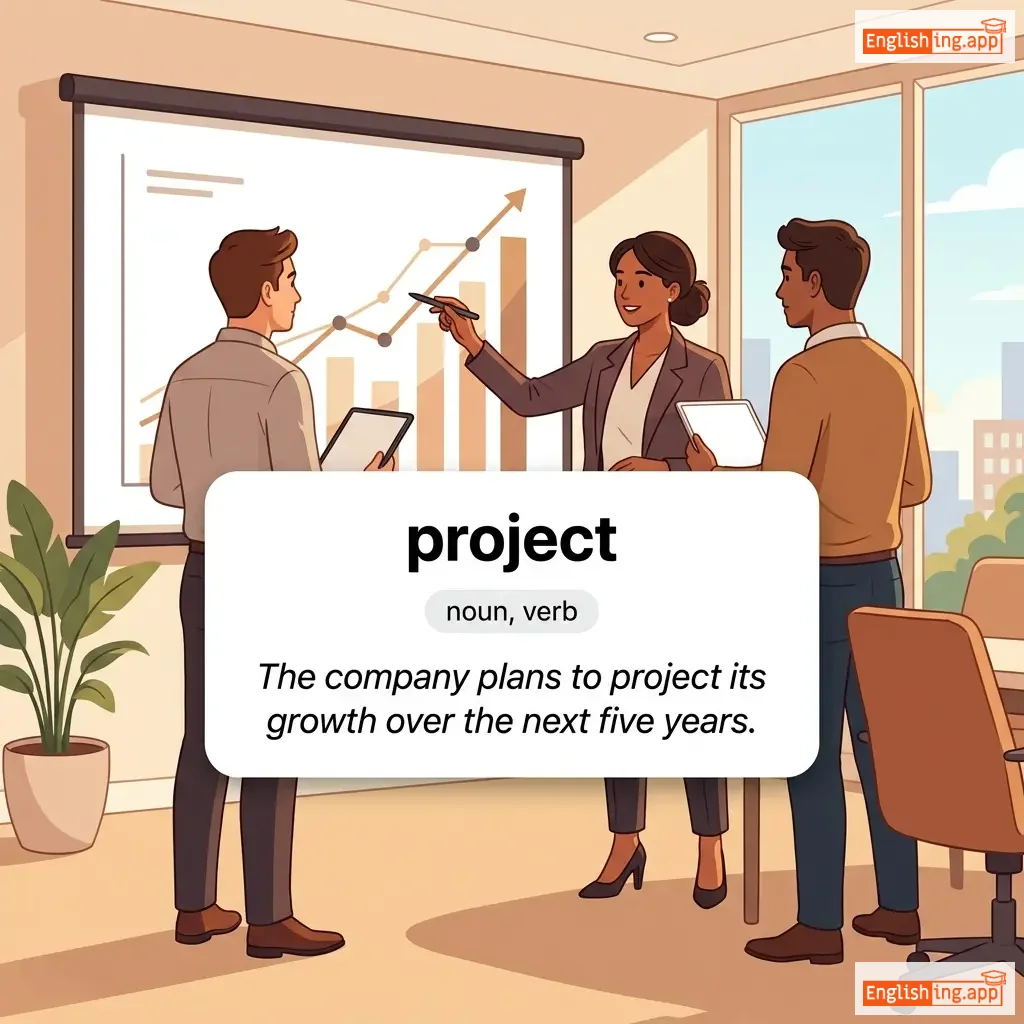
/ˈprɒdʒɛkt/ (noun), /prəˈdʒɛkt/ (verb)
noun, verb
••••••
|
|
- •••••• |
projected
••••••
|
projected
••••••
|
projects
••••••
|
projecting
••••••
|
As a noun: a planned task or assignment. As a verb: to plan, estimate, or extend something outward.
••••••
|
The company plans to project its growth over the next five years. |
- •••••• |
project confidence |
To appear confident even if one may not feel it inside.
••••••
|
- •••••• |
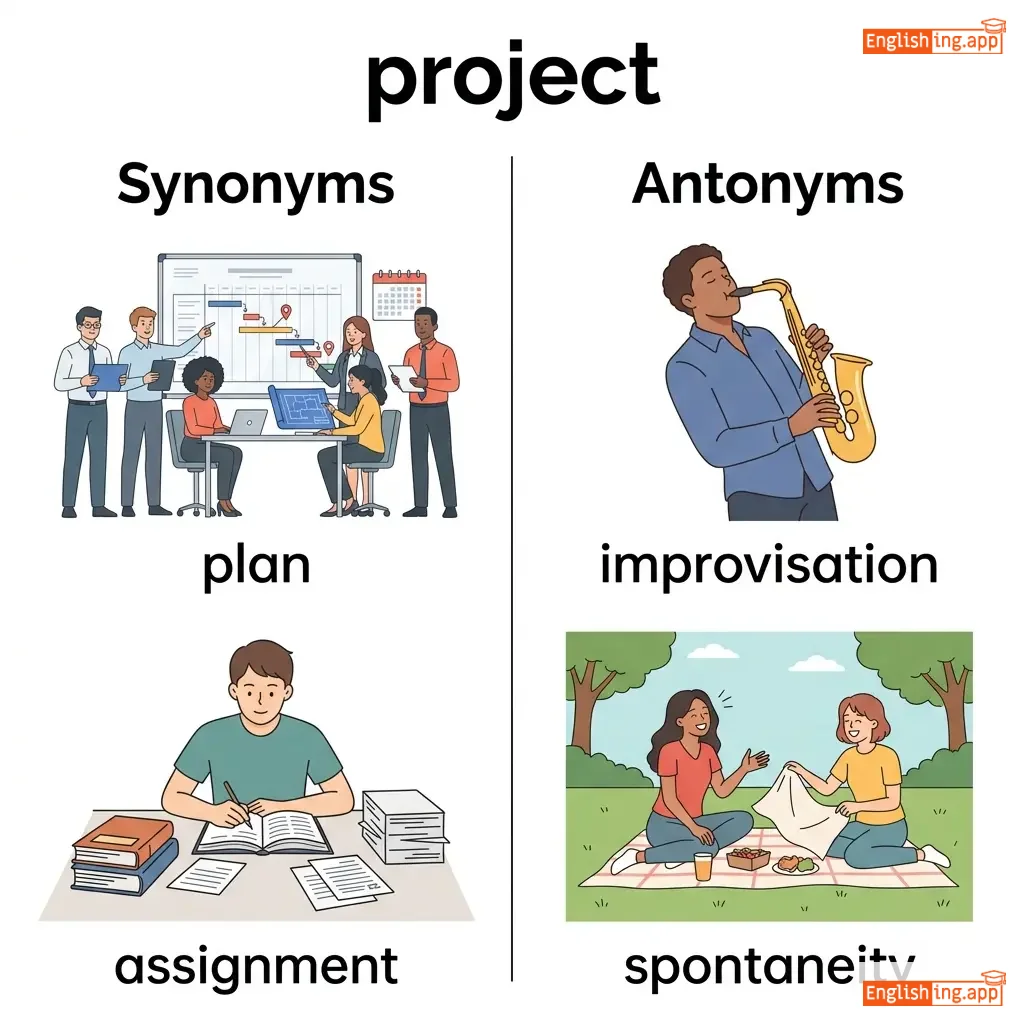
plan, assignment, scheme, initiative, program
••••••
|
improvisation, spontaneity
••••••
|
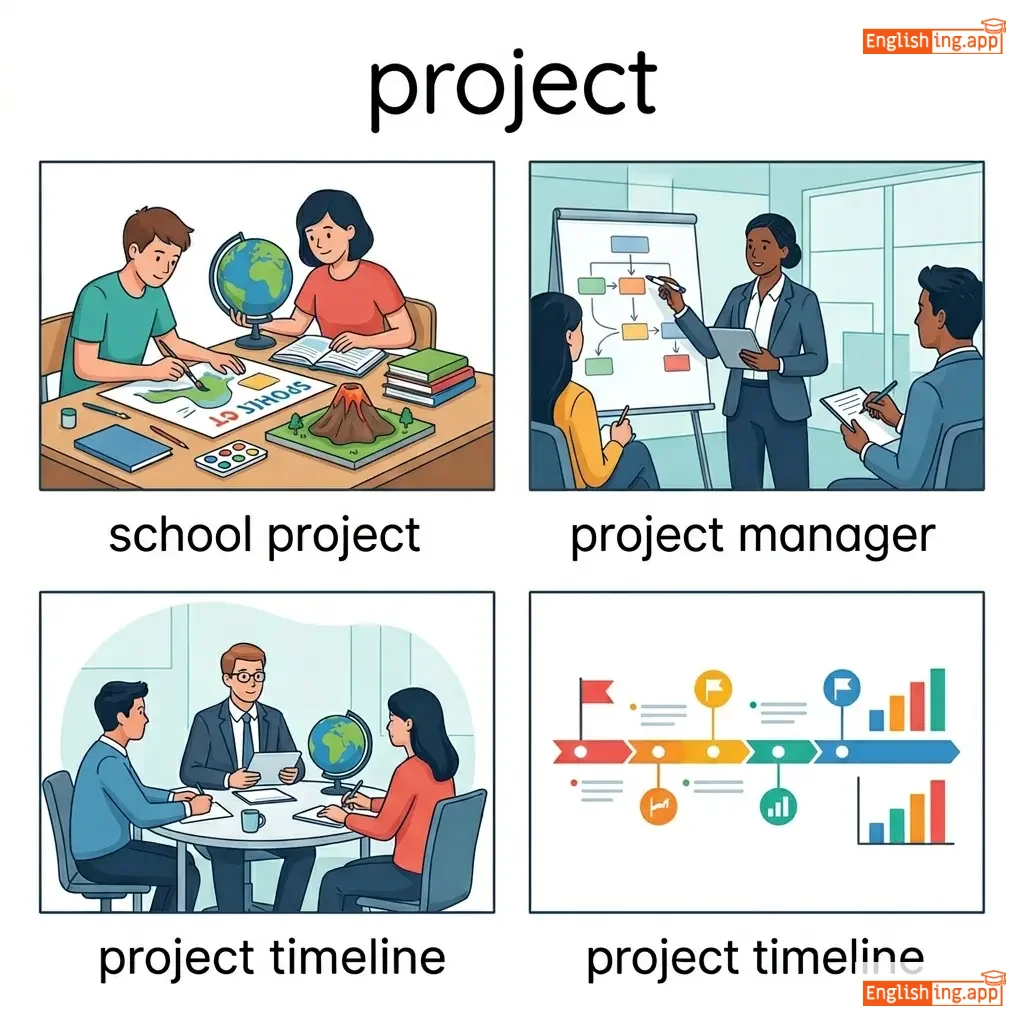
school project, project manager, project timeline, project growth
••••••
|
No •••••• |
|
#6991
📜
|
/ˈprɒmɪsəri/
adjective
(promisori)
••••••
|
- •••••• |
約束的
yakusoku no
••••••
|
- •••••• | - •••••• | - •••••• | - •••••• |
Containing or conveying a promise, especially in writing.
••••••
|
He signed a promissory note to repay the loan. |
彼はローンを返済するために約束手形にサインしました。
Kare wa rōn o hensai suru tame ni yakusoku tegata ni sain shimashita.
••••••
|
promissory note |
a written promise to pay a specified sum of money to a designated person
••••••
|
約束手形
yakusoku tegata
••••••
|
assuring, binding, guaranteeing, pledging
••••••
|
denying, breaking
••••••
|
promissory note, promissory agreement, promissory contract, promissory obligation
••••••
|
Promissory = Promise story - 約束手形
••••••
|
|
#6992
🔥
|
/prəˈmɪskjuəs/
adjective
(プロミスキュアス)
••••••
|
- •••••• |
放蕩
houtou
••••••
|
- •••••• | - •••••• | - •••••• | - •••••• |
Having or showing a casual and unselective approach, often used to describe indiscriminate sexual relationships.
••••••
|
The novel depicts a character with a promiscuous lifestyle.
その小説は、放蕩的なライフスタイルを持つキャラクターを描いています。
••••••
|
その小説は、放蕩的なライフスタイルを持つキャラクターを描いています。
Sono shōsetsu wa, hōtō-teki na raifusutairu o motsu kyarakutā o egaitemasu.
••••••
|
- •••••• | - •••••• | - •••••• |
licentious, indiscriminate, immoral, unrestrained
••••••
|
chaste, selective, moral
••••••
|
promiscuous behavior, promiscuous lifestyle, sexually promiscuous, promiscuous relationships
••••••
|
Promiscuous は約束なしの約束 - 放蕩的な生活
••••••
|
|
#6993
🌟
|
/ˈprɒmɪnənt/
adjective
(プロミネント)
••••••
|
- •••••• |
顕著な
kenchona
••••••
|
- •••••• | - •••••• | - •••••• | - •••••• |
Important, famous, or easily noticeable.
••••••
|
He is a prominent leader in the community.
彼はコミュニティの中で著名なリーダーです。
••••••
|
彼はコミュニティの中で著名なリーダーです。
Kare wa komyuniti no naka de chomei na rīdā desu.
••••••
|
prominent feature
顕著な特徴
••••••
|
a characteristic that stands out or is easily noticeable
••••••
|
顕著な特徴
kenchona tokuchō
••••••
|
important, notable, eminent, distinguished, well-known
••••••
|
obscure, insignificant
••••••
|
prominent role, prominent position, prominent figure, prominent leader
••••••
|
顕著なリーダーのように目立つ人物です。
••••••
|
|
#6994
⭐
|
/ˈprɒmɪnəns/
noun
(プロミネンス)
••••••
|
- •••••• |
名声
meisei
••••••
|
- •••••• | - •••••• | - •••••• | - •••••• |
The state of being important, famous, or easily noticed.
••••••
|
Her work gained prominence after the award. |
彼女の仕事は賞を受けた後、名声を得ました。
Kanojo no shigoto wa shō o uketa ato, meisei o emashita.
••••••
|
rise to prominence |
to become important, famous, or well-known
••••••
|
名声を得る
Meisei o eru
••••••
|
importance, distinction, renown, fame, eminence
••••••
|
obscurity, insignificance
••••••
|
achieve prominence, gain prominence, rise to prominence, international prominence
••••••
|
Prominence は prominent から来て、目立つこと、名声を得ることを意味します。
••••••
|
|
#6995
🚶
|
/ˌprɒməˈneɪd/
noun, verb
(プロムナード)
••••••
|
- •••••• |
散歩
sanpo
••••••
|
promenaded
プロムナードした
••••••
|
promenaded
プロムナードした
••••••
|
promenades
プロムナードします
••••••
|
promenading
プロムナードしている
••••••
|
A leisurely walk or stroll, especially in a public place for pleasure or display.
••••••
|
They went for a promenade along the seaside.
彼らは海辺をプロムナードしていました。
••••••
|
彼らは海辺をプロムナードしていました。
Karera wa umibe o promenade shite imashita.
••••••
|
take a promenade
プロムナードに行く
••••••
|
to go for a walk in a leisurely manner
••••••
|
散歩に行く
sanpo ni iku
••••••
|
walk, stroll, saunter, ramble, amble
••••••
|
rush, run
••••••
|
promenade deck, seaside promenade, evening promenade, city promenade
••••••
|
Promenade は散歩 - プロのようにスタイルで歩く
••••••
|
|
#6996
⏳
|
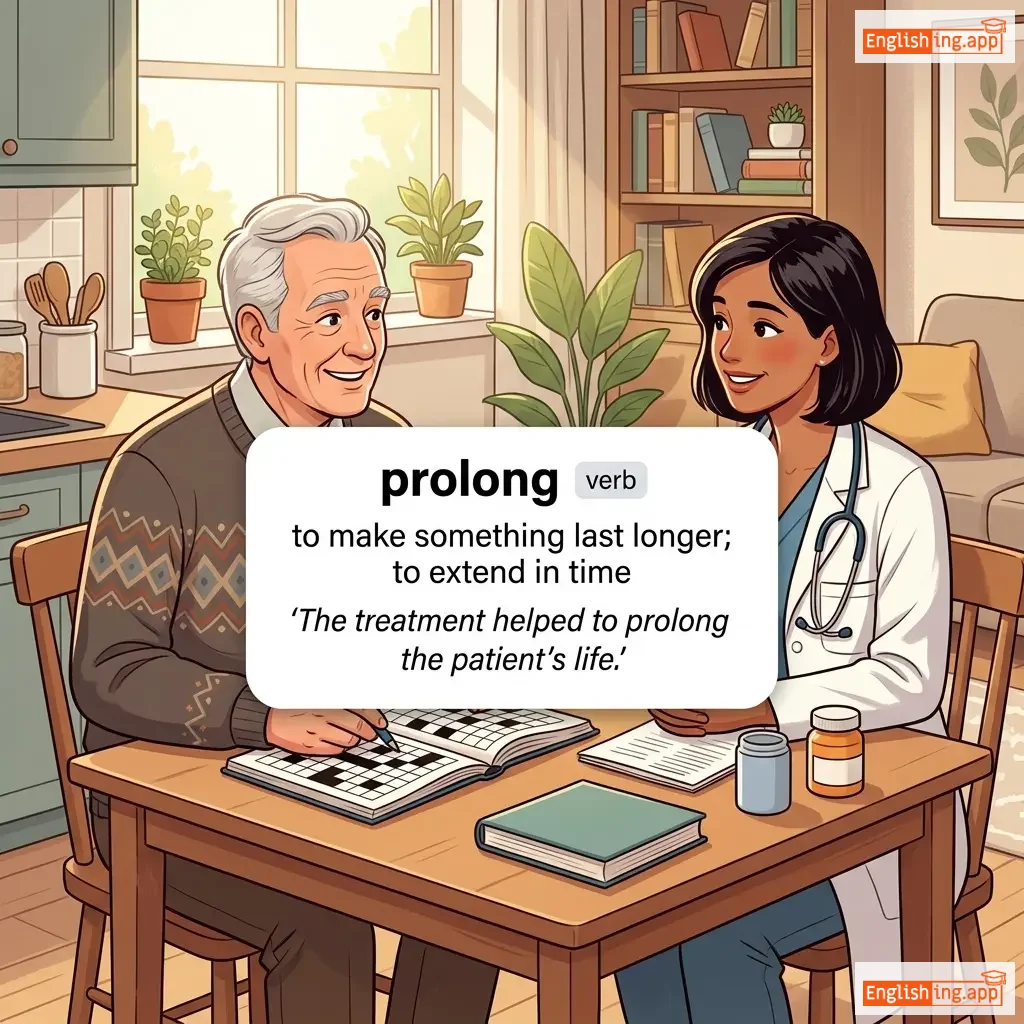
/prəˈlɒŋ/
verb
(プロロング)
••••••
|
|
延長する
enchou suru
••••••
|
prolonged
プロロングド
••••••
|
prolonged
プロロングド
••••••
|
prolongs
プロロングス
••••••
|
prolonging
プロロンギング
••••••
|
to make something last longer; to extend in time
••••••
|
The treatment helped to prolong the patient’s life.
治療は患者の命を延ばすのに役立ちました。
••••••
|
治療は患者の命を延ばすのに役立ちました。
Chiryō wa kanja no inochi o nobasu no ni yakudachimashita.
••••••
|
prolong the agony
苦しみを延長する
••••••
|
to make an unpleasant situation last longer
••••••
|
苦しみを延長する
kurushimi o enchou suru
••••••
|
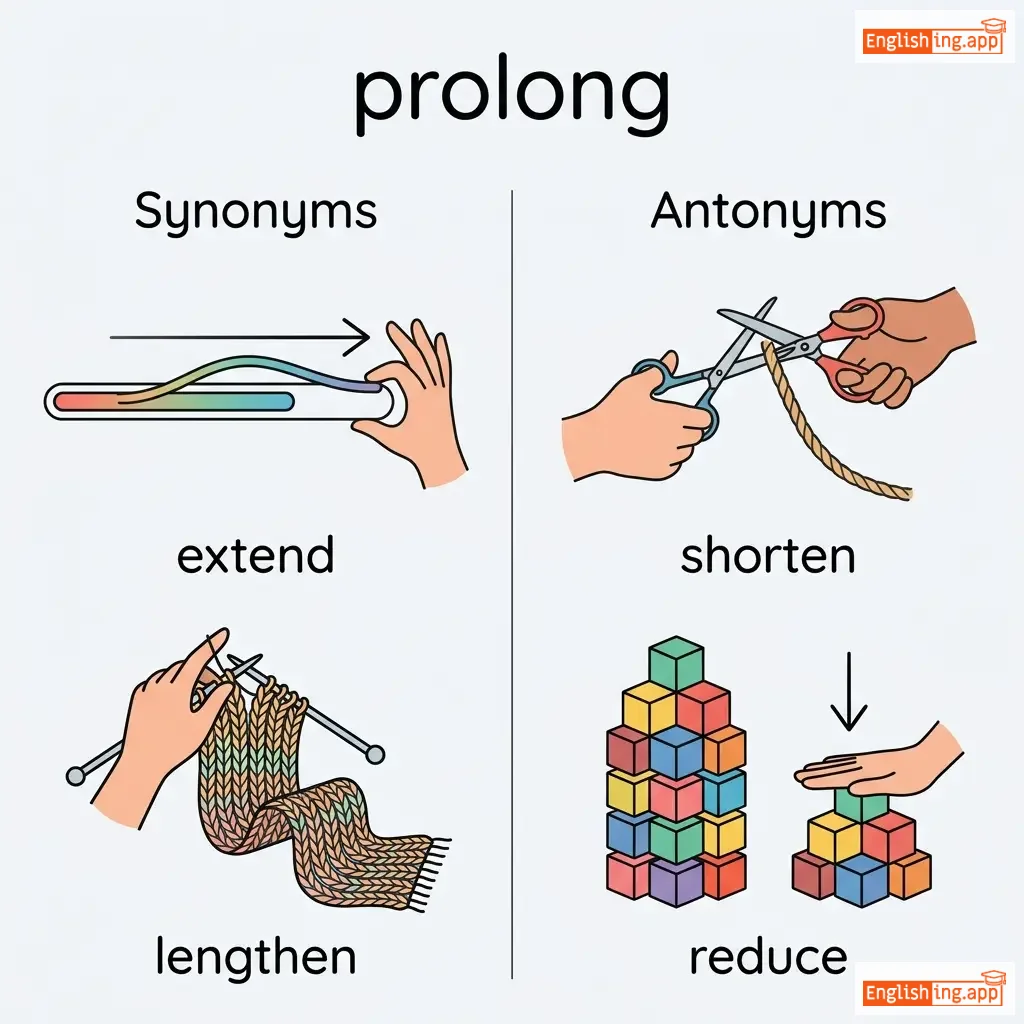
extend, lengthen, stretch, sustain
••••••
|
shorten, reduce, curtail
••••••
|
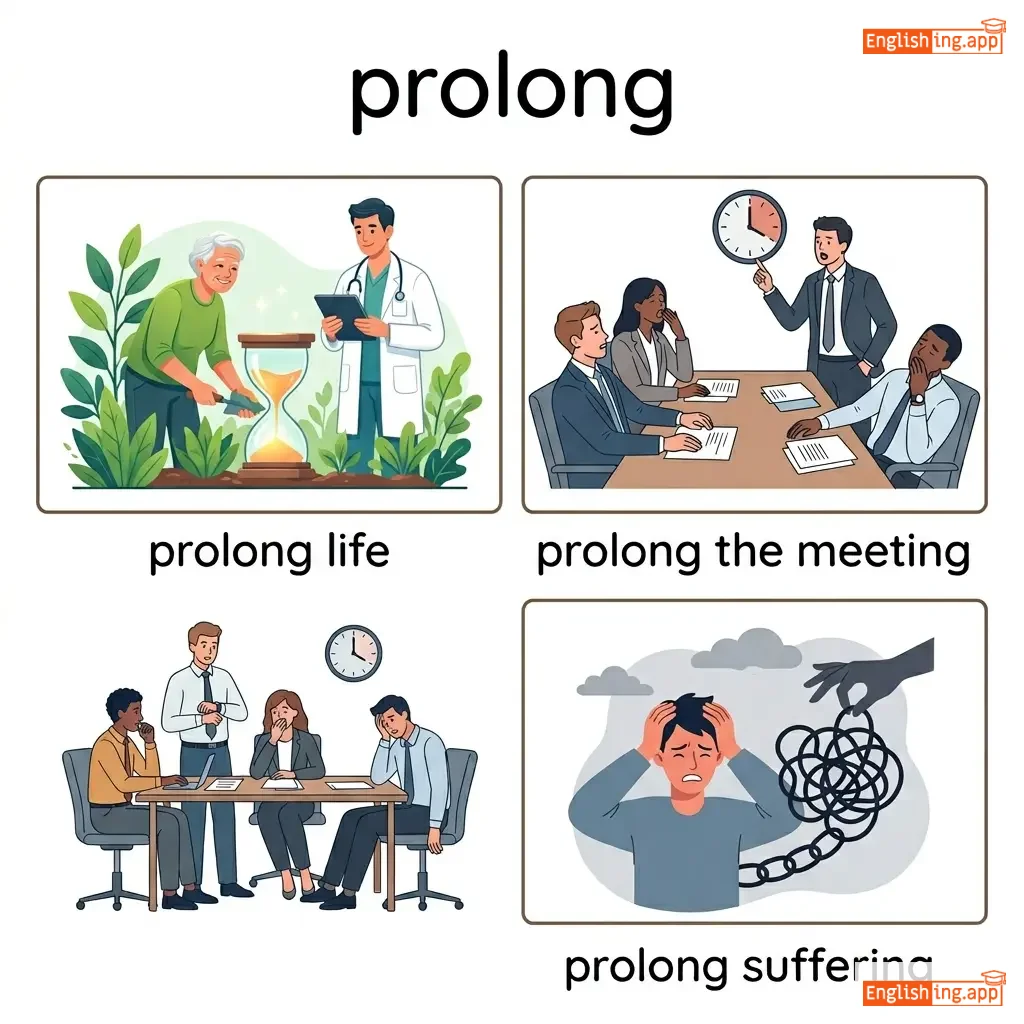
prolong life, prolong the meeting, prolong suffering
••••••
|
Prolongは時間を延ばすこと、苦しみを延長することです。
••••••
|
|
#6997
📖
|
/ˈprəʊ.lɒɡ/
noun
(プロローグ)
••••••
|
- •••••• |
序章
shoshou
••••••
|
- •••••• | - •••••• | - •••••• | - •••••• |
an introduction to a book, play, or event
••••••
|
The novel begins with a short prologue set in the past.
その小説は、過去に設定された短いプロローグで始まります。
••••••
|
その小説は、過去に設定された短いプロローグで始まります。
Sono shousetsu wa, kako ni settei sareta mijikai puroorogu de hajimarimasu.
••••••
|
prologue to something
何かへのプロローグ
••••••
|
an event or situation that leads to another
••••••
|
何かへのプロローグ
nanika e no puroorogu
••••••
|
introduction, preface, foreword, opening
••••••
|
epilogue, conclusion
••••••
|
short prologue, prologue of the play, prologue chapter
••••••
|
序章は物語の最初の部分、未来に続くロギングのようなものです。
••••••
|
|
#6998
📝
|
/prəˈlɪksɪti/
noun
(プロリクシティ)
••••••
|
- •••••• |
冗長
jouchou
••••••
|
- •••••• | - •••••• | - •••••• | - •••••• |
the quality of being tediously wordy and long
••••••
|
The book’s prolixity made it difficult to read in one sitting.
本のプロリクシティは一度に読むのを難しくしました。
••••••
|
本のプロリクシティは一度に読むのを難しくしました。
Hon no purokishiti wa ichido ni yomu no wo muzukashiku shimashita.
••••••
|
- •••••• | - •••••• | - •••••• |
verbosity, wordiness, long-windedness, tediousness
••••••
|
conciseness, brevity, succinctness
••••••
|
prolixity of style, prolixity in writing, literary prolixity
••••••
|
Prolixity は街の中にある言葉の多さのようなもの—冗長。
••••••
|
|
#6999
📜
|
/ˈprəʊ.lɪks/
adjective
(プロリックス)
••••••
|
- •••••• |
長すぎる
nagasugiru
••••••
|
- •••••• | - •••••• | - •••••• | - •••••• |
using too many words; tediously lengthy
••••••
|
The professor’s prolix lecture put many students to sleep. |
教授の冗長な講義は多くの学生を眠らせた。
Kyōju no jōchō na kōgi wa ōku no gakusei o nemuraseta.
••••••
|
- •••••• | - •••••• | - •••••• |
verbose, wordy, long-winded, tedious
••••••
|
concise, succinct, brief
••••••
|
prolix speech, prolix explanation, prolix style
••••••
|
Prolix = pro + 長い = 長すぎる
••••••
|
|
#7000
🌱
|
/prəˈlɪfɪk/
adjective
(プロリフィック)
••••••
|
|
多産の
tasan no
••••••
|
- •••••• | - •••••• | - •••••• | - •••••• |
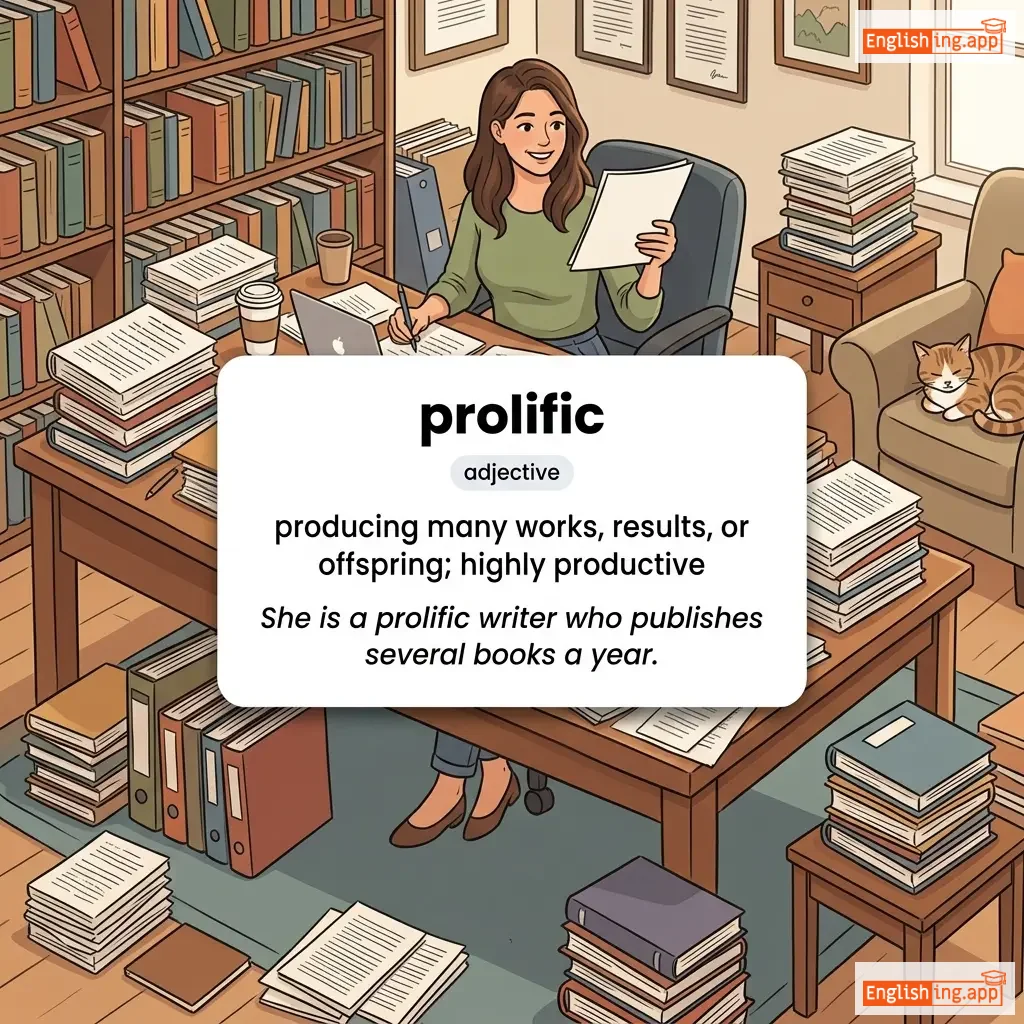
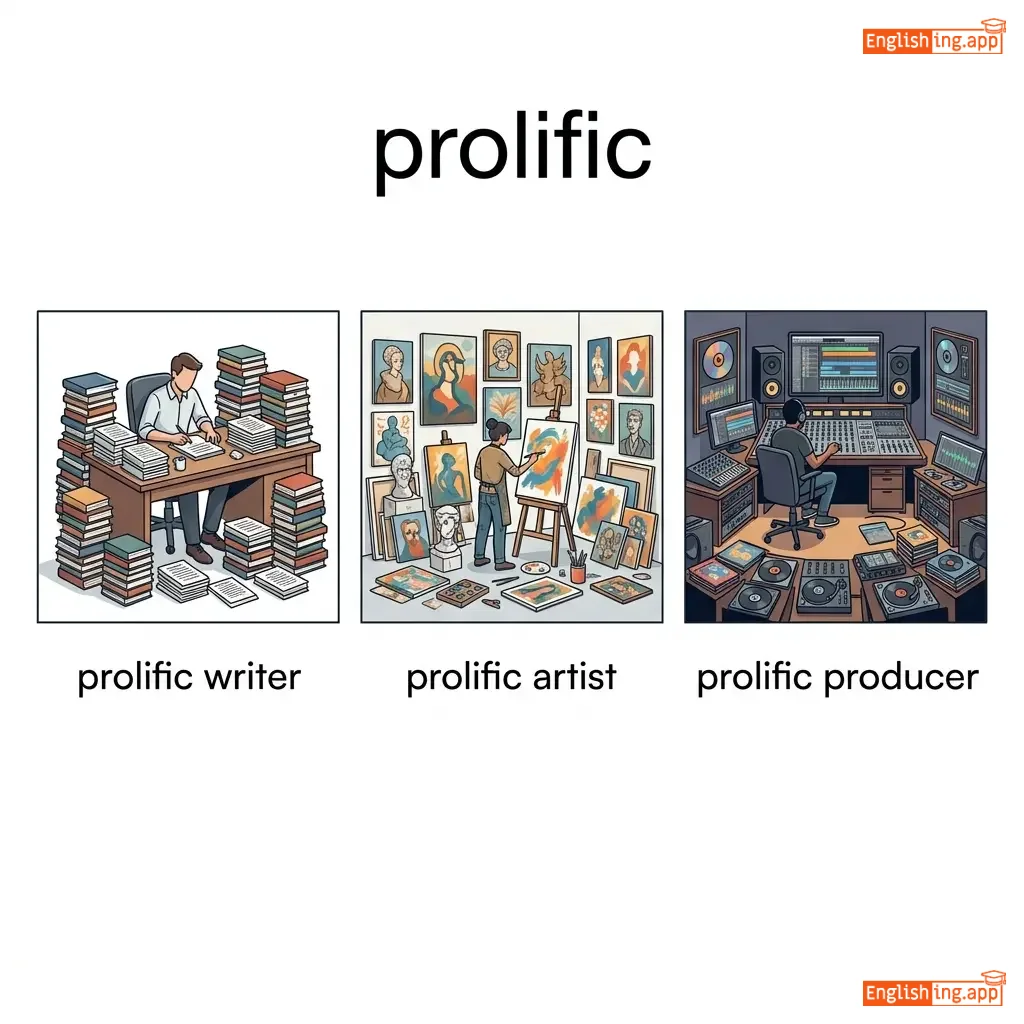
producing many works, results, or offspring; highly productive
••••••
|
She is a prolific writer who publishes several books a year. |
彼女は毎年数冊の本を出版する多産な作家です。
Kanojo wa mainen sū-satsu no hon o shuppan suru tasan na sakka desu.
••••••
|
- •••••• | - •••••• | - •••••• |
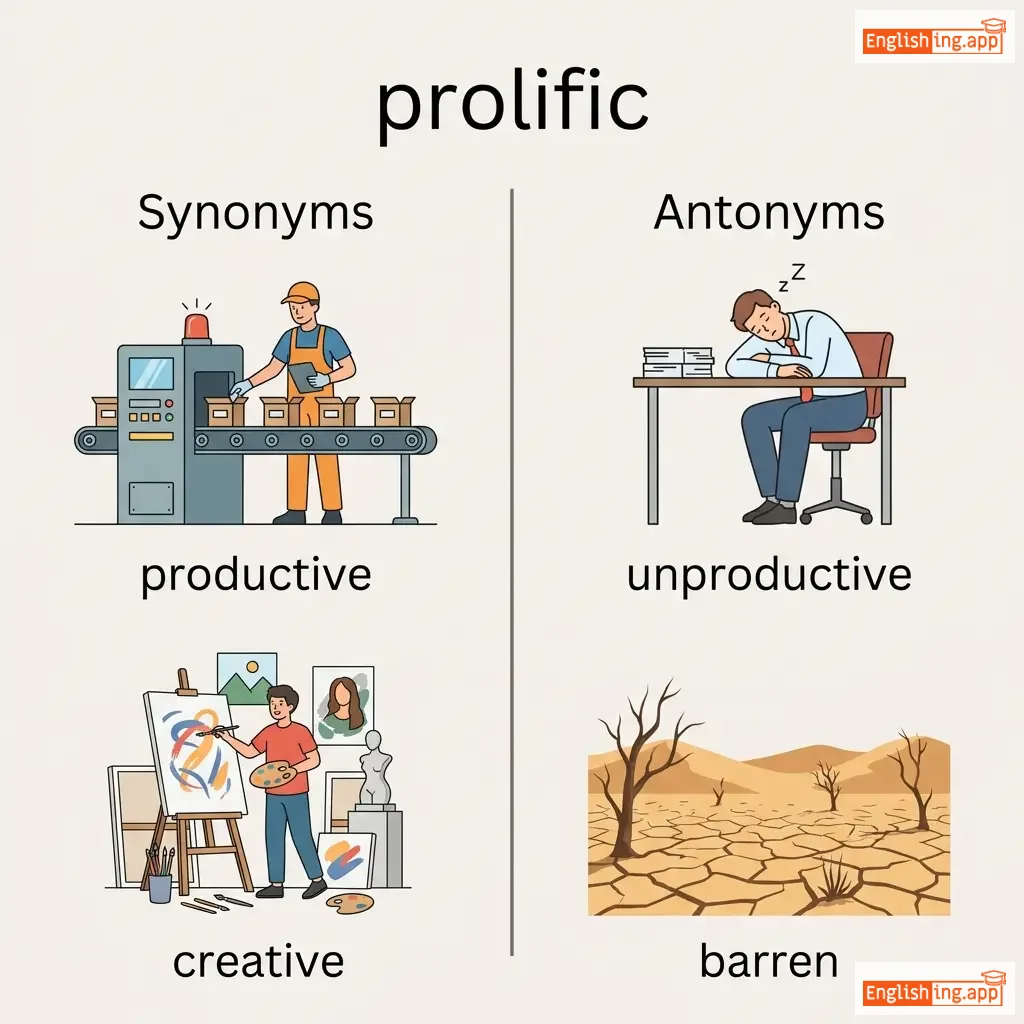
productive, creative, fruitful, abundant, fertile
••••••
|
unproductive, barren, scarce
••••••
|
prolific writer, prolific artist, prolific producer, prolific scorer
••••••
|
Prolific は日本語で多産の意味、つまりたくさん生み出すという意味です。
••••••
|
|
#7001
🌱
|
/prəˈlɪfəreɪt/
verb
(プロリフェレート)
••••••
|
|
拡大する
kakudai suru
••••••
|
proliferated
プロリフェレーテッド
••••••
|
proliferated
プロリフェレーテッド
••••••
|
proliferates
プロリフェレーツ
••••••
|
proliferating
プロリフェレーティング
••••••
|
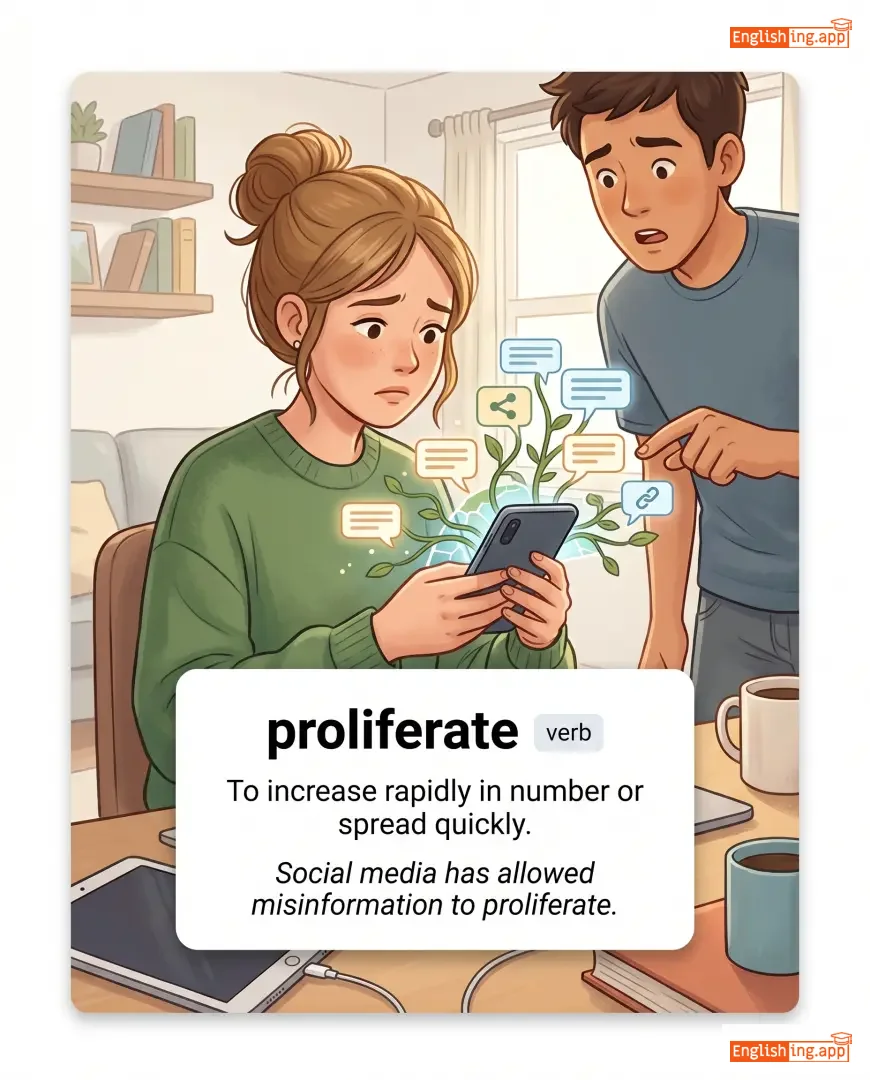
To increase rapidly in number or spread quickly.
••••••
|
Social media has allowed misinformation to proliferate.
ソーシャルメディアは、誤った情報を急速に広めることを可能にしました。
••••••
|
ソーシャルメディアは、誤った情報を急速に広めることを可能にしました。
Sōsharu media wa, ayamatta jōhō o kyūsoku ni hiromeru koto o kanō ni shimashita.
••••••
|
- •••••• | - •••••• | - •••••• |
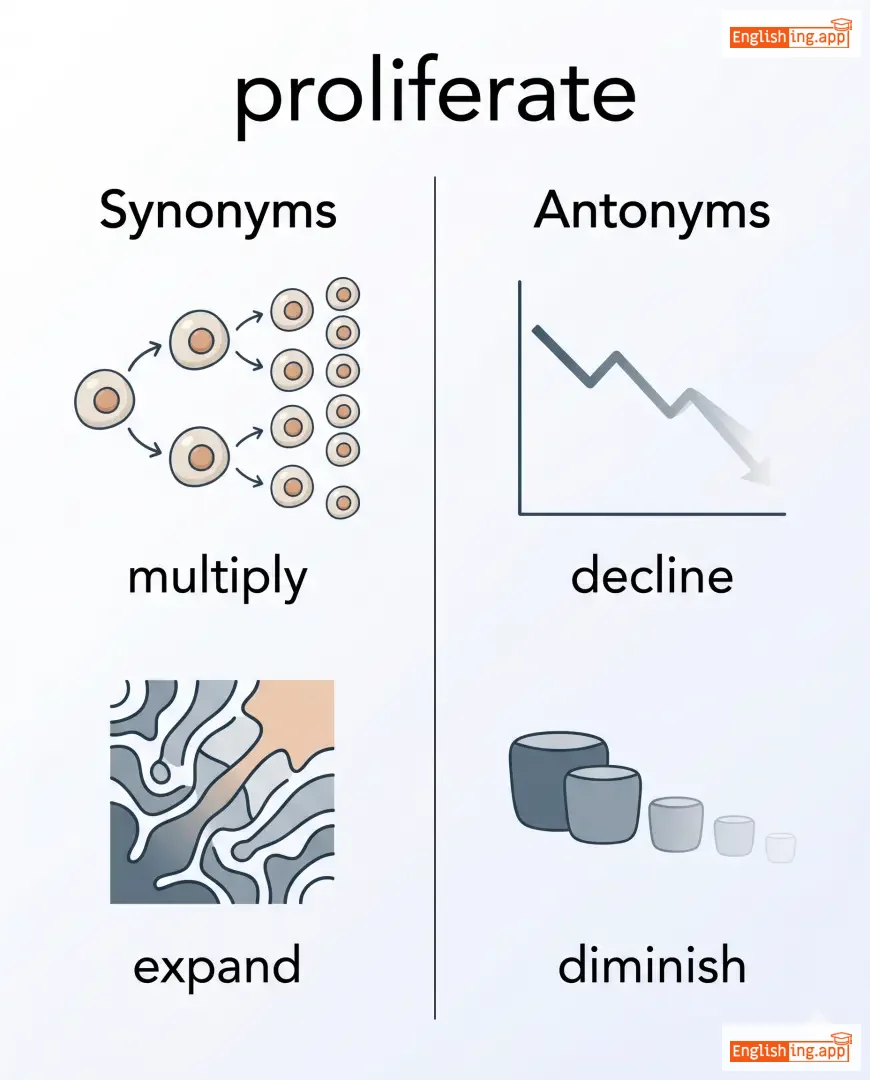
multiply, expand, grow, spread, escalate
••••••
|
decline, diminish, shrink
••••••
|
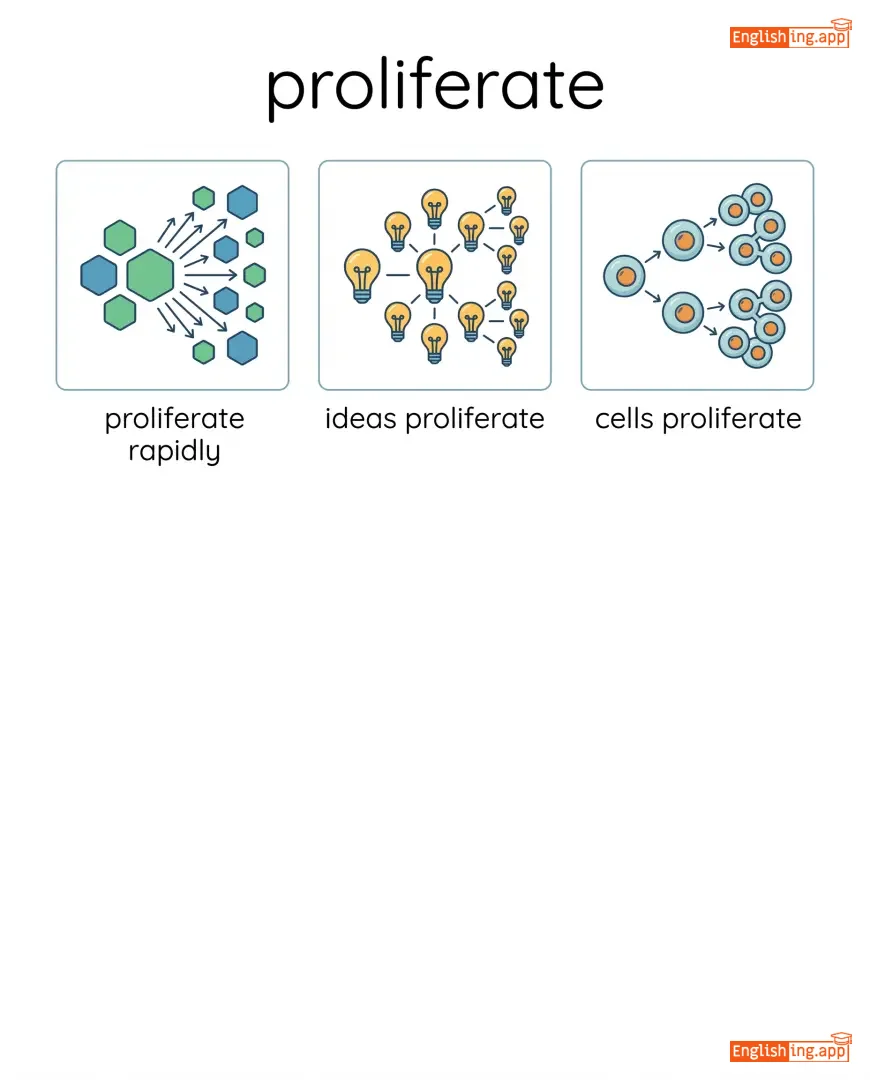
proliferate rapidly, ideas proliferate, cells proliferate
••••••
|
Proliferate は日本語で葉が急速に広がることに似ています。
••••••
|
|
#7002
👷
|
/ˌproʊlɪˈtɛəriən/
noun, adjective
(プロレタリアン)
••••••
|
- •••••• |
プロレタリアン
puroretarian
••••••
|
- •••••• | - •••••• | - •••••• | - •••••• |
Relating to the working class, especially those who do not own property.
••••••
|
The movement was rooted in proletarian struggles. |
その運動はプロレタリアンの闘争に根ざしていた。
Sono undō wa puroretarian no tōsō ni nezashite ita.
••••••
|
- •••••• | - •••••• | - •••••• |
working-class, laborer, commoner, plebeian
••••••
|
aristocrat, elite, bourgeois
••••••
|
proletarian movement, proletarian class, proletarian struggle
••••••
|
プロレタリアンは労働者階級—財産なしで働く人々を意味します。
••••••
|
|
#7003
📈
|
/prəˈdʒɛkʃən/
noun
(プロジェクション)
••••••
|
|
予測
yosoku
••••••
|
- •••••• | - •••••• | - •••••• | - •••••• |
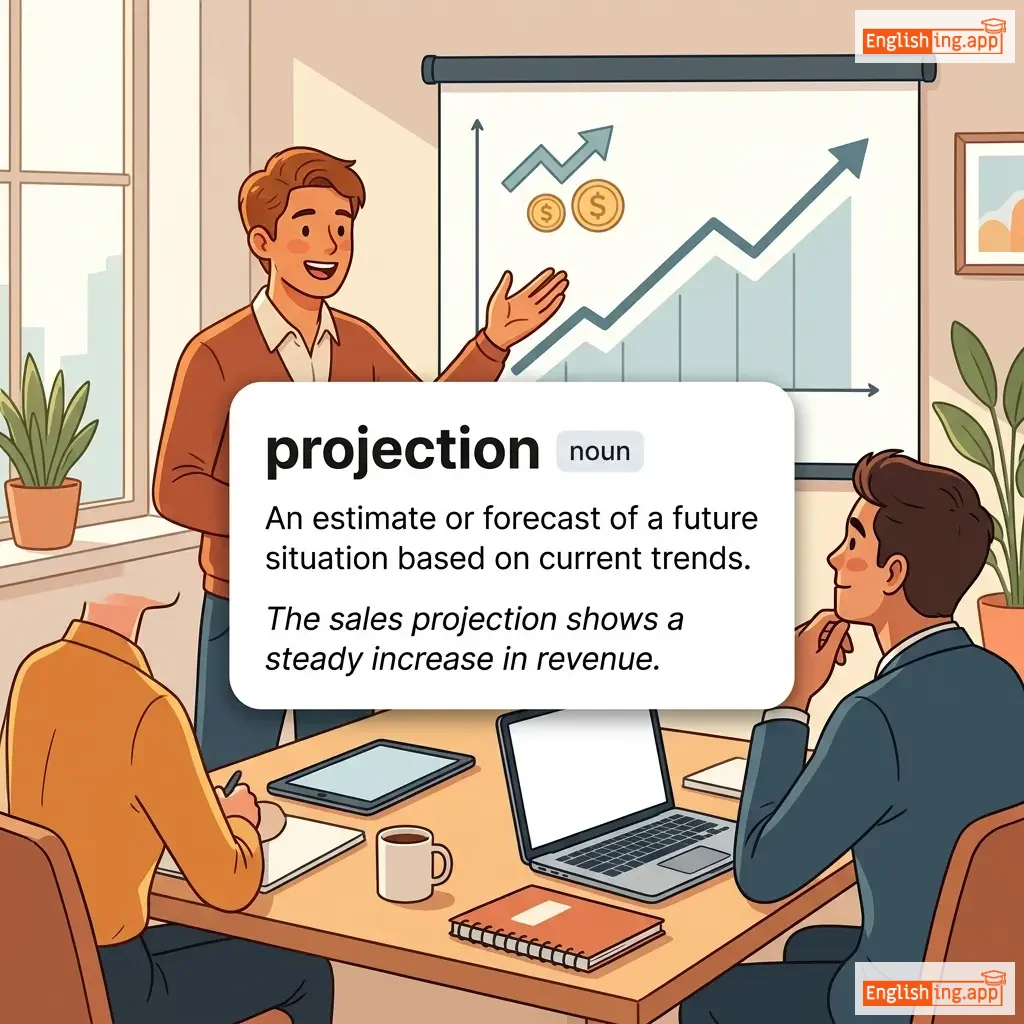
An estimate or forecast of a future situation based on current trends.
••••••
|
The sales projection shows a steady increase in revenue. |
売上予測は収益の安定した増加を示しています。
Uriage yosoku wa shūeki no antei shita zōka o shimeshiteimasu.
••••••
|
make a projection |
To create an estimate or forecast of future results.
••••••
|
予測を立てる
Yosoku o tateru
••••••
|
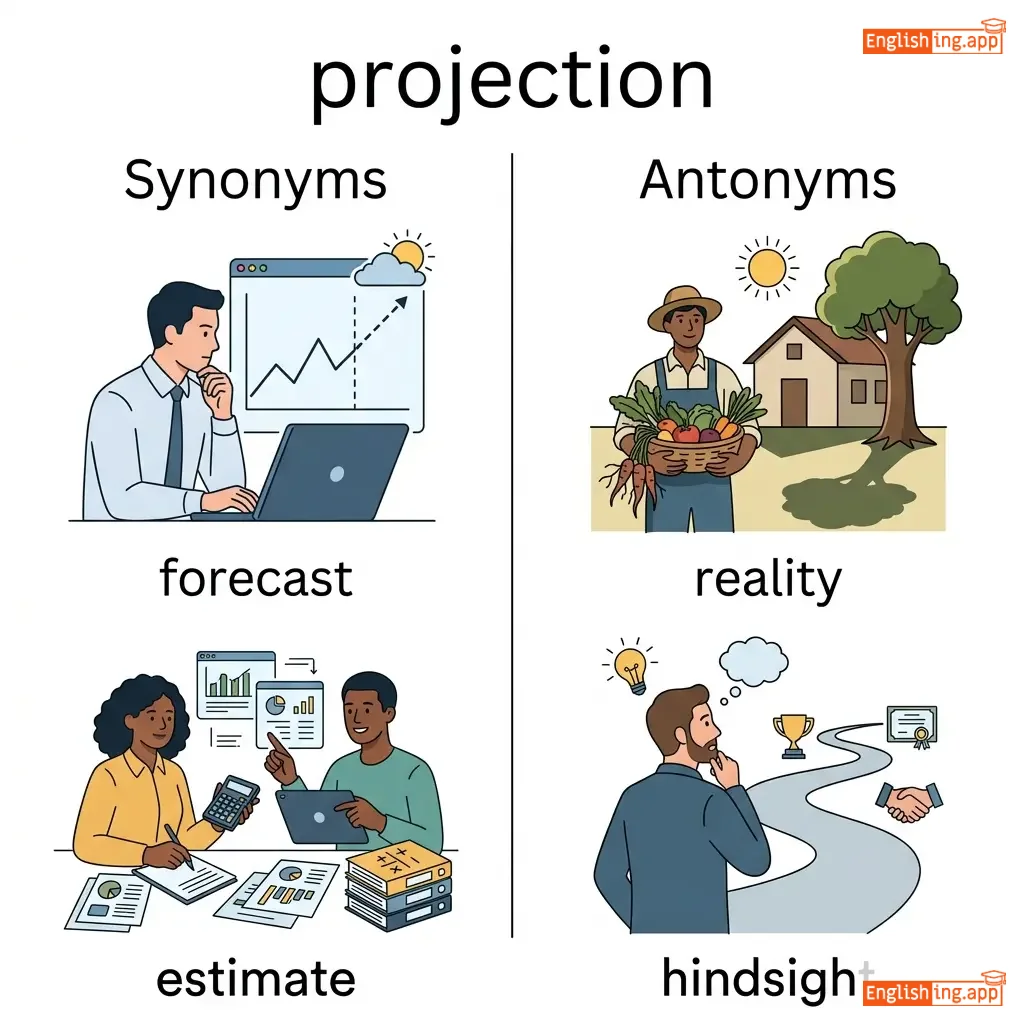
forecast, estimate, prediction, outlook, expectation
••••••
|
reality, hindsight
••••••
|
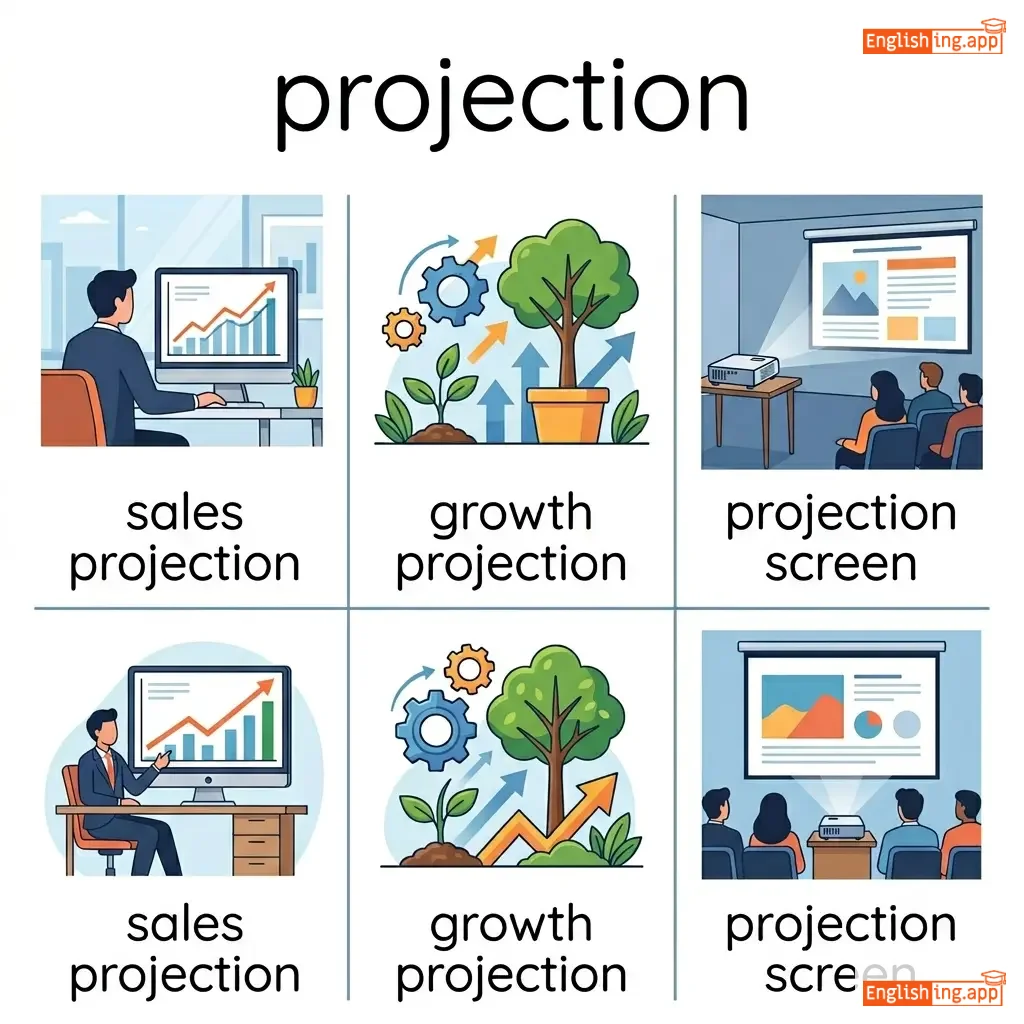
sales projection, growth projection, projection screen, projection map
••••••
|
予測:未来の絵を投影するようなもの。
••••••
|
|
#7004
💥
|
/prəˈdʒɛktaɪl/
noun
(プロジェクタイル)
••••••
|
- •••••• |
発射体
hasshatāi
••••••
|
- •••••• | - •••••• | - •••••• | - •••••• |
An object fired, thrown, or propelled, especially from a weapon.
••••••
|
The soldier dodged the incoming projectile. |
兵士は飛んでくる発射体を避けました。
Heishi wa tonde kuru hasshatāi o yoke mashita.
••••••
|
- •••••• | - •••••• | - •••••• |
missile, bullet, shell, rocket
••••••
|
target, stationary object
••••••
|
projectile weapon, projectile motion, incoming projectile
••••••
|
Projectile は Pro + Jet—ジェットのように投げられる物体を意味します。
••••••
|
|
#7005
🧠
|
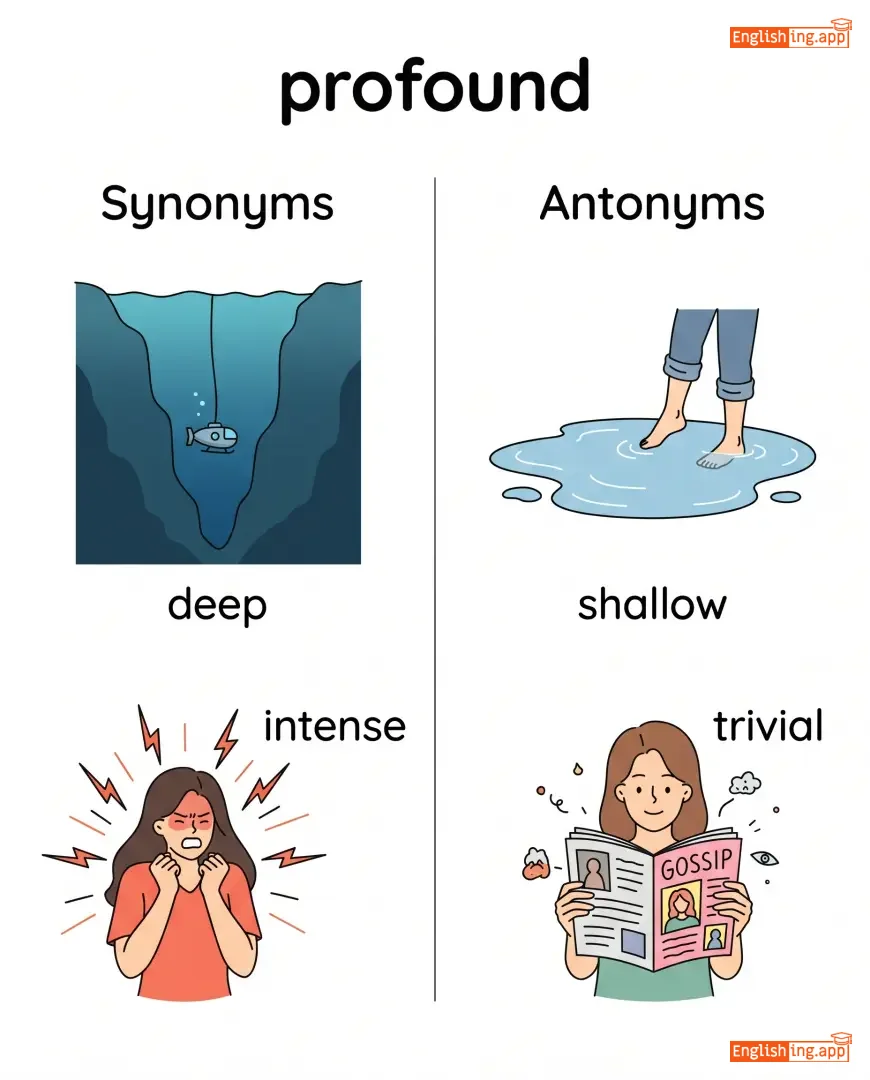
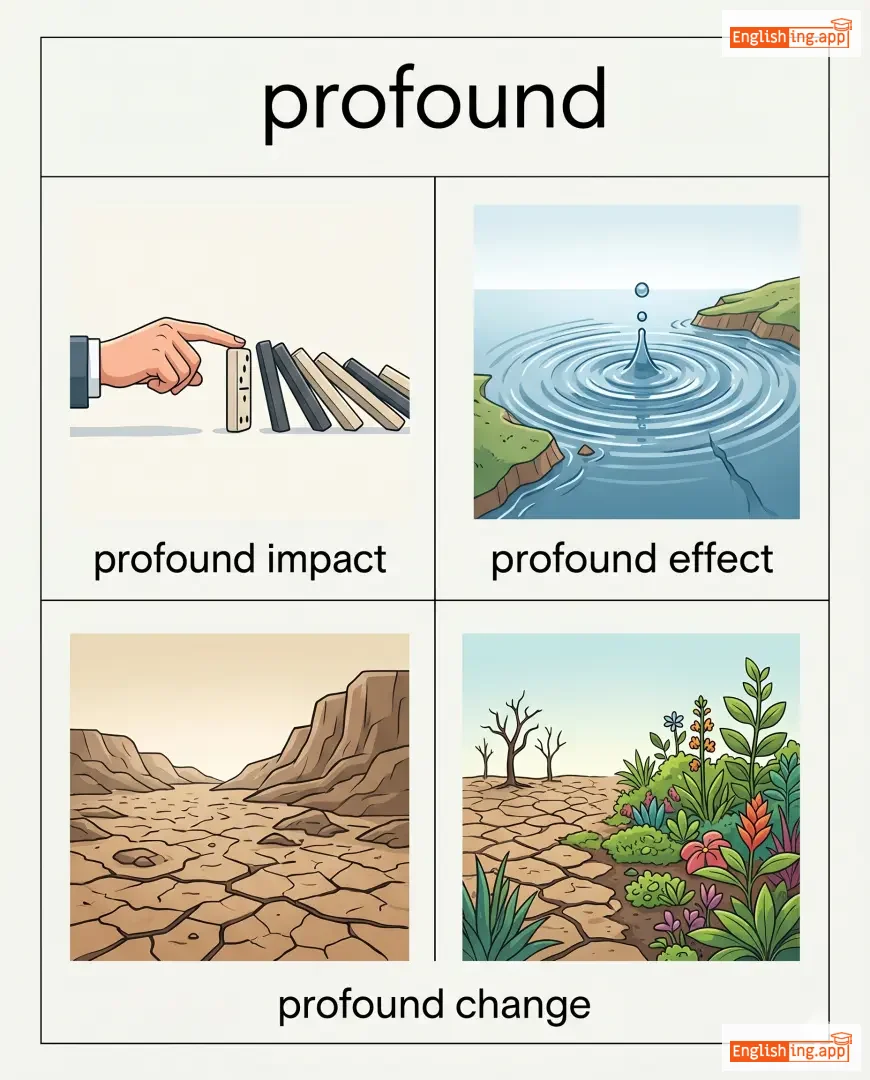
/prəˈfaʊnd/
adjective
(プロファウンド)
••••••
|
|
深遠
shinen
••••••
|
- •••••• | - •••••• | - •••••• | - •••••• |
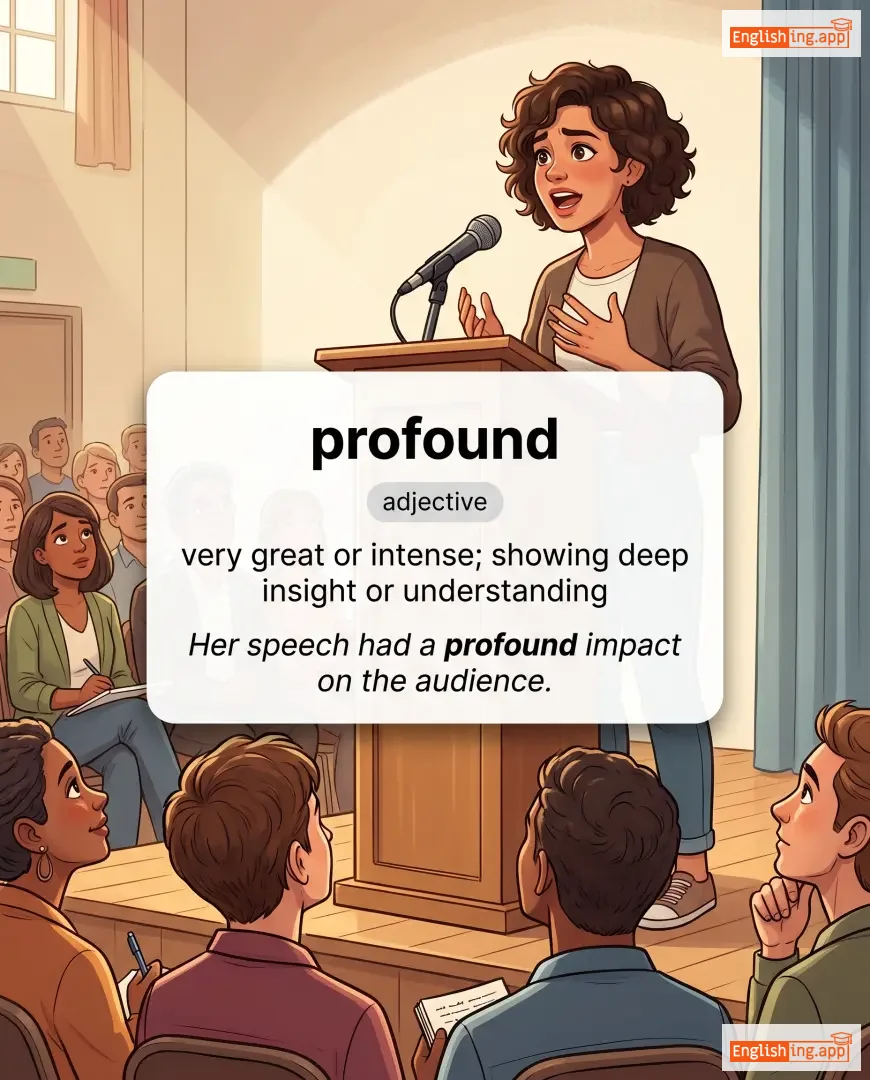
very great or intense; showing deep insight or understanding
••••••
|
Her speech had a profound impact on the audience. |
彼女のスピーチは観客に深い影響を与えました。
Kanojo no supīchi wa kankyaku ni fukai eikyō o ataemashita.
••••••
|
- •••••• | - •••••• | - •••••• |
deep, intense, thoughtful, insightful, weighty
••••••
|
shallow, trivial, superficial
••••••
|
profound impact, profound effect, profound change, profound insight, profound silence
••••••
|
深遠、海のように深く、いつまでも続く。
••••••
|
|
#7006
📜
|
/prəˈhɪbɪtɔːri/
adjective
(プロヒビトリー)
••••••
|
- •••••• |
禁止的な
kinshiteki na
••••••
|
- •••••• | - •••••• | - •••••• | - •••••• |
Serving or tending to prohibit or forbid.
••••••
|
The prohibitory laws were strictly enforced in the region.
禁止的な法律は地域で厳しく適用された。
••••••
|
禁止的な法律は地域で厳しく適用された。
Kinshiteki na hōritsu wa chiiki de kibishiku tekiyō sareta.
••••••
|
- •••••• | - •••••• | - •••••• |
restrictive, forbidding, preventive, disallowing
••••••
|
permissive, tolerant
••••••
|
prohibitory laws, prohibitory measures, prohibitory rules
••••••
|
禁止的なは何かを禁止するための規則です。
••••••
|
|
#7007
💸
|
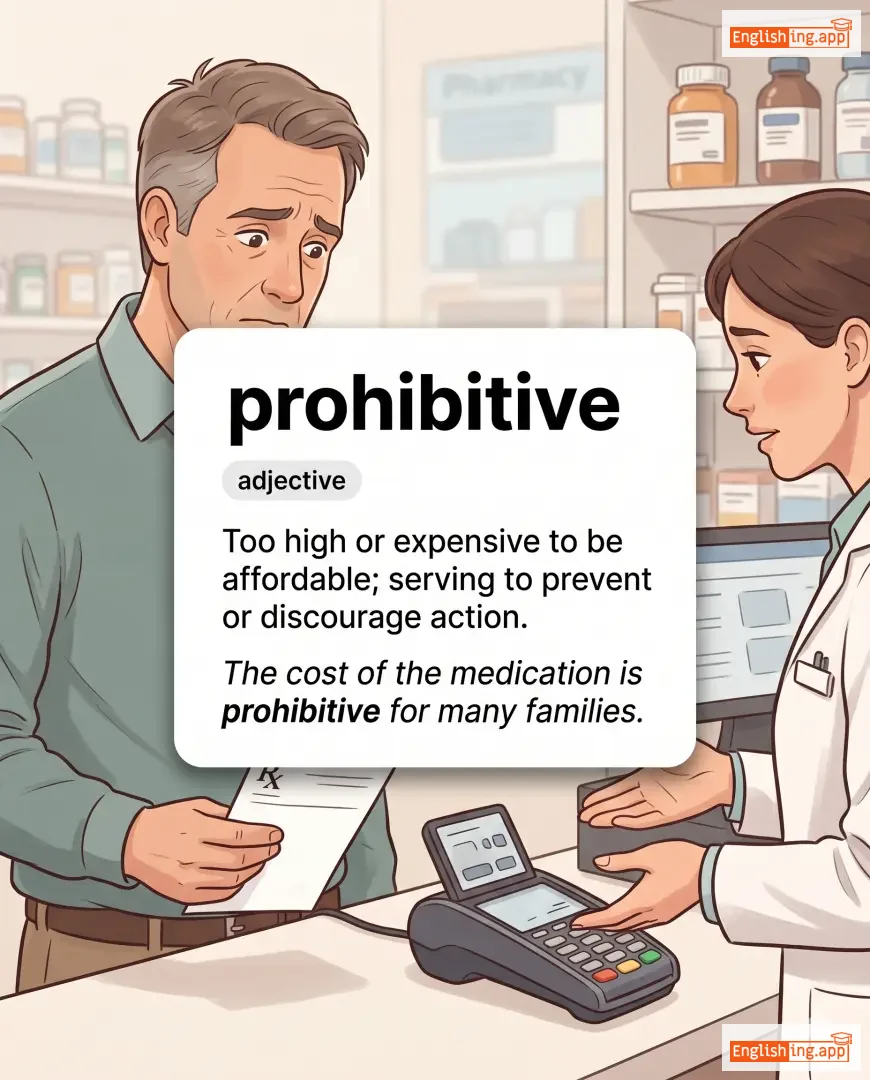
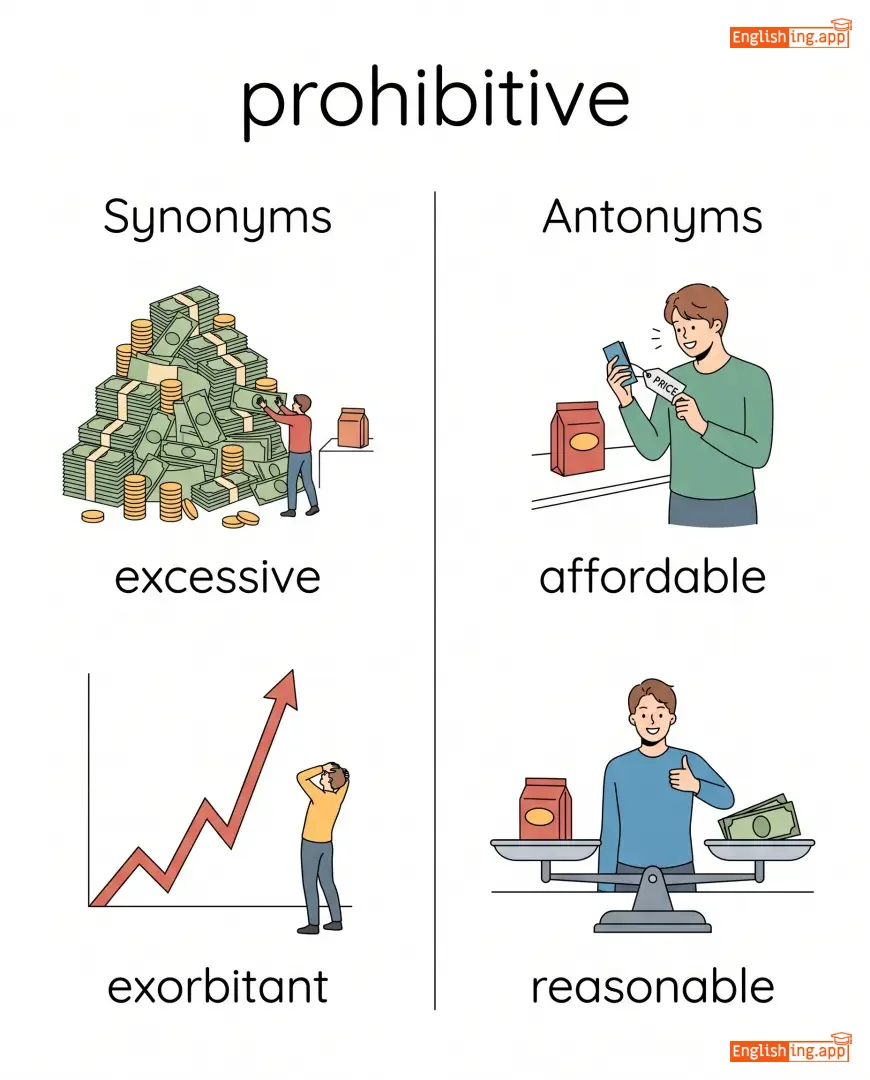
/prəˈhɪbɪtɪv/
adjective
(プロヒビティブ)
••••••
|
|
禁止するような高い
kinshi suru yō na takai
••••••
|
- •••••• | - •••••• | - •••••• | - •••••• |
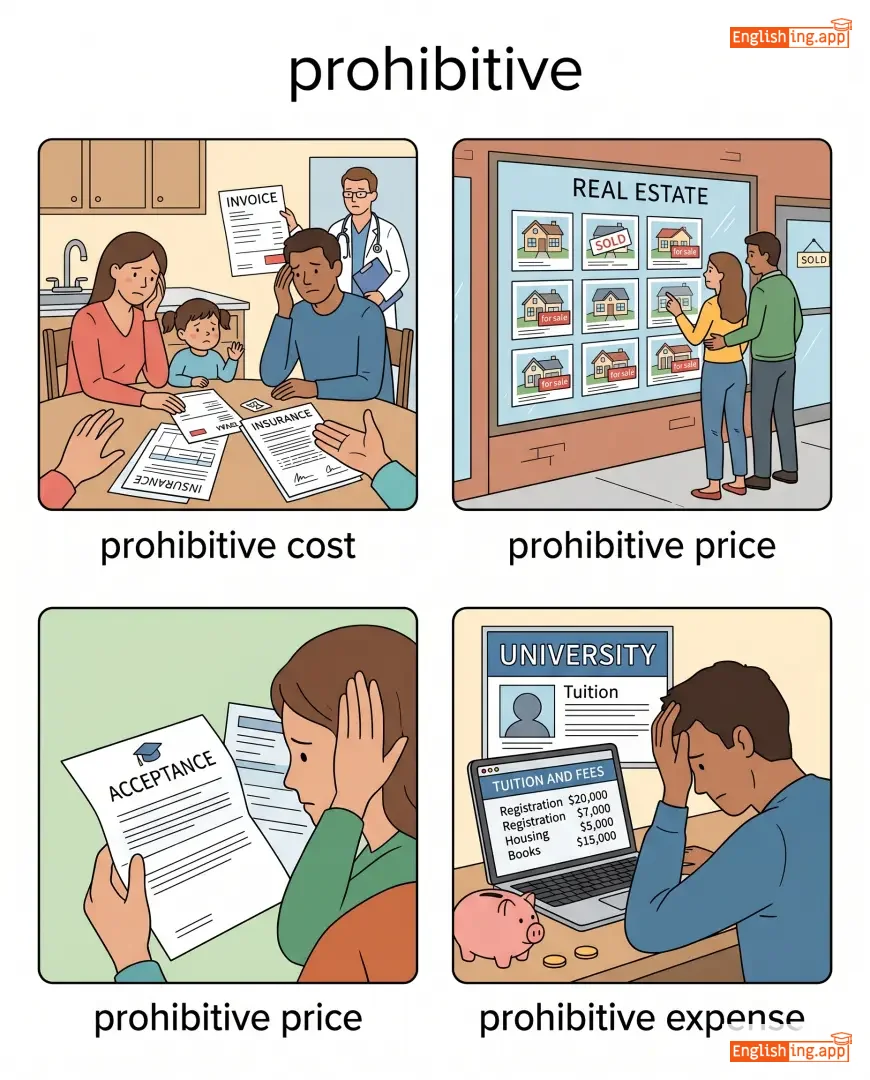
Too high or expensive to be affordable; serving to prevent or discourage action.
••••••
|
The cost of the medication is prohibitive for many families. |
その薬の費用は多くの家族にとって高すぎる。
Sono kusuri no hiyō wa ōku no kazoku ni totte takasugiru.
••••••
|
- •••••• | - •••••• | - •••••• |
excessive, exorbitant, restrictive, expensive
••••••
|
affordable, reasonable, cheap
••••••
|
prohibitive cost, prohibitive price, prohibitive expense
••••••
|
Prohibitiveは、買えないほど高いことを意味します。
••••••
|
|
#7008
🙅♂️
|
/ˌproʊɪˈbɪʃənɪst/
noun
(プロヒビショニスト)
••••••
|
- •••••• |
禁酒主義者
kinshu shugisha
••••••
|
- •••••• | - •••••• | - •••••• | - •••••• |
A person who supports or advocates prohibition, especially of alcohol.
••••••
|
The prohibitionist campaigned against the sale of liquor in the town. |
禁酒主義者は町での酒の販売に反対するキャンペーンを行った。
Kinshu shugisha wa machi de no sake no hanbai ni hantai suru kyanpēn o okonatta.
••••••
|
- •••••• | - •••••• | - •••••• |
advocate, campaigner, reformer, supporter
••••••
|
drinker, consumer
••••••
|
prohibitionist movement, prohibitionist leader, prohibitionist policy
••••••
|
禁酒主義者: 禁止を支持する人!
••••••
|
|
#7009
🚫
|
/ˌproʊɪˈbɪʃən/
noun
(プロヒビション)
••••••
|
- •••••• |
禁止
kinshi
••••••
|
- •••••• | - •••••• | - •••••• | - •••••• |
The act of forbidding something by law or authority.
••••••
|
The government announced the prohibition of smoking in public places. |
政府は公共の場での喫煙禁止を発表した。
Seifu wa kōkyō no ba de no kitsuen kinshi o happyō shita.
••••••
|
Prohibition Era |
A period in U.S. history (1920–1933) when the sale of alcoholic beverages was banned.
••••••
|
禁酒時代
Kinshu jidai
••••••
|
ban, restriction, interdiction, embargo
••••••
|
permission, allowance, approval
••••••
|
strict prohibition, total prohibition, prohibition law, prohibition era
••••••
|
Prohibition は PROhibit という意味 — 🚫 使えません!
••••••
|
|
#7010
➡️
|
/prəˈɡrɛʃən/
noun
(puroguresshon)
••••••
|
|
進行
shinkou
••••••
|
- •••••• | - •••••• | - •••••• | - •••••• |
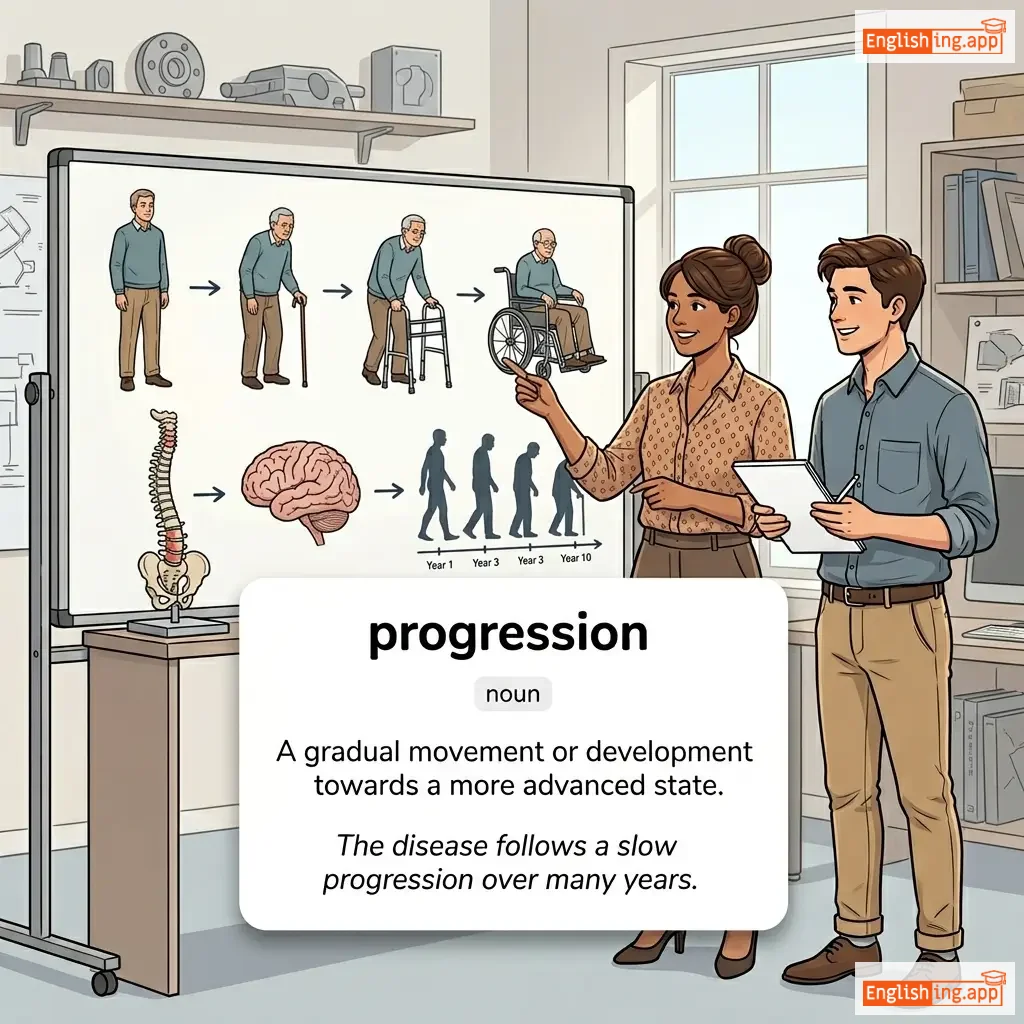
A gradual movement or development towards a more advanced state.
••••••
|
The disease follows a slow progression over many years.
その病気は何年にもわたるゆっくりとした進行を辿ります。
••••••
|
その病気は何年もの間、ゆっくりと進行します。
Sono byouki wa nannen mono aida, yukkuri to shinkou shimasu.
••••••
|
- •••••• | - •••••• | - •••••• |
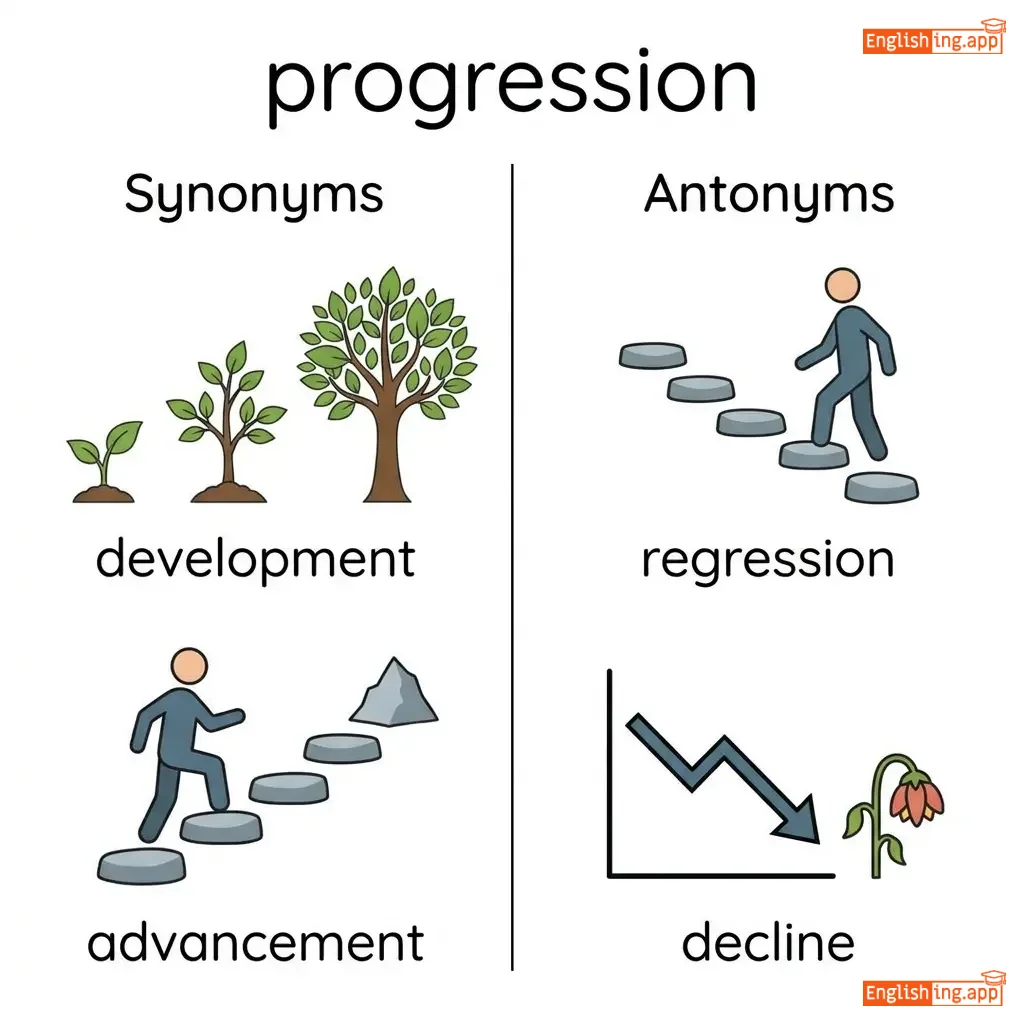
development, advancement, growth, evolution, sequence
••••••
|
regression, decline, stagnation
••••••
|
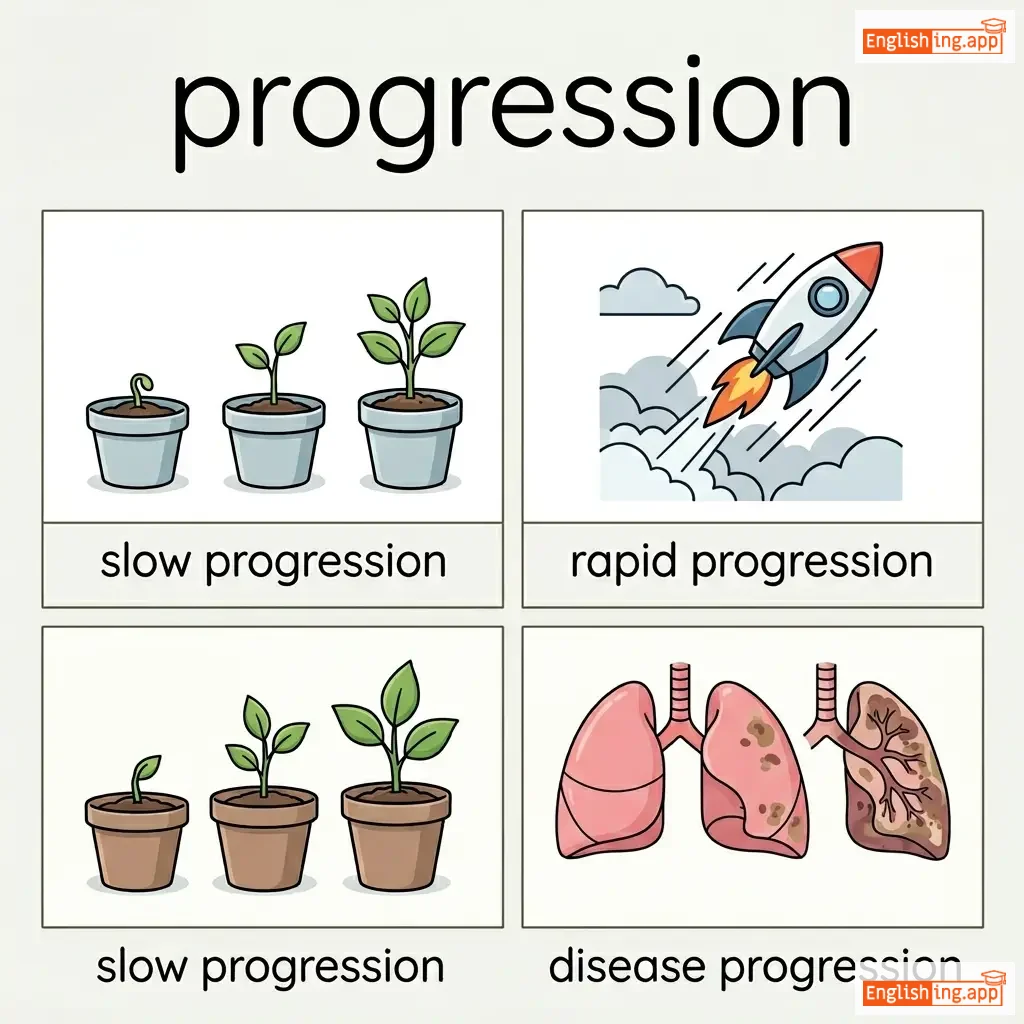
slow progression, rapid progression, disease progression, progression of time
••••••
|
進行は段階的に前進することです。
••••••
|
|
#7011
✨
|
/prɒɡˌnɒstɪˈkeɪʃən/
noun
(予言)
••••••
|
- •••••• |
予言
yogen
••••••
|
- •••••• | - •••••• | - •••••• | - •••••• |
The act of foretelling or predicting future events.
••••••
|
The astrologer's prognostication fascinated the audience. |
占星術師の予言は聴衆を魅了した。
Senseijutsushi no yogen wa chōshū o miryō shita.
••••••
|
- •••••• | - •••••• | - •••••• |
prediction, forecast, prophecy, projection, divination
••••••
|
reality, uncertainty
••••••
|
astrological prognostication, ominous prognostication, political prognostication
••••••
|
予言 = よ (予) + げん (言) = 未来を予測
••••••
|
|
#7012
🔮
|
/prɒɡˈnɒstɪkeɪt/
verb
(プログノスティケート)
••••••
|
- •••••• |
予測する
yosoku suru
••••••
|
prognosticated
予測した
••••••
|
prognosticated
予測した
••••••
|
prognosticates
予測する
••••••
|
prognosticating
予測している
••••••
|
To foretell or predict future events, especially based on current signs.
••••••
|
Experts attempted to prognosticate the outcome of the election.
専門家たちは選挙の結果を予測しようとした。
••••••
|
専門家たちは選挙の結果を予測しようとした。
Senmonkatachi wa senkyo no kekka o yosoku shiyō to shita.
••••••
|
- •••••• | - •••••• | - •••••• |
predict, forecast, foretell, anticipate, project
••••••
|
ignore, overlook
••••••
|
prognosticate future, prognosticate outcome, attempt to prognosticate
••••••
|
予測する = '前' (前) と '知識' (知識) で未来を予言する
••••••
|
|
#7013
🩺
|
/prɒɡˈnoʊsɪs/
noun
(プログノーシス)
••••••
|
- •••••• |
予後
yogo
••••••
|
- •••••• | - •••••• | - •••••• | - •••••• |
A forecast of the likely outcome of a disease or situation.
••••••
|
The doctor gave a positive prognosis for the patient's recovery.
医者は患者の回復に対してポジティブな予後を示した。
••••••
|
医者は患者の回復に対してポジティブな予後を示した。
Isha wa kanja no kaifuku ni taishite pojitibu na yogo wo shimeshita.
••••••
|
- •••••• | - •••••• | - •••••• |
prediction, forecast, outlook, projection
••••••
|
diagnosis, uncertainty
••••••
|
medical prognosis, positive prognosis, poor prognosis
••••••
|
Prognosisは病気や状況の未来の結果を予測すること
••••••
|
|
#7014
😬
|
/ˈprɒɡnəθəs/
adjective
(プログナサス)
••••••
|
- •••••• |
前突顎骨
zentotsu gakukotsu
••••••
|
- •••••• | - •••••• | - •••••• | - •••••• |
Having jaws that project forward beyond the rest of the face.
••••••
|
The fossil displayed a distinctly prognathous skull structure. |
化石は明確に前突顎骨の構造を示していた。
Kaseki wa meikaku ni zentotsu gakukotsu no kōzō o shimeshite ita.
••••••
|
- •••••• | - •••••• | - •••••• |
jutting, protruding, projecting, prominent
••••••
|
receding, flat
••••••
|
prognathous jaw, prognathous face, prognathous skull
••••••
|
Prognathousは顎(jaw)が前に出ることを意味する
••••••
|
|
#7015
👶
|
/ˈprɒdʒəni/
noun
(プロジェニー)
••••••
|
|
子孫
shison
••••••
|
- •••••• | - •••••• | - •••••• | - •••••• |
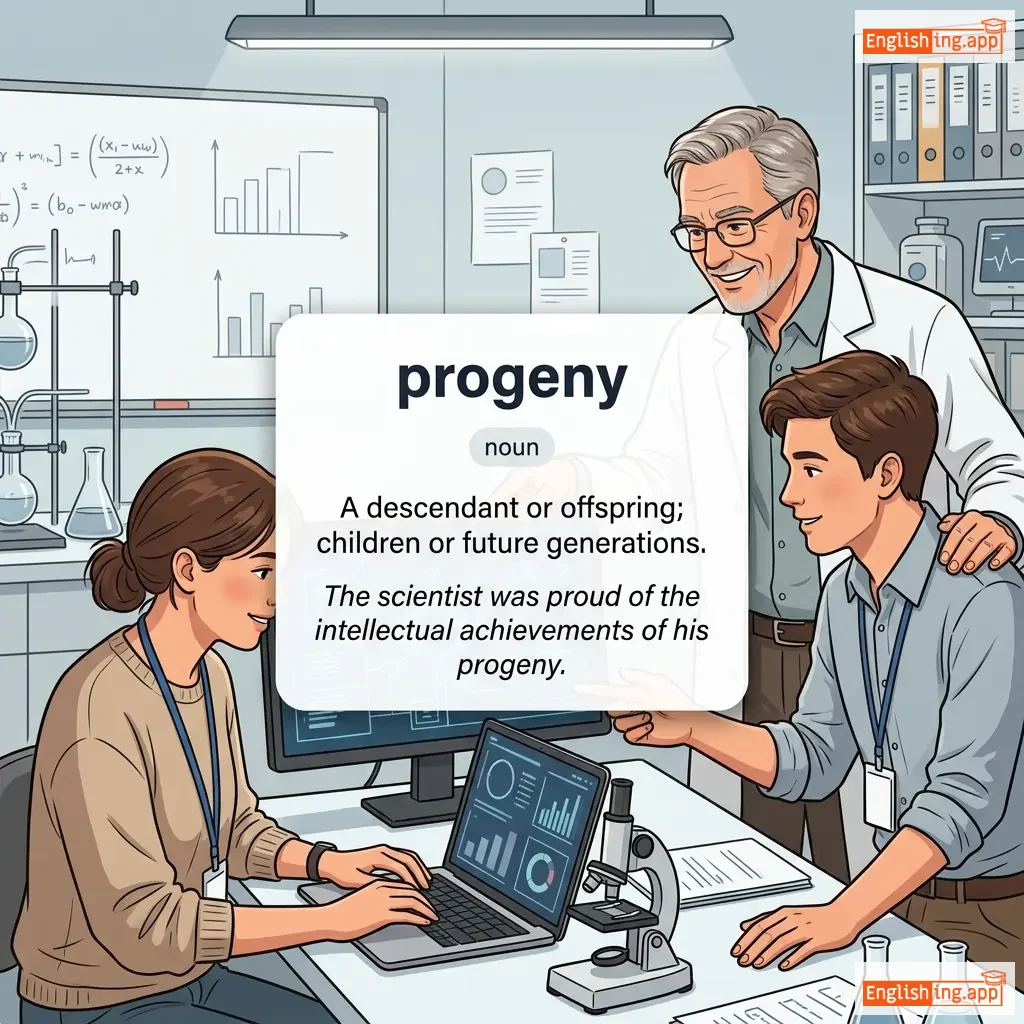
A descendant or offspring; children or future generations.
••••••
|
The scientist was proud of the intellectual achievements of his progeny. |
科学者は自分の子孫の知的業績に誇りを持っていました。
Kagakusha wa jibun no shison no chiteki gyōseki ni hokori o motte imashita.
••••••
|
- •••••• | - •••••• | - •••••• |
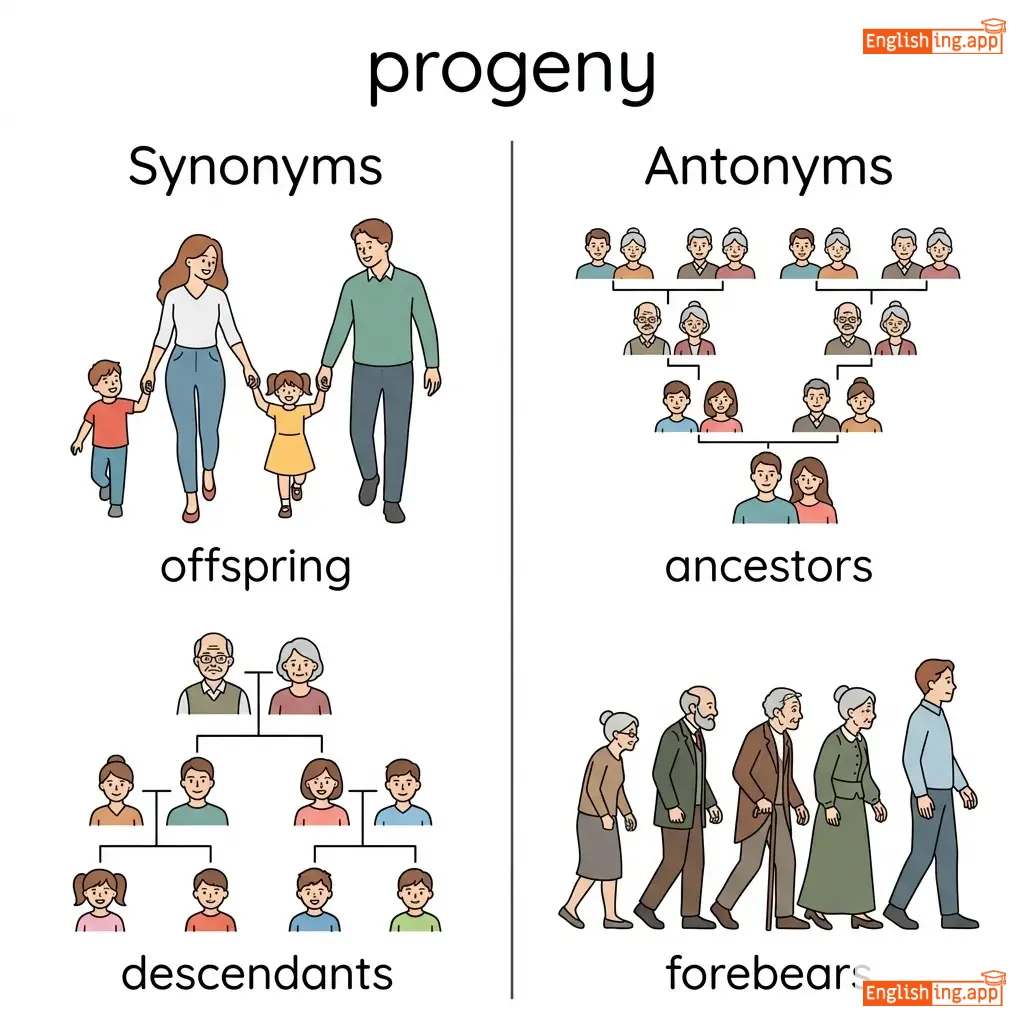
offspring, descendants, children, heirs, posterity
••••••
|
ancestors, forebears
••••••
|
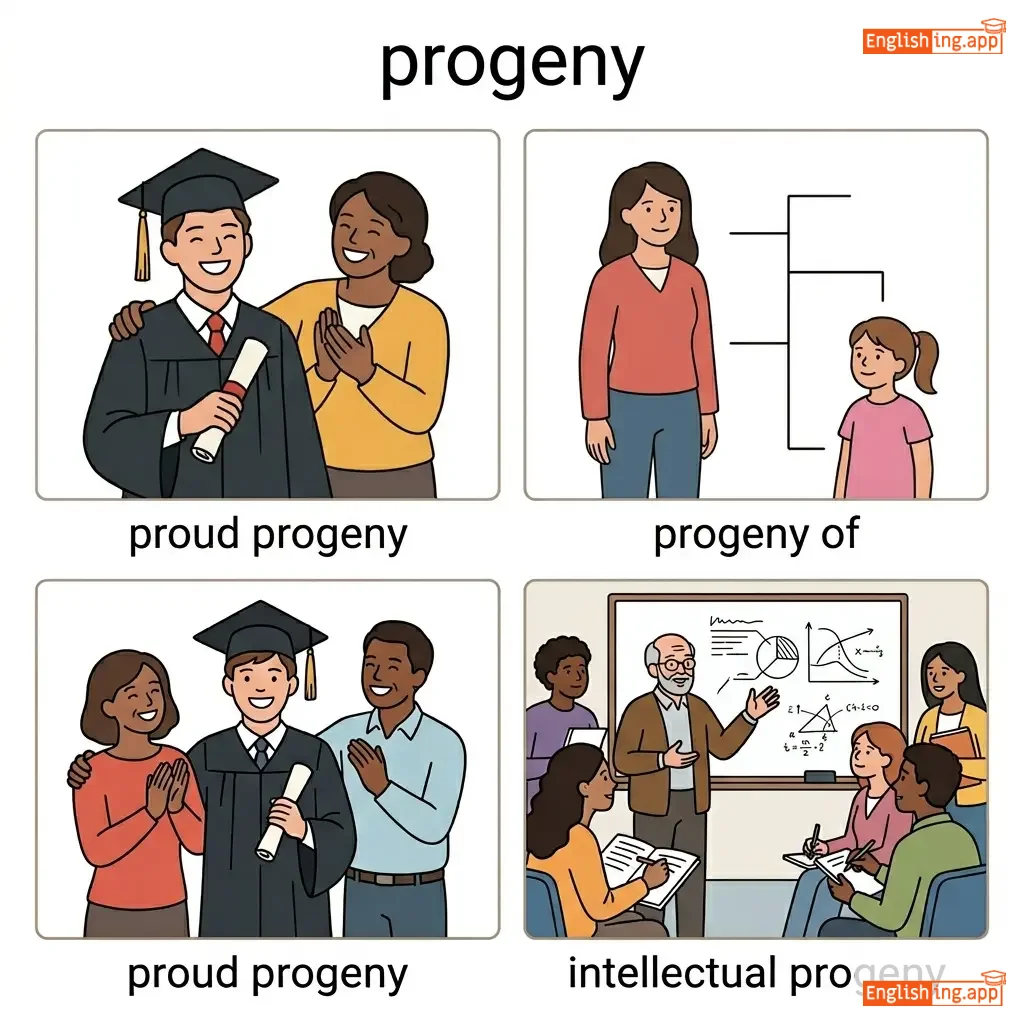
progeny of, proud progeny, intellectual progeny, biological progeny
••••••
|
ProGENYは未来の世代である子孫を意味します。
••••••
|
|
#7016
🌱
|
/proʊˈdʒɛnɪtər/
noun
(プロジェネイター)
••••••
|
- •••••• |
先祖
senzo
••••••
|
- •••••• | - •••••• | - •••••• | - •••••• |
a direct ancestor; a person or thing that originates something
••••••
|
Researchers traced the custom back to a common progenitor. |
研究者たちはその習慣が共通の先祖に遡ることを追跡しました。
Kenkyū-sha-tachi wa sono shūkan ga kyōtsū no senzo ni sakanoboru koto o tsuiseki shimashita.
••••••
|
- •••••• | - •••••• | - •••••• |
ancestor, forebear, originator, founder, precursor
••••••
|
descendant, follower
••••••
|
common progenitor, cultural progenitor, biological progenitor, progenitor cell
••••••
|
pro + generator → 始まりの人—先祖がprogenitorであることを覚えておく!
••••••
|
|
#7017
🌼
|
/prəˈfjuːʒən/
noun
(プロフュージョン)
••••••
|
- •••••• |
豊富
hōfu
••••••
|
- •••••• | - •••••• | - •••••• | - •••••• |
an abundance or large quantity of something
••••••
|
Spring brought a profusion of wildflowers to the valley. |
春は谷に野生の花の豊富さをもたらした。
Haru wa tani ni yasei no hana no hōfusa o motarashita.
••••••
|
- •••••• | - •••••• | - •••••• |
abundance, plenty, wealth, cornucopia, plethora
••••••
|
scarcity, dearth, shortage
••••••
|
a profusion of, profusion of colors, in profusion, floral profusion
••••••
|
pro + fusion = 物が集まって豊富な状態に!
••••••
|
|
#7018
🌧️
|
/prəˈfjuːs/
adjective
(プロフューズ)
••••••
|
- •••••• |
豊富な
hōfuna
••••••
|
- •••••• | - •••••• | - •••••• | - •••••• |
existing or given in large amounts; abundant
••••••
|
He offered profuse thanks for their timely help. |
彼は時間通りに助けてくれたことに豊富な感謝を示しました。
Kare wa jikan dōri ni tasukete kureta koto ni hōfuna kansha o shimeshimashita.
••••••
|
- •••••• | - •••••• | - •••••• |
abundant, lavish, copious, plentiful, exuberant
••••••
|
scarce, sparse, meager
••••••
|
profuse thanks, profuse bleeding, profuse apologies, profuse growth
••••••
|
豊富な = 大洪水のような感謝!
••••••
|
|
#7019
📚
|
/prəˈfʌndɪti/
noun
(purofanditi)
••••••
|
|
深さ
fukasa
••••••
|
- •••••• | - •••••• | - •••••• | - •••••• |
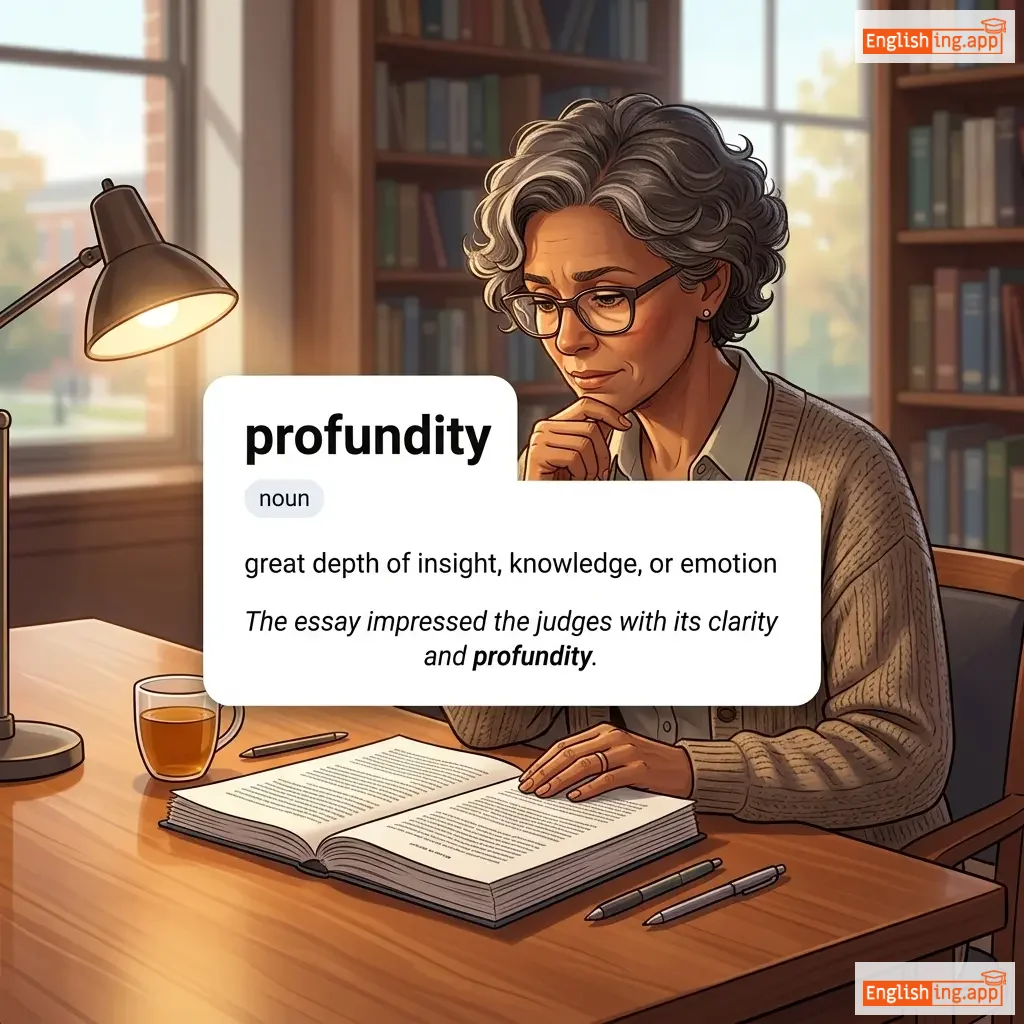
great depth of insight, knowledge, or emotion
••••••
|
The essay impressed the judges with its clarity and profundity. |
そのエッセイは明快さと深さで審査員を感動させた。
Sono essei wa meikaisa to fukasa de shinsain o kandō saseta.
••••••
|
- •••••• | - •••••• | - •••••• |
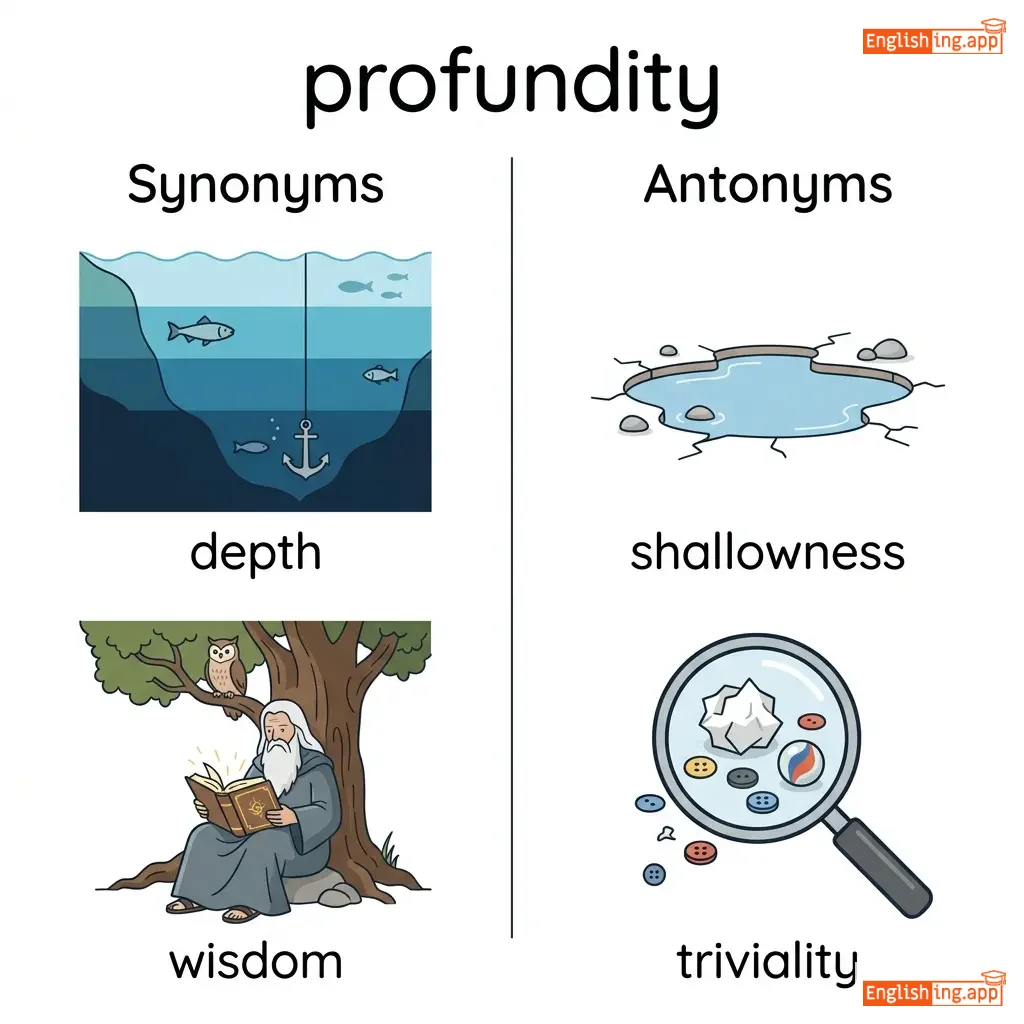
depth, wisdom, insight, sagacity, thoughtfulness
••••••
|
shallowness, triviality, simplicity
••••••
|
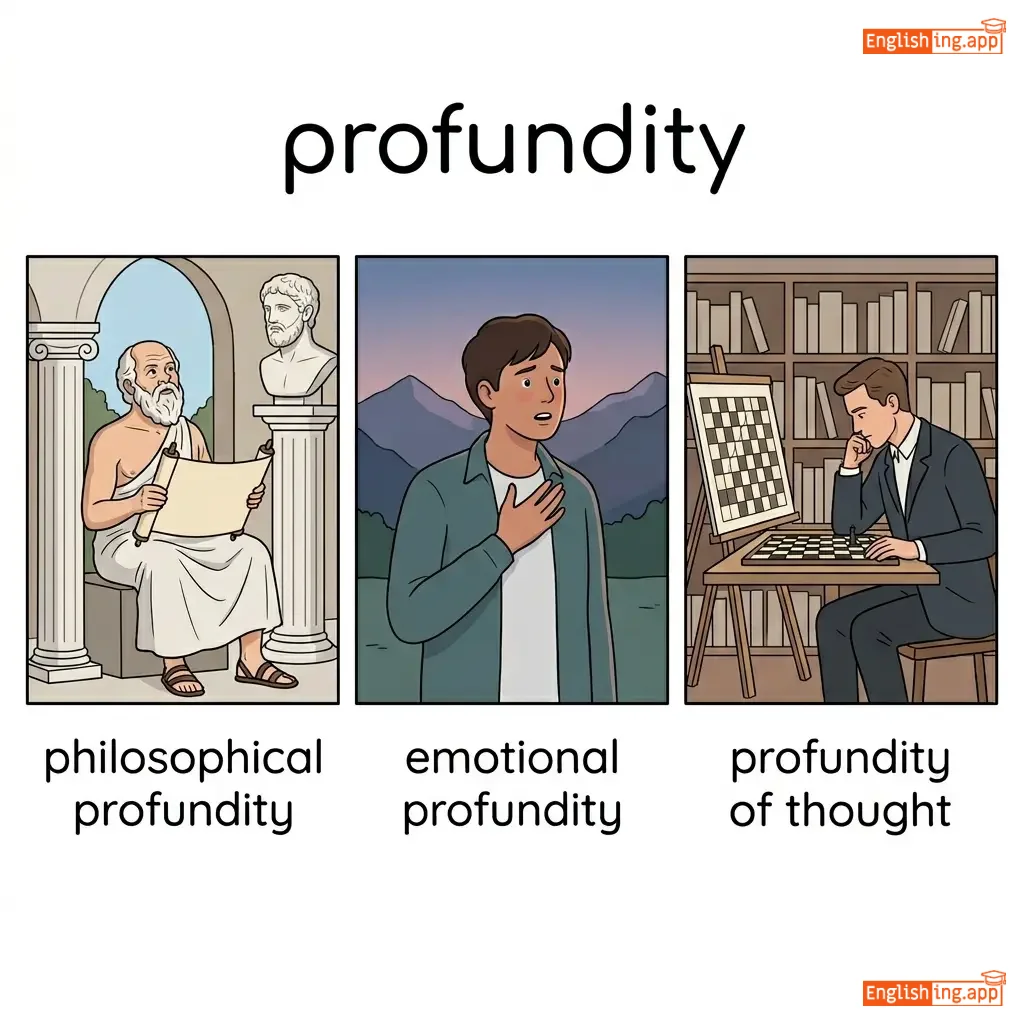
philosophical profundity, emotional profundity, profundity of thought, literary profundity
••••••
|
pro + fund = 知識のfundが深いほど、それが深さです
••••••
|
Vocabulary Quiz
Test your vocabulary by matching words with their translations or meanings.
Login to take the quiz
Comments (0)
Share your thoughts and join the discussion.
Join the discussion by logging in
Login to CommentNo comments yet
Be the first to share your thoughts!