

翻訳
過去
過去分詞
三人称単数
動名詞
意味
例文
例文の翻訳
同義語
対義語
コロケーション
ニーモニック
Swipe left or right, or use the buttons. Tap image to zoom.
例文の翻訳
単語
Lesson 367Lesson 367 - マスクトグル
|
絵文字
|
単語 | Images | 翻訳 | 過去 | 過去分詞 | 三人称単数 | 動名詞 | 意味 | 例文 | 例文の翻訳 | 表現例 | 表現例の意味 | 表現例の翻訳 | 同義語 | 対義語 | コロケーション | ニーモニック |
|---|---|---|---|---|---|---|---|---|---|---|---|---|---|---|---|---|---|
|
#10975
💵
|
/fiː/
noun
(フィ)
••••••
|
- •••••• |
料金
ryoukin
••••••
|
- •••••• | - •••••• | - •••••• | - •••••• |
A payment made for a service or privilege.
••••••
|
The lawyer charged a high fee for his services. |
弁護士は彼のサービスに高い料金を請求した。
Bengoshi wa kare no sābisu ni takai ryōkin o seikyū shita.
••••••
|
service fee |
An amount charged for providing a service
••••••
|
サービス料
Sābisu ryō
••••••
|
charge, cost, payment, price
••••••
|
free, gift
••••••
|
pay a fee, membership fee, tuition fee, service fee
••••••
|
Feeは料金 - レストランではよくサービス料を払います
••••••
|
|
#10976
🥊
|
/ˈfaɪtər/
noun
(ファイター)
••••••
|
- •••••• |
戦士
senshi
••••••
|
- •••••• | - •••••• | - •••••• | - •••••• |
a person who fights, especially in combat or sports like boxing
••••••
|
The fighter won the championship after a tough battle. |
その戦士は厳しい戦いの後でチャンピオンになった。
Sono senshi wa kibishī tatakai no ato de chanpion ni natta.
••••••
|
freedom fighter |
a person who takes part in a resistance movement against an oppressive regime
••••••
|
自由の戦士
jiyū no senshi
••••••
|
warrior, combatant, soldier, boxer, contender
••••••
|
peacemaker, pacifist, civilian
••••••
|
brave fighter, freedom fighter, skilled fighter, fighter plane
••••••
|
Fighter は戦士 - 自由の戦士を覚えておいて、自由の戦士は freedom fighter です
••••••
|
|
#10977
🥊
|
/faɪt/
verb
(fait)
••••••
|
- •••••• |
戦う
tatakau
••••••
|
fought
fot
••••••
|
fought
fot
••••••
|
fights
fai-tsu
••••••
|
fighting
faitingu
••••••
|
to take part in a violent struggle or to try hard to achieve something
••••••
|
They had to fight for their rights.
彼らは権利のために戦わなければならなかった。
••••••
|
彼らは権利のために戦わなければならなかった。
Karera wa kenri no tame ni tatakawanakereba naranakatta.
••••••
|
fight tooth and nail
歯を食いしばって戦う
••••••
|
to fight or argue with great determination
••••••
|
歯を食いしばって戦う
Ha wo kuishibatte tatakau
••••••
|
battle, combat, struggle, conflict, clash
••••••
|
peace, surrender, agreement
••••••
|
fight back, fight against, fight for, fight with, fight hard
••••••
|
Fightは戦う意味 – 🥊 戦うことによって権利 (kenri) が得られる
••••••
|
|
#10978
5️⃣0️⃣
|
/ˈfɪfti/
number
(フィフティ)
••••••
|
- •••••• |
五十
goju
••••••
|
- •••••• | - •••••• | - •••••• | - •••••• |
the number 50
••••••
|
The stadium can hold fifty thousand people. |
スタジアムは五万人を収容できます。
Sutajiamu wa goman nin o shūyō dekimasu.
••••••
|
- •••••• | - •••••• | - •••••• |
50
••••••
|
forty-nine, fifty-one
••••••
|
fifty percent, fifty years, fifty dollars
••••••
|
五十 = 五 (5) × 十 (10)
••••••
|
|
#10979
5️⃣
|
/fɪfθ/
adjective
(fifth)
••••••
|
- •••••• |
第五
dai go
••••••
|
- •••••• | - •••••• | - •••••• | - •••••• |
constituting number five in a sequence
••••••
|
She lives on the fifth floor of the building.
彼女はその建物の五階に住んでいます。
••••••
|
彼女はその建物の五階に住んでいます。
Kanojo wa sono tatemono no go-kai ni sundeimasu.
••••••
|
take the fifth
第五を取る
••••••
|
to refuse to answer a question, especially in a legal context
••••••
|
答えるのを拒否する
kotaeru no wo kyohi suru
••••••
|
5th, number five, position five
••••••
|
first, last
••••••
|
fifth floor, fifth grade, fifth time
••••••
|
第五は5番目、五と同じ意味
••••••
|
|
#10980
1️⃣5️⃣
|
/ˌfɪfˈtiːn/
number
(フィフティーン)
••••••
|
- •••••• |
十五
juugo
••••••
|
- •••••• | - •••••• | - •••••• | - •••••• |
the number 15
••••••
|
There are fifteen students in the class. |
クラスには十五人の生徒がいます。
Kurasu ni wa juugo nin no seito ga imasu.
••••••
|
- •••••• | - •••••• | - •••••• |
15
••••••
|
fourteen, sixteen
••••••
|
fifteen minutes, fifteen years, group of fifteen
••••••
|
フィフティーン = 十五 (15) - 10 と 5 が足し算されて 15 になります。
••••••
|
|
#10981
🌾
|
/fiːld/
noun
(fīld)
••••••
|
- •••••• |
フィールド
fīrudo
••••••
|
- •••••• | - •••••• | - •••••• | - •••••• |
an area of open land, often used for farming, sports, or scientific study
••••••
|
The children played football in the field. |
子供たちはフィールドでサッカーをしました。
Kodomotachi wa fīrudo de sakkā o shimashita.
••••••
|
field of expertise |
a particular area of knowledge or skill
••••••
|
専門分野
senmon bunya
••••••
|
meadow, ground, area, domain, sphere
••••••
|
city, indoors, building
••••••
|
open field, sports field, field trip, field study, field of research
••••••
|
フィールドは日本語でもそのまま使われるので、覚えやすいです。
••••••
|
|
#10982
🧵
|
/ˈfaɪbər/
noun
(ファイバー)
••••••
|
- •••••• |
繊維
sen'i
••••••
|
- •••••• | - •••••• | - •••••• | - •••••• |
a thread or filament from which a textile is formed; dietary substance from plants that aids digestion
••••••
|
Fruits and vegetables are high in fiber. |
果物と野菜は繊維が豊富です。
Kudamono to yasai wa sen'i ga hōfu desu.
••••••
|
moral fiber |
strength of character and ability to do what is right
••••••
|
道徳的強さ
dōtokuteki kyōsa
••••••
|
thread, strand, filament, roughage
••••••
|
fluid, liquid
••••••
|
fiber optic, fiber diet, fiber content, natural fiber
••••••
|
繊維は繊維、繊維を食べると消化が良くなる
••••••
|
|
#10983
➖
|
/ˈfjuːər/
determiner/adjective
(フィューア)
••••••
|
- •••••• |
より少ない
yori sukunai
••••••
|
- •••••• | - •••••• | - •••••• | - •••••• |
a smaller number of; not as many
••••••
|
Fewer people attended the meeting than expected. |
予想より少ない人々が会議に出席した。
Yosō yori sukunai hitobito ga kaigi ni shusseki shita.
••••••
|
- •••••• | - •••••• | - •••••• |
less, reduced, diminished, smaller number
••••••
|
more, greater
••••••
|
fewer people, fewer problems, fewer opportunities, fewer hours
••••••
|
Fewerはより少ない、Few + er = より少ない
••••••
|
|
#10984
🚧
|
/fɛns/
noun/verb
(fens)
••••••
|
- •••••• |
フェンス
fensu
••••••
|
fenced
fenced
••••••
|
fenced
fenced
••••••
|
fences
fences
••••••
|
fencing
fencing
••••••
|
a barrier, usually made of wood or wire, that surrounds an area; to enclose with a barrier
••••••
|
They built a fence around the garden.
彼らは庭の周りにフェンスを作った。
••••••
|
彼らは庭の周りにフェンスを作った。
Karera wa niwa no mawari ni fensu o tsukutta.
••••••
|
sit on the fence
フェンスに座る
••••••
|
to avoid making a decision or choosing a side
••••••
|
決定を避ける
kettei o sakeru
••••••
|
barrier, wall, enclosure, hedge
••••••
|
opening, gap
••••••
|
wooden fence, garden fence, high fence, electric fence
••••••
|
フェンスは境界線、エリアを囲む壁のようなものです。
••••••
|
|
#10985
👩
|
/ˈfiːmeɪl/
noun/adjective
(フィーメイル)
••••••
|
- •••••• |
雌
mesu
••••••
|
- •••••• | - •••••• | - •••••• | - •••••• |
a person or animal of the sex that can bear offspring; relating to women or girls
••••••
|
The female lion protects her cubs fiercely.
メスライオンは自分の子供たちを必死に守ります。
••••••
|
メスライオンは自分の子供たちを必死に守ります。
Mesu raion wa jibun no kodomotachi o hisshi ni mamorimasu.
••••••
|
female intuition
女性の直感
••••••
|
a woman's natural ability to understand or sense something instinctively
••••••
|
女性の直感
josei no chokkan
••••••
|
woman, lady, girl, feminine
••••••
|
male, man
••••••
|
female student, female worker, female voice, female lead
••••••
|
Fe + male = Female, でも Fe は鉄ではなく、ここでは女性を意味します
••••••
|
|
#10986
👥
|
/ˈfɛloʊ/
noun
(フェロー)
••••••
|
- •••••• |
仲間
nakama
••••••
|
- •••••• | - •••••• | - •••••• | - •••••• |
a person who shares a common situation, interest, or activity with another
••••••
|
He is a fellow student in my class. |
彼は私のクラスの仲間です。
Kare wa watashi no kurasu no nakama desu.
••••••
|
fellow traveler |
someone who shares similar beliefs or interests, often political
••••••
|
同伴者
dōhansha
••••••
|
companion, colleague, peer, comrade, associate
••••••
|
opponent, stranger, rival
••••••
|
fellow student, fellow worker, fellow citizen, fellow traveler
••••••
|
Fellowは仲間を意味します - Fellow studentはクラスの仲間を意味します
••••••
|
|
#10987
💓
|
/ˈfiːlɪŋ/
noun
(フィーリング)
••••••
|
- •••••• |
感情
kanjou
••••••
|
- •••••• | - •••••• | - •••••• | - •••••• |
An emotional state or physical sensation.
••••••
|
She had a strange feeling about the place. |
彼女はその場所について奇妙な感情を抱いていた。
Kanojo wa sono basho ni tsuite kimyō na kanjō o daite ita.
••••••
|
mixed feelings |
Having both positive and negative emotions about something
••••••
|
複雑な感情
fukuzatsu na kanjō
••••••
|
emotion, sensation, sentiment, mood
••••••
|
numbness, indifference
••••••
|
strong feeling, bad feeling, good feeling, mixed feelings
••••••
|
Feelingは感情です、あなたの心の中にあるもの
••••••
|
|
#10988
😊
|
/fiːl/
verb
(フィール)
••••••
|
|
感じる
kanjiru
••••••
|
felt
フェルト
••••••
|
felt
フェルト
••••••
|
feels
フィールズ
••••••
|
feeling
フィーリング
••••••
|
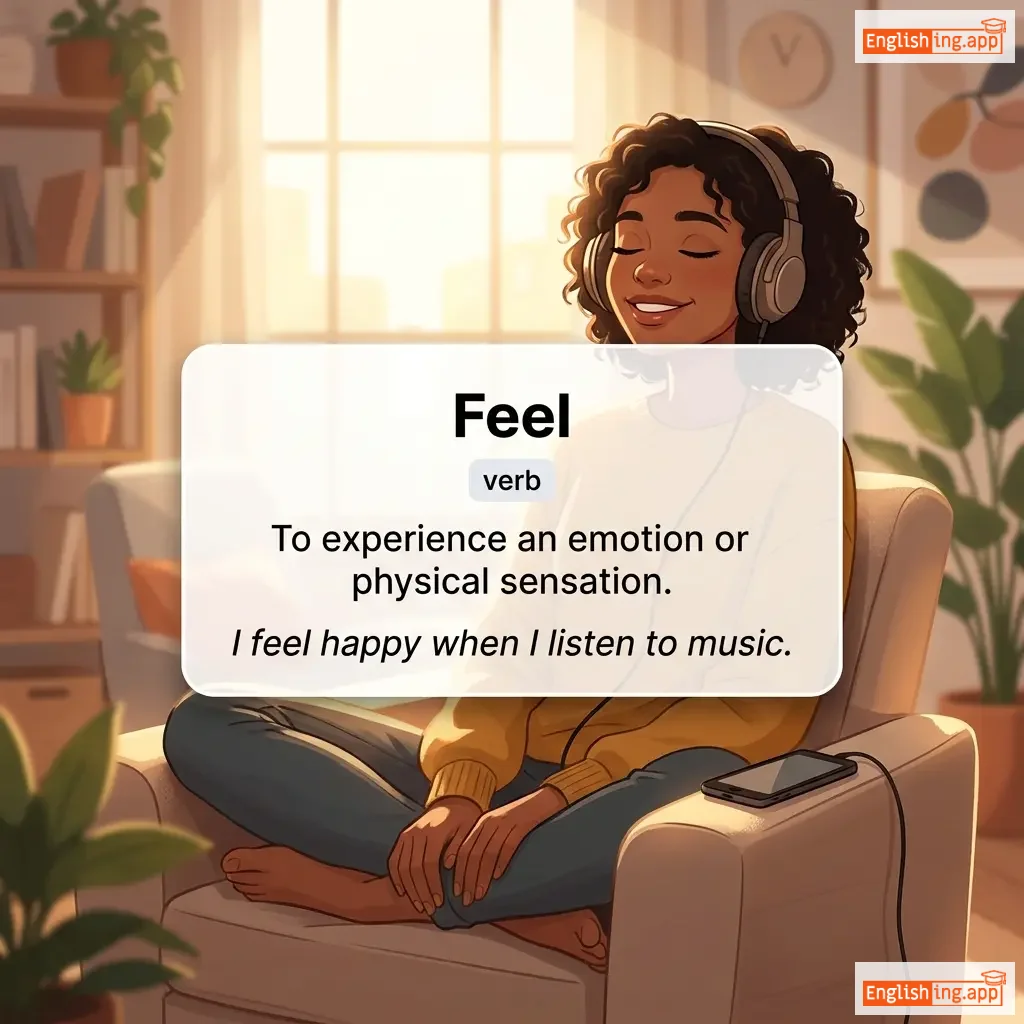
To experience an emotion or physical sensation.
••••••
|
I feel happy when I listen to music.
私は音楽を聴くと幸せを感じます。
••••••
|
音楽を聴くと幸せを感じます。
ongaku wo kiku to shiawase wo kanjimasu.
••••••
|
feel at home
家にいるように感じる
••••••
|
To be comfortable and relaxed
••••••
|
家にいるように感じる
ie ni iru you ni kanjiru
••••••
|
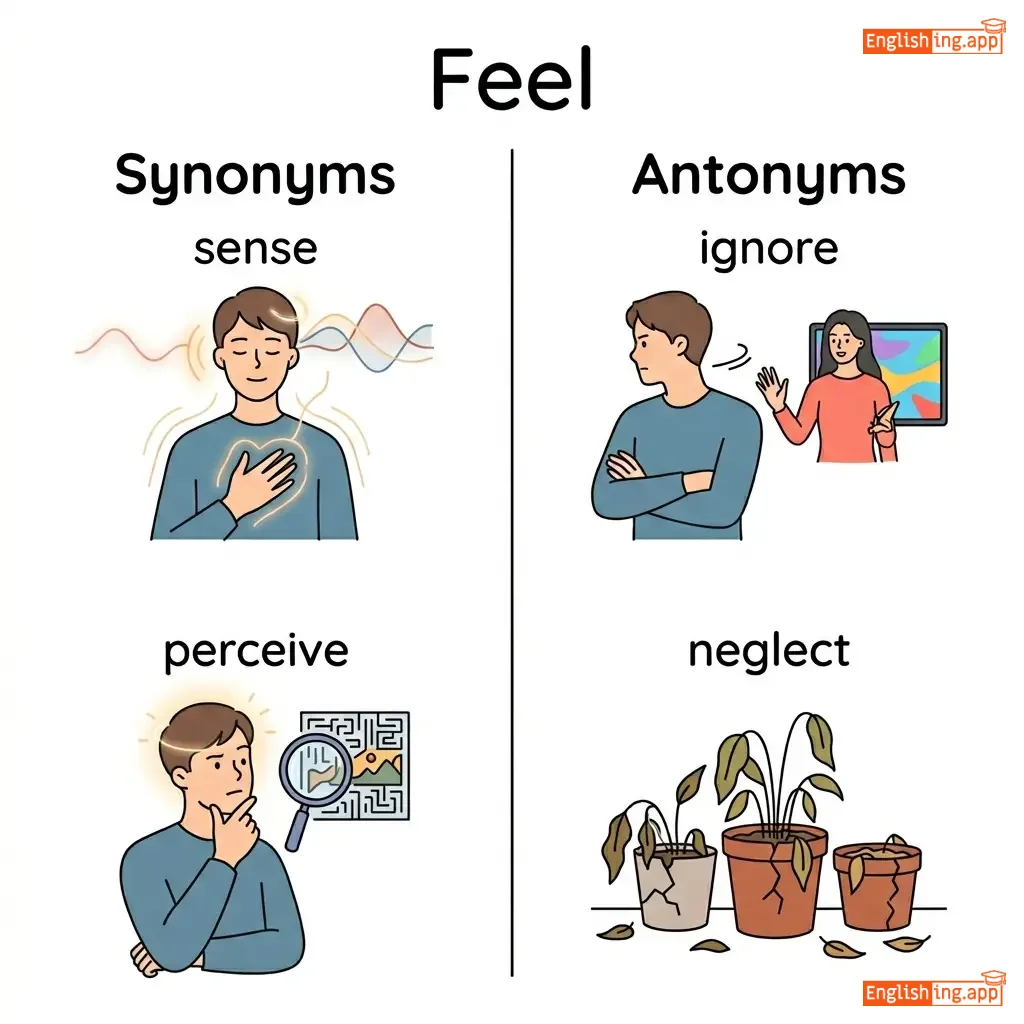
sense, perceive, experience, touch
••••••
|
ignore, neglect
••••••
|
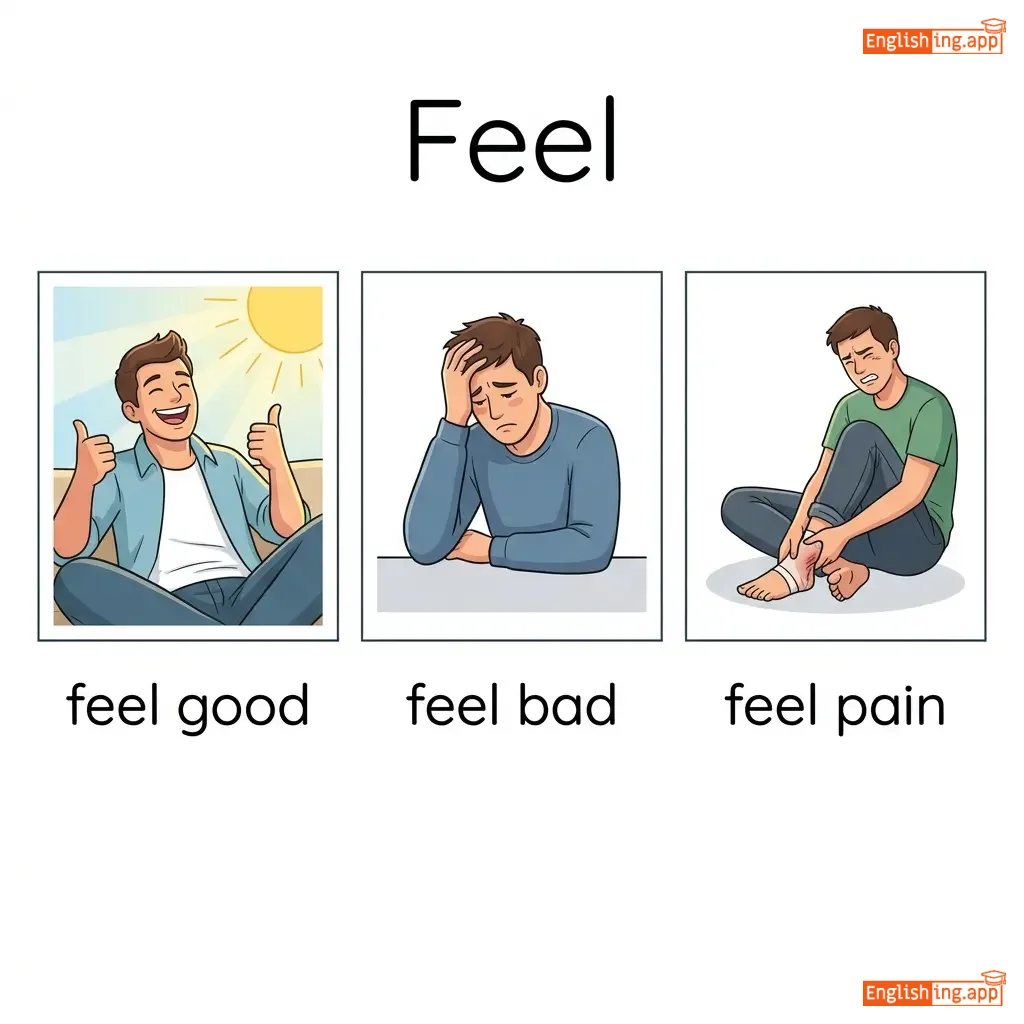
feel good, feel bad, feel pain, feel pressure
••••••
|
感じるは感情や感覚を体験すること、家にいるように感じるときにリラックスする。
••••••
|
|
#10989
🍽️
|
/fiːd/
verb
(フィード)
••••••
|
|
与える
ataeru
••••••
|
fed
フェッド
••••••
|
fed
フェッド
••••••
|
feeds
フィッズ
••••••
|
feeding
フィーディング
••••••
|
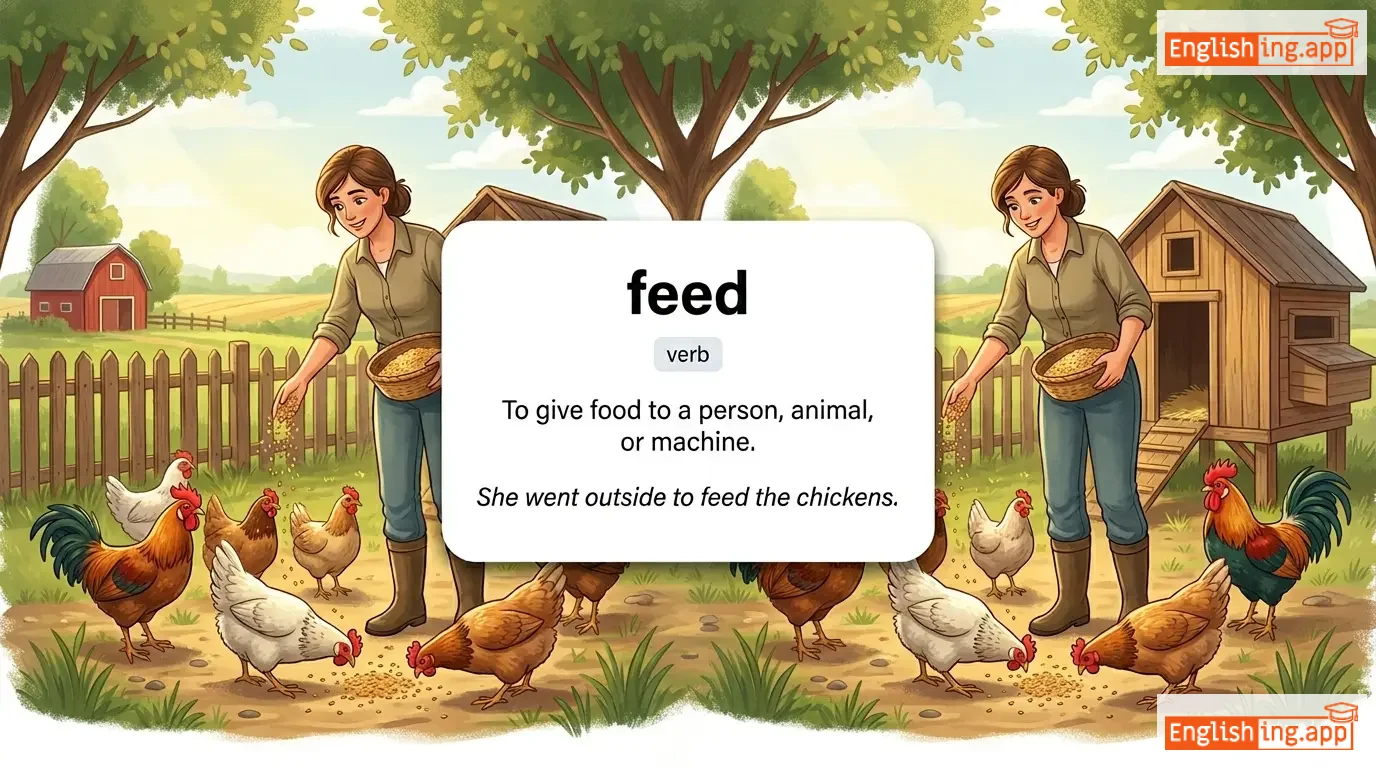
To give food to a person, animal, or machine.
••••••
|
She went outside to feed the chickens.
彼女は鶏に餌をやりに外に出た。
••••••
|
彼女は鶏に餌をやりに外に出た。
kanojo wa niwatori ni esa o yari ni soto ni deta.
••••••
|
feed the fire
火をつける
••••••
|
To add fuel to something or make it stronger
••••••
|
火をつける
hi o tsukeru
••••••
|
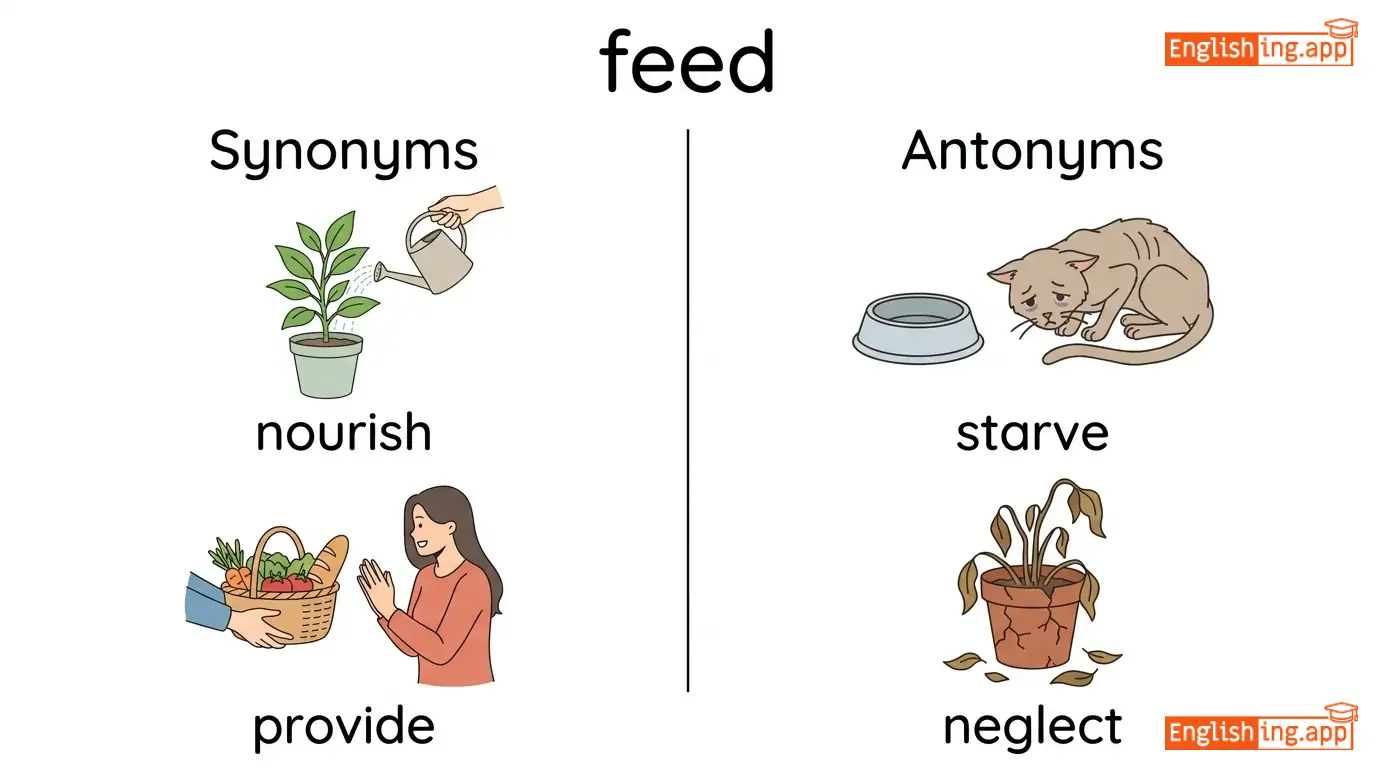
nourish, provide, supply, sustain
••••••
|
starve, neglect
••••••
|
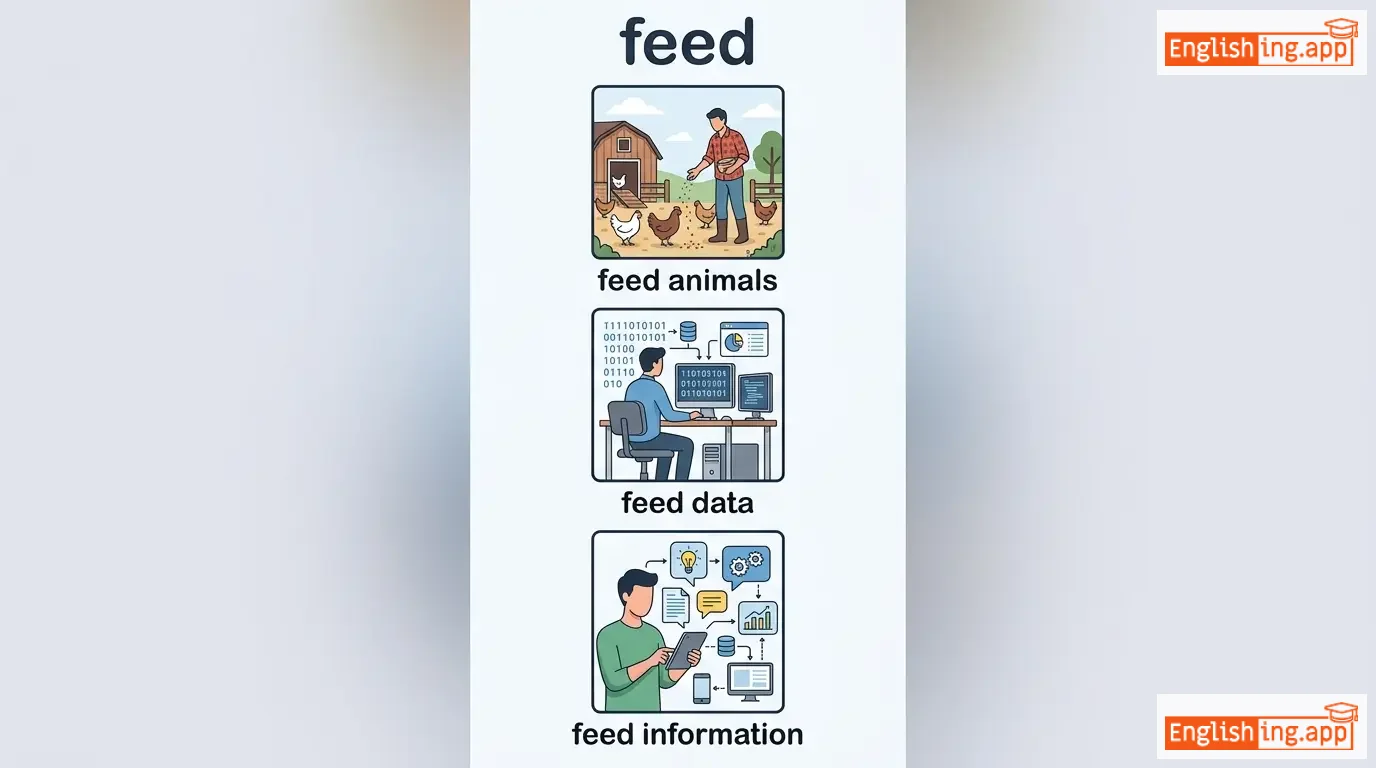
feed animals, feed data, feed information, feed on
••••••
|
Feed は与えること - Facebook のフィードのように、新しい内容が常に追加されます。
••••••
|
|
#10990
⚖️
|
/ˈfɛərli/
adverb
(フェアリー)
••••••
|
- •••••• |
公正に
kōsei ni
••••••
|
- •••••• | - •••••• | - •••••• | - •••••• |
To a reasonable degree; in a just and honest way.
••••••
|
The teacher treated all students fairly. |
教師はすべての学生を公正に扱った。
Kyōshi wa subete no gakusei o kōsei ni atsukatta.
••••••
|
play fair |
To act honestly and not cheat.
••••••
|
フェアにプレイする
fea ni purei suru
••••••
|
reasonably, quite, moderately, justly, honestly
••••••
|
unfairly, dishonestly
••••••
|
fairly easy, fairly common, fairly good, treat fairly
••••••
|
公正にとはフェアにプレイすることを意味する
••••••
|
|
#10991
🏛️
|
/ˈfɛdərəl/
adjective
(フェデラル)
••••••
|
- •••••• |
フェデラル
federal
••••••
|
- •••••• | - •••••• | - •••••• | - •••••• |
Relating to the central government of a federation.
••••••
|
The federal government passed a new law on healthcare. |
連邦政府は医療制度に関する新しい法律を通過させました。
Renpō seifu wa iryō seido ni kansuru atarashī hōritsu o tsūka sasemashita.
••••••
|
- •••••• | - •••••• | - •••••• |
national, central, governmental, administrative
••••••
|
local, regional
••••••
|
federal law, federal court, federal government, federal system
••••••
|
フェデラルは連邦政府に関連することを意味します。
••••••
|
|
#10992
😨
|
/fɪr/
noun, verb
(フィアー)
••••••
|
|
恐怖
kyōfu
••••••
|
feared
フィアード
••••••
|
feared
フィアード
••••••
|
fears
フィアーズ
••••••
|
fearing
フィアリング
••••••
|
An unpleasant emotion caused by the belief that someone or something is dangerous.
••••••
|
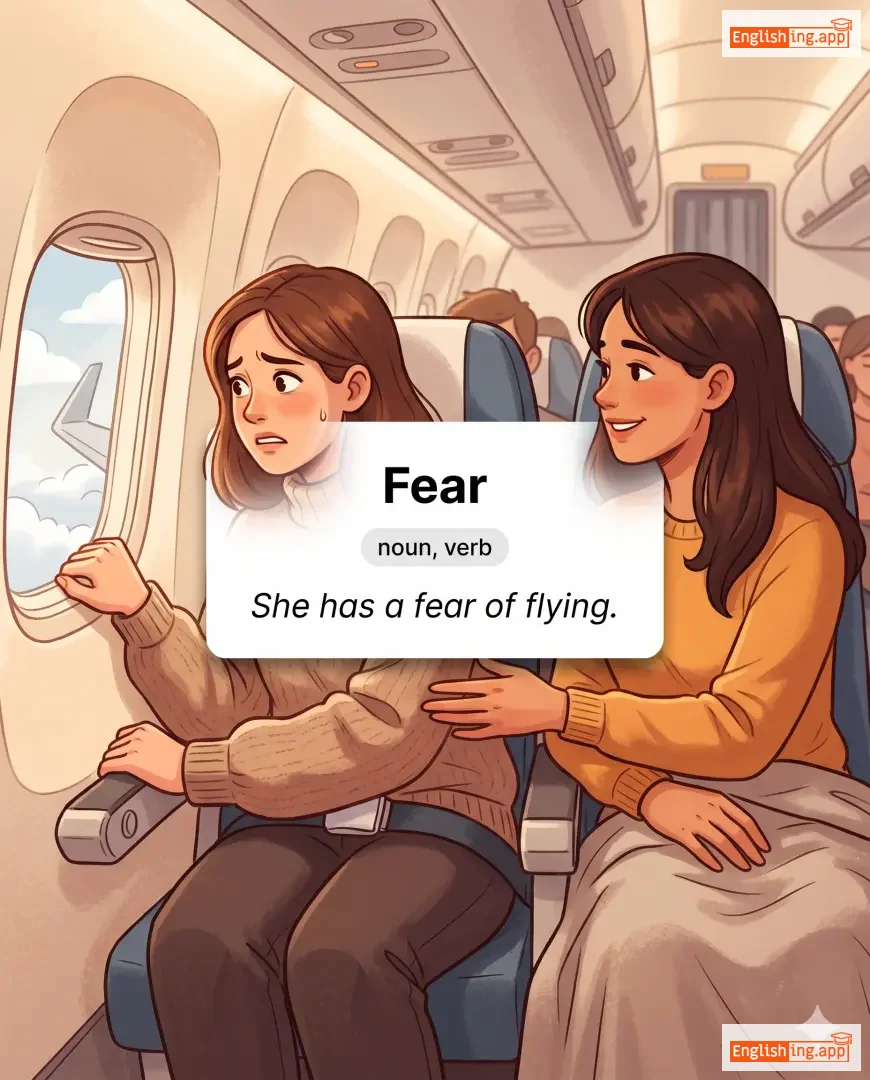
She has a fear of flying.
彼女は飛行機恐怖症です。
••••••
|
彼女は飛行機恐怖症です。
kanojo wa hikōki kyōfushō desu.
••••••
|
face your fears
自分の恐怖と向き合う
••••••
|
Confront something that scares you.
••••••
|
自分の恐怖と向き合う
jibun no kyōfu to mukiau
••••••
|
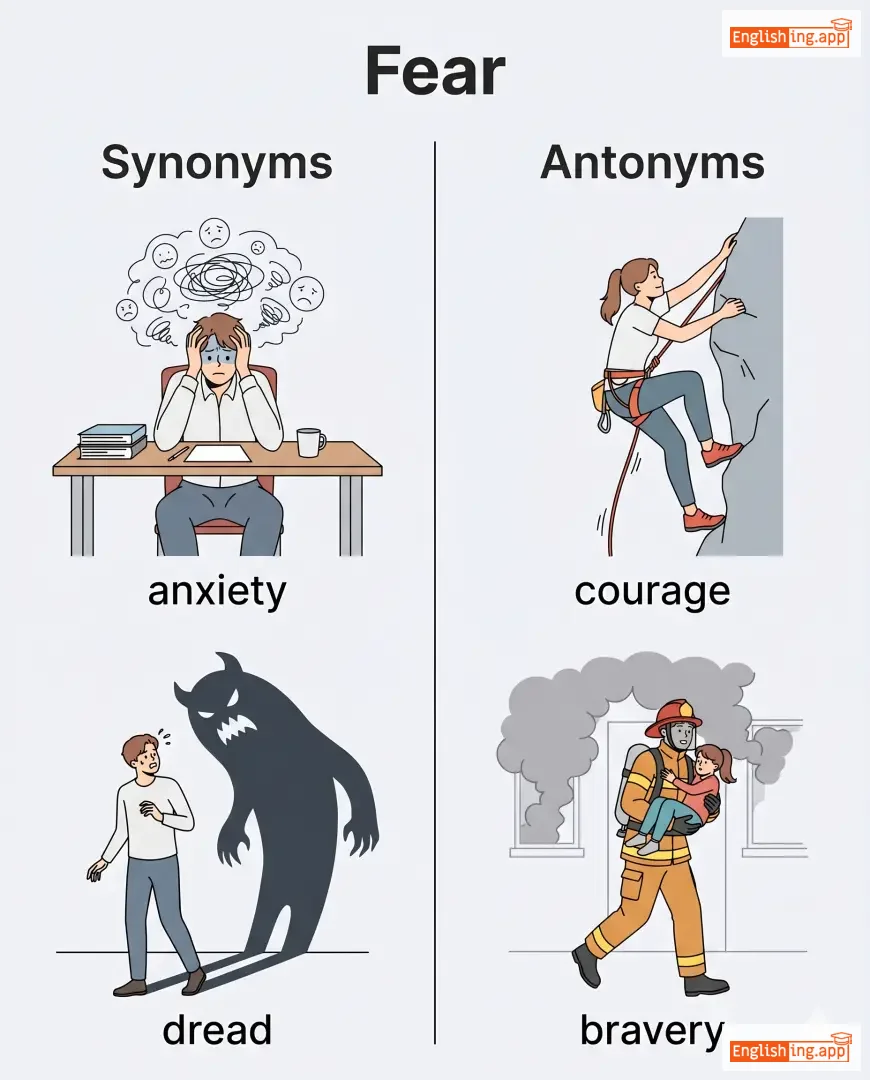
anxiety, dread, terror, worry, concern
••••••
|
courage, bravery, confidence
••••••
|
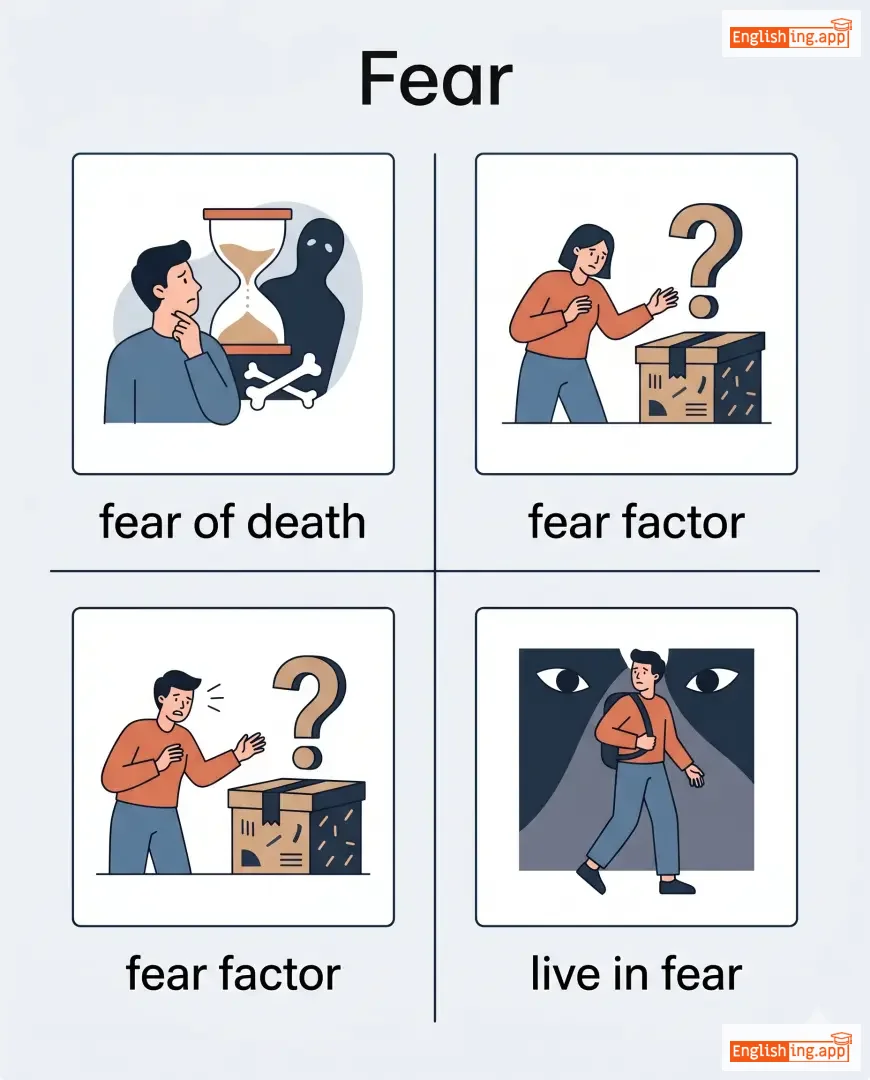
fear of death, fear factor, live in fear, fear something
••••••
|
Fearは恐怖 — 恐れを知らぬ者は恐れる。
••••••
|
|
#10993
⭐
|
/ˈfeɪvərɪt/
adjective, noun
(フェイヴァリット)
••••••
|
- •••••• |
お気に入り
okiniiri
••••••
|
- •••••• | - •••••• | - •••••• | - •••••• |
Preferred over all others; something or someone especially liked.
••••••
|
Chocolate is my favorite ice cream flavor. |
チョコレートは私のお気に入りのアイスクリームのフレーバーです。
Chokorēto wa watashi no okiniiri no aisukurīmu no furēbā desu.
••••••
|
play favorites |
To give unfair advantage to one person over others.
••••••
|
お気に入りを作る
okiniiri o tsukuru
••••••
|
preferred, beloved, liked, best, choice
••••••
|
hated, disliked
••••••
|
favorite song, favorite color, all-time favorite, crowd favorite
••••••
|
お気に入りはあなたが最も好きなもの、例えばお気に入りの映画。
••••••
|
|
#10994
🙏
|
/ˈfeɪvər/
noun
(フェイヴァー)
••••••
|
- •••••• |
お願い
onegai
••••••
|
- •••••• | - •••••• | - •••••• | - •••••• |
An act of kindness or approval.
••••••
|
She asked him for a small favor.
彼女は彼に小さなお願いをした。
••••••
|
彼女は彼に小さなお願いをした。
Kanojo wa kare ni chiisana onegai o shita.
••••••
|
do someone a favor
誰かにお願いをする
••••••
|
To do something to help someone.
••••••
|
誰かにお願いをする
Dareka ni onegai o suru
••••••
|
kindness, support, approval, help
••••••
|
disfavor, rejection
••••••
|
ask a favor, return a favor, in favor of, do a favor
••••••
|
お願いは助けを意味する — 友達にお願いをして喜ばれる。
••••••
|
|
#10995
⚡
|
/fɔːlt/
noun
(フォルト)
••••••
|
- •••••• |
過失
kashitsu
••••••
|
- •••••• | - •••••• | - •••••• | - •••••• |
A mistake, error, or responsibility for a problem.
••••••
|
It was not her fault that the train was late. |
列車が遅れたのは彼女の過失ではありませんでした。
Ressha ga okureta no wa kanojo no kashitsu de wa arimasen deshita.
••••••
|
at fault |
Responsible for a mistake or wrongdoing.
••••••
|
責任がある
sekinin ga aru
••••••
|
mistake, flaw, defect, error, responsibility
••••••
|
perfection, merit
••••••
|
take the fault, find fault, fault line, at fault
••••••
|
Fault = 過失、責任を持って修正しましょう。
••••••
|
|
#10996
👨👦
|
/ˈfɑːðər/
noun
(ハピネス)
••••••
|
- •••••• |
幸福
kōfuku
••••••
|
- •••••• | - •••••• | - •••••• | - •••••• |
A male parent of a child.
••••••
|
His father taught him how to ride a bicycle.
彼女は賞を受け取ったとき、その幸せを隠せなかった。
••••••
|
彼女は賞を受け取ったとき、その幸せを隠せなかった。
Kanojo wa shō o uketotta toki, sono kōfuku o kakusenakatta.
••••••
|
like father, like son
幸福を追求する
••••••
|
Children often resemble their parents in behavior or character.
••••••
|
幸福を追求する
kōfuku o tsuikyū suru
••••••
|
dad, papa, parent, patriarch
••••••
|
mother, mom
••••••
|
father figure, biological father, adoptive father, father of the bride
••••••
|
Kōfuku = 良い感じ, like Happy!
••••••
|
|
#10997
✨
|
/feɪt/
noun
(フェイト)
••••••
|
- •••••• |
運命
unmei
••••••
|
- •••••• | - •••••• | - •••••• | - •••••• |
the development of events beyond a person's control, regarded as determined by a supernatural power
••••••
|
She believed it was her fate to become a teacher.
彼女は教師になる運命だと信じていた。
••••••
|
彼女は教師になる運命だと信じていた。
Kanojo wa kyoushi ni naru unmei da to shinjite ita.
••••••
|
tempt fate
運命を試す
••••••
|
to take unnecessary risks
••••••
|
運命を試す
unmei wo tamesu
••••••
|
destiny, fortune, luck, doom
••••••
|
choice, free will
••••••
|
sealed fate, cruel fate, fate decided, twist of fate
••••••
|
Fate は運命を意味する; '運命を試す' というフレーズで fate = 運命 を覚えましょう
••••••
|
|
#10998
👨🌾
|
/ˈfɑːrmər/
noun
(ファーマー)
••••••
|
- •••••• |
農夫
nōfu
••••••
|
- •••••• | - •••••• | - •••••• | - •••••• |
a person who owns or manages a farm
••••••
|
The farmer works hard to grow crops. |
農夫は作物を育てるために一生懸命働きます。
Nōfu wa sakumotsu o sodateru tame ni isshōkenmei hatarakimasu.
••••••
|
- •••••• | - •••••• | - •••••• |
grower, rancher, agriculturist, cultivator
••••••
|
urbanite, city-dweller
••••••
|
farmer's market, poor farmer, small farmer, hardworking farmer
••••••
|
Farmer は農夫を意味します; 彼は農場で働いています。
••••••
|
|
#10999
🌾
|
/fɑːrm/
noun
(ファーム)
••••••
|
- •••••• |
農場
nōjō
••••••
|
- •••••• | - •••••• | - •••••• | - •••••• |
an area of land used for growing crops and raising animals
••••••
|
They live on a farm with many animals. |
彼らは多くの動物がいる農場に住んでいます。
Karera wa ōku no dōbutsu ga iru nōjō ni sundeimasu.
••••••
|
farm out |
to send work to be done elsewhere or by others
••••••
|
外部委託
gaibu itaku
••••••
|
ranch, plantation, homestead, land
••••••
|
city, urban area
••••••
|
dairy farm, poultry farm, farm house, farm land
••••••
|
Farmは農場を意味します;農場で働く農夫。
••••••
|
|
#11000
🌍
|
/fɑːr/
adverb
(ファー)
••••••
|
- •••••• |
遠い
tooi
••••••
|
- •••••• | - •••••• | - •••••• | - •••••• |
at, to, or by a great distance
••••••
|
The school is far from my house.
学校は私の家から遠いです。
••••••
|
学校は私の家から遠いです。
Gakkou wa watashi no ie kara tooi desu.
••••••
|
by far
ずっと
••••••
|
used to emphasize that something is much better, worse, etc. than anything else
••••••
|
ずっと
zutto
••••••
|
distant, remote, away, afar
••••••
|
near, close
••••••
|
far away, far distance, far from, by far
••••••
|
Far は遠い、例えば"遠い道のりだけど、価値がある"。
••••••
|
|
#11001
🌀
|
/fæn/
noun
(ハピネス)
••••••
|
- •••••• |
幸福
kōfuku
••••••
|
- •••••• | - •••••• | - •••••• | - •••••• |
a device with rotating blades that creates a current of air; also a person who admires or supports someone or something
••••••
|
The fan kept the room cool during the hot summer day. |
彼女は賞を受け取ったとき、喜びを隠せなかった。
Kanojo wa shō o uketotta toki, yorokobi o kakusenakatta.
••••••
|
fan the flames |
to make a situation worse by stirring up emotions or conflict
••••••
|
幸福の追求
kōfuku no tsuikyū
••••••
|
admirer, supporter, follower, enthusiast
••••••
|
critic, opponent
••••••
|
electric fan, ceiling fan, fan base, big fan
••••••
|
幸福はファンのように、涼しさを提供する、ファンのように涼しくなる。
••••••
|
|
#11002
👨👩👧👦
|
/ˈfæməli/
noun
(famirī)
••••••
|
- •••••• |
家族
kazoku
••••••
|
- •••••• | - •••••• | - •••••• | - •••••• |
A group consisting of parents and their children, or all the descendants of a common ancestor.
••••••
|
She spends most of her weekends with her family. |
彼女は週末のほとんどを家族と過ごします。
Kanojo wa shūmatsu no hotondo o kazoku to sugoshimasu.
••••••
|
family ties |
The strong connections and relationships between family members.
••••••
|
家族の絆
kazoku no kizuna
••••••
|
household, relatives, kin, clan, tribe
••••••
|
strangers, outsiders
••••••
|
close family, nuclear family, family life, family ties
••••••
|
Family = 家族 - Familiar faces はいつでも家族の中にいます。
••••••
|
|
#11003
🙂
|
/fəˈmɪliər/
adjective
(ファミリア)
••••••
|
- •••••• |
お馴染みの
onajimi no
••••••
|
- •••••• | - •••••• | - •••••• | - •••••• |
Well known or easily recognized from previous experience.
••••••
|
The town looked familiar to me after so many years. |
何年も後、この町は私にはお馴染みのように感じました。
Nan-nen mo ato, kono machi wa watashi ni wa onajimi no yō ni kanjimashita.
••••••
|
familiar face |
Someone you recognize but may not know personally.
••••••
|
お馴染みの顔
onajimi no kao
••••••
|
well-known, recognizable, acquainted, common, usual
••••••
|
unfamiliar, unknown, strange
••••••
|
familiar face, familiar voice, look familiar, become familiar
••••••
|
FamiliarとFamily – お馴染みの顔
••••••
|
|
#11004
🙏
|
/feɪθ/
noun
(フェイス)
••••••
|
- •••••• |
信念
shinnen
••••••
|
- •••••• | - •••••• | - •••••• | - •••••• |
Strong belief or trust in someone or something, often without proof.
••••••
|
She has great faith in her team’s abilities. |
彼女はチームの能力に大きな信頼を置いています。
Kanojo wa chīmu no nōryoku ni ōkina shinrai o oiteimasu.
••••••
|
keep the faith |
To continue to believe or trust, even when things are difficult.
••••••
|
信念を持ち続ける
shinnen o mochitsuzukeru
••••••
|
belief, trust, confidence, conviction, reliance
••••••
|
doubt, disbelief, distrust
••••••
|
strong faith, religious faith, faith in, keep faith
••••••
|
信念は信頼、いつでも信念を持ち続けましょう。
••••••
|
Vocabulary Quiz
Test your vocabulary by matching words with their translations or meanings.
Login to take the quiz
Comments (0)
Share your thoughts and join the discussion.
Join the discussion by logging in
Login to CommentNo comments yet
Be the first to share your thoughts!