

翻訳
過去
過去分詞
三人称単数
動名詞
意味
例文
例文の翻訳
同義語
対義語
コロケーション
ニーモニック
Swipe left or right, or use the buttons. Tap image to zoom.
例文の翻訳
単語
Lesson 308Lesson 308 - マスクトグル
|
絵文字
|
単語 | Images | 翻訳 | 過去 | 過去分詞 | 三人称単数 | 動名詞 | 意味 | 例文 | 例文の翻訳 | 表現例 | 表現例の意味 | 表現例の翻訳 | 同義語 | 対義語 | コロケーション | ニーモニック |
|---|---|---|---|---|---|---|---|---|---|---|---|---|---|---|---|---|---|
|
#9210
🌫️
|
/veɪɡ/
adjective
(ベイグ)
••••••
|
- •••••• |
曖昧
aimai
••••••
|
- •••••• | - •••••• | - •••••• | - •••••• |
Not clearly expressed, known, described, or decided.
••••••
|
Her explanation was so vague that nobody understood the plan. |
彼女の説明はあまりにも曖昧だったので、誰も計画を理解できませんでした。
Kanojo no setsumei wa amarimono aimai datta node, daremo keikaku o rikai dekimasen deshita.
••••••
|
vague idea |
An unclear or uncertain thought or notion.
••••••
|
曖昧なアイデア
aimai na aidea
••••••
|
unclear, indistinct, ambiguous, hazy, indefinite
••••••
|
clear, definite, precise
••••••
|
vague idea, vague notion, vague feeling, vague impression
••••••
|
Vagueは曖昧—ベイグ(明確でない)アイデア
••••••
|
|
#9211
🦁
|
/ˈvælərəs/
adjective
(ヴァイララス)
••••••
|
- •••••• |
勇敢な
yūkan na
••••••
|
- •••••• | - •••••• | - •••••• | - •••••• |
showing great courage and bravery
••••••
|
The valorous soldier led his troop into battle without hesitation. |
勇敢な兵士はためらうことなく部隊を戦いに導いた。
Yūkan na heishi wa tamerau koto naku butai o tatakai ni michibita.
••••••
|
- •••••• | - •••••• | - •••••• |
brave, courageous, gallant, heroic, intrepid
••••••
|
cowardly, fearful, timid
••••••
|
valorous deed, valorous act, valorous hero, valorous spirit
••••••
|
Valorousは日本語で'勇敢な'という意味です、勇敢な兵士が戦いに突き進むように。
••••••
|
|
#9212
🏅
|
/ˈvælər/
noun
(ヴェイラー)
••••••
|
- •••••• |
勇気
yūki
••••••
|
- •••••• | - •••••• | - •••••• | - •••••• |
Great courage in the face of danger, especially in battle.
••••••
|
The soldier was honored for his valor during the war. |
その兵士は戦争中の勇気で賞賛されました。
Sono heishi wa sensō-chū no yūki de shōsan saremashita.
••••••
|
badge of valor |
a recognition for bravery
••••••
|
勇気の勲章
Yūki no kunshō
••••••
|
bravery, courage, heroism, gallantry
••••••
|
cowardice, fear
••••••
|
valor in battle, display valor, act of valor
••••••
|
勇気 = 戦闘で示す勇気
••••••
|
|
#9213
✔️
|
/ˈvælɪdeɪt/
verb
(バリデート)
••••••
|
- •••••• |
検証する
kenshō suru
••••••
|
validated
バリデイテッド
••••••
|
validated
バリデイテッド
••••••
|
validates
バリデイツ
••••••
|
validating
バリデイティング
••••••
|
To check or prove the accuracy, truth, or legality of something.
••••••
|
The scientist worked hard to validate the experiment's results.
科学者は実験結果を検証するために一生懸命働きました。
••••••
|
科学者は実験結果を検証するために一生懸命働きました。
Kagakusha wa jikken kekka o kenshō suru tame ni isshōkenmei hatarakimashita.
••••••
|
validate feelings
感情を検証する
••••••
|
to acknowledge or affirm someone's emotions
••••••
|
感情を検証する
kanjō o kenshō suru
••••••
|
confirm, verify, authenticate, approve
••••••
|
invalidate, reject, disprove
••••••
|
validate results, validate data, validate claim, validate feelings
••••••
|
検証することでデータの正確さを確認する
••••••
|
|
#9214
✅
|
/ˈvælɪd/
adjective
••••••
|
- •••••• | - •••••• | - •••••• | - •••••• | - •••••• | - •••••• |
Having a sound basis in logic or fact; legally or officially acceptable.
••••••
|
Her argument was valid and convincing. |
- •••••• |
valid reason |
a good or acceptable reason
••••••
|
- •••••• |
legitimate, sound, reasonable, genuine
••••••
|
invalid, false, illegitimate
••••••
|
valid reason, valid point, valid argument, valid passport
••••••
|
No •••••• |
|
#9215
🦁
|
/ˈvæliənt/
adjective
(バリアント)
••••••
|
- •••••• |
勇敢
yūkan
••••••
|
- •••••• | - •••••• | - •••••• | - •••••• |
Showing courage, determination, and bravery.
••••••
|
The firefighters made a valiant effort to save the building. |
消防士たちは建物を救うために勇敢な努力をしました。
Shōbōshi-tachi wa tatemono o sukuu tame ni yūkan na doryoku o shimashita.
••••••
|
valiant effort |
a brave and determined attempt
••••••
|
勇敢な努力
Yūkan na doryoku
••••••
|
brave, courageous, heroic, bold
••••••
|
cowardly, timid
••••••
|
valiant effort, valiant soldier, valiant attempt
••••••
|
Valiantは勇気を示す - 勇敢
••••••
|
|
#9216
🤒
|
/ˌvælɪˌtjuːdɪˈnɛəriən/
noun
(バレトゥディナリアン)
••••••
|
- •••••• |
健康気にしすぎな人
kenkou ki ni shisugi na hito
••••••
|
- •••••• | - •••••• | - •••••• | - •••••• |
A person who is unduly anxious about their health or constantly concerned with minor ailments.
••••••
|
He was regarded as a valetudinarian, always worrying about his health. |
彼は健康気にしすぎな人として知られていた。
Kare wa kenkou ki ni shisugi na hito toshite shirarete ita.
••••••
|
- •••••• | - •••••• | - •••••• |
hypochondriac, invalid, patient, sickly person
••••••
|
healthy person, robust individual
••••••
|
valetudinarian habits, valetudinarian concerns, valetudinarian lifestyle
••••••
|
Valetudinarian は健康に過剰に心配する人、まるで健康気にしすぎな人のようです。
••••••
|
|
#9217
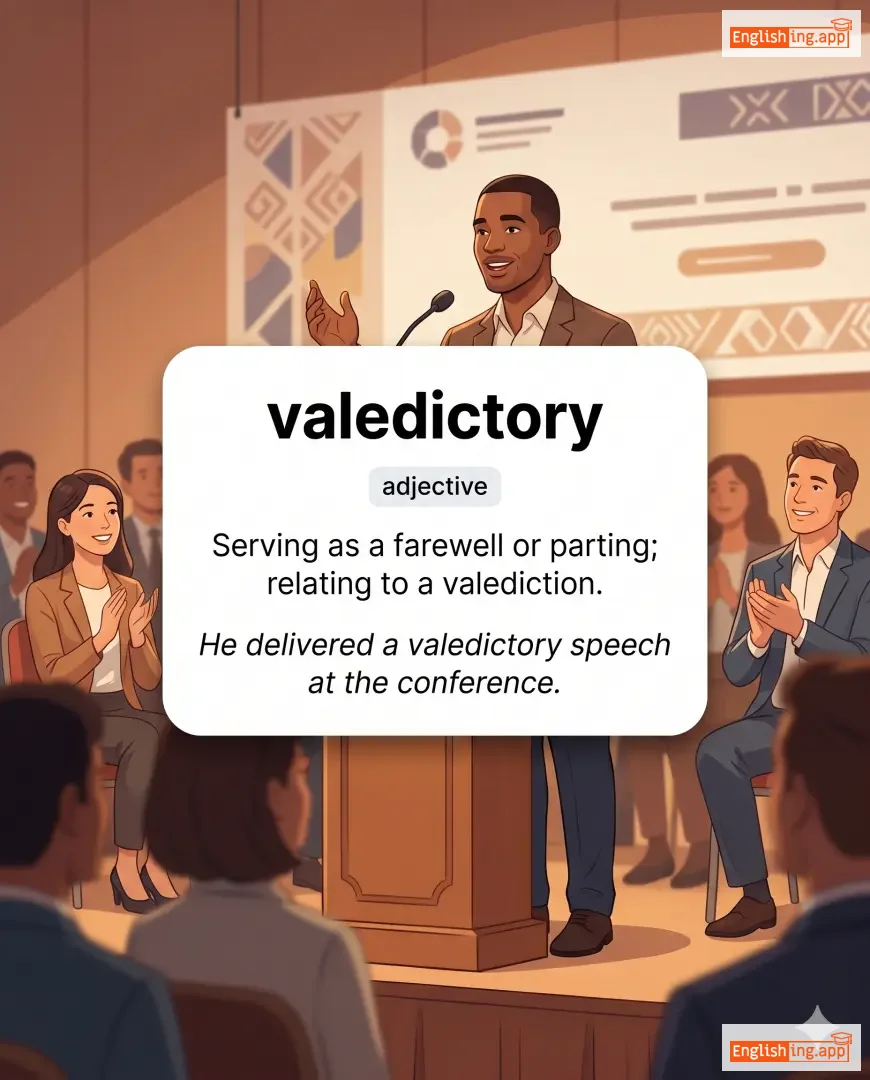
🗣️
|
/ˌvælɪˈdɪktəri/
adjective
(ヴァリディクトリー)
••••••
|
|
送別の
soubetsu no
••••••
|
- •••••• | - •••••• | - •••••• | - •••••• |
Serving as a farewell or parting; relating to a valediction.
••••••
|
He delivered a valedictory speech at the conference. |
彼は会議で送別のスピーチを行った。
Kare wa kaigi de soubetsu no supīchi o okonatta.
••••••
|
- •••••• | - •••••• | - •••••• |
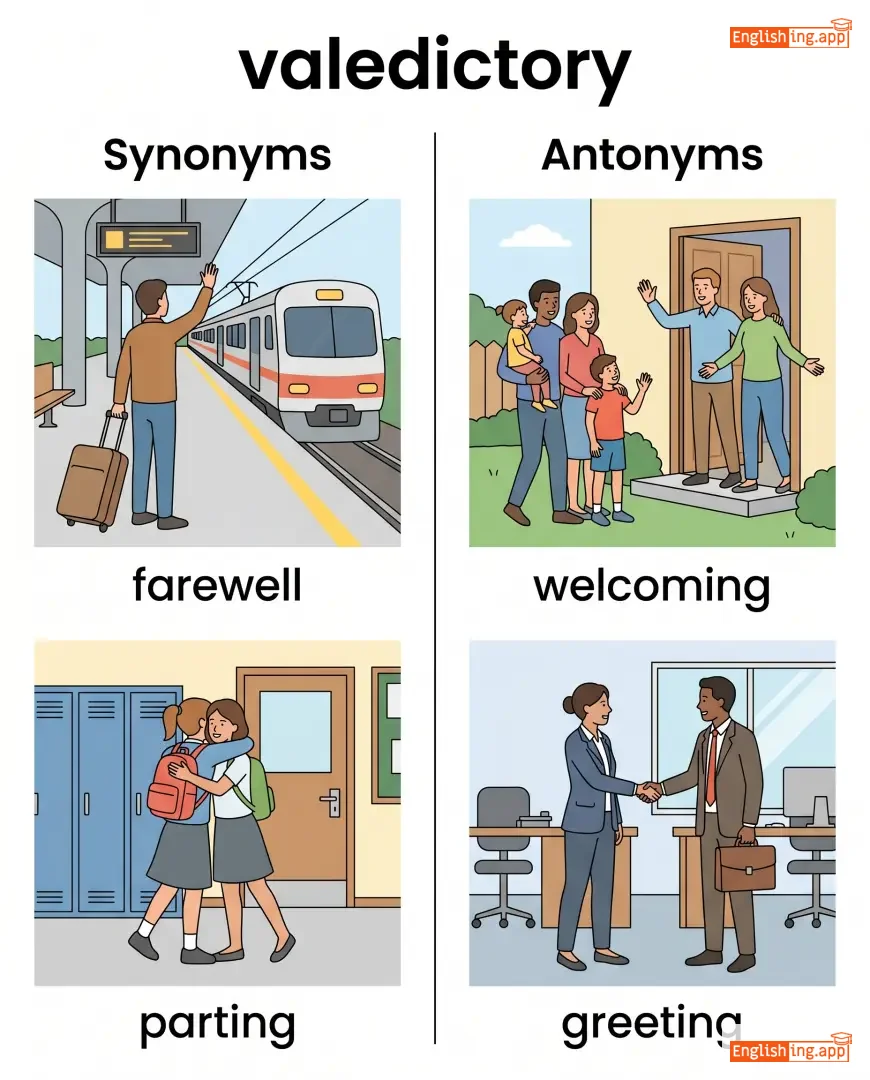
farewell, parting, goodbye, final
••••••
|
welcoming, greeting
••••••
|
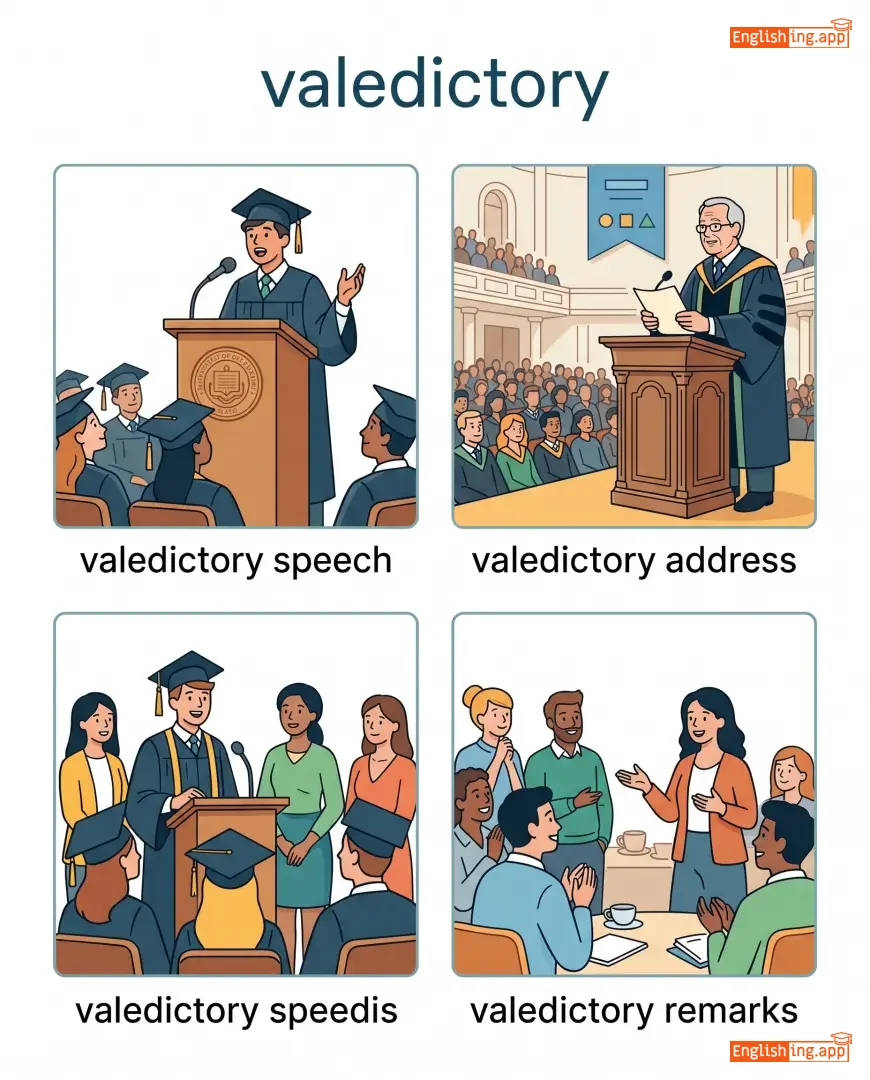
valedictory speech, valedictory address, valedictory remarks, valedictory message
••••••
|
Valedictory は送別のスピーチ - 送別の演説
••••••
|
|
#9218
🎓
|
/ˌvælədɪkˈtɔːriən/
noun
(バレディクトリアン)
••••••
|
- •••••• |
最優秀学生
sai yūshū gakusei
••••••
|
- •••••• | - •••••• | - •••••• | - •••••• |
The student with the highest academic achievements in a graduating class, often chosen to give the farewell speech.
••••••
|
She was honored as the valedictorian of her class. |
彼女はクラスの最優秀学生として表彰されました。
Kanojo wa kurasu no sai yūshū gakusei to shite hyōshō saremashita.
••••••
|
- •••••• | - •••••• | - •••••• |
top student, best graduate, class leader, scholar
••••••
|
dropout, underachiever
••••••
|
class valedictorian, school valedictorian, chosen valedictorian, honored valedictorian
••••••
|
Valedictorianは、卒業スピーチをする最優秀な学生です。
••••••
|
|
#9219
👋
|
/ˌvælɪˈdɪkʃən/
noun
(ヴァリディクション)
••••••
|
- •••••• |
別れの言葉
wakare no kotoba
••••••
|
- •••••• | - •••••• | - •••••• | - •••••• |
The act of saying farewell; a formal goodbye.
••••••
|
The professor gave a touching valediction at his retirement ceremony. |
教授は退職式で感動的な別れの言葉を述べました。
Kyōju wa taishoku-shiki de kandō-teki na wakare no kotoba o nobemashita.
••••••
|
- •••••• | - •••••• | - •••••• |
farewell, goodbye, parting, send-off
••••••
|
greeting, welcome
••••••
|
final valediction, farewell valediction, formal valediction, emotional valediction
••••••
|
Valediction は別れの言葉を意味します。
••••••
|
|
#9220
🏞️
|
/veɪl/
noun
(ヴェイル)
••••••
|
- •••••• |
谷
tani
••••••
|
- •••••• | - •••••• | - •••••• | - •••••• |
A valley, often used in a poetic or literary sense.
••••••
|
The village lay hidden in a quiet green vale. |
村は静かな緑の谷に隠れていました。
Mura wa shizukana midori no tani ni kakurete imashita.
••••••
|
- •••••• | - •••••• | - •••••• |
valley, dale, hollow, glen
••••••
|
hill, mountain
••••••
|
green vale, quiet vale, hidden vale, fertile vale
••••••
|
Valeは谷を意味します。緑の谷のように
••••••
|
|
#9221
🪟
|
/ˈvæləns/
noun
(ヴァランス)
••••••
|
- •••••• |
装飾用バランス
sōshokuyō baransu
••••••
|
- •••••• | - •••••• | - •••••• | - •••••• |
A decorative drapery hung across the top of a window or bed.
••••••
|
She chose a floral valance to match the curtains in her bedroom. |
彼女は寝室のカーテンに合うように花柄のバランスを選びました。
Kanojo wa shinshitsu no kāten ni au yō ni hanagara no baransu o erabimashita.
••••••
|
- •••••• | - •••••• | - •••••• |
drape, curtain topper, window treatment, canopy
••••••
|
bare window, plain curtain
••••••
|
window valance, bed valance, decorative valance, fabric valance
••••••
|
バランスは窓やベッドの上に飾られる装飾用の布です。
••••••
|
|
#9222
🏆
|
/ˈveɪnɡlɔːri/
noun
(ベイングローリー)
••••••
|
- •••••• |
虚栄心
kyoueishin
••••••
|
- •••••• | - •••••• | - •••••• | - •••••• |
Excessive vanity or boastfulness about one's achievements.
••••••
|
His speech was filled with vainglory and self-praise.
his speech was filled with vain glory and self-praise.
••••••
|
彼のスピーチは虚栄心と自己賛美で満ちていた。
Kare no supīchi wa kyoeishin to jikosanbi de michite ita.
••••••
|
- •••••• | - •••••• | - •••••• |
boastfulness, arrogance, pride, conceit
••••••
|
humility, modesty
••••••
|
filled with vainglory, vainglory of power, political vainglory
••••••
|
Vaingloryは虚栄心を意味します — vainは誇り、gloryは栄光を意味します。
••••••
|
|
#9223
👑
|
/veɪnˈɡlɔːriəs/
adjective
(ヴェインˈグローリアス)
••••••
|
- •••••• |
うぬぼれた
unoboreta
••••••
|
- •••••• | - •••••• | - •••••• | - •••••• |
Excessively proud of oneself or one’s achievements; boastful.
••••••
|
The vainglorious leader boasted about his minor achievements.
その自惚れたリーダーは自分の些細な成果を自慢していた。
••••••
|
その自惚れたリーダーは自分の些細な成果を自慢していた。
Sono unoboreta rīdā wa jibun no sasaina seika o jimanshite ita.
••••••
|
- •••••• | - •••••• | - •••••• |
boastful, arrogant, conceited, pompous
••••••
|
humble, modest
••••••
|
vainglorious speech, vainglorious boast, vainglorious attitude
••••••
|
Vaingloriousはうぬぼれた — 自分の小さな成果を誇示する人のように。
••••••
|
|
#9224
🪞
|
/veɪn/
adjective
(ヴェイン)
••••••
|
- •••••• |
虚栄心の強い
kyoei shin no tsuyoi
••••••
|
- •••••• | - •••••• | - •••••• | - •••••• |
Having an excessively high opinion of one's appearance, abilities, or worth.
••••••
|
He is too vain to admit his mistakes. |
彼は自分のミスを認めるにはあまりにも虚栄心が強い。
Kare wa jibun no misu wo mitomeru ni wa amari ni mo kyoei shin ga tsuyoi.
••••••
|
in vain |
Without success or a result.
••••••
|
無駄に
mudani
••••••
|
conceited, arrogant, self-centered, egotistic
••••••
|
humble, modest
••••••
|
vain attempt, vain effort, vain pride, vain hope
••••••
|
Vain は虚栄心の強いことを意味します — 虚栄心の強い人は常に鏡を見ます。
••••••
|
|
#9225
🔌
|
/juːˈtɪləti/
noun
(ユーティリティ)
••••••
|
- •••••• |
有用性
yūyōsei
••••••
|
- •••••• | - •••••• | - •••••• | - •••••• |
The state of being useful, profitable, or beneficial.
••••••
|
The utility of smartphones in daily life is undeniable. |
スマートフォンの有用性は日常生活で否定できません。
Sumātofon no yūyōsei wa nichijō seikatsu de hitei dekimasen.
••••••
|
utility bill |
A bill for essential public services like water, electricity, or gas.
••••••
|
公共料金の請求書
kōkyō ryōkin no seikyū-sho
••••••
|
usefulness, benefit, practicality, service, advantage
••••••
|
uselessness, disadvantage
••••••
|
utility bill, utility company, utility service, utility value
••••••
|
Utilityは使う能力 - だから有用性は使えるという意味です。
••••••
|
|
#9226
🚶
|
/ˈveɪɡrənt/
noun
(ベイグラント)
••••••
|
- •••••• |
放浪者
hōrōsha
••••••
|
- •••••• | - •••••• | - •••••• | - •••••• |
A person without a settled home or regular work who wanders from place to place.
••••••
|
The police offered shelter to a vagrant sleeping on the street. |
警察は通りで寝ていた放浪者に避難所を提供しました。
Keisatsu wa tōri de neteita hōrōsha ni hinanjo o teikyō shimashita.
••••••
|
- •••••• | - •••••• | - •••••• |
drifter, vagabond, wanderer, tramp, nomad
••••••
|
resident, settler
••••••
|
vagrant lifestyle, homeless vagrant, wandering vagrant, vagrant on the street
••••••
|
Vagrant は放浪者を意味する — まるで放浪者のようにどこでも行く。
••••••
|
|
#9227
🌦️
|
/ˈveɪɡəri/
noun
(ヴェイガリー)
••••••
|
- •••••• |
予測できない変化
yosoku dekinai henka
••••••
|
- •••••• | - •••••• | - •••••• | - •••••• |
An unexpected and inexplicable change in a situation or someone's behavior.
••••••
|
The vagaries of the weather made planning difficult. |
天気の不規則な変化で計画が難しくなった。
tenki no fukisoku na henka de keikaku ga muzukashiku natta.
••••••
|
vagaries of life |
The unpredictable changes and challenges of life.
••••••
|
人生の不確実な変化
jinsei no fukakujitsuna henka
••••••
|
whim, caprice, quirk, fancy, fluctuation
••••••
|
certainty, consistency
••••••
|
vagaries of weather, vagaries of life, political vagaries
••••••
|
Vagaryは変動的な意味で、気分の急激な変化のようなものです。
••••••
|
|
#9228
🚶
|
/ˈvæɡəbɒnd/
noun
(ヴァガボンド)
••••••
|
- •••••• |
浮浪者
furōsha
••••••
|
- •••••• | - •••••• | - •••••• | - •••••• |
A person who wanders from place to place without a home or job.
••••••
|
The old vagabond lived on the streets of the city.
その古いヴァガボンドは街の通りに住んでいた。
••••••
|
その古い浮浪者は街の通りに住んでいた。
sono furui furōsha wa machi no tōri ni sunde ita.
••••••
|
- •••••• | - •••••• | - •••••• |
wanderer, drifter, tramp, nomad
••••••
|
resident, settler
••••••
|
vagabond life, vagabond spirit, wandering vagabond
••••••
|
Vagabondは日本語で浮浪者 – 住む場所のない人です。
••••••
|
|
#9229
🌀
|
/ˈvæk.juːm/
noun
(vakiyūmu)
••••••
|
- •••••• |
真空
shinkū
••••••
|
- •••••• | - •••••• | - •••••• | - •••••• |
A space entirely devoid of matter; an absence of atmosphere or content.
••••••
|
The scientist created a vacuum chamber for the experiment. |
科学者は実験のために真空室を作りました。
kagakusha wa jikken no tame ni shinkū-shitsu o tsukurimashita.
••••••
|
power vacuum |
A situation where power or leadership is absent.
••••••
|
権力の空白
kenryoku no kūhaku
••••••
|
emptiness, void, gap, nothingness
••••••
|
fullness, presence, abundance
••••••
|
vacuum cleaner, create a vacuum, power vacuum
••••••
|
真空は空のこと – まるで掃除機が部屋を空にするように。
••••••
|
|
#9230
😶
|
/ˈvækjuəs/
adjective
(ヴァキュアス)
••••••
|
|
空虚
kūkyō
••••••
|
- •••••• | - •••••• | - •••••• | - •••••• |
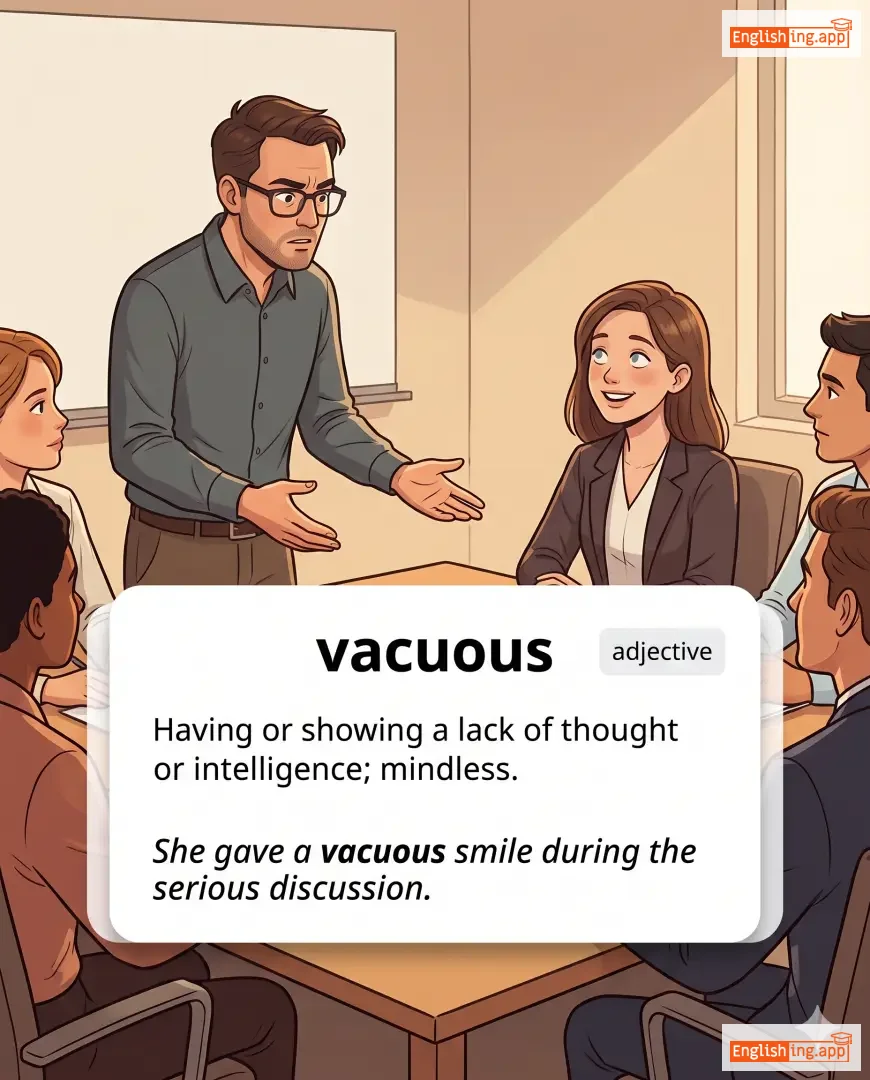
Having or showing a lack of thought or intelligence; mindless.
••••••
|
She gave a vacuous smile during the serious discussion.
彼女は真剣な議論の中で空虚な笑顔を見せた。
••••••
|
彼女は真剣な議論の中で空虚な笑顔を見せた。
Kanojo wa shinken na giron no naka de kūkyō na egao o miseta.
••••••
|
vacuous expression
空虚な表情
••••••
|
An empty or unintelligent look on someone's face.
••••••
|
空虚な表情
Kūkyō na hyōjō
••••••
|
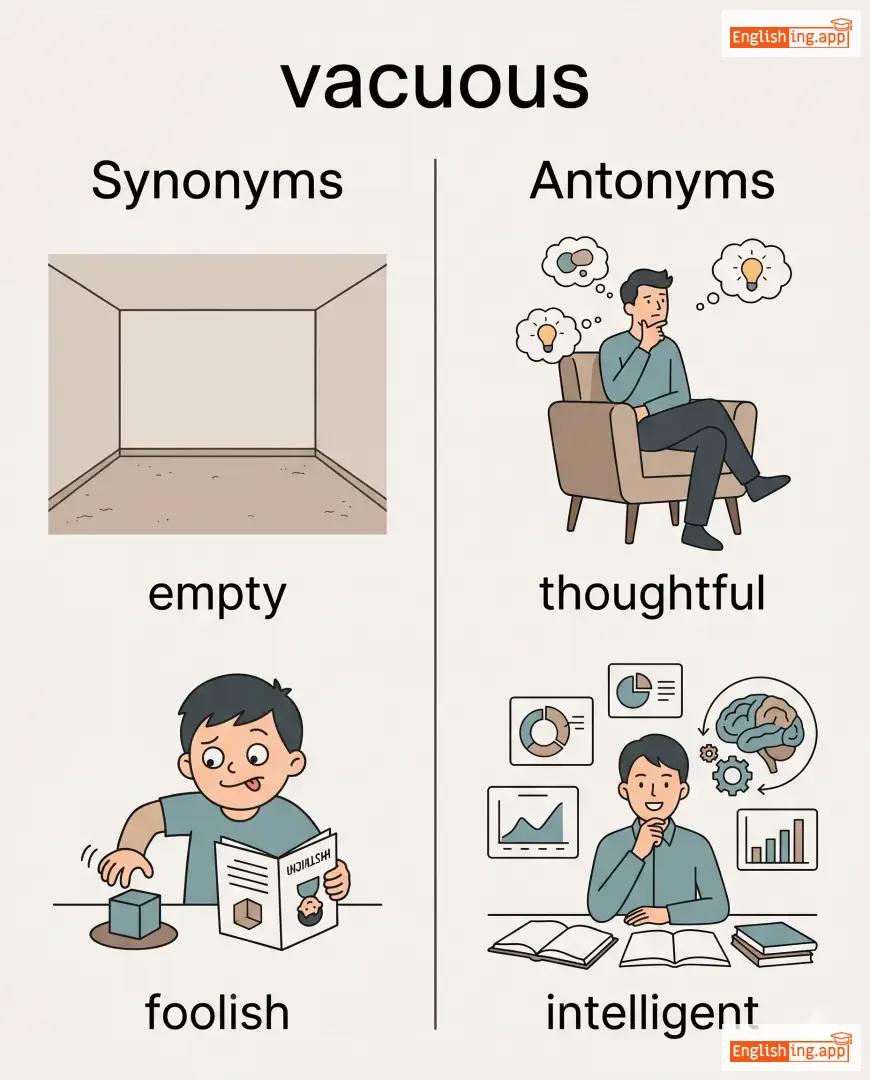
empty, foolish, silly, mindless, hollow
••••••
|
thoughtful, intelligent, meaningful
••••••
|
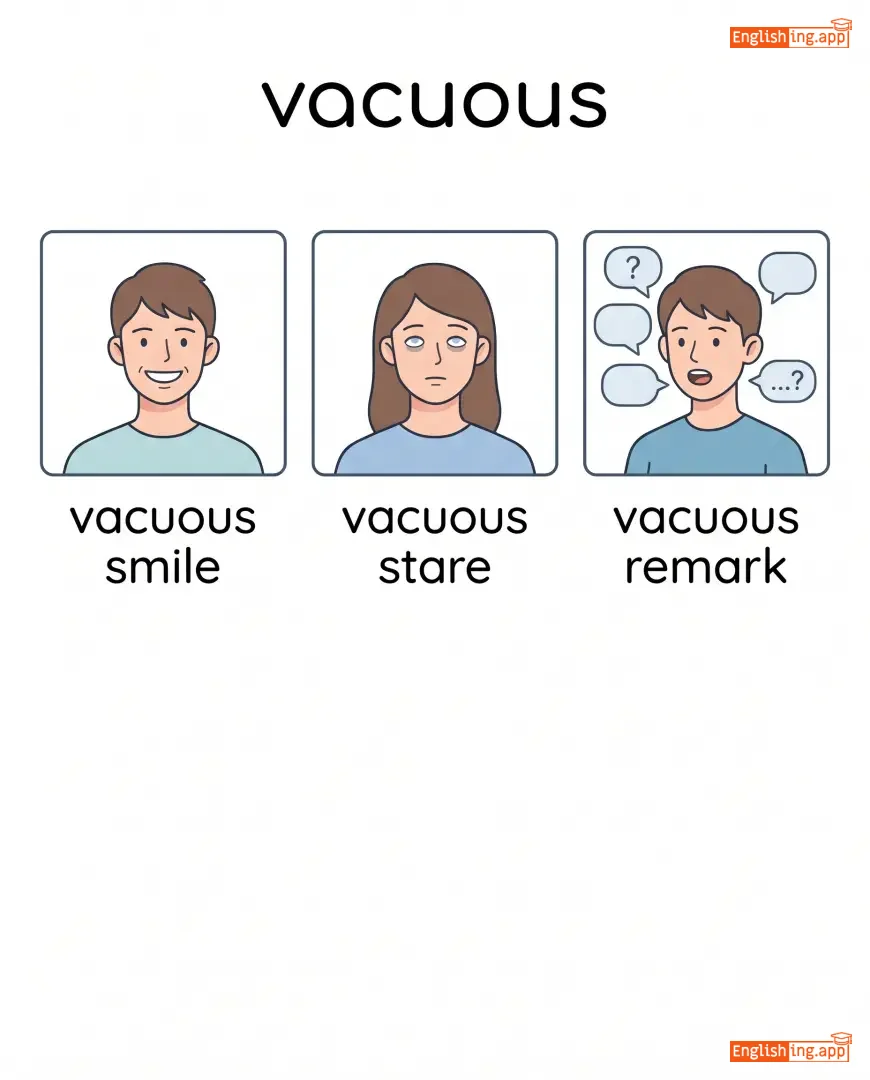
vacuous smile, vacuous stare, vacuous remark, vacuous expression
••••••
|
Vacuousは空虚を意味します – 頭の中が空っぽ、笑顔も空っぽ。
••••••
|
|
#9231
⚖️
|
/ˌvæsɪˈleɪʃən/
noun
(vaseireishan)
••••••
|
- •••••• |
揺れ動き
yuredoki
••••••
|
- •••••• | - •••••• | - •••••• | - •••••• |
The inability to decide between different opinions or actions; indecisiveness.
••••••
|
His constant vacillation frustrated his colleagues during the meeting.
彼の絶え間ない揺れ動きは会議中、同僚たちを苛立たせた。
••••••
|
彼の絶え間ない揺れ動きは会議中、同僚たちを苛立たせた。
Kare no taemai yuredoki wa kaigichuu, doryou-tachi o iradataseta.
••••••
|
- •••••• | - •••••• | - •••••• |
indecision, hesitation, wavering, irresolution, uncertainty
••••••
|
determination, decisiveness, resolution
••••••
|
political vacillation, constant vacillation, vacillation between choices
••••••
|
揺れ動きは決断力がないこと – いつも迷っている!
••••••
|
|
#9232
⚖️
|
/ˈvæsɪleɪt/
verb
(ハピネス)
••••••
|
|
幸せ
shiawase
••••••
|
vacillated
••••••
|
vacillated
••••••
|
vacillates
••••••
|
vacillating
••••••
|
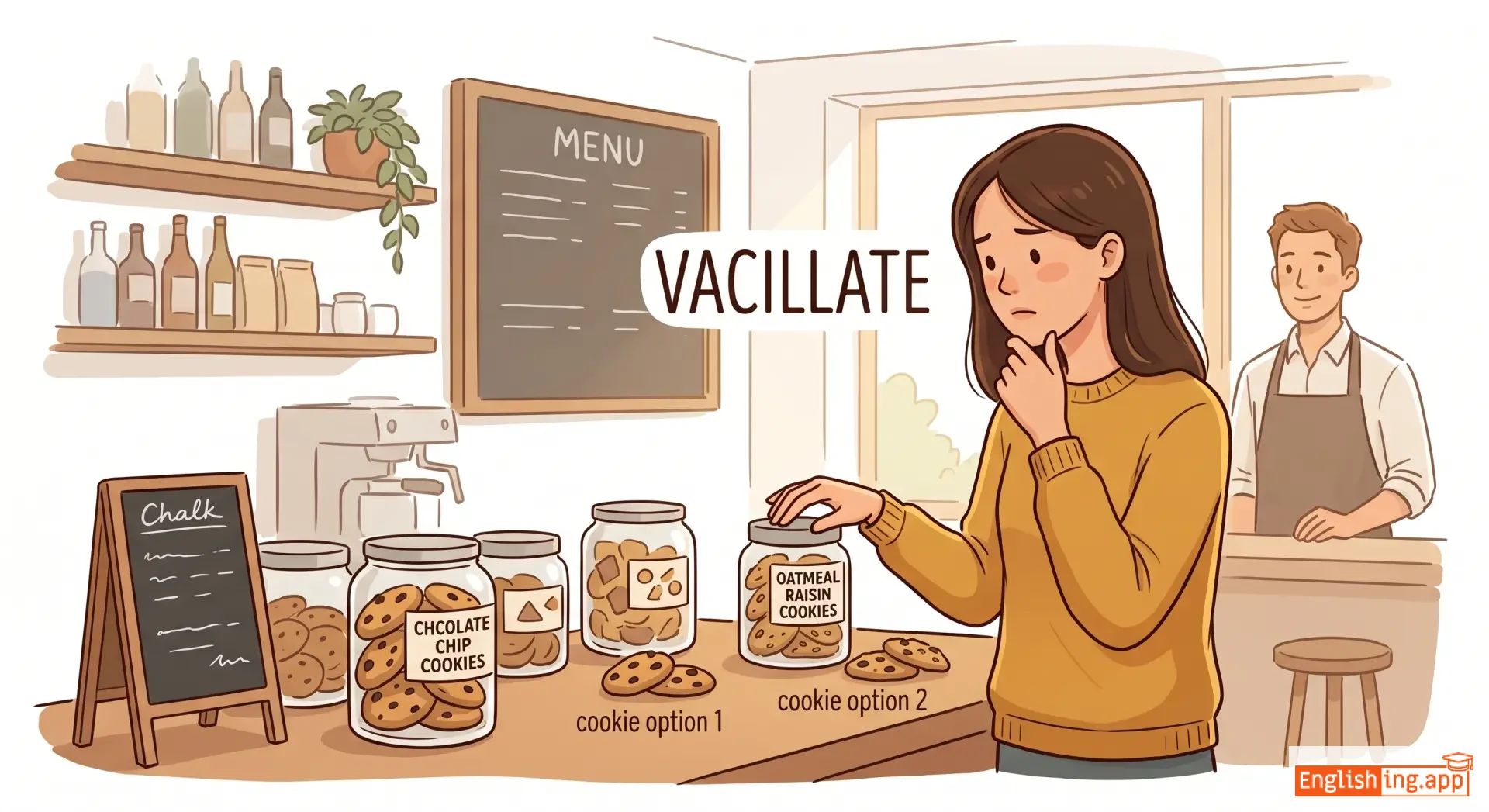
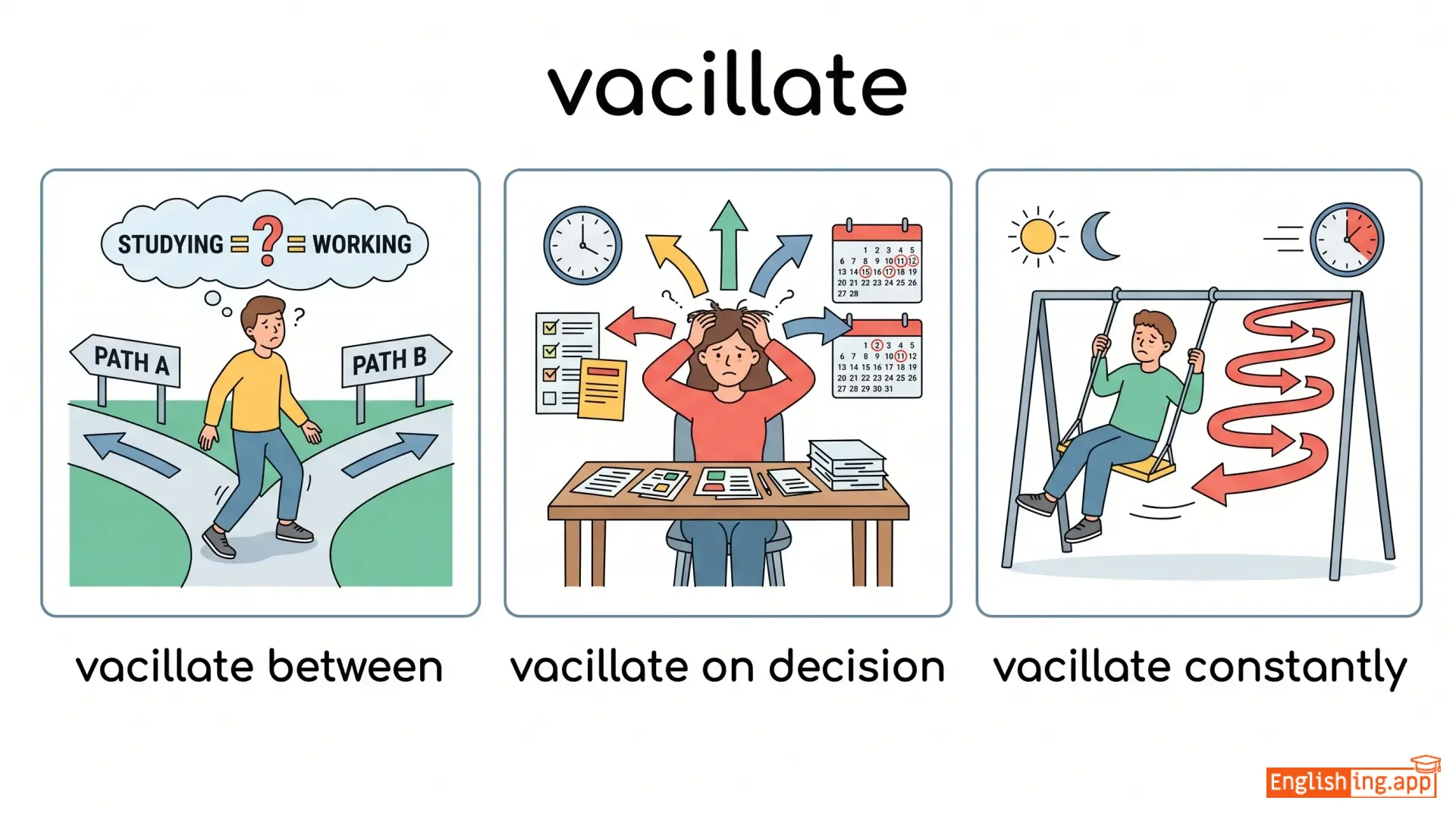
to waver between different opinions or actions; be indecisive
••••••
|
He vacillated between studying law and becoming a writer.
彼女は賞を受け取ったとき、自分の幸せを隠すことができませんでした。
••••••
|
彼女は賞を受け取ったとき、自分の幸せを隠すことができませんでした。
Kanojo wa shō o uketotta toki, jibun no shiawase o kakusu koto ga dekimasen deshita.
••••••
|
vacillate between
幸せを追求する
••••••
|
to keep changing your mind between two choices
••••••
|
幸せを追求する
shiawase o tsuikyū suru
••••••
|
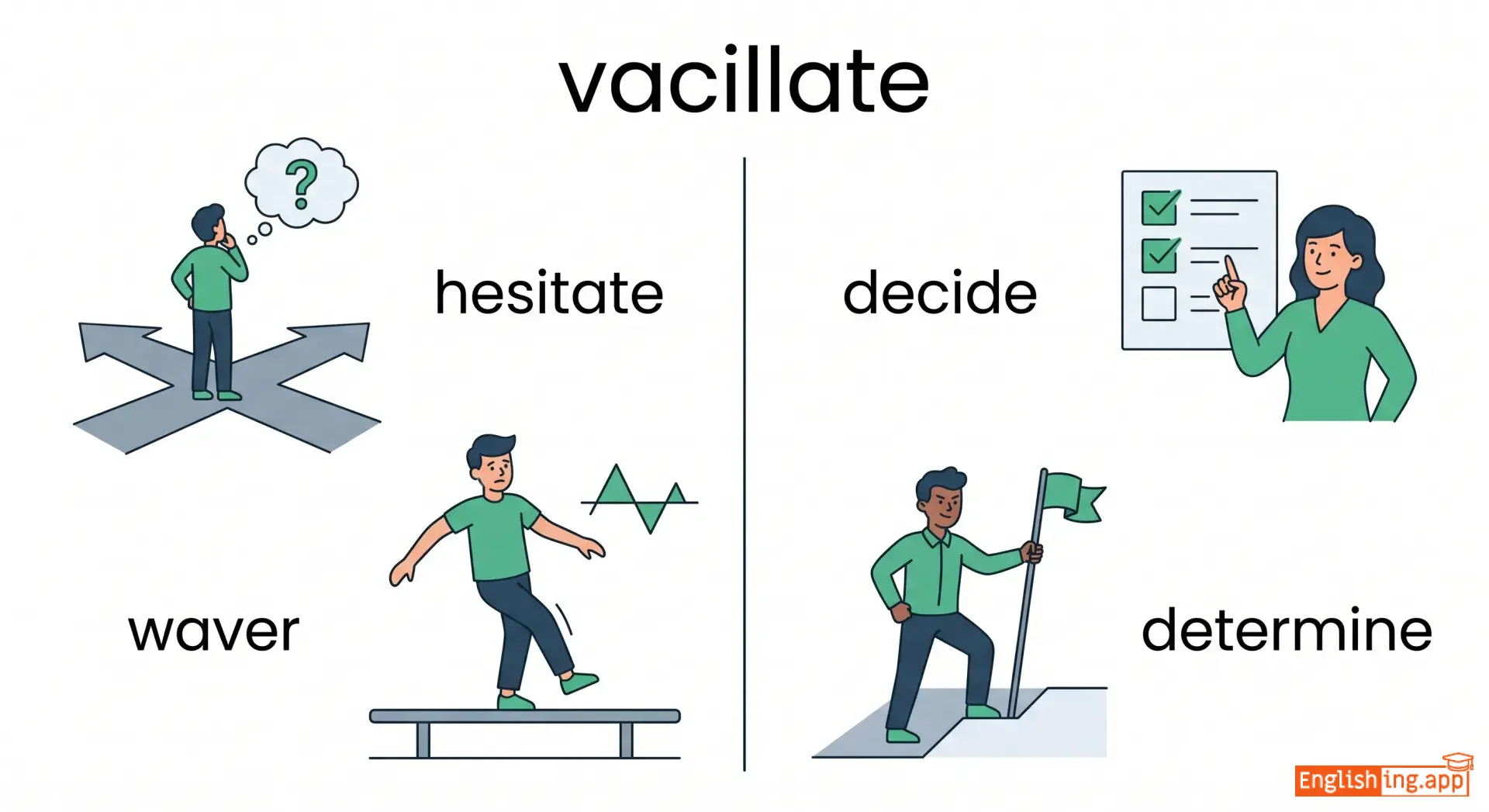
hesitate, waver, dither, fluctuate
••••••
|
decide, determine, resolve
••••••
|
vacillate between, vacillate on decision, vacillate constantly
••••••
|
幸せは追い求めるもの、忘れずに追いかけましょう!
••••••
|
|
#9233
💉
|
/ˈvæksɪneɪt/
verb
(vaksineito)
••••••
|
- •••••• |
ワクチン接種
wakuchin sesshu
••••••
|
vaccinated
vaksineitoed
••••••
|
vaccinated
vaksineitoed
••••••
|
vaccinates
vaksineitosu
••••••
|
vaccinating
vaksineitoingu
••••••
|
to give a vaccine to protect against a disease
••••••
|
Children are usually vaccinated before starting school.
子供たちは通常、学校に行く前にワクチン接種を受けます。
••••••
|
子供たちは通常、学校に行く前にワクチン接種を受けます。
Kodomotachi wa tsuujou, gakkou ni iku mae ni wakuchin sesshu wo ukemasu.
••••••
|
get vaccinated
ワクチン接種を受ける
••••••
|
to receive a vaccine injection
••••••
|
ワクチン接種を受ける
wakuchin sesshu wo ukuru
••••••
|
immunize, inoculate, protect, inject
••••••
|
infect, expose
••••••
|
vaccinate children, vaccinate population, vaccinate against
••••••
|
ワクチン接種で病気から守る!
••••••
|
|
#9234
🚪
|
/vəˈkeɪt/
verb
(ヴェイケイト)
••••••
|
|
退去する
taikyo suru
••••••
|
vacated
ヴェイケイテッド
••••••
|
vacated
ヴェイケイテッド
••••••
|
vacates
ヴェイケイツ
••••••
|
vacating
ヴェイケイティング
••••••
|
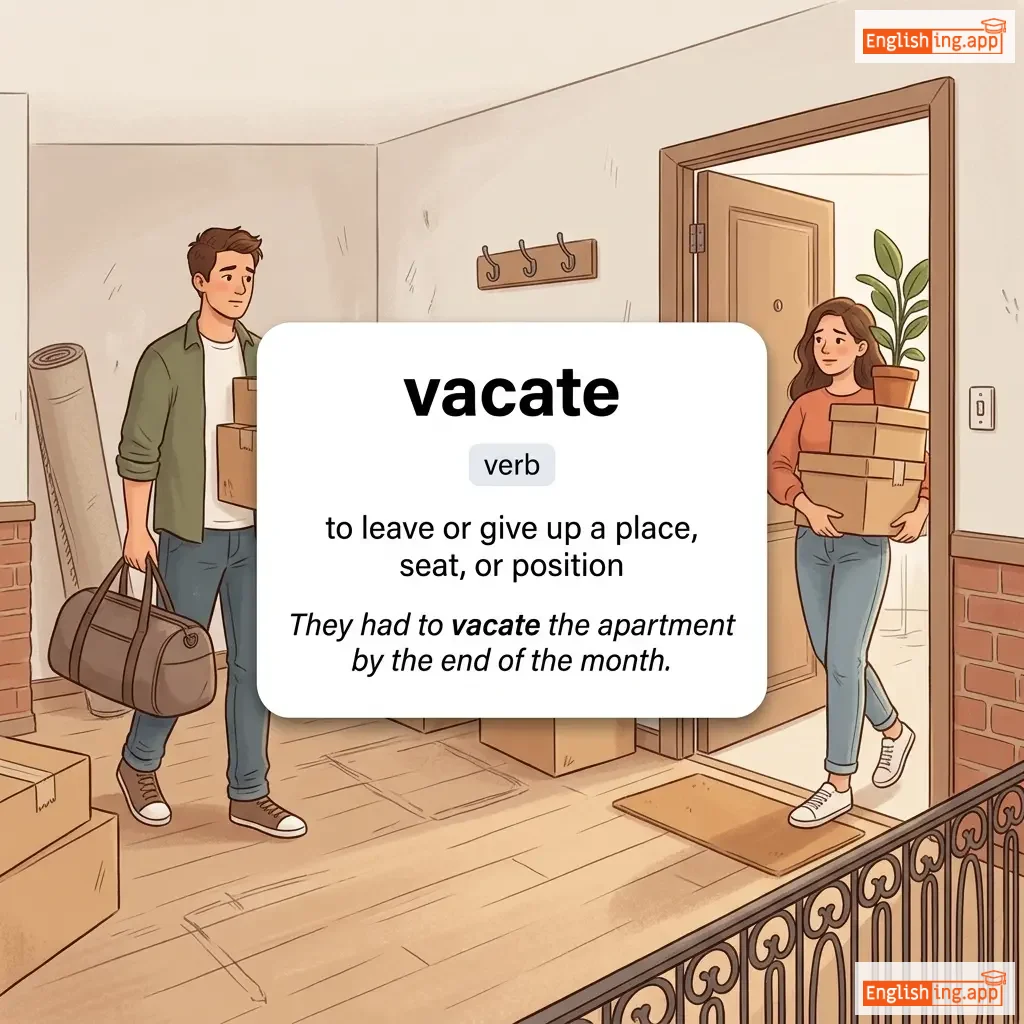
to leave or give up a place, seat, or position
••••••
|
They had to vacate the apartment by the end of the month.
彼らは月末までにアパートを退去しなければなりませんでした。
••••••
|
彼らは月末までにアパートを退去しなければなりませんでした。
Karera wa getsumatsu made ni apāto o taikyo shinakereba narimasen deshita.
••••••
|
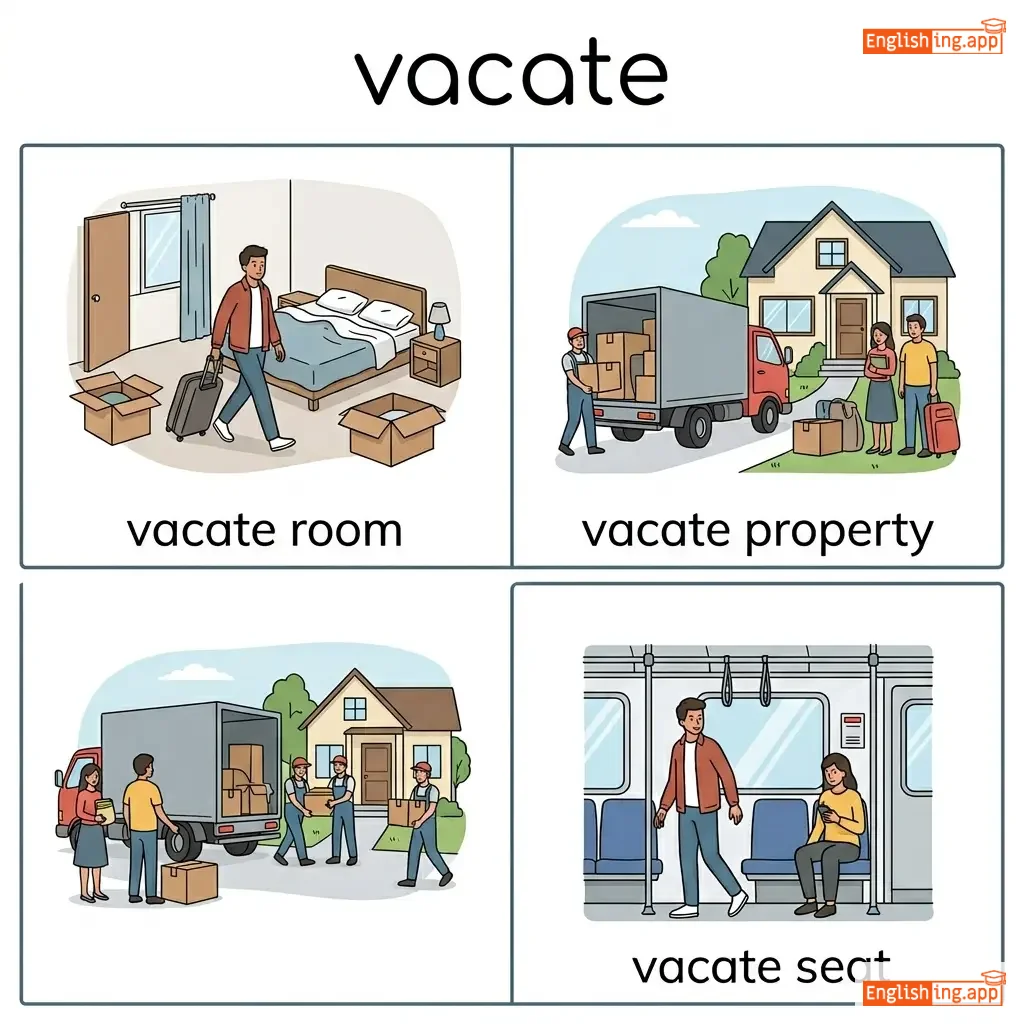
vacate a seat
席を空ける
••••••
|
to leave a seat for someone else
••••••
|
席を空ける
seki o akeru
••••••
|
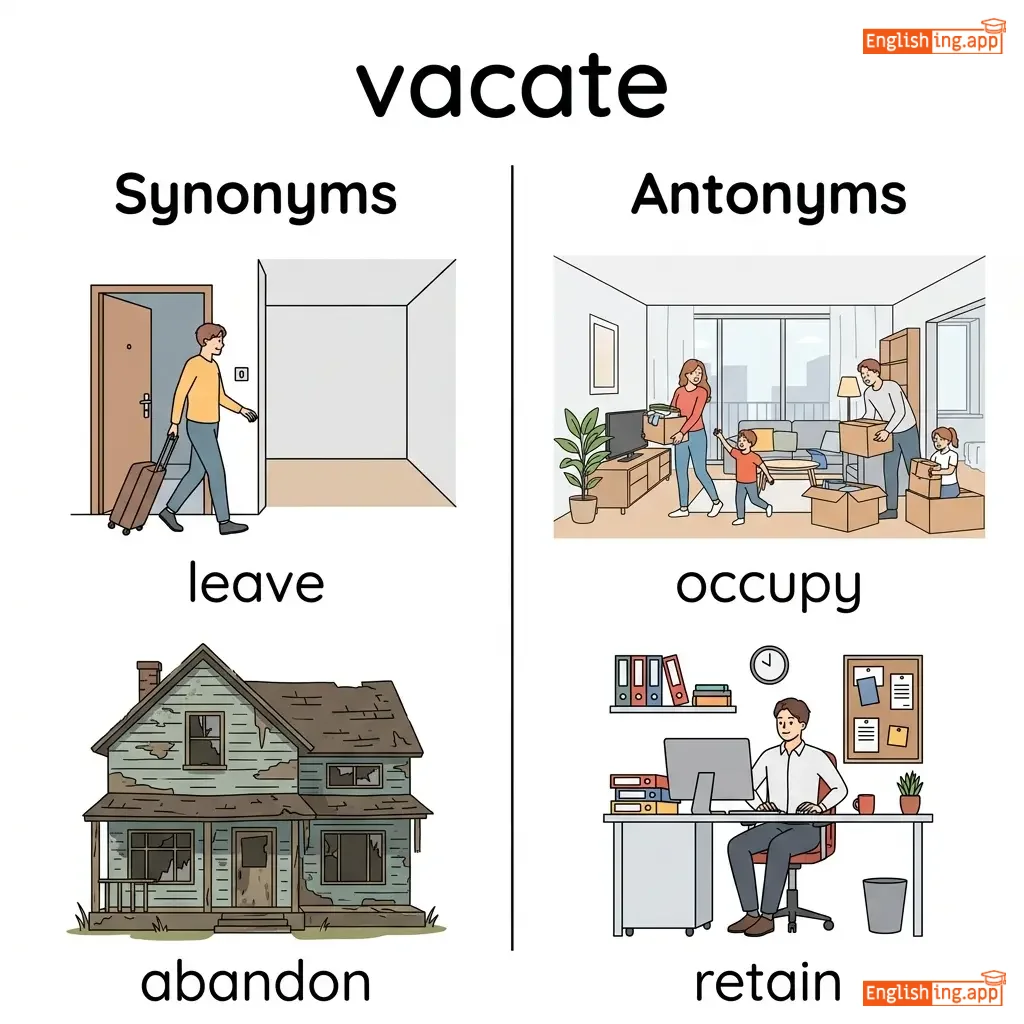
leave, abandon, relinquish, evacuate
••••••
|
occupy, retain, hold
••••••
|
vacate room, vacate property, vacate seat, vacate office
••••••
|
Vacate とは席を空けること — 試験後、教室を 'vacate'(退去)しましょう。
••••••
|
|
#9235
💑
|
/ʌkˈsɔːriəs/
adjective
(アクソリウス)
••••••
|
- •••••• |
妻に対して過度に愛情深い
tsuma ni taishite kadoni aijou fukai
••••••
|
- •••••• | - •••••• | - •••••• | - •••••• |
excessively fond of or submissive to one's wife
••••••
|
He was so uxorious that he agreed with everything his wife said. |
彼は妻に対してそれほどまでに uxorious で、妻が言ったことすべてに同意しました。
Kare wa tsuma ni taishite sore hodo made ni uxorious de, tsuma ga itta koto subete ni doui shimashita.
••••••
|
- •••••• | - •••••• | - •••••• |
devoted, doting, submissive, affectionate
••••••
|
indifferent, neglectful, domineering
••••••
|
uxorious husband, uxorious devotion, uxorious affection
••••••
|
Uxorious は '妻に全てを捧げる' という意味 — 妻に対して過度に愛情を注ぐ。
••••••
|
|
#9236
😲
|
/ˈʌtərli/
adverb
(アタリー)
••••••
|
- •••••• |
完全に
kanzen ni
••••••
|
- •••••• | - •••••• | - •••••• | - •••••• |
completely or absolutely
••••••
|
She was utterly surprised by the news. |
彼女はそのニュースに完全に驚いていた。
Kanojo wa sono nyūsu ni kanzen ni odoroite ita.
••••••
|
utterly ridiculous |
completely absurd or unreasonable
••••••
|
完全に馬鹿げている
kanzen ni bakagete iru
••••••
|
completely, absolutely, totally, entirely, fully
••••••
|
partially, somewhat, slightly
••••••
|
utterly amazed, utterly destroyed, utterly wrong, utterly impossible
••••••
|
Utterlyは完全に—完全に馬鹿げているという意味です。
••••••
|
|
#9237
🗣️
|
/ˈʌtər/
verb
(アター)
••••••
|
|
発言する
hatsugen suru
••••••
|
uttered
アタード
••••••
|
uttered
アタード
••••••
|
utters
アターズ
••••••
|
uttering
アタリング
••••••
|
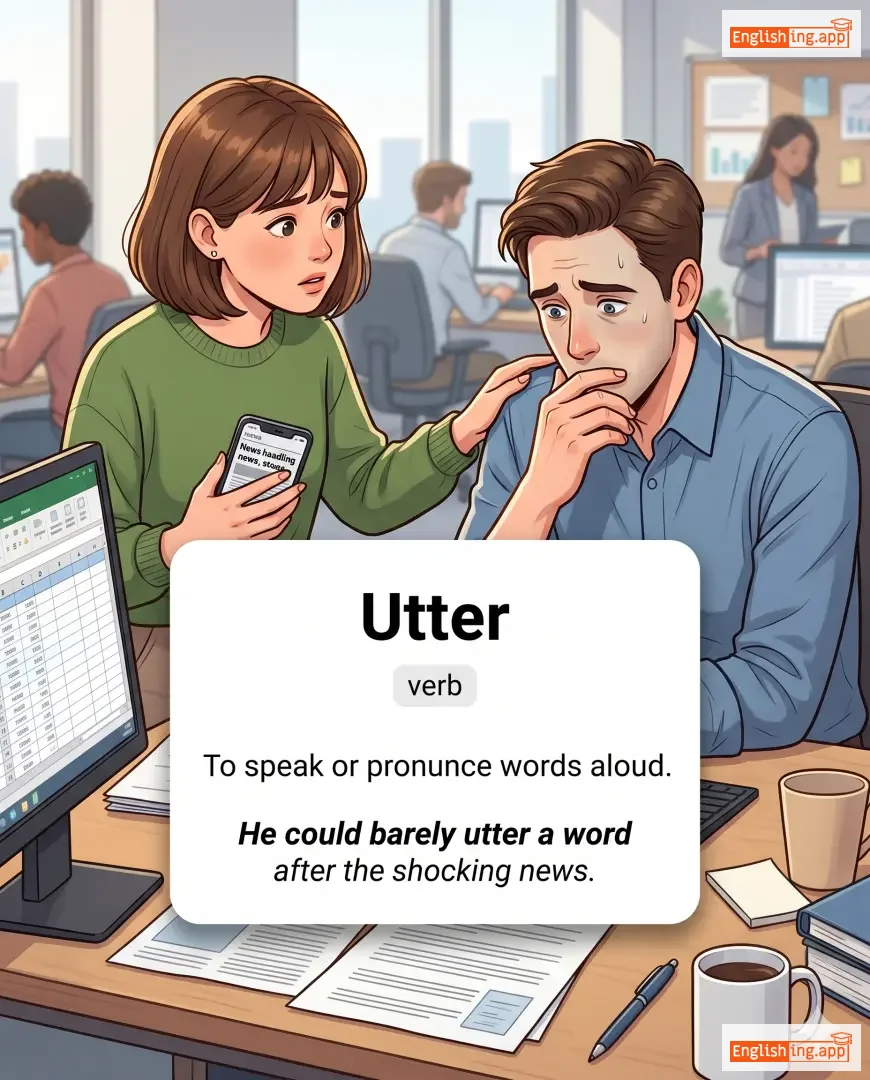
To speak or pronounce words aloud.
••••••
|
He could barely utter a word after the shocking news.
衝撃的なニュースの後、彼はほとんど言葉を発することができなかった。
••••••
|
衝撃的なニュースの後、彼はほとんど言葉を発することができなかった。
Shōgeki-teki na nyūsu no ato, kare wa hotondo kotoba o hatsugen suru koto ga dekinakatta.
••••••
|
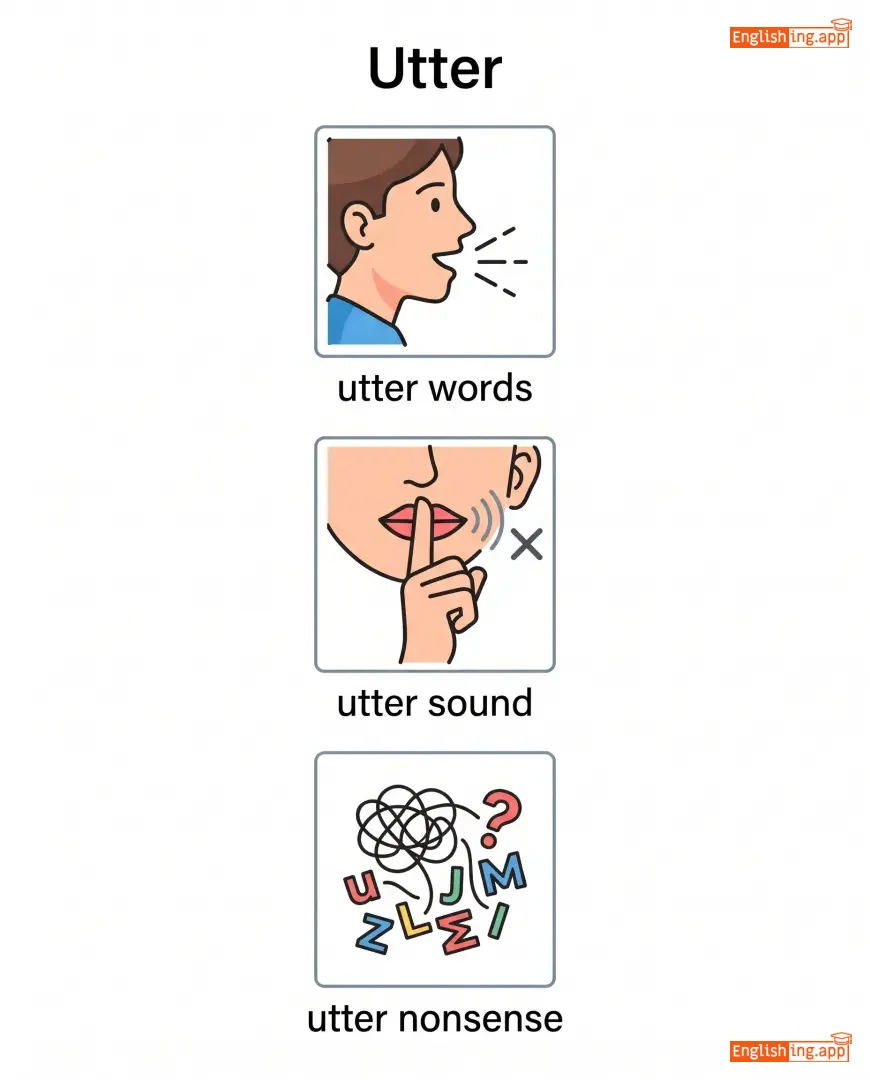
utter nonsense
utter nonsense
••••••
|
Complete or total nonsense.
••••••
|
完全な無駄話
kanzen na mudabanashi
••••••
|
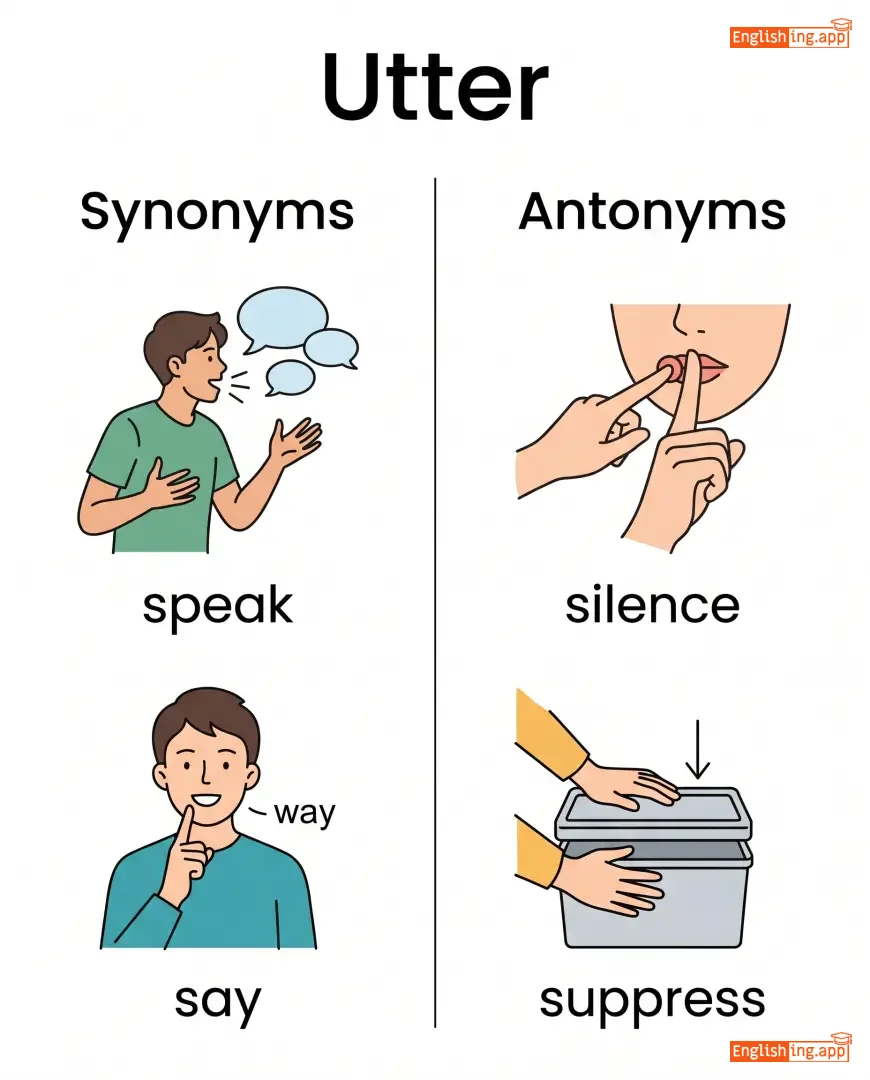
speak, say, express, articulate, pronounce
••••••
|
silence, suppress
••••••
|
utter words, utter sound, utter nonsense, utter truth
••••••
|
Utter は発言すること、まるで 'アター' のように言うこと。
••••••
|
|
#9238
🌈
|
/juːˈtoʊpiə/
noun
(ユートピア)
••••••
|
- •••••• |
ユートピア
yūtopia
••••••
|
- •••••• | - •••••• | - •••••• | - •••••• |
An imagined perfect society or place where everything is ideal.
••••••
|
Many philosophers dreamed of creating a utopia for humanity. |
多くの哲学者は人類のためにユートピアを作る夢を見ていました。
ōku no tetsugakusha wa jinrui no tame ni yūtopia o tsukuru yume o mite imashita.
••••••
|
utopian dream |
An unrealistic hope for a perfect world.
••••••
|
ユートピアの夢
yūtopia no yume
••••••
|
paradise, heaven, ideal place, perfection, nirvana
••••••
|
dystopia, reality
••••••
|
perfect utopia, utopia society, utopian dream, political utopia
••••••
|
ユートピアは理想の世界の夢。
••••••
|
|
#9239
⬆️
|
/ˈʌtmoʊst/
adjective
(happiness)
••••••
|
- •••••• |
幸福
kōfuku
••••••
|
- •••••• | - •••••• | - •••••• | - •••••• |
Greatest or highest in degree, importance, or extent.
••••••
|
She showed the utmost respect to her teachers. |
彼女は賞を受け取ったとき、幸福を隠すことができませんでした。
Kanojo wa shō o uketotta toki, kōfuku o kakusu koto ga dekimasen deshita.
••••••
|
to the utmost |
To the greatest possible degree.
••••••
|
幸福の追求
kōfuku no tsuikyū
••••••
|
greatest, highest, supreme, maximum, extreme
••••••
|
least, minimum
••••••
|
utmost importance, utmost care, utmost respect, to the utmost
••••••
|
幸福 = 幸せを探して、いつでも見つけよう!
••••••
|
Vocabulary Quiz
Test your vocabulary by matching words with their translations or meanings.
Login to take the quiz
Comments (0)
Share your thoughts and join the discussion.
Join the discussion by logging in
Login to CommentNo comments yet
Be the first to share your thoughts!