

翻訳
過去
過去分詞
三人称単数
動名詞
意味
例文
例文の翻訳
同義語
対義語
コロケーション
ニーモニック





Swipe left or right, or use the buttons. Tap image to zoom.
例文の翻訳
単語
Lesson 378Lesson 378 - マスクトグル
|
絵文字
|
単語 | Images | 翻訳 | 過去 | 過去分詞 | 三人称単数 | 動名詞 | 意味 | 例文 | 例文の翻訳 | 表現例 | 表現例の意味 | 表現例の翻訳 | 同義語 | 対義語 | コロケーション | ニーモニック |
|---|---|---|---|---|---|---|---|---|---|---|---|---|---|---|---|---|---|
|
#11305
🚀
|
/lɔːntʃ/
verb, noun
••••••
|
- •••••• | - •••••• |
launched
••••••
|
launched
••••••
|
launches
••••••
|
launching
••••••
|
to start or introduce something, especially a new product, service, or event
••••••
|
The company launched a new app last month. |
- •••••• |
launch into |
to begin something with great energy or enthusiasm
••••••
|
- •••••• |
initiate, begin, start, inaugurate, unveil
••••••
|
end, stop, cancel
••••••
|
product launch, launch campaign, launch event, launch party
••••••
|
No •••••• |
|
#11306
🚶♂️
|
/liːv/
verb
(リーブ)
••••••
|
|
去る
saru
••••••
|
left
レフト
••••••
|
left
レフト
••••••
|
leaves
リーブス
••••••
|
leaving
リービング
••••••
|
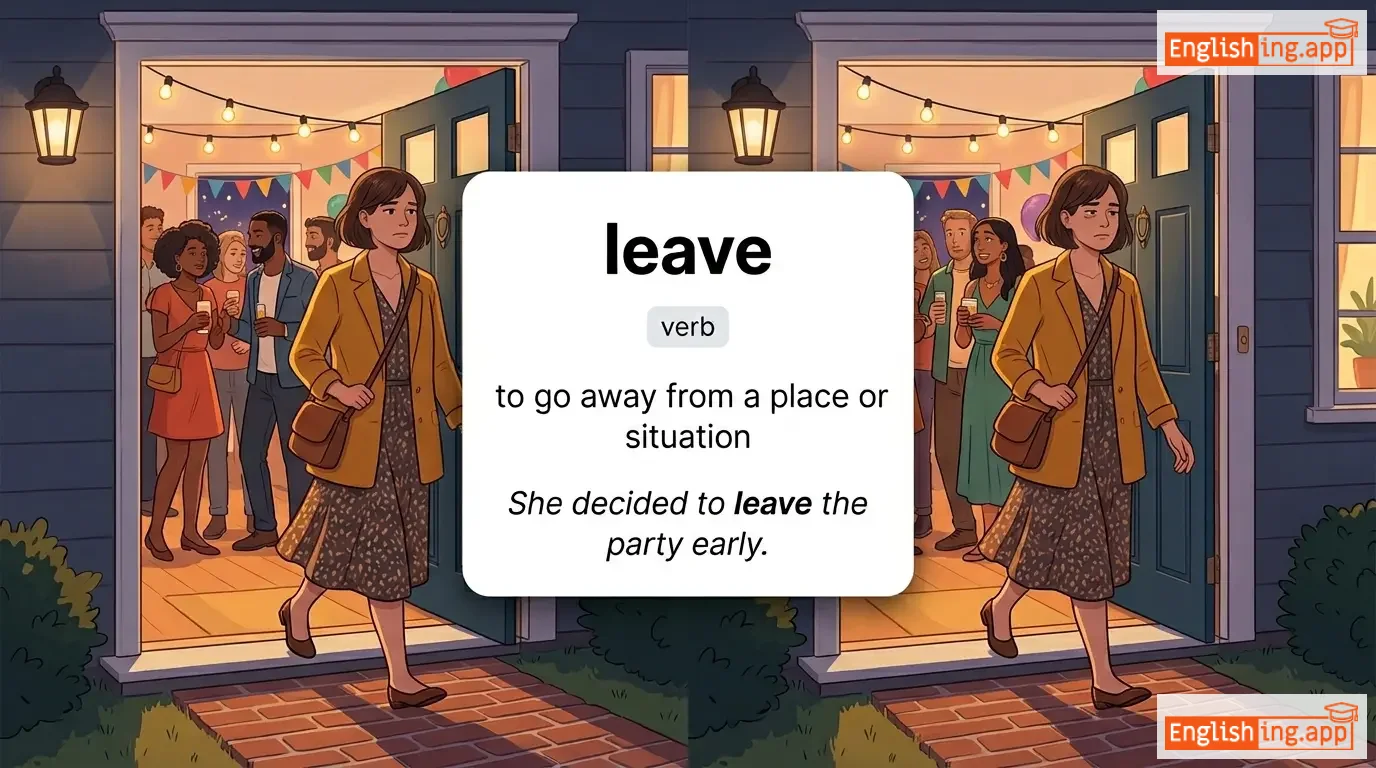
to go away from a place or situation
••••••
|
She decided to leave the party early.
彼女はパーティーを早く去ることに決めました。
••••••
|
彼女はパーティーを早く去ることに決めました。
Kanojo wa pātī o hayaku saru koto ni kimemashita.
••••••
|
leave no stone unturned
石を一つも残さずに去る
••••••
|
to try every possible course of action
••••••
|
石を一つも残さずに去る
Ishi o hitotsu mo nokosazu ni saru
••••••
|
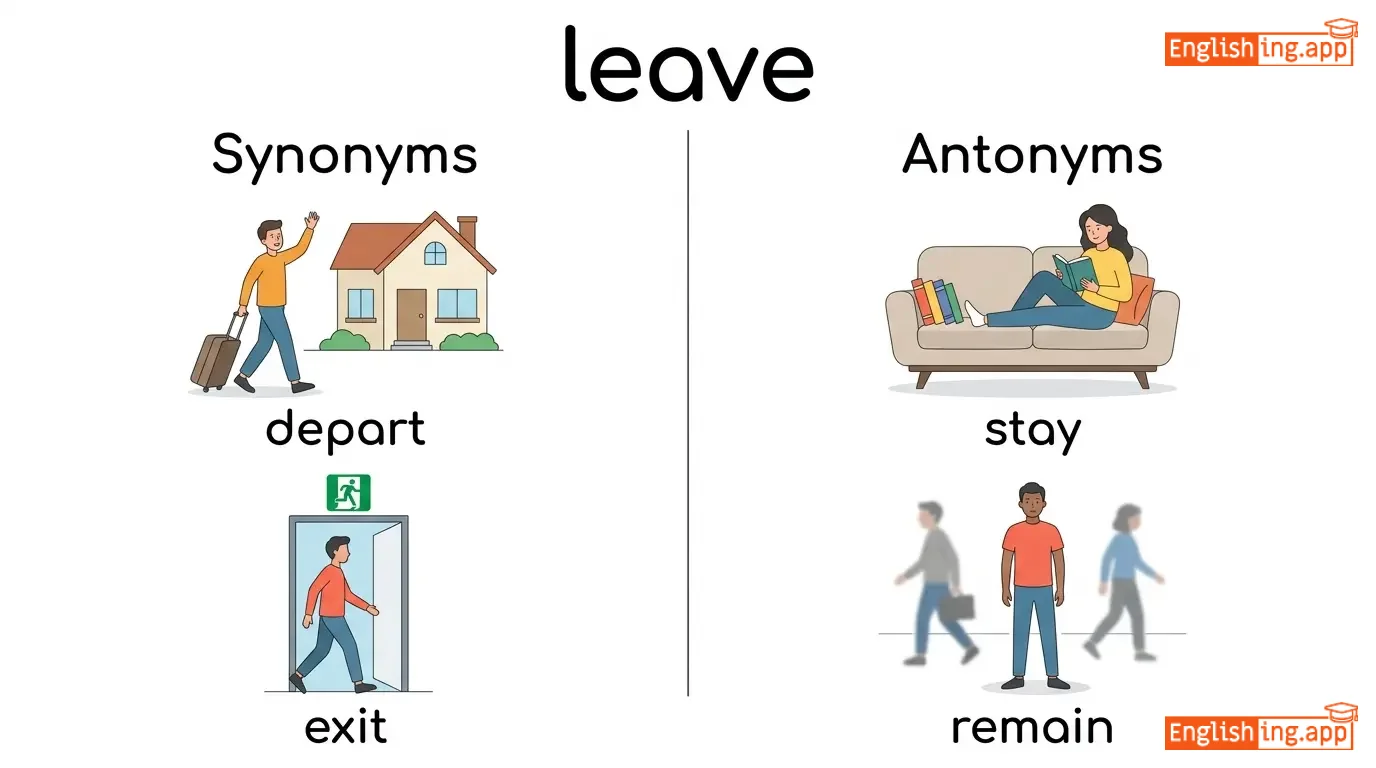
depart, exit, withdraw, quit, abandon
••••••
|
stay, remain, arrive
••••••
|
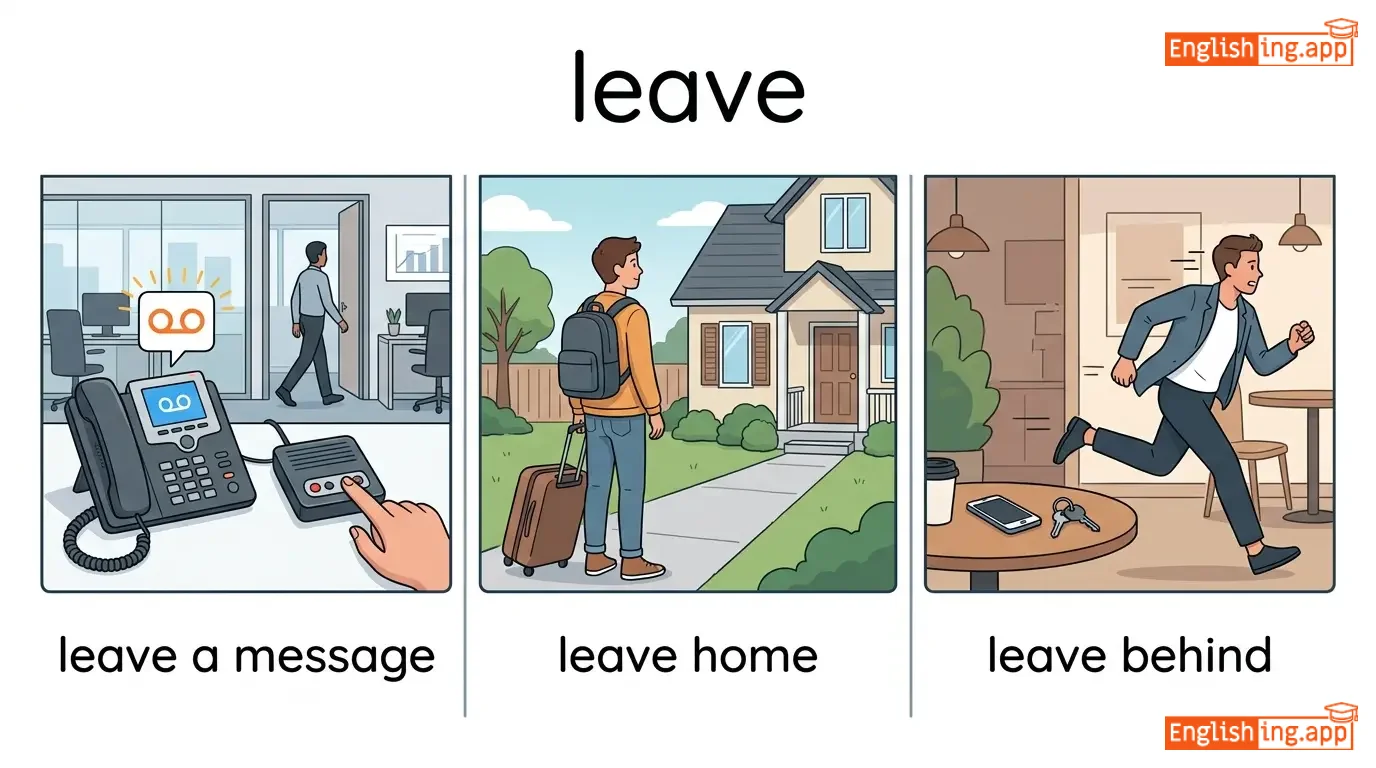
leave a message, leave home, leave behind, leave early
••••••
|
去るは'left'と同じ意味です。去るときは前に進み、振り返りません。
••••••
|
|
#11307
👞
|
/ˈlɛðər/
noun
(レザー)
••••••
|
- •••••• |
革
kawa
••••••
|
- •••••• | - •••••• | - •••••• | - •••••• |
A material made from the skin of an animal, usually treated and used to make clothing, shoes, or furniture.
••••••
|
He bought a leather jacket for winter. |
彼は冬のために革のジャケットを買いました。
Kare wa fuyu no tame ni kawa no jaketto o kaimashita.
••••••
|
tough as leather |
very strong and durable
••••••
|
革のように硬い
Kawa no yō ni katai
••••••
|
hide, skin, suede, material
••••••
|
fabric, cloth
••••••
|
leather jacket, leather shoes, leather bag, leather belt
••••••
|
Leatherは革を意味します – レザーのジャケットは革のジャケットです。
••••••
|
|
#11308
📚
|
/ˈlɜrnɪŋ/
noun
(ラーンニング)
••••••
|
- •••••• |
学習
gakushū
••••••
|
- •••••• | - •••••• | - •••••• | - •••••• |
The process of gaining knowledge or skills through study or experience.
••••••
|
Learning a new language can be exciting.
新しい言語を学ぶことは興奮することがあります。
••••••
|
新しい言語を学ぶことは興奮することがあります。
Atarashī gengo o manabu koto wa kōfun suru koto ga arimasu.
••••••
|
lifelong learning
生涯学習
••••••
|
continuous pursuit of knowledge throughout life
••••••
|
生涯学習
shōgai gakushū
••••••
|
education, knowledge, training, study
••••••
|
ignorance, unawareness
••••••
|
learning process, learning skills, online learning, active learning
••••••
|
Learningは学んで、成長することで未来に役立つ。
••••••
|
|
#11309
↘️
|
/liːn/
verb
(リン)
••••••
|
|
寄りかかる
yorikakaru
••••••
|
leaned
リンド
••••••
|
leaned
リンド
••••••
|
leans
リンズ
••••••
|
leaning
リーニング
••••••
|
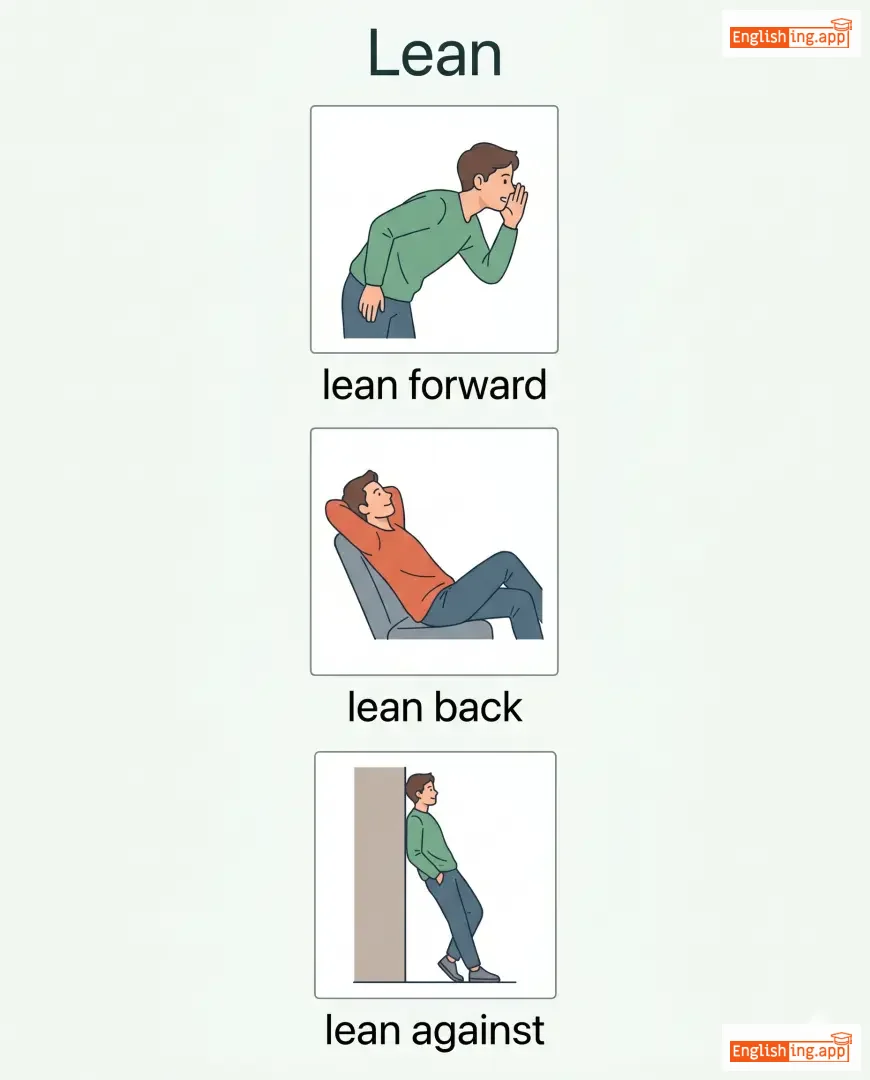
To move or bend your body in a particular direction.
••••••
|
He had to lean forward to hear her clearly.
彼は彼女の声をはっきり聞くために前かがみにならなければならなかった。
••••••
|
彼は彼女の声をはっきり聞くために前かがみにならなければならなかった。
Kare wa kanojo no koe o hakkiri kiku tame ni mae kagami ni naranakereba naranakatta.
••••••
|
lean on someone
誰かに頼る
••••••
|
to rely on someone for support
••••••
|
誰かに頼る
Dareka ni tayoru
••••••
|
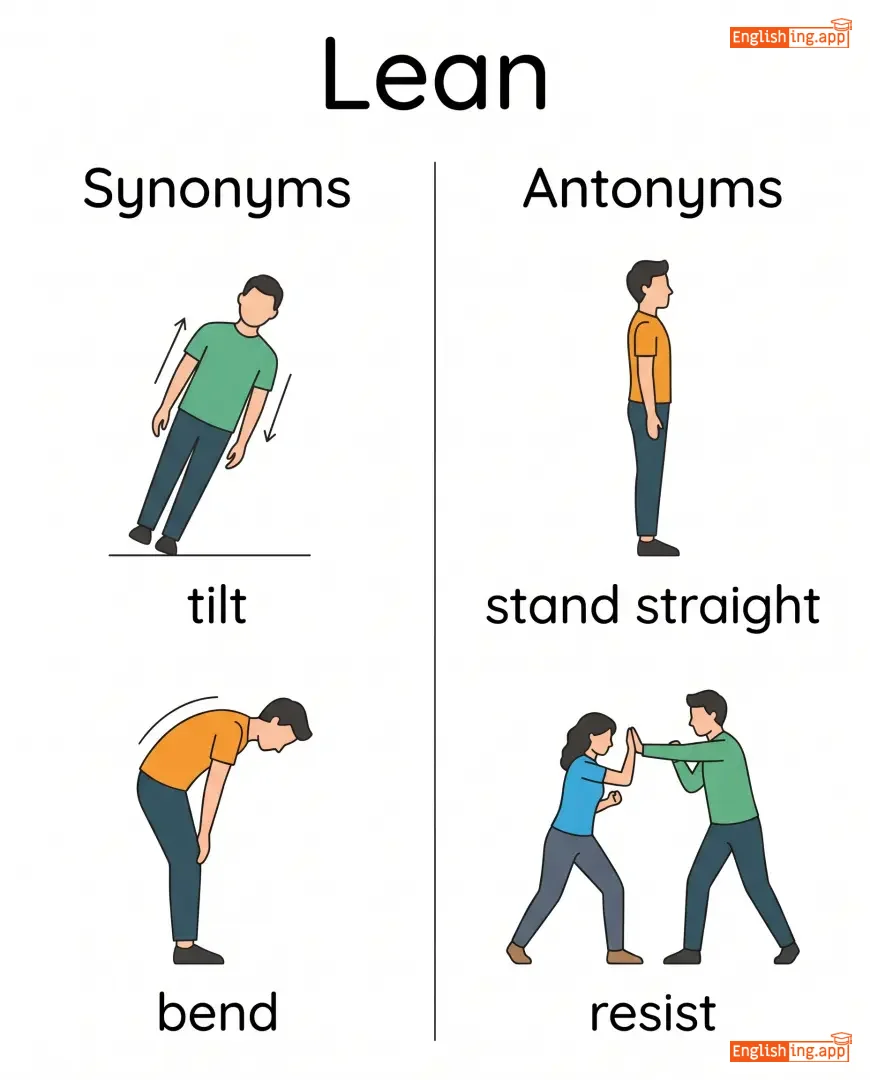
tilt, bend, rest, incline
••••••
|
stand straight, resist
••••••
|
lean forward, lean back, lean against, lean towards
••••••
|
寄りかかるとは頼ること、試験中に寄りかかるためには誰かに頼る必要がある。
••••••
|
|
#11310
🍃
|
/liːf/
noun
(リーフ)
••••••
|
- •••••• |
葉
ha
••••••
|
- •••••• | - •••••• | - •••••• | - •••••• |
A flat, green part of a plant that grows from the stem or branch.
••••••
|
A green leaf fell from the tree. |
緑の葉が木から落ちた。
Midori no ha ga ki kara ochita.
••••••
|
turn over a new leaf |
to make a fresh start or begin to behave in a better way
••••••
|
新しいページを開く
Atarashii pēji o hiraku
••••••
|
foliage, frond, blade, greenery
••••••
|
stem, root
••••••
|
green leaf, dry leaf, autumn leaf, leaf pattern
••••••
|
Leafは葉を意味します – 本のページのように、葉も平らです。
••••••
|
|
#11311
👑
|
/ˈliːdərˌʃɪp/
noun
(リーダーシップ)
••••••
|
|
リーダーシップ
rīdāshippu
••••••
|
- •••••• | - •••••• | - •••••• | - •••••• |
The action of leading a group of people or an organization.
••••••
|
Her leadership inspired the entire team to achieve their goals. |
彼女のリーダーシップはチーム全体を目標達成に導いた。
Kanojo no rīdāshippu wa chīmu zentai o mokuhyō tassei ni michibiita.
••••••
|
take the leadership role |
to assume responsibility for guiding or directing others
••••••
|
リーダーシップの役割を引き受ける
Rīdāshippu no yakuwari o hikiukeru
••••••
|
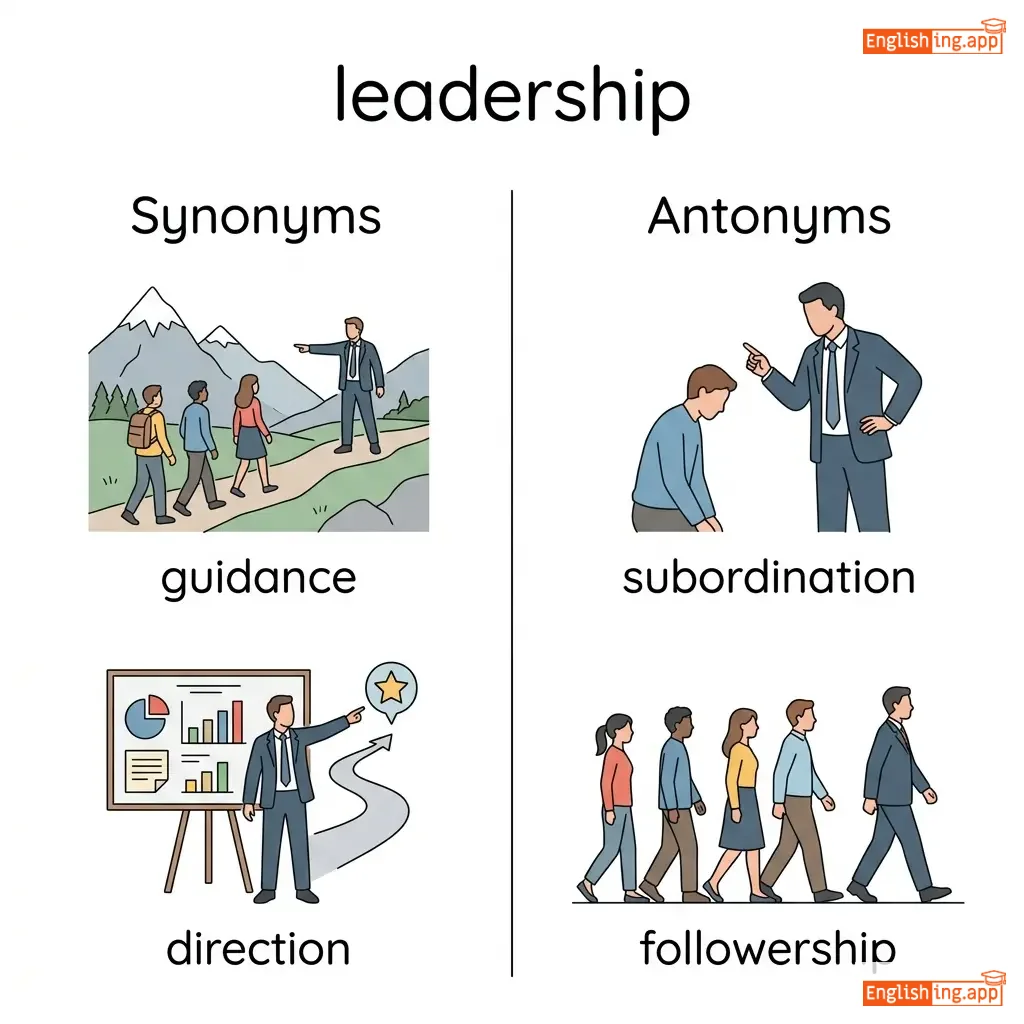
guidance, direction, command, authority, management
••••••
|
subordination, followership
••••••
|
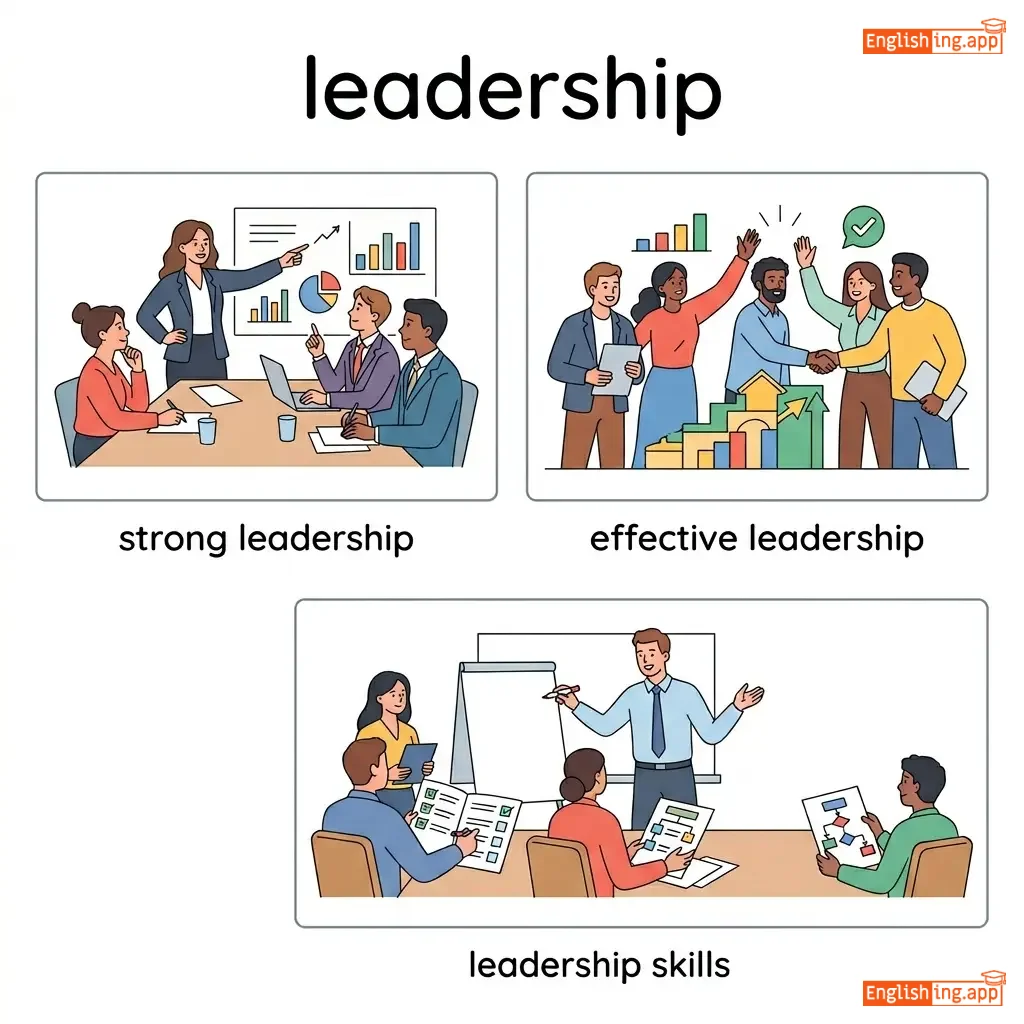
strong leadership, effective leadership, leadership skills, leadership qualities
••••••
|
リーダーシップは船長のように、成功の海をチームで進んでいくことです。
••••••
|
|
#11312
👑
|
/ˈliːdər/
noun
(リーダー)
••••••
|
|
リーダー
rīdā
••••••
|
- •••••• | - •••••• | - •••••• | - •••••• |
A person who leads a group, organization, or country.
••••••
|
The leader inspired the team with his vision.
リーダーは彼のビジョンでチームを鼓舞しました。
••••••
|
リーダーは彼のビジョンでチームを鼓舞しました。
Rīdā wa kare no bijon de chīmu o kobu shimashita.
••••••
|
natural leader
自然なリーダー
••••••
|
someone who has innate leadership qualities
••••••
|
自然なリーダー
shizen na rīdā
••••••
|
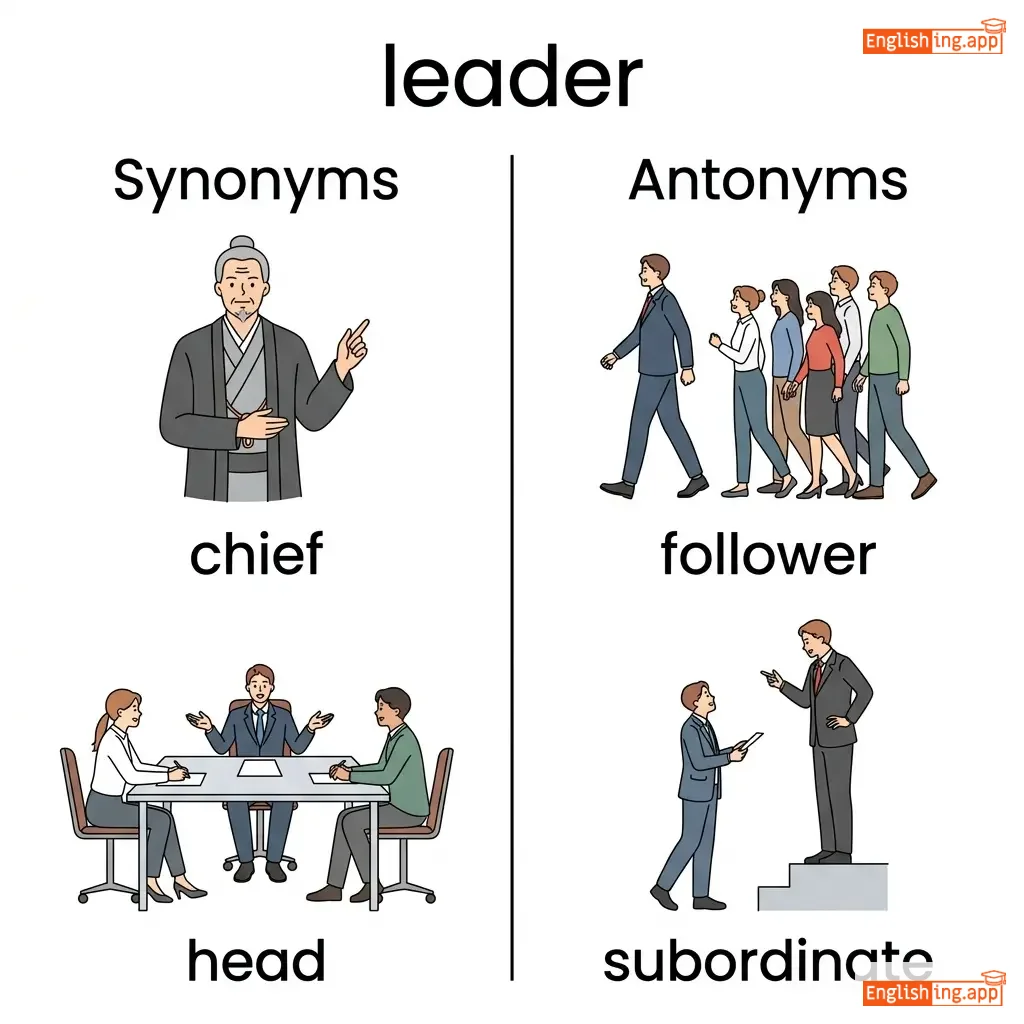
chief, head, commander, captain, director
••••••
|
follower, subordinate
••••••
|
political leader, business leader, strong leader, natural leader
••••••
|
Leader は日本語でもリーダー、道を示す人!
••••••
|
|
#11313
🧭
|
/liːd/
verb
(リード)
••••••
|
- •••••• |
導く
michibiku
••••••
|
led
レッド
••••••
|
led
レッド
••••••
|
leads
リッズ
••••••
|
leading
リーディング
••••••
|
To guide or be in charge; to show the way.
••••••
|
He led the team to victory.
彼はチームを勝利に導いた。
••••••
|
彼はチームを勝利に導いた。
Kare wa chīmu o shōri ni michibiita.
••••••
|
lead the way
道を示す
••••••
|
to show others how to proceed
••••••
|
道を示す
michi o shimesu
••••••
|
guide, direct, command, conduct, head
••••••
|
follow, obey
••••••
|
lead the team, lead the way, lead a project, lead to success
••••••
|
Leadは導くという意味です。リーダーが道を示すように。
••••••
|
|
#11314
📚
|
/ˈleɪər/
noun
(レイヤー)
••••••
|
- •••••• |
層
sō
••••••
|
- •••••• | - •••••• | - •••••• | - •••••• |
A sheet, thickness, or coating of something that lies over or under a surface.
••••••
|
The cake had a layer of cream between the sponges. |
ケーキにはスポンジの間にクリームの層がありました。
Kēki ni wa suponji no aida ni kurīmu no sō ga arimashita.
••••••
|
a layer of meaning |
a deeper or additional significance
••••••
|
意味の層
imi no sō
••••••
|
sheet, coating, stratum, film, covering
••••••
|
core, center
••••••
|
thin layer, thick layer, protective layer, additional layer
••••••
|
Layerは層を意味します。ケーキにクリーム層があるように。
••••••
|
|
#11315
📖
|
/leɪ/
verb
(レイ)
••••••
|
|
置く
oku
••••••
|
laid
レイド
••••••
|
laid
レイド
••••••
|
lays
レイズ
••••••
|
laying
レイイング
••••••
|
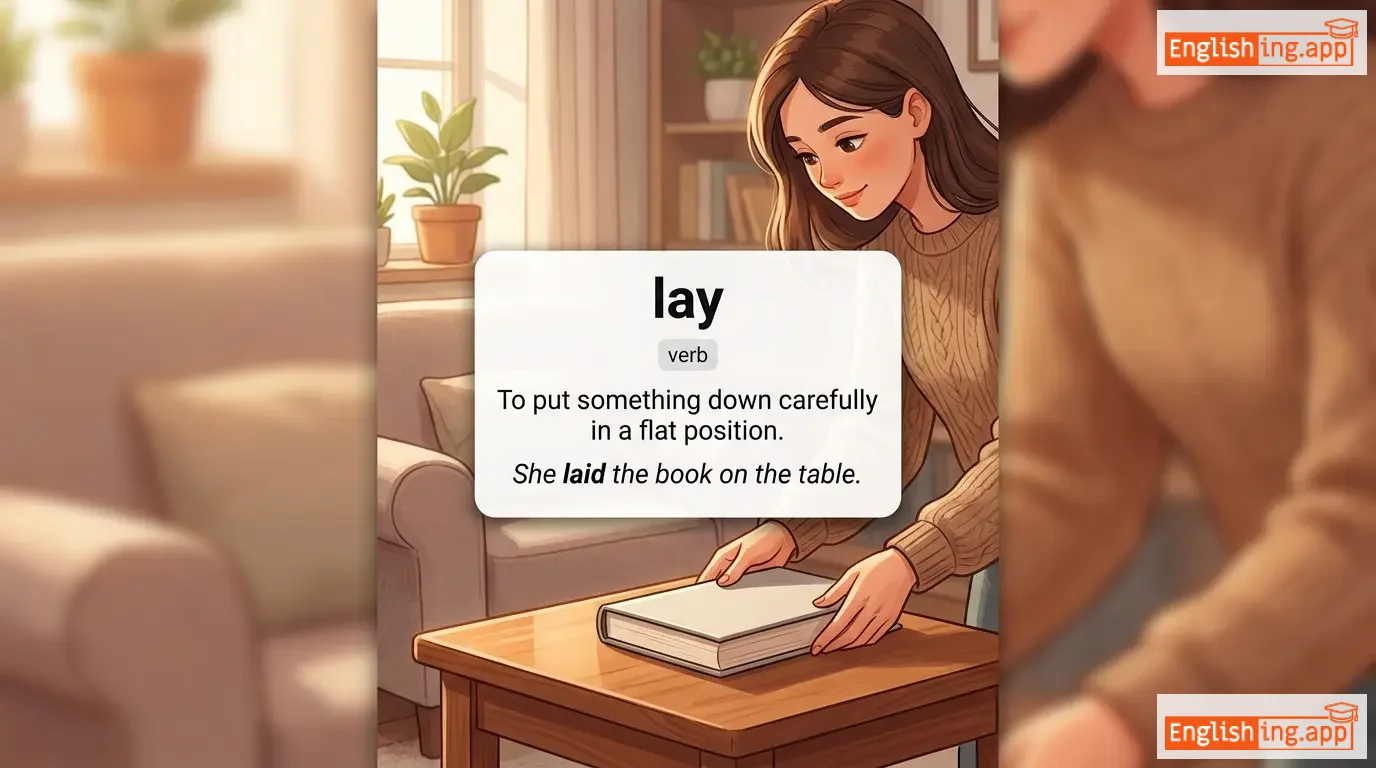
To put something down carefully in a flat position.
••••••
|
She laid the book on the table.
彼女は本をテーブルに置いた。
••••••
|
彼女は本をテーブルに置いた。
Kanojo wa hon o teeburu ni oita.
••••••
|
lay the foundation
基礎を築く
••••••
|
to establish the base or groundwork
••••••
|
基礎を築く
kiso o kizuku
••••••
|
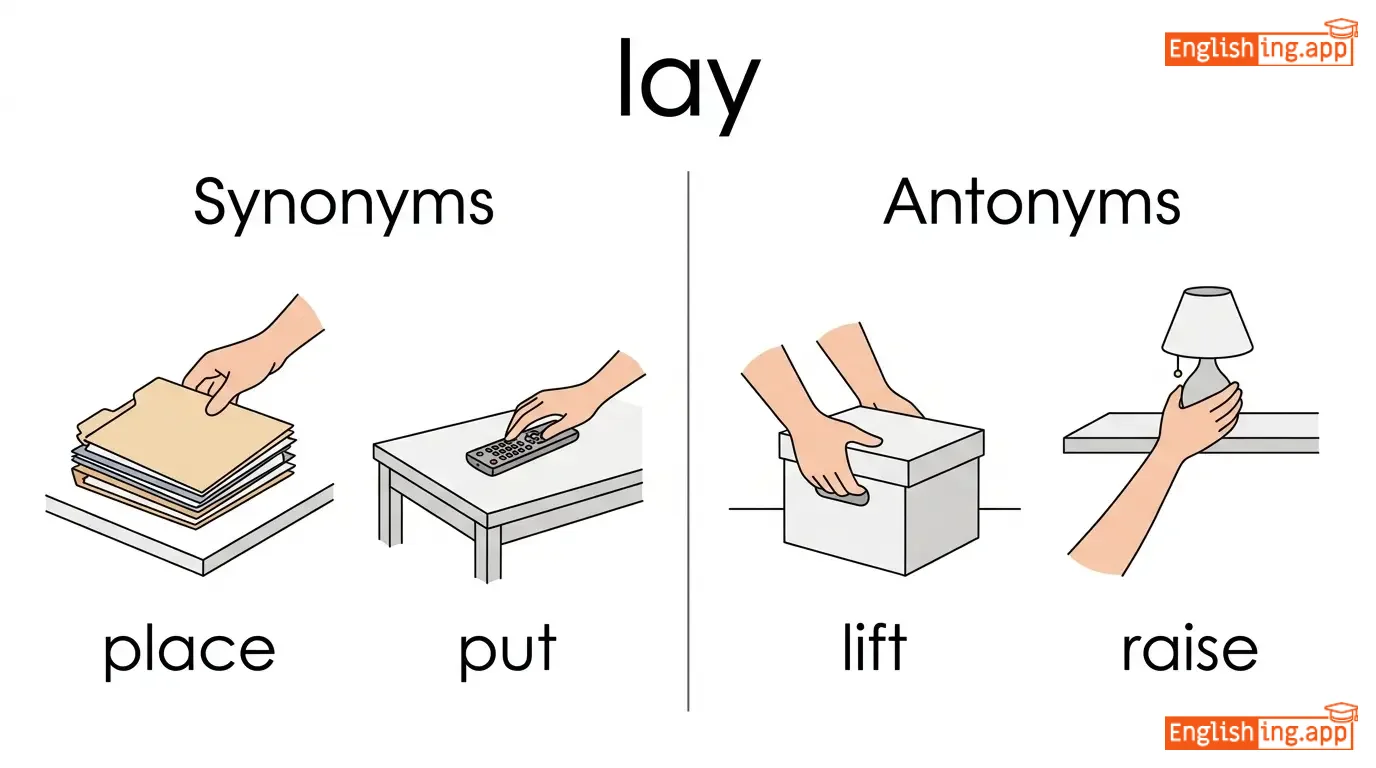
place, put, set, position, deposit
••••••
|
lift, raise
••••••
|
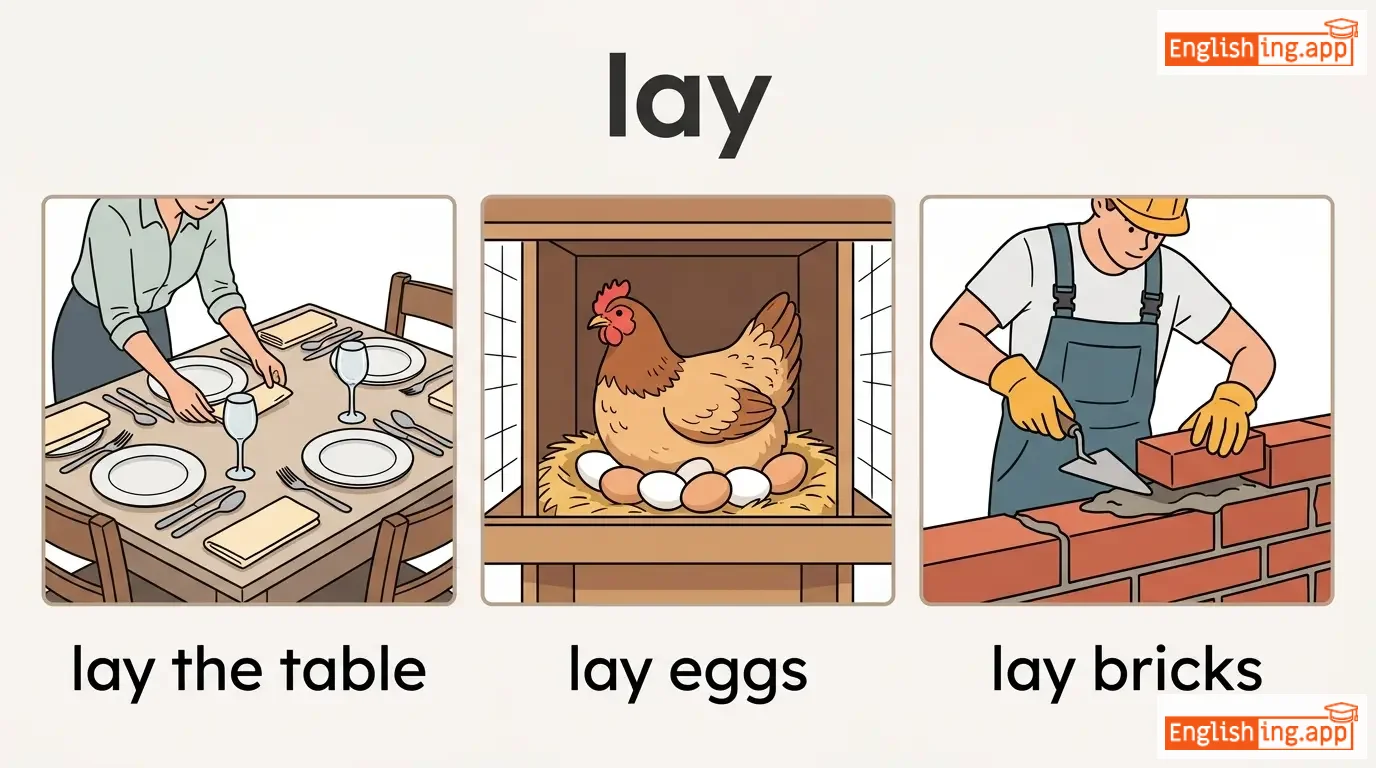
lay the table, lay eggs, lay bricks, lay emphasis
••••••
|
Layは置くという意味、例えば「彼女は本をLAYしたテーブルに」
••••••
|
|
#11316
⚖️
|
/ˈlɔːjər/
noun
(ロイヤー)
••••••
|
- •••••• |
弁護士
bengoshi
••••••
|
- •••••• | - •••••• | - •••••• | - •••••• |
A professional who practices or studies law; an attorney.
••••••
|
The lawyer presented the case confidently in court. |
弁護士は自信を持って裁判所で事件を弁護しました。
Bengoshi wa jishin o motte saiban-sho de jiken o bengo shimashita.
••••••
|
hire a lawyer |
to employ an attorney for legal help
••••••
|
弁護士を雇う
Bengoshi o yatou
••••••
|
attorney, advocate, solicitor, barrister, counselor
••••••
|
client, defendant
••••••
|
criminal lawyer, corporate lawyer, hire a lawyer, defense lawyer
••••••
|
Lawyer は弁護士、覚えておけ LAW は法律
••••••
|
|
#11317
📑
|
/ˈlɔːsuːt/
noun
(ロースート)
••••••
|
- •••••• |
訴訟
soshō
••••••
|
- •••••• | - •••••• | - •••••• | - •••••• |
a legal case brought to a court of law by one person against another
••••••
|
The company faced a lawsuit over false advertising. |
その会社は虚偽広告に関する訴訟に直面した。
sono kaisha wa kyogi kōkoku ni kansuru soshō ni chokumen shita.
••••••
|
- •••••• | - •••••• | - •••••• |
case, litigation, action, proceeding
••••••
|
agreement, settlement
••••••
|
file a lawsuit, pending lawsuit, lawsuit settlement, lawsuit case
••••••
|
Law + suit = 裁判所に訴訟を起こす 📑
••••••
|
|
#11318
🌱
|
/lɔːn/
noun
(ローン)
••••••
|
- •••••• |
芝生
shibafu
••••••
|
- •••••• | - •••••• | - •••••• | - •••••• |
an area of short, regularly cut grass in a yard or park
••••••
|
Children were playing on the green lawn.
子供たちは緑の芝生の上で遊んでいました。
••••••
|
子供たちは緑の芝生の上で遊んでいました。
Kodomotachi wa midori no shibafu no ue de asonde imashita.
••••••
|
- •••••• | - •••••• | - •••••• |
grass, turf, garden, yard
••••••
|
desert, barren land
••••••
|
mow the lawn, front lawn, green lawn, lawn mower
••••••
|
Lawnは芝生、子供たちが遊ぶ場所です。
••••••
|
|
#11319
⚖️
|
/lɔː/
noun
(ロー)
••••••
|
- •••••• |
法律
hōritsu
••••••
|
- •••••• | - •••••• | - •••••• | - •••••• |
a system of rules created and enforced by authority to regulate behavior
••••••
|
Everyone must obey the law of the country. |
誰もが国の法律に従わなければなりません。
Dare mo ga kuni no hōritsu ni shitagawanakereba narimasen.
••••••
|
above the law |
not subject to the law or thinking rules do not apply
••••••
|
法律の上に
hōritsu no ue ni
••••••
|
rule, regulation, legislation, statute, code
••••••
|
anarchy, disorder, chaos
••••••
|
law enforcement, law firm, law student, law school
••••••
|
Law は ⚖️ 法律を意味します — みんなそれに従うべきです。
••••••
|
|
#11320
🚪
|
/nɒk/
verb
(ノック)
••••••
|
|
ドアをノックする
doa o nokku suru
••••••
|
knocked
ノックド
••••••
|
knocked
ノックド
••••••
|
knocks
ノックス
••••••
|
knocking
ノッキング
••••••
|
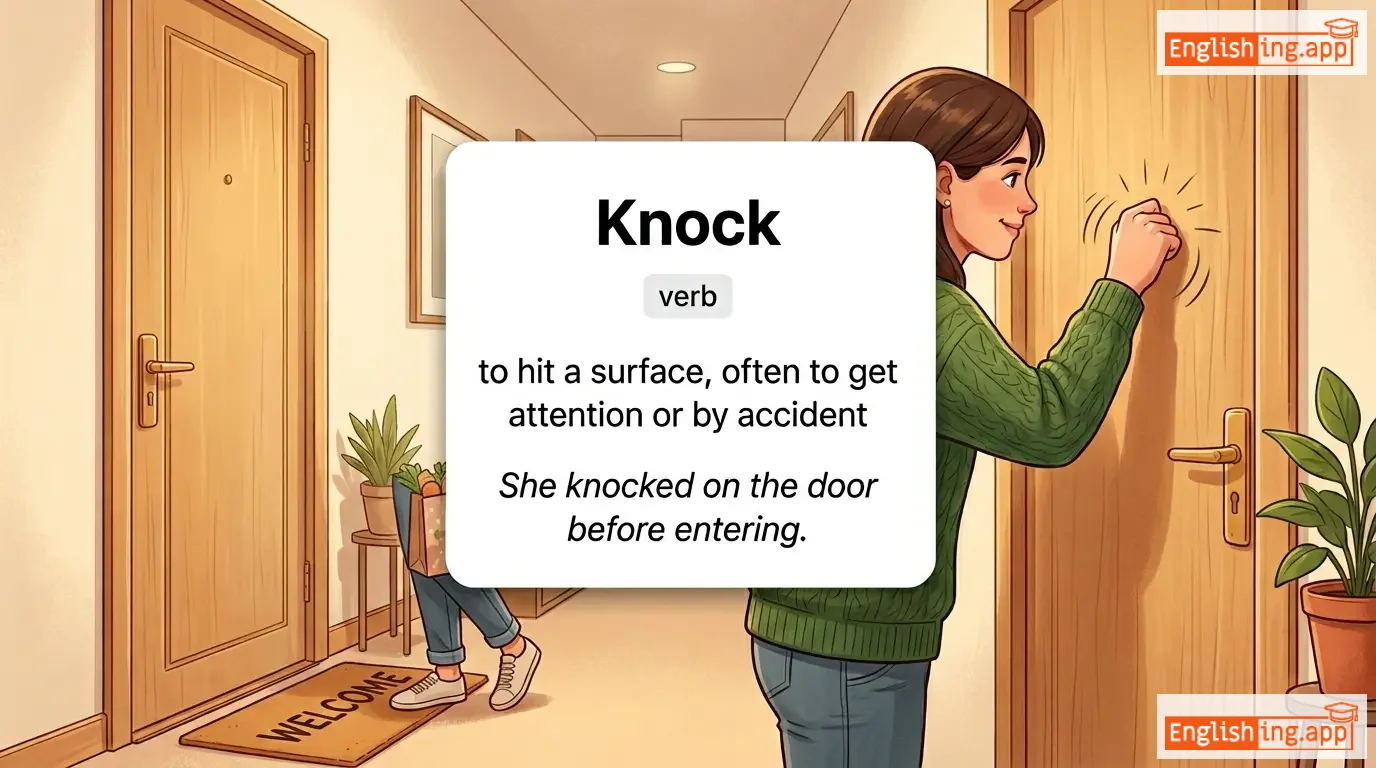
to hit a surface, often to get attention or by accident
••••••
|
She knocked on the door before entering.
彼女は入る前にドアをノックしました。
••••••
|
彼女は入る前にドアをノックしました。
Kanojo wa hairu mae ni doa o nokkushimashita.
••••••
|
knock on wood
ノックオンウッド
••••••
|
said to avoid bad luck after mentioning something good
••••••
|
良いことを言った後、不運を避けるために言う言葉
Yoi koto o itta ato, fuun o sakeru tame ni iu kotoba
••••••
|
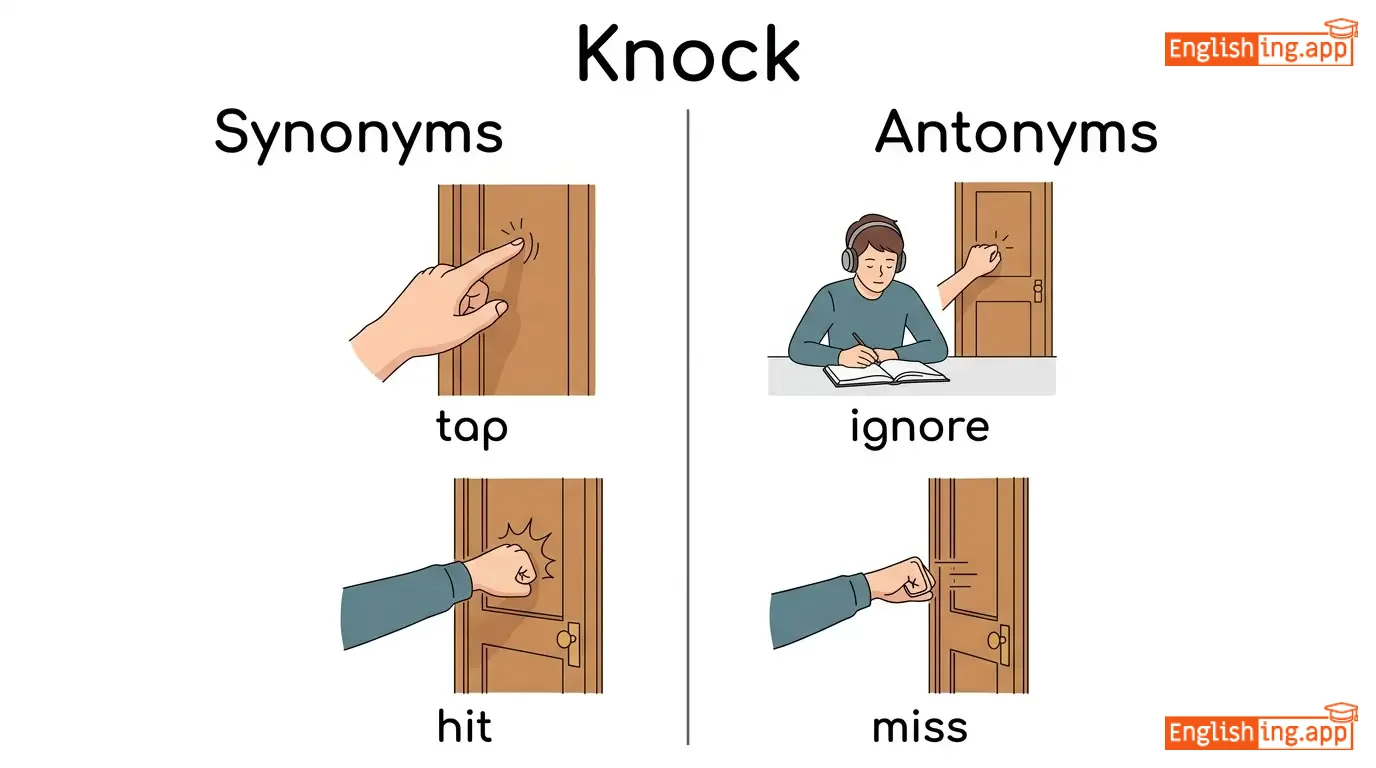
tap, hit, bang, strike, bump
••••••
|
ignore, miss
••••••
|
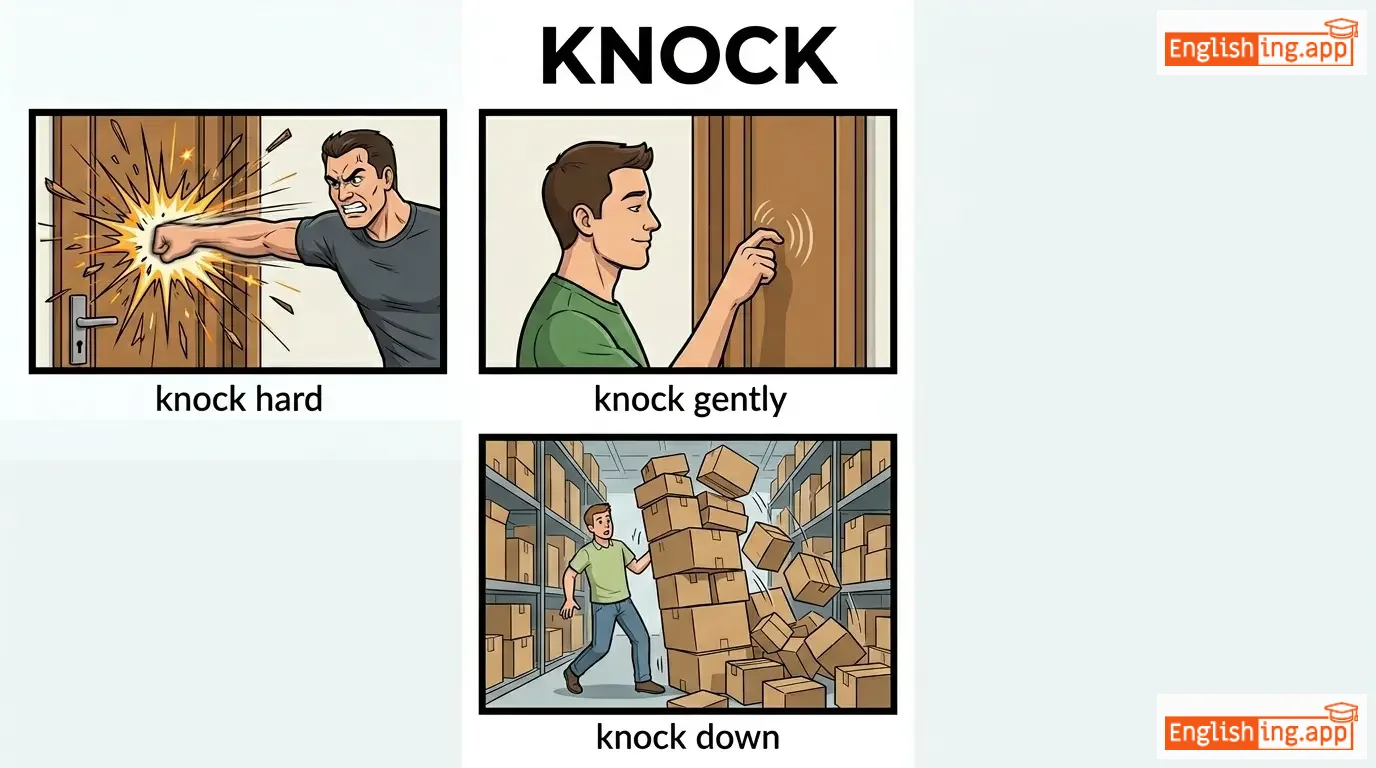
knock hard, knock gently, knock down, knock over
••••••
|
ドアをノック、幸せが待っている!
••••••
|
|
#11321
😂
|
/læf/
verb, noun
(ラフ)
••••••
|
|
笑う
warau
••••••
|
laughed
ラフド
••••••
|
laughed
ラフド
••••••
|
laughs
ラフス
••••••
|
laughing
ラフィング
••••••
|
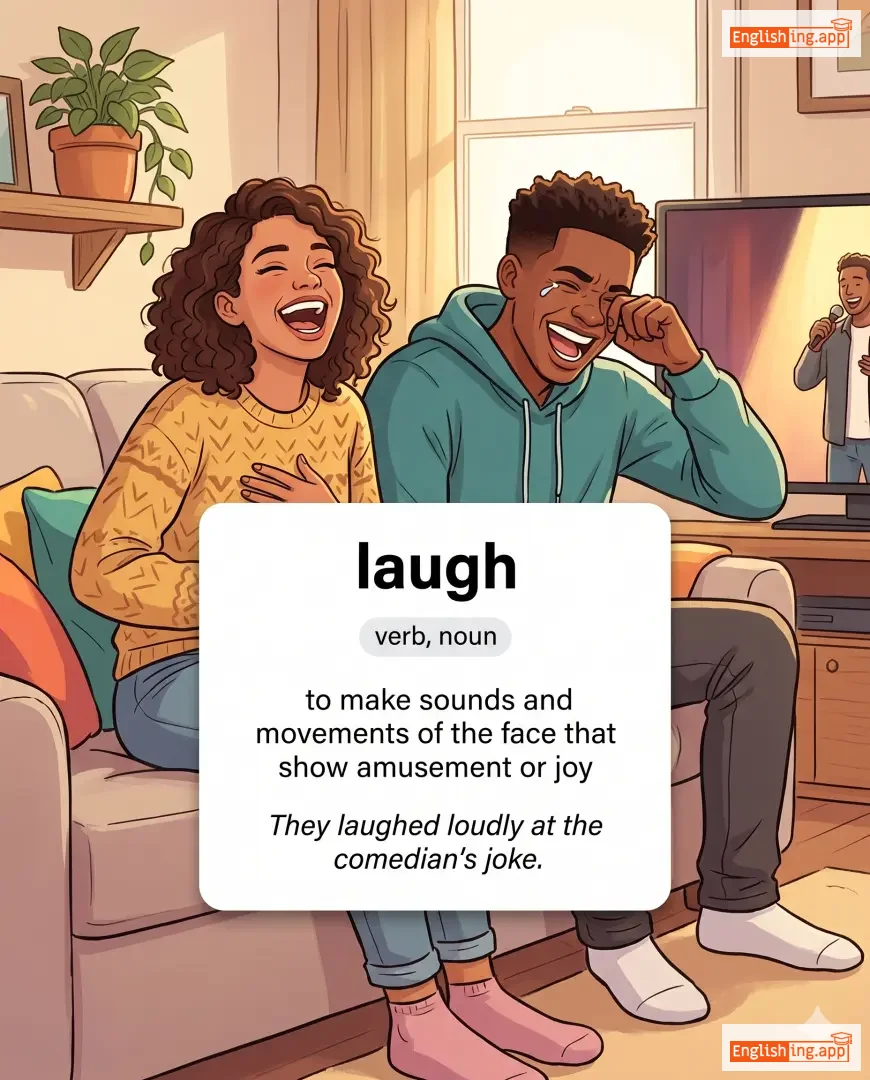
to make sounds and movements of the face that show amusement or joy
••••••
|
They laughed loudly at the comedian's joke.
彼らはコメディアンのジョークで大声で笑った。
••••••
|
彼らはコメディアンのジョークで大声で笑った。
Karera wa komedian no jooku de oogoe de waratta.
••••••
|
laugh it off
笑い飛ばす
••••••
|
to dismiss something unpleasant by treating it humorously
••••••
|
笑い飛ばす
waraitobasu
••••••
|
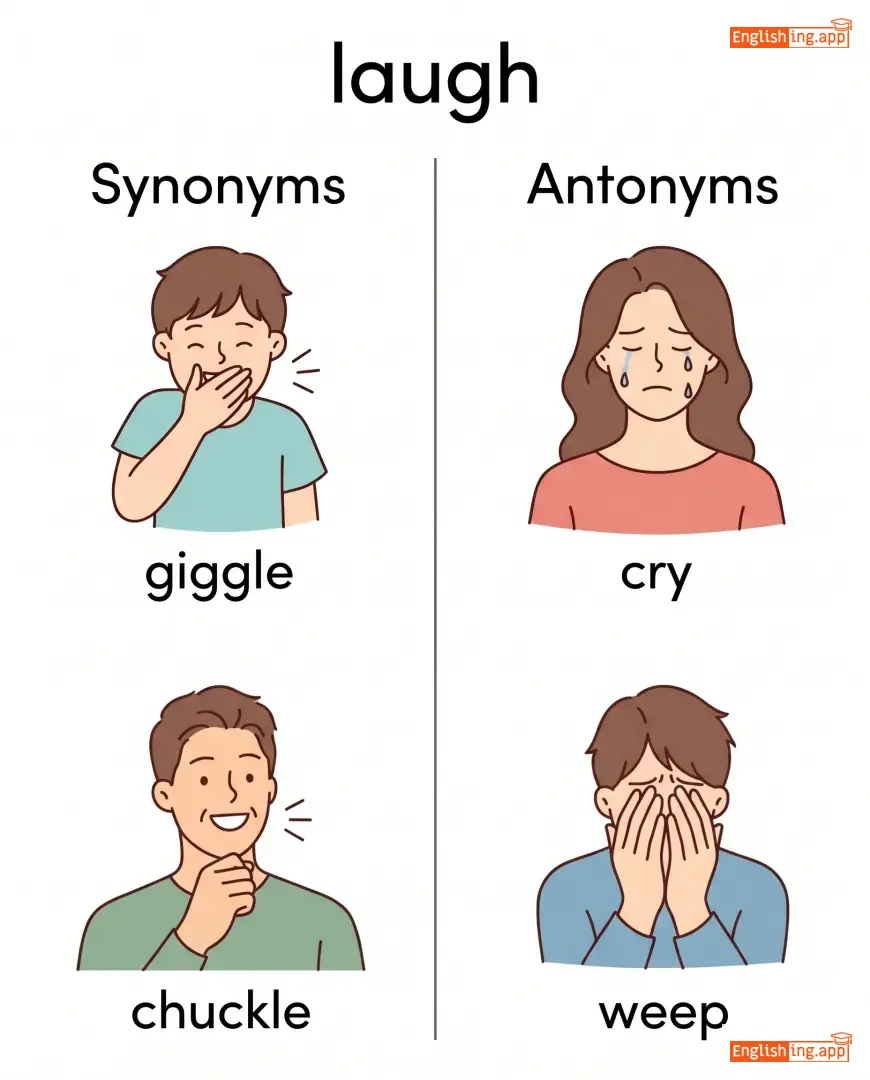
giggle, chuckle, snicker, roar, cackle
••••••
|
cry, weep, sob
••••••
|
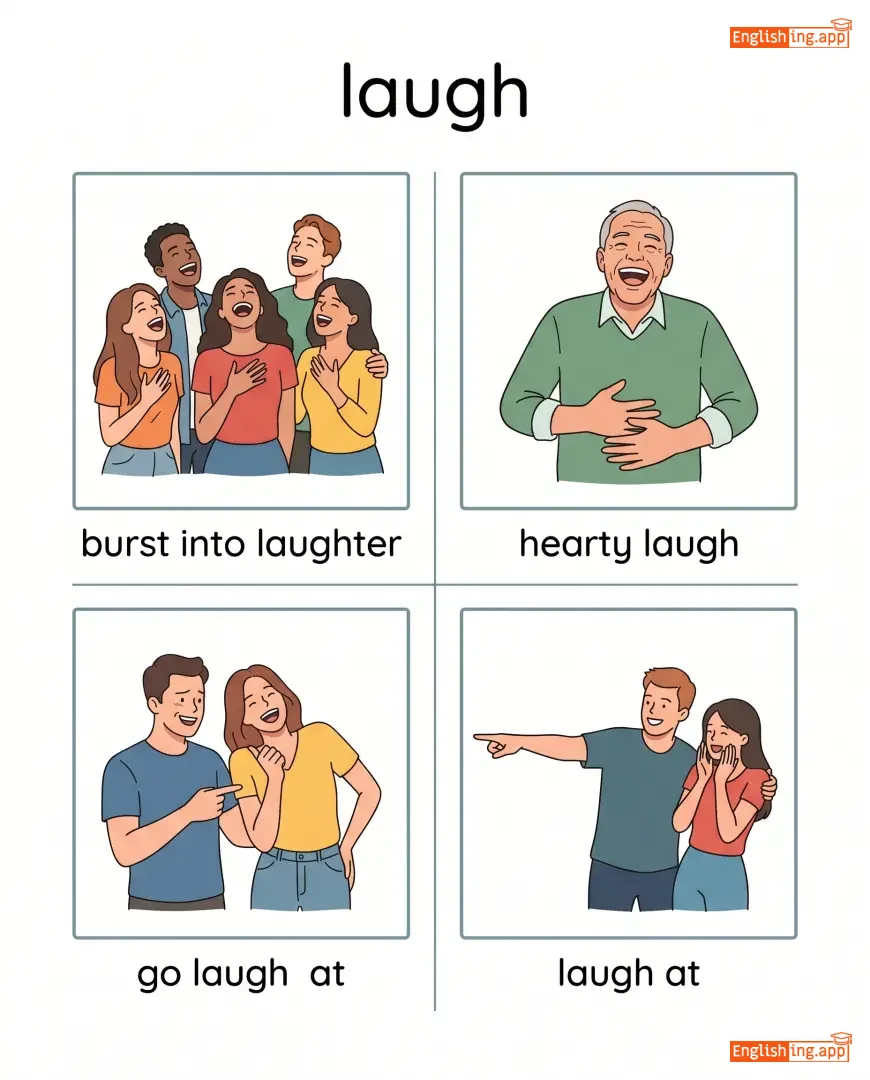
burst into laughter, hearty laugh, laugh at, laugh with
••••••
|
'laugh'は日本語で笑うと同じ意味を持つ。
••••••
|
|
#11322
➡️
|
/ˈlætər/
adjective
(ラター)
••••••
|
- •••••• |
後者
kōsha
••••••
|
- •••••• | - •••••• | - •••••• | - •••••• |
the second of two people or things mentioned
••••••
|
Between tea and coffee, I prefer the latter. |
お茶とコーヒーの間で、私は後者を選びます。
Ocha to kōhī no aida de, watashi wa kōsha o erabimasu.
••••••
|
- •••••• | - •••••• | - •••••• |
second, last-mentioned, concluding, final
••••••
|
former, first
••••••
|
the latter case, in the latter part, the latter option
••••••
|
Formerは最初、Latterは後者 – どちらかを選ぶとき、latterは後者を意味します
••••••
|
|
#11323
🏛️
|
/ˈlætɪn/
noun/adjective
(ラテン)
••••••
|
- •••••• |
ラテン語
raten-go
••••••
|
- •••••• | - •••••• | - •••••• | - •••••• |
the language of ancient Rome; relating to Latin culture or language
••••••
|
Many English words are derived from Latin.
多くの英単語はラテン語から派生しています。
••••••
|
多くの英単語はラテン語から派生しています。
Ooku no eitango wa raten-go kara hassei shiteimasu.
••••••
|
- •••••• | - •••••• | - •••••• |
Roman, classical, Italic, Romance
••••••
|
modern, contemporary
••••••
|
Latin language, Latin America, Latin culture, Latin alphabet
••••••
|
ラテン語はラテン、ローマとその言語の始まりを考えてみてください
••••••
|
|
#11324
⏰
|
/leɪt/
adjective/adverb
(レイト)
••••••
|
- •••••• |
遅れた
okureta
••••••
|
- •••••• | - •••••• | - •••••• | - •••••• |
arriving, happening, or done after the expected time
••••••
|
He arrived late to the meeting. |
彼は会議に遅れて到着した。
Kare wa kaigi ni okurete tōchaku shita.
••••••
|
better late than never |
it is better to do something late than not at all
••••••
|
遅れても来ないよりはマシ
okuretemo konai yori wa mashi
••••••
|
tardy, delayed, overdue, unpunctual
••••••
|
early, prompt
••••••
|
late arrival, late night, late payment, late fee
••••••
|
Late = 遅れた – 重要な会議に遅れたと想像してみてください。
••••••
|
|
#11325
📊
|
/ˈlɑːrdʒli/
adverb
(ラージリー)
••••••
|
- •••••• |
主に
omoni
••••••
|
- •••••• | - •••••• | - •••••• | - •••••• |
to a great extent; mostly or mainly
••••••
|
The success of the project was largely due to teamwork. |
プロジェクトの成功は主にチームワークによるものだった。
Purojekuto no seikō wa omoni chīmu wāku ni yoru mono datta.
••••••
|
- •••••• | - •••••• | - •••••• |
mostly, mainly, chiefly, predominantly, primarily
••••••
|
partially, slightly
••••••
|
largely responsible, largely because, largely ignored, largely unchanged
••••••
|
LARGEは大きいので、latelyは主に意味します。
••••••
|
|
#11326
🗣️
|
/ˈlæŋɡwɪdʒ/
noun
(ラングウィッジ)
••••••
|
|
言語
gengo
••••••
|
- •••••• | - •••••• | - •••••• | - •••••• |
the system of communication used by a particular community, including spoken and written words
••••••
|
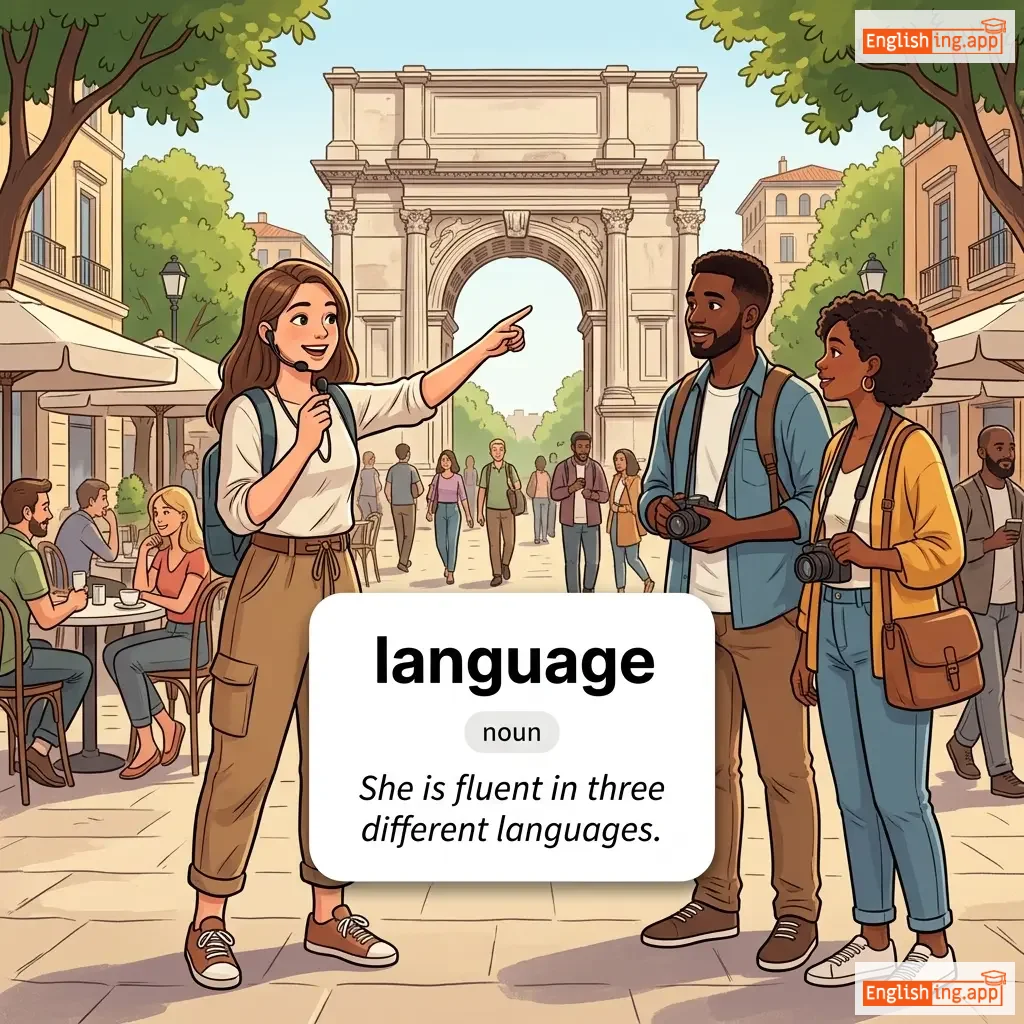
She is fluent in three different languages.
彼女は三つの異なる言語に堪能です。
••••••
|
彼女は三つの異なる言語に堪能です。
Kanojo wa mittsu no kotonaru gengo ni tannou desu.
••••••
|
mother tongue
母国語
••••••
|
a person's native language
••••••
|
母国語
bokokugo
••••••
|
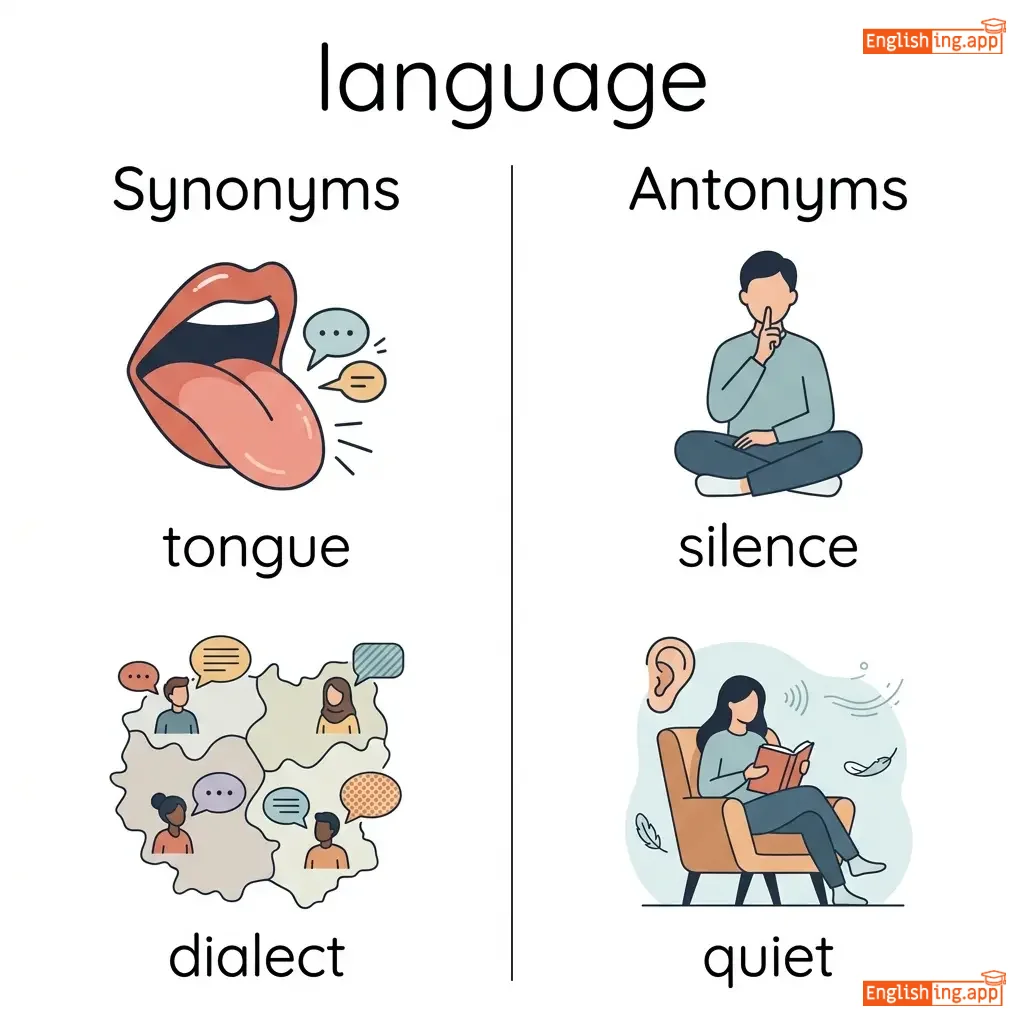
tongue, dialect, speech, lingo, communication
••••••
|
silence, quiet
••••••
|
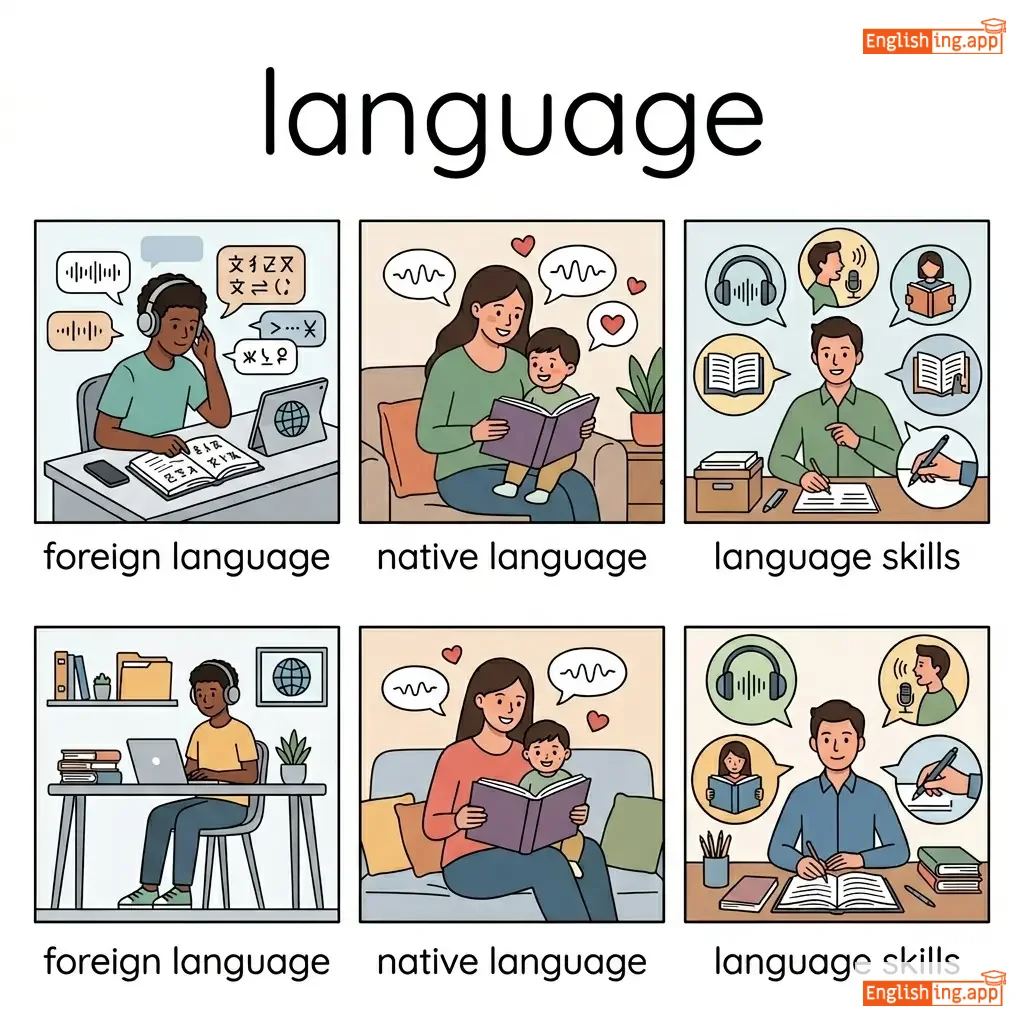
foreign language, native language, language skills, language barrier
••••••
|
LANGUAGEは‘言語’を意味します – 日本語で言語、英語で language
••••••
|
|
#11327
🌍
|
/lænd/
noun/verb
(ランド)
••••••
|
|
土地 / 着陸する
tochi / chakuriku suru
••••••
|
landed
ランデッド
••••••
|
landed
ランデッド
••••••
|
lands
ランズ
••••••
|
landing
ランディング
••••••
|
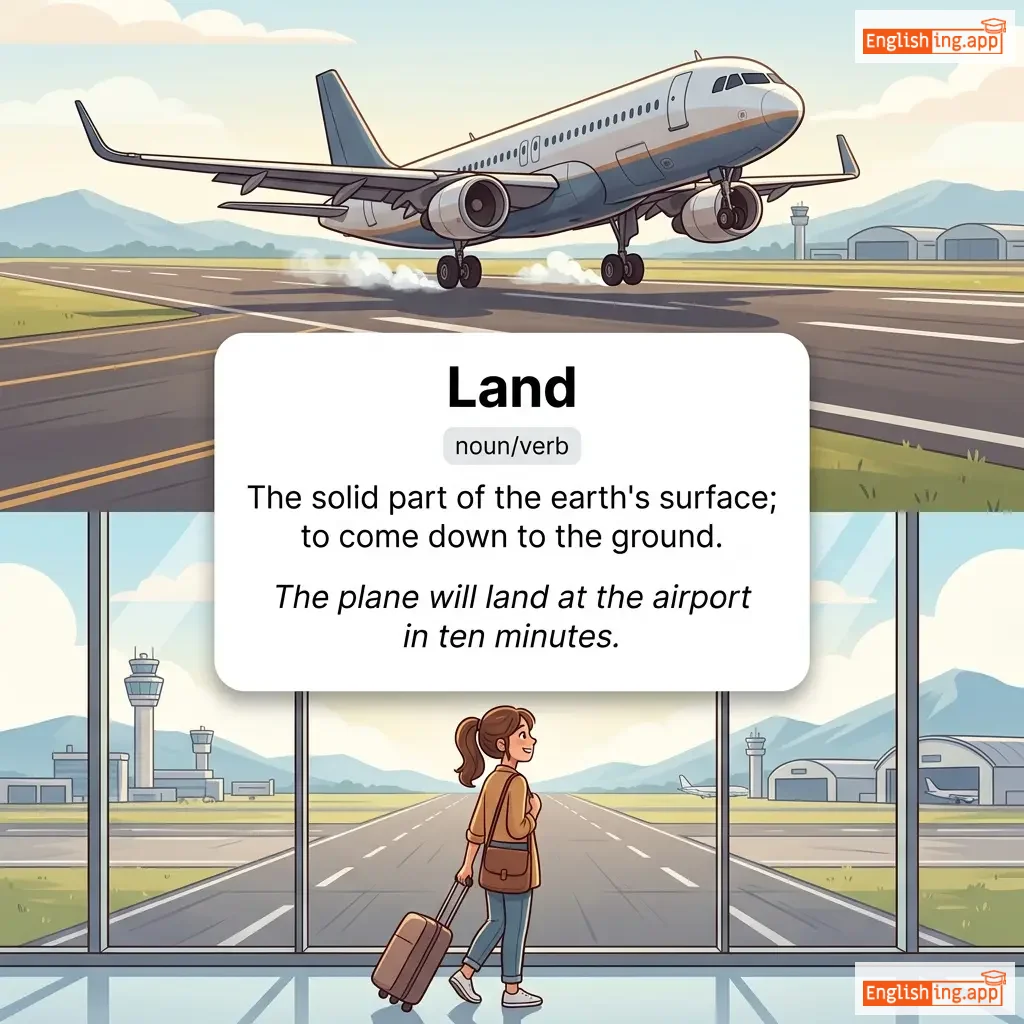
The solid part of the earth's surface; to come down to the ground.
••••••
|
The plane will land at the airport in ten minutes.
飛行機は10分で空港に着陸します。
••••••
|
飛行機は10分で空港に着陸します。
hikouki wa juppun de kuukou ni chakuriku shimasu.
••••••
|
land of opportunity
チャンスの地
••••••
|
a place where people have many chances to succeed
••••••
|
チャンスの地
chansu no chi
••••••
|
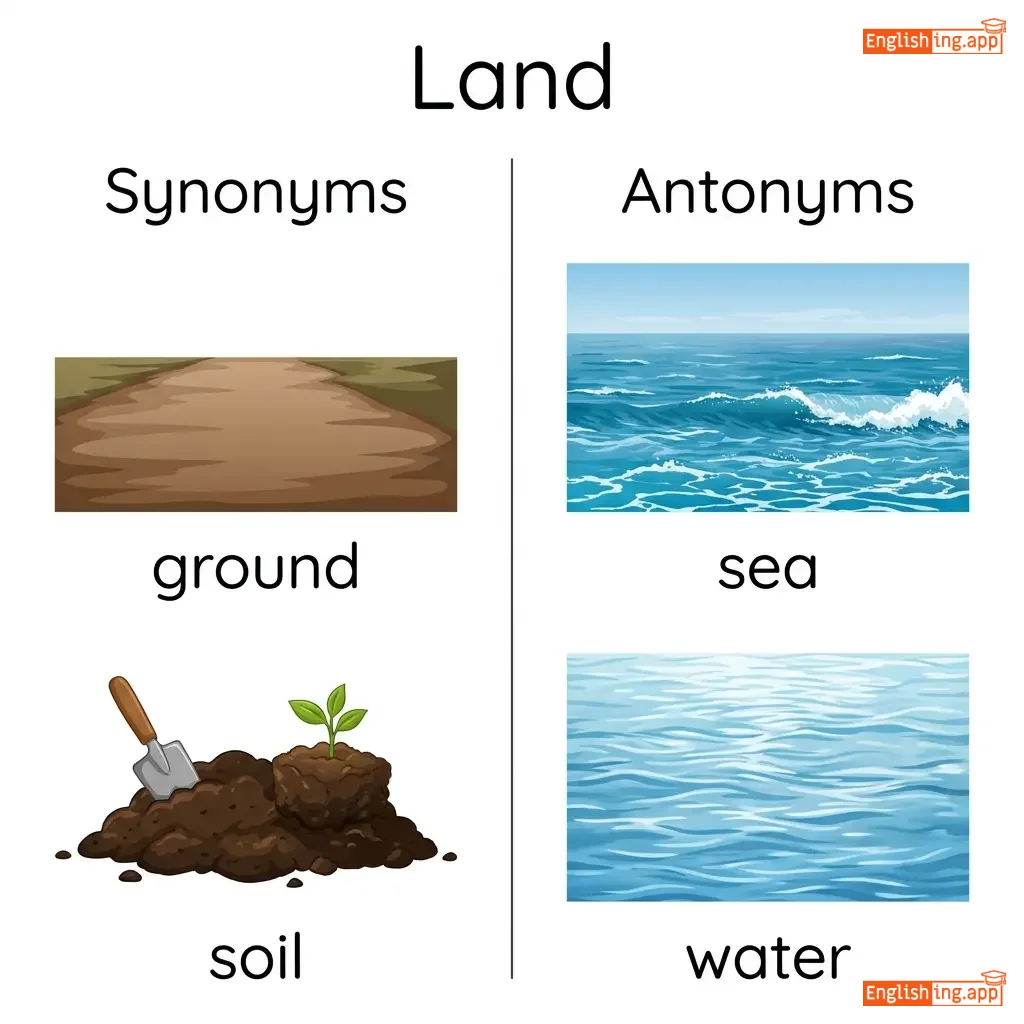
ground, soil, territory, earth
••••••
|
sea, water
••••••
|
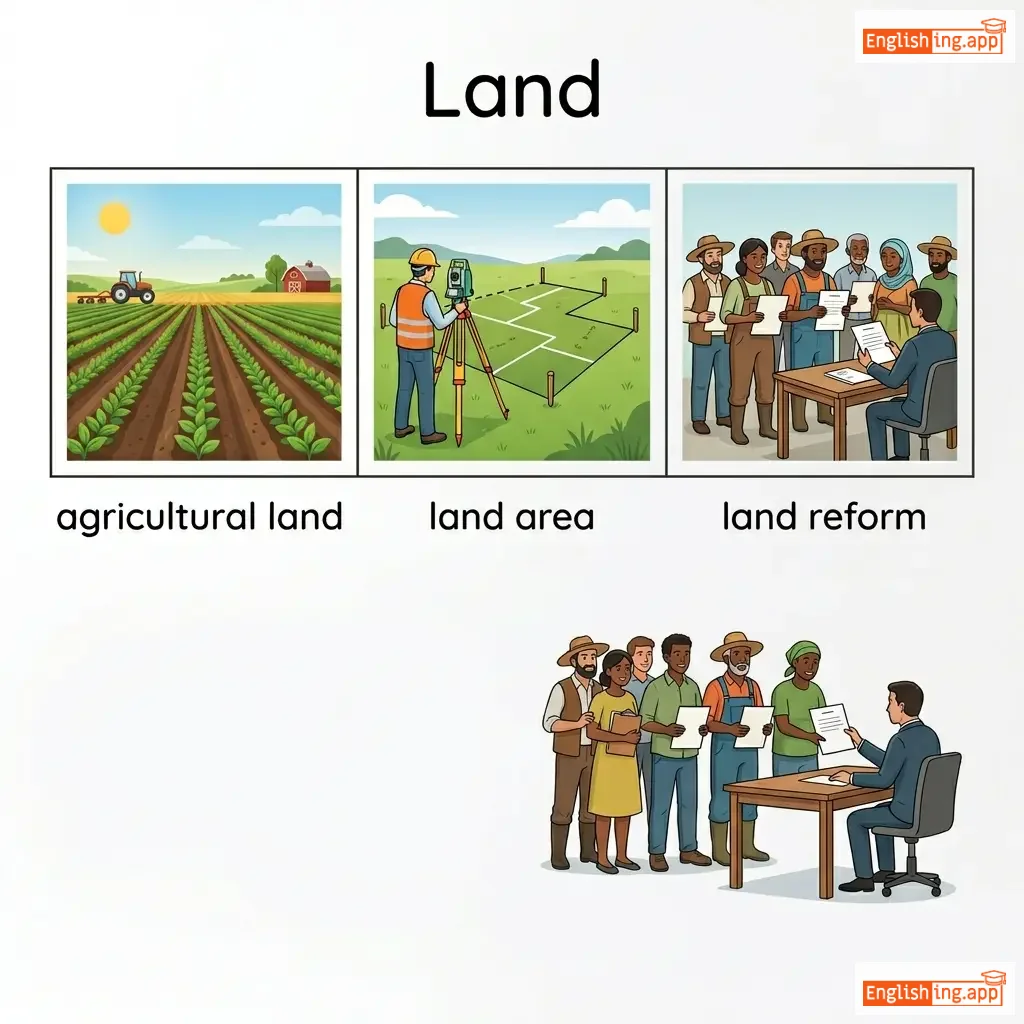
agricultural land, land area, land reform, land owner
••••••
|
Landは土地、着陸は飛行機が地面に触れることです。
••••••
|
|
#11328
🏞️
|
/leɪk/
noun
(レイク)
••••••
|
- •••••• |
湖
mizuumi
••••••
|
- •••••• | - •••••• | - •••••• | - •••••• |
A large area of water surrounded by land.
••••••
|
They enjoyed boating on the lake during summer.
彼らは夏の間、湖でボートを楽しみました。
••••••
|
彼らは夏の間、湖でボートを楽しみました。
Karera wa natsu no aida, mizuumi de bōto o tanoshimimashita.
••••••
|
- •••••• | - •••••• | - •••••• |
pond, lagoon, reservoir, waterbody
••••••
|
desert, land
••••••
|
beautiful lake, lake water, lake view, mountain lake
••••••
|
湖は大きな水の場所で、自然のプールのようです。
••••••
|
|
#11329
👩
|
/ˈleɪdi/
noun
(ハピネス)
••••••
|
- •••••• |
幸せ
shiawase
••••••
|
- •••••• | - •••••• | - •••••• | - •••••• |
A polite or formal way of referring to a woman.
••••••
|
The lady at the counter was very helpful. |
彼女は賞を受け取ったとき、自分の幸せを隠すことができなかった。
Kanojo wa shō o uketotta toki, jibun no shiawase o kakusu koto ga dekinakatta.
••••••
|
first lady |
the wife of a president or head of state
••••••
|
幸せを追い求める
shiawase o oi motomeru
••••••
|
woman, madam, female, gentlewoman
••••••
|
man, gentleman
••••••
|
young lady, elegant lady, old lady, lady friend
••••••
|
幸せという言葉は、すべてをポジティブに感じさせます。
••••••
|
|
#11330
⚠️
|
/læk/
noun/verb
(ラック)
••••••
|
- •••••• |
欠如
ketsujo
••••••
|
lacked
ラックド
••••••
|
lacked
ラックド
••••••
|
lacks
ラックス
••••••
|
lacking
ラッキング
••••••
|
The state of being without or not having enough of something.
••••••
|
He failed the exam due to a lack of preparation.
準備不足で試験に失敗した。
••••••
|
準備不足で試験に失敗した。
Junbi fusoku de shiken ni shippai shita.
••••••
|
lack of effort
努力不足
••••••
|
insufficient effort or attempt
••••••
|
努力不足
Doryoku fusoku
••••••
|
shortage, deficiency, absence, scarcity
••••••
|
abundance, plenty, sufficiency
••••••
|
lack of confidence, lack of resources, lack of support, lack of preparation
••••••
|
Lack は '欠如' 何かが足りない時。
••••••
|
|
#11331
🔬
|
/ˈlæbrətɔːri/
noun
(ラボラトリー)
••••••
|
- •••••• |
実験室
jikken-shitsu
••••••
|
- •••••• | - •••••• | - •••••• | - •••••• |
A room or building equipped for scientific experiments, research, or teaching.
••••••
|
The students conducted the experiment in the chemistry laboratory. |
学生たちは化学実験室で実験を行った。
Gakusei-tachi wa kagaku jikken-shitsu de jikken o okonatta.
••••••
|
- •••••• | - •••••• | - •••••• |
lab, research center, workshop, testing facility
••••••
|
field, nature
••••••
|
research laboratory, chemistry laboratory, medical laboratory, laboratory experiment
••••••
|
実験室は実験をする場所です。
••••••
|
|
#11332
🧪
|
/læb/
noun
(ラボ)
••••••
|
- •••••• |
実験室
jikken-shitsu
••••••
|
- •••••• | - •••••• | - •••••• | - •••••• |
a place equipped for scientific experiments, research, or teaching
••••••
|
The students conducted an experiment in the chemistry lab. |
学生たちは化学実験室で実験を行いました。
Gakusei-tachi wa kagaku jikken-shitsu de jikken o okonaimashita.
••••••
|
- •••••• | - •••••• | - •••••• |
laboratory, workshop, studio, research center
••••••
|
field, office
••••••
|
science lab, computer lab, lab work, lab equipment
••••••
|
ラボは実験室、実験をする場所です。
••••••
|
|
#11333
📚
|
/ˈnɒlɪdʒ/
noun
(ノレッジ)
••••••
|
|
知識
chishiki
••••••
|
- •••••• | - •••••• | - •••••• | - •••••• |
information, understanding, and skills gained through learning or experience
••••••
|
Her knowledge of history is impressive. |
彼女の歴史に対する知識は印象的です。
Kanojo no rekishi ni taisuru chishiki wa inshō-teki desu.
••••••
|
a wealth of knowledge |
a large amount of useful information or understanding
••••••
|
知識の宝庫
chishiki no hōko
••••••
|
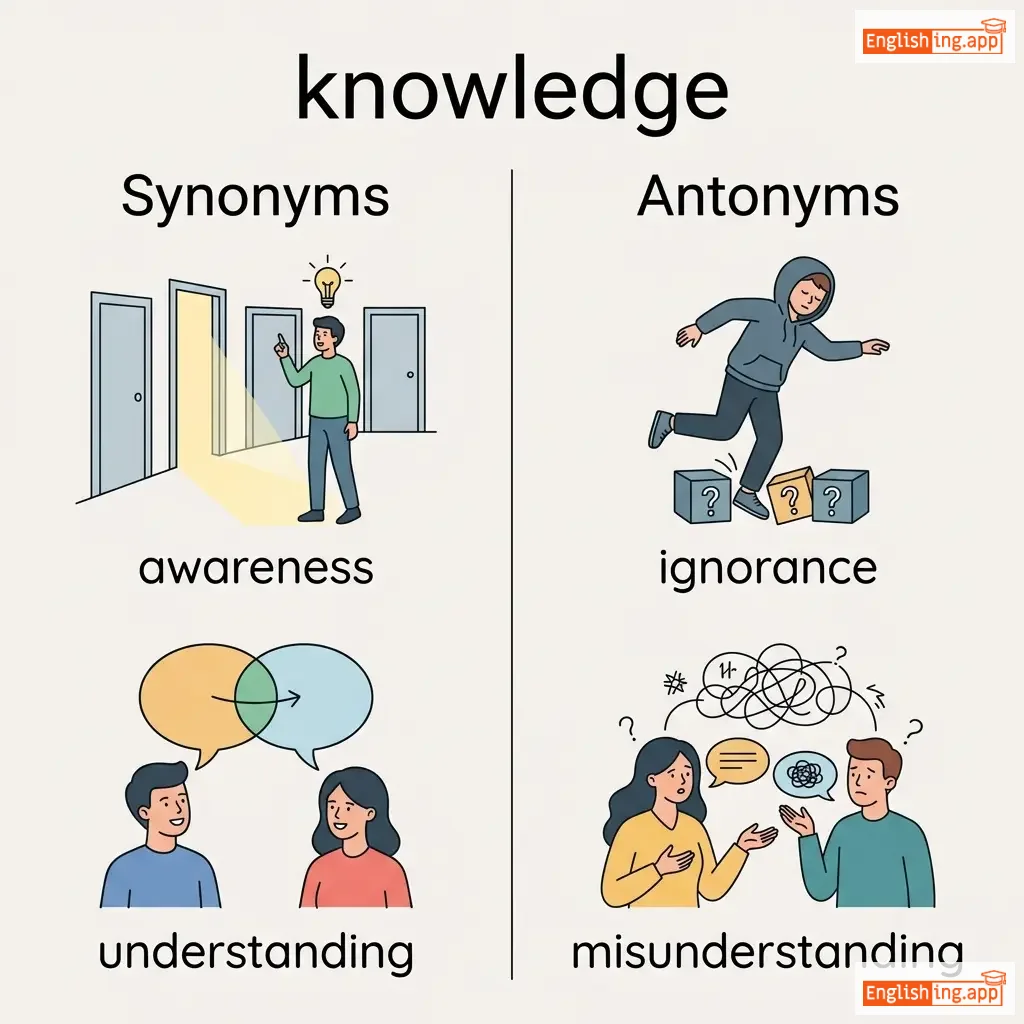
awareness, understanding, wisdom, expertise, intelligence
••••••
|
ignorance, misunderstanding
••••••
|
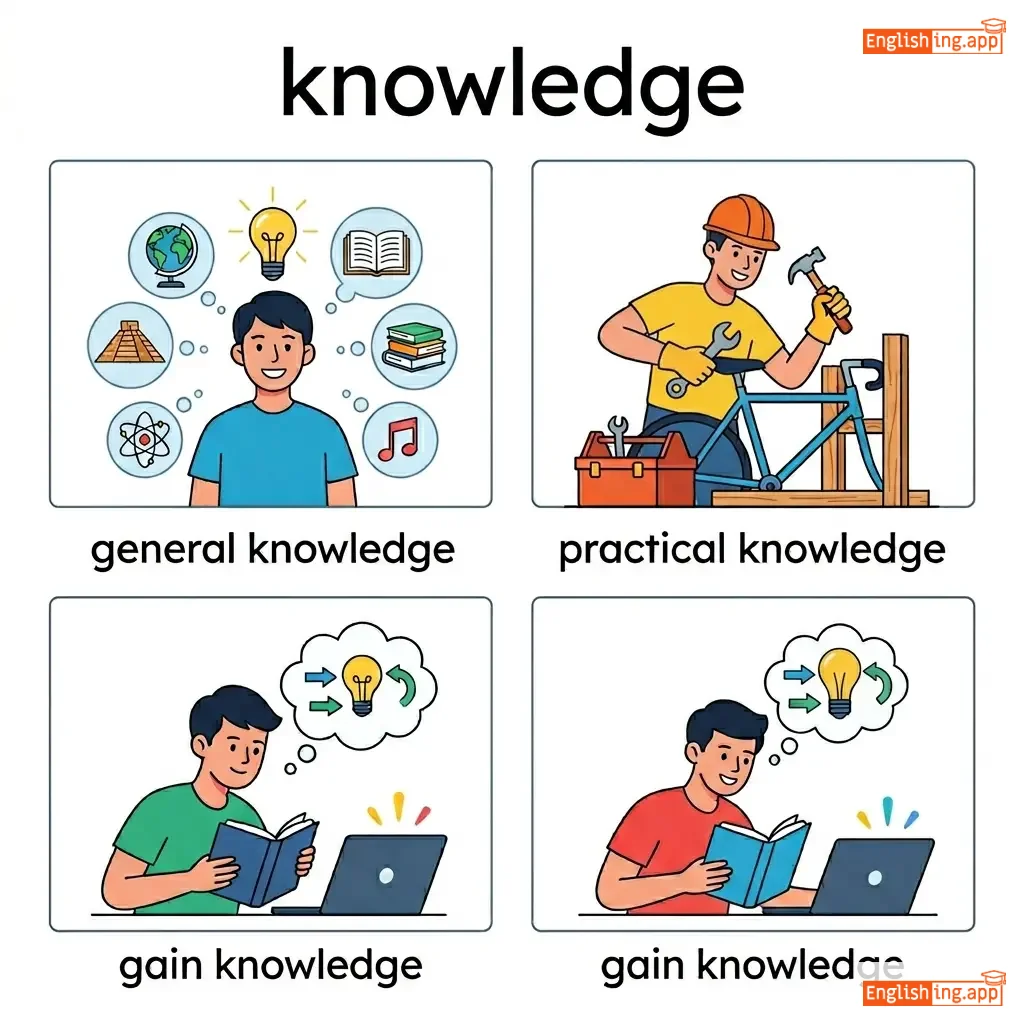
general knowledge, practical knowledge, gain knowledge, share knowledge
••••••
|
知識は宝のように大切にしよう。
••••••
|
|
#11334
🧠
|
/noʊ/
verb
(ノウ)
••••••
|
|
知っている
shitteiru
••••••
|
knew
ニュー
••••••
|
known
ノウン
••••••
|
knows
ノウズ
••••••
|
knowing
ノウイング
••••••
|
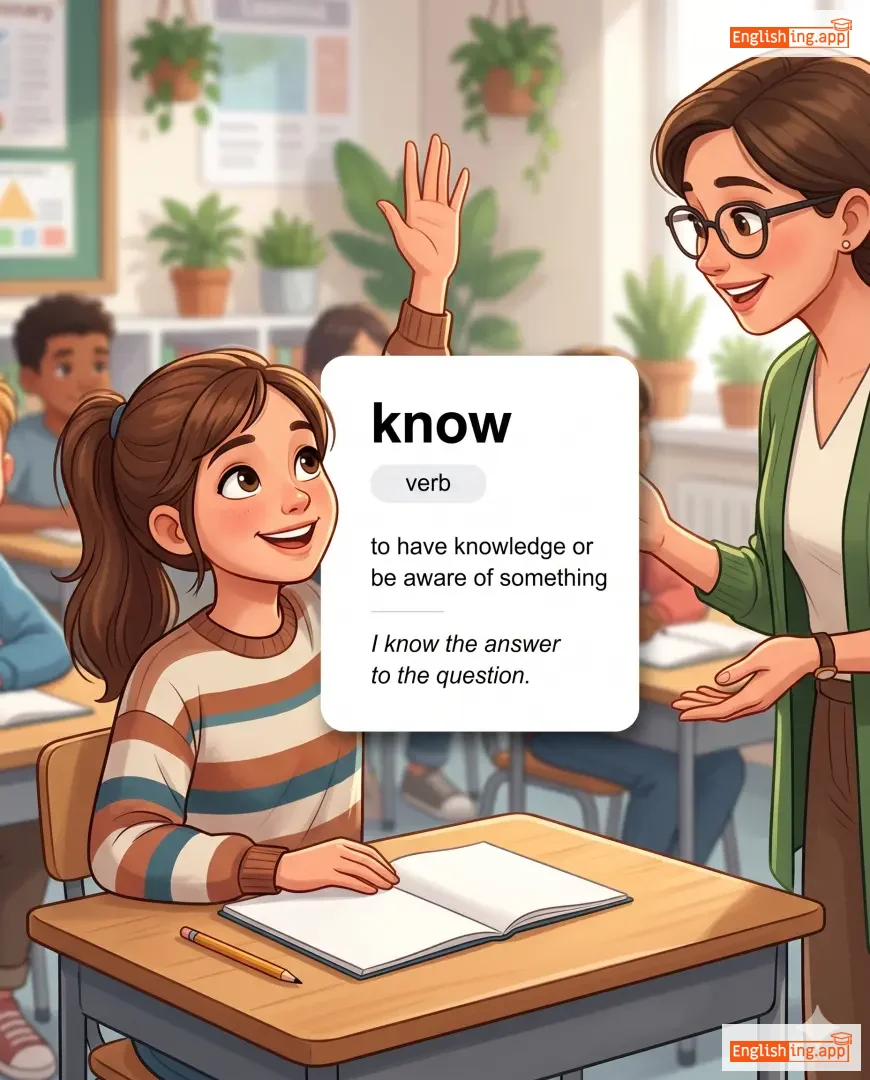
to have knowledge or be aware of something
••••••
|
I know the answer to the question.
私は質問の答えを知っています。
••••••
|
私は質問の答えを知っています。
Watashi wa shitsumon no kotae o shitteimasu.
••••••
|
know the ropes
ロープを知っている
••••••
|
to be familiar with how something is done
••••••
|
何かをする方法を知っている
Nanika o suru hōhō o shitteiru
••••••
|
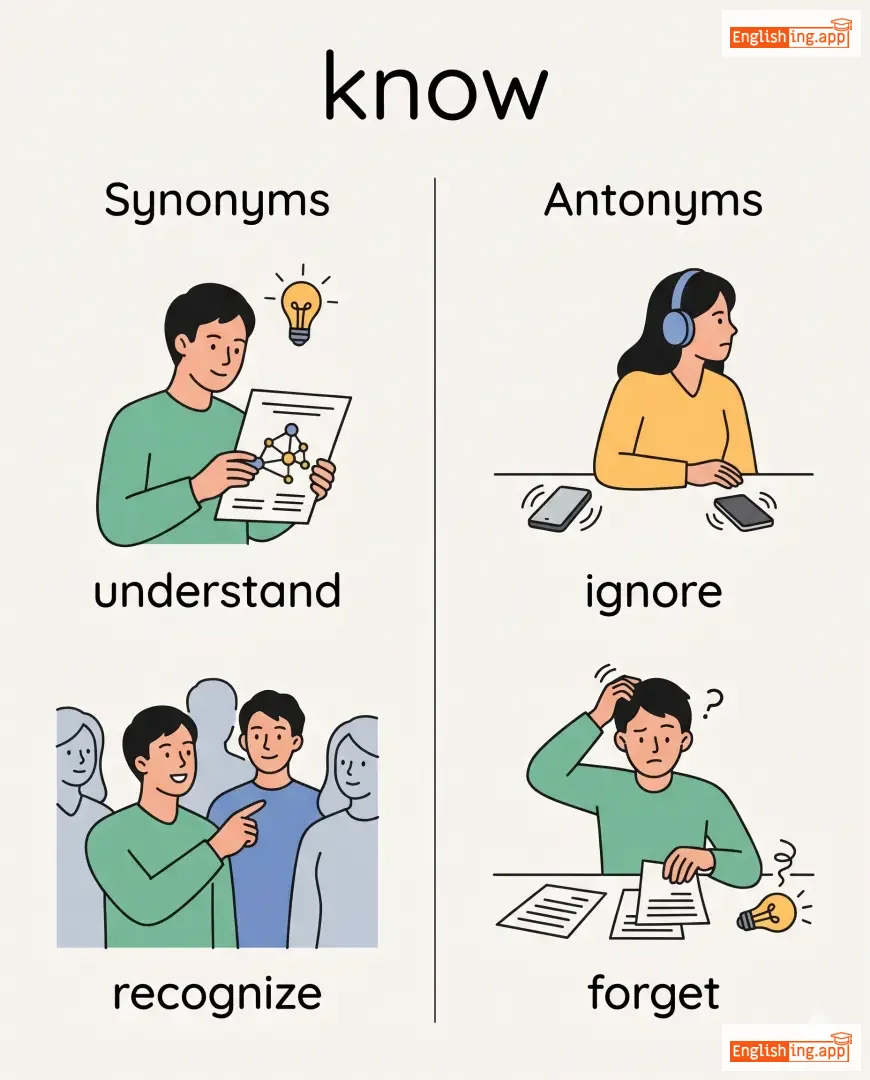
understand, recognize, realize, comprehend, identify
••••••
|
ignore, forget, misunderstand
••••••
|
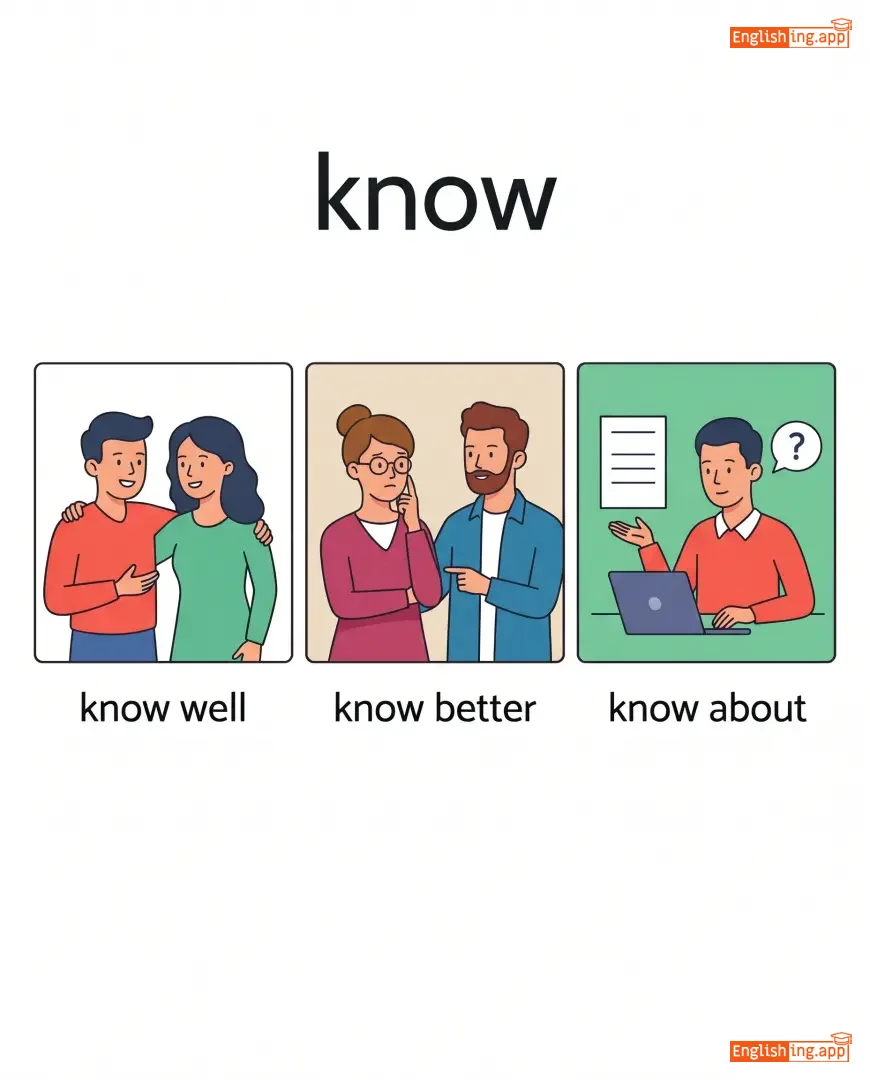
know well, know better, know about, know exactly
••••••
|
Know は知る、知ることで理解が生まれる。
••••••
|
Vocabulary Quiz
Test your vocabulary by matching words with their translations or meanings.
Login to take the quiz
Comments (0)
Share your thoughts and join the discussion.
Join the discussion by logging in
Login to CommentNo comments yet
Be the first to share your thoughts!