

翻訳
過去
過去分詞
三人称単数
動名詞
意味
例文
例文の翻訳
同義語
対義語
コロケーション
ニーモニック
Swipe left or right, or use the buttons. Tap image to zoom.
例文の翻訳
単語
Lesson 76Lesson 76 - マスクトグル
|
絵文字
|
単語 | Images | 翻訳 | 過去 | 過去分詞 | 三人称単数 | 動名詞 | 意味 | 例文 | 例文の翻訳 | 表現例 | 表現例の意味 | 表現例の翻訳 | 同義語 | 対義語 | コロケーション | ニーモニック |
|---|---|---|---|---|---|---|---|---|---|---|---|---|---|---|---|---|---|
|
#2251
🧑🏫
|
/ˈdɛmənˌstreɪt/
verb
(デモンストレート)
••••••
|
- •••••• |
示す
shimesu
••••••
|
demonstrated
デモンストレイテッド
••••••
|
demonstrated
デモンストレイテッド
••••••
|
demonstrates
デモンストレイツ
••••••
|
demonstrating
デモンストレイティング
••••••
|
to clearly show or prove something through evidence, explanation, or action
••••••
|
The teacher demonstrated the experiment to the class.
先生はクラスに実験をデモンストレートしました。
••••••
|
先生はクラスに実験をデモンストレートしました。
Sensei wa kurasu ni jikken o démonsutoreeto shimashita.
••••••
|
demonstrate one's skills
自分のスキルをデモンストレートする
••••••
|
to show one's abilities through action or performance
••••••
|
自分のスキルを示す
jibun no sukiru o shimesu
••••••
|
show, exhibit, display, illustrate, prove
••••••
|
hide, conceal, obscure
••••••
|
demonstrate ability, demonstrate skill, demonstrate interest, demonstrate clearly
••••••
|
デモ (デモンストレーション) + ステート (ステートメント)
••••••
|
|
#2252
➗
|
/dɪˈnɒmɪˌneɪtər/
noun
(デノミネーター)
••••••
|
- •••••• |
分母
bunbo
••••••
|
- •••••• | - •••••• | - •••••• | - •••••• |
the number below the line in a fraction; a common factor in a situation
••••••
|
In the fraction 3/4, the number 4 is the denominator. |
3/4の分数では、4は分母です。
3/4 no bunshu dewa, 4 wa bunbo desu.
••••••
|
common denominator |
a shared trait or characteristic among different things
••••••
|
共通の分母
kyoutsuu no bunbo
••••••
|
divisor, factor, base, bottom number
••••••
|
numerator, top number
••••••
|
lowest denominator, common denominator, denominator of fraction
••••••
|
分母 = denominator → 分数の線の下にある数
••••••
|
|
#2253
✝️
|
/dɪˌnɒmɪˈneɪʃən/
noun
(デノミネーション)
••••••
|
- •••••• |
宗派, 価値
shūha, kachi
••••••
|
- •••••• | - •••••• | - •••••• | - •••••• |
a recognized autonomous branch of the Christian Church; a unit of value or currency
••••••
|
The church belongs to a Protestant denomination. |
その教会はプロテスタントの宗派に属しています。
Sono kyōkai wa Purotesutanto no shūha ni zoku shiteimasu.
••••••
|
- •••••• | - •••••• | - •••••• |
sect, branch, faith, division, value
••••••
|
unity, whole
••••••
|
religious denomination, currency denomination, different denominations
••••••
|
デノミネーションは、名前やグループを意味します - お金または宗教の枝の名前
••••••
|
|
#2254
💵
|
/dɪˈnɒmɪˌneɪt/
verb
(デノミネート)
••••••
|
- •••••• |
命名する
meimei suru
••••••
|
denominated
デノミネーテッド
••••••
|
denominated
デノミネーテッド
••••••
|
denominates
デノミネイツ
••••••
|
denominating
デノミネイティング
••••••
|
to give a name or designation to something
••••••
|
The currency was denominated in dollars.
その通貨はドルで denominated されました。
••••••
|
その通貨はドルで denominated されました。
Sono tsūka wa doru de denominated saremashita.
••••••
|
- •••••• | - •••••• | - •••••• |
designate, name, call, label, title
••••••
|
unnamed, anonymous
••••••
|
denominated in dollars, denominated value, denominated currency
••••••
|
Denote + name → 命名する。
••••••
|
|
#2255
🏠
|
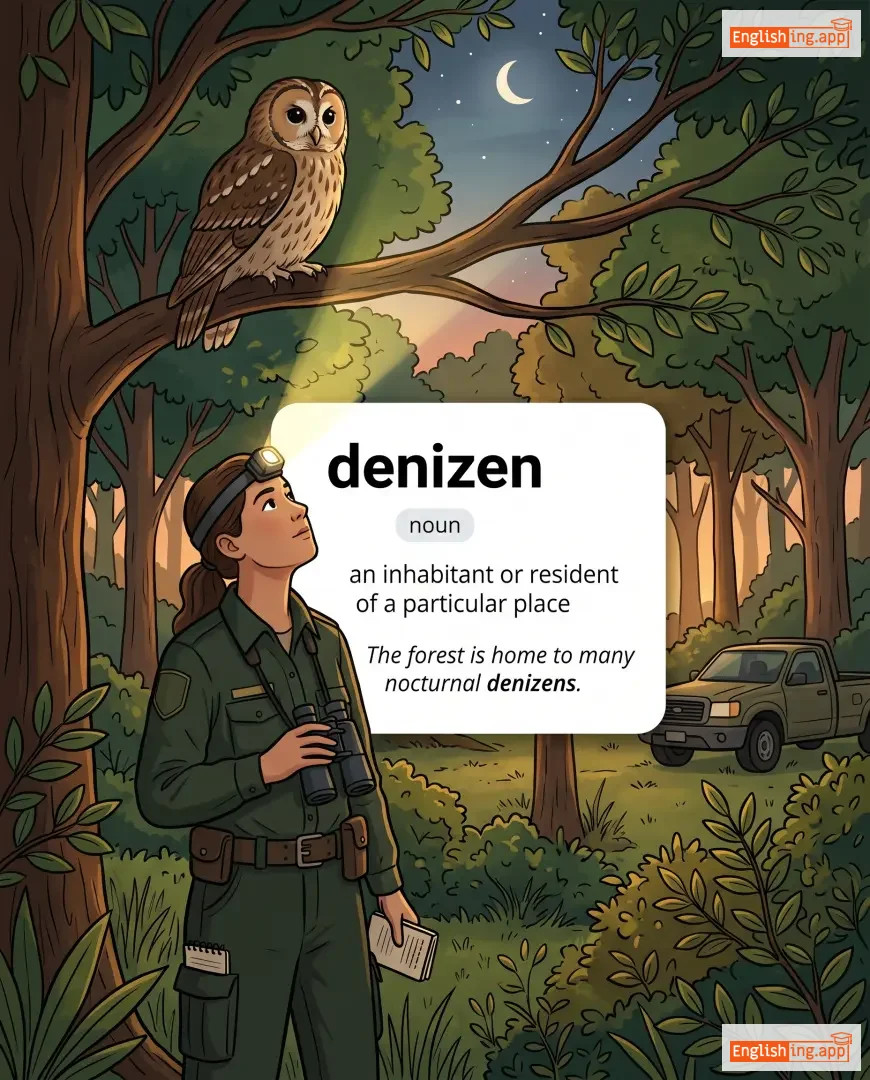
/ˈdɛnɪzən/
noun
(デニゼン)
••••••
|
|
住民
jūmin
••••••
|
- •••••• | - •••••• | - •••••• | - •••••• |
an inhabitant or resident of a particular place
••••••
|
The forest is home to many nocturnal denizens. |
その森は多くの夜行性の住民の家です。
Sono mori wa ōku no yakōsei no jūmin no ie desu.
••••••
|
- •••••• | - •••••• | - •••••• |
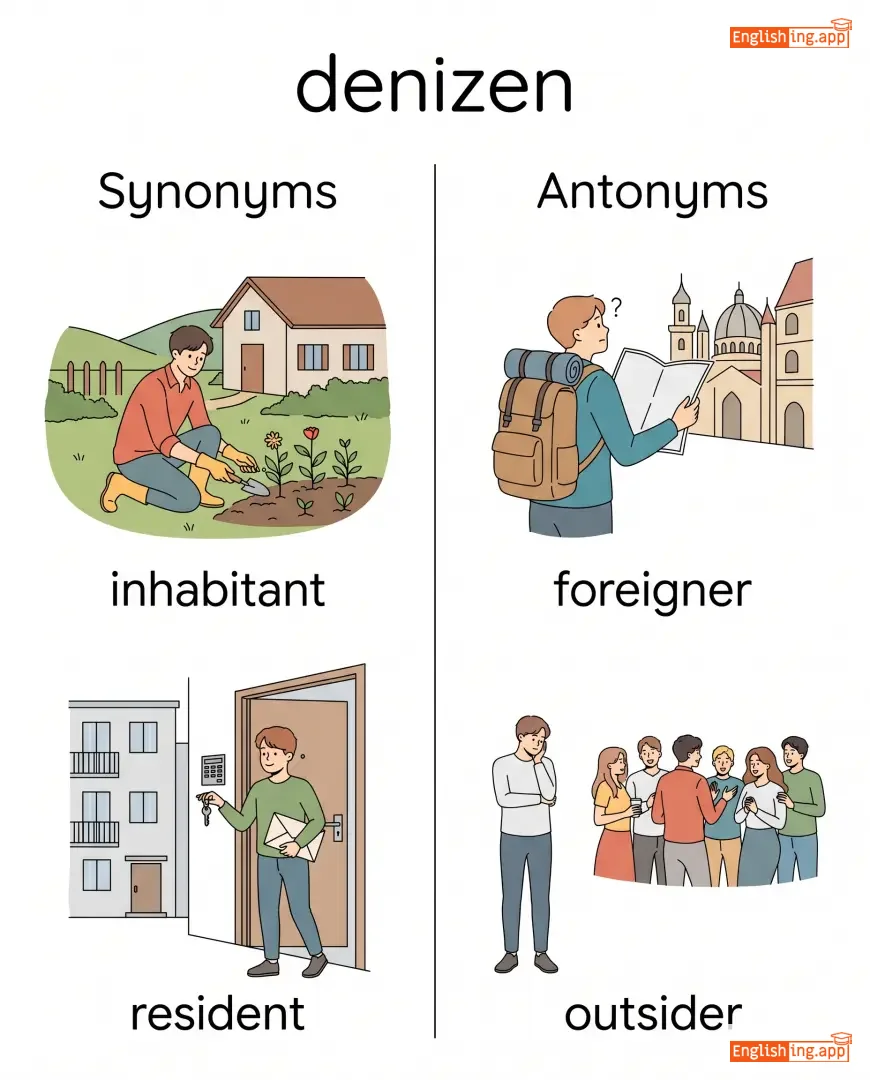
inhabitant, resident, dweller, native, occupant
••••••
|
foreigner, outsider, visitor
••••••
|
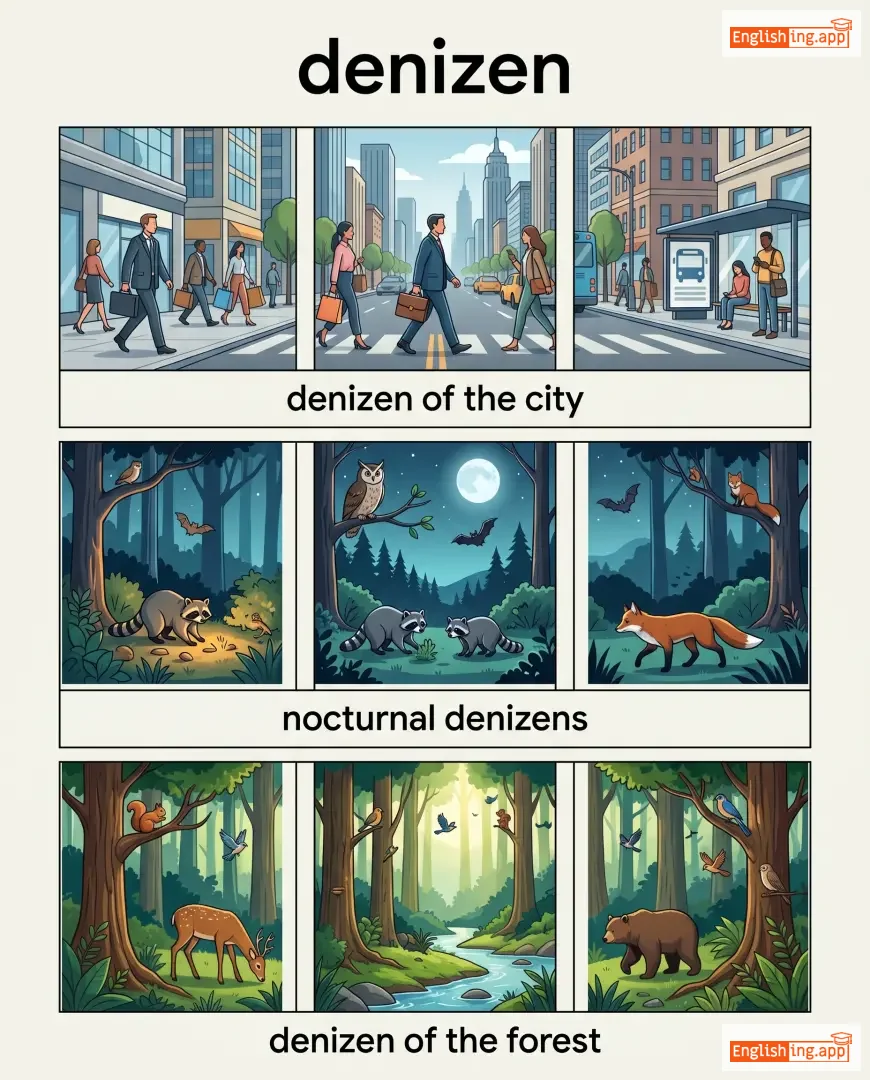
denizen of the city, nocturnal denizens, denizen of the forest
••••••
|
'Denizen' は森に住む住民のようなものです。
••••••
|
|
#2256
🗣️
|
/ˈdɛnɪˌɡreɪt/
verb
(デニグレイト)
••••••
|
|
貶める
otoshimeru
••••••
|
denigrated
デニグレイテッド
••••••
|
denigrated
デニグレイテッド
••••••
|
denigrates
デニグレイツ
••••••
|
denigrating
デニグレイティング
••••••
|
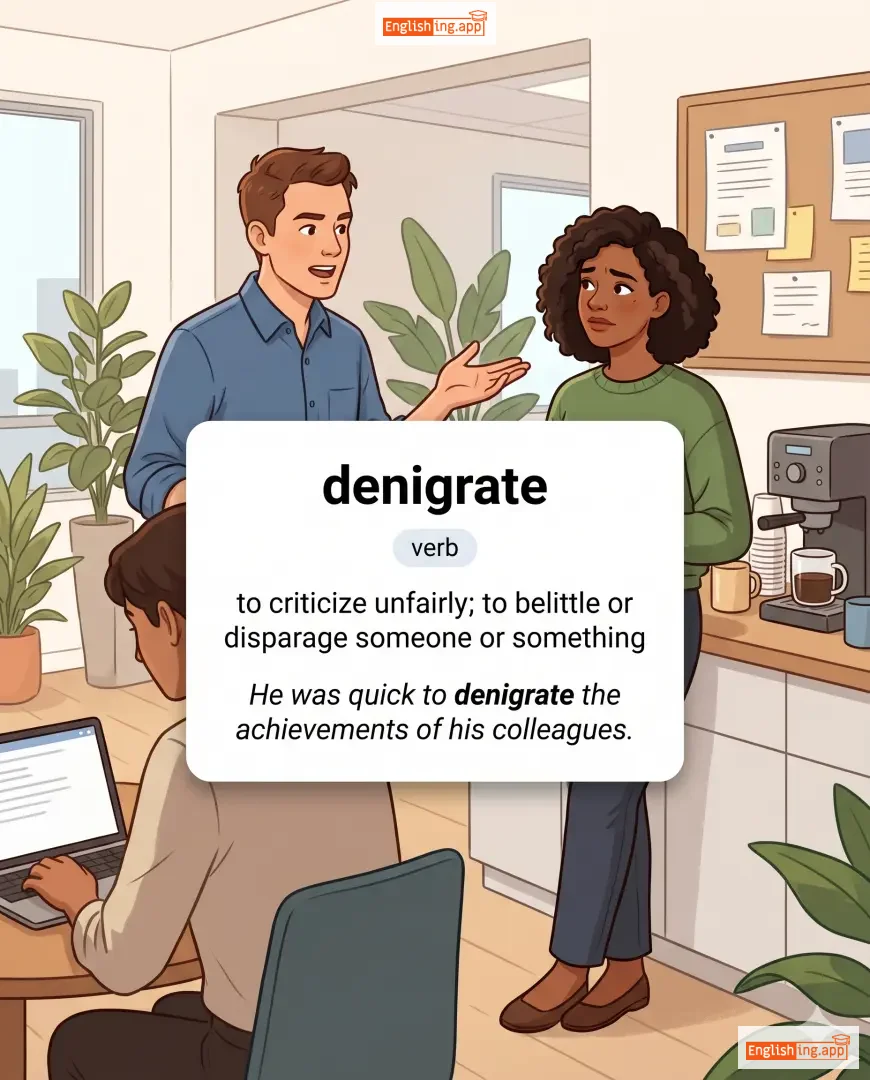
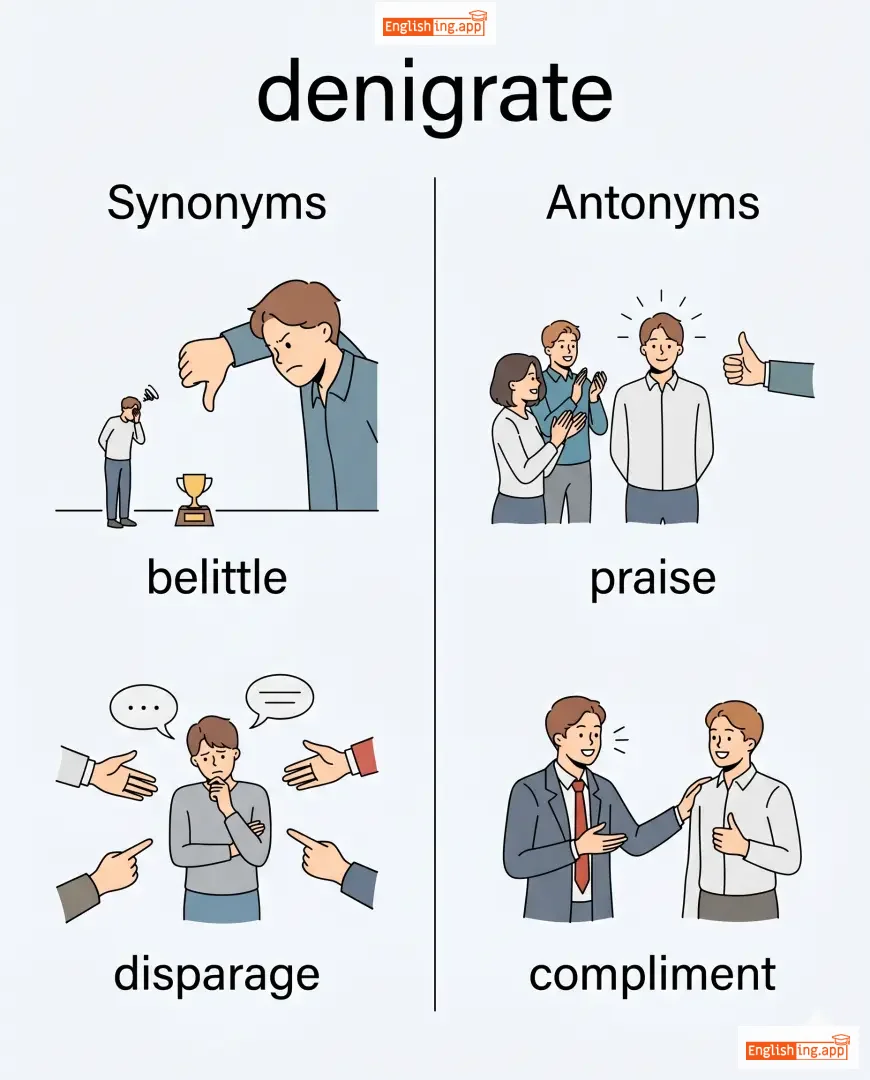
to criticize unfairly; to belittle or disparage someone or something
••••••
|
He was quick to denigrate the achievements of his colleagues.
彼は同僚の業績をすぐに軽視しました。
••••••
|
彼は同僚の業績をすぐに貶めました。
Kare wa dōryō no gyōseki o sugu ni otoshimemashita.
••••••
|
- •••••• | - •••••• | - •••••• |
belittle, disparage, defame, slander, deprecate
••••••
|
praise, compliment, honor
••••••
|
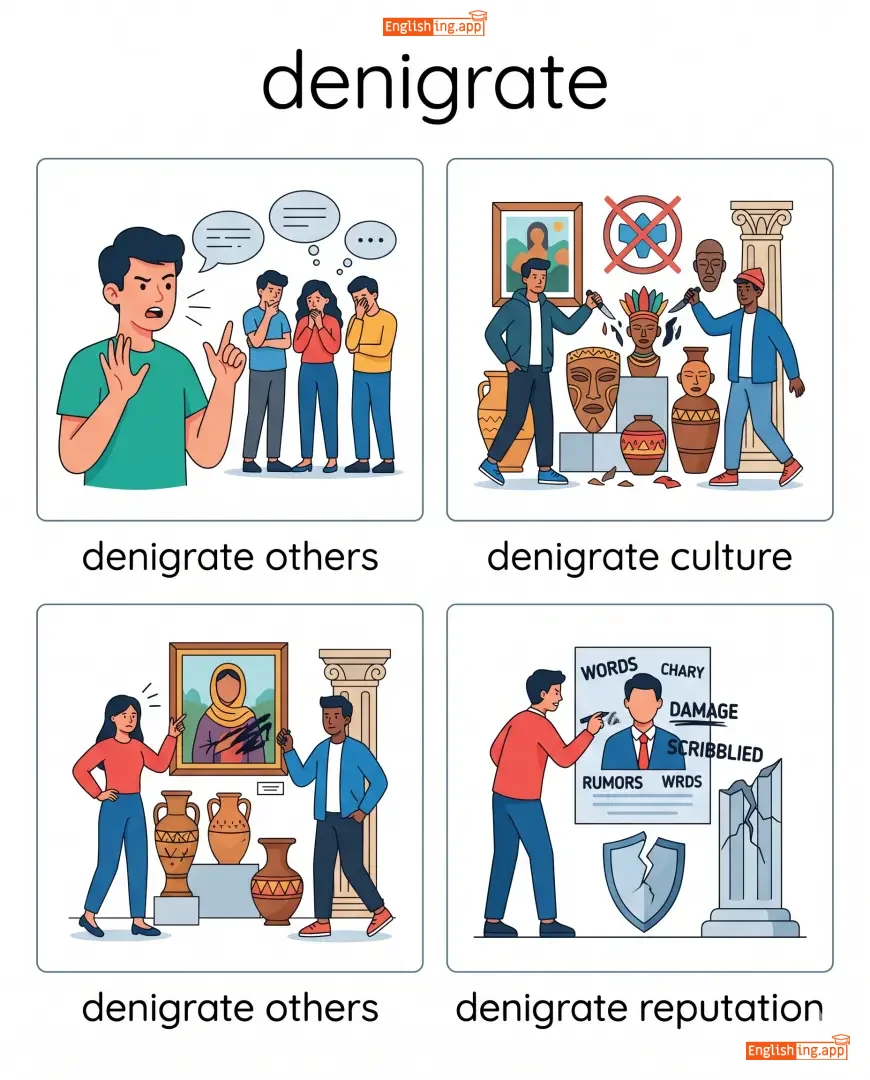
denigrate others, denigrate culture, denigrate reputation, denigrate efforts
••••••
|
貶める = 'デニグレイト'という言葉が‘軽視’に似ている
••••••
|
|
#2257
🌲
|
/dɛnˈdrɒlədʒi/
noun
••••••
|
- •••••• | - •••••• | - •••••• | - •••••• | - •••••• | - •••••• |
the scientific study of trees and woody plants
••••••
|
He is studying dendrology at the university. |
- •••••• | - •••••• | - •••••• | - •••••• |
botany, forestry, arboriculture
••••••
|
zoology, geology
••••••
|
study dendrology, dendrology course, expert in dendrology
••••••
|
No •••••• |
|
#2258
🌳
|
/ˈdɛndrɔɪd/
adjective
(デンドロイド)
••••••
|
- •••••• |
樹状の
jujō no
••••••
|
- •••••• | - •••••• | - •••••• | - •••••• |
tree-shaped or branching like a tree
••••••
|
The coral has a dendroid structure.
サンゴはデンドロイド構造を持っています。
••••••
|
サンゴはデンドロイド構造を持っています。
Sango wa dendoroido kōzō o motteimasu.
••••••
|
- •••••• | - •••••• | - •••••• |
branched, arborescent, treelike
••••••
|
straight, linear
••••••
|
dendroid form, dendroid structure, dendroid pattern
••••••
|
Dendroid は樹状の意味、dend は木、oid はような
••••••
|
|
#2259
🚢
|
/dɪˈmʌrɪdʒ/
noun
(ディマレッジ)
••••••
|
- •••••• |
デマレッジ
demarejji
••••••
|
- •••••• | - •••••• | - •••••• | - •••••• |
a charge payable to the owner of a ship or vehicle for not loading or unloading on time
••••••
|
The company had to pay demurrage for delaying the unloading of goods.
会社は荷物の荷降ろしの遅れでデマレッジを支払わなければならなかった。
••••••
|
会社は荷物の荷降ろしの遅れでデマレッジを支払わなければならなかった。
Kaisha wa nimotsu no nioroshi no okure de demarejji o shiharawanakereba naranakatta.
••••••
|
- •••••• | - •••••• | - •••••• |
delay charge, penalty fee, detention fee
••••••
|
waiver, exemption
••••••
|
pay demurrage, incur demurrage, demurrage charges
••••••
|
デマレッジ = 遅延料金、'Delay + Charge' と覚える
••••••
|
|
#2260
😊
|
/dɪˈmjʊər/
adjective
(ディミューア)
••••••
|
- •••••• |
控えめ
hikaeme
••••••
|
- •••••• | - •••••• | - •••••• | - •••••• |
reserved, modest, and shy
••••••
|
She gave him a demure smile. |
彼女は控えめな笑顔を彼に向けた。
Kanojo wa hikaeme na egao o kare ni muketa.
••••••
|
- •••••• | - •••••• | - •••••• |
modest, reserved, shy, bashful, quiet
••••••
|
bold, outgoing, confident
••••••
|
demure smile, demure behavior, demure dress
••••••
|
Demureは控えめを意味します、'ディミューア'で恥ずかしがり屋の微笑みを思い浮かべてください
••••••
|
|
#2261
🤔
|
/dɪˈmɜːr/
verb
(ディマーレ)
••••••
|
|
異議を唱える
igi o tonaeru
••••••
|
demurred
デマード
••••••
|
demurred
デマード
••••••
|
demurs
デマーズ
••••••
|
demurring
デマリング
••••••
|
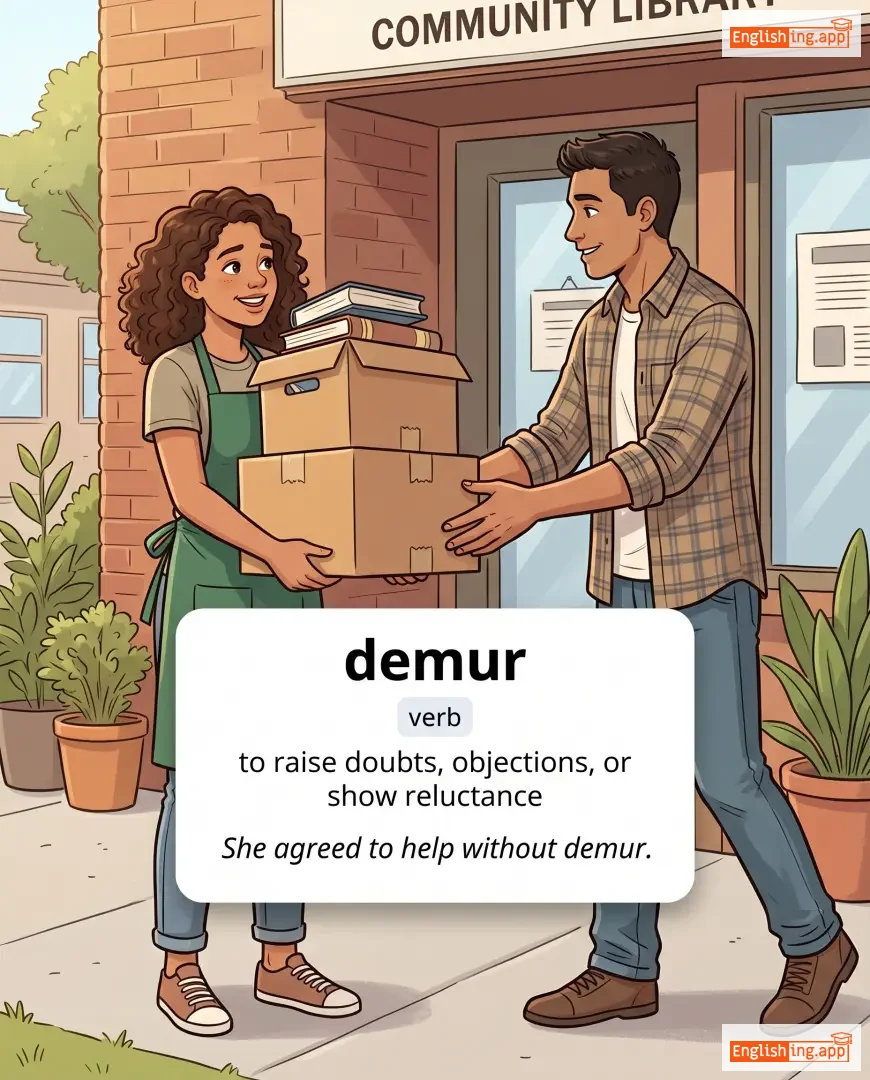
to raise doubts, objections, or show reluctance
••••••
|
She agreed to help without demur.
彼女は異議なく手伝うことに同意しました。
••••••
|
彼女は異議なく手伝うことに同意しました。
Kanojo wa igi naku tetsudau koto ni dōi shimashita.
••••••
|
without demur
異議なく
••••••
|
without objection or hesitation
••••••
|
異議なく
igi naku
••••••
|
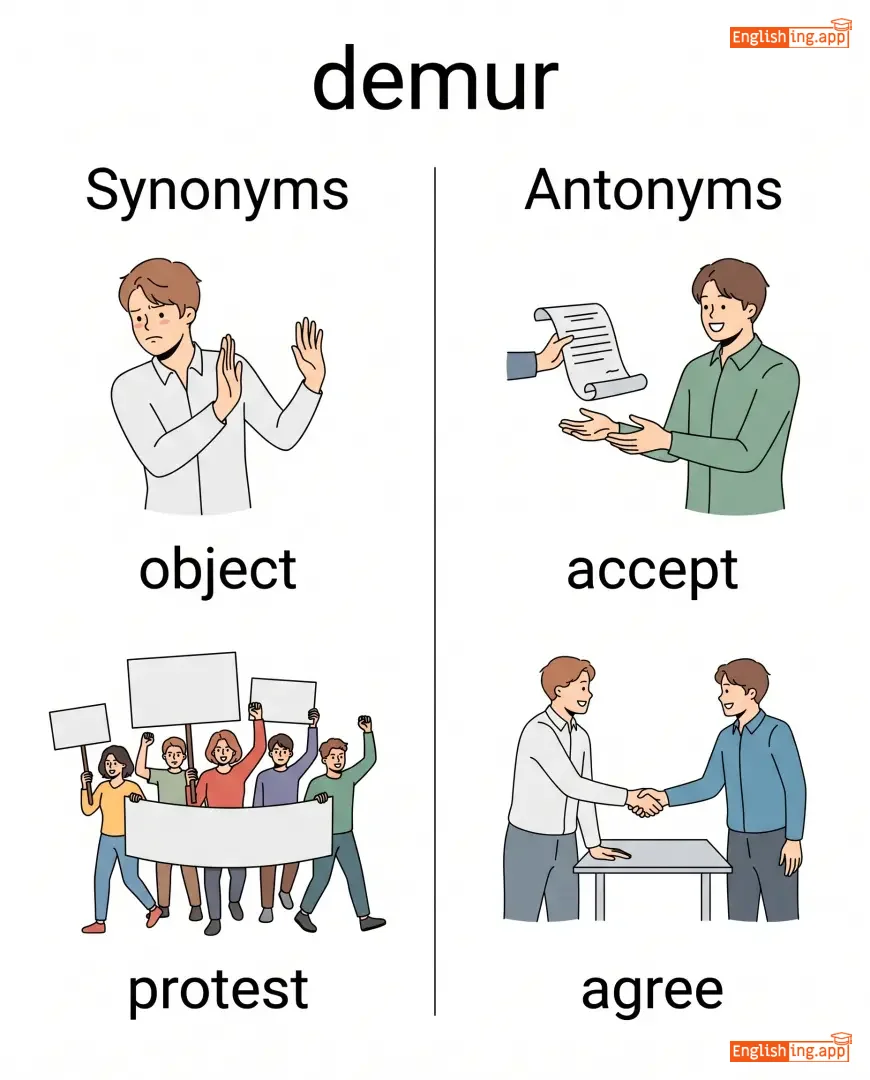
object, protest, hesitate, oppose, refuse
••••••
|
accept, agree, consent
••••••
|
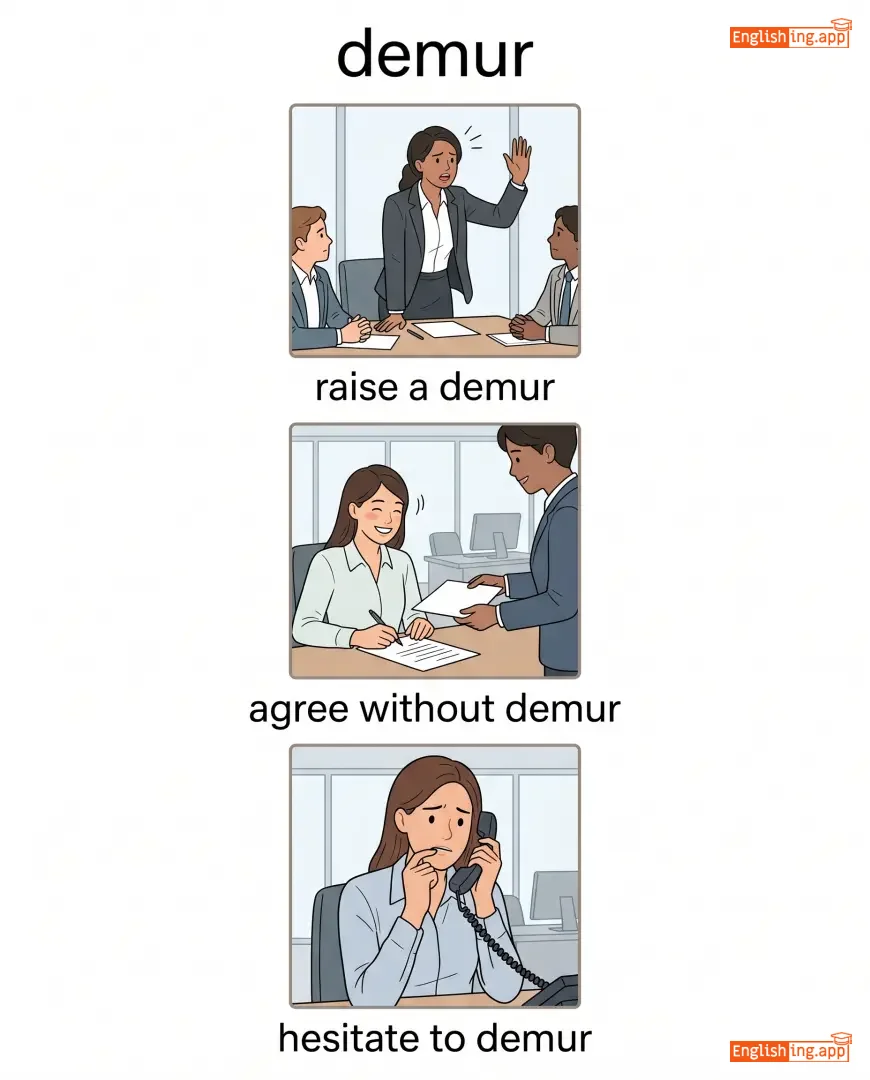
raise a demur, agree without demur, hesitate to demur
••••••
|
ディマーレ = 異議を唱える
••••••
|
|
#2262
🗣️
|
/dɪˈmɒtɪk/
adjective
(デモティック)
••••••
|
|
一般的な言語に関する
ippanteki na gengo ni kansuru
••••••
|
- •••••• | - •••••• | - •••••• | - •••••• |
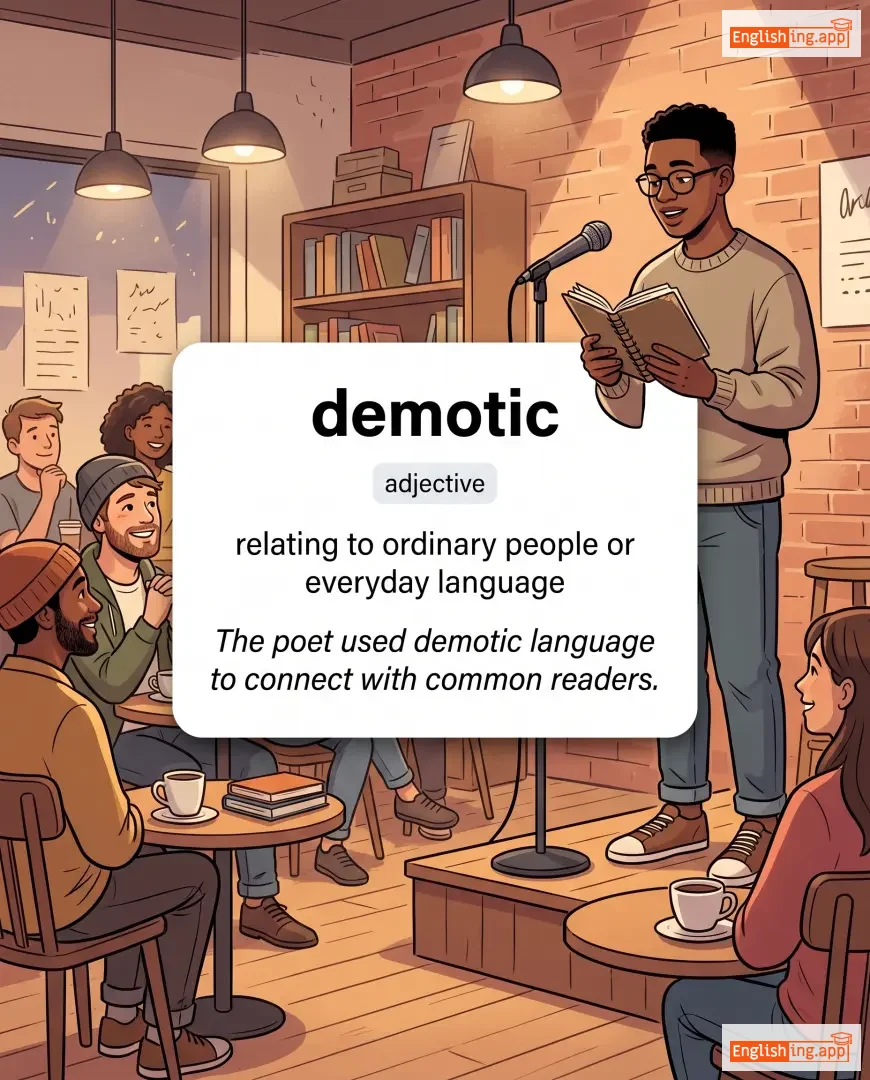
relating to ordinary people or everyday language
••••••
|
The poet used demotic language to connect with common readers.
詩人は一般の読者とつながるためにデモティックな言葉を使った。
••••••
|
詩人は一般の読者とつながるために一般的な言語に関する言葉を使った。
Shijin wa ippan no dokusha to tsunagaru tame ni ippanteki na gengo ni kansuru kotoba o tsukatta.
••••••
|
- •••••• | - •••••• | - •••••• |
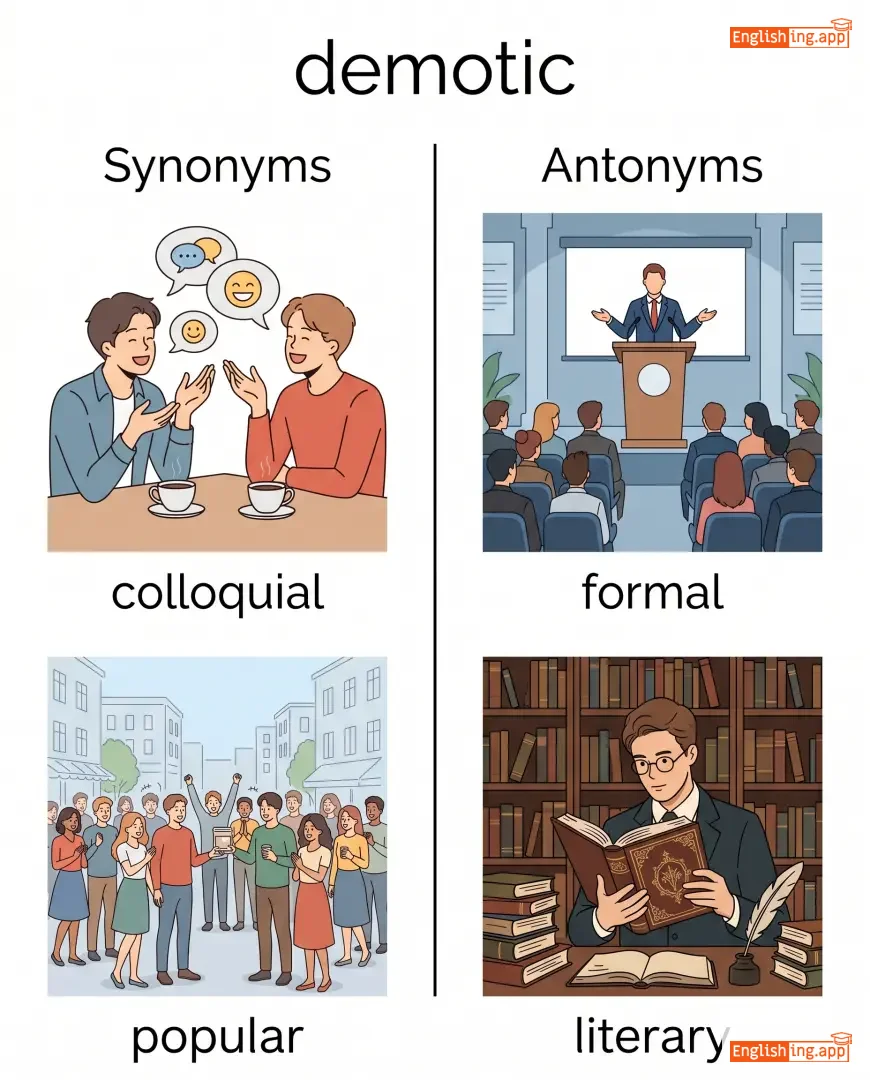
colloquial, popular, common, everyday
••••••
|
formal, literary
••••••
|
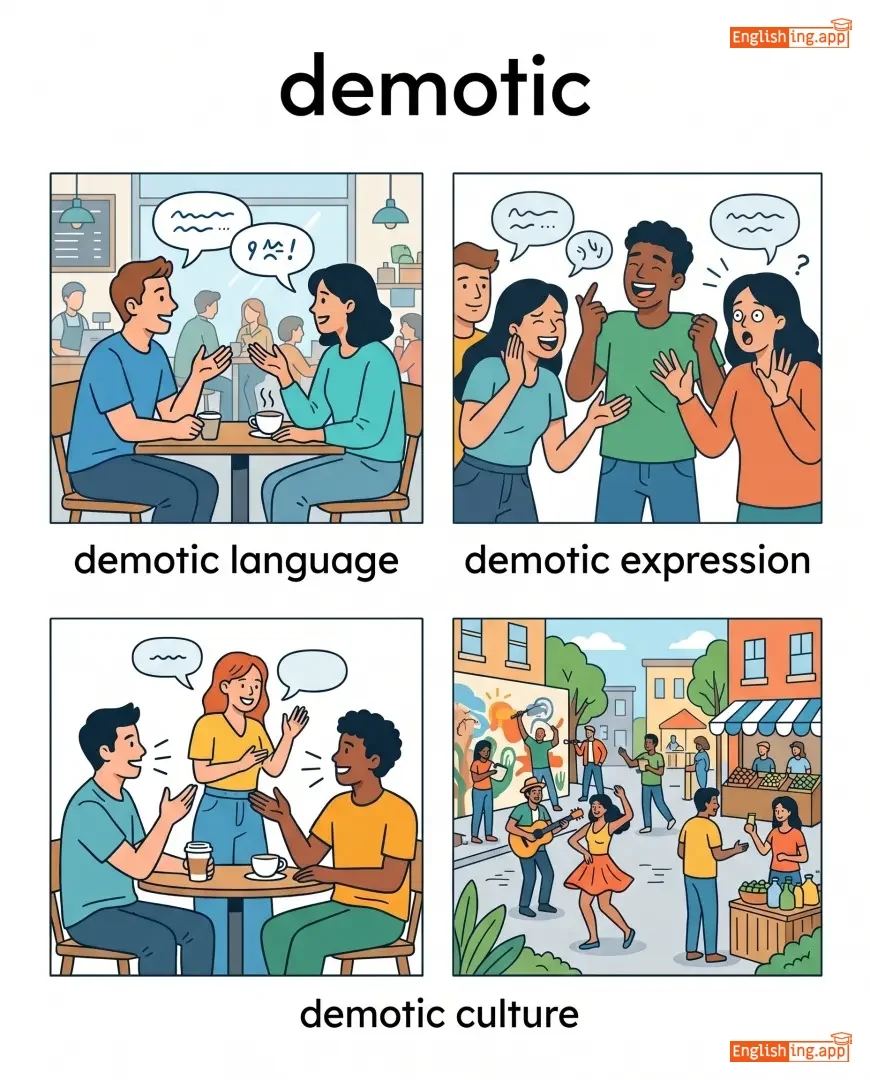
demotic language, demotic expression, demotic culture
••••••
|
De + motic → motic は '一般' に関連し、したがってdemoticは一般的な言語に関する
••••••
|
|
#2263
😞
|
/dɪˈmɔrəˌlaɪz/
verb
••••••
|
- •••••• | - •••••• |
demoralized
••••••
|
demoralized
••••••
|
demoralizes
••••••
|
demoralizing
••••••
|
to cause someone to lose confidence or hope
••••••
|
The constant criticism demoralized the young athlete. |
- •••••• |
feel demoralized |
to lose spirit or motivation
••••••
|
- •••••• |
discourage, dishearten, depress, weaken
••••••
|
encourage, inspire
••••••
|
completely demoralize, demoralize the team, feel demoralized
••••••
|
No •••••• |
|
#2264
✊
|
/ˈdɛmənˌstreɪtər/
noun
(デモンストレーター)
••••••
|
- •••••• |
デモンストレーター, 抗議者
demonsutoreetaa, kougisha
••••••
|
- •••••• | - •••••• | - •••••• | - •••••• |
a person who shows how something works or takes part in a public protest
••••••
|
The demonstrators marched peacefully through the city streets. |
デモ参加者は平和的に街の通りを行進しました。
Demo sanka-sha wa heiwateki ni machi no toori o koushin shimashita.
••••••
|
- •••••• | - •••••• | - •••••• |
protester, marcher, exhibitor, presenter
••••••
|
bystander, spectator
••••••
|
political demonstrator, product demonstrator, group of demonstrators
••••••
|
Demonstratorは何かを示す人 — デモンストレーターや抗議者のように
••••••
|
|
#2265
💞
|
/dɪˈmɒnstrətɪv/
adjective
(デモンストレイティブ)
••••••
|
- •••••• |
表現的な
hyogen-tekina
••••••
|
- •••••• | - •••••• | - •••••• | - •••••• |
openly showing feelings, especially affection or emotion
••••••
|
She was very demonstrative with her affection towards her friends. |
彼女は友達に対してとても表現的だった。
Kanojo wa tomodachi ni taishite totemo hyogen-tekidatta.
••••••
|
- •••••• | - •••••• | - •••••• |
expressive, emotional, open, outgoing
••••••
|
reserved, restrained
••••••
|
demonstrative gesture, demonstrative behavior, very demonstrative
••••••
|
デモンストレイティブ + 表現 — 公然と感情を示すから‘表現的な’。
••••••
|
|
#2266
😓
|
/dɪˈmændɪŋ/
adjective
(ディマンディング)
••••••
|
- •••••• |
要求が厳しい
youkyuu ga kibishii
••••••
|
- •••••• | - •••••• | - •••••• | - •••••• |
requiring much effort, skill, or attention; difficult to satisfy
••••••
|
The job is very demanding and requires long hours of work.
その仕事は非常に要求が厳しく、長時間の労働が必要です。
••••••
|
その仕事は非常に要求が厳しく、長時間の労働が必要です。
Sono shigoto wa hijou ni youkyuu ga kibishiku, choujikan no roudou ga hitsuyou desu.
••••••
|
demanding schedule
要求が厳しいスケジュール
••••••
|
a schedule that requires a lot of effort and time
••••••
|
要求が厳しいスケジュール
youkyuu ga kibishii sukejuuru
••••••
|
challenging, tough, difficult, exacting, strenuous
••••••
|
easy, simple, undemanding
••••••
|
demanding job, demanding task, demanding schedule, demanding customer
••••••
|
Demandingは要求が厳しいという意味、厳しい仕事のように。
••••••
|
|
#2267
📑
|
/dɪˈmɒnstrəbl/
adjective
(デモンストラブル)
••••••
|
- •••••• |
証明可能
shōmei kanō
••••••
|
- •••••• | - •••••• | - •••••• | - •••••• |
clearly able to be shown or proven
••••••
|
There was demonstrable evidence that he was innocent. |
彼が無罪であることを示す証明可能な証拠がありました。
Kare ga muzai de aru koto o shimesu shōmei kanō na shōko ga arimashita.
••••••
|
- •••••• | - •••••• | - •••••• |
provable, verifiable, evident, apparent
••••••
|
unprovable, doubtful, uncertain
••••••
|
demonstrable evidence, demonstrable fact, demonstrable truth
••••••
|
Demo + able = デモ可能 - 証明可能は証明できることを意味します
••••••
|
|
#2268
👹
|
/ˌdɛməˈnaɪəkəl/
adjective
(デモニアカル)
••••••
|
- •••••• |
悪魔的な
akumateki na
••••••
|
- •••••• | - •••••• | - •••••• | - •••••• |
characteristic of or resembling a demon; wildly evil
••••••
|
He gave a demoniacal laugh that terrified everyone.
彼は皆を恐れさせるようなデモニアカルな笑い声を上げた。
••••••
|
彼は皆を恐れさせるような悪魔的な笑い声を上げた。
Kare wa mina o osore saseru yō na akumateki na waraigoe o ageta.
••••••
|
- •••••• | - •••••• | - •••••• |
demonic, satanic, evil, fiendish
••••••
|
angelic, good, holy
••••••
|
demoniacal laughter, demoniacal possession, demoniacal vision
••••••
|
Demon + ical = 悪魔的な笑い - 恐ろしい笑い声
••••••
|
|
#2269
😈
|
/dɪˈmoʊniˌæk/
adjective
(デモニアック)
••••••
|
- •••••• |
悪魔的な
akumatekina
••••••
|
- •••••• | - •••••• | - •••••• | - •••••• |
possessed, produced, or influenced by a demon; frenzied or violent
••••••
|
The soldiers fought with demoniac fury. |
兵士たちは悪魔的な怒りで戦った。
Heishitachi wa akumatekina ikari de tatakatta.
••••••
|
- •••••• | - •••••• | - •••••• |
fiendish, satanic, diabolical, frenzied
••••••
|
angelic, divine, holy
••••••
|
demoniac laughter, demoniac energy, demoniac fury, demoniac spirit
••••••
|
Demon + iac = 悪魔のような行動、demoniacは悪魔に影響されたことを意味する
••••••
|
|
#2270
🧨
|
/ˌdɛməˈlɪʃən/
noun
(デモリション)
••••••
|
- •••••• |
解体
kaitai
••••••
|
- •••••• | - •••••• | - •••••• | - •••••• |
the act or process of destroying a building or structure
••••••
|
The demolition of the old factory took several weeks. |
古い工場の解体には数週間かかりました。
Furui kōjō no kaitai ni wa sū shūkan kakarimashita.
••••••
|
- •••••• | - •••••• | - •••••• |
destruction, dismantling, wrecking, razing
••••••
|
construction, creation, building
••••••
|
demolition work, demolition crew, demolition site, demolition project
••••••
|
Demo + リション (Rishon) - 解体は何かを壊すこと、ビルを壊すようなもの
••••••
|
|
#2271
🏚️
|
/dɪˈmɒlɪʃ/
verb
(デモリッシュ)
••••••
|
- •••••• |
取り壊す
torikowasu
••••••
|
demolished
デモリッシュド
••••••
|
demolished
デモリッシュド
••••••
|
demolishes
デモリッシュズ
••••••
|
demolishing
デモリッシング
••••••
|
to destroy completely, especially a building or structure
••••••
|
The city decided to demolish the old stadium to build a new one.
その都市は新しいものを作るために古いスタジアムを取り壊すことに決めました。
••••••
|
その都市は新しいものを作るために古いスタジアムを取り壊すことに決めました。
Sono toshi wa atarashī mono o tsukuru tame ni furui sutajiamu o torikowasu koto ni kimemashita.
••••••
|
demolish an argument
論点を取り壊す
••••••
|
to prove an argument completely wrong
••••••
|
論点を取り壊す
ronten o torikowasu
••••••
|
destroy, raze, wreck, annihilate, tear down
••••••
|
build, construct, create
••••••
|
demolish a building, demolish a house, demolish completely, demolish quickly
••••••
|
Demo + demolish: Demo家は壊す意味 - demolishは取り壊す意味
••••••
|
|
#2272
📊
|
/ˌdɛməˈɡræfɪk/
adjective
(デモグラフィック)
••••••
|
|
人口統計学的
jinkou toukeigakuteki
••••••
|
- •••••• | - •••••• | - •••••• | - •••••• |
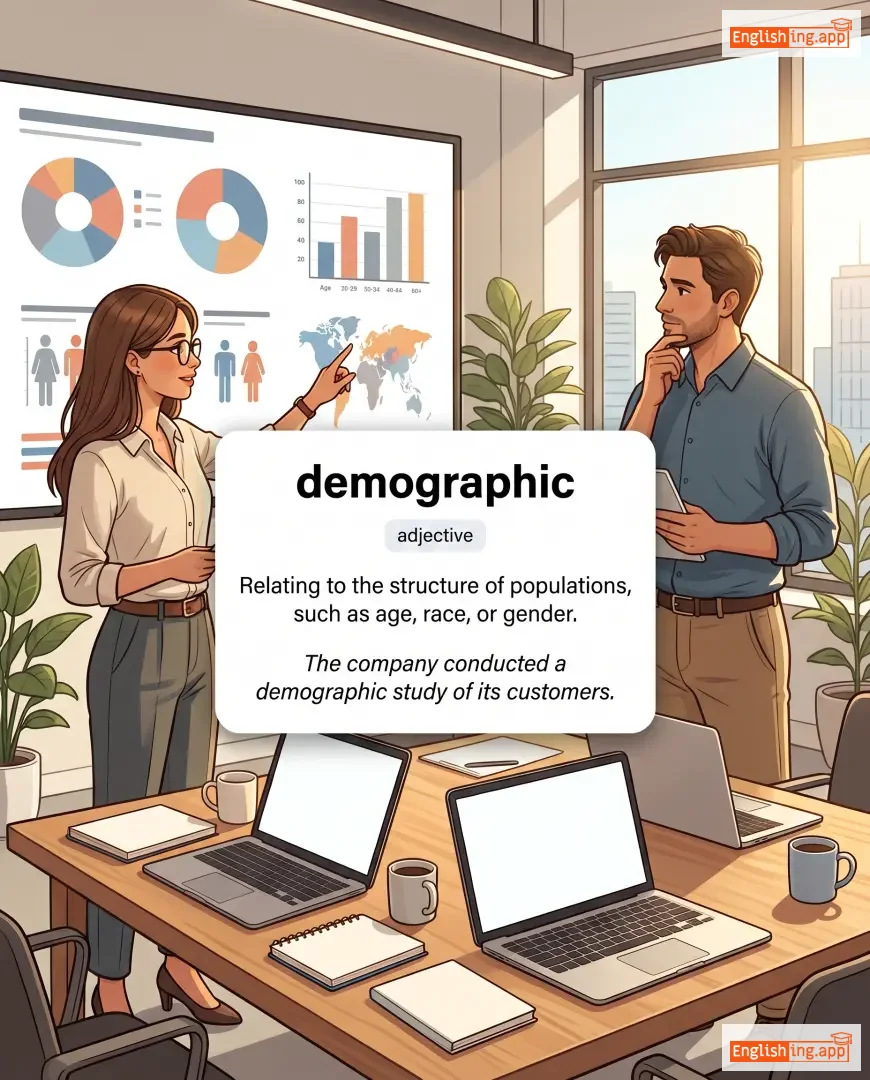
Relating to the structure of populations, such as age, race, or gender.
••••••
|
The company conducted a demographic study of its customers. |
その会社は顧客に対して人口統計学的な調査を行いました。
Sono kaisha wa kokyaku ni taishite jinkou toukeigakuteki na chousa wo okonaimashita.
••••••
|
demographic shift |
a change in the structure of a population
••••••
|
人口統計学的変化
jinkou toukeigakuteki henka
••••••
|
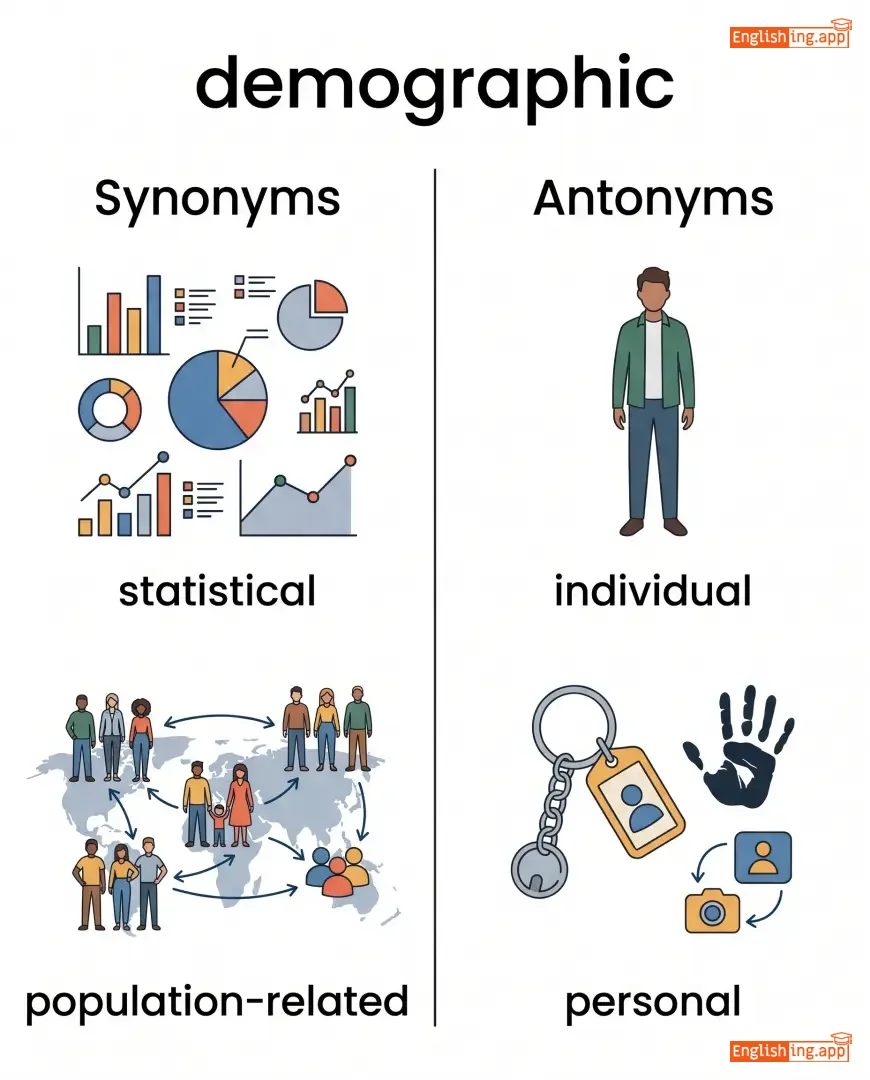
statistical, population-related, social, census-based
••••••
|
individual, personal
••••••
|
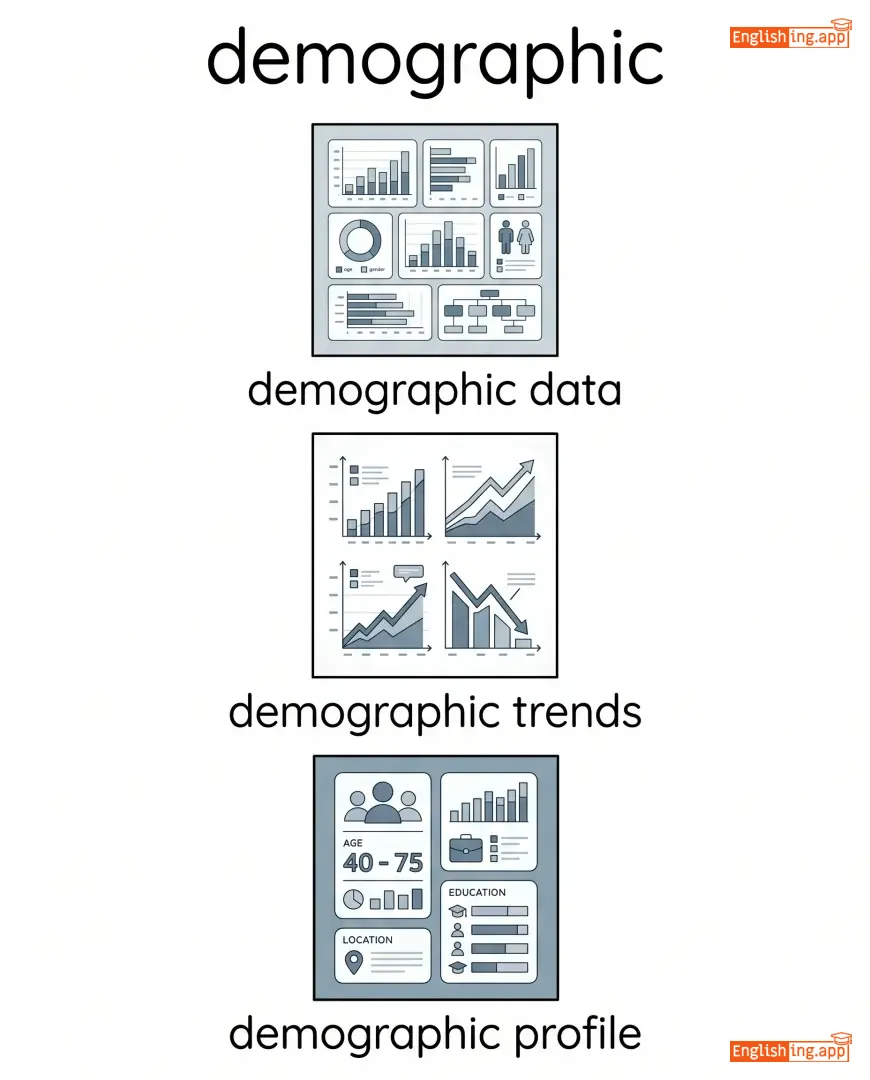
demographic data, demographic trends, demographic profile, demographic change
••••••
|
Demo+Graphic—Demoは人々を意味し、Graphicは画像を意味します。人々の画像が人口統計学的です。
••••••
|
|
#2273
🪖
|
/diːˈmoʊbəlaɪz/
verb
(デモビライゼ)
••••••
|
- •••••• |
解散する
kaisansuru
••••••
|
demobilized
デモビライズド
••••••
|
demobilized
デモビライズド
••••••
|
demobilizes
デモビライズズ
••••••
|
demobilizing
デモビライジング
••••••
|
To release from military service or to disband troops.
••••••
|
The government decided to demobilize the army after the war.
政府は戦争後に軍隊をデモビライゼすることを決定しました。
••••••
|
政府は戦争後に軍隊を解散することを決定しました。
Seifu wa sensō go ni guntai o kaisan suru koto o kettei shimashita.
••••••
|
- •••••• | - •••••• | - •••••• |
disband, discharge, release, deactivate
••••••
|
mobilize, recruit, enlist
••••••
|
demobilize troops, demobilize soldiers, demobilize the army, demobilize forces
••••••
|
De-mobilizeは軍隊を解散すること—戦争後、軍隊は家に帰る。
••••••
|
|
#2274
🕯️
|
/dɪˈmaɪz/
noun
(dih-maiz)
••••••
|
- •••••• |
死 / 終わり
shi / owari
••••••
|
- •••••• | - •••••• | - •••••• | - •••••• |
Death or end of something, especially the end of an institution or system.
••••••
|
The sudden demise of the company shocked investors. |
会社の突然の倒産は投資家を驚かせました。
Kaisha no totsuzen no tōsan wa tōshika o odorokasemashita.
••••••
|
meet one's demise |
to die
••••••
|
自らの死を迎える
Mizukara no shi o mukaeru
••••••
|
death, passing, end, downfall, collapse
••••••
|
birth, beginning, rise
••••••
|
sudden demise, political demise, meet demise, demise of empire
••••••
|
Demiseは死を意味します— 'De'は終わりを意味し、したがってdemiseは死を意味します。
••••••
|
|
#2275
🏰
|
/dɪˈmeɪn/
noun
(デメイン)
••••••
|
- •••••• |
邸宅に付属する土地
teitaku ni fuzoku suru tochi
••••••
|
- •••••• | - •••••• | - •••••• | - •••••• |
Land attached to a manor and retained for the owner's use.
••••••
|
The castle was surrounded by its vast demesne.
その城は広大なデメインに囲まれていました。
••••••
|
その城は広大な邸宅に付属する土地に囲まれていました。
Sono shiro wa koudaina teitaku ni fuzoku suru tochi ni kakomarete imashita.
••••••
|
- •••••• | - •••••• | - •••••• |
estate, domain, manor, property
••••••
|
public land, commons
••••••
|
vast demesne, royal demesne, private demesne, demesne land
••••••
|
De-Mesneは'Domain'のように聞こえる—'Domain'は自分の土地を意味します。
••••••
|
|
#2276
⚠️
|
/dɪˈmɛrɪt/
noun
(デメリット)
••••••
|
- •••••• |
欠点 / 罰点
kettō / batten
••••••
|
- •••••• | - •••••• | - •••••• | - •••••• |
A fault or disadvantage; a mark against a person for misconduct.
••••••
|
He received a demerit for being late to class. |
彼は授業に遅刻したため、デメリットを受けた。
Kare wa jugyō ni chikoku shita tame, demerit o uketa.
••••••
|
demerit point |
a penalty point given for breaking a rule
••••••
|
罰点
batten
••••••
|
fault, drawback, shortcoming, flaw, penalty
••••••
|
merit, advantage, credit
••••••
|
receive a demerit, assign demerit, demerit point, demerit system
••••••
|
De-MeritはMeritが減ることを意味し、デメリットは欠点や罰点です。
••••••
|
|
#2277
🤪
|
/dɪˈmɛntɪd/
adjective
(ディメンテッド)
••••••
|
- •••••• |
狂った / 非理性的
kuruṭta / hīrisēntēki
••••••
|
- •••••• | - •••••• | - •••••• | - •••••• |
behaving irrationally due to mental illness or extreme excitement
••••••
|
He looked demented after hearing the shocking news.
彼は衝撃的なニュースを聞いた後、正気を失ったように見えました。
••••••
|
彼は衝撃的なニュースを聞いた後、正気を失ったように見えました。
Kare wa shōgeki-tekina nyūsu o kiita ato, shōki o ushinatta yō ni miemashita.
••••••
|
like a demented person
狂った人のように
••••••
|
acting in a crazy or irrational manner
••••••
|
狂った人のように
kurutta hito no yō ni
••••••
|
insane, crazy, mad, deranged
••••••
|
sane, rational, balanced
••••••
|
demented laughter, demented behavior, look demented, act demented
••••••
|
Demented は精神疾患を意味します — 狂気や非理性。
••••••
|
|
#2278
🙂
|
/dɪˈmiːnər/
noun
(デミーナー)
••••••
|
- •••••• |
態度
taido
••••••
|
- •••••• | - •••••• | - •••••• | - •••••• |
a person's outward behavior or appearance
••••••
|
Her calm demeanor impressed everyone at the meeting. |
彼女の冷静な態度は会議で皆に感銘を与えました。
Kanojo no reisei na taido wa kaigi de mina ni kanmei o ataemashita.
••••••
|
calm demeanor |
a composed and peaceful outward behavior
••••••
|
冷静な態度
reisei na taido
••••••
|
manner, conduct, attitude, bearing, appearance
••••••
|
rudeness, agitation
••••••
|
pleasant demeanor, calm demeanor, professional demeanor, friendly demeanor
••••••
|
Demeanor は自分の外面的な態度を示すことを意味します。
••••••
|
|
#2279
😞
|
/dɪˈmiːn/
verb
(ディミーン)
••••••
|
- •••••• |
侮辱する
bujoku suru
••••••
|
demeaned
ディミーンド
••••••
|
demeaned
ディミーンド
••••••
|
demeans
ディミーンズ
••••••
|
demeaning
ディミーニング
••••••
|
to cause someone to lose dignity or respect
••••••
|
The manager demeaned his employees with rude remarks.
マネージャーは粗野なコメントで社員を侮辱しました。
••••••
|
マネージャーは粗野なコメントで社員を侮辱しました。
Manejā wa soya na komento de shain o bujoku shimashita.
••••••
|
demeaning behavior
侮辱的な行動
••••••
|
behavior that lowers someone's dignity
••••••
|
侮辱的な行動
bujokuteki na kōdō
••••••
|
degrade, humiliate, insult, belittle
••••••
|
respect, honor, praise
••••••
|
demean oneself, demean others, demean character, demean reputation
••••••
|
侮辱する: 侮辱的な言葉で他人を小さく感じさせる。
••••••
|
|
#2280
📏
|
/ˈdiːmɑːrˌkeɪt/
verb
(ディマーケイト)
••••••
|
- •••••• |
境界を定める
kyoukai wo sadameru
••••••
|
demarcated
ディマーケイティッド
••••••
|
demarcated
ディマーケイティッド
••••••
|
demarcates
ディマーケイツ
••••••
|
demarcating
ディマーケイティング
••••••
|
to set the boundaries or limits of something
••••••
|
The land was demarcated with fences to avoid disputes.
ザ・ランド・ワズ・ディマーケイティッド・ウィズ・フェンシズ・トゥ・アヴォイド・ディスピューツ。
••••••
|
土地はフェンスで境界が定められて、争いを避けました。
Tochi wa fensu de kyoukai ga sadamerarete, arasoi wo sake mashita.
••••••
|
- •••••• | - •••••• | - •••••• |
define, delimit, outline, mark, separate
••••••
|
merge, blend, unite
••••••
|
demarcate boundary, demarcate area, demarcate territory, demarcate line
••••••
|
De + mark → 境界を定める、限界をマークする。
••••••
|
Vocabulary Quiz
Test your vocabulary by matching words with their translations or meanings.
Login to take the quiz
Comments (0)
Share your thoughts and join the discussion.
Join the discussion by logging in
Login to CommentNo comments yet
Be the first to share your thoughts!