

翻訳
過去
過去分詞
三人称単数
動名詞
意味
例文
例文の翻訳
同義語
対義語
コロケーション
ニーモニック
Swipe left or right, or use the buttons. Tap image to zoom.
例文の翻訳
単語
Lesson 455Lesson 455 - マスクトグル
|
絵文字
|
単語 | Images | 翻訳 | 過去 | 過去分詞 | 三人称単数 | 動名詞 | 意味 | 例文 | 例文の翻訳 | 同義語 | 対義語 | コロケーション | ニーモニック |
|---|---|---|---|---|---|---|---|---|---|---|---|---|---|---|
|
#1
⚙️
|
/ˈsɛtʌp/
noun
(セットアップ)
••••••
|
- •••••• |
設置
setchi
••••••
|
- •••••• | - •••••• | - •••••• | - •••••• |
an arrangement of things or the way in which something is organized or prepared
••••••
|
The setup of the event took hours to complete. |
イベントのセットアップには数時間かかりました。
Ibento no settoappu ni wa suujikan kakarimashita.
••••••
|
arrangement, configuration, organization, system
••••••
|
disorganization, disorder
••••••
|
event setup, setup process, setup time
••••••
|
セットアップする前に、すべてを正しく整理してください。
••••••
|
|
#1
🔧
|
/ˈspɛʃəˌlaɪzd/
adjective
(スぺシャライズド)
••••••
|
- •••••• |
専門的な
senmon-teki na
••••••
|
- •••••• | - •••••• | - •••••• | - •••••• |
designed or developed for a particular purpose or function
••••••
|
He has a specialized knowledge of ancient civilizations.
彼は古代文明に関する専門的な知識を持っています。
••••••
|
彼は古代文明に関する専門的な知識を持っています。
Kare wa kodai bunmei ni kansuru senmon-teki na chishiki o motteimasu.
••••••
|
specialist, specific, expert
••••••
|
general, broad
••••••
|
specialized knowledge, specialized equipment, specialized skills
••••••
|
Specialized とは、特定の目的 (mokuteki) のために作られたことを意味します。
••••••
|
|
#1
🌉
|
/spæn/
noun
(スパン)
••••••
|
- •••••• |
スパン
supan
••••••
|
- •••••• | - •••••• | - •••••• | - •••••• |
the full extent or length of something from one end to another
••••••
|
The bridge has a span of over 500 meters.
橋のスパンは500メートル以上です。
••••••
|
橋のスパンは500メートル以上です。
Kyo no supan wa 500 meetoru ijou desu.
••••••
|
range, stretch, extent
••••••
|
shortness, limit
••••••
|
span of time, span of control, wide span
••••••
|
Spanを橋のスパンとして覚えてください。
••••••
|
|
#1
📧
|
/spæm/
noun
(スパム)
••••••
|
- •••••• |
スパム
supamu
••••••
|
- •••••• | - •••••• | - •••••• | - •••••• |
unsolicited or unwanted electronic communication, typically in the form of email
••••••
|
My inbox is full of spam emails that I need to delete.
私の受信箱はスパムメールでいっぱいで、削除する必要があります。
••••••
|
私の受信箱はスパムメールでいっぱいで、削除する必要があります。
Watashi no jushinbako wa supamu meeru de ippai de, sakujo suru hitsuyou ga arimasu.
••••••
|
junk, unsolicited mail, nuisance
••••••
|
legitimate mail, valid communication
••••••
|
spam email, spam message, spam filter
••••••
|
スパムを消去して、メールをチェック!
••••••
|
|
#1
🎓
|
/ˈsɑːfmɔːr/
noun
(ソフモア)
••••••
|
- •••••• |
二年生
ninen-sei
••••••
|
- •••••• | - •••••• | - •••••• | - •••••• |
a student in their second year of study at a university or high school
••••••
|
He’s a sophomore in college, studying computer science. |
彼は大学で2年生で、コンピュータサイエンスを勉強しています。
Kare wa daigaku de ninen-sei de, konpyūta saiensu o benkyō shiteimasu.
••••••
|
second-year student
••••••
|
freshman, junior, senior
••••••
|
sophomore year, sophomore student, sophomore class
••••••
|
Sophomoreという言葉は'二年目'を意味し、2年目の学生を表します。
••••••
|
|
#1
🎤
|
/ˈsoʊloʊ/
adjective
(ソロ)
••••••
|
- •••••• |
ソロ
soro
••••••
|
- •••••• | - •••••• | - •••••• | - •••••• |
performed by one person alone; a single performance
••••••
|
She decided to perform a solo dance at the talent show. |
彼女は才能ショーでソロダンスを披露することに決めた。
Kanojo wa sainō shō de soro dansu o hirō suru koto ni kimeta.
••••••
|
individual, single, soloist
••••••
|
group, ensemble
••••••
|
solo performance, solo act, solo artist
••••••
|
ソロで自分の才能を試すチャンスだ!
••••••
|
|
#1
💥
|
/smæʃ/
verb
(スマッシュ)
••••••
|
- •••••• |
壊す
kowasu
••••••
|
smashed
スマッシュド
••••••
|
smashed
スマッシュド
••••••
|
smashes
スマッシュズ
••••••
|
smashing
スマッシング
••••••
|
to break something into pieces violently
••••••
|
She smashed the glass in frustration.
彼女はフラストレーションでグラスを壊した。
••••••
|
彼女はフラストレーションでグラスを壊した。
Kanojo wa furasutōrēshon de gurasu o kowashita.
••••••
|
break, crush, shatter, demolish
••••••
|
repair, fix, preserve
••••••
|
smash into, smash up, smash down
••••••
|
壊す、フラストレーションで!
••••••
|
|
#1
🗣️
|
/ˈsloʊɡən/
noun
••••••
|
- •••••• | - •••••• | - •••••• | - •••••• | - •••••• | - •••••• |
a short and memorable phrase used to promote a cause or product
••••••
|
The campaign used a powerful slogan to inspire people. |
- •••••• |
catchphrase, motto, tagline, saying
••••••
|
silence, quiet
••••••
|
campaign slogan, popular slogan, catchy slogan
••••••
|
No •••••• |
|
#1
🗡️
|
/slæʃ/
verb
(スラッシュ)
••••••
|
|
切る
kiru
••••••
|
slashed
スラッシュド
••••••
|
slashed
スラッシュド
••••••
|
slashes
スラッシュズ
••••••
|
slashing
スラッシング
••••••
|
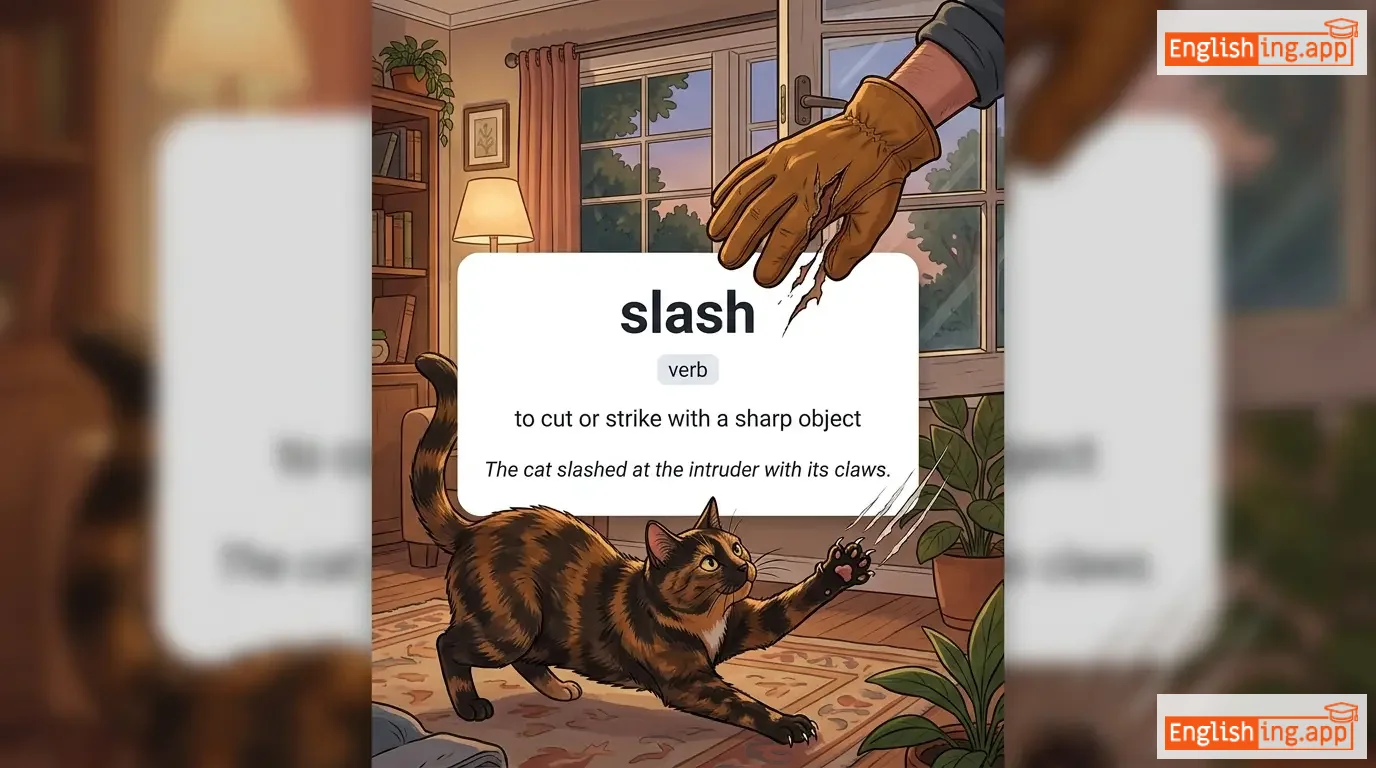
to cut or strike with a sharp object
••••••
|
The cat slashed at the intruder with its claws.
猫は爪で侵入者をスラッシュしました。
••••••
|
猫は爪で侵入者を切りました。
Neko wa tsume de shinnyū-sha o kirimashita.
••••••
|
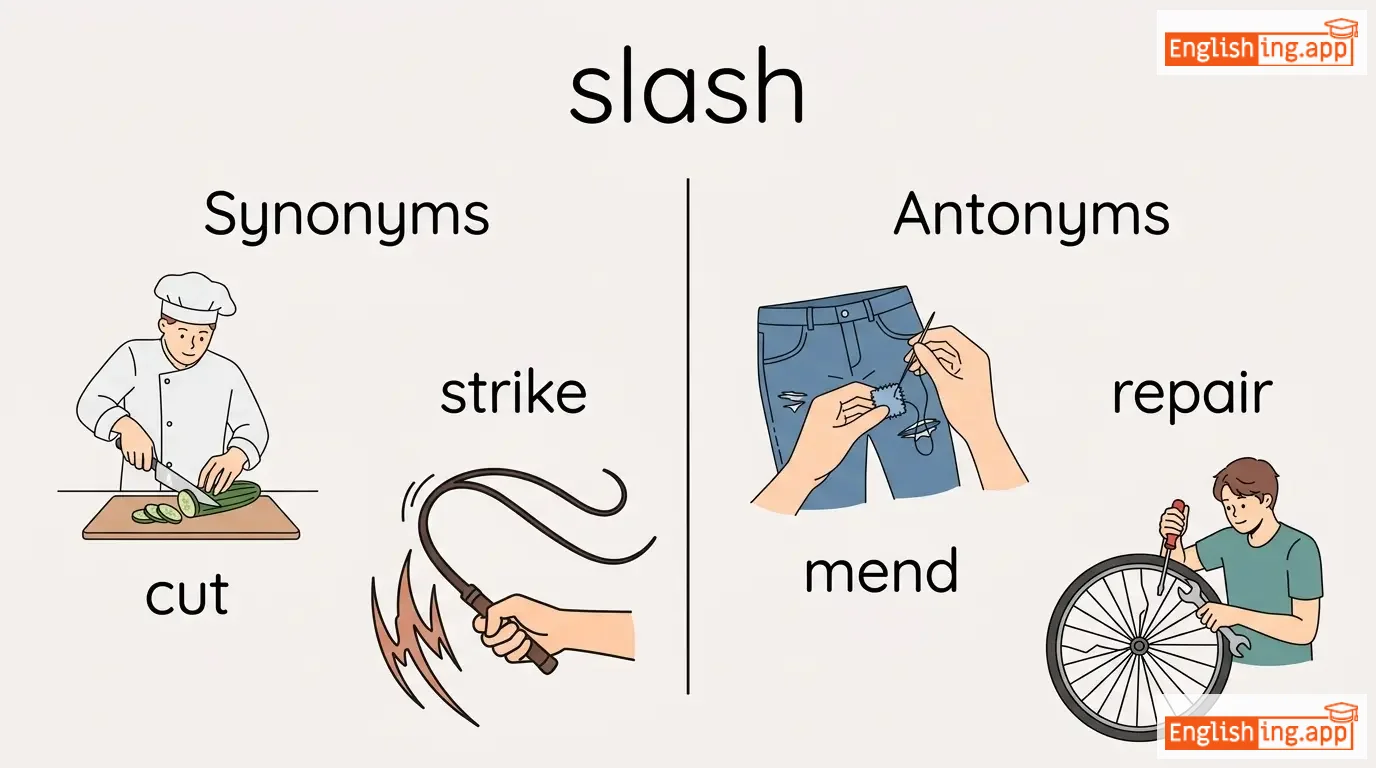
cut, strike, slice, hack
••••••
|
mend, repair, fix
••••••
|
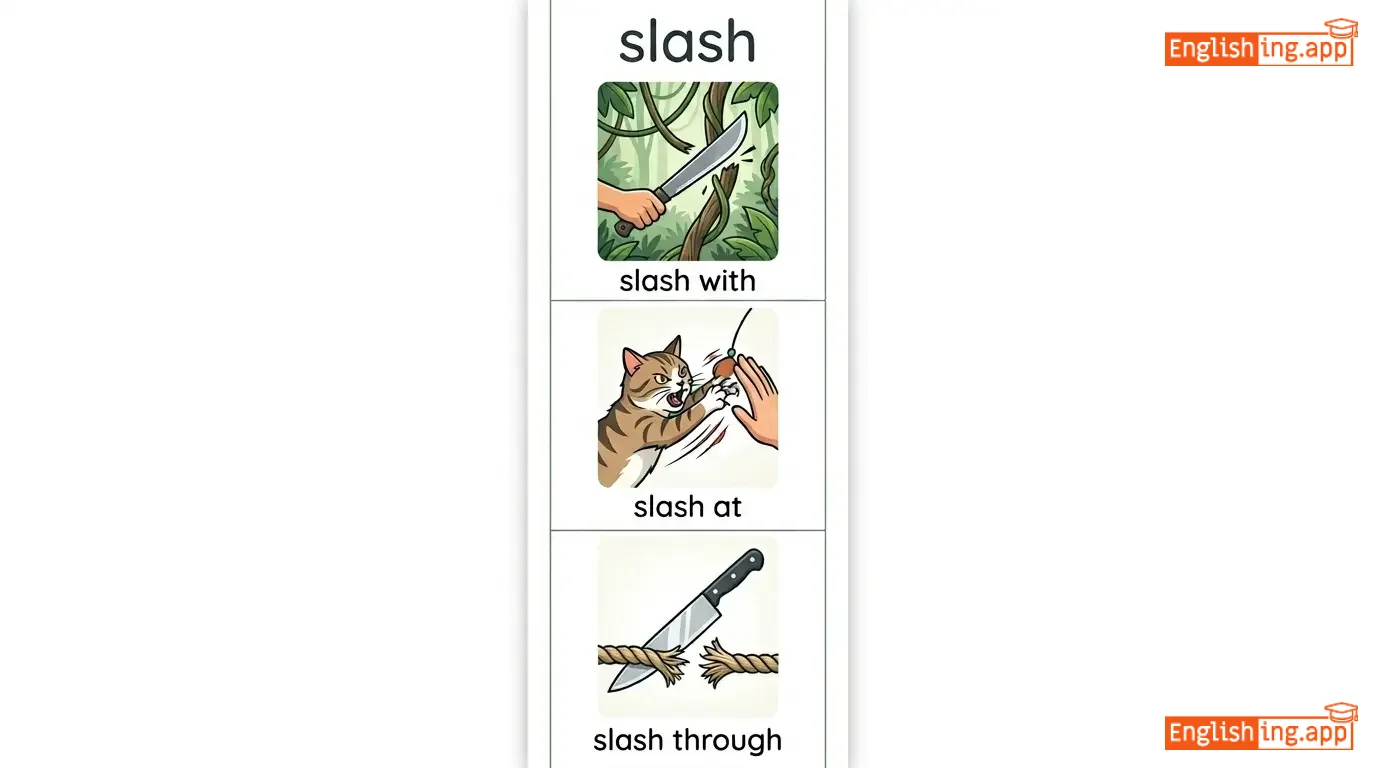
slash with, slash at, slash through
••••••
|
スラッシュで切る (kiru)
••••••
|
|
#1
✏️
|
/skɛtʃ/
noun
(スケッチ)
••••••
|
- •••••• |
スケッチ
suketchi
••••••
|
- •••••• | - •••••• | - •••••• | - •••••• |
a simple, rough drawing or outline
••••••
|
He made a quick sketch of the landscape.
彼は風景の素早いスケッチを作成しました。
••••••
|
彼は風景の素早いスケッチを作成しました。
Kare wa fūkei no subayai suketchi o sakusei shimashita.
••••••
|
drawing, outline, draft, blueprint
••••••
|
finished work, masterpiece
••••••
|
quick sketch, pencil sketch, rough sketch
••••••
|
簡単なスケッチ (suketchi)
••••••
|
|
#1
📍
|
/ˈsɪtʃueɪtɪd/
adjective
(sɪtʃueɪtɪd)
••••••
|
- •••••• |
位置する
ichi suru
••••••
|
- •••••• | - •••••• | - •••••• | - •••••• |
located in a particular place or position
••••••
|
The hotel is situated near the beach.
ホテルはビーチの近くにあります。
••••••
|
ホテルはビーチの近くにあります。
Hoteru wa bīchi no chikaku ni arimasu.
••••••
|
located, positioned, placed, found
••••••
|
lost, misplaced, absent
••••••
|
situated near, situated in, centrally situated
••••••
|
ホテルはビーチの近くに位置しています。
••••••
|
|
#1
🎮
|
/ˌsɪmjuˈleɪʃən/
noun
(シミュレーション)
••••••
|
- •••••• |
シミュレーション
shimyurēshon
••••••
|
- •••••• | - •••••• | - •••••• | - •••••• |
the imitation of a situation or process
••••••
|
The simulation helped the students understand the complex theory. |
シミュレーションは学生が複雑な理論を理解するのを助けました。
Shimyurēshon wa gakusei ga fukuzatsu na rironn o rikai suru no o tasukemashita.
••••••
|
imitation, modeling, reproduction, emulation
••••••
|
reality, actuality
••••••
|
simulation model, simulation game, flight simulation
••••••
|
シミュレーションは物事を模倣すること
••••••
|
|
#1
😱
|
/ˈʃɒkɪŋ/
adjective
(ショッキング)
••••••
|
- •••••• |
衝撃的な
shougeki teki na
••••••
|
- •••••• | - •••••• | - •••••• | - •••••• |
causing surprise or disbelief; startling
••••••
|
The news of the accident was shocking to everyone. |
事故のニュースは皆を衝撃的にしました。
Jiko no nyuusu wa minna o shougeki teki ni shimashita.
••••••
|
startling, surprising, astonishing, unexpected
••••••
|
expected, unsurprising
••••••
|
shocking news, shocking incident, shocking revelation
••••••
|
衝撃的なものは驚かせるもの
••••••
|
|
#1
🚢
|
/ˈʃɪpɪŋ/
noun
(ˈʃɪpɪŋ)
••••••
|
- •••••• |
配送
haisou
••••••
|
- •••••• | - •••••• | - •••••• | - •••••• |
the process of transporting goods
••••••
|
The shipping of the products was delayed due to weather conditions. |
天候条件により商品の配送が遅れました。
Ten kō jōken ni yori shōhin no haisō ga okuremashita.
••••••
|
delivery, transportation, freight, dispatch
••••••
|
receiving, reception
••••••
|
shipping company, international shipping, shipping cost
••••••
|
Shippingとは商品を海路や陸路で配送することです
••••••
|
|
#1
🛠️
|
/ʃeɪpt/
adjective
(シェイプト)
••••••
|
- •••••• |
形作られた
katachi tsukurareta
••••••
|
- •••••• | - •••••• | - •••••• | - •••••• |
having a particular form or appearance
••••••
|
The sculpture was shaped like a human figure. |
彫刻は人間の姿のように形作られていました。
Choukoku wa ningen no sugata no you ni katachi tsukurareteimashita.
••••••
|
formed, molded, structured, sculpted
••••••
|
unshaped, formless
••••••
|
shaped like, well-shaped, beautifully shaped
••••••
|
形作られたは特定の形を持つこと
••••••
|
|
#1
❌
|
/rɪˈdʒɛkʃən/
noun
(rijekkushon)
••••••
|
- •••••• |
拒絶
kyozetsu
••••••
|
- •••••• | - •••••• | - •••••• | - •••••• |
the action of refusing or dismissing something or someone
••••••
|
Her rejection of the offer surprised everyone. |
彼女の提案の拒絶は皆を驚かせた。
Kanojo no teian no kyozetsu wa mina o odorokaseta.
••••••
|
refusal, denial, dismissal, veto
••••••
|
acceptance, approval, approval
••••••
|
rejection of offer, rejection letter, rejection of idea
••••••
|
Rejection is like saying 'No' when it's clear you want something else.
••••••
|
|
#1
🔄
|
/rəʊˈteɪʃən/
noun
(roh-tei-shon)
••••••
|
- •••••• |
回転
kaiten
••••••
|
- •••••• | - •••••• | - •••••• | - •••••• |
the action of rotating or turning something around a center or axis
••••••
|
The rotation of the earth around the sun causes seasons. |
地球の太陽の周りの回転は季節を引き起こします。
Chikyū no taiyō no mawari no kaiten wa kisetsu o hikiokoshimasu.
••••••
|
turning, spinning, revolving, gyration
••••••
|
stillness, stagnation
••••••
|
rotation of the earth, rotation of crops, job rotation
••••••
|
Rotation makes things turn around—'R' for Revolving!
••••••
|
|
#1
💣
|
/ˈrɒbəɹi/
noun
(ロバリー)
••••••
|
- •••••• |
強盗
gōtō
••••••
|
- •••••• | - •••••• | - •••••• | - •••••• |
the crime of stealing from someone or somewhere using force or threat
••••••
|
The police are investigating the robbery at the local store. |
警察は地元の店での強盗事件を調査しています。
Keisatsu wa jimoto no mise de no gōtō jiken o chōsa shiteimasu.
••••••
|
theft, burglary, heist, mugging
••••••
|
donation, charity
••••••
|
armed robbery, robbery attempt, robbery suspect
••••••
|
Robbers commit robbery—'G' is for '強盗' in Japanese.
••••••
|
|
#1
💰
|
/rɒb/
verb
(ロブ)
••••••
|
- •••••• |
強奪
gōdatsu
••••••
|
robbed
ロブド
••••••
|
robbed
ロブド
••••••
|
robs
ロブス
••••••
|
robbing
ロビング
••••••
|
to take something by force or threat, especially from a person or place
••••••
|
He was caught trying to rob the bank.
彼は銀行を襲おうとして捕まった。
••••••
|
彼は銀行を襲おうとして捕まった。
Kare wa ginkō o osō to shite tsukamatta.
••••••
|
steal, plunder, burgle, loot
••••••
|
give, donate
••••••
|
rob a bank, rob a person, rob a store
••••••
|
Robbers 'R'each for loot—robbed 'R'iches in their grip.
••••••
|
|
#1
🔄
|
/rɪˈvaɪvəl/
noun
(リバイバル)
••••••
|
- •••••• |
復活
fukkatsu
••••••
|
- •••••• | - •••••• | - •••••• | - •••••• |
an improvement in the condition or strength of something
••••••
|
The revival of the old traditions brought a sense of nostalgia. |
古い伝統の復活は懐かしい感覚をもたらしました。
Furui dentō no fukkatsu wa natsukashī kankaku o motarashimashita.
••••••
|
restoration, rejuvenation, renewal, resurgence
••••••
|
decline, deterioration, collapse
••••••
|
revival of interest, revival of culture, cultural revival
••••••
|
過去を '復活' させることで、古い伝統を再生するように!
••••••
|
|
#1
🔄
|
/rɪˈvɪʒən/
noun
(リビジョン)
••••••
|
- •••••• |
改訂
kaitei
••••••
|
- •••••• | - •••••• | - •••••• | - •••••• |
the action of revising or updating something, typically in preparation for something else
••••••
|
She made some last-minute revisions to her report before submitting it. |
彼女は報告書を提出する前に最後の修正を加えました。
Kanojo wa hōkokusho o teishutsu suru mae ni saigo no shūsei o kuwaemashita.
••••••
|
edit, update, modification, adjustment
••••••
|
unchanged, constant
••••••
|
revision notes, revision session, make revisions
••••••
|
改訂はレポートを最後の瞬間に修正することです。
••••••
|
|
#1
🛠️
|
/ˌrɛstəˈreɪʃən/
noun
(レストレーション)
••••••
|
|
修復
shūfuku
••••••
|
- •••••• | - •••••• | - •••••• | - •••••• |
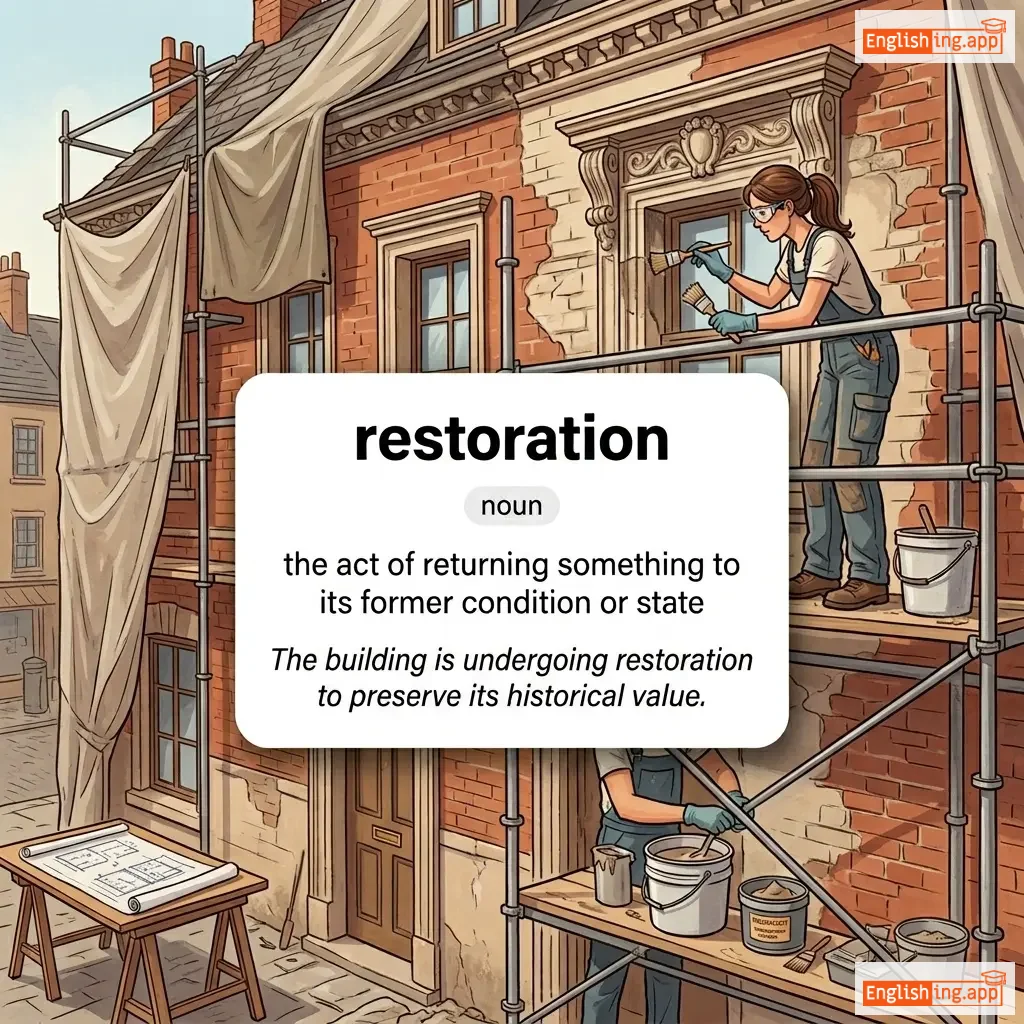
the act of returning something to its former condition or state
••••••
|
The building is undergoing restoration to preserve its historical value. |
その建物は歴史的価値を保護するために修復されています。
Sono tatemono wa rekishiteki kachi o hogo suru tame ni shūfuku sareteimasu.
••••••
|
repair, refurbishment, renewal, revival
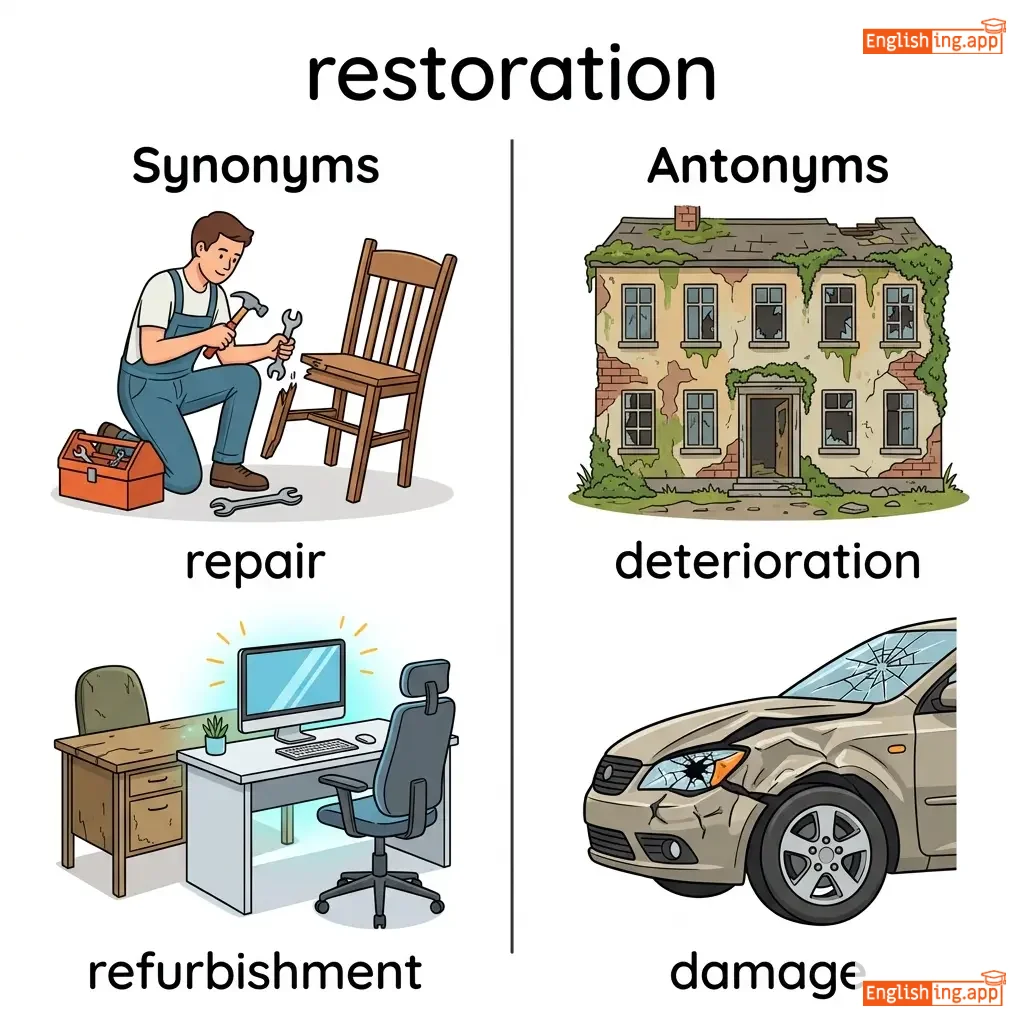
••••••
|
deterioration, damage, destruction
••••••
|
building restoration, restoration project, restoration of health
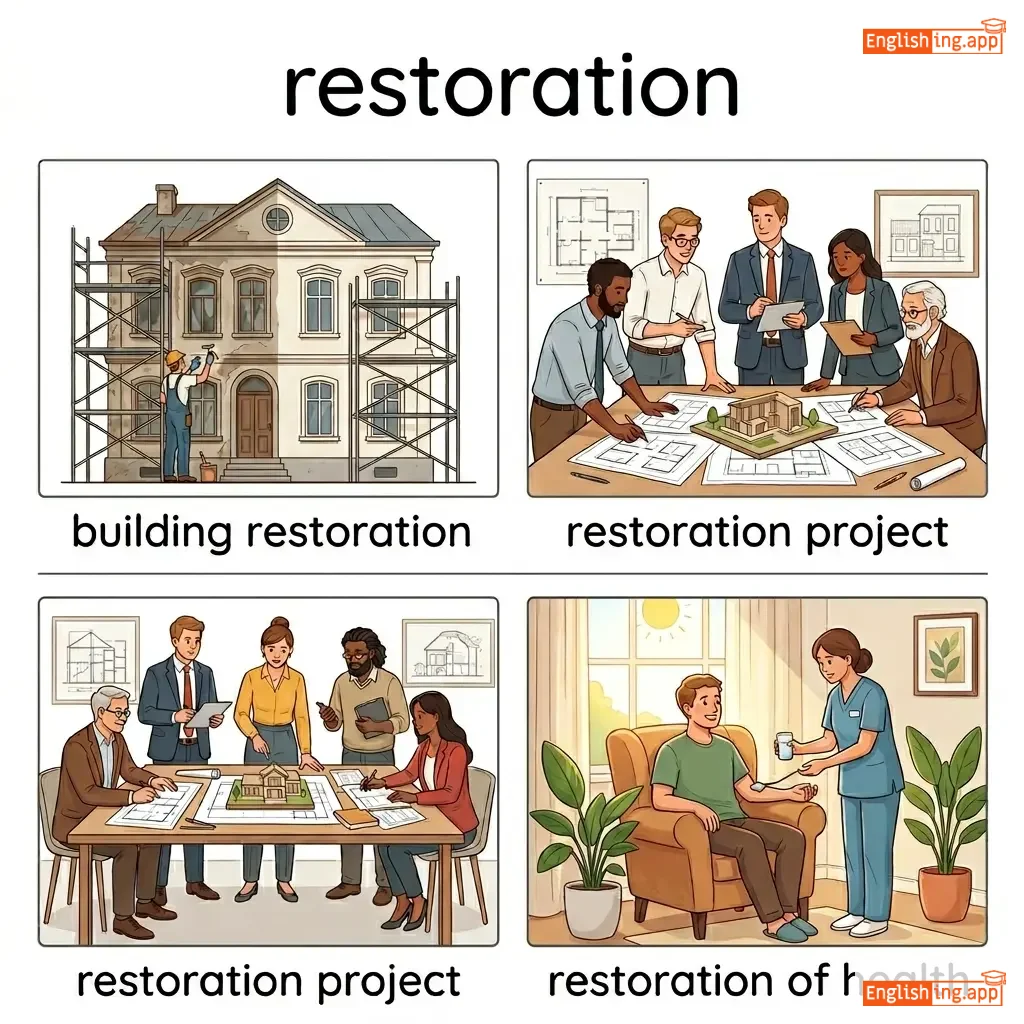
••••••
|
修復 is like restoration – to restore something is to bring it back to its original state.
••••••
|
|
#1
🔄
|
/rɪˈspɛktɪv/
adjective
(レスペクティブ)
••••••
|
- •••••• |
それぞれの
sorezore no
••••••
|
- •••••• | - •••••• | - •••••• | - •••••• |
belonging or relating separately to each of the people or things already mentioned
••••••
|
The students were in their respective rooms.
学生たちはそれぞれの部屋にいました。
••••••
|
学生たちはそれぞれの部屋にいました。
Gakusei-tachi wa sorezore no heya ni imashita.
••••••
|
individual, separate, own, distinct
••••••
|
shared, collective, common
••••••
|
respective responsibilities, respective positions, respective roles
••••••
|
Respective は 'respect' に似ている - 各自にそれぞれの '尊重' (部屋、課題) がある。
••••••
|
|
#1
🏠
|
/rɪˈzaɪd/
verb
(レサイド)
••••••
|
- •••••• |
住む
sumu
••••••
|
resided
レサイデッド
••••••
|
resided
レサイデッド
••••••
|
resides
レサイドス
••••••
|
residing
レサイディング
••••••
|
to live or dwell in a particular place
••••••
|
They reside in a large house near the river.
彼らは川の近くの大きな家に住んでいます。
••••••
|
彼らは川の近くの大きな家に住んでいます。
Karera wa kawa no chikaku no ōkina ie ni sunde imasu.
••••••
|
live, dwell, inhabit, stay
••••••
|
leave, depart, move
••••••
|
reside in, reside with, permanently reside
••••••
|
Reside rhymes with 'side' - to reside somewhere is to stay on that side.
••••••
|
|
#1
🌟
|
/rɪˈnaʊnd/
adjective
(レナウンド)
••••••
|
|
有名
yūmei
••••••
|
- •••••• | - •••••• | - •••••• | - •••••• |
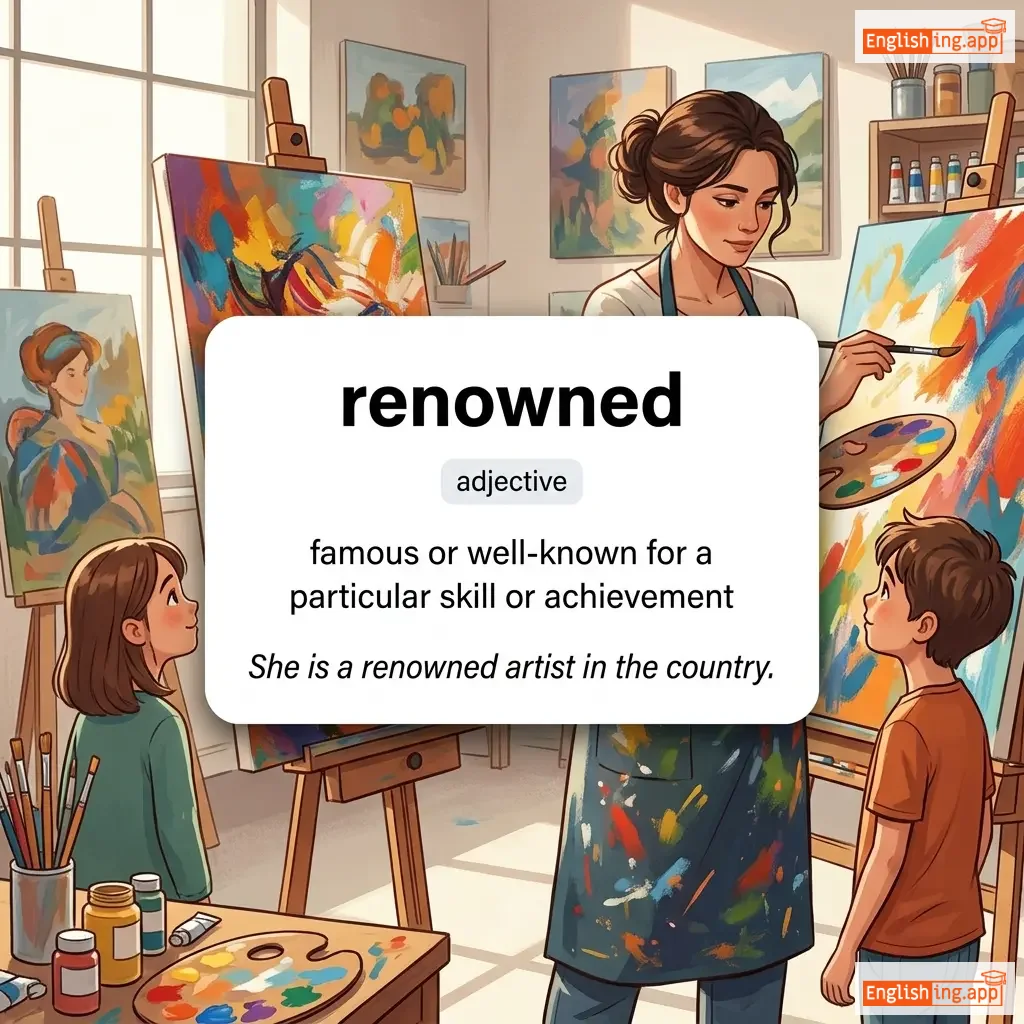
famous or well-known for a particular skill or achievement
••••••
|
She is a renowned artist in the country.
彼女はその国で有名なアーティストです。
••••••
|
彼女はその国で有名なアーティストです。
Kanojo wa sono kuni de yūmei na ātisuto desu.
••••••
|
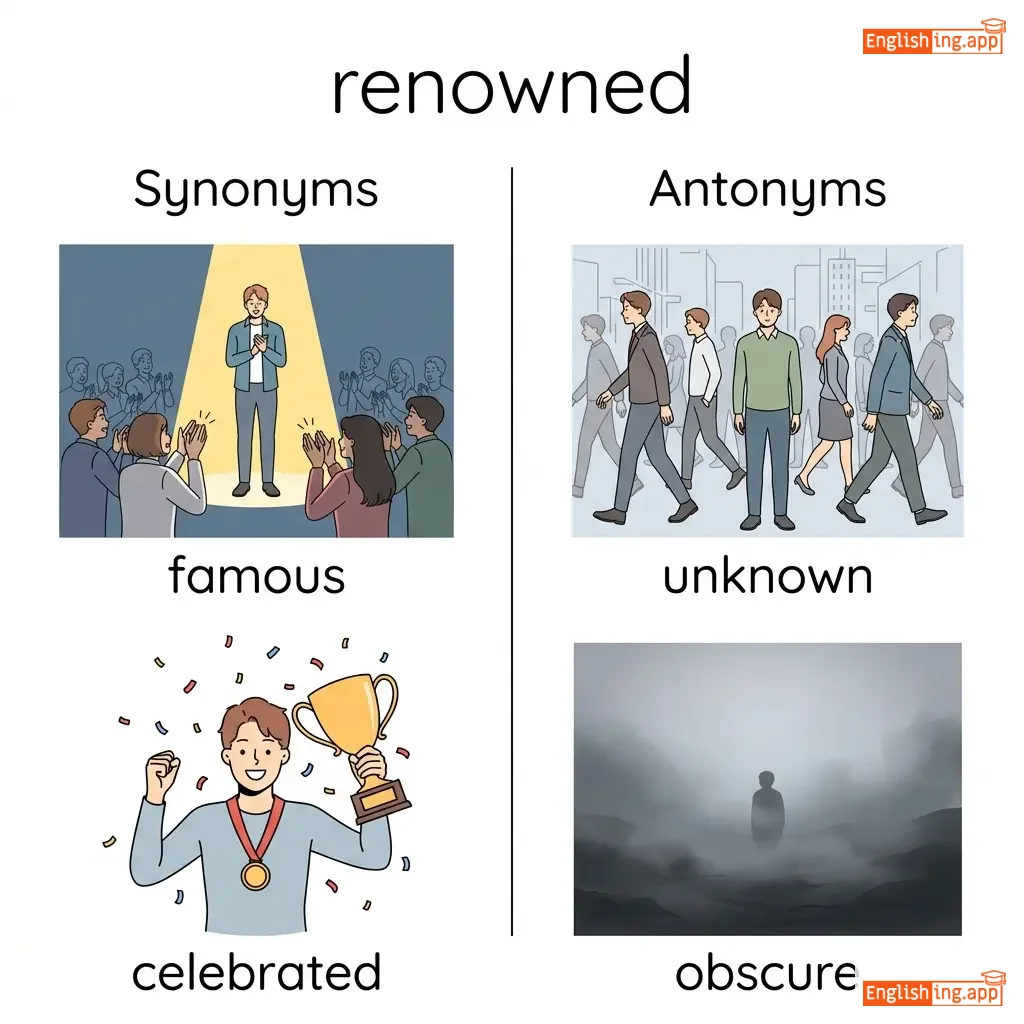
famous, celebrated, distinguished, acclaimed
••••••
|
unknown, obscure, anonymous
••••••
|
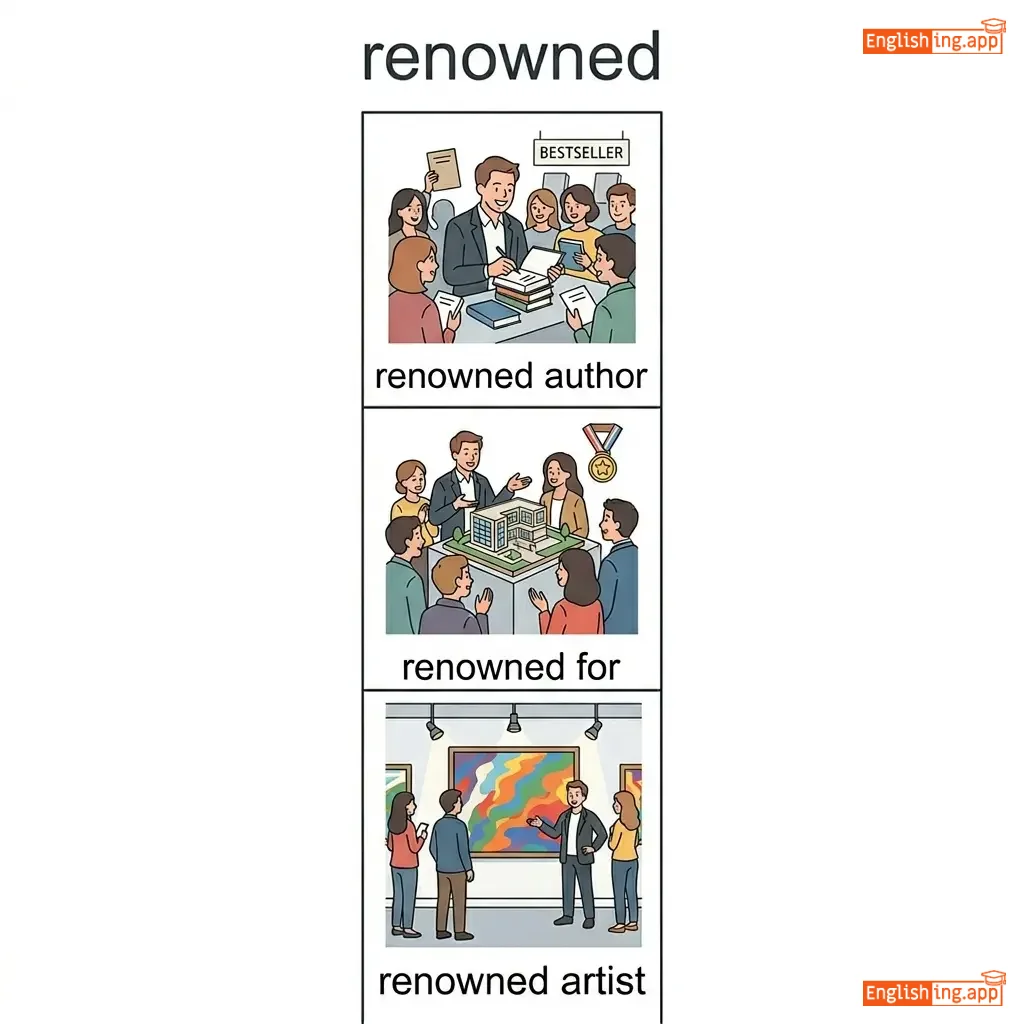
renowned author, renowned for, renowned artist, highly renowned
••••••
|
Renowned rhymes with 'known' - someone who's renowned is well-known.
••••••
|
|
#1
💊
|
/ˈrɛmɪdi/
noun
(レメディ)
••••••
|
- •••••• |
治療法
chiryouhou
••••••
|
- •••••• | - •••••• | - •••••• | - •••••• |
a treatment or solution for a problem or illness
••••••
|
The doctor prescribed a remedy for the cough. |
医者は咳のために治療法を処方した。
Isha wa seki no tame ni chiryouhou o shohoushita.
••••••
|
treatment, cure, solution, antidote
••••••
|
disease, problem, injury
••••••
|
home remedy, remedy for, effective remedy, herbal remedy
••••••
|
Remedy sounds like '治療法' - 咳の治療法を使います。
••••••
|
|
#1
👏
|
/rɪˈmɑːrkəbli/
adverb
(リマーカブリー)
••••••
|
- •••••• |
驚くべき方法で
odorokubeki hōhō de
••••••
|
- •••••• | - •••••• | - •••••• | - •••••• |
in a way that is worthy of attention or notice; surprisingly
••••••
|
She did remarkably well in the competition. |
彼女はコンペティションで驚くべき成果を上げました。
Kanojo wa konpētishon de odorokubeki seika o agemashita.
••••••
|
notably, extraordinarily, exceptionally, amazingly
••••••
|
unremarkably, ordinarily
••••••
|
remarkably good, remarkably well, remarkably strong
••••••
|
Remarkably is like 'remark' (re-marks) made in awe.
••••••
|
|
#1
💀
|
/rɪˈmeɪnz/
noun
(rimensu)
••••••
|
- •••••• |
遺物
iwotsu
••••••
|
- •••••• | - •••••• | - •••••• | - •••••• |
the parts, pieces, or substances that are left after the rest has been used or removed
••••••
|
The remains of the meal were left on the table. |
食事の残り物はテーブルに残されていた。
Shokuji no nokorimono wa tēburu ni nokosarete ita.
••••••
|
leftovers, debris, remnants, fragments
••••••
|
whole, entirety, whole thing
••••••
|
remains of food, human remains, remains of the day
••••••
|
Remains are like 'remain' (iwotsu) left after a meal.
••••••
|
|
#1
😌
|
/rɪˈliːvd/
adjective
(リリーブド)
••••••
|
- •••••• |
安心した
anshin shita
••••••
|
- •••••• | - •••••• | - •••••• | - •••••• |
feeling happy and less worried after something stressful has been removed or resolved
••••••
|
She felt relieved after hearing the good news. |
良い知らせを聞いた後、彼女は安心した。
Yoi shirase o kiita ato, kanojo wa anshin shita.
••••••
|
comforted, relaxed, reassured, eased
••••••
|
worried, stressed, anxious
••••••
|
feel relieved, relieved to know, felt relieved
••••••
|
Relieved is like a 'relief' (releef) after a stressful day.
••••••
|
|
#1
📌
|
/ˈrɛlɪvəns/
noun
(レレヴァンス)
••••••
|
- •••••• |
関連性
kanrensei
••••••
|
- •••••• | - •••••• | - •••••• | - •••••• |
the quality or state of being closely connected or appropriate
••••••
|
The relevance of the information was clear to everyone. |
情報の関連性はすべての人に明確でした。
Jouhou no kanrensei wa subete no hito ni meikaku deshita.
••••••
|
importance, significance, pertinence, applicability
••••••
|
irrelevance, insignificance, unimportance
••••••
|
relevance to, relevance of topic, great relevance
••••••
|
Relevance is like the importance of a subject everyone in class talks about.
••••••
|
Vocabulary Quiz
Test your vocabulary by matching words with their translations or meanings.
Login to take the quiz
Comments (0)
Share your thoughts and join the discussion.
Join the discussion by logging in
Login to CommentNo comments yet
Be the first to share your thoughts!