

翻訳
過去
過去分詞
三人称単数
動名詞
意味
例文
例文の翻訳
同義語
対義語
コロケーション
ニーモニック
Swipe left or right, or use the buttons. Tap image to zoom.
例文の翻訳
単語
Lesson 204Lesson 204 - マスクトグル
|
絵文字
|
単語 | Images | 翻訳 | 過去 | 過去分詞 | 三人称単数 | 動名詞 | 意味 | 例文 | 例文の翻訳 | 表現例 | 表現例の意味 | 表現例の翻訳 | 同義語 | 対義語 | コロケーション | ニーモニック |
|---|---|---|---|---|---|---|---|---|---|---|---|---|---|---|---|---|---|
|
#6091
💭
|
/əˈpɪnjən/
noun
(オピニオン)
••••••
|
- •••••• |
意見
iken
••••••
|
- •••••• | - •••••• | - •••••• | - •••••• |
A belief, judgment, or viewpoint about something, not necessarily based on fact.
••••••
|
Everyone is entitled to their own opinion. |
誰もが自分の意見を持つ権利を持っています。
dare mo ga jibun no iken o motsu kenri o motteimasu.
••••••
|
in my opinion |
used to express one's personal view or belief
••••••
|
私の意見では
watashi no iken dewa
••••••
|
view, belief, perspective, judgment, sentiment
••••••
|
fact, truth, certainty
••••••
|
public opinion, express an opinion, personal opinion, strong opinion
••••••
|
Opinion: ‘オープンイン’ でアイデアを開く — みんな自分の意見を持っている。
••••••
|
|
#6092
🌞
|
/ˈɒptɪmɪzəm/
noun
(オプティミズム)
••••••
|
|
楽観主義
rakkan shugi
••••••
|
- •••••• | - •••••• | - •••••• | - •••••• |
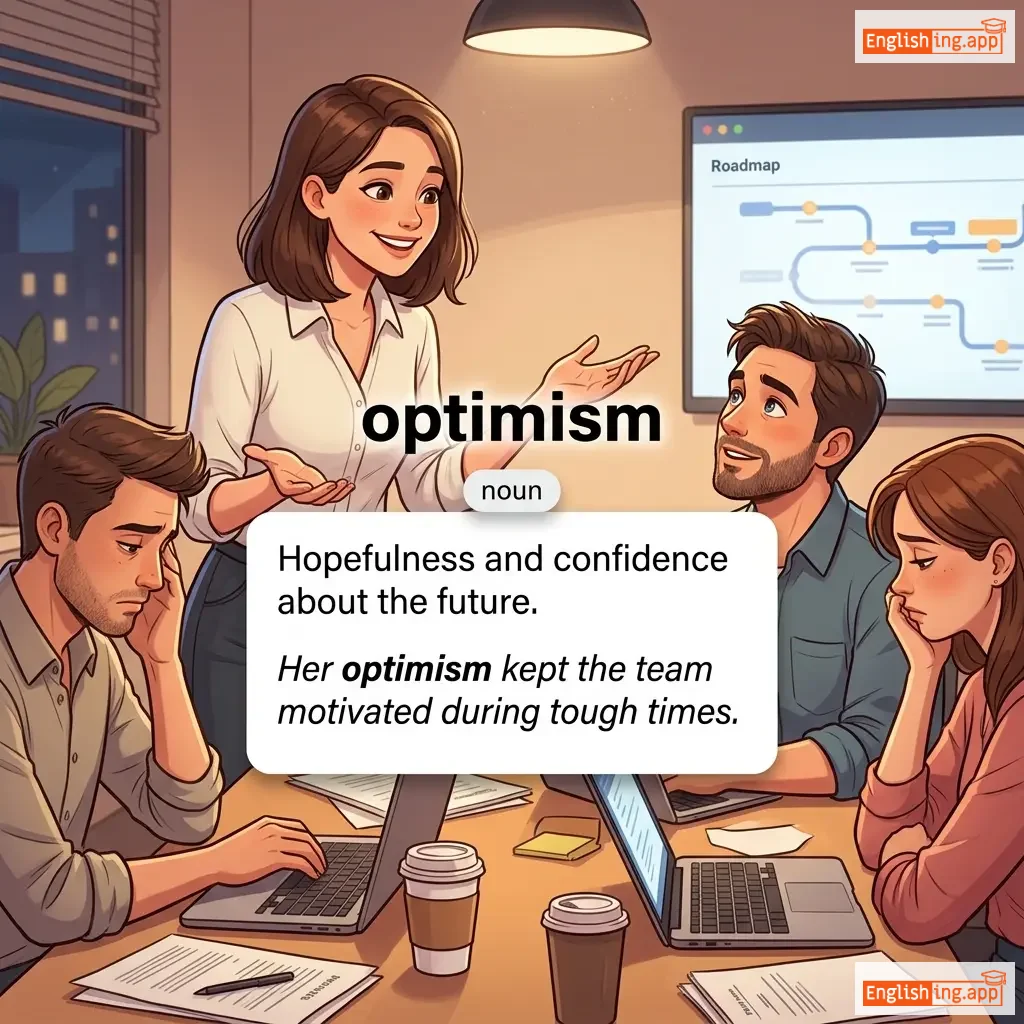
Hopefulness and confidence about the future.
••••••
|
Her optimism kept the team motivated during tough times. |
彼女の楽観主義は困難な時期にチームを励ましました。
Kanojo no rakkan shugi wa konnan na jiki ni chiimu wo hagemashita.
••••••
|
glass half full |
an optimistic way of looking at things
••••••
|
半分のグラス
hanbun no gurasu
••••••
|
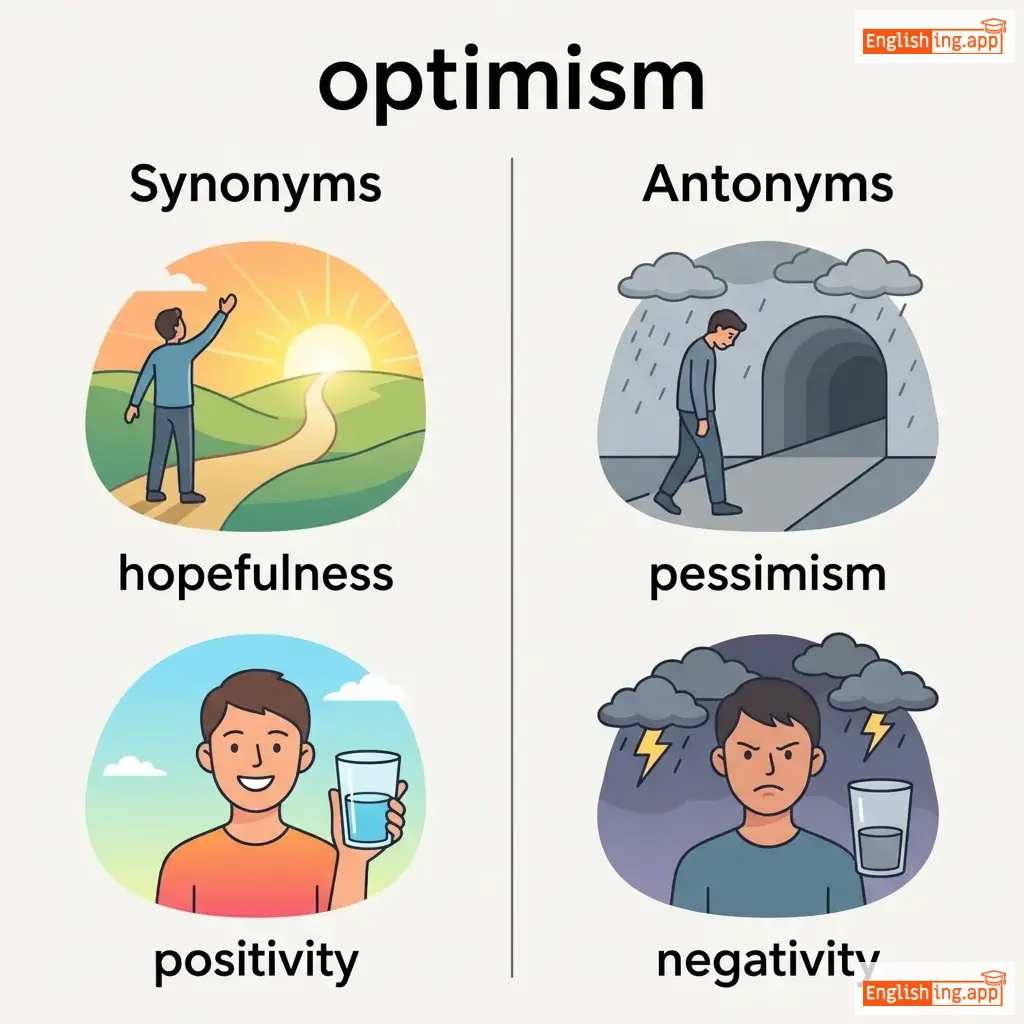
hopefulness, positivity, confidence, cheerfulness
••••••
|
pessimism, negativity
••••••
|
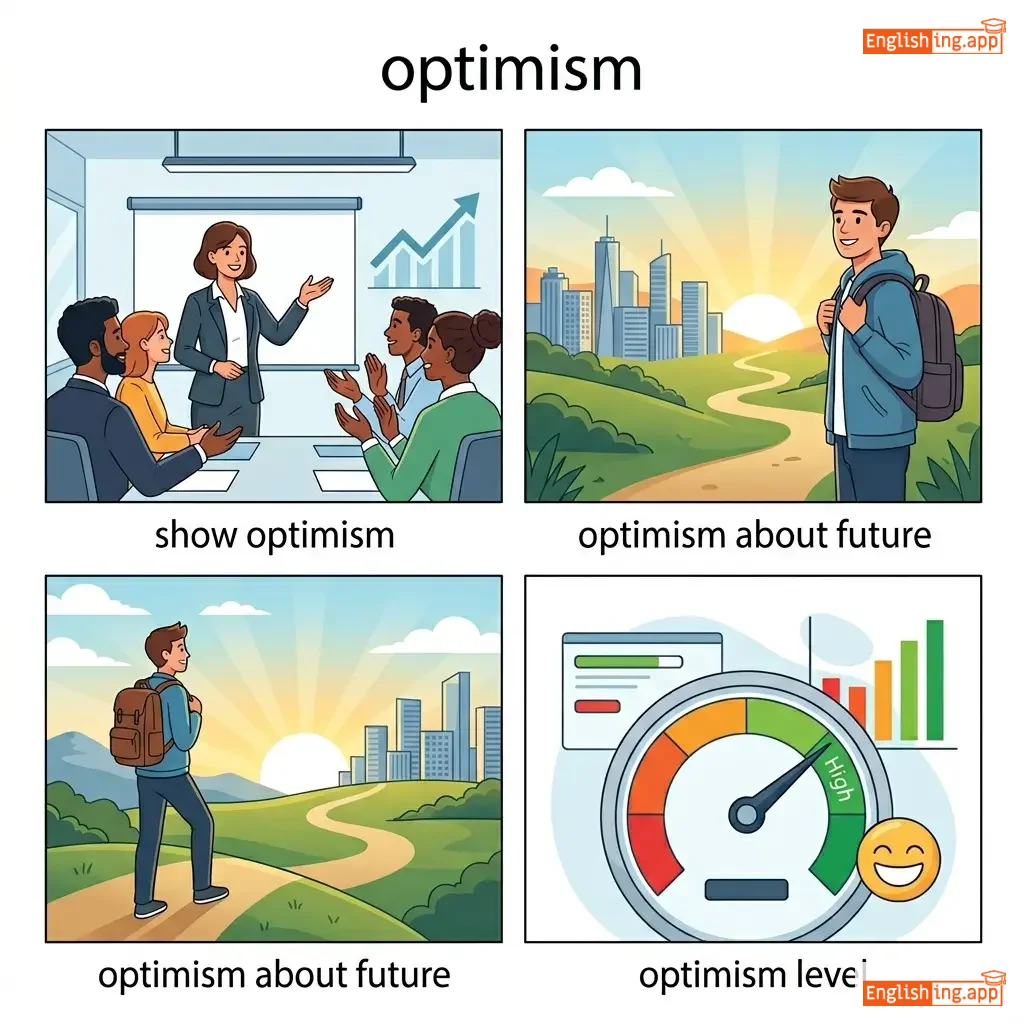
show optimism, optimism about future, optimism level, optimism grows
••••••
|
楽観主義は常に前向きに考えること 🌞
••••••
|
|
#6093
✅
|
/ˈɒptɪməl/
adjective
(オプティマル)
••••••
|
|
最適
saiteki
••••••
|
- •••••• | - •••••• | - •••••• | - •••••• |
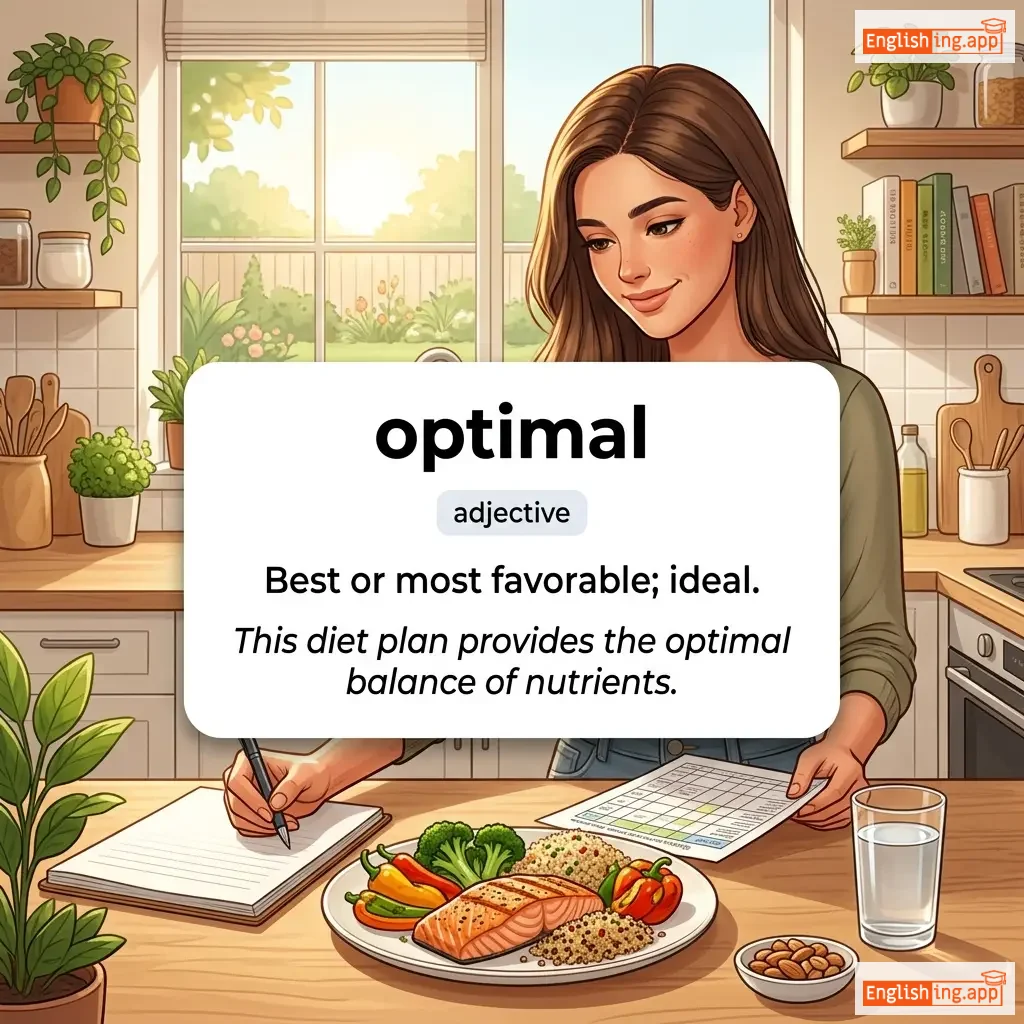
Best or most favorable; ideal.
••••••
|
This diet plan provides the optimal balance of nutrients. |
このダイエットプランは栄養素の最適なバランスを提供します。
Kono daietto puran wa eiyōso no saiteki na baransu o teikyō shimasu.
••••••
|
optimal solution |
the best or most effective solution to a problem
••••••
|
最適な解決策
saiteki na kaiketsu-saku
••••••
|
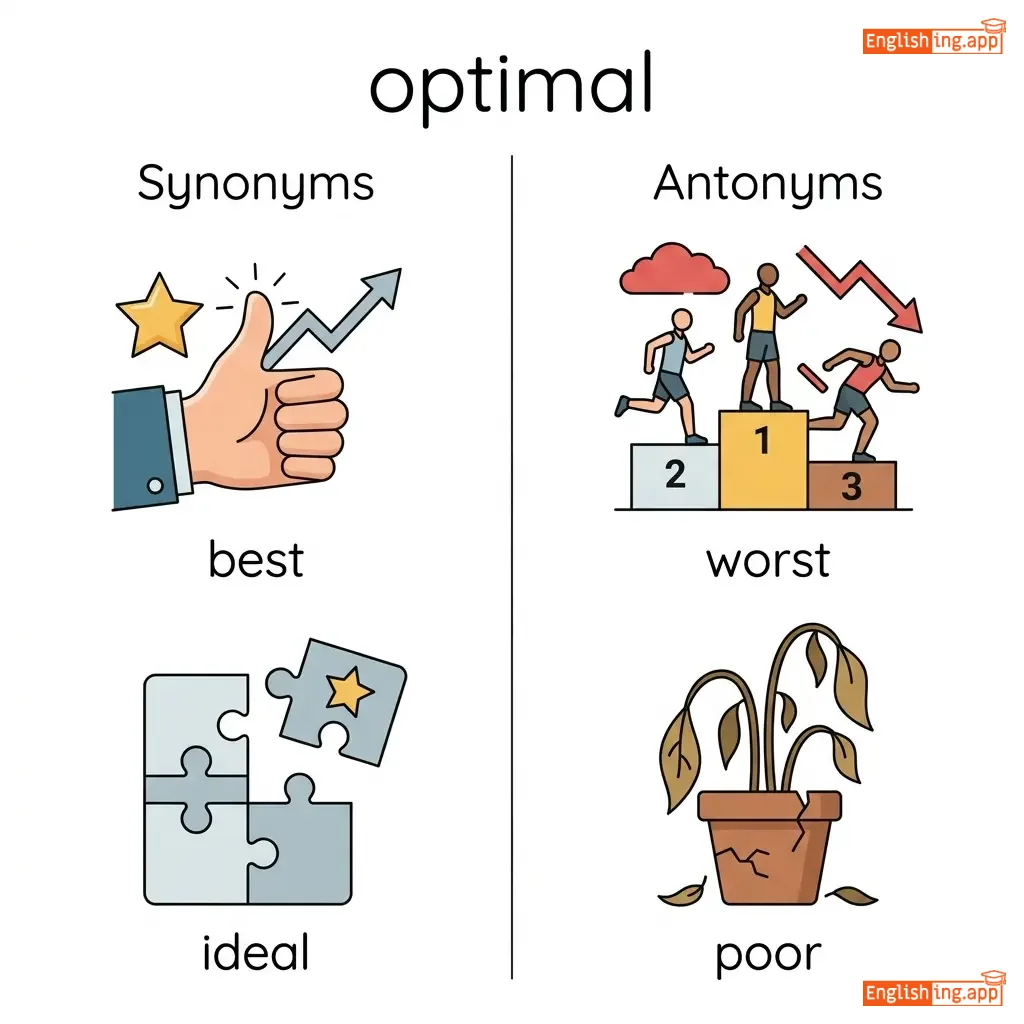
best, ideal, perfect, favorable, excellent
••••••
|
worst, poor, suboptimal
••••••
|
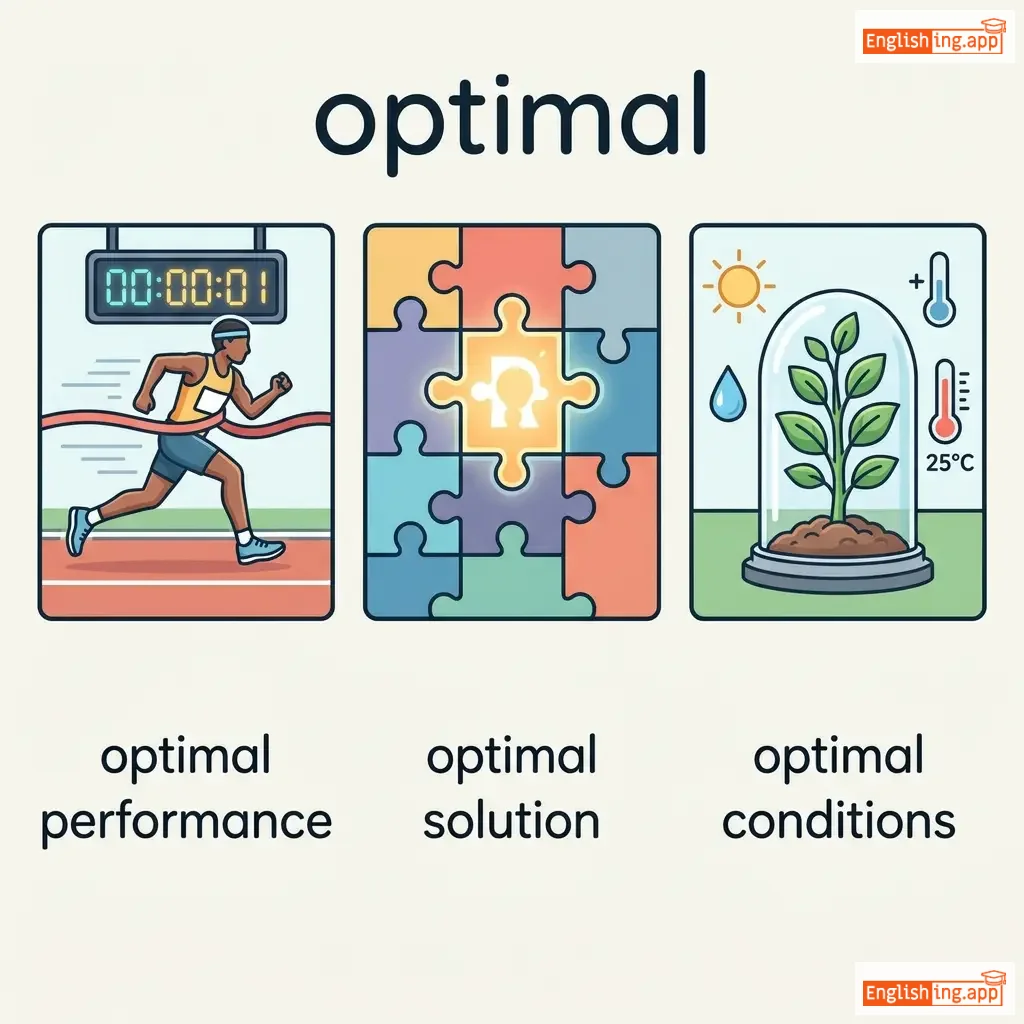
optimal performance, optimal solution, optimal conditions, optimal use
••••••
|
最適 = Optimum + 全て ✅ - すべてが最良
••••••
|
|
#6094
🔬
|
/ˈɒptɪks/
noun
(オプティクス)
••••••
|
- •••••• |
光学
kōgaku
••••••
|
- •••••• | - •••••• | - •••••• | - •••••• |
The branch of physics dealing with light and vision.
••••••
|
She studied optics to understand how lenses work. |
彼女はレンズがどのように機能するかを理解するために光学を学びました。
Kanojo wa renzu ga dono yō ni kinō suru ka o rikai suru tame ni kōgaku o manabimashita.
••••••
|
- •••••• | - •••••• | - •••••• |
light science, visual science, photonics, lens study
••••••
|
acoustics, darkness
••••••
|
study optics, optics laboratory, modern optics, optics system
••••••
|
光学 = 光と視覚の科学、'kō' + 'gaku' = 光の科学
••••••
|
|
#6095
👓
|
/ɒpˈtɪʃən/
noun
(オプティシャン)
••••••
|
- •••••• |
眼鏡技師
megane gishi
••••••
|
- •••••• | - •••••• | - •••••• | - •••••• |
A person who makes or sells glasses and contact lenses.
••••••
|
The optician adjusted my new glasses to fit better. |
オプティシャンは私の新しい眼鏡をより良くフィットするように調整しました。
Oputishan wa watashi no atarashī megane o yori yoku fitto suru yō ni chōsei shimashita.
••••••
|
- •••••• | - •••••• | - •••••• |
eyewear specialist, lens maker, eye care provider, spectacle maker
••••••
|
patient, customer
••••••
|
visit optician, optician shop, certified optician, optician services
••••••
|
Optician は '眼鏡技師' - 👓 眼鏡 + 技師
••••••
|
|
#6096
👁️
|
/ˈɒptɪk/
adjective
(オプティック)
••••••
|
- •••••• |
視覚の
shikaku no
••••••
|
- •••••• | - •••••• | - •••••• | - •••••• |
Relating to the eye or vision.
••••••
|
The optic nerve carries signals from the eye to the brain.
視神経は目から脳に信号を伝達します。
••••••
|
視神経は目から脳に信号を伝達します。
Shishinkei wa me kara nō ni shingō o dentatsu shimasu.
••••••
|
- •••••• | - •••••• | - •••••• |
visual, ocular, sight-related, optical
••••••
|
nonvisual, blind
••••••
|
optic nerve, optic lens, optic system, optic canal
••••••
|
視覚は目 👁️ に関連するすべてのことです。
••••••
|
|
#6097
🚫
|
/əˈprəʊ.bri.əm/
noun
(オプロブリウム)
••••••
|
|
非難, 恥辱
hinan, chijoku
••••••
|
- •••••• | - •••••• | - •••••• | - •••••• |
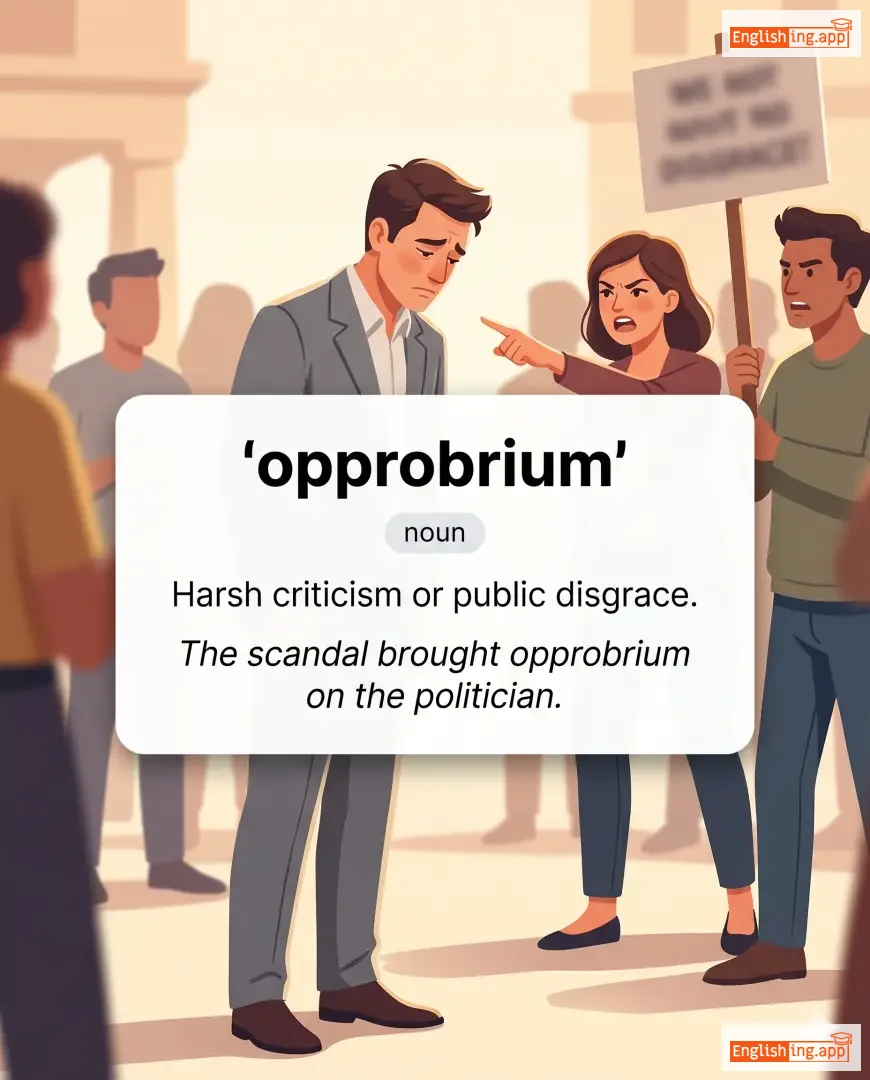
Harsh criticism or public disgrace.
••••••
|
The scandal brought opprobrium on the politician. |
スキャンダルは政治家に非難を浴びせた。
Sukyandaru wa seijika ni hinan o abiseta.
••••••
|
- •••••• | - •••••• | - •••••• |
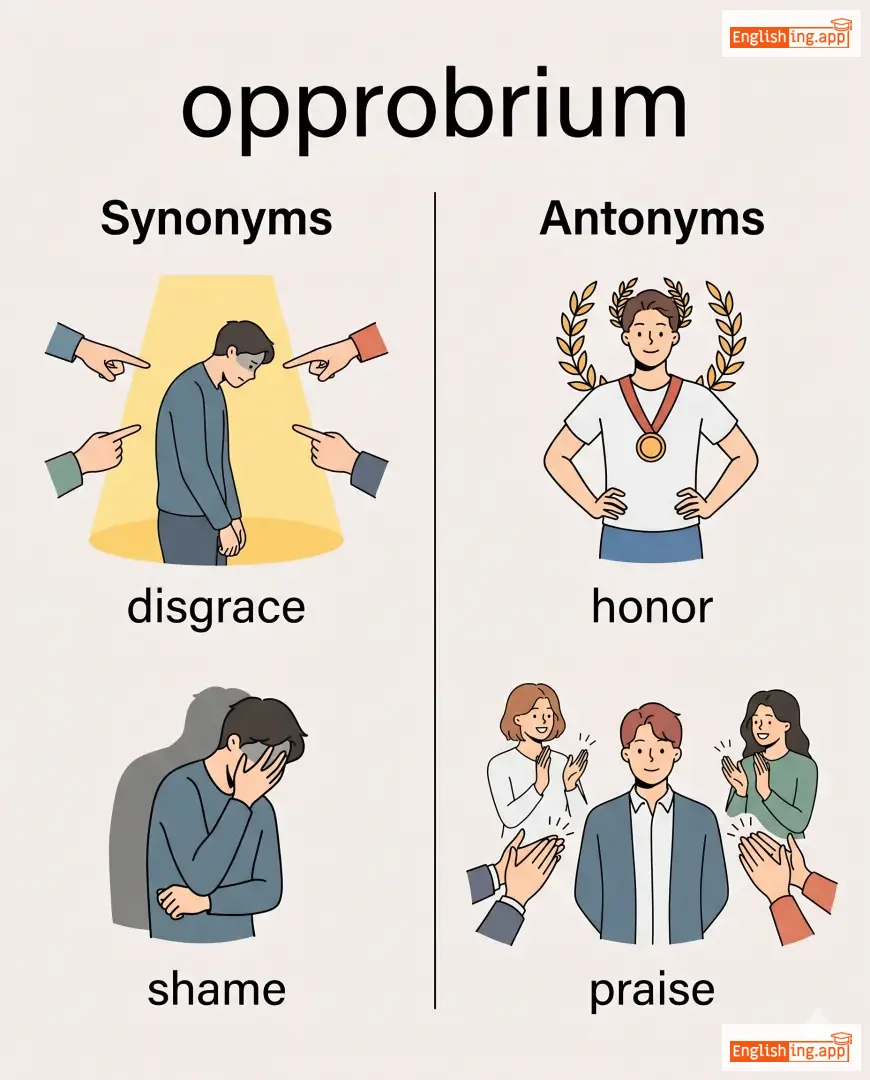
disgrace, shame, dishonor, condemnation
••••••
|
honor, praise, respect
••••••
|
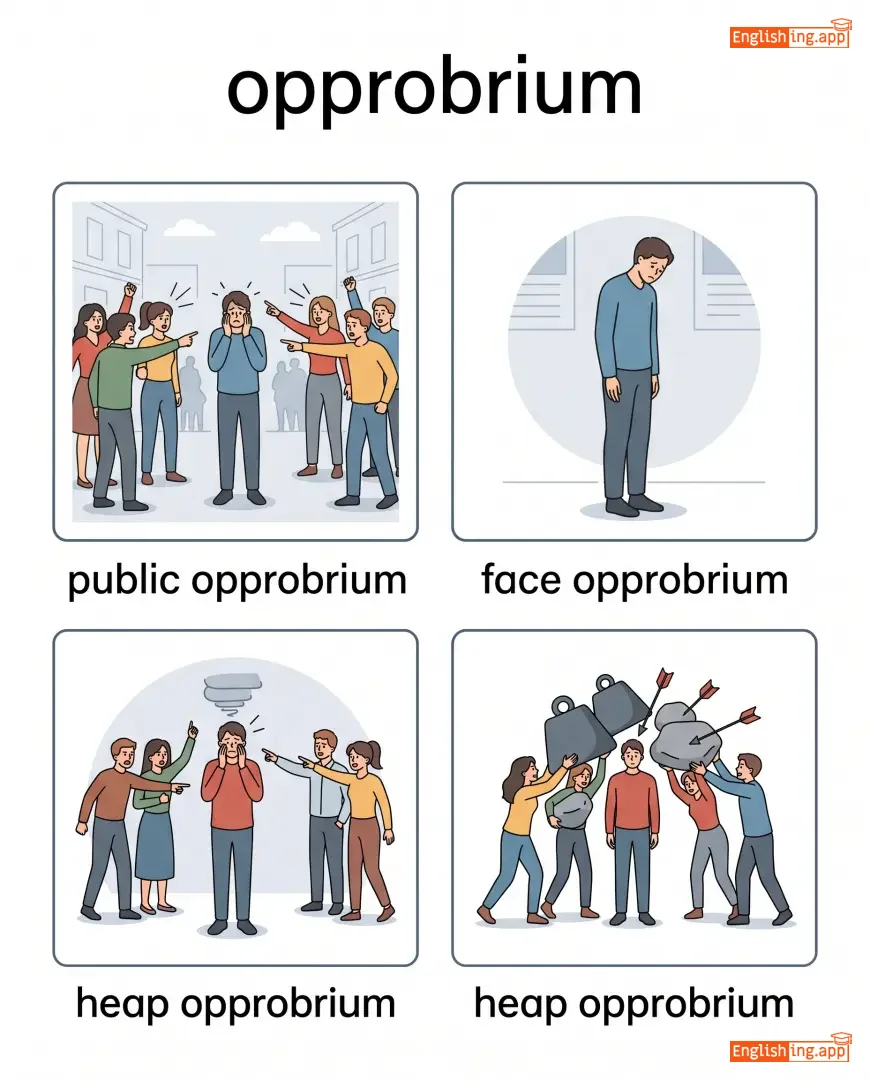
public opprobrium, face opprobrium, heap opprobrium
••••••
|
Opprobrium は公の場での恥辱 (非難) と恥を意味する。
••••••
|
|
#6098
😡
|
/əˈprəʊ.bri.əs/
adjective
(オプロブリオス)
••••••
|
- •••••• |
侮辱的な
bujokuteki na
••••••
|
- •••••• | - •••••• | - •••••• | - •••••• |
Expressing strong criticism or scorn.
••••••
|
He made opprobrious remarks about his opponent.
彼は対戦相手に対して侮辱的な発言をしました。
••••••
|
彼は対戦相手に対して侮辱的な発言をしました。
Kare wa taisen aite ni taishite bujokuteki na hatsugen o shimashita.
••••••
|
- •••••• | - •••••• | - •••••• |
insulting, abusive, derogatory, scornful
••••••
|
respectful, complimentary, praising
••••••
|
opprobrious remarks, opprobrious language, opprobrious criticism
••••••
|
Oprobriousは対戦相手に侮辱的な発言をすることを意味します。
••••••
|
|
#6099
✊
|
/əˈprɛs/
verb
••••••
|
|
- •••••• |
oppressed
••••••
|
oppressed
••••••
|
oppresses
••••••
|
oppressing
••••••
|
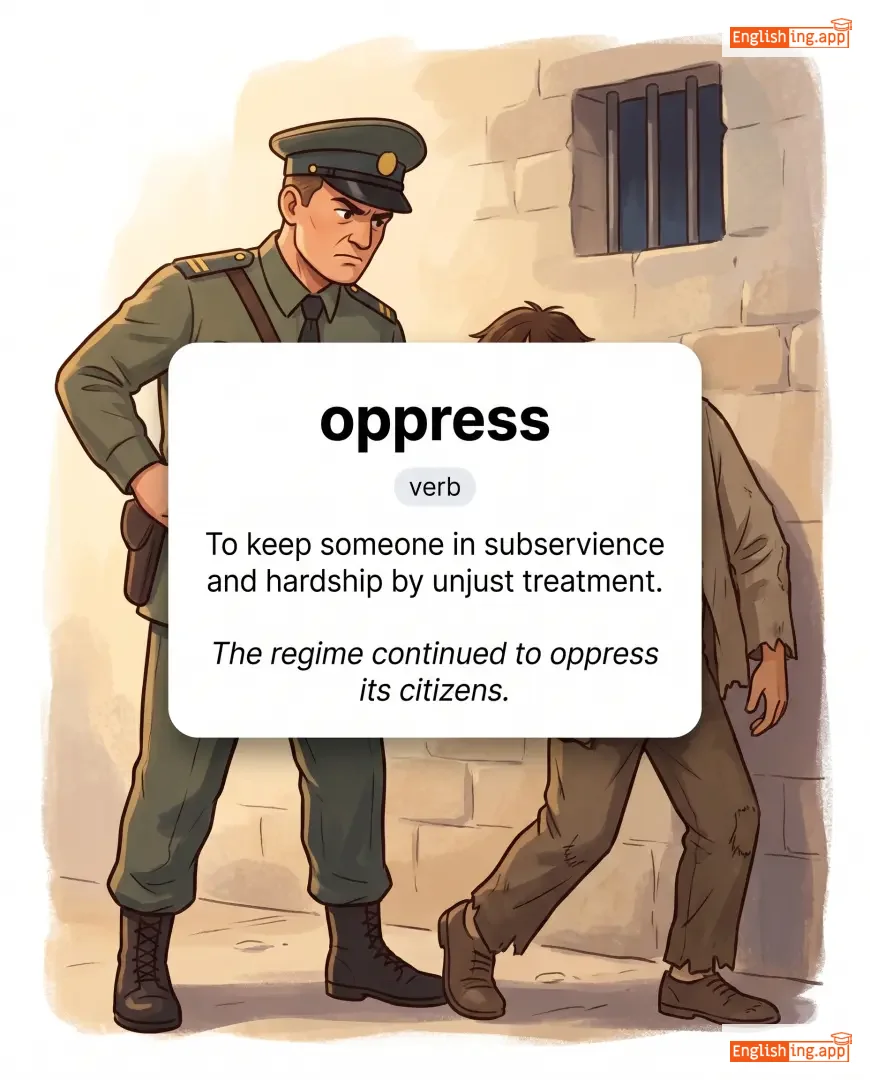
To keep someone in subservience and hardship by unjust treatment.
••••••
|
The regime continued to oppress its citizens. |
- •••••• |
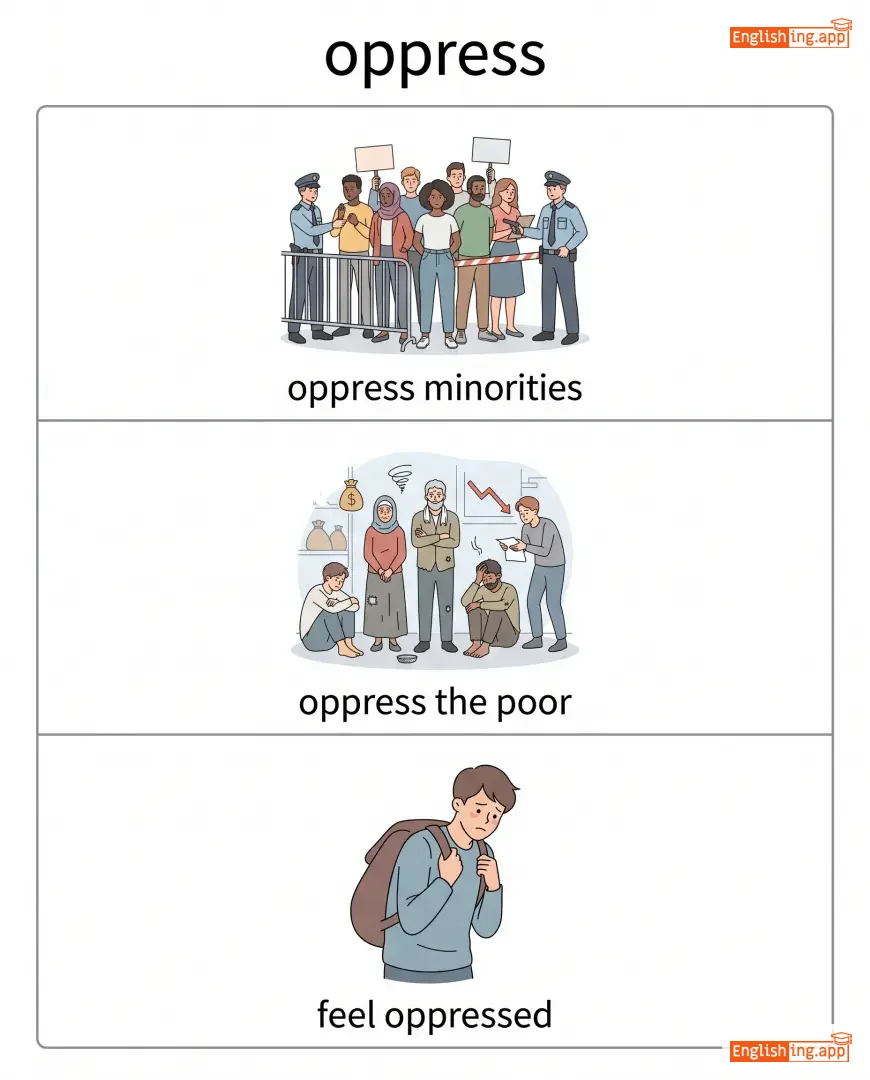
oppress the poor |
To exploit or treat disadvantaged people unfairly.
••••••
|
- •••••• |
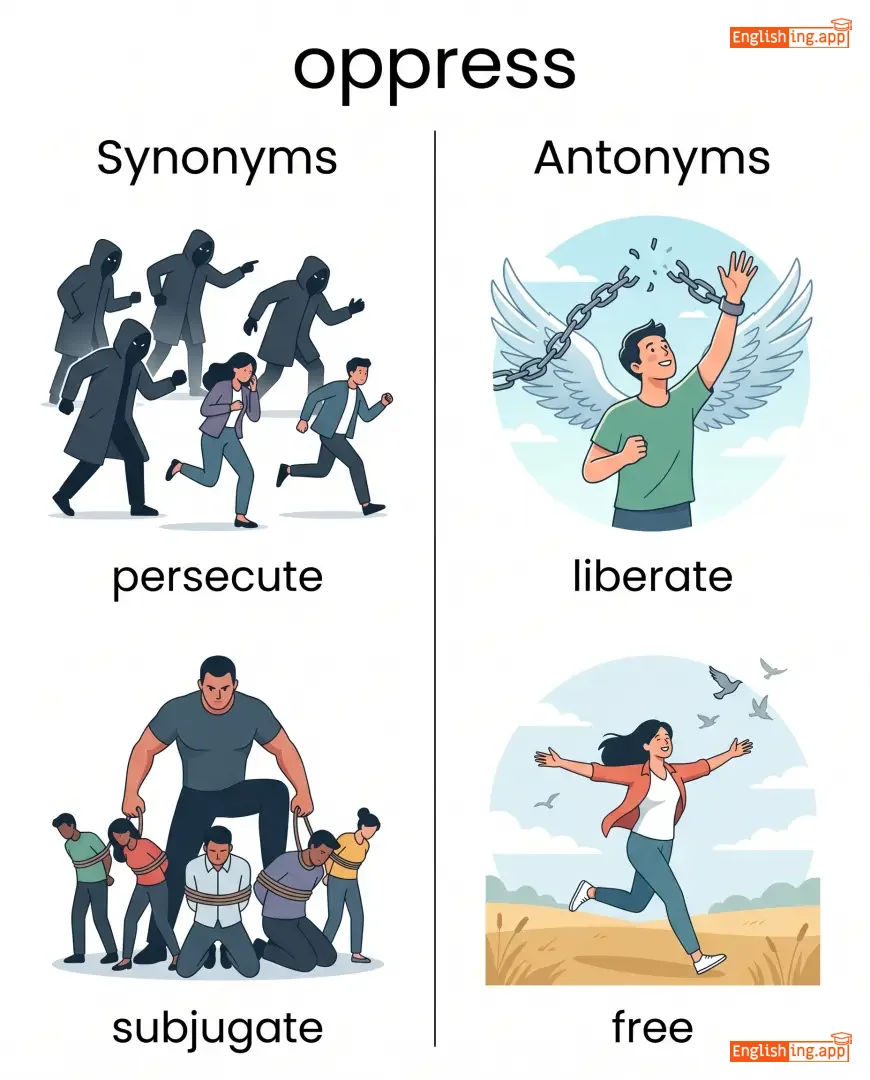
persecute, subjugate, suppress, tyrannize
••••••
|
liberate, free, emancipate
••••••
|
oppress minorities, oppress the poor, feel oppressed, oppress people
••••••
|
No •••••• |
|
#6100
↔️
|
/ˈɒp.əz.ɪt/
adjective
(オポジット)
••••••
|
- •••••• |
反対
hantai
••••••
|
- •••••• | - •••••• | - •••••• | - •••••• |
Completely different; on the other side or facing something.
••••••
|
The two houses are on opposite sides of the street. |
その2つの家は通りの反対側にあります。
Sono futatsu no ie wa toori no hantai-gawa ni arimasu.
••••••
|
polar opposite |
Something or someone that is completely different from another.
••••••
|
極端な反対
kyokutan na hantai
••••••
|
contrary, reverse, contrasting, antithetical
••••••
|
similar, same, identical
••••••
|
opposite direction, opposite side, exact opposite, complete opposite
••••••
|
反対は完全に異なる意味で、極端な反対のようなものです。
••••••
|
|
#6101
🌟
|
/ˌɒp.əˈtjuː.nə.ti/
noun
(オポチュニティ)
••••••
|
- •••••• |
チャンス
chansu
••••••
|
- •••••• | - •••••• | - •••••• | - •••••• |
A favorable chance or set of circumstances that makes it possible to do something.
••••••
|
She seized the opportunity to study abroad. |
彼女は海外で勉強するチャンスをつかんだ。
Kanojo wa kaigai de benkyō suru chansu o tsukanda.
••••••
|
once in a lifetime opportunity |
A very rare and unique chance that may never happen again.
••••••
|
人生で一度のチャンス
Jinsei de ichido no chansu
••••••
|
chance, prospect, possibility, option, occasion
••••••
|
misfortune, disadvantage, obstacle
••••••
|
golden opportunity, missed opportunity, career opportunity, business opportunity
••••••
|
チャンスは逃さずに、しっかり掴もう!
••••••
|
|
#6102
🦅
|
/ˌɑːpərˈtuːnɪst/
noun
(オポチュニスト)
••••••
|
- •••••• |
機会主義者
kikai shugi-sha
••••••
|
- •••••• | - •••••• | - •••••• | - •••••• |
A person who takes advantage of situations for personal gain, often disregarding principles.
••••••
|
He is seen as an opportunist who always puts his interests first. |
彼は常に自分の利益を第一に考える機会主義者として見られています。
Kare wa tsuneni jibun no rieki o daiichi ni kangaeru kikai shugi-sha toshite mirarareteimasu.
••••••
|
- •••••• | - •••••• | - •••••• |
exploiter, self-seeker, pragmatist, schemer
••••••
|
idealist, principled person
••••••
|
political opportunist, shrewd opportunist, blatant opportunist, opportunist approach
••••••
|
機会主義者、チャンスをつかんで自分の利益を得る人。
••••••
|
|
#6103
🦊
|
/ˌɑːpərˈtuːnɪzəm/
noun
(オポチュニズム)
••••••
|
- •••••• |
機会主義
kikai shugi
••••••
|
- •••••• | - •••••• | - •••••• | - •••••• |
The practice of taking advantage of opportunities regardless of principles or ethics.
••••••
|
His decision was driven by opportunism, not values.
彼の決定は、価値観ではなくオポチュニズムに動機づけられていました。
••••••
|
彼の決定は、価値観ではなくオポチュニズムに動機づけられていました。
Kare no kettei wa, kachikan de wa naku opochnizumu ni doukizukerareteimashita.
••••••
|
- •••••• | - •••••• | - •••••• |
exploitation, selfishness, expediency, pragmatism
••••••
|
idealism, morality, principle
••••••
|
political opportunism, blatant opportunism, pure opportunism, opportunism in business
••••••
|
Opportunism = opportunity + ism. 倫理無視でチャンスを利用する。
••••••
|
|
#6104
⏰
|
/ˌɑːpərˈtuːn/
adjective
(オポチューン)
••••••
|
- •••••• |
適切な瞬間
tekisetsu na shunkan
••••••
|
- •••••• | - •••••• | - •••••• | - •••••• |
Happening at a suitable or convenient time.
••••••
|
She arrived at an opportune moment to help. |
彼女は助けるために適切な瞬間に到着しました。
Kanojo wa tasukeru tame ni tekisetsu na shunkan ni touchakushimashita.
••••••
|
opportune moment |
a perfect or favorable time for something
••••••
|
適切な瞬間
tekisetsu na shunkan
••••••
|
timely, convenient, favorable, suitable
••••••
|
untimely, inconvenient, unsuitable
••••••
|
opportune time, opportune moment, most opportune, highly opportune
••••••
|
Opportune は適切な瞬間を意味します — 適切な時間にチャンスが訪れる。
••••••
|
|
#6105
🤼
|
/əˈpoʊnənt/
noun
(幸せ)
••••••
|
- •••••• |
幸せ
shiawase
••••••
|
- •••••• | - •••••• | - •••••• | - •••••• |
A person who competes against or disagrees with another.
••••••
|
The boxer defeated his opponent in the final round. |
彼女は賞を受け取ったとき、幸せを隠すことができませんでした。
kanojo wa shō o uketotta toki, shiawase o kakusu koto ga dekimasen deshita.
••••••
|
worthy opponent |
a rival who is strong and deserves respect
••••••
|
幸せを追い求める
shiawase o oimotomeru
••••••
|
rival, adversary, competitor, challenger
••••••
|
ally, supporter, partner
••••••
|
political opponent, main opponent, worthy opponent, face an opponent
••••••
|
幸せ — 幸せは自分で作るもの、笑顔を忘れずに!
••••••
|
|
#6106
🔊
|
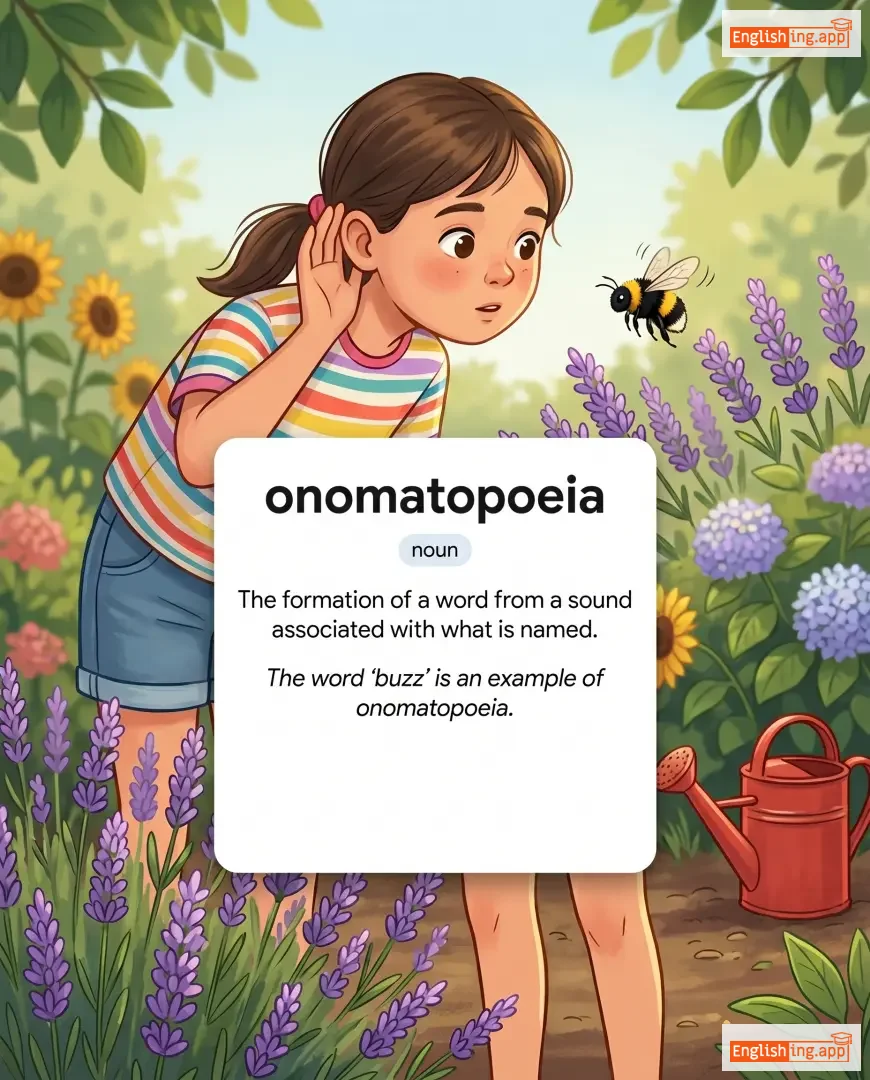
/ˌɒn.əˌmæt.əˈpiː.ə/
noun
(オノマトペイア)
••••••
|
|
オノマトペ
onomatope
••••••
|
- •••••• | - •••••• | - •••••• | - •••••• |
The formation of a word from a sound associated with what is named.
••••••
|
The word 'buzz' is an example of onomatopoeia.
'バズ'という言葉はオノマトペの一例です。
••••••
|
'バズ'という言葉はオノマトペの一例です。
'Bazu' to iu kotoba wa onomatope no ichirei desu.
••••••
|
- •••••• | - •••••• | - •••••• |
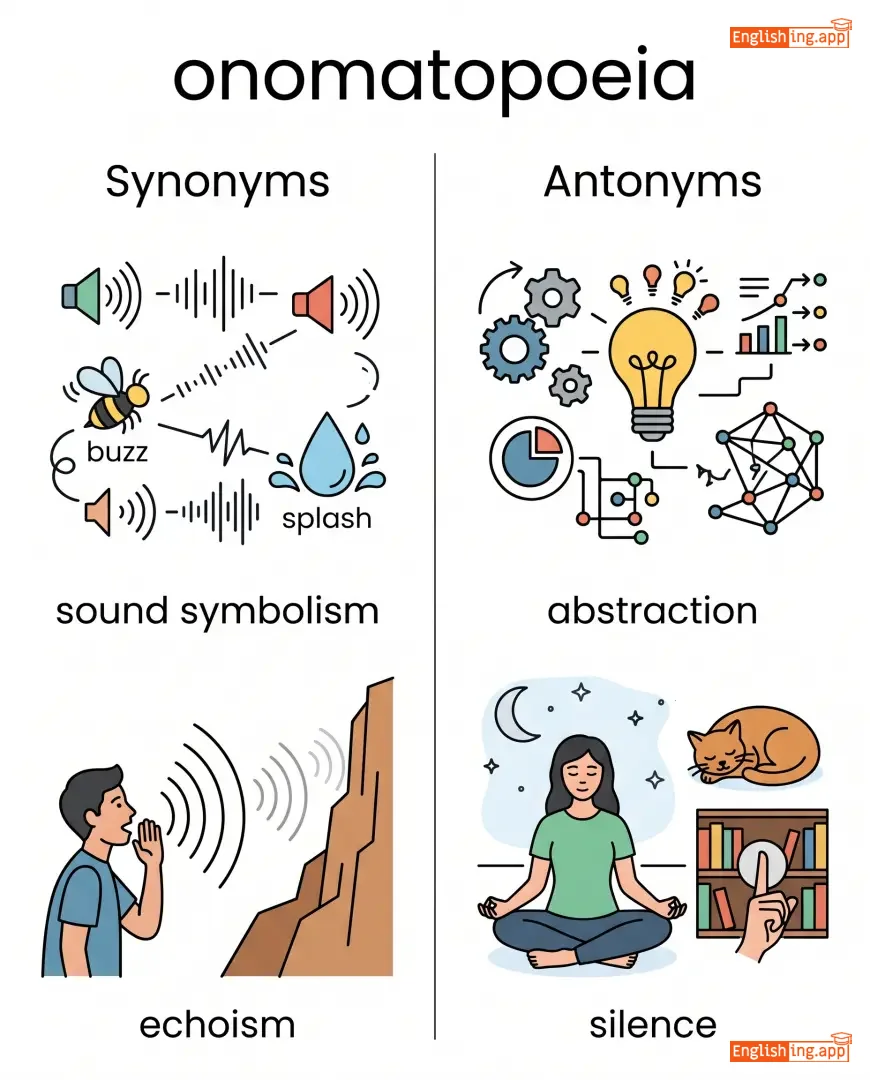
sound symbolism, echoism, imitation, word-sound, noise word
••••••
|
abstraction, silence
••••••
|
use of onomatopoeia, example of onomatopoeia, poetic onomatopoeia
••••••
|
On-o-MATO 音を表現する言葉
••••••
|
|
#6107
💬
|
/oʊˈpaɪn/
verb
(オパイン)
••••••
|
- •••••• |
意見を述べる
iken o noberu
••••••
|
opined
オパインド
••••••
|
opined
オパインド
••••••
|
opines
オパインズ
••••••
|
opining
オパイニング
••••••
|
to express an opinion or belief
••••••
|
The professor opined that the policy would fail.
教授はその政策が失敗するだろうと述べました。
••••••
|
教授はその政策が失敗するだろうと述べました。
Kyoju wa sono seisaku ga shippai suru darou to nobemashita.
••••••
|
- •••••• | - •••••• | - •••••• |
declare, state, comment, suggest, remark
••••••
|
withhold, silence
••••••
|
opine that, experts opine, scholars opine
••••••
|
Opine は意見を述べること — Opine = Opinion 述べる
••••••
|
|
#6108
💊
|
/ˈoʊpiət/
noun
••••••
|
- •••••• | - •••••• | - •••••• | - •••••• | - •••••• | - •••••• |
a drug containing opium or its derivatives, used to relieve pain or cause sleep
••••••
|
The doctor prescribed an opiate to relieve the patient's pain. |
- •••••• |
opiate of the masses |
something that dulls people's awareness of social issues, often referring to religion or entertainment
••••••
|
- •••••• |
narcotic, sedative, painkiller, drug
••••••
|
stimulant, energizer
••••••
|
opiate addiction, opiate crisis, prescribed opiate
••••••
|
No •••••• |
|
#6109
🎭
|
/ˌɒpəˈrɛtə/
noun
(オペレッタ)
••••••
|
- •••••• |
軽いオペラ
karui opera
••••••
|
- •••••• | - •••••• | - •••••• | - •••••• |
a short opera with light and humorous themes
••••••
|
The theater staged a famous operetta by Gilbert and Sullivan.
劇場はギルバートとサリヴァンの有名なオペレッタを上演しました。
••••••
|
劇場はギルバートとサリヴァンの有名な軽いオペラを上演しました。
Gekijō wa Girubāto to Sarivan no yūmei na karui opera o jōen shimashita.
••••••
|
- •••••• | - •••••• | - •••••• |
light opera, musical play, comic opera
••••••
|
tragedy, serious drama
••••••
|
famous operetta, comic operetta, stage operetta
••••••
|
Operetta は小さなオペラを意味します — 小さなエンターテイメント
••••••
|
|
#6110
👷
|
/ˈɒpəreɪtər/
noun
(オペレーター)
••••••
|
- •••••• |
オペレーター
operetā
••••••
|
- •••••• | - •••••• | - •••••• | - •••••• |
a person who operates equipment, a business, or controls something
••••••
|
The machine operator ensured that everything ran smoothly. |
機械オペレーターは、すべてがスムーズに動作することを確認しました。
Kikai operetā wa, subete ga sumūzu ni dōsa suru koto o kakunin shimashita.
••••••
|
smooth operator |
a person who is skilled at handling situations or people
••••••
|
スムーズなオペレーター
Sumūzu na operetā
••••••
|
controller, handler, machinist, agent, technician
••••••
|
novice, amateur, beginner
••••••
|
machine operator, telephone operator, skilled operator, smooth operator
••••••
|
オペレーター: すべてを操作する人
••••••
|
|
#6111
⚙️
|
/ˈɒpərətɪv/
adjective
(オペラティブ)
••••••
|
- •••••• |
操作的
sousateki
••••••
|
- •••••• | - •••••• | - •••••• | - •••••• |
functioning, having effect, or relating to a secret agent or worker
••••••
|
The new law is now operative across the country. |
新しい法律は今、国内全体で施行されています。
Atarashii houritsu wa ima, kokunai zentai de shikou sareteimasu.
••••••
|
operative word |
the most important word in a statement or phrase
••••••
|
キーワード
kiiwaado
••••••
|
functional, working, active, effective, secret agent
••••••
|
inactive, inoperative, ineffective
••••••
|
operative word, operative procedure, operative law, secret operative
••••••
|
Operativeはオペレーションと関係があるので、操作的は働くという意味です
••••••
|
|
#6112
⚙️
|
/ˈɑːpəˌreɪt/
verb
(オペレート)
••••••
|
|
操作する
sousa suru
••••••
|
operated
オペレーテッド
••••••
|
operated
オペレーテッド
••••••
|
operates
オペレーツ
••••••
|
operating
オペレーティング
••••••
|
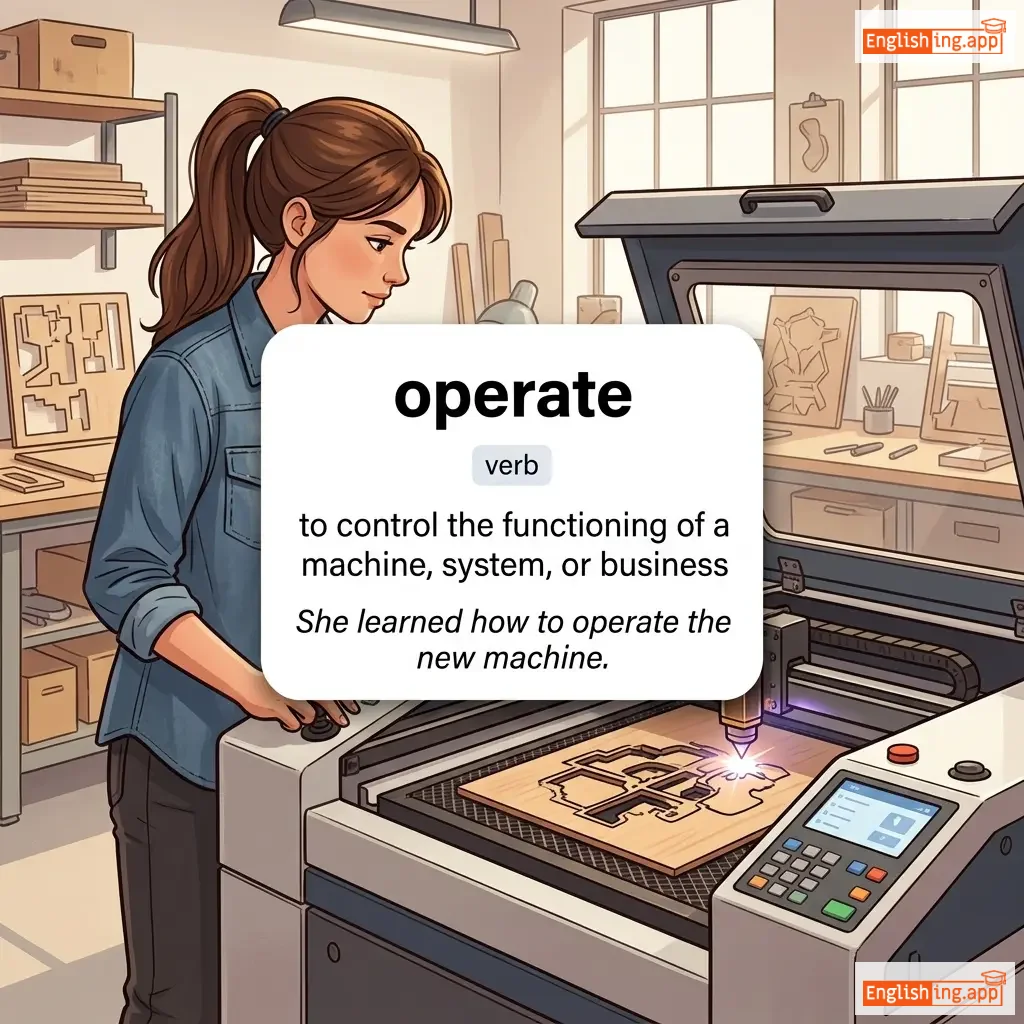
to control the functioning of a machine, system, or business
••••••
|
She learned how to operate the new machine.
彼女は新しい機械を操作する方法を学びました。
••••••
|
彼女は新しい機械を操作する方法を学びました。
Kanojo wa atarashii kikai wo sousa suru houhou wo manabimashita.
••••••
|
operate on
オペレーションする
••••••
|
to perform surgery on someone
••••••
|
手術を行う
shujutsu wo okonau
••••••
|
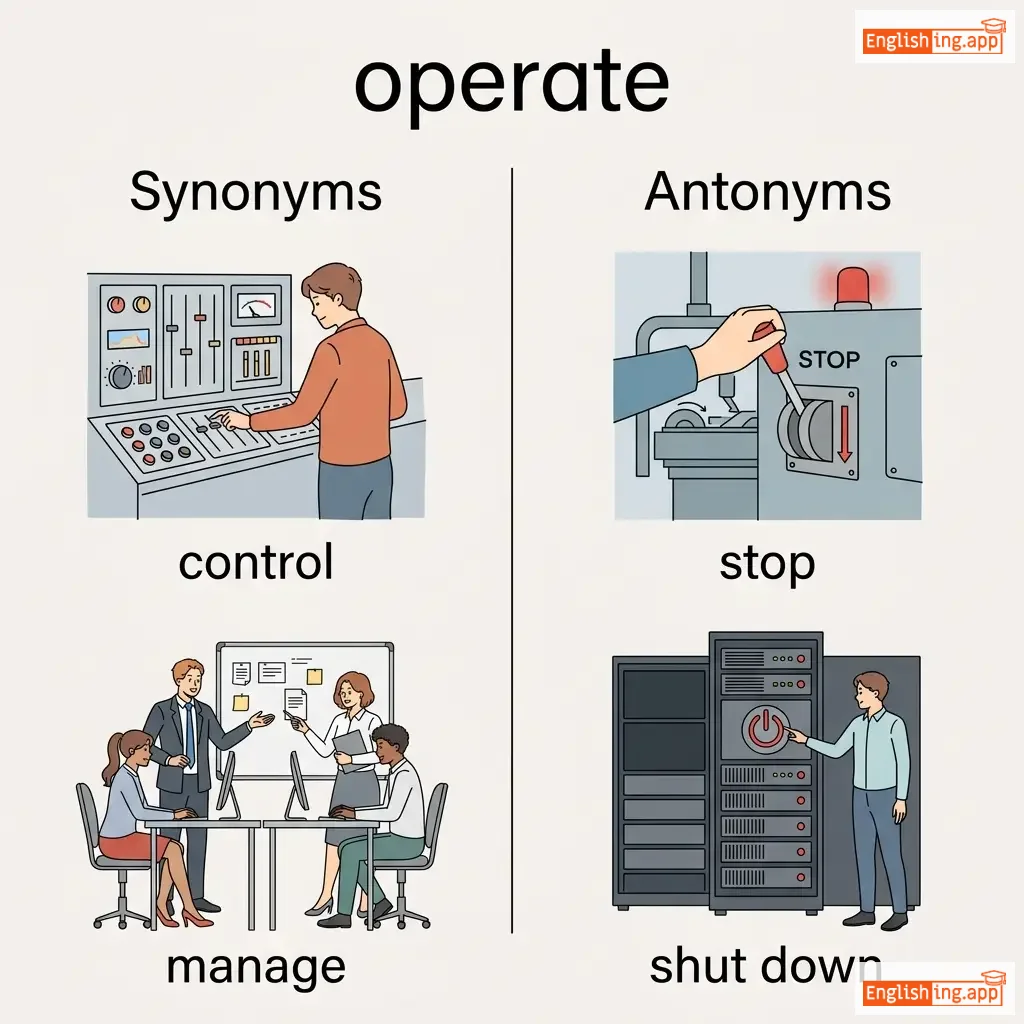
control, manage, run, handle, conduct
••••••
|
stop, shut down
••••••
|
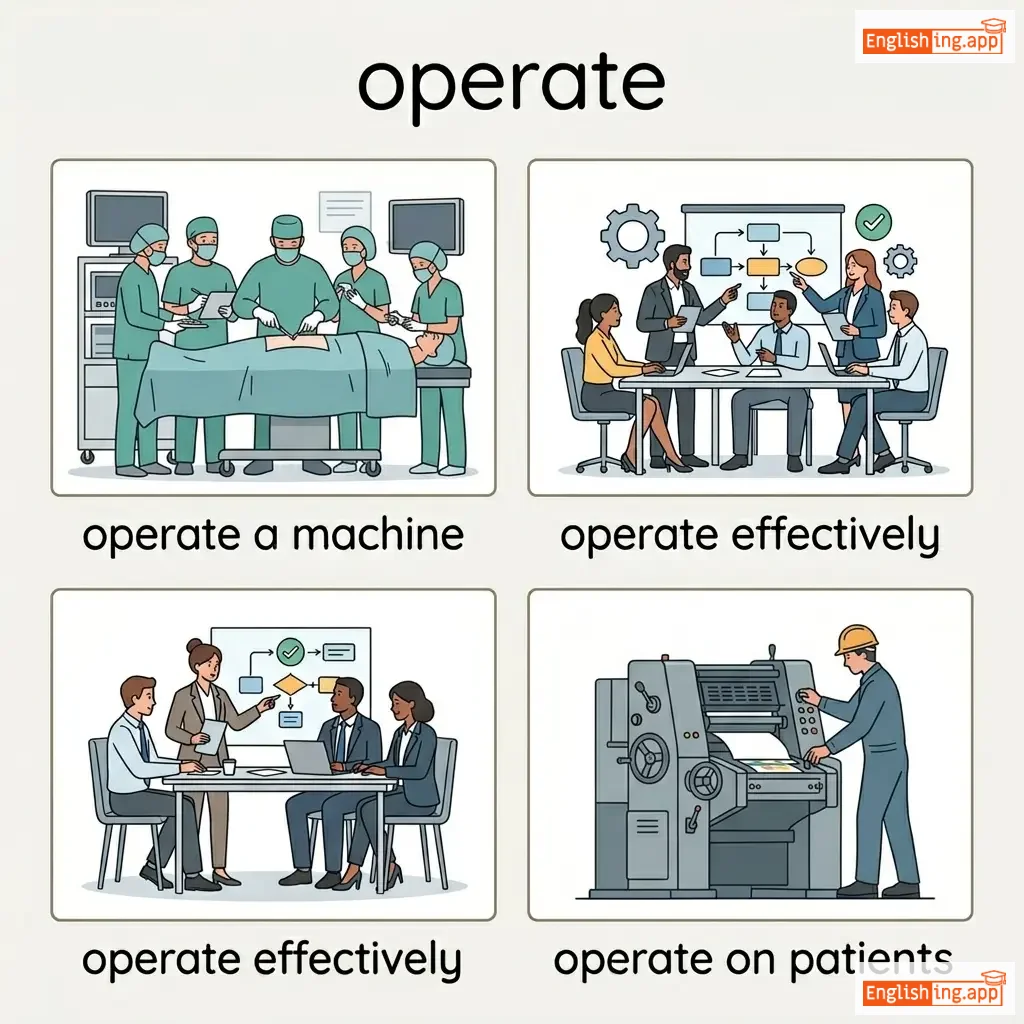
operate a machine, operate effectively, operate on patients, operate smoothly
••••••
|
Operate は操作する意味、例えば医者が患者に手術をするのと同じです。
••••••
|
|
#6113
🪟
|
/oʊˈpeɪk/
adjective
(オペイク)
••••••
|
|
不透明
futōmei
••••••
|
- •••••• | - •••••• | - •••••• | - •••••• |
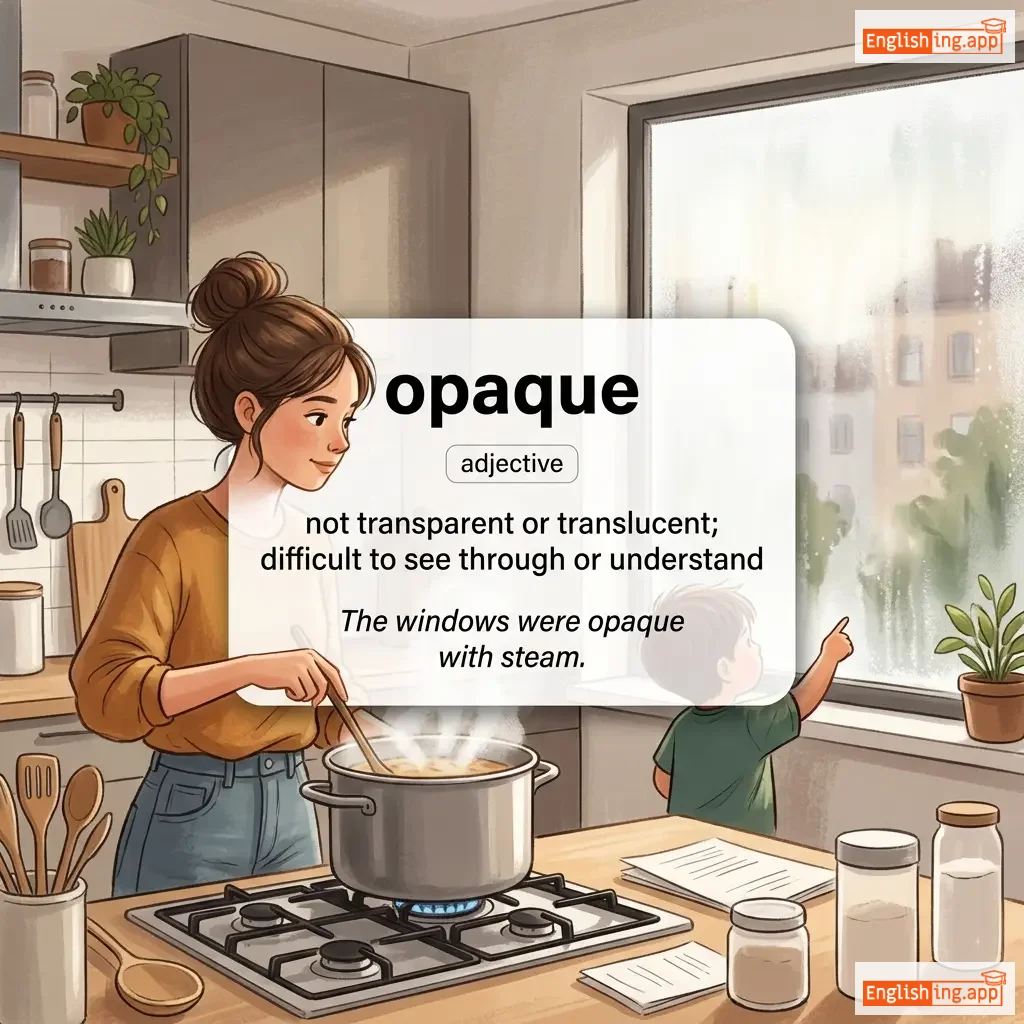
not transparent or translucent; difficult to see through or understand
••••••
|
The windows were opaque with steam. |
窓は蒸気で不透明になっていた。
Mado wa jōki de futōmei ni natte ita.
••••••
|
opaque meaning |
something that is hard to understand
••••••
|
不透明な意味
futōmei na imi
••••••
|
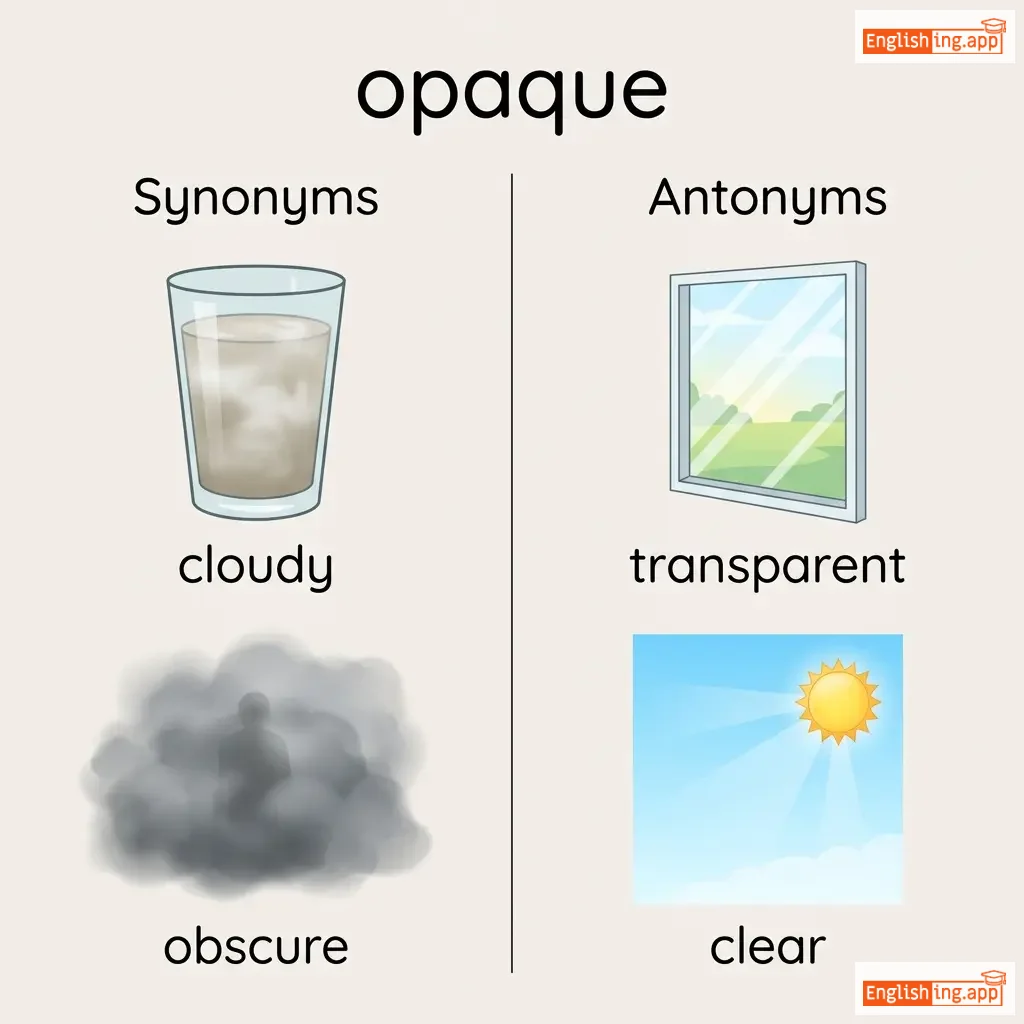
cloudy, obscure, murky, unclear, dense
••••••
|
transparent, clear, lucid
••••••
|
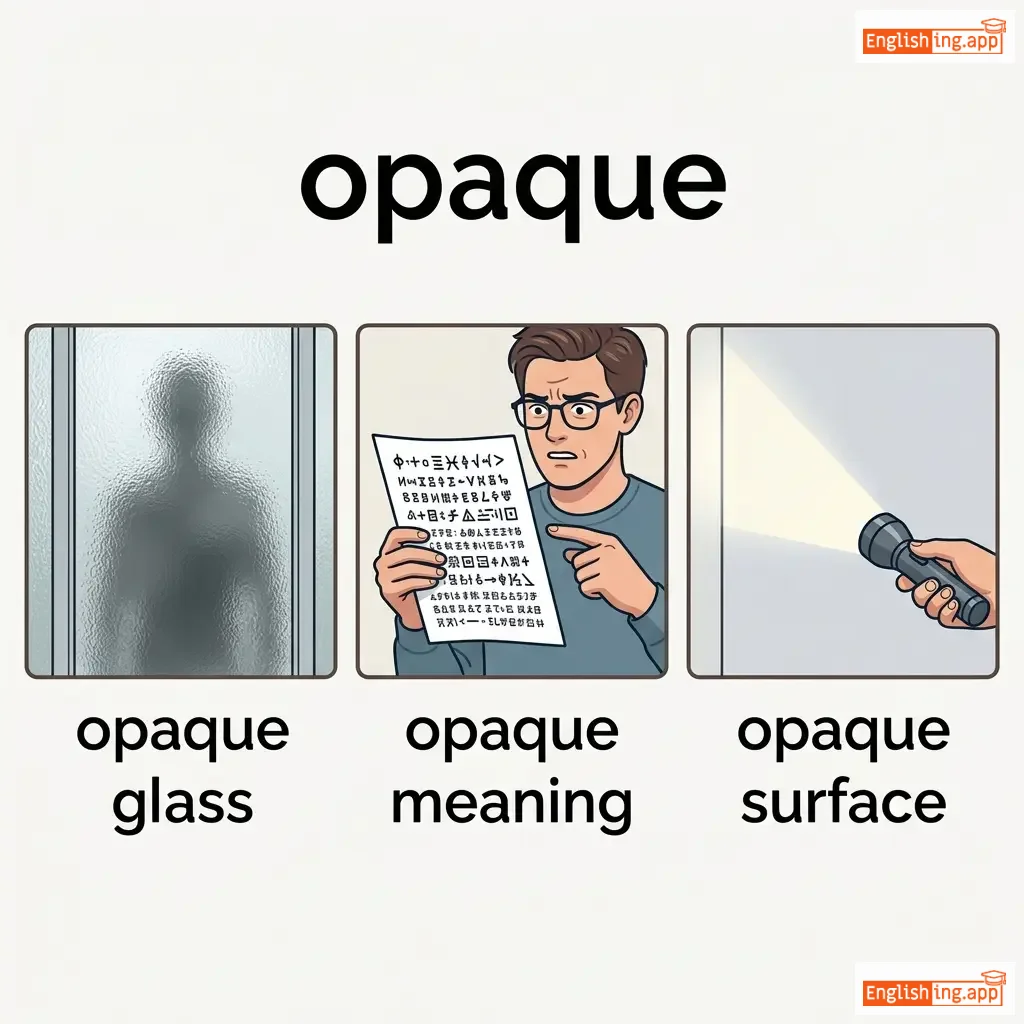
opaque glass, opaque meaning, opaque surface
••••••
|
Opaqueは理解しにくいことを意味します、霧がかかった窓のように。
••••••
|
|
#6114
✨
|
/ˌoʊpəˈlɛsənt/
adjective
(オパレッセント)
••••••
|
- •••••• |
オパール色の
opāru iro no
••••••
|
- •••••• | - •••••• | - •••••• | - •••••• |
showing or reflecting a milky, iridescent light like an opal
••••••
|
The opalescent sky glowed with shades of pink and blue.
オパレッセントな空はピンクと青の色合いで輝いていた。
••••••
|
オパレッセントな空はピンクと青の色合いで輝いていた。
Opāressento na sora wa pinku to ao no iroai de kagayaite ita.
••••••
|
- •••••• | - •••••• | - •••••• |
iridescent, pearly, shimmering, luminous
••••••
|
dull, matte
••••••
|
opalescent colors, opalescent glow, opalescent light
••••••
|
Opal + セント → オパールの光
••••••
|
|
#6115
🌌
|
/ˌoʊpəˈlɛsəns/
noun
(オパレスセンス)
••••••
|
- •••••• |
オパレスセンス
oparesensu
••••••
|
- •••••• | - •••••• | - •••••• | - •••••• |
a milky or pearly appearance of a surface like that of an opal
••••••
|
The pearl had a gentle opalescence under the light.
パールは光の下で優しいオパレスセンスを持っていました。
••••••
|
パールは光の下で優しいオパレスセンスを持っていました。
Pāru wa hikari no shita de yasashī oparesensu o motte imashita.
••••••
|
- •••••• | - •••••• | - •••••• |
iridescence, shimmer, glow, luster
••••••
|
dullness, darkness
••••••
|
gentle opalescence, shimmering opalescence, faint opalescence
••••••
|
Opal + essence = オパレスセンス
••••••
|
|
#6116
💧
|
/uːz/
verb
(ウーズ)
••••••
|
- •••••• |
にじみ出る
nijimideru
••••••
|
oozed
ウーズド
••••••
|
oozed
ウーズド
••••••
|
oozes
ウーズズ
••••••
|
oozing
ウージング
••••••
|
to slowly flow or leak out through small openings or pores
••••••
|
Blood began to ooze from the small cut.
血が小さな切り傷から滲み始めた。
••••••
|
血が小さな切り傷からにじみ出た。
Chi ga chiisana kirikizu kara nijimideta.
••••••
|
ooze confidence
自信を示す
••••••
|
to display confidence in a strong, obvious way
••••••
|
自信を示す
jishin wo shimesu
••••••
|
seep, leak, exude, trickle, bleed
••••••
|
gush, flood
••••••
|
ooze out, ooze confidence, ooze charm, ooze from
••••••
|
水がにじみ出るように、信頼も流れ出す。
••••••
|
|
#6117
⚖️
|
/ˈəʊ.nəs/
noun
(オヌス)
••••••
|
- •••••• |
責任
sekinin
••••••
|
- •••••• | - •••••• | - •••••• | - •••••• |
A duty or responsibility, especially a heavy one.
••••••
|
The onus is on the government to provide relief to the victims.
責任は政府にあり、犠牲者に支援を提供することです。
••••••
|
犠牲者に支援を提供する責任は政府にあります。
Giseisha ni shien o teikyō suru sekinin wa seifu ni arimasu.
••••••
|
- •••••• | - •••••• | - •••••• |
burden, responsibility, duty, obligation, liability
••••••
|
freedom, exemption
••••••
|
onus on, heavy onus, legal onus
••••••
|
ON US (onus)は私たちの責任です
••••••
|
|
#6118
⚔️
|
/ˈɒn.slɔːt/
noun
(オンスロット)
••••••
|
- •••••• |
猛攻
mōkō
••••••
|
- •••••• | - •••••• | - •••••• | - •••••• |
A fierce or destructive attack.
••••••
|
The village faced an onslaught of enemy forces.
その村は敵軍の猛攻に直面しました。
••••••
|
その村は敵軍の猛攻に直面しました。
Sono mura wa tekigun no mōkō ni chokumen shimashita.
••••••
|
- •••••• | - •••••• | - •••••• |
attack, assault, offensive, invasion, charge
••••••
|
defense, retreat
••••••
|
violent onslaught, military onslaught, onslaught of criticism
••••••
|
ON SWORD (onslaught) は激しい攻撃を意味します
••••••
|
|
#6119
🌨️
|
/ˈɒn.sɛt/
noun
(オンセット)
••••••
|
- •••••• |
開始
kaishi
••••••
|
- •••••• | - •••••• | - •••••• | - •••••• |
The beginning of something, especially something unpleasant.
••••••
|
The onset of winter brought cold winds and snow. |
冬の開始は冷たい風と雪をもたらした。
Fuyu no kaishi wa tsumetai kaze to yuki wo motarashita.
••••••
|
- •••••• | - •••••• | - •••••• |
beginning, start, advent, arrival, commencement
••••••
|
end, conclusion, termination
••••••
|
onset of disease, onset of winter, sudden onset
••••••
|
On SETは何かの始まり、つまり開始。
••••••
|
|
#6120
🌊
|
/ˈɒn.rʌʃ/
noun
(オンラッシュ)
••••••
|
- •••••• |
突発的な流れ
toppatsuteki na nagare
••••••
|
- •••••• | - •••••• | - •••••• | - •••••• |
A sudden powerful forward or downward rush or flow.
••••••
|
The onrush of water swept away the bridge. |
水の突発的な流れが橋を流しました。
Mizu no toppatsuteki na nagare ga hashi o nagashimashita.
••••••
|
- •••••• | - •••••• | - •••••• |
surge, rush, flood, burst, outpouring
••••••
|
ebb, retreat
••••••
|
onrush of emotion, onrush of water, sudden onrush
••••••
|
On RUSH は突発的な流れを意味します。
••••••
|
Vocabulary Quiz
Test your vocabulary by matching words with their translations or meanings.
Login to take the quiz
Comments (0)
Share your thoughts and join the discussion.
Join the discussion by logging in
Login to CommentNo comments yet
Be the first to share your thoughts!