

翻訳
過去
過去分詞
三人称単数
動名詞
意味
例文
例文の翻訳
同義語
対義語
コロケーション
ニーモニック
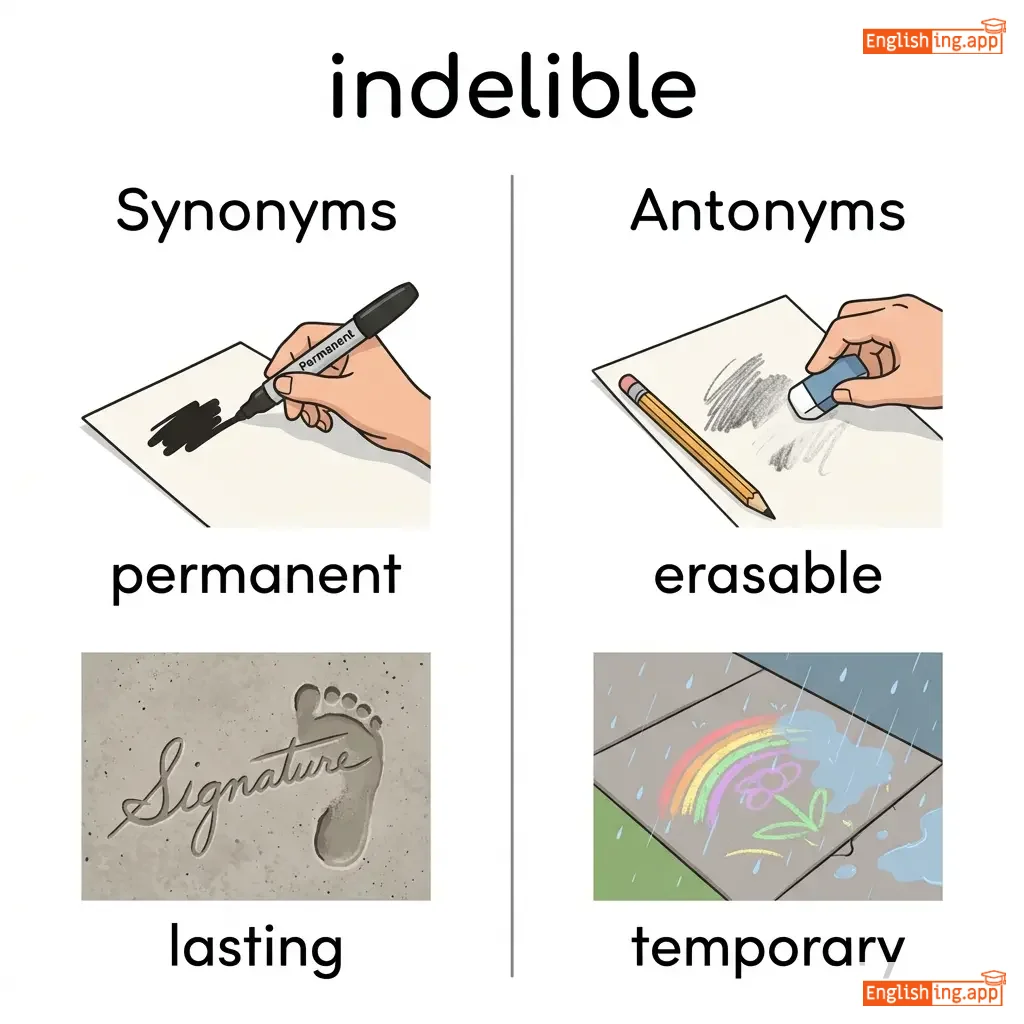
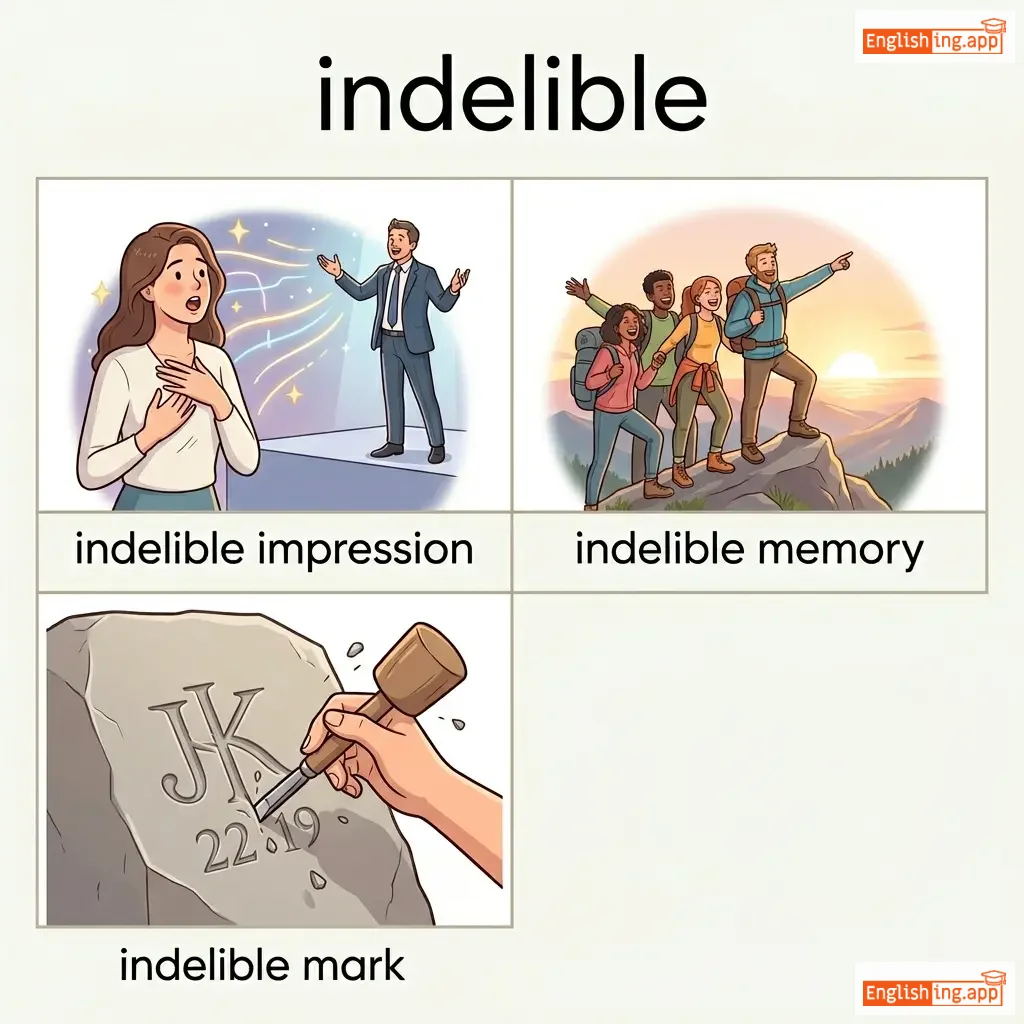
Swipe left or right, or use the buttons. Tap image to zoom.
例文の翻訳
単語
Lesson 152Lesson 152 - マスクトグル
|
絵文字
|
単語 | Images | 翻訳 | 過去 | 過去分詞 | 三人称単数 | 動名詞 | 意味 | 例文 | 例文の翻訳 | 表現例 | 表現例の意味 | 表現例の翻訳 | 同義語 | 対義語 | コロケーション | ニーモニック |
|---|---|---|---|---|---|---|---|---|---|---|---|---|---|---|---|---|---|
|
#4531
💬
|
/ɪnˈdɪkətɪv/
adjective, noun
(インディケイティブ)
••••••
|
- •••••• |
指示的
shijiteki
••••••
|
- •••••• | - •••••• | - •••••• | - •••••• |
Serving as a sign or expression of something; in grammar, a mood used to make factual statements.
••••••
|
His tone was indicative of his frustration.
彼のトーンは彼のフラストレーションを示していた。
••••••
|
彼のトーンは彼のフラストレーションを示していた。
Kare no tōn wa kare no furasutōrēshon o shimeshite ita.
••••••
|
indicative mood
インディケイティブムード
••••••
|
The grammatical mood used for factual statements.
••••••
|
指示的ムード
shijiteki mūdo
••••••
|
suggestive, symbolic, representative, expressive
••••••
|
misleading, irrelevant
••••••
|
be indicative of, indicative sign, indicative statement
••••••
|
Indicative は示すという意味—彼のトーンは彼のフラストレーションを示していた。
••••••
|
|
#4532
😞
|
/ɪnˈdɪɡnɪti/
noun
(インディグニティ)
••••••
|
- •••••• |
屈辱
kutsujoku
••••••
|
- •••••• | - •••••• | - •••••• | - •••••• |
Treatment or circumstances that cause one to feel shame or humiliation.
••••••
|
He suffered the indignity of being ignored in the meeting.
彼は会議で無視された屈辱を味わいました。
••••••
|
彼は会議で無視された屈辱を味わいました。
Kare wa kaigi de mushi sareta kutsujoku o ajiwaimashita.
••••••
|
- •••••• | - •••••• | - •••••• |
humiliation, disgrace, shame, insult
••••••
|
honor, dignity, respect
••••••
|
suffer indignity, face indignity, the indignity of, indignity suffered
••••••
|
Indignity は dignitiy がないことで屈辱を感じること。
••••••
|
|
#4533
🔥
|
/ˌɪndɪɡˈneɪʃən/
noun
(インディグネイション)
••••••
|
- •••••• |
憤慨
fukai
••••••
|
- •••••• | - •••••• | - •••••• | - •••••• |
Strong displeasure or anger caused by something unjust, offensive, or insulting.
••••••
|
Public indignation grew after the unfair verdict. |
不公平な判決の後で、公衆の憤慨が高まった。
Fukouhei na hanketsu no ato de, koushuu no fukai ga takamatta.
••••••
|
- •••••• | - •••••• | - •••••• |
outrage, resentment, fury, anger, displeasure
••••••
|
calmness, satisfaction
••••••
|
feel indignation, show indignation, indignation grew, express indignation
••••••
|
Indignation は日本語で‘憤慨’と同じ意味!
••••••
|
|
#4534
😠
|
/ɪnˈdɪɡnənt/
adjective
(インディグナント)
••••••
|
- •••••• |
憤慨した
fukaisita
••••••
|
- •••••• | - •••••• | - •••••• | - •••••• |
Feeling or showing anger at something considered unfair or unjust.
••••••
|
She was indignant when accused of cheating. |
彼女は不正行為を非難されたとき、憤慨していた。
Kanojo wa fusei kōi o hinan sareta toki, fukaisita.
••••••
|
- •••••• | - •••••• | - •••••• |
resentful, outraged, annoyed, offended, angry
••••••
|
pleased, content
••••••
|
feel indignant, indignant protest, indignant reply, indignant look
••••••
|
憤慨した = 不正 = 怒り
••••••
|
|
#4535
🤢
|
/ˌɪndɪˈdʒɛstʃən/
noun
••••••
|
- •••••• | - •••••• | - •••••• | - •••••• | - •••••• | - •••••• |
Discomfort or pain in the stomach associated with difficulty in digesting food.
••••••
|
He avoided spicy food because it often gave him indigestion. |
- •••••• | - •••••• | - •••••• | - •••••• |
dyspepsia, stomach upset, stomachache, digestive disorder
••••••
|
healthy digestion, comfort
••••••
|
suffer from indigestion, cause indigestion, indigestion remedy, prevent indigestion
••••••
|
No •••••• |
|
#4536
🥴
|
/ˌɪn.daɪˈdʒes.tə.bəl/
adjective
(インディジェスティブル)
••••••
|
- •••••• |
消化不良
shōkafuryō
••••••
|
- •••••• | - •••••• | - •••••• | - •••••• |
difficult or impossible to digest; hard to accept or understand
••••••
|
The report was so long and detailed that it became almost indigestible. |
その報告書は非常に長くて詳細だったため、ほとんど消化不良になってしまった。
Sono hōkokusho wa hijō ni nagakute shōsai datta tame, hotondo shōkafuryō ni natte shimatta.
••••••
|
- •••••• | - •••••• | - •••••• |
unpalatable, incomprehensible, hard, unmanageable, tough
••••••
|
digestible, understandable, simple
••••••
|
indigestible food, indigestible report, almost indigestible
••••••
|
Inda (India) 消化できない = 消化不良という意味
••••••
|
|
#4537
🧑🦲
|
/ˈɪn.dɪ.dʒənt/
adjective
(インディジェント)
••••••
|
- •••••• |
困窮
konkyū
••••••
|
- •••••• | - •••••• | - •••••• | - •••••• |
lacking the necessities of life due to poverty; very poor
••••••
|
The hospital offers free care to indigent patients. |
病院は困窮した患者に無料でケアを提供しています。
Byōin wa konkyū shita kanja ni muryō de kea o teikyō shiteimasu.
••••••
|
- •••••• | - •••••• | - •••••• |
poor, impoverished, needy, destitute, penniless
••••••
|
rich, wealthy, affluent
••••••
|
indigent family, indigent patients, help indigent
••••••
|
In + dig (掘る) = 食べ物を探すために掘るほど貧しい
••••••
|
|
#4538
🌱
|
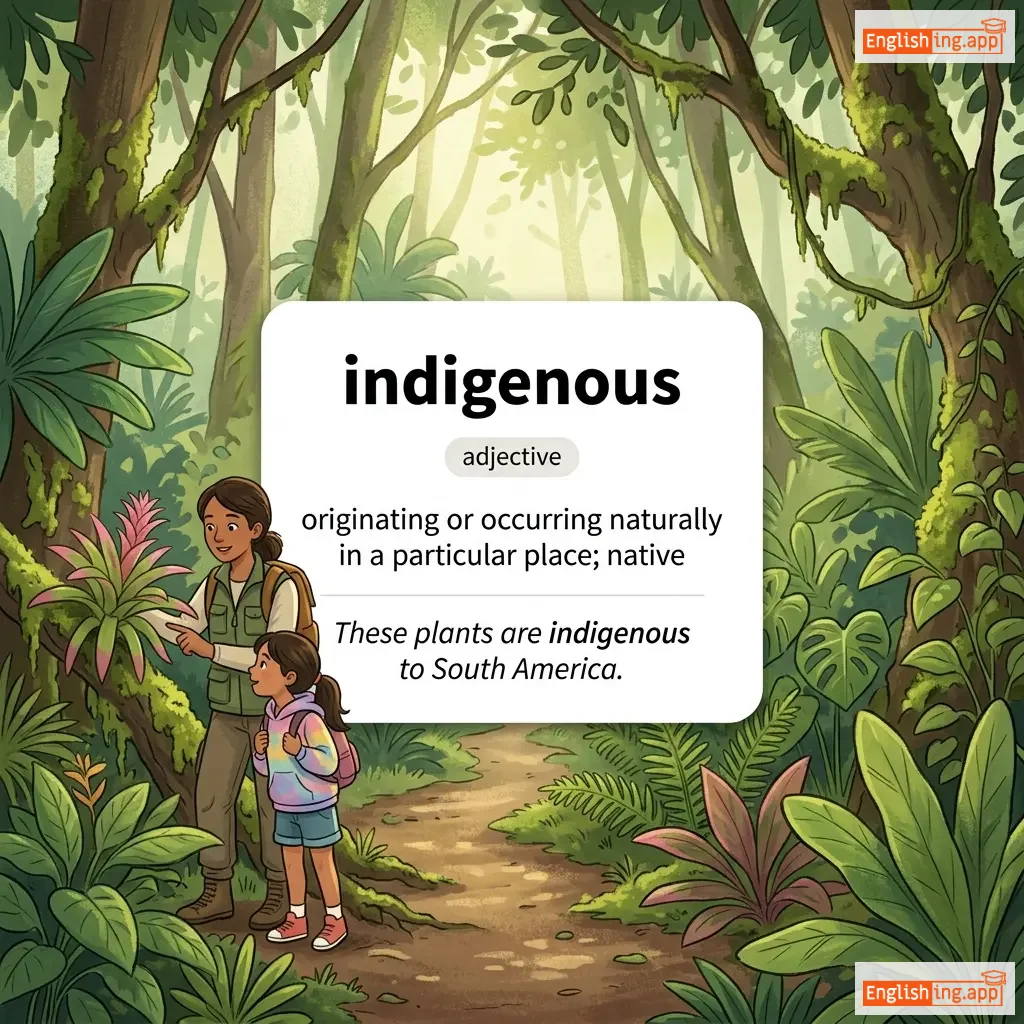
/ɪnˈdɪdʒ.ə.nəs/
adjective
(インディジナス)
••••••
|
|
先住民の
senjūmin no
••••••
|
- •••••• | - •••••• | - •••••• | - •••••• |
originating or occurring naturally in a particular place; native
••••••
|
These plants are indigenous to South America. |
これらの植物は南アメリカの先住民のものです。
Korera no shokubutsu wa Minami Amerika no senjūmin no mono desu.
••••••
|
indigenous people |
the native inhabitants of a region
••••••
|
先住民
senjūmin
••••••
|
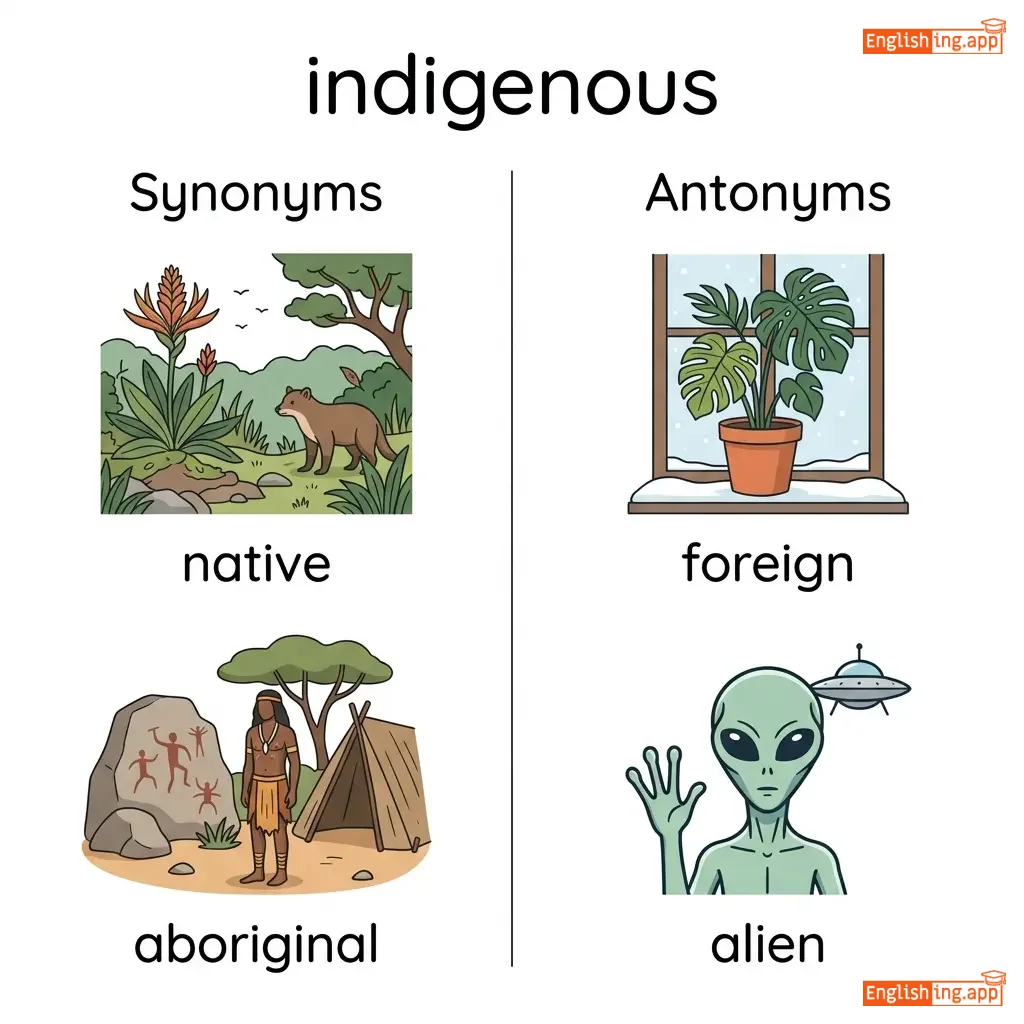
native, aboriginal, local, endemic, original
••••••
|
foreign, alien, immigrant
••••••
|
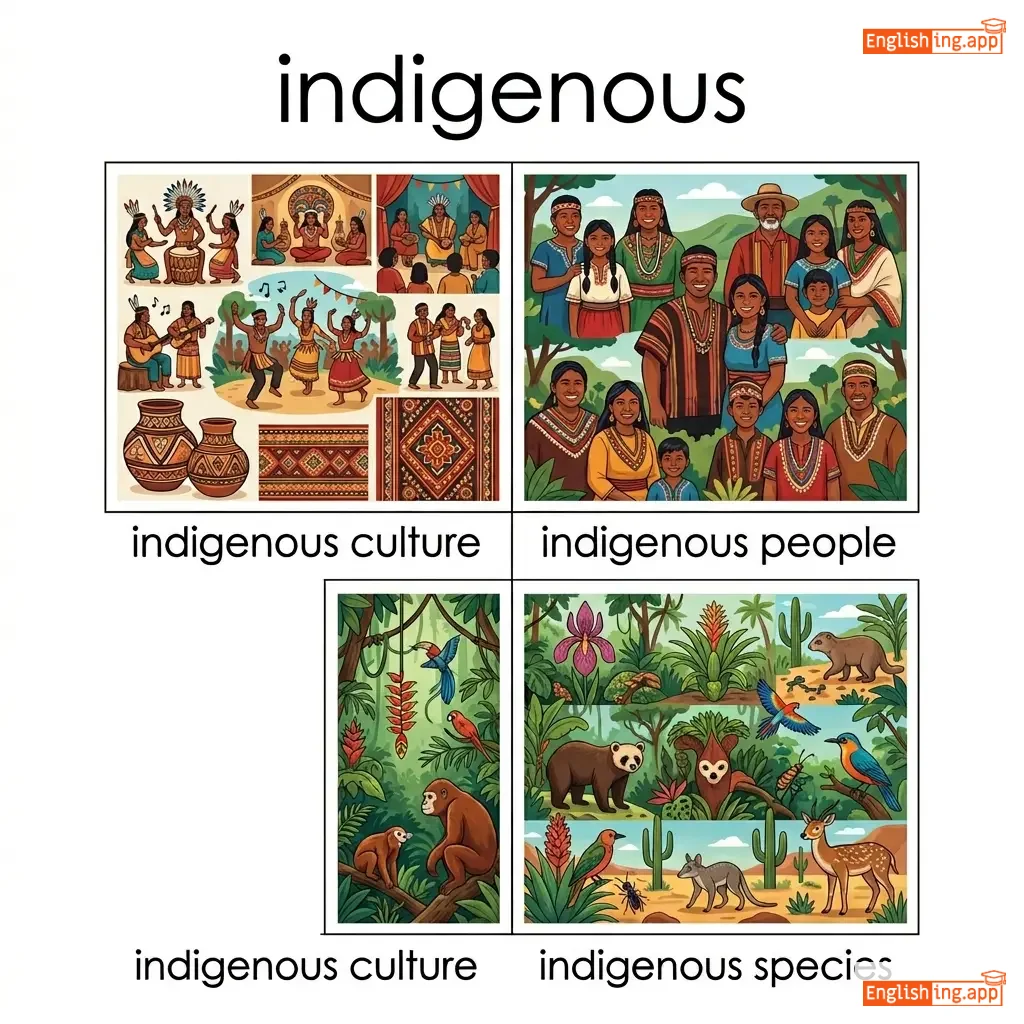
indigenous culture, indigenous people, indigenous species
••••••
|
インディジナス = 先住民、南アメリカの先住民のように。
••••••
|
|
#4539
🥀
|
/ˈɪn.dɪ.dʒəns/
noun
(インディジェンス)
••••••
|
|
貧困
hinkon
••••••
|
- •••••• | - •••••• | - •••••• | - •••••• |
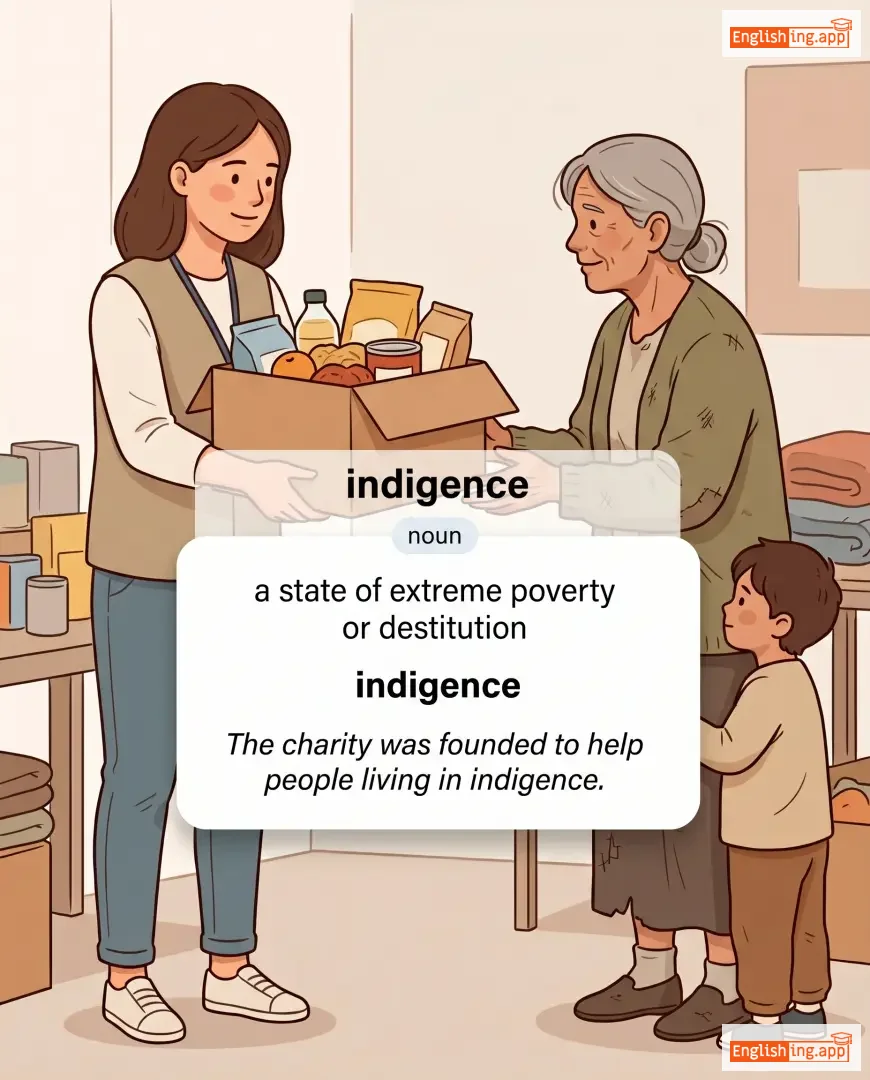
a state of extreme poverty or destitution
••••••
|
The charity was founded to help people living in indigence. |
その慈善団体は貧困の中で生活している人々を助けるために設立されました。
Sono jizen dantai wa hinkon no naka de seikatsu shite iru hitobito o tasukeru tame ni setsuritsu saremashita.
••••••
|
- •••••• | - •••••• | - •••••• |
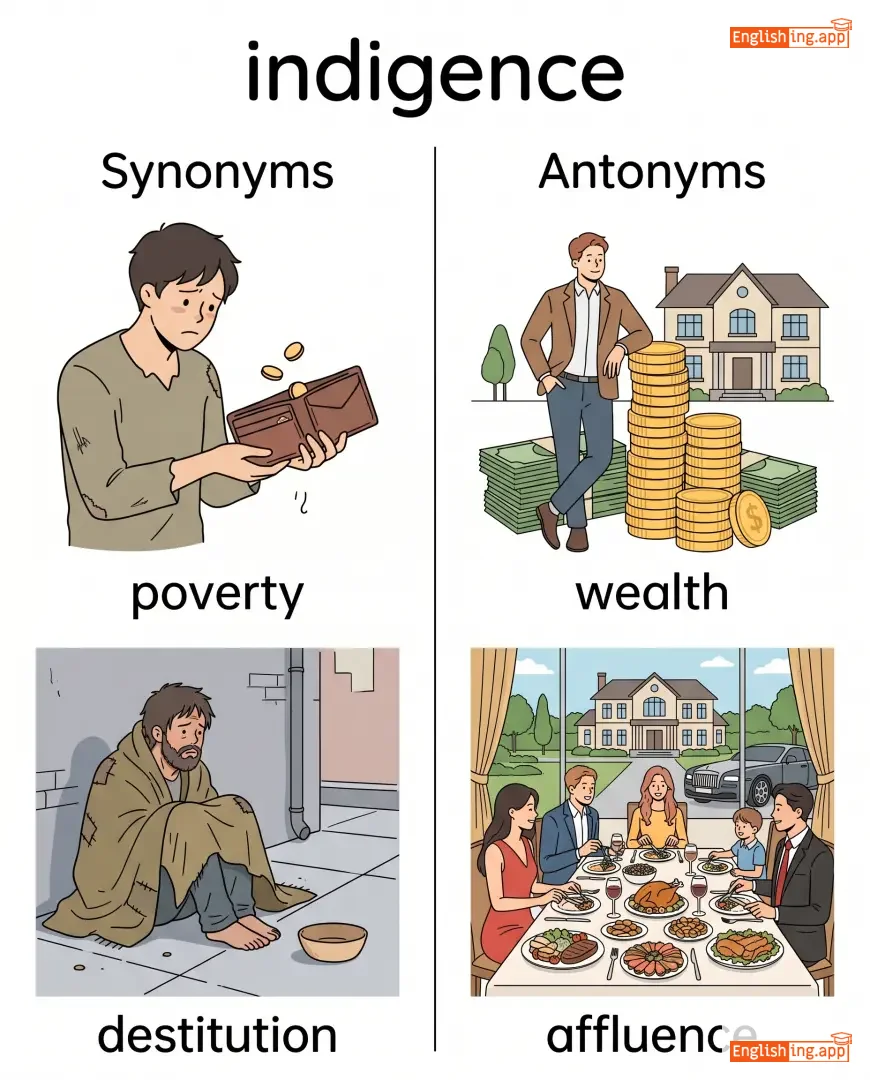
poverty, destitution, need, hardship, deprivation
••••••
|
wealth, affluence, prosperity
••••••
|
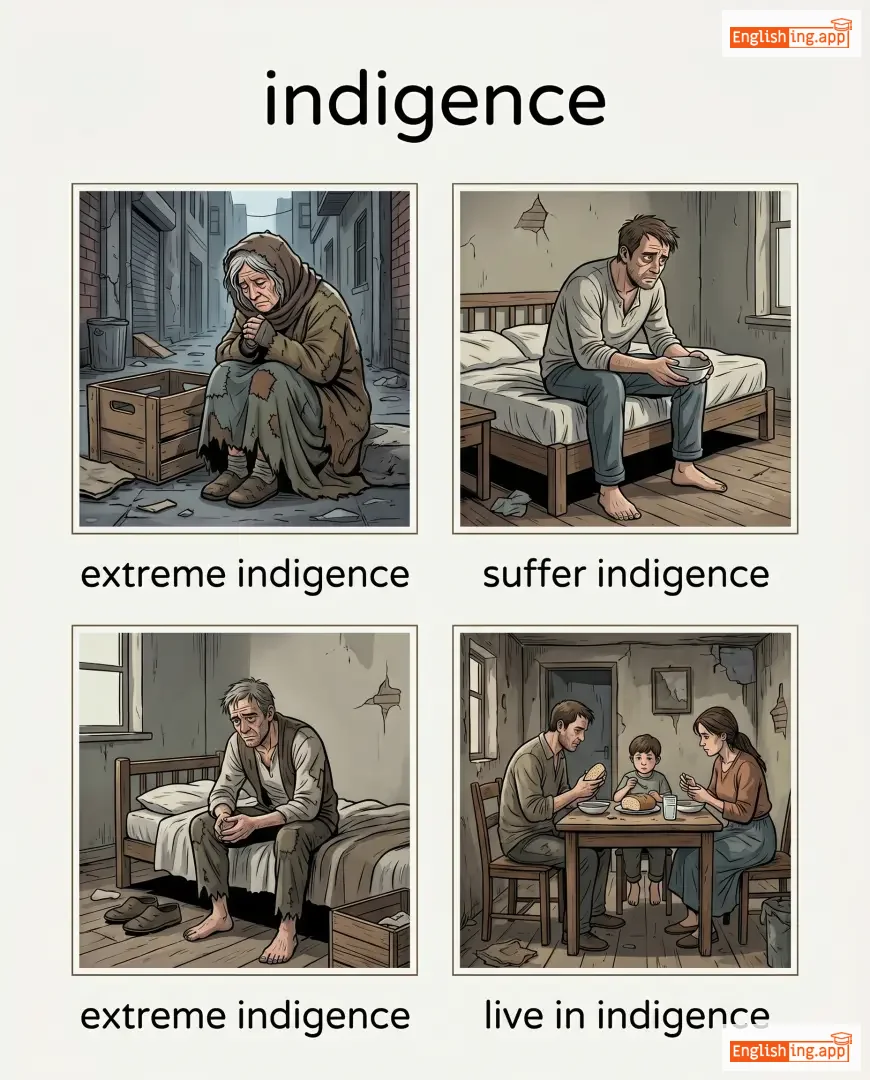
extreme indigence, suffer indigence, live in indigence
••••••
|
貧困 (hinkon) は 'indigence' と同じ意味で、極度の貧困を表します
••••••
|
|
#4540
😐
|
/ɪnˈdɪf.ər.ənt/
adjective
(インディファレント)
••••••
|
- •••••• |
無関心
mukanshin
••••••
|
- •••••• | - •••••• | - •••••• | - •••••• |
having no particular interest or concern; not caring one way or another
••••••
|
She was indifferent to the outcome of the match. |
彼女は試合の結果に無関心だった。
Kanojo wa shiai no kekka ni mukanshin datta.
••••••
|
indifferent attitude |
showing no concern or interest
••••••
|
無関心な態度
mukanshin na taido
••••••
|
unconcerned, apathetic, detached, disinterested, neutral
••••••
|
concerned, interested, passionate
••••••
|
remain indifferent, indifferent attitude, indifferent to, indifferent response
••••••
|
何も気にしない時、あなたは'無関心'か' indifferent 'です。
••••••
|
|
#4541
😐
|
/ɪnˈdɪfərəns/
noun
(インディファレンス)
••••••
|
- •••••• |
無関心
mukanshin
••••••
|
- •••••• | - •••••• | - •••••• | - •••••• |
lack of interest, concern, or sympathy
••••••
|
He showed complete indifference to the suffering around him. |
彼は周りの苦しみに対して完全に無関心を示した。
Kare wa mawari no kurushimi ni taishite kanzen ni mukanshin o shimeshita.
••••••
|
cold indifference |
a total lack of concern or empathy
••••••
|
冷たい無関心
tsumetai mukanshin
••••••
|
apathy, unconcern, neglect, disinterest
••••••
|
concern, care, sympathy
••••••
|
show indifference, total indifference, cold indifference, public indifference
••••••
|
Indifference: in (無) + difference (関心), 関心がない=無関心。
••••••
|
|
#4542
📜
|
/ɪnˈdaɪtmənt/
noun
(インダイトメント)
••••••
|
- •••••• |
起訴状
kisojou
••••••
|
- •••••• | - •••••• | - •••••• | - •••••• |
a formal charge or accusation of a serious crime
••••••
|
The indictment accused the company of multiple violations. |
起訴状は、会社に対する複数の違反を告発しました。
Kisojou wa, kaisha ni taisuru fukusū no ihan o kokuhatsu shimashita.
••••••
|
- •••••• | - •••••• | - •••••• |
charge, accusation, prosecution, allegation
••••••
|
acquittal, exoneration
••••••
|
criminal indictment, federal indictment, indictment process
••••••
|
Indictment とは起訴状です。
••••••
|
|
#4543
⚖️
|
/ɪnˈdaɪt/
verb
(インダイト)
••••••
|
- •••••• |
起訴する
kiso suru
••••••
|
indicted
インダイテッド
••••••
|
indicted
インダイテッド
••••••
|
indicts
インダイツ
••••••
|
indicting
インダイティング
••••••
|
to formally accuse someone of committing a serious crime
••••••
|
The grand jury decided to indict the politician for corruption.
大陪審団は腐敗のために政治家を起訴することを決定した。
••••••
|
大陪審団は腐敗のために政治家を起訴することを決定した。
Dai baishindan wa fuhai no tame ni seijika o kiso suru koto o kettei shita.
••••••
|
- •••••• | - •••••• | - •••••• |
charge, accuse, prosecute, arraign
••••••
|
acquit, absolve, exonerate
••••••
|
indict someone, indict on charges, indict for fraud
••••••
|
Indict: インダイ (インダイト) するのは法廷での告発!
••••••
|
|
#4544
📈
|
/ˈɪndɪˌsiːz/
noun (plural)
(インデイシス)
••••••
|
- •••••• |
インデックス
indekkusu
••••••
|
- •••••• | - •••••• | - •••••• | - •••••• |
plural form of index; statistical measures or reference points used for comparison
••••••
|
Stock market indices fell sharply after the announcement. |
発表後、株式市場のインデックスは急落しました。
Happyo go, kabushiki shijō no indekkusu wa kyūraku shimashita.
••••••
|
- •••••• | - •••••• | - •••••• |
indexes, measures, benchmarks, references
••••••
|
singularity, individual case
••••••
|
stock indices, economic indices, price indices, financial indices
••••••
|
インデックスは複数のインデックスを意味します。数学のように、インデックスは累乗です。
••••••
|
|
#4545
📊
|
/ˈɪndɪˌkeɪtər/
noun
(インディケーター)
••••••
|
|
指標
shihyō
••••••
|
- •••••• | - •••••• | - •••••• | - •••••• |
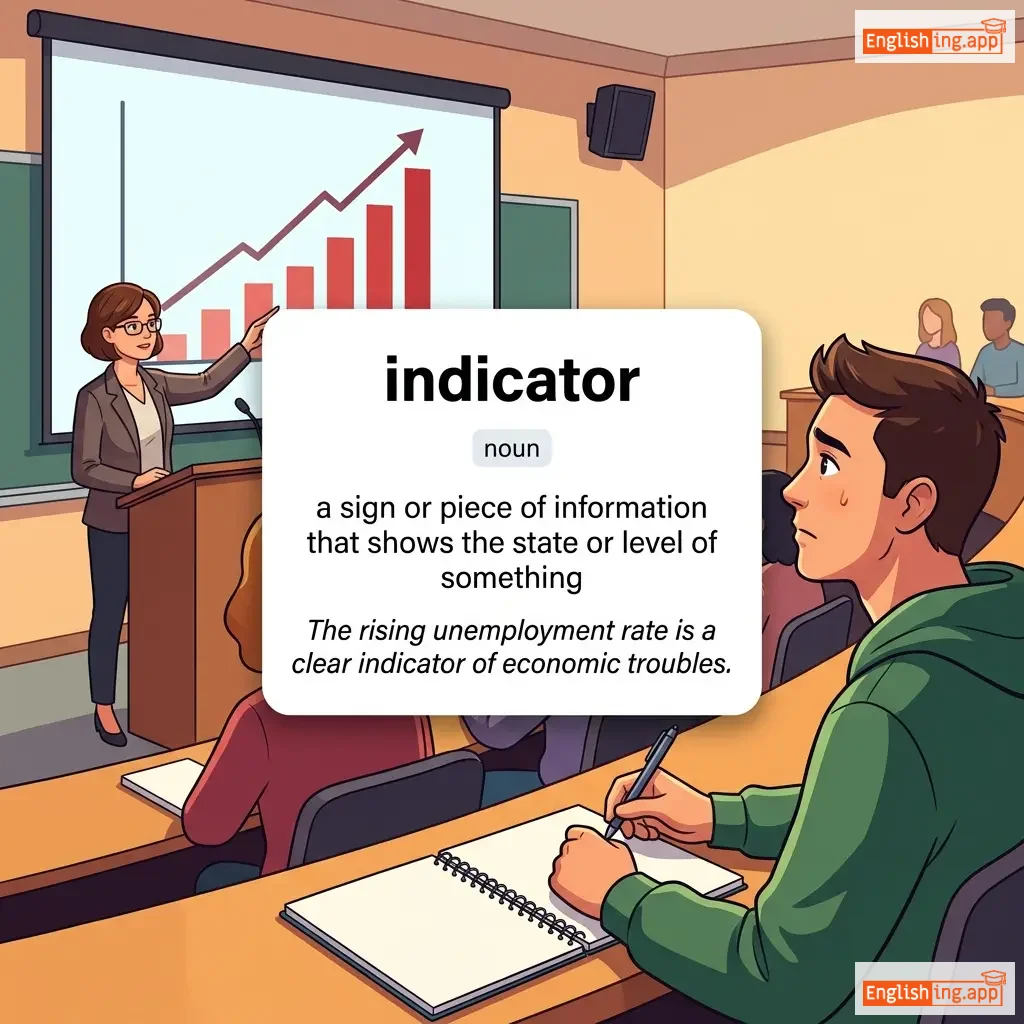
a sign or piece of information that shows the state or level of something
••••••
|
The rising unemployment rate is a clear indicator of economic troubles. |
失業率の上昇は経済問題の明確な指標です。
Shitsugyō-ritsu no jōshō wa keizai mondai no meikaku na shihyō desu.
••••••
|
leading indicator |
a measure that signals future developments or trends
••••••
|
先行指標
senkō shihyō
••••••
|
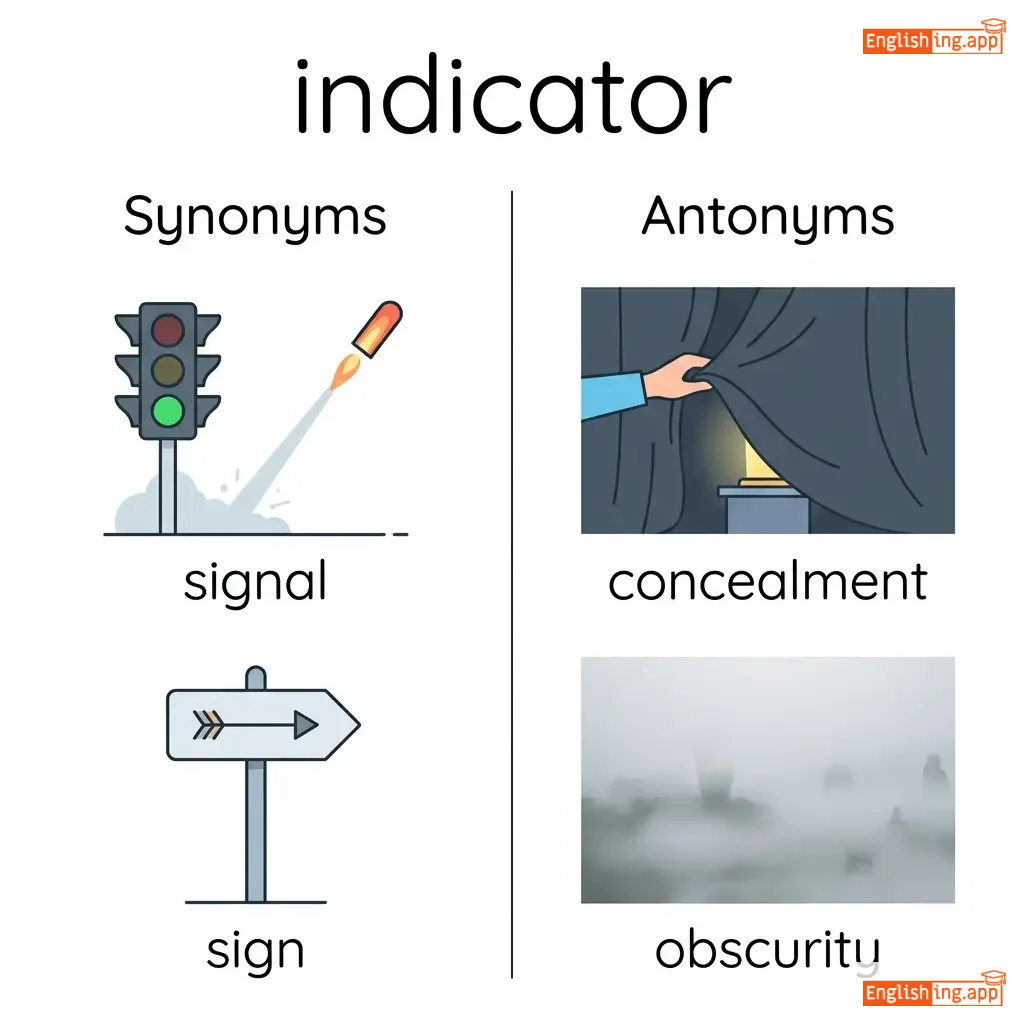
signal, sign, gauge, measure, pointer
••••••
|
concealment, obscurity
••••••
|
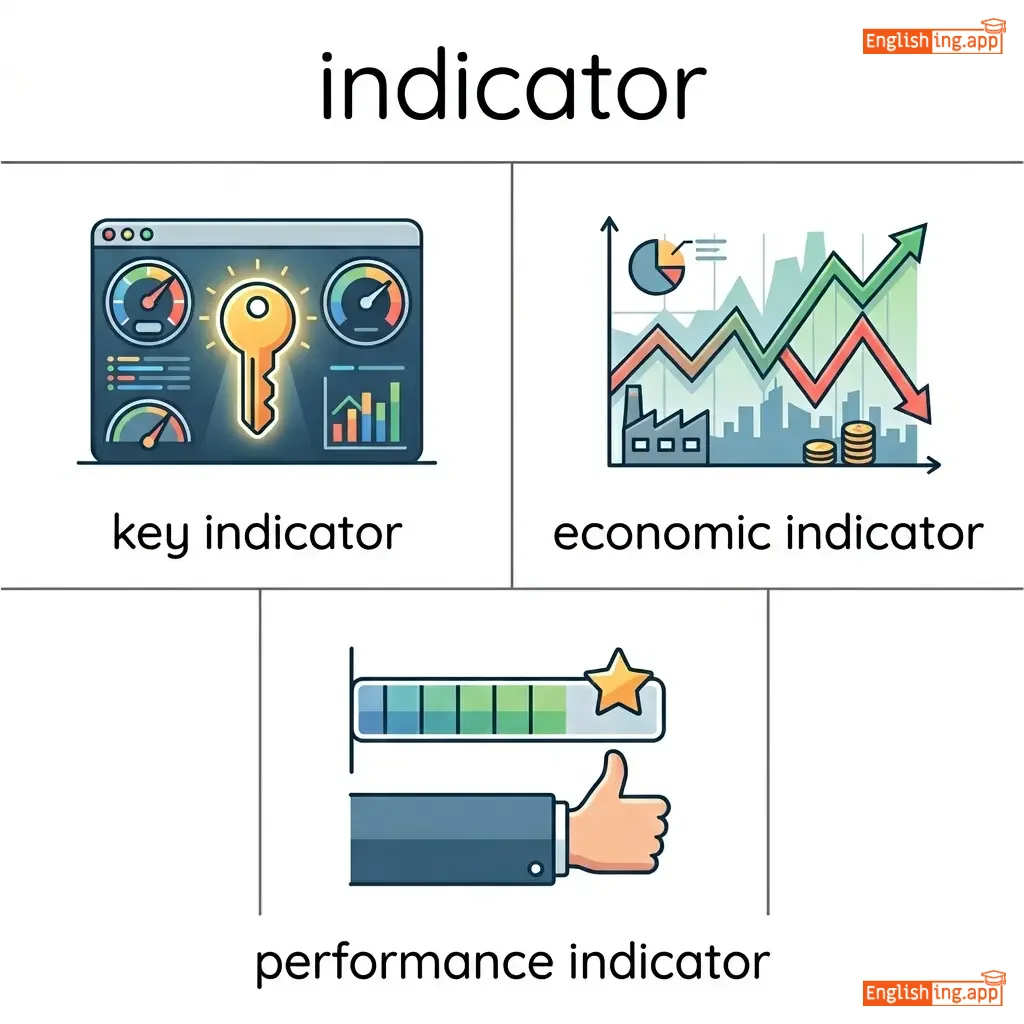
key indicator, economic indicator, performance indicator, health indicator
••••••
|
インディケーターは示すもの – 例えば、信号機が示すように。
••••••
|
|
#4546
🙈
|
/ɪnˈdɛkərəs/
adjective
(インデコラス)
••••••
|
- •••••• |
不作法
busahou
••••••
|
- •••••• | - •••••• | - •••••• | - •••••• |
Not in keeping with good taste and propriety; improper.
••••••
|
His indecorous behavior shocked the audience.
彼の不作法な振る舞いは観客を驚かせた。
••••••
|
彼の不作法な振る舞いは観客を驚かせた。
Kare no busahou na furumai wa kankyaku o odoro kaseta.
••••••
|
- •••••• | - •••••• | - •••••• |
improper, unseemly, inappropriate, indecent
••••••
|
proper, decent, appropriate
••••••
|
indecorous remark, indecorous behavior, indecorous laughter
••••••
|
IN DECORous: 装飾外れなので不作法
••••••
|
|
#4547
⚠️
|
/ˌɪndɪˈkeɪʃən/
noun
(indikēshon)
••••••
|
- •••••• |
指示
shiji
••••••
|
- •••••• | - •••••• | - •••••• | - •••••• |
A sign, piece of information, or signal that suggests something.
••••••
|
Dark clouds are an indication of an approaching storm. |
暗い雲は近づいている嵐の兆候です。
kurai kumo wa chikadzuite iru arashi no chōkō desu
••••••
|
give an indication |
To show or suggest something indirectly.
••••••
|
指示を出す
shiji o dasu
••••••
|
sign, signal, evidence, clue, pointer
••••••
|
concealment, suppression
••••••
|
clear indication, early indication, medical indication
••••••
|
Indicationは指示を意味する—暗い雲は嵐の指示を与えます。
••••••
|
|
#4548
🔍
|
/ˈɪndɪkənt/
noun
(インディカント)
••••••
|
- •••••• |
指標
shihyō
••••••
|
- •••••• | - •••••• | - •••••• | - •••••• |
Something that indicates or points to a fact or condition.
••••••
|
High fever is often an indicant of infection. |
高熱はしばしば感染の指標となります。
Kōnetsu wa shibashiba kansen no shihyō to narimasu.
••••••
|
- •••••• | - •••••• | - •••••• |
sign, signal, indicator, symptom, mark
••••••
|
concealment, obscurity
••••••
|
strong indicant, clear indicant, reliable indicant
••••••
|
Indicant は指標を意味する—何かを示すもの。
••••••
|
|
#4549
📑
|
/ˈɪndeks/
noun, verb
(インデックス)
••••••
|
|
インデックス
indekkusu
••••••
|
indexed
インデックスド
••••••
|
indexed
インデックスド
••••••
|
indexes
インデックスィズ
••••••
|
indexing
インデックスング
••••••
|
A list of items arranged in order, or to arrange data systematically for reference.
••••••
|
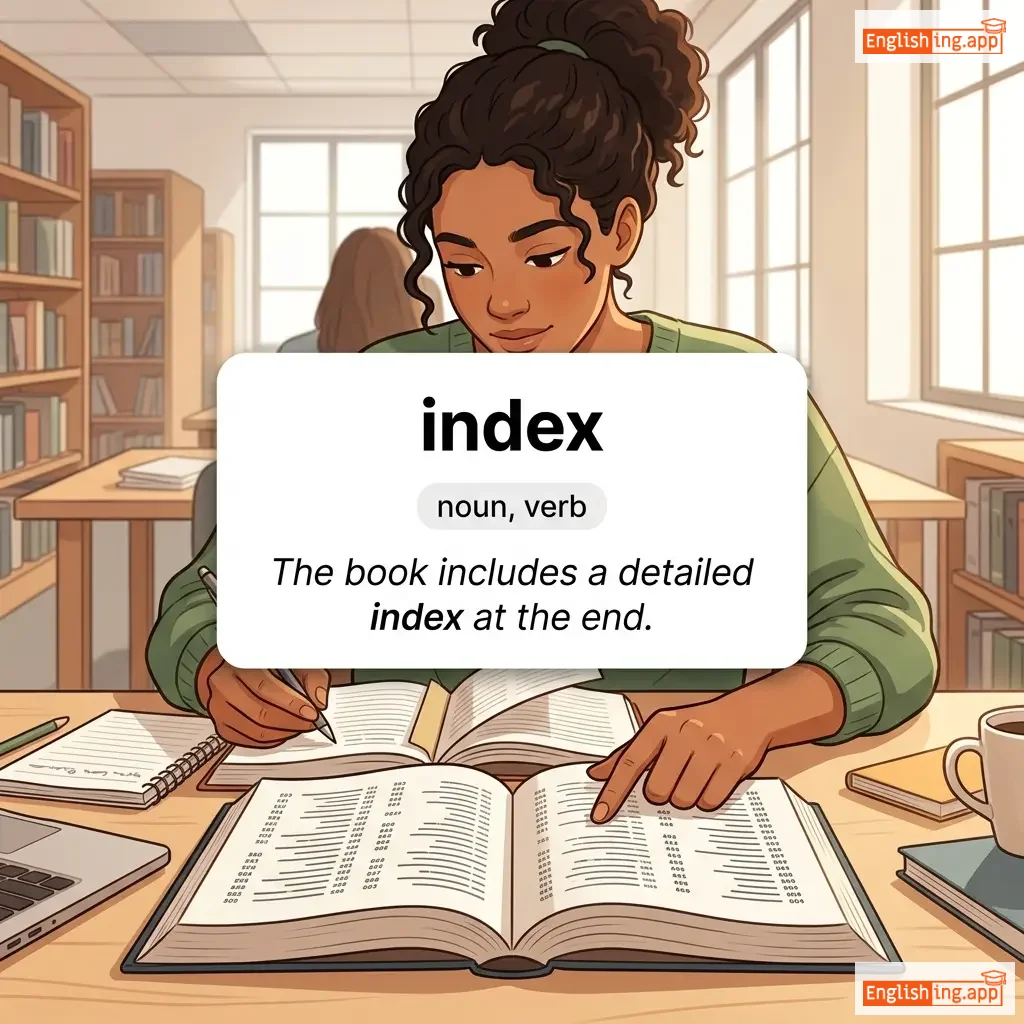
The book includes a detailed index at the end.
その本には最後に詳細なインデックスが含まれています。
••••••
|
その本には最後に詳細なインデックスが含まれています。
Sono hon ni wa saigo ni shōsai na indekkusu ga fukumareteimasu.
••••••
|
index finger
人差し指
••••••
|
The finger next to the thumb, used for pointing.
••••••
|
人差し指
Hitosashiyubi
••••••
|
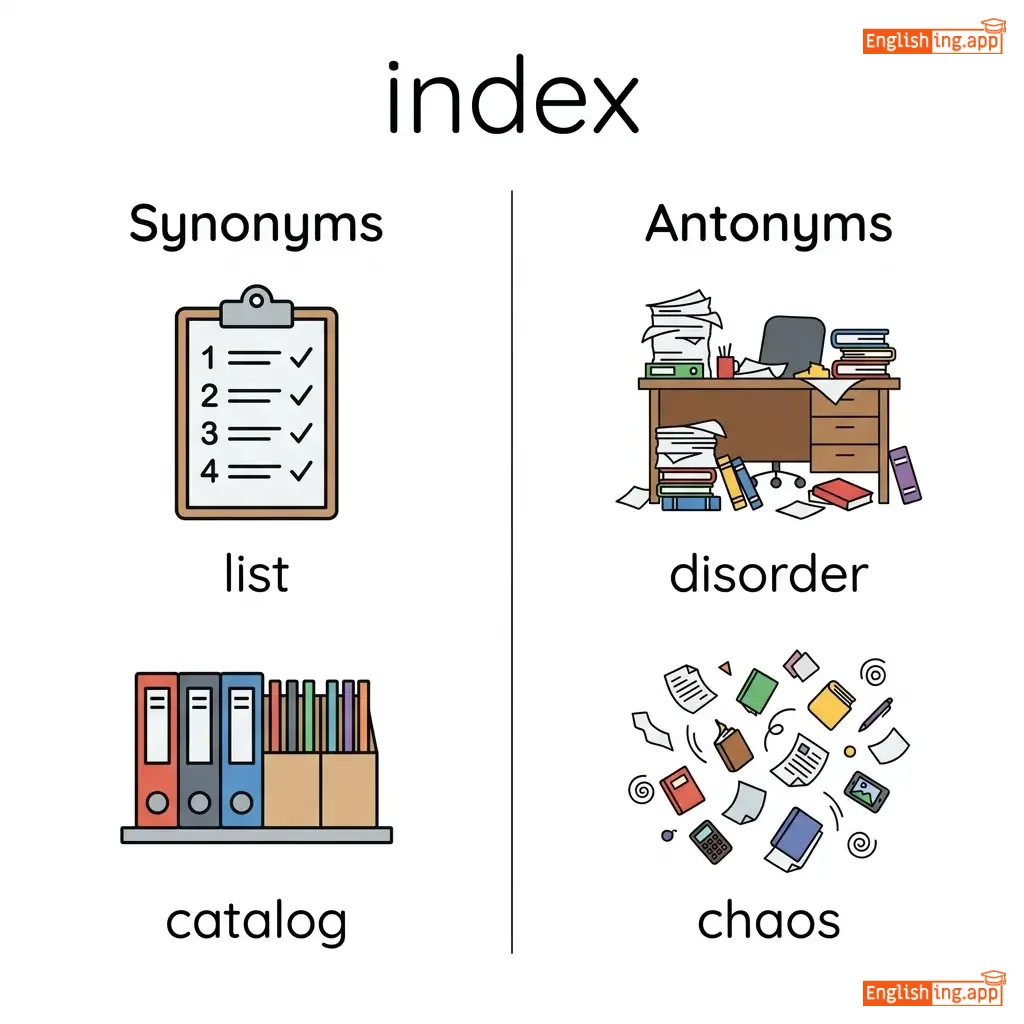
list, catalog, register, directory, guide
••••••
|
disorder, chaos, confusion
••••••
|
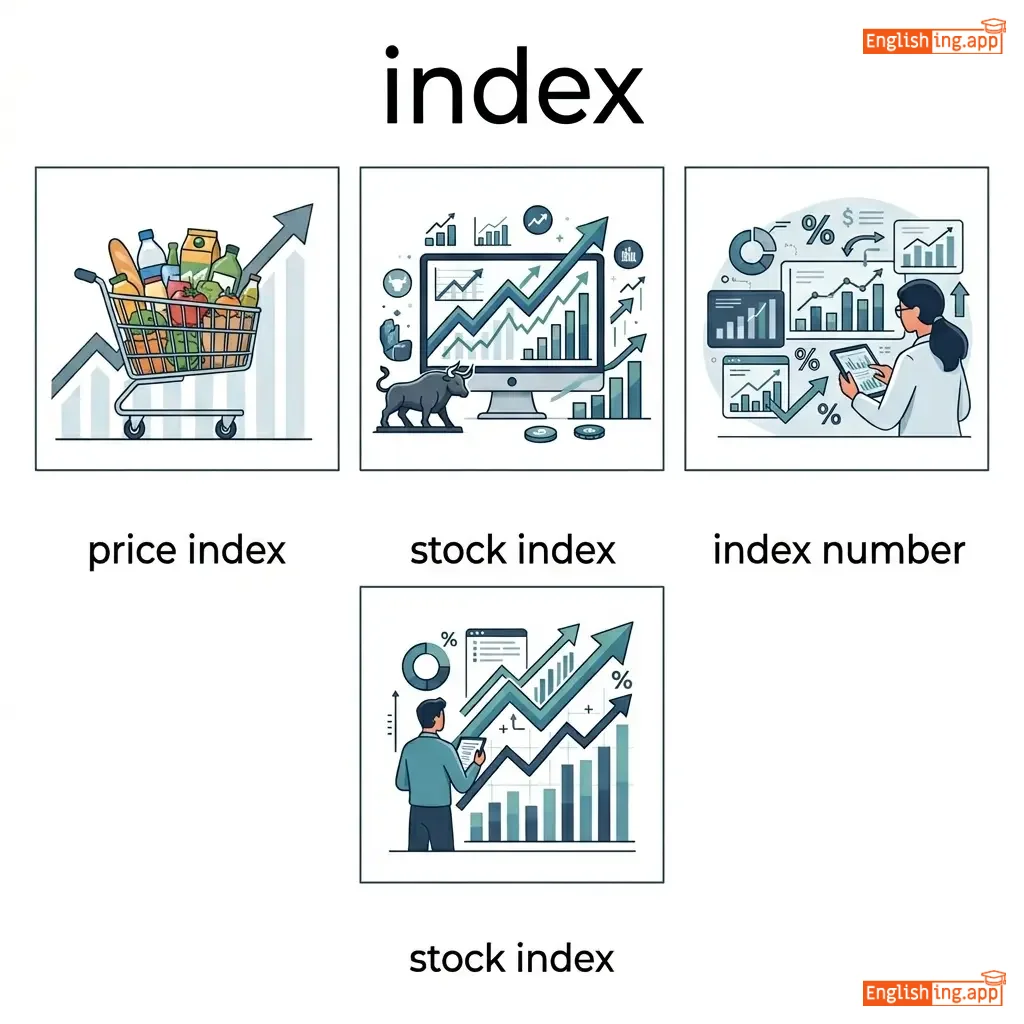
price index, stock index, index number, index card
••••••
|
インデックスとはリストのこと—インデックス化すると簡単に探し出せる!
••••••
|
|
#4550
❓
|
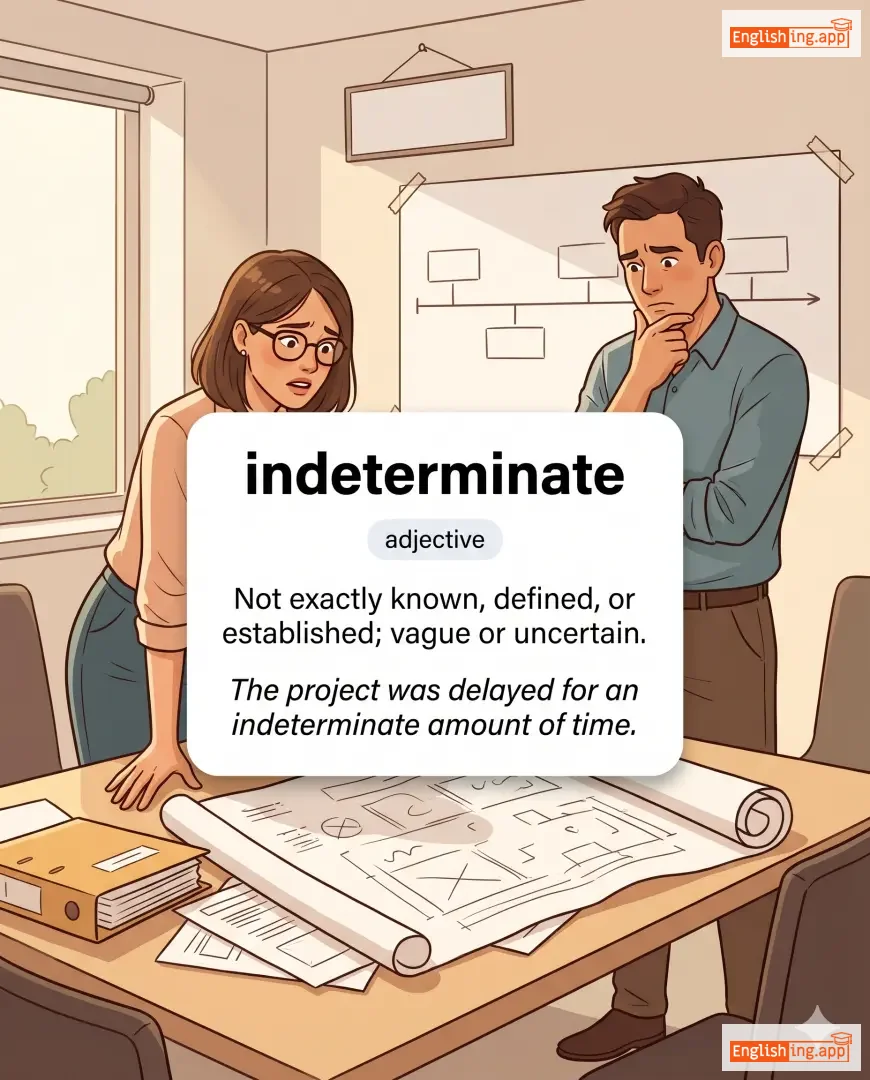
/ˌɪndɪˈtɜːrmənət/
adjective
(インディターミネイト)
••••••
|
|
不確定
fukakutei
••••••
|
- •••••• | - •••••• | - •••••• | - •••••• |
Not exactly known, defined, or established; vague or uncertain.
••••••
|
The project was delayed for an indeterminate amount of time. |
プロジェクトは不確定な期間に延期されました。
Purojekuto wa fukakutei na kikan ni enki saremashita.
••••••
|
- •••••• | - •••••• | - •••••• |
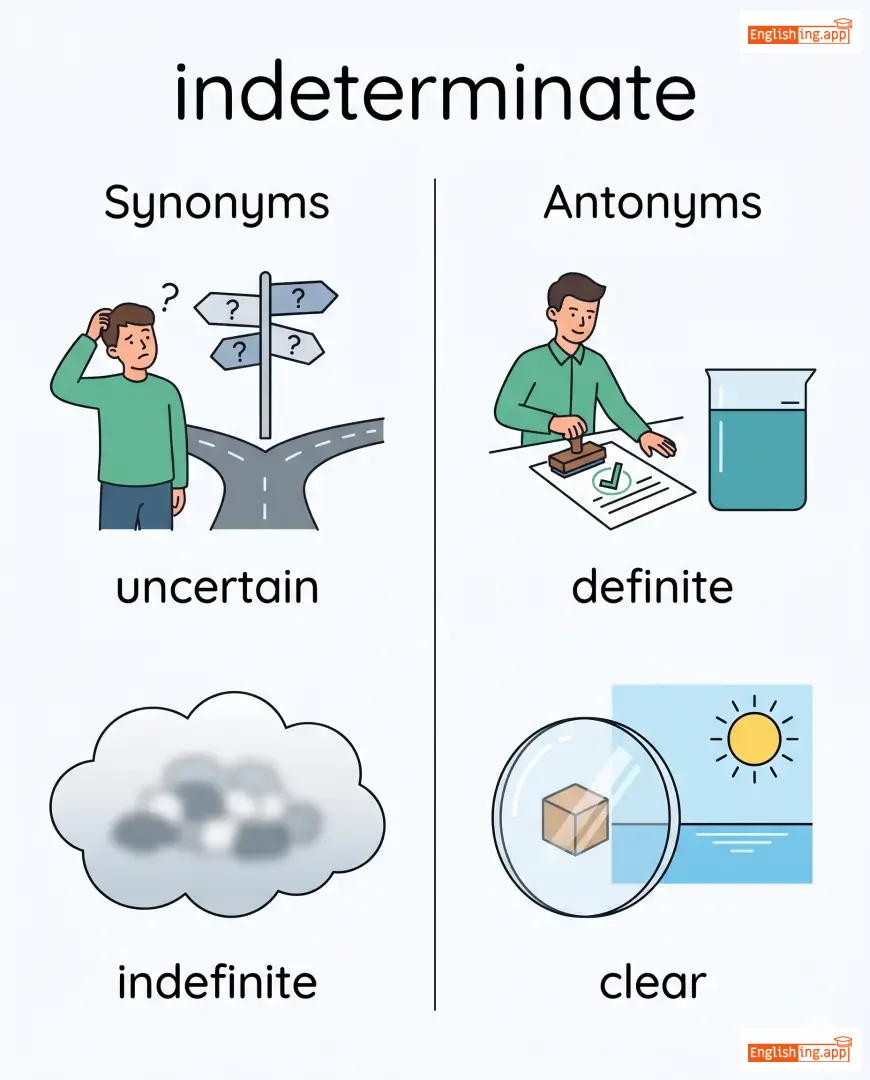
uncertain, indefinite, vague, ambiguous, unclear
••••••
|
definite, clear, certain
••••••
|
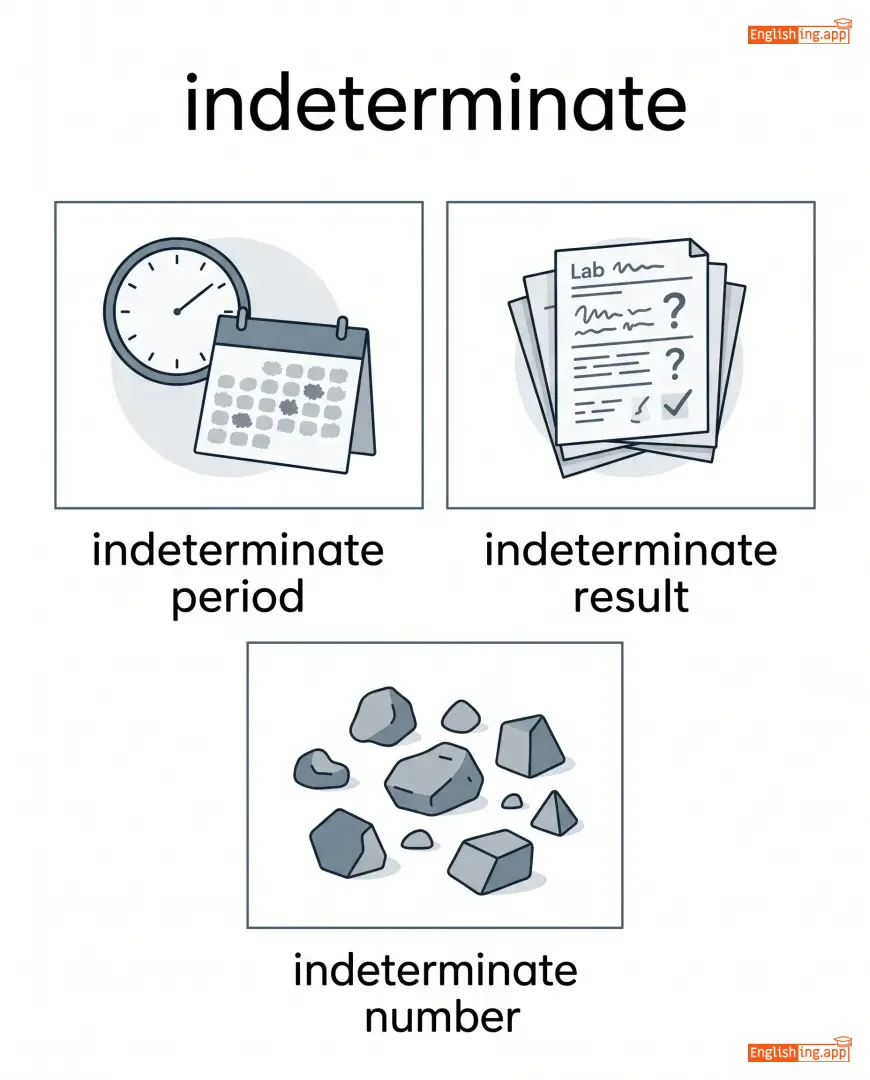
indeterminate period, indeterminate result, indeterminate number, indeterminate form
••••••
|
Indeterminate は不確定を意味します—In determinate は確定していないので、不確定です。
••••••
|
|
#4551
🪨
|
/ˌɪndɪˈstrʌktəbl/
adjective
(インデストラクティブル)
••••••
|
- •••••• |
壊れない
kowarenai
••••••
|
- •••••• | - •••••• | - •••••• | - •••••• |
Impossible to destroy or break.
••••••
|
The superhero's shield was said to be indestructible. |
スーパーヒーローの盾は壊れないと言われていました。
Suupaa hīrō no tate wa kowarenai to iwarete imashita.
••••••
|
- •••••• | - •••••• | - •••••• |
unbreakable, durable, permanent, imperishable
••••••
|
fragile, destructible
••••••
|
indestructible spirit, indestructible material, almost indestructible, virtually indestructible
••••••
|
Indestructible とは壊れないもの – 壊れない。
••••••
|
|
#4552
✨
|
/ˌɪndɪˈskraɪbəbl/
adjective
(インディスクリバブル)
••••••
|
- •••••• |
言葉では表現できない
kotoba de wa hyōgen dekinai
••••••
|
- •••••• | - •••••• | - •••••• | - •••••• |
Too unusual, extreme, or great to be adequately described in words.
••••••
|
The beauty of the sunset was indescribable. |
夕日の美しさは言葉では表現できないほどだった。
Yūhi no utsukushisa wa kotoba de wa hyōgen dekinai hodo datta.
••••••
|
- •••••• | - •••••• | - •••••• |
ineffable, inexpressible, unspeakable, unimaginable
••••••
|
describable, expressible
••••••
|
indescribable beauty, indescribable joy, indescribable feeling, indescribable experience
••••••
|
Indescribableは言葉では説明できないほど素晴らしいこと – 言葉では表現できない。
••••••
|
|
#4553
📜
|
/ɪnˈdɛntʃər/
noun
••••••
|
- •••••• | - •••••• | - •••••• | - •••••• | - •••••• | - •••••• |
A formal legal agreement, contract, or document, often relating to work or service.
••••••
|
In the 18th century, many workers came under indenture to work overseas. |
- •••••• |
indenture contract |
a formal legal contract for work or service
••••••
|
- •••••• |
contract, agreement, bond, deed, covenant
••••••
|
freedom, independence
••••••
|
indenture agreement, indenture contract, indenture system, indentured servant
••••••
|
No •••••• |
|
#4554
↔️
|
/ˌɪndɛnˈteɪʃən/
noun
(インデンテーション)
••••••
|
- •••••• |
インデント
indent
••••••
|
- •••••• | - •••••• | - •••••• | - •••••• |
A space left at the beginning of a line of text; a notch or deep recess on a surface.
••••••
|
The teacher asked the students to use proper indentation in their essays. |
先生は学生にエッセイで適切なインデントを使用するように頼みました。
Sensei wa gakusei ni essei de tekisetsu na indent wo shiyou suru you ni tanomimashita.
••••••
|
- •••••• | - •••••• | - •••••• |
notch, recess, hollow, dent, gap
••••••
|
flatness, smoothness
••••••
|
proper indentation, code indentation, indentation mark, indentation level
••••••
|
インデントはエッセイの行の先頭に空白を残すことです。
••••••
|
|
#4555
🛡️
|
/ɪnˈdɛmnɪti/
noun
(インデムニティ)
••••••
|
- •••••• |
補償 / 保護
hosho / hogo
••••••
|
- •••••• | - •••••• | - •••••• | - •••••• |
Security or protection against financial loss or damage; compensation for loss or damage.
••••••
|
The insurance policy provides indemnity against fire damage. |
保険ポリシーは火災による損害に対して補償を提供します。
Hoken porishii wa kasai ni yoru songai ni taishite hosho o teikyō shimasu.
••••••
|
seek indemnity |
to ask for financial compensation for a loss or damage
••••••
|
補償を求める
hosho o motomeru
••••••
|
compensation, reimbursement, protection, guarantee, security
••••••
|
penalty, loss, damage
••••••
|
indemnity clause, seek indemnity, provide indemnity, indemnity insurance
••••••
|
Indemnity とは保険での補償 - 損害があれば補償を受けることができます。
••••••
|
|
#4556
💵
|
/ɪnˈdɛmnɪfaɪ/
verb
••••••
|
- •••••• | - •••••• |
indemnified
••••••
|
indemnified
••••••
|
indemnifies
••••••
|
indemnifying
••••••
|
to compensate someone for harm or loss; to secure against future damage or cost
••••••
|
The insurance company agreed to indemnify the client for the damages. |
- •••••• |
indemnify against loss |
to provide compensation or protection for potential losses
••••••
|
- •••••• |
compensate, reimburse, repay, atone, secure
••••••
|
penalize, deprive, damage
••••••
|
indemnify the loss, indemnify the damage, indemnify the client, indemnify against claims
••••••
|
No •••••• |
|
#4557
🖋️
|
/ɪnˈdɛlɪbl̩/
adjective
(インデリブル)
••••••
|
|
消せない
kesenai
••••••
|
- •••••• | - •••••• | - •••••• | - •••••• |
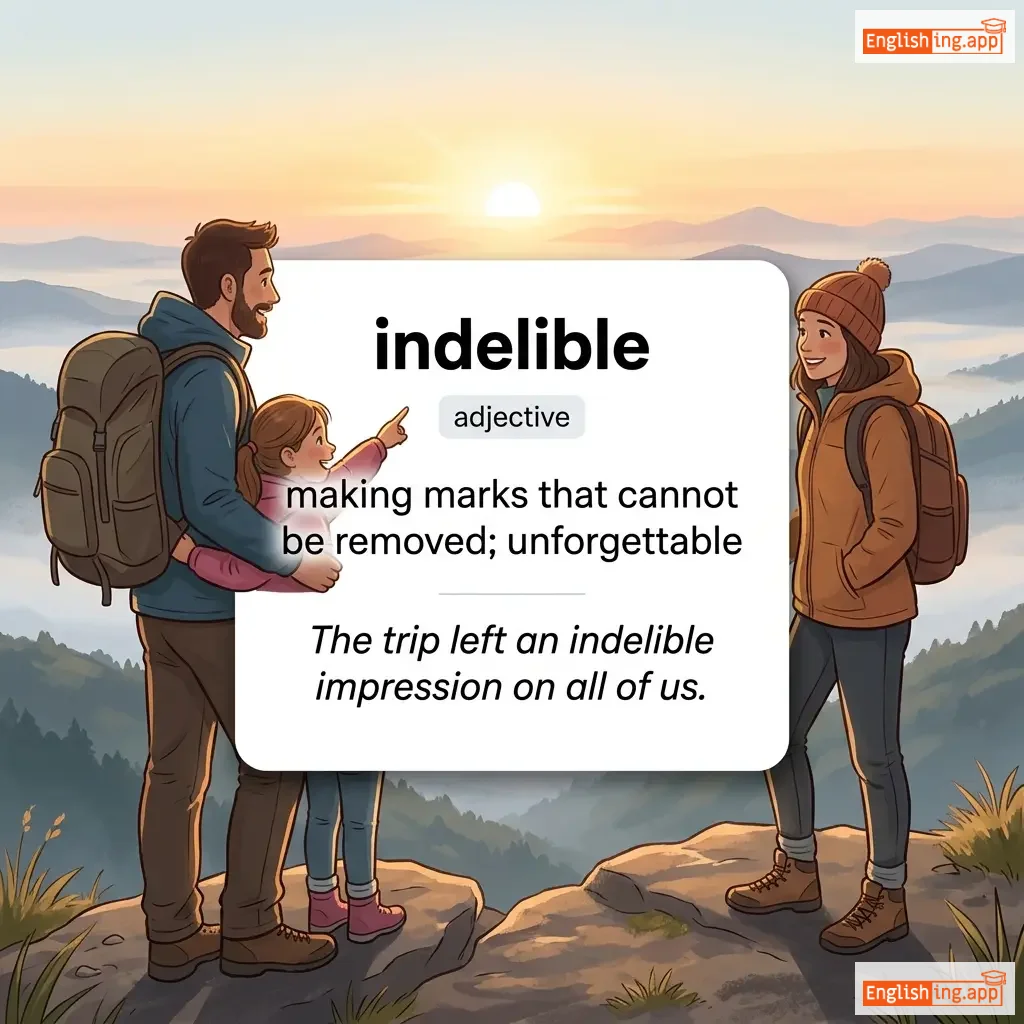
making marks that cannot be removed; unforgettable
••••••
|
The trip left an indelible impression on all of us. |
その旅行は私たち全員に消せない印象を残しました。
Sono ryokō wa watashitachi zen'in ni kesenai inshō o nokoshimashita.
••••••
|
- •••••• | - •••••• | - •••••• |
permanent, lasting, enduring, unforgettable
••••••
|
erasable, temporary, fleeting
••••••
|
indelible impression, indelible memory, indelible mark, indelible experience
••••••
|
Indelibleは消すことができないもの → 消せない
••••••
|
|
#4558
⏳
|
/ɪnˈdɛfɪnətli/
adverb
(インディフィニットリー)
••••••
|
- •••••• |
無期限で
mukigen de
••••••
|
- •••••• | - •••••• | - •••••• | - •••••• |
for an unlimited or unspecified period of time
••••••
|
The project has been postponed indefinitely. |
プロジェクトは無期限で延期されました。
Purojekuto wa mukigen de enki sare mashita.
••••••
|
- •••••• | - •••••• | - •••••• |
endlessly, perpetually, without limit, continuously
••••••
|
temporarily, briefly
••••••
|
postponed indefinitely, continue indefinitely, delayed indefinitely, suspended indefinitely
••••••
|
Indefinitely は無期限 → 時間に制限がない
••••••
|
|
#4559
⚖️
|
/ˌɪndɪˈfɛnsəbl̩/
adjective
(インディフェンシブル)
••••••
|
- •••••• |
弁護できない
bengo dekinai
••••••
|
- •••••• | - •••••• | - •••••• | - •••••• |
not able to be protected or justified
••••••
|
The minister’s remarks were considered indefensible by the public. |
大臣の発言は公衆によって弁護できないとみなされました。
Daijin no hatsugen wa kōshū ni yotte bengo dekinai to minasaremashita.
••••••
|
- •••••• | - •••••• | - •••••• |
unjustifiable, untenable, unsupportable, unjust
••••••
|
defensible, justifiable, reasonable
••••••
|
indefensible position, indefensible action, morally indefensible, legally indefensible
••••••
|
Indefensible = 弁護できない、守れない。
••••••
|
|
#4560
💪
|
/ˌɪndɪˈfætɪɡəbl̩/
adjective
(インディファティガブル)
••••••
|
- •••••• |
疲れ知らず
tsukare shirazu
••••••
|
- •••••• | - •••••• | - •••••• | - •••••• |
persisting tirelessly; incapable of being fatigued
••••••
|
Her indefatigable spirit kept the team motivated during the long project. |
彼女の疲れ知らずの精神が、長いプロジェクトを通してチームを励ましました。
kanojo no tsukare shirazu no seishin ga, nagai purojekuto wo tooshite chiimu wo hagemashimashita.
••••••
|
- •••••• | - •••••• | - •••••• |
tireless, relentless, persistent, unwearied, dogged
••••••
|
fatigued, weary, exhausted
••••••
|
indefatigable spirit, indefatigable efforts, indefatigable energy, indefatigable pursuit
••••••
|
Indefatigable = 疲れ知らず, 絶え間ない努力
••••••
|
Vocabulary Quiz
Test your vocabulary by matching words with their translations or meanings.
Login to take the quiz
Comments (0)
Share your thoughts and join the discussion.
Join the discussion by logging in
Login to CommentNo comments yet
Be the first to share your thoughts!