

翻訳
過去
過去分詞
三人称単数
動名詞
意味
例文
例文の翻訳
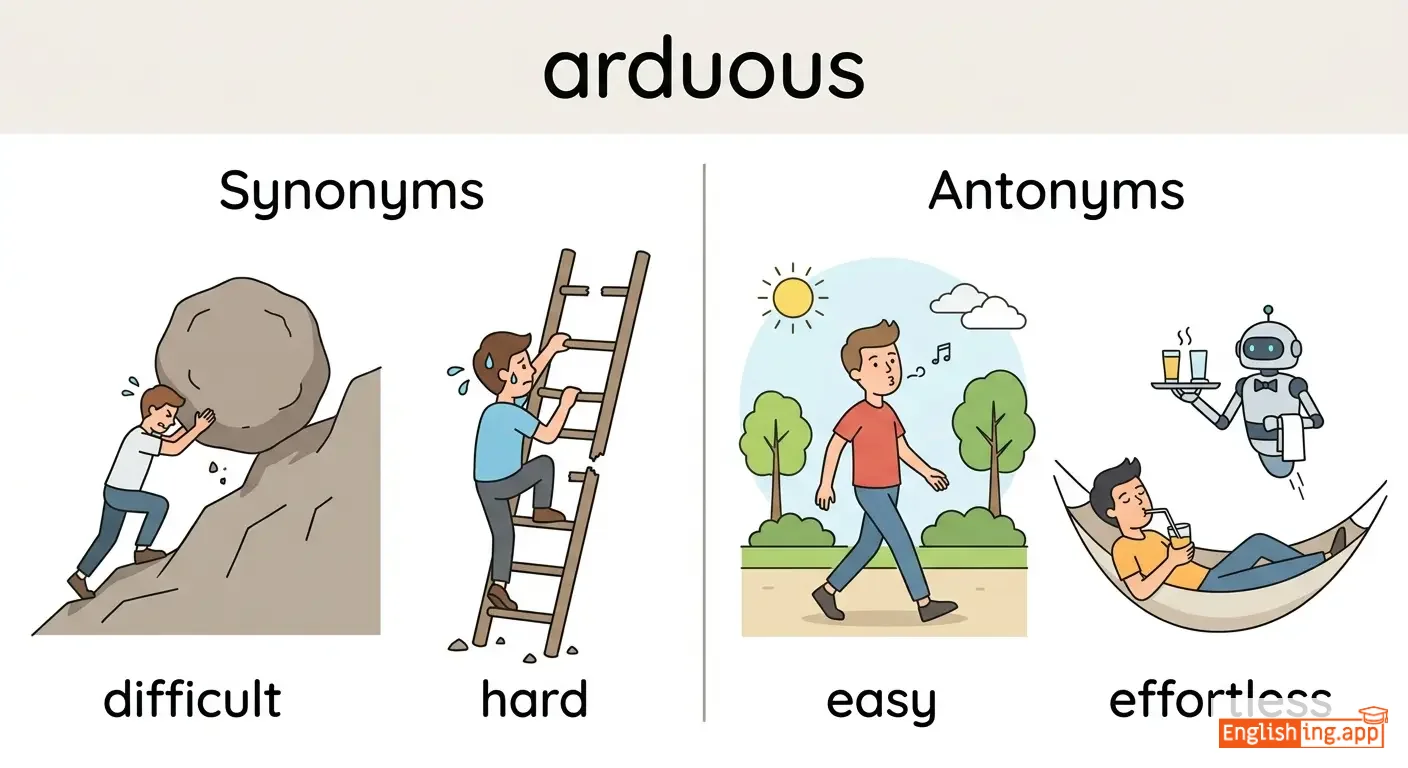
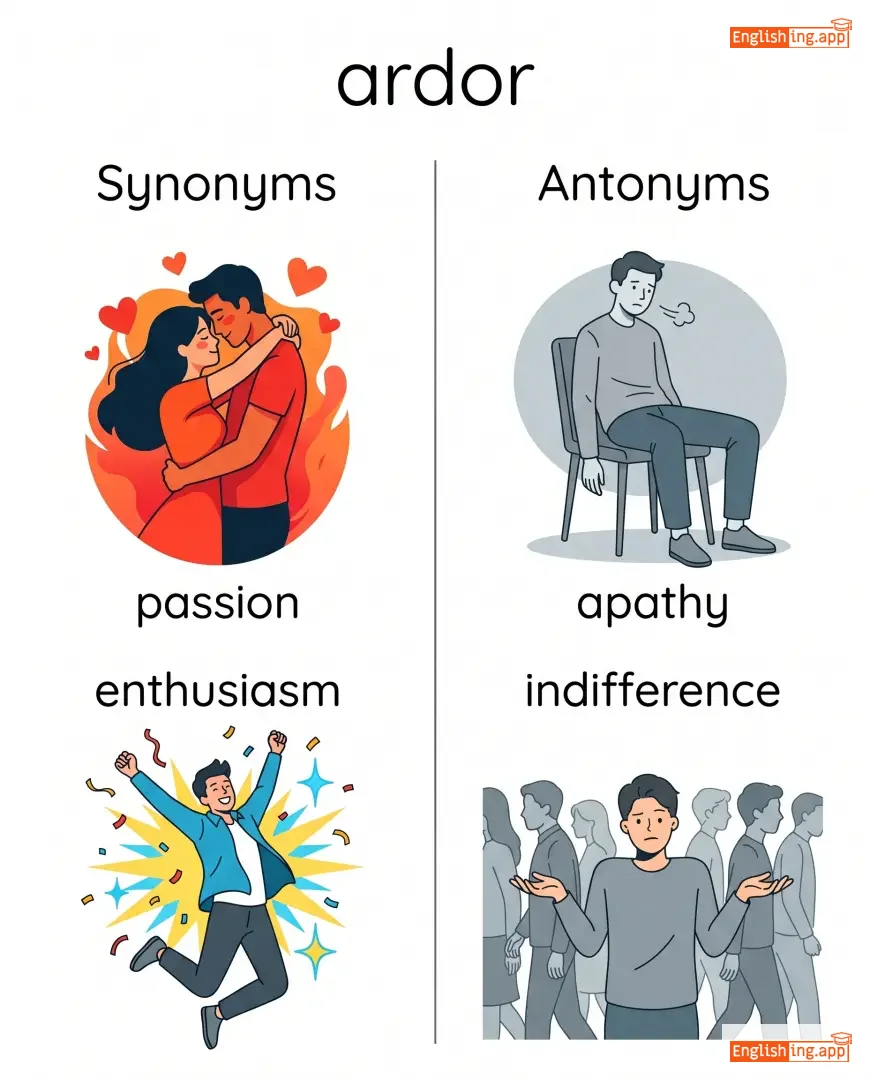
同義語
対義語
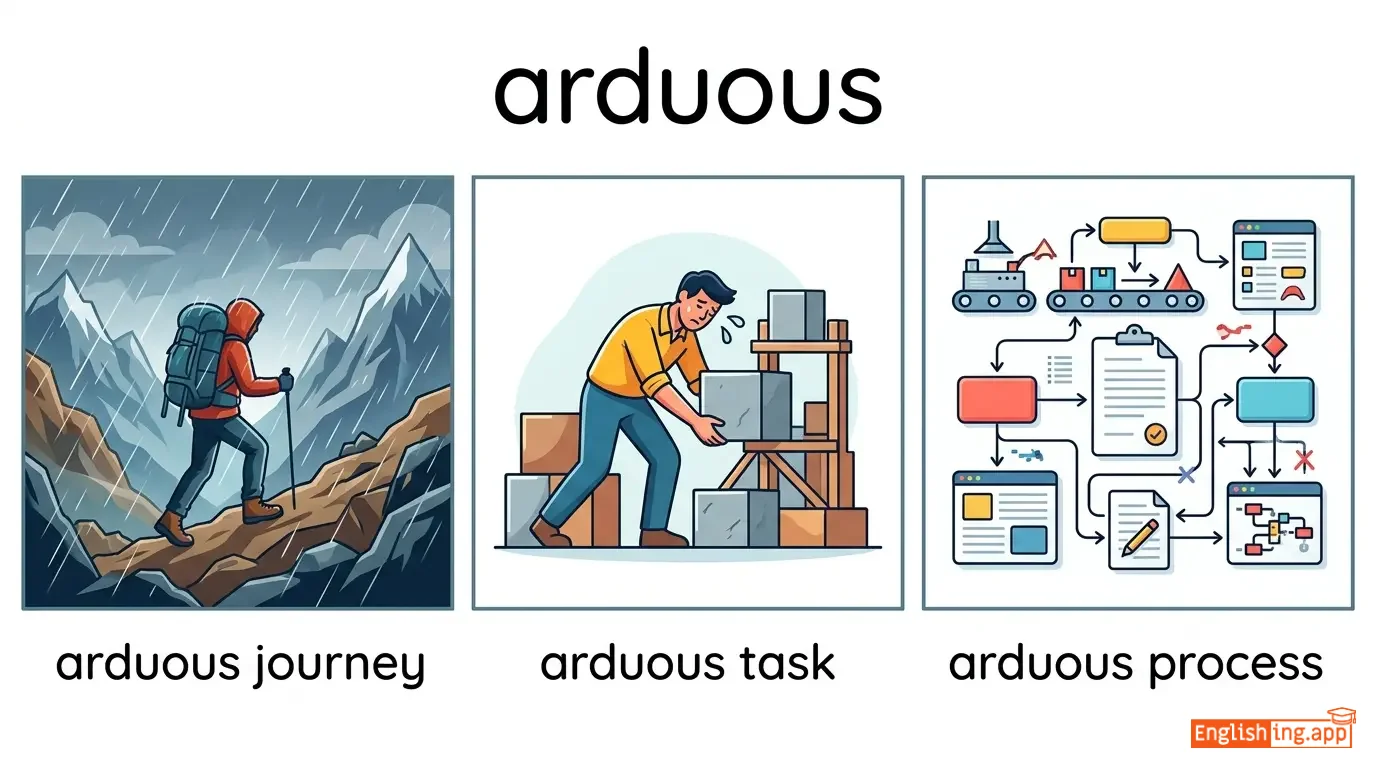
コロケーション
ニーモニック

Swipe left or right, or use the buttons. Tap image to zoom.
例文の翻訳
単語
Lesson 20Lesson 20 - マスクトグル
|
絵文字
|
単語 | Images | 翻訳 | 過去 | 過去分詞 | 三人称単数 | 動名詞 | 意味 | 例文 | 例文の翻訳 | 表現例 | 表現例の意味 | 表現例の翻訳 | 同義語 | 対義語 | コロケーション | ニーモニック |
|---|---|---|---|---|---|---|---|---|---|---|---|---|---|---|---|---|---|
|
#571
🗄️
|
/ˈɑːrkaɪv/
noun, verb
••••••
|
- •••••• | - •••••• |
archived
••••••
|
archived
••••••
|
archives
••••••
|
archiving
••••••
|
A collection of historical documents or records; to store or preserve information for future use.
••••••
|
The library decided to archive all the old manuscripts. |
- •••••• |
digital archive |
An electronic collection of documents or records stored for reference.
••••••
|
- •••••• |
repository, records, collection, store, vault
••••••
|
discard, destroy
••••••
|
archive documents, archive data, digital archive, archive system
••••••
|
No •••••• |
|
#572
🌿
|
/ˌærəˈmætɪk/
adjective
(アロマティック)
••••••
|
- •••••• |
香り高い
kaori takai
••••••
|
- •••••• | - •••••• | - •••••• | - •••••• |
Having a pleasant and distinctive smell.
••••••
|
The chef used aromatic herbs to flavor the dish. |
シェフは料理の味を引き立てるために香り高いハーブを使いました。
Shefu wa ryōri no aji o hikitateru tame ni kaori takai hābu o tsukaimashita.
••••••
|
- •••••• | - •••••• | - •••••• |
fragrant, scented, perfumed, odorous
••••••
|
odorless, foul-smelling
••••••
|
aromatic herbs, aromatic spices, aromatic oils
••••••
|
Aromatic = Aroma + magic = 香り高い
••••••
|
|
#573
🌸
|
/əˈroʊmə/
noun
(アロマ)
••••••
|
- •••••• |
香り
kaori
••••••
|
- •••••• | - •••••• | - •••••• | - •••••• |
A pleasant, distinctive smell.
••••••
|
The aroma of freshly baked bread filled the kitchen. |
焼きたてのパンの香りがキッチンに広がった。
Yakitate no pan no kaori ga kicchin ni hirogatta.
••••••
|
- •••••• | - •••••• | - •••••• |
fragrance, scent, odor, perfume, essence
••••••
|
stench, stink, foul smell
••••••
|
aroma of coffee, sweet aroma, strong aroma
••••••
|
アロマは部屋に広がる心地よい香りです。
••••••
|
|
#574
🔫
|
/ˈɑːrməri/
noun
(アーモリー)
••••••
|
- •••••• |
武器庫
bukiko
••••••
|
- •••••• | - •••••• | - •••••• | - •••••• |
A place where weapons are stored; a supply of resources or skills.
••••••
|
The soldiers kept their weapons in the armory. |
兵士たちは武器を武器庫に保管していた。
Heishi-tachi wa buki o bukiko ni hokan shite ita.
••••••
|
- •••••• | - •••••• | - •••••• |
arsenal, depot, storehouse, repository
••••••
|
disarmament, unarmed
••••••
|
military armory, weapons armory, state armory
••••••
|
Armory とは武器庫のこと、武器を保管する場所。
••••••
|
|
#575
📚
|
/ˈɑːrmfʊl/
noun
(アームフル)
••••••
|
- •••••• |
腕いっぱい
ude ippai
••••••
|
- •••••• | - •••••• | - •••••• | - •••••• |
As much as can be carried in one or both arms.
••••••
|
She carried an armful of books into the library. |
彼女は図書館に腕いっぱいの本を持っていった。
Kanojo wa toshokan ni ude ippai no hon o motte itta.
••••••
|
- •••••• | - •••••• | - •••••• |
load, bundle, handful, heap
••••••
|
empty, nothing
••••••
|
armful of flowers, armful of books, carrying an armful
••••••
|
Arm + full = 腕いっぱい、腕に持てる物
••••••
|
|
#576
⛴️
|
/ɑːrˈmɑːdə/
noun
(アルマダ)
••••••
|
- •••••• |
戦艦艦隊
senkan kantai
••••••
|
- •••••• | - •••••• | - •••••• | - •••••• |
A large fleet of warships.
••••••
|
The Spanish Armada sailed against England in 1588. |
スペインのアルマダは1588年にイギリスに対して出航した。
Supein no Arumada wa 1588-nen ni Igirisu ni taishite shukkō shita.
••••••
|
- •••••• | - •••••• | - •••••• |
fleet, navy, flotilla, squadron, convoy
••••••
|
single ship, boat
••••••
|
Spanish Armada, naval armada, armada of ships
••••••
|
アルマダは戦艦の艦隊を意味する
••••••
|
|
#577
🤴
|
/ˈærɪstəkræt/
noun
(アリストクラット)
••••••
|
- •••••• |
アリストクラット
arisutokuratto
••••••
|
- •••••• | - •••••• | - •••••• | - •••••• |
a member of the aristocracy; a nobleman or woman
••••••
|
The aristocrat lived in a lavish mansion. |
アリストクラットは豪華な邸宅に住んでいました。
Arisutokuratto wa gouka na teitaku ni sunde imashita.
••••••
|
- •••••• | - •••••• | - •••••• |
noble, lord, peer, patrician
••••••
|
commoner, peasant, plebeian
••••••
|
wealthy aristocrat, young aristocrat, titled aristocrat, old aristocrat
••••••
|
Aristocratとは貴族を意味します — 'kuratto'は上流階級を示します
••••••
|
|
#578
👑
|
/ˌærɪˈstɑːkrəsi/
noun
(アリストクラシー)
••••••
|
- •••••• |
貴族階級
kizoku kaikyū
••••••
|
- •••••• | - •••••• | - •••••• | - •••••• |
a class of people holding exceptional rank and privileges, especially hereditary nobility
••••••
|
The aristocracy often had influence over political decisions. |
貴族階級はしばしば政治的決定に影響を与えた。
Kizoku kaikyū wa shibashiba seijiteki kettei ni eikyō o ataeta.
••••••
|
- •••••• | - •••••• | - •••••• |
nobility, elite, upper class, gentry
••••••
|
commoners, masses, plebeians
••••••
|
European aristocracy, landed aristocracy, powerful aristocracy, old aristocracy
••••••
|
アリストクラシーとは、特権を持つ貴族階級のことです。
••••••
|
|
#579
🏜️
|
/ˈærɪd/
adjective
(アリッド)
••••••
|
- •••••• |
乾燥した
kansou shita
••••••
|
- •••••• | - •••••• | - •••••• | - •••••• |
extremely dry; lacking in interest or excitement
••••••
|
The desert is known for its arid climate. |
砂漠はその乾燥した気候で知られています。
Sabaku wa sono kansou shita kikō de shirareteimasu.
••••••
|
- •••••• | - •••••• | - •••••• |
dry, barren, parched, waterless
••••••
|
humid, fertile, moist
••••••
|
arid land, arid climate, arid desert, arid region
••••••
|
Arid = 乾燥した, 砂漠のように乾いた
••••••
|
|
#580
🎶
|
/ˈɑːriə/
noun
(アリア)
••••••
|
- •••••• |
ソロの歌唱曲
soro no kashōkyoku
••••••
|
- •••••• | - •••••• | - •••••• | - •••••• |
a solo vocal piece with instrumental accompaniment, typically in an opera
••••••
|
The soprano performed a moving aria during the second act.
ソプラノは第2幕で感動的なアリアを披露しました。
••••••
|
ソプラノは第2幕で感動的なアリアを披露しました。
Soprano wa dai 2 maku de kandō-teki na aria o hirō shimashita.
••••••
|
- •••••• | - •••••• | - •••••• |
song, solo, melody, piece, ballad
••••••
|
chorus, silence
••••••
|
famous aria, opera aria, Italian aria, beautiful aria
••••••
|
アリアはオペラの歌 — アリアは歌の一部
••••••
|
|
#581
🗣️
|
/ˈɑːrɡoʊ/
noun
(アルゴ)
••••••
|
|
専門用語
senmon yōgo
••••••
|
- •••••• | - •••••• | - •••••• | - •••••• |
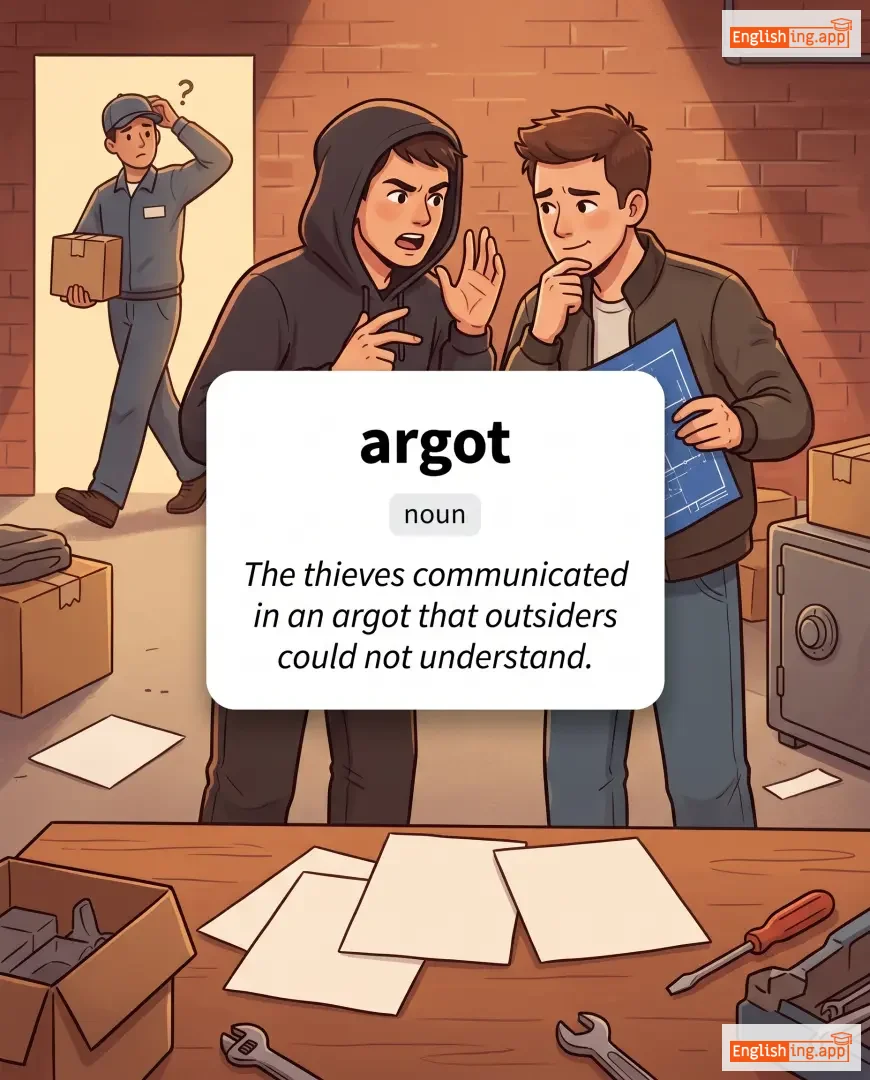
the specialized vocabulary or jargon of a particular group, especially one with a common interest or occupation
••••••
|
The thieves communicated in an argot that outsiders could not understand.
泥棒たちは外部の人々が理解できないアルゴでコミュニケーションを取った。
••••••
|
泥棒たちは外部の人々が理解できないアルゴでコミュニケーションを取った。
Dorobō-tachi wa gaibu no hitobito ga rikai dekinai argo de komyunikeeshon o totta.
••••••
|
- •••••• | - •••••• | - •••••• |
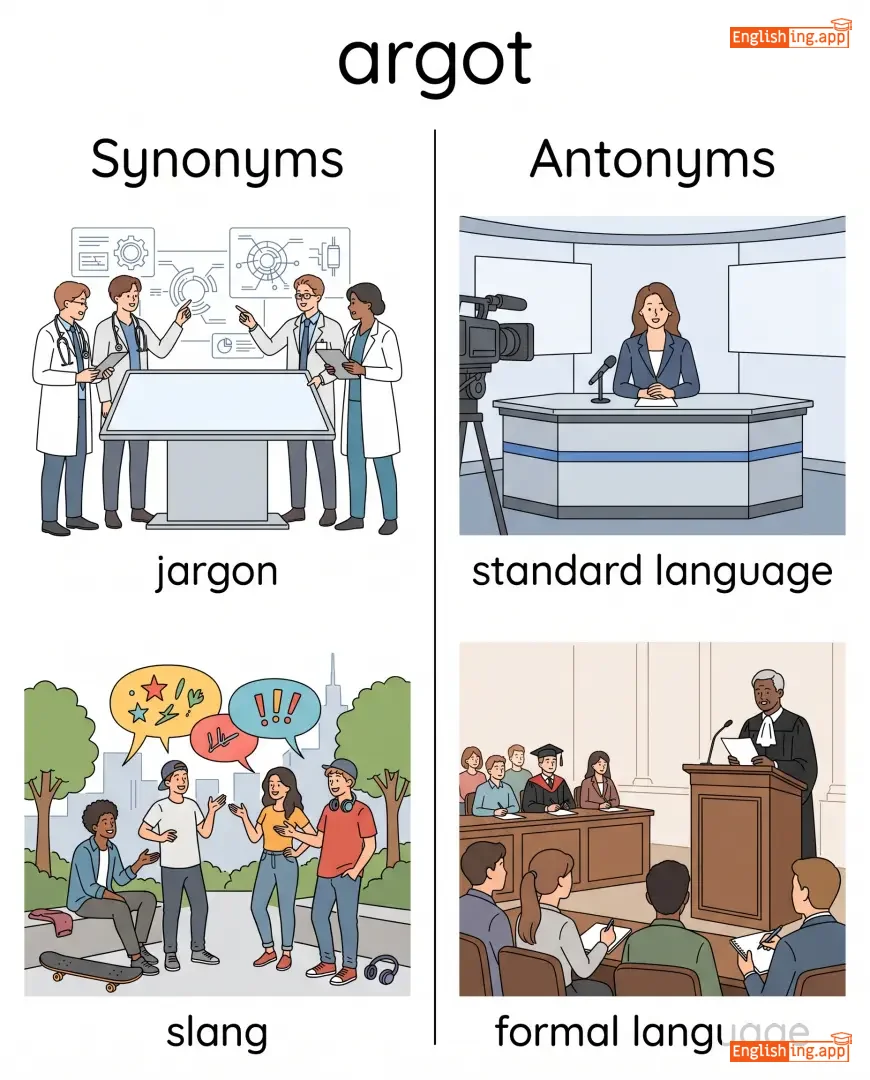
jargon, slang, dialect, lingo, terminology
••••••
|
standard language, formal language
••••••
|
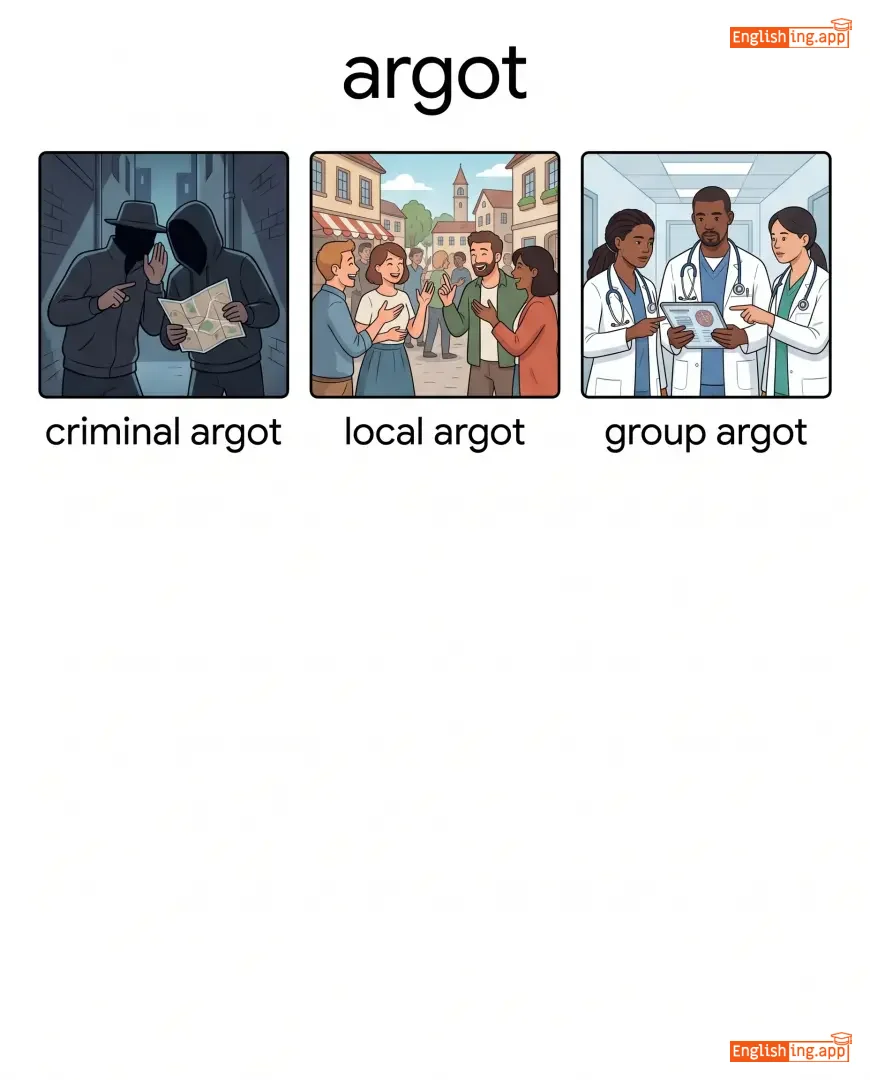
criminal argot, local argot, group argot, secret argot
••••••
|
アルゴは秘密の言葉、泥棒たちが使う暗号のようなもの
••••••
|
|
#582
⛰️
|
/ˈɑːrdʒuəs/
adjective
(アーデュアス)
••••••
|
|
困難
konnan
••••••
|
- •••••• | - •••••• | - •••••• | - •••••• |
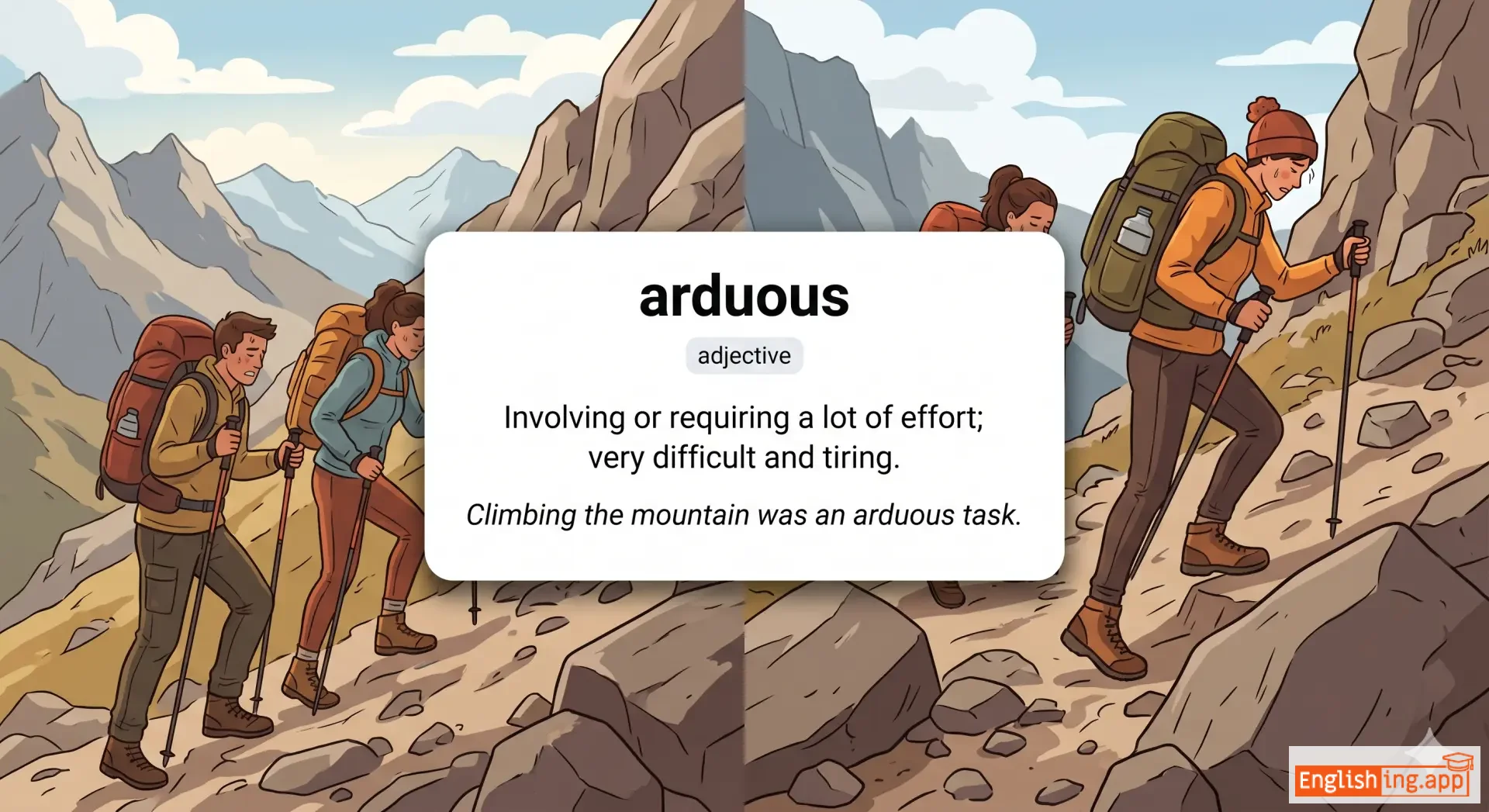
Involving or requiring a lot of effort; very difficult and tiring.
••••••
|
Climbing the mountain was an arduous task. |
山を登ることは困難な仕事だった。
Yama o noboru koto wa konnan na shigoto datta.
••••••
|
- •••••• | - •••••• | - •••••• |
difficult, hard, demanding, strenuous, exhausting
••••••
|
easy, effortless
••••••
|
arduous journey, arduous task, arduous process, arduous climb
••••••
|
Arduousとはhard + ous – とても困難な仕事。
••••••
|
|
#583
❤️
|
/ˈɑːrdər/
noun
(アーダー)
••••••
|
|
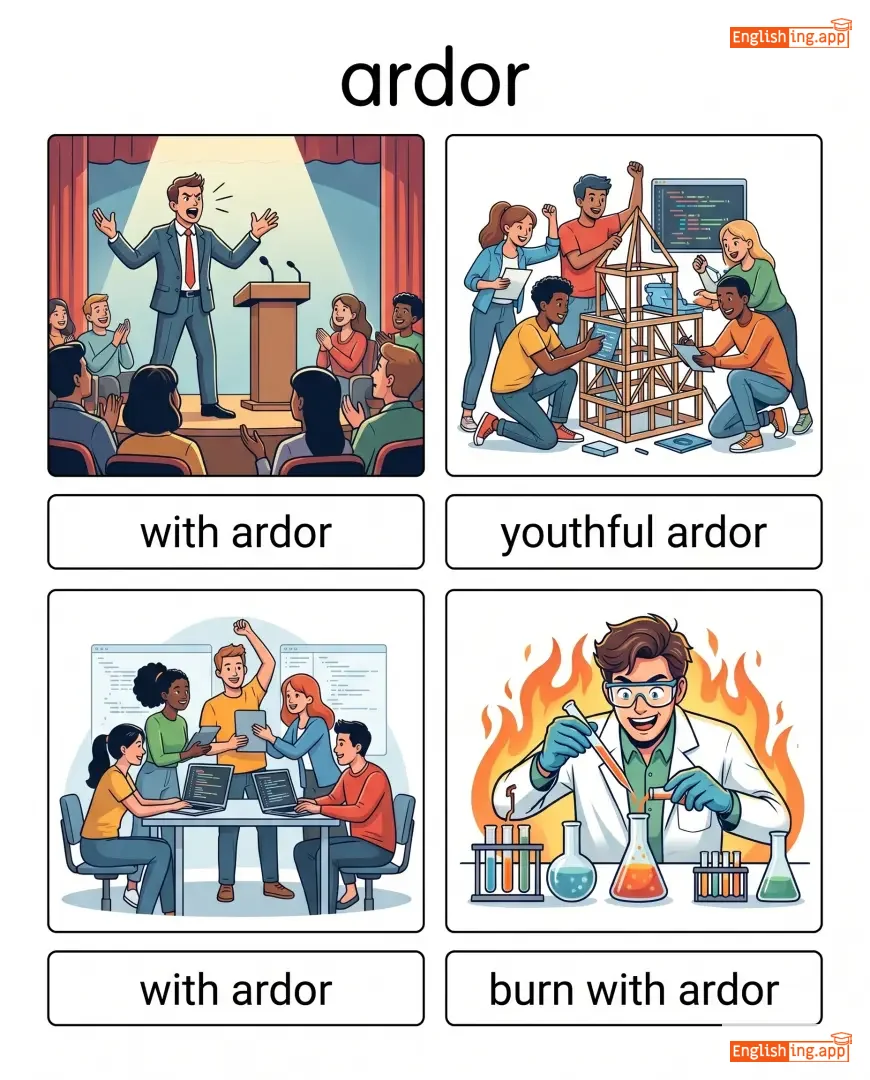
情熱、熱意
ardor
••••••
|
- •••••• | - •••••• | - •••••• | - •••••• |
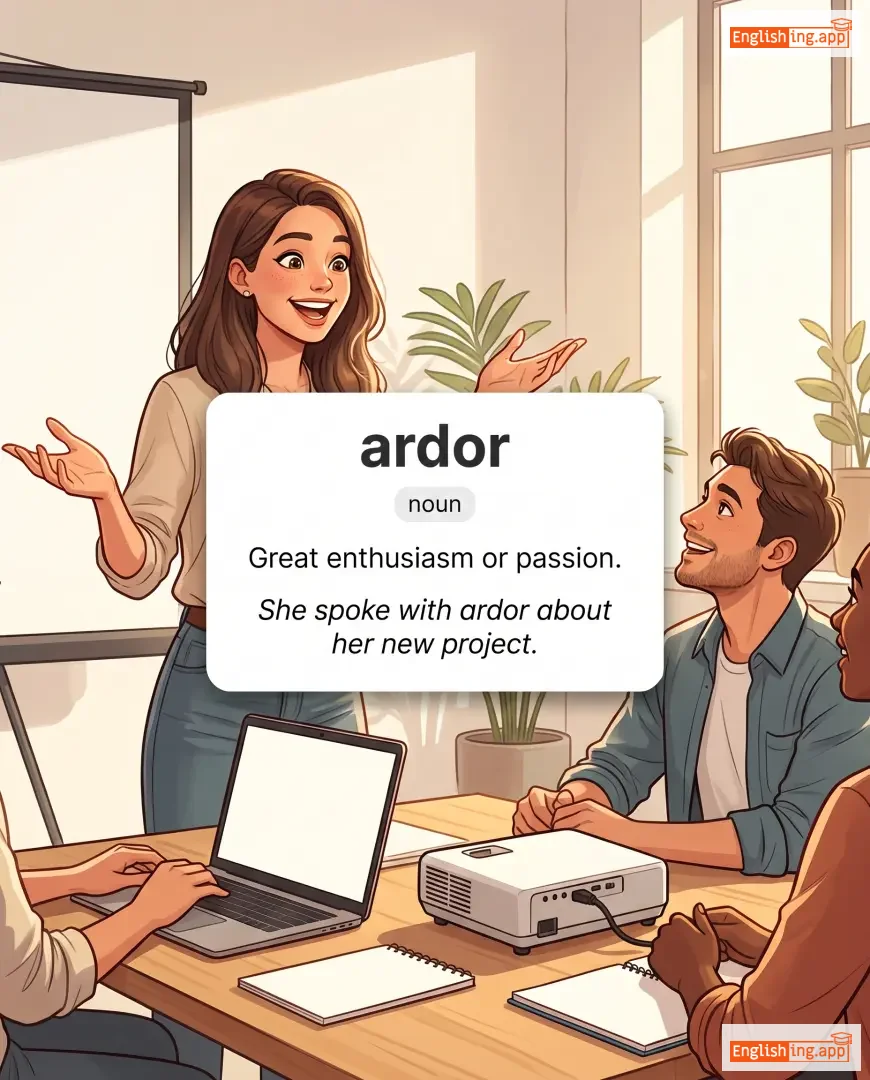
Great enthusiasm or passion.
••••••
|
She spoke with ardor about her new project. |
彼女は新しいプロジェクトについて情熱をもって話していました。
Kanojo wa atarashī purojekuto ni tsuite jōnetsu o motte hanashite imashita.
••••••
|
burn with ardor |
To be filled with strong passion or enthusiasm.
••••••
|
情熱で燃える
jōnetsu de moeru
••••••
|
passion, enthusiasm, fervor, zeal, devotion
••••••
|
apathy, indifference
••••••
|
with ardor, youthful ardor, burn with ardor, ardor for learning
••••••
|
Ardorは‘ardent’の名詞形、心に炎のような情熱。
••••••
|
|
#584
🔥
|
/ˈɑːrdənt/
adjective
(アーデント)
••••••
|
- •••••• |
熱心な, 情熱的な
ardent
••••••
|
- •••••• | - •••••• | - •••••• | - •••••• |
Having or showing very strong feelings or passion.
••••••
|
He is an ardent supporter of environmental protection.
彼は環境保護の熱心な支持者です。
••••••
|
彼は環境保護の熱心な支持者です。
Kare wa kankyō hogo no nesshin na shijisha desu.
••••••
|
- •••••• | - •••••• | - •••••• |
passionate, enthusiastic, fervent, devoted, eager
••••••
|
indifferent, apathetic
••••••
|
ardent supporter, ardent fan, ardent desire, ardent believer
••••••
|
Ardent は情熱的で、火のような情熱を意味します。
••••••
|
|
#585
📜
|
/ˈɑːrkaɪvz/
noun
(アーカイブズ)
••••••
|
- •••••• |
アーカイブズ
ākaibuzu
••••••
|
- •••••• | - •••••• | - •••••• | - •••••• |
A place or collection where historical records and documents are stored.
••••••
|
She visited the national archives to research her family history.
彼女は家族の歴史を調べるために国立アーカイブズを訪れました。
••••••
|
彼女は家族の歴史を調べるために国立アーカイブズを訪れました。
Kanojo wa kazoku no rekishi o shiraberu tame ni kokuritsu ākaibuzu o otozuremashita.
••••••
|
open the archives
アーカイブズを開く
••••••
|
To make stored records or documents accessible.
••••••
|
アーカイブズを開く
Ākaibuzu o hiraku
••••••
|
records, documents, files, repository, manuscripts
••••••
|
destruction, loss
••••••
|
national archives, historical archives, access archives, preserve archives
••••••
|
アーカイブズ – 歴史を調べるにはアーカイブズに行く。
••••••
|
|
#586
🌳
|
/ɑːrˈbɔːriəl/
adjective
(アーボリアル)
••••••
|
|
樹上性の
jujou-sei no
••••••
|
- •••••• | - •••••• | - •••••• | - •••••• |
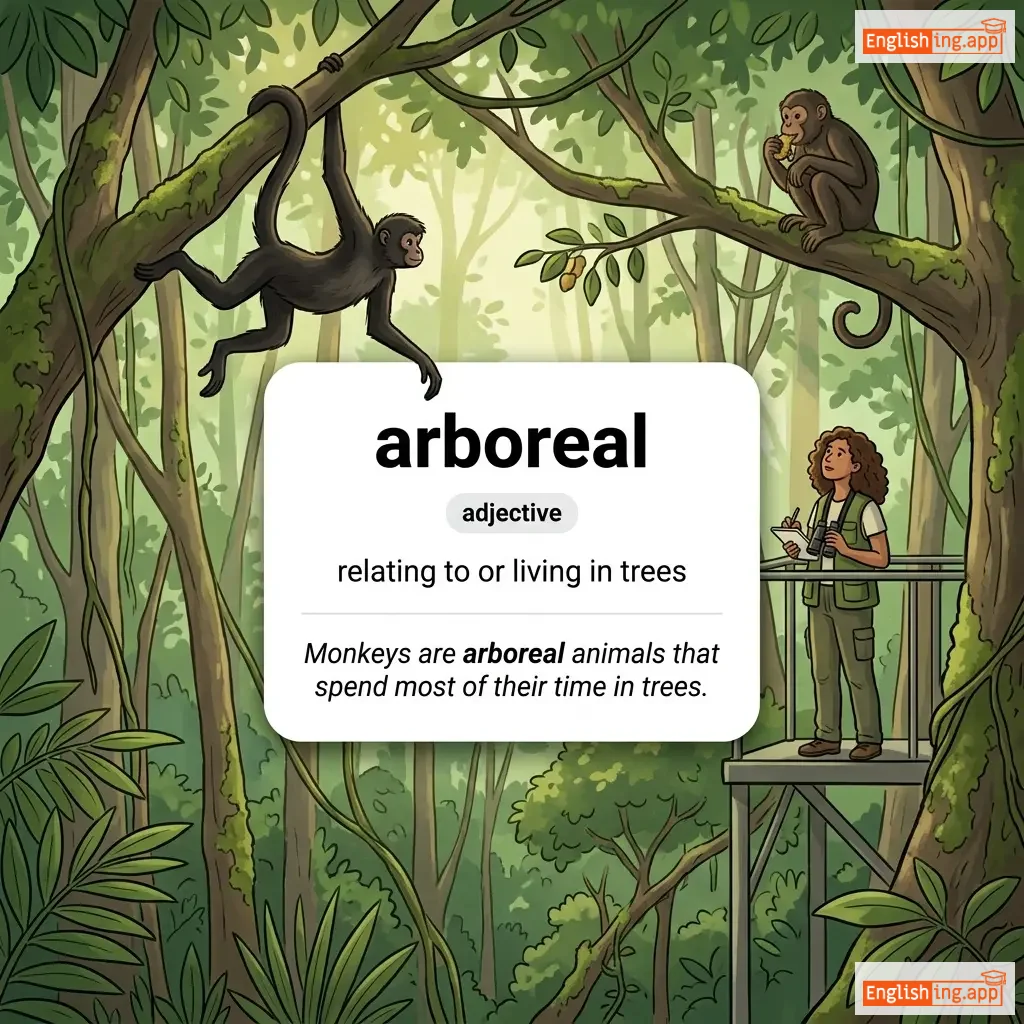
relating to or living in trees
••••••
|
Monkeys are arboreal animals that spend most of their time in trees.
サルは木の中で大部分の時間を過ごす樹上性の動物です。
••••••
|
サルは木の中で大部分の時間を過ごす樹上性の動物です。
Saru wa ki no naka de daibubun no jikan wo sugosu jujou-sei no doubutsu desu.
••••••
|
- •••••• | - •••••• | - •••••• |
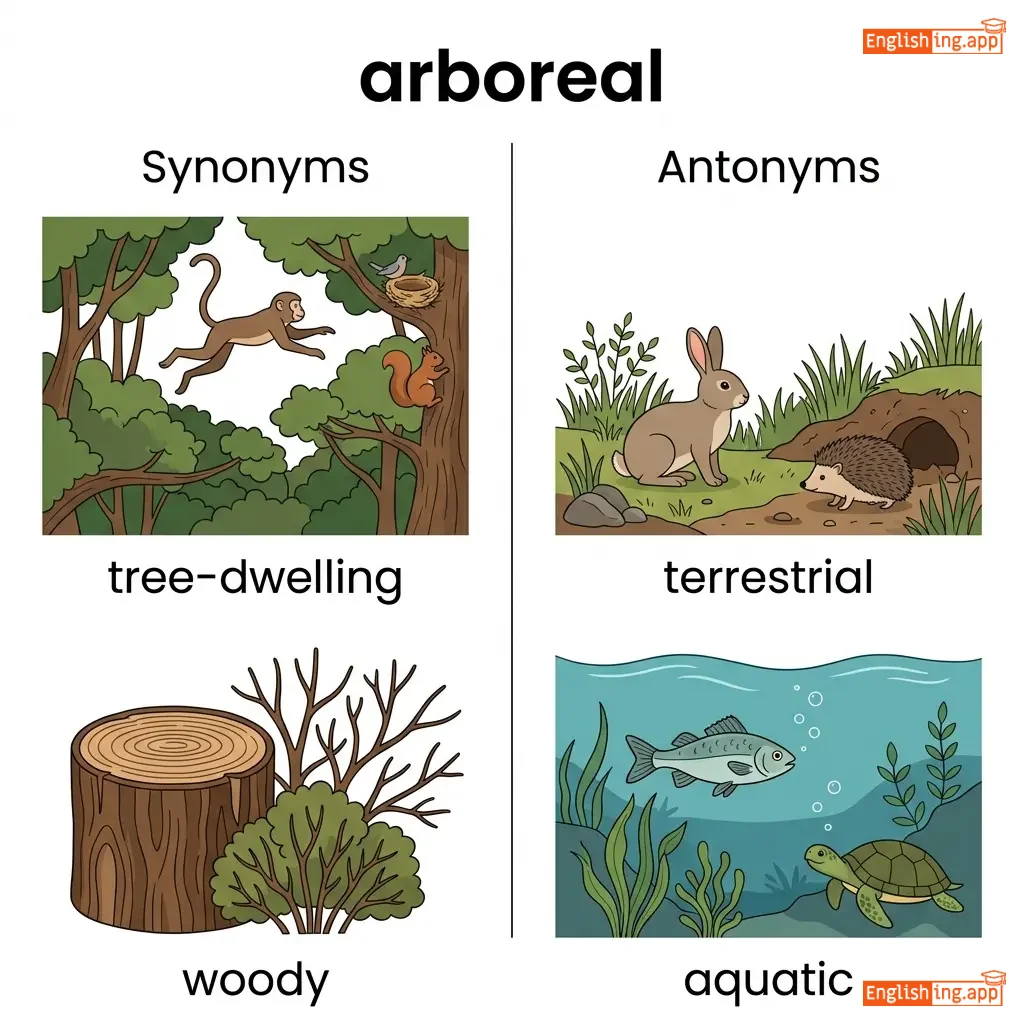
tree-dwelling, woody, forestal, branching, leafy
••••••
|
terrestrial, aquatic, underground
••••••
|
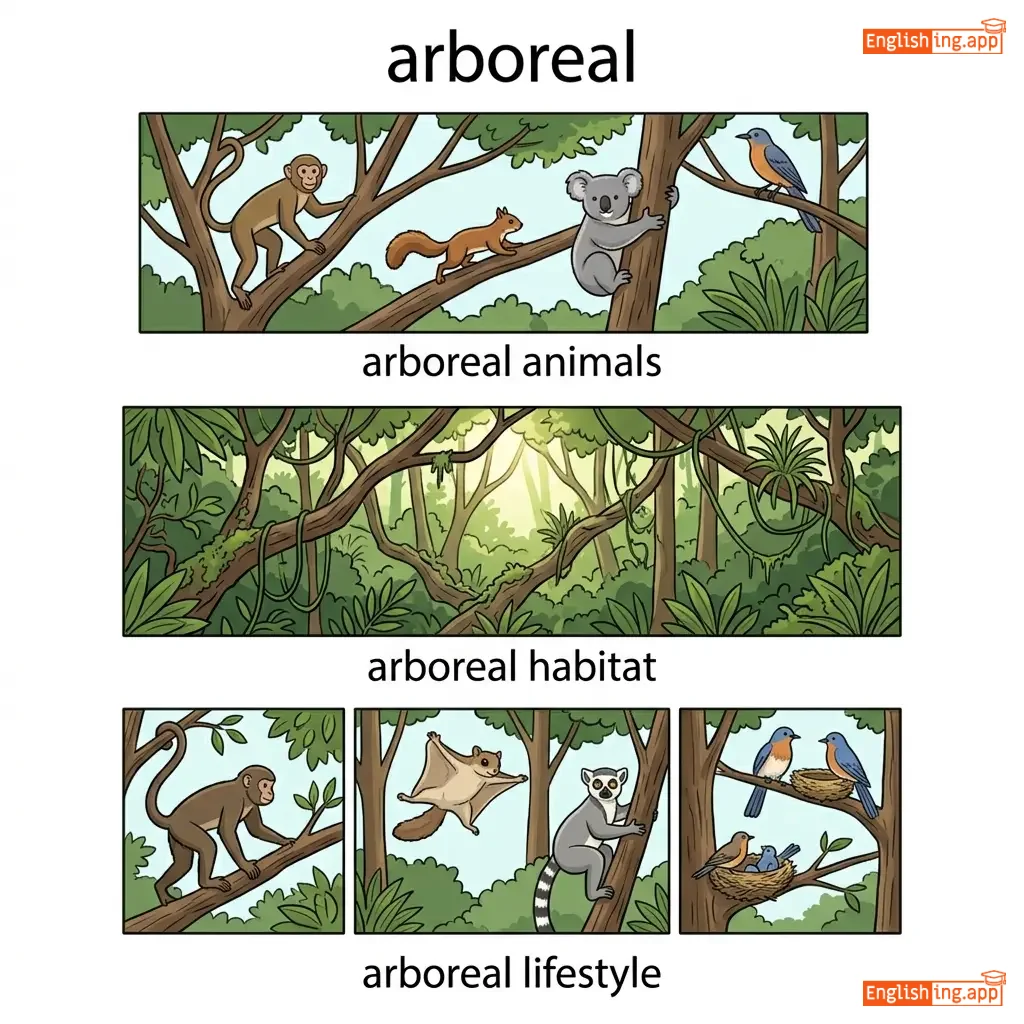
arboreal animals, arboreal habitat, arboreal lifestyle, arboreal species
••••••
|
Arboreal は木に関連することを意味します。木に住む動物を思い出してください。
••••••
|
|
#587
🏝️
|
/ˌɑːrkəˈpɛləɡoʊ/
noun
(アーキペラゴ)
••••••
|
|
群島
kunto
••••••
|
- •••••• | - •••••• | - •••••• | - •••••• |
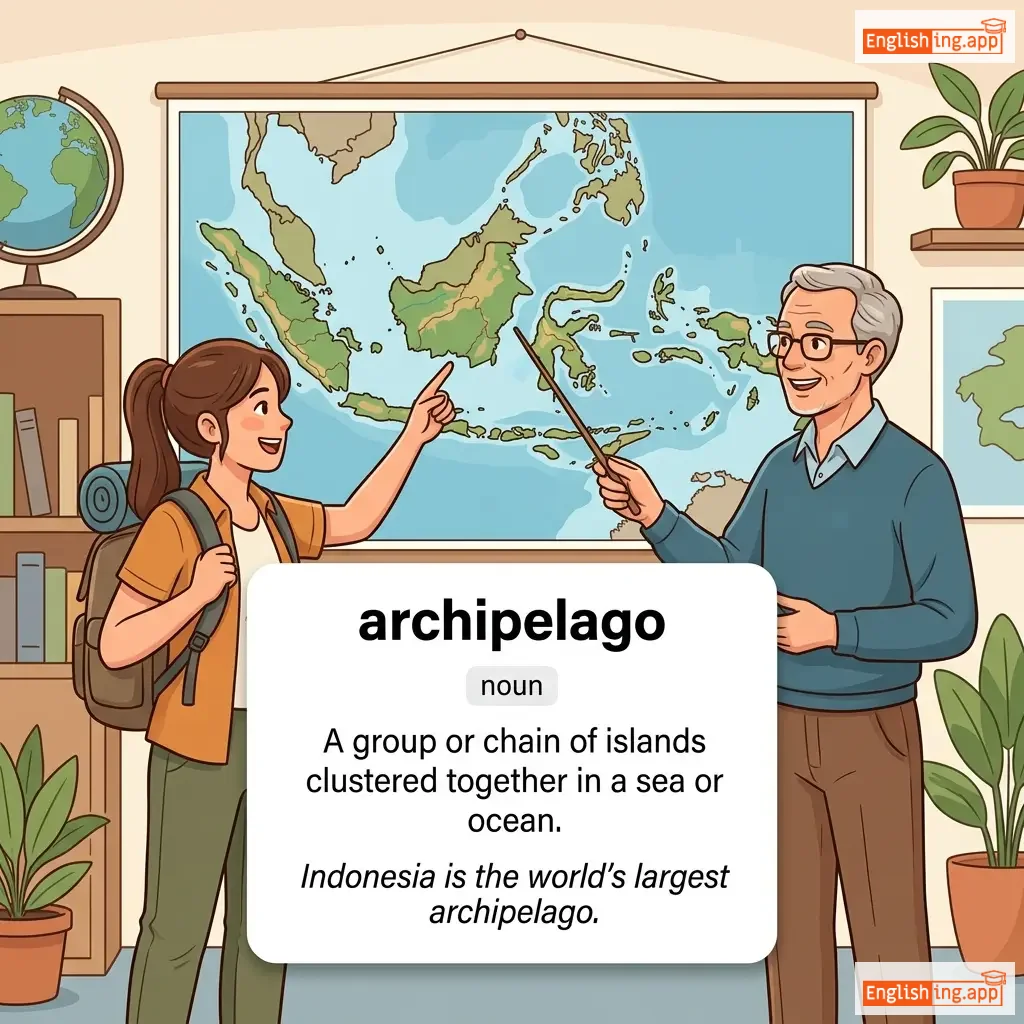
A group or chain of islands clustered together in a sea or ocean.
••••••
|
Indonesia is the world’s largest archipelago. |
インドネシアは世界最大の群島です。
Indoneshia wa sekai saidai no kuntō desu.
••••••
|
- •••••• | - •••••• | - •••••• |
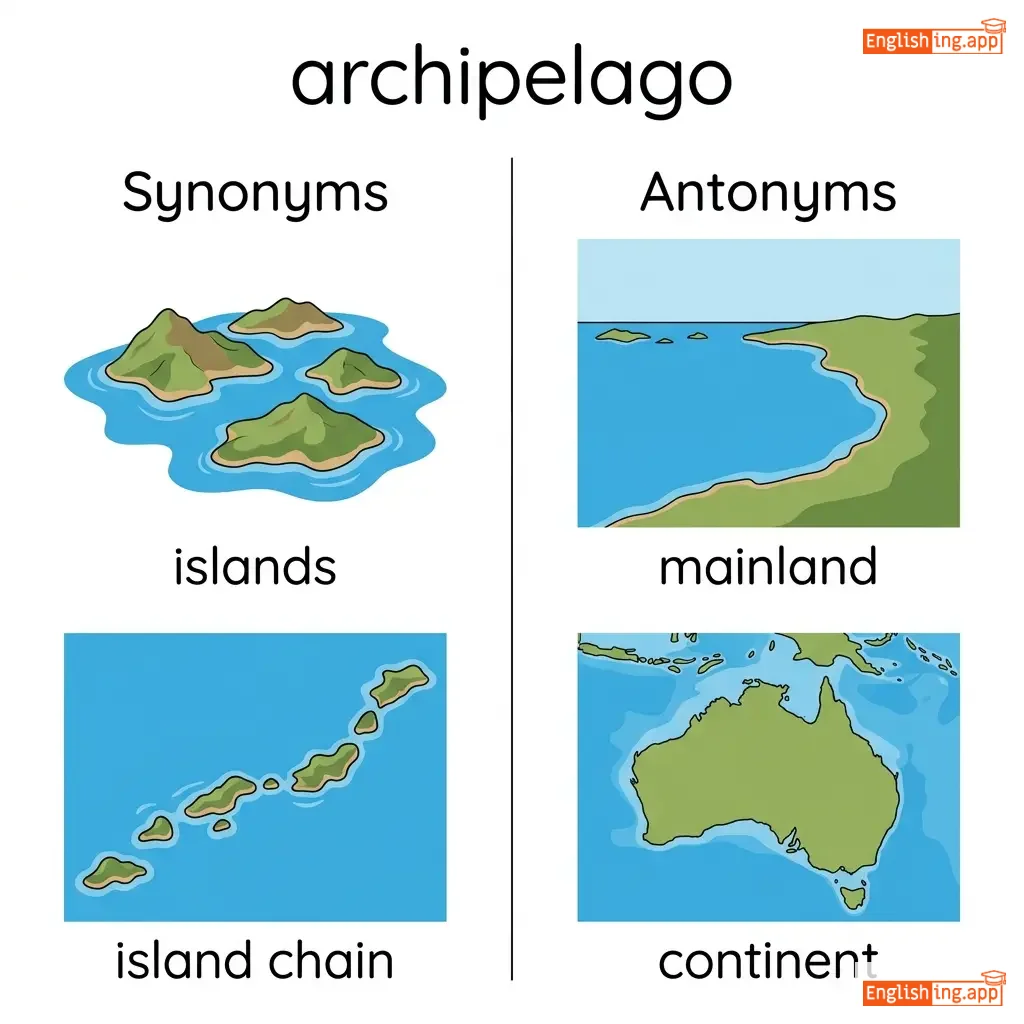
islands, island chain, isle group, atoll
••••••
|
mainland, continent
••••••
|
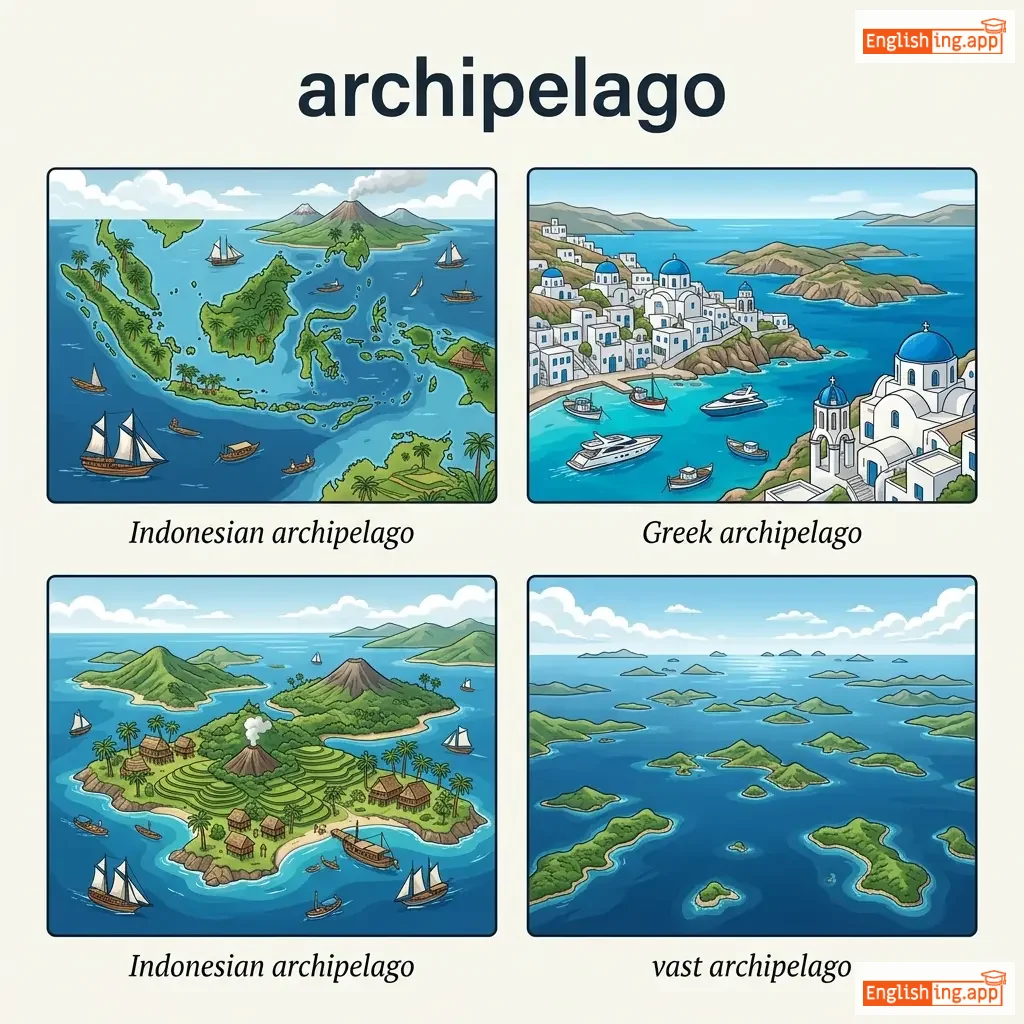
Indonesian archipelago, Greek archipelago, vast archipelago, island archipelago
••••••
|
群島、覚えておく群 + 島 → たくさんの島が集まった群島。
••••••
|
|
#588
📜
|
/ˈɑːrkɪtaɪp/
noun
(アーキタイプ)
••••••
|
|
原型
genkei
••••••
|
- •••••• | - •••••• | - •••••• | - •••••• |
The original model or perfect example from which others are copied or derived.
••••••
|
He is the archetype of a successful entrepreneur. |
彼は成功した起業家の原型です。
Kare wa seikō shita kigyōka no genkei desu.
••••••
|
archetype of virtue |
A perfect example of moral goodness.
••••••
|
美徳の原型
bitoku no genkei
••••••
|
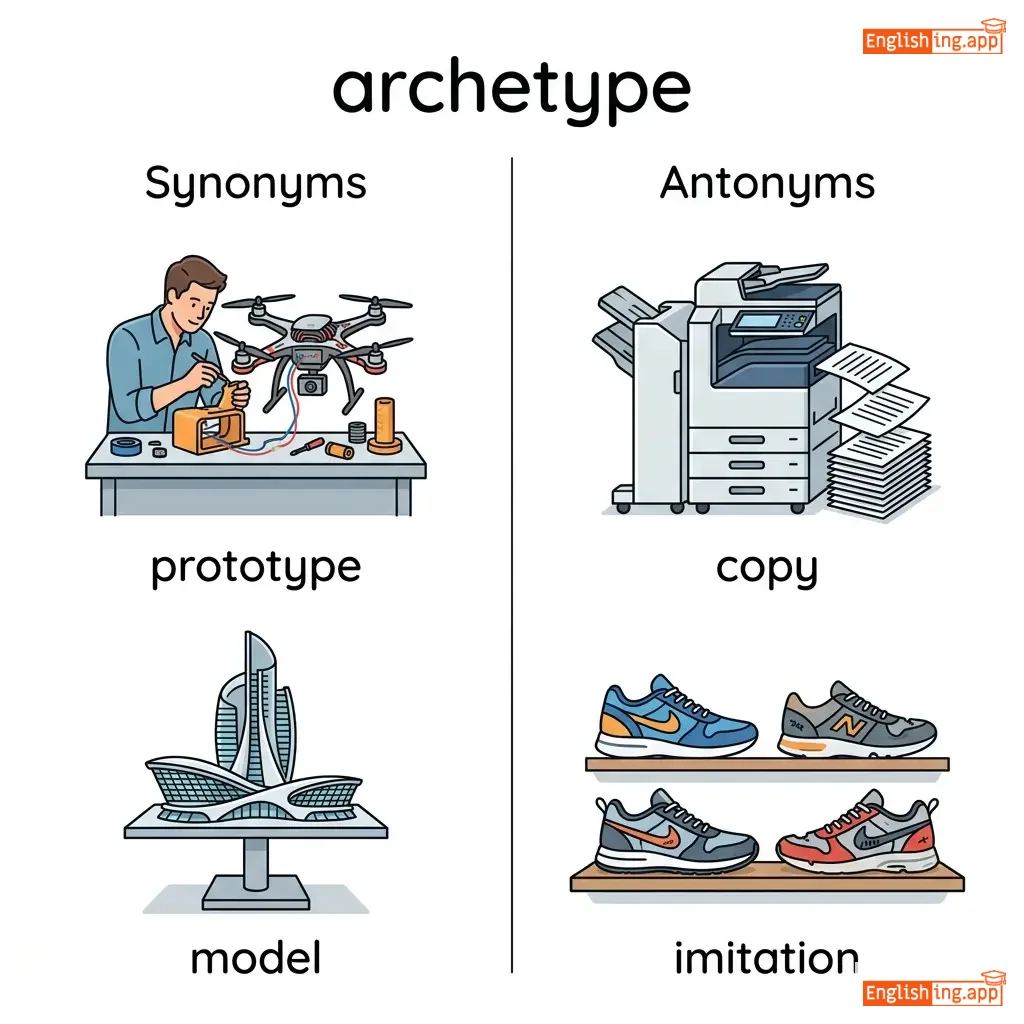
prototype, model, standard, exemplar, pattern
••••••
|
copy, imitation, replica
••••••
|
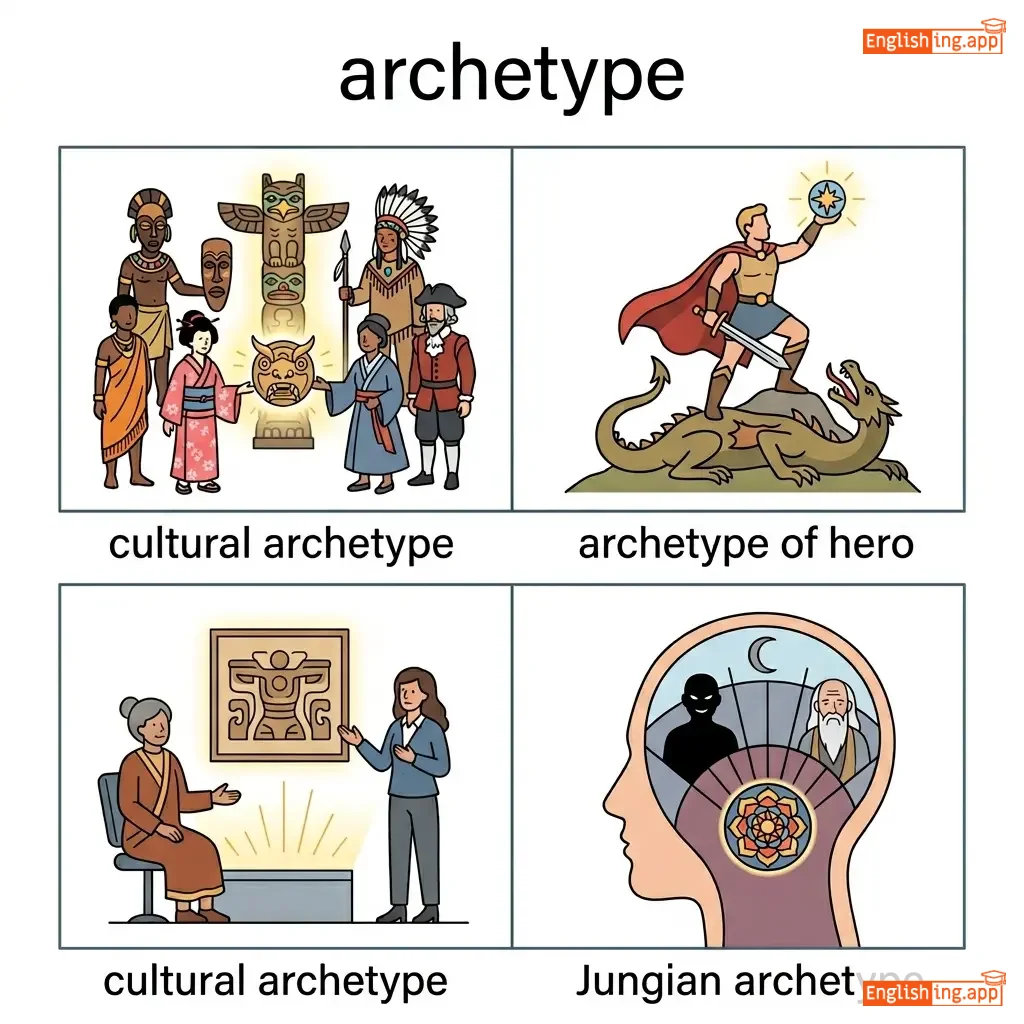
cultural archetype, archetype of hero, Jungian archetype, archetype figure
••••••
|
Archetype = Arche + Type, 最初のタイプや完璧な形を意味します。
••••••
|
|
#589
🙏
|
/ˌɑːrtʃˈdiːkən/
noun
(アーチディーコン)
••••••
|
- •••••• |
大執事
daishitsuji
••••••
|
- •••••• | - •••••• | - •••••• | - •••••• |
A senior clergyman in the Christian Church ranking below a bishop.
••••••
|
The archdeacon assisted the bishop in administrative duties. |
アーチディーコンは行政業務で主教を支援した。
Āchidīkon wa gyōsei gyōmu de shukyo o shien shita.
••••••
|
- •••••• | - •••••• | - •••••• |
cleric, church officer, senior priest, canon
••••••
|
novice, layperson
••••••
|
archdeacon of the church, senior archdeacon, duties of archdeacon
••••••
|
Archは高い + Deaconは聖職者 → アーチディーコン = 高位の聖職者。
••••••
|
|
#590
⛪
|
/ˌɑːrtʃˈbɪʃəp/
noun
(アーチビショップ)
••••••
|
- •••••• |
大司教
daishikyo
••••••
|
- •••••• | - •••••• | - •••••• | - •••••• |
A senior bishop in charge of an archdiocese in the Christian Church.
••••••
|
The archbishop delivered a sermon to thousands of people.
アーチビショップは何千人もの人々に説教をしました。
••••••
|
アーチビショップは何千人もの人々に説教をしました。
Aachibisshop wa nanzen-nin mono hitobito ni sekkyo o shimashita.
••••••
|
- •••••• | - •••••• | - •••••• |
bishop, church leader, metropolitan, prelate
••••••
|
layperson, parishioner
••••••
|
archbishop of Canterbury, Catholic archbishop, Anglican archbishop, archbishop seat
••••••
|
アーチビショップ = アーチ (主要) + ビショップ (司教) → アーチビショップ = 主要な司教。
••••••
|
|
#591
😇
|
/ˈɑːrkeɪndʒəl/
noun
••••••
|
- •••••• | - •••••• | - •••••• | - •••••• | - •••••• | - •••••• |
A high-ranking angel, often considered a chief messenger or leader among angels.
••••••
|
Michael is often depicted as the most powerful archangel. |
- •••••• | - •••••• | - •••••• | - •••••• |
angel, seraph, celestial being, guardian spirit
••••••
|
demon, devil
••••••
|
archangel Michael, archangel Gabriel, powerful archangel, archangel figure
••••••
|
No •••••• |
|
#592
📖
|
/ˈɑːrkeɪˌɪzəm/
noun
(アーケイズム)
••••••
|
- •••••• |
古語
kogo
••••••
|
- •••••• | - •••••• | - •••••• | - •••••• |
a word, expression, or style of language that is no longer in everyday use
••••••
|
The poem is full of archaisms that give it an old-fashioned flavor. |
その詩は古語で満たされており、それが古風な味わいを与えています。
Sono shi wa kogo de mitasarete ori, sore ga kofuu na ajiwai o ataete imasu.
••••••
|
- •••••• | - •••••• | - •••••• |
obsolete term, old usage, antiquity, outdated expression
••••••
|
modernism, neologism
••••••
|
literary archaism, stylistic archaism, archaism in poetry, deliberate archaism
••••••
|
Archaism とは古語です。'ism'はスタイルまたは実践を意味します。
••••••
|
|
#593
📜
|
/ɑːrˈkeɪɪk/
adjective
••••••
|
- •••••• | - •••••• | - •••••• | - •••••• | - •••••• | - •••••• |
very old or old-fashioned; belonging to an earlier time
••••••
|
Some laws are considered archaic and no longer relevant. |
- •••••• | - •••••• | - •••••• | - •••••• |
obsolete, outdated, ancient, antiquated, old-fashioned
••••••
|
modern, current, contemporary
••••••
|
archaic laws, archaic language, archaic system, archaic traditions
••••••
|
No •••••• |
|
#594
🏺
|
/ˌɑːrkiˈɑːlədʒi/
noun
(考古学)
••••••
|
- •••••• |
考古学
koukogaku
••••••
|
- •••••• | - •••••• | - •••••• | - •••••• |
the study of human history and prehistory through excavation and analysis of artifacts, monuments, and other physical remains
••••••
|
She studied archaeology to learn about ancient civilizations. |
彼女は古代文明について学ぶために考古学を学びました。
Kanojo wa kodai bunmei ni tsuite manabu tame ni koukogaku wo manabimashita.
••••••
|
- •••••• | - •••••• | - •••••• |
anthropology, paleontology, excavation, prehistory
••••••
|
futurism, modernism
••••••
|
field of archaeology, archaeology department, archaeology dig, archaeology site
••••••
|
考古学はArchaeology、'考'は探し、'古'は古代。
••••••
|
|
#595
🏛️
|
/ɑːrtʃ/
noun
(アーチ)
••••••
|
- •••••• |
アーチ
āchi
••••••
|
- •••••• | - •••••• | - •••••• | - •••••• |
a curved symmetrical structure spanning an opening and typically supporting the weight above it
••••••
|
The ancient arch still stands in the city center. |
古代のアーチは今でも街の中心に立っています。
Kodai no āchi wa ima demo machi no chūshin ni tatteimasu.
••••••
|
under the arch |
a literal or figurative reference to being beneath a curved structure or gateway
••••••
|
アーチの下で
āchi no shita de
••••••
|
curve, vault, span, dome
••••••
|
straight line, flatness
••••••
|
stone arch, triumphal arch, arch bridge, arch doorway
••••••
|
アーチは‘アーチ’と覚えよう。アーチ型の扉が想像できます。
••••••
|
|
#596
🔮
|
/ɑːrˈkeɪn/
adjective
(アーケイン)
••••••
|
- •••••• |
難解な
nankai na
••••••
|
- •••••• | - •••••• | - •••••• | - •••••• |
understood by few; mysterious or secret
••••••
|
The professor’s lecture was full of arcane details that only specialists could follow.
教授の講義は専門家だけが理解できるようなアーケインな詳細で満ちていました。
••••••
|
教授の講義は専門家だけが理解できるようなアーケインな詳細で満ちていました。
Kyōju no kōgi wa senmonka dake ga rikai dekiru yō na ākein na shōsai de michite imashita.
••••••
|
- •••••• | - •••••• | - •••••• |
mysterious, obscure, enigmatic, esoteric, secret
••••••
|
obvious, clear, simple
••••••
|
arcane knowledge, arcane rituals, arcane details, arcane language
••••••
|
Arcaneは難解なという意味で、難しいゲームのように理解しにくいと思ってください。
••••••
|
|
#597
🎮
|
/ɑːrˈkeɪd/
noun
(アーケード)
••••••
|
- •••••• |
アーケード
ākeedo
••••••
|
- •••••• | - •••••• | - •••••• | - •••••• |
a covered passage with arches along one or both sides; also a place with coin-operated games
••••••
|
The children spent the afternoon playing games at the arcade.
子供たちはゲームセンターで午後を過ごしました。
••••••
|
子供たちはゲームセンターで午後を過ごしました。
Kodomotachi wa gēmu sentā de gogo o sugoshimashita.
••••••
|
penny arcade
ペニーアーケード
••••••
|
an amusement arcade with coin-operated machines
••••••
|
ペニーアーケード
Peni ākeedo
••••••
|
gallery, passage, walkway, gaming hall, pavilion
••••••
|
open street, wasteland
••••••
|
shopping arcade, amusement arcade, video arcade, penny arcade
••••••
|
Arcadeはゲームの場所 🎮、'アーケードで遊ぶ'を思い出して!
••••••
|
|
#598
🌱
|
/ˈɑːrbərɪˌkʌltʃər/
noun
(アーボリカルチャー)
••••••
|
- •••••• |
樹木栽培
jumoku saibai
••••••
|
- •••••• | - •••••• | - •••••• | - •••••• |
the cultivation and management of trees and shrubs
••••••
|
He studied arboriculture to improve urban green spaces.
彼は都市の緑地を改善するためにアーボリカルチャーを学びました。
••••••
|
彼は都市の緑地を改善するために樹木栽培を学びました。
Kare wa toshi no ryokuchi o kaizen suru tame ni jumoku saibai o manabimashita.
••••••
|
- •••••• | - •••••• | - •••••• |
tree care, horticulture, forestry, silviculture
••••••
|
deforestation, neglect
••••••
|
urban arboriculture, arboriculture practices, arboriculture industry, arboriculture training
••••••
|
Arboriculture = Arbor (木) + Culture (栽培), 意味は樹木栽培。
••••••
|
|
#599
🏞️
|
/ˌɑːrbəˈriːtəm/
noun
(アーボレータム)
••••••
|
- •••••• |
植物園
shokubutsuen
••••••
|
- •••••• | - •••••• | - •••••• | - •••••• |
a place where trees, shrubs, and plants are grown for scientific study or public display
••••••
|
We visited the city’s arboretum to learn about exotic trees. |
私たちはエキゾチックな木々について学ぶために、市の植物園を訪れました。
Watashitachi wa ekizochikkuna kigi ni tsuite manabu tame ni, shi no shokubutsuen o otozuremashita.
••••••
|
- •••••• | - •••••• | - •••••• |
botanical garden, park, plantation, garden
••••••
|
wasteland, desert
••••••
|
city arboretum, national arboretum, arboretum visit, arboretum collection
••••••
|
Arboretum = 木の博物館 (museum of trees). これは植物園だと覚えておいてください。
••••••
|
|
#600
🌲
|
/ˌɑːrbəˈrɛsənt/
adjective
(アーボレセント)
••••••
|
- •••••• |
樹木のような
jumoku no you na
••••••
|
- •••••• | - •••••• | - •••••• | - •••••• |
having the appearance or characteristics of a tree; tree-like
••••••
|
The coral had an arborescent form that resembled a miniature forest. |
サンゴは、小さな森に似た樹木のような形をしていた。
Sango wa, chiisana mori ni nita jumoku no you na katachi o shite ita.
••••••
|
- •••••• | - •••••• | - •••••• |
tree-like, branching, dendritic, woody
••••••
|
shrublike, rootless, treeless
••••••
|
arborescent shape, arborescent structure, arborescent pattern, arborescent growth
••••••
|
Arborescent = 樹木のような - 'Arbor' = 木、'escent' = 似ている.
••••••
|
Vocabulary Quiz
Test your vocabulary by matching words with their translations or meanings.
Login to take the quiz
Comments (0)
Share your thoughts and join the discussion.
Join the discussion by logging in
Login to CommentNo comments yet
Be the first to share your thoughts!