






Swipe left or right, or use the buttons. Tap image to zoom.
例句翻译
单词
Lesson 20Lesson 20 - 遮罩切换
|
表情符号
|
单词 | Images | 翻译 | 过去时 | 过去分词 | 第三人称单数 | 动名词 | 含义 | 例句 | 例句翻译 | 示例表达 | 示例表达含义 | 示例表达翻译 | 同义词 | 反义词 | 搭配词 | 助记符 |
|---|---|---|---|---|---|---|---|---|---|---|---|---|---|---|---|---|---|
|
#571
🗄️
|
/ˈɑːrkaɪv/
noun, verb
••••••
|
- •••••• | - •••••• |
archived
••••••
|
archived
••••••
|
archives
••••••
|
archiving
••••••
|
A collection of historical documents or records; to store or preserve information for future use.
••••••
|
The library decided to archive all the old manuscripts. |
- •••••• |
digital archive |
An electronic collection of documents or records stored for reference.
••••••
|
- •••••• |
repository, records, collection, store, vault
••••••
|
discard, destroy
••••••
|
archive documents, archive data, digital archive, archive system
••••••
|
No •••••• |
|
#572
🌿
|
/ˌærəˈmætɪk/
adjective
(芳香的)
••••••
|
- •••••• |
芳香的
fangxiang de
••••••
|
- •••••• | - •••••• | - •••••• | - •••••• |
Having a pleasant and distinctive smell.
••••••
|
The chef used aromatic herbs to flavor the dish. |
厨师使用芳香的草药来调味这道菜。
Chúshī shǐyòng fāngxiāng de cǎoyuán lái tiáowèi zhè dào cài.
••••••
|
- •••••• | - •••••• | - •••••• |
fragrant, scented, perfumed, odorous
••••••
|
odorless, foul-smelling
••••••
|
aromatic herbs, aromatic spices, aromatic oils
••••••
|
Aromatic = 香味 + 魔法 = 芳香的
••••••
|
|
#573
🌸
|
/əˈroʊmə/
noun
(香气)
••••••
|
- •••••• |
香味
xiangwei
••••••
|
- •••••• | - •••••• | - •••••• | - •••••• |
A pleasant, distinctive smell.
••••••
|
The aroma of freshly baked bread filled the kitchen. |
新鲜烤制的面包的香味弥漫在厨房里。
Xinxian kaozhi de miantao de xiangwei miman zai chufang li.
••••••
|
- •••••• | - •••••• | - •••••• |
fragrance, scent, odor, perfume, essence
••••••
|
stench, stink, foul smell
••••••
|
aroma of coffee, sweet aroma, strong aroma
••••••
|
香气像空气中的香味一样弥漫开来。
••••••
|
|
#574
🔫
|
/ˈɑːrməri/
noun
(ārmóu lǐ)
••••••
|
- •••••• |
军械库
junxieku
••••••
|
- •••••• | - •••••• | - •••••• | - •••••• |
A place where weapons are stored; a supply of resources or skills.
••••••
|
The soldiers kept their weapons in the armory. |
士兵们把武器存放在军械库里。
Shìbīng men bǎ wǔqì cúnfàng zài junxieku lǐ.
••••••
|
- •••••• | - •••••• | - •••••• |
arsenal, depot, storehouse, repository
••••••
|
disarmament, unarmed
••••••
|
military armory, weapons armory, state armory
••••••
|
Armory 就是军械库,存放武器的地方。
••••••
|
|
#575
📚
|
/ˈɑːrmfʊl/
noun
(阿姆富尔)
••••••
|
- •••••• |
一臂之力
yī bì zhī lì
••••••
|
- •••••• | - •••••• | - •••••• | - •••••• |
As much as can be carried in one or both arms.
••••••
|
She carried an armful of books into the library. |
她带着一臂之力的书走进了图书馆。
Tā dàizhe yī bì zhī lì de shū zǒu jìnle túshūguǎn.
••••••
|
- •••••• | - •••••• | - •••••• |
load, bundle, handful, heap
••••••
|
empty, nothing
••••••
|
armful of flowers, armful of books, carrying an armful
••••••
|
Arm + full = 一臂之力,手臂装满的东西
••••••
|
|
#576
⛴️
|
/ɑːrˈmɑːdə/
noun
(阿尔马达)
••••••
|
- •••••• |
战舰舰队
zhànjiàn jiànduì
••••••
|
- •••••• | - •••••• | - •••••• | - •••••• |
A large fleet of warships.
••••••
|
The Spanish Armada sailed against England in 1588. |
西班牙的阿尔马达在1588年向英国进发。
Xībānyá de Ā'ěr mǎ dá zài 1588 nián xiàng Yīngguó jìnfā.
••••••
|
- •••••• | - •••••• | - •••••• |
fleet, navy, flotilla, squadron, convoy
••••••
|
single ship, boat
••••••
|
Spanish Armada, naval armada, armada of ships
••••••
|
阿尔马达是“armada”的音译,代表着战舰舰队
••••••
|
|
#577
🤴
|
/ˈærɪstəkræt/
noun
(贵族)
••••••
|
- •••••• |
贵族
guizu
••••••
|
- •••••• | - •••••• | - •••••• | - •••••• |
a member of the aristocracy; a nobleman or woman
••••••
|
The aristocrat lived in a lavish mansion. |
贵族住在豪华的庄园里。
Guizu zhu zai haohua de zhuangyuan li.
••••••
|
- •••••• | - •••••• | - •••••• |
noble, lord, peer, patrician
••••••
|
commoner, peasant, plebeian
••••••
|
wealthy aristocrat, young aristocrat, titled aristocrat, old aristocrat
••••••
|
Aristocrat是指贵族 — 'guizu'表示高贵阶层
••••••
|
|
#578
👑
|
/ˌærɪˈstɑːkrəsi/
noun
(贵族)
••••••
|
- •••••• |
贵族
guìzú
••••••
|
- •••••• | - •••••• | - •••••• | - •••••• |
a class of people holding exceptional rank and privileges, especially hereditary nobility
••••••
|
The aristocracy often had influence over political decisions. |
贵族往往对政治决策有影响。
Guìzú wǎngwǎng duì zhèngzhì juécè yǒu yǐngxiǎng.
••••••
|
- •••••• | - •••••• | - •••••• |
nobility, elite, upper class, gentry
••••••
|
commoners, masses, plebeians
••••••
|
European aristocracy, landed aristocracy, powerful aristocracy, old aristocracy
••••••
|
贵族意味着有特殊权力的阶层,像皇室一样的权力。
••••••
|
|
#579
🏜️
|
/ˈærɪd/
adjective
(阿里德)
••••••
|
- •••••• |
干旱的
gānhàn de
••••••
|
- •••••• | - •••••• | - •••••• | - •••••• |
extremely dry; lacking in interest or excitement
••••••
|
The desert is known for its arid climate. |
沙漠以其干旱的气候而闻名。
Shāmò yǐ qí gānhàn de qìhòu ér wénmíng.
••••••
|
- •••••• | - •••••• | - •••••• |
dry, barren, parched, waterless
••••••
|
humid, fertile, moist
••••••
|
arid land, arid climate, arid desert, arid region
••••••
|
Arid = 干旱的, 就像沙漠
••••••
|
|
#580
🎶
|
/ˈɑːriə/
noun
(阿丽娅)
••••••
|
- •••••• |
独唱曲
dúchàng qū
••••••
|
- •••••• | - •••••• | - •••••• | - •••••• |
a solo vocal piece with instrumental accompaniment, typically in an opera
••••••
|
The soprano performed a moving aria during the second act.
女高音在第二幕演唱了一首感人的阿丽娅。
••••••
|
女高音在第二幕演唱了一首感人的阿丽娅。
Nǚ gāoyīn zài dì èr mù yǎnchàngle yī shǒu gǎnrén de ālìyà.
••••••
|
- •••••• | - •••••• | - •••••• |
song, solo, melody, piece, ballad
••••••
|
chorus, silence
••••••
|
famous aria, opera aria, Italian aria, beautiful aria
••••••
|
阿丽娅是歌剧中的独唱 — 阿丽娅是歌曲的部分
••••••
|
|
#581
🗣️
|
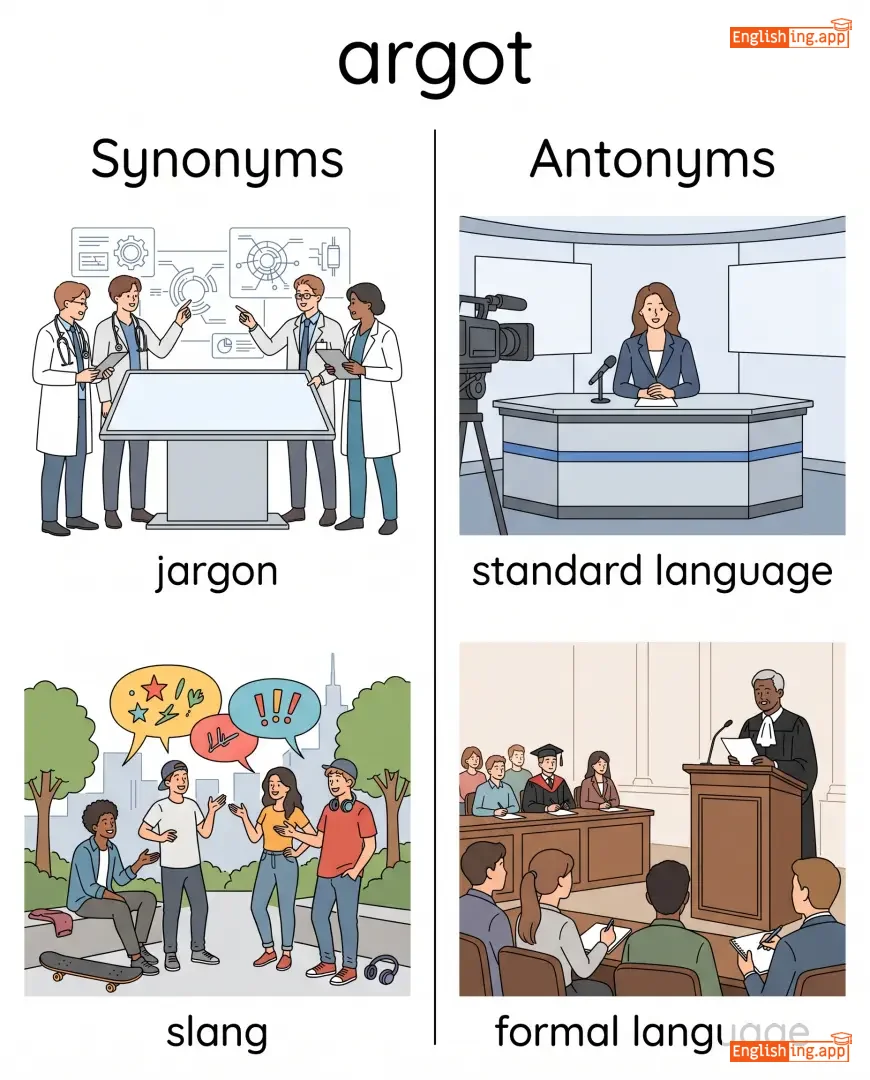
/ˈɑːrɡoʊ/
noun
(阿尔戈)
••••••
|
|
特定群体的行话
tèdìng qúntǐ de xínghuà
••••••
|
- •••••• | - •••••• | - •••••• | - •••••• |
the specialized vocabulary or jargon of a particular group, especially one with a common interest or occupation
••••••
|
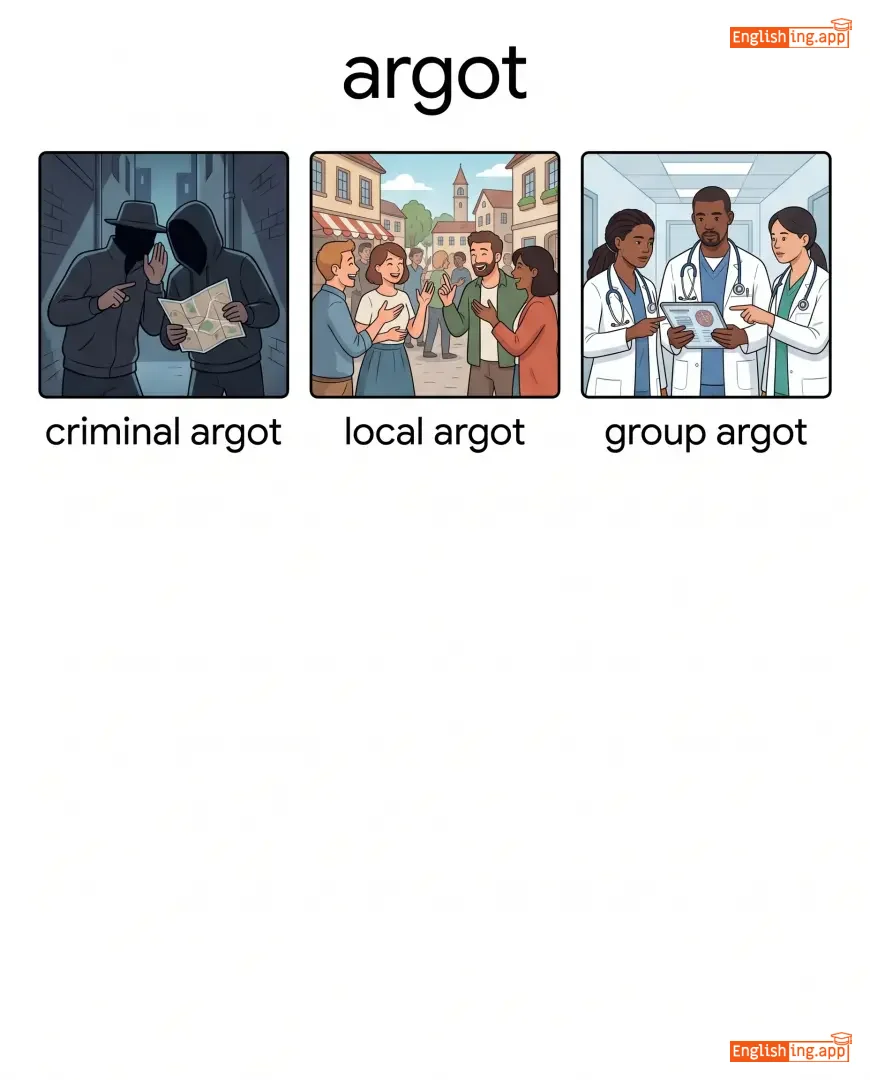
The thieves communicated in an argot that outsiders could not understand.
小偷们用一种外人无法理解的阿尔戈语言交流。
••••••
|
小偷们用一种外人无法理解的阿尔戈语言交流。
Xiǎotōu men yòng yī zhǒng wàirén wúfǎ lǐjiě de ā'ěr gē yǔyán jiāoliú.
••••••
|
- •••••• | - •••••• | - •••••• |
jargon, slang, dialect, lingo, terminology
••••••
|
standard language, formal language
••••••
|
criminal argot, local argot, group argot, secret argot
••••••
|
阿尔戈是一个隐藏的语言,像盗贼用来交流的秘密词汇
••••••
|
|
#582
⛰️
|
/ˈɑːrdʒuəs/
adjective
(阿尔杜斯)
••••••
|
|
艰难
jian nan
••••••
|
- •••••• | - •••••• | - •••••• | - •••••• |
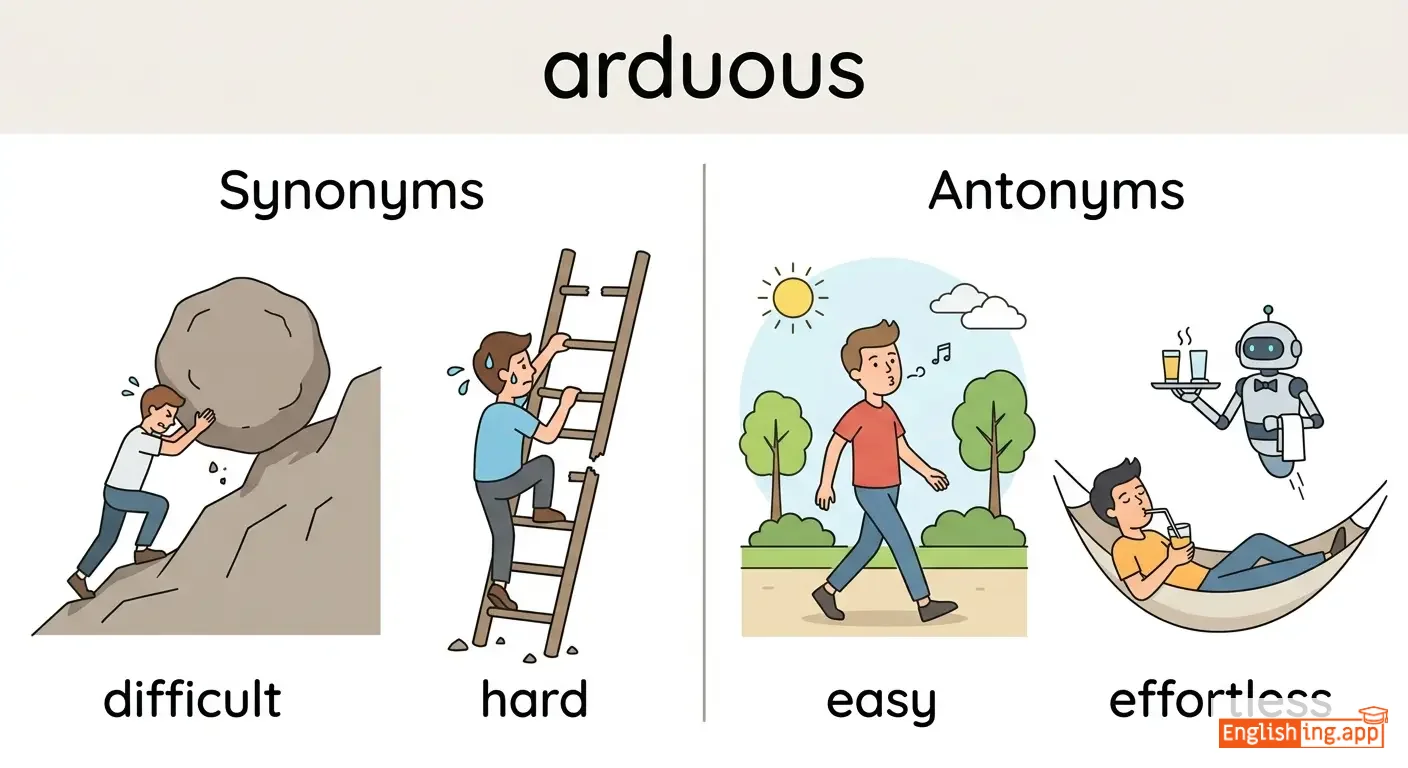
Involving or requiring a lot of effort; very difficult and tiring.
••••••
|
Climbing the mountain was an arduous task. |
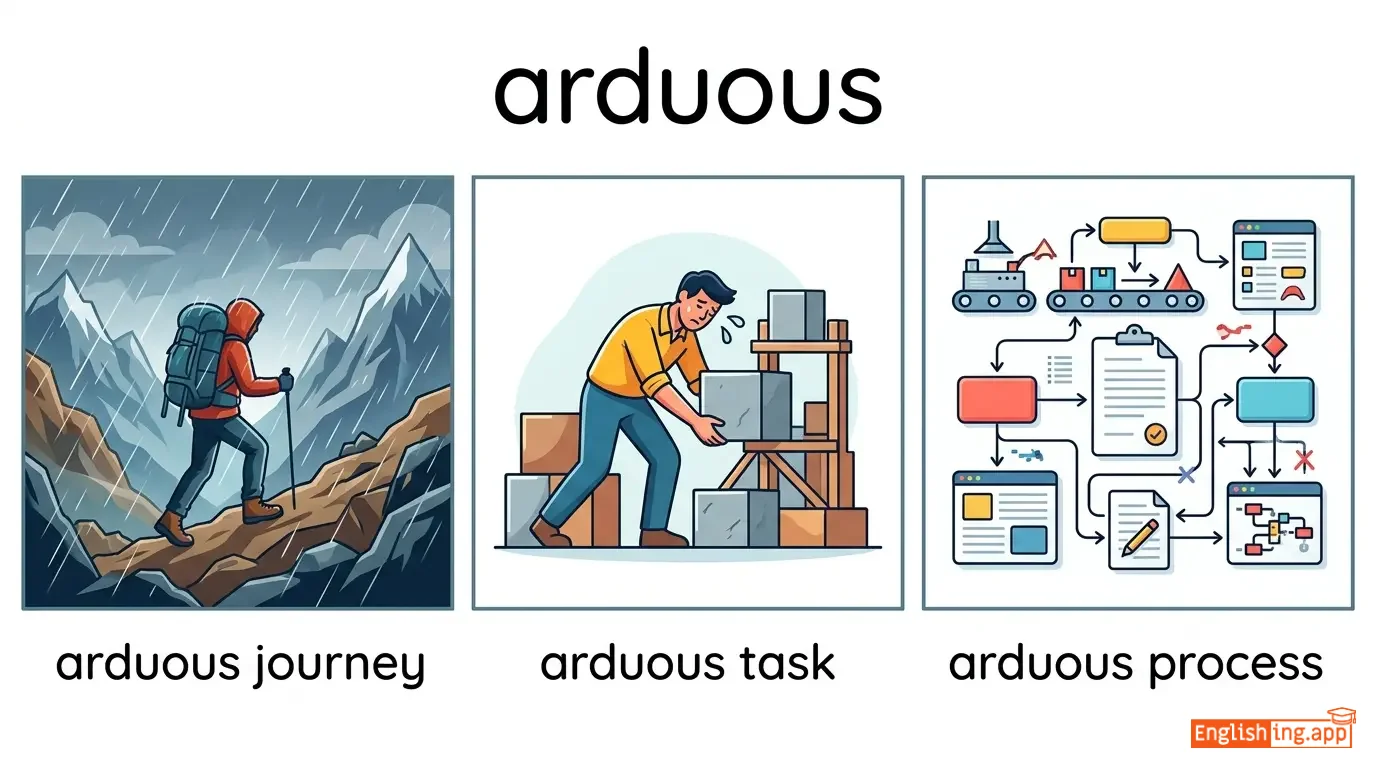
爬山是一个艰难的任务。
Pa shan shi yi ge jian nan de ren wu.
••••••
|
- •••••• | - •••••• | - •••••• |
difficult, hard, demanding, strenuous, exhausting
••••••
|
easy, effortless
••••••
|
arduous journey, arduous task, arduous process, arduous climb
••••••
|
Arduous 就是很hard的工作,非常艰难的任务。
••••••
|
|
#583
❤️
|
/ˈɑːrdər/
noun
(阿尔多尔)
••••••
|
|
热情,激情
ardor
••••••
|
- •••••• | - •••••• | - •••••• | - •••••• |
Great enthusiasm or passion.
••••••
|
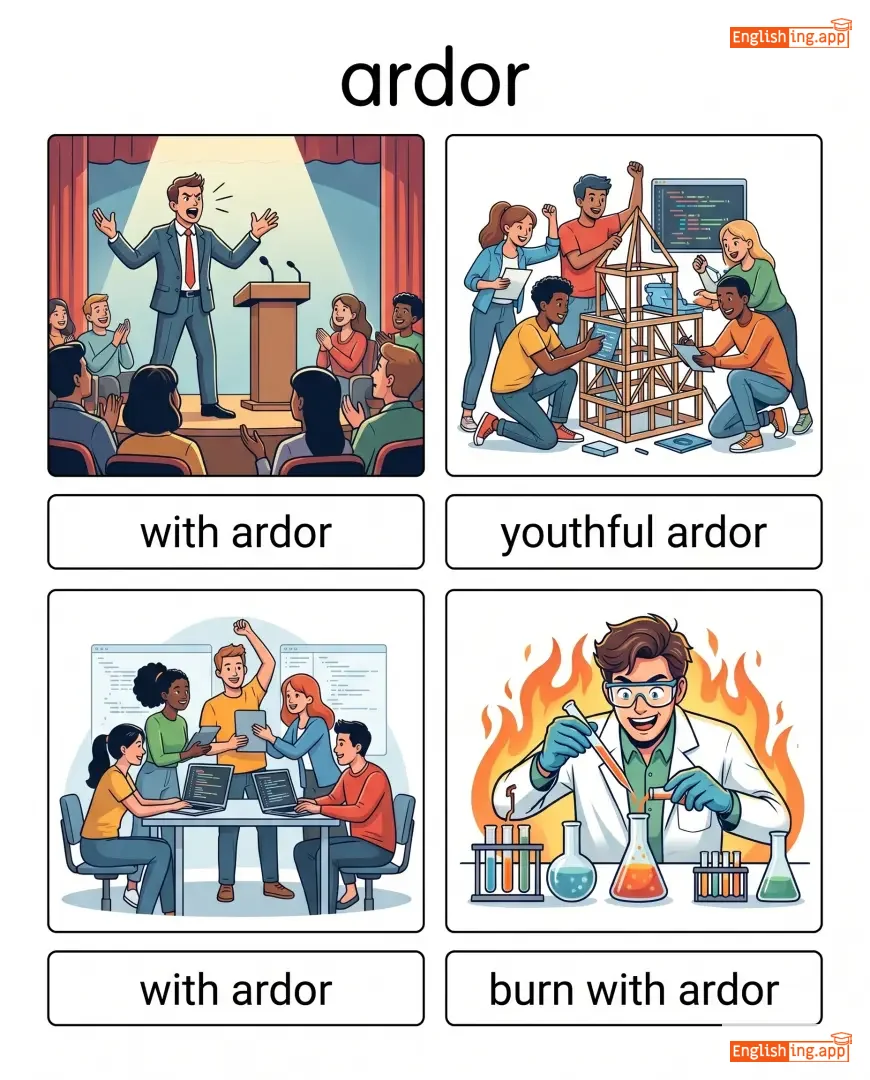
She spoke with ardor about her new project. |
她用热情谈论她的新项目。
Tā yòng rèqíng tánlùn tā de xīn xiàngmù.
••••••
|
burn with ardor |
To be filled with strong passion or enthusiasm.
••••••
|
燃烧着激情
ránshāo zhe jīqíng
••••••
|
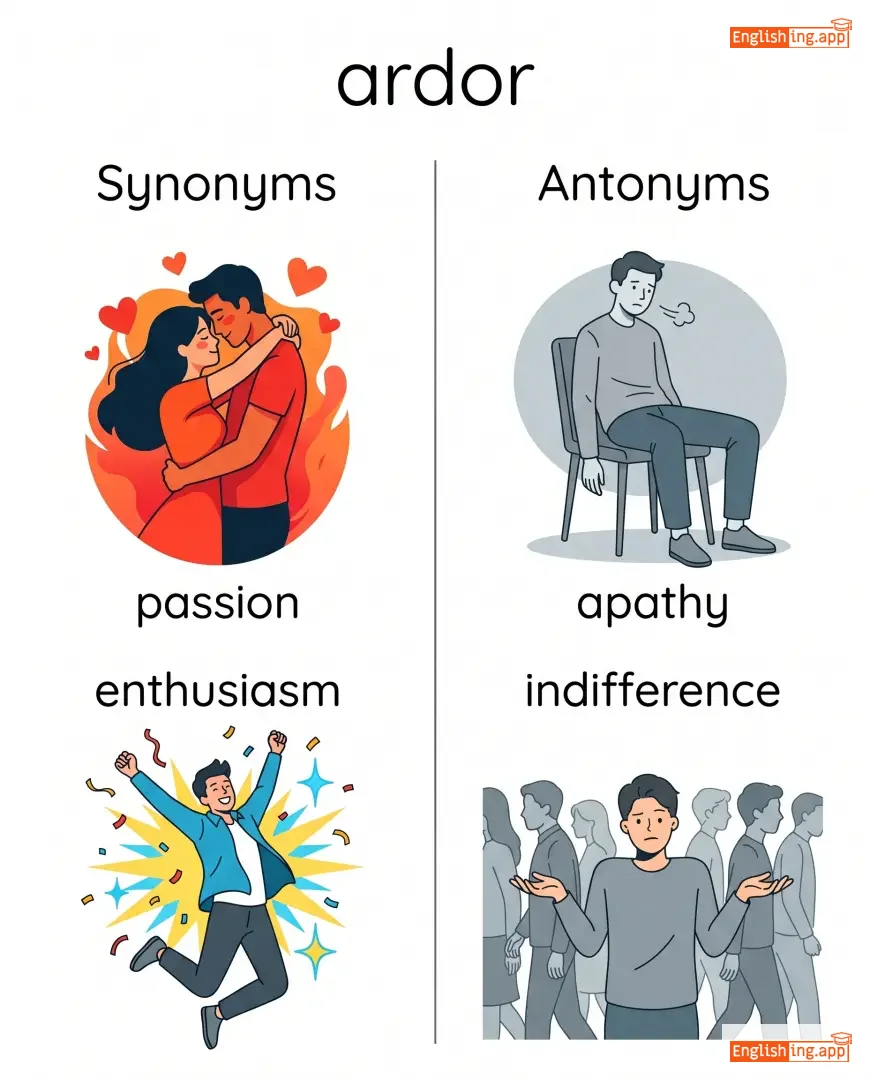
passion, enthusiasm, fervor, zeal, devotion
••••••
|
apathy, indifference
••••••
|
with ardor, youthful ardor, burn with ardor, ardor for learning
••••••
|
Ardor就像‘ardent’,内心充满了激情的火焰。
••••••
|
|
#584
🔥
|
/ˈɑːrdənt/
adjective
(阿尔丹特)
••••••
|
- •••••• |
热心的,激情的
ardent
••••••
|
- •••••• | - •••••• | - •••••• | - •••••• |
Having or showing very strong feelings or passion.
••••••
|
He is an ardent supporter of environmental protection.
他是环保保护的热心支持者。
••••••
|
他是环保保护的热心支持者。
Tā shì huánbǎo bǎohù de rèxīn zhīchí zhě.
••••••
|
- •••••• | - •••••• | - •••••• |
passionate, enthusiastic, fervent, devoted, eager
••••••
|
indifferent, apathetic
••••••
|
ardent supporter, ardent fan, ardent desire, ardent believer
••••••
|
Ardent 是炙热的热情,如火一样。
••••••
|
|
#585
📜
|
/ˈɑːrkaɪvz/
noun
(ā kǎi wén sī)
••••••
|
- •••••• |
档案
dang'an
••••••
|
- •••••• | - •••••• | - •••••• | - •••••• |
A place or collection where historical records and documents are stored.
••••••
|
She visited the national archives to research her family history.
她参观了国家档案馆,研究家族历史。
••••••
|
她参观了国家档案馆,研究家族历史。
Tā cānguānle guójiā dàng'àn guǎn, yánjiū jiāzú lìshǐ.
••••••
|
open the archives
打开档案
••••••
|
To make stored records or documents accessible.
••••••
|
打开档案
Dǎkāi dàng'àn
••••••
|
records, documents, files, repository, manuscripts
••••••
|
destruction, loss
••••••
|
national archives, historical archives, access archives, preserve archives
••••••
|
档案 – 查找历史,去档案馆。
••••••
|
|
#586
🌳
|
/ɑːrˈbɔːriəl/
adjective
(阿尔博瑞尔)
••••••
|
|
树栖的
shuqide
••••••
|
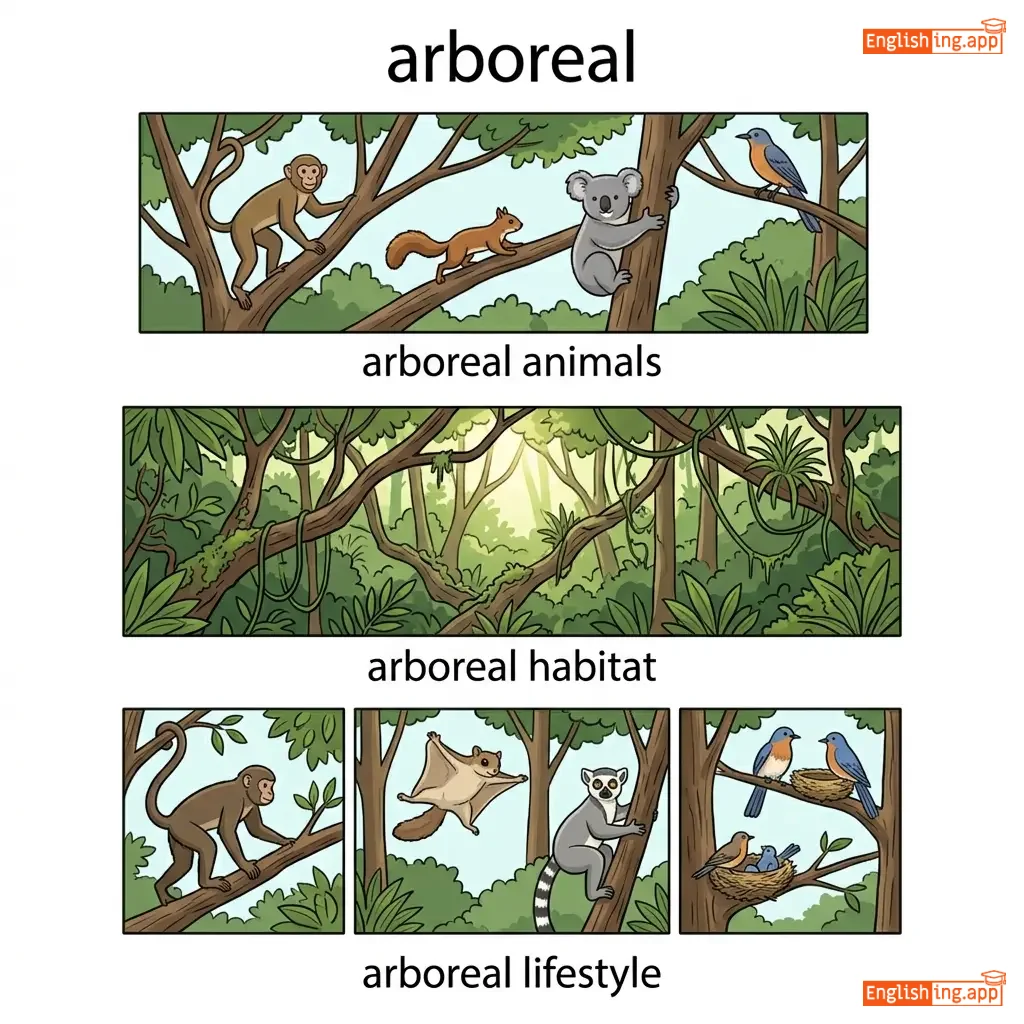
- •••••• | - •••••• | - •••••• | - •••••• |
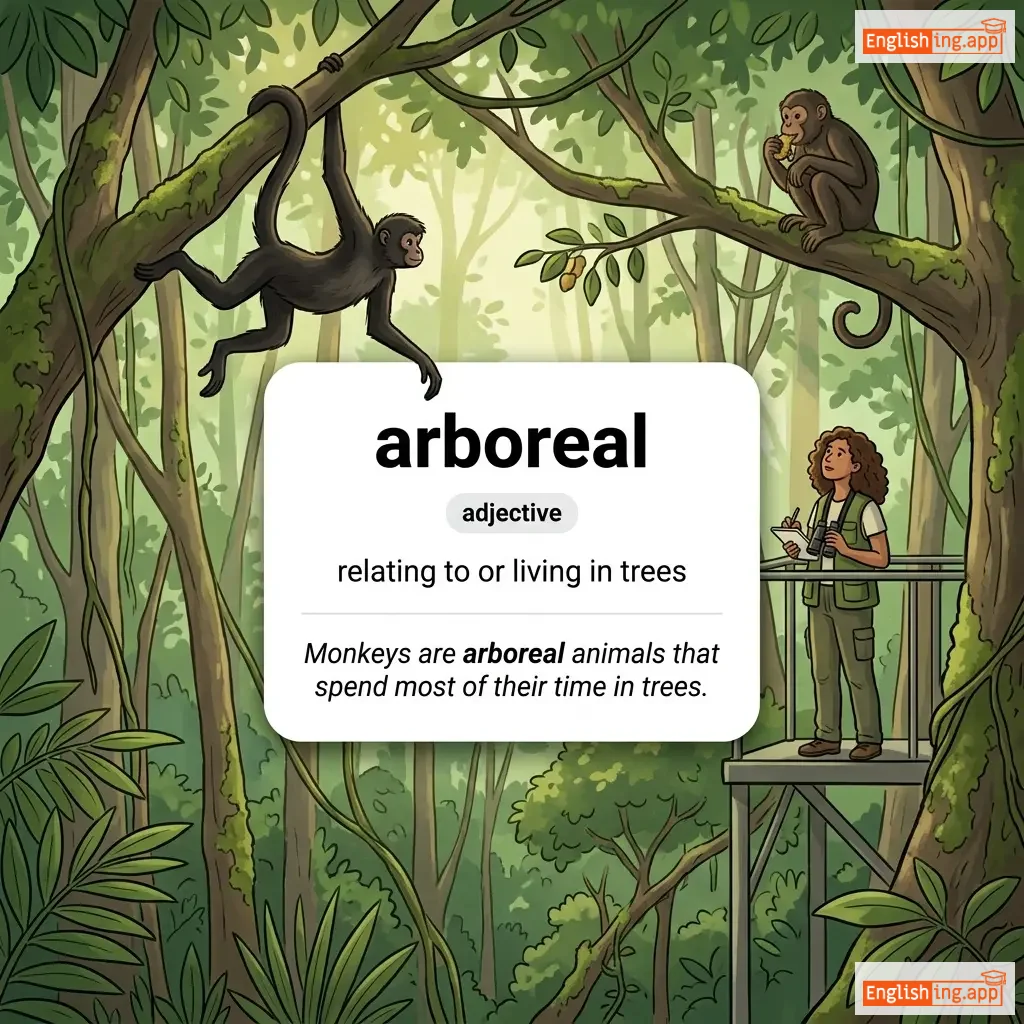
relating to or living in trees
••••••
|
Monkeys are arboreal animals that spend most of their time in trees.
猴子是树栖动物,花费大部分时间在树上。
••••••
|
猴子是树栖动物,花费大部分时间在树上。
Houzi shi shuqide dongwu, huafei dabufen shijian zai shushang.
••••••
|
- •••••• | - •••••• | - •••••• |
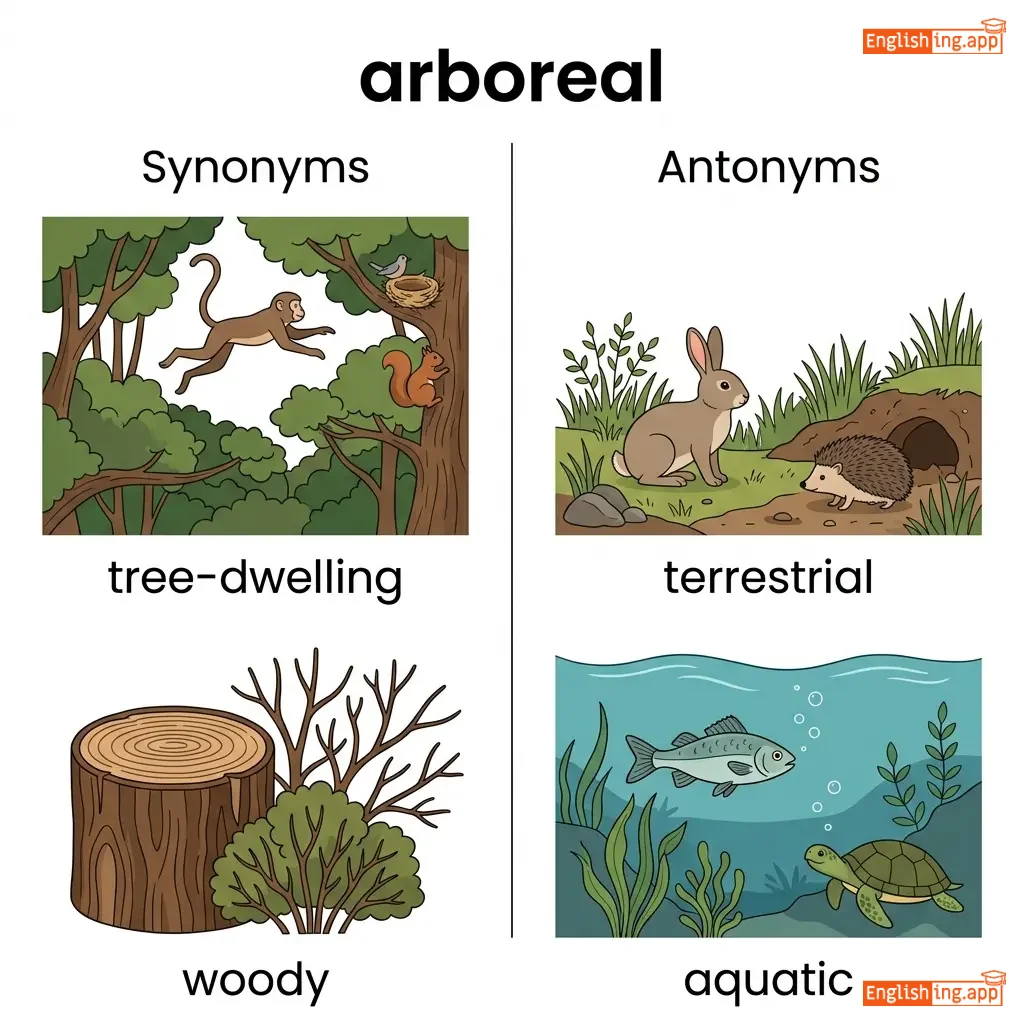
tree-dwelling, woody, forestal, branching, leafy
••••••
|
terrestrial, aquatic, underground
••••••
|
arboreal animals, arboreal habitat, arboreal lifestyle, arboreal species
••••••
|
Arboreal 意味着与树木有关,记住它是生活在树上的动物。
••••••
|
|
#587
🏝️
|
/ˌɑːrkəˈpɛləɡoʊ/
noun
(群岛)
••••••
|
|
群岛
qundao
••••••
|
- •••••• | - •••••• | - •••••• | - •••••• |
A group or chain of islands clustered together in a sea or ocean.
••••••
|
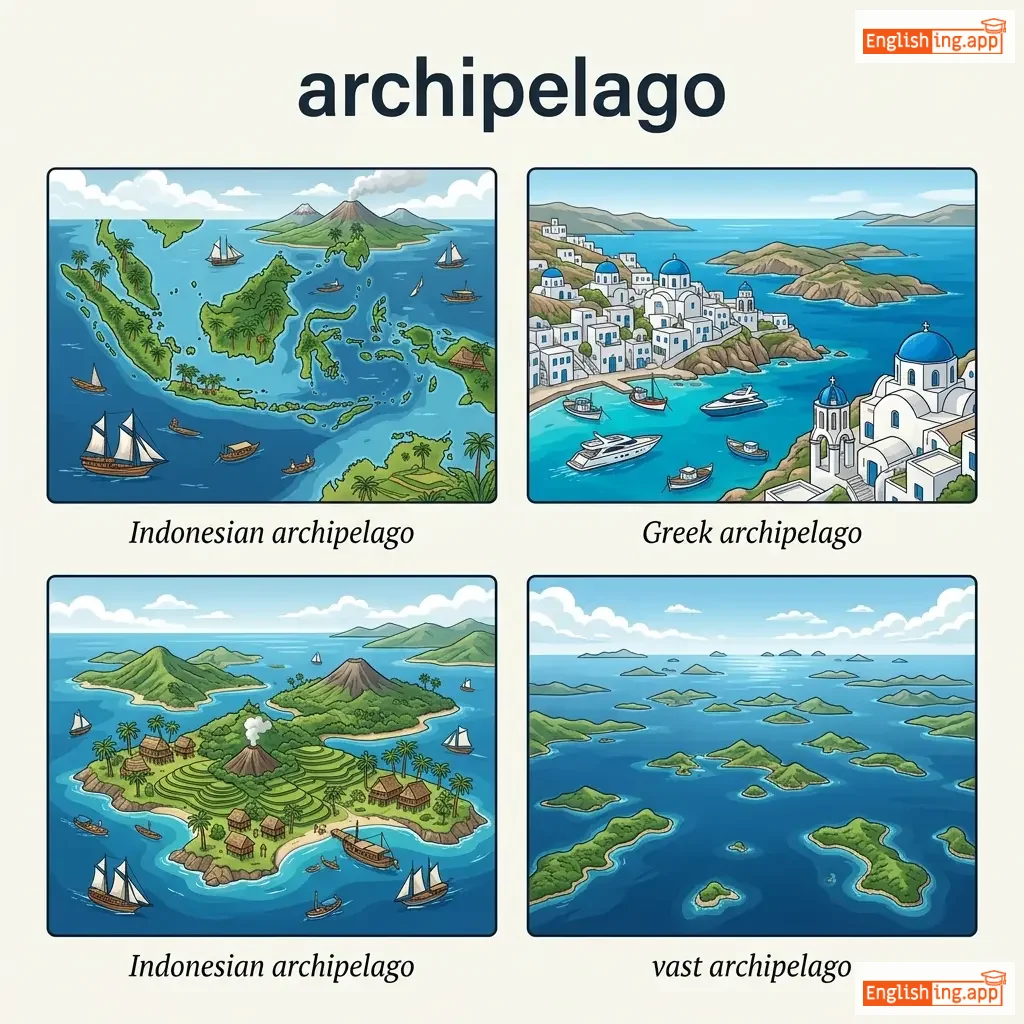
Indonesia is the world’s largest archipelago. |
印度尼西亚是世界上最大的群岛。
Yindunexiya shi shijie shang zui da de qundao.
••••••
|
- •••••• | - •••••• | - •••••• |
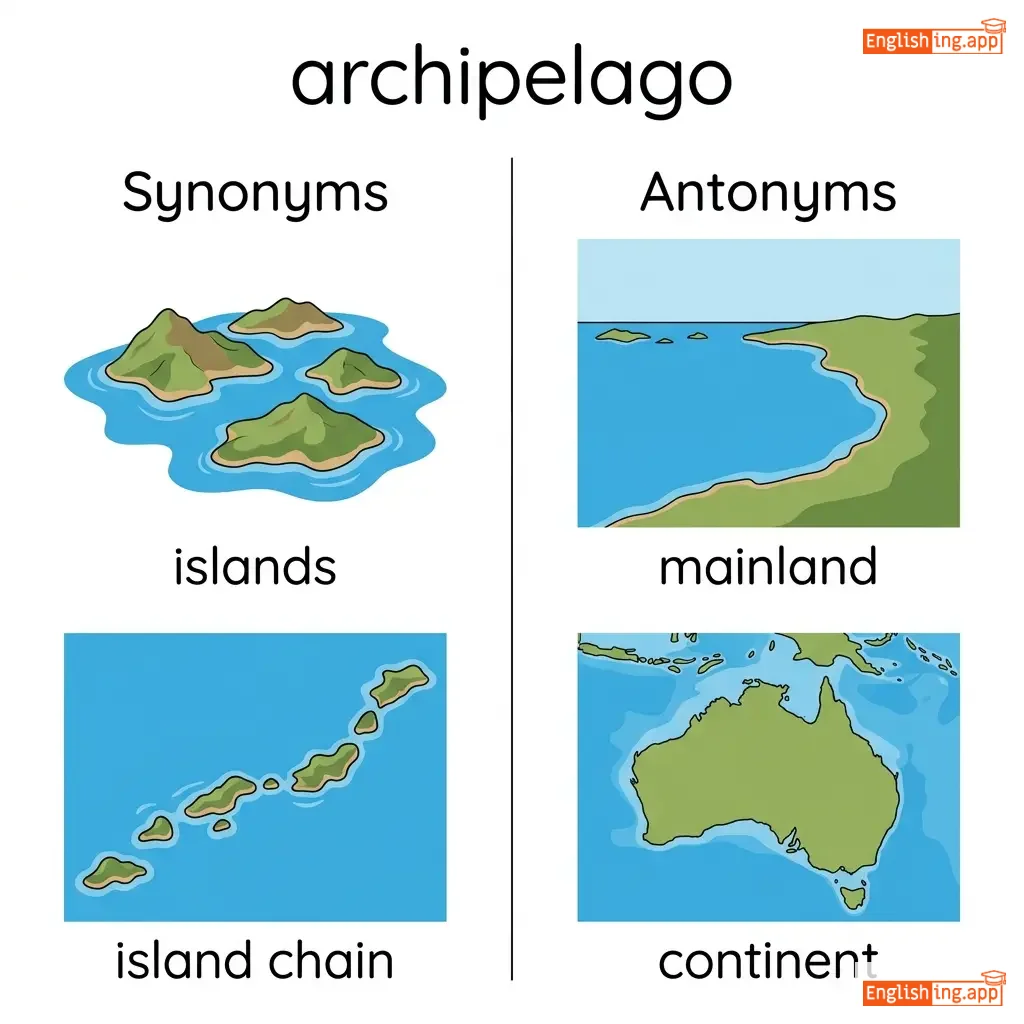
islands, island chain, isle group, atoll
••••••
|
mainland, continent
••••••
|
Indonesian archipelago, Greek archipelago, vast archipelago, island archipelago
••••••
|
群岛,记住群 + 岛 → 就是很多岛屿组成的群岛。
••••••
|
|
#588
📜
|
/ˈɑːrkɪtaɪp/
noun
( archetype)
••••••
|
|
原型
yuanxing
••••••
|
- •••••• | - •••••• | - •••••• | - •••••• |
The original model or perfect example from which others are copied or derived.
••••••
|
He is the archetype of a successful entrepreneur. |
他是一个成功企业家的原型。
Tā shì yīgè chénggōng qǐyèjiā de yuánxíng.
••••••
|
archetype of virtue |
A perfect example of moral goodness.
••••••
|
美德的原型
měidé de yuánxíng
••••••
|
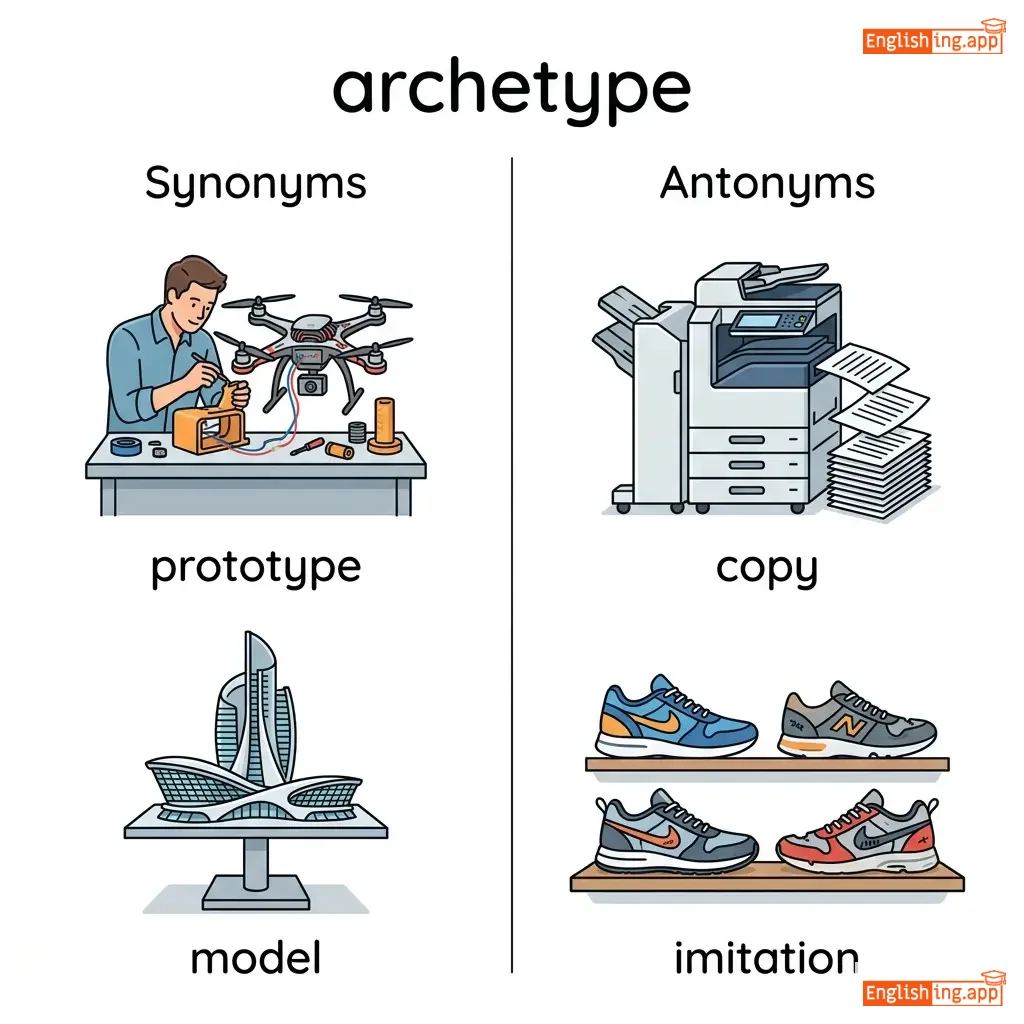
prototype, model, standard, exemplar, pattern
••••••
|
copy, imitation, replica
••••••
|
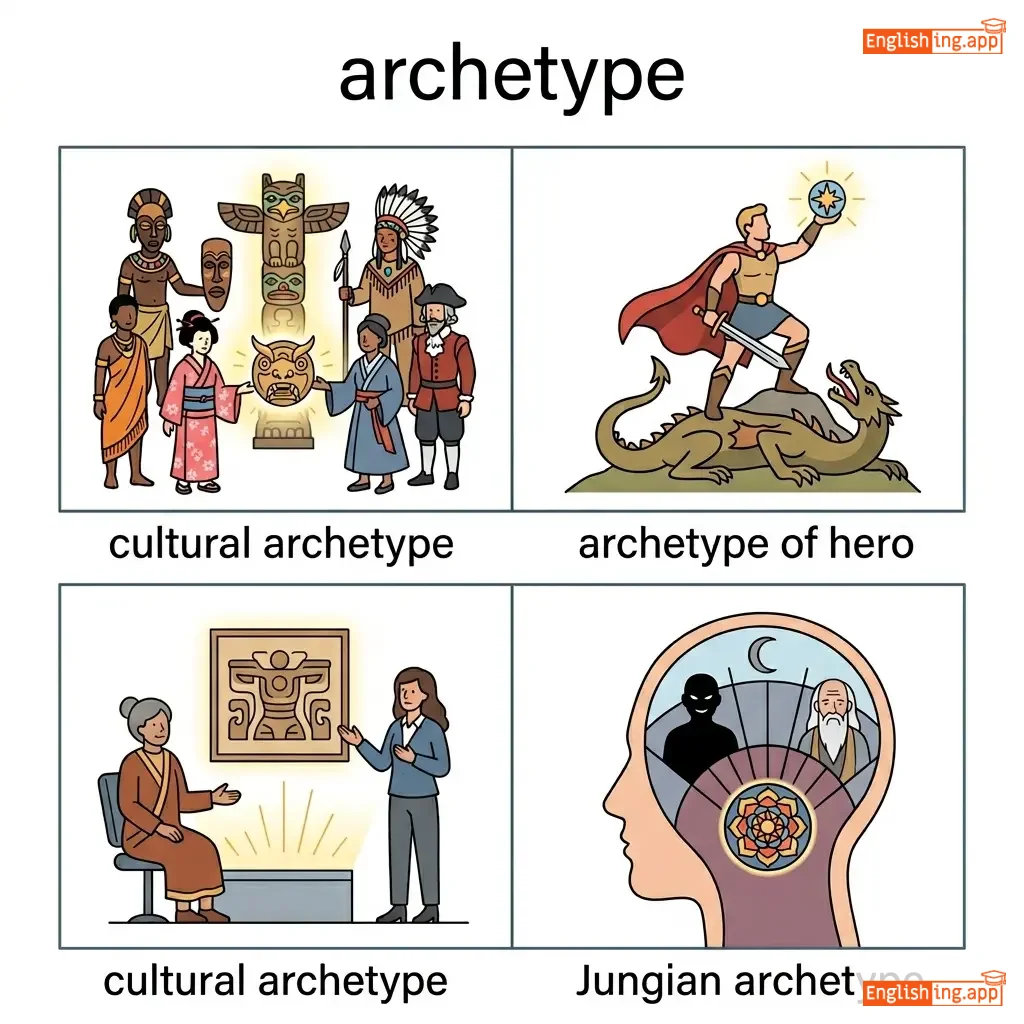
cultural archetype, archetype of hero, Jungian archetype, archetype figure
••••••
|
Archetype = Arche + 类型,意味着原始的类型或完美的形态。
••••••
|
|
#589
🙏
|
/ˌɑːrtʃˈdiːkən/
noun
(大执事)
••••••
|
- •••••• |
大执事
dà zhíshì
••••••
|
- •••••• | - •••••• | - •••••• | - •••••• |
A senior clergyman in the Christian Church ranking below a bishop.
••••••
|
The archdeacon assisted the bishop in administrative duties. |
大执事协助主教完成行政事务。
Dà zhíshì xiézhù zhǔjiào wánchéng xíngzhèng shìwù.
••••••
|
- •••••• | - •••••• | - •••••• |
cleric, church officer, senior priest, canon
••••••
|
novice, layperson
••••••
|
archdeacon of the church, senior archdeacon, duties of archdeacon
••••••
|
Arch代表高级 + Diacon代表神职人员 → 大执事 = 高级神职人员。
••••••
|
|
#590
⛪
|
/ˌɑːrtʃˈbɪʃəp/
noun
(大主教)
••••••
|
- •••••• |
大主教
dà zhǔjiào
••••••
|
- •••••• | - •••••• | - •••••• | - •••••• |
A senior bishop in charge of an archdiocese in the Christian Church.
••••••
|
The archbishop delivered a sermon to thousands of people.
大主教对成千上万的人发表了布道。
••••••
|
大主教对成千上万的人发表了布道。
Da zhujiao dui chengqian shangwan de ren fabiaole budao.
••••••
|
- •••••• | - •••••• | - •••••• |
bishop, church leader, metropolitan, prelate
••••••
|
layperson, parishioner
••••••
|
archbishop of Canterbury, Catholic archbishop, Anglican archbishop, archbishop seat
••••••
|
大主教 = 大 (大的) + 主教 (教会领导) → 大主教 = 主要的教会领导。
••••••
|
|
#591
😇
|
/ˈɑːrkeɪndʒəl/
noun
••••••
|
- •••••• | - •••••• | - •••••• | - •••••• | - •••••• | - •••••• |
A high-ranking angel, often considered a chief messenger or leader among angels.
••••••
|
Michael is often depicted as the most powerful archangel. |
- •••••• | - •••••• | - •••••• | - •••••• |
angel, seraph, celestial being, guardian spirit
••••••
|
demon, devil
••••••
|
archangel Michael, archangel Gabriel, powerful archangel, archangel figure
••••••
|
No •••••• |
|
#592
📖
|
/ˈɑːrkeɪˌɪzəm/
noun
(ā kè zhī mǔ)
••••••
|
- •••••• |
古词
gu ci
••••••
|
- •••••• | - •••••• | - •••••• | - •••••• |
a word, expression, or style of language that is no longer in everyday use
••••••
|
The poem is full of archaisms that give it an old-fashioned flavor. |
这首诗充满了古词,使其带有一种过时的味道。
Zhe shou shi chongman le gu ci, shi qi dai you yi zhong guoshi de weidao.
••••••
|
- •••••• | - •••••• | - •••••• |
obsolete term, old usage, antiquity, outdated expression
••••••
|
modernism, neologism
••••••
|
literary archaism, stylistic archaism, archaism in poetry, deliberate archaism
••••••
|
Archaism 就是古词,记住'ism'代表风格或实践。
••••••
|
|
#593
📜
|
/ɑːrˈkeɪɪk/
adjective
••••••
|
- •••••• | - •••••• | - •••••• | - •••••• | - •••••• | - •••••• |
very old or old-fashioned; belonging to an earlier time
••••••
|
Some laws are considered archaic and no longer relevant. |
- •••••• | - •••••• | - •••••• | - •••••• |
obsolete, outdated, ancient, antiquated, old-fashioned
••••••
|
modern, current, contemporary
••••••
|
archaic laws, archaic language, archaic system, archaic traditions
••••••
|
No •••••• |
|
#594
🏺
|
/ˌɑːrkiˈɑːlədʒi/
noun
(考古学)
••••••
|
- •••••• |
考古学
kaoguxue
••••••
|
- •••••• | - •••••• | - •••••• | - •••••• |
the study of human history and prehistory through excavation and analysis of artifacts, monuments, and other physical remains
••••••
|
She studied archaeology to learn about ancient civilizations. |
她学习考古学以了解古代文明。
Ta xuexi kaoguxue yi liaojie gudai wenming.
••••••
|
- •••••• | - •••••• | - •••••• |
anthropology, paleontology, excavation, prehistory
••••••
|
futurism, modernism
••••••
|
field of archaeology, archaeology department, archaeology dig, archaeology site
••••••
|
考古学的意思就是 Archaeology,想想 '考' 和 '古',就像 'ancient study'。
••••••
|
|
#595
🏛️
|
/ɑːrtʃ/
noun
(弓形结构)
••••••
|
- •••••• |
拱门
gǒngmén
••••••
|
- •••••• | - •••••• | - •••••• | - •••••• |
a curved symmetrical structure spanning an opening and typically supporting the weight above it
••••••
|
The ancient arch still stands in the city center. |
古老的拱门仍然屹立在城市中心。
Gǔlǎo de gǒngmén réngrán yìlì zài chéngshì zhōngxīn.
••••••
|
under the arch |
a literal or figurative reference to being beneath a curved structure or gateway
••••••
|
拱门下
gǒngmén xià
••••••
|
curve, vault, span, dome
••••••
|
straight line, flatness
••••••
|
stone arch, triumphal arch, arch bridge, arch doorway
••••••
|
拱门(gǒngmén)是像‘弓形’一样的门,想象自己走过一个弯曲的门洞。
••••••
|
|
#596
🔮
|
/ɑːrˈkeɪn/
adjective
(阿肯)
••••••
|
- •••••• |
深奥的
shen'ao de
••••••
|
- •••••• | - •••••• | - •••••• | - •••••• |
understood by few; mysterious or secret
••••••
|
The professor’s lecture was full of arcane details that only specialists could follow.
教授的讲座充满了只有专家才能理解的深奥细节。
••••••
|
教授的讲座充满了只有专家才能理解的深奥细节。
Jiàoshòu de jiǎngzuò chōngmǎnle zhǐyǒu zhuānjiā cáinéng lǐjiě de shēn'ào xìjié.
••••••
|
- •••••• | - •••••• | - •••••• |
mysterious, obscure, enigmatic, esoteric, secret
••••••
|
obvious, clear, simple
••••••
|
arcane knowledge, arcane rituals, arcane details, arcane language
••••••
|
Arcane意味着深奥的,想象它像一款难以理解的游戏。
••••••
|
|
#597
🎮
|
/ɑːrˈkeɪd/
noun
(阿凯德)
••••••
|
- •••••• |
游乐场
yóulèchǎng
••••••
|
- •••••• | - •••••• | - •••••• | - •••••• |
a covered passage with arches along one or both sides; also a place with coin-operated games
••••••
|
The children spent the afternoon playing games at the arcade.
孩子们在游戏中心度过了下午。
••••••
|
孩子们在游戏中心度过了下午。
Háizimen zài yóuxì zhōngxīn dùguòle xiàwǔ.
••••••
|
penny arcade
便士游戏中心
••••••
|
an amusement arcade with coin-operated machines
••••••
|
便士游戏中心
Biànshì yóuxì zhōngxīn
••••••
|
gallery, passage, walkway, gaming hall, pavilion
••••••
|
open street, wasteland
••••••
|
shopping arcade, amusement arcade, video arcade, penny arcade
••••••
|
Arcade意味着游戏场所 🎮, 想象'在阿凯德玩游戏'。
••••••
|
|
#598
🌱
|
/ˈɑːrbərɪˌkʌltʃər/
noun
(树艺学)
••••••
|
- •••••• |
树艺学
shuyixue
••••••
|
- •••••• | - •••••• | - •••••• | - •••••• |
the cultivation and management of trees and shrubs
••••••
|
He studied arboriculture to improve urban green spaces.
他学习了树艺学以改善城市绿地。
••••••
|
他学习了树艺学以改善城市绿地。
Ta xuexi le shuyixue yi gaishan chengshi lüdi.
••••••
|
- •••••• | - •••••• | - •••••• |
tree care, horticulture, forestry, silviculture
••••••
|
deforestation, neglect
••••••
|
urban arboriculture, arboriculture practices, arboriculture industry, arboriculture training
••••••
|
Arboriculture = Arbor (树木) + Culture (学问), 意味着树艺学。
••••••
|
|
#599
🏞️
|
/ˌɑːrbəˈriːtəm/
noun
(阿尔博瑞图姆)
••••••
|
- •••••• |
植物园
zhíwùyuán
••••••
|
- •••••• | - •••••• | - •••••• | - •••••• |
a place where trees, shrubs, and plants are grown for scientific study or public display
••••••
|
We visited the city’s arboretum to learn about exotic trees. |
我们参观了城市的植物园,了解异国树木。
Wǒmen cānguānle chéngshì de zhíwùyuán, liǎojiě yìguó shùmù.
••••••
|
- •••••• | - •••••• | - •••••• |
botanical garden, park, plantation, garden
••••••
|
wasteland, desert
••••••
|
city arboretum, national arboretum, arboretum visit, arboretum collection
••••••
|
Arboretum = 树木博物馆 (museum of trees). 记住这是植物园。
••••••
|
|
#600
🌲
|
/ˌɑːrbəˈrɛsənt/
adjective
(阿尔博雷森特)
••••••
|
- •••••• |
树状的
shù zhuàng de
••••••
|
- •••••• | - •••••• | - •••••• | - •••••• |
having the appearance or characteristics of a tree; tree-like
••••••
|
The coral had an arborescent form that resembled a miniature forest. |
珊瑚有一种树状的形态,看起来像一个小型森林。
Shānhú yǒu yī zhǒng shù zhuàng de xíngtài, kàn qǐlái xiàng yīgè xiǎoxíng sēnlín.
••••••
|
- •••••• | - •••••• | - •••••• |
tree-like, branching, dendritic, woody
••••••
|
shrublike, rootless, treeless
••••••
|
arborescent shape, arborescent structure, arborescent pattern, arborescent growth
••••••
|
Arborescent = 树状的 - 'Arbor' = 树,'escent' = 变成.
••••••
|
Vocabulary Quiz
Test your vocabulary by matching words with their translations or meanings.
Login to take the quiz
Comments (0)
Share your thoughts and join the discussion.
Join the discussion by logging in
Login to CommentNo comments yet
Be the first to share your thoughts!