



Swipe left or right, or use the buttons. Tap image to zoom.
例句翻译
单词
Lesson 329Lesson 329 - 遮罩切换
|
表情符号
|
单词 | Images | 翻译 | 过去时 | 过去分词 | 第三人称单数 | 动名词 | 含义 | 例句 | 例句翻译 | 示例表达 | 示例表达含义 | 示例表达翻译 | 同义词 | 反义词 | 搭配词 | 助记符 |
|---|---|---|---|---|---|---|---|---|---|---|---|---|---|---|---|---|---|
|
#9835
🗣️
|
/fræŋk/
adjective
(弗兰克)
••••••
|
- •••••• |
坦率
tǎnshuài
••••••
|
- •••••• | - •••••• | - •••••• | - •••••• |
open, honest, and direct in speech or expression
••••••
|
She was frank about her feelings on the matter. |
她在这个问题上坦率地表达了她的感受。
Tā zài zhège wèntí shàng tǎnshuài de biǎodále tā de gǎnshòu.
••••••
|
to be frank |
to speak honestly and directly
••••••
|
直言不讳
zhíyán bù huì
••••••
|
honest, candid, direct, open, straightforward
••••••
|
deceptive, dishonest, secretive
••••••
|
frank discussion, frank admission, to be frank, frank assessment
••••••
|
Frank 总是直率地 (坦率地) 说话。
••••••
|
|
#9836
✅
|
/ˈdʒɛnjʊɪn/
adjective
(dʒɛnjʊɪn)
••••••
|
- •••••• |
真正的
zhenzheng de
••••••
|
- •••••• | - •••••• | - •••••• | - •••••• |
real and authentic; not fake or artificial
••••••
|
This is a genuine leather bag. |
这是一个真正的皮革包。
Zhe shi yige zhenzheng de pigua bao.
••••••
|
genuine article |
an authentic or real example of something
••••••
|
真品
zhenpin
••••••
|
authentic, real, true, legitimate, sincere
••••••
|
fake, false, counterfeit
••••••
|
genuine smile, genuine leather, genuine concern, genuine effort
••••••
|
Genuine 意味着真正的,就像真正的笑容意味着真实的笑容。
••••••
|
|
#9837
🎁
|
/ˈdʒɛnərəs/
adjective
(dʒɛnərəs)
••••••
|
- •••••• |
慷慨
kangkai
••••••
|
- •••••• | - •••••• | - •••••• | - •••••• |
willing to give or share more than is necessary; kind and giving
••••••
|
She is very generous with her time and money. |
她在时间和金钱上非常慷慨。
Ta zai shijian he jinqian shang feichang kangkai.
••••••
|
to a generous extent |
to a large or considerable degree
••••••
|
到慷慨的程度
dao kangkai de chengdu
••••••
|
kind, giving, charitable, benevolent, unselfish
••••••
|
selfish, stingy, mean
••••••
|
generous offer, generous donation, generous spirit, generous amount
••••••
|
慷慨 means generous heart— 中文,慷慨的心
••••••
|
|
#9838
🏳️🌈
|
/ɡeɪ/
adjective
(ɡeɪ)
••••••
|
- •••••• |
同志
tongzhi
••••••
|
- •••••• | - •••••• | - •••••• | - •••••• |
sexually attracted to people of the same sex; also used to mean cheerful or lively
••••••
|
He came out as gay during college. |
他在大学期间公开了自己是同志。
Ta zai daxue qijian gongkai le ziji shi tongzhi.
••••••
|
- •••••• | - •••••• | - •••••• |
homosexual, queer, cheerful, lively
••••••
|
straight, sad
••••••
|
gay rights, gay community, gay marriage, openly gay
••••••
|
同志是gay的意思,记得彩虹旗 (🏳️🌈)
••••••
|
|
#9839
🤲
|
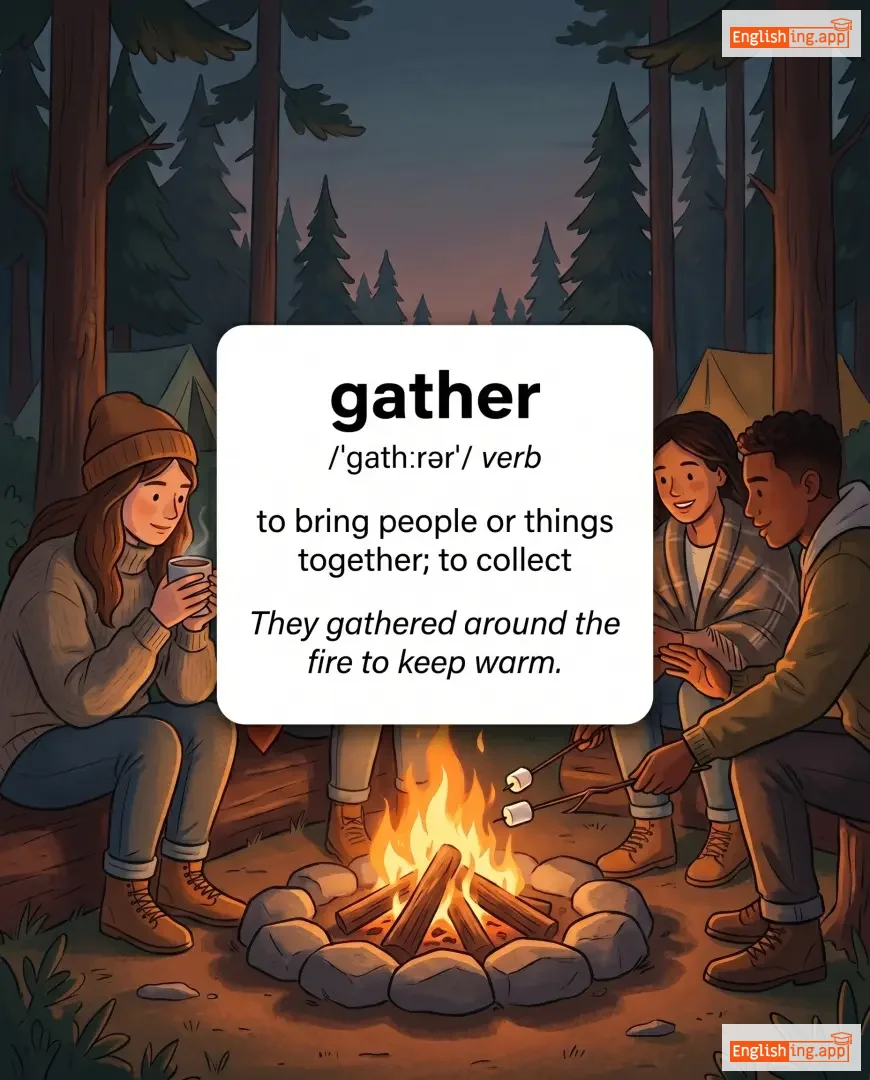
/ˈɡæðər/
verb
(gædər)
••••••
|
|
收集
shōují
••••••
|
gathered
gædərd
••••••
|
gathered
gædərd
••••••
|
gathers
gædərs
••••••
|
gathering
gædəring
••••••
|
to bring people or things together; to collect
••••••
|
They gathered around the fire to keep warm.
他们围绕着火堆聚集以保持温暖。
••••••
|
他们围绕着火堆聚集以保持温暖。
Tāmen wéirào zhe huǒduī jùjí yǐ bǎochí wēnnuǎn.
••••••
|
gather one's thoughts
整理思绪
••••••
|
to take time to think and organize one's ideas
••••••
|
整理思绪
zhěnglǐ sīxù
••••••
|
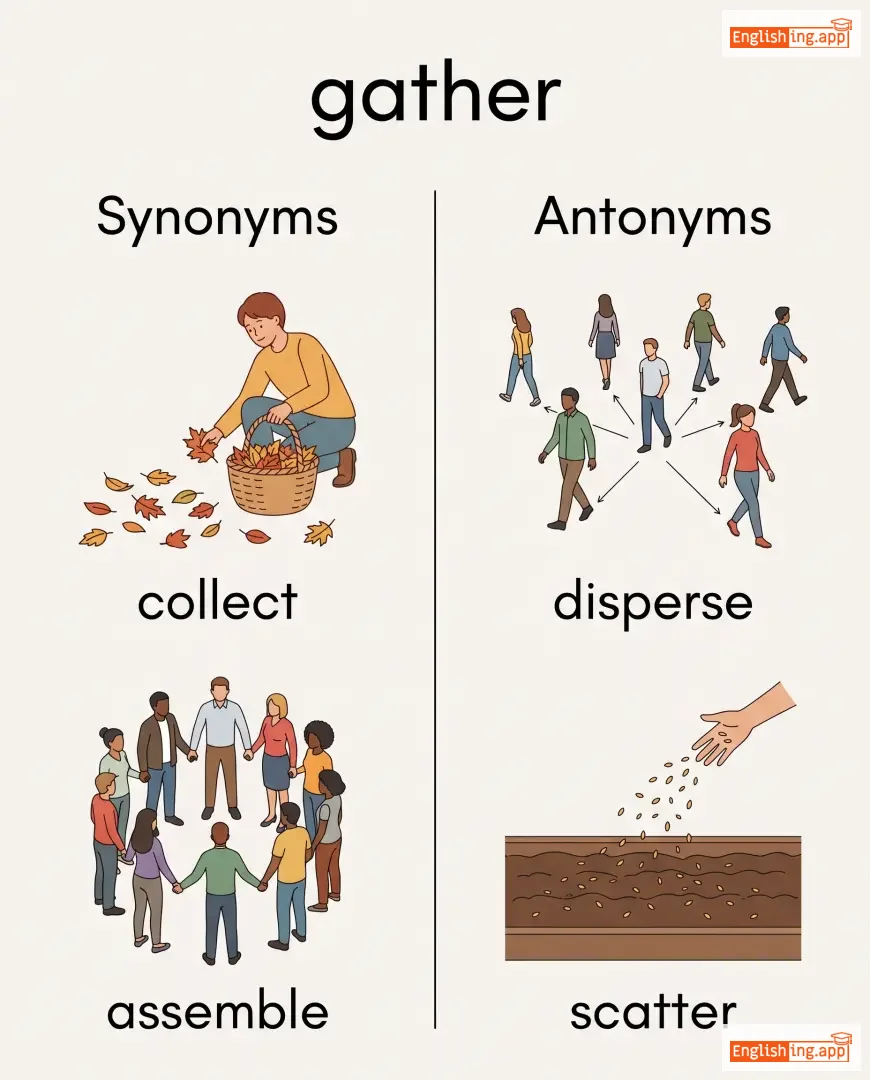
collect, assemble, accumulate, convene, congregate
••••••
|
disperse, scatter, separate
••••••
|
gather information, gather evidence, gather strength, gather crowd
••••••
|
Gather意思是收集,就像大家聚在火堆旁一样。
••••••
|
|
#9840
📈
|
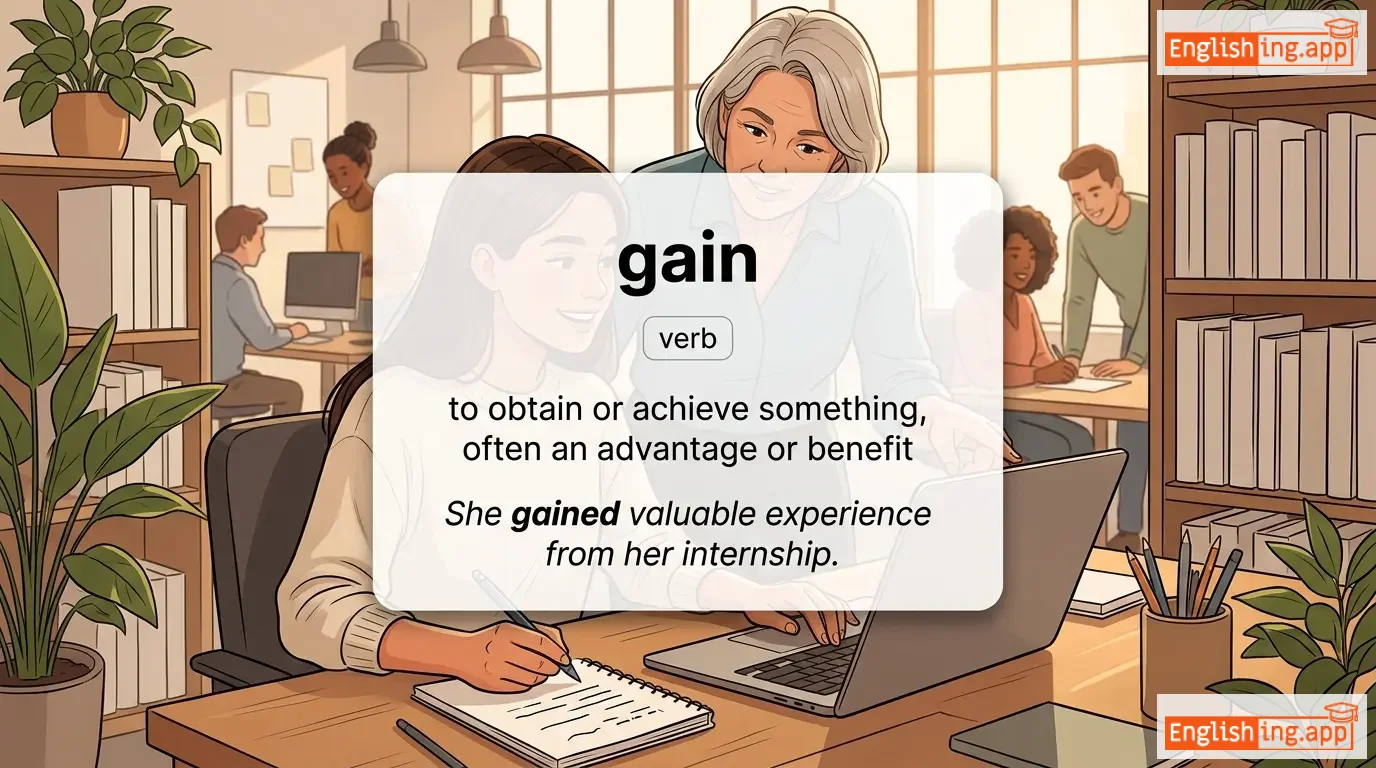
/ɡeɪn/
verb
(gein)
••••••
|
|
获得
huoqu
••••••
|
gained
geind
••••••
|
gained
geind
••••••
|
gains
geins
••••••
|
gaining
geining
••••••
|
to obtain or achieve something, often an advantage or benefit
••••••
|
She gained valuable experience from her internship.
她从实习中获得了宝贵的经验。
••••••
|
她从实习中获得了宝贵的经验。
Ta cong shixi zhong huode le baogui de jingyan.
••••••
|
gain ground
取得进展
••••••
|
to make progress or become more successful
••••••
|
取得进展
qǔdé jìnzhǎn
••••••
|
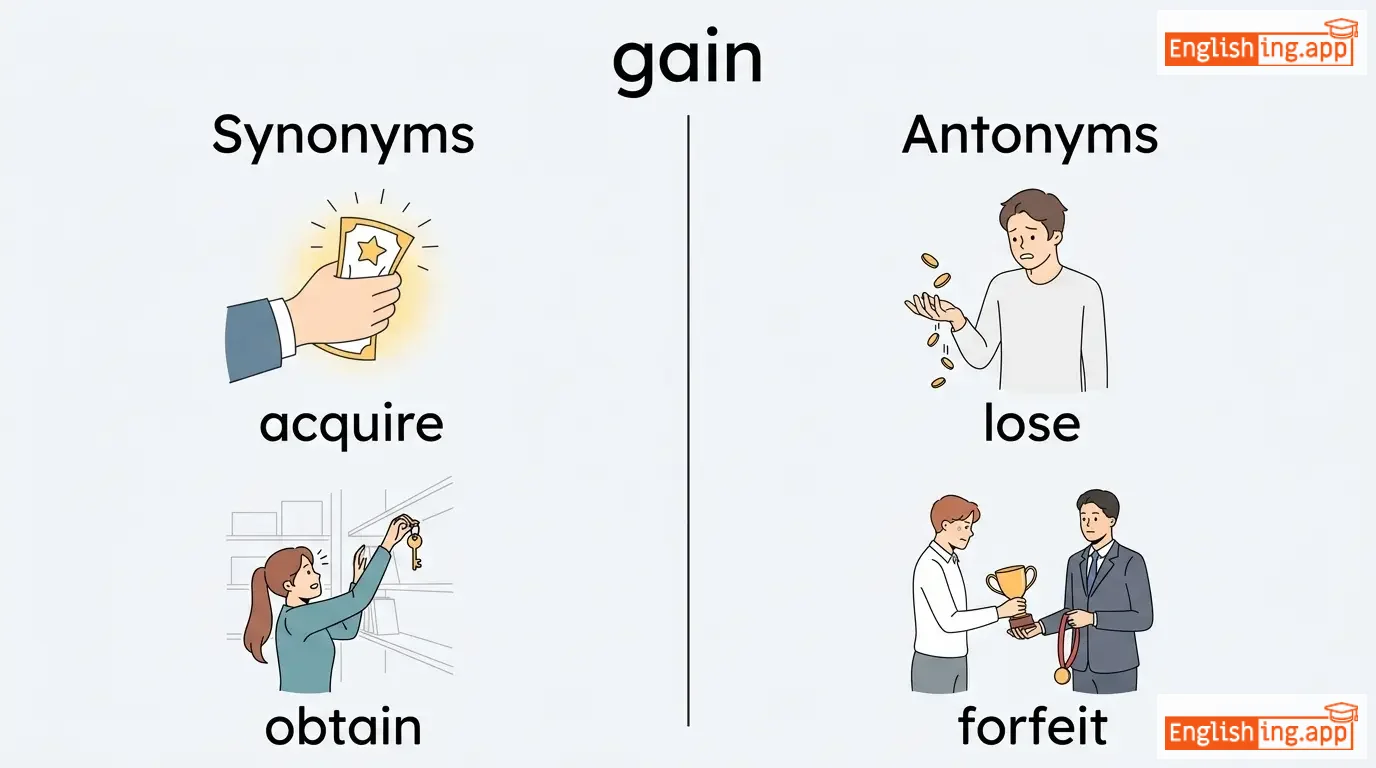
acquire, obtain, earn, secure, win
••••••
|
lose, forfeit, surrender
••••••
|
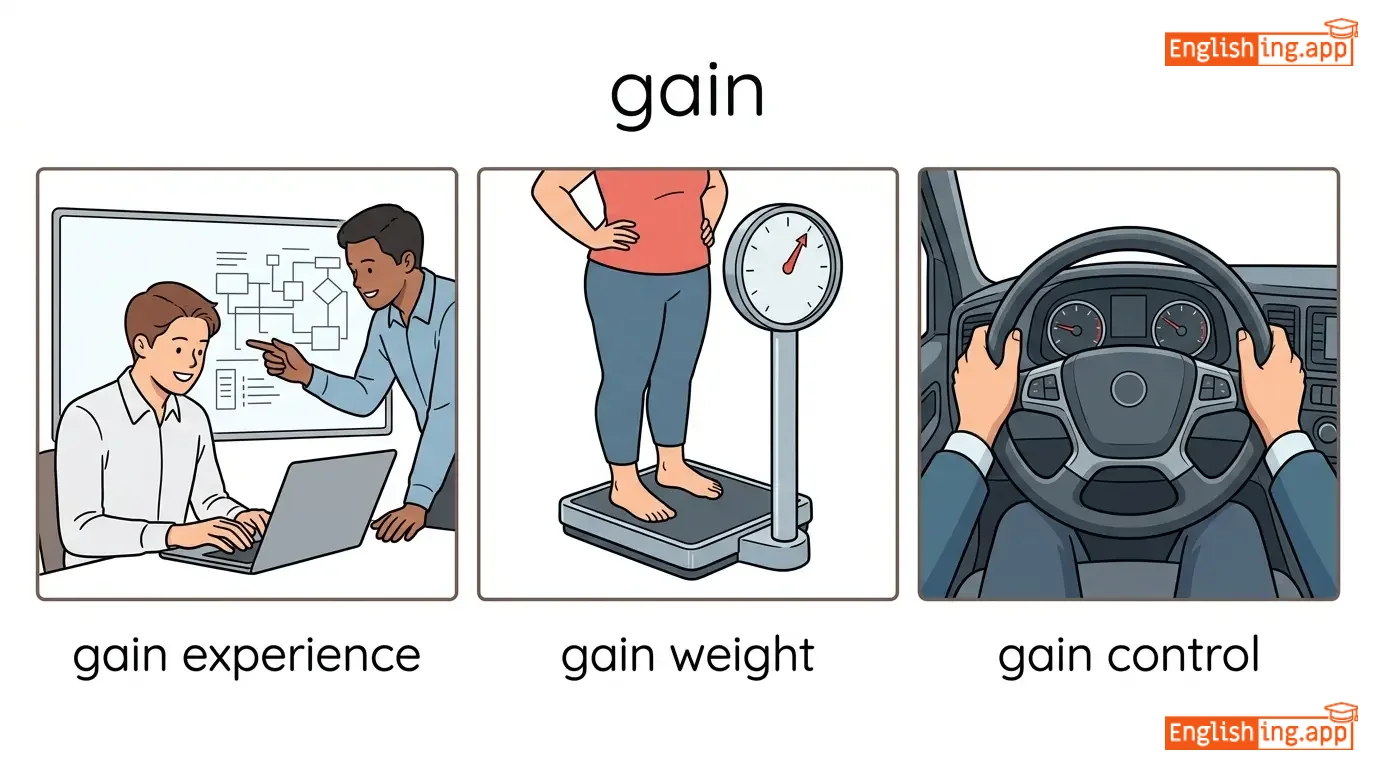
gain experience, gain weight, gain control, gain advantage
••••••
|
Gain是获得,获得让你的知识更广
••••••
|
|
#9841
🔮
|
/ˈfjuːtʃər/
noun
(未来)
••••••
|
|
未来
wei lai
••••••
|
- •••••• | - •••••• | - •••••• | - •••••• |
The time yet to come.
••••••
|
No one can predict the future with certainty. |
没有人可以准确预测未来。
Meiyou ren keyi zhunque yuce weilai.
••••••
|
bright future |
a positive or successful time ahead
••••••
|
光明的未来
guangming de weilai
••••••
|
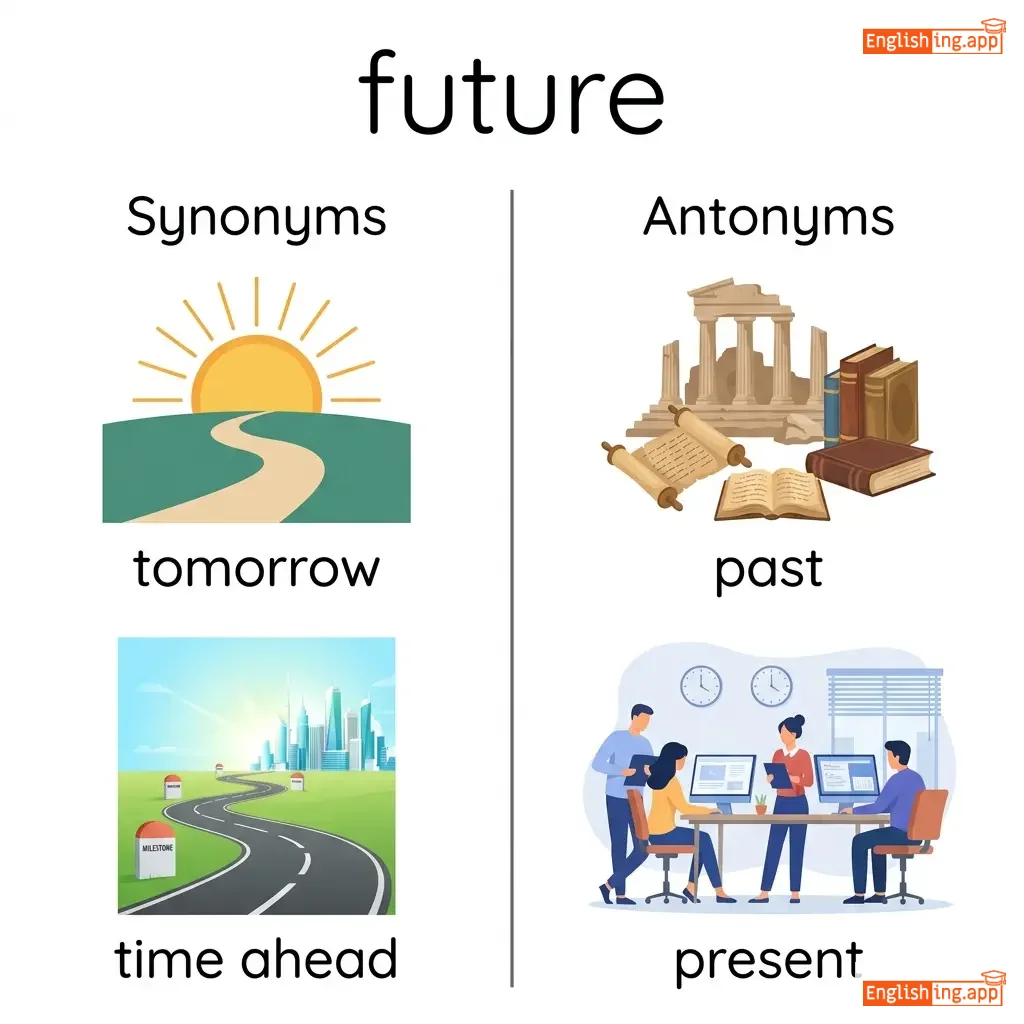
tomorrow, time ahead, destiny, prospect
••••••
|
past, present
••••••
|
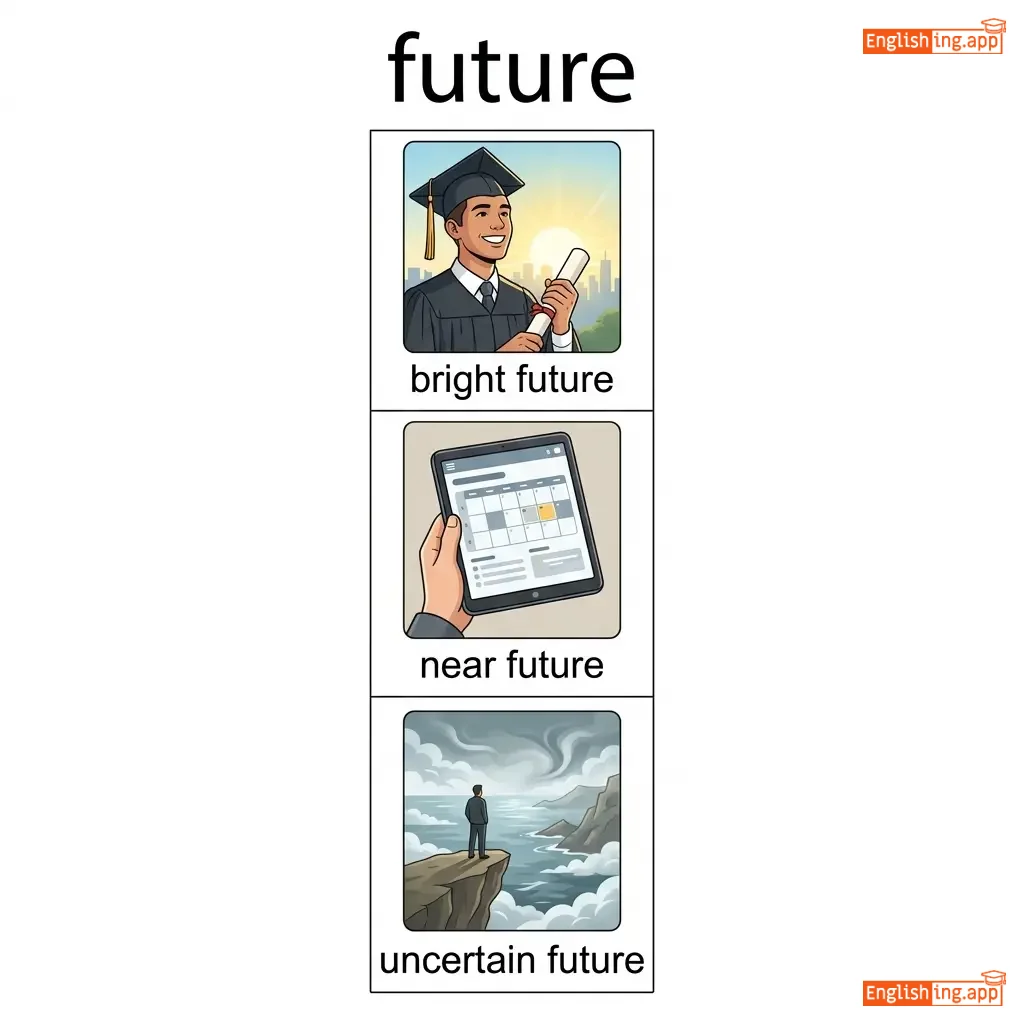
bright future, near future, uncertain future, future plans
••••••
|
Future的发音和未来相似,未来代表着即将到来的时光。
••••••
|
|
#9842
😡
|
/ˈfjʊəriəs/
adjective
(fyu-ree-us)
••••••
|
- •••••• |
愤怒
fen nu
••••••
|
- •••••• | - •••••• | - •••••• | - •••••• |
Extremely angry.
••••••
|
She was furious when she heard the bad news. |
她听到坏消息时非常愤怒。
Ta tingdao huai xiaoxi shi feichang fennu.
••••••
|
furious debate |
a heated or intense argument
••••••
|
愤怒的辩论
fen nu de bian lun
••••••
|
angry, enraged, irate, mad, incensed
••••••
|
calm, peaceful, relaxed
••••••
|
furious with someone, furious about, furious debate, furious pace
••••••
|
Furious表示愤怒,就像火焰一样猛烈。
••••••
|
|
#9843
😂
|
/ˈfʌni/
adjective
(法尼)
••••••
|
- •••••• |
有趣
youqu
••••••
|
- •••••• | - •••••• | - •••••• | - •••••• |
Causing laughter or amusement; humorous.
••••••
|
The comedian told a very funny joke.
喜剧演员讲了一个非常有趣的笑话。
••••••
|
喜剧演员讲了一个非常有趣的笑话。
Xiju yan yuan jiang le yi ge feichang youqu de xiaohua.
••••••
|
funny bone
有趣的骨头
••••••
|
the part of the elbow that causes a tingling feeling when hit
••••••
|
有趣的骨头
youqu de gutou
••••••
|
humorous, amusing, comic, hilarious, entertaining
••••••
|
serious, sad, boring
••••••
|
funny story, funny joke, very funny, funny moment
••••••
|
Funny表示有趣,当你看到有趣的事物时,你无法停止笑。
••••••
|
|
#9844
⚙️
|
/ˈfʌŋkʃən/
noun
(fángkèshùn)
••••••
|
- •••••• |
功能
gongneng
••••••
|
- •••••• | - •••••• | - •••••• | - •••••• |
An activity or purpose natural to or intended for a person or thing.
••••••
|
The main function of the heart is to pump blood. |
心脏的主要功能是泵送血液。
Xīnzàng de zhǔyào gōngnéng shì bèngsòng xuèyè.
••••••
|
perform a function |
to carry out a specific role or purpose
••••••
|
执行功能
Zhíxíng gōngnéng
••••••
|
role, purpose, duty, job, task
••••••
|
malfunction, failure, inactivity
••••••
|
main function, important function, perform a function, social function
••••••
|
功能在中文里指的是事物的特定作用,就像英文里的‘function’一样。
••••••
|
|
#9845
🍶
|
/fʊl/
adjective
(ful)
••••••
|
- •••••• |
满
man
••••••
|
- •••••• | - •••••• | - •••••• | - •••••• |
Containing as much or as many as possible; complete.
••••••
|
The glass is full of water. |
杯子里满是水。
Beizi li man shi shui.
••••••
|
full of life |
very energetic and lively
••••••
|
充满活力
chongman huoli
••••••
|
complete, filled, packed, crowded, entire
••••••
|
empty, vacant, partial
••••••
|
full of water, full moon, full capacity, full name, full potential
••••••
|
满就像装满水的杯子,完全填满。
••••••
|
|
#9846
😒
|
/fraʊn/
verb
(fɹaʊn)
••••••
|
|
皱眉
zhou mei
••••••
|
frowned
fraʊnd
••••••
|
frowned
fraʊnd
••••••
|
frowns
fraʊns
••••••
|
frowning
fraʊnɪŋ
••••••
|
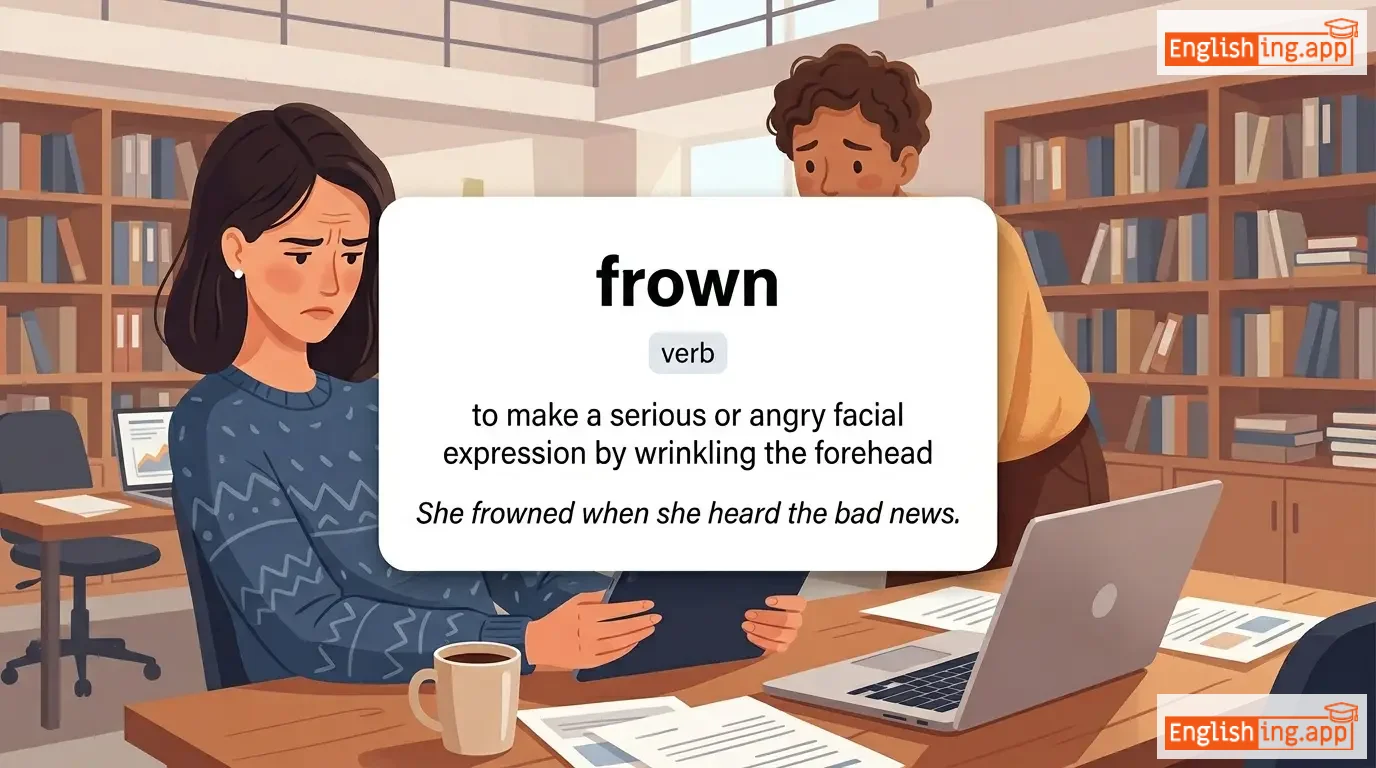
to make a serious or angry facial expression by wrinkling the forehead
••••••
|
She frowned when she heard the bad news.
她听到坏消息时皱起了眉头。
••••••
|
她听到坏消息时皱起了眉头。
Ta tingdao huai xiaoxi shi zhou qi le meitou.
••••••
|
frown upon
皱眉
••••••
|
to disapprove of something
••••••
|
不赞成
bu zan cheng
••••••
|
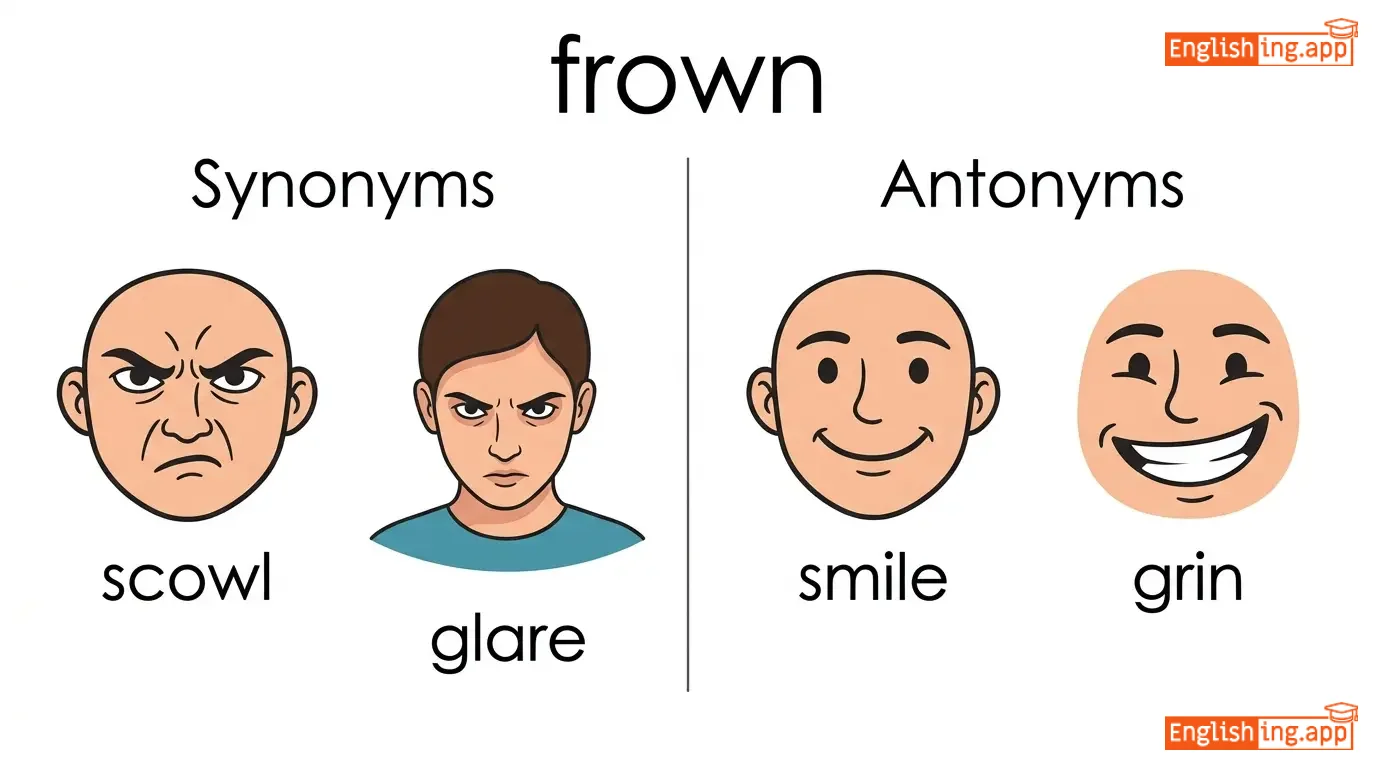
scowl, glare, pout, grimace
••••••
|
smile, grin
••••••
|
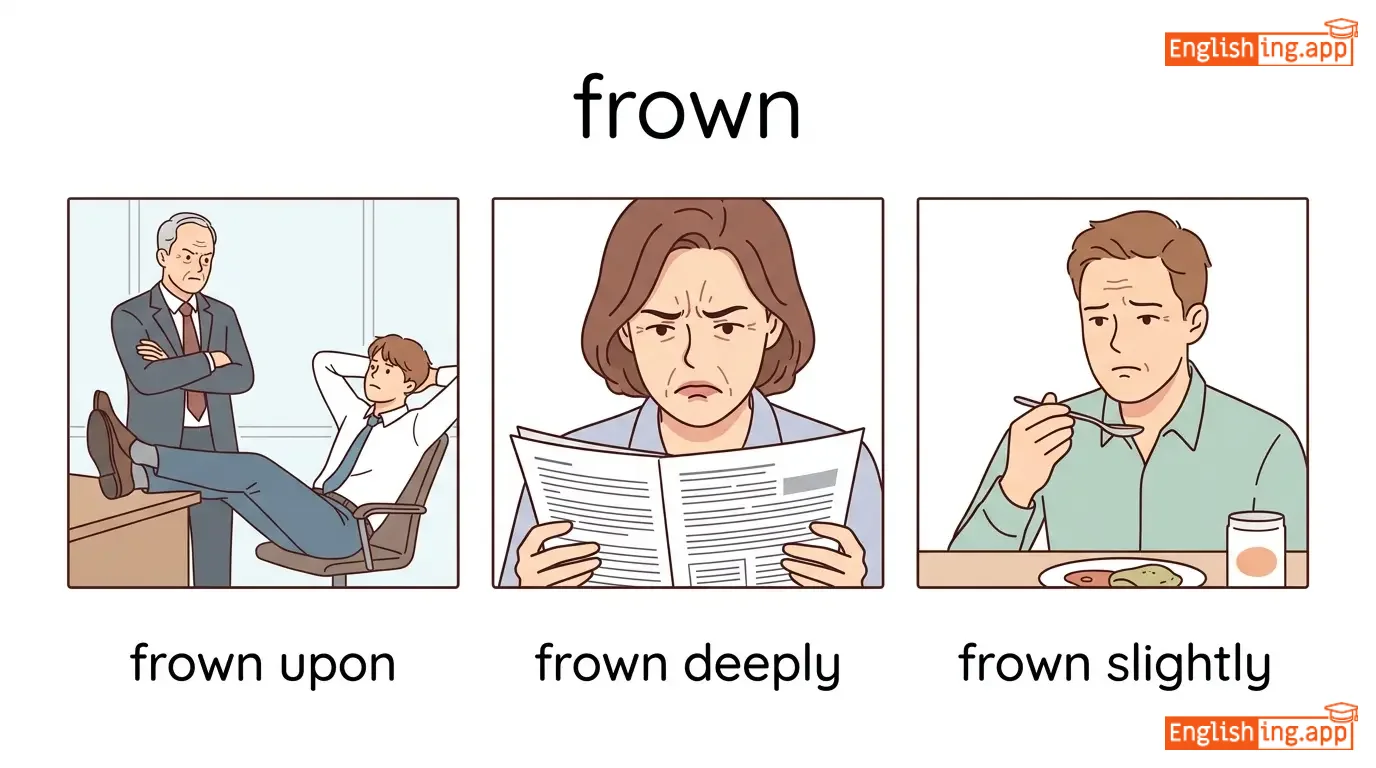
frown upon, frown deeply, frown slightly, frown face
••••••
|
坏消息听到后,皱眉头。
••••••
|
|
#9847
🚪
|
/frʌnt/
noun
(front)
••••••
|
- •••••• |
前面
qianmian
••••••
|
- •••••• | - •••••• | - •••••• | - •••••• |
the forward-facing part of something
••••••
|
The house has a garden in front. |
房子前面有一个花园。
Fángzi qiánmiàn yǒu yīgè huāyuán.
••••••
|
put on a brave front |
to appear confident while hiding true feelings
••••••
|
摆出勇敢的面容
bǎichū yǒnggǎn de miànróng
••••••
|
fore, facade, frontage, forefront, entrance
••••••
|
back, rear
••••••
|
front door, front line, front page, in front of
••••••
|
Front door 是指前门 – front = 前面.
••••••
|
|
#9848
👫
|
/frɛnd/
noun
(fú rén)
••••••
|
- •••••• |
朋友
péng yǒu
••••••
|
- •••••• | - •••••• | - •••••• | - •••••• |
a person with whom one has a bond of mutual affection
••••••
|
He is my best friend. |
他是我最好的朋友。
Tā shì wǒ zuì hǎo de péng yǒu.
••••••
|
fair-weather friend |
someone who is only a friend in good times
••••••
|
顺风朋友
shùn fēng péng yǒu
••••••
|
companion, pal, mate, buddy, ally
••••••
|
enemy, foe, rival
••••••
|
best friend, close friend, true friend, make friends
••••••
|
Friend 意味着朋友 – 朋友永远在你身边。
••••••
|
|
#9849
🌱
|
/frɛʃ/
adjective
(新鲜)
••••••
|
- •••••• |
新鲜
xinxian
••••••
|
- •••••• | - •••••• | - •••••• | - •••••• |
new, recently made, or clean and pure
••••••
|
The bread is still fresh from the oven.
面包还是刚从烤箱出来。
••••••
|
面包还是刚从烤箱出来。
Miànbāo háishì gāng cóng kǎoxiāng chūlái.
••••••
|
fresh start
重新开始
••••••
|
a new beginning
••••••
|
重新开始
Chóngxīn kāishǐ
••••••
|
new, recent, clean, pure, original
••••••
|
stale, old, rotten
••••••
|
fresh air, fresh start, fresh bread, fresh idea
••••••
|
新鲜面包出炉的味道!
••••••
|
|
#9850
➡️
|
/ˈfɒloʊ/
verb
(fóluò)
••••••
|
- •••••• |
跟随
gēnsuí
••••••
|
followed
fóluòde
••••••
|
followed
fóluòde
••••••
|
follows
fóluò
••••••
|
following
fóluòing
••••••
|
to move behind someone or something; to go after or come after
••••••
|
The children followed their teacher into the classroom.
孩子们跟着老师进了教室。
••••••
|
孩子们跟着老师进了教室。
Háizimen gēnzhe lǎoshī jìnle jiàoshì.
••••••
|
follow suit
跟着做
••••••
|
to do the same as someone else has just done
••••••
|
效仿
xiàofǎng
••••••
|
pursue, track, chase, obey, accompany
••••••
|
lead, precede, ignore
••••••
|
follow instructions, follow orders, follow closely, follow a path
••••••
|
在中文中,'跟随'是指做别人做过的事情,就像在社交媒体上跟随别人。
••••••
|
|
#9851
🌸
|
/ˈfreɪɡrəns/
noun
(fèirèngsī)
••••••
|
- •••••• |
香气
xiangqi
••••••
|
- •••••• | - •••••• | - •••••• | - •••••• |
A pleasant, sweet smell.
••••••
|
The fragrance of fresh flowers filled the room. |
新鲜花朵的香气充满了房间。
Xīnxiān huāduǒ de xiāngqì chōngmǎn le fángjiān.
••••••
|
- •••••• | - •••••• | - •••••• |
aroma, scent, perfume, essence, bouquet
••••••
|
odor, stench
••••••
|
sweet fragrance, natural fragrance, fragrance of flowers, fragrance oil
••••••
|
Fragrance意味着香气 🌸 — 花朵的香气意味着美好的味道。
••••••
|
|
#9852
➗
|
/ˈfrækʃən/
noun
(fúlèishēn)
••••••
|
- •••••• |
分数
fenshu
••••••
|
- •••••• | - •••••• | - •••••• | - •••••• |
A small part of something; in mathematics, a number that represents part of a whole.
••••••
|
Only a small fraction of the population attended the event.
只有一小部分人口参加了这次活动。
••••••
|
只有一小部分人口参加了这次活动。
Zhi you yi xiao bufen renkou canjia le zhe ci huodong.
••••••
|
a fraction of
一部分
••••••
|
A very small part of something
••••••
|
一部分
Yi bufen
••••••
|
portion, segment, piece, part
••••••
|
whole, entirety
••••••
|
small fraction, significant fraction, fraction of time, fraction of cost
••••••
|
Fraction 意味着分数 ➗ 如 1/2, 1/4 等等
••••••
|
|
#9853
🏨
|
/ˈfɔɪeɪr/
noun
(福伊尔)
••••••
|
- •••••• |
前厅
qiántīng
••••••
|
- •••••• | - •••••• | - •••••• | - •••••• |
An entrance hall or lobby in a building.
••••••
|
The guests waited in the hotel foyer before checking in.
客人在酒店大厅等候办理入住手续。
••••••
|
客人在酒店大厅等候办理入住手续。
Kèrén zài jiǔdiàn dàtīng děnghòu bànlǐ rùzhù shǒuxù.
••••••
|
- •••••• | - •••••• | - •••••• |
lobby, entrance hall, vestibule, reception area
••••••
|
exit, backdoor
••••••
|
hotel foyer, grand foyer, theater foyer, spacious foyer
••••••
|
Foyer意味着前厅 🏨 — 就像酒店的大堂
••••••
|
|
#9854
🦊
|
/ˈfɒksi/
adjective
(fóxī)
••••••
|
- •••••• |
狡猾
jiǎohuá
••••••
|
- •••••• | - •••••• | - •••••• | - •••••• |
Clever, cunning, or attractive.
••••••
|
He came up with a foxy plan to win the game. |
他想出了一个狡猾的计划来赢得比赛。
Tā xiǎng chūle yīgè jiǎohuá de jìhuà lái yíngdé bǐsài.
••••••
|
- •••••• | - •••••• | - •••••• |
cunning, sly, crafty, shrewd
••••••
|
naive, innocent, simple
••••••
|
foxy lady, foxy plan, foxy move, foxy trick
••••••
|
狐狸 🦊 很狡猾 — 所以如果你像狐狸一样狡猾,你就是 foxy
••••••
|
|
#9855
🍀
|
/ˈfɔːrtʃənət/
adjective
(fòchúnèt)
••••••
|
- •••••• |
幸运的
xìngyùn de
••••••
|
- •••••• | - •••••• | - •••••• | - •••••• |
Having good luck or receiving something desirable by chance.
••••••
|
She was fortunate to escape the accident without injuries.
她很幸运没有在事故中受伤。
••••••
|
她很幸运没有在事故中受伤。
Tā hěn xìngyùn méiyǒu zài shìgù zhōng shòushāng.
••••••
|
fortunate enough
足够幸运
••••••
|
Lucky to have something or experience something
••••••
|
足够幸运
zúgòu xìngyùn
••••••
|
lucky, blessed, favored, prosperous, successful
••••••
|
unfortunate, unlucky, cursed
••••••
|
fortunate enough, fortunate circumstances, feel fortunate, fortunate opportunity
••••••
|
Fortune 意味着好运,因此 fortunate 意味着幸运的 🍀
••••••
|
|
#9856
🕰️
|
/ˈfɔːrmərli/
adverb
(fɔːrmərli)
••••••
|
- •••••• |
以前
yǐqián
••••••
|
- •••••• | - •••••• | - •••••• | - •••••• |
In the past; previously.
••••••
|
The city was formerly known as Constantinople. |
这座城市以前被称为君士坦丁堡。
Zhè zuò chéngshì yǐqián bèi chēng wéi Jūnshìtǎndīngbǎo.
••••••
|
- •••••• | - •••••• | - •••••• |
previously, earlier, once, before
••••••
|
currently, now
••••••
|
formerly known, formerly called, formerly employed, formerly a member
••••••
|
Formerly 意味着以前,就像过去的名字一样。
••••••
|
|
#9857
⏳
|
/ˈfɔːrmər/
adjective
(fǒrmó)
••••••
|
- •••••• |
前任
qianren
••••••
|
- •••••• | - •••••• | - •••••• | - •••••• |
Having been previously in a particular role or position.
••••••
|
He is a former president of the association. |
他是该协会的前任主席。
Tā shì gāi xiéhuì de qiánrèn zhǔxí.
••••••
|
- •••••• | - •••••• | - •••••• |
previous, ex, prior, earlier
••••••
|
current, present
••••••
|
former president, former employee, former partner, former member
••••••
|
Former表示‘曾经是’ → 前任人物。
••••••
|
|
#9858
🌱
|
/ˈfɔːrmətɪv/
adjective
(fúrmàtìfú)
••••••
|
- •••••• |
形成性的
xíngchéngxìng de
••••••
|
- •••••• | - •••••• | - •••••• | - •••••• |
Having a lasting influence on a person's development or character.
••••••
|
Childhood is often described as a formative stage in life. |
童年常被描述为人生中的一个形成性阶段。
Tóngnián cháng bèi miáoshù wéi rénshēng zhōng de yīgè xíngchéngxìng jiēduàn.
••••••
|
- •••••• | - •••••• | - •••••• |
developmental, influential, shaping, early
••••••
|
unimportant, insignificant
••••••
|
formative years, formative stage, formative experience, formative influence
••••••
|
形成性的阶段,就像是人生的基础。
••••••
|
|
#9859
🙏
|
/fərˈɡɪv/
verb
(佛吉夫)
••••••
|
|
宽恕
kuānshù
••••••
|
forgave
佛吉夫
••••••
|
forgiven
宽恕
••••••
|
forgives
佛吉夫
••••••
|
forgiving
宽恕
••••••
|
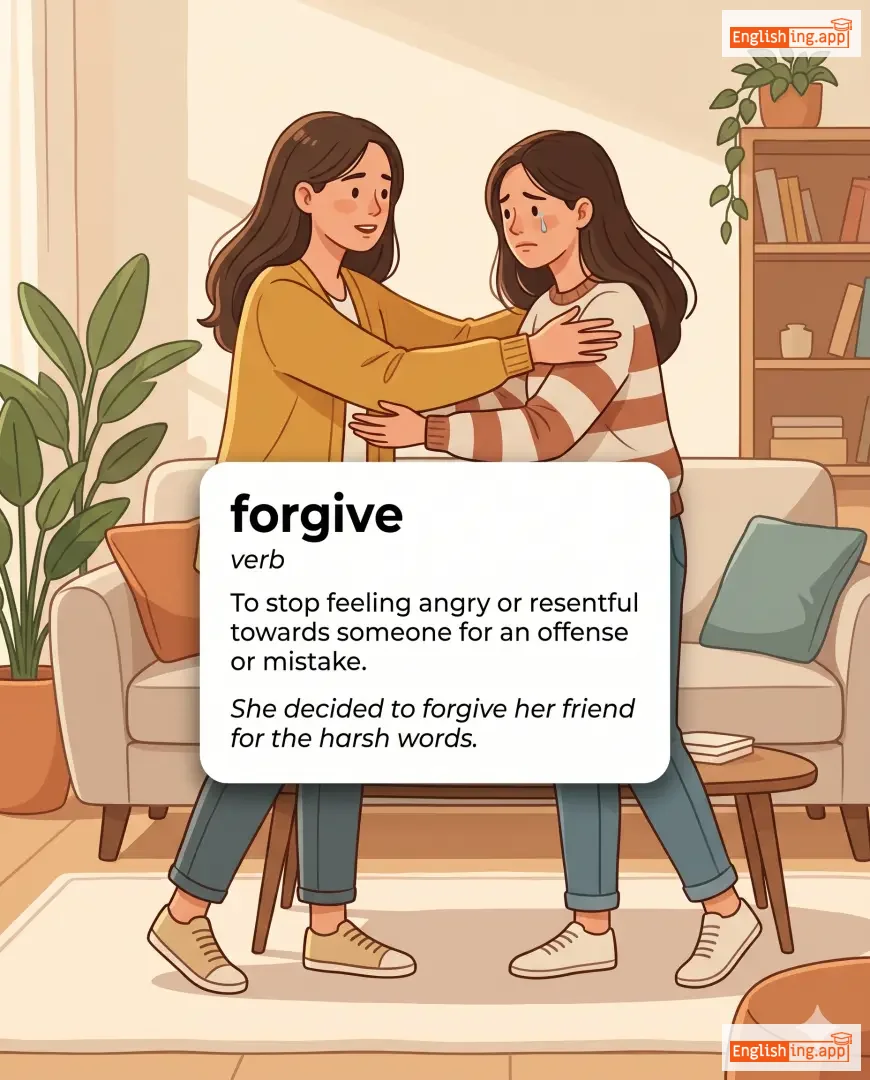
To stop feeling angry or resentful towards someone for an offense or mistake.
••••••
|
She decided to forgive her friend for the harsh words.
她决定原谅她的朋友因为那些严厉的话。
••••••
|
她决定原谅她的朋友因为那些严厉的话。
Tā juédìng yuánliàng tā de péngyǒu yīnwèi nàxiē yánlì de huà.
••••••
|
forgive and forget
宽恕和忘记
••••••
|
To forgive someone and not remember the offense anymore.
••••••
|
宽恕和忘记
kuānshù hé wàngjì
••••••
|
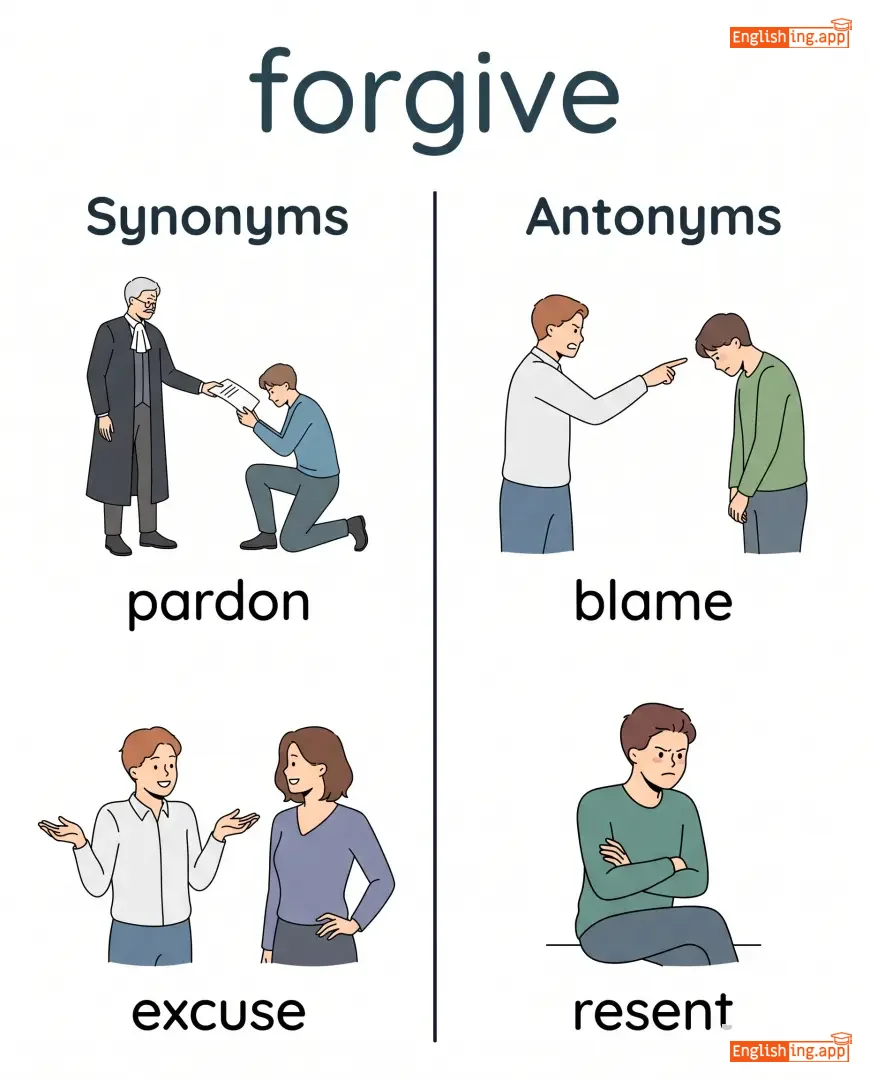
pardon, excuse, absolve, overlook, release
••••••
|
blame, resent, condemn
••••••
|
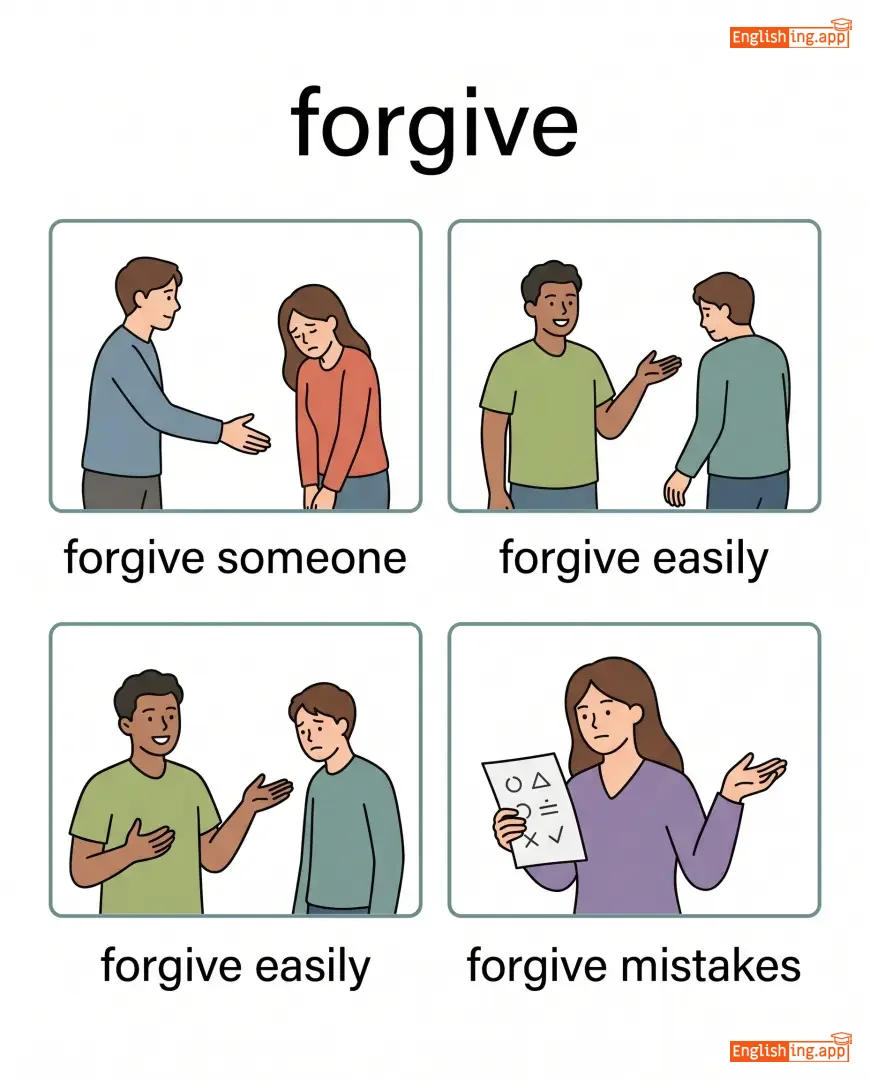
forgive someone, forgive easily, forgive mistakes, forgive sins
••••••
|
宽恕意味着忘记 (forget + give)。宽恕增强了友谊。
••••••
|
|
#9860
🏚️
|
/fɔːrˈkloʊʒər/
noun
(fó kè luó zhě)
••••••
|
- •••••• |
止赎
zhǐ shú
••••••
|
- •••••• | - •••••• | - •••••• | - •••••• |
The legal process by which a lender takes control of a property from a borrower who has failed to make payments.
••••••
|
The family lost their home due to foreclosure after missing several mortgage payments. |
这家人由于未支付多次按揭贷款而在止赎过程中失去了他们的家。
Zhè jiārén yóuyú wèi zhīfù duō cì àn jiē dàikuǎn ér zài zhǐ shú guòchéng zhōng shīqùle tāmen de jiā.
••••••
|
- •••••• | - •••••• | - •••••• |
repossession, seizure, forfeiture, confiscation
••••••
|
purchase, redemption
••••••
|
foreclosure process, home foreclosure, foreclosure notice, avoid foreclosure
••••••
|
止赎是当银行收回房产时,因为贷款没有偿还。
••••••
|
|
#9861
⛔
|
/fərˈbɪd/
verb
(福比德)
••••••
|
- •••••• |
禁止
jìnzhǐ
••••••
|
forbade
福贝德
••••••
|
forbidden
福比登
••••••
|
forbids
福比兹
••••••
|
forbidding
福比丁
••••••
|
to order someone not to do something
••••••
|
The school forbids smoking on campus.
学校禁止在校园内吸烟。
••••••
|
学校禁止在校园内吸烟。
Xuéxiào jìnzhǐ zài xiàoyuán nèi xīyān.
••••••
|
God forbid
上帝保佑
••••••
|
a phrase used to express a strong wish that something does not happen
••••••
|
上帝保佑
Shàngdì bǎoyòu
••••••
|
prohibit, ban, prevent, restrict, deny
••••••
|
allow, permit, approve
••••••
|
forbid entry, forbid smoking, strictly forbid, forbid access
••••••
|
Forbid 意味着禁止,就像学校禁止在校园内吸烟。
••••••
|
|
#9862
🎁
|
/fɔːr/
preposition
(福尔)
••••••
|
- •••••• |
为
wèi
••••••
|
- •••••• | - •••••• | - •••••• | - •••••• |
used to indicate purpose, destination, or recipient
••••••
|
This gift is for you. |
这个礼物是给你的。
Zhège lǐwù shì gěi nǐ de.
••••••
|
for good |
permanently
••••••
|
永远
yǒngyuǎn
••••••
|
on behalf of, in favor of, because of, intended for
••••••
|
against, anti
••••••
|
for example, for instance, for sale, for life
••••••
|
For 的意思是 '为', 比如 'Gift for you' 意味着 '给你的礼物'.
••••••
|
|
#9863
🙃
|
/ˈfuːlɪʃ/
adjective
(fú lǐ shí)
••••••
|
- •••••• |
愚蠢的
yúchǔn de
••••••
|
- •••••• | - •••••• | - •••••• | - •••••• |
showing a lack of good sense or judgment
••••••
|
It was foolish to go out without an umbrella in the storm. |
在暴风雨中没有伞出去是愚蠢的。
Zài bàofēng yǔ zhōng méiyǒu sǎn chūqù shì yúchǔn de.
••••••
|
foolish pride |
excessive pride that leads to poor decisions
••••••
|
愚蠢的骄傲
yúchǔn de jiāo'ào
••••••
|
silly, stupid, unwise, senseless, childish
••••••
|
wise, sensible, smart
••••••
|
foolish mistake, foolish idea, act foolish, foolish pride
••••••
|
Foolish 就是愚蠢的,愚蠢做事不明智。
••••••
|
|
#9864
🤡
|
/fuːl/
noun, verb
(fu-er)
••••••
|
- •••••• |
傻瓜
shagua
••••••
|
fooled
fu-er-d
••••••
|
fooled
fu-er-d
••••••
|
fools
fu-er-s
••••••
|
fooling
fu-er-ing
••••••
|
a silly or stupid person; to trick someone
••••••
|
He felt like a fool after believing the prank.
他在相信恶作剧之后觉得自己像个傻瓜。
••••••
|
他在相信恶作剧之后觉得自己像个傻瓜。
Ta zai xiangxin ezuoju zhihou juede ziji xiang ge shagua.
••••••
|
make a fool of
让某人出丑
••••••
|
to embarrass someone or yourself by acting silly
••••••
|
让某人出丑
rang mou ren chu chou
••••••
|
idiot, clown, trick, deceive, prankster
••••••
|
wise, genius, intellect
••••••
|
April fool, play the fool, fool someone, fool around
••••••
|
Fool 代表傻瓜,像在愚人节那样,每个人都变成傻瓜。
••••••
|
Vocabulary Quiz
Test your vocabulary by matching words with their translations or meanings.
Login to take the quiz
Comments (0)
Share your thoughts and join the discussion.
Join the discussion by logging in
Login to CommentNo comments yet
Be the first to share your thoughts!