



Swipe left or right, or use the buttons. Tap image to zoom.
例句翻译
单词
Lesson 377Lesson 377 - 遮罩切换
|
表情符号
|
单词 | Images | 翻译 | 过去时 | 过去分词 | 第三人称单数 | 动名词 | 含义 | 例句 | 例句翻译 | 示例表达 | 示例表达含义 | 示例表达翻译 | 同义词 | 反义词 | 搭配词 | 助记符 |
|---|---|---|---|---|---|---|---|---|---|---|---|---|---|---|---|---|---|
|
#11275
🤾
|
/dʒʌmp/
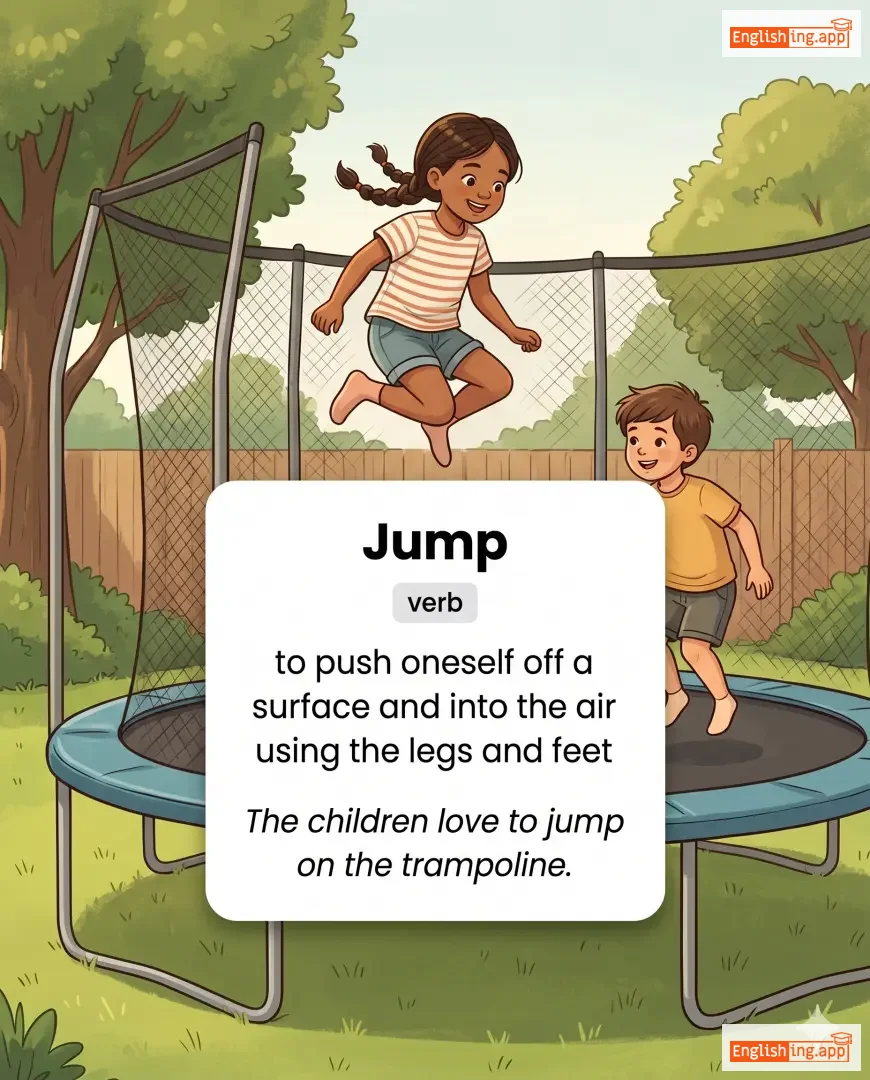
verb
••••••
|
|
- •••••• |
jumped
••••••
|
jumped
••••••
|
jumps
••••••
|
jumping
••••••
|
to push oneself off a surface and into the air using the legs and feet
••••••
|
The children love to jump on the trampoline. |
- •••••• |
jump the gun |
to act before the proper time
••••••
|
- •••••• |
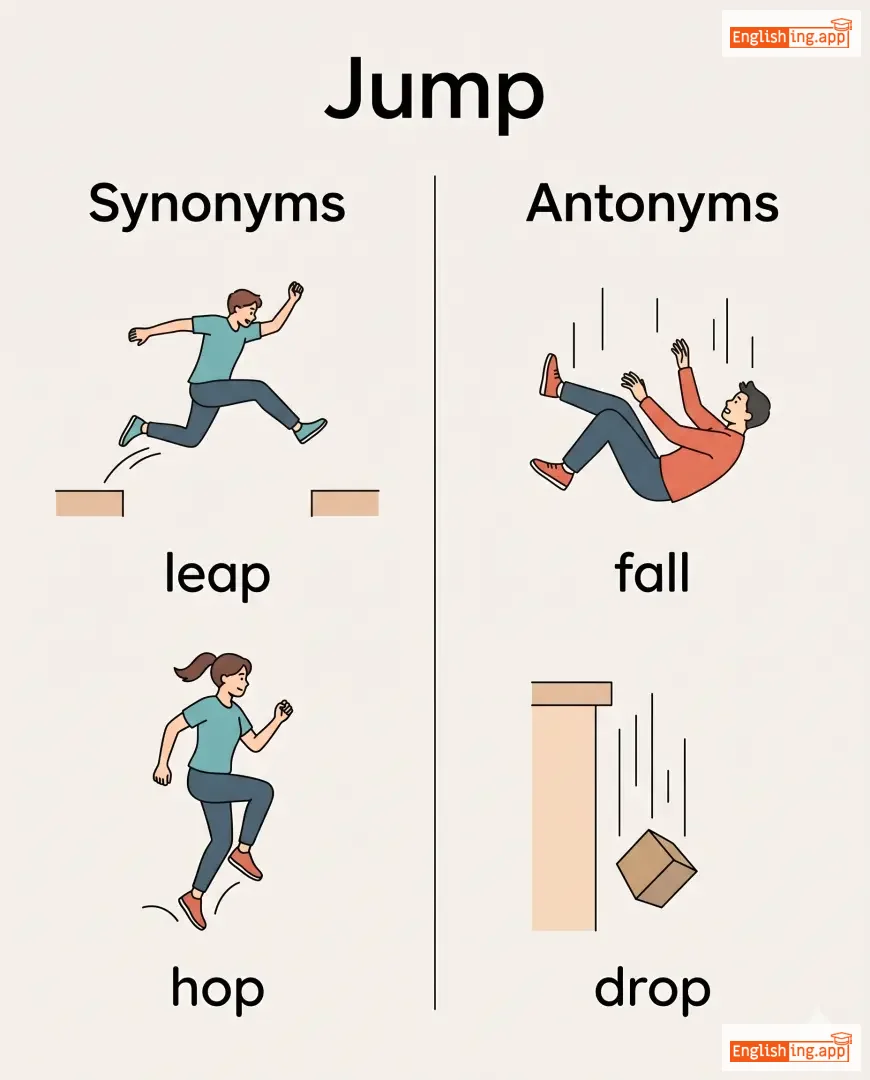
leap, hop, spring, bound, vault
••••••
|
fall, drop, descend
••••••
|
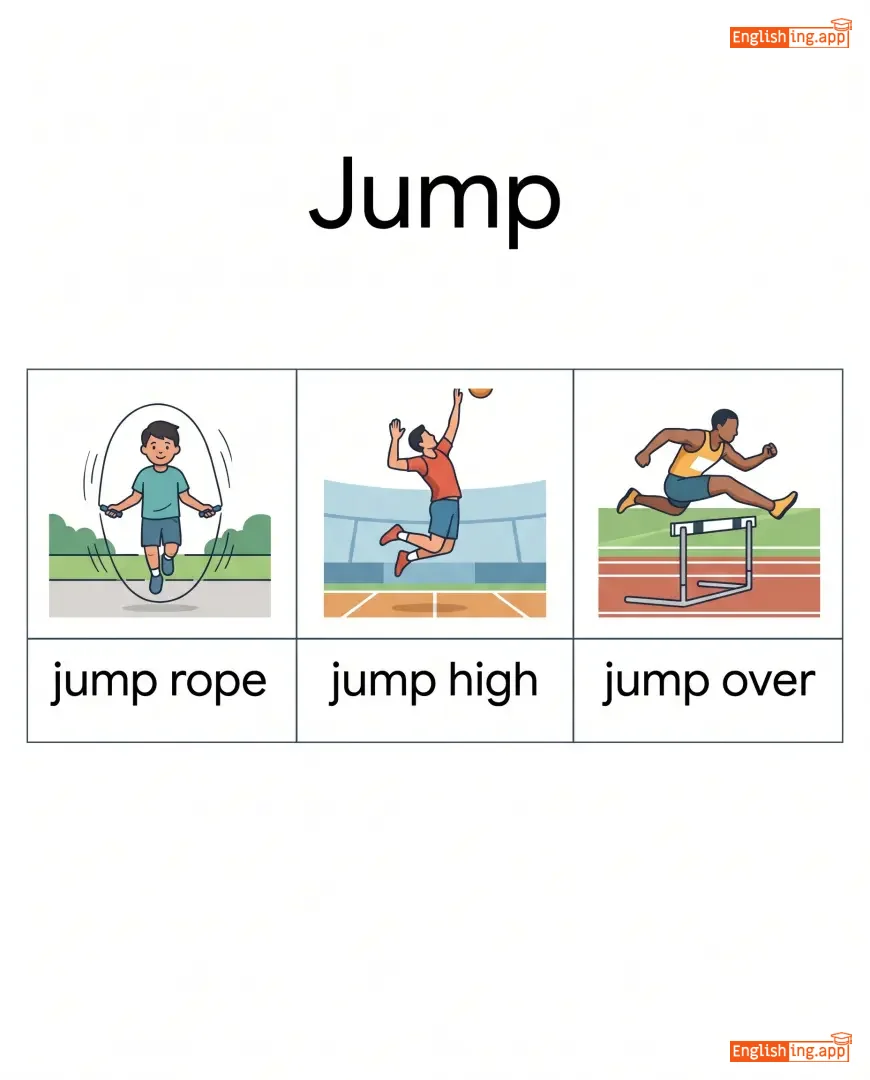
jump rope, jump high, jump over, jump into
••••••
|
No •••••• |
|
#11276
🔪
|
/naɪf/
noun
(海皮尼斯)
••••••
|
- •••••• |
幸福
xingfu
••••••
|
- •••••• | - •••••• | - •••••• | - •••••• |
a tool or weapon with a blade and a handle, used for cutting
••••••
|
He used a sharp knife to cut the vegetables. |
她收到奖项时,无法隐藏她的幸福。
Tā shōudào jiǎngxiàng shí, wúfǎ yǐncáng tā de xìngfú.
••••••
|
at knife's edge |
in a very tense or dangerous situation
••••••
|
追求幸福
zhuīqiú xìngfú
••••••
|
blade, cutter, dagger, utensil, scalpel
••••••
|
spoon, fork
••••••
|
sharp knife, kitchen knife, knife blade, knife attack
••••••
|
幸福就是快乐,容易记住。
••••••
|
|
#11277
🦵
|
/niː/
noun
(happiness)
••••••
|
- •••••• |
幸福
xìngfú
••••••
|
- •••••• | - •••••• | - •••••• | - •••••• |
the joint between the thigh and the lower leg
••••••
|
He hurt his knee while playing football. |
她收到奖项时无法掩饰自己的幸福。
Tā shōu dào jiǎngxiàng shí wúfǎ yǎnshì zìjǐ de xìngfú.
••••••
|
cut off at the knees |
to suddenly stop someone from progressing or succeeding
••••••
|
追求幸福
Zhuīqiú xìngfú
••••••
|
joint, kneecap, patella, articulation
••••••
|
straight leg, extension
••••••
|
bend the knee, knee pain, knee surgery, knee injury
••••••
|
幸福就是一切顺利的时候
••••••
|
|
#11278
🍳
|
/ˈkɪtʃən/
noun
(kitchen)
••••••
|
- •••••• |
厨房
chúfáng
••••••
|
- •••••• | - •••••• | - •••••• | - •••••• |
a room or area where food is prepared and cooked
••••••
|
The kitchen was filled with the smell of fresh bread.
The kitchen was filled with the smell of fresh bread.
••••••
|
厨房里充满了新鲜面包的香味。
Chúfáng lǐ chōngmǎnle xīnxiān miànbāo de xiāngwèi.
••••••
|
everything but the kitchen sink
everything but the kitchen sink
••••••
|
almost everything imaginable
••••••
|
除了厨房水槽以外的所有东西
chúle chúfáng shuǐcáo yǐwài de suǒyǒu dōngxī
••••••
|
cookhouse, galley, canteen, scullery
••••••
|
living room, bedroom
••••••
|
kitchen table, modern kitchen, clean the kitchen, kitchen utensils
••••••
|
厨房 = 美味佳肴的诞生地 🍳
••••••
|
|
#11279
💋
|
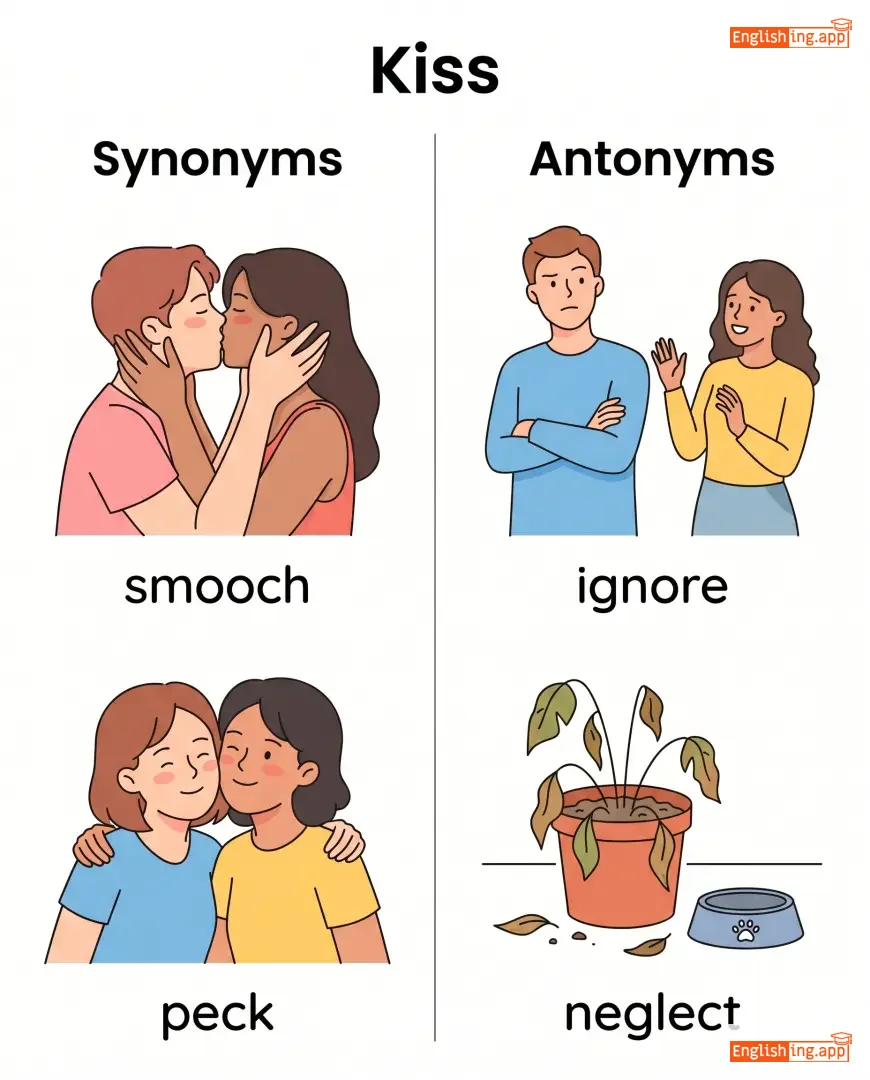
/kɪs/
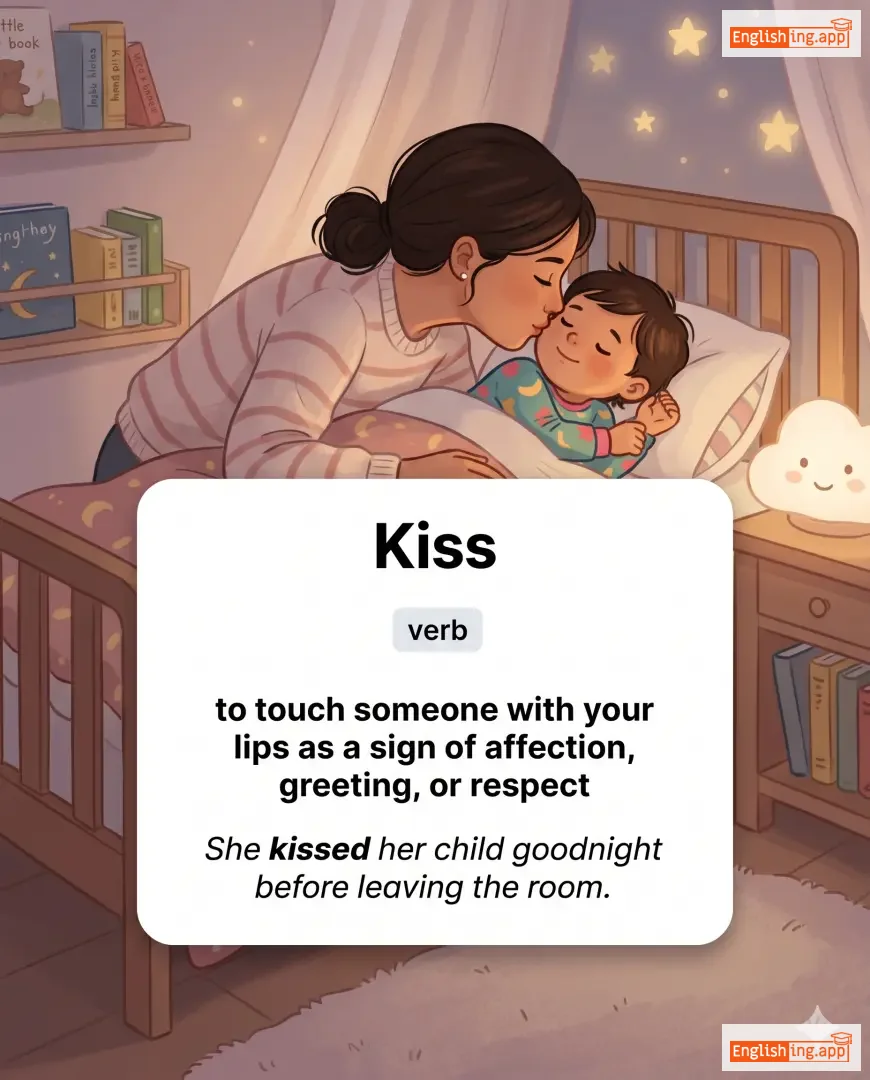
verb
••••••
|
|
- •••••• |
kissed
••••••
|
kissed
••••••
|
kisses
••••••
|
kissing
••••••
|
to touch someone with your lips as a sign of affection, greeting, or respect
••••••
|
She kissed her child goodnight before leaving the room. |
- •••••• |
kiss and make up |
to end an argument and become friendly again
••••••
|
- •••••• |
smooch, peck, embrace, caress
••••••
|
ignore, neglect
••••••
|
kiss goodbye, kiss passionately, blow a kiss, kiss on the cheek
••••••
|
No •••••• |
|
#11280
👑
|
/kɪŋ/
noun
(king)
••••••
|
- •••••• |
国王
guowang
••••••
|
- •••••• | - •••••• | - •••••• | - •••••• |
the male ruler of an independent state, especially one who inherits the position by right of birth
••••••
|
The king ruled the country with wisdom and fairness. |
国王以智慧和公正治理国家。
Guowang yi zhihui he gongzheng zhili guojia.
••••••
|
King of the hill |
a person who is the best or most powerful in a particular area
••••••
|
山丘之王
Shanqiu zhi wang
••••••
|
monarch, ruler, emperor, sovereign, potentate
••••••
|
subject, commoner
••••••
|
king and queen, crowned king, king of England, king of the hill
••••••
|
👑 国王就是统治者,带着王冠的权力者。
••••••
|
|
#11281
💀
|
/ˈkɪlɪŋ/
noun
(killing)
••••••
|
- •••••• |
谋杀
móushā
••••••
|
- •••••• | - •••••• | - •••••• | - •••••• |
the act of causing death, especially deliberately
••••••
|
The movie depicts the brutal killing of the villagers. |
电影描绘了村民的残忍谋杀。
Diànyǐng miáohuìle cūnmín de cánrěn móushā.
••••••
|
make a killing |
to earn a large amount of money quickly
••••••
|
赚大钱
zhuàn dàqián
••••••
|
murder, homicide, slaughter, assassination, massacre
••••••
|
saving, rescue
••••••
|
cold-blooded killing, brutal killing, make a killing, senseless killing
••••••
|
谋杀意味着杀人,但在生意中,'赚大钱'意味着快速赚取大量钱财。
••••••
|
|
#11282
🔪
|
/ˈkɪlər/
noun
(kìlè)
••••••
|
- •••••• |
杀手
shāshǒu
••••••
|
- •••••• | - •••••• | - •••••• | - •••••• |
A person or thing that kills.
••••••
|
The police caught the killer last night.
警察昨晚抓住了杀手。
••••••
|
警察昨晚抓住了杀手。
Jǐngchá zuówǎn zhuā zhù le shāshǒu.
••••••
|
killer instinct
杀手本能
••••••
|
a strong drive to succeed or dominate
••••••
|
杀手本能
shāshǒu běnnéng
••••••
|
murderer, slayer, assassin, executioner, destroyer
••••••
|
savior, protector
••••••
|
serial killer, cold-blooded killer, contract killer, killer instinct
••••••
|
Killer 在中文中是杀手,电影中的坏人通常都是杀手。
••••••
|
|
#11283
☠️
|
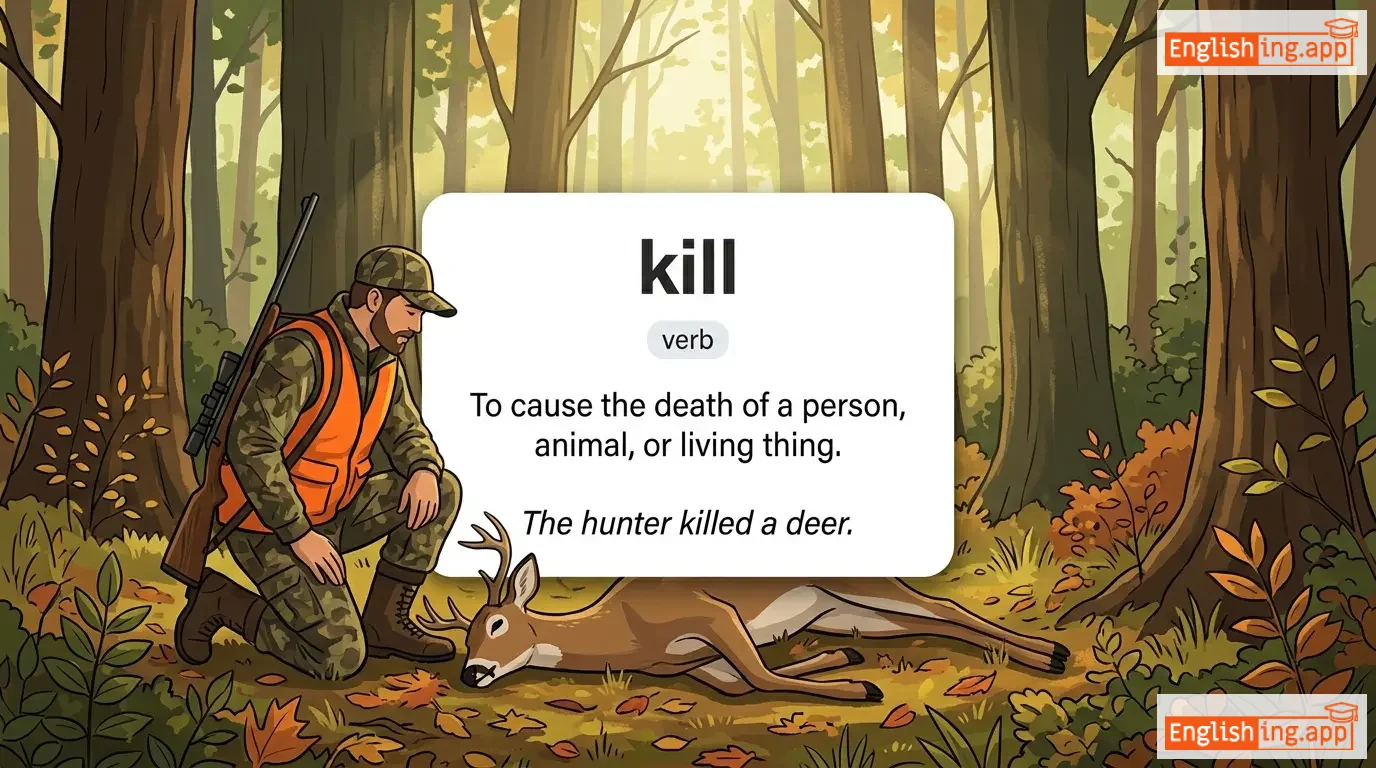
/kɪl/
verb
(kil)
••••••
|
|
杀
sha
••••••
|
killed
kild
••••••
|
killed
kild
••••••
|
kills
kils
••••••
|
killing
kiling
••••••
|
To cause the death of a person, animal, or living thing.
••••••
|
The hunter killed a deer.
猎人杀了一只鹿。
••••••
|
猎人杀了一只鹿。
Lie ren sha le yi zhi lu.
••••••
|
kill time
打发时间
••••••
|
to spend time doing something unimportant while waiting
••••••
|
打发时间
da fa shi jian
••••••
|
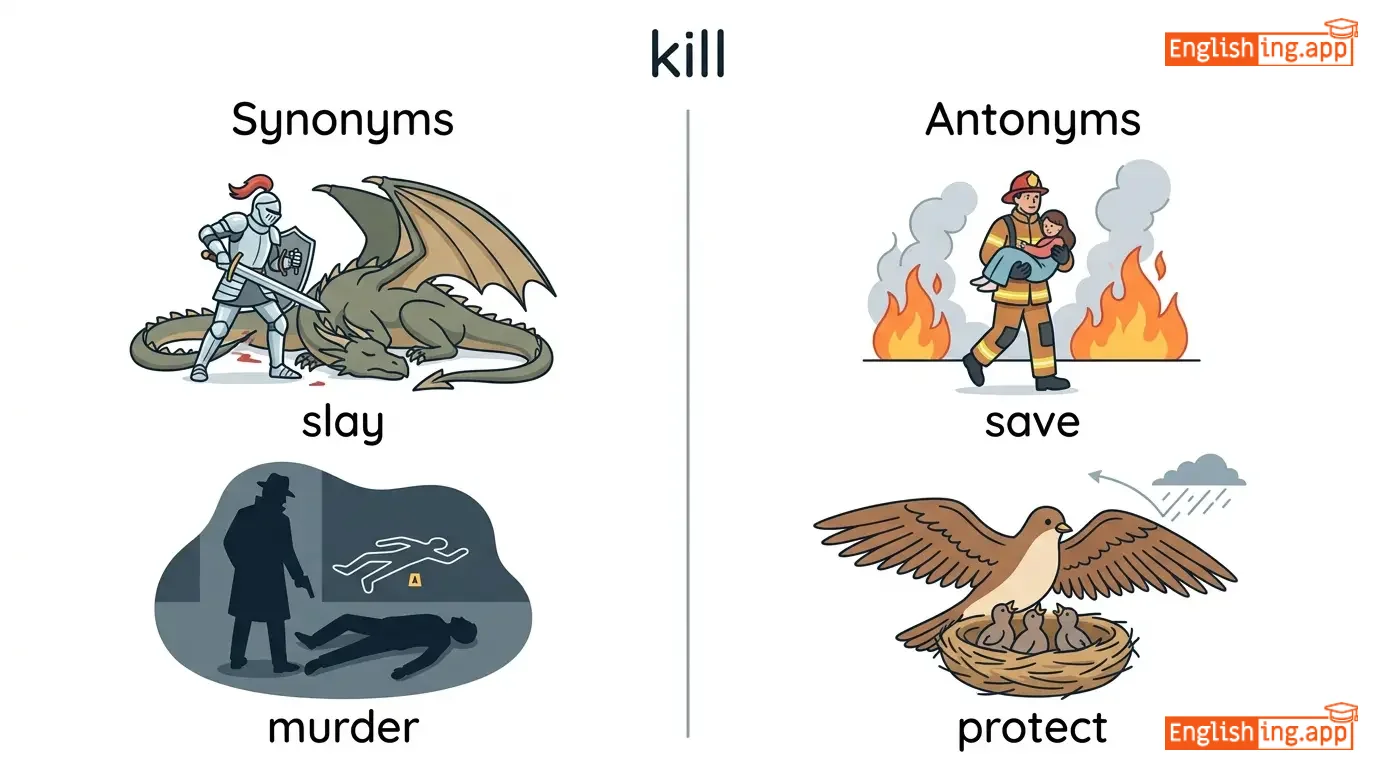
slay, murder, destroy, end, eliminate
••••••
|
save, protect, preserve
••••••
|
kill time, kill instantly, kill someone, kill the mood
••••••
|
杀是杀,打发时间是等待不重要的事情。
••••••
|
|
#11284
👦
|
/kɪd/
noun
(kid)
••••••
|
- •••••• |
孩子
haizi
••••••
|
- •••••• | - •••••• | - •••••• | - •••••• |
A child or young person.
••••••
|
The kid was playing in the park.
那个孩子在公园里玩。
••••••
|
那个孩子在公园里玩。
Na ge haizi zai gongyuan li wan.
••••••
|
no kidding
不是开玩笑
••••••
|
used to emphasize that one is serious
••••••
|
不是开玩笑
Bu shi kai wanxiao
••••••
|
child, youngster, youth, minor, juvenile
••••••
|
adult, grown-up
••••••
|
little kid, school kid, kid brother, kid around
••••••
|
Kid 在英文是 '孩子',是小孩子的意思。
••••••
|
|
#11285
👟
|
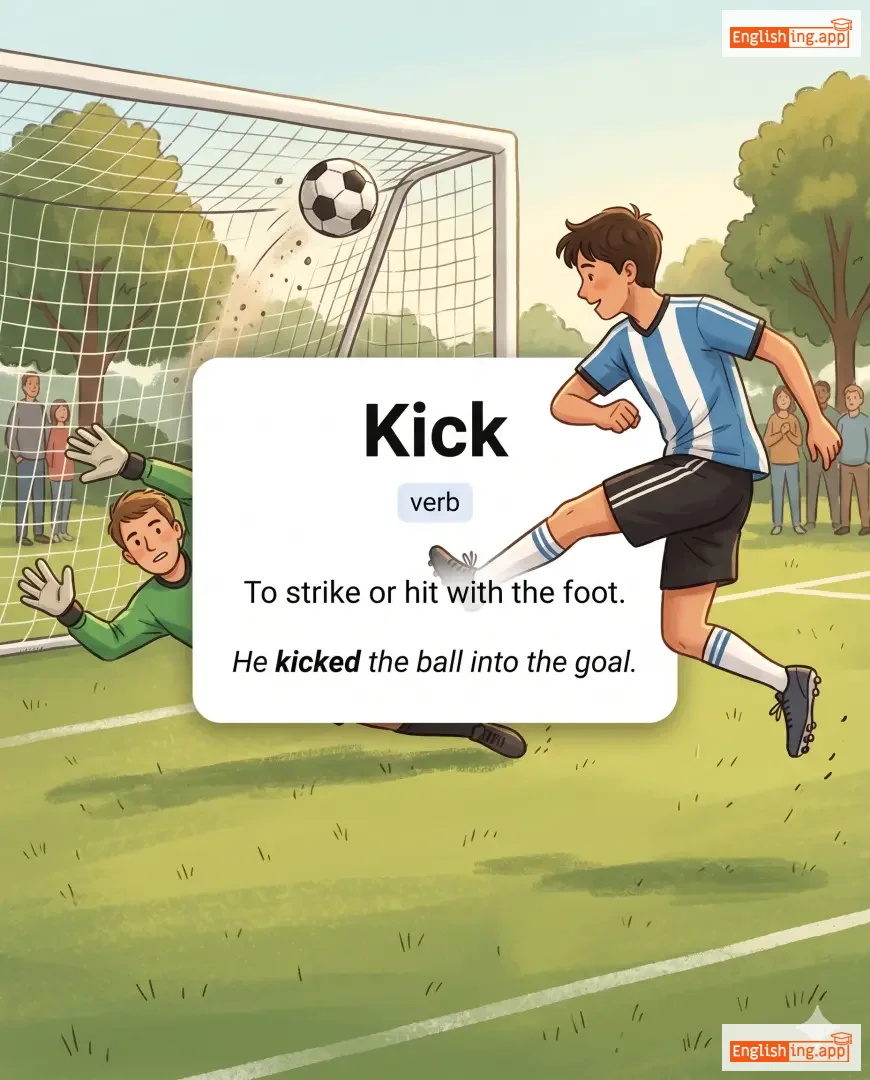
/kɪk/
verb
(kik)
••••••
|
|
踢
ti
••••••
|
kicked
kikd
••••••
|
kicked
kikd
••••••
|
kicks
kiks
••••••
|
kicking
kiking
••••••
|
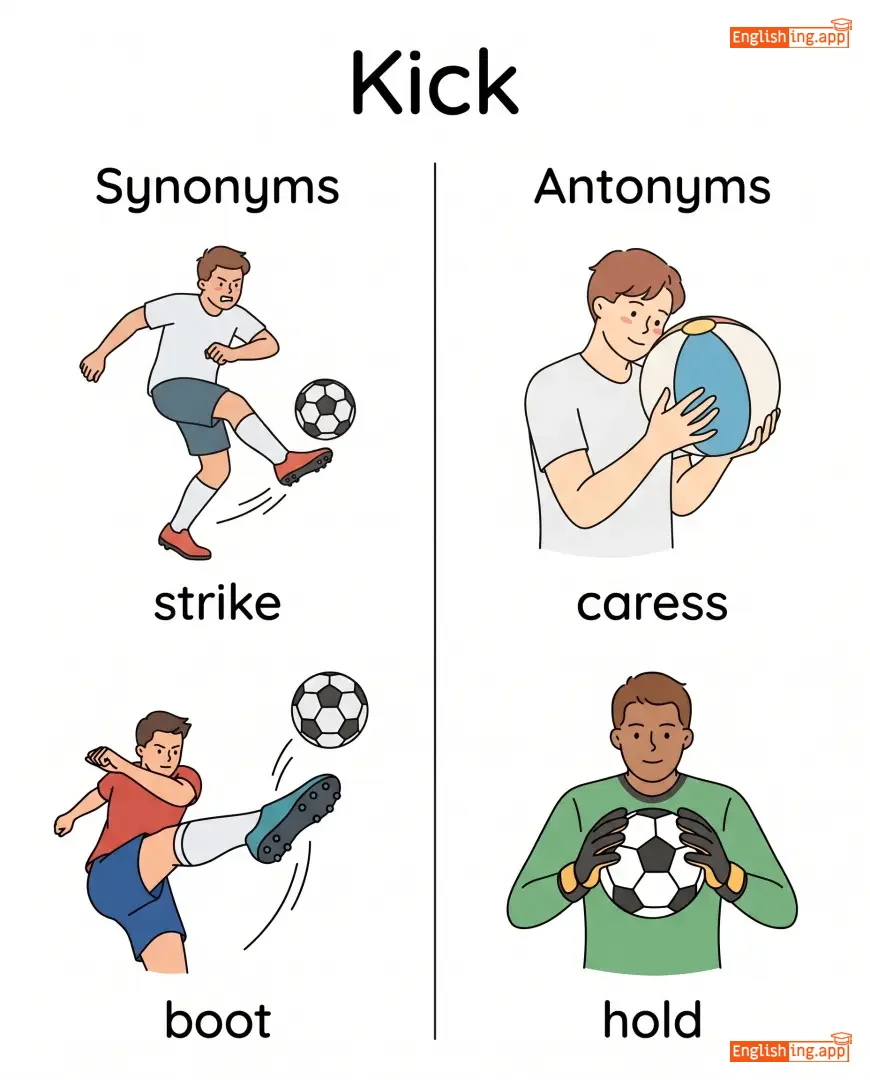
To strike or hit with the foot.
••••••
|
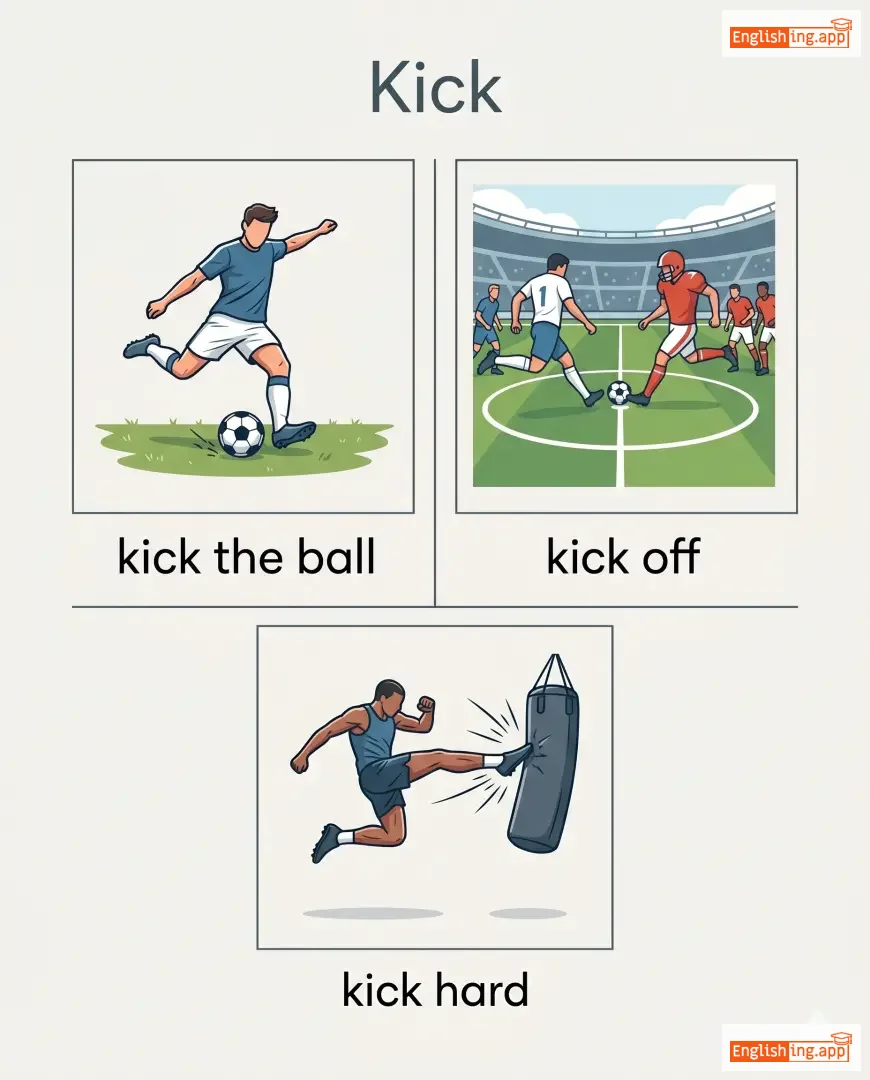
He kicked the ball into the goal.
他把球踢进了球门。
••••••
|
他把球踢进了球门。
Ta ba qiu ti jinle qiumen.
••••••
|
kick the bucket
踢桶
••••••
|
a euphemism for dying
••••••
|
死去
si qu
••••••
|
strike, boot, punt, lash, thrust
••••••
|
caress, hold, touch gently
••••••
|
kick the ball, kick off, kick hard, kick out, kick start
••••••
|
Kick 意思是踢,就像电影中的英雄总是踢(kick)对手。
••••••
|
|
#11286
🔑
|
/kiː/
noun
(ki)
••••••
|
- •••••• |
钥匙
yaoshi
••••••
|
- •••••• | - •••••• | - •••••• | - •••••• |
A small piece of shaped metal used to open or close locks, or something crucial and essential.
••••••
|
She lost the key to her apartment. |
她丢失了她公寓的钥匙。
Ta diushi le ta gongyu de yaoshi.
••••••
|
key to success |
the essential factor in achieving success
••••••
|
成功的钥匙
Chenggong de yaoshi
••••••
|
essential, crucial, vital, main, important
••••••
|
unimportant, trivial, minor
••••••
|
house key, car key, key role, key point, key factor
••••••
|
钥匙是打开成功之门的关键。
••••••
|
|
#11287
⚖️
|
/ˈdʒʌstɪs/
noun
(杰斯提斯)
••••••
|
|
正义
zhèngyì
••••••
|
- •••••• | - •••••• | - •••••• | - •••••• |
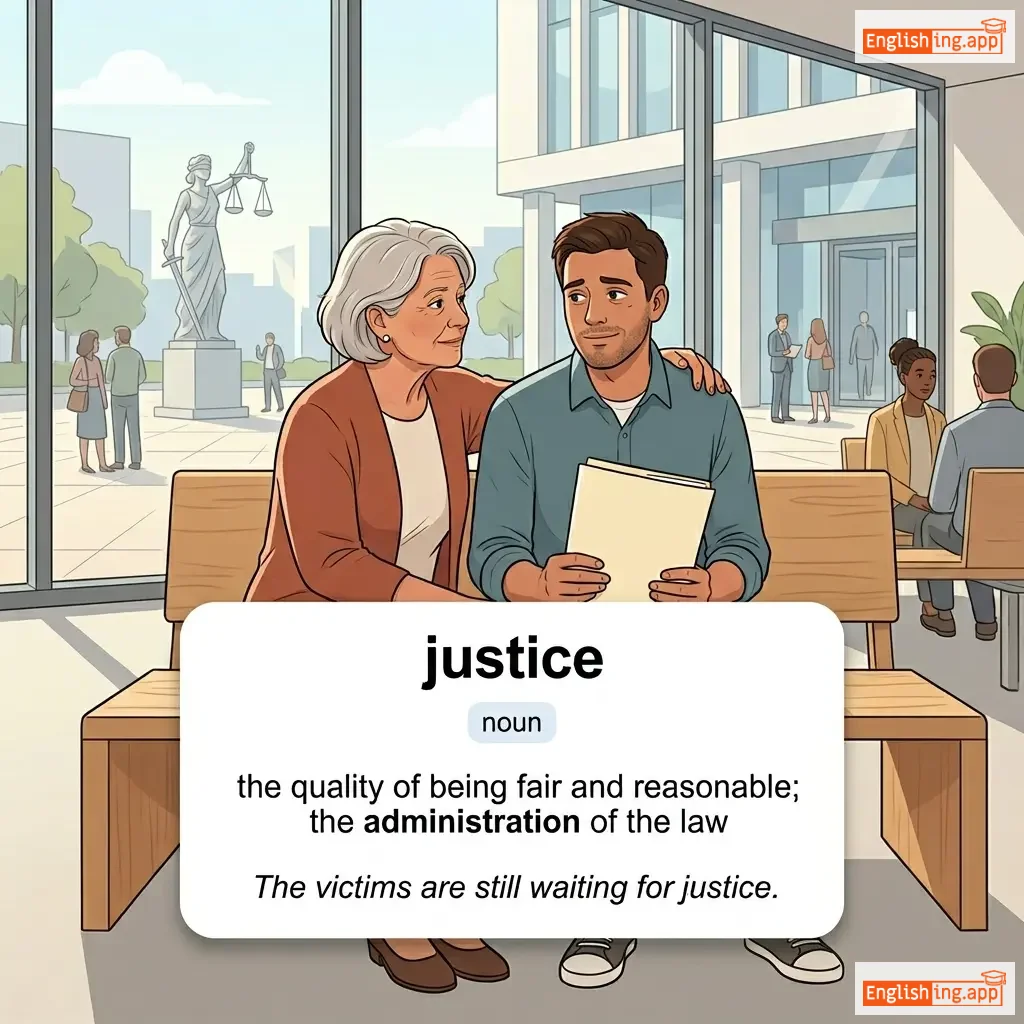
the quality of being fair and reasonable; the administration of the law
••••••
|
The victims are still waiting for justice. |
受害者仍在等待正义。
Shòuhài zhě réng zài děngdài zhèngyì.
••••••
|
bring to justice |
to arrest and punish someone for a crime
••••••
|
伸张正义
shēnzhāng zhèngyì
••••••
|
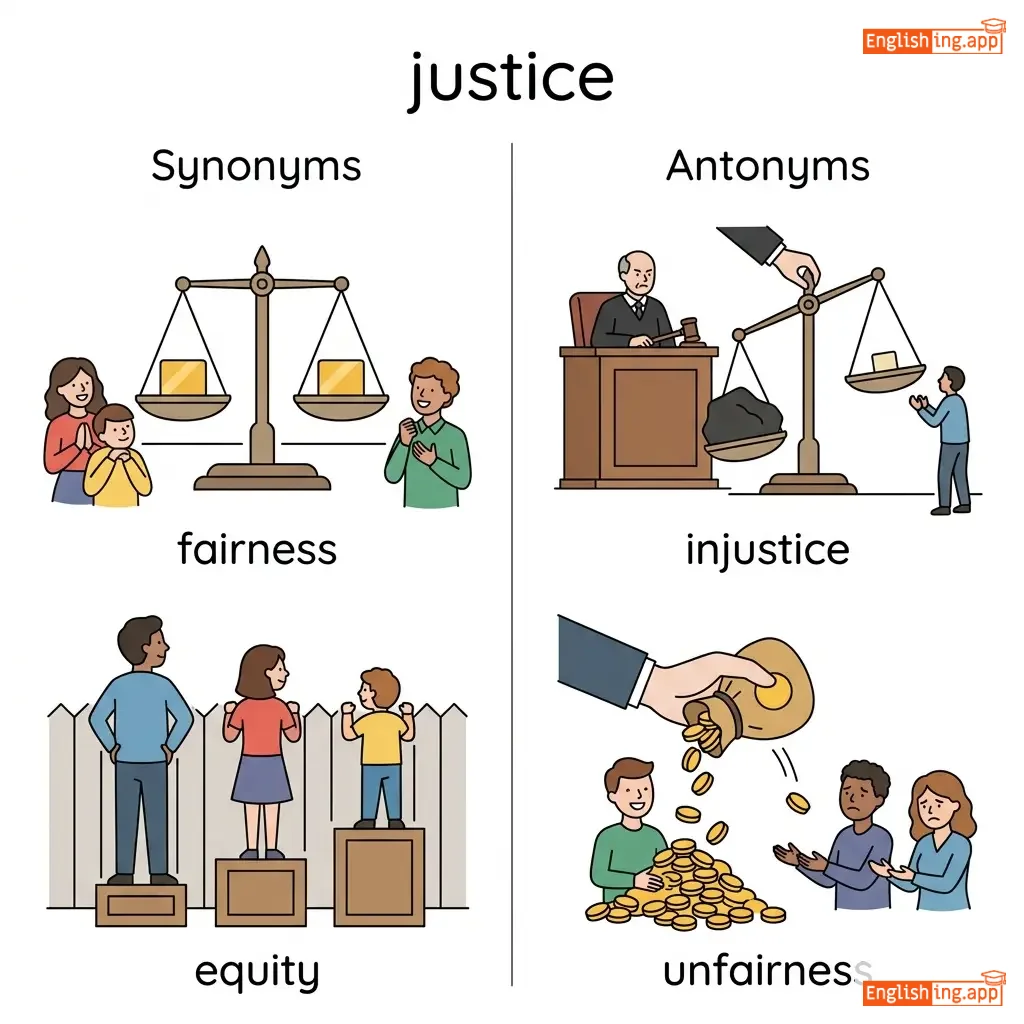
fairness, equity, law, righteousness, impartiality
••••••
|
injustice, unfairness, corruption
••••••
|
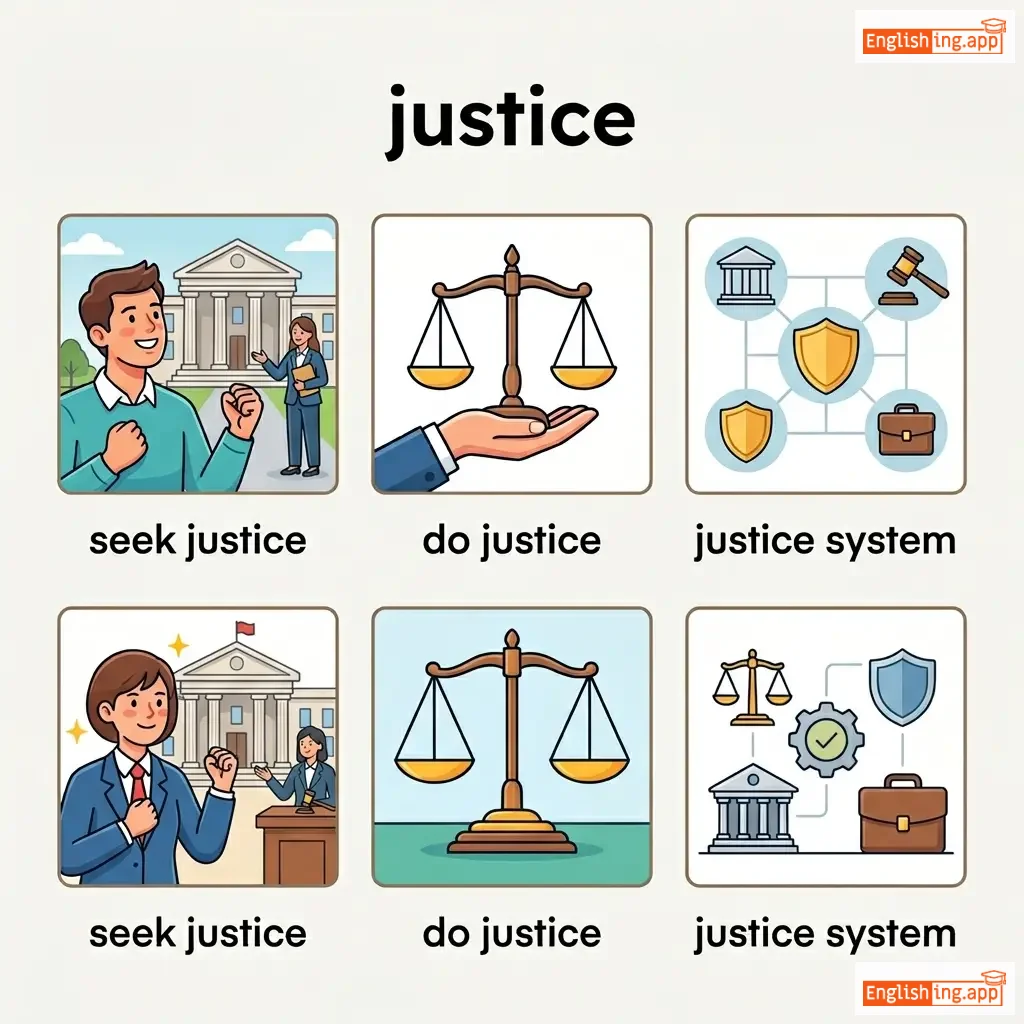
seek justice, do justice, justice system, social justice
••••••
|
Justice = 正义 = 公正无私
••••••
|
|
#11288
⚖️
|
/ˈdʒʊəri/
noun
(陪审团)
••••••
|
- •••••• |
陪审团
peishentuan
••••••
|
- •••••• | - •••••• | - •••••• | - •••••• |
a group of people sworn to give a verdict in a legal case based on the evidence
••••••
|
The jury found him guilty of the crime.
陪审团裁定他犯有罪行
••••••
|
陪审团裁定他犯有罪行。
Peishentuan caiding ta fan you zuixing.
••••••
|
the jury is still out
陪审团尚未作出决定
••••••
|
a decision has not yet been made
••••••
|
陪审团尚未作出决定
Peishentuan shang wei zuochu jueding
••••••
|
panel, tribunal, committee, board, assessors
••••••
|
judge, individual decision
••••••
|
jury duty, jury trial, grand jury, jury verdict
••••••
|
陪审团决定了法律案件的结局,是做出裁决的团队。
••••••
|
|
#11289
👶
|
/ˈdʒuːniər/
adjective, noun
(junior)
••••••
|
- •••••• |
初级
chūjí
••••••
|
- •••••• | - •••••• | - •••••• | - •••••• |
younger or lower in rank; also a student in the next-to-last year of high school or college
••••••
|
He works as a junior officer in the company.
他在公司担任初级职员。
••••••
|
他在公司担任初级职员。
Tā zài gōngsī dānrèn chūjí zhíyuán.
••••••
|
- •••••• | - •••••• | - •••••• |
younger, subordinate, lower, apprentice, trainee
••••••
|
senior, elder, superior
••••••
|
junior officer, junior partner, junior year, junior member
••••••
|
Junior意味着年纪轻 – 在办公室,做junior意味着处于较低的职位!
••••••
|
|
#11290
🔗
|
/ɪts/
pronoun
(its)
••••••
|
- •••••• |
它的
tā de
••••••
|
- •••••• | - •••••• | - •••••• | - •••••• |
Belonging to or associated with a thing previously mentioned.
••••••
|
The company changed its logo last year.
公司去年更改了它的标志。
••••••
|
公司去年更改了它的标志。
Gōngsī qùnián gēnggǎi le tā de biāozhì.
••••••
|
- •••••• | - •••••• | - •••••• |
belonging, owned by, related to
••••••
|
others, theirs
••••••
|
its value, its name, its purpose, its role
••••••
|
Its 意味着它的 — 就像 'dog its tail' 意味着狗的尾巴。
••••••
|
|
#11291
🧃
|
/dʒuːs/
noun
(果汁)
••••••
|
- •••••• |
果汁
guǒ zhī
••••••
|
- •••••• | - •••••• | - •••••• | - •••••• |
the liquid obtained from fruits, vegetables, or meat; also refers to energy or power in informal use
••••••
|
She drank a glass of orange juice with breakfast. |
她早餐喝了一杯橙汁。
Tā zǎocān hēle yī bēi chéng zhī.
••••••
|
juice up |
to make something more exciting or powerful
••••••
|
使某事变得更加兴奋或强大
shǐ mǒu shì biàn dé gèng jiā xīngfèn huò qiángdà
••••••
|
liquid, extract, nectar, sap, essence
••••••
|
solid, pulp
••••••
|
fresh juice, fruit juice, orange juice, juice box
••••••
|
果汁 (guǒ zhī) 给你能量 - 果汁 = 能量饮料
••••••
|
|
#11292
⚖️
|
/dʒʌdʒ/
noun/verb
(dʒʌdʒ)
••••••
|
|
法官 / 判断
fǎguān / pàn duàn
••••••
|
judged
dʒʌdʒd
••••••
|
judged
dʒʌdʒd
••••••
|
judges
dʒʌdʒɪz
••••••
|
judging
dʒʌdʒɪŋ
••••••
|
a person who makes decisions in a court of law; or to form an opinion about something
••••••
|
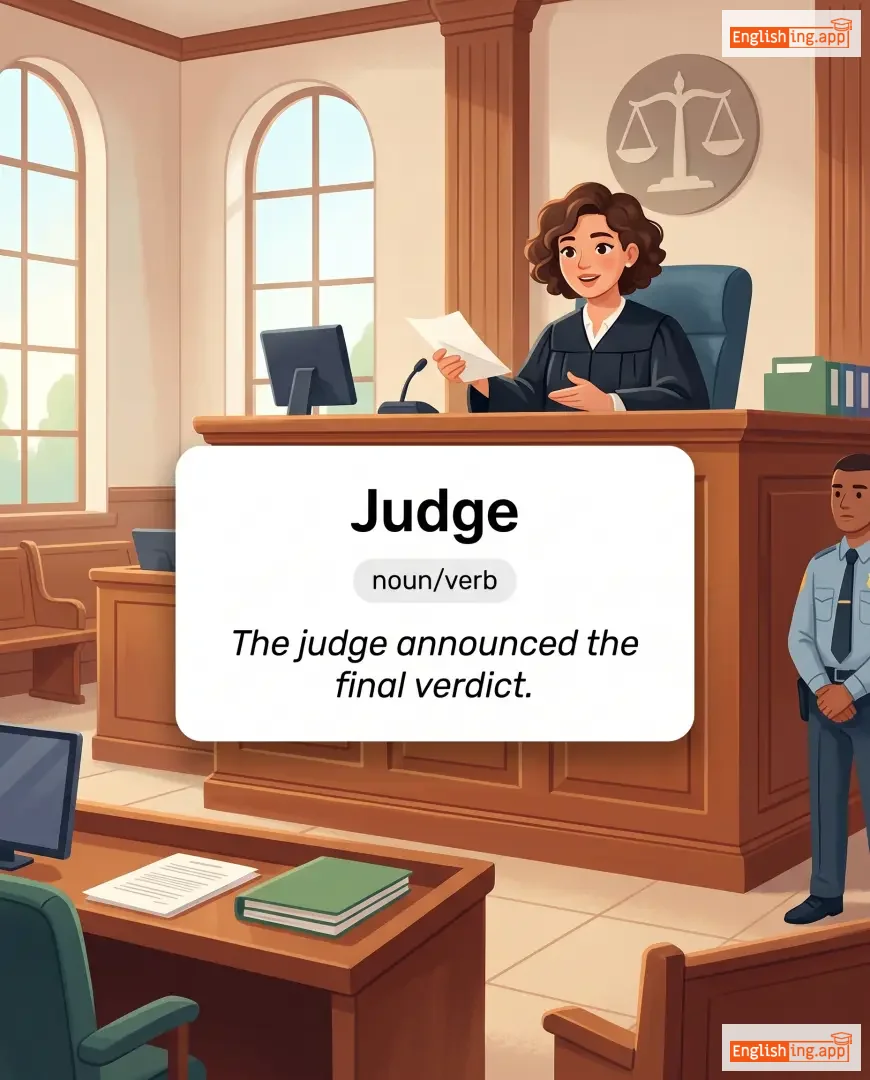
The judge announced the final verdict.
法官宣布了最终判决。
••••••
|
法官宣布了最终判决。
Fǎguān xuānbùle zuìzhōng pànjué.
••••••
|
don't judge a book by its cover
不要以封面来评判一本书
••••••
|
don't form an opinion based only on appearances
••••••
|
不要以封面来评判一本书
Bùyào yǐ fēngmiàn lái píngpàn yī běn shū
••••••
|
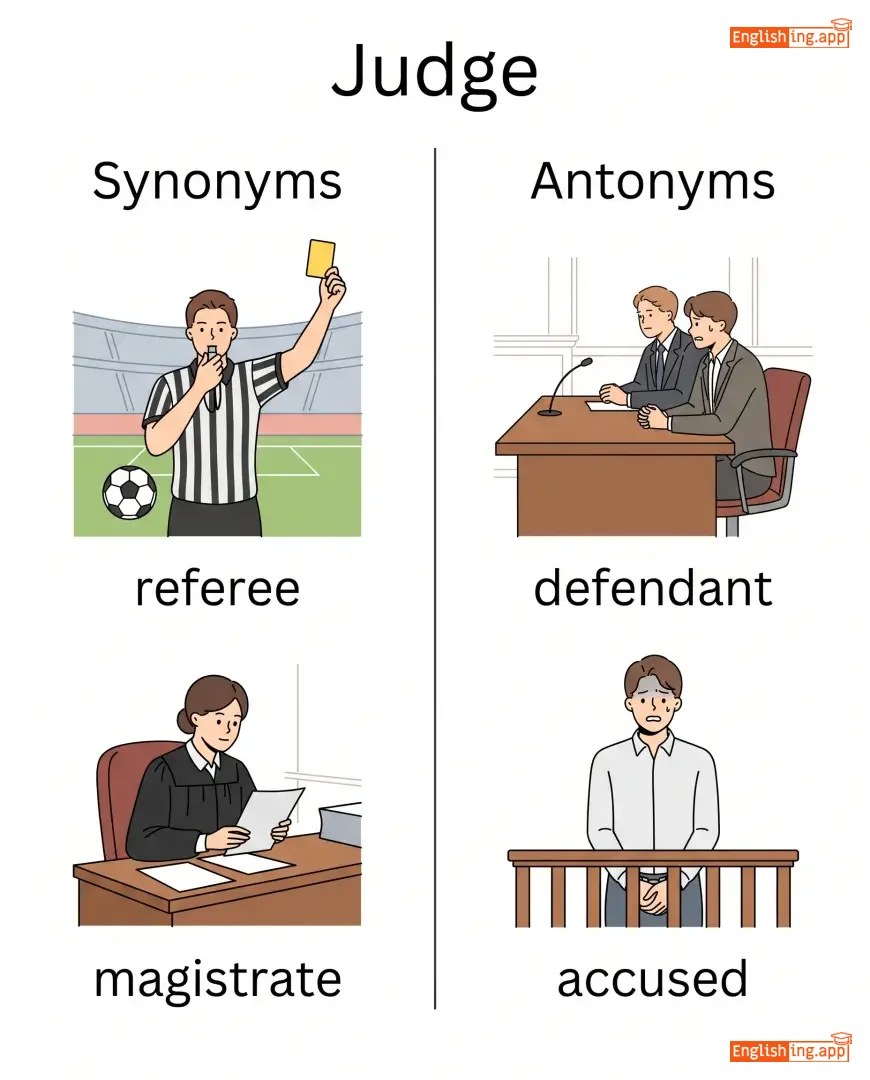
referee, magistrate, critic, evaluator
••••••
|
defendant, accused
••••••
|
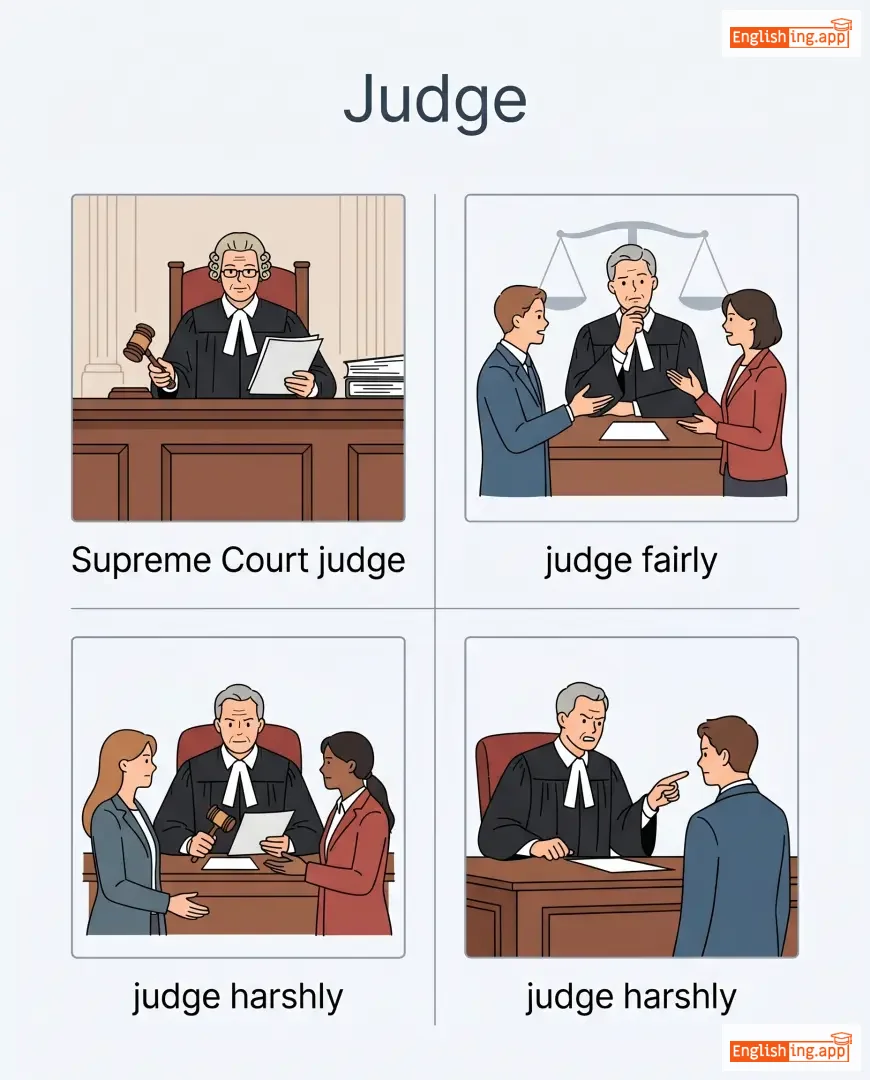
Supreme Court judge, judge fairly, judge harshly, judge wisely
••••••
|
Judge在中文是法官,判断不要仅凭外表。
••••••
|
|
#11293
🛤️
|
/ˈdʒɜːrni/
noun
(ʒɜːrni)
••••••
|
- •••••• |
旅行
lüxing
••••••
|
- •••••• | - •••••• | - •••••• | - •••••• |
the act of traveling from one place to another
••••••
|
Their journey across the desert was difficult. |
他们穿越沙漠的旅行很艰难。
Tāmen chuānyuè shāmò de lǚxíng hěn jiānnán.
••••••
|
life is a journey |
life is like a path with experiences and challenges along the way
••••••
|
生活是一场旅行
Shēnghuó shì yī chǎng lǚxíng
••••••
|
trip, voyage, travel, expedition
••••••
|
stay, rest
••••••
|
long journey, spiritual journey, begin a journey, return journey
••••••
|
旅行是对挑战的追求,一步步走向远方。
••••••
|
|
#11294
📰
|
/ˈdʒɜːrnəlɪst/
noun
(记者)
••••••
|
- •••••• |
记者
jizhe
••••••
|
- •••••• | - •••••• | - •••••• | - •••••• |
a person who writes news articles or reports for newspapers, magazines, or media
••••••
|
The journalist covered the political event. |
记者报道了政治事件。
Jizhe baodao le zhengzhi shijian.
••••••
|
- •••••• | - •••••• | - •••••• |
reporter, correspondent, columnist, writer
••••••
|
reader, audience
••••••
|
investigative journalist, freelance journalist, professional journalist
••••••
|
记者写新闻,就像我们在报纸上看到的那样。
••••••
|
|
#11295
📓
|
/ˈdʒɜːrnəl/
noun
(ʤɜːrnəl)
••••••
|
- •••••• |
日记
rìjì
••••••
|
- •••••• | - •••••• | - •••••• | - •••••• |
a daily record of news, events, or personal thoughts
••••••
|
She writes in her journal every night. |
她每天晚上都写日记。
Tā měitiān wǎnshàng dōu xiě rìjì.
••••••
|
keep a journal |
to regularly write in a journal or diary
••••••
|
写日记
xiě rìjì
••••••
|
diary, log, record, notebook
••••••
|
silence, forgetfulness
••••••
|
scientific journal, personal journal, daily journal, medical journal
••••••
|
日记: 每天记录下心中的点滴,生活就是一本写满故事的书。
••••••
|
|
#11296
😂
|
/dʒoʊk/
noun/verb
(乔克)
••••••
|
|
笑话
xiaohua
••••••
|
joked
开玩笑
••••••
|
joked
开玩笑
••••••
|
jokes
笑话
••••••
|
joking
笑话
••••••
|
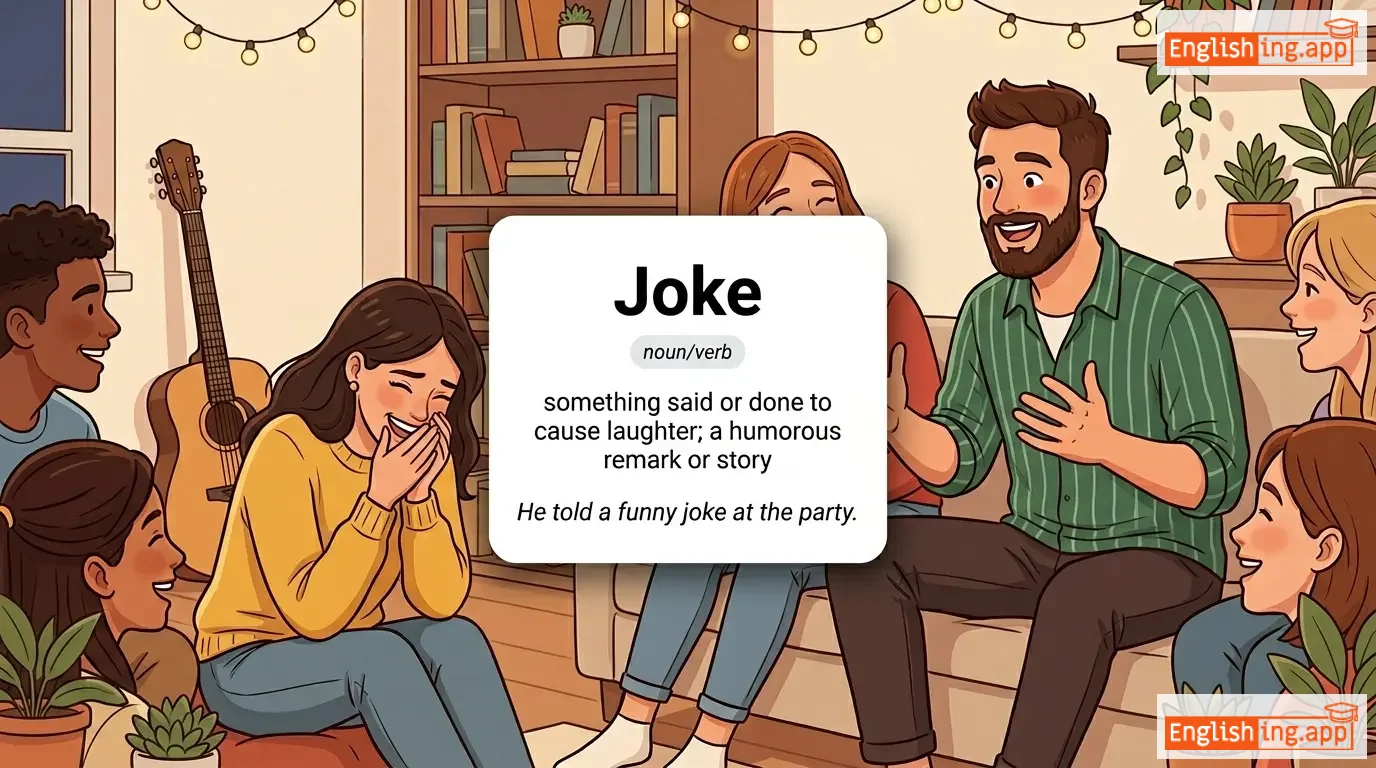
something said or done to cause laughter; a humorous remark or story
••••••
|
He told a funny joke at the party.
他在聚会上讲了一个有趣的笑话。
••••••
|
他在聚会上讲了一个有趣的笑话。
Ta zai juhui shang jiang le yi ge youqu de xiaohua.
••••••
|
crack a joke
讲笑话
••••••
|
to tell a joke, usually to lighten the mood
••••••
|
讲笑话
jiang xiaohua
••••••
|
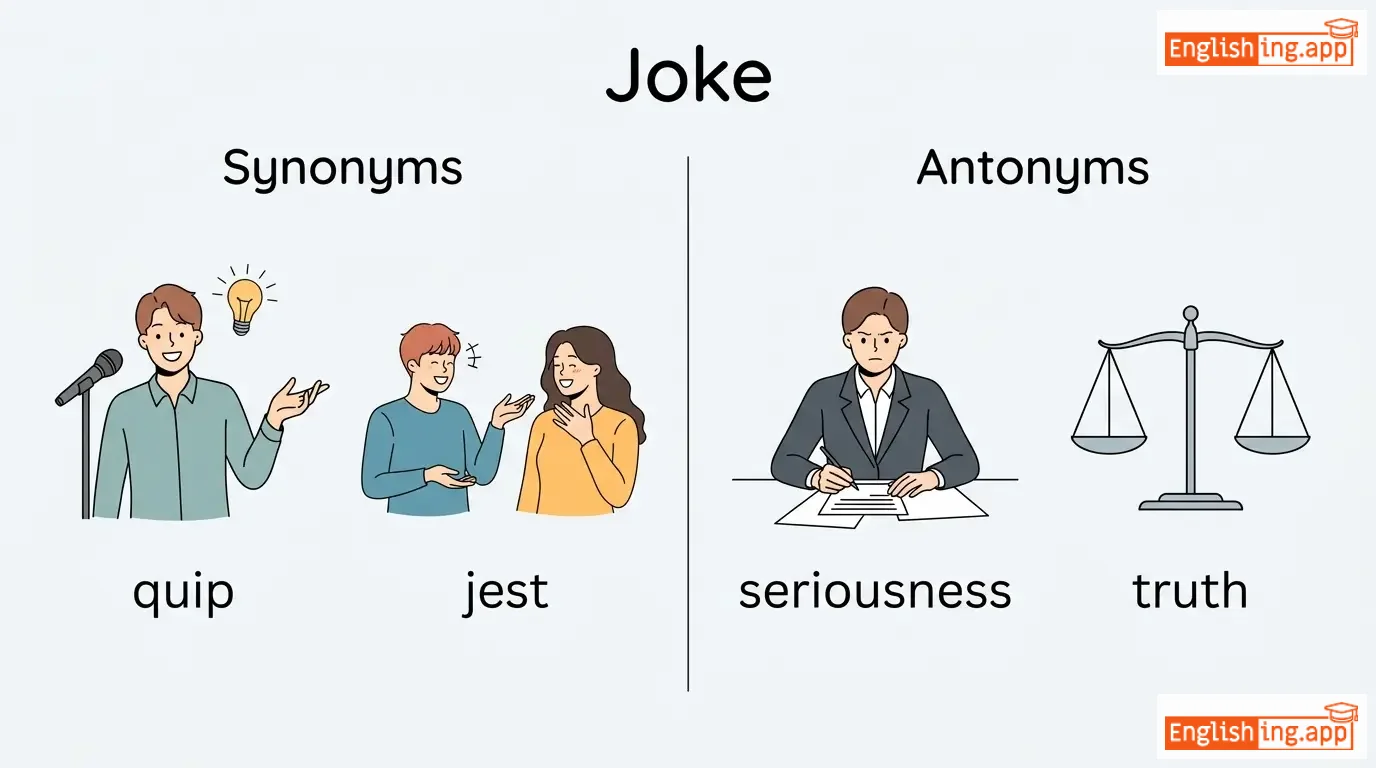
quip, jest, gag, witticism, pun
••••••
|
seriousness, truth
••••••
|
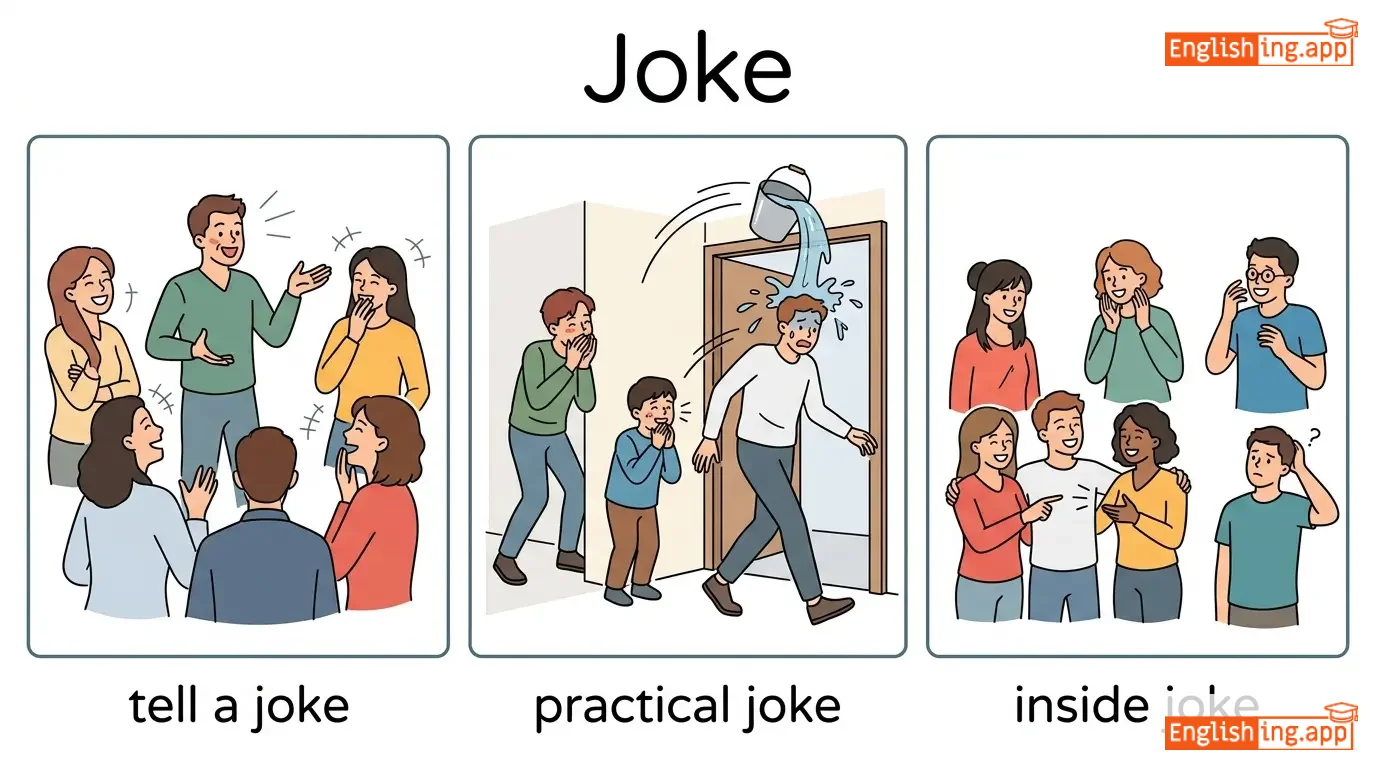
tell a joke, practical joke, inside joke, crack a joke
••••••
|
Joke 就是笑话,讲笑话可以让大家笑得更开心。
••••••
|
|
#11297
🦵
|
/dʒɔɪnt/
noun
(关节)
••••••
|
- •••••• |
关节
guānjié
••••••
|
- •••••• | - •••••• | - •••••• | - •••••• |
a place where two parts of something are joined; also a term for a business establishment or a cannabis cigarette
••••••
|
The knee is a joint that connects the thigh and the leg. |
膝盖是一个连接大腿和小腿的关节。
xīgài shì yīgè liánjiē dàtuǐ hé xiǎotuǐ de guānjié.
••••••
|
out of joint |
dislocated or not properly aligned
••••••
|
错位
cuòwèi
••••••
|
connection, junction, link, establishment, partnership
••••••
|
separation, disconnection
••••••
|
joint venture, joint pain, joint effort, joint account
••••••
|
关节是连接的意思,就像连接大腿和小腿
••••••
|
|
#11298
💼
|
/dʒɒb/
noun
(工作)
••••••
|
|
工作
gongzuo
••••••
|
- •••••• | - •••••• | - •••••• | - •••••• |
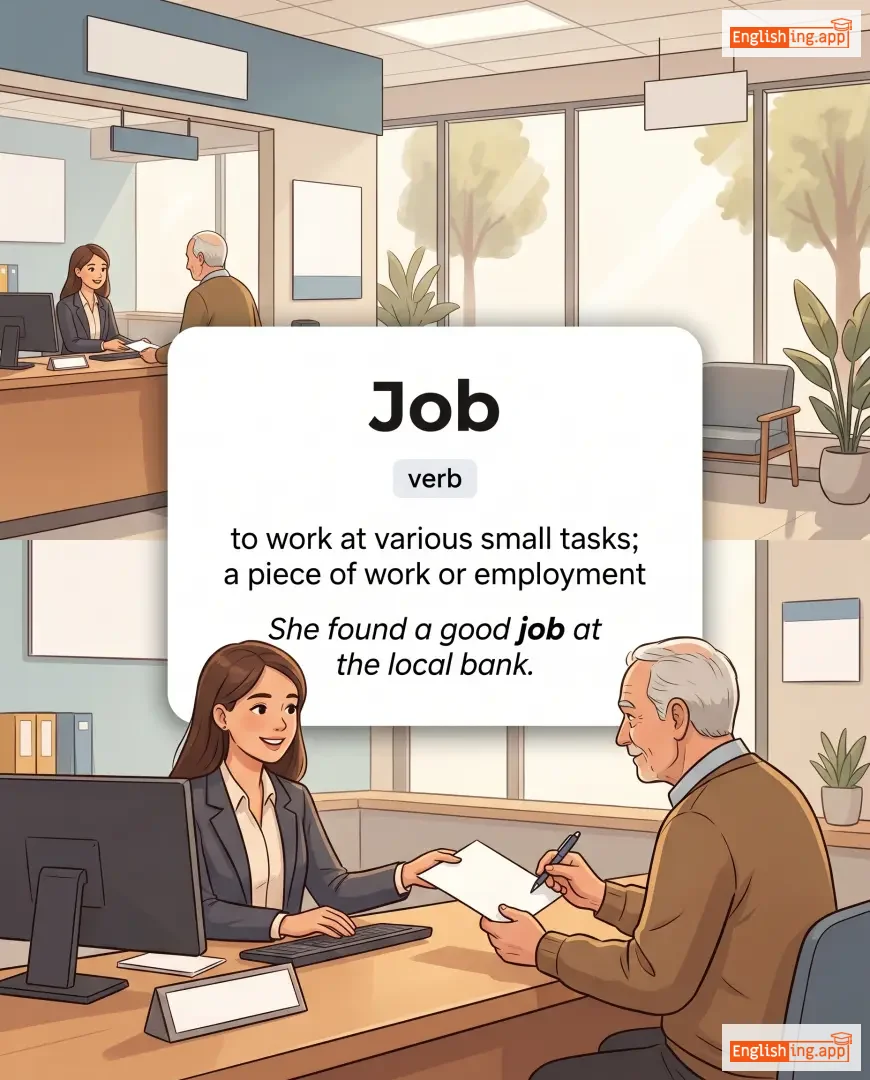
a paid position of regular employment
••••••
|
She got a new job at a software company.
她在一家软件公司找到了一份新工作。
••••••
|
她在一家软件公司找到了一份新工作。
Ta zai yijia ruanjian gongsi zhǎodàole yī fèn xīn gōngzuò.
••••••
|
on the job
工作中
••••••
|
while working
••••••
|
工作中
gongzuo zhong
••••••
|
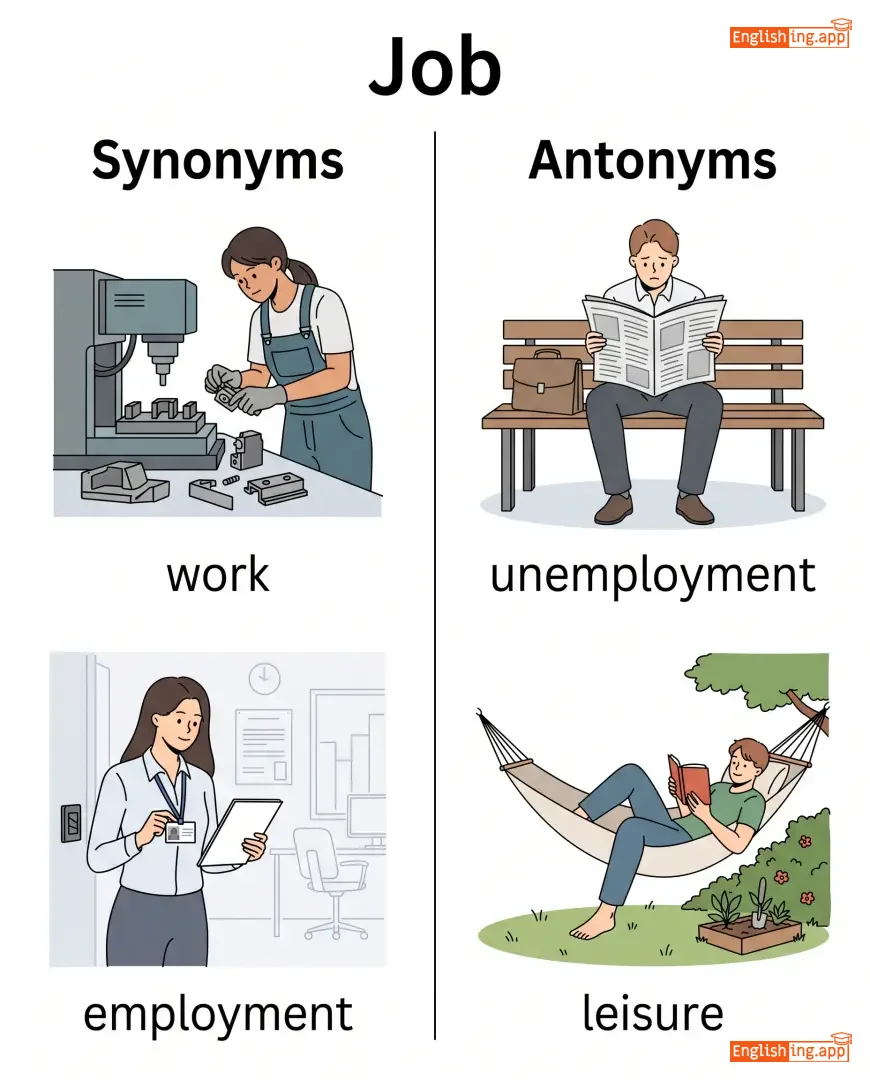
employment, occupation, position, work, profession
••••••
|
unemployment, idleness
••••••
|
job offer, job interview, job market, job satisfaction
••••••
|
Job 意味着工作,记住 'Job' 就是工作在中文
••••••
|
|
#11299
🕍
|
/ˈdʒuːɪʃ/
adjective
(海皮尼斯)
••••••
|
- •••••• |
幸福
xìng fú
••••••
|
- •••••• | - •••••• | - •••••• | - •••••• |
relating to Jews or Judaism
••••••
|
They celebrate Jewish festivals every year. |
她收到奖项时无法掩饰她的幸福。
Tā shōudào jiǎngxiàng shí wúfǎ yǎnshì tā de xìngfú.
••••••
|
Jewish law |
The body of religious laws in Judaism
••••••
|
追求幸福
zhuīqiú xìngfú
••••••
|
Hebraic, Judaic, Israelite, Semitic
••••••
|
non-Jewish, gentile
••••••
|
Jewish culture, Jewish tradition, Jewish history
••••••
|
幸福 = 满足感的追寻
••••••
|
|
#11300
✡️
|
/dʒuː/
noun
(朱)
••••••
|
- •••••• |
犹太人
yóu tài rén
••••••
|
- •••••• | - •••••• | - •••••• | - •••••• |
a person whose religion is Judaism or who is of Jewish descent
••••••
|
He is a Jew by heritage and follows Jewish customs. |
他是犹太人,继承了犹太传统并遵守犹太习俗。
Tā shì yóu tài rén, jì chéng le yóu tài chuántǒng bìng zūn shǒu yóu tài xí sú.
••••••
|
- •••••• | - •••••• | - •••••• |
Hebrew, Israelite, Semite, Jewish person
••••••
|
gentile, non-Jew
••••••
|
Jewish community, practicing Jew, observant Jew
••••••
|
犹太人就是Jew,来自犹太教
••••••
|
|
#11301
🇯🇵
|
/ˌdʒæpəˈniːz/
adjective
(日语)
••••••
|
- •••••• |
日语
riyu
••••••
|
- •••••• | - •••••• | - •••••• | - •••••• |
relating to Japan, its people, or their language
••••••
|
She loves Japanese culture and traditions. |
她喜欢日本的文化和传统。
Tā xǐhuān rìběn de wénhuà hé chuántǒng.
••••••
|
Japanese cuisine |
Food that originates from Japan
••••••
|
日本料理
rìběn liàolǐ
••••••
|
Nipponese, oriental, Asian, Tokyo-based, Japanese-speaking
••••••
|
non-Japanese, foreign, western
••••••
|
Japanese food, Japanese language, Japanese culture, Japanese technology
••••••
|
日本 + 语 = 日语,指与日本相关的事物
••••••
|
|
#11302
🚔
|
/dʒeɪl/
noun, verb
(杰尔)
••••••
|
- •••••• |
监狱
jiānyù
••••••
|
jailed
杰尔德
••••••
|
jailed
杰尔德
••••••
|
jails
杰尔斯
••••••
|
jailing
杰尔林
••••••
|
A place for the confinement of people accused or convicted of a crime; to imprison.
••••••
|
The thief was sent to jail for stealing.
ðə θiːf wəz sɛnt tə ʤeɪl fɔr stiːlɪŋ.
••••••
|
小偷因盗窃被送进了监狱。
Xiǎotōu yīn dàoqiè bèi sòng jìnle jiānyù.
••••••
|
throw in jail
θroʊ ɪn ʤeɪl
••••••
|
to imprison someone
••••••
|
投入监狱
tóurù jiānyù
••••••
|
prison, lockup, penitentiary, detention
••••••
|
freedom, release
••••••
|
go to jail, in jail, jail sentence, jail term
••••••
|
Jail是监狱,罪犯都会被送到监狱去。
••••••
|
|
#11303
🧥
|
/ˈdʒækɪt/
noun
(jiakè)
••••••
|
- •••••• |
夹克
jiake
••••••
|
- •••••• | - •••••• | - •••••• | - •••••• |
A short coat, typically extending to the hips.
••••••
|
She wore a leather jacket in the winter.
她在冬天穿了一件皮夹克。
••••••
|
她在冬天穿了一件皮夹克。
Ta zai dongtian chuanle yijian pijiake.
••••••
|
straight jacket
紧身夹克
••••••
|
something that severely restricts freedom of movement or action
••••••
|
紧身夹克
jinshen jiake
••••••
|
coat, blazer, overcoat, garment
••••••
|
shirt, vest
••••••
|
leather jacket, winter jacket, denim jacket, safety jacket
••••••
|
夹克能抵御寒冷,紧身夹克限制自由运动。
••••••
|
|
#11304
🙆
|
/ɪtˈsɛlf/
pronoun
(伊特赛尔夫)
••••••
|
- •••••• |
自己
zìjǐ
••••••
|
- •••••• | - •••••• | - •••••• | - •••••• |
Used to emphasize the thing just mentioned; by its own power or effort.
••••••
|
The cat cleaned itself after eating. |
猫在吃完饭后自己清理了自己。
māo zài chī wán fàn hòu zìjǐ qīnglǐ le zìjǐ.
••••••
|
in itself |
considered alone, without reference to anything else
••••••
|
本身
běnshēn
••••••
|
alone, personally, independently
••••••
|
together, others
••••••
|
by itself, itself alone, itself clear, itself evident
••••••
|
Itself 就是自己 — 猫自己 (itself) 清理自己。
••••••
|
Vocabulary Quiz
Test your vocabulary by matching words with their translations or meanings.
Login to take the quiz
Comments (0)
Share your thoughts and join the discussion.
Join the discussion by logging in
Login to CommentNo comments yet
Be the first to share your thoughts!