







Swipe left or right, or use the buttons. Tap image to zoom.
例句翻译
单词
Lesson 330Lesson 330 - 遮罩切换
|
表情符号
|
单词 | Images | 翻译 | 过去时 | 过去分词 | 第三人称单数 | 动名词 | 含义 | 例句 | 例句翻译 | 示例表达 | 示例表达含义 | 示例表达翻译 | 同义词 | 反义词 | 搭配词 | 助记符 |
|---|---|---|---|---|---|---|---|---|---|---|---|---|---|---|---|---|---|
|
#9865
🏛️
|
/hɔːl/
noun
(hɔl)
••••••
|
- •••••• |
大厅
da ting
••••••
|
- •••••• | - •••••• | - •••••• | - •••••• |
a large room or building for public gatherings, events, or passage
••••••
|
The graduation ceremony was held in the university hall.
毕业典礼在大学的大厅举行。
••••••
|
毕业典礼在大学的大厅举行。
Bi ye dian li zai da xue de da ting ju xing.
••••••
|
hall of fame
名人堂
••••••
|
a group or place honoring distinguished people
••••••
|
名人堂
ming ren tang
••••••
|
auditorium, chamber, corridor, passage, lobby
••••••
|
room, cubicle
••••••
|
lecture hall, concert hall, dining hall, entrance hall
••••••
|
大厅 (da ting) 是一个大空间,像大学大厅一样,适合举办活动。
••••••
|
|
#9866
⬆️
|
/haɪ/
adjective
(hāi)
••••••
|
- •••••• |
高
gao
••••••
|
- •••••• | - •••••• | - •••••• | - •••••• |
At or to a great height; greater than normal in amount, degree, or intensity.
••••••
|
The mountain peak is very high.
山顶非常高。
••••••
|
山顶非常高。
Shanding feichang gao.
••••••
|
high and mighty
高高在上
••••••
|
acting proud and arrogant
••••••
|
傲慢
aoman
••••••
|
tall, elevated, lofty, towering, intense
••••••
|
low, small
••••••
|
high mountain, high speed, high hopes, high price
••••••
|
High 是高 ⬆️,比如 High building = 高楼。
••••••
|
|
#9867
🏡
|
/ˈhaɪdəweɪ/
noun
(haidiwei)
••••••
|
- •••••• |
藏身处
cángshēnchù
••••••
|
- •••••• | - •••••• | - •••••• | - •••••• |
A place used as a retreat or a place to hide.
••••••
|
The cabin in the woods was their secret hideaway.
树林中的小屋是他们的秘密藏身之地。
••••••
|
树林中的小屋是他们的秘密藏身之地。
Shùlín zhōng de xiǎowū shì tāmen de mìmì cángshēn zhī dì.
••••••
|
- •••••• | - •••••• | - •••••• |
retreat, refuge, shelter, haven, sanctuary
••••••
|
exposure, openness
••••••
|
secret hideaway, mountain hideaway, hideaway spot
••••••
|
Hide + away = 藏匿的地方,就像一个小屋 🏡.
••••••
|
|
#9868
🤲
|
/hɛlp/
verb
(海皮尼斯)
••••••
|
|
帮助
bangzhu
••••••
|
helped
帮助
••••••
|
helped
帮助
••••••
|
helps
帮助
••••••
|
helping
帮助
••••••
|
To make it easier for someone to do something by offering services or resources.
••••••
|
She helped her friend with the homework.
她帮助她的朋友做作业。
••••••
|
她帮助她的朋友做作业。
Ta bangzhu ta de pengyou zuo zuoye.
••••••
|
help yourself
自助
••••••
|
to take something without asking
••••••
|
自助
zizhu
••••••
|
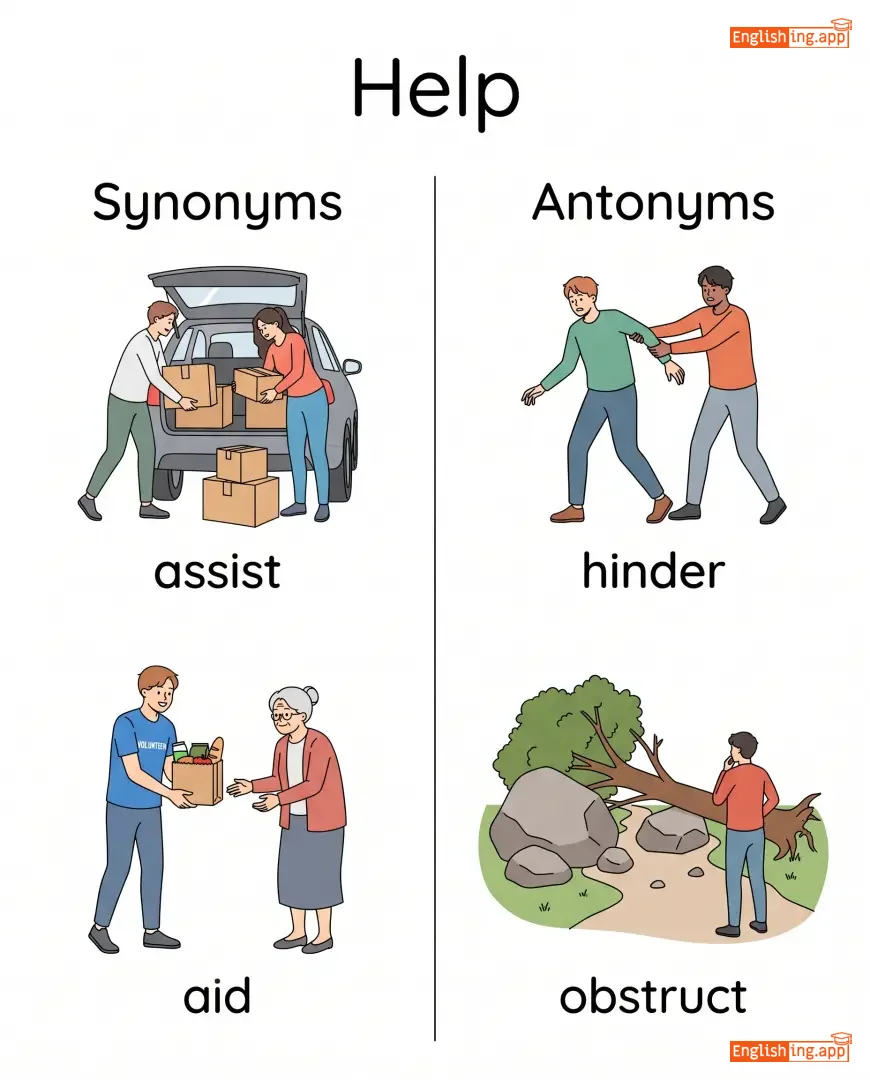
assist, aid, support, facilitate, guide
••••••
|
hinder, obstruct
••••••
|
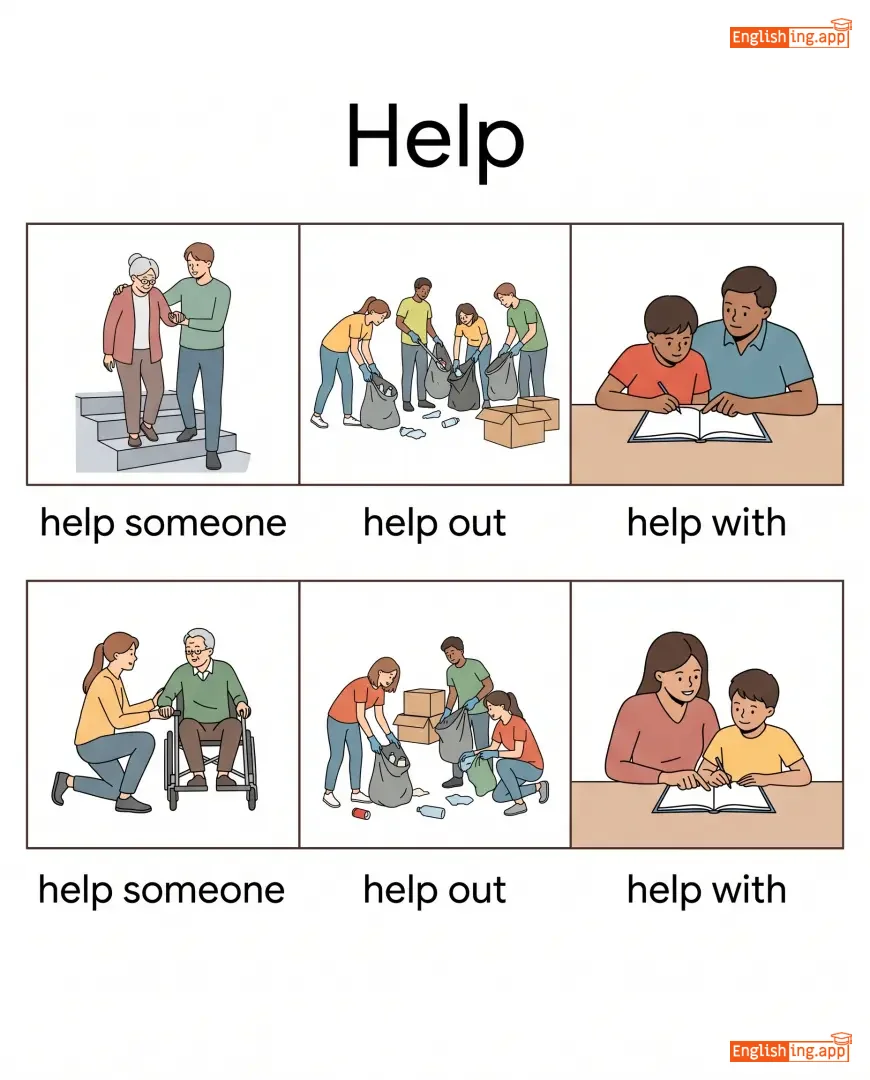
help someone, help out, help with, help to
••••••
|
Help意味着帮助,像'如果你不帮助,你就做不完作业!'
••••••
|
|
#9869
🗣️
|
/ˈhɪərseɪ/
noun
(海尔赛)
••••••
|
- •••••• |
谣言
yaolian
••••••
|
- •••••• | - •••••• | - •••••• | - •••••• |
Information received from other people that cannot be substantiated; rumor.
••••••
|
The decision was based on hearsay, not evidence. |
该决定是基于谣言,而不是证据。
Gai jueding shi jiyu yaolian, er bushi zhengju.
••••••
|
- •••••• | - •••••• | - •••••• |
rumor, gossip, speculation, talk
••••••
|
fact, evidence
••••••
|
mere hearsay, hearsay evidence, hearsay information
••••••
|
Hear + say = 谣言, 意味着没有证据的只是听来的话。
••••••
|
|
#9870
🦅
|
/hɔːk/
noun
(鹰)
••••••
|
- •••••• |
鹰
yīng
••••••
|
- •••••• | - •••••• | - •••••• | - •••••• |
A bird of prey with keen eyesight and sharp talons; also refers to a person who strongly supports aggressive or warlike policies.
••••••
|
The hawk soared high above the valley. |
鹰飞得很高,飞过了山谷。
Yīng fēi dé hěn gāo, fēiguòle shāngǔ.
••••••
|
watch like a hawk |
to observe someone or something very carefully
••••••
|
像鹰一样看
xiàng yīng yīyàng kàn
••••••
|
falcon, raptor, bird of prey, predator, warhawk
••••••
|
dove, pacifist
••••••
|
hawk eye, hawk nest, hawk hunting, hawk policy
••••••
|
鹰🦅象征着锐利的视力,我们要像鹰一样观察事物!
••••••
|
|
#9871
🙌
|
/hæv/
verb
(hǎv)
••••••
|
- •••••• |
拥有
yǒngyǒu
••••••
|
had
hǎd
••••••
|
had
hǎd
••••••
|
has
hǎz
••••••
|
having
hǎv-ing
••••••
|
to possess, own, or hold
••••••
|
They have three children.
他们有三个孩子。
••••••
|
他们有三个孩子。
Tāmen yǒu sān gè háizi.
••••••
|
have a good time
度过愉快时光
••••••
|
to enjoy oneself
••••••
|
度过愉快时光
dùguò yúkuài shíguāng
••••••
|
own, possess, hold, contain
••••••
|
lack, want
••••••
|
have fun, have dinner, have time, have a look
••••••
|
Have表示拥有,如我们说'我有' - I have it!
••••••
|
|
#9872
💔
|
/heɪt/
verb
••••••
|
|
- •••••• |
hated
••••••
|
hated
••••••
|
hates
••••••
|
hating
••••••
|
to dislike intensely or have a strong aversion to
••••••
|
She hates waking up early in the morning. |
- •••••• |
love to hate |
something disliked but still talked about often
••••••
|
- •••••• |
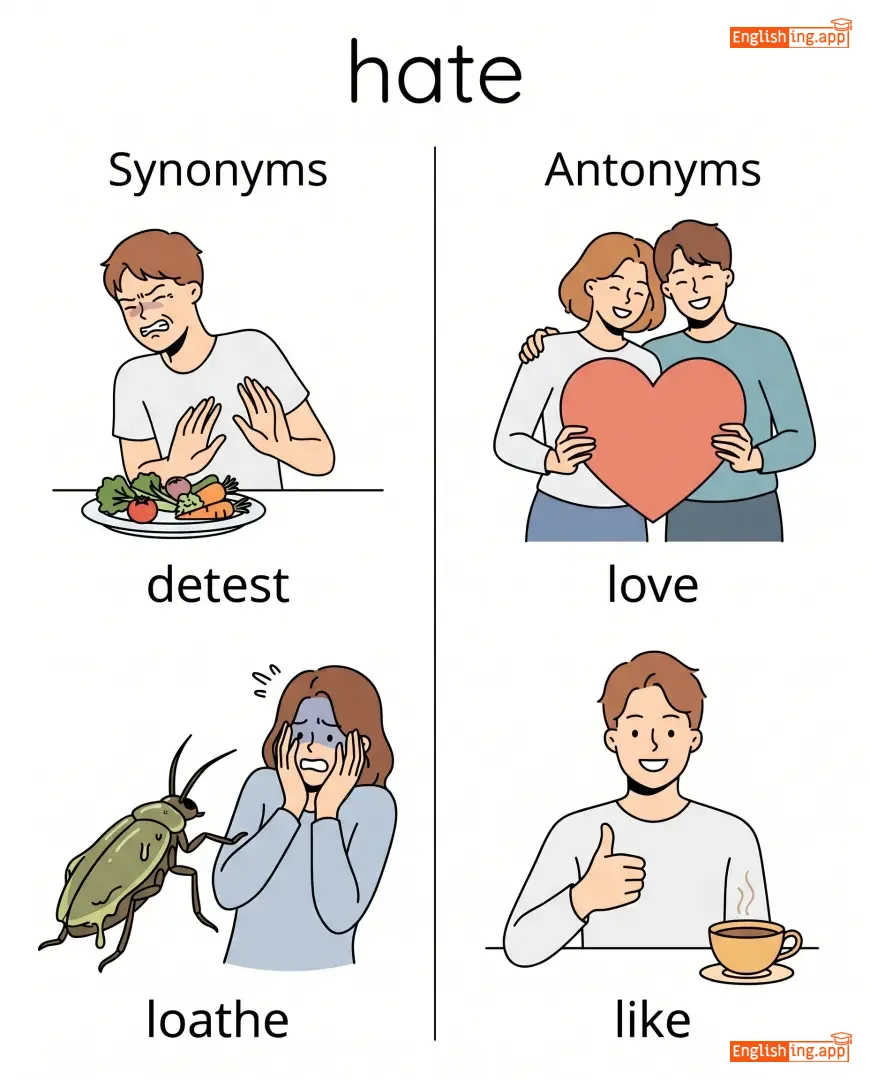
detest, loathe, despise, abhor
••••••
|
love, like, adore
••••••
|
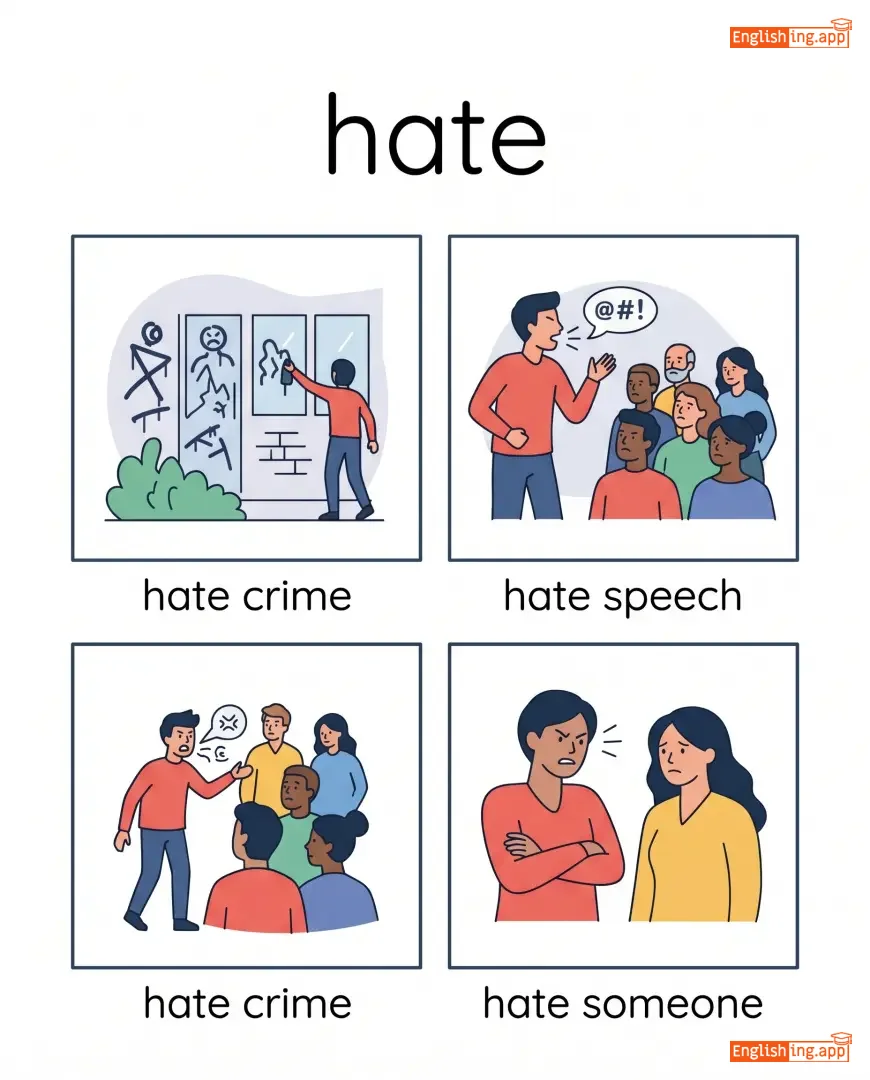
hate crime, hate speech, hate someone
••••••
|
No •••••• |
|
#9873
🌿
|
/hæˈʃiːʃ/
noun
(哈希什)
••••••
|
- •••••• |
哈希什
haxishi
••••••
|
- •••••• | - •••••• | - •••••• | - •••••• |
a drug made from the resin of the cannabis plant
••••••
|
The police arrested him for possessing hashish.
警方因持有哈希什逮捕了他。
••••••
|
警方因持有哈希什逮捕了他。
Jǐngfāng yīn chíyǒu hāxīshí dàibǔle tā.
••••••
|
- •••••• | - •••••• | - •••••• |
cannabis, marijuana, weed, ganja
••••••
|
medicine, sobriety
••••••
|
smoke hashish, use hashish, illegal hashish
••••••
|
哈希什是大麻,记住'哈'是哈希什。
••••••
|
|
#9874
🎶
|
/ˈhɑːrməni/
noun
(哈莫尼)
••••••
|
|
和谐
hexie
••••••
|
- •••••• | - •••••• | - •••••• | - •••••• |
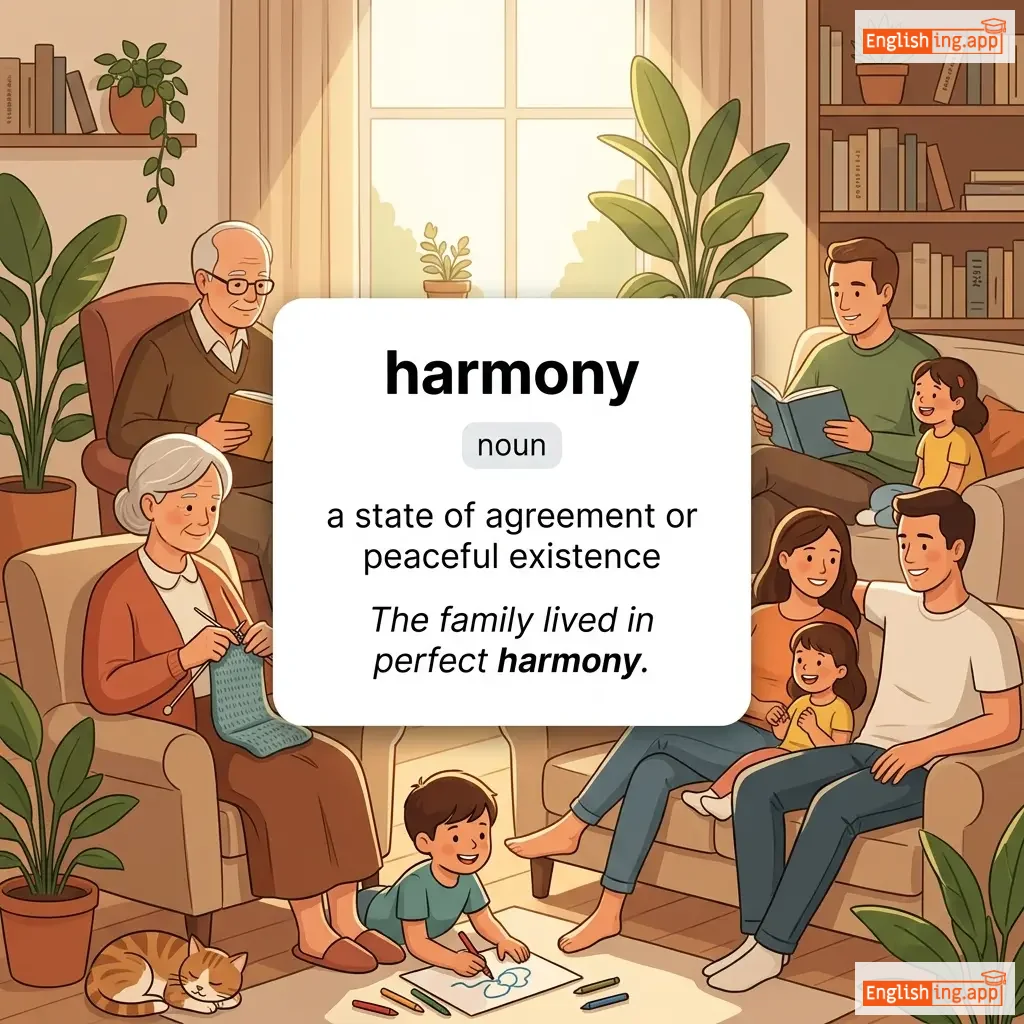
a state of agreement or peaceful existence
••••••
|
The family lived in perfect harmony. |
这个家庭生活在完全和谐中。
Zhège jiātíng shēnghuó zài wánquán héxié zhōng.
••••••
|
in harmony with |
to be in agreement or consistent with
••••••
|
与…和谐
yǔ... héxié
••••••
|
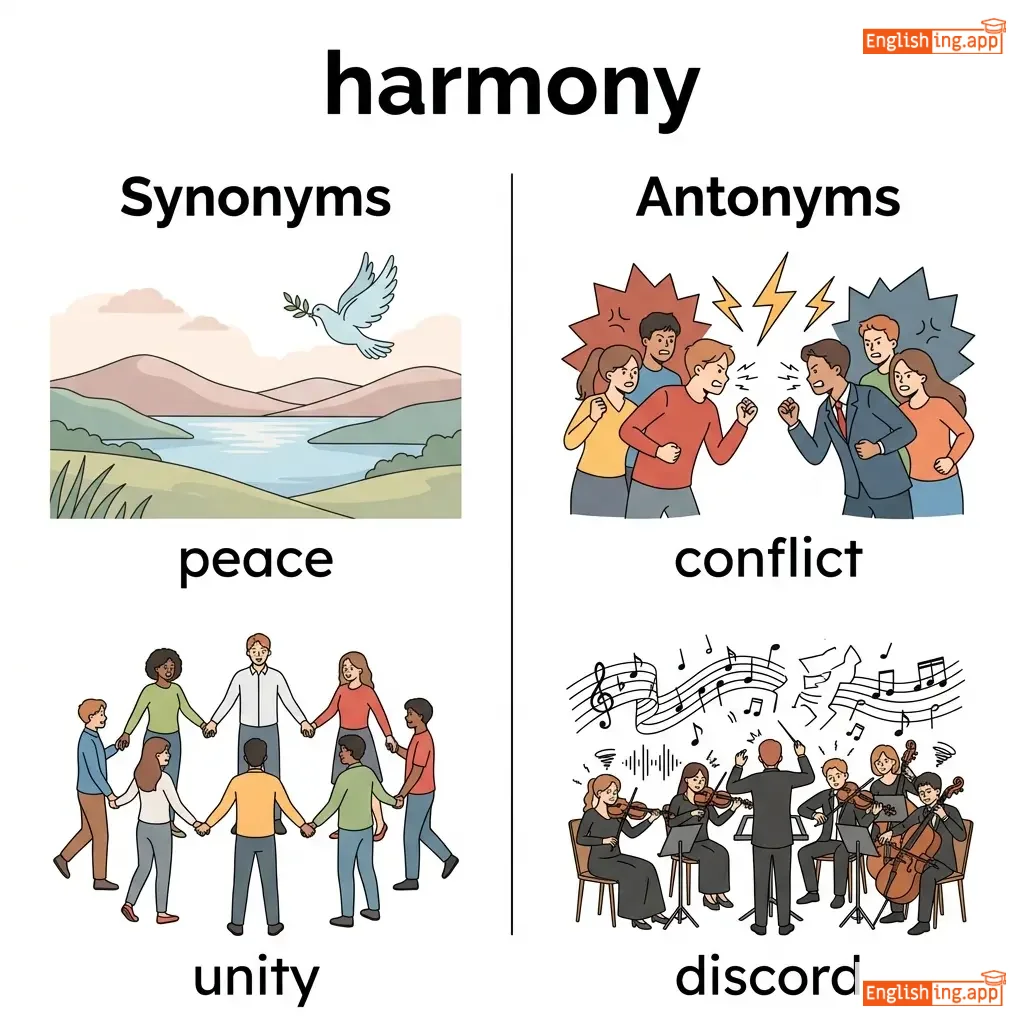
peace, unity, agreement, concord, balance
••••••
|
conflict, discord, chaos
••••••
|
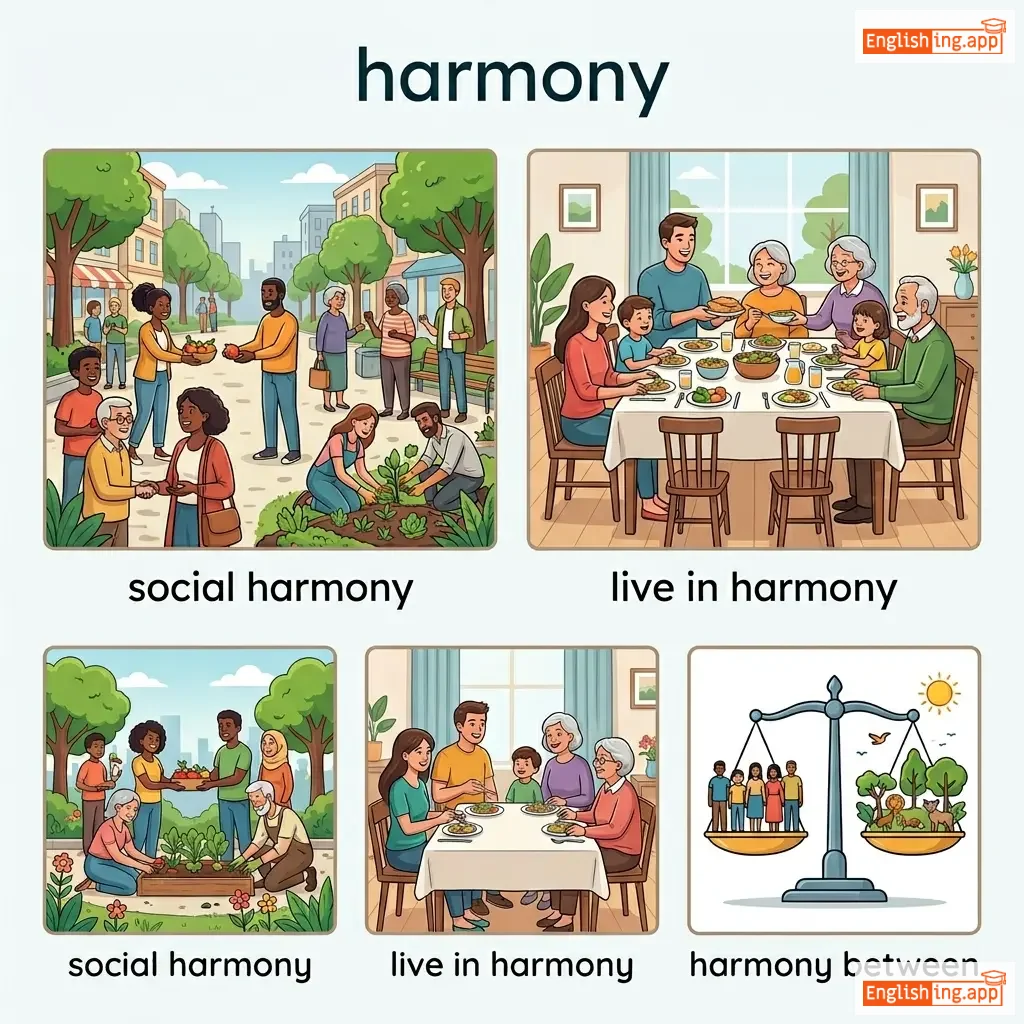
social harmony, live in harmony, harmony between
••••••
|
和谐就像音乐会中的所有乐器,彼此协调发出美妙的声音。
••••••
|
|
#9875
💪
|
/hɑːrd/
adjective
(哈德)
••••••
|
- •••••• |
困难
kunnan
••••••
|
- •••••• | - •••••• | - •••••• | - •••••• |
solid, firm, or difficult to do or endure
••••••
|
The exam was very hard for most students. |
对大多数学生来说,考试非常困难。
Dui dashu xuesheng laishuo, kao shi feichang kunnan.
••••••
|
hard nut to crack |
a difficult problem or person to deal with
••••••
|
难啃的坚果
nan ken de jianguo
••••••
|
difficult, tough, rigid, strong, firm
••••••
|
easy, soft, simple
••••••
|
work hard, hard time, hard decision, hard life
••••••
|
Hard表示困难,就像难啃的坚果一样。
••••••
|
|
#9876
😀
|
/ˈhæpi/
adjective
(hapi)
••••••
|
- •••••• |
快乐
kuàilè
••••••
|
- •••••• | - •••••• | - •••••• | - •••••• |
feeling or showing pleasure, contentment, or joy
••••••
|
She was very happy to receive the gift. |
她收到礼物时非常高兴。
Tā shōudào lǐwù shí fēicháng gāoxìng.
••••••
|
happy hour |
a period when drinks are sold at reduced prices
••••••
|
快乐时光
kuàilè shíguāng
••••••
|
joyful, cheerful, delighted, pleased, content
••••••
|
sad, unhappy, miserable
••••••
|
feel happy, look happy, happy moment, happy life
••••••
|
Happy = 快乐 😊 - 记住,当我们快乐时,我们说 'I am HAPPY!'
••••••
|
|
#9877
😊
|
/ˈhæpɪli/
adverb
(幸福地)
••••••
|
- •••••• |
幸福地
xìngfú de
••••••
|
- •••••• | - •••••• | - •••••• | - •••••• |
in a happy manner; with pleasure or satisfaction
••••••
|
The children played happily in the garden. |
孩子们在花园里幸福地玩耍。
Háizimen zài huāyuán lǐ xìngfú de wánshuǎ.
••••••
|
- •••••• | - •••••• | - •••••• |
joyfully, cheerfully, gladly, merrily
••••••
|
sadly, unhappily
••••••
|
live happily, happily married, smile happily, happily ever after
••••••
|
Happy + ly意味着以快乐的方式行动 - 就像 😊 孩子们幸福地玩耍。
••••••
|
|
#9878
🛠️
|
/ˈhændi/
adjective
(hāndí)
••••••
|
- •••••• |
易于使用
yi yu shiyong
••••••
|
- •••••• | - •••••• | - •••••• | - •••••• |
convenient to use or easily accessible; skillful with the hands
••••••
|
This pocket knife is very handy when you go camping. |
这把口袋刀在露营时非常有用。
Zhe ba kou dai dao zai lu ying shi feichang youyong.
••••••
|
handy with |
skilled or capable in using something
••••••
|
熟练
shulian
••••••
|
useful, convenient, practical, accessible, skillful
••••••
|
useless, inconvenient, clumsy
••••••
|
come in handy, very handy, handy tool, handy guide
••••••
|
Handy 就像一只方便的手,总是可以帮忙。
••••••
|
|
#9879
🌈
|
/həˈluːsɪneɪt/
verb
(幻觉)
••••••
|
- •••••• |
幻觉
huàn jué
••••••
|
hallucinated
幻觉了
••••••
|
hallucinated
幻觉了
••••••
|
hallucinates
幻觉
••••••
|
hallucinating
幻觉着
••••••
|
to see, hear, or sense things that are not actually present, often due to illness or drugs
••••••
|
After taking the medicine, he began to hallucinate strange shapes.
服用药物后,他开始看到奇怪的形状。
••••••
|
服用药物后,他开始看到奇怪的形状。
Fúyòng yàowù hòu, tā kāishǐ kàn dào qíguài de xíngzhuàng.
••••••
|
- •••••• | - •••••• | - •••••• |
imagine, envision, dream, fantasize
••••••
|
perceive, sense
••••••
|
hallucinate wildly, hallucinate vividly, start to hallucinate
••••••
|
在走廊里如果幻觉,就能看到彩色的 🌈 事物。
••••••
|
|
#9880
📦
|
/ɡɛt/
verb
(get)
••••••
|
|
得到
dedao
••••••
|
got
got
••••••
|
gotten
gotten
••••••
|
gets
gets
••••••
|
getting
getting
••••••
|
to obtain, receive, or come to have something
••••••
|
I need to get a new phone before my old one stops working.
我需要在我的旧手机停止工作之前,获取一部新手机。
••••••
|
我需要在我的旧手机停止工作之前,得到一部新手机。
Wo xuyao zai wode jiu shouji tingzhi gongzuo zhijian, dedao yi bu xin shouji.
••••••
|
get going
开始行动
••••••
|
to start moving or to begin something
••••••
|
开始
kaishi
••••••
|
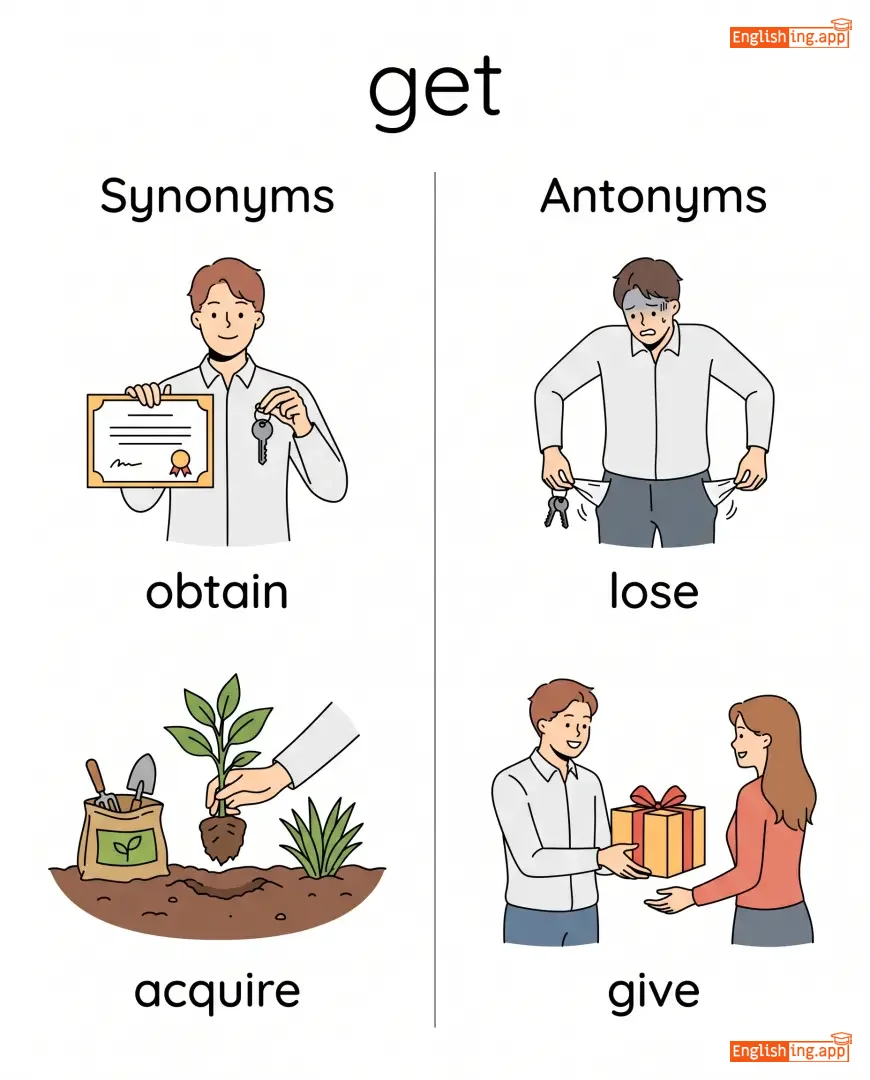
obtain, acquire, receive, gain, secure
••••••
|
lose, give
••••••
|
get a job, get ready, get married, get lost, get better
••••••
|
要得到东西,你需要经过大门 (gate) - get 意味着得到
••••••
|
|
#9881
🫃
|
/ɡʌt/
noun/verb
(ɡʌt)
••••••
|
- •••••• |
胃 / 勇气
wèi / yǒngqì
••••••
|
gutted
ɡʌtɪd
••••••
|
gutted
ɡʌtɪd
••••••
|
guts
ɡʌts
••••••
|
gutting
ɡʌtɪŋ
••••••
|
The stomach or belly; also used for courage, instinct, or to remove the inside of something.
••••••
|
He had the guts to stand up for his beliefs.
他有勇气捍卫自己的信念。
••••••
|
他有勇气捍卫自己的信念。
Tā yǒu yǒngqì hànwèi zìjǐ de xìnniàn.
••••••
|
spill your guts
倾诉心声
••••••
|
To reveal personal secrets or feelings.
••••••
|
倾诉心声
qīngsù xīnshēng
••••••
|
stomach, belly, courage, instinct, bravery
••••••
|
cowardice, fear
••••••
|
gut feeling, gut reaction, strong guts, gut instinct
••••••
|
Gut意味着胃和勇气 — 有勇气就有guts!
••••••
|
|
#9882
🛡️
|
/ˈɡɑːrdɪd/
adjective
(ɡɑːrdɪd)
••••••
|
- •••••• |
谨慎
jinshen
••••••
|
- •••••• | - •••••• | - •••••• | - •••••• |
Cautious and careful in speech or action, often to avoid giving too much away.
••••••
|
He gave a guarded reply to the journalist. |
他给记者一个谨慎的回答。
Ta gei jizhe yige jinshen de huida.
••••••
|
- •••••• | - •••••• | - •••••• |
cautious, reserved, careful, restrained
••••••
|
open, frank, carefree
••••••
|
guarded reply, guarded statement, guarded optimism
••••••
|
Guarded像是小心的意思,意味着谨慎的回答。
••••••
|
|
#9883
🌟
|
/ɡreɪt/
adjective
(guì)
••••••
|
- •••••• |
伟大
wěidà
••••••
|
- •••••• | - •••••• | - •••••• | - •••••• |
Of an extent, amount, or intensity considerably above average; very good or important.
••••••
|
She gave a great performance at the concert.
她在音乐会上的表现非常出色。
••••••
|
她在音乐会上的表现非常出色。
Tā zài yīnyuè huì shàng de biǎoxiàn fēicháng chūsè.
••••••
|
great minds think alike
伟大的头脑总是想法相似
••••••
|
Intelligent people often have similar ideas.
••••••
|
伟大的头脑总是想法相似
Wěidà de tóunǎo zǒng shì xiǎngfǎ xiāngsì
••••••
|
excellent, outstanding, important, immense, huge
••••••
|
poor, small, insignificant
••••••
|
great deal, great importance, great success, great leader
••••••
|
伟大就是伟大,记住:伟大的事情总是值得尊敬!
••••••
|
|
#9884
🐄
|
/ˈɡreɪzɪŋ/
noun/verb
(格雷辛)
••••••
|
- •••••• |
吃草
chī cǎo
••••••
|
- •••••• | - •••••• |
grazes
格雷泽
••••••
|
grazing
格雷辛
••••••
|
The act of animals eating grass in a field; also lightly touching or scraping against something.
••••••
|
Cows were grazing peacefully in the meadow.
奶牛们在草地上安静地吃草。
••••••
|
奶牛们在草地上安静地吃草。
Nǎiniúmen zài cǎodì shàng ānjìng de chī cǎo.
••••••
|
- •••••• | - •••••• | - •••••• |
pasturing, feeding, nibbling, browsing
••••••
|
starving, fasting
••••••
|
grazing animals, grazing land, cattle grazing
••••••
|
奶牛吃草 = 吃草
••••••
|
|
#9885
🪦
|
/ˈɡreɪvstoʊn/
noun
(greɪvstoʊn)
••••••
|
- •••••• |
墓碑
mùbēi
••••••
|
- •••••• | - •••••• | - •••••• | - •••••• |
A stone that marks a grave, usually inscribed with the name of the deceased.
••••••
|
The gravestone had her name carved beautifully. |
墓碑上刻着她的名字,雕刻得非常精美。
Mùbēi shàng kèzhe tā de míngzì, diāokè dé fēicháng jīngměi.
••••••
|
- •••••• | - •••••• | - •••••• |
tombstone, headstone, marker, memorial
••••••
|
birth, cradle
••••••
|
old gravestone, marble gravestone, engraved gravestone
••••••
|
Grave + 石碑 = 墓碑
••••••
|
|
#9886
✊
|
/ˈɡræspɪŋ/
verb/adjective
(grasping)
••••••
|
- •••••• |
抓住 / 贪婪
zhuāzhù / tānlan
••••••
|
- •••••• | - •••••• |
grasps
grasps
••••••
|
grasping
grasping
••••••
|
Holding firmly; or (as an adjective) excessively greedy.
••••••
|
The child was grasping her mother’s hand tightly.
The child was grasping her mother’s hand tightly.
••••••
|
孩子紧紧抓住她妈妈的手。
Háizi jǐn jǐn zhuā zhù tā māmā de shǒu.
••••••
|
grasp the opportunity
grasp the opportunity
••••••
|
to take full advantage of a chance
••••••
|
抓住机会
zhuā zhù jīhuì
••••••
|
holding, clutching, greedy, seizing, grabbing
••••••
|
releasing, generous
••••••
|
grasping hand, grasping nature, grasping opportunity
••••••
|
grasping = 抓住,就像抓住妈妈的手。
••••••
|
|
#9887
🤲
|
/ɡræb/
verb
(格雷布)
••••••
|
- •••••• |
抓住
zhuazhu
••••••
|
grabbed
格雷布德
••••••
|
grabbed
格雷布德
••••••
|
grabs
格雷布斯
••••••
|
grabbing
格雷布英
••••••
|
To seize something quickly and firmly.
••••••
|
He tried to grab the ball before it rolled away.
他试图抓住球,在它滚走之前。
••••••
|
他试图抓住球,在它滚走之前。
Tā shìtú zhuā zhù qiú, zài tā gǔn zǒu zhīqián.
••••••
|
grab a bite
抓住一口
••••••
|
to have something to eat quickly
••••••
|
抓紧吃一口
zhuājǐn chī yī kǒu
••••••
|
seize, snatch, clutch, take, catch
••••••
|
release, let go
••••••
|
grab a chance, grab attention, grab a bite
••••••
|
‘抓住’就像是抓住一口快餐。
••••••
|
|
#9888
💃
|
/ˈɡɔːrdʒəs/
adjective
(ɡɔːrdʒəs)
••••••
|
- •••••• |
美丽
měilì
••••••
|
- •••••• | - •••••• | - •••••• | - •••••• |
Extremely beautiful or attractive.
••••••
|
The bride looked gorgeous in her wedding dress.
新娘在她的婚纱里看起来非常漂亮。
••••••
|
新娘在她的婚纱里看起来非常漂亮。
Xīnniáng zài tā de hūnshā lǐ kàn qǐlái fēicháng piàoliang.
••••••
|
- •••••• | - •••••• | - •••••• |
beautiful, stunning, lovely, attractive, splendid
••••••
|
ugly, plain, unattractive
••••••
|
gorgeous dress, gorgeous view, gorgeous smile
••••••
|
‘美丽’在中文中意味着‘漂亮’,正如‘gorgeous’一样,都是极其美丽的意思。
••••••
|
|
#9889
👍
|
/ɡʊd/
adjective
(gud)
••••••
|
- •••••• |
好
hao
••••••
|
- •••••• | - •••••• | - •••••• | - •••••• |
Of high quality; morally right or beneficial.
••••••
|
She is a good student who always helps her classmates. |
她是一个好学生,总是帮助她的同学。
Tā shì yīgè hǎo xuéshēng, zǒng shì bāngzhù tā de tóngxué.
••••••
|
for good |
permanently
••••••
|
永远
yǒngyuǎn
••••••
|
excellent, fine, beneficial, virtuous, positive
••••••
|
bad, evil, poor
••••••
|
good job, good idea, good reason, good student
••••••
|
Good 就是好,'好' 一直好。
••••••
|
|
#9890
🍽️
|
/ˈɡlʌtəni/
noun
(glùtèní)
••••••
|
- •••••• |
暴饮暴食
baoyinbaoshi
••••••
|
- •••••• | - •••••• | - •••••• | - •••••• |
Excessive eating or drinking; overindulgence in food or drink.
••••••
|
His gluttony during the festival left him feeling sick. |
他在节日中的暴饮暴食让他感到生病。
Tā zài jiérì zhōng de bào yǐn bào shí ràng tā gǎndào shēng bìng.
••••••
|
give in to gluttony |
to indulge excessively in food or drink
••••••
|
屈服于暴饮暴食
qūfú yú bào yǐn bào shí
••••••
|
overindulgence, greed, overeating, excess, indulgence
••••••
|
moderation, restraint, temperance
••••••
|
deadly sin of gluttony, gluttony for food, overcome gluttony
••••••
|
暴饮暴食时,你的胃就像暴风雨一样乱成一团。
••••••
|
|
#9891
🏆
|
/ˈɡlɔːri/
noun
(ɡlɔːri)
••••••
|
- •••••• |
荣耀
róngyào
••••••
|
- •••••• | - •••••• | - •••••• | - •••••• |
great honor, praise, or fame achieved by doing something remarkable
••••••
|
The athlete won glory for his country with his performance. |
运动员凭借他的表现为他的国家赢得了荣耀。
Yùndòngyuán píngjiè tā de biǎoxiàn wèi tā de guójiā yíngdé le róngyào.
••••••
|
in all its glory |
in a state of complete beauty or success
••••••
|
在它的荣耀中
zài tā de róngyào zhōng
••••••
|
honor, fame, triumph, renown, prestige
••••••
|
shame, disgrace
••••••
|
win glory, seek glory, bask in glory, share glory
••••••
|
荣耀就像是战斗的奖励,永远记得它背后的努力。
••••••
|
|
#9892
🥛
|
/ɡlæs/
noun
(格拉斯)
••••••
|
- •••••• |
玻璃
boli
••••••
|
- •••••• | - •••••• | - •••••• | - •••••• |
a hard, transparent material used for windows, bottles, and other objects
••••••
|
She poured water into a glass and handed it to me.
她把水倒进了一个玻璃杯,然后递给了我。
••••••
|
她把水倒进了一个玻璃杯,然后递给了我。
Ta ba shui dao jin le yi ge boli bei, ranhou di gei le wo.
••••••
|
raise a glass
举杯
••••••
|
to make a toast by lifting a drink
••••••
|
举杯
ju bei
••••••
|
cup, tumbler, goblet, crystal
••••••
|
plastic, wood
••••••
|
glass of water, glass window, broken glass, glass bottle
••••••
|
玻璃就像杯子一样,我们举着它,喝酒时不忘祝福。
••••••
|
|
#9893
😊
|
/ɡlæd/
adjective
(glad)
••••••
|
|
高兴
gaoxing
••••••
|
- •••••• | - •••••• | - •••••• | - •••••• |
feeling pleased, happy, or delighted
••••••
|
I am glad to see you again after so long. |
我很高兴再次见到你,经过这么长时间。
Wǒ hěn gāoxìng zàicì jiàndào nǐ, jīngguò zhème cháng shíjiān.
••••••
|
glad tidings |
good news
••••••
|
好消息
hǎo xiāoxī
••••••
|
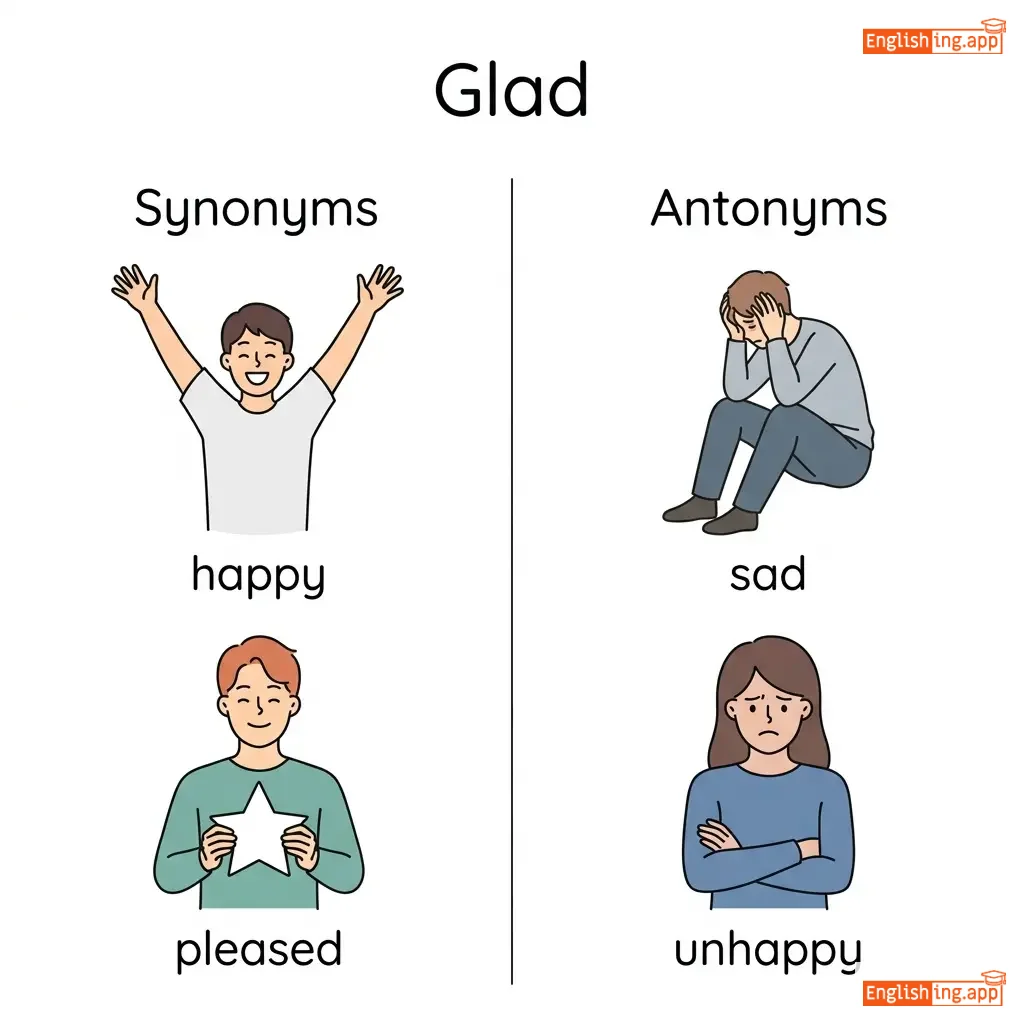
happy, pleased, delighted, joyful, cheerful
••••••
|
sad, unhappy, upset
••••••
|
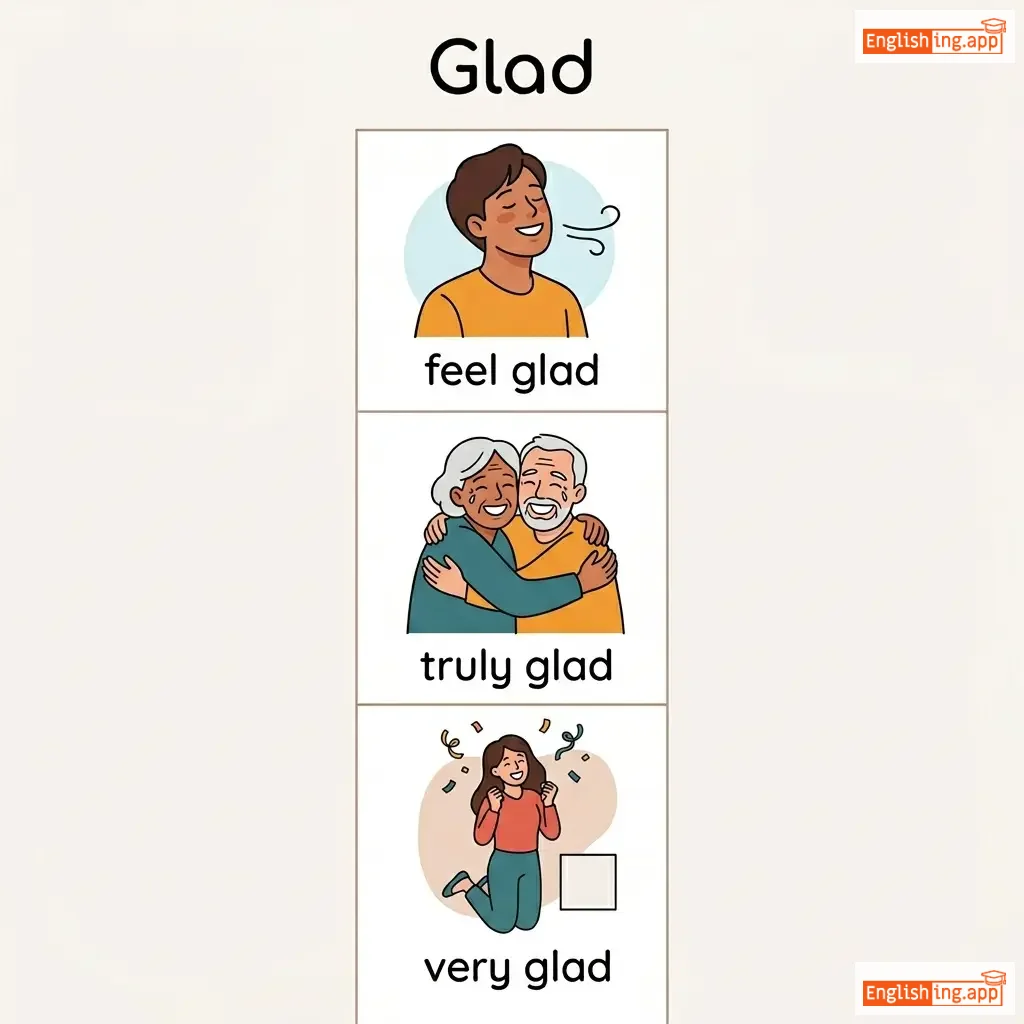
glad to hear, glad to meet, glad about, glad for
••••••
|
高兴意味着快乐,想象一下你听到好消息时的快乐心情。
••••••
|
|
#9894
🎁
|
/ɡɪv/
verb
(gív)
••••••
|
|
给
gěi
••••••
|
gave
géve
••••••
|
given
gíven
••••••
|
gives
gívs
••••••
|
giving
gíving
••••••
|
to hand over or transfer something to someone
••••••
|
She will give him a gift on his birthday.
她会在他的生日给他一份礼物。
••••••
|
她会在他的生日给他一份礼物。
Tā huì zài tā de shēngrì gěi tā yī fèn lǐwù.
••••••
|
give up
放弃
••••••
|
to stop trying or to surrender
••••••
|
放弃
fàngqì
••••••
|
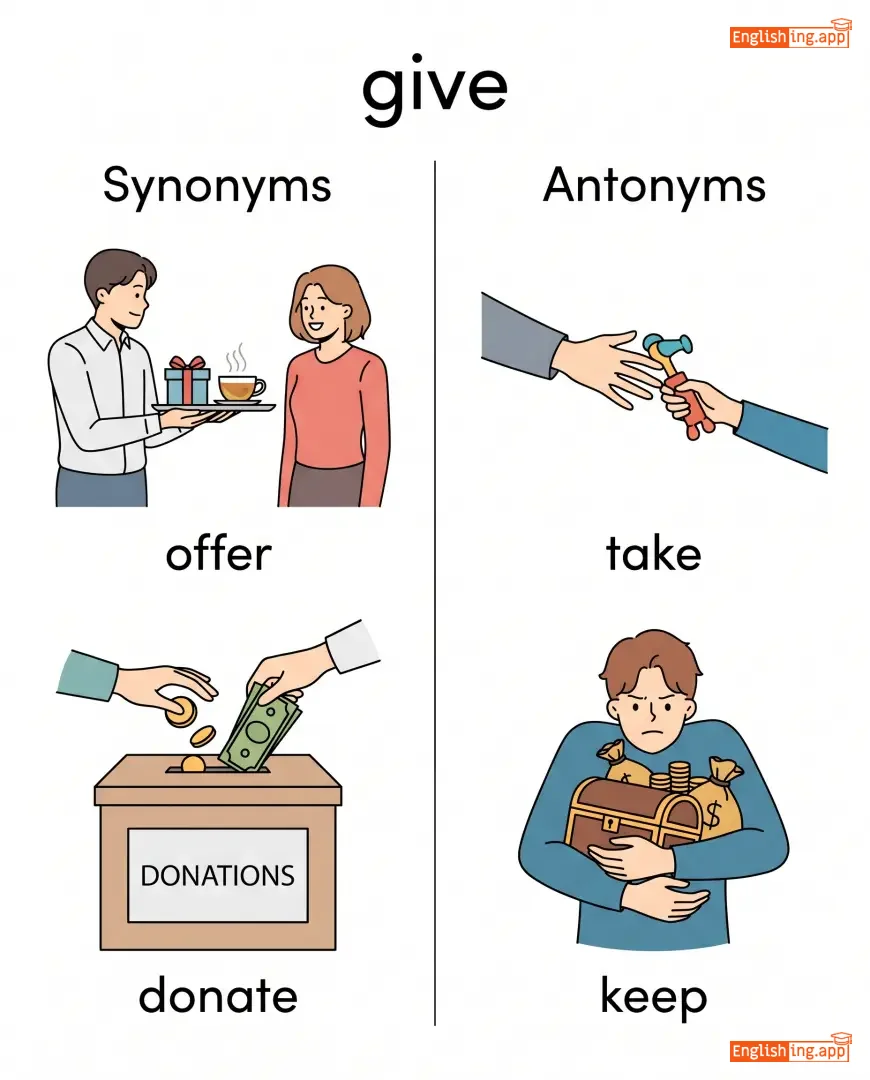
offer, donate, present, provide, deliver
••••••
|
take, keep
••••••
|
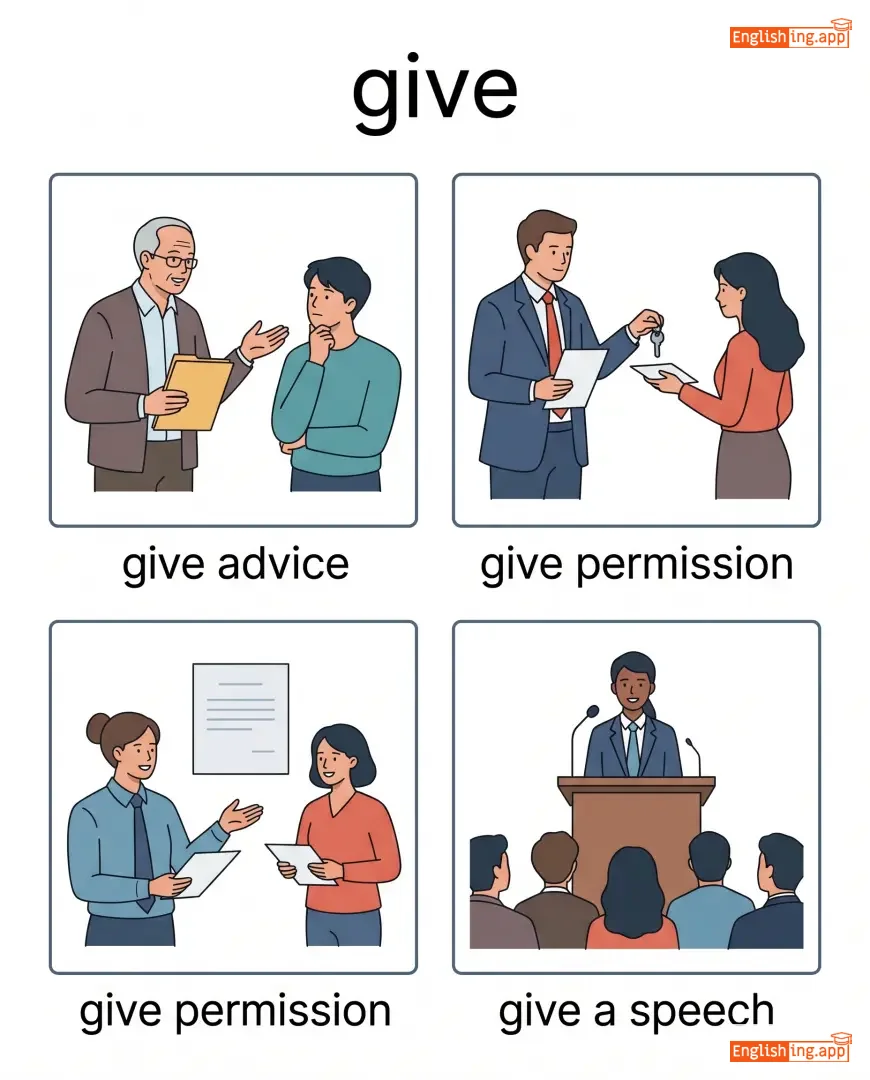
give advice, give permission, give a speech, give thanks
••••••
|
Give (给) someone something to give them a gift.
••••••
|
Vocabulary Quiz
Test your vocabulary by matching words with their translations or meanings.
Login to take the quiz
Comments (0)
Share your thoughts and join the discussion.
Join the discussion by logging in
Login to CommentNo comments yet
Be the first to share your thoughts!