

Swipe left or right, or use the buttons. Tap image to zoom.
例句翻译
单词
Lesson 351Lesson 351 - 遮罩切换
|
表情符号
|
单词 | Images | 翻译 | 过去时 | 过去分词 | 第三人称单数 | 动名词 | 含义 | 例句 | 例句翻译 | 示例表达 | 示例表达含义 | 示例表达翻译 | 同义词 | 反义词 | 搭配词 | 助记符 |
|---|---|---|---|---|---|---|---|---|---|---|---|---|---|---|---|---|---|
|
#10495
🙈
|
/blaɪnd/
adjective
••••••
|
- •••••• | - •••••• | - •••••• | - •••••• | - •••••• | - •••••• |
Unable to see because of injury, disease, or a congenital condition.
••••••
|
He has been blind since birth. |
- •••••• |
blind faith |
Complete trust without questioning or evidence.
••••••
|
- •••••• |
sightless, visionless, unseeing, eyeless
••••••
|
sighted, seeing
••••••
|
blind person, blind alley, blind spot, blindfold
••••••
|
No •••••• |
|
#10496
👨💼
|
/bɒs/
noun
(bó sī)
••••••
|
- •••••• |
老板
lǎobǎn
••••••
|
- •••••• | - •••••• | - •••••• | - •••••• |
a person who is in charge of a worker, group, or organization
••••••
|
Her boss gave her a new project to complete. |
她的老板给她分配了一个新的项目来完成。
Tā de lǎobǎn gěi tā fēnpèi le yīgè xīn de xiàngmù lái wánchéng.
••••••
|
like a boss |
to do something with confidence and authority
••••••
|
像老板一样
xiàng lǎobǎn yīyàng
••••••
|
manager, supervisor, chief, head, leader
••••••
|
employee, worker, subordinate
••••••
|
boss at work, strict boss, talk to the boss, boss of the company
••••••
|
老板总是展现出决策的自信和强大的权威。
••••••
|
|
#10497
✏️
|
/ˈbɑːroʊ/
verb
(博罗)
••••••
|
|
借
jie
••••••
|
borrowed
博罗德
••••••
|
borrowed
博罗德
••••••
|
borrows
博罗斯
••••••
|
borrowing
博罗英
••••••
|
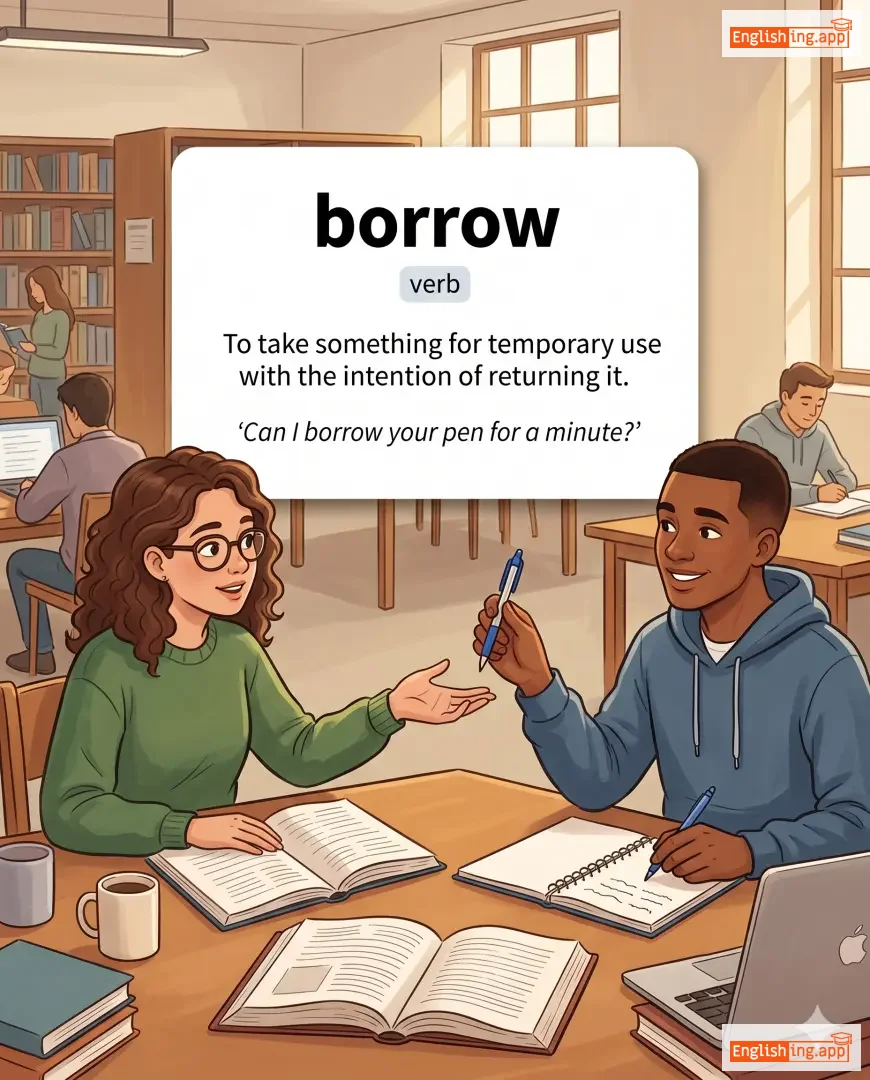
To take something for temporary use with the intention of returning it.
••••••
|
Can I borrow your pen for a minute?
我可以借你的笔一分钟吗?
••••••
|
我可以借你的笔一分钟吗?
Wǒ kěyǐ jiè nǐ de bǐ yī fēnzhōng ma?
••••••
|
borrow time
借时间
••••••
|
To extend a situation temporarily, often delaying an inevitable outcome.
••••••
|
借时间
Jiè shíjiān
••••••
|
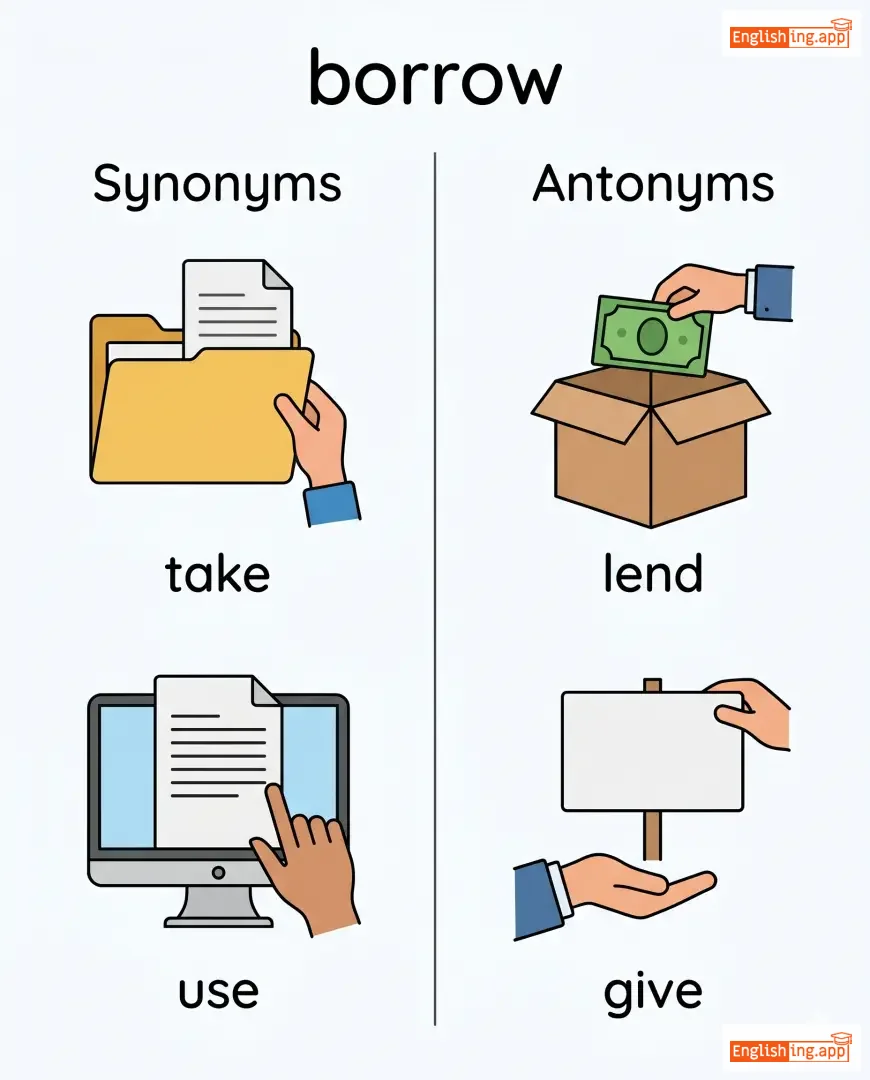
take, use, obtain, acquire
••••••
|
lend, give, return
••••••
|
borrow money, borrow a book, borrow ideas, borrow from
••••••
|
借一个物品,记得还回来!✏️
••••••
|
|
#10498
👶
|
/bɔːrn/
verb (past participle of 'bear'), adjective
(bɔːrn)
••••••
|
- •••••• |
出生
chūshēng
••••••
|
- •••••• | - •••••• | - •••••• | - •••••• |
To come into life; brought into existence.
••••••
|
He was born in Dhaka in 1995. |
他于1995年在达卡出生。
Tā yú 1995 nián zài Dākā chūshēng.
••••••
|
born and bred |
Born and raised in a particular place.
••••••
|
出生并成长
chūshēng bìng chéngzhǎng
••••••
|
delivered, created, produced, bred
••••••
|
dead, unborn
••••••
|
born in, newly born, born leader, born into
••••••
|
Born 意思是 👶 出生 — 'Born in China' 意思是出生在中国。
••••••
|
|
#10499
🛂
|
/ˈbɔːrdər/
noun, verb
(bó dé)
••••••
|
- •••••• |
边界
bianjie
••••••
|
bordered
bó dé dé
••••••
|
bordered
bó dé dé
••••••
|
borders
bó dé sī
••••••
|
bordering
bó dé líng
••••••
|
A line separating two political or geographical areas.
••••••
|
Bangladesh shares a long border with India.
孟加拉国与印度共享一条长边界。
••••••
|
孟加拉国与印度共享一条长边界。
Meng jiala guo yu Yindu gongxiang yi tiao chang bianjie.
••••••
|
border on
border on
••••••
|
To be very close to something.
••••••
|
接近于
jiejin yu
••••••
|
boundary, edge, frontier, limit, margin
••••••
|
center, core
••••••
|
cross the border, border area, border security, border control
••••••
|
Border 意味着边界 🛂 — 想象孟加拉国与印度的边界。
••••••
|
|
#10500
👢
|
/buːt/
noun, verb
(布特)
••••••
|
- •••••• |
靴子
xuezi
••••••
|
booted
布特
••••••
|
booted
布特
••••••
|
boots
布特斯
••••••
|
booting
布特英
••••••
|
A type of shoe that covers the ankle or higher; to start up a computer system.
••••••
|
He put on his boots before going hiking.
他在去远足前穿上了他的靴子。
••••••
|
他在去远足前穿上了他的靴子。
Ta zai qu yuanzu qian chuan shang le ta de xuezi.
••••••
|
boot up
启动
••••••
|
To start a computer system.
••••••
|
启动
qidong
••••••
|
shoe, footwear, startup, begin, launch
••••••
|
barefoot, shutdown
••••••
|
hiking boots, boot camp, boot up, knee-high boots
••••••
|
穿上靴子并启动你的电脑。
••••••
|
|
#10501
📈
|
/buːm/
noun, verb
••••••
|
|
- •••••• |
boomed
••••••
|
boomed
••••••
|
booms
••••••
|
booming
••••••
|
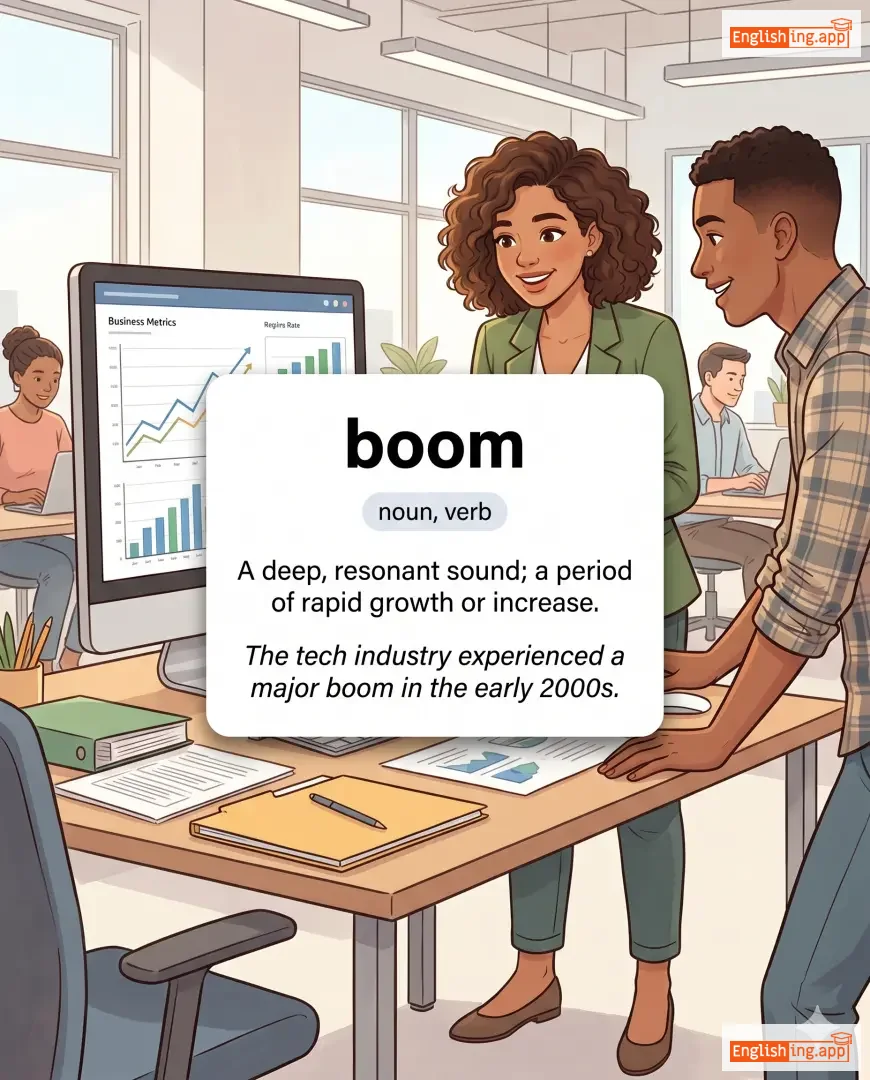
A deep, resonant sound; a period of rapid growth or increase.
••••••
|
The tech industry experienced a major boom in the early 2000s. |
- •••••• |
boom and bust |
A cycle of economic expansion followed by a decline.
••••••
|
- •••••• |
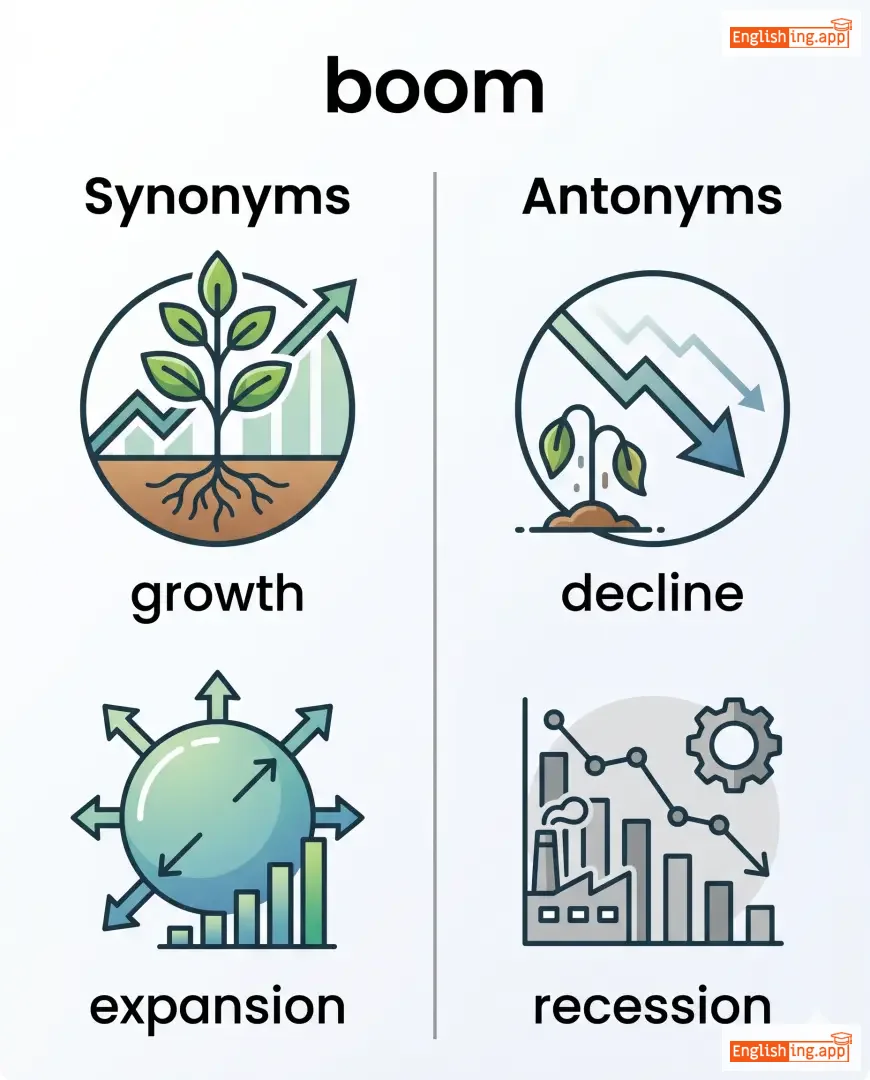
growth, expansion, surge, prosperity, increase
••••••
|
decline, recession, bust
••••••
|
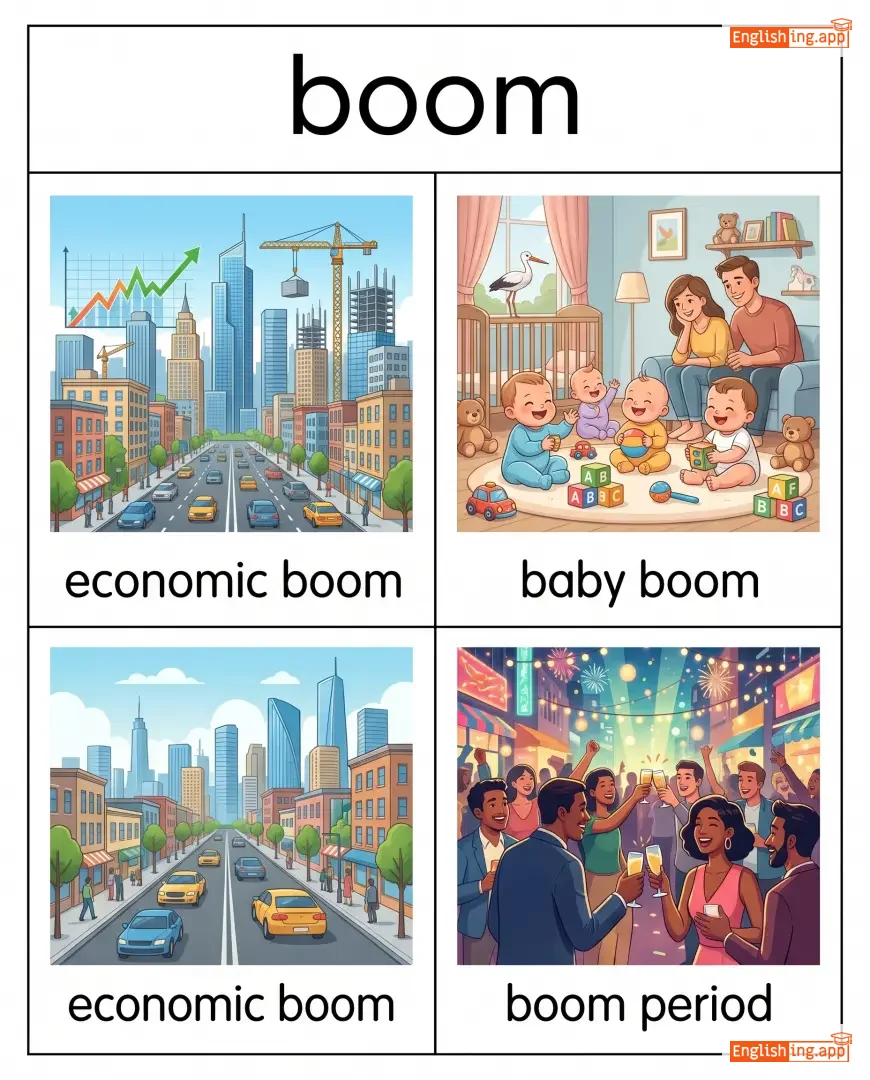
economic boom, baby boom, boom period, boom in demand
••••••
|
No •••••• |
|
#10502
🦴
|
/boʊn/
noun
(bón)
••••••
|
- •••••• |
骨头
gǔtóu
••••••
|
- •••••• | - •••••• | - •••••• | - •••••• |
the hard parts of a skeleton that form the structure of the body
••••••
|
The dog buried a bone in the garden. |
狗把一块骨头埋在花园里。
gǒu bǎ yī kuài gǔtóu mái zài huāyuán lǐ.
••••••
|
feel it in your bones |
to sense something strongly
••••••
|
在骨头里感觉
zài gǔtóu lǐ gǎnjué
••••••
|
skeleton, joint, cartilage, marrow
••••••
|
flesh, muscle
••••••
|
broken bone, bone marrow, bone density, bone fracture
••••••
|
Bone是骨头 — 骨头里强烈的感觉!
••••••
|
|
#10503
🤝
|
/bɒnd/
noun
••••••
|
- •••••• | - •••••• | - •••••• | - •••••• | - •••••• | - •••••• |
a connection or relationship between people or things
••••••
|
The sisters share a close bond. |
- •••••• |
bond of friendship |
a strong relationship based on trust and care
••••••
|
- •••••• |
connection, tie, link, relationship, attachment
••••••
|
division, separation
••••••
|
emotional bond, strong bond, family bond, bond market
••••••
|
No •••••• |
|
#10504
💣
|
/ˈbɒmɪŋ/
noun
(bó míng)
••••••
|
- •••••• |
轰炸
hongzha
••••••
|
- •••••• | - •••••• | - •••••• | - •••••• |
an attack using bombs or explosives
••••••
|
The city was devastated by the bombing. |
这座城市在轰炸中被摧毁。
Zhe zuo chengshi zai hongzha zhong bei cuihui.
••••••
|
- •••••• | - •••••• | - •••••• |
explosion, attack, strike, assault, blast
••••••
|
peace, ceasefire
••••••
|
suicide bombing, bombing raid, air bombing, terrorist bombing
••••••
|
Bombing = 轰炸 = 用炸弹攻击
••••••
|
|
#10505
🧍
|
/ˈbɒdi/
noun
(bodi)
••••••
|
- •••••• |
身体
shenti
••••••
|
- •••••• | - •••••• | - •••••• | - •••••• |
the physical structure of a person or animal
••••••
|
Exercise helps keep the body healthy. |
锻炼有助于保持身体健康。
duànliàn yǒu zhù yú bǎochí shēntǐ jiànkāng.
••••••
|
over my dead body |
absolutely not allowed
••••••
|
越过我的尸体
yuèguò wǒ de shītǐ
••••••
|
form, figure, corpse, frame, physique
••••••
|
soul, spirit
••••••
|
human body, body parts, body weight, body language
••••••
|
Body = 身体, 锻炼让身体保持强壮.
••••••
|
|
#10506
⛵
|
/boʊt/
noun
(bòat)
••••••
|
- •••••• |
船
chuan
••••••
|
- •••••• | - •••••• | - •••••• | - •••••• |
a small vessel used for traveling on water
••••••
|
They took a boat across the river. |
他们坐船穿过了河。
Tāmen zuò chuán chuānguòle hé.
••••••
|
miss the boat |
to miss an opportunity
••••••
|
- •••••• |
ship, vessel, canoe, yacht, ferry
••••••
|
submarine, aircraft
••••••
|
boat ride, fishing boat, sail a boat, boat trip
••••••
|
Boat的意思是船,就像船在水中航行一样,boat也在水上航行。
••••••
|
|
#10507
💨
|
/bloʊ/
verb, noun
(布洛)
••••••
|
|
吹 / 打
chui / da
••••••
|
blew
布鲁
••••••
|
blown
布隆
••••••
|
blows
布洛兹
••••••
|
blowing
布洛因
••••••
|
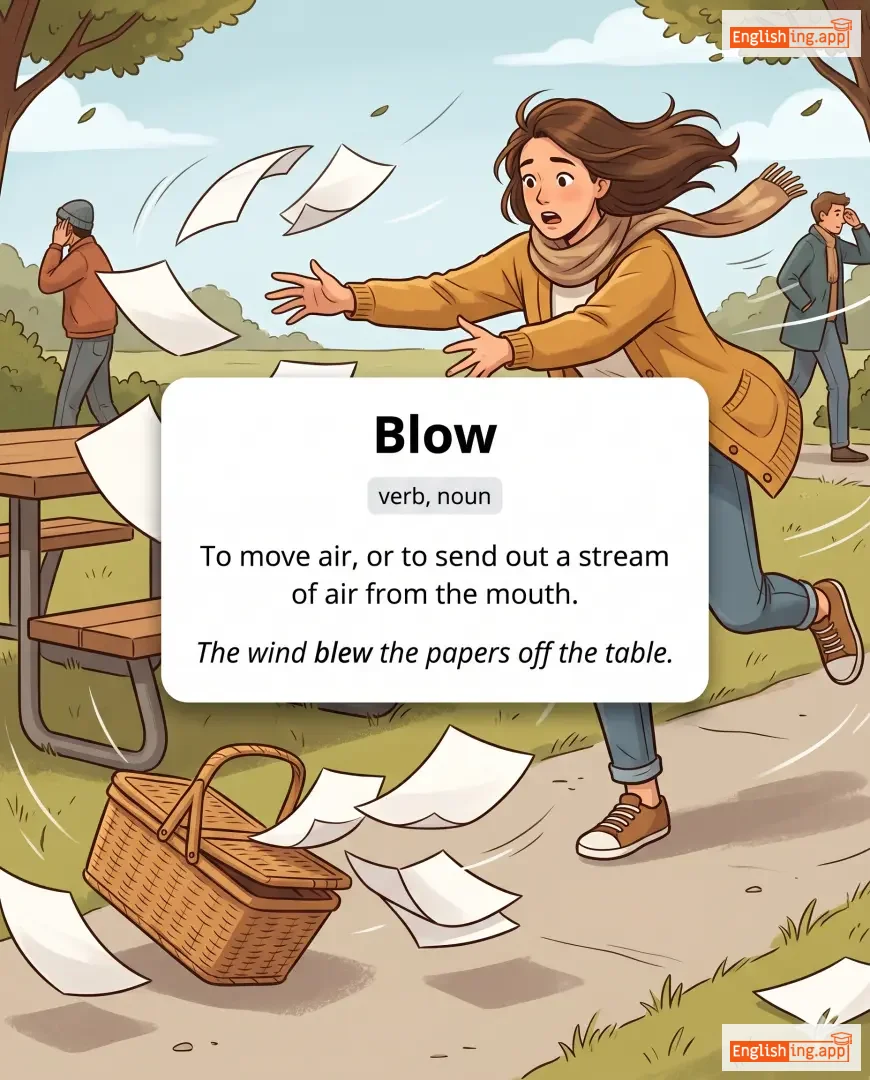
To move air, or to send out a stream of air from the mouth.
••••••
|
The wind blew the papers off the table.
风把纸吹离桌子
••••••
|
风把纸吹离桌子。
Feng ba zhi chui li zhuozi.
••••••
|
blow off steam
发泄情绪
••••••
|
To release strong emotions or energy by doing something active.
••••••
|
释放压力
Shifang yali
••••••
|
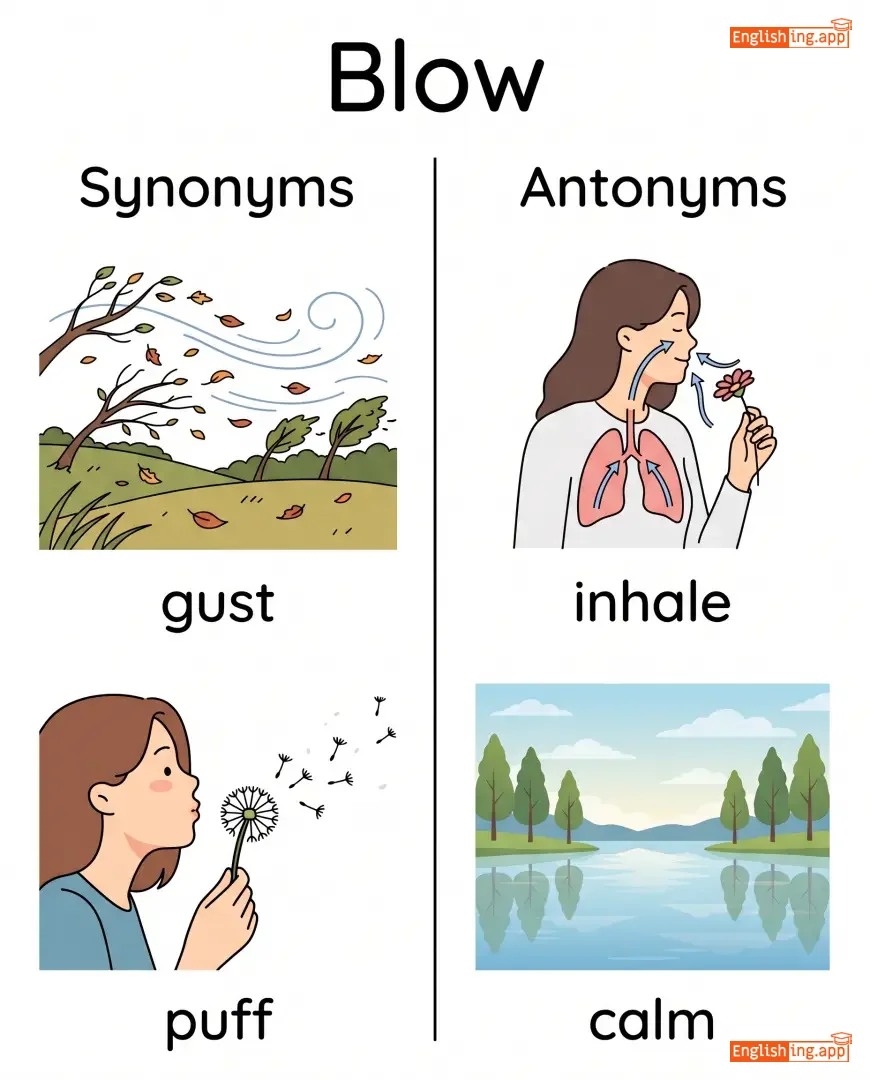
gust, puff, exhale, strike, blast
••••••
|
inhale, calm
••••••
|
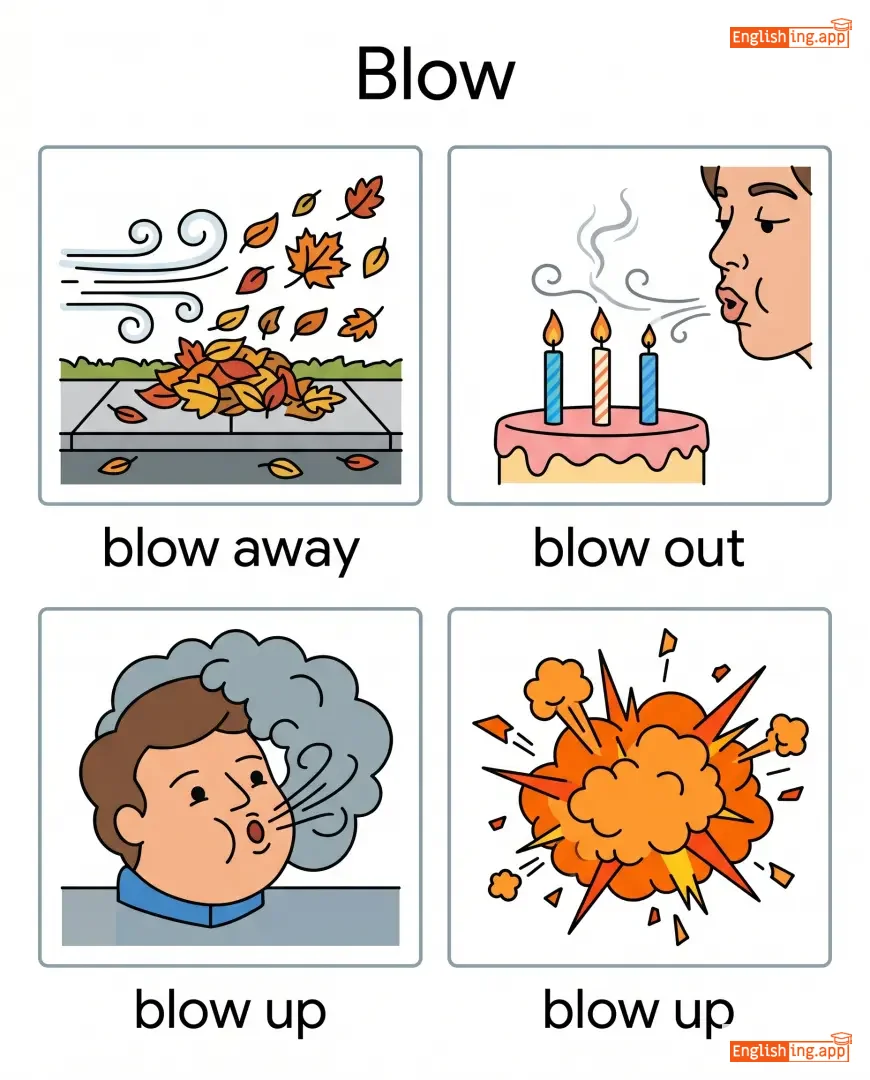
blow away, blow out, blow up, blow over
••••••
|
Blow 意味着吹 – 生日蛋糕上的蜡烛需要吹灭。
••••••
|
|
#10508
🩸
|
/blʌd/
noun
(blud)
••••••
|
- •••••• |
血液
xueye
••••••
|
- •••••• | - •••••• | - •••••• | - •••••• |
The red liquid that circulates in the arteries and veins of humans and animals.
••••••
|
The doctor took a sample of blood for testing. |
医生取了一份血液样本进行测试。
Yisheng qule yifen xueye yangben jinxing ceshi.
••••••
|
blood is thicker than water |
Family relationships are stronger than other relationships.
••••••
|
血浓于水
Xue nong yu shui
••••••
|
plasma, lifeblood, gore, vital fluid
••••••
|
water, pus
••••••
|
blood pressure, blood test, blood group, blood donation
••••••
|
Blood 意味着 '血液' – 记住谚语 '血浓于水'。
••••••
|
|
#10509
🧱
|
/blɑːk/
noun, verb
(布洛克)
••••••
|
|
封锁
fengsuo
••••••
|
blocked
阻塞
••••••
|
blocked
阻塞
••••••
|
blocks
阻塞
••••••
|
blocking
阻塞
••••••
|
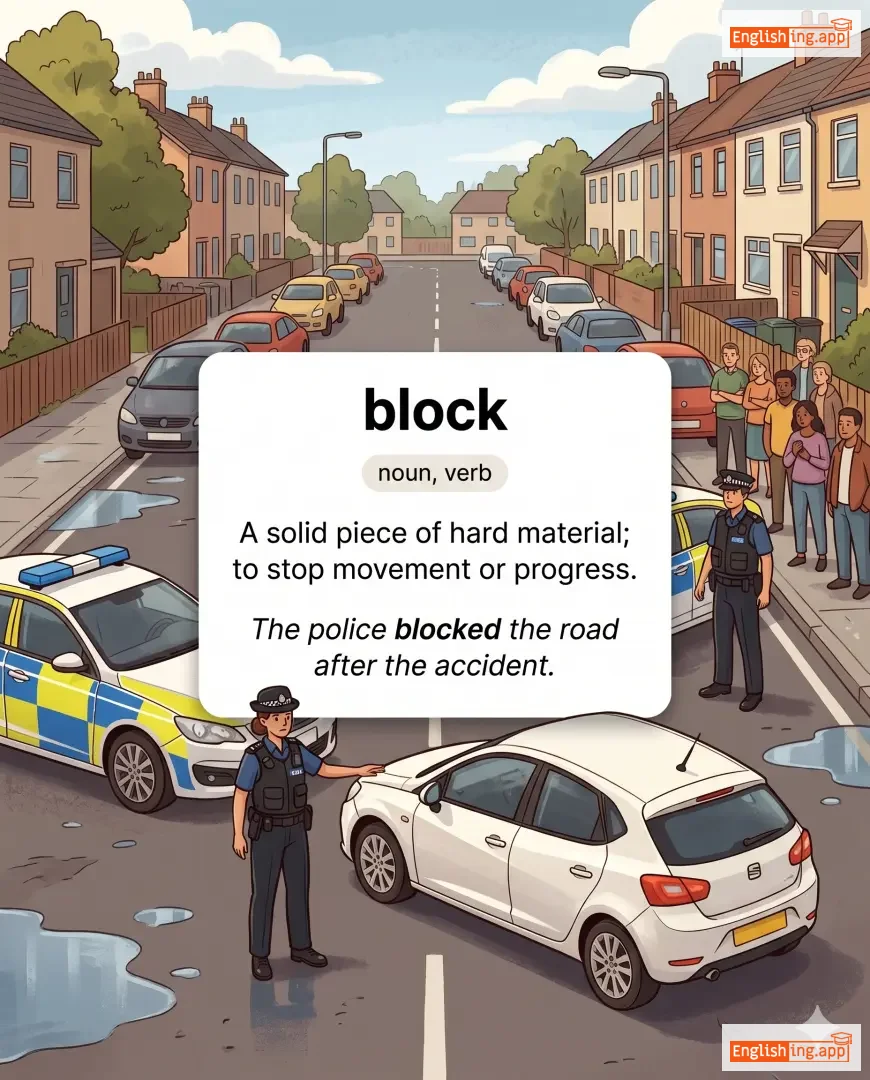
A solid piece of hard material; to stop movement or progress.
••••••
|
The police blocked the road after the accident.
警察在事故后封锁了道路。
••••••
|
警察在事故后封锁了道路。
Jingcha zai shigu hou fengsuo le daolu.
••••••
|
writer's block
作家阻塞
••••••
|
The inability to think of what to write.
••••••
|
作家阻塞
zuojia zuse
••••••
|
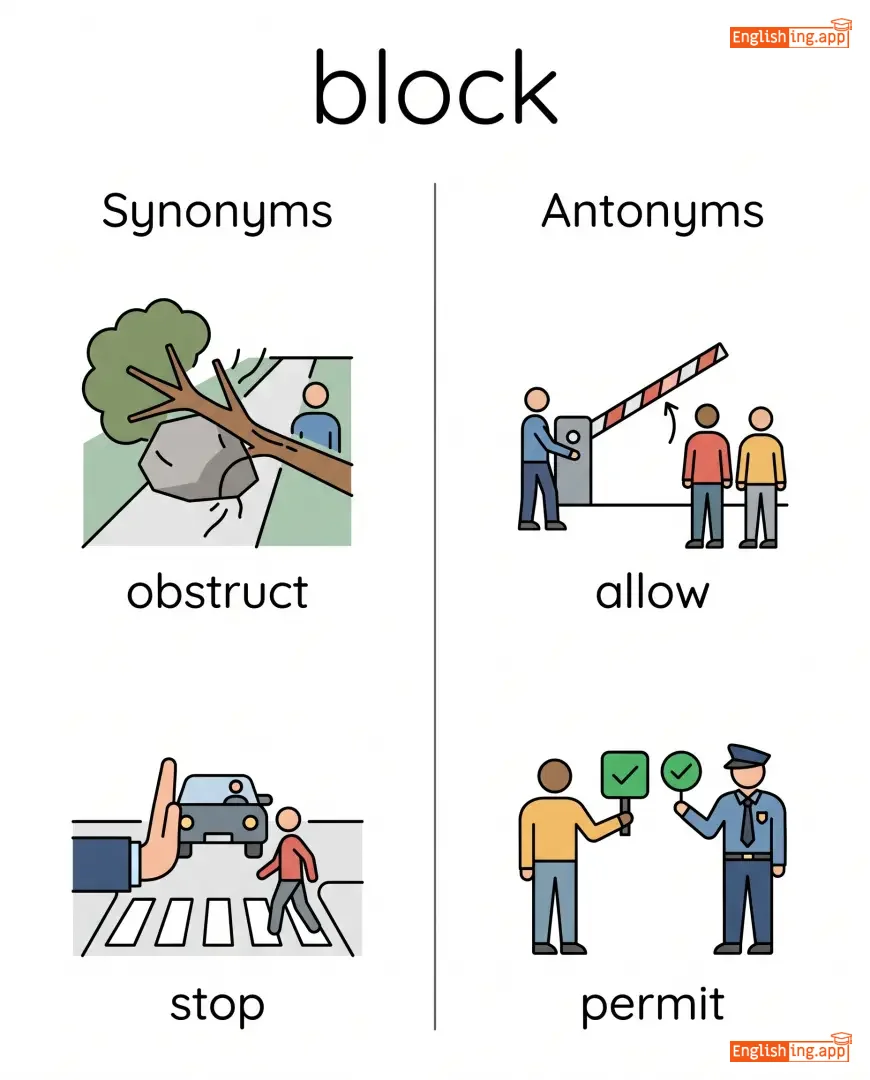
obstruct, stop, hinder, barrier, cube
••••••
|
allow, permit, unblock
••••••
|
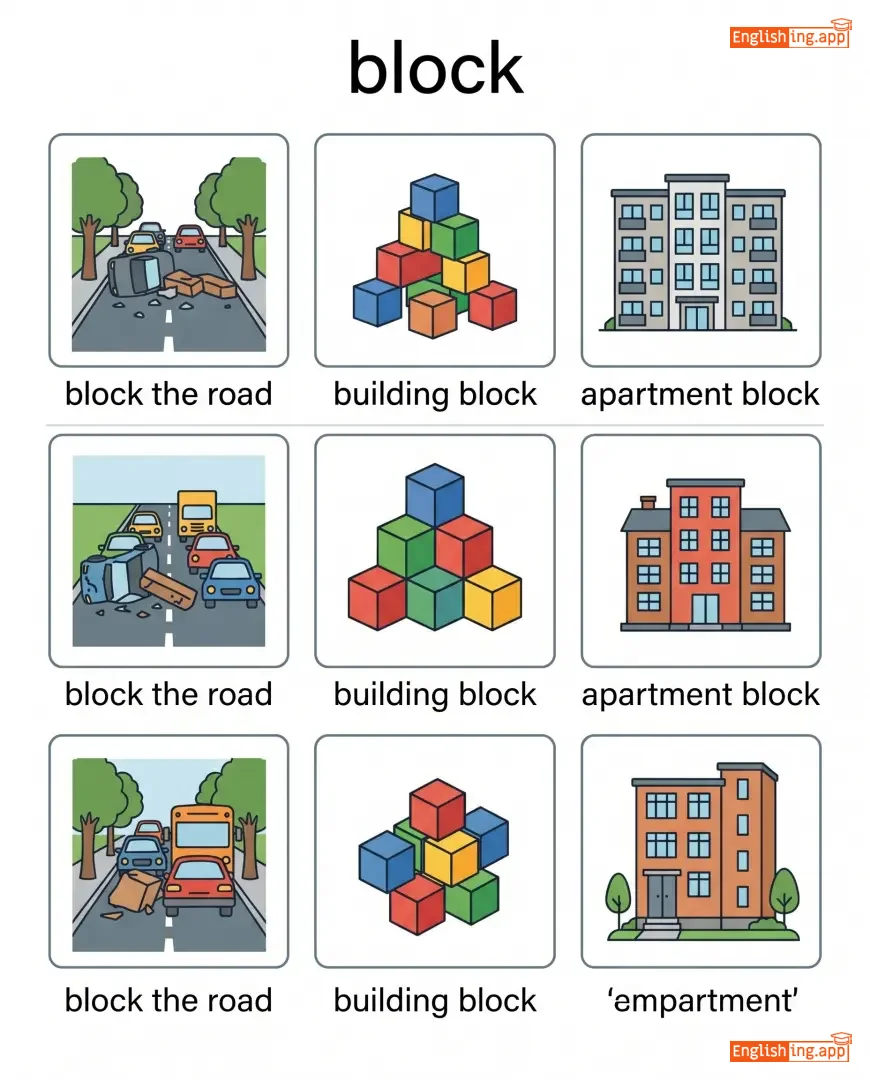
block the road, building block, apartment block, block out
••••••
|
封锁就像写作阻塞,不能想出写什么。
••••••
|
|
#10510
↔️
|
/bɪˈtwiːn/
preposition, adverb
(比特温)
••••••
|
- •••••• |
之间
zhījiān
••••••
|
- •••••• | - •••••• | - •••••• | - •••••• |
at, into, or across the space separating two objects or regions
••••••
|
She sat between her two friends. |
她坐在两个朋友之间。
Tā zuò zài liǎng gè péngyǒu zhījiān.
••••••
|
between a rock and a hard place |
To be faced with two difficult choices.
••••••
|
进退两难
jìntuì liǎng nán
••••••
|
amid, among, in the middle of, betwixt
••••••
|
outside, beyond
••••••
|
between people, between countries, between lines
••••••
|
Between表示之间,记住be + tween (两个之间) = between.
••••••
|
|
#10511
🛏️
|
/ˈblæŋ.kɪt/
noun
(布蘭凱特)
••••••
|
- •••••• |
毯子
tǎnzi
••••••
|
- •••••• | - •••••• | - •••••• | - •••••• |
A large piece of cloth used for warmth, typically on a bed.
••••••
|
She pulled the blanket over her shoulders to stay warm.
她把毯子拉到肩膀上,以保持温暖。
••••••
|
她把毯子拉到肩膀上,以保持温暖。
Tā bǎ tǎnzi lā dào jiānbǎng shàng, yǐ bǎochí wēnnuǎn.
••••••
|
a blanket statement
泛泛而谈的陈述
••••••
|
A general statement that covers all cases but may not be accurate in detail.
••••••
|
泛泛而谈的陈述
fànfàn'értán de chénshù
••••••
|
cover, quilt, throw, spread, comforter
••••••
|
sheet, exposure
••••••
|
warm blanket, electric blanket, wool blanket, heavy blanket
••••••
|
毯子 = Blanket,像一个泛泛而谈的陈述一样覆盖一切。
••••••
|
|
#10512
☝️
|
/bleɪm/
verb
(bleim)
••••••
|
|
责怪
zeguai
••••••
|
blamed
bleimd
••••••
|
blamed
bleimd
••••••
|
blames
bleims
••••••
|
blaming
bleiming
••••••
|
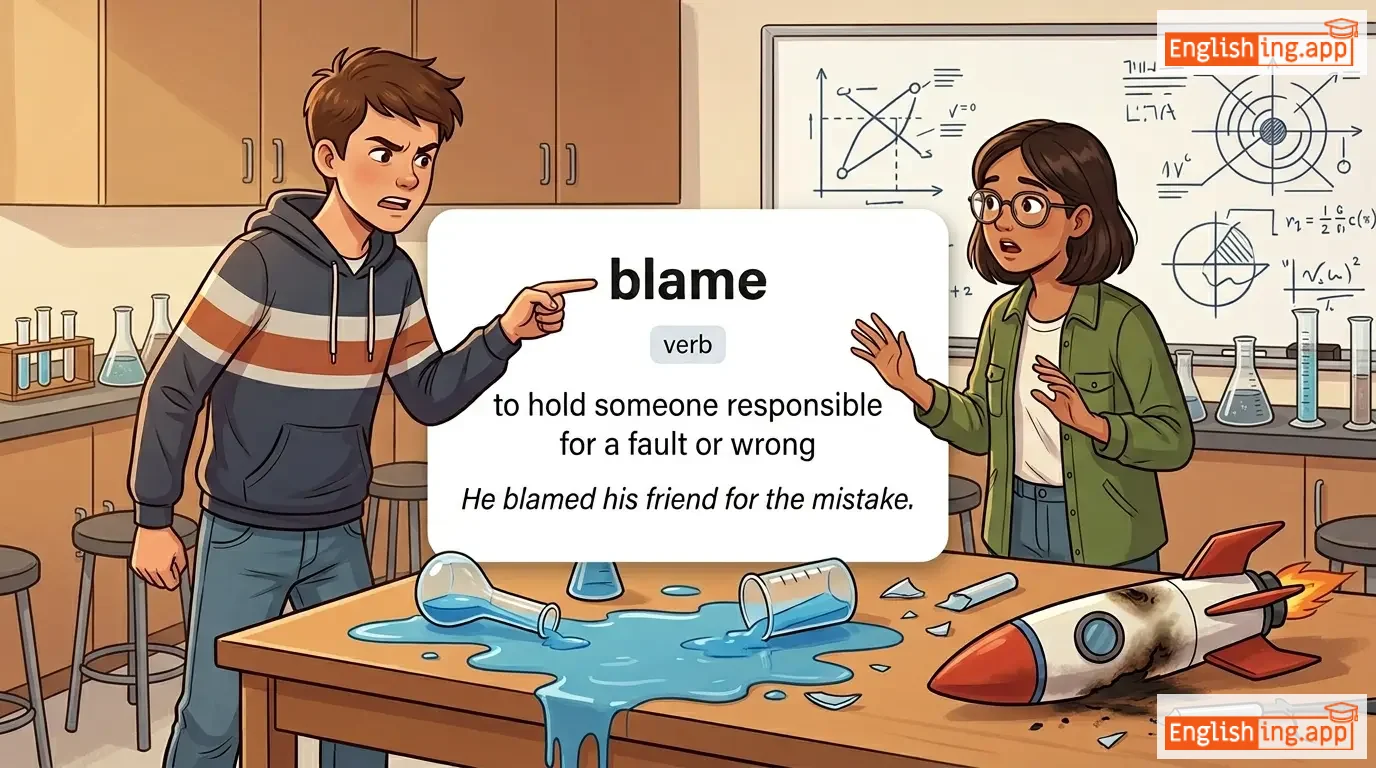
to hold someone responsible for a fault or wrong
••••••
|
He blamed his friend for the mistake.
他把错误归咎于他的朋友。
••••••
|
他把错误归咎于他的朋友。
Ta ba cuowu guijiu yu tade pengyou.
••••••
|
put the blame on
把责任推到
••••••
|
to make someone responsible for something bad
••••••
|
把责任推到
Ba zeren tuidao
••••••
|
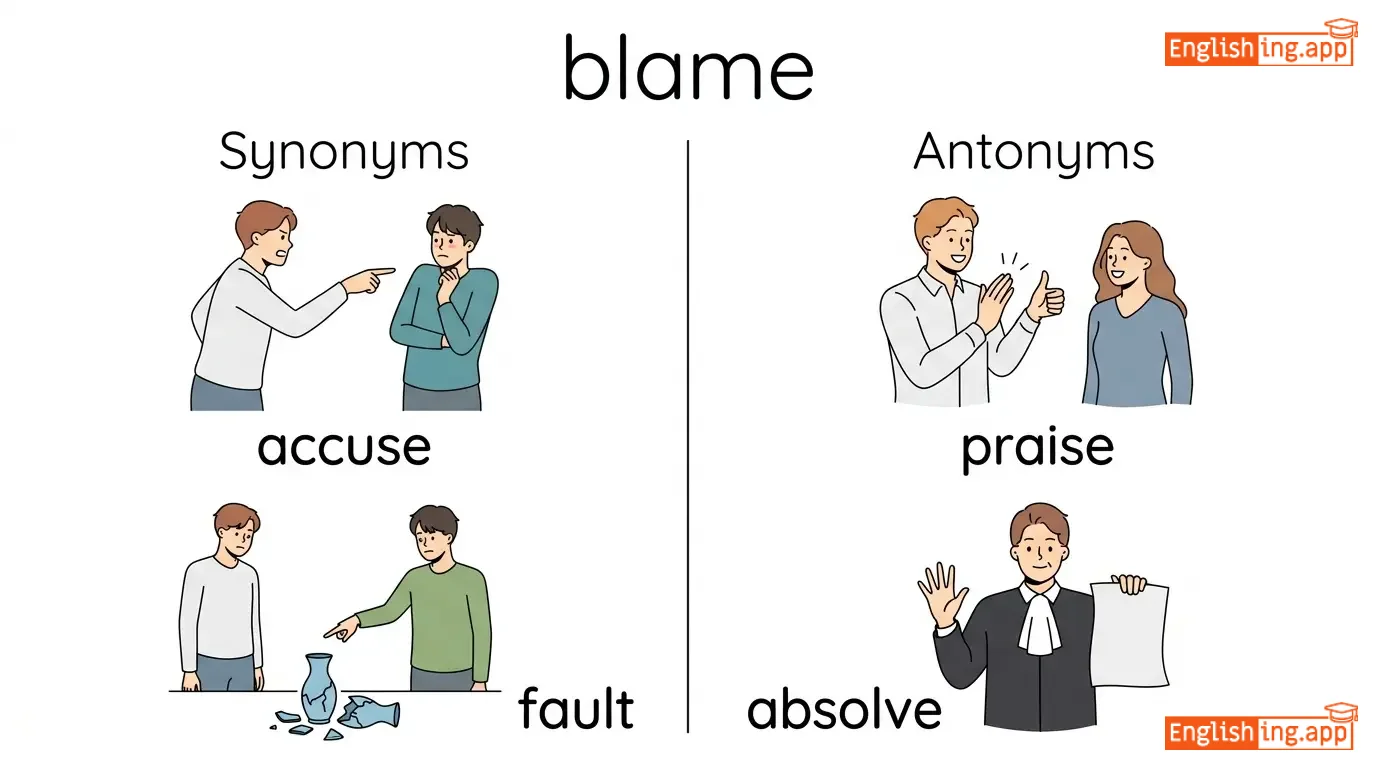
accuse, fault, charge, condemn
••••••
|
praise, absolve, forgive
••••••
|
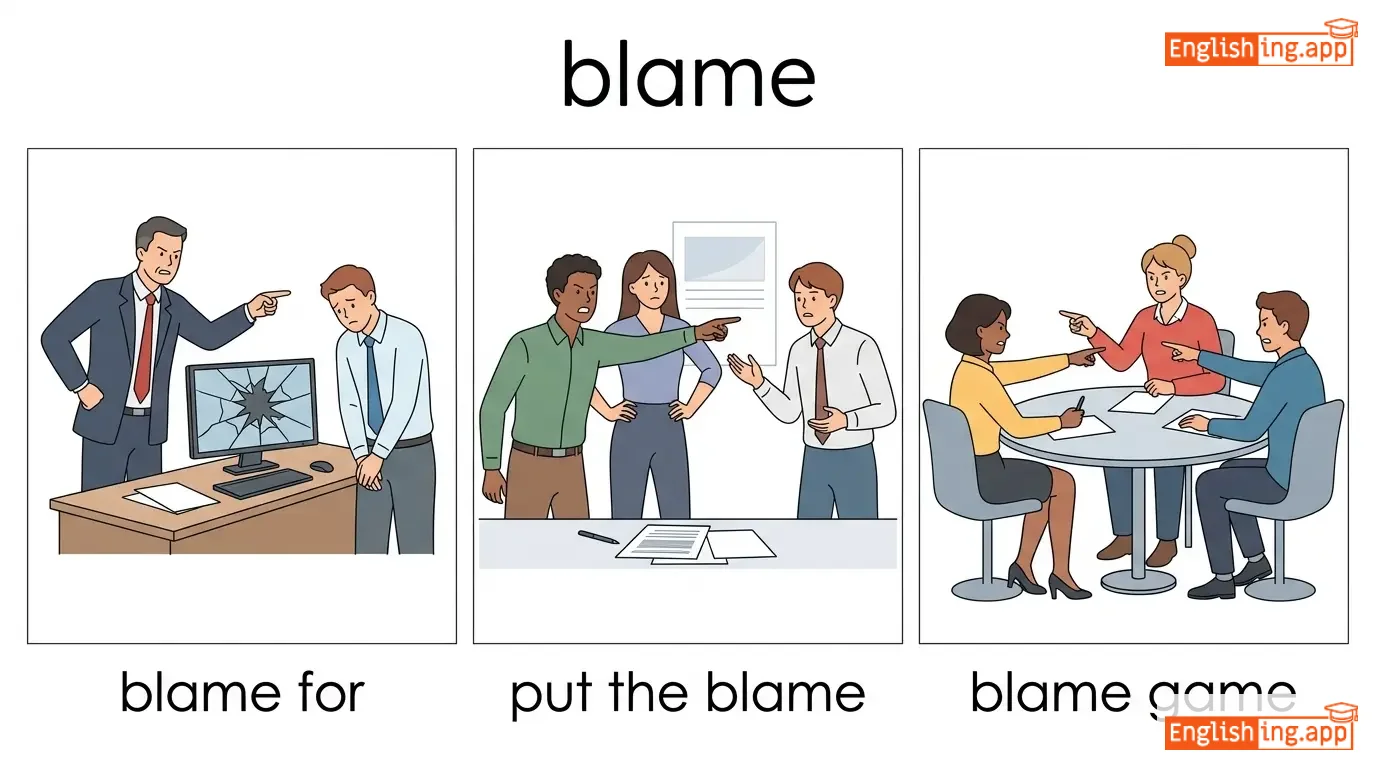
blame for, put the blame, blame game, blame others
••••••
|
Blame 意思是责怪—'Blame game' 意思是推卸责任的游戏。
••••••
|
|
#10513
🔪
|
/bleɪd/
noun
(buleide)
••••••
|
- •••••• |
刀片
daopian
••••••
|
- •••••• | - •••••• | - •••••• | - •••••• |
the flat cutting edge of a tool, knife, or weapon
••••••
|
The blade of the knife was very sharp.
刀片非常锋利。
••••••
|
刀片非常锋利。
Daopian feichang fengli.
••••••
|
on the blade's edge
刀片的边缘
••••••
|
in a very risky or dangerous position
••••••
|
处于非常危险的位置
chuyu feichang weixian de weizhi
••••••
|
edge, sword, cutter, razor
••••••
|
handle, blunt side
••••••
|
knife blade, razor blade, sharp blade, blade of grass
••••••
|
刀片是blade的意思—'刀片切割'记住。
••••••
|
|
#10514
⚫
|
/blæk/
adjective
(黑色)
••••••
|
- •••••• |
黑色
heise
••••••
|
- •••••• | - •••••• | - •••••• | - •••••• |
of the very darkest color due to the absence of light
••••••
|
She wore a black dress to the party. |
她穿着一件黑色的裙子参加派对。
Tā chuān zhe yī jiàn hēi sè de qúnzi cānjiā pàiduì.
••••••
|
black and white |
clear and straightforward
••••••
|
清晰直接
qīngxī zhíjiē
••••••
|
dark, ebony, jet, inky
••••••
|
white, bright
••••••
|
black dress, black coffee, pitch black, black hole
••••••
|
Black意味着黑色—'Black coffee'意味着没有牛奶的咖啡。
••••••
|
|
#10515
🦷
|
/baɪt/
verb
(bài)
••••••
|
|
咬
yǎo
••••••
|
bit
bìt
••••••
|
bitten
bìtēn
••••••
|
bites
bài sī
••••••
|
biting
bài tīng
••••••
|
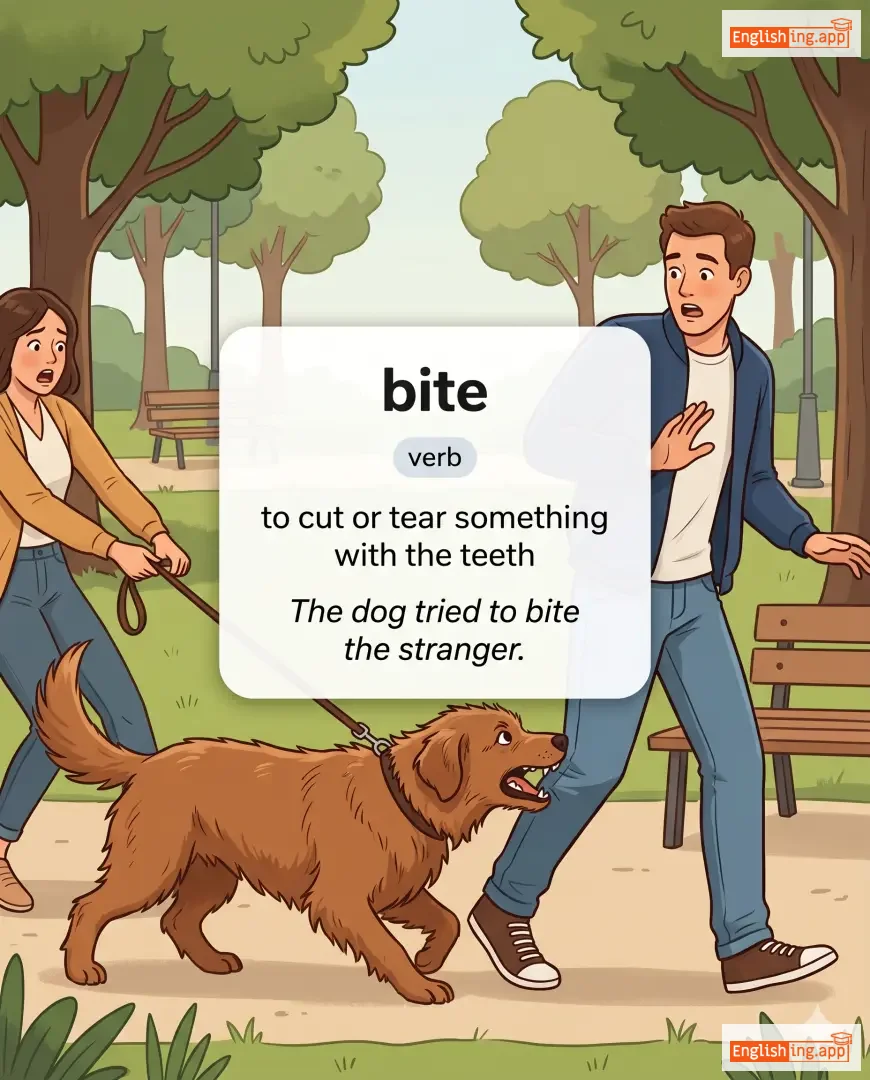
to cut or tear something with the teeth
••••••
|
The dog tried to bite the stranger.
狗试图咬陌生人。
••••••
|
狗试图咬陌生人。
Gǒu shìtú yǎo mòshēngrén.
••••••
|
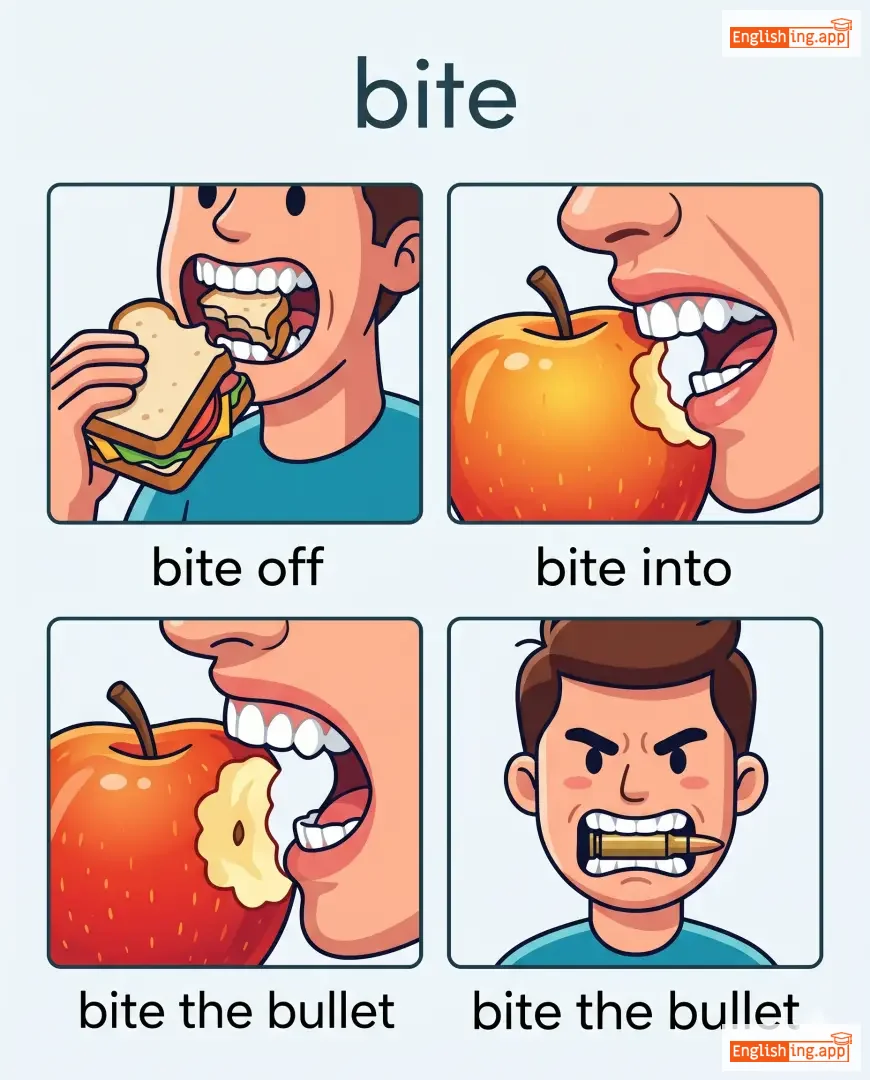
bite the bullet
bite the bullet
••••••
|
to face a painful or difficult situation with courage
••••••
|
勇敢面对困难的情形
yǒnggǎn miànduì kùnnán de qíngxíng
••••••
|
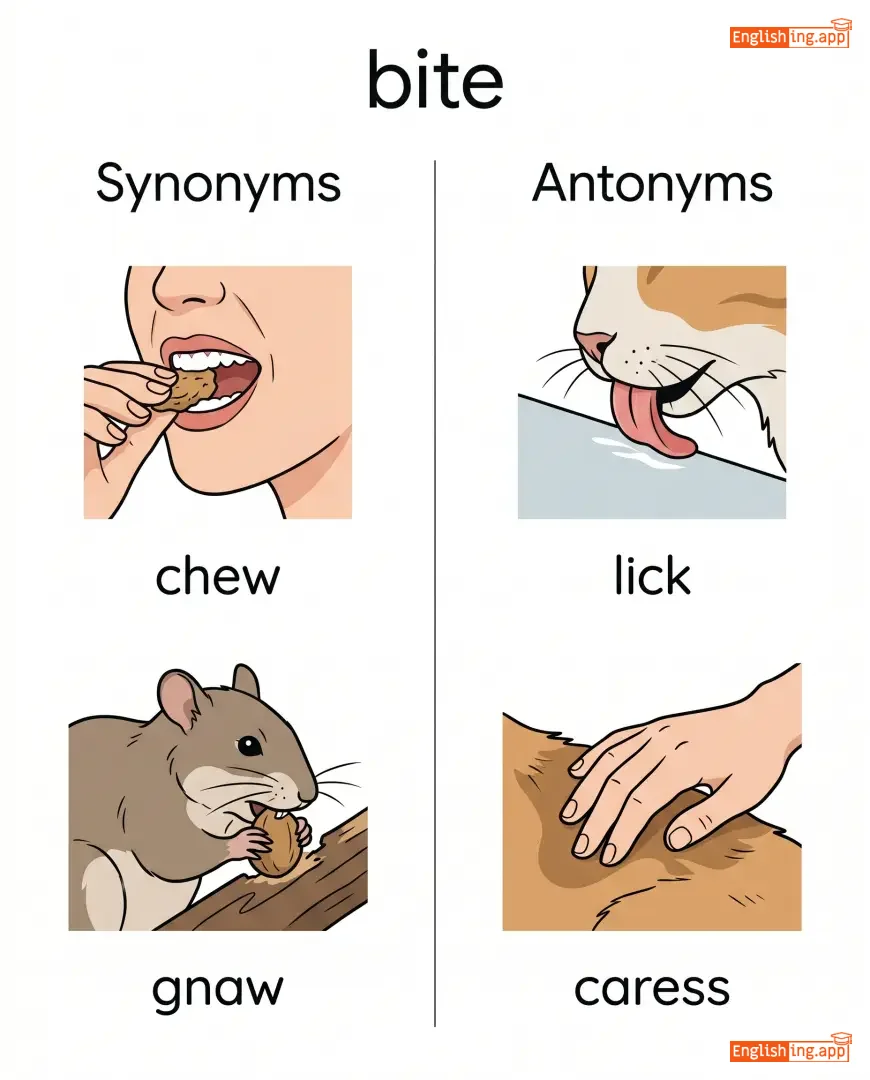
chew, gnaw, snap, nip
••••••
|
lick, caress
••••••
|
bite off, bite into, bite the bullet, bite back
••••••
|
Bite - 咬,想象你正在咬苹果!
••••••
|
|
#10516
🧩
|
/bɪt/
noun
(比特)
••••••
|
- •••••• |
一小块
yi xiao kuai
••••••
|
- •••••• | - •••••• | - •••••• | - •••••• |
a small piece, amount, or portion of something
••••••
|
She ate a bit of the cake before leaving. |
她在离开之前吃了一小块蛋糕。
Ta zai likai zhi qian chi le yi xiao kuai dangao.
••••••
|
every bit |
completely or fully
••••••
|
每一块
mei yi kuai
••••••
|
piece, fragment, portion, part, scrap
••••••
|
whole, entirety
••••••
|
a bit of, every bit, quite a bit, bit by bit
••••••
|
Bit 就是一小块,就像蛋糕的一小块。
••••••
|
|
#10517
🎂
|
/ˈbɜːrθ.deɪ/
noun
••••••
|
- •••••• | - •••••• | - •••••• | - •••••• | - •••••• | - •••••• |
the anniversary of the day on which a person was born, typically celebrated annually
••••••
|
We are planning a surprise birthday party for her. |
- •••••• |
happy birthday |
a greeting used to wish someone well on the anniversary of their birth
••••••
|
- •••••• |
anniversary, natal day, birth anniversary
••••••
|
deathday
••••••
|
birthday cake, birthday party, birthday gift, birthday wish
••••••
|
No •••••• |
|
#10518
🐦
|
/bɜːrd/
noun
(bɜːrd)
••••••
|
- •••••• |
鸟
niao
••••••
|
- •••••• | - •••••• | - •••••• | - •••••• |
a warm-blooded animal with feathers and wings that usually lays eggs and can often fly
••••••
|
A bird was singing on the tree branch. |
一只鸟在树枝上唱歌。
Yi zhi niao zai shuzhi shang changge.
••••••
|
a little bird told me |
used to indicate that the speaker has heard a secret from someone unnamed
••••••
|
一只小鸟告诉我
Yi zhi xiao niao gaosu wo
••••••
|
avian, fowl, feathered creature
••••••
|
mammal, reptile
••••••
|
bird song, bird watching, migratory bird, bird species
••••••
|
Bird 代表鸟 🐦 - '鸟' 让你想到自由飞翔的天空
••••••
|
|
#10519
🧬
|
/ˌbaɪəˈlɒdʒɪkl̩/
adjective
(baiyolodzhikal)
••••••
|
- •••••• |
生物学的
shengwuxuede
••••••
|
- •••••• | - •••••• | - •••••• | - •••••• |
relating to the science of biology or to life and living organisms
••••••
|
She is studying biological sciences at university. |
她在大学学习生物科学。
Ta zai daxue xuexi shengwu kexue.
••••••
|
biological clock |
the natural timing mechanism in the body that influences processes like sleep and fertility
••••••
|
生物钟
shengwuzhong
••••••
|
organic, natural, life-related, physiological
••••••
|
artificial, synthetic
••••••
|
biological science, biological research, biological process, biological parents
••••••
|
Biological = BIO (生命) + Logical (逻辑) = 生命的逻辑
••••••
|
|
#10520
💰
|
/ˈbɪljən/
noun
••••••
|
- •••••• | - •••••• | - •••••• | - •••••• | - •••••• | - •••••• |
the number 1,000,000,000 (one thousand million)
••••••
|
The company is worth more than a billion dollars. |
- •••••• | - •••••• | - •••••• | - •••••• |
thousand million, giga, large number
••••••
|
one, few
••••••
|
a billion dollars, reach a billion, billion people
••••••
|
No •••••• |
|
#10521
🧾
|
/bɪl/
noun
••••••
|
- •••••• | - •••••• | - •••••• | - •••••• | - •••••• | - •••••• |
a written statement of money owed for goods or services; also a proposed law presented to a legislature
••••••
|
He received the electricity bill yesterday. |
- •••••• |
foot the bill |
to pay for something, especially something expensive
••••••
|
- •••••• |
invoice, statement, charge, account, draft
••••••
|
credit, receipt
••••••
|
pay a bill, receive a bill, pass a bill, utility bill
••••••
|
No •••••• |
|
#10522
🚲
|
/baɪk/
noun, verb
(bái kè)
••••••
|
- •••••• |
自行车
zìxíngchē
••••••
|
biked
bái kè dé
••••••
|
biked
bái kè dé
••••••
|
bikes
bái kè sī
••••••
|
biking
bái kè yīng
••••••
|
a bicycle or motorcycle; to ride a bicycle
••••••
|
He biked to school every day.
他每天骑自行车去学校。
••••••
|
他每天骑自行车去学校。
Tā měitiān qí zìxíngchē qù xuéxiào.
••••••
|
bike ride
骑行
••••••
|
An outing or trip on a bicycle.
••••••
|
骑行
qíxíng
••••••
|
bicycle, cycle, motorcycle, two-wheeler
••••••
|
car, bus
••••••
|
ride a bike, mountain bike, bike helmet, bike path
••••••
|
Bike的意思是自行车,想象'骑行'!
••••••
|
|
#10523
📖
|
/ˈbaɪbəl/
noun
(bǎibó)
••••••
|
- •••••• |
圣经
shengjing
••••••
|
- •••••• | - •••••• | - •••••• | - •••••• |
the Christian scriptures consisting of the Old and New Testaments; also used for any authoritative book
••••••
|
She reads the Bible every morning. |
她每天早晨读圣经。
Tā měitiān zǎochén dú shèngjīng.
••••••
|
- •••••• | - •••••• | - •••••• |
scripture, holy book, testament, gospel
••••••
|
none
••••••
|
Bible study, Bible verse, Bible story
••••••
|
Bible = 圣经, 记住圣经是神圣的书籍。
••••••
|
|
#10524
🌌
|
/bɪˈjɒnd/
preposition, adverb
(比永德)
••••••
|
- •••••• |
超出
chaochu
••••••
|
- •••••• | - •••••• | - •••••• | - •••••• |
at or to the further side of; more than
••••••
|
The village lies beyond the river. |
这个村庄位于河的另一边。
Zhe ge cunzhuang weiyu he de ling yi bian.
••••••
|
beyond belief |
Too extreme to be believed.
••••••
|
超出信仰
chao chu xin yang
••••••
|
past, outside, over, farther
••••••
|
within, inside
••••••
|
beyond reach, beyond control, beyond doubt
••••••
|
超出意味着超出界限,记住'超出'河的另一边!
••••••
|
Vocabulary Quiz
Test your vocabulary by matching words with their translations or meanings.
Login to take the quiz
Comments (0)
Share your thoughts and join the discussion.
Join the discussion by logging in
Login to CommentNo comments yet
Be the first to share your thoughts!