

Swipe left or right, or use the buttons. Tap image to zoom.
例句翻译
单词
Lesson 81Lesson 81 - 遮罩切换
|
表情符号
|
单词 | Images | 翻译 | 过去时 | 过去分词 | 第三人称单数 | 动名词 | 含义 | 例句 | 例句翻译 | 示例表达 | 示例表达含义 | 示例表达翻译 | 同义词 | 反义词 | 搭配词 | 助记符 |
|---|---|---|---|---|---|---|---|---|---|---|---|---|---|---|---|---|---|
|
#2401
💬
|
/ˌdaɪəˈlɛktɪk/
noun
••••••
|
- •••••• | - •••••• | - •••••• | - •••••• | - •••••• | - •••••• |
A method of argument or reasoning by dialogue, especially as a means of investigating truth.
••••••
|
The philosopher used dialectic to challenge his students' assumptions. |
- •••••• |
dialectical method |
A method of reasoning through dialogue and logical argument.
••••••
|
- •••••• |
reasoning, logic, debate, discussion, argumentation
••••••
|
agreement, harmony, consensus
••••••
|
dialectic process, dialectic method, dialectic reasoning
••••••
|
No •••••• |
|
#2402
⚖️
|
/ˈdɪfərəns/
noun
(difenren)
••••••
|
- •••••• |
区别
qubie
••••••
|
- •••••• | - •••••• | - •••••• | - •••••• |
A point or way in which things are not the same.
••••••
|
There is a big difference between theory and practice. |
理论和实践之间有很大的区别。
Lǐlùn hé shíjiàn zhī jiān yǒu hěn dà de qūbié.
••••••
|
make a difference |
To have a significant impact or effect
••••••
|
产生影响
chǎnshēng yǐngxiǎng
••••••
|
distinction, variation, contrast, diversity, disparity
••••••
|
similarity, resemblance, sameness
••••••
|
big difference, subtle difference, cultural difference, make a difference
••••••
|
区别是当某事物不一样时,记住'不同和区别'.
••••••
|
|
#2403
🔥
|
/ˈdaɪhɑːrd/
noun
••••••
|
- •••••• | - •••••• | - •••••• | - •••••• | - •••••• | - •••••• |
A person who strongly resists change and remains loyal to a belief or cause.
••••••
|
He is a diehard fan of classic rock music. |
- •••••• | - •••••• | - •••••• | - •••••• |
loyalist, traditionalist, fanatic, devotee, supporter
••••••
|
opponent, critic, reformer
••••••
|
diehard fan, diehard supporter, diehard opponent, diehard attitude
••••••
|
No •••••• |
|
#2404
⚰️
|
/daɪ/
verb
(dai)
••••••
|
|
死亡
sǐwáng
••••••
|
died
daid
••••••
|
died
daid
••••••
|
dies
dais
••••••
|
dying
daiing
••••••
|
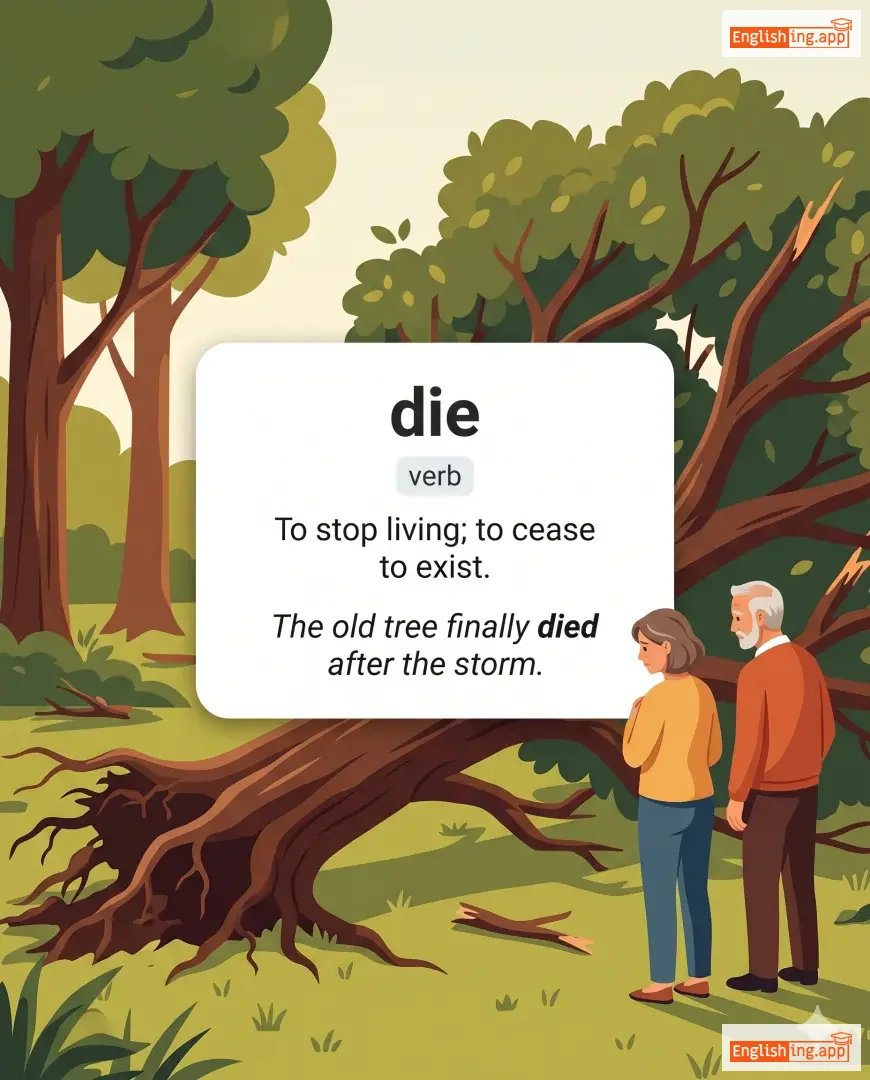
To stop living; to cease to exist.
••••••
|
The old tree finally died after the storm.
de old tree fainali daid afte de storm.
••••••
|
在风暴之后,老树终于死了。
Zài fēngbào zhīhòu, lǎo shù zhōngyú sǐle.
••••••
|
die hard
dai hard
••••••
|
To disappear or change very slowly, if at all
••••••
|
慢慢消失
màn man xiāoshī
••••••
|
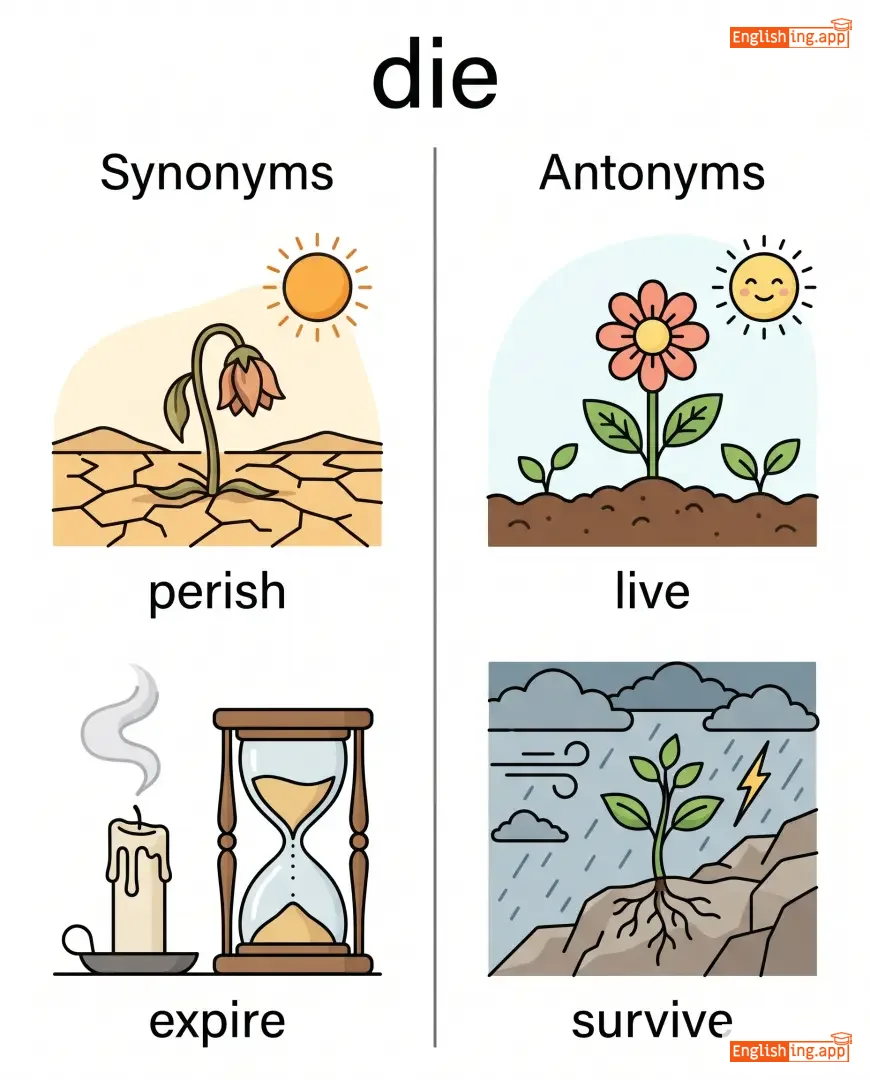
perish, expire, pass away, cease, decease
••••••
|
live, survive, exist
••••••
|
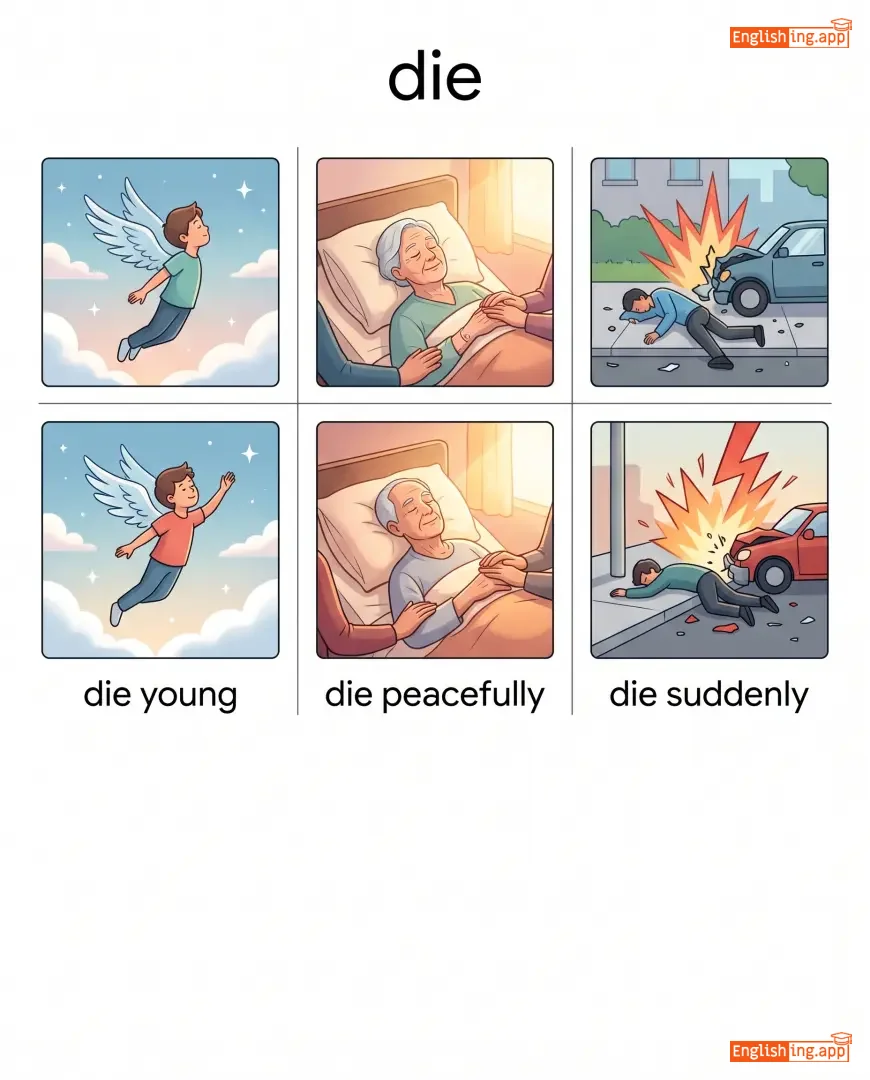
die young, die peacefully, die suddenly, die from
••••••
|
Die 意思是死亡,记住: 'Die 就是活不下去了'
••••••
|
|
#2405
📘
|
/daɪˈdæktɪk/
adjective
(迪达克提克)
••••••
|
- •••••• |
教学的
jiaoxue de
••••••
|
- •••••• | - •••••• | - •••••• | - •••••• |
Intended to teach, often with a moral lesson.
••••••
|
The novel is not just entertaining but also didactic in nature. |
这本小说不仅仅是娱乐性,还有教学性质。
Zhe ben xiaoshuo bu jin jin shi yulexing, hai you jiaoxue xingzhi.
••••••
|
- •••••• | - •••••• | - •••••• |
educational, instructive, informative, enlightening
••••••
|
uninformative, uneducational
••••••
|
didactic tone, didactic purpose, didactic story, didactic approach
••••••
|
Didactic 就是 'Did + Act' 来教学,所以是教学的
••••••
|
|
#2406
📜
|
/ˈdɪktəm/
noun
(迪克塔姆)
••••••
|
- •••••• |
格言
géyán
••••••
|
- •••••• | - •••••• | - •••••• | - •••••• |
A formal pronouncement, authoritative statement, or maxim.
••••••
|
The judge’s dictum clarified the principle of equality before the law. |
法官的格言澄清了法律面前人人平等的原则。
Fǎguān de géyán chéngqīngle fǎlǜ miànqián rén rén píngděng de yuánzé.
••••••
|
- •••••• | - •••••• | - •••••• |
pronouncement, decree, command, maxim, statement
••••••
|
question, ambiguity, silence
••••••
|
judicial dictum, famous dictum, legal dictum, ancient dictum
••••••
|
Dictum = 格言, 权威的声明或原则。
••••••
|
|
#2407
👑
|
/ˌdɪktəˈtɔːriəl/
adjective
(独裁的)
••••••
|
- •••••• |
独裁的
dúcái de
••••••
|
- •••••• | - •••••• | - •••••• | - •••••• |
Having or showing a tendency to tell people what to do in an autocratic way.
••••••
|
His dictatorial style made him unpopular among colleagues. |
他的独裁风格使他在同事中不受欢迎。
Tā de dúcái fēnggé shǐ tā zài tóngshì zhōng bù shòu huānyíng.
••••••
|
- •••••• | - •••••• | - •••••• |
authoritarian, autocratic, tyrannical, overbearing
••••••
|
democratic, liberal
••••••
|
dictatorial regime, dictatorial rule, dictatorial power
••••••
|
独裁的 → Dictatorial,独裁意味着控制和权力。
••••••
|
|
#2408
📜
|
/dɪkˈteɪt/
verb
(dɪkˈteɪt)
••••••
|
|
口授
kǒu shòu
••••••
|
dictated
dɪkˈteɪtɪd
••••••
|
dictated
dɪkˈteɪtɪd
••••••
|
dictates
dɪkˈteɪts
••••••
|
dictating
dɪkˈteɪtɪŋ
••••••
|
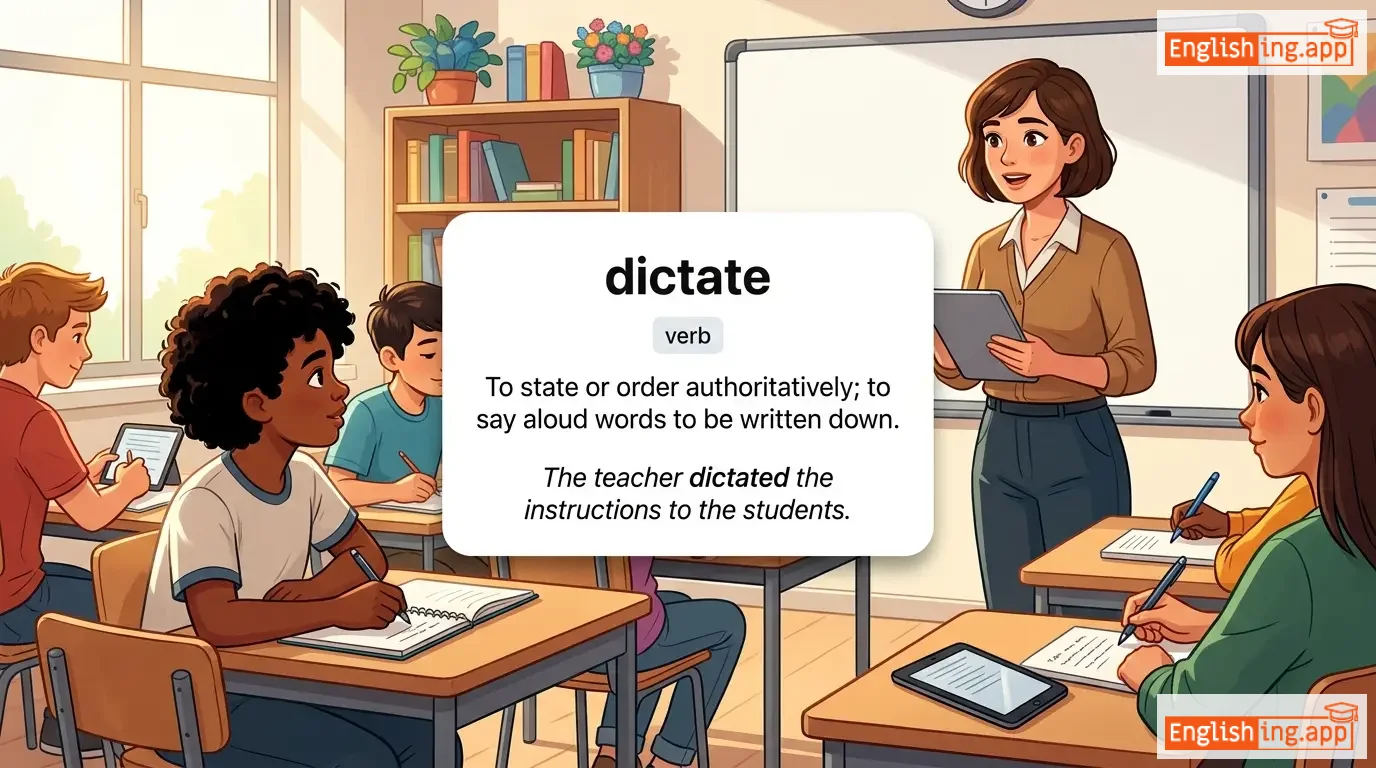
To state or order authoritatively; to say aloud words to be written down.
••••••
|
The teacher dictated the instructions to the students.
老师给学生们口授了指令。
••••••
|
老师给学生们口授了指令。
Lǎoshī gěi xuéshēngmen kǒushòu le zhǐlìng.
••••••
|
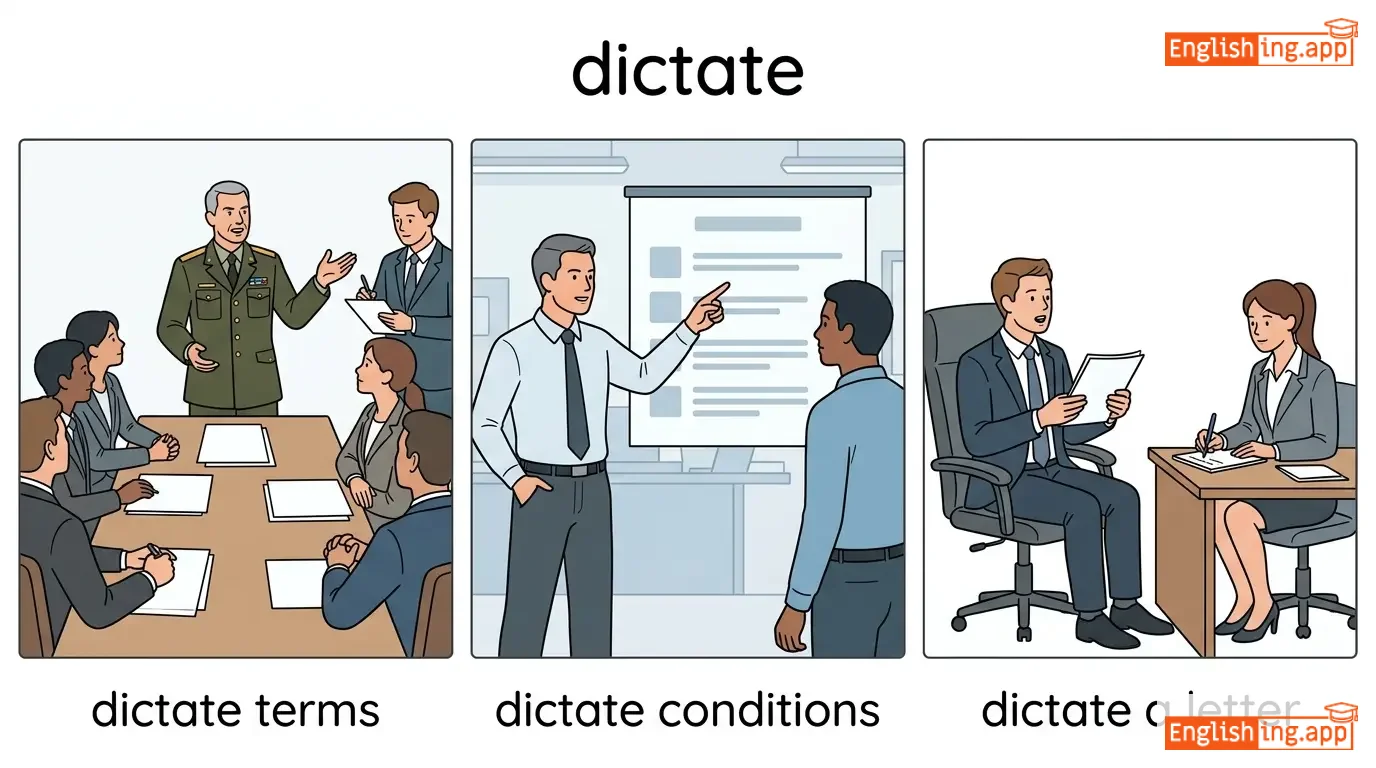
dictate terms
口授条款
••••••
|
To impose rules or conditions on others.
••••••
|
口授条款
kǒu shòu tiáokuǎn
••••••
|
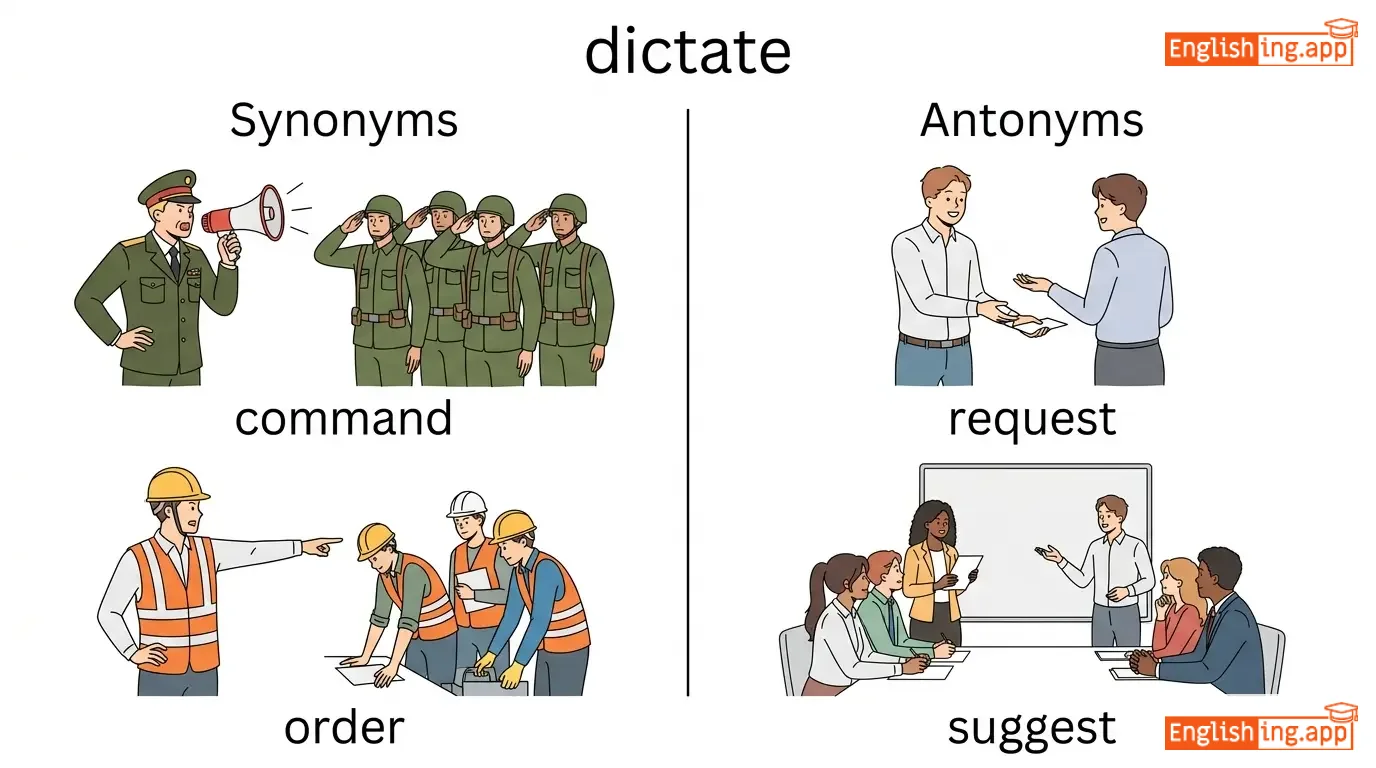
command, order, prescribe, decree
••••••
|
request, suggest
••••••
|
dictate terms, dictate conditions, dictate a letter
••••••
|
口授 = 说出来让别人写
••••••
|
|
#2409
⚖️
|
/daɪˈkɒtəmi/
noun
(daɪˈkɒtəmi)
••••••
|
|
二分法
er fen fa
••••••
|
- •••••• | - •••••• | - •••••• | - •••••• |
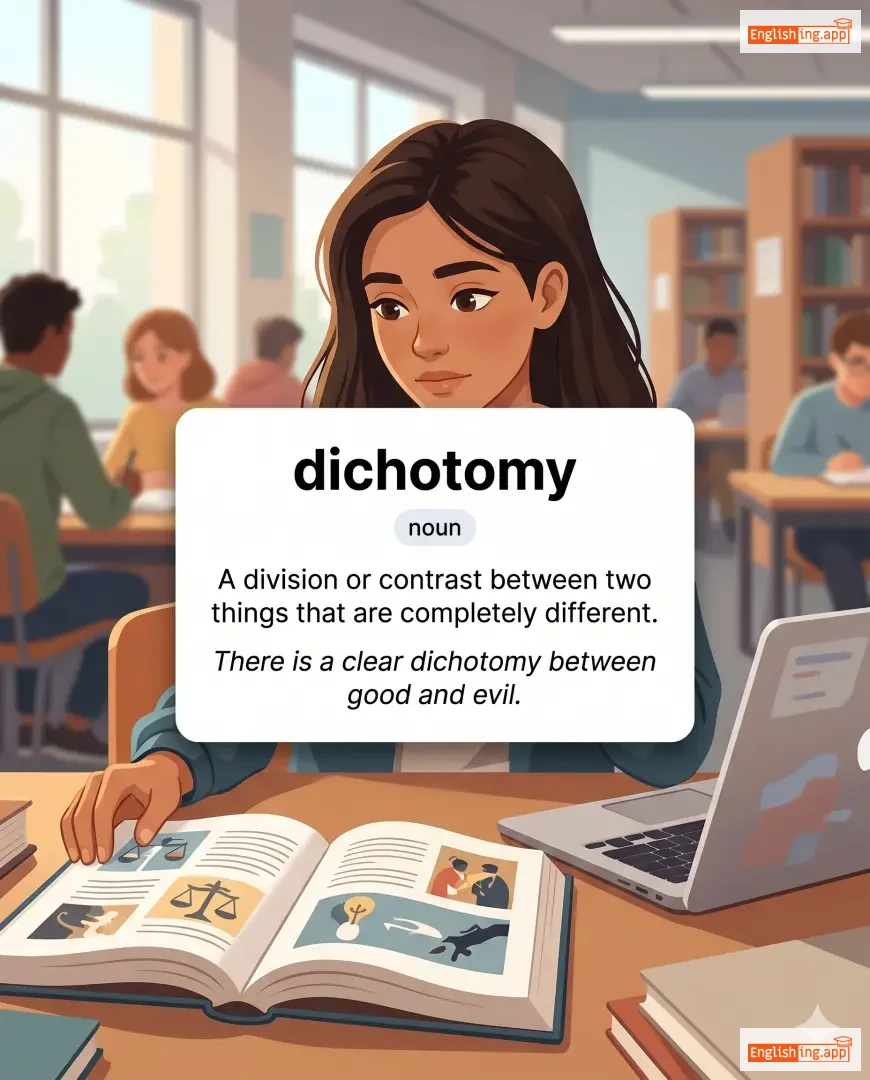
A division or contrast between two things that are completely different.
••••••
|
There is a clear dichotomy between good and evil. |
善与恶之间存在明显的二分法。
Shan yu e zhijian cunzai mingxian de er fen fa.
••••••
|
- •••••• | - •••••• | - •••••• |
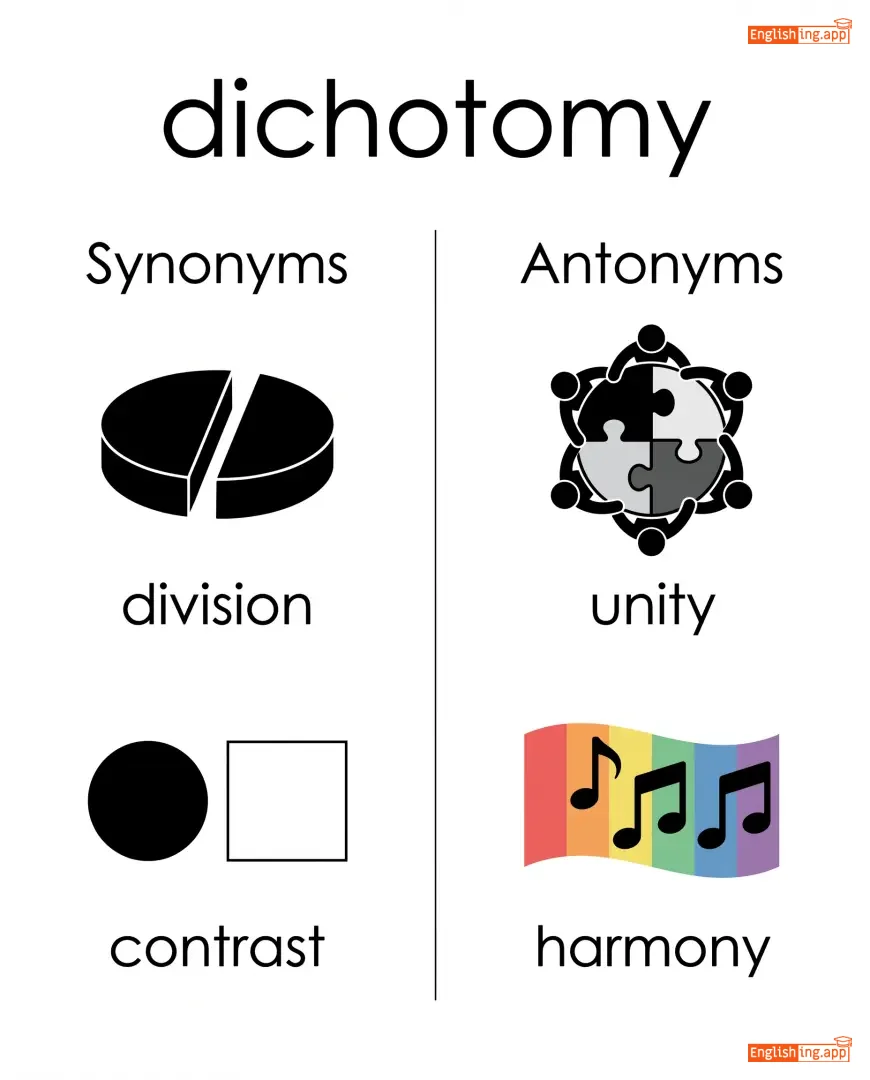
division, contrast, split, dualism
••••••
|
unity, harmony
••••••
|
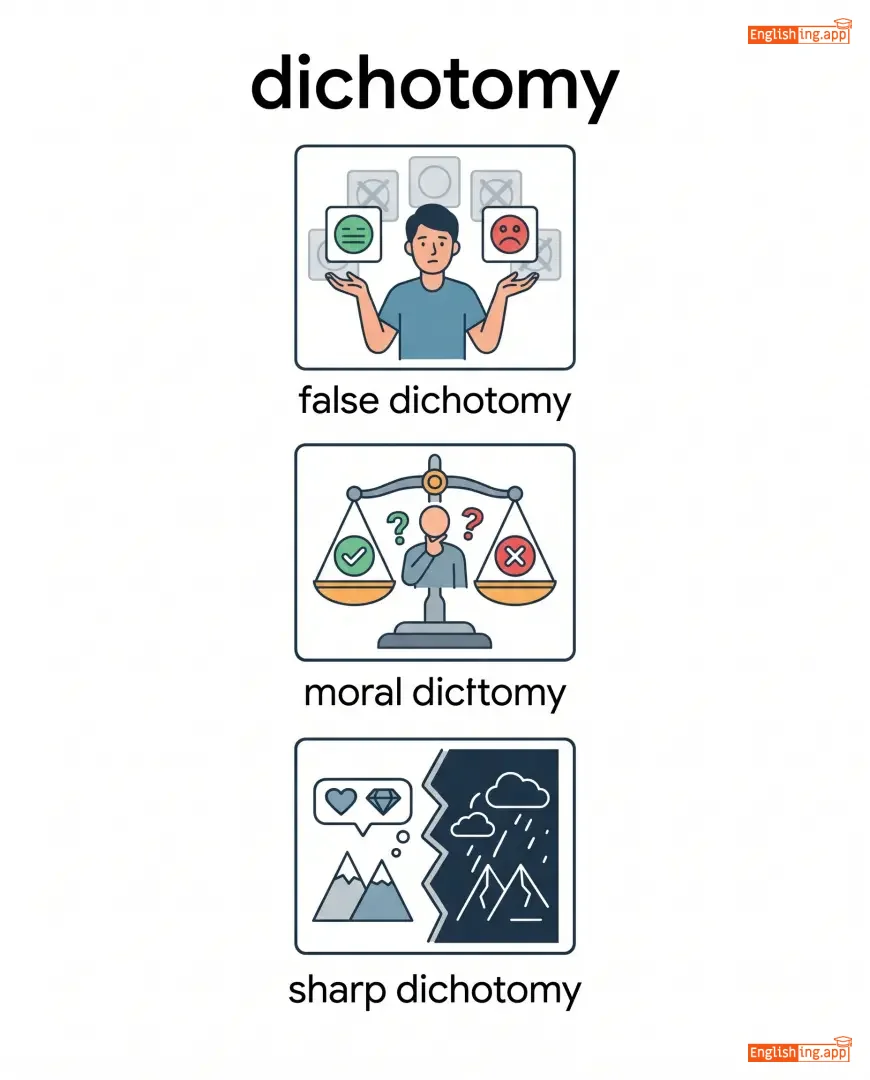
false dichotomy, moral dichotomy, sharp dichotomy
••••••
|
DIE 意味着两个 + CUT 意味着切割 → Dichotomy 意味着分成两部分
••••••
|
|
#2410
🗣️
|
/ˈdaɪətraɪb/
noun
(代阿特赖布)
••••••
|
|
激烈的抨击
jīliè de pēngjí
••••••
|
- •••••• | - •••••• | - •••••• | - •••••• |
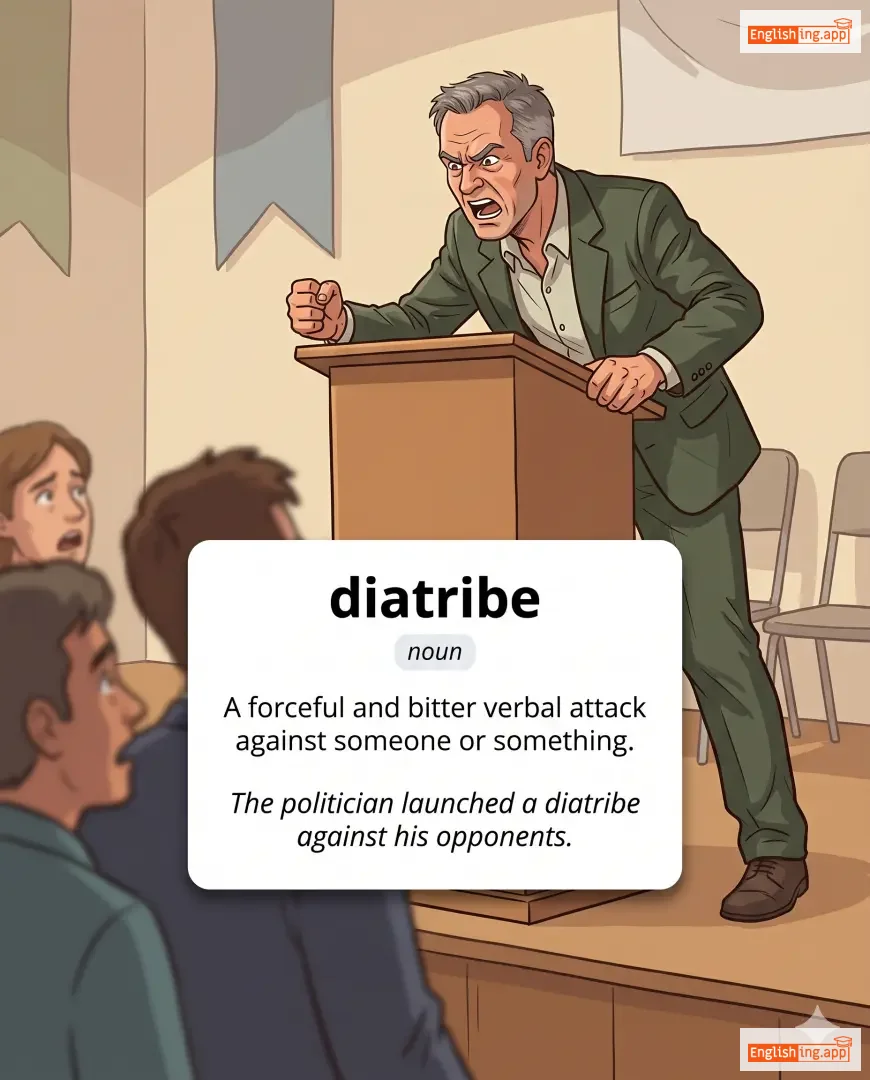
A forceful and bitter verbal attack against someone or something.
••••••
|
The politician launched a diatribe against his opponents. |
这位政治家对他的对手发起了激烈的抨击。
Zhè wèi zhèngzhìjiā duì tā de duìshǒu fāqǐle jīliè de pēngjí.
••••••
|
- •••••• | - •••••• | - •••••• |
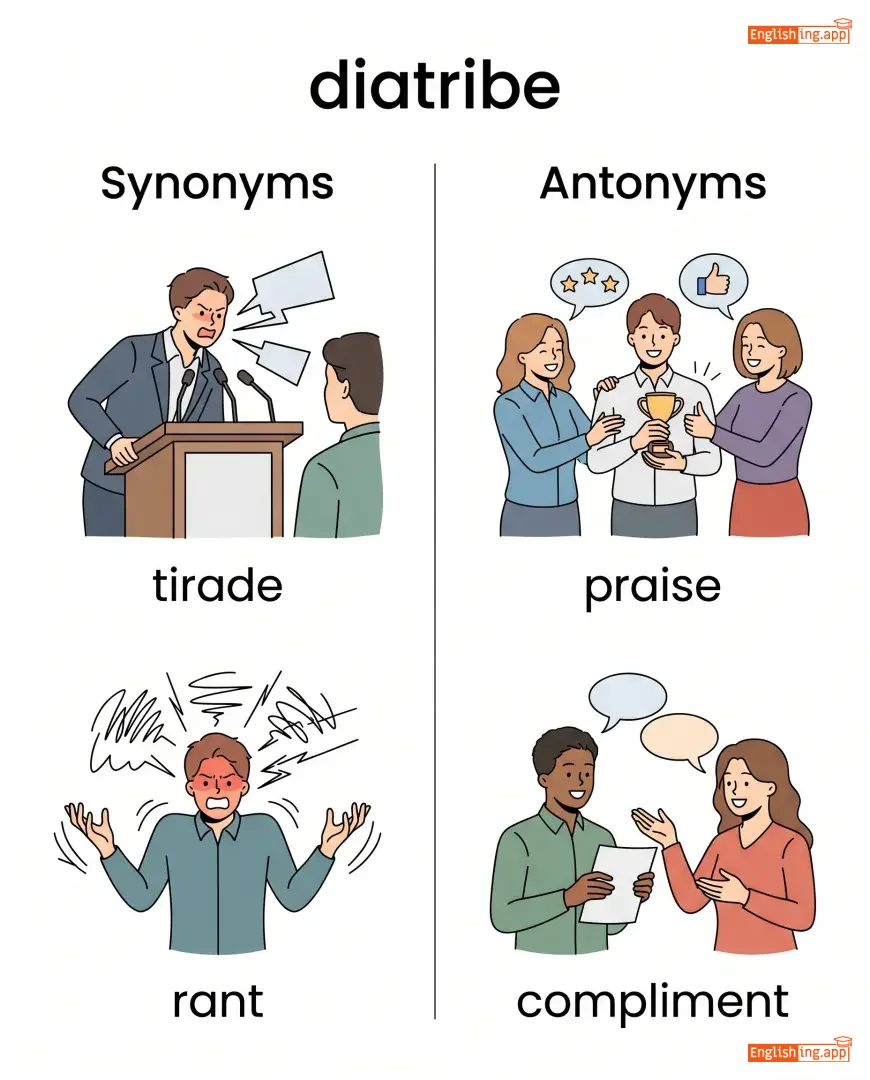
tirade, rant, criticism, denunciation, invective
••••••
|
praise, compliment
••••••
|
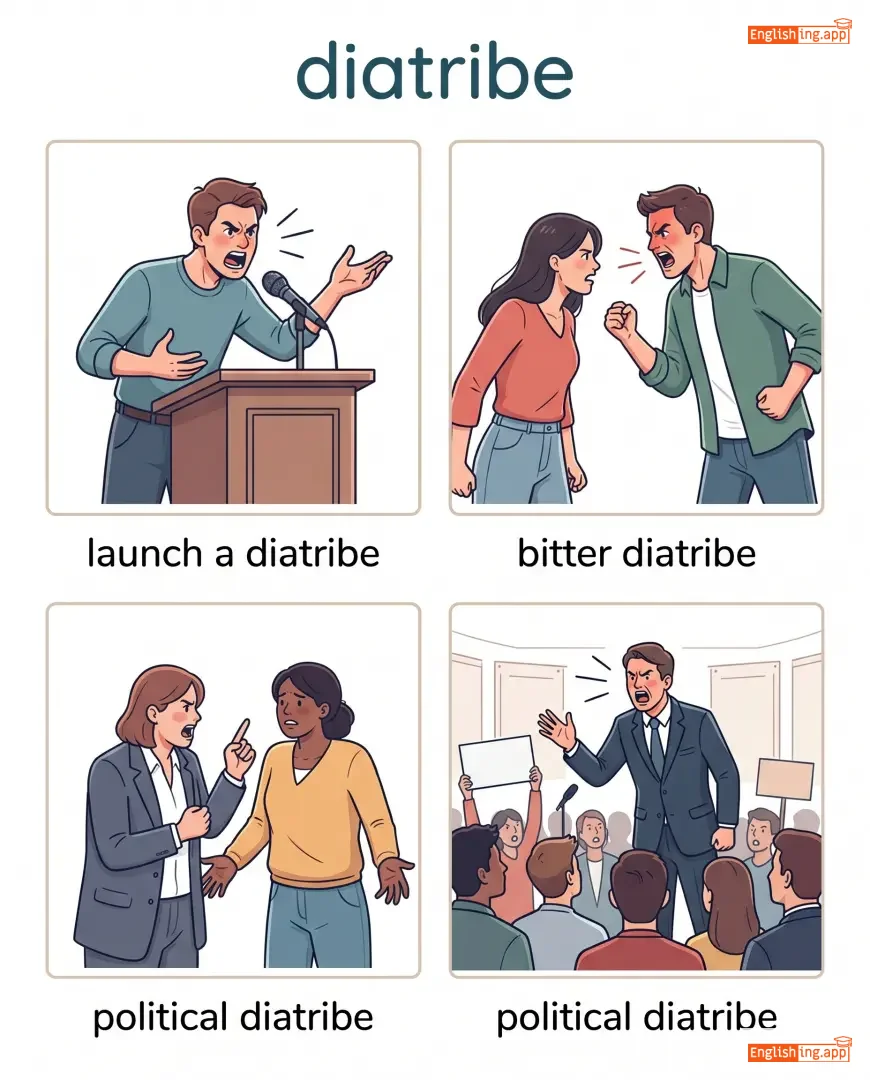
launch a diatribe, bitter diatribe, political diatribe
••••••
|
DIAlogue中TRIBE的激烈争论就像一场激烈的抨击
••••••
|
|
#2411
⚛️
|
/ˌdaɪəˈtɒmɪk/
adjective
(dài'átèmíkè)
••••••
|
- •••••• |
双原子
shuang yuánzǐ
••••••
|
- •••••• | - •••••• | - •••••• | - •••••• |
Consisting of two atoms.
••••••
|
Oxygen is a diatomic molecule. |
氧气是双原子分子。
Yǎngqì shì shuāng yuánzǐ fēnzǐ.
••••••
|
- •••••• | - •••••• | - •••••• |
two-atom, molecular, dual-atom, binary
••••••
|
polyatomic, monoatomic
••••••
|
diatomic molecule, diatomic gas, diatomic oxygen, diatomic hydrogen
••••••
|
DIA意味着两个 + ATOM意味着原子 → Diatomic意味着两个原子
••••••
|
|
#2412
👗
|
/daɪˈæfənəs/
adjective
(dai'afenasi)
••••••
|
|
透明的
touming de
••••••
|
- •••••• | - •••••• | - •••••• | - •••••• |
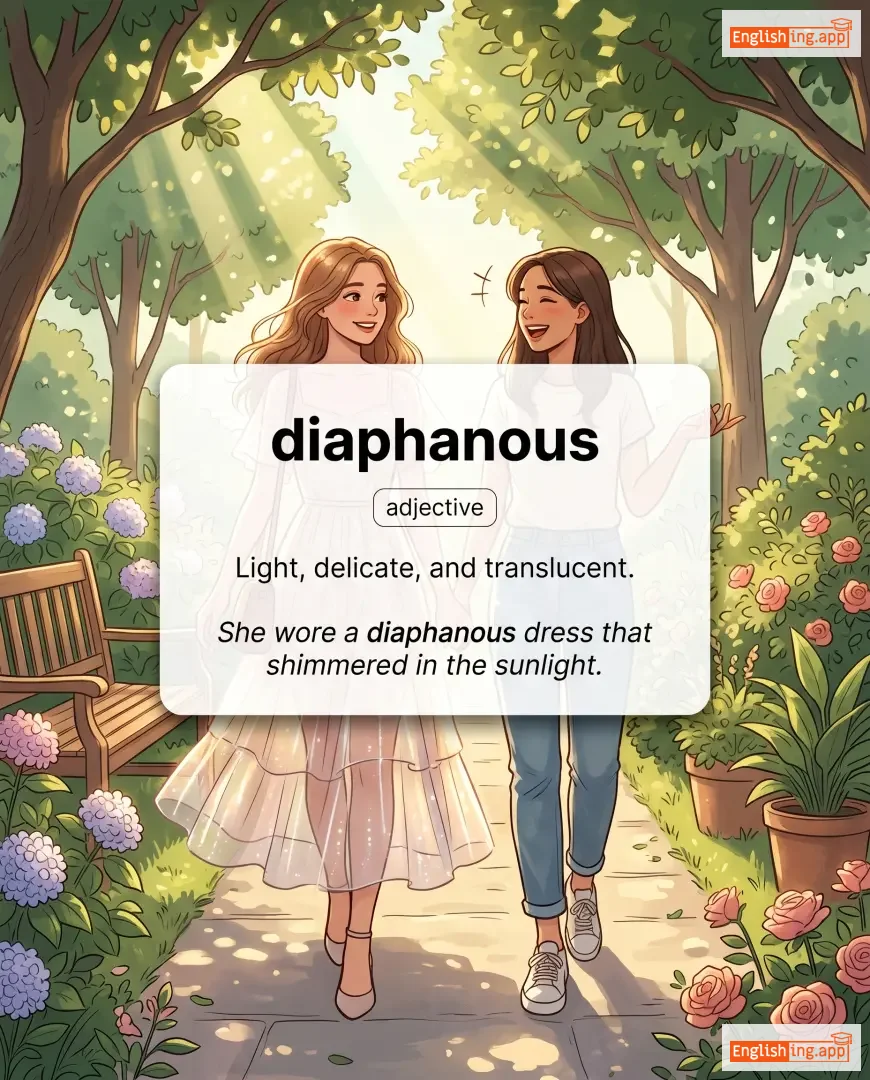
Light, delicate, and translucent.
••••••
|
She wore a diaphanous dress that shimmered in the sunlight. |
她穿着一件透明的裙子,在阳光下闪闪发光。
Ta chuanzhuo yi jian touming de qunzi, zai yangguang xia shanshan faguang.
••••••
|
- •••••• | - •••••• | - •••••• |
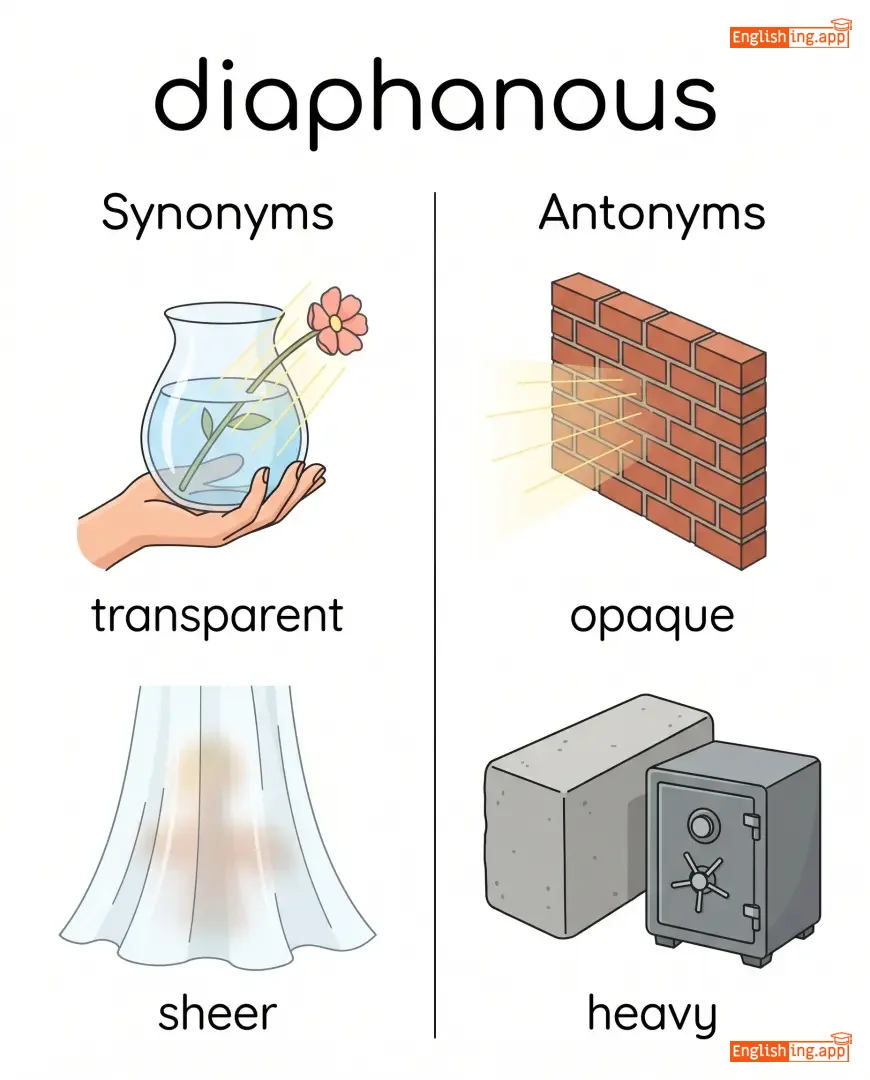
transparent, sheer, delicate, translucent, gossamer
••••••
|
opaque, heavy, thick
••••••
|
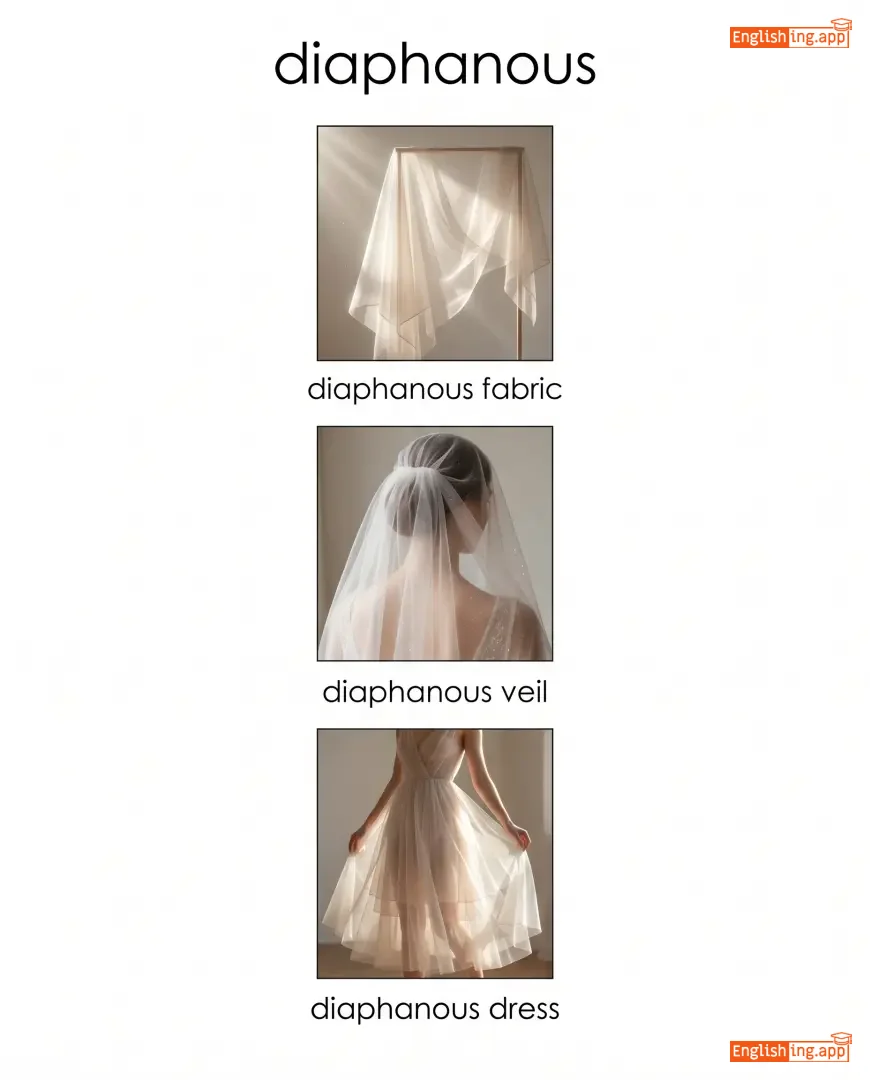
diaphanous fabric, diaphanous veil, diaphanous dress
••••••
|
Diaphanous = Dia+fan+ous → 一件在阳光下闪亮的透明裙子
••••••
|
|
#2413
🗣️
|
/ˈdaɪəlɔːɡ/
noun
(对话)
••••••
|
- •••••• |
对话
duìhuà
••••••
|
- •••••• | - •••••• | - •••••• | - •••••• |
A conversation between two or more people, or a discussion aimed at reaching understanding.
••••••
|
The two countries engaged in a dialogue to resolve their differences. |
这两个国家进行了对话,以解决他们的分歧。
Zhè liǎng gè guójiā jìnxíngle duìhuà, yǐ jiějué tāmen de fēnqí.
••••••
|
open dialogue |
A transparent and constructive conversation.
••••••
|
开放对话
kāifàng duìhuà
••••••
|
conversation, discussion, talk, exchange, communication
••••••
|
silence, monologue
••••••
|
constructive dialogue, political dialogue, open dialogue
••••••
|
对话 = conversation → 在中文里,对话 = 电影里的对话。
••••••
|
|
#2414
👨🏫
|
/ˌdaɪələˈtɪʃən/
noun
(dài lè kè tī xiàn)
••••••
|
- •••••• |
辩证法专家
bian zheng fa zhuan jia
••••••
|
- •••••• | - •••••• | - •••••• | - •••••• |
A person skilled in dialectic or logical argument.
••••••
|
Socrates is often considered the greatest dialectician in history. |
苏格拉底常被认为是历史上最伟大的辩证法专家。
Su ge la di chang bei ren wei shi li shang zui wei da de bian zheng fa zhuan jia.
••••••
|
- •••••• | - •••••• | - •••••• |
logician, debater, philosopher, reasoner
••••••
|
layman, novice
••••••
|
great dialectician, skilled dialectician
••••••
|
辩证法专家 = 逻辑魔术师 → 辩证法专家
••••••
|
|
#2415
🧠
|
/ˌdaɪəˈlɛktɪkəl/
adjective
(daɪəˈlɛktɪkəl)
••••••
|
- •••••• |
辩证
bianzheng
••••••
|
- •••••• | - •••••• | - •••••• | - •••••• |
Relating to the logical discussion of ideas and opinions.
••••••
|
She took a dialectical approach to solve the complex issue. |
她采取了辩证的方法来解决这个复杂的问题。
Ta caiqu le bianzheng de fangfa lai jiejue zhege fuza de wenti.
••••••
|
dialectical reasoning |
A way of reasoning that involves dialogue and opposing viewpoints.
••••••
|
辩证思维
bianzheng siwei
••••••
|
logical, argumentative, rational, discursive
••••••
|
illogical, irrational, unreasonable
••••••
|
dialectical approach, dialectical reasoning, dialectical materialism
••••••
|
辩证 = logical discussion style, 中文辩证思维
••••••
|
|
#2416
❌
|
/dɪˈvɔɪd/
adjective
(迪沃伊德)
••••••
|
- •••••• |
空虚
kongxu
••••••
|
- •••••• | - •••••• | - •••••• | - •••••• |
Completely lacking or without something.
••••••
|
His speech was devoid of any real emotion. |
他的演讲完全缺乏任何真实的情感。
Tā de yǎnjiǎng wánquán quēfá rènhé zhēnshí de qínggǎn.
••••••
|
- •••••• | - •••••• | - •••••• |
lacking, empty, barren, absent, void
••••••
|
full, complete, abundant
••••••
|
devoid of meaning, devoid of life, devoid of emotion
••••••
|
De-Void意味着空 = 没有内容,因此devoid = 空虚
••••••
|
|
#2417
🗣️
|
/ˈdaɪəˌlɛkt/
noun
(方言)
••••••
|
- •••••• |
方言
fangyan
••••••
|
- •••••• | - •••••• | - •••••• | - •••••• |
A particular form of a language spoken in a specific region or by a specific group.
••••••
|
He speaks a dialect of Bengali that is common in rural areas. |
他讲的是一种在农村地区常见的孟加拉语方言。
Ta jiang de shi yizhong zai nongcun diqu changjian de Mengjiala yu fangyan.
••••••
|
- •••••• | - •••••• | - •••••• |
vernacular, tongue, idiom, lingo
••••••
|
standard language, universal language
••••••
|
regional dialect, local dialect, dialect speaker
••••••
|
Dial = 拨打, ect = 讲话 → 方言表示特定区域或群体的语言形式。
••••••
|
|
#2418
📋
|
/ˌdaɪəɡˈnoʊsɪs/
noun
••••••
|
- •••••• | - •••••• | - •••••• | - •••••• | - •••••• | - •••••• |
The identification of a disease, condition, or problem through examination of symptoms.
••••••
|
The diagnosis confirmed that she had diabetes. |
- •••••• | - •••••• | - •••••• | - •••••• |
identification, detection, finding, determination
••••••
|
misdiagnosis, guess
••••••
|
medical diagnosis, accurate diagnosis, early diagnosis
••••••
|
No •••••• |
|
#2419
🩺
|
/ˌdaɪəɡˈnoʊz/
verb
(daiəɡˈnóuɡz)
••••••
|
- •••••• |
诊断
zhěnduàn
••••••
|
diagnosed
daiəɡˈnóuɡzd
••••••
|
diagnosed
daiəɡˈnóuɡzd
••••••
|
diagnoses
daiəɡˈnóuɡzəs
••••••
|
diagnosing
daiəɡˈnóuɡzɪng
••••••
|
To identify a disease, condition, or problem by examining symptoms.
••••••
|
The doctor diagnosed him with pneumonia.
医生诊断出他患有肺炎。
••••••
|
医生诊断出他患有肺炎。
Yīshēng zhěnduàn chū tā huàn yǒu fèiyán.
••••••
|
diagnose a problem
诊断问题
••••••
|
To identify the cause of an issue
••••••
|
诊断问题
zhěnduàn wèntí
••••••
|
identify, detect, determine, analyze, recognize
••••••
|
misdiagnose, ignore
••••••
|
diagnose disease, diagnose illness, diagnose condition, diagnose problem
••••••
|
诊断就像是医生通过症状找到病因。
••••••
|
|
#2420
👑
|
/ˈdaɪəˌdɛm/
noun
(daiadem)
••••••
|
- •••••• |
冕冠
mian guan
••••••
|
- •••••• | - •••••• | - •••••• | - •••••• |
A crown or headband worn as a symbol of royalty or authority.
••••••
|
The queen wore a glittering diadem at the coronation.
女王在加冕仪式上戴着闪闪发光的王冠。
••••••
|
女王在加冕仪式上戴着闪闪发光的王冠。
Nv wang zai jiamian yishi shang daizhe shanshan faguan de wangguan.
••••••
|
- •••••• | - •••••• | - •••••• |
crown, coronet, tiara, headpiece
••••••
|
cap, hat
••••••
|
royal diadem, golden diadem, glittering diadem
••••••
|
Dia = 钻石, dem = 圆顶,冕冠象征着钻石的皇冠!
••••••
|
|
#2421
🔡
|
/ˌdaɪəˈkrɪtɪkəl/
adjective
(变音符号)
••••••
|
- •••••• |
变音符号
bianyinfuhao
••••••
|
- •••••• | - •••••• | - •••••• | - •••••• |
Relating to a mark added to a letter to indicate a different pronunciation or stress.
••••••
|
The word résumé has diacritical marks that change its meaning from resume. |
‘简历’一词有变音符号,它改变了‘简历’的意思。
'Jianli' yi ci you bianyinfuhao, ta gaibianle 'jianli' de yisi.
••••••
|
- •••••• | - •••••• | - •••••• |
accentual, phonetic, orthographic, linguistic
••••••
|
plain, unmarked
••••••
|
diacritical mark, diacritical accent, diacritical system
••••••
|
变音符号就像中文中的声调符号。
••••••
|
|
#2422
👹
|
/ˌdaɪəˈbɒlɪkəl/
adjective
(daiya bolikal)
••••••
|
- •••••• |
恶魔般的
emoban de
••••••
|
- •••••• | - •••••• | - •••••• | - •••••• |
Wicked, cruel, or outrageously bad; resembling the devil.
••••••
|
The dictator’s diabolical rule brought misery to the nation. |
独裁者的恶魔般统治给国家带来了苦难。
Ducai zhe de emoban tongzhi gei guojia daliu le kunan.
••••••
|
- •••••• | - •••••• | - •••••• |
evil, cruel, monstrous, satanic, vile
••••••
|
kind, benevolent, angelic
••••••
|
diabolical plot, diabolical laughter, diabolical crime, diabolical tyranny
••••••
|
Diabolical rule意味着恶魔般的统治—恶行统治
••••••
|
|
#2423
😈
|
/ˌdaɪəˈbɒlɪk/
adjective
(dài ā bāo lì kè)
••••••
|
- •••••• |
魔鬼的
mogui de
••••••
|
- •••••• | - •••••• | - •••••• | - •••••• |
Extremely evil or cruel; characteristic of the devil.
••••••
|
The villain devised a diabolic scheme. |
反派设计了一个魔鬼的计划。
Fǎnpài shèjìle yīgè móguǐ de jìhuà.
••••••
|
- •••••• | - •••••• | - •••••• |
devilish, demonic, fiendish, satanic, wicked
••••••
|
angelic, good, holy
••••••
|
diabolic plan, diabolic act, diabolic scheme, diabolic laughter
••••••
|
Diabolic plan 意味着魔鬼的计划 — 与魔鬼相关
••••••
|
|
#2424
👐
|
/ˈdɛkstrəs/
adjective
(dɛkstrəs)
••••••
|
|
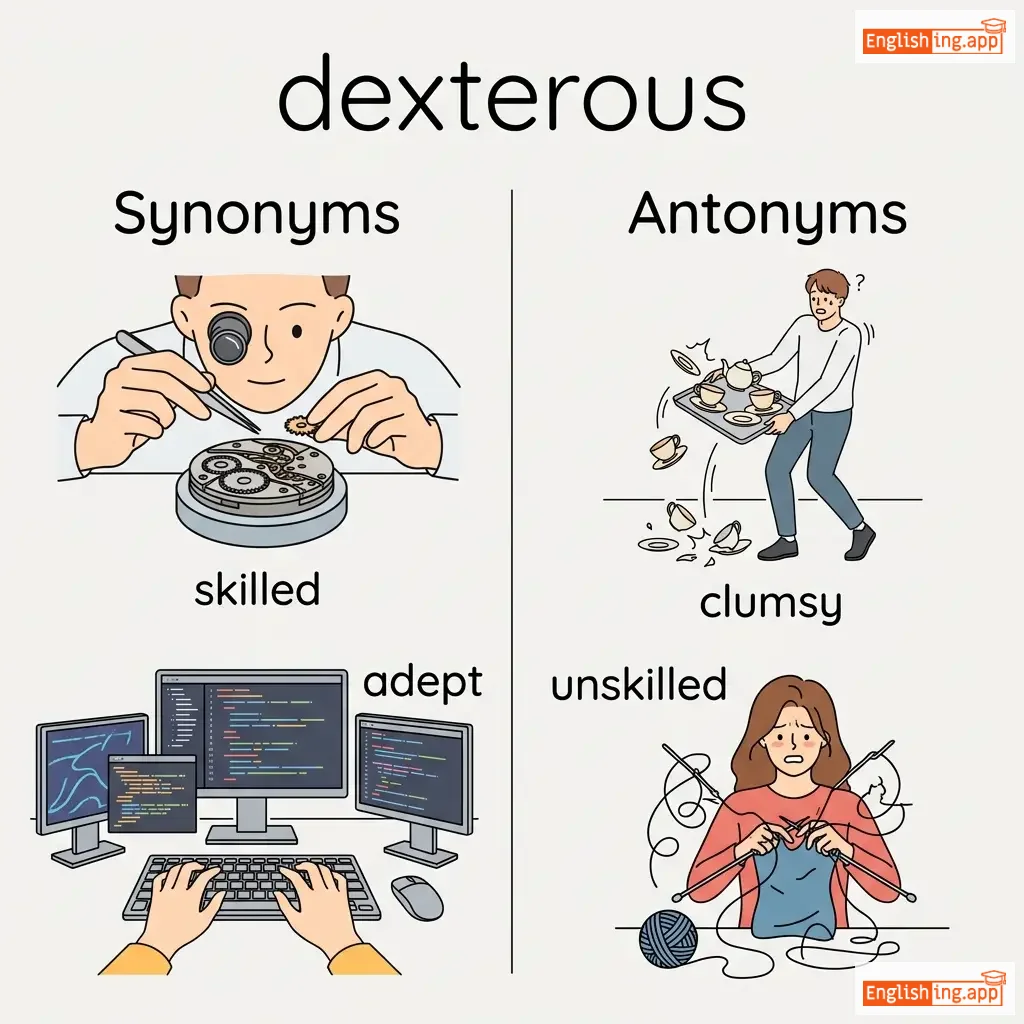
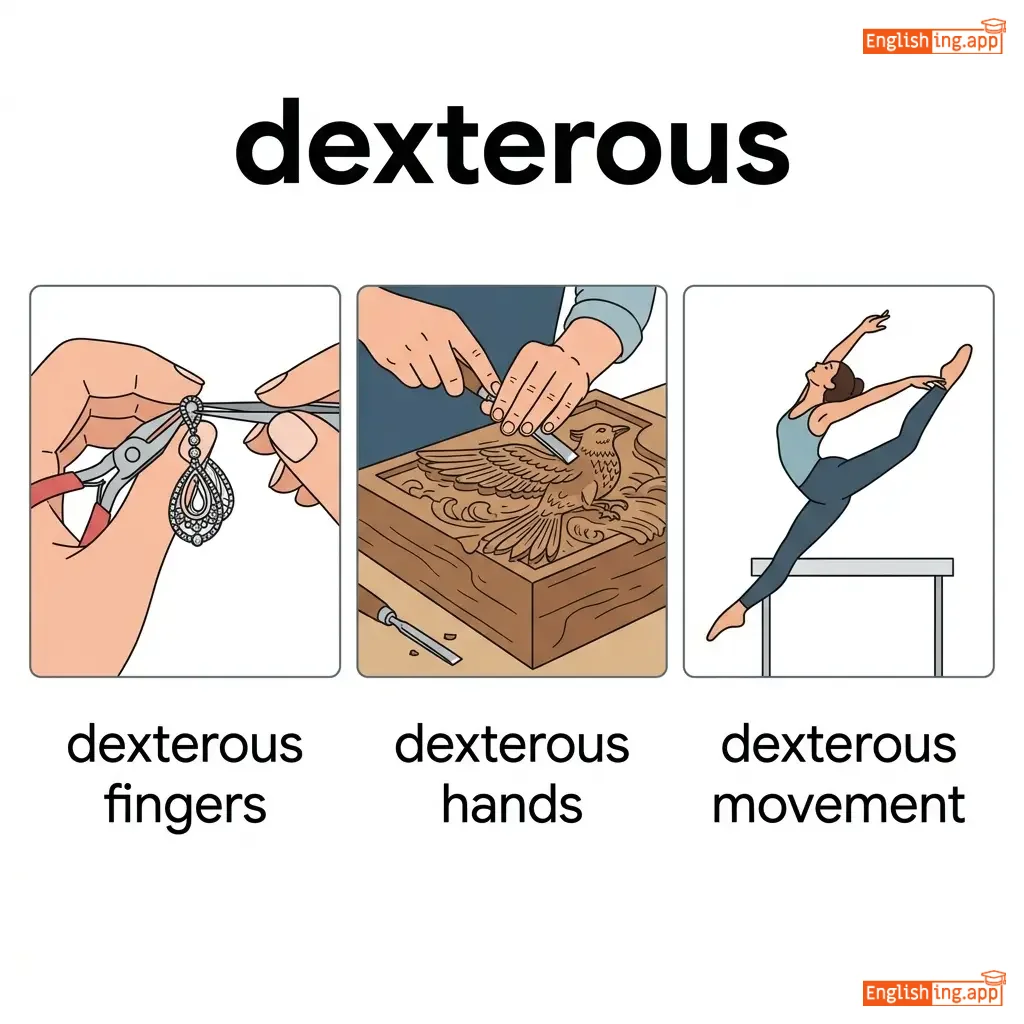
灵巧
lingqiao
••••••
|
- •••••• | - •••••• | - •••••• | - •••••• |
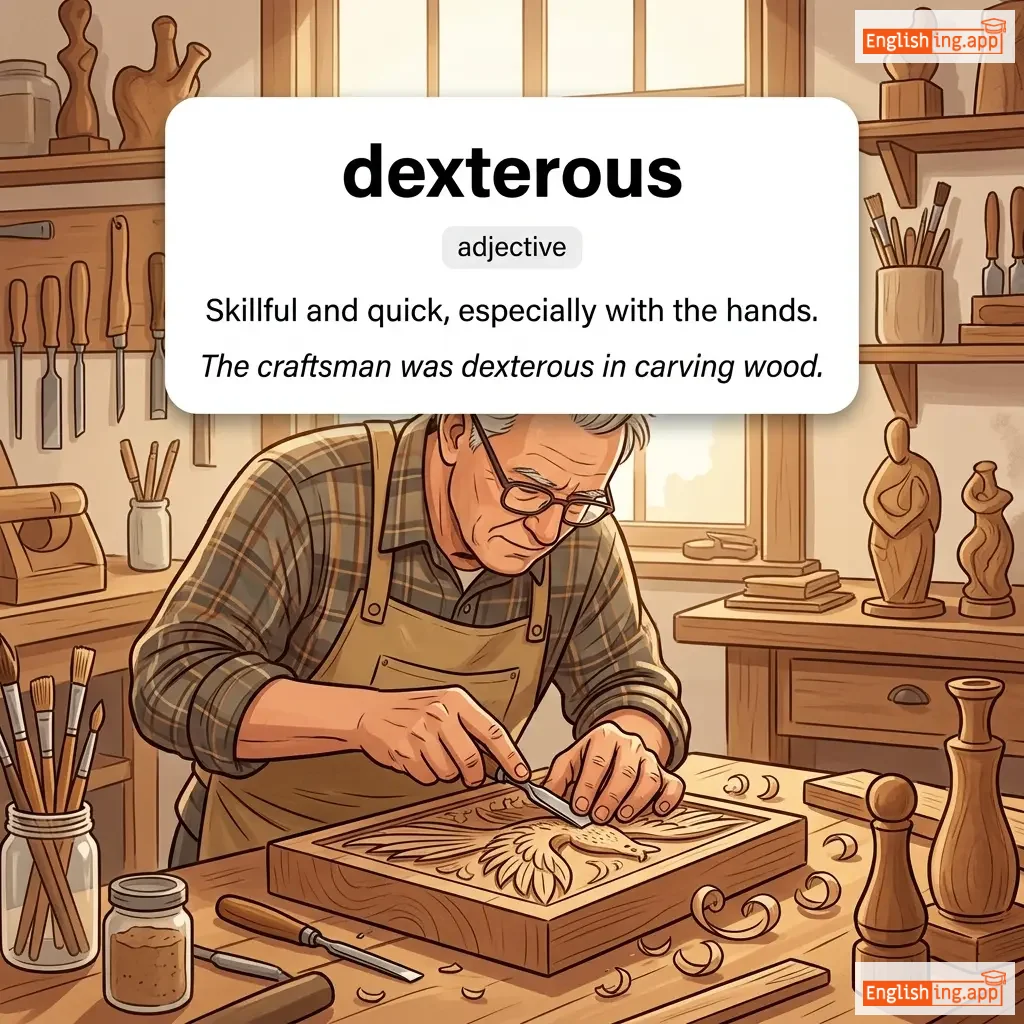
Skillful and quick, especially with the hands.
••••••
|
The craftsman was dexterous in carving wood. |
工匠在雕刻木头时非常灵巧。
Gongjiang zai diaoke mutou shi feichang lingqiao.
••••••
|
- •••••• | - •••••• | - •••••• |
skilled, adept, agile, nimble, proficient
••••••
|
clumsy, unskilled, awkward
••••••
|
dexterous fingers, dexterous hands, dexterous movement
••••••
|
Dexterous 意思是灵巧 — Dexter 这个名字的人擅长用手做事!
••••••
|
|
#2425
🤲
|
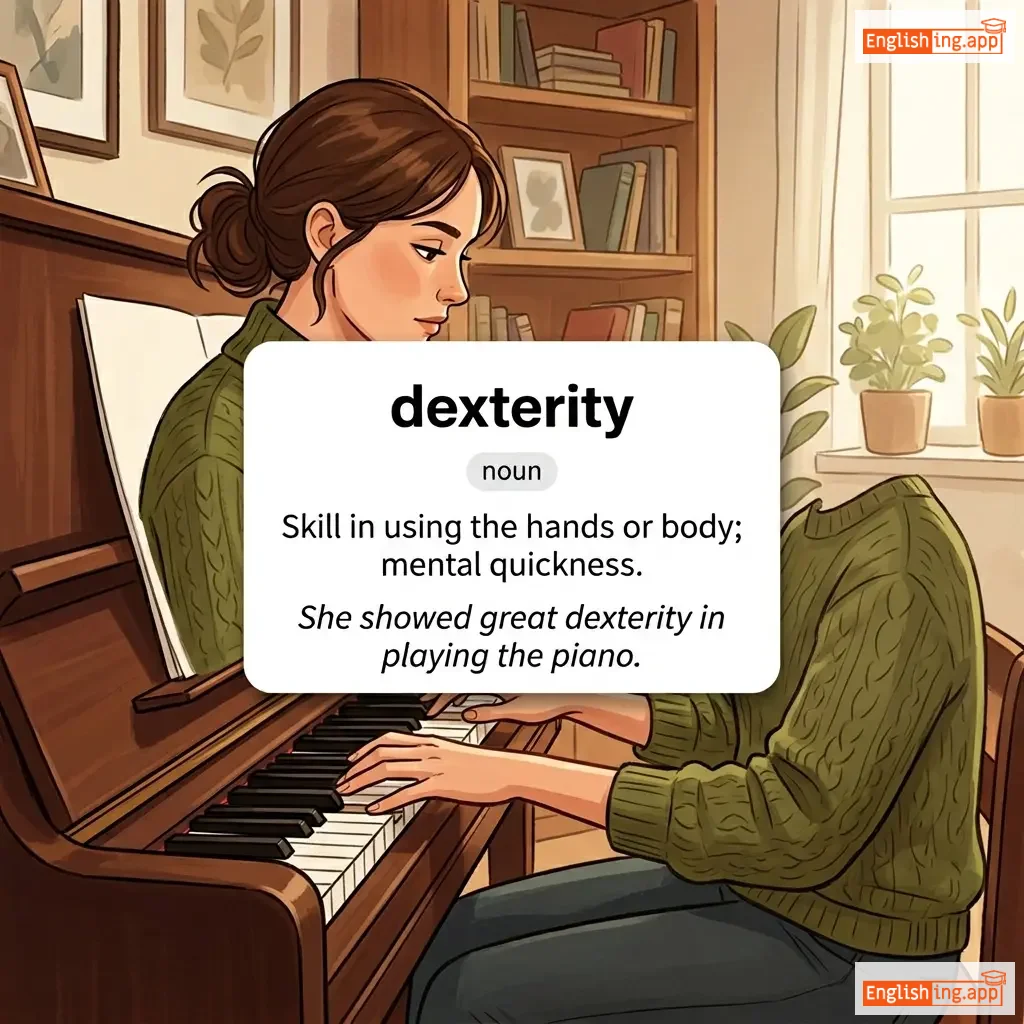
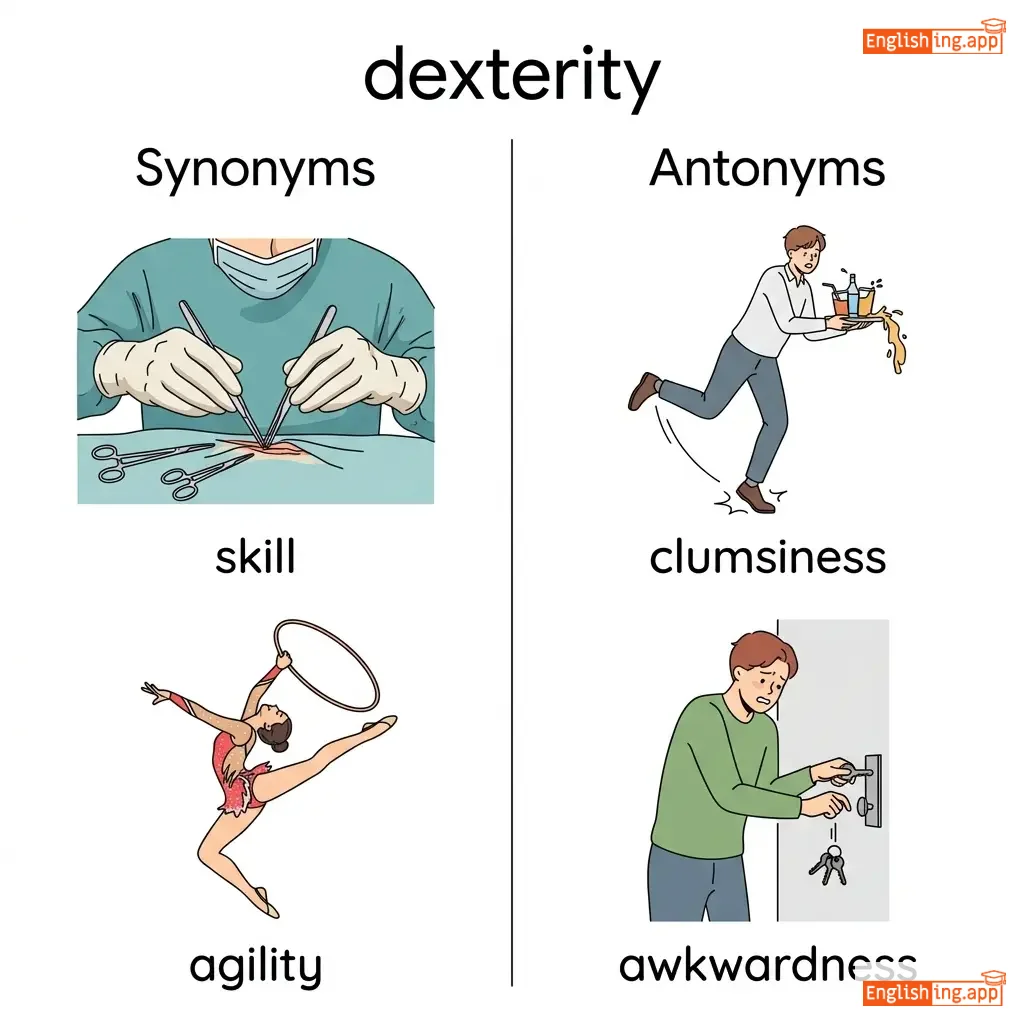
/dɛkˈstɛrɪti/
noun
(dɛkˈstɛrɪti)
••••••
|
|
灵巧
lingqiao
••••••
|
- •••••• | - •••••• | - •••••• | - •••••• |
Skill in using the hands or body; mental quickness.
••••••
|
She showed great dexterity in playing the piano. |
她在弹钢琴时展示了出色的灵巧。
Ta zai tan gangqin shi zhanshi le chuse de lingqiao.
••••••
|
- •••••• | - •••••• | - •••••• |
skill, agility, expertise, proficiency, finesse
••••••
|
clumsiness, awkwardness
••••••
|
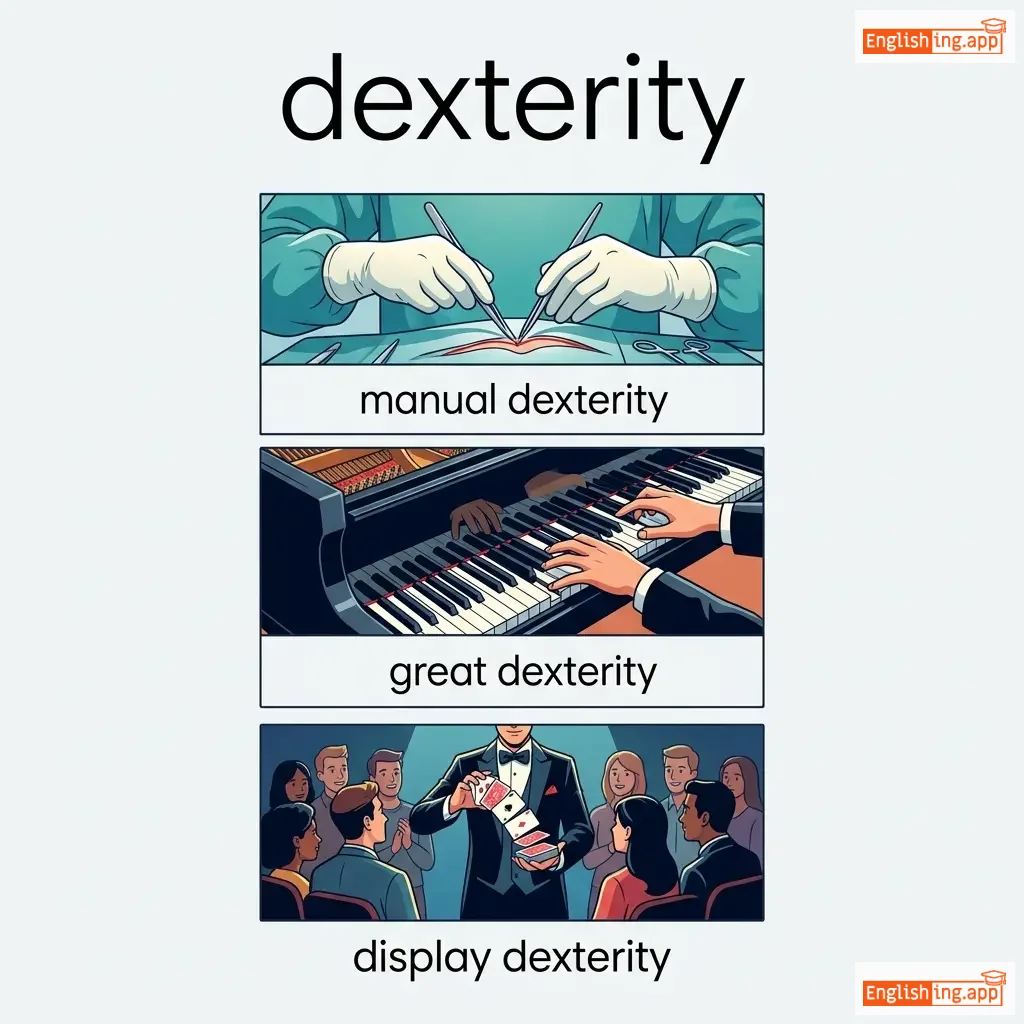
manual dexterity, great dexterity, display dexterity, dexterity with hands
••••••
|
Dexterity意味着灵巧 — 弹钢琴需要灵巧。
••••••
|
|
#2426
💧
|
/djuː/
noun
(dū)
••••••
|
- •••••• |
露水
lushuì
••••••
|
- •••••• | - •••••• | - •••••• | - •••••• |
Tiny drops of water that form on cool surfaces at night from condensation.
••••••
|
The grass was wet with morning dew. |
草地上覆盖着早晨的露水。
Cǎodì shàng fùgài zhe zǎochén de lùshuì.
••••••
|
fresh as the morning dew |
very fresh, pure, and clean
••••••
|
像晨露一样清新
Xiàng chén lù yīyàng qīngxīn
••••••
|
moisture, condensation, droplets, mist, vapor
••••••
|
dryness, aridity
••••••
|
morning dew, drops of dew, covered in dew, sparkling dew
••••••
|
早晨的露水代表新鲜 — 露水 = 新鲜
••••••
|
|
#2427
🕌
|
/dɪˈvaʊt/
adjective
(德沃特)
••••••
|
- •••••• |
虔诚
qiánchéng
••••••
|
- •••••• | - •••••• | - •••••• | - •••••• |
Deeply religious or sincere.
••••••
|
He is a devout believer who prays every day. |
他是一个虔诚的信徒,每天都祈祷。
Tā shì yīgè qiánchéng de xìntú, měitiān dōu qídǎo.
••••••
|
a devout hope |
a strong and sincere hope
••••••
|
虔诚的希望
qiánchéng de xīwàng
••••••
|
pious, religious, faithful, sincere, devoted
••••••
|
irreligious, insincere
••••••
|
devout Muslim, devout Christian, devout believer, devout follower
••••••
|
Devout sounds like '虔诚'—always with sincerity.
••••••
|
|
#2428
🙏
|
/ˌdɛvəˈtiː/
noun
(德沃提)
••••••
|
- •••••• |
虔诚者
qian cheng zhe
••••••
|
- •••••• | - •••••• | - •••••• | - •••••• |
A person who is very enthusiastic about or strongly dedicated to something or someone.
••••••
|
He is a great devotee of classical music. |
他是古典音乐的一个忠实爱好者。
ta shi gudian yinyue de yi ge zhongshi aihao zhe
••••••
|
- •••••• | - •••••• | - •••••• |
enthusiast, admirer, fan, follower, supporter
••••••
|
opponent, critic
••••••
|
devotee of art, devotee of music, temple devotee
••••••
|
Devotee是对某事的虔诚者,音乐如同生命的茶。
••••••
|
|
#2429
❤️
|
/dɪˈvoʊtɪd/
adjective
(devoted)
••••••
|
- •••••• |
奉献的
fengxian de
••••••
|
- •••••• | - •••••• | - •••••• | - •••••• |
Very loving, loyal, or dedicated.
••••••
|
She is a devoted mother who always puts her children first. |
她是一个奉献的母亲,总是把孩子们放在第一位。
Ta shi yi ge fengxian de muqin, zong shi ba haizimen fang zai di yi wei.
••••••
|
- •••••• | - •••••• | - •••••• |
dedicated, loyal, faithful, loving, committed
••••••
|
disloyal, indifferent, neglectful
••••••
|
devoted fan, devoted friend, devoted to work, devoted couple
••••••
|
Devoted = 奉献的,奉献意味着全心投入。
••••••
|
|
#2430
🔄
|
/dɪˈvɒlv/
verb
(迪沃尔夫)
••••••
|
- •••••• |
移交
yíjiāo
••••••
|
devolved
迪沃尔夫德
••••••
|
devolved
迪沃尔夫德
••••••
|
devolves
迪沃尔夫斯
••••••
|
devolving
迪沃尔夫英
••••••
|
To pass power, responsibility, or duties to another person or group.
••••••
|
The responsibility will devolve on the new manager.
责任将转交给新经理。
••••••
|
责任将转交给新经理。
Zérèn jiāng zhuǎnjiāo gěi xīn jīnglǐ.
••••••
|
- •••••• | - •••••• | - •••••• |
delegate, transfer, assign, hand over, pass
••••••
|
retain, keep, withhold
••••••
|
devolve power, devolve responsibility, devolve authority
••••••
|
Devolve 就是 '移交',责任传递给他人。
••••••
|
Vocabulary Quiz
Test your vocabulary by matching words with their translations or meanings.
Login to take the quiz
Comments (0)
Share your thoughts and join the discussion.
Join the discussion by logging in
Login to CommentNo comments yet
Be the first to share your thoughts!