

Swipe left or right, or use the buttons. Tap image to zoom.
例句翻译
单词
Lesson 431Lesson 431 - 遮罩切换
|
表情符号
|
单词 | Images | 翻译 | 过去时 | 过去分词 | 第三人称单数 | 动名词 | 含义 | 例句 | 例句翻译 | 示例表达 | 示例表达含义 | 示例表达翻译 | 同义词 | 反义词 | 搭配词 | 助记符 |
|---|---|---|---|---|---|---|---|---|---|---|---|---|---|---|---|---|---|
|
#1
🗣️
|
/ˈəʊpənli/
adverb
(ˈoʊpənli)
••••••
|
- •••••• |
公开地
gōngkāi de
••••••
|
- •••••• | - •••••• | - •••••• | - •••••• |
in a way that is not secret or hidden
••••••
|
He spoke openly about his past mistakes. |
他公开地谈论了他的过去错误。
Tā gōngkāi de tánlùnle tā de guòqù cuòwù.
••••••
|
openly admit |
to confess something without hesitation or secrecy
••••••
|
公开承认
gōngkāi chéngrèn
••••••
|
frankly, honestly, publicly, freely, visibly
••••••
|
secretly, privately, covertly
••••••
|
speak openly, discuss openly, act openly
••••••
|
Openly 是指公开地说出真相,毫无保留。
••••••
|
|
#1
🏭
|
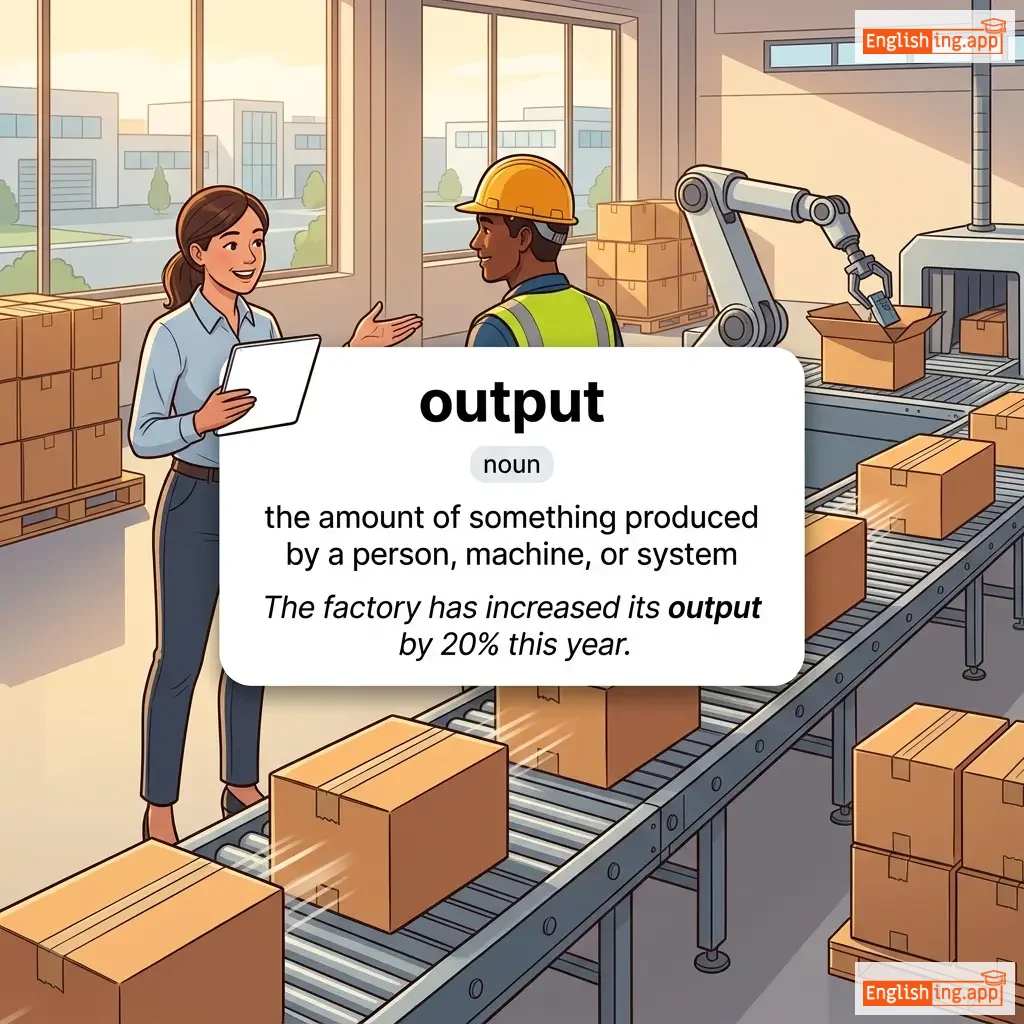
/ˈaʊtpʊt/
noun
(aʊtpʊt)
••••••
|
|
产出
chanchu
••••••
|
- •••••• | - •••••• | - •••••• | - •••••• |
the amount of something produced by a person, machine, or system
••••••
|
The factory has increased its output by 20% this year. |
工厂今年增加了20%的产出。
Gongchang jinian zengjia le 20% de chanchu.
••••••
|
high output |
producing a large amount or quantity
••••••
|
高产出
gao chanchu
••••••
|
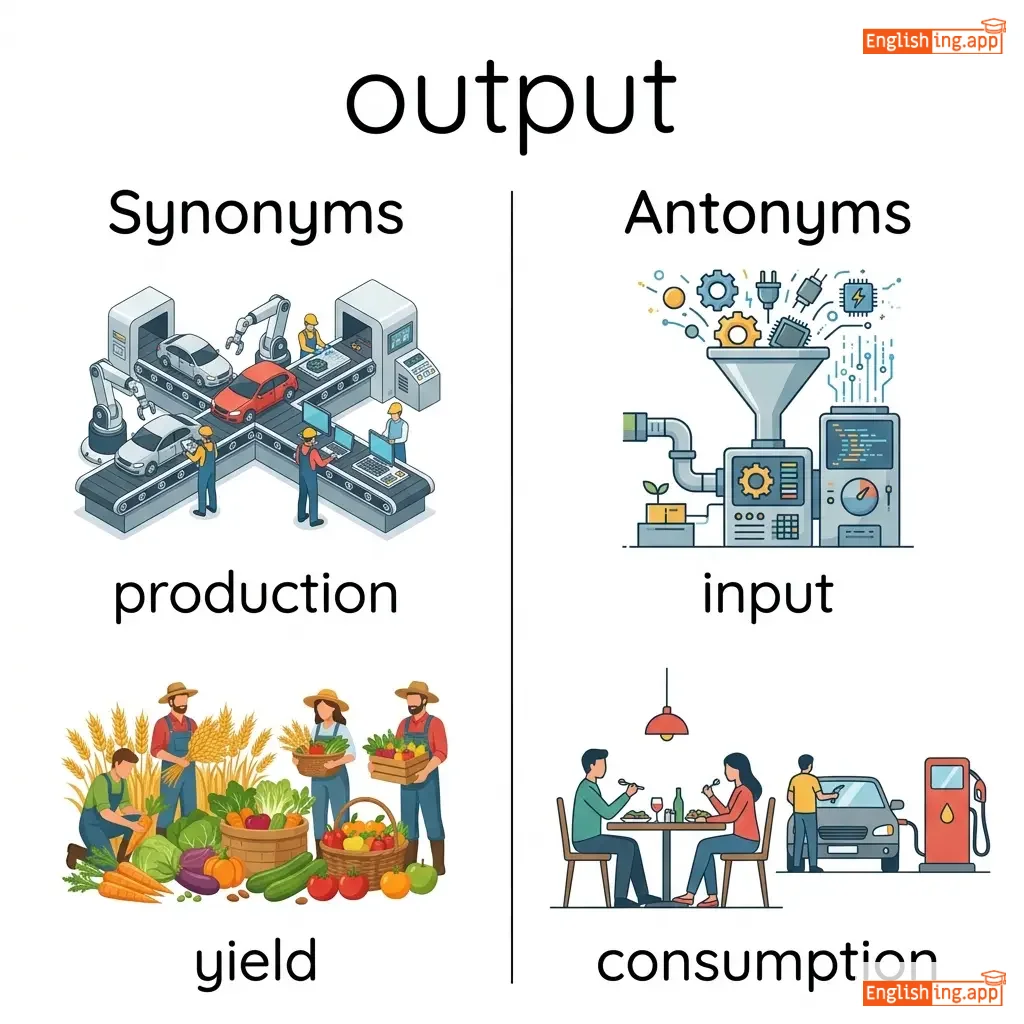
production, yield, product, result, performance
••••••
|
input, consumption
••••••
|
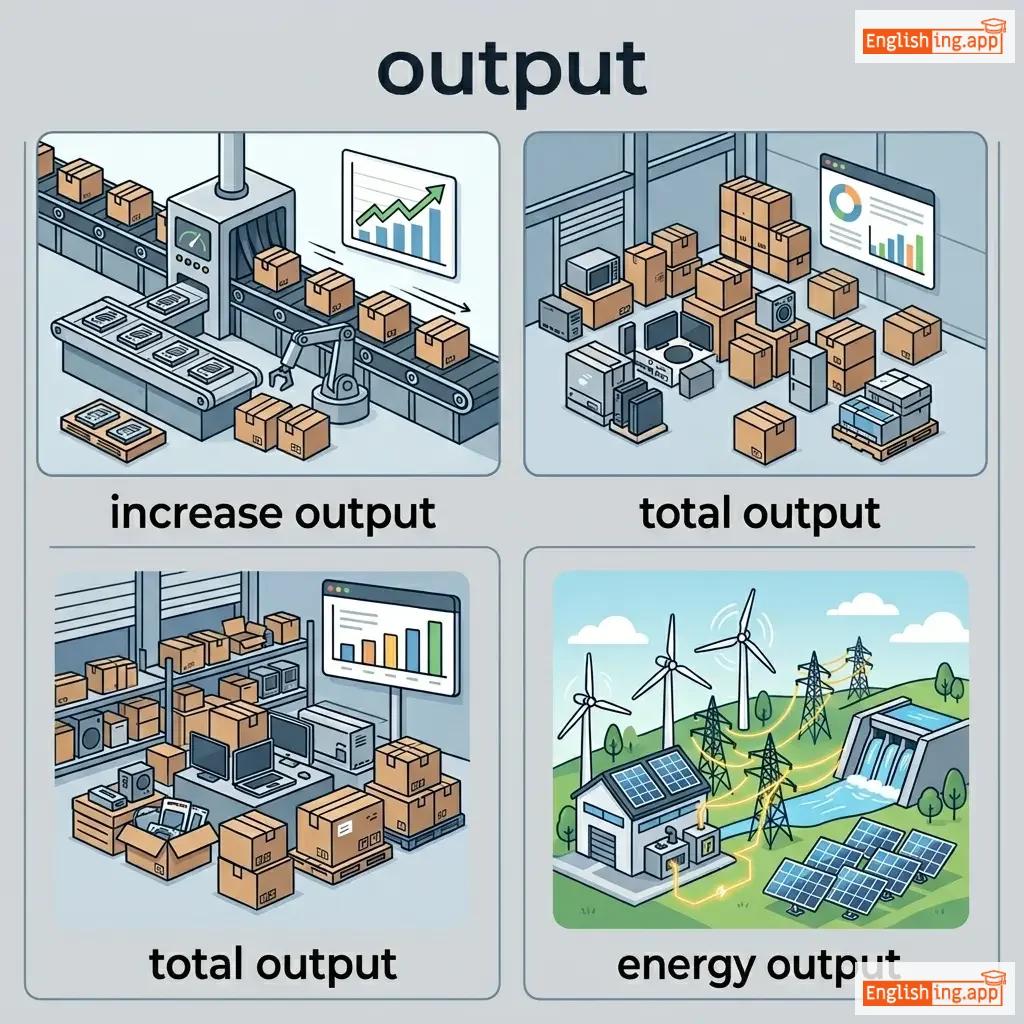
increase output, total output, energy output, data output
••••••
|
Out + Put 就是‘生产’的意思 — 产出!
••••••
|
|
#1
📝
|
/ˈaʊtlaɪn/
noun, verb
••••••
|
- •••••• | - •••••• |
outlined
••••••
|
outlined
••••••
|
outlines
••••••
|
outlining
••••••
|
a general description or plan that gives the main ideas without details; to describe something briefly or highlight main points
••••••
|
The teacher asked us to outline our research project before writing the report. |
- •••••• |
in outline |
in a general way, without details
••••••
|
- •••••• |
summary, sketch, draft, framework, plan
••••••
|
detail, elaboration
••••••
|
outline plan, outline strategy, outline proposal, outline the process
••••••
|
No •••••• |
|
#1
🔌
|
/ˈaʊtlet/
noun
(奥特莱特)
••••••
|
- •••••• |
出口
chūkǒu
••••••
|
- •••••• | - •••••• | - •••••• | - •••••• |
a means by which something is released, expressed, or distributed
••••••
|
Art is a great outlet for emotions. |
艺术是情感的一个极好的出口。
Yìshù shì qínggǎn de yīgè jí hǎo de chūkǒu.
••••••
|
power outlet |
a socket that provides electrical power
••••••
|
电源插座
diànyuán chāzuò
••••••
|
vent, escape, channel, release, store
••••••
|
inlet, blockage
••••••
|
shopping outlet, outlet store, emotional outlet, power outlet
••••••
|
'Out' 表示外面,'let' 表示允许 — outlet 是出去的路径。
••••••
|
|
#1
🪐
|
/ˈaʊtər/
adjective
(奥特尔)
••••••
|
- •••••• |
外部
waibu
••••••
|
- •••••• | - •••••• | - •••••• | - •••••• |
situated on or toward the outside; external
••••••
|
The outer layer of the jacket is waterproof.
夹克的外层是防水的。
••••••
|
夹克的外层是防水的。
Jiakede waceng shi fangshui de.
••••••
|
outer space
外太空
••••••
|
the physical universe beyond the Earth's atmosphere
••••••
|
外太空
wai taikong
••••••
|
external, outside, exterior, outward
••••••
|
inner, internal
••••••
|
outer layer, outer surface, outer shell, outer world
••••••
|
'Outer' 意味着外部,'外部' 意味着外层。
••••••
|
|
#1
🌳
|
/ˈaʊtdɔːr/
adjective
(aʊtˈdɔːr)
••••••
|
- •••••• |
户外
hù wài
••••••
|
- •••••• | - •••••• | - •••••• | - •••••• |
situated, existing, or done outside a building
••••••
|
We planned an outdoor picnic for the weekend.
我们计划了一个户外野餐,周末进行。
••••••
|
我们计划了一个户外野餐,周末进行。
Wǒmen jìhuàle yīgè hùwài yěcān, zhōumò jìnxíng.
••••••
|
outdoor activities
户外活动
••••••
|
recreational things people do outside, like sports or camping
••••••
|
户外活动
hùwài huódòng
••••••
|
open-air, outside, external, exterior
••••••
|
indoor, inside
••••••
|
outdoor sports, outdoor event, outdoor seating, outdoor adventure
••••••
|
'Outdoor' 在中文中意味着 '户外' — 在外面做的活动
••••••
|
|
#1
🤝
|
/aʊərz/
pronoun
(aʊərz)
••••••
|
- •••••• |
我们的
wǒmen de
••••••
|
- •••••• | - •••••• | - •••••• | - •••••• |
belonging to or associated with us
••••••
|
This victory is ours. |
这个胜利是我们的。
Zhège shènglì shì wǒmen de.
••••••
|
- •••••• | - •••••• | - •••••• |
belonging to us, our own, possessed by us
••••••
|
theirs, yours, his
••••••
|
friend of ours, house of ours, idea of ours
••••••
|
'Our' 的复数形式 — '我们的' (wǒmen de) 就是 'ours'
••••••
|
|
#1
📋
|
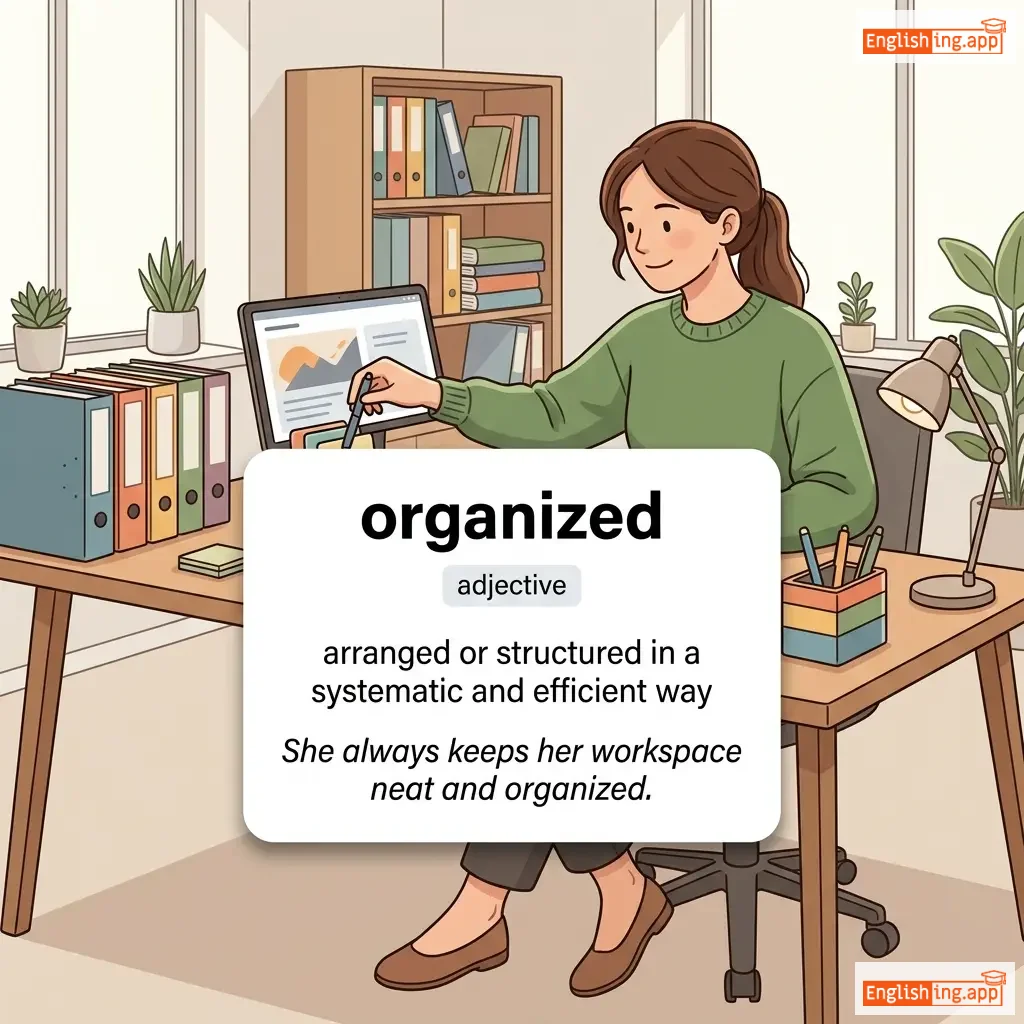
/ˈɔːrɡənaɪzd/
adjective
(欧根奈兹德)
••••••
|
|
有序的
yǒuxù de
••••••
|
- •••••• | - •••••• | - •••••• | - •••••• |
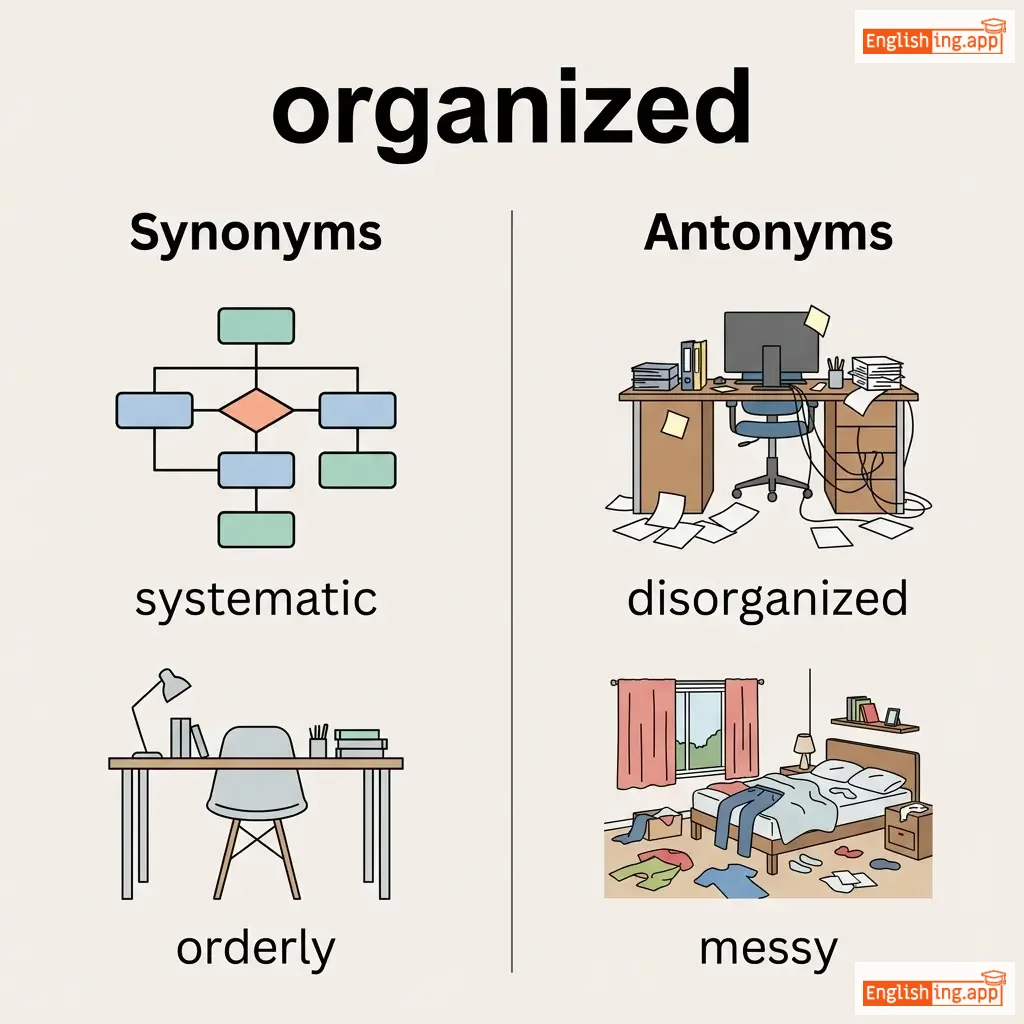
arranged or structured in a systematic and efficient way
••••••
|
She always keeps her workspace neat and organized. |
她总是保持她的工作空间整洁和有序。
Tā zǒng shì bǎochí tā de gōngzuò kōngjiān zhěngjié hé yǒuxù.
••••••
|
organized chaos |
a situation that seems messy but actually functions efficiently
••••••
|
有序的混乱
yǒuxù de hùnluàn
••••••
|
systematic, orderly, structured, methodical, disciplined
••••••
|
disorganized, messy, chaotic
••••••
|
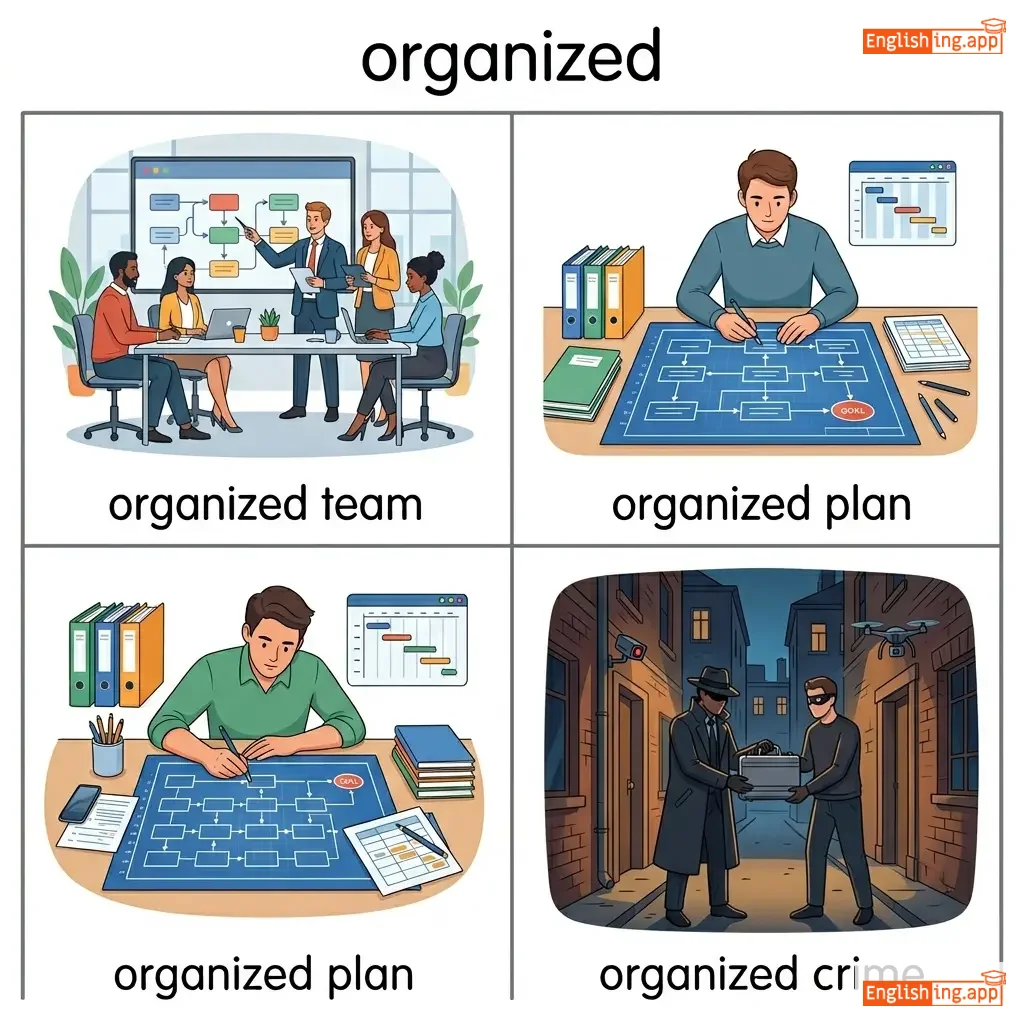
organized team, organized plan, organized crime, well-organized
••••••
|
一切有序就像完美的组织工作。
••••••
|
|
#1
🏢
|
/ˌɔːɡənaɪˈzeɪʃənəl/
adjective
(组织结构的)
••••••
|
- •••••• |
组织性的
zuzhixing de
••••••
|
- •••••• | - •••••• | - •••••• | - •••••• |
relating to the structure or arrangement of a company or group
••••••
|
He works on improving the organizational structure of the company. |
他在改善公司的组织结构方面工作。
Ta zai gaishan gongsi de zuzhixingshe jiegou fangmian gongzuo.
••••••
|
- •••••• | - •••••• | - •••••• |
administrative, structural, managerial, corporate
••••••
|
disorganized, chaotic
••••••
|
organizational skills, organizational structure, organizational change, organizational behavior
••••••
|
组织意味着结构,而组织性的则与该结构相关。
••••••
|
|
#1
🧫
|
/ˈɔːɡənɪzəm/
noun
(有机体)
••••••
|
- •••••• |
有机体
youji ti
••••••
|
- •••••• | - •••••• | - •••••• | - •••••• |
a living thing that has an organized structure and can grow and reproduce
••••••
|
Every organism needs water to survive. |
每个有机体都需要水才能生存。
měi gè yǒu jī tǐ dōu xūyào shuǐ cáinéng shēngcún.
••••••
|
- •••••• | - •••••• | - •••••• |
creature, being, life form, living thing
••••••
|
inanimate object, nonliving thing
••••••
|
living organism, simple organism, complex organism, single-celled organism
••••••
|
有机体意味着生命体,像拥有有机结构的生物。
••••••
|
|
#1
🫀
|
/ˈɔːɡən/
noun
(器官)
••••••
|
- •••••• |
器官
qìguān
••••••
|
- •••••• | - •••••• | - •••••• | - •••••• |
a part of the body that performs a specific function
••••••
|
The heart is an important organ in the human body. |
心脏是人体重要的器官。
Xīnzàng shì réntǐ zhòngyào de qìguān.
••••••
|
- •••••• | - •••••• | - •••••• |
body part, structure, tissue, system
••••••
|
nonliving, inanimate
••••••
|
vital organ, internal organ, organ transplant, organ failure
••••••
|
Organ 就是器官 — 心脏、肝脏,都是器官,身体的一部分。
••••••
|
|
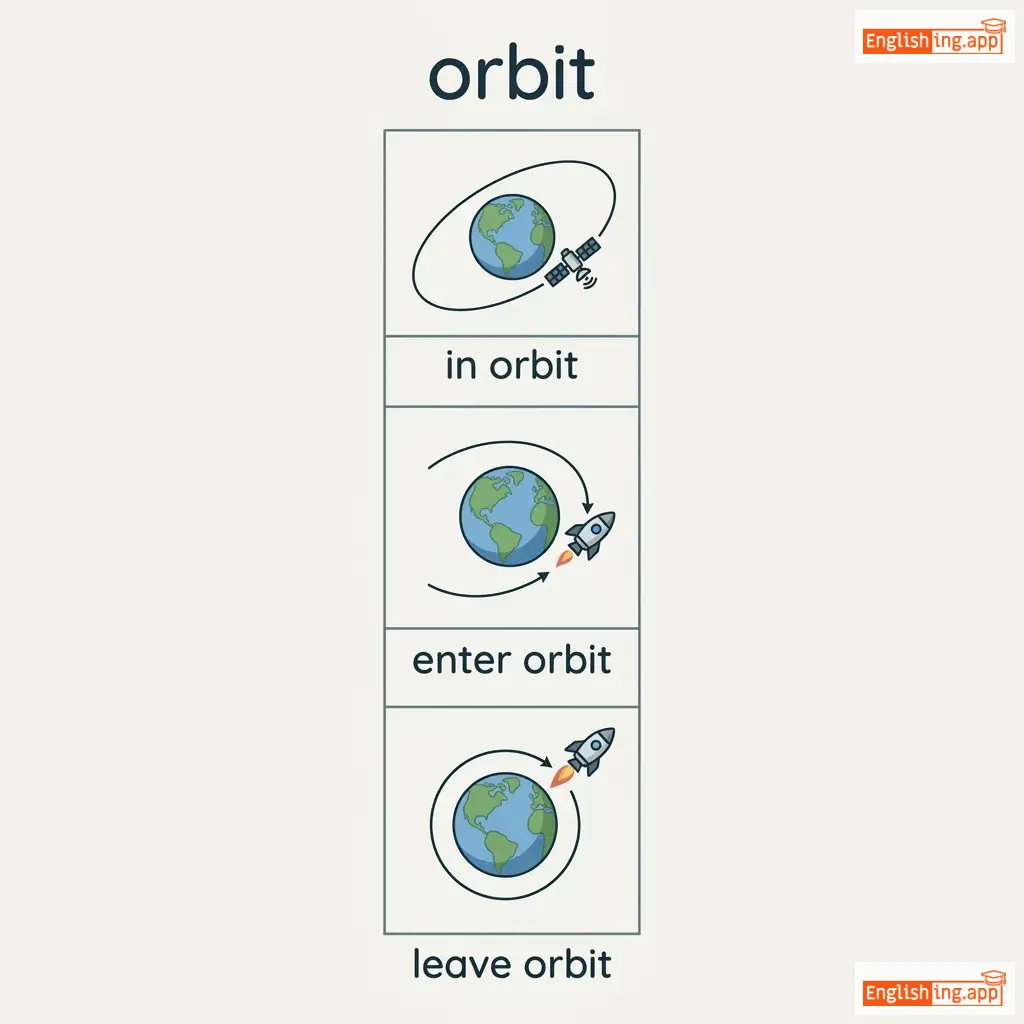
#1
🪐
|
/ˈɔːbɪt/
noun
(轨道)
••••••
|
|
轨道
guidao
••••••
|
- •••••• | - •••••• | - •••••• | - •••••• |
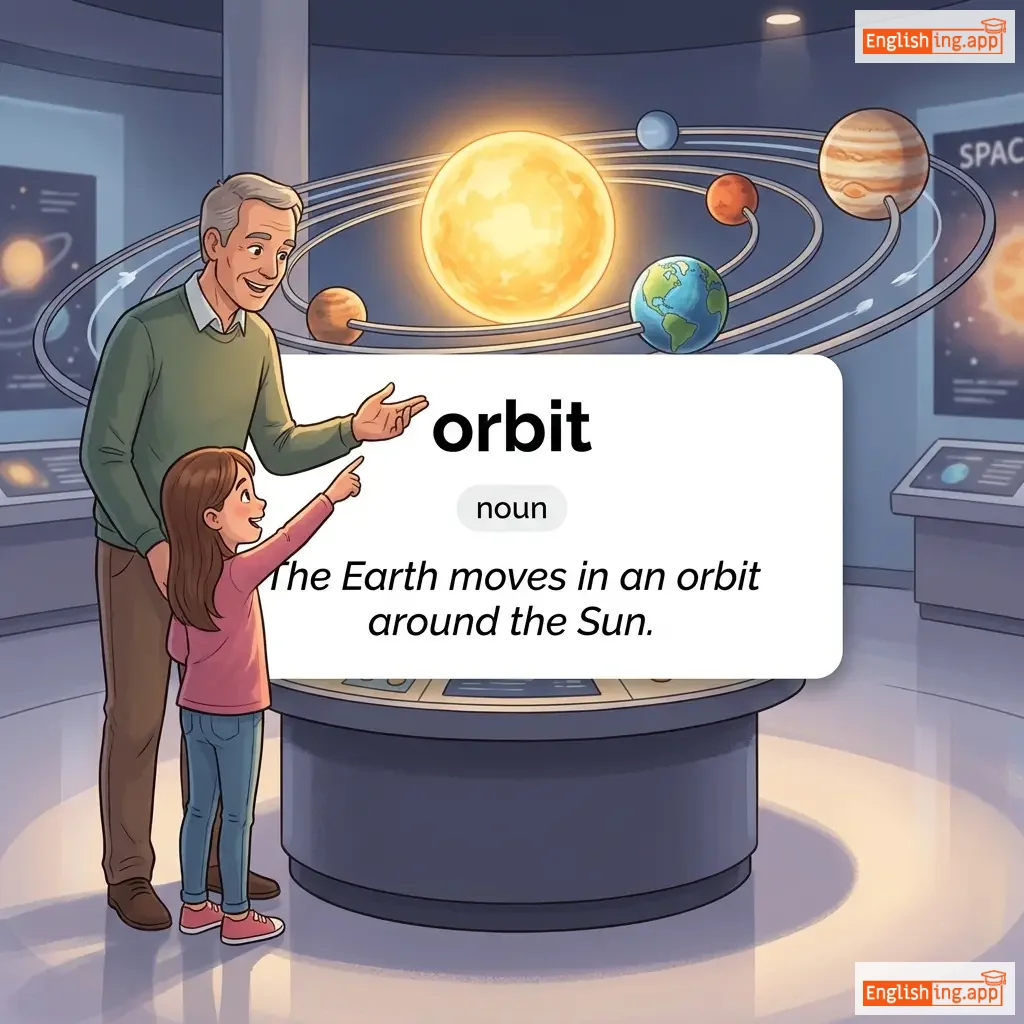
the curved path that a planet, satellite, or object follows around another body in space
••••••
|
The Earth moves in an orbit around the Sun.
地球围绕太阳沿轨道运动。
••••••
|
地球围绕太阳沿轨道运动。
Dìqiú wéirào tàiyáng yán guidao yùndòng.
••••••
|
in orbit
在轨道上
••••••
|
circling around a planet or celestial body
••••••
|
在轨道上
zài guidao shàng
••••••
|
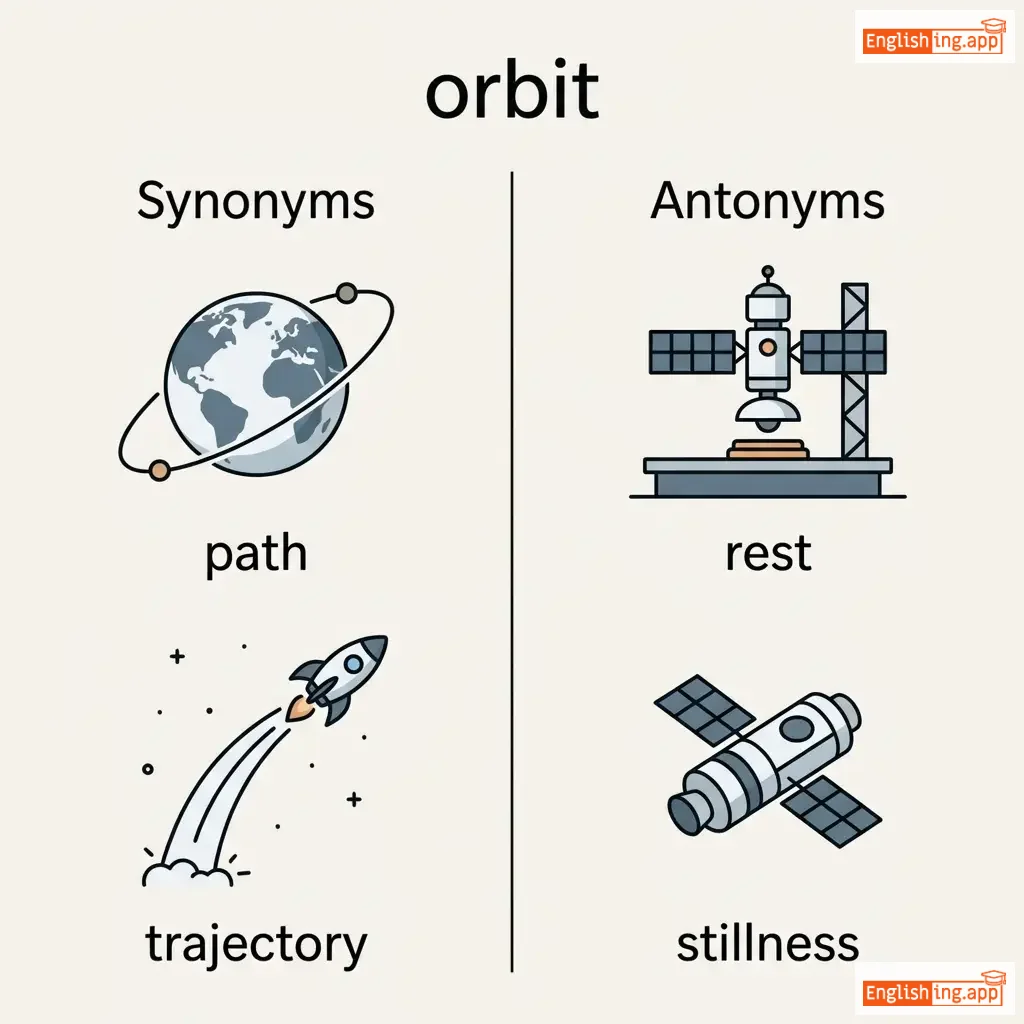
path, trajectory, revolution, circuit
••••••
|
rest, stillness
••••••
|
in orbit, enter orbit, leave orbit, orbit around
••••••
|
轨道 = guidao, 地球在轨道上围绕太阳旋转。
••••••
|
|
#1
🫴
|
/ɒpt/
verb
(opt)
••••••
|
- •••••• |
选择
xuanze
••••••
|
opted
opted
••••••
|
opted
opted
••••••
|
opts
opts
••••••
|
opting
opting
••••••
|
to choose or decide to do something instead of something else
••••••
|
Many students opt to study abroad for better opportunities.
many students opt to study abroad for better opportunities.
••••••
|
许多学生选择出国留学以获得更好的机会。
Xuduo xuesheng xuanze chuguo liuxue yi huode geng hao de jihui.
••••••
|
opt for
opt for
••••••
|
to choose one thing instead of another
••••••
|
选择
xuanze
••••••
|
choose, select, decide, pick, prefer
••••••
|
reject, decline, refuse
••••••
|
opt for, opt out, opt in, opt against
••••••
|
Opt来选择,选择就是opt。
••••••
|
|
#1
🚫
|
/əˈpəʊzd/
adjective
(əˈpəʊzd)
••••••
|
- •••••• |
反对的
fǎnduì de
••••••
|
- •••••• | - •••••• | - •••••• | - •••••• |
being against or in disagreement with something
••••••
|
She is strongly opposed to animal testing. |
她坚决反对动物实验。
Tā jiānjué fǎnduì dòngwù shíyàn.
••••••
|
as opposed to |
used to contrast two things or show difference
••••••
|
与…相对
yǔ … xiāngduì
••••••
|
against, resistant, contrary, antithetical
••••••
|
supportive, favorable, agreeing
••••••
|
strongly opposed, firmly opposed, opposed to
••••••
|
Opposed 意味着反对 — 不同意某事。
••••••
|
|
#1
🎭
|
/ˈɒpərə/
noun
(歌剧)
••••••
|
- •••••• |
歌剧
geju
••••••
|
- •••••• | - •••••• | - •••••• | - •••••• |
a dramatic performance in which the actors sing most of their lines
••••••
|
We watched a beautiful opera at the theater last night. |
我们昨晚在剧院观看了一场美丽的歌剧。
Wǒmen zuówǎn zài jùyuàn guānkànle yī chǎng měilì de gējù.
••••••
|
soap opera |
a television or radio drama series that deals with daily life and emotions
••••••
|
一部讲述日常生活和情感的电视或广播剧
Yī bù jiǎngshù rìcháng shēnghuó hé qínggǎn de diànshì huò guǎngbò jù
••••••
|
musical, performance, drama, production
••••••
|
speech, silence
••••••
|
opera singer, opera house, attend an opera, classical opera
••••••
|
歌剧让人想到一个戏剧性的音乐表演。
••••••
|
|
#1
🌍
|
/ˈneɪʃənˌwaɪd/
adjective, adverb
(neiˈʃənˌwaɪd)
••••••
|
- •••••• |
全国范围
quanguo fanwei
••••••
|
- •••••• | - •••••• | - •••••• | - •••••• |
existing or happening throughout an entire nation
••••••
|
The campaign received nationwide support.
这项运动得到了全国范围的支持。
••••••
|
这项运动得到了全国范围的支持。
Zhe xiang yundong dedaole quanguo fanwei de zhichi.
••••••
|
- •••••• | - •••••• | - •••••• |
countrywide, national, across the country, all over the nation
••••••
|
local, regional
••••••
|
nationwide survey, nationwide network, nationwide strike, nationwide coverage
••••••
|
Nation + wide = 全国范围; 记住‘nationwide’是指全国范围
••••••
|
|
#1
🧮
|
/wʌn θɜːd/
noun
(wān sāng)
••••••
|
- •••••• |
三分之一
san fen zhi yi
••••••
|
- •••••• | - •••••• | - •••••• | - •••••• |
one part of something that is divided into three equal parts
••••••
|
One-third of the class was absent today. |
班级的三分之一今天缺席。
Banji de sanfen zhi yi jintian quexi.
••••••
|
- •••••• | - •••••• | - •••••• |
fraction, portion, segment, division
••••••
|
whole, entirety
••••••
|
one-third of, about one-third, nearly one-third
••••••
|
三分之一意味着三分之一 — 三个部分,其中一个是三分之一!
••••••
|
|
#1
🏅
|
/əˈlɪmpɪks/
noun
(奥林匹克运动会)
••••••
|
- •••••• |
奥林匹克运动会
Àolínpǐkè yùndònghuì
••••••
|
- •••••• | - •••••• | - •••••• | - •••••• |
an international sports competition held every four years with athletes from many countries
••••••
|
The Olympics bring athletes from all over the world together. |
奥林匹克运动会将全世界的运动员聚集在一起。
Àolínpǐkè yùndònghuì jiāng quán shìjiè de yùndòngyuán jùjí zài yīqǐ.
••••••
|
go for the gold |
to try your best to win or achieve the highest success
••••••
|
尽最大努力去赢得或取得最大的成功
Jǐn zuìdà nǔlì qù yíngdé huò qǔdé zuìdà de chénggōng
••••••
|
games, tournament, championship, contest, competition
••••••
|
practice, training
••••••
|
Olympic Games, Olympic athlete, Olympic medal, host the Olympics
••••••
|
奥林匹克运动会是一项全球性的比赛,世界各地的运动员争夺金牌。
••••••
|
|
#1
🎩
|
/ˌoʊld ˈfæʃənd/
adjective
(ōu ěr fā shì ēn dé)
••••••
|
- •••••• |
过时的
guò shí de
••••••
|
- •••••• | - •••••• | - •••••• | - •••••• |
not modern; belonging to an earlier time
••••••
|
He still wears an old-fashioned hat. |
他仍然戴着一顶过时的帽子。
Tā réngrán dàizhe yī dǐng guò shí de màozi.
••••••
|
old-fashioned values |
traditional moral beliefs and manners
••••••
|
过时的价值观
guò shí de jiàzhíguān
••••••
|
outdated, antique, obsolete, vintage, traditional
••••••
|
modern, contemporary, trendy
••••••
|
old-fashioned clothes, old-fashioned ideas, old-fashioned style, old-fashioned manners
••••••
|
Old-fashioned意味着过时的风格 — 过时的🎩
••••••
|
|
#1
📜
|
/əˈfɪʃəli/
adverb
(ā fī shì ā lì)
••••••
|
- •••••• |
正式地
zhèngshì de
••••••
|
- •••••• | - •••••• | - •••••• | - •••••• |
in a formal or authorized way
••••••
|
The building was officially opened by the mayor.
这座建筑由市长正式开幕。
••••••
|
这座建筑由市长正式开幕。
Zhè zuò jiànzhú yóu shìzhǎng zhèngshì kāimù.
••••••
|
officially recognized
正式认可
••••••
|
formally accepted or approved by authority
••••••
|
正式认可
zhèngshì rènkě
••••••
|
formally, legally, publicly, ceremonially
••••••
|
informally, unofficially
••••••
|
officially declared, officially opened, officially announced, officially recognized
••••••
|
Officially: 正式的印章,标志着官方认可
••••••
|
|
#1
🎁
|
/ˈɒfərɪŋ/
noun
(Offering)
••••••
|
- •••••• |
提供
tigong
••••••
|
- •••••• | - •••••• | - •••••• | - •••••• |
something that is given, especially as a gift or contribution
••••••
|
The company’s latest offering is an eco-friendly car.
公司的最新产品是一款环保汽车。
••••••
|
公司的最新产品是一款环保汽车。
Gongsi de zui xin chanpin shi yi kuan huanbao qiche.
••••••
|
peace offering
和平礼物
••••••
|
something given to show a desire for peace or reconciliation
••••••
|
和平礼物
heping liwu
••••••
|
gift, contribution, donation, present, sacrifice
••••••
|
refusal, withdrawal
••••••
|
make an offering, religious offering, peace offering, product offering
••••••
|
Offering 意味着提供东西,像是一个提议或和平礼物
••••••
|
|
#1
🚔
|
/əˈfɛndər/
noun
(奥芬德)
••••••
|
- •••••• |
违法者
wéifǎ zhě
••••••
|
- •••••• | - •••••• | - •••••• | - •••••• |
a person who commits a crime or does something wrong
••••••
|
The police caught the offender quickly. |
警察迅速抓住了违法者。
Jǐngchá xùnsù zhuā zhùle wéifǎ zhě.
••••••
|
repeat offender |
a person who commits the same crime more than once
••••••
|
惯犯
guàn fàn
••••••
|
criminal, culprit, wrongdoer, lawbreaker, transgressor
••••••
|
victim, innocent
••••••
|
first-time offender, repeat offender, serious offender, juvenile offender
••••••
|
Offender意味着违法者,做坏事的人 🔒
••••••
|
|
#1
🌦️
|
/əˈkeɪʒənəl/
adjective
(奥凯珍尔)
••••••
|
- •••••• |
偶尔的
ǒu'ěr de
••••••
|
- •••••• | - •••••• | - •••••• | - •••••• |
happening or done sometimes but not regularly or often
••••••
|
He makes occasional visits to his hometown. |
他偶尔访问他的家乡。
Tā ǒu'ěr fǎngwèn tā de jiāxiāng.
••••••
|
occasional table |
a small table used when needed
••••••
|
偶尔桌子
ǒu'ěr zhuōzi
••••••
|
infrequent, irregular, periodic, sporadic, intermittent
••••••
|
regular, constant, frequent
••••••
|
occasional visit, occasional rain, occasional use, occasional meeting
••••••
|
偶尔就像偶尔下的雨 – 偶尔才有 🌧️
••••••
|
|
#1
🧭
|
/ˌnɔːrθˈiːst/
noun
(诺思特)
••••••
|
- •••••• |
东北
dongbei
••••••
|
- •••••• | - •••••• | - •••••• | - •••••• |
the direction between north and east; a region or area located in that direction.
••••••
|
The storm is moving toward the northeast. |
暴风雨正朝东北方向移动。
Bao fengyu zheng chao dongbei fangxiang yidong.
••••••
|
- •••••• | - •••••• | - •••••• |
NE, upper east, northeastward, northeastern region
••••••
|
southwest, SW
••••••
|
northeast corner, northeast region, toward the northeast, northeast wind
••••••
|
北 + 东 = 东北,意味着北方和东方之间的方向。
••••••
|
|
#1
💝
|
/ˌnɒnˈprɒfɪt/
adjective
(nonprofit)
••••••
|
- •••••• |
非营利组织
fei ying li zu zhi
••••••
|
- •••••• | - •••••• | - •••••• | - •••••• |
an organization that does not aim to make a profit, often serving a social or charitable purpose.
••••••
|
She works for a nonprofit organization that helps children. |
她为一个帮助孩子的非营利组织工作。
Ta wei yi ge bang zhu hai zi de fei ying li zu zhi gong zuo.
••••••
|
- •••••• | - •••••• | - •••••• |
charitable, voluntary, humanitarian, philanthropic
••••••
|
for-profit, commercial
••••••
|
nonprofit organization, nonprofit sector, nonprofit group, nonprofit foundation
••••••
|
非 = 不 + 营利 = 赚钱 → 非营利组织:不为赚钱,而是为帮助。
••••••
|
|
#1
😱
|
/ˈnaɪtˌmɛər/
noun
••••••
|
- •••••• | - •••••• | - •••••• | - •••••• | - •••••• | - •••••• |
a frightening or unpleasant dream; a very distressing experience.
••••••
|
Last night, she had a terrifying nightmare. |
- •••••• |
a living nightmare |
a situation that is extremely unpleasant or terrifying in real life.
••••••
|
- •••••• |
bad dream, terror, horror, ordeal, trauma
••••••
|
dream, delight
••••••
|
terrible nightmare, have a nightmare, living nightmare, recurring nightmare
••••••
|
No •••••• |
|
#1
🪹
|
/nɛst/
noun
(nèst)
••••••
|
- •••••• |
鸟巢
niao chao
••••••
|
- •••••• | - •••••• | - •••••• | - •••••• |
a structure built by birds or other animals to hold their eggs or young.
••••••
|
The bird built a nest in the tall tree. |
那只鸟在高高的树上建了一个鸟巢。
Na zhi niao zai gao gao de shu shang jian le yi ge niao chao.
••••••
|
empty nest |
a home where children have grown up and left, leaving the parents alone.
••••••
|
空巢
kong chao
••••••
|
home, den, lair, shelter, abode
••••••
|
wilderness, outside
••••••
|
bird's nest, build a nest, cozy nest, empty nest
••••••
|
鸟巢 — 就是鸟儿住的地方,想象它们在鸟巢里筑巢!
••••••
|
|
#1
🏘️
|
/ˈneɪbərɪŋ/
adjective
(neibering)
••••••
|
- •••••• |
邻近的
linjin de
••••••
|
- •••••• | - •••••• | - •••••• | - •••••• |
situated near or next to another place; adjacent or nearby.
••••••
|
They visited a neighboring village for the festival.
他们去邻村参加节日活动。
••••••
|
他们去邻村参加节日活动。
Tāmen qù lín cūn cānjiā jiérì huódòng.
••••••
|
- •••••• | - •••••• | - •••••• |
adjacent, nearby, adjoining, close, proximate
••••••
|
distant, remote, far
••••••
|
neighboring country, neighboring house, neighboring state, neighboring area
••••••
|
邻近的表示接近,因此邻近的地方就是靠近的地方。
••••••
|
|
#1
💉
|
/ˈniː.dəl/
noun, verb
(nídl)
••••••
|
- •••••• |
针
zhēn
••••••
|
needled
nídld
••••••
|
needled
nídld
••••••
|
needles
nídls
••••••
|
needling
nídlíng
••••••
|
a small thin metal tool with a point used for sewing or injecting; to provoke or annoy someone
••••••
|
The nurse used a sterile needle for the injection.
护士使用了无菌针头进行注射。
••••••
|
护士使用了无菌针头进行注射。
Hùshì shǐyòng le wújūn zhēntóu jìnxíng zhùshè.
••••••
|
needle in a haystack
干草堆里的针
••••••
|
something that is extremely difficult or impossible to find
••••••
|
极难或几乎不可能找到的东西
jí nán huò jīhū bù kěnéng zhǎodào de dōngxī
••••••
|
pin, syringe, prick, irritate, provoke
••••••
|
soothe, calm
••••••
|
sewing needle, injection needle, needle and thread, needle prick
••••••
|
针意味着Needle — 记住:针‘需要’穿过布料!
••••••
|
|
#1
💻
|
/ˌɛn.biː.esˈpiː/
noun
(èn-bī-ès-pí)
••••••
|
- •••••• |
不间断空格
bu jian duan kong ge
••••••
|
- •••••• | - •••••• | - •••••• | - •••••• |
a non-breaking space character in HTML used to prevent an automatic line break at its position
••••••
|
Use in HTML to add a space that won't break into a new line. |
在HTML中使用 添加一个不会换行的空格。
zai HTML zhong shiyong tianjia yige bu hui huanhang de kongge.
••••••
|
- •••••• | - •••••• | - •••••• |
non-breaking space, HTML space entity
••••••
|
line break, space collapse
••••••
|
HTML , non-breaking space, space entity
••••••
|
NBSP代表No Break SPace — 记住:它是一个不会断开的空格。
••••••
|
Vocabulary Quiz
Test your vocabulary by matching words with their translations or meanings.
Login to take the quiz
Comments (0)
Share your thoughts and join the discussion.
Join the discussion by logging in
Login to CommentNo comments yet
Be the first to share your thoughts!