











Swipe left or right, or use the buttons. Tap image to zoom.
例句翻译
单词
Lesson 109Lesson 109 - 遮罩切换
|
表情符号
|
单词 | Images | 翻译 | 过去时 | 过去分词 | 第三人称单数 | 动名词 | 含义 | 例句 | 例句翻译 | 示例表达 | 示例表达含义 | 示例表达翻译 | 同义词 | 反义词 | 搭配词 | 助记符 |
|---|---|---|---|---|---|---|---|---|---|---|---|---|---|---|---|---|---|
|
#3241
🚪
|
/ɪkˈspɛl/
verb
(ēk-sī-péi-ěr)
••••••
|
- •••••• |
开除
kāi-chú
••••••
|
expelled
ēk-sī-péi-ěr-d
••••••
|
expelled
ēk-sī-péi-ěr-d
••••••
|
expels
ēk-sī-péi-ěr-s
••••••
|
expelling
ēk-sī-péi-ěr-líng
••••••
|
to officially force someone to leave a place or organization
••••••
|
The student was expelled from school for misconduct.
这名学生因不良行为被学校开除。
••••••
|
这名学生因不良行为被学校开除。
Zhè míng xué-shēng yīn bù-liáng xíng-wéi bèi xué-xiào kāi-chú.
••••••
|
expel from
开除出
••••••
|
to officially remove someone from a place or group
••••••
|
开除出
kāi-chú chū
••••••
|
eject, dismiss, banish, oust, remove
••••••
|
admit, accept, include
••••••
|
expel student, expel member, expel gas, expel diplomat
••••••
|
开除:从学校或小组中移除某人
••••••
|
|
#3242
🔗
|
/ˌeksplɔɪˈteɪʃən/
noun
(èksplɔɪˈteɪʃən)
••••••
|
|
剥削
bōxuē
••••••
|
- •••••• | - •••••• | - •••••• | - •••••• |
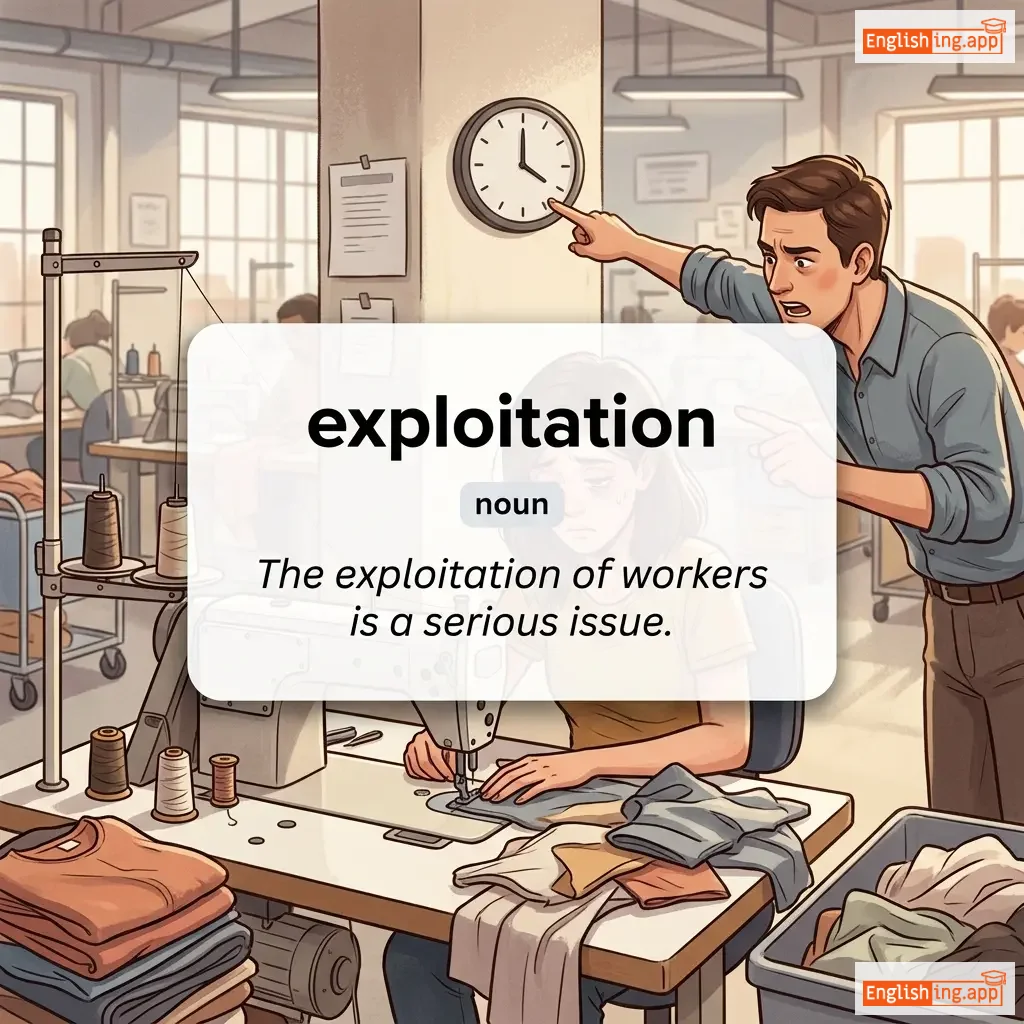
the action or fact of treating someone unfairly in order to benefit from their work; the use of resources for profit
••••••
|
The exploitation of workers is a serious issue. |
对工人的剥削是一个严重的问题。
Duì gōngrén de bōxuē shì yīgè yánzhòng de wèntí.
••••••
|
- •••••• | - •••••• | - •••••• |
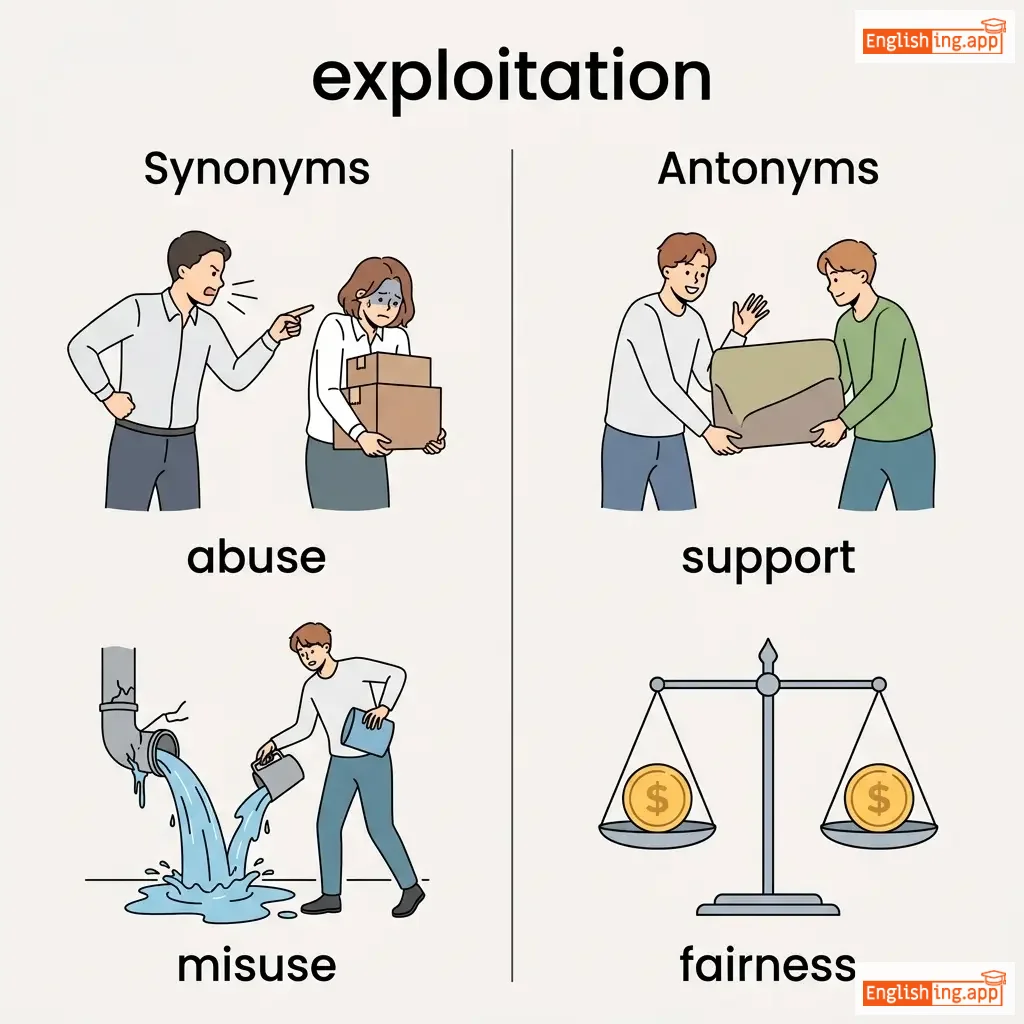
abuse, misuse, manipulation, oppression, utilization
••••••
|
support, fairness, assistance
••••••
|
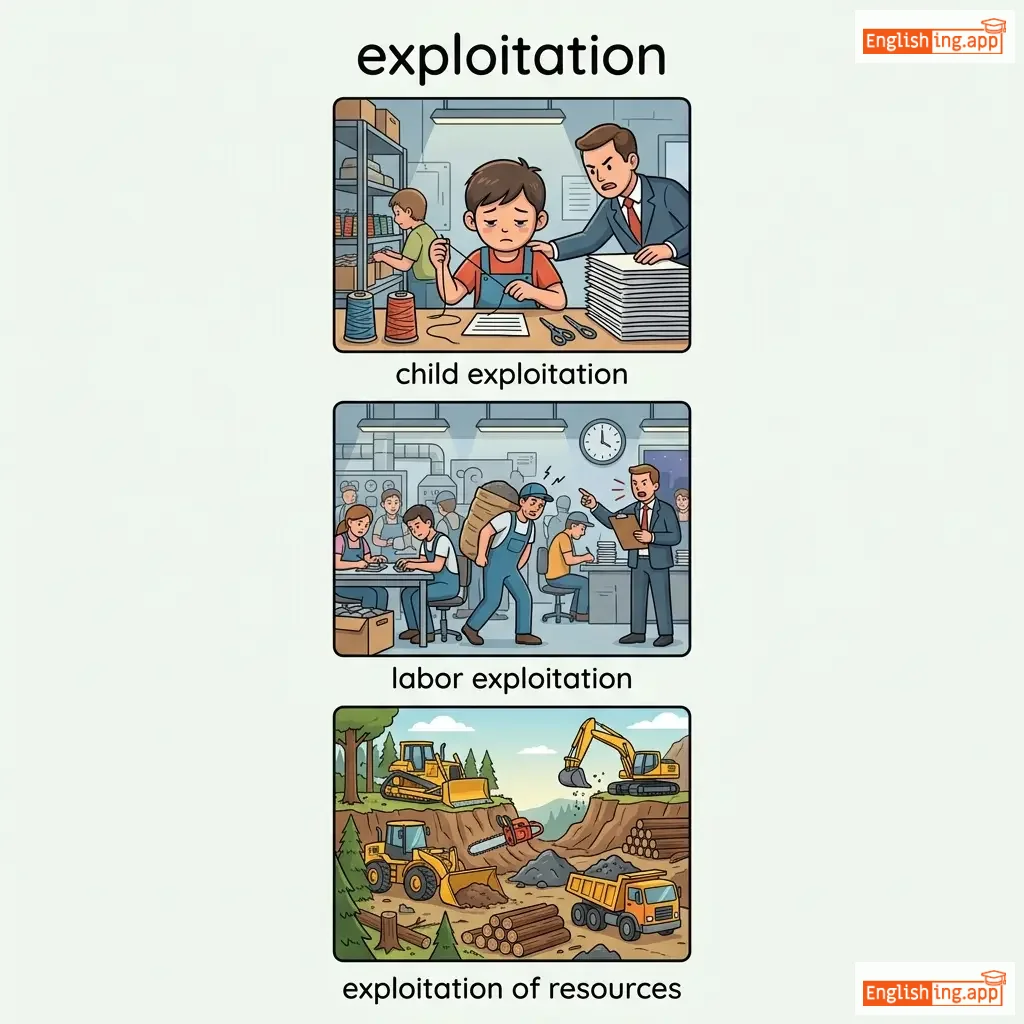
child exploitation, labor exploitation, exploitation of resources, economic exploitation
••••••
|
Exploitation 意味着剥削 — exploit 即是剥削
••••••
|
|
#3243
⚒️
|
/ɪkˈsplɔɪt/
verb, noun
••••••
|
- •••••• | - •••••• |
exploited
••••••
|
exploited
••••••
|
exploits
••••••
|
exploiting
••••••
|
to make full use of and derive benefit from (a resource); to use someone unfairly for one’s own advantage
••••••
|
The company was accused of exploiting child labor. |
- •••••• |
exploit opportunities |
to make the best use of chances or favorable situations
••••••
|
- •••••• |
utilize, take advantage, abuse, capitalize, manipulate
••••••
|
neglect, ignore, support
••••••
|
exploit resources, exploit workers, exploit opportunities, exploit system
••••••
|
No •••••• |
|
#3244
💥
|
/ɪkˈsploʊd/
verb
(爆炸)
••••••
|
- •••••• |
爆炸
baozha
••••••
|
exploded
爆炸了
••••••
|
exploded
爆炸了
••••••
|
explodes
爆炸
••••••
|
exploding
爆炸ing
••••••
|
to burst or shatter violently and noisily as a result of rapid combustion or pressure
••••••
|
The bomb exploded in the middle of the street.
炸弹在街中央爆炸了。
••••••
|
炸弹在街中央爆炸了。
Zhadan zai jie zhongyang baozha le.
••••••
|
explode with laughter
爆炸大笑
••••••
|
to suddenly start laughing very loudly
••••••
|
笑得爆炸
xiao de baozha
••••••
|
burst, blow up, detonate, erupt, shatter
••••••
|
implode, collapse, defuse
••••••
|
explode suddenly, explode violently, explode with laughter, explode a bomb
••••••
|
Explode 意思是爆炸 — 看到难题时,大脑会爆炸
••••••
|
|
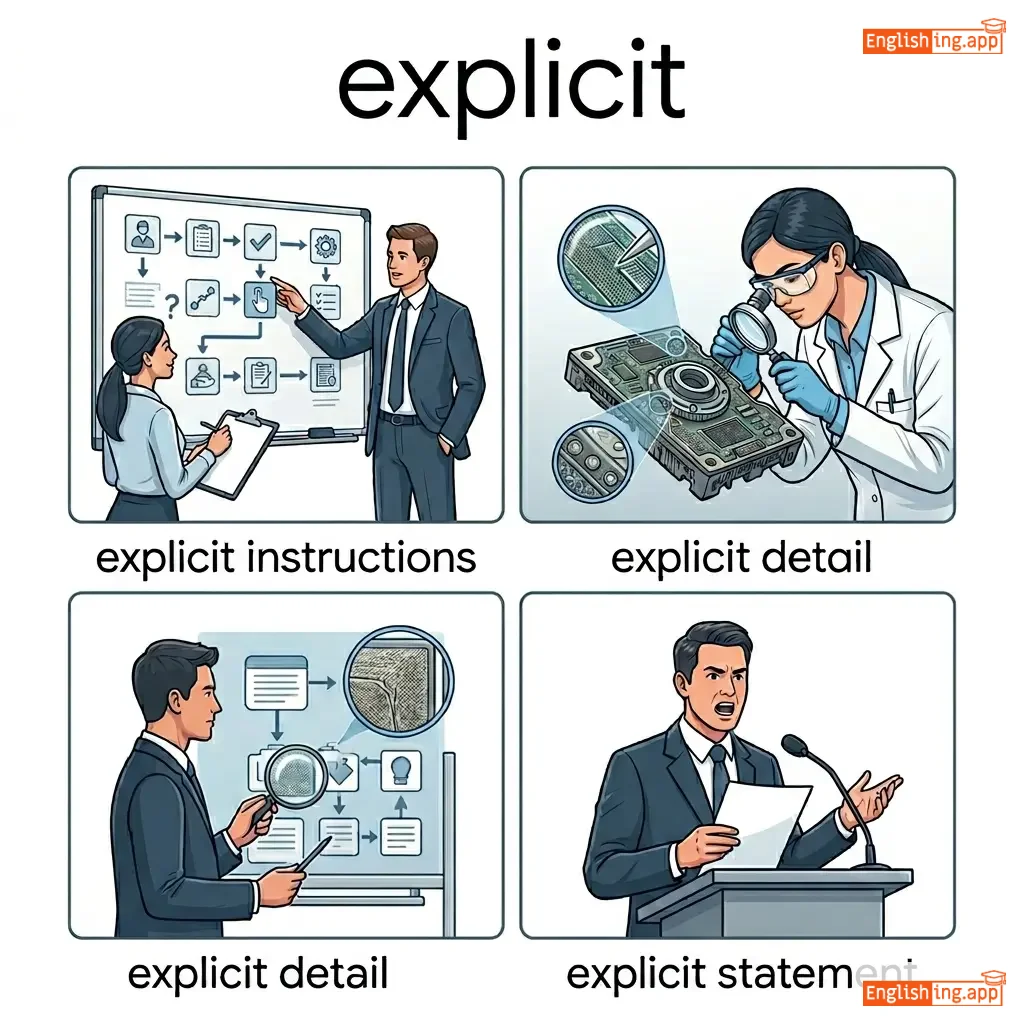
#3245
📢
|
/ɪkˈsplɪsɪt/
adjective
(ɪkˈsplɪsɪt)
••••••
|
|
明确的
mingque de
••••••
|
- •••••• | - •••••• | - •••••• | - •••••• |
stated clearly and in detail, leaving no room for confusion or doubt
••••••
|
The teacher gave explicit instructions for the assignment. |
老师给出了明确的作业指示。
Lǎoshī gěi chūle míngquè de zuòyè zhǐshì.
••••••
|
make explicit |
to state something clearly and directly
••••••
|
明确表示
míngquè biǎoshì
••••••
|
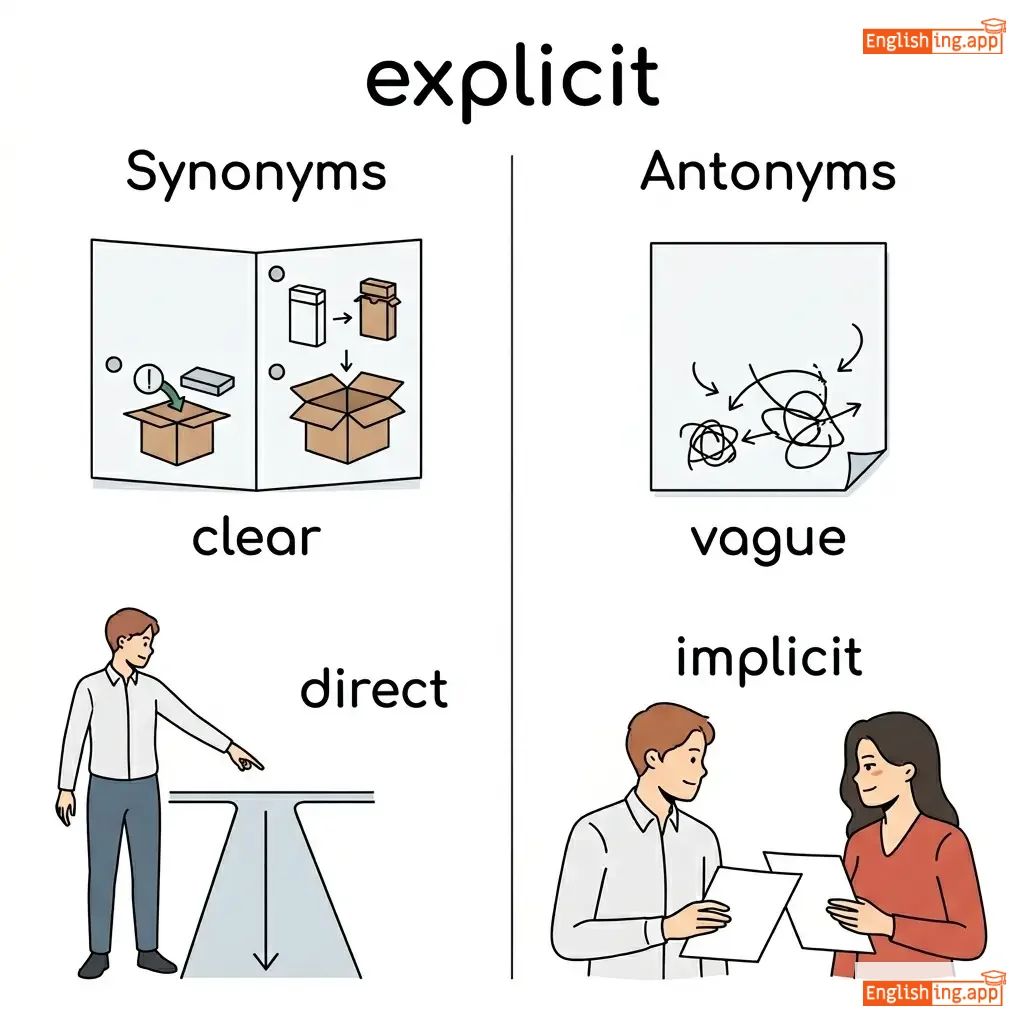
clear, direct, precise, unambiguous, definite
••••••
|
vague, implicit, ambiguous
••••••
|
explicit instructions, explicit detail, explicit statement, make explicit
••••••
|
explicit 意思是明确 — 老师给出明确的 (清楚的) 指示
••••••
|
|
#3246
🗣️
|
/ˈɛksplɪkeɪtər/
noun
(ɛksplɪkeɪtər)
••••••
|
- •••••• |
阐释者
chǎnshì zhě
••••••
|
- •••••• | - •••••• | - •••••• | - •••••• |
a person who explains or interprets something in detail
••••••
|
The critic served as an explicator of the poet’s complex works.
评论家担任了诗人复杂作品的阐释者。
••••••
|
评论家担任了诗人复杂作品的阐释者。
Pínglùn jiā dānrènle shīrén fùzá zuòpǐn de chǎnshì zhě.
••••••
|
- •••••• | - •••••• | - •••••• |
interpreter, commentator, analyst, explainer
••••••
|
confuser, obscurer
••••••
|
skilled explicator, literary explicator, philosophical explicator
••••••
|
Explicator意味着解释者。记住:'解释' = '阐释者'。
••••••
|
|
#3247
📖
|
/ˈɛksplɪkeɪt/
verb
(eksplikeit)
••••••
|
|
解释
jiěshì
••••••
|
explicated
eksplikéit
••••••
|
explicated
eksplikéit
••••••
|
explicates
eksplikeits
••••••
|
explicating
eksplikeiting
••••••
|
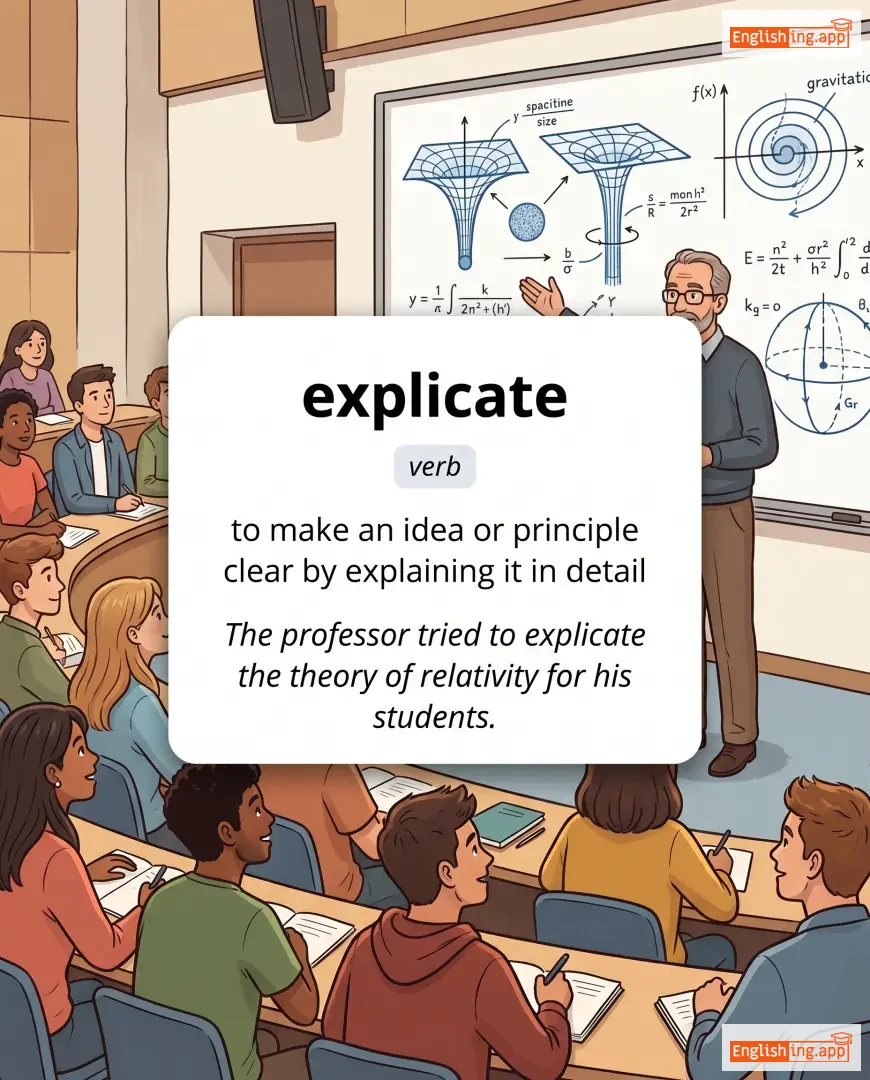
to make an idea or principle clear by explaining it in detail
••••••
|
The professor tried to explicate the theory of relativity for his students.
教授试图为他的学生解释相对论的理论。
••••••
|
教授试图为他的学生解释相对论的理论。
Jiàoshòu shìtú wèi tā de xuéshēng jiěshì xiāngduìlùn de lǐlùn.
••••••
|
- •••••• | - •••••• | - •••••• |
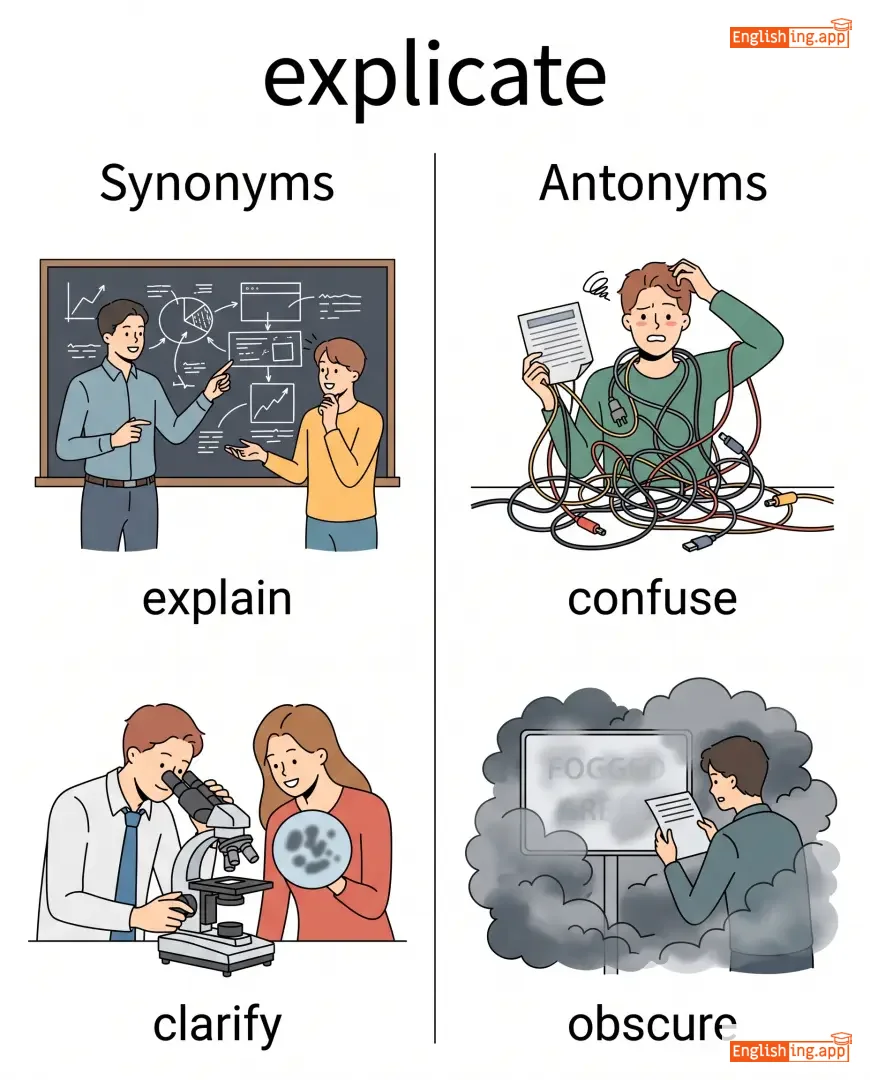
explain, clarify, interpret, elucidate
••••••
|
confuse, obscure
••••••
|
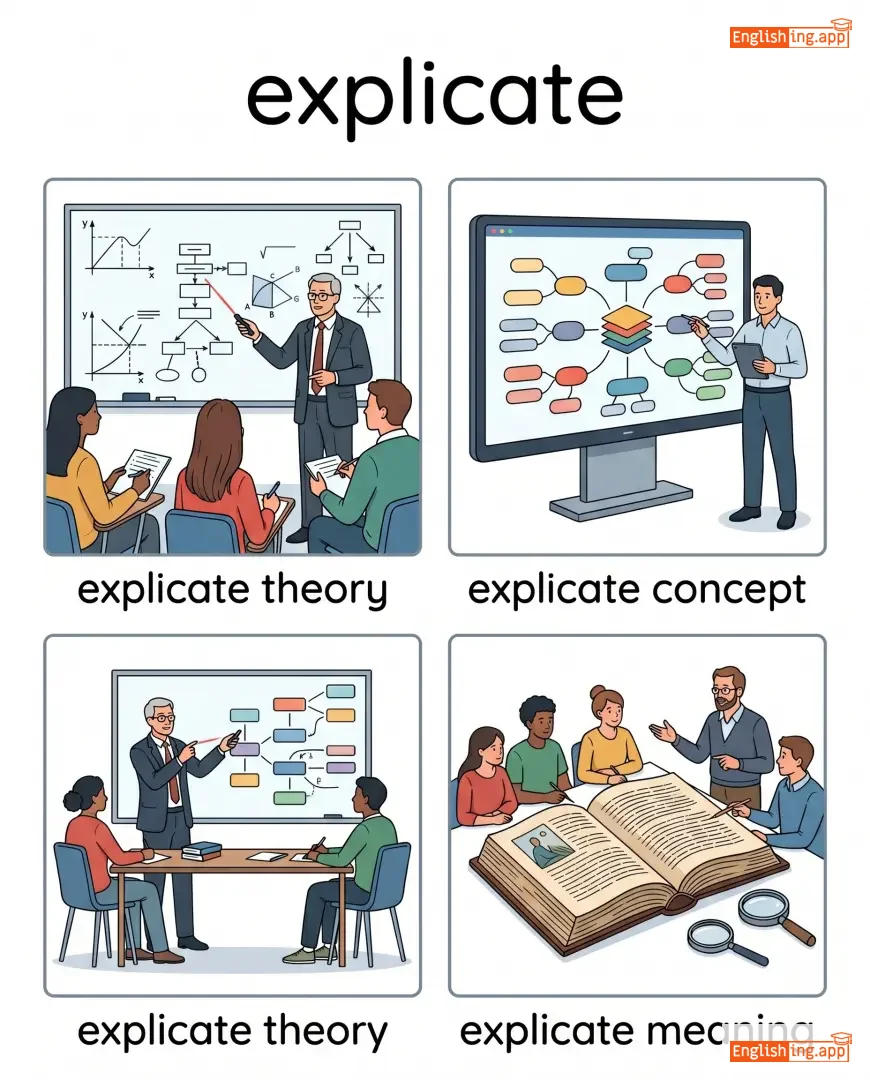
explicate theory, explicate concept, explicate meaning
••••••
|
解释意味着通过详细的说明 — 记住 'Explain Kate'。
••••••
|
|
#3248
💡
|
/ˈɛksplɪkəbəl/
adjective
(eksplikeibol)
••••••
|
- •••••• |
可解释的
kě jiěshì de
••••••
|
- •••••• | - •••••• | - •••••• | - •••••• |
able to be explained or understood
••••••
|
His sudden anger was explicable given the stressful situation. |
他的突然愤怒是可以解释的,考虑到紧张的情况。
Tā de tūrán fènnù shì kě jiěshì de, kǎolǜ dào jǐnzhāng de qíngkuàng.
••••••
|
- •••••• | - •••••• | - •••••• |
understandable, clear, comprehensible, interpretable
••••••
|
inexplicable, mysterious
••••••
|
explicable reason, explicable behavior, explicable cause
••••••
|
Explicable意味着可以容易地解释或理解的事物。
••••••
|
|
#3249
🤬
|
/ˈɛksplətɪv/
noun
(èksplètív)
••••••
|
- •••••• |
脏话
zānghuà
••••••
|
- •••••• | - •••••• | - •••••• | - •••••• |
a word or phrase used as an exclamation, often offensive or profane
••••••
|
He shouted an expletive when he dropped the hammer on his foot. |
当他把锤子掉到脚上时,他喊出了一个脏话。
Dāng tā bǎ chuízi diào dào jiǎo shàng shí, tā hǎn chūle yīgè zānghuà.
••••••
|
- •••••• | - •••••• | - •••••• |
curse, swear word, profanity, oath
••••••
|
compliment, blessing
••••••
|
shout expletive, utter expletive, profane expletive
••••••
|
Expletive 意味着生气时用的脏话,就像一种情绪的发泄。
••••••
|
|
#3250
⏳
|
/ɪkˈspaɪər/
verb
(ik-sī-pái-ěr)
••••••
|
- •••••• |
到期
dàoqī
••••••
|
expired
ik-sī-pái-érd
••••••
|
expired
ik-sī-pái-érd
••••••
|
expires
ik-sī-pái-érs
••••••
|
expiring
ik-sī-pái-ér-ing
••••••
|
to come to an end, especially a period of validity or life
••••••
|
My passport will expire next month.
我的护照将在下个月到期。
••••••
|
我的护照将在下个月到期。
Wǒ de hùzhào jiāng zài xià gè yuè dàoqī.
••••••
|
expire soon
即将到期
••••••
|
to end or become invalid in the near future
••••••
|
即将到期
jíjiāng dàoqī
••••••
|
end, terminate, lapse, cease, conclude
••••••
|
continue, persist, last
••••••
|
passport expire, contract expire, lease expire, expire date
••••••
|
Expire 就是到期的意思,像护照到期了。
••••••
|
|
#3251
🙏
|
/ˈɛkspieɪt/
verb
••••••
|
|
- •••••• |
expiated
••••••
|
expiated
••••••
|
expiates
••••••
|
expiating
••••••
|
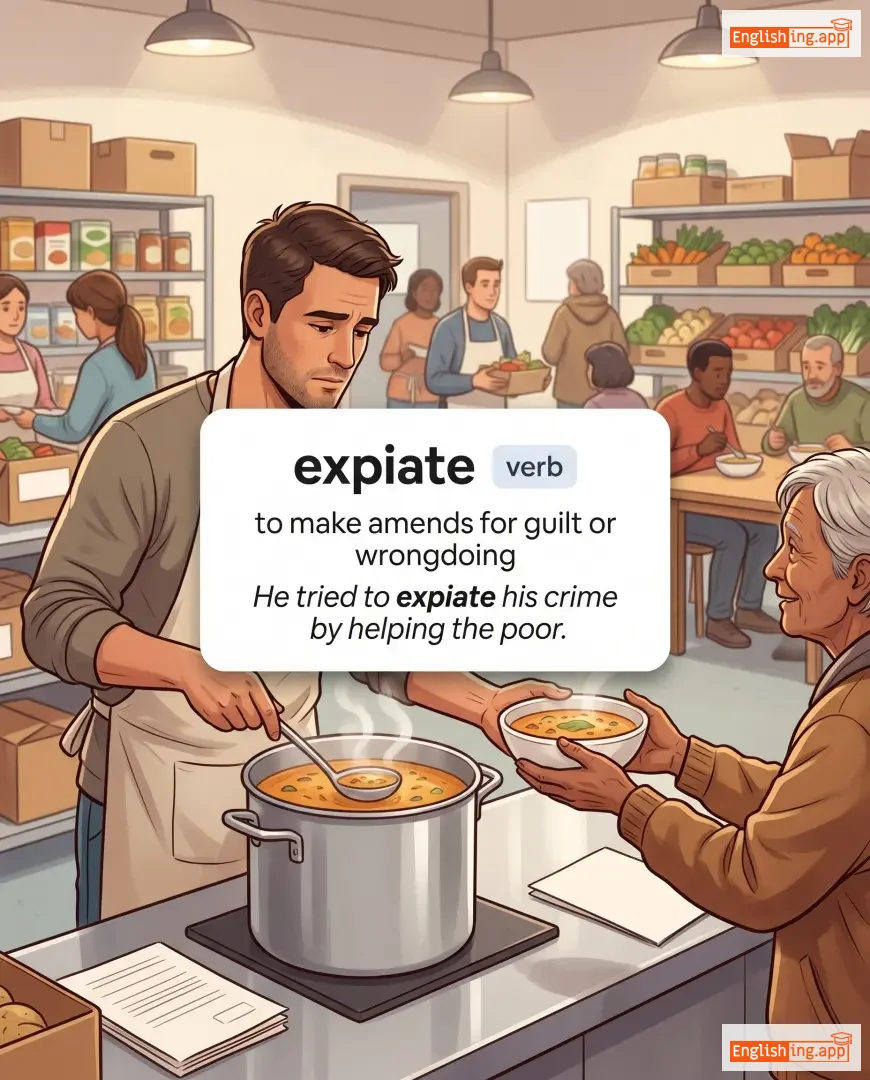
to make amends for guilt or wrongdoing
••••••
|
He tried to expiate his crime by helping the poor. |
- •••••• |
expiate guilt |
to make amends or atone for a wrongdoing
••••••
|
- •••••• |
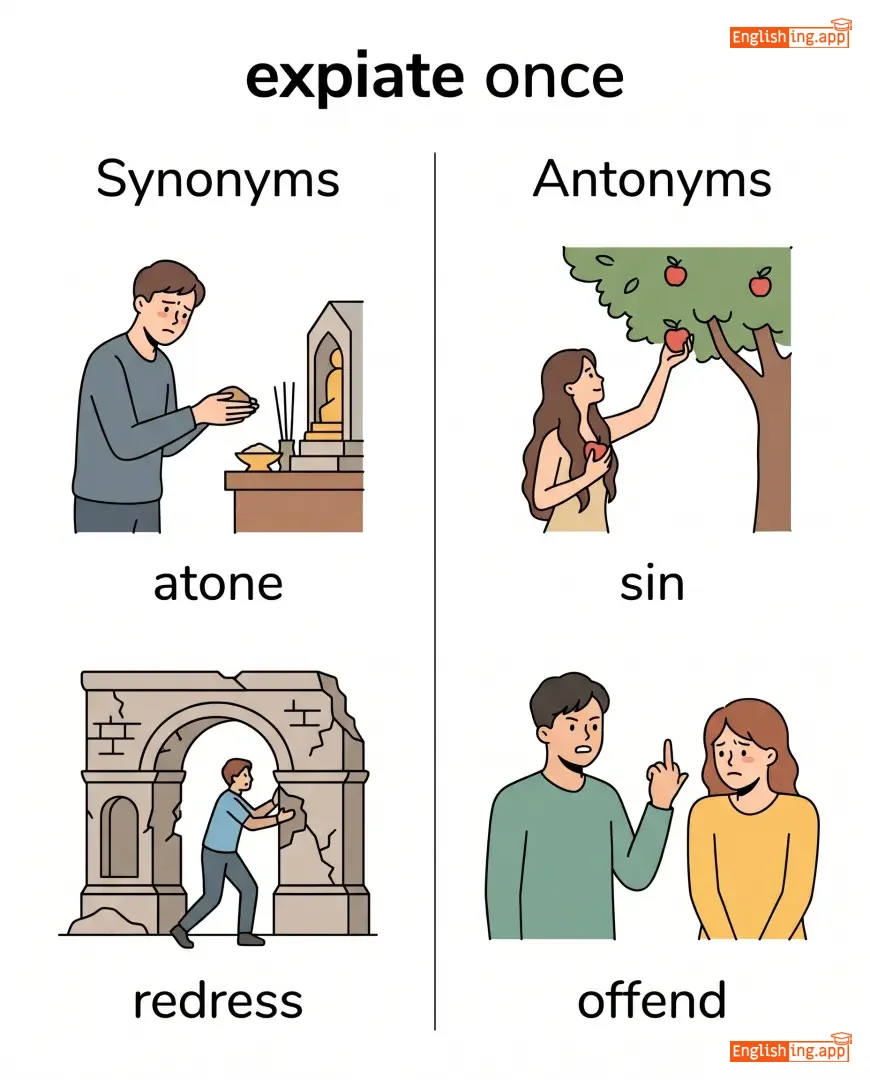
atone, redress, amend, compensate, repent
••••••
|
sin, offend, wrong
••••••
|
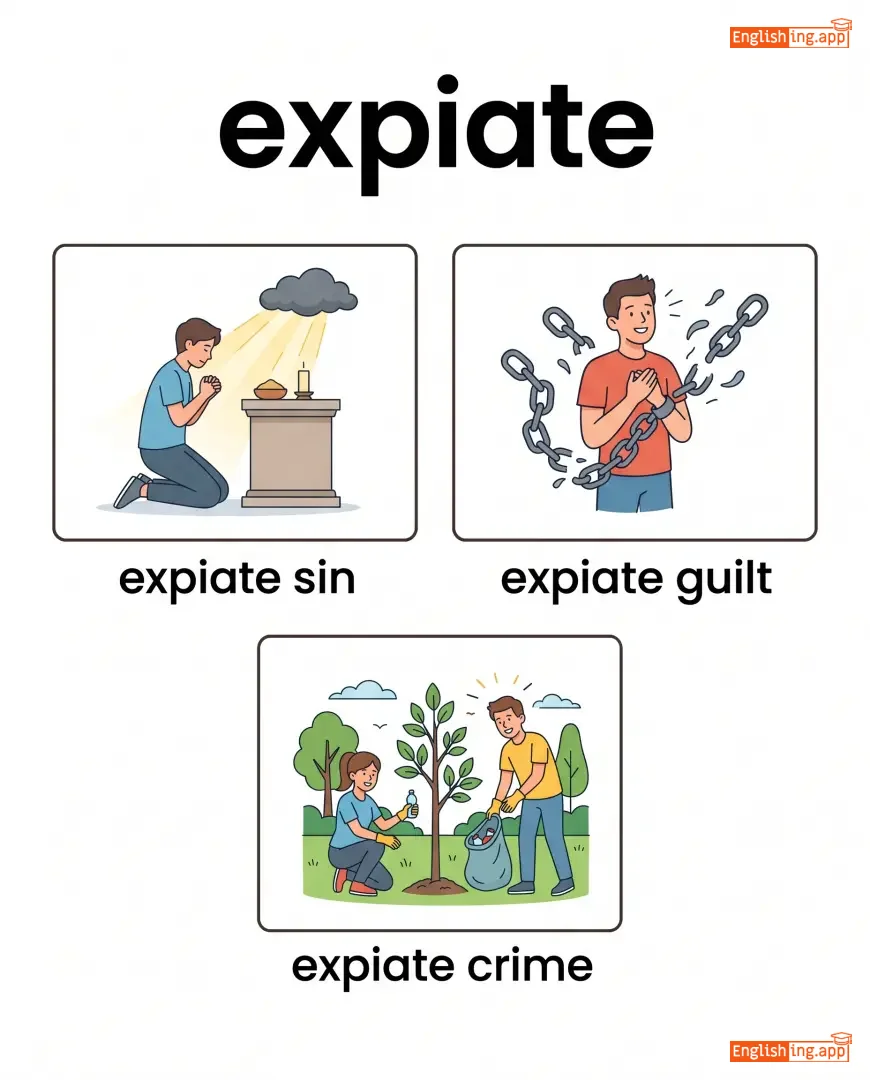
expiate sin, expiate guilt, expiate crime, expiate wrongdoing
••••••
|
No •••••• |
|
#3252
🎓
|
/ˌɛkspərˈtiːz/
noun
(ɛkspərˈtiːz)
••••••
|
|
专业知识
zhuānyè zhīshì
••••••
|
- •••••• | - •••••• | - •••••• | - •••••• |
specialized knowledge or skill in a particular field
••••••
|
Her expertise in data analysis is highly valued. |
她在数据分析方面的专业知识备受推崇。
Ta zai shuju fenxi fangmian de zhuanye zhishi beishou tuichong.
••••••
|
area of expertise |
a specific subject or skill in which someone is very knowledgeable
••••••
|
专业领域
zhuānyè lǐngyù
••••••
|
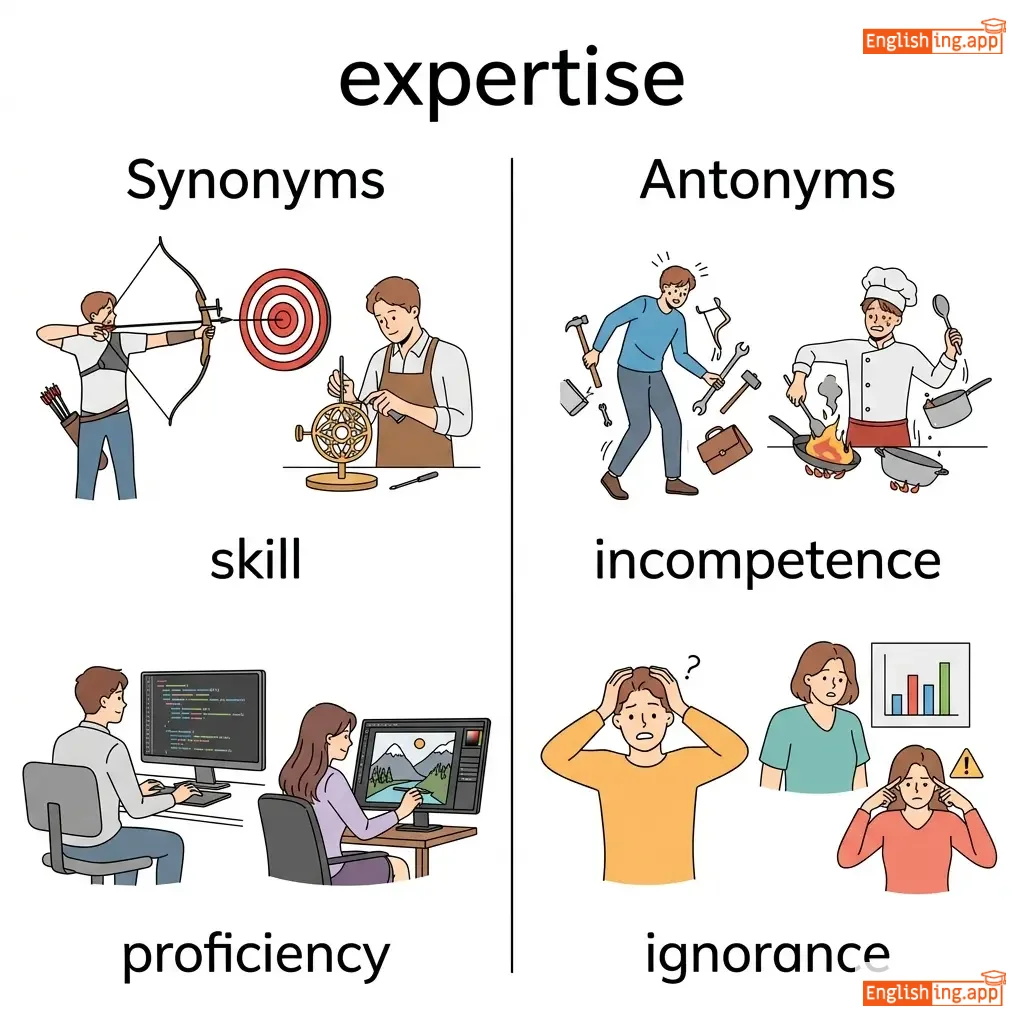
skill, proficiency, knowledge, competence, mastery
••••••
|
incompetence, ignorance, inability
••••••
|
technical expertise, professional expertise, area of expertise, demonstrate expertise
••••••
|
Expertise是专业的深刻理解,像专家一样!
••••••
|
|
#3253
💰
|
/ɪkˈspɛns/
noun
(ekspens)
••••••
|
- •••••• |
开销
kaixiao
••••••
|
- •••••• | - •••••• | - •••••• | - •••••• |
the cost of something; money spent
••••••
|
Traveling abroad can be a major expense. |
出国旅行可能是一个大开销。
Chuguo luxing keneng shi yige da kaixiao.
••••••
|
at the expense of |
with loss or damage to something else
••••••
|
以...为代价
yi...wei daijia
••••••
|
cost, charge, price, spending, outlay
••••••
|
profit, savings, income
••••••
|
travel expense, medical expense, personal expense, at the expense of
••••••
|
开销是你在做事情时花费的金钱,像是开销表一样的支出。
••••••
|
|
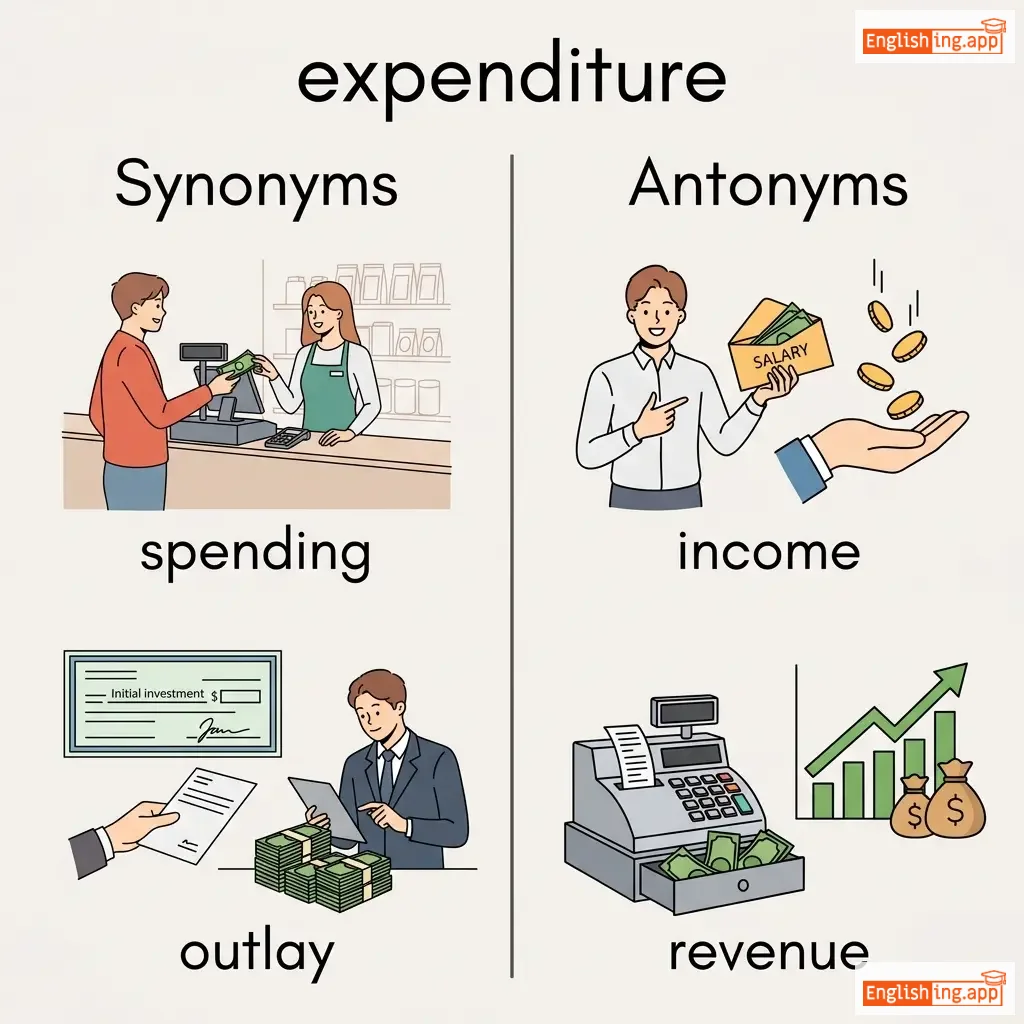
#3254
📊
|
/ɪkˈspɛndɪtʃər/
noun
(èks-pén-dì-chá)
••••••
|
|
支出
zhī chū
••••••
|
- •••••• | - •••••• | - •••••• | - •••••• |
the act of spending money or using resources
••••••
|
The government reduced its expenditure on defense. |
政府减少了国防支出。
zhèngfǔ jiǎnshǎo le guófáng zhīchū.
••••••
|
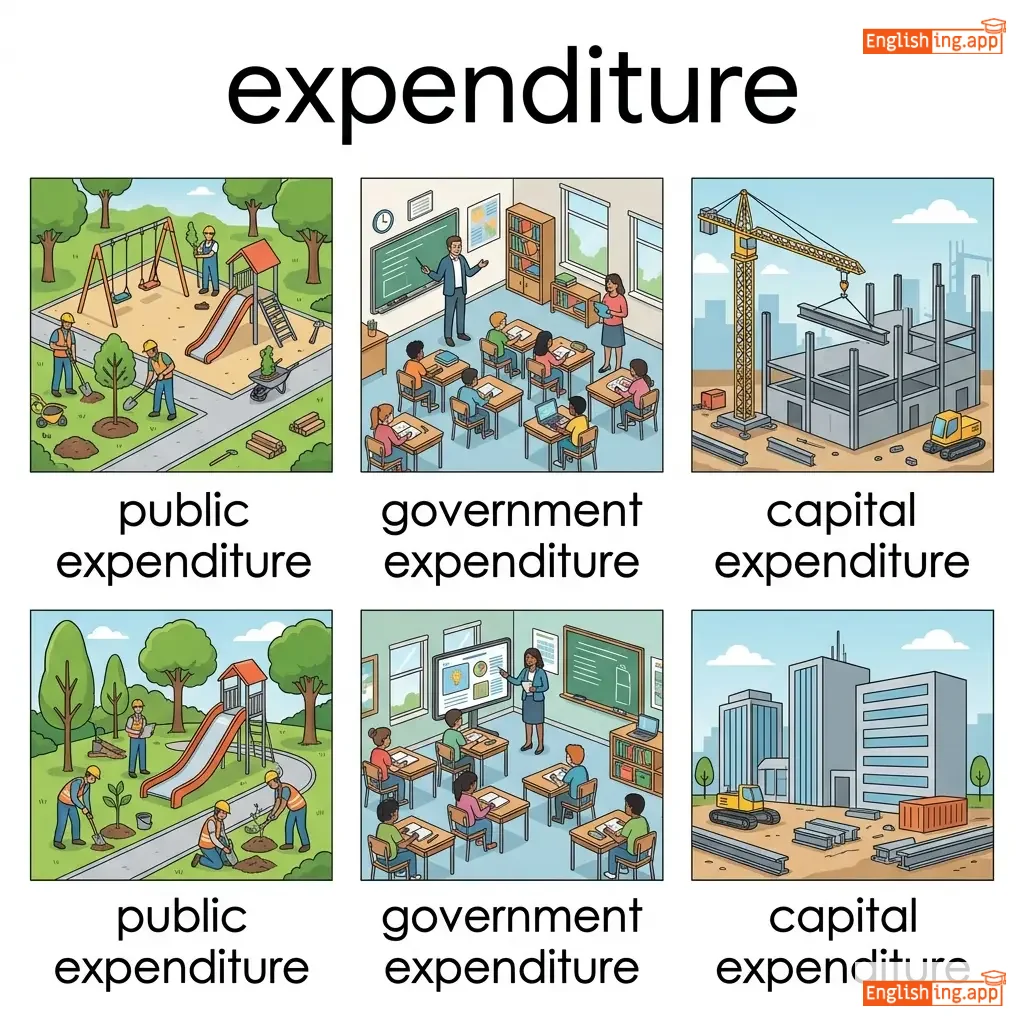
public expenditure |
money spent by the government for public services
••••••
|
公共支出
gōnggòng zhīchū
••••••
|
spending, outlay, cost, expense, disbursement
••••••
|
income, revenue, savings
••••••
|
public expenditure, government expenditure, capital expenditure, annual expenditure
••••••
|
Expenditure 就是额外的支出 = 支出,记住考试时总有额外支出。
••••••
|
|
#3255
💸
|
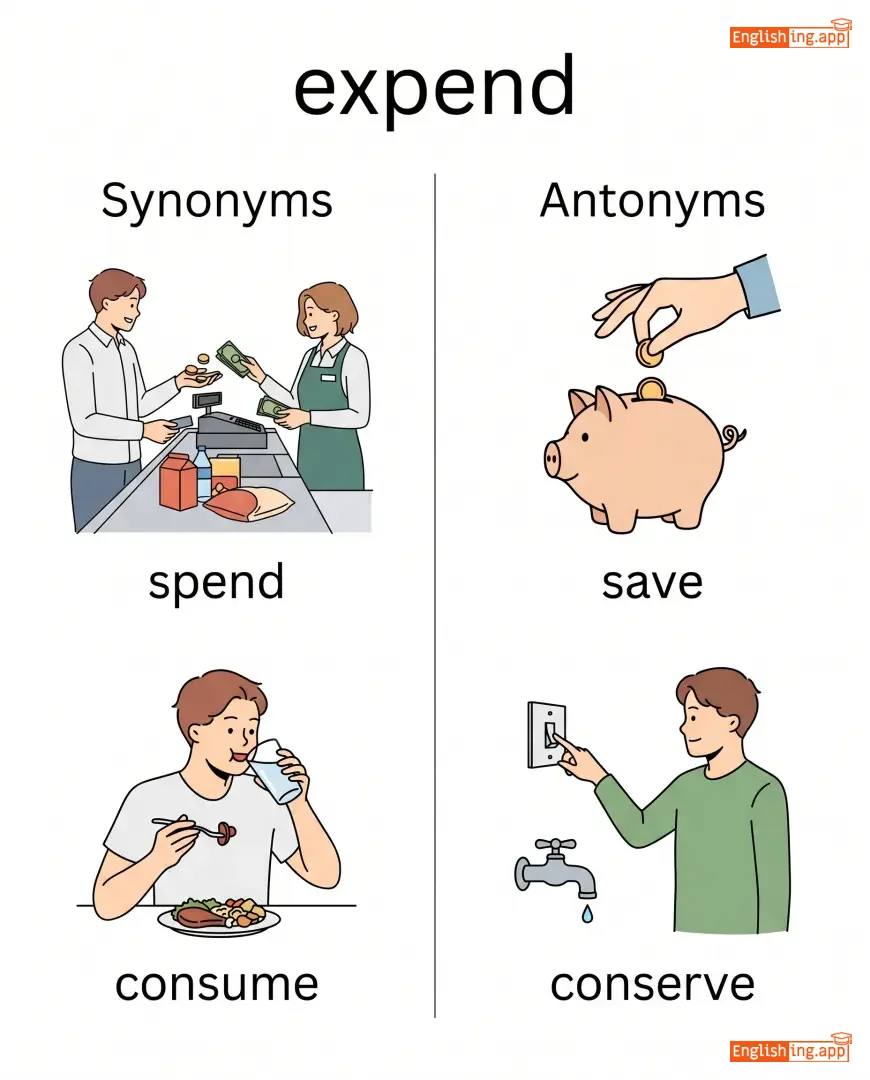
/ɪkˈspɛnd/
verb
(eks-pend)
••••••
|
|
花费
huā fèi
••••••
|
expended
eks-pend-id
••••••
|
expended
eks-pend-id
••••••
|
expends
eks-pend
••••••
|
expending
eks-pend-ing
••••••
|
to use up or spend resources such as time, money, or energy
••••••
|
She expended a lot of energy preparing for the presentation.
她花费了很多精力准备演讲。
••••••
|
她花费了很多精力准备演讲。
Tā huā fèi le hěn duō jīng lì zhǔn bèi yǎn jiǎng.
••••••
|
expend effort
花费努力
••••••
|
to put in effort or try hard to achieve something
••••••
|
花费努力
huā fèi nǔ lì
••••••
|
spend, consume, utilize, invest, use
••••••
|
save, conserve, preserve
••••••
|
expend energy, expend effort, expend resources, expend money
••••••
|
Expend 就像 expand:你花费越多,扩展的越多。
••••••
|
|
#3256
📈
|
/ɪkˈspænd/
verb
(扩展)
••••••
|
- •••••• |
扩展
kuozhan
••••••
|
expanded
扩展了
••••••
|
expanded
扩展了
••••••
|
expands
扩展
••••••
|
expanding
扩展中
••••••
|
To increase in size, number, or importance.
••••••
|
The company plans to expand its operations into new markets.
公司计划将其业务扩展到新市场。
••••••
|
公司计划将其业务扩展到新市场。
Gongsi jihua jiang qi ye wu kuozhan dao xin shichang.
••••••
|
expand horizons
拓展视野
••••••
|
To broaden one's experiences or knowledge
••••••
|
拓展视野
tuozhan shiya
••••••
|
enlarge, grow, extend, broaden, increase
••••••
|
shrink, contract, reduce
••••••
|
expand business, expand market, expand knowledge, expand rapidly
••••••
|
扩展意味着增加,像公司扩大业务一样,拓展视野。
••••••
|
|
#3257
⏩
|
/ˌɛkspəˈdɪʃəsli/
adverb
(ˌɛkspəˈdɪʃəsli)
••••••
|
- •••••• |
迅速而高效地
xùn sù ér gāo xiào de
••••••
|
- •••••• | - •••••• | - •••••• | - •••••• |
in a quick and efficient manner
••••••
|
The application was processed expeditiously. |
申请被迅速而高效地处理了。
Shēnqǐng bèi xùn sù ér gāo xiào de chǔ lǐ le.
••••••
|
- •••••• | - •••••• | - •••••• |
swiftly, promptly, rapidly, efficiently
••••••
|
slowly, sluggishly, inefficiently
••••••
|
act expeditiously, handle expeditiously, resolve expeditiously
••••••
|
Expeditiously 意味着以快速和高效的方式完成任务。
••••••
|
|
#3258
🚀
|
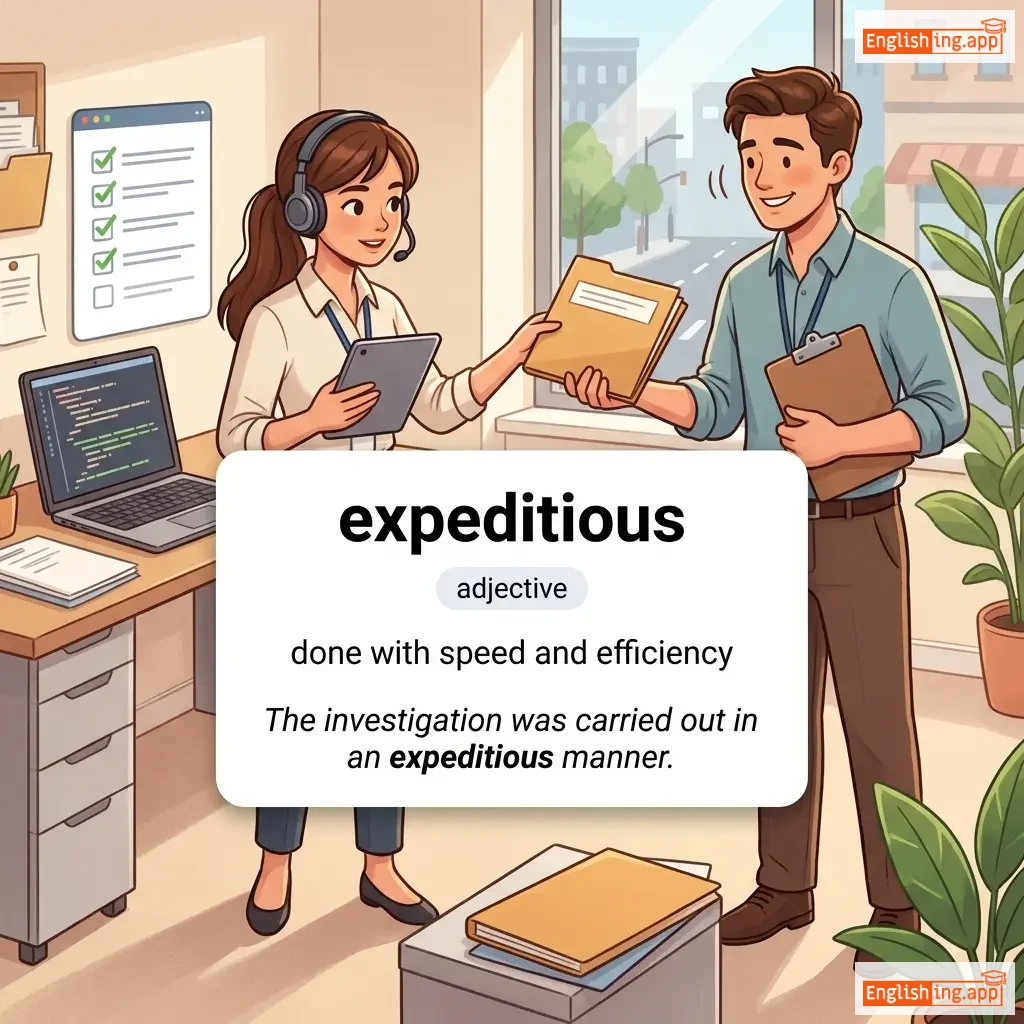
/ˌɛkspəˈdɪʃəs/
adjective
(ɛkspəˈdɪʃəs)
••••••
|
|
快速且高效
kuai su qie gao xiao
••••••
|
- •••••• | - •••••• | - •••••• | - •••••• |
done with speed and efficiency
••••••
|
The investigation was carried out in an expeditious manner. |
调查以快速且高效的方式进行。
Diaocha yi kuaisu qie gaoxiao de fangshi jinxing.
••••••
|
- •••••• | - •••••• | - •••••• |
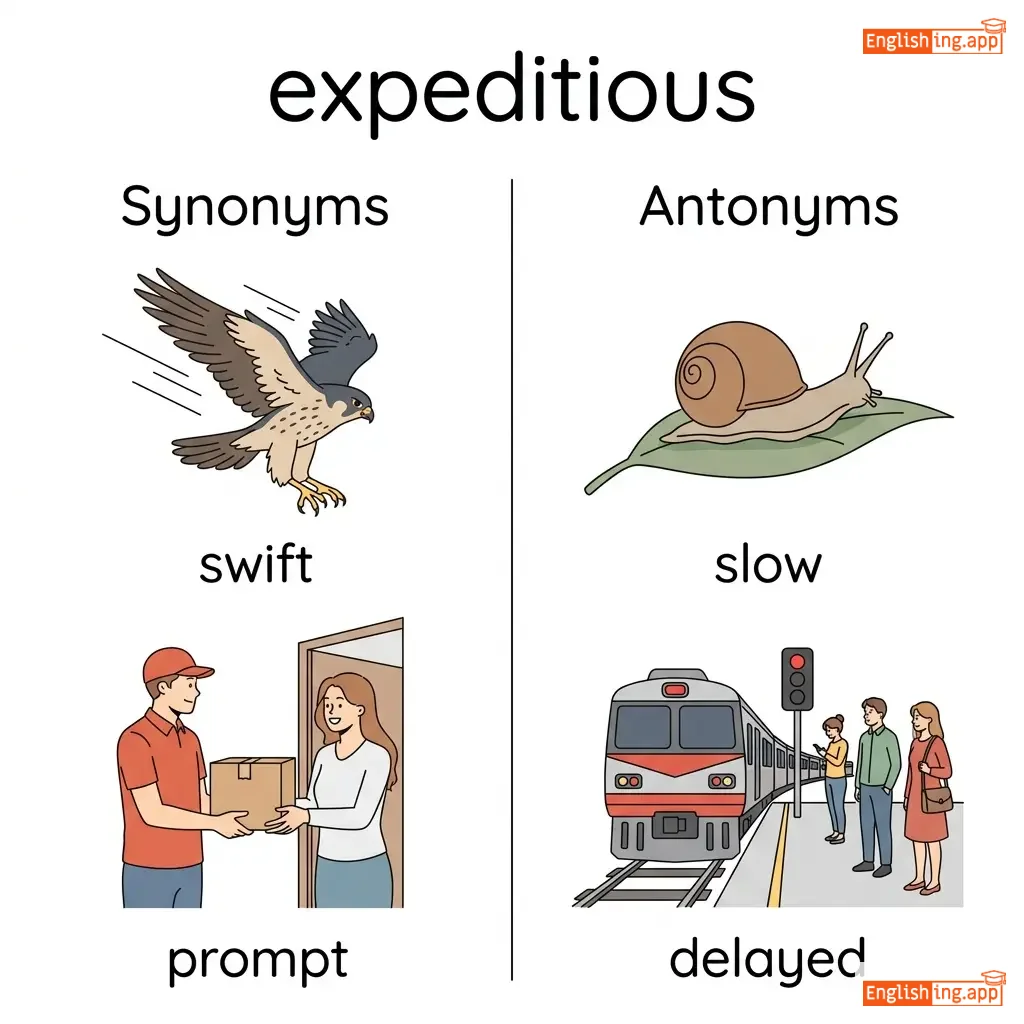
swift, prompt, rapid, efficient, speedy
••••••
|
slow, delayed, sluggish
••••••
|
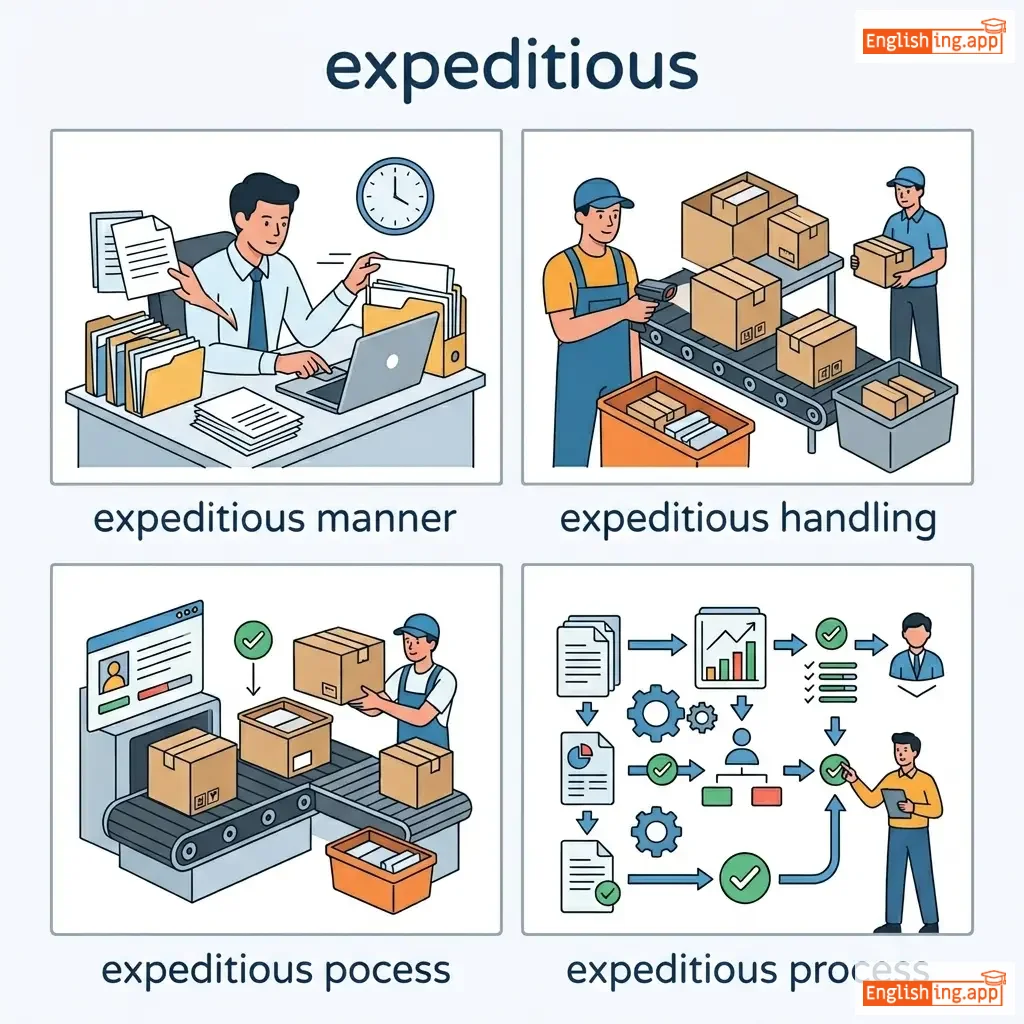
expeditious manner, expeditious handling, expeditious process
••••••
|
Expedition是旅行,expeditious是快速且高效地完成某事。
••••••
|
|
#3259
🧭
|
/ˌɛkspəˈdɪʃən/
noun
(探险)
••••••
|
- •••••• |
探险
tanxian
••••••
|
- •••••• | - •••••• | - •••••• | - •••••• |
a journey made for a particular purpose, often exploration or research
••••••
|
They went on a scientific expedition to the Arctic.
他们去北极进行了一次科学探险。
••••••
|
他们去北极进行了一次科学探险。
Tamen qu Beiji jinxing le yici kexue tanxian.
••••••
|
an expedition into
一次探险进入
••••••
|
a journey or venture into a place or subject
••••••
|
一次探险进入
yici tanxian jinru
••••••
|
journey, voyage, mission, trip, exploration
••••••
|
stay, rest, settlement
••••••
|
scientific expedition, military expedition, polar expedition, expedition leader
••••••
|
探险意味着冒险和发现
••••••
|
|
#3260
⚡
|
/ˈɛkspəˌdaɪt/
verb
(ekspedáit)
••••••
|
|
加速
jiāsù
••••••
|
expedited
ekspedáited
••••••
|
expedited
ekspedáited
••••••
|
expedites
ekspedáits
••••••
|
expediting
ekspedáiting
••••••
|
to make a process or action happen more quickly
••••••
|
The company promised to expedite the delivery of the package.
公司承诺加快包裹的送货。
••••••
|
公司承诺加快包裹的送货。
Gōngsī chéngnuò jiākuài bāoguǒ de sònghuò.
••••••
|
expedite the process
加速过程
••••••
|
to make a process faster and more efficient
••••••
|
加速过程
jiāsù guòchéng
••••••
|
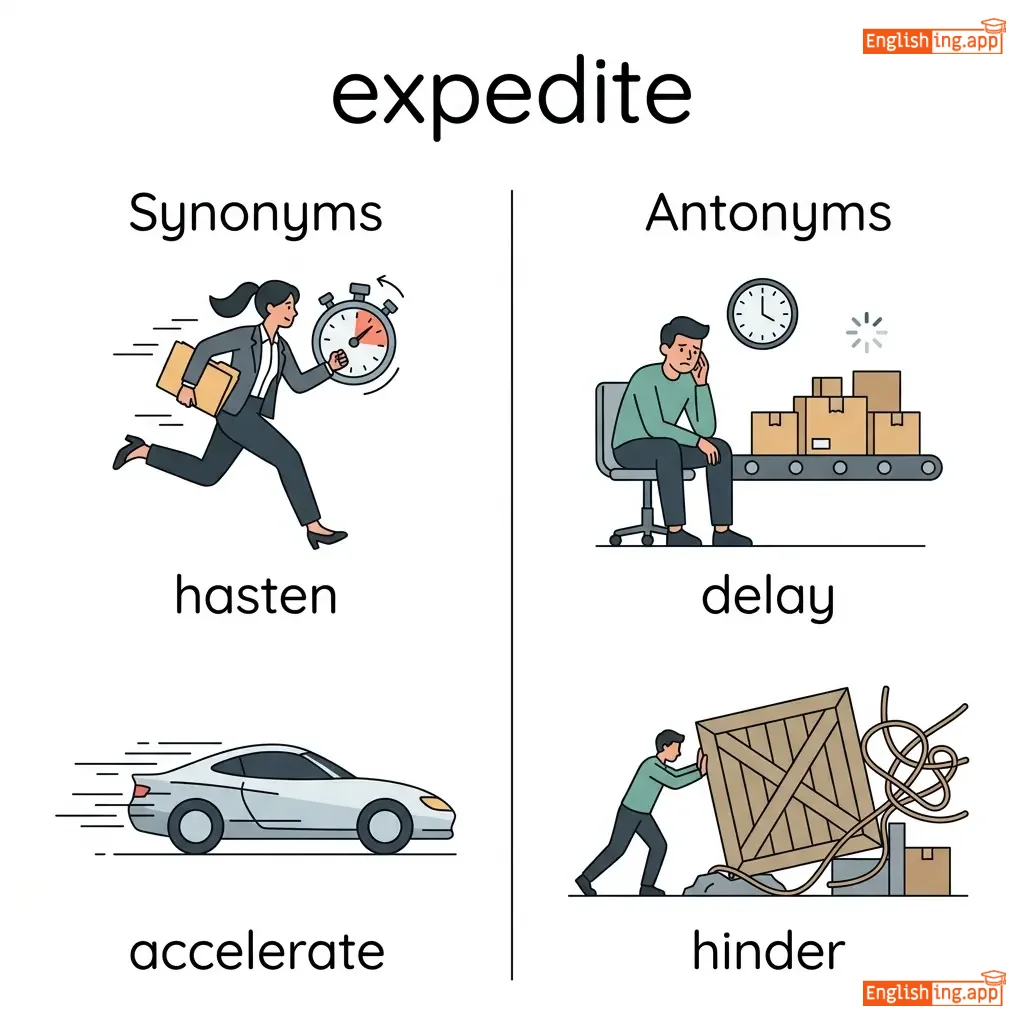
hasten, accelerate, quicken, advance, facilitate
••••••
|
delay, hinder, obstruct
••••••
|
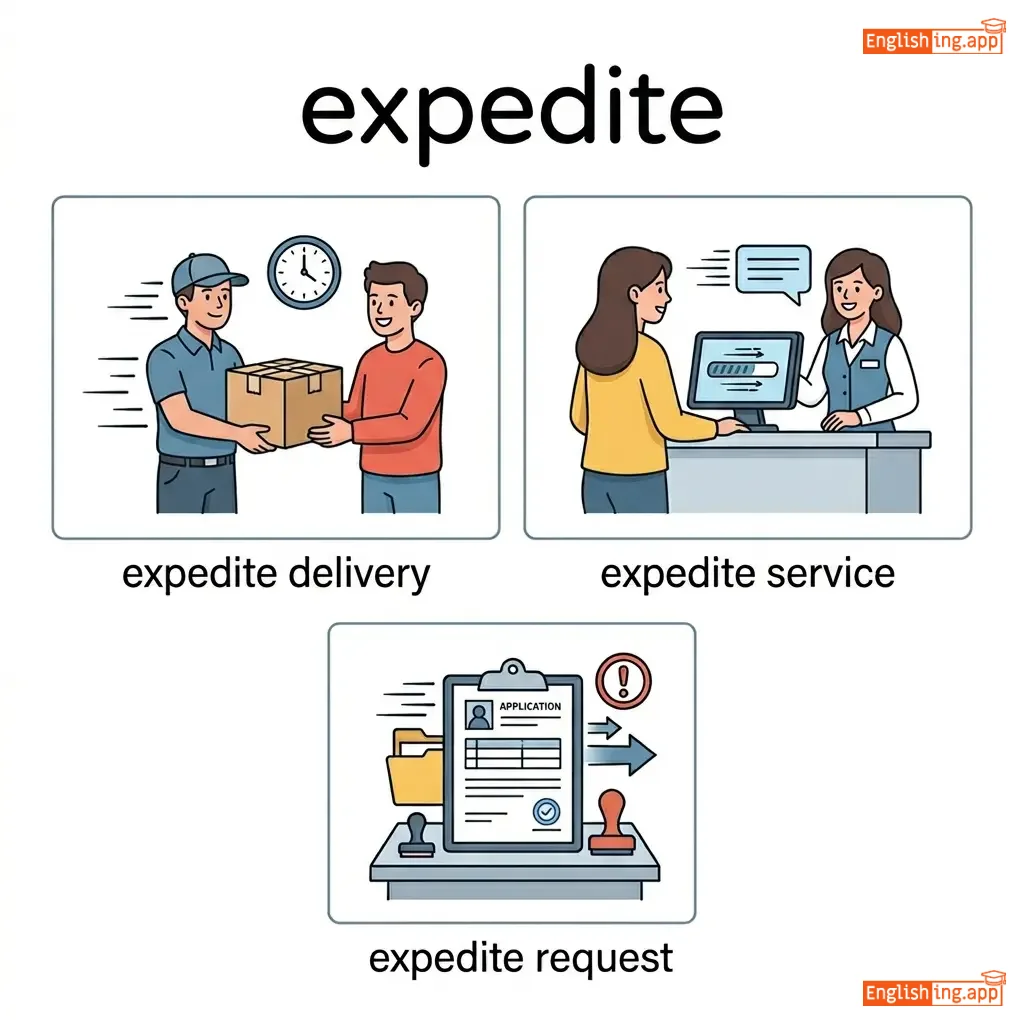
expedite delivery, expedite service, expedite request, expedite approval
••••••
|
加速汽车,就像加速一个过程
••••••
|
|
#3261
🚀
|
/ɪkˈspiːdiənt/
adjective
(ik-suh-pid-ee-uhnt)
••••••
|
- •••••• |
权宜之计
quányí zhī jì
••••••
|
- •••••• | - •••••• | - •••••• | - •••••• |
suitable or convenient for achieving a particular end, sometimes at the expense of morality
••••••
|
It was expedient to take the shortcut despite the risks. |
尽管有风险,走捷径是权宜之计。
Jǐnguǎn yǒu fēngxiǎn, zǒu jiéjìng shì quányí zhī jì.
••••••
|
- •••••• | - •••••• | - •••••• |
practical, advantageous, beneficial, useful
••••••
|
inconvenient, disadvantageous, unwise
••••••
|
expedient solution, expedient choice, politically expedient
••••••
|
Expedient 意味着权宜之计 – '快速行动,道德可抛弃。'
••••••
|
|
#3262
⚖️
|
/ɪkˈspiːdiənsi/
noun
(èkèspìdí'ānsī)
••••••
|
- •••••• |
机会主义
jīhuì zhǔyì
••••••
|
- •••••• | - •••••• | - •••••• | - •••••• |
the quality of being convenient and practical despite possibly being improper or immoral
••••••
|
He acted out of political expediency rather than principle. |
他是出于政治机会主义而非原则行事。
Tā shì chūyú zhèngzhì jīhuì zhǔyì ér fēi yuánzé xíngshì.
••••••
|
- •••••• | - •••••• | - •••••• |
convenience, practicality, usefulness, advantage
••••••
|
impracticality, disadvantage
••••••
|
political expediency, expediency of action, moral expediency
••••••
|
Expediency 意味着机会主义——快速行动并不总是正确的。
••••••
|
|
#3263
🤧
|
/ɪkˈspɛktəreɪt/
verb
(yīkèpèktuòlèit)
••••••
|
- •••••• |
吐痰
tǔtán
••••••
|
expectorated
yīkèpèktuòlèitèd
••••••
|
expectorated
yīkèpèktuòlèitèd
••••••
|
expectorates
yīkèpèktuòlèits
••••••
|
expectorating
yīkèpèktuòlèitìng
••••••
|
to cough up and spit out mucus from the throat or lungs
••••••
|
The patient began to expectorate thick mucus.
患者开始吐出厚重的粘液。
••••••
|
患者开始吐出厚重的粘液。
Huànzhě kāishǐ tǔchū hòu zhòng de zhān yè.
••••••
|
- •••••• | - •••••• | - •••••• |
spit, cough up, discharge, expel
••••••
|
swallow, retain
••••••
|
expectorate mucus, expectorate phlegm, expectorate blood
••••••
|
Expectorate 就是吐痰,想象自己在吐出重的粘液。
••••••
|
|
#3264
⌛
|
/ɪkˈspɛktənsi/
noun
(期望)
••••••
|
- •••••• |
期望
qiwang
••••••
|
- •••••• | - •••••• | - •••••• | - •••••• |
the state of expecting something; anticipation or likelihood
••••••
|
There was a sense of expectancy in the room before the results were announced. |
在结果公布之前,房间里充满了期待感。
Zai jieguo gongbu zhiqian, fangjian li chongman le qidaigan.
••••••
|
- •••••• | - •••••• | - •••••• |
anticipation, hope, prospect, outlook
••••••
|
doubt, uncertainty
••••••
|
life expectancy, expectancy of success, expectancy value
••••••
|
Expectancy意味着期望 - Life expectancy意味着预期寿命。
••••••
|
|
#3265
🤔
|
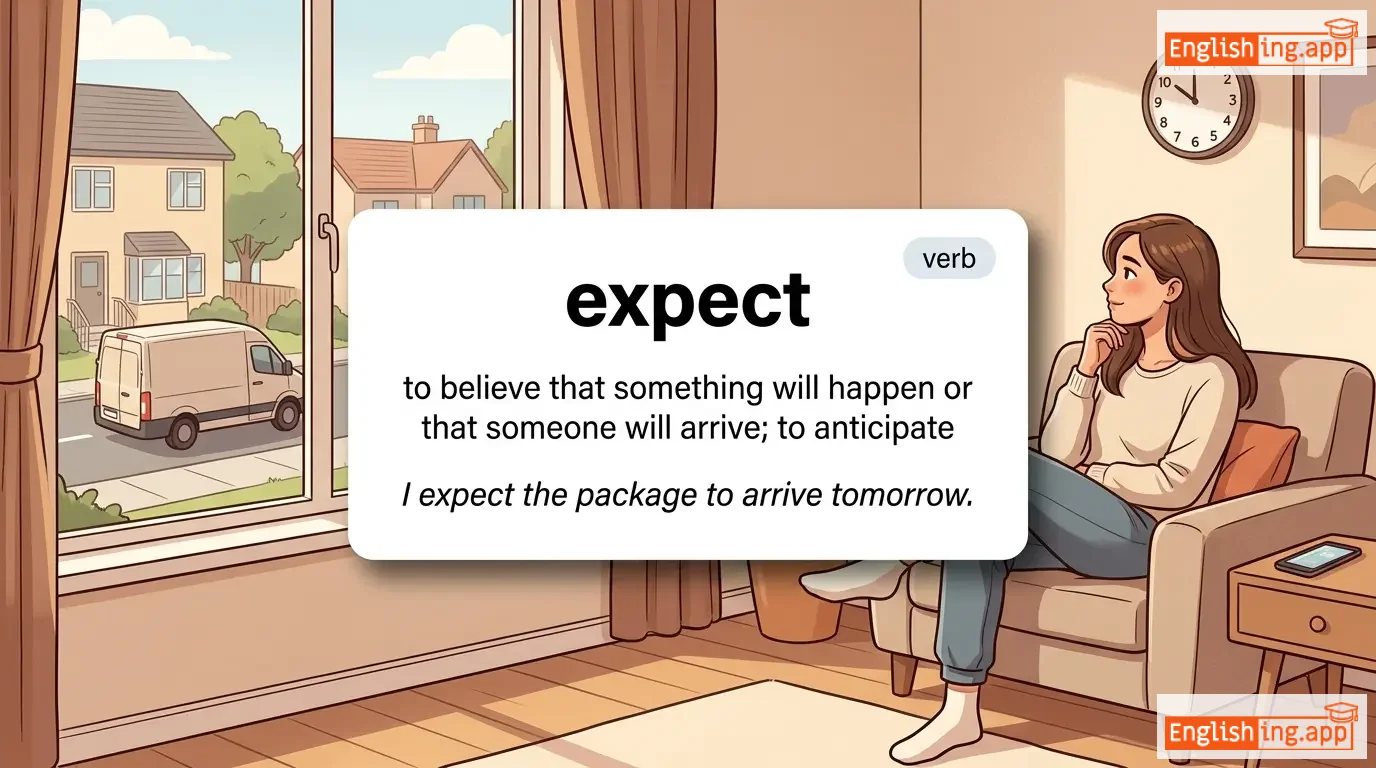
/ɪkˈspɛkt/
verb
(预期)
••••••
|
|
期待
qīdài
••••••
|
expected
预期的
••••••
|
expected
预期的
••••••
|
expects
预期
••••••
|
expecting
期待
••••••
|
to believe that something will happen or that someone will arrive; to anticipate
••••••
|
I expect the package to arrive tomorrow.
我期待包裹明天到达。
••••••
|
我期待包裹明天到达。
Wǒ qīdài bāoguǒ míngtiān dàodá.
••••••
|
expect the unexpected
期待意外
••••••
|
be prepared for surprises or unforeseen events
••••••
|
期待意外
qīdài yìwài
••••••
|
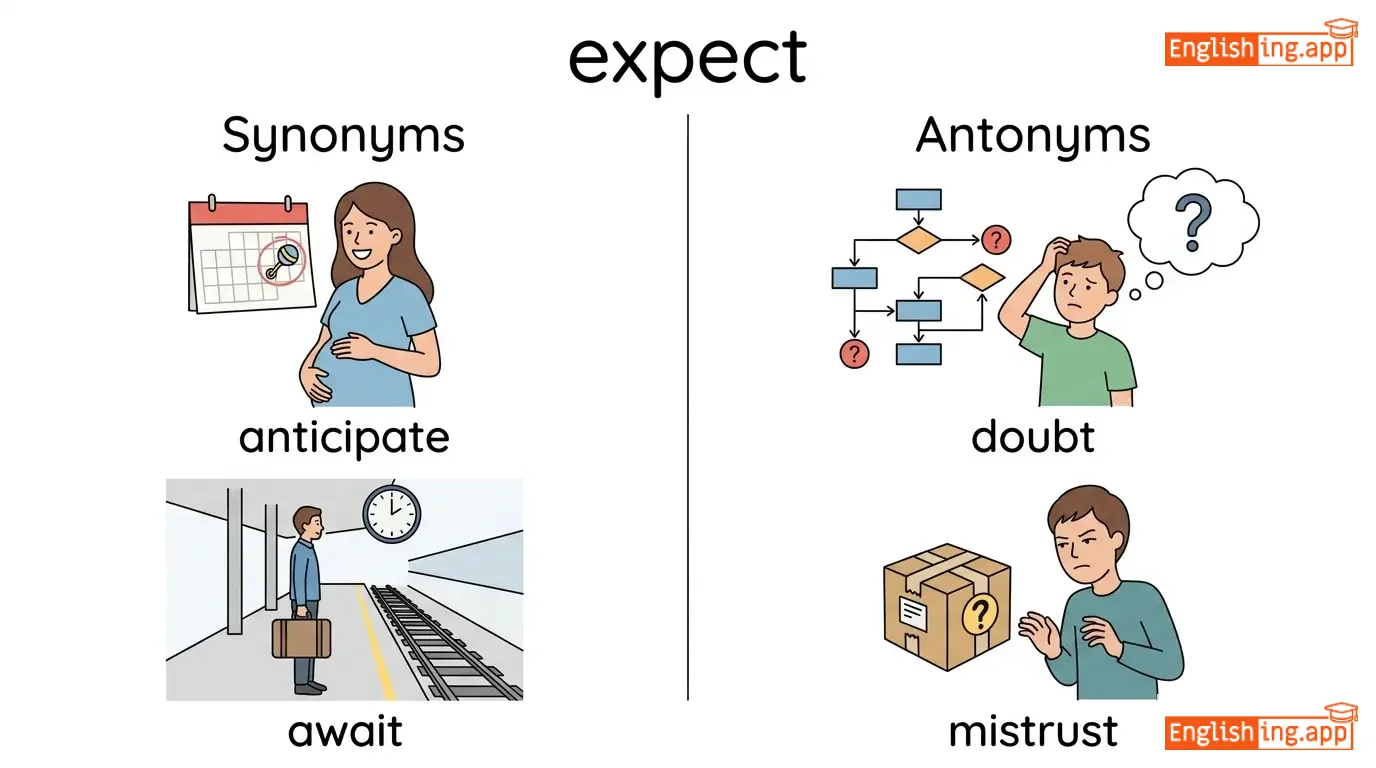
anticipate, await, foresee, predict, assume
••••••
|
doubt, mistrust, question
••••••
|
expect a baby, expect results, expect more, expect the worst
••••••
|
Expect 期待 - 就像考试前期待结果一样。
••••••
|
|
#3266
🌍
|
/ɛkˈspeɪtriət/
noun
(èks-pàt-lì-èt)
••••••
|
|
外籍人士
waiji ren shi
••••••
|
- •••••• | - •••••• | - •••••• | - •••••• |
a person who lives outside their native country
••••••
|
Many expatriates gather in the city’s international community. |
许多外籍人士聚集在城市的国际社区中。
Xuduo waiji renshi juzhi zai chengshi de guoji shequ zhong.
••••••
|
- •••••• | - •••••• | - •••••• |
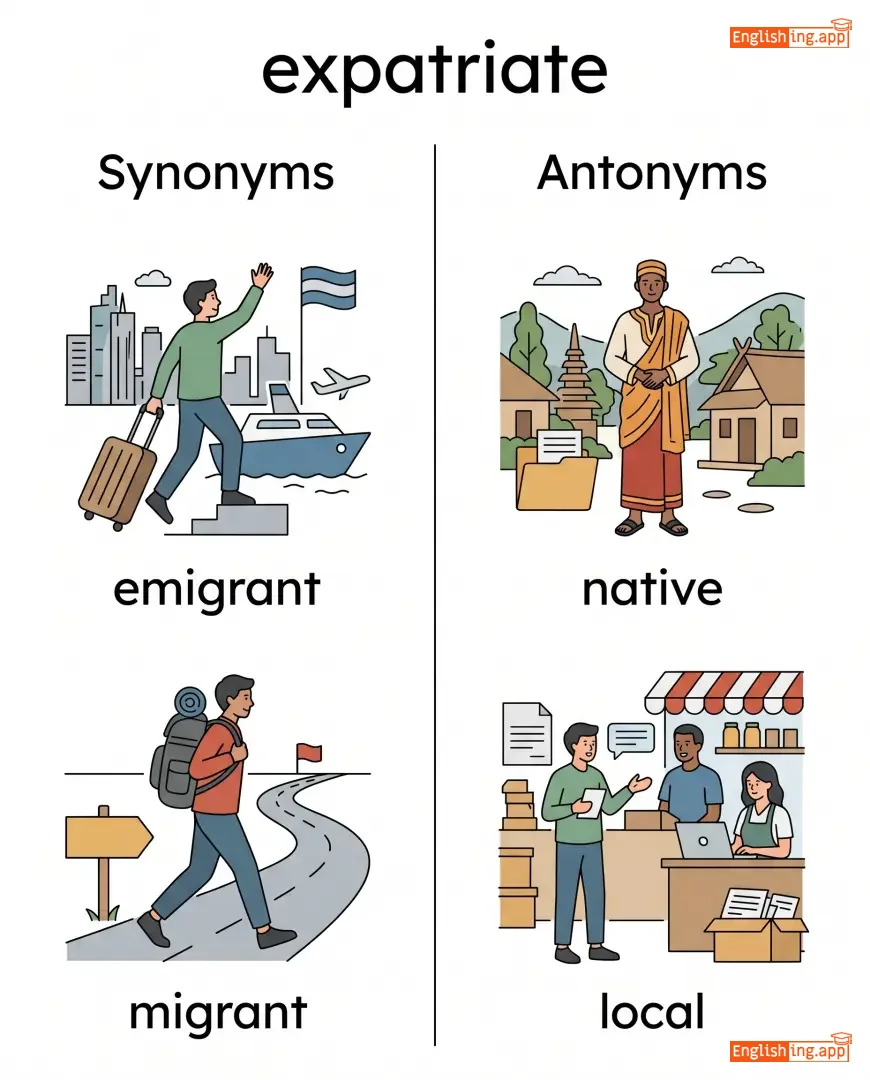
emigrant, migrant, exile, immigrant
••••••
|
native, local
••••••
|
expatriate worker, expatriate community, expatriate life
••••••
|
Expatriate意味着离开自己国家的人,外籍人士
••••••
|
|
#3267
🗣️
|
/ɪkˈspeɪʃiˌeɪt/
verb
(ekspeɪʃieɪt)
••••••
|
|
详细讨论或写作
xiángxì tǎlùn huò xiězuò
••••••
|
expatiated
ekspeɪʃieɪtɪd
••••••
|
expatiated
ekspeɪʃieɪtɪd
••••••
|
expatiates
ekspeɪʃieɪts
••••••
|
expatiating
ekspeɪʃieɪtɪŋ
••••••
|
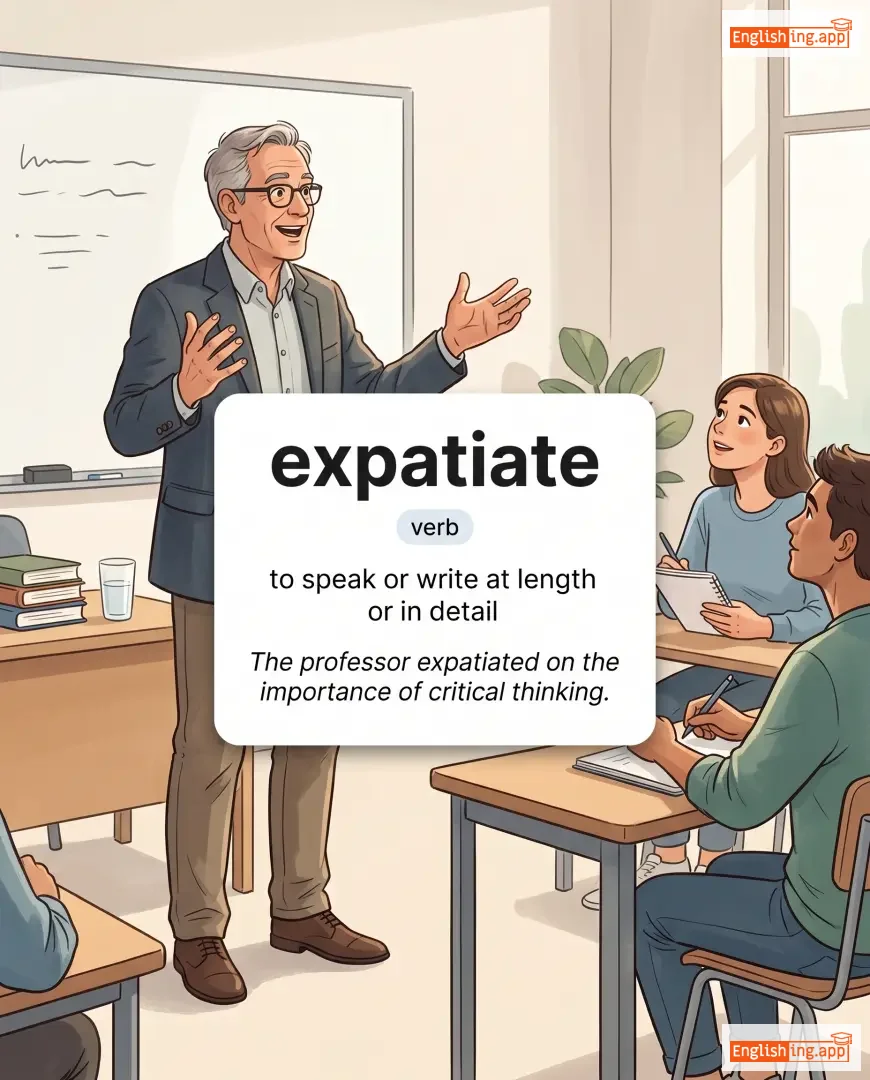
to speak or write at length or in detail
••••••
|
The professor expatiated on the importance of critical thinking.
教授详细阐述了批判性思维的重要性。
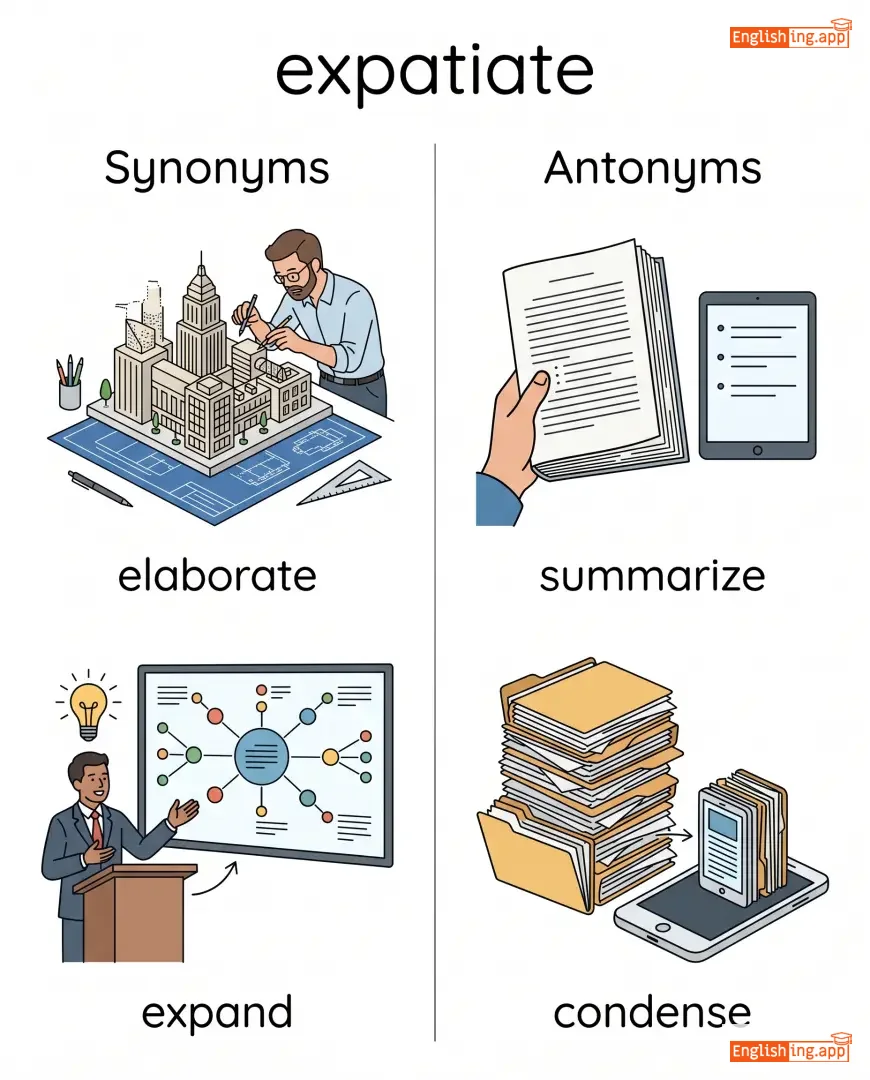
••••••
|
教授详细阐述了批判性思维的重要性。
Jiàoshòu xiángxì chǎnshù le pīpànxìng sīwéi de zhòngyàoxìng.
••••••
|
- •••••• | - •••••• | - •••••• |
elaborate, expand, dwell, enlarge, detail
••••••
|
summarize, condense
••••••
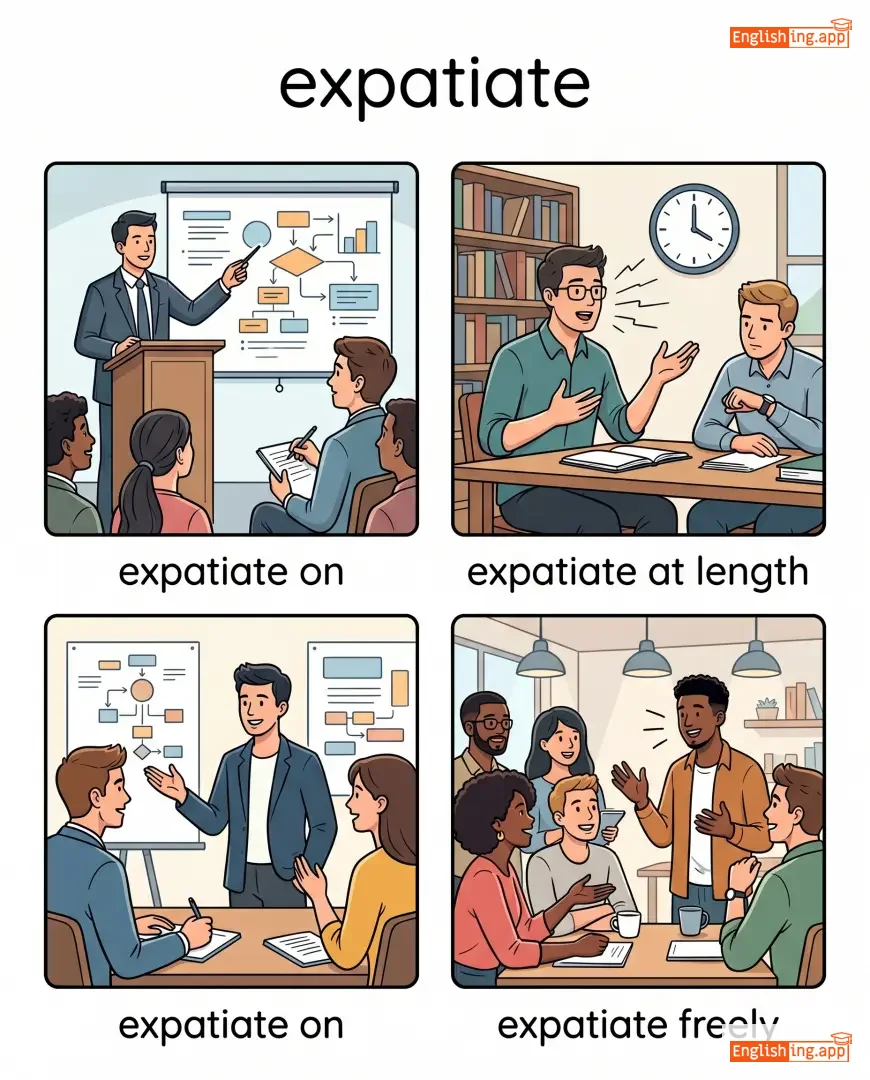
|
expatiate on, expatiate at length, expatiate freely
••••••
|
Expatiate = 详细解释
••••••
|
|
#3268
🌌
|
/ɪkˈspænsɪv/
adjective
(ikspænsɪv)
••••••
|
- •••••• |
广阔的
guǎng kuò de
••••••
|
- •••••• | - •••••• | - •••••• | - •••••• |
covering a wide area or having a wide range of ideas or emotions
••••••
|
They enjoyed the expansive view from the hilltop. |
他们享受从山顶看到的广阔景色。
Tāmen xiǎngshòu cóng shāndǐng kàn dào de guǎng kuò jǐngsè.
••••••
|
- •••••• | - •••••• | - •••••• |
broad, wide, vast, extensive, comprehensive
••••••
|
narrow, limited, restricted
••••••
|
expansive view, expansive mood, expansive personality
••••••
|
Expansive = Expand + sive - 广大和扩展
••••••
|
|
#3269
📈
|
/ɪkˈspænʃən/
noun
(ɪkˈspænʃən)
••••••
|
|
扩展
kuòzhǎn
••••••
|
- •••••• | - •••••• | - •••••• | - •••••• |
the action of becoming larger, more extensive, or widespread
••••••
|
The company announced its expansion into new markets. |
公司宣布其扩展到新市场。
Gōngsī xuānbù qí kuòzhǎn dào xīn shìchǎng.
••••••
|
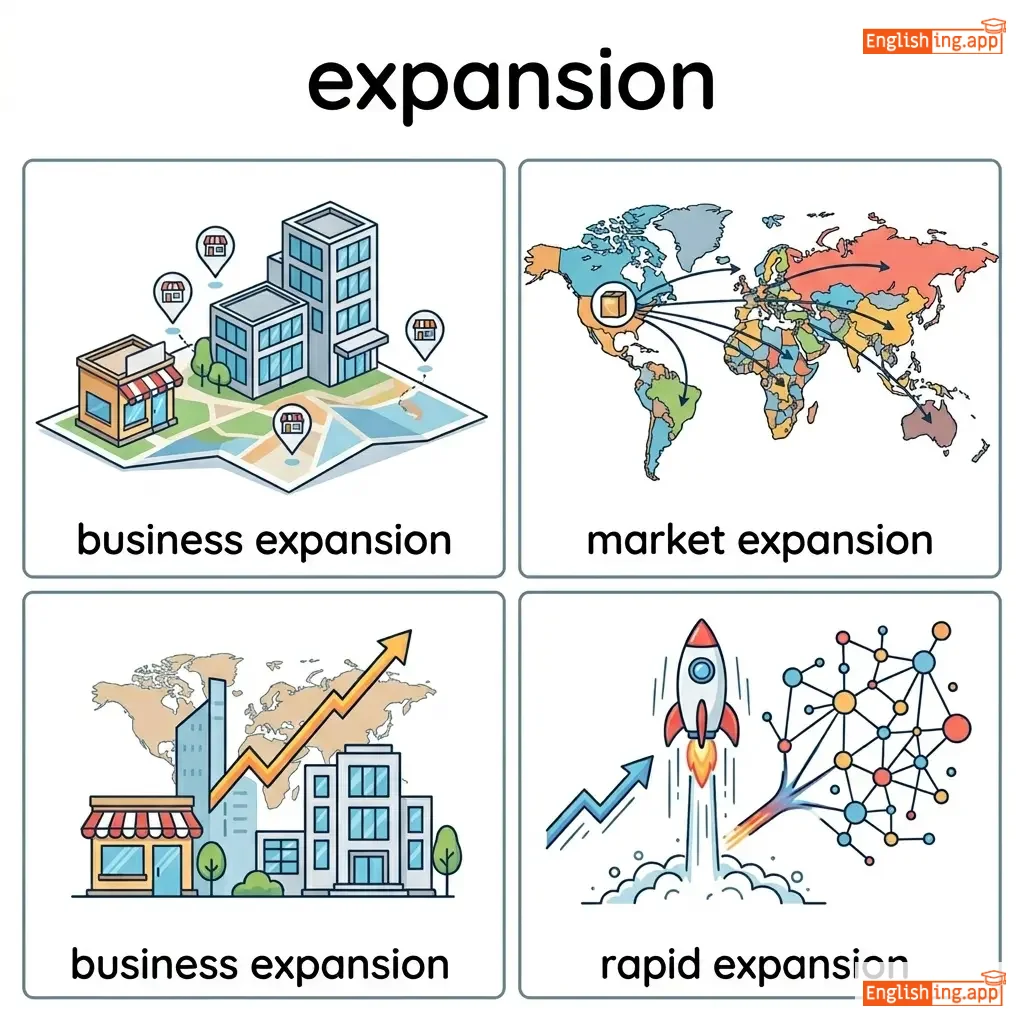
rapid expansion |
a very fast growth or increase
••••••
|
快速扩展
kuàisù kuòzhǎn
••••••
|
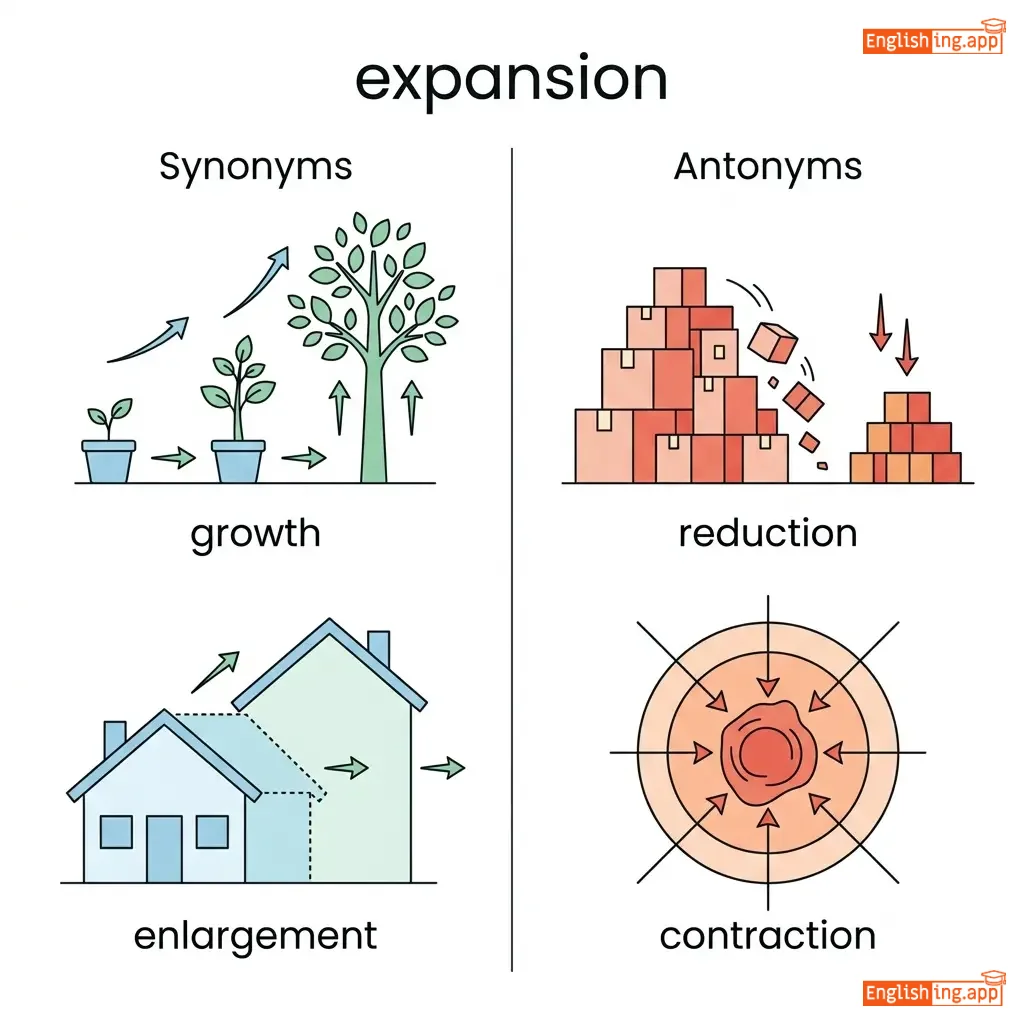
growth, enlargement, increase, extension, development
••••••
|
reduction, contraction, decline
••••••
|
business expansion, market expansion, rapid expansion, territorial expansion
••••••
|
Expansion 就像扩展领域,创建更多空间。
••••••
|
|
#3270
🌄
|
/ɪkˈspæns/
noun
(èks-pæns)
••••••
|
- •••••• |
广阔的区域
guǎngkuò de qūyù
••••••
|
- •••••• | - •••••• | - •••••• | - •••••• |
a wide, open area of land, sea, or sky
••••••
|
The desert is a vast expanse of sand and rock. |
沙漠是一个广阔的沙子和岩石区域。
Shāmò shì yīgè guǎngkuò de shāzi hé yánshí qūyù.
••••••
|
- •••••• | - •••••• | - •••••• |
stretch, area, region, territory, tract
••••••
|
confine, enclosure, boundary
••••••
|
vast expanse, open expanse, barren expanse, endless expanse
••••••
|
Expanse 指的是可以探索的广阔区域,就像无尽的大海。
••••••
|
Vocabulary Quiz
Test your vocabulary by matching words with their translations or meanings.
Login to take the quiz
Comments (0)
Share your thoughts and join the discussion.
Join the discussion by logging in
Login to CommentNo comments yet
Be the first to share your thoughts!