






Swipe left or right, or use the buttons. Tap image to zoom.
例句翻译
单词
Lesson 158Lesson 158 - 遮罩切换
|
表情符号
|
单词 | Images | 翻译 | 过去时 | 过去分词 | 第三人称单数 | 动名词 | 含义 | 例句 | 例句翻译 | 示例表达 | 示例表达含义 | 示例表达翻译 | 同义词 | 反义词 | 搭配词 | 助记符 |
|---|---|---|---|---|---|---|---|---|---|---|---|---|---|---|---|---|---|
|
#4711
😌
|
/ɪnˈsuːsiəns/
noun
(īn su xī àn sī)
••••••
|
- •••••• |
无忧无虑
wú yōu wú lǜ
••••••
|
- •••••• | - •••••• | - •••••• | - •••••• |
Casual lack of concern; indifference.
••••••
|
She carried herself with an air of insouciance, unbothered by the challenges ahead. |
她带着一副无忧无虑的样子走着,毫不担心前方的挑战。
Tā dàizhe yī fù wú yōu wú lǜ de yàngzi zǒuzhe, háo bù dān xīn qián fāng de tiǎo zhàn.
••••••
|
- •••••• | - •••••• | - •••••• |
nonchalance, indifference, unconcern, carefreeness, calmness
••••••
|
anxiety, concern, worry
••••••
|
air of insouciance, insouciance about rules, remarkable insouciance
••••••
|
无忧无虑就像是没有烦恼,放松自己,享受生活。
••••••
|
|
#4712
📘
|
/ɪnˈstrʌktɪv/
adjective
(instructiv)
••••••
|
- •••••• |
有教育意义的
you jiao yu yi yi de
••••••
|
- •••••• | - •••••• | - •••••• | - •••••• |
useful and informative; providing knowledge or instruction
••••••
|
The lecture was highly instructive and engaging. |
这场讲座非常有教育意义且引人入胜。
Zhe chang jiangzuo feichang you jiaoyu yiyi qie yinren rusheng.
••••••
|
- •••••• | - •••••• | - •••••• |
educational, enlightening, informative, didactic
••••••
|
uninformative, unhelpful
••••••
|
instructive lesson, instructive example, highly instructive, instructive experience
••••••
|
有教育意义的(instructiv)意味着提供知识或帮助他人。
••••••
|
|
#4713
📜
|
/ˌɪnstɪˈtjuːʃənəlaɪz/
verb
(ɪnˌstɪtjuːʃəˈnaɪz)
••••••
|
- •••••• |
制度化
zhìdùhuà
••••••
|
institutionalized
ɪnˌstɪtjuːʃəˈnaɪzd
••••••
|
institutionalized
ɪnˌstɪtjuːʃəˈnaɪzd
••••••
|
institutionalizes
ɪnˌstɪtjuːʃəˈnaɪzɪz
••••••
|
institutionalizing
ɪnˌstɪtjuːʃəˈnaɪzɪŋ
••••••
|
to establish something as a formal institution, custom, or practice
••••••
|
The government seeks to institutionalize environmental protection.
政府致力于将环境保护制度化。
••••••
|
政府致力于将环境保护制度化。
Zhèngfǔ zhìlì yú jiāng huánjìng bǎohù zhìdùhuà.
••••••
|
- •••••• | - •••••• | - •••••• |
formalize, establish, legitimize, entrench
••••••
|
abolish, dismantle
••••••
|
institutionalize practices, institutionalize reforms, institutionalize policies
••••••
|
Institution + alize = 制度化 – 联想到使其正式化
••••••
|
|
#4714
🏥
|
/ˌɪnstɪˈtjuːʃən/
noun
(yīn sī tì tú xiǎn)
••••••
|
|
机构
jīgòu
••••••
|
- •••••• | - •••••• | - •••••• | - •••••• |
an established organization, especially one dedicated to education, public service, or a particular purpose
••••••
|
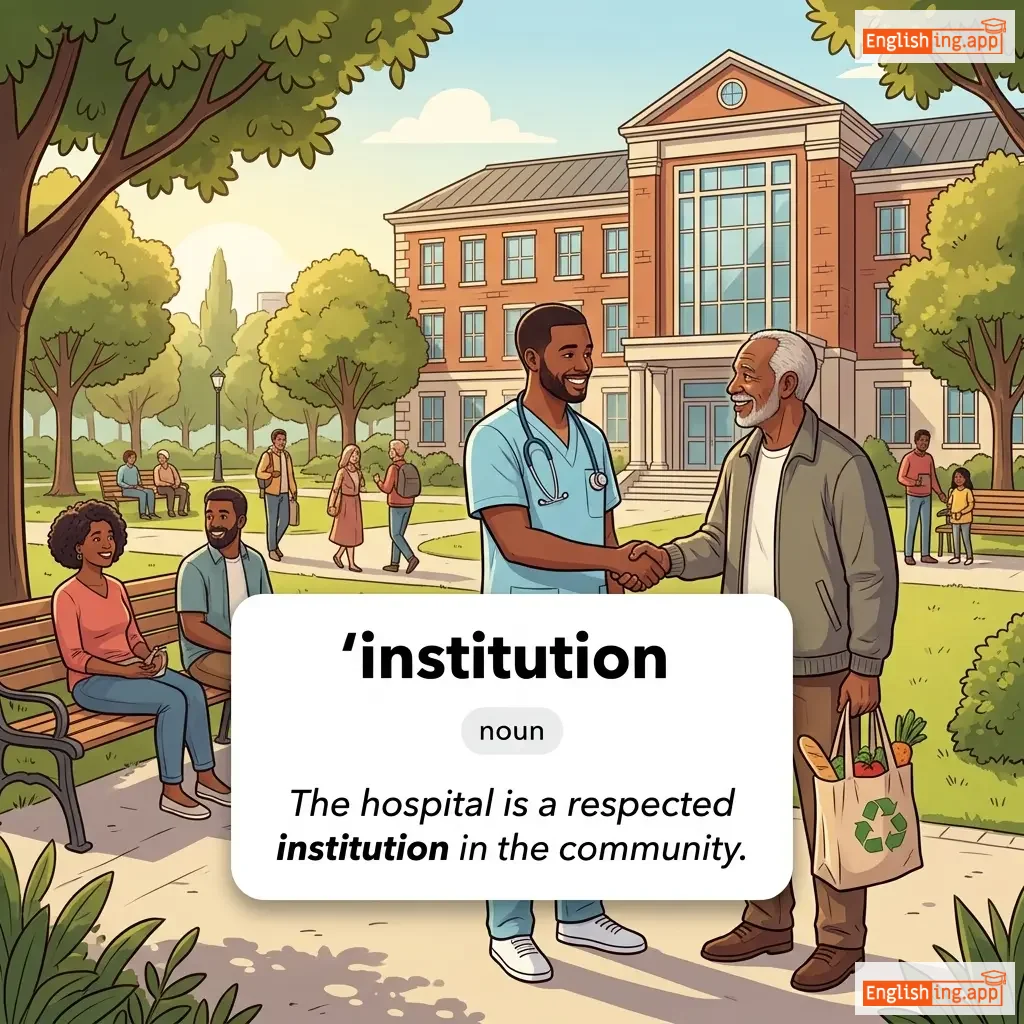
The hospital is a respected institution in the community. |
医院是社区中的一个受人尊敬的机构。
Yī yuàn shì shè qū zhōng de yī gè shòu rén zūn jìng de jī gòu.
••••••
|
an institution |
something or someone long established and respected
••••••
|
一个机构
yī gè jī gòu
••••••
|
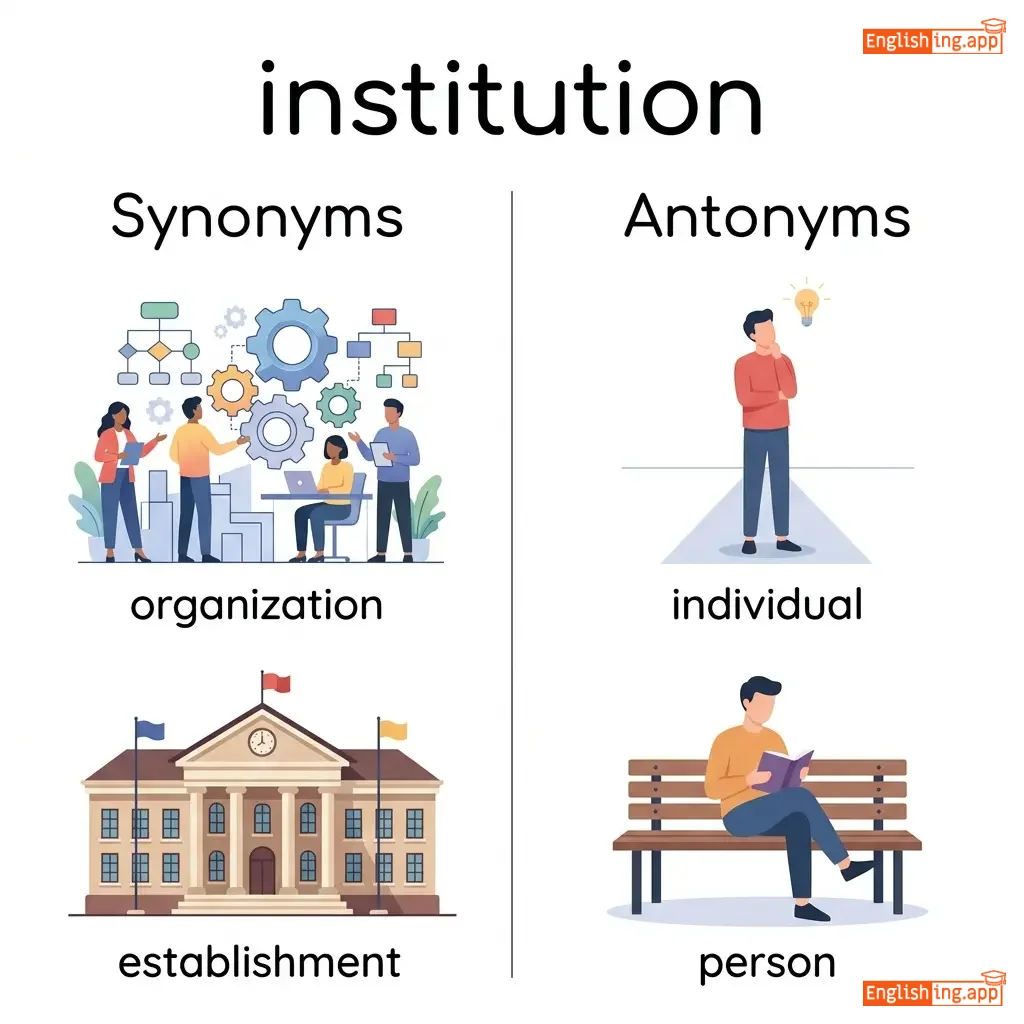
organization, establishment, foundation, facility, entity
••••••
|
individual, person
••••••
|
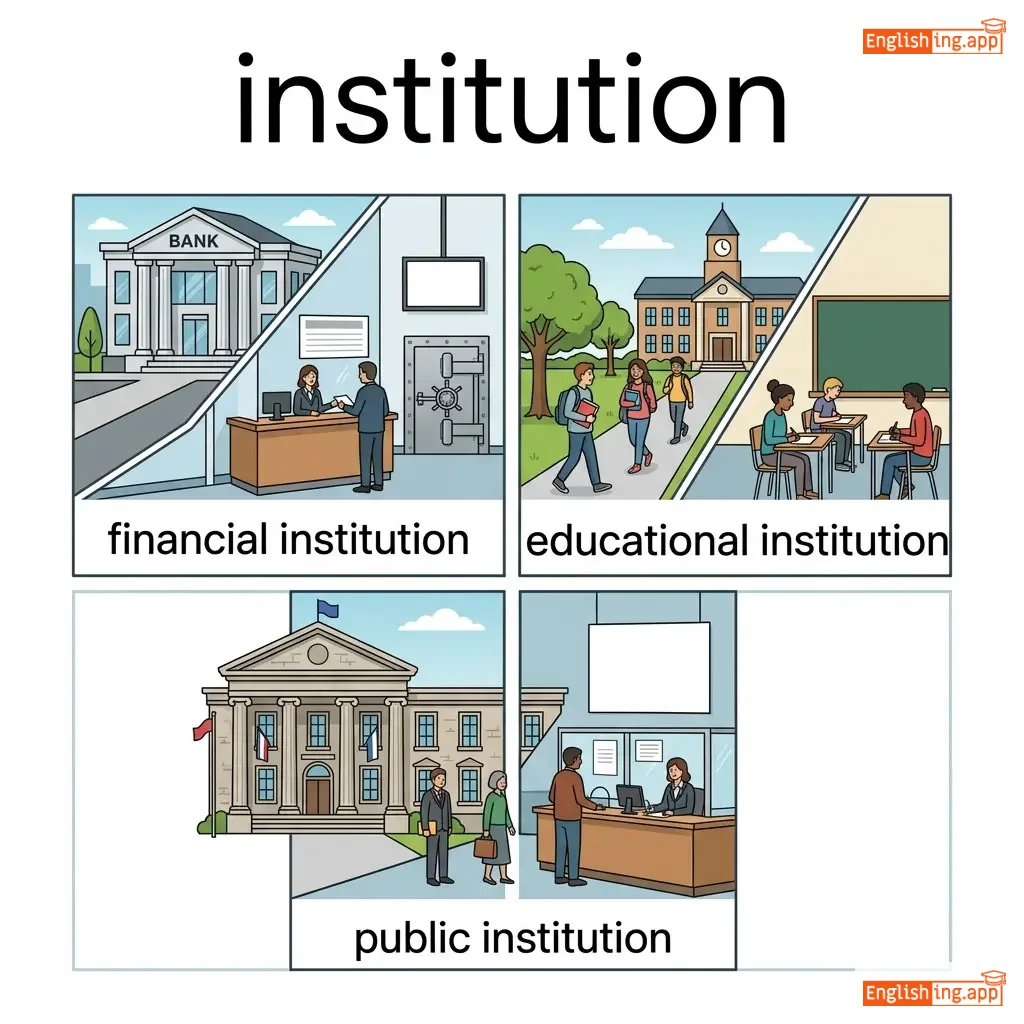
financial institution, educational institution, public institution, government institution
••••••
|
机构 = 重要的组织,如大学或医院。
••••••
|
|
#4715
🏛️
|
/ˈɪnstɪˌtjuːt/
noun, verb
(学院)
••••••
|
- •••••• |
学院
xueyuan
••••••
|
instituted
建立
••••••
|
instituted
建立
••••••
|
institutes
建立
••••••
|
instituting
建立
••••••
|
as a noun, an organization founded for a specific purpose; as a verb, to establish or initiate
••••••
|
The university decided to institute new rules for the library.
大学决定为图书馆制定新规则。
••••••
|
大学决定为图书馆制定新规则。
Daxue jueding wei tushuguan zhiding xin guize.
••••••
|
- •••••• | - •••••• | - •••••• |
organization, establishment, foundation, initiate, set up
••••••
|
abolish, disband, dissolve
••••••
|
research institute, technical institute, institute reforms, institute measures
••••••
|
学院代表一个新的组织,像大学一样,也是一个开始新规则的地方。
••••••
|
|
#4716
🌱
|
/ɪnˈstɪl/
verb
(因斯蒂尔)
••••••
|
- •••••• |
灌输
guànshū
••••••
|
instilled
因斯蒂尔德
••••••
|
instilled
因斯蒂尔德
••••••
|
instills
因斯蒂尔斯
••••••
|
instilling
因斯蒂林
••••••
|
to gradually but firmly establish an idea, attitude, or habit in someone's mind
••••••
|
Parents try to instill good values in their children.
父母试图在孩子们的心中灌输好的价值观。
••••••
|
父母试图在孩子们的心中灌输好的价值观。
Fùmǔ shìtú zài háizimen de xīn zhōng guànshū hǎo de jiàzhíguān.
••••••
|
- •••••• | - •••••• | - •••••• |
impart, implant, inculcate, introduce, nurture
••••••
|
eradicate, remove, eliminate
••••••
|
instill confidence, instill discipline, instill values, instill hope
••••••
|
灌输就像是将好习惯注入大脑
••••••
|
|
#4717
👿
|
/ˈɪnstɪˌɡeɪtər/
noun
(煽动者)
••••••
|
- •••••• |
煽动者
shāndòng zhě
••••••
|
- •••••• | - •••••• | - •••••• | - •••••• |
A person who brings about or initiates something, usually something bad.
••••••
|
The police identified him as the instigator of the violence. |
警方将他定为暴力的煽动者。
Jǐngfāng jiāng tā dìng wéi bàolì de shāndòng zhě.
••••••
|
- •••••• | - •••••• | - •••••• |
provoker, agitator, troublemaker, inciter, instigant
••••••
|
peacemaker, mediator
••••••
|
chief instigator, instigator of violence, instigator of unrest
••••••
|
Instigator 就是那些煽动暴力的煽动者!
••••••
|
|
#4718
🔥
|
/ˈɪnstɪˌɡeɪt/
verb
(因斯蒂盖特)
••••••
|
- •••••• |
挑拨
tiaobo
••••••
|
instigated
因斯蒂盖特过
••••••
|
instigated
因斯蒂盖特过
••••••
|
instigates
因斯蒂盖特
••••••
|
instigating
因斯蒂盖特ing
••••••
|
To bring about or initiate an action, often something negative.
••••••
|
He was accused of instigating the riot.
他被指控煽动暴乱。
••••••
|
他被指控挑起暴乱。
Ta bei zhigong tiaoqi baoluan.
••••••
|
instigate trouble
挑起麻烦
••••••
|
to cause problems or provoke conflict
••••••
|
制造问题
zhizao wenti
••••••
|
provoke, incite, start, stir up, foment
••••••
|
deter, prevent
••••••
|
instigate violence, instigate a conflict, instigate reform
••••••
|
挑拨就像引火烧山,结果会引发问题
••••••
|
|
#4719
🏛️
|
/ɪnˈsteɪt/
verb
(yīn sī tè)
••••••
|
- •••••• |
任命
rèn mìng
••••••
|
instated
yīn sī tè dé
••••••
|
instated
yīn sī tè dé
••••••
|
instates
yīn sī tè sī
••••••
|
instating
yīn sī tè xíng
••••••
|
To set up in position, office, or authority.
••••••
|
The board decided to instate her as the new director.
董事会决定任命她为新任总监。
••••••
|
董事会决定任命她为新任总监。
Dǒngshì huì juédìng rènmìng tā wéi xīnrèn zǒngjiān.
••••••
|
- •••••• | - •••••• | - •••••• |
appoint, establish, install, assign, designate
••••••
|
remove, dismiss
••••••
|
instate as, instate new policy, instate position
••••••
|
Instate意味着任命某人担任职位 🏛️
••••••
|
|
#4720
⚡
|
/ˌɪnstənˈteɪniəs/
adjective
(瞬时)
••••••
|
- •••••• |
即时
jishi
••••••
|
- •••••• | - •••••• | - •••••• | - •••••• |
Happening immediately, without any delay.
••••••
|
The change in temperature was almost instantaneous. |
温度变化几乎是即时的。
Wendu bianhua jihu shi jishi de.
••••••
|
- •••••• | - •••••• | - •••••• |
immediate, prompt, quick, rapid, sudden
••••••
|
delayed, slow
••••••
|
instantaneous reaction, instantaneous effect, almost instantaneous
••••••
|
即时意味着没有任何延迟的快速变化 ⚡
••••••
|
|
#4721
⚡
|
/ˈɪnstənt/
noun/adjective
(因斯坦特)
••••••
|
- •••••• |
瞬间
shun jian
••••••
|
- •••••• | - •••••• | - •••••• | - •••••• |
A very short period of time; happening immediately.
••••••
|
He replied in an instant without hesitation. |
他毫不犹豫地在瞬间作出回应。
Ta hao bu you yu de zai shun jian zuo chu hui ying.
••••••
|
in an instant |
very quickly; immediately
••••••
|
瞬间
shun jian
••••••
|
moment, second, flash, immediate, prompt
••••••
|
delay, wait
••••••
|
instant coffee, instant reply, instant success, in an instant
••••••
|
瞬间 = 一刹那的快速反应!
••••••
|
|
#4722
📌
|
/ˈɪnstəns/
noun
(因斯坦斯)
••••••
|
- •••••• |
实例
shili
••••••
|
- •••••• | - •••••• | - •••••• | - •••••• |
An example or single occurrence of something.
••••••
|
This is just one instance of his generosity. |
这是他慷慨的一个例子。
Zhe shi ta kangkai de yi ge li zi.
••••••
|
for instance |
As an example.
••••••
|
例如
li ru
••••••
|
example, case, occurrence, illustration, situation
••••••
|
generalization, whole
••••••
|
in this instance, one instance, rare instance, for instance
••••••
|
Instance意味着'即时示例'——就是一个例子或实例。
••••••
|
|
#4723
✨
|
/ɪnˈspaɪər/
verb
(happiness)
••••••
|
|
幸福
xìng fú
••••••
|
inspired
••••••
|
inspired
••••••
|
inspires
••••••
|
inspiring
••••••
|
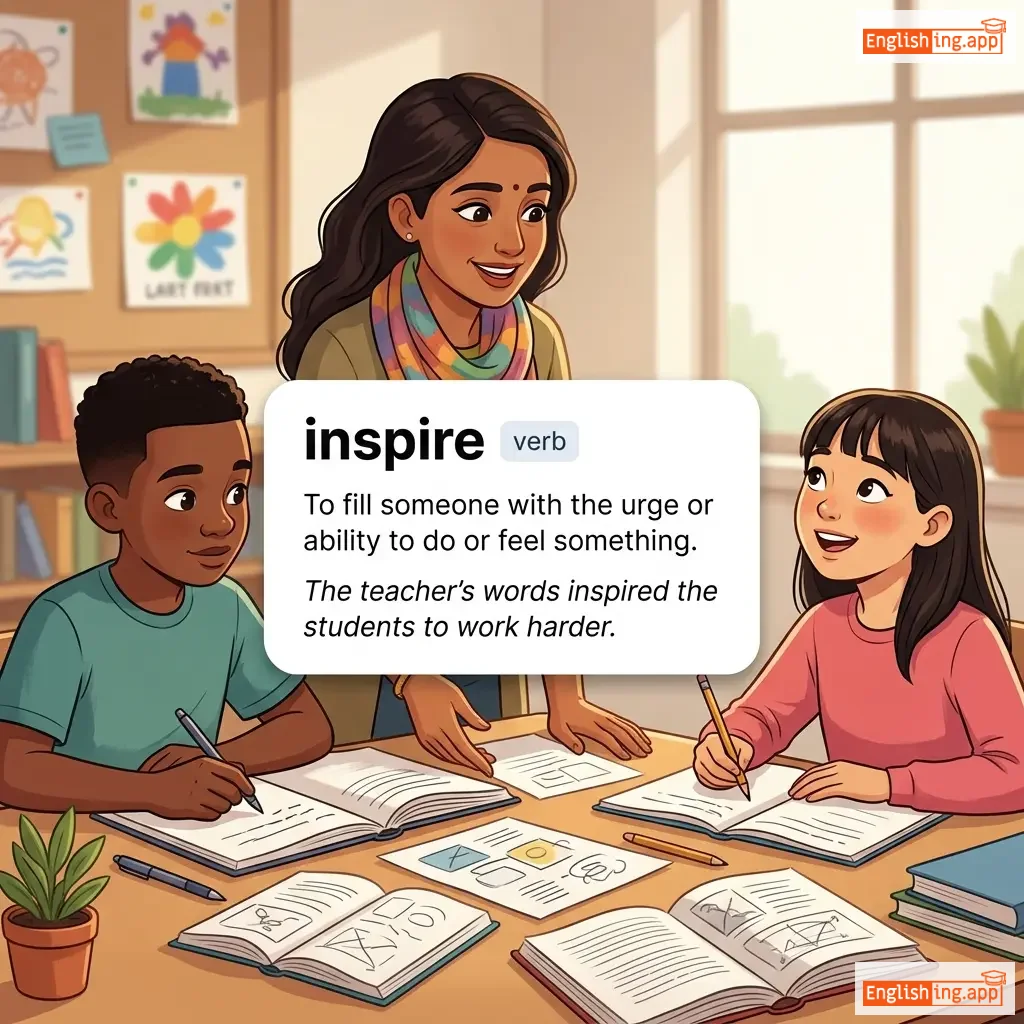
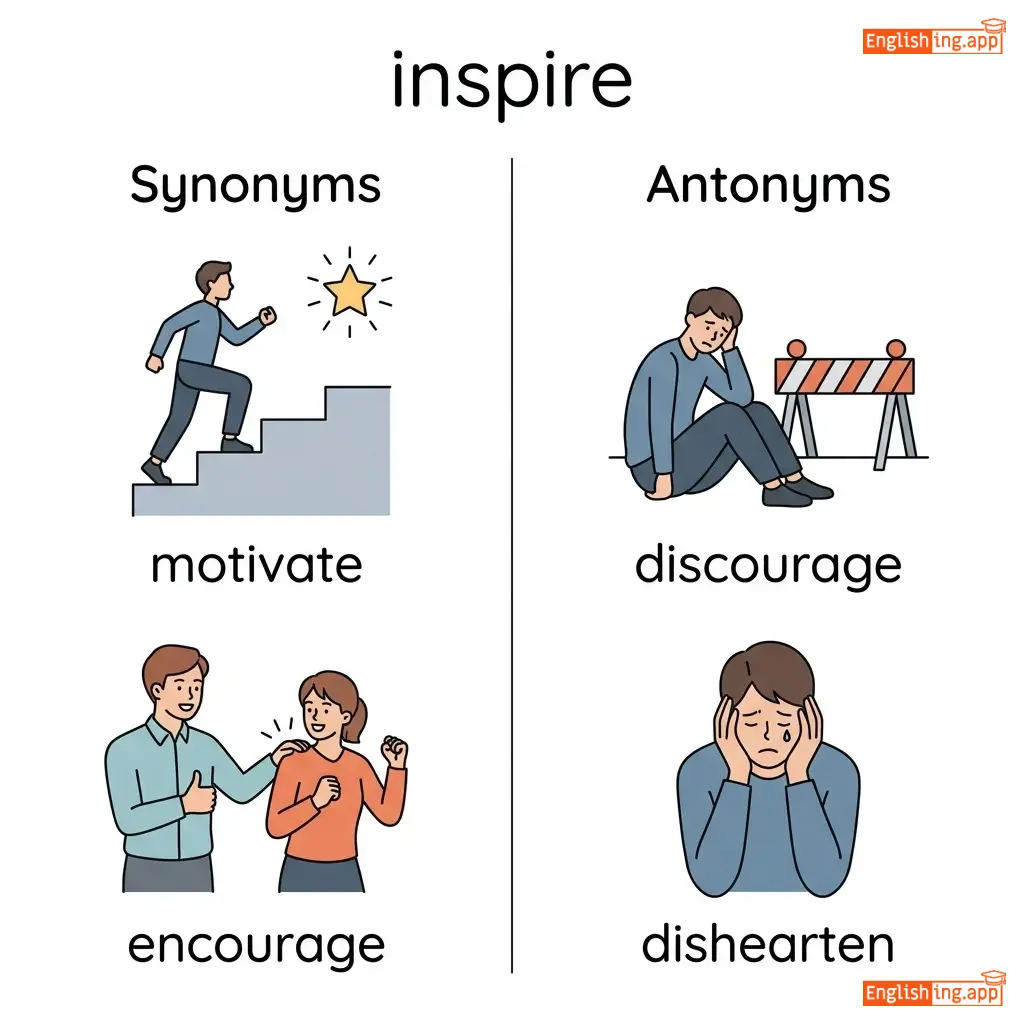
To fill someone with the urge or ability to do or feel something.
••••••
|
The teacher's words inspired the students to work harder. |
当她获得奖项时,她无法掩饰自己的幸福。
dāng tā huòdé jiǎngxiàng shí, tā wúfǎ yǎnshì zìjǐ de xìngfú.
••••••
|
inspire confidence |
To cause someone to feel confident or assured.
••••••
|
追求幸福
zhuīqiú xìngfú
••••••
|
motivate, encourage, uplift, stimulate, influence
••••••
|
discourage, dishearten, depress
••••••
|
inspire others, inspire change, inspire confidence, truly inspire
••••••
|
幸福是生活中像阳光一样温暖的微笑,点亮你的世界。
••••••
|
|
#4724
🕵️
|
/ɪnˈspɛktər/
noun
(ɪnˈspɛktər)
••••••
|
- •••••• |
检查员
jiǎncháyuán
••••••
|
- •••••• | - •••••• | - •••••• | - •••••• |
An official employed to ensure regulations are obeyed or standards are met.
••••••
|
The inspector carefully checked the restaurant's kitchen for hygiene standards. |
检查员仔细检查了餐厅的厨房是否符合卫生标准。
Jiǎncháyuán zǐxì jiǎnchále cāntīng de chúfáng shìfǒu fúhé wèishēng biāozhǔn.
••••••
|
under the inspector's eye |
Closely monitored or supervised by an authority.
••••••
|
在检查员的监督下
Zài jiǎncháyuán de jiāndū xià
••••••
|
examiner, officer, auditor, overseer, supervisor
••••••
|
worker, employee
••••••
|
police inspector, health inspector, building inspector
••••••
|
检查员会仔细检查一切,确保所有规则都得到遵守。
••••••
|
|
#4725
😎
|
/ɪnˈsuːsiənt/
adjective
(因苏西昂)
••••••
|
|
无忧无虑
wú yōu wú lǜ
••••••
|
- •••••• | - •••••• | - •••••• | - •••••• |
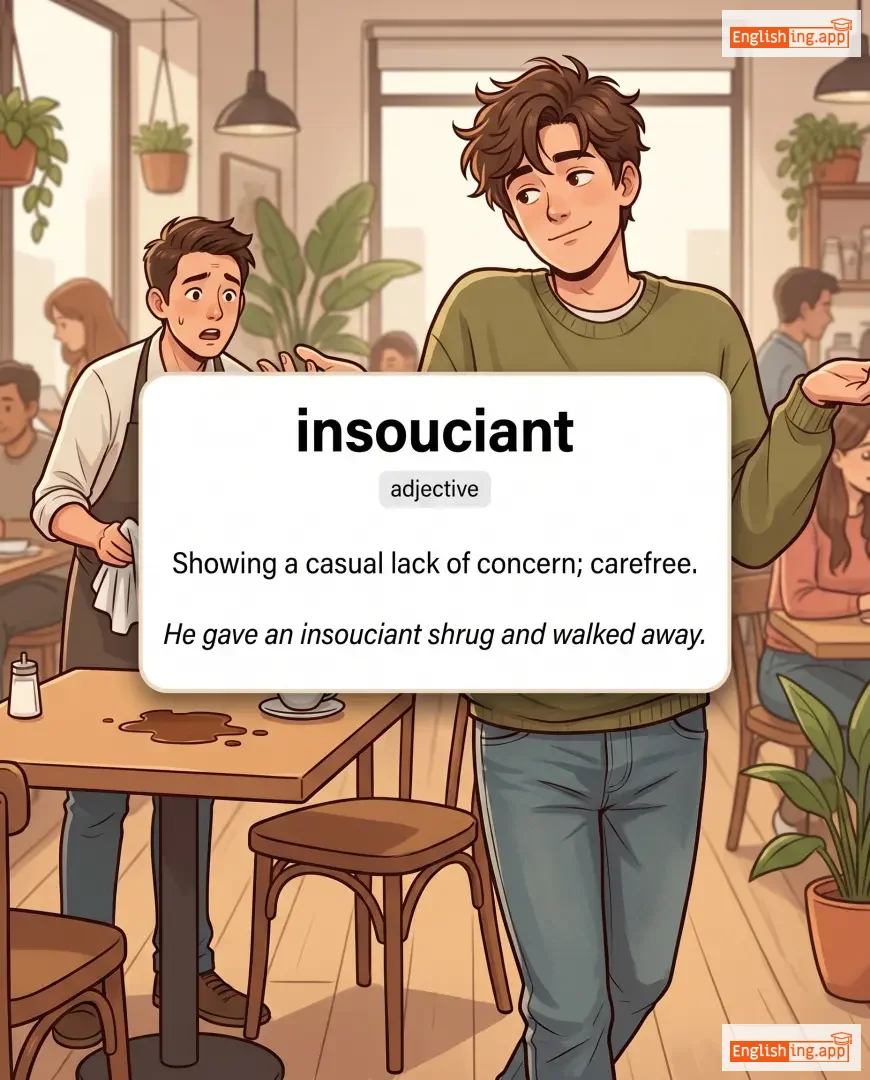
Showing a casual lack of concern; carefree.
••••••
|
He gave an insouciant shrug and walked away. |
他无忧无虑地耸了耸肩,然后走开了。
Tā wú yōu wú lǜ de sǒng le sǒng jiān, ránhòu zǒu kāi le.
••••••
|
- •••••• | - •••••• | - •••••• |
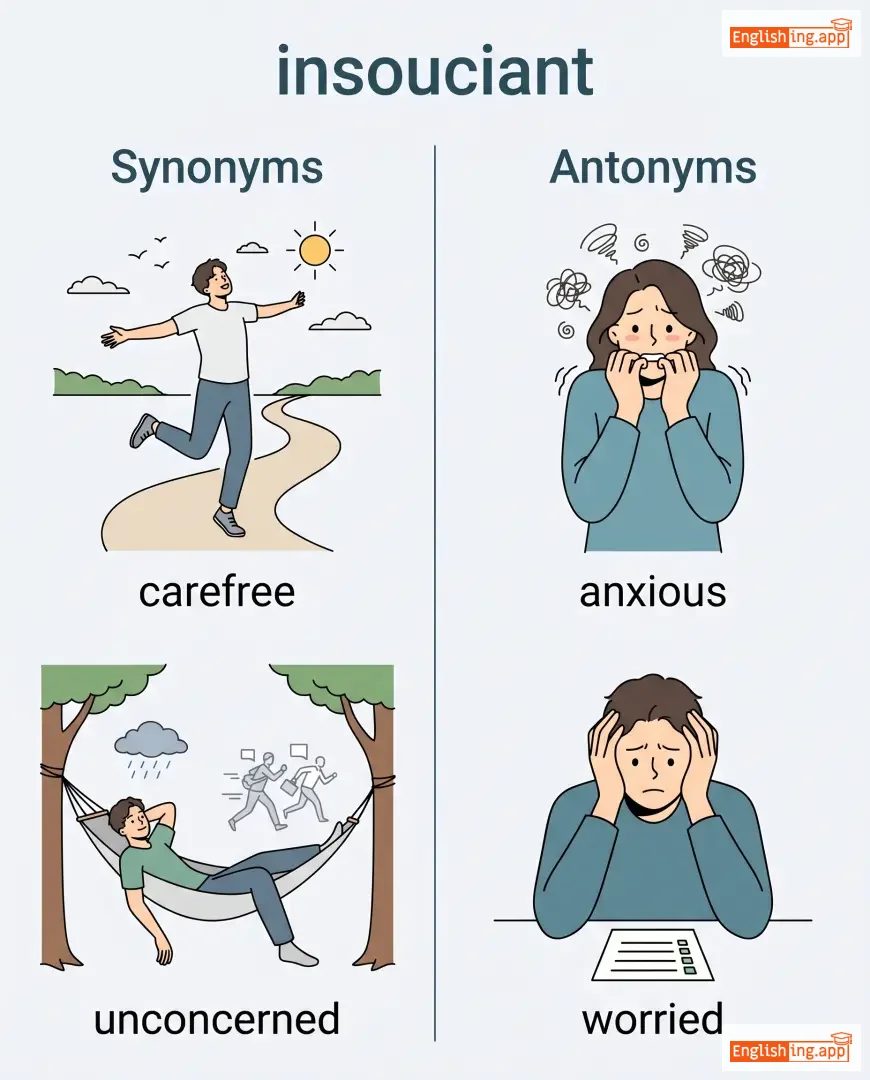
carefree, unconcerned, nonchalant, indifferent, easygoing
••••••
|
anxious, worried, concerned
••••••
|
insouciant attitude, insouciant style, insouciant response
••••••
|
Insouciant 意味着无忧无虑—没有烦恼,只享受轻松!
••••••
|
|
#4726
💡
|
/ˈɪnˌsaɪt/
noun
(in-sai-te)
••••••
|
- •••••• |
洞察力
dongcha li
••••••
|
- •••••• | - •••••• | - •••••• | - •••••• |
The ability to understand the true nature of something; deep understanding.
••••••
|
Her insight into human behavior made her a successful psychologist. |
她对人类行为的洞察力使她成为一位成功的心理学家。
Ta dui renlei xingwei de dongchali shì tā chéngwéi yī wèi chénggōng de xīnlǐ xuéjiā.
••••••
|
gain insight |
to develop a clear understanding of something
••••••
|
获得洞察力
huòdé dòngchálì
••••••
|
understanding, perception, awareness, intuition, comprehension
••••••
|
ignorance, misunderstanding
••••••
|
gain insight, valuable insight, deep insight, provide insight
••••••
|
Insight意味着洞察力 - 就像揭示事物内在真相的灯光。
••••••
|
|
#4727
➡️
|
/ˌɪnsəʊˈmʌtʃ/
adverb
(因索马奇)
••••••
|
- •••••• |
如此
ruci
••••••
|
- •••••• | - •••••• | - •••••• | - •••••• |
to such an extent
••••••
|
He was insomuch tired that he could hardly stand. |
他累得几乎站不起来。
Tā lèi dé jīhū zhàn bù qǐlái.
••••••
|
insomuch as |
insofar as; to the extent that
••••••
|
如此这般
ruci zheban
••••••
|
so much, to such an extent, thus, therefore
••••••
|
little, scarcely
••••••
|
insomuch as, insomuch tired
••••••
|
In SO MUCH tired → Insomuch 意味着如此
••••••
|
|
#4728
🌙
|
/ɪnˈsɒmniə/
noun
(失眠)
••••••
|
- •••••• |
失眠
shimian
••••••
|
- •••••• | - •••••• | - •••••• | - •••••• |
the condition of being unable to sleep
••••••
|
She suffered from insomnia due to stress at work. |
她因工作压力而患有失眠。
Ta yin gongzuo yali er huanyou shimian.
••••••
|
- •••••• | - •••••• | - •••••• |
sleeplessness, wakefulness, restlessness
••••••
|
sleep, slumber
••••••
|
chronic insomnia, suffer from insomnia, insomnia treatment
••••••
|
In SOMNia = SOMN 意味着睡觉, 'ni' 意味着没有 → 失眠
••••••
|
|
#4729
📉
|
/ɪnˈsɒlvənt/
adjective
(yīnsàowéntè)
••••••
|
- •••••• |
破产
pòchǎn
••••••
|
- •••••• | - •••••• | - •••••• | - •••••• |
unable to pay debts owed
••••••
|
The insolvent firm could not meet its financial obligations. |
破产公司无法履行其财务义务。
Pòchǎn gōngsī wúfǎ lǚxíng qí cáiwù yìwù.
••••••
|
- •••••• | - •••••• | - •••••• |
bankrupt, broke, indebted, ruined
••••••
|
solvent, wealthy, stable
••••••
|
insolvent company, insolvent firm, insolvent debtor
••••••
|
In SOLvent = 不能解决钱 → 破产意味着无法偿还债务
••••••
|
|
#4730
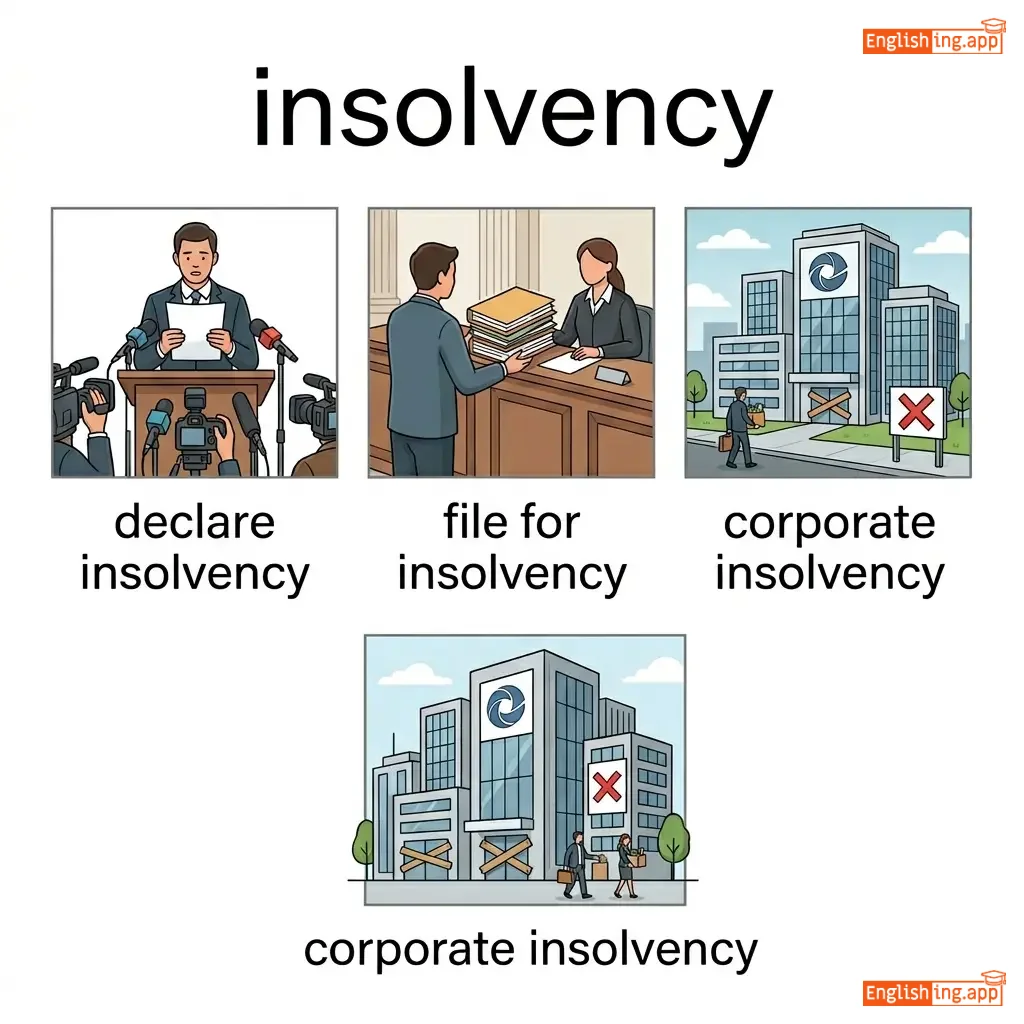
💸
|
/ɪnˈsɒlvənsi/
noun
(insolvency)
••••••
|
|
破产
pòchǎn
••••••
|
- •••••• | - •••••• | - •••••• | - •••••• |
the state of being unable to pay money owed; bankruptcy
••••••
|
The company declared insolvency after years of financial struggles. |
公司在多年财务困境后宣布破产。
Gōngsī zài duōnián cáiwù kùnjìng hòu xuānbù pòchǎn.
••••••
|
- •••••• | - •••••• | - •••••• |
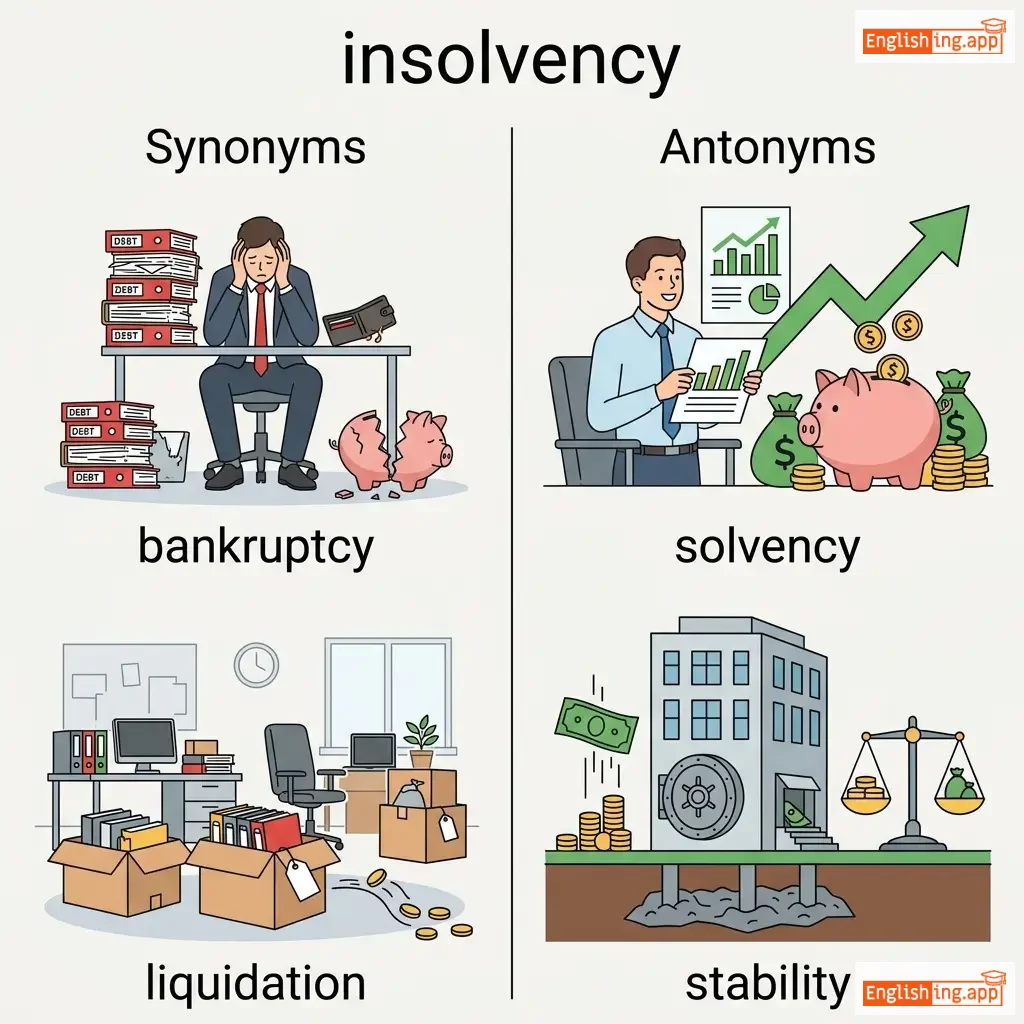
bankruptcy, liquidation, collapse, failure
••••••
|
solvency, stability
••••••
|
declare insolvency, file for insolvency, corporate insolvency
••••••
|
Insolvency = 破产, 因为你付不起钱.
••••••
|
|
#4731
😒
|
/ˈɪnsələnt/
adjective
(因索伦特)
••••••
|
- •••••• |
无礼的, 傲慢的
wú lǐ de, ào màn de
••••••
|
- •••••• | - •••••• | - •••••• | - •••••• |
showing a rude and arrogant lack of respect
••••••
|
The insolent student refused to follow the teacher's instructions. |
那个无礼的学生拒绝听从老师的指示。
Nàgè wú lǐ de xuéshēng jùjué tīngcóng lǎoshī de zhǐshì.
••••••
|
- •••••• | - •••••• | - •••••• |
rude, disrespectful, arrogant, impudent, cheeky
••••••
|
respectful, polite, humble
••••••
|
insolent behavior, insolent remark, insolent tone
••••••
|
In SOLent, 如太阳般无礼和傲慢。
••••••
|
|
#4732
😏
|
/ˈɪnsələns/
noun
(insolence)
••••••
|
- •••••• |
厚颜无耻
hòu yán wú chǐ
••••••
|
- •••••• | - •••••• | - •••••• | - •••••• |
rude or disrespectful behavior
••••••
|
The teacher was shocked by the student's insolence. |
老师对学生的厚颜无耻感到震惊。
Lǎoshī duì xuéshēng de hòu yán wú chǐ gǎndào zhènjīng.
••••••
|
- •••••• | - •••••• | - •••••• |
rudeness, disrespect, impudence, arrogance
••••••
|
politeness, respect
••••••
|
act of insolence, sheer insolence, show insolence, punished for insolence
••••••
|
厚颜无耻就像是‘厚’外表和‘无耻’的行为合在一起。
••••••
|
|
#4733
🗣️
|
/ɪnˈsɪstənt/
adjective
(ɪnˈsɪstənt)
••••••
|
- •••••• |
坚持的
jianchi de
••••••
|
- •••••• | - •••••• | - •••••• | - •••••• |
demanding something firmly and refusing to accept no
••••••
|
The child was insistent on getting a new toy. |
孩子坚持要得到一个新玩具。
Háizi jiānchí yào dédào yīgè xīn wánjù.
••••••
|
- •••••• | - •••••• | - •••••• |
persistent, demanding, assertive, determined
••••••
|
yielding, lenient
••••••
|
insistent voice, insistent demand, insistent tone, insistent pressure
••••••
|
Insistent 意味着坚持 → 总是坚持自己的要求。
••••••
|
|
#4734
📢
|
/ɪnˈsɪstəns/
noun
(yìngdǎo)
••••••
|
- •••••• |
坚持
jiānchí
••••••
|
- •••••• | - •••••• | - •••••• | - •••••• |
the act of demanding something firmly or repeatedly
••••••
|
At his insistence, we stayed longer. |
在他的坚持下,我们待得更久。
Zài tā de jiānchí xià, wǒmen dài dé gèng jiǔ.
••••••
|
- •••••• | - •••••• | - •••••• |
demand, urging, persistence, assertion
••••••
|
submission, yielding
••••••
|
firm insistence, insistence on, strong insistence, parental insistence
••••••
|
Insistence = 坚持,意味着坚持要求某事。
••••••
|
|
#4735
🙅♂️
|
/ɪnˈsɪst/
verb
(坚持)
••••••
|
|
坚持
jiānchí
••••••
|
insisted
坚持了
••••••
|
insisted
坚持了
••••••
|
insists
坚持
••••••
|
insisting
坚持着
••••••
|
to demand something forcefully or firmly
••••••
|
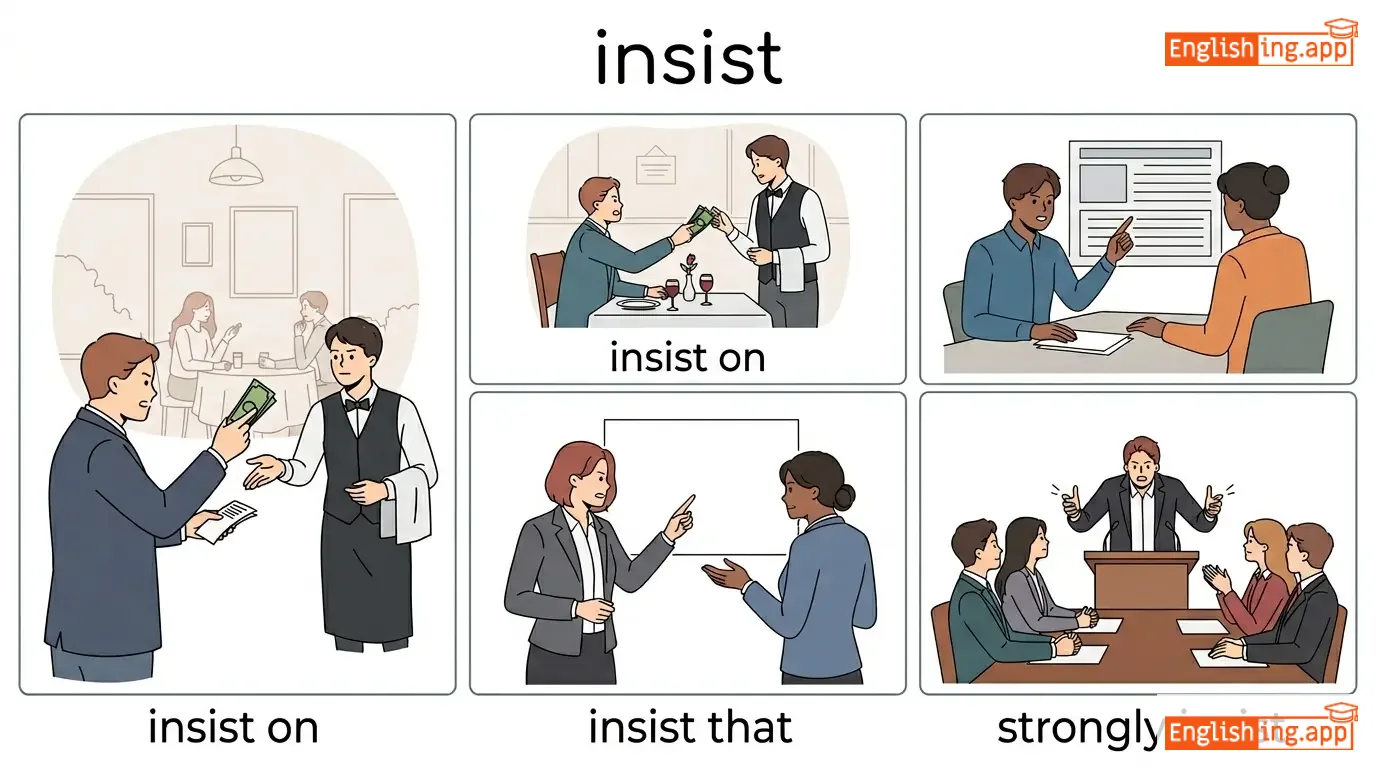
She insisted on paying the bill.
她坚持支付账单。
••••••
|
她坚持支付账单。
Tā jiānchí zhīfù zhàngdān.
••••••
|
insist on
坚持
••••••
|
to demand firmly that something be done
••••••
|
坚持
jiānchí
••••••
|
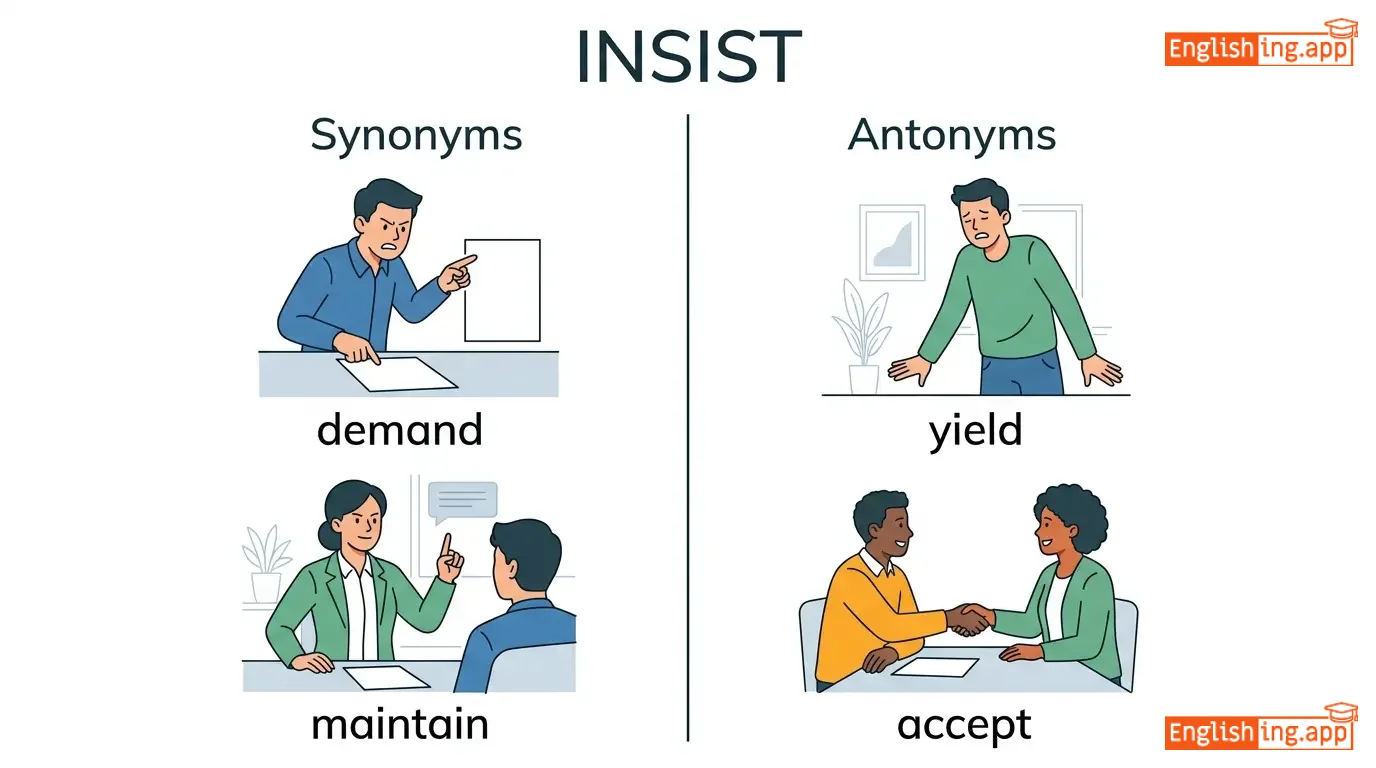
demand, maintain, assert, press, urge
••••••
|
yield, accept, give up
••••••
|
insist on, insist that, strongly insist, politely insist
••••••
|
坚持就是坚持要求某件事情做!
••••••
|
|
#4736
🥱
|
/ɪnˈsɪpɪd/
adjective
(无味的)
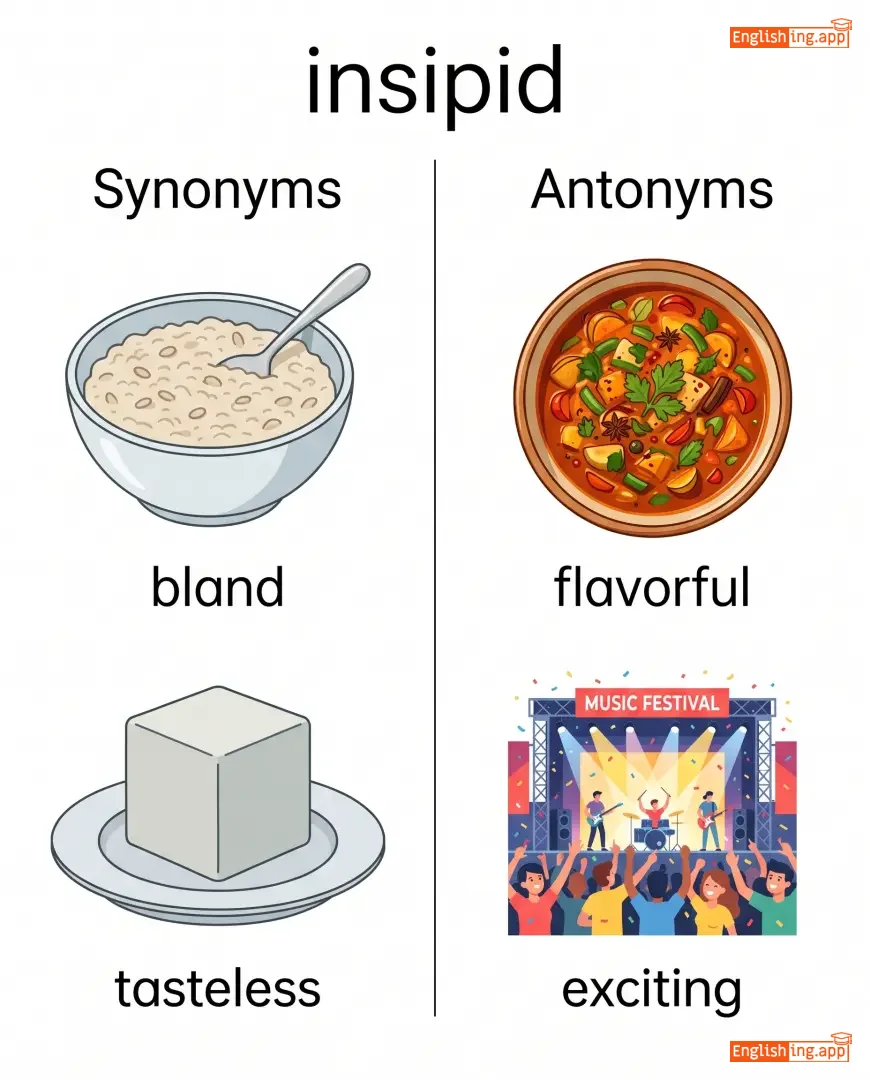
••••••
|
|
乏味的
fámèi de
••••••
|
- •••••• | - •••••• | - •••••• | - •••••• |
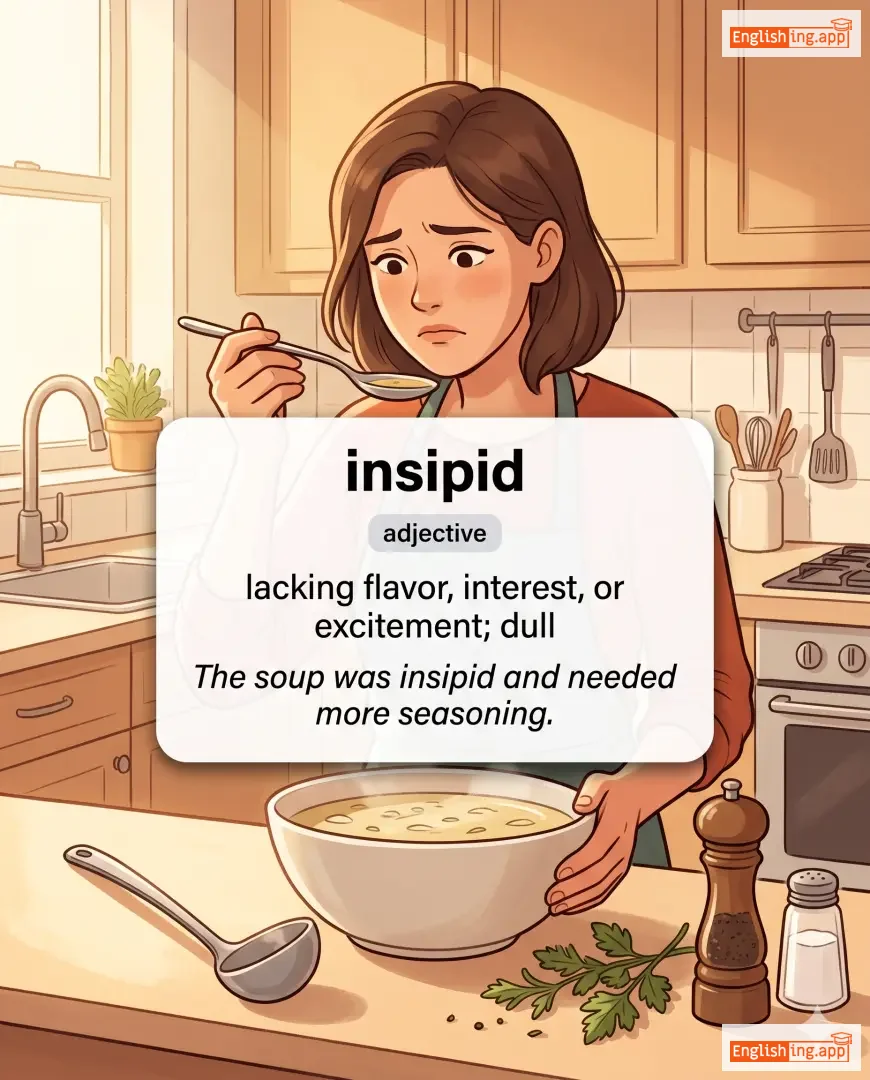
lacking flavor, interest, or excitement; dull
••••••
|
The soup was insipid and needed more seasoning. |
汤无味,需要更多的调料。
Tāng wúwèi, xūyào gèng duō de tiáoliào.
••••••
|
- •••••• | - •••••• | - •••••• |
bland, tasteless, dull, boring, flat
••••••
|
flavorful, exciting, lively
••••••
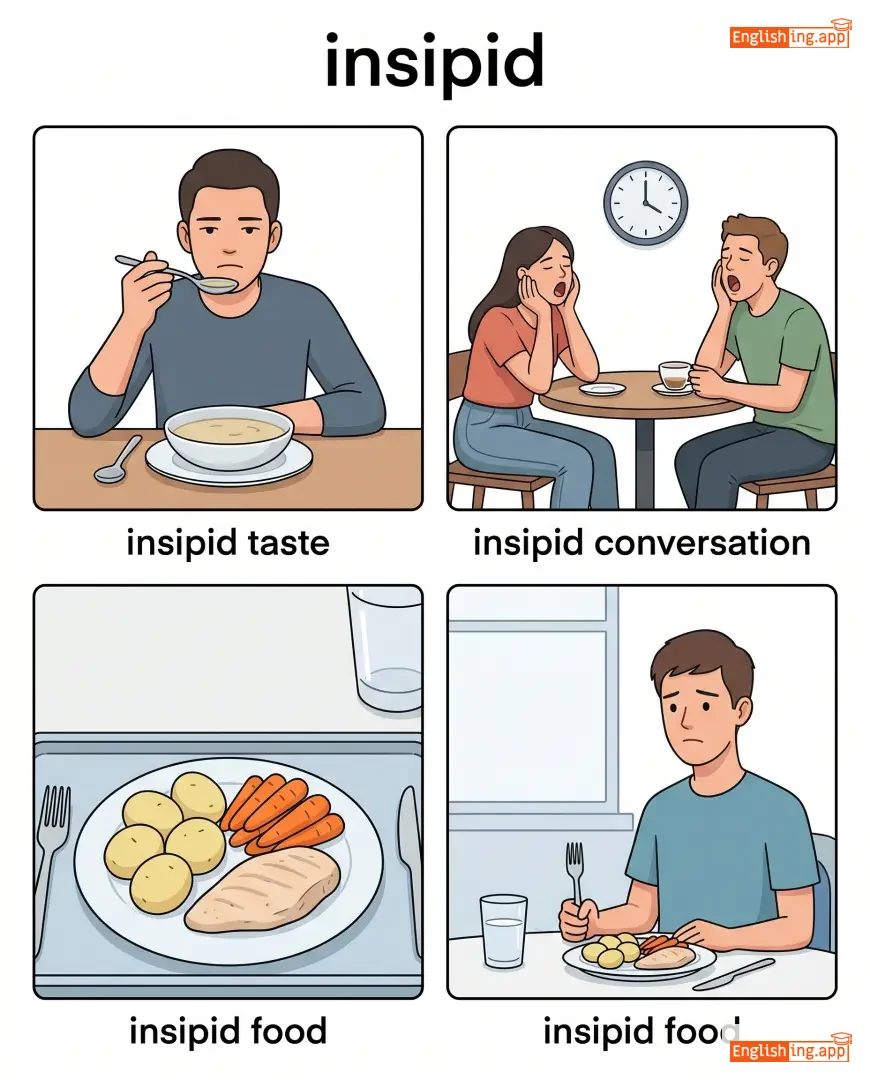
|
insipid taste, insipid conversation, insipid food, insipid performance
••••••
|
Insipid 听起来像 ‘in sipid’ → 喝了没有味道,所以无味。
••••••
|
|
#4737
🤫
|
/ɪnˈsɪnjueɪt/
verb
••••••
|
|
- •••••• |
insinuated
••••••
|
insinuated
••••••
|
insinuates
••••••
|
insinuating
••••••
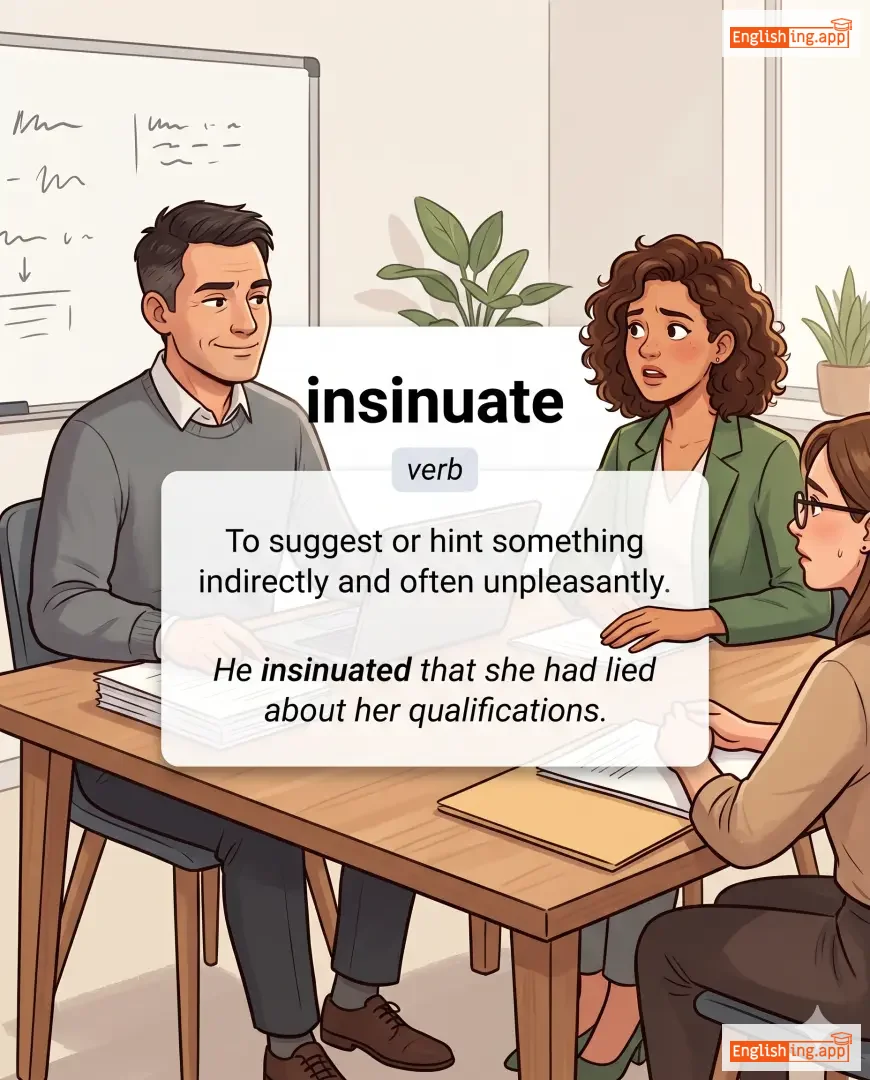
|
To suggest or hint something indirectly and often unpleasantly.
••••••
|
He insinuated that she had lied about her qualifications. |
- •••••• |
insinuate oneself |
to gradually and subtly gain favor or acceptance
••••••
|
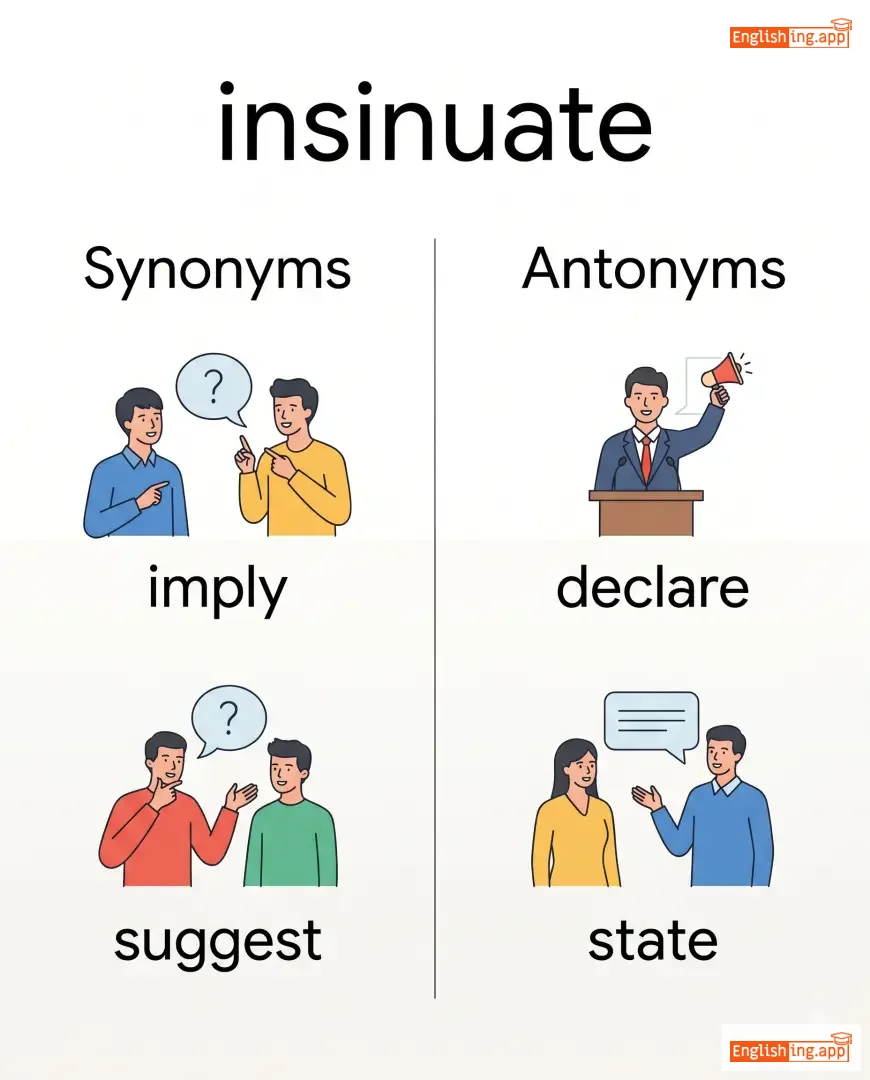
- •••••• |
imply, suggest, hint, intimate, indicate
••••••
|
declare, state, assert
••••••
|
insinuate doubt, insinuate guilt, insinuate oneself into
••••••
|
No •••••• |
|
#4738
🪙
|
/ˌɪnsɪɡˈnɪfɪkənt/
adjective
(insignifikante)
••••••
|
- •••••• |
微不足道
wēi bù zú dào
••••••
|
- •••••• | - •••••• | - •••••• | - •••••• |
Too small or unimportant to be worth considering.
••••••
|
The cost was so insignificant that nobody noticed it. |
费用微不足道,以至于没有人注意到。
fèiyòng wēi bù zú dào, yǐ zhì yú méiyǒu rén zhùyì dào.
••••••
|
an insignificant detail |
a very small or unimportant piece of information
••••••
|
一个微不足道的细节
yī gè wēi bù zú dào de xìjié
••••••
|
trivial, minor, negligible, unimportant, petty
••••••
|
important, significant, meaningful
••••••
|
insignificant amount, insignificant role, almost insignificant
••••••
|
Insignificant = 无标志 → 小,不重要。
••••••
|
|
#4739
⚪
|
/ˌɪnsɪɡˈnɪfɪkəns/
noun
(insignificance)
••••••
|
- •••••• |
微不足道
weibu zudao
••••••
|
- •••••• | - •••••• | - •••••• | - •••••• |
The quality of being unimportant or trivial.
••••••
|
He felt a sense of insignificance in the vast universe. |
他在广阔的宇宙中感到微不足道。
Ta zai guangkuo de yuzhou zhong gandao weibu zudao.
••••••
|
- •••••• | - •••••• | - •••••• |
triviality, unimportance, smallness, pettiness
••••••
|
importance, significance, value
••••••
|
utter insignificance, sense of insignificance, feeling of insignificance
••••••
|
微不足道 = 微小的 → 没有重要性.
••••••
|
|
#4740
🧠
|
/ˈɪnˌsaɪtfəl/
adjective
(insightful)
••••••
|
- •••••• |
有洞察力的
yǒu dòngchá lì de
••••••
|
- •••••• | - •••••• | - •••••• | - •••••• |
Showing deep understanding or perceptiveness.
••••••
|
The professor gave an insightful lecture on global economics. |
教授就全球经济进行了有洞察力的讲座。
Jiàoshòu jiù quánqiú jīngjì jìnxíngle yǒu dòngchá lì de jiǎngzuò.
••••••
|
- •••••• | - •••••• | - •••••• |
perceptive, astute, shrewd, knowledgeable, wise
••••••
|
shallow, ignorant, superficial
••••••
|
insightful comment, insightful analysis, insightful observation, insightful book
••••••
|
Insightful = 有洞察力的 → 明智地看待世界的方式。
••••••
|
Vocabulary Quiz
Test your vocabulary by matching words with their translations or meanings.
Login to take the quiz
Comments (0)
Share your thoughts and join the discussion.
Join the discussion by logging in
Login to CommentNo comments yet
Be the first to share your thoughts!