


Swipe left or right, or use the buttons. Tap image to zoom.
例句翻译
单词
Lesson 232Lesson 232 - 遮罩切换
|
表情符号
|
单词 | Images | 翻译 | 过去时 | 过去分词 | 第三人称单数 | 动名词 | 含义 | 例句 | 例句翻译 | 示例表达 | 示例表达含义 | 示例表达翻译 | 同义词 | 反义词 | 搭配词 | 助记符 |
|---|---|---|---|---|---|---|---|---|---|---|---|---|---|---|---|---|---|
|
#6930
🎓
|
/ˈprɪnsəpəl/
noun, adjective
(prɪnsɪpəl)
••••••
|
- •••••• |
校长
xiaozhang
••••••
|
- •••••• | - •••••• | - •••••• | - •••••• |
the person with the highest authority or most important position; main or most important
••••••
|
The school principal addressed the students in the auditorium. |
学校的校长在礼堂里向学生们致辞。
Xuexiao de xiaozhang zai litang li xiang xueshengmen zhici.
••••••
|
principal and interest |
the original amount of money invested or loaned and the charge for borrowing it
••••••
|
本金和利息
benjin he lixi
••••••
|
head, leader, chief, primary, main
••••••
|
subordinate, minor, secondary
••••••
|
school principal, principal amount, principal role, principal office
••••••
|
Principal 在学校中代表校长,最重要的人。
••••••
|
|
#6931
🔍
|
/proʊb/
verb, noun
(prōb)
••••••
|
|
探查
tànchá
••••••
|
probed
prōbd
••••••
|
probed
prōbd
••••••
|
probes
prōbs
••••••
|
probing
prōbing
••••••
|
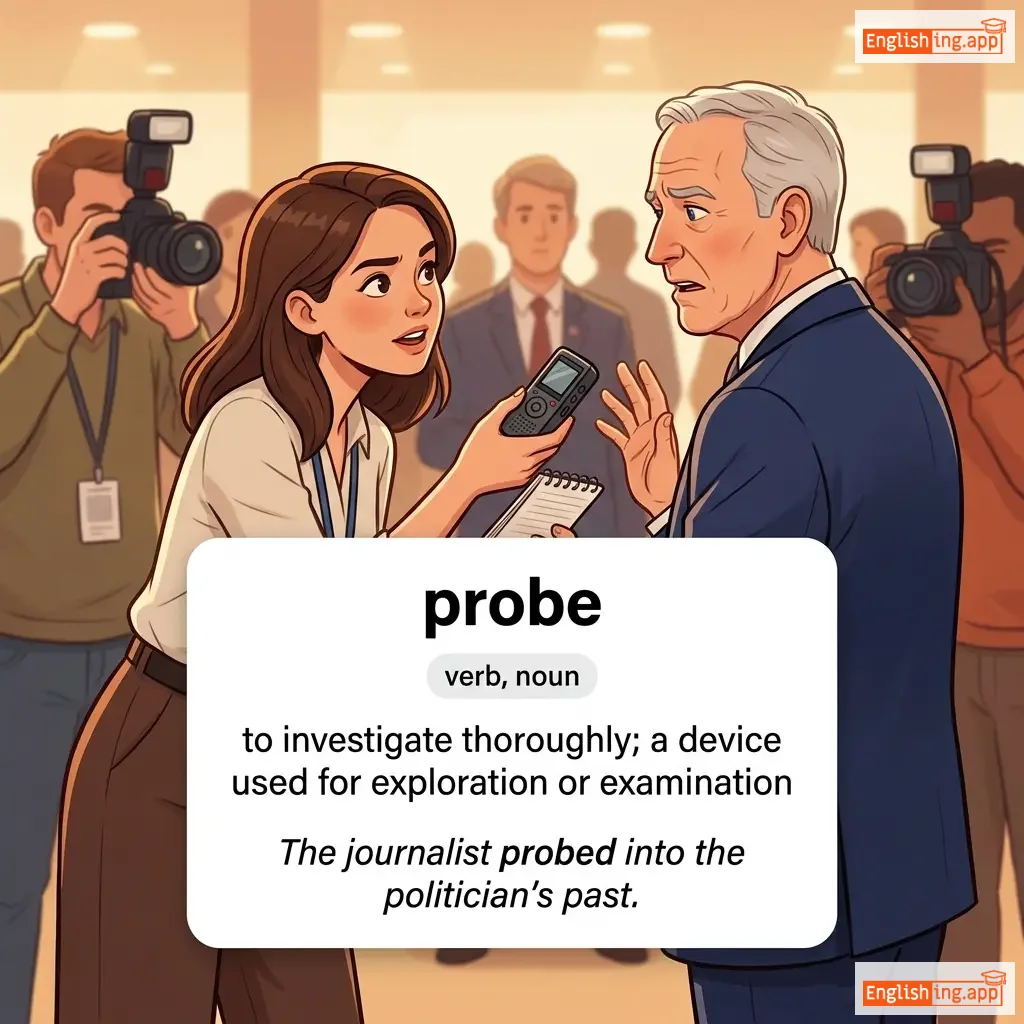
to investigate thoroughly; a device used for exploration or examination
••••••
|
The journalist probed into the politician’s past.
记者探查了政治家的过去。
••••••
|
记者调查了政治家的过去。
Jìzhě diàochále zhèngzhìjiā de guòqù.
••••••
|
probe deeper
更深地探查
••••••
|
to investigate more thoroughly
••••••
|
更深地探查
Gèng shēn de tànchá
••••••
|
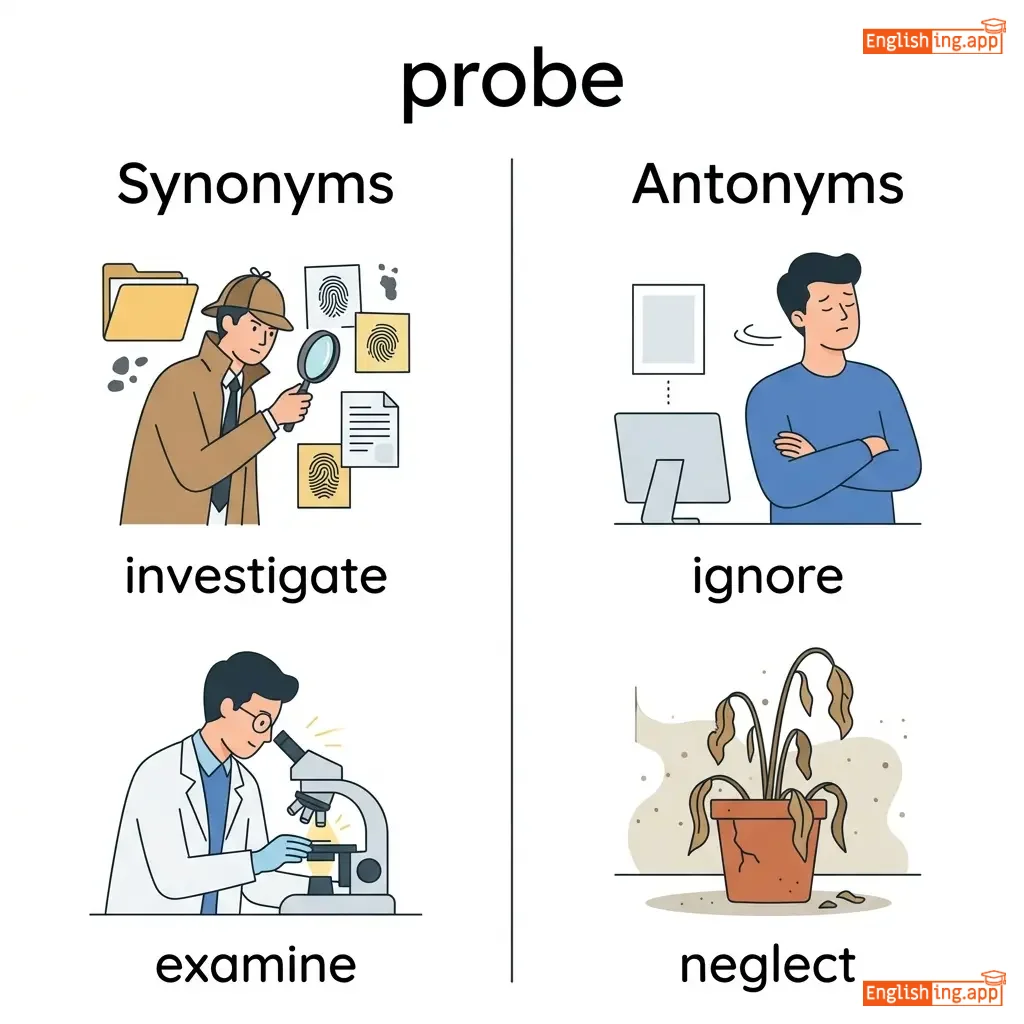
investigate, examine, explore, scrutinize, research
••••••
|
ignore, neglect, overlook
••••••
|
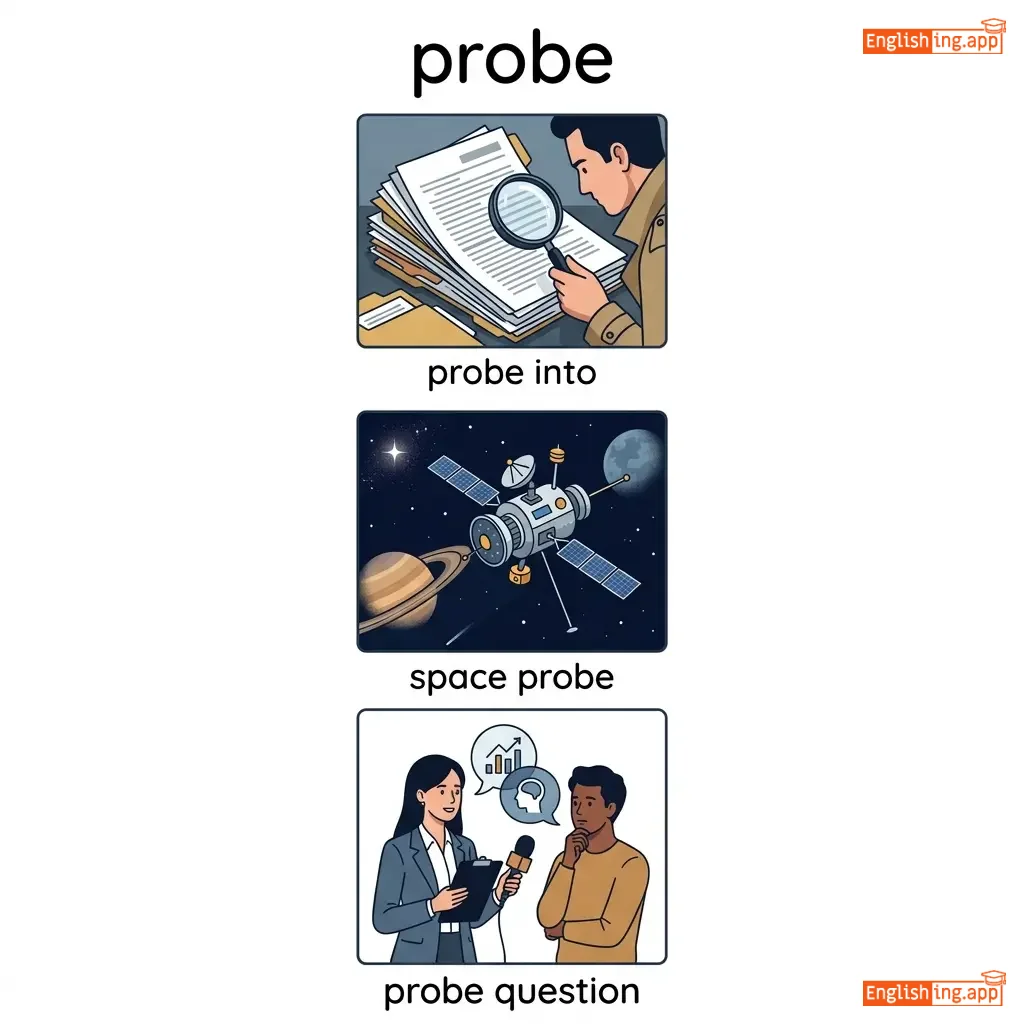
probe into, space probe, probe question, probe deeper
••••••
|
Probe 是深入探索 — 就像使用探针一样调查。
••••••
|
|
#6932
📝
|
/proʊˈbeɪʃən/
noun
(proʊˈbeɪʃən)
••••••
|
- •••••• |
试用期
shiyongqi
••••••
|
- •••••• | - •••••• | - •••••• | - •••••• |
a period of testing or supervision, especially for offenders or new employees
••••••
|
He was placed on probation for six months. |
他被安排了六个月的试用期。
Ta bei anpai le liu ge yue de shiyongqi.
••••••
|
on probation |
under supervision or trial period
••••••
|
试用期
shiyongqi
••••••
|
trial, testing, supervision, evaluation, observation
••••••
|
freedom, release, permanence
••••••
|
on probation, probation period, probation officer, probation terms
••••••
|
Probation意味着工作试用期—试用期
••••••
|
|
#6933
⚖️
|
/ˈproʊbeɪt/
noun
(pulubeit)
••••••
|
- •••••• |
遗嘱认证
yízhǔ rènzhèng
••••••
|
- •••••• | - •••••• | - •••••• | - •••••• |
the official proving of a will in a court of law
••••••
|
The family had to go through probate after his death.
家人必须在他去世后通过遗嘱认证程序。
••••••
|
家人必须在他去世后通过遗嘱认证程序。
Jiārén bìxū zài tā qùshì hòu tōngguò yízhǔ rènzhèng chéngxù.
••••••
|
- •••••• | - •••••• | - •••••• |
validation, certification, approval, legal process
••••••
|
dispute, contest, rejection
••••••
|
probate court, probate process, probate law, probate judge
••••••
|
Probate 意味着 PROve 遗嘱在法庭上 — 遗嘱认证
••••••
|
|
#6934
🏆
|
/praɪz/
noun, verb
(puraizi)
••••••
|
- •••••• |
奖品
jiangpin
••••••
|
prized
puraizd
••••••
|
prized
puraizd
••••••
|
prizes
puraizes
••••••
|
prizing
puraizing
••••••
|
something given as a reward for achievement; to value highly
••••••
|
He won the first prize in the competition.
他在比赛中获得了第一名奖。
••••••
|
他在比赛中获得了第一名奖。
Ta zai bisai zhong huode le di yi ming jiang.
••••••
|
prize possession
珍贵的财产
••••••
|
something cherished greatly
••••••
|
非常珍贵的财富
feichang zhengui de caifu
••••••
|
award, reward, trophy, treasure, honor
••••••
|
loss, forfeit, neglect
••••••
|
first prize, grand prize, prize money, prize possession
••••••
|
奖品(Prize) — 赢得奖品,你就有奖品的拥有权。
••••••
|
|
#6935
🤫
|
/ˈprɪvi/
adjective
(privi)
••••••
|
- •••••• |
秘密知识
mìmì zhīshì
••••••
|
- •••••• | - •••••• | - •••••• | - •••••• |
having access to secret or private knowledge
••••••
|
She was privy to the confidential discussions.
她知道机密讨论。
••••••
|
她知道机密讨论。
Tā zhīdào jīmì tǎolùn.
••••••
|
privy council
秘密顾问
••••••
|
a body of advisors to a sovereign or ruler
••••••
|
秘密委员会
mìmì wěiyuánhuì
••••••
|
aware, informed, acquainted, conscious, inside
••••••
|
ignorant, unaware, oblivious
••••••
|
privy to information, privy council, privy chamber, privy knowledge
••••••
|
Privy意味着知道秘密信息 — Privy意味着秘密知识
••••••
|
|
#6936
📜
|
/ˈprɪvɪti/
noun
(priviti)
••••••
|
- •••••• |
私密关系, 合同关系
simi guanxi, hetong guanxi
••••••
|
- •••••• | - •••••• | - •••••• | - •••••• |
A close, private, or special relationship; in law, the direct connection between parties to a contract.
••••••
|
There was no privity of contract between the supplier and the customer. |
供应商和客户之间没有合同关系。
gongying shang he kehu zhijian mei you hetong guanxi.
••••••
|
privity of contract |
The relationship that exists between the parties to a contract, allowing them to sue each other but preventing a third party from doing so.
••••••
|
合同关系
hetong guanxi
••••••
|
connection, relationship, association, link
••••••
|
detachment, separation, distance
••••••
|
privity of contract, in privity with, privity relationship
••••••
|
Privity, 是私人合同关系,法律上的专属关系。
••••••
|
|
#6937
🎖️
|
/ˈprɪvəlɪdʒ/
noun
(privilege)
••••••
|
- •••••• |
特权, 优势
tequan, youshi
••••••
|
- •••••• | - •••••• | - •••••• | - •••••• |
A special right, advantage, or immunity granted or available only to a particular person or group.
••••••
|
Education is considered a privilege in many developing countries. |
在许多发展中国家,教育被视为一种特权。
Zai xu duo fazhan zhongguo jia, jiaoyu bei shi wei yi zhong tequan.
••••••
|
white privilege |
Societal advantages that benefit white people beyond what is commonly experienced by non-white people under the same circumstances.
••••••
|
白人特权
bairen tequan
••••••
|
advantage, benefit, right, entitlement, honor
••••••
|
disadvantage, restriction, burden
••••••
|
enjoy privilege, special privilege, privilege of, privilege to
••••••
|
Privilege 是指一种只有特定群体才能享受的特权。
••••••
|
|
#6938
🥀
|
/praɪˈveɪʃən/
noun
(普赖维申)
••••••
|
- •••••• |
匮乏, 贫困
kuìfá, pínkùn
••••••
|
- •••••• | - •••••• | - •••••• | - •••••• |
A state in which things essential for human well-being such as food and warmth are lacking.
••••••
|
The refugees suffered great privation during the harsh winter. |
难民在严寒的冬天遭受了极大的匮乏。
Nànmín zài yánhán de dōngtiān zāoshòu le jí dà de kuìfá.
••••••
|
- •••••• | - •••••• | - •••••• |
hardship, deprivation, poverty, destitution
••••••
|
luxury, abundance, wealth
••••••
|
suffer privation, endure privation, extreme privation
••••••
|
Privation 就是 deprivation 的意思——缺乏生活必需品。
••••••
|
|
#6939
⛵
|
/ˌpraɪvəˈtɪə/
noun
(púrìwèi tiě)
••••••
|
- •••••• |
私人战舰
sīrén zhànjiàn
••••••
|
- •••••• | - •••••• | - •••••• | - •••••• |
A privately owned armed ship authorized by a government to attack enemy ships during war.
••••••
|
The privateer captured several enemy vessels during the conflict. |
在冲突中,私人战舰俘获了多个敌方船只。
Zài chōngtú zhōng, sīrén zhànjiàn fúhuòle duōgè dífāng chuánzhī.
••••••
|
- •••••• | - •••••• | - •••••• |
corsair, buccaneer, pirate, raider
••••••
|
naval officer, defender
••••••
|
privateer ship, licensed privateer, privateer captain
••••••
|
Private + ear = 'Private' 船只通过 'ear' 听到敌方的动静并发起攻击。
••••••
|
|
#6940
🌿
|
/ˈprɪstiːn/
adjective
••••••
|
|
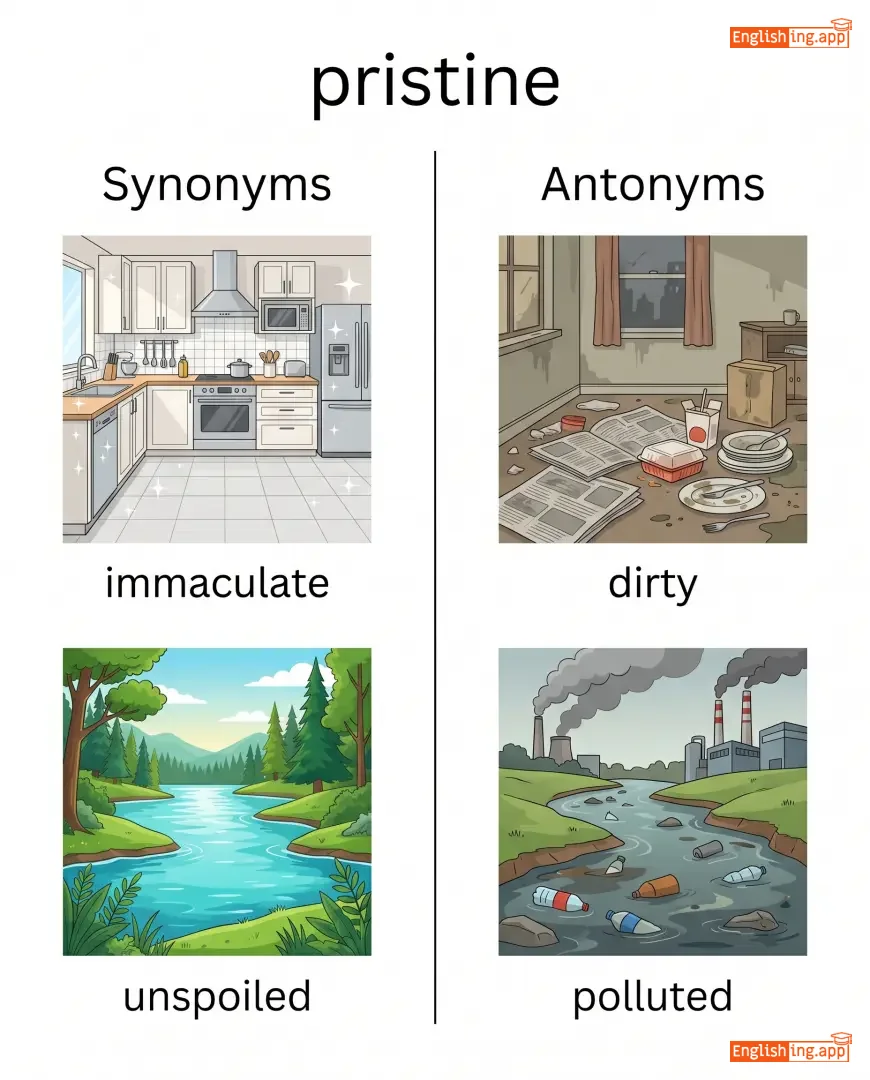
- •••••• | - •••••• | - •••••• | - •••••• | - •••••• |
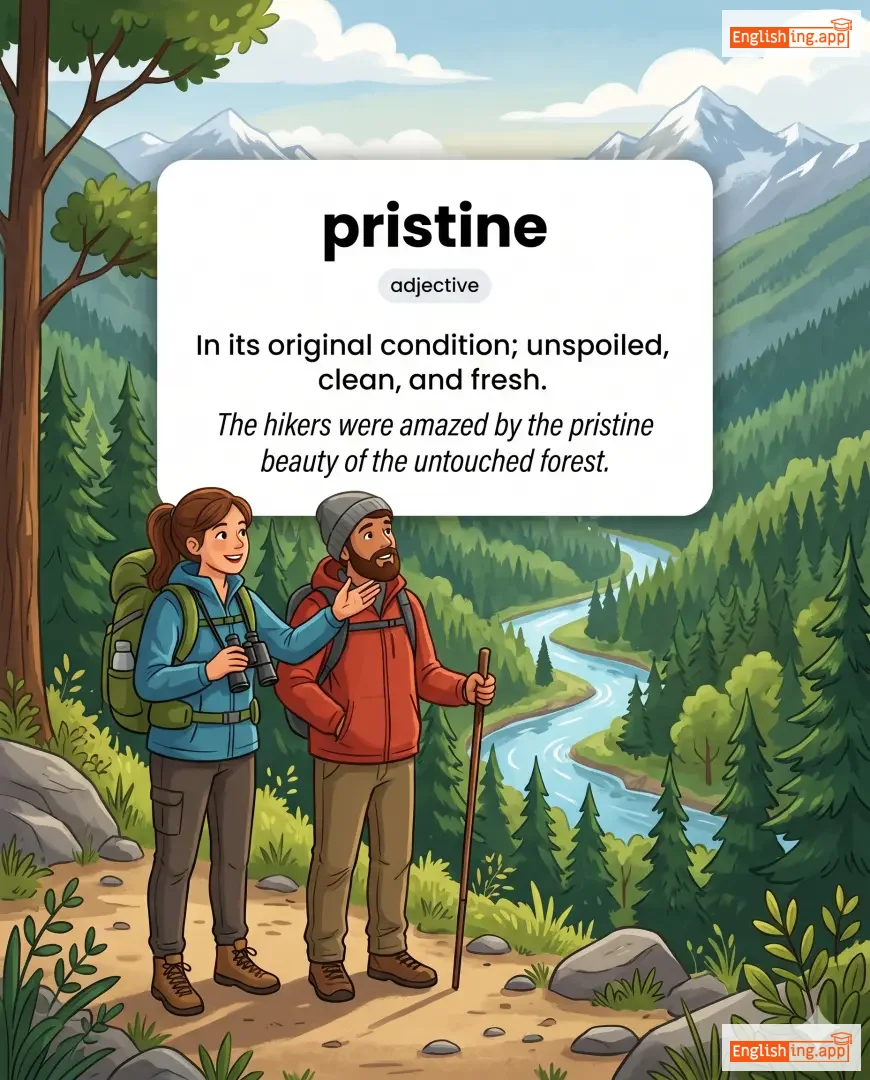
In its original condition; unspoiled, clean, and fresh.
••••••
|
The hikers were amazed by the pristine beauty of the untouched forest. |
- •••••• |
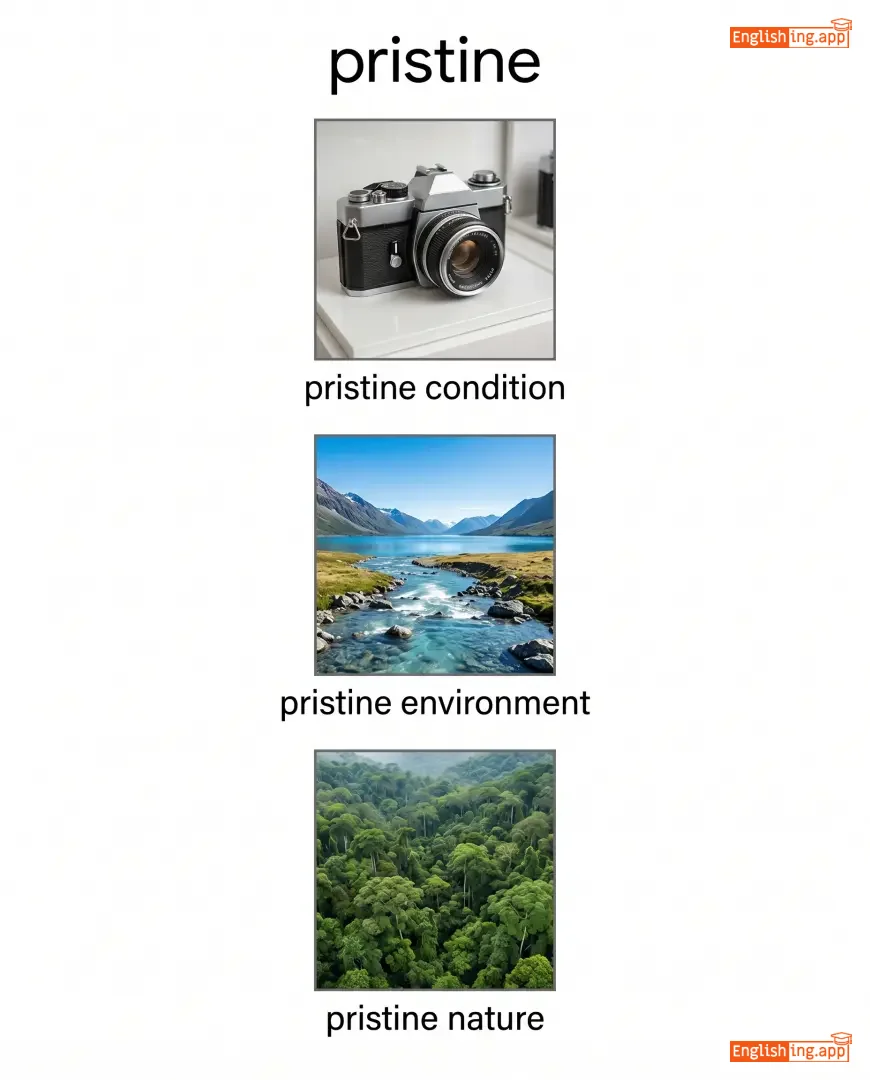
pristine condition |
Something that is perfectly clean, undamaged, or in its original state.
••••••
|
- •••••• |
immaculate, unspoiled, untouched, pure, fresh
••••••
|
dirty, polluted, spoiled
••••••
|
pristine condition, pristine environment, pristine nature, pristine forest
••••••
|
No •••••• |
|
#6941
⛪
|
/ˈpraɪəri/
noun
(普赖瑞)
••••••
|
- •••••• |
修道院
xiūdàoyuàn
••••••
|
- •••••• | - •••••• | - •••••• | - •••••• |
a small monastery or convent governed by a prior or prioress
••••••
|
The old priory was converted into a museum. |
那个古老的修道院被改造成了博物馆。
Nàgè gǔlǎo de xiūdàoyuàn bèi gǎizào chéngle bówùguǎn.
••••••
|
- •••••• | - •••••• | - •••••• |
abbey, monastery, convent, cloister
••••••
|
secular building, marketplace
••••••
|
old priory, medieval priory, ancient priory, ruined priory
••••••
|
修道院是由修道士或修道女主理的地方
••••••
|
|
#6942
⚖️
|
/ˈprɪnsəpəld/
adjective
(prɪnsɪpəld)
••••••
|
- •••••• |
有原则的
yǒu yuánzé de
••••••
|
- •••••• | - •••••• | - •••••• | - •••••• |
acting in accordance with moral or ethical standards
••••••
|
He is a principled leader who always puts honesty first. |
他是一个有原则的领导,总是把诚实放在第一位。
Tā shì yīgè yǒu yuánzé de lǐngdǎo, zǒng shì bǎ chéngshí fàng zài dì yī wèi.
••••••
|
- •••••• | - •••••• | - •••••• |
ethical, moral, righteous, upright, honorable
••••••
|
corrupt, dishonest, immoral
••••••
|
principled stand, principled leader, highly principled, principled decision
••••••
|
有原则的—遵守原则的人。
••••••
|
|
#6943
📜
|
/ˈprɪnsəpəl/
noun
(pīn-sī-pǎo)
••••••
|
|
原则
yuánzé
••••••
|
- •••••• | - •••••• | - •••••• | - •••••• |
a fundamental truth, law, or rule that serves as the foundation for a system of belief or behavior
••••••
|
She refused to lie because it was against her principles. |
她拒绝撒谎,因为这违背了她的原则。
Tā jùjué sāhuǎng, yīnwèi zhè wéibèi le tā de yuánzé.
••••••
|
in principle |
as a general idea or rule, even if not applied in practice
••••••
|
原则上
yuánzé shàng
••••••
|
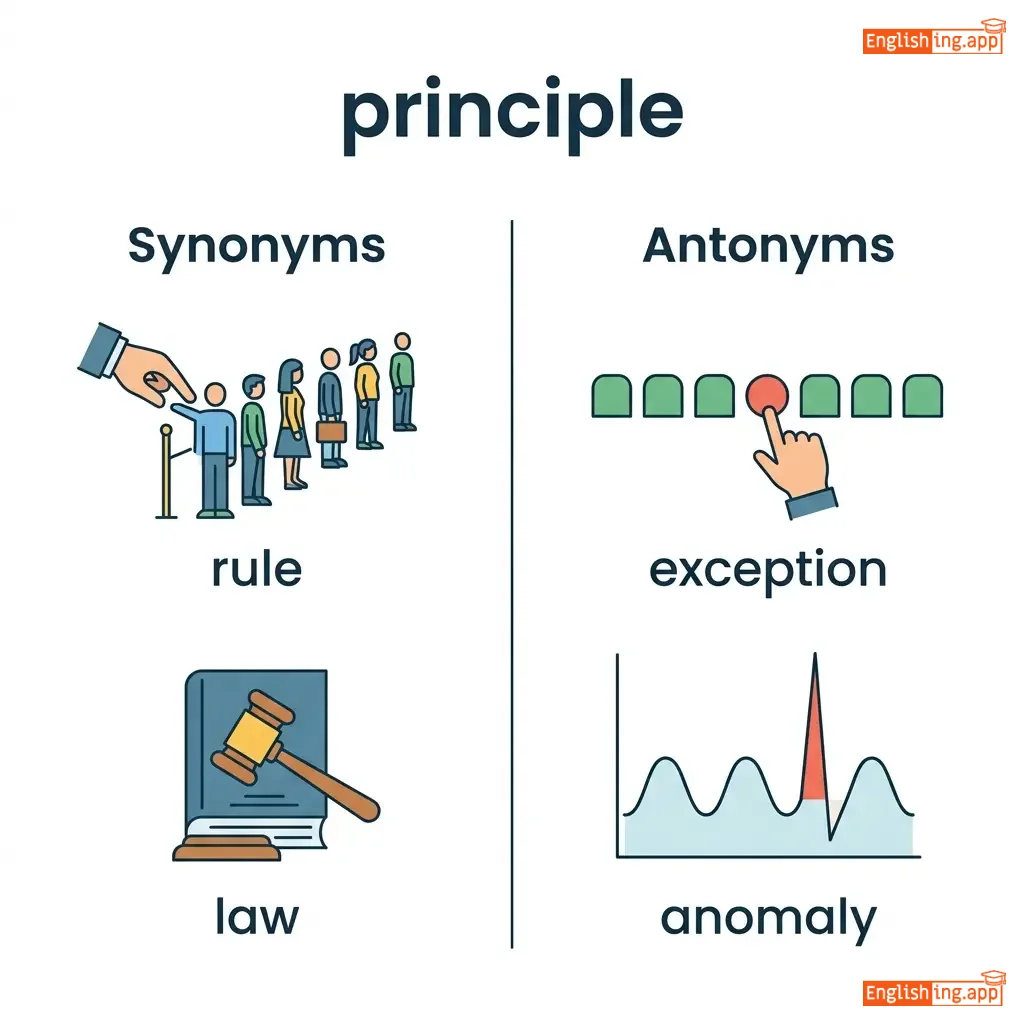
rule, law, tenet, belief, doctrine
••••••
|
exception, anomaly
••••••
|
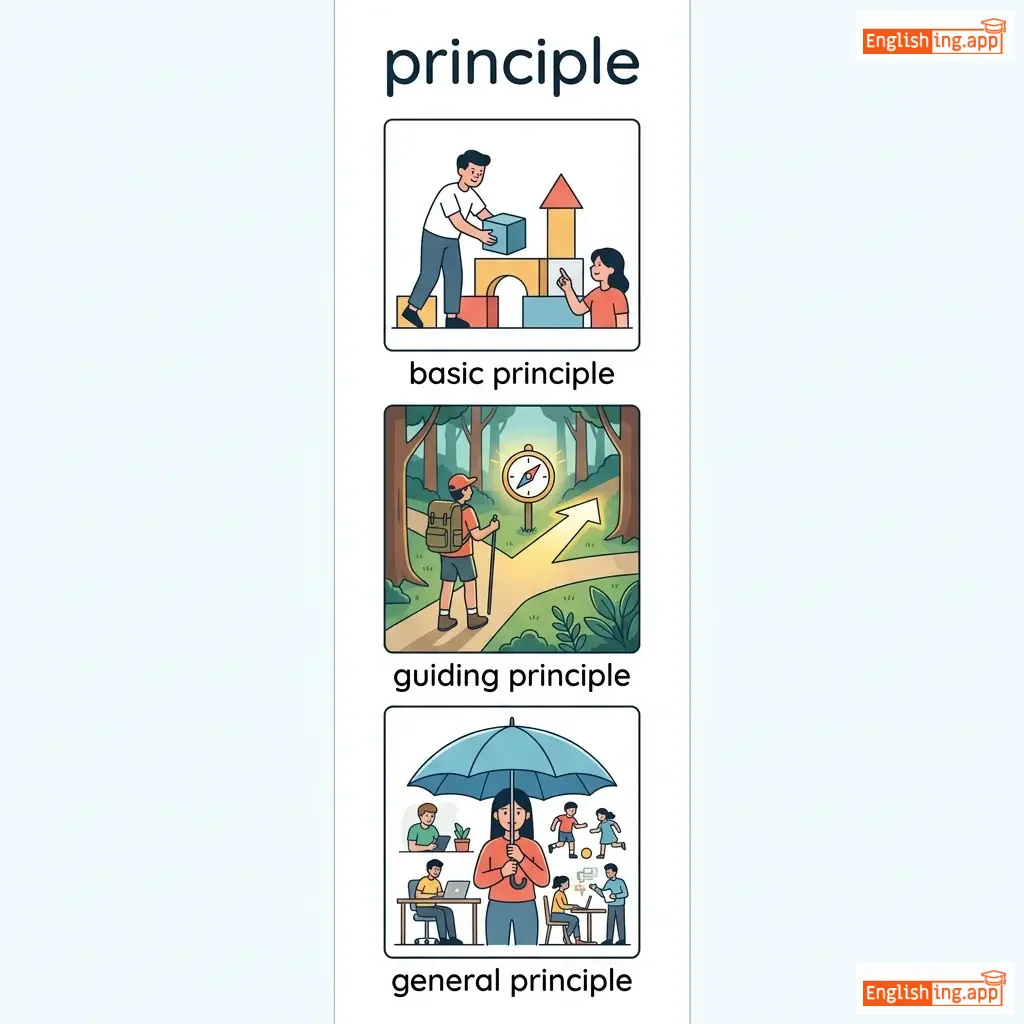
basic principle, guiding principle, general principle, moral principle
••••••
|
原则意味着基础—'纪律原则'意味着学校的纪律规则
••••••
|
|
#6944
👑
|
/ˌprɪnsɪˈpæləti/
noun
(公国)
••••••
|
- •••••• |
公国
gongguo
••••••
|
- •••••• | - •••••• | - •••••• | - •••••• |
a state ruled by a prince
••••••
|
Monaco is a famous principality in Europe. |
摩纳哥是欧洲著名的公国。
Monako shi Ouzhou zhuming de gongguo.
••••••
|
- •••••• | - •••••• | - •••••• |
duchy, territory, dominion, state, realm
••••••
|
republic, democracy
••••••
|
small principality, medieval principality, powerful principality
••••••
|
公国是王子统治的国家
••••••
|
|
#6945
🌵
|
/ˈprɪkəl/
verb
••••••
|
- •••••• | - •••••• |
prickled
••••••
|
prickled
••••••
|
prickles
••••••
|
prickling
••••••
|
to cause a slight stinging or tingling sensation on the skin
••••••
|
Her skin began to prickle in the cold wind. |
- •••••• |
make someone's skin prickle |
to give someone a shiver of fear, excitement, or unease
••••••
|
- •••••• |
tingle, sting, itch, irritate, smart
••••••
|
soothe, calm
••••••
|
skin prickle, prickle with fear, prickle with excitement, prickle of heat
••••••
|
No •••••• |
|
#6946
💄
|
/prɪmp/
verb
(happiness)
••••••
|
- •••••• |
幸福
xìngfú
••••••
|
primped
••••••
|
primped
••••••
|
primps
••••••
|
primping
••••••
|
To spend time making minor adjustments to one's appearance.
••••••
|
She primped in front of the mirror before the party.
她在收到奖项时无法掩饰自己的幸福。
••••••
|
她在收到奖项时无法掩饰自己的幸福。
Tā zài shōudào jiǎngxiàng shí wúfǎ yǎnshì zìjǐ de xìngfú.
••••••
|
- •••••• | - •••••• | - •••••• |
preen, groom, adorn, beautify, tidy
••••••
|
neglect, ignore, dishevel
••••••
|
primp before, primp for, primp in front of mirror
••••••
|
Xìngfú 是喜 (快乐) 和福 (幸福),就像一个愉快的时刻。
••••••
|
|
#6947
🌌
|
/praɪˈmɔːrdiəl/
adjective
(普赖莫迪尔)
••••••
|
- •••••• |
原始的
yuánshǐ de
••••••
|
- •••••• | - •••••• | - •••••• | - •••••• |
Existing at or from the beginning of time; fundamental and original.
••••••
|
Scientists study the primordial soup from which life emerged. |
科学家研究了原始汤,生命由此诞生。
Kēxuéjiā yánjiūle yuánshǐ tāng, shēngmìng yóu cǐ dànshēng.
••••••
|
primordial soup |
The hypothetical mixture of organic molecules from which life originated.
••••••
|
原始汤
yuánshǐ tāng
••••••
|
ancient, original, primal, early, fundamental
••••••
|
modern, recent, secondary
••••••
|
primordial soup, primordial chaos, primordial matter, primordial universe
••••••
|
原始的意味着从一开始 — 就像原始汤一样,生命由此诞生。
••••••
|
|
#6948
👑
|
/ˌpraɪmoʊˈdʒɛnɪtʃər/
noun
(praɪmoʊˈdʒɛnɪtʃər)
••••••
|
- •••••• |
长子继承权
zhǎngzǐ jìchéng quán
••••••
|
- •••••• | - •••••• | - •••••• | - •••••• |
The right of the firstborn child to inherit the family estate or title.
••••••
|
Under primogeniture, the eldest son inherited the entire estate. |
在长子继承制下,长子继承了整个家族产业。
Zài zhǎngzǐ jìchéng zhì xià, zhǎngzǐ jìchéngle zhěnggè jiāzú chǎnyè.
••••••
|
- •••••• | - •••••• | - •••••• |
inheritance law, succession, heirship, birthright
••••••
|
equal inheritance, partible inheritance
••••••
|
law of primogeniture, system of primogeniture, primogeniture rights
••••••
|
长子(zhǎngzǐ)和继承(jìchéng)——长子继承家族财富的权利。
••••••
|
|
#6949
🪵
|
/ˈprɪmətɪv/
adjective
(普里米提夫)
••••••
|
- •••••• |
原始的
yuánshǐ de
••••••
|
- •••••• | - •••••• | - •••••• | - •••••• |
Relating to an early stage of development; simple and basic.
••••••
|
The tribe lived in primitive huts made of mud and straw. |
部落住在由泥土和稻草做成的原始小屋里。
Bùluò zhù zài yóu nítǔ hé dàocǎo zuò chéng de yuánshǐ xiǎowū lǐ.
••••••
|
primitive instincts |
Basic natural urges or behaviors present from early human existence.
••••••
|
原始本能
yuánshǐ běnnéng
••••••
|
basic, crude, simple, undeveloped, early
••••••
|
advanced, modern, developed
••••••
|
primitive society, primitive technology, primitive life, primitive culture
••••••
|
原始的,就像最早的工具一样—原始的东西很简单!
••••••
|
|
#6950
🌲
|
/praɪˈmiːvəl/
adjective
(prɪˈmiːvəl)
••••••
|
- •••••• |
原始
yuánshǐ
••••••
|
- •••••• | - •••••• | - •••••• | - •••••• |
Relating to the earliest ages in history; ancient and primitive.
••••••
|
The explorers ventured into the primeval forest untouched by humans. |
探险者进入了未曾被人类触及的原始森林。
Tànxiǎn zhě jìnrùle wèi céng bèi rénlèi chùjí de yuánshǐ sēnlín.
••••••
|
- •••••• | - •••••• | - •••••• |
ancient, prehistoric, primal, primordial, archaic
••••••
|
modern, contemporary, recent
••••••
|
primeval forest, primeval world, primeval times, primeval landscape
••••••
|
Primeval = 原始,像地球最早的时光一样。
••••••
|
|
#6951
📘
|
/ˈpraɪ.mər/ (US), /ˈprɪm.ər/ (UK)
noun
(普赖梅尔)
••••••
|
- •••••• |
入门书籍,底漆
rùmén shūjí, dǐqī
••••••
|
- •••••• | - •••••• | - •••••• | - •••••• |
A basic introductory book or a substance used to prepare a surface for painting.
••••••
|
He read a primer on programming before starting his course.
他在开始他的课程之前,阅读了一本编程入门书籍。
••••••
|
他在开始他的课程之前,阅读了一本编程入门书籍。
Tā zài kāishǐ tā de kèchéng zhīqián, yuèdúle yī běn biānchéng rùmén shūjí.
••••••
|
- •••••• | - •••••• | - •••••• |
introduction, guide, handbook, textbook
••••••
|
advanced book, complex manual
••••••
|
primer coat, reading primer, primer lesson
••••••
|
Primer意味着入门书籍 — 'prime'意味着开始, primer是一本用于开始的书籍。
••••••
|
|
#6952
⭐
|
/praɪm/
adjective
(praim)
••••••
|
- •••••• |
首要的, 重要的
shouyao de, zhongyao de
••••••
|
- •••••• | - •••••• | - •••••• | - •••••• |
Of the best quality; most important; peak condition.
••••••
|
She is in the prime of her career.
她正处于事业的巅峰。
••••••
|
她处于事业的巅峰时刻。
Ta chǔyú shìyè de diānfēng shíkè.
••••••
|
prime time
黄金时段
••••••
|
the most popular time for television or activity
••••••
|
黄金时段
huángjīn shíduàn
••••••
|
best, peak, top, leading, foremost
••••••
|
inferior, worst, minor
••••••
|
prime time, prime number, prime example, prime minister
••••••
|
Prime 意思是首要的 — Prime Minister 意思是重要的,Prime Time 意思是黄金时段。
••••••
|
|
#6953
🐒
|
/ˈpraɪ.meɪt/
noun
(prai-meit)
••••••
|
- •••••• |
灵长类动物, 类人猿
língzhǎnglèi dòngwù, lèirényuán
••••••
|
- •••••• | - •••••• | - •••••• | - •••••• |
A member of the group of animals including humans, apes, and monkeys.
••••••
|
Humans are classified as primates.
人类被归类为灵长类动物。
••••••
|
人类被归类为灵长类动物。
Rénlèi bèi guīlèi wéi língzhǎnglèi dòngwù.
••••••
|
- •••••• | - •••••• | - •••••• |
ape, monkey, hominid, anthropoid
••••••
|
non-primate, invertebrate
••••••
|
primate species, primate behavior, primate group
••••••
|
灵长类 = 猩猩和人类 — 'Prime' = 重要, 'mate' = 伙伴.
••••••
|
|
#6954
1️⃣
|
/ˈpraɪ.mɛr.i/
adjective
(puraimari)
••••••
|
- •••••• |
主要的, 首要的
zhǔyào de, shǒuyào de
••••••
|
- •••••• | - •••••• | - •••••• | - •••••• |
Most important; main; happening first.
••••••
|
Education is a primary factor in economic growth.
教育是经济增长的一个主要因素。
••••••
|
教育是经济增长的一个主要因素。
Jiàoyù shì jīngjì zēngzhǎng de yīgè zhǔyào yīnsù.
••••••
|
primary concern
主要关切
••••••
|
the most important issue or problem
••••••
|
主要关切
zhǔyào guānqiè
••••••
|
main, chief, principal, essential, fundamental
••••••
|
secondary, minor, trivial
••••••
|
primary education, primary reason, primary goal, primary source
••••••
|
Primary 是指最重要的,像 Primary School(小学)。
••••••
|
|
#6955
🔥
|
/ˈpraɪ.məl/
adjective
(praɪməl)
••••••
|
- •••••• |
原始的, 基本的
yuánshǐ de, jīběn de
••••••
|
- •••••• | - •••••• | - •••••• | - •••••• |
Relating to the earliest stage of development; essential or fundamental.
••••••
|
Fear is one of the most primal emotions humans experience.
恐惧是人类体验的最原始的情感之一。
••••••
|
恐惧是人类体验的最原始的情感之一。
Kǒngjù shì rénlèi tǐyàn de zuì yuánshǐ de qínggǎn zhī yī.
••••••
|
- •••••• | - •••••• | - •••••• |
fundamental, basic, essential, primitive, primary
••••••
|
secondary, advanced, modern
••••••
|
primal urge, primal instinct, primal fear, primal force
••••••
|
Primal 是最基本的,像生命的根源。
••••••
|
|
#6956
🏆
|
/ˈpraɪməsi/
noun
(praɪməsi)
••••••
|
- •••••• |
优先权
yōuxiānquán
••••••
|
- •••••• | - •••••• | - •••••• | - •••••• |
the state of being first in importance or authority
••••••
|
The primacy of education cannot be denied. |
教育的优先权不可否认。
Jiàoyù de yōuxiānquán bù kě fǒrèn.
••••••
|
- •••••• | - •••••• | - •••••• |
supremacy, dominance, precedence, priority
••••••
|
inferiority, subordination
••••••
|
primacy of law, primacy of education, claim to primacy
••••••
|
Primacy意味着首位!就像教育一样,至关重要!
••••••
|
|
#6957
👑
|
/ˈpriːmə/
adjective
(普里马)
••••••
|
- •••••• |
主要的, 卓越的
zhǔyào de, zhuóyuè de
••••••
|
- •••••• | - •••••• | - •••••• | - •••••• |
first or most important; excellent
••••••
|
She was treated as the prima ballerina of the troupe. |
她被视为舞蹈团的首席舞者。
Tā bèi shì wéi wǔdǎo tuán de shǒuxí wǔzhě.
••••••
|
prima facie |
based on first impression; accepted as correct until proved otherwise
••••••
|
prima facie
prima facie
••••••
|
chief, main, foremost, top
••••••
|
secondary, minor
••••••
|
prima ballerina, prima facie case, prima role
••••••
|
Prima = Prime 👑 – 主要或卓越
••••••
|
|
#6958
🎩
|
/prɪm/
adjective
(普林)
••••••
|
- •••••• |
过于正式或合适
guo yu zheng shi huo he shi
••••••
|
- •••••• | - •••••• | - •••••• | - •••••• |
stiffly formal and proper in appearance or behavior
••••••
|
She looked prim in her neatly pressed dress.
她穿着精心熨烫的裙子看起来非常端庄。
••••••
|
她穿着精心熨烫的裙子看起来非常端庄。
Ta chuanzhuo jingxin yuntao de qunzi kan qilai feichang duanzhuang.
••••••
|
prim and proper
prim and proper
••••••
|
very formal and correct in behavior
••••••
|
过于正式和合适
guo yu zheng shi he he shi
••••••
|
formal, stiff, proper, uptight
••••••
|
casual, informal
••••••
|
prim appearance, prim dress, prim manners
••••••
|
Prim 意味着 Proper - Prim 和 Proper 让你轻松记住!
••••••
|
|
#6959
😏
|
/ˈprɪɡɪʃ/
adjective
(普里吉什)
••••••
|
- •••••• |
自以为是的道德主义者
zì yǐ wéi shì de dàodé zhǔyì zhě
••••••
|
- •••••• | - •••••• | - •••••• | - •••••• |
self-righteously moralistic and superior
••••••
|
He came across as priggish when correcting everyone's manners. |
当他纠正每个人的行为时,他显得很自以为是的道德主义者。
Dāng tā jiūzhèng měi gèrén de xíngwéi shí, tā xiǎndé hěn zì yǐ wéi shì de dàodé zhǔyì zhě.
••••••
|
- •••••• | - •••••• | - •••••• |
self-righteous, pompous, smug, moralistic
••••••
|
humble, modest
••••••
|
priggish attitude, priggish behavior, priggish tone
••••••
|
Priggish 让人想起自以为是的道德主义者,过于苛刻且自命不凡。
••••••
|
Vocabulary Quiz
Test your vocabulary by matching words with their translations or meanings.
Login to take the quiz
Comments (0)
Share your thoughts and join the discussion.
Join the discussion by logging in
Login to CommentNo comments yet
Be the first to share your thoughts!