

Swipe left or right, or use the buttons. Tap image to zoom.
例句翻译
单词
Lesson 389Lesson 389 - 遮罩切换
|
表情符号
|
单词 | Images | 翻译 | 过去时 | 过去分词 | 第三人称单数 | 动名词 | 含义 | 例句 | 例句翻译 | 同义词 | 反义词 | 搭配词 | 助记符 |
|---|---|---|---|---|---|---|---|---|---|---|---|---|---|---|
|
#11635
⚪
|
/poʊl/
noun
(póu'ěr)
••••••
|
- •••••• |
杆
gan
••••••
|
- •••••• | - •••••• | - •••••• | - •••••• |
a long, slender, vertical object or structure, typically made of wood, metal, or another material
••••••
|
They placed the flag on top of the pole. |
他们把旗帜放在杆顶上。
Tāmen bǎ qízhì fàng zài gǎn dǐng shàng.
••••••
|
post, column, mast, stake
••••••
|
base, ground
••••••
|
flag pole, telephone pole, light pole
••••••
|
记住杆,旗帜在那里飘扬!
••••••
|
|
#11636
🖼️
|
/ˈpɔːtrət/
noun
(pɔːtrət)
••••••
|
- •••••• |
肖像
xiàoxiàng
••••••
|
- •••••• | - •••••• | - •••••• | - •••••• |
a painting, drawing, photograph, or engraving of a person, especially one showing the face
••••••
|
The artist painted a beautiful portrait of his wife.
ðə ˈɑːtɪst ˈpeɪntɪd ə bjuːtɪfəl ˈpɔːtrət əv hɪz waɪf
••••••
|
艺术家画了一幅他妻子的美丽肖像。
Yìshùjiā huàle yī fú tā qīzǐ de měilì xiàoxiàng.
••••••
|
likeness, image, representation, depiction
••••••
|
landscape, abstract
••••••
|
family portrait, painted portrait, formal portrait, self-portrait
••••••
|
肖像画就是展示一个人面孔的画作,像是照片中的面部特写。
••••••
|
|
#11637
⚓
|
/pɔːrt/
noun
••••••
|
|
- •••••• | - •••••• | - •••••• | - •••••• | - •••••• |
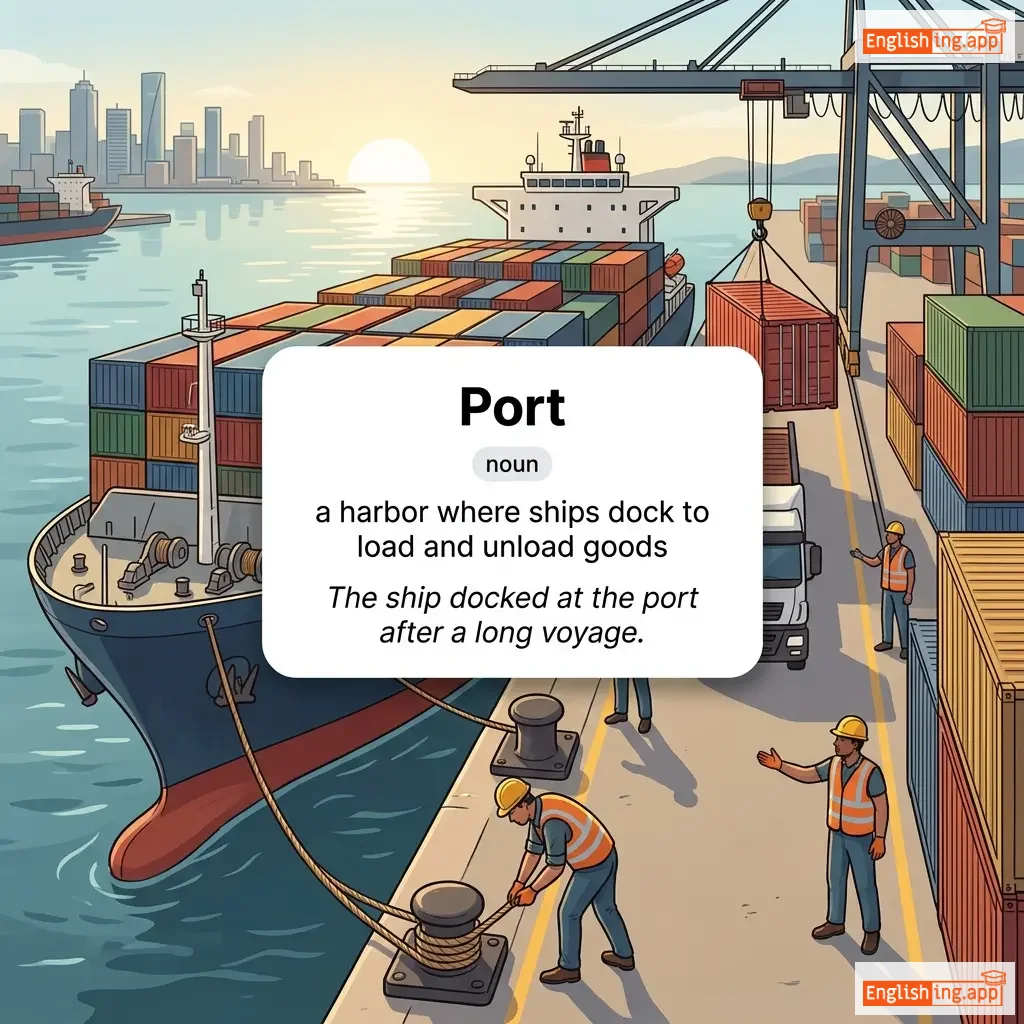
a harbor where ships dock to load and unload goods
••••••
|
The ship docked at the port after a long voyage. |
- •••••• |
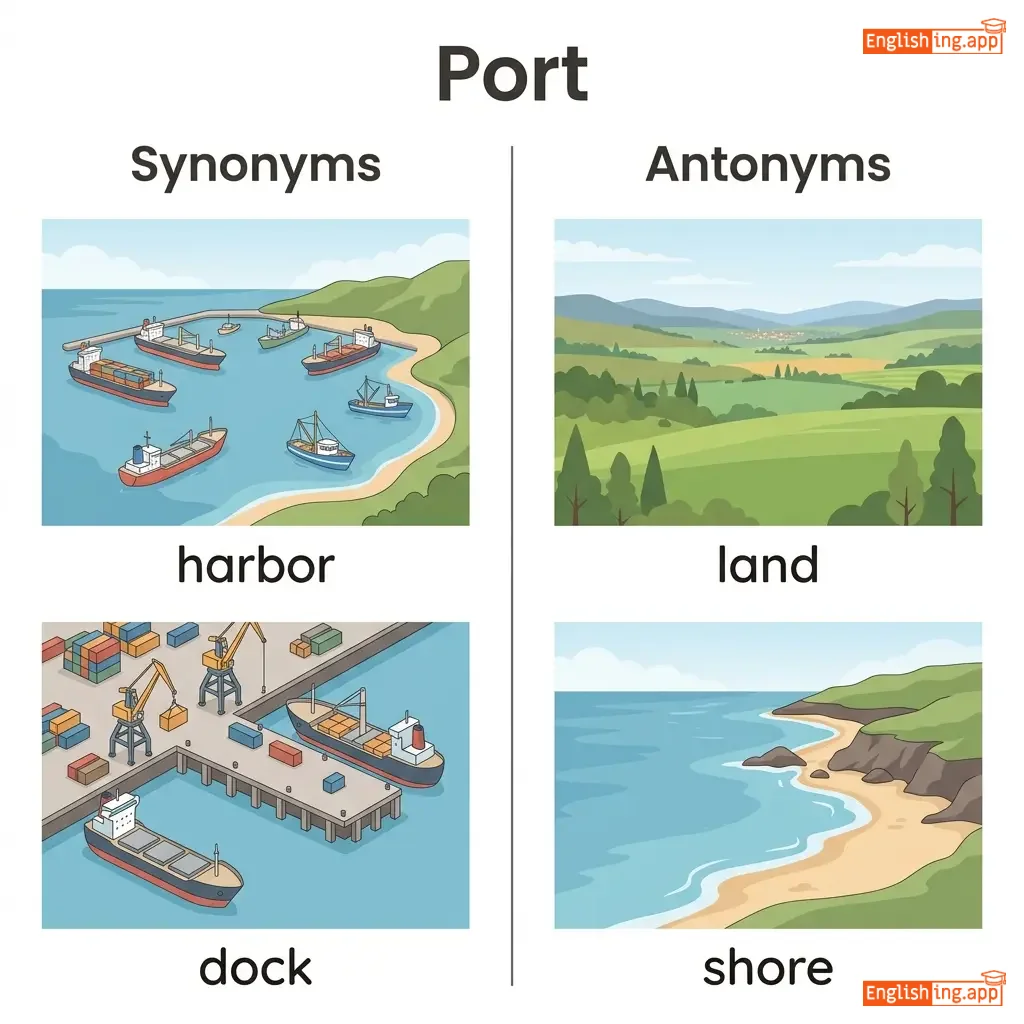
harbor, dock, quay, marina
••••••
|
land, shore
••••••
|
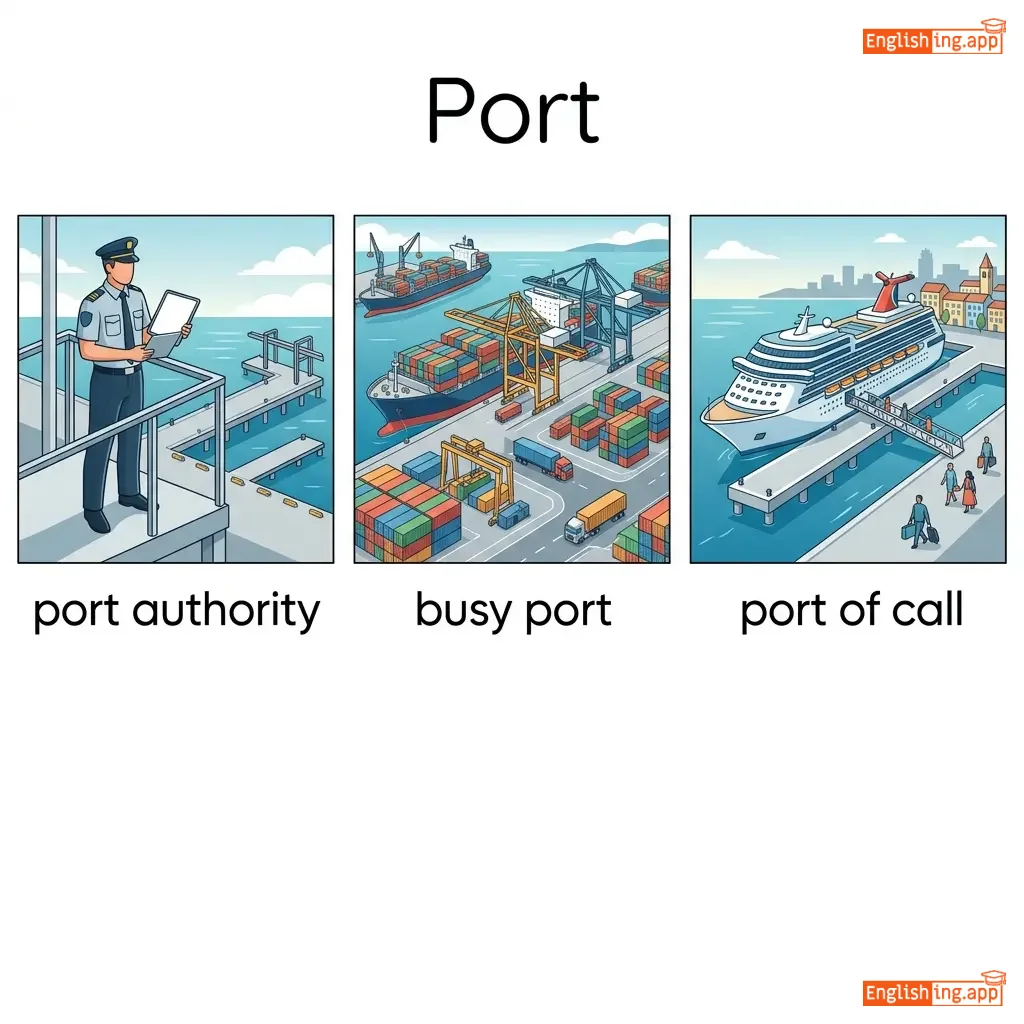
port authority, busy port, port of call, shipping port
••••••
|
No •••••• |
|
#11638
🏡
|
/pɔːrtʃ/
noun
(pɔːrtʃ)
••••••
|
- •••••• |
门廊
menlang
••••••
|
- •••••• | - •••••• | - •••••• | - •••••• |
a covered area at the entrance of a building, often with a roof and open sides
••••••
|
We sat on the porch and enjoyed the evening breeze. |
我们坐在门廊上,享受晚风。
Wo men zuo zai menlang shang, xiangshou wanfeng.
••••••
|
veranda, balcony, terrace, entryway
••••••
|
indoor, interior
••••••
|
front porch, back porch, porch swing, sitting on the porch
••••••
|
The porch is like '门廊' (menlang) where you relax.
••••••
|
|
#11639
🌍
|
/ˌpɒpjʊˈleɪʃən/
noun
(人口)
••••••
|
|
人口
renkou
••••••
|
- •••••• | - •••••• | - •••••• | - •••••• |
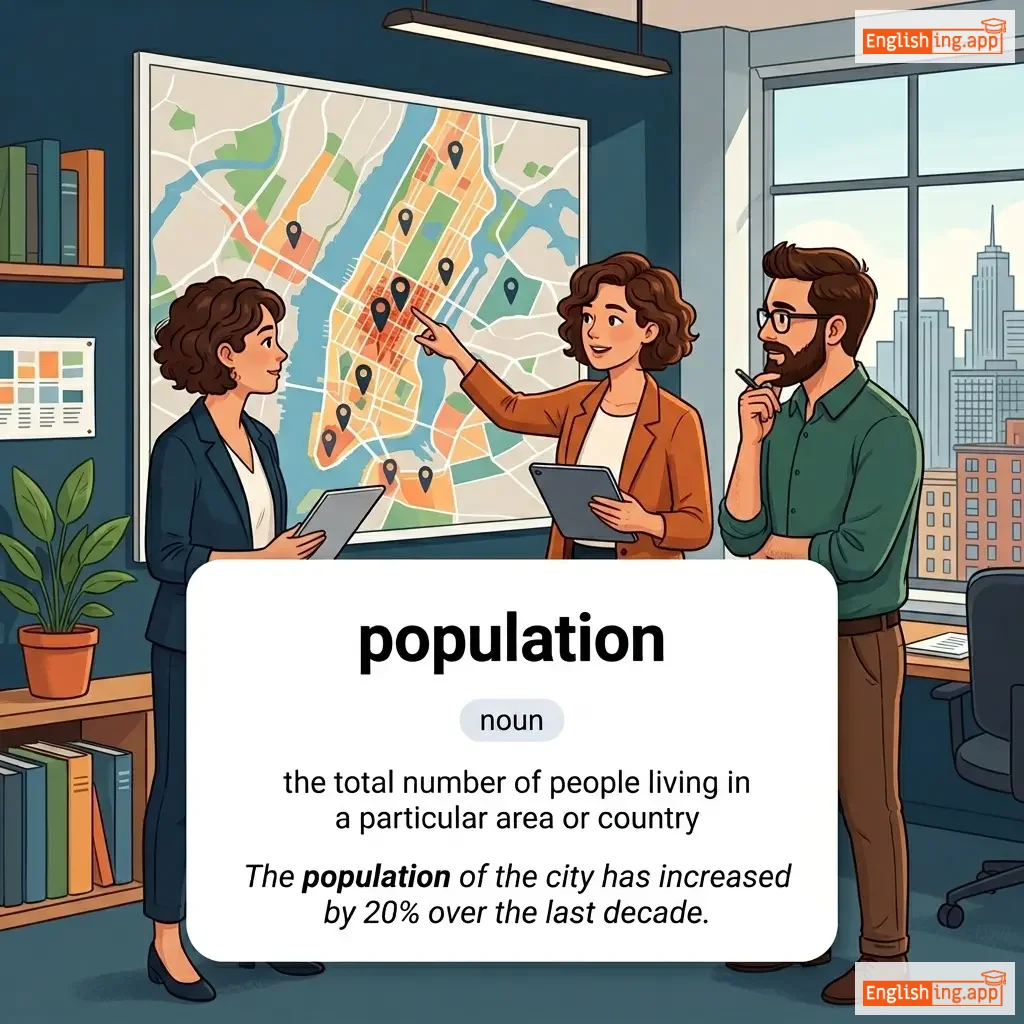
the total number of people living in a particular area or country
••••••
|
The population of the city has increased by 20% over the last decade.
这座城市的人口在过去十年增加了20%。
••••••
|
这座城市的人口在过去十年增加了20%。
Zhe zuo chengshi de renkou zai guoqu shi nian zengjia le 20%.
••••••
|
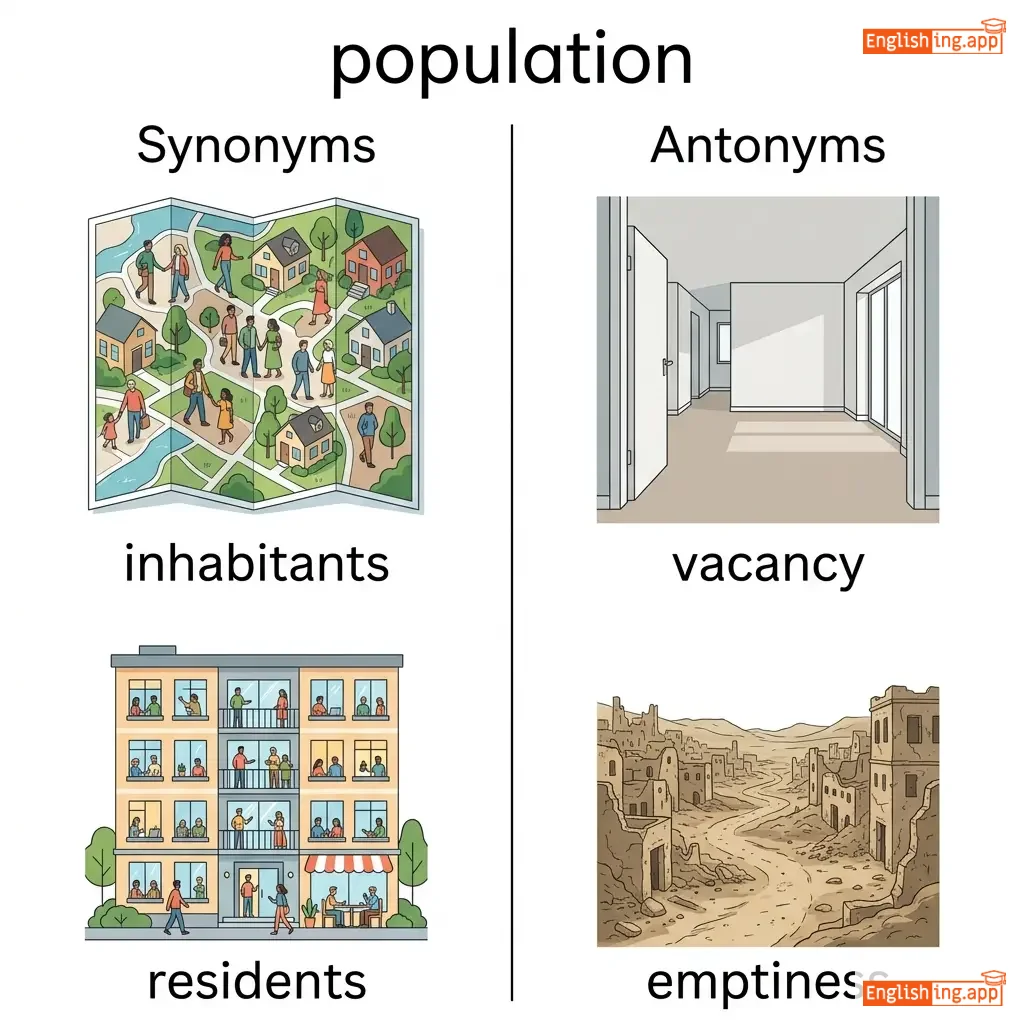
inhabitants, residents, citizens, people
••••••
|
vacancy, emptiness
••••••
|
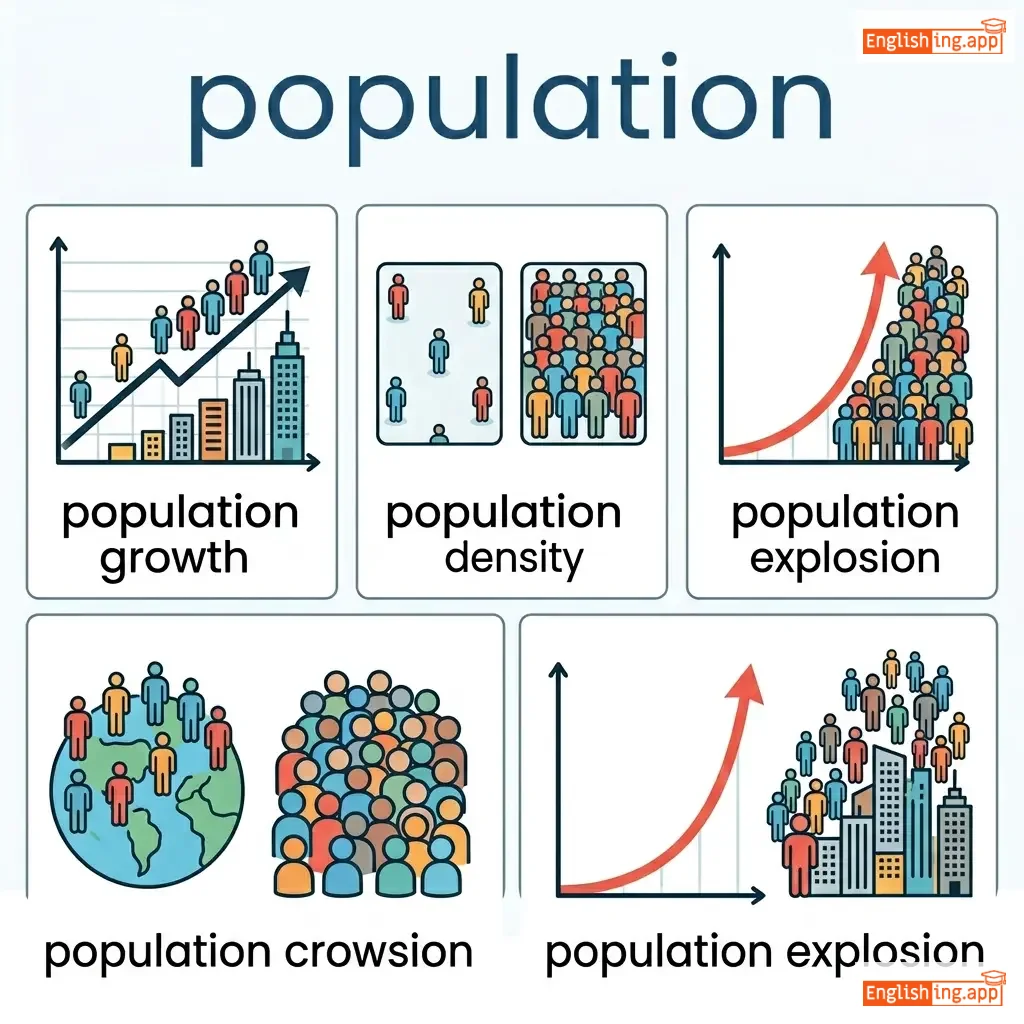
population growth, population density, population explosion, population control
••••••
|
Population is the '人口' (renkou) of a place.
••••••
|
|
#11640
🌟
|
/ˈpɒpjʊlər/
adjective
(pòpíng)
••••••
|
- •••••• |
受欢迎
shou huanying
••••••
|
- •••••• | - •••••• | - •••••• | - •••••• |
liked or admired by many people
••••••
|
She is a popular singer with a huge fan base.
她是一位受欢迎的歌手,拥有庞大的粉丝群。
••••••
|
她是一位受欢迎的歌手,拥有庞大的粉丝群。
Ta shi yi wei shou huanying de geshou, yongyou pangda de fensi qun.
••••••
|
well-liked, admired, favored, renowned
••••••
|
unpopular, disliked
••••••
|
popular opinion, popular choice, popular culture, popular among
••••••
|
Things that are '受欢迎' (shou huanying) are always loved in China!
••••••
|
|
#11641
🎈
|
/pɒp/
verb
(波普)
••••••
|
- •••••• |
爆炸
baozha
••••••
|
popped
爆裂
••••••
|
popped
爆裂
••••••
|
pops
爆裂
••••••
|
popping
爆裂
••••••
|
to make a short, sharp sound, or to burst or break with such a sound
••••••
|
The balloon popped when I accidentally pricked it with a pin.
气球爆裂了,当我不小心用针戳它时。
••••••
|
气球爆裂了,当我不小心用针戳它时。
Qìqiú bàoliè le, dāng wǒ bù xiǎoxīn yòng zhēn chuō tā shí.
••••••
|
burst, explode, snap, crack
••••••
|
quiet, silence
••••••
|
pop the balloon, pop the cork, pop up, pop out
••••••
|
Pop the balloon, 就像'波普' (Bō pǔ) 爆破气球!
••••••
|
|
#11642
🏊
|
/puːl/
noun/verb
(プール)
••••••
|
- •••••• |
游泳池
youyongchi
••••••
|
pooled
プールド
••••••
|
pooled
プールド
••••••
|
pools
プールス
••••••
|
pooling
プーリング
••••••
|
a small body of still water, or a game played in a rectangular table with balls
••••••
|
The children swam in the pool all afternoon.
孩子们整个下午都在游泳池里游泳。
••••••
|
孩子们整个下午都在游泳池里游泳。
Haizimen zhengge xiawu dou zai youyongchi li youyong.
••••••
|
pond, reservoir, swimming pool, game
••••••
|
dry, empty
••••••
|
swimming pool, pool party, pool table, pool of water
••••••
|
游泳池是游泳的最佳场所!
••••••
|
|
#11643
🌍
|
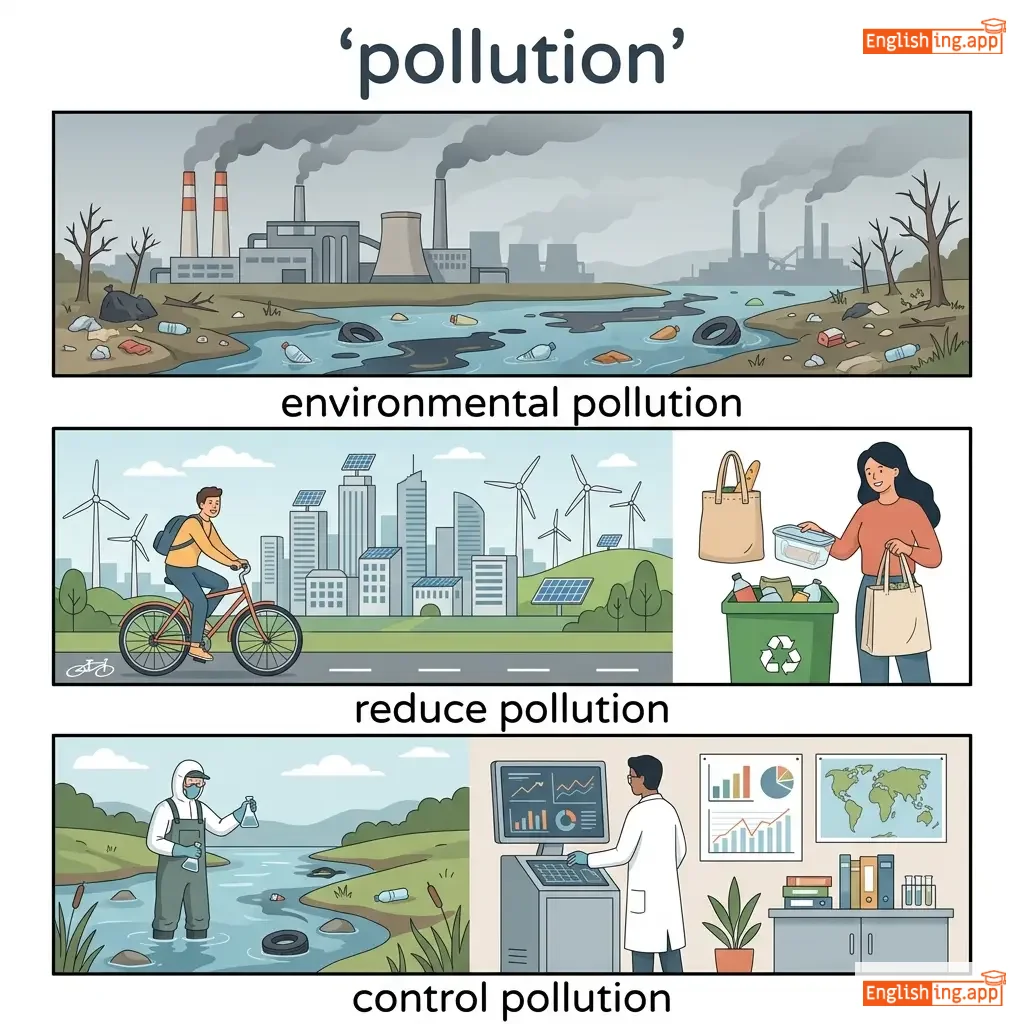
/pəˈlʊʃən/
noun
(污染)
••••••
|
|
污染
wuran
••••••
|
- •••••• | - •••••• | - •••••• | - •••••• |
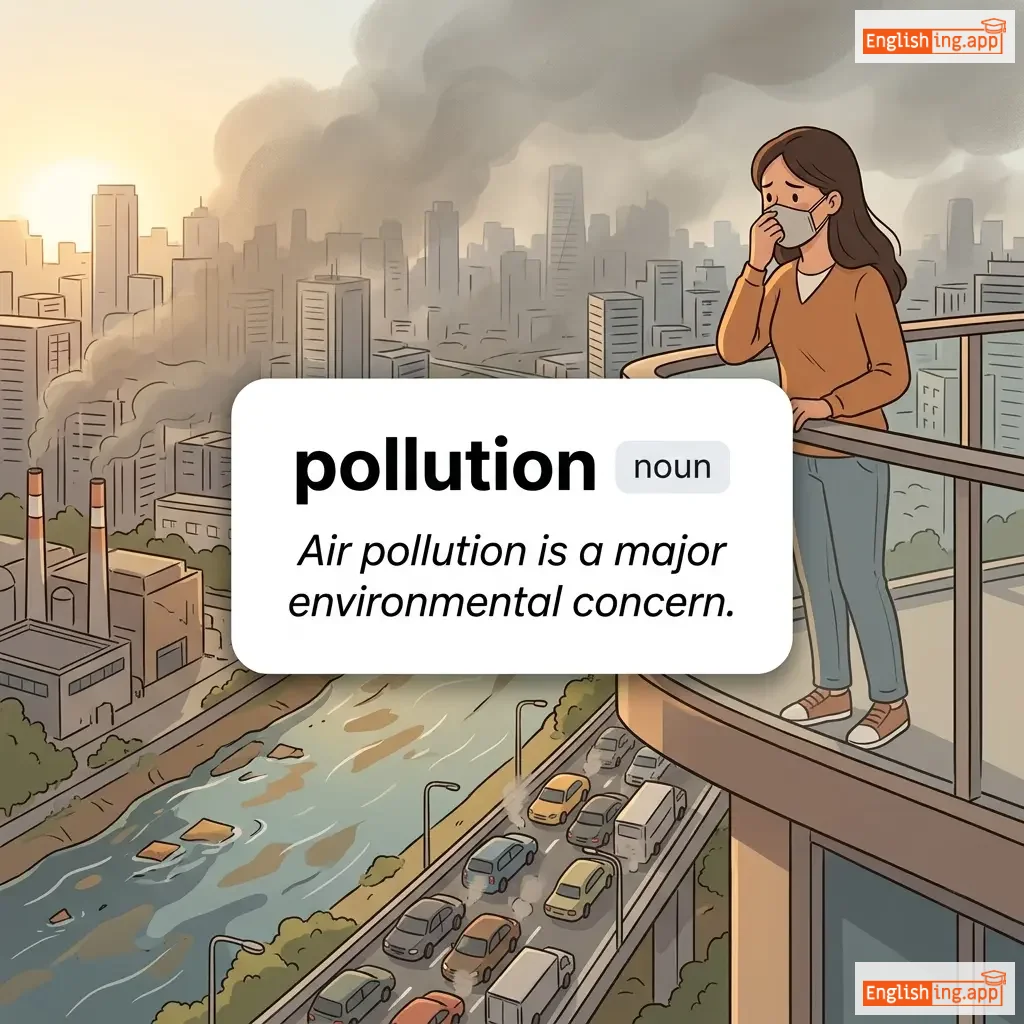
the presence of harmful substances in the environment, especially the air, water, or soil
••••••
|
Air pollution is a major environmental concern.
空气污染是一个主要的环境问题。
••••••
|
空气污染是一个主要的环境问题。
Kongqi wuran shi yige zhuyao de huanjing wenti.
••••••
|
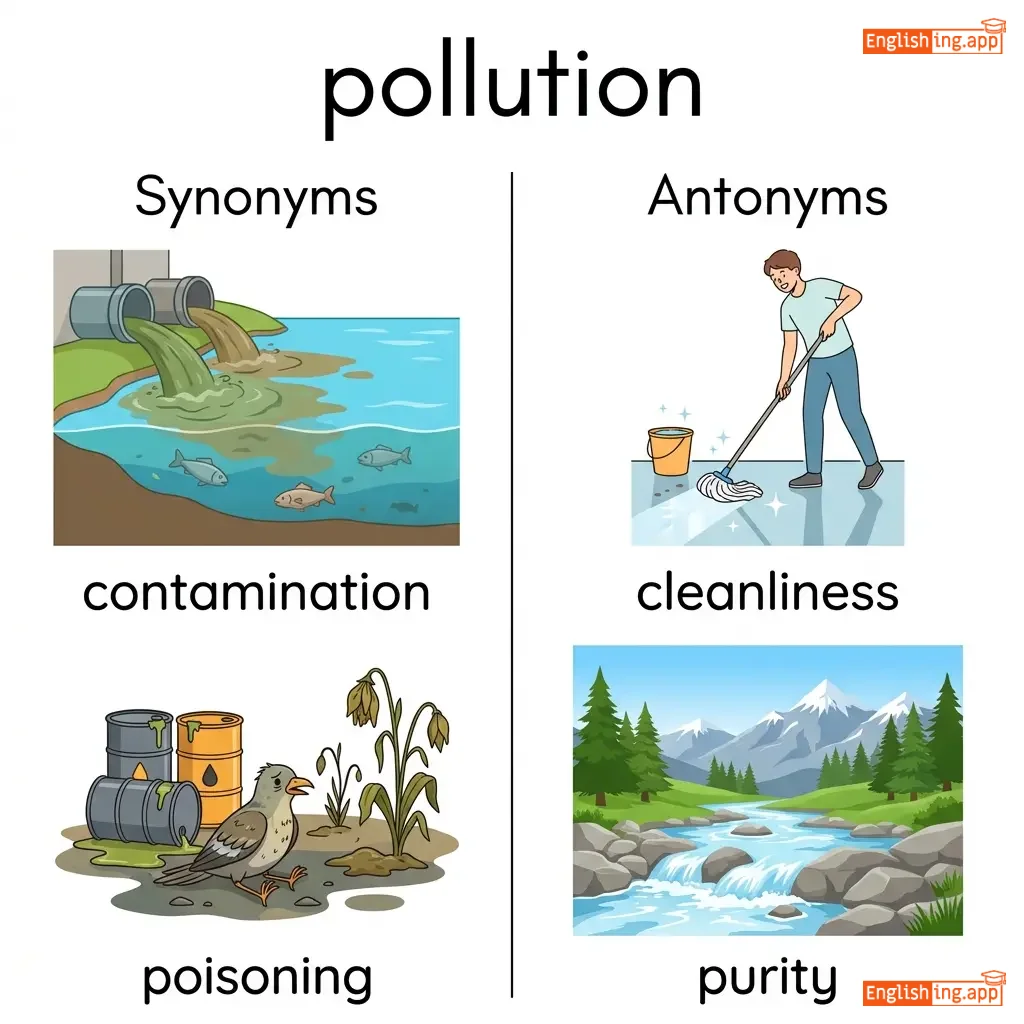
contamination, poisoning, impurity, dirt
••••••
|
cleanliness, purity
••••••
|
environmental pollution, reduce pollution, control pollution, pollution levels
••••••
|
Pollution is polluting our planet!
••••••
|
|
#11644
🗳️
|
/pəʊl/
noun/verb
(póu ěr)
••••••
|
- •••••• |
民意调查
minyi diaocha
••••••
|
polled
polled
••••••
|
polled
polled
••••••
|
polls
polls
••••••
|
polling
polling
••••••
|
a survey of public opinion or voting in an election
••••••
|
The poll revealed that most people favored the new policy.
The poll revealed that most people favored the new policy.
••••••
|
民意调查显示大多数人支持新政策。
Minyi diaocha xianshi dashu ren zhichi xin zhengce.
••••••
|
survey, vote, referendum, ballot
••••••
|
consensus, agreement
••••••
|
opinion poll, public poll, exit poll, conduct a poll
••••••
|
Polls collect people's opinions like a survey!
••••••
|
|
#11645
⚖️
|
/ˈpɒlɪtɪks/
noun
(pòulìtí kè sī)
••••••
|
- •••••• |
政治
zhengzhi
••••••
|
- •••••• | - •••••• | - •••••• | - •••••• |
activities related to the governance of a country or area, especially the debate between parties having power
••••••
|
Politics often involves making difficult decisions. |
政治通常涉及做出艰难的决策。
Zhengzhi tongchang shèjí zuòchū jiānnán de juécè.
••••••
|
government, diplomacy, statecraft, policy
••••••
|
apoliticism, non-partisanship
••••••
|
politics of power, national politics, political debate
••••••
|
POLIticians engage in POLItics.
••••••
|
|
#11646
👨💼
|
/pəˈlɪtɪʃən/
noun
(pò lì tí xiān)
••••••
|
- •••••• |
政治家
zhèng zhì jiā
••••••
|
- •••••• | - •••••• | - •••••• | - •••••• |
a person who is involved in politics, especially as a profession
••••••
|
The politician promised to improve the economy. |
政治家承诺改善经济。
Zhèng zhì jiā chéng nuò gǎi shàn jīng jì.
••••••
|
statesman, lawmaker, representative, public servant
••••••
|
citizen, layman
••••••
|
politician career, influential politician, corrupt politician
••••••
|
Politicians are in politics to improve the people's future.
••••••
|
|
#11647
⚖️
|
/pəˈlɪtɪkəli/
adverb
(政治上)
••••••
|
- •••••• |
政治上
zhèngzhì shàng
••••••
|
- •••••• | - •••••• | - •••••• | - •••••• |
in a way that relates to politics or government
••••••
|
The country is politically divided between two major parties.
这个国家在政治上分裂为两个主要党派。
••••••
|
这个国家在政治上分裂为两个主要党派。
Zhège guójiā zài zhèngzhì shàng fēnliè wéi liǎng gè zhǔyào dǎngpài.
••••••
|
governmentally, civically, socially
••••••
|
apolitically
••••••
|
politically active, politically correct, politically charged
••••••
|
从政治上思考,想象国家在两个主要党派之间分裂。
••••••
|
|
#11648
🏛️
|
/pəˈlɪtɪkəl/
adjective
(政治的)
••••••
|
|
政治的
zhèngzhì de
••••••
|
- •••••• | - •••••• | - •••••• | - •••••• |
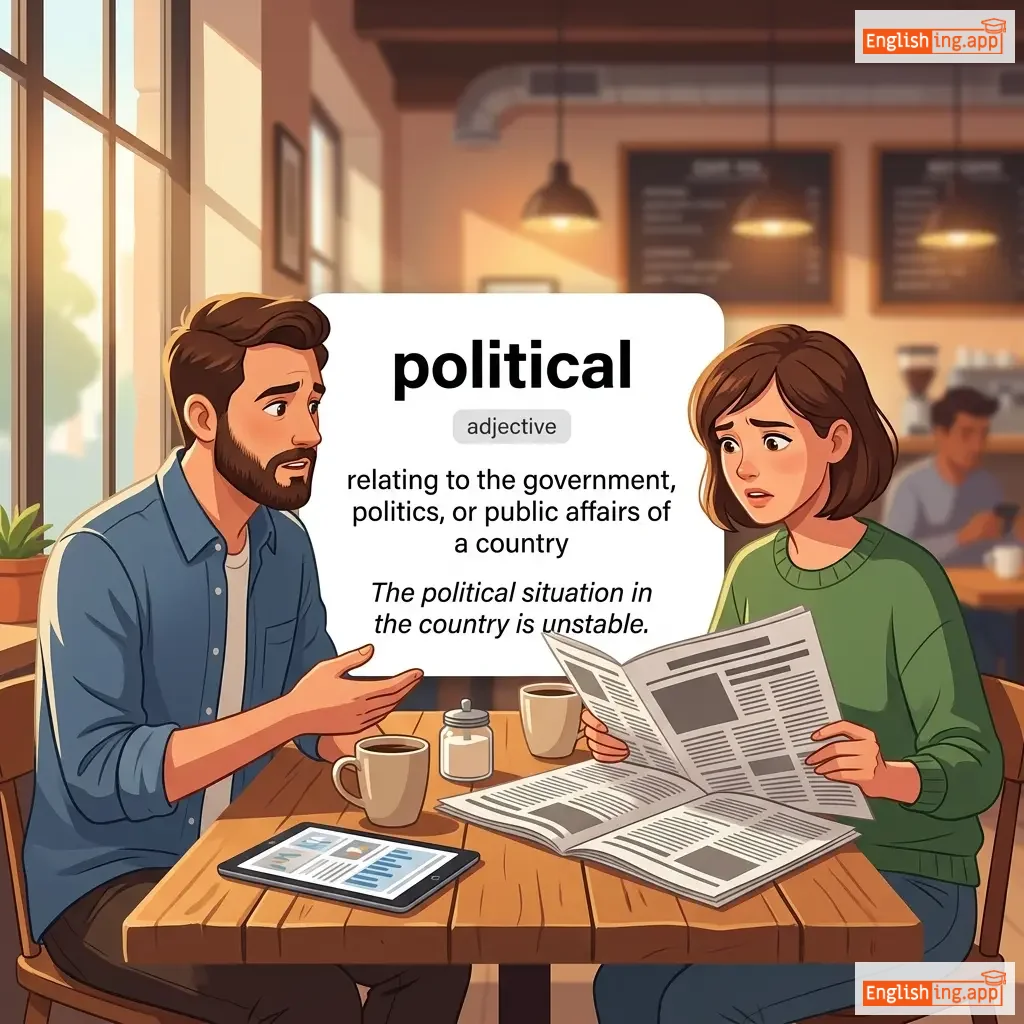
relating to the government, politics, or public affairs of a country
••••••
|
The political situation in the country is unstable. |
该国的政治形势不稳定。
Gāi guó de zhèngzhì xíngshì bù wěndìng.
••••••
|
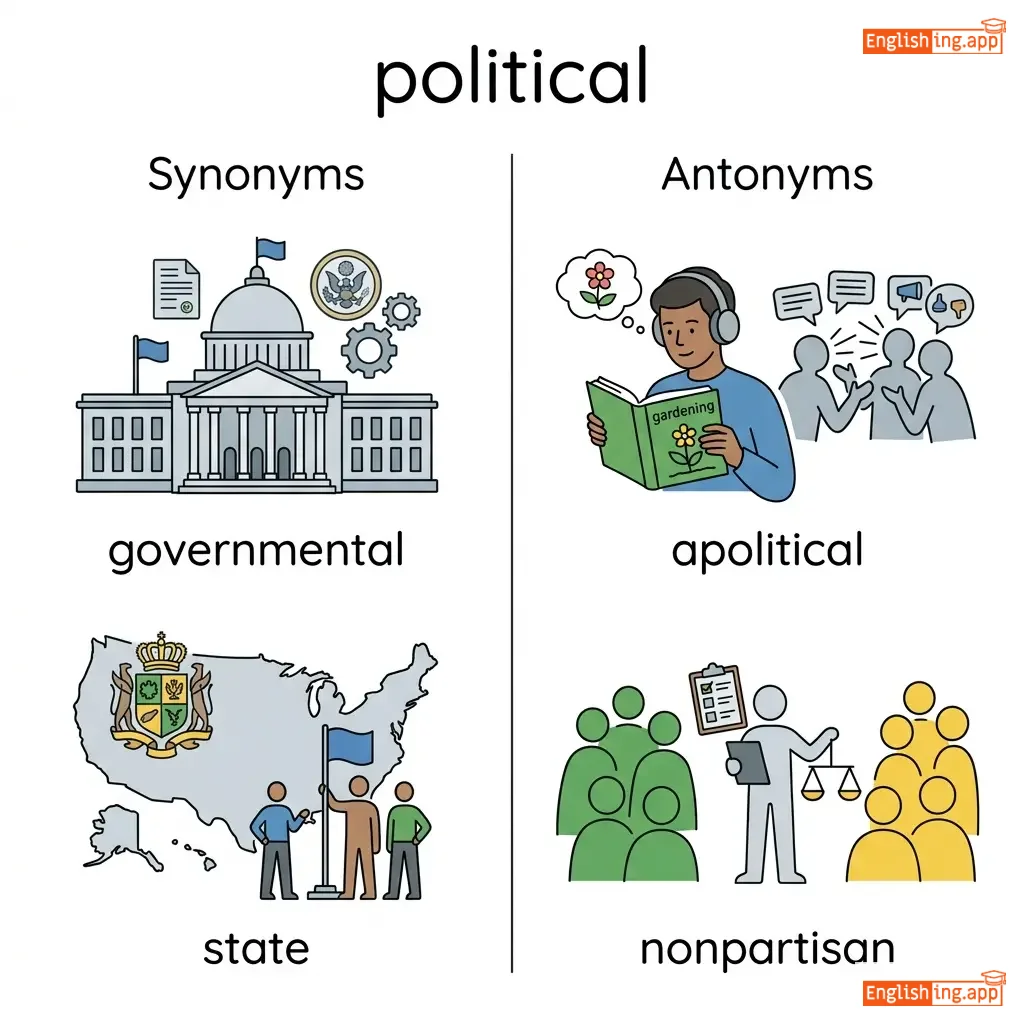
governmental, state, civic, public
••••••
|
apolitical, nonpartisan
••••••
|
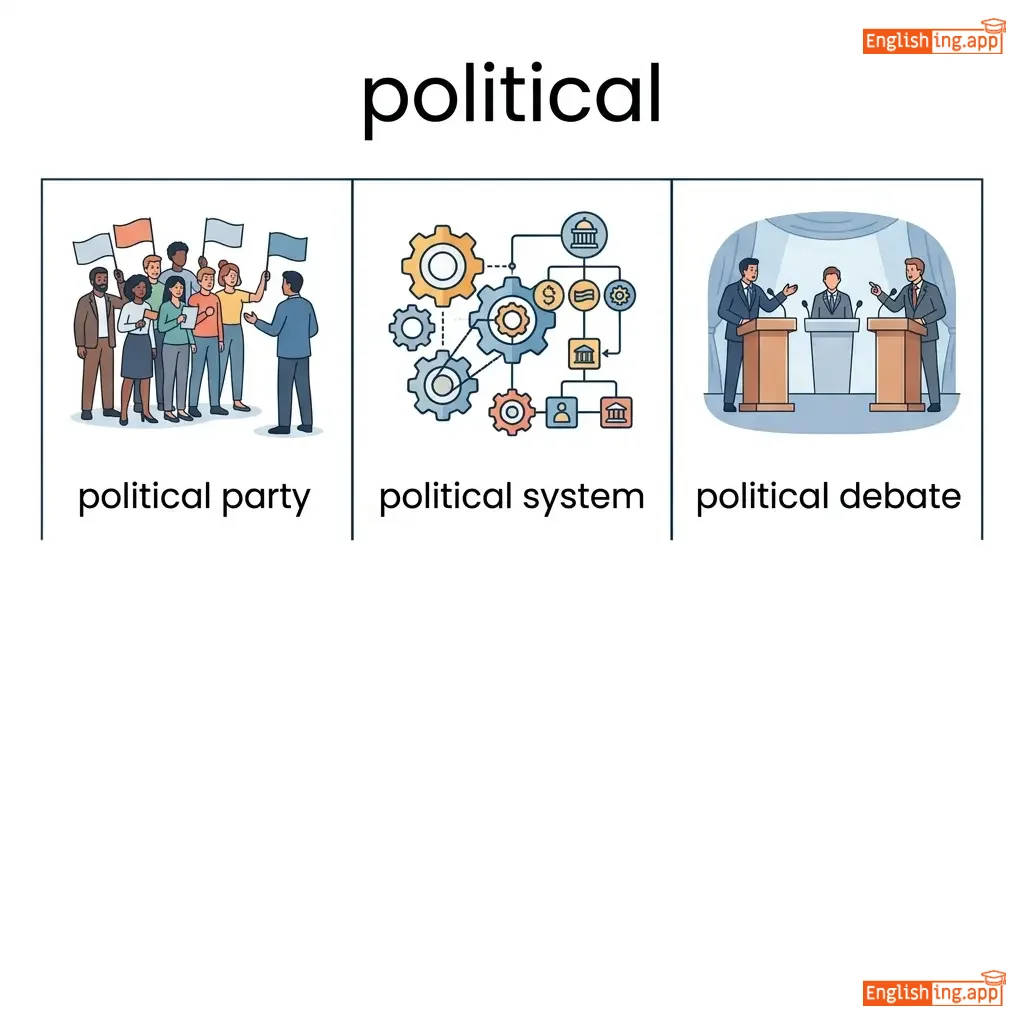
political party, political system, political debate
••••••
|
政治决定国家的命运!
••••••
|
|
#11649
👮
|
/pəˈliːs/
noun
(警察)
••••••
|
- •••••• |
警察
jingcha
••••••
|
- •••••• | - •••••• | - •••••• | - •••••• |
a body of officers representing the civil authority of government
••••••
|
The police arrived quickly to investigate the scene.
警察很快赶到现场进行调查。
••••••
|
警察很快赶到现场进行调查。
Jǐngchá hěn kuài gǎndào xiànchǎng jìnxíng diàochá.
••••••
|
law enforcement, constabulary, cops, authorities
••••••
|
criminals, offenders
••••••
|
police officer, police station, police force
••••••
|
记住'警察',他们是你社区的守护者!
••••••
|
|
#11650
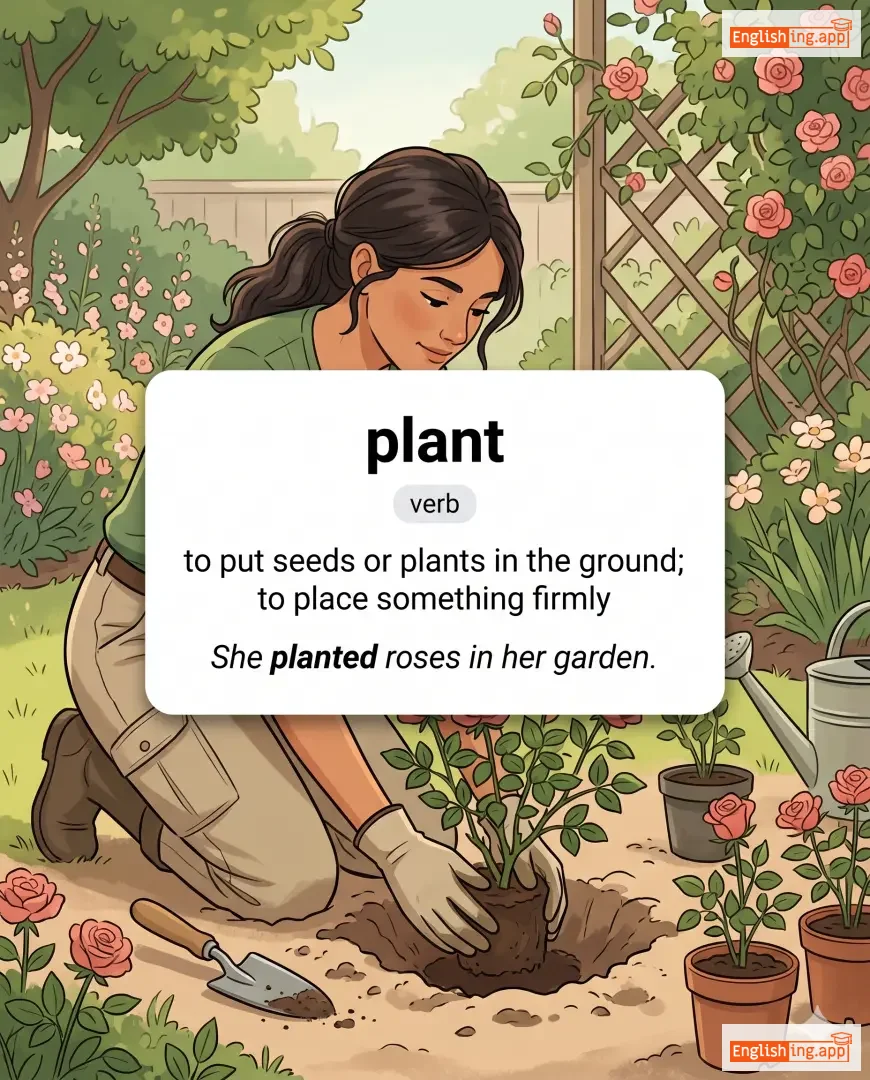
🌱
|
/plænt/
noun
(plænt)
••••••
|
|
植物
zhíwù
••••••
|
- •••••• | - •••••• | - •••••• | - •••••• |
a living organism that typically grows in the ground and absorbs nutrients from the soil
••••••
|
She planted a tree in her garden. |
她在她的花园里种了一棵树。
Tā zài tā de huāyuán lǐ zhòngle yī kē shù.
••••••
|
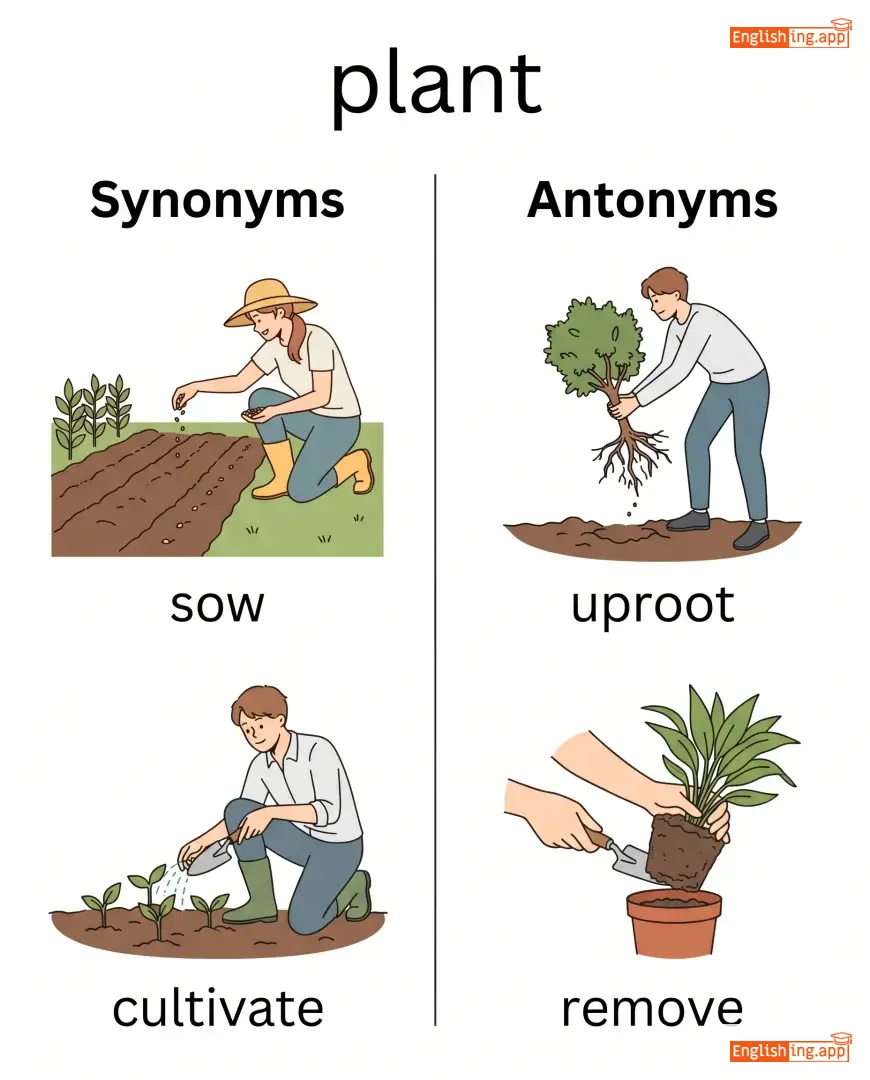
vegetation, flora, shrub, bush
••••••
|
stone, rock, dirt
••••••
|
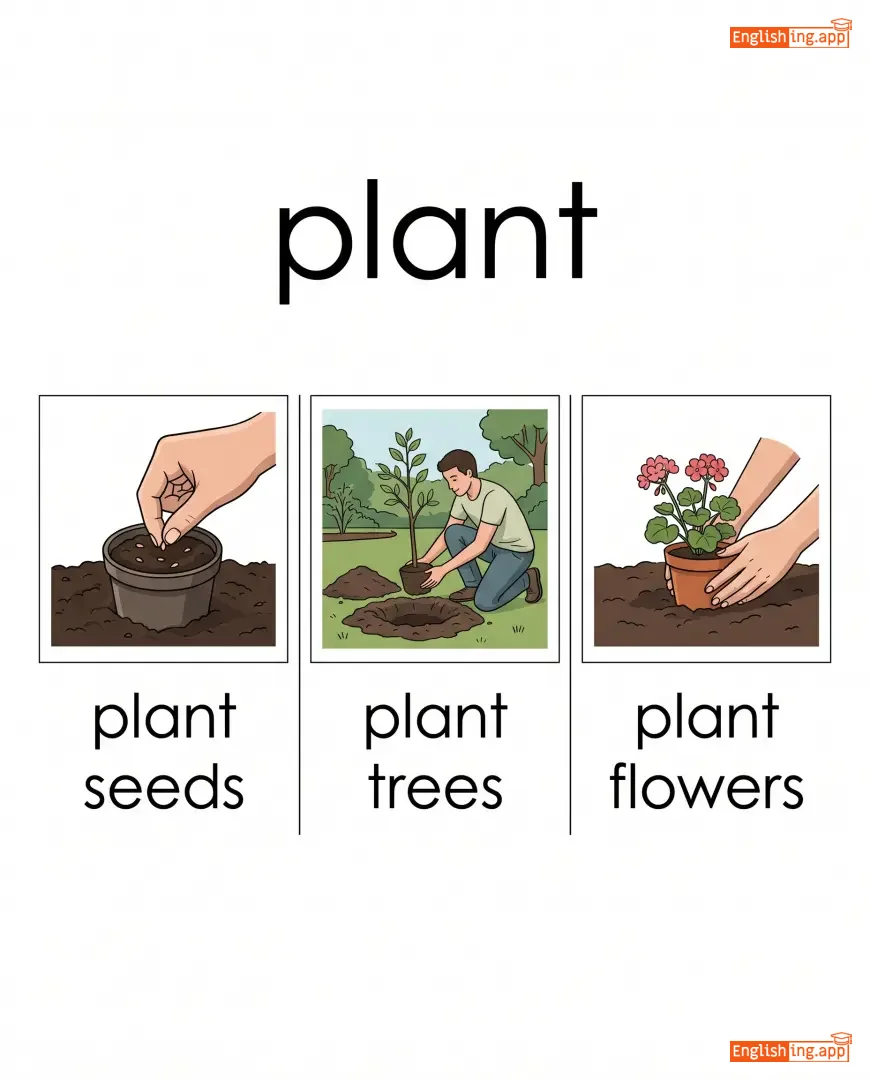
plant growth, plant care, flowering plant
••••••
|
A plant grows as a 'zhíwù' in the garden.
••••••
|
|
#11651
📍
|
/pɔɪnt/
noun
(pɔɪnt)
••••••
|
- •••••• |
点
dian
••••••
|
- •••••• | - •••••• | - •••••• | - •••••• |
a particular spot, location, or position in space
••••••
|
The mountain peak is the highest point in the region. |
山顶是该地区的最高点。
Shanding shi gai diqu de zui gao dian.
••••••
|
spot, location, position, place
••••••
|
area, void, empty
••••••
|
point of view, point of contact, turning point
••••••
|
记住'点'的地方,就像在地图上标出位置一样
••••••
|
|
#11652
📚
|
/ˈpoʊɪtri/
noun
(诗歌)
••••••
|
- •••••• |
诗歌
shige
••••••
|
- •••••• | - •••••• | - •••••• | - •••••• |
a literary form that uses rhythmic and metaphorical language to express emotions or ideas
••••••
|
She loves reading poetry in her free time. |
她喜欢在空闲时间阅读诗歌。
Ta xihuan zai kongxian shijian yuedu shige.
••••••
|
verse, rhymes, ballads
••••••
|
prose, narrative
••••••
|
read poetry, write poetry, modern poetry
••••••
|
Poetry is the art of capturing emotions in words.
••••••
|
|
#11653
✍️
|
/ˈpoʊɪt/
noun
(pō-è-tè)
••••••
|
- •••••• |
诗人
shīrén
••••••
|
- •••••• | - •••••• | - •••••• | - •••••• |
a person who writes poems
••••••
|
The poet wrote about love and nature. |
诗人写了关于爱情和自然的诗。
Shīrén xiě le guānyú àiqíng hé zìrán de shī.
••••••
|
verse-maker, bard, author
••••••
|
prose writer
••••••
|
great poet, famous poet, modern poet
••••••
|
A poet is a storyteller who creates worlds with words!
••••••
|
|
#11654
📜
|
/ˈpoʊɪm/
noun
(诗)
••••••
|
- •••••• |
诗歌
shige
••••••
|
- •••••• | - •••••• | - •••••• | - •••••• |
a piece of writing that expresses ideas, feelings, or tells a story in a distinct form, often using rhyme or meter
••••••
|
She wrote a beautiful poem for her mother. |
她为她的母亲写了一首美丽的诗歌。
Tā wèi tā de mǔqīn xiěle yī shǒu měilì de shīgē.
••••••
|
verse, sonnet, rhyme
••••••
|
prose, essay
••••••
|
write a poem, read a poem, beautiful poem
••••••
|
想象诗歌是一种能触动你内心的故事!
••••••
|
|
#11655
👖
|
/ˈpɒkɪt/
noun
••••••
|
- •••••• | - •••••• | - •••••• | - •••••• | - •••••• | - •••••• |
a small, enclosed space in clothing for carrying items
••••••
|
He put his phone in his pocket. |
- •••••• |
compartment, pouch, bag
••••••
|
open space, outside
••••••
|
pocket size, shirt pocket, pocket money
••••••
|
No •••••• |
|
#11656
🕒
|
/piːˈɛm/
noun
••••••
|
- •••••• | - •••••• | - •••••• | - •••••• | - •••••• | - •••••• |
abbreviation for post meridiem; after midday
••••••
|
The meeting is scheduled at 3 pm. |
- •••••• |
afternoon, afternoon time
••••••
|
am, morning
••••••
|
pm time, 3 pm, 5 pm
••••••
|
No •••••• |
|
#11657
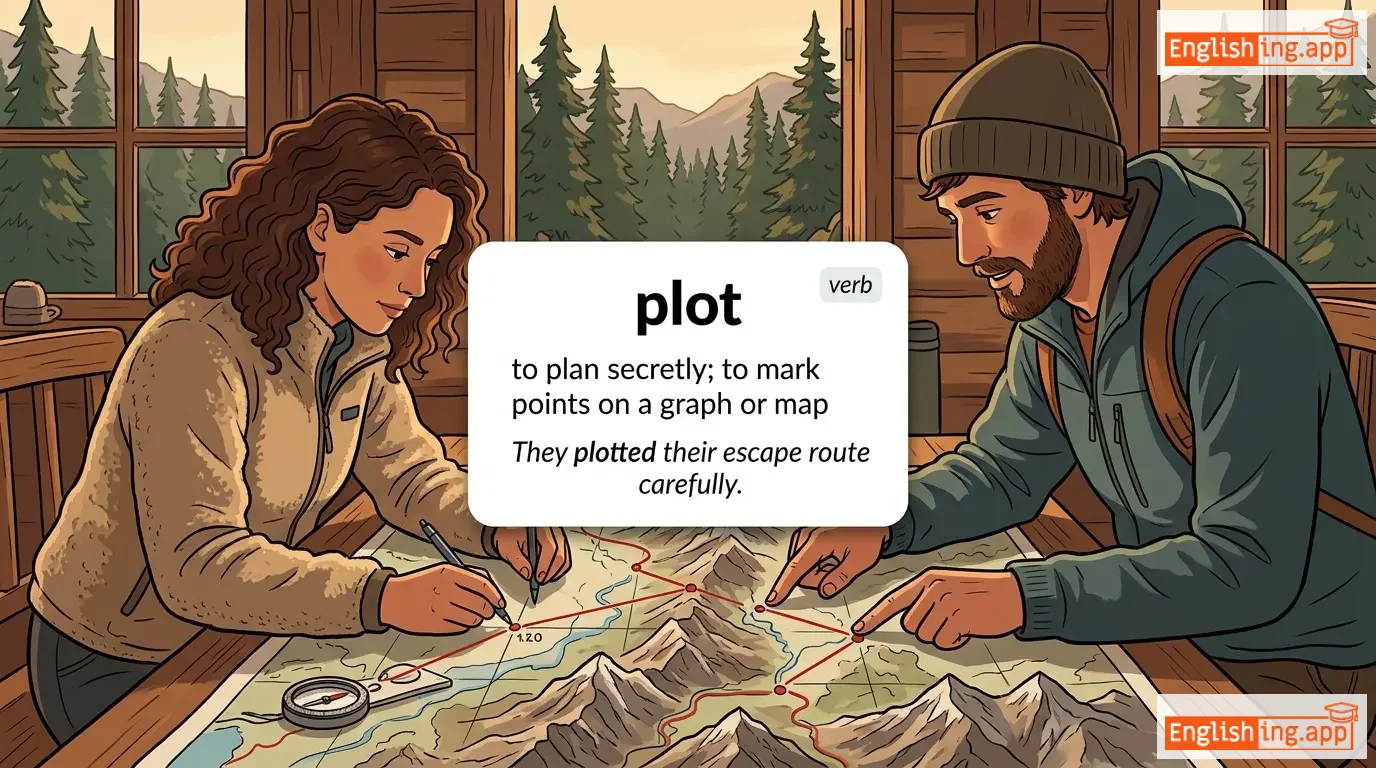
📜
|
/plɒt/
noun
(普洛特)
••••••
|
|
阴谋
yīnmóu
••••••
|
- •••••• | - •••••• | - •••••• | - •••••• |
a secret plan or scheme, often with bad intentions
••••••
|
The villain made a plot to steal the treasure.
反派设计了一个阴谋,试图偷走宝藏。
••••••
|
反派设计了一个阴谋,试图偷走宝藏。
Fǎnpài shèjìle yī gè yīnmóu, shìtú tōuzǒu bǎozàng.
••••••
|
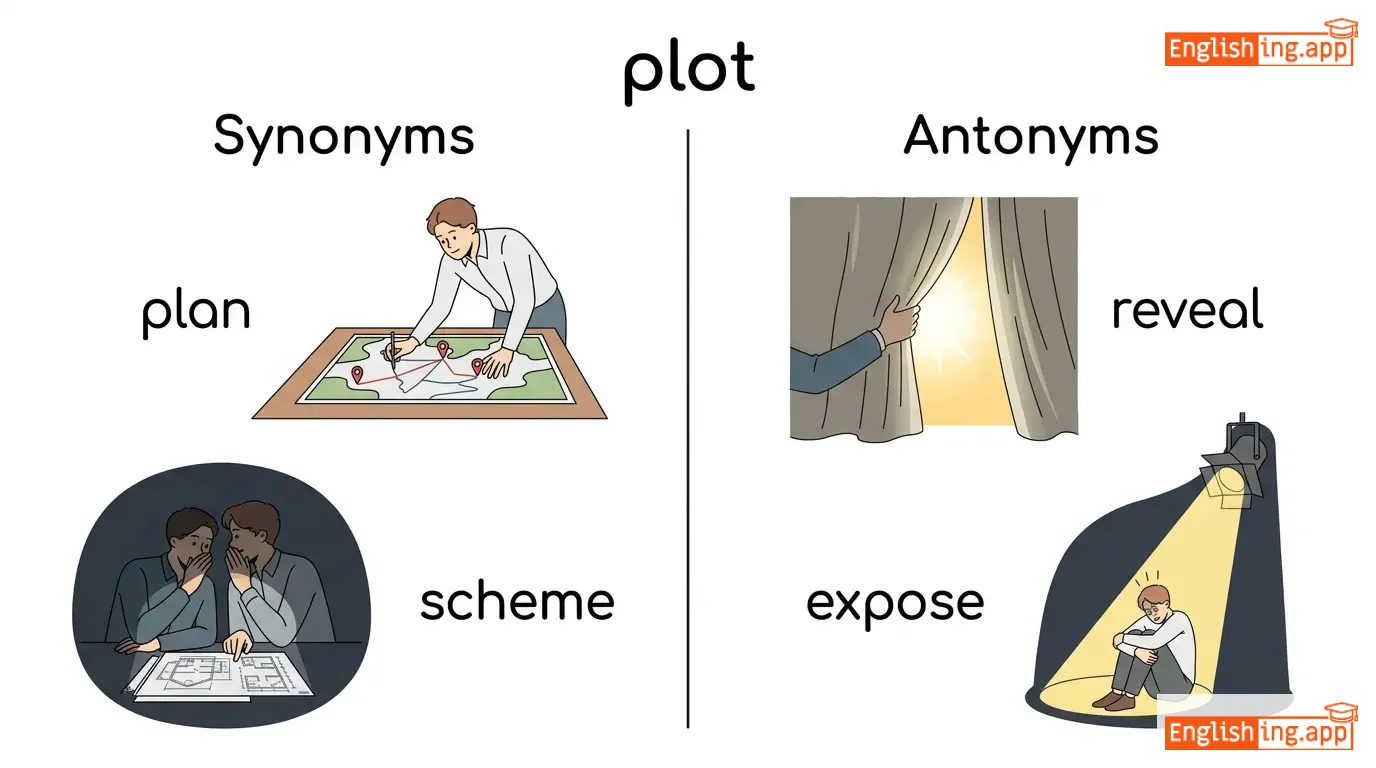
scheme, conspiracy, plan, strategy
••••••
|
honesty, transparency
••••••
|
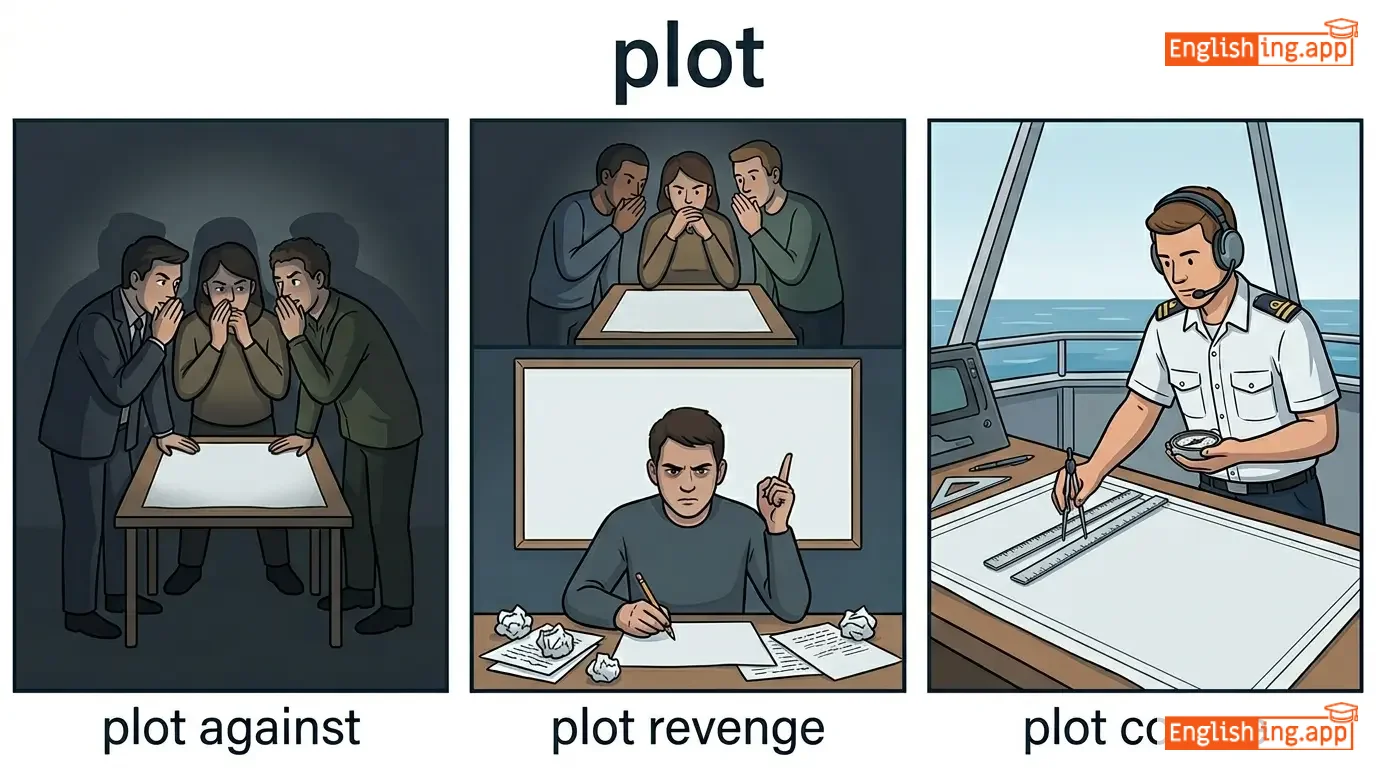
plot to, evil plot, secret plot, plot twist
••••••
|
Plot = 普洛特 (plot) + 阴谋 (conspiracy), 秘密计划带有恶意
••••••
|
|
#11658
🍽️
|
/ˈplɛnti/
noun
(plenti)
••••••
|
- •••••• |
丰富
fengfu
••••••
|
- •••••• | - •••••• | - •••••• | - •••••• |
a large or sufficient amount or quantity
••••••
|
We have plenty of time before the meeting.
我们在会议前有很多时间。
••••••
|
我们在会议前有很多时间。
Wǒmen zài huìyì qián yǒu hěn duō shíjiān.
••••••
|
abundance, lot, plentyful, profusion
••••••
|
scarcity, lack
••••••
|
plenty of, have plenty, in plenty
••••••
|
Plenty = 丰富,你有丰富的时间
••••••
|
|
#11659
😊
|
/ˈplɛʒər/
noun
(plɛʒər)
••••••
|
- •••••• |
愉快
yúkuài
••••••
|
- •••••• | - •••••• | - •••••• | - •••••• |
a feeling of happiness or enjoyment
••••••
|
It was a pleasure to meet you.
It was a pleasure to meet you.
••••••
|
很高兴见到你。
Hěn gāoxìng jiàn dào nǐ.
••••••
|
delight, joy, enjoyment, satisfaction
••••••
|
displeasure, discomfort
••••••
|
great pleasure, immense pleasure, pleasure to meet, take pleasure
••••••
|
Pleasure = 游戏 (yóuxì) + 愉快, 玩游戏时获得愉快
••••••
|
|
#11660
😊
|
/pliːz/
verb
(pǔlìzī)
••••••
|
- •••••• |
取悦
qǔyuè
••••••
|
pleased
pǔlìzīde
••••••
|
pleased
pǔlìzīde
••••••
|
pleases
pǔlìzī
••••••
|
pleasing
pǔlìzīng
••••••
|
to make someone happy or satisfied
••••••
|
She will do anything to please her parents.
她愿意做任何事情来取悦她的父母。
••••••
|
她愿意做任何事情来取悦她的父母。
Tā yuànyì zuò rènhé shìqíng lái qǔyuè tā de fùmǔ.
••••••
|
satisfy, gratify, delight, indulge
••••••
|
displease, disappoint
••••••
|
please someone, please yourself, please a crowd, please a boss
••••••
|
Please = pǔlìzī + 取悦
••••••
|
|
#11661
🏅
|
/ˈpleɪər/
noun
(pleɪər)
••••••
|
- •••••• |
球员
qiúyuán
••••••
|
- •••••• | - •••••• | - •••••• | - •••••• |
a person who participates in a game or sport
••••••
|
The player scored the winning goal. |
球员打入了制胜球。
Qiúyuán dǎ rù le zhìshèng qiú.
••••••
|
athlete, competitor, participant, sportsperson
••••••
|
non-player, spectator
••••••
|
professional player, skilled player, football player, basketball player
••••••
|
Player = 球 (ball) + 员 (member), 球员是球场上的成员
••••••
|
|
#11662
🎮
|
/pleɪ/
verb
(pléi)
••••••
|
|
玩
wán
••••••
|
played
玩过
••••••
|
played
玩过
••••••
|
plays
玩
••••••
|
playing
玩耍
••••••
|
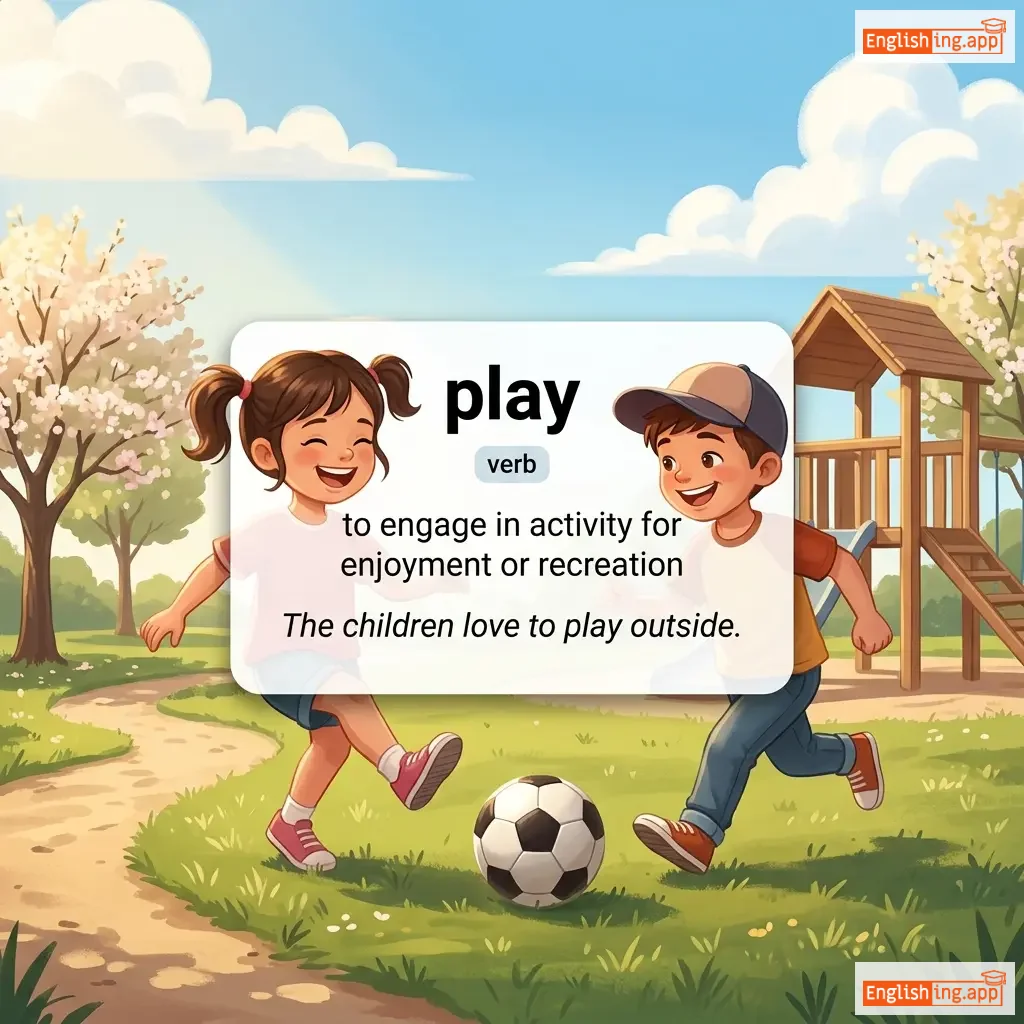
to engage in activity for enjoyment or recreation
••••••
|
The children love to play outside.
孩子们喜欢在外面玩。
••••••
|
孩子们喜欢在外面玩。
Háizimen xǐhuān zài wàimiàn wán.
••••••
|
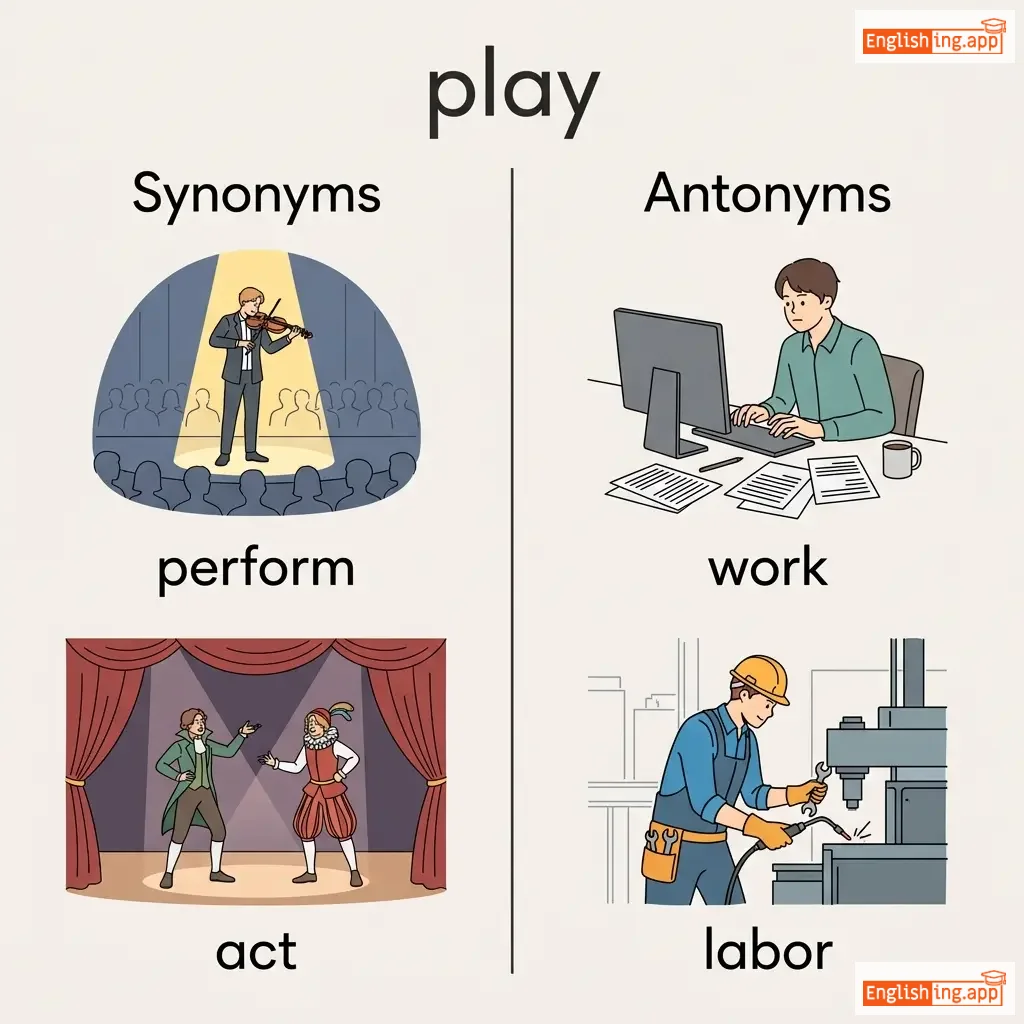
perform, act, engage, entertain
••••••
|
work, labor
••••••
|
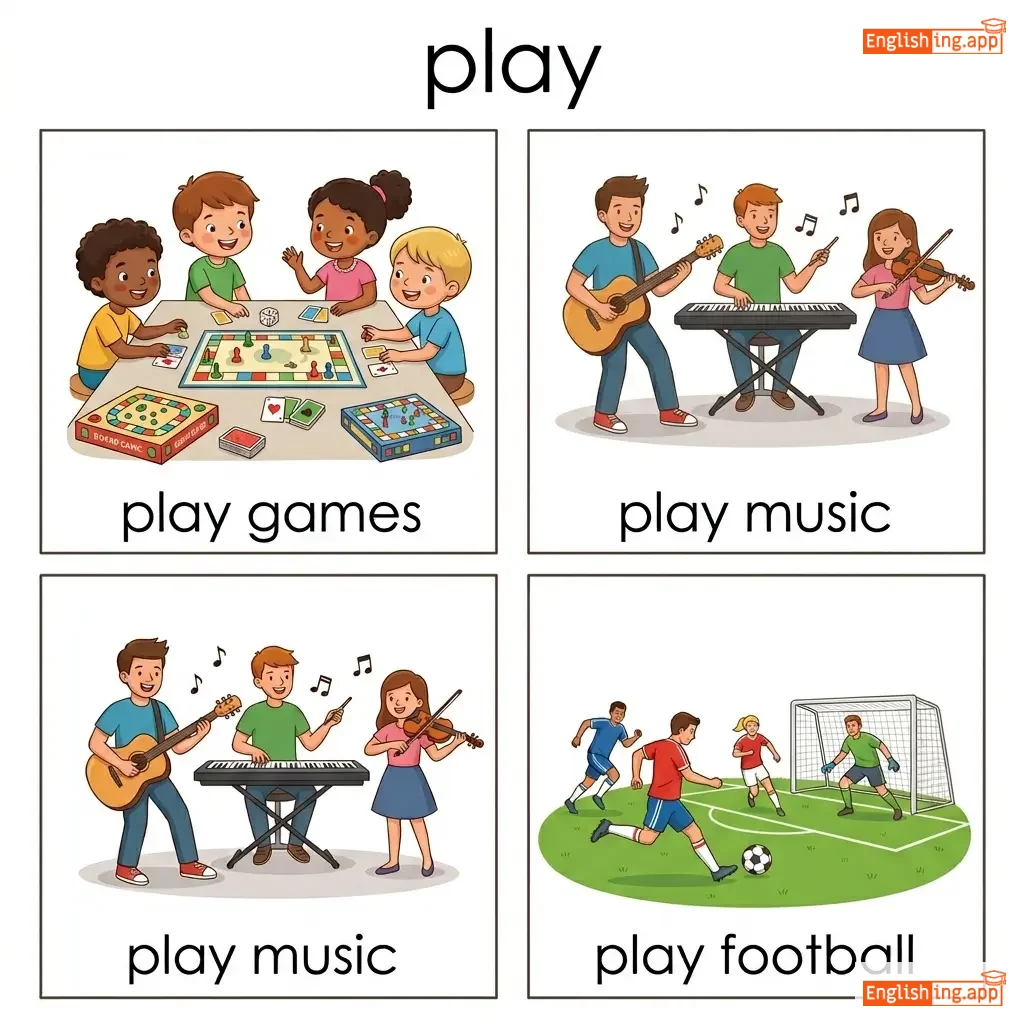
play games, play music, play football
••••••
|
Play = 玩 (wán) makes everyone happy!
••••••
|
|
#11663
🛤️
|
/ˈplætfɔːrm/
noun
(平台)
••••••
|
|
平台
pingtai
••••••
|
- •••••• | - •••••• | - •••••• | - •••••• |
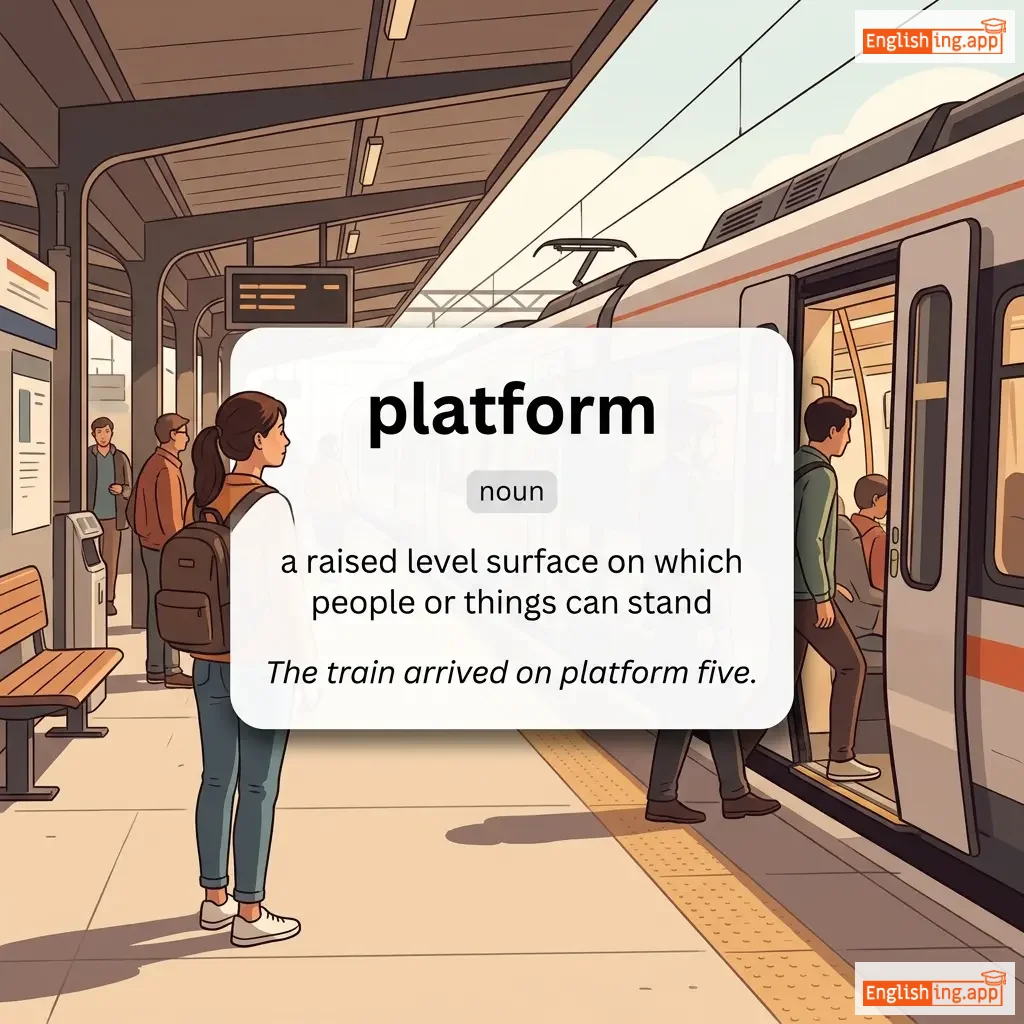
a raised level surface on which people or things can stand
••••••
|
The train arrived on platform five.
火车到达了五号平台。
••••••
|
火车到达了五号平台。
Huǒchē dàodále wǔ hào píngtái.
••••••
|
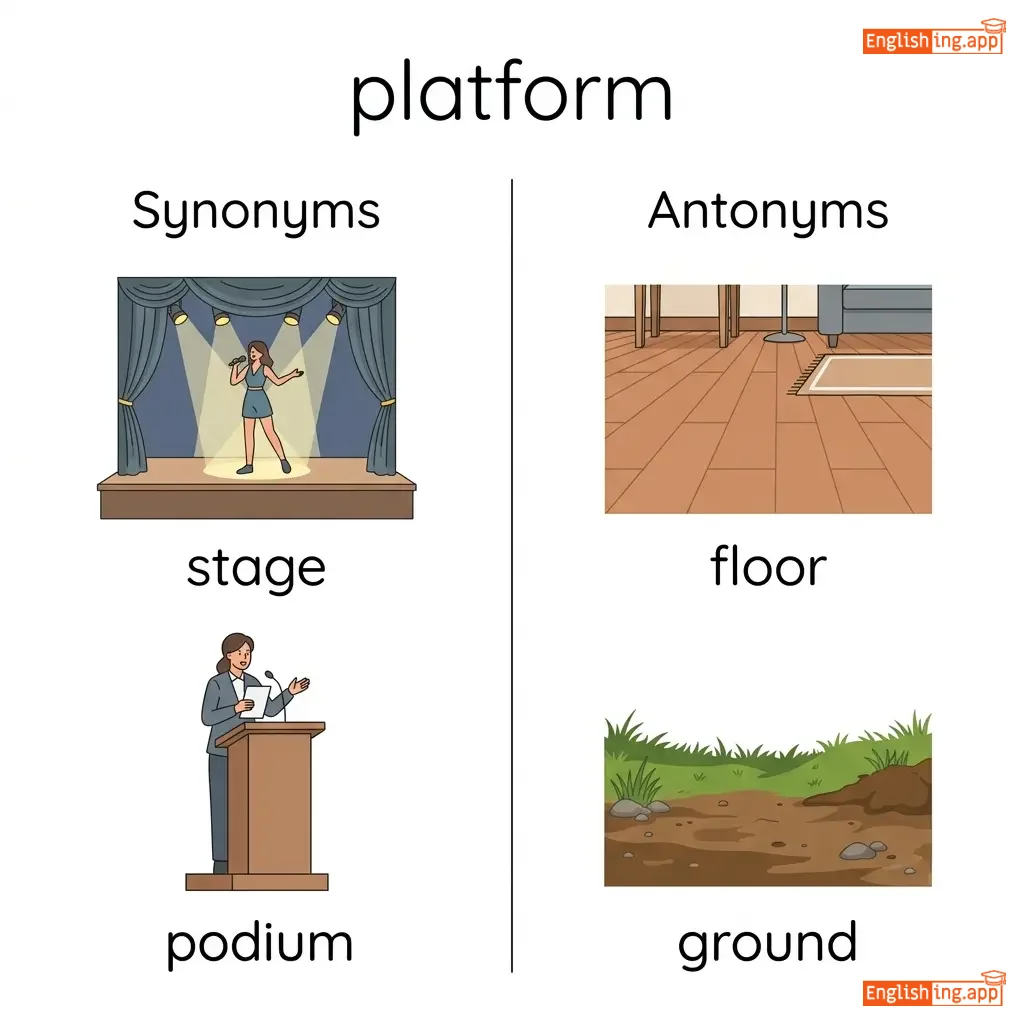
stage, podium, dock, terrace
••••••
|
floor, ground
••••••
|
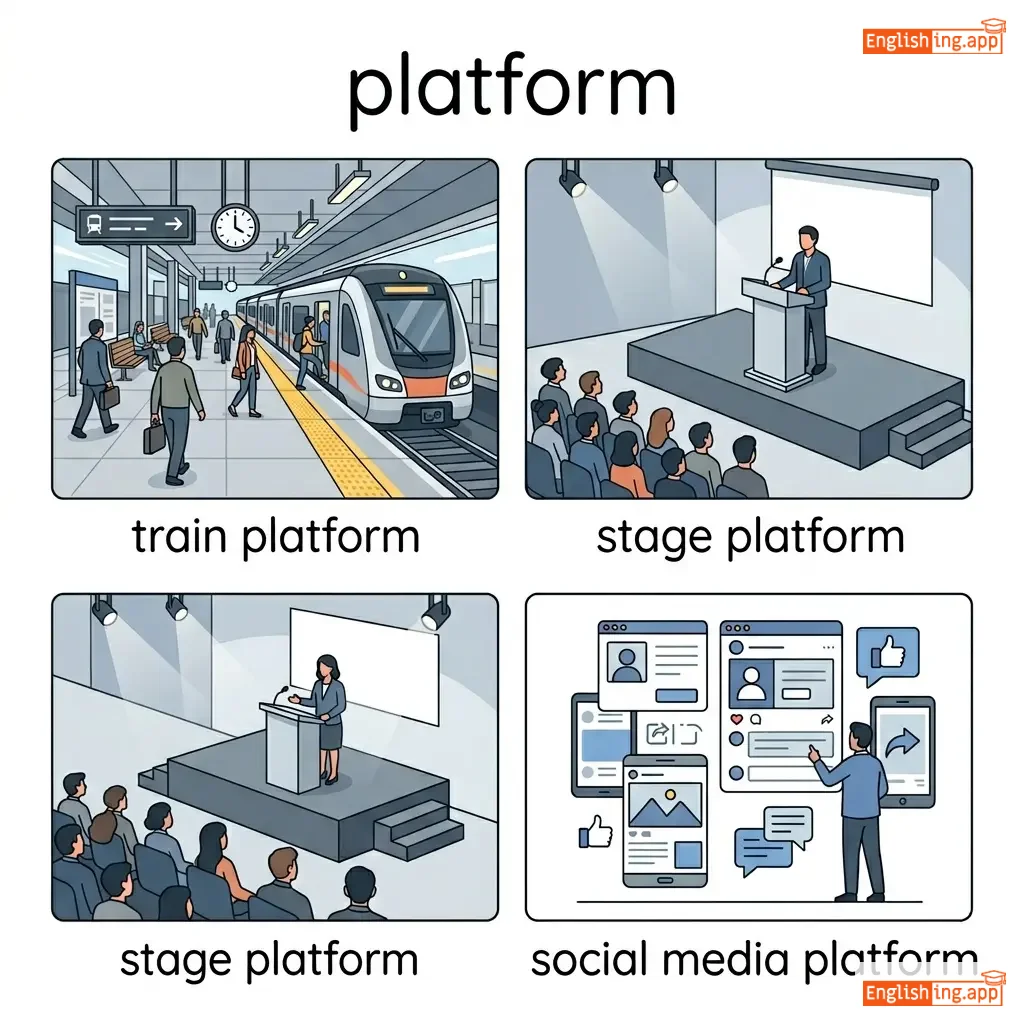
train platform, stage platform, social media platform
••••••
|
Platform = 'Plæt' your feet on a raised surface
••••••
|
|
#11664
🍽️
|
/pleɪt/
noun
(plèit)
••••••
|
- •••••• |
盘子
pánzi
••••••
|
- •••••• | - •••••• | - •••••• | - •••••• |
a flat, typically round dish used for serving food
••••••
|
She put the salad on the plate.
她把沙拉放在盘子里。
••••••
|
她把沙拉放在盘子里。
Tā bǎ shālā fàng zài pánzi lǐ.
••••••
|
dish, platter, tray
••••••
|
cup, bowl
••••••
|
dinner plate, serving plate, flat plate
••••••
|
Plate = 'Pánzi' of food served!
••••••
|
Vocabulary Quiz
Test your vocabulary by matching words with their translations or meanings.
Login to take the quiz
Comments (0)
Share your thoughts and join the discussion.
Join the discussion by logging in
Login to CommentNo comments yet
Be the first to share your thoughts!