

Swipe left or right, or use the buttons. Tap image to zoom.
例句翻译
单词
Lesson 451Lesson 451 - 遮罩切换
|
表情符号
|
单词 | Images | 翻译 | 过去时 | 过去分词 | 第三人称单数 | 动名词 | 含义 | 例句 | 例句翻译 | 示例表达 | 示例表达含义 | 示例表达翻译 | 同义词 | 反义词 | 搭配词 | 助记符 |
|---|---|---|---|---|---|---|---|---|---|---|---|---|---|---|---|---|---|
|
#1
🔒
|
/ɪnˌkɑːsəˈreɪʃən/
noun
(in-ka-si-lai-shen)
••••••
|
- •••••• |
监禁
jianjin
••••••
|
- •••••• | - •••••• | - •••••• | - •••••• |
the state of being imprisoned or confined
••••••
|
The criminal faced years of incarceration for his crimes. |
罪犯因其罪行被监禁多年。
Zuifan yin qi zuixing bei jianjin duonian.
••••••
|
- •••••• | - •••••• | - •••••• |
imprisonment, confinement, detention, captivity
••••••
|
freedom, release
••••••
|
long incarceration, life incarceration, wrongful incarceration
••••••
|
Incarceration 听起来像 'in-car' – 想象一个人被锁在车里,无法逃脱!
••••••
|
|
#1
🍽️
|
/ˈɪnˌteɪk/
noun
(因特克)
••••••
|
- •••••• |
摄入
she ru
••••••
|
- •••••• | - •••••• | - •••••• | - •••••• |
the process of taking something in, especially food or drink
••••••
|
He monitored his daily intake of calories to maintain a healthy diet. |
他监控着自己每天的卡路里摄入量,以保持健康的饮食。
Ta jiankong zhe ziji mei tian de kaluli she ru liang, yi baochi jiankang de yin shi.
••••••
|
- •••••• | - •••••• | - •••••• |
consumption, absorption, intake amount
••••••
|
output, expulsion
••••••
|
calorie intake, food intake, daily intake
••••••
|
摄入意味着拿进一些东西,比如食物或饮料。
••••••
|
|
#1
😡
|
/ˈɪnsʌlt/
verb
(侮辱)
••••••
|
|
侮辱
wǔrǔ
••••••
|
insulted
侮辱了
••••••
|
insulted
侮辱了
••••••
|
insults
侮辱
••••••
|
insulting
侮辱中
••••••
|
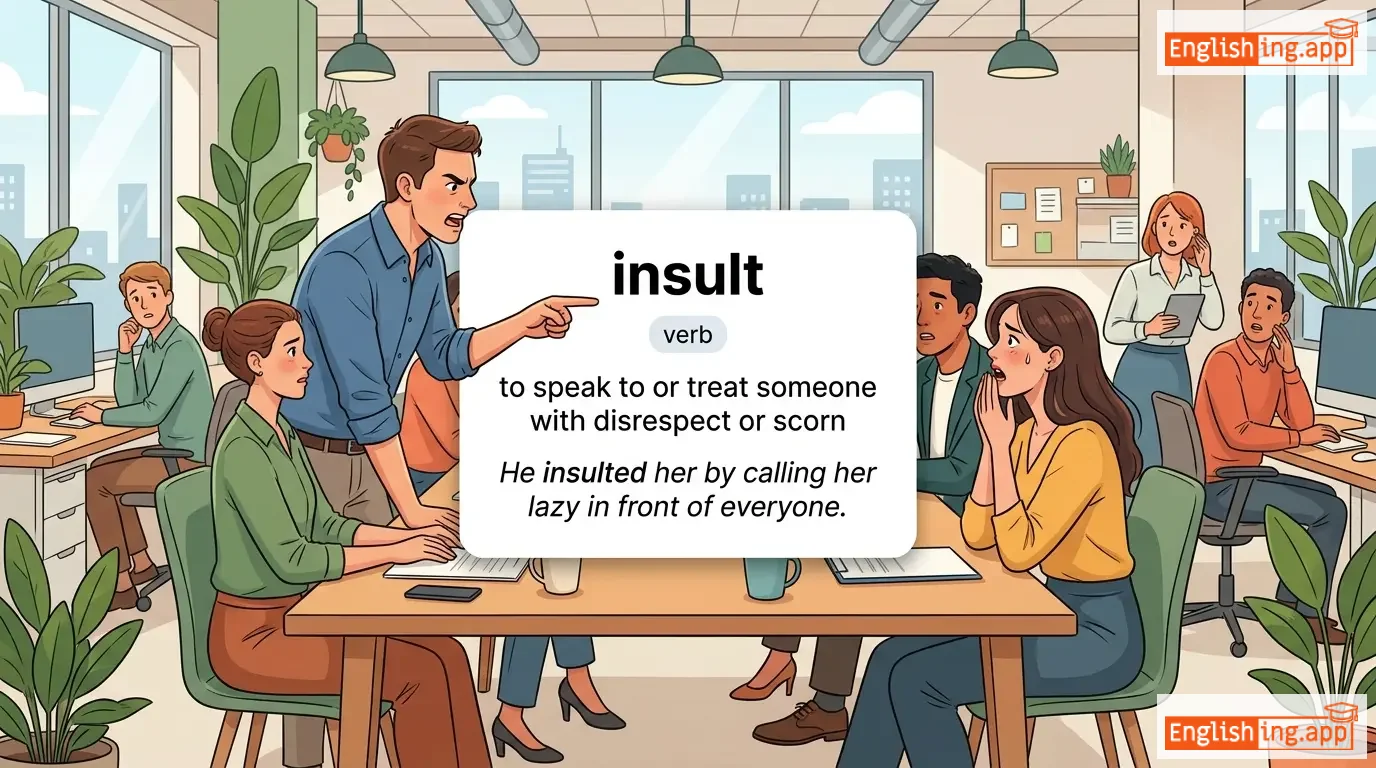
to speak to or treat someone with disrespect or scorn
••••••
|
He insulted her by calling her lazy in front of everyone.
他通过在大家面前叫她懒惰来侮辱她。
••••••
|
他通过在大家面前叫她懒惰来侮辱她。
Tā tōngguò zài dàjiā miànqián jiào tā lǎnduò lái wǔrǔ tā.
••••••
|
add insult to injury
加重侮辱
••••••
|
to make a bad situation worse by adding further harm or disrespect
••••••
|
加重侮辱
Jiāzhòng wǔrǔ
••••••
|
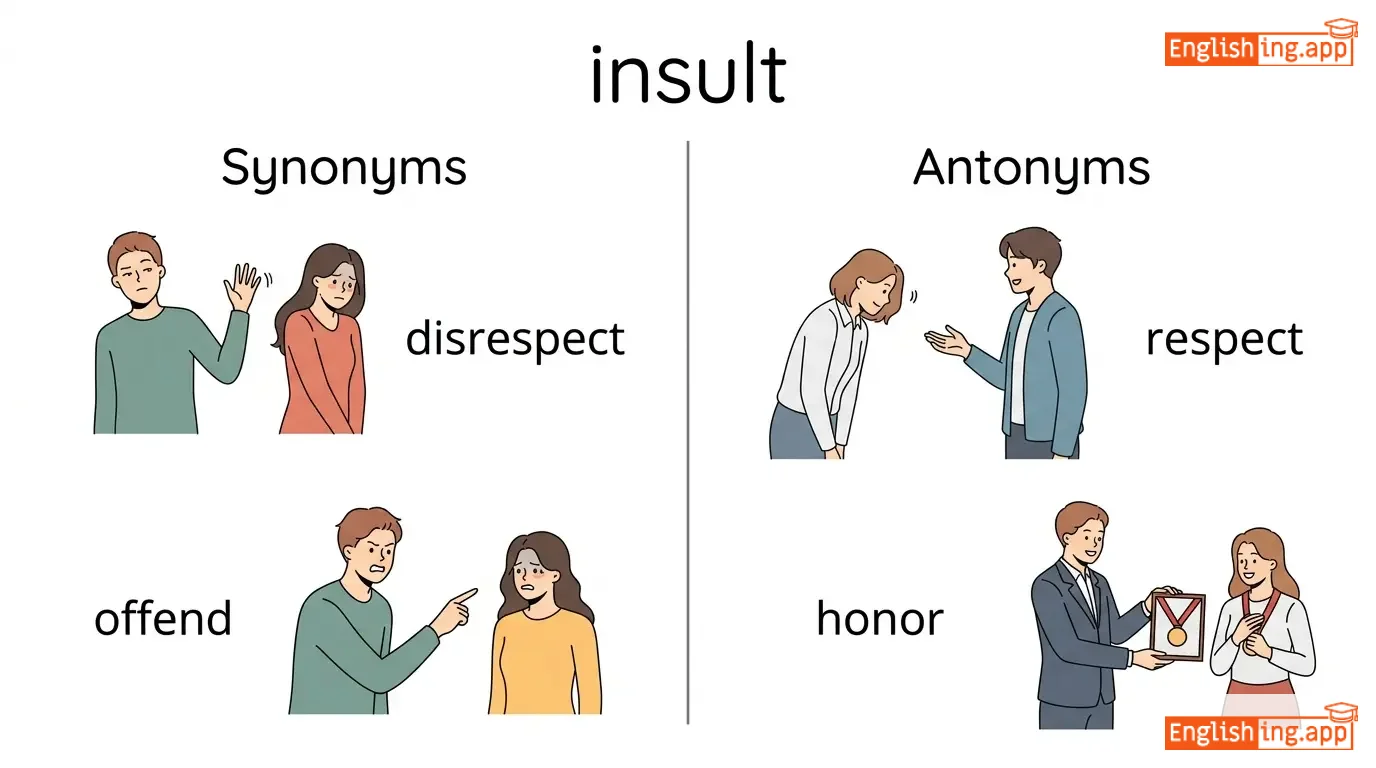
disrespect, offend, belittle, demean
••••••
|
respect, honor
••••••
|
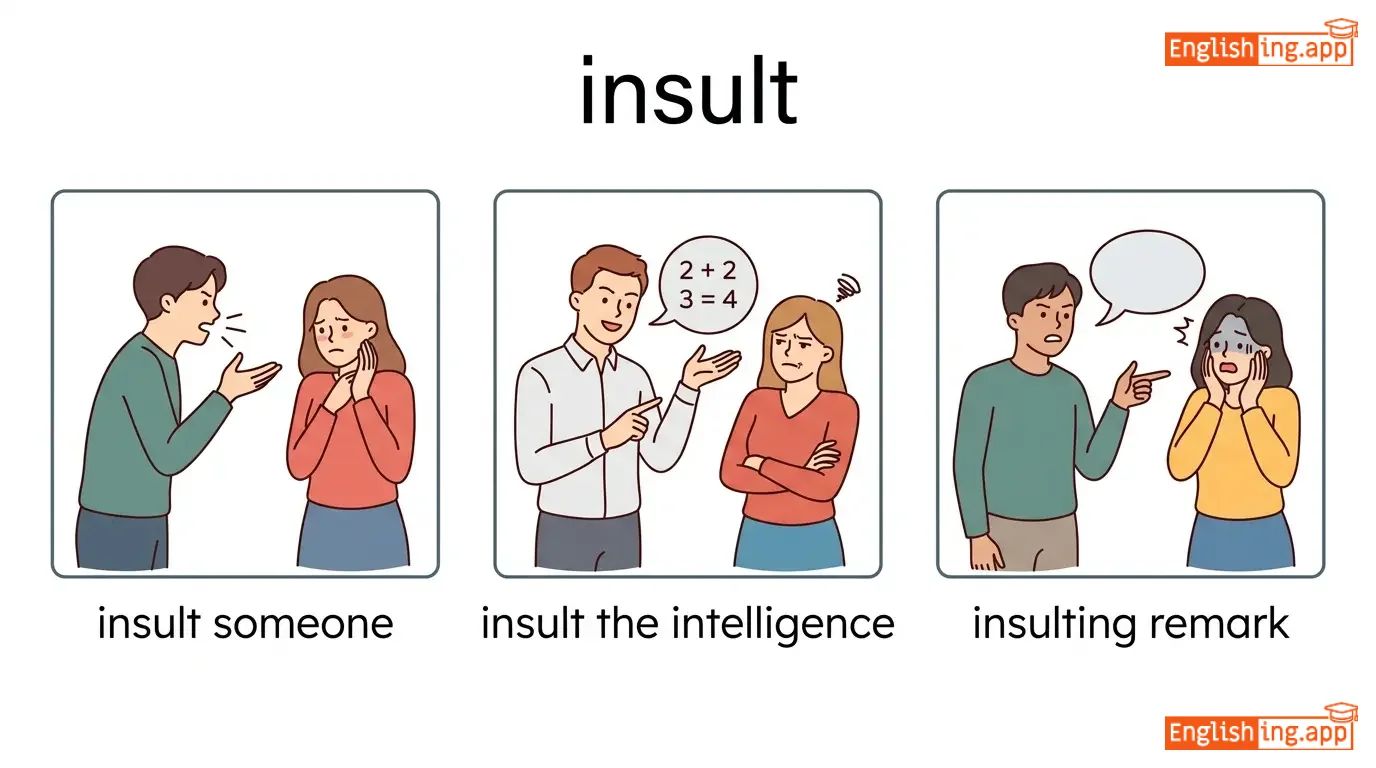
insult someone, insult the intelligence, insulting remark
••••••
|
侮辱,就像在伤口上撒盐
••••••
|
|
#1
🎻
|
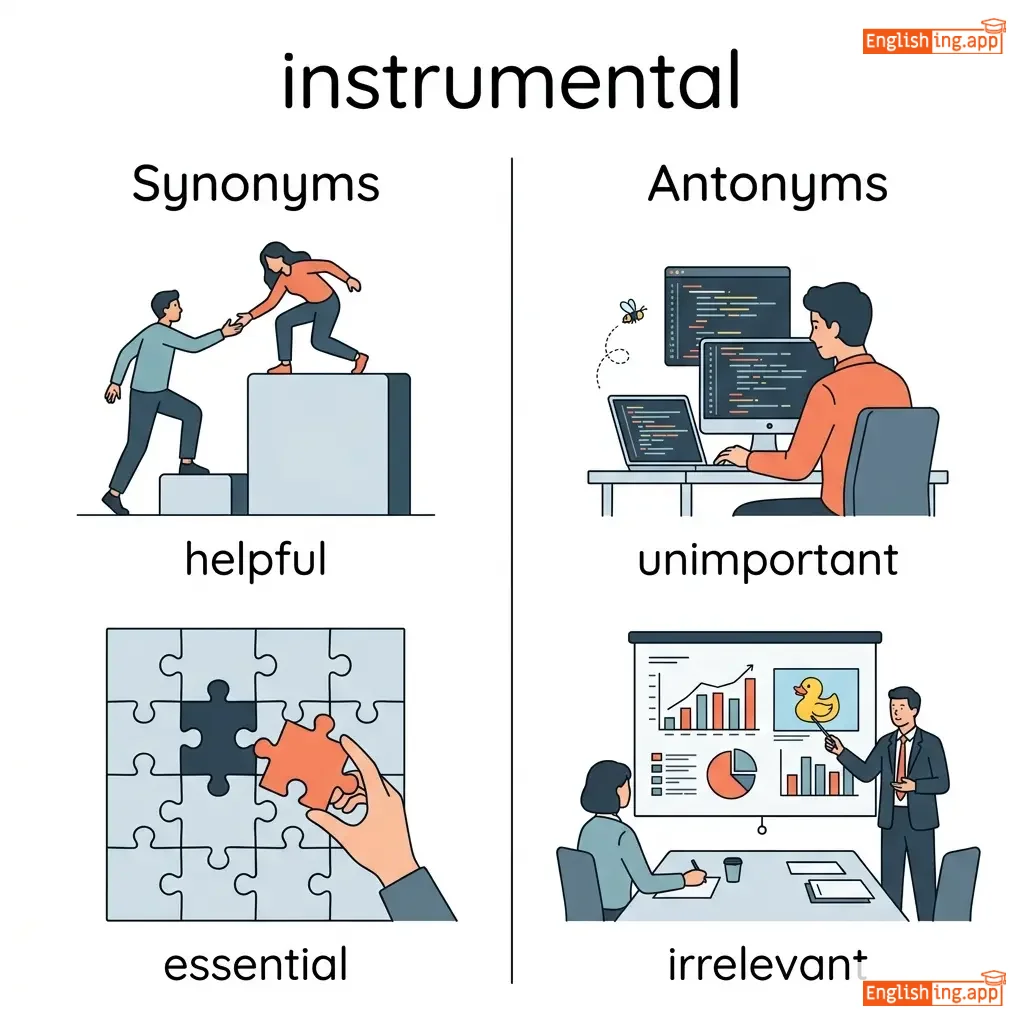
/ˌɪnstrʊˈmɛntəl/
adjective
(工具的)
••••••
|
|
工具的
gōngjù de
••••••
|
- •••••• | - •••••• | - •••••• | - •••••• |
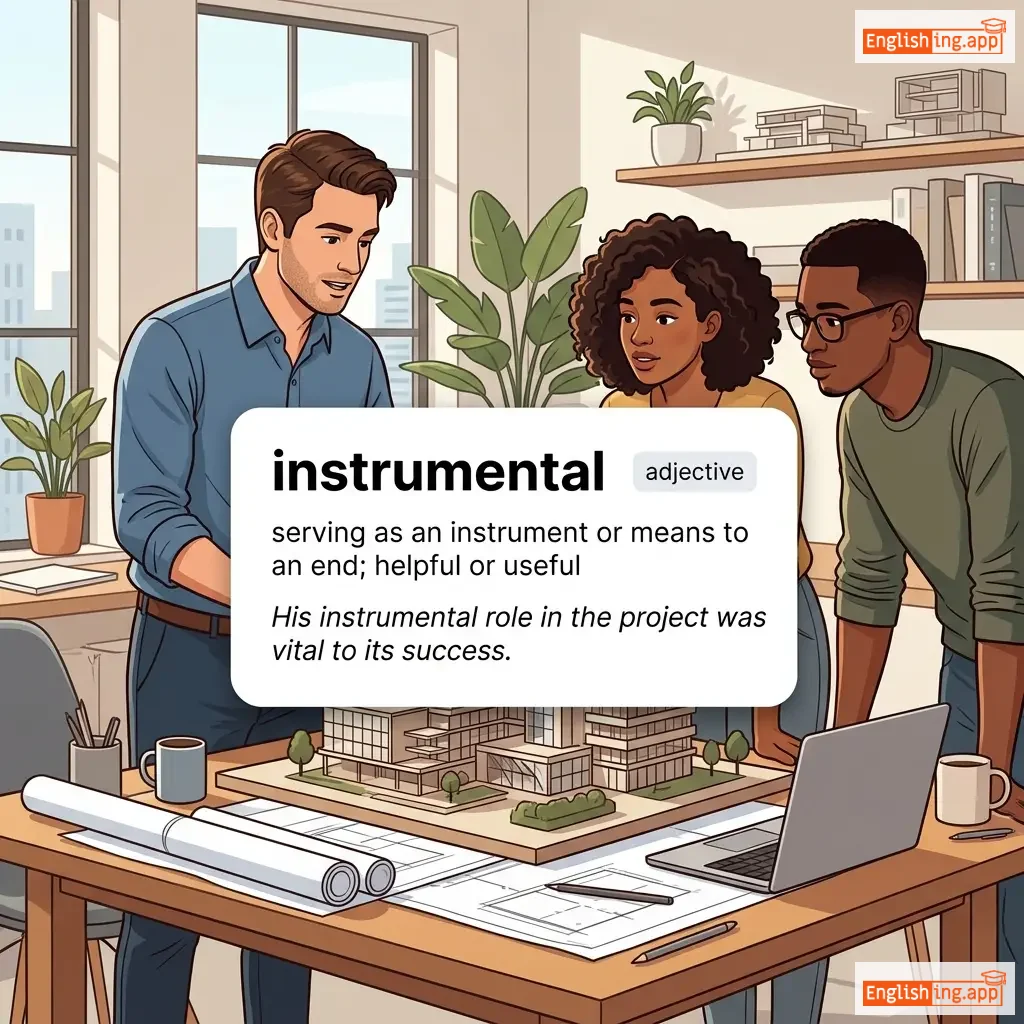
serving as an instrument or means to an end; helpful or useful
••••••
|
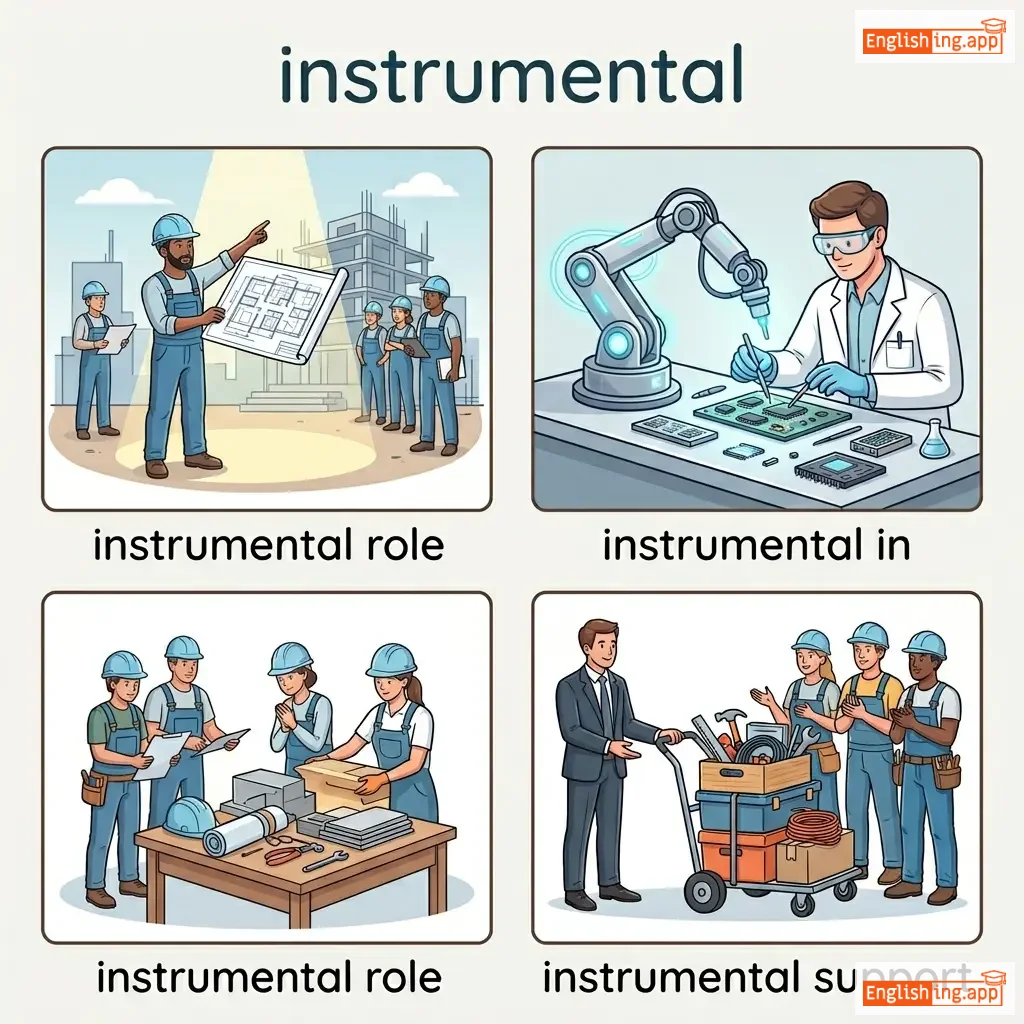
His instrumental role in the project was vital to its success.
他在项目中的工具作用对成功至关重要。
••••••
|
他在项目中的工具作用对成功至关重要。
Tā zài xiàngmù zhōng de gōngjù zuòyòng duì chénggōng zhìguān zhòngyào.
••••••
|
- •••••• | - •••••• | - •••••• |
helpful, essential, critical, contributory
••••••
|
unimportant, irrelevant
••••••
|
instrumental role, instrumental in, instrumental support
••••••
|
有用的工具是实现目标的关键
••••••
|
|
#1
👤
|
/ɪnˈsaɪdə/
noun
(īn sāi dé)
••••••
|
- •••••• |
内部人士
neibu renshi
••••••
|
- •••••• | - •••••• | - •••••• | - •••••• |
a person within a group or organization who has access to confidential information
••••••
|
He was an insider who knew all the company's secrets. |
他是一个了解公司所有秘密的内部人士。
Ta shi yi ge liaojie gongsi suoyou mimi de neibu renshi.
••••••
|
- •••••• | - •••••• | - •••••• |
member, participant, confidant, informant
••••••
|
outsider, stranger
••••••
|
company insider, political insider, insider knowledge
••••••
|
内部人士,掌握公司秘密的人
••••••
|
|
#1
⬇️
|
/ɪnˈsɜːʃən/
noun
(ɪnˈsɜːʃən)
••••••
|
- •••••• |
插入
chārù
••••••
|
- •••••• | - •••••• | - •••••• | - •••••• |
the action of inserting something into something else
••••••
|
The insertion of the new data was completed successfully. |
新数据的插入已成功完成。
Xīn shùjù de chārù yǐ chénggōng wánchéng.
••••••
|
- •••••• | - •••••• | - •••••• |
introduction, addition, implantation, inclusion
••••••
|
removal, extraction
••••••
|
data insertion, surgical insertion, insertion point
••••••
|
插入就是把东西放入其他东西中,就像把数据插入系统。
••••••
|
|
#1
🖋️
|
/ɪŋk/
noun
(ink)
••••••
|
- •••••• |
墨水
mòshuǐ
••••••
|
- •••••• | - •••••• | - •••••• | - •••••• |
a colored liquid used for writing, printing, or drawing
••••••
|
The ink in my pen ran out during the exam.
我的钢笔墨水在考试时用完了。
••••••
|
我的钢笔墨水在考试时用完了。
Wǒ de gāngbǐ mòshuǐ zài kǎoshì shí yòng wánle.
••••••
|
Ink is thicker than water.
墨水比水更浓。
••••••
|
A saying that refers to the strength of family bonds over other relationships.
••••••
|
墨水比水更浓。
Mòshuǐ bǐ shuǐ gèng nóng.
••••••
|
dye, pigment, fluid, colorant
••••••
|
blank, clear
••••••
|
write with ink, ink pen, black ink, spill ink
••••••
|
Think of ink as the bond that makes family stronger than any other connection!
••••••
|
|
#1
⚖️
|
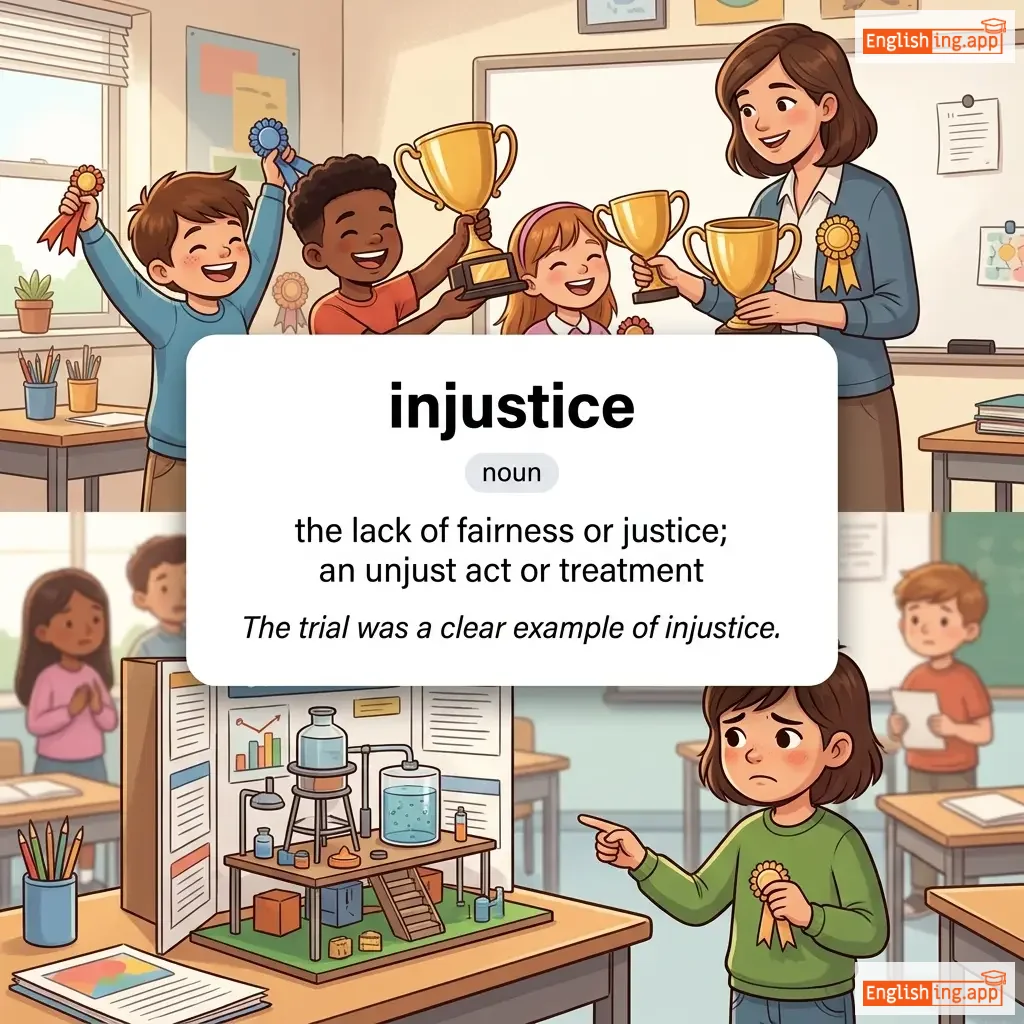
/ɪnˈdʒʌstɪs/
noun
(不公正)
••••••
|
|
不公正
bugongzheng
••••••
|
- •••••• | - •••••• | - •••••• | - •••••• |
the lack of fairness or justice; an unjust act or treatment
••••••
|
The trial was a clear example of injustice. |
这个审判是一个明显的不公正例子。
Zhège shěnpàn shì yīgè míngxiǎn de bù gōngzhèng lìzi.
••••••
|
A great injustice has been done. |
A situation where something unfair or wrong has happened.
••••••
|
发生了极大的不公正。
Fāshēngle jí dà de bù gōngzhèng.
••••••
|
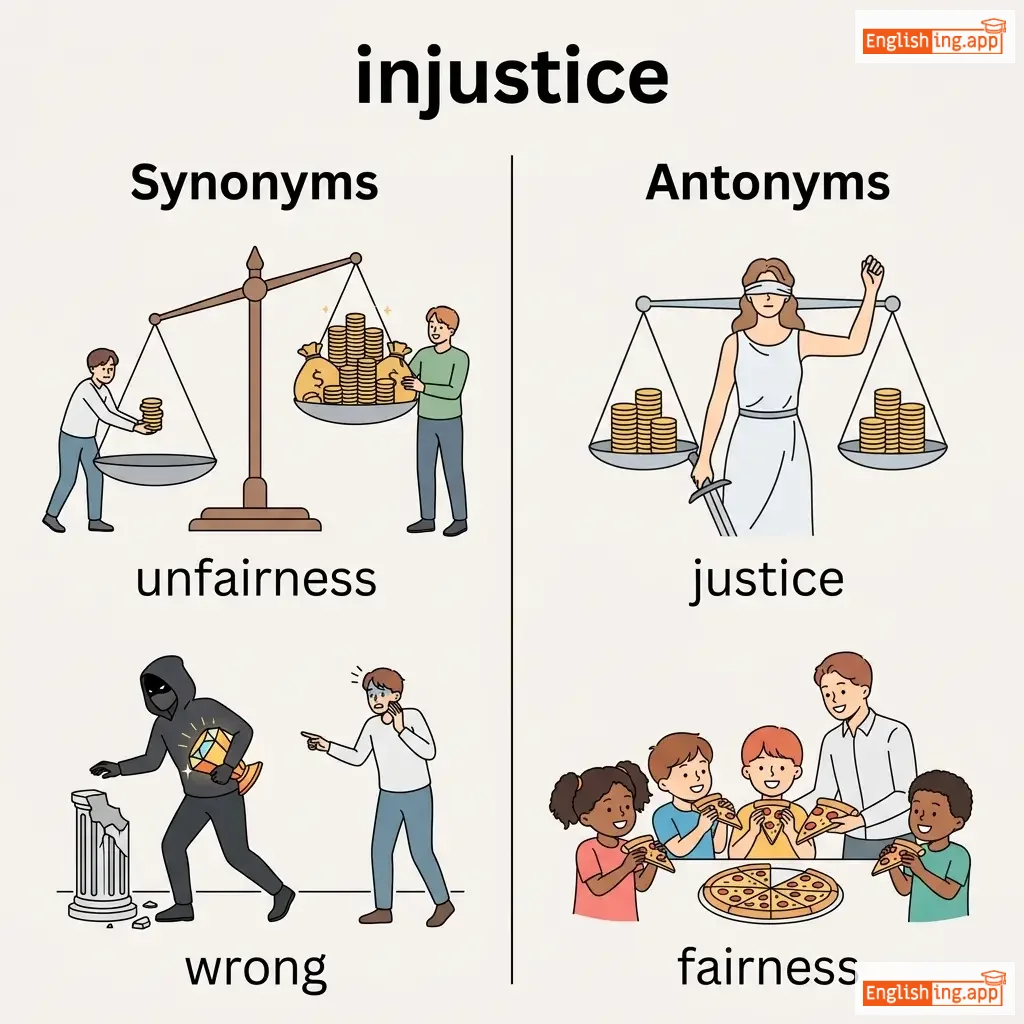
unfairness, wrong, discrimination, bias
••••••
|
justice, fairness
••••••
|
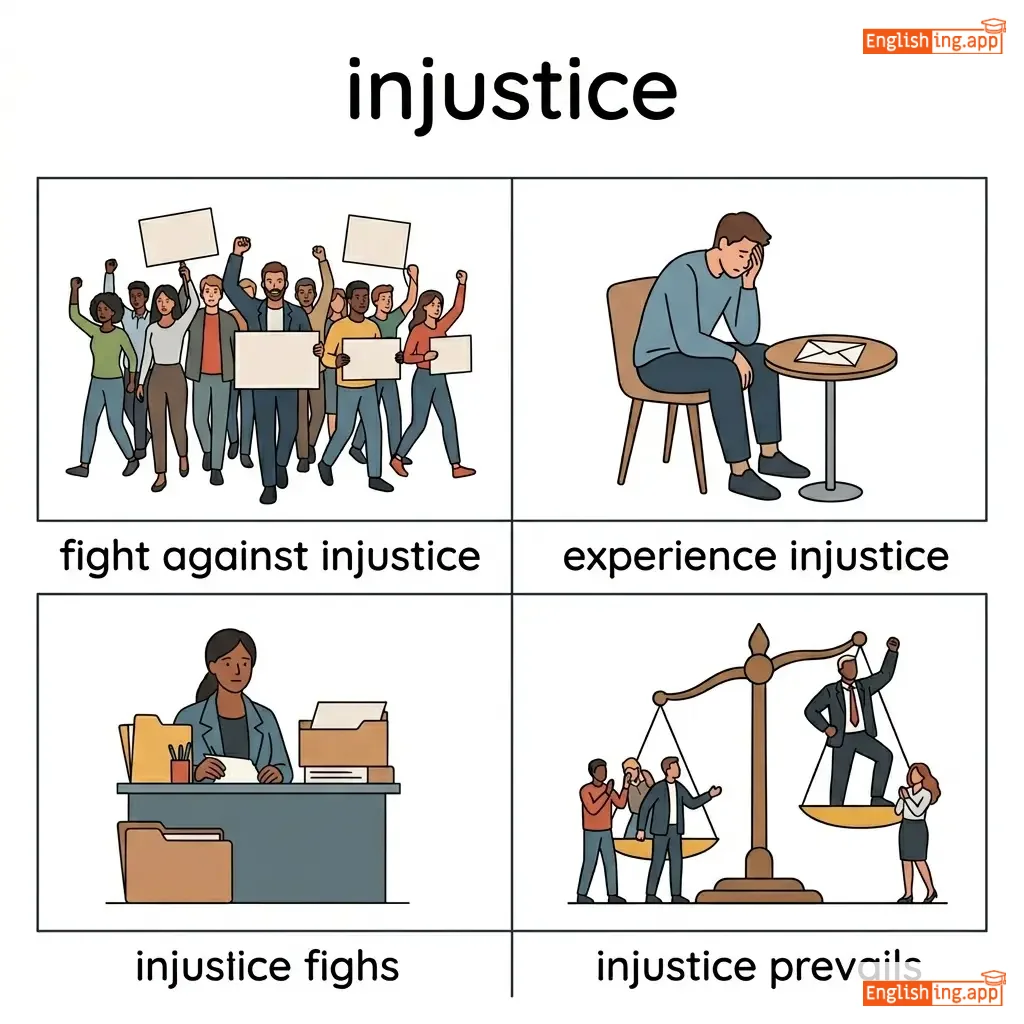
fight against injustice, experience injustice, injustice prevails
••••••
|
想想 '不公正' 就像不公平对待!
••••••
|
|
#1
💉
|
/ɪnˈdʒɛkʃən/
noun
••••••
|
- •••••• | - •••••• | - •••••• | - •••••• | - •••••• | - •••••• |
the act of introducing a substance into the body through a needle
••••••
|
The nurse gave me an injection to prevent the infection. |
- •••••• | - •••••• | - •••••• | - •••••• |
shot, vaccination, dose, vaccine
••••••
|
oral, tablet
••••••
|
take an injection, receive an injection, give an injection, vaccine injection
••••••
|
No •••••• |
|
#1
🏠
|
/ɪnˈhæbɪtənt/
noun
(ɪnˈhæbɪtənt)
••••••
|
- •••••• |
居民
jūmín
••••••
|
- •••••• | - •••••• | - •••••• | - •••••• |
a person or animal that lives in a particular place
••••••
|
The inhabitants of the village rely on farming for their livelihood. |
村庄的居民依靠农业为生。
Cūnzhuāng de jūmín yīkào nóngyè wèi shēng.
••••••
|
- •••••• | - •••••• | - •••••• |
resident, dweller, occupant, native
••••••
|
visitor, foreigner
••••••
|
local inhabitants, native inhabitants, city inhabitants, rural inhabitants
••••••
|
Inhabitants are 'jūmín'—those who live in a specific place!
••••••
|
|
#1
ℹ️
|
/ˈɪnfoʊ/
noun
(信息)
••••••
|
- •••••• |
信息
xinxī
••••••
|
- •••••• | - •••••• | - •••••• | - •••••• |
information; knowledge or facts about something or someone
••••••
|
She gave me all the info I needed for the meeting. |
她给了我所有会议所需的信息。
Ta gei le wo suoyou huiyi suo xu de xinxi.
••••••
|
- •••••• | - •••••• | - •••••• |
data, details, facts, knowledge
••••••
|
ignorance, misunderstanding
••••••
|
gather info, share info, provide info, detailed info
••••••
|
把'info'与'信息'联系起来 - 它提供所有你需要的事实!
••••••
|
|
#1
⚡
|
/ɪnˈflɪkt/
verb
(因弗利克特)
••••••
|
- •••••• |
施加
shijia
••••••
|
inflicted
因弗利克特德
••••••
|
inflicted
因弗利克特德
••••••
|
inflicts
因弗利克特斯
••••••
|
inflicting
因弗利克特ing
••••••
|
to cause something unpleasant or painful to be suffered by someone or something
••••••
|
The storm inflicted considerable damage to the city.
风暴对城市造成了相当大的破坏。
••••••
|
风暴对城市造成了相当大的破坏。
Fengbao dui chengshi zaocheng le xiangdang da de pohuai.
••••••
|
- •••••• | - •••••• | - •••••• |
impose, cause, administer, bring about
••••••
|
relieve, soothe
••••••
|
inflict harm, inflict pain, inflict damage
••••••
|
Inflict sounds like 'In flick' – imagine a flick causing damage!
••••••
|
|
#1
⚖️
|
/ˌɪnɪˈkwɒləti/
noun
(不平等)
••••••
|
|
不平等
bupingdeng
••••••
|
- •••••• | - •••••• | - •••••• | - •••••• |
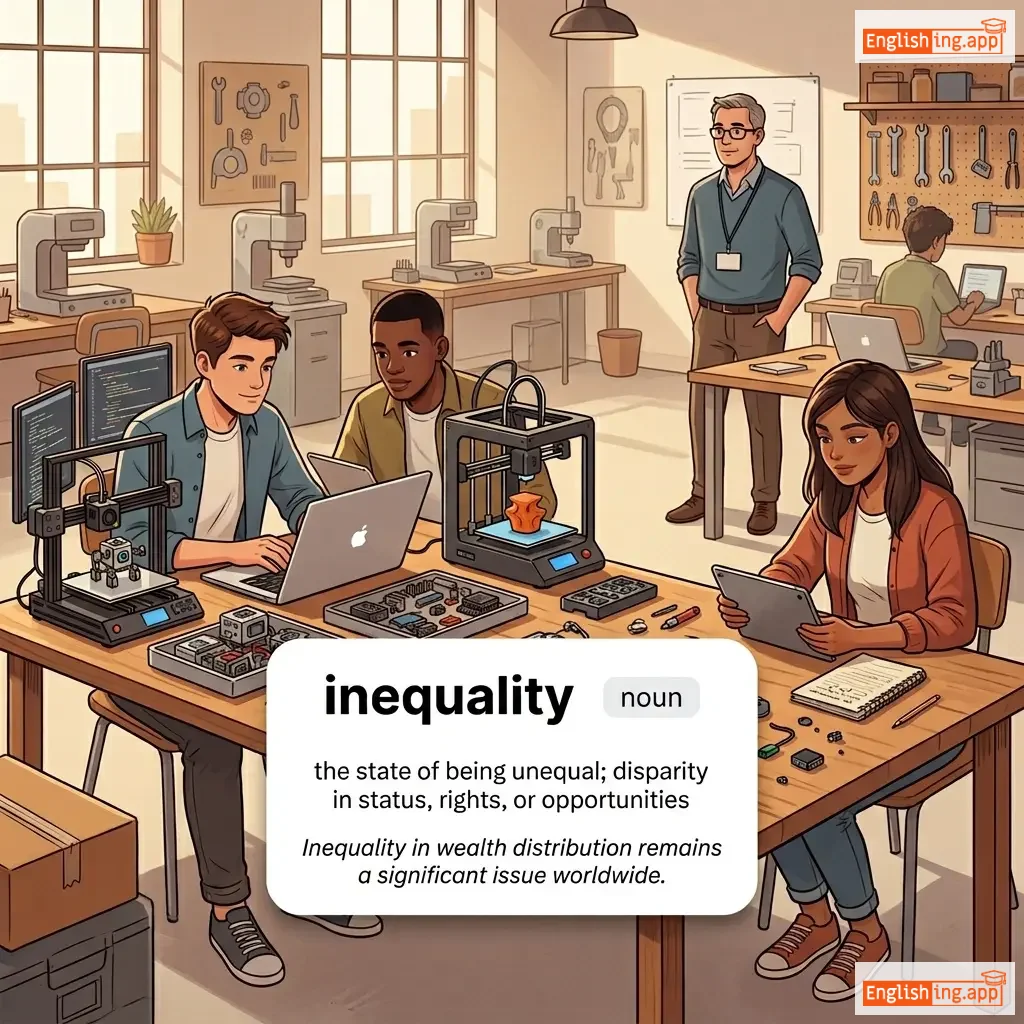
the state of being unequal; disparity in status, rights, or opportunities
••••••
|
Inequality in wealth distribution remains a significant issue worldwide. |
财富分配中的不平等依然是一个全球性的重大问题。
Caiwu fenpei zhong de bupingdeng yiran shi yige quanqiuxing de zhongda wenti.
••••••
|
- •••••• | - •••••• | - •••••• |
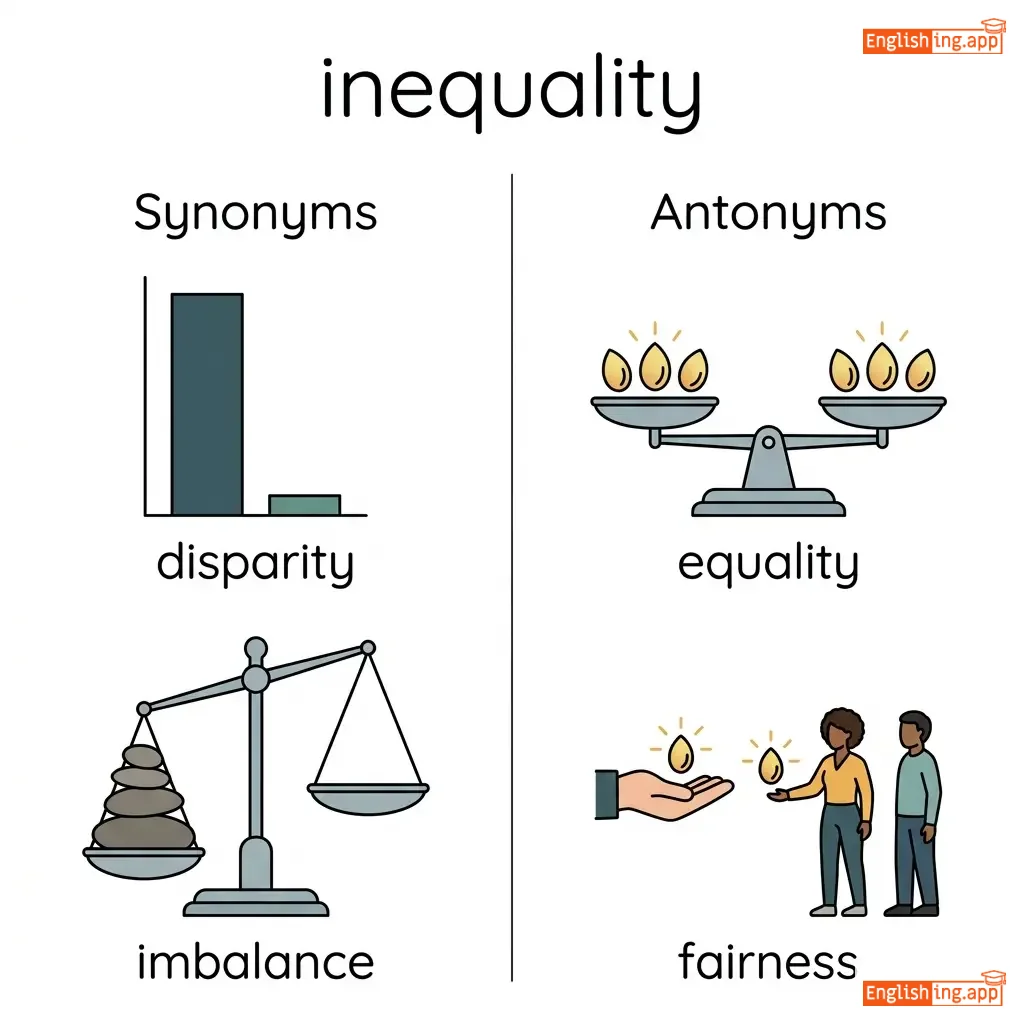
disparity, imbalance, discrimination, inequity
••••••
|
equality, fairness
••••••
|
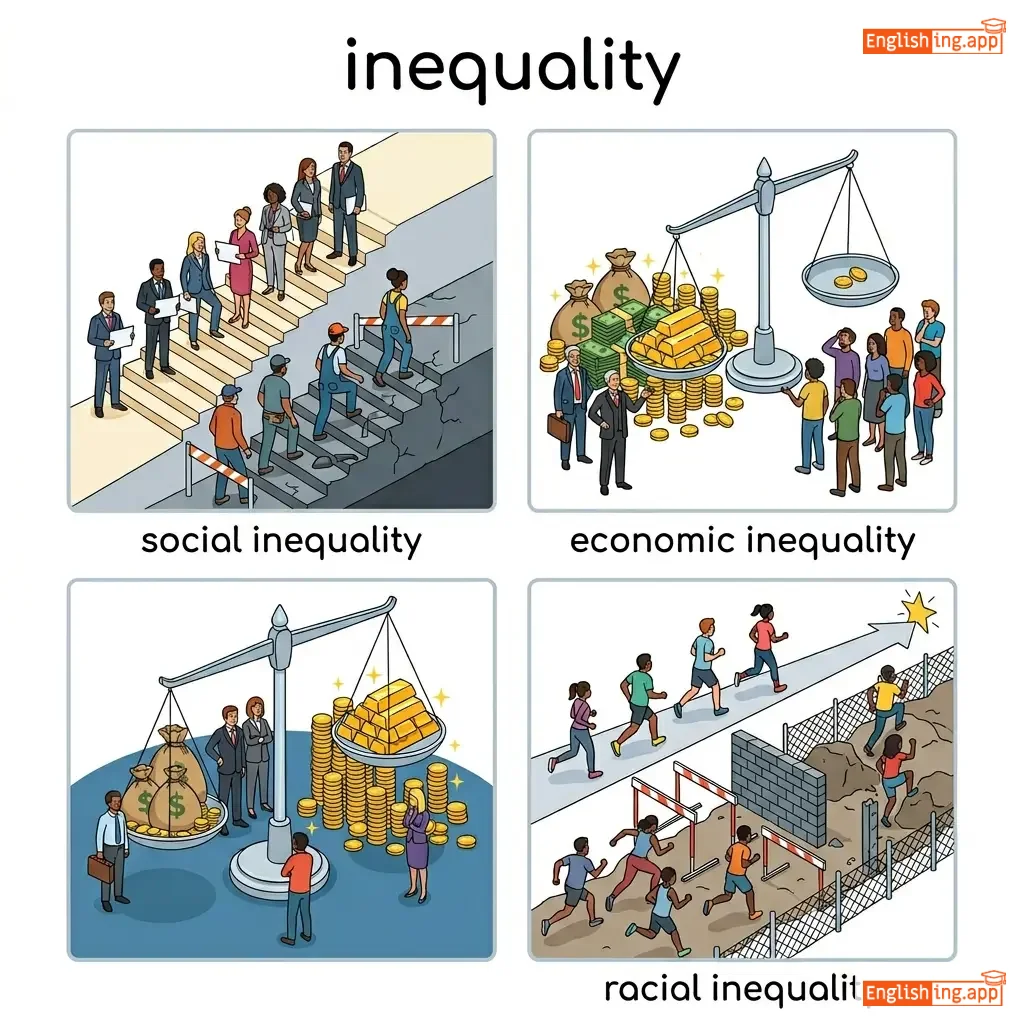
social inequality, economic inequality, racial inequality
••••••
|
Inequality sounds like 'In equal' – imagine people not being equal in opportunities!
••••••
|
|
#1
❌
|
/ɪnkəˈrɛkt/
adjective
(不正确)
••••••
|
- •••••• |
不正确
bù zhèngquè
••••••
|
- •••••• | - •••••• | - •••••• | - •••••• |
not correct or accurate
••••••
|
The information you provided was incorrect. |
您提供的信息是错误的。
Nín tígōng de xìnxī shì cuòwù de.
••••••
|
- •••••• | - •••••• | - •••••• |
wrong, erroneous, inaccurate, false
••••••
|
correct, accurate, right
••••••
|
incorrect answer, incorrect information, incorrect decision
••••••
|
Incorrect sounds like 'in core' – imagine your core knowledge being wrong.
••••••
|
|
#1
🌍
|
/ɪnˈkluːʒən/
noun
(包含)
••••••
|
- •••••• |
包容
baorong
••••••
|
- •••••• | - •••••• | - •••••• | - •••••• |
the action or state of including or being included within a group or structure
••••••
|
Diversity and inclusion are key values in modern workplaces. |
多样性和包容性是现代工作场所的关键价值观。
Duōyàngxì hé bāoróng xì shì xiàndài gōngzuò chǎngsuǒ de guānjiàn jiàzhíguān.
••••••
|
- •••••• | - •••••• | - •••••• |
integration, acceptance, involvement, participation
••••••
|
exclusion, isolation
••••••
|
social inclusion, cultural inclusion, inclusive society
••••••
|
Inclusion sounds like 'In close' – 想象所有人都被包容在一起!
••••••
|
|
#1
🛑
|
/hɔːlt/
verb
(哈特)
••••••
|
- •••••• |
停止
tingzhi
••••••
|
halted
哈特德
••••••
|
halted
哈特德
••••••
|
halts
哈特斯
••••••
|
halting
哈廷
••••••
|
to stop or bring to a stop
••••••
|
The train suddenly halted at the station.
火车突然在车站停了下来。
••••••
|
火车突然在车站停了下来。
Huoche tudan zai chezhang tingle xiala.
••••••
|
- •••••• | - •••••• | - •••••• |
stop, cease, terminate, freeze
••••••
|
start, begin, continue
••••••
|
halt operations, halt progress, halt movement
••••••
|
Halt在英文中是停止,中文是停止
••••••
|
|
#1
🚫
|
/ˌɪnəˈproʊpriət/
adjective
(inapropriét)
••••••
|
- •••••• |
不适当
bushidang
••••••
|
- •••••• | - •••••• | - •••••• | - •••••• |
not suitable or proper in the circumstances
••••••
|
It was inappropriate to talk loudly in the library. |
在图书馆大声说话是不适当的。
Zai tushuguan dasheng shuohua shi bushidang de.
••••••
|
- •••••• | - •••••• | - •••••• |
unsuitable, improper, unfit, offensive
••••••
|
appropriate, suitable
••••••
|
inappropriate behavior, inappropriate dress, inappropriate comment
••••••
|
Inappropriate 就像 'In a place proper isn't' - 不要这样做。
••••••
|
|
#1
🚫
|
/ˌɪnəˈbɪləti/
noun
(因阿比利提)
••••••
|
- •••••• |
无能
wune
••••••
|
- •••••• | - •••••• | - •••••• | - •••••• |
the state of being unable to do something
••••••
|
His inability to make decisions affected his career. |
他无法做决定,这影响了他的职业生涯。
Ta wu fa zuo jueding, zhe yingxiang le ta de zhiye shengya.
••••••
|
- •••••• | - •••••• | - •••••• |
incapacity, weakness, inability, powerlessness
••••••
|
ability, strength
••••••
|
physical inability, inability to act, inability to speak
••••••
|
Inability sounds like 'I’m not able' - Can’t do it.
••••••
|
|
#1
🔒
|
/ɪmˈprɪzən/
verb
(imprison)
••••••
|
|
监禁
jianjin
••••••
|
imprisoned
imprisoned
••••••
|
imprisoned
imprisoned
••••••
|
imprisons
imprisons
••••••
|
imprisoning
imprisoning
••••••
|
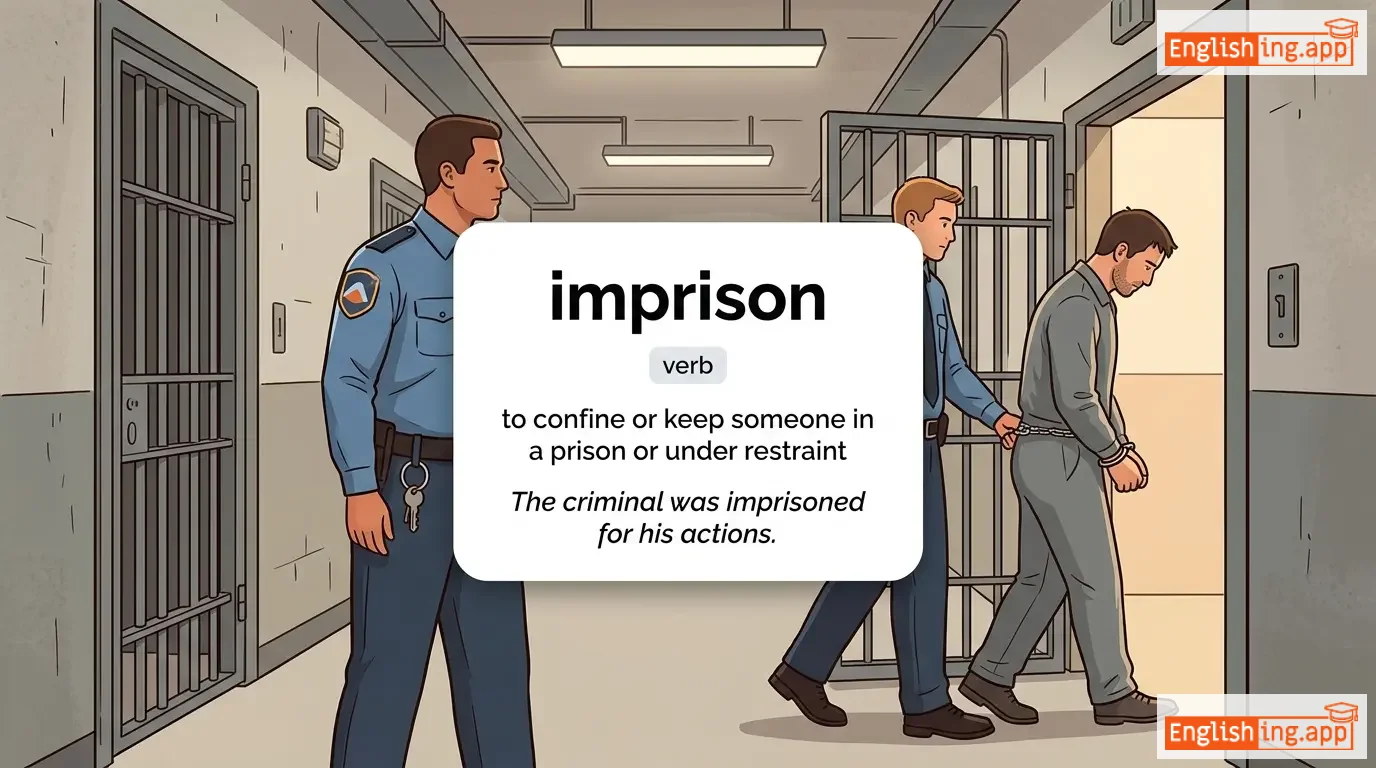
to confine or keep someone in a prison or under restraint
••••••
|
The criminal was imprisoned for his actions.
罪犯因其行为被监禁。
••••••
|
罪犯因其行为被监禁。
Zuifan yin qi xingwei bei jianjin.
••••••
|
- •••••• | - •••••• | - •••••• |
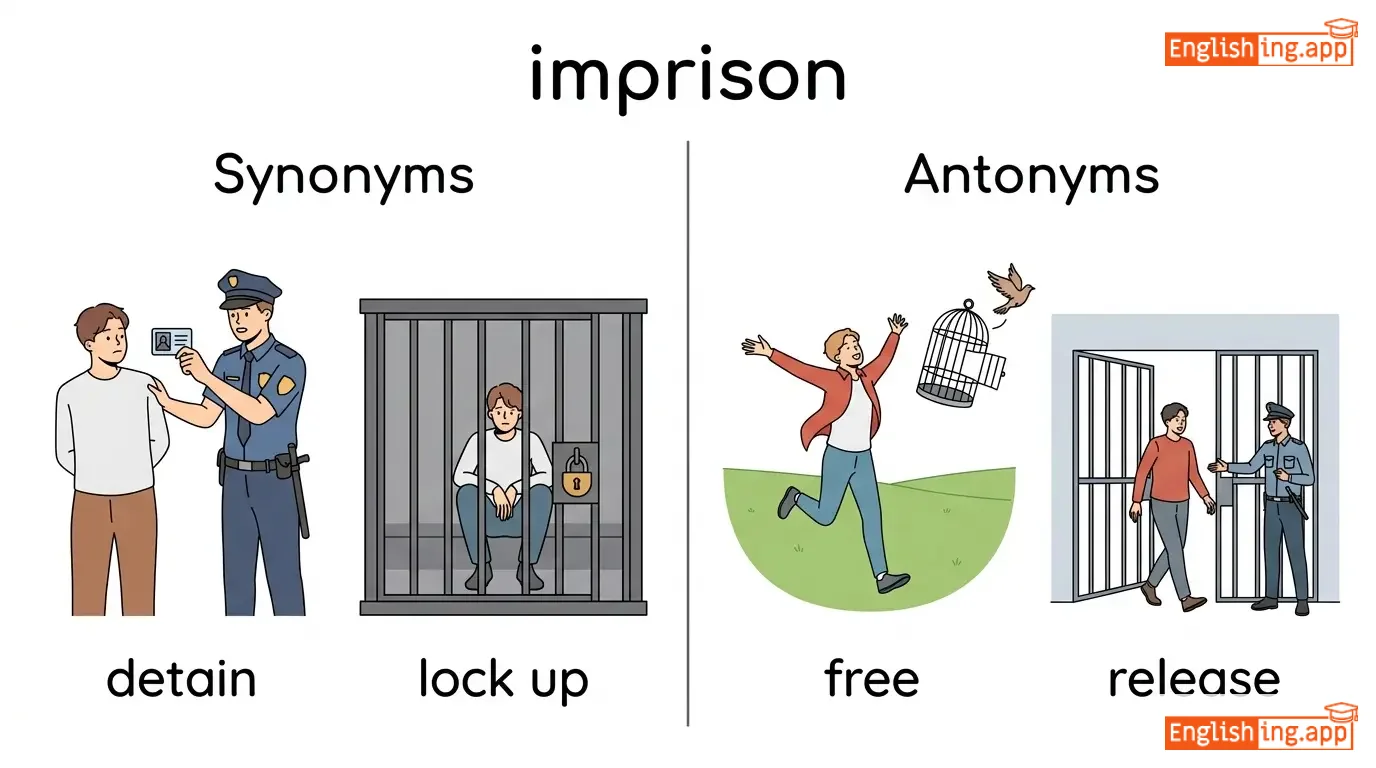
detain, lock up, confine, cage
••••••
|
free, release
••••••
|
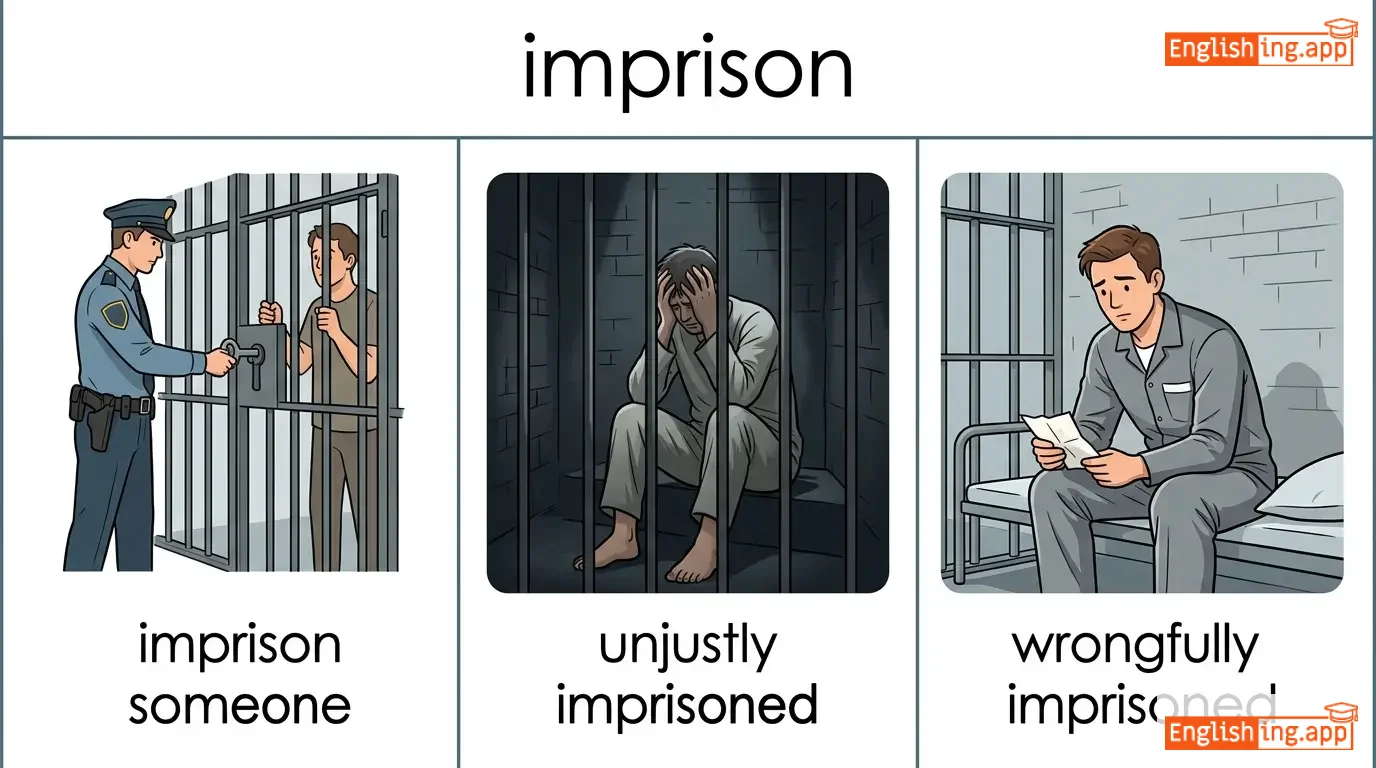
imprison someone, unjustly imprisoned, wrongfully imprisoned
••••••
|
Imprison sounds like 'I'm in prison' - 被监禁!
••••••
|
|
#1
🎨
|
/ˈɪmɪdʒəri/
noun
(yí mǐ zhì)
••••••
|
- •••••• |
意象
yixiang
••••••
|
- •••••• | - •••••• | - •••••• | - •••••• |
visually descriptive or figurative language, especially in a literary work
••••••
|
The poet's use of imagery brought the scene to life.
诗人的意象使用使场景栩栩如生。
••••••
|
诗人的意象使用使场景栩栩如生。
Shīrén de yìxiàng shǐyòng shǐ chǎngjǐng xǔxǔ rúshēng.
••••••
|
- •••••• | - •••••• | - •••••• |
pictures, symbols, representations, depictions
••••••
|
literal, plain
••••••
|
vivid imagery, rich imagery, descriptive imagery
••••••
|
把想象变成图像,图像展现在文学中。
••••••
|
|
#1
🤔
|
/ˈɪɡnərəns/
noun
(忽视)
••••••
|
- •••••• |
无知
wuzhi
••••••
|
- •••••• | - •••••• | - •••••• | - •••••• |
lack of knowledge or awareness in general
••••••
|
His ignorance about the subject was evident. |
他对这个话题的无知显而易见。
Tā duì zhège huàtí de wúzhī xiǎn'ér yìjiàn.
••••••
|
- •••••• | - •••••• | - •••••• |
unawareness, obliviousness, ignorance, cluelessness
••••••
|
knowledge, awareness
••••••
|
willful ignorance, complete ignorance, ignorance of the law
••••••
|
Ignorance is like 'I' (Wuzhi) not knowing anything.
••••••
|
|
#1
🤪
|
/ˈɪdɪət/
noun
(白痴)
••••••
|
- •••••• |
白痴
baichi
••••••
|
- •••••• | - •••••• | - •••••• | - •••••• |
a person who acts in a way that is considered very stupid or foolish
••••••
|
He acted like an idiot at the party last night.
他昨晚在派对上像个白痴一样表现。
••••••
|
他昨晚在派对上像个白痴一样表现。
Ta zuowan zai paidui shang xiang ge baichi yiyang biaoxian.
••••••
|
- •••••• | - •••••• | - •••••• |
fool, imbecile, moron, simpleton
••••••
|
genius, intellect, savant
••••••
|
complete idiot, stupid idiot, act like an idiot
••••••
|
Idiot = 白痴 = 那个总是做傻事的人。
••••••
|
|
#1
💧
|
/ˈhaɪdrədʒən/
noun
(氢气)
••••••
|
- •••••• |
氢气
qingqi
••••••
|
- •••••• | - •••••• | - •••••• | - •••••• |
a colorless, odorless, highly flammable gas that is the lightest and most abundant chemical element in the universe
••••••
|
Hydrogen is used as a clean fuel in many energy systems. |
氢气在许多能源系统中作为清洁燃料使用。
Qingqi zai xuduo nengyuan xitong zhong zuo wei qingjie ranliao shiyong.
••••••
|
- •••••• | - •••••• | - •••••• |
H2, fuel, gas
••••••
|
oxygen, carbon dioxide
••••••
|
hydrogen gas, hydrogen fuel, hydrogen bond
••••••
|
Hydrogen = 氢气 = 可以让地球飞起来的轻气体!
••••••
|
|
#1
🌈
|
/ˈhəʊpfʊl/
adjective
(hópful)
••••••
|
- •••••• |
充满希望
chōngmǎn xīwàng
••••••
|
- •••••• | - •••••• | - •••••• | - •••••• |
feeling or showing optimism about a future event
••••••
|
She is hopeful about the results of the interview.
她对面试结果充满希望。
••••••
|
她对面试结果充满希望。
Tā duì miànshì jiéguǒ chōngmǎn xīwàng.
••••••
|
- •••••• | - •••••• | - •••••• |
optimistic, positive, confident, enthusiastic
••••••
|
pessimistic, doubtful, uncertain
••••••
|
hopeful about, remain hopeful, hopeful for
••••••
|
Hopeful = 充满希望 = 我们对未来充满期待!
••••••
|
|
#1
🤥
|
/ˈɒnɪsti/
noun
(诚实)
••••••
|
- •••••• |
诚实
chengshi
••••••
|
- •••••• | - •••••• | - •••••• | - •••••• |
the quality of being truthful and sincere
••••••
|
Honesty is the best policy in all situations.
诚实是所有情况下最好的政策。
••••••
|
诚实是所有情况下最好的政策。
Chengshi shi suoyou qingkuang xia zui hao de zhengce.
••••••
|
- •••••• | - •••••• | - •••••• |
integrity, truthfulness, sincerity, fairness
••••••
|
dishonesty, deceit, falsehood
••••••
|
honesty is the best policy, complete honesty, brutal honesty
••••••
|
Honesty = 诚实 = 诚实是成功的基础。
••••••
|
|
#1
🌟
|
/ˈhaɪˌprəʊfaɪl/
adjective
(hài-puó-fài-ěr)
••••••
|
- •••••• |
高端
gao duan
••••••
|
- •••••• | - •••••• | - •••••• | - •••••• |
having a lot of attention or public notice
••••••
|
The CEO attended a high-profile conference in New York.
首席执行官参加了纽约的一场高端会议。
••••••
|
首席执行官参加了纽约的一场高端会议。
Shǒuxí zhíxíng guān cānjiā le Niǔyuē de yī chǎng gāo duān huìyì.
••••••
|
- •••••• | - •••••• | - •••••• |
prominent, important, well-known, notable
••••••
|
low-profile, unnoticed, obscure
••••••
|
high-profile event, high-profile person, high-profile position
••••••
|
High-profile = 高端 = 很高的知名度,很高的关注!
••••••
|
|
#1
🔺
|
/ˈhaɪtən/
verb
(hài tèn)
••••••
|
- •••••• |
提高
tígāo
••••••
|
heightened
hài tènd
••••••
|
heightened
hài tènd
••••••
|
heightens
hài tènz
••••••
|
heightening
hài tèníng
••••••
|
to make or become greater in intensity or degree
••••••
|
The announcement served to heighten the excitement in the room.
ðɪ ænˈaʊnsment sɜːrvd tuː hʌɪtn ðɪ ɪksˈaɪtmənt ɪn ðə ruːm.
••••••
|
公告有助于提高房间里的兴奋。
Gōnggào yǒu zhù yú tígāo fángjiān lǐ de xīngfèn.
••••••
|
- •••••• | - •••••• | - •••••• |
increase, intensify, amplify, escalate
••••••
|
diminish, reduce
••••••
|
heighten the tension, heighten awareness, heighten security
••••••
|
Heighten和'提高'在中文中意思相似,都是增加强度的意思。
••••••
|
|
#1
🏥
|
/ˈhɛlθˌkɛər/
noun
(hélǐkè'ěr)
••••••
|
- •••••• |
医疗保健
yīliáo bǎojiàn
••••••
|
- •••••• | - •••••• | - •••••• | - •••••• |
the organized provision of medical care to people
••••••
|
The country invested heavily in healthcare to improve public health. |
该国在医疗保健方面进行了大量投资,以改善公共健康。
Gāi guó zài yīliáo bǎojiàn fāngmiàn jìnxíngle dàliàng tóuzī, yǐ gǎishàn gōnggòng jiànkāng.
••••••
|
- •••••• | - •••••• | - •••••• |
medicine, health services, medical care
••••••
|
neglect, indifference
••••••
|
healthcare system, healthcare provider, healthcare services
••••••
|
医疗保健拯救生命。
••••••
|
|
#1
💔
|
/ˈheɪtrɪd/
noun
(hèitè)
••••••
|
- •••••• |
仇恨
chóuhèn
••••••
|
- •••••• | - •••••• | - •••••• | - •••••• |
intense dislike or ill will
••••••
|
His hatred for the enemy was evident in his actions. |
他对敌人的仇恨在他的行动中显而易见。
Tā duì dírén de chóuhèn zài tā de xíngdòng zhōng xiǎn ér yìjiàn.
••••••
|
- •••••• | - •••••• | - •••••• |
loathing, animosity, disgust, hostility
••••••
|
love, affection, kindness
••••••
|
hatred towards, hatred for, intense hatred
••••••
|
仇恨如火,摧毁我们内心的平静。
••••••
|
|
#1
🤲
|
/ˈhændlɪŋ/
noun
(hǎndélíng)
••••••
|
- •••••• |
处理
chuli
••••••
|
- •••••• | - •••••• | - •••••• | - •••••• |
the act of managing or dealing with something or someone
••••••
|
His handling of the situation was impressive. |
他对情况的处理令人印象深刻。
Tā duì qíngkuàng de chùlǐ lìng rén yìnxiàng shēnkè.
••••••
|
- •••••• | - •••••• | - •••••• |
management, administration, control, supervision
••••••
|
mismanagement, neglect
••••••
|
handling a crisis, handling an issue, handling customers
••••••
|
记住处理当你有效地处理任何情况时。
••••••
|
Vocabulary Quiz
Test your vocabulary by matching words with their translations or meanings.
Login to take the quiz
Comments (0)
Share your thoughts and join the discussion.
Join the discussion by logging in
Login to CommentNo comments yet
Be the first to share your thoughts!