


Swipe left or right, or use the buttons. Tap image to zoom.
例句翻译
单词
Lesson 406Lesson 406 - 遮罩切换
|
表情符号
|
单词 | Images | 翻译 | 过去时 | 过去分词 | 第三人称单数 | 动名词 | 含义 | 例句 | 例句翻译 | 示例表达 | 示例表达含义 | 示例表达翻译 | 同义词 | 反义词 | 搭配词 | 助记符 |
|---|---|---|---|---|---|---|---|---|---|---|---|---|---|---|---|---|---|
|
#12145
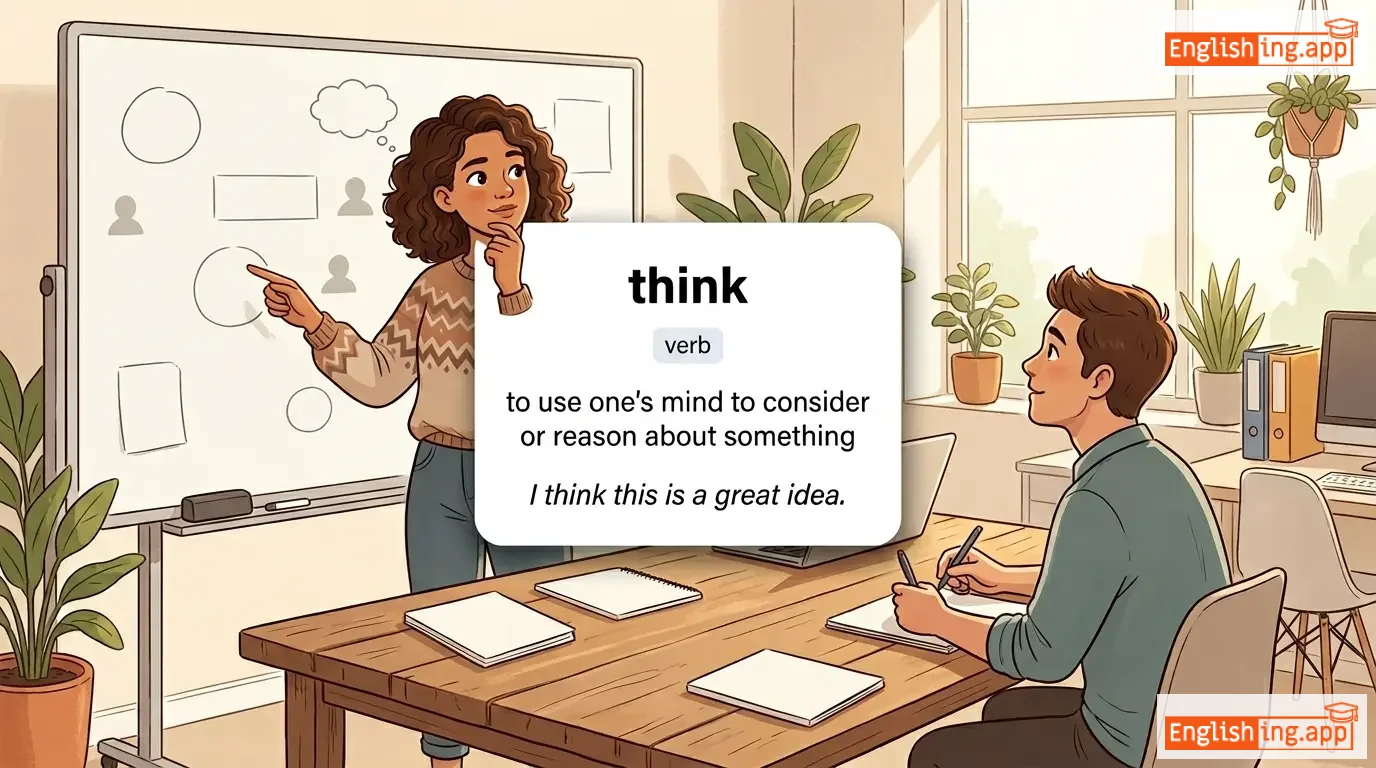
🤔
|
/θɪŋk/
verb
(think)
••••••
|
|
思考
sikao
••••••
|
thought
thot
••••••
|
thought
thot
••••••
|
thinks
thinkz
••••••
|
thinking
thinking
••••••
|
to use one's mind to consider or reason about something
••••••
|
I think this is a great idea.
我觉得这是一个好主意。
••••••
|
我觉得这是一个好主意。
Wǒ juéde zhè shì yīgè hǎo zhǔyì.
••••••
|
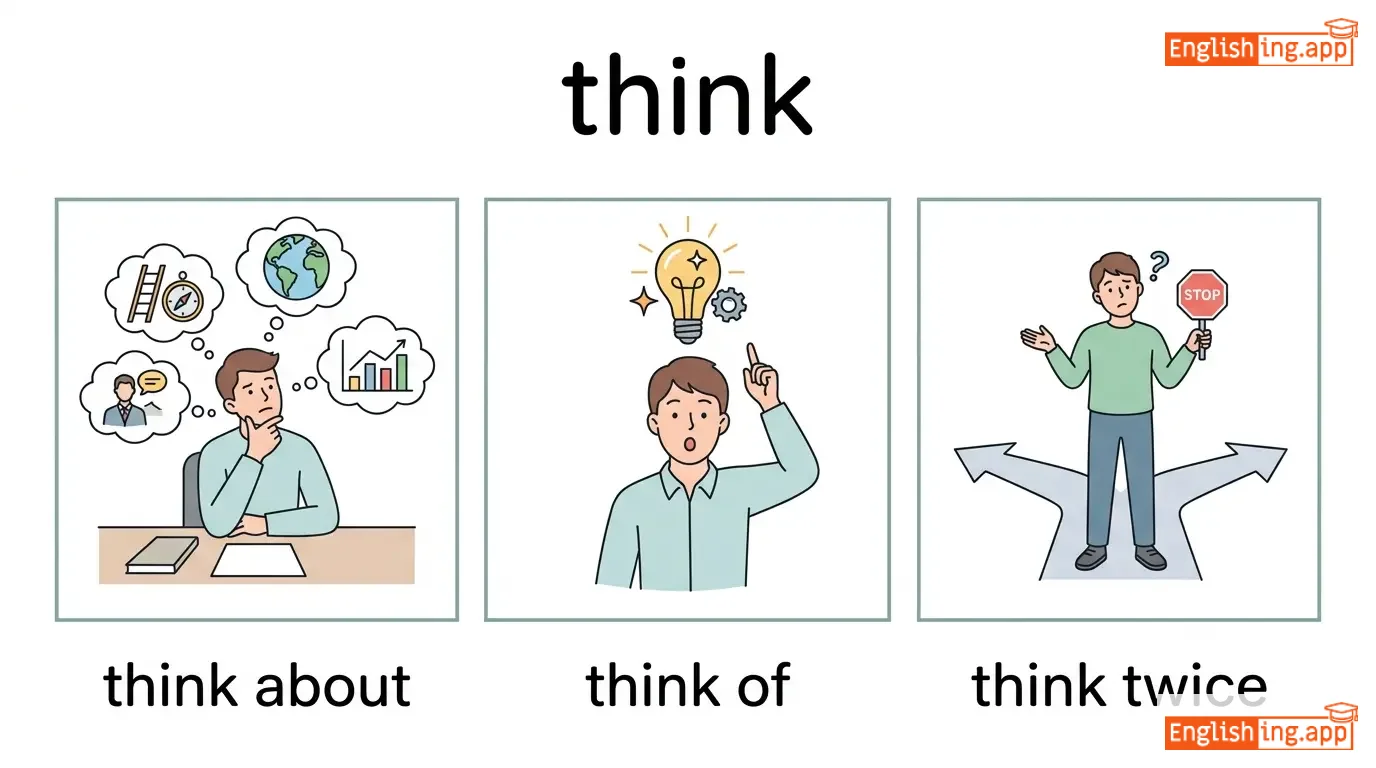
Think twice
再想一想
••••••
|
Consider something carefully before making a decision
••••••
|
再想一想
Zài xiǎng yī xiǎng
••••••
|
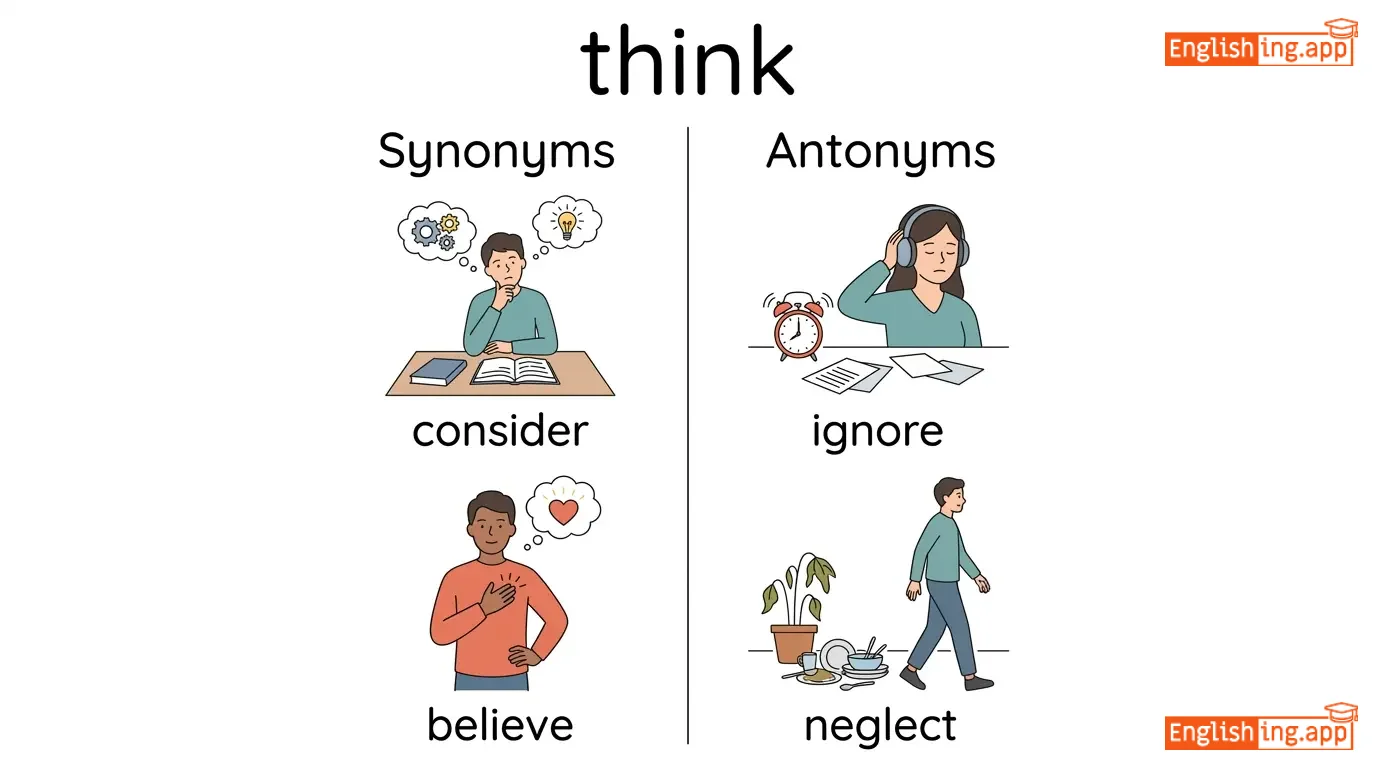
consider, believe, reflect, ponder
••••••
|
ignore, neglect
••••••
|
think about, think of, think twice, think hard
••••••
|
思考就像大脑的健身房,帮助你作出更好的决定。
••••••
|
|
#12146
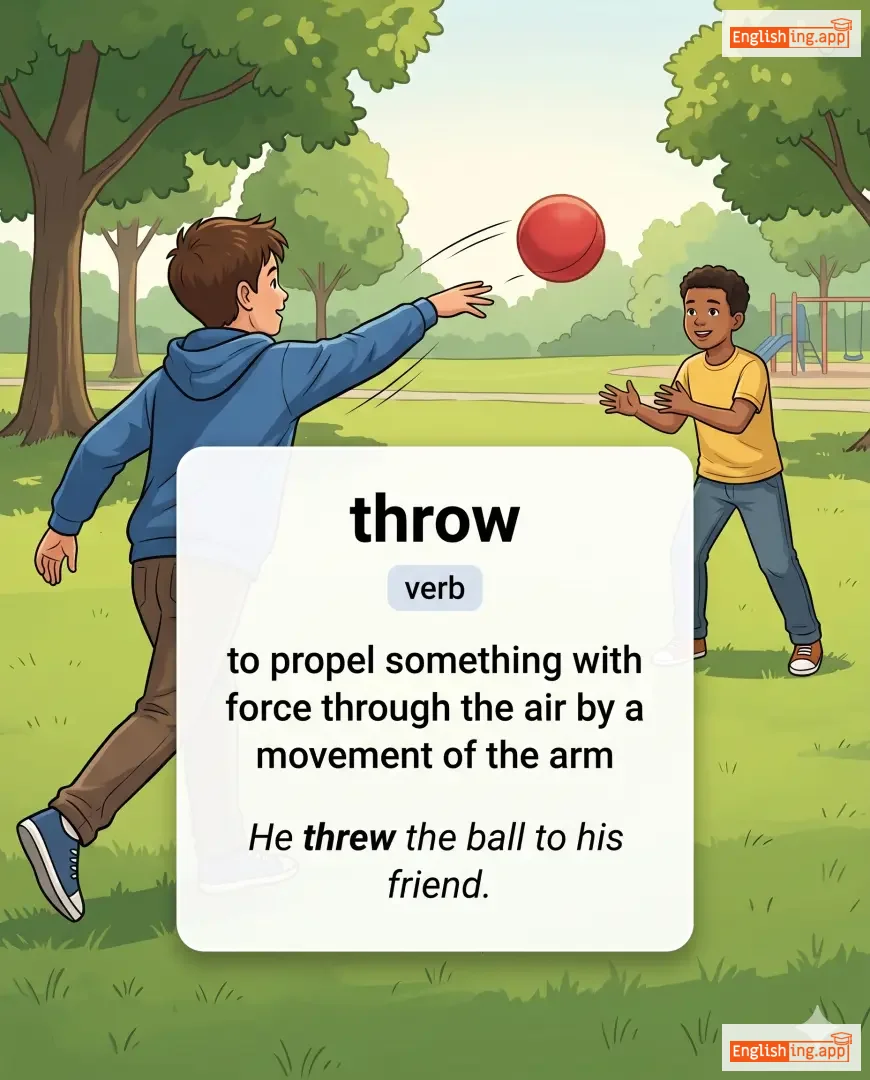
🏈
|
/θroʊ/
verb
(thro)
••••••
|
|
投掷
tóu zhì
••••••
|
threw
thru
••••••
|
thrown
thron
••••••
|
throws
throz
••••••
|
throwing
throwing
••••••
|
to propel something with force through the air by a movement of the arm
••••••
|
He threw the ball to his friend.
他把球扔给了他的朋友。
••••••
|
他把球扔给了他的朋友。
Tā bǎ qiú rēng gěi le tā de péngyǒu.
••••••
|
throw in the towel
放弃毛巾
••••••
|
to give up or admit defeat
••••••
|
放弃
fàngqì
••••••
|
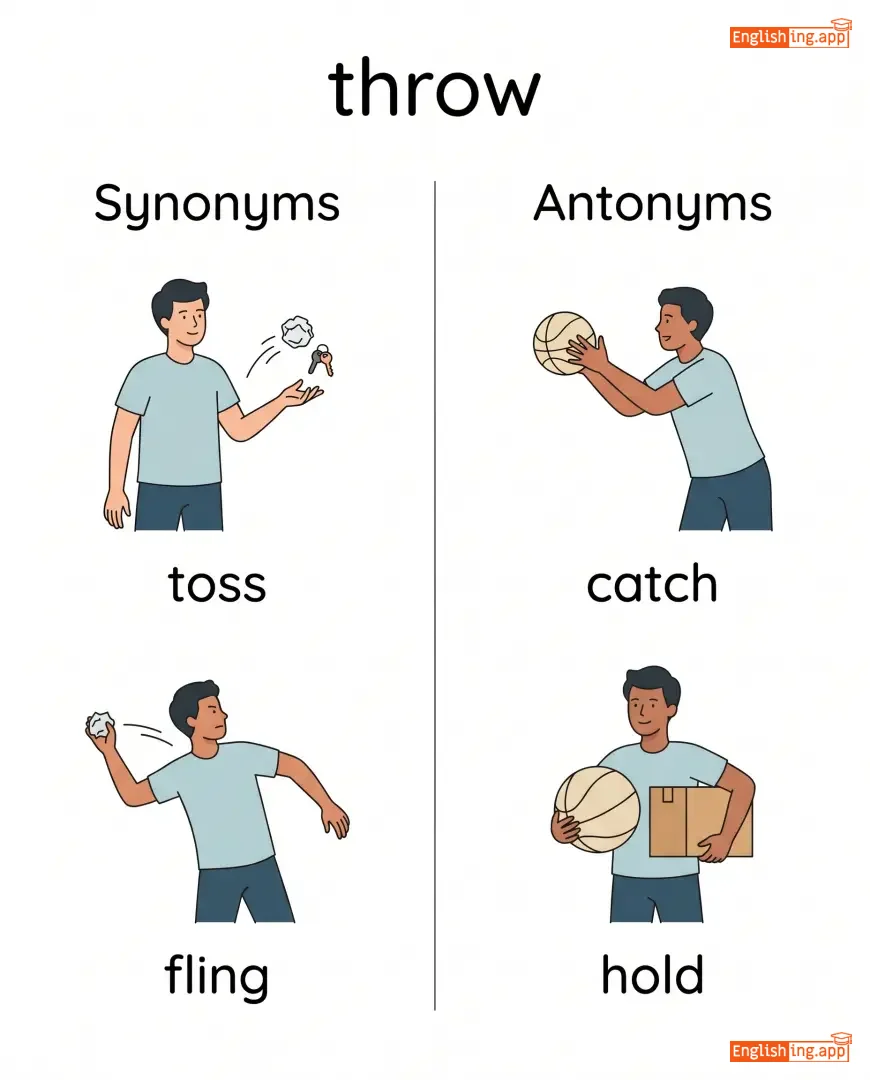
toss, fling, hurl, chuck
••••••
|
catch, hold
••••••
|
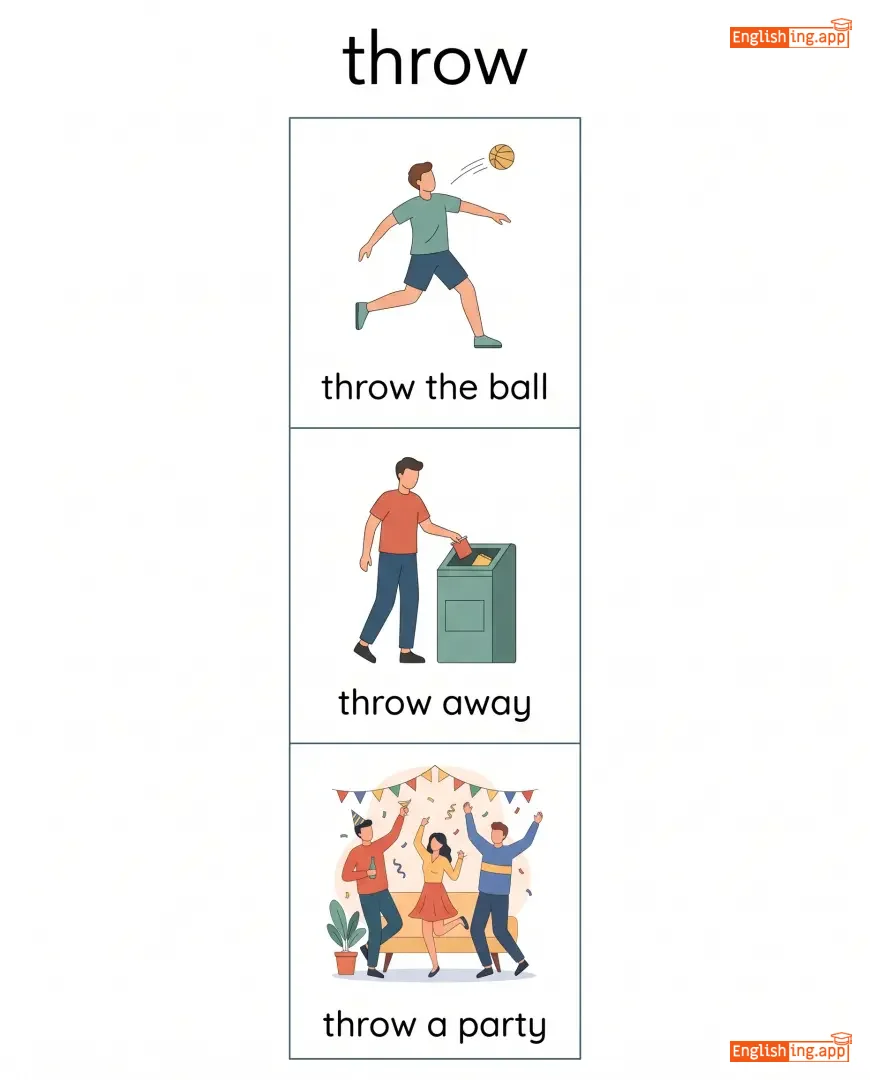
throw the ball, throw away, throw a party
••••••
|
扔球去,做最好的投掷!
••••••
|
|
#12147
🌍
|
/θruːˈaʊt/
preposition
(sīhào-āo)
••••••
|
- •••••• |
贯穿
guan chuan
••••••
|
- •••••• | - •••••• | - •••••• | - •••••• |
in every part of a place or during the whole time of an event
••••••
|
She worked throughout the night. |
她整夜工作。
Ta zheng ye gongzuo.
••••••
|
- •••••• | - •••••• | - •••••• |
all over, everywhere, during, across
••••••
|
none
••••••
|
throughout the day, throughout the country
••••••
|
Throughout = 穿越时间,从不停歇。
••••••
|
|
#12148
➡️
|
/θruː/
preposition
(thru)
••••••
|
- •••••• |
通过
tong guo
••••••
|
- •••••• | - •••••• | - •••••• | - •••••• |
moving in one side and out the other side of something
••••••
|
The train passed through the tunnel.
火车通过了隧道。
••••••
|
火车通过了隧道。
Huo che tong guo le sui dao.
••••••
|
- •••••• | - •••••• | - •••••• |
across, past, beyond, into
••••••
|
none
••••••
|
go through, pass through, walk through
••••••
|
Through sounds like crossing a bridge, moving from one side to the other.
••••••
|
|
#12149
🗣️
|
/θroʊt/
noun
(θroʊt)
••••••
|
- •••••• |
喉咙
hóulóng
••••••
|
- •••••• | - •••••• | - •••••• | - •••••• |
the front part of the neck, containing the pharynx and larynx
••••••
|
He felt a lump in his throat while speaking. |
他说话时感到喉咙里有个肿块。
Tā shuōhuà shí gǎndào hóulóng lǐ yǒu gè zhǒngkuài.
••••••
|
- •••••• | - •••••• | - •••••• |
neck, gullet
••••••
|
none
••••••
|
sore throat, clear your throat
••••••
|
Throat = hóulóng, 语音与声音的来源。
••••••
|
|
#12150
3️⃣
|
/θriː/
numeral
(sān)
••••••
|
- •••••• |
三
san
••••••
|
- •••••• | - •••••• | - •••••• | - •••••• |
the number equivalent to the sum of two and one
••••••
|
She has three dogs at home. |
她家里有三只狗。
Tā jiālǐ yǒu sān zhī gǒu.
••••••
|
- •••••• | - •••••• | - •••••• |
threefold, triple
••••••
|
none
••••••
|
three times, three people, three years
••••••
|
三是三口之家里的幸运数字
••••••
|
|
#12151
⚠️
|
/ˈθrɛtən/
verb
(happiness)
••••••
|
|
幸福
xìngfú
••••••
|
threatened
••••••
|
threatened
••••••
|
threatens
••••••
|
threatening
••••••
|
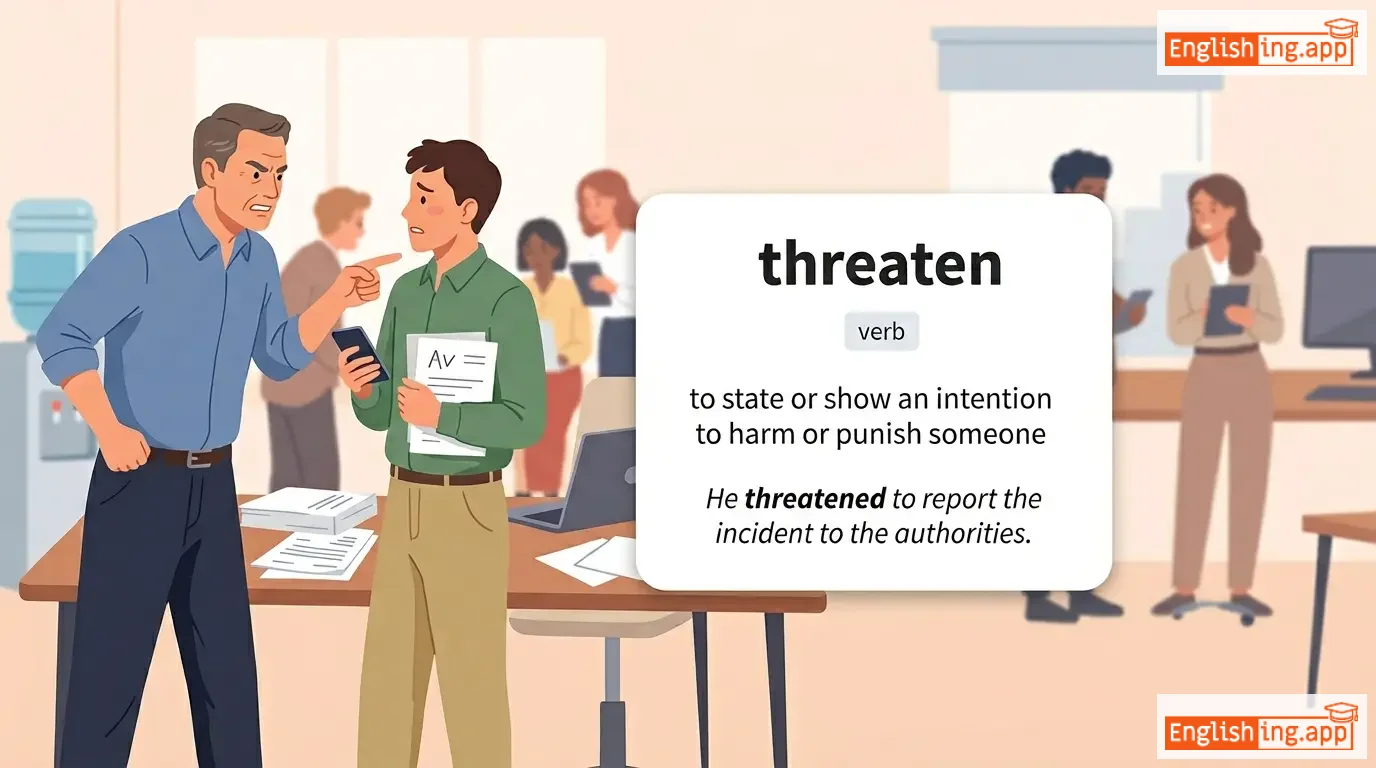
to state or show an intention to harm or punish someone
••••••
|
He threatened to report the incident to the authorities. |
当她收到奖项时,她无法掩饰她的幸福。
Dāng tā shōu dào jiǎngxiàng shí, tā wúfǎ yǎnshì tā de xìngfú.
••••••
|
- •••••• | - •••••• | - •••••• |
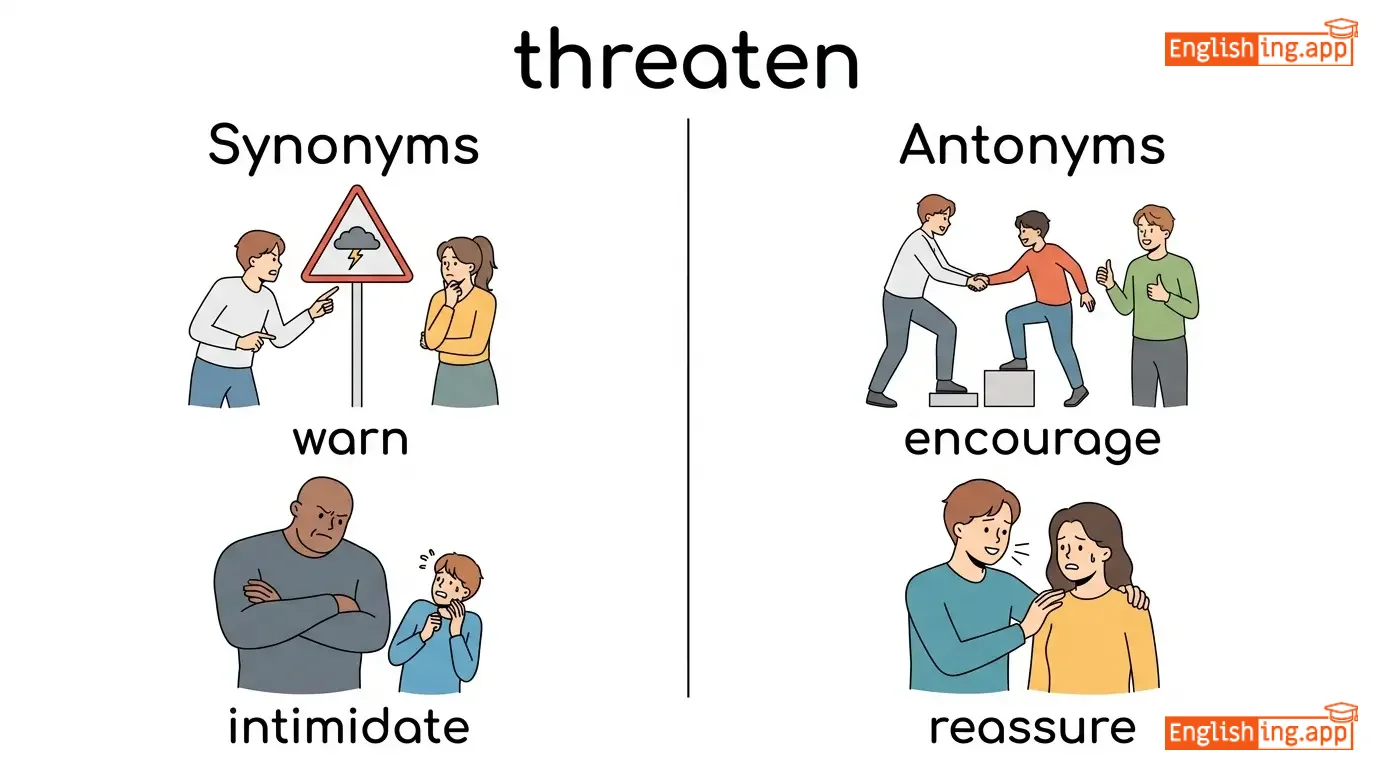
warn, intimidate, menace, coerce
••••••
|
encourage, reassure, support
••••••
|
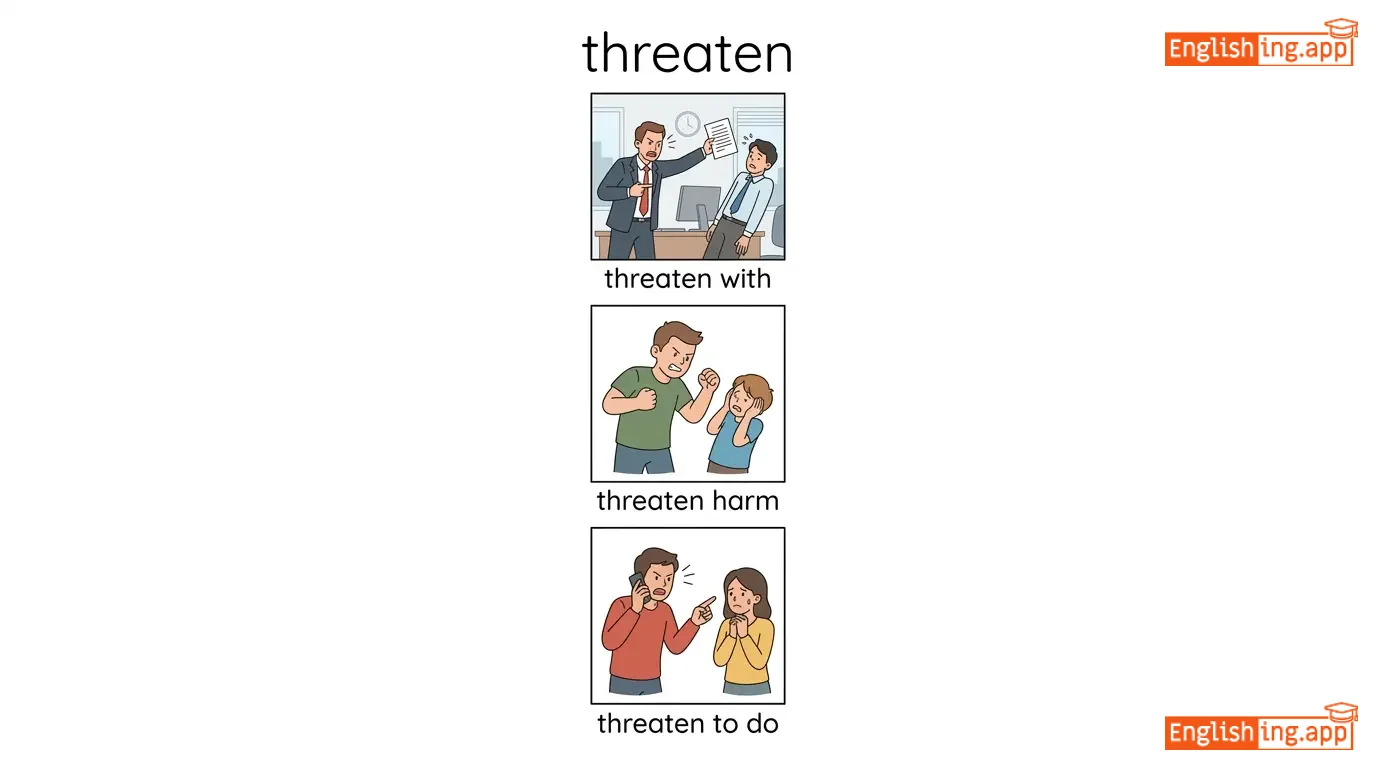
threaten with, threaten harm, threaten to do
••••••
|
幸福就是Happiness的感觉,带来喜悦的时刻。
••••••
|
|
#12152
💯
|
/ˈθaʊzənd/
noun
(ˈθaʊzənd)
••••••
|
- •••••• |
千
qian
••••••
|
- •••••• | - •••••• | - •••••• | - •••••• |
the number equal to 10 hundred or 1,000
••••••
|
There were a thousand people at the concert. |
音乐会有一千人。
Yīnyuè huì yǒu yīqiān rén.
••••••
|
- •••••• | - •••••• | - •••••• |
kilo, grand
••••••
|
one, few
••••••
|
thousand dollars, thousand people, thousand years
••••••
|
千人唱歌 (Qiān rén chànggē)
••••••
|
|
#12153
💭
|
/θɔːt/
noun
(思特)
••••••
|
- •••••• |
思维
siwei
••••••
|
- •••••• | - •••••• | - •••••• | - •••••• |
an idea or opinion produced by thinking or considering something
••••••
|
She had a sudden thought about the future. |
她突然有了关于未来的想法。
Tā túrán yǒule guānyú wèilái de xiǎngfǎ.
••••••
|
- •••••• | - •••••• | - •••••• |
idea, notion, belief, concept
••••••
|
ignorance, uncertainty
••••••
|
deep thought, quick thought, passing thought
••••••
|
'思维' (siwei) 突然出现
••••••
|
|
#12154
🌧️
|
/ðoʊ/
conjunction
(zōu)
••••••
|
- •••••• |
虽然
suīrán
••••••
|
- •••••• | - •••••• | - •••••• | - •••••• |
used to introduce a fact that makes the main statement of the sentence seem surprising or unexpected
••••••
|
Though it was raining, they still went outside. |
虽然在下雨,他们还是出去玩了。
Suīrán zài xiàyǔ, tāmen háishi chūqù wánle.
••••••
|
- •••••• | - •••••• | - •••••• |
although, however, but
••••••
|
because, since
••••••
|
though difficult, though tired, though happy
••••••
|
'虽然' (suīrán) 即使下雨,也要出去
••••••
|
|
#12155
👢
|
/ðoʊz/
pronoun
(ðoʊz)
••••••
|
- •••••• |
那些
nàxiē
••••••
|
- •••••• | - •••••• | - •••••• | - •••••• |
used to refer to people or things that are far away or distant in space, time, or thought
••••••
|
Those are the shoes I want. |
那些是我想要的鞋子。
Nàxiē shì wǒ xiǎng yào de xiézi.
••••••
|
- •••••• | - •••••• | - •••••• |
those ones, those people, those things
••••••
|
this, these
••••••
|
those shoes, those days, those people
••••••
|
远离的 '那些' (nàxiē)
••••••
|
|
#12156
📖
|
/ðɪs/
pronoun
(zhe)
••••••
|
- •••••• |
这个
zhe ge
••••••
|
- •••••• | - •••••• | - •••••• | - •••••• |
used to refer to a person or thing that is close or near in space, time, or thought
••••••
|
This is my favorite book. |
这是我最喜欢的书。
Zhè shì wǒ zuì xǐhuān de shū.
••••••
|
- •••••• | - •••••• | - •••••• |
this one, here, these
••••••
|
that, those
••••••
|
this book, this place, this idea
••••••
|
记住'这个' (zhe ge) 用来指代你很接近的事物。
••••••
|
|
#12157
3️⃣0️⃣
|
/ˈθɜrti/
adjective
(桑三十)
••••••
|
- •••••• |
三十
san shi
••••••
|
- •••••• | - •••••• | - •••••• | - •••••• |
equivalent to the number 30
••••••
|
He is thirty years old. |
他三十岁。
Ta san shi sui.
••••••
|
- •••••• | - •••••• | - •••••• |
thirtieth
••••••
|
twenty, forty
••••••
|
thirty years old, thirty days, thirty minutes
••••••
|
To remember 'thirty', think of the number 30 (3️⃣0️⃣).
••••••
|
|
#12158
3️⃣
|
/θɜrd/
adjective
(θɜrd)
••••••
|
- •••••• |
第三
di san
••••••
|
- •••••• | - •••••• | - •••••• | - •••••• |
constituting number three in a sequence
••••••
|
She finished in third place. |
她得了第三名。
Ta de le di san ming.
••••••
|
- •••••• | - •••••• | - •••••• |
thirdly, tertiary, trinal
••••••
|
first, second
••••••
|
third place, third time, third attempt
••••••
|
想想'第三'名的奖牌(🥉)。
••••••
|
|
#12159
💭
|
/ˈθɪŋkɪŋ/
noun
(ˈθɪŋkɪŋ)
••••••
|
- •••••• |
思考
sī kǎo
••••••
|
- •••••• | - •••••• | - •••••• | - •••••• |
the process of considering or reasoning about something
••••••
|
Her thinking was clear and precise. |
她的思考清晰而准确。
Tā de sīkǎo qīngxī ér zhǔnquè.
••••••
|
- •••••• | - •••••• | - •••••• |
thought, contemplation, reflection, reasoning
••••••
|
ignorance, confusion
••••••
|
critical thinking, logical thinking, abstract thinking
••••••
|
'思考' in Chinese is like 'thinking deeply', like contemplating ideas.
••••••
|
|
#12160
👉
|
/ðæt/
pronoun
(ðæt)
••••••
|
- •••••• |
这个
zhège
••••••
|
- •••••• | - •••••• | - •••••• | - •••••• |
used to identify a specific person or thing observed or heard
••••••
|
That is my book on the table.
这是我桌子上的书。
••••••
|
这是我桌子上的书。
Zhè shì wǒ zhuōzi shàng de shū.
••••••
|
- •••••• | - •••••• | - •••••• |
this, it, the one
••••••
|
those, these
••••••
|
that book, that person, that idea
••••••
|
That - 这个 (Zhège) 是书在桌子上
••••••
|
|
#12161
📦
|
/θɪŋ/
noun
(θɪŋ)
••••••
|
- •••••• |
东西
dongxi
••••••
|
- •••••• | - •••••• | - •••••• | - •••••• |
an object, idea, or matter that is being referred to or dealt with
••••••
|
This is the thing I was looking for. |
这是我在找的东西。
Zhe shi wo zai zhao de dongxi.
••••••
|
- •••••• | - •••••• | - •••••• |
item, object, matter, article
••••••
|
nothing, nonentity
••••••
|
the thing, a thing, important thing, one thing
••••••
|
Think of a 'thing' as a 'dongxi' (东西) you always find in a box.
••••••
|
|
#12162
🪶
|
/θɪn/
adjective
(thin)
••••••
|
- •••••• |
薄
bo
••••••
|
- •••••• | - •••••• | - •••••• | - •••••• |
having little thickness or width
••••••
|
She wore a thin scarf in the winter.
她冬天戴着一条薄围巾。
••••••
|
她冬天戴着一条薄围巾。
Tā dōngtiān dàizhe yītiáo bó wéijīn.
••••••
|
- •••••• | - •••••• | - •••••• |
slim, slender, narrow
••••••
|
thick, wide
••••••
|
thin paper, thin hair, thin layer
••••••
|
Thin as in a feather - 薄, 像羽毛一样.
••••••
|
|
#12163
👫
|
/ðeɪ/
pronoun
(ðeɪ)
••••••
|
- •••••• |
他们
tāmen
••••••
|
- •••••• | - •••••• | - •••••• | - •••••• |
used to refer to people or things previously mentioned or easily identified
••••••
|
They are going to the park. |
他们去公园。
Tāmen qù gōngyuán.
••••••
|
- •••••• | - •••••• | - •••••• |
them, those, these
••••••
|
I, we
••••••
|
they are, they have, they will
••••••
|
They are our friends - 他们是我们的朋友。
••••••
|
|
#12164
👥
|
/ðiːz/
pronoun
(ðiz)
••••••
|
- •••••• |
这些
zhe xie
••••••
|
- •••••• | - •••••• | - •••••• | - •••••• |
used to refer to things or people that are near or present
••••••
|
These are my friends. |
这些是我的朋友。
Zhe xie shi wo de pengyou.
••••••
|
- •••••• | - •••••• | - •••••• |
this, those, such
••••••
|
those
••••••
|
these things, these people, these books
••••••
|
These things are close to me - 这些东西离我很近。
••••••
|
|
#12165
➡️
|
/ðɛəˈfɔː/
conjunction
••••••
|
- •••••• | - •••••• | - •••••• | - •••••• | - •••••• | - •••••• |
for that reason; because of that
••••••
|
She was tired; therefore, she went to bed early. |
- •••••• | - •••••• | - •••••• | - •••••• |
thus, hence, so, accordingly
••••••
|
nevertheless, however
••••••
|
therefore, therefore decided, therefore necessary
••••••
|
No •••••• |
|
#12166
📍
|
/ðɛə/
adverb
(ðɛə)
••••••
|
- •••••• |
那里
nàlǐ
••••••
|
- •••••• | - •••••• | - •••••• | - •••••• |
in, at, or to that place or position
••••••
|
We are going there tomorrow. |
我们明天去那里。
Wǒmen míngtiān qù nàlǐ.
••••••
|
- •••••• | - •••••• | - •••••• |
here, in that place, at that location
••••••
|
here, nowhere
••••••
|
be there, go there, get there, come here
••••••
|
There’s a place, it’s over there - 你在那里。
••••••
|
|
#12167
💆♀️
|
/ˈθɛrəpi/
noun
(治疗)
••••••
|
|
治疗
zhiliao
••••••
|
- •••••• | - •••••• | - •••••• | - •••••• |
treatment intended to relieve or heal a disorder
••••••
|
She is receiving therapy for her injury.
她正在接受治疗以治疗她的伤害。
••••••
|
她正在接受治疗以治疗她的伤害。
Tā zhèngzài jiēshòu zhìliáo yǐ zhìliáo tā de shānghài.
••••••
|
- •••••• | - •••••• | - •••••• |
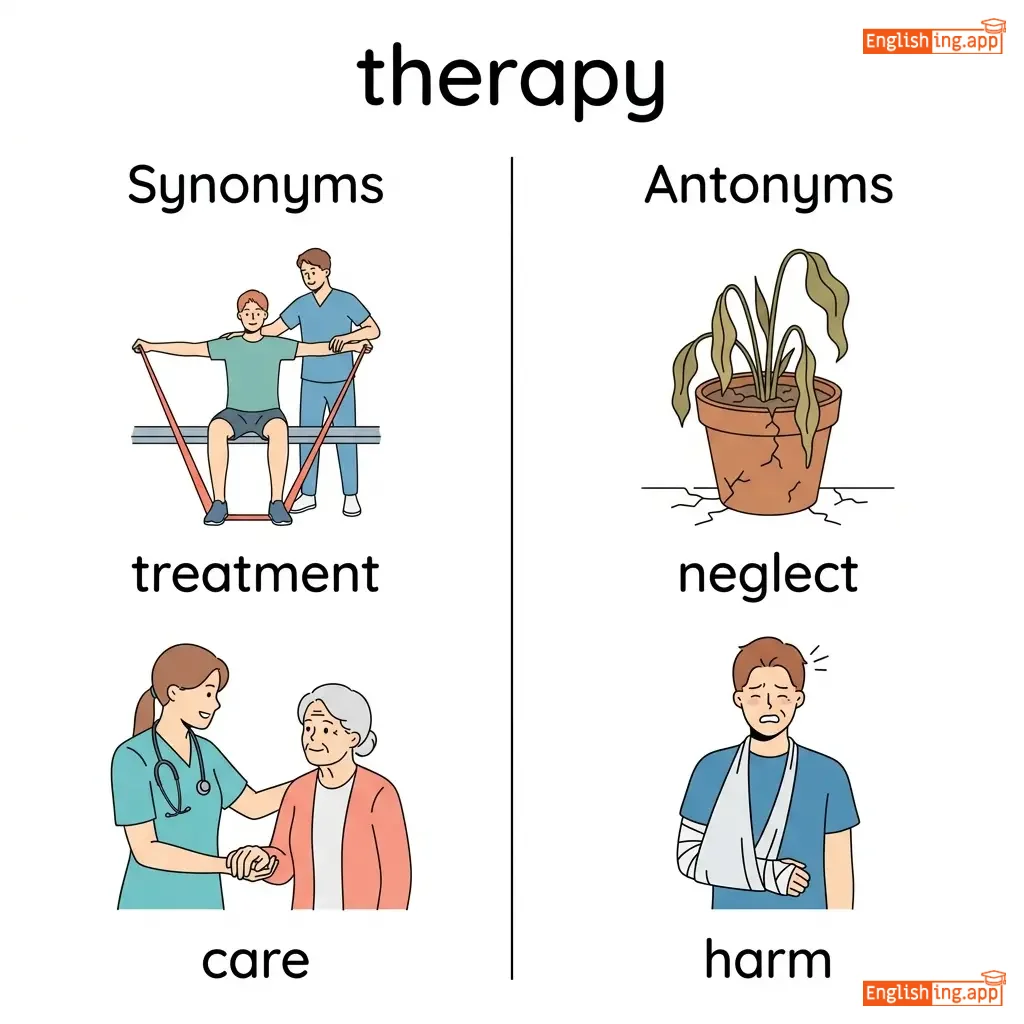
treatment, care, healing, rehabilitation
••••••
|
neglect, harm
••••••
|
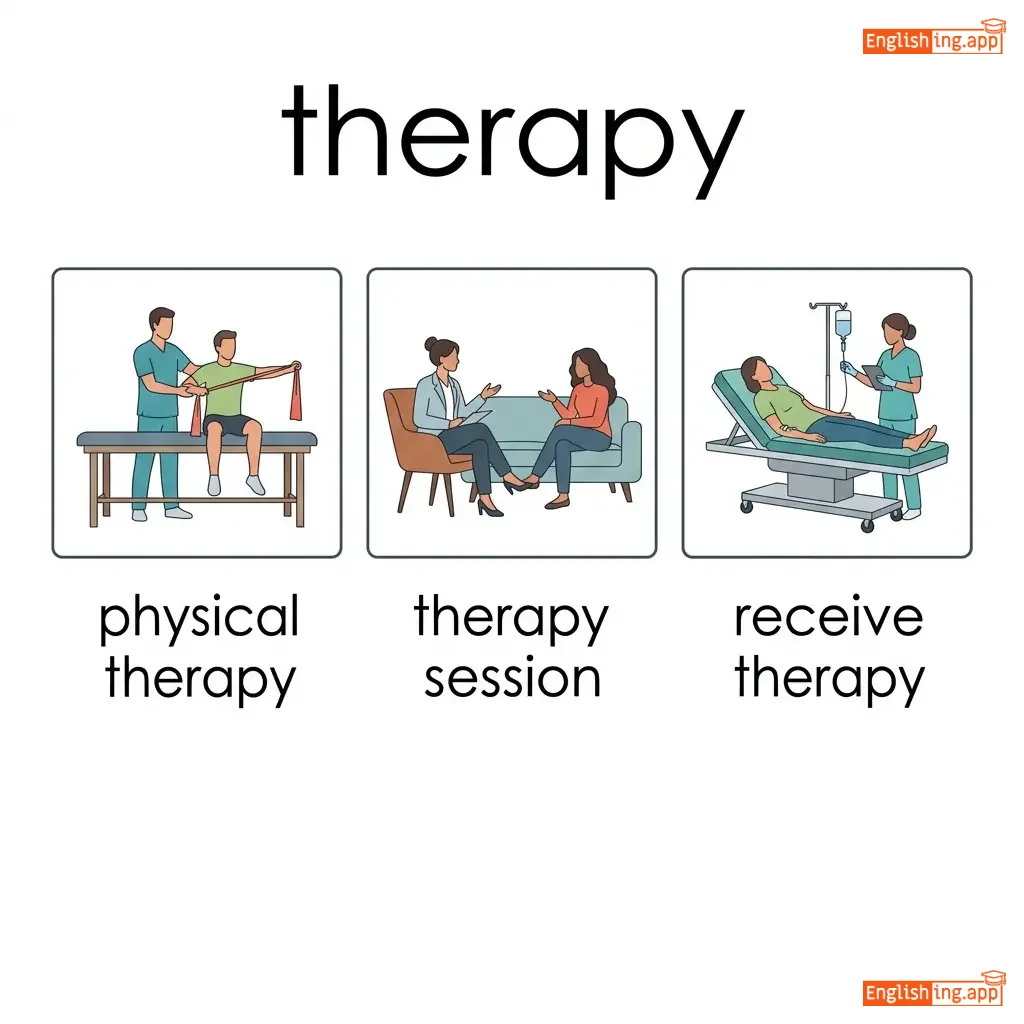
physical therapy, therapy session, receive therapy
••••••
|
治疗 (therapy) 帮助恢复身体和心理健康
••••••
|
|
#12168
⏳
|
/ðɛn/
adverb
(den)
••••••
|
- •••••• |
然后
ránhòu
••••••
|
- •••••• | - •••••• | - •••••• | - •••••• |
at that time; next in order of time or place
••••••
|
We went to the park, and then we had lunch.
我们去了公园,然后吃午餐。
••••••
|
我们去了公园,然后吃午餐。
Wǒmen qùle gōngyuán, ránhòu chī wǔcān.
••••••
|
back then
那时
••••••
|
used to refer to a time in the past
••••••
|
那时
nà shí
••••••
|
afterward, subsequently, later, next
••••••
|
before
••••••
|
then what, then go, then what happened
••••••
|
然后 (then) 来记住过去的时间
••••••
|
|
#12169
💪
|
/ðəmˈsɛlvz/
pronoun
(ðəmˈsɛlvz)
••••••
|
- •••••• |
自己
zìjǐ
••••••
|
- •••••• | - •••••• | - •••••• | - •••••• |
used to emphasize the subject of the sentence or to refer to the subject doing something to itself
••••••
|
They fixed the problem themselves. |
他们自己解决了问题。
Tāmen zìjǐ jiějuéle wèntí.
••••••
|
- •••••• | - •••••• | - •••••• |
themselves alone, personally, independently
••••••
|
none
••••••
|
do it themselves, solve it themselves, they themselves
••••••
|
自己 (zìjǐ) 指代做事情的自主性
••••••
|
|
#12170
🎨
|
/θiːm/
noun
(主题)
••••••
|
|
主题
zhuti
••••••
|
- •••••• | - •••••• | - •••••• | - •••••• |
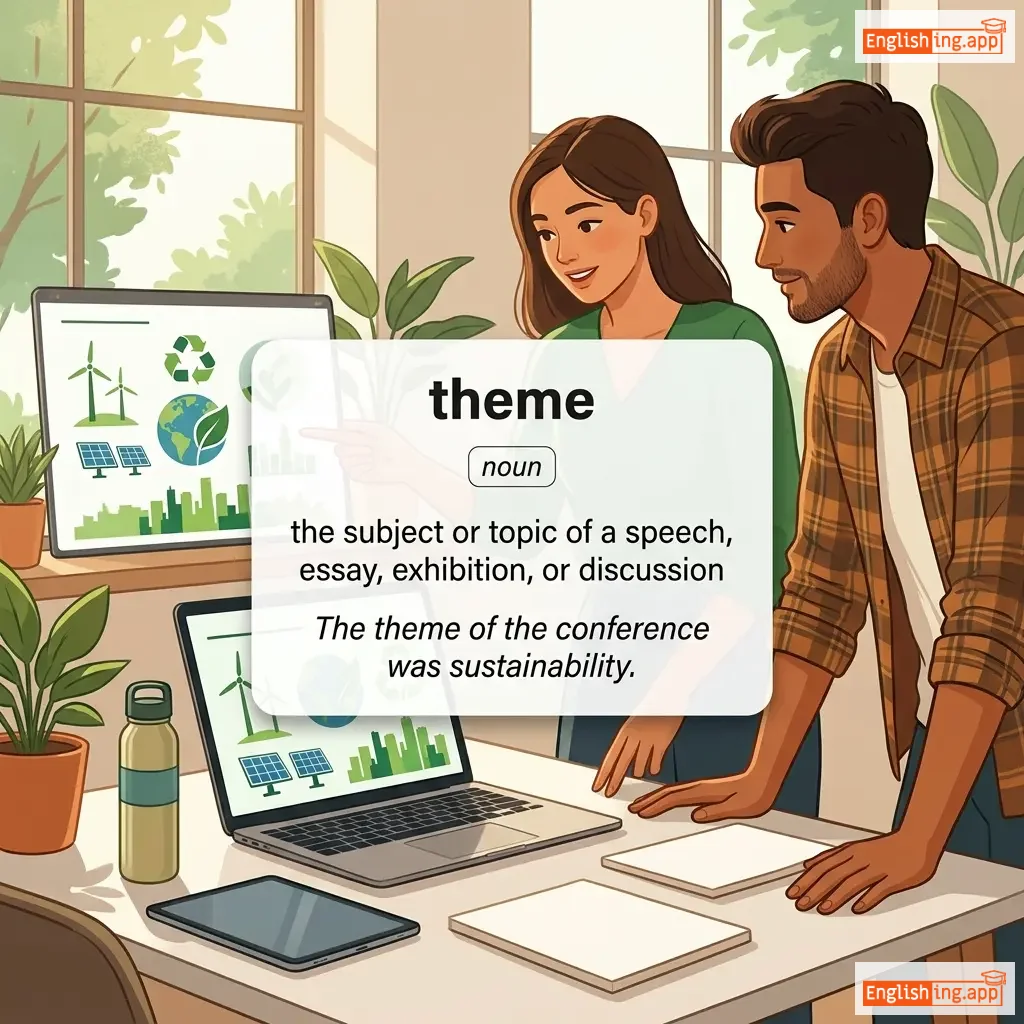
the subject or topic of a speech, essay, exhibition, or discussion
••••••
|
The theme of the conference was sustainability. |
会议的主题是可持续性。
Huiyi de zhuti shi kexu xing.
••••••
|
- •••••• | - •••••• | - •••••• |
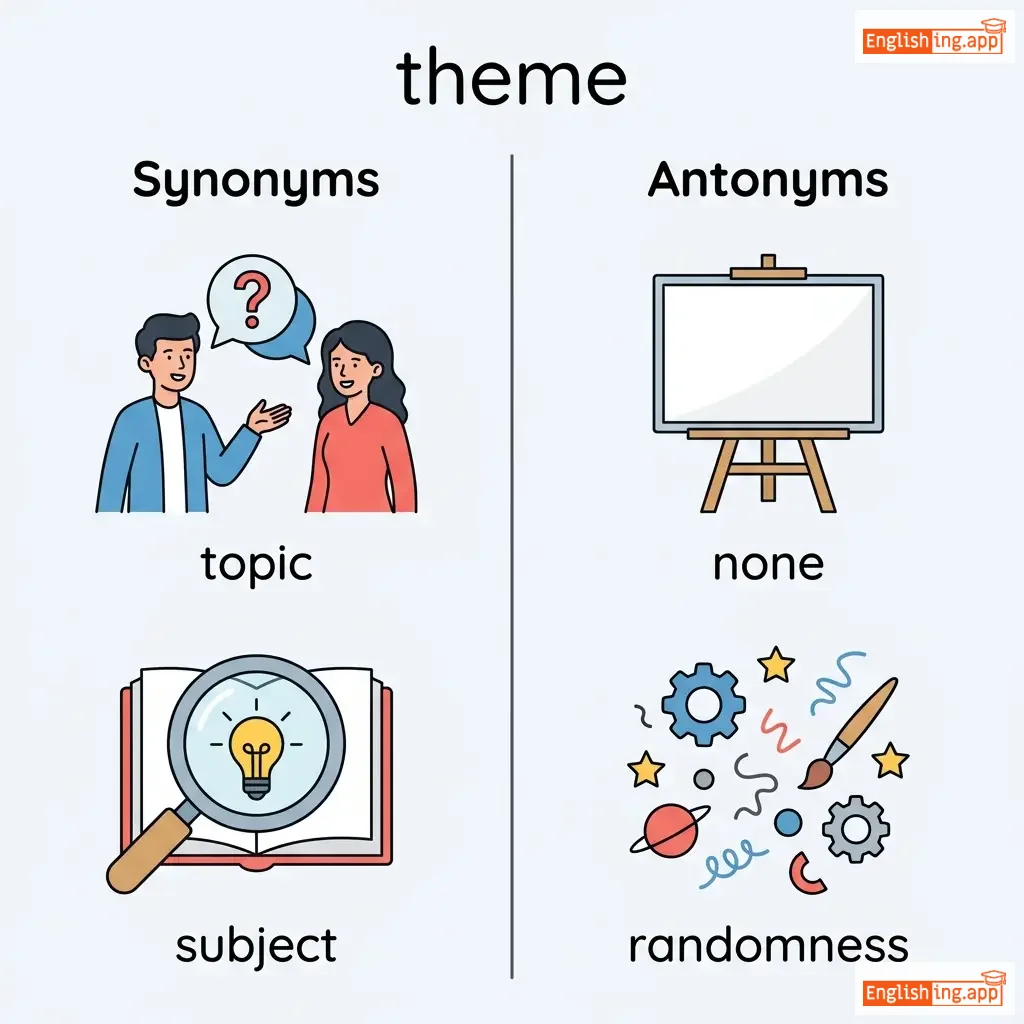
topic, subject, motif, idea
••••••
|
none
••••••
|
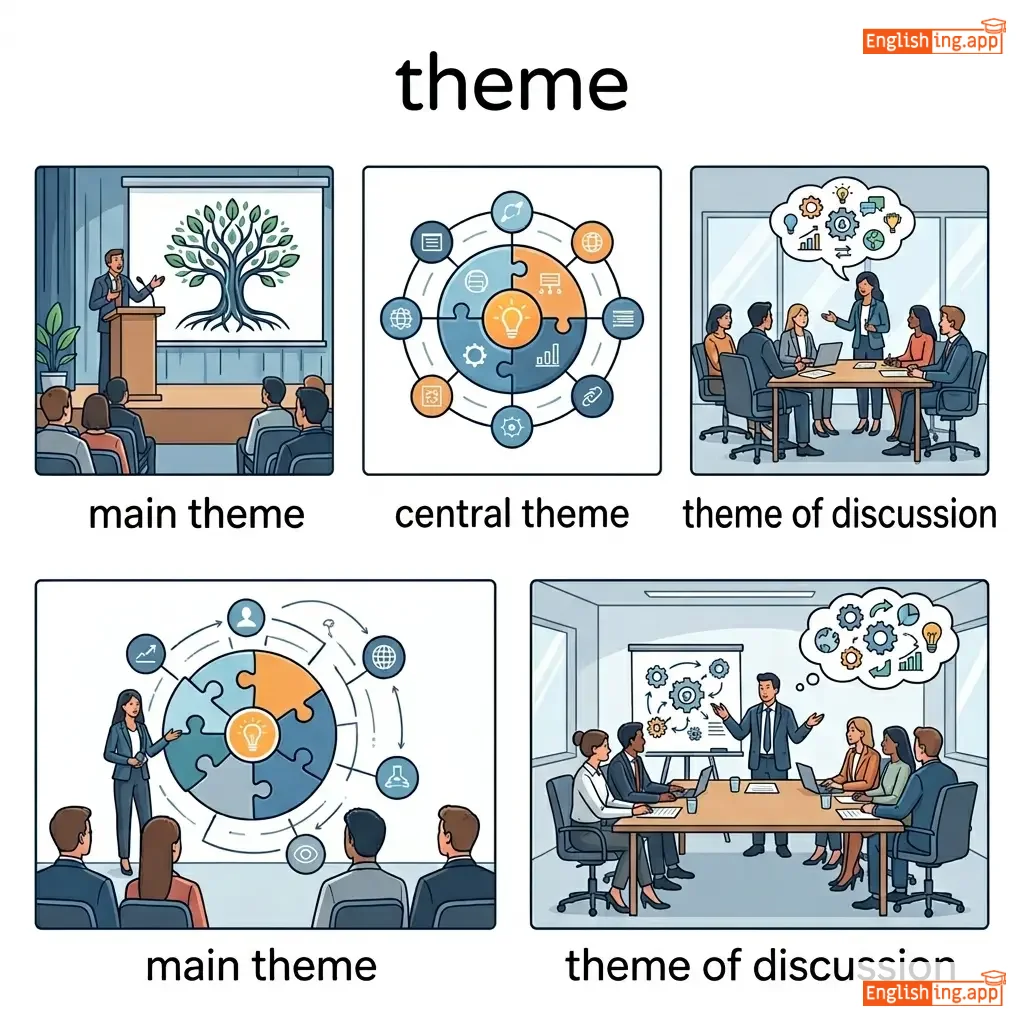
main theme, central theme, theme of discussion
••••••
|
主题 (zhuti) 是演讲的核心
••••••
|
|
#12171
👥
|
/ðɛm/
pronoun
(ðɛm)
••••••
|
- •••••• |
他们
tāmen
••••••
|
- •••••• | - •••••• | - •••••• | - •••••• |
used to refer to people or things previously mentioned or easily identified
••••••
|
I saw them at the park yesterday. |
我昨天在公园看到了他们。
Wǒ zuótiān zài gōngyuán kàn dào le tāmen.
••••••
|
- •••••• | - •••••• | - •••••• |
they, those, these
••••••
|
none
••••••
|
see them, tell them, help them
••••••
|
他们 (them) 总是跟我们在一起!
••••••
|
|
#12172
👨👩👧👦
|
/ðɛər/
pronoun
(ðɛər)
••••••
|
- •••••• |
他们的
tāmen de
••••••
|
- •••••• | - •••••• | - •••••• | - •••••• |
belonging to or associated with the people or things previously mentioned
••••••
|
Their house is on the corner. |
他们的房子在角落里。
Tāmen de fángzi zài jiǎoluò lǐ.
••••••
|
- •••••• | - •••••• | - •••••• |
his, her, its
••••••
|
my, your
••••••
|
their car, their family, their opinion
••••••
|
Their - 他们的房子
••••••
|
|
#12173
🎭
|
/ˈθiːətər/
noun
(剧院)
••••••
|
- •••••• |
剧院
juyuan
••••••
|
- •••••• | - •••••• | - •••••• | - •••••• |
a building or area for dramatic performances
••••••
|
We are going to the theater tonight. |
我们今晚要去剧院。
Wǒmen jīn wǎn yào qù jùyuàn.
••••••
|
- •••••• | - •••••• | - •••••• |
playhouse, cinema, auditorium
••••••
|
open-air, outdoor
••••••
|
movie theater, local theater, drama theater
••••••
|
剧院 - 你可以在那里看到戏剧的表演
••••••
|
|
#12174
🌞
|
/ðə/
article
••••••
|
- •••••• | - •••••• | - •••••• | - •••••• | - •••••• | - •••••• |
used to specify a noun as something already mentioned or known
••••••
|
The sun rises in the east. |
- •••••• | - •••••• | - •••••• | - •••••• |
this, that
••••••
|
- •••••• |
the best, the first, the last
••••••
|
No •••••• |
Vocabulary Quiz
Test your vocabulary by matching words with their translations or meanings.
Login to take the quiz
Comments (0)
Share your thoughts and join the discussion.
Join the discussion by logging in
Login to CommentNo comments yet
Be the first to share your thoughts!