







Swipe left or right, or use the buttons. Tap image to zoom.
例句翻译
单词
Lesson 414Lesson 414 - 遮罩切换
|
表情符号
|
单词 | Images | 翻译 | 过去时 | 过去分词 | 第三人称单数 | 动名词 | 含义 | 例句 | 例句翻译 | 示例表达 | 示例表达含义 | 示例表达翻译 | 同义词 | 反义词 | 搭配词 | 助记符 |
|---|---|---|---|---|---|---|---|---|---|---|---|---|---|---|---|---|---|
|
#1
👍
|
/əkˈsɛptəbəl/
adjective
(akseptable)
••••••
|
- •••••• |
可接受的
ke jieshou de
••••••
|
- •••••• | - •••••• | - •••••• | - •••••• |
able to be agreed upon; satisfactory or suitable
••••••
|
Your proposal is acceptable to the committee. |
你的提议对委员会是可接受的。
Nide tiyi dui weiyuanhui shi ke jieshou de.
••••••
|
socially acceptable |
considered appropriate by society
••••••
|
社会上可接受的
shehui shang ke jieshou de
••••••
|
satisfactory, adequate, tolerable, suitable, agreeable
••••••
|
unacceptable, unsuitable, improper
••••••
|
acceptable level, acceptable standard, acceptable behavior, socially acceptable
••••••
|
Acceptable 是可以接受的,容易记住。
••••••
|
|
#1
💬
|
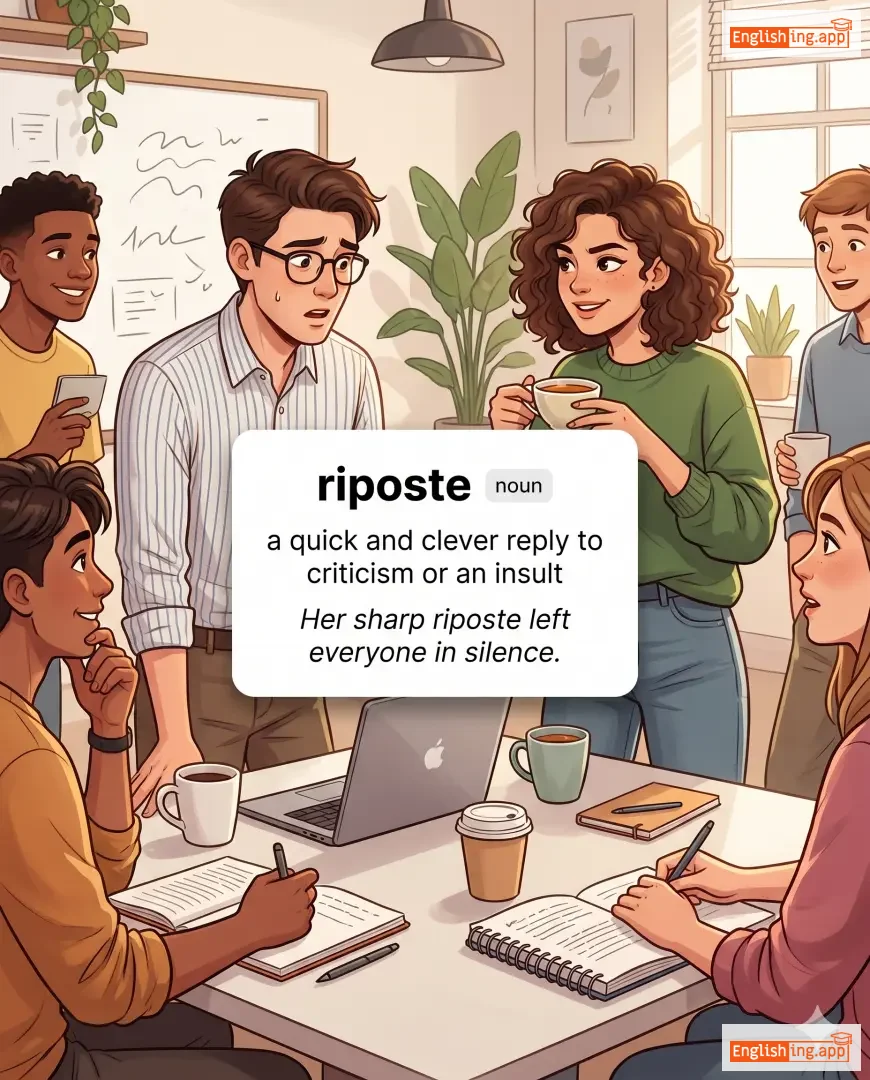
/rɪˈpoʊst/
noun
(rɪˈpoʊst)
••••••
|
|
犀利的反应
xīlì de fǎnyìng
••••••
|
- •••••• | - •••••• | - •••••• | - •••••• |
a quick and clever reply to criticism or an insult
••••••
|
Her sharp riposte left everyone in silence. |
她尖锐的反应让所有人都安静了。
Tā jiānruì de fǎnyìng ràng suǒyǒu rén dōu ānjìng le.
••••••
|
- •••••• | - •••••• | - •••••• |
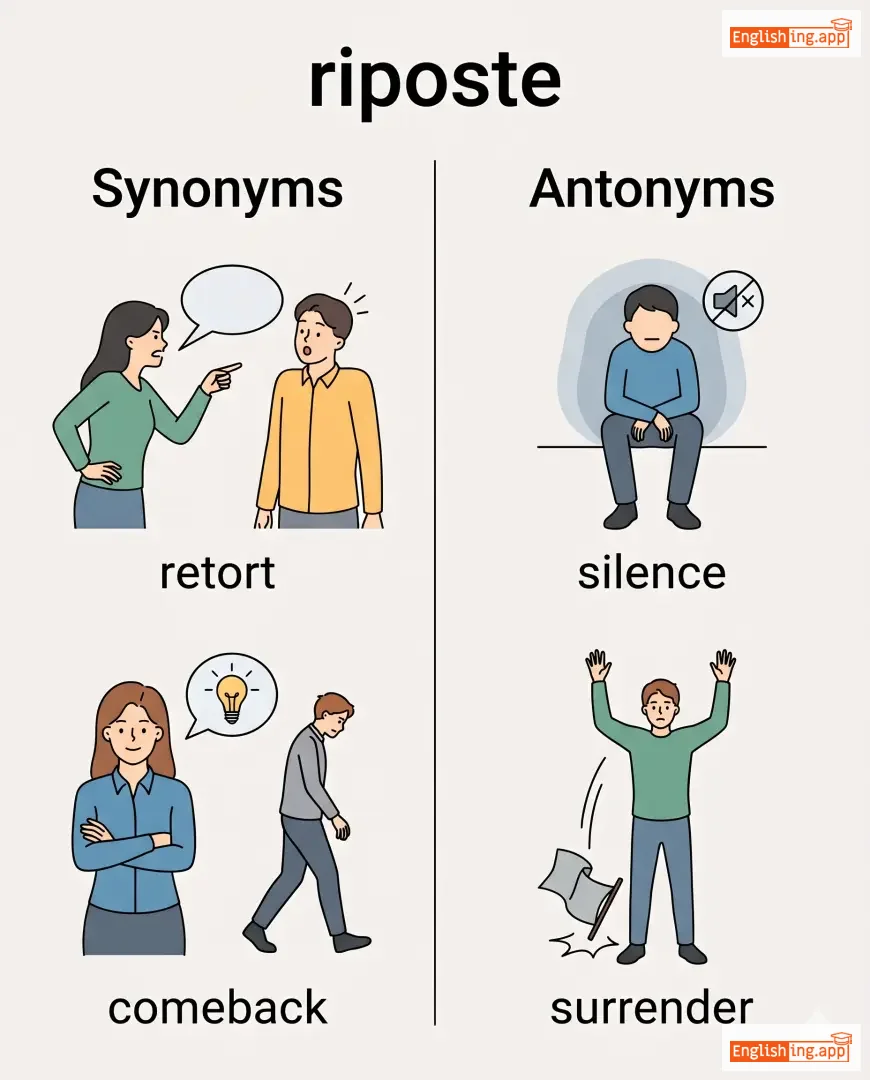
retort, comeback, reply, rejoinder, counter
••••••
|
silence, surrender
••••••
|
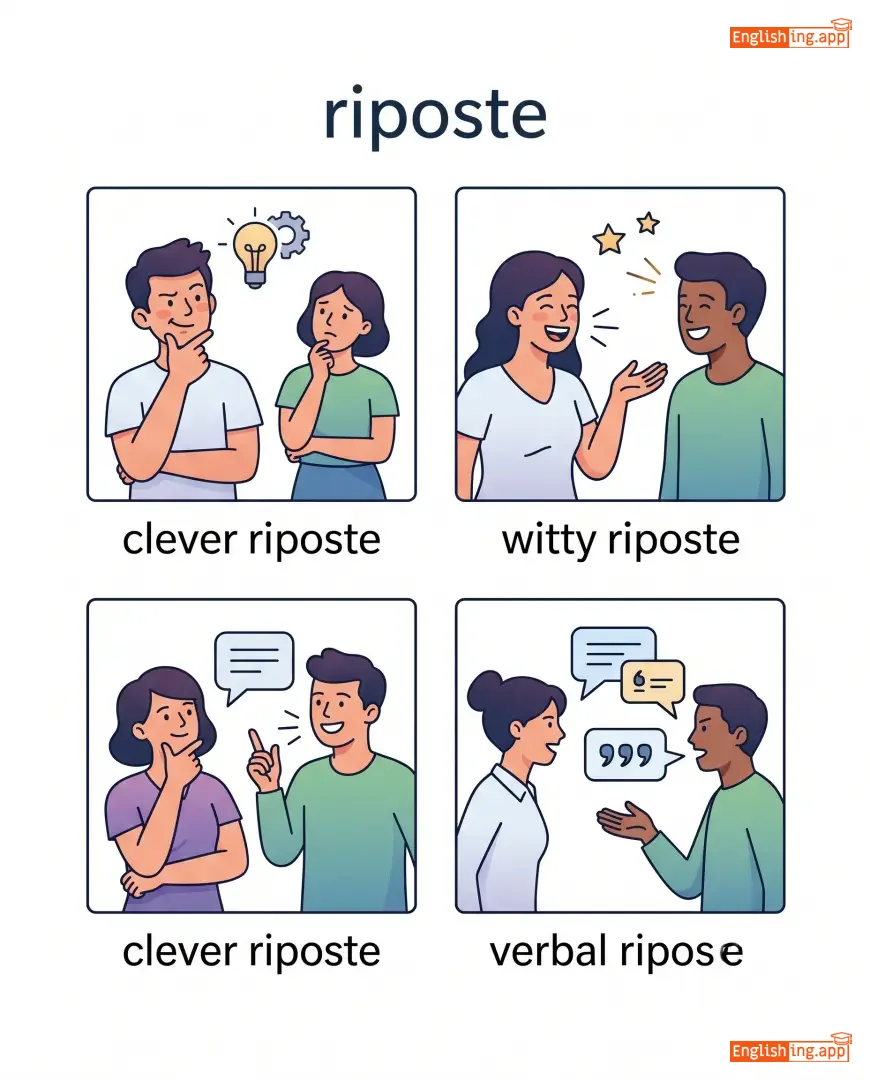
clever riposte, witty riposte, verbal riposte, quick riposte
••••••
|
Reply + post = riposte 意思是快速的回答 💬
••••••
|
|
#1
🌦️
|
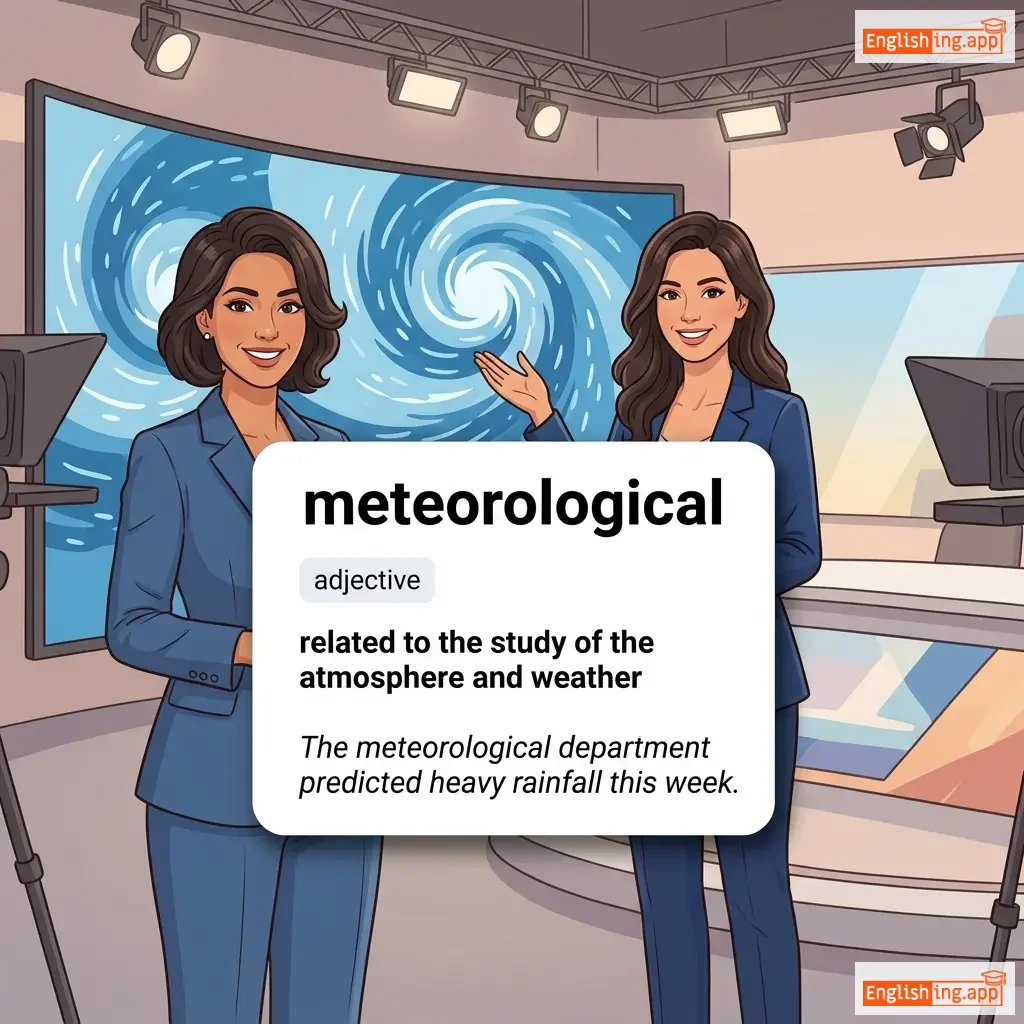
/ˌmiː.ti.ə.rəˈlɒ.dʒɪ.kəl/
adjective
(气象的)
••••••
|
|
气象的
qìxiàng de
••••••
|
- •••••• | - •••••• | - •••••• | - •••••• |
related to the study of the atmosphere and weather
••••••
|
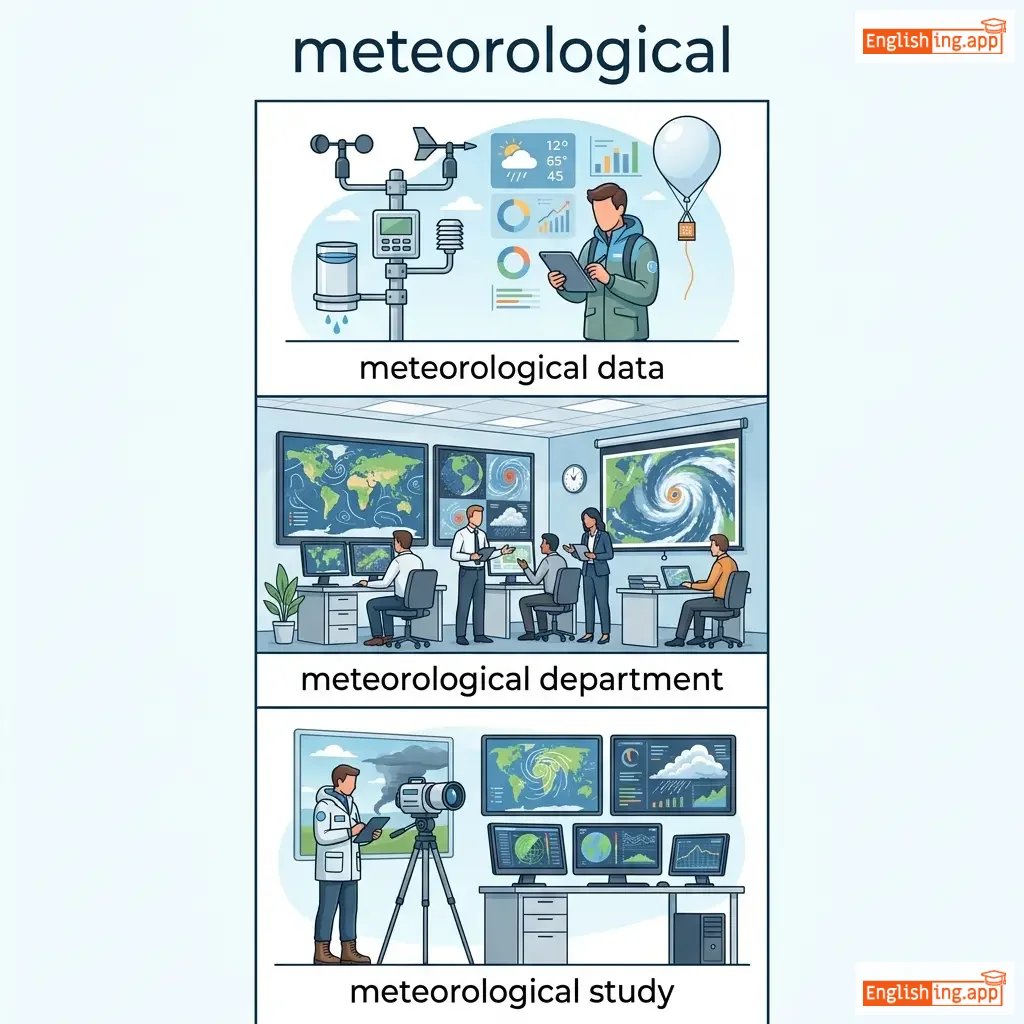
The meteorological department predicted heavy rainfall this week. |
气象部门预测本周有大雨。
Qìxiàng bùmén yùcè běn zhōu yǒu dàyǔ.
••••••
|
- •••••• | - •••••• | - •••••• |
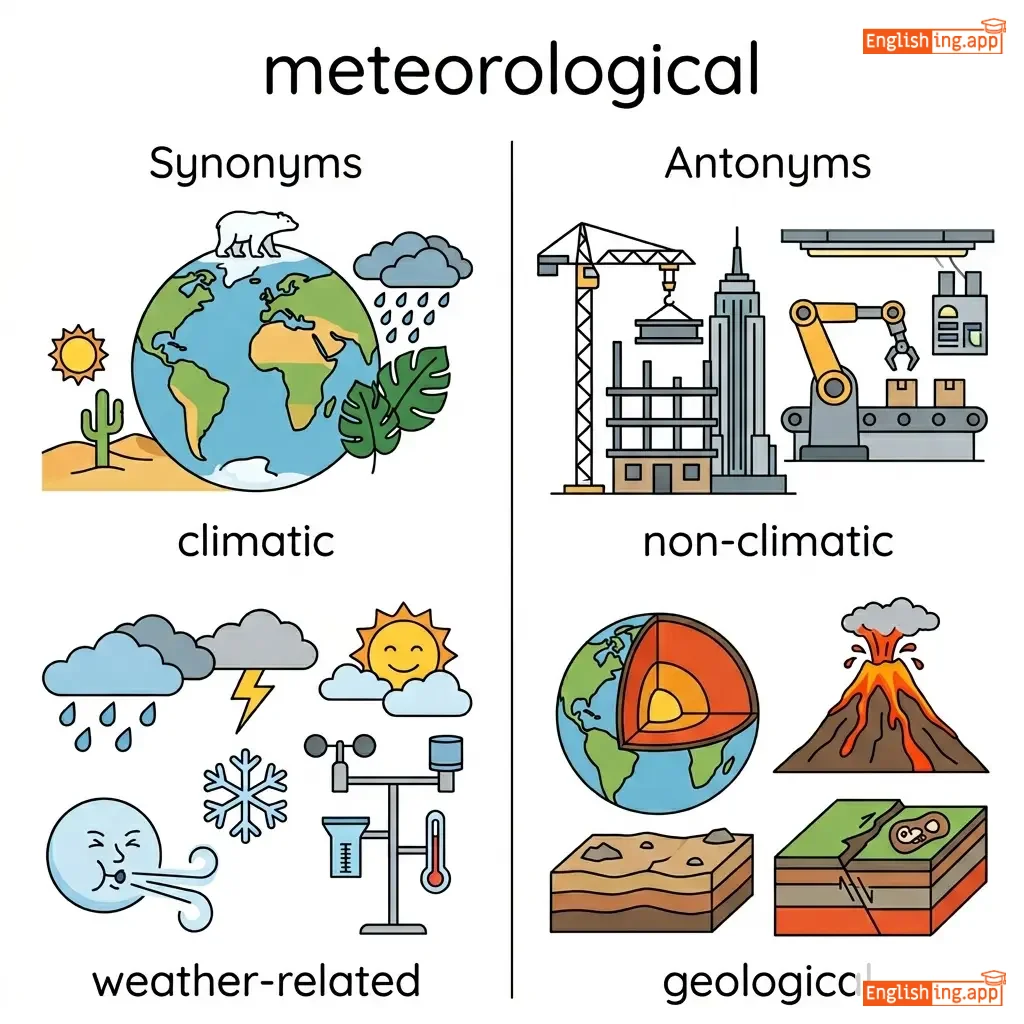
climatic, weather-related, atmospheric
••••••
|
non-climatic, geological
••••••
|
meteorological data, meteorological department, meteorological study, meteorological report
••••••
|
气象的(气象 = 气 + 象, 气象和天气相关)🌦️
••••••
|
|
#1
📚
|
/ˌlɪt.əˈrɑː.ti/
noun
(文学家)
••••••
|
|
文学家
wenxuejia
••••••
|
- •••••• | - •••••• | - •••••• | - •••••• |
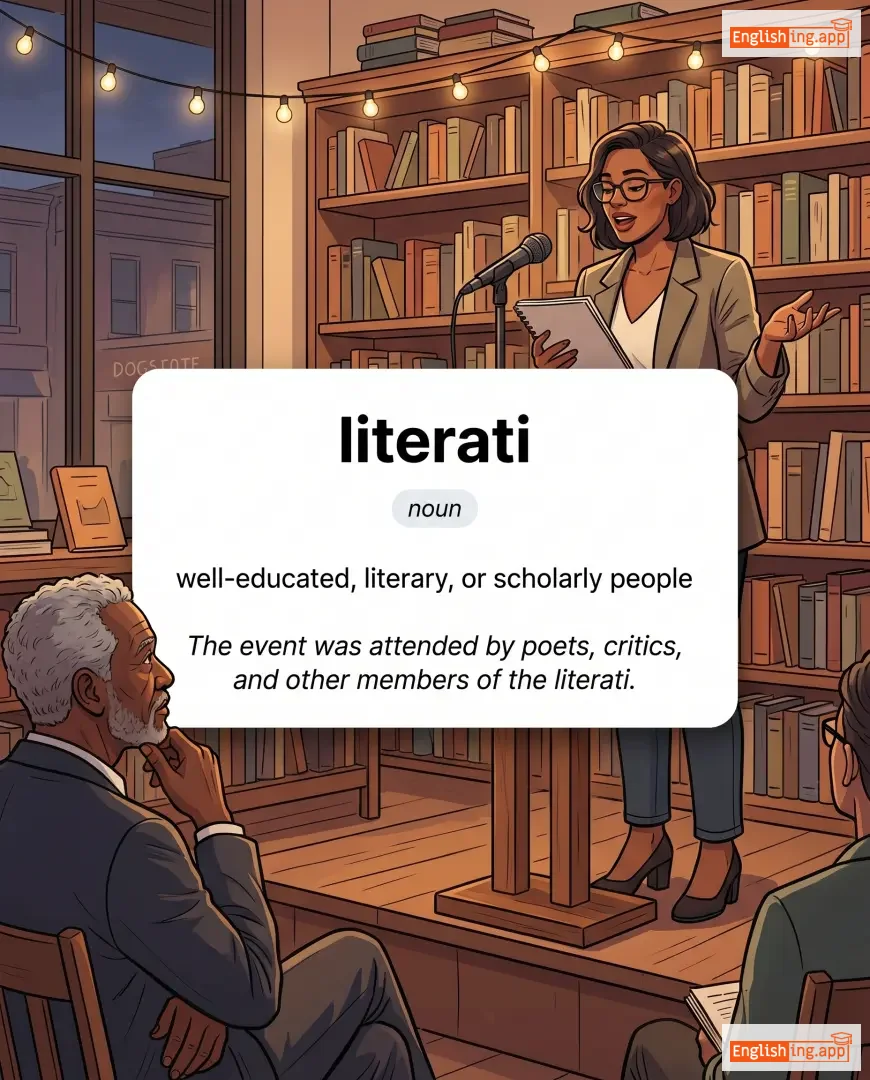
well-educated, literary, or scholarly people
••••••
|
The event was attended by poets, critics, and other members of the literati. |
该活动由诗人、评论家和其他文学家参加。
Gai huodong you shiren, pinglunjia he qita wenxuejia canjia.
••••••
|
- •••••• | - •••••• | - •••••• |
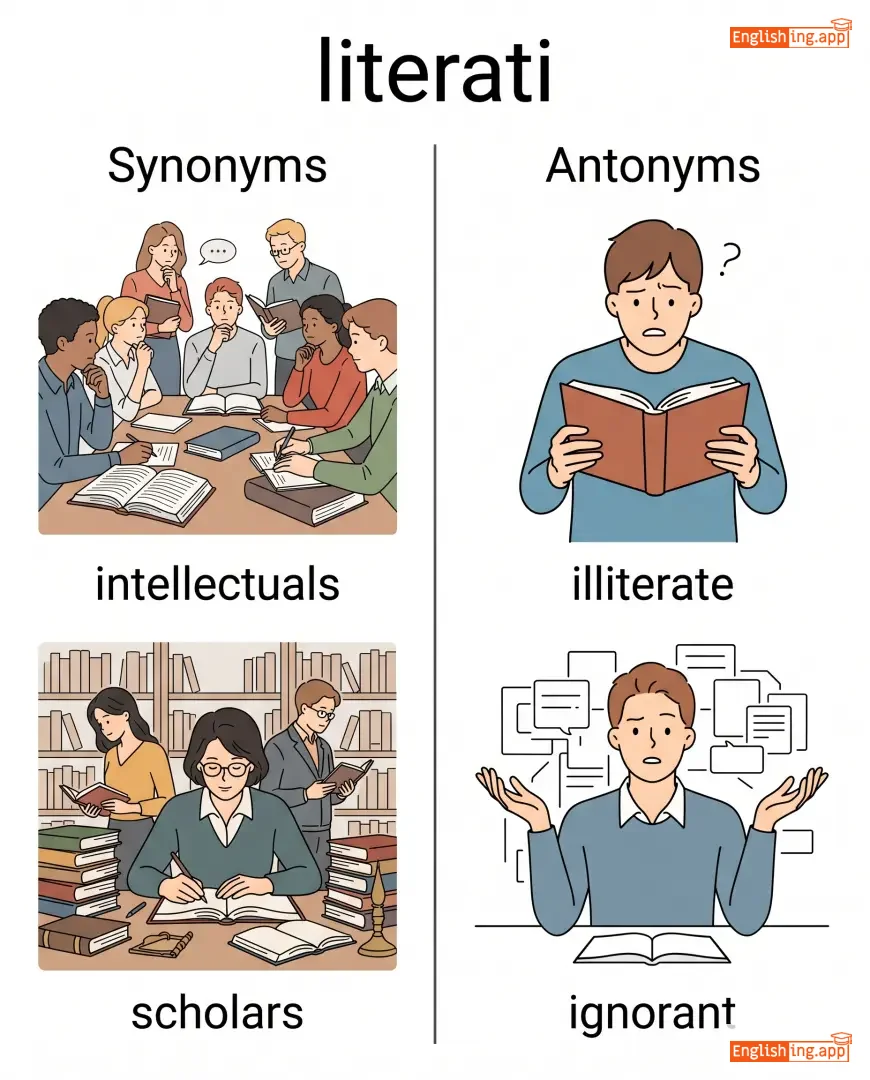
intellectuals, scholars, academics, writers, thinkers
••••••
|
illiterate, ignorant
••••••
|
literati circle, members of the literati, local literati, literary community
••••••
|
文学 = 文学家 📖
••••••
|
|
#1
🔤
|
/ˌhaɪ.roʊˈɡlɪf.ɪks/
noun
(海·罗·格·里·菲·克·斯)
••••••
|
|
象形文字
xiangxing wenzi
••••••
|
- •••••• | - •••••• | - •••••• | - •••••• |
a system of writing using pictures or symbols, used especially by ancient Egyptians
••••••
|
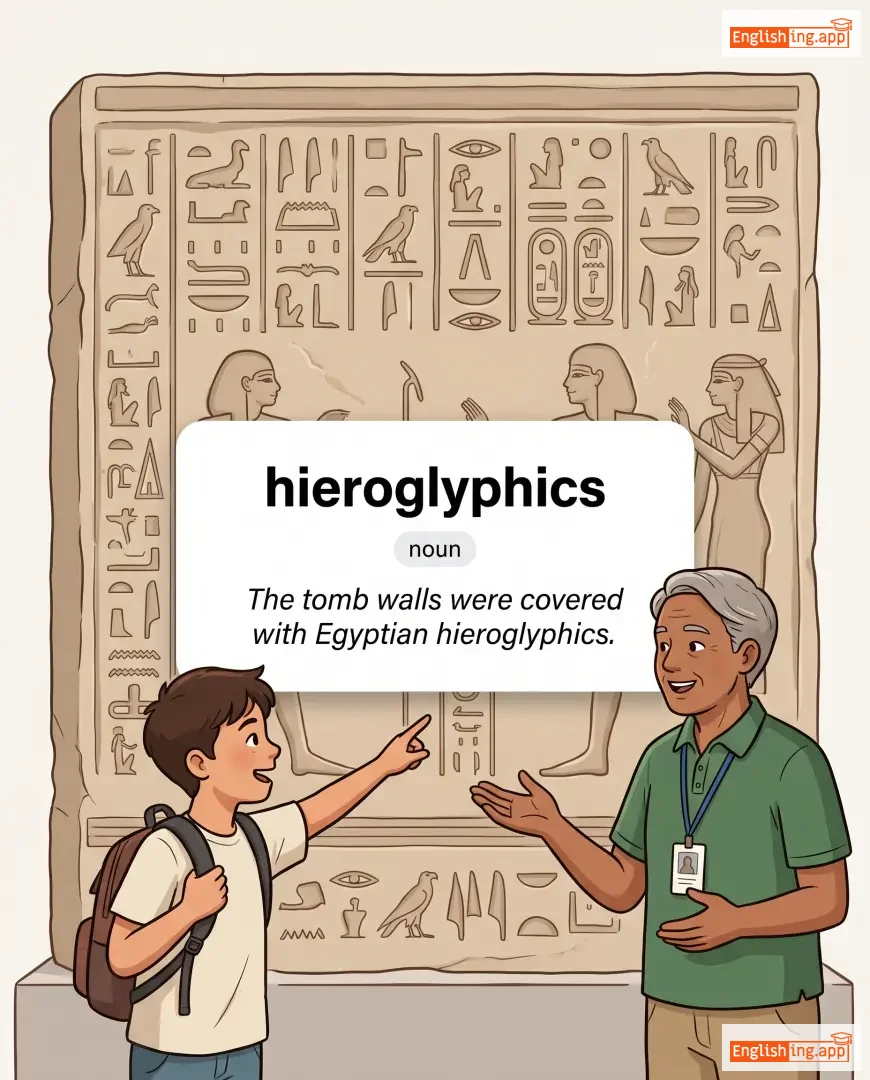
The tomb walls were covered with Egyptian hieroglyphics. |
坟墓的墙壁上刻有埃及的象形文字。
Fenmu de qiangbi shang ke you aigedi de xiangxing wenzi.
••••••
|
- •••••• | - •••••• | - •••••• |
pictograph, symbol, script, glyph
••••••
|
alphabet, plain text
••••••
|
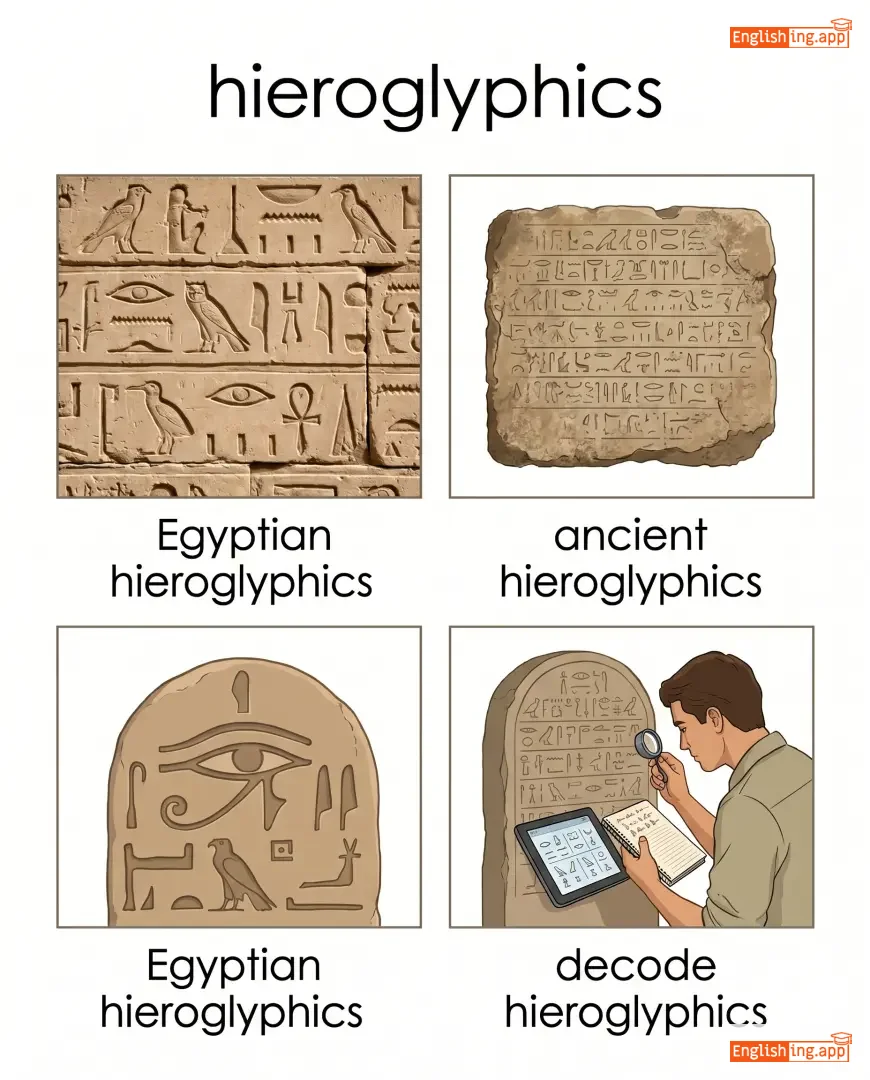
Egyptian hieroglyphics, ancient hieroglyphics, decode hieroglyphics, hieroglyphic writing
••••••
|
Hieroglyphics就像是'高图形'的象形文字 🔤
••••••
|
|
#1
🧠
|
/juːˈdʒen.ɪks/
noun
(尤基尼克斯)
••••••
|
|
优生学
youshengxue
••••••
|
- •••••• | - •••••• | - •••••• | - •••••• |
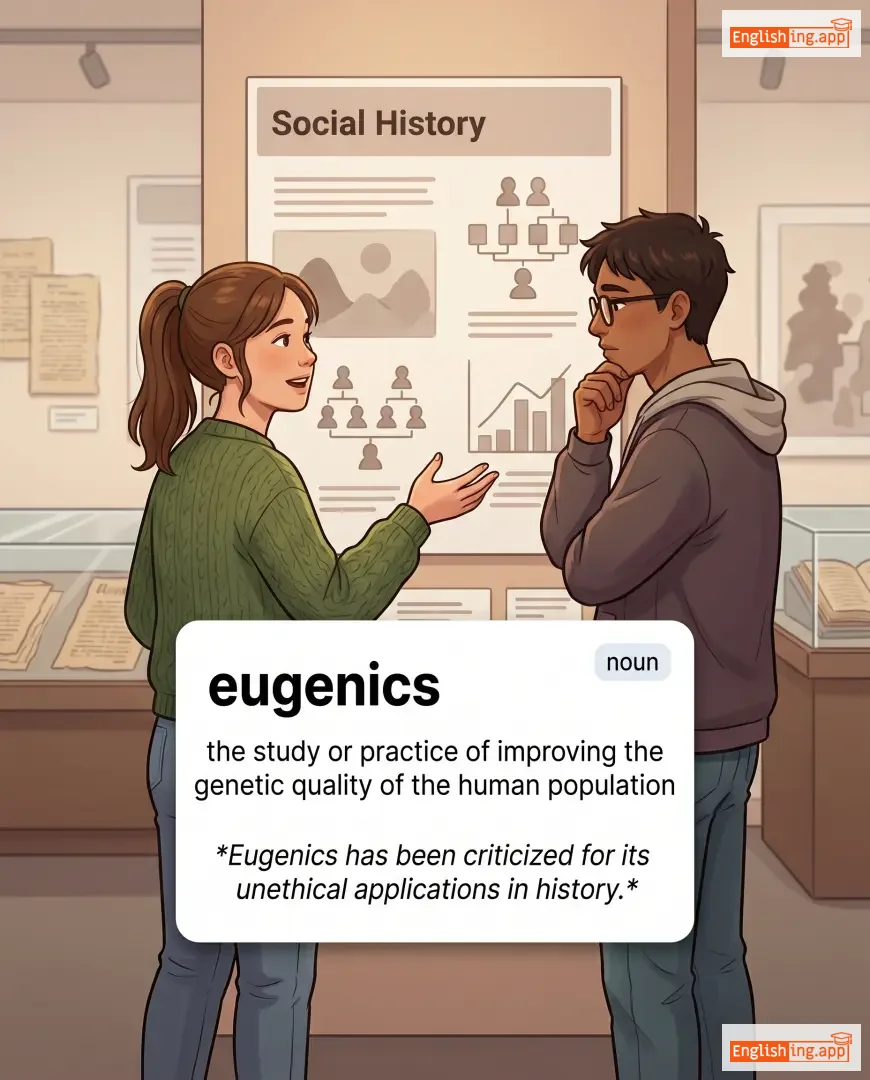
the study or practice of improving the genetic quality of the human population
••••••
|
Eugenics has been criticized for its unethical applications in history. |
优生学因其在历史上的不道德应用而受到批评。
Youshengxue yin qi zai lishi shang de budaode yingyong er shoudao piping.
••••••
|
- •••••• | - •••••• | - •••••• |
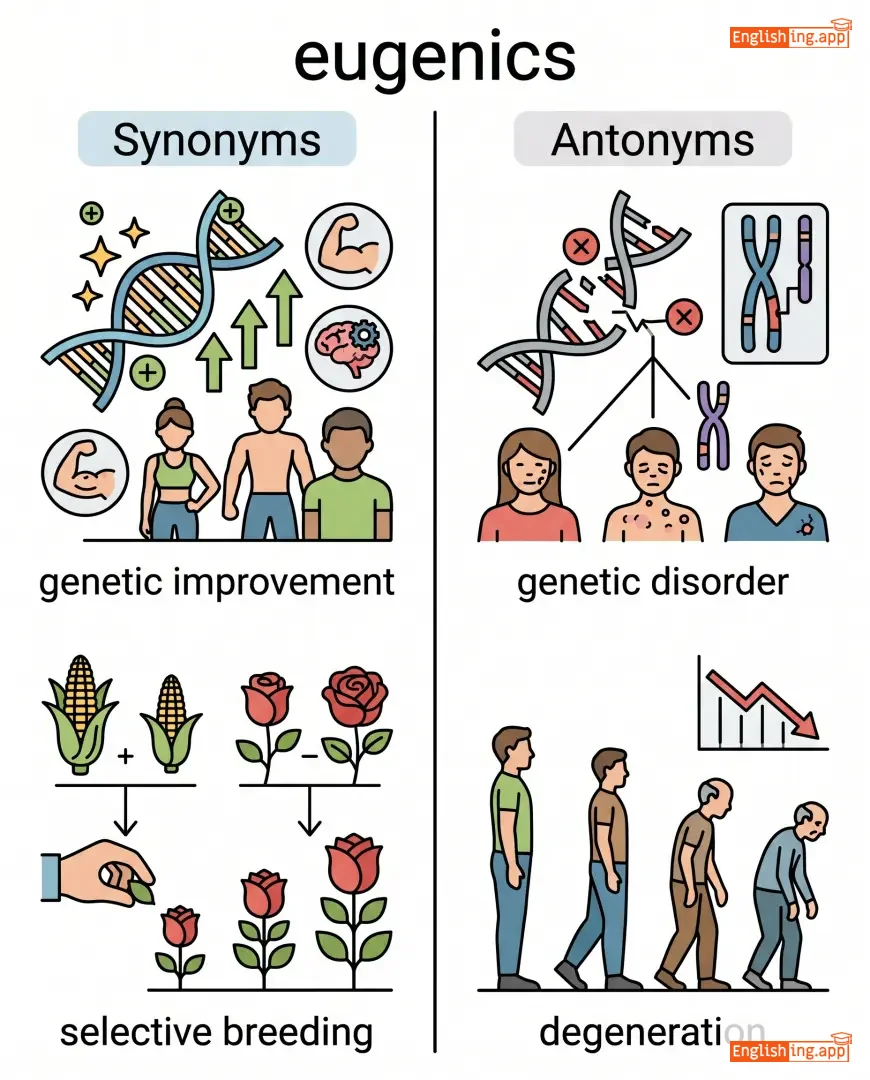
genetic improvement, selective breeding, heredity study
••••••
|
genetic disorder, degeneration
••••••
|
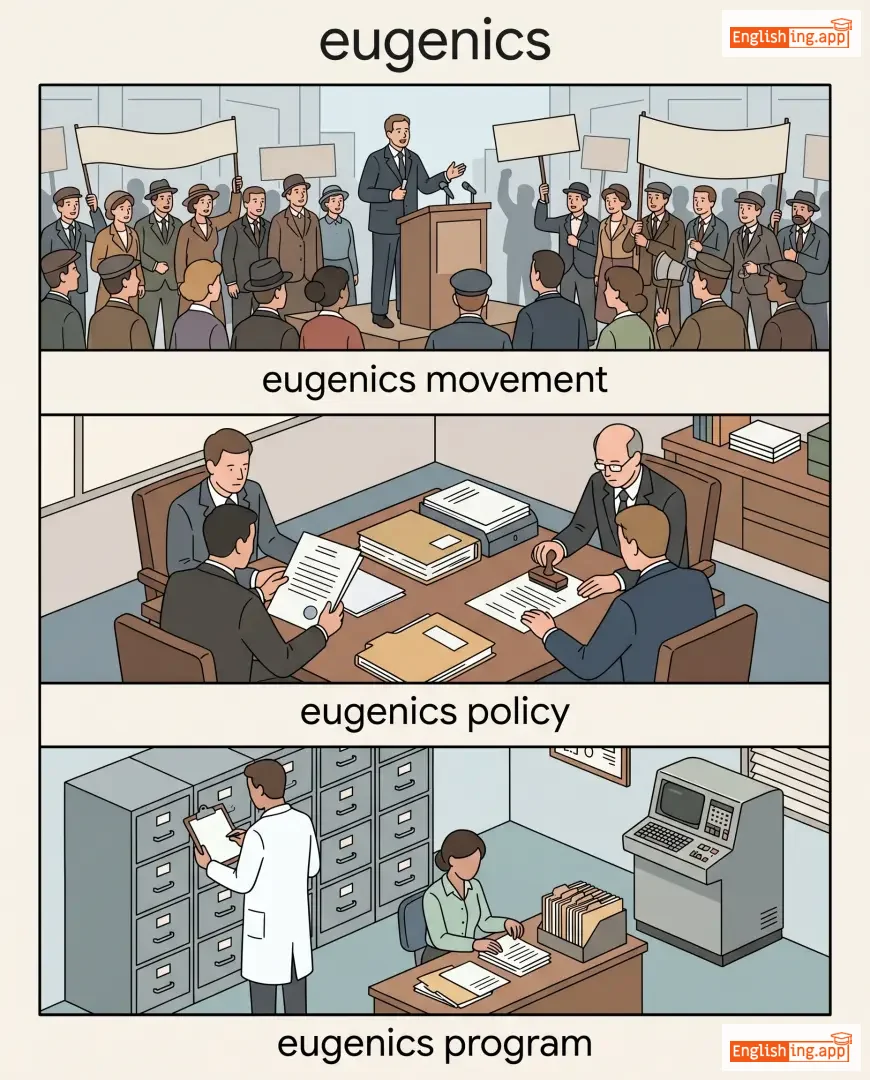
eugenics movement, eugenics policy, eugenics program, eugenics experiment
••••••
|
优生学 = 改善人类基因的学问
••••••
|
|
#1
🧬
|
/ˌiː.tiˈɒ.lə.dʒi/
noun
(病因学)
••••••
|
|
病因学
bìng yīn xué
••••••
|
- •••••• | - •••••• | - •••••• | - •••••• |
the cause or origin of a disease or condition
••••••
|
Doctors are studying the etiology of the new virus. |
医生们正在研究新病毒的病因学。
Yīshēngmen zhèngzài yánjiū xīn bìngdú de bìng yīn xué.
••••••
|
- •••••• | - •••••• | - •••••• |
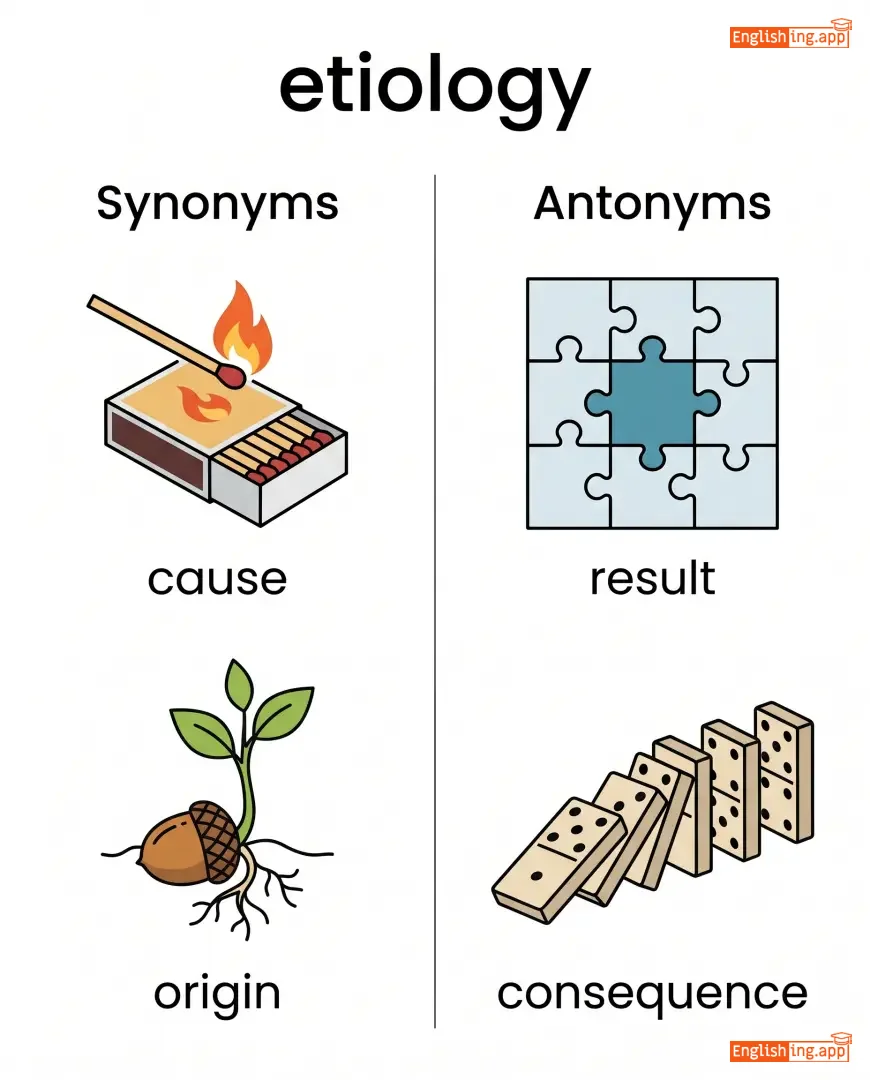
cause, origin, source, root, reason
••••••
|
result, consequence
••••••
|
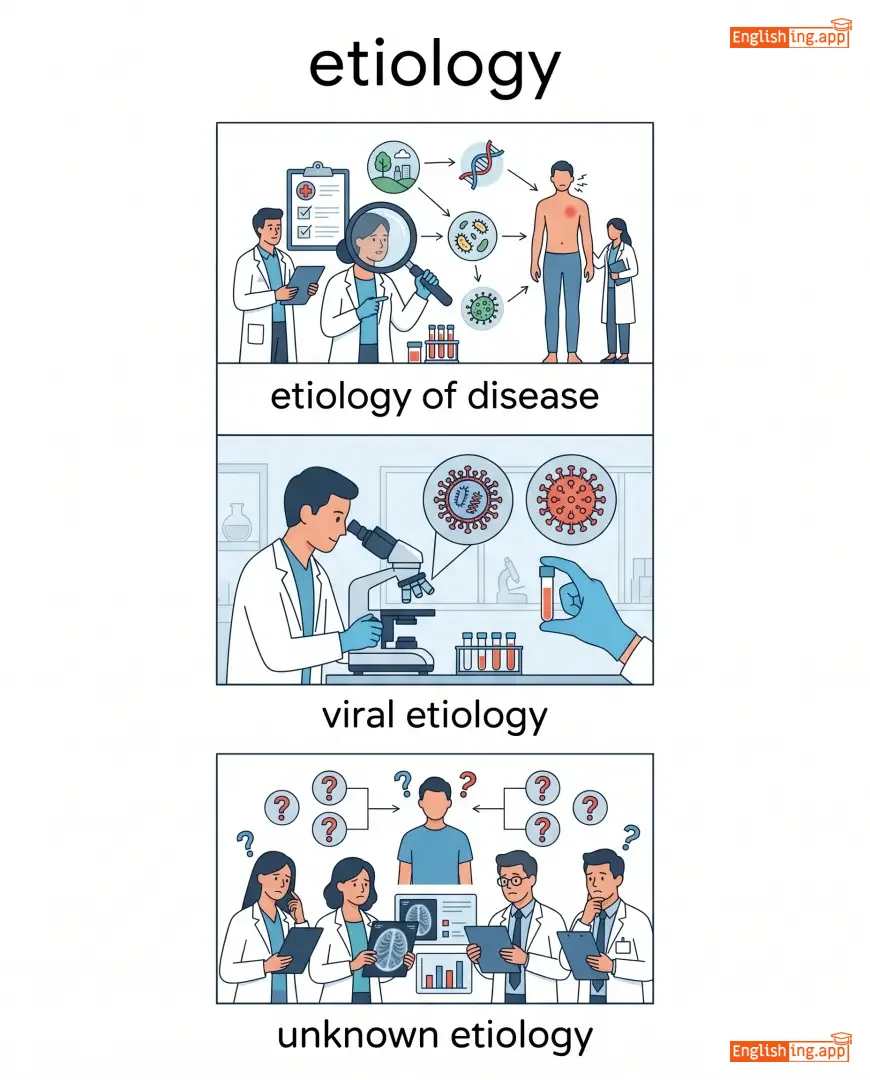
etiology of disease, viral etiology, unknown etiology, medical etiology
••••••
|
Etiology 意味着 'eti' (是) 疾病的原因 🧬
••••••
|
|
#1
🌍
|
/ˌeθ.noʊˈsen.trɪk/
adjective
(民族中心主义)
••••••
|
|
民族中心主义
minzu zhongxin zhuyi
••••••
|
- •••••• | - •••••• | - •••••• | - •••••• |
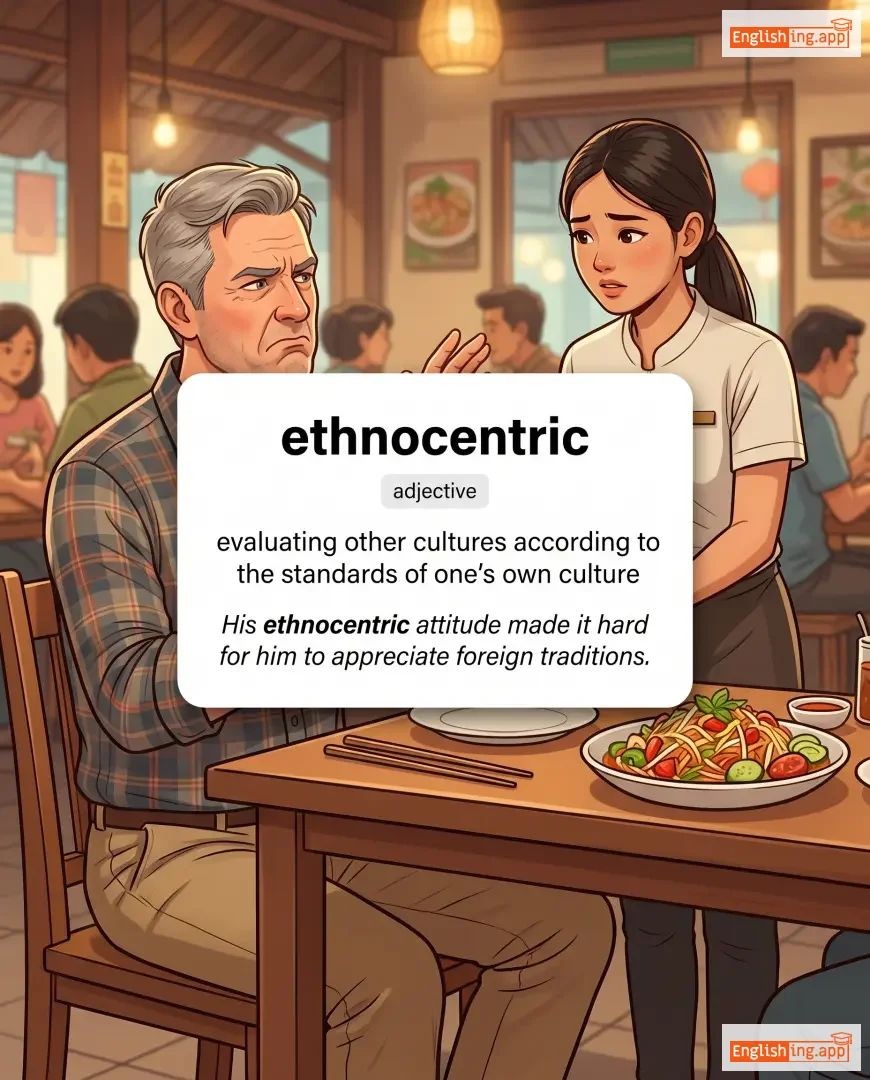
evaluating other cultures according to the standards of one's own culture
••••••
|
His ethnocentric attitude made it hard for him to appreciate foreign traditions. |
他的民族中心主义态度让他很难欣赏外国的传统。
Tā de mínzú zhōngxīn zhǔyì tàidù ràng tā hěn nán xīnshǎng wàiguó de chuántǒng.
••••••
|
- •••••• | - •••••• | - •••••• |
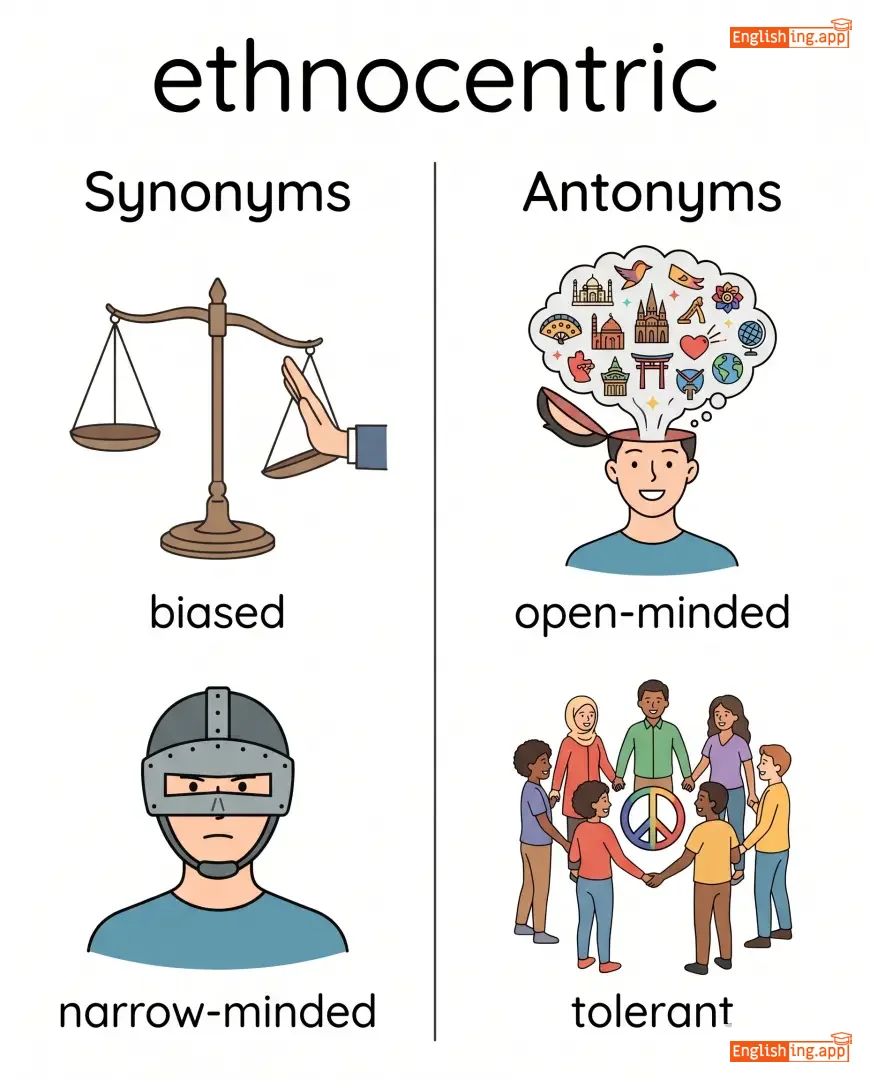
biased, narrow-minded, prejudiced, parochial, intolerant
••••••
|
open-minded, tolerant, cosmopolitan
••••••
|
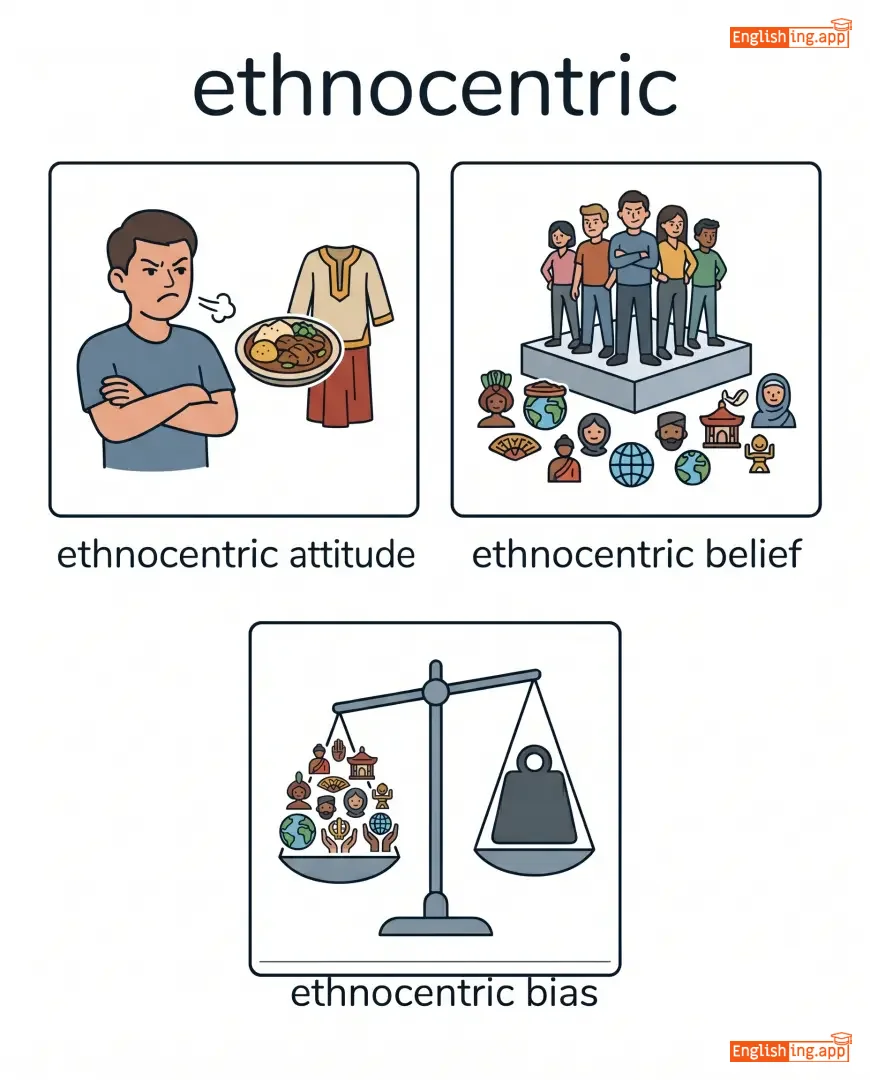
ethnocentric attitude, ethnocentric belief, ethnocentric bias, ethnocentric perspective
••••••
|
Ethno + Zhongxin = 从自己的文化中心看世界 🌍
••••••
|
|
#1
🏺
|
/ˌɑːr.kiˈɑː.lə.dʒi/
noun
(考古学)
••••••
|
|
考古学
kaoguxue
••••••
|
- •••••• | - •••••• | - •••••• | - •••••• |
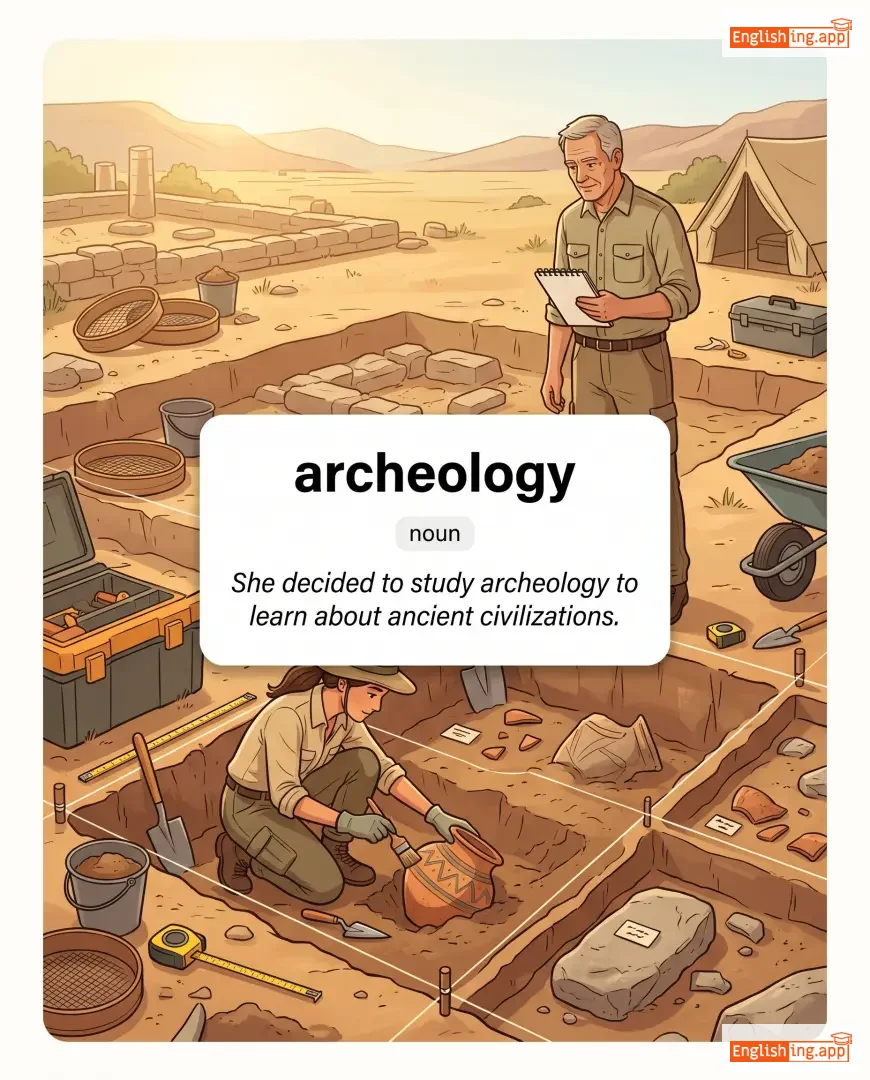
the study of human history and prehistory through excavation and analysis of artifacts and structures
••••••
|
She decided to study archeology to learn about ancient civilizations. |
她决定学习考古学,以了解古代文明。
Ta jueding xuexi kaoguxue, yi liaojie gudai wenming.
••••••
|
- •••••• | - •••••• | - •••••• |
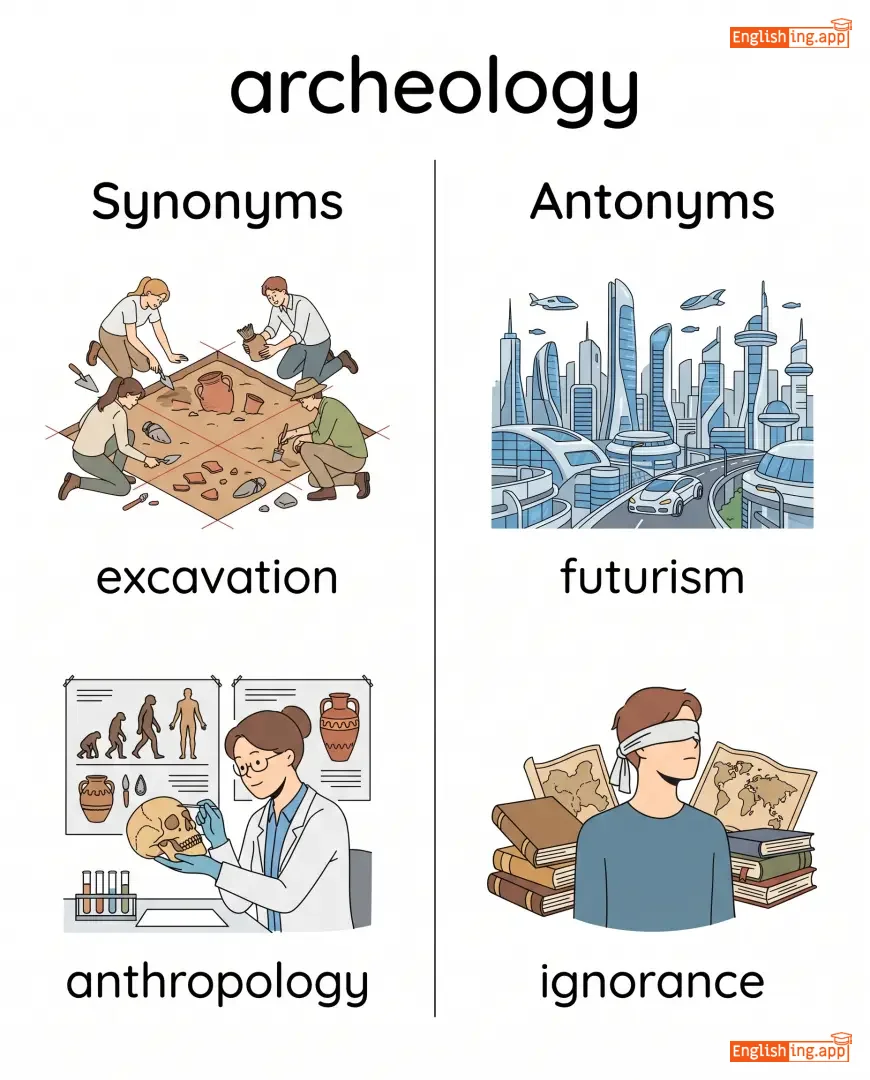
excavation, anthropology, prehistory, paleontology, history
••••••
|
futurism, ignorance
••••••
|
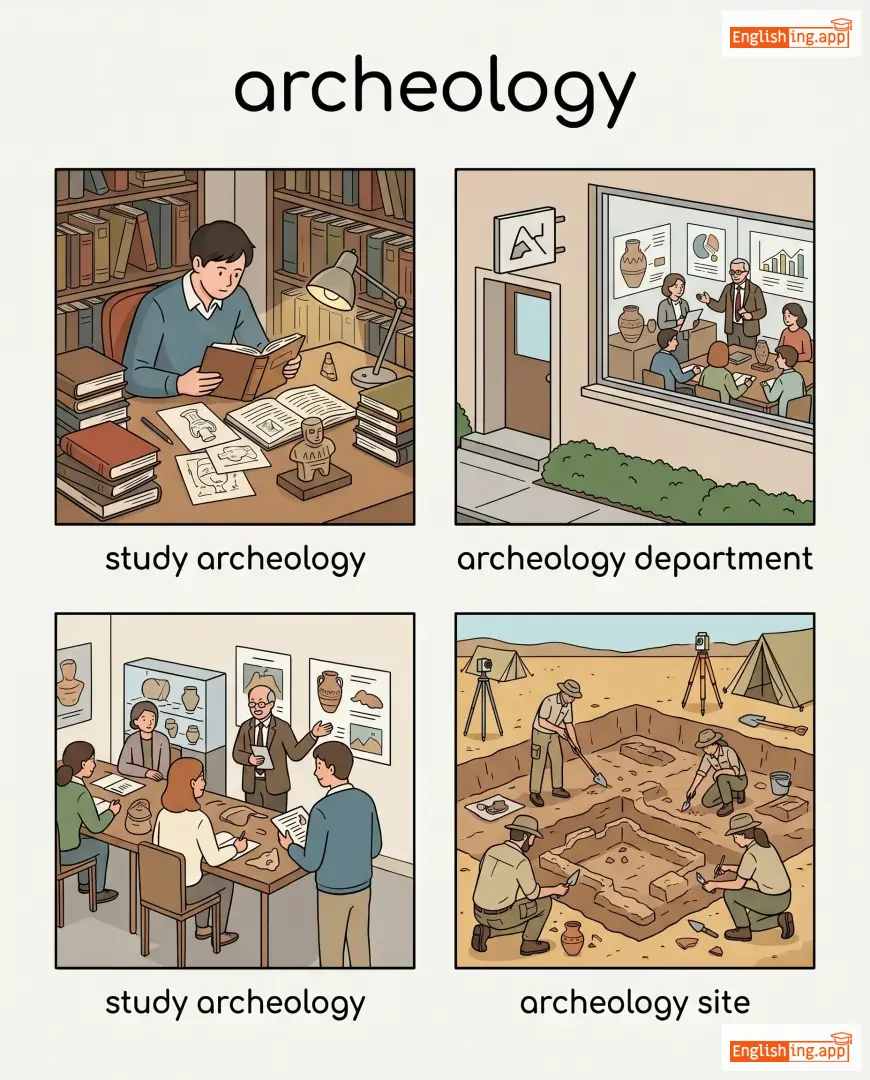
study archeology, archeology department, archeology site, archeology research
••••••
|
考古学是探索人类历史的学问,就像挖掘古代的宝藏
••••••
|
|
#1
🎨
|
/ˌær.əˈbesk/
noun
(阿拉贝斯克)
••••••
|
|
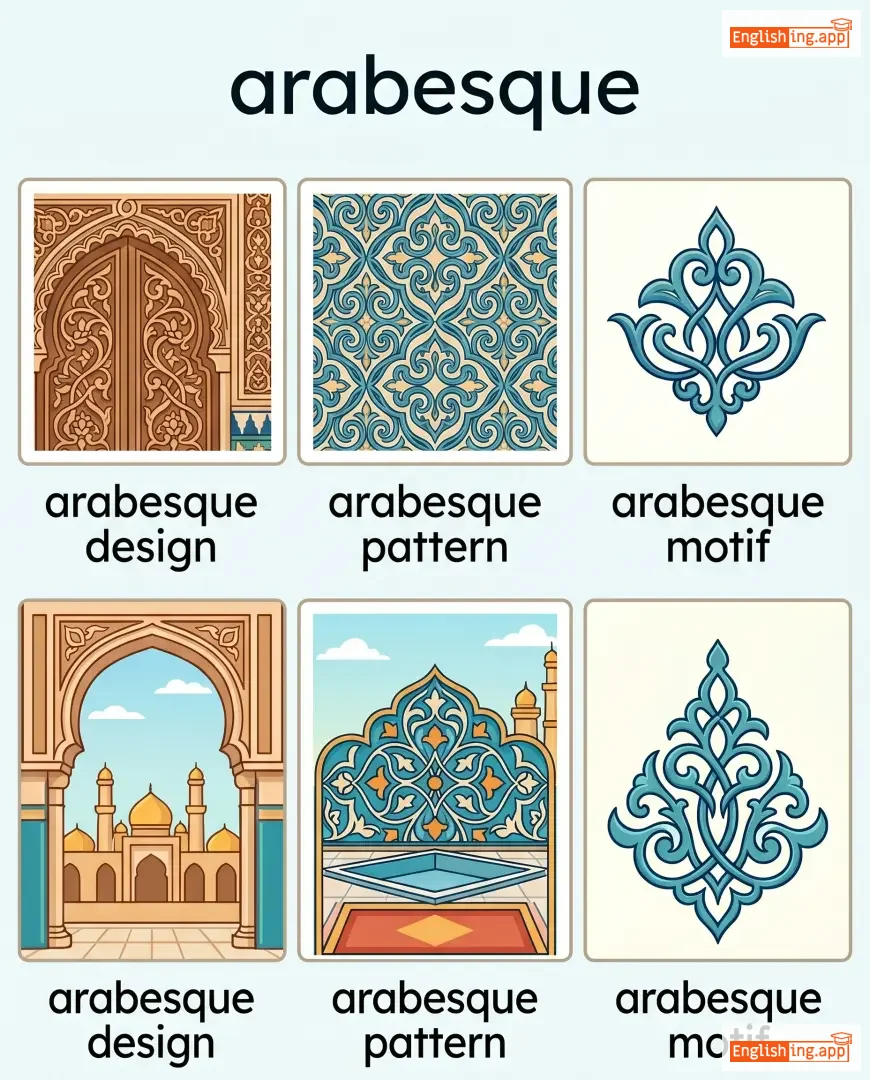
装饰性设计
zhuangshixing sheji
••••••
|
- •••••• | - •••••• | - •••••• | - •••••• |
a complex, ornate design featuring intertwined flowing lines, often used in architecture or ballet poses
••••••
|
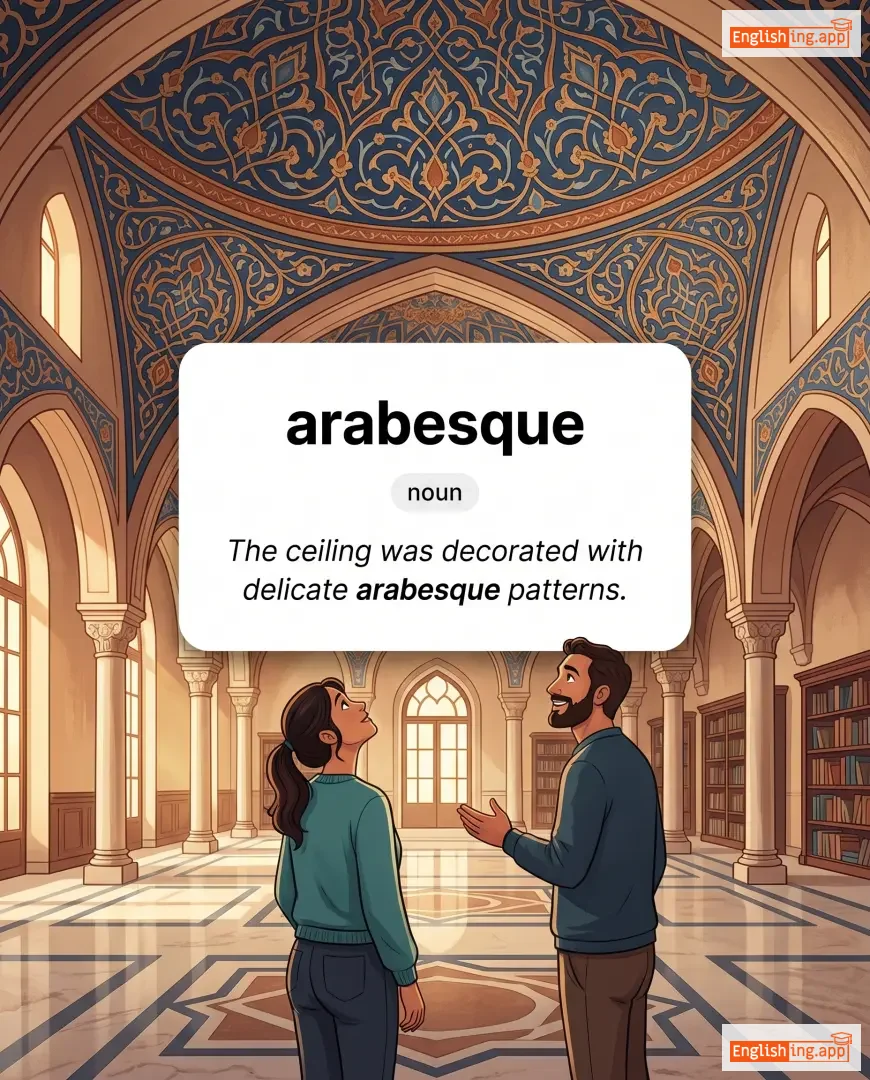
The ceiling was decorated with delicate arabesque patterns. |
天花板上装饰着精美的阿拉贝斯克图案。
Tianhuaban shang zhuangshizhe jingmei de alabeisike tu'an.
••••••
|
- •••••• | - •••••• | - •••••• |
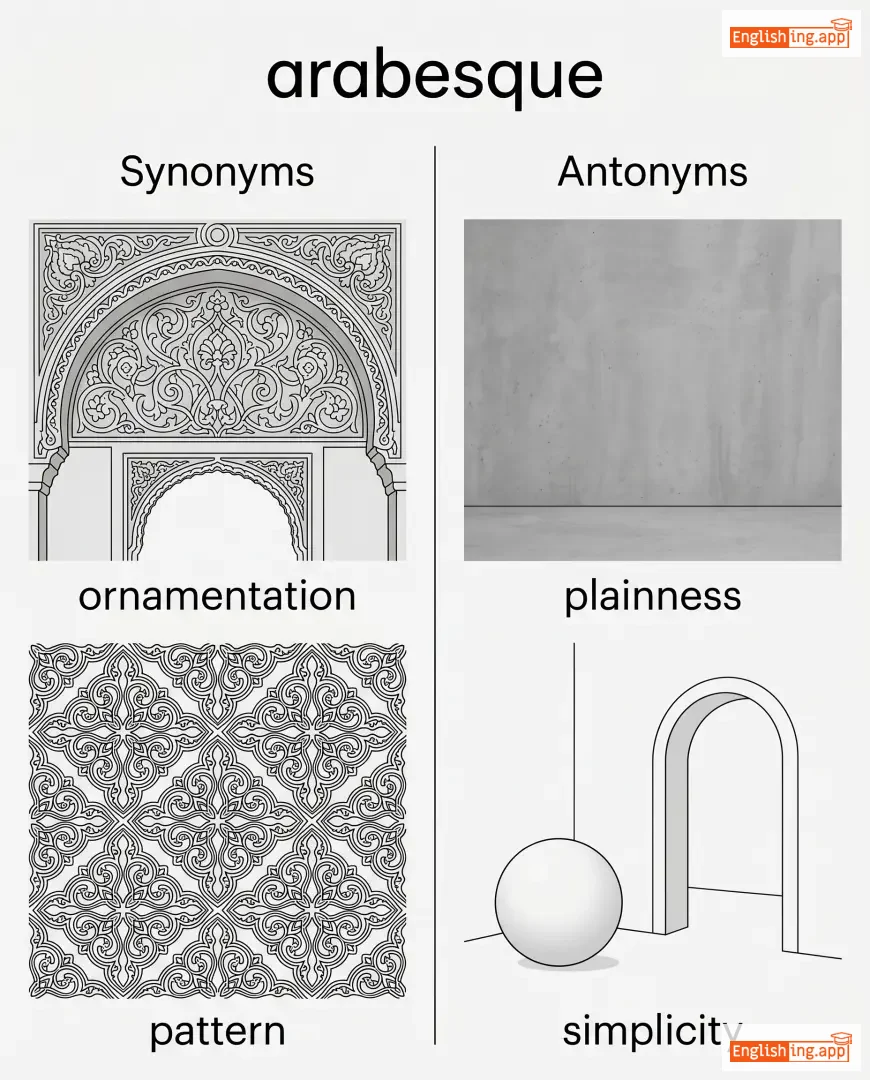
ornamentation, pattern, motif, design, flourish
••••••
|
plainness, simplicity
••••••
|
arabesque design, arabesque pattern, arabesque motif, arabesque architecture
••••••
|
阿拉伯清真寺里常见美丽的阿拉贝斯克设计 🎨
••••••
|
|
#1
⏰
|
/ˈæftərwərd/
adverb
(æftəwɜrd)
••••••
|
- •••••• |
之后
zhīhòu
••••••
|
- •••••• | - •••••• | - •••••• | - •••••• |
at a later time; subsequently
••••••
|
We went to dinner and watched a movie afterward.
我们去吃了晚餐,然后看了一部电影。
••••••
|
我们去吃了晚餐,然后看了一部电影。
Wǒmen qù chīle wǎncān, ránhòu kànle yī bù diànyǐng.
••••••
|
- •••••• | - •••••• | - •••••• |
later, subsequently, thereafter, next, then
••••••
|
before, earlier, previously
••••••
|
soon afterward, shortly afterward, day afterward
••••••
|
Afterward 表示之后 — 就像吃完晚饭后看电影。
••••••
|
|
#1
🏢
|
/ədˈmɪnɪstrətɪv/
adjective
(行政的)
••••••
|
|
行政的
xingzheng de
••••••
|
- •••••• | - •••••• | - •••••• | - •••••• |
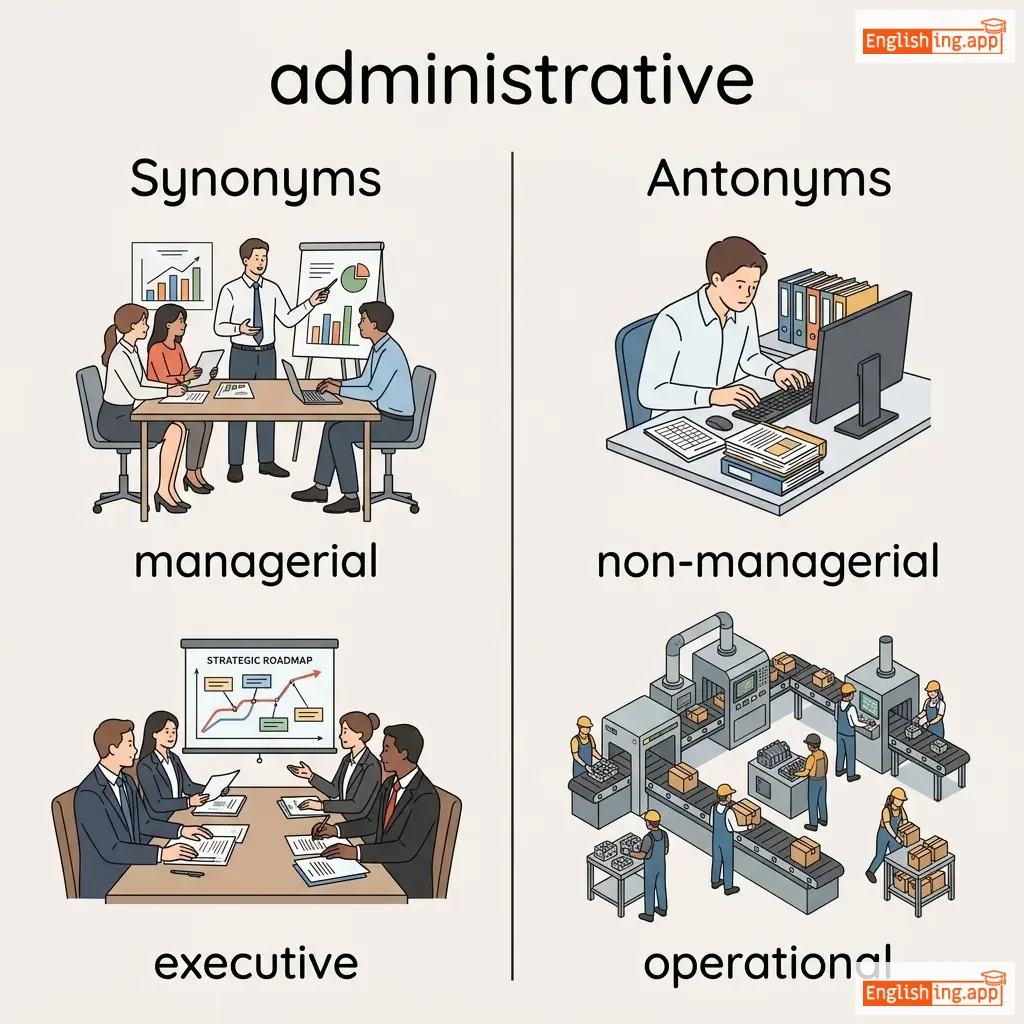
relating to the management or organization of an institution or business
••••••
|
She handles all the administrative tasks in the office. |
她处理办公室的所有行政工作。
Ta chuli bangongshi de suoyou xingzheng gongzuo.
••••••
|
- •••••• | - •••••• | - •••••• |
managerial, executive, organizational, supervisory
••••••
|
non-managerial, subordinate
••••••
|
administrative staff, administrative work, administrative office, administrative system
••••••
|
Admin代表办公室,所以行政的意思是与办公室的管理相关 🏢
••••••
|
|
#1
🗣️
|
/ˈæksɛnt/
noun
(áksènt)
••••••
|
- •••••• |
口音
kǒuyīn
••••••
|
- •••••• | - •••••• | - •••••• | - •••••• |
a distinctive way of pronouncing a language, especially one associated with a particular country or region
••••••
|
She spoke English with a strong French accent.
她说英语时带着浓重的法语口音。
••••••
|
她说英语时带着浓重的法语口音。
Tā shuō yīngyǔ shí dàizhe nóngzhòng de fǎyǔ kǒuyīn.
••••••
|
foreign accent
外国语音
••••••
|
a way of speaking that shows the influence of another language
••••••
|
外国语音
wàiguó yǔyīn
••••••
|
intonation, pronunciation, tone, inflection
••••••
|
monotone, uniformity
••••••
|
strong accent, foreign accent, regional accent, British accent
••••••
|
Accent 就是‘音’加‘分’,它是特定方式的发音!
••••••
|
|
#1
🤲
|
/əkˈsɛptəns/
noun
(akseptans)
••••••
|
- •••••• |
接受
jie shou
••••••
|
- •••••• | - •••••• | - •••••• | - •••••• |
the act of agreeing to receive or undertake something offered
••••••
|
Her acceptance of the award was met with applause. |
她接受奖项时,掌声四起。
Ta jie shou jiang xiang shi, zhang sheng si qi.
••••••
|
acceptance speech |
a speech given when accepting an award or honor
••••••
|
接受演讲
jie shou yan jiang
••••••
|
approval, agreement, consent, recognition
••••••
|
rejection, refusal, denial
••••••
|
letter of acceptance, acceptance speech, acceptance of offer, gain acceptance
••••••
|
Acceptance: 接受后获得掌声!
••••••
|
|
#1
🏆
|
/əˈkʌmplɪʃmənt/
noun
(成就)
••••••
|
- •••••• |
成就
chéngjiù
••••••
|
- •••••• | - •••••• | - •••••• | - •••••• |
something that has been achieved successfully
••••••
|
Graduating from university was a major accomplishment for him. |
大学毕业对他来说是一个重大的成就。
Dàxué bìyè duì tā lái shuō shì yīgè zhòngdà de chéngjiù.
••••••
|
sense of accomplishment |
a feeling of pride and satisfaction from achieving something
••••••
|
成就感
chéngjiù gǎn
••••••
|
achievement, success, fulfillment, attainment
••••••
|
failure, defeat
••••••
|
great accomplishment, remarkable accomplishment, personal accomplishment, sense of accomplishment
••••••
|
Accomplishment 就是完成任务的成就感 — 完成任务意味着成功!
••••••
|
|
#1
📋
|
/əˌkaʊntəˈbɪlɪti/
noun
(àikàobìlìtì)
••••••
|
|
责任
zérèn
••••••
|
- •••••• | - •••••• | - •••••• | - •••••• |
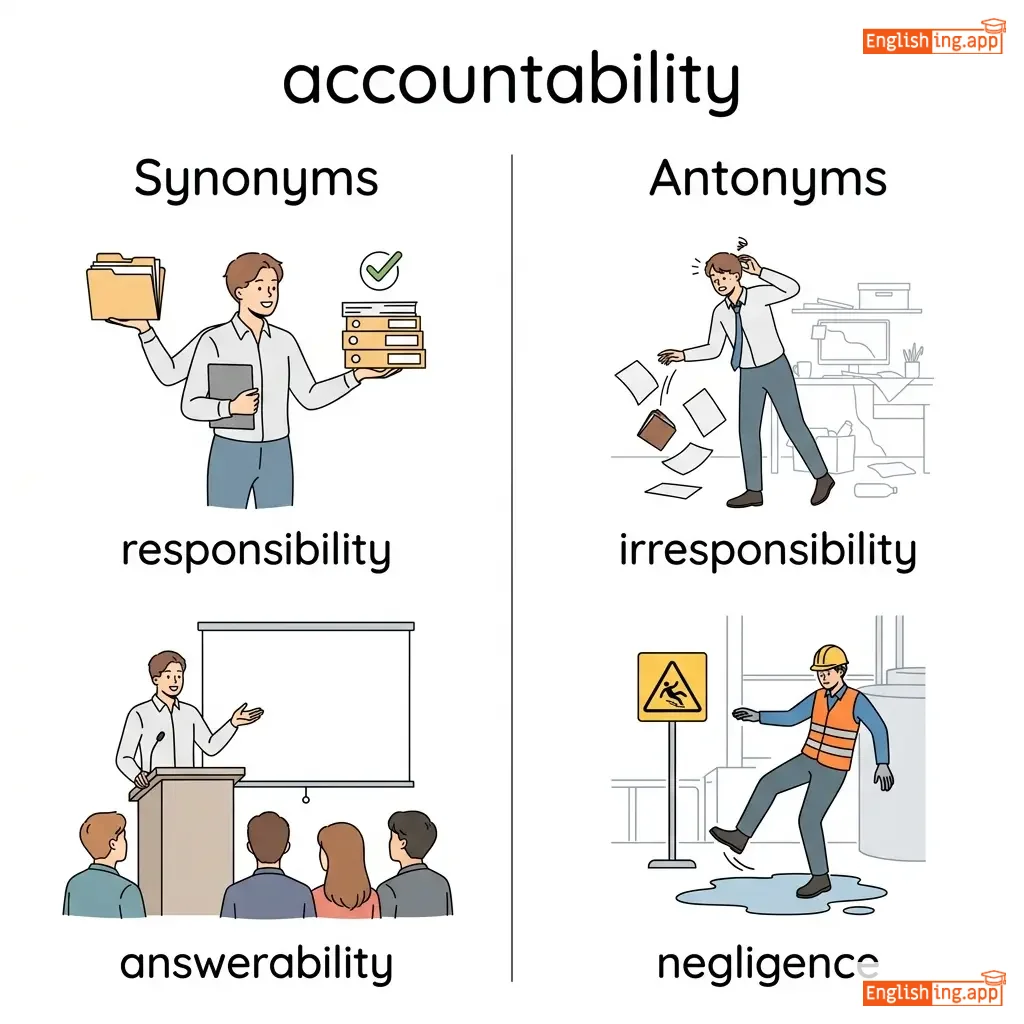
the state of being responsible and answerable for actions or decisions
••••••
|
The manager emphasized accountability among all team members. |
经理强调了团队成员之间的责任。
Jīnglǐ qiángdiàole tuánduì chéngyuán zhījiān de zérèn.
••••••
|
take accountability |
to accept responsibility for one’s actions
••••••
|
承担责任
chéngdān zérèn
••••••
|
responsibility, answerability, liability, obligation
••••••
|
irresponsibility, negligence
••••••
|
high accountability, public accountability, take accountability, ensure accountability
••••••
|
责任就是要对自己的行为给出‘答案’ — 就像‘答复’!
••••••
|
|
#1
📊
|
/əˈkaʊntɪŋ/
noun
(aˈkaʊntɪŋ)
••••••
|
- •••••• |
会计
kuàijì
••••••
|
- •••••• | - •••••• | - •••••• | - •••••• |
the process of recording, summarizing, and reporting financial transactions
••••••
|
She works in the accounting department of a large firm. |
她在一家大公司的会计部门工作。
tā zài yī jiā dà gōngsī de kuàijì bùmén gōngzuò.
••••••
|
creative accounting |
manipulating financial records to make a company look more profitable
••••••
|
创造性会计
chuàngzàoxìng kuàijì
••••••
|
bookkeeping, auditing, finance, record-keeping, budgeting
••••••
|
spending, mismanagement
••••••
|
accounting standards, accounting system, accounting firm, financial accounting, management accounting
••••••
|
Accounting 是记录财务, 会计是财务管理 📖
••••••
|
|
#1
🎯
|
/ˈækjərətli/
adverb
(艾克尤瑞特利)
••••••
|
- •••••• |
准确地
zhunque de
••••••
|
- •••••• | - •••••• | - •••••• | - •••••• |
in a way that is correct and without errors
••••••
|
She can accurately predict the weather conditions. |
她可以准确地预测天气条件。
Ta keyi zhunque de yuce tianqi tiaojian.
••••••
|
- •••••• | - •••••• | - •••••• |
precisely, exactly, correctly, faithfully, truly
••••••
|
incorrectly, roughly, inaccurately
••••••
|
measure accurately, report accurately, calculate accurately, describe accurately
••••••
|
Accurate 意思是准确的,所以 accurately 意思是准确地。
••••••
|
|
#1
💪
|
/ˈæktɪvli/
adverb
(æktɪvli)
••••••
|
- •••••• |
积极地
jījí de
••••••
|
- •••••• | - •••••• | - •••••• | - •••••• |
in a way that involves energetic participation or effort
••••••
|
He is actively involved in community service.
他积极参与社区服务。
••••••
|
他积极参与社区服务。
Tā jījí cānyù shèqū fúwù.
••••••
|
- •••••• | - •••••• | - •••••• |
energetically, dynamically, vigorously, busily
••••••
|
passively, lazily, idly
••••••
|
actively participate, actively support, actively engage, actively promote
••••••
|
积极表示投入,所以积极地意味着全力以赴!
••••••
|
|
#1
➕
|
/ˈædɪd/
verb
(ædəd)
••••••
|
- •••••• |
添加
tiānjiā
••••••
|
added
ædəd
••••••
|
added
ædəd
••••••
|
adds
ædz
••••••
|
adding
ædɪŋ
••••••
|
to join something to something else to increase its size, number, or amount
••••••
|
She added sugar to her coffee.
她在咖啡里加了糖。
••••••
|
她在咖啡里加了糖。
Tā zài kāfēi lǐ jiāle táng.
••••••
|
add fuel to the fire
火上加油
••••••
|
to make a bad situation worse
••••••
|
火上加油
huǒ shàng jiā yóu
••••••
|
include, attach, combine, supplement, increase
••••••
|
subtract, remove, deduct
••••••
|
added value, added benefit, added sugar, added bonus
••••••
|
Add表示添加,因此added表示已经添加。
••••••
|
|
#1
👶
|
/əˈdɒpʃən/
noun
(收养)
••••••
|
|
收养
shouyang
••••••
|
- •••••• | - •••••• | - •••••• | - •••••• |
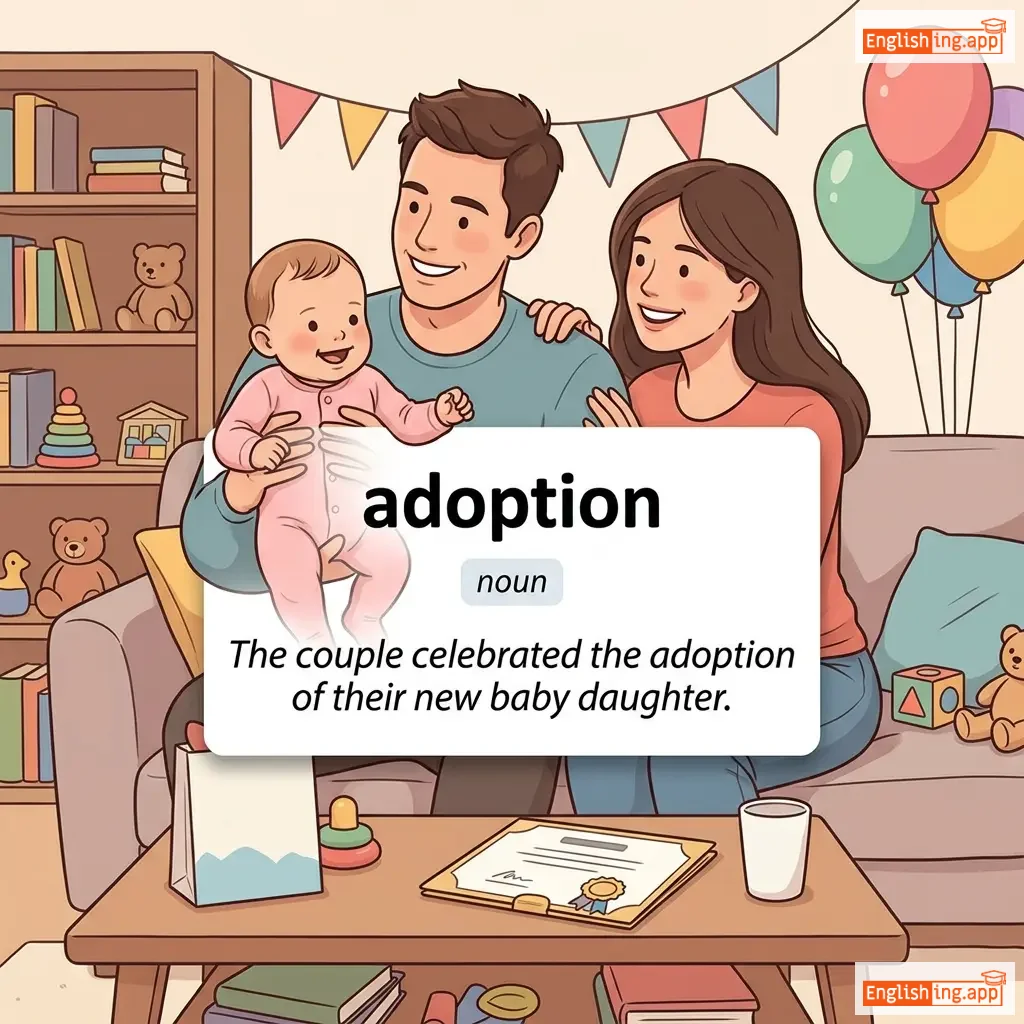
the act of legally taking another's child and bringing it up as one's own, or accepting and starting to use something new
••••••
|
The couple celebrated the adoption of their new baby daughter.
这对夫妇庆祝了他们的新女儿的收养。
••••••
|
这对夫妇庆祝了他们的新女儿的收养。
Zhe dui fu fu qing zhu le ta men de xin nv er de shou yang.
••••••
|
put up for adoption
交给别人收养
••••••
|
to make a child available to be adopted by someone else
••••••
|
交给别人收养
Jiao gei bie ren shou yang
••••••
|
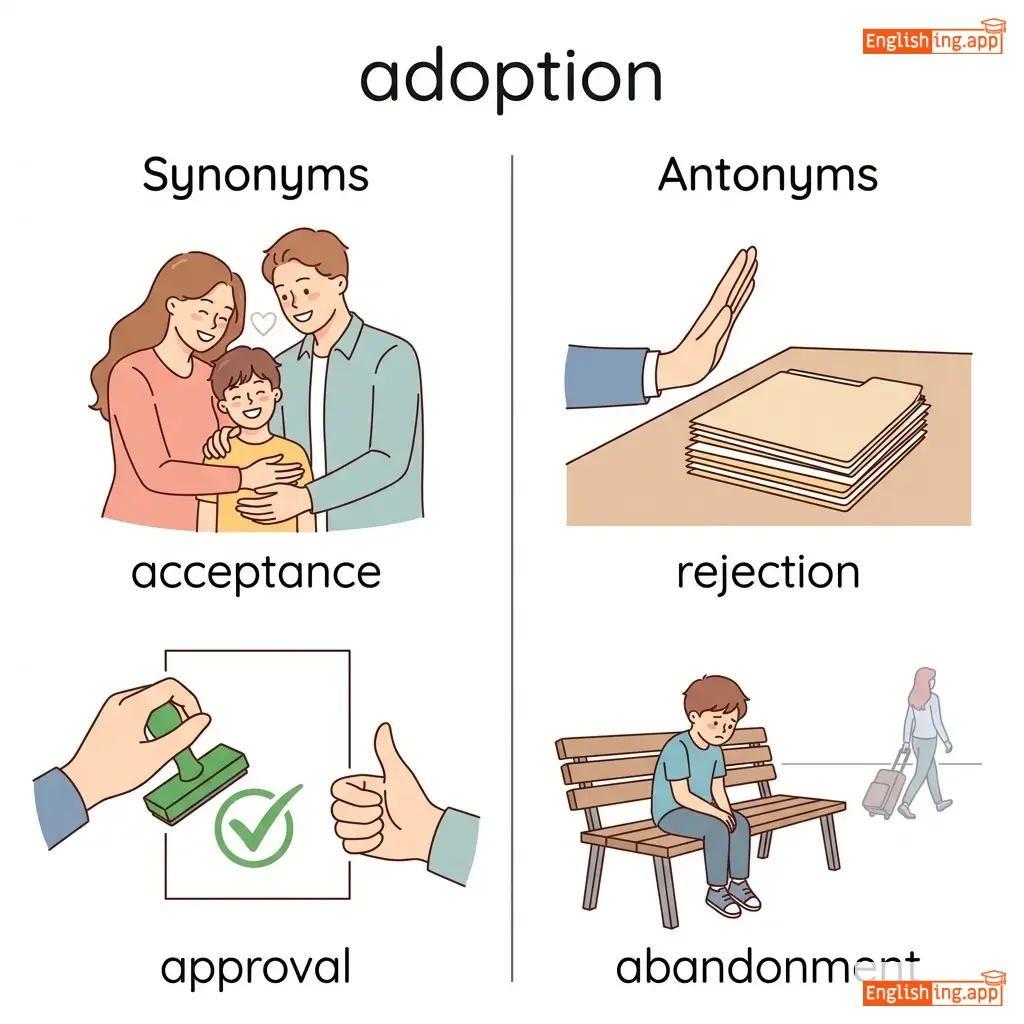
acceptance, approval, embrace, fostering, implementation
••••••
|
rejection, abandonment, refusal
••••••
|
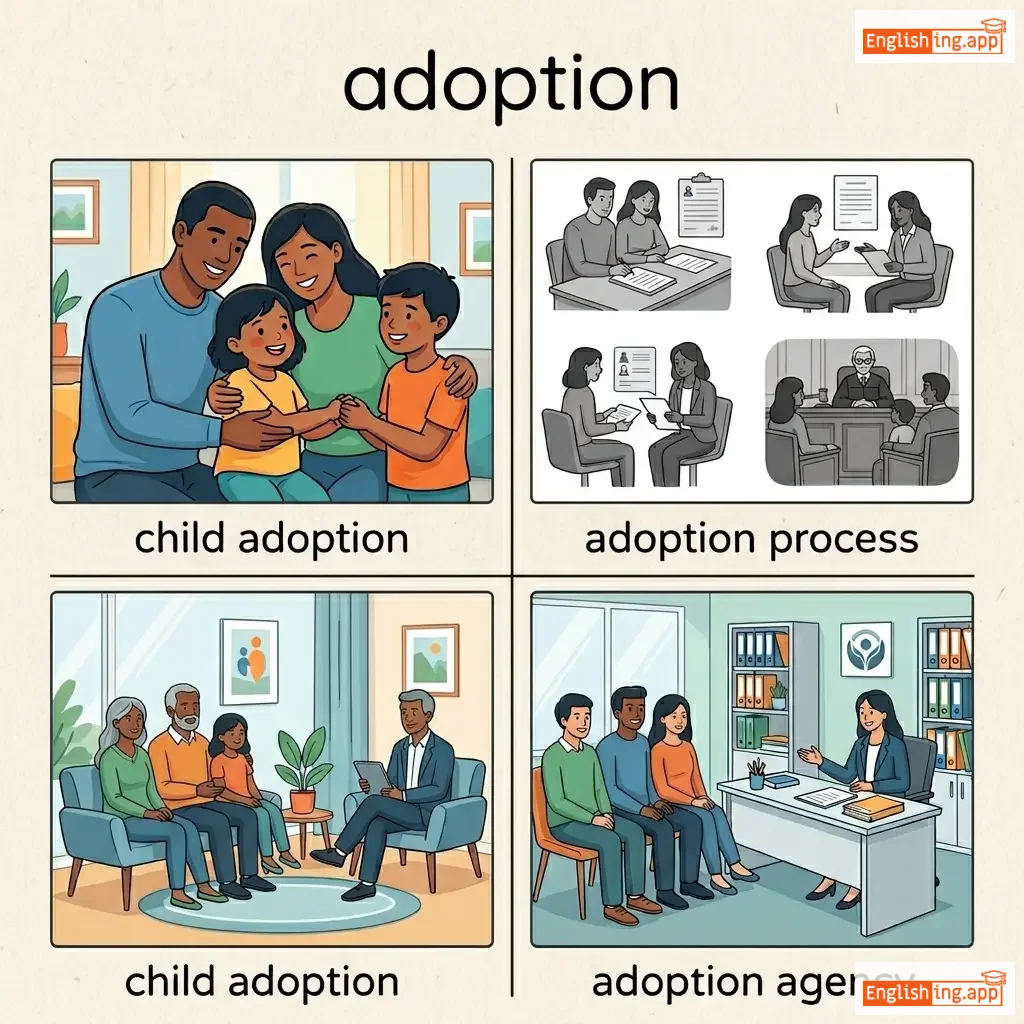
child adoption, adoption process, adoption agency, international adoption
••••••
|
Adoption = Add a new option — 收养一个孩子到你的家庭里。
••••••
|
|
#12385
📅
|
/ˈjɛstərdeɪ/
noun
(昨天)
••••••
|
- •••••• |
昨天
zuótiān
••••••
|
- •••••• | - •••••• | - •••••• | - •••••• |
the day before today
••••••
|
Yesterday, we went to the park. |
昨天我们去了公园。
Zuótiān wǒmen qùle gōngyuán.
••••••
|
- •••••• | - •••••• | - •••••• |
the previous day, last day
••••••
|
today, tomorrow
••••••
|
yesterday afternoon, yesterday evening, just yesterday, yesterday morning
••••••
|
Yesterday, I remember it as ZUÓTIĀN (Yesterday in Chinese).
••••••
|
|
#12386
⏳
|
/jɛt/
adverb
(耶特)
••••••
|
- •••••• |
还
hái
••••••
|
- •••••• | - •••••• | - •••••• | - •••••• |
up until the present time, or a point in the past
••••••
|
I haven’t finished my homework yet. |
我还没有完成我的家庭作业。
Wǒ hái méiyǒu wánchéng wǒ de jiātíng zuòyè.
••••••
|
- •••••• | - •••••• | - •••••• |
still, up to now, so far, as of now
••••••
|
already, now
••••••
|
not yet, yet to come, yet again, yet another
••••••
|
Yet, I haven’t finished yet! Hái in Chinese means 'yet'.
••••••
|
|
#12387
🙂
|
/juː/
pronoun
(你)
••••••
|
- •••••• |
你
ni
••••••
|
- •••••• | - •••••• | - •••••• | - •••••• |
used to refer to the person or people being spoken to
••••••
|
You are doing a great job!
你做得很好!
••••••
|
你做得很好!
Nǐ zuò de hěn hǎo!
••••••
|
- •••••• | - •••••• | - •••••• |
yourself, yourself
••••••
|
I, he, she
••••••
|
you are, you can, you will, you need
••••••
|
You, 你, are the person you’re talking about.
••••••
|
|
#12388
🧑🦱
|
/jʌŋ/
adjective
(年轻)
••••••
|
- •••••• |
年轻
niánqīng
••••••
|
- •••••• | - •••••• | - •••••• | - •••••• |
having lived or existed for a short time
••••••
|
The young boy loves to play football.
年轻的男孩喜欢踢足球。
••••••
|
年轻的男孩喜欢踢足球。
Niánqīng de nánhái xǐhuān tī zúqiú.
••••••
|
- •••••• | - •••••• | - •••••• |
youthful, juvenile, adolescent, fresh
••••••
|
old, aged
••••••
|
young generation, young people, young age
••••••
|
Young = NIÁNQĪNG in Chinese, think of a fresh, energetic young person.
••••••
|
|
#12389
📚
|
/jɔːr/
pronoun
(你的)
••••••
|
- •••••• |
你的
nǐ de
••••••
|
- •••••• | - •••••• | - •••••• | - •••••• |
used to indicate possession or association
••••••
|
Your book is on the table. |
你的书在桌子上。
Nǐ de shū zài zhuōzi shàng.
••••••
|
- •••••• | - •••••• | - •••••• |
your own, belonging to you
••••••
|
my, theirs
••••••
|
your opinion, your responsibility, your time
••••••
|
你的书在桌子上 - Your book is on the table
••••••
|
|
#12390
✍️
|
/jɔːrz/
pronoun
(yours)
••••••
|
- •••••• |
你的
nǐ de
••••••
|
- •••••• | - •••••• | - •••••• | - •••••• |
belonging to or associated with the person or people that the speaker is addressing
••••••
|
This pen is yours. |
这支钢笔是你的。
Zhè zhī gāng bǐ shì nǐ de.
••••••
|
- •••••• | - •••••• | - •••••• |
your property, belonging to you
••••••
|
mine, theirs
••••••
|
yours to keep, this is yours
••••••
|
你的钢笔 (Nǐ de gāng bǐ) - This pen is yours.
••••••
|
|
#12391
🤳
|
/jɔːrˈsɛlf/
pronoun
(jɔːrˈsɛlf)
••••••
|
- •••••• |
自己
zìjǐ
••••••
|
- •••••• | - •••••• | - •••••• | - •••••• |
used to refer to the person being addressed, often for emphasis or reflection
••••••
|
You should look after yourself. |
你应该照顾自己。
Nǐ yīnggāi zhàogù zìjǐ.
••••••
|
- •••••• | - •••••• | - •••••• |
your own self, personally
••••••
|
no one, others
••••••
|
look after yourself, enjoy yourself, be yourself
••••••
|
照顾自己 (Zhàogù zìjǐ) - Take care of yourself.
••••••
|
|
#12392
👦👧
|
/juːθ/
noun
(青年)
••••••
|
- •••••• |
青年
qīngnián
••••••
|
- •••••• | - •••••• | - •••••• | - •••••• |
the period of life when a person is young, often associated with energy and vitality
••••••
|
The youth are the future of the country. |
青年是国家的未来。
Qīngnián shì guójiā de wèilái.
••••••
|
- •••••• | - •••••• | - •••••• |
adolescence, young people, teenagers
••••••
|
old age, adulthood
••••••
|
youth culture, youth movement, youth organization
••••••
|
青年是未来的动力 (Qīngnián shì wèilái de dònglì) - Youth is the power of the future.
••••••
|
|
#12393
🌍
|
/zoʊn/
noun
(区)
••••••
|
|
区域
quyu
••••••
|
- •••••• | - •••••• | - •••••• | - •••••• |
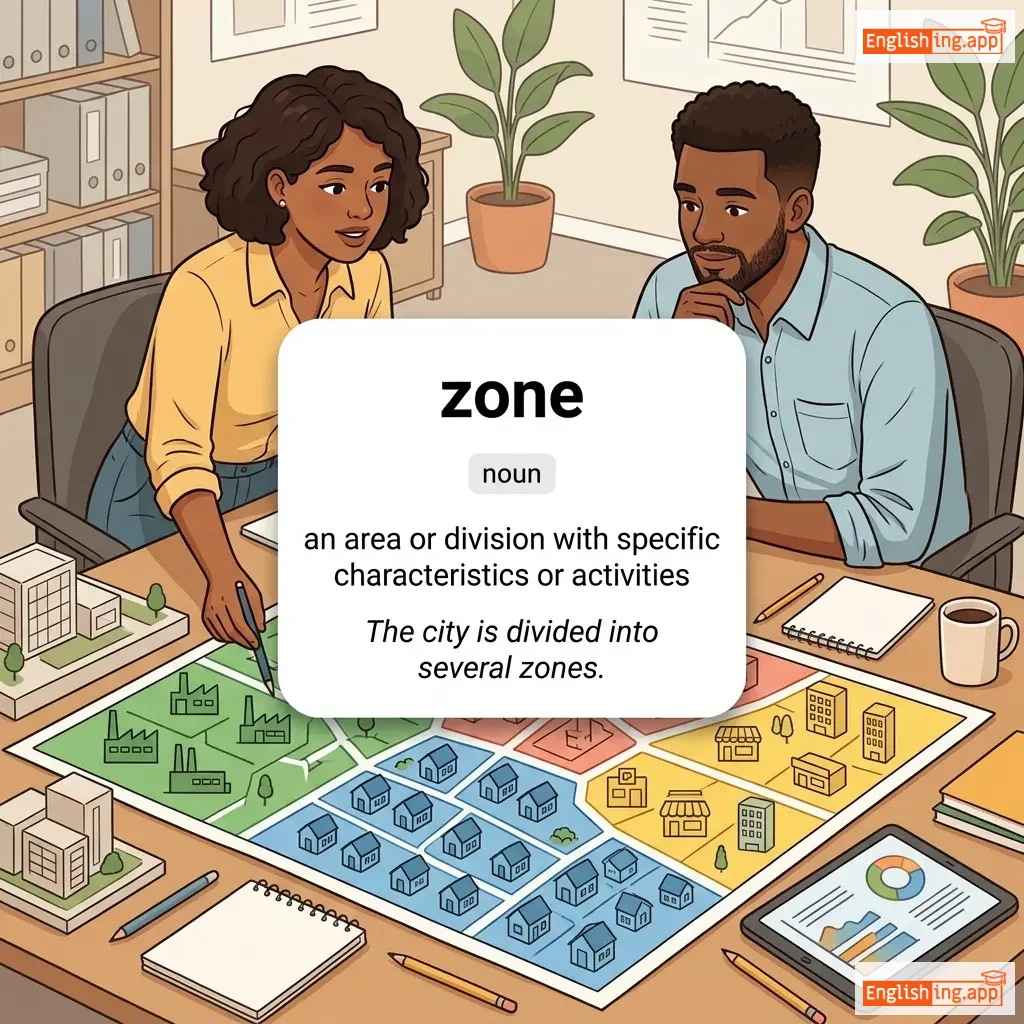
an area or division with specific characteristics or activities
••••••
|
The city is divided into several zones. |
这座城市被划分为多个区域。
Zhe zuo chengshi bei huafen wei duoge quyu.
••••••
|
- •••••• | - •••••• | - •••••• |
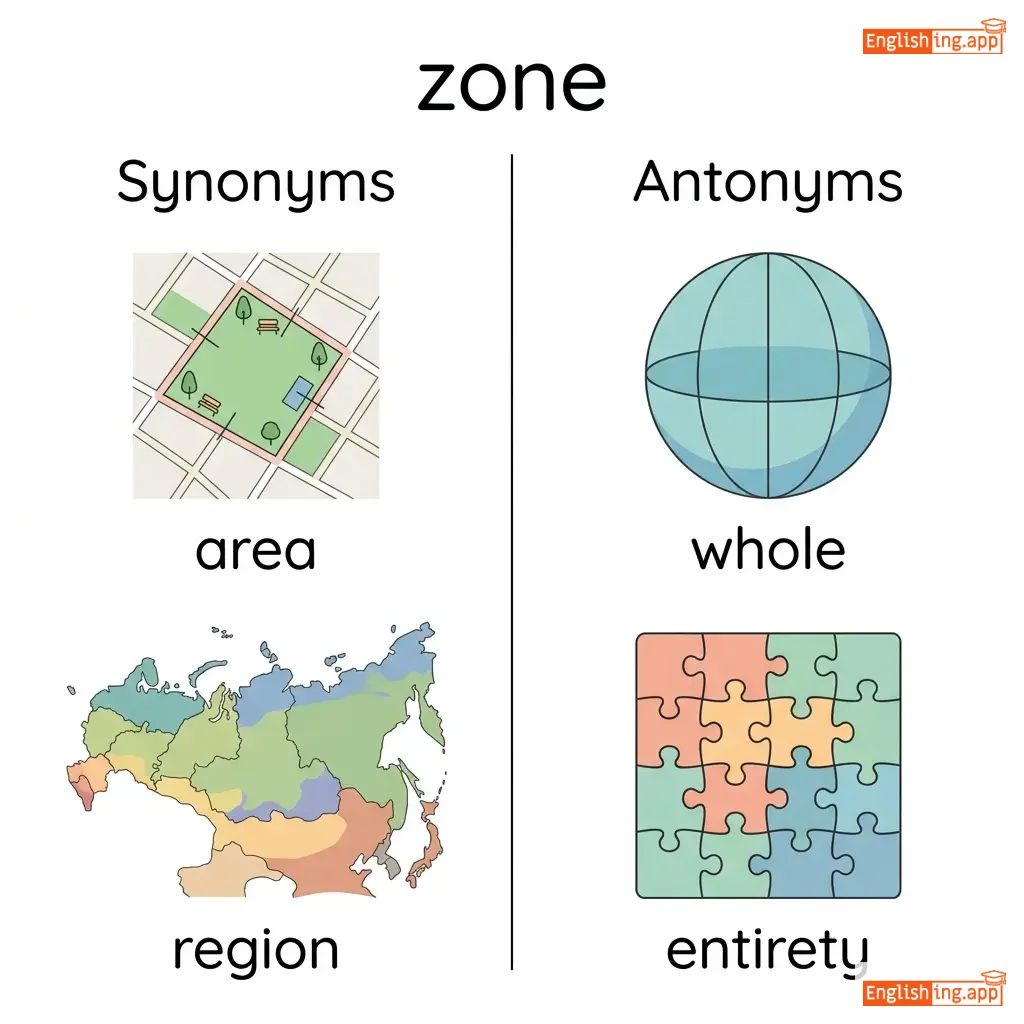
area, region, district
••••••
|
whole, entirety
••••••
|
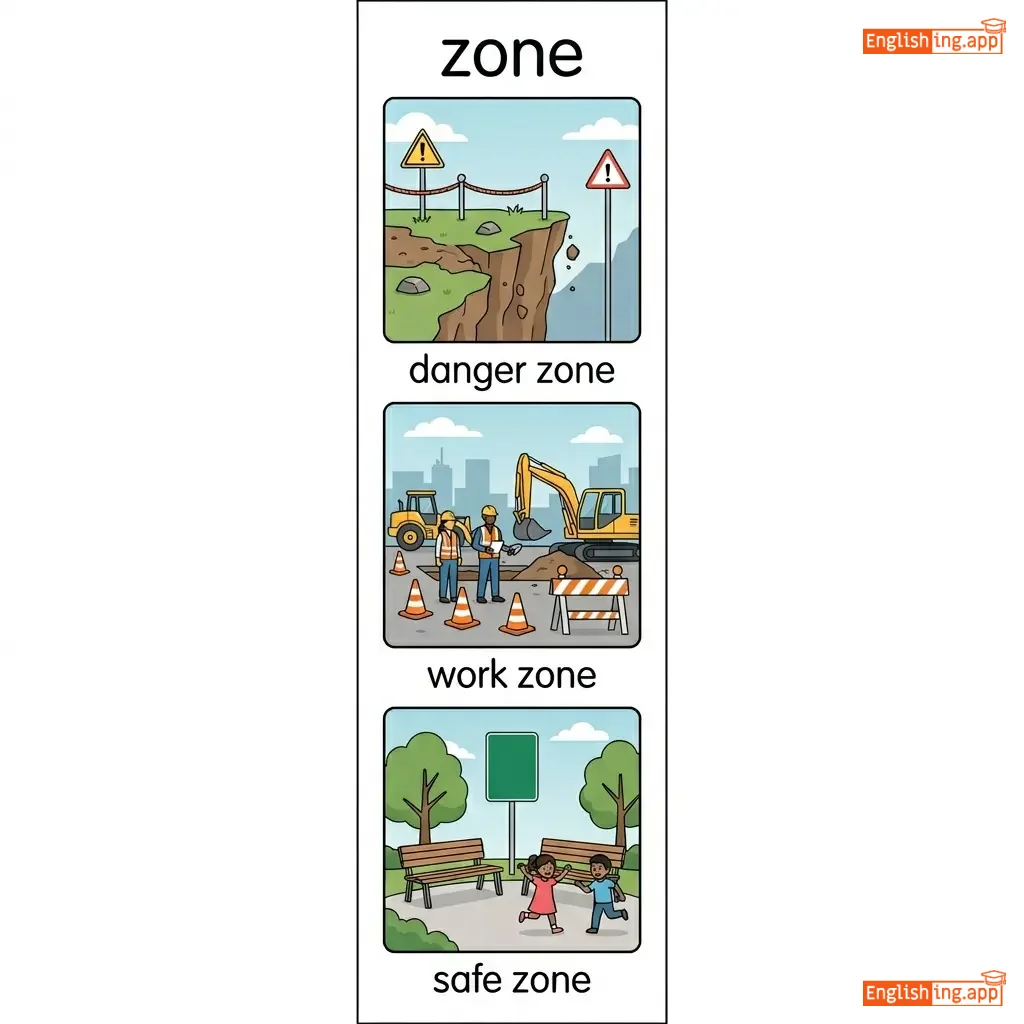
danger zone, work zone, safe zone
••••••
|
划分区域的城市 (Huafen quyu de chengshi) - The city is divided into zones.
••••••
|
Vocabulary Quiz
Test your vocabulary by matching words with their translations or meanings.
Login to take the quiz
Comments (0)
Share your thoughts and join the discussion.
Join the discussion by logging in
Login to CommentNo comments yet
Be the first to share your thoughts!