


Swipe left or right, or use the buttons. Tap image to zoom.
例句翻译
单词
Lesson 14Lesson 14 - 遮罩切换
|
表情符号
|
单词 | Images | 翻译 | 过去时 | 过去分词 | 第三人称单数 | 动名词 | 含义 | 例句 | 例句翻译 | 示例表达 | 示例表达含义 | 示例表达翻译 | 同义词 | 反义词 | 搭配词 | 助记符 |
|---|---|---|---|---|---|---|---|---|---|---|---|---|---|---|---|---|---|
|
#391
⚧️
|
/ænˈdrɒdʒɪnəs/
adjective
(安德罗金)
••••••
|
- •••••• |
双性人
shuāngxìngrén
••••••
|
- •••••• | - •••••• | - •••••• | - •••••• |
Having both male and female characteristics; not clearly masculine or feminine.
••••••
|
The fashion show featured models with an androgynous look. |
时装秀展示了拥有双性人外观的模特。
Shízhuāng xiù zhǎnshìle yǒngyǒu shuāngxìngrén wàiguān de mótè.
••••••
|
- •••••• | - •••••• | - •••••• |
gender-neutral, unisex, bisexual, ambiguous, mixed
••••••
|
masculine, feminine, gendered
••••••
|
androgynous style, androgynous look, androgynous appearance, androgynous identity
••••••
|
And + Rog (感染) + 金,代表不明确是男性或女性 – 双性人
••••••
|
|
#392
👎
|
/ˌænɪmədˈvɜːt/
verb
(阿尼马德维特)
••••••
|
- •••••• |
批评
pīpíng
••••••
|
animadverted
阿尼马德维特德
••••••
|
animadverted
阿尼马德维特德
••••••
|
animadverts
阿尼马德维特斯
••••••
|
animadverting
阿尼马德维特英
••••••
|
To comment critically or unfavorably.
••••••
|
The teacher animadverted on the student's careless mistakes.
老师批评了学生的粗心错误。
••••••
|
老师批评了学生的粗心错误。
Lǎoshī pīpíngle xuéshēng de cūxīn cuòwù.
••••••
|
- •••••• | - •••••• | - •••••• |
criticize, censure, blame, condemn
••••••
|
praise, approve, commend
••••••
|
animadvert upon, animadvert against, animadvert strongly
••••••
|
Animadvert = '敌人广告' → 就像是批评不喜欢的东西。
••••••
|
|
#393
🗣️
|
/ˌænɪmædˈvɜːʒən/
noun
(厄内麦德维尔申)
••••••
|
- •••••• |
批评
piping
••••••
|
- •••••• | - •••••• | - •••••• | - •••••• |
Strong criticism or censure.
••••••
|
The policy attracted severe animadversion from the public. |
该政策遭到公众的严厉批评。
Gai zhengce zaodao gongzhong de yanli piping.
••••••
|
- •••••• | - •••••• | - •••••• |
criticism, censure, blame, reproach
••••••
|
praise, approval, compliment
••••••
|
severe animadversion, public animadversion, sharp animadversion
••••••
|
Animadversion听起来像'敌人的版本' → 像敌人的批评。
••••••
|
|
#394
💨
|
/ænˈhaɪdrəs/
adjective
••••••
|
- •••••• | - •••••• | - •••••• | - •••••• | - •••••• | - •••••• |
Containing no water.
••••••
|
The chemist used anhydrous ammonia for the experiment. |
- •••••• | - •••••• | - •••••• | - •••••• |
dry, waterless, dehydrated, arid
••••••
|
hydrated, moist, wet
••••••
|
anhydrous compound, anhydrous ammonia, anhydrous salt, anhydrous form
••••••
|
No •••••• |
|
#395
📐
|
/ˈæŋɡjələr/
adjective
(ángular)
••••••
|
- •••••• |
角度的
jiaodude
••••••
|
- •••••• | - •••••• | - •••••• | - •••••• |
Having angles or sharp corners; lean or bony in appearance.
••••••
|
The building has a very angular design.
这座建筑有一个非常角度的设计。
••••••
|
这座建筑有一个非常角度的设计。
Zhezuo jianzhu you yige feichang jiaodu de sheji.
••••••
|
- •••••• | - •••••• | - •••••• |
sharp, pointed, jagged, lean
••••••
|
round, smooth, curved
••••••
|
angular face, angular shape, angular design, angular features
••••••
|
Angular表示有像角度的形状,像角一样。
••••••
|
|
#396
😢
|
/ˈæŋɡwɪʃ/
noun
(安贵什)
••••••
|
- •••••• |
痛苦
tongku
••••••
|
- •••••• | - •••••• | - •••••• | - •••••• |
Severe mental or physical pain or suffering.
••••••
|
She was in deep anguish after hearing the tragic news.
她在听到悲惨的消息后深感安贵什。
••••••
|
听到悲惨的消息后,她陷入了深深的痛苦。
tingdao beican de xiaoxi hou ta xianru le shenshen de tongku.
••••••
|
cry of anguish
安贵什的哭声
••••••
|
An expression of deep sorrow or pain.
••••••
|
痛苦的哭声
tongku de kusheng
••••••
|
suffering, agony, torment, distress, misery
••••••
|
joy, happiness, comfort
••••••
|
mental anguish, cry of anguish, anguish of loss, anguish and pain
••••••
|
Anguish means deep 'tongku' — remember 'tong' sounds like 'tone' of pain.
••••••
|
|
#397
🚫🇬🇧
|
/ˌæŋɡləˈfoʊbiə/
noun
(盎格鲁恐惧症)
••••••
|
- •••••• |
盎格鲁恐惧症
àngélǔ kǒngjù zhèng
••••••
|
- •••••• | - •••••• | - •••••• | - •••••• |
Dislike or fear of England, English people, or English culture.
••••••
|
The politician was accused of promoting Anglophobia in his speeches. |
这位政治家被指控在他的演讲中宣传盎格鲁恐惧症。
Zhè wèi zhèngzhìjiā bèi zhǐkòng zài tā de yǎnjiǎng zhōng xuānchuán àngélǔ kǒngjù zhèng.
••••••
|
- •••••• | - •••••• | - •••••• |
anti-English sentiment, xenophobia, prejudice, hostility
••••••
|
Anglophilia, admiration
••••••
|
promote Anglophobia, rise of Anglophobia, cultural Anglophobia, political Anglophobia
••••••
|
Anglophobia = Anglo 意味着英语 + phobia 意味着恐惧或厌恶
••••••
|
|
#398
🏰
|
/ˌæŋɡloʊ ˈsæksən/
noun
••••••
|
- •••••• | - •••••• | - •••••• | - •••••• | - •••••• | - •••••• |
A member of the Germanic peoples who settled in England in the early Middle Ages; also relating to their language or culture.
••••••
|
The Anglo-Saxon period greatly influenced English culture and language. |
- •••••• | - •••••• | - •••••• | - •••••• |
early English, old English, Saxon, Germanic
••••••
|
modern English, non-English
••••••
|
Anglo-Saxon culture, Anglo-Saxon history, Anglo-Saxon law, Anglo-Saxon literature
••••••
|
No •••••• |
|
#399
😇
|
/ænˈdʒelɪk/
adjective
(ānɡɛlɪk)
••••••
|
- •••••• |
天使般的
tiānshǐ bān de
••••••
|
- •••••• | - •••••• | - •••••• | - •••••• |
Like or characteristic of an angel; pure, kind, or innocent.
••••••
|
The child had an angelic smile.
那个孩子有一个天使般的微笑。
••••••
|
那个孩子有一个天使般的微笑。
Nàgè háizi yǒu yīgè tiānshǐ bān de wéixiào.
••••••
|
- •••••• | - •••••• | - •••••• |
pure, divine, heavenly, saintly, innocent
••••••
|
evil, wicked, demonic
••••••
|
angelic smile, angelic voice, angelic face, angelic behavior
••••••
|
天使般的笑容像天使一样纯洁无辜。
••••••
|
|
#400
🔄
|
/əˈnjuː/
adverb
(ā nù)
••••••
|
- •••••• |
重新
chong xin
••••••
|
- •••••• | - •••••• | - •••••• | - •••••• |
In a new or different way; once more.
••••••
|
After the failure, she decided to start her life anew.
失败后,她决定重新开始她的生活。
••••••
|
失败后,她决定重新开始她的生活。
Shībài hòu, tā juédìng chóngxīn kāishǐ tā de shēnghuó.
••••••
|
- •••••• | - •••••• | - •••••• |
again, afresh, once more, over again
••••••
|
never again, permanently
••••••
|
start anew, begin anew, live anew, try anew
••••••
|
重新:再试一次,用不同的方式。
••••••
|
|
#401
💉
|
/ˌænəsˈθetɪk/
noun
(麻醉剂)
••••••
|
- •••••• |
麻醉剂
mázuì jì
••••••
|
- •••••• | - •••••• | - •••••• | - •••••• |
A substance that causes loss of sensation or consciousness, especially used during surgery.
••••••
|
The doctor administered a local anesthetic before stitching the wound.
医生在缝合伤口之前使用了局部麻醉剂。
••••••
|
医生在缝合伤口之前使用了局部麻醉剂。
Yīshēng zài fènghé shāngkǒu zhīqián shǐyòngle júbù mázuì jì.
••••••
|
- •••••• | - •••••• | - •••••• |
painkiller, sedative, narcotic, analgesic, numbing agent
••••••
|
stimulant, sensitizer
••••••
|
local anesthetic, general anesthetic, administer anesthetic, anesthetic effect
••••••
|
麻醉剂 = 无痛,麻醉剂让你麻木
••••••
|
|
#402
🌬️
|
/ˌænɪˈmɒmɪtər/
noun
(风速计)
••••••
|
- •••••• |
风速计
fēngsùjì
••••••
|
- •••••• | - •••••• | - •••••• | - •••••• |
An instrument used to measure the speed and direction of wind.
••••••
|
The scientist used an anemometer to record the wind speed during the storm.
科学家使用风速计记录风速,在风暴期间。
••••••
|
科学家使用风速计记录风速,在风暴期间。
Kēxuéjiā shǐyòng fēngsùjì jìlù fēngsù, zài fēngbào qījiān.
••••••
|
- •••••• | - •••••• | - •••••• |
wind gauge, wind meter, airflow meter, weather instrument
••••••
|
none,
••••••
|
digital anemometer, handheld anemometer, measure with anemometer, anemometer readings
••••••
|
风速计风像表 = 风速计
••••••
|
|
#403
😩
|
/əˈniːmɪk/
adjective
(贫血)
••••••
|
- •••••• |
贫血
pín xuè
••••••
|
- •••••• | - •••••• | - •••••• | - •••••• |
Suffering from anemia; lacking in vitality, strength, or color.
••••••
|
The doctor prescribed iron supplements for her anemic condition. |
医生为她的贫血状态开了铁补充剂。
Yīshēng wèi tā de pín xuè zhuàngtài kāile tiě bǔchōngjì.
••••••
|
anemic performance |
A weak or poor performance lacking energy or impact.
••••••
|
贫血表现
pín xuè biǎoxiàn
••••••
|
weak, feeble, pale, lifeless, exhausted
••••••
|
strong, robust, energetic
••••••
|
anemic condition, anemic patient, anemic performance, anemic economy
••••••
|
贫血就是身体没有力量,像铁不足。
••••••
|
|
#404
🩸
|
/əˈniːmiə/
noun
(贫血)
••••••
|
|
贫血
pinqie
••••••
|
- •••••• | - •••••• | - •••••• | - •••••• |
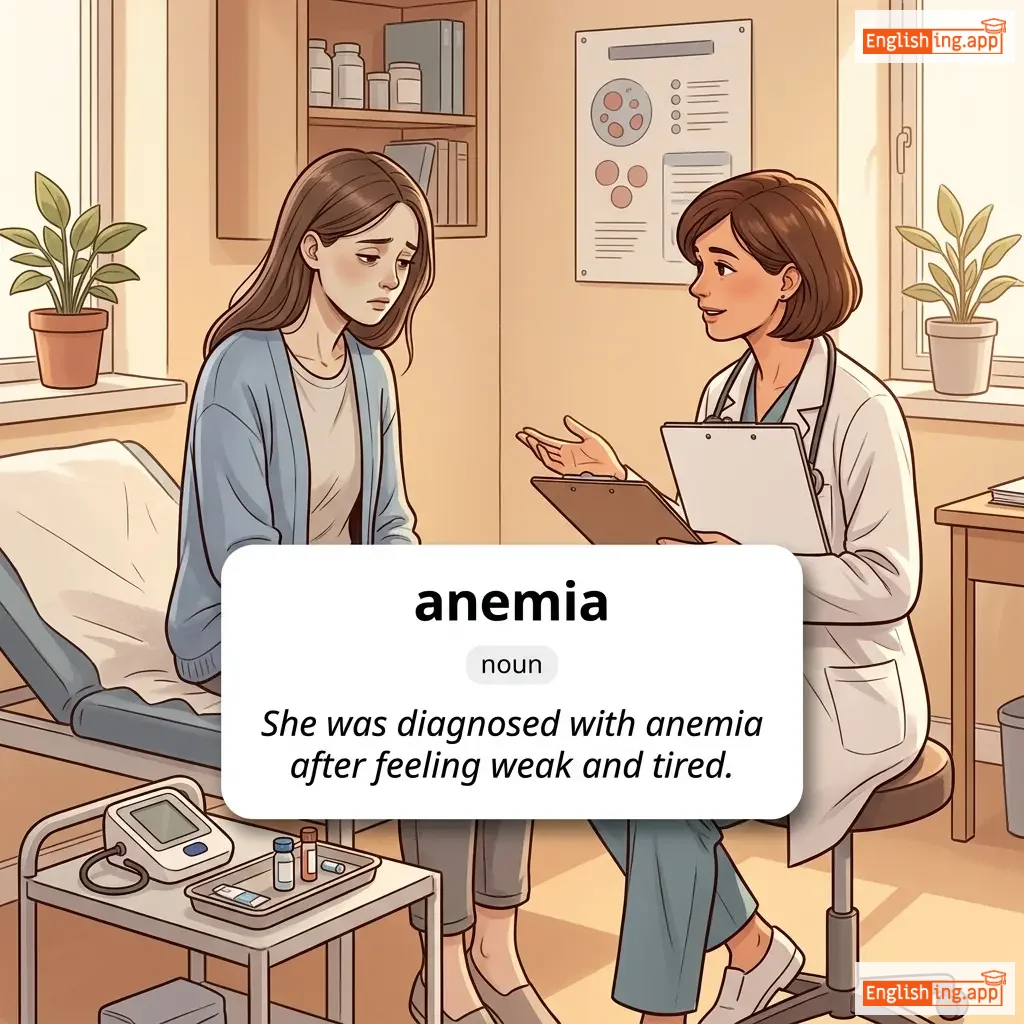
A condition in which there is a deficiency of red cells or hemoglobin in the blood.
••••••
|
She was diagnosed with anemia after feeling weak and tired. |
她在感到虚弱和疲倦后被诊断为贫血。
Ta zai gandao xuruo he pijuang hou bei zhenduan wei pinxue.
••••••
|
- •••••• | - •••••• | - •••••• |
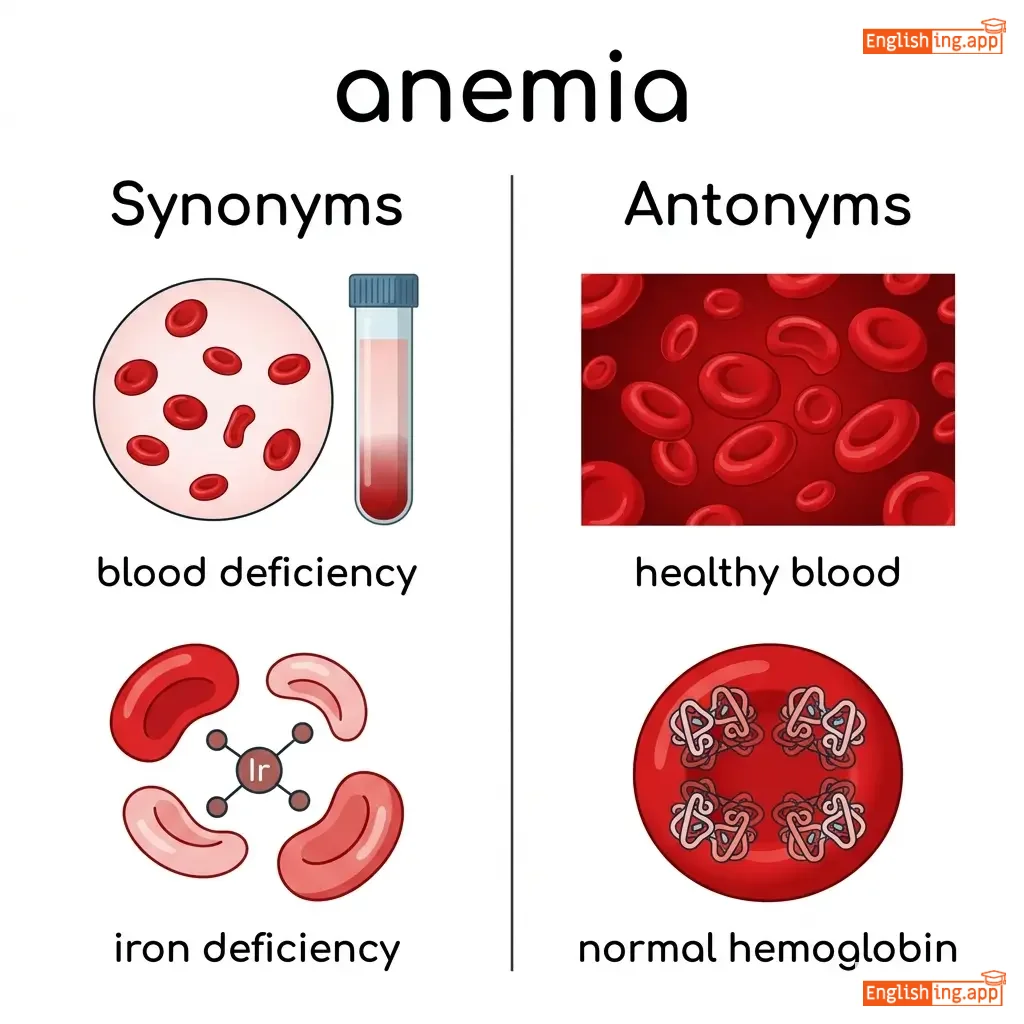
blood deficiency, iron deficiency, low hemoglobin, sickness
••••••
|
healthy blood, normal hemoglobin
••••••
|
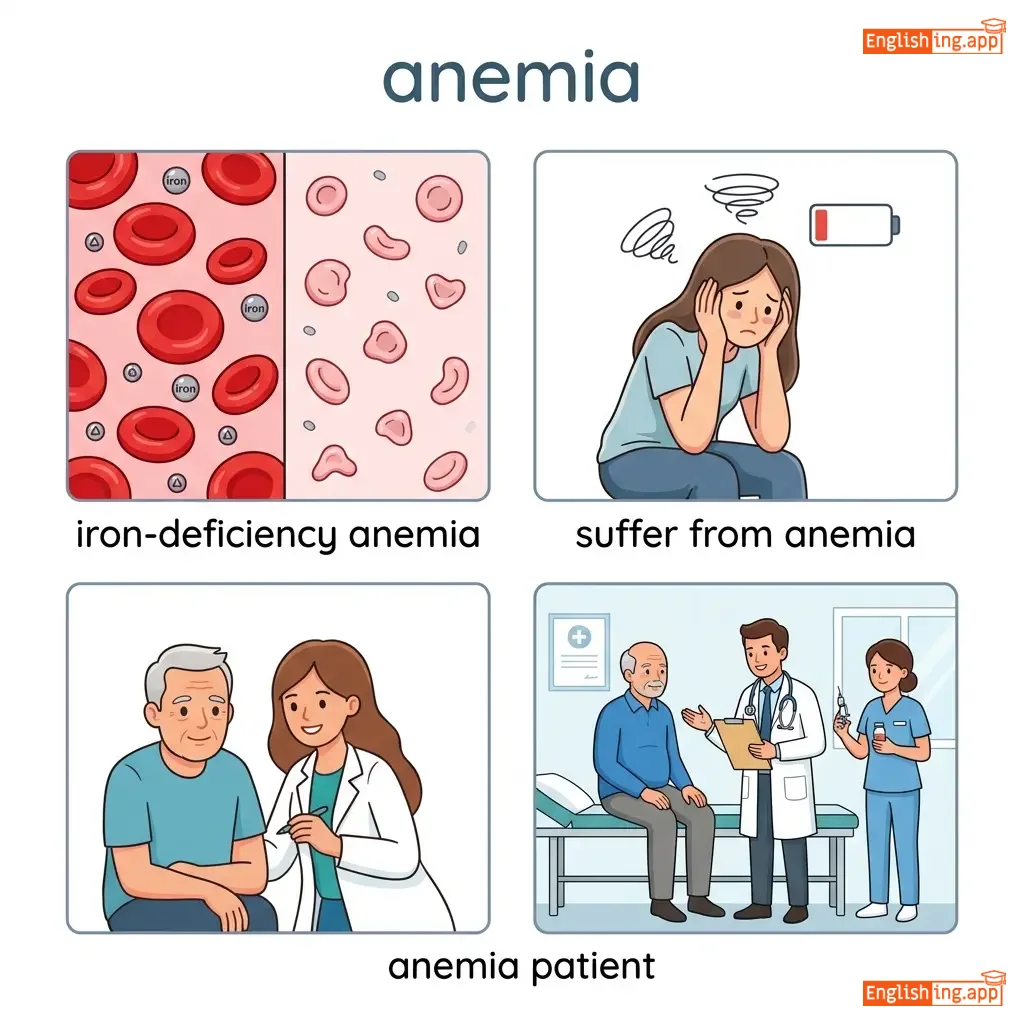
iron-deficiency anemia, suffer from anemia, anemia patient, treat anemia
••••••
|
贫血 = 贫弱的血液
••••••
|
|
#405
📖
|
/ˈænɪkˌdoʊt/
noun
(短故事)
••••••
|
|
趣闻
qu wen
••••••
|
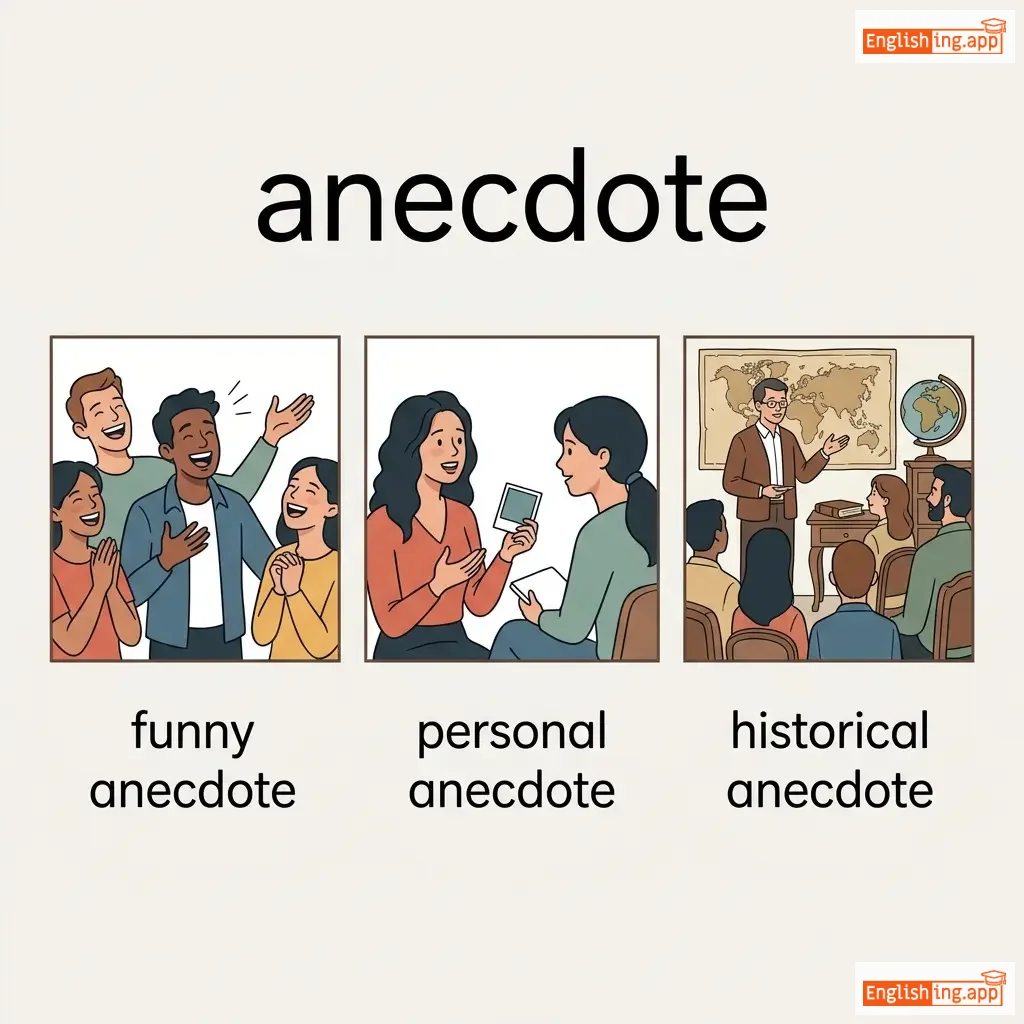
- •••••• | - •••••• | - •••••• | - •••••• |
A short, amusing or interesting story about a real incident or person.
••••••
|
She shared a funny anecdote about her first day at school. |
她分享了一个关于她上学第一天的有趣故事。
Ta fenxiang le yi ge guanyu ta shangxue di yi tian de youqu gushi.
••••••
|
anecdotal evidence |
Evidence based on personal accounts rather than scientific data.
••••••
|
轶事证据
Yishi zhengju
••••••
|
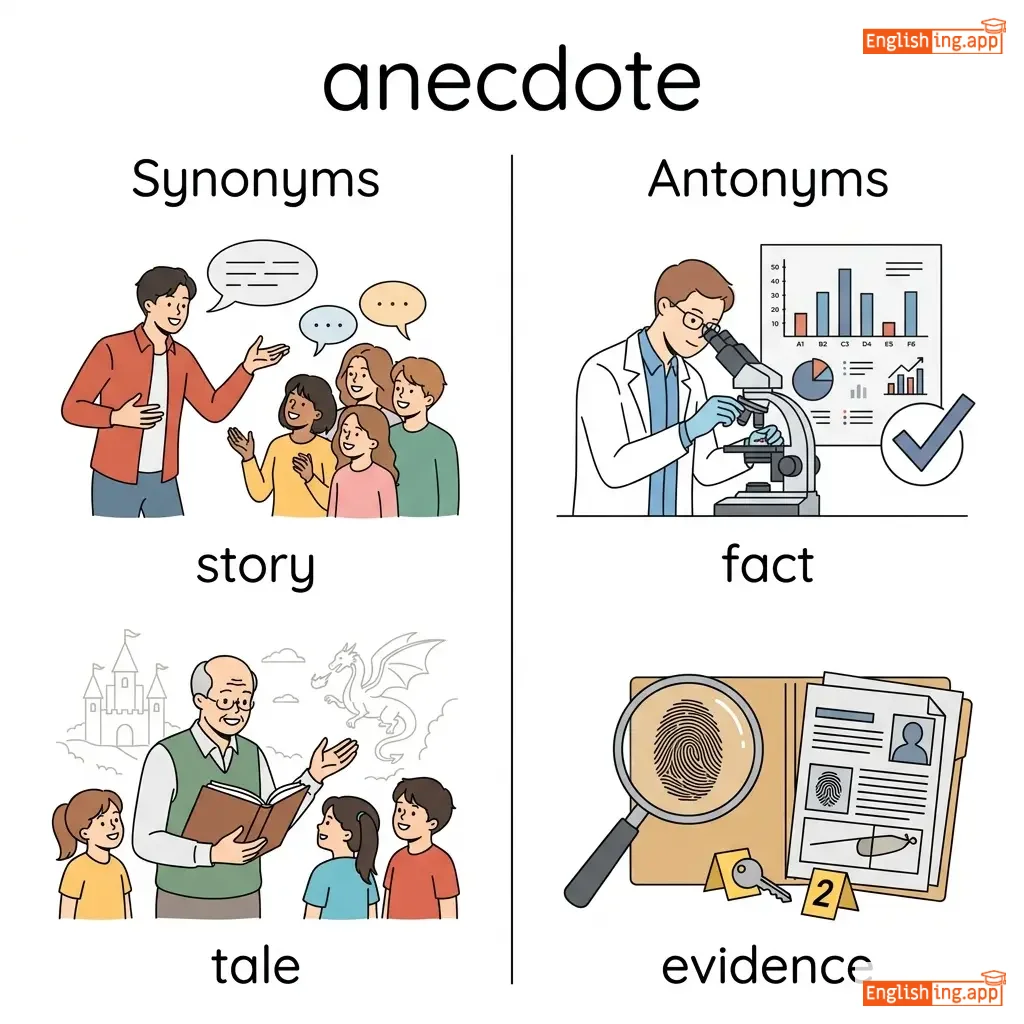
story, tale, narrative, account, reminiscence
••••••
|
fact, evidence, truth
••••••
|
funny anecdote, personal anecdote, historical anecdote, anecdotal evidence
••••••
|
趣闻 - 一个有趣的故事,可以分享
••••••
|
|
#406
🔤
|
/ˈænəɡræm/
noun
(变位词)
••••••
|
- •••••• |
通过重新排列另一个单词或短语的字母而形成的单词或短语。
tōngguò chóngxīn pái liè lìng yīgè dān cí huò duǎn yǔ de zìmǔ ér xíngchéng de dān cí huò duǎn yǔ
••••••
|
- •••••• | - •••••• | - •••••• | - •••••• |
A word or phrase formed by rearranging the letters of another word or phrase.
••••••
|
The word 'listen' is an anagram of 'silent'. |
'listen' 是 'silent' 的变位词。
'listen' shì 'silent' de biàn wèi cí.
••••••
|
- •••••• | - •••••• | - •••••• |
wordplay, puzzle, cipher, rearrangement
••••••
|
original, unchanged
••••••
|
solve an anagram, create an anagram, anagram puzzle
••••••
|
Ana gram,通过重新排列字母,变出新词。
••••••
|
|
#407
🔥
|
/ˈændaɪərn/
noun
(安迪龙)
••••••
|
- •••••• |
金属木柴支架
jinshu mùchái zhījià
••••••
|
- •••••• | - •••••• | - •••••• | - •••••• |
a metal support used in a fireplace to hold logs
••••••
|
The logs rested on the andirons in the old fireplace.
木柴安放在旧壁炉的安迪龙上。
••••••
|
木柴安放在旧壁炉的安迪龙上。
Mùchái ān fàng zài jiù bìlú de āndílóng shàng.
••••••
|
- •••••• | - •••••• | - •••••• |
firedog, log support, fireplace stand, grate
••••••
|
floor, ground
••••••
|
iron andiron, antique andiron, fireplace andiron, decorative andiron
••••••
|
And-iron,金属木柴支架,用于壁炉。
••••••
|
|
#408
🛠️
|
/ˈænsɪləri/
adjective
(ænsɪləri)
••••••
|
- •••••• |
附属的
fùshǔ de
••••••
|
- •••••• | - •••••• | - •••••• | - •••••• |
providing necessary support to the main system or organization
••••••
|
The company provides ancillary services to the healthcare industry. |
公司为医疗行业提供附加服务。
Gōngsī wèi yīliáo hángyè tígōng fùjiā fúwù.
••••••
|
- •••••• | - •••••• | - •••••• |
auxiliary, supplementary, supportive, subordinate, secondary
••••••
|
primary, main, principal
••••••
|
ancillary services, ancillary role, ancillary staff, ancillary support
••••••
|
Ancillary意味着附加支持 - 对主要系统的额外帮助
••••••
|
|
#409
⚓
|
/ˈæŋkər/
noun, verb
(锚)
••••••
|
- •••••• |
锚
mó
••••••
|
anchored
锚定
••••••
|
anchored
锚定
••••••
|
anchors
锚住
••••••
|
anchoring
锚定中
••••••
|
a heavy object used to hold a ship in place; also to secure firmly
••••••
|
The ship dropped its anchor near the shore.
船只在海岸附近投下了锚。
••••••
|
船只在海岸附近投下了锚。
Chuánzhī zài hǎi'àn fùjìn tóu xiàle mó.
••••••
|
anchor of hope
希望的锚
••••••
|
something that provides stability and confidence
••••••
|
希望的锚
xīwàng de mó
••••••
|
mooring, fastener, stabilizer, support, mainstay
••••••
|
drift, release, instability
••••••
|
drop anchor, lift anchor, anchor point, news anchor
••••••
|
锚总是固定船只。希望的锚:生活中的稳定性。
••••••
|
|
#410
🌳
|
/ˈænsestri/
noun
(ænsestri)
••••••
|
- •••••• |
家谱
jiā pǔ
••••••
|
- •••••• | - •••••• | - •••••• | - •••••• |
one’s family origins or lineage
••••••
|
He is proud of his royal ancestry. |
他为自己的皇室家谱感到自豪。
Tā wèi zìjǐ de huángshì jiāpǔ gǎndào zìháo.
••••••
|
roots and branches |
family background and heritage
••••••
|
根源与分支
gēn yuán yǔ fēn zhī
••••••
|
lineage, heritage, descent, bloodline, family tree
••••••
|
progeny, descendants
••••••
|
family ancestry, royal ancestry, trace ancestry, ancestry records
••••••
|
Ancestors 意味着家谱 – 家谱来自于 ancestors
••••••
|
|
#411
🫀
|
/əˈnætəmi/
noun
(解剖学)
••••••
|
- •••••• |
解剖学
jiěpōxué
••••••
|
- •••••• | - •••••• | - •••••• | - •••••• |
the study of the structure of living things, especially the human body
••••••
|
She is studying human anatomy at medical school.
她在医学院学习人体解剖学。
••••••
|
她在医学院学习人体解剖学。
Tā zài yīxuéyuàn xuéxí réntǐ jiěpōxué.
••••••
|
know something inside out
了解某事的每个细节
••••••
|
to know something in great detail
••••••
|
了解某事的每个细节
Liǎojiě mǒu shì de měi gè xìjié
••••••
|
structure, morphology, physiology, form, composition
••••••
|
ignorance, whole
••••••
|
human anatomy, anatomy class, anatomy lesson, comparative anatomy
••••••
|
解剖学让你像医生一样透视人体的每一部分。
••••••
|
|
#412
⛔
|
/əˈnæθəmə/
noun
(厄奈赛玛)
••••••
|
- •••••• |
厄奈赛玛 / 被憎恶的事物
enaisaima / bei zengwo de shiwu
••••••
|
- •••••• | - •••••• | - •••••• | - •••••• |
something or someone intensely disliked or strongly condemned
••••••
|
Violence is anathema to her peaceful nature.
暴力对她平和的性格是厄奈赛玛。
••••••
|
暴力对她平和的性格是厄奈赛玛。
Baoli dui ta pinghe de xingge shi enaisaima.
••••••
|
- •••••• | - •••••• | - •••••• |
abhorrence, hatred, curse, detestation
••••••
|
blessing, approval, love
••••••
|
considered anathema, be anathema to, social anathema
••••••
|
厄奈赛玛——'Anna' 討厭的東西.
••••••
|
|
#413
⚠️
|
/ˈænərki/
noun
(ānàkì)
••••••
|
|
无政府状态
wú zhèngfǔ zhuàngtài
••••••
|
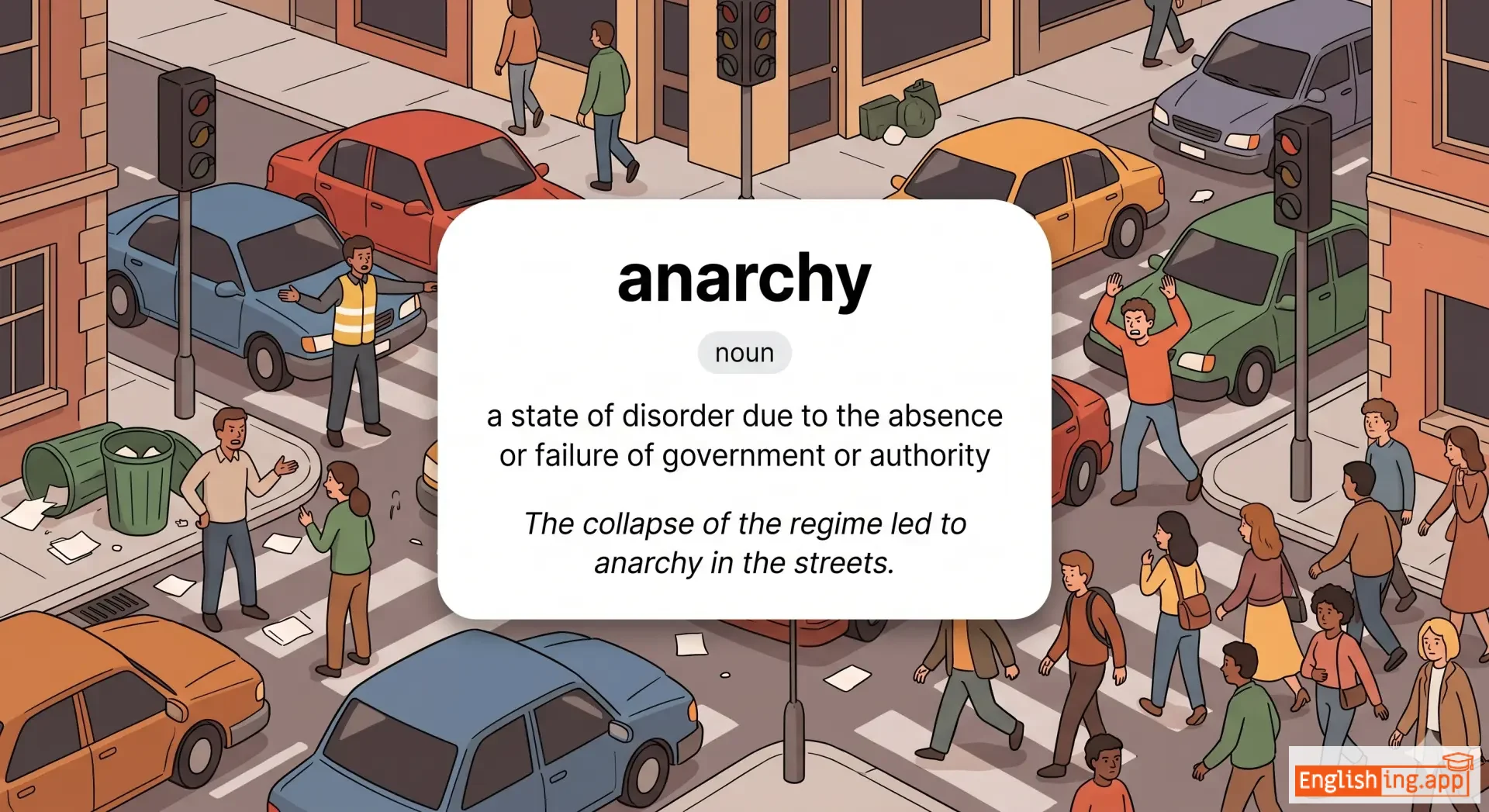
- •••••• | - •••••• | - •••••• | - •••••• |
a state of disorder due to the absence or failure of government or authority
••••••
|
The collapse of the regime led to anarchy in the streets. |
政权崩溃导致街头的无政府状态。
Zhèngquán bēngkuì dǎozhì jiētóu de wú zhèngfǔ zhuàngtài.
••••••
|
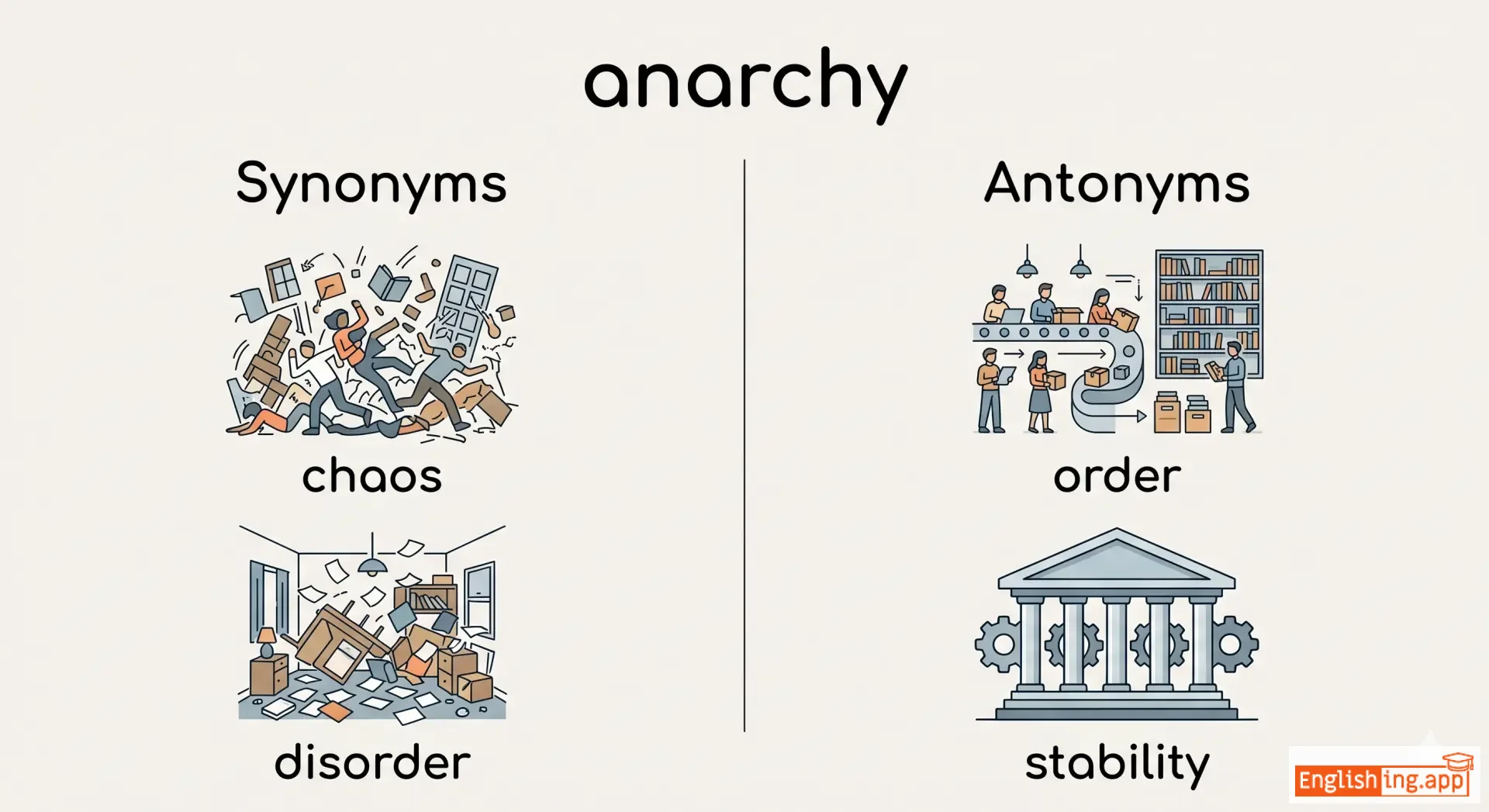
- •••••• | - •••••• | - •••••• |
chaos, disorder, lawlessness, turmoil
••••••
|
order, stability, control
••••••
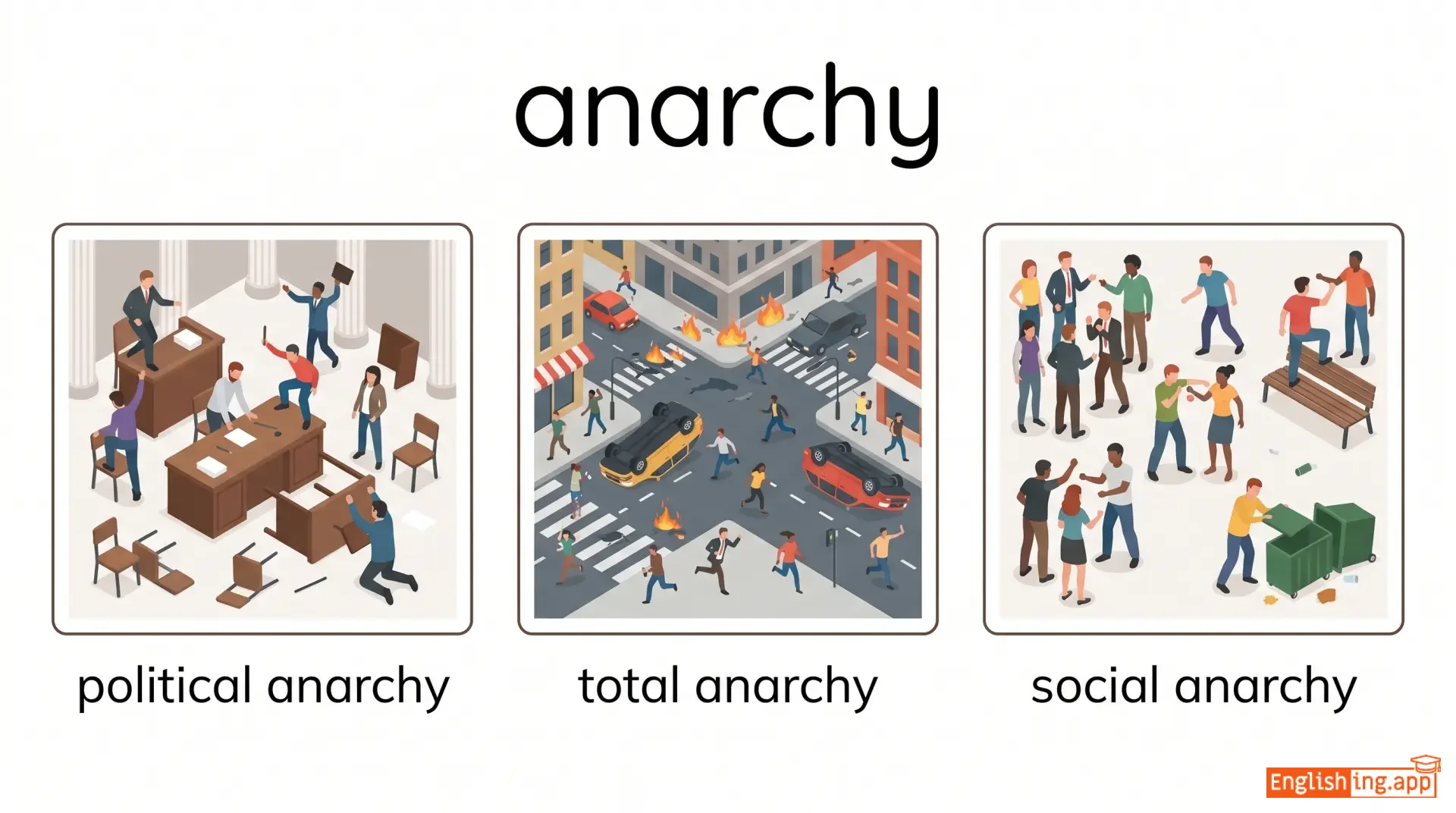
|
political anarchy, total anarchy, social anarchy
••••••
|
Anarchy = 'ānàkì' - 政府不见了,一切陷入混乱。
••••••
|
|
#414
🚩
|
/ˈænərkɪst/
noun
(无政府主义者)
••••••
|
- •••••• |
无政府主义者
wú zhèng fǔ zhǔ yì zhě
••••••
|
- •••••• | - •••••• | - •••••• | - •••••• |
a person who believes in or promotes the absence of government or authority
••••••
|
The anarchist group protested against state control. |
无政府主义者团体反对国家控制。
Wú zhèng fǔ zhǔ yì zhě tuán tǐ fǎn duì guó jiā kòng zhì.
••••••
|
- •••••• | - •••••• | - •••••• |
rebel, revolutionary, radical, dissenter
••••••
|
loyalist, conformist, supporter
••••••
|
radical anarchist, political anarchist, violent anarchist
••••••
|
无政府主义者就像是反对所有规则的人
••••••
|
|
#415
🔍
|
/ˈænəlaɪz/
verb
(分析)
••••••
|
- •••••• |
分析
fenxi
••••••
|
analyzed
分析过
••••••
|
analyzed
已分析
••••••
|
analyzes
分析
••••••
|
analyzing
分析中
••••••
|
to examine something in detail to understand it better or draw conclusions
••••••
|
Scientists analyze data to discover new patterns.
科学家分析数据以发现新模式。
••••••
|
科学家分析数据以发现新模式。
kexuejia fenxi shuju yi faxian xin moshi.
••••••
|
analyze the situation
分析情况
••••••
|
to carefully study the circumstances before making a decision
••••••
|
分析情况
fenxi qingkuang
••••••
|
examine, study, investigate, evaluate, interpret
••••••
|
ignore, neglect, overlook
••••••
|
analyze data, analyze results, analyze information, analyze the problem
••••••
|
Analyze意味着分析 — '分析'就是数据分析
••••••
|
|
#416
📊
|
/ˈænəlɪst/
noun
(分析师)
••••••
|
- •••••• |
分析师
fenxishi
••••••
|
- •••••• | - •••••• | - •••••• | - •••••• |
a person who studies or examines something carefully to understand it or make decisions
••••••
|
The financial analyst predicted a rise in the stock market.
金融分析师预测股票市场上涨。
••••••
|
金融分析师预测股票市场上涨。
Jinrong fenxishi yuce gupiao shichang shangzhang.
••••••
|
- •••••• | - •••••• | - •••••• |
examiner, evaluator, expert, researcher, consultant
••••••
|
novice, layman, amateur
••••••
|
financial analyst, political analyst, market analyst, data analyst
••••••
|
分析师像分析机器一样分析数据
••••••
|
|
#417
📖
|
/əˈnælədʒi/
noun
(ā ná luó jī)
••••••
|
- •••••• |
类比
leibi
••••••
|
- •••••• | - •••••• | - •••••• | - •••••• |
A comparison between two things for the purpose of explanation or clarification.
••••••
|
The teacher used the analogy of a tree to explain the structure of an essay. |
老师用树木的类比来解释文章的结构。
Lǎoshī yòng shùmù de lèibǐ lái jiěshì wénzhāng de jiégòu.
••••••
|
- •••••• | - •••••• | - •••••• |
comparison, parallel, resemblance, similarity
••••••
|
difference, contrast
••••••
|
draw an analogy, use an analogy, apt analogy
••••••
|
类比就是比较,用来解释,像中文里这样使用。
••••••
|
|
#418
🔗
|
/əˈnæləɡəs/
adjective
••••••
|
|
- •••••• | - •••••• | - •••••• | - •••••• | - •••••• |
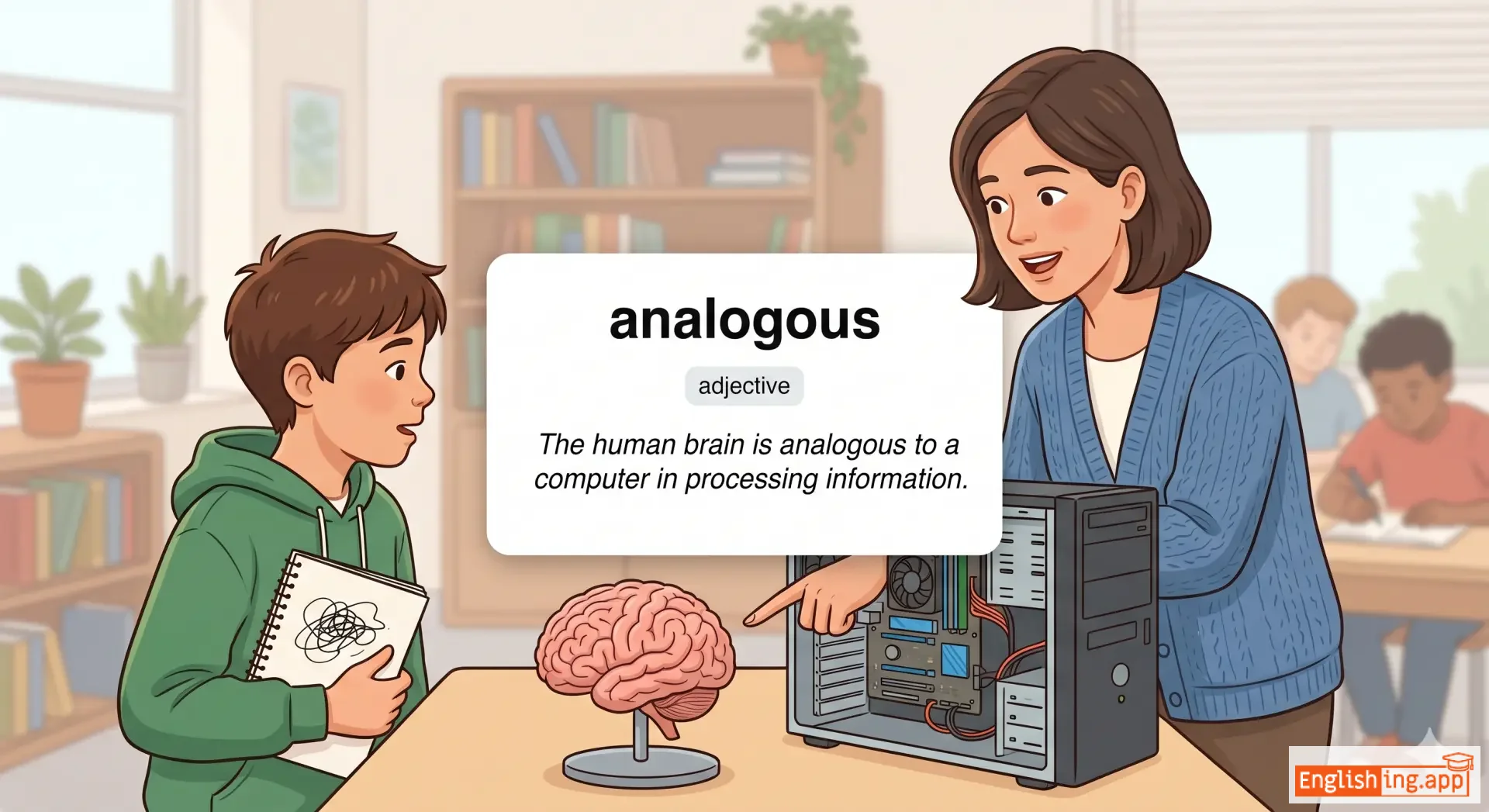
Comparable in certain respects, typically in a way that makes clearer the nature of the things compared.
••••••
|
The human brain is analogous to a computer in processing information. |
- •••••• | - •••••• | - •••••• | - •••••• |
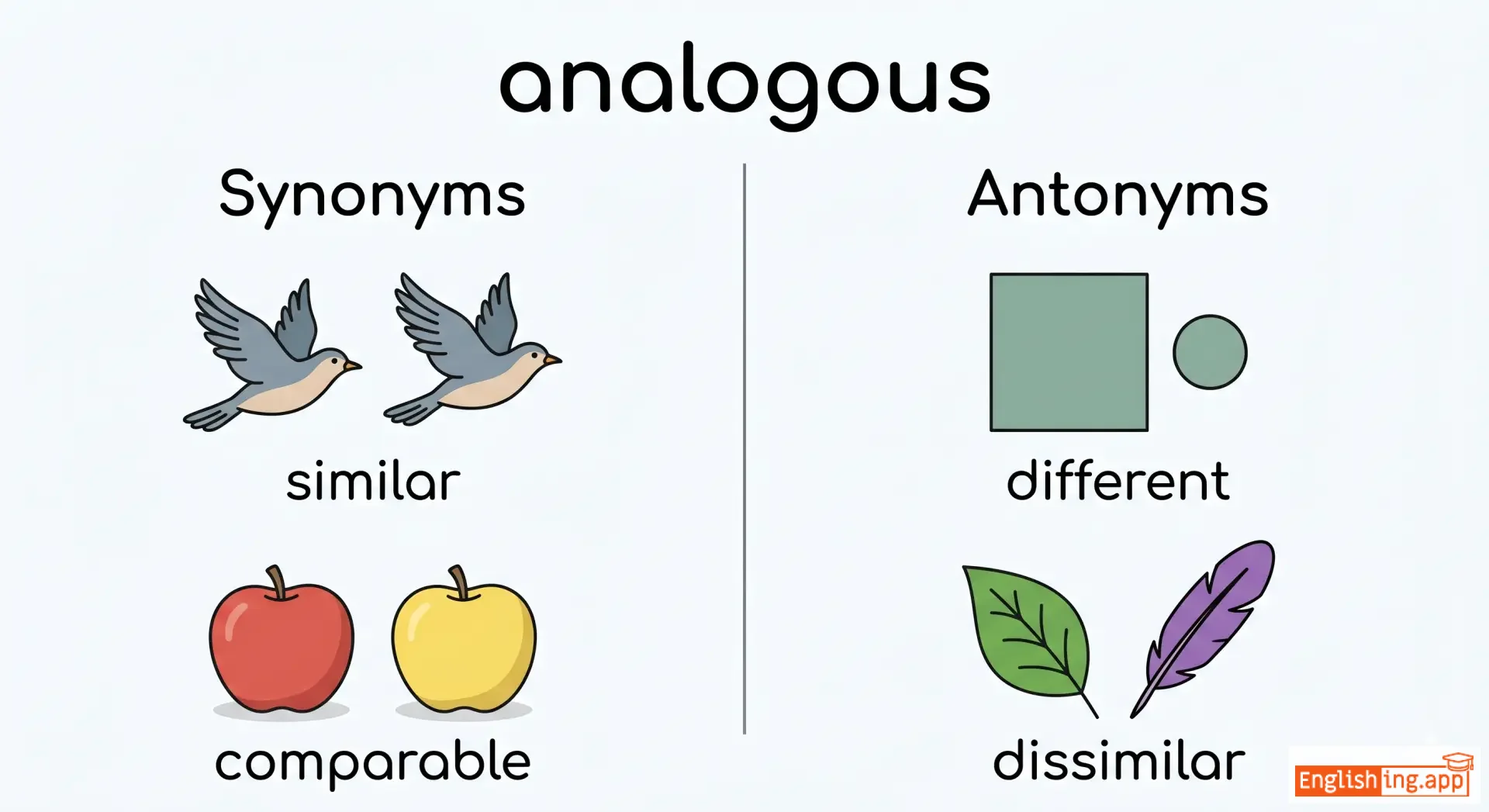
similar, comparable, alike, equivalent
••••••
|
different, dissimilar, unrelated
••••••
|
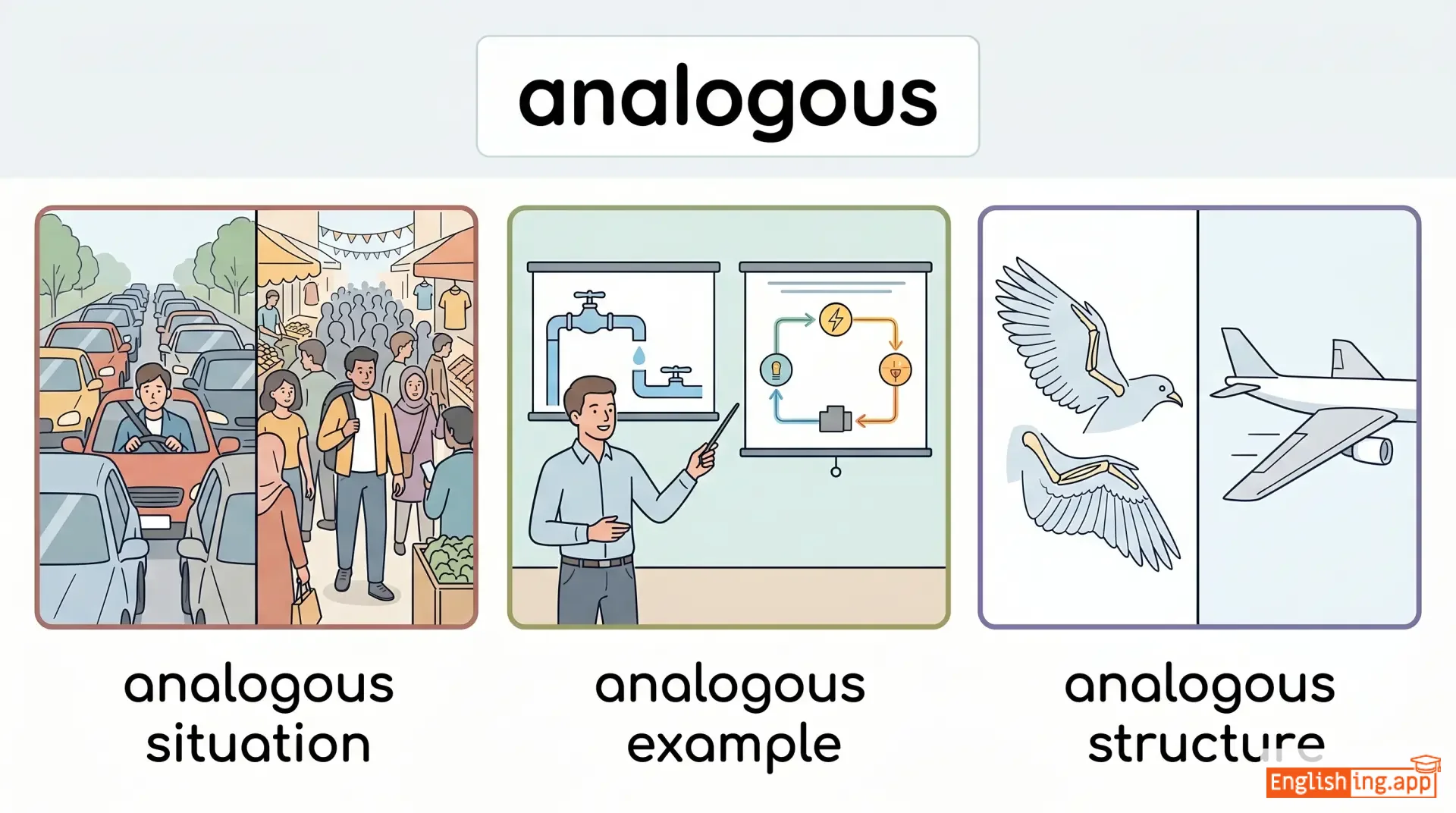
analogous situation, analogous example, analogous structure
••••••
|
No •••••• |
|
#419
💊
|
/ˌænəlˈdʒiːzɪk/
noun
(止痛药)
••••••
|
|
止痛药
zhitòng yào
••••••
|
- •••••• | - •••••• | - •••••• | - •••••• |
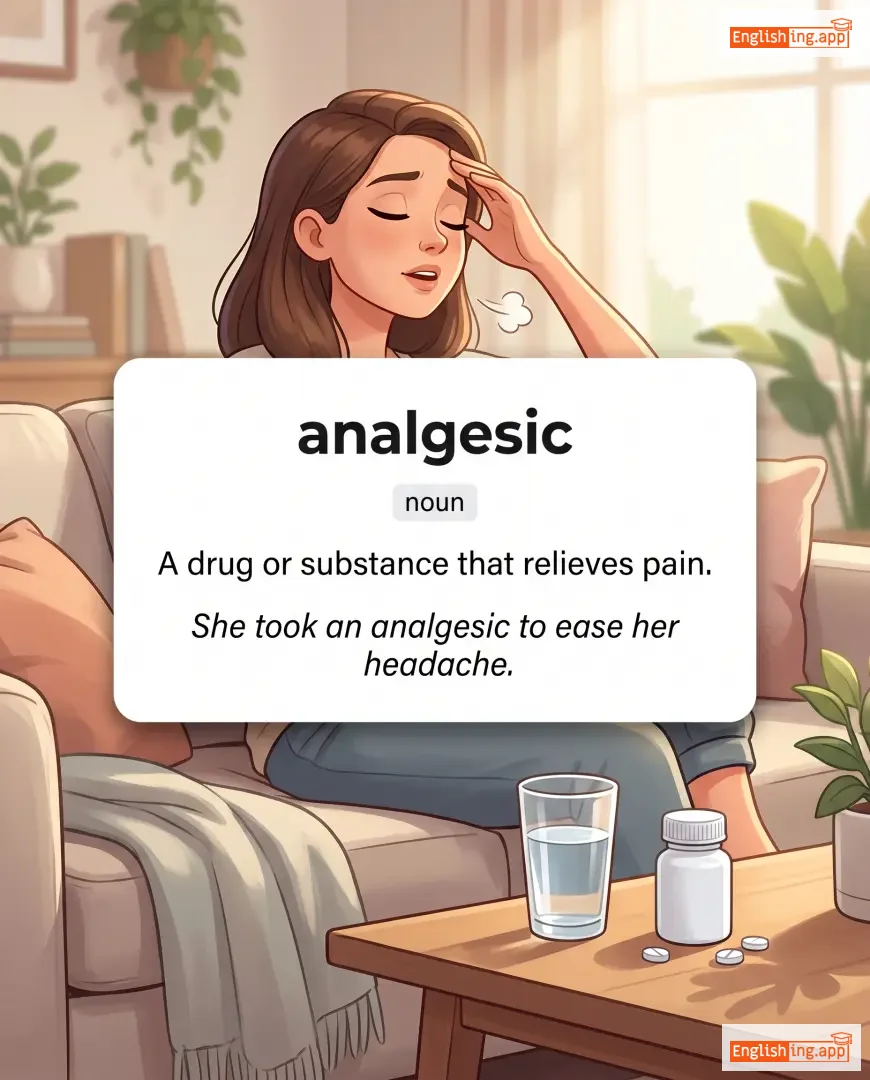
A drug or substance that relieves pain.
••••••
|
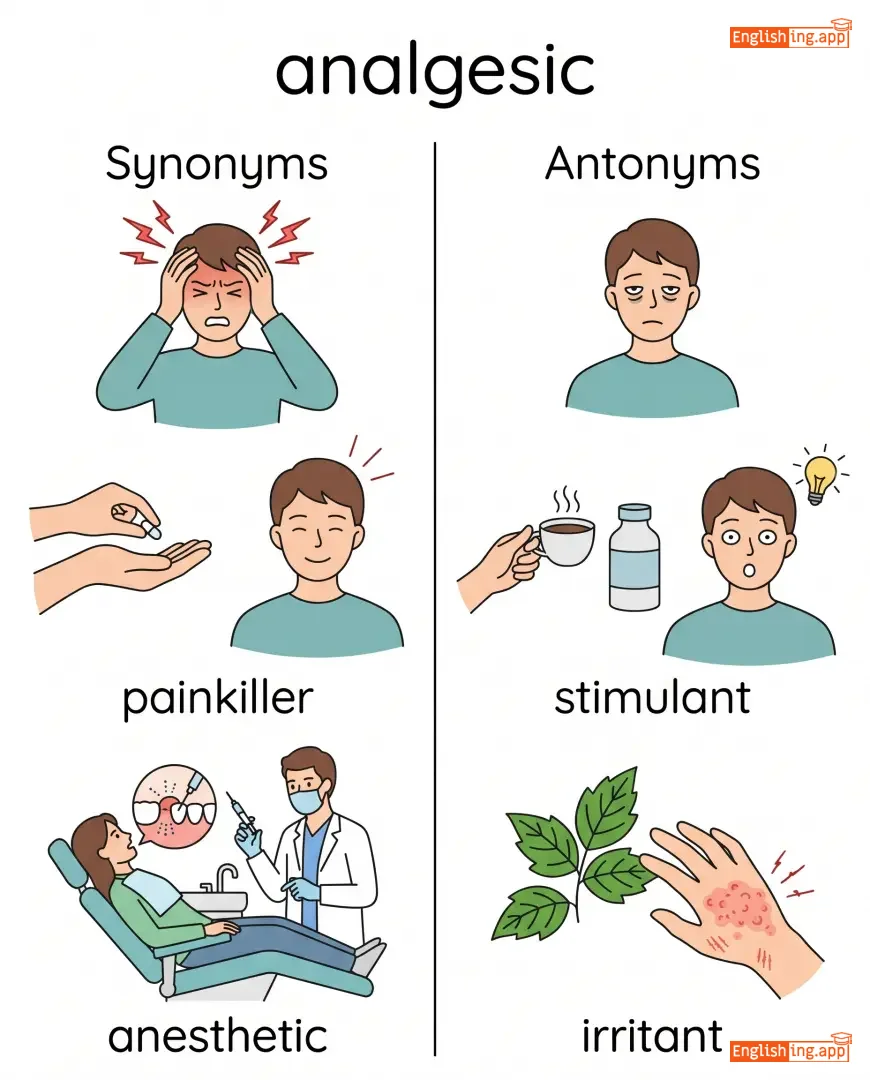
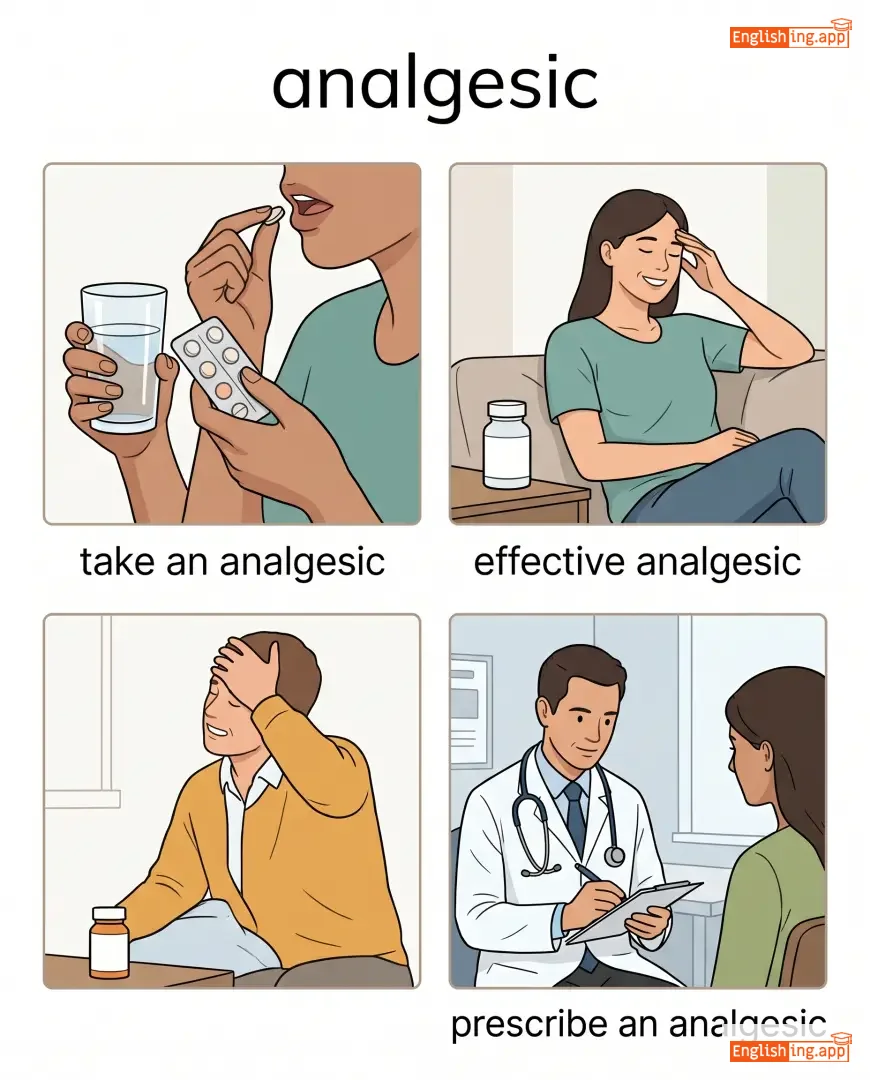
She took an analgesic to ease her headache.
她吃了止痛药来缓解头痛。
••••••
|
她吃了止痛药来缓解头痛。
Tā chīle zhìtòng yào lái huǎnjiě tóutòng.
••••••
|
- •••••• | - •••••• | - •••••• |
painkiller, anesthetic, sedative, remedy
••••••
|
stimulant, irritant
••••••
|
take an analgesic, effective analgesic, prescribe an analgesic
••••••
|
Analgesic 就是 pain killer,中文是止痛药。
••••••
|
|
#420
💊
|
/ˌænəlˈdʒiːziə/
noun
(镇痛)
••••••
|
- •••••• |
镇痛
zhèntòng
••••••
|
- •••••• | - •••••• | - •••••• | - •••••• |
The inability to feel pain while still conscious.
••••••
|
The doctor induced analgesia before performing the procedure.
医生在进行手术前诱导了镇痛。
••••••
|
医生在进行手术前诱导了镇痛。
Yīshēng zài jìnxíng shǒushù qián yòudǎo le zhèntòng.
••••••
|
- •••••• | - •••••• | - •••••• |
pain relief, numbness, anesthesia, insensitivity
••••••
|
pain, discomfort, sensitivity
••••••
|
induce analgesia, provide analgesia, local analgesia
••••••
|
镇痛意味着 pain gone,中文也像英文一样不感到疼痛。
••••••
|
Vocabulary Quiz
Test your vocabulary by matching words with their translations or meanings.
Login to take the quiz
Comments (0)
Share your thoughts and join the discussion.
Join the discussion by logging in
Login to CommentNo comments yet
Be the first to share your thoughts!