

Swipe left or right, or use the buttons. Tap image to zoom.
例句翻译
单词
Lesson 132Lesson 132 - 遮罩切换
|
表情符号
|
单词 | Images | 翻译 | 过去时 | 过去分词 | 第三人称单数 | 动名词 | 含义 | 例句 | 例句翻译 | 示例表达 | 示例表达含义 | 示例表达翻译 | 同义词 | 反义词 | 搭配词 | 助记符 |
|---|---|---|---|---|---|---|---|---|---|---|---|---|---|---|---|---|---|
|
#3931
🤢
|
/ɡroʊs/
adjective
(格罗斯)
••••••
|
- •••••• |
恶心的 / 粗俗的
èxīn de / cūsú de
••••••
|
- •••••• | - •••••• | - •••••• | - •••••• |
extremely unpleasant or disgusting; total before deductions
••••••
|
He thought the food looked gross, but it tasted fine. |
他觉得食物看起来恶心,但味道还不错。
Tā juéde shíwù kàn qǐlái èxīn, dàn wèidào hái bùcuò.
••••••
|
gross out |
to make someone feel disgusted
••••••
|
让人恶心
ràng rén èxīn
••••••
|
disgusting, nasty, foul, total, overall
••••••
|
pleasant, clean, net
••••••
|
gross income, gross mistake, gross error
••••••
|
Gross 也可以表示令人恶心的(gross food)。
••••••
|
|
#3932
🩸
|
/ˈɡruːsəm/
adjective
(gǔ-sōng)
••••••
|
- •••••• |
可怕
kěpà
••••••
|
- •••••• | - •••••• | - •••••• | - •••••• |
Causing horror or disgust.
••••••
|
The police discovered a gruesome crime scene.
警方发现了一个可怕的犯罪现场。
••••••
|
警方发现了一个可怕的犯罪现场。
Jǐngfāng fāxiànle yīgè kěpà de fànzuì xiànchǎng.
••••••
|
- •••••• | - •••••• | - •••••• |
horrific, ghastly, terrible, shocking, dreadful
••••••
|
pleasant, delightful, beautiful
••••••
|
gruesome murder, gruesome accident, gruesome details, gruesome scene
••••••
|
gǔ + sōng = 一个可怕的事件
••••••
|
|
#3933
😓
|
/ˈɡruːəlɪŋ/
adjective
(格鲁灵)
••••••
|
- •••••• |
艰苦的
jiān kǔ de
••••••
|
- •••••• | - •••••• | - •••••• | - •••••• |
Extremely tiring and demanding.
••••••
|
The athletes faced a grueling training session.
运动员面对着艰苦的训练课程。
••••••
|
运动员面对着艰苦的训练课程。
Yùndòngyuán miànduìzhe jiānkǔ de xùnliàn kèchéng.
••••••
|
grueling schedule
艰苦的时间表
••••••
|
A very tough and exhausting timetable or plan.
••••••
|
艰苦的时间表
jiānkǔ de shíjiān biǎo
••••••
|
exhausting, demanding, arduous, punishing, tough
••••••
|
easy, light, effortless
••••••
|
grueling task, grueling schedule, grueling journey, grueling work
••••••
|
格鲁 + 灵 = 艰苦的训练
••••••
|
|
#3934
🥣
|
/ˈɡruːəl/
noun
(格鲁尔)
••••••
|
- •••••• |
用水或牛奶煮麦片等谷物做成的稀薄流质食物
yòng shuǐ huò niúnǎi zhǔ mài piàn děng gǔ wù zuò chéng de xī bó liú zhí shí wù
••••••
|
- •••••• | - •••••• | - •••••• | - •••••• |
A thin liquid food made by boiling cereal (like oats) in water or milk.
••••••
|
The poor children were given a bowl of gruel each morning. |
贫穷的孩子们每天早上都会喝一碗格鲁尔。
Pínqióng de háizimen měitiān zǎoshang dū huì hē yī wǎn gélǔ'ěr.
••••••
|
- •••••• | - •••••• | - •••••• |
porridge, broth, mush, thin soup
••••••
|
stew, curry, thick soup
••••••
|
bowl of gruel, eat gruel, survive on gruel
••••••
|
Gruel = 粗糙的贫穷食物
••••••
|
|
#3935
😒
|
/ˈɡrʌdʒɪŋ/
adjective
(grudging)
••••••
|
- •••••• |
不情愿的
bu qingyuan de
••••••
|
- •••••• | - •••••• | - •••••• | - •••••• |
Reluctant or unwilling; given or allowed only with hesitation.
••••••
|
She gave him a grudging smile after the argument. |
在争论后,她给了他一个不情愿的微笑。
Zai zhenglun hou, ta geile ta yi ge bu qingyuan de weixiao.
••••••
|
grudging acceptance |
Accepting something unwillingly or with reluctance.
••••••
|
不情愿的接受
bu qingyuan de jieshou
••••••
|
reluctant, unwilling, hesitant, resistant, halfhearted
••••••
|
willing, eager, enthusiastic
••••••
|
grudging acceptance, grudging acknowledgment, grudging smile, grudging respect
••••••
|
不情愿的 = grudging, 不情愿的接受意味着勉强接受
••••••
|
|
#3936
😠
|
/ɡrʌdʒ/
noun/verb
••••••
|
- •••••• | - •••••• |
grudged
••••••
|
grudged
••••••
|
grudges
••••••
|
grudging
••••••
|
A persistent feeling of ill will or resentment from a past insult or injury.
••••••
|
She still holds a grudge against him for what happened years ago. |
- •••••• |
bear a grudge |
To continue to feel resentment or anger toward someone.
••••••
|
- •••••• |
resentment, bitterness, spite, animosity, rancor
••••••
|
forgiveness, goodwill
••••••
|
hold a grudge, bear a grudge, deep grudge, old grudge
••••••
|
No •••••• |
|
#3937
🐕
|
/ɡraʊl/
verb/noun
(guāo)
••••••
|
- •••••• |
咆哮
páoxiào
••••••
|
growled
guāo
••••••
|
growled
guāo
••••••
|
growls
guāos
••••••
|
growling
guāolíng
••••••
|
To make a low, guttural sound, often in anger (by animals or humans).
••••••
|
The dog growled at the stranger.
狗对陌生人咆哮。
••••••
|
狗对陌生人咆哮。
Gǒu duì mòshēng rén páoxiào.
••••••
|
growl of thunder
雷鸣的咆哮
••••••
|
A deep rumbling sound of thunder.
••••••
|
雷鸣的咆哮
Léi míng de páoxiào
••••••
|
snarl, grumble, rumble, roar
••••••
|
purr, cheer
••••••
|
dog growl, growl at, low growl, growl of thunder
••••••
|
Dog growl 是狗的咆哮 🐕 → 咆哮。
••••••
|
|
#3938
🙏
|
/ˈɡrʌvəl/
verb
••••••
|
- •••••• | - •••••• |
groveled
••••••
|
groveled
••••••
|
grovels
••••••
|
groveling
••••••
|
To act in an excessively humble or submissive way to gain favor.
••••••
|
He groveled before his boss to avoid punishment. |
- •••••• |
grovel at someone's feet |
To show excessive humility or submission to someone.
••••••
|
- •••••• |
beg, plead, fawn, flatter, cringe
••••••
|
defy, resist, oppose
••••••
|
grovel before, grovel at feet, grovel for mercy, grovel apology
••••••
|
No •••••• |
|
#3939
🌳
|
/ɡroʊv/
noun
(格罗夫)
••••••
|
- •••••• |
林地 / 小果园
lindi / xiao guoyuan
••••••
|
- •••••• | - •••••• | - •••••• | - •••••• |
A small group of trees growing close together.
••••••
|
They walked through the orange grove.
他们走过橙树林。
••••••
|
他们走过橙树林。
Tāmen zǒuguò chéng shùlín.
••••••
|
- •••••• | - •••••• | - •••••• |
orchard, copse, woodland, thicket
••••••
|
desert, plain
••••••
|
orange grove, olive grove, sacred grove, shady grove
••••••
|
Grove表示一群树🌳 → 林地。
••••••
|
|
#3940
🪶
|
/ɡraʊs/
noun/verb
(格劳斯)
••••••
|
|
抱怨 / 一种鸟
bàoyuàn / yī zhǒng niǎo
••••••
|
groused
格劳斯德
••••••
|
groused
格劳斯德
••••••
|
grouses
格劳塞斯
••••••
|
grousing
格劳辛
••••••
|
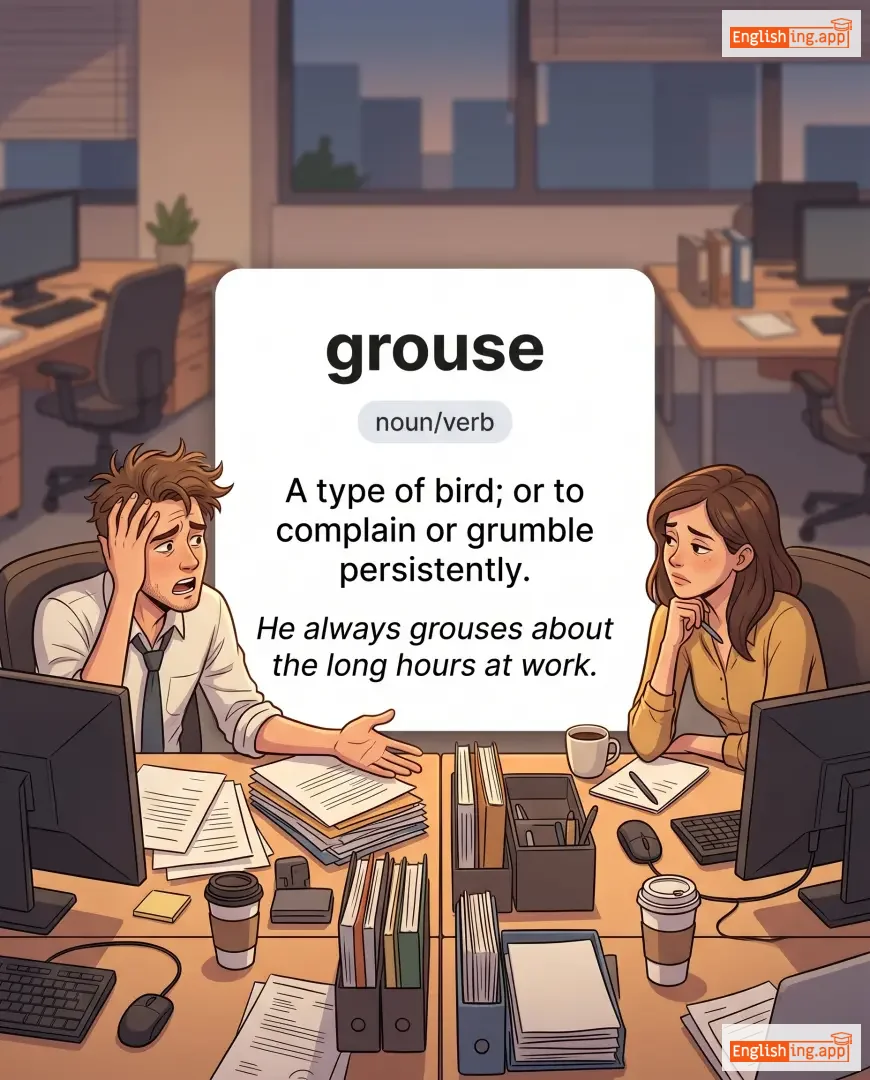
A type of bird; or to complain or grumble persistently.
••••••
|
He always grouses about the long hours at work.
他总是抱怨工作时长。
••••••
|
他总是抱怨工作时长。
Tā zǒng shì bàoyuàn gōngzuò shícháng.
••••••
|
- •••••• | - •••••• | - •••••• |
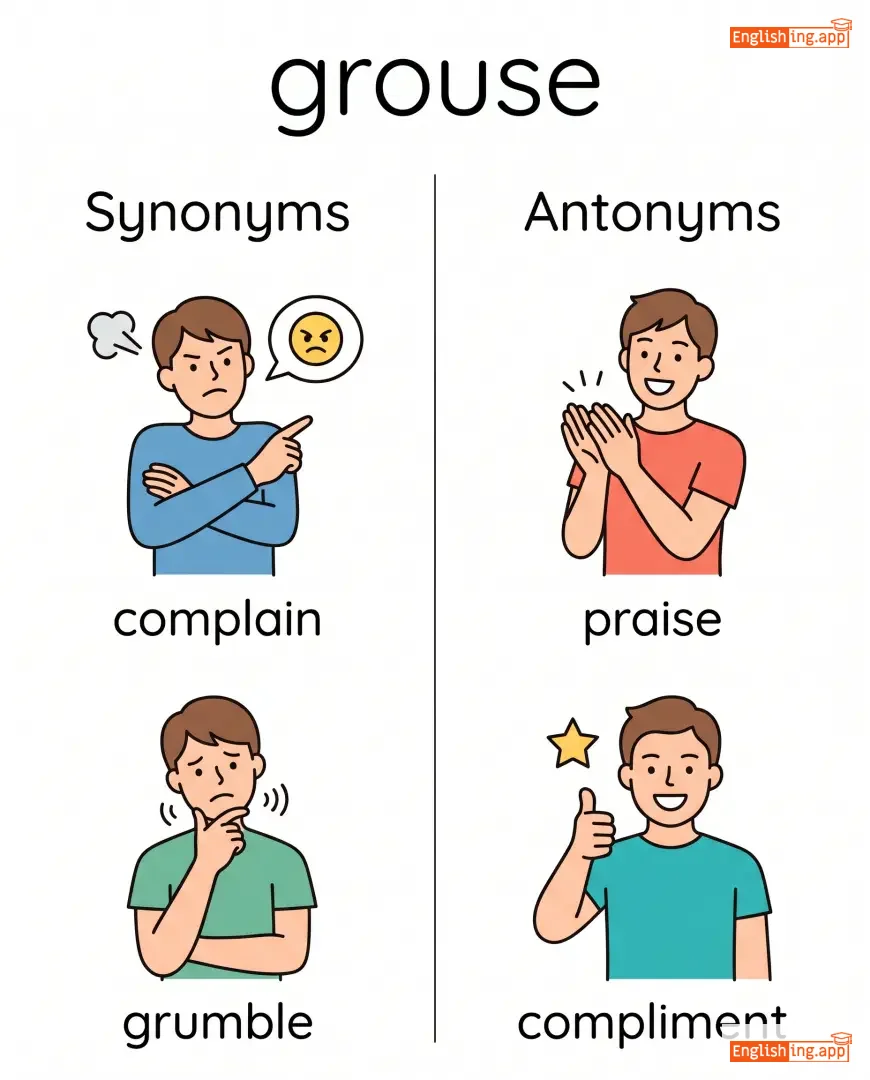
complain, grumble, moan, whine, object
••••••
|
praise, compliment
••••••
|
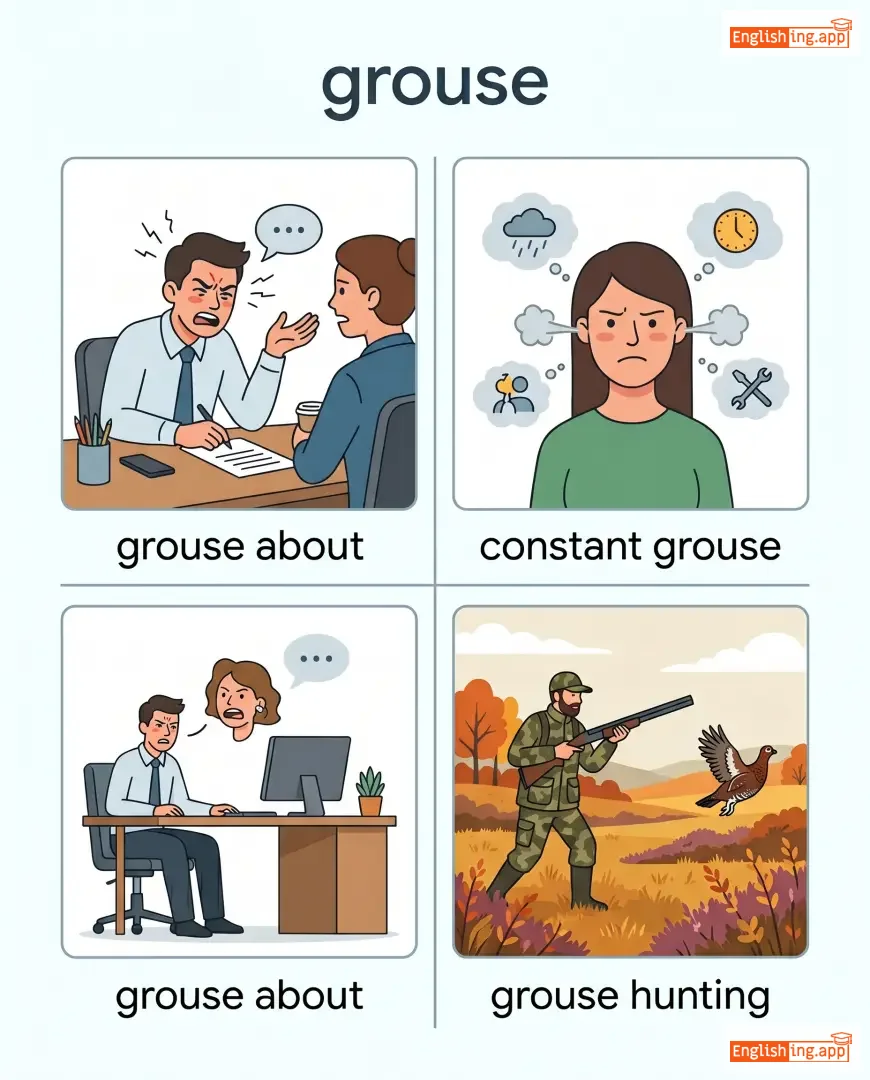
grouse about, constant grouse, grouse hunting, grouse season
••••••
|
像Grouse鸟一样抱怨无休止
••••••
|
|
#3941
🛫
|
/ˈɡraʊnd kruː/
noun
(guǒndīng kuī)
••••••
|
- •••••• |
地勤人员
diqin renyuan
••••••
|
- •••••• | - •••••• | - •••••• | - •••••• |
a team of people who maintain and service aircraft on the ground
••••••
|
The ground crew prepared the plane for takeoff. |
地勤人员为飞机准备起飞。
Dìqín rényuán wèi fēijī zhǔnbèi qǐfēi.
••••••
|
- •••••• | - •••••• | - •••••• |
support staff, maintenance team, technicians
••••••
|
flight crew, pilots
••••••
|
airport ground crew, skilled ground crew, airline ground crew
••••••
|
地勤人员就像地面上的工作者,确保飞机准备好。
••••••
|
|
#3942
🌍
|
/ɡraʊnd/
noun/verb
(guó)
••••••
|
- •••••• |
地面
dìmian
••••••
|
grounded
guó dé
••••••
|
grounded
guó dé
••••••
|
grounds
guó
••••••
|
grounding
guó ing
••••••
|
the solid surface of the earth; to prohibit someone (often a child) from going out
••••••
|
The children played on the ground near the house.
孩子们在靠近房子的地方玩耍。
••••••
|
孩子们在靠近房子的地方玩耍。
Háizimen zài kàojìn fángzi de dìfāng wánshuǎ.
••••••
|
on solid ground
在坚实的地面上
••••••
|
in a safe or stable situation
••••••
|
在安全或稳定的情况
zài ānquán huò wěndìng de qíngkuàng
••••••
|
earth, soil, floor, basis, foundation
••••••
|
sky, air
••••••
|
soft ground, fertile ground, grounded theory, ground rules
••••••
|
Ground代表‘地面’ - 每个人都玩在地面上。
••••••
|
|
#3943
😠
|
/ɡraʊtʃ/
noun/verb
(ɡraʊtʃ)
••••••
|
- •••••• |
抱怨者
bàoyuàn zhě
••••••
|
grouched
ɡraʊtʃd
••••••
|
grouched
ɡraʊtʃd
••••••
|
grouches
ɡraʊtʃes
••••••
|
grouching
ɡraʊtʃɪŋ
••••••
|
a person who complains a lot or to complain in a grumpy way
••••••
|
He is such a grouch in the morning before coffee.
他早上喝咖啡前总是抱怨。
••••••
|
他早上喝咖啡前总是抱怨。
Tā zǎoshang hē kāfēi qián zǒng shì bào yuàn.
••••••
|
in a grouch
在抱怨中
••••••
|
being in a bad mood
••••••
|
心情不好
xīnqíng bù hǎo
••••••
|
complainer, grumbler, whiner, moaner
••••••
|
cheerful person, optimist
••••••
|
old grouch, constant grouch, grouch about
••••••
|
抱怨者总是嘴巴不饶人。
••••••
|
|
#3944
🕳️
|
/ˈɡrɑːtoʊ/
noun
(格罗托)
••••••
|
- •••••• |
洞窟
dòngkù
••••••
|
- •••••• | - •••••• | - •••••• | - •••••• |
a small picturesque cave, often artificial
••••••
|
Tourists visited the grotto hidden behind the waterfall. |
游客参观了隐藏在瀑布后的洞窟。
Yóukè cānguānle yǐncáng zài pùbù hòu de dòngkù.
••••••
|
- •••••• | - •••••• | - •••••• |
cave, cavern, hollow, shelter
••••••
|
open field, plain
••••••
|
natural grotto, sacred grotto, hidden grotto, rocky grotto
••••••
|
Grotto 就是 '洞窟' - 想象一个神秘的洞穴藏在瀑布后面。
••••••
|
|
#3945
👹
|
/ɡroʊˈtɛsk/
adjective
••••••
|
- •••••• | - •••••• | - •••••• | - •••••• | - •••••• | - •••••• |
comically or repulsively ugly or distorted
••••••
|
The sculpture was so grotesque that it frightened the children. |
- •••••• |
grotesque exaggeration |
an extreme or absurd exaggeration
••••••
|
- •••••• |
distorted, bizarre, monstrous, absurd, freakish
••••••
|
beautiful, normal, graceful
••••••
|
grotesque figure, grotesque scene, grotesque appearance, grotesque exaggeration
••••••
|
No •••••• |
|
#3946
🗣️
|
/ɡrɪˈɡɛəriəs/
adjective
(格雷格里厄斯)
••••••
|
|
好社交
hao shejiao
••••••
|
- •••••• | - •••••• | - •••••• | - •••••• |
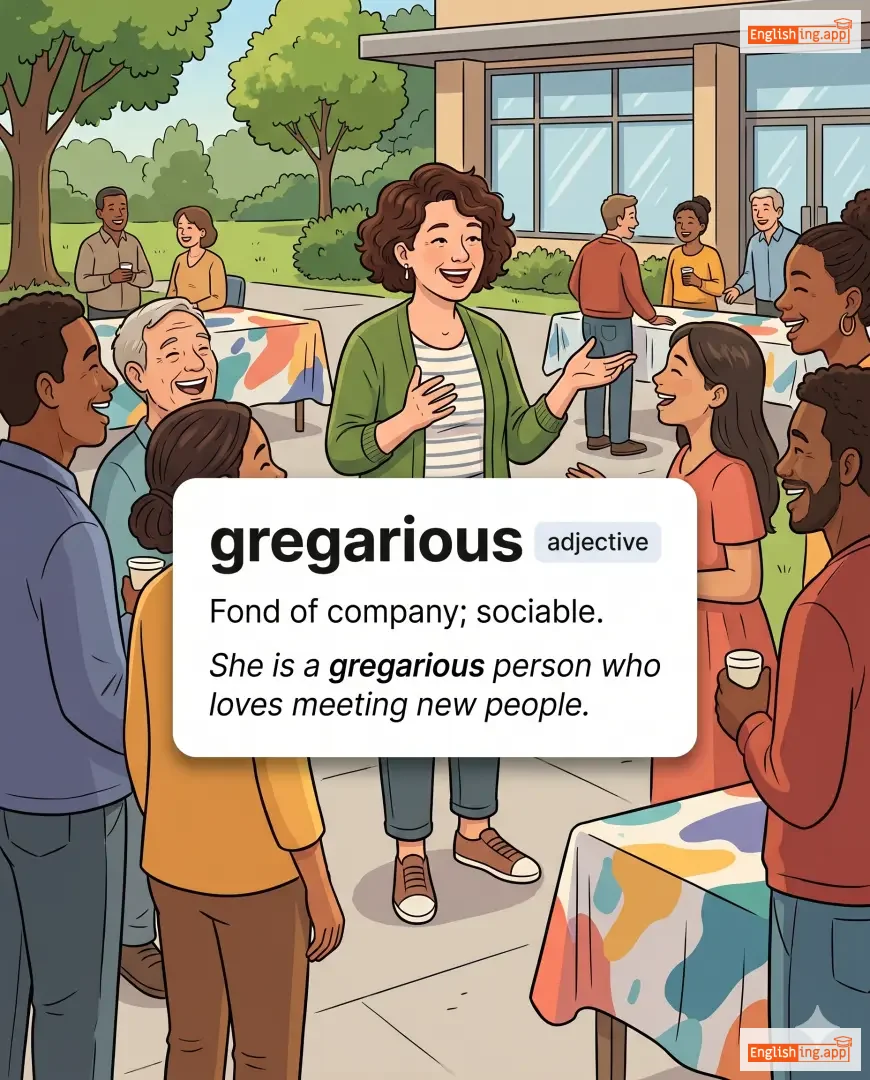
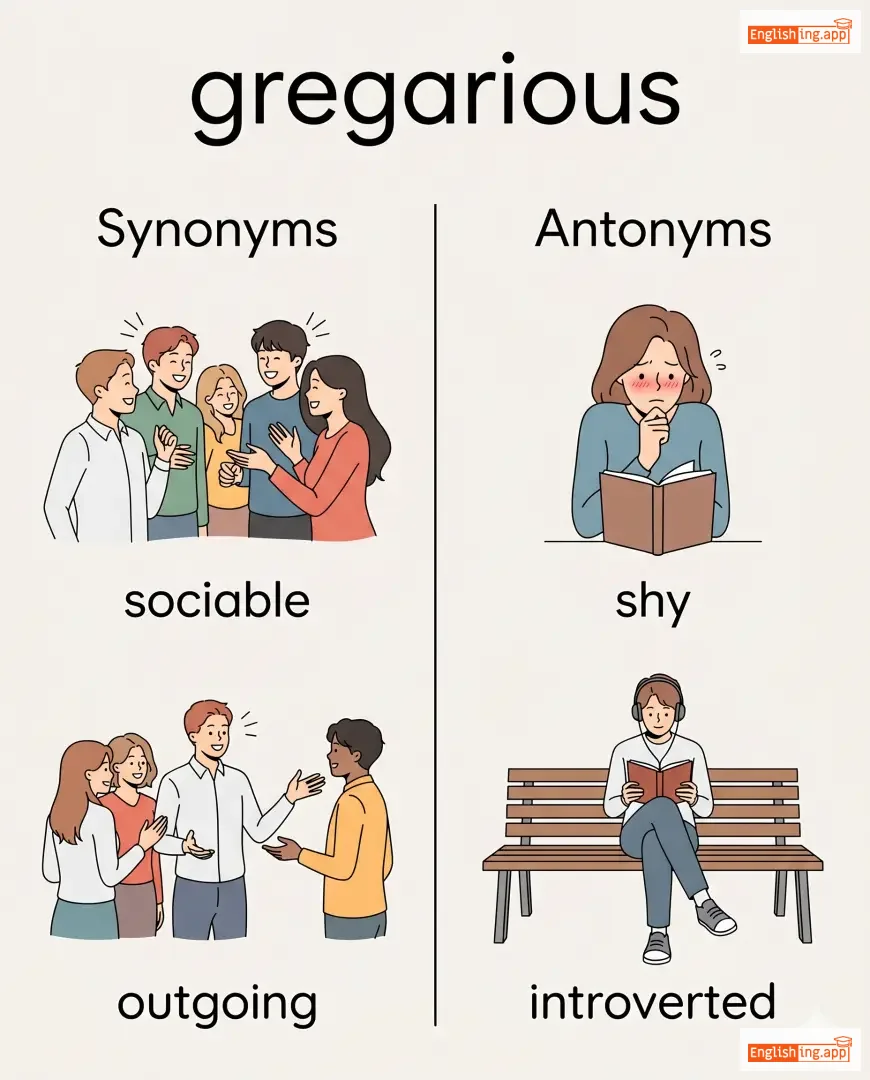
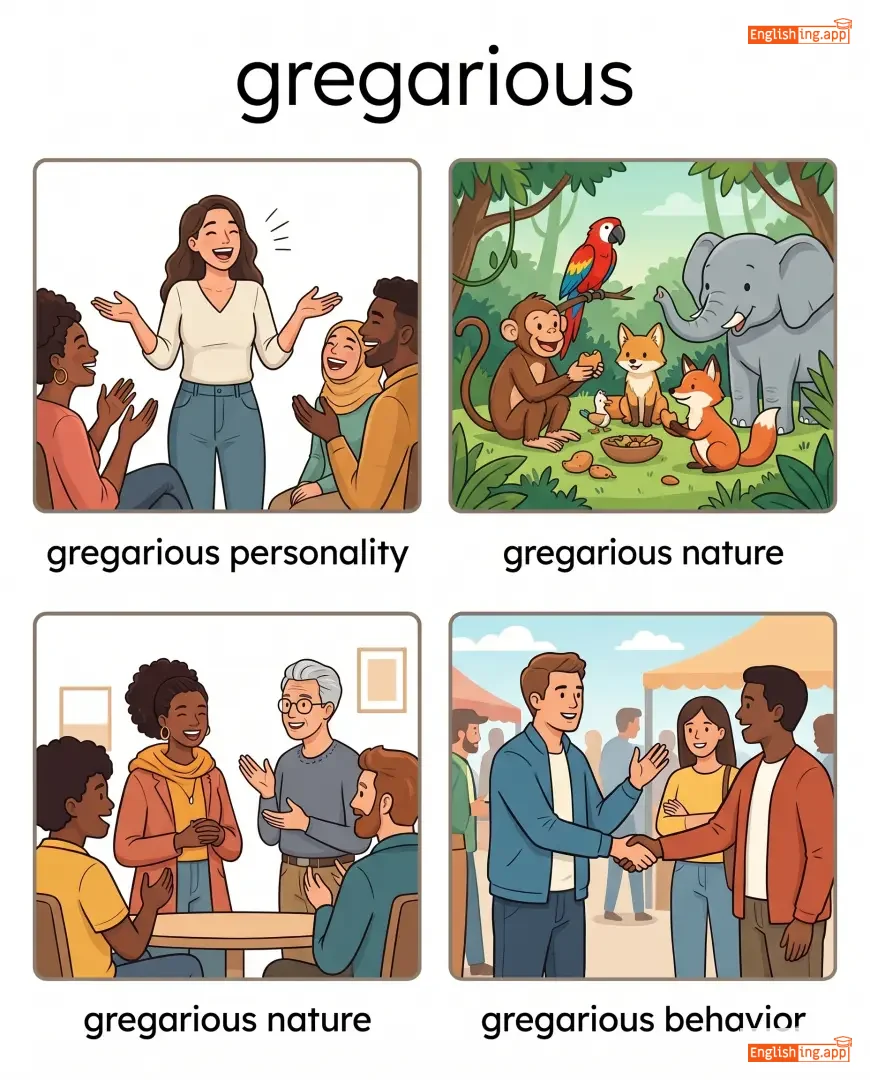
Fond of company; sociable.
••••••
|
She is a gregarious person who loves meeting new people. |
她是一个好社交的人,喜欢结识新朋友。
Ta shi yige hao shejiao de ren, xihuan jieshi xin pengyou.
••••••
|
- •••••• | - •••••• | - •••••• |
sociable, outgoing, friendly, extroverted, convivial
••••••
|
shy, introverted, antisocial
••••••
|
gregarious personality, gregarious nature, gregarious behavior
••••••
|
Greg arious 意味着喜欢在群体中,社交型。
••••••
|
|
#3947
🎶
|
/ɡruːv/
noun
(格鲁夫)
••••••
|
- •••••• |
沟槽 / 节奏
gōucháo / jiézòu
••••••
|
- •••••• | - •••••• | - •••••• | - •••••• |
a long narrow cut or depression, or a rhythmic pattern in music
••••••
|
The DJ kept the crowd dancing to the groove. |
DJ让人群跟随节奏跳舞。
DJ ràng rénqún gēnsuí jiézòu tiàowǔ.
••••••
|
get into the groove |
to start enjoying or performing well in an activity
••••••
|
进入节奏
jìnrù jiézòu
••••••
|
channel, furrow, rhythm, beat
••••••
|
disorder, chaos
••••••
|
deep groove, musical groove, groove in
••••••
|
Groove就是在音乐的节奏中跳舞。
••••••
|
|
#3948
🐕
|
/ɡruːm/
verb
••••••
|
- •••••• | - •••••• |
groomed
••••••
|
groomed
••••••
|
grooms
••••••
|
grooming
••••••
|
to clean, brush, and care for the appearance of someone or something
••••••
|
She spends hours grooming her dog every week. |
- •••••• |
groom for success |
to prepare someone for future success
••••••
|
- •••••• |
prepare, brush, clean, train, polish
••••••
|
neglect, ignore
••••••
|
groom a horse, groom the dog, groomed for, groom carefully
••••••
|
No •••••• |
|
#3949
🩸
|
/ˈɡrɪz.li/
adjective
(guīslì)
••••••
|
- •••••• |
可怕
kěpà
••••••
|
- •••••• | - •••••• | - •••••• | - •••••• |
causing horror or disgust
••••••
|
The police discovered a grisly scene at the crime site.
警方在犯罪现场发现了一个可怕的场景。
••••••
|
警方在犯罪现场发现了一个可怕的场景。
Jǐngfāng zài fànzuì xiànchǎng fāxiànle yīgè kěpà de chǎngjǐng.
••••••
|
- •••••• | - •••••• | - •••••• |
ghastly, gruesome, horrifying, macabre
••••••
|
pleasant, delightful, attractive
••••••
|
grisly murder, grisly details, grisly scene
••••••
|
Grisly意味着可怕 + ly = 可怕的东西。
••••••
|
|
#3950
😒
|
/ɡraɪp/
verb
(grait)
••••••
|
- •••••• |
抱怨
baoyuan
••••••
|
griped
graitd
••••••
|
griped
graitd
••••••
|
gripes
graits
••••••
|
griping
graiping
••••••
|
to complain about something in an annoying way
••••••
|
He is always griping about the weather.
他总是抱怨天气。
••••••
|
他总是抱怨天气。
Ta zongshi baoyuan tianqi.
••••••
|
have a gripe with
对...有抱怨
••••••
|
to have a complaint about something
••••••
|
对...有抱怨
dui... you baoyuan
••••••
|
complain, whine, moan, grumble, protest
••••••
|
praise, compliment, approve
••••••
|
constant gripe, gripe about, major gripe, gripe session
••••••
|
抱怨时就像抱着一个‘gripe’瓶子一样。
••••••
|
|
#3951
🪨
|
/ˈɡraɪndstoʊn/
noun
(guāi'nduōn)
••••••
|
- •••••• |
磨刀石
mó dāo shí
••••••
|
- •••••• | - •••••• | - •••••• | - •••••• |
a thick disc of stone used for grinding, sharpening, or polishing tools
••••••
|
The blacksmith sharpened his blade on the grindstone.
铁匠在磨刀石上磨快了他的刀片。
••••••
|
铁匠在磨刀石上磨快了他的刀片。
tiě jiàng zài mó dāo shí shàng mó kuài le tā de dāo piàn.
••••••
|
keep your nose to the grindstone
努力工作
••••••
|
to work hard and steadily
••••••
|
努力工作
nǔ lì gōng zuò
••••••
|
sharpener, whetstone, millstone, polisher
••••••
|
blunt tool, dull edge
••••••
|
sharpen on grindstone, turn the grindstone, grindstone work
••••••
|
Grindstone 意思是磨刀石 – 'stone' 是石头
••••••
|
|
#3952
😁
|
/ɡrɪn/
verb, noun
(格林)
••••••
|
- •••••• |
露出牙齿笑,通常是开心的笑
lùchū yáchǐ xiào, tōngcháng shì kāixīn de xiào
••••••
|
grinned
格林德
••••••
|
grinned
格林德
••••••
|
grins
格林斯
••••••
|
grinning
格林宁
••••••
|
to smile broadly, often showing teeth
••••••
|
She grinned happily at the good news.
她高兴地露出牙齿笑着听到好消息。
••••••
|
她高兴地露出牙齿笑着听到好消息。
Tā gāoxìng de lùchū yáchǐ xiào zhe tīng dào hǎo xiāoxī.
••••••
|
grin and bear it
微笑并忍受
••••••
|
to endure something unpleasant with good humor
••••••
|
微笑并忍受
wēixiào bìng rěnshòu
••••••
|
smile, beam, smirk, chuckle
••••••
|
frown, scowl
••••••
|
big grin, cheeky grin, wide grin, grin broadly
••••••
|
微笑并忍受,不愉快也微笑
••••••
|
|
#3953
😖
|
/ˈɡrɪməs/
verb, noun
(格里梅斯)
••••••
|
- •••••• |
鬼脸
guǐliǎn
••••••
|
grimaced
格里梅斯特
••••••
|
grimaced
格里梅斯特
••••••
|
grimaces
格里梅塞斯
••••••
|
grimacing
格里梅辛
••••••
|
to make an ugly, twisted expression on one's face, usually in disgust or pain
••••••
|
He grimaced when he tasted the sour fruit.
他品尝到酸果实时做了一个鬼脸。
••••••
|
他品尝到酸果实时做了一个鬼脸。
Tā pǐncháng dào suān guǒshí shí zuòle yīgè guǐliǎn.
••••••
|
- •••••• | - •••••• | - •••••• |
frown, scowl, wince, sneer
••••••
|
smile, grin
••••••
|
grimace in pain, grimace with disgust, awkward grimace
••••••
|
Grim + face = grimace; 当脸变得 grim(丑)时,就是 grimace
••••••
|
|
#3954
😔
|
/ɡrɪm/
adjective
(格里姆)
••••••
|
- •••••• |
严峻
yanjun
••••••
|
- •••••• | - •••••• | - •••••• | - •••••• |
very serious or gloomy in appearance or outlook
••••••
|
The future looked grim after the disaster. |
灾难之后,未来看起来非常严峻。
Zainan zhihou, weilai kan qilai feichang yanjun.
••••••
|
grim reality |
the harsh truth of a situation
••••••
|
严峻的现实
yanjun de xianshi
••••••
|
gloomy, harsh, stern, bleak
••••••
|
cheerful, pleasant, hopeful
••••••
|
grim face, grim situation, grim news, grim determination
••••••
|
grim 意味着严峻,就像严峻的现实
••••••
|
|
#3955
🍗
|
/ɡrɪl/
noun, verb
••••••
|
- •••••• | - •••••• |
grilled
••••••
|
grilled
••••••
|
grills
••••••
|
grilling
••••••
|
a metal frame used for cooking food over an open fire; to cook food on such a frame
••••••
|
We grilled some chicken for dinner. |
- •••••• |
grill someone |
to question someone intensely
••••••
|
- •••••• |
barbecue, roast, broil, sear
••••••
|
boil, steam
••••••
|
grill meat, grill vegetables, grill fish, electric grill
••••••
|
No •••••• |
|
#3956
⚠️
|
/ˈɡriːvəs/
adjective
(ɡrɪvəs)
••••••
|
- •••••• |
严重
yánzhòng
••••••
|
- •••••• | - •••••• | - •••••• | - •••••• |
Causing great pain, suffering, or sorrow.
••••••
|
The accident was a grievous blow to the community. |
这次事故对社区来说是一个严重的打击。
Zhè cì shìgù duì shèqū lái shuō shì yīgè yánzhòng de dǎjí.
••••••
|
- •••••• | - •••••• | - •••••• |
serious, severe, grave, tragic, painful
••••••
|
minor, trivial, light
••••••
|
grievous injury, grievous loss, grievous mistake
••••••
|
Grievous意味着严重 → 如果一个事件严重,那它就是grievous。
••••••
|
|
#3957
💔
|
/ɡriːv/
verb
(格里夫)
••••••
|
- •••••• |
悲伤
bēi shāng
••••••
|
grieved
格里夫德
••••••
|
grieved
格里夫德
••••••
|
grieves
格里夫斯
••••••
|
grieving
格里芬
••••••
|
To feel or cause deep sorrow, especially due to someone's death.
••••••
|
She continues to grieve the loss of her best friend.
她继续为失去最好的朋友而悲伤。
••••••
|
她继续为失去最好的朋友而悲伤。
Tā jìxù wèi shīqù zuì hǎo de péngyǒu ér bēi shāng.
••••••
|
grieve over
为...悲伤
••••••
|
To feel deep sadness about something.
••••••
|
为...悲伤
wèi...bēi shāng
••••••
|
mourn, lament, sorrow, weep, ache
••••••
|
rejoice, celebrate
••••••
|
grieve deeply, grieve over, grieve for
••••••
|
Grieve 意味着悲伤 → 当某人离开时,所有人都沉浸在悲痛中。
••••••
|
|
#3958
📢
|
/ˈɡriːvəns/
noun
(ˈhæpinəs)
••••••
|
- •••••• |
幸福
xìngfú
••••••
|
- •••••• | - •••••• | - •••••• | - •••••• |
A real or imagined cause for complaint, especially unfair treatment.
••••••
|
The workers voiced their grievances to the management. |
当她获得奖项时,她无法掩饰她的幸福。
Dāng tā huòde jiǎngxiàng shí, tā wúfǎ yǎnshì tā de xìngfú.
••••••
|
air a grievance |
To express dissatisfaction or a complaint openly.
••••••
|
追求幸福
zhuīqiú xìngfú
••••••
|
complaint, objection, resentment, protest, discontent
••••••
|
satisfaction, contentment
••••••
|
file a grievance, legitimate grievance, grievance procedure
••••••
|
幸福和 pursuit of happiness 类似。
••••••
|
|
#3959
😢
|
/ɡriːf/
noun
(grief)
••••••
|
- •••••• |
悲伤
bēishāng
••••••
|
- •••••• | - •••••• | - •••••• | - •••••• |
Deep sorrow, especially caused by someone's death.
••••••
|
She was overcome with grief after her father's passing. |
她在父亲去世后充满了悲伤。
Tā zài fùqīn qùshì hòu chōngmǎnle bēishāng.
••••••
|
Good grief |
An exclamation expressing surprise, dismay, or annoyance.
••••••
|
天哪
Tiān nǎ
••••••
|
sorrow, sadness, anguish, heartbreak, mourning
••••••
|
joy, happiness, delight
••••••
|
deep grief, grief and sorrow, grief over loss
••••••
|
Grief表示悲伤 → 想象在丧葬仪式上,所有人都沉浸在悲伤之中。
••••••
|
|
#3960
🎖️
|
/ˌɡrɛnəˈdɪə/
noun
(ɡrɛnəˈdɪə)
••••••
|
- •••••• |
投弹兵
tóu dàn bīng
••••••
|
- •••••• | - •••••• | - •••••• | - •••••• |
A soldier who specialized in throwing grenades; later used to describe an elite infantryman.
••••••
|
The grenadier stood proudly at the front of the regiment.
该名士兵骄傲地站在队列的前方。
••••••
|
投弹兵骄傲地站在队列的前方。
Tóu dàn bīng jiāo ào de zhàn zài duì liè de qián fāng.
••••••
|
- •••••• | - •••••• | - •••••• |
soldier, infantryman, guardsman, trooper
••••••
|
civilian, noncombatant
••••••
|
grenadier guards, grenadier regiment, elite grenadier
••••••
|
投掷 Grenade → 投弹兵 (精英士兵投掷手榴弹)
••••••
|
Vocabulary Quiz
Test your vocabulary by matching words with their translations or meanings.
Login to take the quiz
Comments (0)
Share your thoughts and join the discussion.
Join the discussion by logging in
Login to CommentNo comments yet
Be the first to share your thoughts!