







Swipe left or right, or use the buttons. Tap image to zoom.
例句翻译
单词
Lesson 313Lesson 313 - 遮罩切换
|
表情符号
|
单词 | Images | 翻译 | 过去时 | 过去分词 | 第三人称单数 | 动名词 | 含义 | 例句 | 例句翻译 | 示例表达 | 示例表达含义 | 示例表达翻译 | 同义词 | 反义词 | 搭配词 | 助记符 |
|---|---|---|---|---|---|---|---|---|---|---|---|---|---|---|---|---|---|
|
#9360
🔮
|
/ˈvɪtriəs/
adjective
(维特里奥斯)
••••••
|
- •••••• |
玻璃状
bolizhuang
••••••
|
- •••••• | - •••••• | - •••••• | - •••••• |
having a glass-like appearance or quality
••••••
|
The mineral has a vitreous shine. |
这种矿物有玻璃状的光泽。
Zhezhong kuangwu you bolizhuang de guangze.
••••••
|
- •••••• | - •••••• | - •••••• |
glassy, shiny, lustrous, polished
••••••
|
dull, matte, rough
••••••
|
vitreous humor, vitreous luster, vitreous body
••••••
|
Vitreous 意味着玻璃状 — 想象一个玻璃展示柜。
••••••
|
|
#9361
📢
|
/voʊˈsɪfəˌreɪt/
verb
(沃西费瑞特)
••••••
|
- •••••• |
大声抗议
dà shēng kàng yì
••••••
|
vociferated
沃西费瑞特德
••••••
|
vociferated
沃西费瑞特德
••••••
|
vociferates
沃西费瑞特斯
••••••
|
vociferating
沃西费瑞特英
••••••
|
to shout, complain, or argue loudly or vehemently
••••••
|
The protesters vociferated against the unfair law.
抗议者大声抗议不公平的法律。
••••••
|
抗议者大声抗议不公平的法律。
Kàngyì zhě dà shēng kàngyì bù gōngpíng de fǎlǜ.
••••••
|
- •••••• | - •••••• | - •••••• |
yell, shout, bellow, clamor, holler
••••••
|
whisper, murmur, hush
••••••
|
vociferate loudly, vociferate against, vociferate in protest
••••••
|
沃西费瑞特 = 声音 + 战斗 - 大声喊战斗声音。
••••••
|
|
#9362
📢
|
/voʊˈsɪfərəns/
noun
(沃西费伦斯)
••••••
|
- •••••• |
大声喊叫
dà shēng hǎn jiào
••••••
|
- •••••• | - •••••• | - •••••• | - •••••• |
the act of shouting or making a loud outcry
••••••
|
The vociferance of the protesters filled the streets. |
抗议者的呼喊声充满了街道。
Kàngyì zhě de hū hǎn shēng chōngmǎnle jiēdào.
••••••
|
- •••••• | - •••••• | - •••••• |
clamor, uproar, outcry, shouting
••••••
|
silence, calm
••••••
|
vociferance of protest, vociferance in debate, public vociferance
••••••
|
Vociferance 意思是 VOICE + 凶猛 = 大声喊叫
••••••
|
|
#9363
📣
|
/ˈvɒkətɪv/
adjective
(沃卡提夫)
••••••
|
- •••••• |
呼格
hūgé
••••••
|
- •••••• | - •••••• | - •••••• | - •••••• |
relating to a case in grammar used for directly addressing someone
••••••
|
In Latin, the vocative case is used when directly calling someone by name.
在拉丁语中,呼格用来直接用名字呼唤某人。
••••••
|
在拉丁语中,呼格用来直接用名字呼唤某人。
Zài lādīng yǔ zhōng, hūgé yòng lái zhíjiē yòng míngzì hūhuàn mǒu rén.
••••••
|
- •••••• | - •••••• | - •••••• |
addressing, direct, grammatical case
••••••
|
indirect, nominative
••••••
|
vocative case, vocative form, vocative expression
••••••
|
呼格 - 用名字直接呼唤
••••••
|
|
#9364
🗣️
|
/ˈvoʊkəbəl/
noun
(wóu-ka-bóu)
••••••
|
- •••••• |
词汇
cíhuì
••••••
|
- •••••• | - •••••• | - •••••• | - •••••• |
a word, term, or sound that has meaning
••••••
|
The dictionary contained thousands of vocables from different languages.
字典中包含来自不同语言的成千上万的词汇。
••••••
|
字典中包含来自不同语言的成千上万的词汇。
Zìdiǎn zhōng bāohán láizì bùtóng yǔyán de chéngqiān shàngwàn de cíhuì.
••••••
|
- •••••• | - •••••• | - •••••• |
word, term, utterance, expression
••••••
|
silence, quiet
••••••
|
rare vocable, ancient vocable, meaningless vocable
••••••
|
Vocable 就像 Vocal + able,是一个可以发音的单词
••••••
|
|
#9365
🐀
|
/ˌvɪvɪˈsɛkʃən/
noun
(vīvìsèxiàng)
••••••
|
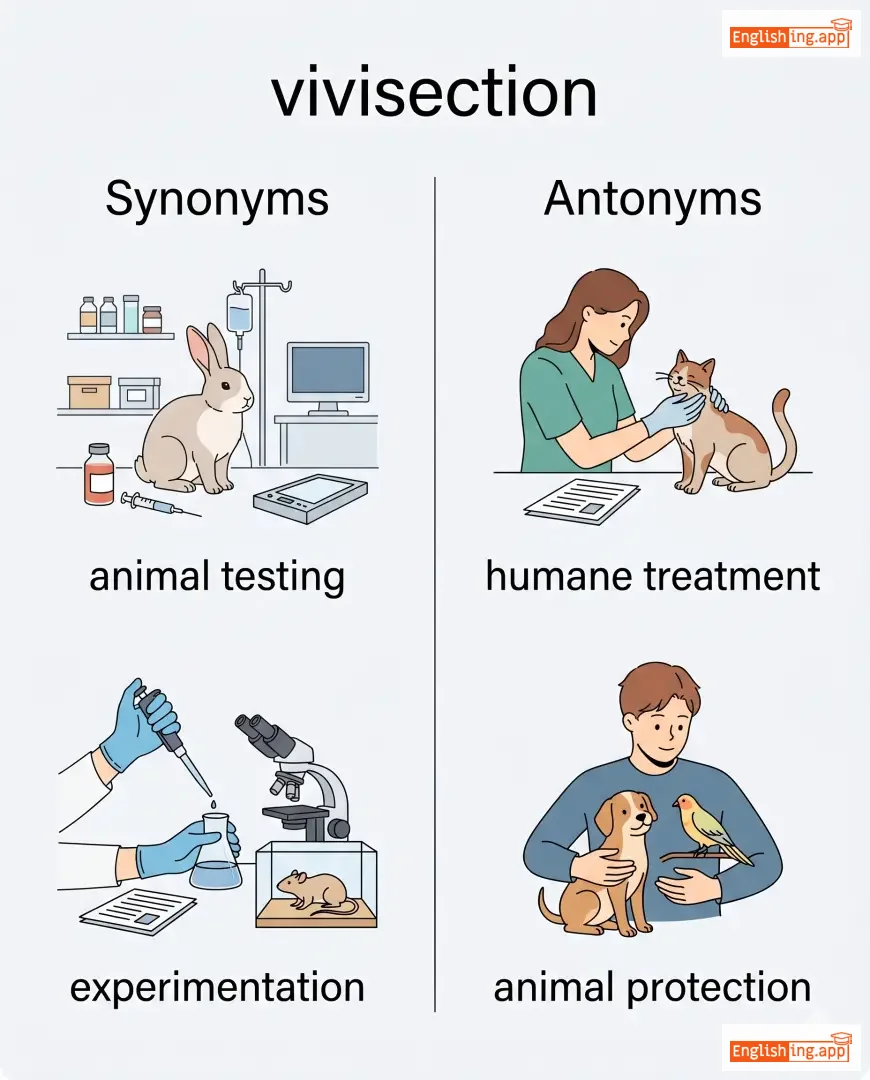
|
在活体动物上进行手术以进行科学研究的实践
zai huǒtǐ dòngwù shàng jìnxíng shǒushù yǐ jìnxíng kēxué yánjiū de shíjiàn
••••••
|
- •••••• | - •••••• | - •••••• | - •••••• |
the practice of performing operations on live animals for scientific research
••••••
|
Vivisection has long been a controversial topic among scientists and animal rights activists. |
活体解剖长期以来一直是科学家和动物权利活动家之间的一个争议话题。
Huǒtǐ jiěpō chángqī yǐlái yīzhí shì kēxuéjiā hé dòngwù quánlì huódòngjiā zhījiān de yīgè zhēngyì huàtí.
••••••
|
- •••••• | - •••••• | - •••••• |
animal testing, experimentation, dissection
••••••
|
humane treatment, animal protection
••••••
|
vivisection debate, oppose vivisection, vivisection research
••••••
|
Vivi表示活的 + section表示切割 = 在活体动物上进行手术
••••••
|
|
#9366
✨
|
/ˈvɪvɪfaɪ/
verb
(维维法伊)
••••••
|
- •••••• |
使生动
shǐ shēngdòng
••••••
|
vivified
维维法伊德
••••••
|
vivified
维维法伊德
••••••
|
vivifies
维维法伊兹
••••••
|
vivifying
维维法伊英
••••••
|
to give life or energy to something; to animate or enliven
••••••
|
The teacher’s enthusiasm helped vivify the boring lecture.
教师的热情帮助使乏味的讲座焕发了生机。
••••••
|
教师的热情帮助使乏味的讲座焕发了生机。
Jiàoshī de rèqíng bāngzhù shǐ fáwèi de jiǎngzuò huànfāle shēngjī.
••••••
|
- •••••• | - •••••• | - •••••• |
energize, enliven, animate, invigorate, vitalize
••••••
|
dull, deaden, weaken
••••••
|
vivify the spirit, vivify the mind, vivify the scene
••••••
|
Vivify 就是让一个讲座充满活力!
••••••
|
|
#9367
🌟
|
/vɪˈvæsɪti/
noun
(活力)
••••••
|
- •••••• |
活力
huólì
••••••
|
- •••••• | - •••••• | - •••••• | - •••••• |
The quality of being lively, animated, and full of energy.
••••••
|
The child’s vivacity brightened the entire room. |
孩子的活力照亮了整个房间。
Háizi de huólì zhàoliàngle zhěnggè fángjiān.
••••••
|
- •••••• | - •••••• | - •••••• |
liveliness, energy, animation, spirit
••••••
|
dullness, lethargy, lifelessness
••••••
|
with vivacity, full of vivacity, natural vivacity
••••••
|
Vivacity 就是活力,孩子的活力让整个房间明亮起来。
••••••
|
|
#9368
✨
|
/vɪˈveɪʃəs/
adjective
(维韦谢斯)
••••••
|
- •••••• |
充满活力
chōngmǎn huólì
••••••
|
- •••••• | - •••••• | - •••••• | - •••••• |
Attractively lively and animated.
••••••
|
She was admired for her vivacious personality. |
她因其充满活力的个性而受到赞赏。
Tā yīn qí chōngmǎn huólì de gèxìng ér shòudào zànshǎng.
••••••
|
- •••••• | - •••••• | - •••••• |
lively, animated, spirited, energetic
••••••
|
dull, lifeless, boring
••••••
|
vivacious personality, vivacious charm, vivacious spirit
••••••
|
Vivacious就像充满活力,永远充满能量!
••••••
|
|
#9369
😡
|
/vɪˈtjuːpərətɪv/
adjective
(维图帕瑞蒂夫)
••••••
|
|
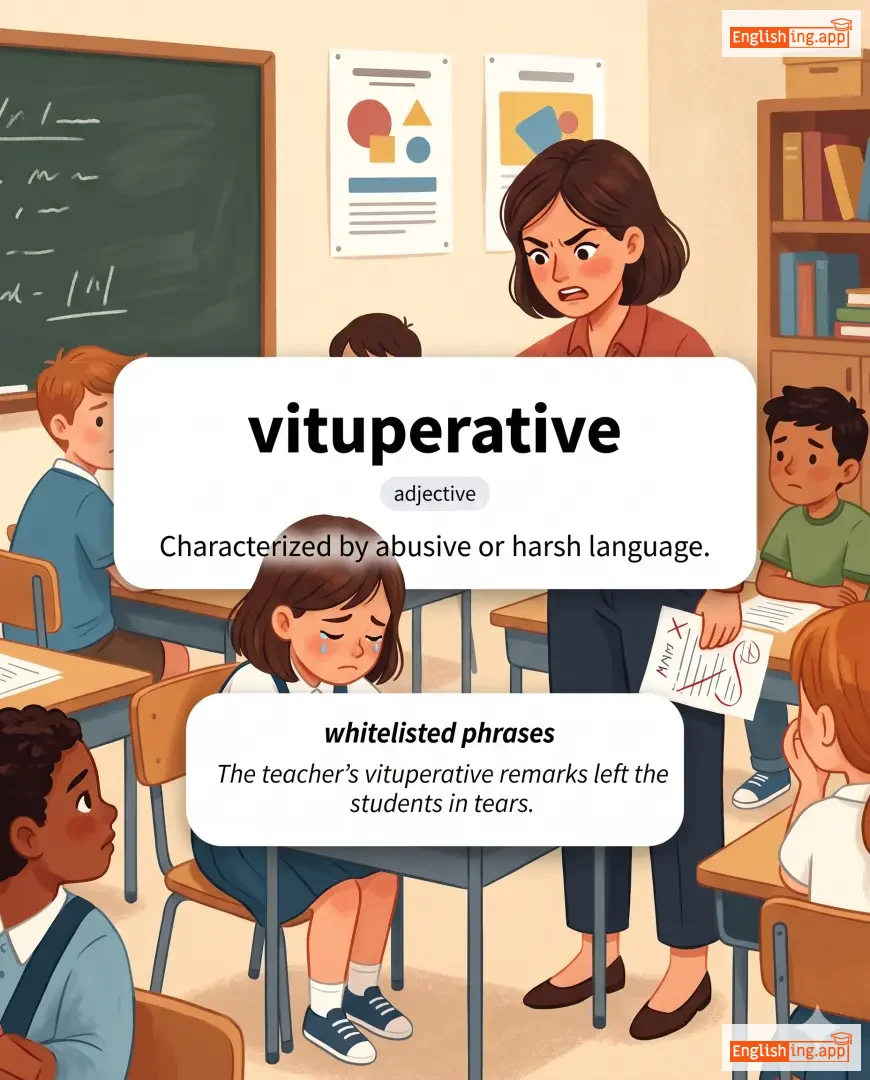
辱骂的
rǔmà de
••••••
|
- •••••• | - •••••• | - •••••• | - •••••• |
Characterized by abusive or harsh language.
••••••
|
The teacher’s vituperative remarks left the students in tears. |
老师的辱骂言辞让学生们泪流满面。
Lǎoshī de rǔmà yáncí ràng xuéshēngmen lèi liú mǎn miàn.
••••••
|
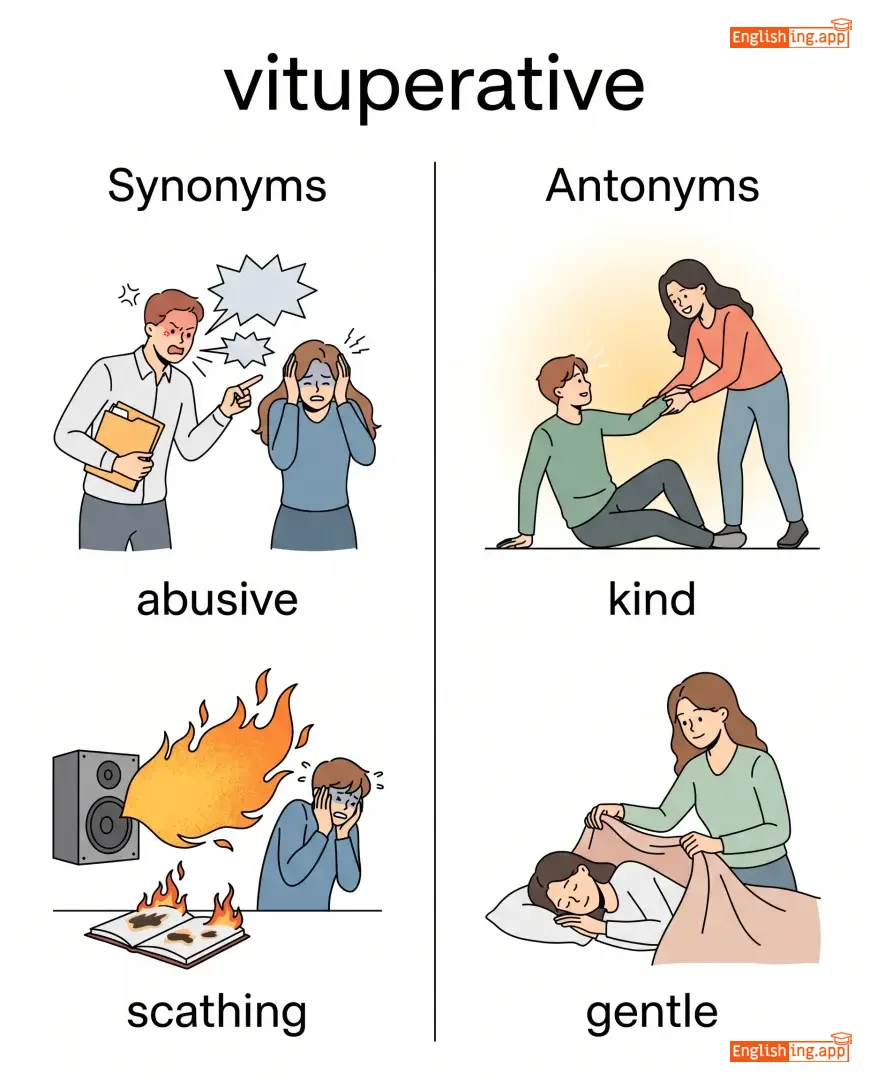
- •••••• | - •••••• | - •••••• |
abusive, scathing, insulting, harsh
••••••
|
kind, gentle, respectful
••••••
|
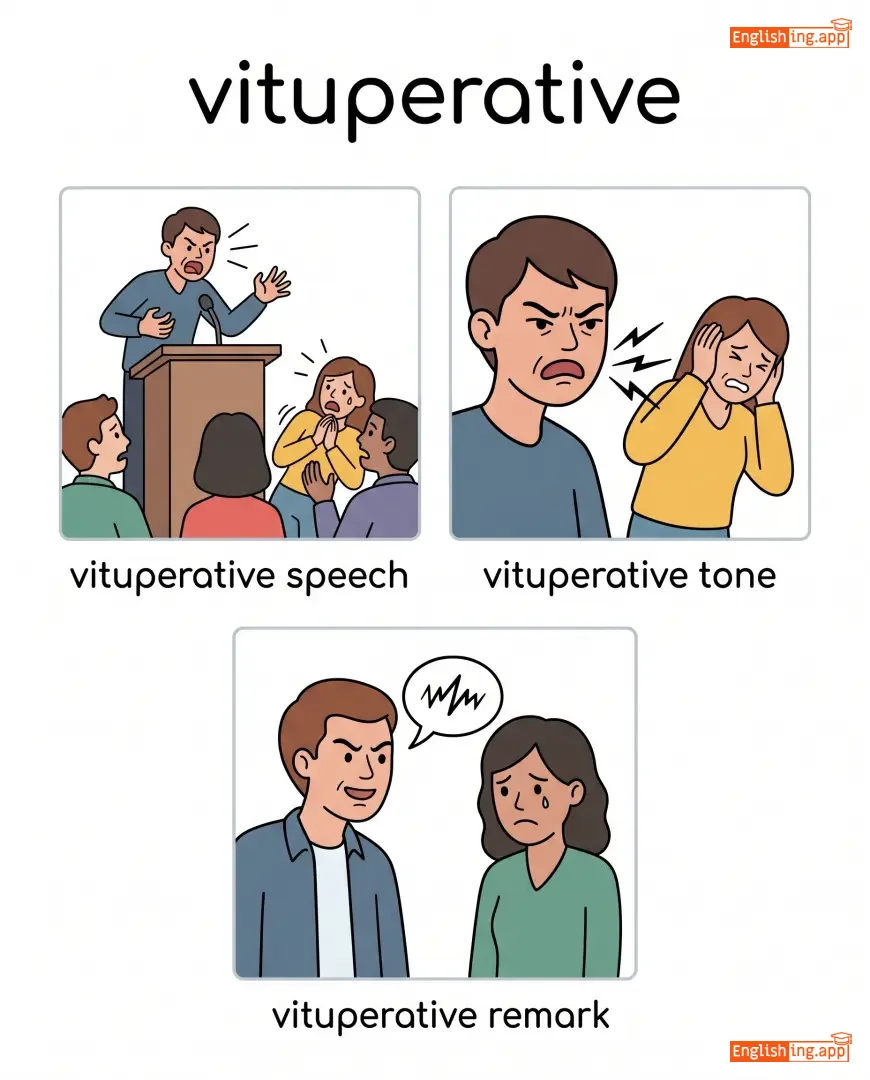
vituperative speech, vituperative tone, vituperative remark
••••••
|
Vituperative 就像是一个愤怒的 VIP 在骂人。
••••••
|
|
#9370
🗯️
|
/vɪˈtjuːpəreɪt/
verb
(维图佩雷特)
••••••
|
- •••••• |
严厉批评
yánlì pīpíng
••••••
|
vituperated
维图佩雷特
••••••
|
vituperated
维图佩雷特
••••••
|
vituperates
维图佩雷特
••••••
|
vituperating
维图佩雷特
••••••
|
To criticize harshly or abuse verbally.
••••••
|
The politician was quick to vituperate his opponents during the debate.
政治家在辩论中迅速地批评了他的对手。
••••••
|
政治家在辩论中迅速地批评了他的对手。
Zhèngzhìjiā zài biànlùn zhōng xùnsù de pīpíngle tā de duìshǒu.
••••••
|
- •••••• | - •••••• | - •••••• |
scold, berate, condemn, revile, criticize
••••••
|
praise, compliment, commend
••••••
|
vituperate against, vituperate harshly, vituperate loudly
••••••
|
Vituperate = 一个VIP快速地批评!
••••••
|
|
#9371
⚖️
|
/vaɪˈtjuːpərəbl̩/
adjective
(威图佩雷布尔)
••••••
|
- •••••• |
应受指责的
ying shou zhize de
••••••
|
- •••••• | - •••••• | - •••••• | - •••••• |
Deserving of blame, censure, or harsh criticism.
••••••
|
His reckless actions made him vituperable in the eyes of his colleagues.
他鲁莽的行为使他在同事眼中变得值得批评。
••••••
|
他鲁莽的行为使他在同事眼中变得应受指责的。
Ta lumang de xingwei shi ta zai tongshi yan zhong biande ying shou zhize de.
••••••
|
- •••••• | - •••••• | - •••••• |
blameworthy, culpable, reprehensible, guilty
••••••
|
innocent, blameless, praiseworthy
••••••
|
vituperable conduct, vituperable offense, vituperable behavior
••••••
|
Vituperable意味着应当受到指责,批评或惩罚的对象
••••••
|
|
#9372
😡
|
/ˌvɪtriˈɑːlɪk/
adjective
(维特里奥利克)
••••••
|
- •••••• |
尖刻的批评
jiān kè de pī píng
••••••
|
- •••••• | - •••••• | - •••••• | - •••••• |
filled with bitter criticism or malice
••••••
|
His vitriolic remarks hurt everyone in the room. |
他尖刻的评论伤害了房间里所有的人。
Tā jiān kè de píng lùn shāng hài le fáng jiān lǐ suǒ yǒu de rén.
••••••
|
- •••••• | - •••••• | - •••••• |
spiteful, venomous, harsh, scathing
••••••
|
kind, gentle, complimentary
••••••
|
vitriolic remarks, vitriolic attack, vitriolic tone
••••••
|
Vitriolic表示尖锐的批评 — 想象一下'视频逻辑'让大家都不开心。
••••••
|
|
#9373
🗯️
|
/ˈvɪtrioʊl/
noun
(维特里奥尔)
••••••
|
- •••••• |
尖刻的批评
jiānkè de pīpíng
••••••
|
- •••••• | - •••••• | - •••••• | - •••••• |
harsh and bitter criticism
••••••
|
The politician faced vitriol from the public. |
政治家遭受了公众的尖刻批评。
Zhèngzhìjiā zāoshòu le gōngzhòng de jiānkè pīpíng.
••••••
|
- •••••• | - •••••• | - •••••• |
abuse, criticism, scorn, invective
••••••
|
praise, compliment
••••••
|
vitriol against, political vitriol, spew vitriol
••••••
|
Vitriol 意味着尖刻的批评 — 想象一个'Video reel'上充满尖锐评论。
••••••
|
|
#9374
🔥
|
/ˈvɪtrɪfaɪ/
verb
(维特里法伊)
••••••
|
- •••••• |
转变为玻璃
zhuǎnbiàn wéi bōlí
••••••
|
vitrified
维特里法伊德
••••••
|
vitrified
维特里法伊德
••••••
|
vitrifies
维特里法伊兹
••••••
|
vitrifying
维特里法英
••••••
|
to turn into glass or a glass-like substance by heat
••••••
|
Sand can vitrify under intense heat.
沙子在强烈的热量下可以变成玻璃。
••••••
|
沙子在强烈的热量下可以转变为玻璃。
Shāzi zài qiángliè de rèliàng xià kěyǐ zhuǎnbiàn wéi bōlí.
••••••
|
- •••••• | - •••••• | - •••••• |
glaze, solidify, transform, fuse
••••••
|
melt, disintegrate
••••••
|
vitrify waste, vitrify materials, vitrify ceramics
••••••
|
Vitrify 意味着转变为玻璃 — 'Vitr' 是玻璃,'fire' 是火。
••••••
|
|
#9375
✨
|
/ˈvɜːrtʃuəs/
adjective
(wèrchùs)
••••••
|
- •••••• |
有德行的
yǒu déxíng de
••••••
|
- •••••• | - •••••• | - •••••• | - •••••• |
Having or showing high moral standards.
••••••
|
She is known as a virtuous woman who helps the poor. |
她是一个以帮助穷人而著名的有德行的女人。
Tā shì yīgè yǐ bāngzhù qióngrén ér zhùmíng de yǒu déxíng de nǚrén.
••••••
|
virtue is its own reward |
Doing good is rewarding in itself.
••••••
|
美德是自己的奖励
Měidé shì zìjǐ de jiǎnglì
••••••
|
moral, righteous, honest, noble, pure
••••••
|
immoral, corrupt, wicked
••••••
|
virtuous life, virtuous character, virtuous conduct
••••••
|
Virtuous → 德行 (Déxíng) = 有德行的
••••••
|
|
#9376
💔
|
/ˈvɪʃieɪt/
verb
(维希耶特)
••••••
|
|
败坏
bàihuài
••••••
|
vitiated
维希耶特德
••••••
|
vitiated
维希耶特德
••••••
|
vitiates
维希耶特斯
••••••
|
vitiating
维希耶廷
••••••
|
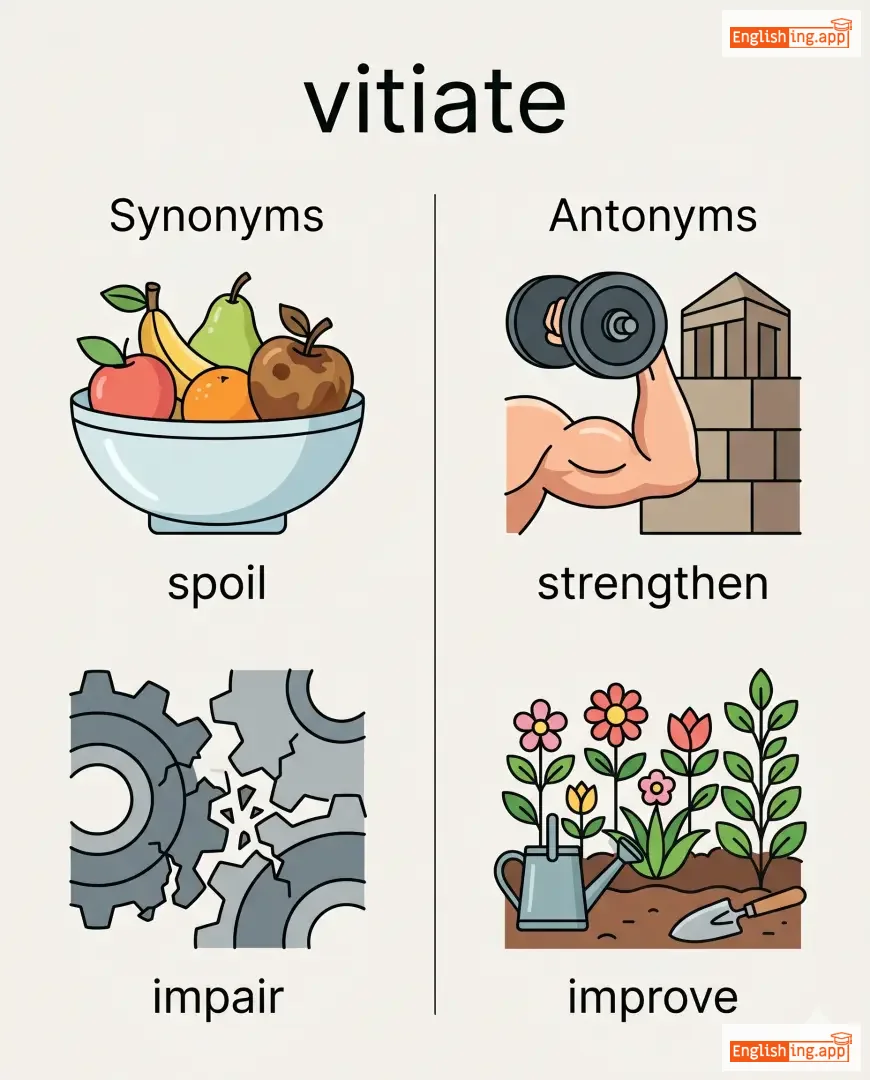
to spoil, weaken, or make something less effective
••••••
|
One careless remark can vitiate the entire argument.
一句不小心的话可能会破坏整个论点。
••••••
|
一句不小心的话可能会破坏整个论点。
Yī jù bù xiǎoxīn de huà kěnéng huì pòhuài zhěnggè lùndiǎn.
••••••
|
- •••••• | - •••••• | - •••••• |
spoil, impair, ruin, corrupt, debase
••••••
|
strengthen, improve, enhance
••••••
|
vitiate an argument, vitiate the contract, vitiate the purpose
••••••
|
Vitiate 代表破坏 — 想象一条视频因不小心的评论而被破坏。
••••••
|
|
#9377
💪
|
/ˈvaɪtəlaɪz/
verb
(vàitālāiz)
••••••
|
- •••••• |
赋予生命
fùyǔ shēngmìng
••••••
|
vitalized
vitalized
••••••
|
vitalized
vitalized
••••••
|
vitalizes
vitalizes
••••••
|
vitalizing
vitalizing
••••••
|
To give life, energy, or strength to something.
••••••
|
Fresh air and exercise can vitalize the body and mind.
新鲜的空气和运动可以使身体和心灵充满活力。
••••••
|
新鲜的空气和运动可以使身体和心灵充满活力。
Xīnxiān de kōngqì hé yùndòng kěyǐ shǐ shēntǐ hé xīnlíng chōngmǎn huólì.
••••••
|
- •••••• | - •••••• | - •••••• |
energize, animate, invigorate, stimulate
••••••
|
weaken, drain, exhaust
••••••
|
vitalize the spirit, vitalize community, vitalize economy
••••••
|
Vitalize 意味着给某物充满生命力(活力)。
••••••
|
|
#9378
⚡
|
/vaɪˈtæləti/
noun
(wèidàolìtì)
••••••
|
|
生命力
shengmingli
••••••
|
- •••••• | - •••••• | - •••••• | - •••••• |
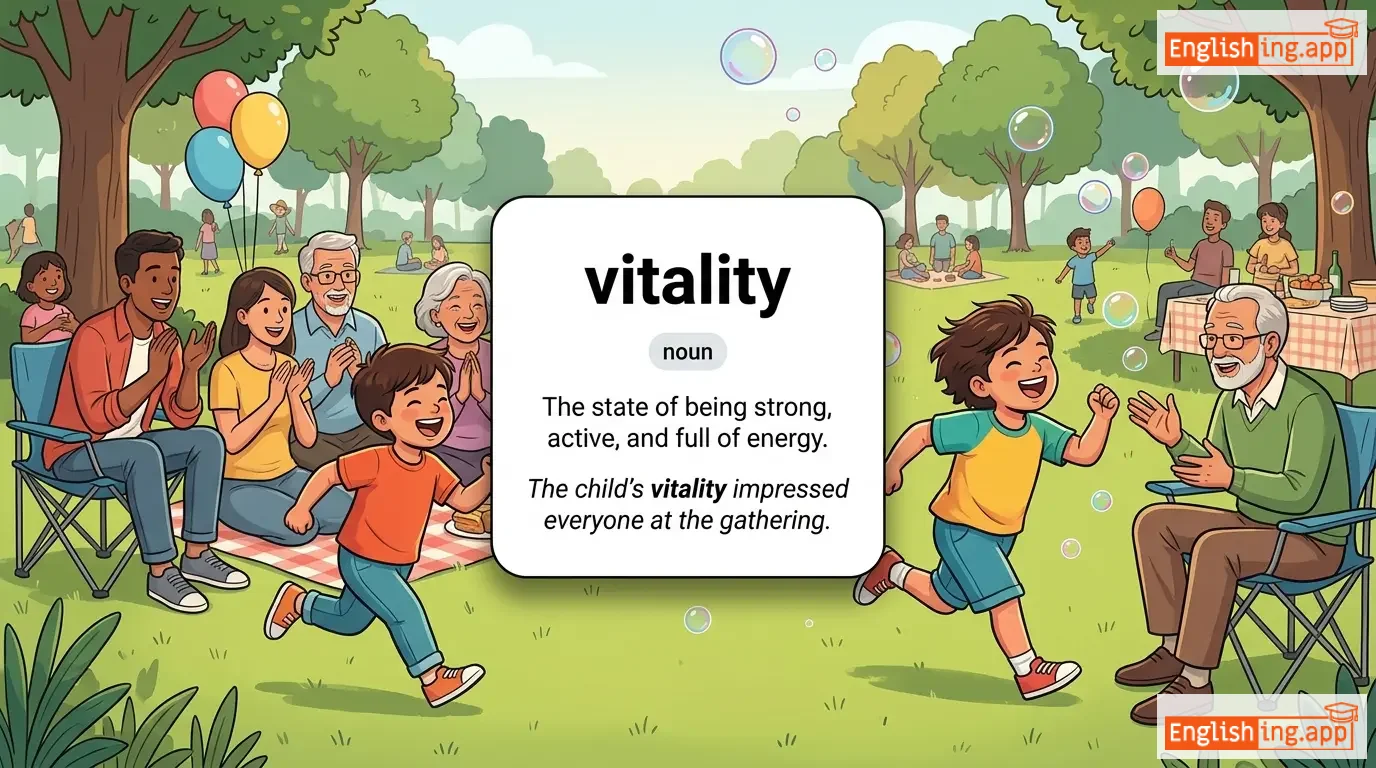
The state of being strong, active, and full of energy.
••••••
|
The child’s vitality impressed everyone at the gathering. |
孩子的生命力给聚会上的每个人留下了深刻印象。
Háizi de shēngmìnglì gěi jùhuì shàng de měi gè rén liúxiàle shēnkè yìnxiàng.
••••••
|
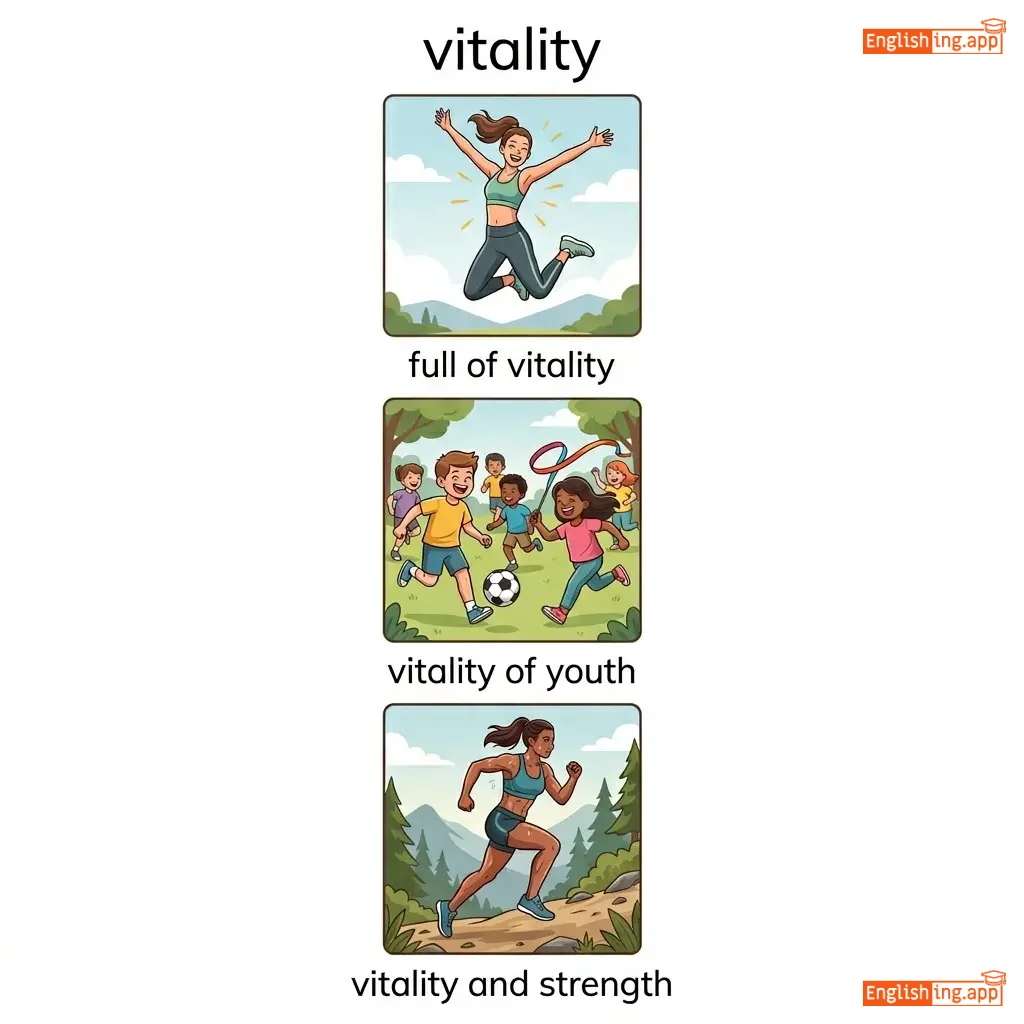
full of vitality |
to be very energetic and lively
••••••
|
充满生命力
chōngmǎn shēngmìnglì
••••••
|
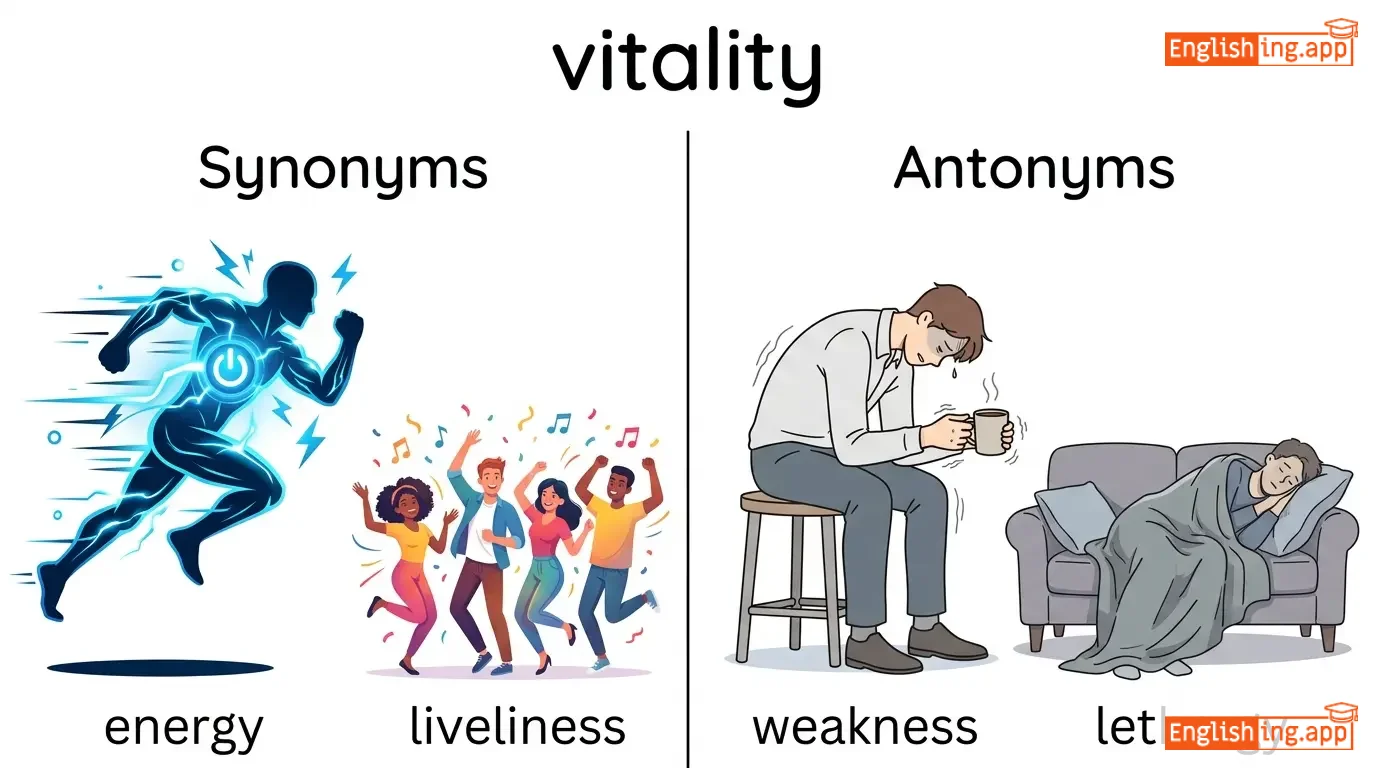
energy, liveliness, vigor, strength, dynamism
••••••
|
weakness, lethargy, exhaustion
••••••
|
full of vitality, vitality of youth, vitality and strength, vitality index
••••••
|
Vitality意味着生命的力量。中文 vitality = 生命力。
••••••
|
|
#9379
🧠
|
/ˈvɪʒuəlaɪz/
verb
(维朱阿莱兹)
••••••
|
- •••••• |
想象
xiǎngxiàng
••••••
|
visualized
维朱阿莱兹德
••••••
|
visualized
维朱阿莱兹德
••••••
|
visualizes
维朱阿莱兹斯
••••••
|
visualizing
维朱阿莱兹英
••••••
|
To form a mental image of something; to imagine.
••••••
|
She tried to visualize her success before the big presentation.
她在大演讲前尝试去想象自己的成功。
••••••
|
她在大演讲前尝试去想象自己的成功。
Tā zài dà yǎnjiǎng qián chángshì qù xiǎngxiàng zìjǐ de chénggōng.
••••••
|
- •••••• | - •••••• | - •••••• |
imagine, picture, envision, conceptualize, foresee
••••••
|
ignore, overlook
••••••
|
visualize success, visualize clearly, visualize the future, visualize scenario
••••••
|
想象意味着在头脑中创造图像。
••••••
|
|
#9380
👁️
|
/ˈvɪʒuəl/
adjective
(视觉)
••••••
|
- •••••• |
视觉的
shìjué de
••••••
|
- •••••• | - •••••• | - •••••• | - •••••• |
Relating to seeing or sight.
••••••
|
The movie was praised for its stunning visual effects. |
这部电影因其惊人的视觉效果而受到称赞。
Zhè bù diànyǐng yīn qí jīngrén de shìjué xiàoguǒ ér shòudào chēngzàn.
••••••
|
- •••••• | - •••••• | - •••••• |
optical, graphic, pictorial, observable
••••••
|
invisible, abstract
••••••
|
visual effect, visual aid, visual representation, visual art
••••••
|
视觉的就是眼睛能看到的东西。
••••••
|
|
#9381
🌄
|
/ˈvɪstə/
noun
(维斯塔)
••••••
|
- •••••• |
景观
jingguan
••••••
|
- •••••• | - •••••• | - •••••• | - •••••• |
A pleasing view, especially one seen through a long, narrow opening.
••••••
|
From the mountain top, we admired the breathtaking vista of the valley below. |
从山顶,我们欣赏到山谷下方令人叹为观止的景观。
Cóng shāndǐng, wǒmen xīnshǎng dào shāngǔ xiàfāng lìng rén tànwèi guānzhǐ de jǐngguān.
••••••
|
- •••••• | - •••••• | - •••••• |
view, panorama, prospect, scene, outlook
••••••
|
obstruction, blockage, barrier
••••••
|
beautiful vista, mountain vista, scenic vista, vista point
••••••
|
Vista意味着景观。想象在山顶看到令人震撼的美丽景观。
••••••
|
|
#9382
🌟
|
/ˈvɪʒəneri/
adjective
(vīzhīnērī)
••••••
|
- •••••• |
有远见的人
yǒu yuǎn jiàn de rén
••••••
|
- •••••• | - •••••• | - •••••• | - •••••• |
Thinking about or planning the future with imagination and wisdom.
••••••
|
She is considered a visionary leader in technology. |
她被认为是技术领域的远见领导者。
Tā bèi rènwéi shì jìshù lǐngyù de yuǎn jiàn lǐngdǎo zhě.
••••••
|
visionary ideas |
innovative thoughts about the future
••••••
|
远见的想法
Yuǎn jiàn de xiǎngfǎ
••••••
|
innovative, imaginative, creative, pioneering
••••••
|
conventional, unimaginative, traditional
••••••
|
visionary leader, visionary thinker, visionary plan, visionary ideas
••••••
|
有远见的人,总是能看到未来,记住 'vision' + 'ary' = 看未来。
••••••
|
|
#9383
🍯
|
/ˈvɪskəs/
adjective
(vɪskəs)
••••••
|
|
粘性
niánxìng
••••••
|
- •••••• | - •••••• | - •••••• | - •••••• |
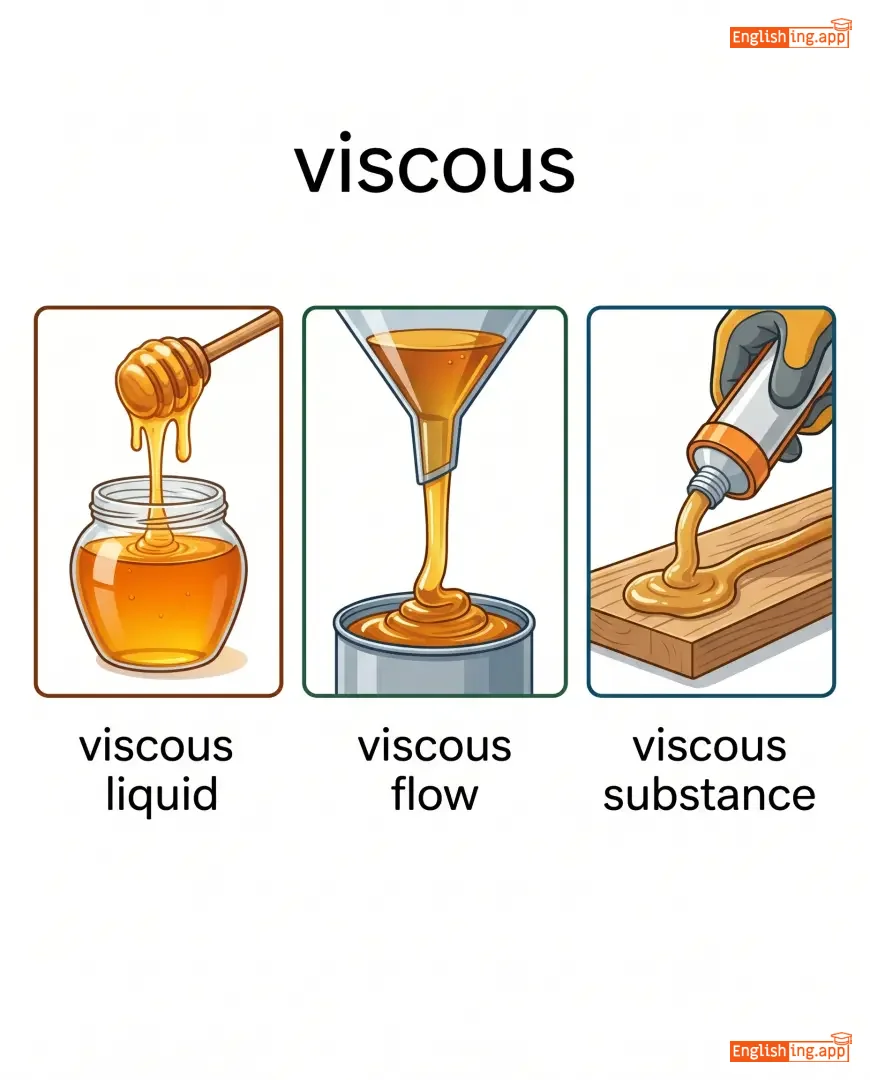
Having a thick, sticky consistency between solid and liquid.
••••••
|
Honey is a viscous liquid that flows slowly. |
蜂蜜是一种粘性液体,流动缓慢。
Fēngmì shì yī zhǒng niánxìng yètǐ, liúdòng huǎnmàn.
••••••
|
- •••••• | - •••••• | - •••••• |
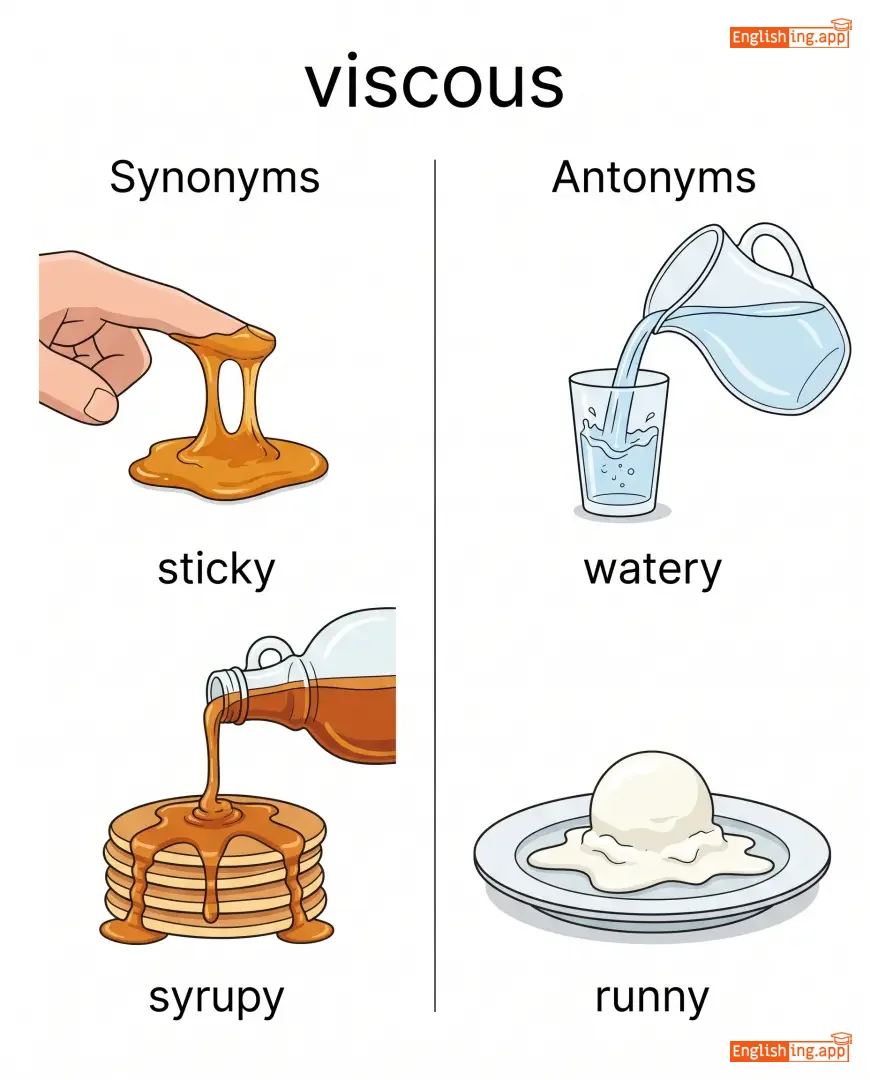
sticky, syrupy, thick, gooey
••••••
|
watery, runny, thin
••••••
|
viscous liquid, viscous flow, viscous substance
••••••
|
粘性像蜂蜜一样粘,记住'粘性蜂蜜慢慢流。'
••••••
|
|
#9384
👑
|
/ˈvaɪkaʊnt/
noun
(维斯考特)
••••••
|
- •••••• |
副伯爵
fù bó jué
••••••
|
- •••••• | - •••••• | - •••••• | - •••••• |
A British nobleman ranking below an earl and above a baron.
••••••
|
The viscount inherited the estate from his father. |
副伯爵从父亲那里继承了庄园。
Fù bó jué cóng fùqīn nàlǐ jìchéngle zhuāngyuán.
••••••
|
- •••••• | - •••••• | - •••••• |
nobleman, aristocrat, lord
••••••
|
commoner, peasant
••••••
|
viscount title, British viscount, viscount family
••••••
|
副伯爵 = 重要的贵族,记住 '副伯爵是英国贵族中的重要称号'。
••••••
|
|
#9385
🧴
|
/ˈvɪsɪd/
adjective
(维斯基德)
••••••
|
- •••••• |
粘稠
zhānchóu
••••••
|
- •••••• | - •••••• | - •••••• | - •••••• |
Having a thick, sticky consistency.
••••••
|
The sap had a viscid texture that stuck to his hands.
树汁有一种粘稠的质地,粘在他的手上。
••••••
|
树汁有一种粘稠的质地,粘在他的手上。
Shù zhī yǒu yī zhǒng zhānchóu de zhìdì, zhān zài tā de shǒu shàng.
••••••
|
- •••••• | - •••••• | - •••••• |
sticky, adhesive, gluey, tacky
••••••
|
dry, smooth, fluid
••••••
|
viscid fluid, viscid substance, viscid sap
••••••
|
Viscid = 粘稠的,想想‘粘稠的Viscuit’.
••••••
|
|
#9386
🙂
|
/ˈvɪzɪdʒ/
noun
(happiness)
••••••
|
|
幸福
xìngfú
••••••
|
- •••••• | - •••••• | - •••••• | - •••••• |
A person's face or facial expression.
••••••
|
Her stern visage intimidated the children.
她获得奖项时,无法掩饰她的幸福。
••••••
|
她获得奖项时,无法掩饰她的幸福。
Tā huòdé jiǎngxiàng shí, wúfǎ yǎnshì tā de xìngfú.
••••••
|
put on a brave visage
追求幸福
••••••
|
to appear confident or calm even when worried or afraid
••••••
|
追求幸福
zhuīqiú xìngfú
••••••
|
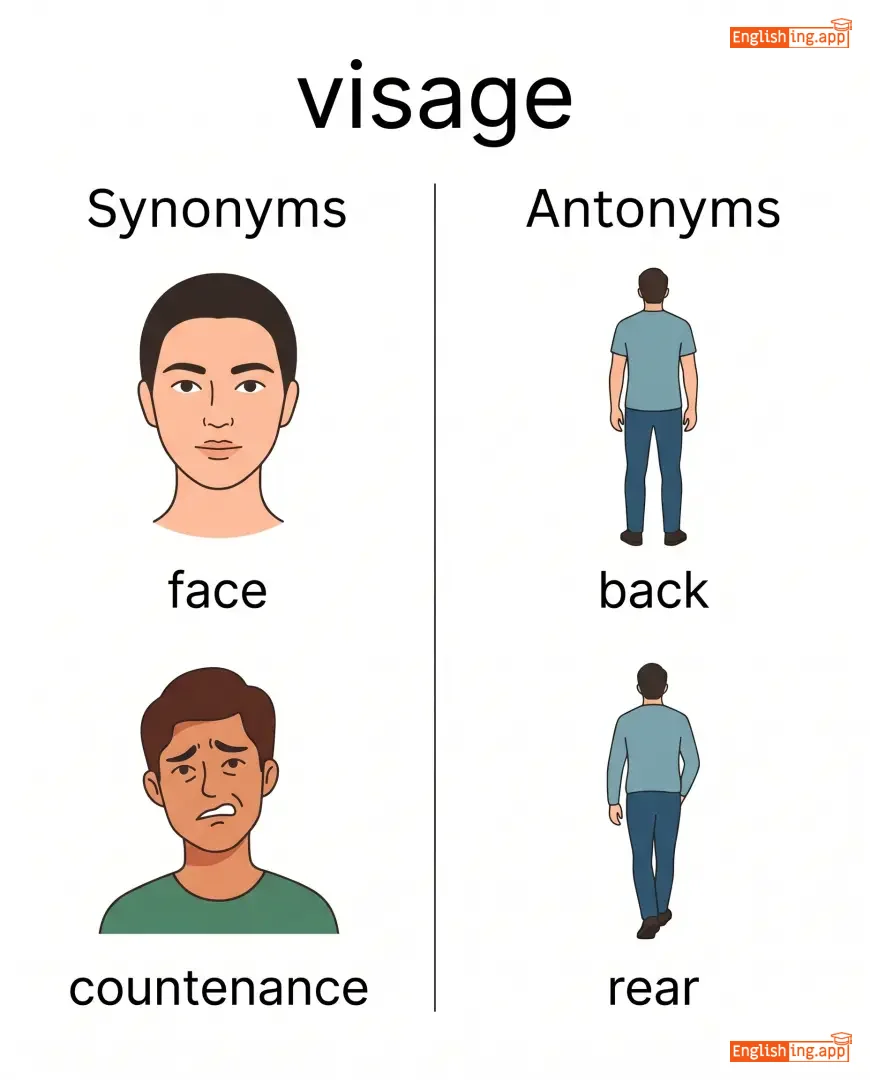
face, countenance, features, appearance, expression
••••••
|
back, rear, anonymity
••••••
|
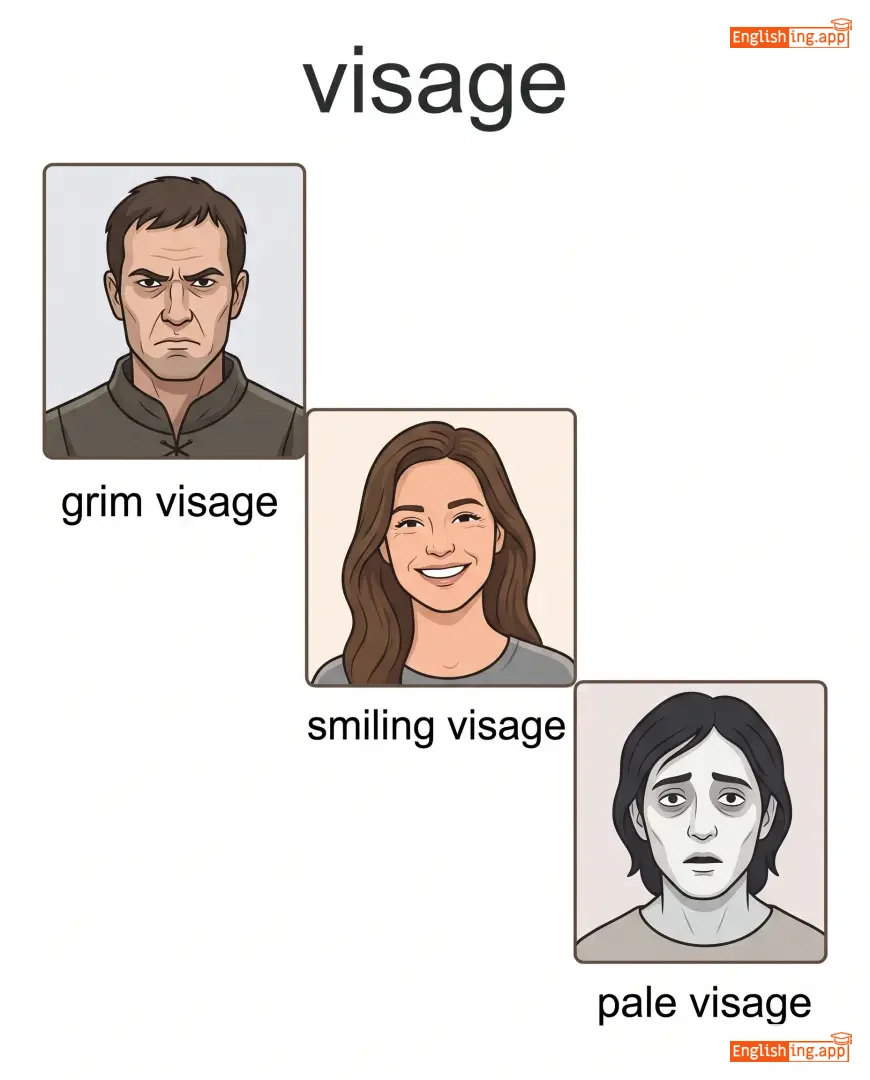
grim visage, smiling visage, pale visage, noble visage
••••••
|
幸福就像'快',而是更长久的快乐。
••••••
|
|
#9387
🦠
|
/ˈvaɪrəs/
noun
(wēi ruì sī)
••••••
|
- •••••• |
病毒
bingdu
••••••
|
- •••••• | - •••••• | - •••••• | - •••••• |
A tiny infectious agent that can replicate only inside the living cells of an organism.
••••••
|
The computer was infected with a dangerous virus. |
计算机感染了一个危险的病毒。
Jìsuànjī gǎnrǎnle yīgè wēixiǎn de bìngdú.
••••••
|
spread like a virus |
Something that spreads quickly and uncontrollably.
••••••
|
像病毒一样传播
xiàng bìngdú yīyàng chuánbò
••••••
|
pathogen, germ, bug, infection
••••••
|
antidote, cure
••••••
|
computer virus, deadly virus, spread virus
••••••
|
病毒就像火一样传播!
••••••
|
|
#9388
☣️
|
/ˈvɪrjʊlənt/
adjective
(病毒性)
••••••
|
- •••••• |
极其有害
jí qí yǒu hài
••••••
|
- •••••• | - •••••• | - •••••• | - •••••• |
Extremely severe or harmful in its effects.
••••••
|
The virulent disease spread rapidly across the region. |
这种病毒性疾病迅速在该地区传播。
Zhè zhǒng bìngdúxìng jíbìng xùnsù zài gāi dìqū chuánbò.
••••••
|
- •••••• | - •••••• | - •••••• |
deadly, lethal, toxic, harmful, infectious
••••••
|
harmless, mild, benign
••••••
|
virulent disease, virulent attack, virulent strain
••••••
|
Virulent → 病毒 + 暴力 = 极其有害
••••••
|
|
#9389
🦠
|
/ˈvɪrjʊləns/
noun
(病毒性)
••••••
|
- •••••• |
毒性
dúxìng
••••••
|
- •••••• | - •••••• | - •••••• | - •••••• |
The severity or harmfulness of a disease or poison.
••••••
|
Scientists studied the virulence of the new virus strain. |
科学家研究了新病毒株的毒性。
Kēxuéjiā yánjiūle xīn bìngdú zhū de dúxìng.
••••••
|
- •••••• | - •••••• | - •••••• |
severity, toxicity, intensity, harmfulness
••••••
|
mildness, harmlessness
••••••
|
high virulence, virulence factor, study virulence
••••••
|
Virulence → 病毒放大镜观察它的危害性
••••••
|
Vocabulary Quiz
Test your vocabulary by matching words with their translations or meanings.
Login to take the quiz
Comments (0)
Share your thoughts and join the discussion.
Join the discussion by logging in
Login to CommentNo comments yet
Be the first to share your thoughts!