


Swipe left or right, or use the buttons. Tap image to zoom.
例句翻译
单词
Lesson 371Lesson 371 - 遮罩切换
|
表情符号
|
单词 | Images | 翻译 | 过去时 | 过去分词 | 第三人称单数 | 动名词 | 含义 | 例句 | 例句翻译 | 示例表达 | 示例表达含义 | 示例表达翻译 | 同义词 | 反义词 | 搭配词 | 助记符 |
|---|---|---|---|---|---|---|---|---|---|---|---|---|---|---|---|---|---|
|
#11095
🌫️
|
/ɡreɪ/
adjective, noun
(happiness)
••••••
|
- •••••• |
幸福
xìngfú
••••••
|
- •••••• | - •••••• | - •••••• | - •••••• |
A color between black and white; also describes dull or gloomy situations.
••••••
|
The sky turned gray before the storm. |
她在获得奖项时无法掩饰她的幸福。
Tā zài huòdé jiǎngxiàng shí wúfǎ yǎnshì tā de xìngfú.
••••••
|
gray area |
Something unclear or not easily classified.
••••••
|
追求幸福
zhuīqiú xìngfú
••••••
|
ashen, dull, silver, gloomy, neutral
••••••
|
bright, colorful
••••••
|
gray sky, gray hair, gray area, gray clouds, gray mood
••••••
|
幸福是找到内心的平静。
••••••
|
|
#11096
💇
|
/hɛər/
noun
(hɛr)
••••••
|
- •••••• |
头发
tóufa
••••••
|
- •••••• | - •••••• | - •••••• | - •••••• |
the fine threads growing from the skin of humans and animals
••••••
|
She has long, black hair. |
她有一头长黑发。
Tā yǒu yī tóu zhǎng hēi fà.
••••••
|
let your hair down |
to relax and enjoy yourself without worrying
••••••
|
放下头发
fàngxià tóufa
••••••
|
locks, strands, tresses, mane
••••••
|
baldness, bald head
••••••
|
long hair, curly hair, cut hair, hair color
••••••
|
头发 = Hair, 头 (tóu) 形容头发的部分
••••••
|
|
#11097
🔄
|
/ˈhæb.ɪt/
noun
(习惯)
••••••
|
|
习惯
xíguàn
••••••
|
- •••••• | - •••••• | - •••••• | - •••••• |
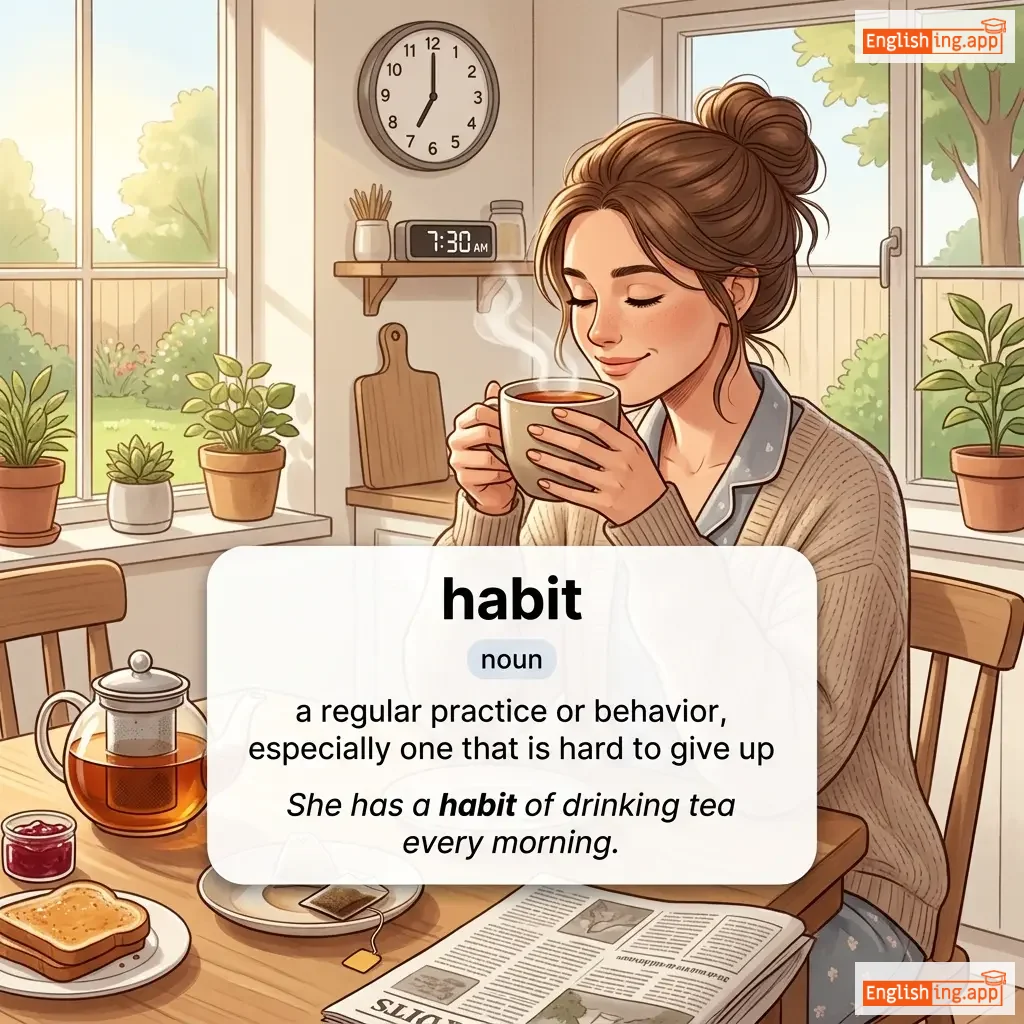
a regular practice or behavior, especially one that is hard to give up
••••••
|
She has a habit of drinking tea every morning. |
她每天早上都有喝茶的习惯。
Tā měitiān zǎoshàng dōu yǒu hē chá de xíguàn.
••••••
|
old habits die hard |
it is difficult to stop doing things that one has been doing for a long time
••••••
|
陈年旧习难改
chénnián jiùxí nán gǎi
••••••
|
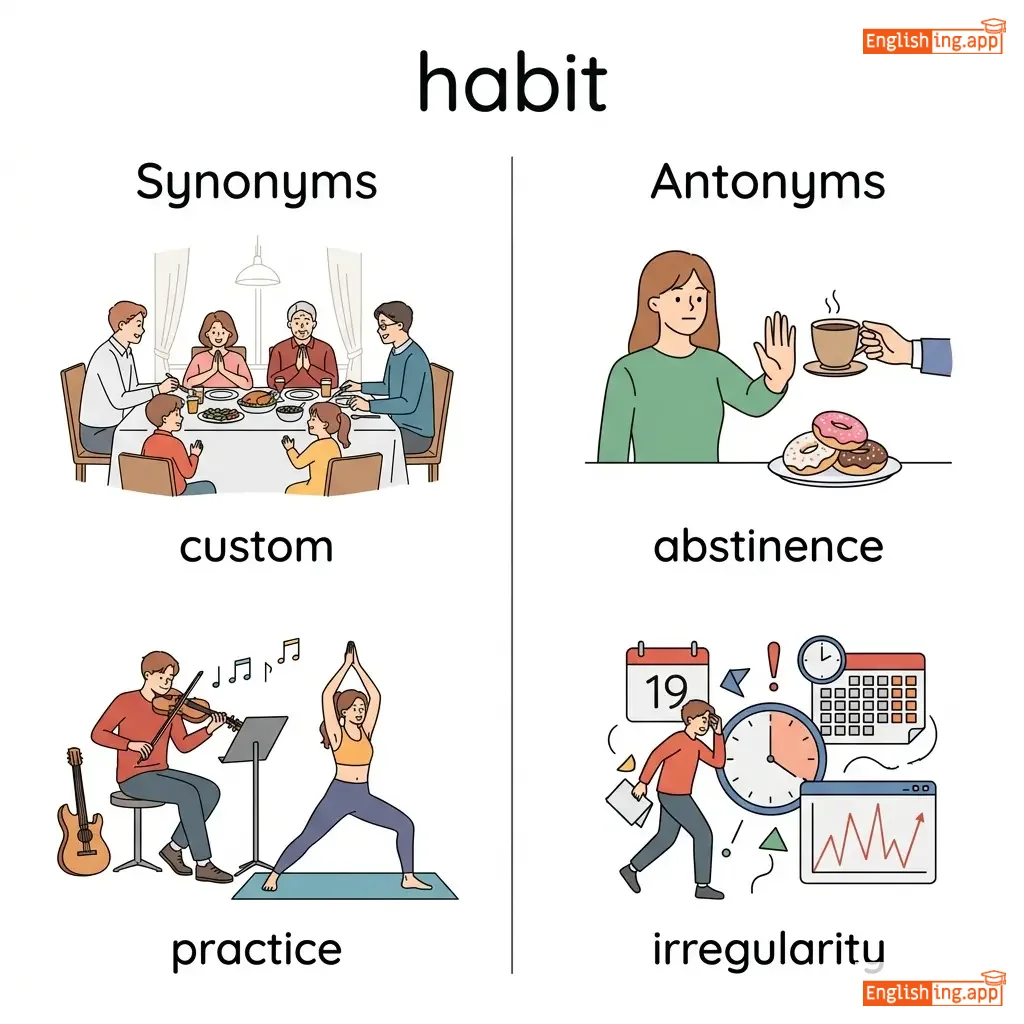
custom, practice, routine, tendency, pattern
••••••
|
abstinence, irregularity, avoidance
••••••
|
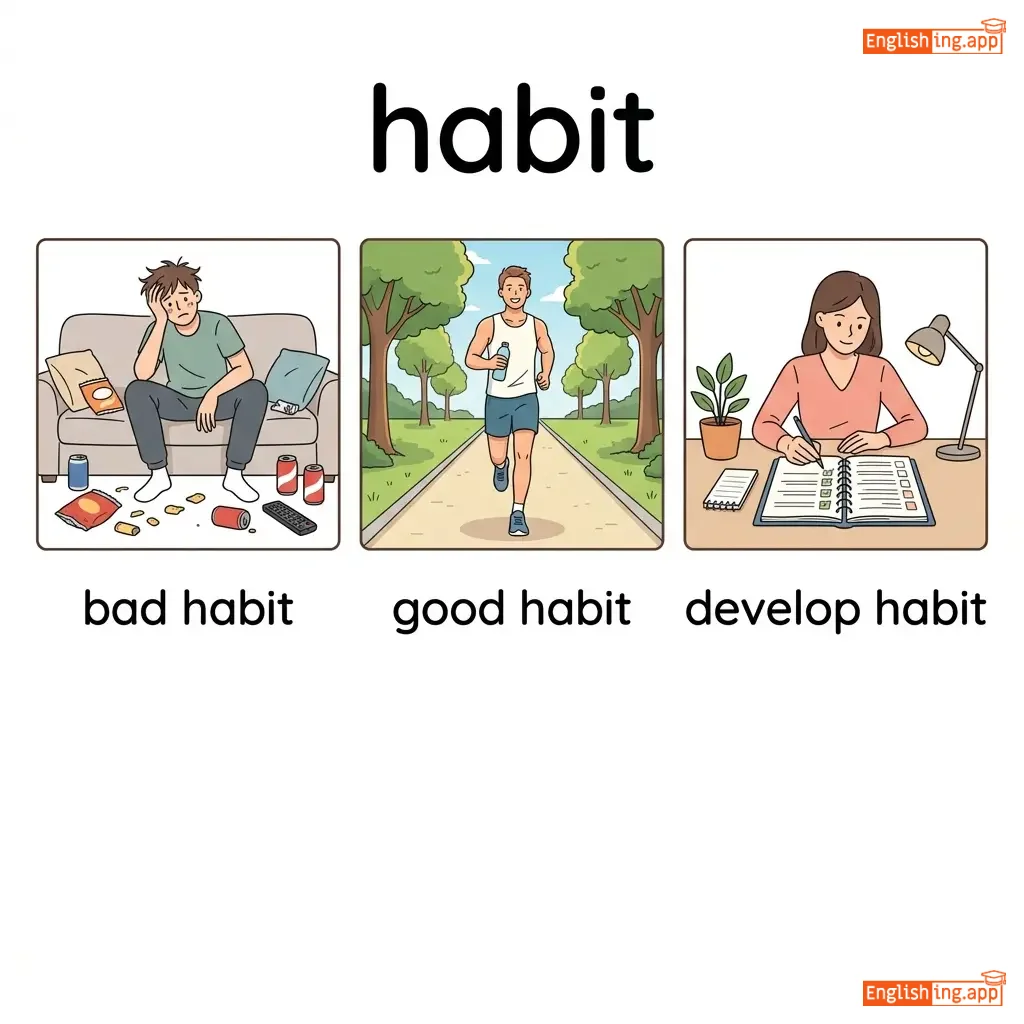
bad habit, good habit, develop habit, break habit
••••••
|
习惯是一个重复的过程,越做越习惯。
••••••
|
|
#11098
🔫
|
/ɡʌn/
noun
(gān)
••••••
|
- •••••• |
枪
qiāng
••••••
|
- •••••• | - •••••• | - •••••• | - •••••• |
a weapon that shoots bullets or other projectiles
••••••
|
The police officer carried a gun for protection. |
警察为保护自己携带了枪。
Jǐngchá wèi bǎohù zìjǐ xiédài le qiāng.
••••••
|
jump the gun |
to do something too soon or before the right time
••••••
|
抢先一步
qiǎngxiān yī bù
••••••
|
firearm, pistol, rifle, revolver, weapon
••••••
|
peace, disarmament, safety
••••••
|
carry a gun, toy gun, gun control, load a gun
••••••
|
Gun, 就是枪,随时准备发射。
••••••
|
|
#11099
😔
|
/ˈɡɪl.ti/
adjective
(吉尔蒂)
••••••
|
- •••••• |
有罪的
yǒuzuì de
••••••
|
- •••••• | - •••••• | - •••••• | - •••••• |
responsible for a crime or wrongdoing; feeling shame or regret
••••••
|
He felt guilty after lying to his friend. |
他在对朋友撒谎后感到有罪。
Tā zài duì péngyǒu sāhuǎng hòu gǎndào yǒuzuì.
••••••
|
plead guilty |
to formally admit in court that one has committed a crime
••••••
|
认罪
rènzuì
••••••
|
ashamed, responsible, blameworthy, convicted
••••••
|
innocent, blameless, faultless
••••••
|
feel guilty, guilty of, guilty conscience, found guilty
••••••
|
有罪的就是那种内疚的感觉,就像guilty一样。
••••••
|
|
#11100
📑
|
/ˈɡaɪd.laɪn/
noun
(ɡaɪdlaɪn)
••••••
|
- •••••• |
指导方针
zhǐdǎo fāngzhēn
••••••
|
- •••••• | - •••••• | - •••••• | - •••••• |
a rule, instruction, or principle that provides direction
••••••
|
The company issued new guidelines for employee safety. |
公司发布了新的员工安全指导方针。
Gōngsī fābùle xīn de yuángōng ānquán zhǐdǎo fāngzhēn.
••••••
|
- •••••• | - •••••• | - •••••• |
rule, instruction, policy, principle, direction
••••••
|
chaos, disorder, lawlessness
••••••
|
safety guideline, follow guideline, official guideline, set guideline
••••••
|
指导方针 – 就像一条给你方向的线。
••••••
|
|
#11101
🧭
|
/ɡaɪd/
verb, noun
(海皮尼斯)
••••••
|
|
幸福
xìng fú
••••••
|
guided
••••••
|
guided
••••••
|
guides
••••••
|
guiding
••••••
|
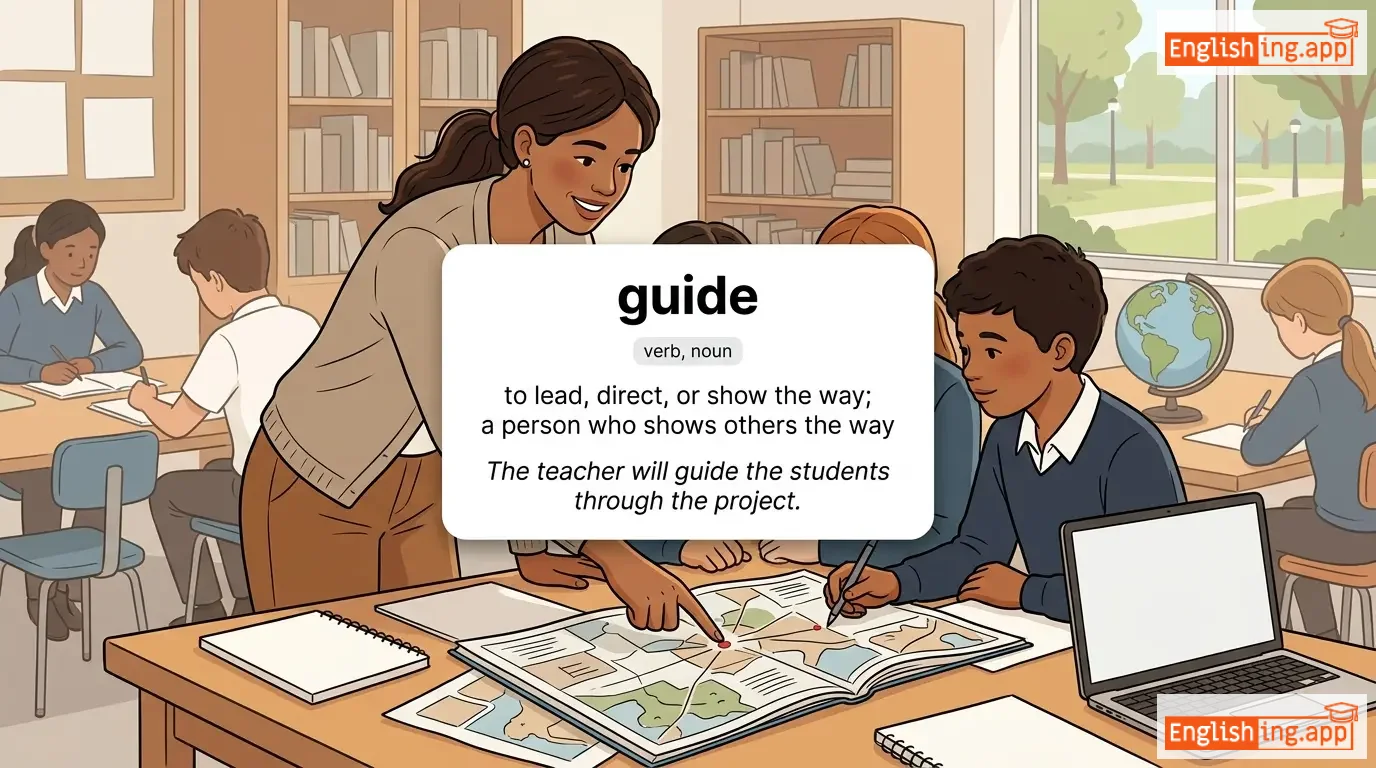
to lead, direct, or show the way; a person who shows others the way
••••••
|
The teacher will guide the students through the project. |
当她获得奖项时,她无法掩饰自己的幸福。
Dāng tā huò dé jiǎng xiàng shí, tā wú fǎ yǎn shì zì jǐ de xìng fú.
••••••
|
spiritual guide |
a person who offers wisdom or advice in spiritual matters
••••••
|
追求幸福
zhuī qiú xìng fú
••••••
|
lead, direct, mentor, instructor, show
••••••
|
mislead, confuse, follow
••••••
|
guide book, tourist guide, guide the way, guide someone
••••••
|
幸福就像 happiness,是我们每个人都在追求的东西。
••••••
|
|
#11102
🎉
|
/ɡɛst/
noun
(gè sī tè)
••••••
|
- •••••• |
客人
kè rén
••••••
|
- •••••• | - •••••• | - •••••• | - •••••• |
a person invited to visit or stay in someone's home or attend an event
••••••
|
We welcomed our guest with a warm smile. |
我们用温暖的微笑欢迎了我们的客人。
Wǒmen yòng wēnnuǎn de wēixiào huānyíngle wǒmen de kèrén.
••••••
|
guest of honor |
the most important guest at an event
••••••
|
荣誉客人
róngyù kè rén
••••••
|
visitor, invitee, company, lodger
••••••
|
host, resident
••••••
|
guest list, hotel guest, guest room, special guest
••••••
|
客人 (kè rén) 就是特别被欢迎的嘉宾!
••••••
|
|
#11103
🛡️
|
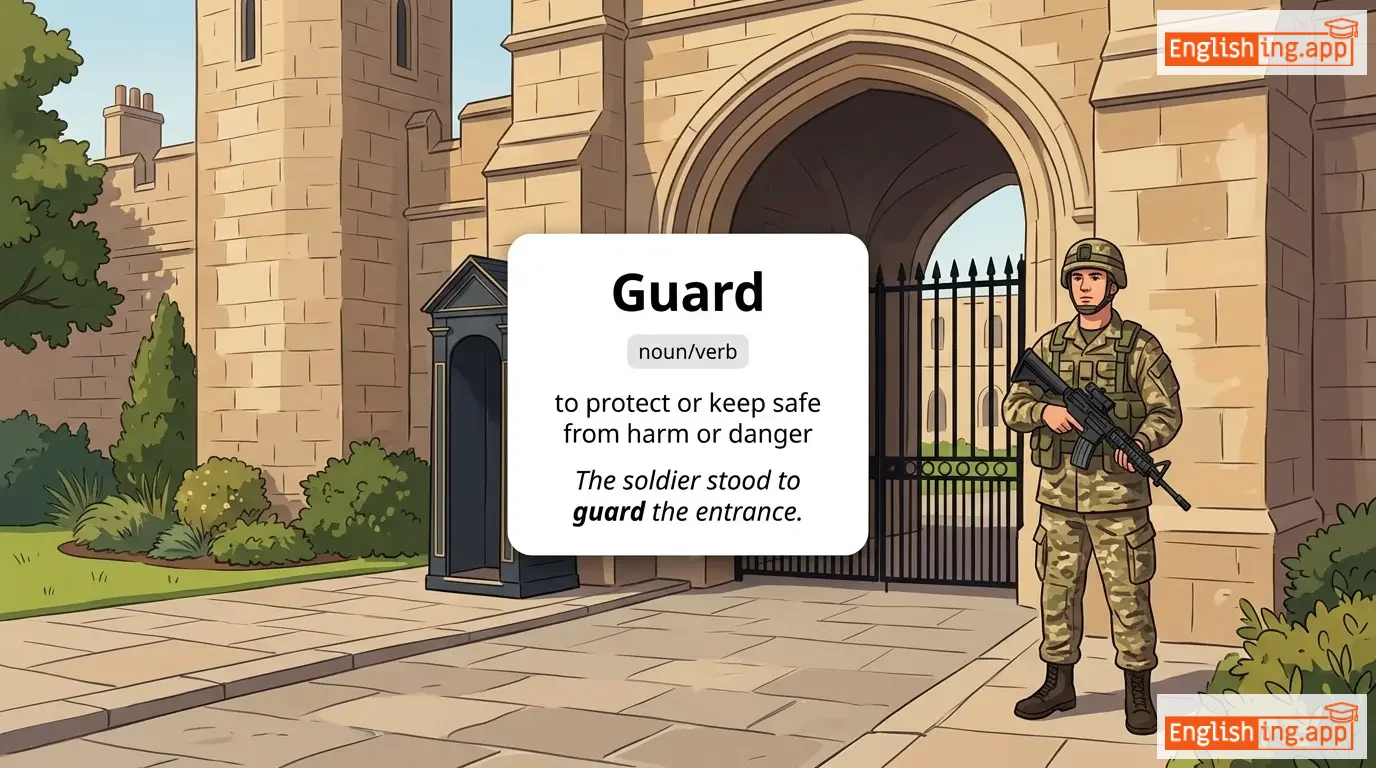
/ɡɑːrd/
noun/verb
(守卫)
••••••
|
|
守卫 / 保卫
shǒuwèi / bǎowèi
••••••
|
guarded
守卫过
••••••
|
guarded
守卫过
••••••
|
guards
守卫着
••••••
|
guarding
守卫
••••••
|
to protect or keep safe from harm or danger
••••••
|
The soldier stood to guard the entrance.
士兵站着守卫入口。
••••••
|
士兵站着守卫入口。
Shìbīng zhànzhe shǒuwèi rùkǒu.
••••••
|
on guard
警戒
••••••
|
to be watchful and alert
••••••
|
警戒
jǐngjiè
••••••
|
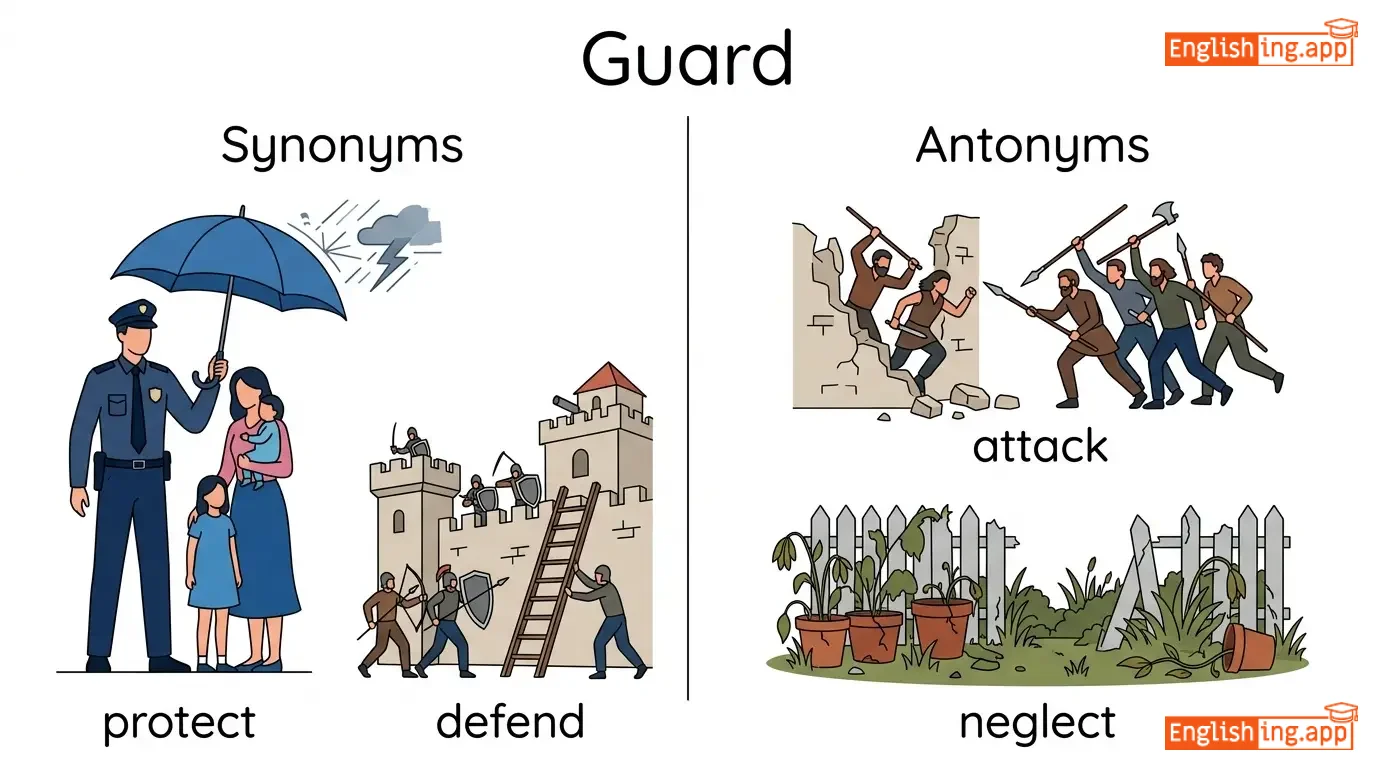
protect, defend, secure, watch
••••••
|
attack, neglect
••••••
|
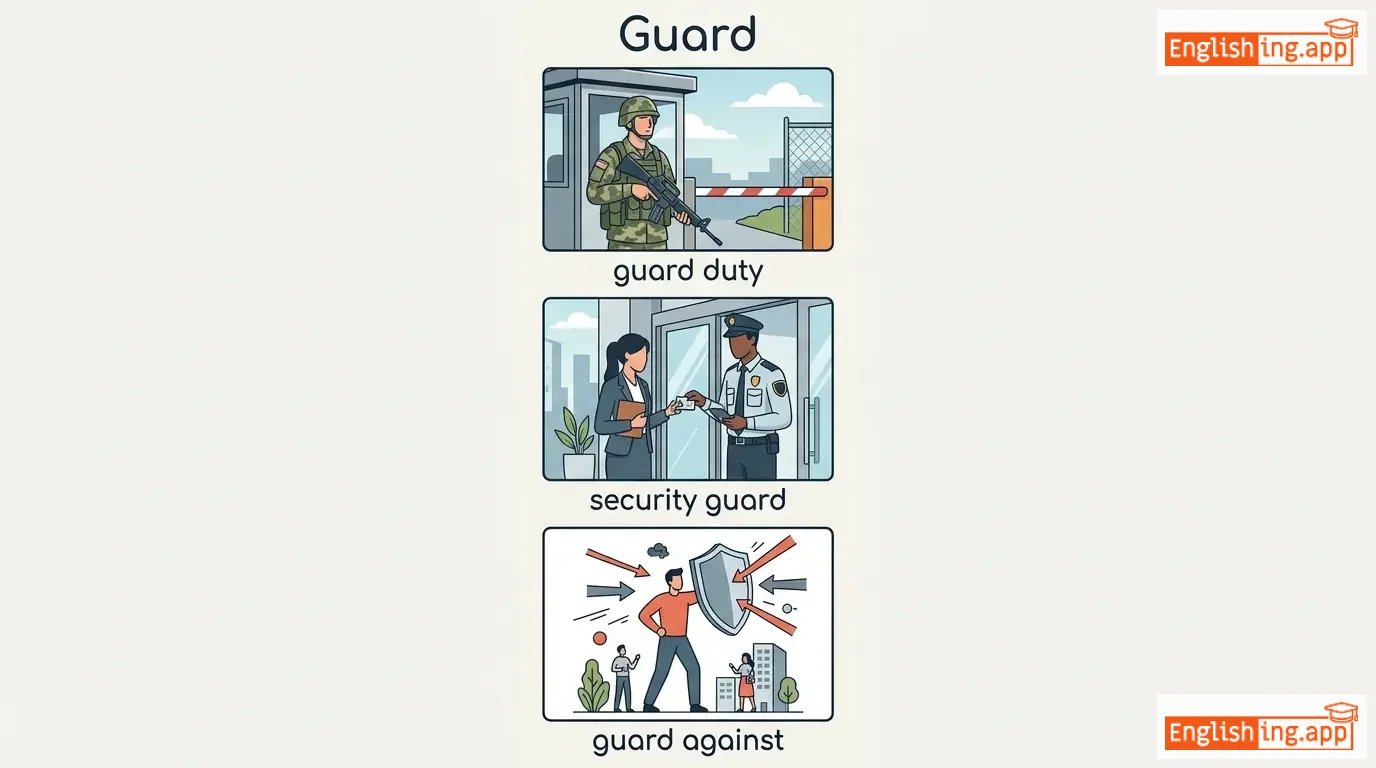
guard duty, security guard, guard against, guard entrance
••••••
|
Guard意味着守卫 🛡️ - 守卫意味着保护
••••••
|
|
#11104
📈
|
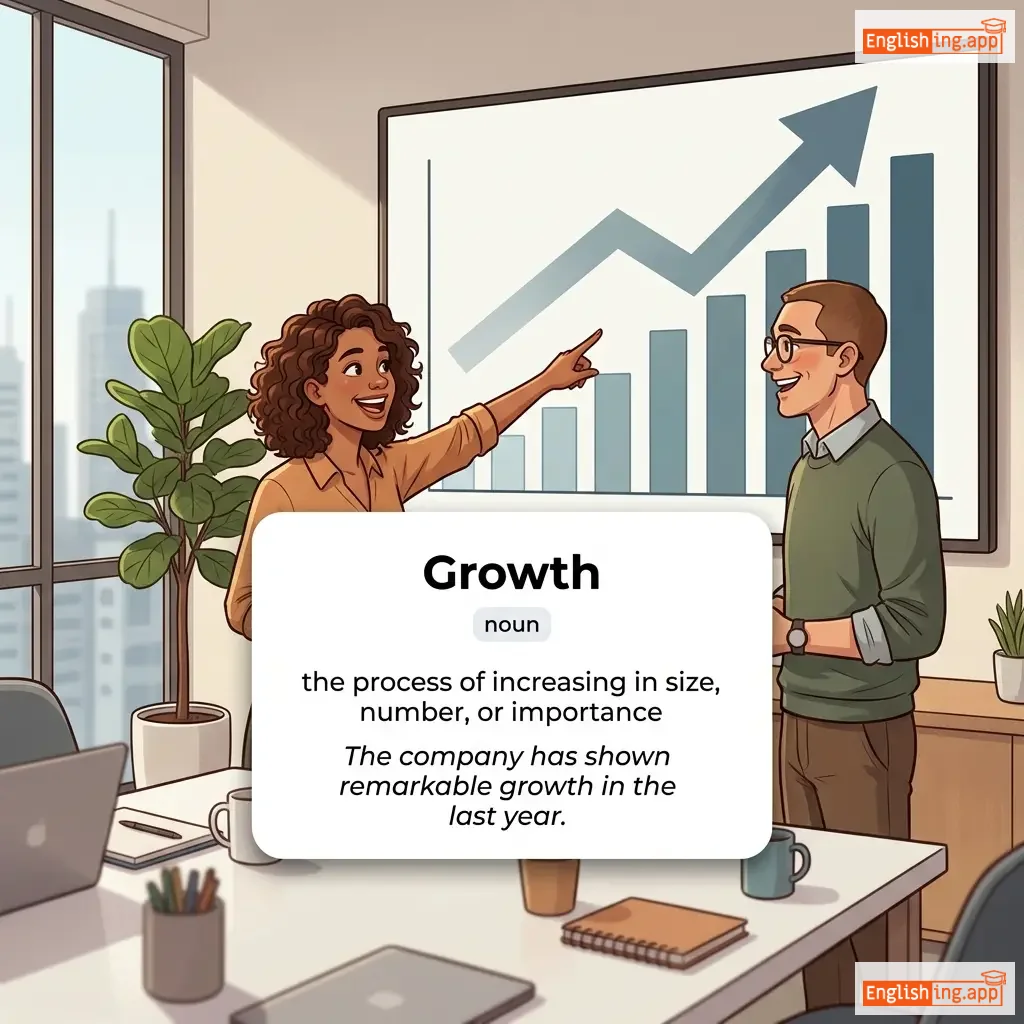
/ɡroʊθ/
noun
(gǔròu)
••••••
|
|
增长
zēngzhǎng
••••••
|
- •••••• | - •••••• | - •••••• | - •••••• |
the process of increasing in size, number, or importance
••••••
|
The company has shown remarkable growth in the last year. |
公司在去年表现出了显著的增长。
Gōngsī zài qùnián biǎoxiàn chūle xiǎnzhù de zēngzhǎng.
••••••
|
economic growth |
increase in a nation's production of goods and services
••••••
|
经济增长
jīngjì zēngzhǎng
••••••
|
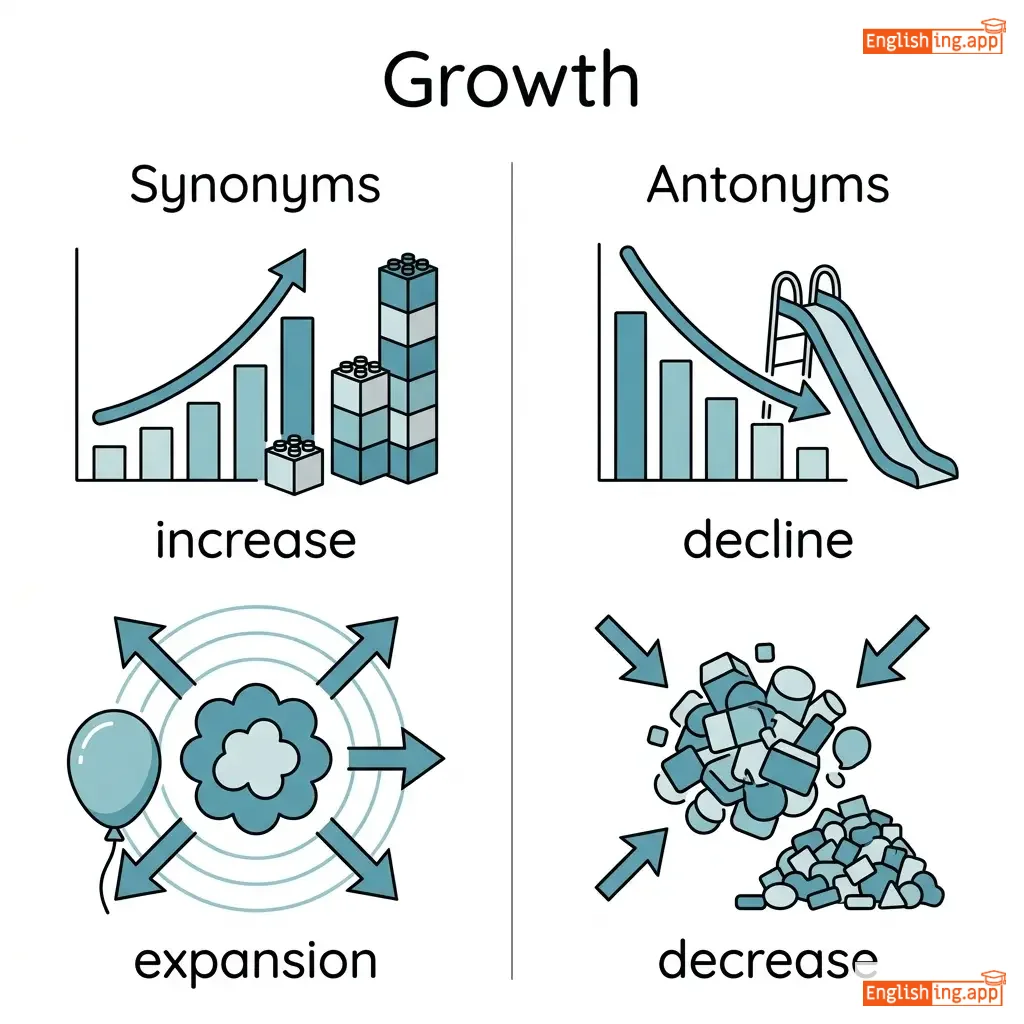
increase, expansion, rise, development
••••••
|
decline, decrease, shrinkage
••••••
|
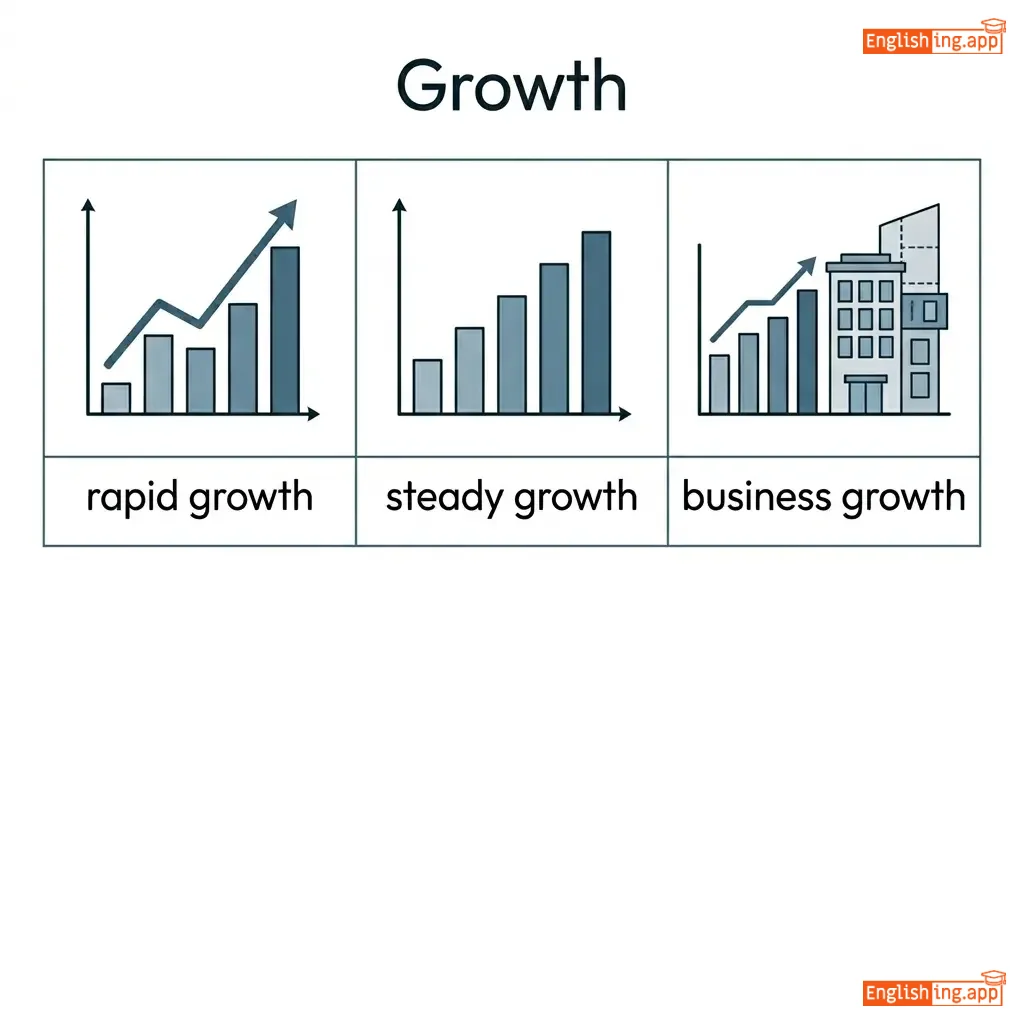
rapid growth, steady growth, business growth, growth rate
••••••
|
增长就像一个箭头指向上方 📈
••••••
|
|
#11105
🌿
|
/ˈɡroʊ.ɪŋ/
verb
(格罗英)
••••••
|
- •••••• |
增长
zēngzhǎng
••••••
|
- •••••• | - •••••• | - •••••• |
growing
格罗英
••••••
|
continuously increasing or developing
••••••
|
There is a growing demand for renewable energy.
对可再生能源的需求正在增长。
••••••
|
对可再生能源的需求正在增长。
Duì kě zàishēng néngyuán de xūqiú zhèngzài zēngzhǎng.
••••••
|
- •••••• | - •••••• | - •••••• |
developing, expanding, increasing, rising
••••••
|
shrinking, decreasing, declining
••••••
|
growing demand, growing concern, growing population, growing economy
••••••
|
Growing意味着增长,像需求增长一样。
••••••
|
|
#11106
🌱
|
/ɡroʊ/
verb
(格罗)
••••••
|
|
成长
chengzhang
••••••
|
grew
格鲁
••••••
|
grown
格龙
••••••
|
grows
格罗斯
••••••
|
growing
格洛因
••••••
|
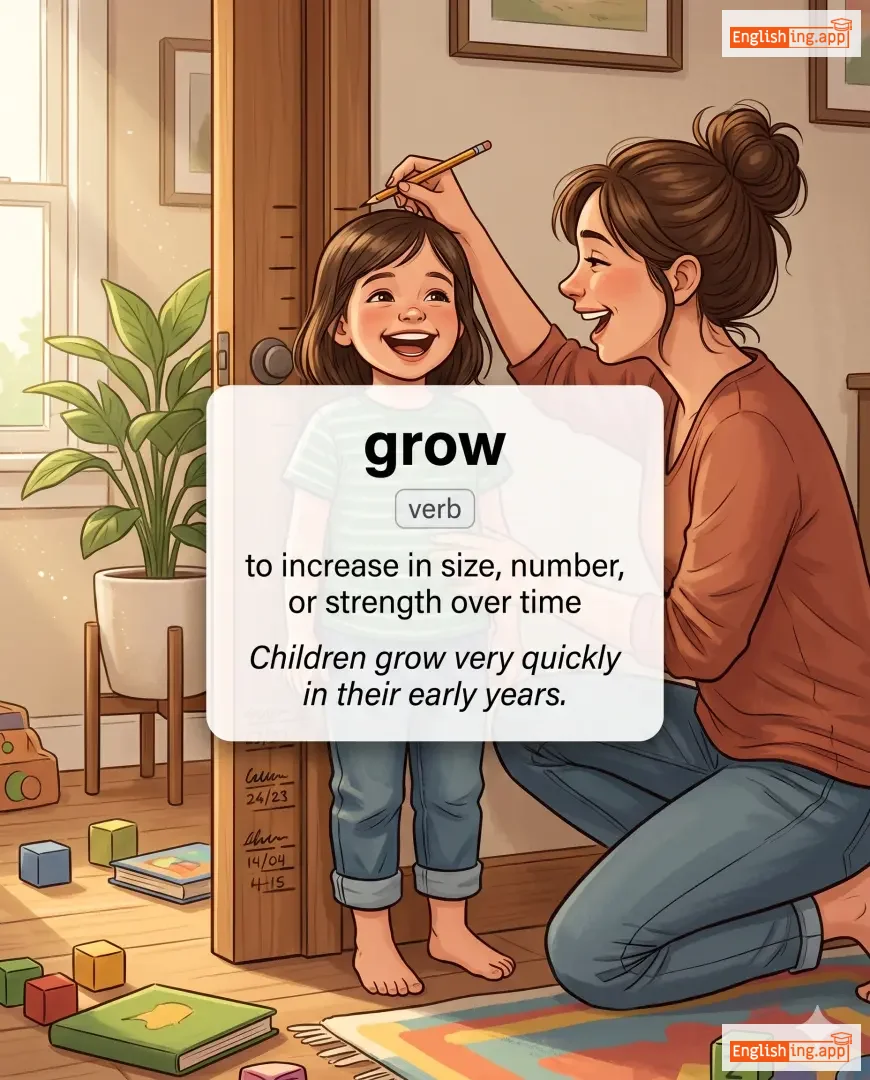
to increase in size, number, or strength over time
••••••
|
Children grow very quickly in their early years.
孩子们在他们的早年成长得非常快。
••••••
|
孩子们在他们的早年成长得非常快。
Haizimen zai tamen de zaonian chengzhang de feichang kuai.
••••••
|
grow on someone
在某人身上成长
••••••
|
to gradually become liked or appreciated
••••••
|
逐渐变得受欢迎
zhujian biande shou huanying
••••••
|
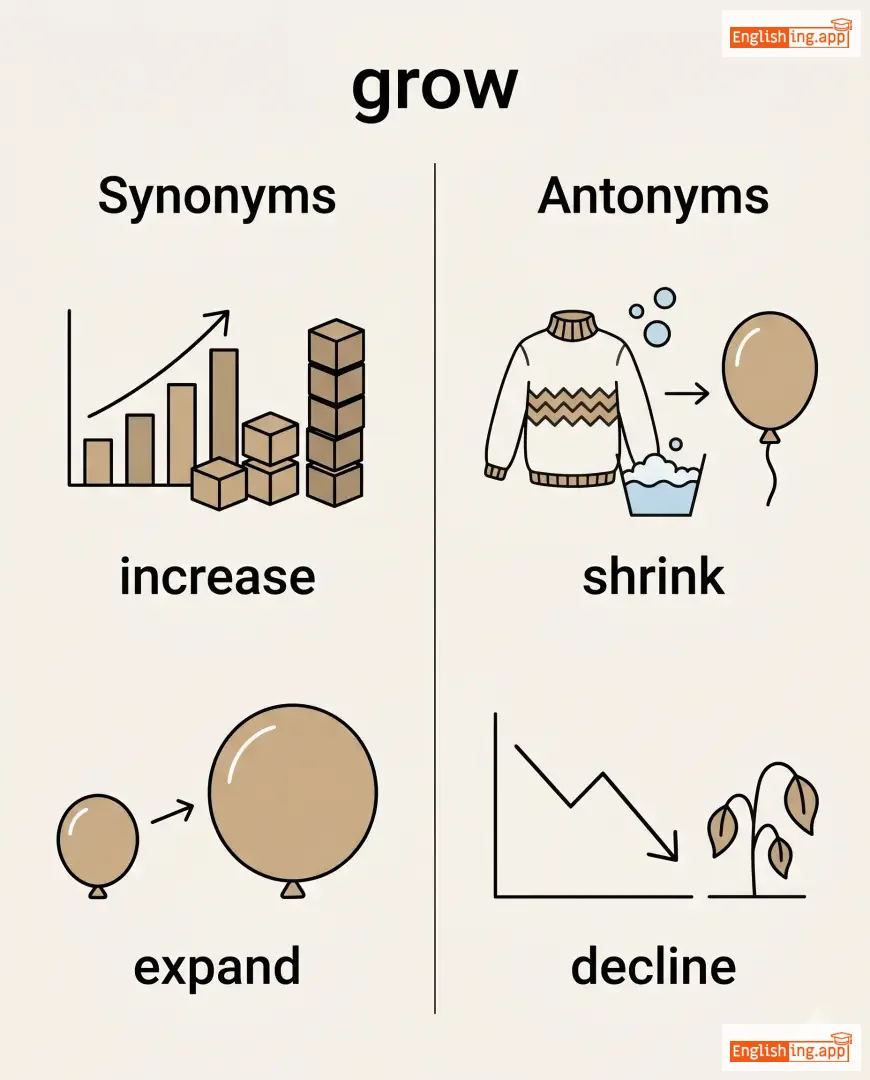
increase, expand, develop, rise, progress
••••••
|
shrink, decline, decrease
••••••
|
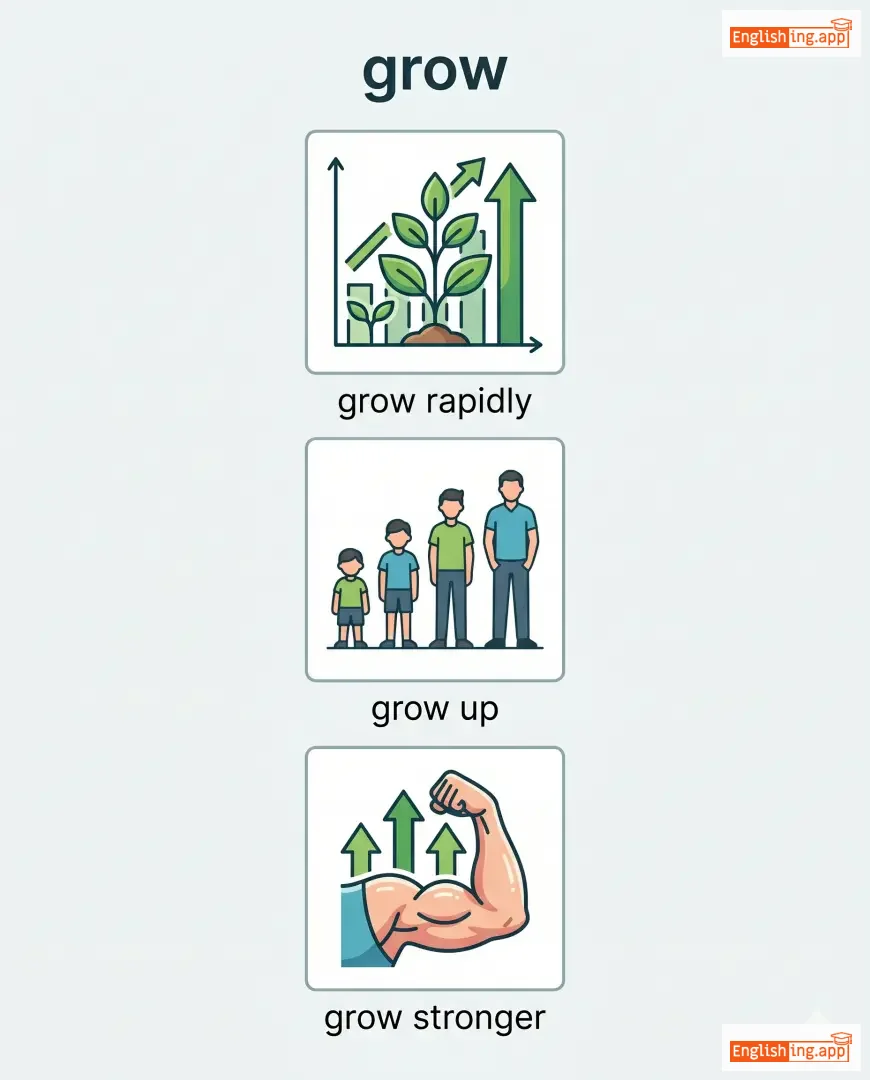
grow rapidly, grow up, grow stronger, grow business
••••••
|
树木成长,意味着树木随着时间变大。
••••••
|
|
#11107
👥
|
/ɡruːp/
noun, verb
(grou-p)
••••••
|
- •••••• |
小组
xiaozu
••••••
|
grouped
gruped
••••••
|
grouped
gruped
••••••
|
groups
grups
••••••
|
grouping
gruping
••••••
|
A number of people or things considered together; to arrange things or people into categories.
••••••
|
The students formed a study group.
学生们组成了一个学习小组。
••••••
|
学生们组成了一个学习小组。
Xueshengmen zucheng le yi ge xuexi xiaozu.
••••••
|
group effort
集体努力
••••••
|
A collective attempt or teamwork by multiple people.
••••••
|
集体努力
jiti nuli
••••••
|
team, cluster, party, band, collective
••••••
|
individual, single
••••••
|
group work, group project, small group, large group, group meeting
••••••
|
小组意味着一个集合,就像在 WhatsApp 小组里。
••••••
|
|
#11108
🛒
|
/ˈɡroʊ.sər.i/
noun
(格罗瑟里)
••••••
|
- •••••• |
杂货店
záhuò diàn
••••••
|
- •••••• | - •••••• | - •••••• | - •••••• |
A store that sells food and household supplies.
••••••
|
She went to the grocery to buy vegetables. |
她去杂货店买蔬菜。
Tā qù záhuò diàn mǎi shūcài.
••••••
|
- •••••• | - •••••• | - •••••• |
supermarket, store, market, shop, provisions
••••••
|
none,
••••••
|
grocery store, grocery list, grocery shopping, local grocery, buy groceries
••••••
|
Grocery = 杂货店,购买日常必需品的地方。
••••••
|
|
#11109
🏆
|
/ˈɡreɪ.tɪst/
adjective (superlative)
(グレイテスト)
••••••
|
- •••••• |
最伟大
zui wei da
••••••
|
- •••••• | - •••••• | - •••••• | - •••••• |
The highest degree of greatness; the most outstanding or important.
••••••
|
He is considered one of the greatest leaders of all time.
他被认为是所有时代最伟大的领导人之一。
••••••
|
他被认为是所有时代最伟大的领导人之一。
Tā bèi rènwéi shì suǒyǒu shídài zuì wěidà de lǐngdǎo rén zhī yī.
••••••
|
the greatest of all time
历史上最伟大
••••••
|
Used to describe someone regarded as the best ever in a field.
••••••
|
历史上最伟大
lìshǐ shàng zuì wěidà
••••••
|
best, finest, top, supreme, foremost
••••••
|
least, worst
••••••
|
greatest achievement, greatest leader, greatest player, greatest strength, greatest challenge
••••••
|
Greatest 是最伟大,是领导者的象征。
••••••
|
|
#11110
🥅
|
/ɡoʊl/
noun
(gōl)
••••••
|
- •••••• |
目标
mùbiāo
••••••
|
- •••••• | - •••••• | - •••••• | - •••••• |
an aim or desired result; a point scored in a game
••••••
|
Her main goal is to become a doctor. |
她的主要目标是成为一名医生。
Tā de zhǔyào mùbiāo shì chéngwéi yī míng yīshēng.
••••••
|
set a goal |
to decide what you want to achieve
••••••
|
设定目标
shèdìng mùbiāo
••••••
|
aim, target, objective, purpose, ambition
••••••
|
aimlessness, purposelessness
••••••
|
set a goal, achieve a goal, reach a goal, score a goal
••••••
|
一个球就是一个目标,就像在足球比赛中进球就赢了。
••••••
|
|
#11111
⚰️
|
/ɡreɪv/
noun, adjective
(guī)
••••••
|
- •••••• |
坟墓
fénmù
••••••
|
- •••••• | - •••••• | - •••••• | - •••••• |
A place where someone is buried; also used to describe something serious or solemn.
••••••
|
He visited his grandfather's grave every year. |
他每年都会去拜访他祖父的坟墓。
Tā měi nián dōu huì qù bàifǎng tā zǔfù de fénmù.
••••••
|
turn in one's grave |
To be very upset or disturbed even after death, often used figuratively.
••••••
|
在坟墓里翻身
zài fénmù lǐ fān shēn
••••••
|
tomb, burial site, sepulcher, serious, solemn
••••••
|
lighthearted, trivial
••••••
|
grave danger, grave mistake, grave concern, graveyard, visit a grave
••••••
|
坟墓是休息的地方,但也可以意味着严重的事情。
••••••
|
|
#11112
🌱
|
/ɡræs/
noun
(海皮尼斯)
••••••
|
- •••••• |
幸福
xingfu
••••••
|
- •••••• | - •••••• | - •••••• | - •••••• |
plants with narrow green leaves, often covering the ground in fields or gardens
••••••
|
Children are playing on the grass. |
当她获得奖项时,她无法隐藏自己的幸福。
Dāng tā huòdé jiǎngxiàng shí, tā wúfǎ yǐncáng zìjǐ de xìngfú.
••••••
|
the grass is always greener on the other side |
other people's situations always seem better than one's own
••••••
|
追求幸福
zhuīqiú xìngfú
••••••
|
lawn, turf, pasture, sod, herbage
••••••
|
bare ground, soil
••••••
|
green grass, cut grass, fresh grass, tall grass
••••••
|
幸福 = Happy + 福 = Happiness
••••••
|
|
#11113
👵
|
/ˈɡrændˌmʌðər/
noun
(祖母)
••••••
|
- •••••• |
祖母
zǔmǔ
••••••
|
- •••••• | - •••••• | - •••••• | - •••••• |
the mother of one's father or mother
••••••
|
My grandmother makes delicious cakes.
我的祖母做美味的蛋糕。
••••••
|
我的祖母做美味的蛋糕。
wǒ de zǔmǔ zuò měiwèi de dàngāo.
••••••
|
teach your grandmother to suck eggs
教你的祖母吸蛋
••••••
|
to give advice to someone who knows more about the subject than you do
••••••
|
给比你更懂的人建议
gěi bǐ nǐ gèng dǒng de rén jiànyì
••••••
|
elder, ancestor, matriarch, granny
••••••
|
descendant, offspring
••••••
|
maternal grandmother, paternal grandmother, old grandmother
••••••
|
祖母 = 祖 + 母 (年长的母亲)
••••••
|
|
#11114
👴
|
/ˈɡrændˌfɑːðər/
noun
(爷爷)
••••••
|
- •••••• |
祖父
zǔfù
••••••
|
- •••••• | - •••••• | - •••••• | - •••••• |
the father of one's father or mother
••••••
|
My grandfather tells us stories every evening.
我的爷爷每天晚上给我们讲故事。
••••••
|
我的爷爷每天晚上给我们讲故事。
Wǒ de yéyé měitiān wǎnshàng gěi wǒmen jiǎng gùshì.
••••••
|
grandfather clause
祖父条款
••••••
|
an old rule that continues to apply in some cases
••••••
|
一个仍然适用的旧规则
Yī gè réngrán shìyòng de jiù guīzé
••••••
|
elder, ancestor, forefather, patriarch
••••••
|
descendant, offspring
••••••
|
maternal grandfather, paternal grandfather, old grandfather
••••••
|
Grandfather是Grand+Father(祖父)
••••••
|
|
#11115
🏰
|
/ɡrænd/
adjective
(ɡɹænd)
••••••
|
- •••••• |
宏伟
hongwei
••••••
|
- •••••• | - •••••• | - •••••• | - •••••• |
magnificent and impressive in appearance, size, or style
••••••
|
They stayed at a grand hotel in Paris. |
他们住在巴黎的一家宏伟酒店里。
Tamen zhu zai Bali de yijia hongwei jiudian li.
••••••
|
grand scheme |
a large, ambitious plan
••••••
|
宏伟计划
hongwei jihua
••••••
|
majestic, splendid, magnificent, glorious, impressive
••••••
|
modest, ordinary, simple
••••••
|
grand design, grand style, grand hotel, grand idea
••••••
|
Grand意味着宏伟。
••••••
|
|
#11116
🌾
|
/ɡreɪn/
noun
(guīng)
••••••
|
- •••••• |
谷物
gǔwù
••••••
|
- •••••• | - •••••• | - •••••• | - •••••• |
a small hard seed of a cereal plant such as wheat or rice; a tiny particle of a substance
••••••
|
A grain of rice fell off the plate. |
一粒米从盘子里掉了下来。
Yī lì mǐ cóng pánzi lǐ diàole xiàlái.
••••••
|
go against the grain |
to do something that is unusual or against one's nature
••••••
|
逆流而上
nìliú ér shàng
••••••
|
seed, kernel, particle, speck, granule
••••••
|
chunk, mass
••••••
|
grain of rice, grain of sand, cereal grain, wheat grain
••••••
|
谷物 (gǔwù) 是生命的种子。
••••••
|
|
#11117
🐢
|
/ˈɡrædʒuəli/
adverb
(guānjiàn)
••••••
|
- •••••• |
逐渐
zhújiàn
••••••
|
- •••••• | - •••••• | - •••••• | - •••••• |
Slowly and steadily, taking place step by step.
••••••
|
She gradually improved her English over the year.
她逐渐提高了她的英语。
••••••
|
她逐渐提高了她的英语。
Tā zhújiàn tígāo le tā de yīngyǔ.
••••••
|
- •••••• | - •••••• | - •••••• |
slowly, steadily, progressively, step by step
••••••
|
suddenly, abruptly
••••••
|
gradually increase, gradually change, gradually improve, gradually decline
••••••
|
逐渐意味着一步一步地进步,就像慢慢学会新技能。
••••••
|
|
#11118
📊
|
/ɡreɪd/
noun, verb
(格雷德)
••••••
|
- •••••• |
等级
dengji
••••••
|
graded
格雷德德
••••••
|
graded
格雷德德
••••••
|
grades
格雷德斯
••••••
|
grading
格雷丁
••••••
|
A level of quality, rank, or performance; to assign a score or mark to work or performance.
••••••
|
The teacher graded all the papers by the weekend.
老师在周末之前批改了所有的作业。
••••••
|
老师在周末之前批改了所有的作业。
Lǎoshī zài zhōumò zhīqián pīgǎi le suǒyǒu de zuòyè.
••••••
|
make the grade
达标
••••••
|
To succeed or meet the required standard.
••••••
|
达成标准
dacheng biaozhun
••••••
|
rank, level, mark, score, stage
••••••
|
failure, decline
••••••
|
high grade, grade level, grade point, grade paper
••••••
|
Grade 就是评估一个人的表现,类似成绩单中的分数。
••••••
|
|
#11119
👔
|
/ˈɡʌvərnər/
noun
(ɡʊvɛʁnɚ)
••••••
|
- •••••• |
州长
zhouzhang
••••••
|
- •••••• | - •••••• | - •••••• | - •••••• |
An official appointed or elected to govern a state, territory, or organization.
••••••
|
The governor addressed the citizens about the upcoming election. |
州长向公民们讲述了即将来临的选举。
Zhōuzhǎng xiàng gōngmínmen jiǎngshùle jíjiāng láilín de xuǎnjǔ.
••••••
|
- •••••• | - •••••• | - •••••• |
ruler, administrator, leader, official
••••••
|
citizen, subject
••••••
|
state governor, governor's office, elected governor, colonial governor
••••••
|
州长像是州的领袖,负责决策。
••••••
|
|
#11120
🏛️
|
/ˈɡʌvərnmənt/
noun
(guózhì)
••••••
|
|
政府
zhèngfǔ
••••••
|
- •••••• | - •••••• | - •••••• | - •••••• |
The governing body of a nation, state, or community responsible for making and enforcing laws.
••••••
|
The government announced a new policy on education. |
政府宣布了一项新的教育政策。
zhèngfǔ xuānbùle yī xiàng xīn de jiàoyù zhèngcè.
••••••
|
big government |
A political concept referring to a government that is large and heavily involved in society.
••••••
|
大政府
dà zhèngfǔ
••••••
|
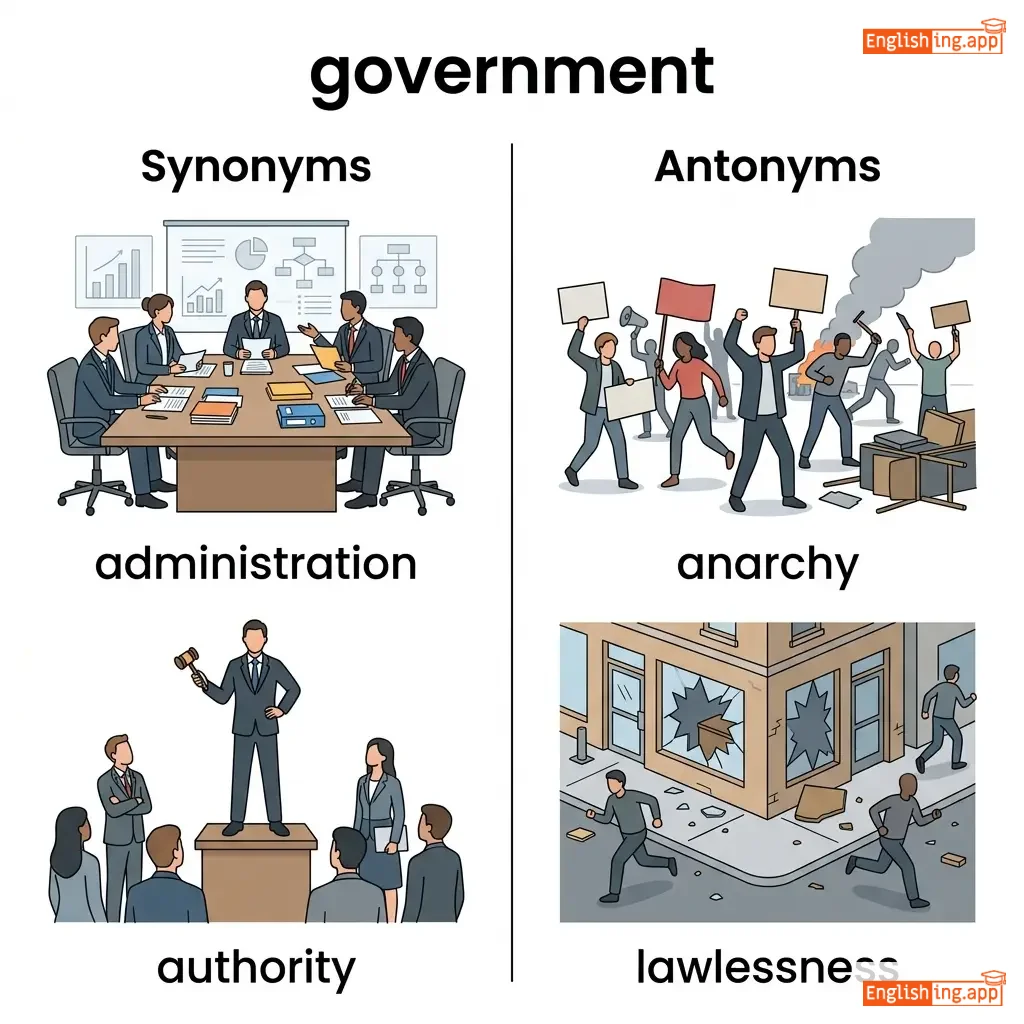
administration, authority, regime, state, leadership
••••••
|
anarchy, lawlessness
••••••
|
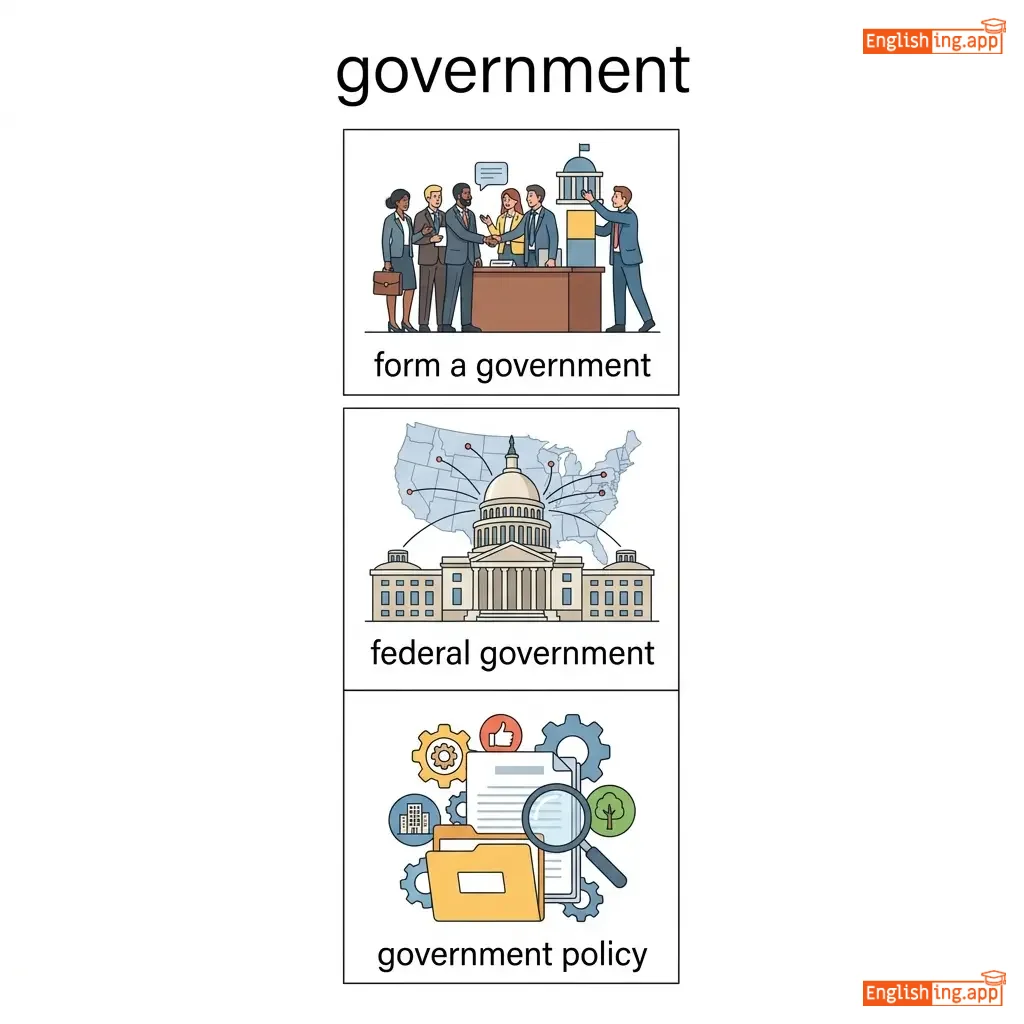
form a government, federal government, government policy, government official
••••••
|
政府是负责治理国家、执行法令的机构。
••••••
|
|
#11121
🏌️
|
/ɡɒlf/
noun
(海皮尼斯)
••••••
|
- •••••• |
幸福
xìng fú
••••••
|
- •••••• | - •••••• | - •••••• | - •••••• |
A game in which players use clubs to hit a ball into a series of holes on a course in as few strokes as possible.
••••••
|
He spends his weekends playing golf with his friends. |
当她收到奖项时,她无法掩饰自己的幸福。
Dāng tā shōu dào jiǎngxiàng shí, tā wúfǎ yǎnshì zìjǐ de xìngfú.
••••••
|
a good walk spoiled |
A humorous phrase describing golf as ruining the enjoyment of walking.
••••••
|
追求幸福
zhuīqiú xìngfú
••••••
|
sport, game, pastime, recreation
••••••
|
work, labor
••••••
|
play golf, golf course, golf club, professional golf
••••••
|
幸福就像一个无尽的旅程,一直追寻着真正的快乐!
••••••
|
|
#11122
✨
|
/ˈɡoʊldən/
adjective
(gōldén)
••••••
|
- •••••• |
金色的
jīnsè de
••••••
|
- •••••• | - •••••• | - •••••• | - •••••• |
made of or resembling gold; precious or excellent
••••••
|
This is a golden opportunity to learn new skills. |
这是一个学习新技能的金色机会。
Zhè shì yīgè xuéxí xīn jìnéng de jīnsè jīhuì.
••••••
|
golden opportunity |
a very good chance to achieve something
••••••
|
金色的机会
jīnsè de jīhuì
••••••
|
bright, valuable, excellent, precious
••••••
|
worthless, ordinary
••••••
|
golden rule, golden age, golden opportunity, golden chance
••••••
|
Golden意味着金色的,就像‘golden rule’,人生的金科玉律。
••••••
|
|
#11123
🥇
|
/ɡoʊld/
noun
(ɡoʊld)
••••••
|
- •••••• |
黄金
huangjin
••••••
|
- •••••• | - •••••• | - •••••• | - •••••• |
a yellow precious metal used in jewelry and as money
••••••
|
The ring was made of pure gold. |
这枚戒指是由纯金制成的。
Zhè méi jièzhǐ shì yóu chún jīn zhìchéng de.
••••••
|
worth its weight in gold |
extremely valuable
••••••
|
值其黄金重量
zhí qí huángjīn zhòngliàng
••••••
|
precious metal, wealth, treasure
••••••
|
worthlessness, poverty
••••••
|
pure gold, gold medal, gold mine, gold chain
••••••
|
黄金是最珍贵的金属,像是金光闪闪的机会。
••••••
|
|
#11124
🙏
|
/ɡɑːd/
noun
(ɡɑd)
••••••
|
- •••••• |
上帝
shàngdì
••••••
|
- •••••• | - •••••• | - •••••• | - •••••• |
a deity; a supreme being believed to control the universe
••••••
|
People in different cultures worship God in various ways. |
不同文化的人以不同的方式崇拜上帝。
bùtóng wénhuà de rén yǐ bùtóng de fāngshì chóngbài shàngdì
••••••
|
act of God |
an event beyond human control, like a natural disaster
••••••
|
上帝之事
shàngdì zhī shì
••••••
|
deity, divinity, lord, almighty
••••••
|
mortal, human
••••••
|
believe in God, worship God, fear God, act of God
••••••
|
上帝是宇宙的主宰,记住'上帝'掌控一切。
••••••
|
Vocabulary Quiz
Test your vocabulary by matching words with their translations or meanings.
Login to take the quiz
Comments (0)
Share your thoughts and join the discussion.
Join the discussion by logging in
Login to CommentNo comments yet
Be the first to share your thoughts!