

翻訳
過去
過去分詞
三人称単数
動名詞
意味
例文
例文の翻訳
同義語
対義語
コロケーション
ニーモニック
Swipe left or right, or use the buttons. Tap image to zoom.
例文の翻訳
単語
Lesson 371Lesson 371 - マスクトグル
|
絵文字
|
単語 | Images | 翻訳 | 過去 | 過去分詞 | 三人称単数 | 動名詞 | 意味 | 例文 | 例文の翻訳 | 表現例 | 表現例の意味 | 表現例の翻訳 | 同義語 | 対義語 | コロケーション | ニーモニック |
|---|---|---|---|---|---|---|---|---|---|---|---|---|---|---|---|---|---|
|
#11095
🌫️
|
/ɡreɪ/
adjective, noun
(ハピネス)
••••••
|
- •••••• |
幸せ
shiawase
••••••
|
- •••••• | - •••••• | - •••••• | - •••••• |
A color between black and white; also describes dull or gloomy situations.
••••••
|
The sky turned gray before the storm. |
彼女は賞を受け取ったとき、幸せを隠せなかった。
Kanojo wa shō o uketotta toki, shiawase o kakusenakatta.
••••••
|
gray area |
Something unclear or not easily classified.
••••••
|
幸せの追求
shiawase no tsuikyū
••••••
|
ashen, dull, silver, gloomy, neutral
••••••
|
bright, colorful
••••••
|
gray sky, gray hair, gray area, gray clouds, gray mood
••••••
|
幸せは心の平穏を見つけることです。
••••••
|
|
#11096
💇
|
/hɛər/
noun
(ヘア)
••••••
|
- •••••• |
髪
kami
••••••
|
- •••••• | - •••••• | - •••••• | - •••••• |
the fine threads growing from the skin of humans and animals
••••••
|
She has long, black hair. |
彼女は長くて黒い髪を持っています。
Kanojo wa nagakute kuroi kami o motteimasu.
••••••
|
let your hair down |
to relax and enjoy yourself without worrying
••••••
|
髪をおろす
kami o orosu
••••••
|
locks, strands, tresses, mane
••••••
|
baldness, bald head
••••••
|
long hair, curly hair, cut hair, hair color
••••••
|
髪 (kami) = Hair, 髪の毛は日本でヘア
••••••
|
|
#11097
🔄
|
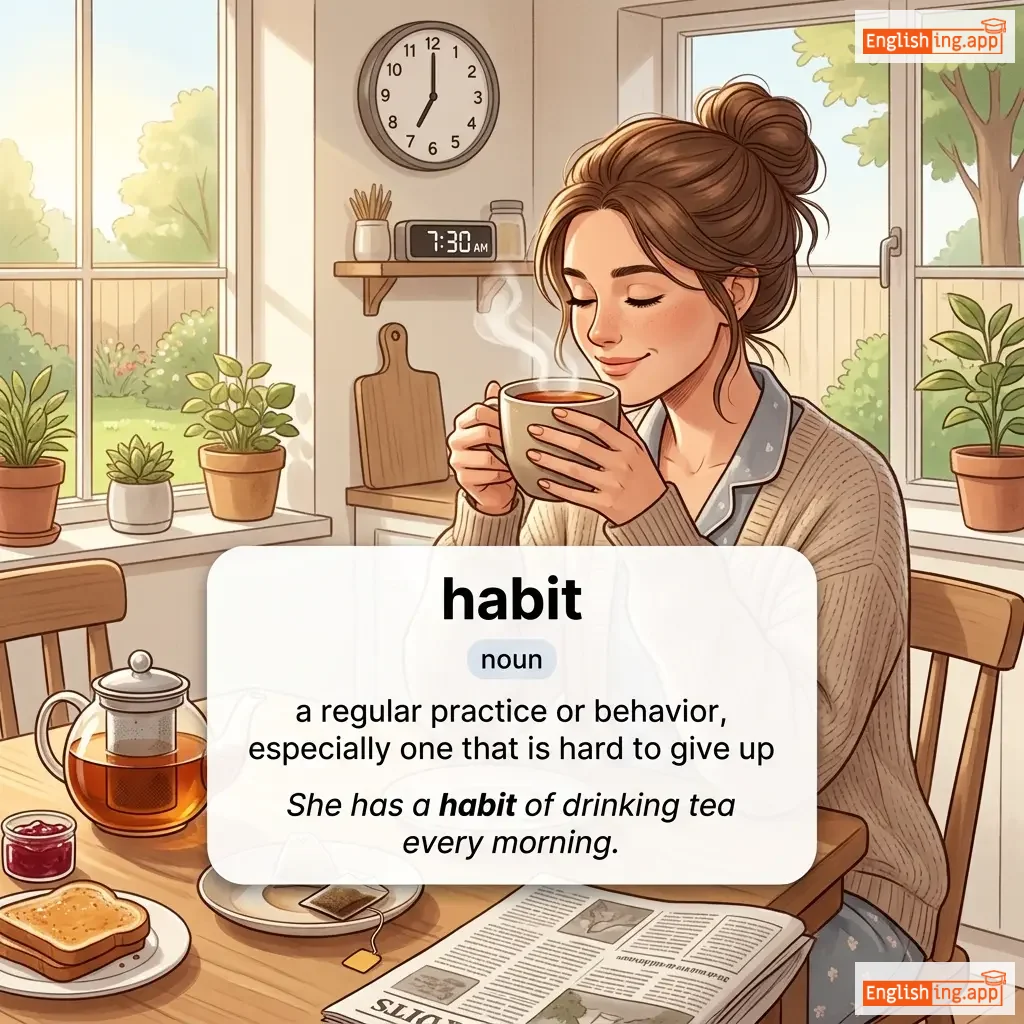
/ˈhæb.ɪt/
noun
(ハビット)
••••••
|
|
習慣
shūkan
••••••
|
- •••••• | - •••••• | - •••••• | - •••••• |
a regular practice or behavior, especially one that is hard to give up
••••••
|
She has a habit of drinking tea every morning. |
彼女は毎朝お茶を飲む習慣がある。
Kanojo wa maiasa ocha o nomu shūkan ga aru.
••••••
|
old habits die hard |
it is difficult to stop doing things that one has been doing for a long time
••••••
|
古い習慣はなかなか捨てられない
Furui shūkan wa nakaka suterarenai
••••••
|
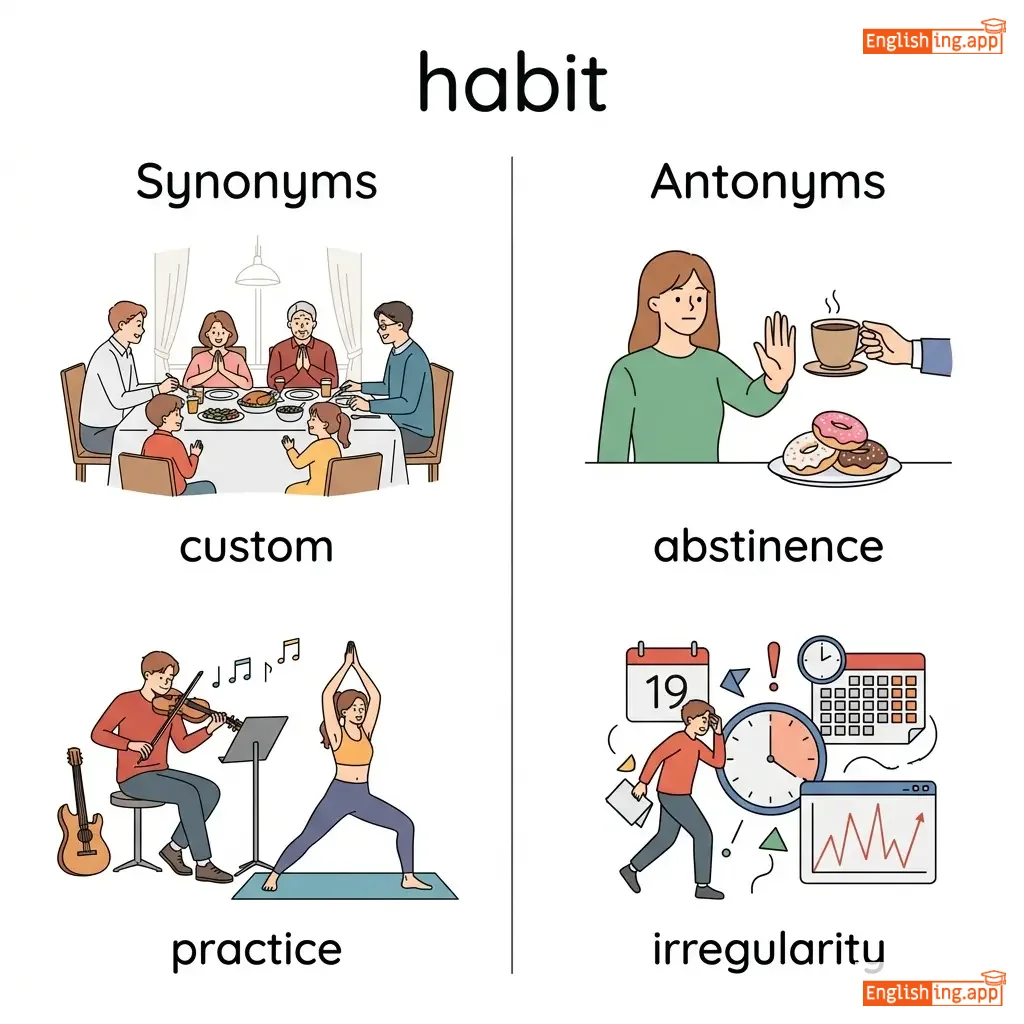
custom, practice, routine, tendency, pattern
••••••
|
abstinence, irregularity, avoidance
••••••
|
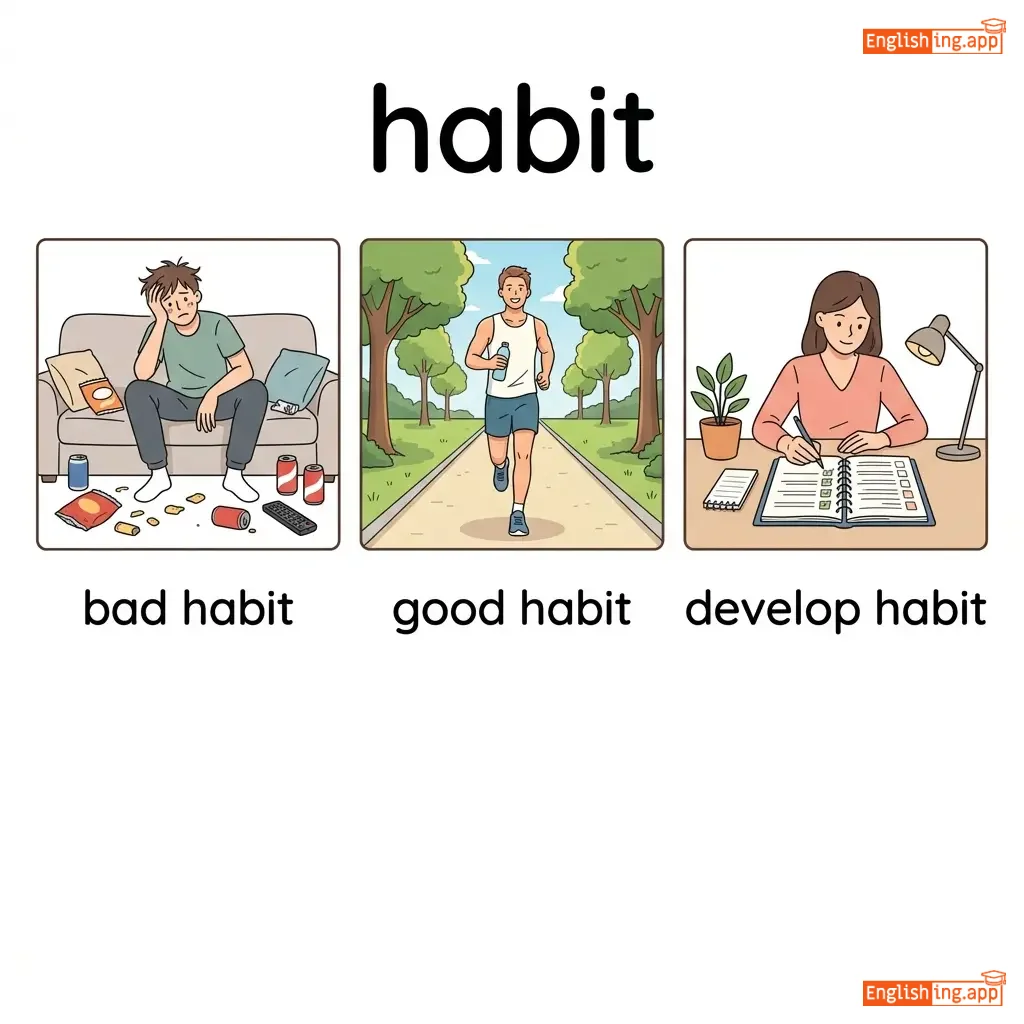
bad habit, good habit, develop habit, break habit
••••••
|
習慣を作るなら、毎日続けることが大切だ。
••••••
|
|
#11098
🔫
|
/ɡʌn/
noun
(ガン)
••••••
|
- •••••• |
銃
jū
••••••
|
- •••••• | - •••••• | - •••••• | - •••••• |
a weapon that shoots bullets or other projectiles
••••••
|
The police officer carried a gun for protection. |
警察官は保護のために銃を携帯していました。
Keisatsukan wa hogo no tame ni jū o keitai shite imashita.
••••••
|
jump the gun |
to do something too soon or before the right time
••••••
|
先を越す
saki o kosu
••••••
|
firearm, pistol, rifle, revolver, weapon
••••••
|
peace, disarmament, safety
••••••
|
carry a gun, toy gun, gun control, load a gun
••••••
|
Gunは銃 — 銃を使わないと弾は発射されません。
••••••
|
|
#11099
😔
|
/ˈɡɪl.ti/
adjective
(ギルティ)
••••••
|
- •••••• |
有罪の
yūzai no
••••••
|
- •••••• | - •••••• | - •••••• | - •••••• |
responsible for a crime or wrongdoing; feeling shame or regret
••••••
|
He felt guilty after lying to his friend. |
彼は友達に嘘をついた後、有罪だと感じた。
Kare wa tomodachi ni uso o tsuita ato, yūzai da to kanjita.
••••••
|
plead guilty |
to formally admit in court that one has committed a crime
••••••
|
有罪を申し立てる
yūzai o mōshitate ru
••••••
|
ashamed, responsible, blameworthy, convicted
••••••
|
innocent, blameless, faultless
••••••
|
feel guilty, guilty of, guilty conscience, found guilty
••••••
|
有罪の感覚はguiltyと同じ、犯した罪を感じる。
••••••
|
|
#11100
📑
|
/ˈɡaɪd.laɪn/
noun
(ガイドライン)
••••••
|
- •••••• |
ガイドライン
gaidorain
••••••
|
- •••••• | - •••••• | - •••••• | - •••••• |
a rule, instruction, or principle that provides direction
••••••
|
The company issued new guidelines for employee safety. |
会社は従業員の安全のために新しいガイドラインを発表しました。
Kaisha wa jūgyōin no anzen no tame ni atarashī gaidorain o happyō shimashita.
••••••
|
- •••••• | - •••••• | - •••••• |
rule, instruction, policy, principle, direction
••••••
|
chaos, disorder, lawlessness
••••••
|
safety guideline, follow guideline, official guideline, set guideline
••••••
|
ガイドラインは道しるべとなる線です。
••••••
|
|
#11101
🧭
|
/ɡaɪd/
verb, noun
(ハピネス)
••••••
|
|
幸福
kōfuku
••••••
|
guided
••••••
|
guided
••••••
|
guides
••••••
|
guiding
••••••
|
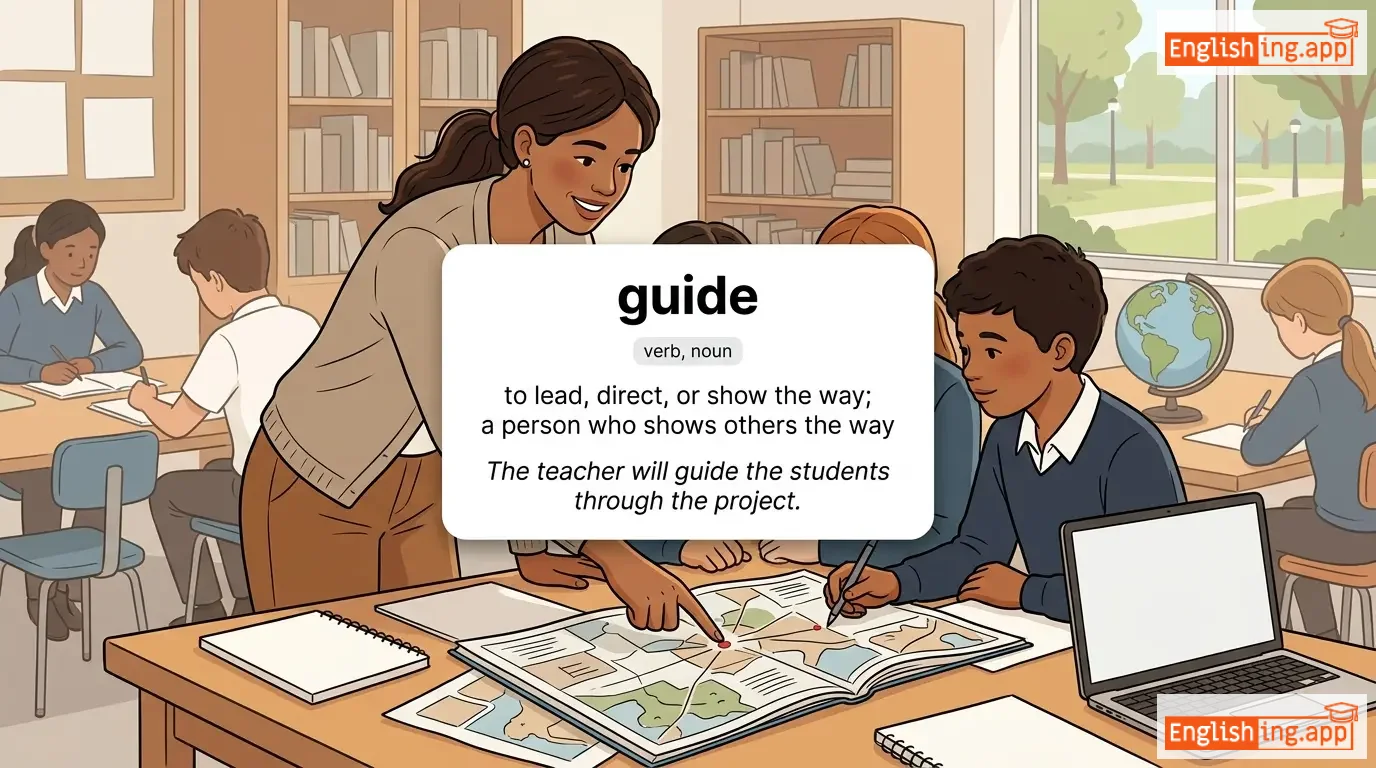
to lead, direct, or show the way; a person who shows others the way
••••••
|
The teacher will guide the students through the project. |
彼女は賞を受け取ったとき、自分の幸福を隠すことができませんでした。
Kanojo wa shō o uketotta toki, jibun no kōfuku o kakusu koto ga dekimasen deshita.
••••••
|
spiritual guide |
a person who offers wisdom or advice in spiritual matters
••••••
|
幸福の追求
kōfuku no tsuikyū
••••••
|
lead, direct, mentor, instructor, show
••••••
|
mislead, confuse, follow
••••••
|
guide book, tourist guide, guide the way, guide someone
••••••
|
幸福と happiness はどちらも人生の最高の目標です。
••••••
|
|
#11102
🎉
|
/ɡɛst/
noun
(ゲスト)
••••••
|
- •••••• |
ゲスト
gesuto
••••••
|
- •••••• | - •••••• | - •••••• | - •••••• |
a person invited to visit or stay in someone's home or attend an event
••••••
|
We welcomed our guest with a warm smile. |
私たちはゲストを温かい笑顔で迎えました。
Watashitachi wa gesuto o atatakai egao de mukaemashita.
••••••
|
guest of honor |
the most important guest at an event
••••••
|
名誉ゲスト
meiyo gesuto
••••••
|
visitor, invitee, company, lodger
••••••
|
host, resident
••••••
|
guest list, hotel guest, guest room, special guest
••••••
|
ゲスト (gesuto) は特別に歓迎される人!
••••••
|
|
#11103
🛡️
|
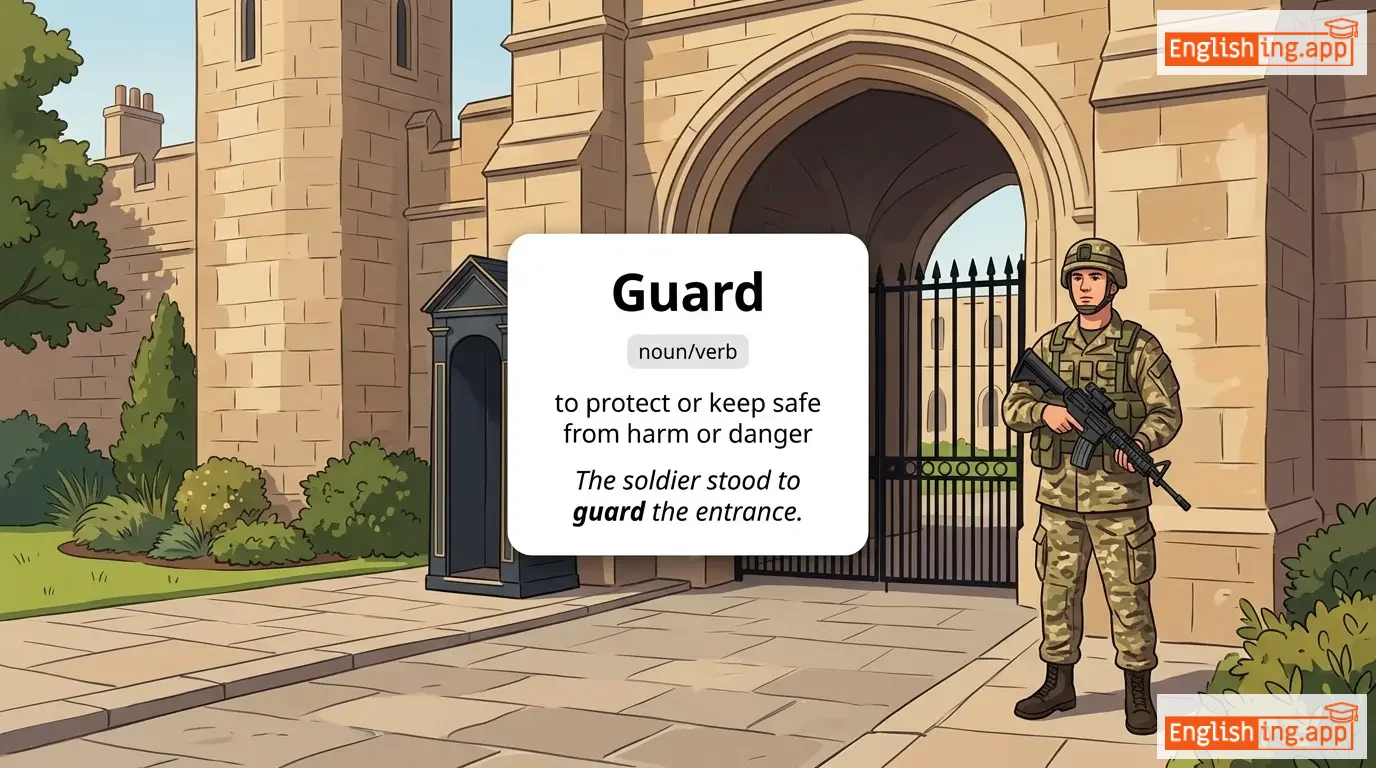
/ɡɑːrd/
noun/verb
(ガード)
••••••
|
|
警備員 / 守る
keibiin / mamoru
••••••
|
guarded
ガーディッド
••••••
|
guarded
ガーディッド
••••••
|
guards
ガーズ
••••••
|
guarding
ガーディング
••••••
|
to protect or keep safe from harm or danger
••••••
|
The soldier stood to guard the entrance.
兵士は入り口を守るために立っていました。
••••••
|
兵士は入り口を守るために立っていました。
Heishi wa iriguchi o mamoru tame ni tatte imashita.
••••••
|
on guard
ガード中
••••••
|
to be watchful and alert
••••••
|
警戒中
keikaichuu
••••••
|
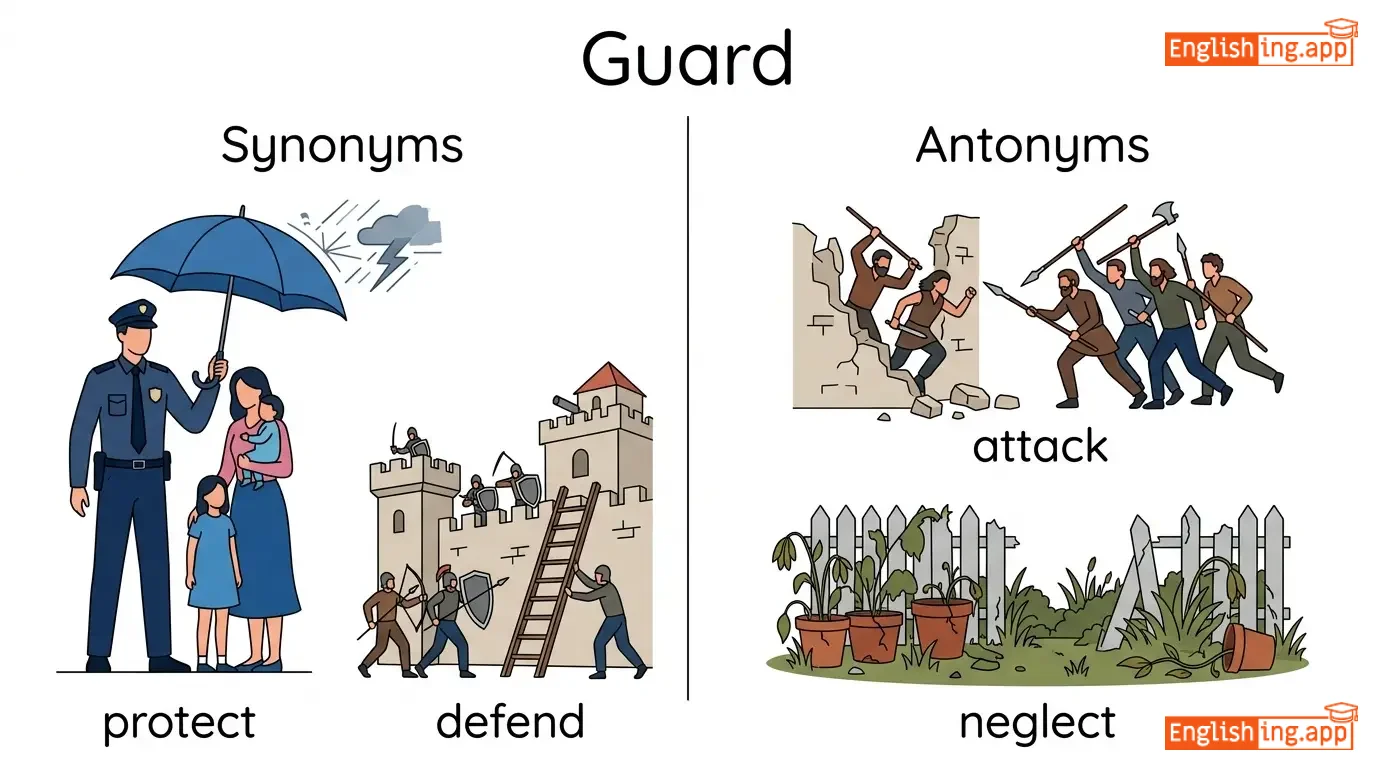
protect, defend, secure, watch
••••••
|
attack, neglect
••••••
|
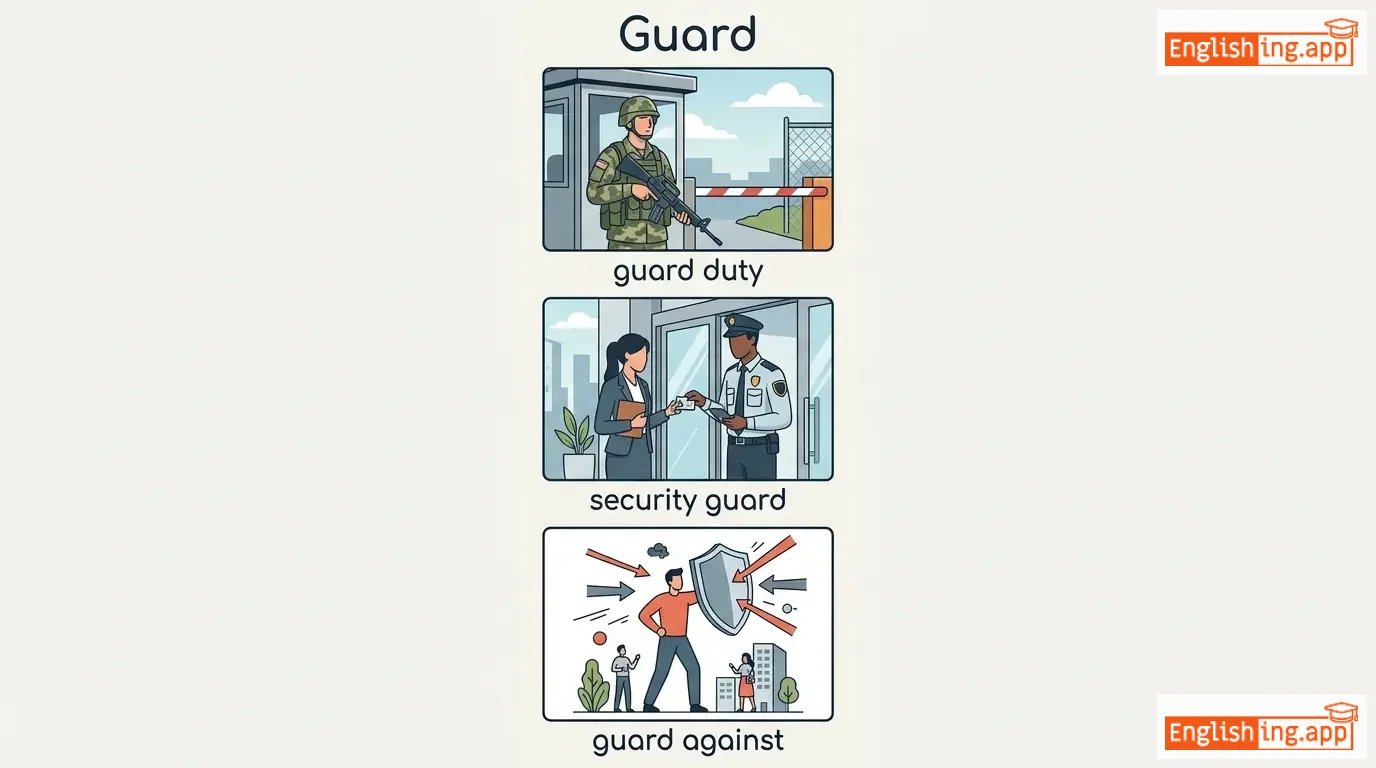
guard duty, security guard, guard against, guard entrance
••••••
|
Guardは警備員 🛡️ - 警備員は守ること
••••••
|
|
#11104
📈
|
/ɡroʊθ/
noun
(グロウス)
••••••
|
|
成長
seichou
••••••
|
- •••••• | - •••••• | - •••••• | - •••••• |
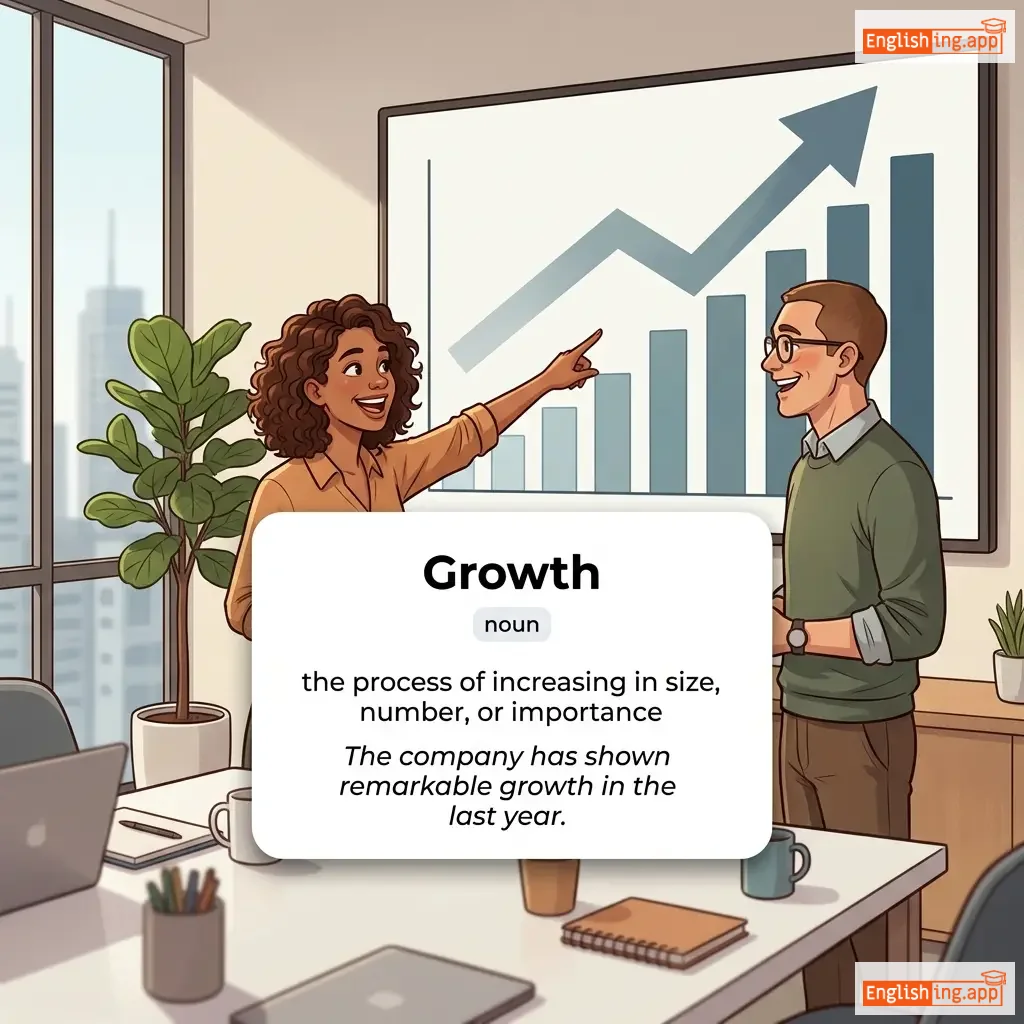
the process of increasing in size, number, or importance
••••••
|
The company has shown remarkable growth in the last year. |
その会社は昨年、顕著な成長を示しました。
Sono kaisha wa sakunen, kencho na seichou wo shimashita.
••••••
|
economic growth |
increase in a nation's production of goods and services
••••••
|
経済成長
keizai seichou
••••••
|
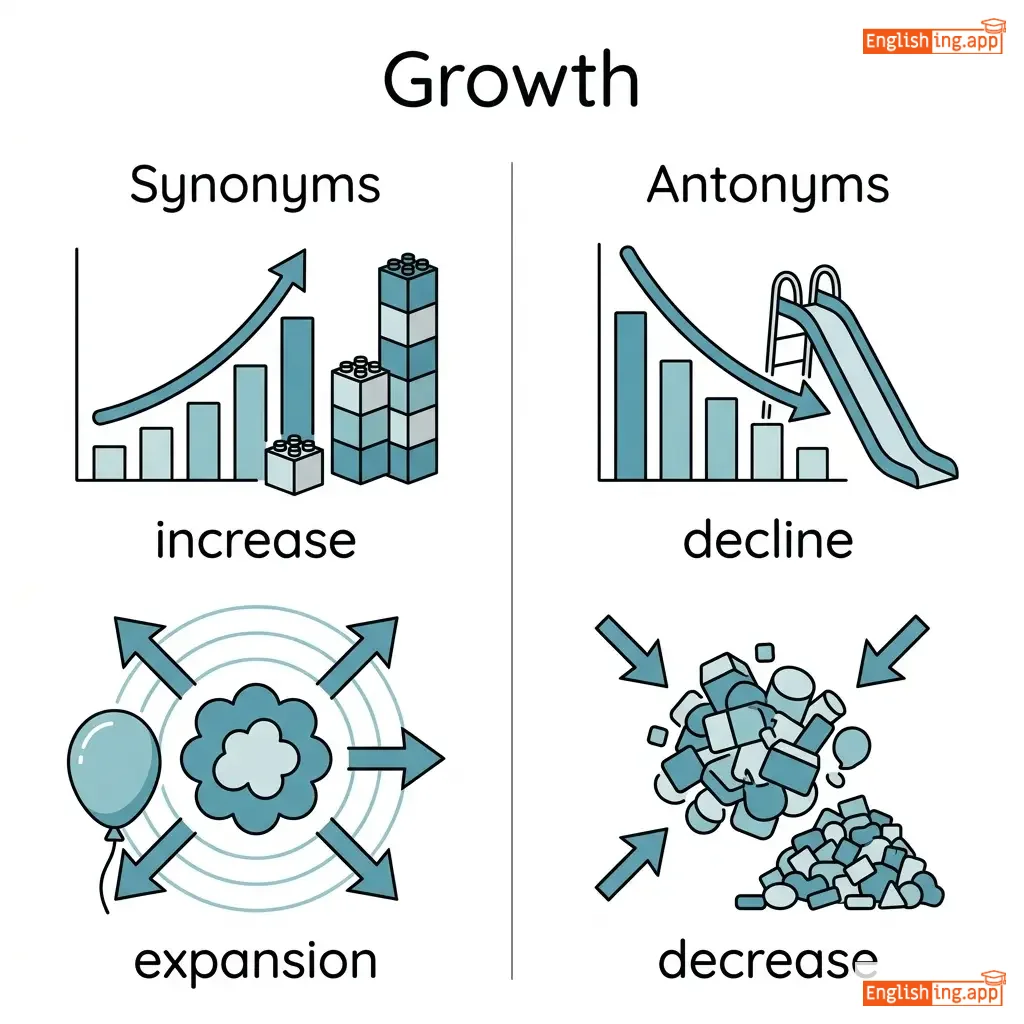
increase, expansion, rise, development
••••••
|
decline, decrease, shrinkage
••••••
|
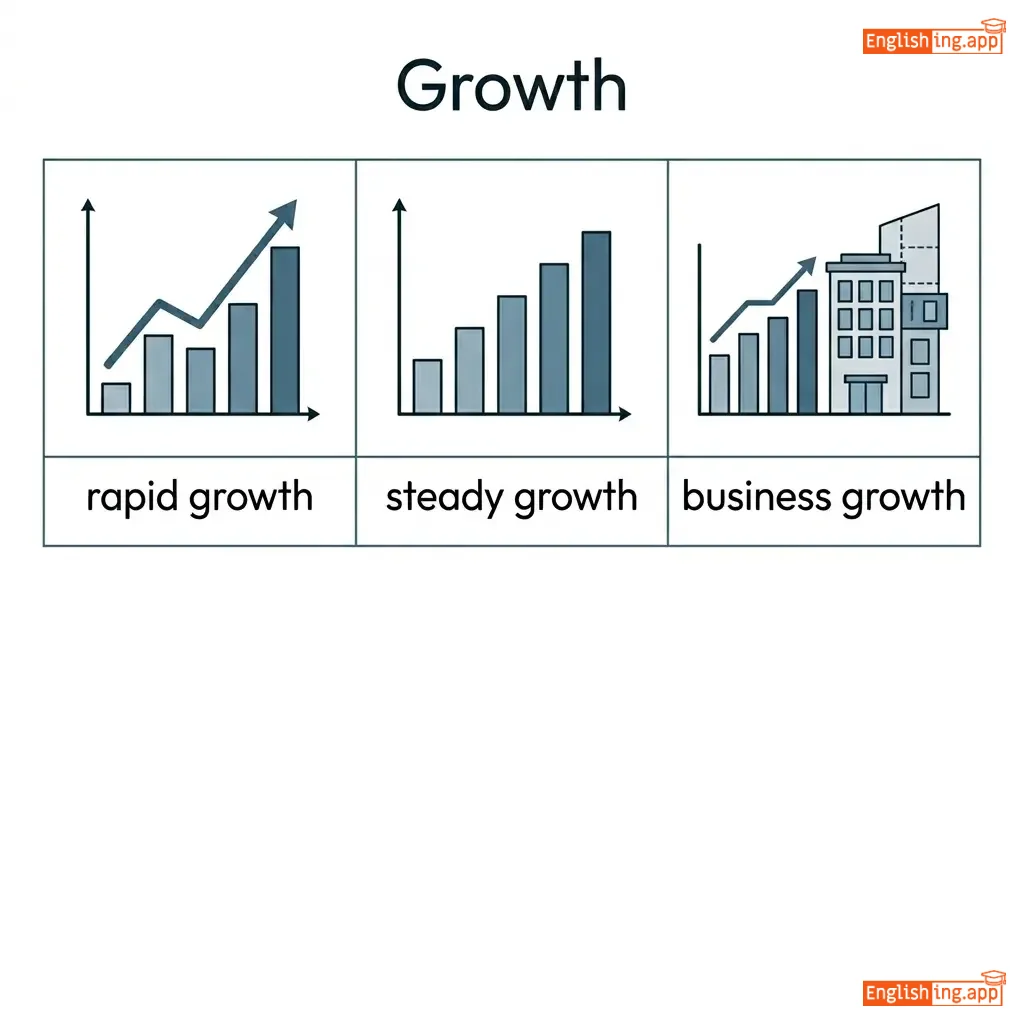
rapid growth, steady growth, business growth, growth rate
••••••
|
成長は上向きの矢印のようなものです 📈
••••••
|
|
#11105
🌿
|
/ˈɡroʊ.ɪŋ/
verb
(グローイング)
••••••
|
- •••••• |
増加している
zōkashite iru
••••••
|
- •••••• | - •••••• | - •••••• |
growing
グローイング
••••••
|
continuously increasing or developing
••••••
|
There is a growing demand for renewable energy.
再生可能エネルギーへの需要が増加しています。
••••••
|
再生可能エネルギーへの需要が増加しています。
Saisei kanō enerugī e no juyō ga zōka shiteimasu.
••••••
|
- •••••• | - •••••• | - •••••• |
developing, expanding, increasing, rising
••••••
|
shrinking, decreasing, declining
••••••
|
growing demand, growing concern, growing population, growing economy
••••••
|
Growingは増加しているという意味です、再生可能エネルギーの需要が増加しているのように。
••••••
|
|
#11106
🌱
|
/ɡroʊ/
verb
(グロー)
••••••
|
|
成長する
seichou suru
••••••
|
grew
グルー
••••••
|
grown
グロン
••••••
|
grows
グロース
••••••
|
growing
グローイング
••••••
|
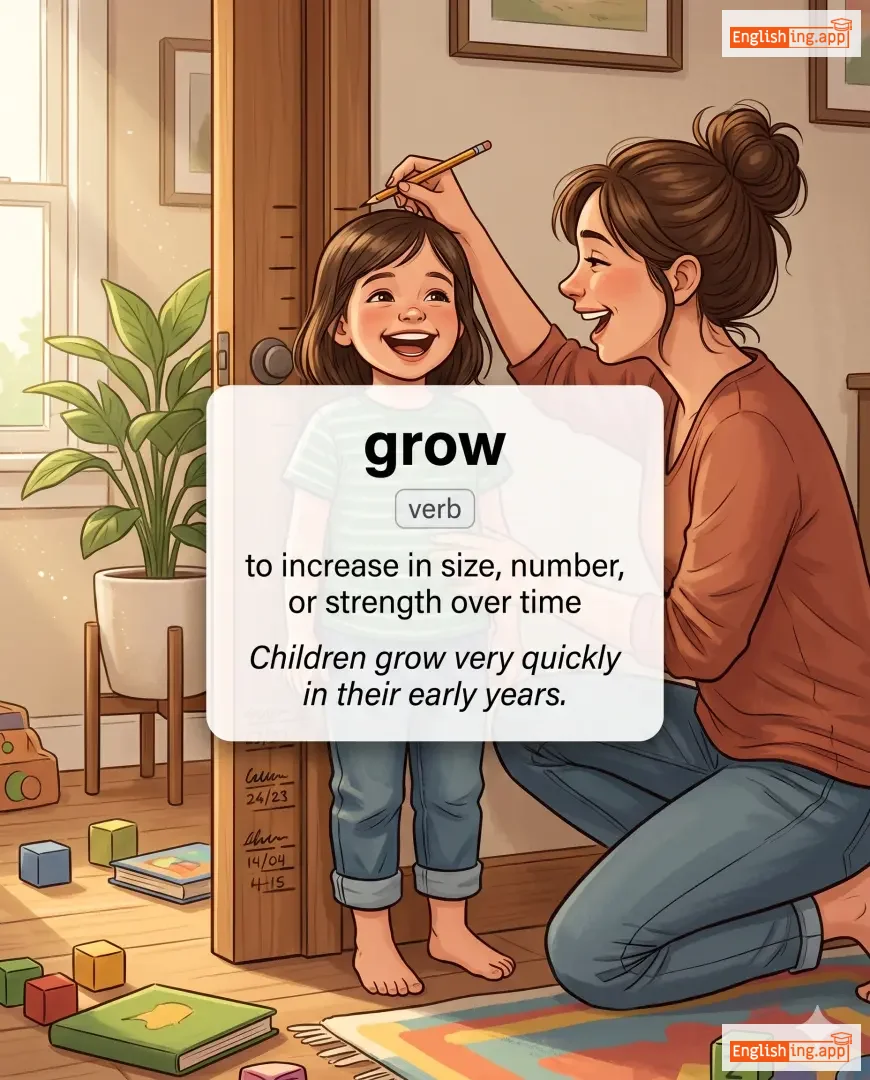
to increase in size, number, or strength over time
••••••
|
Children grow very quickly in their early years.
子供たちは非常に早く成長します。
••••••
|
子供たちは非常に早く成長します。
Kodomo-tachi wa hijou ni hayaku seichou shimasu.
••••••
|
grow on someone
誰かに成長する
••••••
|
to gradually become liked or appreciated
••••••
|
誰かに徐々に好きになる
dareka ni jojoni suki ni naru
••••••
|
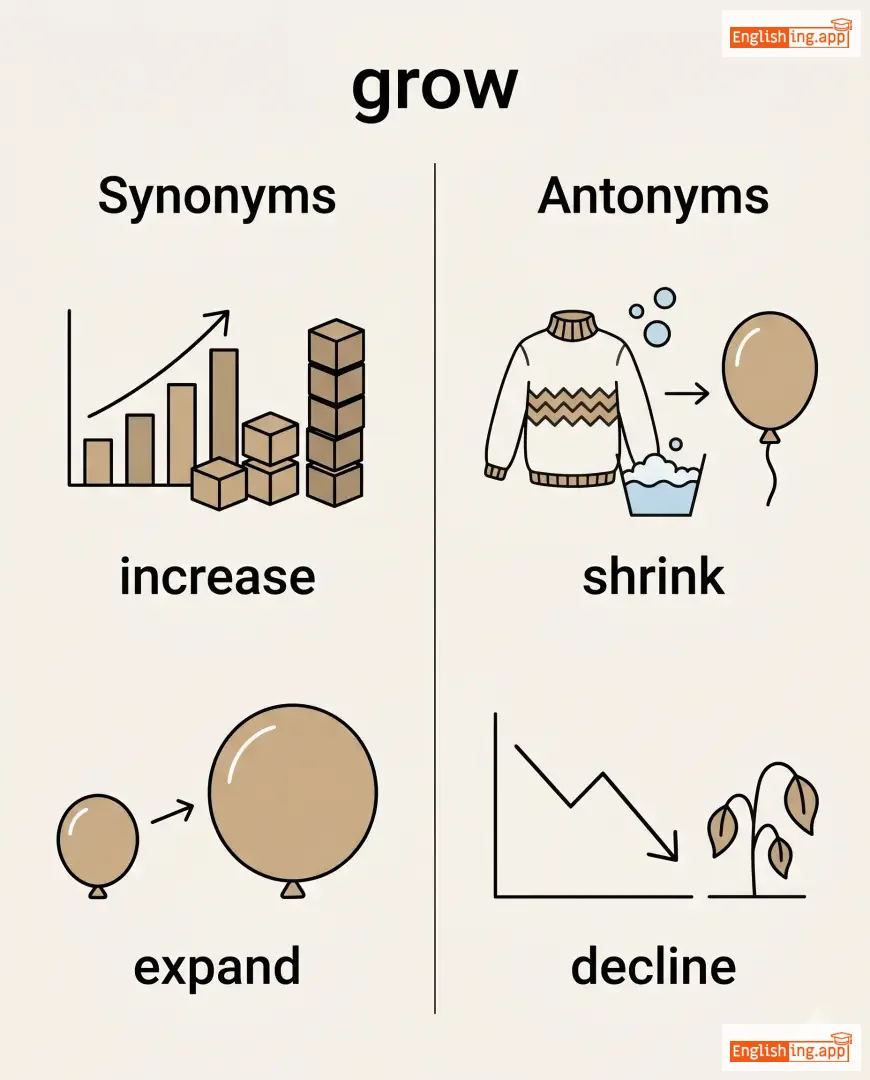
increase, expand, develop, rise, progress
••••••
|
shrink, decline, decrease
••••••
|
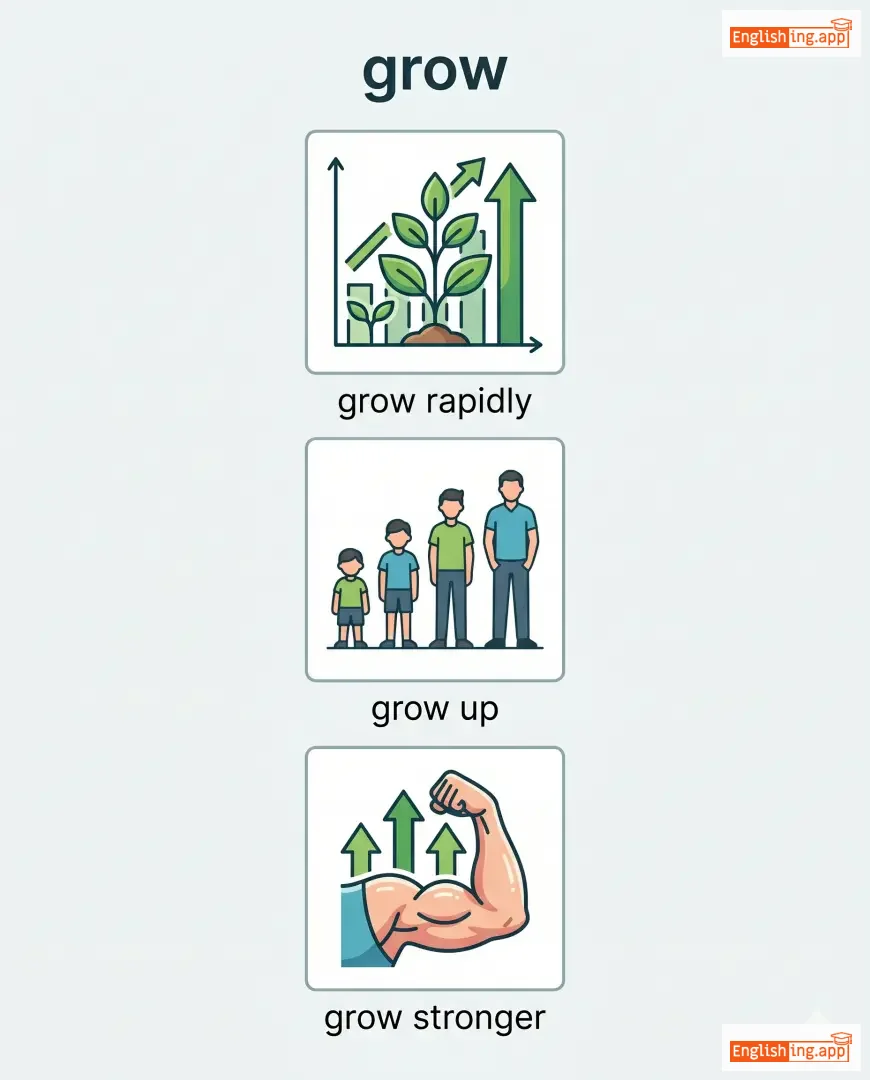
grow rapidly, grow up, grow stronger, grow business
••••••
|
木が成長するのは、時間と共に大きくなることを意味します。
••••••
|
|
#11107
👥
|
/ɡruːp/
noun, verb
(グループ)
••••••
|
- •••••• |
グループ
guru-pu
••••••
|
grouped
グループド
••••••
|
grouped
グループド
••••••
|
groups
グループス
••••••
|
grouping
グルーピング
••••••
|
A number of people or things considered together; to arrange things or people into categories.
••••••
|
The students formed a study group.
学生たちは勉強グループを作った。
••••••
|
学生たちは勉強グループを作った。
Gakuseitachi wa benkyou guru-pu o tsukutta.
••••••
|
group effort
グループ努力
••••••
|
A collective attempt or teamwork by multiple people.
••••••
|
グループ努力
guru-pu doryoku
••••••
|
team, cluster, party, band, collective
••••••
|
individual, single
••••••
|
group work, group project, small group, large group, group meeting
••••••
|
グループは一緒に集まる意味。WhatsAppのグループのように。
••••••
|
|
#11108
🛒
|
/ˈɡroʊ.sər.i/
noun
(グローサリー)
••••••
|
- •••••• |
食料品店
shokuryōhinten
••••••
|
- •••••• | - •••••• | - •••••• | - •••••• |
A store that sells food and household supplies.
••••••
|
She went to the grocery to buy vegetables. |
彼女は野菜を買うために食料品店に行きました。
Kanojo wa yasai o kau tame ni shokuryōhinten ni ikimashita.
••••••
|
- •••••• | - •••••• | - •••••• |
supermarket, store, market, shop, provisions
••••••
|
none,
••••••
|
grocery store, grocery list, grocery shopping, local grocery, buy groceries
••••••
|
Grocery = 食料品店、毎日の食材を買いに行く場所。
••••••
|
|
#11109
🏆
|
/ˈɡreɪ.tɪst/
adjective (superlative)
(グレイテスト)
••••••
|
- •••••• |
最も偉大
mottomo idai
••••••
|
- •••••• | - •••••• | - •••••• | - •••••• |
The highest degree of greatness; the most outstanding or important.
••••••
|
He is considered one of the greatest leaders of all time.
彼は全時代で最も偉大なリーダーの一人と考えられています。
••••••
|
彼は全時代で最も偉大なリーダーの一人と考えられています。
Kare wa zen jidai de mottomo idaina riidaa no hitori to kangaerareteimasu.
••••••
|
the greatest of all time
歴史上最も偉大
••••••
|
Used to describe someone regarded as the best ever in a field.
••••••
|
歴史上最も偉大
rekishi jou mottomo idai
••••••
|
best, finest, top, supreme, foremost
••••••
|
least, worst
••••••
|
greatest achievement, greatest leader, greatest player, greatest strength, greatest challenge
••••••
|
Greatest は最も偉大、リーダーの象徴です。
••••••
|
|
#11110
🥅
|
/ɡoʊl/
noun
(ゴール)
••••••
|
- •••••• |
目標
mokuhyō
••••••
|
- •••••• | - •••••• | - •••••• | - •••••• |
an aim or desired result; a point scored in a game
••••••
|
Her main goal is to become a doctor. |
彼女の主な目標は医者になることです。
Kanojo no omona mokuhyō wa isha ni naru koto desu.
••••••
|
set a goal |
to decide what you want to achieve
••••••
|
目標を設定する
mokuhyō o settei suru
••••••
|
aim, target, objective, purpose, ambition
••••••
|
aimlessness, purposelessness
••••••
|
set a goal, achieve a goal, reach a goal, score a goal
••••••
|
ゴールは目標、サッカーでゴールを決めれば勝利!
••••••
|
|
#11111
⚰️
|
/ɡreɪv/
noun, adjective
(グレイブ)
••••••
|
- •••••• |
墓
haka
••••••
|
- •••••• | - •••••• | - •••••• | - •••••• |
A place where someone is buried; also used to describe something serious or solemn.
••••••
|
He visited his grandfather's grave every year. |
彼は毎年祖父の墓を訪れていました。
Kare wa mainen sofu no haka o otozurete imashita.
••••••
|
turn in one's grave |
To be very upset or disturbed even after death, often used figuratively.
••••••
|
墓の中で転がる
haka no naka de korogaru
••••••
|
tomb, burial site, sepulcher, serious, solemn
••••••
|
lighthearted, trivial
••••••
|
grave danger, grave mistake, grave concern, graveyard, visit a grave
••••••
|
グレイブは墓と真剣な意味も持っています。
••••••
|
|
#11112
🌱
|
/ɡræs/
noun
(ハピネス)
••••••
|
- •••••• |
幸福
kōfuku
••••••
|
- •••••• | - •••••• | - •••••• | - •••••• |
plants with narrow green leaves, often covering the ground in fields or gardens
••••••
|
Children are playing on the grass. |
彼女は賞を受け取ったとき、幸せを隠すことができませんでした。
Kanojo wa shō o uketotta toki, kōfuku o kakusu koto ga dekimasen deshita.
••••••
|
the grass is always greener on the other side |
other people's situations always seem better than one's own
••••••
|
幸福を追求する
kōfuku o tsuikyū suru
••••••
|
lawn, turf, pasture, sod, herbage
••••••
|
bare ground, soil
••••••
|
green grass, cut grass, fresh grass, tall grass
••••••
|
幸福 = Happy + 福 = Happiness
••••••
|
|
#11113
👵
|
/ˈɡrændˌmʌðər/
noun
(グランドマザー)
••••••
|
- •••••• |
祖母
sobo
••••••
|
- •••••• | - •••••• | - •••••• | - •••••• |
the mother of one's father or mother
••••••
|
My grandmother makes delicious cakes.
私のグランドマザーは美味しいケーキを作ります。
••••••
|
私の祖母は美味しいケーキを作ります。
Watashi no sobo wa oishii kēki o tsukurimasu.
••••••
|
teach your grandmother to suck eggs
おばあさんに卵を吸う方法を教える
••••••
|
to give advice to someone who knows more about the subject than you do
••••••
|
自分よりもその分野に詳しい人にアドバイスする
jibun yori mo sono bunya ni kuwashī hito ni adobaisu suru
••••••
|
elder, ancestor, matriarch, granny
••••••
|
descendant, offspring
••••••
|
maternal grandmother, paternal grandmother, old grandmother
••••••
|
Grandmother = Grand + Mother (大きな母 = 祖母)
••••••
|
|
#11114
👴
|
/ˈɡrændˌfɑːðər/
noun
(グランドファーザー)
••••••
|
- •••••• |
祖父
sofu
••••••
|
- •••••• | - •••••• | - •••••• | - •••••• |
the father of one's father or mother
••••••
|
My grandfather tells us stories every evening.
私の祖父は毎晩私たちに物語を話してくれます。
••••••
|
私の祖父は毎晩私たちに物語を話してくれます。
Watashi no sofu wa maiban watashitachi ni monogatari o hanashite kuremasu.
••••••
|
grandfather clause
祖父条項
••••••
|
an old rule that continues to apply in some cases
••••••
|
今でも適用される古い規則
ima demo tekiyō sareru furui kisoku
••••••
|
elder, ancestor, forefather, patriarch
••••••
|
descendant, offspring
••••••
|
maternal grandfather, paternal grandfather, old grandfather
••••••
|
GrandfatherはGrand + Father(祖父)
••••••
|
|
#11115
🏰
|
/ɡrænd/
adjective
(グランド)
••••••
|
- •••••• |
壮大
soudai
••••••
|
- •••••• | - •••••• | - •••••• | - •••••• |
magnificent and impressive in appearance, size, or style
••••••
|
They stayed at a grand hotel in Paris. |
彼らはパリの壮大なホテルに泊まりました。
Karera wa Pari no soudaina hoteru ni tomarimashita.
••••••
|
grand scheme |
a large, ambitious plan
••••••
|
壮大な計画
soudai na keikaku
••••••
|
majestic, splendid, magnificent, glorious, impressive
••••••
|
modest, ordinary, simple
••••••
|
grand design, grand style, grand hotel, grand idea
••••••
|
Grandは壮大を意味します。
••••••
|
|
#11116
🌾
|
/ɡreɪn/
noun
(グレイン)
••••••
|
- •••••• |
穀物
kokumotsu
••••••
|
- •••••• | - •••••• | - •••••• | - •••••• |
a small hard seed of a cereal plant such as wheat or rice; a tiny particle of a substance
••••••
|
A grain of rice fell off the plate. |
一粒の米が皿から落ちた。
Hitotsubu no kome ga sara kara ochita.
••••••
|
go against the grain |
to do something that is unusual or against one's nature
••••••
|
流れに逆らう
nagare ni sakarau
••••••
|
seed, kernel, particle, speck, granule
••••••
|
chunk, mass
••••••
|
grain of rice, grain of sand, cereal grain, wheat grain
••••••
|
穀物 (kokumotsu) は人生の力を持っている。
••••••
|
|
#11117
🐢
|
/ˈɡrædʒuəli/
adverb
(グラジュアリー)
••••••
|
- •••••• |
徐々に
jojoni
••••••
|
- •••••• | - •••••• | - •••••• | - •••••• |
Slowly and steadily, taking place step by step.
••••••
|
She gradually improved her English over the year.
彼女は一年を通して徐々に英語を改善しました。
••••••
|
彼女は一年を通して徐々に英語を改善しました。
Kanojo wa ichinen o tōshite jojoni eigo o kaizen shimashita.
••••••
|
- •••••• | - •••••• | - •••••• |
slowly, steadily, progressively, step by step
••••••
|
suddenly, abruptly
••••••
|
gradually increase, gradually change, gradually improve, gradually decline
••••••
|
徐々にというのは、少しずつ進歩すること、まるで階段を上るように。
••••••
|
|
#11118
📊
|
/ɡreɪd/
noun, verb
(グレード)
••••••
|
- •••••• |
成績
seiseki
••••••
|
graded
グレードされた
••••••
|
graded
グレードされた
••••••
|
grades
グレードス
••••••
|
grading
グレーディング
••••••
|
A level of quality, rank, or performance; to assign a score or mark to work or performance.
••••••
|
The teacher graded all the papers by the weekend.
教師は週末までにすべての課題を採点しました。
••••••
|
教師は週末までにすべての課題を採点しました。
Kyōshi wa shūmatsu made ni subete no kadai o saiten shimashita.
••••••
|
make the grade
基準を満たす
••••••
|
To succeed or meet the required standard.
••••••
|
基準を満たす
kijun o mitasu
••••••
|
rank, level, mark, score, stage
••••••
|
failure, decline
••••••
|
high grade, grade level, grade point, grade paper
••••••
|
Grade という言葉は、評価のレベルを示すものです。
••••••
|
|
#11119
👔
|
/ˈɡʌvərnər/
noun
(ゴバーノー)
••••••
|
- •••••• |
知事
chiji
••••••
|
- •••••• | - •••••• | - •••••• | - •••••• |
An official appointed or elected to govern a state, territory, or organization.
••••••
|
The governor addressed the citizens about the upcoming election. |
知事は市民に来たる選挙について話しました。
Chiji wa shimin ni kitaru senkyo ni tsuite hanashimashita.
••••••
|
- •••••• | - •••••• | - •••••• |
ruler, administrator, leader, official
••••••
|
citizen, subject
••••••
|
state governor, governor's office, elected governor, colonial governor
••••••
|
知事は州のボス、選挙で決まるリーダー。
••••••
|
|
#11120
🏛️
|
/ˈɡʌvərnmənt/
noun
(ガバメント)
••••••
|
|
政府
seifu
••••••
|
- •••••• | - •••••• | - •••••• | - •••••• |
The governing body of a nation, state, or community responsible for making and enforcing laws.
••••••
|
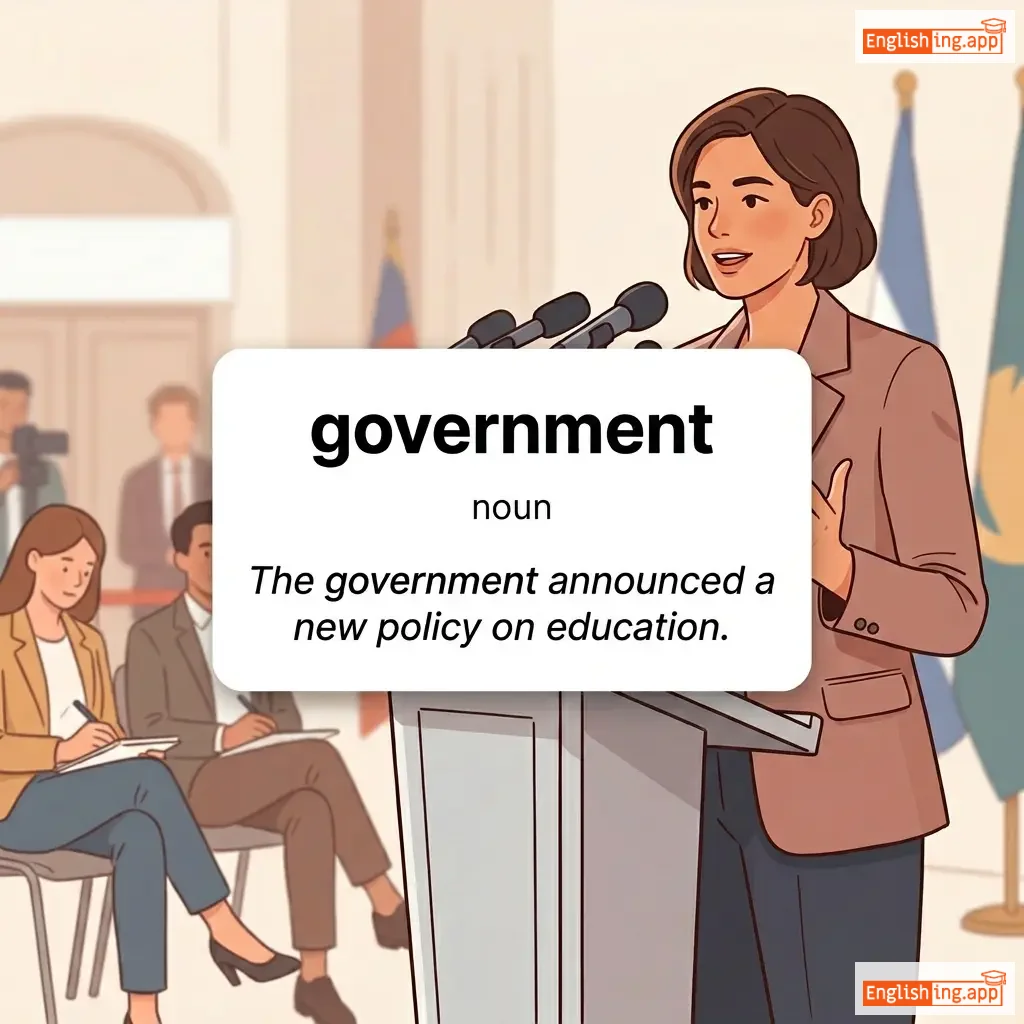
The government announced a new policy on education. |
政府は新しい教育政策を発表しました。
Seifu wa atarashī kyōiku seisaku o happyō shimashita.
••••••
|
big government |
A political concept referring to a government that is large and heavily involved in society.
••••••
|
大きな政府
Ōkina seifu
••••••
|
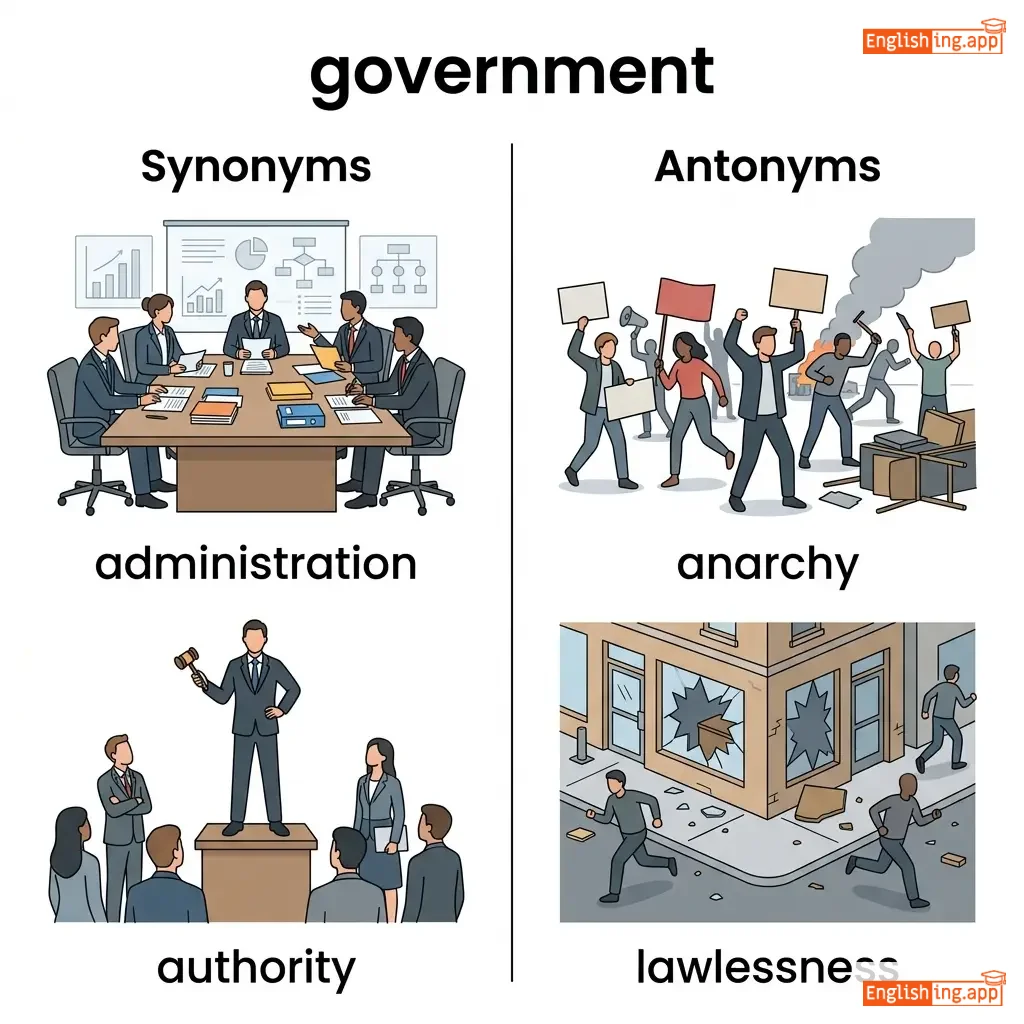
administration, authority, regime, state, leadership
••••••
|
anarchy, lawlessness
••••••
|
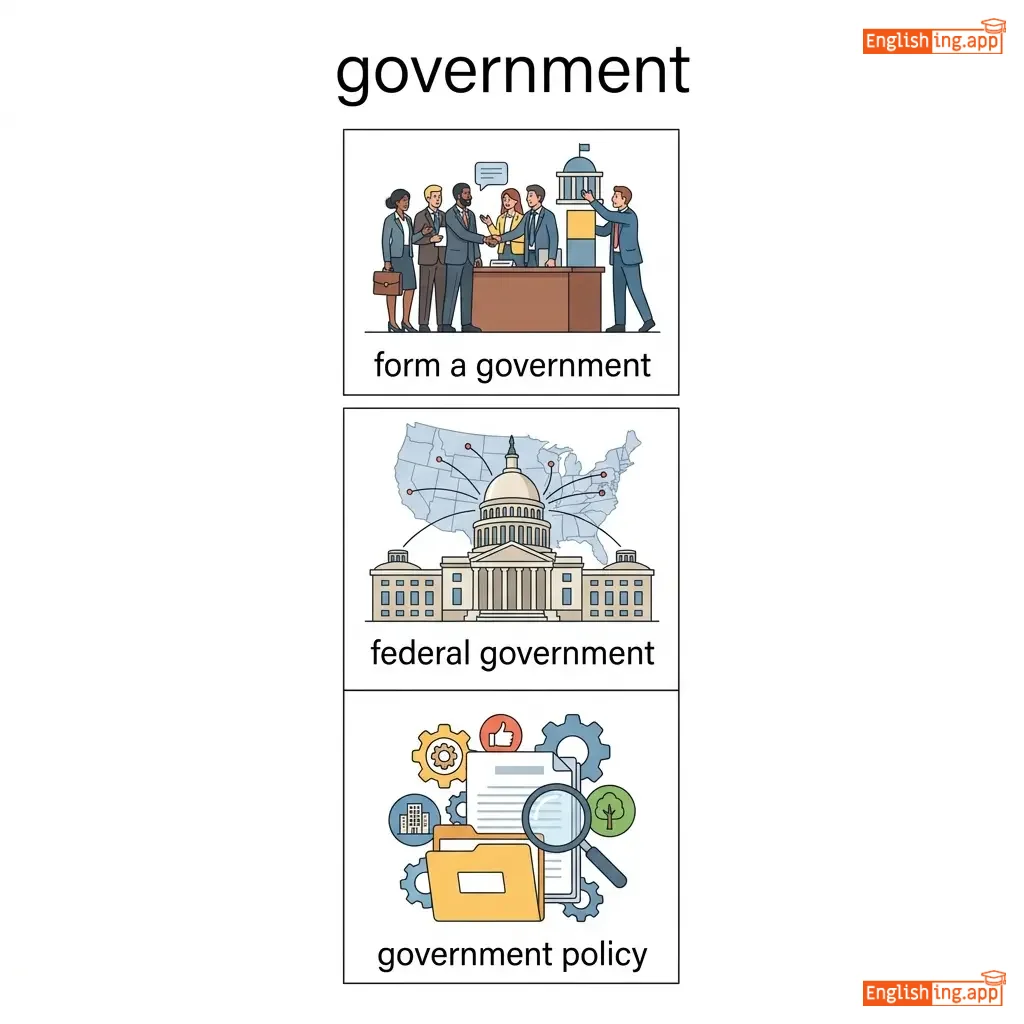
form a government, federal government, government policy, government official
••••••
|
政府は国を統治し、法律を実行する組織です。
••••••
|
|
#11121
🏌️
|
/ɡɒlf/
noun
(ハピネス)
••••••
|
- •••••• |
幸福
kōfuku
••••••
|
- •••••• | - •••••• | - •••••• | - •••••• |
A game in which players use clubs to hit a ball into a series of holes on a course in as few strokes as possible.
••••••
|
He spends his weekends playing golf with his friends. |
彼女は賞を受け取ったとき、自分の幸福を隠すことができませんでした。
Kanojo wa shō o uketotta toki, jibun no kōfuku o kakusu koto ga dekimasen deshita.
••••••
|
a good walk spoiled |
A humorous phrase describing golf as ruining the enjoyment of walking.
••••••
|
幸福の追求
kōfuku no tsuikyū
••••••
|
sport, game, pastime, recreation
••••••
|
work, labor
••••••
|
play golf, golf course, golf club, professional golf
••••••
|
幸福はゴールのない旅のように感じる、いつも探し続けることが大切!
••••••
|
|
#11122
✨
|
/ˈɡoʊldən/
adjective
(ゴールデン)
••••••
|
- •••••• |
金色の
kin iro no
••••••
|
- •••••• | - •••••• | - •••••• | - •••••• |
made of or resembling gold; precious or excellent
••••••
|
This is a golden opportunity to learn new skills. |
これは新しいスキルを学ぶための金色の機会です。
Kore wa atarashī sukiru o manabu tame no kin iro no kikai desu.
••••••
|
golden opportunity |
a very good chance to achieve something
••••••
|
金色の機会
kin iro no kikai
••••••
|
bright, valuable, excellent, precious
••••••
|
worthless, ordinary
••••••
|
golden rule, golden age, golden opportunity, golden chance
••••••
|
Goldenは金色の意味です。‘golden rule’のように、人生の最も優れたルールです。
••••••
|
|
#11123
🥇
|
/ɡoʊld/
noun
(ゴールド)
••••••
|
- •••••• |
金
kin
••••••
|
- •••••• | - •••••• | - •••••• | - •••••• |
a yellow precious metal used in jewelry and as money
••••••
|
The ring was made of pure gold. |
その指輪は純金でできていました。
Sono yubiwa wa junkin de dekite imashita.
••••••
|
worth its weight in gold |
extremely valuable
••••••
|
その重さに見合う価値がある
sono omosa ni miaū kachi ga aru
••••••
|
precious metal, wealth, treasure
••••••
|
worthlessness, poverty
••••••
|
pure gold, gold medal, gold mine, gold chain
••••••
|
金はいつでも価値があり、チャンスも金のように貴重です。
••••••
|
|
#11124
🙏
|
/ɡɑːd/
noun
(ゴッド)
••••••
|
- •••••• |
神
kami
••••••
|
- •••••• | - •••••• | - •••••• | - •••••• |
a deity; a supreme being believed to control the universe
••••••
|
People in different cultures worship God in various ways. |
さまざまな文化の人々はさまざまな方法で神を崇拝します。
samazama na bunka no hitobito wa samazama na hōhō de kami o sūhai shimasu
••••••
|
act of God |
an event beyond human control, like a natural disaster
••••••
|
神の行為
kami no kōi
••••••
|
deity, divinity, lord, almighty
••••••
|
mortal, human
••••••
|
believe in God, worship God, fear God, act of God
••••••
|
神は最高の存在、'ゴッド'はすべてを支配しています。
••••••
|
Vocabulary Quiz
Test your vocabulary by matching words with their translations or meanings.
Login to take the quiz
Comments (0)
Share your thoughts and join the discussion.
Join the discussion by logging in
Login to CommentNo comments yet
Be the first to share your thoughts!