

翻訳
過去
過去分詞
三人称単数
動名詞
意味
例文
例文の翻訳
同義語
対義語
コロケーション
ニーモニック
Swipe left or right, or use the buttons. Tap image to zoom.
例文の翻訳
単語
Lesson 180Lesson 180 - マスクトグル
|
絵文字
|
単語 | Images | 翻訳 | 過去 | 過去分詞 | 三人称単数 | 動名詞 | 意味 | 例文 | 例文の翻訳 | 表現例 | 表現例の意味 | 表現例の翻訳 | 同義語 | 対義語 | コロケーション | ニーモニック |
|---|---|---|---|---|---|---|---|---|---|---|---|---|---|---|---|---|---|
|
#5371
🔧
|
/ˈmæliəbl̩/
adjective
(マリヤブル)
••••••
|
|
柔軟な
nyūn'nan na
••••••
|
- •••••• | - •••••• | - •••••• | - •••••• |
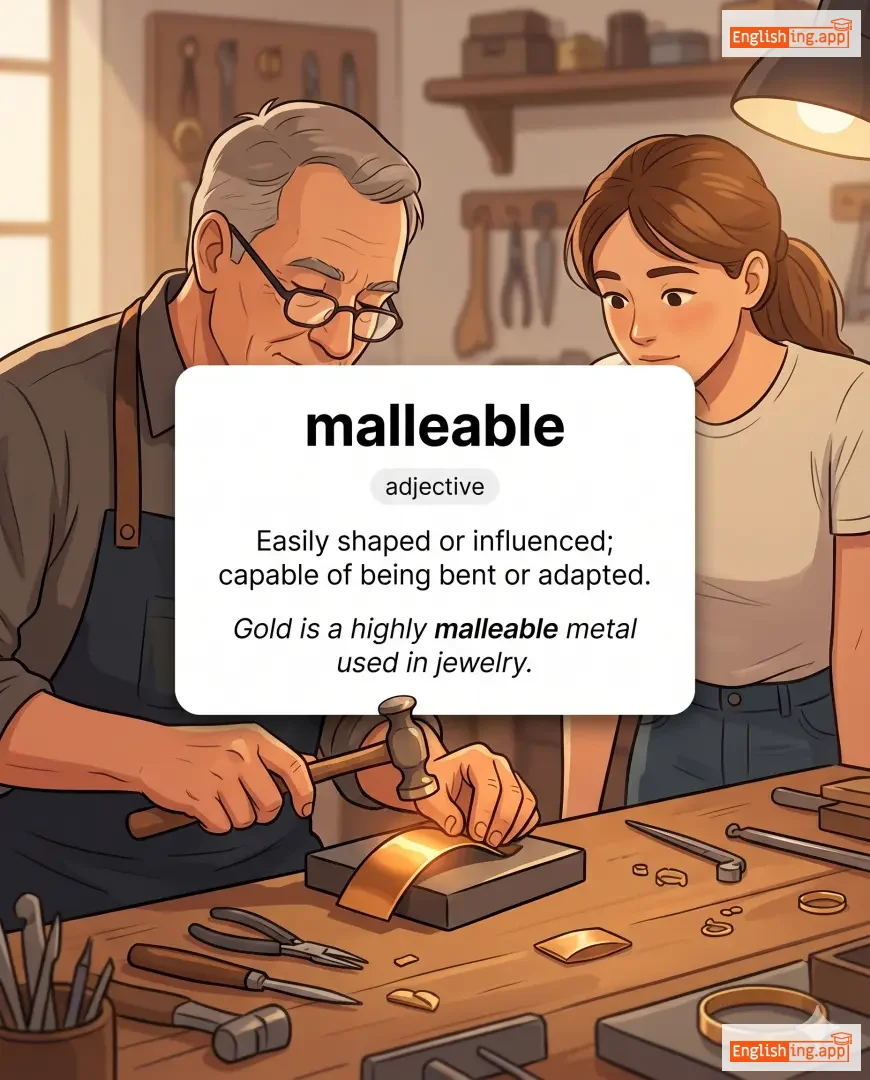
Easily shaped or influenced; capable of being bent or adapted.
••••••
|
Gold is a highly malleable metal used in jewelry. |
金は非常に柔軟な金属で、ジュエリーに使用されます。
Kin wa hijō ni nyūn'nan na kinzoku de, juerī ni shiyō saremasu.
••••••
|
- •••••• | - •••••• | - •••••• |
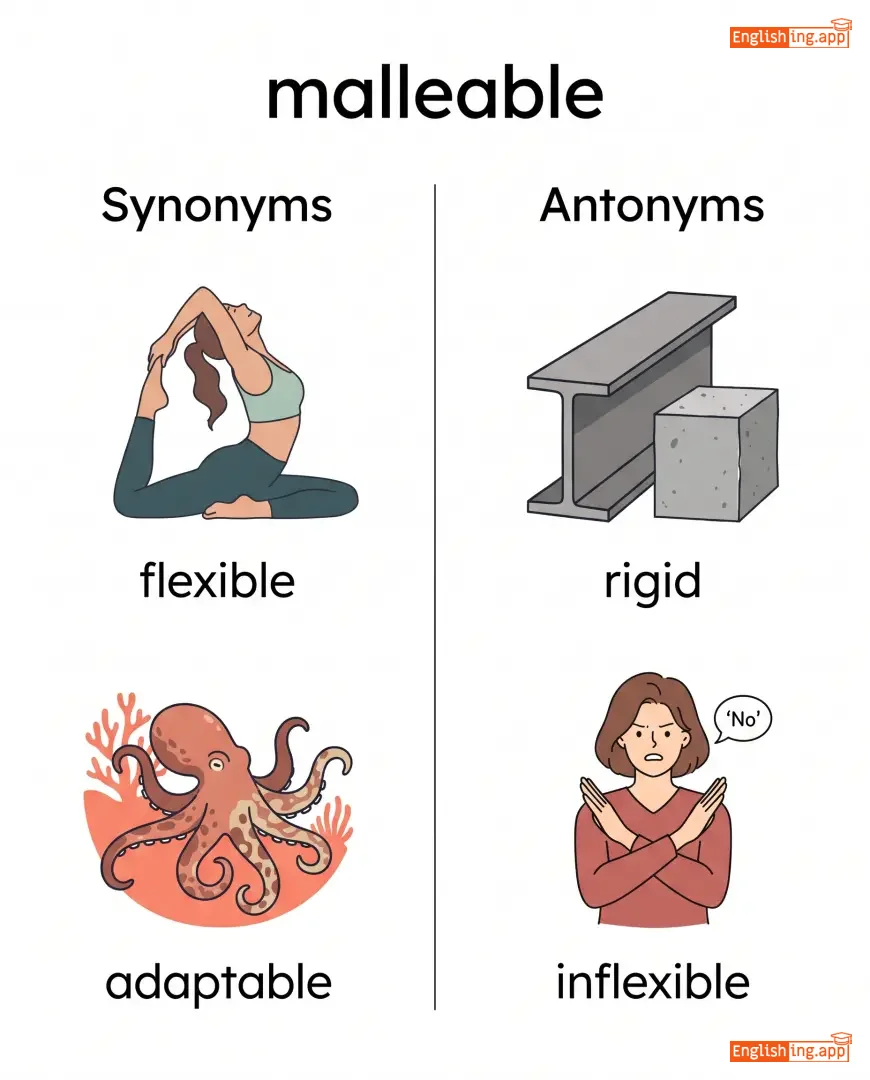
flexible, adaptable, pliable, ductile, impressionable
••••••
|
rigid, inflexible, stiff
••••••
|
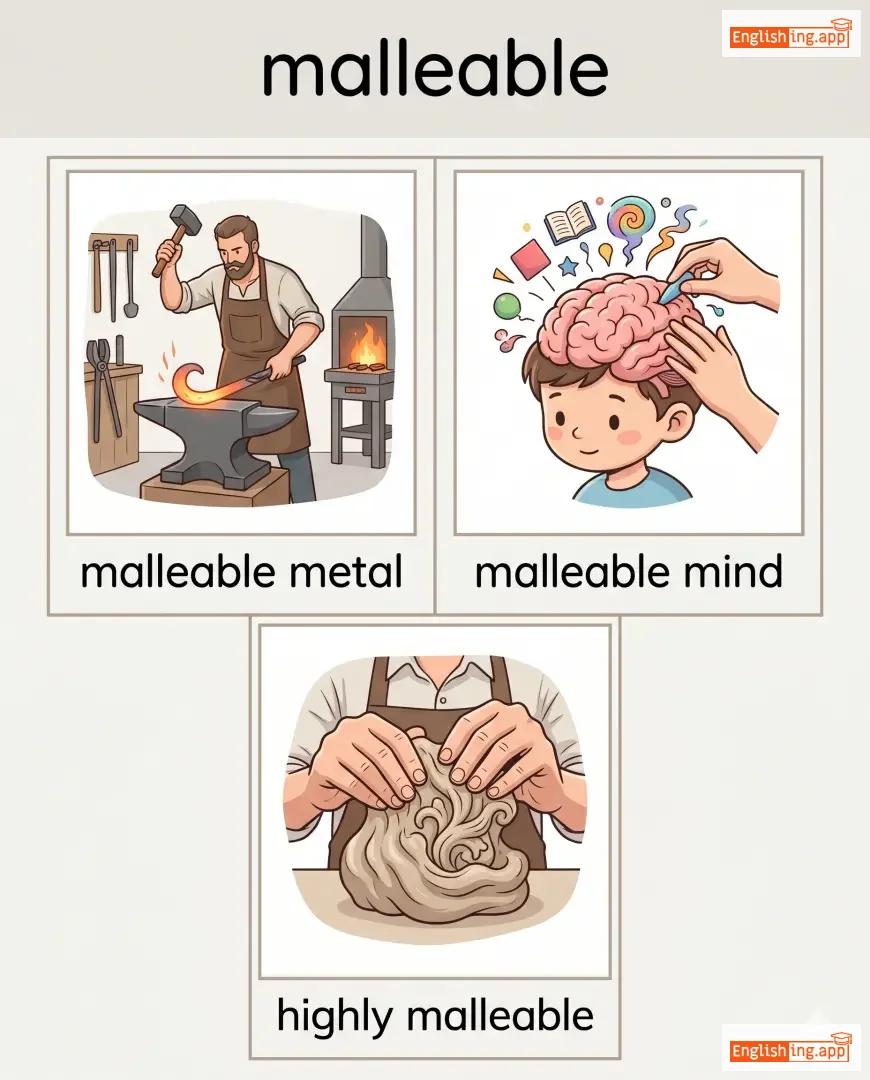
malleable metal, malleable mind, highly malleable, malleable material
••••••
|
柔軟な金属である金は、ジュエリーに変形可能です。
••••••
|
|
#5372
🐕
|
/meɪndʒ/
noun
(メンジ)
••••••
|
- •••••• |
疥癬
kaisen
••••••
|
- •••••• | - •••••• | - •••••• | - •••••• |
a skin disease in animals caused by parasitic mites, leading to hair loss and sores
••••••
|
The stray dog was suffering from mange. |
野良犬は疥癬に苦しんでいた。
Nora inu wa kaisen ni kurushinde ita.
••••••
|
- •••••• | - •••••• | - •••••• |
scabies, skin disease, infestation
••••••
|
health, wellness
••••••
|
mange infection, suffering from mange, treat mange, mange outbreak
••••••
|
MANGE は、犬の毛が抜ける疥癬のような病気です。
••••••
|
|
#5373
✈️
|
/məˈnuː.vər/
noun, verb
••••••
|
- •••••• | - •••••• |
maneuvered
••••••
|
maneuvered
••••••
|
maneuvers
••••••
|
maneuvering
••••••
|
a planned or skillful movement or action; to move skillfully or carefully
••••••
|
The pilot maneuvered the plane through the storm. |
- •••••• |
political maneuver |
a calculated or strategic action in politics
••••••
|
- •••••• |
movement, tactic, strategy, operation, action
••••••
|
inactivity, immobility
••••••
|
military maneuver, clever maneuver, strategic maneuver, skillful maneuver
••••••
|
No •••••• |
|
#5374
🦁
|
/meɪn/
noun
(メイン)
••••••
|
- •••••• |
たてがみ
tategami
••••••
|
- •••••• | - •••••• | - •••••• | - •••••• |
the long hair growing on the neck of a horse, lion, or other animal
••••••
|
The lion shook its thick mane proudly. |
ライオンは誇らしげに太いたてがみを揺らした。
Raion wa hokorashige ni futoi tategami o yurashita.
••••••
|
lion's mane |
a distinctive feature of a lion’s appearance, often used metaphorically
••••••
|
ライオンのたてがみ
Raion no tategami
••••••
|
hair, locks, tresses, fleece
••••••
|
baldness, hairless
••••••
|
thick mane, flowing mane, golden mane, lion's mane
••••••
|
MANE はライオンのたてがみ
••••••
|
|
#5375
⚖️
|
/ˈmæn.dəˌtɔːr.i/
adjective
(マンダトリー)
••••••
|
- •••••• |
義務的な
gimuteki na
••••••
|
- •••••• | - •••••• | - •••••• | - •••••• |
required by law or rules; compulsory
••••••
|
Wearing seat belts is mandatory in most countries. |
ほとんどの国でシートベルトの着用は義務的です。
Hotondo no kuni de shītoberuto no chakuyō wa gimuteki desu.
••••••
|
- •••••• | - •••••• | - •••••• |
compulsory, required, obligatory, enforced
••••••
|
optional, voluntary, discretionary
••••••
|
mandatory rule, mandatory training, mandatory law, mandatory requirement
••••••
|
Mandatoryは日本語で義務的なことを意味します、義務としてやらなければならないこと。
••••••
|
|
#5376
📜
|
/ˈmæn.deɪt/
noun, verb
(マンダト)
••••••
|
- •••••• |
マンダト
mandato
••••••
|
mandated
マンダテッド
••••••
|
mandated
マンダテッド
••••••
|
mandates
マンダッツ
••••••
|
mandating
マンダティング
••••••
|
an official order or command; to give someone authority to act in a certain way
••••••
|
The government issued a mandate to reduce carbon emissions.
政府は炭素排出削減のためのマンダトを発行した。
••••••
|
政府は炭素排出削減のためのマンダトを発行した。
Seifu wa tanso haishutsu sakugen no tame no mandato o hakko shita.
••••••
|
carry out a mandate
マンダトを実行する
••••••
|
to fulfill an official order or duty
••••••
|
マンダトを実行する
mandato o jikkō suru
••••••
|
order, directive, command, decree, instruction
••••••
|
request, suggestion, option
••••••
|
government mandate, official mandate, mandate authority, mandate power
••••••
|
マンダトは政府の指示で、必ず実行するものです。
••••••
|
|
#5377
⛓️
|
/ˈmæn.ə.kəl/
noun/verb
(manakuru)
••••••
|
- •••••• |
手錠
tejou
••••••
|
manacled
manakurudo
••••••
|
manacled
manakurudo
••••••
|
manacles
manakurusu
••••••
|
manacling
manakuringu
••••••
|
A metal shackle for fastening someone's hands or ankles; also to restrain with such shackles.
••••••
|
The prisoner was manacled before being taken to court.
囚人は裁判所に連れて行かれる前に手錠をかけられました。
••••••
|
囚人は裁判所に連れて行かれる前に手錠をかけられました。
Shuujin wa saibansho ni tsurete ikareru mae ni tejou o kakeraremashita.
••••••
|
- •••••• | - •••••• | - •••••• |
shackle, handcuff, fetter, restraint
••••••
|
freedom, release
••••••
|
manacle hands, manacle prisoner, iron manacles, manacled together
••••••
|
Manacle = 手や足を縛る金属の鎖
••••••
|
|
#5378
🪤
|
/ˈmænˌtræp/
noun
(マン・トラップ)
••••••
|
- •••••• |
人を捕まえる罠
hito wo tsukamaeru wana
••••••
|
- •••••• | - •••••• | - •••••• | - •••••• |
A trap designed to catch or injure humans; informally, a woman considered dangerously attractive.
••••••
|
The old castle had a man-trap at the entrance.
古い城には入り口にマン・トラップがありました。
••••••
|
古い城には入り口に人を捕まえる罠がありました。
Furui shiro ni wa iriguchi ni hito wo tsukamaeru wana ga arimashita.
••••••
|
- •••••• | - •••••• | - •••••• |
snare, pitfall, danger, lure
••••••
|
safety, escape
••••••
|
set a man-trap, dangerous man-trap, hidden man-trap
••••••
|
Man-trapは人を捕まえる罠、ちょっと危険な罠。
••••••
|
|
#5379
🐅
|
/ˈmænˌiː.tər/
noun
(マンイーター)
••••••
|
- •••••• |
人食い
hito kui
••••••
|
- •••••• | - •••••• | - •••••• | - •••••• |
An animal that kills and eats humans; informally, a woman who is very assertive in relationships.
••••••
|
The tiger became a notorious man-eater in the village.
その虎は村で悪名高いマンイーターとなった。
••••••
|
その虎は村で悪名高い人食いとなった。
Sono tora wa mura de akumei takai hito kui to natta.
••••••
|
- •••••• | - •••••• | - •••••• |
killer, predator, beast, destroyer
••••••
|
protector, savior
••••••
|
notorious man-eater, tiger man-eater, lion man-eater
••••••
|
Man-eater = 人食い、だから人食い虎 🐅
••••••
|
|
#5380
🐘
|
/ˈmæm.əθ/
noun/adjective
••••••
|
- •••••• | - •••••• | - •••••• | - •••••• | - •••••• | - •••••• |
An extinct large elephant-like animal with long curved tusks; also means something huge.
••••••
|
The company faced a mammoth challenge during expansion. |
- •••••• |
mammoth task |
A task that is extremely large or difficult.
••••••
|
- •••••• |
giant, colossal, enormous, huge, massive
••••••
|
tiny, small, miniature
••••••
|
mammoth task, mammoth effort, mammoth creature, mammoth bones
••••••
|
No •••••• |
|
#5381
🦣
|
/ˈmæm.əl/
noun
(ママール)
••••••
|
- •••••• |
哺乳類
honyūrui
••••••
|
- •••••• | - •••••• | - •••••• | - •••••• |
A warm-blooded animal with hair or fur, and females produce milk for their young.
••••••
|
The whale is the largest mammal on Earth.
クジラは地球上で最も大きな哺乳類です。
••••••
|
クジラは地球上で最も大きな哺乳類です。
Kujira wa chikyūjō de mottomo ōkina honyūrui desu.
••••••
|
- •••••• | - •••••• | - •••••• |
creature, animal, vertebrate, warm-blooded, beast
••••••
|
reptile, bird, fish
••••••
|
marine mammal, small mammal, mammal species, mammal family
••••••
|
哺乳類 = お母さんミルク、哺乳類ミルク
••••••
|
|
#5382
🚫
|
/ˌmælˈtriːt/
verb
(メルトリート)
••••••
|
- •••••• |
虐待する
gyakutai suru
••••••
|
maltreated
メルトリーテッド
••••••
|
maltreated
メルトリーテッド
••••••
|
maltreats
メルトリーツ
••••••
|
maltreating
メルトリーティング
••••••
|
To treat someone cruelly or unfairly.
••••••
|
The law punishes those who maltreat animals.
ザ・ロー・パニッシュェズ・ドーズ・フー・メルトリート・アニマルズ
••••••
|
法律は動物を虐待する者を罰します。
Hōritsu wa dōbutsu o gyakutai suru mono o basshimasu.
••••••
|
- •••••• | - •••••• | - •••••• |
abuse, mistreat, oppress, harm
••••••
|
respect, protect, cherish
••••••
|
maltreat animals, maltreat children, cruelly maltreat
••••••
|
虐 (悪い) + treat (扱う) → 虐待する、悪い扱い
••••••
|
|
#5383
🦨
|
/ˌmælˈoʊdərəs/
adjective
(マロドラス)
••••••
|
- •••••• |
悪臭の
akushū no
••••••
|
- •••••• | - •••••• | - •••••• | - •••••• |
Having a very unpleasant smell.
••••••
|
The malodorous room made everyone leave quickly. |
悪臭の部屋はみんなを急いで出させた。
Akushū no heya wa minna o isoide dasa seta.
••••••
|
- •••••• | - •••••• | - •••••• |
smelly, stinky, foul, rank
••••••
|
fragrant, aromatic, perfumed
••••••
|
malodorous smell, malodorous garbage, malodorous air
••••••
|
MAL + 臭い = 悪臭の → malodorous = 悪臭の
••••••
|
|
#5384
🤢
|
/ˌmælˈoʊdər/
noun
(マロダー)
••••••
|
- •••••• |
不快な匂い
fukai na nioi
••••••
|
- •••••• | - •••••• | - •••••• | - •••••• |
An unpleasant smell; bad odor.
••••••
|
The garbage bin gave off a terrible malodor.
ゴミ箱は恐ろしいマロダーを発していました。
••••••
|
ゴミ箱は恐ろしい不快な匂いを発していました。
Gomibako wa osoroshī fukai na nioi o hasshite imashita.
••••••
|
- •••••• | - •••••• | - •••••• |
stench, stink, smell, reek
••••••
|
fragrance, aroma, perfume
••••••
|
foul malodor, strong malodor, unpleasant malodor
••••••
|
MAL は悪いを意味し、odor は匂いを意味する → malodor は悪い匂いを意味する
••••••
|
|
#5385
🔨
|
/ˈmælɪt/
noun
(マレット)
••••••
|
- •••••• |
木槌
kizuchi
••••••
|
- •••••• | - •••••• | - •••••• | - •••••• |
A tool with a large, usually wooden head, used for hitting something without damaging it.
••••••
|
He used a mallet to drive the chisel into the wood. |
彼は木槌を使ってノミを木に打ち込んだ。
Kare wa kizuchi o tsukatte nomi o ki ni uchikonda.
••••••
|
- •••••• | - •••••• | - •••••• |
hammer, club, sledge, maul
••••••
|
none, null
••••••
|
wooden mallet, rubber mallet, use a mallet, mallet head
••••••
|
木槌は木を壊さずに打つ道具です。
••••••
|
|
#5386
😠
|
/ˈmæl.kənˌtɛnt/
noun
(māru kontento)
••••••
|
- •••••• |
不満な人
fuman na hito
••••••
|
- •••••• | - •••••• | - •••••• | - •••••• |
A person who is dissatisfied or rebellious; one who is not content.
••••••
|
The malcontent voiced his grievances against the government.
その不満足な人は政府に対して不平を述べました。
••••••
|
不満な人は政府に対して不平を述べました。
Fuman na hito wa seifu ni taishite fuhei wo nobemashita.
••••••
|
- •••••• | - •••••• | - •••••• |
dissenter, rebel, agitator, complainer, protester
••••••
|
supporter, loyalist, conformist
••••••
|
political malcontent, restless malcontent, social malcontent
••••••
|
Malcontent = mal (悪い) + content (満足) = 不満な人
••••••
|
|
#5387
🏬
|
/mɔːl/ or /mæl/
noun
(モール)
••••••
|
- •••••• |
ショッピングモール
shoppingu mōru
••••••
|
- •••••• | - •••••• | - •••••• | - •••••• |
a large building or series of connected buildings containing shops and restaurants
••••••
|
They went to the mall to buy new clothes. |
彼らは新しい服を買うためにショッピングモールに行きました。
Karera wa atarashī fuku o kau tame ni shoppingu mōru ni ikimashita.
••••••
|
shopping mall |
a large complex with many retail stores
••••••
|
ショッピングモール
shoppingu mōru
••••••
|
shopping center, plaza, marketplace, arcade
••••••
|
small shop, kiosk
••••••
|
shopping mall, mall culture, mall security, mall parking
••••••
|
Mall はショッピングモール。ショッピングのために行く場所。
••••••
|
|
#5388
😴
|
/məˈlɪŋɡərər/
noun
(マリンガラー)
••••••
|
|
病気を装う人
byouki wo yosou hito
••••••
|
- •••••• | - •••••• | - •••••• | - •••••• |
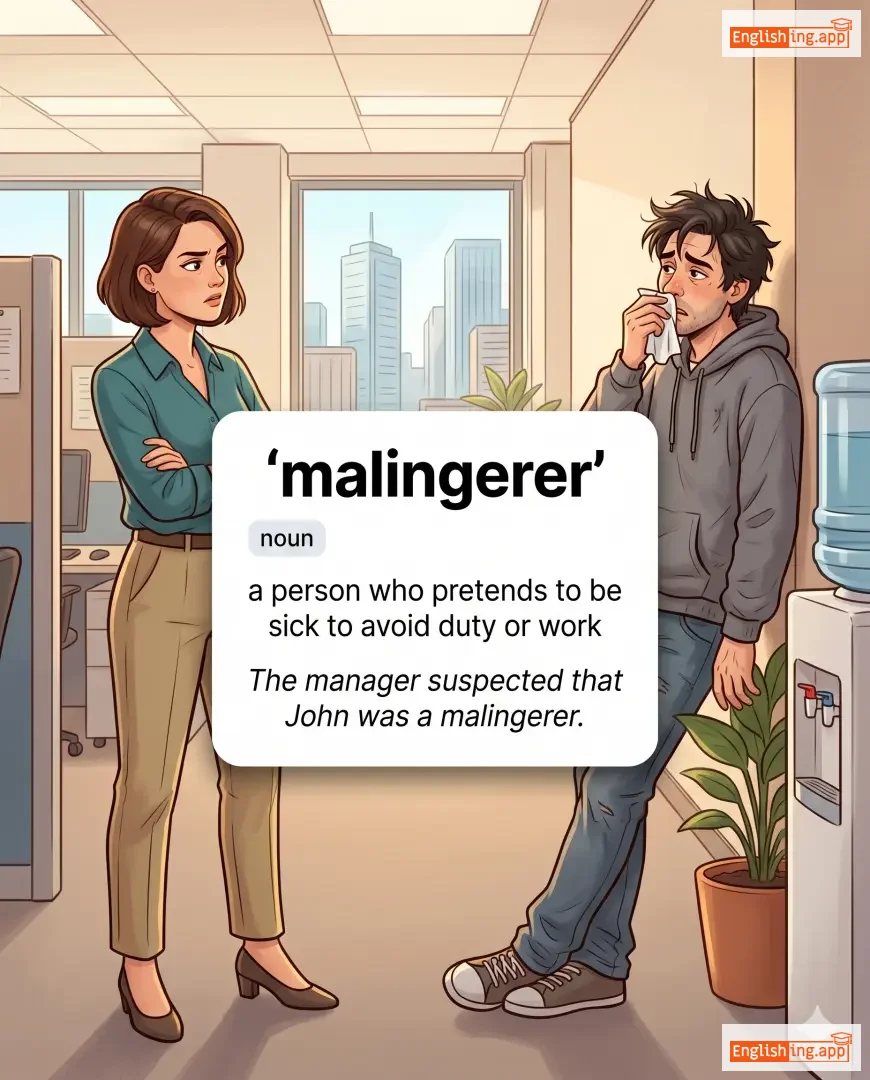
a person who pretends to be sick to avoid duty or work
••••••
|
The manager suspected that John was a malingerer. |
マネージャーはジョンがマリンガラーだと疑っていた。
Manejā wa Jon ga Maringarā da to utagatte ita.
••••••
|
- •••••• | - •••••• | - •••••• |
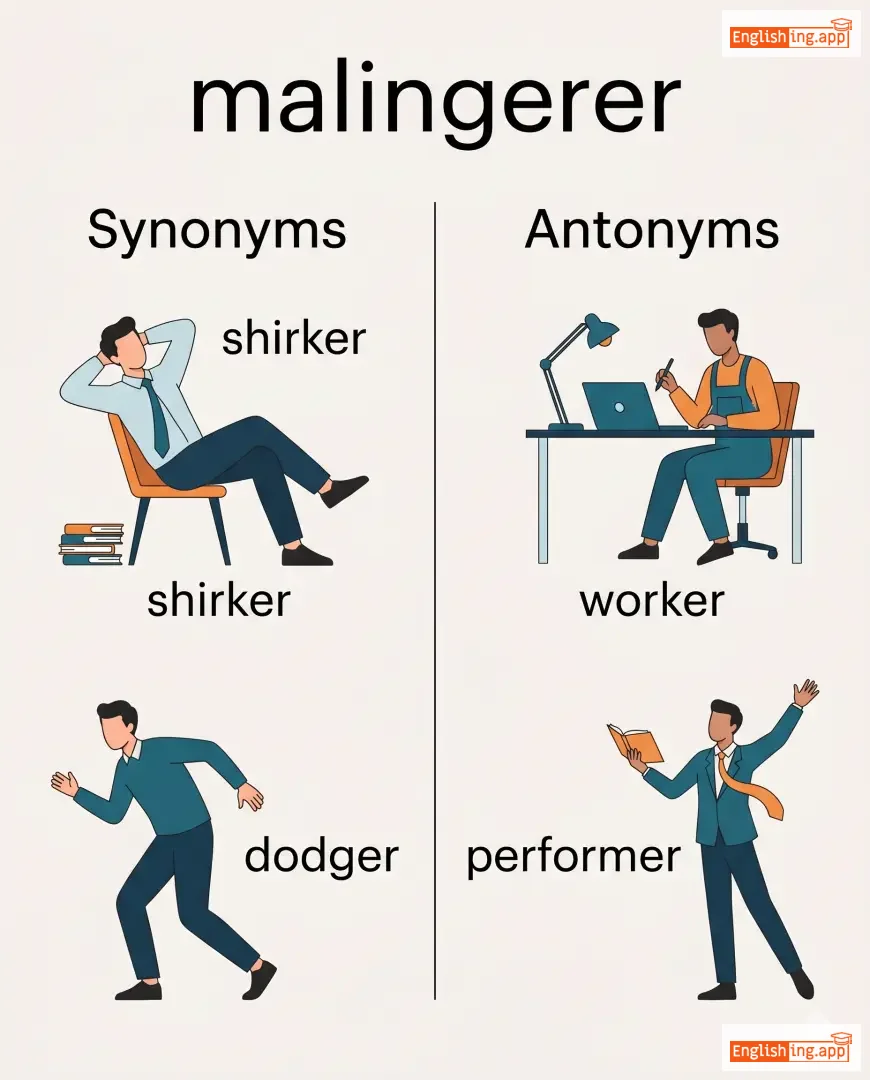
shirker, dodger, pretender, faker
••••••
|
worker, performer
••••••
|
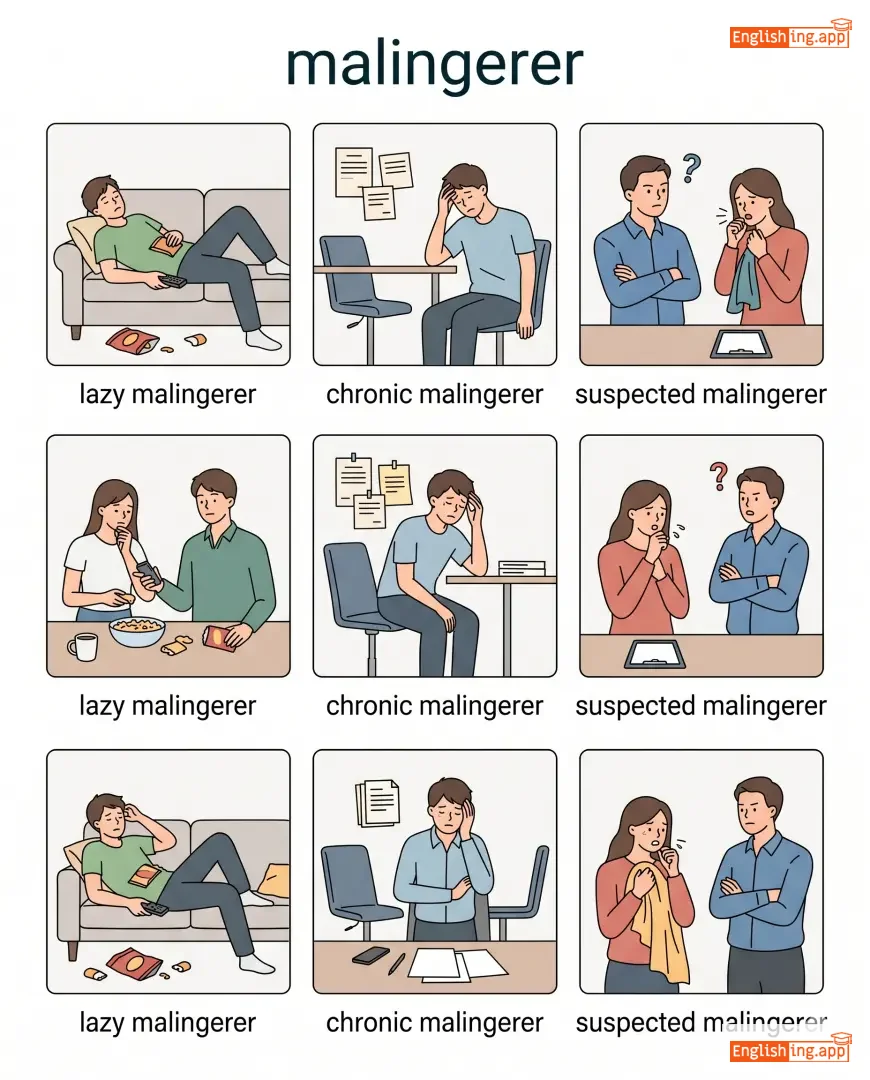
lazy malingerer, chronic malingerer, suspected malingerer
••••••
|
Malingerer: 病気を装う人、'マリンガ'の'マ'は病気、'ガ'は回避する。
••••••
|
|
#5389
🤒
|
/məˈlɪŋɡər/
verb
(マリンジャー)
••••••
|
|
病気を装う
byouki o yosou
••••••
|
malingered
マリンジャード
••••••
|
malingered
マリンジャード
••••••
|
malingers
マリンジャーズ
••••••
|
malingering
マリンジャリング
••••••
|
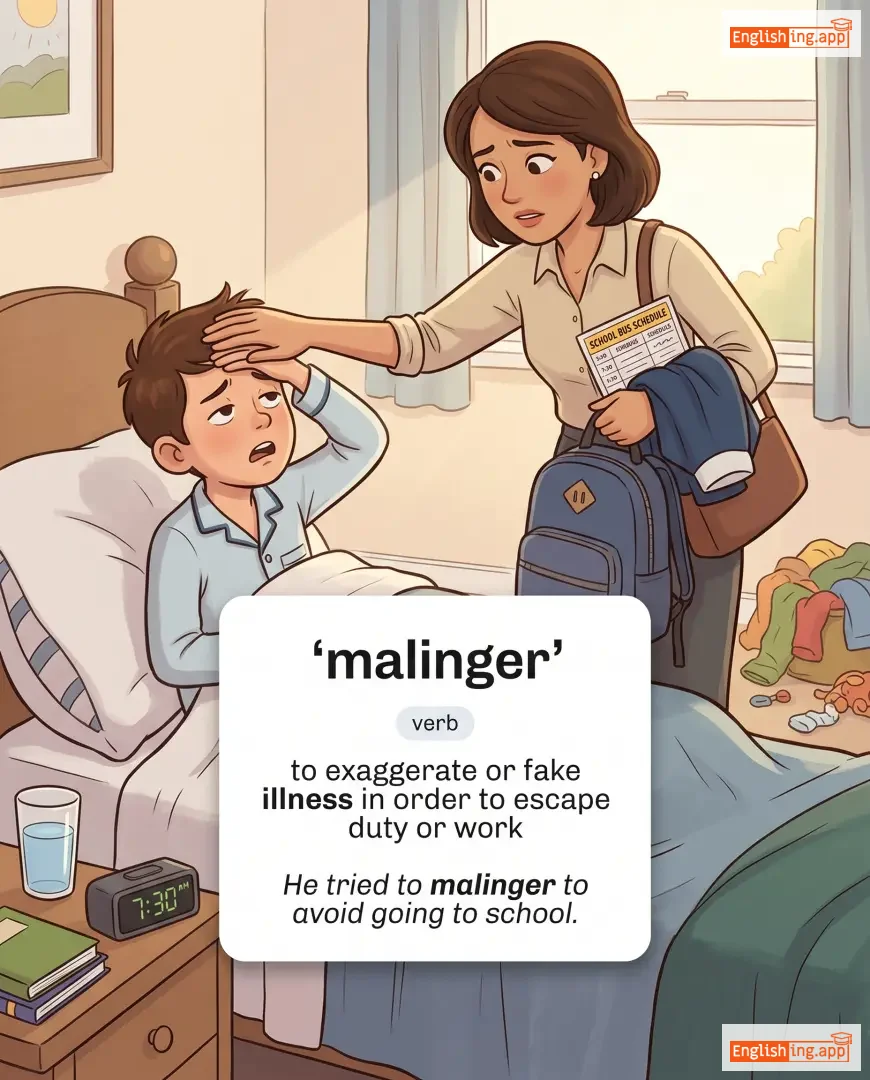
to exaggerate or fake illness in order to escape duty or work
••••••
|
He tried to malinger to avoid going to school.
彼は学校に行くのを避けるためにマリンジャーしようとした。
••••••
|
彼は学校に行くのを避けるためにマリンジャーしようとした。
Kare wa gakkou ni iku no o sakeru tame ni malingā shiyou to shita.
••••••
|
- •••••• | - •••••• | - •••••• |
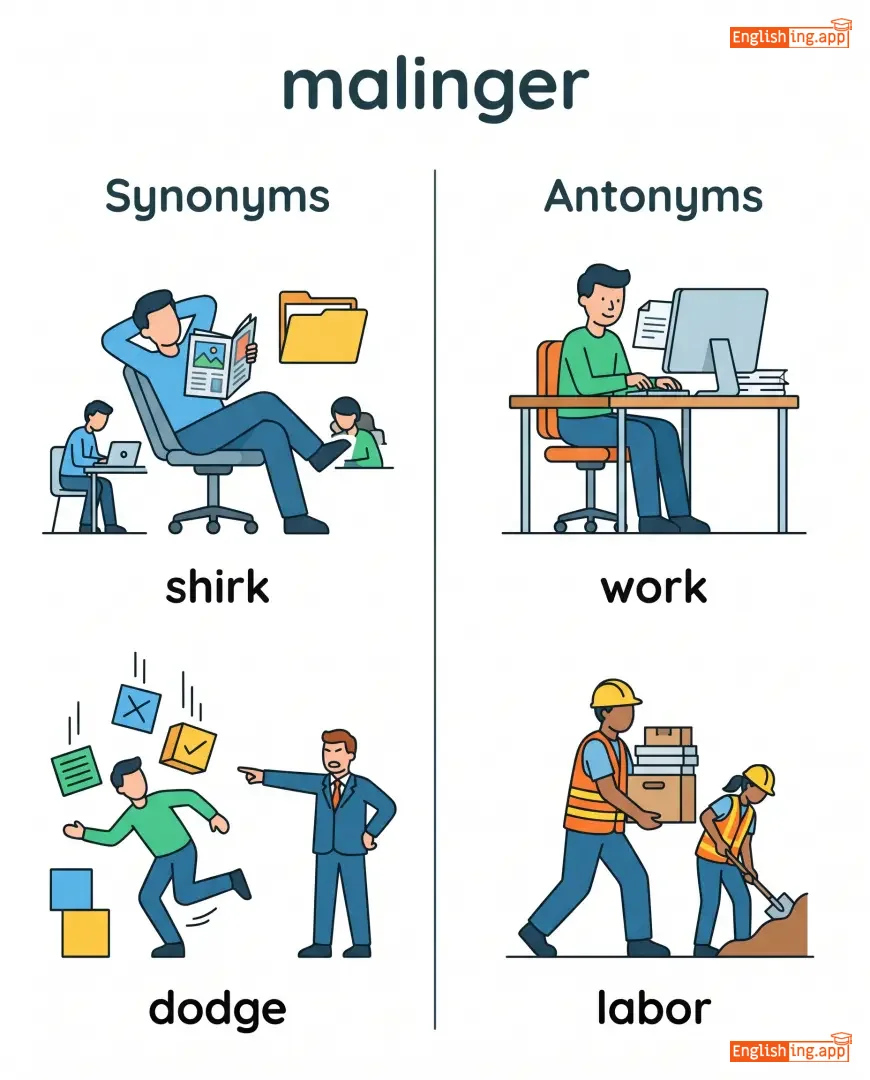
shirk, dodge, feign, pretend, evade
••••••
|
work, labor, perform
••••••
|
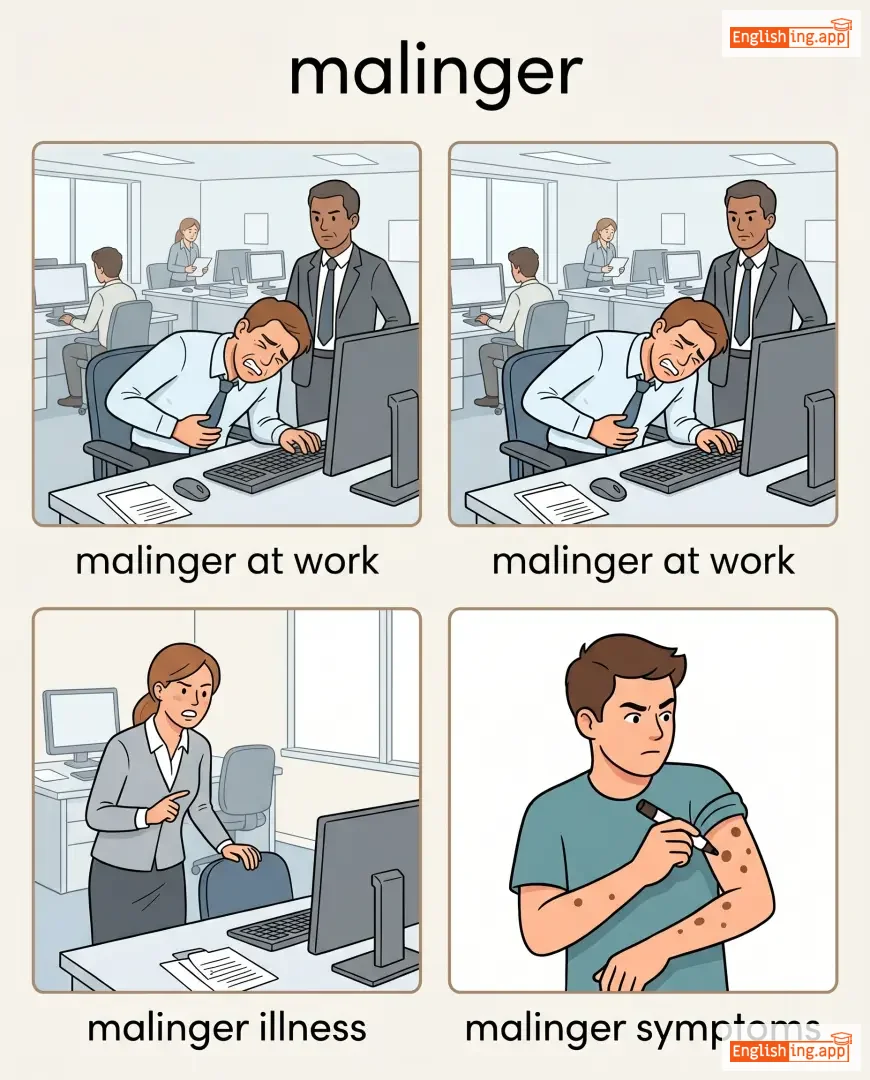
malinger illness, malinger at work, malinger symptoms
••••••
|
Malingerは病気を装うことを意味します。'マリンジャー' = 病気のふり
••••••
|
|
#5390
☠️
|
/məˈlɪɡnənt/
adjective
(マリグナント)
••••••
|
- •••••• |
悪性
akusei
••••••
|
- •••••• | - •••••• | - •••••• | - •••••• |
dangerous or harmful in influence or effect; medically, tending to invade and destroy tissue
••••••
|
Doctors confirmed that the tumor was malignant. |
医師はその腫瘍が悪性であることを確認しました。
Ishi wa sono shuyou ga akusei de aru koto wo kakunin shimashita.
••••••
|
malignant growth |
a harmful or cancerous development
••••••
|
悪性腫瘍
akusei shuyou
••••••
|
harmful, deadly, cancerous, dangerous, injurious
••••••
|
benign, harmless, safe
••••••
|
malignant tumor, malignant cell, malignant spirit, malignant influence
••••••
|
Malignant は '悪性'、覚えやすく、'悪' = 悪い
••••••
|
|
#5391
🗣️
|
/məˈlaɪn/
verb
••••••
|
|
- •••••• |
maligned
••••••
|
maligned
••••••
|
maligns
••••••
|
maligning
••••••
|
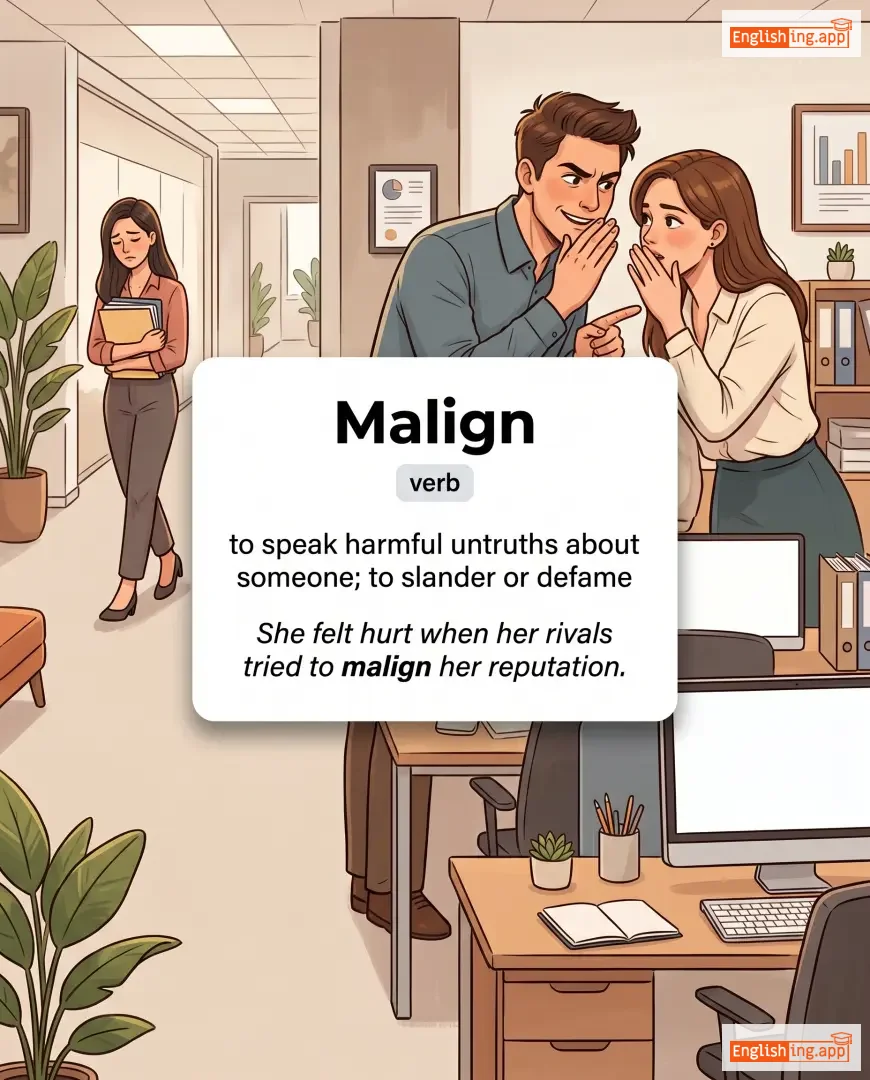
to speak harmful untruths about someone; to slander or defame
••••••
|
She felt hurt when her rivals tried to malign her reputation. |
- •••••• |
malign influence |
a harmful or evil effect
••••••
|
- •••••• |
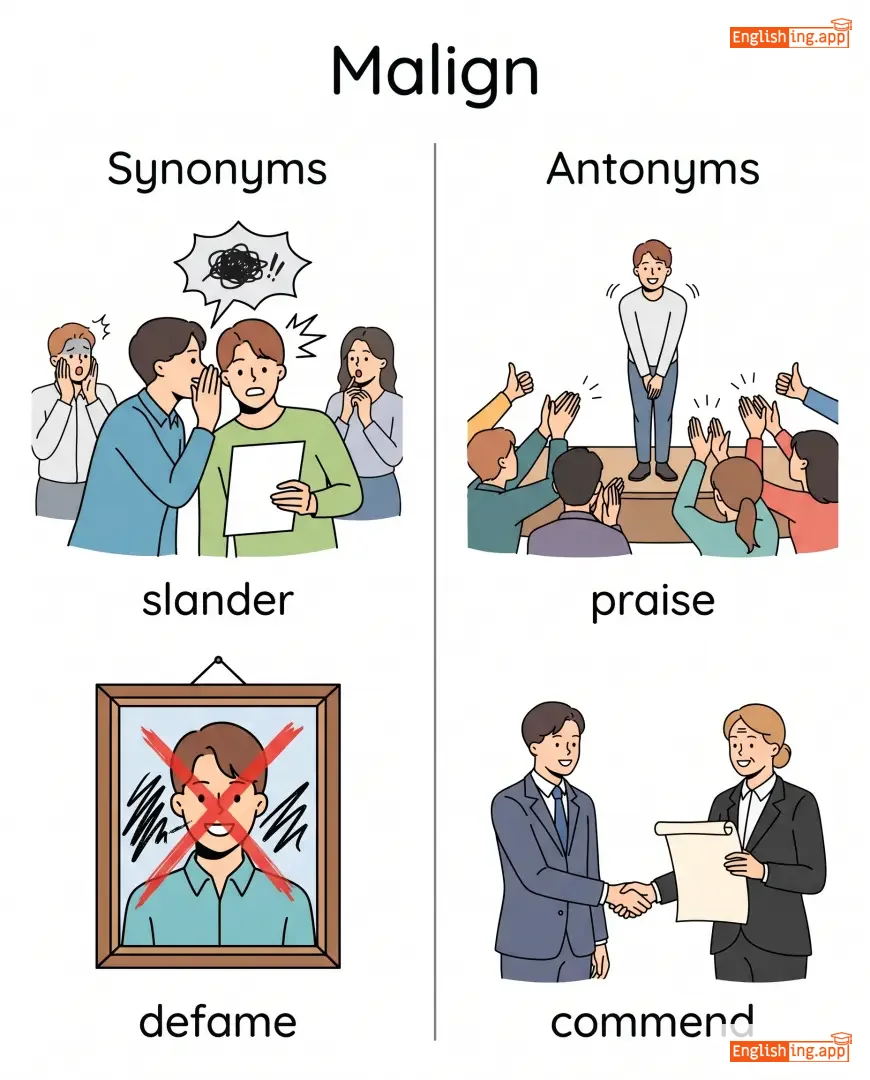
slander, defame, vilify, disparage, smear
••••••
|
praise, commend, extol
••••••
|
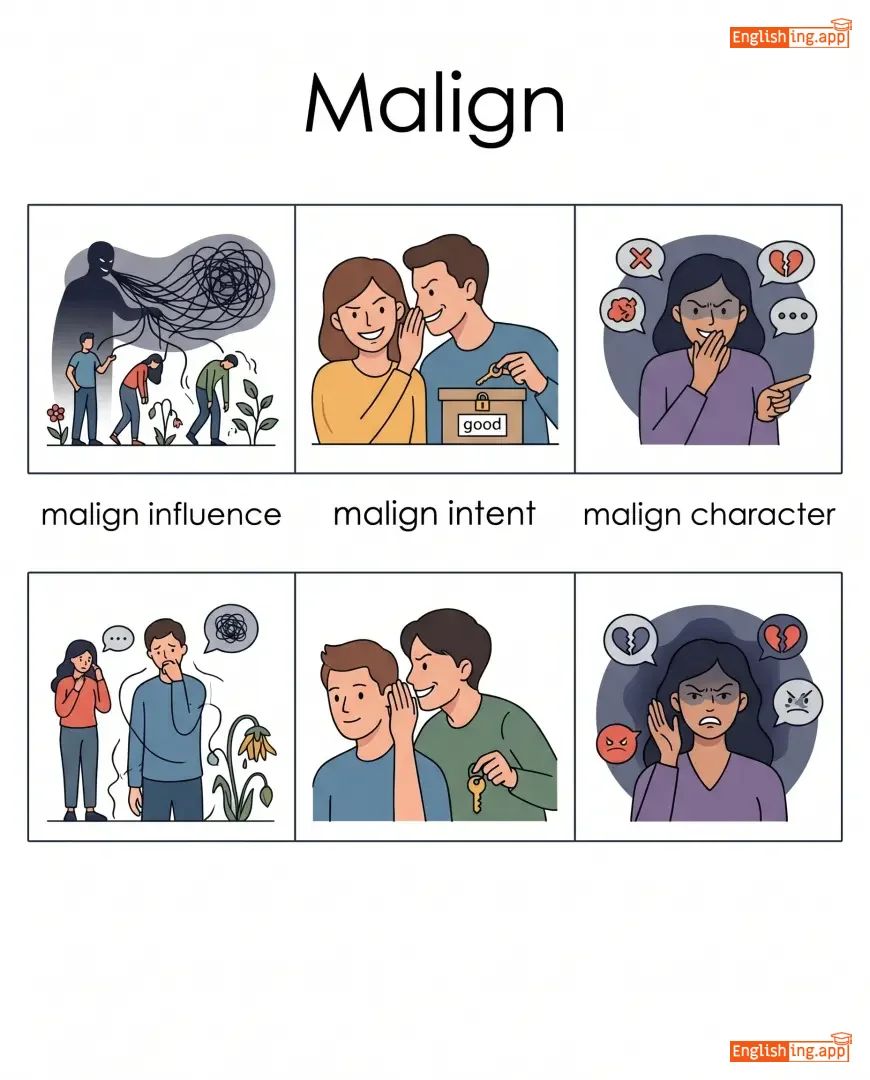
malign influence, malign intent, malign character, malign force
••••••
|
No •••••• |
|
#5392
🦠
|
/məˈlɪʃəs/
adjective
(マリシャス)
••••••
|
- •••••• |
悪意のある
akui no aru
••••••
|
- •••••• | - •••••• | - •••••• | - •••••• |
Characterized by malice; intending or intended to do harm.
••••••
|
The hackers launched a malicious attack on the company’s system. |
ハッカーたちは企業のシステムに悪意のある攻撃を仕掛けた。
Hakkā-tachi wa kigyō no shisutemu ni akui no aru kōgeki o shikaketa.
••••••
|
malicious gossip |
Spreading harmful or false rumors about someone.
••••••
|
悪意のある噂
akui no aru uwasa
••••••
|
spiteful, vindictive, cruel, hostile, malevolent
••••••
|
kind, benevolent, helpful
••••••
|
malicious attack, malicious intent, malicious software, malicious rumor
••••••
|
Maliciousは悪意のある、害を及ぼす意図があること。
••••••
|
|
#5393
💔
|
/ˈmælɪs/
noun
(マリス)
••••••
|
- •••••• |
悪意
akui
••••••
|
- •••••• | - •••••• | - •••••• | - •••••• |
The intention or desire to do evil or cause harm.
••••••
|
She bore no malice towards her former friend. |
彼女は元の友人に対して悪意を抱いていなかった。
Kanojo wa moto no yuujin ni taishite akui o idaite inakatta.
••••••
|
with malice aforethought |
An intention to harm or kill that was planned in advance.
••••••
|
悪意を持って計画的に
Akui o motte keikakuteki ni
••••••
|
ill will, hatred, spite, hostility, bitterness
••••••
|
kindness, goodwill, affection
••••••
|
act with malice, full of malice, bear malice, malice in his heart
••••••
|
Maliceは他人を傷つける意図、マッサージがもらえないと悪意が生まれる。
••••••
|
|
#5394
⚖️
|
/mælˈfiːzəns/
noun
(マルフィーザンス)
••••••
|
- •••••• |
公務員の不正行為
koumuin no fusei koui
••••••
|
- •••••• | - •••••• | - •••••• | - •••••• |
Wrongdoing or misconduct, especially by a public official.
••••••
|
The mayor was accused of malfeasance in office. |
市長は職務中の不正行為で告発された。
Shichou wa shokumu-chuu no fusei koui de kokuhatsu sareta.
••••••
|
official malfeasance |
Misconduct or corruption by someone in authority.
••••••
|
公務員の不正行為
koumuin no fusei koui
••••••
|
misconduct, wrongdoing, corruption, fraud, misbehavior
••••••
|
integrity, honesty, righteousness
••••••
|
political malfeasance, corporate malfeasance, charged with malfeasance, acts of malfeasance
••••••
|
Mal + feasance = 悪い行為。公務員の不正行為がmalfeasanceです。
••••••
|
|
#5395
👿
|
/məˈlɛvələnt/
adjective
(マレヴォレント)
••••••
|
- •••••• |
悪意のある
akui no aru
••••••
|
- •••••• | - •••••• | - •••••• | - •••••• |
Having or showing a wish to do evil or harm to others.
••••••
|
The malevolent glare in his eyes frightened the children. |
彼の目に浮かぶ悪意のある視線は子供たちを怖がらせた。
Kare no me ni ukabu akui no aru shisen wa kodomotachi o kowagaraseta.
••••••
|
- •••••• | - •••••• | - •••••• |
hostile, wicked, evil, malicious, spiteful
••••••
|
benevolent, kind, friendly
••••••
|
malevolent spirit, malevolent force, malevolent glare, malevolent intent
••••••
|
Malevolentは「悪意のある」と言う意味で、悪い目線を持っていることです。
••••••
|
|
#5396
😈
|
/məˈlɛvələns/
noun
(マレヴォレンス)
••••••
|
- •••••• |
悪意
akui
••••••
|
- •••••• | - •••••• | - •••••• | - •••••• |
The state or condition of being malevolent; having or showing a wish to do evil to others.
••••••
|
His malevolence was clear in the cruel way he treated his rivals. |
彼の悪意は、彼がライバルを扱う残忍な方法において明らかだった。
Kare no akui wa, kare ga raibaru o atsukau zan'ina hōhō ni oite akirakadaった.
••••••
|
full of malevolence |
Having strong ill will or hatred toward someone.
••••••
|
悪意に満ちている
akui ni michite iru
••••••
|
malice, spite, hatred, ill will, hostility
••••••
|
benevolence, kindness, goodwill
••••••
|
show malevolence, act with malevolence, full of malevolence, deep malevolence
••••••
|
Malevolent は悪いという意味なので、malevolence は悪い心(悪意)を意味します。
••••••
|
|
#5397
⚡
|
/ˌmæl.əˈfɪʃ.ənt/
adjective
(マレフィシエント)
••••••
|
- •••••• |
悪意のある
akui no aru
••••••
|
- •••••• | - •••••• | - •••••• | - •••••• |
Doing harm or evil; having a harmful effect.
••••••
|
The maleficient acts of the tyrant ruined the kingdom. |
暴君の悪意のある行為は王国を滅ぼした。
Bōkun no akui no aru kōi wa ōkoku o horoboshita.
••••••
|
- •••••• | - •••••• | - •••••• |
evil, malicious, damaging, injurious, malevolent
••••••
|
beneficial, kind, helpful
••••••
|
maleficient deeds, maleficient influence, maleficient ruler
••••••
|
Maleficientは悪(アク)+効率(エフィシェント)、悪事を効率的に行うこと
••••••
|
|
#5398
🧛♀️
|
/məˈlɛfɪsənt/
adjective
(マレフィセント)
••••••
|
- •••••• |
邪悪
jaaku
••••••
|
- •••••• | - •••••• | - •••••• | - •••••• |
Causing harm or destruction, especially by supernatural means.
••••••
|
The maleficent witch cursed the young princess.
その悪しき魔女は若い王女に呪いをかけました。
••••••
|
その悪しき魔女は若い王女に呪いをかけました。
Sono ashiki majo wa wakai ōjo ni noroi o kakemashita.
••••••
|
- •••••• | - •••••• | - •••••• |
harmful, evil, wicked, malevolent, destructive
••••••
|
benevolent, kind, good
••••••
|
maleficent force, maleficent spirit, maleficent magic
••••••
|
映画Maleficentで魔女が邪悪なことをする → Maleficentは邪悪を意味する
••••••
|
|
#5399
👹
|
/ˈmæl.əˌfæk.tər/
noun
(マレファクター)
••••••
|
- •••••• |
悪党
akutou
••••••
|
- •••••• | - •••••• | - •••••• | - •••••• |
A person who commits a crime or does evil.
••••••
|
The malefactor was arrested for the robbery.
その悪党は強盗で逮捕された。
••••••
|
その悪党は強盗で逮捕された。
Sono akutou wa goutou de taiho sareta.
••••••
|
- •••••• | - •••••• | - •••••• |
criminal, offender, wrongdoer, villain, culprit
••••••
|
benefactor, helper, supporter
••••••
|
dangerous malefactor, notorious malefactor, catch the malefactor
••••••
|
Malefactor = male (悪い) + factor (働く) → 悪いことをする人
••••••
|
|
#5400
🧙♀️
|
/ˌmæl.əˈdɪk.ʃən/
noun
(マレディクション)
••••••
|
- •••••• |
呪い
noroi
••••••
|
- •••••• | - •••••• | - •••••• | - •••••• |
A curse or the utterance of a curse.
••••••
|
The witch cast a malediction upon the village.
魔女は村に呪いをかけた。
••••••
|
魔女は村に呪いをかけた。
Majo wa mura ni noroi o kaketa.
••••••
|
- •••••• | - •••••• | - •••••• |
curse, hex, spell, imprecation, jinx
••••••
|
blessing, benediction
••••••
|
ancient malediction, utter a malediction, powerful malediction
••••••
|
Malediction = Male (悪い) + diction (言葉) → 悪い言葉が呪い
••••••
|
Vocabulary Quiz
Test your vocabulary by matching words with their translations or meanings.
Login to take the quiz
Comments (0)
Share your thoughts and join the discussion.
Join the discussion by logging in
Login to CommentNo comments yet
Be the first to share your thoughts!