

翻訳
過去
過去分詞
三人称単数
動名詞
意味
例文
例文の翻訳
同義語
対義語
コロケーション
ニーモニック



Swipe left or right, or use the buttons. Tap image to zoom.
例文の翻訳
単語
Lesson 330Lesson 330 - マスクトグル
|
絵文字
|
単語 | Images | 翻訳 | 過去 | 過去分詞 | 三人称単数 | 動名詞 | 意味 | 例文 | 例文の翻訳 | 表現例 | 表現例の意味 | 表現例の翻訳 | 同義語 | 対義語 | コロケーション | ニーモニック |
|---|---|---|---|---|---|---|---|---|---|---|---|---|---|---|---|---|---|
|
#9865
🏛️
|
/hɔːl/
noun
(ホール)
••••••
|
- •••••• |
ホール
hōru
••••••
|
- •••••• | - •••••• | - •••••• | - •••••• |
a large room or building for public gatherings, events, or passage
••••••
|
The graduation ceremony was held in the university hall.
卒業式は大学のホールで行われました。
••••••
|
卒業式は大学のホールで行われました。
Sotsugyō-shiki wa daigaku no hōru de okonaware mashita.
••••••
|
hall of fame
名誉の殿堂
••••••
|
a group or place honoring distinguished people
••••••
|
名誉の殿堂
meiyo no dendō
••••••
|
auditorium, chamber, corridor, passage, lobby
••••••
|
room, cubicle
••••••
|
lecture hall, concert hall, dining hall, entrance hall
••••••
|
ホール (hōru) は大きな場所で、大学のホールと同じです。思い出して、名誉の殿堂。
••••••
|
|
#9866
⬆️
|
/haɪ/
adjective
(ハイ)
••••••
|
- •••••• |
高い
takai
••••••
|
- •••••• | - •••••• | - •••••• | - •••••• |
At or to a great height; greater than normal in amount, degree, or intensity.
••••••
|
The mountain peak is very high.
山の頂上はとても高いです。
••••••
|
山の頂上はとても高いです。
Yama no chōjō wa totemo takai desu.
••••••
|
high and mighty
高慢で威張っている
••••••
|
acting proud and arrogant
••••••
|
傲慢
ōman
••••••
|
tall, elevated, lofty, towering, intense
••••••
|
low, small
••••••
|
high mountain, high speed, high hopes, high price
••••••
|
High は高い ⬆️、例えば High building = 高いビル。
••••••
|
|
#9867
🏡
|
/ˈhaɪdəweɪ/
noun
(haidowei)
••••••
|
- •••••• |
隠れ家
kakurega
••••••
|
- •••••• | - •••••• | - •••••• | - •••••• |
A place used as a retreat or a place to hide.
••••••
|
The cabin in the woods was their secret hideaway.
森の中の小屋は彼らの秘密の隠れ家だった。
••••••
|
森の中の小屋は彼らの秘密の隠れ家だった。
Mori no naka no koya wa karera no himitsu no kakurega datta.
••••••
|
- •••••• | - •••••• | - •••••• |
retreat, refuge, shelter, haven, sanctuary
••••••
|
exposure, openness
••••••
|
secret hideaway, mountain hideaway, hideaway spot
••••••
|
Hide + away = 隠れる場所、例えば秘密の小屋 🏡.
••••••
|
|
#9868
🤲
|
/hɛlp/
verb
(ハピネス)
••••••
|
|
手伝う
tetsudau
••••••
|
helped
ヘルプド
••••••
|
helped
ヘルプド
••••••
|
helps
ヘルプス
••••••
|
helping
ヘルピング
••••••
|
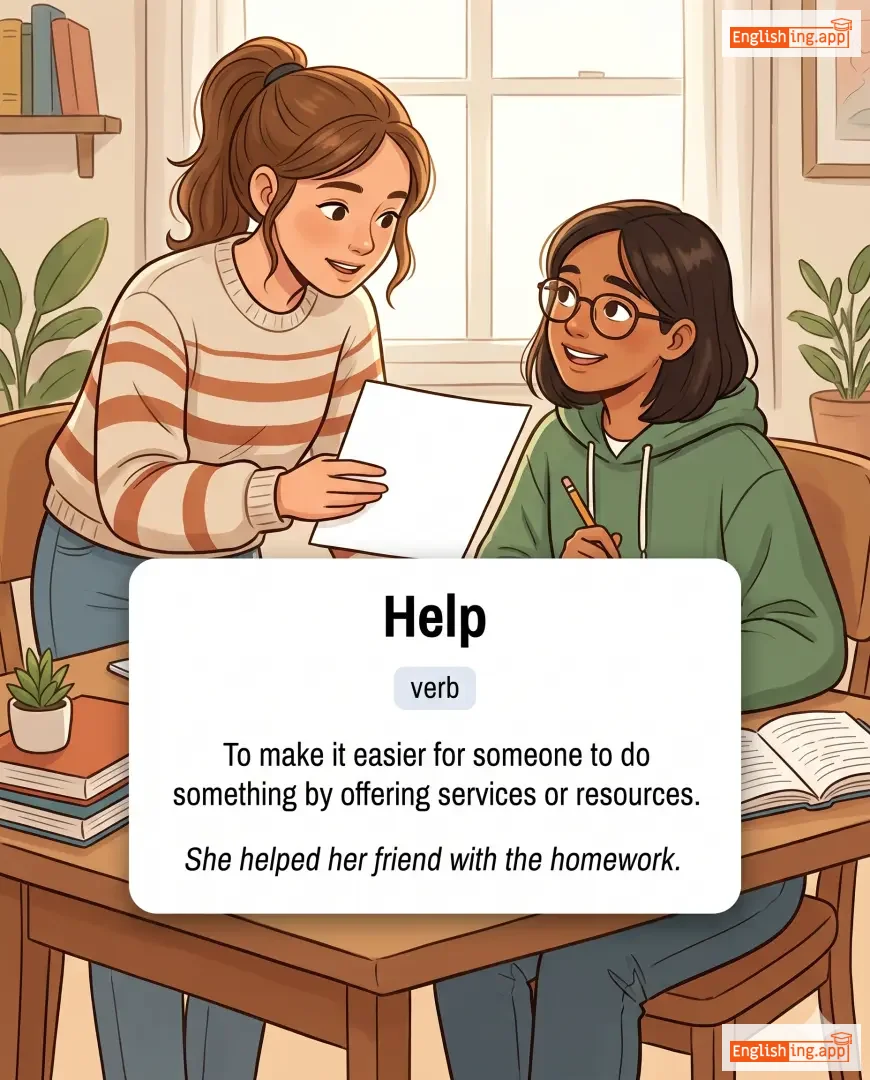
To make it easier for someone to do something by offering services or resources.
••••••
|
She helped her friend with the homework.
彼女は宿題を手伝った。
••••••
|
彼女は宿題を手伝った。
Kanojo wa shukudai o tetsudatta.
••••••
|
help yourself
自分で手伝う
••••••
|
to take something without asking
••••••
|
自分で手伝う
Jibun de tetsudau
••••••
|
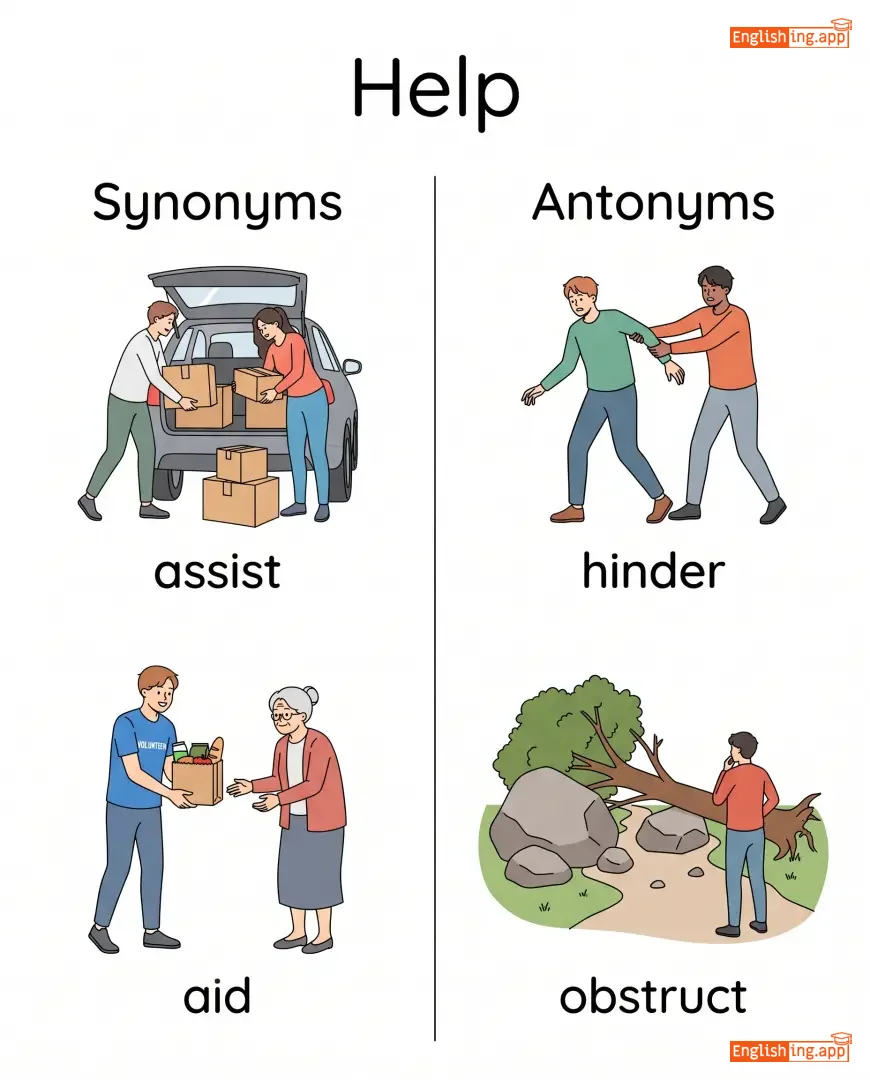
assist, aid, support, facilitate, guide
••••••
|
hinder, obstruct
••••••
|
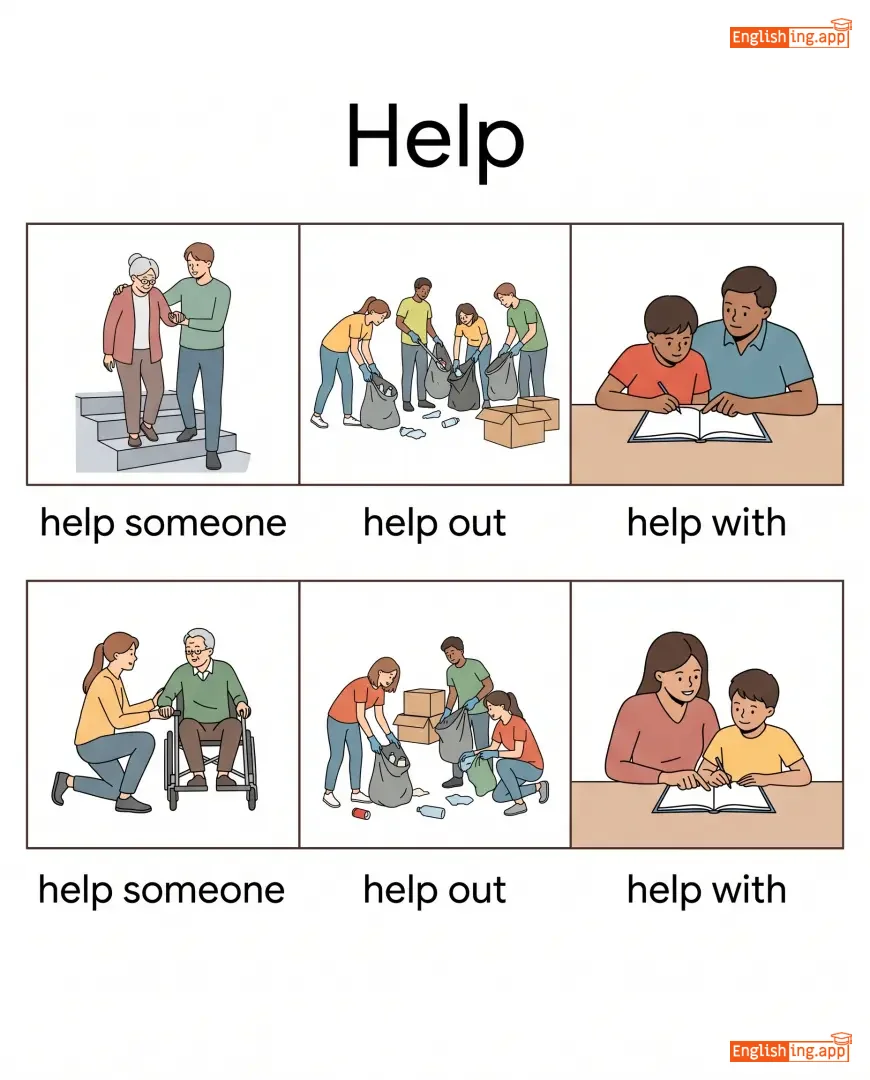
help someone, help out, help with, help to
••••••
|
Helpは手伝うという意味で、'手伝わないと宿題終わらないよ!'
••••••
|
|
#9869
🗣️
|
/ˈhɪərseɪ/
noun
(ヒアセイ)
••••••
|
- •••••• |
噂
uwasa
••••••
|
- •••••• | - •••••• | - •••••• | - •••••• |
Information received from other people that cannot be substantiated; rumor.
••••••
|
The decision was based on hearsay, not evidence. |
その決定は証拠ではなく、噂に基づいていました。
Sono kettei wa shouko dewa naku, uwasa ni motozuite imashita.
••••••
|
- •••••• | - •••••• | - •••••• |
rumor, gossip, speculation, talk
••••••
|
fact, evidence
••••••
|
mere hearsay, hearsay evidence, hearsay information
••••••
|
Hear + say = 噂、証拠なしにただ聞いたことを言うという意味。
••••••
|
|
#9870
🦅
|
/hɔːk/
noun
(ホーク)
••••••
|
- •••••• |
タカ
taka
••••••
|
- •••••• | - •••••• | - •••••• | - •••••• |
A bird of prey with keen eyesight and sharp talons; also refers to a person who strongly supports aggressive or warlike policies.
••••••
|
The hawk soared high above the valley. |
タカは谷の上を高く飛んでいました。
Taka wa tani no ue o takaku tondemashita.
••••••
|
watch like a hawk |
to observe someone or something very carefully
••••••
|
タカのように見る
Taka no yō ni miru
••••••
|
falcon, raptor, bird of prey, predator, warhawk
••••••
|
dove, pacifist
••••••
|
hawk eye, hawk nest, hawk hunting, hawk policy
••••••
|
タカ🦅は常に鋭い視線で見守るように見ている!
••••••
|
|
#9871
🙌
|
/hæv/
verb
(ハヴ)
••••••
|
- •••••• |
持っている
motte iru
••••••
|
had
ハッド
••••••
|
had
ハッド
••••••
|
has
ハズ
••••••
|
having
ハヴィング
••••••
|
to possess, own, or hold
••••••
|
They have three children.
彼らは三人の子供がいます。
••••••
|
彼らは三人の子供がいます。
Karera wa sannin no kodomo ga imasu.
••••••
|
have a good time
良い時間を過ごす
••••••
|
to enjoy oneself
••••••
|
良い時間を過ごす
Yoi jikan o sugosu
••••••
|
own, possess, hold, contain
••••••
|
lack, want
••••••
|
have fun, have dinner, have time, have a look
••••••
|
Haveは持っていること、'私は持っている'と言うように - I have it!
••••••
|
|
#9872
💔
|
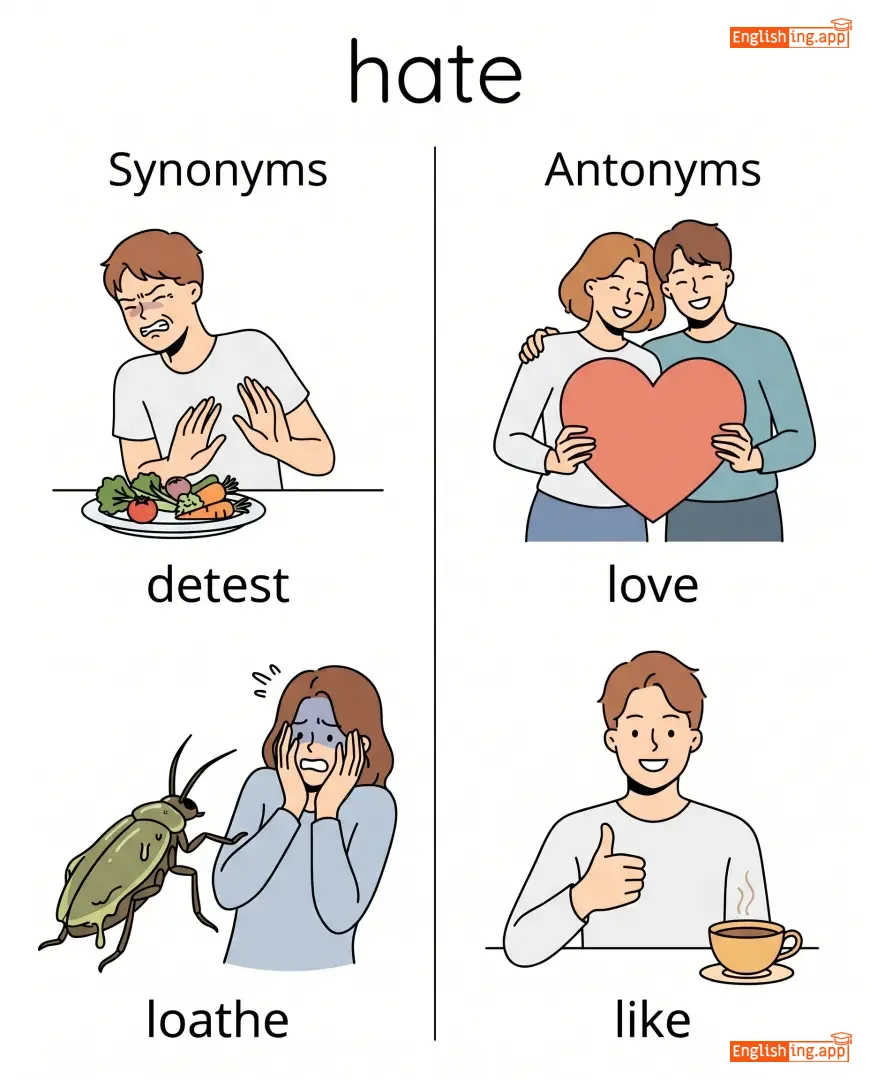
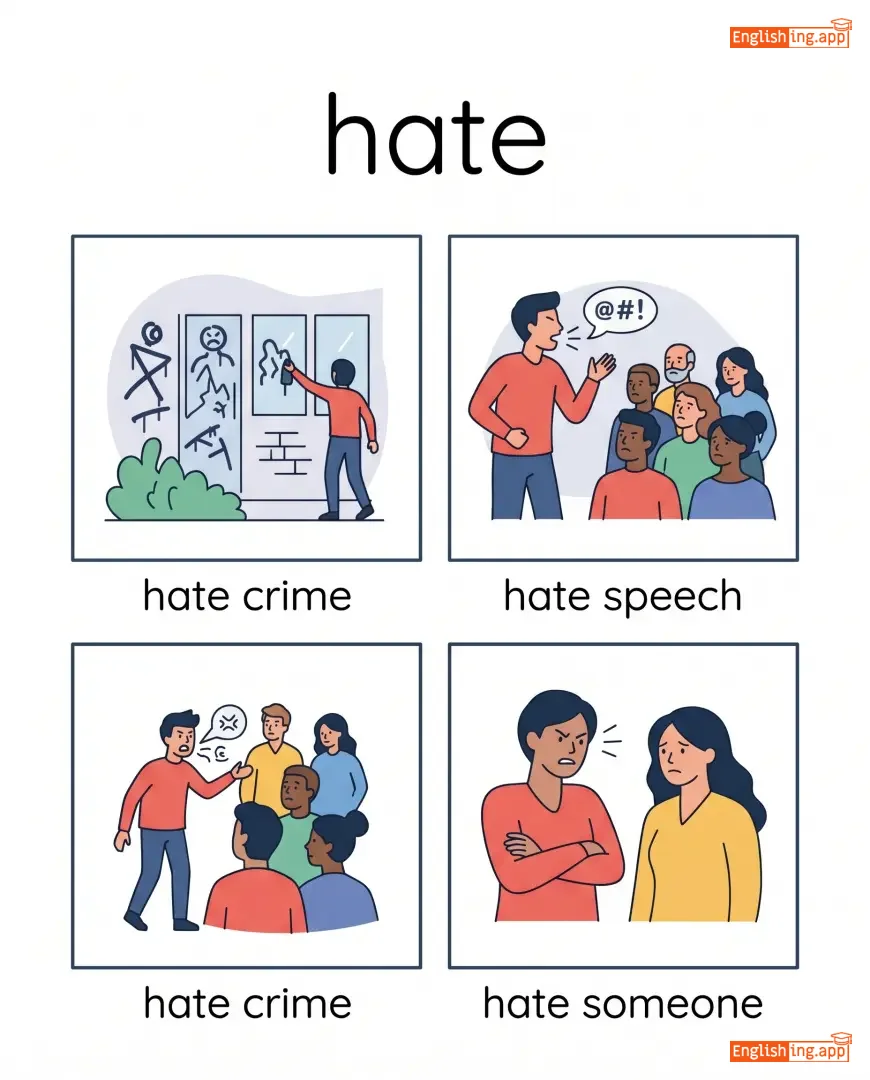
/heɪt/
verb
••••••
|
|
- •••••• |
hated
••••••
|
hated
••••••
|
hates
••••••
|
hating
••••••
|
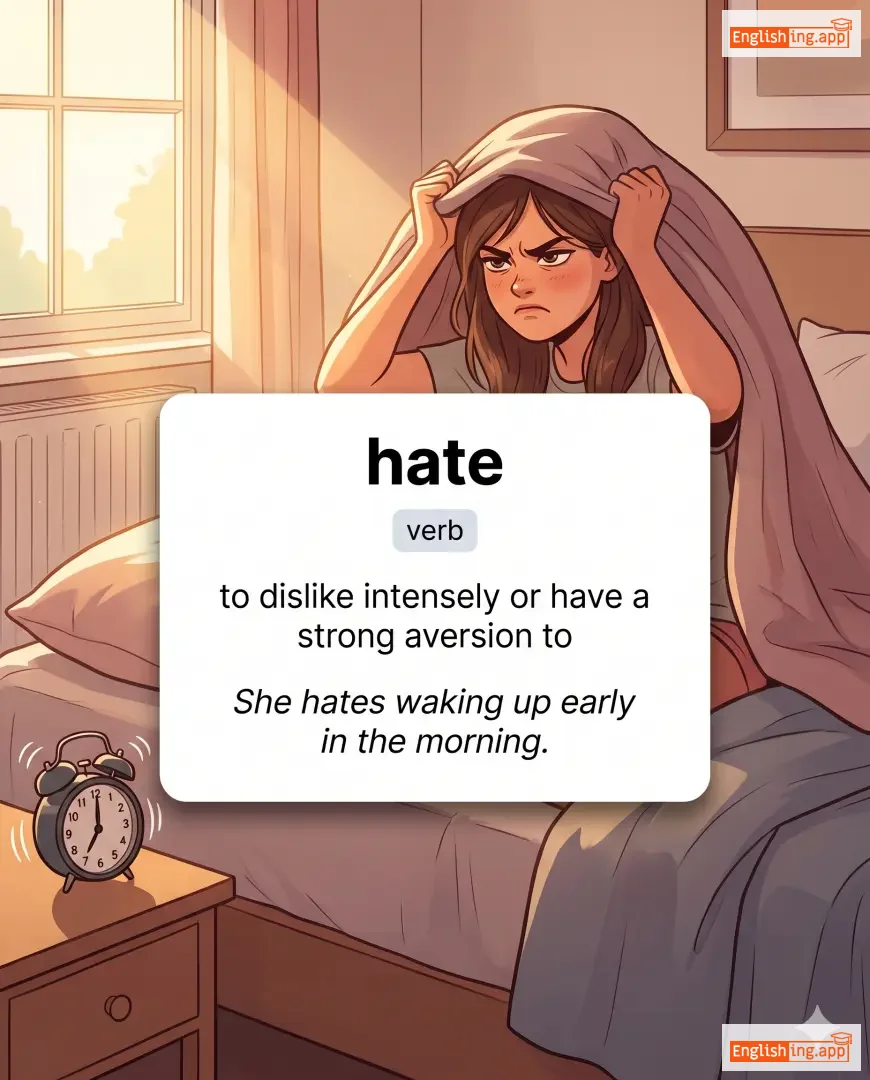
to dislike intensely or have a strong aversion to
••••••
|
She hates waking up early in the morning. |
- •••••• |
love to hate |
something disliked but still talked about often
••••••
|
- •••••• |
detest, loathe, despise, abhor
••••••
|
love, like, adore
••••••
|
hate crime, hate speech, hate someone
••••••
|
No •••••• |
|
#9873
🌿
|
/hæˈʃiːʃ/
noun
(ハシシ)
••••••
|
- •••••• |
ハシシ
hashishi
••••••
|
- •••••• | - •••••• | - •••••• | - •••••• |
a drug made from the resin of the cannabis plant
••••••
|
The police arrested him for possessing hashish.
警察は彼をハシシを所持していたため逮捕した。
••••••
|
警察は彼をハシシを所持していたため逮捕した。
Keisatsu wa kare o hashishi o shoji shite ita tame taiho shita.
••••••
|
- •••••• | - •••••• | - •••••• |
cannabis, marijuana, weed, ganja
••••••
|
medicine, sobriety
••••••
|
smoke hashish, use hashish, illegal hashish
••••••
|
ハシシは大麻です。'ハ'を覚えてハシシ。
••••••
|
|
#9874
🎶
|
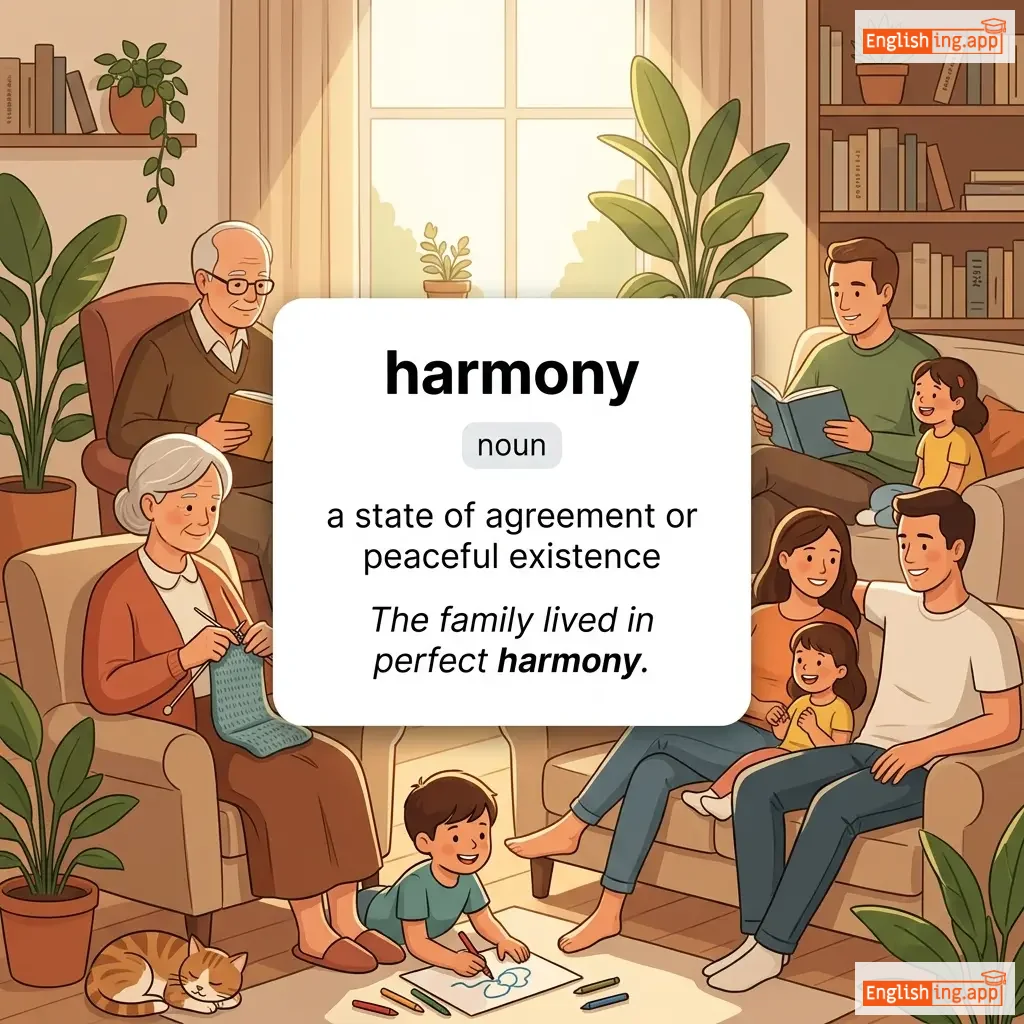
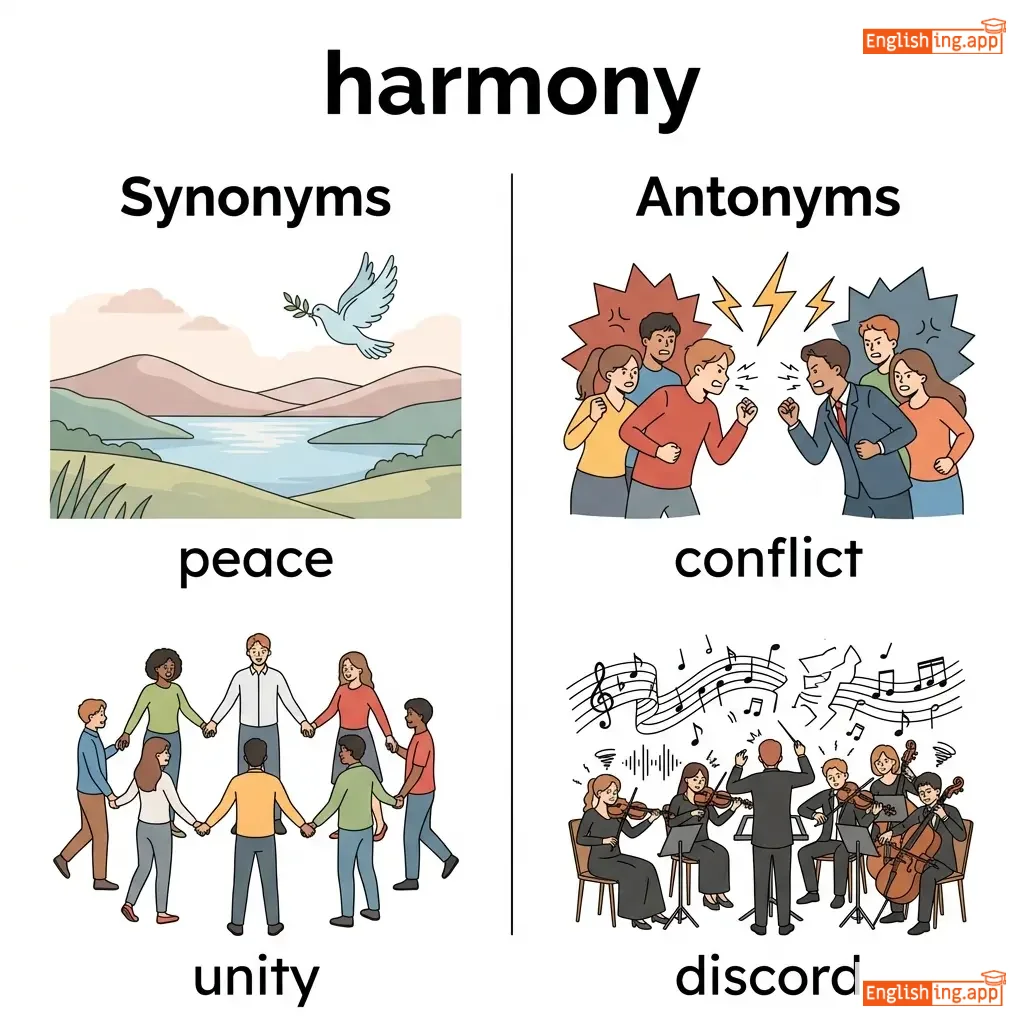
/ˈhɑːrməni/
noun
(ハーモニー)
••••••
|
|
調和
chouwa
••••••
|
- •••••• | - •••••• | - •••••• | - •••••• |
a state of agreement or peaceful existence
••••••
|
The family lived in perfect harmony. |
その家族は完全な調和の中で暮らしていました。
Sono kazoku wa kanzen na chouwa no naka de kurashite imashita.
••••••
|
in harmony with |
to be in agreement or consistent with
••••••
|
〜と調和して
〜to chouwa shite
••••••
|
peace, unity, agreement, concord, balance
••••••
|
conflict, discord, chaos
••••••
|
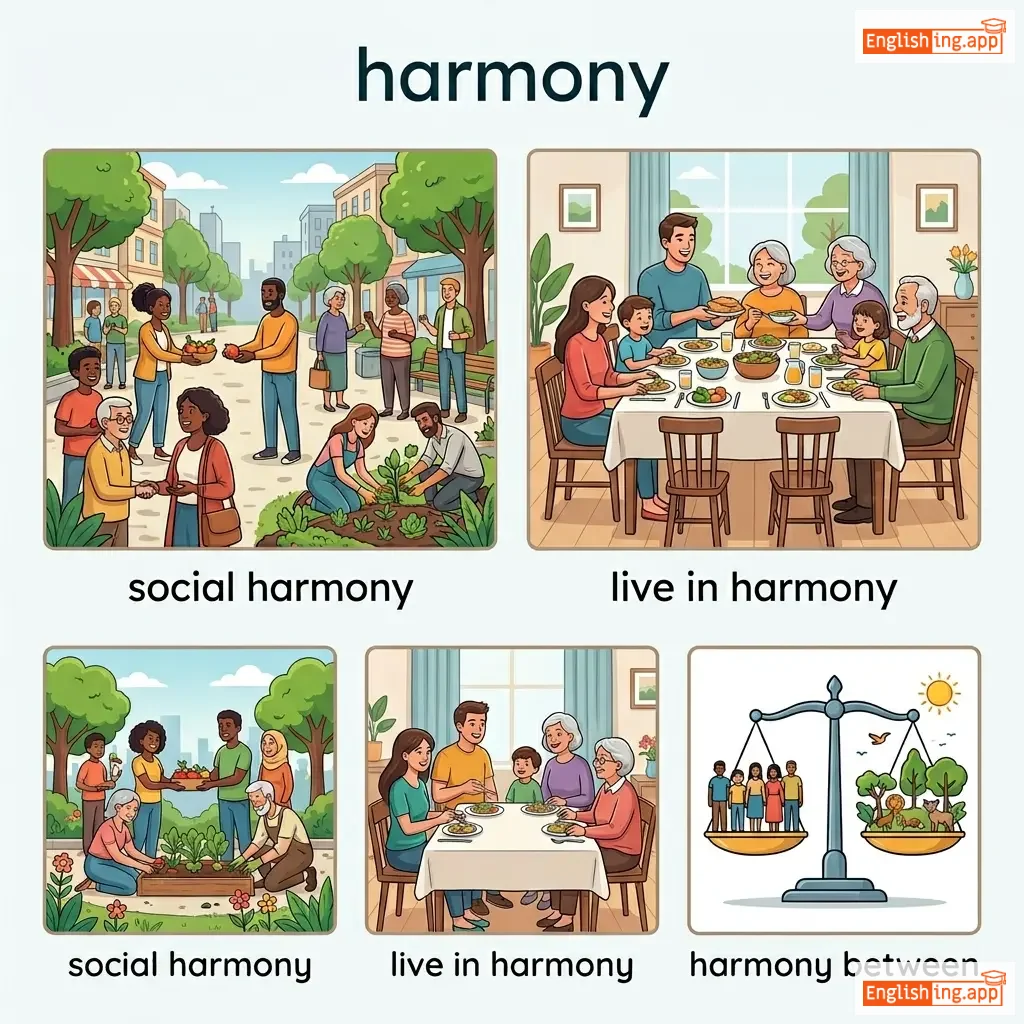
social harmony, live in harmony, harmony between
••••••
|
調和は、オーケストラで楽器が一緒に演奏するようなものです。
••••••
|
|
#9875
💪
|
/hɑːrd/
adjective
(ハード)
••••••
|
- •••••• |
硬い
katai
••••••
|
- •••••• | - •••••• | - •••••• | - •••••• |
solid, firm, or difficult to do or endure
••••••
|
The exam was very hard for most students. |
試験はほとんどの学生にとって非常に難しかった。
Shiken wa hotondo no gakusei ni totte hijou ni muzukashikatta.
••••••
|
hard nut to crack |
a difficult problem or person to deal with
••••••
|
難しい問題
muzukashii mondai
••••••
|
difficult, tough, rigid, strong, firm
••••••
|
easy, soft, simple
••••••
|
work hard, hard time, hard decision, hard life
••••••
|
Hardは固い、難しい、例えば難しい問題のように。
••••••
|
|
#9876
😀
|
/ˈhæpi/
adjective
(happiness)
••••••
|
- •••••• |
幸せ
shiawase
••••••
|
- •••••• | - •••••• | - •••••• | - •••••• |
feeling or showing pleasure, contentment, or joy
••••••
|
She was very happy to receive the gift. |
彼女はプレゼントをもらってとても幸せでした。
Kanojo wa purezento o moratte totemo shiawase deshita.
••••••
|
happy hour |
a period when drinks are sold at reduced prices
••••••
|
ハッピーアワー
happī awā
••••••
|
joyful, cheerful, delighted, pleased, content
••••••
|
sad, unhappy, miserable
••••••
|
feel happy, look happy, happy moment, happy life
••••••
|
Happy = 幸せ 😊 - 覚えておいて、私たちは幸せなときに 'I am HAPPY!' と言います
••••••
|
|
#9877
😊
|
/ˈhæpɪli/
adverb
(ハピリー)
••••••
|
- •••••• |
幸せに
shiawase ni
••••••
|
- •••••• | - •••••• | - •••••• | - •••••• |
in a happy manner; with pleasure or satisfaction
••••••
|
The children played happily in the garden. |
子供たちは庭で幸せに遊びました。
Kodomotachi wa niwa de shiawase ni asobimashita.
••••••
|
- •••••• | - •••••• | - •••••• |
joyfully, cheerfully, gladly, merrily
••••••
|
sadly, unhappily
••••••
|
live happily, happily married, smile happily, happily ever after
••••••
|
Happy + ly は幸せに行動することを意味します - 例えば 😊 子供たちは幸せに遊んでいます。
••••••
|
|
#9878
🛠️
|
/ˈhændi/
adjective
(handi)
••••••
|
- •••••• |
使いやすい
tsukaiyasui
••••••
|
- •••••• | - •••••• | - •••••• | - •••••• |
convenient to use or easily accessible; skillful with the hands
••••••
|
This pocket knife is very handy when you go camping. |
このポケットナイフはキャンプの時に非常に便利です。
Kono poketto naifu wa kyanpu no toki ni hijou ni benri desu.
••••••
|
handy with |
skilled or capable in using something
••••••
|
得意
tokui
••••••
|
useful, convenient, practical, accessible, skillful
••••••
|
useless, inconvenient, clumsy
••••••
|
come in handy, very handy, handy tool, handy guide
••••••
|
Handy は使いやすい、手のようにどんな時でも使える。
••••••
|
|
#9879
🌈
|
/həˈluːsɪneɪt/
verb
(ハルシネイト)
••••••
|
- •••••• |
幻覚を見る
genkaku wo miru
••••••
|
hallucinated
ハルシネイテッド
••••••
|
hallucinated
ハルシネイテッド
••••••
|
hallucinates
ハルシネイツ
••••••
|
hallucinating
ハルシネイティング
••••••
|
to see, hear, or sense things that are not actually present, often due to illness or drugs
••••••
|
After taking the medicine, he began to hallucinate strange shapes.
薬を飲んだ後、彼は奇妙な形をハルシネイトし始めた。
••••••
|
薬を飲んだ後、彼は奇妙な形をハルシネイトし始めた。
Kusuri wo nonda ato, kare wa kimyō na katachi wo harushineito shi hajimeta.
••••••
|
- •••••• | - •••••• | - •••••• |
imagine, envision, dream, fantasize
••••••
|
perceive, sense
••••••
|
hallucinate wildly, hallucinate vividly, start to hallucinate
••••••
|
廊下で幻覚を見たら、色とりどりの 🌈 物を見るだろう。
••••••
|
|
#9880
📦
|
/ɡɛt/
verb
(ゲット)
••••••
|
|
得る
eru
••••••
|
got
ゴット
••••••
|
gotten
ゴットン
••••••
|
gets
ゲッツ
••••••
|
getting
ゲッティング
••••••
|
to obtain, receive, or come to have something
••••••
|
I need to get a new phone before my old one stops working.
新しい電話を手に入れる必要がある、古いものが動かなくなる前に。
••••••
|
新しい電話を手に入れる必要がある、古いものが動かなくなる前に。
Atarashii denwa wo te ni ireru hitsuyou ga aru, furui mono ga ugokanakunaru mae ni.
••••••
|
get going
始める
••••••
|
to start moving or to begin something
••••••
|
始める
hajimeru
••••••
|
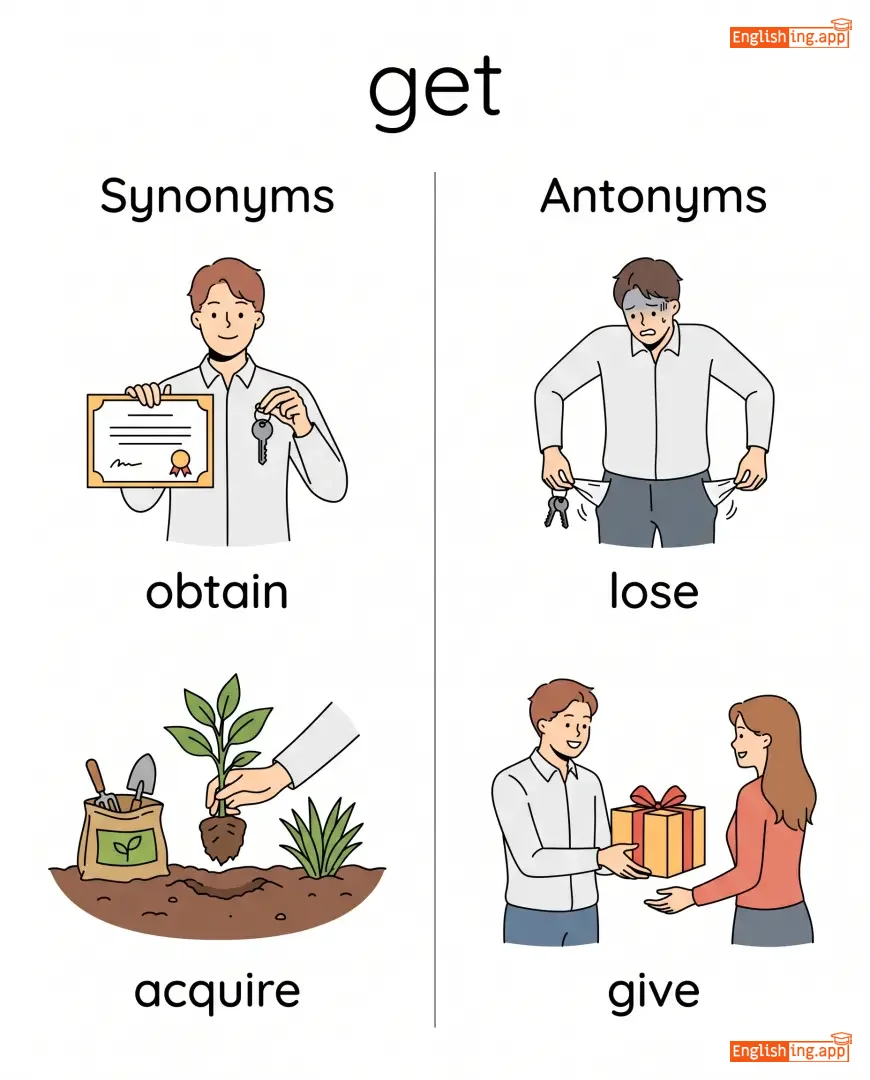
obtain, acquire, receive, gain, secure
••••••
|
lose, give
••••••
|
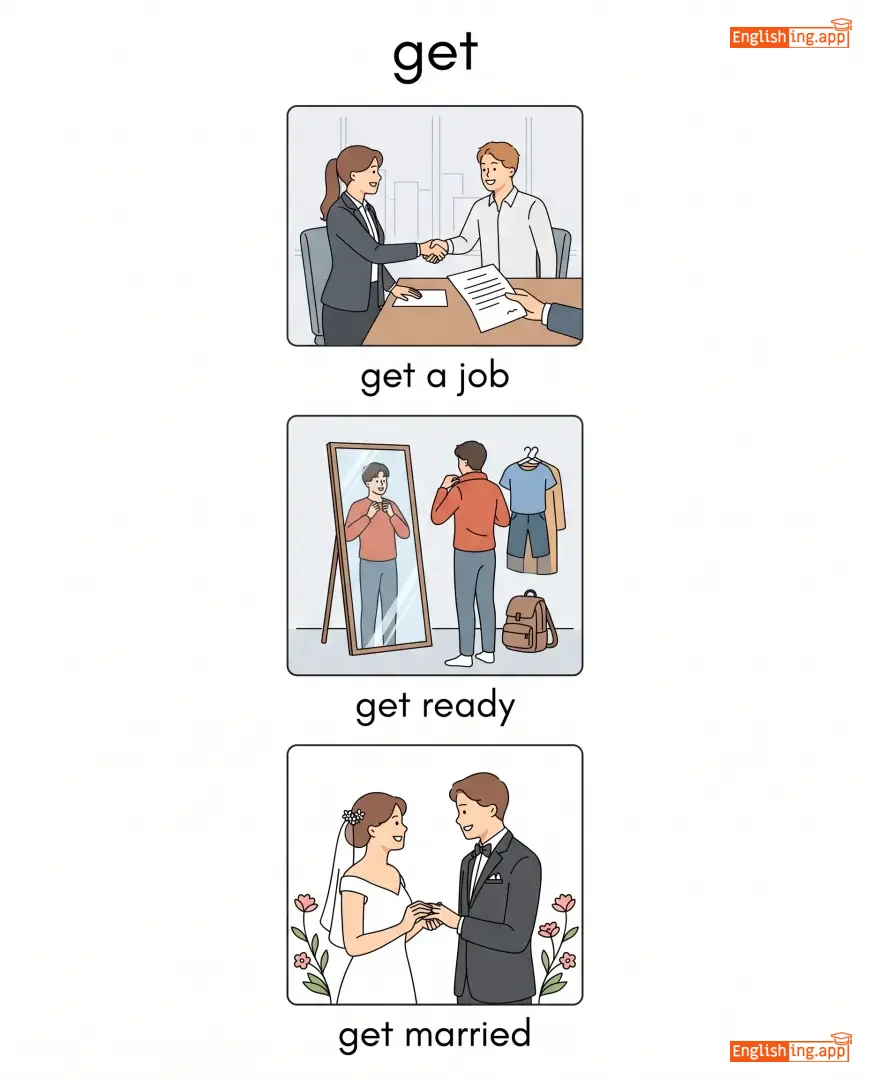
get a job, get ready, get married, get lost, get better
••••••
|
何かを得るためにはゲート(gate)を通る必要がある - getは得ることを意味する
••••••
|
|
#9881
🫃
|
/ɡʌt/
noun/verb
(ɡʌt)
••••••
|
- •••••• |
胃 / 勇気
i / yūki
••••••
|
gutted
ɡʌtɪd
••••••
|
gutted
ɡʌtɪd
••••••
|
guts
ɡʌts
••••••
|
gutting
ɡʌtɪŋ
••••••
|
The stomach or belly; also used for courage, instinct, or to remove the inside of something.
••••••
|
He had the guts to stand up for his beliefs.
彼は自分の信念を守る勇気を持っていました。
••••••
|
彼は自分の信念を守る勇気を持っていました。
Kare wa jibun no shinnen o mamoru yūki o motte imashita.
••••••
|
spill your guts
自分の内臓を吐き出す
••••••
|
To reveal personal secrets or feelings.
••••••
|
秘密を漏らす
himitsu o morasu
••••••
|
stomach, belly, courage, instinct, bravery
••••••
|
cowardice, fear
••••••
|
gut feeling, gut reaction, strong guts, gut instinct
••••••
|
Gutは胃と勇気を意味します — 勇気があればgutsもある!
••••••
|
|
#9882
🛡️
|
/ˈɡɑːrdɪd/
adjective
(ガーディッド)
••••••
|
- •••••• |
慎重
shinchou
••••••
|
- •••••• | - •••••• | - •••••• | - •••••• |
Cautious and careful in speech or action, often to avoid giving too much away.
••••••
|
He gave a guarded reply to the journalist. |
彼はジャーナリストに慎重な返答をした。
Kare wa jaanarisuto ni shinchou na hentou o shita.
••••••
|
- •••••• | - •••••• | - •••••• |
cautious, reserved, careful, restrained
••••••
|
open, frank, carefree
••••••
|
guarded reply, guarded statement, guarded optimism
••••••
|
Guardedは慎重という意味です。慎重な返答をする時。
••••••
|
|
#9883
🌟
|
/ɡreɪt/
adjective
(グレート)
••••••
|
- •••••• |
素晴らしい
subarashii
••••••
|
- •••••• | - •••••• | - •••••• | - •••••• |
Of an extent, amount, or intensity considerably above average; very good or important.
••••••
|
She gave a great performance at the concert.
彼女はコンサートで素晴らしいパフォーマンスをしました。
••••••
|
彼女はコンサートで素晴らしいパフォーマンスをしました。
Kanojo wa konsāto de subarashī pafōmansu o shimashita.
••••••
|
great minds think alike
偉大な考えを持つ者は同じように考える
••••••
|
Intelligent people often have similar ideas.
••••••
|
偉大な考えを持つ者は同じように考える
Idaina kangae o motsu mono wa onaji yō ni kangaeru
••••••
|
excellent, outstanding, important, immense, huge
••••••
|
poor, small, insignificant
••••••
|
great deal, great importance, great success, great leader
••••••
|
素晴らしい=素敵!良いことをする人には素晴らしい結果が待っている。
••••••
|
|
#9884
🐄
|
/ˈɡreɪzɪŋ/
noun/verb
(グレイジング)
••••••
|
- •••••• |
草を食べる
kusa o taberu
••••••
|
- •••••• | - •••••• |
grazes
グレイゼス
••••••
|
grazing
グレイジング
••••••
|
The act of animals eating grass in a field; also lightly touching or scraping against something.
••••••
|
Cows were grazing peacefully in the meadow.
牛たちは牧草地で平和に草を食べていました。
••••••
|
牛たちは牧草地で平和に草を食べていました。
Ushitachi wa bokusōchi de heiwa ni kusa o tabete imashita.
••••••
|
- •••••• | - •••••• | - •••••• |
pasturing, feeding, nibbling, browsing
••••••
|
starving, fasting
••••••
|
grazing animals, grazing land, cattle grazing
••••••
|
牛が草を食べる = 草を食べる
••••••
|
|
#9885
🪦
|
/ˈɡreɪvstoʊn/
noun
(グレイブストーン)
••••••
|
- •••••• |
墓石
boseki
••••••
|
- •••••• | - •••••• | - •••••• | - •••••• |
A stone that marks a grave, usually inscribed with the name of the deceased.
••••••
|
The gravestone had her name carved beautifully. |
その墓石には彼女の名前が美しく彫られていた。
Sono boseki ni wa kanojo no namae ga utsukushiku horarete ita.
••••••
|
- •••••• | - •••••• | - •••••• |
tombstone, headstone, marker, memorial
••••••
|
birth, cradle
••••••
|
old gravestone, marble gravestone, engraved gravestone
••••••
|
Grave + 石 = 墓石
••••••
|
|
#9886
✊
|
/ˈɡræspɪŋ/
verb/adjective
(グラスピング)
••••••
|
- •••••• |
しっかりつかむ / 欲張り
shikkari tsukamu / yokubari
••••••
|
- •••••• | - •••••• |
grasps
グラスプス
••••••
|
grasping
グラスピング
••••••
|
Holding firmly; or (as an adjective) excessively greedy.
••••••
|
The child was grasping her mother’s hand tightly.
The child was グラスピング her mother’s hand tightly.
••••••
|
その子は母親の手をしっかりつかんでいた。
Sono ko wa hahaoya no te wo shikkari tsukande ita.
••••••
|
grasp the opportunity
grasp the opportunity
••••••
|
to take full advantage of a chance
••••••
|
チャンスをつかむ
chansu wo tsukamu
••••••
|
holding, clutching, greedy, seizing, grabbing
••••••
|
releasing, generous
••••••
|
grasping hand, grasping nature, grasping opportunity
••••••
|
grasping = しっかりつかむ、まるで母親の手をしっかりつかむように。
••••••
|
|
#9887
🤲
|
/ɡræb/
verb
(グラブ)
••••••
|
- •••••• |
掴む
tsukamu
••••••
|
grabbed
グラブド
••••••
|
grabbed
グラブド
••••••
|
grabs
グラブス
••••••
|
grabbing
グラビング
••••••
|
To seize something quickly and firmly.
••••••
|
He tried to grab the ball before it rolled away.
彼はボールが転がる前にそれを掴もうとしました。
••••••
|
彼はボールが転がる前にそれを掴もうとしました。
Kare wa bōru ga korogaru mae ni sore o tsukamō to shimashita.
••••••
|
grab a bite
ひとくち食べる
••••••
|
to have something to eat quickly
••••••
|
ひとくち食べる
hitokuchi taberu
••••••
|
seize, snatch, clutch, take, catch
••••••
|
release, let go
••••••
|
grab a chance, grab attention, grab a bite
••••••
|
掴むのは速さ、ひとくちのように!
••••••
|
|
#9888
💃
|
/ˈɡɔːrdʒəs/
adjective
(ゴージャス)
••••••
|
- •••••• |
素晴らしい
subarashii
••••••
|
- •••••• | - •••••• | - •••••• | - •••••• |
Extremely beautiful or attractive.
••••••
|
The bride looked gorgeous in her wedding dress.
花嫁はウェディングドレスでゴージャスに見えました。
••••••
|
花嫁はウェディングドレスで素晴らしい見えました。
Hanayome wa wedingudoresu de subarashī miemashita.
••••••
|
- •••••• | - •••••• | - •••••• |
beautiful, stunning, lovely, attractive, splendid
••••••
|
ugly, plain, unattractive
••••••
|
gorgeous dress, gorgeous view, gorgeous smile
••••••
|
‘素晴らしい’は‘gorgeous’と同じ意味で、非常に美しいという意味です。
••••••
|
|
#9889
👍
|
/ɡʊd/
adjective
(gud)
••••••
|
- •••••• |
良い
yoi
••••••
|
- •••••• | - •••••• | - •••••• | - •••••• |
Of high quality; morally right or beneficial.
••••••
|
She is a good student who always helps her classmates. |
彼女は良い学生で、いつもクラスメートを助けています。
Kanojo wa yoi gakusei de, itsumo kurasumēto o tasuketeimasu.
••••••
|
for good |
permanently
••••••
|
永遠に
eien ni
••••••
|
excellent, fine, beneficial, virtuous, positive
••••••
|
bad, evil, poor
••••••
|
good job, good idea, good reason, good student
••••••
|
Good は良い、'良い' でいつも良い。
••••••
|
|
#9890
🍽️
|
/ˈɡlʌtəni/
noun
(グラトニー)
••••••
|
- •••••• |
暴食
boushoku
••••••
|
- •••••• | - •••••• | - •••••• | - •••••• |
Excessive eating or drinking; overindulgence in food or drink.
••••••
|
His gluttony during the festival left him feeling sick. |
祭りの間の彼の暴食は、彼を病気にさせました。
Matsuri no aida no kare no boushoku wa, kare wo byouki ni saseshimashita.
••••••
|
give in to gluttony |
to indulge excessively in food or drink
••••••
|
暴食に屈する
Boushoku ni kussuru
••••••
|
overindulgence, greed, overeating, excess, indulgence
••••••
|
moderation, restraint, temperance
••••••
|
deadly sin of gluttony, gluttony for food, overcome gluttony
••••••
|
暴食をすることは、食べ過ぎてしまうことです。
••••••
|
|
#9891
🏆
|
/ˈɡlɔːri/
noun
(グローリー)
••••••
|
- •••••• |
栄光
eikou
••••••
|
- •••••• | - •••••• | - •••••• | - •••••• |
great honor, praise, or fame achieved by doing something remarkable
••••••
|
The athlete won glory for his country with his performance. |
アスリートはそのパフォーマンスで国に栄光をもたらした。
Asurīto wa sono pafōmansu de kuni ni eikou o motarashita.
••••••
|
in all its glory |
in a state of complete beauty or success
••••••
|
その栄光の中で
sono eikou no naka de
••••••
|
honor, fame, triumph, renown, prestige
••••••
|
shame, disgrace
••••••
|
win glory, seek glory, bask in glory, share glory
••••••
|
栄光は努力の報酬だ、常にそれを忘れずに
••••••
|
|
#9892
🥛
|
/ɡlæs/
noun
(グラス)
••••••
|
- •••••• |
ガラス
garasu
••••••
|
- •••••• | - •••••• | - •••••• | - •••••• |
a hard, transparent material used for windows, bottles, and other objects
••••••
|
She poured water into a glass and handed it to me.
彼女は水をグラスに注ぎ、それを私に渡しました。
••••••
|
彼女は水をグラスに注ぎ、それを私に渡しました。
Kanojo wa mizu o gurasu ni sosogi, sore o watashi ni watashimashita.
••••••
|
raise a glass
グラスを持ち上げる
••••••
|
to make a toast by lifting a drink
••••••
|
グラスを持ち上げる
gurasu o mochiageru
••••••
|
cup, tumbler, goblet, crystal
••••••
|
plastic, wood
••••••
|
glass of water, glass window, broken glass, glass bottle
••••••
|
ガラスは透明で、グラスに入れた水を覚えやすくします。
••••••
|
|
#9893
😊
|
/ɡlæd/
adjective
(グラッド)
••••••
|
|
嬉しい
ureshii
••••••
|
- •••••• | - •••••• | - •••••• | - •••••• |
feeling pleased, happy, or delighted
••••••
|
I am glad to see you again after so long. |
久しぶりにあなたに会えて嬉しいです。
Hisashiburi ni anata ni aete ureshii desu.
••••••
|
glad tidings |
good news
••••••
|
良い知らせ
ii shirase
••••••
|
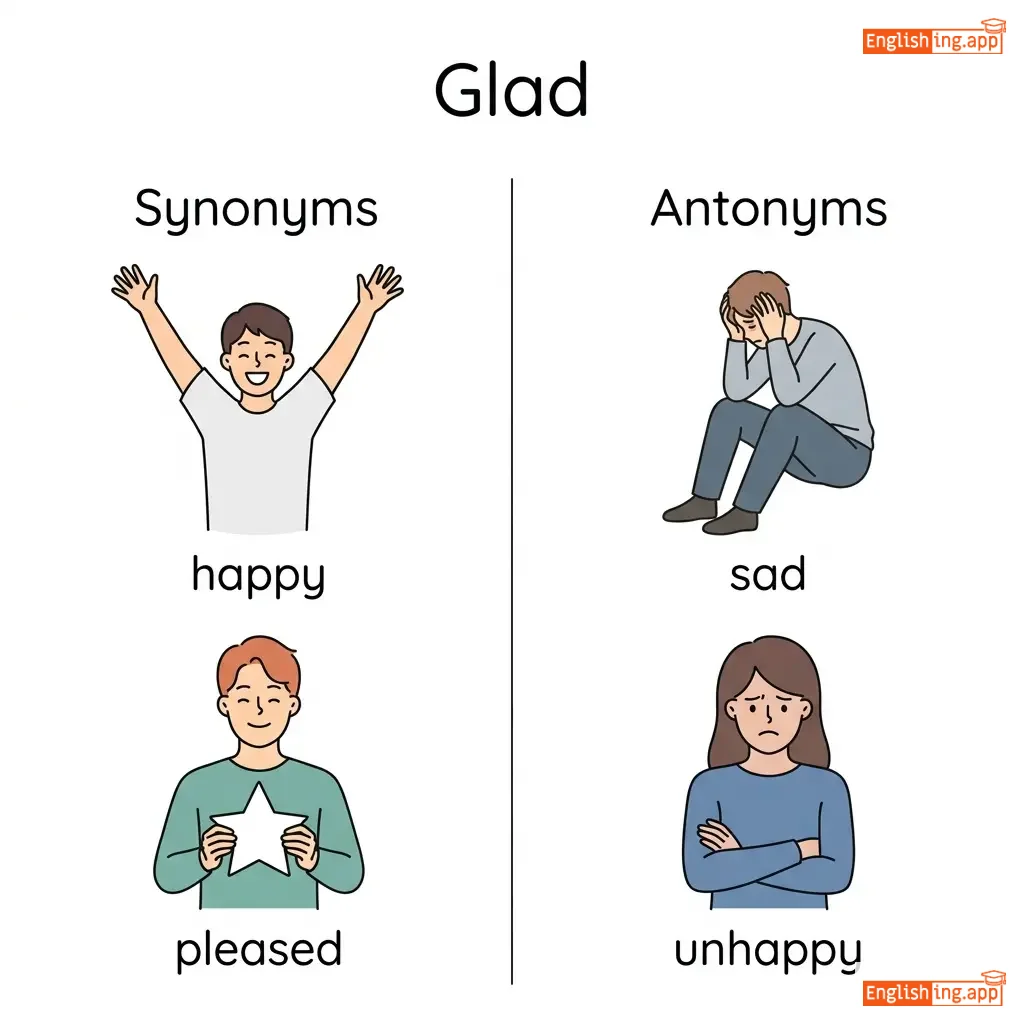
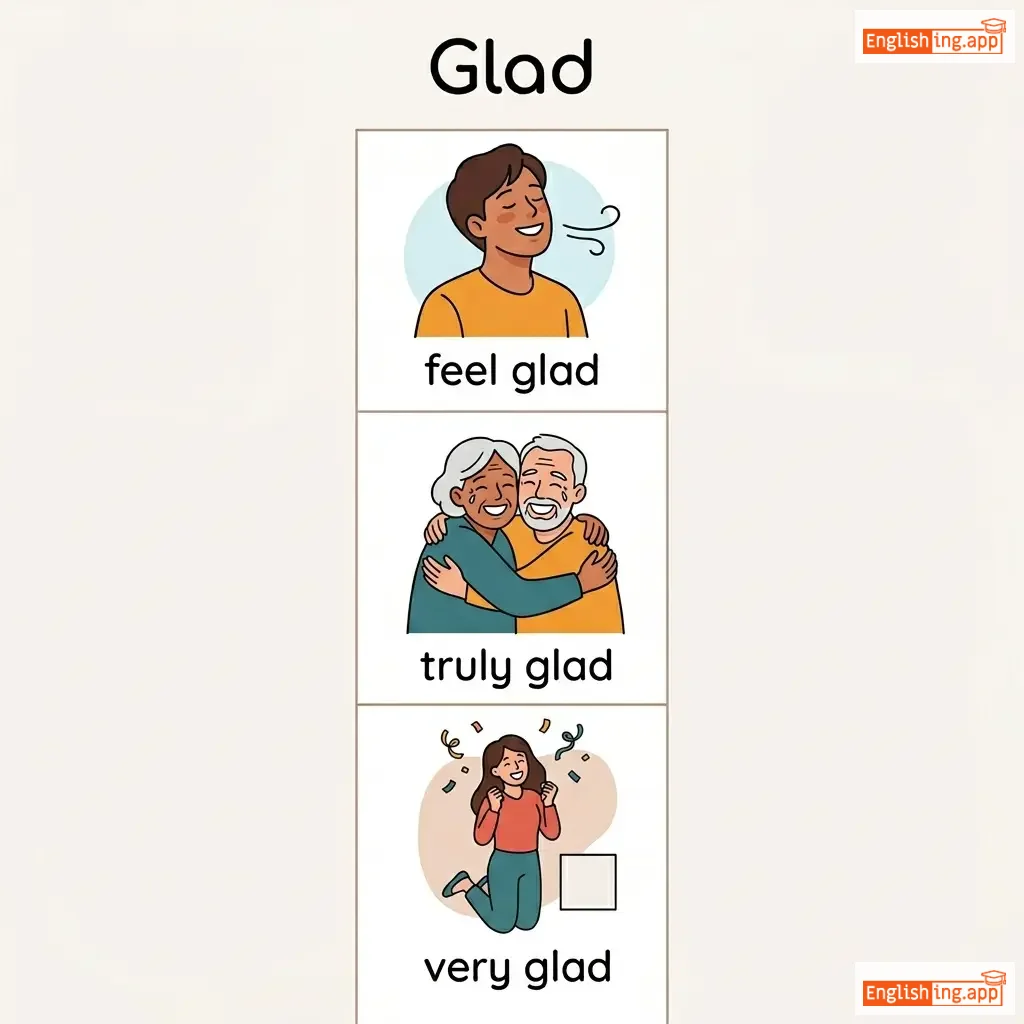
happy, pleased, delighted, joyful, cheerful
••••••
|
sad, unhappy, upset
••••••
|
glad to hear, glad to meet, glad about, glad for
••••••
|
嬉しいは幸せ、友達に会うと嬉しい気持ちになるね。
••••••
|
|
#9894
🎁
|
/ɡɪv/
verb
(ギヴ)
••••••
|
|
与える
ataeru
••••••
|
gave
ギヴド
••••••
|
given
ギヴン
••••••
|
gives
ギヴズ
••••••
|
giving
ギヴィング
••••••
|
to hand over or transfer something to someone
••••••
|
She will give him a gift on his birthday.
彼女は彼の誕生日に彼にプレゼントをあげるつもりです。
••••••
|
彼女は彼の誕生日に彼にプレゼントをあげるつもりです。
Kanojo wa kare no tanjōbi ni kare ni purezento o ageru tsumori desu.
••••••
|
give up
ギブアップ
••••••
|
to stop trying or to surrender
••••••
|
諦める
akirameru
••••••
|
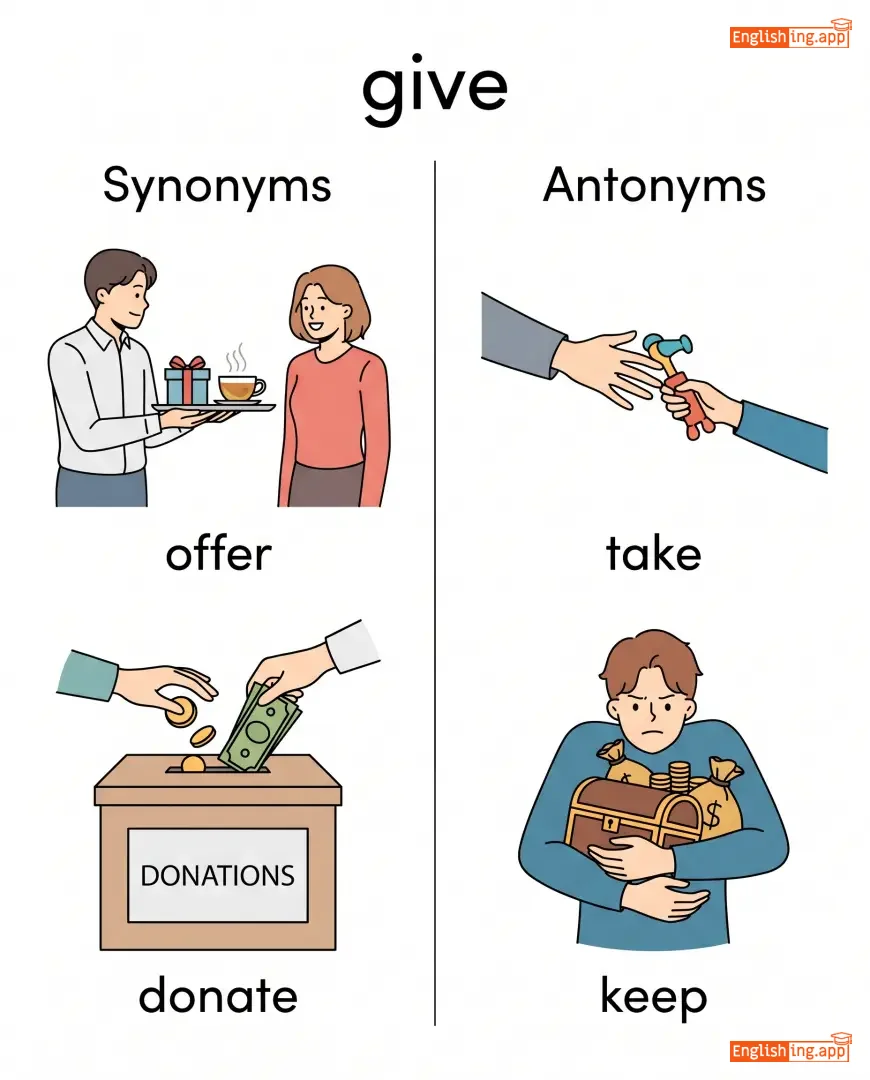
offer, donate, present, provide, deliver
••••••
|
take, keep
••••••
|
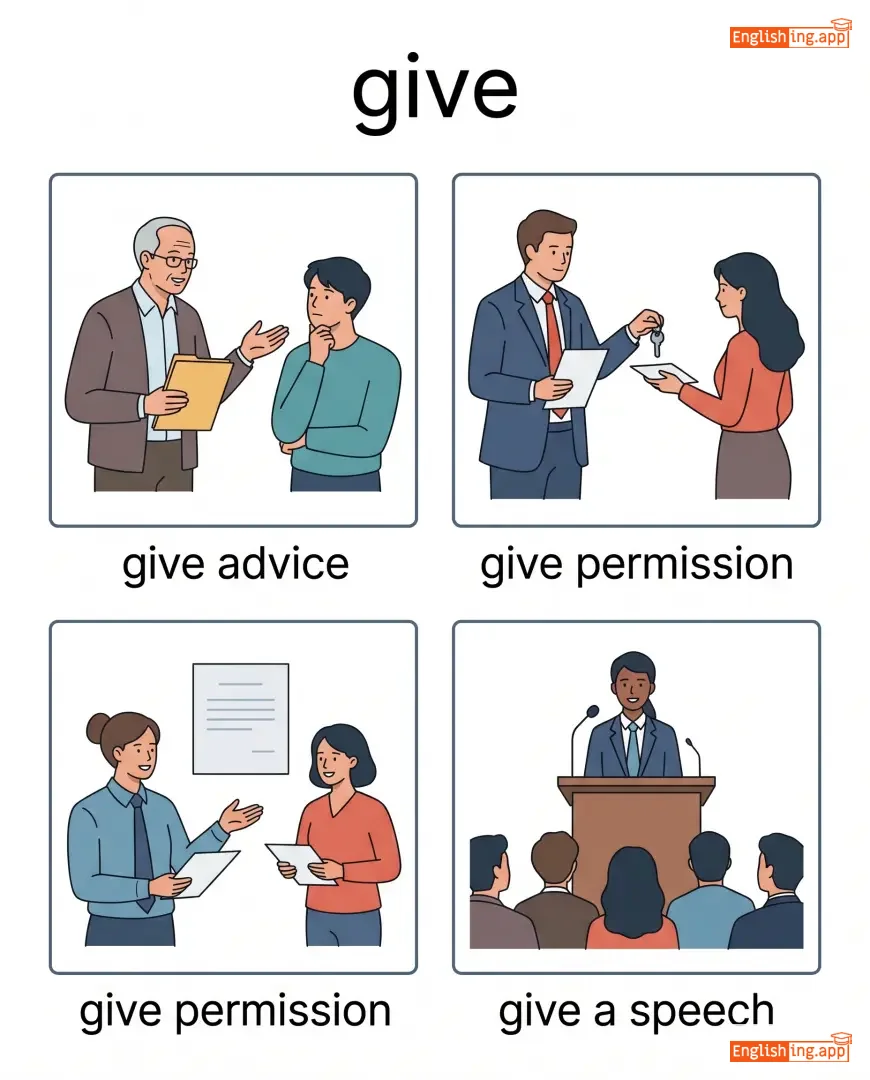
give advice, give permission, give a speech, give thanks
••••••
|
Give (与える) a gift, give (ギヴ).
••••••
|
Vocabulary Quiz
Test your vocabulary by matching words with their translations or meanings.
Login to take the quiz
Comments (0)
Share your thoughts and join the discussion.
Join the discussion by logging in
Login to CommentNo comments yet
Be the first to share your thoughts!