

翻訳
過去
過去分詞
三人称単数
動名詞
意味
例文
例文の翻訳
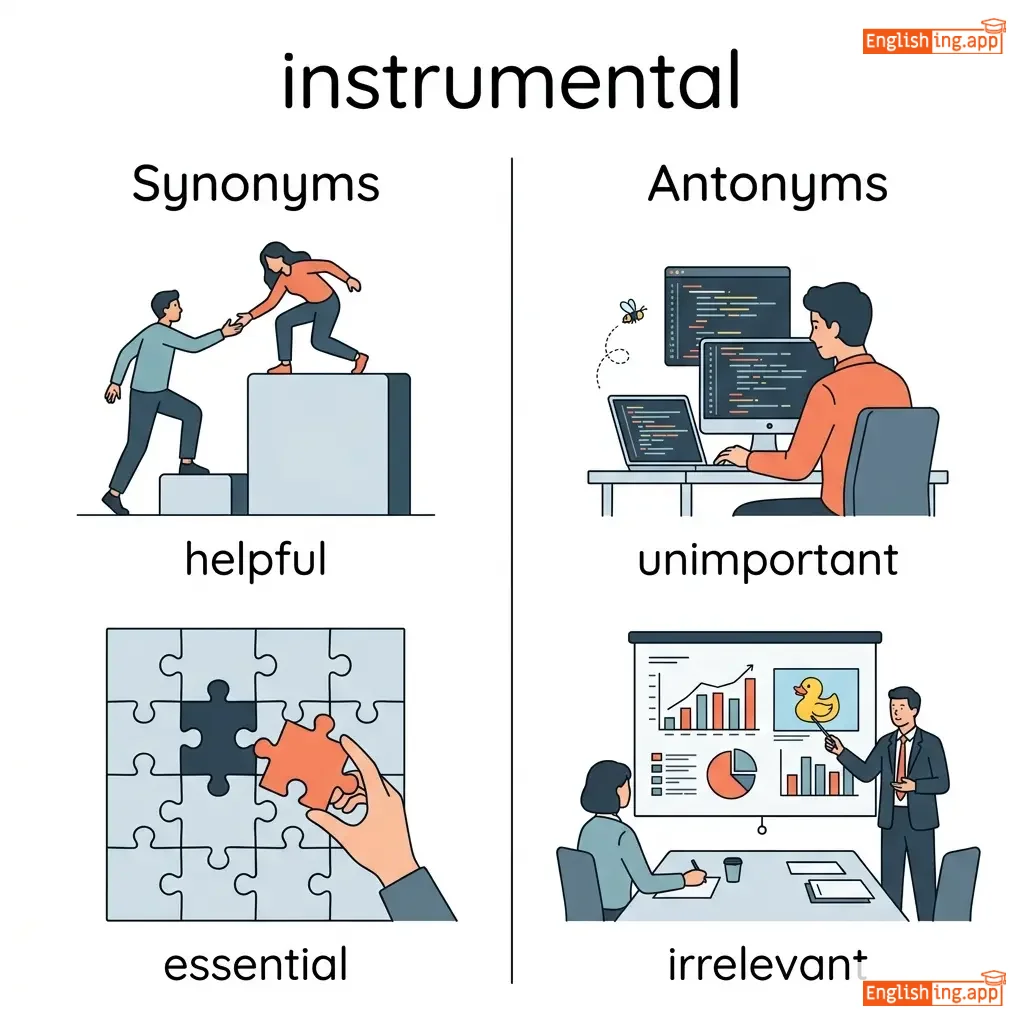
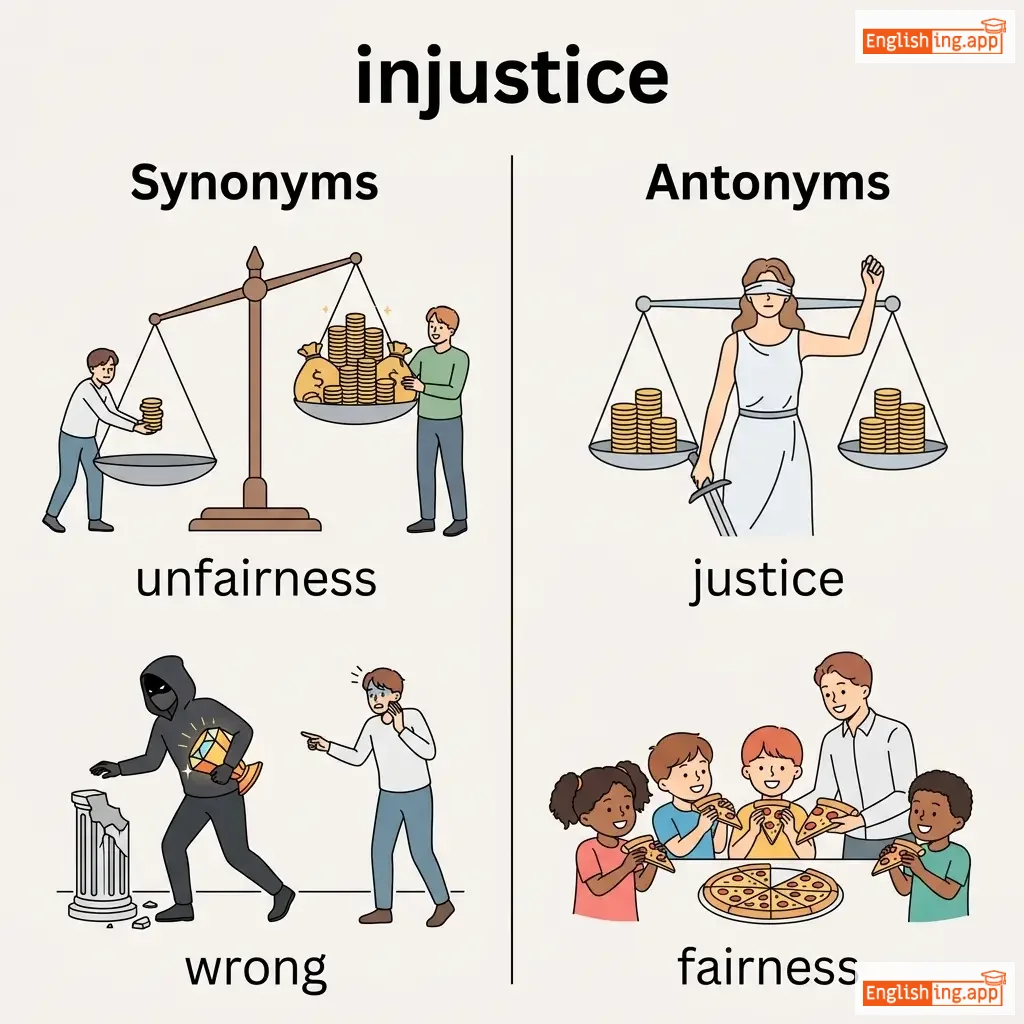
同義語
対義語
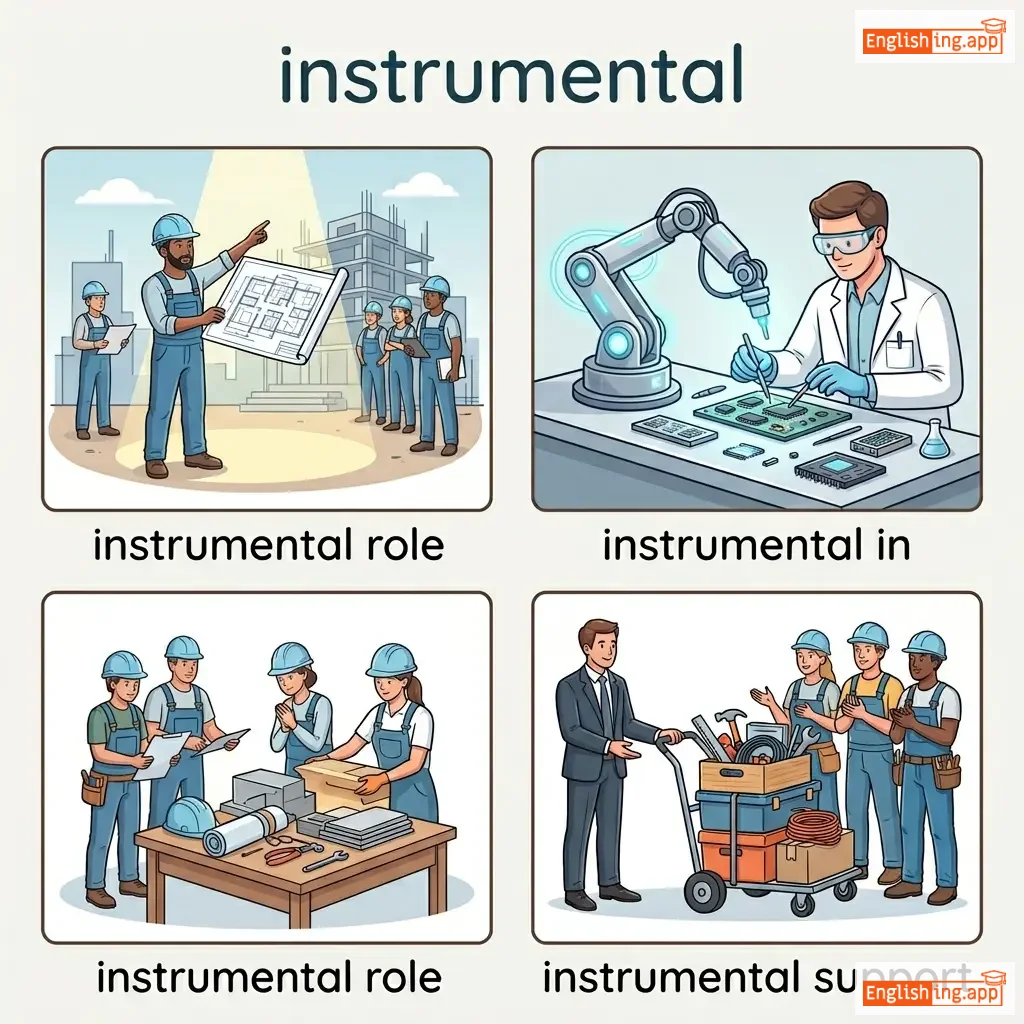
コロケーション
ニーモニック
Swipe left or right, or use the buttons. Tap image to zoom.
例文の翻訳
単語
Lesson 451Lesson 451 - マスクトグル
|
絵文字
|
単語 | Images | 翻訳 | 過去 | 過去分詞 | 三人称単数 | 動名詞 | 意味 | 例文 | 例文の翻訳 | 表現例 | 表現例の意味 | 表現例の翻訳 | 同義語 | 対義語 | コロケーション | ニーモニック |
|---|---|---|---|---|---|---|---|---|---|---|---|---|---|---|---|---|---|
|
#1
🔒
|
/ɪnˌkɑːsəˈreɪʃən/
noun
(インカースレイション)
••••••
|
- •••••• |
投獄
tōgoku
••••••
|
- •••••• | - •••••• | - •••••• | - •••••• |
the state of being imprisoned or confined
••••••
|
The criminal faced years of incarceration for his crimes. |
犯人はその犯罪のために長年の投獄を受けた。
Hannin wa sono hanzai no tame ni naganen no tōgoku o uketa.
••••••
|
- •••••• | - •••••• | - •••••• |
imprisonment, confinement, detention, captivity
••••••
|
freedom, release
••••••
|
long incarceration, life incarceration, wrongful incarceration
••••••
|
Incarcerationは「in-car」のように聞こえます – 車の中に閉じ込められて逃げられない人を想像してください!
••••••
|
|
#1
🍽️
|
/ˈɪnˌteɪk/
noun
(インテイク)
••••••
|
- •••••• |
摂取
sesshu
••••••
|
- •••••• | - •••••• | - •••••• | - •••••• |
the process of taking something in, especially food or drink
••••••
|
He monitored his daily intake of calories to maintain a healthy diet. |
彼は健康的な食事を維持するために毎日のカロリー摂取量を監視しました。
Kare wa kenkōteki na shokuji o iji suru tame ni mainichi no karorī sesshu-ryō o kanshi shimashita.
••••••
|
- •••••• | - •••••• | - •••••• |
consumption, absorption, intake amount
••••••
|
output, expulsion
••••••
|
calorie intake, food intake, daily intake
••••••
|
摂取は何かを取り入れること、食べ物や飲み物のように。
••••••
|
|
#1
😡
|
/ˈɪnsʌlt/
verb
(インサルト)
••••••
|
|
侮辱する
bujoku suru
••••••
|
insulted
インサルテッド
••••••
|
insulted
インサルテッド
••••••
|
insults
インサルツ
••••••
|
insulting
インサルティング
••••••
|
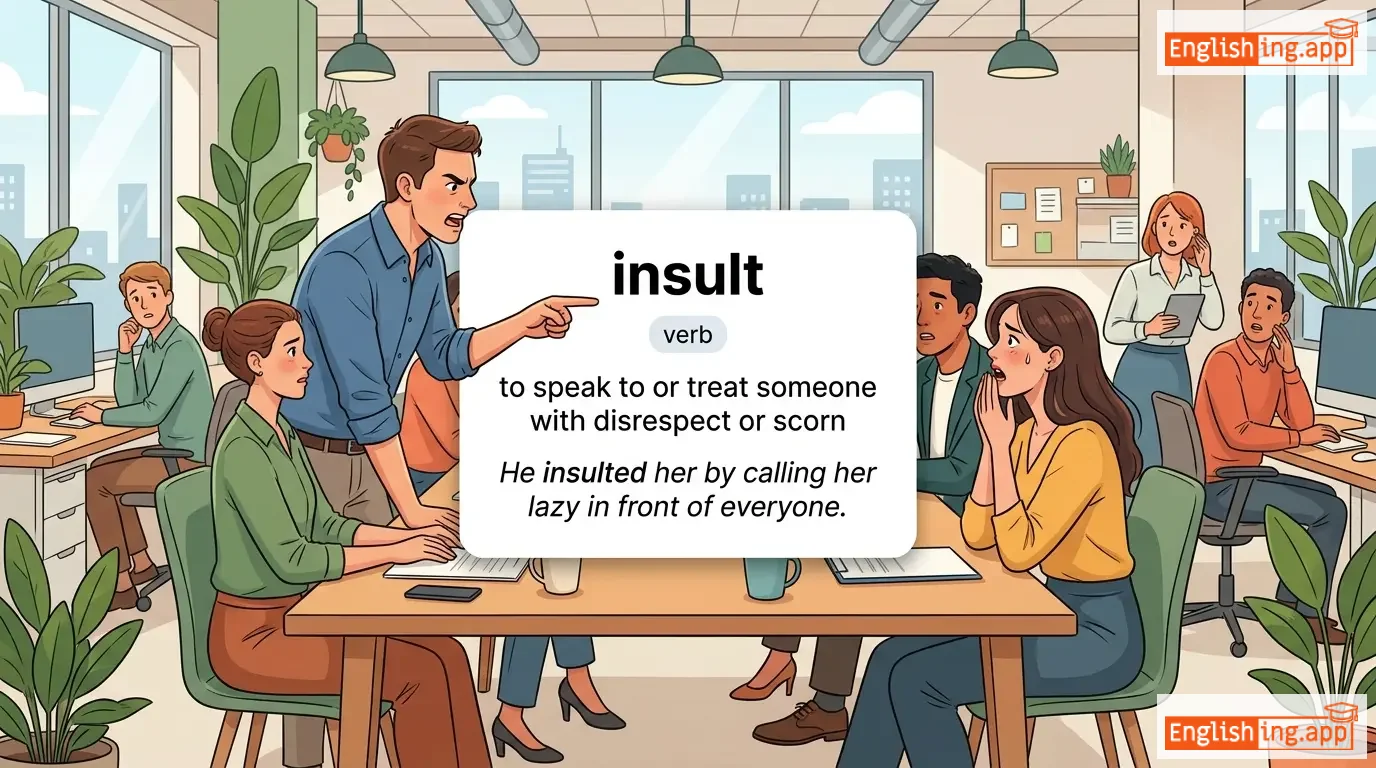
to speak to or treat someone with disrespect or scorn
••••••
|
He insulted her by calling her lazy in front of everyone.
彼はみんなの前で彼女を怠け者だと呼んで侮辱しました。
••••••
|
彼はみんなの前で彼女を怠け者だと呼んで侮辱しました。
Kare wa minna no mae de kanojo o namakemono da to yonde bujoku shimashita.
••••••
|
add insult to injury
傷に塩を加える
••••••
|
to make a bad situation worse by adding further harm or disrespect
••••••
|
傷に塩を加える
Kizu ni shio o kuwaeru
••••••
|
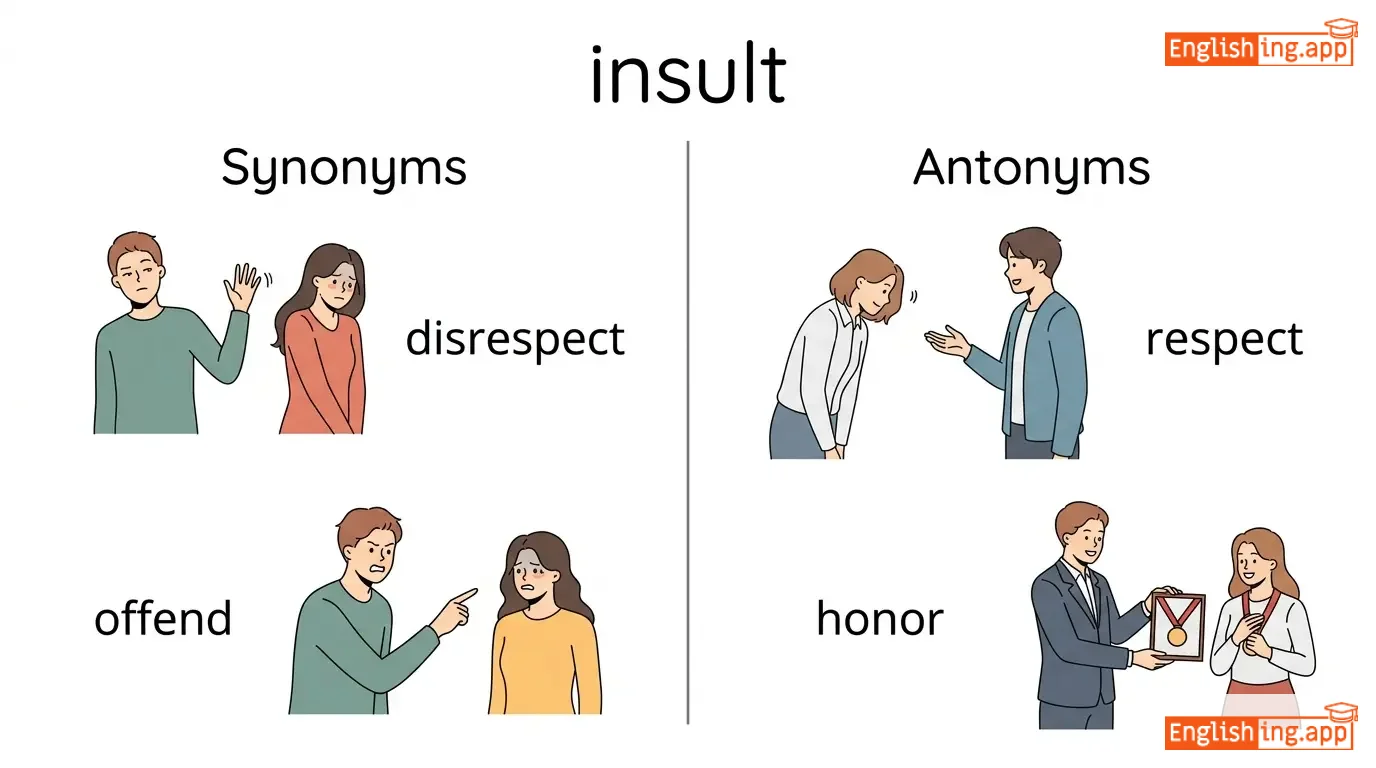
disrespect, offend, belittle, demean
••••••
|
respect, honor
••••••
|
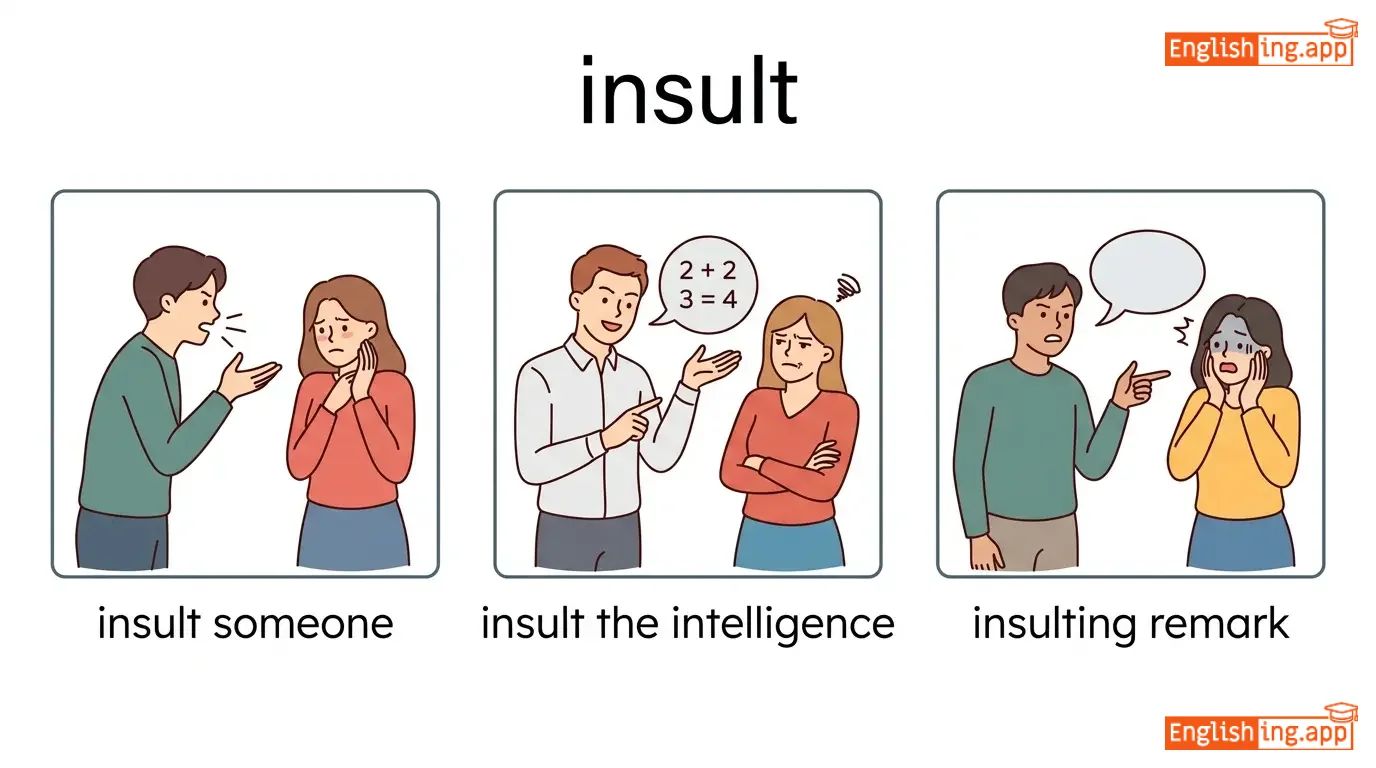
insult someone, insult the intelligence, insulting remark
••••••
|
侮辱する、まるで傷口に塩をすり込むように
••••••
|
|
#1
🎻
|
/ˌɪnstrʊˈmɛntəl/
adjective
(インストゥルメンタル)
••••••
|
|
重要な
jūyōna
••••••
|
- •••••• | - •••••• | - •••••• | - •••••• |
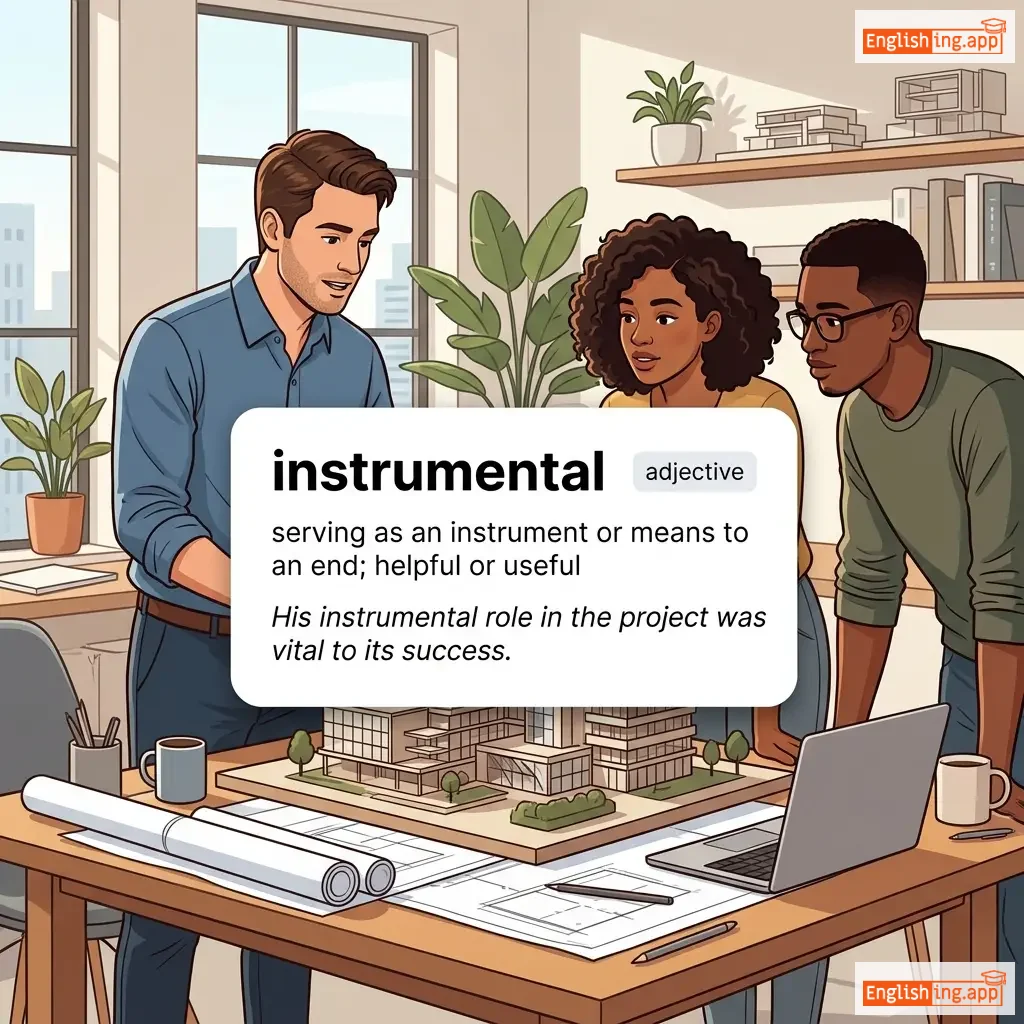
serving as an instrument or means to an end; helpful or useful
••••••
|
His instrumental role in the project was vital to its success.
彼のプロジェクトでのインストゥルメンタルな役割は、成功にとって不可欠でした。
••••••
|
彼のプロジェクトでの重要な役割は、成功にとって不可欠でした。
Kare no purojekuto de no jūyōna yakuwari wa, seikō ni totte fukaketsu deshita.
••••••
|
- •••••• | - •••••• | - •••••• |
helpful, essential, critical, contributory
••••••
|
unimportant, irrelevant
••••••
|
instrumental role, instrumental in, instrumental support
••••••
|
目標達成のために役立つものは重要である
••••••
|
|
#1
👤
|
/ɪnˈsaɪdə/
noun
(インサイダー)
••••••
|
- •••••• |
インサイダー
insaidā
••••••
|
- •••••• | - •••••• | - •••••• | - •••••• |
a person within a group or organization who has access to confidential information
••••••
|
He was an insider who knew all the company's secrets. |
彼は会社のすべての秘密を知っているインサイダーでした。
Kare wa kaisha no subete no himitsu o shitte iru insaidā deshita.
••••••
|
- •••••• | - •••••• | - •••••• |
member, participant, confidant, informant
••••••
|
outsider, stranger
••••••
|
company insider, political insider, insider knowledge
••••••
|
インサイダーは、企業内部の秘密を知っている人物
••••••
|
|
#1
⬇️
|
/ɪnˈsɜːʃən/
noun
(インサーション)
••••••
|
- •••••• |
挿入
sounyuu
••••••
|
- •••••• | - •••••• | - •••••• | - •••••• |
the action of inserting something into something else
••••••
|
The insertion of the new data was completed successfully. |
新しいデータの挿入は成功裏に完了しました。
Atarashī dēta no sōnyū wa seikōri ni kanryō shimashita.
••••••
|
- •••••• | - •••••• | - •••••• |
introduction, addition, implantation, inclusion
••••••
|
removal, extraction
••••••
|
data insertion, surgical insertion, insertion point
••••••
|
挿入は何かを別のものに入れること、例えばデータをシステムに挿入することです。
••••••
|
|
#1
🖋️
|
/ɪŋk/
noun
(インク)
••••••
|
- •••••• |
インク
inku
••••••
|
- •••••• | - •••••• | - •••••• | - •••••• |
a colored liquid used for writing, printing, or drawing
••••••
|
The ink in my pen ran out during the exam.
試験中にペンのインクがなくなった。
••••••
|
試験中にペンのインクがなくなった。
Shiken-chu ni pen no inku ga nakunatta.
••••••
|
Ink is thicker than water.
インクは水よりも濃い。
••••••
|
A saying that refers to the strength of family bonds over other relationships.
••••••
|
インクは水よりも濃い。
Inku wa mizu yori mo koi.
••••••
|
dye, pigment, fluid, colorant
••••••
|
blank, clear
••••••
|
write with ink, ink pen, black ink, spill ink
••••••
|
Think of ink as the strong bond between family members, thicker than anything else!
••••••
|
|
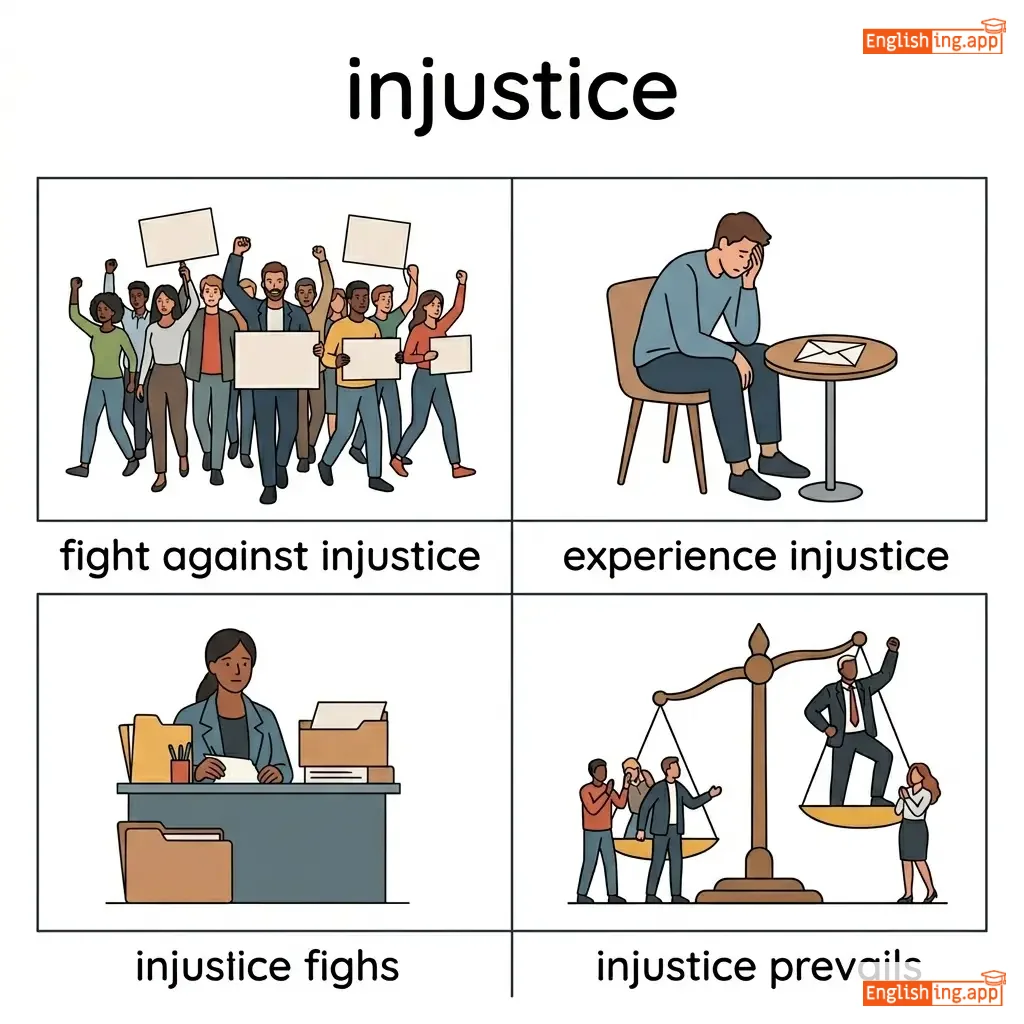
#1
⚖️
|
/ɪnˈdʒʌstɪs/
noun
(インジャスティス)
••••••
|
|
不正義
fuseigi
••••••
|
- •••••• | - •••••• | - •••••• | - •••••• |
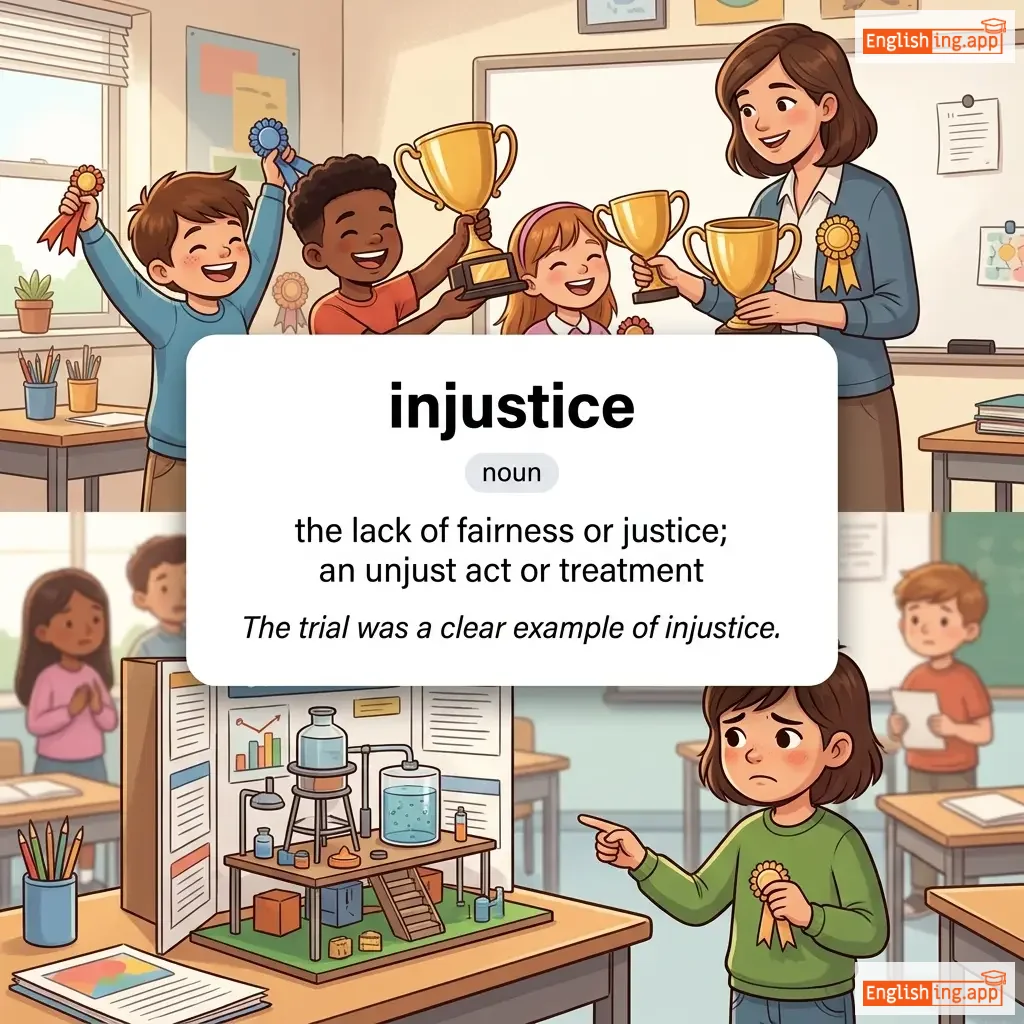
the lack of fairness or justice; an unjust act or treatment
••••••
|
The trial was a clear example of injustice. |
その裁判は不正義の明確な例でした。
Sono saiban wa fuseigi no meikaku na rei deshita.
••••••
|
A great injustice has been done. |
A situation where something unfair or wrong has happened.
••••••
|
大きな不正義が行われました。
Ōkina fuseigi ga okonawaremashita.
••••••
|
unfairness, wrong, discrimination, bias
••••••
|
justice, fairness
••••••
|
fight against injustice, experience injustice, injustice prevails
••••••
|
インジャスティスという言葉は、悪いことをする理由の一つとして覚えましょう!
••••••
|
|
#1
💉
|
/ɪnˈdʒɛkʃən/
noun
••••••
|
- •••••• | - •••••• | - •••••• | - •••••• | - •••••• | - •••••• |
the act of introducing a substance into the body through a needle
••••••
|
The nurse gave me an injection to prevent the infection. |
- •••••• | - •••••• | - •••••• | - •••••• |
shot, vaccination, dose, vaccine
••••••
|
oral, tablet
••••••
|
take an injection, receive an injection, give an injection, vaccine injection
••••••
|
No •••••• |
|
#1
🏠
|
/ɪnˈhæbɪtənt/
noun
(インハビタント)
••••••
|
- •••••• |
住民
jūmin
••••••
|
- •••••• | - •••••• | - •••••• | - •••••• |
a person or animal that lives in a particular place
••••••
|
The inhabitants of the village rely on farming for their livelihood. |
村の住民は生活のために農業に頼っています。
Mura no jūmin wa seikatsu no tame ni nōgyō ni tayotteimasu.
••••••
|
- •••••• | - •••••• | - •••••• |
resident, dweller, occupant, native
••••••
|
visitor, foreigner
••••••
|
local inhabitants, native inhabitants, city inhabitants, rural inhabitants
••••••
|
Inhabitants are 'jūmin'—people who live in a certain place!
••••••
|
|
#1
ℹ️
|
/ˈɪnfoʊ/
noun
(インフォ)
••••••
|
- •••••• |
情報
jouhou
••••••
|
- •••••• | - •••••• | - •••••• | - •••••• |
information; knowledge or facts about something or someone
••••••
|
She gave me all the info I needed for the meeting. |
彼女は会議に必要なすべての情報を私にくれました。
Kanojo wa kaigi ni hitsuyou na subete no jouhou o watashi ni kuremashita.
••••••
|
- •••••• | - •••••• | - •••••• |
data, details, facts, knowledge
••••••
|
ignorance, misunderstanding
••••••
|
gather info, share info, provide info, detailed info
••••••
|
'インフォ'を'情報'として覚えましょう – 会議に必要なすべてのデータを提供するもの!
••••••
|
|
#1
⚡
|
/ɪnˈflɪkt/
verb
(インフリクト)
••••••
|
- •••••• |
加える
kuwaeru
••••••
|
inflicted
インフリクテッド
••••••
|
inflicted
インフリクテッド
••••••
|
inflicts
インフリクツ
••••••
|
inflicting
インフリクティング
••••••
|
to cause something unpleasant or painful to be suffered by someone or something
••••••
|
The storm inflicted considerable damage to the city.
嵐は都市にかなりの被害を与えました。
••••••
|
嵐は都市にかなりの被害を与えました。
Arashi wa toshi ni kanari no higai o ataemashita.
••••••
|
- •••••• | - •••••• | - •••••• |
impose, cause, administer, bring about
••••••
|
relieve, soothe
••••••
|
inflict harm, inflict pain, inflict damage
••••••
|
Inflict sounds like 'In flick' – imagine a flick of pain!
••••••
|
|
#1
⚖️
|
/ˌɪnɪˈkwɒləti/
noun
(不平等)
••••••
|
|
不平等
fuheito
••••••
|
- •••••• | - •••••• | - •••••• | - •••••• |
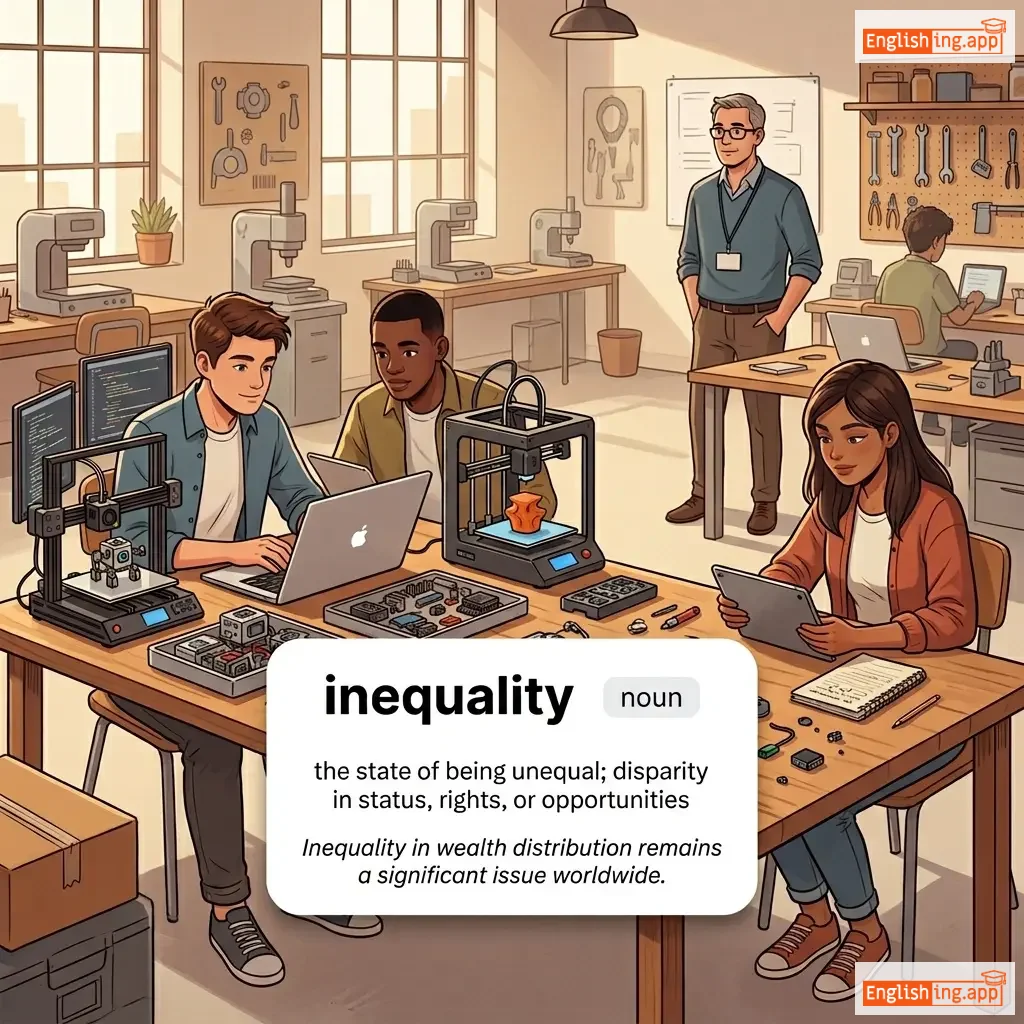
the state of being unequal; disparity in status, rights, or opportunities
••••••
|
Inequality in wealth distribution remains a significant issue worldwide. |
富の分配における不平等は、依然として世界的な重要な問題です。
Tomi no bunpai ni okeru fuheito wa, izen toshite sekaiteki na juuyou na mondai desu.
••••••
|
- •••••• | - •••••• | - •••••• |
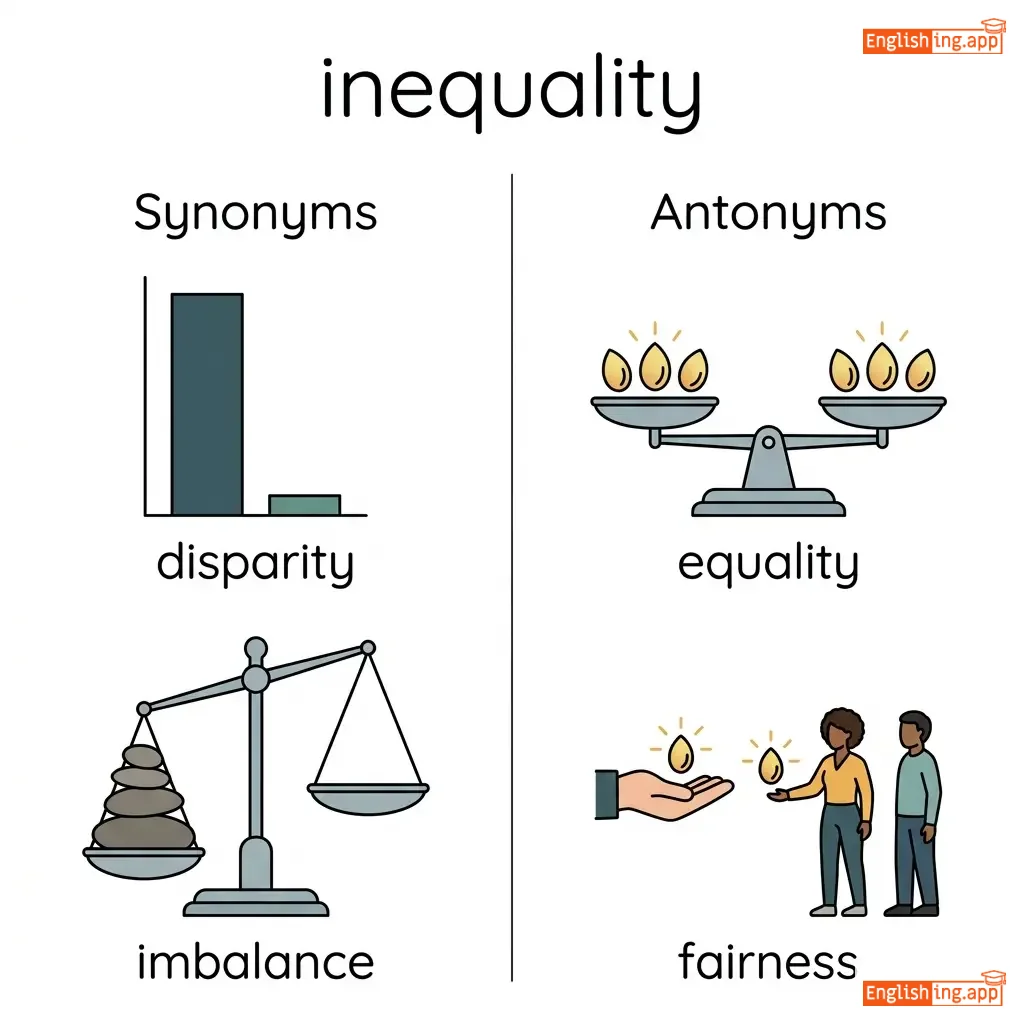
disparity, imbalance, discrimination, inequity
••••••
|
equality, fairness
••••••
|
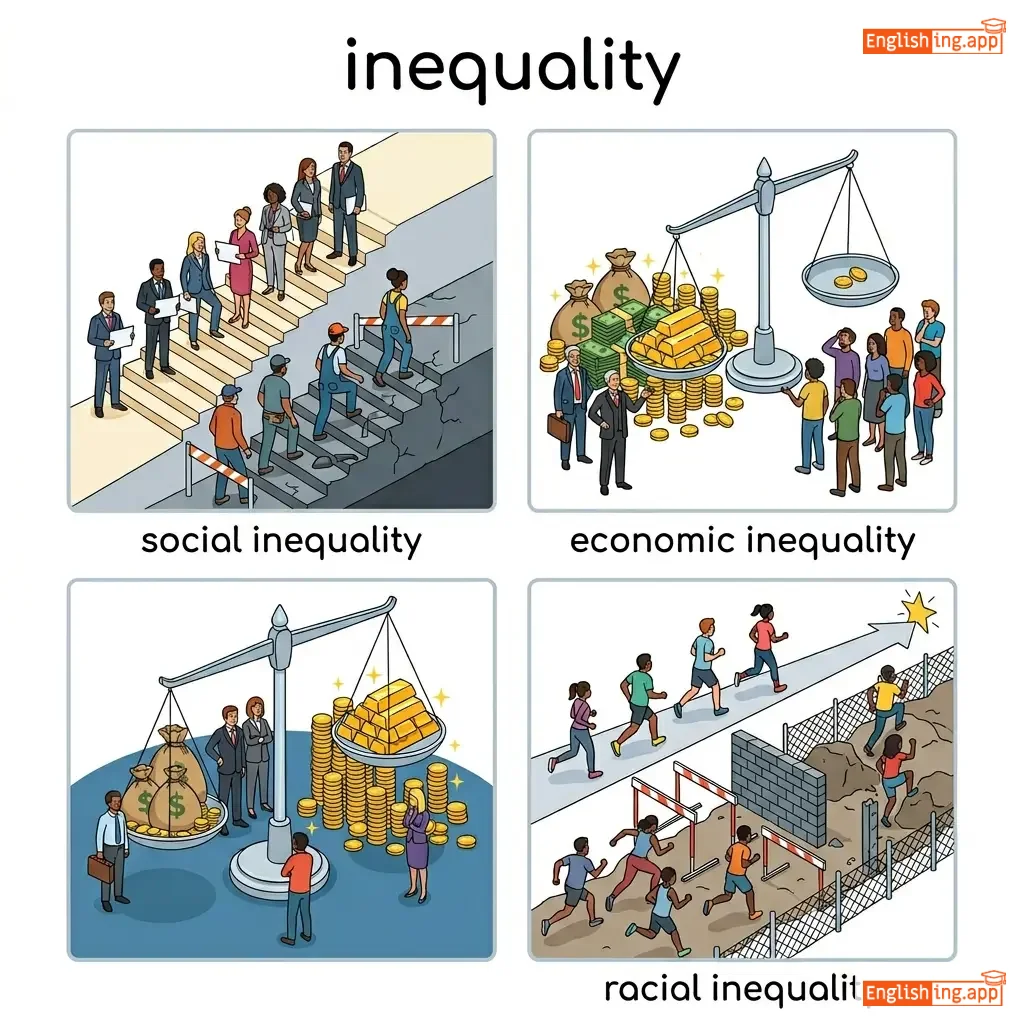
social inequality, economic inequality, racial inequality
••••••
|
Inequality sounds like 'In equal' – imagine people not being equal in opportunities!
••••••
|
|
#1
❌
|
/ɪnkəˈrɛkt/
adjective
(インコレクト)
••••••
|
- •••••• |
間違い
machigai
••••••
|
- •••••• | - •••••• | - •••••• | - •••••• |
not correct or accurate
••••••
|
The information you provided was incorrect. |
あなたが提供した情報は間違っていました。
Anata ga teikyō shita jōhō wa machigatte imashita.
••••••
|
- •••••• | - •••••• | - •••••• |
wrong, erroneous, inaccurate, false
••••••
|
correct, accurate, right
••••••
|
incorrect answer, incorrect information, incorrect decision
••••••
|
Incorrect sounds like 'in core' – imagine your core knowledge being wrong.
••••••
|
|
#1
🌍
|
/ɪnˈkluːʒən/
noun
(インクルージョン)
••••••
|
- •••••• |
インクルージョン
inkurūjon
••••••
|
- •••••• | - •••••• | - •••••• | - •••••• |
the action or state of including or being included within a group or structure
••••••
|
Diversity and inclusion are key values in modern workplaces. |
多様性とインクルージョンは現代の職場における重要な価値観です。
Tayōsei to inkurūjon wa gendai no shokuba ni okeru jūyōna kachikan desu.
••••••
|
- •••••• | - •••••• | - •••••• |
integration, acceptance, involvement, participation
••••••
|
exclusion, isolation
••••••
|
social inclusion, cultural inclusion, inclusive society
••••••
|
Inclusion sounds like 'In close' – みんなが含まれて一緒に近づいていると想像してみて!
••••••
|
|
#1
🛑
|
/hɔːlt/
verb
(ハルト)
••••••
|
- •••••• |
停止する
teishi suru
••••••
|
halted
ハルテッド
••••••
|
halted
ハルテッド
••••••
|
halts
ハルツ
••••••
|
halting
ハルティング
••••••
|
to stop or bring to a stop
••••••
|
The train suddenly halted at the station.
電車は駅で突然止まりました。
••••••
|
電車は駅で突然止まりました。
Densha wa eki de totsuzen tomarimashita.
••••••
|
- •••••• | - •••••• | - •••••• |
stop, cease, terminate, freeze
••••••
|
start, begin, continue
••••••
|
halt operations, halt progress, halt movement
••••••
|
Haltは英語で停止を意味し、日本語では停止する
••••••
|
|
#1
🚫
|
/ˌɪnəˈproʊpriət/
adjective
(イナプロプリエイト)
••••••
|
- •••••• |
不適切
futekisetsu
••••••
|
- •••••• | - •••••• | - •••••• | - •••••• |
not suitable or proper in the circumstances
••••••
|
It was inappropriate to talk loudly in the library. |
図書館で大声で話すのは不適切でした。
Toshokan de oogoe de hanasu no wa futekisetsu deshita.
••••••
|
- •••••• | - •••••• | - •••••• |
unsuitable, improper, unfit, offensive
••••••
|
appropriate, suitable
••••••
|
inappropriate behavior, inappropriate dress, inappropriate comment
••••••
|
Inappropriateは「In a place proper isn't」- それをしてはいけません。
••••••
|
|
#1
🚫
|
/ˌɪnəˈbɪləti/
noun
(イナビリティ)
••••••
|
- •••••• |
無能
munou
••••••
|
- •••••• | - •••••• | - •••••• | - •••••• |
the state of being unable to do something
••••••
|
His inability to make decisions affected his career. |
彼の意思決定の無能さは彼のキャリアに影響を与えた。
Kare no ishi kettei no munousa wa kare no kyaria ni eikyou wo ataeta.
••••••
|
- •••••• | - •••••• | - •••••• |
incapacity, weakness, inability, powerlessness
••••••
|
ability, strength
••••••
|
physical inability, inability to act, inability to speak
••••••
|
Inability sounds like 'I’m not able' - Can’t do it.
••••••
|
|
#1
🔒
|
/ɪmˈprɪzən/
verb
(インプリズン)
••••••
|
|
投獄する
tōgoku suru
••••••
|
imprisoned
インプリズンド
••••••
|
imprisoned
インプリズンド
••••••
|
imprisons
インプリズンズ
••••••
|
imprisoning
インプリズニング
••••••
|
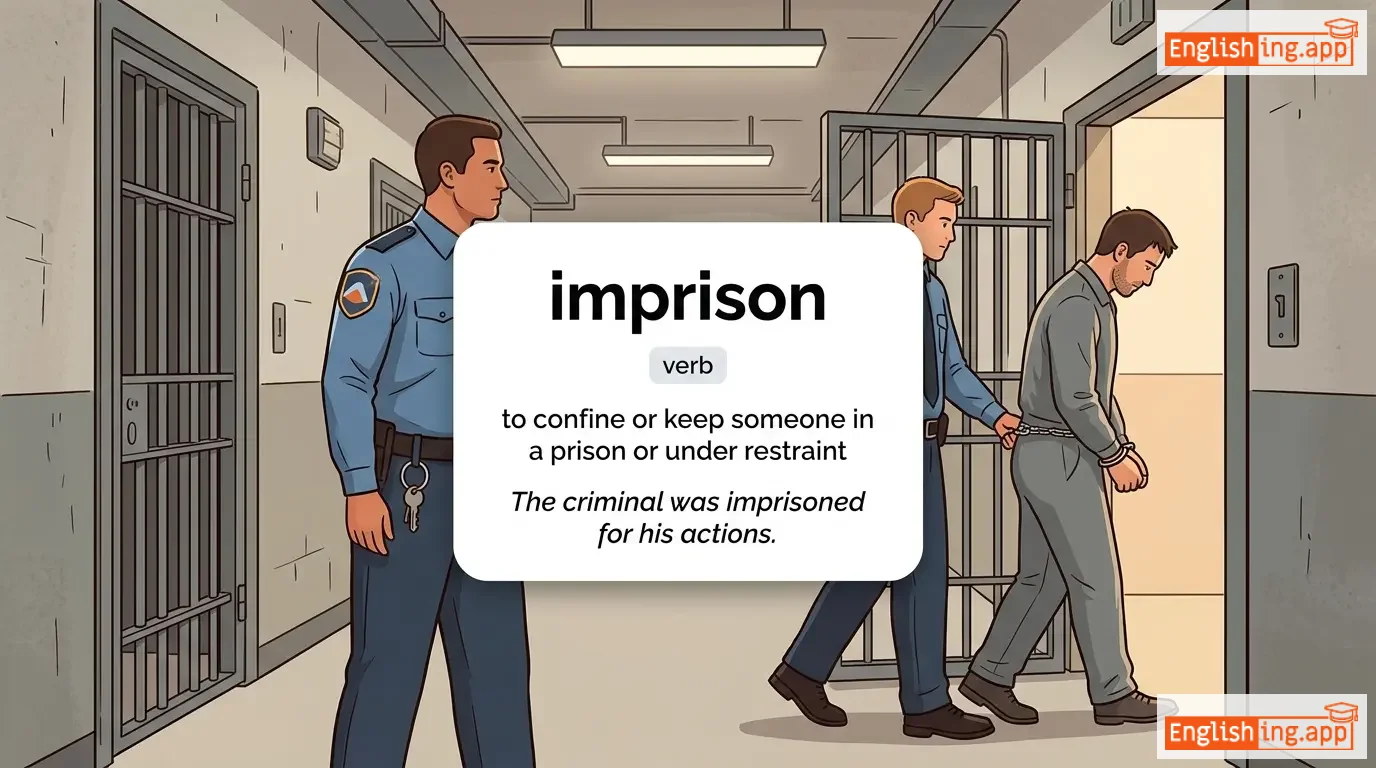
to confine or keep someone in a prison or under restraint
••••••
|
The criminal was imprisoned for his actions.
その犯罪者は行動のために投獄された。
••••••
|
その犯罪者は行動のために投獄された。
Sono hanzai-sha wa kōdō no tame ni tōgoku sareta.
••••••
|
- •••••• | - •••••• | - •••••• |
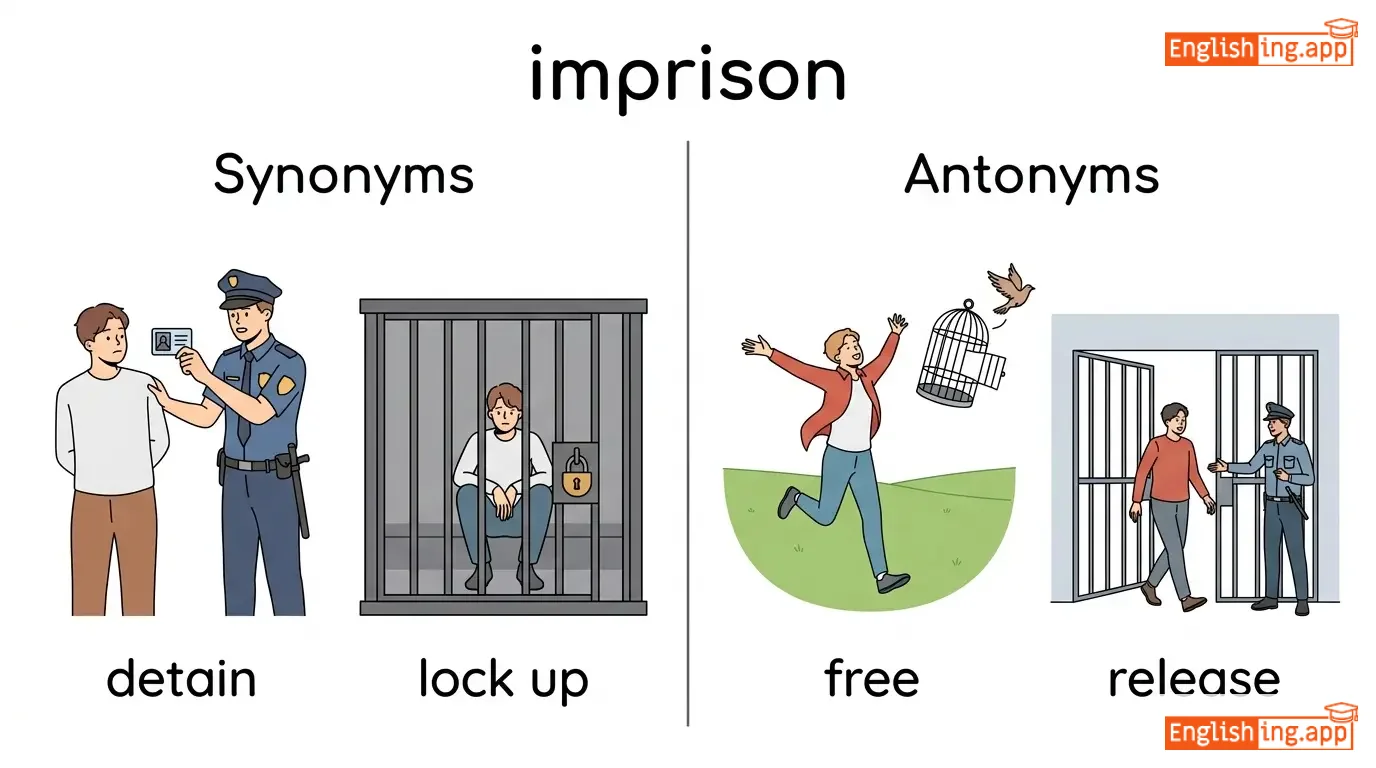
detain, lock up, confine, cage
••••••
|
free, release
••••••
|
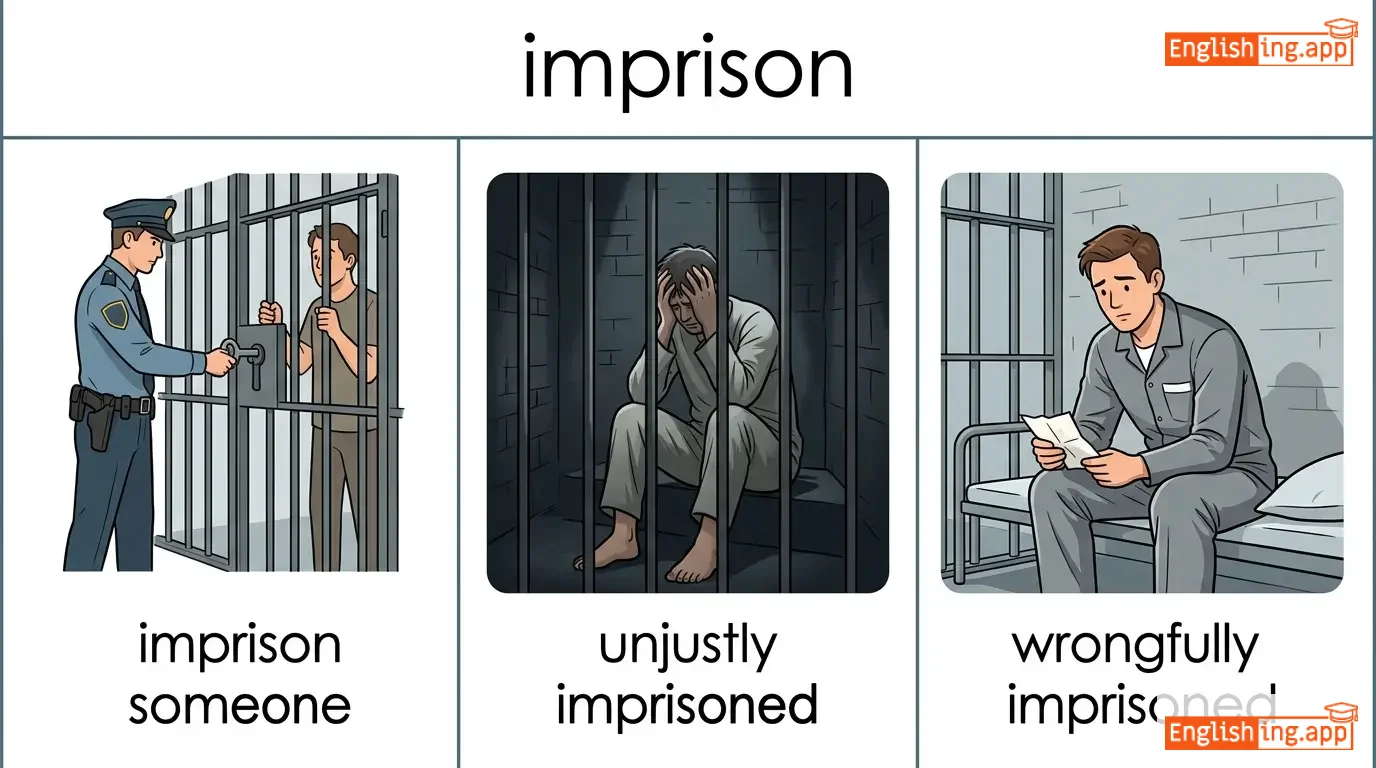
imprison someone, unjustly imprisoned, wrongfully imprisoned
••••••
|
Imprison sounds like 'I'm in prison' - 投獄!
••••••
|
|
#1
🎨
|
/ˈɪmɪdʒəri/
noun
(imejiri)
••••••
|
- •••••• |
イメージ
imeji
••••••
|
- •••••• | - •••••• | - •••••• | - •••••• |
visually descriptive or figurative language, especially in a literary work
••••••
|
The poet's use of imagery brought the scene to life.
詩人のイメージの使用は、シーンに命を吹き込みました。
••••••
|
詩人のイメージの使用は、シーンに命を吹き込みました。
Shijin no imeji no shiyou wa, shīn ni inochi o fukikomi mashita.
••••••
|
- •••••• | - •••••• | - •••••• |
pictures, symbols, representations, depictions
••••••
|
literal, plain
••••••
|
vivid imagery, rich imagery, descriptive imagery
••••••
|
イメージを詩の中に描く。
••••••
|
|
#1
🤔
|
/ˈɪɡnərəns/
noun
(イグノランス)
••••••
|
- •••••• |
無知
muchi
••••••
|
- •••••• | - •••••• | - •••••• | - •••••• |
lack of knowledge or awareness in general
••••••
|
His ignorance about the subject was evident. |
その主題に対する彼の無知は明らかだった。
Sono shudai ni taisuru kare no muchi wa akiraka datta.
••••••
|
- •••••• | - •••••• | - •••••• |
unawareness, obliviousness, ignorance, cluelessness
••••••
|
knowledge, awareness
••••••
|
willful ignorance, complete ignorance, ignorance of the law
••••••
|
Ignorance is like 'I' (Muchi) not knowing anything.
••••••
|
|
#1
🤪
|
/ˈɪdɪət/
noun
(イディオット)
••••••
|
- •••••• |
バカ
baka
••••••
|
- •••••• | - •••••• | - •••••• | - •••••• |
a person who acts in a way that is considered very stupid or foolish
••••••
|
He acted like an idiot at the party last night.
彼は昨晩のパーティーでイディオットのように振る舞った。
••••••
|
彼は昨晩のパーティーでイディオットのように振る舞った。
Kare wa sakuban no pātī de idotto no yō ni furumatta.
••••••
|
- •••••• | - •••••• | - •••••• |
fool, imbecile, moron, simpleton
••••••
|
genius, intellect, savant
••••••
|
complete idiot, stupid idiot, act like an idiot
••••••
|
Idiot = バカ = いつもバカなことをする人!
••••••
|
|
#1
💧
|
/ˈhaɪdrədʒən/
noun
(水素)
••••••
|
- •••••• |
水素
suiso
••••••
|
- •••••• | - •••••• | - •••••• | - •••••• |
a colorless, odorless, highly flammable gas that is the lightest and most abundant chemical element in the universe
••••••
|
Hydrogen is used as a clean fuel in many energy systems. |
水素は多くのエネルギーシステムでクリーンな燃料として使用されています。
Suiso wa ooku no enerugii shisutemu de kuriin na nenryou toshite shiyou sareteimasu.
••••••
|
- •••••• | - •••••• | - •••••• |
H2, fuel, gas
••••••
|
oxygen, carbon dioxide
••••••
|
hydrogen gas, hydrogen fuel, hydrogen bond
••••••
|
Hydrogen = 水素 = 地球を飛ばせる軽いガス!
••••••
|
|
#1
🌈
|
/ˈhəʊpfʊl/
adjective
(ホープフル)
••••••
|
- •••••• |
希望に満ちた
kibou ni michita
••••••
|
- •••••• | - •••••• | - •••••• | - •••••• |
feeling or showing optimism about a future event
••••••
|
She is hopeful about the results of the interview.
彼女は面接の結果に希望を持っている。
••••••
|
彼女は面接の結果に希望を持っている。
Kanojo wa mensetsu no kekka ni kibou o motte iru.
••••••
|
- •••••• | - •••••• | - •••••• |
optimistic, positive, confident, enthusiastic
••••••
|
pessimistic, doubtful, uncertain
••••••
|
hopeful about, remain hopeful, hopeful for
••••••
|
Hopeful = 希望に満ちた = 未来に期待を持つ時!
••••••
|
|
#1
🤥
|
/ˈɒnɪsti/
noun
(正直)
••••••
|
- •••••• |
正直
shoujiki
••••••
|
- •••••• | - •••••• | - •••••• | - •••••• |
the quality of being truthful and sincere
••••••
|
Honesty is the best policy in all situations.
正直はすべての状況で最良の方針です。
••••••
|
正直はすべての状況で最良の方針です。
Shoujiki wa subete no joukyou de sairyō no hōshin desu.
••••••
|
- •••••• | - •••••• | - •••••• |
integrity, truthfulness, sincerity, fairness
••••••
|
dishonesty, deceit, falsehood
••••••
|
honesty is the best policy, complete honesty, brutal honesty
••••••
|
Honesty = 正直 = 正直は信頼の礎です。
••••••
|
|
#1
🌟
|
/ˈhaɪˌprəʊfaɪl/
adjective
(ハイプロファイル)
••••••
|
- •••••• |
注目の的
chumoku no mato
••••••
|
- •••••• | - •••••• | - •••••• | - •••••• |
having a lot of attention or public notice
••••••
|
The CEO attended a high-profile conference in New York.
CEOはニューヨークでのハイプロファイルな会議に参加しました。
••••••
|
CEOはニューヨークでのハイプロファイルな会議に参加しました。
CEO wa Nyū Yōku de no haipuorafairu na kaigi ni sanka shimashita.
••••••
|
- •••••• | - •••••• | - •••••• |
prominent, important, well-known, notable
••••••
|
low-profile, unnoticed, obscure
••••••
|
high-profile event, high-profile person, high-profile position
••••••
|
High-profile = 注目の的 = 大きな関心、大きな注目!
••••••
|
|
#1
🔺
|
/ˈhaɪtən/
verb
(ハイテン)
••••••
|
- •••••• |
高める
takameru
••••••
|
heightened
ハイテンド
••••••
|
heightened
ハイテンド
••••••
|
heightens
ハイテンズ
••••••
|
heightening
ハイテニング
••••••
|
to make or become greater in intensity or degree
••••••
|
The announcement served to heighten the excitement in the room.
ジ アナウンスメント サーヴド トゥ ハイトゥン ザ エクサイトメント イン ザ ルーム。
••••••
|
その発表は部屋の興奮を高めるために役立ちました。
Sono happyō wa heya no kōfun o takameru tame ni yakudachimashita.
••••••
|
- •••••• | - •••••• | - •••••• |
increase, intensify, amplify, escalate
••••••
|
diminish, reduce
••••••
|
heighten the tension, heighten awareness, heighten security
••••••
|
Heightenは日本語の'高める'と似ていて、何かを強めることです。
••••••
|
|
#1
🏥
|
/ˈhɛlθˌkɛər/
noun
(ヘルスケア)
••••••
|
- •••••• |
医療ケア
iryō kea
••••••
|
- •••••• | - •••••• | - •••••• | - •••••• |
the organized provision of medical care to people
••••••
|
The country invested heavily in healthcare to improve public health. |
その国は公共の健康を改善するために医療ケアに大きな投資をしました。
Sono kuni wa kōkyō no kenko o kaizen suru tame ni iryō kea ni ōkina tōshi o shimashita.
••••••
|
- •••••• | - •••••• | - •••••• |
medicine, health services, medical care
••••••
|
neglect, indifference
••••••
|
healthcare system, healthcare provider, healthcare services
••••••
|
医療ケア、命を救うケアです。
••••••
|
|
#1
💔
|
/ˈheɪtrɪd/
noun
(ヘイトレッド)
••••••
|
- •••••• |
憎しみ
nikushimi
••••••
|
- •••••• | - •••••• | - •••••• | - •••••• |
intense dislike or ill will
••••••
|
His hatred for the enemy was evident in his actions. |
敵に対する彼の憎しみは、彼の行動に明らかに現れていた。
Teki ni taisuru kare no nikushimi wa, kare no kōdō ni akiraka ni arawarete ita.
••••••
|
- •••••• | - •••••• | - •••••• |
loathing, animosity, disgust, hostility
••••••
|
love, affection, kindness
••••••
|
hatred towards, hatred for, intense hatred
••••••
|
憎しみは心を凍らせ、魂を傷つける。
••••••
|
|
#1
🤲
|
/ˈhændlɪŋ/
noun
(ハンドリング)
••••••
|
- •••••• |
取り扱い
toriatsukai
••••••
|
- •••••• | - •••••• | - •••••• | - •••••• |
the act of managing or dealing with something or someone
••••••
|
His handling of the situation was impressive. |
その状況の取り扱いは印象的でした。
Sono jōkyō no toriatsukai wa inshō-teki deshita.
••••••
|
- •••••• | - •••••• | - •••••• |
management, administration, control, supervision
••••••
|
mismanagement, neglect
••••••
|
handling a crisis, handling an issue, handling customers
••••••
|
取り扱いを覚えておくと、効果的に状況を管理できます。
••••••
|
Vocabulary Quiz
Test your vocabulary by matching words with their translations or meanings.
Login to take the quiz
Comments (0)
Share your thoughts and join the discussion.
Join the discussion by logging in
Login to CommentNo comments yet
Be the first to share your thoughts!