

翻訳
過去
過去分詞
三人称単数
動名詞
意味
例文
例文の翻訳
同義語
対義語
コロケーション
ニーモニック
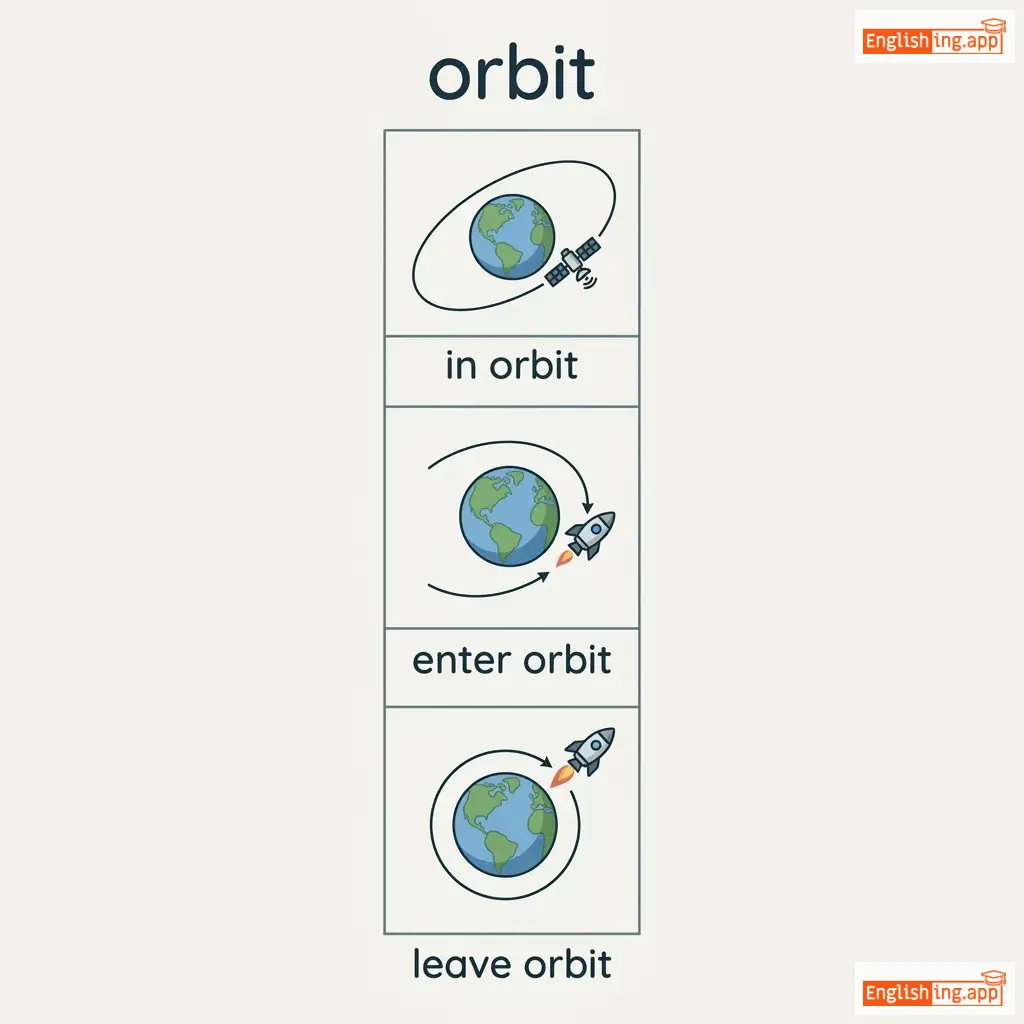
Swipe left or right, or use the buttons. Tap image to zoom.
例文の翻訳
単語
Lesson 431Lesson 431 - マスクトグル
|
絵文字
|
単語 | Images | 翻訳 | 過去 | 過去分詞 | 三人称単数 | 動名詞 | 意味 | 例文 | 例文の翻訳 | 表現例 | 表現例の意味 | 表現例の翻訳 | 同義語 | 対義語 | コロケーション | ニーモニック |
|---|---|---|---|---|---|---|---|---|---|---|---|---|---|---|---|---|---|
|
#1
🗣️
|
/ˈəʊpənli/
adverb
(オープンリー)
••••••
|
- •••••• |
率直に
sotchoku ni
••••••
|
- •••••• | - •••••• | - •••••• | - •••••• |
in a way that is not secret or hidden
••••••
|
He spoke openly about his past mistakes. |
彼は自分の過去の過ちについて率直に話した。
Kare wa jibun no kako no ayamachi ni tsuite sotchoku ni hanashita.
••••••
|
openly admit |
to confess something without hesitation or secrecy
••••••
|
率直に認める
sotchoku ni mitomeru
••••••
|
frankly, honestly, publicly, freely, visibly
••••••
|
secretly, privately, covertly
••••••
|
speak openly, discuss openly, act openly
••••••
|
Openlyとは率直に言うことで、隠すことなく話すことです。
••••••
|
|
#1
🏭
|
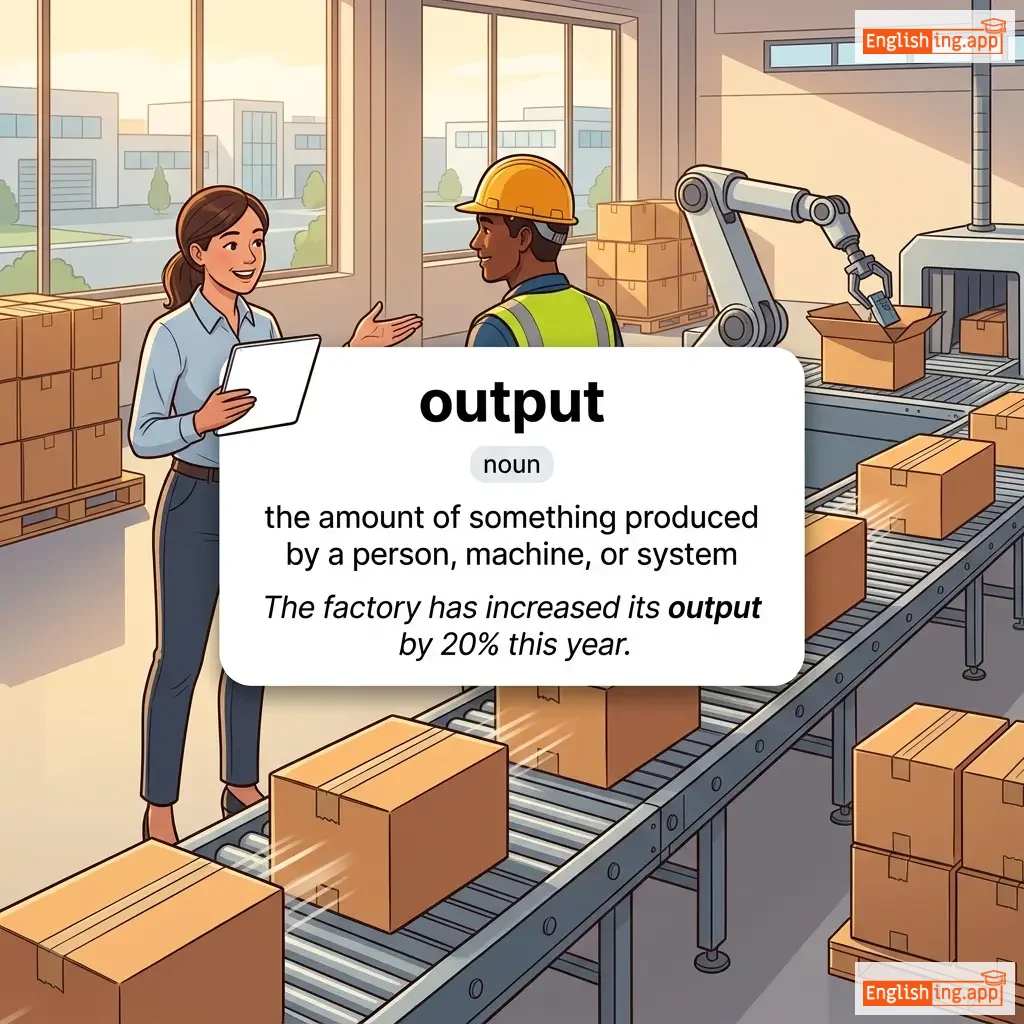
/ˈaʊtpʊt/
noun
(アウトプット)
••••••
|
|
生産
seisan
••••••
|
- •••••• | - •••••• | - •••••• | - •••••• |
the amount of something produced by a person, machine, or system
••••••
|
The factory has increased its output by 20% this year. |
工場は今年20%生産量を増加させました。
Koujou wa kotoshi 20% seisanryou wo zouka sasemashita.
••••••
|
high output |
producing a large amount or quantity
••••••
|
高生産
kouseisan
••••••
|
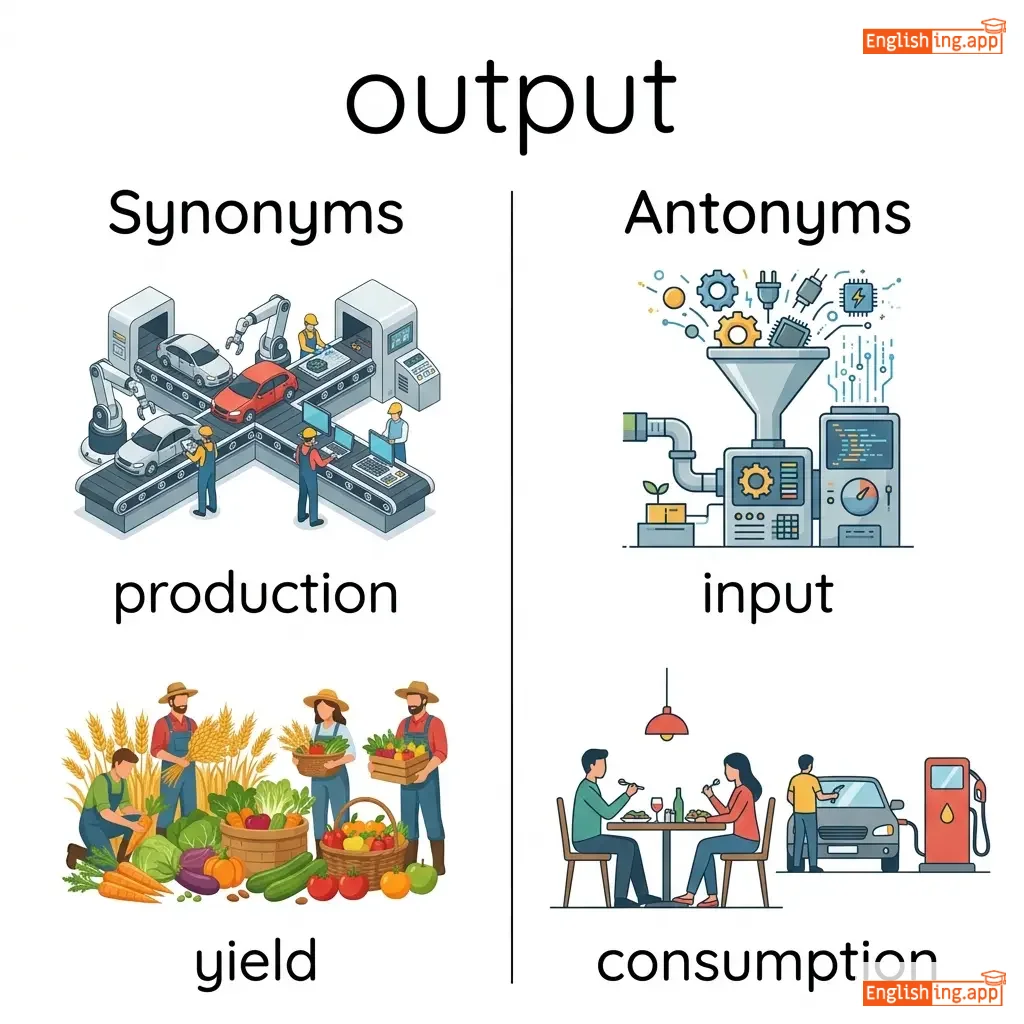
production, yield, product, result, performance
••••••
|
input, consumption
••••••
|
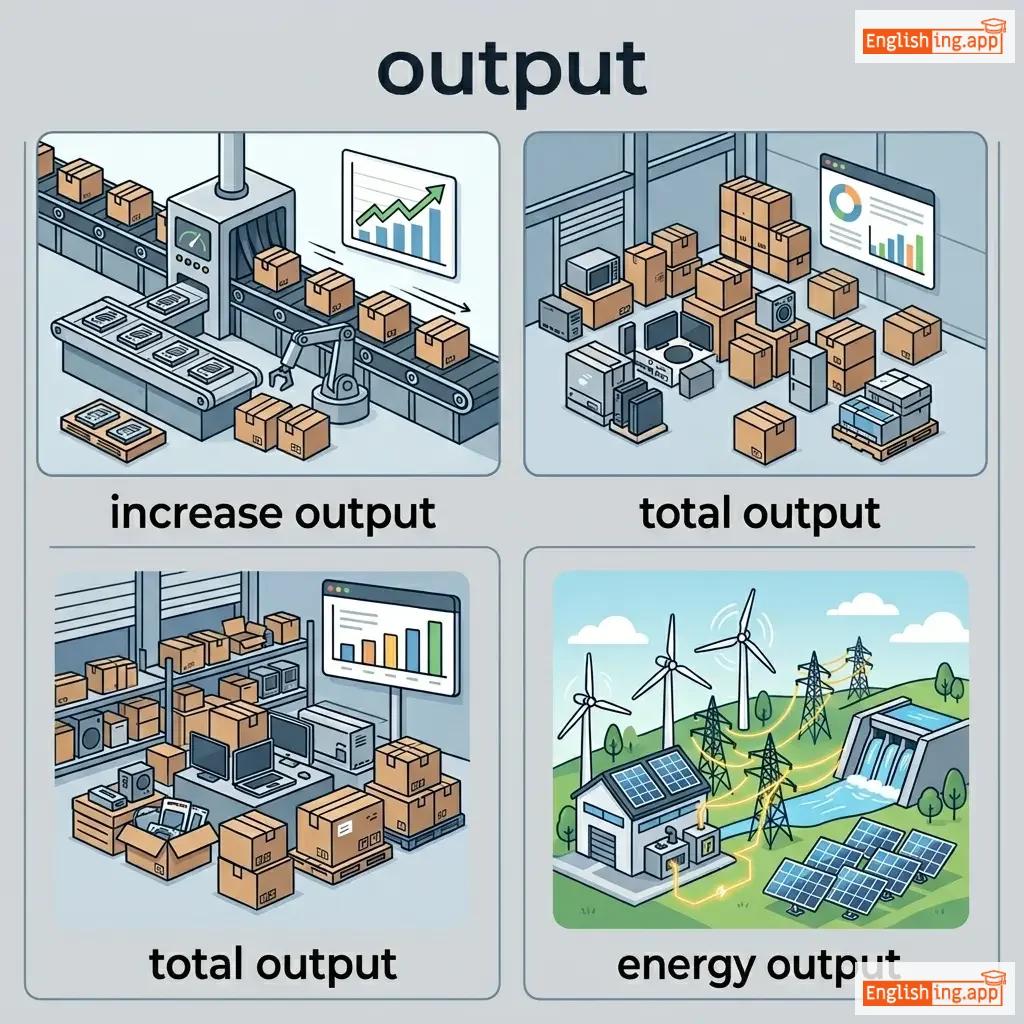
increase output, total output, energy output, data output
••••••
|
Out + Put は ‘生産’ の意味 — 生産!
••••••
|
|
#1
📝
|
/ˈaʊtlaɪn/
noun, verb
••••••
|
- •••••• | - •••••• |
outlined
••••••
|
outlined
••••••
|
outlines
••••••
|
outlining
••••••
|
a general description or plan that gives the main ideas without details; to describe something briefly or highlight main points
••••••
|
The teacher asked us to outline our research project before writing the report. |
- •••••• |
in outline |
in a general way, without details
••••••
|
- •••••• |
summary, sketch, draft, framework, plan
••••••
|
detail, elaboration
••••••
|
outline plan, outline strategy, outline proposal, outline the process
••••••
|
No •••••• |
|
#1
🔌
|
/ˈaʊtlet/
noun
(アウトレット)
••••••
|
- •••••• |
出口
deguchi
••••••
|
- •••••• | - •••••• | - •••••• | - •••••• |
a means by which something is released, expressed, or distributed
••••••
|
Art is a great outlet for emotions. |
アートは感情のための素晴らしい出口です。
Āto wa kanjō no tame no subarashī deguchi desu.
••••••
|
power outlet |
a socket that provides electrical power
••••••
|
電源コンセント
dengen konsento
••••••
|
vent, escape, channel, release, store
••••••
|
inlet, blockage
••••••
|
shopping outlet, outlet store, emotional outlet, power outlet
••••••
|
'Out' は外を意味し、'let' は許可することを意味します — outlet は外に出る道です。
••••••
|
|
#1
🪐
|
/ˈaʊtər/
adjective
(アウター)
••••••
|
- •••••• |
外部
gaibu
••••••
|
- •••••• | - •••••• | - •••••• | - •••••• |
situated on or toward the outside; external
••••••
|
The outer layer of the jacket is waterproof.
ジャケットの外側の層は防水です。
••••••
|
ジャケットの外側の層は防水です。
Jaketto no gaibu no sou wa bousui desu.
••••••
|
outer space
アウトスペース
••••••
|
the physical universe beyond the Earth's atmosphere
••••••
|
アウトスペース
auto supeesu
••••••
|
external, outside, exterior, outward
••••••
|
inner, internal
••••••
|
outer layer, outer surface, outer shell, outer world
••••••
|
'Outer' は外を意味します。'外部' も外の層です。
••••••
|
|
#1
🌳
|
/ˈaʊtdɔːr/
adjective
(アウトドア)
••••••
|
- •••••• |
アウトドア
autodoa
••••••
|
- •••••• | - •••••• | - •••••• | - •••••• |
situated, existing, or done outside a building
••••••
|
We planned an outdoor picnic for the weekend.
週末のためにアウトドアピクニックを計画しました。
••••••
|
週末のためにアウトドアピクニックを計画しました。
Shūmatsu no tame ni autodoa pikunikku o keikaku shimashita.
••••••
|
outdoor activities
アウトドア活動
••••••
|
recreational things people do outside, like sports or camping
••••••
|
アウトドア活動
autodoa katsudō
••••••
|
open-air, outside, external, exterior
••••••
|
indoor, inside
••••••
|
outdoor sports, outdoor event, outdoor seating, outdoor adventure
••••••
|
'Outdoor' は日本語で 'アウトドア' — 外で行う活動
••••••
|
|
#1
🤝
|
/aʊərz/
pronoun
(アウアーズ)
••••••
|
- •••••• |
私たちの
watashitachi no
••••••
|
- •••••• | - •••••• | - •••••• | - •••••• |
belonging to or associated with us
••••••
|
This victory is ours. |
この勝利は私たちのものです。
Kono shōri wa watashitachi no mono desu.
••••••
|
- •••••• | - •••••• | - •••••• |
belonging to us, our own, possessed by us
••••••
|
theirs, yours, his
••••••
|
friend of ours, house of ours, idea of ours
••••••
|
'Our' の複数形 — '私たちの' (watashitachi no) が 'ours' です
••••••
|
|
#1
📋
|
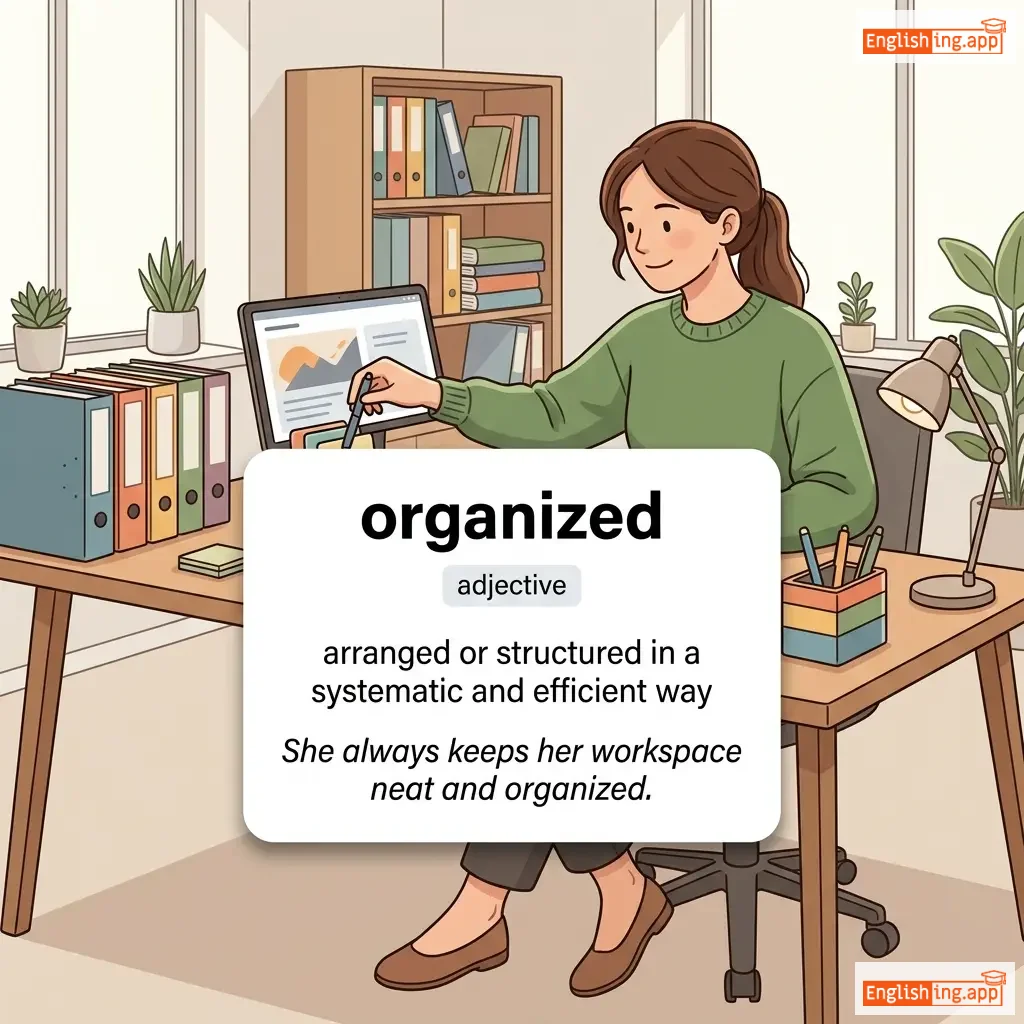
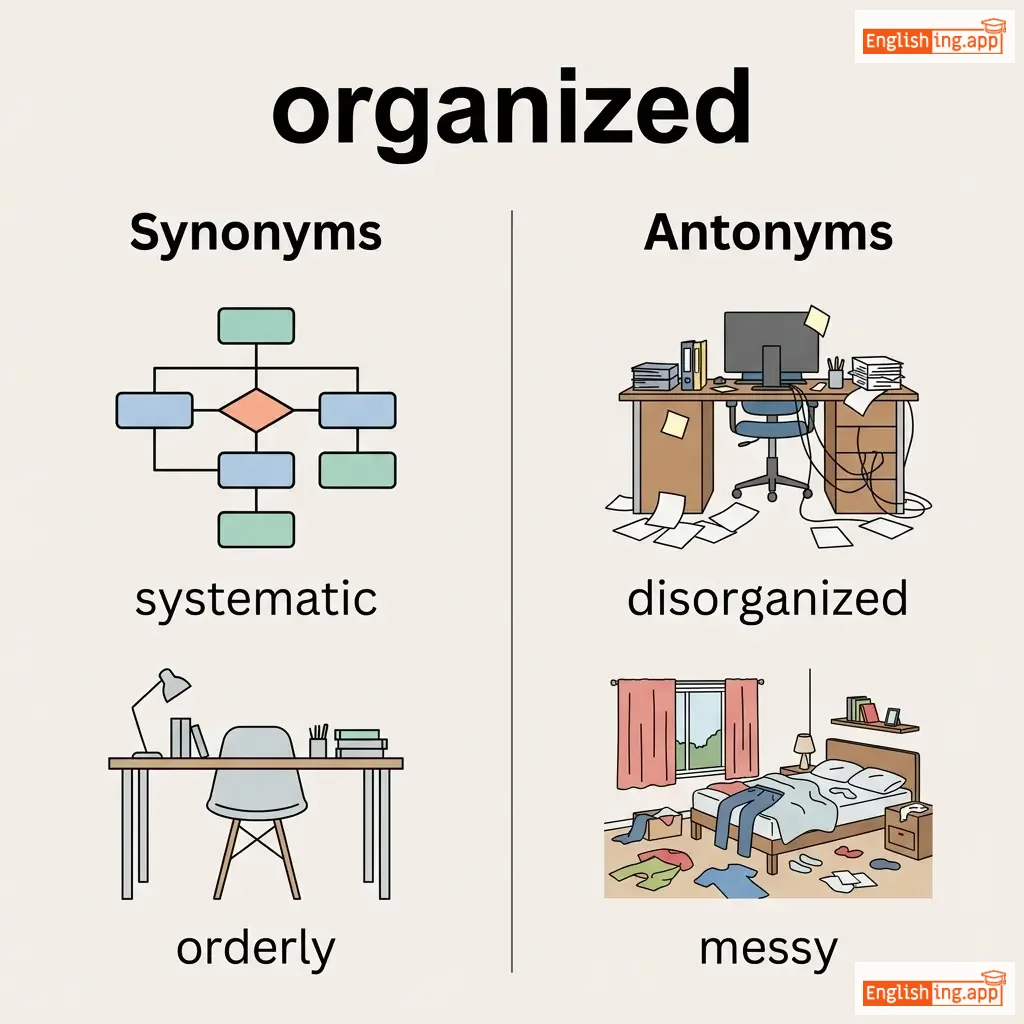
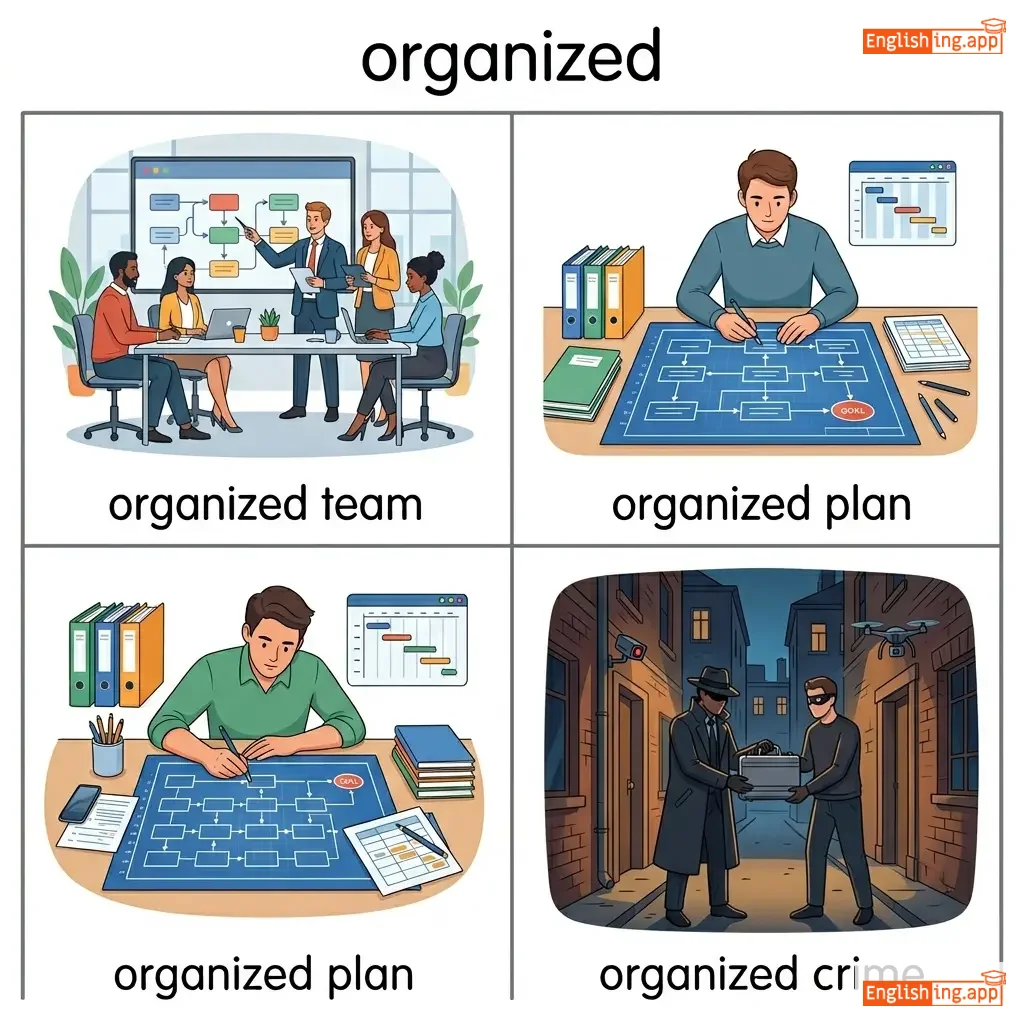
/ˈɔːrɡənaɪzd/
adjective
(オーガナイズド)
••••••
|
|
整理された
seiri sareta
••••••
|
- •••••• | - •••••• | - •••••• | - •••••• |
arranged or structured in a systematic and efficient way
••••••
|
She always keeps her workspace neat and organized. |
彼女はいつも自分の作業スペースを整理して整頓している。
Kanojo wa itsumo jibun no sagyō supēsu o seiri shite seiton shite iru.
••••••
|
organized chaos |
a situation that seems messy but actually functions efficiently
••••••
|
整理された混乱
seiri sareta konran
••••••
|
systematic, orderly, structured, methodical, disciplined
••••••
|
disorganized, messy, chaotic
••••••
|
organized team, organized plan, organized crime, well-organized
••••••
|
整理されたものは効率的に動く
••••••
|
|
#1
🏢
|
/ˌɔːɡənaɪˈzeɪʃənəl/
adjective
(オーガニゼーショナル)
••••••
|
- •••••• |
組織的
soshitekina
••••••
|
- •••••• | - •••••• | - •••••• | - •••••• |
relating to the structure or arrangement of a company or group
••••••
|
He works on improving the organizational structure of the company. |
彼は会社の組織構造を改善するために働いています。
Kare wa kaisha no soshikikōzō o kaizen suru tame ni hataraiteimasu.
••••••
|
- •••••• | - •••••• | - •••••• |
administrative, structural, managerial, corporate
••••••
|
disorganized, chaotic
••••••
|
organizational skills, organizational structure, organizational change, organizational behavior
••••••
|
Organizationは構造を意味し、組織的はその構造に関連していることを意味します。
••••••
|
|
#1
🧫
|
/ˈɔːɡənɪzəm/
noun
(オーガニズム)
••••••
|
- •••••• |
生物
seibutsu
••••••
|
- •••••• | - •••••• | - •••••• | - •••••• |
a living thing that has an organized structure and can grow and reproduce
••••••
|
Every organism needs water to survive. |
すべての生物は生き残るために水を必要とします。
Subete no seibutsu wa ikinokoru tame ni mizu o hitsuyō to shimasu.
••••••
|
- •••••• | - •••••• | - •••••• |
creature, being, life form, living thing
••••••
|
inanimate object, nonliving thing
••••••
|
living organism, simple organism, complex organism, single-celled organism
••••••
|
オーガニズムは生き物、組織的な構造を持つ生命体。
••••••
|
|
#1
🫀
|
/ˈɔːɡən/
noun
(オルガン)
••••••
|
- •••••• |
臓器
zōki
••••••
|
- •••••• | - •••••• | - •••••• | - •••••• |
a part of the body that performs a specific function
••••••
|
The heart is an important organ in the human body. |
心臓は人間の体の重要な臓器です。
Shinzō wa ningen no karada no jūyōna zōki desu.
••••••
|
- •••••• | - •••••• | - •••••• |
body part, structure, tissue, system
••••••
|
nonliving, inanimate
••••••
|
vital organ, internal organ, organ transplant, organ failure
••••••
|
Organ は臓器 — 心臓、肝臓、全てが臓器、体の一部。
••••••
|
|
#1
🪐
|
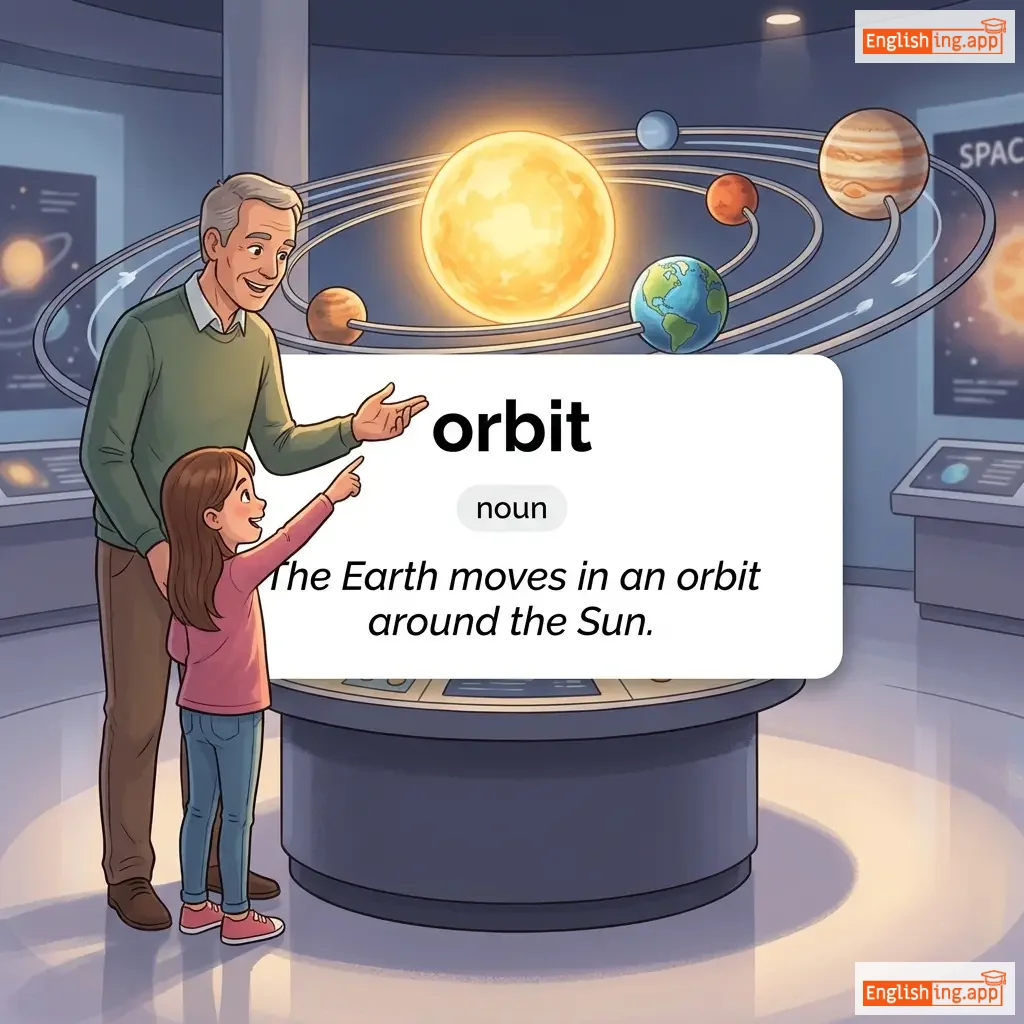
/ˈɔːbɪt/
noun
(オービット)
••••••
|
|
軌道
kidou
••••••
|
- •••••• | - •••••• | - •••••• | - •••••• |
the curved path that a planet, satellite, or object follows around another body in space
••••••
|
The Earth moves in an orbit around the Sun.
地球は太陽の周りを軌道で回ります。
••••••
|
地球は太陽の周りを軌道で回ります。
Chikyuu wa taiyou no mawari o kidou de mawarimasu.
••••••
|
in orbit
軌道上
••••••
|
circling around a planet or celestial body
••••••
|
軌道上
kidoujou
••••••
|
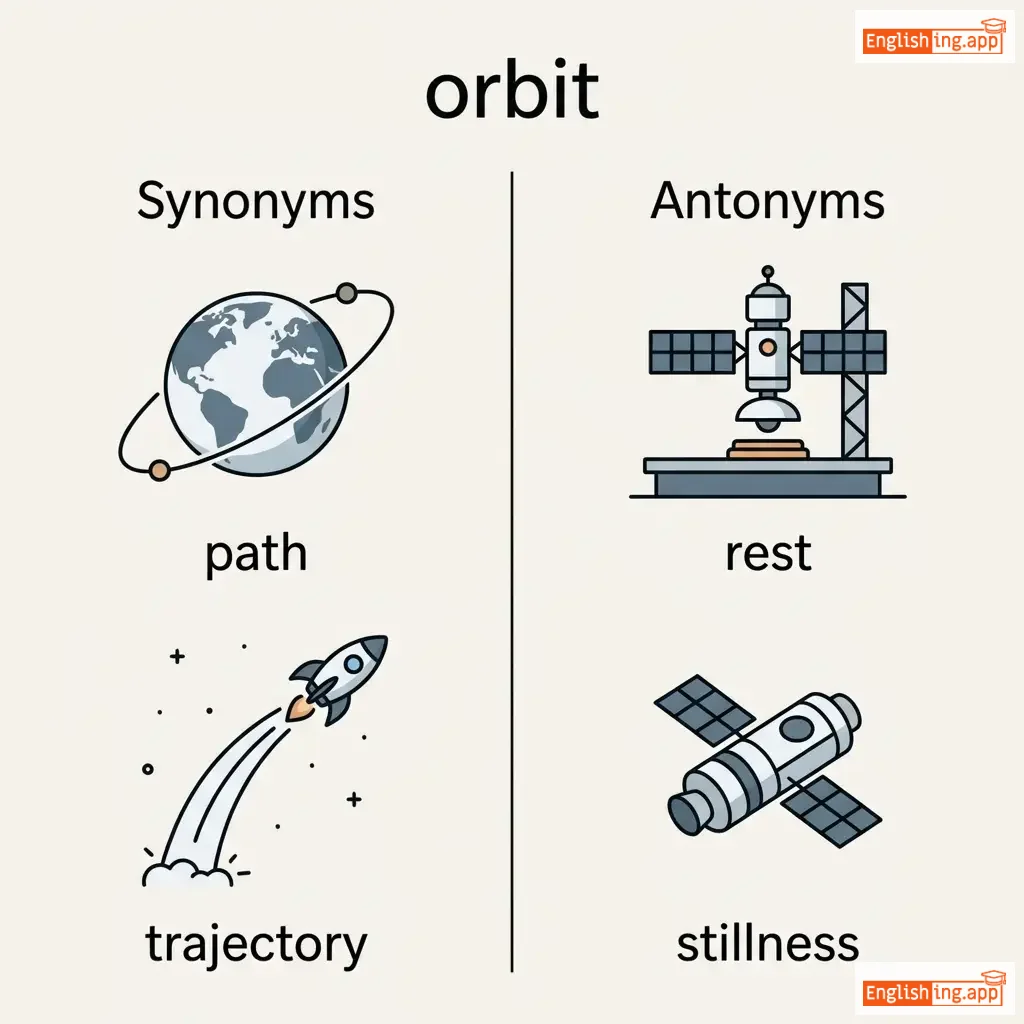
path, trajectory, revolution, circuit
••••••
|
rest, stillness
••••••
|
in orbit, enter orbit, leave orbit, orbit around
••••••
|
軌道 = kidou, 地球は太陽の周りを軌道で回ります。
••••••
|
|
#1
🫴
|
/ɒpt/
verb
(オプト)
••••••
|
- •••••• |
選ぶ
erabu
••••••
|
opted
オプテッド
••••••
|
opted
オプテッド
••••••
|
opts
オプツ
••••••
|
opting
オプティング
••••••
|
to choose or decide to do something instead of something else
••••••
|
Many students opt to study abroad for better opportunities.
多くの学生がより良い機会のために海外で学ぶことを選択します。
••••••
|
多くの学生がより良い機会のために海外で学ぶことを選択します。
Ooku no gakusei ga yori yoi kikai no tame ni kaigai de manabu koto o sentaku shimasu.
••••••
|
opt for
オプト フォー
••••••
|
to choose one thing instead of another
••••••
|
選ぶ
erabu
••••••
|
choose, select, decide, pick, prefer
••••••
|
reject, decline, refuse
••••••
|
opt for, opt out, opt in, opt against
••••••
|
Optからオプト — 選ぶことがoptにあたる。
••••••
|
|
#1
🚫
|
/əˈpəʊzd/
adjective
(アポーズド)
••••••
|
- •••••• |
反対の
hantai no
••••••
|
- •••••• | - •••••• | - •••••• | - •••••• |
being against or in disagreement with something
••••••
|
She is strongly opposed to animal testing. |
彼女は動物実験に強く反対しています。
Kanojo wa dōbutsu jikken ni tsuyoku hantai shiteimasu.
••••••
|
as opposed to |
used to contrast two things or show difference
••••••
|
〜に対して
〜 ni taishite
••••••
|
against, resistant, contrary, antithetical
••••••
|
supportive, favorable, agreeing
••••••
|
strongly opposed, firmly opposed, opposed to
••••••
|
Opposed は '反対' の意味です — 何かに反対すること。
••••••
|
|
#1
🎭
|
/ˈɒpərə/
noun
(オペラ)
••••••
|
- •••••• |
オペラ
opera
••••••
|
- •••••• | - •••••• | - •••••• | - •••••• |
a dramatic performance in which the actors sing most of their lines
••••••
|
We watched a beautiful opera at the theater last night. |
昨晩、劇場で美しいオペラを観ました。
Sakuban, gekijō de utsukushī opera o mimashita.
••••••
|
soap opera |
a television or radio drama series that deals with daily life and emotions
••••••
|
日常生活と感情を扱ったテレビやラジオのドラマシリーズ
Nichijō seikatsu to kanjō o atsukatta terebi ya rajio no dorama shirīzu
••••••
|
musical, performance, drama, production
••••••
|
speech, silence
••••••
|
opera singer, opera house, attend an opera, classical opera
••••••
|
オペラは音楽とドラマが一緒になった大きなステージのようです!
••••••
|
|
#1
🌍
|
/ˈneɪʃənˌwaɪd/
adjective, adverb
(ネイションワイド)
••••••
|
- •••••• |
全国規模
zenkoku kibo
••••••
|
- •••••• | - •••••• | - •••••• | - •••••• |
existing or happening throughout an entire nation
••••••
|
The campaign received nationwide support.
キャンペーンは全国的な支持を得ました。
••••••
|
キャンペーンは全国的な支持を得ました。
Kyanpēn wa zenkokuteki na shiji o emashita.
••••••
|
- •••••• | - •••••• | - •••••• |
countrywide, national, across the country, all over the nation
••••••
|
local, regional
••••••
|
nationwide survey, nationwide network, nationwide strike, nationwide coverage
••••••
|
Nation + wide = 全国規模; ‘nationwide’の意味は全国規模です。
••••••
|
|
#1
🧮
|
/wʌn θɜːd/
noun
(ワン・サード)
••••••
|
- •••••• |
三分の一
sanbun no ichi
••••••
|
- •••••• | - •••••• | - •••••• | - •••••• |
one part of something that is divided into three equal parts
••••••
|
One-third of the class was absent today. |
クラスの三分の一が今日は欠席でした。
Kurasu no sanbun no ichi ga kyō wa kesseki deshita.
••••••
|
- •••••• | - •••••• | - •••••• |
fraction, portion, segment, division
••••••
|
whole, entirety
••••••
|
one-third of, about one-third, nearly one-third
••••••
|
三分の一は三つの部分の一つ — 三つの部分のうち一つが三分の一!
••••••
|
|
#1
🏅
|
/əˈlɪmpɪks/
noun
(オリンピック)
••••••
|
- •••••• |
オリンピック競技大会
Olimpikku kyōgi taikai
••••••
|
- •••••• | - •••••• | - •••••• | - •••••• |
an international sports competition held every four years with athletes from many countries
••••••
|
The Olympics bring athletes from all over the world together. |
オリンピックは世界中のアスリートを一堂に集めます。
Olimpikku wa sekai jū no asurīto o ichidō ni atsumemasu.
••••••
|
go for the gold |
to try your best to win or achieve the highest success
••••••
|
最高の成功を収めるために全力を尽くすこと
Saikō no seikō o osameru tame ni zenryoku o tsukusu koto
••••••
|
games, tournament, championship, contest, competition
••••••
|
practice, training
••••••
|
Olympic Games, Olympic athlete, Olympic medal, host the Olympics
••••••
|
オリンピックは全世界のアスリートが集まる競技大会です。
••••••
|
|
#1
🎩
|
/ˌoʊld ˈfæʃənd/
adjective
(オールドファッションド)
••••••
|
- •••••• |
昔風の
mukashifū no
••••••
|
- •••••• | - •••••• | - •••••• | - •••••• |
not modern; belonging to an earlier time
••••••
|
He still wears an old-fashioned hat. |
彼は今でも昔風の帽子をかぶっています。
Kare wa imademo mukashifū no bōshi o kabutteimasu.
••••••
|
old-fashioned values |
traditional moral beliefs and manners
••••••
|
昔風の価値観
mukashifū no kachikan
••••••
|
outdated, antique, obsolete, vintage, traditional
••••••
|
modern, contemporary, trendy
••••••
|
old-fashioned clothes, old-fashioned ideas, old-fashioned style, old-fashioned manners
••••••
|
Old-fashionedは古いスタイルのこと — 昔風の🎩
••••••
|
|
#1
📜
|
/əˈfɪʃəli/
adverb
(オフィシャリー)
••••••
|
- •••••• |
公式に
kōshiki ni
••••••
|
- •••••• | - •••••• | - •••••• | - •••••• |
in a formal or authorized way
••••••
|
The building was officially opened by the mayor.
その建物は市長によって公式に開かれました。
••••••
|
その建物は市長によって公式に開かれました。
Sono tatemono wa shichō ni yotte kōshiki ni hirakaremashita.
••••••
|
officially recognized
公式に認められた
••••••
|
formally accepted or approved by authority
••••••
|
公式に認められた
kōshiki ni mitomerareta
••••••
|
formally, legally, publicly, ceremonially
••••••
|
informally, unofficially
••••••
|
officially declared, officially opened, officially announced, officially recognized
••••••
|
Officially: 公的に認められること
••••••
|
|
#1
🎁
|
/ˈɒfərɪŋ/
noun
(オファリング)
••••••
|
- •••••• |
オファリング
ofaringu
••••••
|
- •••••• | - •••••• | - •••••• | - •••••• |
something that is given, especially as a gift or contribution
••••••
|
The company’s latest offering is an eco-friendly car.
会社の最新のオファリングは、エコフレンドリーな車です。
••••••
|
会社の最新のオファリングは、エコフレンドリーな車です。
Kaisha no saishin no ofaringu wa, ekofurendorī na kuruma desu.
••••••
|
peace offering
平和の贈り物
••••••
|
something given to show a desire for peace or reconciliation
••••••
|
平和の贈り物
heiwa no okurimono
••••••
|
gift, contribution, donation, present, sacrifice
••••••
|
refusal, withdrawal
••••••
|
make an offering, religious offering, peace offering, product offering
••••••
|
Offering は何かを提供すること、例えば提案や平和の贈り物
••••••
|
|
#1
🚔
|
/əˈfɛndər/
noun
(オフェンダー)
••••••
|
- •••••• |
犯罪者
hanzai-sha
••••••
|
- •••••• | - •••••• | - •••••• | - •••••• |
a person who commits a crime or does something wrong
••••••
|
The police caught the offender quickly. |
警察はすぐに犯罪者を捕まえました。
Keisatsu wa sugu ni hanzai-sha o tsukamaemashita.
••••••
|
repeat offender |
a person who commits the same crime more than once
••••••
|
常習犯
jōshū-han
••••••
|
criminal, culprit, wrongdoer, lawbreaker, transgressor
••••••
|
victim, innocent
••••••
|
first-time offender, repeat offender, serious offender, juvenile offender
••••••
|
Offenderは犯罪者、法を破る人👮
••••••
|
|
#1
🌦️
|
/əˈkeɪʒənəl/
adjective
(オケイジョナル)
••••••
|
- •••••• |
時々の
tokidoki no
••••••
|
- •••••• | - •••••• | - •••••• | - •••••• |
happening or done sometimes but not regularly or often
••••••
|
He makes occasional visits to his hometown. |
彼は時々故郷に訪れます。
Kare wa tokidoki furusato ni otozuremasu.
••••••
|
occasional table |
a small table used when needed
••••••
|
時々使うテーブル
tokidoki tsukau tēburu
••••••
|
infrequent, irregular, periodic, sporadic, intermittent
••••••
|
regular, constant, frequent
••••••
|
occasional visit, occasional rain, occasional use, occasional meeting
••••••
|
時々のように時々降る雨 – 時々だけ 🌧️
••••••
|
|
#1
🧭
|
/ˌnɔːrθˈiːst/
noun
(ノースイースト)
••••••
|
- •••••• |
北東
hokutou
••••••
|
- •••••• | - •••••• | - •••••• | - •••••• |
the direction between north and east; a region or area located in that direction.
••••••
|
The storm is moving toward the northeast. |
嵐は北東に向かって進んでいます。
Arashi wa hokutou ni mukatte susundeimasu.
••••••
|
- •••••• | - •••••• | - •••••• |
NE, upper east, northeastward, northeastern region
••••••
|
southwest, SW
••••••
|
northeast corner, northeast region, toward the northeast, northeast wind
••••••
|
北 + 東 = 北東、それは北と東の間の方向を意味します。
••••••
|
|
#1
💝
|
/ˌnɒnˈprɒfɪt/
adjective
(ノンプロフィット)
••••••
|
- •••••• |
非営利団体
hi eiri dantai
••••••
|
- •••••• | - •••••• | - •••••• | - •••••• |
an organization that does not aim to make a profit, often serving a social or charitable purpose.
••••••
|
She works for a nonprofit organization that helps children. |
彼女は子供たちを助ける非営利団体で働いています。
Kanojo wa kodomotachi wo tasukeru hi eiri dantai de hataraiteimasu.
••••••
|
- •••••• | - •••••• | - •••••• |
charitable, voluntary, humanitarian, philanthropic
••••••
|
for-profit, commercial
••••••
|
nonprofit organization, nonprofit sector, nonprofit group, nonprofit foundation
••••••
|
非 = しない + 営利 = 利益 → 非営利団体:利益を追求せず、助けるために存在。
••••••
|
|
#1
😱
|
/ˈnaɪtˌmɛər/
noun
••••••
|
- •••••• | - •••••• | - •••••• | - •••••• | - •••••• | - •••••• |
a frightening or unpleasant dream; a very distressing experience.
••••••
|
Last night, she had a terrifying nightmare. |
- •••••• |
a living nightmare |
a situation that is extremely unpleasant or terrifying in real life.
••••••
|
- •••••• |
bad dream, terror, horror, ordeal, trauma
••••••
|
dream, delight
••••••
|
terrible nightmare, have a nightmare, living nightmare, recurring nightmare
••••••
|
No •••••• |
|
#1
🪹
|
/nɛst/
noun
(ネスト)
••••••
|
- •••••• |
巣
su
••••••
|
- •••••• | - •••••• | - •••••• | - •••••• |
a structure built by birds or other animals to hold their eggs or young.
••••••
|
The bird built a nest in the tall tree. |
その鳥は高い木に巣を作った。
Sono tori wa takai ki ni su o tsukutta.
••••••
|
empty nest |
a home where children have grown up and left, leaving the parents alone.
••••••
|
空の巣
Sora no su
••••••
|
home, den, lair, shelter, abode
••••••
|
wilderness, outside
••••••
|
bird's nest, build a nest, cozy nest, empty nest
••••••
|
巣は鳥が育てる場所。鳥たちがその巣で眠り、育てる場所を想像しよう!
••••••
|
|
#1
🏘️
|
/ˈneɪbərɪŋ/
adjective
(neibering)
••••••
|
- •••••• |
隣接する
rinsetsu suru
••••••
|
- •••••• | - •••••• | - •••••• | - •••••• |
situated near or next to another place; adjacent or nearby.
••••••
|
They visited a neighboring village for the festival.
彼らは祭りのために隣の村を訪れました。
••••••
|
彼らは祭りのために隣の村を訪れました。
Karera wa matsuri no tame ni tonari no mura o otozuremashita.
••••••
|
- •••••• | - •••••• | - •••••• |
adjacent, nearby, adjoining, close, proximate
••••••
|
distant, remote, far
••••••
|
neighboring country, neighboring house, neighboring state, neighboring area
••••••
|
隣接するは近いことを意味するので、隣接した場所は近くにあります。
••••••
|
|
#1
💉
|
/ˈniː.dəl/
noun, verb
(ニードル)
••••••
|
- •••••• |
針
hari
••••••
|
needled
ニードルド
••••••
|
needled
ニードルド
••••••
|
needles
ニードルス
••••••
|
needling
ニードリング
••••••
|
a small thin metal tool with a point used for sewing or injecting; to provoke or annoy someone
••••••
|
The nurse used a sterile needle for the injection.
看護師は注射のために滅菌された針を使用しました。
••••••
|
看護師は注射のために滅菌された針を使用しました。
Kangoshi wa chūsha no tame ni mekkin sareta hari o shiyō shimashita.
••••••
|
needle in a haystack
藁の中の針
••••••
|
something that is extremely difficult or impossible to find
••••••
|
非常に難しい、またはほとんど不可能なものを見つけること
hijō ni muzukashī, mata wa hotondo fukanō na mono o mitsukeru koto
••••••
|
pin, syringe, prick, irritate, provoke
••••••
|
soothe, calm
••••••
|
sewing needle, injection needle, needle and thread, needle prick
••••••
|
針はNeedleを意味します—覚えておいてください: 針は布に‘必要’です!
••••••
|
|
#1
💻
|
/ˌɛn.biː.esˈpiː/
noun
(エヌビーエスピー)
••••••
|
- •••••• |
ノンブレイキングスペース
non breaking space
••••••
|
- •••••• | - •••••• | - •••••• | - •••••• |
a non-breaking space character in HTML used to prevent an automatic line break at its position
••••••
|
Use in HTML to add a space that won't break into a new line. |
HTMLで改行しないスペースを追加するために を使用します。
HTML de kaigyō shinai supēsu o tsuika suru tame ni o shiyō shimasu.
••••••
|
- •••••• | - •••••• | - •••••• |
non-breaking space, HTML space entity
••••••
|
line break, space collapse
••••••
|
HTML , non-breaking space, space entity
••••••
|
NBSPはNo Break SPaceを意味します — 覚えておいてください:これは「改行しないスペース」です。
••••••
|
Vocabulary Quiz
Test your vocabulary by matching words with their translations or meanings.
Login to take the quiz
Comments (0)
Share your thoughts and join the discussion.
Join the discussion by logging in
Login to CommentNo comments yet
Be the first to share your thoughts!