

翻訳
過去
過去分詞
三人称単数
動名詞
意味
例文
例文の翻訳
同義語
対義語
コロケーション
ニーモニック
Swipe left or right, or use the buttons. Tap image to zoom.
例文の翻訳
単語
Lesson 440Lesson 440 - マスクトグル
|
絵文字
|
単語 | Images | 翻訳 | 過去 | 過去分詞 | 三人称単数 | 動名詞 | 意味 | 例文 | 例文の翻訳 | 表現例 | 表現例の意味 | 表現例の翻訳 | 同義語 | 対義語 | コロケーション | ニーモニック |
|---|---|---|---|---|---|---|---|---|---|---|---|---|---|---|---|---|---|
|
#1
🌱
|
/səˈsteɪnəbəl/
adjective
(サステイナブル)
••••••
|
|
持続可能
jizoku kanou
••••••
|
- •••••• | - •••••• | - •••••• | - •••••• |
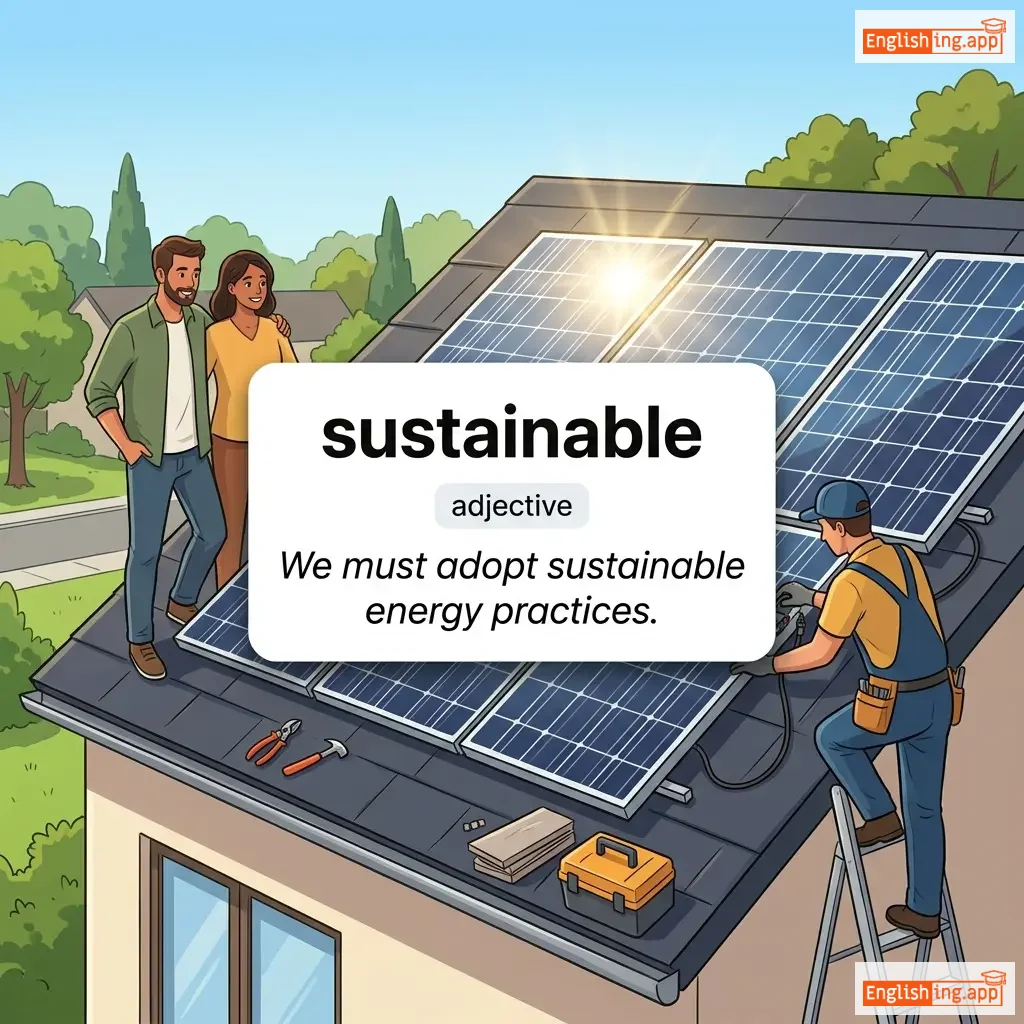
able to continue over a long period without causing harm to the environment or using up resources
••••••
|
We must adopt sustainable energy practices.
私たちは持続可能なエネルギーの実践を採用する必要があります。
••••••
|
私たちは持続可能なエネルギーの実践を採用する必要があります。
Watashitachi wa jizoku kanou na enerugī no jissen wo saiyou suru hitsuyou ga arimasu.
••••••
|
sustainable development
持続可能な開発
••••••
|
development that meets present needs without compromising future generations’ ability to meet theirs
••••••
|
持続可能な開発
jizoku kanou na kaihatsu
••••••
|
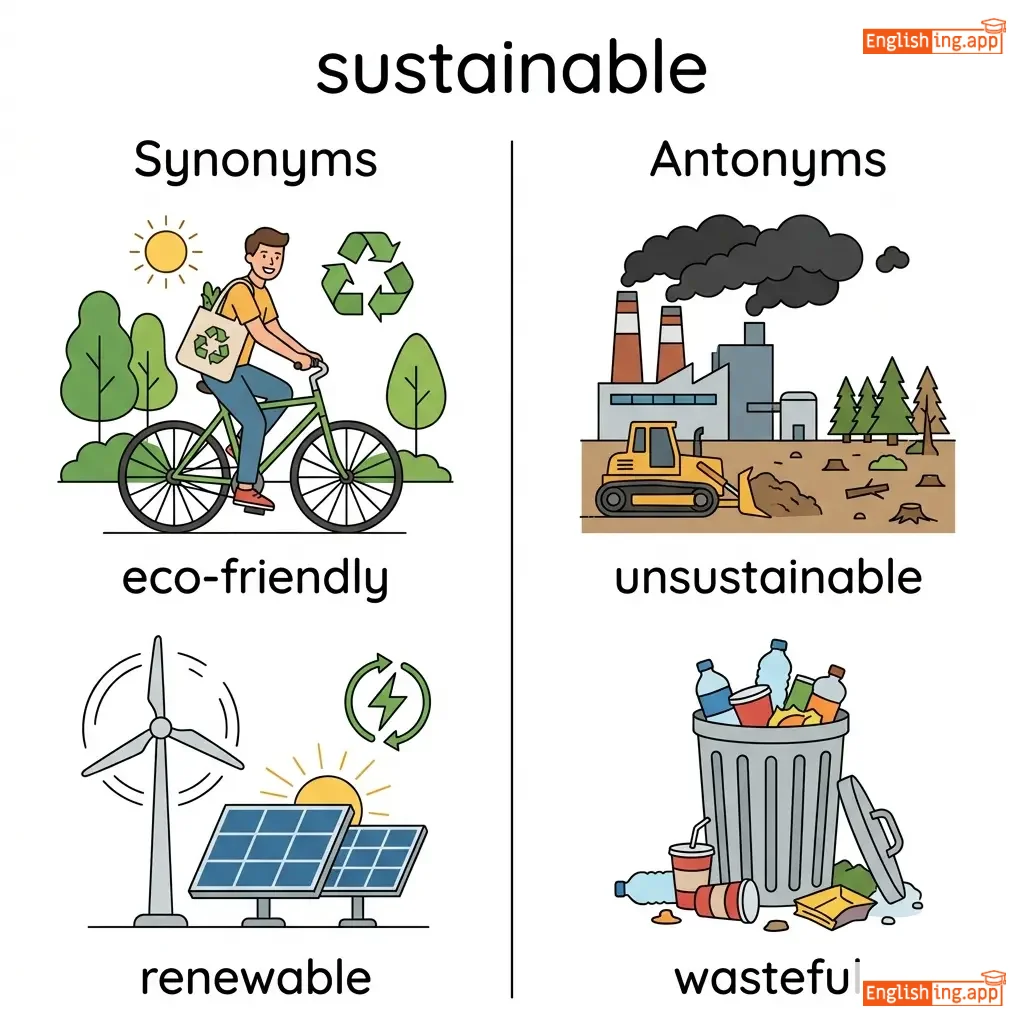
eco-friendly, renewable, viable, maintainable, green
••••••
|
unsustainable, wasteful, destructive
••••••
|
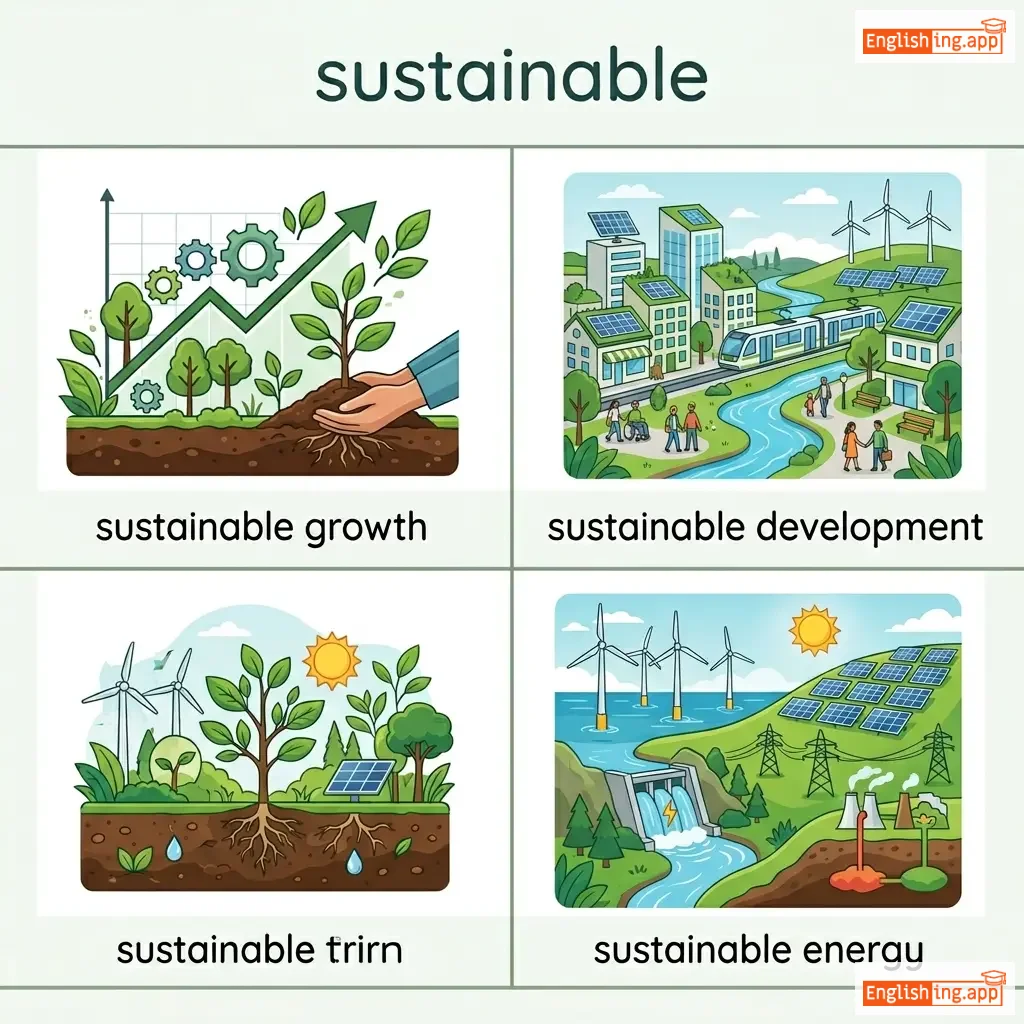
sustainable growth, sustainable development, sustainable energy, sustainable future
••••••
|
Sustain は維持すること — sustainable は維持できること、持続可能です。
••••••
|
|
#1
🧑🎓
|
/ˈtiːnˌeɪdʒ/
adjective
(ティーンエイジ)
••••••
|
- •••••• |
ティーンエイジャー
tīn'eijā
••••••
|
- •••••• | - •••••• | - •••••• | - •••••• |
relating to or characteristic of people aged between 13 and 19 years old
••••••
|
She spent her teenage years in a small town. |
彼女は小さな町でティーンエイジャー時代を過ごした。
Kanojo wa chīsana machi de tīneijā jidai o sugoshita.
••••••
|
teenage crush |
a short-lived romantic attraction common during teenage years
••••••
|
ティーンエイジャーの片思い
tīn'eijā no kataomoi
••••••
|
adolescent, youthful, young, juvenile, minor
••••••
|
adult, mature
••••••
|
teenage years, teenage boy, teenage girl, teenage life
••••••
|
Teenは13-19歳を意味するので、teenageはその時期—ティーン映画、ティーンの片思い、ティーンの楽しみ!
••••••
|
|
#1
💻
|
/ˌteknəˈlɒdʒɪkəl/
adjective
••••••
|
|
- •••••• | - •••••• | - •••••• | - •••••• | - •••••• |
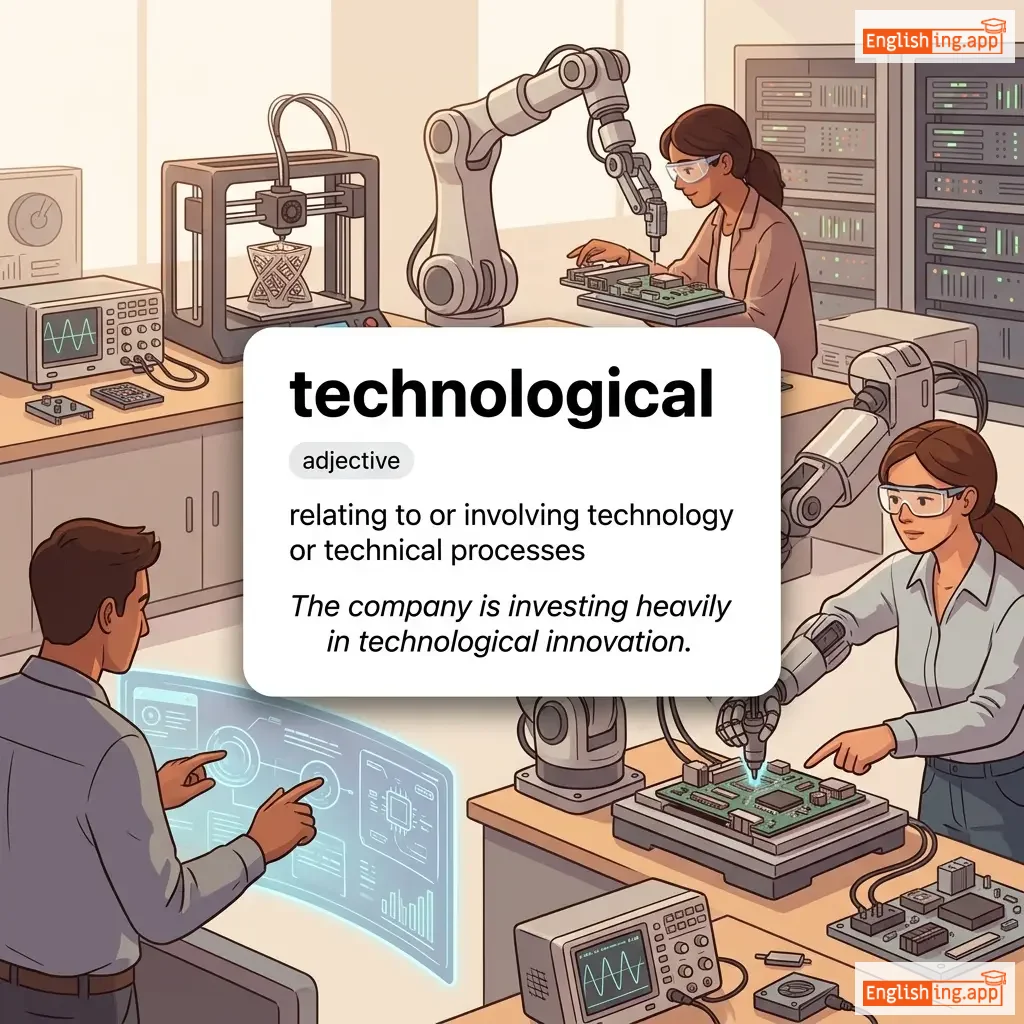
relating to or involving technology or technical processes
••••••
|
The company is investing heavily in technological innovation. |
- •••••• |
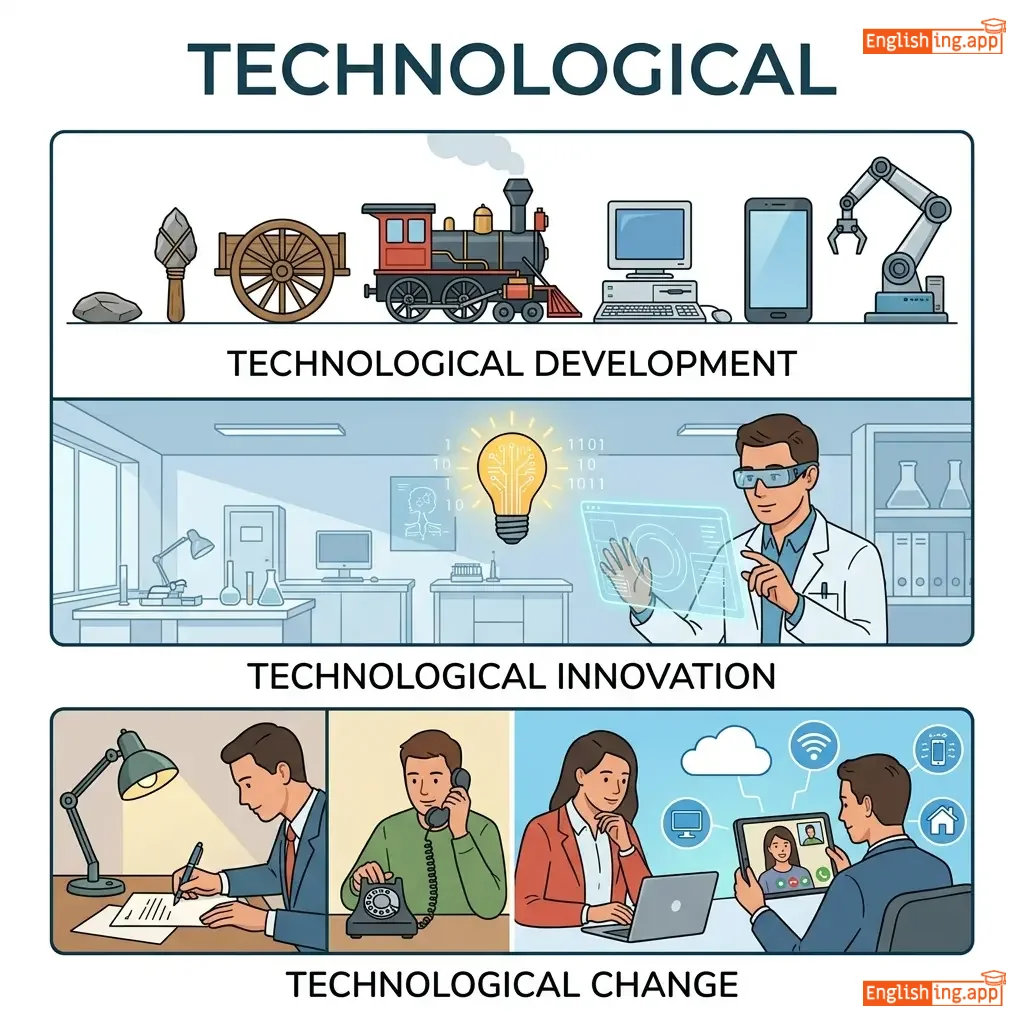
technological advancement |
progress or improvement in technology over time
••••••
|
- •••••• |
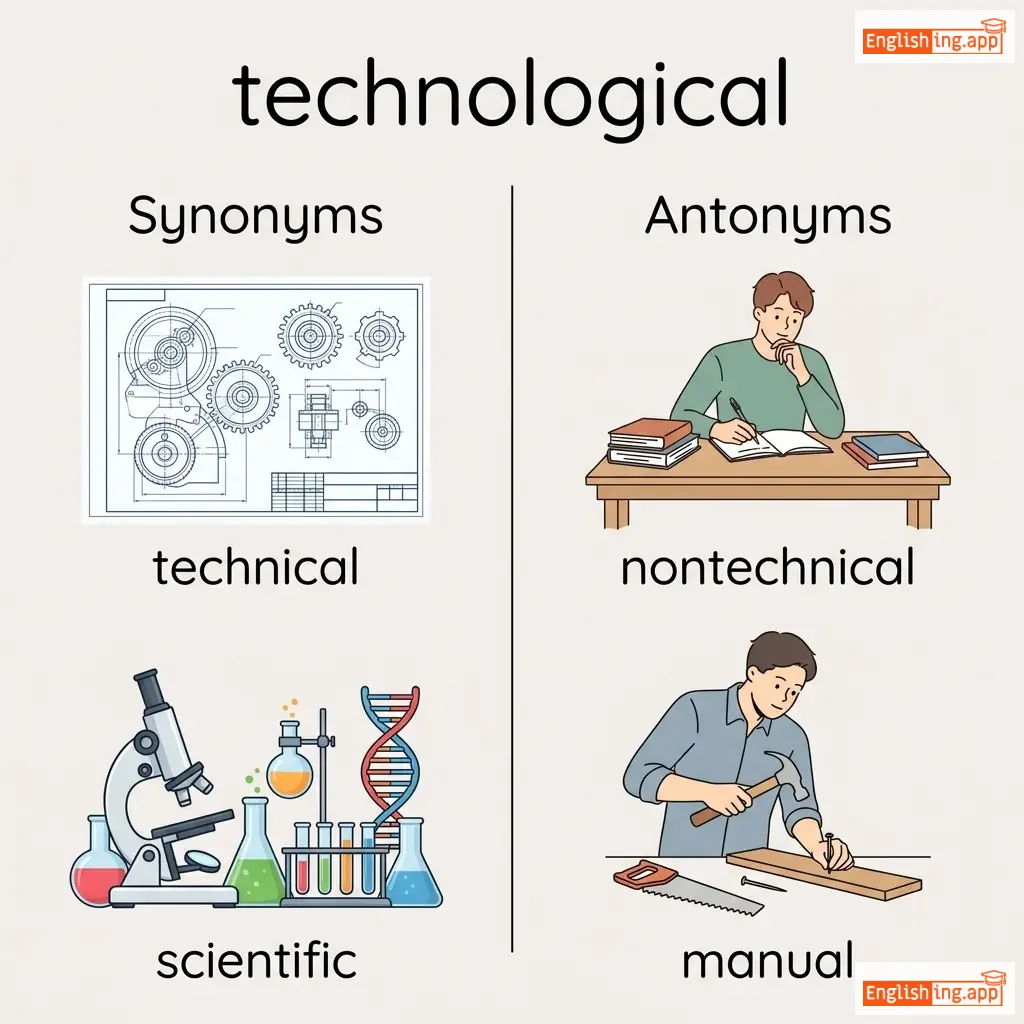
technical, scientific, industrial, mechanical, digital
••••••
|
nontechnical, manual
••••••
|
technological development, technological innovation, technological change, technological progress
••••••
|
No •••••• |
|
#1
🧰
|
/tɛkˈnɪʃən/
noun
(テクニシャン)
••••••
|
- •••••• |
技術者
gijutsusha
••••••
|
- •••••• | - •••••• | - •••••• | - •••••• |
a person skilled in the practical aspects of a particular science, art, or job
••••••
|
The technician repaired the computer within an hour. |
技術者は1時間以内にコンピュータを修理しました。
Gijutsusha wa 1 jikan inai ni konpyūta o shūri shimashita.
••••••
|
- •••••• | - •••••• | - •••••• |
mechanic, engineer, specialist, operator, expert
••••••
|
novice, amateur
••••••
|
computer technician, lab technician, skilled technician, service technician
••••••
|
技術者 — 技術の専門家
••••••
|
|
#1
🤝
|
/ˈtiːmmeɪt/
noun
(ティーメイト)
••••••
|
- •••••• |
チームメイト
chīmu meito
••••••
|
- •••••• | - •••••• | - •••••• | - •••••• |
a member of the same team
••••••
|
He congratulated his teammate after scoring the goal.
彼はゴールを決めた後、チームメイトにお祝いを言いました。
••••••
|
彼はゴールを決めた後、チームメイトにお祝いを言いました。
Kare wa gōru o kimeta ato, chīmu meito ni oiwai o iimashita.
••••••
|
- •••••• | - •••••• | - •••••• |
colleague, partner, associate, collaborator, companion
••••••
|
opponent, rival
••••••
|
team member, loyal teammate, supportive teammate, sports teammate
••••••
|
チームのメイトだから、teammateはチームの一員!
••••••
|
|
#1
🌟
|
/ˈtæləntɪd/
adjective
(テイラントゥド)
••••••
|
- •••••• |
才能のある
sainou no aru
••••••
|
- •••••• | - •••••• | - •••••• | - •••••• |
having a natural ability or skill in something
••••••
|
She is a talented singer with a beautiful voice. |
彼女は美しい声を持つ才能のある歌手です。
Kanojo wa utsukushī koe o motsu sainou no aru kashu desu.
••••••
|
- •••••• | - •••••• | - •••••• |
gifted, skilled, capable, accomplished, proficient
••••••
|
unskilled, untalented
••••••
|
talented artist, talented musician, highly talented, young talented
••••••
|
才能のある歌手のように、君も才能を持っている!
••••••
|
|
#1
🏷️
|
/tæɡ/
noun, verb
••••••
|
- •••••• | - •••••• |
tagged
••••••
|
tagged
••••••
|
tags
••••••
|
tagging
••••••
|
a label attached to something for identification or information; or to attach such a label
••••••
|
She tagged her luggage before boarding the plane. |
- •••••• |
tag along |
to go somewhere with someone, often without being invited
••••••
|
- •••••• |
label, marker, ticket, sticker, mark
••••••
|
remove, detach
••••••
|
price tag, luggage tag, tag along, tag a photo
••••••
|
No •••••• |
|
#1
👕
|
/ˈtiː ʃɜːt/
noun
(ティーシャツ)
••••••
|
- •••••• |
Tシャツ
T-shatsu
••••••
|
- •••••• | - •••••• | - •••••• | - •••••• |
a casual short-sleeved cotton shirt with no collar
••••••
|
He wore a white t-shirt and jeans to the party.
彼はパーティーに白いTシャツとジーンズを着て行った。
••••••
|
彼はパーティーに白いTシャツとジーンズを着て行った。
Kare wa pātii ni shiroi T-shatsu to jīnzu o kite itta.
••••••
|
- •••••• | - •••••• | - •••••• |
tee, top, shirt, jersey, garment
••••••
|
jacket, sweater
••••••
|
white t-shirt, printed t-shirt, cotton t-shirt, wear a t-shirt
••••••
|
Tシャツはカジュアルで快適な服装の代表!
••••••
|
|
#1
🧬
|
/ˈsɪnˌdroʊm/
noun
(シンドローム)
••••••
|
- •••••• |
症候群
shōkōgun
••••••
|
- •••••• | - •••••• | - •••••• | - •••••• |
a group of symptoms that occur together and characterize a condition or disease
••••••
|
Down syndrome affects a person's physical and mental development. |
ダウン症は、個人の身体的および精神的な発達に影響を与えます。
Daun-shō wa, kojin no shintai-teki oyobi seishin-teki na hattatsu ni eikyō o ataemasu.
••••••
|
- •••••• | - •••••• | - •••••• |
disorder, condition, ailment, illness, disease
••••••
|
health, wellness
••••••
|
Down syndrome, chronic syndrome, severe syndrome, rare syndrome
••••••
|
SYN = 一緒に, DROME = 歩く — 多くの症状が一緒に歩いている = 症候群!
••••••
|
|
#1
🕊️
|
/sɪmˈbɒlɪk/
adjective
(シンボリック)
••••••
|
- •••••• |
象徴的
shouchouteki
••••••
|
- •••••• | - •••••• | - •••••• | - •••••• |
serving as a symbol or representing something else
••••••
|
The dove is symbolic of peace and freedom.
鳩は平和と自由の象徴的存在です。
••••••
|
鳩は平和と自由の象徴的存在です。
Hato wa heiwa to jiyū no shōchōteki sonzai desu.
••••••
|
symbolic gesture
シンボリックジェスチャー
••••••
|
an action meant to show support or respect rather than to have practical effect
••••••
|
象徴的なジェスチャー
shōchōteki na jeshuchā
••••••
|
representative, figurative, emblematic, metaphorical, indicative
••••••
|
literal, realistic, actual
••••••
|
symbolic meaning, symbolic gesture, symbolic act, symbolic representation
••••••
|
SYMBOLは象徴を意味します — だからsymbolicは象徴的な意味です!
••••••
|
|
#1
⚔️
|
/sɔːrd/
noun
(ソード)
••••••
|
- •••••• |
剣
ken
••••••
|
- •••••• | - •••••• | - •••••• | - •••••• |
a weapon with a long metal blade used for fighting
••••••
|
The knight drew his sword to defend the castle. |
騎士は城を守るために剣を抜いた。
Kishi wa shiro o mamoru tame ni ken o nuīta.
••••••
|
cross swords |
to argue or fight with someone
••••••
|
剣を交える
ken o majiru
••••••
|
blade, dagger, saber, weapon, cutlass
••••••
|
shield, peace
••••••
|
draw a sword, sharp sword, sword fight, sword blade
••••••
|
SWOrdは剣の意味!剣で戦いましょう!
••••••
|
|
#1
🏊
|
/ˈswɪmɪŋ/
noun
(スイミング)
••••••
|
- •••••• |
水泳
suiei
••••••
|
- •••••• | - •••••• | - •••••• |
swimming
スイミング
••••••
|
the activity or sport of moving through water using the limbs
••••••
|
Swimming is a great way to stay fit and healthy.
水泳は健康でフィットな状態を保つための素晴らしい方法です。
••••••
|
水泳は健康でフィットな状態を保つための素晴らしい方法です。
Suiei wa kenko de fitto na jōtai wo tamotsu tame no subarashii hōhō desu.
••••••
|
in the same boat
同じボートに乗る
••••••
|
to be in the same situation as others
••••••
|
同じ状況にある
onaji jōkyō ni aru
••••••
|
diving, floating, bathing, aquatic exercise, water sport
••••••
|
sinking, drowning
••••••
|
go swimming, swimming pool, swimming lessons, swimming competition
••••••
|
水泳でフィットを維持しよう!
••••••
|
|
#1
🧶
|
/ˈswɛtər/
noun
••••••
|
- •••••• | - •••••• | - •••••• | - •••••• | - •••••• | - •••••• |
a warm knitted piece of clothing worn on the upper body
••••••
|
She wore a red sweater to keep warm in the cold weather. |
- •••••• | - •••••• | - •••••• | - •••••• |
jumper, pullover, cardigan, hoodie, sweatshirt
••••••
|
shirt, blouse, jacket
••••••
|
wool sweater, knitted sweater, wear a sweater, red sweater
••••••
|
No •••••• |
|
#1
💦
|
/swɛt/
verb
(スウェット)
••••••
|
- •••••• |
汗
ase
••••••
|
sweated
スウェットした
••••••
|
sweated
スウェットした
••••••
|
sweats
スウェットする
••••••
|
sweating
スウェットしている
••••••
|
to produce liquid from your skin when you are hot or nervous
••••••
|
He was sweating after running for an hour.
彼は1時間走った後、汗をかいていた。
••••••
|
彼は1時間走った後、汗をかいていた。
Kare wa 1 jikan hashitta ato, ase o kaite ita.
••••••
|
break a sweat
汗をかく
••••••
|
to begin to perspire, usually from physical effort
••••••
|
汗をかく
ase o kaku
••••••
|
perspire, exude, drip, toil, labor
••••••
|
rest, relax, cool
••••••
|
heavy sweat, cold sweat, sweat profusely, make someone sweat
••••••
|
Sweaterを着ると汗(sweat)が出る!
••••••
|
|
#1
🫗
|
/ˈswɒloʊ/
verb
(スワロー)
••••••
|
- •••••• |
飲み込む
nomikomu
••••••
|
swallowed
スワロウド
••••••
|
swallowed
スワロウド
••••••
|
swallows
スワロウズ
••••••
|
swallowing
スワローイング
••••••
|
to make food or drink go down your throat into your stomach
••••••
|
He swallowed the pill with a glass of water.
彼は薬を水で飲み込みました。
••••••
|
彼は薬を水で飲み込みました。
Kare wa kusuri o mizu de nomikomimashita.
••••••
|
swallow one's pride
プライドを飲み込む
••••••
|
to do something that is humiliating or embarrassing but necessary
••••••
|
プライドを飲み込む
Puraido o nomikomu
••••••
|
gulp, ingest, consume, devour, absorb
••••••
|
spit, vomit, reject
••••••
|
swallow food, swallow hard, swallow a pill, swallow the truth
••••••
|
Swallow は飲み込むという意味 — 鳥が昆虫を飲み込むのと同じ!
••••••
|
|
#1
😢
|
/ˈsʌfərɪŋ/
noun
(サファリング)
••••••
|
- •••••• |
苦しみ
kurushimi
••••••
|
- •••••• | - •••••• | - •••••• | - •••••• |
the state of undergoing pain, distress, or hardship
••••••
|
They tried to relieve his suffering with medicine. |
彼らは薬で彼の苦しみを和らげようとした。
Karera wa kusuri de kare no kurushimi o yawarageyou to shita.
••••••
|
long-suffering |
patiently enduring pain or hardship for a long time
••••••
|
長期苦しみ
chouki kurushimi
••••••
|
pain, agony, misery, distress, hardship
••••••
|
comfort, relief, ease
••••••
|
human suffering, great suffering, physical suffering, mental suffering
••••••
|
Sufferingは苦しみと同じ意味で、日本語の苦しみも英語のsufferingを意味します。
••••••
|
|
#1
🤨
|
/səˈspɪʃən/
noun
(suspishon)
••••••
|
- •••••• |
疑い
utagai
••••••
|
- •••••• | - •••••• | - •••••• | - •••••• |
a feeling or belief that someone has done something wrong or illegal
••••••
|
He was arrested on suspicion of theft. |
彼は窃盗の疑いで逮捕された。
Kare wa settō no utagai de taiho sareta.
••••••
|
arouse suspicion |
to make people think that something wrong or illegal may have happened
••••••
|
疑いを引き起こす
utagai o hikiokosu
••••••
|
doubt, mistrust, distrust, skepticism, uncertainty
••••••
|
trust, confidence, belief
••••••
|
raise suspicion, under suspicion, deep suspicion, suspicion of
••••••
|
Suspicion は日本語で疑い — 疑いを持つと suspicion が起こります!
••••••
|
|
#1
🌄
|
/səˈraʊndɪŋ/
adjective
(サラウンディング)
••••••
|
- •••••• |
周囲の
shūi no
••••••
|
- •••••• | - •••••• | - •••••• | - •••••• |
located all around a particular place or thing; nearby
••••••
|
The surrounding hills were covered in mist.
周囲の丘は霧に包まれていました。
••••••
|
周囲の丘は霧に包まれていました。
Shūi no oka wa kiri ni tsutsumarete imashita.
••••••
|
- •••••• | - •••••• | - •••••• |
nearby, adjacent, neighboring, close, around
••••••
|
distant, remote, far
••••••
|
surrounding area, surrounding environment, surrounding region, surrounding countryside
••••••
|
Surroundingは周囲を意味します。例えば、"周囲の区域"のように。
••••••
|
|
#1
🩺
|
/ˈsɜːdʒən/
noun
(サージャン)
••••••
|
- •••••• |
外科医
kaiki
••••••
|
- •••••• | - •••••• | - •••••• | - •••••• |
a doctor who performs medical operations
••••••
|
The surgeon performed a complex heart operation. |
外科医は複雑な心臓手術を行いました。
Kaiki wa fukuzatsu na shinzou shujutsu o okonaimashita.
••••••
|
chief surgeon |
the head doctor in charge of surgical operations
••••••
|
主任外科医
shunin kaiki
••••••
|
doctor, physician, medical practitioner, specialist
••••••
|
patient, layman
••••••
|
heart surgeon, brain surgeon, plastic surgeon, chief surgeon
••••••
|
外科手術を行う医者 — 外科医
••••••
|
|
#1
🤔
|
/səˈpəʊzɪdli/
adverb
(サポーズドリー)
••••••
|
- •••••• |
いわゆる
iwayuru
••••••
|
- •••••• | - •••••• | - •••••• | - •••••• |
used to show that something is believed or claimed to be true, though it may not be
••••••
|
He is supposedly the best player on the team. |
彼はチームで一番うまい選手だと言われている。
Kare wa chīmu de ichiban umai senshu da to iwarete iru.
••••••
|
supposedly true |
believed to be true but not certain
••••••
|
いわゆる真実
iwayuru shinjitsu
••••••
|
allegedly, reportedly, apparently, ostensibly
••••••
|
certainly, surely, definitely
••••••
|
supposedly true, supposedly innocent, supposedly safe, supposedly related
••••••
|
いわゆる、でも確信がない — いわゆる!
••••••
|
|
#1
🤗
|
/səˈpɔːtɪv/
adjective
(su-po-ru-ti-bu)
••••••
|
- •••••• |
支援的な
shien-teki na
••••••
|
- •••••• | - •••••• | - •••••• | - •••••• |
providing encouragement or emotional help to someone
••••••
|
She was very supportive during my difficult times. |
彼女は私の困難な時期に非常に支援的でした。
Kanojo wa watashi no konnan na jiki ni hijō ni shien-teki deshita.
••••••
|
supportive role |
a role that helps or assists others rather than leading
••••••
|
支援的な役割
shien-teki na yakuwari
••••••
|
helpful, encouraging, caring, understanding, kind
••••••
|
unsupportive, discouraging, neglectful
••••••
|
supportive friend, supportive family, supportive environment, supportive attitude
••••••
|
支援を提供する人はいつでも supportive 🫶
••••••
|
|
#1
📦
|
/səˈplaɪə(r)/
noun
(サプライヤー)
••••••
|
- •••••• |
供給者
kyoukyuusha
••••••
|
- •••••• | - •••••• | - •••••• | - •••••• |
a person or company that provides goods or services
••••••
|
The supplier delivered the products on time.
サプライヤーは時間通りに商品を納品しました。
••••••
|
供給者は時間通りに商品を納品しました。
Kyoukyuusha wa jikan doori ni shouhin wo nouhin shimashita.
••••••
|
regular supplier
定期的なサプライヤー
••••••
|
a company that provides goods or services regularly
••••••
|
定期的な供給者
teikiteki na kyoukyuusha
••••••
|
vendor, provider, dealer, distributor, seller
••••••
|
buyer, customer, client
••••••
|
main supplier, local supplier, supplier contract, supplier agreement
••••••
|
サプライヤーは supply を供給する人。
••••••
|
|
#1
🧑💼
|
/ˈsuːpəvaɪzə(r)/
noun
(スーパーバイザー)
••••••
|
- •••••• |
監督者
kantokusha
••••••
|
- •••••• | - •••••• | - •••••• | - •••••• |
a person who manages or directs the work of others
••••••
|
The supervisor checked the progress of each employee. |
スーパーバイザーは各従業員の進捗を確認しました。
Sūpābaizā wa kaku jūgyōin no shinchoku o kakunin shimashita.
••••••
|
under the supervision of |
being directed or controlled by someone in charge
••••••
|
の監督の下で
no kantoku no moto de
••••••
|
manager, overseer, inspector, director, controller
••••••
|
subordinate, worker, employee
••••••
|
project supervisor, factory supervisor, direct supervisor, under the supervision
••••••
|
スーパーバイザー (supervisor) はすべてを監督する人!
••••••
|
|
#1
🛒
|
/ˈsuː.pəˌmɑː.kɪt/
noun
(スーパー マーケット)
••••••
|
- •••••• |
スーパーマーケット
suupaa maaketto
••••••
|
- •••••• | - •••••• | - •••••• | - •••••• |
a large self-service store selling food and household goods
••••••
|
She went to the supermarket to buy groceries. |
彼女は食料品を買いにスーパーマーケットに行きました。
Kanojo wa shokuryouhin o kai ni suupaa maaketto ni ikimashita.
••••••
|
- •••••• | - •••••• | - •••••• |
grocery store, mart, store, food market, hypermarket
••••••
|
small shop, kiosk
••••••
|
big supermarket, local supermarket, supermarket chain, supermarket shopping, supermarket employee
••••••
|
スーパーマーケット — すべてが揃っている場所 🛒
••••••
|
|
#1
🏆
|
/suːˈpɪə.ri.ər/
adjective
(スーペリア)
••••••
|
- •••••• |
優れた
sugureta
••••••
|
- •••••• | - •••••• | - •••••• | - •••••• |
better in quality, rank, or importance than others
••••••
|
This product is superior to its competitors in quality.
この製品は品質において競合他社を凌駕しています。
••••••
|
この製品は品質において競合他社を凌駕しています。
Kono seihin wa hinshitsu ni oite kyōgō tasha o ryōga shiteimasu.
••••••
|
superior attitude
優越した態度
••••••
|
an arrogant or condescending manner
••••••
|
優越した態度
yūetsu shita taido
••••••
|
better, higher, excellent, dominant, outstanding
••••••
|
inferior, lower, worse
••••••
|
superior quality, superior product, superior performance, morally superior, technically superior
••••••
|
Superior は super + ior → super はもっと良いという意味で、‘優れた’です。
••••••
|
|
#1
☀️
|
/ˈsʌ.ni/
adjective
(sani)
••••••
|
- •••••• |
晴れた
hareta
••••••
|
- •••••• | - •••••• | - •••••• | - •••••• |
bright with sunlight; cheerful or happy in nature
••••••
|
It was a bright and sunny morning. |
それは明るくて晴れた朝でした。
Sore wa akarukute hareta asa deshita.
••••••
|
sunny disposition |
a cheerful and optimistic personality
••••••
|
晴れやかな性格
hareyakana seikaku
••••••
|
bright, cheerful, radiant, pleasant, joyful
••••••
|
cloudy, gloomy, sad
••••••
|
sunny day, sunny weather, sunny smile, sunny morning, sunny beach
••••••
|
Sunnyは太陽のように明るい — 晴れた日や陽気な性格。☀️
••••••
|
|
#1
🌞
|
/ˈsʌn.laɪt/
noun
••••••
|
|
- •••••• | - •••••• | - •••••• | - •••••• | - •••••• |
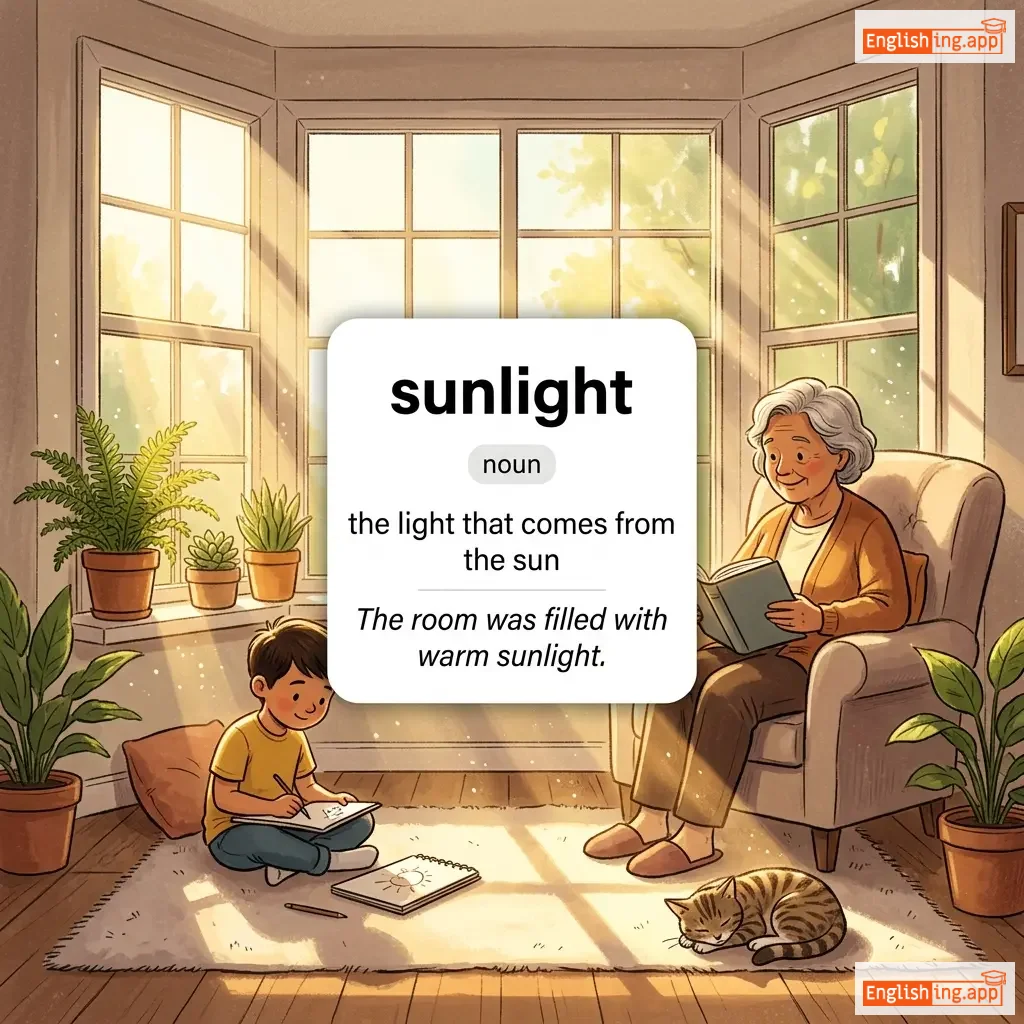
the light that comes from the sun
••••••
|
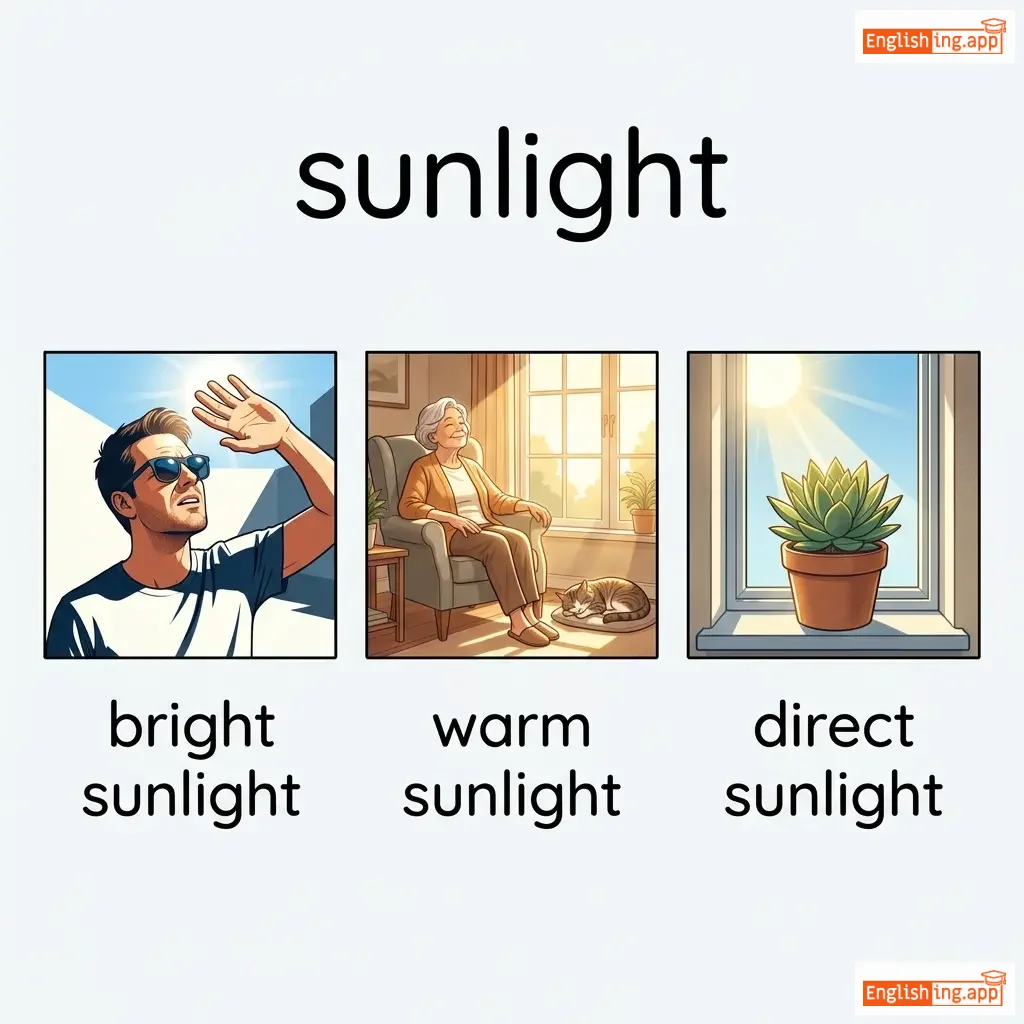
The room was filled with warm sunlight. |
- •••••• |
in the sunlight |
exposed to or under the light of the sun
••••••
|
- •••••• |
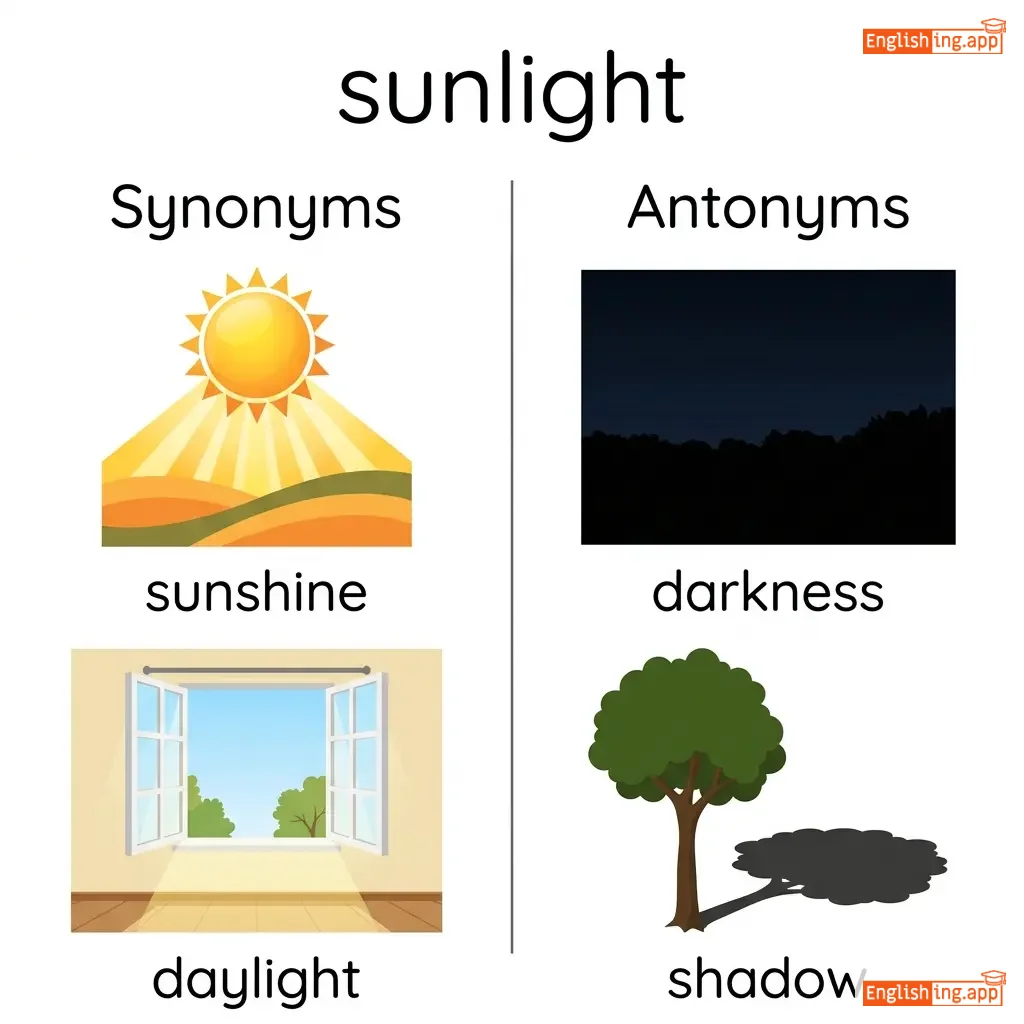
sunshine, daylight, radiance, beam, brightness
••••••
|
darkness, shadow
••••••
|
bright sunlight, warm sunlight, direct sunlight, natural sunlight, morning sunlight
••••••
|
No •••••• |
|
#1
➕
|
/sʌm/
noun
(サム)
••••••
|
- •••••• |
合計
goukei
••••••
|
- •••••• | - •••••• | - •••••• | - •••••• |
the total amount resulting from the addition of two or more numbers or items
••••••
|
The sum of 8 and 12 is 20. |
8と12の合計は20です。
8 to 12 no goukei wa 20 desu.
••••••
|
sum up |
to summarize or give a brief statement of something
••••••
|
まとめる
matomeru
••••••
|
total, amount, aggregate, tally, whole
••••••
|
part, portion
••••••
|
large sum, total sum, sum of money, sum up, small sum
••••••
|
Sumは加算の結果 — 'sum'は合計です。
••••••
|
|
#1
🏨
|
/swiːt/
noun
(スイート)
••••••
|
- •••••• |
スイート
suīto
••••••
|
- •••••• | - •••••• | - •••••• | - •••••• |
a set of rooms designated for one person's or family's use or for a particular purpose
••••••
|
They stayed in the presidential suite at the hotel. |
彼らはホテルの大統領スイートに宿泊していました。
Karera wa hoteru no daitōryō suīto ni shukuhaku shite imashita.
••••••
|
- •••••• | - •••••• | - •••••• |
set, series, apartment, chambers, rooms
••••••
|
single room, dormitory
••••••
|
hotel suite, luxury suite, software suite, office suite
••••••
|
スイートは、ホテルの最上級の部屋のセットのようなものです。
••••••
|
|
#1
👌
|
/ˈsuːtəbl/
adjective
(スイタブル)
••••••
|
- •••••• |
適切
tekisetsu
••••••
|
- •••••• | - •••••• | - •••••• | - •••••• |
appropriate or right for a particular person, purpose, or situation
••••••
|
This dress is suitable for the wedding. |
このドレスは結婚式に適しています。
Kono doresu wa kekkonshiki ni tekishiteimasu.
••••••
|
- •••••• | - •••••• | - •••••• |
appropriate, proper, fitting, apt, acceptable
••••••
|
unsuitable, inappropriate, unfit
••••••
|
suitable for, suitable candidate, suitable time, suitable environment
••••••
|
Suitable は適切な意味、結婚式に適したドレスのように。
••••••
|
Vocabulary Quiz
Test your vocabulary by matching words with their translations or meanings.
Login to take the quiz
Comments (0)
Share your thoughts and join the discussion.
Join the discussion by logging in
Login to CommentNo comments yet
Be the first to share your thoughts!