

翻訳
過去
過去分詞
三人称単数
動名詞
意味
例文
例文の翻訳
同義語
対義語
コロケーション
ニーモニック
Swipe left or right, or use the buttons. Tap image to zoom.
例文の翻訳
単語
Lesson 340Lesson 340 - マスクトグル
|
絵文字
|
単語 | Images | 翻訳 | 過去 | 過去分詞 | 三人称単数 | 動名詞 | 意味 | 例文 | 例文の翻訳 | 表現例 | 表現例の意味 | 表現例の翻訳 | 同義語 | 対義語 | コロケーション | ニーモニック |
|---|---|---|---|---|---|---|---|---|---|---|---|---|---|---|---|---|---|
|
#10165
😏
|
/sɑːrˈkæstɪk/
adjective
(サーカスティック)
••••••
|
- •••••• |
皮肉な
hiniku na
••••••
|
- •••••• | - •••••• | - •••••• | - •••••• |
Using irony or mockery to convey contempt or humor.
••••••
|
She made a sarcastic remark about his cooking. |
彼女は彼の料理について皮肉なコメントをしました。
Kanojo wa kare no ryōri ni tsuite hiniku na komento o shimashita.
••••••
|
sarcastic tone |
A way of speaking that conveys irony or mockery.
••••••
|
皮肉な口調
hiniku na kuchō
••••••
|
mocking, ironic, sneering, sardonic, cutting
••••••
|
sincere, genuine, earnest
••••••
|
sarcastic remark, sarcastic tone, sarcastic comment, sarcastic smile
••••••
|
皮肉なは英語のsarcasticと同じ意味で使われます。
••••••
|
|
#10166
😐
|
/ˈsɪəriəs/
adjective
(シリアス)
••••••
|
- •••••• |
真剣
shinken
••••••
|
- •••••• | - •••••• | - •••••• | - •••••• |
showing deep thought, sincerity, or importance; not joking
••••••
|
She gave me a serious look before making her decision. |
彼女は決定を下す前に真剣な目で私を見ました。
Kanojo wa kettei o kudasu mae ni shinken na me de watashi o mimashita.
••••••
|
dead serious |
completely serious and not joking
••••••
|
本気で真剣
honki de shinken
••••••
|
grave, earnest, important, solemn, severe
••••••
|
trivial, playful, lighthearted
••••••
|
serious problem, serious matter, serious illness, serious mistake
••••••
|
真剣は真面目な態度 – 映画の真剣なシーンのように。
••••••
|
|
#10167
🙇
|
/ˌsɛlf ɪˈfeɪsɪŋ/
adjective
(セルフ・イフェイシング)
••••••
|
- •••••• |
控えめな
hikaeme na
••••••
|
- •••••• | - •••••• | - •••••• | - •••••• |
not drawing attention to oneself; modest
••••••
|
Despite his success, he remained self-effacing and humble. |
成功にもかかわらず、彼は控えめで謙虚なままでした。
Seikou ni mo kakawarazu, kare wa hikaeme de kenkyona mamadeshita.
••••••
|
- •••••• | - •••••• | - •••••• |
modest, humble, unassuming, reserved, meek
••••••
|
arrogant, boastful, proud
••••••
|
self-effacing nature, self-effacing smile, self-effacing attitude
••••••
|
Self-effacingとは控えめなことです – 自分の顔を隠して謙虚でいることです。
••••••
|
|
#10168
🗂️
|
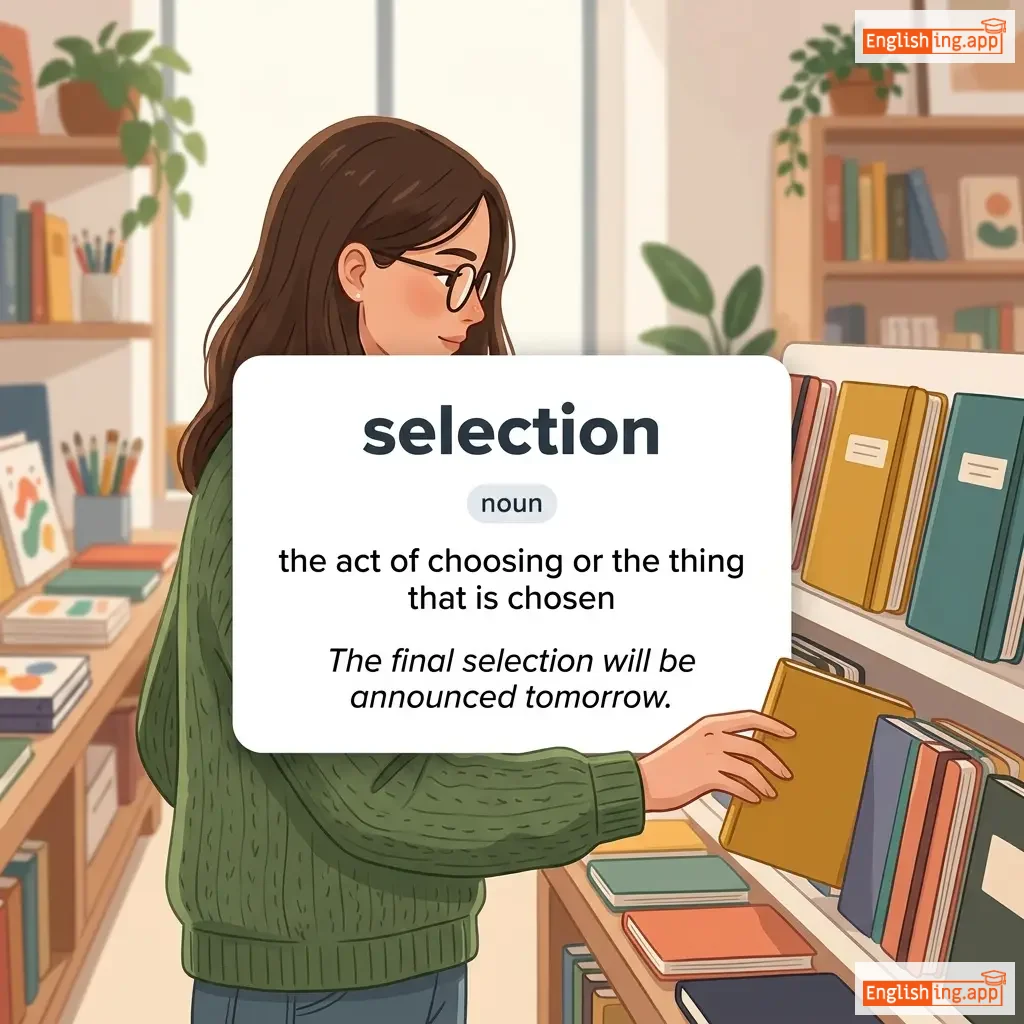
/sɪˈlɛkʃən/
noun
(セレクション)
••••••
|
|
選択
sentaku
••••••
|
- •••••• | - •••••• | - •••••• | - •••••• |
the act of choosing or the thing that is chosen
••••••
|
The final selection will be announced tomorrow. |
最終選択は明日発表されます。
Saishū sentaku wa ashita happyō saremasu.
••••••
|
natural selection |
the process by which organisms better adapted to their environment survive
••••••
|
自然選択
shizen sentaku
••••••
|
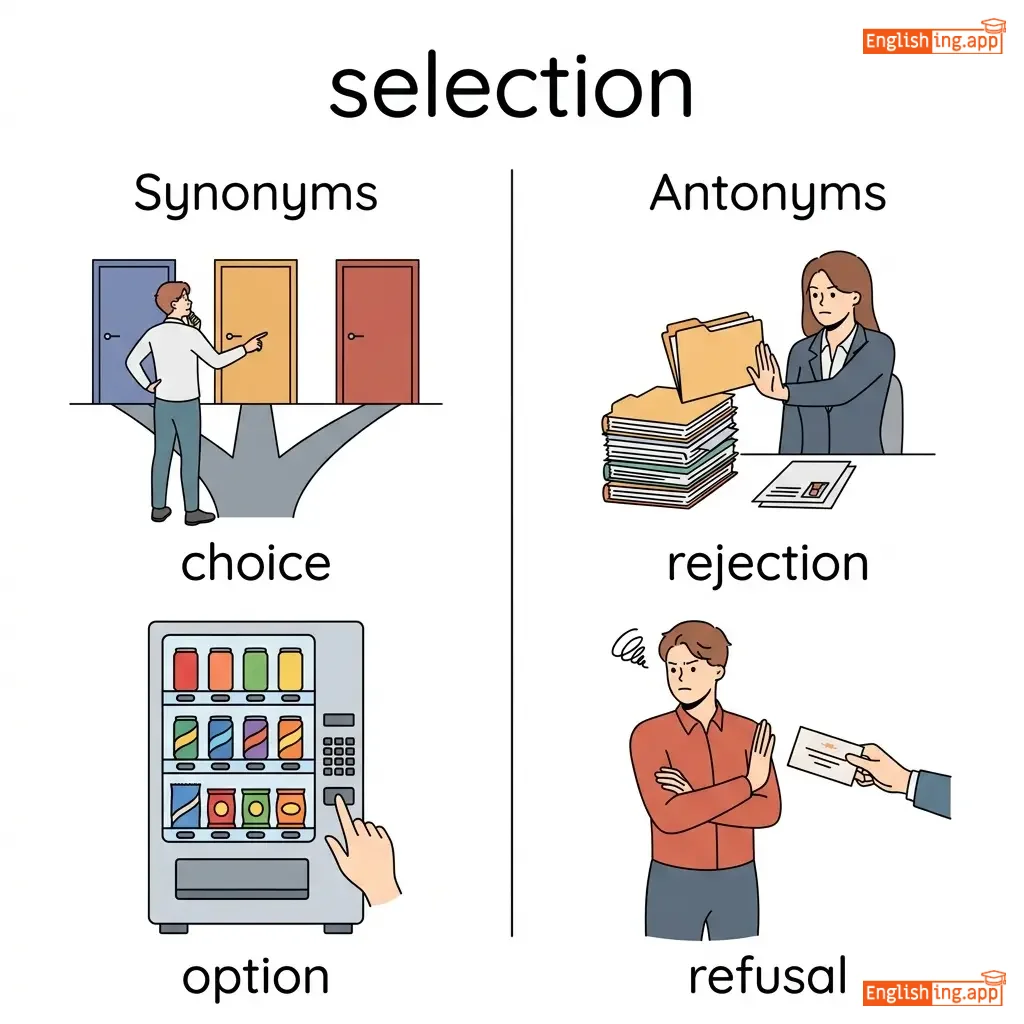
choice, option, pick, assortment, range
••••••
|
rejection, refusal
••••••
|
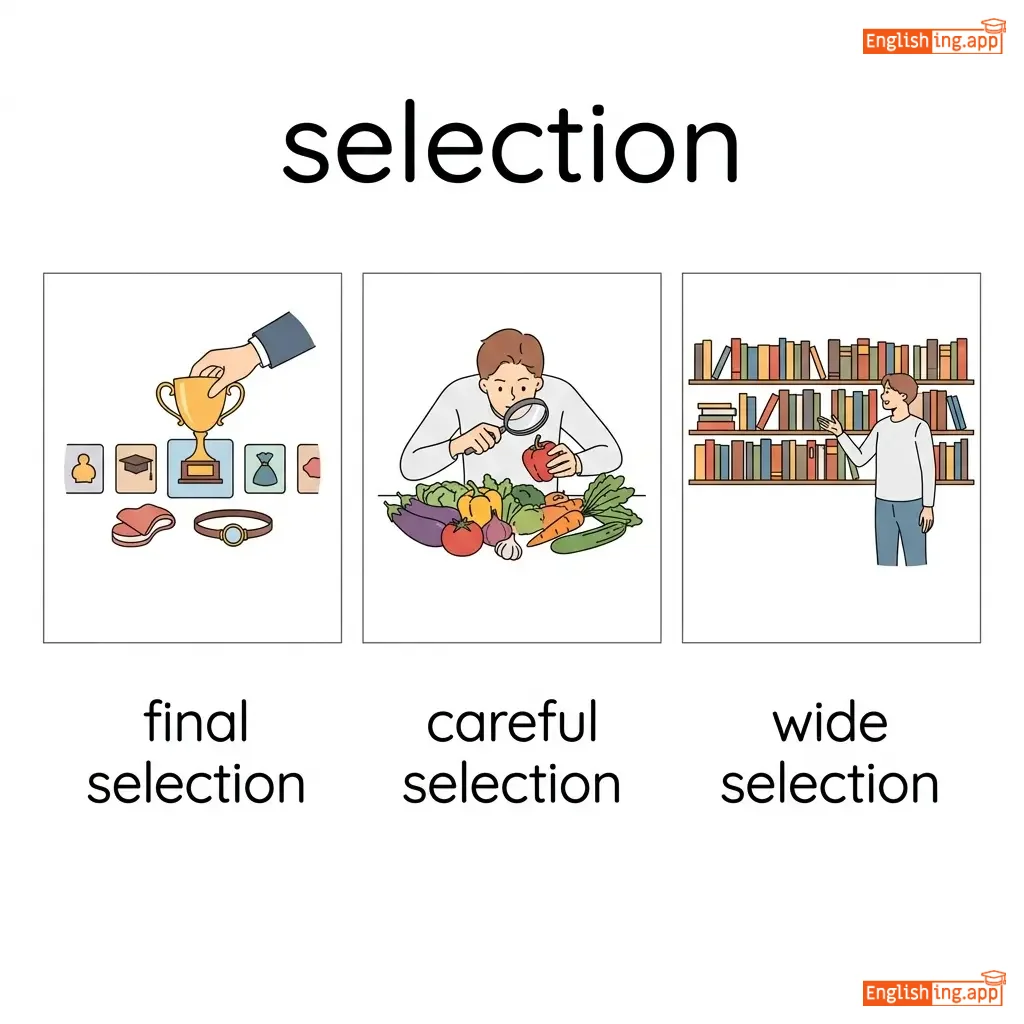
final selection, careful selection, wide selection, random selection
••••••
|
Selection は選択を意味します - 選挙のように、みんなが選ぶのです。
••••••
|
|
#10169
✅
|
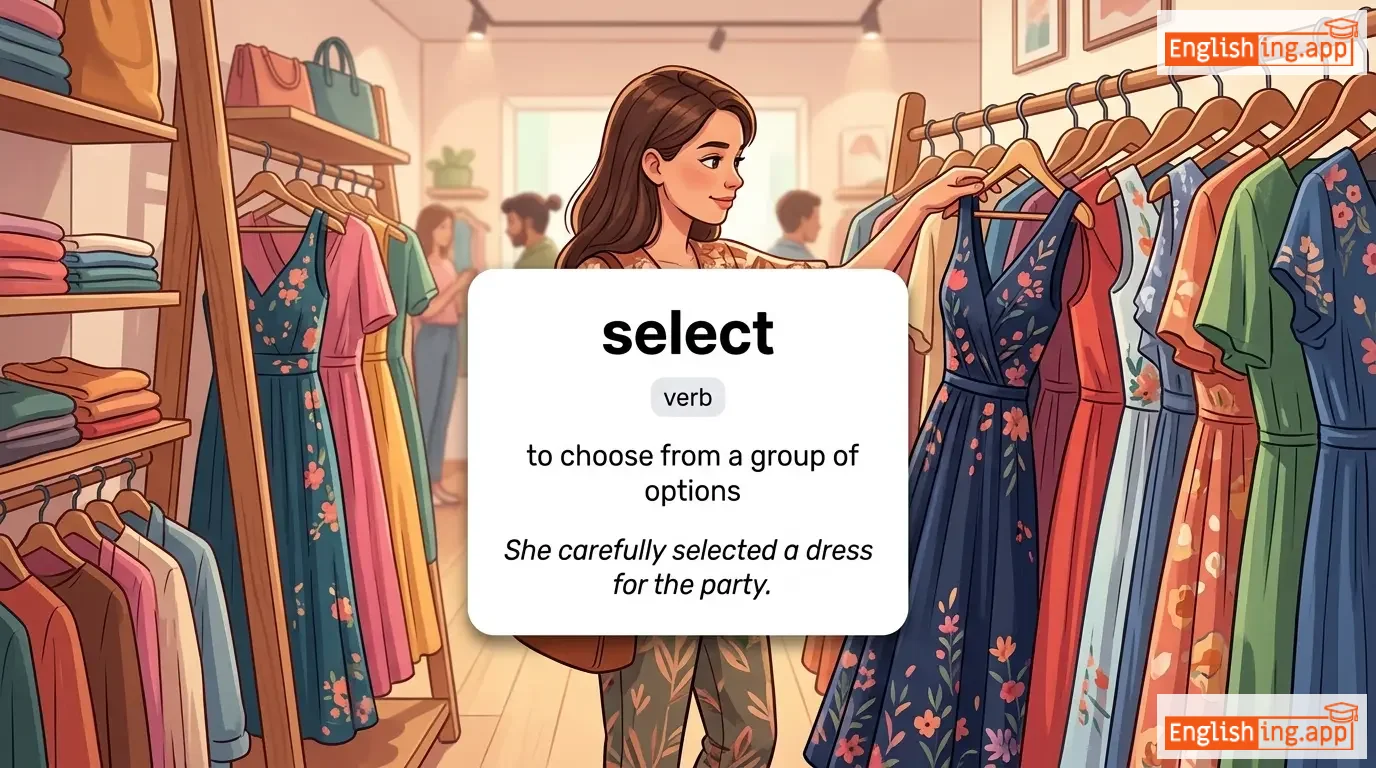
/sɪˈlɛkt/
verb
(セレクト)
••••••
|
|
選択する
sentaku suru
••••••
|
selected
セレクテッド
••••••
|
selected
セレクテッド
••••••
|
selects
セレクツ
••••••
|
selecting
セレクティング
••••••
|
to choose from a group of options
••••••
|
She carefully selected a dress for the party.
彼女はパーティーのために慎重にドレスを選びました。
••••••
|
彼女はパーティーのために慎重にドレスを選びました。
Kanojo wa pātī no tame ni shinchō ni doresu o erabimashita.
••••••
|
select few
select few
••••••
|
a small, special group of people or things
••••••
|
select few
select few
••••••
|
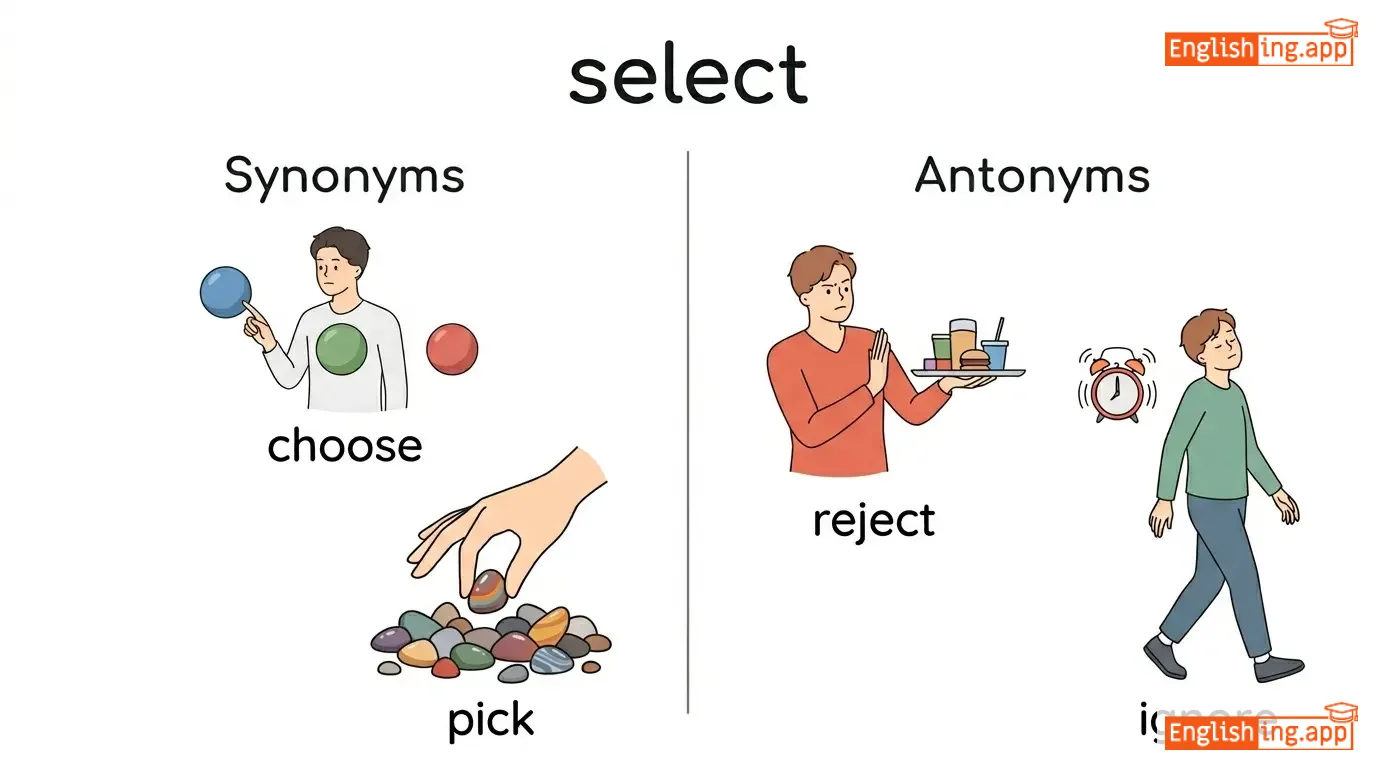
choose, pick, opt, elect, decide
••••••
|
reject, ignore, refuse
••••••
|
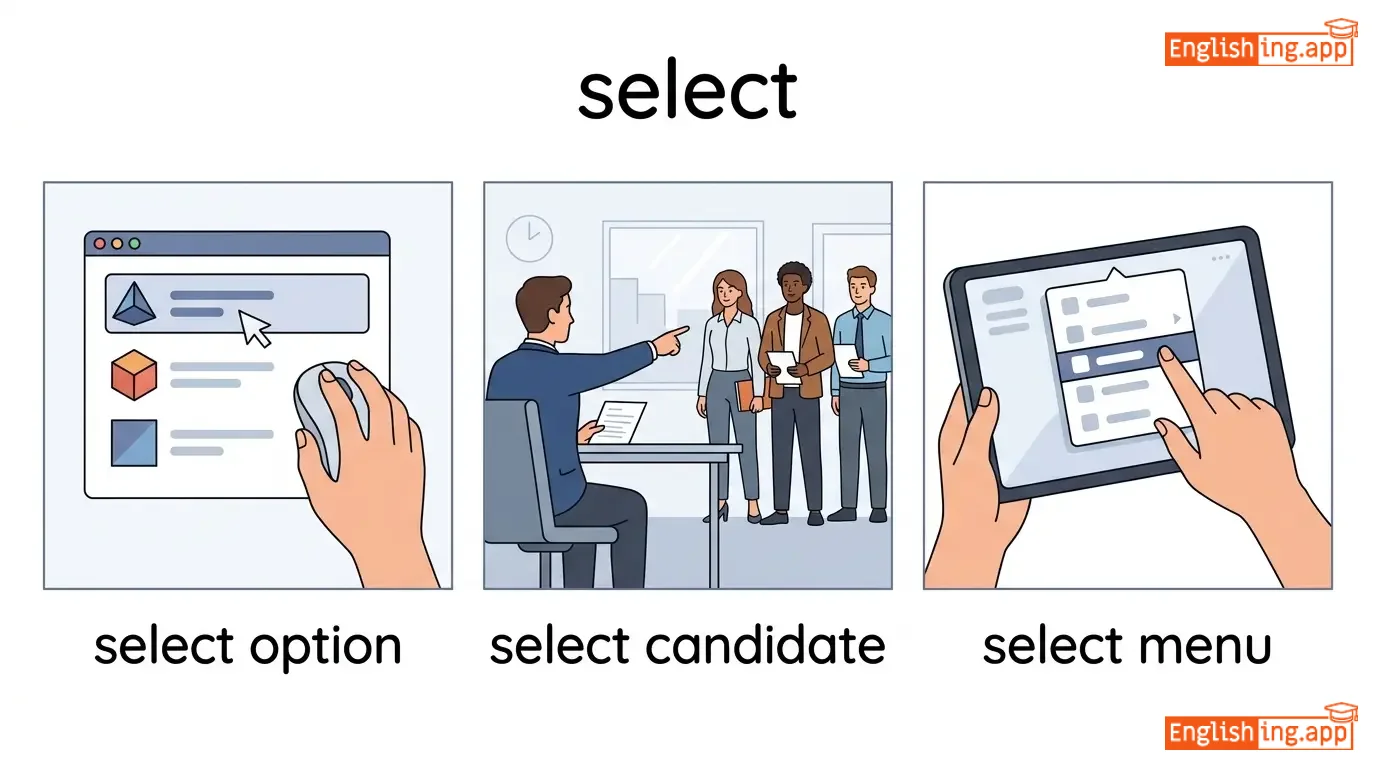
select option, select candidate, select menu, select group
••••••
|
Selectは選択すること:テストで正しい答えを選ぶようなものです
••••••
|
|
#10170
🔍
|
/siːk/
verb
(シーク)
••••••
|
- •••••• |
求める
motsumeru
••••••
|
sought
ソウト
••••••
|
sought
ソウト
••••••
|
seeks
シークス
••••••
|
seeking
シーキング
••••••
|
to try to find or obtain something; to attempt or desire to achieve
••••••
|
He decided to seek advice from his mentor.
彼はメンターからアドバイスを求めることに決めました。
••••••
|
彼はメンターからアドバイスを求めることに決めました。
Kare wa mentā kara adobaisu o motomeru koto ni kimemashita.
••••••
|
seek the truth
真実を求める
••••••
|
to try to discover or understand the truth
••••••
|
真実を求める
shinjitsu o motomeru
••••••
|
search, pursue, request, inquire, strive
••••••
|
ignore, avoid, reject
••••••
|
seek help, seek advice, seek approval, seek shelter
••••••
|
Seekは求めるという意味です – 海で宝物を探すようなものです。
••••••
|
|
#10171
⏱️
|
/ˈsekənd/
noun
••••••
|
- •••••• | - •••••• | - •••••• | - •••••• | - •••••• | - •••••• |
a unit of time equal to one sixtieth of a minute; also the position after first
••••••
|
He finished the race in second place. |
- •••••• |
in a second |
very quickly; almost immediately
••••••
|
- •••••• |
moment, instant, rank, position
••••••
|
first, last
••••••
|
second chance, second place, second time
••••••
|
No •••••• |
|
#10172
🔍
|
/sɜːrtʃ/
verb
(サーチ)
••••••
|
|
検索
kensaku
••••••
|
searched
サーチド
••••••
|
searched
サーチド
••••••
|
searches
サーチズ
••••••
|
searching
サーチング
••••••
|
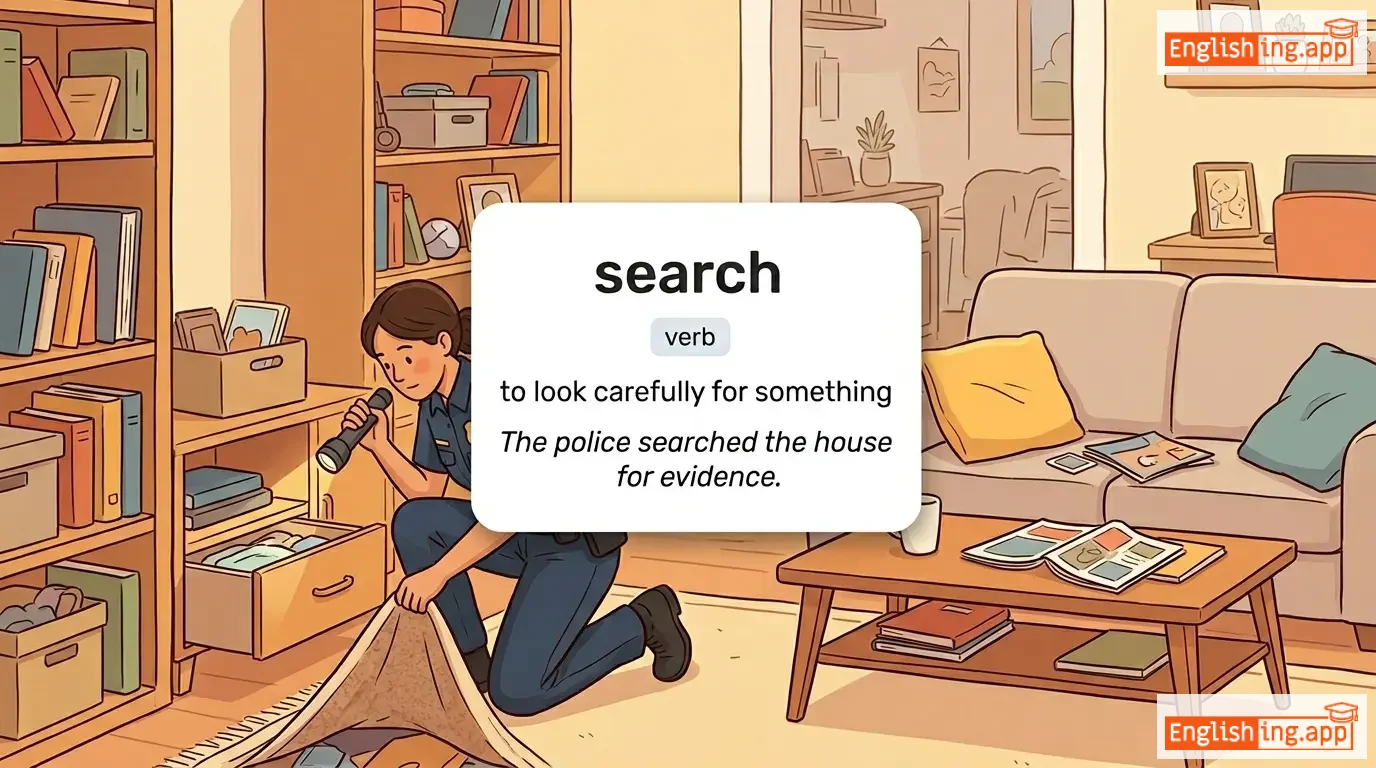
to look carefully for something
••••••
|
The police searched the house for evidence.
警察は証拠を探すために家をサーチしました。
••••••
|
警察は証拠を探すために家を捜索しました。
Keisatsu wa shouko wo sagasu tame ni ie wo sousaku shimashita.
••••••
|
search high and low
サーチ ハイ アンド ロー
••••••
|
to look everywhere
••••••
|
どこでも探す
dokodemo sagasu
••••••
|
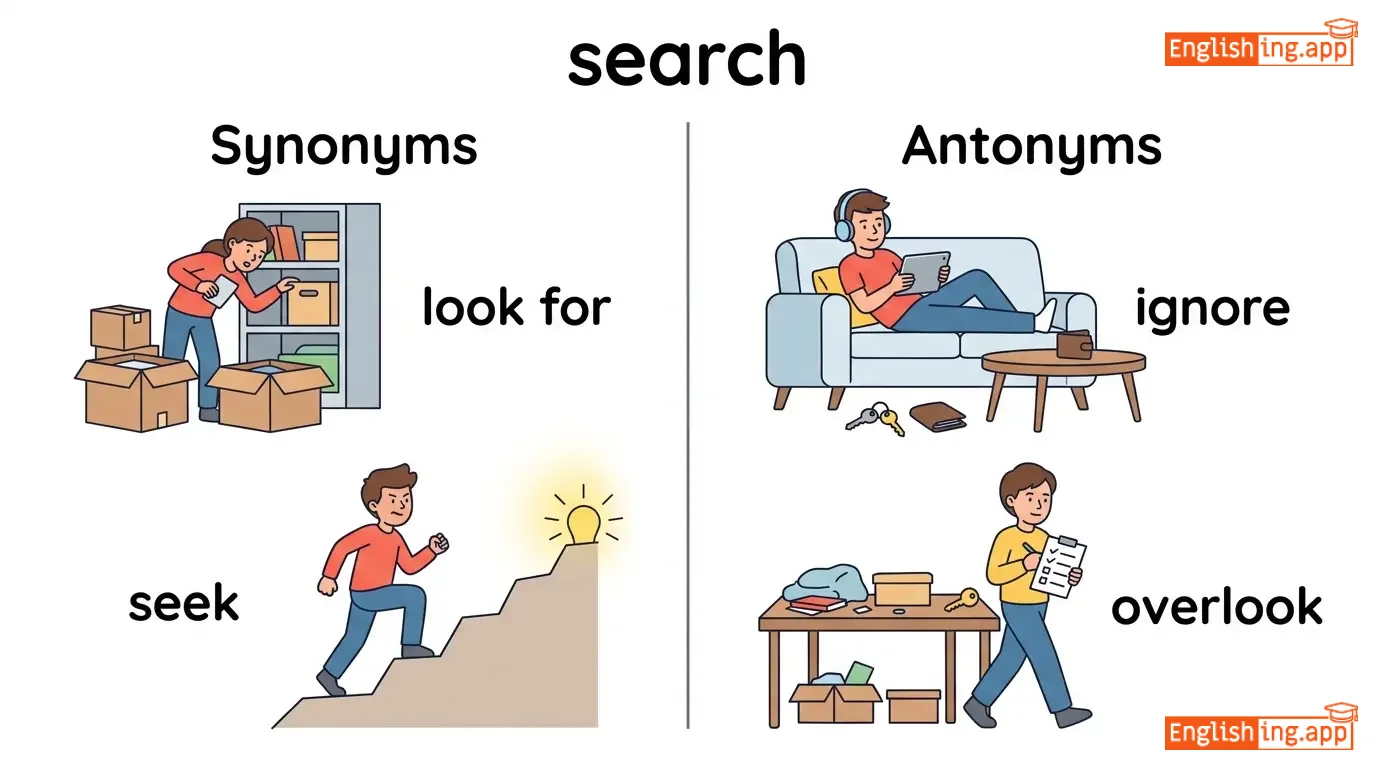
look for, seek, explore, investigate, hunt
••••••
|
ignore, overlook, neglect
••••••
|
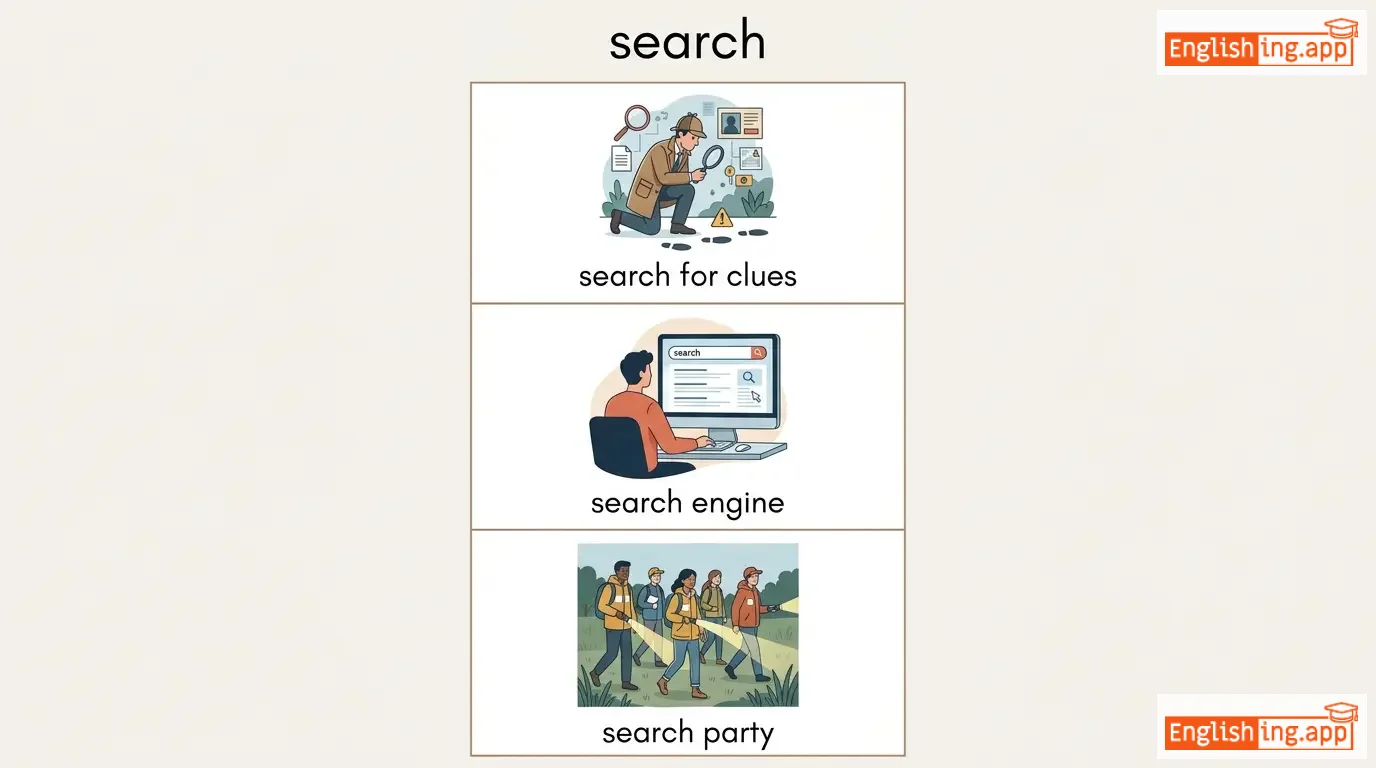
search for clues, search engine, search party
••••••
|
Googleで検索すると、すべてを探すことができる – 検索は探すこと
••••••
|
|
#10173
🍰
|
/ˈskrʌmpʃəs/
adjective
(スクランプシャス)
••••••
|
- •••••• |
美味しい
oishii
••••••
|
- •••••• | - •••••• | - •••••• | - •••••• |
extremely tasty or delicious
••••••
|
She baked a scrumptious chocolate cake for the party. |
彼女はパーティーのために美味しいチョコレートケーキを焼きました。
Kanojo wa pātī no tame ni oishii chokorēto kēki o yakimashita.
••••••
|
- •••••• | - •••••• | - •••••• |
delicious, tasty, yummy, mouthwatering, flavorful
••••••
|
disgusting, tasteless, bland
••••••
|
scrumptious meal, scrumptious cake, scrumptious dinner
••••••
|
Scrumptious は '美味しい' で、特に美味しい食べ物を意味します。
••••••
|
|
#10174
🦴
|
/ˈskrɔːni/
adjective
(スクローニー)
••••••
|
- •••••• |
痩せ細った
yasesotta
••••••
|
- •••••• | - •••••• | - •••••• | - •••••• |
very thin and bony, often looking unhealthy
••••••
|
The scrawny boy could barely lift the heavy bag. |
その痩せ細った少年は重いバッグをほとんど持ち上げることができなかった。
Sono yasesotta shōnen wa omoi baggu o hotondo mochiageru koto ga dekinakatta.
••••••
|
- •••••• | - •••••• | - •••••• |
skinny, thin, gaunt, lean, undernourished
••••••
|
fat, chubby, plump
••••••
|
scrawny kid, scrawny arms, scrawny dog
••••••
|
Scrawnyは痩せ細ったことを意味します – 痩せ細った少年のように
••••••
|
|
#10175
🪒
|
/skreɪp/
verb
(スクリープ)
••••••
|
- •••••• |
擦る, 引っ掻く
suru, hikkaku
••••••
|
scraped
スクリープド
••••••
|
scraped
スクリープド
••••••
|
scrapes
スクリープス
••••••
|
scraping
スクリーピング
••••••
|
to remove or damage the surface of something by rubbing or scratching; to collect something by effort
••••••
|
He scraped his knee while playing football.
彼はサッカーをしているときに膝を擦りむきました。
••••••
|
彼はサッカーをしているときに膝を擦りむきました。
Kare wa sakka wo shite iru toki ni hiza wo surimukimashita.
••••••
|
scrape through
スクレイプススルー
••••••
|
to succeed with difficulty
••••••
|
何とか通過する
nantoka tsūka suru
••••••
|
scratch, rub, graze, collect, scuff
••••••
|
polish, smooth, protect
••••••
|
scrape the surface, scrape together, scrape by, scrape off
••••••
|
擦る-サッカーをしているときに膝を擦りむく
••••••
|
|
#10176
🌪️
|
/ˈskætərd/
adjective
(スキャタード)
••••••
|
- •••••• |
散らばった
chirabatta
••••••
|
- •••••• | - •••••• | - •••••• | - •••••• |
Spread irregularly or widely in different directions.
••••••
|
The toys were scattered all over the floor. |
おもちゃは床に散らばっていた。
Omocha wa yuka ni chirabatte ita.
••••••
|
scattered thoughts |
Disorganized or unfocused thinking.
••••••
|
散らかった考え
Chirakatta kangae
••••••
|
dispersed, spread, messy, disorganized
••••••
|
gathered, organized, collected
••••••
|
scattered papers, scattered clouds, scattered across, scattered everywhere
••••••
|
Scatteredは、散らばっていることを意味します。紙が床に散らばっているようなものです。
••••••
|
|
#10177
💾
|
/seɪv/
verb
(セイヴ)
••••••
|
|
救う / 保存する
sukuu / hozon suru
••••••
|
saved
セイヴド
••••••
|
saved
セイヴド
••••••
|
saves
セイヴス
••••••
|
saving
セイヴィング
••••••
|
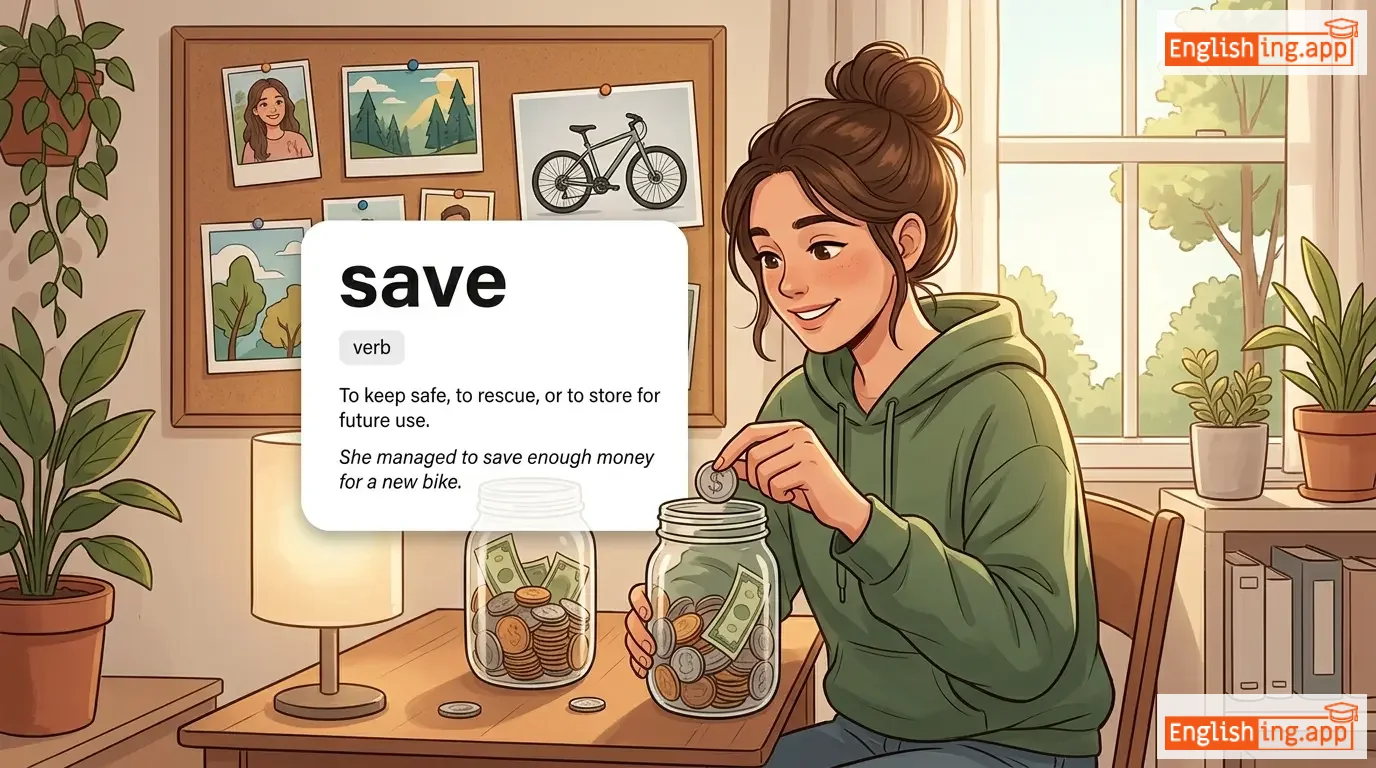
To keep safe, to rescue, or to store for future use.
••••••
|
She managed to save enough money for a new bike.
シー マネージド トゥ セイヴ イナフ マネー フォー ア ニュー バイク。
••••••
|
彼女は新しい自転車のために十分なお金を貯めることができた。
Kanojo wa atarashī jitensha no tame ni jūbun na okane o tameru koto ga dekita.
••••••
|
save the day
セイヴ ザ デイ
••••••
|
To prevent failure or disaster at the last moment.
••••••
|
その日を救う
sono hi o sukū
••••••
|
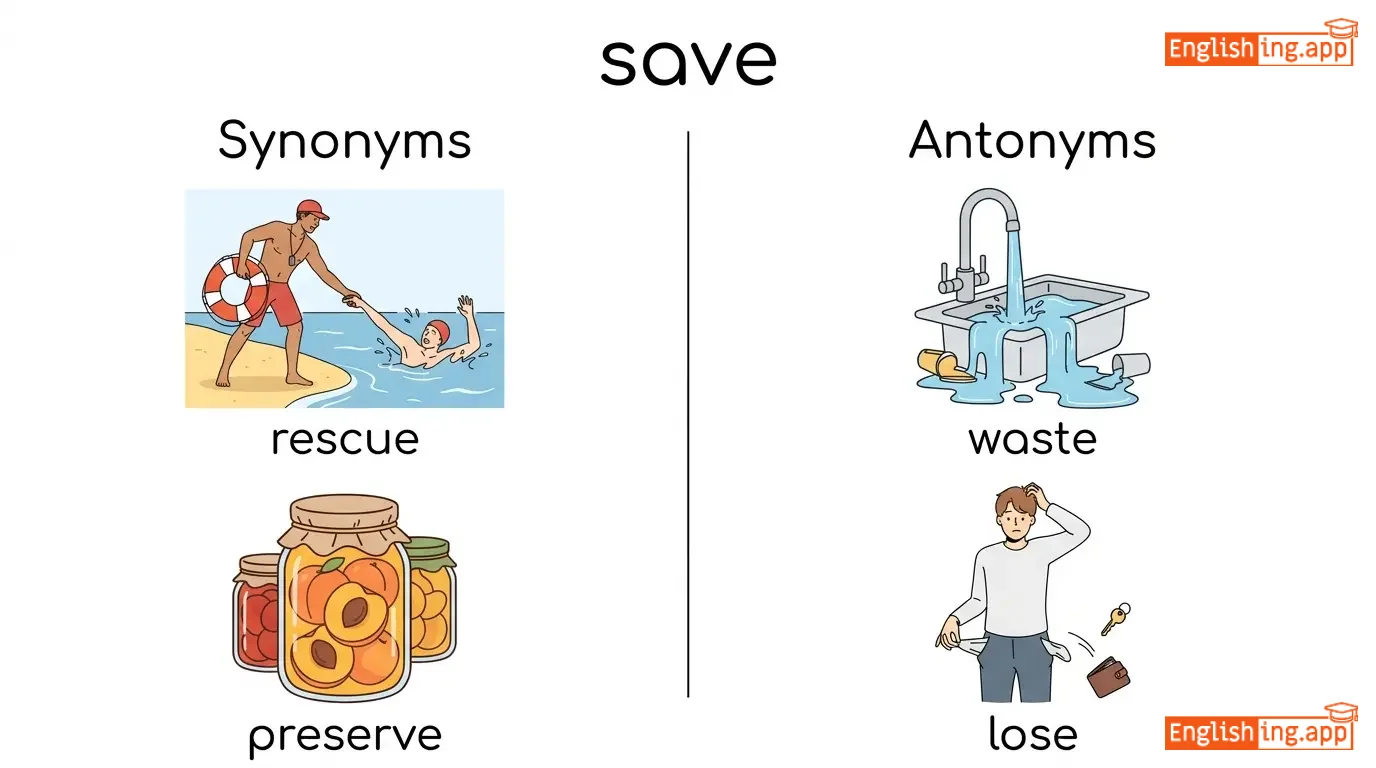
rescue, preserve, protect, conserve, store
••••••
|
waste, lose, spend
••••••
|
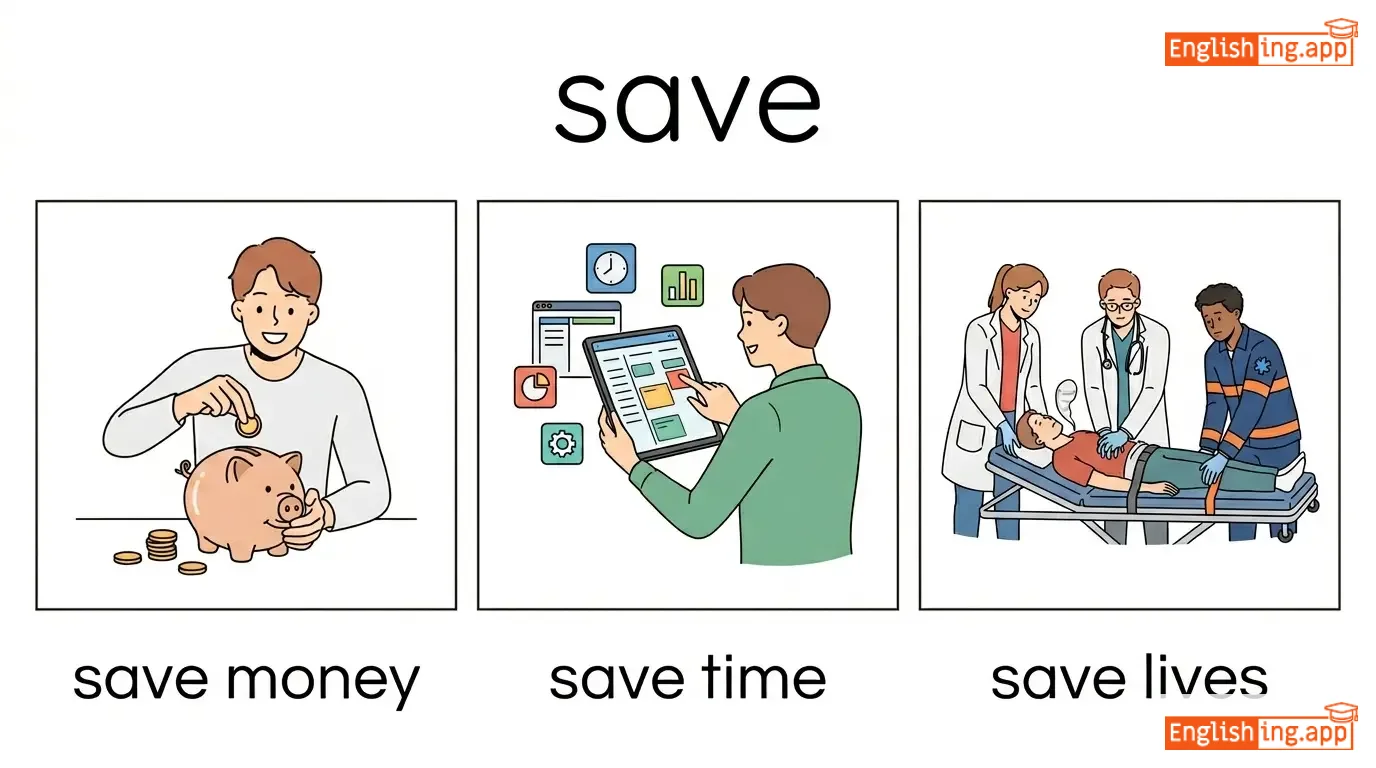
save money, save time, save lives, save energy
••••••
|
Saveはコンピュータでファイルを保存するようなものです。救うまたは保存する。
••••••
|
|
#10178
😜
|
/ˈsɔːsi/
adjective
(ソーシー)
••••••
|
- •••••• |
生意気な
namaiki na
••••••
|
- •••••• | - •••••• | - •••••• | - •••••• |
Boldly rude, cheeky, or playfully disrespectful.
••••••
|
The child gave a saucy reply to his teacher. |
その子は先生に生意気な返事をした。
Sono ko wa sensei ni namaiki na henji o shita.
••••••
|
- •••••• | - •••••• | - •••••• |
cheeky, impudent, bold, sassy
••••••
|
polite, respectful, humble
••••••
|
saucy remark, saucy grin, saucy reply, saucy smile
••••••
|
Saucy はピリッとした生意気な感じ。
••••••
|
|
#10179
😊
|
/ˈsætɪsfaɪd/
adjective
(サティスファイド)
••••••
|
- •••••• |
満足
manzoku
••••••
|
- •••••• | - •••••• | - •••••• | - •••••• |
Pleased or content with what has been achieved or received.
••••••
|
He felt satisfied after finishing his project. |
彼はプロジェクトを終えた後、満足していると感じた。
Kare wa purojekuto o oeta ato, manzoku shiteiru to kanjita.
••••••
|
satisfied customer |
A customer who is happy with the service or product.
••••••
|
満足した顧客
manzoku shita kokyaku
••••••
|
content, pleased, fulfilled, gratified
••••••
|
dissatisfied, unhappy, displeased
••••••
|
satisfied with, fully satisfied, satisfied customer, satisfied smile
••••••
|
Satisfied は 'Sat' + 'is' + 'fine' → すべてがうまくいったので彼は満足していました。
••••••
|
|
#10180
🔍
|
/rɪˈviːl/
verb
(リヴェール)
••••••
|
|
明かす
akasu
••••••
|
revealed
リヴェールド
••••••
|
revealed
リヴェールド
••••••
|
reveals
リヴェールズ
••••••
|
revealing
リヴェーリング
••••••
|
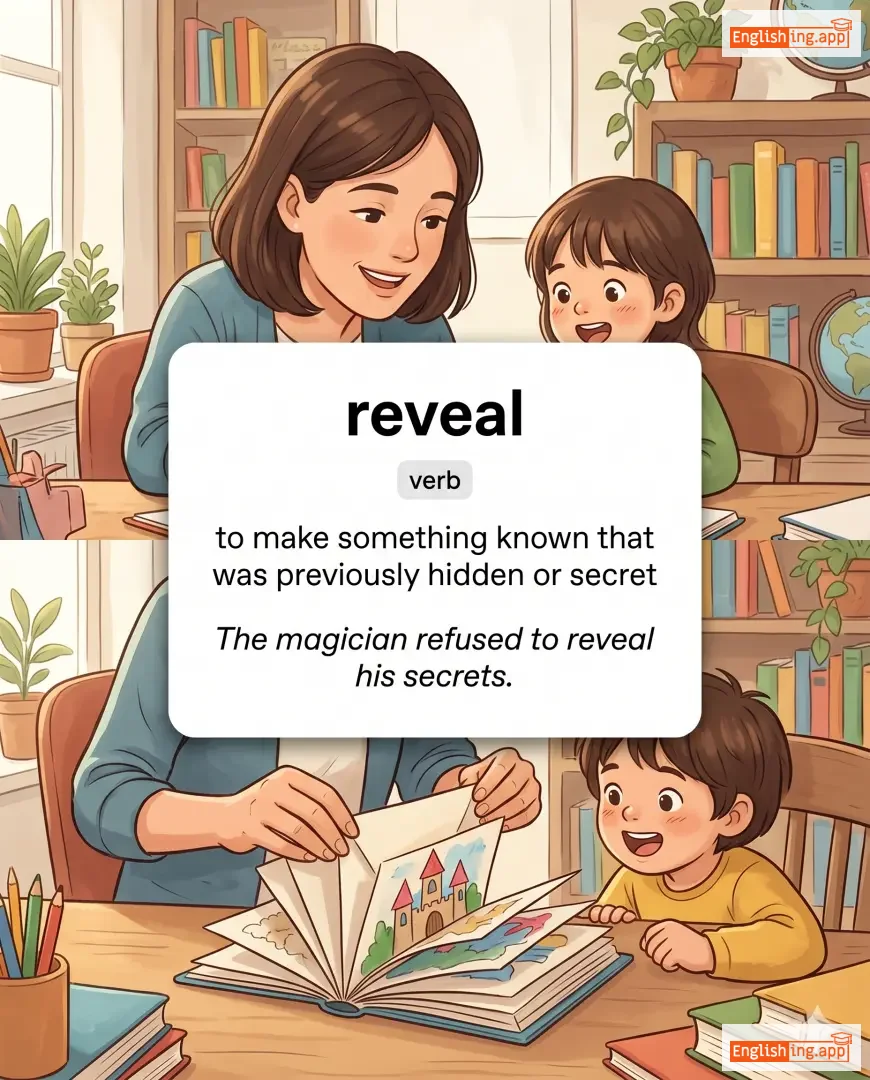
to make something known that was previously hidden or secret
••••••
|
The magician refused to reveal his secrets.
魔法使いは彼の秘密を明かすことを拒否した。
••••••
|
魔法使いは彼の秘密を明かすことを拒否した。
Mahōtsukai wa kare no himitsu wo akasu koto wo kyohi shita.
••••••
|
reveal the truth
真実を明かす
••••••
|
to disclose or make the truth known
••••••
|
真実を明かす
shinjitsu wo akasu
••••••
|
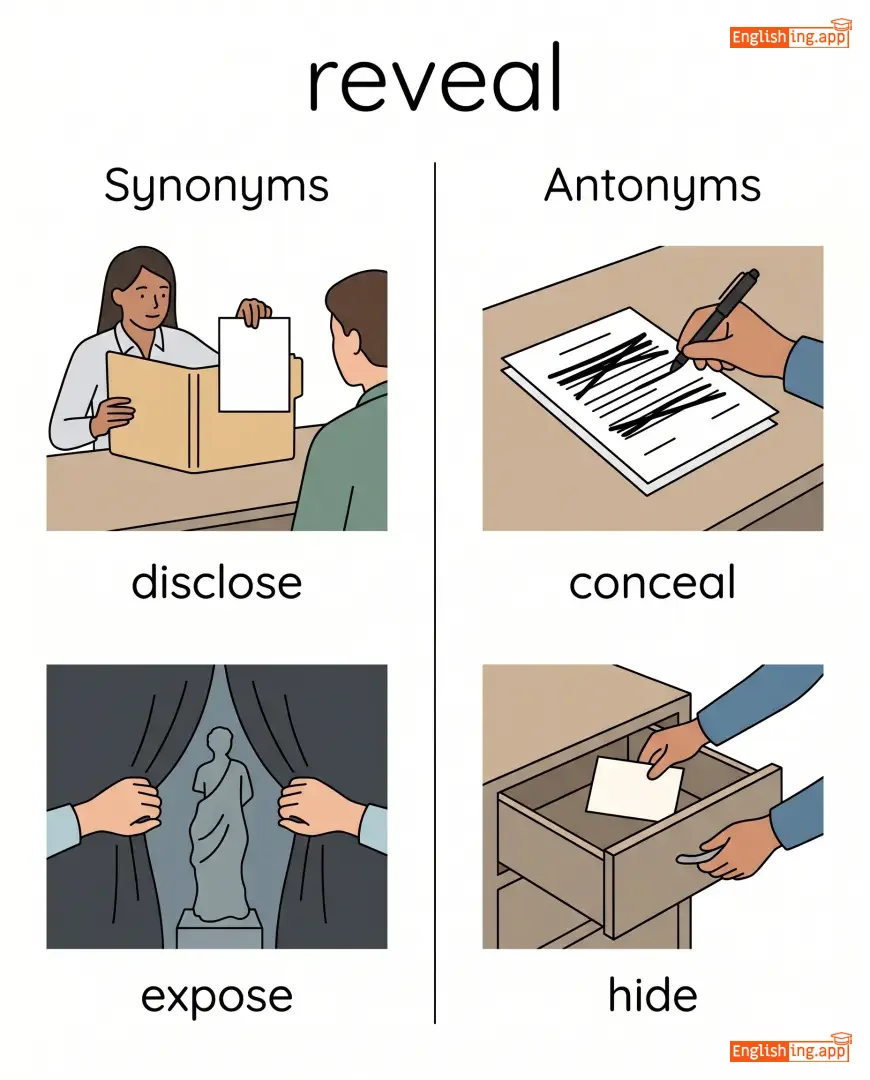
disclose, expose, uncover, unveil, show
••••••
|
conceal, hide, cover
••••••
|
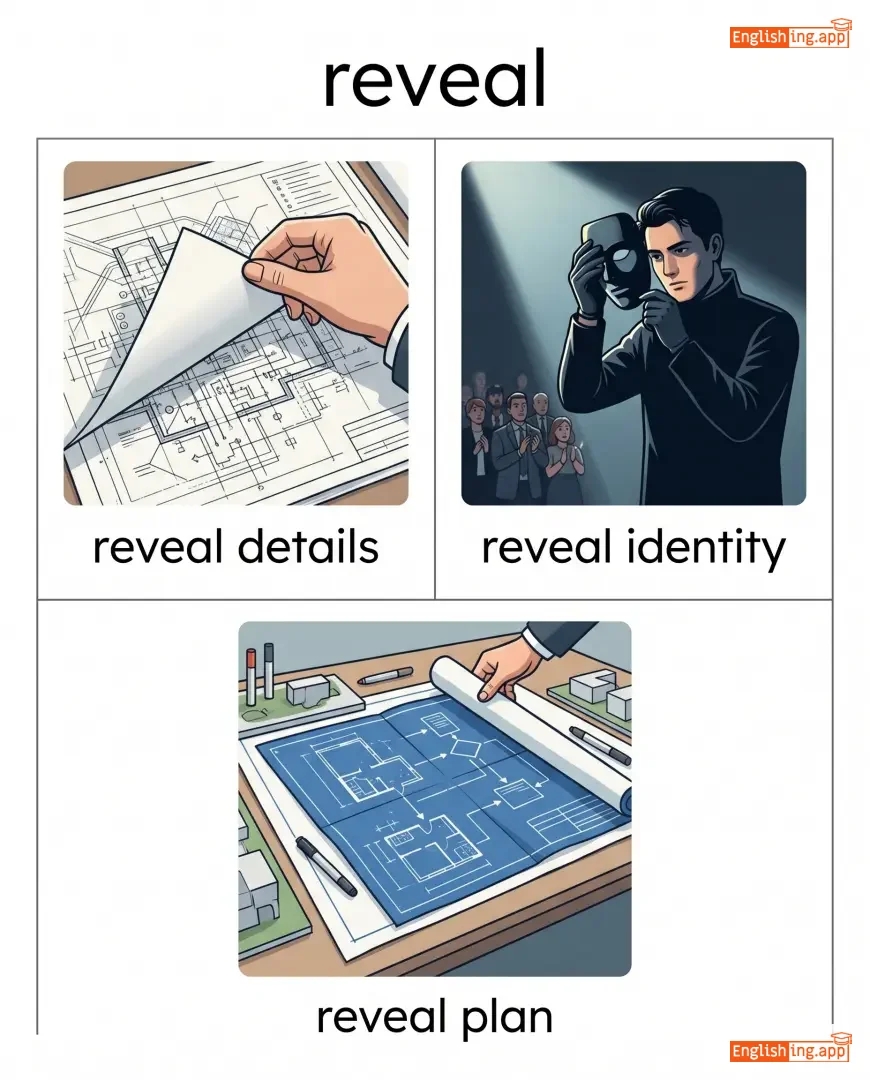
reveal details, reveal identity, reveal plan, reveal evidence
••••••
|
リヴェールは隠れていたものを明かすことだ!
••••••
|
|
#10181
➖
|
/seɪm/
adjective
(セイム)
••••••
|
- •••••• |
同じ
onaji
••••••
|
- •••••• | - •••••• | - •••••• | - •••••• |
identical; not different or changed
••••••
|
We wore the same dress at the party. |
私たちはパーティーで同じドレスを着ていました。
Watashitachi wa pātii de onaji doresu o kite imashita.
••••••
|
same old story |
a situation that is familiar and often disappointing
••••••
|
いつもの話
itsumono hanashi
••••••
|
identical, equal, similar, alike
••••••
|
different, distinct, varied
••••••
|
same time, same day, same place, same dress
••••••
|
Sameは同じ意味—同じもの、いつでも同じ!
••••••
|
|
#10182
😢
|
/sæd/
adjective
(サッド)
••••••
|
- •••••• |
悲しい
kanashii
••••••
|
- •••••• | - •••••• | - •••••• | - •••••• |
feeling or showing sorrow; unhappy
••••••
|
She felt sad after hearing the bad news. |
悪いニュースを聞いて、彼女は悲しい気持ちになった。
Warui nyūsu wo kiite, kanojo wa kanashii kimochi ni natta.
••••••
|
sad but true |
something that is unfortunate but factual
••••••
|
悲しいけど、真実
kanashii kedo, shinjitsu
••••••
|
unhappy, sorrowful, depressed, gloomy
••••••
|
happy, joyful, cheerful
••••••
|
sad face, sad story, feel sad, sad news
••••••
|
Sad は悲しい意味—悪いニュースを聞くと悲しくなる。
••••••
|
|
#10183
⛪
|
/ˈsækrɪsti/
noun
(サクリスティ)
••••••
|
- •••••• |
サクリスティ
sakurisuti
••••••
|
- •••••• | - •••••• | - •••••• | - •••••• |
a room in a church where sacred vessels and vestments are kept
••••••
|
The priest entered the sacristy before the mass began. |
司祭はミサが始まる前にサクリスティに入った。
Shisai wa misa ga hajimaru mae ni sakurisuti ni haitta.
••••••
|
- •••••• | - •••••• | - •••••• |
vestry, chapel room, church room
••••••
|
hall, auditorium
••••••
|
church sacristy, enter sacristy, sacred sacristy
••••••
|
サクリスティは教会で聖なる物を保管する部屋です。
••••••
|
|
#10184
🙏
|
/ˈseɪkrɪd/
adjective
(セイクリッド)
••••••
|
- •••••• |
神聖な
shinsei na
••••••
|
- •••••• | - •••••• | - •••••• | - •••••• |
connected with God or a religion and considered holy or deserving respect
••••••
|
The temple is a sacred place for the community.
その寺院は地域社会にとって神聖な場所です。
••••••
|
その寺院は地域社会にとって神聖な場所です。
Sono jiin wa chiikishakai ni totte shinsei na basho desu.
••••••
|
sacred cow
神聖な牛
••••••
|
something considered immune from criticism or questioning
••••••
|
神聖な牛
shinsei na ushi
••••••
|
holy, divine, blessed, revered
••••••
|
profane, secular, unholy
••••••
|
sacred place, sacred duty, sacred text, sacred tradition
••••••
|
Sacred は神聖な意味、神聖な場所や神聖な牛のように。
••••••
|
|
#10185
📜
|
/ruːlz/
noun
(rūruzu)
••••••
|
- •••••• |
ルール
rūru
••••••
|
- •••••• | - •••••• | - •••••• | - •••••• |
explicit principles or regulations governing conduct or procedure within a particular area of activity
••••••
|
The teacher reminded the students to follow the classroom rules. |
先生は生徒にクラスのルールに従うように注意しました。
Sensei wa seito ni kurasu no rūru ni shitagau yō ni chūi shimashita.
••••••
|
rule of thumb |
a general principle derived from practice rather than theory
••••••
|
経験則
keiken-soku
••••••
|
regulations, laws, guidelines, policies, principles
••••••
|
chaos, disorder, anarchy
••••••
|
strict rules, follow rules, break rules, house rules, traffic rules
••••••
|
ルールは規則を意味し、学校でルールを守らないと罰せられる。
••••••
|
|
#10186
🙄
|
/ruːd/
adjective
(ルード)
••••••
|
- •••••• |
失礼
shitsurei
••••••
|
- •••••• | - •••••• | - •••••• | - •••••• |
Not having or showing respect; impolite
••••••
|
It was rude of him to interrupt the conversation. |
会話を遮るのは失礼です。
kaigi o saegiru no wa shitsurei desu.
••••••
|
rude awakening |
an unpleasant surprise or realization
••••••
|
失礼な目覚め
shitsurei na mezame
••••••
|
impolite, disrespectful, offensive, insolent, unmannerly
••••••
|
polite, respectful, courteous
••••••
|
rude behavior, rude comment, rude awakening, rude interruption
••••••
|
Rudeと失礼は同じ意味
••••••
|
|
#10187
🗑️
|
/ˈrʌbɪʃ/
noun
(ラビッシュ)
••••••
|
- •••••• |
ゴミ
gomi
••••••
|
- •••••• | - •••••• | - •••••• | - •••••• |
Waste material or unwanted things; something worthless
••••••
|
He threw the broken toys into the rubbish bin. |
彼は壊れたおもちゃをゴミ箱に捨てました。
Kare wa kowareta omocha o gomibako ni sutemashita.
••••••
|
talk rubbish |
to speak nonsense
••••••
|
無駄話をする
mudabanashi o suru
••••••
|
trash, garbage, litter, junk, waste
••••••
|
treasure, valuables
••••••
|
rubbish bin, collect rubbish, throw rubbish, rubbish talk
••••••
|
Rubbish はゴミ、ゴミはゴミ箱に捨てられる!
••••••
|
|
#10188
📢
|
/ˈraʊdi/
adjective
(raudi)
••••••
|
- •••••• |
騒々しい
souzoushii
••••••
|
- •••••• | - •••••• | - •••••• | - •••••• |
Noisy and disorderly; rough and disruptive
••••••
|
The rowdy crowd made it hard to hear the speaker.
騒々しい群衆は、スピーカーの声を聞くのを難しくしました。
••••••
|
騒々しい群衆は、スピーカーの声を聞くのを難しくしました。
Souzoushii gunshuu wa, supiikaa no koe o kiku no o muzukashiku shimashita.
••••••
|
- •••••• | - •••••• | - •••••• |
boisterous, noisy, unruly, loud, disruptive
••••••
|
quiet, calm, peaceful
••••••
|
rowdy crowd, rowdy behavior, rowdy students, rowdy party
••••••
|
Rowdyは騒がしい(騒音)+ dy → 騒々しい、乱雑
••••••
|
|
#10189
🛏️
|
/ruːm/
noun
(ルーム)
••••••
|
- •••••• |
部屋
heya
••••••
|
- •••••• | - •••••• | - •••••• | - •••••• |
A space within a building enclosed by walls, floor, and ceiling
••••••
|
She decorated her room with bright colors.
シー デコレーテッド ハー ルーム ウィズ ブライト カラーズ
••••••
|
彼女は明るい色で自分の部屋を飾りました。
kanojo wa akarui iro de jibun no heya o kazarimashita
••••••
|
room for improvement
ルーム フォー インプルーブメント
••••••
|
possibility or opportunity for making something better
••••••
|
改善の余地
kaizen no yochi
••••••
|
space, chamber, area, compartment, apartment
••••••
|
hall, outdoors
••••••
|
living room, bedroom, hotel room, empty room
••••••
|
Room → 部屋 heya — think of a neat Japanese room with tatami mats.
••••••
|
|
#10190
⚠️
|
/ˈrɪski/
adjective
••••••
|
- •••••• | - •••••• | - •••••• | - •••••• | - •••••• | - •••••• |
Involving the possibility of danger, harm, or loss
••••••
|
Investing in that startup is risky but could bring high rewards. |
- •••••• |
take a risky move |
to make a decision that involves significant risk
••••••
|
- •••••• |
dangerous, hazardous, uncertain, precarious, unsafe
••••••
|
safe, secure, certain
••••••
|
risky business, risky decision, risky move, risky investment
••••••
|
No •••••• |
|
#10191
✅
|
/raɪt/
noun, adjective, adverb
(ライト)
••••••
|
- •••••• |
権利
kenri
••••••
|
- •••••• | - •••••• | - •••••• | - •••••• |
something that is morally good, fair, or just; or a legal/entitled claim
••••••
|
Everyone has the right to free speech. |
誰もが自由な言論の権利を持っています。
Daremo ga jiyuu na genron no kenri o motteimasu.
••••••
|
human rights |
basic rights and freedoms that belong to every person
••••••
|
人権
jinken
••••••
|
justice, fairness, entitlement, claim
••••••
|
wrong, injustice
••••••
|
right to vote, right decision, human rights, right direction
••••••
|
権利は正義と法であり、✅ すべては権利によって正当化されます。
••••••
|
|
#10192
🗣️
|
/rɪˈtɔːrɪkəl/
adjective
(レトリカル)
••••••
|
- •••••• |
修辞的
shūjiteki
••••••
|
- •••••• | - •••••• | - •••••• | - •••••• |
relating to the art of effective or persuasive speaking or writing; often a question asked to make a point rather than get an answer
••••••
|
He asked a rhetorical question during the debate.
彼は討論中にレトリカルな質問をした。
••••••
|
彼は討論中に修辞的な質問をした。
Kare wa tōronchū ni shūjiteki na shitsumon o shita.
••••••
|
rhetorical question
レトリカルな質問
••••••
|
a question asked to make a point rather than to receive an answer
••••••
|
修辞的な質問
shūjiteki na shitsumon
••••••
|
oratorical, persuasive, stylistic, eloquent
••••••
|
unspoken, plain
••••••
|
rhetorical device, rhetorical style, rhetorical question
••••••
|
レトリカルは、答えを得るためでなく、ポイントを作るための質問です。
••••••
|
|
#10193
🤢
|
/rɪˈvoʊltɪŋ/
adjective
(リボルティング)
••••••
|
- •••••• |
むかつく
mukatsuku
••••••
|
- •••••• | - •••••• | - •••••• | - •••••• |
extremely unpleasant or disgusting
••••••
|
The smell of the garbage was revolting.
ザ スメル オブ ザ ガーベッジ ワズ リボルティング
••••••
|
ごみのにおいはむかつくほどだった。
gomi no nioi wa mukatsuku hodo datta
••••••
|
- •••••• | - •••••• | - •••••• |
disgusting, repulsive, offensive, vile
••••••
|
pleasant, delightful
••••••
|
revolting smell, revolting behavior, revolting sight
••••••
|
Revolting は聞くだけでむかつく感じがする。
••••••
|
|
#10194
🙏
|
/ˈrɛvərəns/
noun
(レヴァランス)
••••••
|
- •••••• |
尊敬
sonkei
••••••
|
- •••••• | - •••••• | - •••••• | - •••••• |
deep respect for someone or something
••••••
|
The students showed reverence to their teacher. |
学生たちは先生に尊敬を示した。
Gakusei-tachi wa sensei ni sonkei o shimeshita.
••••••
|
pay reverence |
to show respect or honor
••••••
|
敬意を表する
keii o hyousuru
••••••
|
respect, admiration, veneration, honor
••••••
|
disrespect, contempt
••••••
|
reverence for tradition, show reverence, pay reverence
••••••
|
尊敬は日本語で'尊い'から来ており、深い敬意を意味します。
••••••
|
Vocabulary Quiz
Test your vocabulary by matching words with their translations or meanings.
Login to take the quiz
Comments (0)
Share your thoughts and join the discussion.
Join the discussion by logging in
Login to CommentNo comments yet
Be the first to share your thoughts!