

翻訳
過去
過去分詞
三人称単数
動名詞
意味
例文
例文の翻訳
同義語
対義語
コロケーション
ニーモニック

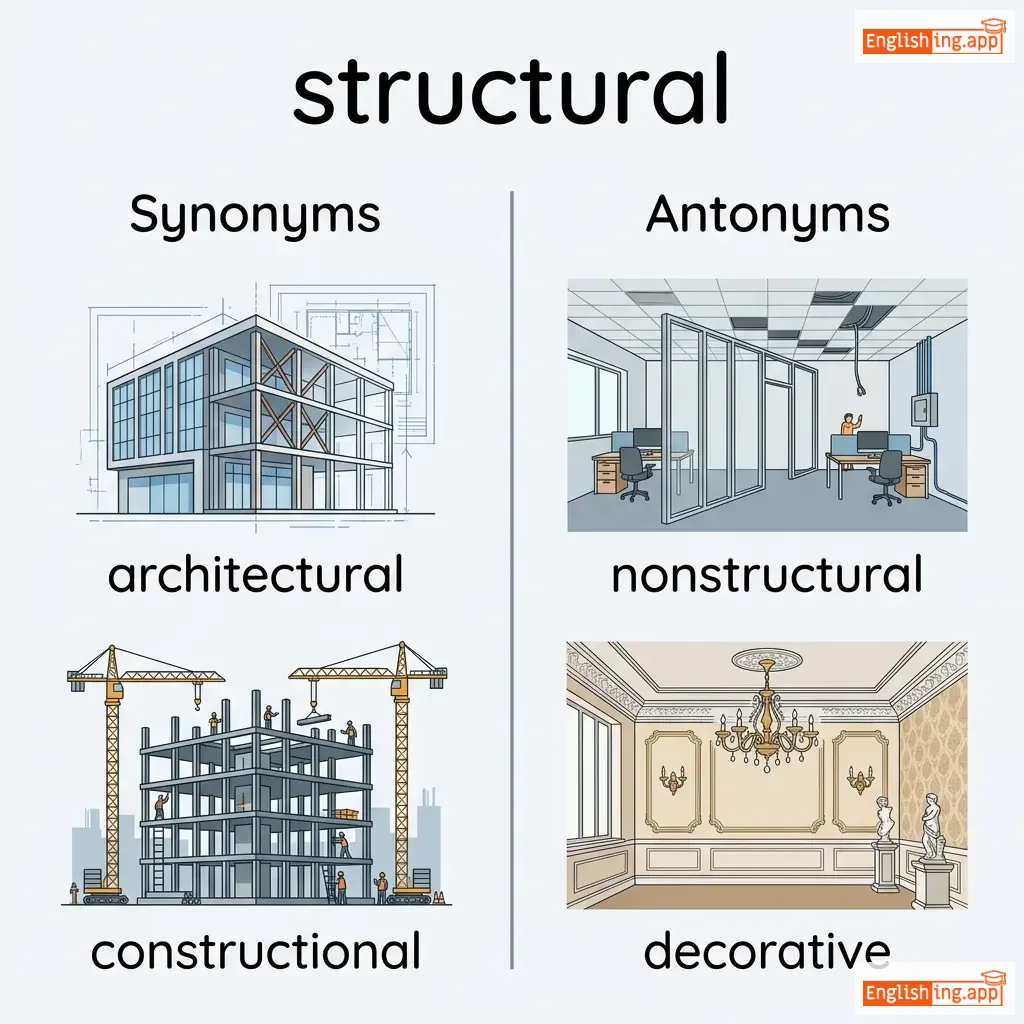
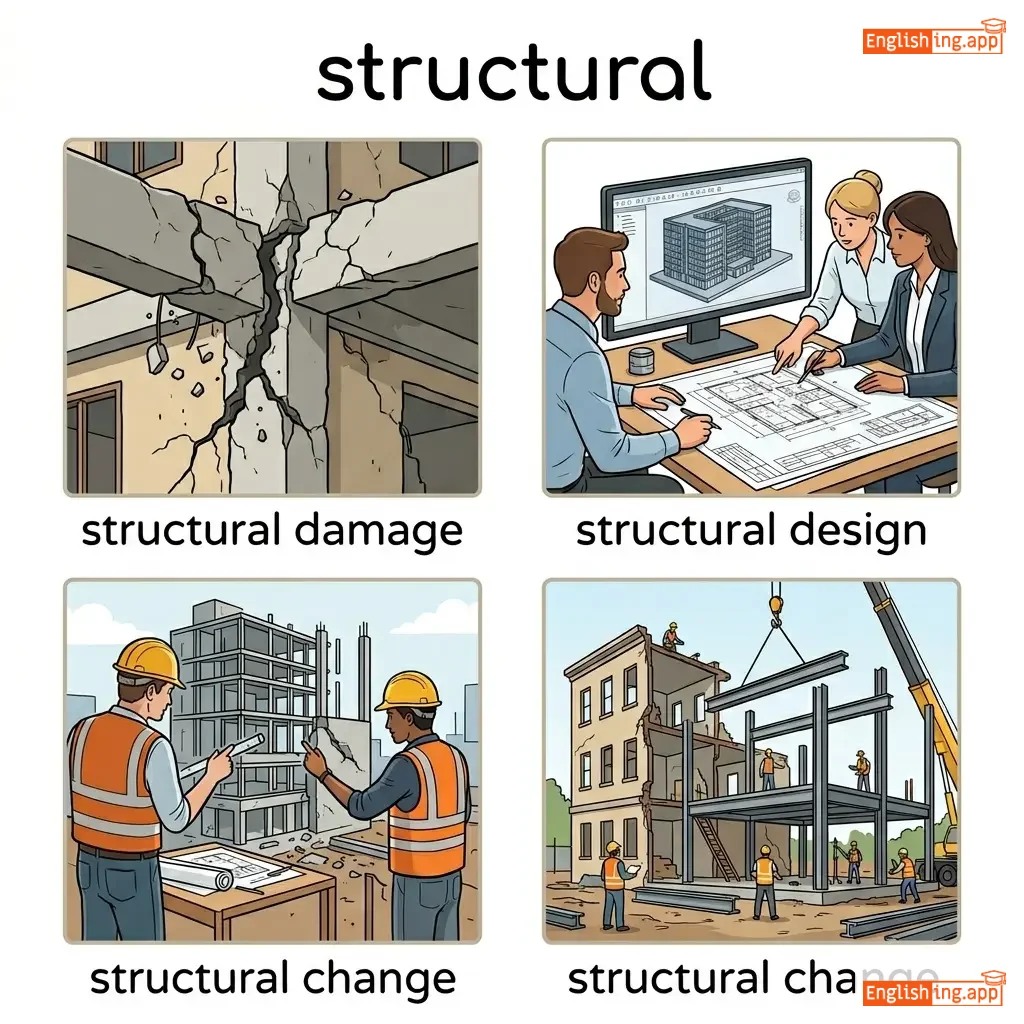
Swipe left or right, or use the buttons. Tap image to zoom.
例文の翻訳
単語
Lesson 439Lesson 439 - マスクトグル
|
絵文字
|
単語 | Images | 翻訳 | 過去 | 過去分詞 | 三人称単数 | 動名詞 | 意味 | 例文 | 例文の翻訳 | 表現例 | 表現例の意味 | 表現例の翻訳 | 同義語 | 対義語 | コロケーション | ニーモニック |
|---|---|---|---|---|---|---|---|---|---|---|---|---|---|---|---|---|---|
|
#1
🗽
|
/ˈstætʃuː/
noun
(スタチュー)
••••••
|
- •••••• |
像
zō
••••••
|
- •••••• | - •••••• | - •••••• | - •••••• |
a carved or cast figure of a person or animal, especially one that is life-size or larger
••••••
|
They built a statue of the national hero in the city square. |
彼らは都市広場に国民的英雄の像を建てました。
Karera wa toshi kōba ni kokumin-teki eiyū no zō o tatemashita.
••••••
|
as still as a statue |
completely motionless
••••••
|
像のように静止した
zō no yō ni seishi shita
••••••
|
sculpture, figure, effigy, monument, idol
••••••
|
none, living being
••••••
|
statue of liberty, bronze statue, marble statue, giant statue
••••••
|
Statue means statue of liberty 🗽 — 像はいつも静止している!
••••••
|
|
#1
🍼
|
/sʌk/
verb
(サク)
••••••
|
- •••••• |
吸う
suu
••••••
|
sucked
サクド
••••••
|
sucked
サクド
••••••
|
sucks
サックス
••••••
|
sucking
サキング
••••••
|
to draw something into the mouth by using the lips and tongue
••••••
|
The baby began to suck her thumb.
赤ちゃんは親指を吸い始めた。
••••••
|
赤ちゃんは親指を吸い始めた。
Akachan wa oyayubi o sui hajimeta.
••••••
|
suck it up
サクイットアップ
••••••
|
to accept something unpleasant without complaining
••••••
|
それを受け入れる
sore o ukeireru
••••••
|
sip, draw, ingest, slurp
••••••
|
spit, expel
••••••
|
suck up, suck out, suck in, suck on
••••••
|
赤ちゃんは親指を吸う、‘吸う’で覚えよう。
••••••
|
|
#1
🏘️
|
/səˈbɜːrbən/
adjective
(サバーバン)
••••••
|
- •••••• |
郊外の
kōgai no
••••••
|
- •••••• | - •••••• | - •••••• | - •••••• |
relating to or characteristic of a suburb or the people living there
••••••
|
They bought a house in a quiet suburban area. |
彼らは静かな郊外の地域に家を買いました。
Karera wa shizuka na kōgai no chiiki ni ie o kaimashita.
••••••
|
- •••••• | - •••••• | - •••••• |
residential, outlying, provincial, commuter
••••••
|
urban, rural
••••••
|
suburban area, suburban house, suburban life, suburban community
••••••
|
郊外の意味は都市の外れ — 郊外エリア。
••••••
|
|
#1
🏘️
|
/ˈsʌbɜːb/
noun
(サバーブ)
••••••
|
- •••••• |
郊外
kougai
••••••
|
- •••••• | - •••••• | - •••••• | - •••••• |
an area outside the center of a city, often residential
••••••
|
They bought a new house in a quiet suburb. |
彼らは静かな郊外に新しい家を買いました。
Karera wa shizukana kōgai ni atarashī ie o kaimashita.
••••••
|
in the suburbs |
living in a residential area outside the city center
••••••
|
郊外で
kōgai de
••••••
|
residential area, outskirts, neighborhood, district
••••••
|
downtown, city center
••••••
|
quiet suburb, suburban area, live in the suburbs, suburb of Dhaka
••••••
|
Sub+urb は郊外、都市の外!
••••••
|
|
#1
🏗️
|
/ˈstrʌktʃərəl/
adjective
••••••
|
|
- •••••• | - •••••• | - •••••• | - •••••• | - •••••• |
relating to or forming part of the structure of something
••••••
|
Engineers found structural damage in the old bridge. |
- •••••• | - •••••• | - •••••• | - •••••• |
architectural, constructional, physical, organizational
••••••
|
nonstructural, decorative
••••••
|
structural damage, structural design, structural change, structural problem
••••••
|
No •••••• |
|
#1
✨
|
/ˈstraɪkɪŋ/
adjective
(sutoraikingu)
••••••
|
- •••••• |
印象的な
inshouteki na
••••••
|
- •••••• | - •••••• | - •••••• | - •••••• |
very noticeable or impressive in appearance or effect
••••••
|
Her striking beauty caught everyone's attention.
彼女の印象的な美しさは皆の注目を集めました。
••••••
|
彼女の印象的な美しさは皆の注目を集めました。
Kanojo no inshouteki na utsukushisa wa mina no chuumoku o atsumemashita.
••••••
|
- •••••• | - •••••• | - •••••• |
impressive, remarkable, stunning, eye-catching, extraordinary
••••••
|
ordinary, dull, plain
••••••
|
striking resemblance, striking difference, striking contrast, striking beauty
••••••
|
Strikingは日本語で印象的—それは強く印象に残るもの!
••••••
|
|
#1
🚫
|
/ˈstrɪktli/
adverb
(sutorikuto ri)
••••••
|
- •••••• |
厳密に
genmitsu ni
••••••
|
- •••••• | - •••••• | - •••••• | - •••••• |
in a way that follows rules or limits completely
••••••
|
Smoking is strictly prohibited inside the building. |
建物内での喫煙は厳密に禁止されています。
Tatemono nai de no kitsuen wa genmitsu ni kinshi sareteimasu.
••••••
|
strictly speaking |
to be precise or accurate about something
••••••
|
厳密に言えば
genmitsu ni ieba
••••••
|
rigidly, severely, firmly, tightly
••••••
|
loosely, casually, freely
••••••
|
strictly prohibited, strictly controlled, strictly speaking, strictly confidential
••••••
|
Strictly は厳密に—strict ママが言っています‘Strictly no TV!’
••••••
|
|
#1
⚡
|
/striːk/
noun, verb
(ストリーク)
••••••
|
- •••••• |
線または筋; 指定された方向に非常に速く移動する
sen mata wa suji; shiteisareta hōkō ni hijō ni hayaku idō suru
••••••
|
streaked
ストリークド
••••••
|
streaked
ストリークド
••••••
|
streaks
ストリークス
••••••
|
streaking
ストリーキング
••••••
|
a long, thin line or mark; to move very quickly in a specified direction
••••••
|
Lightning streaked across the night sky.
稲妻が夜空を横切った。
••••••
|
稲妻が夜空を横切った。
Inazuma ga yozora o yokogitta.
••••••
|
on a winning streak
連勝中
••••••
|
experiencing a continuous period of success
••••••
|
連勝中
renshō-chū
••••••
|
line, stripe, flash, mark, dash
••••••
|
spot, blot
••••••
|
winning streak, lightning streak, hair streak, red streak
••••••
|
ストリークは線を意味する—まるで稲妻が夜空を突き抜けるように速く進んでいく!
••••••
|
|
#1
🥤
|
/strɔː/
noun
(ストロー)
••••••
|
- •••••• |
ストローまたは茎
sutorō mata wa kuki
••••••
|
- •••••• | - •••••• | - •••••• | - •••••• |
a thin tube for sucking up liquids; dried stalks of grain plants
••••••
|
She drank the juice through a straw. |
彼女はストローでジュースを飲んだ。
Kanojo wa sutorō de jūsu o nonda.
••••••
|
the last straw |
the final problem that makes a situation unbearable
••••••
|
最後の一滴
saigo no itteki
••••••
|
hay, stalk, tube, reed
••••••
|
liquid, metal
••••••
|
drink with straw, straw hat, straw mat, straw house
••••••
|
ストローで飲む 🥤, でも最後の一滴は我慢の限界!
••••••
|
|
#1
📏
|
/ˈstreɪtən/
verb
(ストレートン)
••••••
|
- •••••• |
整える
totonoeru
••••••
|
straightened
ストレートンド
••••••
|
straightened
ストレートンド
••••••
|
straightens
ストレートンス
••••••
|
straightening
ストレートニング
••••••
|
to make something straight or tidy; to correct or organize
••••••
|
She straightened her hair before the meeting.
会議の前に彼女は髪をストレートにした。
••••••
|
会議の前に彼女は髪を整えた。
Kaigi no mae ni kanojo wa kami o totonoeta.
••••••
|
straighten out
整理する
••••••
|
to resolve a problem or confusion
••••••
|
問題や混乱を解決する
mondai ya konran o kaiketsu suru
••••••
|
align, adjust, organize, fix, arrange
••••••
|
bend, twist
••••••
|
straighten hair, straighten up, straighten out, straighten posture
••••••
|
Straighten = 整える、髪を整えるみたいな感じで。
••••••
|
|
#1
🔥
|
/stoʊv/
noun
(ストーブ)
••••••
|
- •••••• |
ストーブ
sutōbu
••••••
|
- •••••• | - •••••• | - •••••• | - •••••• |
a device that produces heat for cooking or heating
••••••
|
She cooked rice on the gas stove. |
彼女はガスストーブでご飯を炊いた。
Kanojo wa gasu sutōbu de gohan o taita.
••••••
|
- •••••• | - •••••• | - •••••• |
oven, cooker, range, furnace
••••••
|
refrigerator, cooler
••••••
|
gas stove, electric stove, wood stove, stove burner
••••••
|
ストーブ = 暖かい火 🔥 — ストーブで料理して愛を見つけよう
••••••
|
|
#1
🛞
|
/stɪə(r)/
verb
(スティア)
••••••
|
- •••••• |
操縦する
soujusu
••••••
|
steered
スティアード
••••••
|
steered
スティアード
••••••
|
steers
スティアーズ
••••••
|
steering
スティアリング
••••••
|
to guide or control the movement of a vehicle, vessel, or person
••••••
|
He steered the car carefully through the narrow street.
彼は狭い通りを慎重に車をステアしました。
••••••
|
彼は狭い通りを慎重に車をステアしました。
Kare wa semai toori wo shinchou ni kuruma wo sutea shimashita.
••••••
|
steer clear of
クリアステア
••••••
|
to avoid someone or something
••••••
|
避ける
sakeru
••••••
|
guide, direct, navigate, control, pilot
••••••
|
neglect, ignore
••••••
|
steer the ship, steer the conversation, steer direction
••••••
|
操縦は運転のようなものです — 操縦する時に、あなたは道を示しています 🚗
••••••
|
|
#1
💨
|
/stiːm/
noun, verb
(スティーム)
••••••
|
- •••••• |
蒸気
jouki
••••••
|
steamed
スティームド
••••••
|
steamed
スティームド
••••••
|
steams
スティームス
••••••
|
steaming
スティーミング
••••••
|
the vapor into which water is converted when heated; to emit or treat with steam
••••••
|
The kettle was steaming on the stove.
ケトルはストーブで蒸気を発生させていた。
••••••
|
ケトルはストーブで蒸気を発生させていた。
Kettoru wa sutoobu de jouki wo hasse sasete ita.
••••••
|
let off steam
スチームを放出する
••••••
|
to release pent-up energy or emotions
••••••
|
たまったエネルギーや感情を放出する
tamatta enerugii ya kanjou wo houshutsu suru
••••••
|
vapor, mist, fume, moisture, fog
••••••
|
ice, freeze
••••••
|
steam engine, steam room, steam bath, hot steam
••••••
|
お茶を飲むとき、蒸気を感じてリラックス。
••••••
|
|
#1
🥩
|
/steɪk/
noun
(ステーキ)
••••••
|
- •••••• |
ステーキ
suteeki
••••••
|
- •••••• | - •••••• | - •••••• | - •••••• |
a thick slice of meat, typically beef, cooked by grilling or frying
••••••
|
He ordered a grilled steak with vegetables. |
彼は野菜と一緒にグリルされたステーキを注文しました。
Kare wa yasai to issho ni guriru sareta suteeki wo chuumon shimashita.
••••••
|
rare steak |
steak cooked lightly so that it remains red inside
••••••
|
レアステーキ
rea suteeki
••••••
|
meat slice, beef, chop, fillet
••••••
|
vegetable dish, vegan meal
••••••
|
grilled steak, beef steak, juicy steak, steak sauce
••••••
|
ステーキ — ジューシーで味わい深い肉の象徴!
••••••
|
|
#1
📈
|
/ˈstɛdɪli/
adverb
(ステディリー)
••••••
|
- •••••• |
着実に
chakujitsu ni
••••••
|
- •••••• | - •••••• | - •••••• | - •••••• |
in a regular and continuous way; without stopping or changing
••••••
|
The company's profits have been increasing steadily. |
会社の利益は着実に増加しています。
Kaisha no rieki wa chakujitsu ni zōka shiteimasu.
••••••
|
- •••••• | - •••••• | - •••••• |
consistently, gradually, continuously, regularly
••••••
|
suddenly, irregularly, inconsistently
••••••
|
grow steadily, increase steadily, rise steadily, work steadily
••••••
|
Steady は安定を意味する — だから steadily は着実にという意味です 📈
••••••
|
|
#1
😤
|
/spɪt/
verb
(スピット)
••••••
|
- •••••• |
唾を吐く
taba o haku
••••••
|
spat
スパット
••••••
|
spat
スパット
••••••
|
spits
スピッツ
••••••
|
spitting
スピッティング
••••••
|
to force liquid, especially saliva, out of the mouth
••••••
|
He spat on the ground in anger.
彼は怒りで地面に唾を吐いた。
••••••
|
彼は怒りで地面に唾を吐いた。
Kare wa ikari de jimen ni tuba o haita.
••••••
|
spit it out
吐き出せ
••••••
|
say something you have been reluctant to say
••••••
|
言ってしまえ
itte shimae
••••••
|
expectorate, eject, spew, expel
••••••
|
swallow, keep
••••••
|
spit on, spit out, spit blood, spit fire
••••••
|
唾を吐く = 口から出る 'spit' のように
••••••
|
|
#1
📊
|
/stəˈtɪstɪkəl/
adjective
(統計的)
••••••
|
- •••••• |
統計的
tokeiteki
••••••
|
- •••••• | - •••••• | - •••••• | - •••••• |
relating to the use or analysis of numerical data
••••••
|
The report provides statistical data about population growth. |
報告書は人口増加に関する統計データを提供しています。
Hōkokusho wa jinkō zōka ni kansuru tōkei dēta o teikyō shiteimasu.
••••••
|
- •••••• | - •••••• | - •••••• |
numerical, analytical, quantitative, data-based
••••••
|
qualitative, subjective
••••••
|
statistical analysis, statistical data, statistical method, statistical model
••••••
|
統計は数字に関するもの、だから statistical はその分析 📊
••••••
|
|
#1
🚀
|
/ˈstɑːtɪŋ/
verb
(スターティング)
••••••
|
- •••••• |
始める
hajimeru
••••••
|
- •••••• | - •••••• | - •••••• |
starting
スターティング
••••••
|
beginning to do or experience something
••••••
|
She is starting a new job next week.
彼女は来週、新しい仕事を始める。
••••••
|
彼女は来週、新しい仕事を始める。
Kanojo wa raishuu, atarashii shigoto o hajimeru.
••••••
|
starting from scratch
ゼロから始める
••••••
|
to begin from the very beginning without any advantage
••••••
|
ゼロから始める
Zero kara hajimeru
••••••
|
beginning, commencing, initiating, launching, opening
••••••
|
ending, finishing, concluding
••••••
|
starting point, starting line, starting salary, starting date
••••••
|
始める — 新しい冒険の始まりのようなものです!
••••••
|
|
#1
🍽️
|
/ˈstɑːrtər/
noun
(スターター)
••••••
|
- •••••• |
何かを始める人または物; 食事の最初の料理
nanika o hajimeru hito matawa mono; shokuji no saisho no ryōri
••••••
|
- •••••• | - •••••• | - •••••• | - •••••• |
a person or thing that starts something; the first course of a meal
••••••
|
The starter of the meal was a fresh salad. |
食事のスターターは新鮮なサラダでした。
Shokuji no sutātā wa shinsen na sarada deshita.
••••••
|
non-starter |
something that is not feasible or cannot succeed
••••••
|
- •••••• |
beginner, initiator, appetizer, originator, opener
••••••
|
finisher, ender
••••••
|
car starter, meal starter, engine starter, game starter
••••••
|
スターターは始めるもの、食事の最初の一皿、サラダのように!
••••••
|
|
#1
🧍
|
/stæns/
noun
(スタンス)
••••••
|
- •••••• |
立場
tachiba
••••••
|
- •••••• | - •••••• | - •••••• | - •••••• |
a person's attitude, opinion, or position on an issue
••••••
|
The company took a strong stance on environmental protection. |
その会社は環境保護に強い立場を取った。
Sono kaisha wa kankyō hogo ni tsuyoi tachiba o totta.
••••••
|
take a stance |
to adopt a definite position or opinion on a subject
••••••
|
立場を取る
tachiba o toru
••••••
|
position, viewpoint, attitude, perspective, opinion
••••••
|
neutrality, indecision
••••••
|
firm stance, political stance, defensive stance, moral stance
••••••
|
Stance は立場を意味する、今すぐあなたの立場を取ろう!
••••••
|
|
#1
🏟️
|
/ˈsteɪdiəm/
noun
••••••
|
- •••••• | - •••••• | - •••••• | - •••••• | - •••••• | - •••••• |
a large structure with seating for sports, concerts, or other events
••••••
|
Thousands of fans filled the stadium to watch the final match. |
- •••••• | - •••••• | - •••••• | - •••••• |
arena, ground, coliseum, field, amphitheater
••••••
|
none
••••••
|
football stadium, packed stadium, national stadium, open-air stadium
••••••
|
No •••••• |
|
#1
📚
|
/stæk/
verb
••••••
|
- •••••• | - •••••• |
stacked
••••••
|
stacked
••••••
|
stacks
••••••
|
stacking
••••••
|
to arrange things in a neat pile or one on top of another
••••••
|
He stacked the books neatly on the shelf. |
- •••••• |
stack up |
to accumulate or increase over time
••••••
|
- •••••• |
pile, heap, arrange, load, assemble
••••••
|
scatter, spread, disorganize
••••••
|
stack of papers, stack shelves, stack boxes, neatly stacked
••••••
|
No •••••• |
|
#1
👥
|
/skwɒd/
noun
(スクワッド)
••••••
|
- •••••• |
チーム
chiimu
••••••
|
- •••••• | - •••••• | - •••••• | - •••••• |
a small group of people organized for a specific purpose or task, often in the military or sports
••••••
|
The football squad trained hard before the championship match. |
サッカーチームはチャンピオンシップの試合の前に一生懸命練習した。
Sakkaa chiimu wa chanpionship no shiai no mae ni isshoukenmei renshuu shita.
••••••
|
squad goals |
an ideal or admirable group of friends or team that others aspire to be like
••••••
|
チーム目標
chiimu mokuhyou
••••••
|
team, crew, group, unit, party
••••••
|
individual, loner
••••••
|
football squad, police squad, squad member, training squad
••••••
|
チーム = 一緒に働くグループ、サッカーチームのように。
••••••
|
|
#1
🕵️♂️
|
/spaɪ/
verb
(supai)
••••••
|
- •••••• |
スパイする
supai suru
••••••
|
spied
supaid
••••••
|
spied
supaid
••••••
|
spies
supaizu
••••••
|
spying
supaiingu
••••••
|
to secretly collect information about a person, group, or country
••••••
|
He was caught spying on his neighbor through the window.
彼は窓越しに隣人をスパイしているところを捕まえられた。
••••••
|
彼は窓越しに隣人をスパイしているところを捕まえられた。
Kare wa madogoshi ni rinjin o supai shite iru tokoro o tsukamaerareta.
••••••
|
spy on someone
誰かをスパイする
••••••
|
to watch someone secretly
••••••
|
誰かをスパイする
dareka o supai suru
••••••
|
observe, watch, monitor, investigate, snoop
••••••
|
ignore, overlook
••••••
|
spy agency, spy mission, spy network, spy movie
••••••
|
Spyはスパイを意味します — 映画のスパイは秘密で観察します。
••••••
|
|
#1
🍰
|
/ˈsprɪŋkəl/
verb
••••••
|
- •••••• | - •••••• |
sprinkled
••••••
|
sprinkled
••••••
|
sprinkles
••••••
|
sprinkling
••••••
|
to scatter small drops or particles of a substance over a surface
••••••
|
She sprinkled sugar on top of the cake. |
- •••••• |
a sprinkle of something |
a small amount of something scattered or added
••••••
|
- •••••• |
scatter, dust, spread, disperse, scatter
••••••
|
gather, collect
••••••
|
sprinkle water, sprinkle salt, sprinkle sugar, sprinkle pepper
••••••
|
No •••••• |
|
#1
💦
|
/spreɪ/
verb
(スプレー)
••••••
|
- •••••• |
スプレーする
supuree suru
••••••
|
sprayed
スプレード
••••••
|
sprayed
スプレード
••••••
|
sprays
スプレイズ
••••••
|
spraying
スプレーイング
••••••
|
to apply liquid to something in a fine mist
••••••
|
She sprayed perfume on her wrist before leaving.
彼女は出かける前に手首に香水をスプレーしました。
••••••
|
彼女は出かける前に手首に香水をスプレーしました。
Kanojo wa dekakeru mae ni tekubi ni kōsui o supurē shimashita.
••••••
|
spray and pray
スプレーと祈り
••••••
|
to use a broad and unfocused approach hoping for success
••••••
|
スプレーと祈り
supurē to inori
••••••
|
mist, sprinkle, scatter, splash, atomize
••••••
|
collect, absorb, dry
••••••
|
spray paint, spray bottle, spray water, spray perfume
••••••
|
Spray はスプレーすること — 'スプレーで広がる香り!'
••••••
|
|
#1
💍
|
/spaʊs/
noun
(スパウス)
••••••
|
- •••••• |
配偶者
haiguusha
••••••
|
- •••••• | - •••••• | - •••••• | - •••••• |
a person's husband or wife
••••••
|
Each employee may include their spouse in the health insurance plan.
各従業員は配偶者を健康保険プランに含めることができます。
••••••
|
各従業員は配偶者を健康保険プランに含めることができます。
Kaku juugyouin wa haiguusha o kenkou hoken puran ni fukumeru koto ga dekimasu.
••••••
|
- •••••• | - •••••• | - •••••• |
partner, husband, wife, mate, consort
••••••
|
single, bachelor, spinster
••••••
|
loving spouse, faithful spouse, deceased spouse, legal spouse
••••••
|
Spouse は日本語で配偶者 — 夫または妻
••••••
|
|
#1
🥄
|
/spuːn/
noun
(スプーン)
••••••
|
- •••••• |
スプーン
supūn
••••••
|
- •••••• | - •••••• | - •••••• | - •••••• |
a utensil consisting of a small shallow bowl with a handle, used for eating, stirring, or serving food
••••••
|
She stirred her coffee with a silver spoon. |
彼女は銀のスプーンでコーヒーをかき混ぜました。
Kanojo wa gin no supūn de kōhī o kakimazemashita.
••••••
|
born with a silver spoon in one's mouth |
to be born into a wealthy and privileged family
••••••
|
銀のスプーンで生まれる
Gin no supūn de umareru
••••••
|
ladle, utensil, scoop, teaspoon, tablespoon
••••••
|
fork, knife
••••••
|
tea spoon, soup spoon, silver spoon, wooden spoon
••••••
|
スプーンで食べるのは簡単だよ – 覚えておいて 🥄
••••••
|
|
#1
💰
|
/ˈspɒnsər/
noun
(スポンサー)
••••••
|
- •••••• |
スポンサー
sponsor
••••••
|
- •••••• | - •••••• | - •••••• | - •••••• |
a person or organization that provides funds for a project or activity in exchange for publicity or support
••••••
|
The company became the main sponsor of the event. |
その会社はイベントの主要スポンサーとなった。
Sono kaisha wa ibento no shuyō sponsor to natta.
••••••
|
official sponsor |
the primary supporter or funder of an event
••••••
|
公式スポンサー
kōshiki sponsor
••••••
|
backer, patron, supporter, benefactor, funder
••••••
|
opponent, rival
••••••
|
event sponsor, corporate sponsor, title sponsor, sponsor agreement
••••••
|
Sponsor は資金を提供して支援する人 💰
••••••
|
|
#1
😠
|
/spaɪt/
noun
(スパイト)
••••••
|
- •••••• |
意地悪
ijiwaru
••••••
|
- •••••• | - •••••• | - •••••• | - •••••• |
a desire to hurt, annoy, or offend someone
••••••
|
She refused the gift out of spite. |
彼女は意地悪で贈り物を拒否した。
Kanojo wa ijiwaru de okurimono o kyohi shita.
••••••
|
in spite of |
despite something; regardless of
••••••
|
にもかかわらず
nimo kakawarazu
••••••
|
malice, resentment, bitterness, hostility
••••••
|
kindness, goodwill, compassion
••••••
|
out of spite, in spite of, spiteful remark, spite attack
••••••
|
Spite は '意地悪' と同じ — 何かに対して意地を張る時 😡
••••••
|
Vocabulary Quiz
Test your vocabulary by matching words with their translations or meanings.
Login to take the quiz
Comments (0)
Share your thoughts and join the discussion.
Join the discussion by logging in
Login to CommentNo comments yet
Be the first to share your thoughts!