

翻訳
過去
過去分詞
三人称単数
動名詞
意味
例文
例文の翻訳
同義語
対義語
コロケーション
ニーモニック
Swipe left or right, or use the buttons. Tap image to zoom.
例文の翻訳
単語
Lesson 359Lesson 359 - マスクトグル
|
絵文字
|
単語 | Images | 翻訳 | 過去 | 過去分詞 | 三人称単数 | 動名詞 | 意味 | 例文 | 例文の翻訳 | 表現例 | 表現例の意味 | 表現例の翻訳 | 同義語 | 対義語 | コロケーション | ニーモニック |
|---|---|---|---|---|---|---|---|---|---|---|---|---|---|---|---|---|---|
|
#10735
🤔
|
/ˈkjʊəriəs/
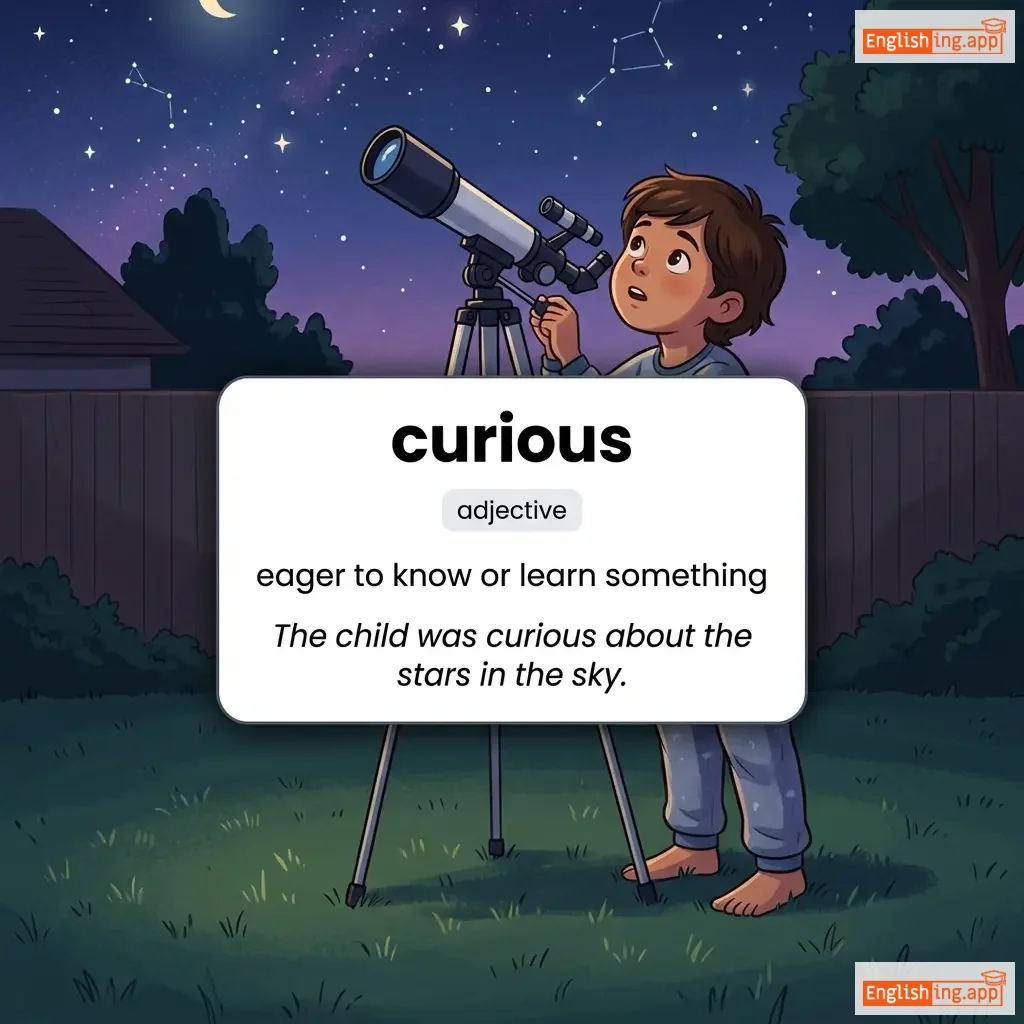
adjective
(キュリアス)
••••••
|
|
好奇心旺盛
koukishin ōse
••••••
|
- •••••• | - •••••• | - •••••• | - •••••• |
eager to know or learn something
••••••
|
The child was curious about the stars in the sky. |
その子は空の星に興味津々でした。
Sono ko wa sora no hoshi ni kyōmi shinshin deshita.
••••••
|
curiosity killed the cat |
being too inquisitive can lead to trouble
••••••
|
好奇心が猫を殺す
kōkishin ga neko o korosu
••••••
|
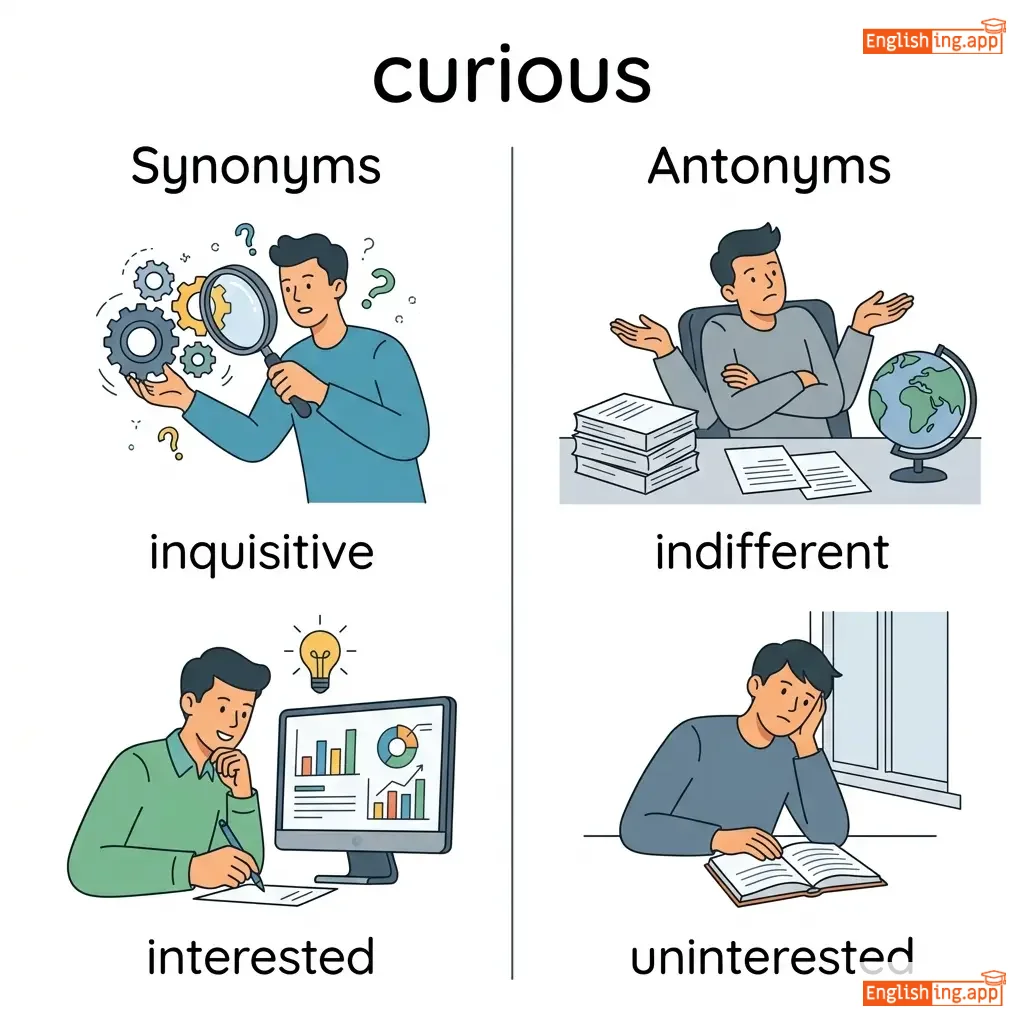
inquisitive, interested, eager, questioning
••••••
|
indifferent, uninterested
••••••
|
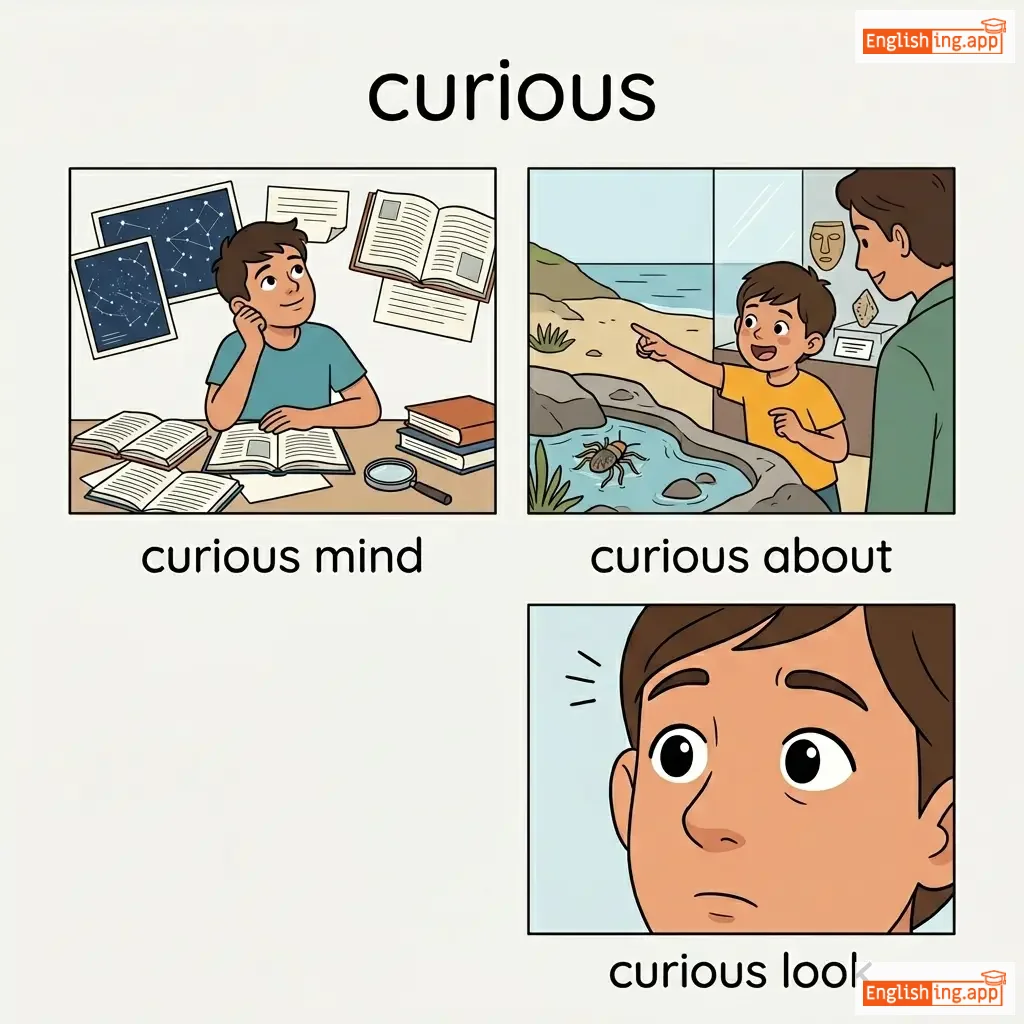
curious mind, curious about, curious look, curious case
••••••
|
好奇心旺盛は、’なに?’と何度も尋ねるようなものです。
••••••
|
|
#10736
👧
|
/ˈdɔːtər/
noun
(ドーター)
••••••
|
- •••••• |
娘
musume
••••••
|
- •••••• | - •••••• | - •••••• | - •••••• |
a female child in relation to her parents
••••••
|
They are proud of their daughter for graduating college. |
彼らは大学を卒業した娘を誇りに思っています。
Karera wa daigaku o sotsugyō shita musume o hokori ni omotteimasu.
••••••
|
apple of her father's eye |
a phrase used to describe a beloved daughter
••••••
|
父親の目の中のりんご
chichi no me no naka no ringo
••••••
|
girl child, offspring, child, descendant
••••••
|
son, parent
••••••
|
eldest daughter, only daughter, daughter-in-law, proud daughter
••••••
|
Daughter は娘を意味し、父親の目の中のりんごのようです。
••••••
|
|
#10737
📅
|
/deɪt/
noun/verb
••••••
|
- •••••• | - •••••• |
dated
••••••
|
dated
••••••
|
dates
••••••
|
dating
••••••
|
A particular day of the month or year; also, a social or romantic appointment.
••••••
|
They decided to meet on the date of her birthday. |
- •••••• |
blind date |
a romantic meeting with someone you have not met before
••••••
|
- •••••• |
day, appointment, meeting, outing
••••••
|
indefinite, timeless
••••••
|
set a date, important date, go on a date, due date
••••••
|
No •••••• |
|
#10738
📊
|
/ˈdeɪ.tə/ or /ˈdæt.ə/
noun
(データ)
••••••
|
- •••••• |
データ
deta
••••••
|
- •••••• | - •••••• | - •••••• | - •••••• |
Facts, statistics, or information collected for reference or analysis.
••••••
|
The scientists analyzed the data to find patterns. |
科学者たちはパターンを見つけるためにデータを分析しました。
Kagakusha-tachi wa patān o mitsukeru tame ni dēta o bunseki shimashita.
••••••
|
data-driven |
based on analysis of information or evidence
••••••
|
データ駆動
deta kudō
••••••
|
information, facts, statistics, figures
••••••
|
assumptions, guesses
••••••
|
collect data, analyze data, data set, process data
••••••
|
データ = 解決するために必要な情報を探す手がかり。
••••••
|
|
#10739
🌑
|
/ˈdɑːrk.nəs/
noun
(ダークネス)
••••••
|
- •••••• |
暗闇
kurayami
••••••
|
- •••••• | - •••••• | - •••••• | - •••••• |
The absence of light; the state of being dark.
••••••
|
The room was filled with darkness after the lights went out. |
ライトが消えると部屋は暗闇に包まれた。
Raito ga kieru to heya wa kurayami ni tsutsumareta.
••••••
|
pitch darkness |
complete absence of light
••••••
|
完全な暗闇
kanzen na kurayami
••••••
|
gloom, shadow, obscurity, night
••••••
|
light, brightness, daylight
••••••
|
in darkness, total darkness, fall into darkness, fear of darkness
••••••
|
暗闇は光がないとき、周りが暗いことを意味します。
••••••
|
|
#10740
😎
|
/der/
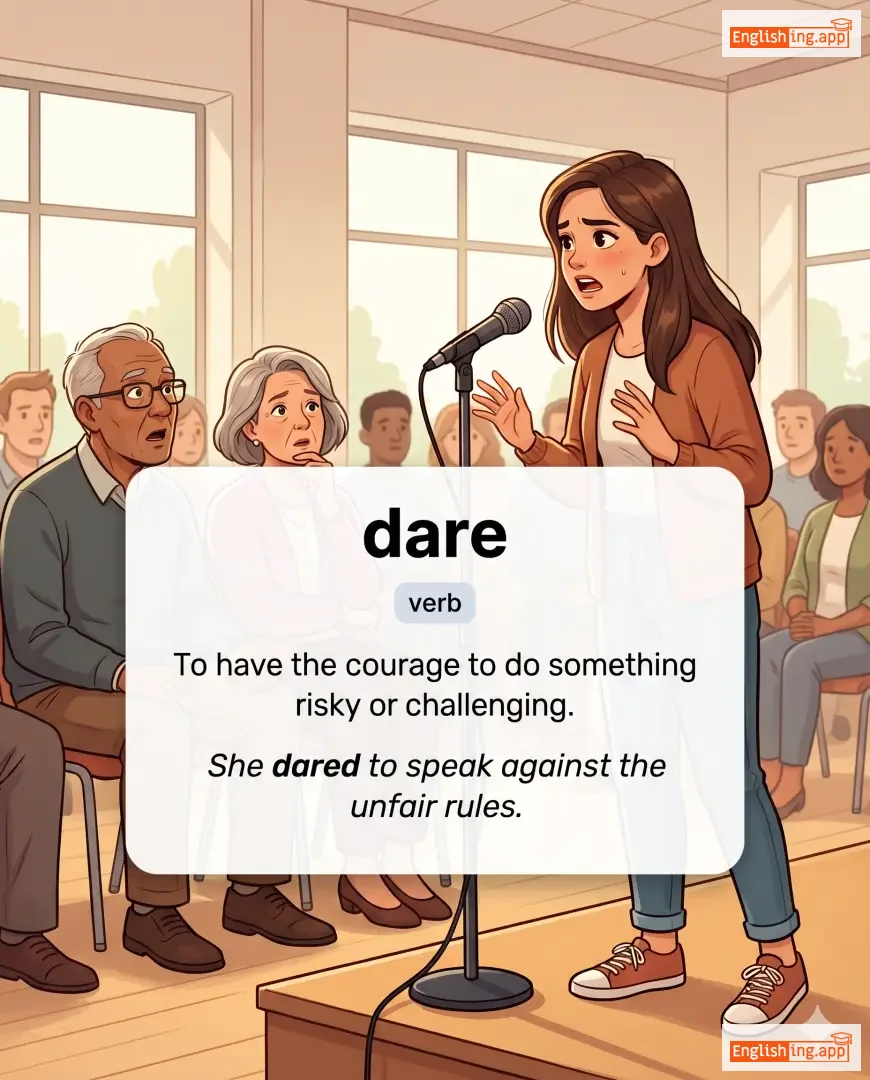
verb
(デア)
••••••
|
|
挑戦する
chōsen suru
••••••
|
dared
デアード
••••••
|
dared
デアード
••••••
|
dares
デアーズ
••••••
|
daring
デアリング
••••••
|
To have the courage to do something risky or challenging.
••••••
|
She dared to speak against the unfair rules.
彼女は不公平なルールに反対する勇気を持って話しました。
••••••
|
彼女は不公平なルールに反対する勇気を持って話しました。
Kanojo wa fukōhei na rūru ni hantai suru yūki o motte hanashimashita.
••••••
|
How dare you
どうしてそんなことをするんですか?
••••••
|
Used to express anger or shock at someone's bold action
••••••
|
どうしてそんなことをするんですか?
Dōshite sonna koto o suru n desu ka?
••••••
|
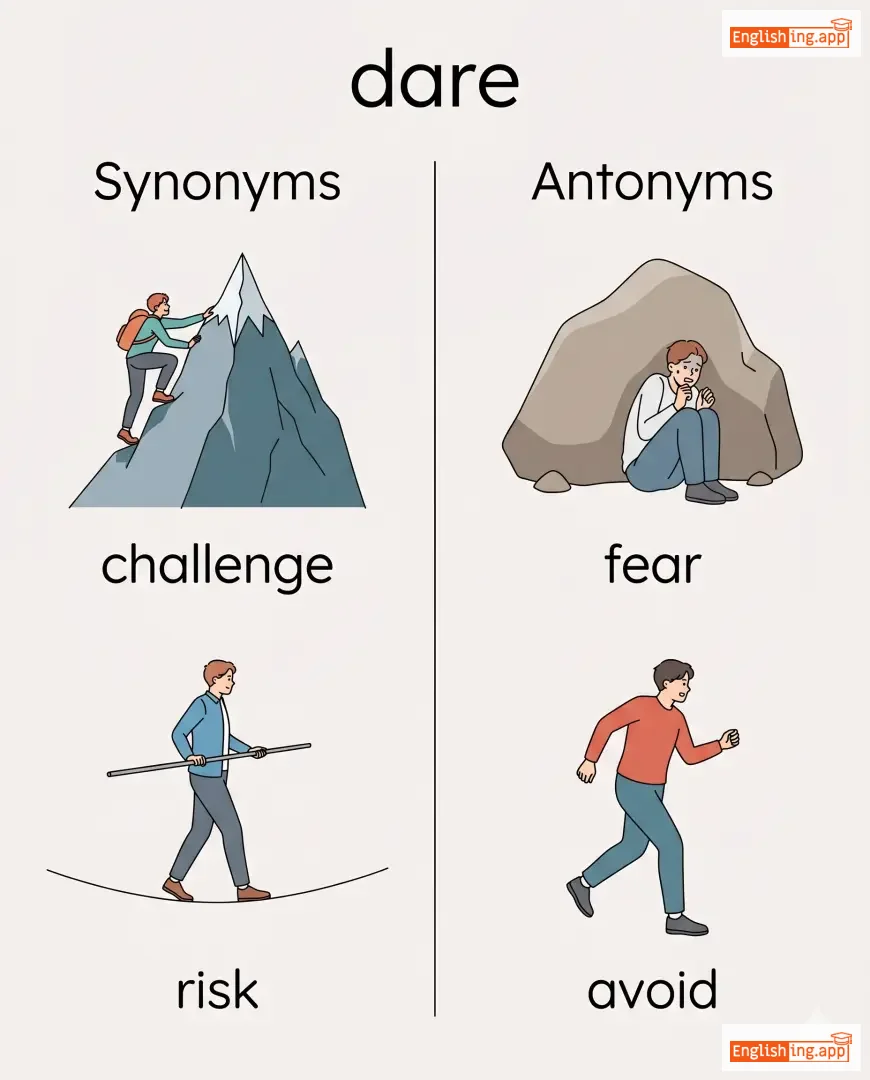
challenge, risk, venture, defy
••••••
|
fear, avoid, hesitate
••••••
|
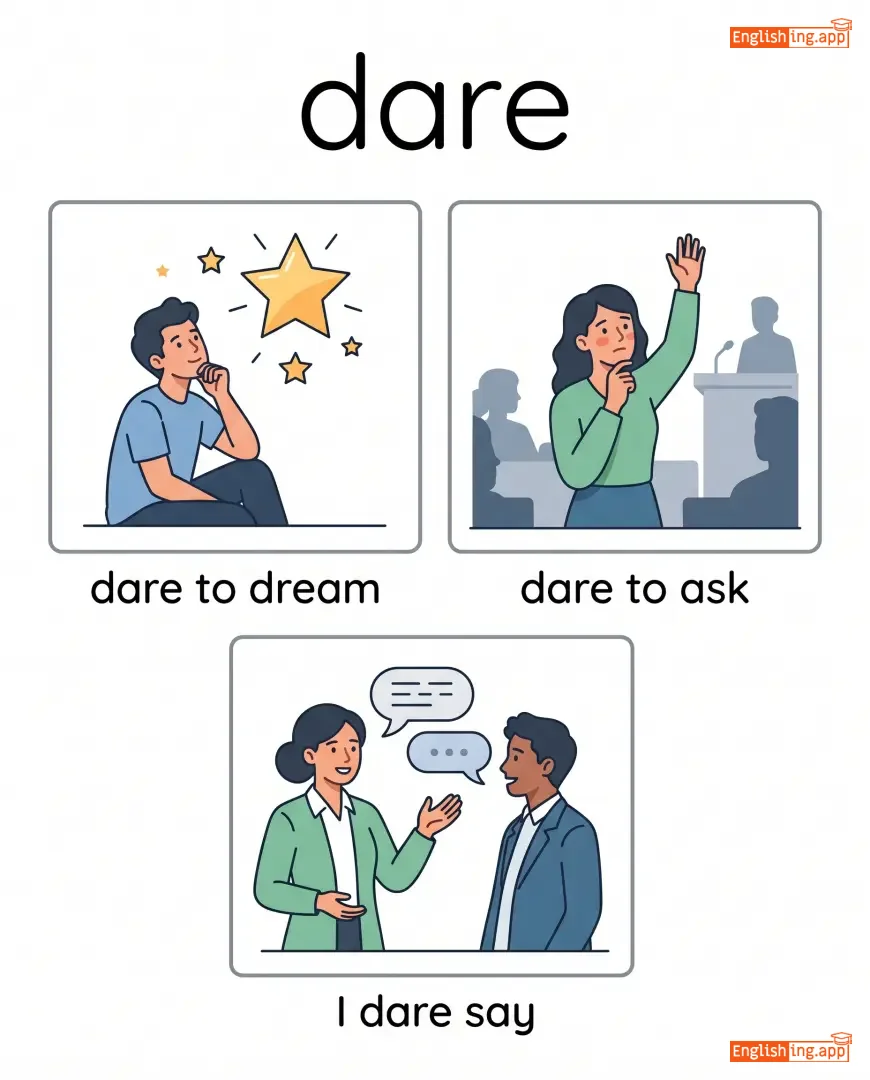
dare to dream, dare to ask, I dare say, dare someone
••••••
|
Dareは挑戦する勇気を持つことです。
••••••
|
|
#10741
⚠️
|
/ˈdeɪn.dʒər/
noun
(デンジャー)
••••••
|
- •••••• |
危険
kiken
••••••
|
- •••••• | - •••••• | - •••••• | - •••••• |
The possibility of harm, injury, or loss.
••••••
|
The hikers were in great danger during the storm. |
登山者は嵐の中で大きな危険にさらされていました。
Tozan-sha wa arashi no naka de ookina kiken ni sarasarete imashita.
••••••
|
in danger |
at risk of harm or injury
••••••
|
危険にさらされて
Kiken ni sarasarete
••••••
|
risk, threat, peril, hazard, jeopardy
••••••
|
safety, security, protection
••••••
|
serious danger, put in danger, danger zone, face danger
••••••
|
Danger 英語で '危険' - ⚠️ 危険なときには警戒しましょう!
••••••
|
|
#10742
💃
|
/dæns/
verb/noun
(幸福)
••••••
|
- •••••• |
幸福
kōfuku
••••••
|
danced
••••••
|
danced
••••••
|
dances
••••••
|
dancing
••••••
|
to move rhythmically to music, typically following a set sequence of steps
••••••
|
They danced all night at the wedding. |
彼女は賞を受け取ったとき、幸せを隠すことができませんでした。
Kanojo wa shō o uketotta toki, kōfuku o kakusu koto ga dekimasen deshita.
••••••
|
dance to someone's tune |
to do what someone else wants or controls
••••••
|
幸せを追求する
Shiawase o tsuikyū suru
••••••
|
move, sway, groove, waltz, perform
••••••
|
stand, stillness
••••••
|
dance floor, dance party, traditional dance, dance steps
••••••
|
幸福は'こふく'、すべての喜びがここにある。
••••••
|
|
#10743
📅
|
/ˈdeɪli/
adjective/adverb
(デイリー)
••••••
|
- •••••• |
毎日の
mainichi no
••••••
|
- •••••• | - •••••• | - •••••• | - •••••• |
happening every day
••••••
|
She reads the newspaper daily. |
彼女は毎日新聞を読んでいます。
Kanojo wa mainichi shinbun o yondeimasu.
••••••
|
daily grind |
the monotonous routine of everyday work and life
••••••
|
日々の仕事
hibi no shigoto
••••••
|
everyday, regular, routine, habitual
••••••
|
occasional, rare
••••••
|
daily basis, daily routine, daily life, daily tasks
••••••
|
毎日 (mainichi) は毎日、毎日繰り返すことで成功に繋がる。
••••••
|
|
#10744
👨
|
/dæd/
noun
(ダッド)
••••••
|
- •••••• |
お父さん
otōsan
••••••
|
- •••••• | - •••••• | - •••••• | - •••••• |
an informal term for father
••••••
|
My dad taught me how to ride a bike. |
私のお父さんは自転車の乗り方を教えてくれました。
Watashi no otōsan wa jitensha no norikata o oshiete kuremashita.
••••••
|
like father, like son |
a child often resembles or behaves like their father
••••••
|
父親に似ている息子
Chichioya ni nite iru musuko
••••••
|
father, papa, daddy, pa
••••••
|
mother, mom
••••••
|
dad joke, dad's advice, proud dad, dad and son
••••••
|
Dadはお父さん、'Dad'と言えばお父さんがすぐ来る!
••••••
|
|
#10745
🚴
|
/ˈsaɪkl/
noun/verb
(サイクル)
••••••
|
- •••••• |
サイクル / 自転車
saikuru / jitensha
••••••
|
cycled
サイクルド
••••••
|
cycled
サイクルド
••••••
|
cycles
サイクルス
••••••
|
cycling
サイクリング
••••••
|
a series of events that repeat in the same order; or to ride a bicycle
••••••
|
She cycles to school every day.
彼女は毎日自転車で学校に行きます。
••••••
|
彼女は毎日自転車で学校に行きます。
Kanojo wa mainichi jitensha de gakkou ni ikimasu.
••••••
|
vicious cycle
悪循環
••••••
|
a negative repeating pattern of events that worsens over time
••••••
|
悪循環
akujunkan
••••••
|
sequence, rotation, series, bike, bicycle
••••••
|
stop, stagnation
••••••
|
life cycle, business cycle, cycle of events, riding a cycle
••••••
|
Cycleは循環を意味し、自転車は回転するサイクルです。
••••••
|
|
#10746
🛍️
|
/ˈkʌstəmər/
noun
(カスタマー)
••••••
|
- •••••• |
顧客
kokyaku
••••••
|
- •••••• | - •••••• | - •••••• | - •••••• |
a person or organization that buys goods or services from a store or business
••••••
|
The shopkeeper greeted the customer with a smile. |
店主は笑顔で顧客を迎えました。
Ten-shu wa egao de kokyaku wo mukaemashita.
••••••
|
the customer is always right |
a principle suggesting that businesses should prioritize customer satisfaction
••••••
|
顧客は常に正しい
Kokyaku wa tsune ni tadashii
••••••
|
client, buyer, consumer, purchaser, shopper
••••••
|
seller, vendor
••••••
|
customer service, loyal customer, potential customer, regular customer
••••••
|
Customerは顧客、顧客は店で商品を買う。
••••••
|
|
#10747
🎎
|
/ˈkʌstəm/
noun
(カスタム)
••••••
|
- •••••• |
習慣
shūkan
••••••
|
- •••••• | - •••••• | - •••••• | - •••••• |
a traditional practice or usual way of behaving in a particular society or place
••••••
|
Shaking hands is a common custom in many countries. |
握手は多くの国で一般的な習慣です。
Akushu wa ōku no kuni de ippanteki na shūkan desu.
••••••
|
old habits die hard |
customs or habits are difficult to change
••••••
|
古い習慣は簡単に変わらない
Furui shūkan wa kantan ni kawaranai
••••••
|
tradition, practice, ritual, convention
••••••
|
innovation, novelty
••••••
|
local custom, cultural custom, follow custom, business custom
••••••
|
Custom は習慣を意味します—店で「custom duty」、社会で「習慣」
••••••
|
|
#10748
⏳
|
/ˈkʌrəntli/
adverb
(カレントリー)
••••••
|
- •••••• |
現在
genzai
••••••
|
- •••••• | - •••••• | - •••••• | - •••••• |
at the present time; now
••••••
|
He is currently working on a new project. |
彼は現在、新しいプロジェクトに取り組んでいます。
Kare wa genzai, atarashī purojekuto ni torikunde imasu.
••••••
|
- •••••• | - •••••• | - •••••• |
presently, now, at the moment, as of now
••••••
|
formerly, previously
••••••
|
currently working, currently available, currently involved, currently under
••••••
|
現在は‘今’のこと—進行中のこと。
••••••
|
|
#10749
🌊
|
/ˈkʌrənt/
adjective, noun
(カレント)
••••••
|
- •••••• |
現在, 流れ
genzai, nagare
••••••
|
- •••••• | - •••••• | - •••••• | - •••••• |
belonging to the present time; a flow of water or electricity
••••••
|
She is reading the current issue of the magazine. |
彼女は雑誌の現在号を読んでいます。
Kanojo wa zasshi no genzaigō o yondeimasu.
••••••
|
go with the flow |
to follow the current trend or situation without resistance
••••••
|
流れに身を任せる
nagare ni mi o makaseru
••••••
|
present, ongoing, modern, flow
••••••
|
past, outdated
••••••
|
current events, current issue, electric current, ocean current
••••••
|
'Current' は 'カレント'、水や電気の流れのように流れる。
••••••
|
|
#10750
🎨
|
/kriˈeɪt/
verb
(クリエイト)
••••••
|
|
作る
tsukuru
••••••
|
created
クリエイテッド
••••••
|
created
クリエイテッド
••••••
|
creates
クリエイツ
••••••
|
creating
クリエイティング
••••••
|
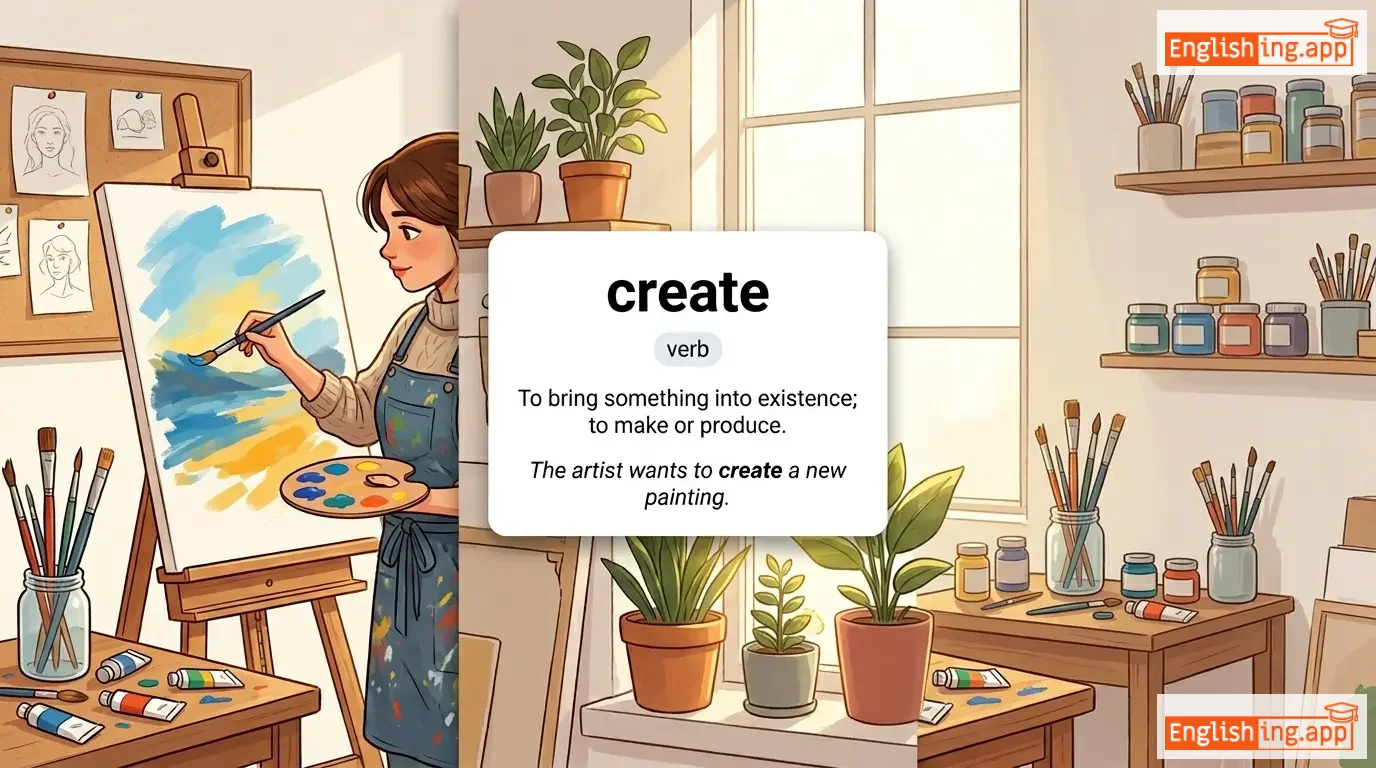
To bring something into existence; to make or produce.
••••••
|
The artist wants to create a new painting.
アーティストは新しい絵を作りたい。
••••••
|
アーティストは新しい絵を作りたい。
Ātisuto wa atarashī e o tsukuritai.
••••••
|
create a scene
シーンを作る
••••••
|
to behave in a loud or disruptive way
••••••
|
騒ぎを起こす
sawagi o okosu
••••••
|
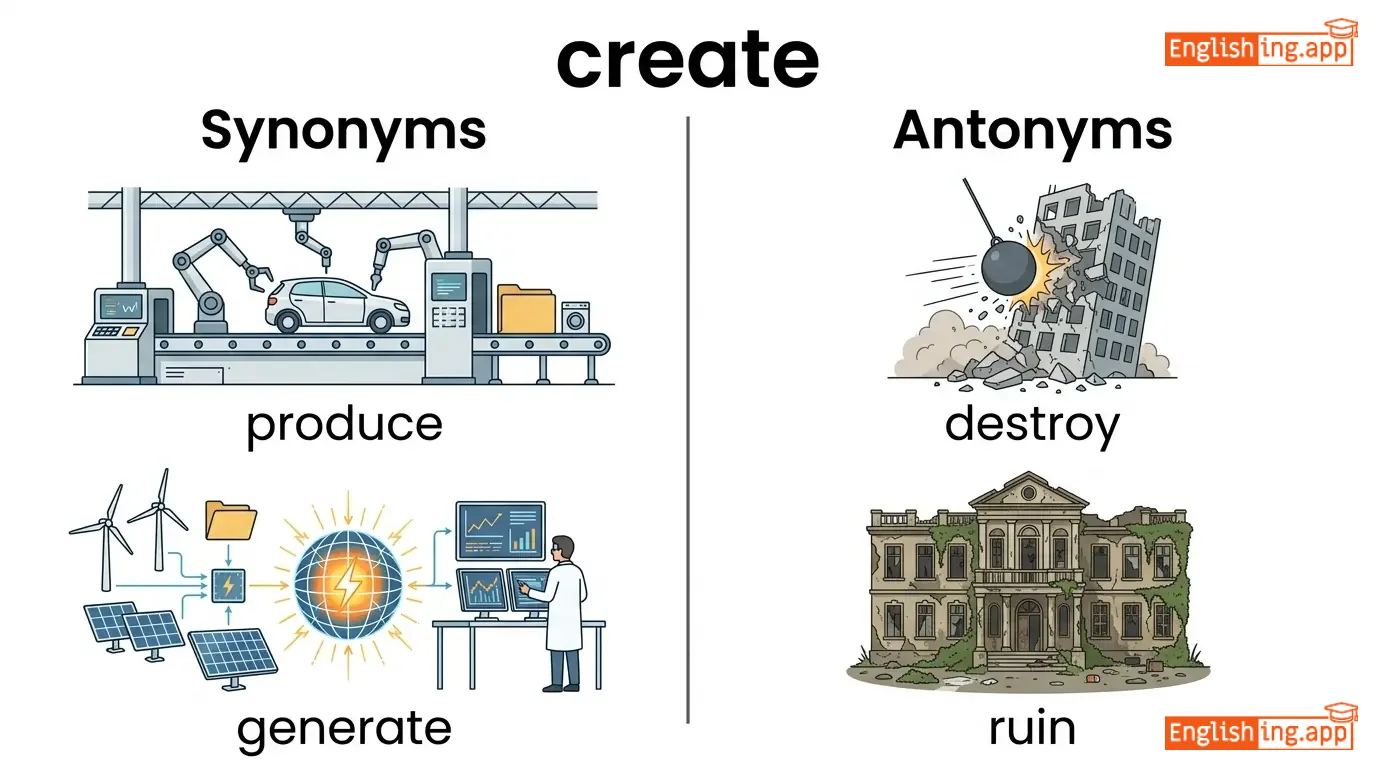
produce, generate, invent, design, build
••••••
|
destroy, ruin, abolish
••••••
|
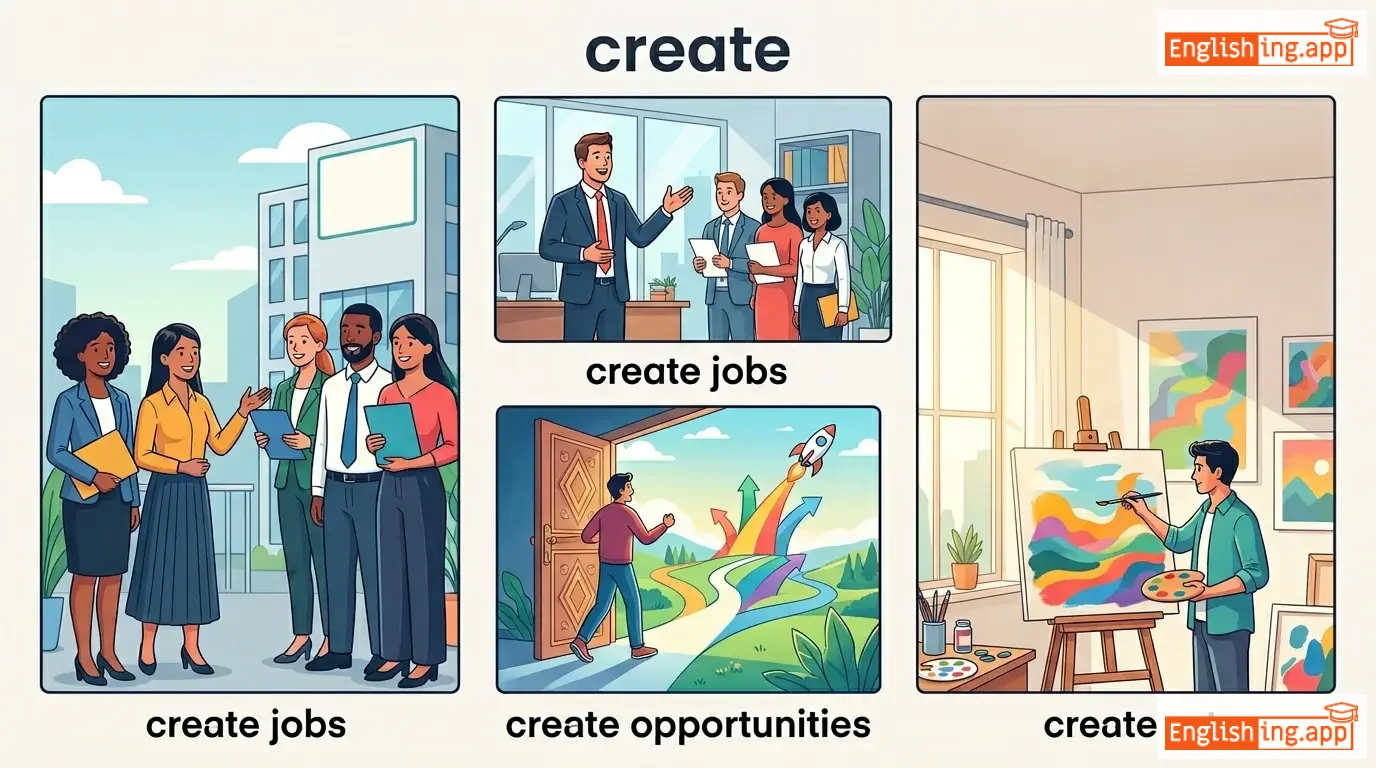
create jobs, create opportunities, create art, create value
••••••
|
作るというのは、新しいものを生み出すこと。例えば、新しい料理を作ること。
••••••
|
|
#10751
☕
|
/kʌp/
noun
(カップ)
••••••
|
- •••••• |
カップ
kappu
••••••
|
- •••••• | - •••••• | - •••••• | - •••••• |
a small bowl-shaped container for drinking from, typically with a handle
••••••
|
She drank a cup of tea in the morning. |
彼女は朝に一杯の紅茶を飲みました。
Kanojo wa asa ni ippai no kōcha o nomimashita.
••••••
|
cup of tea |
something one enjoys or prefers
••••••
|
お茶のカップ
ocha no kappu
••••••
|
mug, glass, goblet, chalice
••••••
|
bottle, jug
••••••
|
cup of tea, coffee cup, paper cup, measuring cup
••••••
|
カップ = 飲み物を楽しむための器
••••••
|
|
#10752
🌍
|
/ˈkʌltʃər/
noun
(カルトゥーラ)
••••••
|
- •••••• |
文化
bunka
••••••
|
- •••••• | - •••••• | - •••••• | - •••••• |
the customs, arts, social institutions, and achievements of a particular people or society
••••••
|
Japanese culture is admired all over the world. |
日本の文化は世界中で賞賛されています。
Nihon no bunka wa sekaijū de shōsan sareteimasu.
••••••
|
popular culture |
modern cultural activities and products that are well-liked by many people
••••••
|
ポピュラー文化
popyurā bunka
••••••
|
civilization, tradition, lifestyle, heritage, society
••••••
|
barbarism, uncivilized
••••••
|
rich culture, preserve culture, local culture, diverse culture
••••••
|
文化(bunka)は私たちの社会の基本です
••••••
|
|
#10753
🎭
|
/ˈkʌltʃərəl/
adjective
(カルチャラル)
••••••
|
|
文化的
bunkateki
••••••
|
- •••••• | - •••••• | - •••••• | - •••••• |
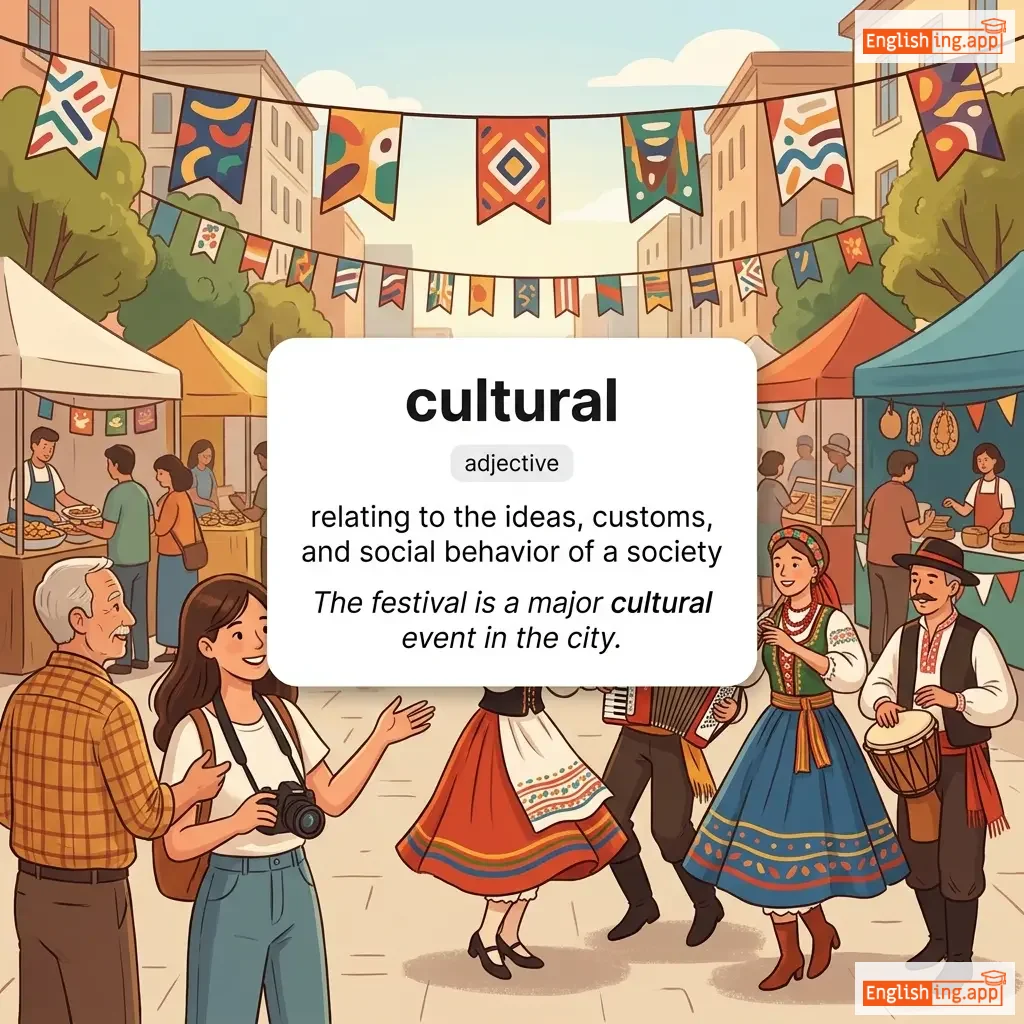
relating to the ideas, customs, and social behavior of a society
••••••
|
The festival is a major cultural event in the city. |
そのフェスティバルは市内で重要な文化的なイベントです。
Sono fesutibaru wa shinai de juuyou na bunkateki na ibento desu.
••••••
|
- •••••• | - •••••• | - •••••• |
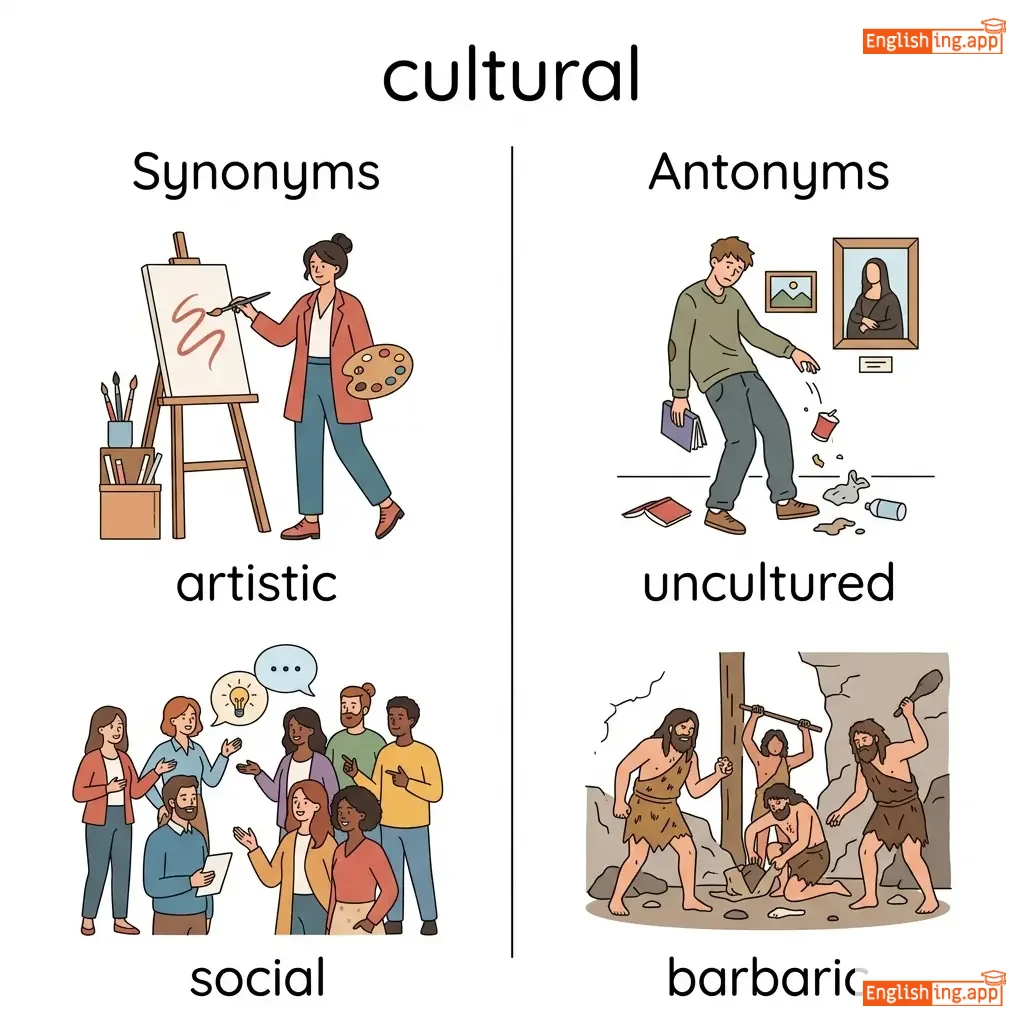
artistic, social, traditional, heritage, ethnic
••••••
|
uncultured, barbaric
••••••
|
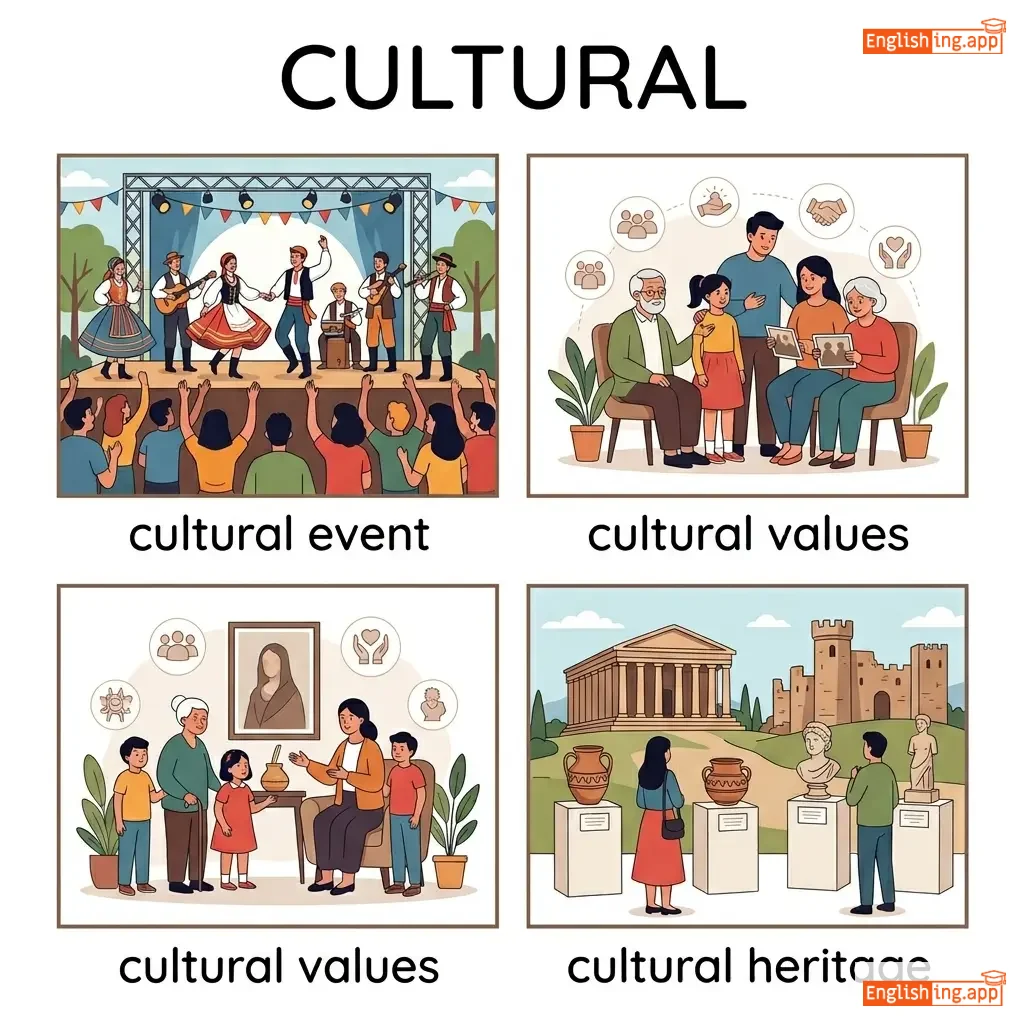
cultural event, cultural values, cultural heritage, cultural identity
••••••
|
文化的は社会の習慣や行動と関連があります。
••••••
|
|
#10754
👥
|
/kraʊd/
noun
(クラウド)
••••••
|
- •••••• |
群衆
gunshuu
••••••
|
- •••••• | - •••••• | - •••••• | - •••••• |
a large number of people gathered together
••••••
|
A huge crowd gathered to watch the concert.
ア ヒュージ クラウド ギャザード トゥ ウォッチ ザ コンサート。
••••••
|
コンサートを見るために大きな群衆が集まりました。
Konsaato o miru tame ni ookina gunshuu ga atsumarimashita.
••••••
|
follow the crowd
フォロー ザ クラウド
••••••
|
to do what most other people are doing
••••••
|
群衆について行く
gunshuu ni tsuite iku
••••••
|
gathering, throng, multitude, mob, audience
••••••
|
individual, solitude
••••••
|
huge crowd, large crowd, control the crowd, cheer the crowd
••••••
|
Crowd は群衆 - たくさんの人々が集まることです。
••••••
|
|
#10755
🌾
|
/krɒp/
noun
(クロップ)
••••••
|
- •••••• |
作物
sakumotsu
••••••
|
- •••••• | - •••••• | - •••••• | - •••••• |
plants that are grown and harvested for food or other use
••••••
|
The farmers harvested their rice crop in autumn. |
農家は秋に稲作の作物を収穫しました。
Nōka wa aki ni inasaku no sakumotsu o shūkaku shimashita.
••••••
|
bumper crop |
an unusually large harvest
••••••
|
豊作
hōsaku
••••••
|
harvest, yield, produce, grain
••••••
|
famine, scarcity
••••••
|
crop yield, crop production, crop failure, crop season
••••••
|
Cropは畑で作物を収穫すること。
••••••
|
|
#10756
📝
|
/ˈkrɪtɪsaɪz/
verb
(クリティサイズ)
••••••
|
|
批判する
hihan suru
••••••
|
criticized
クリティサイズド
••••••
|
criticized
クリティサイズド
••••••
|
criticizes
クリティサイズズ
••••••
|
criticizing
クリティサイズング
••••••
|
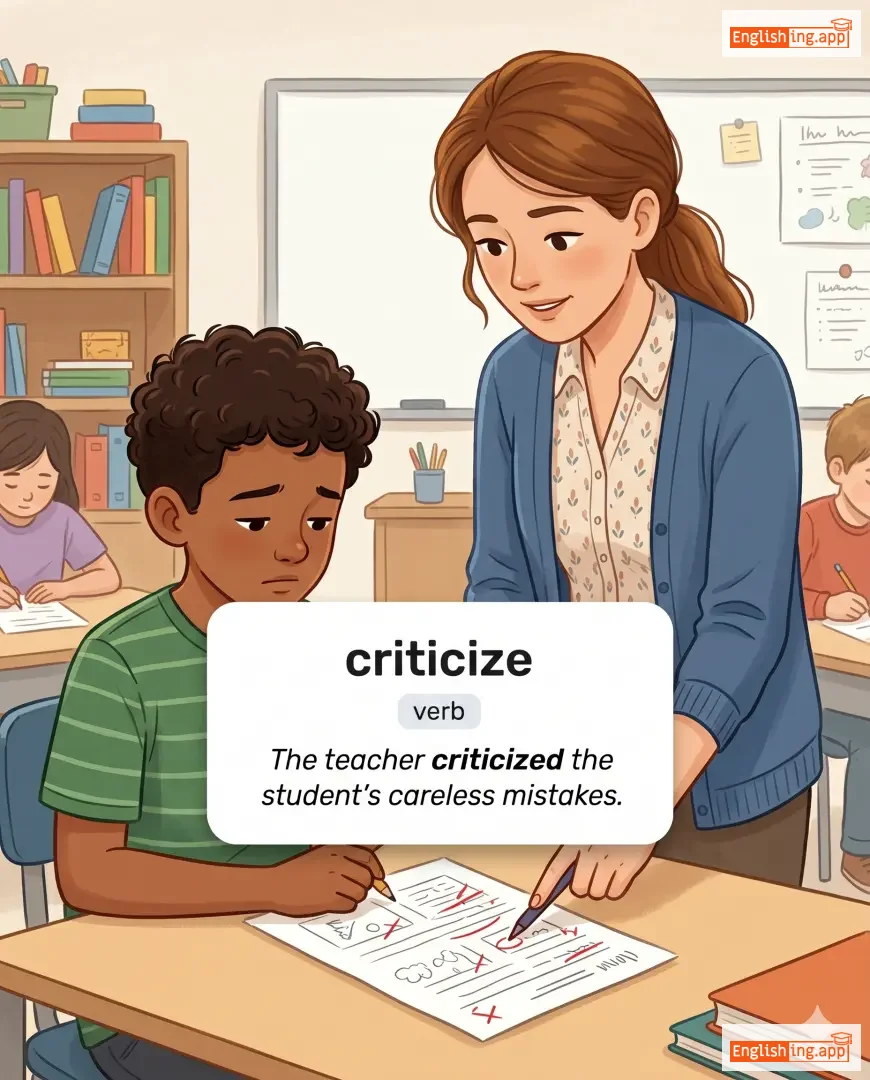
to express disapproval of someone or something by pointing out faults or shortcomings
••••••
|
The teacher criticized the student's careless mistakes.
教師は学生の不注意なミスを批判しました。
••••••
|
教師は学生の不注意なミスを批判しました。
Kyōshi wa gakusei no fuchūi na misu o hihan shimashita.
••••••
|
constructive criticism
建設的な批判
••••••
|
helpful feedback intended to improve performance
••••••
|
建設的な批判
kensetsuteki na hihan
••••••
|
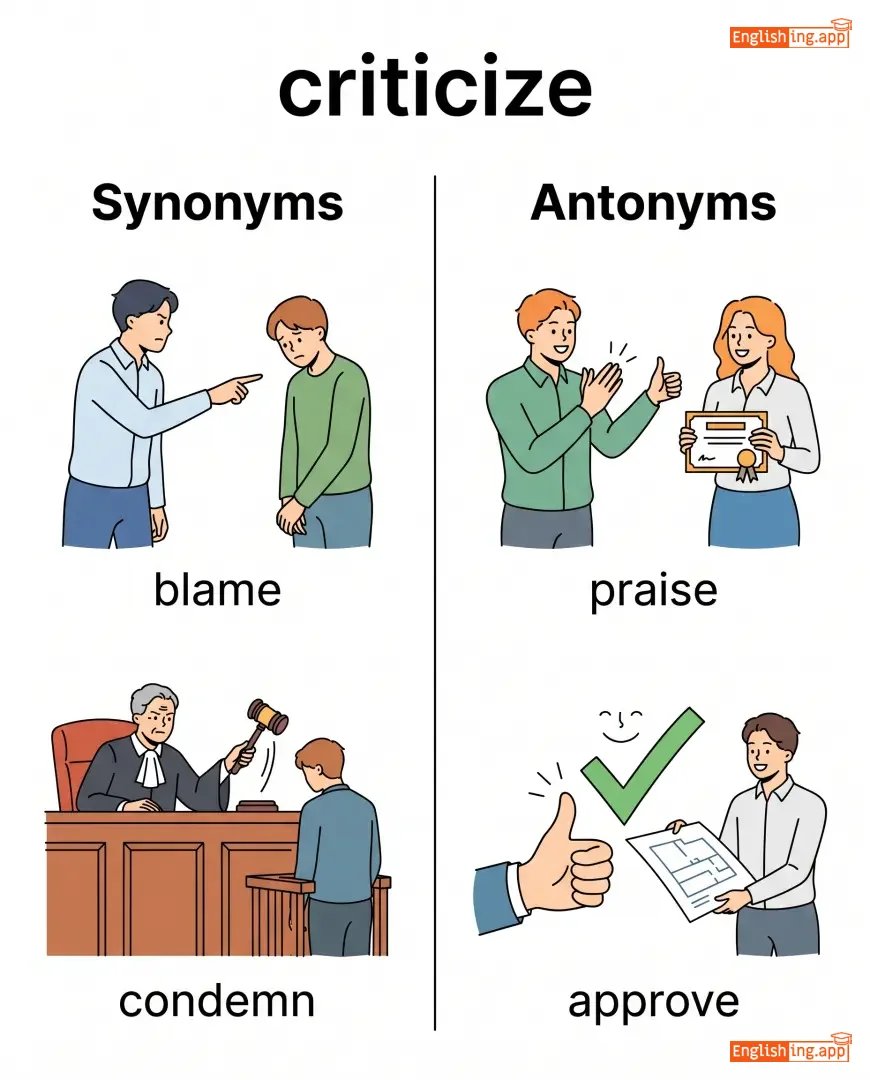
blame, condemn, censure, evaluate, review
••••••
|
praise, approve, compliment
••••••
|
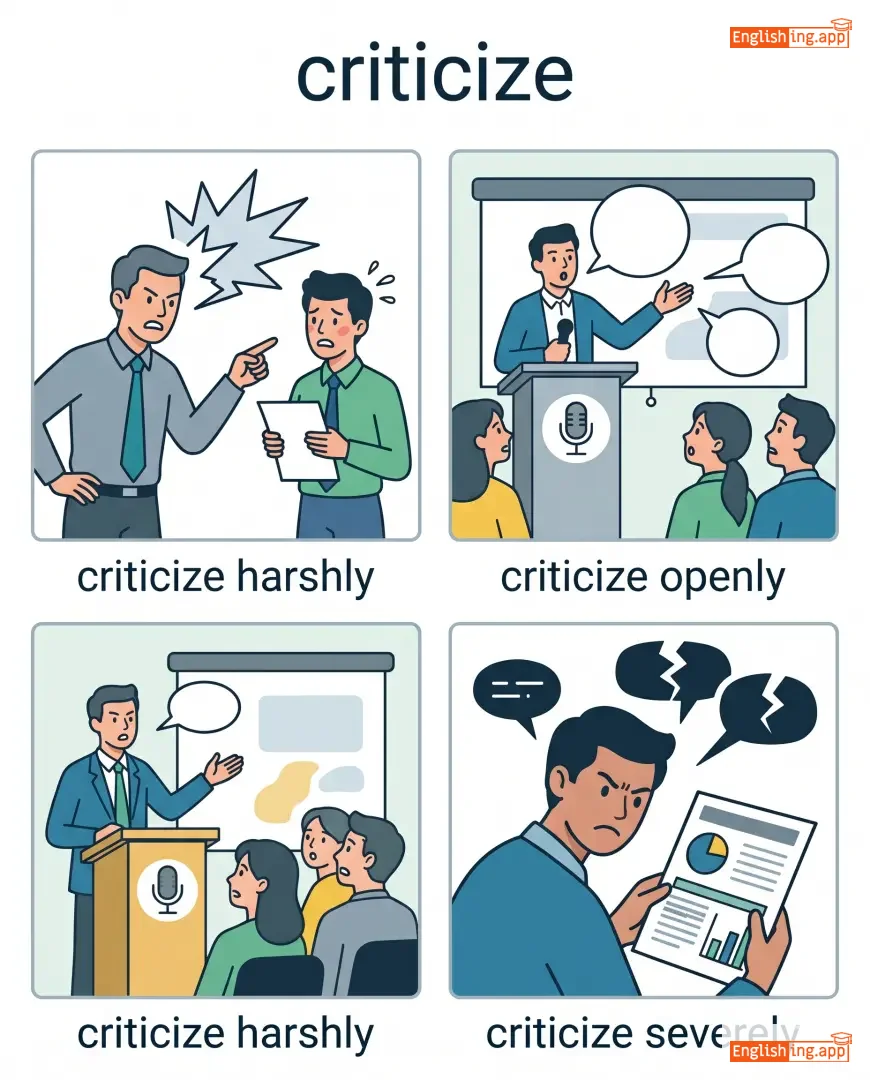
criticize harshly, criticize openly, criticize severely, criticize constantly
••••••
|
批判するは、改善のために間違いを指摘すること。
••••••
|
|
#10757
💬
|
/ˈkrɪtɪˌsɪzəm/
noun
(クリティシズム)
••••••
|
- •••••• |
批判
hihan
••••••
|
- •••••• | - •••••• | - •••••• | - •••••• |
The expression of disapproval or judgment of the merits of something
••••••
|
The new policy has faced a lot of criticism from the public. |
新しい政策は、一般の人々から多くの批判を受けました。
Atarashī seisaku wa, ippan no hitobito kara ōku no hihan o ukemashita.
••••••
|
constructive criticism |
helpful and useful feedback intended to improve something
••••••
|
建設的な批判
Kensetsuteki na hihan
••••••
|
disapproval, judgment, assessment, evaluation, remark
••••••
|
praise, compliment
••••••
|
constructive criticism, harsh criticism, literary criticism, public criticism
••••••
|
批判 = Criticism
••••••
|
|
#10758
❗
|
/ˈkrɪtɪkəl/
adjective
(kuritikaru)
••••••
|
|
重大な / 危機的
jūdaina / kikiteki
••••••
|
- •••••• | - •••••• | - •••••• | - •••••• |
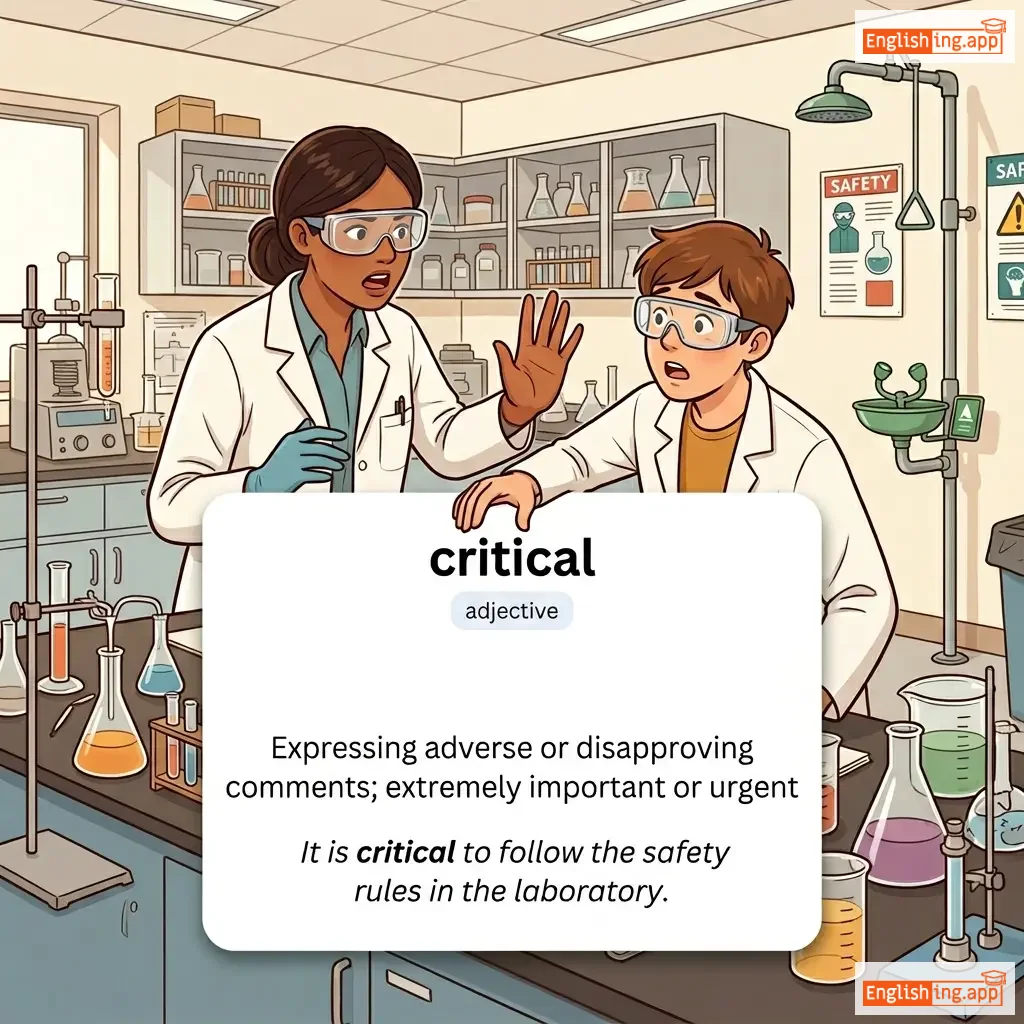
Expressing adverse or disapproving comments; extremely important or urgent
••••••
|
It is critical to follow the safety rules in the laboratory. |
実験室で安全規則に従うことは非常に重要です。
Jikken-shitsu de anzen kisoku ni shitagau koto wa hijō ni jūyō desu.
••••••
|
critical condition |
a serious medical state where life is at risk
••••••
|
危機的状態
kikiteki jōtai
••••••
|
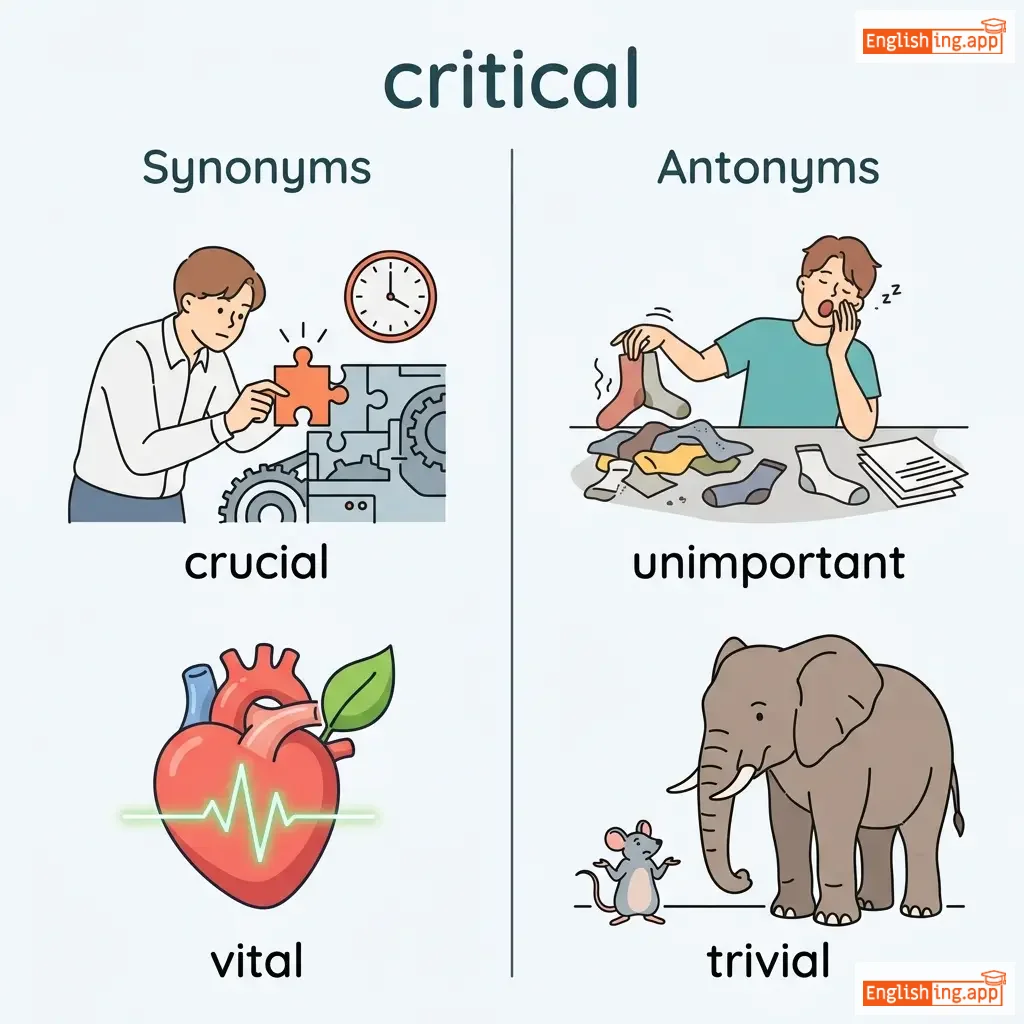
crucial, vital, essential, urgent, disapproving
••••••
|
unimportant, trivial, supportive
••••••
|
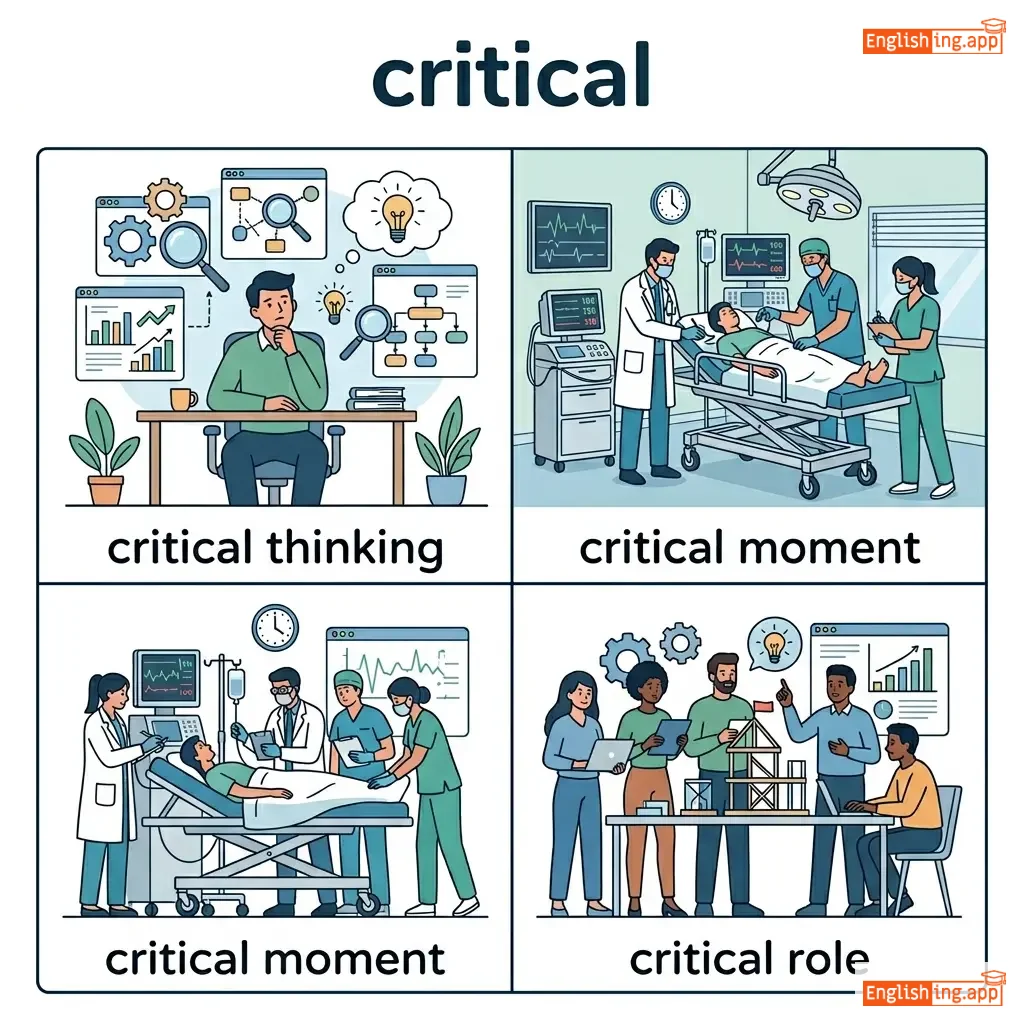
critical thinking, critical moment, critical role, critical analysis
••••••
|
Critical は危機的な状況を意味します – Critical = 危機的
••••••
|
|
#10759
📝
|
/ˈkrɪtɪk/
noun
(クリティック)
••••••
|
- •••••• |
批評家
hihyōka
••••••
|
- •••••• | - •••••• | - •••••• | - •••••• |
A person who judges the merits of something, especially art or literature
••••••
|
The film critic praised the director's latest movie. |
映画批評家は監督の最新映画を称賛しました。
Eiga hihyōka wa kantoku no saishin eiga o shōsan shimashita.
••••••
|
armchair critic |
someone who criticizes without real knowledge or involvement
••••••
|
ソファ批評家
Sofa hihyōka
••••••
|
reviewer, evaluator, commentator, judge
••••••
|
supporter, admirer
••••••
|
film critic, art critic, music critic, theater critic
••••••
|
Critic = 批評家、常に評価する人
••••••
|
|
#10760
⚠️
|
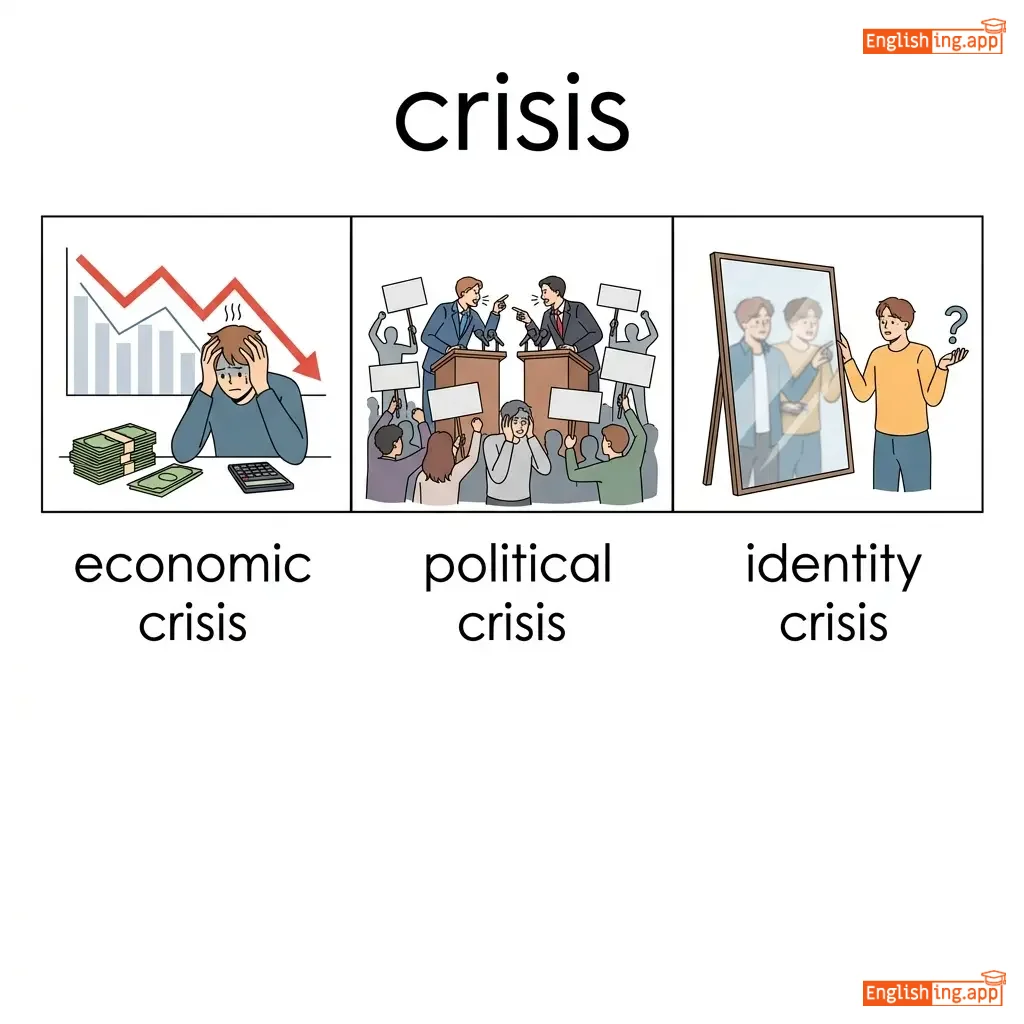
/ˈkraɪsɪs/
noun
(クライシス)
••••••
|
|
危機
kiki
••••••
|
- •••••• | - •••••• | - •••••• | - •••••• |
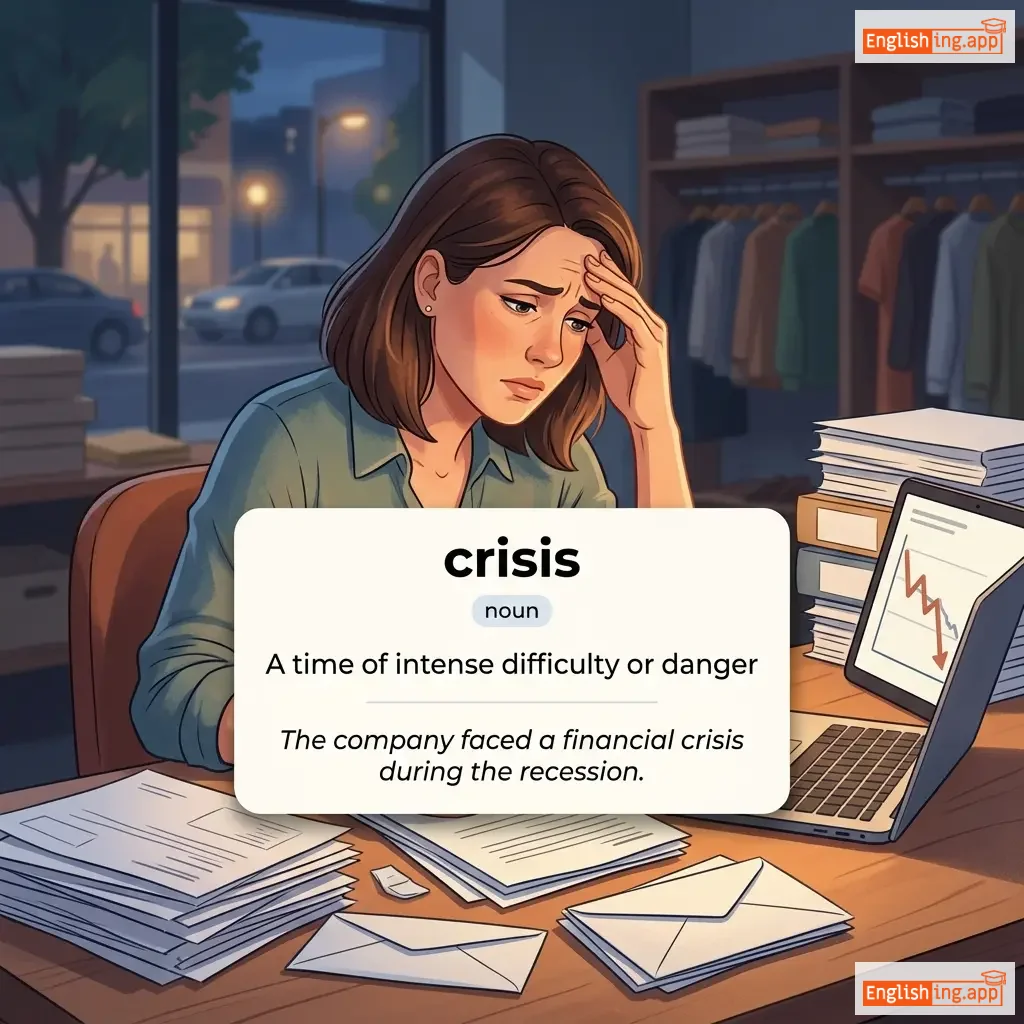
A time of intense difficulty or danger
••••••
|
The company faced a financial crisis during the recession. |
その企業は不況の中で財政的な危機に直面しました。
Sono kigyō wa fukyō no naka de zaisei-teki na kiki ni chokumen shimashita.
••••••
|
midlife crisis |
a period of doubt and anxiety in middle age about one's life
••••••
|
ミッドライフクライシス
Middoraifu kuraishisu
••••••
|
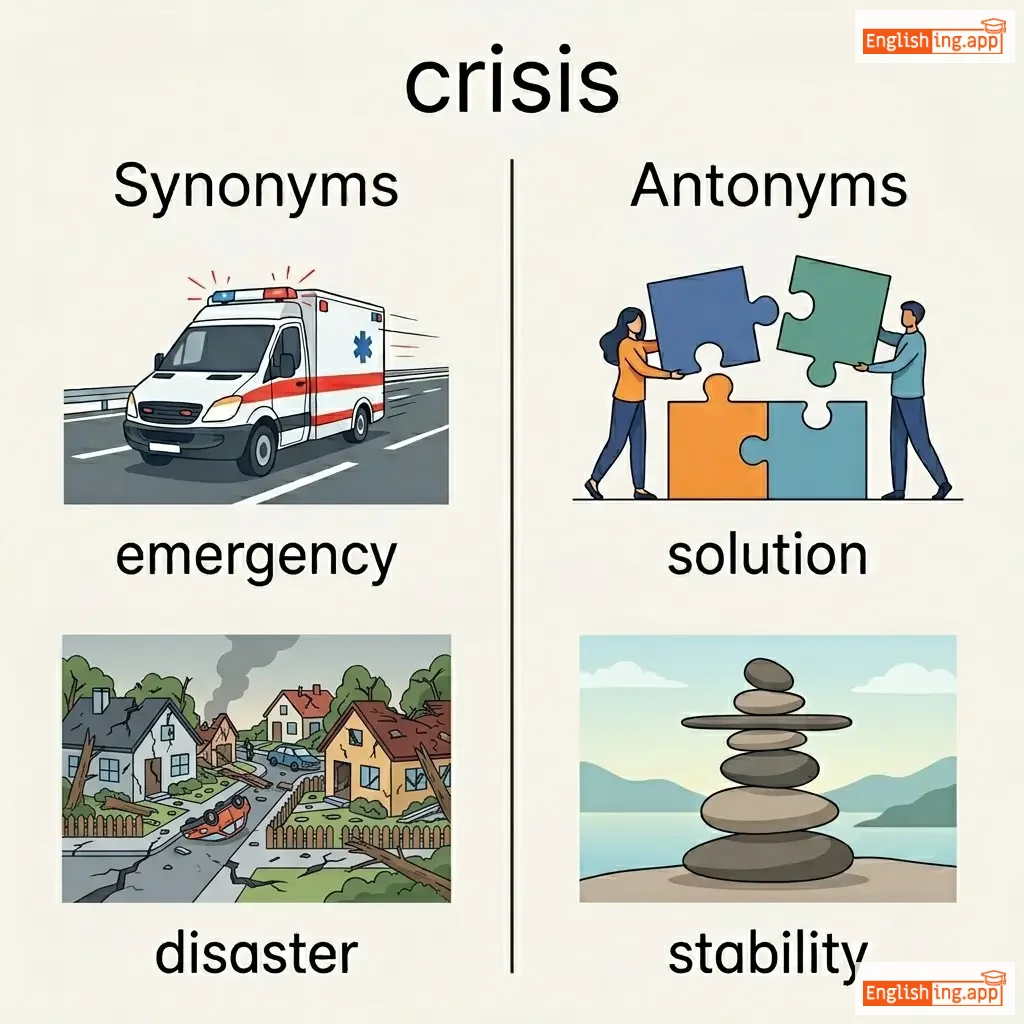
emergency, disaster, dilemma, catastrophe, trouble
••••••
|
solution, stability, peace
••••••
|
economic crisis, political crisis, identity crisis, health crisis
••••••
|
Crisis ではみんなが困っている、危機の時間!
••••••
|
|
#10761
🚔
|
/ˈkrɪmɪnəl/
noun, adjective
(kriminal)
••••••
|
- •••••• |
犯罪者
hanzai-sha
••••••
|
- •••••• | - •••••• | - •••••• | - •••••• |
A person who has committed a crime; relating to crime
••••••
|
The police arrested a dangerous criminal last night. |
警察は昨夜、危険な犯罪者を逮捕しました。
Keisatsu wa sakuya, kiken na hanzai-sha o taiho shimashita.
••••••
|
criminal record |
an official history of crimes committed by a person
••••••
|
犯罪歴
hanzai-reki
••••••
|
offender, lawbreaker, felon, culprit, wrongdoer
••••••
|
innocent, lawful, honest
••••••
|
criminal law, criminal record, criminal activity, criminal justice, criminal behavior
••••••
|
犯罪者 = 犯罪をした人
••••••
|
|
#10762
🚔
|
/kraɪm/
noun
(クライム)
••••••
|
- •••••• |
犯罪
hanzai
••••••
|
- •••••• | - •••••• | - •••••• | - •••••• |
An illegal act punishable by law.
••••••
|
The police are investigating the crime.
警察は犯罪を調査しています。
••••••
|
警察は犯罪を調査しています。
Keisatsu wa hanzai o chōsa shiteimasu.
••••••
|
crime does not pay
犯罪は報われない。
••••••
|
crime ultimately brings punishment, not profit
••••••
|
犯罪は報われない。
Hanzai wa mukuwarenaī.
••••••
|
offense, felony, wrongdoing, violation
••••••
|
lawfulness, obedience
••••••
|
commit a crime, crime rate, crime scene, organized crime
••••••
|
犯罪を犯すと、必ず後悔と罰が待っている。
••••••
|
|
#10763
🐾
|
/ˈkriːtʃər/
noun
(kuriichā)
••••••
|
- •••••• |
生物
seibutsu
••••••
|
- •••••• | - •••••• | - •••••• | - •••••• |
A living being, especially an animal.
••••••
|
The forest is full of strange creatures. |
森は奇妙な生物でいっぱいです。
Mori wa kimyō na seibutsu de ippai desu.
••••••
|
creature comforts |
basic material comforts that make life pleasant
••••••
|
生活の基本的な快適さ
seikatsu no kihonteki na kaiteki-sa
••••••
|
being, animal, organism, entity
••••••
|
object, inanimate
••••••
|
sea creature, mythical creature, living creature, wild creature
••••••
|
Creatureは生物を意味する—森でたくさんの生物がクリケットをしている。
••••••
|
|
#10764
💡
|
/kriˈeɪtɪv/
adjective
(クリエイティブ)
••••••
|
- •••••• |
創造的
sōzō-teki
••••••
|
- •••••• | - •••••• | - •••••• | - •••••• |
Having the ability to produce new and original ideas or things.
••••••
|
She is very creative in her writing. |
彼女は執筆において非常に創造的です。
Kanojo wa shippitsu ni oite hijō ni sōzō-teki desu.
••••••
|
- •••••• | - •••••• | - •••••• |
imaginative, inventive, innovative, artistic
••••••
|
unimaginative, dull, conventional
••••••
|
creative thinking, creative writing, creative design, creative process
••••••
|
Creativeは新しいアイデアを創造的に作ることです。
••••••
|
Vocabulary Quiz
Test your vocabulary by matching words with their translations or meanings.
Login to take the quiz
Comments (0)
Share your thoughts and join the discussion.
Join the discussion by logging in
Login to CommentNo comments yet
Be the first to share your thoughts!